User login
Status and Reputation of Lanolin
Used for thousands of years for its emollient qualities, and for hundreds of years as an ingredient in skin care ointments, lanolin is a greasy yellow substance derived from the sebaceous secretions of sheep, as well as other wool-bearing animals (Br. J. Nurs. 2009:54-7). Although a plant-derived substitute has been recently produced, lanolin itself is a complex natural product that cannot be synthesized. It is also a commonly used occlusive ingredient, along with products or compounds such as paraffin, squalene, dimethicone, soybean oil, grapeseed oil, propylene glycol, and beeswax (Atlas of Cosmetic Dermatology, edited by Z. Draelos. New York: Churchill Livingstone, 2000, p. 83).

Lanolin, like mineral oil and petrolatum, is known for it dual activity, exerting both occlusive and emollient effects. This column will briefly review the current status and reputation of lanolin as a cutaneous therapeutic agent.
Evidence of Contact Sensitization. Lanolin shares two important features with stratum corneum lipids: Lanolin contains cholesterol, an essential constituent of stratum corneum lipids; and lanolin and stratum corneum lipids can coexist as solids and liquids at physiologic temperatures. Not surprisingly, given its longtime use as an adjuvant, lanolin is characterized by a very different composition from human sebum. This is also the case for commercial lanolin products. Significantly, the method used to refine the compound determines the quality and composition of the resulting formulation; therefore, not all lanolin products exhibit the same activity (Dry Skin and Moisturizers, edited by M. Loden and H. Maibach. Boca Raton: CRC Press, 2000, p. 259).
Unfortunately, a small percentage of individuals who use lanolin develop contact sensitization to the occlusive/emollient agent. Consequently, lanolin has developed a reputation as a sensitizer that, according to some, may be undeserved (Contact Dermatitis 1998;39:103-7; Br. J. Nurs. 2000;26:54-7). Nevertheless, manufacturers have responded to such claims, and many moisturizing products are now touted as "lanolin free."
Another response to the notion that lanolin provokes allergic reactions has spurred the development of ultrapure, hypoallergenic, medical-grade lanolin formulations such as Medilan. In fact, Medilan has been shown to provoke virtually no sensitization (Br. J. Nurs. 2000;26;54-7). In addition to the soothing, healing properties imparted by Medilan, it is also effective as an occlusive agent and has exhibited the capacity to penetrate the skin and assist in stratum corneum water retention.

In 2008, investigators sought to identify the frequency of positive patch test reactions to common allergens in leg ulcer or venous disease patients by using a case series of 100 consecutive consenting subjects who had chronic venous disease and other leg ulcer etiologies. At least one positive patch test was observed in 46% of patients, with multiple reactions in the same subject frequently seen. Of the 38 common allergens tested, lanolin was identified among the most frequent sensitizers, which also included fragrances, antibacterial agents, and rubber-related compounds (Int. J. Low. Extrem. Wounds 2008;7:120-5). Of course, such results suggest that lanolin may be contraindicated in patients with leg ulcers, but are not generalizable to a healthy population.
Use in Nipple Crack and Xerosis. In 2003, Dodd and Chalmers led a multicenter, prospective, randomized controlled clinical trial to compare the effects of hydrogel dressings to lanolin ointment for the prevention and treatment of nipple soreness in 106 lactating mothers. A board-certified lactation specialist provided breastfeeding guidance at the beginning of the study. During the first 12 days of the study, participants, who were randomized to either of the two groups, were instructed to rate pain intensity according to a numeric scale as well as a verbal description scale. Patients then forwarded self-reported skin assessments of the bilateral breasts, nipples, and areolae to investigators.
A significantly greater reduction in pain score mean values was identified in the hydrogel group at baseline, day 10, and day 12, compared with the lanolin group, and the hydrogel group discontinued treatment earlier than did the participants using lanolin. Overall, researchers found hydrogel to be superior to lanolin ointment for the management of nipple soreness (J. Obstet. Gynecol. Neonatal Nurs. 2003;32:486-94).
Additional evidence that lanolin is not the optimal therapeutic option for sore or cracked nipples came 4 years later, when investigators conducted a randomized, double-blind clinical trial to compare a peppermint gel formulation, modified lanolin, and a placebo control ointment for the treatment of nipple crack related to breastfeeding. A total of 216 primiparous mothers were randomly assigned to the three groups, which were comparable in mean age, and were instructed to apply their selected formulation on both breasts for 14 days. Patients were seen for up to four follow-up visits, as well as a final visit at week 6. Researchers found that nipple and areola cracks were less frequent in the peppermint gel group than in the lanolin group or placebo group (Med. Sci. Monit. 2007;13:CR406-11).
Nonetheless, such results do not detract from the appropriateness of lanolin for other dry skin indications. Notably, in 2003, investigators conducted a 4-week double-blind, randomized-comparison clinical trial to assess the effectiveness of pure lanolin, compared with ammonium lactate 12% cream in the treatment of moderate to severe xerosis on the feet. Of the original 92 patients enrolled, 51 completed the study. Both treatment groups exhibited significant improvement in xerosis scores after 2 and 4 weeks of treatment, with no statistically significant differences identified between the groups. The researchers concluded that pure lanolin as well as ammonium lactate cream used twice daily for a month were effective in ameliorating moderate to severe dry skin (Cutis 2003;71:78-82).
In 2008, researchers reported on a comparison of two different topical ointments used in cutaneous therapy on 173 prospectively enrolled infants born between 25 and 36 weeks of gestation. The infants were admitted to a neonatal intensive care unit between October 2004 and November 2006. Each infant was treated for up to 4 weeks after being randomly assigned to daily treatment with water-in-oil emollient cream (Bepanthen), olive oil cream (70% lanolin, 30% olive oil), or a topical control. Skin was assessed weekly. The investigators found that while both treatment groups displayed greater improvement than the control group, with enduring treatment effects, infants in the lanolin/olive oil group exhibited significantly less dermatitis than did those in the water-in-oil emollient group (Pediatr. Dermatol. 2008;25:174-8).
It is also worth acknowledging that scientists at Nippon Fine Chemicals, Tokyo, announced in 2006 that they had developed a plant-derived lanolin or adsorption-refined lanolin substitute (bis-beheyl/isostearyl/phytosteryl dimer dilinoleyl dimer dilinoleate). This phytosterol ester (an oligomer ester) is noted for its pale color, mild odor, superlative stability, moisturizing effects in human tests, and lanolin-like water-retention capacity (200%). Researchers for the company claim that this oligomer ester is suitable for inclusion in skin and hair care products, makeup, and cleansing formulations (J. Cosmet .Sci. 2006;57:193-4). Indeed, traditional lanolin is found in various cosmetic products, such as facial lotions, body washes, foot creams, hair care products, lipsticks, and lip balms.
Conclusion. Through the last several decades, only a small proportion of the population has been found to be allergic to lanolin. Significantly, allergic responses have not been reported with the use of more modern, medical-grade and other highly refined lanolin products. It is worth mentioning these facts to patients with dry skin who may benefit from using lanolin but who offer objections simply because they heard that it may induce allergic reactions.
To patients who may object because of the animal origin of the substance, it is important to at least mitigate this argument by mentioning that while lanolin is secreted by the sebaceous glands of sheep and then obtained from their shorn wool and refined, the process is conducted without harming the animal. Lanolin, particularly in the more recent formulations, is an effective first-line occlusive and emollient agent option for various xerotic conditions.
Dr. Leslie Baumann writes the column "Cosmeceutical Critique," which regularly appears in Skin and Allergy News, an Elsevier publication. Dr. Baumann is in private practice in Miami Beach. To respond to this column, or to suggest topics for future columns, e-mail Dr. Baumann.
Used for thousands of years for its emollient qualities, and for hundreds of years as an ingredient in skin care ointments, lanolin is a greasy yellow substance derived from the sebaceous secretions of sheep, as well as other wool-bearing animals (Br. J. Nurs. 2009:54-7). Although a plant-derived substitute has been recently produced, lanolin itself is a complex natural product that cannot be synthesized. It is also a commonly used occlusive ingredient, along with products or compounds such as paraffin, squalene, dimethicone, soybean oil, grapeseed oil, propylene glycol, and beeswax (Atlas of Cosmetic Dermatology, edited by Z. Draelos. New York: Churchill Livingstone, 2000, p. 83).
Lanolin, like mineral oil and petrolatum, is known for it dual activity, exerting both occlusive and emollient effects. This column will briefly review the current status and reputation of lanolin as a cutaneous therapeutic agent.
Evidence of Contact Sensitization. Lanolin shares two important features with stratum corneum lipids: Lanolin contains cholesterol, an essential constituent of stratum corneum lipids; and lanolin and stratum corneum lipids can coexist as solids and liquids at physiologic temperatures. Not surprisingly, given its longtime use as an adjuvant, lanolin is characterized by a very different composition from human sebum. This is also the case for commercial lanolin products. Significantly, the method used to refine the compound determines the quality and composition of the resulting formulation; therefore, not all lanolin products exhibit the same activity (Dry Skin and Moisturizers, edited by M. Loden and H. Maibach. Boca Raton: CRC Press, 2000, p. 259).
Unfortunately, a small percentage of individuals who use lanolin develop contact sensitization to the occlusive/emollient agent. Consequently, lanolin has developed a reputation as a sensitizer that, according to some, may be undeserved (Contact Dermatitis 1998;39:103-7; Br. J. Nurs. 2000;26:54-7). Nevertheless, manufacturers have responded to such claims, and many moisturizing products are now touted as "lanolin free."
Another response to the notion that lanolin provokes allergic reactions has spurred the development of ultrapure, hypoallergenic, medical-grade lanolin formulations such as Medilan. In fact, Medilan has been shown to provoke virtually no sensitization (Br. J. Nurs. 2000;26;54-7). In addition to the soothing, healing properties imparted by Medilan, it is also effective as an occlusive agent and has exhibited the capacity to penetrate the skin and assist in stratum corneum water retention.
In 2008, investigators sought to identify the frequency of positive patch test reactions to common allergens in leg ulcer or venous disease patients by using a case series of 100 consecutive consenting subjects who had chronic venous disease and other leg ulcer etiologies. At least one positive patch test was observed in 46% of patients, with multiple reactions in the same subject frequently seen. Of the 38 common allergens tested, lanolin was identified among the most frequent sensitizers, which also included fragrances, antibacterial agents, and rubber-related compounds (Int. J. Low. Extrem. Wounds 2008;7:120-5). Of course, such results suggest that lanolin may be contraindicated in patients with leg ulcers, but are not generalizable to a healthy population.
Use in Nipple Crack and Xerosis. In 2003, Dodd and Chalmers led a multicenter, prospective, randomized controlled clinical trial to compare the effects of hydrogel dressings to lanolin ointment for the prevention and treatment of nipple soreness in 106 lactating mothers. A board-certified lactation specialist provided breastfeeding guidance at the beginning of the study. During the first 12 days of the study, participants, who were randomized to either of the two groups, were instructed to rate pain intensity according to a numeric scale as well as a verbal description scale. Patients then forwarded self-reported skin assessments of the bilateral breasts, nipples, and areolae to investigators.
A significantly greater reduction in pain score mean values was identified in the hydrogel group at baseline, day 10, and day 12, compared with the lanolin group, and the hydrogel group discontinued treatment earlier than did the participants using lanolin. Overall, researchers found hydrogel to be superior to lanolin ointment for the management of nipple soreness (J. Obstet. Gynecol. Neonatal Nurs. 2003;32:486-94).
Additional evidence that lanolin is not the optimal therapeutic option for sore or cracked nipples came 4 years later, when investigators conducted a randomized, double-blind clinical trial to compare a peppermint gel formulation, modified lanolin, and a placebo control ointment for the treatment of nipple crack related to breastfeeding. A total of 216 primiparous mothers were randomly assigned to the three groups, which were comparable in mean age, and were instructed to apply their selected formulation on both breasts for 14 days. Patients were seen for up to four follow-up visits, as well as a final visit at week 6. Researchers found that nipple and areola cracks were less frequent in the peppermint gel group than in the lanolin group or placebo group (Med. Sci. Monit. 2007;13:CR406-11).
Nonetheless, such results do not detract from the appropriateness of lanolin for other dry skin indications. Notably, in 2003, investigators conducted a 4-week double-blind, randomized-comparison clinical trial to assess the effectiveness of pure lanolin, compared with ammonium lactate 12% cream in the treatment of moderate to severe xerosis on the feet. Of the original 92 patients enrolled, 51 completed the study. Both treatment groups exhibited significant improvement in xerosis scores after 2 and 4 weeks of treatment, with no statistically significant differences identified between the groups. The researchers concluded that pure lanolin as well as ammonium lactate cream used twice daily for a month were effective in ameliorating moderate to severe dry skin (Cutis 2003;71:78-82).
In 2008, researchers reported on a comparison of two different topical ointments used in cutaneous therapy on 173 prospectively enrolled infants born between 25 and 36 weeks of gestation. The infants were admitted to a neonatal intensive care unit between October 2004 and November 2006. Each infant was treated for up to 4 weeks after being randomly assigned to daily treatment with water-in-oil emollient cream (Bepanthen), olive oil cream (70% lanolin, 30% olive oil), or a topical control. Skin was assessed weekly. The investigators found that while both treatment groups displayed greater improvement than the control group, with enduring treatment effects, infants in the lanolin/olive oil group exhibited significantly less dermatitis than did those in the water-in-oil emollient group (Pediatr. Dermatol. 2008;25:174-8).
It is also worth acknowledging that scientists at Nippon Fine Chemicals, Tokyo, announced in 2006 that they had developed a plant-derived lanolin or adsorption-refined lanolin substitute (bis-beheyl/isostearyl/phytosteryl dimer dilinoleyl dimer dilinoleate). This phytosterol ester (an oligomer ester) is noted for its pale color, mild odor, superlative stability, moisturizing effects in human tests, and lanolin-like water-retention capacity (200%). Researchers for the company claim that this oligomer ester is suitable for inclusion in skin and hair care products, makeup, and cleansing formulations (J. Cosmet .Sci. 2006;57:193-4). Indeed, traditional lanolin is found in various cosmetic products, such as facial lotions, body washes, foot creams, hair care products, lipsticks, and lip balms.
Conclusion. Through the last several decades, only a small proportion of the population has been found to be allergic to lanolin. Significantly, allergic responses have not been reported with the use of more modern, medical-grade and other highly refined lanolin products. It is worth mentioning these facts to patients with dry skin who may benefit from using lanolin but who offer objections simply because they heard that it may induce allergic reactions.
To patients who may object because of the animal origin of the substance, it is important to at least mitigate this argument by mentioning that while lanolin is secreted by the sebaceous glands of sheep and then obtained from their shorn wool and refined, the process is conducted without harming the animal. Lanolin, particularly in the more recent formulations, is an effective first-line occlusive and emollient agent option for various xerotic conditions.
Dr. Leslie Baumann writes the column "Cosmeceutical Critique," which regularly appears in Skin and Allergy News, an Elsevier publication. Dr. Baumann is in private practice in Miami Beach. To respond to this column, or to suggest topics for future columns, e-mail Dr. Baumann.
Used for thousands of years for its emollient qualities, and for hundreds of years as an ingredient in skin care ointments, lanolin is a greasy yellow substance derived from the sebaceous secretions of sheep, as well as other wool-bearing animals (Br. J. Nurs. 2009:54-7). Although a plant-derived substitute has been recently produced, lanolin itself is a complex natural product that cannot be synthesized. It is also a commonly used occlusive ingredient, along with products or compounds such as paraffin, squalene, dimethicone, soybean oil, grapeseed oil, propylene glycol, and beeswax (Atlas of Cosmetic Dermatology, edited by Z. Draelos. New York: Churchill Livingstone, 2000, p. 83).
Lanolin, like mineral oil and petrolatum, is known for it dual activity, exerting both occlusive and emollient effects. This column will briefly review the current status and reputation of lanolin as a cutaneous therapeutic agent.
Evidence of Contact Sensitization. Lanolin shares two important features with stratum corneum lipids: Lanolin contains cholesterol, an essential constituent of stratum corneum lipids; and lanolin and stratum corneum lipids can coexist as solids and liquids at physiologic temperatures. Not surprisingly, given its longtime use as an adjuvant, lanolin is characterized by a very different composition from human sebum. This is also the case for commercial lanolin products. Significantly, the method used to refine the compound determines the quality and composition of the resulting formulation; therefore, not all lanolin products exhibit the same activity (Dry Skin and Moisturizers, edited by M. Loden and H. Maibach. Boca Raton: CRC Press, 2000, p. 259).
Unfortunately, a small percentage of individuals who use lanolin develop contact sensitization to the occlusive/emollient agent. Consequently, lanolin has developed a reputation as a sensitizer that, according to some, may be undeserved (Contact Dermatitis 1998;39:103-7; Br. J. Nurs. 2000;26:54-7). Nevertheless, manufacturers have responded to such claims, and many moisturizing products are now touted as "lanolin free."
Another response to the notion that lanolin provokes allergic reactions has spurred the development of ultrapure, hypoallergenic, medical-grade lanolin formulations such as Medilan. In fact, Medilan has been shown to provoke virtually no sensitization (Br. J. Nurs. 2000;26;54-7). In addition to the soothing, healing properties imparted by Medilan, it is also effective as an occlusive agent and has exhibited the capacity to penetrate the skin and assist in stratum corneum water retention.
In 2008, investigators sought to identify the frequency of positive patch test reactions to common allergens in leg ulcer or venous disease patients by using a case series of 100 consecutive consenting subjects who had chronic venous disease and other leg ulcer etiologies. At least one positive patch test was observed in 46% of patients, with multiple reactions in the same subject frequently seen. Of the 38 common allergens tested, lanolin was identified among the most frequent sensitizers, which also included fragrances, antibacterial agents, and rubber-related compounds (Int. J. Low. Extrem. Wounds 2008;7:120-5). Of course, such results suggest that lanolin may be contraindicated in patients with leg ulcers, but are not generalizable to a healthy population.
Use in Nipple Crack and Xerosis. In 2003, Dodd and Chalmers led a multicenter, prospective, randomized controlled clinical trial to compare the effects of hydrogel dressings to lanolin ointment for the prevention and treatment of nipple soreness in 106 lactating mothers. A board-certified lactation specialist provided breastfeeding guidance at the beginning of the study. During the first 12 days of the study, participants, who were randomized to either of the two groups, were instructed to rate pain intensity according to a numeric scale as well as a verbal description scale. Patients then forwarded self-reported skin assessments of the bilateral breasts, nipples, and areolae to investigators.
A significantly greater reduction in pain score mean values was identified in the hydrogel group at baseline, day 10, and day 12, compared with the lanolin group, and the hydrogel group discontinued treatment earlier than did the participants using lanolin. Overall, researchers found hydrogel to be superior to lanolin ointment for the management of nipple soreness (J. Obstet. Gynecol. Neonatal Nurs. 2003;32:486-94).
Additional evidence that lanolin is not the optimal therapeutic option for sore or cracked nipples came 4 years later, when investigators conducted a randomized, double-blind clinical trial to compare a peppermint gel formulation, modified lanolin, and a placebo control ointment for the treatment of nipple crack related to breastfeeding. A total of 216 primiparous mothers were randomly assigned to the three groups, which were comparable in mean age, and were instructed to apply their selected formulation on both breasts for 14 days. Patients were seen for up to four follow-up visits, as well as a final visit at week 6. Researchers found that nipple and areola cracks were less frequent in the peppermint gel group than in the lanolin group or placebo group (Med. Sci. Monit. 2007;13:CR406-11).
Nonetheless, such results do not detract from the appropriateness of lanolin for other dry skin indications. Notably, in 2003, investigators conducted a 4-week double-blind, randomized-comparison clinical trial to assess the effectiveness of pure lanolin, compared with ammonium lactate 12% cream in the treatment of moderate to severe xerosis on the feet. Of the original 92 patients enrolled, 51 completed the study. Both treatment groups exhibited significant improvement in xerosis scores after 2 and 4 weeks of treatment, with no statistically significant differences identified between the groups. The researchers concluded that pure lanolin as well as ammonium lactate cream used twice daily for a month were effective in ameliorating moderate to severe dry skin (Cutis 2003;71:78-82).
In 2008, researchers reported on a comparison of two different topical ointments used in cutaneous therapy on 173 prospectively enrolled infants born between 25 and 36 weeks of gestation. The infants were admitted to a neonatal intensive care unit between October 2004 and November 2006. Each infant was treated for up to 4 weeks after being randomly assigned to daily treatment with water-in-oil emollient cream (Bepanthen), olive oil cream (70% lanolin, 30% olive oil), or a topical control. Skin was assessed weekly. The investigators found that while both treatment groups displayed greater improvement than the control group, with enduring treatment effects, infants in the lanolin/olive oil group exhibited significantly less dermatitis than did those in the water-in-oil emollient group (Pediatr. Dermatol. 2008;25:174-8).
It is also worth acknowledging that scientists at Nippon Fine Chemicals, Tokyo, announced in 2006 that they had developed a plant-derived lanolin or adsorption-refined lanolin substitute (bis-beheyl/isostearyl/phytosteryl dimer dilinoleyl dimer dilinoleate). This phytosterol ester (an oligomer ester) is noted for its pale color, mild odor, superlative stability, moisturizing effects in human tests, and lanolin-like water-retention capacity (200%). Researchers for the company claim that this oligomer ester is suitable for inclusion in skin and hair care products, makeup, and cleansing formulations (J. Cosmet .Sci. 2006;57:193-4). Indeed, traditional lanolin is found in various cosmetic products, such as facial lotions, body washes, foot creams, hair care products, lipsticks, and lip balms.
Conclusion. Through the last several decades, only a small proportion of the population has been found to be allergic to lanolin. Significantly, allergic responses have not been reported with the use of more modern, medical-grade and other highly refined lanolin products. It is worth mentioning these facts to patients with dry skin who may benefit from using lanolin but who offer objections simply because they heard that it may induce allergic reactions.
To patients who may object because of the animal origin of the substance, it is important to at least mitigate this argument by mentioning that while lanolin is secreted by the sebaceous glands of sheep and then obtained from their shorn wool and refined, the process is conducted without harming the animal. Lanolin, particularly in the more recent formulations, is an effective first-line occlusive and emollient agent option for various xerotic conditions.
Dr. Leslie Baumann writes the column "Cosmeceutical Critique," which regularly appears in Skin and Allergy News, an Elsevier publication. Dr. Baumann is in private practice in Miami Beach. To respond to this column, or to suggest topics for future columns, e-mail Dr. Baumann.
The Juicy Benefits of Açaí Berry
Native to South America, particularly the Amazon River and its tributaries and estuaries (J. Agric. Food Chem. 2006;54:8,598-603), the açaí palm (Euterpe oleracea Mart.) has become a subject of great interest in recent years, because its fruit is believed by many to boast significant antioxidant capacity.
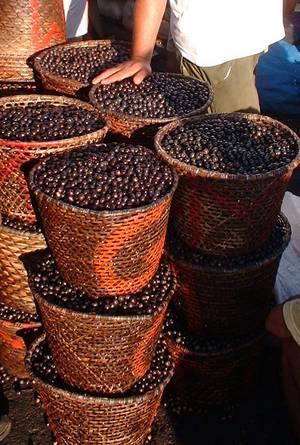
The juice and pulp of açaí are popular beverage components in juice blends, smoothies, and other drinks in Central and South America. Mainstream attention, including features on popular U.S. television programs, “has increased interest in the United States in the potential and rumored health effects of açaí. This column will briefly review recent findings regarding this increasingly popular antioxidant-rich plant.
Juicy Benefits
In 2008, investigators studied the antioxidant and anti-inflammatory activities of a commercial juice blend (MonaVie Active) containing açaí as the main ingredient. Anthocyanins, the primary active phenolic components in açaí, were found to be the main antioxidants in the juice, particularly cyanidin 3-rutoside, cyanidin 3-diglycoside, and cyanidin 3-glucoside. In vitro, the antioxidants in the blend were shown to protect against oxidative damage. Polymorphonuclear cells exhibited decreased formation of free radicals and lower migration toward certain proinflammatory chemoattractants.
In vivo, a randomized, double-blind, placebo-controlled crossover trial with 12 healthy participants revealed within-subject increases in serum antioxidants 1 hour and 2 hours after consumption of MonaVie Active, and suppression of lipid peroxidation 2 hours after consumption (J. Agric. Food Chem. 2008;56:8,326-33).
In another study, a four-way crossover clinical trial compared açaí pulp and clarified açaí juice, with applesauce and a nonantioxidant drink as controls. Twelve healthy volunteers were dosed at 7 mL/kg of body weight following a washout phase and overnight fast. The investigators noted that plasma antioxidant capacity increased 2.3- and 3.0-fold for açaí juice and pulp, respectively, 2 hours after consumption of the beverage (J. Agric. Food Chem. 2008;56:7,796-802).
Additional recent research on antioxidant beverages has involved açaí. A study using four tests of antioxidant strength evaluated the relative antioxidant capacities of several polyphenol-rich beverages available on the U.S. market. These beverages included açaí juice, apple juice, black cherry juice, blueberry juice, Concord grape juice, cranberry juice, orange juice, pomegranate juice, red wines, and iced tea (black, green, and white). The in vitro antioxidant capacity of açaí juice was found to be in the middle of the pack, more potent than apple juice, cranberry juice, orange juice, and iced tea. The researchers cautioned, however, that in vitro antioxidant strength does not necessarily translate to in vivo biologic activity (J. Agric. Food Chem. 2008;56:1,415-22).
Anthocyanins
In 2004, investigators studied anthocyanins and other polyphenolic components of açaí in order to identify their contributions to the overall antioxidant profile of the fruit. They also sought to determine the color stability of anthocyanins against hydrogen peroxide at various termperatures. The researchers found that cyanidin 3-glucoside was the prevailing anthocyanin among 16 other polyphenolics in the tropical fruit, and the most influential in terms of its antioxidant capacity. In the presence of hydrogen peroxide, red grape anthocyanins were most stable, with açaí and pigments rich in acylated anthocyanins exhibiting lower color stability in a temperature-dependent fashion. In the presence of ascorbic acid, acylated anthocyanin sources displayed increased color stability. The authors concluded that açaí demonstrated functional characteristics that would be useful in food and nutraceutical products (J. Agric. Food Chem. 2004;52:1539-45).
Subsequently, some of the same researchers studied the effects of açaí polyphenolics on antiproliferation and induction of apoptosis in HL-60 human leukemia cells. They found that the açaí polyphenols indeed lowered leukemia cell proliferation in vitro, and concluded that açaí is a rich source of bioactive polyphenolic compounds (J. Agric. Food Chem. 2006;54:1,222-9).
Fruit Consumption
On the basis of discoveries that açaí fruit exhibits potent antioxidant capacity in vitro, particularly against superoxide and peroxyl radicals, Schauss et al. set out in 2006 to examine the potential health benefits that açaí fruit might impart. They investigated the antioxidant activity of a standardized freeze-dried açaí fruit pulp/skin powder (OptiAcai) in various assays using several sources of free radicals. The researchers found evidence in support of açaí’s antioxidant capacity against superoxide and peroxyl radicals, including strong scavenging of superoxide and the highest antioxidant activity of any food against the peroxyl radical. Mild activity was noted against the peroxynitrite and hydroxyl radicals.
The investigators also performed an assay to assess the inhibition of free radical development in freshly purified human neutrophils, which revealed that the antioxidants in açaí can, at very low doses, penetrate human cells and exhibit oxygen-quenching activity. Finally, the investigators studied the anti-inflammatory and immune bioactivities of açaí components, and observed that the fruit has the potential to inhibit cyclo-oxygenase (COX)-1 and COX-2 (J. Agric. Food Chem. 2006;54:8,604-10).
In a separate study, Schauss et al. analyzed OptiAcai and identified anthocyanins (chiefly cyanidin 3-glucoside and cyanidin 3-rutinoside), proanthocyanidins (mainly polymers), and other flavonoids (i.e., homoorientin, orientin, isovitexin, scoparin, and taxifolin deoxyhexose, along with several unknown ones) as the primary phytochemical constituents. They also found oleic and palmitic acids to be the prevailing fatty acid components. Resveratrol was identified at trace levels, and 19 amino acids were found, comprising 7.59% of the total weight (J. Agric. Food Chem. 2006;54:8,598-603).
Nutritional Components
In a far-ranging study of açaí pulp culled in the Venezuelan Amazon from two harvests of the year 2005, investigators used spectrophotometric methods to determine the content of polyphenols, tannins, and anthocynanins. The study sought to characterize the polyphenolic content and antioxidant capacity of the fruit, along with other qualities, such as fatty acid content. Antioxidant capacity was analyzed through the 2,2-diphenyl-1-picrylhydrazyl method.
The researchers found that açaí has a high content of lipids, particularly oleic acid, as well as large amounts of protein, ash, and total dietary fiber. The antioxidant capacity was 88%. The investigators concluded that açaí confers significant nutritional value and contains antioxidant constituents such as polyphenols, tannins, and anthocyanins that may render the fruit ripe for industrialization (Arch. Latinoam. Nutr. 2007;57:94-8).
Researchers studying the antioxidant capacities of 11 commercial and noncommercial varieties of açaí fruit pulp against three reactive oxygen species found that all purple açaí samples were potent scavengers of peroxyl radicals, good against peroxynitrite, and poor against hydroxyl radicals, compared with recently studied common European fruit and vegetable juices. One white açaí species displayed low antioxidant capacity against all three reactive oxygen species. Anthocyanins were found to account for only about 10% of the overall antioxidant capacities of the fruit. The investigators concluded that as-yet unidentified constituents of the açaí fruit pulp appeared to be responsible for most of its antioxidant activity (Int. J. Food Sci. Nutr. 2005;56:53-64).
Seed Extracts
The same researchers, along with others, later assessed the antioxidant capacity of methanol and ethanol seed extracts from açaí against peroxyl radicals, peroxynitrite, and hydroxyl radicals. They found that the antioxidant activity of the seed extracts was similar to that of the pulp against peroxyl radicals, and was greater against peroxynitrite and hydroxyl radicals. They also determined that procyanidins contribute significantly to the overall antioxidant capacity of açaí, but as-yet unidentified compounds account for the majority of such activity (J. Agric. Food Chem. 2006;54:4,162-7).
In a recent study, Pacheco-Palencia et al. examined the absorption and antiproliferative effects of açaí pulp extracts and a polyphenolic-enriched oil derived from the fruit pulp of the açaí berry. Investigators ascertained the chemical composition, antioxidant activity, and polyphenolic absorption of phytochemical fractions in a Caco-2 monolayer, in addition to their cytotoxicity in a human colon cancer cell line (HT-29 adenocarcinoma cells).
In general, the study added to the relatively slim body of literature on the bioactive properties, chemical composition, and cellular absorption of açaí polyphenolics. The investigators found that polyphenolic mixtures from the açaí pulp and oil significantly inhibited cell proliferation, and that standardized extracts featured a preponderance of hydroxybenzoic acids, monomeric flavan-3-ols, and procyanidin dimers and trimers (J. Agric. Food Chem. 2008;56:3,593-600).
Phenolic Constituents
Later in 2008, Pacheco-Palencia and two of the same researchers identified for the first time the phenolic constituents in crude oil extracts of the açaí berry. Like the berry, the oil was found to contain high concentrations of phenolic acids (i.e., vanillic acid, syringic acid, p-hydroxybenzoic acid, protocatechuic acid, and ferulic acid), (+)-catechin, and several procyanidin oligomers. The researchers evaluated the thermal stability of the oil during short- and long-term storage for lipid oxidation and phenolic retention, in terms of the effects on antioxidant activity. They found that phenolic acids underwent a 16% loss at 20° or 30° C after 10 weeks of storage, and a 33% loss at 40° C. Procyanidin oligomers showed greater degradation: 23% at 20° C, 39% at 30° C, and 74% at 40° C, in both high- and low-phenolic açaí oils. Phenolic and antioxidant capacity decreased less than 10% during short-term (20 minutes) heating at 150° C and 170° C. The investigators concluded that the high phenolic composition of açaí oil renders it a potentially beneficial food and supplement option, as well as a promising cosmetic agent (J. Agric. Food Chem. 2008;56:4,631-6).
Conclusions
Açaí berry is a popular ingredient in beverages in Central and South America, and its popularity is steadily increasing in North America. It is highly touted for its antioxidant potency. The berry is available in oral supplement form and is advertised as a miraculous weight-loss elixir. It is not often found in topical preparations because of its blue color.
While some of the scant research on açaí is compelling and, indeed, suggests significant antioxidant capacity, there is no evidence to support the use of açaí for weight loss. It is important that practitioners deflate the hype surrounding this botanical and indicate to patients that much more research is necessary to determine whether the antioxidant properties of açaí can be appropriately harnessed in topical or oral skin products.
That said, while I strongly recommend disabusing patients of the notion that açaí will help them lose weight, adding a sizable portion or portions of anthocyanin-containing berries, including açaí, in one’s diet is a healthy choice. As always, it’s best to suggest whole foods – real fruit – as opposed to diluted but sugared fruit drinks.
Native to South America, particularly the Amazon River and its tributaries and estuaries (J. Agric. Food Chem. 2006;54:8,598-603), the açaí palm (Euterpe oleracea Mart.) has become a subject of great interest in recent years, because its fruit is believed by many to boast significant antioxidant capacity.
The juice and pulp of açaí are popular beverage components in juice blends, smoothies, and other drinks in Central and South America. Mainstream attention, including features on popular U.S. television programs, “has increased interest in the United States in the potential and rumored health effects of açaí. This column will briefly review recent findings regarding this increasingly popular antioxidant-rich plant.
Juicy Benefits
In 2008, investigators studied the antioxidant and anti-inflammatory activities of a commercial juice blend (MonaVie Active) containing açaí as the main ingredient. Anthocyanins, the primary active phenolic components in açaí, were found to be the main antioxidants in the juice, particularly cyanidin 3-rutoside, cyanidin 3-diglycoside, and cyanidin 3-glucoside. In vitro, the antioxidants in the blend were shown to protect against oxidative damage. Polymorphonuclear cells exhibited decreased formation of free radicals and lower migration toward certain proinflammatory chemoattractants.
In vivo, a randomized, double-blind, placebo-controlled crossover trial with 12 healthy participants revealed within-subject increases in serum antioxidants 1 hour and 2 hours after consumption of MonaVie Active, and suppression of lipid peroxidation 2 hours after consumption (J. Agric. Food Chem. 2008;56:8,326-33).
In another study, a four-way crossover clinical trial compared açaí pulp and clarified açaí juice, with applesauce and a nonantioxidant drink as controls. Twelve healthy volunteers were dosed at 7 mL/kg of body weight following a washout phase and overnight fast. The investigators noted that plasma antioxidant capacity increased 2.3- and 3.0-fold for açaí juice and pulp, respectively, 2 hours after consumption of the beverage (J. Agric. Food Chem. 2008;56:7,796-802).
Additional recent research on antioxidant beverages has involved açaí. A study using four tests of antioxidant strength evaluated the relative antioxidant capacities of several polyphenol-rich beverages available on the U.S. market. These beverages included açaí juice, apple juice, black cherry juice, blueberry juice, Concord grape juice, cranberry juice, orange juice, pomegranate juice, red wines, and iced tea (black, green, and white). The in vitro antioxidant capacity of açaí juice was found to be in the middle of the pack, more potent than apple juice, cranberry juice, orange juice, and iced tea. The researchers cautioned, however, that in vitro antioxidant strength does not necessarily translate to in vivo biologic activity (J. Agric. Food Chem. 2008;56:1,415-22).
Anthocyanins
In 2004, investigators studied anthocyanins and other polyphenolic components of açaí in order to identify their contributions to the overall antioxidant profile of the fruit. They also sought to determine the color stability of anthocyanins against hydrogen peroxide at various termperatures. The researchers found that cyanidin 3-glucoside was the prevailing anthocyanin among 16 other polyphenolics in the tropical fruit, and the most influential in terms of its antioxidant capacity. In the presence of hydrogen peroxide, red grape anthocyanins were most stable, with açaí and pigments rich in acylated anthocyanins exhibiting lower color stability in a temperature-dependent fashion. In the presence of ascorbic acid, acylated anthocyanin sources displayed increased color stability. The authors concluded that açaí demonstrated functional characteristics that would be useful in food and nutraceutical products (J. Agric. Food Chem. 2004;52:1539-45).
Subsequently, some of the same researchers studied the effects of açaí polyphenolics on antiproliferation and induction of apoptosis in HL-60 human leukemia cells. They found that the açaí polyphenols indeed lowered leukemia cell proliferation in vitro, and concluded that açaí is a rich source of bioactive polyphenolic compounds (J. Agric. Food Chem. 2006;54:1,222-9).
Fruit Consumption
On the basis of discoveries that açaí fruit exhibits potent antioxidant capacity in vitro, particularly against superoxide and peroxyl radicals, Schauss et al. set out in 2006 to examine the potential health benefits that açaí fruit might impart. They investigated the antioxidant activity of a standardized freeze-dried açaí fruit pulp/skin powder (OptiAcai) in various assays using several sources of free radicals. The researchers found evidence in support of açaí’s antioxidant capacity against superoxide and peroxyl radicals, including strong scavenging of superoxide and the highest antioxidant activity of any food against the peroxyl radical. Mild activity was noted against the peroxynitrite and hydroxyl radicals.
The investigators also performed an assay to assess the inhibition of free radical development in freshly purified human neutrophils, which revealed that the antioxidants in açaí can, at very low doses, penetrate human cells and exhibit oxygen-quenching activity. Finally, the investigators studied the anti-inflammatory and immune bioactivities of açaí components, and observed that the fruit has the potential to inhibit cyclo-oxygenase (COX)-1 and COX-2 (J. Agric. Food Chem. 2006;54:8,604-10).
In a separate study, Schauss et al. analyzed OptiAcai and identified anthocyanins (chiefly cyanidin 3-glucoside and cyanidin 3-rutinoside), proanthocyanidins (mainly polymers), and other flavonoids (i.e., homoorientin, orientin, isovitexin, scoparin, and taxifolin deoxyhexose, along with several unknown ones) as the primary phytochemical constituents. They also found oleic and palmitic acids to be the prevailing fatty acid components. Resveratrol was identified at trace levels, and 19 amino acids were found, comprising 7.59% of the total weight (J. Agric. Food Chem. 2006;54:8,598-603).
Nutritional Components
In a far-ranging study of açaí pulp culled in the Venezuelan Amazon from two harvests of the year 2005, investigators used spectrophotometric methods to determine the content of polyphenols, tannins, and anthocynanins. The study sought to characterize the polyphenolic content and antioxidant capacity of the fruit, along with other qualities, such as fatty acid content. Antioxidant capacity was analyzed through the 2,2-diphenyl-1-picrylhydrazyl method.
The researchers found that açaí has a high content of lipids, particularly oleic acid, as well as large amounts of protein, ash, and total dietary fiber. The antioxidant capacity was 88%. The investigators concluded that açaí confers significant nutritional value and contains antioxidant constituents such as polyphenols, tannins, and anthocyanins that may render the fruit ripe for industrialization (Arch. Latinoam. Nutr. 2007;57:94-8).
Researchers studying the antioxidant capacities of 11 commercial and noncommercial varieties of açaí fruit pulp against three reactive oxygen species found that all purple açaí samples were potent scavengers of peroxyl radicals, good against peroxynitrite, and poor against hydroxyl radicals, compared with recently studied common European fruit and vegetable juices. One white açaí species displayed low antioxidant capacity against all three reactive oxygen species. Anthocyanins were found to account for only about 10% of the overall antioxidant capacities of the fruit. The investigators concluded that as-yet unidentified constituents of the açaí fruit pulp appeared to be responsible for most of its antioxidant activity (Int. J. Food Sci. Nutr. 2005;56:53-64).
Seed Extracts
The same researchers, along with others, later assessed the antioxidant capacity of methanol and ethanol seed extracts from açaí against peroxyl radicals, peroxynitrite, and hydroxyl radicals. They found that the antioxidant activity of the seed extracts was similar to that of the pulp against peroxyl radicals, and was greater against peroxynitrite and hydroxyl radicals. They also determined that procyanidins contribute significantly to the overall antioxidant capacity of açaí, but as-yet unidentified compounds account for the majority of such activity (J. Agric. Food Chem. 2006;54:4,162-7).
In a recent study, Pacheco-Palencia et al. examined the absorption and antiproliferative effects of açaí pulp extracts and a polyphenolic-enriched oil derived from the fruit pulp of the açaí berry. Investigators ascertained the chemical composition, antioxidant activity, and polyphenolic absorption of phytochemical fractions in a Caco-2 monolayer, in addition to their cytotoxicity in a human colon cancer cell line (HT-29 adenocarcinoma cells).
In general, the study added to the relatively slim body of literature on the bioactive properties, chemical composition, and cellular absorption of açaí polyphenolics. The investigators found that polyphenolic mixtures from the açaí pulp and oil significantly inhibited cell proliferation, and that standardized extracts featured a preponderance of hydroxybenzoic acids, monomeric flavan-3-ols, and procyanidin dimers and trimers (J. Agric. Food Chem. 2008;56:3,593-600).
Phenolic Constituents
Later in 2008, Pacheco-Palencia and two of the same researchers identified for the first time the phenolic constituents in crude oil extracts of the açaí berry. Like the berry, the oil was found to contain high concentrations of phenolic acids (i.e., vanillic acid, syringic acid, p-hydroxybenzoic acid, protocatechuic acid, and ferulic acid), (+)-catechin, and several procyanidin oligomers. The researchers evaluated the thermal stability of the oil during short- and long-term storage for lipid oxidation and phenolic retention, in terms of the effects on antioxidant activity. They found that phenolic acids underwent a 16% loss at 20° or 30° C after 10 weeks of storage, and a 33% loss at 40° C. Procyanidin oligomers showed greater degradation: 23% at 20° C, 39% at 30° C, and 74% at 40° C, in both high- and low-phenolic açaí oils. Phenolic and antioxidant capacity decreased less than 10% during short-term (20 minutes) heating at 150° C and 170° C. The investigators concluded that the high phenolic composition of açaí oil renders it a potentially beneficial food and supplement option, as well as a promising cosmetic agent (J. Agric. Food Chem. 2008;56:4,631-6).
Conclusions
Açaí berry is a popular ingredient in beverages in Central and South America, and its popularity is steadily increasing in North America. It is highly touted for its antioxidant potency. The berry is available in oral supplement form and is advertised as a miraculous weight-loss elixir. It is not often found in topical preparations because of its blue color.
While some of the scant research on açaí is compelling and, indeed, suggests significant antioxidant capacity, there is no evidence to support the use of açaí for weight loss. It is important that practitioners deflate the hype surrounding this botanical and indicate to patients that much more research is necessary to determine whether the antioxidant properties of açaí can be appropriately harnessed in topical or oral skin products.
That said, while I strongly recommend disabusing patients of the notion that açaí will help them lose weight, adding a sizable portion or portions of anthocyanin-containing berries, including açaí, in one’s diet is a healthy choice. As always, it’s best to suggest whole foods – real fruit – as opposed to diluted but sugared fruit drinks.
Native to South America, particularly the Amazon River and its tributaries and estuaries (J. Agric. Food Chem. 2006;54:8,598-603), the açaí palm (Euterpe oleracea Mart.) has become a subject of great interest in recent years, because its fruit is believed by many to boast significant antioxidant capacity.
The juice and pulp of açaí are popular beverage components in juice blends, smoothies, and other drinks in Central and South America. Mainstream attention, including features on popular U.S. television programs, “has increased interest in the United States in the potential and rumored health effects of açaí. This column will briefly review recent findings regarding this increasingly popular antioxidant-rich plant.
Juicy Benefits
In 2008, investigators studied the antioxidant and anti-inflammatory activities of a commercial juice blend (MonaVie Active) containing açaí as the main ingredient. Anthocyanins, the primary active phenolic components in açaí, were found to be the main antioxidants in the juice, particularly cyanidin 3-rutoside, cyanidin 3-diglycoside, and cyanidin 3-glucoside. In vitro, the antioxidants in the blend were shown to protect against oxidative damage. Polymorphonuclear cells exhibited decreased formation of free radicals and lower migration toward certain proinflammatory chemoattractants.
In vivo, a randomized, double-blind, placebo-controlled crossover trial with 12 healthy participants revealed within-subject increases in serum antioxidants 1 hour and 2 hours after consumption of MonaVie Active, and suppression of lipid peroxidation 2 hours after consumption (J. Agric. Food Chem. 2008;56:8,326-33).
In another study, a four-way crossover clinical trial compared açaí pulp and clarified açaí juice, with applesauce and a nonantioxidant drink as controls. Twelve healthy volunteers were dosed at 7 mL/kg of body weight following a washout phase and overnight fast. The investigators noted that plasma antioxidant capacity increased 2.3- and 3.0-fold for açaí juice and pulp, respectively, 2 hours after consumption of the beverage (J. Agric. Food Chem. 2008;56:7,796-802).
Additional recent research on antioxidant beverages has involved açaí. A study using four tests of antioxidant strength evaluated the relative antioxidant capacities of several polyphenol-rich beverages available on the U.S. market. These beverages included açaí juice, apple juice, black cherry juice, blueberry juice, Concord grape juice, cranberry juice, orange juice, pomegranate juice, red wines, and iced tea (black, green, and white). The in vitro antioxidant capacity of açaí juice was found to be in the middle of the pack, more potent than apple juice, cranberry juice, orange juice, and iced tea. The researchers cautioned, however, that in vitro antioxidant strength does not necessarily translate to in vivo biologic activity (J. Agric. Food Chem. 2008;56:1,415-22).
Anthocyanins
In 2004, investigators studied anthocyanins and other polyphenolic components of açaí in order to identify their contributions to the overall antioxidant profile of the fruit. They also sought to determine the color stability of anthocyanins against hydrogen peroxide at various termperatures. The researchers found that cyanidin 3-glucoside was the prevailing anthocyanin among 16 other polyphenolics in the tropical fruit, and the most influential in terms of its antioxidant capacity. In the presence of hydrogen peroxide, red grape anthocyanins were most stable, with açaí and pigments rich in acylated anthocyanins exhibiting lower color stability in a temperature-dependent fashion. In the presence of ascorbic acid, acylated anthocyanin sources displayed increased color stability. The authors concluded that açaí demonstrated functional characteristics that would be useful in food and nutraceutical products (J. Agric. Food Chem. 2004;52:1539-45).
Subsequently, some of the same researchers studied the effects of açaí polyphenolics on antiproliferation and induction of apoptosis in HL-60 human leukemia cells. They found that the açaí polyphenols indeed lowered leukemia cell proliferation in vitro, and concluded that açaí is a rich source of bioactive polyphenolic compounds (J. Agric. Food Chem. 2006;54:1,222-9).
Fruit Consumption
On the basis of discoveries that açaí fruit exhibits potent antioxidant capacity in vitro, particularly against superoxide and peroxyl radicals, Schauss et al. set out in 2006 to examine the potential health benefits that açaí fruit might impart. They investigated the antioxidant activity of a standardized freeze-dried açaí fruit pulp/skin powder (OptiAcai) in various assays using several sources of free radicals. The researchers found evidence in support of açaí’s antioxidant capacity against superoxide and peroxyl radicals, including strong scavenging of superoxide and the highest antioxidant activity of any food against the peroxyl radical. Mild activity was noted against the peroxynitrite and hydroxyl radicals.
The investigators also performed an assay to assess the inhibition of free radical development in freshly purified human neutrophils, which revealed that the antioxidants in açaí can, at very low doses, penetrate human cells and exhibit oxygen-quenching activity. Finally, the investigators studied the anti-inflammatory and immune bioactivities of açaí components, and observed that the fruit has the potential to inhibit cyclo-oxygenase (COX)-1 and COX-2 (J. Agric. Food Chem. 2006;54:8,604-10).
In a separate study, Schauss et al. analyzed OptiAcai and identified anthocyanins (chiefly cyanidin 3-glucoside and cyanidin 3-rutinoside), proanthocyanidins (mainly polymers), and other flavonoids (i.e., homoorientin, orientin, isovitexin, scoparin, and taxifolin deoxyhexose, along with several unknown ones) as the primary phytochemical constituents. They also found oleic and palmitic acids to be the prevailing fatty acid components. Resveratrol was identified at trace levels, and 19 amino acids were found, comprising 7.59% of the total weight (J. Agric. Food Chem. 2006;54:8,598-603).
Nutritional Components
In a far-ranging study of açaí pulp culled in the Venezuelan Amazon from two harvests of the year 2005, investigators used spectrophotometric methods to determine the content of polyphenols, tannins, and anthocynanins. The study sought to characterize the polyphenolic content and antioxidant capacity of the fruit, along with other qualities, such as fatty acid content. Antioxidant capacity was analyzed through the 2,2-diphenyl-1-picrylhydrazyl method.
The researchers found that açaí has a high content of lipids, particularly oleic acid, as well as large amounts of protein, ash, and total dietary fiber. The antioxidant capacity was 88%. The investigators concluded that açaí confers significant nutritional value and contains antioxidant constituents such as polyphenols, tannins, and anthocyanins that may render the fruit ripe for industrialization (Arch. Latinoam. Nutr. 2007;57:94-8).
Researchers studying the antioxidant capacities of 11 commercial and noncommercial varieties of açaí fruit pulp against three reactive oxygen species found that all purple açaí samples were potent scavengers of peroxyl radicals, good against peroxynitrite, and poor against hydroxyl radicals, compared with recently studied common European fruit and vegetable juices. One white açaí species displayed low antioxidant capacity against all three reactive oxygen species. Anthocyanins were found to account for only about 10% of the overall antioxidant capacities of the fruit. The investigators concluded that as-yet unidentified constituents of the açaí fruit pulp appeared to be responsible for most of its antioxidant activity (Int. J. Food Sci. Nutr. 2005;56:53-64).
Seed Extracts
The same researchers, along with others, later assessed the antioxidant capacity of methanol and ethanol seed extracts from açaí against peroxyl radicals, peroxynitrite, and hydroxyl radicals. They found that the antioxidant activity of the seed extracts was similar to that of the pulp against peroxyl radicals, and was greater against peroxynitrite and hydroxyl radicals. They also determined that procyanidins contribute significantly to the overall antioxidant capacity of açaí, but as-yet unidentified compounds account for the majority of such activity (J. Agric. Food Chem. 2006;54:4,162-7).
In a recent study, Pacheco-Palencia et al. examined the absorption and antiproliferative effects of açaí pulp extracts and a polyphenolic-enriched oil derived from the fruit pulp of the açaí berry. Investigators ascertained the chemical composition, antioxidant activity, and polyphenolic absorption of phytochemical fractions in a Caco-2 monolayer, in addition to their cytotoxicity in a human colon cancer cell line (HT-29 adenocarcinoma cells).
In general, the study added to the relatively slim body of literature on the bioactive properties, chemical composition, and cellular absorption of açaí polyphenolics. The investigators found that polyphenolic mixtures from the açaí pulp and oil significantly inhibited cell proliferation, and that standardized extracts featured a preponderance of hydroxybenzoic acids, monomeric flavan-3-ols, and procyanidin dimers and trimers (J. Agric. Food Chem. 2008;56:3,593-600).
Phenolic Constituents
Later in 2008, Pacheco-Palencia and two of the same researchers identified for the first time the phenolic constituents in crude oil extracts of the açaí berry. Like the berry, the oil was found to contain high concentrations of phenolic acids (i.e., vanillic acid, syringic acid, p-hydroxybenzoic acid, protocatechuic acid, and ferulic acid), (+)-catechin, and several procyanidin oligomers. The researchers evaluated the thermal stability of the oil during short- and long-term storage for lipid oxidation and phenolic retention, in terms of the effects on antioxidant activity. They found that phenolic acids underwent a 16% loss at 20° or 30° C after 10 weeks of storage, and a 33% loss at 40° C. Procyanidin oligomers showed greater degradation: 23% at 20° C, 39% at 30° C, and 74% at 40° C, in both high- and low-phenolic açaí oils. Phenolic and antioxidant capacity decreased less than 10% during short-term (20 minutes) heating at 150° C and 170° C. The investigators concluded that the high phenolic composition of açaí oil renders it a potentially beneficial food and supplement option, as well as a promising cosmetic agent (J. Agric. Food Chem. 2008;56:4,631-6).
Conclusions
Açaí berry is a popular ingredient in beverages in Central and South America, and its popularity is steadily increasing in North America. It is highly touted for its antioxidant potency. The berry is available in oral supplement form and is advertised as a miraculous weight-loss elixir. It is not often found in topical preparations because of its blue color.
While some of the scant research on açaí is compelling and, indeed, suggests significant antioxidant capacity, there is no evidence to support the use of açaí for weight loss. It is important that practitioners deflate the hype surrounding this botanical and indicate to patients that much more research is necessary to determine whether the antioxidant properties of açaí can be appropriately harnessed in topical or oral skin products.
That said, while I strongly recommend disabusing patients of the notion that açaí will help them lose weight, adding a sizable portion or portions of anthocyanin-containing berries, including açaí, in one’s diet is a healthy choice. As always, it’s best to suggest whole foods – real fruit – as opposed to diluted but sugared fruit drinks.