User login
Doug Brunk is a San Diego-based award-winning reporter who began covering health care in 1991. Before joining the company, he wrote for the health sciences division of Columbia University and was an associate editor at Contemporary Long Term Care magazine when it won a Jesse H. Neal Award. His work has been syndicated by the Los Angeles Times and he is the author of two books related to the University of Kentucky Wildcats men's basketball program. Doug has a master’s degree in magazine journalism from the S.I. Newhouse School of Public Communications at Syracuse University. Follow him on Twitter @dougbrunk.
Survey shows mixed AED safety knowledge among neurologists
SAN DIEGO – Most neurologists are aware of recent Food and Drug Administration safety warnings regarding the use of antiepileptic medications, but about 20% do not recognize these risks, results from a large membership survey demonstrated.
"FDA drug safety warnings are not systematically delivered to neurologists," Dr. Susan Shaw said at the annual meeting of the American Academy of Neurology. "The sources of information are numerous and varied. We also feel that the FDA drug safety warnings are not effectively delivered to neurologists."

She based her remarks on an Internet-based survey distributed to 4,627 AAN members in 2012. Although the FDA issues drug safety communications and MedWatch alert e-mails, "these are only sent to those who are registered to receive the notifications," explained Dr. Shaw, a neurologist who is director of the epilepsy service line at Rancho Los Amigos National Rehabilitation Center, Downey, Calif., and is with the department of neurology at the University of Southern California, Los Angeles. The FDA may send alerts to physician specialty organizations such as the AAN, "which may then transmit the information to their members, but not all neurologists are members of the AAN," she noted. "The FDA may require drug manufacturers to update product inserts or highlight severe actions with ‘black box’ warnings or ‘dear health care provider’ letters. Still other neurologists rely on published articles or continuing medical education. Therefore, it is unknown whether the FDA’s alerts are effectively reaching neurologists."
Dr. Shaw and her associates set out to determine whether neurologists are aware of four recent FDA warnings regarding antiepileptic drugs (AEDs) and to determine whether neurologists are implementing recommended screening. Safety alert No. 1 was issued by the FDA on Dec. 12, 2007, and recommended screening for HLA-B*1502 in patients of Asian descent prior to treatment with carbamazepine, because of the risk of Stevens-Johnson syndrome and toxic epidermal necrolysis. "The risk of this haplotype is up to 10 times higher in some Asian countries than in countries with mostly Caucasian populations," Dr. Shaw said.
Safety alert No. 2 was the FDA announcement on Dec. 16, 2008, that required makers of AEDs to add labeling information warning that their use increases the risk of suicidal thoughts and behaviors. Safety alert No. 3 was the FDA healthcare provider notice released on Dec. 3, 2009, which recommended counseling for women of childbearing age who are taking valproate and labeling change for the drug because of the risk of congenital malformations in offspring of women treated with the drug during pregnancy. Safety alert No. 4 was the FDA drug safety communication and labeling change released on June 30, 2011, regarding the risk of impaired cognitive development in children exposed to valproate in utero.
"We do know that some of the FDA warnings, especially regarding suicidality, are controversial, but we think that it is important for providers to be aware of warnings and recommendations made by the FDA," Dr. Shaw said.
Of the 4,627 neurologists queried, 605 (13%) responded, which Dr. Shaw noted is a typical response rate for these types of surveys. The researchers excluded 100 who did not care for patients with epilepsy, which left a final survey sample size of 505 respondents from all 50 states and the District of Columbia. Their average age was 49 years and they had been in practice for an average of 22 years. The majority (96%) were board-certified in neurology, 40% worked in an academic hospital clinic, 32% worked in group practice, 18% worked in solo practice, and the remainder worked in other settings.
For each of the four safety alerts, "we asked questions to see if respondents had a general awareness of this risk," Dr. Shaw said. "We also asked questions to see if they knew more specific details regarding the risk."
Overall, about 80% of respondents did know about the four FDA safety alerts. "However, that does mean that approximately one-fifth of neurologists are not aware at all of the safety risks for these drugs," Dr. Shaw said. Knowledge of the specific details for each safety alert varied widely, from 34% to 74%.
The researchers also found that 29% of respondents had initiated carbamazepine in patients of Asian descent, but only 23% conducted the recommended haplotype testing for these patients. Most providers (93%) counseled women regarding birth defect risks while taking valproate, but only 34% could identify the specific risk of congenital malformations. Similarly, only 49% knew the degree to which scores on the Differential Ability Scale declined with in utero valproate exposure, compared with other AED monotherapy. In fact, 31% incorrectly believed that cognitive and developmental risks have not been established in offspring exposed to divalproex in utero.
The sources of drug safety alerts used by the respondents "were numerous, and there was no one universal source, which suggests that the safety information delivery is not done so systematically," Dr. Shaw said. The only characteristic of survey respondents associated with better knowledge of AED safety alerts was treating more epilepsy patients per year.
"We feel that a better system of doing risk notification may be warranted," she concluded. "In fact, when we asked the survey respondents, less than 5% of them wanted to continue the current system the way it is."
Most survey respondents preferred implementing a formal warning process via specialty organizations or e-mails of product insert warnings.
Dr. Shaw said that she had no relevant financial conflicts to disclose.
SAN DIEGO – Most neurologists are aware of recent Food and Drug Administration safety warnings regarding the use of antiepileptic medications, but about 20% do not recognize these risks, results from a large membership survey demonstrated.
"FDA drug safety warnings are not systematically delivered to neurologists," Dr. Susan Shaw said at the annual meeting of the American Academy of Neurology. "The sources of information are numerous and varied. We also feel that the FDA drug safety warnings are not effectively delivered to neurologists."
She based her remarks on an Internet-based survey distributed to 4,627 AAN members in 2012. Although the FDA issues drug safety communications and MedWatch alert e-mails, "these are only sent to those who are registered to receive the notifications," explained Dr. Shaw, a neurologist who is director of the epilepsy service line at Rancho Los Amigos National Rehabilitation Center, Downey, Calif., and is with the department of neurology at the University of Southern California, Los Angeles. The FDA may send alerts to physician specialty organizations such as the AAN, "which may then transmit the information to their members, but not all neurologists are members of the AAN," she noted. "The FDA may require drug manufacturers to update product inserts or highlight severe actions with ‘black box’ warnings or ‘dear health care provider’ letters. Still other neurologists rely on published articles or continuing medical education. Therefore, it is unknown whether the FDA’s alerts are effectively reaching neurologists."
Dr. Shaw and her associates set out to determine whether neurologists are aware of four recent FDA warnings regarding antiepileptic drugs (AEDs) and to determine whether neurologists are implementing recommended screening. Safety alert No. 1 was issued by the FDA on Dec. 12, 2007, and recommended screening for HLA-B*1502 in patients of Asian descent prior to treatment with carbamazepine, because of the risk of Stevens-Johnson syndrome and toxic epidermal necrolysis. "The risk of this haplotype is up to 10 times higher in some Asian countries than in countries with mostly Caucasian populations," Dr. Shaw said.
Safety alert No. 2 was the FDA announcement on Dec. 16, 2008, that required makers of AEDs to add labeling information warning that their use increases the risk of suicidal thoughts and behaviors. Safety alert No. 3 was the FDA healthcare provider notice released on Dec. 3, 2009, which recommended counseling for women of childbearing age who are taking valproate and labeling change for the drug because of the risk of congenital malformations in offspring of women treated with the drug during pregnancy. Safety alert No. 4 was the FDA drug safety communication and labeling change released on June 30, 2011, regarding the risk of impaired cognitive development in children exposed to valproate in utero.
"We do know that some of the FDA warnings, especially regarding suicidality, are controversial, but we think that it is important for providers to be aware of warnings and recommendations made by the FDA," Dr. Shaw said.
Of the 4,627 neurologists queried, 605 (13%) responded, which Dr. Shaw noted is a typical response rate for these types of surveys. The researchers excluded 100 who did not care for patients with epilepsy, which left a final survey sample size of 505 respondents from all 50 states and the District of Columbia. Their average age was 49 years and they had been in practice for an average of 22 years. The majority (96%) were board-certified in neurology, 40% worked in an academic hospital clinic, 32% worked in group practice, 18% worked in solo practice, and the remainder worked in other settings.
For each of the four safety alerts, "we asked questions to see if respondents had a general awareness of this risk," Dr. Shaw said. "We also asked questions to see if they knew more specific details regarding the risk."
Overall, about 80% of respondents did know about the four FDA safety alerts. "However, that does mean that approximately one-fifth of neurologists are not aware at all of the safety risks for these drugs," Dr. Shaw said. Knowledge of the specific details for each safety alert varied widely, from 34% to 74%.
The researchers also found that 29% of respondents had initiated carbamazepine in patients of Asian descent, but only 23% conducted the recommended haplotype testing for these patients. Most providers (93%) counseled women regarding birth defect risks while taking valproate, but only 34% could identify the specific risk of congenital malformations. Similarly, only 49% knew the degree to which scores on the Differential Ability Scale declined with in utero valproate exposure, compared with other AED monotherapy. In fact, 31% incorrectly believed that cognitive and developmental risks have not been established in offspring exposed to divalproex in utero.
The sources of drug safety alerts used by the respondents "were numerous, and there was no one universal source, which suggests that the safety information delivery is not done so systematically," Dr. Shaw said. The only characteristic of survey respondents associated with better knowledge of AED safety alerts was treating more epilepsy patients per year.
"We feel that a better system of doing risk notification may be warranted," she concluded. "In fact, when we asked the survey respondents, less than 5% of them wanted to continue the current system the way it is."
Most survey respondents preferred implementing a formal warning process via specialty organizations or e-mails of product insert warnings.
Dr. Shaw said that she had no relevant financial conflicts to disclose.
SAN DIEGO – Most neurologists are aware of recent Food and Drug Administration safety warnings regarding the use of antiepileptic medications, but about 20% do not recognize these risks, results from a large membership survey demonstrated.
"FDA drug safety warnings are not systematically delivered to neurologists," Dr. Susan Shaw said at the annual meeting of the American Academy of Neurology. "The sources of information are numerous and varied. We also feel that the FDA drug safety warnings are not effectively delivered to neurologists."
She based her remarks on an Internet-based survey distributed to 4,627 AAN members in 2012. Although the FDA issues drug safety communications and MedWatch alert e-mails, "these are only sent to those who are registered to receive the notifications," explained Dr. Shaw, a neurologist who is director of the epilepsy service line at Rancho Los Amigos National Rehabilitation Center, Downey, Calif., and is with the department of neurology at the University of Southern California, Los Angeles. The FDA may send alerts to physician specialty organizations such as the AAN, "which may then transmit the information to their members, but not all neurologists are members of the AAN," she noted. "The FDA may require drug manufacturers to update product inserts or highlight severe actions with ‘black box’ warnings or ‘dear health care provider’ letters. Still other neurologists rely on published articles or continuing medical education. Therefore, it is unknown whether the FDA’s alerts are effectively reaching neurologists."
Dr. Shaw and her associates set out to determine whether neurologists are aware of four recent FDA warnings regarding antiepileptic drugs (AEDs) and to determine whether neurologists are implementing recommended screening. Safety alert No. 1 was issued by the FDA on Dec. 12, 2007, and recommended screening for HLA-B*1502 in patients of Asian descent prior to treatment with carbamazepine, because of the risk of Stevens-Johnson syndrome and toxic epidermal necrolysis. "The risk of this haplotype is up to 10 times higher in some Asian countries than in countries with mostly Caucasian populations," Dr. Shaw said.
Safety alert No. 2 was the FDA announcement on Dec. 16, 2008, that required makers of AEDs to add labeling information warning that their use increases the risk of suicidal thoughts and behaviors. Safety alert No. 3 was the FDA healthcare provider notice released on Dec. 3, 2009, which recommended counseling for women of childbearing age who are taking valproate and labeling change for the drug because of the risk of congenital malformations in offspring of women treated with the drug during pregnancy. Safety alert No. 4 was the FDA drug safety communication and labeling change released on June 30, 2011, regarding the risk of impaired cognitive development in children exposed to valproate in utero.
"We do know that some of the FDA warnings, especially regarding suicidality, are controversial, but we think that it is important for providers to be aware of warnings and recommendations made by the FDA," Dr. Shaw said.
Of the 4,627 neurologists queried, 605 (13%) responded, which Dr. Shaw noted is a typical response rate for these types of surveys. The researchers excluded 100 who did not care for patients with epilepsy, which left a final survey sample size of 505 respondents from all 50 states and the District of Columbia. Their average age was 49 years and they had been in practice for an average of 22 years. The majority (96%) were board-certified in neurology, 40% worked in an academic hospital clinic, 32% worked in group practice, 18% worked in solo practice, and the remainder worked in other settings.
For each of the four safety alerts, "we asked questions to see if respondents had a general awareness of this risk," Dr. Shaw said. "We also asked questions to see if they knew more specific details regarding the risk."
Overall, about 80% of respondents did know about the four FDA safety alerts. "However, that does mean that approximately one-fifth of neurologists are not aware at all of the safety risks for these drugs," Dr. Shaw said. Knowledge of the specific details for each safety alert varied widely, from 34% to 74%.
The researchers also found that 29% of respondents had initiated carbamazepine in patients of Asian descent, but only 23% conducted the recommended haplotype testing for these patients. Most providers (93%) counseled women regarding birth defect risks while taking valproate, but only 34% could identify the specific risk of congenital malformations. Similarly, only 49% knew the degree to which scores on the Differential Ability Scale declined with in utero valproate exposure, compared with other AED monotherapy. In fact, 31% incorrectly believed that cognitive and developmental risks have not been established in offspring exposed to divalproex in utero.
The sources of drug safety alerts used by the respondents "were numerous, and there was no one universal source, which suggests that the safety information delivery is not done so systematically," Dr. Shaw said. The only characteristic of survey respondents associated with better knowledge of AED safety alerts was treating more epilepsy patients per year.
"We feel that a better system of doing risk notification may be warranted," she concluded. "In fact, when we asked the survey respondents, less than 5% of them wanted to continue the current system the way it is."
Most survey respondents preferred implementing a formal warning process via specialty organizations or e-mails of product insert warnings.
Dr. Shaw said that she had no relevant financial conflicts to disclose.
AT THE 2013 AAN ANNUAL MEETING
Major finding: About 80% of neurologists knew about four recent FDA safety alerts regarding the use of antiepileptic medications, but their knowledge of the specific details regarding the safety risks varied widely, from 34% to 74%.
Data source: Results of an Internet-based survey completed by 605 members of the American Academy of Neurology in 2012.
Disclosures: Dr. Shaw said that she had no relevant financial conflicts to disclose.

Novel exercise program may help dementia patients
SAN DIEGO – Men and women with mild to moderate dementia who participated in a small pilot study involving a novel exercise program focused on movements required to maintain functions of daily living experienced improvements in cognitive function, physical performance, and caregiver burden, compared with those who did not participate.
"Currently available medications do no stop or slow progression of Alzheimer’s disease," Deborah E. Barnes, Ph.D., said at the annual meeting of the American Academy of Neurology. "They are associated with small improvements in cognitive function, but they have minimal impact on physical function, quality of life, and caregiver burden."

Speaking in hypothetical terms, Dr. Barnes continued, "What if we had an overlooked drug that was clinically proven in randomized, controlled trials to increase cognitive function and hippocampal volume in older adults, slow cognitive decline in individuals with mild cognitive impairment, enhance neurogenesis and reduce beta-amyloid in animal models? That would be pretty amazing. What if this drug also had other health benefits throughout the body and had minimal side effects?"
This candidate "drug," she proposed, is a program known as Preventing Loss of Independence Through Exercise (PLIÉ), which was developed by Dr. Barnes and her associates at the Osher Center for Integrative Medicine at the University of California, San Francisco (UCSF). The program combines elements of Eastern and Western exercise traditions and focuses on performing basic functional movements, increasing body awareness, and encouraging social engagement. "We met with experts in yoga, tai chi, Feldenkrais, physical therapy, occupational therapy, and mindfulness, and dance movement therapy and had them talk about what they felt worked the best in people with dementia, and we tried to pull out the commonalities across the different traditions," she explained.
In a pilot trial, the researchers studied 11 adults with mild to moderate dementia who attended an adult day care program in San Francisco. They were assigned to either the PLIÉ intervention group, which met 2-3 days per week for 18 weeks, or to a usual care group. Blinded assessors administered a battery of tests pre- and postintervention to study participants and their caregivers. Measures used for participants included the Alzheimer’s Disease Assessment Scale–cognitive subscale (ADAS-cog) to measure cognitive function, the Quality of Life in Alzheimer’s Disease (QoL-AD) tool to measure quality of life, and the Short Physical Performance Battery (SPPB) to measure physical function. Measures used for caregivers included the Alzheimer’s Disease Cooperative Study–Activities of Daily Living Inventory (ADCS-ADL) to measure participant function, the QoL-AD to measure participant quality of life, the Neuropsychiatric Inventory Questionnaire to measure the frequency and severity of dementia-related symptoms (NPI-FS), as well as the NPI Caregiver Distress Scale(NPI-D). The researchers also administered the Caregiver Burden Inventory (CBI).
Of the 11 study participants, 6 were assigned to the intervention group and 5 to usual care. The average age of participants was 84 years, and most (82%) were female. The mean age of caregivers was 56 years. The majority (82%) were daughters who had been caring for their parent for 3-4 years.
After 18 weeks, the intervention group had a decline of 4.6 points on the ADAS-cog (with lower scores being better) while the usual care group had an increase of 2.4 points on the measure, for an effect size of 0.76. "This is a substantially higher treatment effect than what’s usually seen with dementia medications, which is usually around the order of 0.20," noted Dr. Barnes of the department of psychiatry at UCSF. In addition, scores on the QoL-AD improved 6 points in the intervention group and 2.6 points in the usual care group, for an effect size of 0.83. Scores on the SPPB improved 1 point in the intervention group and 0.2 points in the usual care group, for an effect size of 0.34. "Although these effect sizes were not statistically significant because of the small sample size, they were well within the clinically meaningful range," she said.
There were no real differences for caregiver test measurements on participant function as measured by the ADCS-ADL scale, but caregiver-reported participant quality of life as measured by the QoL-AD improved 2.2 points in the intervention group, compared with 0 points in the usual care group, for an effect size of 0.33. For frequency and severity of the dementia-related symptoms on the NPI-FS, the intervention group declined 3.4 points, compared with 3 points for the usual care group, for an effect size of 0.02. Caregiver distress as measured by the NPI-D improved in the intervention group with a decline of 2.3 points, compared with an increase of 0.5 points in the usual care group, for an effect size of 0.28. There was an effect size of 0.49 for the PLIÉ intervention on the CBI, based on a decline of 5.5 points in the exercise group and an increase of 1.7 points in the usual care group.
Dr. Barnes speculated that the PLIÉ program is effective in part "because there are repetitions of the same sequence of events in each class. We know that memory for events is impaired in people with dementia, but procedural memory is actually maintained pretty well. What we found in the class was that people would come in after they’d been doing it a few weeks. They would not remember having been in the class before, but we would start going through the movements, and they knew exactly what do to. They knew which movement came next in the sequence, so they were building procedural memory for these movements."
Another unique feature of the program, she said, is that it incorporates simple functional movements that increase in complexity as participants become "more facile with the movements, really focusing on being able to stand and sit down safely – basic physical functions that decline in dementia. We also have a slow pace, which gives them enough time to absorb the information and consolidate it."
Dr. Barnes also noted that social connection developed between the study participants over time. "During rests between movements, people in the program often shared personal stories," she said. "The movements themselves also encouraged group interaction by having participants reach out to shake hands, for example. These enhanced social connections may have contributed to improvements in quality of life."
The study was funded by a gift to the Osher Center for Integrative Medicine at the University of California, San Francisco. Dr. Barnes said she had no relevant financial disclosures.
SAN DIEGO – Men and women with mild to moderate dementia who participated in a small pilot study involving a novel exercise program focused on movements required to maintain functions of daily living experienced improvements in cognitive function, physical performance, and caregiver burden, compared with those who did not participate.
"Currently available medications do no stop or slow progression of Alzheimer’s disease," Deborah E. Barnes, Ph.D., said at the annual meeting of the American Academy of Neurology. "They are associated with small improvements in cognitive function, but they have minimal impact on physical function, quality of life, and caregiver burden."
Speaking in hypothetical terms, Dr. Barnes continued, "What if we had an overlooked drug that was clinically proven in randomized, controlled trials to increase cognitive function and hippocampal volume in older adults, slow cognitive decline in individuals with mild cognitive impairment, enhance neurogenesis and reduce beta-amyloid in animal models? That would be pretty amazing. What if this drug also had other health benefits throughout the body and had minimal side effects?"
This candidate "drug," she proposed, is a program known as Preventing Loss of Independence Through Exercise (PLIÉ), which was developed by Dr. Barnes and her associates at the Osher Center for Integrative Medicine at the University of California, San Francisco (UCSF). The program combines elements of Eastern and Western exercise traditions and focuses on performing basic functional movements, increasing body awareness, and encouraging social engagement. "We met with experts in yoga, tai chi, Feldenkrais, physical therapy, occupational therapy, and mindfulness, and dance movement therapy and had them talk about what they felt worked the best in people with dementia, and we tried to pull out the commonalities across the different traditions," she explained.
In a pilot trial, the researchers studied 11 adults with mild to moderate dementia who attended an adult day care program in San Francisco. They were assigned to either the PLIÉ intervention group, which met 2-3 days per week for 18 weeks, or to a usual care group. Blinded assessors administered a battery of tests pre- and postintervention to study participants and their caregivers. Measures used for participants included the Alzheimer’s Disease Assessment Scale–cognitive subscale (ADAS-cog) to measure cognitive function, the Quality of Life in Alzheimer’s Disease (QoL-AD) tool to measure quality of life, and the Short Physical Performance Battery (SPPB) to measure physical function. Measures used for caregivers included the Alzheimer’s Disease Cooperative Study–Activities of Daily Living Inventory (ADCS-ADL) to measure participant function, the QoL-AD to measure participant quality of life, the Neuropsychiatric Inventory Questionnaire to measure the frequency and severity of dementia-related symptoms (NPI-FS), as well as the NPI Caregiver Distress Scale(NPI-D). The researchers also administered the Caregiver Burden Inventory (CBI).
Of the 11 study participants, 6 were assigned to the intervention group and 5 to usual care. The average age of participants was 84 years, and most (82%) were female. The mean age of caregivers was 56 years. The majority (82%) were daughters who had been caring for their parent for 3-4 years.
After 18 weeks, the intervention group had a decline of 4.6 points on the ADAS-cog (with lower scores being better) while the usual care group had an increase of 2.4 points on the measure, for an effect size of 0.76. "This is a substantially higher treatment effect than what’s usually seen with dementia medications, which is usually around the order of 0.20," noted Dr. Barnes of the department of psychiatry at UCSF. In addition, scores on the QoL-AD improved 6 points in the intervention group and 2.6 points in the usual care group, for an effect size of 0.83. Scores on the SPPB improved 1 point in the intervention group and 0.2 points in the usual care group, for an effect size of 0.34. "Although these effect sizes were not statistically significant because of the small sample size, they were well within the clinically meaningful range," she said.
There were no real differences for caregiver test measurements on participant function as measured by the ADCS-ADL scale, but caregiver-reported participant quality of life as measured by the QoL-AD improved 2.2 points in the intervention group, compared with 0 points in the usual care group, for an effect size of 0.33. For frequency and severity of the dementia-related symptoms on the NPI-FS, the intervention group declined 3.4 points, compared with 3 points for the usual care group, for an effect size of 0.02. Caregiver distress as measured by the NPI-D improved in the intervention group with a decline of 2.3 points, compared with an increase of 0.5 points in the usual care group, for an effect size of 0.28. There was an effect size of 0.49 for the PLIÉ intervention on the CBI, based on a decline of 5.5 points in the exercise group and an increase of 1.7 points in the usual care group.
Dr. Barnes speculated that the PLIÉ program is effective in part "because there are repetitions of the same sequence of events in each class. We know that memory for events is impaired in people with dementia, but procedural memory is actually maintained pretty well. What we found in the class was that people would come in after they’d been doing it a few weeks. They would not remember having been in the class before, but we would start going through the movements, and they knew exactly what do to. They knew which movement came next in the sequence, so they were building procedural memory for these movements."
Another unique feature of the program, she said, is that it incorporates simple functional movements that increase in complexity as participants become "more facile with the movements, really focusing on being able to stand and sit down safely – basic physical functions that decline in dementia. We also have a slow pace, which gives them enough time to absorb the information and consolidate it."
Dr. Barnes also noted that social connection developed between the study participants over time. "During rests between movements, people in the program often shared personal stories," she said. "The movements themselves also encouraged group interaction by having participants reach out to shake hands, for example. These enhanced social connections may have contributed to improvements in quality of life."
The study was funded by a gift to the Osher Center for Integrative Medicine at the University of California, San Francisco. Dr. Barnes said she had no relevant financial disclosures.
SAN DIEGO – Men and women with mild to moderate dementia who participated in a small pilot study involving a novel exercise program focused on movements required to maintain functions of daily living experienced improvements in cognitive function, physical performance, and caregiver burden, compared with those who did not participate.
"Currently available medications do no stop or slow progression of Alzheimer’s disease," Deborah E. Barnes, Ph.D., said at the annual meeting of the American Academy of Neurology. "They are associated with small improvements in cognitive function, but they have minimal impact on physical function, quality of life, and caregiver burden."
Speaking in hypothetical terms, Dr. Barnes continued, "What if we had an overlooked drug that was clinically proven in randomized, controlled trials to increase cognitive function and hippocampal volume in older adults, slow cognitive decline in individuals with mild cognitive impairment, enhance neurogenesis and reduce beta-amyloid in animal models? That would be pretty amazing. What if this drug also had other health benefits throughout the body and had minimal side effects?"
This candidate "drug," she proposed, is a program known as Preventing Loss of Independence Through Exercise (PLIÉ), which was developed by Dr. Barnes and her associates at the Osher Center for Integrative Medicine at the University of California, San Francisco (UCSF). The program combines elements of Eastern and Western exercise traditions and focuses on performing basic functional movements, increasing body awareness, and encouraging social engagement. "We met with experts in yoga, tai chi, Feldenkrais, physical therapy, occupational therapy, and mindfulness, and dance movement therapy and had them talk about what they felt worked the best in people with dementia, and we tried to pull out the commonalities across the different traditions," she explained.
In a pilot trial, the researchers studied 11 adults with mild to moderate dementia who attended an adult day care program in San Francisco. They were assigned to either the PLIÉ intervention group, which met 2-3 days per week for 18 weeks, or to a usual care group. Blinded assessors administered a battery of tests pre- and postintervention to study participants and their caregivers. Measures used for participants included the Alzheimer’s Disease Assessment Scale–cognitive subscale (ADAS-cog) to measure cognitive function, the Quality of Life in Alzheimer’s Disease (QoL-AD) tool to measure quality of life, and the Short Physical Performance Battery (SPPB) to measure physical function. Measures used for caregivers included the Alzheimer’s Disease Cooperative Study–Activities of Daily Living Inventory (ADCS-ADL) to measure participant function, the QoL-AD to measure participant quality of life, the Neuropsychiatric Inventory Questionnaire to measure the frequency and severity of dementia-related symptoms (NPI-FS), as well as the NPI Caregiver Distress Scale(NPI-D). The researchers also administered the Caregiver Burden Inventory (CBI).
Of the 11 study participants, 6 were assigned to the intervention group and 5 to usual care. The average age of participants was 84 years, and most (82%) were female. The mean age of caregivers was 56 years. The majority (82%) were daughters who had been caring for their parent for 3-4 years.
After 18 weeks, the intervention group had a decline of 4.6 points on the ADAS-cog (with lower scores being better) while the usual care group had an increase of 2.4 points on the measure, for an effect size of 0.76. "This is a substantially higher treatment effect than what’s usually seen with dementia medications, which is usually around the order of 0.20," noted Dr. Barnes of the department of psychiatry at UCSF. In addition, scores on the QoL-AD improved 6 points in the intervention group and 2.6 points in the usual care group, for an effect size of 0.83. Scores on the SPPB improved 1 point in the intervention group and 0.2 points in the usual care group, for an effect size of 0.34. "Although these effect sizes were not statistically significant because of the small sample size, they were well within the clinically meaningful range," she said.
There were no real differences for caregiver test measurements on participant function as measured by the ADCS-ADL scale, but caregiver-reported participant quality of life as measured by the QoL-AD improved 2.2 points in the intervention group, compared with 0 points in the usual care group, for an effect size of 0.33. For frequency and severity of the dementia-related symptoms on the NPI-FS, the intervention group declined 3.4 points, compared with 3 points for the usual care group, for an effect size of 0.02. Caregiver distress as measured by the NPI-D improved in the intervention group with a decline of 2.3 points, compared with an increase of 0.5 points in the usual care group, for an effect size of 0.28. There was an effect size of 0.49 for the PLIÉ intervention on the CBI, based on a decline of 5.5 points in the exercise group and an increase of 1.7 points in the usual care group.
Dr. Barnes speculated that the PLIÉ program is effective in part "because there are repetitions of the same sequence of events in each class. We know that memory for events is impaired in people with dementia, but procedural memory is actually maintained pretty well. What we found in the class was that people would come in after they’d been doing it a few weeks. They would not remember having been in the class before, but we would start going through the movements, and they knew exactly what do to. They knew which movement came next in the sequence, so they were building procedural memory for these movements."
Another unique feature of the program, she said, is that it incorporates simple functional movements that increase in complexity as participants become "more facile with the movements, really focusing on being able to stand and sit down safely – basic physical functions that decline in dementia. We also have a slow pace, which gives them enough time to absorb the information and consolidate it."
Dr. Barnes also noted that social connection developed between the study participants over time. "During rests between movements, people in the program often shared personal stories," she said. "The movements themselves also encouraged group interaction by having participants reach out to shake hands, for example. These enhanced social connections may have contributed to improvements in quality of life."
The study was funded by a gift to the Osher Center for Integrative Medicine at the University of California, San Francisco. Dr. Barnes said she had no relevant financial disclosures.
AT THE 2013 AAN ANNUAL MEETING
Major finding: After 18 weeks, participants in the PLIÉ intervention exercise group had a decline of 4.6 points on the Alzheimer’s Disease Assessment Scale–cognitive subscale (with lower scores being better), whereas those in the usual care group had an increase of 2.4 points on the measure, for an effect size of 0.76.
Data source: A pilot study of 11 adults with mild to moderate dementia who attended an adult day care program in San Francisco.
Disclosures: The study was funded by a gift to the Osher Center for Integrative Medicine at the University of California, San Francisco. Dr. Barnes said she had no relevant financial disclosures.
Parkinson's medication aids did not improve adherence
SAN DIEGO – The use of pillboxes and other medication management aids by patients with Parkinson’s disease was not associated with increased adherence, results from a single-center study showed.
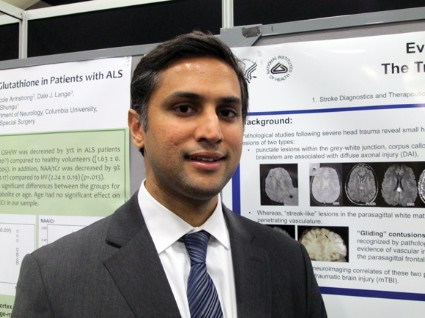
In fact, those who relied on cell phone alarms actually had worse adherence to their medication. "Medication adherence aids – particularly phone alarms – do not magically improve adherence to medication regimens," Dr. Melissa Armstrong said in an interview after the annual meeting of the American Academy of Neurology, where the study was presented during a poster session.
"I still encourage my patients to use various aids, especially since we don’t have anything better, but I caution them that they shouldn’t think these aids are going to miraculously help them remember to take their doses. It’s still going to take commitment and work. I particularly caution my younger Parkinson’s disease patients using phone alarms that they need to choose good ringtones, be attentive to the reminders, and be careful not to just switch off the phone alarm and proceed on with their day without taking their medications."
In a study conducted at the University of Maryland Parkinson’s disease and movement disorders center in Baltimore, Dr. Armstrong and her associates set out to determine how commonly Parkinson’s patients use medication management aids and to evaluate whether the use of such aids is associated with improved adherence.
"There is little work on this in Parkinson’s disease, despite the complex medication regimens that people with Parkinson’s disease have," said Dr. Armstrong of the department of neurology at the university. "Also, from a clinical perspective, physicians at our movement disorders center realized that we didn’t know how many of our patients were already using different aids to help them remember to take their medications. We thus decided to investigate what our patients are already trying and whether or not the aids are helping."
Patients with Parkinson’s disease for at least 1 year and who were responsible for managing their own medications were eligible for the trial. Referring physicians completed the Unified Parkinsons Disease Rating Scale, and study participants completed the Montreal Cognitive Assessment (MoCA), a medication adherence aid questionnaire, and the 8-item Morisky Medication Adherence Scale (MMAS-8). The mean age of study participants was 69 years, 67% were male, and 93% were white. They were on an average of 2.4 Parkinson’s drugs and an average of 6.9 total drugs.
Of the 104 patients, 78% were adherent to their medications (score of 0-3 on the MMAS-8), and 77 (74%) reported use of one or more aids to manage their medications. These aids were chiefly pillboxes (used by 70 patients, 55 of whom met adherence criteria), followed by 10 who used a cell phone alarm, 7 who used a watch with an alarm, and 6 who used a pillbox with an alarm. Another 27 used no adherence aid.
Overall, Dr. Armstrong and her associates found that 52 (68%) of the 77 patients who used an adherence aid met adherence criteria, the use of adherence aids did not improve medication adherence from a statistical standpoint (P = .58), and the use of a cell phone alarm worsened adherence, with only 5 of 10 users meeting adherence criteria (P less than .05). "This could be because phones are easy to turn off without further response and because mobile phone sounds are so frequent they are not effective," Dr. Armstrong said in the poster. "Future research is needed to investigate the relationship between cell phone alarm use and adherence, especially as their use increases."
Dr. Armstrong acknowledged that the relatively small sample size is a limitation of the study. She said she had no relevant financial disclosures.
SAN DIEGO – The use of pillboxes and other medication management aids by patients with Parkinson’s disease was not associated with increased adherence, results from a single-center study showed.
In fact, those who relied on cell phone alarms actually had worse adherence to their medication. "Medication adherence aids – particularly phone alarms – do not magically improve adherence to medication regimens," Dr. Melissa Armstrong said in an interview after the annual meeting of the American Academy of Neurology, where the study was presented during a poster session.
"I still encourage my patients to use various aids, especially since we don’t have anything better, but I caution them that they shouldn’t think these aids are going to miraculously help them remember to take their doses. It’s still going to take commitment and work. I particularly caution my younger Parkinson’s disease patients using phone alarms that they need to choose good ringtones, be attentive to the reminders, and be careful not to just switch off the phone alarm and proceed on with their day without taking their medications."
In a study conducted at the University of Maryland Parkinson’s disease and movement disorders center in Baltimore, Dr. Armstrong and her associates set out to determine how commonly Parkinson’s patients use medication management aids and to evaluate whether the use of such aids is associated with improved adherence.
"There is little work on this in Parkinson’s disease, despite the complex medication regimens that people with Parkinson’s disease have," said Dr. Armstrong of the department of neurology at the university. "Also, from a clinical perspective, physicians at our movement disorders center realized that we didn’t know how many of our patients were already using different aids to help them remember to take their medications. We thus decided to investigate what our patients are already trying and whether or not the aids are helping."
Patients with Parkinson’s disease for at least 1 year and who were responsible for managing their own medications were eligible for the trial. Referring physicians completed the Unified Parkinsons Disease Rating Scale, and study participants completed the Montreal Cognitive Assessment (MoCA), a medication adherence aid questionnaire, and the 8-item Morisky Medication Adherence Scale (MMAS-8). The mean age of study participants was 69 years, 67% were male, and 93% were white. They were on an average of 2.4 Parkinson’s drugs and an average of 6.9 total drugs.
Of the 104 patients, 78% were adherent to their medications (score of 0-3 on the MMAS-8), and 77 (74%) reported use of one or more aids to manage their medications. These aids were chiefly pillboxes (used by 70 patients, 55 of whom met adherence criteria), followed by 10 who used a cell phone alarm, 7 who used a watch with an alarm, and 6 who used a pillbox with an alarm. Another 27 used no adherence aid.
Overall, Dr. Armstrong and her associates found that 52 (68%) of the 77 patients who used an adherence aid met adherence criteria, the use of adherence aids did not improve medication adherence from a statistical standpoint (P = .58), and the use of a cell phone alarm worsened adherence, with only 5 of 10 users meeting adherence criteria (P less than .05). "This could be because phones are easy to turn off without further response and because mobile phone sounds are so frequent they are not effective," Dr. Armstrong said in the poster. "Future research is needed to investigate the relationship between cell phone alarm use and adherence, especially as their use increases."
Dr. Armstrong acknowledged that the relatively small sample size is a limitation of the study. She said she had no relevant financial disclosures.
SAN DIEGO – The use of pillboxes and other medication management aids by patients with Parkinson’s disease was not associated with increased adherence, results from a single-center study showed.
In fact, those who relied on cell phone alarms actually had worse adherence to their medication. "Medication adherence aids – particularly phone alarms – do not magically improve adherence to medication regimens," Dr. Melissa Armstrong said in an interview after the annual meeting of the American Academy of Neurology, where the study was presented during a poster session.
"I still encourage my patients to use various aids, especially since we don’t have anything better, but I caution them that they shouldn’t think these aids are going to miraculously help them remember to take their doses. It’s still going to take commitment and work. I particularly caution my younger Parkinson’s disease patients using phone alarms that they need to choose good ringtones, be attentive to the reminders, and be careful not to just switch off the phone alarm and proceed on with their day without taking their medications."
In a study conducted at the University of Maryland Parkinson’s disease and movement disorders center in Baltimore, Dr. Armstrong and her associates set out to determine how commonly Parkinson’s patients use medication management aids and to evaluate whether the use of such aids is associated with improved adherence.
"There is little work on this in Parkinson’s disease, despite the complex medication regimens that people with Parkinson’s disease have," said Dr. Armstrong of the department of neurology at the university. "Also, from a clinical perspective, physicians at our movement disorders center realized that we didn’t know how many of our patients were already using different aids to help them remember to take their medications. We thus decided to investigate what our patients are already trying and whether or not the aids are helping."
Patients with Parkinson’s disease for at least 1 year and who were responsible for managing their own medications were eligible for the trial. Referring physicians completed the Unified Parkinsons Disease Rating Scale, and study participants completed the Montreal Cognitive Assessment (MoCA), a medication adherence aid questionnaire, and the 8-item Morisky Medication Adherence Scale (MMAS-8). The mean age of study participants was 69 years, 67% were male, and 93% were white. They were on an average of 2.4 Parkinson’s drugs and an average of 6.9 total drugs.
Of the 104 patients, 78% were adherent to their medications (score of 0-3 on the MMAS-8), and 77 (74%) reported use of one or more aids to manage their medications. These aids were chiefly pillboxes (used by 70 patients, 55 of whom met adherence criteria), followed by 10 who used a cell phone alarm, 7 who used a watch with an alarm, and 6 who used a pillbox with an alarm. Another 27 used no adherence aid.
Overall, Dr. Armstrong and her associates found that 52 (68%) of the 77 patients who used an adherence aid met adherence criteria, the use of adherence aids did not improve medication adherence from a statistical standpoint (P = .58), and the use of a cell phone alarm worsened adherence, with only 5 of 10 users meeting adherence criteria (P less than .05). "This could be because phones are easy to turn off without further response and because mobile phone sounds are so frequent they are not effective," Dr. Armstrong said in the poster. "Future research is needed to investigate the relationship between cell phone alarm use and adherence, especially as their use increases."
Dr. Armstrong acknowledged that the relatively small sample size is a limitation of the study. She said she had no relevant financial disclosures.
AT THE 2013 AAN ANNUAL MEETING
Major finding: Of the 77 patients who used an adherence aid, 52 (68%) did not meet adherence criteria.
Data source: A study of 104 adults who had Parkinson’s disease for at least 1 year and who were treated at the University of Maryland Parkinson’s disease and movement disorders center.
Disclosures: Dr. Armstrong said she had no relevant financial disclosures.
Early behaviors may signal progression to Alzheimer's
SAN DIEGO – Robust behavioral changes are not common in presymptomatic familial Alzheimer’s disease, but increases in certain behaviors such as agitation, apathy, and appetitive changes can accompany early cognitive changes, results from a large ongoing study demonstrated.
The findings "are consistent with observations in late-onset Alzheimer’s disease and support behavioral changes in familial Alzheimer’s disease being a state associated with incipient Alzheimer’s pathology rather than a life-long disposition," Dr. John M. Ringman said at the annual meeting of the American Academy of Neurology.
"It’s well established now that the neuropathology of Alzheimer’s disease begins 15-20 years prior to overt symptoms," said Dr. Ringman, a neurologist at the Mary S. Easton Center for Alzheimer’s Disease Research at the University of California, Los Angeles. "Symptoms of depression, anxiety, apathy, and irritability are more frequent in persons with mild cognitive impairment (MCI). Further studies suggest that the presence of such symptoms in the context of MCI may better predict who will progress to develop Alzheimer’s disease."
Previous data published by Dr. Ringman and his associates suggest an increased degree of depressive symptoms in otherwise asymptomatic women inheriting PSEN1 mutations relative to their non–mutation carrying kin (J. Neurol. Neurosurg. Psychiatry 2004; 75:500-2). A study of persons destined to develop familial Alzheimer’s disease (FAD) "can help us differentiate between such symptoms as a ‘trait’ associated with a predisposition to AD or a ‘state’ related to the incipient development of AD pathology," he said.
At the meeting, Dr. Ringman presented findings from the first 212 men and women enrolled in the Dominantly Inherited Alzheimer Network (DIAN), an international multicenter study intended to characterize early clinical and biomarker changes occurring in people who inherit known FAD mutations in the PSEN1, APP, or PSEN2 genes. Men and woman at 50% risk for inheriting such a mutation underwent comprehensive evaluations including the Neuropsychiatric Inventory-Q (NPI-Q), the 15-item Geriatric Depression Scale (GDS), and the Clinical Dementia Rating Scale (CDR). Subjects who were aware of their mutation status were excluded from analysis.
The investigators classified FAD mutation carriers as being asymptomatic (defined as a CDR score of 0), mildly symptomatic (defined as a CDR score of 0.5), or overtly symptomatic (defined as a CDR score of greater than 0.5).* The researchers then compared FAD mutation carriers to noncarriers with respect to the frequency of behavioral changes on the NPI-Q and depression severity on the GDS. The 212 study participants included 133 mutation carriers and 79 noncarriers.
Of the 212 subjects, Dr. Ringman reported that 159 were at risk for PSEN1 mutations, 19 for PSEN2 mutations, and 34 for APP mutations. The 133 mutation carriers included 75 who were asymptomatic, 37 with mild symptoms, and 21 who were overtly affected. The researchers observed no statistically significant differences between asymptomatic mutation carriers and noncarriers in terms of neuropsychiatric symptoms. However, compared with noncarriers, mutation carriers with CDR scores of 0.5 demonstrated a significantly higher frequency of agitation (30% vs. 4%, respectively), apathy (41% vs. 3%), appetitive changes (30% vs. 9%), depressive symptoms (49% vs. 15%), disinhibition (16% vs. 1%), irritability (51% vs. 10%), and sleep changes (32% vs. 4%). In addition, the mean GDS score was mildly elevated in mildly symptomatic mutation carriers, compared with noncarriers (3.7 vs. 1.1; P value less than .001).
The study was funded by the National Institute on Aging, the Easton Consortium for Alzheimer’s Disease Drug Discovery and Biomarker Development, and UCLA’s Alzheimer’s Disease Research Center and Clinical Translational Research Institute. Dr. Ringman reported having no financial disclosures relevant to the study.
* 4/3/13, Correction to CDR score definitions.
SAN DIEGO – Robust behavioral changes are not common in presymptomatic familial Alzheimer’s disease, but increases in certain behaviors such as agitation, apathy, and appetitive changes can accompany early cognitive changes, results from a large ongoing study demonstrated.
The findings "are consistent with observations in late-onset Alzheimer’s disease and support behavioral changes in familial Alzheimer’s disease being a state associated with incipient Alzheimer’s pathology rather than a life-long disposition," Dr. John M. Ringman said at the annual meeting of the American Academy of Neurology.
"It’s well established now that the neuropathology of Alzheimer’s disease begins 15-20 years prior to overt symptoms," said Dr. Ringman, a neurologist at the Mary S. Easton Center for Alzheimer’s Disease Research at the University of California, Los Angeles. "Symptoms of depression, anxiety, apathy, and irritability are more frequent in persons with mild cognitive impairment (MCI). Further studies suggest that the presence of such symptoms in the context of MCI may better predict who will progress to develop Alzheimer’s disease."
Previous data published by Dr. Ringman and his associates suggest an increased degree of depressive symptoms in otherwise asymptomatic women inheriting PSEN1 mutations relative to their non–mutation carrying kin (J. Neurol. Neurosurg. Psychiatry 2004; 75:500-2). A study of persons destined to develop familial Alzheimer’s disease (FAD) "can help us differentiate between such symptoms as a ‘trait’ associated with a predisposition to AD or a ‘state’ related to the incipient development of AD pathology," he said.
At the meeting, Dr. Ringman presented findings from the first 212 men and women enrolled in the Dominantly Inherited Alzheimer Network (DIAN), an international multicenter study intended to characterize early clinical and biomarker changes occurring in people who inherit known FAD mutations in the PSEN1, APP, or PSEN2 genes. Men and woman at 50% risk for inheriting such a mutation underwent comprehensive evaluations including the Neuropsychiatric Inventory-Q (NPI-Q), the 15-item Geriatric Depression Scale (GDS), and the Clinical Dementia Rating Scale (CDR). Subjects who were aware of their mutation status were excluded from analysis.
The investigators classified FAD mutation carriers as being asymptomatic (defined as a CDR score of 0), mildly symptomatic (defined as a CDR score of 0.5), or overtly symptomatic (defined as a CDR score of greater than 0.5).* The researchers then compared FAD mutation carriers to noncarriers with respect to the frequency of behavioral changes on the NPI-Q and depression severity on the GDS. The 212 study participants included 133 mutation carriers and 79 noncarriers.
Of the 212 subjects, Dr. Ringman reported that 159 were at risk for PSEN1 mutations, 19 for PSEN2 mutations, and 34 for APP mutations. The 133 mutation carriers included 75 who were asymptomatic, 37 with mild symptoms, and 21 who were overtly affected. The researchers observed no statistically significant differences between asymptomatic mutation carriers and noncarriers in terms of neuropsychiatric symptoms. However, compared with noncarriers, mutation carriers with CDR scores of 0.5 demonstrated a significantly higher frequency of agitation (30% vs. 4%, respectively), apathy (41% vs. 3%), appetitive changes (30% vs. 9%), depressive symptoms (49% vs. 15%), disinhibition (16% vs. 1%), irritability (51% vs. 10%), and sleep changes (32% vs. 4%). In addition, the mean GDS score was mildly elevated in mildly symptomatic mutation carriers, compared with noncarriers (3.7 vs. 1.1; P value less than .001).
The study was funded by the National Institute on Aging, the Easton Consortium for Alzheimer’s Disease Drug Discovery and Biomarker Development, and UCLA’s Alzheimer’s Disease Research Center and Clinical Translational Research Institute. Dr. Ringman reported having no financial disclosures relevant to the study.
* 4/3/13, Correction to CDR score definitions.
SAN DIEGO – Robust behavioral changes are not common in presymptomatic familial Alzheimer’s disease, but increases in certain behaviors such as agitation, apathy, and appetitive changes can accompany early cognitive changes, results from a large ongoing study demonstrated.
The findings "are consistent with observations in late-onset Alzheimer’s disease and support behavioral changes in familial Alzheimer’s disease being a state associated with incipient Alzheimer’s pathology rather than a life-long disposition," Dr. John M. Ringman said at the annual meeting of the American Academy of Neurology.
"It’s well established now that the neuropathology of Alzheimer’s disease begins 15-20 years prior to overt symptoms," said Dr. Ringman, a neurologist at the Mary S. Easton Center for Alzheimer’s Disease Research at the University of California, Los Angeles. "Symptoms of depression, anxiety, apathy, and irritability are more frequent in persons with mild cognitive impairment (MCI). Further studies suggest that the presence of such symptoms in the context of MCI may better predict who will progress to develop Alzheimer’s disease."
Previous data published by Dr. Ringman and his associates suggest an increased degree of depressive symptoms in otherwise asymptomatic women inheriting PSEN1 mutations relative to their non–mutation carrying kin (J. Neurol. Neurosurg. Psychiatry 2004; 75:500-2). A study of persons destined to develop familial Alzheimer’s disease (FAD) "can help us differentiate between such symptoms as a ‘trait’ associated with a predisposition to AD or a ‘state’ related to the incipient development of AD pathology," he said.
At the meeting, Dr. Ringman presented findings from the first 212 men and women enrolled in the Dominantly Inherited Alzheimer Network (DIAN), an international multicenter study intended to characterize early clinical and biomarker changes occurring in people who inherit known FAD mutations in the PSEN1, APP, or PSEN2 genes. Men and woman at 50% risk for inheriting such a mutation underwent comprehensive evaluations including the Neuropsychiatric Inventory-Q (NPI-Q), the 15-item Geriatric Depression Scale (GDS), and the Clinical Dementia Rating Scale (CDR). Subjects who were aware of their mutation status were excluded from analysis.
The investigators classified FAD mutation carriers as being asymptomatic (defined as a CDR score of 0), mildly symptomatic (defined as a CDR score of 0.5), or overtly symptomatic (defined as a CDR score of greater than 0.5).* The researchers then compared FAD mutation carriers to noncarriers with respect to the frequency of behavioral changes on the NPI-Q and depression severity on the GDS. The 212 study participants included 133 mutation carriers and 79 noncarriers.
Of the 212 subjects, Dr. Ringman reported that 159 were at risk for PSEN1 mutations, 19 for PSEN2 mutations, and 34 for APP mutations. The 133 mutation carriers included 75 who were asymptomatic, 37 with mild symptoms, and 21 who were overtly affected. The researchers observed no statistically significant differences between asymptomatic mutation carriers and noncarriers in terms of neuropsychiatric symptoms. However, compared with noncarriers, mutation carriers with CDR scores of 0.5 demonstrated a significantly higher frequency of agitation (30% vs. 4%, respectively), apathy (41% vs. 3%), appetitive changes (30% vs. 9%), depressive symptoms (49% vs. 15%), disinhibition (16% vs. 1%), irritability (51% vs. 10%), and sleep changes (32% vs. 4%). In addition, the mean GDS score was mildly elevated in mildly symptomatic mutation carriers, compared with noncarriers (3.7 vs. 1.1; P value less than .001).
The study was funded by the National Institute on Aging, the Easton Consortium for Alzheimer’s Disease Drug Discovery and Biomarker Development, and UCLA’s Alzheimer’s Disease Research Center and Clinical Translational Research Institute. Dr. Ringman reported having no financial disclosures relevant to the study.
* 4/3/13, Correction to CDR score definitions.
AT THE 2013 AAN ANNUAL MEETING
Major finding: In a study of people at 50% risk for developing familial Alzheimer’s disease (FAD), gene mutation carriers with a Clinical Dementia Rating Scale (CDR) score of 0.5 had a significantly higher frequency of certain behaviors, compared with noncarriers, including agitation (30% vs. 4%, respectively), apathy, (41% vs. 3%), and appetitive changes (30% vs. 9%).
Data source: Results from the first 212 men and women enrolled in the Dominantly Inherited Alzheimer Network (DIAN).
Disclosures: The study was funded by the National Institute on Aging, the Easton Consortium for Alzheimer’s Disease Drug Discovery and Biomarker Development, and UCLA’s Alzheimer’s Disease Research Center and Clinical Translational Research Institute. Dr. Ringman reported having no financial disclosures relevant to the study.
Vascular injury common in mild TBI
SAN DIEGO – Tube-shaped linear lesions seen on advanced MRI in people admitted to the emergency department for head injuries may not be diffuse axonal injury but rather evidence of bleeding due to mild traumatic brain injury, judging from preliminary results of a novel study.
"Not everything that we’re calling diffuse axonal injury is diffuse axonal injury," Dr. Gunjan Y. Parikh said in an interview during a poster session at the annual meeting of the American Academy of Neurology. "There may be, in fact, evidence under our noses of vascular injury. This has implications, and those patients should be followed very closely. If we can pinpoint that they’re a vascular injury in the acute setting, there are a lot of therapies [we can use] that target the vasculature."
Between October 2010 and October 2012 Dr. Parikh, a neuroimaging fellow at the National Institute of Neurological Disorders and Stroke, and his associates prospectively evaluated 256 patients enrolled in the Traumatic Head Injury Neuroimaging Classification (THINC) study who were admitted to the emergency department at Suburban Hospital in Bethesda, Md., and Washington (D.C.) Hospital Center after mild head injuries.
Administered by the Center for Neuroscience and Regenerative Medicine at Uniformed Services University in Bethesda, the THINC study protocol includes taking an MRI in subjects within 48 hours of presenting with acute head injury, with or without a positive diagnosis of concussion, and at up to three follow-up visits at 4, 30, and 90 days. The protocol includes T2-weighted MRI, fluid-attenuated inversion recovery (FLAIR), diffusion-weighted imaging (DWI), and three-dimensional tracking imaging (3-DTI).
The average age of the 256 patients was 50 years. Of these, 104 (41%) had imaging evidence of hemorrhage in the brain (67% reported loss of consciousness and 65% reported amnesia). These 104 patients underwent more detailed brain scans with advanced MRI within an average of 17 hours after the injury. This advanced imaging demonstrated that 20% of the 104 patients had microbleed lesions and 33% had tube-shaped linear lesions suggestive of vascular injury. Microbleeds were distributed throughout the brain, whereas linear lesions, which were found primarily in the anterior corona radiata, were more likely to be associated with injury to adjacent brain tissue.
"I was surprised that one-third of patients are having this linear type of lesion that we may think is vascular injury, and the majority of them – 91% – met the Glasgow Coma Scale criteria for mild TBI," Dr. Parikh commented. "These are patients who are usually sent home [after initial emergency department presentation]. I was also surprised to see so much evidence on other MRI sequences, proving that there is evidence of associated infarct or ischemia."
This type of analysis has not been done previously because "the logistical hurdles to imaging patients after any type of brain injury are so dramatic that it’s difficult to do this type of study," he said, emphasizing the preliminary nature of the work. "It was able to be done because of a unique collaboration between the National Institutes of Health (NIH) and the Department of Defense. If it weren’t for this collaboration, this would not have happened."
He noted that histopathological studies are "an important next step" to confirm the connection between the imaging markers and the pathology.
The study was supported by the NIH, the National Institute of Neurological Disorders and Stroke, and the Center for Neuroscience and Regenerative Medicine, a collaborative effort among the NIH, the Department of Defense, and Walter Reed National Military Medical Center, Bethesda. Dr. Parikh reported having no financial disclosures.
SAN DIEGO – Tube-shaped linear lesions seen on advanced MRI in people admitted to the emergency department for head injuries may not be diffuse axonal injury but rather evidence of bleeding due to mild traumatic brain injury, judging from preliminary results of a novel study.
"Not everything that we’re calling diffuse axonal injury is diffuse axonal injury," Dr. Gunjan Y. Parikh said in an interview during a poster session at the annual meeting of the American Academy of Neurology. "There may be, in fact, evidence under our noses of vascular injury. This has implications, and those patients should be followed very closely. If we can pinpoint that they’re a vascular injury in the acute setting, there are a lot of therapies [we can use] that target the vasculature."
Between October 2010 and October 2012 Dr. Parikh, a neuroimaging fellow at the National Institute of Neurological Disorders and Stroke, and his associates prospectively evaluated 256 patients enrolled in the Traumatic Head Injury Neuroimaging Classification (THINC) study who were admitted to the emergency department at Suburban Hospital in Bethesda, Md., and Washington (D.C.) Hospital Center after mild head injuries.
Administered by the Center for Neuroscience and Regenerative Medicine at Uniformed Services University in Bethesda, the THINC study protocol includes taking an MRI in subjects within 48 hours of presenting with acute head injury, with or without a positive diagnosis of concussion, and at up to three follow-up visits at 4, 30, and 90 days. The protocol includes T2-weighted MRI, fluid-attenuated inversion recovery (FLAIR), diffusion-weighted imaging (DWI), and three-dimensional tracking imaging (3-DTI).
The average age of the 256 patients was 50 years. Of these, 104 (41%) had imaging evidence of hemorrhage in the brain (67% reported loss of consciousness and 65% reported amnesia). These 104 patients underwent more detailed brain scans with advanced MRI within an average of 17 hours after the injury. This advanced imaging demonstrated that 20% of the 104 patients had microbleed lesions and 33% had tube-shaped linear lesions suggestive of vascular injury. Microbleeds were distributed throughout the brain, whereas linear lesions, which were found primarily in the anterior corona radiata, were more likely to be associated with injury to adjacent brain tissue.
"I was surprised that one-third of patients are having this linear type of lesion that we may think is vascular injury, and the majority of them – 91% – met the Glasgow Coma Scale criteria for mild TBI," Dr. Parikh commented. "These are patients who are usually sent home [after initial emergency department presentation]. I was also surprised to see so much evidence on other MRI sequences, proving that there is evidence of associated infarct or ischemia."
This type of analysis has not been done previously because "the logistical hurdles to imaging patients after any type of brain injury are so dramatic that it’s difficult to do this type of study," he said, emphasizing the preliminary nature of the work. "It was able to be done because of a unique collaboration between the National Institutes of Health (NIH) and the Department of Defense. If it weren’t for this collaboration, this would not have happened."
He noted that histopathological studies are "an important next step" to confirm the connection between the imaging markers and the pathology.
The study was supported by the NIH, the National Institute of Neurological Disorders and Stroke, and the Center for Neuroscience and Regenerative Medicine, a collaborative effort among the NIH, the Department of Defense, and Walter Reed National Military Medical Center, Bethesda. Dr. Parikh reported having no financial disclosures.
SAN DIEGO – Tube-shaped linear lesions seen on advanced MRI in people admitted to the emergency department for head injuries may not be diffuse axonal injury but rather evidence of bleeding due to mild traumatic brain injury, judging from preliminary results of a novel study.
"Not everything that we’re calling diffuse axonal injury is diffuse axonal injury," Dr. Gunjan Y. Parikh said in an interview during a poster session at the annual meeting of the American Academy of Neurology. "There may be, in fact, evidence under our noses of vascular injury. This has implications, and those patients should be followed very closely. If we can pinpoint that they’re a vascular injury in the acute setting, there are a lot of therapies [we can use] that target the vasculature."
Between October 2010 and October 2012 Dr. Parikh, a neuroimaging fellow at the National Institute of Neurological Disorders and Stroke, and his associates prospectively evaluated 256 patients enrolled in the Traumatic Head Injury Neuroimaging Classification (THINC) study who were admitted to the emergency department at Suburban Hospital in Bethesda, Md., and Washington (D.C.) Hospital Center after mild head injuries.
Administered by the Center for Neuroscience and Regenerative Medicine at Uniformed Services University in Bethesda, the THINC study protocol includes taking an MRI in subjects within 48 hours of presenting with acute head injury, with or without a positive diagnosis of concussion, and at up to three follow-up visits at 4, 30, and 90 days. The protocol includes T2-weighted MRI, fluid-attenuated inversion recovery (FLAIR), diffusion-weighted imaging (DWI), and three-dimensional tracking imaging (3-DTI).
The average age of the 256 patients was 50 years. Of these, 104 (41%) had imaging evidence of hemorrhage in the brain (67% reported loss of consciousness and 65% reported amnesia). These 104 patients underwent more detailed brain scans with advanced MRI within an average of 17 hours after the injury. This advanced imaging demonstrated that 20% of the 104 patients had microbleed lesions and 33% had tube-shaped linear lesions suggestive of vascular injury. Microbleeds were distributed throughout the brain, whereas linear lesions, which were found primarily in the anterior corona radiata, were more likely to be associated with injury to adjacent brain tissue.
"I was surprised that one-third of patients are having this linear type of lesion that we may think is vascular injury, and the majority of them – 91% – met the Glasgow Coma Scale criteria for mild TBI," Dr. Parikh commented. "These are patients who are usually sent home [after initial emergency department presentation]. I was also surprised to see so much evidence on other MRI sequences, proving that there is evidence of associated infarct or ischemia."
This type of analysis has not been done previously because "the logistical hurdles to imaging patients after any type of brain injury are so dramatic that it’s difficult to do this type of study," he said, emphasizing the preliminary nature of the work. "It was able to be done because of a unique collaboration between the National Institutes of Health (NIH) and the Department of Defense. If it weren’t for this collaboration, this would not have happened."
He noted that histopathological studies are "an important next step" to confirm the connection between the imaging markers and the pathology.
The study was supported by the NIH, the National Institute of Neurological Disorders and Stroke, and the Center for Neuroscience and Regenerative Medicine, a collaborative effort among the NIH, the Department of Defense, and Walter Reed National Military Medical Center, Bethesda. Dr. Parikh reported having no financial disclosures.
AT THE 2013 AAN ANNUAL MEETING
Major finding: In a subset of patients with MRI evidence of hemorrhage in the brain following head injury, more advanced MRI imaging demonstrated that 20% had microbleed lesions and 33% had tube-shaped linear lesions suggestive of vascular injury.
Data source: A prospective study of 256 patients in the Traumatic Head Injury Neuroimaging Classification (THINC) study who were admitted to the emergency department at Suburban Hospital in Bethesda, Md., and Washington (D.C.) Hospital Center after mild head injuries.
Disclosures: The study was supported by the NIH, the National Institute of Neurological Disorders and Stroke, and the Center for Neuroscience and Regenerative Medicine, a collaborative effort among the NIH, the Department of Defense, and Walter Reed National Military Medical Center, Bethesda. Dr. Parikh reported having no financial disclosures.
Polyneuropathy burden estimated in first population-based study
SAN DIEGO – Polyneuropathy affects an estimated 2.1% of the general population and about 10% of older adults, results from a large analysis demonstrated.
In addition, "surrogate markers of disability such as medication use, complications, and disabling symptoms seem to indicate that polyneuropathy confers significant disability," Dr. Christopher J. Klein said in an interview prior to the annual meeting of the American Academy of Neurology, where the research is scheduled to be presented March 21 by Dr. E. Matthew Hoffman, a PGY-2 resident in the neurology department at the Mayo Clinic, Rochester, Minn. "As the U.S. population ages and diabetes rates continue to rise, the disease burden of polyneuropathy will only increase."
Dr. Klein, of the division of peripheral nerve diseases in the neurology department at the Mayo Clinic, said that population-based epidemiologic studies of polyneuropathy and peripheral nerve diseases are lacking in terms of sampling completeness, population size, and generalizability. "As far as we can determine, there are no population-based estimates of disability related to polyneuropathy," he said.
To ascertain the disease burden of polyneuropathy, he and his associates evaluated data from the Rochester Epidemiology Project (REP), which links the population of Olmsted County, Minn., to electronically retrievable medical records of virtually all residents. The REP census generally has exceeded the U.S. Census since 1970, making population sampling very complete, Dr. Klein said.
In their analysis, the researchers studied 138,420 Olmsted County residents who received health care between 2006 and 2010, gathering five age- and gender-matched controls for each case with an ICD-9 code that implied a diffuse polyneuropathy, such as 337.0. They excluded 11,494 cases of isolated mononeuropathies, plexopathies, and radiculopathies.
More than half of the studied population (56%) had comprehensive neurologic examinations available by certified neurologists with retrievable neurology sheets documenting motor, reflex, and sensory deficits; gait difficulties; and other components of a comprehensive neurologic examination. Electronically retrievable nerve conduction studies were also available in 43% of the studied population. Information on medications, complications related to polyneuropathy, and answers to survey questions about disabling symptoms were extracted for cases and controls as surrogate markers to quantify functional disability.
Dr. Klein reported that 2,897 cases of polyneuropathy were identified, which translated into a prevalence of 2.1% for the entire population for the 5-year period. The prevalence rose with age and peaked in the eighth decade of life for both men (11.2%) and women (7.9%), which meant that about 10% of elderly overall were affected. Fifty percent of the polyneuropathy cases were idiopathic, followed by diabetic (38%), inflammatory (5%), hereditary (3%), toxic (3%), and other (1%).
The researchers observed many statistically significant increases in surrogate markers of disability, compared with the matched controls, including an eightfold increase in pain medication use; a fivefold increase in lower-limb ulcers; and up to a threefold increase in difficulties in gait, need for gait aids, and difficulties climbing stairs. This extent of witnessed surrogate marker disabilities is similar to what is observed with other major medical problems, said Dr. Klein, who is also co-editor of the Journal of the Peripheral Nervous System.
One limitation of the analysis, he noted, was that polyneuropathy cases were identified from ICD-9 codes. "Therefore, for most patients, symptomatic presentation is most likely and asymptomatic cases may not be documented, possibly leading to underestimation," Dr. Klein said.
The study was supported by the National Institute of Neurological Disorders and Stroke, the National Institute on Aging, and the Mayo Foundation. Dr. Klein reported having no relevant financial disclosures.
SAN DIEGO – Polyneuropathy affects an estimated 2.1% of the general population and about 10% of older adults, results from a large analysis demonstrated.
In addition, "surrogate markers of disability such as medication use, complications, and disabling symptoms seem to indicate that polyneuropathy confers significant disability," Dr. Christopher J. Klein said in an interview prior to the annual meeting of the American Academy of Neurology, where the research is scheduled to be presented March 21 by Dr. E. Matthew Hoffman, a PGY-2 resident in the neurology department at the Mayo Clinic, Rochester, Minn. "As the U.S. population ages and diabetes rates continue to rise, the disease burden of polyneuropathy will only increase."
Dr. Klein, of the division of peripheral nerve diseases in the neurology department at the Mayo Clinic, said that population-based epidemiologic studies of polyneuropathy and peripheral nerve diseases are lacking in terms of sampling completeness, population size, and generalizability. "As far as we can determine, there are no population-based estimates of disability related to polyneuropathy," he said.
To ascertain the disease burden of polyneuropathy, he and his associates evaluated data from the Rochester Epidemiology Project (REP), which links the population of Olmsted County, Minn., to electronically retrievable medical records of virtually all residents. The REP census generally has exceeded the U.S. Census since 1970, making population sampling very complete, Dr. Klein said.
In their analysis, the researchers studied 138,420 Olmsted County residents who received health care between 2006 and 2010, gathering five age- and gender-matched controls for each case with an ICD-9 code that implied a diffuse polyneuropathy, such as 337.0. They excluded 11,494 cases of isolated mononeuropathies, plexopathies, and radiculopathies.
More than half of the studied population (56%) had comprehensive neurologic examinations available by certified neurologists with retrievable neurology sheets documenting motor, reflex, and sensory deficits; gait difficulties; and other components of a comprehensive neurologic examination. Electronically retrievable nerve conduction studies were also available in 43% of the studied population. Information on medications, complications related to polyneuropathy, and answers to survey questions about disabling symptoms were extracted for cases and controls as surrogate markers to quantify functional disability.
Dr. Klein reported that 2,897 cases of polyneuropathy were identified, which translated into a prevalence of 2.1% for the entire population for the 5-year period. The prevalence rose with age and peaked in the eighth decade of life for both men (11.2%) and women (7.9%), which meant that about 10% of elderly overall were affected. Fifty percent of the polyneuropathy cases were idiopathic, followed by diabetic (38%), inflammatory (5%), hereditary (3%), toxic (3%), and other (1%).
The researchers observed many statistically significant increases in surrogate markers of disability, compared with the matched controls, including an eightfold increase in pain medication use; a fivefold increase in lower-limb ulcers; and up to a threefold increase in difficulties in gait, need for gait aids, and difficulties climbing stairs. This extent of witnessed surrogate marker disabilities is similar to what is observed with other major medical problems, said Dr. Klein, who is also co-editor of the Journal of the Peripheral Nervous System.
One limitation of the analysis, he noted, was that polyneuropathy cases were identified from ICD-9 codes. "Therefore, for most patients, symptomatic presentation is most likely and asymptomatic cases may not be documented, possibly leading to underestimation," Dr. Klein said.
The study was supported by the National Institute of Neurological Disorders and Stroke, the National Institute on Aging, and the Mayo Foundation. Dr. Klein reported having no relevant financial disclosures.
SAN DIEGO – Polyneuropathy affects an estimated 2.1% of the general population and about 10% of older adults, results from a large analysis demonstrated.
In addition, "surrogate markers of disability such as medication use, complications, and disabling symptoms seem to indicate that polyneuropathy confers significant disability," Dr. Christopher J. Klein said in an interview prior to the annual meeting of the American Academy of Neurology, where the research is scheduled to be presented March 21 by Dr. E. Matthew Hoffman, a PGY-2 resident in the neurology department at the Mayo Clinic, Rochester, Minn. "As the U.S. population ages and diabetes rates continue to rise, the disease burden of polyneuropathy will only increase."
Dr. Klein, of the division of peripheral nerve diseases in the neurology department at the Mayo Clinic, said that population-based epidemiologic studies of polyneuropathy and peripheral nerve diseases are lacking in terms of sampling completeness, population size, and generalizability. "As far as we can determine, there are no population-based estimates of disability related to polyneuropathy," he said.
To ascertain the disease burden of polyneuropathy, he and his associates evaluated data from the Rochester Epidemiology Project (REP), which links the population of Olmsted County, Minn., to electronically retrievable medical records of virtually all residents. The REP census generally has exceeded the U.S. Census since 1970, making population sampling very complete, Dr. Klein said.
In their analysis, the researchers studied 138,420 Olmsted County residents who received health care between 2006 and 2010, gathering five age- and gender-matched controls for each case with an ICD-9 code that implied a diffuse polyneuropathy, such as 337.0. They excluded 11,494 cases of isolated mononeuropathies, plexopathies, and radiculopathies.
More than half of the studied population (56%) had comprehensive neurologic examinations available by certified neurologists with retrievable neurology sheets documenting motor, reflex, and sensory deficits; gait difficulties; and other components of a comprehensive neurologic examination. Electronically retrievable nerve conduction studies were also available in 43% of the studied population. Information on medications, complications related to polyneuropathy, and answers to survey questions about disabling symptoms were extracted for cases and controls as surrogate markers to quantify functional disability.
Dr. Klein reported that 2,897 cases of polyneuropathy were identified, which translated into a prevalence of 2.1% for the entire population for the 5-year period. The prevalence rose with age and peaked in the eighth decade of life for both men (11.2%) and women (7.9%), which meant that about 10% of elderly overall were affected. Fifty percent of the polyneuropathy cases were idiopathic, followed by diabetic (38%), inflammatory (5%), hereditary (3%), toxic (3%), and other (1%).
The researchers observed many statistically significant increases in surrogate markers of disability, compared with the matched controls, including an eightfold increase in pain medication use; a fivefold increase in lower-limb ulcers; and up to a threefold increase in difficulties in gait, need for gait aids, and difficulties climbing stairs. This extent of witnessed surrogate marker disabilities is similar to what is observed with other major medical problems, said Dr. Klein, who is also co-editor of the Journal of the Peripheral Nervous System.
One limitation of the analysis, he noted, was that polyneuropathy cases were identified from ICD-9 codes. "Therefore, for most patients, symptomatic presentation is most likely and asymptomatic cases may not be documented, possibly leading to underestimation," Dr. Klein said.
The study was supported by the National Institute of Neurological Disorders and Stroke, the National Institute on Aging, and the Mayo Foundation. Dr. Klein reported having no relevant financial disclosures.
AT THE 2013 AAN ANNUAL MEETING
Major finding: The prevalence of polyneuropathy in the general population is estimated to be 2.1%. It rises with age and peaks in the eighth decade for men (11.2%) and women (7.9%).
Data source: A study of 138,420 men and women from the Rochester Epidemiology Project, which links the population of Olmsted County, Minn., to electronically retrievable medical records of virtually all residents.
Disclosures: The study was supported by the National Institute of Neurological Disorders and Stroke, the National Institute on Aging, and the Mayo Foundation. Dr. Klein reported having no relevant financial disclosures.
Drum-assisted therapy aims to beat substance abuse
American Indians and Alaska Natives with substance abuse disorders who participated in a 12-week drum-assisted therapy program experienced significant improvements in mental health and psychological characteristics, as measured by the Addiction Severity Index, Native American version.
The findings, which stem from the first federally funded study of its kind, hold promise as a way to weave cultural traditions into addiction treatment efforts. "Throughout the United States, tribal leaders, elders, substance abuse providers, and administrators who serve this population feel there’s a need for more cultural-based treatments in general for Native Americans, including drumming or sweat lodge or bead making," said Dr. Daniel L. Dickerson, an assistant research psychiatrist with the integrated substance abuse programs at the University of California, Los Angeles.
About 5 years ago, Dr. Dickerson, whose mother is an Alaska Native from the Inupiaq indigenous group, devised a plan with a substance abuse counselor to create a drum-assisted therapy program for American Indians/Alaska Natives. With a research grant from the National Center for Complementary and Alternative Medicine, a division of the National Institutes of Health, Dr. Dickerson and his colleagues conducted six focus groups and enrolled five men and five women in a program that incorporated drumming activities within a culturally relevant format that took place during 3-hour treatment sessions twice per week for 12 weeks. During the first session, the study participants built a powwow drum they used as the focus of their treatment.
"For Native Americans, the drum is a very sacred instrument," explained Dr. Dickerson, also an assistant research psychiatrist at the Semel Institute for Neuroscience and Human Behavior at UCLA. "It symbolizes what many Native Americans describe as being the heartbeat of Mother Earth, so to speak. The songs that are sung with drumming often have a sacred component relating to their ancestry, stories, and traditions.
"So when they make the drum, they have the opportunity to learn about the purposes and history of the tribal traditions in drumming. When they make the drum, they feel like they have a sense of ownership in their own recovery process."
Participants in the UCLA open trial ranged from 19 to 67 years of age and underwent assessments at baseline, 6 weeks, and 12 weeks, including urine drug screens and breathalyzer tests, and the Addiction Severity Index, Native American version, to assess mental health and psychosocial characteristics. By the end of the trial, all study participants demonstrated significant improvements in the ASI psychological and medical composite scores, and in fatigue and spirituality, as measured by the Functional Assessment of Chronic Illness Therapy (FACIT)–Fatigue (version 4) and the FACIT–Spiritual Questions Only–Expanded.
"I was surprised we had statistical significance with such a small sample size," Dr. Dickerson said. "It’s promising, and we would anticipate good results in a larger trial as well."
When the treatment sessions ended, many of the study participants expressed favorable impressions of the program. "A lot of American Indians and Alaska Natives have had limited opportunities to participate in their own cultural healing activities," Dr. Dickerson said. "The program participants said they felt a real connection with their culture and felt that really helped them with their recovery process. We had people say it helped them with their stress, with feeling less depressed, and feeling more spiritual.
"One of the participants said, ‘I’m grateful. It’s my time to reconnect with the cultural, traditional way of life and find out who I really am and where I come from.’ "
Most of the 10 people who enrolled in the trial "did not grow up with their tribal traditions," he noted. "Ideal candidates for this therapy may be people who do not have a lot of knowledge of their own tribal traditions or who have strayed away from their traditional practices. This offers them an opportunity to reconnect with their culture and use the wellness concepts for recovery. This program was for adults, but in the future, we’d like to try it with youth."
More than 560 federally recognized tribes are in the United States, Dr. Dickerson said, each with its own traditions. "That goes for drumming as well," he said. "We recommend that each tribal community use their own traditions."
Dr. Dickerson said gender plays a role in the way in which each patient participates in the therapy. "In most tribes, women don’t drum," he said. "They accompany the men in drumming with dancing or singing or both."
One factor that varies depending on the tribe is whether one large powwow drum or individual drums are used, he said. For the UCLA trial, patients used a single large powwow drum.
"The men drummed, and the women informed us that they chose not to drum because of their tribal traditions," Dr. Dickerson said. "They accompanied the men."
The drum used in the study remains in the clinic where the study took place. "It’s like the Stanley Cup of drums," he said. "It’s just sitting here waiting for the next go-around. Group members are encouraged to continue drumming beyond the 12 weeks of therapy. We try to hook them up with other venues where they can continue their practice."
Dr. Dickerson is currently writing a manual about how to deliver drum-assisted therapy for American Indians/Alaska Natives. He hopes to have it completed by the end of the year "and then apply for a larger grant to conduct a larger clinical trial.
Dr. Dickerson said he had no relevant financial conflicts to disclose.
cultural traditions, addiction treatment, Dr. Daniel L. Dickerson, University of California, Los Angeles, National Center for Complementary and Alternative Medicine, alternative therapy
American Indians and Alaska Natives with substance abuse disorders who participated in a 12-week drum-assisted therapy program experienced significant improvements in mental health and psychological characteristics, as measured by the Addiction Severity Index, Native American version.
The findings, which stem from the first federally funded study of its kind, hold promise as a way to weave cultural traditions into addiction treatment efforts. "Throughout the United States, tribal leaders, elders, substance abuse providers, and administrators who serve this population feel there’s a need for more cultural-based treatments in general for Native Americans, including drumming or sweat lodge or bead making," said Dr. Daniel L. Dickerson, an assistant research psychiatrist with the integrated substance abuse programs at the University of California, Los Angeles.
About 5 years ago, Dr. Dickerson, whose mother is an Alaska Native from the Inupiaq indigenous group, devised a plan with a substance abuse counselor to create a drum-assisted therapy program for American Indians/Alaska Natives. With a research grant from the National Center for Complementary and Alternative Medicine, a division of the National Institutes of Health, Dr. Dickerson and his colleagues conducted six focus groups and enrolled five men and five women in a program that incorporated drumming activities within a culturally relevant format that took place during 3-hour treatment sessions twice per week for 12 weeks. During the first session, the study participants built a powwow drum they used as the focus of their treatment.
"For Native Americans, the drum is a very sacred instrument," explained Dr. Dickerson, also an assistant research psychiatrist at the Semel Institute for Neuroscience and Human Behavior at UCLA. "It symbolizes what many Native Americans describe as being the heartbeat of Mother Earth, so to speak. The songs that are sung with drumming often have a sacred component relating to their ancestry, stories, and traditions.
"So when they make the drum, they have the opportunity to learn about the purposes and history of the tribal traditions in drumming. When they make the drum, they feel like they have a sense of ownership in their own recovery process."
Participants in the UCLA open trial ranged from 19 to 67 years of age and underwent assessments at baseline, 6 weeks, and 12 weeks, including urine drug screens and breathalyzer tests, and the Addiction Severity Index, Native American version, to assess mental health and psychosocial characteristics. By the end of the trial, all study participants demonstrated significant improvements in the ASI psychological and medical composite scores, and in fatigue and spirituality, as measured by the Functional Assessment of Chronic Illness Therapy (FACIT)–Fatigue (version 4) and the FACIT–Spiritual Questions Only–Expanded.
"I was surprised we had statistical significance with such a small sample size," Dr. Dickerson said. "It’s promising, and we would anticipate good results in a larger trial as well."
When the treatment sessions ended, many of the study participants expressed favorable impressions of the program. "A lot of American Indians and Alaska Natives have had limited opportunities to participate in their own cultural healing activities," Dr. Dickerson said. "The program participants said they felt a real connection with their culture and felt that really helped them with their recovery process. We had people say it helped them with their stress, with feeling less depressed, and feeling more spiritual.
"One of the participants said, ‘I’m grateful. It’s my time to reconnect with the cultural, traditional way of life and find out who I really am and where I come from.’ "
Most of the 10 people who enrolled in the trial "did not grow up with their tribal traditions," he noted. "Ideal candidates for this therapy may be people who do not have a lot of knowledge of their own tribal traditions or who have strayed away from their traditional practices. This offers them an opportunity to reconnect with their culture and use the wellness concepts for recovery. This program was for adults, but in the future, we’d like to try it with youth."
More than 560 federally recognized tribes are in the United States, Dr. Dickerson said, each with its own traditions. "That goes for drumming as well," he said. "We recommend that each tribal community use their own traditions."
Dr. Dickerson said gender plays a role in the way in which each patient participates in the therapy. "In most tribes, women don’t drum," he said. "They accompany the men in drumming with dancing or singing or both."
One factor that varies depending on the tribe is whether one large powwow drum or individual drums are used, he said. For the UCLA trial, patients used a single large powwow drum.
"The men drummed, and the women informed us that they chose not to drum because of their tribal traditions," Dr. Dickerson said. "They accompanied the men."
The drum used in the study remains in the clinic where the study took place. "It’s like the Stanley Cup of drums," he said. "It’s just sitting here waiting for the next go-around. Group members are encouraged to continue drumming beyond the 12 weeks of therapy. We try to hook them up with other venues where they can continue their practice."
Dr. Dickerson is currently writing a manual about how to deliver drum-assisted therapy for American Indians/Alaska Natives. He hopes to have it completed by the end of the year "and then apply for a larger grant to conduct a larger clinical trial.
Dr. Dickerson said he had no relevant financial conflicts to disclose.
American Indians and Alaska Natives with substance abuse disorders who participated in a 12-week drum-assisted therapy program experienced significant improvements in mental health and psychological characteristics, as measured by the Addiction Severity Index, Native American version.
The findings, which stem from the first federally funded study of its kind, hold promise as a way to weave cultural traditions into addiction treatment efforts. "Throughout the United States, tribal leaders, elders, substance abuse providers, and administrators who serve this population feel there’s a need for more cultural-based treatments in general for Native Americans, including drumming or sweat lodge or bead making," said Dr. Daniel L. Dickerson, an assistant research psychiatrist with the integrated substance abuse programs at the University of California, Los Angeles.
About 5 years ago, Dr. Dickerson, whose mother is an Alaska Native from the Inupiaq indigenous group, devised a plan with a substance abuse counselor to create a drum-assisted therapy program for American Indians/Alaska Natives. With a research grant from the National Center for Complementary and Alternative Medicine, a division of the National Institutes of Health, Dr. Dickerson and his colleagues conducted six focus groups and enrolled five men and five women in a program that incorporated drumming activities within a culturally relevant format that took place during 3-hour treatment sessions twice per week for 12 weeks. During the first session, the study participants built a powwow drum they used as the focus of their treatment.
"For Native Americans, the drum is a very sacred instrument," explained Dr. Dickerson, also an assistant research psychiatrist at the Semel Institute for Neuroscience and Human Behavior at UCLA. "It symbolizes what many Native Americans describe as being the heartbeat of Mother Earth, so to speak. The songs that are sung with drumming often have a sacred component relating to their ancestry, stories, and traditions.
"So when they make the drum, they have the opportunity to learn about the purposes and history of the tribal traditions in drumming. When they make the drum, they feel like they have a sense of ownership in their own recovery process."
Participants in the UCLA open trial ranged from 19 to 67 years of age and underwent assessments at baseline, 6 weeks, and 12 weeks, including urine drug screens and breathalyzer tests, and the Addiction Severity Index, Native American version, to assess mental health and psychosocial characteristics. By the end of the trial, all study participants demonstrated significant improvements in the ASI psychological and medical composite scores, and in fatigue and spirituality, as measured by the Functional Assessment of Chronic Illness Therapy (FACIT)–Fatigue (version 4) and the FACIT–Spiritual Questions Only–Expanded.
"I was surprised we had statistical significance with such a small sample size," Dr. Dickerson said. "It’s promising, and we would anticipate good results in a larger trial as well."
When the treatment sessions ended, many of the study participants expressed favorable impressions of the program. "A lot of American Indians and Alaska Natives have had limited opportunities to participate in their own cultural healing activities," Dr. Dickerson said. "The program participants said they felt a real connection with their culture and felt that really helped them with their recovery process. We had people say it helped them with their stress, with feeling less depressed, and feeling more spiritual.
"One of the participants said, ‘I’m grateful. It’s my time to reconnect with the cultural, traditional way of life and find out who I really am and where I come from.’ "
Most of the 10 people who enrolled in the trial "did not grow up with their tribal traditions," he noted. "Ideal candidates for this therapy may be people who do not have a lot of knowledge of their own tribal traditions or who have strayed away from their traditional practices. This offers them an opportunity to reconnect with their culture and use the wellness concepts for recovery. This program was for adults, but in the future, we’d like to try it with youth."
More than 560 federally recognized tribes are in the United States, Dr. Dickerson said, each with its own traditions. "That goes for drumming as well," he said. "We recommend that each tribal community use their own traditions."
Dr. Dickerson said gender plays a role in the way in which each patient participates in the therapy. "In most tribes, women don’t drum," he said. "They accompany the men in drumming with dancing or singing or both."
One factor that varies depending on the tribe is whether one large powwow drum or individual drums are used, he said. For the UCLA trial, patients used a single large powwow drum.
"The men drummed, and the women informed us that they chose not to drum because of their tribal traditions," Dr. Dickerson said. "They accompanied the men."
The drum used in the study remains in the clinic where the study took place. "It’s like the Stanley Cup of drums," he said. "It’s just sitting here waiting for the next go-around. Group members are encouraged to continue drumming beyond the 12 weeks of therapy. We try to hook them up with other venues where they can continue their practice."
Dr. Dickerson is currently writing a manual about how to deliver drum-assisted therapy for American Indians/Alaska Natives. He hopes to have it completed by the end of the year "and then apply for a larger grant to conduct a larger clinical trial.
Dr. Dickerson said he had no relevant financial conflicts to disclose.
cultural traditions, addiction treatment, Dr. Daniel L. Dickerson, University of California, Los Angeles, National Center for Complementary and Alternative Medicine, alternative therapy
cultural traditions, addiction treatment, Dr. Daniel L. Dickerson, University of California, Los Angeles, National Center for Complementary and Alternative Medicine, alternative therapy
Ancestry matters in drug metabolism, expert says
KAUAI, HAWAII – When it comes to the body’s ability to metabolize medications, ancestry matters.
"In our clinical experience we know that some patients respond [to certain medications] and others don’t," Dr. Keh-Ming Lin said at the annual meeting of the American College of Psychiatrists. "There are also toxic responders, even though we give them the same type of treatment. Right now, we don’t have a way of identifying who will respond or who will have serious side effects.

"This occurs although humans are 99.99% the same from a genetic standpoint," said Dr. Lin, a psychiatrist at the University of California, Los Angeles. "We have the same chromosome structures and the same number of genes, and the genes are structured in the same way. It often just takes one single mutation to alter the function of the genes. As a result, there are individual and ethnic differences in the way genes respond to treatment."
Variations in pharmacokinetics are mediated by a number of cytochrome P450 enzymes (CYPs), he said, including CYP2D6, CYP3A4, and CYP1A2. "These enzyme activities are determined not only by genetic dispositions but also by environmental factors like diet and herbs that people take," said Dr. Lin, who is also a distinguished life fellow of the American Psychiatric Association.
He described CYP2D6 as "interesting" for at least two reasons: First, it is involved in about 40% of all drugs currently on the market, including many antidepressants, neuroleptics, drugs of abuse, cardiovascular drugs, and antiemetics. Second, there are different mutations of CYP2D6 that translate to four different rates of metabolism. For example, genotype CYP2D6*4 is associated with very slow rates of metabolism (PM); genotypes CYP2D6*17 and CYP2D6*10 are associated with slow rates of metabolism (SM); CYP2D6 is associated with normal rates of metabolism (EM), and genotypes CYP2D6*1XN and CYP2D6*2XN are associated with fast rates of metabolism (UM).
"These could be determined by a simple genetic test," Dr. Lin said. "We have known for about 40 years that Asians seem to be more sensitive to medication and need a lower dosage of some of the commonly prescribed drugs. Part of this may be because a higher proportion of East Asians are slow metabolizers due to a specific gene mutation. On the other hand, about 9% of Caucasians are poor metabolizers. They have absolutely no CYP2D6, so they tend to be very sensitive to medication."
Dr. Lin also noted that a high proportion of people who are part of certain ethnic groups metabolize drugs very rapidly, including Ethiopians, Arabs, Melanesians, and others of East African descent. "They require much larger doses of medication to have the same effect," he said.
Such differences occur because these CYP2D6 phenotypes "were not specifically designed to metabolize these drugs but rather are part of a system crucial for the body’s defenses against foreign and potentially dangerous substances," he explained.
Another enzyme that plays a role in drug metabolism is CYP1A2, which is inhibited by many natural substances, including coffee, flavone, quercetin, and corn and is induced by a high-protein diet, constituents of tobacco, charbroiled beef, and cruciferous vegetables.
The enzyme CYP3A4 is also important in drug metabolism. It is inhibited by grapefruit juice, red wine, star fruit, and kava and is induced by St. John’s wort. Drugs metabolized by CYP3A4 include some atypical antipsychotics; some antidepressants; mood stabilizers carbamazepine, gabapentin, and lamotrigine; benzodiazepines; steroids; and statins.
"The bottom line is that we should consider ethnic and individual variations on drug-metabolizing genes such as CYP2D6 PM and UM, and watch out for drug-drug interactions and drug–natural substance interactions," he concluded.
Dr. Lin said he had no relevant financial disclosures.
KAUAI, HAWAII – When it comes to the body’s ability to metabolize medications, ancestry matters.
"In our clinical experience we know that some patients respond [to certain medications] and others don’t," Dr. Keh-Ming Lin said at the annual meeting of the American College of Psychiatrists. "There are also toxic responders, even though we give them the same type of treatment. Right now, we don’t have a way of identifying who will respond or who will have serious side effects.
"This occurs although humans are 99.99% the same from a genetic standpoint," said Dr. Lin, a psychiatrist at the University of California, Los Angeles. "We have the same chromosome structures and the same number of genes, and the genes are structured in the same way. It often just takes one single mutation to alter the function of the genes. As a result, there are individual and ethnic differences in the way genes respond to treatment."
Variations in pharmacokinetics are mediated by a number of cytochrome P450 enzymes (CYPs), he said, including CYP2D6, CYP3A4, and CYP1A2. "These enzyme activities are determined not only by genetic dispositions but also by environmental factors like diet and herbs that people take," said Dr. Lin, who is also a distinguished life fellow of the American Psychiatric Association.
He described CYP2D6 as "interesting" for at least two reasons: First, it is involved in about 40% of all drugs currently on the market, including many antidepressants, neuroleptics, drugs of abuse, cardiovascular drugs, and antiemetics. Second, there are different mutations of CYP2D6 that translate to four different rates of metabolism. For example, genotype CYP2D6*4 is associated with very slow rates of metabolism (PM); genotypes CYP2D6*17 and CYP2D6*10 are associated with slow rates of metabolism (SM); CYP2D6 is associated with normal rates of metabolism (EM), and genotypes CYP2D6*1XN and CYP2D6*2XN are associated with fast rates of metabolism (UM).
"These could be determined by a simple genetic test," Dr. Lin said. "We have known for about 40 years that Asians seem to be more sensitive to medication and need a lower dosage of some of the commonly prescribed drugs. Part of this may be because a higher proportion of East Asians are slow metabolizers due to a specific gene mutation. On the other hand, about 9% of Caucasians are poor metabolizers. They have absolutely no CYP2D6, so they tend to be very sensitive to medication."
Dr. Lin also noted that a high proportion of people who are part of certain ethnic groups metabolize drugs very rapidly, including Ethiopians, Arabs, Melanesians, and others of East African descent. "They require much larger doses of medication to have the same effect," he said.
Such differences occur because these CYP2D6 phenotypes "were not specifically designed to metabolize these drugs but rather are part of a system crucial for the body’s defenses against foreign and potentially dangerous substances," he explained.
Another enzyme that plays a role in drug metabolism is CYP1A2, which is inhibited by many natural substances, including coffee, flavone, quercetin, and corn and is induced by a high-protein diet, constituents of tobacco, charbroiled beef, and cruciferous vegetables.
The enzyme CYP3A4 is also important in drug metabolism. It is inhibited by grapefruit juice, red wine, star fruit, and kava and is induced by St. John’s wort. Drugs metabolized by CYP3A4 include some atypical antipsychotics; some antidepressants; mood stabilizers carbamazepine, gabapentin, and lamotrigine; benzodiazepines; steroids; and statins.
"The bottom line is that we should consider ethnic and individual variations on drug-metabolizing genes such as CYP2D6 PM and UM, and watch out for drug-drug interactions and drug–natural substance interactions," he concluded.
Dr. Lin said he had no relevant financial disclosures.
KAUAI, HAWAII – When it comes to the body’s ability to metabolize medications, ancestry matters.
"In our clinical experience we know that some patients respond [to certain medications] and others don’t," Dr. Keh-Ming Lin said at the annual meeting of the American College of Psychiatrists. "There are also toxic responders, even though we give them the same type of treatment. Right now, we don’t have a way of identifying who will respond or who will have serious side effects.
"This occurs although humans are 99.99% the same from a genetic standpoint," said Dr. Lin, a psychiatrist at the University of California, Los Angeles. "We have the same chromosome structures and the same number of genes, and the genes are structured in the same way. It often just takes one single mutation to alter the function of the genes. As a result, there are individual and ethnic differences in the way genes respond to treatment."
Variations in pharmacokinetics are mediated by a number of cytochrome P450 enzymes (CYPs), he said, including CYP2D6, CYP3A4, and CYP1A2. "These enzyme activities are determined not only by genetic dispositions but also by environmental factors like diet and herbs that people take," said Dr. Lin, who is also a distinguished life fellow of the American Psychiatric Association.
He described CYP2D6 as "interesting" for at least two reasons: First, it is involved in about 40% of all drugs currently on the market, including many antidepressants, neuroleptics, drugs of abuse, cardiovascular drugs, and antiemetics. Second, there are different mutations of CYP2D6 that translate to four different rates of metabolism. For example, genotype CYP2D6*4 is associated with very slow rates of metabolism (PM); genotypes CYP2D6*17 and CYP2D6*10 are associated with slow rates of metabolism (SM); CYP2D6 is associated with normal rates of metabolism (EM), and genotypes CYP2D6*1XN and CYP2D6*2XN are associated with fast rates of metabolism (UM).
"These could be determined by a simple genetic test," Dr. Lin said. "We have known for about 40 years that Asians seem to be more sensitive to medication and need a lower dosage of some of the commonly prescribed drugs. Part of this may be because a higher proportion of East Asians are slow metabolizers due to a specific gene mutation. On the other hand, about 9% of Caucasians are poor metabolizers. They have absolutely no CYP2D6, so they tend to be very sensitive to medication."
Dr. Lin also noted that a high proportion of people who are part of certain ethnic groups metabolize drugs very rapidly, including Ethiopians, Arabs, Melanesians, and others of East African descent. "They require much larger doses of medication to have the same effect," he said.
Such differences occur because these CYP2D6 phenotypes "were not specifically designed to metabolize these drugs but rather are part of a system crucial for the body’s defenses against foreign and potentially dangerous substances," he explained.
Another enzyme that plays a role in drug metabolism is CYP1A2, which is inhibited by many natural substances, including coffee, flavone, quercetin, and corn and is induced by a high-protein diet, constituents of tobacco, charbroiled beef, and cruciferous vegetables.
The enzyme CYP3A4 is also important in drug metabolism. It is inhibited by grapefruit juice, red wine, star fruit, and kava and is induced by St. John’s wort. Drugs metabolized by CYP3A4 include some atypical antipsychotics; some antidepressants; mood stabilizers carbamazepine, gabapentin, and lamotrigine; benzodiazepines; steroids; and statins.
"The bottom line is that we should consider ethnic and individual variations on drug-metabolizing genes such as CYP2D6 PM and UM, and watch out for drug-drug interactions and drug–natural substance interactions," he concluded.
Dr. Lin said he had no relevant financial disclosures.
EXPERT ANALYSIS FROM THE AMERICAN COLLEGE OF PSYCHIATRISTS ANNUAL MEETING

Efforts to improve mental health disparities underway
KAUAI, HAWAII – It’s been nearly 12 years since former U.S. Surgeon General David Satcher released a report spotlighting the impact of mental illnesses on racial and ethic minority groups in the United States.
Today, that report "still rings true in terms of its findings of the striking ethnic, racial, and linguistic disparities in mental health care, with members of diverse groups being less likely to receive services and to have a poorer quality of care once they enter the door for psychiatric care," Dr. Annelle B. Primm said at the annual meeting of the American College of Psychiatrists.

"To compound matters, they are underrepresented in mental health research, making it more difficult for us to be certain that we’re providing these populations the best care. Taken together, these disparities impose a great disability burden."
In 2011, minority births exceeded white births, she said, and 50% of 3- and 4-year-olds were white and 50% were nonwhite. "Our country is becoming more and more diverse to the point where we may need to start referring to these populations as an emerging majority," said Dr. Primm, director of minority and national affairs at the American Psychiatric Association (APA). "What this means is that in our mental health care settings, there are going to be even greater cross-cultural interactions. This is something that we in the psychiatry community need to be prepared for."
Patient-level factors, system-level factors, and individual practitioner factors contribute to the existing disparities, said Dr. Primm, who is also the APA’s deputy medical director. Data from the Agency for Healthcare Research and Quality’s (AHRQ’s) National Healthcare Disparities Report, which was published in 2011, show that blacks and Hispanics who had major depressive episodes within the last 12 months were less likely to receive treatment during that time, compared with whites.
"There are also some differences with respect to education level, with people with any college education being more likely to receive treatment, compared with those who are either high school graduates or had less than a high school education," Dr. Primm said.
The AHRQ also notes disparities in substance abuse treatment. For example, among people aged 12 and older who need treatment for illicit drug use or an alcohol problem, blacks are more likely to receive treatment, compared with their white or American Indian counterparts. Yet, blacks are less likely to complete treatment, compared with the other cohorts.
The rate of uninsured also is a barrier to mental health care. Data from the 2010 U.S. Census estimate that about 20% of the nonelderly population are uninsured. Of those uninsured, 46% are white, 31% are Hispanic, 16% are black, and 5% are Asian American. "We can expect an influx of these populations with health care reform and Medicaid expansion," Dr. Primm said.
Another access challenge is the shortage of behavioral health providers in some geographic areas, major cutbacks in public mental health services, and a lack of mental health workforce diversity. "If we look at the diversity of the psychiatry workforce, in almost all groups, there is a mismatch between the population percentage and the percentage of the psychiatric workforce," she said.
Despite current challenges that mental health care clinicians face in providing services to underserved patient populations, Dr. Primm emphasized that significant efforts are underway to bring meaningful change. Whatever shape pending health care reform ultimately takes, she predicted, it will contribute to improving access to mental health services by special populations. For example, mental health parity "will be helpful in terms of access to mental health services for diverse groups," she said. "Expanding health coverage through the employer mandate, health exchanges, Medicaid expansion, and allowance of coverage for people with preexisting conditions will also be [important]."
She said she envisions improved access through other pathways as well, such as community health centers, the Indian Health Care Improvement Act, and the Health Resources and Services Administration’s National Health Service Corps, "which pays for medical school and other health professional training for those who are prepared to ‘give back’ after they finish their training," Dr. Primm said.
Other trends underway aimed at eliminating disparities in the provision of mental health services include the involvement of peer support specialists – which has been proposed by recovery-oriented models of care. This trend "also stems from the saying ‘nothing about us without us,’ where people with mental illness who have been successful in managing their illness become a part of the team to help patients who are struggling, to identify with their recovery success," Dr. Primm explained. "We also need to see that community health workers and mental health navigators can serve as cultural brokers, particularly if they reflect the culture of the patient population served.
"This is new for many of us who have not had the opportunity to work with people in these sorts of positions."
Health care reform’s emphasis on prevention and primary care also is likely to drive change for the better, she said, noting that people with serious mental illness die, on average, 25 years earlier than the general population. "The integrated care between primary care and mental health is particularly important with ethnically and racially diverse groups," she said. "There are very high rates of chronic disease and premature death, so this is another way in which these patients can benefit from having a ‘one-stop shop,’ to benefit from collaborative care."
In 2006, the APA and the National Alliance on Mental Illness embarked on a project to develop a 3-hour continuing medical education curriculum called "In Living Color: Depression Treatment in Primary Care." The curriculum was developed to equip primary care practitioners with the knowledge and skills to work more effectively with diverse populations.
"The approach in teaching this is innovative in that it involves physicians working with a person of color with a history of depression as well as with a family mental health advocate from a diverse background," Dr. Primm said. "So the primary care practitioners [gain] a full appreciation – not only of the science but also of the lived experience of what it’s like to be a person of color with a mental illness and to struggle with it." To date, the curriculum has been rolled out in California, Florida, Louisiana, Missouri, and Tennessee.
The recent proliferation of cultural competence training, and practitioner and organizational assessments, also are likely to result in improved access to quality mental health care. The Affordable Care Act "does pay attention to the issue of cultural competency training," she said. "Some states have taken the lead on this, including New Jersey, which requires cultural competency training for medical licensure and renewal. In addition, California requires that all CME programs include a cultural competence focus."
On the national front, the Department of Health and Human Services Office of Minority Health has launched a National Partnership for Action to End Health Disparities. According to its website, the mission of NPA is to "increase the effectiveness of programs that target the elimination of health disparities through the coordination of partners, leaders, and stakeholders committed to action." Efforts by the Patient Care Outcomes Research Institute to conduct comparative effectiveness research also will be key. "Perhaps this will be an opportunity to learn more about what sort of treatments work best in which populations and by which providers, et cetera," Dr. Primm said. "In terms of quality improvement, it’s important to have national indicators tracked by race and ethnicity."
Other quality standards focused on eliminating disparities include the National Standards on Culturally and Linguistically Appropriate Services, the National Quality Forum’s Healthcare Disparities and Cultural Competency Consensus Standards, and the National Committee for Quality Assurance’s Standards and Guidelines for Distinction in Multicultural Health Care. "These will all be more prominent going forward," Dr. Primm said.
Dr. Primm said she had no relevant financial disclosures.
KAUAI, HAWAII – It’s been nearly 12 years since former U.S. Surgeon General David Satcher released a report spotlighting the impact of mental illnesses on racial and ethic minority groups in the United States.
Today, that report "still rings true in terms of its findings of the striking ethnic, racial, and linguistic disparities in mental health care, with members of diverse groups being less likely to receive services and to have a poorer quality of care once they enter the door for psychiatric care," Dr. Annelle B. Primm said at the annual meeting of the American College of Psychiatrists.
"To compound matters, they are underrepresented in mental health research, making it more difficult for us to be certain that we’re providing these populations the best care. Taken together, these disparities impose a great disability burden."
In 2011, minority births exceeded white births, she said, and 50% of 3- and 4-year-olds were white and 50% were nonwhite. "Our country is becoming more and more diverse to the point where we may need to start referring to these populations as an emerging majority," said Dr. Primm, director of minority and national affairs at the American Psychiatric Association (APA). "What this means is that in our mental health care settings, there are going to be even greater cross-cultural interactions. This is something that we in the psychiatry community need to be prepared for."
Patient-level factors, system-level factors, and individual practitioner factors contribute to the existing disparities, said Dr. Primm, who is also the APA’s deputy medical director. Data from the Agency for Healthcare Research and Quality’s (AHRQ’s) National Healthcare Disparities Report, which was published in 2011, show that blacks and Hispanics who had major depressive episodes within the last 12 months were less likely to receive treatment during that time, compared with whites.
"There are also some differences with respect to education level, with people with any college education being more likely to receive treatment, compared with those who are either high school graduates or had less than a high school education," Dr. Primm said.
The AHRQ also notes disparities in substance abuse treatment. For example, among people aged 12 and older who need treatment for illicit drug use or an alcohol problem, blacks are more likely to receive treatment, compared with their white or American Indian counterparts. Yet, blacks are less likely to complete treatment, compared with the other cohorts.
The rate of uninsured also is a barrier to mental health care. Data from the 2010 U.S. Census estimate that about 20% of the nonelderly population are uninsured. Of those uninsured, 46% are white, 31% are Hispanic, 16% are black, and 5% are Asian American. "We can expect an influx of these populations with health care reform and Medicaid expansion," Dr. Primm said.
Another access challenge is the shortage of behavioral health providers in some geographic areas, major cutbacks in public mental health services, and a lack of mental health workforce diversity. "If we look at the diversity of the psychiatry workforce, in almost all groups, there is a mismatch between the population percentage and the percentage of the psychiatric workforce," she said.
Despite current challenges that mental health care clinicians face in providing services to underserved patient populations, Dr. Primm emphasized that significant efforts are underway to bring meaningful change. Whatever shape pending health care reform ultimately takes, she predicted, it will contribute to improving access to mental health services by special populations. For example, mental health parity "will be helpful in terms of access to mental health services for diverse groups," she said. "Expanding health coverage through the employer mandate, health exchanges, Medicaid expansion, and allowance of coverage for people with preexisting conditions will also be [important]."
She said she envisions improved access through other pathways as well, such as community health centers, the Indian Health Care Improvement Act, and the Health Resources and Services Administration’s National Health Service Corps, "which pays for medical school and other health professional training for those who are prepared to ‘give back’ after they finish their training," Dr. Primm said.
Other trends underway aimed at eliminating disparities in the provision of mental health services include the involvement of peer support specialists – which has been proposed by recovery-oriented models of care. This trend "also stems from the saying ‘nothing about us without us,’ where people with mental illness who have been successful in managing their illness become a part of the team to help patients who are struggling, to identify with their recovery success," Dr. Primm explained. "We also need to see that community health workers and mental health navigators can serve as cultural brokers, particularly if they reflect the culture of the patient population served.
"This is new for many of us who have not had the opportunity to work with people in these sorts of positions."
Health care reform’s emphasis on prevention and primary care also is likely to drive change for the better, she said, noting that people with serious mental illness die, on average, 25 years earlier than the general population. "The integrated care between primary care and mental health is particularly important with ethnically and racially diverse groups," she said. "There are very high rates of chronic disease and premature death, so this is another way in which these patients can benefit from having a ‘one-stop shop,’ to benefit from collaborative care."
In 2006, the APA and the National Alliance on Mental Illness embarked on a project to develop a 3-hour continuing medical education curriculum called "In Living Color: Depression Treatment in Primary Care." The curriculum was developed to equip primary care practitioners with the knowledge and skills to work more effectively with diverse populations.
"The approach in teaching this is innovative in that it involves physicians working with a person of color with a history of depression as well as with a family mental health advocate from a diverse background," Dr. Primm said. "So the primary care practitioners [gain] a full appreciation – not only of the science but also of the lived experience of what it’s like to be a person of color with a mental illness and to struggle with it." To date, the curriculum has been rolled out in California, Florida, Louisiana, Missouri, and Tennessee.
The recent proliferation of cultural competence training, and practitioner and organizational assessments, also are likely to result in improved access to quality mental health care. The Affordable Care Act "does pay attention to the issue of cultural competency training," she said. "Some states have taken the lead on this, including New Jersey, which requires cultural competency training for medical licensure and renewal. In addition, California requires that all CME programs include a cultural competence focus."
On the national front, the Department of Health and Human Services Office of Minority Health has launched a National Partnership for Action to End Health Disparities. According to its website, the mission of NPA is to "increase the effectiveness of programs that target the elimination of health disparities through the coordination of partners, leaders, and stakeholders committed to action." Efforts by the Patient Care Outcomes Research Institute to conduct comparative effectiveness research also will be key. "Perhaps this will be an opportunity to learn more about what sort of treatments work best in which populations and by which providers, et cetera," Dr. Primm said. "In terms of quality improvement, it’s important to have national indicators tracked by race and ethnicity."
Other quality standards focused on eliminating disparities include the National Standards on Culturally and Linguistically Appropriate Services, the National Quality Forum’s Healthcare Disparities and Cultural Competency Consensus Standards, and the National Committee for Quality Assurance’s Standards and Guidelines for Distinction in Multicultural Health Care. "These will all be more prominent going forward," Dr. Primm said.
Dr. Primm said she had no relevant financial disclosures.
KAUAI, HAWAII – It’s been nearly 12 years since former U.S. Surgeon General David Satcher released a report spotlighting the impact of mental illnesses on racial and ethic minority groups in the United States.
Today, that report "still rings true in terms of its findings of the striking ethnic, racial, and linguistic disparities in mental health care, with members of diverse groups being less likely to receive services and to have a poorer quality of care once they enter the door for psychiatric care," Dr. Annelle B. Primm said at the annual meeting of the American College of Psychiatrists.
"To compound matters, they are underrepresented in mental health research, making it more difficult for us to be certain that we’re providing these populations the best care. Taken together, these disparities impose a great disability burden."
In 2011, minority births exceeded white births, she said, and 50% of 3- and 4-year-olds were white and 50% were nonwhite. "Our country is becoming more and more diverse to the point where we may need to start referring to these populations as an emerging majority," said Dr. Primm, director of minority and national affairs at the American Psychiatric Association (APA). "What this means is that in our mental health care settings, there are going to be even greater cross-cultural interactions. This is something that we in the psychiatry community need to be prepared for."
Patient-level factors, system-level factors, and individual practitioner factors contribute to the existing disparities, said Dr. Primm, who is also the APA’s deputy medical director. Data from the Agency for Healthcare Research and Quality’s (AHRQ’s) National Healthcare Disparities Report, which was published in 2011, show that blacks and Hispanics who had major depressive episodes within the last 12 months were less likely to receive treatment during that time, compared with whites.
"There are also some differences with respect to education level, with people with any college education being more likely to receive treatment, compared with those who are either high school graduates or had less than a high school education," Dr. Primm said.
The AHRQ also notes disparities in substance abuse treatment. For example, among people aged 12 and older who need treatment for illicit drug use or an alcohol problem, blacks are more likely to receive treatment, compared with their white or American Indian counterparts. Yet, blacks are less likely to complete treatment, compared with the other cohorts.
The rate of uninsured also is a barrier to mental health care. Data from the 2010 U.S. Census estimate that about 20% of the nonelderly population are uninsured. Of those uninsured, 46% are white, 31% are Hispanic, 16% are black, and 5% are Asian American. "We can expect an influx of these populations with health care reform and Medicaid expansion," Dr. Primm said.
Another access challenge is the shortage of behavioral health providers in some geographic areas, major cutbacks in public mental health services, and a lack of mental health workforce diversity. "If we look at the diversity of the psychiatry workforce, in almost all groups, there is a mismatch between the population percentage and the percentage of the psychiatric workforce," she said.
Despite current challenges that mental health care clinicians face in providing services to underserved patient populations, Dr. Primm emphasized that significant efforts are underway to bring meaningful change. Whatever shape pending health care reform ultimately takes, she predicted, it will contribute to improving access to mental health services by special populations. For example, mental health parity "will be helpful in terms of access to mental health services for diverse groups," she said. "Expanding health coverage through the employer mandate, health exchanges, Medicaid expansion, and allowance of coverage for people with preexisting conditions will also be [important]."
She said she envisions improved access through other pathways as well, such as community health centers, the Indian Health Care Improvement Act, and the Health Resources and Services Administration’s National Health Service Corps, "which pays for medical school and other health professional training for those who are prepared to ‘give back’ after they finish their training," Dr. Primm said.
Other trends underway aimed at eliminating disparities in the provision of mental health services include the involvement of peer support specialists – which has been proposed by recovery-oriented models of care. This trend "also stems from the saying ‘nothing about us without us,’ where people with mental illness who have been successful in managing their illness become a part of the team to help patients who are struggling, to identify with their recovery success," Dr. Primm explained. "We also need to see that community health workers and mental health navigators can serve as cultural brokers, particularly if they reflect the culture of the patient population served.
"This is new for many of us who have not had the opportunity to work with people in these sorts of positions."
Health care reform’s emphasis on prevention and primary care also is likely to drive change for the better, she said, noting that people with serious mental illness die, on average, 25 years earlier than the general population. "The integrated care between primary care and mental health is particularly important with ethnically and racially diverse groups," she said. "There are very high rates of chronic disease and premature death, so this is another way in which these patients can benefit from having a ‘one-stop shop,’ to benefit from collaborative care."
In 2006, the APA and the National Alliance on Mental Illness embarked on a project to develop a 3-hour continuing medical education curriculum called "In Living Color: Depression Treatment in Primary Care." The curriculum was developed to equip primary care practitioners with the knowledge and skills to work more effectively with diverse populations.
"The approach in teaching this is innovative in that it involves physicians working with a person of color with a history of depression as well as with a family mental health advocate from a diverse background," Dr. Primm said. "So the primary care practitioners [gain] a full appreciation – not only of the science but also of the lived experience of what it’s like to be a person of color with a mental illness and to struggle with it." To date, the curriculum has been rolled out in California, Florida, Louisiana, Missouri, and Tennessee.
The recent proliferation of cultural competence training, and practitioner and organizational assessments, also are likely to result in improved access to quality mental health care. The Affordable Care Act "does pay attention to the issue of cultural competency training," she said. "Some states have taken the lead on this, including New Jersey, which requires cultural competency training for medical licensure and renewal. In addition, California requires that all CME programs include a cultural competence focus."
On the national front, the Department of Health and Human Services Office of Minority Health has launched a National Partnership for Action to End Health Disparities. According to its website, the mission of NPA is to "increase the effectiveness of programs that target the elimination of health disparities through the coordination of partners, leaders, and stakeholders committed to action." Efforts by the Patient Care Outcomes Research Institute to conduct comparative effectiveness research also will be key. "Perhaps this will be an opportunity to learn more about what sort of treatments work best in which populations and by which providers, et cetera," Dr. Primm said. "In terms of quality improvement, it’s important to have national indicators tracked by race and ethnicity."
Other quality standards focused on eliminating disparities include the National Standards on Culturally and Linguistically Appropriate Services, the National Quality Forum’s Healthcare Disparities and Cultural Competency Consensus Standards, and the National Committee for Quality Assurance’s Standards and Guidelines for Distinction in Multicultural Health Care. "These will all be more prominent going forward," Dr. Primm said.
Dr. Primm said she had no relevant financial disclosures.
AT THE AMERICAN COLLEGE OF PSYCHIATRISTS ANNUAL MEETING

'Nightmare' CRE infections on the rise, CDC says
Between 2001 and 2011, the percentage of carbapenem-resistant Enterobacteriaceae infections reported by acute-care hospitals in the United States increased nearly fourfold, from 1.2% to 4.2%. More recent data from the first 6 months of 2102 suggest that the percentage of such infections is now slightly higher, at 4.6%.
The findings, which appear in a Vital Signs report released by the Centers for Disease Control and Prevention on March 5, are significant because CRE can kill up to 50% of patients who get bloodstream infections from them.

"It’s not often that our scientists come to me to say that we have a very serious problem and we need to sound an alarm," CDC Director Tom Frieden said during a related telephone press briefing. "But that’s exactly what we’re doing today. This Vital Signs is an early warning about a health care–associated infection that’s happening in hospitals and other inpatient medical facilities. The good news is that we now have an opportunity to prevent its further spread. The sooner we act, the less likely it will get out into the community."
For one component of the report, CDC researchers analyzed data from the National Healthcare Safety Network (NHSN) and its predecessor, the National Nosocomial Infections Surveillance system (NNIS), for the number of Enterobacteriaceae isolates; the percentage reported to be tested against carbapenems; and the percentage reported as carbapenem resistant in 2001 and in 2011. For another component, the researchers evaluated NHSN data for the number and percentage of facilities reporting CRE from a catheter-associated urinary tract infection or central line-associated bloodstream infection between January and June of 2012.
Of the CRE cases reported during the first half of 2012, about 18% occurred in long-term acute care hospitals and about 4% occurred in short-stay hospitals.
Dr. Frieden characterized CRE as a "nightmare bacteria" that poses a triple threat. "First, they’re resistant to all or nearly all antibiotics – even some of our last-resort drugs," he explained. "Second, they have high mortality rates. They kill up to half of people who get serious infections with them. And third, they can spread their resistance to other bacteria such as Escherichia coli and make E. coli resistant to those antibiotics also."
The risk of CRE infection is highest among patients who are receiving complex or long-term medical care, including those in short-stay hospitals or long-term acute care hospitals, or nursing homes. It’s commonly spread by people with unclean hands but "medical devices such as ventilators or catheters [also] increase the risk of life-threatening infection because they allow new bacteria to get deeply into a patient’s body," Dr. Frieden said.
According to the report, health care facilities in Northeastern states report the most cases of CRE, with 42 states reporting having had at least one patient test positive for the infection. In addition, one type of CRE, a resistant form of Klebsiella pneumoniae, demonstrated a nearly sevenfold increase between 2001 and 2011, jumping from 1.6% to 10.4%.
"That’s a very troubling increase," Dr. Frieden said. "In some of those places, these bacteria are now a routine challenge for patients and clinicians."
The good news, he continued, "is that we still have time to stop CRE. Many facilities can act now to prevent CRE from emerging or, if it has emerged, to control it. We need health care leaders, clinicians, and health care departments to act to prevent CRE, so it doesn’t become widespread and spread to the community." He listed six practical ways that health care providers can prevent CRE in their facilities:
• Know if your particular patient has CRE and request immediate alerts from your laboratory every time it identifies any patient with the infection.
• When receiving or transporting patients, make sure to ask or find out if the patient you’re receiving has CRE.
• Protect your patients from CRE by following contact and other precautions whenever you’re treating patients with CRE "so you don’t inadvertently spread their organism to someone else."
• Whenever possible, have specific rooms, equipment, and staff to care for CRE patients. "This reduces the chance that CRE will spread from one patient to others," he said.
• Remove temporary medical devices such as catheters as soon as possible.
• Prescribe antibiotics carefully. "Unfortunately, half of the antibiotics prescribed in this country are either unnecessary or inappropriate," Dr. Frieden said. "Overuse and misuse increases drug-resistant infections. That results in longer inpatient treatment, higher costs, and poorer patient outcomes."
These and other recommendations for hospitals, long-term acute care facilities, nursing homes, and health departments can be found in a CRE prevention toolkit released by the CDC in 2012. "We’re gratified to see that places that have implemented these tools have seen dramatic reductions in their CRE rates," Dr. Frieden said.
Authors of the report acknowledged at least three limitations of the data. First, they wrote, "antimicrobial susceptibility data reported to NNIS and NHSN were generated at individual institutions rather than [at] a central laboratory, and testing methodologies vary between facilities. Second, susceptibility interpretation is based on the recommended break points used when tested. Although carbapenem break points for Enterobacteriaceae were lowered in 2010 and might have influenced the increase in the percentage of isolates that were carbapenem-resistant, most laboratories would not have incorporated those changes by 2011. Finally, in some instances, complete susceptibility test results, particularly for carbapenems, were not reported to NNIS or NHSN, leading to a subset of isolates that were not included in these analyses."
The researchers reported having no relevant financial disclosures.
Between 2001 and 2011, the percentage of carbapenem-resistant Enterobacteriaceae infections reported by acute-care hospitals in the United States increased nearly fourfold, from 1.2% to 4.2%. More recent data from the first 6 months of 2102 suggest that the percentage of such infections is now slightly higher, at 4.6%.
The findings, which appear in a Vital Signs report released by the Centers for Disease Control and Prevention on March 5, are significant because CRE can kill up to 50% of patients who get bloodstream infections from them.
"It’s not often that our scientists come to me to say that we have a very serious problem and we need to sound an alarm," CDC Director Tom Frieden said during a related telephone press briefing. "But that’s exactly what we’re doing today. This Vital Signs is an early warning about a health care–associated infection that’s happening in hospitals and other inpatient medical facilities. The good news is that we now have an opportunity to prevent its further spread. The sooner we act, the less likely it will get out into the community."
For one component of the report, CDC researchers analyzed data from the National Healthcare Safety Network (NHSN) and its predecessor, the National Nosocomial Infections Surveillance system (NNIS), for the number of Enterobacteriaceae isolates; the percentage reported to be tested against carbapenems; and the percentage reported as carbapenem resistant in 2001 and in 2011. For another component, the researchers evaluated NHSN data for the number and percentage of facilities reporting CRE from a catheter-associated urinary tract infection or central line-associated bloodstream infection between January and June of 2012.
Of the CRE cases reported during the first half of 2012, about 18% occurred in long-term acute care hospitals and about 4% occurred in short-stay hospitals.
Dr. Frieden characterized CRE as a "nightmare bacteria" that poses a triple threat. "First, they’re resistant to all or nearly all antibiotics – even some of our last-resort drugs," he explained. "Second, they have high mortality rates. They kill up to half of people who get serious infections with them. And third, they can spread their resistance to other bacteria such as Escherichia coli and make E. coli resistant to those antibiotics also."
The risk of CRE infection is highest among patients who are receiving complex or long-term medical care, including those in short-stay hospitals or long-term acute care hospitals, or nursing homes. It’s commonly spread by people with unclean hands but "medical devices such as ventilators or catheters [also] increase the risk of life-threatening infection because they allow new bacteria to get deeply into a patient’s body," Dr. Frieden said.
According to the report, health care facilities in Northeastern states report the most cases of CRE, with 42 states reporting having had at least one patient test positive for the infection. In addition, one type of CRE, a resistant form of Klebsiella pneumoniae, demonstrated a nearly sevenfold increase between 2001 and 2011, jumping from 1.6% to 10.4%.
"That’s a very troubling increase," Dr. Frieden said. "In some of those places, these bacteria are now a routine challenge for patients and clinicians."
The good news, he continued, "is that we still have time to stop CRE. Many facilities can act now to prevent CRE from emerging or, if it has emerged, to control it. We need health care leaders, clinicians, and health care departments to act to prevent CRE, so it doesn’t become widespread and spread to the community." He listed six practical ways that health care providers can prevent CRE in their facilities:
• Know if your particular patient has CRE and request immediate alerts from your laboratory every time it identifies any patient with the infection.
• When receiving or transporting patients, make sure to ask or find out if the patient you’re receiving has CRE.
• Protect your patients from CRE by following contact and other precautions whenever you’re treating patients with CRE "so you don’t inadvertently spread their organism to someone else."
• Whenever possible, have specific rooms, equipment, and staff to care for CRE patients. "This reduces the chance that CRE will spread from one patient to others," he said.
• Remove temporary medical devices such as catheters as soon as possible.
• Prescribe antibiotics carefully. "Unfortunately, half of the antibiotics prescribed in this country are either unnecessary or inappropriate," Dr. Frieden said. "Overuse and misuse increases drug-resistant infections. That results in longer inpatient treatment, higher costs, and poorer patient outcomes."
These and other recommendations for hospitals, long-term acute care facilities, nursing homes, and health departments can be found in a CRE prevention toolkit released by the CDC in 2012. "We’re gratified to see that places that have implemented these tools have seen dramatic reductions in their CRE rates," Dr. Frieden said.
Authors of the report acknowledged at least three limitations of the data. First, they wrote, "antimicrobial susceptibility data reported to NNIS and NHSN were generated at individual institutions rather than [at] a central laboratory, and testing methodologies vary between facilities. Second, susceptibility interpretation is based on the recommended break points used when tested. Although carbapenem break points for Enterobacteriaceae were lowered in 2010 and might have influenced the increase in the percentage of isolates that were carbapenem-resistant, most laboratories would not have incorporated those changes by 2011. Finally, in some instances, complete susceptibility test results, particularly for carbapenems, were not reported to NNIS or NHSN, leading to a subset of isolates that were not included in these analyses."
The researchers reported having no relevant financial disclosures.
Between 2001 and 2011, the percentage of carbapenem-resistant Enterobacteriaceae infections reported by acute-care hospitals in the United States increased nearly fourfold, from 1.2% to 4.2%. More recent data from the first 6 months of 2102 suggest that the percentage of such infections is now slightly higher, at 4.6%.
The findings, which appear in a Vital Signs report released by the Centers for Disease Control and Prevention on March 5, are significant because CRE can kill up to 50% of patients who get bloodstream infections from them.
"It’s not often that our scientists come to me to say that we have a very serious problem and we need to sound an alarm," CDC Director Tom Frieden said during a related telephone press briefing. "But that’s exactly what we’re doing today. This Vital Signs is an early warning about a health care–associated infection that’s happening in hospitals and other inpatient medical facilities. The good news is that we now have an opportunity to prevent its further spread. The sooner we act, the less likely it will get out into the community."
For one component of the report, CDC researchers analyzed data from the National Healthcare Safety Network (NHSN) and its predecessor, the National Nosocomial Infections Surveillance system (NNIS), for the number of Enterobacteriaceae isolates; the percentage reported to be tested against carbapenems; and the percentage reported as carbapenem resistant in 2001 and in 2011. For another component, the researchers evaluated NHSN data for the number and percentage of facilities reporting CRE from a catheter-associated urinary tract infection or central line-associated bloodstream infection between January and June of 2012.
Of the CRE cases reported during the first half of 2012, about 18% occurred in long-term acute care hospitals and about 4% occurred in short-stay hospitals.
Dr. Frieden characterized CRE as a "nightmare bacteria" that poses a triple threat. "First, they’re resistant to all or nearly all antibiotics – even some of our last-resort drugs," he explained. "Second, they have high mortality rates. They kill up to half of people who get serious infections with them. And third, they can spread their resistance to other bacteria such as Escherichia coli and make E. coli resistant to those antibiotics also."
The risk of CRE infection is highest among patients who are receiving complex or long-term medical care, including those in short-stay hospitals or long-term acute care hospitals, or nursing homes. It’s commonly spread by people with unclean hands but "medical devices such as ventilators or catheters [also] increase the risk of life-threatening infection because they allow new bacteria to get deeply into a patient’s body," Dr. Frieden said.
According to the report, health care facilities in Northeastern states report the most cases of CRE, with 42 states reporting having had at least one patient test positive for the infection. In addition, one type of CRE, a resistant form of Klebsiella pneumoniae, demonstrated a nearly sevenfold increase between 2001 and 2011, jumping from 1.6% to 10.4%.
"That’s a very troubling increase," Dr. Frieden said. "In some of those places, these bacteria are now a routine challenge for patients and clinicians."
The good news, he continued, "is that we still have time to stop CRE. Many facilities can act now to prevent CRE from emerging or, if it has emerged, to control it. We need health care leaders, clinicians, and health care departments to act to prevent CRE, so it doesn’t become widespread and spread to the community." He listed six practical ways that health care providers can prevent CRE in their facilities:
• Know if your particular patient has CRE and request immediate alerts from your laboratory every time it identifies any patient with the infection.
• When receiving or transporting patients, make sure to ask or find out if the patient you’re receiving has CRE.
• Protect your patients from CRE by following contact and other precautions whenever you’re treating patients with CRE "so you don’t inadvertently spread their organism to someone else."
• Whenever possible, have specific rooms, equipment, and staff to care for CRE patients. "This reduces the chance that CRE will spread from one patient to others," he said.
• Remove temporary medical devices such as catheters as soon as possible.
• Prescribe antibiotics carefully. "Unfortunately, half of the antibiotics prescribed in this country are either unnecessary or inappropriate," Dr. Frieden said. "Overuse and misuse increases drug-resistant infections. That results in longer inpatient treatment, higher costs, and poorer patient outcomes."
These and other recommendations for hospitals, long-term acute care facilities, nursing homes, and health departments can be found in a CRE prevention toolkit released by the CDC in 2012. "We’re gratified to see that places that have implemented these tools have seen dramatic reductions in their CRE rates," Dr. Frieden said.
Authors of the report acknowledged at least three limitations of the data. First, they wrote, "antimicrobial susceptibility data reported to NNIS and NHSN were generated at individual institutions rather than [at] a central laboratory, and testing methodologies vary between facilities. Second, susceptibility interpretation is based on the recommended break points used when tested. Although carbapenem break points for Enterobacteriaceae were lowered in 2010 and might have influenced the increase in the percentage of isolates that were carbapenem-resistant, most laboratories would not have incorporated those changes by 2011. Finally, in some instances, complete susceptibility test results, particularly for carbapenems, were not reported to NNIS or NHSN, leading to a subset of isolates that were not included in these analyses."
The researchers reported having no relevant financial disclosures.
FROM CDC VITAL SIGNS
Major Finding: The percentage of carbapenem-resistant Enterobacteriaceae infections reported by acute-care hospitals in the United States increased from 1.2% in 2001 to 4.2% in 2011.
Data Source: CDC analysis of data from the National Healthcare Safety Network (NHSN) and its predecessor, the National Nosocomial Infections Surveillance system (NNIS).
Disclosures: The researchers reported having no relevant financial conflicts.