User login
Official Newspaper of the American College of Surgeons
2015 Resident Trauma Papers Competition winners
The American College of Surgeons (ACS) Committee on Trauma (COT) announced the 15 winners of the 38th annual Residents Trauma Papers Competition at its Annual Meeting, March 12–14, in Chicago, IL. Each winner received $500, with an additional $500 awarded to the second-place winners in each category, and an extra $1,000 awarded to the two first-place winners.
The competition is open to surgical residents and trauma fellows. Submissions describe original research in the area of trauma care and/or prevention in one of two categories: basic laboratory research or clinical investigation. The Eastern and Western States COTs, Region 7 (Iowa, Kansas, Missouri, and Nebraska) and the ACS are funding the competition.

Submissions begin at the state or provincial level, and winners are then judged at regional competitions. Each region is then eligible to submit two abstracts to a panel of COT judges, who make the final selection for presentation at the Scientific Session of the COT Annual Meeting. Leonard J. Weireter, MD, FACS, Norfolk, VA, Vice-Chair of the COT and Chair of the COT Regional Committees, moderated the session.
The 2015 competition winners are as follows:
• First Place, Basic Laboratory Research: Simone M. Langness, MD, University of California, San Diego, postgraduate year (PGY)-4 (COT Region 9): The Vagus Nerve Mediates the Neural Stem Cell Response to Intestinal Injury
• First Place, Clinical Investigation: Deepika Nehra, MD, Massachusetts General Hospital, Boston, PGY-7 (COT Region 10): Acute Rehabilitation after Trauma: Does It Really Matter?
• Second Place, Basic Laboratory Research: Michaela C. Kollisch-Singule, MD, State University of New York at Stony Brook Medical University, Syracuse, PGY-4 (COT Region 2): Impact of Chest Wall Recruitment in Prevention of Acute Respiratory Distress Syndrome
• Second Place, Clinical Investigation: Cherisse Berry, MD, University of Maryland, Baltimore, PGY-9 (COT Region 3): Prospective Evaluation of Post-Traumatic Vasospasm (PTV) and Post-Injury Functional Outcome Assessment: Is Cerebral Ischemia Going Unrecognized in TBI Patients?
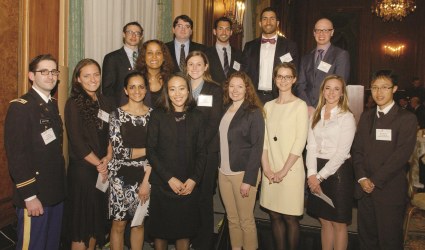
Additional selected surgical residents and the papers they presented are as follows:
• Elizabeth King, MD, Boston University Medical Center, PGY-5 (COT Region 1): Valproic Acid Mitigates the Inflammatory Response in Murine Acute Lung Injury at the Expense of Bacterial Clearance
• Samuel W. Ross, MD, MPH, Carolinas Medical Center, Charlotte, NC, PGY-4 (COT Region 4): Hemodilution: Fact or Fiction? A Prospective, Randomized Control Trial to Quantify the Effect of Blood Loss and Crystalloid Resuscitation on Hemoglobin
• Ihab Halaweish, MD, University of Michigan, Ann Arbor, PGY-5 (COT Region 5): Early Resuscitation with Fresh Frozen Plasma for Traumatic Brain Injury Combined with Hemorrhagic Shock Improves Neurological Recovery
• Melody R. Saeman, MD, University of Texas Southwestern Medical School, Dallas, PGY-5 (COT Region 6): Alteration of the Circadian Network following Traumatic Brain Injury
• Haniee Chung, MD, Barnes Jewish Hospital, St. Louis, MO, PGY-5 (COT Region 7): The Problem of Age: The Role of the Immune Response to Severe Injury in the Elderly
• Hunter B. Moore, MD, University of Colorado, Denver, PGY-3 (COT Region 8): Hyperfibrinolysis Is Driven by Hemorrhagic Shock and Attenuated by Plasma Resuscitation: The Role of Plasma First Resuscitation in Critically Injured Patients
• Timothy J. Rice, MD, Hamilton General Hospital, ON (COT Region 12): A Randomized, Double-Blinded, Placebo-Controlled Pilot Trial on the Efficacy of Early Enoxaparin: The Optimal Timing of Thromboprophylaxis in a Traumatic Intracranial Hemorrhage Study
• Captain Jonathan J. Sexton, MD, Johns Hopkins Community Physicians Suburban Hospital, Bethesda, MD (COT Region 13): Administration of FTY720 during Tourniquet-Induced Hind Limb Ischemia-Reperfusion Injury Attenuates Morbidity and Mortality in a Rodent Model
• Eduardo Rissi Silva, MD, Hospital das Clinicas, Sao Paulo, Brazil (COT Region 14): Prospective Evaluation of a Protocol of Whole-Body CT Based Only in Mechanism of Injury in Major Trauma Patients
• Jacqueline van Laarhoven, MD, Ratboud University, Netherlands (COT Region 15): Associated Thoracic Injury in Patients with a Clavicle Fracture: An Analysis of 1478 Polytrauma Patients
• Felix Che-Lok Chow, MB, BS (HK), MHKICSBCS, University of Hong Kong, Queen Mary Hospital (COT Region 16): Clinical Parameters Predicting In-Hospital Mortality in Geriatric Patients following Severe Trauma: A 15-Year Experience
The American College of Surgeons (ACS) Committee on Trauma (COT) announced the 15 winners of the 38th annual Residents Trauma Papers Competition at its Annual Meeting, March 12–14, in Chicago, IL. Each winner received $500, with an additional $500 awarded to the second-place winners in each category, and an extra $1,000 awarded to the two first-place winners.
The competition is open to surgical residents and trauma fellows. Submissions describe original research in the area of trauma care and/or prevention in one of two categories: basic laboratory research or clinical investigation. The Eastern and Western States COTs, Region 7 (Iowa, Kansas, Missouri, and Nebraska) and the ACS are funding the competition.
Submissions begin at the state or provincial level, and winners are then judged at regional competitions. Each region is then eligible to submit two abstracts to a panel of COT judges, who make the final selection for presentation at the Scientific Session of the COT Annual Meeting. Leonard J. Weireter, MD, FACS, Norfolk, VA, Vice-Chair of the COT and Chair of the COT Regional Committees, moderated the session.
The 2015 competition winners are as follows:
• First Place, Basic Laboratory Research: Simone M. Langness, MD, University of California, San Diego, postgraduate year (PGY)-4 (COT Region 9): The Vagus Nerve Mediates the Neural Stem Cell Response to Intestinal Injury
• First Place, Clinical Investigation: Deepika Nehra, MD, Massachusetts General Hospital, Boston, PGY-7 (COT Region 10): Acute Rehabilitation after Trauma: Does It Really Matter?
• Second Place, Basic Laboratory Research: Michaela C. Kollisch-Singule, MD, State University of New York at Stony Brook Medical University, Syracuse, PGY-4 (COT Region 2): Impact of Chest Wall Recruitment in Prevention of Acute Respiratory Distress Syndrome
• Second Place, Clinical Investigation: Cherisse Berry, MD, University of Maryland, Baltimore, PGY-9 (COT Region 3): Prospective Evaluation of Post-Traumatic Vasospasm (PTV) and Post-Injury Functional Outcome Assessment: Is Cerebral Ischemia Going Unrecognized in TBI Patients?
Additional selected surgical residents and the papers they presented are as follows:
• Elizabeth King, MD, Boston University Medical Center, PGY-5 (COT Region 1): Valproic Acid Mitigates the Inflammatory Response in Murine Acute Lung Injury at the Expense of Bacterial Clearance
• Samuel W. Ross, MD, MPH, Carolinas Medical Center, Charlotte, NC, PGY-4 (COT Region 4): Hemodilution: Fact or Fiction? A Prospective, Randomized Control Trial to Quantify the Effect of Blood Loss and Crystalloid Resuscitation on Hemoglobin
• Ihab Halaweish, MD, University of Michigan, Ann Arbor, PGY-5 (COT Region 5): Early Resuscitation with Fresh Frozen Plasma for Traumatic Brain Injury Combined with Hemorrhagic Shock Improves Neurological Recovery
• Melody R. Saeman, MD, University of Texas Southwestern Medical School, Dallas, PGY-5 (COT Region 6): Alteration of the Circadian Network following Traumatic Brain Injury
• Haniee Chung, MD, Barnes Jewish Hospital, St. Louis, MO, PGY-5 (COT Region 7): The Problem of Age: The Role of the Immune Response to Severe Injury in the Elderly
• Hunter B. Moore, MD, University of Colorado, Denver, PGY-3 (COT Region 8): Hyperfibrinolysis Is Driven by Hemorrhagic Shock and Attenuated by Plasma Resuscitation: The Role of Plasma First Resuscitation in Critically Injured Patients
• Timothy J. Rice, MD, Hamilton General Hospital, ON (COT Region 12): A Randomized, Double-Blinded, Placebo-Controlled Pilot Trial on the Efficacy of Early Enoxaparin: The Optimal Timing of Thromboprophylaxis in a Traumatic Intracranial Hemorrhage Study
• Captain Jonathan J. Sexton, MD, Johns Hopkins Community Physicians Suburban Hospital, Bethesda, MD (COT Region 13): Administration of FTY720 during Tourniquet-Induced Hind Limb Ischemia-Reperfusion Injury Attenuates Morbidity and Mortality in a Rodent Model
• Eduardo Rissi Silva, MD, Hospital das Clinicas, Sao Paulo, Brazil (COT Region 14): Prospective Evaluation of a Protocol of Whole-Body CT Based Only in Mechanism of Injury in Major Trauma Patients
• Jacqueline van Laarhoven, MD, Ratboud University, Netherlands (COT Region 15): Associated Thoracic Injury in Patients with a Clavicle Fracture: An Analysis of 1478 Polytrauma Patients
• Felix Che-Lok Chow, MB, BS (HK), MHKICSBCS, University of Hong Kong, Queen Mary Hospital (COT Region 16): Clinical Parameters Predicting In-Hospital Mortality in Geriatric Patients following Severe Trauma: A 15-Year Experience
The American College of Surgeons (ACS) Committee on Trauma (COT) announced the 15 winners of the 38th annual Residents Trauma Papers Competition at its Annual Meeting, March 12–14, in Chicago, IL. Each winner received $500, with an additional $500 awarded to the second-place winners in each category, and an extra $1,000 awarded to the two first-place winners.
The competition is open to surgical residents and trauma fellows. Submissions describe original research in the area of trauma care and/or prevention in one of two categories: basic laboratory research or clinical investigation. The Eastern and Western States COTs, Region 7 (Iowa, Kansas, Missouri, and Nebraska) and the ACS are funding the competition.
Submissions begin at the state or provincial level, and winners are then judged at regional competitions. Each region is then eligible to submit two abstracts to a panel of COT judges, who make the final selection for presentation at the Scientific Session of the COT Annual Meeting. Leonard J. Weireter, MD, FACS, Norfolk, VA, Vice-Chair of the COT and Chair of the COT Regional Committees, moderated the session.
The 2015 competition winners are as follows:
• First Place, Basic Laboratory Research: Simone M. Langness, MD, University of California, San Diego, postgraduate year (PGY)-4 (COT Region 9): The Vagus Nerve Mediates the Neural Stem Cell Response to Intestinal Injury
• First Place, Clinical Investigation: Deepika Nehra, MD, Massachusetts General Hospital, Boston, PGY-7 (COT Region 10): Acute Rehabilitation after Trauma: Does It Really Matter?
• Second Place, Basic Laboratory Research: Michaela C. Kollisch-Singule, MD, State University of New York at Stony Brook Medical University, Syracuse, PGY-4 (COT Region 2): Impact of Chest Wall Recruitment in Prevention of Acute Respiratory Distress Syndrome
• Second Place, Clinical Investigation: Cherisse Berry, MD, University of Maryland, Baltimore, PGY-9 (COT Region 3): Prospective Evaluation of Post-Traumatic Vasospasm (PTV) and Post-Injury Functional Outcome Assessment: Is Cerebral Ischemia Going Unrecognized in TBI Patients?
Additional selected surgical residents and the papers they presented are as follows:
• Elizabeth King, MD, Boston University Medical Center, PGY-5 (COT Region 1): Valproic Acid Mitigates the Inflammatory Response in Murine Acute Lung Injury at the Expense of Bacterial Clearance
• Samuel W. Ross, MD, MPH, Carolinas Medical Center, Charlotte, NC, PGY-4 (COT Region 4): Hemodilution: Fact or Fiction? A Prospective, Randomized Control Trial to Quantify the Effect of Blood Loss and Crystalloid Resuscitation on Hemoglobin
• Ihab Halaweish, MD, University of Michigan, Ann Arbor, PGY-5 (COT Region 5): Early Resuscitation with Fresh Frozen Plasma for Traumatic Brain Injury Combined with Hemorrhagic Shock Improves Neurological Recovery
• Melody R. Saeman, MD, University of Texas Southwestern Medical School, Dallas, PGY-5 (COT Region 6): Alteration of the Circadian Network following Traumatic Brain Injury
• Haniee Chung, MD, Barnes Jewish Hospital, St. Louis, MO, PGY-5 (COT Region 7): The Problem of Age: The Role of the Immune Response to Severe Injury in the Elderly
• Hunter B. Moore, MD, University of Colorado, Denver, PGY-3 (COT Region 8): Hyperfibrinolysis Is Driven by Hemorrhagic Shock and Attenuated by Plasma Resuscitation: The Role of Plasma First Resuscitation in Critically Injured Patients
• Timothy J. Rice, MD, Hamilton General Hospital, ON (COT Region 12): A Randomized, Double-Blinded, Placebo-Controlled Pilot Trial on the Efficacy of Early Enoxaparin: The Optimal Timing of Thromboprophylaxis in a Traumatic Intracranial Hemorrhage Study
• Captain Jonathan J. Sexton, MD, Johns Hopkins Community Physicians Suburban Hospital, Bethesda, MD (COT Region 13): Administration of FTY720 during Tourniquet-Induced Hind Limb Ischemia-Reperfusion Injury Attenuates Morbidity and Mortality in a Rodent Model
• Eduardo Rissi Silva, MD, Hospital das Clinicas, Sao Paulo, Brazil (COT Region 14): Prospective Evaluation of a Protocol of Whole-Body CT Based Only in Mechanism of Injury in Major Trauma Patients
• Jacqueline van Laarhoven, MD, Ratboud University, Netherlands (COT Region 15): Associated Thoracic Injury in Patients with a Clavicle Fracture: An Analysis of 1478 Polytrauma Patients
• Felix Che-Lok Chow, MB, BS (HK), MHKICSBCS, University of Hong Kong, Queen Mary Hospital (COT Region 16): Clinical Parameters Predicting In-Hospital Mortality in Geriatric Patients following Severe Trauma: A 15-Year Experience
21st Century Cures Initiative advances in U.S. House Subcommittee
The House Committee on Energy and Commerce Subcommittee on Health Thursday, May 14, reviewed and passed a draft of legislation known as the 21st Century Cures Initiative.
The full committee will consider this third draft of the proposed legislation in the near future.
The 21st Century Cures Initiative was created to more quickly bring medical treatments and cures to the American public without being overburdened by government regulations.
The American College of Surgeons (ACS) will submit a letter to the committee providing input on the bill. More information on the 21st Century Cures Initiative is on the Energy & Commerce Committee website at http:// energycommerce.house.gov/cures.
The House Committee on Energy and Commerce Subcommittee on Health Thursday, May 14, reviewed and passed a draft of legislation known as the 21st Century Cures Initiative.
The full committee will consider this third draft of the proposed legislation in the near future.
The 21st Century Cures Initiative was created to more quickly bring medical treatments and cures to the American public without being overburdened by government regulations.
The American College of Surgeons (ACS) will submit a letter to the committee providing input on the bill. More information on the 21st Century Cures Initiative is on the Energy & Commerce Committee website at http:// energycommerce.house.gov/cures.
The House Committee on Energy and Commerce Subcommittee on Health Thursday, May 14, reviewed and passed a draft of legislation known as the 21st Century Cures Initiative.
The full committee will consider this third draft of the proposed legislation in the near future.
The 21st Century Cures Initiative was created to more quickly bring medical treatments and cures to the American public without being overburdened by government regulations.
The American College of Surgeons (ACS) will submit a letter to the committee providing input on the bill. More information on the 21st Century Cures Initiative is on the Energy & Commerce Committee website at http:// energycommerce.house.gov/cures.
ACSPA-Surgeons PAC launches peer-to-peer membership campaign
The American College of Surgeons Professional Association Political Action Committee (ACSPA-SurgeonsPAC) launched its first peer-to-peer membership campaign on May 26. The six-week “PAC Captain” campaign will promote the ACSPA-SurgeonsPAC to a broad College audience. More than 40 surgeons from across the country will serve as PAC Captains. These strong supporters of ACSPA-SurgeonsPAC are the College’s most valuable resource for advancing the surgical profession through political involvement. The Captains will work to increase the PAC’s membership base throughout the 2015-2016 election cycle. For more information, contact Katie Oehmen, PAC Associate, at 202-672-1503 or koehmen@facs.org.
The American College of Surgeons Professional Association Political Action Committee (ACSPA-SurgeonsPAC) launched its first peer-to-peer membership campaign on May 26. The six-week “PAC Captain” campaign will promote the ACSPA-SurgeonsPAC to a broad College audience. More than 40 surgeons from across the country will serve as PAC Captains. These strong supporters of ACSPA-SurgeonsPAC are the College’s most valuable resource for advancing the surgical profession through political involvement. The Captains will work to increase the PAC’s membership base throughout the 2015-2016 election cycle. For more information, contact Katie Oehmen, PAC Associate, at 202-672-1503 or koehmen@facs.org.
The American College of Surgeons Professional Association Political Action Committee (ACSPA-SurgeonsPAC) launched its first peer-to-peer membership campaign on May 26. The six-week “PAC Captain” campaign will promote the ACSPA-SurgeonsPAC to a broad College audience. More than 40 surgeons from across the country will serve as PAC Captains. These strong supporters of ACSPA-SurgeonsPAC are the College’s most valuable resource for advancing the surgical profession through political involvement. The Captains will work to increase the PAC’s membership base throughout the 2015-2016 election cycle. For more information, contact Katie Oehmen, PAC Associate, at 202-672-1503 or koehmen@facs.org.
Editorial: Relevance of the ABS MOC Program
The American Board of Surgery (ABS) was founded in 1937 by the leading surgical organizations of the time in recognition of the need to differentiate formally trained surgeons from other doctors who were performing operations without formal training.
At its onset, the ABS acknowledged that it had a dual purpose: to protect the public and improve the specialty of surgery. Eligibility criteria for certification were defined – graduation from an approved medical school, the requisite duration of surgical training, a list of operations performed, high ethical standards – and passing an examination became a differentiating requirement.
Over the nearly eight decades since its founding, the ABS has retained its position as the premier certifying body for surgeons in the United States. Its mission statement, “to serve the public and the specialty of surgery by providing leadership in surgical education and practice, by promoting excellence through rigorous evaluation and examination, and by promoting the highest standards for professionalism, lifelong learning, and the continuous certification of surgeons in practice,” embodies the elements of the Maintenance of Certification (MOC) Program. Setting standards for board certification is a privilege of self-regulation that has been granted to our profession by the American public. In return, we must demonstrate our commitment to serve the best interests of the public through our processes and requirements.
ABS certification is based upon education, evaluation, and assessment. Appropriate undergraduate medical education, accredited surgical training, broad operative experience, and high ethical standing continue as essential requirements of ABS certification. For the first four decades of its existence, once ABS certification was achieved, it was valid for a surgeon’s entire professional career. This changed as the ABS Directors recognized the rapid evolution of surgical practice and believed it was necessary for diplomates to demonstrate that they were up to date with advances in medical knowledge and patient care. In 1976, the ABS adopted time-limited certification and required its diplomates to “recertify” by passing an examination every 10 years. In 2000, a requirement for its diplomates to complete 100 hours of continuing medical education (CME) credits in the 2 years prior to applying for the recertification exam (60 in Category I and 40 in Category II) was implemented. This requirement has been modified since; however, the basic rationale for its adoption remains relevant.
In 2005, the American Board of Medical Specialties (ABMS), which establishes standards for its 24 member boards, introduced MOC and proposed standards based on the six competencies jointly developed by the Accreditation Council on Graduate Medical Education and the ABMS. These competencies – patient care, medical knowledge, professionalism, interpersonal communication skills, practice-based learning and improvement, and systems-based practice – were the basis for the four parts of MOC: professional standing, lifelong learning and self-assessment, cognitive expertise, and evaluation of performance in practice. The development of MOC was further recognition that board certification needed to become a more continuous process as the pace of change in medicine had accelerated beyond any seen previously.
Boards and their diplomates have the responsibility to demonstrate to the public and their peers an enduring commitment to maintain standards for the profession, participate in lifelong education, possess medical knowledge relevant to the specialty, and improve their performance in practice. All surgeons certified or recertified beginning July 2005 have been enrolled in ABS MOC. A decade later, 95% of ABS diplomates with time-limited certificates are enrolled in the ABS MOC program and more than 90% are actively participating.
Although the ABMS established general requirements for MOC that its member boards must meet, each board is allowed to develop its own requirements. The foundations of the ABS MOC program were established before the term “maintenance of certification” was used. Professional standards have been a requirement for ABS certification since its beginning and exam requirements have been in place for more than a generation. All diplomates must fulfill the professional standing requirements to have a valid unrestricted state medical license, have hospital or ambulatory surgery center privileges if clinically active, and have references from the chief of surgery and the chair of the credentials committee where they practice.
The ABS MOC program is meant to be practice relevant. This allows surgeons to satisfy the requirements by completing CME that they choose and by participating in performance assessment activities in a way that best applies to their practices. The requirement that two-thirds of the CME hours earned be self-assessment demonstrates a greater level of engagement of the learner and shows that knowledge acquisition is achieved at the conclusion of the activity. The addition of a practice performance improvement activity requirement has generated the most controversy and misunderstanding. To meet this requirement, diplomates are asked to assess some aspect of their practice and seek to improve that. This can be done in conjunction with a hospital through participation in a national, regional, or state registry that tracks patient outcomes, or by participating in a hospital-based quality improvement activity. Some diplomates have developed performance improvement activities within their offices by focusing on a specific area for evaluation, defining measures and goals for improvement, analyzing results and making changes when appropriate, and then reassessing to develop an action plan for improvement.
Regardless of what you choose, the ABS asks only that you attest to your participation and does not collect, review, or otherwise scrutinize your results.
The ABS MOC program extends over a 10-year period. Requirements for the first 9 years are organized in identical 3-year reporting cycles running from Jan. 1 to Dec. 31. By the end of each 3-year cycle, diplomates are required to submit information on how they are meeting MOC requirements through an individualized secure login on the ABS website (www.absurgery.org). Successful completion of an MOC exam continues to be required every 10 years; however the exam may be taken in years 8 and 9 of the 10-year cycle.
ABS MOC is a surgeon-defined, national standard that formally documents many of the activities surgeons already do to stay current in their field. Participating in the ABS MOC program demonstrates your commitment to remain current in your area of practice and to strive to improve what you do.
Since its beginning, the ABS has exercised its duty to develop, promote, and refine standards for certification in surgery. Just like changes in medical practice, MOC will evolve over time to reflect new standards and best practices. The ABS Board of Directors is focused on how ABS MOC can be an even more meaningful process for surgeons without increasing the already substantial administrative burden everyone faces. We are following the progress of innovative programs being piloted by other boards and organizations involved in quality improvement. The ABS recognizes that MOC requirements established or changed will affect roughly 30,000 surgeons who practice in a wide variety of environments. We encourage our diplomates to provide ideas to improve the program as we continue to develop ABS MOC, while at the same time staying mindful of our duty to the public.
For more information, please see the MOC Requirements page on the ABS website.
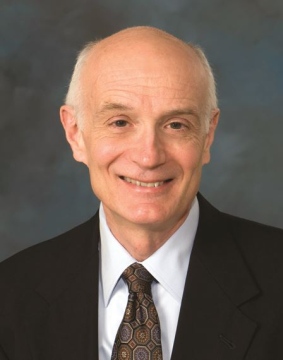
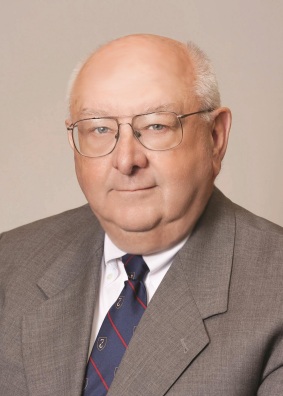
Dr. Malangoni is Associate Executive Director, American Board of Surgery, Philadelphia. Dr. Lewis is Executive Director, American Board of Surgery, Philadelphia.
The American Board of Surgery (ABS) was founded in 1937 by the leading surgical organizations of the time in recognition of the need to differentiate formally trained surgeons from other doctors who were performing operations without formal training.
At its onset, the ABS acknowledged that it had a dual purpose: to protect the public and improve the specialty of surgery. Eligibility criteria for certification were defined – graduation from an approved medical school, the requisite duration of surgical training, a list of operations performed, high ethical standards – and passing an examination became a differentiating requirement.
Over the nearly eight decades since its founding, the ABS has retained its position as the premier certifying body for surgeons in the United States. Its mission statement, “to serve the public and the specialty of surgery by providing leadership in surgical education and practice, by promoting excellence through rigorous evaluation and examination, and by promoting the highest standards for professionalism, lifelong learning, and the continuous certification of surgeons in practice,” embodies the elements of the Maintenance of Certification (MOC) Program. Setting standards for board certification is a privilege of self-regulation that has been granted to our profession by the American public. In return, we must demonstrate our commitment to serve the best interests of the public through our processes and requirements.
ABS certification is based upon education, evaluation, and assessment. Appropriate undergraduate medical education, accredited surgical training, broad operative experience, and high ethical standing continue as essential requirements of ABS certification. For the first four decades of its existence, once ABS certification was achieved, it was valid for a surgeon’s entire professional career. This changed as the ABS Directors recognized the rapid evolution of surgical practice and believed it was necessary for diplomates to demonstrate that they were up to date with advances in medical knowledge and patient care. In 1976, the ABS adopted time-limited certification and required its diplomates to “recertify” by passing an examination every 10 years. In 2000, a requirement for its diplomates to complete 100 hours of continuing medical education (CME) credits in the 2 years prior to applying for the recertification exam (60 in Category I and 40 in Category II) was implemented. This requirement has been modified since; however, the basic rationale for its adoption remains relevant.
In 2005, the American Board of Medical Specialties (ABMS), which establishes standards for its 24 member boards, introduced MOC and proposed standards based on the six competencies jointly developed by the Accreditation Council on Graduate Medical Education and the ABMS. These competencies – patient care, medical knowledge, professionalism, interpersonal communication skills, practice-based learning and improvement, and systems-based practice – were the basis for the four parts of MOC: professional standing, lifelong learning and self-assessment, cognitive expertise, and evaluation of performance in practice. The development of MOC was further recognition that board certification needed to become a more continuous process as the pace of change in medicine had accelerated beyond any seen previously.
Boards and their diplomates have the responsibility to demonstrate to the public and their peers an enduring commitment to maintain standards for the profession, participate in lifelong education, possess medical knowledge relevant to the specialty, and improve their performance in practice. All surgeons certified or recertified beginning July 2005 have been enrolled in ABS MOC. A decade later, 95% of ABS diplomates with time-limited certificates are enrolled in the ABS MOC program and more than 90% are actively participating.
Although the ABMS established general requirements for MOC that its member boards must meet, each board is allowed to develop its own requirements. The foundations of the ABS MOC program were established before the term “maintenance of certification” was used. Professional standards have been a requirement for ABS certification since its beginning and exam requirements have been in place for more than a generation. All diplomates must fulfill the professional standing requirements to have a valid unrestricted state medical license, have hospital or ambulatory surgery center privileges if clinically active, and have references from the chief of surgery and the chair of the credentials committee where they practice.
The ABS MOC program is meant to be practice relevant. This allows surgeons to satisfy the requirements by completing CME that they choose and by participating in performance assessment activities in a way that best applies to their practices. The requirement that two-thirds of the CME hours earned be self-assessment demonstrates a greater level of engagement of the learner and shows that knowledge acquisition is achieved at the conclusion of the activity. The addition of a practice performance improvement activity requirement has generated the most controversy and misunderstanding. To meet this requirement, diplomates are asked to assess some aspect of their practice and seek to improve that. This can be done in conjunction with a hospital through participation in a national, regional, or state registry that tracks patient outcomes, or by participating in a hospital-based quality improvement activity. Some diplomates have developed performance improvement activities within their offices by focusing on a specific area for evaluation, defining measures and goals for improvement, analyzing results and making changes when appropriate, and then reassessing to develop an action plan for improvement.
Regardless of what you choose, the ABS asks only that you attest to your participation and does not collect, review, or otherwise scrutinize your results.
The ABS MOC program extends over a 10-year period. Requirements for the first 9 years are organized in identical 3-year reporting cycles running from Jan. 1 to Dec. 31. By the end of each 3-year cycle, diplomates are required to submit information on how they are meeting MOC requirements through an individualized secure login on the ABS website (www.absurgery.org). Successful completion of an MOC exam continues to be required every 10 years; however the exam may be taken in years 8 and 9 of the 10-year cycle.
ABS MOC is a surgeon-defined, national standard that formally documents many of the activities surgeons already do to stay current in their field. Participating in the ABS MOC program demonstrates your commitment to remain current in your area of practice and to strive to improve what you do.
Since its beginning, the ABS has exercised its duty to develop, promote, and refine standards for certification in surgery. Just like changes in medical practice, MOC will evolve over time to reflect new standards and best practices. The ABS Board of Directors is focused on how ABS MOC can be an even more meaningful process for surgeons without increasing the already substantial administrative burden everyone faces. We are following the progress of innovative programs being piloted by other boards and organizations involved in quality improvement. The ABS recognizes that MOC requirements established or changed will affect roughly 30,000 surgeons who practice in a wide variety of environments. We encourage our diplomates to provide ideas to improve the program as we continue to develop ABS MOC, while at the same time staying mindful of our duty to the public.
For more information, please see the MOC Requirements page on the ABS website.
Dr. Malangoni is Associate Executive Director, American Board of Surgery, Philadelphia. Dr. Lewis is Executive Director, American Board of Surgery, Philadelphia.
The American Board of Surgery (ABS) was founded in 1937 by the leading surgical organizations of the time in recognition of the need to differentiate formally trained surgeons from other doctors who were performing operations without formal training.
At its onset, the ABS acknowledged that it had a dual purpose: to protect the public and improve the specialty of surgery. Eligibility criteria for certification were defined – graduation from an approved medical school, the requisite duration of surgical training, a list of operations performed, high ethical standards – and passing an examination became a differentiating requirement.
Over the nearly eight decades since its founding, the ABS has retained its position as the premier certifying body for surgeons in the United States. Its mission statement, “to serve the public and the specialty of surgery by providing leadership in surgical education and practice, by promoting excellence through rigorous evaluation and examination, and by promoting the highest standards for professionalism, lifelong learning, and the continuous certification of surgeons in practice,” embodies the elements of the Maintenance of Certification (MOC) Program. Setting standards for board certification is a privilege of self-regulation that has been granted to our profession by the American public. In return, we must demonstrate our commitment to serve the best interests of the public through our processes and requirements.
ABS certification is based upon education, evaluation, and assessment. Appropriate undergraduate medical education, accredited surgical training, broad operative experience, and high ethical standing continue as essential requirements of ABS certification. For the first four decades of its existence, once ABS certification was achieved, it was valid for a surgeon’s entire professional career. This changed as the ABS Directors recognized the rapid evolution of surgical practice and believed it was necessary for diplomates to demonstrate that they were up to date with advances in medical knowledge and patient care. In 1976, the ABS adopted time-limited certification and required its diplomates to “recertify” by passing an examination every 10 years. In 2000, a requirement for its diplomates to complete 100 hours of continuing medical education (CME) credits in the 2 years prior to applying for the recertification exam (60 in Category I and 40 in Category II) was implemented. This requirement has been modified since; however, the basic rationale for its adoption remains relevant.
In 2005, the American Board of Medical Specialties (ABMS), which establishes standards for its 24 member boards, introduced MOC and proposed standards based on the six competencies jointly developed by the Accreditation Council on Graduate Medical Education and the ABMS. These competencies – patient care, medical knowledge, professionalism, interpersonal communication skills, practice-based learning and improvement, and systems-based practice – were the basis for the four parts of MOC: professional standing, lifelong learning and self-assessment, cognitive expertise, and evaluation of performance in practice. The development of MOC was further recognition that board certification needed to become a more continuous process as the pace of change in medicine had accelerated beyond any seen previously.
Boards and their diplomates have the responsibility to demonstrate to the public and their peers an enduring commitment to maintain standards for the profession, participate in lifelong education, possess medical knowledge relevant to the specialty, and improve their performance in practice. All surgeons certified or recertified beginning July 2005 have been enrolled in ABS MOC. A decade later, 95% of ABS diplomates with time-limited certificates are enrolled in the ABS MOC program and more than 90% are actively participating.
Although the ABMS established general requirements for MOC that its member boards must meet, each board is allowed to develop its own requirements. The foundations of the ABS MOC program were established before the term “maintenance of certification” was used. Professional standards have been a requirement for ABS certification since its beginning and exam requirements have been in place for more than a generation. All diplomates must fulfill the professional standing requirements to have a valid unrestricted state medical license, have hospital or ambulatory surgery center privileges if clinically active, and have references from the chief of surgery and the chair of the credentials committee where they practice.
The ABS MOC program is meant to be practice relevant. This allows surgeons to satisfy the requirements by completing CME that they choose and by participating in performance assessment activities in a way that best applies to their practices. The requirement that two-thirds of the CME hours earned be self-assessment demonstrates a greater level of engagement of the learner and shows that knowledge acquisition is achieved at the conclusion of the activity. The addition of a practice performance improvement activity requirement has generated the most controversy and misunderstanding. To meet this requirement, diplomates are asked to assess some aspect of their practice and seek to improve that. This can be done in conjunction with a hospital through participation in a national, regional, or state registry that tracks patient outcomes, or by participating in a hospital-based quality improvement activity. Some diplomates have developed performance improvement activities within their offices by focusing on a specific area for evaluation, defining measures and goals for improvement, analyzing results and making changes when appropriate, and then reassessing to develop an action plan for improvement.
Regardless of what you choose, the ABS asks only that you attest to your participation and does not collect, review, or otherwise scrutinize your results.
The ABS MOC program extends over a 10-year period. Requirements for the first 9 years are organized in identical 3-year reporting cycles running from Jan. 1 to Dec. 31. By the end of each 3-year cycle, diplomates are required to submit information on how they are meeting MOC requirements through an individualized secure login on the ABS website (www.absurgery.org). Successful completion of an MOC exam continues to be required every 10 years; however the exam may be taken in years 8 and 9 of the 10-year cycle.
ABS MOC is a surgeon-defined, national standard that formally documents many of the activities surgeons already do to stay current in their field. Participating in the ABS MOC program demonstrates your commitment to remain current in your area of practice and to strive to improve what you do.
Since its beginning, the ABS has exercised its duty to develop, promote, and refine standards for certification in surgery. Just like changes in medical practice, MOC will evolve over time to reflect new standards and best practices. The ABS Board of Directors is focused on how ABS MOC can be an even more meaningful process for surgeons without increasing the already substantial administrative burden everyone faces. We are following the progress of innovative programs being piloted by other boards and organizations involved in quality improvement. The ABS recognizes that MOC requirements established or changed will affect roughly 30,000 surgeons who practice in a wide variety of environments. We encourage our diplomates to provide ideas to improve the program as we continue to develop ABS MOC, while at the same time staying mindful of our duty to the public.
For more information, please see the MOC Requirements page on the ABS website.
Dr. Malangoni is Associate Executive Director, American Board of Surgery, Philadelphia. Dr. Lewis is Executive Director, American Board of Surgery, Philadelphia.
The Rural Surgeon: Surgical practice in the Indian Health Service
Only last week I thought to myself: an almost perfect surgery day. A few endoscopy cases, a breast case, a parathyroid adenoma, and a gastrectomy. I remind myself from time to time how fortunate I am to have the diversity of cases that I am afforded by my unique rural location and employment in the Indian Health Service (IHS).
Over 2 decades ago with what seemed to be an upheaval in health care, I decided to either leave surgery altogether or find some alternative to the business side of medicine that I was experiencing in the world of my private surgical practice. It was 1993 and the Health Security Act was being formulated with a task force with a paucity of physician input. It looked like medicine was headed to a period of increasing bureaucracy and decreased autonomy.
While thumbing through one of the recruiting magazines, I noticed an article about an internal medicine physician and his wife, an obstetrician/ gynecologist, who together joined the Indian Health Service. I made some inquiries.
I knew nothing about the Indian Health Service. I had a picture in my mind of a remote barren reservation working with doctors who couldn’t get a job in the real world. What I found was the best career I could have imagined.
I landed in a rural community in Oklahoma. The colleagues that I have come to know have been some of the best I have seen anywhere. I have had the distinct privilege of taking care of patients who are for the most part very grateful for the care I can give them.
I can recall during the interview process I was concerned that as a non-Native, I might not be accepted by the patients in this part of the country. My concerns were dispelled. I have felt accepted and appreciated.
What I found was that in many ways, my Native American patients are similar to the rural patients I have had in private practice. In the Native American culture, elders are respected. Family is very important – not just the nuclear family but the extended family, cousins, and multiple generations. Patients are proud of their heritage. There is a sense of interdependence and connection. I have been blessed to be a part of healing ceremonies that have left a lasting influence on my approach to disease, health, and spirituality.
Many of these patients have limited resources and astounding health burdens. Native Americans are disproportionately afflicted with diabetes, cardiovascular disease, and obesity. Because of these health problems, programs that address these specific issues have been developed within our system. We have a diabetic clinic that includes foot care, eye care, nutritional counseling, general medicine, and pharmacy needs as well as extensive education about prevention and disease control. We have also developed a Healthy Eating for Life Program (HELP) involving a multidisciplinary approach to weight loss that includes a cognitive behavioral health program, one-on-one education with a certified bariatric nurse, support groups, nutritional instruction, and for some patients, surgical intervention.
Patients may access the Indian and Tribal Health Systems regardless of insurance status. While our practice is not totally devoid of the business aspects of medicine, most of the time we are unaware of the patients’ insurance status. Procedures or diagnostic studies that cannot be done onsite are sometimes covered through contract health services.
Our facility was built with the intent of providing health care for the adjacent counties, but by the time it was completed the need had already outstripped the resources. While funding has improved over the years, the rising costs of medical care and increases in the volume of the service population have continued to translate into unmet needs, especially for services not directly provided in our facility.
There are many physicians who have come and gone during my tenure. Some have Indian Health Service scholarship paybacks that they fulfill and move on, and others may be in transition from one greener pasture to another. The surgical service has grown from two surgeons to six. We have a good mix of youth and seasoned doctors, with half the group over 40 and half younger. The gender mix is also balanced with three females and three males.
There is a plethora of pathology. Most of us have carved out niches of surgical interest. We average 150 referrals per week, which translates into plenty to do. There are no turf battles. We have not adopted the hospitalist model. The surgeons here round and follow their own patients, which is great for continuity. Our patients appreciate seeing the same doctor. We are not, however, tethered to the facility. The surgeon on call will graciously cover any patients if needed, and we are fortunate in that we all have similar practice styles. Thus, we have cross coverage by surgeons who think and operate similarly.
We have had the pleasure of hosting both fellowship trained surgeons (vascular and trauma) and general surgeons interested in a rural lifestyle and Native medicine. The facility is also a teaching hospital. An array of students including surgical technicians, Certified Registered Nurse Anesthetist (CRNA) students, residents, medical students, and U.S. Army Special Forces all rotate through our operating rooms.
One of the benefits of the Indian Health Service is that you are part of a system. Sometimes one can forget that point amid the daily work. Going to meetings specifically geared toward IHS issues is often very rewarding. You are a part of something much bigger than your own practice. Progress is defined over time – a decrease in amputation rates as hemoglobin A1C’s improve, a system-wide approach to colorectal cancer screening, the development of a tumor registry that specifically tracks cancer for Native Americans (no longer grouping them under “white” or lost under “other”).
Although we are rural surgeons, we do not work in isolation. All of our providers are board certified. We are currently the only facility in Oklahoma participating in the American College of Surgeons National Surgical Quality Improvement Program (ACS-NSQIP).
In training, we were encouraged to be aggressive and work independently. It was the era of the pyramid system. No one cared how much sleep you got or when you last ate, and yet there was a team approach among the residents. That same independence is fostered here but in a much more conducive environment.
Many of us sought surgical careers because we truly enjoyed being in the operating room, the haven. We liked the technical aspects, the challenges. We joked that we liked our patients asleep, either on early morning rounds or in the surgical suite.
Where once clinic was a necessary evil, I now enjoy the interaction and find I can often do as much for the patient or family in the clinic as I can in the operating room.
I have also found that with the support of administration, we can have an impact on care beyond the individual level. We can affect the health status of an entire population.
There has been much progress in this system over the last 2 decades and there continues to be room for even more. The key may be in the name: Indian Health Service. I would encourage those who think they might find this type of practice intriguing to explore www.ihs.gov and look under career opportunities.
Dr. Hope Baluh is an ACS fellow. She serves as chief of surgery at Cherokee Nation W.W. Hastings Hospital in Oklahoma and is a recent graduate from Johns Hopkins School of Public Health.
Only last week I thought to myself: an almost perfect surgery day. A few endoscopy cases, a breast case, a parathyroid adenoma, and a gastrectomy. I remind myself from time to time how fortunate I am to have the diversity of cases that I am afforded by my unique rural location and employment in the Indian Health Service (IHS).
Over 2 decades ago with what seemed to be an upheaval in health care, I decided to either leave surgery altogether or find some alternative to the business side of medicine that I was experiencing in the world of my private surgical practice. It was 1993 and the Health Security Act was being formulated with a task force with a paucity of physician input. It looked like medicine was headed to a period of increasing bureaucracy and decreased autonomy.
While thumbing through one of the recruiting magazines, I noticed an article about an internal medicine physician and his wife, an obstetrician/ gynecologist, who together joined the Indian Health Service. I made some inquiries.
I knew nothing about the Indian Health Service. I had a picture in my mind of a remote barren reservation working with doctors who couldn’t get a job in the real world. What I found was the best career I could have imagined.
I landed in a rural community in Oklahoma. The colleagues that I have come to know have been some of the best I have seen anywhere. I have had the distinct privilege of taking care of patients who are for the most part very grateful for the care I can give them.
I can recall during the interview process I was concerned that as a non-Native, I might not be accepted by the patients in this part of the country. My concerns were dispelled. I have felt accepted and appreciated.
What I found was that in many ways, my Native American patients are similar to the rural patients I have had in private practice. In the Native American culture, elders are respected. Family is very important – not just the nuclear family but the extended family, cousins, and multiple generations. Patients are proud of their heritage. There is a sense of interdependence and connection. I have been blessed to be a part of healing ceremonies that have left a lasting influence on my approach to disease, health, and spirituality.
Many of these patients have limited resources and astounding health burdens. Native Americans are disproportionately afflicted with diabetes, cardiovascular disease, and obesity. Because of these health problems, programs that address these specific issues have been developed within our system. We have a diabetic clinic that includes foot care, eye care, nutritional counseling, general medicine, and pharmacy needs as well as extensive education about prevention and disease control. We have also developed a Healthy Eating for Life Program (HELP) involving a multidisciplinary approach to weight loss that includes a cognitive behavioral health program, one-on-one education with a certified bariatric nurse, support groups, nutritional instruction, and for some patients, surgical intervention.
Patients may access the Indian and Tribal Health Systems regardless of insurance status. While our practice is not totally devoid of the business aspects of medicine, most of the time we are unaware of the patients’ insurance status. Procedures or diagnostic studies that cannot be done onsite are sometimes covered through contract health services.
Our facility was built with the intent of providing health care for the adjacent counties, but by the time it was completed the need had already outstripped the resources. While funding has improved over the years, the rising costs of medical care and increases in the volume of the service population have continued to translate into unmet needs, especially for services not directly provided in our facility.
There are many physicians who have come and gone during my tenure. Some have Indian Health Service scholarship paybacks that they fulfill and move on, and others may be in transition from one greener pasture to another. The surgical service has grown from two surgeons to six. We have a good mix of youth and seasoned doctors, with half the group over 40 and half younger. The gender mix is also balanced with three females and three males.
There is a plethora of pathology. Most of us have carved out niches of surgical interest. We average 150 referrals per week, which translates into plenty to do. There are no turf battles. We have not adopted the hospitalist model. The surgeons here round and follow their own patients, which is great for continuity. Our patients appreciate seeing the same doctor. We are not, however, tethered to the facility. The surgeon on call will graciously cover any patients if needed, and we are fortunate in that we all have similar practice styles. Thus, we have cross coverage by surgeons who think and operate similarly.
We have had the pleasure of hosting both fellowship trained surgeons (vascular and trauma) and general surgeons interested in a rural lifestyle and Native medicine. The facility is also a teaching hospital. An array of students including surgical technicians, Certified Registered Nurse Anesthetist (CRNA) students, residents, medical students, and U.S. Army Special Forces all rotate through our operating rooms.
One of the benefits of the Indian Health Service is that you are part of a system. Sometimes one can forget that point amid the daily work. Going to meetings specifically geared toward IHS issues is often very rewarding. You are a part of something much bigger than your own practice. Progress is defined over time – a decrease in amputation rates as hemoglobin A1C’s improve, a system-wide approach to colorectal cancer screening, the development of a tumor registry that specifically tracks cancer for Native Americans (no longer grouping them under “white” or lost under “other”).
Although we are rural surgeons, we do not work in isolation. All of our providers are board certified. We are currently the only facility in Oklahoma participating in the American College of Surgeons National Surgical Quality Improvement Program (ACS-NSQIP).
In training, we were encouraged to be aggressive and work independently. It was the era of the pyramid system. No one cared how much sleep you got or when you last ate, and yet there was a team approach among the residents. That same independence is fostered here but in a much more conducive environment.
Many of us sought surgical careers because we truly enjoyed being in the operating room, the haven. We liked the technical aspects, the challenges. We joked that we liked our patients asleep, either on early morning rounds or in the surgical suite.
Where once clinic was a necessary evil, I now enjoy the interaction and find I can often do as much for the patient or family in the clinic as I can in the operating room.
I have also found that with the support of administration, we can have an impact on care beyond the individual level. We can affect the health status of an entire population.
There has been much progress in this system over the last 2 decades and there continues to be room for even more. The key may be in the name: Indian Health Service. I would encourage those who think they might find this type of practice intriguing to explore www.ihs.gov and look under career opportunities.
Dr. Hope Baluh is an ACS fellow. She serves as chief of surgery at Cherokee Nation W.W. Hastings Hospital in Oklahoma and is a recent graduate from Johns Hopkins School of Public Health.
Only last week I thought to myself: an almost perfect surgery day. A few endoscopy cases, a breast case, a parathyroid adenoma, and a gastrectomy. I remind myself from time to time how fortunate I am to have the diversity of cases that I am afforded by my unique rural location and employment in the Indian Health Service (IHS).
Over 2 decades ago with what seemed to be an upheaval in health care, I decided to either leave surgery altogether or find some alternative to the business side of medicine that I was experiencing in the world of my private surgical practice. It was 1993 and the Health Security Act was being formulated with a task force with a paucity of physician input. It looked like medicine was headed to a period of increasing bureaucracy and decreased autonomy.
While thumbing through one of the recruiting magazines, I noticed an article about an internal medicine physician and his wife, an obstetrician/ gynecologist, who together joined the Indian Health Service. I made some inquiries.
I knew nothing about the Indian Health Service. I had a picture in my mind of a remote barren reservation working with doctors who couldn’t get a job in the real world. What I found was the best career I could have imagined.
I landed in a rural community in Oklahoma. The colleagues that I have come to know have been some of the best I have seen anywhere. I have had the distinct privilege of taking care of patients who are for the most part very grateful for the care I can give them.
I can recall during the interview process I was concerned that as a non-Native, I might not be accepted by the patients in this part of the country. My concerns were dispelled. I have felt accepted and appreciated.
What I found was that in many ways, my Native American patients are similar to the rural patients I have had in private practice. In the Native American culture, elders are respected. Family is very important – not just the nuclear family but the extended family, cousins, and multiple generations. Patients are proud of their heritage. There is a sense of interdependence and connection. I have been blessed to be a part of healing ceremonies that have left a lasting influence on my approach to disease, health, and spirituality.
Many of these patients have limited resources and astounding health burdens. Native Americans are disproportionately afflicted with diabetes, cardiovascular disease, and obesity. Because of these health problems, programs that address these specific issues have been developed within our system. We have a diabetic clinic that includes foot care, eye care, nutritional counseling, general medicine, and pharmacy needs as well as extensive education about prevention and disease control. We have also developed a Healthy Eating for Life Program (HELP) involving a multidisciplinary approach to weight loss that includes a cognitive behavioral health program, one-on-one education with a certified bariatric nurse, support groups, nutritional instruction, and for some patients, surgical intervention.
Patients may access the Indian and Tribal Health Systems regardless of insurance status. While our practice is not totally devoid of the business aspects of medicine, most of the time we are unaware of the patients’ insurance status. Procedures or diagnostic studies that cannot be done onsite are sometimes covered through contract health services.
Our facility was built with the intent of providing health care for the adjacent counties, but by the time it was completed the need had already outstripped the resources. While funding has improved over the years, the rising costs of medical care and increases in the volume of the service population have continued to translate into unmet needs, especially for services not directly provided in our facility.
There are many physicians who have come and gone during my tenure. Some have Indian Health Service scholarship paybacks that they fulfill and move on, and others may be in transition from one greener pasture to another. The surgical service has grown from two surgeons to six. We have a good mix of youth and seasoned doctors, with half the group over 40 and half younger. The gender mix is also balanced with three females and three males.
There is a plethora of pathology. Most of us have carved out niches of surgical interest. We average 150 referrals per week, which translates into plenty to do. There are no turf battles. We have not adopted the hospitalist model. The surgeons here round and follow their own patients, which is great for continuity. Our patients appreciate seeing the same doctor. We are not, however, tethered to the facility. The surgeon on call will graciously cover any patients if needed, and we are fortunate in that we all have similar practice styles. Thus, we have cross coverage by surgeons who think and operate similarly.
We have had the pleasure of hosting both fellowship trained surgeons (vascular and trauma) and general surgeons interested in a rural lifestyle and Native medicine. The facility is also a teaching hospital. An array of students including surgical technicians, Certified Registered Nurse Anesthetist (CRNA) students, residents, medical students, and U.S. Army Special Forces all rotate through our operating rooms.
One of the benefits of the Indian Health Service is that you are part of a system. Sometimes one can forget that point amid the daily work. Going to meetings specifically geared toward IHS issues is often very rewarding. You are a part of something much bigger than your own practice. Progress is defined over time – a decrease in amputation rates as hemoglobin A1C’s improve, a system-wide approach to colorectal cancer screening, the development of a tumor registry that specifically tracks cancer for Native Americans (no longer grouping them under “white” or lost under “other”).
Although we are rural surgeons, we do not work in isolation. All of our providers are board certified. We are currently the only facility in Oklahoma participating in the American College of Surgeons National Surgical Quality Improvement Program (ACS-NSQIP).
In training, we were encouraged to be aggressive and work independently. It was the era of the pyramid system. No one cared how much sleep you got or when you last ate, and yet there was a team approach among the residents. That same independence is fostered here but in a much more conducive environment.
Many of us sought surgical careers because we truly enjoyed being in the operating room, the haven. We liked the technical aspects, the challenges. We joked that we liked our patients asleep, either on early morning rounds or in the surgical suite.
Where once clinic was a necessary evil, I now enjoy the interaction and find I can often do as much for the patient or family in the clinic as I can in the operating room.
I have also found that with the support of administration, we can have an impact on care beyond the individual level. We can affect the health status of an entire population.
There has been much progress in this system over the last 2 decades and there continues to be room for even more. The key may be in the name: Indian Health Service. I would encourage those who think they might find this type of practice intriguing to explore www.ihs.gov and look under career opportunities.
Dr. Hope Baluh is an ACS fellow. She serves as chief of surgery at Cherokee Nation W.W. Hastings Hospital in Oklahoma and is a recent graduate from Johns Hopkins School of Public Health.
An Update on Acute Care Surgery
Over 100 years ago, Dr. William S. Halsted wrote: “Every important hospital should have on its resident staff of surgeons at least one who is well and able to deal with any emergency that may arise” (Bull. Johns Hopkins Hosp. 1904;15:267-75). Today, acute care surgeons fulfill that role because, as general surgeons with expertise in trauma, surgical critical care, and emergency general surgery, they provide 24/7 comprehensive care for patients with acute surgical disorders. In less than 10 years, the term “acute care surgery” has become established in the lexicon of surgical practices, training fellowships, and hospital services worldwide. The American Association for the Surgery of Trauma (AAST) Acute Care Surgery fellowship program has grown from infancy to adolescence or perhaps near mature status with 19 approved programs, 59 graduates, and a substantial case log database. These achievements have been brought about in a rapid fashion because of an emphasis on patients and their needs, and a focus on value, i.e., quality care as a cost-efficient means. Emergency Quality Improvement Program (EQIP) is being developed to ensure that patients with time-sensitive general surgical disorders receive the best care in an expeditious manner (J. Trauma Acute Care Surg. 2014;76:884-7). The purpose of this article is to present an overview of the development of acute care surgery. Future articles will cover fellowship training programs and the initiation of quality measures to characterize and validate best practices.
Grace S. Rozycki, M.D., FACS, is the Willis D. Gatch Professor of Surgery; associate chair, department of surgery, Indiana University; and chief of surgery, IUH-Methodist Hospital, Indianapolis.
Gregory J. Jurkovich, M.D., FACS, is chief of surgery, Denver Health Medical Center.
EMERGENCE OF ACUTE CARE SURGERY
Over the last 15 years it has been recognized that there has been an insufficient number of physicians participating in emergency call panels [1]. From 1993 to 2003, there was a 26% increase in the number of patients receiving care in emergency rooms across the country despite a concurrent decrease in the total number of hospitals (703 fewer), hospital beds (198,000 fewer), and emergency departments (425 fewer) [2,3]. In 2005, nearly half of all hospital emergency departments reported that they were routinely at or beyond capacity resulting in ambulance diversion [4]. This is a more severe problem for major teaching institutions, with 79% of their emergency rooms at or over capacity [5]. The Institute of Medicine highlighted this crisis in a report entitled “Hospital Based Emergency Care at the Breaking Point” [3]. Central among the issues discussed in the Institute of Medicine report included the boarding of non-funded and under-funded patients in the nation’s shrinking number of emergency departments, as well as the problem of minimal surge capacity [3]. Further exacerbating issues with access to care are workforce shortages that exist across a range of medical disciplines, but are generally more significant for surgical disciplines. The American Association of Medical Colleges estimates that a 35% increase in the number of surgeons will be necessary to meet clinical demands by 2025 [6]. An aging surgical workforce and increasing surgical sub-specialization driven in part by technological advances have compounded these shortages [1]. As a result, there are fewer general surgeons available to take emergency department call, and to care for patients with time-sensitive general surgical conditions. A survey conducted by the American College of Emergency Physicians in 2005 demonstrated that nearly 75% of emergency department medical directors believed that they had inadequate on-call surgical specialist coverage, up from 66% in 2004 [7].
At the center of these issues, described as “the perfect storm,” is the patient [8]. Just as the needs of the injured patient drove the development of the field of trauma surgery, so did the needs of the emergency general surgery patient drive the development of the acute care surgery paradigm [8]. In response to this crisis the AAST took the lead to develop a response to the patient’s need for access to high quality and timely care for surgical emergencies [9, 10]. In response, and after extensive discussions and deliberations, the AAST developed a training paradigm and a fellowship program in the specialty of acute care surgery [9]. This fellowship-training model follows core general surgery residency requirements, incorporates the Accreditation Council of Graduate Medical Education–approved Surgical Critical Care Fellowship, and is designed to produce a new breed of specialist with expertise in trauma surgery, surgical critical care, and time-sensitive general surgery. Unlike most specialty training, this paradigm strives to create a broad-based surgical specialist, specifically trained in the treatment of acute surgical disease across a wide array of anatomic regions.
Although often used interchangeably, “emergency general surgery” and “acute care surgery” have different meanings, especially relative to the acute care surgery training paradigm. Whereas emergency general surgery refers to acute general surgical disorders, acute care surgery includes surgical critical care and the surgical management of acutely ill patients with a variety of conditions including trauma, burns, surgical critical care, or an acute general surgical condition. The challenges in caring for these patients include around-the-clock readiness for the provision of comprehensive care, the often constrained time for preoperative optimization of the patient, and the greater potential for intraoperative and postoperative complications due to the emergent nature of care. In managing these patients, acute care surgeons are fulfilling a huge patient care demand as the number of patients with acute surgical disorders is on the rise [4, 5]. And, each year, fewer general surgeons are available to participate in emergency room call to care for these patients. The general surgery workforce continues to shrink as each year more general surgeons retire and only about 25% of general surgery resident graduates choose to practice general surgery [11,12]. Hence, there is an increasing gap between the supply of general surgeons and the increasing numbers of patients with acute general surgical disorders. Another factor that contributes to the gap in supply and demand is the growing emphasis on minimally invasive techniques that have encouraged subspecialization. Minimally invasive surgery has also altered the operative experience of residents so that many general surgery graduates no longer feel comfortable taking care of patients with a broad range of general surgical conditions, especially those that are complex and time sensitive [9]. All of these factors support the continuous growing need for the well-trained acute care surgeon.
References
1. A growing crisis in patient access to emergency surgical care.
Bull. Am. Coll. Surg. 2006;91:8-19
2. McCaig LF, Burt CW. National hospital ambulatory medical care survey: 2003 Emergency Department Summary. National Center for Health Statistics, Centers for Disease Control and Prevention. Department of Health and Human Services. Available at
http://www.cdc.gov/nchs/data/ad/ad358.pdf , accessed December 11, 2009.
4. Kellermann A. Crisis in the emergency department.
N. Engl. J. Med. 2006; 355:1300-3
5. American Hospital Association. Hospital Statistics 2006. Health Forum LLC, 2006.
6. https://www.aamc.org/download/426260/data/physiciansupplyanddemandthrough2025keyfindings.pdf
7. On-call specialist coverage in U.S. Emergency Departments. American College of Emergency Physicians Survey of Emergency Department Directors. April 2006. Available online at http://www.acep.org/workarea/DownloadAsset.aspx?id=33266
8. Rotondo MF. At the center of the “perfect storm”: the patient.
9. Jurkovich GJ et al: Acute care surgery: trauma, critical care, and emergency surgery. A report from the Committee to Develop the Reorganized Specialty of Trauma, Surgical Critical Care, and Emergency Surgery.
10. Moore EE, Maier RV, Hoyt DB, Jurkovich GJ, Trunkey DD: Acute care surgery: Eraritjaritjaka.
J Am Coll Surg. 2006 Apr; 202(4):698-701 Epub 2006 Feb 21.
11. Fraher EP, Knapton A, Sheldon GF, Meyer A, Ricketts TC. Projecting surgeon supply using a dynamic model.
12. Borman KR, Vick LR, Biester TW, Mitchell ME. Changing demographics of residents choosing fellowships: longterm data from the American Board of Surgery.
J Am. Coll. Surg. 2008;206:782-8
Dr. Davis is professor of surgery, Vice Chairman of Clinical Affairs, chief of the Section of Trauma, Surgical Critical Care and Surgical Emergencies,Yale University School of Medicine; Trauma Medical Director and Surgical Director, Quality and Performance Improvement, Yale–New Haven Hospital, New Haven, Conn. Dr. Jurkovich is chief of surgery, Denver Health Medical Center.
Over 100 years ago, Dr. William S. Halsted wrote: “Every important hospital should have on its resident staff of surgeons at least one who is well and able to deal with any emergency that may arise” (Bull. Johns Hopkins Hosp. 1904;15:267-75). Today, acute care surgeons fulfill that role because, as general surgeons with expertise in trauma, surgical critical care, and emergency general surgery, they provide 24/7 comprehensive care for patients with acute surgical disorders. In less than 10 years, the term “acute care surgery” has become established in the lexicon of surgical practices, training fellowships, and hospital services worldwide. The American Association for the Surgery of Trauma (AAST) Acute Care Surgery fellowship program has grown from infancy to adolescence or perhaps near mature status with 19 approved programs, 59 graduates, and a substantial case log database. These achievements have been brought about in a rapid fashion because of an emphasis on patients and their needs, and a focus on value, i.e., quality care as a cost-efficient means. Emergency Quality Improvement Program (EQIP) is being developed to ensure that patients with time-sensitive general surgical disorders receive the best care in an expeditious manner (J. Trauma Acute Care Surg. 2014;76:884-7). The purpose of this article is to present an overview of the development of acute care surgery. Future articles will cover fellowship training programs and the initiation of quality measures to characterize and validate best practices.
Grace S. Rozycki, M.D., FACS, is the Willis D. Gatch Professor of Surgery; associate chair, department of surgery, Indiana University; and chief of surgery, IUH-Methodist Hospital, Indianapolis.
Gregory J. Jurkovich, M.D., FACS, is chief of surgery, Denver Health Medical Center.
EMERGENCE OF ACUTE CARE SURGERY
Over the last 15 years it has been recognized that there has been an insufficient number of physicians participating in emergency call panels [1]. From 1993 to 2003, there was a 26% increase in the number of patients receiving care in emergency rooms across the country despite a concurrent decrease in the total number of hospitals (703 fewer), hospital beds (198,000 fewer), and emergency departments (425 fewer) [2,3]. In 2005, nearly half of all hospital emergency departments reported that they were routinely at or beyond capacity resulting in ambulance diversion [4]. This is a more severe problem for major teaching institutions, with 79% of their emergency rooms at or over capacity [5]. The Institute of Medicine highlighted this crisis in a report entitled “Hospital Based Emergency Care at the Breaking Point” [3]. Central among the issues discussed in the Institute of Medicine report included the boarding of non-funded and under-funded patients in the nation’s shrinking number of emergency departments, as well as the problem of minimal surge capacity [3]. Further exacerbating issues with access to care are workforce shortages that exist across a range of medical disciplines, but are generally more significant for surgical disciplines. The American Association of Medical Colleges estimates that a 35% increase in the number of surgeons will be necessary to meet clinical demands by 2025 [6]. An aging surgical workforce and increasing surgical sub-specialization driven in part by technological advances have compounded these shortages [1]. As a result, there are fewer general surgeons available to take emergency department call, and to care for patients with time-sensitive general surgical conditions. A survey conducted by the American College of Emergency Physicians in 2005 demonstrated that nearly 75% of emergency department medical directors believed that they had inadequate on-call surgical specialist coverage, up from 66% in 2004 [7].
At the center of these issues, described as “the perfect storm,” is the patient [8]. Just as the needs of the injured patient drove the development of the field of trauma surgery, so did the needs of the emergency general surgery patient drive the development of the acute care surgery paradigm [8]. In response to this crisis the AAST took the lead to develop a response to the patient’s need for access to high quality and timely care for surgical emergencies [9, 10]. In response, and after extensive discussions and deliberations, the AAST developed a training paradigm and a fellowship program in the specialty of acute care surgery [9]. This fellowship-training model follows core general surgery residency requirements, incorporates the Accreditation Council of Graduate Medical Education–approved Surgical Critical Care Fellowship, and is designed to produce a new breed of specialist with expertise in trauma surgery, surgical critical care, and time-sensitive general surgery. Unlike most specialty training, this paradigm strives to create a broad-based surgical specialist, specifically trained in the treatment of acute surgical disease across a wide array of anatomic regions.
Although often used interchangeably, “emergency general surgery” and “acute care surgery” have different meanings, especially relative to the acute care surgery training paradigm. Whereas emergency general surgery refers to acute general surgical disorders, acute care surgery includes surgical critical care and the surgical management of acutely ill patients with a variety of conditions including trauma, burns, surgical critical care, or an acute general surgical condition. The challenges in caring for these patients include around-the-clock readiness for the provision of comprehensive care, the often constrained time for preoperative optimization of the patient, and the greater potential for intraoperative and postoperative complications due to the emergent nature of care. In managing these patients, acute care surgeons are fulfilling a huge patient care demand as the number of patients with acute surgical disorders is on the rise [4, 5]. And, each year, fewer general surgeons are available to participate in emergency room call to care for these patients. The general surgery workforce continues to shrink as each year more general surgeons retire and only about 25% of general surgery resident graduates choose to practice general surgery [11,12]. Hence, there is an increasing gap between the supply of general surgeons and the increasing numbers of patients with acute general surgical disorders. Another factor that contributes to the gap in supply and demand is the growing emphasis on minimally invasive techniques that have encouraged subspecialization. Minimally invasive surgery has also altered the operative experience of residents so that many general surgery graduates no longer feel comfortable taking care of patients with a broad range of general surgical conditions, especially those that are complex and time sensitive [9]. All of these factors support the continuous growing need for the well-trained acute care surgeon.
References
1. A growing crisis in patient access to emergency surgical care.
Bull. Am. Coll. Surg. 2006;91:8-19
2. McCaig LF, Burt CW. National hospital ambulatory medical care survey: 2003 Emergency Department Summary. National Center for Health Statistics, Centers for Disease Control and Prevention. Department of Health and Human Services. Available at
http://www.cdc.gov/nchs/data/ad/ad358.pdf , accessed December 11, 2009.
4. Kellermann A. Crisis in the emergency department.
N. Engl. J. Med. 2006; 355:1300-3
5. American Hospital Association. Hospital Statistics 2006. Health Forum LLC, 2006.
6. https://www.aamc.org/download/426260/data/physiciansupplyanddemandthrough2025keyfindings.pdf
7. On-call specialist coverage in U.S. Emergency Departments. American College of Emergency Physicians Survey of Emergency Department Directors. April 2006. Available online at http://www.acep.org/workarea/DownloadAsset.aspx?id=33266
8. Rotondo MF. At the center of the “perfect storm”: the patient.
9. Jurkovich GJ et al: Acute care surgery: trauma, critical care, and emergency surgery. A report from the Committee to Develop the Reorganized Specialty of Trauma, Surgical Critical Care, and Emergency Surgery.
10. Moore EE, Maier RV, Hoyt DB, Jurkovich GJ, Trunkey DD: Acute care surgery: Eraritjaritjaka.
J Am Coll Surg. 2006 Apr; 202(4):698-701 Epub 2006 Feb 21.
11. Fraher EP, Knapton A, Sheldon GF, Meyer A, Ricketts TC. Projecting surgeon supply using a dynamic model.
12. Borman KR, Vick LR, Biester TW, Mitchell ME. Changing demographics of residents choosing fellowships: longterm data from the American Board of Surgery.
J Am. Coll. Surg. 2008;206:782-8
Dr. Davis is professor of surgery, Vice Chairman of Clinical Affairs, chief of the Section of Trauma, Surgical Critical Care and Surgical Emergencies,Yale University School of Medicine; Trauma Medical Director and Surgical Director, Quality and Performance Improvement, Yale–New Haven Hospital, New Haven, Conn. Dr. Jurkovich is chief of surgery, Denver Health Medical Center.
Over 100 years ago, Dr. William S. Halsted wrote: “Every important hospital should have on its resident staff of surgeons at least one who is well and able to deal with any emergency that may arise” (Bull. Johns Hopkins Hosp. 1904;15:267-75). Today, acute care surgeons fulfill that role because, as general surgeons with expertise in trauma, surgical critical care, and emergency general surgery, they provide 24/7 comprehensive care for patients with acute surgical disorders. In less than 10 years, the term “acute care surgery” has become established in the lexicon of surgical practices, training fellowships, and hospital services worldwide. The American Association for the Surgery of Trauma (AAST) Acute Care Surgery fellowship program has grown from infancy to adolescence or perhaps near mature status with 19 approved programs, 59 graduates, and a substantial case log database. These achievements have been brought about in a rapid fashion because of an emphasis on patients and their needs, and a focus on value, i.e., quality care as a cost-efficient means. Emergency Quality Improvement Program (EQIP) is being developed to ensure that patients with time-sensitive general surgical disorders receive the best care in an expeditious manner (J. Trauma Acute Care Surg. 2014;76:884-7). The purpose of this article is to present an overview of the development of acute care surgery. Future articles will cover fellowship training programs and the initiation of quality measures to characterize and validate best practices.
Grace S. Rozycki, M.D., FACS, is the Willis D. Gatch Professor of Surgery; associate chair, department of surgery, Indiana University; and chief of surgery, IUH-Methodist Hospital, Indianapolis.
Gregory J. Jurkovich, M.D., FACS, is chief of surgery, Denver Health Medical Center.
EMERGENCE OF ACUTE CARE SURGERY
Over the last 15 years it has been recognized that there has been an insufficient number of physicians participating in emergency call panels [1]. From 1993 to 2003, there was a 26% increase in the number of patients receiving care in emergency rooms across the country despite a concurrent decrease in the total number of hospitals (703 fewer), hospital beds (198,000 fewer), and emergency departments (425 fewer) [2,3]. In 2005, nearly half of all hospital emergency departments reported that they were routinely at or beyond capacity resulting in ambulance diversion [4]. This is a more severe problem for major teaching institutions, with 79% of their emergency rooms at or over capacity [5]. The Institute of Medicine highlighted this crisis in a report entitled “Hospital Based Emergency Care at the Breaking Point” [3]. Central among the issues discussed in the Institute of Medicine report included the boarding of non-funded and under-funded patients in the nation’s shrinking number of emergency departments, as well as the problem of minimal surge capacity [3]. Further exacerbating issues with access to care are workforce shortages that exist across a range of medical disciplines, but are generally more significant for surgical disciplines. The American Association of Medical Colleges estimates that a 35% increase in the number of surgeons will be necessary to meet clinical demands by 2025 [6]. An aging surgical workforce and increasing surgical sub-specialization driven in part by technological advances have compounded these shortages [1]. As a result, there are fewer general surgeons available to take emergency department call, and to care for patients with time-sensitive general surgical conditions. A survey conducted by the American College of Emergency Physicians in 2005 demonstrated that nearly 75% of emergency department medical directors believed that they had inadequate on-call surgical specialist coverage, up from 66% in 2004 [7].
At the center of these issues, described as “the perfect storm,” is the patient [8]. Just as the needs of the injured patient drove the development of the field of trauma surgery, so did the needs of the emergency general surgery patient drive the development of the acute care surgery paradigm [8]. In response to this crisis the AAST took the lead to develop a response to the patient’s need for access to high quality and timely care for surgical emergencies [9, 10]. In response, and after extensive discussions and deliberations, the AAST developed a training paradigm and a fellowship program in the specialty of acute care surgery [9]. This fellowship-training model follows core general surgery residency requirements, incorporates the Accreditation Council of Graduate Medical Education–approved Surgical Critical Care Fellowship, and is designed to produce a new breed of specialist with expertise in trauma surgery, surgical critical care, and time-sensitive general surgery. Unlike most specialty training, this paradigm strives to create a broad-based surgical specialist, specifically trained in the treatment of acute surgical disease across a wide array of anatomic regions.
Although often used interchangeably, “emergency general surgery” and “acute care surgery” have different meanings, especially relative to the acute care surgery training paradigm. Whereas emergency general surgery refers to acute general surgical disorders, acute care surgery includes surgical critical care and the surgical management of acutely ill patients with a variety of conditions including trauma, burns, surgical critical care, or an acute general surgical condition. The challenges in caring for these patients include around-the-clock readiness for the provision of comprehensive care, the often constrained time for preoperative optimization of the patient, and the greater potential for intraoperative and postoperative complications due to the emergent nature of care. In managing these patients, acute care surgeons are fulfilling a huge patient care demand as the number of patients with acute surgical disorders is on the rise [4, 5]. And, each year, fewer general surgeons are available to participate in emergency room call to care for these patients. The general surgery workforce continues to shrink as each year more general surgeons retire and only about 25% of general surgery resident graduates choose to practice general surgery [11,12]. Hence, there is an increasing gap between the supply of general surgeons and the increasing numbers of patients with acute general surgical disorders. Another factor that contributes to the gap in supply and demand is the growing emphasis on minimally invasive techniques that have encouraged subspecialization. Minimally invasive surgery has also altered the operative experience of residents so that many general surgery graduates no longer feel comfortable taking care of patients with a broad range of general surgical conditions, especially those that are complex and time sensitive [9]. All of these factors support the continuous growing need for the well-trained acute care surgeon.
References
1. A growing crisis in patient access to emergency surgical care.
Bull. Am. Coll. Surg. 2006;91:8-19
2. McCaig LF, Burt CW. National hospital ambulatory medical care survey: 2003 Emergency Department Summary. National Center for Health Statistics, Centers for Disease Control and Prevention. Department of Health and Human Services. Available at
http://www.cdc.gov/nchs/data/ad/ad358.pdf , accessed December 11, 2009.
4. Kellermann A. Crisis in the emergency department.
N. Engl. J. Med. 2006; 355:1300-3
5. American Hospital Association. Hospital Statistics 2006. Health Forum LLC, 2006.
6. https://www.aamc.org/download/426260/data/physiciansupplyanddemandthrough2025keyfindings.pdf
7. On-call specialist coverage in U.S. Emergency Departments. American College of Emergency Physicians Survey of Emergency Department Directors. April 2006. Available online at http://www.acep.org/workarea/DownloadAsset.aspx?id=33266
8. Rotondo MF. At the center of the “perfect storm”: the patient.
9. Jurkovich GJ et al: Acute care surgery: trauma, critical care, and emergency surgery. A report from the Committee to Develop the Reorganized Specialty of Trauma, Surgical Critical Care, and Emergency Surgery.
10. Moore EE, Maier RV, Hoyt DB, Jurkovich GJ, Trunkey DD: Acute care surgery: Eraritjaritjaka.
J Am Coll Surg. 2006 Apr; 202(4):698-701 Epub 2006 Feb 21.
11. Fraher EP, Knapton A, Sheldon GF, Meyer A, Ricketts TC. Projecting surgeon supply using a dynamic model.
12. Borman KR, Vick LR, Biester TW, Mitchell ME. Changing demographics of residents choosing fellowships: longterm data from the American Board of Surgery.
J Am. Coll. Surg. 2008;206:782-8
Dr. Davis is professor of surgery, Vice Chairman of Clinical Affairs, chief of the Section of Trauma, Surgical Critical Care and Surgical Emergencies,Yale University School of Medicine; Trauma Medical Director and Surgical Director, Quality and Performance Improvement, Yale–New Haven Hospital, New Haven, Conn. Dr. Jurkovich is chief of surgery, Denver Health Medical Center.
From the Washington Office
As mentioned at the end of last month’s column, in the wake of the permanent repeal of the SGR, it will be necessary for surgeons to become familiar with an entire new lexicon of acronyms. That being said, I would like to first borrow a line from Kevin Bacon at the end of the movie Animal House and assure you that “all is well.”
The first of the new acronyms is MIPS – Merit-based Incentive Payment System.
To start, there is good news for several reasons. First, the MIPS program does not go into effect until 2019. This gives all surgeons ample opportunity to become educated and to prepare for the new program. In addition, most surgeons are already familiar with most, if not all, of the individual components of MIPS. Finally, MIPS provides payment updates based on each surgeon’s individual performance. These updates are independent of an arbitrarily set aggregate spending target as was the case previously under the SGR.
Surgeons who treat few Medicare patients or who receive a significant portion of their revenue from an eligible Alternative Payment Model program (APM) will be excluded from the MIPS program. APMs will be discussed in a later edition of this column.
MIPS will provide annual updates, again starting in 2019, based on individual performance in four categories: Quality, Resource Use, Electronic Health Record Meaningful Use and Clinical Practice Improvement Activities.
Surgeons participating in MIPS will receive an individual composite score of 0-100 based on their performance in the aforementioned four categories. Each individual composite score will then be compared to a performance threshold. The threshold consists of the mean or median of the composite performance scores for all MIPS-eligible professionals during a performance period prior to the current period. The threshold resets each year such that an individual’s score in 1 year does not impact their composite score the following year. All those with an individual composite performance score above the threshold will receive a positive payment adjustment, while those with an individual composite performance score below the threshold will receive a negative payment adjustment.
Positive adjustments can be up to 4% in 2019 and grow to 9% in 2022. Should the number of providers achieving high composite scores be low, the positive adjustments can be increased by up to a factor of three. If the number of those over the threshold far exceeds the number of those below the threshold, the incentives are scaled back to ensure budget neutrality. An additional $500 million per year is available for the top 75% of providers above the performance threshold. This ensures that in a circumstance where all physicians met the MIPS threshold, there would be funds available for positive updates.
Similarly, negative adjustments will be capped at 4% in 2019, rising to 9% in 2022. Those whose composite performance score falls in the lowest quartile below the threshold (i.e., with a performance threshold set at 60, those with scores between 0 and 15), will be subject to the maximum possible payment adjustment. Those with composite performance scores closer to the threshold will be subject to proportionally smaller negative payment adjustments.
The quality component of the MIPS will consist of quality measures currently used in existing quality performance programs. Specifically, these are the PQRS (Physician Quality Reporting System), the VBM (Value-Based Modifier program), and EHR-MU (Electronic Health Record Meaningful Use), with which most surgeons are already familiar. The Secretary of the Department of Health & Human Services will also solicit other measures from professional organizations such as ACS. Composite measures from QCDR (Qualified Clinical Data Registries) may also be used. The College is working with CMS to determine how to ensure its data registries, NSQIP and the SSR (Surgeon Specific Registry), can be utilized to meet the QCDR requirements.
The resource use component of MIPS will also include measures used in the current VBM program. The methodology by which these measures are applied will be enhanced through public input to include directly engaging providers. Surgeons will be allowed to report their specific role in treating patients. This provision seeks to allay concerns that the current methodology and attribution rules fail to accurately link the cost of services to the correct, specific professional. Additionally, research and public input will be sought on how to improve risk-adjustment methodologies such that surgeons are not penalized for providing care to sicker patients whose care is more costly.
With regard to the EHR-MU component of MIPS, the current EHR-MU requirements will continue to apply. ACS continues to advocate for changes to the EHR-MU program to make it easier for surgeons to comply with the requirements. Electronic health records are required to be interoperable by 2018 and vendors are prohibited from deliberately blocking information sharing with another vendor’s product.
In next month’s column, we will discuss the final component category of MIPS, the CPIA (Clinical Practice Improvement Activities) and the APMs as mentioned above.
Until next month …
Dr. Bailey is a pediatric surgeon and Medical Director, Advocacy for the Division of Advocacy and Health Policy in the ACS offices in Washington, D.C.
As mentioned at the end of last month’s column, in the wake of the permanent repeal of the SGR, it will be necessary for surgeons to become familiar with an entire new lexicon of acronyms. That being said, I would like to first borrow a line from Kevin Bacon at the end of the movie Animal House and assure you that “all is well.”
The first of the new acronyms is MIPS – Merit-based Incentive Payment System.
To start, there is good news for several reasons. First, the MIPS program does not go into effect until 2019. This gives all surgeons ample opportunity to become educated and to prepare for the new program. In addition, most surgeons are already familiar with most, if not all, of the individual components of MIPS. Finally, MIPS provides payment updates based on each surgeon’s individual performance. These updates are independent of an arbitrarily set aggregate spending target as was the case previously under the SGR.
Surgeons who treat few Medicare patients or who receive a significant portion of their revenue from an eligible Alternative Payment Model program (APM) will be excluded from the MIPS program. APMs will be discussed in a later edition of this column.
MIPS will provide annual updates, again starting in 2019, based on individual performance in four categories: Quality, Resource Use, Electronic Health Record Meaningful Use and Clinical Practice Improvement Activities.
Surgeons participating in MIPS will receive an individual composite score of 0-100 based on their performance in the aforementioned four categories. Each individual composite score will then be compared to a performance threshold. The threshold consists of the mean or median of the composite performance scores for all MIPS-eligible professionals during a performance period prior to the current period. The threshold resets each year such that an individual’s score in 1 year does not impact their composite score the following year. All those with an individual composite performance score above the threshold will receive a positive payment adjustment, while those with an individual composite performance score below the threshold will receive a negative payment adjustment.
Positive adjustments can be up to 4% in 2019 and grow to 9% in 2022. Should the number of providers achieving high composite scores be low, the positive adjustments can be increased by up to a factor of three. If the number of those over the threshold far exceeds the number of those below the threshold, the incentives are scaled back to ensure budget neutrality. An additional $500 million per year is available for the top 75% of providers above the performance threshold. This ensures that in a circumstance where all physicians met the MIPS threshold, there would be funds available for positive updates.
Similarly, negative adjustments will be capped at 4% in 2019, rising to 9% in 2022. Those whose composite performance score falls in the lowest quartile below the threshold (i.e., with a performance threshold set at 60, those with scores between 0 and 15), will be subject to the maximum possible payment adjustment. Those with composite performance scores closer to the threshold will be subject to proportionally smaller negative payment adjustments.
The quality component of the MIPS will consist of quality measures currently used in existing quality performance programs. Specifically, these are the PQRS (Physician Quality Reporting System), the VBM (Value-Based Modifier program), and EHR-MU (Electronic Health Record Meaningful Use), with which most surgeons are already familiar. The Secretary of the Department of Health & Human Services will also solicit other measures from professional organizations such as ACS. Composite measures from QCDR (Qualified Clinical Data Registries) may also be used. The College is working with CMS to determine how to ensure its data registries, NSQIP and the SSR (Surgeon Specific Registry), can be utilized to meet the QCDR requirements.
The resource use component of MIPS will also include measures used in the current VBM program. The methodology by which these measures are applied will be enhanced through public input to include directly engaging providers. Surgeons will be allowed to report their specific role in treating patients. This provision seeks to allay concerns that the current methodology and attribution rules fail to accurately link the cost of services to the correct, specific professional. Additionally, research and public input will be sought on how to improve risk-adjustment methodologies such that surgeons are not penalized for providing care to sicker patients whose care is more costly.
With regard to the EHR-MU component of MIPS, the current EHR-MU requirements will continue to apply. ACS continues to advocate for changes to the EHR-MU program to make it easier for surgeons to comply with the requirements. Electronic health records are required to be interoperable by 2018 and vendors are prohibited from deliberately blocking information sharing with another vendor’s product.
In next month’s column, we will discuss the final component category of MIPS, the CPIA (Clinical Practice Improvement Activities) and the APMs as mentioned above.
Until next month …
Dr. Bailey is a pediatric surgeon and Medical Director, Advocacy for the Division of Advocacy and Health Policy in the ACS offices in Washington, D.C.
As mentioned at the end of last month’s column, in the wake of the permanent repeal of the SGR, it will be necessary for surgeons to become familiar with an entire new lexicon of acronyms. That being said, I would like to first borrow a line from Kevin Bacon at the end of the movie Animal House and assure you that “all is well.”
The first of the new acronyms is MIPS – Merit-based Incentive Payment System.
To start, there is good news for several reasons. First, the MIPS program does not go into effect until 2019. This gives all surgeons ample opportunity to become educated and to prepare for the new program. In addition, most surgeons are already familiar with most, if not all, of the individual components of MIPS. Finally, MIPS provides payment updates based on each surgeon’s individual performance. These updates are independent of an arbitrarily set aggregate spending target as was the case previously under the SGR.
Surgeons who treat few Medicare patients or who receive a significant portion of their revenue from an eligible Alternative Payment Model program (APM) will be excluded from the MIPS program. APMs will be discussed in a later edition of this column.
MIPS will provide annual updates, again starting in 2019, based on individual performance in four categories: Quality, Resource Use, Electronic Health Record Meaningful Use and Clinical Practice Improvement Activities.
Surgeons participating in MIPS will receive an individual composite score of 0-100 based on their performance in the aforementioned four categories. Each individual composite score will then be compared to a performance threshold. The threshold consists of the mean or median of the composite performance scores for all MIPS-eligible professionals during a performance period prior to the current period. The threshold resets each year such that an individual’s score in 1 year does not impact their composite score the following year. All those with an individual composite performance score above the threshold will receive a positive payment adjustment, while those with an individual composite performance score below the threshold will receive a negative payment adjustment.
Positive adjustments can be up to 4% in 2019 and grow to 9% in 2022. Should the number of providers achieving high composite scores be low, the positive adjustments can be increased by up to a factor of three. If the number of those over the threshold far exceeds the number of those below the threshold, the incentives are scaled back to ensure budget neutrality. An additional $500 million per year is available for the top 75% of providers above the performance threshold. This ensures that in a circumstance where all physicians met the MIPS threshold, there would be funds available for positive updates.
Similarly, negative adjustments will be capped at 4% in 2019, rising to 9% in 2022. Those whose composite performance score falls in the lowest quartile below the threshold (i.e., with a performance threshold set at 60, those with scores between 0 and 15), will be subject to the maximum possible payment adjustment. Those with composite performance scores closer to the threshold will be subject to proportionally smaller negative payment adjustments.
The quality component of the MIPS will consist of quality measures currently used in existing quality performance programs. Specifically, these are the PQRS (Physician Quality Reporting System), the VBM (Value-Based Modifier program), and EHR-MU (Electronic Health Record Meaningful Use), with which most surgeons are already familiar. The Secretary of the Department of Health & Human Services will also solicit other measures from professional organizations such as ACS. Composite measures from QCDR (Qualified Clinical Data Registries) may also be used. The College is working with CMS to determine how to ensure its data registries, NSQIP and the SSR (Surgeon Specific Registry), can be utilized to meet the QCDR requirements.
The resource use component of MIPS will also include measures used in the current VBM program. The methodology by which these measures are applied will be enhanced through public input to include directly engaging providers. Surgeons will be allowed to report their specific role in treating patients. This provision seeks to allay concerns that the current methodology and attribution rules fail to accurately link the cost of services to the correct, specific professional. Additionally, research and public input will be sought on how to improve risk-adjustment methodologies such that surgeons are not penalized for providing care to sicker patients whose care is more costly.
With regard to the EHR-MU component of MIPS, the current EHR-MU requirements will continue to apply. ACS continues to advocate for changes to the EHR-MU program to make it easier for surgeons to comply with the requirements. Electronic health records are required to be interoperable by 2018 and vendors are prohibited from deliberately blocking information sharing with another vendor’s product.
In next month’s column, we will discuss the final component category of MIPS, the CPIA (Clinical Practice Improvement Activities) and the APMs as mentioned above.
Until next month …
Dr. Bailey is a pediatric surgeon and Medical Director, Advocacy for the Division of Advocacy and Health Policy in the ACS offices in Washington, D.C.

The right choice? Too little too soon?
The case being presented at Surgical Morbidity and Mortality Conference was all too familiar to many of the surgeons in the auditorium. After extensive discussions with the surgeon, an elderly man had undergone a risky operation. Although the operation had gone well, the patient had several setbacks in the first 48 hours requiring a second trip to the operating room. The patient was back in the surgical ICU fully ventilated on minimal pressors less than 24 hours after leaving the operating room the second time when the patient’s two sons and a daughter approached the surgeon to talk about the plan moving forward.
This was not a surprising turn of events since the patient’s wife had died several years earlier and he was in close contact with his children. They all lived in the area and had been present in the waiting room during both of his trips to the operating room. In accordance with the accepted standards for surrogate decision making, since the patient was not able to make decisions for himself, the appropriate surrogates were the two sons and a daughter. What was surprising to the surgeon was that now, less than 24 hours after leaving the operating room, the children were unanimous in their request that the patient’s life-supporting measures be stopped. Although there was no written advance directive, all the children felt strongly that their father would not have been wanted to be kept alive through “artificial means.”
This request created a series of quandaries for the attending surgeon. First, the surgeon felt that the patient had fully understood the small risks of complications and he had wanted to proceed with the operation despite understanding these risks. Second, the surgeon fully believed that the patient had a good chance for a complete recovery after surgery despite the complication. Based on the belief that the current requirement for intubation and ventilation was a temporary one, the surgeon felt that to withdraw support of the patient for a reversible problem so soon after surgery would be evidence of her not respecting the patient’s specifically stated wishes that he wanted to have surgery and recover from it.
The ensuing M&M discussion focused on a series of important questions. Had the patient fully understood the risks of the operation? His surgeon felt that he had, and she believed that the patient would not have wanted her to “give up” so soon after the operation. Someone asked whether the surgeon should have been willing to perform a high-risk operation on an elderly patient without having had the sons and daughter present to participate in the preoperative discussions. Such a scenario might have avoided the circumstance of the surgeon having a different understanding of the patient’s wishes than was currently being expressed by the sons and daughter. However, the logistics of requiring a competent adult patient who is living independently to bring his sons and daughter to the consultation before the surgeon was willing to operate seemed problematic.
It became clear that from the surgeon’s point of view (as well as from the majority of us at the M&M conference) that when the patient agreed to have the operation, he was not only agreeing to the surgery but also to the necessary perioperative care to allow him to recover. On the other hand, the family (who were now the appropriate surrogate decision makers) believed that the operation was over and all further treatments were open to discussion and should be evaluated based on what they believed their father’s wishes would have been.
What should be done when the surgeon’s responsibility to respect what she believes the patient’s wishes were are in conflict with the surrogate decision makers? Unfortunately, there is no clear answer to this question. The closer in time one is to the operation, the more the patient’s initial decision to proceed with surgery seemingly should hold sway. The further away from the operation, the more the family members’ interpretation of the patient’s wishes should guide decisions about treatments.
The surgeon in this case seemed to have reached an excellent compromise with the family. Based on the belief that the need for intubation and ventilation was short term, the surgeon convinced the family to allow aggressive treatment for 48 hours. She had expressed to the family that she felt she had a responsibility to their father to try to get him safely through this early part of the recovery. After the 48-hour time-limited trial, the surgeon and the family would meet again to discuss his status. If there had been improvements, then the same aggressive treatments would be continued in the hopes that the patient would soon be able to make his own decisions. Alternatively, if there was not improvement over the next 2 days, the surgeon agreed that further interventions would all be reassessed in accordance with what the family believed would have been their father’s wishes.
Although the patient ultimately did not recover, the surgeon felt that she had lived up to her responsibility to respect her patient’s decision to have surgery, while not completely ignoring the family’s wishes. The family also felt that the surgeon had been respectful of their own interpretation of their father’s goals and values. Sometimes in the ethical care of surgical patients, there is not a right and a wrong answer, but a series of compromises that we all hope will lead to the best outcome for our patients.
Dr. Angelos is an ACS Fellow; the Linda Kohler Anderson Professor of Surgery and Surgical Ethics; chief, endocrine surgery; and associate director of the MacLean Center for Clinical Medical Ethics at the University of Chicago.
The case being presented at Surgical Morbidity and Mortality Conference was all too familiar to many of the surgeons in the auditorium. After extensive discussions with the surgeon, an elderly man had undergone a risky operation. Although the operation had gone well, the patient had several setbacks in the first 48 hours requiring a second trip to the operating room. The patient was back in the surgical ICU fully ventilated on minimal pressors less than 24 hours after leaving the operating room the second time when the patient’s two sons and a daughter approached the surgeon to talk about the plan moving forward.
This was not a surprising turn of events since the patient’s wife had died several years earlier and he was in close contact with his children. They all lived in the area and had been present in the waiting room during both of his trips to the operating room. In accordance with the accepted standards for surrogate decision making, since the patient was not able to make decisions for himself, the appropriate surrogates were the two sons and a daughter. What was surprising to the surgeon was that now, less than 24 hours after leaving the operating room, the children were unanimous in their request that the patient’s life-supporting measures be stopped. Although there was no written advance directive, all the children felt strongly that their father would not have been wanted to be kept alive through “artificial means.”
This request created a series of quandaries for the attending surgeon. First, the surgeon felt that the patient had fully understood the small risks of complications and he had wanted to proceed with the operation despite understanding these risks. Second, the surgeon fully believed that the patient had a good chance for a complete recovery after surgery despite the complication. Based on the belief that the current requirement for intubation and ventilation was a temporary one, the surgeon felt that to withdraw support of the patient for a reversible problem so soon after surgery would be evidence of her not respecting the patient’s specifically stated wishes that he wanted to have surgery and recover from it.
The ensuing M&M discussion focused on a series of important questions. Had the patient fully understood the risks of the operation? His surgeon felt that he had, and she believed that the patient would not have wanted her to “give up” so soon after the operation. Someone asked whether the surgeon should have been willing to perform a high-risk operation on an elderly patient without having had the sons and daughter present to participate in the preoperative discussions. Such a scenario might have avoided the circumstance of the surgeon having a different understanding of the patient’s wishes than was currently being expressed by the sons and daughter. However, the logistics of requiring a competent adult patient who is living independently to bring his sons and daughter to the consultation before the surgeon was willing to operate seemed problematic.
It became clear that from the surgeon’s point of view (as well as from the majority of us at the M&M conference) that when the patient agreed to have the operation, he was not only agreeing to the surgery but also to the necessary perioperative care to allow him to recover. On the other hand, the family (who were now the appropriate surrogate decision makers) believed that the operation was over and all further treatments were open to discussion and should be evaluated based on what they believed their father’s wishes would have been.
What should be done when the surgeon’s responsibility to respect what she believes the patient’s wishes were are in conflict with the surrogate decision makers? Unfortunately, there is no clear answer to this question. The closer in time one is to the operation, the more the patient’s initial decision to proceed with surgery seemingly should hold sway. The further away from the operation, the more the family members’ interpretation of the patient’s wishes should guide decisions about treatments.
The surgeon in this case seemed to have reached an excellent compromise with the family. Based on the belief that the need for intubation and ventilation was short term, the surgeon convinced the family to allow aggressive treatment for 48 hours. She had expressed to the family that she felt she had a responsibility to their father to try to get him safely through this early part of the recovery. After the 48-hour time-limited trial, the surgeon and the family would meet again to discuss his status. If there had been improvements, then the same aggressive treatments would be continued in the hopes that the patient would soon be able to make his own decisions. Alternatively, if there was not improvement over the next 2 days, the surgeon agreed that further interventions would all be reassessed in accordance with what the family believed would have been their father’s wishes.
Although the patient ultimately did not recover, the surgeon felt that she had lived up to her responsibility to respect her patient’s decision to have surgery, while not completely ignoring the family’s wishes. The family also felt that the surgeon had been respectful of their own interpretation of their father’s goals and values. Sometimes in the ethical care of surgical patients, there is not a right and a wrong answer, but a series of compromises that we all hope will lead to the best outcome for our patients.
Dr. Angelos is an ACS Fellow; the Linda Kohler Anderson Professor of Surgery and Surgical Ethics; chief, endocrine surgery; and associate director of the MacLean Center for Clinical Medical Ethics at the University of Chicago.
The case being presented at Surgical Morbidity and Mortality Conference was all too familiar to many of the surgeons in the auditorium. After extensive discussions with the surgeon, an elderly man had undergone a risky operation. Although the operation had gone well, the patient had several setbacks in the first 48 hours requiring a second trip to the operating room. The patient was back in the surgical ICU fully ventilated on minimal pressors less than 24 hours after leaving the operating room the second time when the patient’s two sons and a daughter approached the surgeon to talk about the plan moving forward.
This was not a surprising turn of events since the patient’s wife had died several years earlier and he was in close contact with his children. They all lived in the area and had been present in the waiting room during both of his trips to the operating room. In accordance with the accepted standards for surrogate decision making, since the patient was not able to make decisions for himself, the appropriate surrogates were the two sons and a daughter. What was surprising to the surgeon was that now, less than 24 hours after leaving the operating room, the children were unanimous in their request that the patient’s life-supporting measures be stopped. Although there was no written advance directive, all the children felt strongly that their father would not have been wanted to be kept alive through “artificial means.”
This request created a series of quandaries for the attending surgeon. First, the surgeon felt that the patient had fully understood the small risks of complications and he had wanted to proceed with the operation despite understanding these risks. Second, the surgeon fully believed that the patient had a good chance for a complete recovery after surgery despite the complication. Based on the belief that the current requirement for intubation and ventilation was a temporary one, the surgeon felt that to withdraw support of the patient for a reversible problem so soon after surgery would be evidence of her not respecting the patient’s specifically stated wishes that he wanted to have surgery and recover from it.
The ensuing M&M discussion focused on a series of important questions. Had the patient fully understood the risks of the operation? His surgeon felt that he had, and she believed that the patient would not have wanted her to “give up” so soon after the operation. Someone asked whether the surgeon should have been willing to perform a high-risk operation on an elderly patient without having had the sons and daughter present to participate in the preoperative discussions. Such a scenario might have avoided the circumstance of the surgeon having a different understanding of the patient’s wishes than was currently being expressed by the sons and daughter. However, the logistics of requiring a competent adult patient who is living independently to bring his sons and daughter to the consultation before the surgeon was willing to operate seemed problematic.
It became clear that from the surgeon’s point of view (as well as from the majority of us at the M&M conference) that when the patient agreed to have the operation, he was not only agreeing to the surgery but also to the necessary perioperative care to allow him to recover. On the other hand, the family (who were now the appropriate surrogate decision makers) believed that the operation was over and all further treatments were open to discussion and should be evaluated based on what they believed their father’s wishes would have been.
What should be done when the surgeon’s responsibility to respect what she believes the patient’s wishes were are in conflict with the surrogate decision makers? Unfortunately, there is no clear answer to this question. The closer in time one is to the operation, the more the patient’s initial decision to proceed with surgery seemingly should hold sway. The further away from the operation, the more the family members’ interpretation of the patient’s wishes should guide decisions about treatments.
The surgeon in this case seemed to have reached an excellent compromise with the family. Based on the belief that the need for intubation and ventilation was short term, the surgeon convinced the family to allow aggressive treatment for 48 hours. She had expressed to the family that she felt she had a responsibility to their father to try to get him safely through this early part of the recovery. After the 48-hour time-limited trial, the surgeon and the family would meet again to discuss his status. If there had been improvements, then the same aggressive treatments would be continued in the hopes that the patient would soon be able to make his own decisions. Alternatively, if there was not improvement over the next 2 days, the surgeon agreed that further interventions would all be reassessed in accordance with what the family believed would have been their father’s wishes.
Although the patient ultimately did not recover, the surgeon felt that she had lived up to her responsibility to respect her patient’s decision to have surgery, while not completely ignoring the family’s wishes. The family also felt that the surgeon had been respectful of their own interpretation of their father’s goals and values. Sometimes in the ethical care of surgical patients, there is not a right and a wrong answer, but a series of compromises that we all hope will lead to the best outcome for our patients.
Dr. Angelos is an ACS Fellow; the Linda Kohler Anderson Professor of Surgery and Surgical Ethics; chief, endocrine surgery; and associate director of the MacLean Center for Clinical Medical Ethics at the University of Chicago.
VIDEO: How should you respond to a possible privacy breach?
CHICAGO – Overreact, don’t underreact, when it comes to possible health care privacy breaches, attorney Clinton Mikel advised at a conference held by the American Bar Association.
The actions that physicians take immediately following a potential data exposure will significantly impact how the Health and Human Services Department’s Office for Civil Rights (OCR) responds to the incident and whether physicians face penalties, said Mr. Mikel, who specializes in the Health Insurance Portability and Accountability Act (HIPAA) and state privacy laws.
In an interview at the conference, Mr. Mikel, who practices law in Southfield, Mich., discussed common misconceptions that physicians have about privacy breaches and the best ways in which to respond internally to possible exposures. He also offered guidance on the top mistakes to avoid when confronted with possible security breaches and shared perspective on how the OCR might address such issues in the future.
The video associated with this article is no longer available on this site. Please view all of our videos on the MDedge YouTube channel
On Twitter @legal_med
CHICAGO – Overreact, don’t underreact, when it comes to possible health care privacy breaches, attorney Clinton Mikel advised at a conference held by the American Bar Association.
The actions that physicians take immediately following a potential data exposure will significantly impact how the Health and Human Services Department’s Office for Civil Rights (OCR) responds to the incident and whether physicians face penalties, said Mr. Mikel, who specializes in the Health Insurance Portability and Accountability Act (HIPAA) and state privacy laws.
In an interview at the conference, Mr. Mikel, who practices law in Southfield, Mich., discussed common misconceptions that physicians have about privacy breaches and the best ways in which to respond internally to possible exposures. He also offered guidance on the top mistakes to avoid when confronted with possible security breaches and shared perspective on how the OCR might address such issues in the future.
The video associated with this article is no longer available on this site. Please view all of our videos on the MDedge YouTube channel
On Twitter @legal_med
CHICAGO – Overreact, don’t underreact, when it comes to possible health care privacy breaches, attorney Clinton Mikel advised at a conference held by the American Bar Association.
The actions that physicians take immediately following a potential data exposure will significantly impact how the Health and Human Services Department’s Office for Civil Rights (OCR) responds to the incident and whether physicians face penalties, said Mr. Mikel, who specializes in the Health Insurance Portability and Accountability Act (HIPAA) and state privacy laws.
In an interview at the conference, Mr. Mikel, who practices law in Southfield, Mich., discussed common misconceptions that physicians have about privacy breaches and the best ways in which to respond internally to possible exposures. He also offered guidance on the top mistakes to avoid when confronted with possible security breaches and shared perspective on how the OCR might address such issues in the future.
The video associated with this article is no longer available on this site. Please view all of our videos on the MDedge YouTube channel
On Twitter @legal_med
EXPERT ANALYSIS FROM THE PHYSICIANS LEGAL ISSUES CONFERENCE
AUA: Renal mass biopsy trend tied to nonsurgical RCC treatment
NEW ORLEANS – Renal mass biopsy has traditionally played a restricted diagnostic role, but with its improved diagnostic accuracy, it is becoming a viable clinical tool in the modern era, according to Dr. Matthew Maurice.
“We were seeking to understand the current role of biopsy in the management of renal masses, said Dr. Maurice, a urology resident at University Hospitals Case Medical Center in Cleveland. “We used the National Cancer Database and looked at data from 2003 to 2011; what we saw was a rise in renal mass biopsy in the final 3 years of the study. It’s a very small increase, but a statistically significant increase, with people in 2011 having 1.3 times higher odds of being biopsied than they would have had in 2003.”
Dr. Maurice and his colleagues at Case Medical conducted a study examining renal mass biopsy use in the modern era, and presented their findings in a poster at the annual meeting of the American Urological Association.
Using the National Cancer Database (NCDB), Dr. Maurice and his colleagues identified all patients diagnosed with renal cell carcinoma (RCC) between 2003 and 2011. Patients within the RCC cohort were then classified as having undergone renal biopsy or not. Renal biopsy utilization rates were plotted over time, and patient, disease, provider, and treatment variables were evaluated via univariate and multivariate logistic regression models to determine the predictors of renal biopsy.
Out of 304,583 patients with kidney cancer, 35,942 patients (11.8%) underwent renal mass biopsy. From 2009 to 2011, Dr. Maurice and his coinvestigators observed a significant increase in biopsy use; patients diagnosed with a renal mass in 2011 had 1.3 times higher odds of being biopsied compared with those diagnosed in 2003 (odds radio, 1.3, confidence interval, 1.3-1.4, P < .01).
Eventual treatment was the strongest predictor of biopsy utilization. “Patients receiving observation or thermal ablative therapy (either cryoablation or radiofrequency ablation) were much more likely to receive biopsy than were those who received surgical therapy such as radical or partial nephrectomy,” Dr. Maurice explained. “So it seems like those treatments are driving the use of renal biopsy utilization in contemporary patients.”
Compared to patients treated with partial nephrectomy, patients managed with observation, cryoablation, or radiofrequency ablation had 4.2, 8.0, and 19.1 times the odds of being biopsied, respectively (OR, 4.2, CI, 4.0-4.5, P < .01; OR, 8.0, CI, 8.0-8.1, P < .01; OR, 19.1, CI, 18.4-19.7, P < .01). Patients with other known cancers, bulky lymph node involvement, or small masses ranging from 2 to 4 cm in size were also more likely to be biopsied (P < .01).
“Nonacademic hospitals were more likely to biopsy,” he added. “It could be that these hospitals are using observation and thermal ablative therapies more frequently.” Conversely, wealthier patients, patients treated at academic hospitals, and patients treated in the Northeast were significantly less likely to be biopsied. (P < .01).
On the basis of the data analyzed in this study, Dr. Maurice and his colleagues concluded that there is a trend in use of renal mass biopsy in nonacademic centers in recent years, particularly among patients with small renal masses and in those who eventually undergo observation or focal ablative therapies. Lesser indications predicting the usage of renal mass biopsy include the existence of other primary cancers and bulky lymph nodes.
Dr. Maurice reported no relevant financial relationships.
NEW ORLEANS – Renal mass biopsy has traditionally played a restricted diagnostic role, but with its improved diagnostic accuracy, it is becoming a viable clinical tool in the modern era, according to Dr. Matthew Maurice.
“We were seeking to understand the current role of biopsy in the management of renal masses, said Dr. Maurice, a urology resident at University Hospitals Case Medical Center in Cleveland. “We used the National Cancer Database and looked at data from 2003 to 2011; what we saw was a rise in renal mass biopsy in the final 3 years of the study. It’s a very small increase, but a statistically significant increase, with people in 2011 having 1.3 times higher odds of being biopsied than they would have had in 2003.”
Dr. Maurice and his colleagues at Case Medical conducted a study examining renal mass biopsy use in the modern era, and presented their findings in a poster at the annual meeting of the American Urological Association.
Using the National Cancer Database (NCDB), Dr. Maurice and his colleagues identified all patients diagnosed with renal cell carcinoma (RCC) between 2003 and 2011. Patients within the RCC cohort were then classified as having undergone renal biopsy or not. Renal biopsy utilization rates were plotted over time, and patient, disease, provider, and treatment variables were evaluated via univariate and multivariate logistic regression models to determine the predictors of renal biopsy.
Out of 304,583 patients with kidney cancer, 35,942 patients (11.8%) underwent renal mass biopsy. From 2009 to 2011, Dr. Maurice and his coinvestigators observed a significant increase in biopsy use; patients diagnosed with a renal mass in 2011 had 1.3 times higher odds of being biopsied compared with those diagnosed in 2003 (odds radio, 1.3, confidence interval, 1.3-1.4, P < .01).
Eventual treatment was the strongest predictor of biopsy utilization. “Patients receiving observation or thermal ablative therapy (either cryoablation or radiofrequency ablation) were much more likely to receive biopsy than were those who received surgical therapy such as radical or partial nephrectomy,” Dr. Maurice explained. “So it seems like those treatments are driving the use of renal biopsy utilization in contemporary patients.”
Compared to patients treated with partial nephrectomy, patients managed with observation, cryoablation, or radiofrequency ablation had 4.2, 8.0, and 19.1 times the odds of being biopsied, respectively (OR, 4.2, CI, 4.0-4.5, P < .01; OR, 8.0, CI, 8.0-8.1, P < .01; OR, 19.1, CI, 18.4-19.7, P < .01). Patients with other known cancers, bulky lymph node involvement, or small masses ranging from 2 to 4 cm in size were also more likely to be biopsied (P < .01).
“Nonacademic hospitals were more likely to biopsy,” he added. “It could be that these hospitals are using observation and thermal ablative therapies more frequently.” Conversely, wealthier patients, patients treated at academic hospitals, and patients treated in the Northeast were significantly less likely to be biopsied. (P < .01).
On the basis of the data analyzed in this study, Dr. Maurice and his colleagues concluded that there is a trend in use of renal mass biopsy in nonacademic centers in recent years, particularly among patients with small renal masses and in those who eventually undergo observation or focal ablative therapies. Lesser indications predicting the usage of renal mass biopsy include the existence of other primary cancers and bulky lymph nodes.
Dr. Maurice reported no relevant financial relationships.
NEW ORLEANS – Renal mass biopsy has traditionally played a restricted diagnostic role, but with its improved diagnostic accuracy, it is becoming a viable clinical tool in the modern era, according to Dr. Matthew Maurice.
“We were seeking to understand the current role of biopsy in the management of renal masses, said Dr. Maurice, a urology resident at University Hospitals Case Medical Center in Cleveland. “We used the National Cancer Database and looked at data from 2003 to 2011; what we saw was a rise in renal mass biopsy in the final 3 years of the study. It’s a very small increase, but a statistically significant increase, with people in 2011 having 1.3 times higher odds of being biopsied than they would have had in 2003.”
Dr. Maurice and his colleagues at Case Medical conducted a study examining renal mass biopsy use in the modern era, and presented their findings in a poster at the annual meeting of the American Urological Association.
Using the National Cancer Database (NCDB), Dr. Maurice and his colleagues identified all patients diagnosed with renal cell carcinoma (RCC) between 2003 and 2011. Patients within the RCC cohort were then classified as having undergone renal biopsy or not. Renal biopsy utilization rates were plotted over time, and patient, disease, provider, and treatment variables were evaluated via univariate and multivariate logistic regression models to determine the predictors of renal biopsy.
Out of 304,583 patients with kidney cancer, 35,942 patients (11.8%) underwent renal mass biopsy. From 2009 to 2011, Dr. Maurice and his coinvestigators observed a significant increase in biopsy use; patients diagnosed with a renal mass in 2011 had 1.3 times higher odds of being biopsied compared with those diagnosed in 2003 (odds radio, 1.3, confidence interval, 1.3-1.4, P < .01).
Eventual treatment was the strongest predictor of biopsy utilization. “Patients receiving observation or thermal ablative therapy (either cryoablation or radiofrequency ablation) were much more likely to receive biopsy than were those who received surgical therapy such as radical or partial nephrectomy,” Dr. Maurice explained. “So it seems like those treatments are driving the use of renal biopsy utilization in contemporary patients.”
Compared to patients treated with partial nephrectomy, patients managed with observation, cryoablation, or radiofrequency ablation had 4.2, 8.0, and 19.1 times the odds of being biopsied, respectively (OR, 4.2, CI, 4.0-4.5, P < .01; OR, 8.0, CI, 8.0-8.1, P < .01; OR, 19.1, CI, 18.4-19.7, P < .01). Patients with other known cancers, bulky lymph node involvement, or small masses ranging from 2 to 4 cm in size were also more likely to be biopsied (P < .01).
“Nonacademic hospitals were more likely to biopsy,” he added. “It could be that these hospitals are using observation and thermal ablative therapies more frequently.” Conversely, wealthier patients, patients treated at academic hospitals, and patients treated in the Northeast were significantly less likely to be biopsied. (P < .01).
On the basis of the data analyzed in this study, Dr. Maurice and his colleagues concluded that there is a trend in use of renal mass biopsy in nonacademic centers in recent years, particularly among patients with small renal masses and in those who eventually undergo observation or focal ablative therapies. Lesser indications predicting the usage of renal mass biopsy include the existence of other primary cancers and bulky lymph nodes.
Dr. Maurice reported no relevant financial relationships.
AT THE AUA ANNUAL MEETING
Key clinical point: Use of renal mass biopsy is increasing and the increase is likely linked to choice of treatment (observation or thermal ablative therapy).
Major finding: Patients diagnosed with renal mass had 1.3 times higher odds of being biopsied in 2011 than they would have had in 2003.
Data source: Sample from 2003-2011 National Cancer Database of 304,583 patients with kidney cancer, 35,942 of whom underwent renal mass biopsy.
Disclosures: Dr. Maurice reported no relevant financial relationships.