User login
Patients with Ph-like ALL may benefit from TKIs

Credit: St Jude Children’s
Research Hospital
New research indicates that Philadelphia chromosome-like acute lymphoblastic leukemia (Ph-like ALL) becomes more common with age and is associated with poor prognosis.
The study also showed that Ph-like ALL is characterized by genomic alterations that might make patients receptive to treatment with tyrosine kinase inhibitors (TKIs).
Initial tests in a small number of patients seem to support this theory, but trials are needed to verify and expand upon these results, according to researchers.
Charles Mullighan, MD, MBBS, of the St Jude Children’s Research Hospital in Memphis, Tennessee, and his colleagues reported the results in The New England Journal of Medicine.
Age and prognosis
The researchers performed genomic profiling of 1725 patients with precursor B-cell ALL, detailed genomic analyses of 154 patients with Ph-like ALL, and transcriptome sequencing for 160 patients with non-Ph-like ALL.
The team found the prevalence of Ph-like ALL increased significantly with age, from 10% among children with standard-risk B-ALL (ages 1 to 9) and 13% among those with high-risk ALL (ages 10 to 15) to 21% among adolescents (ages 16 to 20) and 27% among young adults with ALL (ages 21 to 39).
Regardless of their age, patients with Ph-like ALL were less likely than other B-ALL patients to be alive and leukemia-free 5 years after diagnosis.
Overall survival for children, adolescents, and young adults with Ph-like ALL was 62%, compared to 91% for other B-ALL patients of the same age. Leukemia-free survival was about 47% for patients with Ph-like ALL and about 83% for other patients.
Genomic alterations and TKI treatment
The researchers found that 91% of patients with Ph-like ALL had chromosomal rearrangements or other genetic alterations that activate cytokine receptor or kinase signaling.
“We identified several new subgroups of Ph-like ALL that were distinguished by the type of cytokine receptor or kinase gene alteration,” said Kathryn Roberts, PhD, also of St Jude Children’s Research Hospital.
Evidence suggests that several of these subtypes would be vulnerable to TKIs and other targeted therapies. For example, about 12% of patients had rearrangements involving the genes ABL1, ABL2, CSF1R, and PDGFRB, which are known to respond to dasatinib and related TKIs.
Other Ph-like ALL patients had gene rearrangements involving JAK2, EPOR, and other genes that can be targeted by the drug ruxolitinib.
To determine if TKIs are effective in these patients, the researchers administered TKIs to 12 patients with Ph-ALL. Follow-up is not sufficient for all of the patients, but 5 achieved remission following TKI treatment (alone, with chemotherapy, or followed by transplant), and 1 patient has been in remission for more than a year.
“We showed that Ph-like ALL is a common disease that spans the age spectrum, and we identified new genomic alterations that converge on a handful of signaling pathways that are vulnerable to treatment with tyrosine kinase inhibitors,” Dr Mullighan said. “The findings lead the way for clinical trials that could help to transform the outlook for patients, regardless of age.”
A study testing TKI therapy in children with Ph-like ALL is scheduled to begin later this year or early in 2015. 
Credit: St Jude Children’s
Research Hospital
New research indicates that Philadelphia chromosome-like acute lymphoblastic leukemia (Ph-like ALL) becomes more common with age and is associated with poor prognosis.
The study also showed that Ph-like ALL is characterized by genomic alterations that might make patients receptive to treatment with tyrosine kinase inhibitors (TKIs).
Initial tests in a small number of patients seem to support this theory, but trials are needed to verify and expand upon these results, according to researchers.
Charles Mullighan, MD, MBBS, of the St Jude Children’s Research Hospital in Memphis, Tennessee, and his colleagues reported the results in The New England Journal of Medicine.
Age and prognosis
The researchers performed genomic profiling of 1725 patients with precursor B-cell ALL, detailed genomic analyses of 154 patients with Ph-like ALL, and transcriptome sequencing for 160 patients with non-Ph-like ALL.
The team found the prevalence of Ph-like ALL increased significantly with age, from 10% among children with standard-risk B-ALL (ages 1 to 9) and 13% among those with high-risk ALL (ages 10 to 15) to 21% among adolescents (ages 16 to 20) and 27% among young adults with ALL (ages 21 to 39).
Regardless of their age, patients with Ph-like ALL were less likely than other B-ALL patients to be alive and leukemia-free 5 years after diagnosis.
Overall survival for children, adolescents, and young adults with Ph-like ALL was 62%, compared to 91% for other B-ALL patients of the same age. Leukemia-free survival was about 47% for patients with Ph-like ALL and about 83% for other patients.
Genomic alterations and TKI treatment
The researchers found that 91% of patients with Ph-like ALL had chromosomal rearrangements or other genetic alterations that activate cytokine receptor or kinase signaling.
“We identified several new subgroups of Ph-like ALL that were distinguished by the type of cytokine receptor or kinase gene alteration,” said Kathryn Roberts, PhD, also of St Jude Children’s Research Hospital.
Evidence suggests that several of these subtypes would be vulnerable to TKIs and other targeted therapies. For example, about 12% of patients had rearrangements involving the genes ABL1, ABL2, CSF1R, and PDGFRB, which are known to respond to dasatinib and related TKIs.
Other Ph-like ALL patients had gene rearrangements involving JAK2, EPOR, and other genes that can be targeted by the drug ruxolitinib.
To determine if TKIs are effective in these patients, the researchers administered TKIs to 12 patients with Ph-ALL. Follow-up is not sufficient for all of the patients, but 5 achieved remission following TKI treatment (alone, with chemotherapy, or followed by transplant), and 1 patient has been in remission for more than a year.
“We showed that Ph-like ALL is a common disease that spans the age spectrum, and we identified new genomic alterations that converge on a handful of signaling pathways that are vulnerable to treatment with tyrosine kinase inhibitors,” Dr Mullighan said. “The findings lead the way for clinical trials that could help to transform the outlook for patients, regardless of age.”
A study testing TKI therapy in children with Ph-like ALL is scheduled to begin later this year or early in 2015.
Credit: St Jude Children’s
Research Hospital
New research indicates that Philadelphia chromosome-like acute lymphoblastic leukemia (Ph-like ALL) becomes more common with age and is associated with poor prognosis.
The study also showed that Ph-like ALL is characterized by genomic alterations that might make patients receptive to treatment with tyrosine kinase inhibitors (TKIs).
Initial tests in a small number of patients seem to support this theory, but trials are needed to verify and expand upon these results, according to researchers.
Charles Mullighan, MD, MBBS, of the St Jude Children’s Research Hospital in Memphis, Tennessee, and his colleagues reported the results in The New England Journal of Medicine.
Age and prognosis
The researchers performed genomic profiling of 1725 patients with precursor B-cell ALL, detailed genomic analyses of 154 patients with Ph-like ALL, and transcriptome sequencing for 160 patients with non-Ph-like ALL.
The team found the prevalence of Ph-like ALL increased significantly with age, from 10% among children with standard-risk B-ALL (ages 1 to 9) and 13% among those with high-risk ALL (ages 10 to 15) to 21% among adolescents (ages 16 to 20) and 27% among young adults with ALL (ages 21 to 39).
Regardless of their age, patients with Ph-like ALL were less likely than other B-ALL patients to be alive and leukemia-free 5 years after diagnosis.
Overall survival for children, adolescents, and young adults with Ph-like ALL was 62%, compared to 91% for other B-ALL patients of the same age. Leukemia-free survival was about 47% for patients with Ph-like ALL and about 83% for other patients.
Genomic alterations and TKI treatment
The researchers found that 91% of patients with Ph-like ALL had chromosomal rearrangements or other genetic alterations that activate cytokine receptor or kinase signaling.
“We identified several new subgroups of Ph-like ALL that were distinguished by the type of cytokine receptor or kinase gene alteration,” said Kathryn Roberts, PhD, also of St Jude Children’s Research Hospital.
Evidence suggests that several of these subtypes would be vulnerable to TKIs and other targeted therapies. For example, about 12% of patients had rearrangements involving the genes ABL1, ABL2, CSF1R, and PDGFRB, which are known to respond to dasatinib and related TKIs.
Other Ph-like ALL patients had gene rearrangements involving JAK2, EPOR, and other genes that can be targeted by the drug ruxolitinib.
To determine if TKIs are effective in these patients, the researchers administered TKIs to 12 patients with Ph-ALL. Follow-up is not sufficient for all of the patients, but 5 achieved remission following TKI treatment (alone, with chemotherapy, or followed by transplant), and 1 patient has been in remission for more than a year.
“We showed that Ph-like ALL is a common disease that spans the age spectrum, and we identified new genomic alterations that converge on a handful of signaling pathways that are vulnerable to treatment with tyrosine kinase inhibitors,” Dr Mullighan said. “The findings lead the way for clinical trials that could help to transform the outlook for patients, regardless of age.”
A study testing TKI therapy in children with Ph-like ALL is scheduled to begin later this year or early in 2015.
Malaria parasites react to mosquito presence

(blue) in mosquito gut
Credit: Antoine Nicot
and Jacques Denoyelle
Experiments in canaries have shown that Plasmodium parasites react when non-infected mosquitoes bite their hosts, and the parasite responses increase transmission to the mosquito.
Like many other parasites, Plasmodium goes through a phase of chronic infection during which most of the parasites are in a dormant stage, and parasite numbers in the blood are very low.
Every now and then, however, the parasites “relapse,” and numbers increase, but the cause of this is not well understood.
So researchers set out to determine whether bites from non-infected mosquitoes can trigger relapses in Plasmodium during chronic infections, and whether relapses are associated with higher rates of transmission to the vector, ie, infection of the mosquitoes.
Sylvain Gandon, PhD, of the Université de Montpellier in France, and his colleagues described this research in PLOS Pathogens.
Specifically, the researchers studied the interaction between Plasmodium relictum, the parasite responsible for most cases of bird malaria in European songbirds, and its natural vector, a mosquito called Culex pipiens.
The team infected domestic canaries with P relictum and tested whether bites from uninfected Culex mosquitoes could trigger malaria relapses during chronic infection.
Indeed, parasite numbers in the blood routinely increased after the canaries were bitten. Moreover, the higher parasite loads following mosquito bites translated into higher infection rates in the mosquitoes.
The researchers therefore concluded that P relictum has the ability to boost its own transmission during the chronic phase of the vertebrate infection after being exposed to mosquito bites.
Although it is unclear if this also occurs in humans, the team suggested that better understanding of this phenomenon could eventually improve malaria control.
They also pointed out that many other pathogens alternate between acute and dormant phases. So better understanding of the ecological determinants and evolutionary forces governing parasite relapses could have wide-ranging applications.
(blue) in mosquito gut
Credit: Antoine Nicot
and Jacques Denoyelle
Experiments in canaries have shown that Plasmodium parasites react when non-infected mosquitoes bite their hosts, and the parasite responses increase transmission to the mosquito.
Like many other parasites, Plasmodium goes through a phase of chronic infection during which most of the parasites are in a dormant stage, and parasite numbers in the blood are very low.
Every now and then, however, the parasites “relapse,” and numbers increase, but the cause of this is not well understood.
So researchers set out to determine whether bites from non-infected mosquitoes can trigger relapses in Plasmodium during chronic infections, and whether relapses are associated with higher rates of transmission to the vector, ie, infection of the mosquitoes.
Sylvain Gandon, PhD, of the Université de Montpellier in France, and his colleagues described this research in PLOS Pathogens.
Specifically, the researchers studied the interaction between Plasmodium relictum, the parasite responsible for most cases of bird malaria in European songbirds, and its natural vector, a mosquito called Culex pipiens.
The team infected domestic canaries with P relictum and tested whether bites from uninfected Culex mosquitoes could trigger malaria relapses during chronic infection.
Indeed, parasite numbers in the blood routinely increased after the canaries were bitten. Moreover, the higher parasite loads following mosquito bites translated into higher infection rates in the mosquitoes.
The researchers therefore concluded that P relictum has the ability to boost its own transmission during the chronic phase of the vertebrate infection after being exposed to mosquito bites.
Although it is unclear if this also occurs in humans, the team suggested that better understanding of this phenomenon could eventually improve malaria control.
They also pointed out that many other pathogens alternate between acute and dormant phases. So better understanding of the ecological determinants and evolutionary forces governing parasite relapses could have wide-ranging applications.
(blue) in mosquito gut
Credit: Antoine Nicot
and Jacques Denoyelle
Experiments in canaries have shown that Plasmodium parasites react when non-infected mosquitoes bite their hosts, and the parasite responses increase transmission to the mosquito.
Like many other parasites, Plasmodium goes through a phase of chronic infection during which most of the parasites are in a dormant stage, and parasite numbers in the blood are very low.
Every now and then, however, the parasites “relapse,” and numbers increase, but the cause of this is not well understood.
So researchers set out to determine whether bites from non-infected mosquitoes can trigger relapses in Plasmodium during chronic infections, and whether relapses are associated with higher rates of transmission to the vector, ie, infection of the mosquitoes.
Sylvain Gandon, PhD, of the Université de Montpellier in France, and his colleagues described this research in PLOS Pathogens.
Specifically, the researchers studied the interaction between Plasmodium relictum, the parasite responsible for most cases of bird malaria in European songbirds, and its natural vector, a mosquito called Culex pipiens.
The team infected domestic canaries with P relictum and tested whether bites from uninfected Culex mosquitoes could trigger malaria relapses during chronic infection.
Indeed, parasite numbers in the blood routinely increased after the canaries were bitten. Moreover, the higher parasite loads following mosquito bites translated into higher infection rates in the mosquitoes.
The researchers therefore concluded that P relictum has the ability to boost its own transmission during the chronic phase of the vertebrate infection after being exposed to mosquito bites.
Although it is unclear if this also occurs in humans, the team suggested that better understanding of this phenomenon could eventually improve malaria control.
They also pointed out that many other pathogens alternate between acute and dormant phases. So better understanding of the ecological determinants and evolutionary forces governing parasite relapses could have wide-ranging applications.
Antifungal shows promise in hematologic conditions
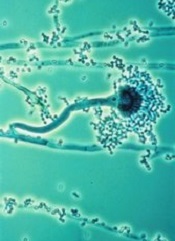
WASHINGTON, DC—A new antifungal agent is as effective as an existing drug against invasive mold infection in patients with hematologic disorders, results of a phase 3 trial suggest.
Overall response and all-cause mortality rates were comparable with the newer drug, isavuconazole (ISA), and the existing drug, voriconazole (VRC).
The overall rates of treatment-emergent adverse events were comparable as well, but ISA was associated with a significantly lower incidence of several events.
Kieren Marr, MD, of Johns Hopkins University in Baltimore, Maryland, and her colleagues presented these results in a subset of patients from the SECURE trial at the 54th Interscience Conference on Antimicrobial Agents and Chemotherapy (poster M-1757).
Patient characteristics and safety outcomes
Of the 433 patients with a hematologic disorder enrolled in the trial, 217 had proven or probable invasive mold infection. The researchers divided patients into 2 groups according to disease: those with acute myeloid leukemia (AML) and those with acute lymphoblastic leukemia (ALL) or other conditions.
In all, 102 patients had AML, and 115 had ALL (n=28) or other conditions, including non-Hodgkin lymphoma (n=19), chronic lymphocytic leukemia (n=15), refractory anemia with excess blasts (n=9), myelodysplastic syndrome (n=8), chronic myeloid leukemia (n=6), and “other” underlying conditions (n=30).
Patients were randomized to receive VRC (n=105) or ISA (N=112). Thirty patients in the ISA arm and 26 in the VRC arm had undergone allogeneic transplant prior to therapy.
The primary outcome was all-cause mortality at day 42. Overall response and safety were secondary endpoints.
The overall rates of treatment-emergent adverse events were similar between ISA and VRC arms. Ninety-seven percent of patients in the ISA arm and 98% of patients in the VRC arm reported at least 1 treatment-emergent adverse event.
However, patients in the ISA arm had significantly fewer (P<0.05) events for the cardiac disorders, eye, psychiatric disorders, renal and urinary, and vascular system organ classes.
Response and mortality
All-cause mortality rates were comparable between the ISA and VRC arms—22% and 24%, respectively—as were overall response rates—39% and 34%, respectively—and complete response rates—13% and 10%, respectively.
All-cause mortality rates among patients with AML were 18% in the ISA arm and 15% in the VRC arm. Overall response rates were 36% and 48%, respectively.
For patients with ALL or other hematologic conditions, all-cause mortality rates were 26% in the ISA arm and 32% in the VRC arm. Overall response rates were 42% and 21%, respectively.
In transplant patients, the all-cause mortality rate was 27% for both the ISA and VRC arms. The overall response rate was 27% for both arms as well.
“These results show the potential of isavuconazole as a potent antifungal in the fight against invasive mold disease,” Dr Marr said.
ISA is an investigational antifungal under development by Astellas and Basilea Pharmaceutica International Ltd. The SECURE trial was funded by Astellas.
The US Food and Drug Administration recently accepted a new drug application seeking approval for ISA for the treatment of invasive aspergillosis and invasive mucormycosis.
WASHINGTON, DC—A new antifungal agent is as effective as an existing drug against invasive mold infection in patients with hematologic disorders, results of a phase 3 trial suggest.
Overall response and all-cause mortality rates were comparable with the newer drug, isavuconazole (ISA), and the existing drug, voriconazole (VRC).
The overall rates of treatment-emergent adverse events were comparable as well, but ISA was associated with a significantly lower incidence of several events.
Kieren Marr, MD, of Johns Hopkins University in Baltimore, Maryland, and her colleagues presented these results in a subset of patients from the SECURE trial at the 54th Interscience Conference on Antimicrobial Agents and Chemotherapy (poster M-1757).
Patient characteristics and safety outcomes
Of the 433 patients with a hematologic disorder enrolled in the trial, 217 had proven or probable invasive mold infection. The researchers divided patients into 2 groups according to disease: those with acute myeloid leukemia (AML) and those with acute lymphoblastic leukemia (ALL) or other conditions.
In all, 102 patients had AML, and 115 had ALL (n=28) or other conditions, including non-Hodgkin lymphoma (n=19), chronic lymphocytic leukemia (n=15), refractory anemia with excess blasts (n=9), myelodysplastic syndrome (n=8), chronic myeloid leukemia (n=6), and “other” underlying conditions (n=30).
Patients were randomized to receive VRC (n=105) or ISA (N=112). Thirty patients in the ISA arm and 26 in the VRC arm had undergone allogeneic transplant prior to therapy.
The primary outcome was all-cause mortality at day 42. Overall response and safety were secondary endpoints.
The overall rates of treatment-emergent adverse events were similar between ISA and VRC arms. Ninety-seven percent of patients in the ISA arm and 98% of patients in the VRC arm reported at least 1 treatment-emergent adverse event.
However, patients in the ISA arm had significantly fewer (P<0.05) events for the cardiac disorders, eye, psychiatric disorders, renal and urinary, and vascular system organ classes.
Response and mortality
All-cause mortality rates were comparable between the ISA and VRC arms—22% and 24%, respectively—as were overall response rates—39% and 34%, respectively—and complete response rates—13% and 10%, respectively.
All-cause mortality rates among patients with AML were 18% in the ISA arm and 15% in the VRC arm. Overall response rates were 36% and 48%, respectively.
For patients with ALL or other hematologic conditions, all-cause mortality rates were 26% in the ISA arm and 32% in the VRC arm. Overall response rates were 42% and 21%, respectively.
In transplant patients, the all-cause mortality rate was 27% for both the ISA and VRC arms. The overall response rate was 27% for both arms as well.
“These results show the potential of isavuconazole as a potent antifungal in the fight against invasive mold disease,” Dr Marr said.
ISA is an investigational antifungal under development by Astellas and Basilea Pharmaceutica International Ltd. The SECURE trial was funded by Astellas.
The US Food and Drug Administration recently accepted a new drug application seeking approval for ISA for the treatment of invasive aspergillosis and invasive mucormycosis.
WASHINGTON, DC—A new antifungal agent is as effective as an existing drug against invasive mold infection in patients with hematologic disorders, results of a phase 3 trial suggest.
Overall response and all-cause mortality rates were comparable with the newer drug, isavuconazole (ISA), and the existing drug, voriconazole (VRC).
The overall rates of treatment-emergent adverse events were comparable as well, but ISA was associated with a significantly lower incidence of several events.
Kieren Marr, MD, of Johns Hopkins University in Baltimore, Maryland, and her colleagues presented these results in a subset of patients from the SECURE trial at the 54th Interscience Conference on Antimicrobial Agents and Chemotherapy (poster M-1757).
Patient characteristics and safety outcomes
Of the 433 patients with a hematologic disorder enrolled in the trial, 217 had proven or probable invasive mold infection. The researchers divided patients into 2 groups according to disease: those with acute myeloid leukemia (AML) and those with acute lymphoblastic leukemia (ALL) or other conditions.
In all, 102 patients had AML, and 115 had ALL (n=28) or other conditions, including non-Hodgkin lymphoma (n=19), chronic lymphocytic leukemia (n=15), refractory anemia with excess blasts (n=9), myelodysplastic syndrome (n=8), chronic myeloid leukemia (n=6), and “other” underlying conditions (n=30).
Patients were randomized to receive VRC (n=105) or ISA (N=112). Thirty patients in the ISA arm and 26 in the VRC arm had undergone allogeneic transplant prior to therapy.
The primary outcome was all-cause mortality at day 42. Overall response and safety were secondary endpoints.
The overall rates of treatment-emergent adverse events were similar between ISA and VRC arms. Ninety-seven percent of patients in the ISA arm and 98% of patients in the VRC arm reported at least 1 treatment-emergent adverse event.
However, patients in the ISA arm had significantly fewer (P<0.05) events for the cardiac disorders, eye, psychiatric disorders, renal and urinary, and vascular system organ classes.
Response and mortality
All-cause mortality rates were comparable between the ISA and VRC arms—22% and 24%, respectively—as were overall response rates—39% and 34%, respectively—and complete response rates—13% and 10%, respectively.
All-cause mortality rates among patients with AML were 18% in the ISA arm and 15% in the VRC arm. Overall response rates were 36% and 48%, respectively.
For patients with ALL or other hematologic conditions, all-cause mortality rates were 26% in the ISA arm and 32% in the VRC arm. Overall response rates were 42% and 21%, respectively.
In transplant patients, the all-cause mortality rate was 27% for both the ISA and VRC arms. The overall response rate was 27% for both arms as well.
“These results show the potential of isavuconazole as a potent antifungal in the fight against invasive mold disease,” Dr Marr said.
ISA is an investigational antifungal under development by Astellas and Basilea Pharmaceutica International Ltd. The SECURE trial was funded by Astellas.
The US Food and Drug Administration recently accepted a new drug application seeking approval for ISA for the treatment of invasive aspergillosis and invasive mucormycosis.
Team identifies risk factors for vitiligo, AA in cGVHD
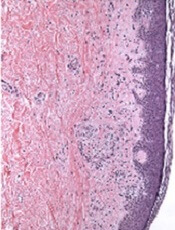
Credit: PLOS ONE
Results of a retrospective study have revealed factors that appear to increase the risk of vitiligo and alopecia areata (AA) in patients who develop chronic graft-vs-host disease (cGVHD) after a stem cell transplant.
Multivariable analysis suggested that a female donor to male recipient sex mismatch and positive test results for anticardiolipin immunoglobulin G (ACA-IgG) were both significantly associated with vitiligo and/or AA.
This research was published in JAMA Dermatology.
Edward W. Cowen, MD, of the National Cancer Institute in Bethesda, Maryland, and his colleagues conducted the study in 282 adult and pediatric patients with cGVHD.
Fifteen of the patients (5.3%) had vitiligo and/or AA. One patient had only AA, 1 had vitiligo and AA, and the rest had vitiligo alone. The median age of these patients at enrollment was 38 years (range, 9-69 years), and most were male (n=10).
Most patients had received a transplant to treat chronic myelogenous leukemia (n=5) or acute leukemia/myelodysplastic syndrome (n=5). Most patients (n=13) had an HLA-identical donor and received a peripheral blood stem cell transplant (n=9).
Eleven patients had concomitant skin cGVHD at the time of evaluation, and it was most often sclerotic-type cGVHD (n=9).
For the 5 vitiligo patients in whom the onset of skin depigmentation was documented, pigment changes occurred at a median of 41 months (range, 24-84) after transplant.
Depigmentation was classic periorbital, perioral, acrofacial involvement in 6 patients, generalized in 6 patients, and torso-predominant in 2 patients. Trichrome vitiligo was present in 3 patients, and poliosis occurred in 5 patients. In both AA patients, hair loss was localized to the scalp.
The researchers evaluated demographic, clinical, and laboratory data from these patients, and used univariate and multivariable logistic regression analyses to identify risk factors for vitiligo and AA.
Univariate analysis suggested the following factors were significantly associated with vitiligo and/or AA: female donor to male recipient sex mismatch (P=0.003), positive test results for ACA-IgG (P=0.03) or antiparietal antibody (P=0.049), elevated CD19 (P=0.045), and normal or elevated IgG (P=0.02).
However, only positive ACA-IgG results and female donor to male recipient mismatch retained significance in multivariable analysis (P=0.01 and P=0.003, respectively).
The researchers said additional studies are needed to clarify whether these risk factors can lead to a better understanding of the pathomechanisms of cGVHD.
Credit: PLOS ONE
Results of a retrospective study have revealed factors that appear to increase the risk of vitiligo and alopecia areata (AA) in patients who develop chronic graft-vs-host disease (cGVHD) after a stem cell transplant.
Multivariable analysis suggested that a female donor to male recipient sex mismatch and positive test results for anticardiolipin immunoglobulin G (ACA-IgG) were both significantly associated with vitiligo and/or AA.
This research was published in JAMA Dermatology.
Edward W. Cowen, MD, of the National Cancer Institute in Bethesda, Maryland, and his colleagues conducted the study in 282 adult and pediatric patients with cGVHD.
Fifteen of the patients (5.3%) had vitiligo and/or AA. One patient had only AA, 1 had vitiligo and AA, and the rest had vitiligo alone. The median age of these patients at enrollment was 38 years (range, 9-69 years), and most were male (n=10).
Most patients had received a transplant to treat chronic myelogenous leukemia (n=5) or acute leukemia/myelodysplastic syndrome (n=5). Most patients (n=13) had an HLA-identical donor and received a peripheral blood stem cell transplant (n=9).
Eleven patients had concomitant skin cGVHD at the time of evaluation, and it was most often sclerotic-type cGVHD (n=9).
For the 5 vitiligo patients in whom the onset of skin depigmentation was documented, pigment changes occurred at a median of 41 months (range, 24-84) after transplant.
Depigmentation was classic periorbital, perioral, acrofacial involvement in 6 patients, generalized in 6 patients, and torso-predominant in 2 patients. Trichrome vitiligo was present in 3 patients, and poliosis occurred in 5 patients. In both AA patients, hair loss was localized to the scalp.
The researchers evaluated demographic, clinical, and laboratory data from these patients, and used univariate and multivariable logistic regression analyses to identify risk factors for vitiligo and AA.
Univariate analysis suggested the following factors were significantly associated with vitiligo and/or AA: female donor to male recipient sex mismatch (P=0.003), positive test results for ACA-IgG (P=0.03) or antiparietal antibody (P=0.049), elevated CD19 (P=0.045), and normal or elevated IgG (P=0.02).
However, only positive ACA-IgG results and female donor to male recipient mismatch retained significance in multivariable analysis (P=0.01 and P=0.003, respectively).
The researchers said additional studies are needed to clarify whether these risk factors can lead to a better understanding of the pathomechanisms of cGVHD.
Credit: PLOS ONE
Results of a retrospective study have revealed factors that appear to increase the risk of vitiligo and alopecia areata (AA) in patients who develop chronic graft-vs-host disease (cGVHD) after a stem cell transplant.
Multivariable analysis suggested that a female donor to male recipient sex mismatch and positive test results for anticardiolipin immunoglobulin G (ACA-IgG) were both significantly associated with vitiligo and/or AA.
This research was published in JAMA Dermatology.
Edward W. Cowen, MD, of the National Cancer Institute in Bethesda, Maryland, and his colleagues conducted the study in 282 adult and pediatric patients with cGVHD.
Fifteen of the patients (5.3%) had vitiligo and/or AA. One patient had only AA, 1 had vitiligo and AA, and the rest had vitiligo alone. The median age of these patients at enrollment was 38 years (range, 9-69 years), and most were male (n=10).
Most patients had received a transplant to treat chronic myelogenous leukemia (n=5) or acute leukemia/myelodysplastic syndrome (n=5). Most patients (n=13) had an HLA-identical donor and received a peripheral blood stem cell transplant (n=9).
Eleven patients had concomitant skin cGVHD at the time of evaluation, and it was most often sclerotic-type cGVHD (n=9).
For the 5 vitiligo patients in whom the onset of skin depigmentation was documented, pigment changes occurred at a median of 41 months (range, 24-84) after transplant.
Depigmentation was classic periorbital, perioral, acrofacial involvement in 6 patients, generalized in 6 patients, and torso-predominant in 2 patients. Trichrome vitiligo was present in 3 patients, and poliosis occurred in 5 patients. In both AA patients, hair loss was localized to the scalp.
The researchers evaluated demographic, clinical, and laboratory data from these patients, and used univariate and multivariable logistic regression analyses to identify risk factors for vitiligo and AA.
Univariate analysis suggested the following factors were significantly associated with vitiligo and/or AA: female donor to male recipient sex mismatch (P=0.003), positive test results for ACA-IgG (P=0.03) or antiparietal antibody (P=0.049), elevated CD19 (P=0.045), and normal or elevated IgG (P=0.02).
However, only positive ACA-IgG results and female donor to male recipient mismatch retained significance in multivariable analysis (P=0.01 and P=0.003, respectively).
The researchers said additional studies are needed to clarify whether these risk factors can lead to a better understanding of the pathomechanisms of cGVHD.
Mutations linked to population disparities in cancers

Credit: NIGMS
Researchers have identified mutations in microRNAs (miRNAs) that are closely associated with certain global populations and have been implicated in cancers.
The group discovered 31 miRNAs containing variants that occur with different frequencies in African and non-African populations.
Seven of these miRNAs have been linked to the onset, progression, and spread of cancers with known health disparities between patients of European and African descent.
And a variant in one of these miRNAs is associated with a significantly increased risk of non-Hodgkin lymphoma (NHL).
These findings appear in BMC Medical Genomics.
To better understand miRNA diversity across the world, the researchers searched for miRNA variants in the genome sequences of 69 individuals from 14 populations in Europe, Asia, the Americas, and Africa. The samples included genetic material from diverse African populations, including 3 hunter-gatherer populations.
“We wanted to try to see if there was variability in miRNA that hadn’t been identified before,” said study author Renata A. Rawlings-Goss, PhD, of the University of Pennsylvania’s Perelman School of Medicine in Philadelphia.
Overall, the researchers found that miRNA sequences were similar across the populations they sampled. But they did identify 33 novel variants and found that variants in 31 miRNAs were population-differentiated.
The team searched available databases to see which genes these miRNAs were known to inhibit. Their query turned up a large proportion of genes involved in glucose and insulin metabolism, indicating a possible connection between diabetes risk and possessing one of these variants. The search also pointed to effects on genes implicated in cancers.
Specifically, 7 of the population-differentiated miRNAs are currently implicated as cancer biomarkers: hsa-mir-202, hsa-mir-423, hsa-mir-196a-2, hsa-mir-520h, hsa-mir-647, hsa-mir-943, and hsa-mir-1908.
Of particular interest was hsa-mir-202, which contained one of the most highly population-differentiated variants in the dataset and is under investigation as a marker for NHL and early stage breast cancer.
Recent research suggested that a T allele at SNP rs12355840 in hsa-mir-202 helps protect against death from breast cancer by increasing mature hsa-mir-202 expression levels, which leads to downregulation of its gene targets.
On the other hand, diminished expression of mature hsa-mir-202 in subjects harboring at least 1 non-T allele resulted in a significantly elevated risk of NHL (odds ratio=1.83, P=0.008).
Dr Rawlings-Goss and her colleagues found that African/African-American populations had a lower frequency of the T allele compared to European/Asian populations—26% vs 65%, on average. And this suggests decreased baseline expression levels of mature hsa-mir-202 in African populations.
“It’s becoming more and more apparent that miRNAs can have a broad-reaching and global effect on our health and adaptation to disease,” Dr Rawlings-Goss said. “Learning more about differences across populations could be helpful to doing early diagnostics and treating disease across diverse populations.”
Credit: NIGMS
Researchers have identified mutations in microRNAs (miRNAs) that are closely associated with certain global populations and have been implicated in cancers.
The group discovered 31 miRNAs containing variants that occur with different frequencies in African and non-African populations.
Seven of these miRNAs have been linked to the onset, progression, and spread of cancers with known health disparities between patients of European and African descent.
And a variant in one of these miRNAs is associated with a significantly increased risk of non-Hodgkin lymphoma (NHL).
These findings appear in BMC Medical Genomics.
To better understand miRNA diversity across the world, the researchers searched for miRNA variants in the genome sequences of 69 individuals from 14 populations in Europe, Asia, the Americas, and Africa. The samples included genetic material from diverse African populations, including 3 hunter-gatherer populations.
“We wanted to try to see if there was variability in miRNA that hadn’t been identified before,” said study author Renata A. Rawlings-Goss, PhD, of the University of Pennsylvania’s Perelman School of Medicine in Philadelphia.
Overall, the researchers found that miRNA sequences were similar across the populations they sampled. But they did identify 33 novel variants and found that variants in 31 miRNAs were population-differentiated.
The team searched available databases to see which genes these miRNAs were known to inhibit. Their query turned up a large proportion of genes involved in glucose and insulin metabolism, indicating a possible connection between diabetes risk and possessing one of these variants. The search also pointed to effects on genes implicated in cancers.
Specifically, 7 of the population-differentiated miRNAs are currently implicated as cancer biomarkers: hsa-mir-202, hsa-mir-423, hsa-mir-196a-2, hsa-mir-520h, hsa-mir-647, hsa-mir-943, and hsa-mir-1908.
Of particular interest was hsa-mir-202, which contained one of the most highly population-differentiated variants in the dataset and is under investigation as a marker for NHL and early stage breast cancer.
Recent research suggested that a T allele at SNP rs12355840 in hsa-mir-202 helps protect against death from breast cancer by increasing mature hsa-mir-202 expression levels, which leads to downregulation of its gene targets.
On the other hand, diminished expression of mature hsa-mir-202 in subjects harboring at least 1 non-T allele resulted in a significantly elevated risk of NHL (odds ratio=1.83, P=0.008).
Dr Rawlings-Goss and her colleagues found that African/African-American populations had a lower frequency of the T allele compared to European/Asian populations—26% vs 65%, on average. And this suggests decreased baseline expression levels of mature hsa-mir-202 in African populations.
“It’s becoming more and more apparent that miRNAs can have a broad-reaching and global effect on our health and adaptation to disease,” Dr Rawlings-Goss said. “Learning more about differences across populations could be helpful to doing early diagnostics and treating disease across diverse populations.”
Credit: NIGMS
Researchers have identified mutations in microRNAs (miRNAs) that are closely associated with certain global populations and have been implicated in cancers.
The group discovered 31 miRNAs containing variants that occur with different frequencies in African and non-African populations.
Seven of these miRNAs have been linked to the onset, progression, and spread of cancers with known health disparities between patients of European and African descent.
And a variant in one of these miRNAs is associated with a significantly increased risk of non-Hodgkin lymphoma (NHL).
These findings appear in BMC Medical Genomics.
To better understand miRNA diversity across the world, the researchers searched for miRNA variants in the genome sequences of 69 individuals from 14 populations in Europe, Asia, the Americas, and Africa. The samples included genetic material from diverse African populations, including 3 hunter-gatherer populations.
“We wanted to try to see if there was variability in miRNA that hadn’t been identified before,” said study author Renata A. Rawlings-Goss, PhD, of the University of Pennsylvania’s Perelman School of Medicine in Philadelphia.
Overall, the researchers found that miRNA sequences were similar across the populations they sampled. But they did identify 33 novel variants and found that variants in 31 miRNAs were population-differentiated.
The team searched available databases to see which genes these miRNAs were known to inhibit. Their query turned up a large proportion of genes involved in glucose and insulin metabolism, indicating a possible connection between diabetes risk and possessing one of these variants. The search also pointed to effects on genes implicated in cancers.
Specifically, 7 of the population-differentiated miRNAs are currently implicated as cancer biomarkers: hsa-mir-202, hsa-mir-423, hsa-mir-196a-2, hsa-mir-520h, hsa-mir-647, hsa-mir-943, and hsa-mir-1908.
Of particular interest was hsa-mir-202, which contained one of the most highly population-differentiated variants in the dataset and is under investigation as a marker for NHL and early stage breast cancer.
Recent research suggested that a T allele at SNP rs12355840 in hsa-mir-202 helps protect against death from breast cancer by increasing mature hsa-mir-202 expression levels, which leads to downregulation of its gene targets.
On the other hand, diminished expression of mature hsa-mir-202 in subjects harboring at least 1 non-T allele resulted in a significantly elevated risk of NHL (odds ratio=1.83, P=0.008).
Dr Rawlings-Goss and her colleagues found that African/African-American populations had a lower frequency of the T allele compared to European/Asian populations—26% vs 65%, on average. And this suggests decreased baseline expression levels of mature hsa-mir-202 in African populations.
“It’s becoming more and more apparent that miRNAs can have a broad-reaching and global effect on our health and adaptation to disease,” Dr Rawlings-Goss said. “Learning more about differences across populations could be helpful to doing early diagnostics and treating disease across diverse populations.”
Database details international research regulations
The National Institutes of Health has launched an online public database called ClinRegs, which includes country-specific information on
clinical research regulations.
ClinRegs currently provides information for 12 countries, but additional countries will likely be added in the future.
The goal of ClinRegs is to make it easier for investigators to find and understand country-specific requirements on topics such as clinical trial application submission and ethics committee approvals.
The database allows users to review regulatory requirements in 7 topic areas, including informed consent practices and trial sponsorship.
The site was created—and will be updated—by the National Institute of Allergy and Infectious Diseases. 
The National Institutes of Health has launched an online public database called ClinRegs, which includes country-specific information on
clinical research regulations.
ClinRegs currently provides information for 12 countries, but additional countries will likely be added in the future.
The goal of ClinRegs is to make it easier for investigators to find and understand country-specific requirements on topics such as clinical trial application submission and ethics committee approvals.
The database allows users to review regulatory requirements in 7 topic areas, including informed consent practices and trial sponsorship.
The site was created—and will be updated—by the National Institute of Allergy and Infectious Diseases.
The National Institutes of Health has launched an online public database called ClinRegs, which includes country-specific information on
clinical research regulations.
ClinRegs currently provides information for 12 countries, but additional countries will likely be added in the future.
The goal of ClinRegs is to make it easier for investigators to find and understand country-specific requirements on topics such as clinical trial application submission and ethics committee approvals.
The database allows users to review regulatory requirements in 7 topic areas, including informed consent practices and trial sponsorship.
The site was created—and will be updated—by the National Institute of Allergy and Infectious Diseases.
Discovery could lead to better proteasome inhibitors
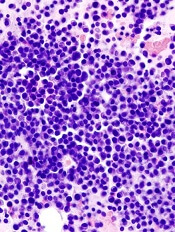
showing multiple myeloma
A newly discovered mechanism has paved the way for the next generation of proteasome inhibitors, according to a paper published in Chemistry & Biology.
Investigators developed a series of molecules that employ this mechanism, inhibiting the proteasome in 2 ways.
They are now planning to synthesize related compounds that may offer improved proteasome inhibition, target cancer cells more selectivity, and eliminate the resistance problems that occur with current drugs.
The group’s research began with epoxyketone, a molecule isolated from a cyanobacterium called carmaphycin, whose reactive group is the same as that of the proteasome inhibitor carfilzomib.
“Epoxyketones are very potent, selective inhibitors of the proteasome because they interact with this enzyme in 2 stages—the first reversible, and the second irreversible,” noted study author Daniela Trivella, PhD, of the Brazilian Biosciences National Laboratory at the Brazilian Center for Research in Energy and Materials in Campinas.
To optimize epoxyketone’s effects and find new reactive groups, the investigators developed and tested a series of synthetic analogs with slight structural modifications.
One of the molecules had an enone as a reactive group and had characteristics of carmaphycin and another natural molecule called syringolin, which was isolated from plant pathogens.
By investigating the reaction mechanisms of the new molecule, called carmaphycin-syringolin enone, the team verified that the enone interacts with the proteasome in 2 stages, with the second stage being irreversible.
The investigators also observed that, in the case of the enone, the second reaction occurs more slowly, increasing the duration of the reversible phase of carmaphycin-syringolin enone inhibition.
“Because the irreversible inactivation of the proteasome has toxic effects, the best window of reversibility observed for the carmaphycin-syringolin enone will potentially reduce the toxicity of this new class of proteasome inhibitors,” Dr Trivella said. “The compound would therefore present a balance between selectivity and potency.”
Toxicity tests are still underway. But the investigators have already conducted studies to determine exactly how the interaction between the enzyme target and the carmaphycin-syringolin enone target occurs.
“We discovered that a chemical reaction called hydroamination occurs, which had never before [been] seen under physiological conditions,” Dr Trivella said.
“This type of reaction is frequently used by synthetic chemists in preparing substances, but, normally, it requires very specific temperature and pH conditions and the use of catalysts to occur. It has never been reported as a mechanism of enzyme inhibition.”
Inspired by this new mechanism for proteasome inhibition, the investigators plan to synthesize and test a new series of carmaphycin-syringolin enone analogs to determine their effects on the therapeutic window and assess whether they are also capable of reacting with proteasomes that are resistant to traditional inhibitors.
showing multiple myeloma
A newly discovered mechanism has paved the way for the next generation of proteasome inhibitors, according to a paper published in Chemistry & Biology.
Investigators developed a series of molecules that employ this mechanism, inhibiting the proteasome in 2 ways.
They are now planning to synthesize related compounds that may offer improved proteasome inhibition, target cancer cells more selectivity, and eliminate the resistance problems that occur with current drugs.
The group’s research began with epoxyketone, a molecule isolated from a cyanobacterium called carmaphycin, whose reactive group is the same as that of the proteasome inhibitor carfilzomib.
“Epoxyketones are very potent, selective inhibitors of the proteasome because they interact with this enzyme in 2 stages—the first reversible, and the second irreversible,” noted study author Daniela Trivella, PhD, of the Brazilian Biosciences National Laboratory at the Brazilian Center for Research in Energy and Materials in Campinas.
To optimize epoxyketone’s effects and find new reactive groups, the investigators developed and tested a series of synthetic analogs with slight structural modifications.
One of the molecules had an enone as a reactive group and had characteristics of carmaphycin and another natural molecule called syringolin, which was isolated from plant pathogens.
By investigating the reaction mechanisms of the new molecule, called carmaphycin-syringolin enone, the team verified that the enone interacts with the proteasome in 2 stages, with the second stage being irreversible.
The investigators also observed that, in the case of the enone, the second reaction occurs more slowly, increasing the duration of the reversible phase of carmaphycin-syringolin enone inhibition.
“Because the irreversible inactivation of the proteasome has toxic effects, the best window of reversibility observed for the carmaphycin-syringolin enone will potentially reduce the toxicity of this new class of proteasome inhibitors,” Dr Trivella said. “The compound would therefore present a balance between selectivity and potency.”
Toxicity tests are still underway. But the investigators have already conducted studies to determine exactly how the interaction between the enzyme target and the carmaphycin-syringolin enone target occurs.
“We discovered that a chemical reaction called hydroamination occurs, which had never before [been] seen under physiological conditions,” Dr Trivella said.
“This type of reaction is frequently used by synthetic chemists in preparing substances, but, normally, it requires very specific temperature and pH conditions and the use of catalysts to occur. It has never been reported as a mechanism of enzyme inhibition.”
Inspired by this new mechanism for proteasome inhibition, the investigators plan to synthesize and test a new series of carmaphycin-syringolin enone analogs to determine their effects on the therapeutic window and assess whether they are also capable of reacting with proteasomes that are resistant to traditional inhibitors.
showing multiple myeloma
A newly discovered mechanism has paved the way for the next generation of proteasome inhibitors, according to a paper published in Chemistry & Biology.
Investigators developed a series of molecules that employ this mechanism, inhibiting the proteasome in 2 ways.
They are now planning to synthesize related compounds that may offer improved proteasome inhibition, target cancer cells more selectivity, and eliminate the resistance problems that occur with current drugs.
The group’s research began with epoxyketone, a molecule isolated from a cyanobacterium called carmaphycin, whose reactive group is the same as that of the proteasome inhibitor carfilzomib.
“Epoxyketones are very potent, selective inhibitors of the proteasome because they interact with this enzyme in 2 stages—the first reversible, and the second irreversible,” noted study author Daniela Trivella, PhD, of the Brazilian Biosciences National Laboratory at the Brazilian Center for Research in Energy and Materials in Campinas.
To optimize epoxyketone’s effects and find new reactive groups, the investigators developed and tested a series of synthetic analogs with slight structural modifications.
One of the molecules had an enone as a reactive group and had characteristics of carmaphycin and another natural molecule called syringolin, which was isolated from plant pathogens.
By investigating the reaction mechanisms of the new molecule, called carmaphycin-syringolin enone, the team verified that the enone interacts with the proteasome in 2 stages, with the second stage being irreversible.
The investigators also observed that, in the case of the enone, the second reaction occurs more slowly, increasing the duration of the reversible phase of carmaphycin-syringolin enone inhibition.
“Because the irreversible inactivation of the proteasome has toxic effects, the best window of reversibility observed for the carmaphycin-syringolin enone will potentially reduce the toxicity of this new class of proteasome inhibitors,” Dr Trivella said. “The compound would therefore present a balance between selectivity and potency.”
Toxicity tests are still underway. But the investigators have already conducted studies to determine exactly how the interaction between the enzyme target and the carmaphycin-syringolin enone target occurs.
“We discovered that a chemical reaction called hydroamination occurs, which had never before [been] seen under physiological conditions,” Dr Trivella said.
“This type of reaction is frequently used by synthetic chemists in preparing substances, but, normally, it requires very specific temperature and pH conditions and the use of catalysts to occur. It has never been reported as a mechanism of enzyme inhibition.”
Inspired by this new mechanism for proteasome inhibition, the investigators plan to synthesize and test a new series of carmaphycin-syringolin enone analogs to determine their effects on the therapeutic window and assess whether they are also capable of reacting with proteasomes that are resistant to traditional inhibitors.
Discrimination may prompt non-adherence in SCD patients

attending physician looks on
Credit: NCI
Research has shown that many patients with sickle cell disease (SCD) do not consistently follow their doctor’s orders, and a new study suggests discrimination may be partly to blame.
Patients who felt they experienced discrimination because of their race or health status were 53% more likely than their peers to disregard physician recommendations.
However, reports of discrimination were also common among patients who said they followed doctors’ orders to the letter.
Carlton Haywood Jr, PhD, of the Johns Hopkins School of Medicine in Baltimore, Maryland, and his colleagues conducted this research and detailed the results in the Journal of General Internal Medicine.
Dr Haywood’s team monitored the experiences of 291 SCD patients (aged 15 and older) who were participating in the Improving Patient Outcomes with Respect and Trust (IMPORT) study.
Patients completed surveys to report perceived discrimination from healthcare providers and their adherence to physician recommendations.
More than a third of patients (36%) reported non-adherence to a doctor’s recommendations in the 2 years prior to completing the survey.
Fifty-eight percent of the non-adherent patients and 43% of the adherent group reported at least 1 incident of discrimination due to their race or health status.
Patients who had experienced discrimination were 53% more likely than their peers to follow physicians’ recommendations inconsistently.
Trust in medical professionals appeared to mediate the discrimination/non-adherence relationship. It accounted for 50% of the excess prevalence of non-adherence among patients who reported incidents of discrimination.
The researchers said these findings are consistent with previous studies among other chronically ill patient groups. They also show how discrimination affects a patient’s trust in the healthcare system, as well as the person’s subsequent willingness to follow prescribed treatment regimens.
Dr Haywood believes the perceptions and experiences of discrimination may increase the chances that SCD patients will not fully benefit from the care available to them.
“A good relationship between the patient and provider can facilitate adherence, while a problematic relationship can negatively impact patient adherence,” he said.
“Improving relationships between healthcare providers and such patients may improve their trust in medical professionals, which, in turn, may improve other outcomes among this underserved patient population.”
attending physician looks on
Credit: NCI
Research has shown that many patients with sickle cell disease (SCD) do not consistently follow their doctor’s orders, and a new study suggests discrimination may be partly to blame.
Patients who felt they experienced discrimination because of their race or health status were 53% more likely than their peers to disregard physician recommendations.
However, reports of discrimination were also common among patients who said they followed doctors’ orders to the letter.
Carlton Haywood Jr, PhD, of the Johns Hopkins School of Medicine in Baltimore, Maryland, and his colleagues conducted this research and detailed the results in the Journal of General Internal Medicine.
Dr Haywood’s team monitored the experiences of 291 SCD patients (aged 15 and older) who were participating in the Improving Patient Outcomes with Respect and Trust (IMPORT) study.
Patients completed surveys to report perceived discrimination from healthcare providers and their adherence to physician recommendations.
More than a third of patients (36%) reported non-adherence to a doctor’s recommendations in the 2 years prior to completing the survey.
Fifty-eight percent of the non-adherent patients and 43% of the adherent group reported at least 1 incident of discrimination due to their race or health status.
Patients who had experienced discrimination were 53% more likely than their peers to follow physicians’ recommendations inconsistently.
Trust in medical professionals appeared to mediate the discrimination/non-adherence relationship. It accounted for 50% of the excess prevalence of non-adherence among patients who reported incidents of discrimination.
The researchers said these findings are consistent with previous studies among other chronically ill patient groups. They also show how discrimination affects a patient’s trust in the healthcare system, as well as the person’s subsequent willingness to follow prescribed treatment regimens.
Dr Haywood believes the perceptions and experiences of discrimination may increase the chances that SCD patients will not fully benefit from the care available to them.
“A good relationship between the patient and provider can facilitate adherence, while a problematic relationship can negatively impact patient adherence,” he said.
“Improving relationships between healthcare providers and such patients may improve their trust in medical professionals, which, in turn, may improve other outcomes among this underserved patient population.”
attending physician looks on
Credit: NCI
Research has shown that many patients with sickle cell disease (SCD) do not consistently follow their doctor’s orders, and a new study suggests discrimination may be partly to blame.
Patients who felt they experienced discrimination because of their race or health status were 53% more likely than their peers to disregard physician recommendations.
However, reports of discrimination were also common among patients who said they followed doctors’ orders to the letter.
Carlton Haywood Jr, PhD, of the Johns Hopkins School of Medicine in Baltimore, Maryland, and his colleagues conducted this research and detailed the results in the Journal of General Internal Medicine.
Dr Haywood’s team monitored the experiences of 291 SCD patients (aged 15 and older) who were participating in the Improving Patient Outcomes with Respect and Trust (IMPORT) study.
Patients completed surveys to report perceived discrimination from healthcare providers and their adherence to physician recommendations.
More than a third of patients (36%) reported non-adherence to a doctor’s recommendations in the 2 years prior to completing the survey.
Fifty-eight percent of the non-adherent patients and 43% of the adherent group reported at least 1 incident of discrimination due to their race or health status.
Patients who had experienced discrimination were 53% more likely than their peers to follow physicians’ recommendations inconsistently.
Trust in medical professionals appeared to mediate the discrimination/non-adherence relationship. It accounted for 50% of the excess prevalence of non-adherence among patients who reported incidents of discrimination.
The researchers said these findings are consistent with previous studies among other chronically ill patient groups. They also show how discrimination affects a patient’s trust in the healthcare system, as well as the person’s subsequent willingness to follow prescribed treatment regimens.
Dr Haywood believes the perceptions and experiences of discrimination may increase the chances that SCD patients will not fully benefit from the care available to them.
“A good relationship between the patient and provider can facilitate adherence, while a problematic relationship can negatively impact patient adherence,” he said.
“Improving relationships between healthcare providers and such patients may improve their trust in medical professionals, which, in turn, may improve other outcomes among this underserved patient population.”
Fats may hold key to new malaria treatment

Credit: Stuart Hay
Scientists believe they have discovered a weak spot in the malaria life cycle that could be exploited to prevent the disease from spreading.
The team found that female malaria parasites take on fat differently than male parasites.
And the protein gABCG2, which controls the transport of fat molecules, plays a key role in malaria parasite survival.
Phuong Tran, PhD, of Australia National University in Canberra, and his colleagues recounted these findings in Nature Communications.
The researchers noted that ATP-binding cassette transporters are known to play key roles in drug resistance. And the genome of the Plasmodium falciparum parasite encodes multiple members of this family, including gABCG2, which is transcribed predominantly in the gametocyte stage.
So the team used gene deletion and tagging to investigate the expression, localization, and function of gABCG2. They found that gABCG2 was only present in female gametocytes—in a single, lipid-like structure.
“Female parasites build a deposit of fat in a localized spot, which is controlled by gABCG2,” said study author Alexander Maier, PhD, of Australia National University.
“However, malaria genetically modified to have no gABCG2 did not accumulate fat in the same way, and crucially, struggled to survive in the mosquito.”
Cell lines in which gABCG2 was knocked out produced more gametocytes of both sexes, but they showed a reduction in cholesteryl esters, diacylglycerols, and triacylglycerols.
The researchers therefore concluded that gABCG2 regulates gametocyte numbers and the accumulation of neutral lipids, which are likely important for parasite development in the insect stages of the parasite life cycle.
Dr Tran said this discovery could lead to new malaria drugs based on current drugs that influence fat digestion.
“If we can target the molecule gABCG2 and kill the females, then we can stop the fertilization, which will stop the development and transmission of the disease,” he said. “It may even lead to a vaccine for malaria.”
Credit: Stuart Hay
Scientists believe they have discovered a weak spot in the malaria life cycle that could be exploited to prevent the disease from spreading.
The team found that female malaria parasites take on fat differently than male parasites.
And the protein gABCG2, which controls the transport of fat molecules, plays a key role in malaria parasite survival.
Phuong Tran, PhD, of Australia National University in Canberra, and his colleagues recounted these findings in Nature Communications.
The researchers noted that ATP-binding cassette transporters are known to play key roles in drug resistance. And the genome of the Plasmodium falciparum parasite encodes multiple members of this family, including gABCG2, which is transcribed predominantly in the gametocyte stage.
So the team used gene deletion and tagging to investigate the expression, localization, and function of gABCG2. They found that gABCG2 was only present in female gametocytes—in a single, lipid-like structure.
“Female parasites build a deposit of fat in a localized spot, which is controlled by gABCG2,” said study author Alexander Maier, PhD, of Australia National University.
“However, malaria genetically modified to have no gABCG2 did not accumulate fat in the same way, and crucially, struggled to survive in the mosquito.”
Cell lines in which gABCG2 was knocked out produced more gametocytes of both sexes, but they showed a reduction in cholesteryl esters, diacylglycerols, and triacylglycerols.
The researchers therefore concluded that gABCG2 regulates gametocyte numbers and the accumulation of neutral lipids, which are likely important for parasite development in the insect stages of the parasite life cycle.
Dr Tran said this discovery could lead to new malaria drugs based on current drugs that influence fat digestion.
“If we can target the molecule gABCG2 and kill the females, then we can stop the fertilization, which will stop the development and transmission of the disease,” he said. “It may even lead to a vaccine for malaria.”
Credit: Stuart Hay
Scientists believe they have discovered a weak spot in the malaria life cycle that could be exploited to prevent the disease from spreading.
The team found that female malaria parasites take on fat differently than male parasites.
And the protein gABCG2, which controls the transport of fat molecules, plays a key role in malaria parasite survival.
Phuong Tran, PhD, of Australia National University in Canberra, and his colleagues recounted these findings in Nature Communications.
The researchers noted that ATP-binding cassette transporters are known to play key roles in drug resistance. And the genome of the Plasmodium falciparum parasite encodes multiple members of this family, including gABCG2, which is transcribed predominantly in the gametocyte stage.
So the team used gene deletion and tagging to investigate the expression, localization, and function of gABCG2. They found that gABCG2 was only present in female gametocytes—in a single, lipid-like structure.
“Female parasites build a deposit of fat in a localized spot, which is controlled by gABCG2,” said study author Alexander Maier, PhD, of Australia National University.
“However, malaria genetically modified to have no gABCG2 did not accumulate fat in the same way, and crucially, struggled to survive in the mosquito.”
Cell lines in which gABCG2 was knocked out produced more gametocytes of both sexes, but they showed a reduction in cholesteryl esters, diacylglycerols, and triacylglycerols.
The researchers therefore concluded that gABCG2 regulates gametocyte numbers and the accumulation of neutral lipids, which are likely important for parasite development in the insect stages of the parasite life cycle.
Dr Tran said this discovery could lead to new malaria drugs based on current drugs that influence fat digestion.
“If we can target the molecule gABCG2 and kill the females, then we can stop the fertilization, which will stop the development and transmission of the disease,” he said. “It may even lead to a vaccine for malaria.”
Re-analyses of RCTs may reveal different conclusions

Credit: Darren Baker
A new study suggests that as many as a third of randomized clinical trials (RCTs) could be re-analyzed in ways that modify their conclusions.
The study also indicates that such re-analyses are extremely rare, due to many researchers’ unwillingness to share data.
“There is a real need for researchers to provide access to their raw data for others to analyze,” said John Ioannidis, MD, DSc, of the Stanford Prevention Research Center in California.
“Without this access, and possibly incentives to perform this work, there is increasing lack of trust in whether the results of published, randomized trials are credible and can be taken at face value.”
Dr Ioannidis and his colleagues used the MEDLINE database to evaluate re-analyses of RCTs and detailed their findings in JAMA. A related editorial is also available in the journal.
The team searched for articles written in English describing the re-analysis of raw data used in previously published RCTs. Meta-analyses were excluded from the study, as were studies testing a different hypothesis than the original trial.
The researchers screened nearly 3000 articles of potential interest and read the full text of 226. Of these, 37 were ultimately included in the study. Thirty-two of them had an overlap of at least 1 author from the original paper.
New conclusions
Thirteen of the re-analyses (35% of the total) came to conclusions that differed from those of the original trial with regard to who could benefit from the tested medication or intervention.
Three concluded that the patient population to treat should be different from the one recommended by the original study. One concluded that fewer patients should be treated. And the remaining 9 indicated that more patients should be treated.
The differences between the original RCTs and the re-analyses often occurred because the researchers conducting the re-analyses used different statistical or analytical methods, ways of defining outcomes, or ways of handling missing data.
For example, an RCT on the treatment of bleeding esophageal varices concluded that sclerotherapy reduced mortality but didn’t prevent rebleeding.
The re-analysis, which used a different statistical model of risk, suggested the treatment did prevent rebleeding but didn’t reduce mortality. The new conclusion suggested the intervention would be most appropriate for patients with rebleeding, rather than those at the highest risk of death from the condition.
Another study investigated the best way to deliver an erythropoiesis-stimulating medication to anemia patients by comparing a fixed dose administered once every 3 weeks with weight-based weekly dosing. In the re-analysis, the conclusion changed when investigators used an updated hemoglobin threshold level to determine when therapy should be initiated.
“The high proportion of re-analyses reaching different conclusions than the original papers may be partly an artifact,” Dr Ioannidis said. “By that I mean that, in the current environment, re-analyses that reach exactly the same results as the original would have great difficulty getting published.”
“However, making the raw data of trials available for re-analyses is essential not only for re-evaluating whether the original claims were correct, but also for using these data to perform additional analyses of interest and combined analyses.”
In this way, existing raw data could be used to explore new clinical questions and might occasionally eliminate the need to conduct new trials.
Credit: Darren Baker
A new study suggests that as many as a third of randomized clinical trials (RCTs) could be re-analyzed in ways that modify their conclusions.
The study also indicates that such re-analyses are extremely rare, due to many researchers’ unwillingness to share data.
“There is a real need for researchers to provide access to their raw data for others to analyze,” said John Ioannidis, MD, DSc, of the Stanford Prevention Research Center in California.
“Without this access, and possibly incentives to perform this work, there is increasing lack of trust in whether the results of published, randomized trials are credible and can be taken at face value.”
Dr Ioannidis and his colleagues used the MEDLINE database to evaluate re-analyses of RCTs and detailed their findings in JAMA. A related editorial is also available in the journal.
The team searched for articles written in English describing the re-analysis of raw data used in previously published RCTs. Meta-analyses were excluded from the study, as were studies testing a different hypothesis than the original trial.
The researchers screened nearly 3000 articles of potential interest and read the full text of 226. Of these, 37 were ultimately included in the study. Thirty-two of them had an overlap of at least 1 author from the original paper.
New conclusions
Thirteen of the re-analyses (35% of the total) came to conclusions that differed from those of the original trial with regard to who could benefit from the tested medication or intervention.
Three concluded that the patient population to treat should be different from the one recommended by the original study. One concluded that fewer patients should be treated. And the remaining 9 indicated that more patients should be treated.
The differences between the original RCTs and the re-analyses often occurred because the researchers conducting the re-analyses used different statistical or analytical methods, ways of defining outcomes, or ways of handling missing data.
For example, an RCT on the treatment of bleeding esophageal varices concluded that sclerotherapy reduced mortality but didn’t prevent rebleeding.
The re-analysis, which used a different statistical model of risk, suggested the treatment did prevent rebleeding but didn’t reduce mortality. The new conclusion suggested the intervention would be most appropriate for patients with rebleeding, rather than those at the highest risk of death from the condition.
Another study investigated the best way to deliver an erythropoiesis-stimulating medication to anemia patients by comparing a fixed dose administered once every 3 weeks with weight-based weekly dosing. In the re-analysis, the conclusion changed when investigators used an updated hemoglobin threshold level to determine when therapy should be initiated.
“The high proportion of re-analyses reaching different conclusions than the original papers may be partly an artifact,” Dr Ioannidis said. “By that I mean that, in the current environment, re-analyses that reach exactly the same results as the original would have great difficulty getting published.”
“However, making the raw data of trials available for re-analyses is essential not only for re-evaluating whether the original claims were correct, but also for using these data to perform additional analyses of interest and combined analyses.”
In this way, existing raw data could be used to explore new clinical questions and might occasionally eliminate the need to conduct new trials.
Credit: Darren Baker
A new study suggests that as many as a third of randomized clinical trials (RCTs) could be re-analyzed in ways that modify their conclusions.
The study also indicates that such re-analyses are extremely rare, due to many researchers’ unwillingness to share data.
“There is a real need for researchers to provide access to their raw data for others to analyze,” said John Ioannidis, MD, DSc, of the Stanford Prevention Research Center in California.
“Without this access, and possibly incentives to perform this work, there is increasing lack of trust in whether the results of published, randomized trials are credible and can be taken at face value.”
Dr Ioannidis and his colleagues used the MEDLINE database to evaluate re-analyses of RCTs and detailed their findings in JAMA. A related editorial is also available in the journal.
The team searched for articles written in English describing the re-analysis of raw data used in previously published RCTs. Meta-analyses were excluded from the study, as were studies testing a different hypothesis than the original trial.
The researchers screened nearly 3000 articles of potential interest and read the full text of 226. Of these, 37 were ultimately included in the study. Thirty-two of them had an overlap of at least 1 author from the original paper.
New conclusions
Thirteen of the re-analyses (35% of the total) came to conclusions that differed from those of the original trial with regard to who could benefit from the tested medication or intervention.
Three concluded that the patient population to treat should be different from the one recommended by the original study. One concluded that fewer patients should be treated. And the remaining 9 indicated that more patients should be treated.
The differences between the original RCTs and the re-analyses often occurred because the researchers conducting the re-analyses used different statistical or analytical methods, ways of defining outcomes, or ways of handling missing data.
For example, an RCT on the treatment of bleeding esophageal varices concluded that sclerotherapy reduced mortality but didn’t prevent rebleeding.
The re-analysis, which used a different statistical model of risk, suggested the treatment did prevent rebleeding but didn’t reduce mortality. The new conclusion suggested the intervention would be most appropriate for patients with rebleeding, rather than those at the highest risk of death from the condition.
Another study investigated the best way to deliver an erythropoiesis-stimulating medication to anemia patients by comparing a fixed dose administered once every 3 weeks with weight-based weekly dosing. In the re-analysis, the conclusion changed when investigators used an updated hemoglobin threshold level to determine when therapy should be initiated.
“The high proportion of re-analyses reaching different conclusions than the original papers may be partly an artifact,” Dr Ioannidis said. “By that I mean that, in the current environment, re-analyses that reach exactly the same results as the original would have great difficulty getting published.”
“However, making the raw data of trials available for re-analyses is essential not only for re-evaluating whether the original claims were correct, but also for using these data to perform additional analyses of interest and combined analyses.”
In this way, existing raw data could be used to explore new clinical questions and might occasionally eliminate the need to conduct new trials.