User login
Extended-interval dosing appears safe, effective
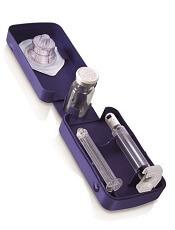
Photo courtesy of Biogen
TORONTO—Full results of a phase 3 study support extended-interval dosing with a recombinant factor IX Fc fusion protein (rFIXFc) over FIX products with a standard half-life, according to a speaker at the 2015 ISTH Congress.
Kathelijn Fischer, MD, PhD, of the University Medical Center Utrecht in The Netherlands, reported results with rFIXFc (also known as eftrenonacog alfa and Alprolix), in children with severe hemophilia B who were enrolled on the KIDS B-LONG study.
rFIXFc was successful in preventing and treating bleeding episodes in these patients. Furthermore, the patients did not develop inhibitors, and there were no serious adverse events related to treatment.
Dr Fischer presented these results as abstract LB009. Interim results of this study helped support the US approval of rFIXFc for use in children. The trial was sponsored by Sobi and Biogen, the companies developing rFIXFc.
KIDS B-LONG included 30 boys younger than 12 who had severe hemophilia B. The patients had at least 50 prior exposure days to FIX therapies and no history of inhibitors.
At baseline, all patients were receiving FIX prophylaxis. Seventy-seven percent of patients were receiving 2 or more doses a week.
On day 1 of the study, patients received rFIXFc at 50 IU/kg. They then received weekly prophylaxis at an initial dose of 50 IU/kg to 60 IU/kg. Doses were adjusted throughout the study, but the maximum was 100 IU/kg. The minimum dosing frequency was once a week, and the maximum was twice a week.
Twenty-seven patients (90%) completed the study. The median time spent on study was 49.4 weeks, and 24 patients (80%) received rFIXFc injections on at least 50 separate days.
Safety
None of the patients developed inhibitors or non-neutralizing anti-rFIXFc antibodies. There were no anaphylactic reactions, hypersensitivity reactions, thrombotic events, or deaths.
Adverse events occurred in 86.7% of patients. The most frequent were nanopharyngitis (23.3%) and falls (20%). Eleven serious adverse events occurred in 4 patients. None were considered related to treatment, and none led to study discontinuation.
One adverse event was considered related to rFIXFc. A 3-year-old child experienced decreased appetite.
Efficacy
The median annualized bleeding rate (ABR) was 2.0 overall, 1.1 in children under 6, and 2.1 in children ages 6 to 11.
For spontaneous bleeds, the median ABR was 0, both overall and in the 2 age groups. For joint bleeds, the median ABR was 0 overall and in the younger age group, but it was 1.1 for the older children.
Thirty-three percent of patients had no bleeding episodes while on study, and 63% had no joint bleeds.
Ninety-seven percent of patients receiving rFIXFc prophylaxis had no change in their dosing interval.
For patients under 6, the median prophylactic dose was 59.4 IU/kg/week (range, 53.0-64.8). For patients ages 6 to 11, the median dose was 57.8 IU/kg/week (range, 51.7-65.0)
When patients received rFIXFc to treat bleeding, 75% of bleeds were controlled with 1 infusion, and 91.7% were controlled with 1 or 2 infusions. The median dose per infusion was 63.5 IU/kg (range, 48.9-99.4).
Pharmacokinetics
The terminal half-life of rFIXFc was 66.5 hours for children under 6 and 70.3 hours for children ages 6 to 11. The clearance was 4.4 mL/hour/kg and 3.5 mL/hour/kg, respectively. The incremental recovery (IR) was 0.59 IU/dL per IU/kg and 0.72 IU/dL per IU/kg, respectively.
Compared to pre-study treatment with BeneFIX (recombinant FIX) at 50 IU/kg, rFIXFc at 50 IU/kg had a significantly longer half-life. In children younger than 6, the half-life was 66.5 hours for rFIXFc and 18.2 hours for BeneFIX (P<0.001). In children ages 6 to 11, the half-lives were 71.1 and 19.2 hours, respectively (P<0.001).
There was no significant difference between the treatments with regard to IR for children under 6. IR was 0.59 with rFIXFc and 0.52 with BeneFIX (P=0.109). However, there was a significant difference in IR for children ages 6 to 11—0.70 for rFIXFc and 0.54 for BeneFIX (P=0.003). 
Photo courtesy of Biogen
TORONTO—Full results of a phase 3 study support extended-interval dosing with a recombinant factor IX Fc fusion protein (rFIXFc) over FIX products with a standard half-life, according to a speaker at the 2015 ISTH Congress.
Kathelijn Fischer, MD, PhD, of the University Medical Center Utrecht in The Netherlands, reported results with rFIXFc (also known as eftrenonacog alfa and Alprolix), in children with severe hemophilia B who were enrolled on the KIDS B-LONG study.
rFIXFc was successful in preventing and treating bleeding episodes in these patients. Furthermore, the patients did not develop inhibitors, and there were no serious adverse events related to treatment.
Dr Fischer presented these results as abstract LB009. Interim results of this study helped support the US approval of rFIXFc for use in children. The trial was sponsored by Sobi and Biogen, the companies developing rFIXFc.
KIDS B-LONG included 30 boys younger than 12 who had severe hemophilia B. The patients had at least 50 prior exposure days to FIX therapies and no history of inhibitors.
At baseline, all patients were receiving FIX prophylaxis. Seventy-seven percent of patients were receiving 2 or more doses a week.
On day 1 of the study, patients received rFIXFc at 50 IU/kg. They then received weekly prophylaxis at an initial dose of 50 IU/kg to 60 IU/kg. Doses were adjusted throughout the study, but the maximum was 100 IU/kg. The minimum dosing frequency was once a week, and the maximum was twice a week.
Twenty-seven patients (90%) completed the study. The median time spent on study was 49.4 weeks, and 24 patients (80%) received rFIXFc injections on at least 50 separate days.
Safety
None of the patients developed inhibitors or non-neutralizing anti-rFIXFc antibodies. There were no anaphylactic reactions, hypersensitivity reactions, thrombotic events, or deaths.
Adverse events occurred in 86.7% of patients. The most frequent were nanopharyngitis (23.3%) and falls (20%). Eleven serious adverse events occurred in 4 patients. None were considered related to treatment, and none led to study discontinuation.
One adverse event was considered related to rFIXFc. A 3-year-old child experienced decreased appetite.
Efficacy
The median annualized bleeding rate (ABR) was 2.0 overall, 1.1 in children under 6, and 2.1 in children ages 6 to 11.
For spontaneous bleeds, the median ABR was 0, both overall and in the 2 age groups. For joint bleeds, the median ABR was 0 overall and in the younger age group, but it was 1.1 for the older children.
Thirty-three percent of patients had no bleeding episodes while on study, and 63% had no joint bleeds.
Ninety-seven percent of patients receiving rFIXFc prophylaxis had no change in their dosing interval.
For patients under 6, the median prophylactic dose was 59.4 IU/kg/week (range, 53.0-64.8). For patients ages 6 to 11, the median dose was 57.8 IU/kg/week (range, 51.7-65.0)
When patients received rFIXFc to treat bleeding, 75% of bleeds were controlled with 1 infusion, and 91.7% were controlled with 1 or 2 infusions. The median dose per infusion was 63.5 IU/kg (range, 48.9-99.4).
Pharmacokinetics
The terminal half-life of rFIXFc was 66.5 hours for children under 6 and 70.3 hours for children ages 6 to 11. The clearance was 4.4 mL/hour/kg and 3.5 mL/hour/kg, respectively. The incremental recovery (IR) was 0.59 IU/dL per IU/kg and 0.72 IU/dL per IU/kg, respectively.
Compared to pre-study treatment with BeneFIX (recombinant FIX) at 50 IU/kg, rFIXFc at 50 IU/kg had a significantly longer half-life. In children younger than 6, the half-life was 66.5 hours for rFIXFc and 18.2 hours for BeneFIX (P<0.001). In children ages 6 to 11, the half-lives were 71.1 and 19.2 hours, respectively (P<0.001).
There was no significant difference between the treatments with regard to IR for children under 6. IR was 0.59 with rFIXFc and 0.52 with BeneFIX (P=0.109). However, there was a significant difference in IR for children ages 6 to 11—0.70 for rFIXFc and 0.54 for BeneFIX (P=0.003).
Photo courtesy of Biogen
TORONTO—Full results of a phase 3 study support extended-interval dosing with a recombinant factor IX Fc fusion protein (rFIXFc) over FIX products with a standard half-life, according to a speaker at the 2015 ISTH Congress.
Kathelijn Fischer, MD, PhD, of the University Medical Center Utrecht in The Netherlands, reported results with rFIXFc (also known as eftrenonacog alfa and Alprolix), in children with severe hemophilia B who were enrolled on the KIDS B-LONG study.
rFIXFc was successful in preventing and treating bleeding episodes in these patients. Furthermore, the patients did not develop inhibitors, and there were no serious adverse events related to treatment.
Dr Fischer presented these results as abstract LB009. Interim results of this study helped support the US approval of rFIXFc for use in children. The trial was sponsored by Sobi and Biogen, the companies developing rFIXFc.
KIDS B-LONG included 30 boys younger than 12 who had severe hemophilia B. The patients had at least 50 prior exposure days to FIX therapies and no history of inhibitors.
At baseline, all patients were receiving FIX prophylaxis. Seventy-seven percent of patients were receiving 2 or more doses a week.
On day 1 of the study, patients received rFIXFc at 50 IU/kg. They then received weekly prophylaxis at an initial dose of 50 IU/kg to 60 IU/kg. Doses were adjusted throughout the study, but the maximum was 100 IU/kg. The minimum dosing frequency was once a week, and the maximum was twice a week.
Twenty-seven patients (90%) completed the study. The median time spent on study was 49.4 weeks, and 24 patients (80%) received rFIXFc injections on at least 50 separate days.
Safety
None of the patients developed inhibitors or non-neutralizing anti-rFIXFc antibodies. There were no anaphylactic reactions, hypersensitivity reactions, thrombotic events, or deaths.
Adverse events occurred in 86.7% of patients. The most frequent were nanopharyngitis (23.3%) and falls (20%). Eleven serious adverse events occurred in 4 patients. None were considered related to treatment, and none led to study discontinuation.
One adverse event was considered related to rFIXFc. A 3-year-old child experienced decreased appetite.
Efficacy
The median annualized bleeding rate (ABR) was 2.0 overall, 1.1 in children under 6, and 2.1 in children ages 6 to 11.
For spontaneous bleeds, the median ABR was 0, both overall and in the 2 age groups. For joint bleeds, the median ABR was 0 overall and in the younger age group, but it was 1.1 for the older children.
Thirty-three percent of patients had no bleeding episodes while on study, and 63% had no joint bleeds.
Ninety-seven percent of patients receiving rFIXFc prophylaxis had no change in their dosing interval.
For patients under 6, the median prophylactic dose was 59.4 IU/kg/week (range, 53.0-64.8). For patients ages 6 to 11, the median dose was 57.8 IU/kg/week (range, 51.7-65.0)
When patients received rFIXFc to treat bleeding, 75% of bleeds were controlled with 1 infusion, and 91.7% were controlled with 1 or 2 infusions. The median dose per infusion was 63.5 IU/kg (range, 48.9-99.4).
Pharmacokinetics
The terminal half-life of rFIXFc was 66.5 hours for children under 6 and 70.3 hours for children ages 6 to 11. The clearance was 4.4 mL/hour/kg and 3.5 mL/hour/kg, respectively. The incremental recovery (IR) was 0.59 IU/dL per IU/kg and 0.72 IU/dL per IU/kg, respectively.
Compared to pre-study treatment with BeneFIX (recombinant FIX) at 50 IU/kg, rFIXFc at 50 IU/kg had a significantly longer half-life. In children younger than 6, the half-life was 66.5 hours for rFIXFc and 18.2 hours for BeneFIX (P<0.001). In children ages 6 to 11, the half-lives were 71.1 and 19.2 hours, respectively (P<0.001).
There was no significant difference between the treatments with regard to IR for children under 6. IR was 0.59 with rFIXFc and 0.52 with BeneFIX (P=0.109). However, there was a significant difference in IR for children ages 6 to 11—0.70 for rFIXFc and 0.54 for BeneFIX (P=0.003).
Drug can produce durable responses in rel/ref PTCL
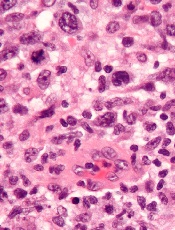
anaplastic large cell lymphoma
The histone deacetylase inhibitor belinostat can produce durable responses in patients with relapsed/refractory peripheral T-cell lymphoma (PTCL), results of the BELIEF study suggest.
The overall response rate (ORR) was low in this heavily pretreated population, at about 26%.
But responses occurred across PTCL subtypes and irrespective of a patient’s prior treatment, and the median duration of response was 13.6 months.
The researchers said toxicity was manageable, and the rate of grade 3/4 thrombocytopenia was low.
“This is a very exciting time in the treatment of patients with PTCL,” said Owen O’Connor, MD, PhD, of Columbia University Medical Center in New York, New York.
“At long last, we finally have tools in the therapeutic armamentarium to help our patients. Belinostat represents the latest drug approved for patients with [relapsed/refractory] PTCL that has relatively few side effects and produces long durations of benefit, even in patients who have received multiple conventional treatments in the past.”
Dr O’Connor and his colleagues reported results with belinostat in the Journal of Clinical Oncology. The research was sponsored by Spectrum Pharmaceuticals, Inc., the company developing belinostat (as Beleodaq).
BELIEF was a single-arm, phase 2 trial that enrolled 129 patients with relapsed/refractory PTCL. One hundred and twenty patients were evaluable. They had a median age of 64 (range, 29-81), and roughly half of patients were female.
PTCL subtypes included PTCL-not otherwise specified (n=77), angioimmunoblastic T-cell lymphoma (n=22), ALK-negative anaplastic large cell lymphoma (n=13), ALK-positive anaplastic large cell lymphoma (n=2), enteropathy-associated T-cell lymphoma (n=2), nasal type extranodal natural killer T-cell lymphoma (n=2), and hepatosplenic T-cell lymphoma (n=2).
The patients had received a median of 2 prior therapies (range, 1-8), including multi-agent and single-agent regimens, as well as transplant.
For this study, the patients received belinostat (1000 mg/m2) as daily, 30-minute infusions on days 1-5 every 21 days until disease progression or unacceptable toxicity.
Response and survival
The study’s primary endpoint was ORR, as assessed by an independent review committee using the International Working Group criteria. The ORR was 25.8% (n=31), including 13 complete responses (10.8%) and 18 partial responses (15%).
The median time to response was 5.6 weeks, and the median duration of response was 13.6 months by International Working Group criteria. The median duration of response based on the date of first response to progressive disease or death was 8.4 months.
Among patients who achieved a complete response, the median duration of response was not reached and exceeded 29 months. The longest ongoing patient response is more than 36 months.
The median progression-free survival was 1.6 months, and the median overall survival was 7.9 months.
Forty-six patients were censored for overall survival because they were alive at the data cutoff point. Seven of these patients continued to receive belinostat. Five were in complete response, 1 had a partial response, and 1 had stable disease.
Twelve patients underwent stem cell transplant after belinostat, and 10 of these patients were still alive at the data cutoff. Their overall survival ranged from 9.4 months to 22.9 months.
Adverse events
Treatment-emergent adverse events (AEs) occurred in 96.9% of patients, and treatment-related AEs occurred in 83.7%. The most common treatment-related AEs were nausea (38.0%), fatigue (28.7%), and vomiting (24.0%). Serious AEs occurred in 47.3% of patients.
Grade 3/4 related AEs were reported in 61.2% of patients, and the most common were anemia (10.9%), thrombocytopenia (7.0%), dyspnea (6.2%), neutropenia (6.2%), fatigue (5.4%), and pneumonia (5.4%).
About 12% of patients underwent a dose reduction due to AEs, 19.4% discontinued treatment due to AEs, and 10.9% of these AEs were considered treatment-related.
Twenty-two patients (17.1%) died, 12 (9.3%) of progressive disease and 10 (7.8%) of AEs. One death was considered related to belinostat. This patient had tolerated 9 cycles of the drug without complications but had elevated liver function tests at the start of cycle 10 that subsequently led to death from toxic liver failure.
anaplastic large cell lymphoma
The histone deacetylase inhibitor belinostat can produce durable responses in patients with relapsed/refractory peripheral T-cell lymphoma (PTCL), results of the BELIEF study suggest.
The overall response rate (ORR) was low in this heavily pretreated population, at about 26%.
But responses occurred across PTCL subtypes and irrespective of a patient’s prior treatment, and the median duration of response was 13.6 months.
The researchers said toxicity was manageable, and the rate of grade 3/4 thrombocytopenia was low.
“This is a very exciting time in the treatment of patients with PTCL,” said Owen O’Connor, MD, PhD, of Columbia University Medical Center in New York, New York.
“At long last, we finally have tools in the therapeutic armamentarium to help our patients. Belinostat represents the latest drug approved for patients with [relapsed/refractory] PTCL that has relatively few side effects and produces long durations of benefit, even in patients who have received multiple conventional treatments in the past.”
Dr O’Connor and his colleagues reported results with belinostat in the Journal of Clinical Oncology. The research was sponsored by Spectrum Pharmaceuticals, Inc., the company developing belinostat (as Beleodaq).
BELIEF was a single-arm, phase 2 trial that enrolled 129 patients with relapsed/refractory PTCL. One hundred and twenty patients were evaluable. They had a median age of 64 (range, 29-81), and roughly half of patients were female.
PTCL subtypes included PTCL-not otherwise specified (n=77), angioimmunoblastic T-cell lymphoma (n=22), ALK-negative anaplastic large cell lymphoma (n=13), ALK-positive anaplastic large cell lymphoma (n=2), enteropathy-associated T-cell lymphoma (n=2), nasal type extranodal natural killer T-cell lymphoma (n=2), and hepatosplenic T-cell lymphoma (n=2).
The patients had received a median of 2 prior therapies (range, 1-8), including multi-agent and single-agent regimens, as well as transplant.
For this study, the patients received belinostat (1000 mg/m2) as daily, 30-minute infusions on days 1-5 every 21 days until disease progression or unacceptable toxicity.
Response and survival
The study’s primary endpoint was ORR, as assessed by an independent review committee using the International Working Group criteria. The ORR was 25.8% (n=31), including 13 complete responses (10.8%) and 18 partial responses (15%).
The median time to response was 5.6 weeks, and the median duration of response was 13.6 months by International Working Group criteria. The median duration of response based on the date of first response to progressive disease or death was 8.4 months.
Among patients who achieved a complete response, the median duration of response was not reached and exceeded 29 months. The longest ongoing patient response is more than 36 months.
The median progression-free survival was 1.6 months, and the median overall survival was 7.9 months.
Forty-six patients were censored for overall survival because they were alive at the data cutoff point. Seven of these patients continued to receive belinostat. Five were in complete response, 1 had a partial response, and 1 had stable disease.
Twelve patients underwent stem cell transplant after belinostat, and 10 of these patients were still alive at the data cutoff. Their overall survival ranged from 9.4 months to 22.9 months.
Adverse events
Treatment-emergent adverse events (AEs) occurred in 96.9% of patients, and treatment-related AEs occurred in 83.7%. The most common treatment-related AEs were nausea (38.0%), fatigue (28.7%), and vomiting (24.0%). Serious AEs occurred in 47.3% of patients.
Grade 3/4 related AEs were reported in 61.2% of patients, and the most common were anemia (10.9%), thrombocytopenia (7.0%), dyspnea (6.2%), neutropenia (6.2%), fatigue (5.4%), and pneumonia (5.4%).
About 12% of patients underwent a dose reduction due to AEs, 19.4% discontinued treatment due to AEs, and 10.9% of these AEs were considered treatment-related.
Twenty-two patients (17.1%) died, 12 (9.3%) of progressive disease and 10 (7.8%) of AEs. One death was considered related to belinostat. This patient had tolerated 9 cycles of the drug without complications but had elevated liver function tests at the start of cycle 10 that subsequently led to death from toxic liver failure.
anaplastic large cell lymphoma
The histone deacetylase inhibitor belinostat can produce durable responses in patients with relapsed/refractory peripheral T-cell lymphoma (PTCL), results of the BELIEF study suggest.
The overall response rate (ORR) was low in this heavily pretreated population, at about 26%.
But responses occurred across PTCL subtypes and irrespective of a patient’s prior treatment, and the median duration of response was 13.6 months.
The researchers said toxicity was manageable, and the rate of grade 3/4 thrombocytopenia was low.
“This is a very exciting time in the treatment of patients with PTCL,” said Owen O’Connor, MD, PhD, of Columbia University Medical Center in New York, New York.
“At long last, we finally have tools in the therapeutic armamentarium to help our patients. Belinostat represents the latest drug approved for patients with [relapsed/refractory] PTCL that has relatively few side effects and produces long durations of benefit, even in patients who have received multiple conventional treatments in the past.”
Dr O’Connor and his colleagues reported results with belinostat in the Journal of Clinical Oncology. The research was sponsored by Spectrum Pharmaceuticals, Inc., the company developing belinostat (as Beleodaq).
BELIEF was a single-arm, phase 2 trial that enrolled 129 patients with relapsed/refractory PTCL. One hundred and twenty patients were evaluable. They had a median age of 64 (range, 29-81), and roughly half of patients were female.
PTCL subtypes included PTCL-not otherwise specified (n=77), angioimmunoblastic T-cell lymphoma (n=22), ALK-negative anaplastic large cell lymphoma (n=13), ALK-positive anaplastic large cell lymphoma (n=2), enteropathy-associated T-cell lymphoma (n=2), nasal type extranodal natural killer T-cell lymphoma (n=2), and hepatosplenic T-cell lymphoma (n=2).
The patients had received a median of 2 prior therapies (range, 1-8), including multi-agent and single-agent regimens, as well as transplant.
For this study, the patients received belinostat (1000 mg/m2) as daily, 30-minute infusions on days 1-5 every 21 days until disease progression or unacceptable toxicity.
Response and survival
The study’s primary endpoint was ORR, as assessed by an independent review committee using the International Working Group criteria. The ORR was 25.8% (n=31), including 13 complete responses (10.8%) and 18 partial responses (15%).
The median time to response was 5.6 weeks, and the median duration of response was 13.6 months by International Working Group criteria. The median duration of response based on the date of first response to progressive disease or death was 8.4 months.
Among patients who achieved a complete response, the median duration of response was not reached and exceeded 29 months. The longest ongoing patient response is more than 36 months.
The median progression-free survival was 1.6 months, and the median overall survival was 7.9 months.
Forty-six patients were censored for overall survival because they were alive at the data cutoff point. Seven of these patients continued to receive belinostat. Five were in complete response, 1 had a partial response, and 1 had stable disease.
Twelve patients underwent stem cell transplant after belinostat, and 10 of these patients were still alive at the data cutoff. Their overall survival ranged from 9.4 months to 22.9 months.
Adverse events
Treatment-emergent adverse events (AEs) occurred in 96.9% of patients, and treatment-related AEs occurred in 83.7%. The most common treatment-related AEs were nausea (38.0%), fatigue (28.7%), and vomiting (24.0%). Serious AEs occurred in 47.3% of patients.
Grade 3/4 related AEs were reported in 61.2% of patients, and the most common were anemia (10.9%), thrombocytopenia (7.0%), dyspnea (6.2%), neutropenia (6.2%), fatigue (5.4%), and pneumonia (5.4%).
About 12% of patients underwent a dose reduction due to AEs, 19.4% discontinued treatment due to AEs, and 10.9% of these AEs were considered treatment-related.
Twenty-two patients (17.1%) died, 12 (9.3%) of progressive disease and 10 (7.8%) of AEs. One death was considered related to belinostat. This patient had tolerated 9 cycles of the drug without complications but had elevated liver function tests at the start of cycle 10 that subsequently led to death from toxic liver failure.
Intervention reduces CLABSIs in pediatric patients

Staphylococcus infection
Photo by Bill Branson
NASHVILLE—A single-center study has shown that incorporating antimicrobial cloths into an infection-prevention protocol can reduce the incidence of central line-associated bloodstream infections (CLABSIs) in pediatric patients.
After the hospital implemented daily “baths” with disposable cloths containing 2% chlorhexidine gluconate (CHG), its CLABSI incidence fell 59% over a 6-month period.
The details of this experience were presented at the APIC 2015 Annual Conference (abstract 013).
The study was conducted at Riley Hospital for Children at Indiana University Health in Indianapolis. The hospital previously used CHG for daily bathing in the hematology/oncology unit and found it successfully reduced CLABSIs there.
This prompted infection preventionists to consider implementing the practice hospital-wide, regardless of whether patients had central-line catheters.
The infection-prevention team worked with nursing staff, parents, and hospital leadership to adopt daily CHG bathing for all patients and to strengthen adherence to a bundle of prevention practices already in place for patients with central lines.
In addition to daily bathing with CHG-impregnated wipes, the strategies included daily linen changes, assessment of central-line dressings, ensuring use of the appropriate technique for giving medications, and regular tubing and cap changes on the lines.
“We took great care to ensure successful implementation of the new bathing regimen,” said Adam N. Karcz, an infection preventionist at the hospital.
“By educating everyone on the care team, including parents, and standardizing bathing procedures, we were able to dramatically reduce infections and save healthcare dollars in just 6 months.”
Bathing compliance increased from 45% to 81% during the 6-month study period. During the control period—6 months prior to implementation—the 269-bed hospital had 22 CLABSIs. During the implementation period, there were 9 CLABSIs.
The hospital also experienced a 56% drop in the number of methicillin-resistant Staphylococcus aureus (MRSA) infections during this time period.
The reduction in healthcare-associated infections during the implementation period represents a potential cost savings of $297,999.
Staphylococcus infection
Photo by Bill Branson
NASHVILLE—A single-center study has shown that incorporating antimicrobial cloths into an infection-prevention protocol can reduce the incidence of central line-associated bloodstream infections (CLABSIs) in pediatric patients.
After the hospital implemented daily “baths” with disposable cloths containing 2% chlorhexidine gluconate (CHG), its CLABSI incidence fell 59% over a 6-month period.
The details of this experience were presented at the APIC 2015 Annual Conference (abstract 013).
The study was conducted at Riley Hospital for Children at Indiana University Health in Indianapolis. The hospital previously used CHG for daily bathing in the hematology/oncology unit and found it successfully reduced CLABSIs there.
This prompted infection preventionists to consider implementing the practice hospital-wide, regardless of whether patients had central-line catheters.
The infection-prevention team worked with nursing staff, parents, and hospital leadership to adopt daily CHG bathing for all patients and to strengthen adherence to a bundle of prevention practices already in place for patients with central lines.
In addition to daily bathing with CHG-impregnated wipes, the strategies included daily linen changes, assessment of central-line dressings, ensuring use of the appropriate technique for giving medications, and regular tubing and cap changes on the lines.
“We took great care to ensure successful implementation of the new bathing regimen,” said Adam N. Karcz, an infection preventionist at the hospital.
“By educating everyone on the care team, including parents, and standardizing bathing procedures, we were able to dramatically reduce infections and save healthcare dollars in just 6 months.”
Bathing compliance increased from 45% to 81% during the 6-month study period. During the control period—6 months prior to implementation—the 269-bed hospital had 22 CLABSIs. During the implementation period, there were 9 CLABSIs.
The hospital also experienced a 56% drop in the number of methicillin-resistant Staphylococcus aureus (MRSA) infections during this time period.
The reduction in healthcare-associated infections during the implementation period represents a potential cost savings of $297,999.
Staphylococcus infection
Photo by Bill Branson
NASHVILLE—A single-center study has shown that incorporating antimicrobial cloths into an infection-prevention protocol can reduce the incidence of central line-associated bloodstream infections (CLABSIs) in pediatric patients.
After the hospital implemented daily “baths” with disposable cloths containing 2% chlorhexidine gluconate (CHG), its CLABSI incidence fell 59% over a 6-month period.
The details of this experience were presented at the APIC 2015 Annual Conference (abstract 013).
The study was conducted at Riley Hospital for Children at Indiana University Health in Indianapolis. The hospital previously used CHG for daily bathing in the hematology/oncology unit and found it successfully reduced CLABSIs there.
This prompted infection preventionists to consider implementing the practice hospital-wide, regardless of whether patients had central-line catheters.
The infection-prevention team worked with nursing staff, parents, and hospital leadership to adopt daily CHG bathing for all patients and to strengthen adherence to a bundle of prevention practices already in place for patients with central lines.
In addition to daily bathing with CHG-impregnated wipes, the strategies included daily linen changes, assessment of central-line dressings, ensuring use of the appropriate technique for giving medications, and regular tubing and cap changes on the lines.
“We took great care to ensure successful implementation of the new bathing regimen,” said Adam N. Karcz, an infection preventionist at the hospital.
“By educating everyone on the care team, including parents, and standardizing bathing procedures, we were able to dramatically reduce infections and save healthcare dollars in just 6 months.”
Bathing compliance increased from 45% to 81% during the 6-month study period. During the control period—6 months prior to implementation—the 269-bed hospital had 22 CLABSIs. During the implementation period, there were 9 CLABSIs.
The hospital also experienced a 56% drop in the number of methicillin-resistant Staphylococcus aureus (MRSA) infections during this time period.
The reduction in healthcare-associated infections during the implementation period represents a potential cost savings of $297,999.
Team endorses intensified chemo for PET-positive HL

Photo by Rhoda Baer
LUGANO—Long-awaited results of the Intergroup H10 trial in PET-positive Hodgkin lymphoma (HL) patients have shown that intensifying chemotherapy significantly increases 5-year progression-free survival (PFS) and produces a non-significant increase in overall survival (OS).
Switching patients who are PET-positive after 2 cycles of ABVD to escalated BEACOPP and involved-node radiotherapy increased 5-year PFS to 91% and 5-year OS to 96%.
The trial was a cooperative effort of the European Organisation for Research and Treatment of Cancer (EORTC), Lymphoma Study Association (LYSA), and Fondazione Italiana Linfomi (FIL).
The investigators already knew that early FDG-PET scans have prognostic impact. Patients with a negative PET scan after 2 cycles of chemotherapy have very good outcomes, while those with PET-positive interim scans have poor outcomes.
So the team designed the H10 trial to learn whether they could reduce long-term toxicity in the majority of patients and improve outcomes in the unfavorable subgroups.
Results of the primary endpoint—whether chemotherapy alone is as effective as, but less toxic than, combined-modality treatment in PET-negative patients after 2 cycles of ABVD—were published in the Journal of Clinical Oncology.
The secondary endpoint was an improvement in PFS with an early change from ABVD to escalated BEACOPP in stage I or II HL patients who are PET-positive after 2 cycles of ABVD.
John M. M. Raemaekers, MD, PhD, of Radboud University Medical Center in The Netherlands, presented details on the trial’s secondary endpoint at the 13th International Congress on Malignant Lymphoma (no abstract available).
H10 trial design
The investigators enrolled patients with favorable and unfavorable prognostic characteristics.
Unfavorable characteristics consisted of age 50 or older, more than 3 nodal areas, mediastinal-to-thorax ratio of 0.35 or higher, erythrocyte sedimentation rate of 50 mm or greater without B symptoms, or erythrocyte sedimentation rate of 30 mm or greater with B symptoms.
In the standard treatment arm, patients with favorable or unfavorable characteristics were treated similarly. After 2 cycles of ABVD, a PET scan was performed, and, irrespective of the result, patients received combined-modality treatment of ABVD followed by involved-node radiotherapy.
In the experimental arm, patients who were PET-negative had chemotherapy alone without involved-node radiotherapy. PET-negative patients were not discussed further in this presentation.
For the PET-positive patients in the experimental arm, the treatment for those with favorable and unfavorable characteristics was identical.
Patients who were PET-positive after 2 cycles were switched to 2 escalated BEACOPP cycles plus involved-node radiotherapy. Patients were considered PET-positive if they had a Deauville score of 3, 4, or 5.
Randomization
The first patient was enrolled in November 2006 and the last in June 2011. Investigators randomized 1950 patients, 754 with favorable and 1196 with unfavorable characteristics. All patients had untreated, supradiaphragmatic, clinical stage I or II HL.
Nine hundred fifty-four patients were enrolled in the standard arm, 371 with favorable characteristics and 583 with unfavorable. Nine hundred seventy-one patients entered the experimental arm, 376 with favorable and 595 with unfavorable characteristics.
Twenty-five patients were excluded because they did not complete the first 2 cycles of ABVD or did not have a PET scan.
After 2 cycles of ABVD, 361 patients were PET-positive, 192 in the ABVD arm (54 favorable, 138 unfavorable), and 169 in the escalated BEACOPP arm (43 favorable, 126 unfavorable).
The median age was 30 years in both arms (range, 15 to 70), and the investigators followed patients for a median of 4.5 years.
Results
The only grade 3-4 toxicities were hematologic events and infection.
“As expected, the neutropenia, thrombocytopenia, and anemia, grade 3-4, were more frequent in the experimental BEACOPP arm,” Dr Raemaekers said.
The incidence of grade 3-4 neutropenia was 30.3% (ABVD) and 53.5% (BEACOPP), thrombocytopenia was 0% (ABVD) and 19.7% (BEACOPP), and anemia was 0% (ABVD) and 4.9% (BEACOPP).
The incidence of grade 3-4 febrile neutropenia was 1.1% (ABVD) and 23.9% (BEACOPP), and infection without neutropenia was 1.1% (ABVD) and 11.2% (BEACOPP).
Progression or relapse occurred in 18.8% of patients in the ABVD arm and 7.7% in the BEACOPP arm.
There were 18 deaths in the ABVD arm and 7 deaths in the BEACOPP arm. Eleven deaths in the ABVD arm and 3 in the BEACOPP arm were due to progressive disease or relapse.
The investigators also tallied up the number of patients who progressed, relapsed, or died, whichever occurred first. Forty-one patients in the ABVD arm fulfilled one of these criteria, compared to 16 in the BEACOPP arm.
“Progression and relapse had to be established by conventional restaging, including physical exam, chest X-ray, and CT scan,” Dr Raemaekers pointed out. “And it was based on any new lesion or increase by 50% or more in size of previously involved sites.”
Patients in the BEACOPP arm experienced a significantly better PFS than the ABVD arm, with a hazard ratio of 0.42 (P=0.002). The 5-year PFS was 91% in the BEACOPP arm and 77% in the ABVD arm.
The 5-year OS was 89% in the ABVD arm and 96% in the BEACOPP arm, a difference that was not statistically significant.
“But [the trial] was also not powered for overall survival,” Dr Raemaekers said. “[T]here is a hint, at least, that, even in overall survival, the BEACOPP arm is superior to the ABVD arm.”
Based on these findings, the investigators concluded that, despite increased toxicity, physicians should consider intensifying chemotherapy in early PET-positive patients with stage I/II HL in the combined-modality setting.
Photo by Rhoda Baer
LUGANO—Long-awaited results of the Intergroup H10 trial in PET-positive Hodgkin lymphoma (HL) patients have shown that intensifying chemotherapy significantly increases 5-year progression-free survival (PFS) and produces a non-significant increase in overall survival (OS).
Switching patients who are PET-positive after 2 cycles of ABVD to escalated BEACOPP and involved-node radiotherapy increased 5-year PFS to 91% and 5-year OS to 96%.
The trial was a cooperative effort of the European Organisation for Research and Treatment of Cancer (EORTC), Lymphoma Study Association (LYSA), and Fondazione Italiana Linfomi (FIL).
The investigators already knew that early FDG-PET scans have prognostic impact. Patients with a negative PET scan after 2 cycles of chemotherapy have very good outcomes, while those with PET-positive interim scans have poor outcomes.
So the team designed the H10 trial to learn whether they could reduce long-term toxicity in the majority of patients and improve outcomes in the unfavorable subgroups.
Results of the primary endpoint—whether chemotherapy alone is as effective as, but less toxic than, combined-modality treatment in PET-negative patients after 2 cycles of ABVD—were published in the Journal of Clinical Oncology.
The secondary endpoint was an improvement in PFS with an early change from ABVD to escalated BEACOPP in stage I or II HL patients who are PET-positive after 2 cycles of ABVD.
John M. M. Raemaekers, MD, PhD, of Radboud University Medical Center in The Netherlands, presented details on the trial’s secondary endpoint at the 13th International Congress on Malignant Lymphoma (no abstract available).
H10 trial design
The investigators enrolled patients with favorable and unfavorable prognostic characteristics.
Unfavorable characteristics consisted of age 50 or older, more than 3 nodal areas, mediastinal-to-thorax ratio of 0.35 or higher, erythrocyte sedimentation rate of 50 mm or greater without B symptoms, or erythrocyte sedimentation rate of 30 mm or greater with B symptoms.
In the standard treatment arm, patients with favorable or unfavorable characteristics were treated similarly. After 2 cycles of ABVD, a PET scan was performed, and, irrespective of the result, patients received combined-modality treatment of ABVD followed by involved-node radiotherapy.
In the experimental arm, patients who were PET-negative had chemotherapy alone without involved-node radiotherapy. PET-negative patients were not discussed further in this presentation.
For the PET-positive patients in the experimental arm, the treatment for those with favorable and unfavorable characteristics was identical.
Patients who were PET-positive after 2 cycles were switched to 2 escalated BEACOPP cycles plus involved-node radiotherapy. Patients were considered PET-positive if they had a Deauville score of 3, 4, or 5.
Randomization
The first patient was enrolled in November 2006 and the last in June 2011. Investigators randomized 1950 patients, 754 with favorable and 1196 with unfavorable characteristics. All patients had untreated, supradiaphragmatic, clinical stage I or II HL.
Nine hundred fifty-four patients were enrolled in the standard arm, 371 with favorable characteristics and 583 with unfavorable. Nine hundred seventy-one patients entered the experimental arm, 376 with favorable and 595 with unfavorable characteristics.
Twenty-five patients were excluded because they did not complete the first 2 cycles of ABVD or did not have a PET scan.
After 2 cycles of ABVD, 361 patients were PET-positive, 192 in the ABVD arm (54 favorable, 138 unfavorable), and 169 in the escalated BEACOPP arm (43 favorable, 126 unfavorable).
The median age was 30 years in both arms (range, 15 to 70), and the investigators followed patients for a median of 4.5 years.
Results
The only grade 3-4 toxicities were hematologic events and infection.
“As expected, the neutropenia, thrombocytopenia, and anemia, grade 3-4, were more frequent in the experimental BEACOPP arm,” Dr Raemaekers said.
The incidence of grade 3-4 neutropenia was 30.3% (ABVD) and 53.5% (BEACOPP), thrombocytopenia was 0% (ABVD) and 19.7% (BEACOPP), and anemia was 0% (ABVD) and 4.9% (BEACOPP).
The incidence of grade 3-4 febrile neutropenia was 1.1% (ABVD) and 23.9% (BEACOPP), and infection without neutropenia was 1.1% (ABVD) and 11.2% (BEACOPP).
Progression or relapse occurred in 18.8% of patients in the ABVD arm and 7.7% in the BEACOPP arm.
There were 18 deaths in the ABVD arm and 7 deaths in the BEACOPP arm. Eleven deaths in the ABVD arm and 3 in the BEACOPP arm were due to progressive disease or relapse.
The investigators also tallied up the number of patients who progressed, relapsed, or died, whichever occurred first. Forty-one patients in the ABVD arm fulfilled one of these criteria, compared to 16 in the BEACOPP arm.
“Progression and relapse had to be established by conventional restaging, including physical exam, chest X-ray, and CT scan,” Dr Raemaekers pointed out. “And it was based on any new lesion or increase by 50% or more in size of previously involved sites.”
Patients in the BEACOPP arm experienced a significantly better PFS than the ABVD arm, with a hazard ratio of 0.42 (P=0.002). The 5-year PFS was 91% in the BEACOPP arm and 77% in the ABVD arm.
The 5-year OS was 89% in the ABVD arm and 96% in the BEACOPP arm, a difference that was not statistically significant.
“But [the trial] was also not powered for overall survival,” Dr Raemaekers said. “[T]here is a hint, at least, that, even in overall survival, the BEACOPP arm is superior to the ABVD arm.”
Based on these findings, the investigators concluded that, despite increased toxicity, physicians should consider intensifying chemotherapy in early PET-positive patients with stage I/II HL in the combined-modality setting.
Photo by Rhoda Baer
LUGANO—Long-awaited results of the Intergroup H10 trial in PET-positive Hodgkin lymphoma (HL) patients have shown that intensifying chemotherapy significantly increases 5-year progression-free survival (PFS) and produces a non-significant increase in overall survival (OS).
Switching patients who are PET-positive after 2 cycles of ABVD to escalated BEACOPP and involved-node radiotherapy increased 5-year PFS to 91% and 5-year OS to 96%.
The trial was a cooperative effort of the European Organisation for Research and Treatment of Cancer (EORTC), Lymphoma Study Association (LYSA), and Fondazione Italiana Linfomi (FIL).
The investigators already knew that early FDG-PET scans have prognostic impact. Patients with a negative PET scan after 2 cycles of chemotherapy have very good outcomes, while those with PET-positive interim scans have poor outcomes.
So the team designed the H10 trial to learn whether they could reduce long-term toxicity in the majority of patients and improve outcomes in the unfavorable subgroups.
Results of the primary endpoint—whether chemotherapy alone is as effective as, but less toxic than, combined-modality treatment in PET-negative patients after 2 cycles of ABVD—were published in the Journal of Clinical Oncology.
The secondary endpoint was an improvement in PFS with an early change from ABVD to escalated BEACOPP in stage I or II HL patients who are PET-positive after 2 cycles of ABVD.
John M. M. Raemaekers, MD, PhD, of Radboud University Medical Center in The Netherlands, presented details on the trial’s secondary endpoint at the 13th International Congress on Malignant Lymphoma (no abstract available).
H10 trial design
The investigators enrolled patients with favorable and unfavorable prognostic characteristics.
Unfavorable characteristics consisted of age 50 or older, more than 3 nodal areas, mediastinal-to-thorax ratio of 0.35 or higher, erythrocyte sedimentation rate of 50 mm or greater without B symptoms, or erythrocyte sedimentation rate of 30 mm or greater with B symptoms.
In the standard treatment arm, patients with favorable or unfavorable characteristics were treated similarly. After 2 cycles of ABVD, a PET scan was performed, and, irrespective of the result, patients received combined-modality treatment of ABVD followed by involved-node radiotherapy.
In the experimental arm, patients who were PET-negative had chemotherapy alone without involved-node radiotherapy. PET-negative patients were not discussed further in this presentation.
For the PET-positive patients in the experimental arm, the treatment for those with favorable and unfavorable characteristics was identical.
Patients who were PET-positive after 2 cycles were switched to 2 escalated BEACOPP cycles plus involved-node radiotherapy. Patients were considered PET-positive if they had a Deauville score of 3, 4, or 5.
Randomization
The first patient was enrolled in November 2006 and the last in June 2011. Investigators randomized 1950 patients, 754 with favorable and 1196 with unfavorable characteristics. All patients had untreated, supradiaphragmatic, clinical stage I or II HL.
Nine hundred fifty-four patients were enrolled in the standard arm, 371 with favorable characteristics and 583 with unfavorable. Nine hundred seventy-one patients entered the experimental arm, 376 with favorable and 595 with unfavorable characteristics.
Twenty-five patients were excluded because they did not complete the first 2 cycles of ABVD or did not have a PET scan.
After 2 cycles of ABVD, 361 patients were PET-positive, 192 in the ABVD arm (54 favorable, 138 unfavorable), and 169 in the escalated BEACOPP arm (43 favorable, 126 unfavorable).
The median age was 30 years in both arms (range, 15 to 70), and the investigators followed patients for a median of 4.5 years.
Results
The only grade 3-4 toxicities were hematologic events and infection.
“As expected, the neutropenia, thrombocytopenia, and anemia, grade 3-4, were more frequent in the experimental BEACOPP arm,” Dr Raemaekers said.
The incidence of grade 3-4 neutropenia was 30.3% (ABVD) and 53.5% (BEACOPP), thrombocytopenia was 0% (ABVD) and 19.7% (BEACOPP), and anemia was 0% (ABVD) and 4.9% (BEACOPP).
The incidence of grade 3-4 febrile neutropenia was 1.1% (ABVD) and 23.9% (BEACOPP), and infection without neutropenia was 1.1% (ABVD) and 11.2% (BEACOPP).
Progression or relapse occurred in 18.8% of patients in the ABVD arm and 7.7% in the BEACOPP arm.
There were 18 deaths in the ABVD arm and 7 deaths in the BEACOPP arm. Eleven deaths in the ABVD arm and 3 in the BEACOPP arm were due to progressive disease or relapse.
The investigators also tallied up the number of patients who progressed, relapsed, or died, whichever occurred first. Forty-one patients in the ABVD arm fulfilled one of these criteria, compared to 16 in the BEACOPP arm.
“Progression and relapse had to be established by conventional restaging, including physical exam, chest X-ray, and CT scan,” Dr Raemaekers pointed out. “And it was based on any new lesion or increase by 50% or more in size of previously involved sites.”
Patients in the BEACOPP arm experienced a significantly better PFS than the ABVD arm, with a hazard ratio of 0.42 (P=0.002). The 5-year PFS was 91% in the BEACOPP arm and 77% in the ABVD arm.
The 5-year OS was 89% in the ABVD arm and 96% in the BEACOPP arm, a difference that was not statistically significant.
“But [the trial] was also not powered for overall survival,” Dr Raemaekers said. “[T]here is a hint, at least, that, even in overall survival, the BEACOPP arm is superior to the ABVD arm.”
Based on these findings, the investigators concluded that, despite increased toxicity, physicians should consider intensifying chemotherapy in early PET-positive patients with stage I/II HL in the combined-modality setting.
Anticoagulant antidote effective in healthy volunteers

TORONTO—An antidote to factor Xa inhibitors can safely reverse the anticoagulant effect of apixaban in healthy volunteers, results of the ANNEXA-A study suggest.
The first part of this study showed that a bolus of the antidote, andexanet alfa, was effective. And none of the volunteers had serious adverse events, thrombotic events, or antibodies to factor X or Xa.
In the second part of the study, researchers tested a bolus and a 2-hour infusion of andexanet alfa.
The drug normalized coagulation parameters immediately post-bolus, and this effect was sustained during the infusion. The reversal of anti-factor Xa activity lasted 1 to 2 hours post-infusion.
As in part 1, there were no serious adverse events or thrombotic events, and none of the subjects developed antibodies to factor X or Xa.
Mark Crowther, MD, of McMaster University in Hamilton, Ontario, Canada, presented details on part 2 of ANNEXA-A at the ISTH 2015 Congress (abstract LB004). The trial was sponsored by Portola Pharmaceuticals, Inc., the company developing andexanet alfa.
The goal of the randomized, double-blind ANNEXA-A study was to evaluate the safety and efficacy of andexanet alfa in reversing apixaban-induced anticoagulation in healthy volunteers ages 50 to 75.
In part 1, 33 healthy volunteers received apixaban at 5 mg twice daily for 4 days and were then randomized in a 3:1 ratio to andexanet alfa administered as a 400 mg intravenous bolus (n=24) or to placebo (n=9). Results from this part of the study were presented at the American Heart Association 2014 Scientific Sessions.
In the second part of the study, 32 healthy volunteers received apixaban at 5 mg twice daily for 4 days and were then randomized in a 3:1 ratio to andexanet alfa administered as a 400 mg intravenous bolus followed by a continuous infusion of 4 mg/min for 120 minutes (n=24) or to placebo (n=8).
Safety
One subject in the andexanet alfa arm discontinued treatment during the infusion due to mild hives. The subject did not have any other allergic
manifestations or cardiorespiratory effects.
Six subjects had mild infusion-related reactions, 4 (16.7%) in the andexanet alfa arm and 2 (25%) in the placebo arm.
None of the subjects had an increase in D-dimer (more than 2 times the upper limit of normal) on more than 1 day.
The majority of andexanet-alfa-treated subjects had transient elevation of F1 and F2, but, in all cases, levels returned to less than or equal to 2 times the upper limit of normal by the fourth day.
Efficacy
Twenty-three subjects in the andexanet alfa arm and all 8 subjects in the placebo arm were evaluable for efficacy.
All evaluable subjects in the andexanet alfa arm had an 80% or greater reduction in anti-factor Xa activity post-infusion nadir, compared to none of the subjects on placebo (P<0.0001).
The mean percent change in anti-factor Xa activity from baseline to post-infusion nadir was 92% in the andexanet alfa arm (P<0.0001 vs placebo). And the mean percent change from baseline to post-bolus nadir was 93% (P<0.0001 vs placebo).
The mean change in free apixaban concentration from baseline to post-infusion nadir was 1.39 ng/mL in the andexanet alfa arm (P=0.0002 vs placebo).
Thrombin generation was restored to the day 1, pre-apixaban baseline range in all 23 subjects on andexanet alfa (P<0.0001). And there was no long-term effect on thrombin generation.
The researchers said andexanet alfa demonstrated rapid onset and offset of action. Furthermore, it seems that either a bolus dose alone or a bolus plus infusion can reverse apixaban’s anticoagulant activity, which could provide flexibility for bleeding patients.
Andexanet alfa is also under investigation as an antidote to rivaroxaban, edoxaban, enoxaparin, and betrixaban.
TORONTO—An antidote to factor Xa inhibitors can safely reverse the anticoagulant effect of apixaban in healthy volunteers, results of the ANNEXA-A study suggest.
The first part of this study showed that a bolus of the antidote, andexanet alfa, was effective. And none of the volunteers had serious adverse events, thrombotic events, or antibodies to factor X or Xa.
In the second part of the study, researchers tested a bolus and a 2-hour infusion of andexanet alfa.
The drug normalized coagulation parameters immediately post-bolus, and this effect was sustained during the infusion. The reversal of anti-factor Xa activity lasted 1 to 2 hours post-infusion.
As in part 1, there were no serious adverse events or thrombotic events, and none of the subjects developed antibodies to factor X or Xa.
Mark Crowther, MD, of McMaster University in Hamilton, Ontario, Canada, presented details on part 2 of ANNEXA-A at the ISTH 2015 Congress (abstract LB004). The trial was sponsored by Portola Pharmaceuticals, Inc., the company developing andexanet alfa.
The goal of the randomized, double-blind ANNEXA-A study was to evaluate the safety and efficacy of andexanet alfa in reversing apixaban-induced anticoagulation in healthy volunteers ages 50 to 75.
In part 1, 33 healthy volunteers received apixaban at 5 mg twice daily for 4 days and were then randomized in a 3:1 ratio to andexanet alfa administered as a 400 mg intravenous bolus (n=24) or to placebo (n=9). Results from this part of the study were presented at the American Heart Association 2014 Scientific Sessions.
In the second part of the study, 32 healthy volunteers received apixaban at 5 mg twice daily for 4 days and were then randomized in a 3:1 ratio to andexanet alfa administered as a 400 mg intravenous bolus followed by a continuous infusion of 4 mg/min for 120 minutes (n=24) or to placebo (n=8).
Safety
One subject in the andexanet alfa arm discontinued treatment during the infusion due to mild hives. The subject did not have any other allergic
manifestations or cardiorespiratory effects.
Six subjects had mild infusion-related reactions, 4 (16.7%) in the andexanet alfa arm and 2 (25%) in the placebo arm.
None of the subjects had an increase in D-dimer (more than 2 times the upper limit of normal) on more than 1 day.
The majority of andexanet-alfa-treated subjects had transient elevation of F1 and F2, but, in all cases, levels returned to less than or equal to 2 times the upper limit of normal by the fourth day.
Efficacy
Twenty-three subjects in the andexanet alfa arm and all 8 subjects in the placebo arm were evaluable for efficacy.
All evaluable subjects in the andexanet alfa arm had an 80% or greater reduction in anti-factor Xa activity post-infusion nadir, compared to none of the subjects on placebo (P<0.0001).
The mean percent change in anti-factor Xa activity from baseline to post-infusion nadir was 92% in the andexanet alfa arm (P<0.0001 vs placebo). And the mean percent change from baseline to post-bolus nadir was 93% (P<0.0001 vs placebo).
The mean change in free apixaban concentration from baseline to post-infusion nadir was 1.39 ng/mL in the andexanet alfa arm (P=0.0002 vs placebo).
Thrombin generation was restored to the day 1, pre-apixaban baseline range in all 23 subjects on andexanet alfa (P<0.0001). And there was no long-term effect on thrombin generation.
The researchers said andexanet alfa demonstrated rapid onset and offset of action. Furthermore, it seems that either a bolus dose alone or a bolus plus infusion can reverse apixaban’s anticoagulant activity, which could provide flexibility for bleeding patients.
Andexanet alfa is also under investigation as an antidote to rivaroxaban, edoxaban, enoxaparin, and betrixaban.
TORONTO—An antidote to factor Xa inhibitors can safely reverse the anticoagulant effect of apixaban in healthy volunteers, results of the ANNEXA-A study suggest.
The first part of this study showed that a bolus of the antidote, andexanet alfa, was effective. And none of the volunteers had serious adverse events, thrombotic events, or antibodies to factor X or Xa.
In the second part of the study, researchers tested a bolus and a 2-hour infusion of andexanet alfa.
The drug normalized coagulation parameters immediately post-bolus, and this effect was sustained during the infusion. The reversal of anti-factor Xa activity lasted 1 to 2 hours post-infusion.
As in part 1, there were no serious adverse events or thrombotic events, and none of the subjects developed antibodies to factor X or Xa.
Mark Crowther, MD, of McMaster University in Hamilton, Ontario, Canada, presented details on part 2 of ANNEXA-A at the ISTH 2015 Congress (abstract LB004). The trial was sponsored by Portola Pharmaceuticals, Inc., the company developing andexanet alfa.
The goal of the randomized, double-blind ANNEXA-A study was to evaluate the safety and efficacy of andexanet alfa in reversing apixaban-induced anticoagulation in healthy volunteers ages 50 to 75.
In part 1, 33 healthy volunteers received apixaban at 5 mg twice daily for 4 days and were then randomized in a 3:1 ratio to andexanet alfa administered as a 400 mg intravenous bolus (n=24) or to placebo (n=9). Results from this part of the study were presented at the American Heart Association 2014 Scientific Sessions.
In the second part of the study, 32 healthy volunteers received apixaban at 5 mg twice daily for 4 days and were then randomized in a 3:1 ratio to andexanet alfa administered as a 400 mg intravenous bolus followed by a continuous infusion of 4 mg/min for 120 minutes (n=24) or to placebo (n=8).
Safety
One subject in the andexanet alfa arm discontinued treatment during the infusion due to mild hives. The subject did not have any other allergic
manifestations or cardiorespiratory effects.
Six subjects had mild infusion-related reactions, 4 (16.7%) in the andexanet alfa arm and 2 (25%) in the placebo arm.
None of the subjects had an increase in D-dimer (more than 2 times the upper limit of normal) on more than 1 day.
The majority of andexanet-alfa-treated subjects had transient elevation of F1 and F2, but, in all cases, levels returned to less than or equal to 2 times the upper limit of normal by the fourth day.
Efficacy
Twenty-three subjects in the andexanet alfa arm and all 8 subjects in the placebo arm were evaluable for efficacy.
All evaluable subjects in the andexanet alfa arm had an 80% or greater reduction in anti-factor Xa activity post-infusion nadir, compared to none of the subjects on placebo (P<0.0001).
The mean percent change in anti-factor Xa activity from baseline to post-infusion nadir was 92% in the andexanet alfa arm (P<0.0001 vs placebo). And the mean percent change from baseline to post-bolus nadir was 93% (P<0.0001 vs placebo).
The mean change in free apixaban concentration from baseline to post-infusion nadir was 1.39 ng/mL in the andexanet alfa arm (P=0.0002 vs placebo).
Thrombin generation was restored to the day 1, pre-apixaban baseline range in all 23 subjects on andexanet alfa (P<0.0001). And there was no long-term effect on thrombin generation.
The researchers said andexanet alfa demonstrated rapid onset and offset of action. Furthermore, it seems that either a bolus dose alone or a bolus plus infusion can reverse apixaban’s anticoagulant activity, which could provide flexibility for bleeding patients.
Andexanet alfa is also under investigation as an antidote to rivaroxaban, edoxaban, enoxaparin, and betrixaban.
‘Radically different’ PI3Kδ inhibitor lacks hepatotoxicity

Photo by Larry Young
LUGANO—Updated phase 1 results with TGR-1202 suggest this next-generation PI3kδ inhibitor lacks the hepatotoxicity associated with other PI3Kδ inhibitors.
Investigators also confirmed that no case of colitis has been reported to date with TGR-1202, and only 2% of evaluable patients on this trial have experienced grade 3-4 diarrhea.
The study is an ongoing, first-in-human trial in patients with relapsed or refractory hematologic malignancies.
Owen O’Connor, MD, PhD, of Columbia University Medical Center in New York, New York, shared results from this trial at the 13th International Congress on Malignant Lymphoma (abstract 038*). The trial is sponsored by TG Therapeutics, Inc., the company developing TGR-1202.
“TGR-1202 is a radically different sort of PI3kδ inhibitor,” Dr O’Connor said. “[I]t’s really a unique chemical entity that is different from the previous 2 structures [idelalisib and duvelisib] that you’ve probably heard something about.”
Study design
This ongoing trial of TGR-1202 is open to patients with hematologic malignancies who relapsed after or were refractory to at least 1 prior treatment regimen. Patients are eligible if they have an ECOG performance status of 2 or less with adequate organ system function, including absolute neutrophil count of 750/μL or greater and platelets of 50,000/μL or greater.
TGR-1202 is dosed orally, once a day in continuous, 28-day cycles. The original dose-escalation portion of the study was a classic 3+3 design, starting at 50 mg and increasing to 1800 mg. Patients who received prior therapy with a PI3K and/or mTOR inhibitor were excluded from the dose-escalation cohorts but were allowed in the expansion cohorts.
Dr O’Connor pointed out that, through cohort 5, TGR-1202 was taken in the fasting state. However, pharmacokinetic studies performed in the fed state revealed that the area under the curve (AUC) and Cmax could be doubled by taking the drug with food. So the expansions in the ongoing 800 mg and 1200 mg cohorts are being conducted in the fed state.
Dr O’Connor also noted that a subsequent, micronized version of TGR-1202 was developed. The micronization “essentially increases the surface area of the formulation, allowing for better bioavailability and markedly increases the AUC and Cmax exposure,” he said.
So the investigators conducted a second escalation with the micronized formulation, starting at 200 mg and increasing to 800 mg. At present, they are enrolling patients to the 800 mg and 1200 mg cohorts conducted in the fed state with the micronized formulation.
Demographics
Dr O’Connor presented data on 66 patients who were evaluable for safety and 51 for efficacy. The patients’ median age was 66 (range, 22–85), and 46 were male.
In all, there were 20 patients with chronic lymphocytic leukemia (CLL), 17 with follicular lymphoma, 10 with diffuse large B-cell lymphoma, 9 with Hodgkin lymphoma, 5 with mantle cell lymphoma, 3 with marginal zone lymphoma, 1 with Waldenström’s macroglobulinemia, and 1 with hairy cell leukemia.
Patients had received a median of 3 prior therapies (range, 1–14), and 36 (55%) had 3 or more prior therapies. Thirty-four patients (52%) were refractory to their prior therapy.
Efficacy
Dr O’Connor reported that higher doses of TGR-1202—1200 mg of the initial formulation and 600 mg or more of the micronized version—demonstrated rapid and profound responses in CLL, follicular lymphoma, and marginal zone lymphoma.
Responses have been limited in diffuse large B-cell lymphoma, Hodgkin lymphoma, and mantle cell lymphoma.
Eighty-eight percent of CLL patients achieved a nodal partial remission, and 63% achieved a response according to iwCLL criteria (Hallek 2008).
Safety and tolerability
Adverse events occurring in more than 10% of patients included nausea (41%), diarrhea (32%), fatigue (32%), headache (23%), vomiting (23%), cough (21%), decreased appetite (17%), rash (17%), constipation (14%), hypokalemia (14%), anemia, dizziness, dyspnea, neutropenia, and pyrexia (12% each), and abdominal pain (11%).
The most common grade 3-4 toxicity was neutropenia, occurring in 11% of patients.
“But other than that, the bulk of the toxicities in terms of grade 3-4 events were relatively modest,” Dr O’Connor said. “[I]t’s worth pointing out that diarrhea grade 3-4 only occurred in about 2% of patients in the population.”
Approximately 50% of patients (n=31) have been on study for more than 6 months, and approximately 30% taking a higher dose level have been on study for 6 months or more. Twenty-five of 37 patients exposed to 800 mg or more of the micronized formulation currently remain on study.
“So this gives you a sense that it is a very well-tolerated drug, with patients staying on for extended periods of time,” Dr O’Connor said.
He added that time on study becomes relevant in assessing some of the gastrointestinal toxicities seen with other PI3Kδ inhibitors, where it seems the median time to gastrointestinal toxicity is beyond 6 months.
“So far, and I’m willing to concede it’s early, but with half the patients being treated for over 6 months, [diarrhea/colitis] seems to be much lower than the experience with the other PI3 kinase inhibitors,” Dr O’Connor said.
“I think one of the more important features of [TGR-1202], and one that allows me to think we might be able to integrate this drug a little more readily into various combination regimens, are the discontinuations due to other adverse events.”
“Only 4% treated with [TGR-1202] had discontinuations secondary to adverse events. [A]nd it looks like the efficacy is in line with what we’d expect with some of the other drugs, but this [study] is actively accruing still.”
*Information in the abstract differs from that presented at the meeting.
Photo by Larry Young
LUGANO—Updated phase 1 results with TGR-1202 suggest this next-generation PI3kδ inhibitor lacks the hepatotoxicity associated with other PI3Kδ inhibitors.
Investigators also confirmed that no case of colitis has been reported to date with TGR-1202, and only 2% of evaluable patients on this trial have experienced grade 3-4 diarrhea.
The study is an ongoing, first-in-human trial in patients with relapsed or refractory hematologic malignancies.
Owen O’Connor, MD, PhD, of Columbia University Medical Center in New York, New York, shared results from this trial at the 13th International Congress on Malignant Lymphoma (abstract 038*). The trial is sponsored by TG Therapeutics, Inc., the company developing TGR-1202.
“TGR-1202 is a radically different sort of PI3kδ inhibitor,” Dr O’Connor said. “[I]t’s really a unique chemical entity that is different from the previous 2 structures [idelalisib and duvelisib] that you’ve probably heard something about.”
Study design
This ongoing trial of TGR-1202 is open to patients with hematologic malignancies who relapsed after or were refractory to at least 1 prior treatment regimen. Patients are eligible if they have an ECOG performance status of 2 or less with adequate organ system function, including absolute neutrophil count of 750/μL or greater and platelets of 50,000/μL or greater.
TGR-1202 is dosed orally, once a day in continuous, 28-day cycles. The original dose-escalation portion of the study was a classic 3+3 design, starting at 50 mg and increasing to 1800 mg. Patients who received prior therapy with a PI3K and/or mTOR inhibitor were excluded from the dose-escalation cohorts but were allowed in the expansion cohorts.
Dr O’Connor pointed out that, through cohort 5, TGR-1202 was taken in the fasting state. However, pharmacokinetic studies performed in the fed state revealed that the area under the curve (AUC) and Cmax could be doubled by taking the drug with food. So the expansions in the ongoing 800 mg and 1200 mg cohorts are being conducted in the fed state.
Dr O’Connor also noted that a subsequent, micronized version of TGR-1202 was developed. The micronization “essentially increases the surface area of the formulation, allowing for better bioavailability and markedly increases the AUC and Cmax exposure,” he said.
So the investigators conducted a second escalation with the micronized formulation, starting at 200 mg and increasing to 800 mg. At present, they are enrolling patients to the 800 mg and 1200 mg cohorts conducted in the fed state with the micronized formulation.
Demographics
Dr O’Connor presented data on 66 patients who were evaluable for safety and 51 for efficacy. The patients’ median age was 66 (range, 22–85), and 46 were male.
In all, there were 20 patients with chronic lymphocytic leukemia (CLL), 17 with follicular lymphoma, 10 with diffuse large B-cell lymphoma, 9 with Hodgkin lymphoma, 5 with mantle cell lymphoma, 3 with marginal zone lymphoma, 1 with Waldenström’s macroglobulinemia, and 1 with hairy cell leukemia.
Patients had received a median of 3 prior therapies (range, 1–14), and 36 (55%) had 3 or more prior therapies. Thirty-four patients (52%) were refractory to their prior therapy.
Efficacy
Dr O’Connor reported that higher doses of TGR-1202—1200 mg of the initial formulation and 600 mg or more of the micronized version—demonstrated rapid and profound responses in CLL, follicular lymphoma, and marginal zone lymphoma.
Responses have been limited in diffuse large B-cell lymphoma, Hodgkin lymphoma, and mantle cell lymphoma.
Eighty-eight percent of CLL patients achieved a nodal partial remission, and 63% achieved a response according to iwCLL criteria (Hallek 2008).
Safety and tolerability
Adverse events occurring in more than 10% of patients included nausea (41%), diarrhea (32%), fatigue (32%), headache (23%), vomiting (23%), cough (21%), decreased appetite (17%), rash (17%), constipation (14%), hypokalemia (14%), anemia, dizziness, dyspnea, neutropenia, and pyrexia (12% each), and abdominal pain (11%).
The most common grade 3-4 toxicity was neutropenia, occurring in 11% of patients.
“But other than that, the bulk of the toxicities in terms of grade 3-4 events were relatively modest,” Dr O’Connor said. “[I]t’s worth pointing out that diarrhea grade 3-4 only occurred in about 2% of patients in the population.”
Approximately 50% of patients (n=31) have been on study for more than 6 months, and approximately 30% taking a higher dose level have been on study for 6 months or more. Twenty-five of 37 patients exposed to 800 mg or more of the micronized formulation currently remain on study.
“So this gives you a sense that it is a very well-tolerated drug, with patients staying on for extended periods of time,” Dr O’Connor said.
He added that time on study becomes relevant in assessing some of the gastrointestinal toxicities seen with other PI3Kδ inhibitors, where it seems the median time to gastrointestinal toxicity is beyond 6 months.
“So far, and I’m willing to concede it’s early, but with half the patients being treated for over 6 months, [diarrhea/colitis] seems to be much lower than the experience with the other PI3 kinase inhibitors,” Dr O’Connor said.
“I think one of the more important features of [TGR-1202], and one that allows me to think we might be able to integrate this drug a little more readily into various combination regimens, are the discontinuations due to other adverse events.”
“Only 4% treated with [TGR-1202] had discontinuations secondary to adverse events. [A]nd it looks like the efficacy is in line with what we’d expect with some of the other drugs, but this [study] is actively accruing still.”
*Information in the abstract differs from that presented at the meeting.
Photo by Larry Young
LUGANO—Updated phase 1 results with TGR-1202 suggest this next-generation PI3kδ inhibitor lacks the hepatotoxicity associated with other PI3Kδ inhibitors.
Investigators also confirmed that no case of colitis has been reported to date with TGR-1202, and only 2% of evaluable patients on this trial have experienced grade 3-4 diarrhea.
The study is an ongoing, first-in-human trial in patients with relapsed or refractory hematologic malignancies.
Owen O’Connor, MD, PhD, of Columbia University Medical Center in New York, New York, shared results from this trial at the 13th International Congress on Malignant Lymphoma (abstract 038*). The trial is sponsored by TG Therapeutics, Inc., the company developing TGR-1202.
“TGR-1202 is a radically different sort of PI3kδ inhibitor,” Dr O’Connor said. “[I]t’s really a unique chemical entity that is different from the previous 2 structures [idelalisib and duvelisib] that you’ve probably heard something about.”
Study design
This ongoing trial of TGR-1202 is open to patients with hematologic malignancies who relapsed after or were refractory to at least 1 prior treatment regimen. Patients are eligible if they have an ECOG performance status of 2 or less with adequate organ system function, including absolute neutrophil count of 750/μL or greater and platelets of 50,000/μL or greater.
TGR-1202 is dosed orally, once a day in continuous, 28-day cycles. The original dose-escalation portion of the study was a classic 3+3 design, starting at 50 mg and increasing to 1800 mg. Patients who received prior therapy with a PI3K and/or mTOR inhibitor were excluded from the dose-escalation cohorts but were allowed in the expansion cohorts.
Dr O’Connor pointed out that, through cohort 5, TGR-1202 was taken in the fasting state. However, pharmacokinetic studies performed in the fed state revealed that the area under the curve (AUC) and Cmax could be doubled by taking the drug with food. So the expansions in the ongoing 800 mg and 1200 mg cohorts are being conducted in the fed state.
Dr O’Connor also noted that a subsequent, micronized version of TGR-1202 was developed. The micronization “essentially increases the surface area of the formulation, allowing for better bioavailability and markedly increases the AUC and Cmax exposure,” he said.
So the investigators conducted a second escalation with the micronized formulation, starting at 200 mg and increasing to 800 mg. At present, they are enrolling patients to the 800 mg and 1200 mg cohorts conducted in the fed state with the micronized formulation.
Demographics
Dr O’Connor presented data on 66 patients who were evaluable for safety and 51 for efficacy. The patients’ median age was 66 (range, 22–85), and 46 were male.
In all, there were 20 patients with chronic lymphocytic leukemia (CLL), 17 with follicular lymphoma, 10 with diffuse large B-cell lymphoma, 9 with Hodgkin lymphoma, 5 with mantle cell lymphoma, 3 with marginal zone lymphoma, 1 with Waldenström’s macroglobulinemia, and 1 with hairy cell leukemia.
Patients had received a median of 3 prior therapies (range, 1–14), and 36 (55%) had 3 or more prior therapies. Thirty-four patients (52%) were refractory to their prior therapy.
Efficacy
Dr O’Connor reported that higher doses of TGR-1202—1200 mg of the initial formulation and 600 mg or more of the micronized version—demonstrated rapid and profound responses in CLL, follicular lymphoma, and marginal zone lymphoma.
Responses have been limited in diffuse large B-cell lymphoma, Hodgkin lymphoma, and mantle cell lymphoma.
Eighty-eight percent of CLL patients achieved a nodal partial remission, and 63% achieved a response according to iwCLL criteria (Hallek 2008).
Safety and tolerability
Adverse events occurring in more than 10% of patients included nausea (41%), diarrhea (32%), fatigue (32%), headache (23%), vomiting (23%), cough (21%), decreased appetite (17%), rash (17%), constipation (14%), hypokalemia (14%), anemia, dizziness, dyspnea, neutropenia, and pyrexia (12% each), and abdominal pain (11%).
The most common grade 3-4 toxicity was neutropenia, occurring in 11% of patients.
“But other than that, the bulk of the toxicities in terms of grade 3-4 events were relatively modest,” Dr O’Connor said. “[I]t’s worth pointing out that diarrhea grade 3-4 only occurred in about 2% of patients in the population.”
Approximately 50% of patients (n=31) have been on study for more than 6 months, and approximately 30% taking a higher dose level have been on study for 6 months or more. Twenty-five of 37 patients exposed to 800 mg or more of the micronized formulation currently remain on study.
“So this gives you a sense that it is a very well-tolerated drug, with patients staying on for extended periods of time,” Dr O’Connor said.
He added that time on study becomes relevant in assessing some of the gastrointestinal toxicities seen with other PI3Kδ inhibitors, where it seems the median time to gastrointestinal toxicity is beyond 6 months.
“So far, and I’m willing to concede it’s early, but with half the patients being treated for over 6 months, [diarrhea/colitis] seems to be much lower than the experience with the other PI3 kinase inhibitors,” Dr O’Connor said.
“I think one of the more important features of [TGR-1202], and one that allows me to think we might be able to integrate this drug a little more readily into various combination regimens, are the discontinuations due to other adverse events.”
“Only 4% treated with [TGR-1202] had discontinuations secondary to adverse events. [A]nd it looks like the efficacy is in line with what we’d expect with some of the other drugs, but this [study] is actively accruing still.”
*Information in the abstract differs from that presented at the meeting.
Cord milking better than delayed clamping for some preterm infants

Photo courtesy of Meutia
Chaerani & Indradi Soemardjan
Umbilical cord milking may be more beneficial than delayed cord clamping for preterm infants delivered by Cesarean section, according to new research.
The study showed that cord milking produced greater blood circulation, higher hemoglobin levels, and higher blood pressure, but only in preterm infants delivered by Cesarean.
For preterm infants delivered vaginally, there was no significant difference between the milking and delayed clamping groups.
Anup C. Katheria, MD, of the Neonatal Research Institute at the Sharp Mary Birch Hospital in San Diego, California, and his colleagues reported these findings in Pediatrics.
The researchers noted that, in 2012, the American College of Obstetricians and Gynecologists recommended a 30- to 60-second delay before clamping the umbilical cord in all preterm deliveries.
This is thought to allow sufficient time for blood from the umbilical cord to fill the blood vessels in the infant’s lungs and to protect infants from intraventricular hemorrhage. However, some previous studies failed to find a reduction in intraventricular hemorrhage from delayed cord clamping among preterm infants delivered by Cesarean.
Dr Katheria and his colleagues theorized that the use of an anesthetic in Cesarean delivery reduces uterine contractions and therefore hinders the exodus of blood from the umbilical cord.
They reasoned that cord milking—encircling the cord with thumb and forefingers, gently squeezing, and slowly pushing the blood through the cord to the infant’s abdomen—might compensate for diminished blood flow through the umbilical cord and increase the amount of blood available to the infant.
To test this theory, the researchers enrolled 197 infants in a prospective study. Mothers went into labor at or before the 32nd week of pregnancy.
Of the 154 infants delivered by Cesarean, 75 were randomized to the umbilical cord milking (UCM) group and 79 to the delayed cord clamping (DCC) group.
Infants in the UCM group had significantly higher blood flow in the superior vena cava than those in the DCC group—93 ± 24 mL/kg per min vs 81 ± 29 mL/kg per min (P<0.05)—and a significantly higher output of blood from the right ventricle—261 ± 80 mL/kg per min vs 216 ±73 mL/kg per min (P<0.001).
These measures, taken together, are an indication of blood circulation in the brain and body.
Infants in the UCM group had significantly higher hemoglobin levels at birth than infants in the DCC group—16.3 ± 2.4 g/dL vs 15.6 ± 2.2 g/dL (P<0.05). And mean arterial pressure in the first 15 hours of life was significantly higher in the UCM group than the DCC group (P=0.02).
Among the 43 infants who were delivered vaginally, the researchers found no significant differences in outcomes between infants randomized to UCM or DCC.
Photo courtesy of Meutia
Chaerani & Indradi Soemardjan
Umbilical cord milking may be more beneficial than delayed cord clamping for preterm infants delivered by Cesarean section, according to new research.
The study showed that cord milking produced greater blood circulation, higher hemoglobin levels, and higher blood pressure, but only in preterm infants delivered by Cesarean.
For preterm infants delivered vaginally, there was no significant difference between the milking and delayed clamping groups.
Anup C. Katheria, MD, of the Neonatal Research Institute at the Sharp Mary Birch Hospital in San Diego, California, and his colleagues reported these findings in Pediatrics.
The researchers noted that, in 2012, the American College of Obstetricians and Gynecologists recommended a 30- to 60-second delay before clamping the umbilical cord in all preterm deliveries.
This is thought to allow sufficient time for blood from the umbilical cord to fill the blood vessels in the infant’s lungs and to protect infants from intraventricular hemorrhage. However, some previous studies failed to find a reduction in intraventricular hemorrhage from delayed cord clamping among preterm infants delivered by Cesarean.
Dr Katheria and his colleagues theorized that the use of an anesthetic in Cesarean delivery reduces uterine contractions and therefore hinders the exodus of blood from the umbilical cord.
They reasoned that cord milking—encircling the cord with thumb and forefingers, gently squeezing, and slowly pushing the blood through the cord to the infant’s abdomen—might compensate for diminished blood flow through the umbilical cord and increase the amount of blood available to the infant.
To test this theory, the researchers enrolled 197 infants in a prospective study. Mothers went into labor at or before the 32nd week of pregnancy.
Of the 154 infants delivered by Cesarean, 75 were randomized to the umbilical cord milking (UCM) group and 79 to the delayed cord clamping (DCC) group.
Infants in the UCM group had significantly higher blood flow in the superior vena cava than those in the DCC group—93 ± 24 mL/kg per min vs 81 ± 29 mL/kg per min (P<0.05)—and a significantly higher output of blood from the right ventricle—261 ± 80 mL/kg per min vs 216 ±73 mL/kg per min (P<0.001).
These measures, taken together, are an indication of blood circulation in the brain and body.
Infants in the UCM group had significantly higher hemoglobin levels at birth than infants in the DCC group—16.3 ± 2.4 g/dL vs 15.6 ± 2.2 g/dL (P<0.05). And mean arterial pressure in the first 15 hours of life was significantly higher in the UCM group than the DCC group (P=0.02).
Among the 43 infants who were delivered vaginally, the researchers found no significant differences in outcomes between infants randomized to UCM or DCC.
Photo courtesy of Meutia
Chaerani & Indradi Soemardjan
Umbilical cord milking may be more beneficial than delayed cord clamping for preterm infants delivered by Cesarean section, according to new research.
The study showed that cord milking produced greater blood circulation, higher hemoglobin levels, and higher blood pressure, but only in preterm infants delivered by Cesarean.
For preterm infants delivered vaginally, there was no significant difference between the milking and delayed clamping groups.
Anup C. Katheria, MD, of the Neonatal Research Institute at the Sharp Mary Birch Hospital in San Diego, California, and his colleagues reported these findings in Pediatrics.
The researchers noted that, in 2012, the American College of Obstetricians and Gynecologists recommended a 30- to 60-second delay before clamping the umbilical cord in all preterm deliveries.
This is thought to allow sufficient time for blood from the umbilical cord to fill the blood vessels in the infant’s lungs and to protect infants from intraventricular hemorrhage. However, some previous studies failed to find a reduction in intraventricular hemorrhage from delayed cord clamping among preterm infants delivered by Cesarean.
Dr Katheria and his colleagues theorized that the use of an anesthetic in Cesarean delivery reduces uterine contractions and therefore hinders the exodus of blood from the umbilical cord.
They reasoned that cord milking—encircling the cord with thumb and forefingers, gently squeezing, and slowly pushing the blood through the cord to the infant’s abdomen—might compensate for diminished blood flow through the umbilical cord and increase the amount of blood available to the infant.
To test this theory, the researchers enrolled 197 infants in a prospective study. Mothers went into labor at or before the 32nd week of pregnancy.
Of the 154 infants delivered by Cesarean, 75 were randomized to the umbilical cord milking (UCM) group and 79 to the delayed cord clamping (DCC) group.
Infants in the UCM group had significantly higher blood flow in the superior vena cava than those in the DCC group—93 ± 24 mL/kg per min vs 81 ± 29 mL/kg per min (P<0.05)—and a significantly higher output of blood from the right ventricle—261 ± 80 mL/kg per min vs 216 ±73 mL/kg per min (P<0.001).
These measures, taken together, are an indication of blood circulation in the brain and body.
Infants in the UCM group had significantly higher hemoglobin levels at birth than infants in the DCC group—16.3 ± 2.4 g/dL vs 15.6 ± 2.2 g/dL (P<0.05). And mean arterial pressure in the first 15 hours of life was significantly higher in the UCM group than the DCC group (P=0.02).
Among the 43 infants who were delivered vaginally, the researchers found no significant differences in outcomes between infants randomized to UCM or DCC.
Long-term data support use of FVIII treatment
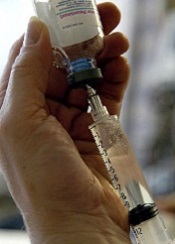
TORONTO—The antihemophilic factor turoctocog alfa is safe and effective long-term, according to interim data from the phase 3 guardian 2 trial.
With more than 4 years of safety data, researchers have found turoctocog alfa to be well-tolerated in patients with hemophilia A.
The median annualized bleeding rate for patients on prophylactic treatment was 1.56 bleeds per patient per year. For patients who received turoctocog alfa on demand, a single injection stopped all bleeds.
And none of the patients developed factor VIII (FVIII) inhibitors.
Margareth Ozelo, MD, PhD, of the University of Campinas in Sao Paulo, Brazil and her colleagues presented these data at the ISTH 2015 Congress (abstract PO251-WED). The research is sponsored by Novo Nordisk, the company developing turoctocog alfa (as NovoEight).
Turoctocog alfa is a B-domain truncated recombinant human coagulation FVIII product indicated for the treatment and prevention of bleeding in patients with hemophilia A. The ongoing guardian 2 trial is a prospective safety and efficacy extension trial of the guardian 1 and guardian 3 studies.
Two hundred patients received turoctocog alfa in guardian 2. They had severe hemophilia A (FVIII activity ≤ 1%), no history of inhibitors, and had completed guardian 1, guardian 3, or a third pharmacokinetics trial. The patients’ mean age at first turoctocog alfa injection was 22.3 ± 14.4 years.
In guardian 1 and guardian 3, all patients switched from other FVIII products to turoctocog alfa prophylaxis every second day (adults/adolescents, 20–40 IU/kg; children, 25–50 IU/kg), or 3 times weekly (adults/adolescents, 20–50 IU/kg; children 25–60 IU/kg). Patients also received turoctocog alfa when bleeds arose.
Of the 200 patients enrolled on guardian 2, 133 were still participating in the trial at the interim cutoff date, December 31, 2013.
The interim analysis includes data for 451.6 patient-years and 72,320 days of exposure to turoctocog alfa. The total number of exposure days was 364.5
(range, 1-762) per patient for prophylaxis and 23.8 (range, 1-90) per patient for on-demand treatment.
The mean number of turoctocog alfa doses was 368.3 (range, 1-766) per patient for prophylaxis and 24.2 (range, 1-90) per patient for on-demand treatment.
Safety results
At the interim cutoff, none of the patients had developed FVIII inhibitors. Adverse events occurred in 84% of patients (n=168). The most common were
headache, nasopharyngitis, upper respiratory tract infection, and arthralgia.
Eight adverse events were considered possibly or probably related to turoctocog alfa in 5 patients (2.5%). These events were mild or moderate and included local swelling (n=1), increased aspartate aminotransferase (n=1), increased alanine aminotransferase (n=1), pain in extremity (n=1), musculoskeletal pain (n=1), lichenoid keratosis (n=1), and arthropathy (n=2).
There were 29 serious adverse events that were considered unlikely to be treatment-related. This included a death from subdural hemorrhage.
Efficacy results
For patients on prophylactic treatment (n=197), the median annualized bleeding rate was 1.56 bleeds per patient per year for all bleeds. It was 0.50 for
spontaneous bleeds, 0.49 for traumatic bleeds, 0.93 for joint bleeds, and 0.35 for nonjoint bleeds.
The success rate for treating bleeds during prophylaxis was 89.4%, and 90% of all bleeding episodes were successfully treated with 1 or 2 infusions of
turoctocog alfa. As for on-demand treatment, a single injection stopped all 73 bleeds.
“These interim results provide an extension to the body of evidence supporting the long-term use of NovoEight,” Dr Ozelo said. “For people with hemophilia A, finding treatments that are effective at preventing bleeding episodes long-term is essential.”
TORONTO—The antihemophilic factor turoctocog alfa is safe and effective long-term, according to interim data from the phase 3 guardian 2 trial.
With more than 4 years of safety data, researchers have found turoctocog alfa to be well-tolerated in patients with hemophilia A.
The median annualized bleeding rate for patients on prophylactic treatment was 1.56 bleeds per patient per year. For patients who received turoctocog alfa on demand, a single injection stopped all bleeds.
And none of the patients developed factor VIII (FVIII) inhibitors.
Margareth Ozelo, MD, PhD, of the University of Campinas in Sao Paulo, Brazil and her colleagues presented these data at the ISTH 2015 Congress (abstract PO251-WED). The research is sponsored by Novo Nordisk, the company developing turoctocog alfa (as NovoEight).
Turoctocog alfa is a B-domain truncated recombinant human coagulation FVIII product indicated for the treatment and prevention of bleeding in patients with hemophilia A. The ongoing guardian 2 trial is a prospective safety and efficacy extension trial of the guardian 1 and guardian 3 studies.
Two hundred patients received turoctocog alfa in guardian 2. They had severe hemophilia A (FVIII activity ≤ 1%), no history of inhibitors, and had completed guardian 1, guardian 3, or a third pharmacokinetics trial. The patients’ mean age at first turoctocog alfa injection was 22.3 ± 14.4 years.
In guardian 1 and guardian 3, all patients switched from other FVIII products to turoctocog alfa prophylaxis every second day (adults/adolescents, 20–40 IU/kg; children, 25–50 IU/kg), or 3 times weekly (adults/adolescents, 20–50 IU/kg; children 25–60 IU/kg). Patients also received turoctocog alfa when bleeds arose.
Of the 200 patients enrolled on guardian 2, 133 were still participating in the trial at the interim cutoff date, December 31, 2013.
The interim analysis includes data for 451.6 patient-years and 72,320 days of exposure to turoctocog alfa. The total number of exposure days was 364.5
(range, 1-762) per patient for prophylaxis and 23.8 (range, 1-90) per patient for on-demand treatment.
The mean number of turoctocog alfa doses was 368.3 (range, 1-766) per patient for prophylaxis and 24.2 (range, 1-90) per patient for on-demand treatment.
Safety results
At the interim cutoff, none of the patients had developed FVIII inhibitors. Adverse events occurred in 84% of patients (n=168). The most common were
headache, nasopharyngitis, upper respiratory tract infection, and arthralgia.
Eight adverse events were considered possibly or probably related to turoctocog alfa in 5 patients (2.5%). These events were mild or moderate and included local swelling (n=1), increased aspartate aminotransferase (n=1), increased alanine aminotransferase (n=1), pain in extremity (n=1), musculoskeletal pain (n=1), lichenoid keratosis (n=1), and arthropathy (n=2).
There were 29 serious adverse events that were considered unlikely to be treatment-related. This included a death from subdural hemorrhage.
Efficacy results
For patients on prophylactic treatment (n=197), the median annualized bleeding rate was 1.56 bleeds per patient per year for all bleeds. It was 0.50 for
spontaneous bleeds, 0.49 for traumatic bleeds, 0.93 for joint bleeds, and 0.35 for nonjoint bleeds.
The success rate for treating bleeds during prophylaxis was 89.4%, and 90% of all bleeding episodes were successfully treated with 1 or 2 infusions of
turoctocog alfa. As for on-demand treatment, a single injection stopped all 73 bleeds.
“These interim results provide an extension to the body of evidence supporting the long-term use of NovoEight,” Dr Ozelo said. “For people with hemophilia A, finding treatments that are effective at preventing bleeding episodes long-term is essential.”
TORONTO—The antihemophilic factor turoctocog alfa is safe and effective long-term, according to interim data from the phase 3 guardian 2 trial.
With more than 4 years of safety data, researchers have found turoctocog alfa to be well-tolerated in patients with hemophilia A.
The median annualized bleeding rate for patients on prophylactic treatment was 1.56 bleeds per patient per year. For patients who received turoctocog alfa on demand, a single injection stopped all bleeds.
And none of the patients developed factor VIII (FVIII) inhibitors.
Margareth Ozelo, MD, PhD, of the University of Campinas in Sao Paulo, Brazil and her colleagues presented these data at the ISTH 2015 Congress (abstract PO251-WED). The research is sponsored by Novo Nordisk, the company developing turoctocog alfa (as NovoEight).
Turoctocog alfa is a B-domain truncated recombinant human coagulation FVIII product indicated for the treatment and prevention of bleeding in patients with hemophilia A. The ongoing guardian 2 trial is a prospective safety and efficacy extension trial of the guardian 1 and guardian 3 studies.
Two hundred patients received turoctocog alfa in guardian 2. They had severe hemophilia A (FVIII activity ≤ 1%), no history of inhibitors, and had completed guardian 1, guardian 3, or a third pharmacokinetics trial. The patients’ mean age at first turoctocog alfa injection was 22.3 ± 14.4 years.
In guardian 1 and guardian 3, all patients switched from other FVIII products to turoctocog alfa prophylaxis every second day (adults/adolescents, 20–40 IU/kg; children, 25–50 IU/kg), or 3 times weekly (adults/adolescents, 20–50 IU/kg; children 25–60 IU/kg). Patients also received turoctocog alfa when bleeds arose.
Of the 200 patients enrolled on guardian 2, 133 were still participating in the trial at the interim cutoff date, December 31, 2013.
The interim analysis includes data for 451.6 patient-years and 72,320 days of exposure to turoctocog alfa. The total number of exposure days was 364.5
(range, 1-762) per patient for prophylaxis and 23.8 (range, 1-90) per patient for on-demand treatment.
The mean number of turoctocog alfa doses was 368.3 (range, 1-766) per patient for prophylaxis and 24.2 (range, 1-90) per patient for on-demand treatment.
Safety results
At the interim cutoff, none of the patients had developed FVIII inhibitors. Adverse events occurred in 84% of patients (n=168). The most common were
headache, nasopharyngitis, upper respiratory tract infection, and arthralgia.
Eight adverse events were considered possibly or probably related to turoctocog alfa in 5 patients (2.5%). These events were mild or moderate and included local swelling (n=1), increased aspartate aminotransferase (n=1), increased alanine aminotransferase (n=1), pain in extremity (n=1), musculoskeletal pain (n=1), lichenoid keratosis (n=1), and arthropathy (n=2).
There were 29 serious adverse events that were considered unlikely to be treatment-related. This included a death from subdural hemorrhage.
Efficacy results
For patients on prophylactic treatment (n=197), the median annualized bleeding rate was 1.56 bleeds per patient per year for all bleeds. It was 0.50 for
spontaneous bleeds, 0.49 for traumatic bleeds, 0.93 for joint bleeds, and 0.35 for nonjoint bleeds.
The success rate for treating bleeds during prophylaxis was 89.4%, and 90% of all bleeding episodes were successfully treated with 1 or 2 infusions of
turoctocog alfa. As for on-demand treatment, a single injection stopped all 73 bleeds.
“These interim results provide an extension to the body of evidence supporting the long-term use of NovoEight,” Dr Ozelo said. “For people with hemophilia A, finding treatments that are effective at preventing bleeding episodes long-term is essential.”
Insecticide can cause NHL, experts say

Photo by John Messina
The insecticide gamma-hexachlorocyclohexane (lindane) is carcinogenic, according to experts from the International Agency for Research on Cancer (IARC), the specialized cancer agency of the World Health Organization.
The experts said they found sufficient evidence that lindane, which is banned or restricted in most countries, can cause non-Hodgkin lymphoma (NHL).
The group also discovered that 2 other chemicals might cause NHL.
The evidence suggests the insecticide dichlorodiphenyltrichloroethane (DDT) is probably carcinogenic, and the herbicide 2,4-dichlorophenoxyacetic acid (2,4-D) is possibly carcinogenic.
A summary of these findings is available in The Lancet Oncology, and the experts’ detailed assessments will be published as Volume 113 of the IARC Monographs.
The group, which consisted of 26 experts convened by the IARC Monographs Programme, reviewed the latest scientific literature on lindane, DDT, and 2,4-D and used their findings to classify these 3 chemicals according to carcinogenicity.
The classification (Group 1, Group 2A, etc.) indicates the strength of the evidence that a substance causes cancer, not the level of risk associated with exposure. The Monographs Programme identifies cancer hazards even when risks are very low at current exposure levels, because new uses or unforeseen exposures could engender risks that are significantly higher.
Lindane
The experts classified lindane as carcinogenic to humans (Group 1), saying they found sufficient evidence that it can cause NHL. Large epidemiological studies of agricultural exposures in the US and Canada showed a 60% increased risk of NHL in people exposed to lindane.
Lindane has been used extensively for insect control, including in agriculture and for the treatment of human lice and scabies. High exposures have occurred among agricultural workers and pesticide applicators. However, the use of lindane is now banned or restricted in most countries.
DDT
The experts classified DDT as probably carcinogenic to humans (Group 2A), saying they found sufficient evidence that DDT causes cancer in experimental animals and limited evidence of DDT’s carcinogenicity in humans.
Epidemiological studies have shown positive associations between exposure to DDT and NHL, testicular cancer, and liver cancer.
There was also strong experimental evidence that DDT can suppress the immune system and disrupt sex hormones. However, overall, there was no association between breast cancer and DDT levels measured in samples of blood or fat.
DDT was introduced for the control of insect-borne diseases during World War II and was later applied widely to eradicate malaria and in agriculture. Most uses of DDT were banned in the 1970s. However, DDT and its breakdown products are highly persistent and can be found in the environment and in animal and human tissues throughout the world.
Exposure to DDT still occurs, mainly through diet. The remaining and essential use of DDT is for disease vector control, mainly for malaria. This use is strictly restricted under the Stockholm Convention.
2,4-D
The experts classified 2,4-D as possibly carcinogenic to humans (Group 2B), saying they had inadequate evidence in humans and limited evidence in experimental animals.
There is strong evidence that 2,4-D induces oxidative stress and moderate evidence that 2,4-D causes immunosuppression, based on in vivo and in vitro studies. However, epidemiological studies did not show strong or consistent increases in the risk of NHL or other cancers in relation to 2,4-D exposure.
Since its introduction in 1945, 2,4-D has been widely used to control weeds in agriculture, forestry, and urban and residential settings. Occupational exposures to 2,4-D can occur during manufacturing and application, and the general population can be exposed through food, water, dust, or residential application, and during spraying.
Photo by John Messina
The insecticide gamma-hexachlorocyclohexane (lindane) is carcinogenic, according to experts from the International Agency for Research on Cancer (IARC), the specialized cancer agency of the World Health Organization.
The experts said they found sufficient evidence that lindane, which is banned or restricted in most countries, can cause non-Hodgkin lymphoma (NHL).
The group also discovered that 2 other chemicals might cause NHL.
The evidence suggests the insecticide dichlorodiphenyltrichloroethane (DDT) is probably carcinogenic, and the herbicide 2,4-dichlorophenoxyacetic acid (2,4-D) is possibly carcinogenic.
A summary of these findings is available in The Lancet Oncology, and the experts’ detailed assessments will be published as Volume 113 of the IARC Monographs.
The group, which consisted of 26 experts convened by the IARC Monographs Programme, reviewed the latest scientific literature on lindane, DDT, and 2,4-D and used their findings to classify these 3 chemicals according to carcinogenicity.
The classification (Group 1, Group 2A, etc.) indicates the strength of the evidence that a substance causes cancer, not the level of risk associated with exposure. The Monographs Programme identifies cancer hazards even when risks are very low at current exposure levels, because new uses or unforeseen exposures could engender risks that are significantly higher.
Lindane
The experts classified lindane as carcinogenic to humans (Group 1), saying they found sufficient evidence that it can cause NHL. Large epidemiological studies of agricultural exposures in the US and Canada showed a 60% increased risk of NHL in people exposed to lindane.
Lindane has been used extensively for insect control, including in agriculture and for the treatment of human lice and scabies. High exposures have occurred among agricultural workers and pesticide applicators. However, the use of lindane is now banned or restricted in most countries.
DDT
The experts classified DDT as probably carcinogenic to humans (Group 2A), saying they found sufficient evidence that DDT causes cancer in experimental animals and limited evidence of DDT’s carcinogenicity in humans.
Epidemiological studies have shown positive associations between exposure to DDT and NHL, testicular cancer, and liver cancer.
There was also strong experimental evidence that DDT can suppress the immune system and disrupt sex hormones. However, overall, there was no association between breast cancer and DDT levels measured in samples of blood or fat.
DDT was introduced for the control of insect-borne diseases during World War II and was later applied widely to eradicate malaria and in agriculture. Most uses of DDT were banned in the 1970s. However, DDT and its breakdown products are highly persistent and can be found in the environment and in animal and human tissues throughout the world.
Exposure to DDT still occurs, mainly through diet. The remaining and essential use of DDT is for disease vector control, mainly for malaria. This use is strictly restricted under the Stockholm Convention.
2,4-D
The experts classified 2,4-D as possibly carcinogenic to humans (Group 2B), saying they had inadequate evidence in humans and limited evidence in experimental animals.
There is strong evidence that 2,4-D induces oxidative stress and moderate evidence that 2,4-D causes immunosuppression, based on in vivo and in vitro studies. However, epidemiological studies did not show strong or consistent increases in the risk of NHL or other cancers in relation to 2,4-D exposure.
Since its introduction in 1945, 2,4-D has been widely used to control weeds in agriculture, forestry, and urban and residential settings. Occupational exposures to 2,4-D can occur during manufacturing and application, and the general population can be exposed through food, water, dust, or residential application, and during spraying.
Photo by John Messina
The insecticide gamma-hexachlorocyclohexane (lindane) is carcinogenic, according to experts from the International Agency for Research on Cancer (IARC), the specialized cancer agency of the World Health Organization.
The experts said they found sufficient evidence that lindane, which is banned or restricted in most countries, can cause non-Hodgkin lymphoma (NHL).
The group also discovered that 2 other chemicals might cause NHL.
The evidence suggests the insecticide dichlorodiphenyltrichloroethane (DDT) is probably carcinogenic, and the herbicide 2,4-dichlorophenoxyacetic acid (2,4-D) is possibly carcinogenic.
A summary of these findings is available in The Lancet Oncology, and the experts’ detailed assessments will be published as Volume 113 of the IARC Monographs.
The group, which consisted of 26 experts convened by the IARC Monographs Programme, reviewed the latest scientific literature on lindane, DDT, and 2,4-D and used their findings to classify these 3 chemicals according to carcinogenicity.
The classification (Group 1, Group 2A, etc.) indicates the strength of the evidence that a substance causes cancer, not the level of risk associated with exposure. The Monographs Programme identifies cancer hazards even when risks are very low at current exposure levels, because new uses or unforeseen exposures could engender risks that are significantly higher.
Lindane
The experts classified lindane as carcinogenic to humans (Group 1), saying they found sufficient evidence that it can cause NHL. Large epidemiological studies of agricultural exposures in the US and Canada showed a 60% increased risk of NHL in people exposed to lindane.
Lindane has been used extensively for insect control, including in agriculture and for the treatment of human lice and scabies. High exposures have occurred among agricultural workers and pesticide applicators. However, the use of lindane is now banned or restricted in most countries.
DDT
The experts classified DDT as probably carcinogenic to humans (Group 2A), saying they found sufficient evidence that DDT causes cancer in experimental animals and limited evidence of DDT’s carcinogenicity in humans.
Epidemiological studies have shown positive associations between exposure to DDT and NHL, testicular cancer, and liver cancer.
There was also strong experimental evidence that DDT can suppress the immune system and disrupt sex hormones. However, overall, there was no association between breast cancer and DDT levels measured in samples of blood or fat.
DDT was introduced for the control of insect-borne diseases during World War II and was later applied widely to eradicate malaria and in agriculture. Most uses of DDT were banned in the 1970s. However, DDT and its breakdown products are highly persistent and can be found in the environment and in animal and human tissues throughout the world.
Exposure to DDT still occurs, mainly through diet. The remaining and essential use of DDT is for disease vector control, mainly for malaria. This use is strictly restricted under the Stockholm Convention.
2,4-D
The experts classified 2,4-D as possibly carcinogenic to humans (Group 2B), saying they had inadequate evidence in humans and limited evidence in experimental animals.
There is strong evidence that 2,4-D induces oxidative stress and moderate evidence that 2,4-D causes immunosuppression, based on in vivo and in vitro studies. However, epidemiological studies did not show strong or consistent increases in the risk of NHL or other cancers in relation to 2,4-D exposure.
Since its introduction in 1945, 2,4-D has been widely used to control weeds in agriculture, forestry, and urban and residential settings. Occupational exposures to 2,4-D can occur during manufacturing and application, and the general population can be exposed through food, water, dust, or residential application, and during spraying.
EC approves edoxaban for patients with VTE, NVAF
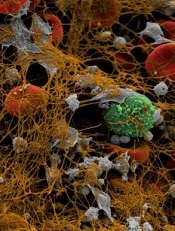
Image by Andre E.X. Brown
The European Commission (EC) has approved edoxaban (Lixiana), an oral factor Xa inhibitor, for use in patients with venous thromboembolism (VTE) or nonvalvular atrial fibrillation (NVAF).
The drug can now be used to treat and prevent the recurrence of deep vein thrombosis (DVT) and pulmonary embolism (PE).
It can also be used to prevent stroke and systemic embolism in adults with NVAF who have one or more risk factors for stroke or systemic embolism, such as congestive heart failure, hypertension, age ≥ 75 years, diabetes mellitus, prior stroke, or transient ischemic attack.
The EC’s decision affects all 28 European Union member states, plus Iceland, Norway, and Liechtenstein. Edoxaban is already approved for use in the US, Japan, and Switzerland.
The EC based its approval of edoxaban on results of 2 phase 3 clinical trials, ENGAGE AF-TIMI 48 and Hokusai-VTE.
Hokusai-VTE
In the Hokusai-VTE trial, researchers evaluated edoxaban in 4921 patients with DVT and 3319 with PE. Patients received initial treatment with low-molecular-weight heparin and were then randomized to receive edoxaban or warfarin daily for 3 to 12 months.
Overall, edoxaban proved as effective as warfarin. Recurrent, symptomatic VTE occurred in 3.2% and 3.5% of patients, respectively (P<0.001 for non-inferiority).
In addition, the incidence of clinically relevant bleeding was significantly lower in the edoxaban arm than the warfarin arm—8.5% and 10.3%, respectively (P=0.004 for superiority).
ENGAGE-AF TIMI 48
In the ENGAGE AF-TIMI 48 trial, researchers compared edoxaban and warfarin as prophylaxis for stroke or systemic embolism in patients with NVAF.
The trial included 21,105 patients who were randomized to receive warfarin (n=7036), edoxaban at 60 mg (n=7035), or edoxaban at 30 mg (n=7034).
Edoxaban was at least non-inferior to warfarin with regard to efficacy. The annual incidence of stroke or systemic embolism was 1.50% with warfarin, 1.18% with edoxaban at 60 mg (P<0.001 for non-inferiority), and 1.61% with edoxaban at 30 mg (P=0.005 for non-inferiority).
In addition, edoxaban was associated with a significantly lower rate of major and fatal bleeding. The annual incidence of major bleeding was 3.43% with warfarin, 2.75% with edoxaban at 60 mg (P<0.001), and 1.61% with edoxaban at 30 mg (P<0.001).
Fatal bleeds occurred at an annual rate of 0.38% with warfarin, 0.21% with edoxaban at 60 mg (P=0.006), and 0.13% with edoxaban at 30 mg (P<0.001).
Edoxaban is under development by Daiichi Sankyo Co., Ltd.
Image by Andre E.X. Brown
The European Commission (EC) has approved edoxaban (Lixiana), an oral factor Xa inhibitor, for use in patients with venous thromboembolism (VTE) or nonvalvular atrial fibrillation (NVAF).
The drug can now be used to treat and prevent the recurrence of deep vein thrombosis (DVT) and pulmonary embolism (PE).
It can also be used to prevent stroke and systemic embolism in adults with NVAF who have one or more risk factors for stroke or systemic embolism, such as congestive heart failure, hypertension, age ≥ 75 years, diabetes mellitus, prior stroke, or transient ischemic attack.
The EC’s decision affects all 28 European Union member states, plus Iceland, Norway, and Liechtenstein. Edoxaban is already approved for use in the US, Japan, and Switzerland.
The EC based its approval of edoxaban on results of 2 phase 3 clinical trials, ENGAGE AF-TIMI 48 and Hokusai-VTE.
Hokusai-VTE
In the Hokusai-VTE trial, researchers evaluated edoxaban in 4921 patients with DVT and 3319 with PE. Patients received initial treatment with low-molecular-weight heparin and were then randomized to receive edoxaban or warfarin daily for 3 to 12 months.
Overall, edoxaban proved as effective as warfarin. Recurrent, symptomatic VTE occurred in 3.2% and 3.5% of patients, respectively (P<0.001 for non-inferiority).
In addition, the incidence of clinically relevant bleeding was significantly lower in the edoxaban arm than the warfarin arm—8.5% and 10.3%, respectively (P=0.004 for superiority).
ENGAGE-AF TIMI 48
In the ENGAGE AF-TIMI 48 trial, researchers compared edoxaban and warfarin as prophylaxis for stroke or systemic embolism in patients with NVAF.
The trial included 21,105 patients who were randomized to receive warfarin (n=7036), edoxaban at 60 mg (n=7035), or edoxaban at 30 mg (n=7034).
Edoxaban was at least non-inferior to warfarin with regard to efficacy. The annual incidence of stroke or systemic embolism was 1.50% with warfarin, 1.18% with edoxaban at 60 mg (P<0.001 for non-inferiority), and 1.61% with edoxaban at 30 mg (P=0.005 for non-inferiority).
In addition, edoxaban was associated with a significantly lower rate of major and fatal bleeding. The annual incidence of major bleeding was 3.43% with warfarin, 2.75% with edoxaban at 60 mg (P<0.001), and 1.61% with edoxaban at 30 mg (P<0.001).
Fatal bleeds occurred at an annual rate of 0.38% with warfarin, 0.21% with edoxaban at 60 mg (P=0.006), and 0.13% with edoxaban at 30 mg (P<0.001).
Edoxaban is under development by Daiichi Sankyo Co., Ltd.
Image by Andre E.X. Brown
The European Commission (EC) has approved edoxaban (Lixiana), an oral factor Xa inhibitor, for use in patients with venous thromboembolism (VTE) or nonvalvular atrial fibrillation (NVAF).
The drug can now be used to treat and prevent the recurrence of deep vein thrombosis (DVT) and pulmonary embolism (PE).
It can also be used to prevent stroke and systemic embolism in adults with NVAF who have one or more risk factors for stroke or systemic embolism, such as congestive heart failure, hypertension, age ≥ 75 years, diabetes mellitus, prior stroke, or transient ischemic attack.
The EC’s decision affects all 28 European Union member states, plus Iceland, Norway, and Liechtenstein. Edoxaban is already approved for use in the US, Japan, and Switzerland.
The EC based its approval of edoxaban on results of 2 phase 3 clinical trials, ENGAGE AF-TIMI 48 and Hokusai-VTE.
Hokusai-VTE
In the Hokusai-VTE trial, researchers evaluated edoxaban in 4921 patients with DVT and 3319 with PE. Patients received initial treatment with low-molecular-weight heparin and were then randomized to receive edoxaban or warfarin daily for 3 to 12 months.
Overall, edoxaban proved as effective as warfarin. Recurrent, symptomatic VTE occurred in 3.2% and 3.5% of patients, respectively (P<0.001 for non-inferiority).
In addition, the incidence of clinically relevant bleeding was significantly lower in the edoxaban arm than the warfarin arm—8.5% and 10.3%, respectively (P=0.004 for superiority).
ENGAGE-AF TIMI 48
In the ENGAGE AF-TIMI 48 trial, researchers compared edoxaban and warfarin as prophylaxis for stroke or systemic embolism in patients with NVAF.
The trial included 21,105 patients who were randomized to receive warfarin (n=7036), edoxaban at 60 mg (n=7035), or edoxaban at 30 mg (n=7034).
Edoxaban was at least non-inferior to warfarin with regard to efficacy. The annual incidence of stroke or systemic embolism was 1.50% with warfarin, 1.18% with edoxaban at 60 mg (P<0.001 for non-inferiority), and 1.61% with edoxaban at 30 mg (P=0.005 for non-inferiority).
In addition, edoxaban was associated with a significantly lower rate of major and fatal bleeding. The annual incidence of major bleeding was 3.43% with warfarin, 2.75% with edoxaban at 60 mg (P<0.001), and 1.61% with edoxaban at 30 mg (P<0.001).
Fatal bleeds occurred at an annual rate of 0.38% with warfarin, 0.21% with edoxaban at 60 mg (P=0.006), and 0.13% with edoxaban at 30 mg (P<0.001).
Edoxaban is under development by Daiichi Sankyo Co., Ltd.