User login
FDA authorizes use of new Zika assay
The US Food and Drug Administration (FDA) has granted emergency use authorization (EUA) for a new assay designed to detect Zika virus infection.
The Aptima® Zika Virus assay is a molecular diagnostic tool that can be used to detect RNA from the Zika virus in human serum and plasma specimens.
The assay has not been FDA-cleared or approved. An EUA allows for the use of unapproved medical products or unapproved uses of approved medical products in an emergency.
The products must be used to diagnose, treat, or prevent serious or life-threatening conditions caused by chemical, biological, radiological, or nuclear threat agents, when there are no adequate alternatives.
This means the Aptima Zika Virus assay is only authorized as long as circumstances exist to justify the authorization of the emergency use of in vitro diagnostics for the detection of Zika virus under section 564(b)(1) of the Federal Food, Drug & Cosmetic Act, 21 U.S.C.§360bbb-3(b)(1), unless the authorization is terminated or revoked sooner.
About the assay
The Aptima Zika Virus assay was developed by Hologic, Inc. The assay runs on the Hologic Panther® system, an integrated platform that fully automates all aspects of nucleic acid amplification testing.
The Aptima Zika Virus assay will be available for use in all 50 states, Puerto Rico, and US territories.
The assay is designed to be used in individuals meeting Centers for Disease Control and Prevention (CDC) Zika virus clinical criteria (eg, clinical signs and symptoms associated with Zika virus infection) and/or CDC Zika virus epidemiological criteria (eg, history of residence in or travel to a geographic region with active Zika transmission at the time of travel, or other epidemiologic criteria for which Zika virus testing may be indicated), by laboratories in the US that are certified under the Clinical Laboratory Improvement Amendments of 1988, 42 U.S.C. § 263a, to perform high complexity tests, or by similarly qualified non-US laboratories.
For more information about the Aptima Zika Virus assay, visit www.hologic.com/zika.
About Zika testing
The FDA has granted EUAs for 4 other tests designed to detect Zika virus:
- RealStar® Zika Virus RT-PCR Kit U.S. (altona Diagnostics GmbH)
- Zika Virus RNA Qualitative Real-Time RT-PCR test (Focus Diagnostics)
- Trioplex Real-time RT-PCR Assay (CDC)
- Zika IgM Antibody Capture Enzyme-Linked Immunosorbent Assay (Zika MAC-ELISA, CDC).
The FDA has also authorized use of the cobas® Zika test (Roche) to screen blood donations for Zika virus. The test may be used under an investigational new drug application for screening donated blood in areas with active mosquito-borne transmission of the virus. 
The US Food and Drug Administration (FDA) has granted emergency use authorization (EUA) for a new assay designed to detect Zika virus infection.
The Aptima® Zika Virus assay is a molecular diagnostic tool that can be used to detect RNA from the Zika virus in human serum and plasma specimens.
The assay has not been FDA-cleared or approved. An EUA allows for the use of unapproved medical products or unapproved uses of approved medical products in an emergency.
The products must be used to diagnose, treat, or prevent serious or life-threatening conditions caused by chemical, biological, radiological, or nuclear threat agents, when there are no adequate alternatives.
This means the Aptima Zika Virus assay is only authorized as long as circumstances exist to justify the authorization of the emergency use of in vitro diagnostics for the detection of Zika virus under section 564(b)(1) of the Federal Food, Drug & Cosmetic Act, 21 U.S.C.§360bbb-3(b)(1), unless the authorization is terminated or revoked sooner.
About the assay
The Aptima Zika Virus assay was developed by Hologic, Inc. The assay runs on the Hologic Panther® system, an integrated platform that fully automates all aspects of nucleic acid amplification testing.
The Aptima Zika Virus assay will be available for use in all 50 states, Puerto Rico, and US territories.
The assay is designed to be used in individuals meeting Centers for Disease Control and Prevention (CDC) Zika virus clinical criteria (eg, clinical signs and symptoms associated with Zika virus infection) and/or CDC Zika virus epidemiological criteria (eg, history of residence in or travel to a geographic region with active Zika transmission at the time of travel, or other epidemiologic criteria for which Zika virus testing may be indicated), by laboratories in the US that are certified under the Clinical Laboratory Improvement Amendments of 1988, 42 U.S.C. § 263a, to perform high complexity tests, or by similarly qualified non-US laboratories.
For more information about the Aptima Zika Virus assay, visit www.hologic.com/zika.
About Zika testing
The FDA has granted EUAs for 4 other tests designed to detect Zika virus:
- RealStar® Zika Virus RT-PCR Kit U.S. (altona Diagnostics GmbH)
- Zika Virus RNA Qualitative Real-Time RT-PCR test (Focus Diagnostics)
- Trioplex Real-time RT-PCR Assay (CDC)
- Zika IgM Antibody Capture Enzyme-Linked Immunosorbent Assay (Zika MAC-ELISA, CDC).
The FDA has also authorized use of the cobas® Zika test (Roche) to screen blood donations for Zika virus. The test may be used under an investigational new drug application for screening donated blood in areas with active mosquito-borne transmission of the virus.
The US Food and Drug Administration (FDA) has granted emergency use authorization (EUA) for a new assay designed to detect Zika virus infection.
The Aptima® Zika Virus assay is a molecular diagnostic tool that can be used to detect RNA from the Zika virus in human serum and plasma specimens.
The assay has not been FDA-cleared or approved. An EUA allows for the use of unapproved medical products or unapproved uses of approved medical products in an emergency.
The products must be used to diagnose, treat, or prevent serious or life-threatening conditions caused by chemical, biological, radiological, or nuclear threat agents, when there are no adequate alternatives.
This means the Aptima Zika Virus assay is only authorized as long as circumstances exist to justify the authorization of the emergency use of in vitro diagnostics for the detection of Zika virus under section 564(b)(1) of the Federal Food, Drug & Cosmetic Act, 21 U.S.C.§360bbb-3(b)(1), unless the authorization is terminated or revoked sooner.
About the assay
The Aptima Zika Virus assay was developed by Hologic, Inc. The assay runs on the Hologic Panther® system, an integrated platform that fully automates all aspects of nucleic acid amplification testing.
The Aptima Zika Virus assay will be available for use in all 50 states, Puerto Rico, and US territories.
The assay is designed to be used in individuals meeting Centers for Disease Control and Prevention (CDC) Zika virus clinical criteria (eg, clinical signs and symptoms associated with Zika virus infection) and/or CDC Zika virus epidemiological criteria (eg, history of residence in or travel to a geographic region with active Zika transmission at the time of travel, or other epidemiologic criteria for which Zika virus testing may be indicated), by laboratories in the US that are certified under the Clinical Laboratory Improvement Amendments of 1988, 42 U.S.C. § 263a, to perform high complexity tests, or by similarly qualified non-US laboratories.
For more information about the Aptima Zika Virus assay, visit www.hologic.com/zika.
About Zika testing
The FDA has granted EUAs for 4 other tests designed to detect Zika virus:
- RealStar® Zika Virus RT-PCR Kit U.S. (altona Diagnostics GmbH)
- Zika Virus RNA Qualitative Real-Time RT-PCR test (Focus Diagnostics)
- Trioplex Real-time RT-PCR Assay (CDC)
- Zika IgM Antibody Capture Enzyme-Linked Immunosorbent Assay (Zika MAC-ELISA, CDC).
The FDA has also authorized use of the cobas® Zika test (Roche) to screen blood donations for Zika virus. The test may be used under an investigational new drug application for screening donated blood in areas with active mosquito-borne transmission of the virus.
Obinutuzumab approved to treat FL
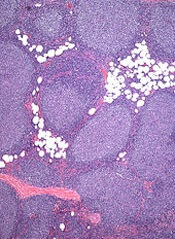
The European Commission (EC) has approved the use of obinutuzumab (Gazyvaro), an anti-CD20 monoclonal antibody, in patients with follicular lymphoma (FL).
The approval means obinutuzumab can be given, first in combination with bendamustine and then alone as maintenance therapy, to FL patients who did not respond to, progressed during, or progressed up to 6 months after treatment with rituximab or a rituximab-containing regimen.
Obinutuzumab was previously granted approval by the EC for use in combination with chlorambucil to treat patients with previously untreated chronic lymphocytic leukemia and comorbidities that make them unsuitable for full-dose fludarabine-based therapy.
Obinutuzumab is being developed by Roche. The drug is marketed as Gazyvaro in the European Union and Switzerland but as Gazyva in the rest of the world.
GADOLIN trial
The EC’s approval of obinutuzumab in FL is based on results from the phase 3 GADOLIN trial. The study included 413 patients with rituximab-refractory non-Hodgkin lymphoma, including 321 patients with FL, 46 with marginal zone lymphoma, and 28 with small lymphocytic lymphoma.
The patients were randomized to receive bendamustine alone (control arm) or a combination of bendamustine and obinutuzumab followed by obinutuzumab maintenance (every 2 months for 2 years or until progression).
The primary endpoint of the study was progression-free survival (PFS), as assessed by an independent review committee (IRC). The secondary endpoints were PFS assessed by investigator review, best overall response, complete response (CR), partial response (PR), duration of response, overall survival, and safety profile.
Among patients with FL, the obinutuzumab regimen improved PFS compared to bendamustine alone, as assessed by the IRC (hazard ratio [HR]=0.48, P<0.0001). The median PFS was not reached in patients receiving the obinutuzumab regimen but was 13.8 months in those receiving bendamustine alone.
Investigator-assessed PFS was consistent with IRC-assessed PFS. Investigators said the median PFS with the obinutuzumab regimen was more than double that with bendamustine alone—29.2 months vs 13.7 months (HR=0.48, P<0.0001).
The best overall response for patients receiving the obinutuzumab regimen was 78.7% (15.5% CR, 63.2% PR), compared to 74.7% (18.7% CR, 56% PR) for those receiving bendamustine alone, as assessed by the IRC.
The median duration of response was not reached for patients receiving the obinutuzumab regimen and was 11.6 months for those receiving bendamustine alone.
The median overall survival has not yet been reached in either study arm.
The most common grade 3/4 adverse events observed in patients receiving the obinutuzumab regimen were neutropenia (33%), infusion reactions (11%), and thrombocytopenia (10%).
The most common adverse events of any grade were infusion reactions (69%), neutropenia (35%), nausea (54%), fatigue (39%), cough (26%), diarrhea (27%), constipation (19%), fever (18%), thrombocytopenia (15%), vomiting (22%), upper respiratory tract infection (13%), decreased appetite (18%), joint or muscle pain (12%), sinusitis (12%), anemia (12%), general weakness (11%), and urinary tract infection (10%).
The European Commission (EC) has approved the use of obinutuzumab (Gazyvaro), an anti-CD20 monoclonal antibody, in patients with follicular lymphoma (FL).
The approval means obinutuzumab can be given, first in combination with bendamustine and then alone as maintenance therapy, to FL patients who did not respond to, progressed during, or progressed up to 6 months after treatment with rituximab or a rituximab-containing regimen.
Obinutuzumab was previously granted approval by the EC for use in combination with chlorambucil to treat patients with previously untreated chronic lymphocytic leukemia and comorbidities that make them unsuitable for full-dose fludarabine-based therapy.
Obinutuzumab is being developed by Roche. The drug is marketed as Gazyvaro in the European Union and Switzerland but as Gazyva in the rest of the world.
GADOLIN trial
The EC’s approval of obinutuzumab in FL is based on results from the phase 3 GADOLIN trial. The study included 413 patients with rituximab-refractory non-Hodgkin lymphoma, including 321 patients with FL, 46 with marginal zone lymphoma, and 28 with small lymphocytic lymphoma.
The patients were randomized to receive bendamustine alone (control arm) or a combination of bendamustine and obinutuzumab followed by obinutuzumab maintenance (every 2 months for 2 years or until progression).
The primary endpoint of the study was progression-free survival (PFS), as assessed by an independent review committee (IRC). The secondary endpoints were PFS assessed by investigator review, best overall response, complete response (CR), partial response (PR), duration of response, overall survival, and safety profile.
Among patients with FL, the obinutuzumab regimen improved PFS compared to bendamustine alone, as assessed by the IRC (hazard ratio [HR]=0.48, P<0.0001). The median PFS was not reached in patients receiving the obinutuzumab regimen but was 13.8 months in those receiving bendamustine alone.
Investigator-assessed PFS was consistent with IRC-assessed PFS. Investigators said the median PFS with the obinutuzumab regimen was more than double that with bendamustine alone—29.2 months vs 13.7 months (HR=0.48, P<0.0001).
The best overall response for patients receiving the obinutuzumab regimen was 78.7% (15.5% CR, 63.2% PR), compared to 74.7% (18.7% CR, 56% PR) for those receiving bendamustine alone, as assessed by the IRC.
The median duration of response was not reached for patients receiving the obinutuzumab regimen and was 11.6 months for those receiving bendamustine alone.
The median overall survival has not yet been reached in either study arm.
The most common grade 3/4 adverse events observed in patients receiving the obinutuzumab regimen were neutropenia (33%), infusion reactions (11%), and thrombocytopenia (10%).
The most common adverse events of any grade were infusion reactions (69%), neutropenia (35%), nausea (54%), fatigue (39%), cough (26%), diarrhea (27%), constipation (19%), fever (18%), thrombocytopenia (15%), vomiting (22%), upper respiratory tract infection (13%), decreased appetite (18%), joint or muscle pain (12%), sinusitis (12%), anemia (12%), general weakness (11%), and urinary tract infection (10%).
The European Commission (EC) has approved the use of obinutuzumab (Gazyvaro), an anti-CD20 monoclonal antibody, in patients with follicular lymphoma (FL).
The approval means obinutuzumab can be given, first in combination with bendamustine and then alone as maintenance therapy, to FL patients who did not respond to, progressed during, or progressed up to 6 months after treatment with rituximab or a rituximab-containing regimen.
Obinutuzumab was previously granted approval by the EC for use in combination with chlorambucil to treat patients with previously untreated chronic lymphocytic leukemia and comorbidities that make them unsuitable for full-dose fludarabine-based therapy.
Obinutuzumab is being developed by Roche. The drug is marketed as Gazyvaro in the European Union and Switzerland but as Gazyva in the rest of the world.
GADOLIN trial
The EC’s approval of obinutuzumab in FL is based on results from the phase 3 GADOLIN trial. The study included 413 patients with rituximab-refractory non-Hodgkin lymphoma, including 321 patients with FL, 46 with marginal zone lymphoma, and 28 with small lymphocytic lymphoma.
The patients were randomized to receive bendamustine alone (control arm) or a combination of bendamustine and obinutuzumab followed by obinutuzumab maintenance (every 2 months for 2 years or until progression).
The primary endpoint of the study was progression-free survival (PFS), as assessed by an independent review committee (IRC). The secondary endpoints were PFS assessed by investigator review, best overall response, complete response (CR), partial response (PR), duration of response, overall survival, and safety profile.
Among patients with FL, the obinutuzumab regimen improved PFS compared to bendamustine alone, as assessed by the IRC (hazard ratio [HR]=0.48, P<0.0001). The median PFS was not reached in patients receiving the obinutuzumab regimen but was 13.8 months in those receiving bendamustine alone.
Investigator-assessed PFS was consistent with IRC-assessed PFS. Investigators said the median PFS with the obinutuzumab regimen was more than double that with bendamustine alone—29.2 months vs 13.7 months (HR=0.48, P<0.0001).
The best overall response for patients receiving the obinutuzumab regimen was 78.7% (15.5% CR, 63.2% PR), compared to 74.7% (18.7% CR, 56% PR) for those receiving bendamustine alone, as assessed by the IRC.
The median duration of response was not reached for patients receiving the obinutuzumab regimen and was 11.6 months for those receiving bendamustine alone.
The median overall survival has not yet been reached in either study arm.
The most common grade 3/4 adverse events observed in patients receiving the obinutuzumab regimen were neutropenia (33%), infusion reactions (11%), and thrombocytopenia (10%).
The most common adverse events of any grade were infusion reactions (69%), neutropenia (35%), nausea (54%), fatigue (39%), cough (26%), diarrhea (27%), constipation (19%), fever (18%), thrombocytopenia (15%), vomiting (22%), upper respiratory tract infection (13%), decreased appetite (18%), joint or muscle pain (12%), sinusitis (12%), anemia (12%), general weakness (11%), and urinary tract infection (10%).
Drug can address unmet need in cHL, doc says
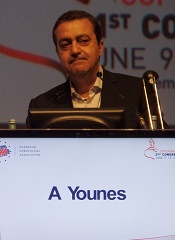
COPENHAGEN—The PD-1 checkpoint inhibitor nivolumab can address an unmet need in patients with classical Hodgkin lymphoma (cHL) who have progressive or relapsed disease, according to a speaker at the 21st Congress of the European Hematology Association.
In the phase 2 Checkmate-205 trial, nivolumab produced an objective response rate of 66% in cHL patients who had relapsed or progressed after autologous hematopoietic stem cell transplant (HSCT) and subsequent brentuximab vedotin.
The median duration of response was 7.8 months, and most patients had a response that was ongoing at the time of analysis.
Although the safety profile of nivolumab was considered “acceptable” by researchers, the drug has been linked to serious complications, including death, among patients who proceeded to allogeneic HSCT after receiving nivolumab.
Still, nivolumab is “an important new therapy to meet the unmet need” in cHL, according to Anas Younes, MD, of Memorial Sloan Kettering Cancer Center in New York, New York.
Dr Younes presented results with nivolumab from cohort B of the Checkmate-205 trial as abstract S793. Checkmate-205 was sponsored by Bristol-Myers Squibb.
Cohort B included 80 cHL patients who had relapsed or progressed after autologous HSCT and post-transplant brentuximab vedotin. (Cohort A included patients who had not previously received brentuximab vedotin.)
The patients’ median age was 37 (range, 18-72), and 64% were male. The median number of prior lines of therapy was 4 (range, 3-15), and 49% of patients had received at least 5 previous lines of therapy.
Seventy-four percent of patients had previously received radiation, 93% had received 1 prior autologous HSCT, and 8% had received 2. All patients had received brentuximab vedotin after transplant, and 54% had not responded to that treatment.
Study treatment
Patients received nivolumab at 3 mg/kg intravenously every 2 weeks until disease progression or unacceptable toxicity.
At a median follow-up of 8.9 months (range, 1.9-11.7), 36% of patients had come off treatment—16% due to disease progression, 5% due to toxicity, 8% because they had gone on to allogeneic HSCT, and 8% for other reasons (the patient’s request, the investigator’s decision, the patient was lost to follow-up, or the reason was not reported).
Dr Younes noted that all patients who stopped nivolumab to undergo HSCT were still alive at the data cut-off.
Efficacy
The objective response rate, per an independent radiologic review committee, was 66%. Nine percent of patients achieved a complete response, 58% had a partial response, 23% had stable disease, and 8% had progressive disease. The committee was unable to determine the status of 4% of patients.
The median time to response was 2.1 months, and the estimated median duration of response was 7.8 months.
“Keep in mind that the majority of patients are still on therapy, so this is expected to improve with time,” Dr Younes said.
The majority of responses (62%) were ongoing at the time of analysis. In an exploratory analysis, the researchers observed that 72% of patients who did not respond to their most recent prior brentuximab vedotin treatment did respond to nivolumab.
At 6 months, the progression-free survival rate was 77%, and the overall survival rate was 99%. The median progression-free survival was 10 months, and the median overall survival has not been reached.
Dr Younes said that, although the follow-up is short, the survival data are “still impressive.”
Safety
Adverse events (AEs) occurred in 99% of patients, grade 3/4 AEs occurred in 40% of patients, and there was 1 grade 5 AE (multi-organ failure due to Epstein-Barr-virus-positive T-cell lymphoma).
Treatment-related AEs occurred in 90% of patients. The most common of these were fatigue (25%), infusion-related reactions (20%), rash (16%), arthralgia (14%), pyrexia (14%), nausea (13%), diarrhea (10%), and pruritus (10%).
Treatment-related serious AEs occurred in 6% of patients and included pyrexia, tumor progression, arrhythmia, infusion reactions, septic meningitis, and pneumonia.
Extended safety follow-up of cHL patients treated in the nivolumab clinical trial program who were subsequently treated with allogeneic HSCT (n=17) revealed complications, including fatal events.
A warning about such complications has been added to the US prescribing information for nivolumab, which was recently granted accelerated approval from the US Food and Drug Administration (FDA) to treat patients with relapsed or refractory cHL who have received an autologous HSCT and post-transplant brentuximab vedotin.
Because of these transplant-related deaths, the FDA has advised that healthcare professionals follow patients closely for early evidence of transplant-related complications, such as hyperacute graft-versus-host disease, severe acute graft-versus-host disease, steroid-requiring febrile syndrome, hepatic veno-occlusive disease, and other immune-mediated adverse reactions.
The FDA has also required that Bristol-Myers Squibb further study the safety of allogeneic HSCT after nivolumab.
COPENHAGEN—The PD-1 checkpoint inhibitor nivolumab can address an unmet need in patients with classical Hodgkin lymphoma (cHL) who have progressive or relapsed disease, according to a speaker at the 21st Congress of the European Hematology Association.
In the phase 2 Checkmate-205 trial, nivolumab produced an objective response rate of 66% in cHL patients who had relapsed or progressed after autologous hematopoietic stem cell transplant (HSCT) and subsequent brentuximab vedotin.
The median duration of response was 7.8 months, and most patients had a response that was ongoing at the time of analysis.
Although the safety profile of nivolumab was considered “acceptable” by researchers, the drug has been linked to serious complications, including death, among patients who proceeded to allogeneic HSCT after receiving nivolumab.
Still, nivolumab is “an important new therapy to meet the unmet need” in cHL, according to Anas Younes, MD, of Memorial Sloan Kettering Cancer Center in New York, New York.
Dr Younes presented results with nivolumab from cohort B of the Checkmate-205 trial as abstract S793. Checkmate-205 was sponsored by Bristol-Myers Squibb.
Cohort B included 80 cHL patients who had relapsed or progressed after autologous HSCT and post-transplant brentuximab vedotin. (Cohort A included patients who had not previously received brentuximab vedotin.)
The patients’ median age was 37 (range, 18-72), and 64% were male. The median number of prior lines of therapy was 4 (range, 3-15), and 49% of patients had received at least 5 previous lines of therapy.
Seventy-four percent of patients had previously received radiation, 93% had received 1 prior autologous HSCT, and 8% had received 2. All patients had received brentuximab vedotin after transplant, and 54% had not responded to that treatment.
Study treatment
Patients received nivolumab at 3 mg/kg intravenously every 2 weeks until disease progression or unacceptable toxicity.
At a median follow-up of 8.9 months (range, 1.9-11.7), 36% of patients had come off treatment—16% due to disease progression, 5% due to toxicity, 8% because they had gone on to allogeneic HSCT, and 8% for other reasons (the patient’s request, the investigator’s decision, the patient was lost to follow-up, or the reason was not reported).
Dr Younes noted that all patients who stopped nivolumab to undergo HSCT were still alive at the data cut-off.
Efficacy
The objective response rate, per an independent radiologic review committee, was 66%. Nine percent of patients achieved a complete response, 58% had a partial response, 23% had stable disease, and 8% had progressive disease. The committee was unable to determine the status of 4% of patients.
The median time to response was 2.1 months, and the estimated median duration of response was 7.8 months.
“Keep in mind that the majority of patients are still on therapy, so this is expected to improve with time,” Dr Younes said.
The majority of responses (62%) were ongoing at the time of analysis. In an exploratory analysis, the researchers observed that 72% of patients who did not respond to their most recent prior brentuximab vedotin treatment did respond to nivolumab.
At 6 months, the progression-free survival rate was 77%, and the overall survival rate was 99%. The median progression-free survival was 10 months, and the median overall survival has not been reached.
Dr Younes said that, although the follow-up is short, the survival data are “still impressive.”
Safety
Adverse events (AEs) occurred in 99% of patients, grade 3/4 AEs occurred in 40% of patients, and there was 1 grade 5 AE (multi-organ failure due to Epstein-Barr-virus-positive T-cell lymphoma).
Treatment-related AEs occurred in 90% of patients. The most common of these were fatigue (25%), infusion-related reactions (20%), rash (16%), arthralgia (14%), pyrexia (14%), nausea (13%), diarrhea (10%), and pruritus (10%).
Treatment-related serious AEs occurred in 6% of patients and included pyrexia, tumor progression, arrhythmia, infusion reactions, septic meningitis, and pneumonia.
Extended safety follow-up of cHL patients treated in the nivolumab clinical trial program who were subsequently treated with allogeneic HSCT (n=17) revealed complications, including fatal events.
A warning about such complications has been added to the US prescribing information for nivolumab, which was recently granted accelerated approval from the US Food and Drug Administration (FDA) to treat patients with relapsed or refractory cHL who have received an autologous HSCT and post-transplant brentuximab vedotin.
Because of these transplant-related deaths, the FDA has advised that healthcare professionals follow patients closely for early evidence of transplant-related complications, such as hyperacute graft-versus-host disease, severe acute graft-versus-host disease, steroid-requiring febrile syndrome, hepatic veno-occlusive disease, and other immune-mediated adverse reactions.
The FDA has also required that Bristol-Myers Squibb further study the safety of allogeneic HSCT after nivolumab.
COPENHAGEN—The PD-1 checkpoint inhibitor nivolumab can address an unmet need in patients with classical Hodgkin lymphoma (cHL) who have progressive or relapsed disease, according to a speaker at the 21st Congress of the European Hematology Association.
In the phase 2 Checkmate-205 trial, nivolumab produced an objective response rate of 66% in cHL patients who had relapsed or progressed after autologous hematopoietic stem cell transplant (HSCT) and subsequent brentuximab vedotin.
The median duration of response was 7.8 months, and most patients had a response that was ongoing at the time of analysis.
Although the safety profile of nivolumab was considered “acceptable” by researchers, the drug has been linked to serious complications, including death, among patients who proceeded to allogeneic HSCT after receiving nivolumab.
Still, nivolumab is “an important new therapy to meet the unmet need” in cHL, according to Anas Younes, MD, of Memorial Sloan Kettering Cancer Center in New York, New York.
Dr Younes presented results with nivolumab from cohort B of the Checkmate-205 trial as abstract S793. Checkmate-205 was sponsored by Bristol-Myers Squibb.
Cohort B included 80 cHL patients who had relapsed or progressed after autologous HSCT and post-transplant brentuximab vedotin. (Cohort A included patients who had not previously received brentuximab vedotin.)
The patients’ median age was 37 (range, 18-72), and 64% were male. The median number of prior lines of therapy was 4 (range, 3-15), and 49% of patients had received at least 5 previous lines of therapy.
Seventy-four percent of patients had previously received radiation, 93% had received 1 prior autologous HSCT, and 8% had received 2. All patients had received brentuximab vedotin after transplant, and 54% had not responded to that treatment.
Study treatment
Patients received nivolumab at 3 mg/kg intravenously every 2 weeks until disease progression or unacceptable toxicity.
At a median follow-up of 8.9 months (range, 1.9-11.7), 36% of patients had come off treatment—16% due to disease progression, 5% due to toxicity, 8% because they had gone on to allogeneic HSCT, and 8% for other reasons (the patient’s request, the investigator’s decision, the patient was lost to follow-up, or the reason was not reported).
Dr Younes noted that all patients who stopped nivolumab to undergo HSCT were still alive at the data cut-off.
Efficacy
The objective response rate, per an independent radiologic review committee, was 66%. Nine percent of patients achieved a complete response, 58% had a partial response, 23% had stable disease, and 8% had progressive disease. The committee was unable to determine the status of 4% of patients.
The median time to response was 2.1 months, and the estimated median duration of response was 7.8 months.
“Keep in mind that the majority of patients are still on therapy, so this is expected to improve with time,” Dr Younes said.
The majority of responses (62%) were ongoing at the time of analysis. In an exploratory analysis, the researchers observed that 72% of patients who did not respond to their most recent prior brentuximab vedotin treatment did respond to nivolumab.
At 6 months, the progression-free survival rate was 77%, and the overall survival rate was 99%. The median progression-free survival was 10 months, and the median overall survival has not been reached.
Dr Younes said that, although the follow-up is short, the survival data are “still impressive.”
Safety
Adverse events (AEs) occurred in 99% of patients, grade 3/4 AEs occurred in 40% of patients, and there was 1 grade 5 AE (multi-organ failure due to Epstein-Barr-virus-positive T-cell lymphoma).
Treatment-related AEs occurred in 90% of patients. The most common of these were fatigue (25%), infusion-related reactions (20%), rash (16%), arthralgia (14%), pyrexia (14%), nausea (13%), diarrhea (10%), and pruritus (10%).
Treatment-related serious AEs occurred in 6% of patients and included pyrexia, tumor progression, arrhythmia, infusion reactions, septic meningitis, and pneumonia.
Extended safety follow-up of cHL patients treated in the nivolumab clinical trial program who were subsequently treated with allogeneic HSCT (n=17) revealed complications, including fatal events.
A warning about such complications has been added to the US prescribing information for nivolumab, which was recently granted accelerated approval from the US Food and Drug Administration (FDA) to treat patients with relapsed or refractory cHL who have received an autologous HSCT and post-transplant brentuximab vedotin.
Because of these transplant-related deaths, the FDA has advised that healthcare professionals follow patients closely for early evidence of transplant-related complications, such as hyperacute graft-versus-host disease, severe acute graft-versus-host disease, steroid-requiring febrile syndrome, hepatic veno-occlusive disease, and other immune-mediated adverse reactions.
The FDA has also required that Bristol-Myers Squibb further study the safety of allogeneic HSCT after nivolumab.
Better ways to drive CAR T-cell therapy

© ASCO/Brian Powers
CHICAGO—Treatment dose and schedule, as well as a patient’s tumor burden, influence the outcome of therapy with chimeric antigen receptor (CAR) T cells, according to research presented at the 2016 ASCO Annual Meeting.
One presentation suggested the dose and schedule of CTL019 can impact both complete response (CR) rates and the incidence of cytokine release syndrome (CRS).
Another presentation indicated that disease burden may determine the risk of toxicity and correlate with the efficacy of JCAR015.
CTL019
Noelle Frey, MD, of the University of Pennsylvania in Philadelphia, presented results observed with CTL019 in 30 adults with relapsed/refractory B-cell acute lymphoblastic leukemia (ALL) treated on 2 trials (NCT02030847 and NCT01029366) as abstract 7002.*
Dr Frey noted that CAR T-cell therapies, including CTL019, have led to “unprecedented remission rates of between 70% and 90%.” However, immune activation that leads to high response rates also confers significant treatment-related toxicity—namely, CRS.
She reported that, in the 2 trials of adult ALL patients, a high dose of CTL019 led to a 100% response rate and a 100% CRS rate. Splitting the dose over 3 days led to an 86% response rate and a 66% CRS rate. A single low dose reduced efficacy to 33% and CRS to 66%.
Three of 6 patients who received a single high dose developed CRS and died within weeks. All of these patients had infections or sepsis that likely led to their deaths, Dr Frey said. She suggested clinicians aggressively monitor infections and treat with antimicrobials prior to CAR T-cell therapy.
“The infusion dose and schedule of CTL019 correlate with toxicity and response,” she observed. “A fractionated dosing scheme allows for real-time intra-patient dose modification in response to toxicity and the maintenance of high response rates. Concurrent sepsis and CRS confers a poor outcome.”
Dr Frey said future studies will determine the optimal approach to minimize toxicity while maintaining high efficacy. A fractionated dosing scheme is only one way to mitigate CRS. Other attractive approaches include inverse dosing based on disease burden and varying the timing of anti-cytokine-directed therapy.
JCAR015
Jae Park, MD, of Memorial Sloan Kettering Cancer Center in New York, reported data from a phase 1 clinical trial (NCT01044069) of JCAR015 in 51 adults with relapsed/refractory ALL as abstract 7003.*
Treatment with JCAR015 led to high CR rates and minimal residual disease (MRD)-negativity, regardless of the amount of disease at baseline. However, outcomes were superior among patients with minimal disease at baseline.
For patients with morphologic disease, 77% achieved a CR by 20 days after treatment, and 90% were MRD-negative.
For those with minimal disease, 90% achieved a CR by 25 days after treatment, and 78% were MRD-negative. These patients experienced significantly less CRS and neurotoxicity than patients with morphologic disease.
“High CR and MRD-negativity rates were observed regardless of pre-T-cell burden,” Dr Park noted. “We observed durable responses and survivals in a subset of patients with no subsequent allotransplant in both morphological and minimal disease cohorts.”
*Data in the abstracts differ from the presentations.
© ASCO/Brian Powers
CHICAGO—Treatment dose and schedule, as well as a patient’s tumor burden, influence the outcome of therapy with chimeric antigen receptor (CAR) T cells, according to research presented at the 2016 ASCO Annual Meeting.
One presentation suggested the dose and schedule of CTL019 can impact both complete response (CR) rates and the incidence of cytokine release syndrome (CRS).
Another presentation indicated that disease burden may determine the risk of toxicity and correlate with the efficacy of JCAR015.
CTL019
Noelle Frey, MD, of the University of Pennsylvania in Philadelphia, presented results observed with CTL019 in 30 adults with relapsed/refractory B-cell acute lymphoblastic leukemia (ALL) treated on 2 trials (NCT02030847 and NCT01029366) as abstract 7002.*
Dr Frey noted that CAR T-cell therapies, including CTL019, have led to “unprecedented remission rates of between 70% and 90%.” However, immune activation that leads to high response rates also confers significant treatment-related toxicity—namely, CRS.
She reported that, in the 2 trials of adult ALL patients, a high dose of CTL019 led to a 100% response rate and a 100% CRS rate. Splitting the dose over 3 days led to an 86% response rate and a 66% CRS rate. A single low dose reduced efficacy to 33% and CRS to 66%.
Three of 6 patients who received a single high dose developed CRS and died within weeks. All of these patients had infections or sepsis that likely led to their deaths, Dr Frey said. She suggested clinicians aggressively monitor infections and treat with antimicrobials prior to CAR T-cell therapy.
“The infusion dose and schedule of CTL019 correlate with toxicity and response,” she observed. “A fractionated dosing scheme allows for real-time intra-patient dose modification in response to toxicity and the maintenance of high response rates. Concurrent sepsis and CRS confers a poor outcome.”
Dr Frey said future studies will determine the optimal approach to minimize toxicity while maintaining high efficacy. A fractionated dosing scheme is only one way to mitigate CRS. Other attractive approaches include inverse dosing based on disease burden and varying the timing of anti-cytokine-directed therapy.
JCAR015
Jae Park, MD, of Memorial Sloan Kettering Cancer Center in New York, reported data from a phase 1 clinical trial (NCT01044069) of JCAR015 in 51 adults with relapsed/refractory ALL as abstract 7003.*
Treatment with JCAR015 led to high CR rates and minimal residual disease (MRD)-negativity, regardless of the amount of disease at baseline. However, outcomes were superior among patients with minimal disease at baseline.
For patients with morphologic disease, 77% achieved a CR by 20 days after treatment, and 90% were MRD-negative.
For those with minimal disease, 90% achieved a CR by 25 days after treatment, and 78% were MRD-negative. These patients experienced significantly less CRS and neurotoxicity than patients with morphologic disease.
“High CR and MRD-negativity rates were observed regardless of pre-T-cell burden,” Dr Park noted. “We observed durable responses and survivals in a subset of patients with no subsequent allotransplant in both morphological and minimal disease cohorts.”
*Data in the abstracts differ from the presentations.
© ASCO/Brian Powers
CHICAGO—Treatment dose and schedule, as well as a patient’s tumor burden, influence the outcome of therapy with chimeric antigen receptor (CAR) T cells, according to research presented at the 2016 ASCO Annual Meeting.
One presentation suggested the dose and schedule of CTL019 can impact both complete response (CR) rates and the incidence of cytokine release syndrome (CRS).
Another presentation indicated that disease burden may determine the risk of toxicity and correlate with the efficacy of JCAR015.
CTL019
Noelle Frey, MD, of the University of Pennsylvania in Philadelphia, presented results observed with CTL019 in 30 adults with relapsed/refractory B-cell acute lymphoblastic leukemia (ALL) treated on 2 trials (NCT02030847 and NCT01029366) as abstract 7002.*
Dr Frey noted that CAR T-cell therapies, including CTL019, have led to “unprecedented remission rates of between 70% and 90%.” However, immune activation that leads to high response rates also confers significant treatment-related toxicity—namely, CRS.
She reported that, in the 2 trials of adult ALL patients, a high dose of CTL019 led to a 100% response rate and a 100% CRS rate. Splitting the dose over 3 days led to an 86% response rate and a 66% CRS rate. A single low dose reduced efficacy to 33% and CRS to 66%.
Three of 6 patients who received a single high dose developed CRS and died within weeks. All of these patients had infections or sepsis that likely led to their deaths, Dr Frey said. She suggested clinicians aggressively monitor infections and treat with antimicrobials prior to CAR T-cell therapy.
“The infusion dose and schedule of CTL019 correlate with toxicity and response,” she observed. “A fractionated dosing scheme allows for real-time intra-patient dose modification in response to toxicity and the maintenance of high response rates. Concurrent sepsis and CRS confers a poor outcome.”
Dr Frey said future studies will determine the optimal approach to minimize toxicity while maintaining high efficacy. A fractionated dosing scheme is only one way to mitigate CRS. Other attractive approaches include inverse dosing based on disease burden and varying the timing of anti-cytokine-directed therapy.
JCAR015
Jae Park, MD, of Memorial Sloan Kettering Cancer Center in New York, reported data from a phase 1 clinical trial (NCT01044069) of JCAR015 in 51 adults with relapsed/refractory ALL as abstract 7003.*
Treatment with JCAR015 led to high CR rates and minimal residual disease (MRD)-negativity, regardless of the amount of disease at baseline. However, outcomes were superior among patients with minimal disease at baseline.
For patients with morphologic disease, 77% achieved a CR by 20 days after treatment, and 90% were MRD-negative.
For those with minimal disease, 90% achieved a CR by 25 days after treatment, and 78% were MRD-negative. These patients experienced significantly less CRS and neurotoxicity than patients with morphologic disease.
“High CR and MRD-negativity rates were observed regardless of pre-T-cell burden,” Dr Park noted. “We observed durable responses and survivals in a subset of patients with no subsequent allotransplant in both morphological and minimal disease cohorts.”
*Data in the abstracts differ from the presentations.
Lenalidomide maintenance after transplant improves OS in MM

the ASCO Annual Meeting
© ASCO/Todd Buchanan
CHICAGO—Lenalidomide maintenance after high-dose melphalan and autologous stem cell transplant (ASCT) should be considered the standard of care in
newly diagnosed multiple myeloma (MM) patients, according to a meta-analysis presented at the 2016 ASCO Annual Meeting.
Lenalidomide maintenance increased overall survival (OS), with a 26% reduction in the risk of death, representing an estimated 2.5-year increase in median survival.
Several studies have demonstrated that lenalidomide maintenance post-ASCT reduces the risk of disease progression or death in patients with MM by about 50%.
However, these studies were not powered for OS, said Philip McCarthy, MD, of Roswell Park Cancer Institute in Buffalo, New York.
With this in mind, Dr McCarthy and his colleagues conducted a meta-analysis to assess the effect of post-ASCT lenalidomide maintenance on OS using a pooled analysis of primary source patient data. A search revealed 17 randomized, controlled trials using lenalidomide post-ASCT.
Three trials met pre-specified inclusion criteria and had sufficient OS events to test a treatment effect. The studies intended for lenalidomide maintenance to be given until progression.
In these trials, 1209 MM patients, with a median age of 58, were randomized from 2005 to 2009 to receive lenalidomide (605 patients) at 10 mg/day on days 1-21/28 or days 1-28/28. The remaining 604 patients served as controls. Baseline characteristics were generally balanced between the 2 groups.
With a median follow-up of 6.6 years, 491 patients (41%) had died.
After induction and single (82%) or tandem (18%) ASCT, 55% of patients achieved a complete response (CR) or very good partial response.
The median OS has not been reached in the lenalidomide arm but was 86 months for the control arm.
“There is a 26% reduction in the risk of death, representing an estimated 2.5-year increase in median survival,” Dr McCarthy said.
The OS benefit favoring lenalidomide was generally consistent across the majority of subgroup analyses, including age, sex, ISS stage, response after ASCT, and prior induction therapy.
All studies contributed to the positive results of the meta-analysis. Heterogeneity tests showed significant differences across trials, mainly because of a difference in the magnitude of treatment effect, Dr McCarthy said.
The mean treatment duration of maintenance was 25 to 30 months in the lenalidomide group and 13 to 20 months in controls. About one-third to more than half of the patients received therapy for 3 or more years, Dr McCarthy said.
Lenalidomide led to an increased risk in the cumulative incidence of hematologic and solid tumor second primary malignancies. However, Dr McCarthy said the OS benefit of lenalidomide maintenance outweighs the risk of developing second primary malignancy.
“This large meta-analysis demonstrates that lenalidomide maintenance significantly prolonged OS post-ASCT, including in patients who achieved CR, demonstrating benefit in patients in all response categories,” Dr McCarthy said.
“Lenalidomide maintenance after ASCT can be considered a standard of care for newly diagnosed multiple myeloma patients. However, we have more to learn. Understanding the role of minimal residual disease detection and immune reconstitution after transplant should allow us to further improve OS. Critically, developing early endpoints as surrogates for long-term outcome and OS is important for the future. Otherwise, trials may continue for 10 years or longer.”
Dr McCarthy presented these findings as abstract 8001.
the ASCO Annual Meeting
© ASCO/Todd Buchanan
CHICAGO—Lenalidomide maintenance after high-dose melphalan and autologous stem cell transplant (ASCT) should be considered the standard of care in
newly diagnosed multiple myeloma (MM) patients, according to a meta-analysis presented at the 2016 ASCO Annual Meeting.
Lenalidomide maintenance increased overall survival (OS), with a 26% reduction in the risk of death, representing an estimated 2.5-year increase in median survival.
Several studies have demonstrated that lenalidomide maintenance post-ASCT reduces the risk of disease progression or death in patients with MM by about 50%.
However, these studies were not powered for OS, said Philip McCarthy, MD, of Roswell Park Cancer Institute in Buffalo, New York.
With this in mind, Dr McCarthy and his colleagues conducted a meta-analysis to assess the effect of post-ASCT lenalidomide maintenance on OS using a pooled analysis of primary source patient data. A search revealed 17 randomized, controlled trials using lenalidomide post-ASCT.
Three trials met pre-specified inclusion criteria and had sufficient OS events to test a treatment effect. The studies intended for lenalidomide maintenance to be given until progression.
In these trials, 1209 MM patients, with a median age of 58, were randomized from 2005 to 2009 to receive lenalidomide (605 patients) at 10 mg/day on days 1-21/28 or days 1-28/28. The remaining 604 patients served as controls. Baseline characteristics were generally balanced between the 2 groups.
With a median follow-up of 6.6 years, 491 patients (41%) had died.
After induction and single (82%) or tandem (18%) ASCT, 55% of patients achieved a complete response (CR) or very good partial response.
The median OS has not been reached in the lenalidomide arm but was 86 months for the control arm.
“There is a 26% reduction in the risk of death, representing an estimated 2.5-year increase in median survival,” Dr McCarthy said.
The OS benefit favoring lenalidomide was generally consistent across the majority of subgroup analyses, including age, sex, ISS stage, response after ASCT, and prior induction therapy.
All studies contributed to the positive results of the meta-analysis. Heterogeneity tests showed significant differences across trials, mainly because of a difference in the magnitude of treatment effect, Dr McCarthy said.
The mean treatment duration of maintenance was 25 to 30 months in the lenalidomide group and 13 to 20 months in controls. About one-third to more than half of the patients received therapy for 3 or more years, Dr McCarthy said.
Lenalidomide led to an increased risk in the cumulative incidence of hematologic and solid tumor second primary malignancies. However, Dr McCarthy said the OS benefit of lenalidomide maintenance outweighs the risk of developing second primary malignancy.
“This large meta-analysis demonstrates that lenalidomide maintenance significantly prolonged OS post-ASCT, including in patients who achieved CR, demonstrating benefit in patients in all response categories,” Dr McCarthy said.
“Lenalidomide maintenance after ASCT can be considered a standard of care for newly diagnosed multiple myeloma patients. However, we have more to learn. Understanding the role of minimal residual disease detection and immune reconstitution after transplant should allow us to further improve OS. Critically, developing early endpoints as surrogates for long-term outcome and OS is important for the future. Otherwise, trials may continue for 10 years or longer.”
Dr McCarthy presented these findings as abstract 8001.
the ASCO Annual Meeting
© ASCO/Todd Buchanan
CHICAGO—Lenalidomide maintenance after high-dose melphalan and autologous stem cell transplant (ASCT) should be considered the standard of care in
newly diagnosed multiple myeloma (MM) patients, according to a meta-analysis presented at the 2016 ASCO Annual Meeting.
Lenalidomide maintenance increased overall survival (OS), with a 26% reduction in the risk of death, representing an estimated 2.5-year increase in median survival.
Several studies have demonstrated that lenalidomide maintenance post-ASCT reduces the risk of disease progression or death in patients with MM by about 50%.
However, these studies were not powered for OS, said Philip McCarthy, MD, of Roswell Park Cancer Institute in Buffalo, New York.
With this in mind, Dr McCarthy and his colleagues conducted a meta-analysis to assess the effect of post-ASCT lenalidomide maintenance on OS using a pooled analysis of primary source patient data. A search revealed 17 randomized, controlled trials using lenalidomide post-ASCT.
Three trials met pre-specified inclusion criteria and had sufficient OS events to test a treatment effect. The studies intended for lenalidomide maintenance to be given until progression.
In these trials, 1209 MM patients, with a median age of 58, were randomized from 2005 to 2009 to receive lenalidomide (605 patients) at 10 mg/day on days 1-21/28 or days 1-28/28. The remaining 604 patients served as controls. Baseline characteristics were generally balanced between the 2 groups.
With a median follow-up of 6.6 years, 491 patients (41%) had died.
After induction and single (82%) or tandem (18%) ASCT, 55% of patients achieved a complete response (CR) or very good partial response.
The median OS has not been reached in the lenalidomide arm but was 86 months for the control arm.
“There is a 26% reduction in the risk of death, representing an estimated 2.5-year increase in median survival,” Dr McCarthy said.
The OS benefit favoring lenalidomide was generally consistent across the majority of subgroup analyses, including age, sex, ISS stage, response after ASCT, and prior induction therapy.
All studies contributed to the positive results of the meta-analysis. Heterogeneity tests showed significant differences across trials, mainly because of a difference in the magnitude of treatment effect, Dr McCarthy said.
The mean treatment duration of maintenance was 25 to 30 months in the lenalidomide group and 13 to 20 months in controls. About one-third to more than half of the patients received therapy for 3 or more years, Dr McCarthy said.
Lenalidomide led to an increased risk in the cumulative incidence of hematologic and solid tumor second primary malignancies. However, Dr McCarthy said the OS benefit of lenalidomide maintenance outweighs the risk of developing second primary malignancy.
“This large meta-analysis demonstrates that lenalidomide maintenance significantly prolonged OS post-ASCT, including in patients who achieved CR, demonstrating benefit in patients in all response categories,” Dr McCarthy said.
“Lenalidomide maintenance after ASCT can be considered a standard of care for newly diagnosed multiple myeloma patients. However, we have more to learn. Understanding the role of minimal residual disease detection and immune reconstitution after transplant should allow us to further improve OS. Critically, developing early endpoints as surrogates for long-term outcome and OS is important for the future. Otherwise, trials may continue for 10 years or longer.”
Dr McCarthy presented these findings as abstract 8001.
HIV not a contraindication for transplant in lymphoma

cultured lymphocyte
Image courtesy of CDC
With the advent of effective anti-retroviral therapy, patients with HIV-related lymphoma receive standard therapeutic regimens and achieve outcomes comparable to those of non-HIV-infected individuals.
Based on results of a multicenter phase 2 study, this now extends to treatment with autologous stem cell transplant (ASCT).
Researchers found that outcomes were not significantly different between HIV-infected patients who received ASCT and matched controls.
“These findings are remarkably important for a group of patients who, up until now, have been inconsistently treated,” said lead study author Joseph C. Alvarnas, MD, of City of Hope National Medical Center in Duarte, California.
“Based on our data, autologous stem cell transplant should be considered the standard of care for patients with HIV-related lymphomas for the same indications and under the same circumstances that we would use it in patients without HIV infection.”
To arrive at this recommendation, investigators enrolled 43 HIV-infected patients with relapsed or persistent non-Hodgkin lymphoma (NHL) or classical Hodgkin lymphoma (HL) onto the Blood and Marrow Transplant Clinical Trials Network (BMT CTN) 0803/AIDS Malignancy Consortium (AMC) 071 study.
They reported their findings in Blood.
Eligibility
Patients had to be 15 years or older, have documented evidence of HIV infection, and have a Karnofsky performance status of greater than 70%.
They had to have persistent or recurrent diffuse large B-cell lymphoma, immunoblastic lymphoma, plasmablastic lymphoma, Burkitt lymphoma, Burkitt-like NHL, or classic HL.
Patients could have had no more than 3 prior treatment regimens or 2 or fewer salvage regimens.
They had to have adequate organ function, fewer than 10% blasts in their marrow, no prior autologous or allogeneic transplant, and adequate hematopoietic progenitor cell mobilization of more than 1.5 x 10⁶ CD34+ cells/kg to be eligible.
Transplant regimen
Patients received the BEAM (carmustine, etoposide, cytarabine, and melphalan) transplant regimen on day 0. They did not receive antiretroviral therapy from the time of the start of BEAM until 7 days after completion of the preparative regimen.
Efavirenz was held for 2 weeks prior to BEAM initiation, and an alternative agent was substituted during this time period. Zidovudine was prohibited following transplant because of its myelosuppressive effects.
Patients received growth factor, transfusion, and antimicrobial supportive care according to institutional standards of the transplant center.
Patient characteristics
Of the original 43 patients enrolled, 3 patients experienced disease progression prior to the conditioning regimen and did not undergo transplant. Therefore, investigators did not include them in the study analysis.
Forty patients received ASCT at 16 different transplant centers. They were a median age of 46.9 (range, 22.5–62.2), and 35 were male.
All patients received peripheral blood stem cell grafts at a median dose of 3.9 x 10⁶ CD34+ cells/kg (range, 1.6–11.0). And all patients were able to mobilize hematopoietic progenitor cells in a median of 2 apheresis collections (range, 1–5).
Most patients (n=32; 80%) had a pre-transplant HIV viral load that was undetectable. The median viral load for those 8 patients with detectable disease was 80 copies/mL (range, 50–17,455).
Patients had a median pre-transplant CD4+ T-cell count of 249.0 CD4+/μL (range, 39–797).
Investigators followed the patients for a median of 24.8 months (range, 2.8–27.2).
Response
Seven patients died during the follow-up period, 5 within 1 year of transplant. Four of the deaths within 1 year of transplant were due to relapse or disease progression.
One-year transplant-related mortality (TRM) was 5.2%.
The 1-year overall survival (OS) probability was 87.3%, and, at 2 years, it was 82%. The 2-year progression-free survival (PFS) was 79.8%, and the cumulative incidence of relapse/progression at 2 years was 12.5%.
The probabilities for OS and PFS at 2 years were comparable for both NHL and HL patients.
The median time to post-transplant neutrophil recovery was 11 days, and 97.5% of patients recovered their neutrophil counts by day 28.
The median time to platelet recovery was 18 days, and 92.5% of patients recovered their platelet counts by day 100.
At 100 days post-transplant, 28.9% of the evaluable patients (11/38) had recovered hematologic function. And at 1 year, 74.2% (23/31) had recovered hematologic function.
Adverse events
A little more than half (55%) the patients had at least 1 infectious event within a year of transplant, including 11 who had a severe infection.
Of the 57 infections that occurred post-transplant, 25 were due to bacteria, 22 to viruses, 6 to fungal organisms, 2 to protozoa, and 2 to other organisms. No patient developed Pneumocystis jiroveci pneumonia after transplant.
Nine patients experienced a total of 13 grade 3–5 adverse events. This included infection/sepsis (5 events), venous thromboembolism (2 events), and 1 event each for esophageal candidiasis, enteritis, hyperglycemia, hypernatremia, acute appendicitis, and acute coronary syndrome.
Sixteen patients had to be re-admitted to the hospital after the transplant, for a total of 34 readmissions. Infection (18) and fever (6) were the most common reasons for readmission.
Data comparison
The investigators compared the OS and PFS results to a control group identified through the Center for International Bone Marrow Transplant Research (CIBMTR).
One hundred fifty-one controls matched for age, performance status, primary disease, and disease status at transplant were identified for the 40 HIV-lymphoma cases.
The 1-year OS for the control group was 87.7%, and the 2-year PFS was 69.5%. This compared with the 87.3% and 79.8% for OS and PFS, respectively, for the HIV-lymphoma patients.
These results, the investigators wrote, were not significantly different from outcomes of CIBMTR controls, with a hazard ratio for overall mortality in the HIV-lymphoma patients of 0.67 (95% CI: 0.30–1.50, P=0.33) compared to controls.
And the hazard ratio for treatment failure in the HIV-lymphoma patients was 0.52 (95% CI: 0.2927–1.03, P=0.06) compared to controls.
The investigators concluded that HIV infection alone should not be considered a contraindication to ASCT for patients who otherwise meet transplant inclusion criteria. And ASCT should be considered the standard of care for patients with HIV-related lymphoma, provided that the HIV infection is treatment-responsive.
The team added that these patients should also be considered “appropriate potential participants” for future ASCT clinical trials.
cultured lymphocyte
Image courtesy of CDC
With the advent of effective anti-retroviral therapy, patients with HIV-related lymphoma receive standard therapeutic regimens and achieve outcomes comparable to those of non-HIV-infected individuals.
Based on results of a multicenter phase 2 study, this now extends to treatment with autologous stem cell transplant (ASCT).
Researchers found that outcomes were not significantly different between HIV-infected patients who received ASCT and matched controls.
“These findings are remarkably important for a group of patients who, up until now, have been inconsistently treated,” said lead study author Joseph C. Alvarnas, MD, of City of Hope National Medical Center in Duarte, California.
“Based on our data, autologous stem cell transplant should be considered the standard of care for patients with HIV-related lymphomas for the same indications and under the same circumstances that we would use it in patients without HIV infection.”
To arrive at this recommendation, investigators enrolled 43 HIV-infected patients with relapsed or persistent non-Hodgkin lymphoma (NHL) or classical Hodgkin lymphoma (HL) onto the Blood and Marrow Transplant Clinical Trials Network (BMT CTN) 0803/AIDS Malignancy Consortium (AMC) 071 study.
They reported their findings in Blood.
Eligibility
Patients had to be 15 years or older, have documented evidence of HIV infection, and have a Karnofsky performance status of greater than 70%.
They had to have persistent or recurrent diffuse large B-cell lymphoma, immunoblastic lymphoma, plasmablastic lymphoma, Burkitt lymphoma, Burkitt-like NHL, or classic HL.
Patients could have had no more than 3 prior treatment regimens or 2 or fewer salvage regimens.
They had to have adequate organ function, fewer than 10% blasts in their marrow, no prior autologous or allogeneic transplant, and adequate hematopoietic progenitor cell mobilization of more than 1.5 x 10⁶ CD34+ cells/kg to be eligible.
Transplant regimen
Patients received the BEAM (carmustine, etoposide, cytarabine, and melphalan) transplant regimen on day 0. They did not receive antiretroviral therapy from the time of the start of BEAM until 7 days after completion of the preparative regimen.
Efavirenz was held for 2 weeks prior to BEAM initiation, and an alternative agent was substituted during this time period. Zidovudine was prohibited following transplant because of its myelosuppressive effects.
Patients received growth factor, transfusion, and antimicrobial supportive care according to institutional standards of the transplant center.
Patient characteristics
Of the original 43 patients enrolled, 3 patients experienced disease progression prior to the conditioning regimen and did not undergo transplant. Therefore, investigators did not include them in the study analysis.
Forty patients received ASCT at 16 different transplant centers. They were a median age of 46.9 (range, 22.5–62.2), and 35 were male.
All patients received peripheral blood stem cell grafts at a median dose of 3.9 x 10⁶ CD34+ cells/kg (range, 1.6–11.0). And all patients were able to mobilize hematopoietic progenitor cells in a median of 2 apheresis collections (range, 1–5).
Most patients (n=32; 80%) had a pre-transplant HIV viral load that was undetectable. The median viral load for those 8 patients with detectable disease was 80 copies/mL (range, 50–17,455).
Patients had a median pre-transplant CD4+ T-cell count of 249.0 CD4+/μL (range, 39–797).
Investigators followed the patients for a median of 24.8 months (range, 2.8–27.2).
Response
Seven patients died during the follow-up period, 5 within 1 year of transplant. Four of the deaths within 1 year of transplant were due to relapse or disease progression.
One-year transplant-related mortality (TRM) was 5.2%.
The 1-year overall survival (OS) probability was 87.3%, and, at 2 years, it was 82%. The 2-year progression-free survival (PFS) was 79.8%, and the cumulative incidence of relapse/progression at 2 years was 12.5%.
The probabilities for OS and PFS at 2 years were comparable for both NHL and HL patients.
The median time to post-transplant neutrophil recovery was 11 days, and 97.5% of patients recovered their neutrophil counts by day 28.
The median time to platelet recovery was 18 days, and 92.5% of patients recovered their platelet counts by day 100.
At 100 days post-transplant, 28.9% of the evaluable patients (11/38) had recovered hematologic function. And at 1 year, 74.2% (23/31) had recovered hematologic function.
Adverse events
A little more than half (55%) the patients had at least 1 infectious event within a year of transplant, including 11 who had a severe infection.
Of the 57 infections that occurred post-transplant, 25 were due to bacteria, 22 to viruses, 6 to fungal organisms, 2 to protozoa, and 2 to other organisms. No patient developed Pneumocystis jiroveci pneumonia after transplant.
Nine patients experienced a total of 13 grade 3–5 adverse events. This included infection/sepsis (5 events), venous thromboembolism (2 events), and 1 event each for esophageal candidiasis, enteritis, hyperglycemia, hypernatremia, acute appendicitis, and acute coronary syndrome.
Sixteen patients had to be re-admitted to the hospital after the transplant, for a total of 34 readmissions. Infection (18) and fever (6) were the most common reasons for readmission.
Data comparison
The investigators compared the OS and PFS results to a control group identified through the Center for International Bone Marrow Transplant Research (CIBMTR).
One hundred fifty-one controls matched for age, performance status, primary disease, and disease status at transplant were identified for the 40 HIV-lymphoma cases.
The 1-year OS for the control group was 87.7%, and the 2-year PFS was 69.5%. This compared with the 87.3% and 79.8% for OS and PFS, respectively, for the HIV-lymphoma patients.
These results, the investigators wrote, were not significantly different from outcomes of CIBMTR controls, with a hazard ratio for overall mortality in the HIV-lymphoma patients of 0.67 (95% CI: 0.30–1.50, P=0.33) compared to controls.
And the hazard ratio for treatment failure in the HIV-lymphoma patients was 0.52 (95% CI: 0.2927–1.03, P=0.06) compared to controls.
The investigators concluded that HIV infection alone should not be considered a contraindication to ASCT for patients who otherwise meet transplant inclusion criteria. And ASCT should be considered the standard of care for patients with HIV-related lymphoma, provided that the HIV infection is treatment-responsive.
The team added that these patients should also be considered “appropriate potential participants” for future ASCT clinical trials.
cultured lymphocyte
Image courtesy of CDC
With the advent of effective anti-retroviral therapy, patients with HIV-related lymphoma receive standard therapeutic regimens and achieve outcomes comparable to those of non-HIV-infected individuals.
Based on results of a multicenter phase 2 study, this now extends to treatment with autologous stem cell transplant (ASCT).
Researchers found that outcomes were not significantly different between HIV-infected patients who received ASCT and matched controls.
“These findings are remarkably important for a group of patients who, up until now, have been inconsistently treated,” said lead study author Joseph C. Alvarnas, MD, of City of Hope National Medical Center in Duarte, California.
“Based on our data, autologous stem cell transplant should be considered the standard of care for patients with HIV-related lymphomas for the same indications and under the same circumstances that we would use it in patients without HIV infection.”
To arrive at this recommendation, investigators enrolled 43 HIV-infected patients with relapsed or persistent non-Hodgkin lymphoma (NHL) or classical Hodgkin lymphoma (HL) onto the Blood and Marrow Transplant Clinical Trials Network (BMT CTN) 0803/AIDS Malignancy Consortium (AMC) 071 study.
They reported their findings in Blood.
Eligibility
Patients had to be 15 years or older, have documented evidence of HIV infection, and have a Karnofsky performance status of greater than 70%.
They had to have persistent or recurrent diffuse large B-cell lymphoma, immunoblastic lymphoma, plasmablastic lymphoma, Burkitt lymphoma, Burkitt-like NHL, or classic HL.
Patients could have had no more than 3 prior treatment regimens or 2 or fewer salvage regimens.
They had to have adequate organ function, fewer than 10% blasts in their marrow, no prior autologous or allogeneic transplant, and adequate hematopoietic progenitor cell mobilization of more than 1.5 x 10⁶ CD34+ cells/kg to be eligible.
Transplant regimen
Patients received the BEAM (carmustine, etoposide, cytarabine, and melphalan) transplant regimen on day 0. They did not receive antiretroviral therapy from the time of the start of BEAM until 7 days after completion of the preparative regimen.
Efavirenz was held for 2 weeks prior to BEAM initiation, and an alternative agent was substituted during this time period. Zidovudine was prohibited following transplant because of its myelosuppressive effects.
Patients received growth factor, transfusion, and antimicrobial supportive care according to institutional standards of the transplant center.
Patient characteristics
Of the original 43 patients enrolled, 3 patients experienced disease progression prior to the conditioning regimen and did not undergo transplant. Therefore, investigators did not include them in the study analysis.
Forty patients received ASCT at 16 different transplant centers. They were a median age of 46.9 (range, 22.5–62.2), and 35 were male.
All patients received peripheral blood stem cell grafts at a median dose of 3.9 x 10⁶ CD34+ cells/kg (range, 1.6–11.0). And all patients were able to mobilize hematopoietic progenitor cells in a median of 2 apheresis collections (range, 1–5).
Most patients (n=32; 80%) had a pre-transplant HIV viral load that was undetectable. The median viral load for those 8 patients with detectable disease was 80 copies/mL (range, 50–17,455).
Patients had a median pre-transplant CD4+ T-cell count of 249.0 CD4+/μL (range, 39–797).
Investigators followed the patients for a median of 24.8 months (range, 2.8–27.2).
Response
Seven patients died during the follow-up period, 5 within 1 year of transplant. Four of the deaths within 1 year of transplant were due to relapse or disease progression.
One-year transplant-related mortality (TRM) was 5.2%.
The 1-year overall survival (OS) probability was 87.3%, and, at 2 years, it was 82%. The 2-year progression-free survival (PFS) was 79.8%, and the cumulative incidence of relapse/progression at 2 years was 12.5%.
The probabilities for OS and PFS at 2 years were comparable for both NHL and HL patients.
The median time to post-transplant neutrophil recovery was 11 days, and 97.5% of patients recovered their neutrophil counts by day 28.
The median time to platelet recovery was 18 days, and 92.5% of patients recovered their platelet counts by day 100.
At 100 days post-transplant, 28.9% of the evaluable patients (11/38) had recovered hematologic function. And at 1 year, 74.2% (23/31) had recovered hematologic function.
Adverse events
A little more than half (55%) the patients had at least 1 infectious event within a year of transplant, including 11 who had a severe infection.
Of the 57 infections that occurred post-transplant, 25 were due to bacteria, 22 to viruses, 6 to fungal organisms, 2 to protozoa, and 2 to other organisms. No patient developed Pneumocystis jiroveci pneumonia after transplant.
Nine patients experienced a total of 13 grade 3–5 adverse events. This included infection/sepsis (5 events), venous thromboembolism (2 events), and 1 event each for esophageal candidiasis, enteritis, hyperglycemia, hypernatremia, acute appendicitis, and acute coronary syndrome.
Sixteen patients had to be re-admitted to the hospital after the transplant, for a total of 34 readmissions. Infection (18) and fever (6) were the most common reasons for readmission.
Data comparison
The investigators compared the OS and PFS results to a control group identified through the Center for International Bone Marrow Transplant Research (CIBMTR).
One hundred fifty-one controls matched for age, performance status, primary disease, and disease status at transplant were identified for the 40 HIV-lymphoma cases.
The 1-year OS for the control group was 87.7%, and the 2-year PFS was 69.5%. This compared with the 87.3% and 79.8% for OS and PFS, respectively, for the HIV-lymphoma patients.
These results, the investigators wrote, were not significantly different from outcomes of CIBMTR controls, with a hazard ratio for overall mortality in the HIV-lymphoma patients of 0.67 (95% CI: 0.30–1.50, P=0.33) compared to controls.
And the hazard ratio for treatment failure in the HIV-lymphoma patients was 0.52 (95% CI: 0.2927–1.03, P=0.06) compared to controls.
The investigators concluded that HIV infection alone should not be considered a contraindication to ASCT for patients who otherwise meet transplant inclusion criteria. And ASCT should be considered the standard of care for patients with HIV-related lymphoma, provided that the HIV infection is treatment-responsive.
The team added that these patients should also be considered “appropriate potential participants” for future ASCT clinical trials.
Immunotherapy ‘outcompetes’ chemo in rel/ref B-ALL

COPENHAGEN—Interim results from the phase 3 TOWER trial suggest blinatumomab can prolong overall survival (OS) when compared to standard care in adults with Ph-negative, relapsed/refractory B-cell precursor acute lymphoblastic leukemia (B-ALL).
The median OS for patients treated with blinatumomab was nearly double the median OS of patients who received standard chemotherapy (investigator’s choice of 4 different regimens).
Based on these results, Amgen, the company sponsoring the trial, decided to stop it early.
“This was the first study to show that immunotherapy can outcompete chemotherapy,” said Max S. Topp, MD, of University Hospital of Wuerzburg in Germany.
Dr Topp presented results from this study at the 21st Congress of the European Hematology Association (abstract S149).
Patients and treatment
The TOWER trial enrolled and randomized 405 patients with Ph-negative, relapsed/refractory B-ALL, and 376 of them ultimately received treatment.
The patients received blinatumomab (n=267) or investigator’s choice of 1 of 4 protocol-defined standard chemotherapy regimens (n=109):
- FLAG (fludarabine, high-dose cytarabine, and granulocyte-colony stimulating factor), with or without an anthracycline (n=49, 45%)
- A high-dose cytarabine-based regimen (n=19, 17%)
- A high-dose methotrexate-based regimen (n=22, 20%)
- A clofarabine-based regimen (n=19, 17%).
Patients who received blinatumomab received it as a continuous infusion, 4 weeks on and 2 weeks off, at 9 µg/day for 7 days, then 28 µg/day on weeks 2-4. They received 2 cycles of induction, which was followed by 3 cycles of consolidation if they had ≤5% blasts.
If patients still had ≤5% blasts after consolidation, they received up to 12 months of blinatumomab maintenance. Maintenance was a continuous infusion, 4 weeks on and 8 weeks off, at 28 µg/day.
Patient characteristics were similar between the treatment arms. The median age was 37 in both arms (overall range, 18-80). About 40% of patients in the blinatumomab arm and 50% in the chemotherapy arm had not received any prior salvage regimens.
More than 30% of patients in both arms had undergone an allogeneic hematopoietic stem cell transplant (allo-HSCT), and about 20% were primary refractory. Roughly 30% of blinatumomab-treated patients were refractory to salvage therapy, as were more than 20% of chemotherapy-treated patients.
Response and survival
During induction, in the intent-to-treat population (n=271 in the blinatumomab arm and 134 in the chemotherapy arm), the overall response rate was 44% in the blinatumomab arm and 25% in the chemotherapy arm (P<0.001). The complete response rates were 34% and 16%, respectively.
Among patients who received their assigned treatment (n=267 in the blinatumomab arm and 109 in the chemotherapy arm), the overall response rates were 45% and 30%, respectively (P=0.007).
In the intent-to-treat population, the median OS was 7.7 months (95% CI, 5.6-9.6) in the blinatumomab arm and 4 months (95% CI, 2.9-5.3) in the chemotherapy arm (hazard ratio=0.71, P=0.012). The survival curves were similar in the as-treated population.
Dr Topp noted that the improvement in OS with blinatumomab was consistent across subgroups, regardless of age, prior salvage therapy, or prior allo-HSCT.
Dr Topp and his colleagues also considered the effect post-treatment allo-HSCT might have on OS. Sixty-five patients in the blinatumomab arm and 32 in the chemotherapy arm went on to receive an allo-HSCT (24% of patients in both arms).
When the researchers censored for post-treatment allo-HSCT, the median OS was 6.9 months in the blinatumomab arm and 3.9 months in the chemotherapy arm (hazard ratio=0.66, P=0.004).
Safety
In the as-treated population, 99% of patients in both arms experienced adverse events (AEs).
The incidence of grade 3 AEs was 37% in the blinatumomab arm and 30% in the chemotherapy arm. The incidence of grade 4 AEs was 31% and 44%, respectively. The incidence of grade 5 AEs was 19% and 17%, respectively.
Grade 3 or higher AEs of interest, according to Dr Topp, were infection (34% with blinatumomab and 52% with chemotherapy), neutropenia (38% and 58%, respectively), neurologic events (9% and 8%, respectively), and cytokine release syndrome (5% and 0%, respectively).
Seven patients—5 in the blinatumomab arm and 2 in the chemotherapy arm—who did not undergo allo-HSCT died during the study without documented relapse.
COPENHAGEN—Interim results from the phase 3 TOWER trial suggest blinatumomab can prolong overall survival (OS) when compared to standard care in adults with Ph-negative, relapsed/refractory B-cell precursor acute lymphoblastic leukemia (B-ALL).
The median OS for patients treated with blinatumomab was nearly double the median OS of patients who received standard chemotherapy (investigator’s choice of 4 different regimens).
Based on these results, Amgen, the company sponsoring the trial, decided to stop it early.
“This was the first study to show that immunotherapy can outcompete chemotherapy,” said Max S. Topp, MD, of University Hospital of Wuerzburg in Germany.
Dr Topp presented results from this study at the 21st Congress of the European Hematology Association (abstract S149).
Patients and treatment
The TOWER trial enrolled and randomized 405 patients with Ph-negative, relapsed/refractory B-ALL, and 376 of them ultimately received treatment.
The patients received blinatumomab (n=267) or investigator’s choice of 1 of 4 protocol-defined standard chemotherapy regimens (n=109):
- FLAG (fludarabine, high-dose cytarabine, and granulocyte-colony stimulating factor), with or without an anthracycline (n=49, 45%)
- A high-dose cytarabine-based regimen (n=19, 17%)
- A high-dose methotrexate-based regimen (n=22, 20%)
- A clofarabine-based regimen (n=19, 17%).
Patients who received blinatumomab received it as a continuous infusion, 4 weeks on and 2 weeks off, at 9 µg/day for 7 days, then 28 µg/day on weeks 2-4. They received 2 cycles of induction, which was followed by 3 cycles of consolidation if they had ≤5% blasts.
If patients still had ≤5% blasts after consolidation, they received up to 12 months of blinatumomab maintenance. Maintenance was a continuous infusion, 4 weeks on and 8 weeks off, at 28 µg/day.
Patient characteristics were similar between the treatment arms. The median age was 37 in both arms (overall range, 18-80). About 40% of patients in the blinatumomab arm and 50% in the chemotherapy arm had not received any prior salvage regimens.
More than 30% of patients in both arms had undergone an allogeneic hematopoietic stem cell transplant (allo-HSCT), and about 20% were primary refractory. Roughly 30% of blinatumomab-treated patients were refractory to salvage therapy, as were more than 20% of chemotherapy-treated patients.
Response and survival
During induction, in the intent-to-treat population (n=271 in the blinatumomab arm and 134 in the chemotherapy arm), the overall response rate was 44% in the blinatumomab arm and 25% in the chemotherapy arm (P<0.001). The complete response rates were 34% and 16%, respectively.
Among patients who received their assigned treatment (n=267 in the blinatumomab arm and 109 in the chemotherapy arm), the overall response rates were 45% and 30%, respectively (P=0.007).
In the intent-to-treat population, the median OS was 7.7 months (95% CI, 5.6-9.6) in the blinatumomab arm and 4 months (95% CI, 2.9-5.3) in the chemotherapy arm (hazard ratio=0.71, P=0.012). The survival curves were similar in the as-treated population.
Dr Topp noted that the improvement in OS with blinatumomab was consistent across subgroups, regardless of age, prior salvage therapy, or prior allo-HSCT.
Dr Topp and his colleagues also considered the effect post-treatment allo-HSCT might have on OS. Sixty-five patients in the blinatumomab arm and 32 in the chemotherapy arm went on to receive an allo-HSCT (24% of patients in both arms).
When the researchers censored for post-treatment allo-HSCT, the median OS was 6.9 months in the blinatumomab arm and 3.9 months in the chemotherapy arm (hazard ratio=0.66, P=0.004).
Safety
In the as-treated population, 99% of patients in both arms experienced adverse events (AEs).
The incidence of grade 3 AEs was 37% in the blinatumomab arm and 30% in the chemotherapy arm. The incidence of grade 4 AEs was 31% and 44%, respectively. The incidence of grade 5 AEs was 19% and 17%, respectively.
Grade 3 or higher AEs of interest, according to Dr Topp, were infection (34% with blinatumomab and 52% with chemotherapy), neutropenia (38% and 58%, respectively), neurologic events (9% and 8%, respectively), and cytokine release syndrome (5% and 0%, respectively).
Seven patients—5 in the blinatumomab arm and 2 in the chemotherapy arm—who did not undergo allo-HSCT died during the study without documented relapse.
COPENHAGEN—Interim results from the phase 3 TOWER trial suggest blinatumomab can prolong overall survival (OS) when compared to standard care in adults with Ph-negative, relapsed/refractory B-cell precursor acute lymphoblastic leukemia (B-ALL).
The median OS for patients treated with blinatumomab was nearly double the median OS of patients who received standard chemotherapy (investigator’s choice of 4 different regimens).
Based on these results, Amgen, the company sponsoring the trial, decided to stop it early.
“This was the first study to show that immunotherapy can outcompete chemotherapy,” said Max S. Topp, MD, of University Hospital of Wuerzburg in Germany.
Dr Topp presented results from this study at the 21st Congress of the European Hematology Association (abstract S149).
Patients and treatment
The TOWER trial enrolled and randomized 405 patients with Ph-negative, relapsed/refractory B-ALL, and 376 of them ultimately received treatment.
The patients received blinatumomab (n=267) or investigator’s choice of 1 of 4 protocol-defined standard chemotherapy regimens (n=109):
- FLAG (fludarabine, high-dose cytarabine, and granulocyte-colony stimulating factor), with or without an anthracycline (n=49, 45%)
- A high-dose cytarabine-based regimen (n=19, 17%)
- A high-dose methotrexate-based regimen (n=22, 20%)
- A clofarabine-based regimen (n=19, 17%).
Patients who received blinatumomab received it as a continuous infusion, 4 weeks on and 2 weeks off, at 9 µg/day for 7 days, then 28 µg/day on weeks 2-4. They received 2 cycles of induction, which was followed by 3 cycles of consolidation if they had ≤5% blasts.
If patients still had ≤5% blasts after consolidation, they received up to 12 months of blinatumomab maintenance. Maintenance was a continuous infusion, 4 weeks on and 8 weeks off, at 28 µg/day.
Patient characteristics were similar between the treatment arms. The median age was 37 in both arms (overall range, 18-80). About 40% of patients in the blinatumomab arm and 50% in the chemotherapy arm had not received any prior salvage regimens.
More than 30% of patients in both arms had undergone an allogeneic hematopoietic stem cell transplant (allo-HSCT), and about 20% were primary refractory. Roughly 30% of blinatumomab-treated patients were refractory to salvage therapy, as were more than 20% of chemotherapy-treated patients.
Response and survival
During induction, in the intent-to-treat population (n=271 in the blinatumomab arm and 134 in the chemotherapy arm), the overall response rate was 44% in the blinatumomab arm and 25% in the chemotherapy arm (P<0.001). The complete response rates were 34% and 16%, respectively.
Among patients who received their assigned treatment (n=267 in the blinatumomab arm and 109 in the chemotherapy arm), the overall response rates were 45% and 30%, respectively (P=0.007).
In the intent-to-treat population, the median OS was 7.7 months (95% CI, 5.6-9.6) in the blinatumomab arm and 4 months (95% CI, 2.9-5.3) in the chemotherapy arm (hazard ratio=0.71, P=0.012). The survival curves were similar in the as-treated population.
Dr Topp noted that the improvement in OS with blinatumomab was consistent across subgroups, regardless of age, prior salvage therapy, or prior allo-HSCT.
Dr Topp and his colleagues also considered the effect post-treatment allo-HSCT might have on OS. Sixty-five patients in the blinatumomab arm and 32 in the chemotherapy arm went on to receive an allo-HSCT (24% of patients in both arms).
When the researchers censored for post-treatment allo-HSCT, the median OS was 6.9 months in the blinatumomab arm and 3.9 months in the chemotherapy arm (hazard ratio=0.66, P=0.004).
Safety
In the as-treated population, 99% of patients in both arms experienced adverse events (AEs).
The incidence of grade 3 AEs was 37% in the blinatumomab arm and 30% in the chemotherapy arm. The incidence of grade 4 AEs was 31% and 44%, respectively. The incidence of grade 5 AEs was 19% and 17%, respectively.
Grade 3 or higher AEs of interest, according to Dr Topp, were infection (34% with blinatumomab and 52% with chemotherapy), neutropenia (38% and 58%, respectively), neurologic events (9% and 8%, respectively), and cytokine release syndrome (5% and 0%, respectively).
Seven patients—5 in the blinatumomab arm and 2 in the chemotherapy arm—who did not undergo allo-HSCT died during the study without documented relapse.
ESA benefits lower-risk MDS patients
COPENHAGEN—The erythropoiesis-stimulating agent (ESA) darbepoetin alfa can provide a clinical benefit in patients with lower-risk myelodysplastic syndromes (MDS), a phase 3 trial suggests.
In the ARCADE trial, darbepoetin alfa significantly reduced the incidence of red blood cell (RBC) transfusions in patients with low- and intermediate-1 risk myelodysplastic syndrome (MDS), when compared to placebo.
The ESA also significantly improved erythroid response.
In addition, researchers said adverse events (AEs) were generally balanced between the darbepoetin alfa and placebo arms.
Uwe Platzbecker, MD, of University Hospital Carl Gustav Carus Dresden in Germany, presented these results at the 21st Congress of the European Hematology Association (abstract S128). The ARCADE trial was sponsored by Amgen.
Dr Platzbecker noted that, although ESAs are recommended in clinical guidelines to treat anemia in patients with lower-risk MDS, the drugs are not widely approved for this indication.
So, in the ARCADE trial, he and his colleagues assessed darbepoetin alfa in patients with low- or intermediate-1 risk MDS who had not previously taken ESAs or biologic response modifiers.
The patients had hemoglobin levels ≤10 g/dL, endogenous erythropoietin levels ≤500 mU/mL, and low transfusion burden (<4 RBC units in each of 2 consecutive 8-week periods prior to randomization).
During a 24-week period, 147 patients received either darbepoetin alfa at 500 μg (n=97) or placebo (n=49) every 3 weeks. The ESA dose was withheld if patients’ hemoglobin was >12.0 g/dL and decreased if hemoglobin increased by >1.5 g/dL in 3 weeks without transfusion.
At week 25, when the primary and key secondary endpoints were assessed, patients underwent an end-of-treatment period visit. They could then enter a 48-week active treatment period and cross over to receive darbepoetin alfa, with dose escalation allowed beginning on week 31. Treatment continued until week 72 or 73, and patients continue to be assessed every 26 weeks, for a minimum of 3 years.
Patient characteristics
Dr Platzbecker said baseline demographic and disease characteristics were generally similar between the treatment arms. All patients were Caucasian, and about 55% were male. The median age was 74 (range, 67-79). About half of patients in each treatment arm belonged to the low-risk IPSS category.
In both arms, most patients had refractory cytopenia with multilineage dysplasia (38.8% in the placebo arm and 46.4% in the darbepoetin alfa arm). Patients also had refractory anemia with excess blasts-1 (20.4% and 13.4%, respectively), refractory anemia (26.5% and 9.3%), refractory anemia with ring sideroblasts (8.2% and 17.5%), 5q deletion (4.1% and 11.3%), unclassifiable MDS (2.0% and 1.0%), and MDS of an unknown type (0% and 1.0%).
In the 16 weeks before randomization, 58.2% of all patients—53.1% in the placebo arm and 60.8% in the darbepoetin alfa arm—did not have any RBC transfusions. About 25% (24.7%)—22.4% in the placebo arm and 25.8% in the darbepoetin alfa arm—received 1 to 3 RBC units. And 17.1%—24.5% in the placebo arm and 13.4% in the darbepoetin alfa arm—received 4 or more RBC units.
Dosing
During the 24-week double-blind period of the study, 77% (37/48) of patients in the placebo arm and 79% (77/98) in the darbepoetin alfa arm received all 8 doses of treatment.
Sixteen percent (n=16) of patients in the darbepoetin alfa arm had a single dose reduction, and 2% (n=2) had 2 dose reductions. None of the patients in the placebo arm had a dose reduction.
Eleven percent of patients in the darbepoetin alfa arm had doses withheld due to increased hemoglobin. The dose was withheld once for 6 patients, twice for 4 patients, and 3 times for 1 patient. None of the placebo-treated patients had a dose withheld for this reason.
Ten percent (n=5) of placebo-treated patients and 2% (n=2) of darbepoetin alfa-treated patients had a dose withheld due to an AE. Two percent (n=1) and 3% (n=3) of patients, respectively, had a dose withheld for “other” reasons (noncompliance, investigator decision, and no investigational product on site).
During the 48-week open-label period of the study, 81% (102/126) of patients who received darbepoetin alfa increased their dose frequency from every 3 weeks to every 2 weeks. Dr Platzbecker said this suggests the optimal dose of the drug was not achieved during the 24-week double-blind period of the study.
Efficacy
During the 24-week double-blind period, there was a significant difference between the treatment arms with regard to RBC transfusions. The transfusion incidence was 59.2% (29/49) in the placebo arm and 36.1% (35/97) in the darbepoetin alfa arm (P=0.008).
During the 48-week open-label period, the incidence of RBC transfusion was 50.8% (64/126) among patients receiving darbepoetin alfa.
During the 24-week double-blind period, 11 patients (14.7%) in the darbepoetin alfa arm had an erythroid hematologic improvement (HI-E), but none of the patients in the placebo arm had such an improvement.
All 11 patients with HI-E had a baseline serum erythropoietin level less than 100 mU/mL, 1 of the patients had 2 RBC units transfused in the 16 weeks prior to randomization, but none had transfusions in the 8 weeks prior to randomization. Four of the patients had a dose withheld due to having hemoglobin levels greater than 12 g/dL.
During the 48-week open-label period, the HI-E rate was 34.7% (34/98) among patients receiving darbepoetin alfa.
Dr Platzbecker said the nature of the HI-E criteria likely underestimated the clinical benefit of darbepoetin alfa in this trial, and this was further complicated by the trial design. Specifically, hemoglobin was measured every 3 weeks, some patients may have had their doses reduced even if they were still anemic, and the optimal dose of darbepoetin alfa was likely not given during the double-blind period (as evidenced by the increase in doses during the open-label period).
For these reasons, Dr Platzbecker and his colleagues are exploring alternative response analyses to determine if there were additional patients who received a clinical benefit from darbepoetin alfa but did not meet HI-E criteria.
Safety
During the 24-week double-blind period, 4.2% (n=2) of patients in the placebo arm and 3.1% (n=3) in the darbepoetin alfa arm had AEs that led to treatment discontinuation. In the placebo arm, these events were pulmonary hypertension and renal failure. In the darbepoetin alfa arm, the events were pulmonary thrombosis, thrombocytopenia, and increased blast cell count.
The incidence of grade 3 or higher AEs was 27.1% (n=13) in the placebo arm and 15.3% (n=15) in the darbepoetin alfa arm. The incidence of grade 4 or higher AEs was 12.5% (n=6) and 5.1% (n=5), respectively. And the incidence of serious AEs was 16.7% (n=8) and 11.2% (n=11), respectively.
The incidence of fatal AEs was 4.2% (n=2) and 1% (n=1), respectively, but none of these were treatment-related. The deaths in the placebo arm were due to cardiac failure and cerebral hemorrhage, while the death in the darbepoetin alfa arm was due to hemorrhagic proctitis.
One patient in the darbepoetin alfa arm experienced a treatment-related serious AE.
AEs occurring at least 5% more frequently in the darbepoetin alfa arm than the placebo arm were fatigue (17.3% and 8.3%), pyrexia (9.2% and 2.1%), headache (7.1% and 2.1%), and myalgia (5.1% and 0%).
During the 48-week double-blind period, 7.9% (n=3) of patients formerly in the placebo arm and 3.4% (n=3) of patients formerly in the darbepoetin alfa arm had AEs that led to treatment discontinuation.
The incidence of grade 3 or higher AEs was 23.7% (n=9) and 31.0% (n=27), respectively. The incidence of grade 4 or higher AEs was 10.5% (n=4) and 10.3% (n=9), respectively. And the incidence of serious AEs was 18.4% (n=7) and 25.3% (n=22), respectively.
The incidence of fatal AEs was 2.6% (n=1) and 1.1% (n=1), respectively, but none of these were treatment-related. Two patients experienced a treatment-related serious AE—1 from each of the former treatment arms.
COPENHAGEN—The erythropoiesis-stimulating agent (ESA) darbepoetin alfa can provide a clinical benefit in patients with lower-risk myelodysplastic syndromes (MDS), a phase 3 trial suggests.
In the ARCADE trial, darbepoetin alfa significantly reduced the incidence of red blood cell (RBC) transfusions in patients with low- and intermediate-1 risk myelodysplastic syndrome (MDS), when compared to placebo.
The ESA also significantly improved erythroid response.
In addition, researchers said adverse events (AEs) were generally balanced between the darbepoetin alfa and placebo arms.
Uwe Platzbecker, MD, of University Hospital Carl Gustav Carus Dresden in Germany, presented these results at the 21st Congress of the European Hematology Association (abstract S128). The ARCADE trial was sponsored by Amgen.
Dr Platzbecker noted that, although ESAs are recommended in clinical guidelines to treat anemia in patients with lower-risk MDS, the drugs are not widely approved for this indication.
So, in the ARCADE trial, he and his colleagues assessed darbepoetin alfa in patients with low- or intermediate-1 risk MDS who had not previously taken ESAs or biologic response modifiers.
The patients had hemoglobin levels ≤10 g/dL, endogenous erythropoietin levels ≤500 mU/mL, and low transfusion burden (<4 RBC units in each of 2 consecutive 8-week periods prior to randomization).
During a 24-week period, 147 patients received either darbepoetin alfa at 500 μg (n=97) or placebo (n=49) every 3 weeks. The ESA dose was withheld if patients’ hemoglobin was >12.0 g/dL and decreased if hemoglobin increased by >1.5 g/dL in 3 weeks without transfusion.
At week 25, when the primary and key secondary endpoints were assessed, patients underwent an end-of-treatment period visit. They could then enter a 48-week active treatment period and cross over to receive darbepoetin alfa, with dose escalation allowed beginning on week 31. Treatment continued until week 72 or 73, and patients continue to be assessed every 26 weeks, for a minimum of 3 years.
Patient characteristics
Dr Platzbecker said baseline demographic and disease characteristics were generally similar between the treatment arms. All patients were Caucasian, and about 55% were male. The median age was 74 (range, 67-79). About half of patients in each treatment arm belonged to the low-risk IPSS category.
In both arms, most patients had refractory cytopenia with multilineage dysplasia (38.8% in the placebo arm and 46.4% in the darbepoetin alfa arm). Patients also had refractory anemia with excess blasts-1 (20.4% and 13.4%, respectively), refractory anemia (26.5% and 9.3%), refractory anemia with ring sideroblasts (8.2% and 17.5%), 5q deletion (4.1% and 11.3%), unclassifiable MDS (2.0% and 1.0%), and MDS of an unknown type (0% and 1.0%).
In the 16 weeks before randomization, 58.2% of all patients—53.1% in the placebo arm and 60.8% in the darbepoetin alfa arm—did not have any RBC transfusions. About 25% (24.7%)—22.4% in the placebo arm and 25.8% in the darbepoetin alfa arm—received 1 to 3 RBC units. And 17.1%—24.5% in the placebo arm and 13.4% in the darbepoetin alfa arm—received 4 or more RBC units.
Dosing
During the 24-week double-blind period of the study, 77% (37/48) of patients in the placebo arm and 79% (77/98) in the darbepoetin alfa arm received all 8 doses of treatment.
Sixteen percent (n=16) of patients in the darbepoetin alfa arm had a single dose reduction, and 2% (n=2) had 2 dose reductions. None of the patients in the placebo arm had a dose reduction.
Eleven percent of patients in the darbepoetin alfa arm had doses withheld due to increased hemoglobin. The dose was withheld once for 6 patients, twice for 4 patients, and 3 times for 1 patient. None of the placebo-treated patients had a dose withheld for this reason.
Ten percent (n=5) of placebo-treated patients and 2% (n=2) of darbepoetin alfa-treated patients had a dose withheld due to an AE. Two percent (n=1) and 3% (n=3) of patients, respectively, had a dose withheld for “other” reasons (noncompliance, investigator decision, and no investigational product on site).
During the 48-week open-label period of the study, 81% (102/126) of patients who received darbepoetin alfa increased their dose frequency from every 3 weeks to every 2 weeks. Dr Platzbecker said this suggests the optimal dose of the drug was not achieved during the 24-week double-blind period of the study.
Efficacy
During the 24-week double-blind period, there was a significant difference between the treatment arms with regard to RBC transfusions. The transfusion incidence was 59.2% (29/49) in the placebo arm and 36.1% (35/97) in the darbepoetin alfa arm (P=0.008).
During the 48-week open-label period, the incidence of RBC transfusion was 50.8% (64/126) among patients receiving darbepoetin alfa.
During the 24-week double-blind period, 11 patients (14.7%) in the darbepoetin alfa arm had an erythroid hematologic improvement (HI-E), but none of the patients in the placebo arm had such an improvement.
All 11 patients with HI-E had a baseline serum erythropoietin level less than 100 mU/mL, 1 of the patients had 2 RBC units transfused in the 16 weeks prior to randomization, but none had transfusions in the 8 weeks prior to randomization. Four of the patients had a dose withheld due to having hemoglobin levels greater than 12 g/dL.
During the 48-week open-label period, the HI-E rate was 34.7% (34/98) among patients receiving darbepoetin alfa.
Dr Platzbecker said the nature of the HI-E criteria likely underestimated the clinical benefit of darbepoetin alfa in this trial, and this was further complicated by the trial design. Specifically, hemoglobin was measured every 3 weeks, some patients may have had their doses reduced even if they were still anemic, and the optimal dose of darbepoetin alfa was likely not given during the double-blind period (as evidenced by the increase in doses during the open-label period).
For these reasons, Dr Platzbecker and his colleagues are exploring alternative response analyses to determine if there were additional patients who received a clinical benefit from darbepoetin alfa but did not meet HI-E criteria.
Safety
During the 24-week double-blind period, 4.2% (n=2) of patients in the placebo arm and 3.1% (n=3) in the darbepoetin alfa arm had AEs that led to treatment discontinuation. In the placebo arm, these events were pulmonary hypertension and renal failure. In the darbepoetin alfa arm, the events were pulmonary thrombosis, thrombocytopenia, and increased blast cell count.
The incidence of grade 3 or higher AEs was 27.1% (n=13) in the placebo arm and 15.3% (n=15) in the darbepoetin alfa arm. The incidence of grade 4 or higher AEs was 12.5% (n=6) and 5.1% (n=5), respectively. And the incidence of serious AEs was 16.7% (n=8) and 11.2% (n=11), respectively.
The incidence of fatal AEs was 4.2% (n=2) and 1% (n=1), respectively, but none of these were treatment-related. The deaths in the placebo arm were due to cardiac failure and cerebral hemorrhage, while the death in the darbepoetin alfa arm was due to hemorrhagic proctitis.
One patient in the darbepoetin alfa arm experienced a treatment-related serious AE.
AEs occurring at least 5% more frequently in the darbepoetin alfa arm than the placebo arm were fatigue (17.3% and 8.3%), pyrexia (9.2% and 2.1%), headache (7.1% and 2.1%), and myalgia (5.1% and 0%).
During the 48-week double-blind period, 7.9% (n=3) of patients formerly in the placebo arm and 3.4% (n=3) of patients formerly in the darbepoetin alfa arm had AEs that led to treatment discontinuation.
The incidence of grade 3 or higher AEs was 23.7% (n=9) and 31.0% (n=27), respectively. The incidence of grade 4 or higher AEs was 10.5% (n=4) and 10.3% (n=9), respectively. And the incidence of serious AEs was 18.4% (n=7) and 25.3% (n=22), respectively.
The incidence of fatal AEs was 2.6% (n=1) and 1.1% (n=1), respectively, but none of these were treatment-related. Two patients experienced a treatment-related serious AE—1 from each of the former treatment arms.
COPENHAGEN—The erythropoiesis-stimulating agent (ESA) darbepoetin alfa can provide a clinical benefit in patients with lower-risk myelodysplastic syndromes (MDS), a phase 3 trial suggests.
In the ARCADE trial, darbepoetin alfa significantly reduced the incidence of red blood cell (RBC) transfusions in patients with low- and intermediate-1 risk myelodysplastic syndrome (MDS), when compared to placebo.
The ESA also significantly improved erythroid response.
In addition, researchers said adverse events (AEs) were generally balanced between the darbepoetin alfa and placebo arms.
Uwe Platzbecker, MD, of University Hospital Carl Gustav Carus Dresden in Germany, presented these results at the 21st Congress of the European Hematology Association (abstract S128). The ARCADE trial was sponsored by Amgen.
Dr Platzbecker noted that, although ESAs are recommended in clinical guidelines to treat anemia in patients with lower-risk MDS, the drugs are not widely approved for this indication.
So, in the ARCADE trial, he and his colleagues assessed darbepoetin alfa in patients with low- or intermediate-1 risk MDS who had not previously taken ESAs or biologic response modifiers.
The patients had hemoglobin levels ≤10 g/dL, endogenous erythropoietin levels ≤500 mU/mL, and low transfusion burden (<4 RBC units in each of 2 consecutive 8-week periods prior to randomization).
During a 24-week period, 147 patients received either darbepoetin alfa at 500 μg (n=97) or placebo (n=49) every 3 weeks. The ESA dose was withheld if patients’ hemoglobin was >12.0 g/dL and decreased if hemoglobin increased by >1.5 g/dL in 3 weeks without transfusion.
At week 25, when the primary and key secondary endpoints were assessed, patients underwent an end-of-treatment period visit. They could then enter a 48-week active treatment period and cross over to receive darbepoetin alfa, with dose escalation allowed beginning on week 31. Treatment continued until week 72 or 73, and patients continue to be assessed every 26 weeks, for a minimum of 3 years.
Patient characteristics
Dr Platzbecker said baseline demographic and disease characteristics were generally similar between the treatment arms. All patients were Caucasian, and about 55% were male. The median age was 74 (range, 67-79). About half of patients in each treatment arm belonged to the low-risk IPSS category.
In both arms, most patients had refractory cytopenia with multilineage dysplasia (38.8% in the placebo arm and 46.4% in the darbepoetin alfa arm). Patients also had refractory anemia with excess blasts-1 (20.4% and 13.4%, respectively), refractory anemia (26.5% and 9.3%), refractory anemia with ring sideroblasts (8.2% and 17.5%), 5q deletion (4.1% and 11.3%), unclassifiable MDS (2.0% and 1.0%), and MDS of an unknown type (0% and 1.0%).
In the 16 weeks before randomization, 58.2% of all patients—53.1% in the placebo arm and 60.8% in the darbepoetin alfa arm—did not have any RBC transfusions. About 25% (24.7%)—22.4% in the placebo arm and 25.8% in the darbepoetin alfa arm—received 1 to 3 RBC units. And 17.1%—24.5% in the placebo arm and 13.4% in the darbepoetin alfa arm—received 4 or more RBC units.
Dosing
During the 24-week double-blind period of the study, 77% (37/48) of patients in the placebo arm and 79% (77/98) in the darbepoetin alfa arm received all 8 doses of treatment.
Sixteen percent (n=16) of patients in the darbepoetin alfa arm had a single dose reduction, and 2% (n=2) had 2 dose reductions. None of the patients in the placebo arm had a dose reduction.
Eleven percent of patients in the darbepoetin alfa arm had doses withheld due to increased hemoglobin. The dose was withheld once for 6 patients, twice for 4 patients, and 3 times for 1 patient. None of the placebo-treated patients had a dose withheld for this reason.
Ten percent (n=5) of placebo-treated patients and 2% (n=2) of darbepoetin alfa-treated patients had a dose withheld due to an AE. Two percent (n=1) and 3% (n=3) of patients, respectively, had a dose withheld for “other” reasons (noncompliance, investigator decision, and no investigational product on site).
During the 48-week open-label period of the study, 81% (102/126) of patients who received darbepoetin alfa increased their dose frequency from every 3 weeks to every 2 weeks. Dr Platzbecker said this suggests the optimal dose of the drug was not achieved during the 24-week double-blind period of the study.
Efficacy
During the 24-week double-blind period, there was a significant difference between the treatment arms with regard to RBC transfusions. The transfusion incidence was 59.2% (29/49) in the placebo arm and 36.1% (35/97) in the darbepoetin alfa arm (P=0.008).
During the 48-week open-label period, the incidence of RBC transfusion was 50.8% (64/126) among patients receiving darbepoetin alfa.
During the 24-week double-blind period, 11 patients (14.7%) in the darbepoetin alfa arm had an erythroid hematologic improvement (HI-E), but none of the patients in the placebo arm had such an improvement.
All 11 patients with HI-E had a baseline serum erythropoietin level less than 100 mU/mL, 1 of the patients had 2 RBC units transfused in the 16 weeks prior to randomization, but none had transfusions in the 8 weeks prior to randomization. Four of the patients had a dose withheld due to having hemoglobin levels greater than 12 g/dL.
During the 48-week open-label period, the HI-E rate was 34.7% (34/98) among patients receiving darbepoetin alfa.
Dr Platzbecker said the nature of the HI-E criteria likely underestimated the clinical benefit of darbepoetin alfa in this trial, and this was further complicated by the trial design. Specifically, hemoglobin was measured every 3 weeks, some patients may have had their doses reduced even if they were still anemic, and the optimal dose of darbepoetin alfa was likely not given during the double-blind period (as evidenced by the increase in doses during the open-label period).
For these reasons, Dr Platzbecker and his colleagues are exploring alternative response analyses to determine if there were additional patients who received a clinical benefit from darbepoetin alfa but did not meet HI-E criteria.
Safety
During the 24-week double-blind period, 4.2% (n=2) of patients in the placebo arm and 3.1% (n=3) in the darbepoetin alfa arm had AEs that led to treatment discontinuation. In the placebo arm, these events were pulmonary hypertension and renal failure. In the darbepoetin alfa arm, the events were pulmonary thrombosis, thrombocytopenia, and increased blast cell count.
The incidence of grade 3 or higher AEs was 27.1% (n=13) in the placebo arm and 15.3% (n=15) in the darbepoetin alfa arm. The incidence of grade 4 or higher AEs was 12.5% (n=6) and 5.1% (n=5), respectively. And the incidence of serious AEs was 16.7% (n=8) and 11.2% (n=11), respectively.
The incidence of fatal AEs was 4.2% (n=2) and 1% (n=1), respectively, but none of these were treatment-related. The deaths in the placebo arm were due to cardiac failure and cerebral hemorrhage, while the death in the darbepoetin alfa arm was due to hemorrhagic proctitis.
One patient in the darbepoetin alfa arm experienced a treatment-related serious AE.
AEs occurring at least 5% more frequently in the darbepoetin alfa arm than the placebo arm were fatigue (17.3% and 8.3%), pyrexia (9.2% and 2.1%), headache (7.1% and 2.1%), and myalgia (5.1% and 0%).
During the 48-week double-blind period, 7.9% (n=3) of patients formerly in the placebo arm and 3.4% (n=3) of patients formerly in the darbepoetin alfa arm had AEs that led to treatment discontinuation.
The incidence of grade 3 or higher AEs was 23.7% (n=9) and 31.0% (n=27), respectively. The incidence of grade 4 or higher AEs was 10.5% (n=4) and 10.3% (n=9), respectively. And the incidence of serious AEs was 18.4% (n=7) and 25.3% (n=22), respectively.
The incidence of fatal AEs was 2.6% (n=1) and 1.1% (n=1), respectively, but none of these were treatment-related. Two patients experienced a treatment-related serious AE—1 from each of the former treatment arms.
Antiplatelet therapy could treat Alzheimer’s disease

Image by Andre E.X. Brown
Antiplatelet drugs can significantly reduce amyloid plaques in cerebral vessels of transgenic mice with Alzheimer’s disease, according to new research.
The study revealed a mechanism for direct involvement of platelets in the progression of Alzheimer’s disease, and investigators believe this could be of great importance for the treatment of Alzheimer’s patients.
Alzheimer’s disease is characterized by the formation of amyloid aggregates and deposits of amyloid in the brain. The amyloid deposits damage the structure and function of nerve tissue in the brain and lead to the loss of neuronal cells and cognitive capability.
Amyloid deposits in Alzheimer’s disease occur not only in the brain parenchyma, but also in blood vessels in the brain. The current study, published in Science Signaling, deals with the vascular form of the disease.
Previous research demonstrated that platelets attach to amyloid deposits in the vessel wall, which leads to ongoing platelet activation in mice. The platelets then form a hemostatic plug, which occludes vessels in the brain and leads to insufficient perfusion of the surrounding tissue.
Investigators have now determined that the protein amyloid-ß binds to a specific integrin on the platelet surface that is important for the aggregation of platelets.
This binding induces the release of adenosine diphosphate and the chaperone protein clusterin and supports the formation of amyloid plaques.
In cell culture experiments, the investigators analyzed platelets from 5 patients with Glanzmann’s thrombasthenia, a hereditary defect of platelet activation, and found no amyloid plaques.
The team then treated Alzheimer’s transgenic mice with the antiplatelet agent clopidogrel. The mice exhibited reduced platelet activation and significantly reduced amyloid plaque formation, which improved the perfusion of the brain during the 3-month treatment with the drug.
The investigators suggest that antiplatelet therapy may alleviate fibril formation in cerebral vessels of Alzheimer’s disease patients.
Image by Andre E.X. Brown
Antiplatelet drugs can significantly reduce amyloid plaques in cerebral vessels of transgenic mice with Alzheimer’s disease, according to new research.
The study revealed a mechanism for direct involvement of platelets in the progression of Alzheimer’s disease, and investigators believe this could be of great importance for the treatment of Alzheimer’s patients.
Alzheimer’s disease is characterized by the formation of amyloid aggregates and deposits of amyloid in the brain. The amyloid deposits damage the structure and function of nerve tissue in the brain and lead to the loss of neuronal cells and cognitive capability.
Amyloid deposits in Alzheimer’s disease occur not only in the brain parenchyma, but also in blood vessels in the brain. The current study, published in Science Signaling, deals with the vascular form of the disease.
Previous research demonstrated that platelets attach to amyloid deposits in the vessel wall, which leads to ongoing platelet activation in mice. The platelets then form a hemostatic plug, which occludes vessels in the brain and leads to insufficient perfusion of the surrounding tissue.
Investigators have now determined that the protein amyloid-ß binds to a specific integrin on the platelet surface that is important for the aggregation of platelets.
This binding induces the release of adenosine diphosphate and the chaperone protein clusterin and supports the formation of amyloid plaques.
In cell culture experiments, the investigators analyzed platelets from 5 patients with Glanzmann’s thrombasthenia, a hereditary defect of platelet activation, and found no amyloid plaques.
The team then treated Alzheimer’s transgenic mice with the antiplatelet agent clopidogrel. The mice exhibited reduced platelet activation and significantly reduced amyloid plaque formation, which improved the perfusion of the brain during the 3-month treatment with the drug.
The investigators suggest that antiplatelet therapy may alleviate fibril formation in cerebral vessels of Alzheimer’s disease patients.
Image by Andre E.X. Brown
Antiplatelet drugs can significantly reduce amyloid plaques in cerebral vessels of transgenic mice with Alzheimer’s disease, according to new research.
The study revealed a mechanism for direct involvement of platelets in the progression of Alzheimer’s disease, and investigators believe this could be of great importance for the treatment of Alzheimer’s patients.
Alzheimer’s disease is characterized by the formation of amyloid aggregates and deposits of amyloid in the brain. The amyloid deposits damage the structure and function of nerve tissue in the brain and lead to the loss of neuronal cells and cognitive capability.
Amyloid deposits in Alzheimer’s disease occur not only in the brain parenchyma, but also in blood vessels in the brain. The current study, published in Science Signaling, deals with the vascular form of the disease.
Previous research demonstrated that platelets attach to amyloid deposits in the vessel wall, which leads to ongoing platelet activation in mice. The platelets then form a hemostatic plug, which occludes vessels in the brain and leads to insufficient perfusion of the surrounding tissue.
Investigators have now determined that the protein amyloid-ß binds to a specific integrin on the platelet surface that is important for the aggregation of platelets.
This binding induces the release of adenosine diphosphate and the chaperone protein clusterin and supports the formation of amyloid plaques.
In cell culture experiments, the investigators analyzed platelets from 5 patients with Glanzmann’s thrombasthenia, a hereditary defect of platelet activation, and found no amyloid plaques.
The team then treated Alzheimer’s transgenic mice with the antiplatelet agent clopidogrel. The mice exhibited reduced platelet activation and significantly reduced amyloid plaque formation, which improved the perfusion of the brain during the 3-month treatment with the drug.
The investigators suggest that antiplatelet therapy may alleviate fibril formation in cerebral vessels of Alzheimer’s disease patients.
A new standard of care for relapsed/refractory MM?
COPENHAGEN—The combination of daratumumab, lenalidomide, and dexamethasone (DRd) could become a new standard of care for patients with relapsed or refractory multiple myeloma (MM), according to a speaker at the 21st Congress of the European Hematology Association.
In the phase 3 POLLUX study, DRd conferred the highest response rate reported to date in the treatment of relapsed/refractory MM.
DRd also significantly improved progression free survival (PFS) when compared to treatment with lenalidomide and dexamethasone (Rd).
In addition, the safety profile of DRd was manageable and consistent with results observed in previous studies, according to Meletios A. Dimopoulos, MD, of the National and Kapodistrian University of Athens in Greece.
Dr Dimopoulos presented these results at the congress as abstract LB2238. The POLLUX study was funded by Janssen Research & Development, LLC.
Treatment and patients
POLLUX was a randomized, double-blind study that enrolled 569 patients with relapsed or refractory MM. Patients had received 1 or more prior lines of therapy and had progressive disease.
The patients were randomized to receive DRd (n=286) or Rd (n=283). All patients received lenalidomide at 25 mg on days 1-21 of each cycle until disease progression. They also received dexamethasone at 40 mg weekly until disease progression.
Patients in the daratumumab arm also received daratumumab at 16 mg/kg once a week in cycles 1-2, every other week in cycles 3-6, and once every 4 weeks until disease progression.
Dr Dimopoulos noted that patient and disease features were equally distributed between the treatment arms. The median age was 65 in both arms (overall range, 34-89). About half of patients in each arm had ISS stage I disease, and patients were, roughly, a median of 4 years from diagnosis.
In both arms, patients had a median of 1 prior lines of therapy (overall range, 1-11). Roughly 60% of patients in both arms had received a prior transplant, 86% had received a proteasome inhibitor, 55% had received an immunomodulatory agent, 18% had prior lenalidomide, and 44% had received a proteasome inhibitor and an immunomodulatory agent.
Roughly 28% of patients in each arm were refractory to a proteasome inhibitor, and nearly 30% were refractory to their last line of therapy.
Results
At a median follow-up of 13.5 months, about 35% of patients had discontinued treatment—23% in the DRd arm and 47% in the Rd arm.
Reasons for discontinuation included disease progression (14% and 34%, respectively), adverse events (7% and 8%, respectively), non-compliance with study drug (0.4% and 2%, respectively), withdrawal by patient (0.4% and 2%, respectively), physician decision (1% and 0.7%, respectively), and death (0.7% and 0.4%, respectively).
The study’s primary endpoint was PFS. The median PFS has not been reached in the DRd arm and was 18.4 months in the Rd arm. The 12-month PFS was 83% and 60%, respectively, and the 18-month PFS was 78% and 52%, respectively.
“There is an unprecedented improvement of progression-free survival in favor of daratumumab with lenalidomide and dexamethasone, with a hazard ratio of 0.37 [95% CI, 0.27-0.52; P<0.0001], which corresponds to a 63% reduction in the risk of progressive disease or death in favor of DRd,” Dr Dimopoulos said.
He also pointed out that the improvement in PFS for the DRd arm was seen across all patient subgroups, regardless of age, ISS stage, prior treatment, and type of MM.
Furthermore, response rates were significantly higher in the DRd arm than in the Rd arm. The overall response rates were 93% and 76%, respectively (P<0.0001). And the complete response rates were 43% and 19%, respectively (P<0.0001).
“This trial was associated with the highest response ever reported—so far, at least—in the treatment of relapsed/refractory myeloma,” Dr Dimopoulos noted.
The median duration of response was not reached in the DRd arm and was 17.4 months in the Rd arm.
In addition, there was an overall survival advantage with DRd. The 18-month overall survival was 86% in the DRd arm and 76% in the Rd arm. The hazard ratio was 0.64 (95% CI, 0.40-1.01; P=0.0534).
As for safety, the most common hematologic adverse events (in the DRd and Rd arms, respectively) were neutropenia (59% and 43%), anemia (31% and 35%), thrombocytopenia (27% for both), lymphopenia (6% and 5%), and febrile neutropenia (6% and 3%).
The most common non-hematologic adverse events (in the DRd and Rd arms, respectively) were diarrhea (43% and 25%), fatigue (35% and 28%), upper respiratory tract infection (32% and 21%), constipation (29% and 25%), cough (29% and 13%), muscle spasms (26% and 19%), and pneumonia (14% and 13%).
“DRd has a manageable safety profile consistent with the known safety profile of daratumumab or Rd alone,” Dr Dimopoulos said. “And we believe the combination of daratumumab with lenalidomide and dexamethasone potentially represents a new standard of care for myeloma patients after 1 or more prior lines of therapy.”
COPENHAGEN—The combination of daratumumab, lenalidomide, and dexamethasone (DRd) could become a new standard of care for patients with relapsed or refractory multiple myeloma (MM), according to a speaker at the 21st Congress of the European Hematology Association.
In the phase 3 POLLUX study, DRd conferred the highest response rate reported to date in the treatment of relapsed/refractory MM.
DRd also significantly improved progression free survival (PFS) when compared to treatment with lenalidomide and dexamethasone (Rd).
In addition, the safety profile of DRd was manageable and consistent with results observed in previous studies, according to Meletios A. Dimopoulos, MD, of the National and Kapodistrian University of Athens in Greece.
Dr Dimopoulos presented these results at the congress as abstract LB2238. The POLLUX study was funded by Janssen Research & Development, LLC.
Treatment and patients
POLLUX was a randomized, double-blind study that enrolled 569 patients with relapsed or refractory MM. Patients had received 1 or more prior lines of therapy and had progressive disease.
The patients were randomized to receive DRd (n=286) or Rd (n=283). All patients received lenalidomide at 25 mg on days 1-21 of each cycle until disease progression. They also received dexamethasone at 40 mg weekly until disease progression.
Patients in the daratumumab arm also received daratumumab at 16 mg/kg once a week in cycles 1-2, every other week in cycles 3-6, and once every 4 weeks until disease progression.
Dr Dimopoulos noted that patient and disease features were equally distributed between the treatment arms. The median age was 65 in both arms (overall range, 34-89). About half of patients in each arm had ISS stage I disease, and patients were, roughly, a median of 4 years from diagnosis.
In both arms, patients had a median of 1 prior lines of therapy (overall range, 1-11). Roughly 60% of patients in both arms had received a prior transplant, 86% had received a proteasome inhibitor, 55% had received an immunomodulatory agent, 18% had prior lenalidomide, and 44% had received a proteasome inhibitor and an immunomodulatory agent.
Roughly 28% of patients in each arm were refractory to a proteasome inhibitor, and nearly 30% were refractory to their last line of therapy.
Results
At a median follow-up of 13.5 months, about 35% of patients had discontinued treatment—23% in the DRd arm and 47% in the Rd arm.
Reasons for discontinuation included disease progression (14% and 34%, respectively), adverse events (7% and 8%, respectively), non-compliance with study drug (0.4% and 2%, respectively), withdrawal by patient (0.4% and 2%, respectively), physician decision (1% and 0.7%, respectively), and death (0.7% and 0.4%, respectively).
The study’s primary endpoint was PFS. The median PFS has not been reached in the DRd arm and was 18.4 months in the Rd arm. The 12-month PFS was 83% and 60%, respectively, and the 18-month PFS was 78% and 52%, respectively.
“There is an unprecedented improvement of progression-free survival in favor of daratumumab with lenalidomide and dexamethasone, with a hazard ratio of 0.37 [95% CI, 0.27-0.52; P<0.0001], which corresponds to a 63% reduction in the risk of progressive disease or death in favor of DRd,” Dr Dimopoulos said.
He also pointed out that the improvement in PFS for the DRd arm was seen across all patient subgroups, regardless of age, ISS stage, prior treatment, and type of MM.
Furthermore, response rates were significantly higher in the DRd arm than in the Rd arm. The overall response rates were 93% and 76%, respectively (P<0.0001). And the complete response rates were 43% and 19%, respectively (P<0.0001).
“This trial was associated with the highest response ever reported—so far, at least—in the treatment of relapsed/refractory myeloma,” Dr Dimopoulos noted.
The median duration of response was not reached in the DRd arm and was 17.4 months in the Rd arm.
In addition, there was an overall survival advantage with DRd. The 18-month overall survival was 86% in the DRd arm and 76% in the Rd arm. The hazard ratio was 0.64 (95% CI, 0.40-1.01; P=0.0534).
As for safety, the most common hematologic adverse events (in the DRd and Rd arms, respectively) were neutropenia (59% and 43%), anemia (31% and 35%), thrombocytopenia (27% for both), lymphopenia (6% and 5%), and febrile neutropenia (6% and 3%).
The most common non-hematologic adverse events (in the DRd and Rd arms, respectively) were diarrhea (43% and 25%), fatigue (35% and 28%), upper respiratory tract infection (32% and 21%), constipation (29% and 25%), cough (29% and 13%), muscle spasms (26% and 19%), and pneumonia (14% and 13%).
“DRd has a manageable safety profile consistent with the known safety profile of daratumumab or Rd alone,” Dr Dimopoulos said. “And we believe the combination of daratumumab with lenalidomide and dexamethasone potentially represents a new standard of care for myeloma patients after 1 or more prior lines of therapy.”
COPENHAGEN—The combination of daratumumab, lenalidomide, and dexamethasone (DRd) could become a new standard of care for patients with relapsed or refractory multiple myeloma (MM), according to a speaker at the 21st Congress of the European Hematology Association.
In the phase 3 POLLUX study, DRd conferred the highest response rate reported to date in the treatment of relapsed/refractory MM.
DRd also significantly improved progression free survival (PFS) when compared to treatment with lenalidomide and dexamethasone (Rd).
In addition, the safety profile of DRd was manageable and consistent with results observed in previous studies, according to Meletios A. Dimopoulos, MD, of the National and Kapodistrian University of Athens in Greece.
Dr Dimopoulos presented these results at the congress as abstract LB2238. The POLLUX study was funded by Janssen Research & Development, LLC.
Treatment and patients
POLLUX was a randomized, double-blind study that enrolled 569 patients with relapsed or refractory MM. Patients had received 1 or more prior lines of therapy and had progressive disease.
The patients were randomized to receive DRd (n=286) or Rd (n=283). All patients received lenalidomide at 25 mg on days 1-21 of each cycle until disease progression. They also received dexamethasone at 40 mg weekly until disease progression.
Patients in the daratumumab arm also received daratumumab at 16 mg/kg once a week in cycles 1-2, every other week in cycles 3-6, and once every 4 weeks until disease progression.
Dr Dimopoulos noted that patient and disease features were equally distributed between the treatment arms. The median age was 65 in both arms (overall range, 34-89). About half of patients in each arm had ISS stage I disease, and patients were, roughly, a median of 4 years from diagnosis.
In both arms, patients had a median of 1 prior lines of therapy (overall range, 1-11). Roughly 60% of patients in both arms had received a prior transplant, 86% had received a proteasome inhibitor, 55% had received an immunomodulatory agent, 18% had prior lenalidomide, and 44% had received a proteasome inhibitor and an immunomodulatory agent.
Roughly 28% of patients in each arm were refractory to a proteasome inhibitor, and nearly 30% were refractory to their last line of therapy.
Results
At a median follow-up of 13.5 months, about 35% of patients had discontinued treatment—23% in the DRd arm and 47% in the Rd arm.
Reasons for discontinuation included disease progression (14% and 34%, respectively), adverse events (7% and 8%, respectively), non-compliance with study drug (0.4% and 2%, respectively), withdrawal by patient (0.4% and 2%, respectively), physician decision (1% and 0.7%, respectively), and death (0.7% and 0.4%, respectively).
The study’s primary endpoint was PFS. The median PFS has not been reached in the DRd arm and was 18.4 months in the Rd arm. The 12-month PFS was 83% and 60%, respectively, and the 18-month PFS was 78% and 52%, respectively.
“There is an unprecedented improvement of progression-free survival in favor of daratumumab with lenalidomide and dexamethasone, with a hazard ratio of 0.37 [95% CI, 0.27-0.52; P<0.0001], which corresponds to a 63% reduction in the risk of progressive disease or death in favor of DRd,” Dr Dimopoulos said.
He also pointed out that the improvement in PFS for the DRd arm was seen across all patient subgroups, regardless of age, ISS stage, prior treatment, and type of MM.
Furthermore, response rates were significantly higher in the DRd arm than in the Rd arm. The overall response rates were 93% and 76%, respectively (P<0.0001). And the complete response rates were 43% and 19%, respectively (P<0.0001).
“This trial was associated with the highest response ever reported—so far, at least—in the treatment of relapsed/refractory myeloma,” Dr Dimopoulos noted.
The median duration of response was not reached in the DRd arm and was 17.4 months in the Rd arm.
In addition, there was an overall survival advantage with DRd. The 18-month overall survival was 86% in the DRd arm and 76% in the Rd arm. The hazard ratio was 0.64 (95% CI, 0.40-1.01; P=0.0534).
As for safety, the most common hematologic adverse events (in the DRd and Rd arms, respectively) were neutropenia (59% and 43%), anemia (31% and 35%), thrombocytopenia (27% for both), lymphopenia (6% and 5%), and febrile neutropenia (6% and 3%).
The most common non-hematologic adverse events (in the DRd and Rd arms, respectively) were diarrhea (43% and 25%), fatigue (35% and 28%), upper respiratory tract infection (32% and 21%), constipation (29% and 25%), cough (29% and 13%), muscle spasms (26% and 19%), and pneumonia (14% and 13%).
“DRd has a manageable safety profile consistent with the known safety profile of daratumumab or Rd alone,” Dr Dimopoulos said. “And we believe the combination of daratumumab with lenalidomide and dexamethasone potentially represents a new standard of care for myeloma patients after 1 or more prior lines of therapy.”