User login
AVAHO
div[contains(@class, 'header__large-screen')]
div[contains(@class, 'read-next-article')]
div[contains(@class, 'nav-primary')]
nav[contains(@class, 'nav-primary')]
section[contains(@class, 'footer-nav-section-wrapper')]
footer[@id='footer']
div[contains(@class, 'main-prefix')]
section[contains(@class, 'nav-hidden')]
div[contains(@class, 'ce-card-content')]
nav[contains(@class, 'nav-ce-stack')]

Lessons from KEYNOTE-158 and the role of R-CHOP
In this edition of “How I will treat my next patient,” I take a look at two recent trials – one offers potential in previously-treated cervical cancer patients with poor prognosis and the other confirms the role of R-CHOP as the standard of care in diffuse large B-cell lymphoma.

Pembrolizumab in KEYNOTE-158
In an international phase 2 “basket trial,” Hyun Cheol Chung, MD, PhD, and colleagues used pembrolizumab 200 mg every 3 weeks in 98 previously treated patients with advanced cervical cancer. Almost 84% of o the patients had PD-L1 positive tumors (greater than 1%). The authors said that viral induction of malignancy leads to antigen production and upregulation of PD-1. Therefore, advanced cervical cancer patients would likely express PD-L1 on tumor cells and respond to immune checkpoint inhibitor therapy.
In this interim report, there were 12 responses (all in PD-L1 positive patients), with three complete responses. Median response duration had not been reached at median follow-up of 10.2 months. Seven of 12 responses were ongoing at 12 months. There were grade 3-4 adverse events in 12.2% of patients and no treatment-related deaths.
The study – “Efficacy and Safety of Pembrolizumab in Previously Treated Advanced Cervical Cancer: Results From the Phase II KEYNOTE-158 Study” – was published in the Journal of Clinical Oncology (2019 April 3. doi: 10.1200/JCO.18.01265).
The encouraging results of pembrolizumab in this generally chemotherapy-refractory patient population were consistent with other small, early-phase studies investigating immune checkpoint inhibitors that led to the accelerated approval of pembrolizumab in previously treated PD-L1 advanced cervical cancer patients with progressive disease after chemotherapy.
What this means in practice
Although excitement should be tempered about an interim report of an organ-specific subset of a phase 2 international basket trial that was heavily populated by young PS 0-1 patients and generated an overall response rate of less than 15%, no conventional chemotherapy or biologic agent offers the potential of complete or prolonged response, and disease control rates of 30%.
Clinical trials should always be the first choice, but immune checkpoint inhibitors offer an attractive off-study option.
Among many single agents in National Comprehensive Cancer Network guidelines for recurrent advanced cervical cancer after first-line cisplatin-based chemotherapy, there is a reason why pembrolizumab is listed first. For patients with PD-L1 expressing tumors or MSI-H/dMMR tumors, I would use it.
Frontline therapy in DLBCL
In a large, randomized phase 3 trial, close to 500 stage III-IV patients with diffuse large B-cell lymphoma (DLBCL), including primary mediastinal B-cell lymphoma and intravascular large B-cell lymphoma, were assigned to receive either conventional R-CHOP chemotherapy or the more complex, more toxic DA-EPOCH-R regimen that appeared superior in single-institution studies and was feasible in multi-institutional phase 2 trials.
The study – “Dose-Adjusted EPOCH-R Compared With R-CHOP as Frontline Therapy for Diffuse Large B-Cell Lymphoma: Clinical Outcomes of the Phase III Intergroup Trial Alliance/CALGB 50303” – was published in the Journal of Clinical Oncology (2019 Apr 2. doi: 10.1200/JCO.18.01994).
In the study, progression-free survival and overall survival were no different for R-CHOP and DA-EPOCH-R, but – predictably – DA-EPOCH-R was more toxic and had more treatment discontinuations.
R-CHOP had better outcomes than expected. This suggests that patient-selection bias (more favorable histology, fewer high-risk subsets who required urgent therapy) may have been at work.
Further study of DA-EPOCH-R in higher IPI patients or in patients selected because of more adverse molecular features (DE phenotype, MYC+, double hit) is warranted given the poor outcomes with R-CHOP in high-risk patients, intriguing results in single institution trials of DA-EPOCH-R, and the underrepresentation of high-risk patients in the current study.
What this means in practice
Whether by virtue of the types of patients enrolled or because it is the best regimen in all DLBCL patients, R-CHOP remains the standard of care outside of a clinical trial.
Dr. Lyss has been a community-based medical oncologist and clinical researcher for more than 35 years, practicing in St. Louis. His clinical and research interests are in the prevention, diagnosis, and treatment of breast and lung cancers, and in expanding access to clinical trials to medically underserved populations.
In this edition of “How I will treat my next patient,” I take a look at two recent trials – one offers potential in previously-treated cervical cancer patients with poor prognosis and the other confirms the role of R-CHOP as the standard of care in diffuse large B-cell lymphoma.
Pembrolizumab in KEYNOTE-158
In an international phase 2 “basket trial,” Hyun Cheol Chung, MD, PhD, and colleagues used pembrolizumab 200 mg every 3 weeks in 98 previously treated patients with advanced cervical cancer. Almost 84% of o the patients had PD-L1 positive tumors (greater than 1%). The authors said that viral induction of malignancy leads to antigen production and upregulation of PD-1. Therefore, advanced cervical cancer patients would likely express PD-L1 on tumor cells and respond to immune checkpoint inhibitor therapy.
In this interim report, there were 12 responses (all in PD-L1 positive patients), with three complete responses. Median response duration had not been reached at median follow-up of 10.2 months. Seven of 12 responses were ongoing at 12 months. There were grade 3-4 adverse events in 12.2% of patients and no treatment-related deaths.
The study – “Efficacy and Safety of Pembrolizumab in Previously Treated Advanced Cervical Cancer: Results From the Phase II KEYNOTE-158 Study” – was published in the Journal of Clinical Oncology (2019 April 3. doi: 10.1200/JCO.18.01265).
The encouraging results of pembrolizumab in this generally chemotherapy-refractory patient population were consistent with other small, early-phase studies investigating immune checkpoint inhibitors that led to the accelerated approval of pembrolizumab in previously treated PD-L1 advanced cervical cancer patients with progressive disease after chemotherapy.
What this means in practice
Although excitement should be tempered about an interim report of an organ-specific subset of a phase 2 international basket trial that was heavily populated by young PS 0-1 patients and generated an overall response rate of less than 15%, no conventional chemotherapy or biologic agent offers the potential of complete or prolonged response, and disease control rates of 30%.
Clinical trials should always be the first choice, but immune checkpoint inhibitors offer an attractive off-study option.
Among many single agents in National Comprehensive Cancer Network guidelines for recurrent advanced cervical cancer after first-line cisplatin-based chemotherapy, there is a reason why pembrolizumab is listed first. For patients with PD-L1 expressing tumors or MSI-H/dMMR tumors, I would use it.
Frontline therapy in DLBCL
In a large, randomized phase 3 trial, close to 500 stage III-IV patients with diffuse large B-cell lymphoma (DLBCL), including primary mediastinal B-cell lymphoma and intravascular large B-cell lymphoma, were assigned to receive either conventional R-CHOP chemotherapy or the more complex, more toxic DA-EPOCH-R regimen that appeared superior in single-institution studies and was feasible in multi-institutional phase 2 trials.
The study – “Dose-Adjusted EPOCH-R Compared With R-CHOP as Frontline Therapy for Diffuse Large B-Cell Lymphoma: Clinical Outcomes of the Phase III Intergroup Trial Alliance/CALGB 50303” – was published in the Journal of Clinical Oncology (2019 Apr 2. doi: 10.1200/JCO.18.01994).
In the study, progression-free survival and overall survival were no different for R-CHOP and DA-EPOCH-R, but – predictably – DA-EPOCH-R was more toxic and had more treatment discontinuations.
R-CHOP had better outcomes than expected. This suggests that patient-selection bias (more favorable histology, fewer high-risk subsets who required urgent therapy) may have been at work.
Further study of DA-EPOCH-R in higher IPI patients or in patients selected because of more adverse molecular features (DE phenotype, MYC+, double hit) is warranted given the poor outcomes with R-CHOP in high-risk patients, intriguing results in single institution trials of DA-EPOCH-R, and the underrepresentation of high-risk patients in the current study.
What this means in practice
Whether by virtue of the types of patients enrolled or because it is the best regimen in all DLBCL patients, R-CHOP remains the standard of care outside of a clinical trial.
Dr. Lyss has been a community-based medical oncologist and clinical researcher for more than 35 years, practicing in St. Louis. His clinical and research interests are in the prevention, diagnosis, and treatment of breast and lung cancers, and in expanding access to clinical trials to medically underserved populations.
In this edition of “How I will treat my next patient,” I take a look at two recent trials – one offers potential in previously-treated cervical cancer patients with poor prognosis and the other confirms the role of R-CHOP as the standard of care in diffuse large B-cell lymphoma.
Pembrolizumab in KEYNOTE-158
In an international phase 2 “basket trial,” Hyun Cheol Chung, MD, PhD, and colleagues used pembrolizumab 200 mg every 3 weeks in 98 previously treated patients with advanced cervical cancer. Almost 84% of o the patients had PD-L1 positive tumors (greater than 1%). The authors said that viral induction of malignancy leads to antigen production and upregulation of PD-1. Therefore, advanced cervical cancer patients would likely express PD-L1 on tumor cells and respond to immune checkpoint inhibitor therapy.
In this interim report, there were 12 responses (all in PD-L1 positive patients), with three complete responses. Median response duration had not been reached at median follow-up of 10.2 months. Seven of 12 responses were ongoing at 12 months. There were grade 3-4 adverse events in 12.2% of patients and no treatment-related deaths.
The study – “Efficacy and Safety of Pembrolizumab in Previously Treated Advanced Cervical Cancer: Results From the Phase II KEYNOTE-158 Study” – was published in the Journal of Clinical Oncology (2019 April 3. doi: 10.1200/JCO.18.01265).
The encouraging results of pembrolizumab in this generally chemotherapy-refractory patient population were consistent with other small, early-phase studies investigating immune checkpoint inhibitors that led to the accelerated approval of pembrolizumab in previously treated PD-L1 advanced cervical cancer patients with progressive disease after chemotherapy.
What this means in practice
Although excitement should be tempered about an interim report of an organ-specific subset of a phase 2 international basket trial that was heavily populated by young PS 0-1 patients and generated an overall response rate of less than 15%, no conventional chemotherapy or biologic agent offers the potential of complete or prolonged response, and disease control rates of 30%.
Clinical trials should always be the first choice, but immune checkpoint inhibitors offer an attractive off-study option.
Among many single agents in National Comprehensive Cancer Network guidelines for recurrent advanced cervical cancer after first-line cisplatin-based chemotherapy, there is a reason why pembrolizumab is listed first. For patients with PD-L1 expressing tumors or MSI-H/dMMR tumors, I would use it.
Frontline therapy in DLBCL
In a large, randomized phase 3 trial, close to 500 stage III-IV patients with diffuse large B-cell lymphoma (DLBCL), including primary mediastinal B-cell lymphoma and intravascular large B-cell lymphoma, were assigned to receive either conventional R-CHOP chemotherapy or the more complex, more toxic DA-EPOCH-R regimen that appeared superior in single-institution studies and was feasible in multi-institutional phase 2 trials.
The study – “Dose-Adjusted EPOCH-R Compared With R-CHOP as Frontline Therapy for Diffuse Large B-Cell Lymphoma: Clinical Outcomes of the Phase III Intergroup Trial Alliance/CALGB 50303” – was published in the Journal of Clinical Oncology (2019 Apr 2. doi: 10.1200/JCO.18.01994).
In the study, progression-free survival and overall survival were no different for R-CHOP and DA-EPOCH-R, but – predictably – DA-EPOCH-R was more toxic and had more treatment discontinuations.
R-CHOP had better outcomes than expected. This suggests that patient-selection bias (more favorable histology, fewer high-risk subsets who required urgent therapy) may have been at work.
Further study of DA-EPOCH-R in higher IPI patients or in patients selected because of more adverse molecular features (DE phenotype, MYC+, double hit) is warranted given the poor outcomes with R-CHOP in high-risk patients, intriguing results in single institution trials of DA-EPOCH-R, and the underrepresentation of high-risk patients in the current study.
What this means in practice
Whether by virtue of the types of patients enrolled or because it is the best regimen in all DLBCL patients, R-CHOP remains the standard of care outside of a clinical trial.
Dr. Lyss has been a community-based medical oncologist and clinical researcher for more than 35 years, practicing in St. Louis. His clinical and research interests are in the prevention, diagnosis, and treatment of breast and lung cancers, and in expanding access to clinical trials to medically underserved populations.
High-dose MTX-based chemo is well tolerated in older PCNSL patients
GLASGOW – Most older patients with primary central nervous system lymphoma (PCNSL) can tolerate high-dose methotrexate-based chemotherapy and achieve similar outcomes as younger and fitter patients, according to a retrospective analysis of 244 patients in the United Kingdom.
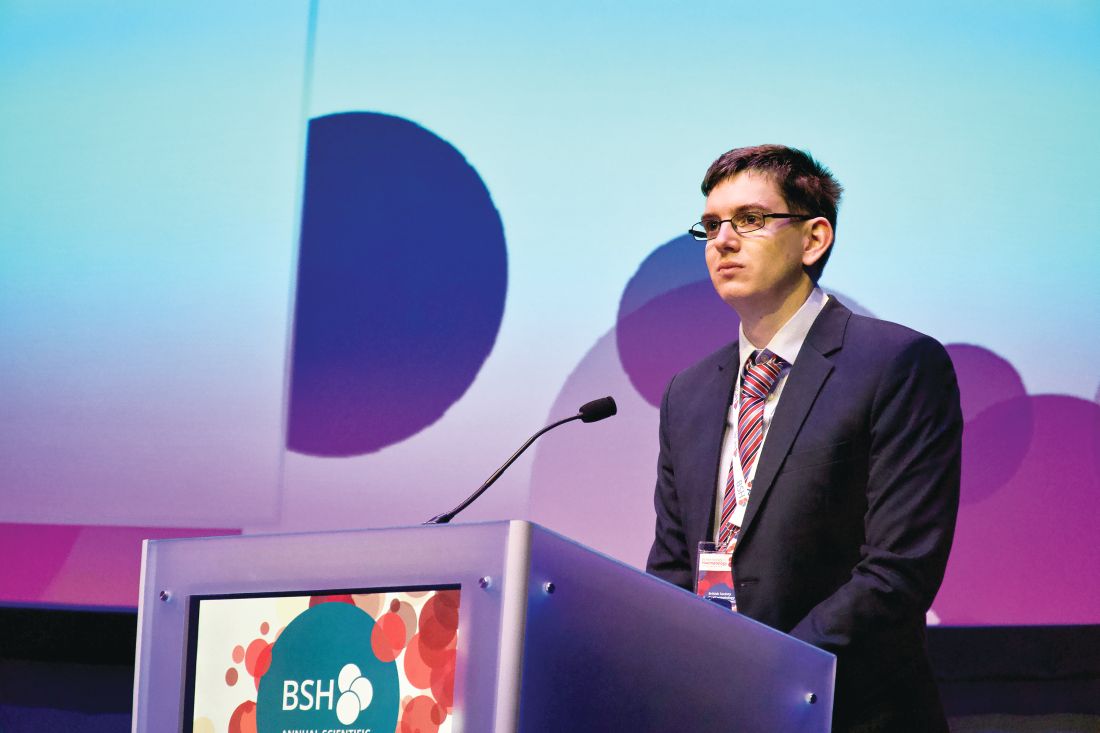
For older patients – at least 65 years old – who received methotrexate-based regimens, treatment-related mortality was 6.8%, which is comparable with rates seen in trials involving younger patients, reported lead author Edward Poynton, MD, of University College Hospital in London.
Specifically, Dr. Poynton cited the phase 2 IELSG32 trial, which had a treatment-related mortality rate of 6% among patients up to age 70 years. These patients were treated with the established protocol for younger patients: chemotherapy with methotrexate, cytarabine, thiotepa, and rituximab (MATRix) followed by autologous stem cell transplant or whole-brain radiotherapy.
Introducing Dr. Poynton’s presentation at the annual meeting of the British Society for Haematology, Simon Rule, MD, of the University of Plymouth (England), added historical context to the new findings.

“When I started in hematology ... [PCNSL] was a universally fatal disease, pretty much,” Dr. Rule said. “And then we had methotrexate, and it worked occasionally. And then we had a randomized trial, which was randomization of methotrexate plus or minus high-dose cytarabine, showing benefit.”
This combination became the benchmark against which subsequent randomized trials were measured; however, such high-intensity regimens have raised concerns about safety and efficacy in older patients, Dr. Rule said, noting that the present study serves to inform clinicians about real-world outcomes in this population.
The retrospective analysis reviewed 244 patients who were aged at least 65 years when histologically diagnosed with PCNSL at 14 U.K. tertiary centers between 2012 and 2017. All patients received first-line care of any kind, ranging from best supportive care to clinical trial therapy. Patients were grouped into three treatment cohorts divided by level of frailty. Analysis showed that these divisions correlated with age, renal function, Eastern Cooperative Oncology Group performance status, and treatment intensity.
The frail group received palliative treatment consisting of whole-brain radiotherapy, an oral alkylator, or best supportive care. The less-fit group received methotrexate in combination with rituximab, an oral alkylator, or both. The fit group was most intensively treated, receiving high-dose methotrexate and cytarabine – with or without rituximab – or MATRix.
The primary objective was overall response rate, while the secondary objectives were median overall survival and progression-free survival.
The analysis showed that 79% of patients (n = 193) received methotrexate-based therapy of some kind, with 61% receiving three or more cycles of therapy and 30% requiring dose reductions. The overall response rate was 63%.
Dr. Poynton noted that about two-thirds of patients who achieved a partial response in early assessment went on to achieve a complete response. Patients in the fit group more often responded than those who were less fit (87% vs. 65%; P = .01) and more often received consolidation therapy (42% vs. 23%; P = .01).
Fitness level was also associated with median overall survival, which was longest in the fit group at 42 months. The other two groups had dramatically shorter survival times: 8 months in the less-fit group and just 2 months in the frail group.
A closer look at the data revealed some patterns, Dr. Poynton said.
“What we see is that age at diagnosis is significantly correlated with progression-free survival but not with overall survival,” he said, noting that, in contrast, performance status was associated with both survival measures.
Methotrexate dose also impacted both survival measures. Patients who received 75% or more of their induction dose over the course of treatment had better median overall survival and progression-free survival than those who received less than 75%. Similarly, consolidation therapy improved both survival measures.
Patients aged older than 70 years who received intensive chemotherapy had a treatment-related mortality rate of 4.8%, which is lower than the overall treatment-related mortality, Dr. Poynton reported.
Considering the correlation between methotrexate dose and survival, Dr. Poynton suggested that “dose reductions should be carefully considered.”
He also noted that patients in the fit cohort who received intensive chemotherapy had comparable outcomes with younger patients in prospective trials, and yet 44% of patients older than 65 years in the real world who received high-dose methotrexate with cytarabine would have been ineligible for the IELSG32 trial.
“We’ve been able to identify this cohort of patients retrospectively,” Dr. Poynton said. “They definitely exist, and I think we need to work harder at how are going to identify these patients prospectively in the future, so we know which of our patients who are older can benefit from intensive chemotherapy and which patients won’t.”
Dr. Poynton reported having no relevant financial disclosures. His coinvestigators reported relationships with AbbVie, Merck, Takeda, Jazz Pharmaceuticals, and others.
GLASGOW – Most older patients with primary central nervous system lymphoma (PCNSL) can tolerate high-dose methotrexate-based chemotherapy and achieve similar outcomes as younger and fitter patients, according to a retrospective analysis of 244 patients in the United Kingdom.
For older patients – at least 65 years old – who received methotrexate-based regimens, treatment-related mortality was 6.8%, which is comparable with rates seen in trials involving younger patients, reported lead author Edward Poynton, MD, of University College Hospital in London.
Specifically, Dr. Poynton cited the phase 2 IELSG32 trial, which had a treatment-related mortality rate of 6% among patients up to age 70 years. These patients were treated with the established protocol for younger patients: chemotherapy with methotrexate, cytarabine, thiotepa, and rituximab (MATRix) followed by autologous stem cell transplant or whole-brain radiotherapy.
Introducing Dr. Poynton’s presentation at the annual meeting of the British Society for Haematology, Simon Rule, MD, of the University of Plymouth (England), added historical context to the new findings.
“When I started in hematology ... [PCNSL] was a universally fatal disease, pretty much,” Dr. Rule said. “And then we had methotrexate, and it worked occasionally. And then we had a randomized trial, which was randomization of methotrexate plus or minus high-dose cytarabine, showing benefit.”
This combination became the benchmark against which subsequent randomized trials were measured; however, such high-intensity regimens have raised concerns about safety and efficacy in older patients, Dr. Rule said, noting that the present study serves to inform clinicians about real-world outcomes in this population.
The retrospective analysis reviewed 244 patients who were aged at least 65 years when histologically diagnosed with PCNSL at 14 U.K. tertiary centers between 2012 and 2017. All patients received first-line care of any kind, ranging from best supportive care to clinical trial therapy. Patients were grouped into three treatment cohorts divided by level of frailty. Analysis showed that these divisions correlated with age, renal function, Eastern Cooperative Oncology Group performance status, and treatment intensity.
The frail group received palliative treatment consisting of whole-brain radiotherapy, an oral alkylator, or best supportive care. The less-fit group received methotrexate in combination with rituximab, an oral alkylator, or both. The fit group was most intensively treated, receiving high-dose methotrexate and cytarabine – with or without rituximab – or MATRix.
The primary objective was overall response rate, while the secondary objectives were median overall survival and progression-free survival.
The analysis showed that 79% of patients (n = 193) received methotrexate-based therapy of some kind, with 61% receiving three or more cycles of therapy and 30% requiring dose reductions. The overall response rate was 63%.
Dr. Poynton noted that about two-thirds of patients who achieved a partial response in early assessment went on to achieve a complete response. Patients in the fit group more often responded than those who were less fit (87% vs. 65%; P = .01) and more often received consolidation therapy (42% vs. 23%; P = .01).
Fitness level was also associated with median overall survival, which was longest in the fit group at 42 months. The other two groups had dramatically shorter survival times: 8 months in the less-fit group and just 2 months in the frail group.
A closer look at the data revealed some patterns, Dr. Poynton said.
“What we see is that age at diagnosis is significantly correlated with progression-free survival but not with overall survival,” he said, noting that, in contrast, performance status was associated with both survival measures.
Methotrexate dose also impacted both survival measures. Patients who received 75% or more of their induction dose over the course of treatment had better median overall survival and progression-free survival than those who received less than 75%. Similarly, consolidation therapy improved both survival measures.
Patients aged older than 70 years who received intensive chemotherapy had a treatment-related mortality rate of 4.8%, which is lower than the overall treatment-related mortality, Dr. Poynton reported.
Considering the correlation between methotrexate dose and survival, Dr. Poynton suggested that “dose reductions should be carefully considered.”
He also noted that patients in the fit cohort who received intensive chemotherapy had comparable outcomes with younger patients in prospective trials, and yet 44% of patients older than 65 years in the real world who received high-dose methotrexate with cytarabine would have been ineligible for the IELSG32 trial.
“We’ve been able to identify this cohort of patients retrospectively,” Dr. Poynton said. “They definitely exist, and I think we need to work harder at how are going to identify these patients prospectively in the future, so we know which of our patients who are older can benefit from intensive chemotherapy and which patients won’t.”
Dr. Poynton reported having no relevant financial disclosures. His coinvestigators reported relationships with AbbVie, Merck, Takeda, Jazz Pharmaceuticals, and others.
GLASGOW – Most older patients with primary central nervous system lymphoma (PCNSL) can tolerate high-dose methotrexate-based chemotherapy and achieve similar outcomes as younger and fitter patients, according to a retrospective analysis of 244 patients in the United Kingdom.
For older patients – at least 65 years old – who received methotrexate-based regimens, treatment-related mortality was 6.8%, which is comparable with rates seen in trials involving younger patients, reported lead author Edward Poynton, MD, of University College Hospital in London.
Specifically, Dr. Poynton cited the phase 2 IELSG32 trial, which had a treatment-related mortality rate of 6% among patients up to age 70 years. These patients were treated with the established protocol for younger patients: chemotherapy with methotrexate, cytarabine, thiotepa, and rituximab (MATRix) followed by autologous stem cell transplant or whole-brain radiotherapy.
Introducing Dr. Poynton’s presentation at the annual meeting of the British Society for Haematology, Simon Rule, MD, of the University of Plymouth (England), added historical context to the new findings.
“When I started in hematology ... [PCNSL] was a universally fatal disease, pretty much,” Dr. Rule said. “And then we had methotrexate, and it worked occasionally. And then we had a randomized trial, which was randomization of methotrexate plus or minus high-dose cytarabine, showing benefit.”
This combination became the benchmark against which subsequent randomized trials were measured; however, such high-intensity regimens have raised concerns about safety and efficacy in older patients, Dr. Rule said, noting that the present study serves to inform clinicians about real-world outcomes in this population.
The retrospective analysis reviewed 244 patients who were aged at least 65 years when histologically diagnosed with PCNSL at 14 U.K. tertiary centers between 2012 and 2017. All patients received first-line care of any kind, ranging from best supportive care to clinical trial therapy. Patients were grouped into three treatment cohorts divided by level of frailty. Analysis showed that these divisions correlated with age, renal function, Eastern Cooperative Oncology Group performance status, and treatment intensity.
The frail group received palliative treatment consisting of whole-brain radiotherapy, an oral alkylator, or best supportive care. The less-fit group received methotrexate in combination with rituximab, an oral alkylator, or both. The fit group was most intensively treated, receiving high-dose methotrexate and cytarabine – with or without rituximab – or MATRix.
The primary objective was overall response rate, while the secondary objectives were median overall survival and progression-free survival.
The analysis showed that 79% of patients (n = 193) received methotrexate-based therapy of some kind, with 61% receiving three or more cycles of therapy and 30% requiring dose reductions. The overall response rate was 63%.
Dr. Poynton noted that about two-thirds of patients who achieved a partial response in early assessment went on to achieve a complete response. Patients in the fit group more often responded than those who were less fit (87% vs. 65%; P = .01) and more often received consolidation therapy (42% vs. 23%; P = .01).
Fitness level was also associated with median overall survival, which was longest in the fit group at 42 months. The other two groups had dramatically shorter survival times: 8 months in the less-fit group and just 2 months in the frail group.
A closer look at the data revealed some patterns, Dr. Poynton said.
“What we see is that age at diagnosis is significantly correlated with progression-free survival but not with overall survival,” he said, noting that, in contrast, performance status was associated with both survival measures.
Methotrexate dose also impacted both survival measures. Patients who received 75% or more of their induction dose over the course of treatment had better median overall survival and progression-free survival than those who received less than 75%. Similarly, consolidation therapy improved both survival measures.
Patients aged older than 70 years who received intensive chemotherapy had a treatment-related mortality rate of 4.8%, which is lower than the overall treatment-related mortality, Dr. Poynton reported.
Considering the correlation between methotrexate dose and survival, Dr. Poynton suggested that “dose reductions should be carefully considered.”
He also noted that patients in the fit cohort who received intensive chemotherapy had comparable outcomes with younger patients in prospective trials, and yet 44% of patients older than 65 years in the real world who received high-dose methotrexate with cytarabine would have been ineligible for the IELSG32 trial.
“We’ve been able to identify this cohort of patients retrospectively,” Dr. Poynton said. “They definitely exist, and I think we need to work harder at how are going to identify these patients prospectively in the future, so we know which of our patients who are older can benefit from intensive chemotherapy and which patients won’t.”
Dr. Poynton reported having no relevant financial disclosures. His coinvestigators reported relationships with AbbVie, Merck, Takeda, Jazz Pharmaceuticals, and others.
REPORTING FROM BSH 2019
Subcutaneous or IV trastuzumab? Take your pick
It’s a toss-up: For patients with early, HER2-positive breast cancer, subcutaneous trastuzumab is comparable in efficacy and safety with intravenous trastuzumab, final results of the phase 3, randomized HannaH trial indicate.
The 6-year event-free survival (EFS) and overall survival (OS) rates were identical for patients randomized either to subcutaneously or intravenously delivered trastuzumab (Herceptin and biosimilars); adverse events rates also were similar, reported Christian Jackisch, MD, PhD, from Sana Klinikum Offenbach, Germany, and his associates.
“Event-free survival and OS results after 6 years of follow-up continue to support the noninferiority of subcutaneous trastuzumab to intravenous trastuzumab observed in the primary analysis. Results for EFS were consistent with those observed in the Neoadjuvant Herceptin [NOAH] trial of intravenous trastuzumab,” the investigators wrote in JAMA Oncology.
The HannaH (Enhanced Treatment With Neoadjuvant Herceptin) trial was designed to show whether subcutaneous trastuzumab was noninferior to intravenous trastuzumab for patients with HER2 (ERBB2)-positive early breast cancer.
Patients received four cycles of neoadjuvant docetaxel, followed by four cycles of combination chemotherapy with fluorouracil, epirubicin, and cyclophosphamide, plus either subcutaneous trastuzumab 600 mg delivered over 5 minutes or IV trastuzumab at a loading dose of 8 mg/kg and maintenance dose of 6 mg/kg every 3 weeks. Patients received an additional 10 cycles of trastuzumab post surgery.
The coprimary endpoints were pathologic complete response, defined as absence of invasive neoplastic cells in the breast (remaining ductal carcinoma in situ was accepted) and serum trough concentration predose on dose cycle 8.
The primary analysis, published in 2012, showed that the subcutaneous formulation has pharmacokinetic, efficacy and safety profiles comparable with those of standard intravenous administration. Subsequent analyses showed similar 3-year EFS rates and safety profiles, Dr. Jackisch and colleagues noted.
The current, final analysis was conducted after a median follow-up of 5.9 years in an intention-to-treat population within the subcutaneous group (294 women), and 6.0 years in the intravenous group (297 women).
The 6-year EFS rate was 65% in each group, and the OS rate was 84% in each group. In both trial arms, 6-year EFS and OS rates were higher for patients with complete pathologic responses than for patients with residual disease.
Adverse events of any grade were reported in 97.6% in the subcutaneous group and 94.6% in the intravenous group. Grade 3 or greater adverse events occurred in 53.2% versus 53.7%, cardiac adverse events in 14.8% versus 14.1%, and serious adverse events in 21.9% versus 15.1%, respectively.
The HannaH trial was sponsored by Hoffman-La Roche. Dr. Jackisch and several coauthors reported receiving grants and personal fees from Hoffmann-La Roche.
SOURCE: Jackisch C et al. JAMA Oncol. 2019 Apr 18. doi: 10.1001/jamaoncol.2019.0339.
It’s a toss-up: For patients with early, HER2-positive breast cancer, subcutaneous trastuzumab is comparable in efficacy and safety with intravenous trastuzumab, final results of the phase 3, randomized HannaH trial indicate.
The 6-year event-free survival (EFS) and overall survival (OS) rates were identical for patients randomized either to subcutaneously or intravenously delivered trastuzumab (Herceptin and biosimilars); adverse events rates also were similar, reported Christian Jackisch, MD, PhD, from Sana Klinikum Offenbach, Germany, and his associates.
“Event-free survival and OS results after 6 years of follow-up continue to support the noninferiority of subcutaneous trastuzumab to intravenous trastuzumab observed in the primary analysis. Results for EFS were consistent with those observed in the Neoadjuvant Herceptin [NOAH] trial of intravenous trastuzumab,” the investigators wrote in JAMA Oncology.
The HannaH (Enhanced Treatment With Neoadjuvant Herceptin) trial was designed to show whether subcutaneous trastuzumab was noninferior to intravenous trastuzumab for patients with HER2 (ERBB2)-positive early breast cancer.
Patients received four cycles of neoadjuvant docetaxel, followed by four cycles of combination chemotherapy with fluorouracil, epirubicin, and cyclophosphamide, plus either subcutaneous trastuzumab 600 mg delivered over 5 minutes or IV trastuzumab at a loading dose of 8 mg/kg and maintenance dose of 6 mg/kg every 3 weeks. Patients received an additional 10 cycles of trastuzumab post surgery.
The coprimary endpoints were pathologic complete response, defined as absence of invasive neoplastic cells in the breast (remaining ductal carcinoma in situ was accepted) and serum trough concentration predose on dose cycle 8.
The primary analysis, published in 2012, showed that the subcutaneous formulation has pharmacokinetic, efficacy and safety profiles comparable with those of standard intravenous administration. Subsequent analyses showed similar 3-year EFS rates and safety profiles, Dr. Jackisch and colleagues noted.
The current, final analysis was conducted after a median follow-up of 5.9 years in an intention-to-treat population within the subcutaneous group (294 women), and 6.0 years in the intravenous group (297 women).
The 6-year EFS rate was 65% in each group, and the OS rate was 84% in each group. In both trial arms, 6-year EFS and OS rates were higher for patients with complete pathologic responses than for patients with residual disease.
Adverse events of any grade were reported in 97.6% in the subcutaneous group and 94.6% in the intravenous group. Grade 3 or greater adverse events occurred in 53.2% versus 53.7%, cardiac adverse events in 14.8% versus 14.1%, and serious adverse events in 21.9% versus 15.1%, respectively.
The HannaH trial was sponsored by Hoffman-La Roche. Dr. Jackisch and several coauthors reported receiving grants and personal fees from Hoffmann-La Roche.
SOURCE: Jackisch C et al. JAMA Oncol. 2019 Apr 18. doi: 10.1001/jamaoncol.2019.0339.
It’s a toss-up: For patients with early, HER2-positive breast cancer, subcutaneous trastuzumab is comparable in efficacy and safety with intravenous trastuzumab, final results of the phase 3, randomized HannaH trial indicate.
The 6-year event-free survival (EFS) and overall survival (OS) rates were identical for patients randomized either to subcutaneously or intravenously delivered trastuzumab (Herceptin and biosimilars); adverse events rates also were similar, reported Christian Jackisch, MD, PhD, from Sana Klinikum Offenbach, Germany, and his associates.
“Event-free survival and OS results after 6 years of follow-up continue to support the noninferiority of subcutaneous trastuzumab to intravenous trastuzumab observed in the primary analysis. Results for EFS were consistent with those observed in the Neoadjuvant Herceptin [NOAH] trial of intravenous trastuzumab,” the investigators wrote in JAMA Oncology.
The HannaH (Enhanced Treatment With Neoadjuvant Herceptin) trial was designed to show whether subcutaneous trastuzumab was noninferior to intravenous trastuzumab for patients with HER2 (ERBB2)-positive early breast cancer.
Patients received four cycles of neoadjuvant docetaxel, followed by four cycles of combination chemotherapy with fluorouracil, epirubicin, and cyclophosphamide, plus either subcutaneous trastuzumab 600 mg delivered over 5 minutes or IV trastuzumab at a loading dose of 8 mg/kg and maintenance dose of 6 mg/kg every 3 weeks. Patients received an additional 10 cycles of trastuzumab post surgery.
The coprimary endpoints were pathologic complete response, defined as absence of invasive neoplastic cells in the breast (remaining ductal carcinoma in situ was accepted) and serum trough concentration predose on dose cycle 8.
The primary analysis, published in 2012, showed that the subcutaneous formulation has pharmacokinetic, efficacy and safety profiles comparable with those of standard intravenous administration. Subsequent analyses showed similar 3-year EFS rates and safety profiles, Dr. Jackisch and colleagues noted.
The current, final analysis was conducted after a median follow-up of 5.9 years in an intention-to-treat population within the subcutaneous group (294 women), and 6.0 years in the intravenous group (297 women).
The 6-year EFS rate was 65% in each group, and the OS rate was 84% in each group. In both trial arms, 6-year EFS and OS rates were higher for patients with complete pathologic responses than for patients with residual disease.
Adverse events of any grade were reported in 97.6% in the subcutaneous group and 94.6% in the intravenous group. Grade 3 or greater adverse events occurred in 53.2% versus 53.7%, cardiac adverse events in 14.8% versus 14.1%, and serious adverse events in 21.9% versus 15.1%, respectively.
The HannaH trial was sponsored by Hoffman-La Roche. Dr. Jackisch and several coauthors reported receiving grants and personal fees from Hoffmann-La Roche.
SOURCE: Jackisch C et al. JAMA Oncol. 2019 Apr 18. doi: 10.1001/jamaoncol.2019.0339.
FROM JAMA ONCOLOGY
Monitoring, early intervention key to CAR T safety
GLASGOW – Constant patient monitoring and early intervention with tocilizumab and steroids are essential to the safe delivery of chimeric antigen receptor (CAR) T-cell therapy in patients with non-Hodgkin lymphoma (NHL), according to a leading expert.
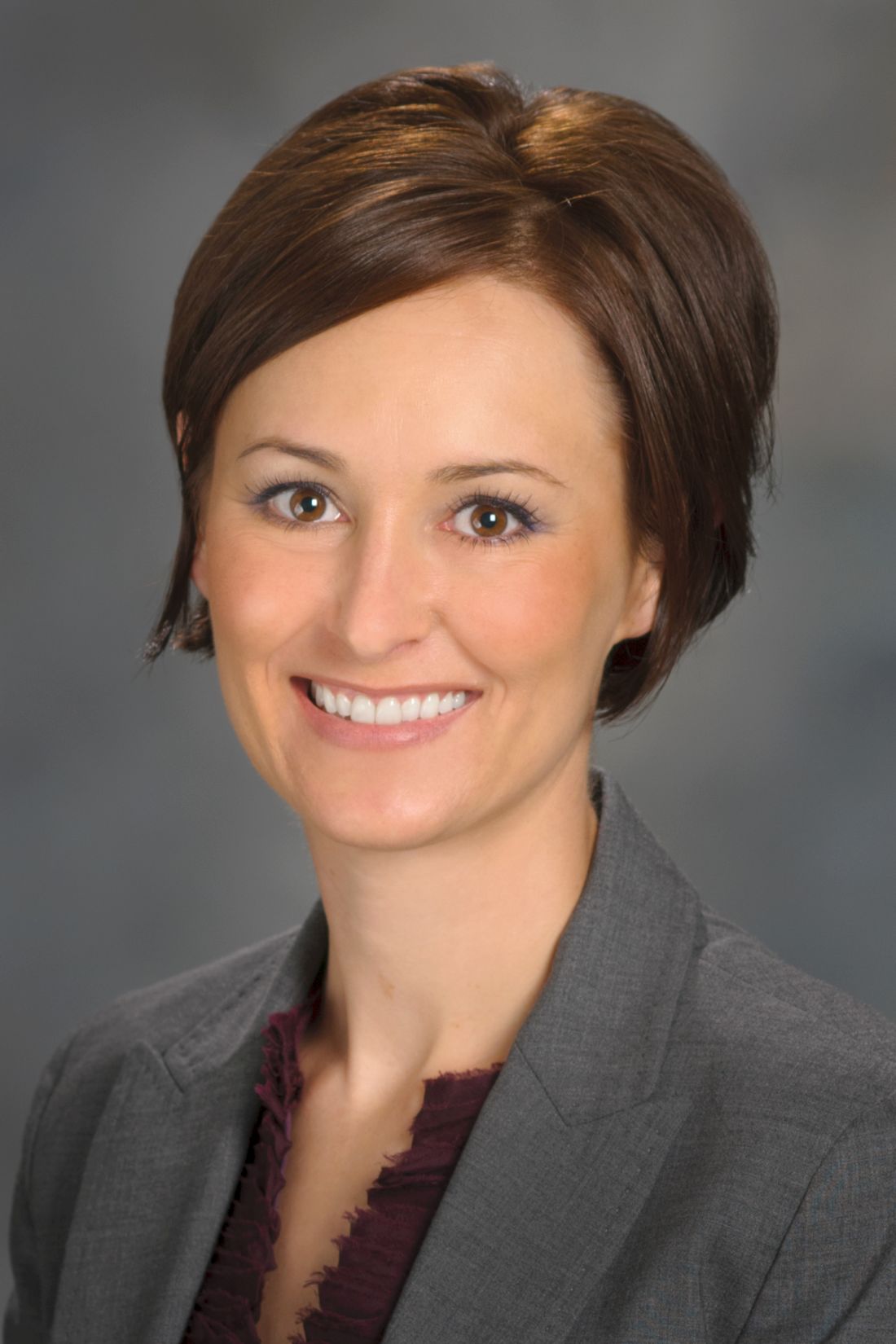
As a clinical researcher at MD Anderson Cancer Center in Houston, Loretta Nastoupil, MD has played an active role in the evolution of CAR T-cell therapy, from early trials to ongoing development of treatment protocols. During a presentation at the annual meeting of the British Society for Haematology, Dr. Nastoupil discussed leading topics in CAR T-cell therapy, with an emphasis on safe delivery.
“[Toxicity] is something we don’t talk about as much as we should, partly because this therapy works and it’s really exciting,” Dr. Nastoupil said. “But the toxicity is not something that I minimize, and it’s very challenging. It’s led us to restructure our inpatient services. It’s led to a lot of sleepless nights. These patients can do very, very well, or they can do very, very poorly in terms of toxicity and I think the most important strategy is recognition and early intervention.”
Monitoring
Early recognition depends on close monitoring, Dr. Nastoupil said, which is carried out by highly trained nursing staff who follow therapy-specific decision algorithms.
“We have nurses that are on the front line,” Dr. Nastoupil said. “They’re the most important group. We have staff that round on [patients] daily, but the nurses are there 24 hours a day. We have a flow sheet where they grade cytokine release syndrome and neurotoxicity every 8 hours, or if there is an acute change in symptoms or toxicity, they’ll do it in real time.”
Dr. Nastoupil said that if these toxicities are detected, intervention is occurring sooner than it did with some of the first patients to receive CAR-T cell therapy.
“Initially there was a lot of fear surrounding anything that would abort the CAR-T cell therapy,” Dr. Nastoupil said. “There was concern that if you were trying to mitigate some of the toxicity you might have a negative impact on efficacy ... [W]ith the first iteration of studies, generally we were waiting until grade 3 or higher cytokine release syndrome before initiating either tocilizumab and/or steroids. As the studies evolved, it started to move into grade 2 toxicity that we started using therapy, mostly because we started to see that those patients were still responding.”
At MD Anderson, these earlier interventions have decreased severity of adverse events.
“It’s rare nowadays to have grade 3 or 4 cytokine release syndrome because we are generally introducing abortive therapy at grade 2,” Dr. Nastoupil said, citing increased use of steroids and tocilizumab.
Currently, no consensus exists for managing these events, partly because clinicians are still learning about best management practices.
“There will be a consensus on management,” Dr. Nastoupil said. “I think that’s needed. The problem is, it will probably evolve as we get more experience with managing these patients. I think there’s been a little hesitation to put something out on paper knowing that a year from now that might change.”
Grading toxicity
In contrast, Dr. Nastoupil said that a consensus has been reached for grading acute toxicity. Of note, fever is now considered an essential element of cytokine release syndrome.
“The first thing we see [with cytokine release syndrome] is fever, generally speaking,” Dr. Nastoupil said. “That will prompt a workup for infection because these patients are going to be neutropenic. And we initiate broad spectrum antimicrobials.”
She said that some patients treated with CAR T-cell therapy have had disseminated fungal infections, so clinicians need to be on the lookout for septic shock.
To assess neurotoxicity, the team at MD Anderson uses an objective scoring system, called “CARTOX.” This helps maintain consistency when facing broadly different neurological presentations.
“There’s such a wide ranging spectrum of patients that are undergoing neurotoxicity you can’t expect someone, even myself, to be consistent when you are trying to tease out how serious it is,” Dr. Nastoupil said.
With CARTOX, nurses can easily score patients and call clinicians with results. Still, this doesn’t eliminate difficulties inherent to managing neurotoxicity, particularly when it is severe.
“I’d say one of the areas that is still very challenging is when [patients with neurotoxicity] are no longer responding,” Dr. Nastoupil said. “You have to be very mindful of seizure activity. We’ve had a couple of patients with status [epilepticus]. You don’t see seizure activity physically, but when you do an EEG, you pick it up.”
Dr. Nastoupil added that most centers are now giving patients prophylactic levetiracetam (Keppra) to lower seizure risk.
Choosing therapy
When selecting between the two therapies currently approved by the Food and Drug Administration – tisagenlecleucel (Kymriah) and axicabtagene ciloleucel (Yescarta) – based on safety, Dr. Nastoupil said that rates of cytokine release syndrome appear similar, but neurotoxicity rates may differ.
“Cytokine release syndrome in my opinion is probably more similar than different in terms of grade 3 or higher because tocilizumab and steroids work quite well in aborting those toxicities,” Dr. Nastoupil said. “But neurotoxicity still sticks out in my mind as the most striking difference, where with axicabtagene you see more grade 3 or higher neurotoxicity, though very, very few deaths as a result of this. But it’s very challenging in terms of management.”
According to Dr. Nastoupil, comparisons between CAR T-cell therapies have been complicated by differences in clinical trial methodologies. However, she offered a general conclusion regarding efficacy.
“[W]hat I’ll tell you, at the end of the day, is [that existing CAR T-cell therapies] all seem to sort of settle out around 30%-40% in terms of durable responses,” Dr. Nastoupil said.
Dr. Nastoupil concluded her presentation with an overview and look to the future.
“I do think [CAR T-cell therapy] is transformative, particularly for our chemo refractory patients,” she said. “There is nothing else like it. The problem right now is that it is only durable in 40% of patients. So can we be better at selecting out patients that are more likely to respond? Does introducing this in earlier lines of therapy increase that fraction of patients that are potentially cured?”
Considering these questions, she said: “We need more patients. We need more data. We need longer follow-up to understand the nuances of this therapy.”
Dr. Nastoupil previously reported financial relationships with Celgene, Genentech, Gilead, Merck, Novartis, Spectrum, and TG Therapeutics.
GLASGOW – Constant patient monitoring and early intervention with tocilizumab and steroids are essential to the safe delivery of chimeric antigen receptor (CAR) T-cell therapy in patients with non-Hodgkin lymphoma (NHL), according to a leading expert.
As a clinical researcher at MD Anderson Cancer Center in Houston, Loretta Nastoupil, MD has played an active role in the evolution of CAR T-cell therapy, from early trials to ongoing development of treatment protocols. During a presentation at the annual meeting of the British Society for Haematology, Dr. Nastoupil discussed leading topics in CAR T-cell therapy, with an emphasis on safe delivery.
“[Toxicity] is something we don’t talk about as much as we should, partly because this therapy works and it’s really exciting,” Dr. Nastoupil said. “But the toxicity is not something that I minimize, and it’s very challenging. It’s led us to restructure our inpatient services. It’s led to a lot of sleepless nights. These patients can do very, very well, or they can do very, very poorly in terms of toxicity and I think the most important strategy is recognition and early intervention.”
Monitoring
Early recognition depends on close monitoring, Dr. Nastoupil said, which is carried out by highly trained nursing staff who follow therapy-specific decision algorithms.
“We have nurses that are on the front line,” Dr. Nastoupil said. “They’re the most important group. We have staff that round on [patients] daily, but the nurses are there 24 hours a day. We have a flow sheet where they grade cytokine release syndrome and neurotoxicity every 8 hours, or if there is an acute change in symptoms or toxicity, they’ll do it in real time.”
Dr. Nastoupil said that if these toxicities are detected, intervention is occurring sooner than it did with some of the first patients to receive CAR-T cell therapy.
“Initially there was a lot of fear surrounding anything that would abort the CAR-T cell therapy,” Dr. Nastoupil said. “There was concern that if you were trying to mitigate some of the toxicity you might have a negative impact on efficacy ... [W]ith the first iteration of studies, generally we were waiting until grade 3 or higher cytokine release syndrome before initiating either tocilizumab and/or steroids. As the studies evolved, it started to move into grade 2 toxicity that we started using therapy, mostly because we started to see that those patients were still responding.”
At MD Anderson, these earlier interventions have decreased severity of adverse events.
“It’s rare nowadays to have grade 3 or 4 cytokine release syndrome because we are generally introducing abortive therapy at grade 2,” Dr. Nastoupil said, citing increased use of steroids and tocilizumab.
Currently, no consensus exists for managing these events, partly because clinicians are still learning about best management practices.
“There will be a consensus on management,” Dr. Nastoupil said. “I think that’s needed. The problem is, it will probably evolve as we get more experience with managing these patients. I think there’s been a little hesitation to put something out on paper knowing that a year from now that might change.”
Grading toxicity
In contrast, Dr. Nastoupil said that a consensus has been reached for grading acute toxicity. Of note, fever is now considered an essential element of cytokine release syndrome.
“The first thing we see [with cytokine release syndrome] is fever, generally speaking,” Dr. Nastoupil said. “That will prompt a workup for infection because these patients are going to be neutropenic. And we initiate broad spectrum antimicrobials.”
She said that some patients treated with CAR T-cell therapy have had disseminated fungal infections, so clinicians need to be on the lookout for septic shock.
To assess neurotoxicity, the team at MD Anderson uses an objective scoring system, called “CARTOX.” This helps maintain consistency when facing broadly different neurological presentations.
“There’s such a wide ranging spectrum of patients that are undergoing neurotoxicity you can’t expect someone, even myself, to be consistent when you are trying to tease out how serious it is,” Dr. Nastoupil said.
With CARTOX, nurses can easily score patients and call clinicians with results. Still, this doesn’t eliminate difficulties inherent to managing neurotoxicity, particularly when it is severe.
“I’d say one of the areas that is still very challenging is when [patients with neurotoxicity] are no longer responding,” Dr. Nastoupil said. “You have to be very mindful of seizure activity. We’ve had a couple of patients with status [epilepticus]. You don’t see seizure activity physically, but when you do an EEG, you pick it up.”
Dr. Nastoupil added that most centers are now giving patients prophylactic levetiracetam (Keppra) to lower seizure risk.
Choosing therapy
When selecting between the two therapies currently approved by the Food and Drug Administration – tisagenlecleucel (Kymriah) and axicabtagene ciloleucel (Yescarta) – based on safety, Dr. Nastoupil said that rates of cytokine release syndrome appear similar, but neurotoxicity rates may differ.
“Cytokine release syndrome in my opinion is probably more similar than different in terms of grade 3 or higher because tocilizumab and steroids work quite well in aborting those toxicities,” Dr. Nastoupil said. “But neurotoxicity still sticks out in my mind as the most striking difference, where with axicabtagene you see more grade 3 or higher neurotoxicity, though very, very few deaths as a result of this. But it’s very challenging in terms of management.”
According to Dr. Nastoupil, comparisons between CAR T-cell therapies have been complicated by differences in clinical trial methodologies. However, she offered a general conclusion regarding efficacy.
“[W]hat I’ll tell you, at the end of the day, is [that existing CAR T-cell therapies] all seem to sort of settle out around 30%-40% in terms of durable responses,” Dr. Nastoupil said.
Dr. Nastoupil concluded her presentation with an overview and look to the future.
“I do think [CAR T-cell therapy] is transformative, particularly for our chemo refractory patients,” she said. “There is nothing else like it. The problem right now is that it is only durable in 40% of patients. So can we be better at selecting out patients that are more likely to respond? Does introducing this in earlier lines of therapy increase that fraction of patients that are potentially cured?”
Considering these questions, she said: “We need more patients. We need more data. We need longer follow-up to understand the nuances of this therapy.”
Dr. Nastoupil previously reported financial relationships with Celgene, Genentech, Gilead, Merck, Novartis, Spectrum, and TG Therapeutics.
GLASGOW – Constant patient monitoring and early intervention with tocilizumab and steroids are essential to the safe delivery of chimeric antigen receptor (CAR) T-cell therapy in patients with non-Hodgkin lymphoma (NHL), according to a leading expert.
As a clinical researcher at MD Anderson Cancer Center in Houston, Loretta Nastoupil, MD has played an active role in the evolution of CAR T-cell therapy, from early trials to ongoing development of treatment protocols. During a presentation at the annual meeting of the British Society for Haematology, Dr. Nastoupil discussed leading topics in CAR T-cell therapy, with an emphasis on safe delivery.
“[Toxicity] is something we don’t talk about as much as we should, partly because this therapy works and it’s really exciting,” Dr. Nastoupil said. “But the toxicity is not something that I minimize, and it’s very challenging. It’s led us to restructure our inpatient services. It’s led to a lot of sleepless nights. These patients can do very, very well, or they can do very, very poorly in terms of toxicity and I think the most important strategy is recognition and early intervention.”
Monitoring
Early recognition depends on close monitoring, Dr. Nastoupil said, which is carried out by highly trained nursing staff who follow therapy-specific decision algorithms.
“We have nurses that are on the front line,” Dr. Nastoupil said. “They’re the most important group. We have staff that round on [patients] daily, but the nurses are there 24 hours a day. We have a flow sheet where they grade cytokine release syndrome and neurotoxicity every 8 hours, or if there is an acute change in symptoms or toxicity, they’ll do it in real time.”
Dr. Nastoupil said that if these toxicities are detected, intervention is occurring sooner than it did with some of the first patients to receive CAR-T cell therapy.
“Initially there was a lot of fear surrounding anything that would abort the CAR-T cell therapy,” Dr. Nastoupil said. “There was concern that if you were trying to mitigate some of the toxicity you might have a negative impact on efficacy ... [W]ith the first iteration of studies, generally we were waiting until grade 3 or higher cytokine release syndrome before initiating either tocilizumab and/or steroids. As the studies evolved, it started to move into grade 2 toxicity that we started using therapy, mostly because we started to see that those patients were still responding.”
At MD Anderson, these earlier interventions have decreased severity of adverse events.
“It’s rare nowadays to have grade 3 or 4 cytokine release syndrome because we are generally introducing abortive therapy at grade 2,” Dr. Nastoupil said, citing increased use of steroids and tocilizumab.
Currently, no consensus exists for managing these events, partly because clinicians are still learning about best management practices.
“There will be a consensus on management,” Dr. Nastoupil said. “I think that’s needed. The problem is, it will probably evolve as we get more experience with managing these patients. I think there’s been a little hesitation to put something out on paper knowing that a year from now that might change.”
Grading toxicity
In contrast, Dr. Nastoupil said that a consensus has been reached for grading acute toxicity. Of note, fever is now considered an essential element of cytokine release syndrome.
“The first thing we see [with cytokine release syndrome] is fever, generally speaking,” Dr. Nastoupil said. “That will prompt a workup for infection because these patients are going to be neutropenic. And we initiate broad spectrum antimicrobials.”
She said that some patients treated with CAR T-cell therapy have had disseminated fungal infections, so clinicians need to be on the lookout for septic shock.
To assess neurotoxicity, the team at MD Anderson uses an objective scoring system, called “CARTOX.” This helps maintain consistency when facing broadly different neurological presentations.
“There’s such a wide ranging spectrum of patients that are undergoing neurotoxicity you can’t expect someone, even myself, to be consistent when you are trying to tease out how serious it is,” Dr. Nastoupil said.
With CARTOX, nurses can easily score patients and call clinicians with results. Still, this doesn’t eliminate difficulties inherent to managing neurotoxicity, particularly when it is severe.
“I’d say one of the areas that is still very challenging is when [patients with neurotoxicity] are no longer responding,” Dr. Nastoupil said. “You have to be very mindful of seizure activity. We’ve had a couple of patients with status [epilepticus]. You don’t see seizure activity physically, but when you do an EEG, you pick it up.”
Dr. Nastoupil added that most centers are now giving patients prophylactic levetiracetam (Keppra) to lower seizure risk.
Choosing therapy
When selecting between the two therapies currently approved by the Food and Drug Administration – tisagenlecleucel (Kymriah) and axicabtagene ciloleucel (Yescarta) – based on safety, Dr. Nastoupil said that rates of cytokine release syndrome appear similar, but neurotoxicity rates may differ.
“Cytokine release syndrome in my opinion is probably more similar than different in terms of grade 3 or higher because tocilizumab and steroids work quite well in aborting those toxicities,” Dr. Nastoupil said. “But neurotoxicity still sticks out in my mind as the most striking difference, where with axicabtagene you see more grade 3 or higher neurotoxicity, though very, very few deaths as a result of this. But it’s very challenging in terms of management.”
According to Dr. Nastoupil, comparisons between CAR T-cell therapies have been complicated by differences in clinical trial methodologies. However, she offered a general conclusion regarding efficacy.
“[W]hat I’ll tell you, at the end of the day, is [that existing CAR T-cell therapies] all seem to sort of settle out around 30%-40% in terms of durable responses,” Dr. Nastoupil said.
Dr. Nastoupil concluded her presentation with an overview and look to the future.
“I do think [CAR T-cell therapy] is transformative, particularly for our chemo refractory patients,” she said. “There is nothing else like it. The problem right now is that it is only durable in 40% of patients. So can we be better at selecting out patients that are more likely to respond? Does introducing this in earlier lines of therapy increase that fraction of patients that are potentially cured?”
Considering these questions, she said: “We need more patients. We need more data. We need longer follow-up to understand the nuances of this therapy.”
Dr. Nastoupil previously reported financial relationships with Celgene, Genentech, Gilead, Merck, Novartis, Spectrum, and TG Therapeutics.
EXPERT ANALYSIS FROM BSH 2019
Complementary medicine use common among patients on TKIs
GLASGOW – Many patients receiving tyrosine kinase inhibitors (TKIs) are taking complementary therapies or eating foods that interfere with TKI metabolism, based on results of a British survey of patients with chronic myeloid leukemia.

About one out of three patients with chronic myeloid leukemia (CML) reported taking complementary medicines, according to lead author David Sparksman, MD, of Norfolk and Norwich (England) University Hospital, and his colleagues.
Only a minority of patients were aware of the potential for dietary interactions with TKIs. However, even knowing the potential risk, about a quarter of patients still didn’t exclude these foods from their diets.
“These worrying results are unlikely to be confined to patients with CML,” the investigators wrote in an abstract presented at the annual meeting of the British Society for Haematology. “TKIs are used in the treatment of many other haematological malignancies.”
Because TKIs are metabolized by cytochrome P450 enzymes, inhibition of these enzymes by complementary therapies and foods may alter metabolism, and therefore, safety and efficacy of TKIs, according to the investigators.
“Use of complementary medicines and belief in their effectiveness is common,” the investigators wrote. “In a recent YouGov poll, 51% of those asked believed herbal medicine to be an effective treatment for illness.”
To investigate the prevalence of these beliefs and practices in a subset of cancer patients, the investigators identified 78 patients with CML undergoing follow-up at Norfolk and Norwich University Hospital. The median age of patients was 60 years. Eleven patients were excluded because they were not receiving a TKI and 6 patients declined to participate, leaving 61 patients in the final survey group.
Of these respondents, 41% had considered taking a complementary therapy and 34% were actively doing so. Further questioning revealed that about half of the patients taking a complementary medicine (52%) were taking a drug with known potential to interact with their TKI. Of these 11 patients, 5 were taking a complementary drug that would reduce serum concentrations of their TKI, potentially making it less effective. Conversely, six patients were taking a complementary drug that would increase serum concentrations, potentially increasing the risk of TKI side effects.
About 39% of respondents were aware of possible dietary interactions with TKIs, such as grapefruit. “Surprisingly,” the investigators said, 25% of patients with this knowledge still included such foods in their diet.
Dietary questioning revealed that among the patients who were unaware of food interactions, 67% were consuming foods that interact with TKIs.
Considering these results, the investigators offered some advice on patient communication and management.
“The use of complementary medicine should be discussed with all patients when starting TKIs and written information given to patients should highlight the potential dangers posed by substances which many patients currently regard as harmless,” thy wrote. “Since most patients will remain on treatment for many years, re-discussion about food and drug interactions should take place periodically to remind them of the potential risks.”
The investigators reported having no conflicts of interest.
GLASGOW – Many patients receiving tyrosine kinase inhibitors (TKIs) are taking complementary therapies or eating foods that interfere with TKI metabolism, based on results of a British survey of patients with chronic myeloid leukemia.
About one out of three patients with chronic myeloid leukemia (CML) reported taking complementary medicines, according to lead author David Sparksman, MD, of Norfolk and Norwich (England) University Hospital, and his colleagues.
Only a minority of patients were aware of the potential for dietary interactions with TKIs. However, even knowing the potential risk, about a quarter of patients still didn’t exclude these foods from their diets.
“These worrying results are unlikely to be confined to patients with CML,” the investigators wrote in an abstract presented at the annual meeting of the British Society for Haematology. “TKIs are used in the treatment of many other haematological malignancies.”
Because TKIs are metabolized by cytochrome P450 enzymes, inhibition of these enzymes by complementary therapies and foods may alter metabolism, and therefore, safety and efficacy of TKIs, according to the investigators.
“Use of complementary medicines and belief in their effectiveness is common,” the investigators wrote. “In a recent YouGov poll, 51% of those asked believed herbal medicine to be an effective treatment for illness.”
To investigate the prevalence of these beliefs and practices in a subset of cancer patients, the investigators identified 78 patients with CML undergoing follow-up at Norfolk and Norwich University Hospital. The median age of patients was 60 years. Eleven patients were excluded because they were not receiving a TKI and 6 patients declined to participate, leaving 61 patients in the final survey group.
Of these respondents, 41% had considered taking a complementary therapy and 34% were actively doing so. Further questioning revealed that about half of the patients taking a complementary medicine (52%) were taking a drug with known potential to interact with their TKI. Of these 11 patients, 5 were taking a complementary drug that would reduce serum concentrations of their TKI, potentially making it less effective. Conversely, six patients were taking a complementary drug that would increase serum concentrations, potentially increasing the risk of TKI side effects.
About 39% of respondents were aware of possible dietary interactions with TKIs, such as grapefruit. “Surprisingly,” the investigators said, 25% of patients with this knowledge still included such foods in their diet.
Dietary questioning revealed that among the patients who were unaware of food interactions, 67% were consuming foods that interact with TKIs.
Considering these results, the investigators offered some advice on patient communication and management.
“The use of complementary medicine should be discussed with all patients when starting TKIs and written information given to patients should highlight the potential dangers posed by substances which many patients currently regard as harmless,” thy wrote. “Since most patients will remain on treatment for many years, re-discussion about food and drug interactions should take place periodically to remind them of the potential risks.”
The investigators reported having no conflicts of interest.
GLASGOW – Many patients receiving tyrosine kinase inhibitors (TKIs) are taking complementary therapies or eating foods that interfere with TKI metabolism, based on results of a British survey of patients with chronic myeloid leukemia.
About one out of three patients with chronic myeloid leukemia (CML) reported taking complementary medicines, according to lead author David Sparksman, MD, of Norfolk and Norwich (England) University Hospital, and his colleagues.
Only a minority of patients were aware of the potential for dietary interactions with TKIs. However, even knowing the potential risk, about a quarter of patients still didn’t exclude these foods from their diets.
“These worrying results are unlikely to be confined to patients with CML,” the investigators wrote in an abstract presented at the annual meeting of the British Society for Haematology. “TKIs are used in the treatment of many other haematological malignancies.”
Because TKIs are metabolized by cytochrome P450 enzymes, inhibition of these enzymes by complementary therapies and foods may alter metabolism, and therefore, safety and efficacy of TKIs, according to the investigators.
“Use of complementary medicines and belief in their effectiveness is common,” the investigators wrote. “In a recent YouGov poll, 51% of those asked believed herbal medicine to be an effective treatment for illness.”
To investigate the prevalence of these beliefs and practices in a subset of cancer patients, the investigators identified 78 patients with CML undergoing follow-up at Norfolk and Norwich University Hospital. The median age of patients was 60 years. Eleven patients were excluded because they were not receiving a TKI and 6 patients declined to participate, leaving 61 patients in the final survey group.
Of these respondents, 41% had considered taking a complementary therapy and 34% were actively doing so. Further questioning revealed that about half of the patients taking a complementary medicine (52%) were taking a drug with known potential to interact with their TKI. Of these 11 patients, 5 were taking a complementary drug that would reduce serum concentrations of their TKI, potentially making it less effective. Conversely, six patients were taking a complementary drug that would increase serum concentrations, potentially increasing the risk of TKI side effects.
About 39% of respondents were aware of possible dietary interactions with TKIs, such as grapefruit. “Surprisingly,” the investigators said, 25% of patients with this knowledge still included such foods in their diet.
Dietary questioning revealed that among the patients who were unaware of food interactions, 67% were consuming foods that interact with TKIs.
Considering these results, the investigators offered some advice on patient communication and management.
“The use of complementary medicine should be discussed with all patients when starting TKIs and written information given to patients should highlight the potential dangers posed by substances which many patients currently regard as harmless,” thy wrote. “Since most patients will remain on treatment for many years, re-discussion about food and drug interactions should take place periodically to remind them of the potential risks.”
The investigators reported having no conflicts of interest.
REPORTING FROM BSH 2019
PACIFIC: Patient-reported outcomes unaffected by PD-L1 expression
GENEVA – Level of programmed death-ligand 1 (PD-L1) expression does not impact patient-reported outcomes (PROs) among those receiving durvalumab for stage III non–small cell lung cancer (NSCLC), according to a retrospective analysis of the phase III PACIFIC trial.
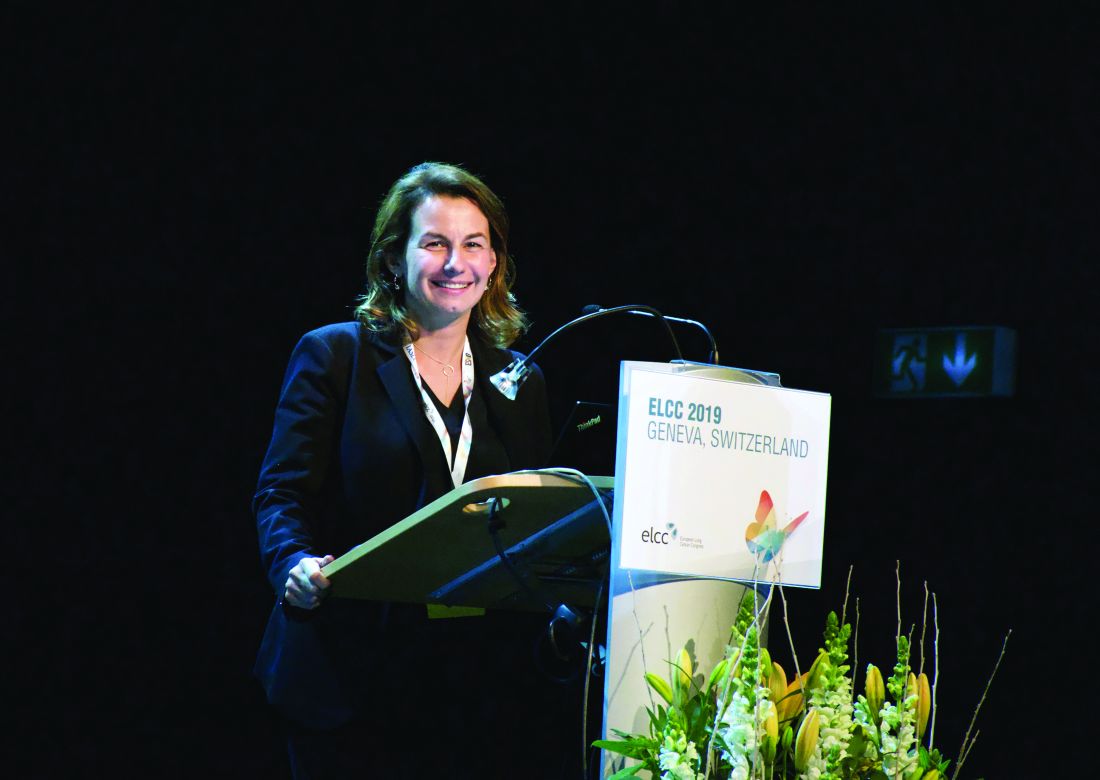
The findings support durvalumab for all comers regardless of PD-L1 expression, reported lead author Marina Garassino, MD, of Fondazione IRCCS – Instituto Nazionale dei Tumori in Milan, who presented findings at the European Lung Cancer Congress.
The PACIFIC trial involved 713 patients with stage III NSCLC who did not progress after platinum-based concurrent chemoradiotherapy, demonstrating both improved progression-free and overall survival. Patients were randomized 2:1 to receive either durvalumab (10 mg/kg) or placebo IV every 2 weeks for up to 1 year. Out of 713 patients involved in the trial, 63% had PD-L1 tumor expression level data available for the present analysis, allowing for subgrouping into five categories: expression level of at least 25%, less than 25%, at least 1%, less than 1%, or unknown. The investigators compared PROs from these cohorts using the European Organisation for Research and Treatment of Cancer core quality of life questionnaire and lung cancer module (EORTC QLQ-C30 and -LC13). With scores ranging from 1 to 100 points, clinically meaningful differences were defined by score changes exceeding 10 points. Changes during treatment, from baseline to week 48, were analyzed by a mixed model for repeated measures, overall responses for improvement rates by logistic regression, and hazard ratios for time to deterioration (TTD) by a stratified Cox proportional-hazards model.
The investigators found that most PROs remained consistent over time, without clinically meaningful variations between PD-L1 expression levels. However, as with the entire PACIFIC treatment population, patients in the present analysis showed changes in some PROs. At the meeting presented by the European Society for Medical Oncology, Dr. Garassino noted that it would be unrealistic to describe all PRO comparisons; instead, she presented several examples. For one, in patients receiving durvalumab, dysphagia and alopecia improved in four out of five PD-L1 subgroups and all subgroups, respectively, while patients in the placebo arm reported improvements in both measures regardless of PD-L1 expression. Other improvements tended to favor the durvalumab group; for instance, compared with other subgroups, patients with PD-L1 expression of at least 25% were more likely to report improved chest pain, physical functioning, pain, emotional functioning, and hemoptysis. In contrast, patients receiving placebo with PD-L1 expression less than 25% were more likely to report improved cough. Still, the investigators concluded that the overall picture did not suggest major differences in PROs by PD-L1 expression level, noting that global quality of life did not differ, and symptom improvement rates and time-to-deterioration measures generally aligned with the intent-to-treat population, judging by overlapping 95% confidence intervals and hazard ratios.
“These data support the PACIFIC regimen for the standard of care for stage III unresectable non–small cell lung cancer patients,” Dr. Garassino concluded.
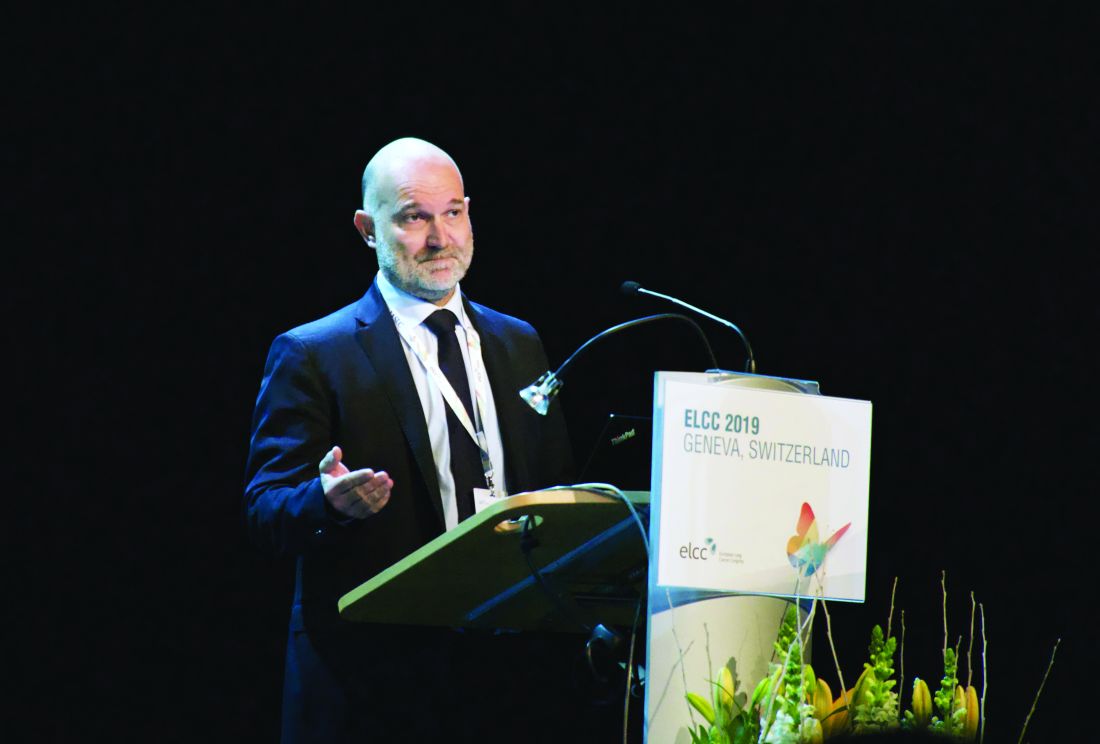
Invited discussant Fabrice Barlesi, MD, PhD, of Aix-Marseille University, said that studies such as this one are important to ensure that investigator-implemented measures of response are calibrated to patient experiences. As an example, Dr. Barlesi noted that many clinicians would say that grade 2 diarrhea is a completely manageable adverse event, but not all patients would agree.
In this light, Dr. Barlesi said that the present findings are valuable, but they are not without flaws. He noted that 11 out of 13 symptoms from the quality of life lung cancer module were not reported, and that one-third of patients in the PACIFIC trial lacked PD-L1 expression level data.
Considering these shortcomings, and more broadly, difficulties comparing patient-reported outcome studies because of various measurement techniques, Dr. Barlesi called for standardization.
“We need to standardize the analysis of quality of life data,” Dr. Barlesi said. “We should correct for the multiplicity of tests. … we should identify some specific quality of life outcomes that we want to look at in the protocol.” He continued to suggest a variety of ideal characteristics for studies evaluating patient-reported outcomes, including defined statistical measures and protocols for missing data.
Without a standardized approach, “cross trial comparison will be a nightmare for all of us,” Dr. Barlesi said.
The study was funded by AstraZeneca. The investigators reported financial relationships with Roche, BMS, Lilly, and others.
SOURCE: Garassino et al. ELCC 2019. Abstract LBA2.
GENEVA – Level of programmed death-ligand 1 (PD-L1) expression does not impact patient-reported outcomes (PROs) among those receiving durvalumab for stage III non–small cell lung cancer (NSCLC), according to a retrospective analysis of the phase III PACIFIC trial.
The findings support durvalumab for all comers regardless of PD-L1 expression, reported lead author Marina Garassino, MD, of Fondazione IRCCS – Instituto Nazionale dei Tumori in Milan, who presented findings at the European Lung Cancer Congress.
The PACIFIC trial involved 713 patients with stage III NSCLC who did not progress after platinum-based concurrent chemoradiotherapy, demonstrating both improved progression-free and overall survival. Patients were randomized 2:1 to receive either durvalumab (10 mg/kg) or placebo IV every 2 weeks for up to 1 year. Out of 713 patients involved in the trial, 63% had PD-L1 tumor expression level data available for the present analysis, allowing for subgrouping into five categories: expression level of at least 25%, less than 25%, at least 1%, less than 1%, or unknown. The investigators compared PROs from these cohorts using the European Organisation for Research and Treatment of Cancer core quality of life questionnaire and lung cancer module (EORTC QLQ-C30 and -LC13). With scores ranging from 1 to 100 points, clinically meaningful differences were defined by score changes exceeding 10 points. Changes during treatment, from baseline to week 48, were analyzed by a mixed model for repeated measures, overall responses for improvement rates by logistic regression, and hazard ratios for time to deterioration (TTD) by a stratified Cox proportional-hazards model.
The investigators found that most PROs remained consistent over time, without clinically meaningful variations between PD-L1 expression levels. However, as with the entire PACIFIC treatment population, patients in the present analysis showed changes in some PROs. At the meeting presented by the European Society for Medical Oncology, Dr. Garassino noted that it would be unrealistic to describe all PRO comparisons; instead, she presented several examples. For one, in patients receiving durvalumab, dysphagia and alopecia improved in four out of five PD-L1 subgroups and all subgroups, respectively, while patients in the placebo arm reported improvements in both measures regardless of PD-L1 expression. Other improvements tended to favor the durvalumab group; for instance, compared with other subgroups, patients with PD-L1 expression of at least 25% were more likely to report improved chest pain, physical functioning, pain, emotional functioning, and hemoptysis. In contrast, patients receiving placebo with PD-L1 expression less than 25% were more likely to report improved cough. Still, the investigators concluded that the overall picture did not suggest major differences in PROs by PD-L1 expression level, noting that global quality of life did not differ, and symptom improvement rates and time-to-deterioration measures generally aligned with the intent-to-treat population, judging by overlapping 95% confidence intervals and hazard ratios.
“These data support the PACIFIC regimen for the standard of care for stage III unresectable non–small cell lung cancer patients,” Dr. Garassino concluded.
Invited discussant Fabrice Barlesi, MD, PhD, of Aix-Marseille University, said that studies such as this one are important to ensure that investigator-implemented measures of response are calibrated to patient experiences. As an example, Dr. Barlesi noted that many clinicians would say that grade 2 diarrhea is a completely manageable adverse event, but not all patients would agree.
In this light, Dr. Barlesi said that the present findings are valuable, but they are not without flaws. He noted that 11 out of 13 symptoms from the quality of life lung cancer module were not reported, and that one-third of patients in the PACIFIC trial lacked PD-L1 expression level data.
Considering these shortcomings, and more broadly, difficulties comparing patient-reported outcome studies because of various measurement techniques, Dr. Barlesi called for standardization.
“We need to standardize the analysis of quality of life data,” Dr. Barlesi said. “We should correct for the multiplicity of tests. … we should identify some specific quality of life outcomes that we want to look at in the protocol.” He continued to suggest a variety of ideal characteristics for studies evaluating patient-reported outcomes, including defined statistical measures and protocols for missing data.
Without a standardized approach, “cross trial comparison will be a nightmare for all of us,” Dr. Barlesi said.
The study was funded by AstraZeneca. The investigators reported financial relationships with Roche, BMS, Lilly, and others.
SOURCE: Garassino et al. ELCC 2019. Abstract LBA2.
GENEVA – Level of programmed death-ligand 1 (PD-L1) expression does not impact patient-reported outcomes (PROs) among those receiving durvalumab for stage III non–small cell lung cancer (NSCLC), according to a retrospective analysis of the phase III PACIFIC trial.
The findings support durvalumab for all comers regardless of PD-L1 expression, reported lead author Marina Garassino, MD, of Fondazione IRCCS – Instituto Nazionale dei Tumori in Milan, who presented findings at the European Lung Cancer Congress.
The PACIFIC trial involved 713 patients with stage III NSCLC who did not progress after platinum-based concurrent chemoradiotherapy, demonstrating both improved progression-free and overall survival. Patients were randomized 2:1 to receive either durvalumab (10 mg/kg) or placebo IV every 2 weeks for up to 1 year. Out of 713 patients involved in the trial, 63% had PD-L1 tumor expression level data available for the present analysis, allowing for subgrouping into five categories: expression level of at least 25%, less than 25%, at least 1%, less than 1%, or unknown. The investigators compared PROs from these cohorts using the European Organisation for Research and Treatment of Cancer core quality of life questionnaire and lung cancer module (EORTC QLQ-C30 and -LC13). With scores ranging from 1 to 100 points, clinically meaningful differences were defined by score changes exceeding 10 points. Changes during treatment, from baseline to week 48, were analyzed by a mixed model for repeated measures, overall responses for improvement rates by logistic regression, and hazard ratios for time to deterioration (TTD) by a stratified Cox proportional-hazards model.
The investigators found that most PROs remained consistent over time, without clinically meaningful variations between PD-L1 expression levels. However, as with the entire PACIFIC treatment population, patients in the present analysis showed changes in some PROs. At the meeting presented by the European Society for Medical Oncology, Dr. Garassino noted that it would be unrealistic to describe all PRO comparisons; instead, she presented several examples. For one, in patients receiving durvalumab, dysphagia and alopecia improved in four out of five PD-L1 subgroups and all subgroups, respectively, while patients in the placebo arm reported improvements in both measures regardless of PD-L1 expression. Other improvements tended to favor the durvalumab group; for instance, compared with other subgroups, patients with PD-L1 expression of at least 25% were more likely to report improved chest pain, physical functioning, pain, emotional functioning, and hemoptysis. In contrast, patients receiving placebo with PD-L1 expression less than 25% were more likely to report improved cough. Still, the investigators concluded that the overall picture did not suggest major differences in PROs by PD-L1 expression level, noting that global quality of life did not differ, and symptom improvement rates and time-to-deterioration measures generally aligned with the intent-to-treat population, judging by overlapping 95% confidence intervals and hazard ratios.
“These data support the PACIFIC regimen for the standard of care for stage III unresectable non–small cell lung cancer patients,” Dr. Garassino concluded.
Invited discussant Fabrice Barlesi, MD, PhD, of Aix-Marseille University, said that studies such as this one are important to ensure that investigator-implemented measures of response are calibrated to patient experiences. As an example, Dr. Barlesi noted that many clinicians would say that grade 2 diarrhea is a completely manageable adverse event, but not all patients would agree.
In this light, Dr. Barlesi said that the present findings are valuable, but they are not without flaws. He noted that 11 out of 13 symptoms from the quality of life lung cancer module were not reported, and that one-third of patients in the PACIFIC trial lacked PD-L1 expression level data.
Considering these shortcomings, and more broadly, difficulties comparing patient-reported outcome studies because of various measurement techniques, Dr. Barlesi called for standardization.
“We need to standardize the analysis of quality of life data,” Dr. Barlesi said. “We should correct for the multiplicity of tests. … we should identify some specific quality of life outcomes that we want to look at in the protocol.” He continued to suggest a variety of ideal characteristics for studies evaluating patient-reported outcomes, including defined statistical measures and protocols for missing data.
Without a standardized approach, “cross trial comparison will be a nightmare for all of us,” Dr. Barlesi said.
The study was funded by AstraZeneca. The investigators reported financial relationships with Roche, BMS, Lilly, and others.
SOURCE: Garassino et al. ELCC 2019. Abstract LBA2.
REPORTING FROM ELCC 2019
Does Residential Mobility Affect Childhood Leukemia?
Studies that look at the relationship between environment and childhood leukemia usually consider exposure at only a single residential address, such as the child’s home at birth or at time of diagnosis, say researchers from University of California and University of Southern California. But residential mobility, they contend, can have an impact on a number of relevant factors.
For instance, mobility can affect selection through the availability of data; cases are usually required to reside and be diagnosed in the same geographic area. It can affect exposure to electromagnetic fields and overhead power lines. Residential mobility can also function as a marker for other risk factors for childhood leukemia, such as maternal place of birth and younger maternal age at birth, as well as increased exposure to viruses or other infections potentially linked to higher leukemia risk. Finally, the type of dwelling can affect not only exposure but exposure assessment. Mobile homes and apartments, for instance, are more likely to lead to poor geographic information system (GIS) matching of the residential address.
The researchers hoped with their study to “disentangle the effect of mobility.” Using the California Power Lines Study, they analyzed data from 4,879 childhood leukemia patients born in California and diagnosed between 1988 and 2008.
Many childhood leukemia cases were mobile, the researchers found: 2,982 (61%) children changed residence between birth and diagnosis. Of those who moved, 618 stayed within 2 km of their birth home; 1,992 moved outside of their birth neighborhood. Children who moved tended to be older, lived in housing other than single-family homes, had younger mothers and fewer siblings, and were of lower socioeconomic status.
However, the effects of distance to power lines and magnetic field exposure on childhood leukemia were similar for a subset of residentially stable cases, and overall results were unchanged when the researchers controlled for proxies of mobility (except for dwelling). They found an OR for childhood leukemia of 1.44 for those whose birth residence was within 50 m of a 200+ kV line, and an OR of 1.50 for the highest exposure of calculated fields, compared with 1.62 and 1.71, respectively, among children who stayed in place.
While they believe their findings on mobility are relevant to other environmental exposures and other childhood outcome studies, the researchers conclude that confounding by mobility is an unlikely explanation for the associations observed between power lines exposure and childhood leukemia.
Studies that look at the relationship between environment and childhood leukemia usually consider exposure at only a single residential address, such as the child’s home at birth or at time of diagnosis, say researchers from University of California and University of Southern California. But residential mobility, they contend, can have an impact on a number of relevant factors.
For instance, mobility can affect selection through the availability of data; cases are usually required to reside and be diagnosed in the same geographic area. It can affect exposure to electromagnetic fields and overhead power lines. Residential mobility can also function as a marker for other risk factors for childhood leukemia, such as maternal place of birth and younger maternal age at birth, as well as increased exposure to viruses or other infections potentially linked to higher leukemia risk. Finally, the type of dwelling can affect not only exposure but exposure assessment. Mobile homes and apartments, for instance, are more likely to lead to poor geographic information system (GIS) matching of the residential address.
The researchers hoped with their study to “disentangle the effect of mobility.” Using the California Power Lines Study, they analyzed data from 4,879 childhood leukemia patients born in California and diagnosed between 1988 and 2008.
Many childhood leukemia cases were mobile, the researchers found: 2,982 (61%) children changed residence between birth and diagnosis. Of those who moved, 618 stayed within 2 km of their birth home; 1,992 moved outside of their birth neighborhood. Children who moved tended to be older, lived in housing other than single-family homes, had younger mothers and fewer siblings, and were of lower socioeconomic status.
However, the effects of distance to power lines and magnetic field exposure on childhood leukemia were similar for a subset of residentially stable cases, and overall results were unchanged when the researchers controlled for proxies of mobility (except for dwelling). They found an OR for childhood leukemia of 1.44 for those whose birth residence was within 50 m of a 200+ kV line, and an OR of 1.50 for the highest exposure of calculated fields, compared with 1.62 and 1.71, respectively, among children who stayed in place.
While they believe their findings on mobility are relevant to other environmental exposures and other childhood outcome studies, the researchers conclude that confounding by mobility is an unlikely explanation for the associations observed between power lines exposure and childhood leukemia.
Studies that look at the relationship between environment and childhood leukemia usually consider exposure at only a single residential address, such as the child’s home at birth or at time of diagnosis, say researchers from University of California and University of Southern California. But residential mobility, they contend, can have an impact on a number of relevant factors.
For instance, mobility can affect selection through the availability of data; cases are usually required to reside and be diagnosed in the same geographic area. It can affect exposure to electromagnetic fields and overhead power lines. Residential mobility can also function as a marker for other risk factors for childhood leukemia, such as maternal place of birth and younger maternal age at birth, as well as increased exposure to viruses or other infections potentially linked to higher leukemia risk. Finally, the type of dwelling can affect not only exposure but exposure assessment. Mobile homes and apartments, for instance, are more likely to lead to poor geographic information system (GIS) matching of the residential address.
The researchers hoped with their study to “disentangle the effect of mobility.” Using the California Power Lines Study, they analyzed data from 4,879 childhood leukemia patients born in California and diagnosed between 1988 and 2008.
Many childhood leukemia cases were mobile, the researchers found: 2,982 (61%) children changed residence between birth and diagnosis. Of those who moved, 618 stayed within 2 km of their birth home; 1,992 moved outside of their birth neighborhood. Children who moved tended to be older, lived in housing other than single-family homes, had younger mothers and fewer siblings, and were of lower socioeconomic status.
However, the effects of distance to power lines and magnetic field exposure on childhood leukemia were similar for a subset of residentially stable cases, and overall results were unchanged when the researchers controlled for proxies of mobility (except for dwelling). They found an OR for childhood leukemia of 1.44 for those whose birth residence was within 50 m of a 200+ kV line, and an OR of 1.50 for the highest exposure of calculated fields, compared with 1.62 and 1.71, respectively, among children who stayed in place.
While they believe their findings on mobility are relevant to other environmental exposures and other childhood outcome studies, the researchers conclude that confounding by mobility is an unlikely explanation for the associations observed between power lines exposure and childhood leukemia.
Study highlights lack of data on transgender leukemia patients
NEWPORT BEACH, CALIF. – Researchers have shown they can identify transgender leukemia patients by detecting gender-karyotype mismatches, but some transgender patients may be overlooked with this method.
The researchers’ work also highlights how little we know about transgender patients with leukemia and other cancers.
Alison Alpert, MD, of the University of Rochester (N.Y.) Medical Center, and her colleagues conducted this research and presented their findings in a poster at the Acute Leukemia Forum of Hemedicus.
“There’s almost no data about transgender people with cancer ... in terms of prevalence or anything else,” Dr. Alpert noted. “And because we don’t know which patients with cancer are transgender, we can’t begin to answer any of the other big questions for patients.”
Specifically, it’s unclear what kinds of cancer transgender patients have, if there are health disparities among transgender patients, if it is safe to continue hormone therapy during cancer treatment, and if it is possible to do transition-related surgeries in the context of cancer care.
With this in mind, Dr. Alpert and her colleagues set out to identify transgender patients by detecting gender-karyotype mismatches. The team analyzed data on patients with acute myeloid leukemia (AML) or myelodysplastic syndromes enrolled in five Southwest Oncology Group (SWOG) trials.
Of the 1,748 patients analyzed, six (0.3%) had a gender-karyotype mismatch. Five patients had a 46,XY karyotype and identified as female, and one patient had a 46,XX karyotype and identified as male.
“Some transgender patients have their gender identity accurately reflected in the electronic medical record, [but] some transgender patients probably don’t,” Dr. Alpert noted. “So we identified some, but probably not all, and probably not even most, transgender patients with leukemia in this cohort.”
All six of the transgender patients identified had AML, and all were white. They ranged in age from 18 to 57 years. Four patients had achieved a complete response to therapy, and two had refractory disease.
Four patients, including one who was refractory, were still alive at last follow-up. The remaining two patients, including one who had achieved a complete response, had died.
The transgender patients identified in this analysis represent a very small percentage of the population studied, Dr. Alpert noted. Therefore, the researchers could not draw any conclusions about transgender patients with AML.
“Mostly, what we did was, we pointed out how little information we have,” Dr. Alpert said. “Oncologists don’t routinely collect gender identity information, and this information doesn’t exist in cooperative group databases either.”
“But going forward, what probably really needs to happen is that oncologists need to ask their patients whether they are transgender or not. And then, ideally, consent forms for large cooperative groups like SWOG would include gender identity data, and then we would be able to answer some of our other questions and better counsel our patients.”
Dr. Alpert and her colleagues are hoping to gain insights regarding transgender patients with lymphoma as well. The researchers are analyzing the lymphoma database at the University of Rochester Medical Center, which includes about 2,200 patients.
The team is attempting to identify transgender lymphoma patients using gender-karyotype mismatch as well as other methods, including assessing patients’ medication and surgical histories, determining whether patients have any aliases, and looking for the word “transgender” in patient charts.
“Given that the country is finally starting to talk about transgender patients, their health disparities, and their needs and experiences, it’s really time that we start collecting this data,” Dr. Alpert said.
“[I]f we are able to start to collect this data, it can help us build relationships with our patients, improve their care and outcomes, and, hopefully, be able to better counsel them about hormones and surgery.”
Dr. Alpert and her colleagues did not disclose any conflicts of interest.
The Acute Leukemia Forum is organized by Hemedicus, which is owned by the same company as this news organization.
NEWPORT BEACH, CALIF. – Researchers have shown they can identify transgender leukemia patients by detecting gender-karyotype mismatches, but some transgender patients may be overlooked with this method.
The researchers’ work also highlights how little we know about transgender patients with leukemia and other cancers.
Alison Alpert, MD, of the University of Rochester (N.Y.) Medical Center, and her colleagues conducted this research and presented their findings in a poster at the Acute Leukemia Forum of Hemedicus.
“There’s almost no data about transgender people with cancer ... in terms of prevalence or anything else,” Dr. Alpert noted. “And because we don’t know which patients with cancer are transgender, we can’t begin to answer any of the other big questions for patients.”
Specifically, it’s unclear what kinds of cancer transgender patients have, if there are health disparities among transgender patients, if it is safe to continue hormone therapy during cancer treatment, and if it is possible to do transition-related surgeries in the context of cancer care.
With this in mind, Dr. Alpert and her colleagues set out to identify transgender patients by detecting gender-karyotype mismatches. The team analyzed data on patients with acute myeloid leukemia (AML) or myelodysplastic syndromes enrolled in five Southwest Oncology Group (SWOG) trials.
Of the 1,748 patients analyzed, six (0.3%) had a gender-karyotype mismatch. Five patients had a 46,XY karyotype and identified as female, and one patient had a 46,XX karyotype and identified as male.
“Some transgender patients have their gender identity accurately reflected in the electronic medical record, [but] some transgender patients probably don’t,” Dr. Alpert noted. “So we identified some, but probably not all, and probably not even most, transgender patients with leukemia in this cohort.”
All six of the transgender patients identified had AML, and all were white. They ranged in age from 18 to 57 years. Four patients had achieved a complete response to therapy, and two had refractory disease.
Four patients, including one who was refractory, were still alive at last follow-up. The remaining two patients, including one who had achieved a complete response, had died.
The transgender patients identified in this analysis represent a very small percentage of the population studied, Dr. Alpert noted. Therefore, the researchers could not draw any conclusions about transgender patients with AML.
“Mostly, what we did was, we pointed out how little information we have,” Dr. Alpert said. “Oncologists don’t routinely collect gender identity information, and this information doesn’t exist in cooperative group databases either.”
“But going forward, what probably really needs to happen is that oncologists need to ask their patients whether they are transgender or not. And then, ideally, consent forms for large cooperative groups like SWOG would include gender identity data, and then we would be able to answer some of our other questions and better counsel our patients.”
Dr. Alpert and her colleagues are hoping to gain insights regarding transgender patients with lymphoma as well. The researchers are analyzing the lymphoma database at the University of Rochester Medical Center, which includes about 2,200 patients.
The team is attempting to identify transgender lymphoma patients using gender-karyotype mismatch as well as other methods, including assessing patients’ medication and surgical histories, determining whether patients have any aliases, and looking for the word “transgender” in patient charts.
“Given that the country is finally starting to talk about transgender patients, their health disparities, and their needs and experiences, it’s really time that we start collecting this data,” Dr. Alpert said.
“[I]f we are able to start to collect this data, it can help us build relationships with our patients, improve their care and outcomes, and, hopefully, be able to better counsel them about hormones and surgery.”
Dr. Alpert and her colleagues did not disclose any conflicts of interest.
The Acute Leukemia Forum is organized by Hemedicus, which is owned by the same company as this news organization.
NEWPORT BEACH, CALIF. – Researchers have shown they can identify transgender leukemia patients by detecting gender-karyotype mismatches, but some transgender patients may be overlooked with this method.
The researchers’ work also highlights how little we know about transgender patients with leukemia and other cancers.
Alison Alpert, MD, of the University of Rochester (N.Y.) Medical Center, and her colleagues conducted this research and presented their findings in a poster at the Acute Leukemia Forum of Hemedicus.
“There’s almost no data about transgender people with cancer ... in terms of prevalence or anything else,” Dr. Alpert noted. “And because we don’t know which patients with cancer are transgender, we can’t begin to answer any of the other big questions for patients.”
Specifically, it’s unclear what kinds of cancer transgender patients have, if there are health disparities among transgender patients, if it is safe to continue hormone therapy during cancer treatment, and if it is possible to do transition-related surgeries in the context of cancer care.
With this in mind, Dr. Alpert and her colleagues set out to identify transgender patients by detecting gender-karyotype mismatches. The team analyzed data on patients with acute myeloid leukemia (AML) or myelodysplastic syndromes enrolled in five Southwest Oncology Group (SWOG) trials.
Of the 1,748 patients analyzed, six (0.3%) had a gender-karyotype mismatch. Five patients had a 46,XY karyotype and identified as female, and one patient had a 46,XX karyotype and identified as male.
“Some transgender patients have their gender identity accurately reflected in the electronic medical record, [but] some transgender patients probably don’t,” Dr. Alpert noted. “So we identified some, but probably not all, and probably not even most, transgender patients with leukemia in this cohort.”
All six of the transgender patients identified had AML, and all were white. They ranged in age from 18 to 57 years. Four patients had achieved a complete response to therapy, and two had refractory disease.
Four patients, including one who was refractory, were still alive at last follow-up. The remaining two patients, including one who had achieved a complete response, had died.
The transgender patients identified in this analysis represent a very small percentage of the population studied, Dr. Alpert noted. Therefore, the researchers could not draw any conclusions about transgender patients with AML.
“Mostly, what we did was, we pointed out how little information we have,” Dr. Alpert said. “Oncologists don’t routinely collect gender identity information, and this information doesn’t exist in cooperative group databases either.”
“But going forward, what probably really needs to happen is that oncologists need to ask their patients whether they are transgender or not. And then, ideally, consent forms for large cooperative groups like SWOG would include gender identity data, and then we would be able to answer some of our other questions and better counsel our patients.”
Dr. Alpert and her colleagues are hoping to gain insights regarding transgender patients with lymphoma as well. The researchers are analyzing the lymphoma database at the University of Rochester Medical Center, which includes about 2,200 patients.
The team is attempting to identify transgender lymphoma patients using gender-karyotype mismatch as well as other methods, including assessing patients’ medication and surgical histories, determining whether patients have any aliases, and looking for the word “transgender” in patient charts.
“Given that the country is finally starting to talk about transgender patients, their health disparities, and their needs and experiences, it’s really time that we start collecting this data,” Dr. Alpert said.
“[I]f we are able to start to collect this data, it can help us build relationships with our patients, improve their care and outcomes, and, hopefully, be able to better counsel them about hormones and surgery.”
Dr. Alpert and her colleagues did not disclose any conflicts of interest.
The Acute Leukemia Forum is organized by Hemedicus, which is owned by the same company as this news organization.
REPORTING FROM ALF 2019
ALF 2019 showcases evolving treatment of AML
NEWPORT BEACH, CALIF. – The evolving treatment of acute myeloid leukemia (AML) was highlighted at the Acute Leukemia Forum of Hemedicus.
In a video interview, Martin Tallman, MD, of Memorial Sloan Kettering Cancer Center in New York, discussed several meeting presentations on the treatment of AML.
In his presentation, Craig Jordan, PhD, of the University of Colorado at Denver, Aurora, explained how the combination of venetoclax and azacitidine appears to target leukemic stem cells in AML.
Courtney DiNardo, MD, of the University of Texas MD Anderson Cancer Center, Houston, presented information on novel agents for AML, including antibody-drug conjugates; bispecific therapies; checkpoint inhibitors; and inhibitors of IDH1/2, MCL1, and MDM2.
Richard Larson, MD, of the University of Chicago, explored the possibility of an individualized approach to postremission therapy in AML.
Frederick Appelbaum, MD, of Fred Hutchinson Cancer Research Center in Seattle, showed that various maintenance therapies given after allogeneic hematopoietic stem cell transplant (HSCT) have not proven beneficial for AML patients.
Richard Jones, MD, of Johns Hopkins Medicine in Baltimore, presented data showing that post-HSCT cyclophosphamide has made haploidentical transplants safer and more effective for AML patients.
And James Ferrara, MD, of the Icahn School of Medicine at Mount Sinai, New York, detailed research showing that biomarkers of graft-versus-host disease can predict nonrelapse mortality after HSCT.
The Acute Leukemia Forum is held by Hemedicus, which is owned by the same company as this news organization.
NEWPORT BEACH, CALIF. – The evolving treatment of acute myeloid leukemia (AML) was highlighted at the Acute Leukemia Forum of Hemedicus.
In a video interview, Martin Tallman, MD, of Memorial Sloan Kettering Cancer Center in New York, discussed several meeting presentations on the treatment of AML.
In his presentation, Craig Jordan, PhD, of the University of Colorado at Denver, Aurora, explained how the combination of venetoclax and azacitidine appears to target leukemic stem cells in AML.
Courtney DiNardo, MD, of the University of Texas MD Anderson Cancer Center, Houston, presented information on novel agents for AML, including antibody-drug conjugates; bispecific therapies; checkpoint inhibitors; and inhibitors of IDH1/2, MCL1, and MDM2.
Richard Larson, MD, of the University of Chicago, explored the possibility of an individualized approach to postremission therapy in AML.
Frederick Appelbaum, MD, of Fred Hutchinson Cancer Research Center in Seattle, showed that various maintenance therapies given after allogeneic hematopoietic stem cell transplant (HSCT) have not proven beneficial for AML patients.
Richard Jones, MD, of Johns Hopkins Medicine in Baltimore, presented data showing that post-HSCT cyclophosphamide has made haploidentical transplants safer and more effective for AML patients.
And James Ferrara, MD, of the Icahn School of Medicine at Mount Sinai, New York, detailed research showing that biomarkers of graft-versus-host disease can predict nonrelapse mortality after HSCT.
The Acute Leukemia Forum is held by Hemedicus, which is owned by the same company as this news organization.
NEWPORT BEACH, CALIF. – The evolving treatment of acute myeloid leukemia (AML) was highlighted at the Acute Leukemia Forum of Hemedicus.
In a video interview, Martin Tallman, MD, of Memorial Sloan Kettering Cancer Center in New York, discussed several meeting presentations on the treatment of AML.
In his presentation, Craig Jordan, PhD, of the University of Colorado at Denver, Aurora, explained how the combination of venetoclax and azacitidine appears to target leukemic stem cells in AML.
Courtney DiNardo, MD, of the University of Texas MD Anderson Cancer Center, Houston, presented information on novel agents for AML, including antibody-drug conjugates; bispecific therapies; checkpoint inhibitors; and inhibitors of IDH1/2, MCL1, and MDM2.
Richard Larson, MD, of the University of Chicago, explored the possibility of an individualized approach to postremission therapy in AML.
Frederick Appelbaum, MD, of Fred Hutchinson Cancer Research Center in Seattle, showed that various maintenance therapies given after allogeneic hematopoietic stem cell transplant (HSCT) have not proven beneficial for AML patients.
Richard Jones, MD, of Johns Hopkins Medicine in Baltimore, presented data showing that post-HSCT cyclophosphamide has made haploidentical transplants safer and more effective for AML patients.
And James Ferrara, MD, of the Icahn School of Medicine at Mount Sinai, New York, detailed research showing that biomarkers of graft-versus-host disease can predict nonrelapse mortality after HSCT.
The Acute Leukemia Forum is held by Hemedicus, which is owned by the same company as this news organization.
REPORTING FROM ALF 2019
Mouthwash shows some efficacy for oral mucositis pain
Doxepin mouthwash and diphenhydramine/lidocaine/antacid (DLA) mouthwash can offer 4 hours of pain relief for cancer patients with oral mucositis, according to investigators.
Although these agents led to statistical improvements in pain, neither met predetermined clinical efficacy thresholds, reported lead author Terence T. Sio, MD, of the Mayo Clinic Hospital in Phoenix and his colleagues, who suggested that more safety and efficacy research is needed.
“Few pharmacological agents or interventions have been shown to effectively reduce the severity of radiotherapy-related oral mucositis and its associated pain,” the investigators wrote in JAMA.
They noted that this knowledge gap affects everyday practice since “more than 80% of patients develop oral mucositis during radiotherapy, and mouthwashes and systemic analgesic agents are frequently used to treat the condition.”
Small studies have shown that doxepin, a tricyclic antidepressant, could be an effective agent for oral mucositis, while a variety of DLA mouthwashes are commonly prescribed, despite a dearth of relevant Cochrane reviews or randomized placebo-controlled trials.
This background led to the present study, which included 275 patients who had developed oral mucositis while undergoing head and neck radiotherapy for cancer. The patients were randomized evenly into three mouthwash groups: placebo (2.5 mL Ora-Sweet SF oral solution and 2.5 mL of water), doxepin (25 mg in 5 mL solution), or diphenhydramine (12.5 mg in 5 mL alcohol-free solution), lidocaine (2% viscous solution), and antacid (20 mg of simethicone, 200 mg of magnesium hydroxide, and 200 mg of aluminum hydroxide in 355 mL solution). The study was divided into two cycles; in the first, patients used their assigned mouthwash once, whereas in the second cycle, which was optional, patients used their assigned treatment every 4 hours for up to 7 days.
The primary endpoint was oral mucositis pain. Multiple secondary endpoints were assessed, including patient preference for continued therapy and various adverse effects, such as drowsiness and taste. Responses were assessed using a combination of the Oral Mucositis Daily Questionnaire and the Oral Mucositis Weekly Questionnaire–Head and Neck Cancer. This modified questionnaire was conducted prior to treatment, then after treatment at 5, 15, 30, 60, 120, and 240 minutes. Pain improvements were compared by area under the curve after adjustment for baseline score. Clinical improvement was defined as a 3.5 point difference in pain score, compared with placebo.
Data analysis showed that pain in the first 4 hours decreased the most in the DLA group (11.7 points), slightly less in the doxepin group (11.6 points), and least in the placebo group (8.7 points). Compared with placebo, both treatments offered statistical improvements. DLA patients responded the most (3.0 points; P = .004), while, again, the average doxepin response was similar, albeit with a slightly higher P value. (2.9 points; P = .02). The investigators discouraged direct comparisons between the two agents because the study was not designed for this purpose.
Neither intervention met the predetermined 3.5-point threshold for clinical improvement, although the investigators suggested that some patients may have had meaningful responses.
“There is some suggestion in post hoc analyses that the findings may have been clinically relevant for some patients,” the investigators wrote, noting that responder analysis favored treatment with DLA versus placebo, but not doxepin versus placebo. “However,” they noted, “the overall clinical importance of the statistically significant primary findings remains uncertain.”
Compared with placebo, doxepin mouthwash was associated with stinging or burning, unpleasant taste, drowsiness, and fatigue. Of note, fatigue only occurred in the doxepin group, at a rate of 6%. Both treatment groups had a maximum grade 3 adverse event rate of 4%, while the placebo arm had an adverse event rate of 2%.
“Further research is needed to assess longer-term efficacy and safety for both mouthwashes,” the investigators concluded.
The study was funded by the National Cancer Institute and the Mayo Clinic Symptom Intervention Program. One investigator reported a nonfinancial support from CutisPharma. The other investigators declared no conflicts of interest.
SOURCE: Sio TT et al. JAMA. 2019 Apr 16. doi: 10.1001/jama.2019.3504.
Oral mucositis is a common and serious complication of cancer, but quality research and reliable treatments for the condition are lacking, according to Sharon Elad, DMD, of the University of Rochester (N.Y.) Medical Center and Noam Yarom, DMD, of Tel Aviv University.
“Despite the strengths of the randomized clinical trial (RCT) design in general, some studies evaluating therapies for oral mucositis have been underpowered, are of low quality, or have yielded conflicting results about the benefits of the interventions,” Dr. Elad and Dr. Yarom wrote in a JAMA editorial.
“These issues highlight the need for well-designed RCTs that test interventions for oral mucositis appropriately.”
In this context, the doctors reviewed the simultaneously published study by Sio et al., in which patients were given either of two topical therapies for oral mucositis: diphenhydramine/lidocaine/antacid mouthwash or doxepin mouthwash. Both interventions led to statistically significant improvements in pain, compared with placebo; however, these improvements were not clinically significant, according to the investigators’ predetermined threshold.
“The distinction between statistical significance and clinical importance is relevant in this study,” Dr. Elad and Dr. Yarom wrote, “and the findings suggest that pain relief was short-term and limited among many of the patients. Nevertheless, this limited effect may be beneficial if doxepin is used as a supplemental analgesic (eg, to reduce the dose of systemic opioids).”
“The severity of oral pain in oral mucositis may exceed the beneficial effect of local anesthesia,” they added. “In severe oral mucositis–associated pain, clinicians may elect to use a stronger pain medication as a first-line treatment. Optional pain management approaches include patient-controlled analgesics, topical morphine, and fentanyl transdermal patch or nasal spray.”
Dr. Elad and Dr. Yarom said that future oral mucositis studies should evaluate treatments head-to-head and against placebo, with a watchful eye for severe, adverse events, which can occur even with local treatments, because of damaged mucosal barriers that allow for systemic absorption. They also pointed out that emerging technologies such as proton-beam radiotherapy should minimize rates of mucositis. However, “until these advances are routinely used,” they wrote, “the search for an effective, safe therapy for oral mucositis and its associated pain needs to continue.”
Dr. Elad reported relationships with Falk Pharma and the Mucositis Study Group of the Multinational Association of Supportive Care in Cancer and the International Society of Oral Oncology. Dr. Yarom reported no conflicts.
Dr. Elad is a professor of dentistry and a professor of oncology at the University of Rochester (N.Y.) Medical Center. Dr. Yarom is a senior lecturer of oral medicine and the program director of the postgraduate oral medicine in the department of oral pathology and oral medicine at Tel Aviv University, as well as the director of the oral medicine clinic at Sheba Medical Center in Tel HaShomer, Israel.
Oral mucositis is a common and serious complication of cancer, but quality research and reliable treatments for the condition are lacking, according to Sharon Elad, DMD, of the University of Rochester (N.Y.) Medical Center and Noam Yarom, DMD, of Tel Aviv University.
“Despite the strengths of the randomized clinical trial (RCT) design in general, some studies evaluating therapies for oral mucositis have been underpowered, are of low quality, or have yielded conflicting results about the benefits of the interventions,” Dr. Elad and Dr. Yarom wrote in a JAMA editorial.
“These issues highlight the need for well-designed RCTs that test interventions for oral mucositis appropriately.”
In this context, the doctors reviewed the simultaneously published study by Sio et al., in which patients were given either of two topical therapies for oral mucositis: diphenhydramine/lidocaine/antacid mouthwash or doxepin mouthwash. Both interventions led to statistically significant improvements in pain, compared with placebo; however, these improvements were not clinically significant, according to the investigators’ predetermined threshold.
“The distinction between statistical significance and clinical importance is relevant in this study,” Dr. Elad and Dr. Yarom wrote, “and the findings suggest that pain relief was short-term and limited among many of the patients. Nevertheless, this limited effect may be beneficial if doxepin is used as a supplemental analgesic (eg, to reduce the dose of systemic opioids).”
“The severity of oral pain in oral mucositis may exceed the beneficial effect of local anesthesia,” they added. “In severe oral mucositis–associated pain, clinicians may elect to use a stronger pain medication as a first-line treatment. Optional pain management approaches include patient-controlled analgesics, topical morphine, and fentanyl transdermal patch or nasal spray.”
Dr. Elad and Dr. Yarom said that future oral mucositis studies should evaluate treatments head-to-head and against placebo, with a watchful eye for severe, adverse events, which can occur even with local treatments, because of damaged mucosal barriers that allow for systemic absorption. They also pointed out that emerging technologies such as proton-beam radiotherapy should minimize rates of mucositis. However, “until these advances are routinely used,” they wrote, “the search for an effective, safe therapy for oral mucositis and its associated pain needs to continue.”
Dr. Elad reported relationships with Falk Pharma and the Mucositis Study Group of the Multinational Association of Supportive Care in Cancer and the International Society of Oral Oncology. Dr. Yarom reported no conflicts.
Dr. Elad is a professor of dentistry and a professor of oncology at the University of Rochester (N.Y.) Medical Center. Dr. Yarom is a senior lecturer of oral medicine and the program director of the postgraduate oral medicine in the department of oral pathology and oral medicine at Tel Aviv University, as well as the director of the oral medicine clinic at Sheba Medical Center in Tel HaShomer, Israel.
Oral mucositis is a common and serious complication of cancer, but quality research and reliable treatments for the condition are lacking, according to Sharon Elad, DMD, of the University of Rochester (N.Y.) Medical Center and Noam Yarom, DMD, of Tel Aviv University.
“Despite the strengths of the randomized clinical trial (RCT) design in general, some studies evaluating therapies for oral mucositis have been underpowered, are of low quality, or have yielded conflicting results about the benefits of the interventions,” Dr. Elad and Dr. Yarom wrote in a JAMA editorial.
“These issues highlight the need for well-designed RCTs that test interventions for oral mucositis appropriately.”
In this context, the doctors reviewed the simultaneously published study by Sio et al., in which patients were given either of two topical therapies for oral mucositis: diphenhydramine/lidocaine/antacid mouthwash or doxepin mouthwash. Both interventions led to statistically significant improvements in pain, compared with placebo; however, these improvements were not clinically significant, according to the investigators’ predetermined threshold.
“The distinction between statistical significance and clinical importance is relevant in this study,” Dr. Elad and Dr. Yarom wrote, “and the findings suggest that pain relief was short-term and limited among many of the patients. Nevertheless, this limited effect may be beneficial if doxepin is used as a supplemental analgesic (eg, to reduce the dose of systemic opioids).”
“The severity of oral pain in oral mucositis may exceed the beneficial effect of local anesthesia,” they added. “In severe oral mucositis–associated pain, clinicians may elect to use a stronger pain medication as a first-line treatment. Optional pain management approaches include patient-controlled analgesics, topical morphine, and fentanyl transdermal patch or nasal spray.”
Dr. Elad and Dr. Yarom said that future oral mucositis studies should evaluate treatments head-to-head and against placebo, with a watchful eye for severe, adverse events, which can occur even with local treatments, because of damaged mucosal barriers that allow for systemic absorption. They also pointed out that emerging technologies such as proton-beam radiotherapy should minimize rates of mucositis. However, “until these advances are routinely used,” they wrote, “the search for an effective, safe therapy for oral mucositis and its associated pain needs to continue.”
Dr. Elad reported relationships with Falk Pharma and the Mucositis Study Group of the Multinational Association of Supportive Care in Cancer and the International Society of Oral Oncology. Dr. Yarom reported no conflicts.
Dr. Elad is a professor of dentistry and a professor of oncology at the University of Rochester (N.Y.) Medical Center. Dr. Yarom is a senior lecturer of oral medicine and the program director of the postgraduate oral medicine in the department of oral pathology and oral medicine at Tel Aviv University, as well as the director of the oral medicine clinic at Sheba Medical Center in Tel HaShomer, Israel.
Doxepin mouthwash and diphenhydramine/lidocaine/antacid (DLA) mouthwash can offer 4 hours of pain relief for cancer patients with oral mucositis, according to investigators.
Although these agents led to statistical improvements in pain, neither met predetermined clinical efficacy thresholds, reported lead author Terence T. Sio, MD, of the Mayo Clinic Hospital in Phoenix and his colleagues, who suggested that more safety and efficacy research is needed.
“Few pharmacological agents or interventions have been shown to effectively reduce the severity of radiotherapy-related oral mucositis and its associated pain,” the investigators wrote in JAMA.
They noted that this knowledge gap affects everyday practice since “more than 80% of patients develop oral mucositis during radiotherapy, and mouthwashes and systemic analgesic agents are frequently used to treat the condition.”
Small studies have shown that doxepin, a tricyclic antidepressant, could be an effective agent for oral mucositis, while a variety of DLA mouthwashes are commonly prescribed, despite a dearth of relevant Cochrane reviews or randomized placebo-controlled trials.
This background led to the present study, which included 275 patients who had developed oral mucositis while undergoing head and neck radiotherapy for cancer. The patients were randomized evenly into three mouthwash groups: placebo (2.5 mL Ora-Sweet SF oral solution and 2.5 mL of water), doxepin (25 mg in 5 mL solution), or diphenhydramine (12.5 mg in 5 mL alcohol-free solution), lidocaine (2% viscous solution), and antacid (20 mg of simethicone, 200 mg of magnesium hydroxide, and 200 mg of aluminum hydroxide in 355 mL solution). The study was divided into two cycles; in the first, patients used their assigned mouthwash once, whereas in the second cycle, which was optional, patients used their assigned treatment every 4 hours for up to 7 days.
The primary endpoint was oral mucositis pain. Multiple secondary endpoints were assessed, including patient preference for continued therapy and various adverse effects, such as drowsiness and taste. Responses were assessed using a combination of the Oral Mucositis Daily Questionnaire and the Oral Mucositis Weekly Questionnaire–Head and Neck Cancer. This modified questionnaire was conducted prior to treatment, then after treatment at 5, 15, 30, 60, 120, and 240 minutes. Pain improvements were compared by area under the curve after adjustment for baseline score. Clinical improvement was defined as a 3.5 point difference in pain score, compared with placebo.
Data analysis showed that pain in the first 4 hours decreased the most in the DLA group (11.7 points), slightly less in the doxepin group (11.6 points), and least in the placebo group (8.7 points). Compared with placebo, both treatments offered statistical improvements. DLA patients responded the most (3.0 points; P = .004), while, again, the average doxepin response was similar, albeit with a slightly higher P value. (2.9 points; P = .02). The investigators discouraged direct comparisons between the two agents because the study was not designed for this purpose.
Neither intervention met the predetermined 3.5-point threshold for clinical improvement, although the investigators suggested that some patients may have had meaningful responses.
“There is some suggestion in post hoc analyses that the findings may have been clinically relevant for some patients,” the investigators wrote, noting that responder analysis favored treatment with DLA versus placebo, but not doxepin versus placebo. “However,” they noted, “the overall clinical importance of the statistically significant primary findings remains uncertain.”
Compared with placebo, doxepin mouthwash was associated with stinging or burning, unpleasant taste, drowsiness, and fatigue. Of note, fatigue only occurred in the doxepin group, at a rate of 6%. Both treatment groups had a maximum grade 3 adverse event rate of 4%, while the placebo arm had an adverse event rate of 2%.
“Further research is needed to assess longer-term efficacy and safety for both mouthwashes,” the investigators concluded.
The study was funded by the National Cancer Institute and the Mayo Clinic Symptom Intervention Program. One investigator reported a nonfinancial support from CutisPharma. The other investigators declared no conflicts of interest.
SOURCE: Sio TT et al. JAMA. 2019 Apr 16. doi: 10.1001/jama.2019.3504.
Doxepin mouthwash and diphenhydramine/lidocaine/antacid (DLA) mouthwash can offer 4 hours of pain relief for cancer patients with oral mucositis, according to investigators.
Although these agents led to statistical improvements in pain, neither met predetermined clinical efficacy thresholds, reported lead author Terence T. Sio, MD, of the Mayo Clinic Hospital in Phoenix and his colleagues, who suggested that more safety and efficacy research is needed.
“Few pharmacological agents or interventions have been shown to effectively reduce the severity of radiotherapy-related oral mucositis and its associated pain,” the investigators wrote in JAMA.
They noted that this knowledge gap affects everyday practice since “more than 80% of patients develop oral mucositis during radiotherapy, and mouthwashes and systemic analgesic agents are frequently used to treat the condition.”
Small studies have shown that doxepin, a tricyclic antidepressant, could be an effective agent for oral mucositis, while a variety of DLA mouthwashes are commonly prescribed, despite a dearth of relevant Cochrane reviews or randomized placebo-controlled trials.
This background led to the present study, which included 275 patients who had developed oral mucositis while undergoing head and neck radiotherapy for cancer. The patients were randomized evenly into three mouthwash groups: placebo (2.5 mL Ora-Sweet SF oral solution and 2.5 mL of water), doxepin (25 mg in 5 mL solution), or diphenhydramine (12.5 mg in 5 mL alcohol-free solution), lidocaine (2% viscous solution), and antacid (20 mg of simethicone, 200 mg of magnesium hydroxide, and 200 mg of aluminum hydroxide in 355 mL solution). The study was divided into two cycles; in the first, patients used their assigned mouthwash once, whereas in the second cycle, which was optional, patients used their assigned treatment every 4 hours for up to 7 days.
The primary endpoint was oral mucositis pain. Multiple secondary endpoints were assessed, including patient preference for continued therapy and various adverse effects, such as drowsiness and taste. Responses were assessed using a combination of the Oral Mucositis Daily Questionnaire and the Oral Mucositis Weekly Questionnaire–Head and Neck Cancer. This modified questionnaire was conducted prior to treatment, then after treatment at 5, 15, 30, 60, 120, and 240 minutes. Pain improvements were compared by area under the curve after adjustment for baseline score. Clinical improvement was defined as a 3.5 point difference in pain score, compared with placebo.
Data analysis showed that pain in the first 4 hours decreased the most in the DLA group (11.7 points), slightly less in the doxepin group (11.6 points), and least in the placebo group (8.7 points). Compared with placebo, both treatments offered statistical improvements. DLA patients responded the most (3.0 points; P = .004), while, again, the average doxepin response was similar, albeit with a slightly higher P value. (2.9 points; P = .02). The investigators discouraged direct comparisons between the two agents because the study was not designed for this purpose.
Neither intervention met the predetermined 3.5-point threshold for clinical improvement, although the investigators suggested that some patients may have had meaningful responses.
“There is some suggestion in post hoc analyses that the findings may have been clinically relevant for some patients,” the investigators wrote, noting that responder analysis favored treatment with DLA versus placebo, but not doxepin versus placebo. “However,” they noted, “the overall clinical importance of the statistically significant primary findings remains uncertain.”
Compared with placebo, doxepin mouthwash was associated with stinging or burning, unpleasant taste, drowsiness, and fatigue. Of note, fatigue only occurred in the doxepin group, at a rate of 6%. Both treatment groups had a maximum grade 3 adverse event rate of 4%, while the placebo arm had an adverse event rate of 2%.
“Further research is needed to assess longer-term efficacy and safety for both mouthwashes,” the investigators concluded.
The study was funded by the National Cancer Institute and the Mayo Clinic Symptom Intervention Program. One investigator reported a nonfinancial support from CutisPharma. The other investigators declared no conflicts of interest.
SOURCE: Sio TT et al. JAMA. 2019 Apr 16. doi: 10.1001/jama.2019.3504.
FROM JAMA