User login
Preterm birth accounts for 35% of mortality globally. However, neonatal survival programs focus on providing essential newborn care and teaching neonatal resuscitation. Therefore, a broader holistic approach is needed for effective intervention strategies to improve newborn survival, especially in low- and middle-income countries where most newborn deaths occur.
In Uganda, there are 1.5 million births annually, with 45,000 neonatal deaths and 45,000 stillbirths per year.The neonatal mortality rate and maternal mortality ratio are 29 per 1,000 and 435 per 100,000* live births, respectively. Birth asphyxia (26%), preterm complications (27%), and infections (31%) are the major causes of neonatal death. Until 2006, when we started our interventions, there were no clinical services for high-risk newborns, no records of outcome, or any resources for managing high-risk newborns in the country or for tracking all birth outcomes in the community. District health plans did not include high-risk newborn management.
T
he goal of our project was to improve survival by strengthening the capacity of existing health system infrastructure and to provide accessible and affordable health care for high-risk, sick, and preterm neonates. Our aim was to link existing community resources, locally active nongovernmental organizations (NGOs), and the government health care system to provide maternal and newborn care education across all levels of health care and to develop a tracking system that would accurately report both community and health system–based neonatal outcomes.
In rural Kayunga district, we began a stepwise process that started with a series of advocacy meetings for newborn health with different stakeholders and partners at all levels, and was followed by consensus and dialogue meetings with district leaders on how to proceed. The meetings included identifying gaps and priority areas, existing and additional resources that were required, as well as who could provide them. A vision was formulated by the beneficiaries, who then went ahead to design an implementation plan that followed a holistic approach and was within the policy framework using evidence-based interventions. Capacity strengthening included all levels of health service delivery (community to national). The implementing body maintained a close relationship with the District Health Team to support implementation of their district program, ensuring that the decisions came from them. Resources were pooled from many different programs. Teams and partnerships were formed that carried out activities that tried to address all aspects of high-risk newborn care in order to improve neonatal survival in the district. A three-phased implementation plan included community mapping of resources available for use, training all levels of health care providers in skills to care for high-risk and premature newborns, and establishing an infrastructure with strategies for care of high-risk newborns at Kayunga District Hospital was developed.
Two-hundred and forty health-related facilities providing maternity care were identified in Kayunga District, including district hospitals (1), health centers (19), domiciliary facilities (4), maternity homes (2), private clinics (117), and drug shops (97). Almost half (106/220) of the private facilities are owned by registered health professionals qualified or licensed by the government.
In Bbaale subcounty, we taught standard newborn care, maternal and newborn danger signs, guidelines for referral, and basic resuscitation skills to all delivery care providers and experienced health professionals in the local communities, including midwives and traditional birth attendants. They were taught how to calculate and prepare fluid and drug doses, the administration of intravenous fluid and antibiotics, and infection control methods. They also learned how to administer oxygen, how to insert and use nasogastric tubes for gavage feeding of expressed breast milk, and how to implement skin-to-skin/kangaroo mother care.
In addition to a "Train the Trainer" workshop, we held individual all-day workshops for district hospital staff, health center staff, government midwife and nursing students, private midwives, auxiliary health workers, village health secretaries, and Childhealth Advocacy International staff. Traditional birth attendants were instructed individually. We distributed basic resuscitation equipment (self-inflating bag and masks) to all participants who performed deliveries. Overall, we trained Kayunga District Hospital staff (87), midwives (18), lower level health workers (102) and village health team/community health workers which included village health secretaries (32), private midwives (7), traditional birth attendants (5), and auxiliary health workers (21).
To improve care at the Kayunga District Hospital, following consultation with our team, a space was remodeled to create a special care baby unit and kangaroo mother care area adjacent to labor and delivery. A separate space was enclosed on the pediatric ward as a neonatal room for admission and care for sick newborns. We then provided donated equipment and supplies for care and resuscitation. We also initiated a newborn follow-up clinic held weekly in the corridor of the pediatric ward.
In 2009, 4,821 pregnant women in Bbaale subcounty had at least one antenatal care visit at government health facilities. However, most mothers chose to deliver elsewhere. Only 27% chose to deliver in government health facilities deliveries and 11% chose private midwife deliveries. Most mothers were delivered either by traditional birth attendants (34%) or were presumed unattended (28%). Immediately after our education and training program was completed, a substantially greater proportion of mothers delivered at a government health facilities (52% vs. 27%) in the 16 subcounty villages where the village health secretaries visited and tracked pregnant woman in their community. However, 1 year later only 12 of these 16 elected village health secretaries continue to be active, in large part due to lack of ongoing Health District support.
By 2010, at the Kayunga District Hospital, the kangaroo mother care unit was admitting 25 mothers and their newborns per year. Admission of sick newborns, now cared for in the special neonatal room on the pediatric ward, increased 60%, compared with 2008, with a 93% survival rate. It was apparent that there was a sense of ownership of the program by the district, evidenced by the hospital now budgeting for equipment, supplies, and appropriate drugs for neonatal care services.
Conclusions
• High-risk newborn services are now well-integrated into Kayunga district health care system, including the community component, and Kayunga District Hospital is now an appropriate referral center for sick and premature newborns.
• Creating a partnership among existing community resources, locally active community-based organizations/NGOs, and government health systems is a cost-effective strategy to improve newborn care and to track newborn outcomes.
• Improvement in maternal and newborn outcomes requires a participatory approach by all stakeholders, and involves simultaneous provision of community-based education, skills training, and strengthening of government health facility capacity to supervise the community health care providers.
• Providing care for high-risk newborns at district hospitals is a critical component of strategies to improve neonatal and child survival.
• Traditional birth attendants provide almost half the nongovernmental delivery care, therefore the government should find a way of integrating their efforts into this process without compromising the quality of newborn care.
• Integrating multiple small funding sources can enable implementation of an effective, broad-based program for improvement of care for premature, sick, and high-risk newborns.
We would like to acknowledge Childhealth Advocacy International – Uganda staff, the Latter Day Saints Neonatal Resuscitation Training Program, International Community Access to Child Health/American Academy of Pediatrics (I-CATCH/AAP), Health Volunteers Overseas, Rotary International, Saving Newborn Lives, Uganda Women’s Health Initiative, National Newborn Steering Committee, Kayunga District Health team, Kayunga District Hospital management and staff, SEARCH Project-India, UNICEF, and the World Health Organization, and individuals who have inspired and supported us.
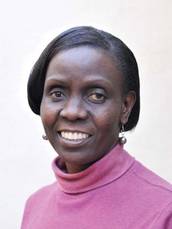
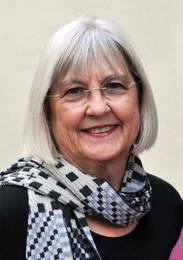
Dr. Nakakeeto-Kijjambu is a consultant pediatrician and neonatologist, and director of the Kampala Children’s Hospital Limited, and director of Childhealth Advocacy International – Uganda. Dr. Vaucher is a clinical professor of pediatrics and a neonatologist at the University of California, San Diego, a neonatology consultant at Makerere University, Mulago Hospital in Kampala, Uganda. She also is a pediatric volunteer with Health Volunteers Overseas, and is pediatric program director for Health Volunteers Overseas in Uganda. Others who helped in the writing of this article were Mary Kagolo, R.N., Ellen Milan, R.N., Monica Lyagoba, and Jane Frank Nalubega. Funding was integrated from diverse organizations including Saving Newborn Lives, UNICEF and the World Health Organization, the Latter Day Saints Resuscitation Training Program, Health Volunteers Overseas, Childhealth Advocacy International – Uganda, I-CATCH/AAP, Rotary International, each of which supported an activity appropriate for their primary purpose. The authors said they had no relevant financial disclosures.
*Correction 5/30/2012 changed maternal mortality to per 100,000 instead of per 1,000
Preterm birth accounts for 35% of mortality globally. However, neonatal survival programs focus on providing essential newborn care and teaching neonatal resuscitation. Therefore, a broader holistic approach is needed for effective intervention strategies to improve newborn survival, especially in low- and middle-income countries where most newborn deaths occur.
In Uganda, there are 1.5 million births annually, with 45,000 neonatal deaths and 45,000 stillbirths per year.The neonatal mortality rate and maternal mortality ratio are 29 per 1,000 and 435 per 100,000* live births, respectively. Birth asphyxia (26%), preterm complications (27%), and infections (31%) are the major causes of neonatal death. Until 2006, when we started our interventions, there were no clinical services for high-risk newborns, no records of outcome, or any resources for managing high-risk newborns in the country or for tracking all birth outcomes in the community. District health plans did not include high-risk newborn management.
T
he goal of our project was to improve survival by strengthening the capacity of existing health system infrastructure and to provide accessible and affordable health care for high-risk, sick, and preterm neonates. Our aim was to link existing community resources, locally active nongovernmental organizations (NGOs), and the government health care system to provide maternal and newborn care education across all levels of health care and to develop a tracking system that would accurately report both community and health system–based neonatal outcomes.
In rural Kayunga district, we began a stepwise process that started with a series of advocacy meetings for newborn health with different stakeholders and partners at all levels, and was followed by consensus and dialogue meetings with district leaders on how to proceed. The meetings included identifying gaps and priority areas, existing and additional resources that were required, as well as who could provide them. A vision was formulated by the beneficiaries, who then went ahead to design an implementation plan that followed a holistic approach and was within the policy framework using evidence-based interventions. Capacity strengthening included all levels of health service delivery (community to national). The implementing body maintained a close relationship with the District Health Team to support implementation of their district program, ensuring that the decisions came from them. Resources were pooled from many different programs. Teams and partnerships were formed that carried out activities that tried to address all aspects of high-risk newborn care in order to improve neonatal survival in the district. A three-phased implementation plan included community mapping of resources available for use, training all levels of health care providers in skills to care for high-risk and premature newborns, and establishing an infrastructure with strategies for care of high-risk newborns at Kayunga District Hospital was developed.
Two-hundred and forty health-related facilities providing maternity care were identified in Kayunga District, including district hospitals (1), health centers (19), domiciliary facilities (4), maternity homes (2), private clinics (117), and drug shops (97). Almost half (106/220) of the private facilities are owned by registered health professionals qualified or licensed by the government.
In Bbaale subcounty, we taught standard newborn care, maternal and newborn danger signs, guidelines for referral, and basic resuscitation skills to all delivery care providers and experienced health professionals in the local communities, including midwives and traditional birth attendants. They were taught how to calculate and prepare fluid and drug doses, the administration of intravenous fluid and antibiotics, and infection control methods. They also learned how to administer oxygen, how to insert and use nasogastric tubes for gavage feeding of expressed breast milk, and how to implement skin-to-skin/kangaroo mother care.
In addition to a "Train the Trainer" workshop, we held individual all-day workshops for district hospital staff, health center staff, government midwife and nursing students, private midwives, auxiliary health workers, village health secretaries, and Childhealth Advocacy International staff. Traditional birth attendants were instructed individually. We distributed basic resuscitation equipment (self-inflating bag and masks) to all participants who performed deliveries. Overall, we trained Kayunga District Hospital staff (87), midwives (18), lower level health workers (102) and village health team/community health workers which included village health secretaries (32), private midwives (7), traditional birth attendants (5), and auxiliary health workers (21).
To improve care at the Kayunga District Hospital, following consultation with our team, a space was remodeled to create a special care baby unit and kangaroo mother care area adjacent to labor and delivery. A separate space was enclosed on the pediatric ward as a neonatal room for admission and care for sick newborns. We then provided donated equipment and supplies for care and resuscitation. We also initiated a newborn follow-up clinic held weekly in the corridor of the pediatric ward.
In 2009, 4,821 pregnant women in Bbaale subcounty had at least one antenatal care visit at government health facilities. However, most mothers chose to deliver elsewhere. Only 27% chose to deliver in government health facilities deliveries and 11% chose private midwife deliveries. Most mothers were delivered either by traditional birth attendants (34%) or were presumed unattended (28%). Immediately after our education and training program was completed, a substantially greater proportion of mothers delivered at a government health facilities (52% vs. 27%) in the 16 subcounty villages where the village health secretaries visited and tracked pregnant woman in their community. However, 1 year later only 12 of these 16 elected village health secretaries continue to be active, in large part due to lack of ongoing Health District support.
By 2010, at the Kayunga District Hospital, the kangaroo mother care unit was admitting 25 mothers and their newborns per year. Admission of sick newborns, now cared for in the special neonatal room on the pediatric ward, increased 60%, compared with 2008, with a 93% survival rate. It was apparent that there was a sense of ownership of the program by the district, evidenced by the hospital now budgeting for equipment, supplies, and appropriate drugs for neonatal care services.
Conclusions
• High-risk newborn services are now well-integrated into Kayunga district health care system, including the community component, and Kayunga District Hospital is now an appropriate referral center for sick and premature newborns.
• Creating a partnership among existing community resources, locally active community-based organizations/NGOs, and government health systems is a cost-effective strategy to improve newborn care and to track newborn outcomes.
• Improvement in maternal and newborn outcomes requires a participatory approach by all stakeholders, and involves simultaneous provision of community-based education, skills training, and strengthening of government health facility capacity to supervise the community health care providers.
• Providing care for high-risk newborns at district hospitals is a critical component of strategies to improve neonatal and child survival.
• Traditional birth attendants provide almost half the nongovernmental delivery care, therefore the government should find a way of integrating their efforts into this process without compromising the quality of newborn care.
• Integrating multiple small funding sources can enable implementation of an effective, broad-based program for improvement of care for premature, sick, and high-risk newborns.
We would like to acknowledge Childhealth Advocacy International – Uganda staff, the Latter Day Saints Neonatal Resuscitation Training Program, International Community Access to Child Health/American Academy of Pediatrics (I-CATCH/AAP), Health Volunteers Overseas, Rotary International, Saving Newborn Lives, Uganda Women’s Health Initiative, National Newborn Steering Committee, Kayunga District Health team, Kayunga District Hospital management and staff, SEARCH Project-India, UNICEF, and the World Health Organization, and individuals who have inspired and supported us.
Dr. Nakakeeto-Kijjambu is a consultant pediatrician and neonatologist, and director of the Kampala Children’s Hospital Limited, and director of Childhealth Advocacy International – Uganda. Dr. Vaucher is a clinical professor of pediatrics and a neonatologist at the University of California, San Diego, a neonatology consultant at Makerere University, Mulago Hospital in Kampala, Uganda. She also is a pediatric volunteer with Health Volunteers Overseas, and is pediatric program director for Health Volunteers Overseas in Uganda. Others who helped in the writing of this article were Mary Kagolo, R.N., Ellen Milan, R.N., Monica Lyagoba, and Jane Frank Nalubega. Funding was integrated from diverse organizations including Saving Newborn Lives, UNICEF and the World Health Organization, the Latter Day Saints Resuscitation Training Program, Health Volunteers Overseas, Childhealth Advocacy International – Uganda, I-CATCH/AAP, Rotary International, each of which supported an activity appropriate for their primary purpose. The authors said they had no relevant financial disclosures.
*Correction 5/30/2012 changed maternal mortality to per 100,000 instead of per 1,000
Preterm birth accounts for 35% of mortality globally. However, neonatal survival programs focus on providing essential newborn care and teaching neonatal resuscitation. Therefore, a broader holistic approach is needed for effective intervention strategies to improve newborn survival, especially in low- and middle-income countries where most newborn deaths occur.
In Uganda, there are 1.5 million births annually, with 45,000 neonatal deaths and 45,000 stillbirths per year.The neonatal mortality rate and maternal mortality ratio are 29 per 1,000 and 435 per 100,000* live births, respectively. Birth asphyxia (26%), preterm complications (27%), and infections (31%) are the major causes of neonatal death. Until 2006, when we started our interventions, there were no clinical services for high-risk newborns, no records of outcome, or any resources for managing high-risk newborns in the country or for tracking all birth outcomes in the community. District health plans did not include high-risk newborn management.
T
he goal of our project was to improve survival by strengthening the capacity of existing health system infrastructure and to provide accessible and affordable health care for high-risk, sick, and preterm neonates. Our aim was to link existing community resources, locally active nongovernmental organizations (NGOs), and the government health care system to provide maternal and newborn care education across all levels of health care and to develop a tracking system that would accurately report both community and health system–based neonatal outcomes.
In rural Kayunga district, we began a stepwise process that started with a series of advocacy meetings for newborn health with different stakeholders and partners at all levels, and was followed by consensus and dialogue meetings with district leaders on how to proceed. The meetings included identifying gaps and priority areas, existing and additional resources that were required, as well as who could provide them. A vision was formulated by the beneficiaries, who then went ahead to design an implementation plan that followed a holistic approach and was within the policy framework using evidence-based interventions. Capacity strengthening included all levels of health service delivery (community to national). The implementing body maintained a close relationship with the District Health Team to support implementation of their district program, ensuring that the decisions came from them. Resources were pooled from many different programs. Teams and partnerships were formed that carried out activities that tried to address all aspects of high-risk newborn care in order to improve neonatal survival in the district. A three-phased implementation plan included community mapping of resources available for use, training all levels of health care providers in skills to care for high-risk and premature newborns, and establishing an infrastructure with strategies for care of high-risk newborns at Kayunga District Hospital was developed.
Two-hundred and forty health-related facilities providing maternity care were identified in Kayunga District, including district hospitals (1), health centers (19), domiciliary facilities (4), maternity homes (2), private clinics (117), and drug shops (97). Almost half (106/220) of the private facilities are owned by registered health professionals qualified or licensed by the government.
In Bbaale subcounty, we taught standard newborn care, maternal and newborn danger signs, guidelines for referral, and basic resuscitation skills to all delivery care providers and experienced health professionals in the local communities, including midwives and traditional birth attendants. They were taught how to calculate and prepare fluid and drug doses, the administration of intravenous fluid and antibiotics, and infection control methods. They also learned how to administer oxygen, how to insert and use nasogastric tubes for gavage feeding of expressed breast milk, and how to implement skin-to-skin/kangaroo mother care.
In addition to a "Train the Trainer" workshop, we held individual all-day workshops for district hospital staff, health center staff, government midwife and nursing students, private midwives, auxiliary health workers, village health secretaries, and Childhealth Advocacy International staff. Traditional birth attendants were instructed individually. We distributed basic resuscitation equipment (self-inflating bag and masks) to all participants who performed deliveries. Overall, we trained Kayunga District Hospital staff (87), midwives (18), lower level health workers (102) and village health team/community health workers which included village health secretaries (32), private midwives (7), traditional birth attendants (5), and auxiliary health workers (21).
To improve care at the Kayunga District Hospital, following consultation with our team, a space was remodeled to create a special care baby unit and kangaroo mother care area adjacent to labor and delivery. A separate space was enclosed on the pediatric ward as a neonatal room for admission and care for sick newborns. We then provided donated equipment and supplies for care and resuscitation. We also initiated a newborn follow-up clinic held weekly in the corridor of the pediatric ward.
In 2009, 4,821 pregnant women in Bbaale subcounty had at least one antenatal care visit at government health facilities. However, most mothers chose to deliver elsewhere. Only 27% chose to deliver in government health facilities deliveries and 11% chose private midwife deliveries. Most mothers were delivered either by traditional birth attendants (34%) or were presumed unattended (28%). Immediately after our education and training program was completed, a substantially greater proportion of mothers delivered at a government health facilities (52% vs. 27%) in the 16 subcounty villages where the village health secretaries visited and tracked pregnant woman in their community. However, 1 year later only 12 of these 16 elected village health secretaries continue to be active, in large part due to lack of ongoing Health District support.
By 2010, at the Kayunga District Hospital, the kangaroo mother care unit was admitting 25 mothers and their newborns per year. Admission of sick newborns, now cared for in the special neonatal room on the pediatric ward, increased 60%, compared with 2008, with a 93% survival rate. It was apparent that there was a sense of ownership of the program by the district, evidenced by the hospital now budgeting for equipment, supplies, and appropriate drugs for neonatal care services.
Conclusions
• High-risk newborn services are now well-integrated into Kayunga district health care system, including the community component, and Kayunga District Hospital is now an appropriate referral center for sick and premature newborns.
• Creating a partnership among existing community resources, locally active community-based organizations/NGOs, and government health systems is a cost-effective strategy to improve newborn care and to track newborn outcomes.
• Improvement in maternal and newborn outcomes requires a participatory approach by all stakeholders, and involves simultaneous provision of community-based education, skills training, and strengthening of government health facility capacity to supervise the community health care providers.
• Providing care for high-risk newborns at district hospitals is a critical component of strategies to improve neonatal and child survival.
• Traditional birth attendants provide almost half the nongovernmental delivery care, therefore the government should find a way of integrating their efforts into this process without compromising the quality of newborn care.
• Integrating multiple small funding sources can enable implementation of an effective, broad-based program for improvement of care for premature, sick, and high-risk newborns.
We would like to acknowledge Childhealth Advocacy International – Uganda staff, the Latter Day Saints Neonatal Resuscitation Training Program, International Community Access to Child Health/American Academy of Pediatrics (I-CATCH/AAP), Health Volunteers Overseas, Rotary International, Saving Newborn Lives, Uganda Women’s Health Initiative, National Newborn Steering Committee, Kayunga District Health team, Kayunga District Hospital management and staff, SEARCH Project-India, UNICEF, and the World Health Organization, and individuals who have inspired and supported us.
Dr. Nakakeeto-Kijjambu is a consultant pediatrician and neonatologist, and director of the Kampala Children’s Hospital Limited, and director of Childhealth Advocacy International – Uganda. Dr. Vaucher is a clinical professor of pediatrics and a neonatologist at the University of California, San Diego, a neonatology consultant at Makerere University, Mulago Hospital in Kampala, Uganda. She also is a pediatric volunteer with Health Volunteers Overseas, and is pediatric program director for Health Volunteers Overseas in Uganda. Others who helped in the writing of this article were Mary Kagolo, R.N., Ellen Milan, R.N., Monica Lyagoba, and Jane Frank Nalubega. Funding was integrated from diverse organizations including Saving Newborn Lives, UNICEF and the World Health Organization, the Latter Day Saints Resuscitation Training Program, Health Volunteers Overseas, Childhealth Advocacy International – Uganda, I-CATCH/AAP, Rotary International, each of which supported an activity appropriate for their primary purpose. The authors said they had no relevant financial disclosures.
*Correction 5/30/2012 changed maternal mortality to per 100,000 instead of per 1,000