User login
Mitchel is a reporter for MDedge based in the Philadelphia area. He started with the company in 1992, when it was International Medical News Group (IMNG), and has since covered a range of medical specialties. Mitchel trained as a virologist at Roswell Park Memorial Institute in Buffalo, and then worked briefly as a researcher at Boston Children's Hospital before pivoting to journalism as a AAAS Mass Media Fellow in 1980. His first reporting job was with Science Digest magazine, and from the mid-1980s to early-1990s he was a reporter with Medical World News. @mitchelzoler
NSAID plus TNFi linked to less ankylosing spondylitis progression
LONDON – Patients with ankylosing spondylitis who remained on long-term treatment with a nonsteroidal anti-inflammatory drug and a tumor necrosis factor inhibitor had significantly less new spinal-bone formation in a cross-sectional analysis of a multicenter cohort of 527 U.S. patients.
A related analysis of the same cohort also showed significantly less ankylosing spondylitis (AS) progression as measured by radiographic progression among patients who received treatment with a tumor necrosis factor–alpha (TNF) inhibitor for 2.1-3.5 years regardless of their treatment with a nonsteroidal anti-inflammatory drug (NSAID), although this link trended to a stronger effect among the patients taking both, Lianne S. Gensler, MD, reported in a pair of posters at the European Congress of Rheumatology.

These finding suggest “there may be synergy between NSAIDs and TNF inhibitors [for slowing or preventing progression] in a select group of AS patients at high risk for progression,” said Dr. Gensler, a rheumatologist and director of the Ankylosing Spondylitis Clinic at the University of California, San Francisco.
But Dr. Gensler also cautioned that these findings are merely “hypothesis generating” and should not be used as a rationale to place or maintain AS patients on long-term treatment with an NSAID, a TNF inhibitor, or both drugs.
“You treat the disease burden. The message is absolutely not to always put AS patients on both types of drugs. When an AS patient is well controlled on a TNF inhibitor alone, I would not tell them to also take a NSAID,” she said in an interview. “This is only relevant for patients who require treatment with both drug classes because of their clinical status.”
As the list of treatment options for patients with AS grows – it now includes NSAIDs, TNF inhibitors, and the interleukin-17 inhibitor secukinumab (Cosentyx) – the impact of these agents on disease progression as assessed by radiography and new bone formation becomes a new dimension to start to consider in addition to the standard criterion of immediate clinical response, Dr. Gensler explained. AS progression “is another factor to think about as we decide on treatment strategies. There is growing evidence that long-term treatment with a tumor necrosis factor inhibitor and with a NSAID have potential roles in disease modification.” But the evidence is indirect, from cohort studies that make cause and effect assessments difficult because of possible unidentified confounding factors, she noted.
“There has never been a randomized, controlled trial examining the disease-modifying effects of a TNF inhibitor because you can’t keep patients on placebo for a long enough time to see this benefit,” Dr. Gensler said. It takes a long time to see progression in AS patients, she noted.
A prior cohort analysis run by Dr. Gensler and her associates found evidence for an effect of long-term treatment with a TNF inhibitor and reduced AS progression measured using the modified Stoke AS Spine Score (mSASSS), compared with AS patients not on a TNF inhibitor in a propensity-score matched analysis of 334 patients. A link between TNF inhibitor use and a discernible difference in mSASSS only occurred when patients were on TNF inhibitor treatment for at least 3.9 years (Arthritis Rheum. 2013 Oct;65[10]:2645-54). In addition, a separate report at the EULAR congress on 168 AS patients maintained on treatment with secukinumab for 2 years showed evidence for slowed progression of mSASSS scores, compared with historical controls as well as with similar patients who were not on secukinumab treatment for as long a period of time.
The new analysis reported by Dr. Gensler looked at 527 AS patients in the multicenter Prospective Study of Outcomes in AS cohort followed for a median of 3.7 years. Clinicians participating in this cohort saw patients every 6 months, and radiographic assessments by mSASSS and for new bone formation occurred every 2 years. At entry into the registry, about 57% of patients received a TNF inhibitor and about 63% received an NSAID, with a third on an NSAID only, 27% on a TNF inhibitor only, 30% on both drugs, and 10% receiving neither drug.
The analysis showed that among patients followed for 2.1-3.5 years, the fraction of patients on a TNF inhibitor who showed progression of their mSASSS was 77% lower than patients not on a TNF inhibitor, a statistically significant difference, Dr. Gensler reported. The researchers saw no statistically significant difference in mSASSS progression rates between the patients on a TNF inhibitor at baseline and those not on a TNF inhibitor at baseline among patients followed for 2 years and among those followed for more than 3.5 years, although the analysis did show nominally higher levels of response among TNF-inhibitor users followed for more than 3.5 years. Dr. Gensler speculated that one reason for the loss of a statistically significant difference during longer follow-up could be that fewer patients reached these levels of prolonged follow-up, making statistically significant differences harder to see. This analysis also showed a strong trend for less progression among the patients treated with an NSAID, a 51% relative reduction in mSASSS progression, compared with patients not taking an NSAID, but this relationship just missed statistical significance.
A second analysis by Dr. Gensler and her associates used data from the same cohort but focused on new bone formation during follow-up. This analysis again showed a statistically significant, 72% reduction in this outcome among patients taking a TNF inhibitor at baseline, compared with those not on a TNF inhibitor, when followed for 2.1-3.5 years, with no statistically significant relationship seen among patients followed for less or more time, Dr. Gensler reported. However, the results from this analysis also showed a statistically significant impact from NSAID treatment: Patients on a TNF inhibitor and an NSAID at baseline had 67% less new bone formation, compared with those who received a TNF inhibitor but were not on an NSAID at baseline.
Dr. Gensler has been a consultant to or investigator funded by AbbVie, Amgen, Janssen, Novartis, and UCB. The Prospective Study of Outcomes in Ankylosing Spondylitis receives no commercial support.
On Twitter @mitchelzoler
LONDON – Patients with ankylosing spondylitis who remained on long-term treatment with a nonsteroidal anti-inflammatory drug and a tumor necrosis factor inhibitor had significantly less new spinal-bone formation in a cross-sectional analysis of a multicenter cohort of 527 U.S. patients.
A related analysis of the same cohort also showed significantly less ankylosing spondylitis (AS) progression as measured by radiographic progression among patients who received treatment with a tumor necrosis factor–alpha (TNF) inhibitor for 2.1-3.5 years regardless of their treatment with a nonsteroidal anti-inflammatory drug (NSAID), although this link trended to a stronger effect among the patients taking both, Lianne S. Gensler, MD, reported in a pair of posters at the European Congress of Rheumatology.
These finding suggest “there may be synergy between NSAIDs and TNF inhibitors [for slowing or preventing progression] in a select group of AS patients at high risk for progression,” said Dr. Gensler, a rheumatologist and director of the Ankylosing Spondylitis Clinic at the University of California, San Francisco.
But Dr. Gensler also cautioned that these findings are merely “hypothesis generating” and should not be used as a rationale to place or maintain AS patients on long-term treatment with an NSAID, a TNF inhibitor, or both drugs.
“You treat the disease burden. The message is absolutely not to always put AS patients on both types of drugs. When an AS patient is well controlled on a TNF inhibitor alone, I would not tell them to also take a NSAID,” she said in an interview. “This is only relevant for patients who require treatment with both drug classes because of their clinical status.”
As the list of treatment options for patients with AS grows – it now includes NSAIDs, TNF inhibitors, and the interleukin-17 inhibitor secukinumab (Cosentyx) – the impact of these agents on disease progression as assessed by radiography and new bone formation becomes a new dimension to start to consider in addition to the standard criterion of immediate clinical response, Dr. Gensler explained. AS progression “is another factor to think about as we decide on treatment strategies. There is growing evidence that long-term treatment with a tumor necrosis factor inhibitor and with a NSAID have potential roles in disease modification.” But the evidence is indirect, from cohort studies that make cause and effect assessments difficult because of possible unidentified confounding factors, she noted.
“There has never been a randomized, controlled trial examining the disease-modifying effects of a TNF inhibitor because you can’t keep patients on placebo for a long enough time to see this benefit,” Dr. Gensler said. It takes a long time to see progression in AS patients, she noted.
A prior cohort analysis run by Dr. Gensler and her associates found evidence for an effect of long-term treatment with a TNF inhibitor and reduced AS progression measured using the modified Stoke AS Spine Score (mSASSS), compared with AS patients not on a TNF inhibitor in a propensity-score matched analysis of 334 patients. A link between TNF inhibitor use and a discernible difference in mSASSS only occurred when patients were on TNF inhibitor treatment for at least 3.9 years (Arthritis Rheum. 2013 Oct;65[10]:2645-54). In addition, a separate report at the EULAR congress on 168 AS patients maintained on treatment with secukinumab for 2 years showed evidence for slowed progression of mSASSS scores, compared with historical controls as well as with similar patients who were not on secukinumab treatment for as long a period of time.
The new analysis reported by Dr. Gensler looked at 527 AS patients in the multicenter Prospective Study of Outcomes in AS cohort followed for a median of 3.7 years. Clinicians participating in this cohort saw patients every 6 months, and radiographic assessments by mSASSS and for new bone formation occurred every 2 years. At entry into the registry, about 57% of patients received a TNF inhibitor and about 63% received an NSAID, with a third on an NSAID only, 27% on a TNF inhibitor only, 30% on both drugs, and 10% receiving neither drug.
The analysis showed that among patients followed for 2.1-3.5 years, the fraction of patients on a TNF inhibitor who showed progression of their mSASSS was 77% lower than patients not on a TNF inhibitor, a statistically significant difference, Dr. Gensler reported. The researchers saw no statistically significant difference in mSASSS progression rates between the patients on a TNF inhibitor at baseline and those not on a TNF inhibitor at baseline among patients followed for 2 years and among those followed for more than 3.5 years, although the analysis did show nominally higher levels of response among TNF-inhibitor users followed for more than 3.5 years. Dr. Gensler speculated that one reason for the loss of a statistically significant difference during longer follow-up could be that fewer patients reached these levels of prolonged follow-up, making statistically significant differences harder to see. This analysis also showed a strong trend for less progression among the patients treated with an NSAID, a 51% relative reduction in mSASSS progression, compared with patients not taking an NSAID, but this relationship just missed statistical significance.
A second analysis by Dr. Gensler and her associates used data from the same cohort but focused on new bone formation during follow-up. This analysis again showed a statistically significant, 72% reduction in this outcome among patients taking a TNF inhibitor at baseline, compared with those not on a TNF inhibitor, when followed for 2.1-3.5 years, with no statistically significant relationship seen among patients followed for less or more time, Dr. Gensler reported. However, the results from this analysis also showed a statistically significant impact from NSAID treatment: Patients on a TNF inhibitor and an NSAID at baseline had 67% less new bone formation, compared with those who received a TNF inhibitor but were not on an NSAID at baseline.
Dr. Gensler has been a consultant to or investigator funded by AbbVie, Amgen, Janssen, Novartis, and UCB. The Prospective Study of Outcomes in Ankylosing Spondylitis receives no commercial support.
On Twitter @mitchelzoler
LONDON – Patients with ankylosing spondylitis who remained on long-term treatment with a nonsteroidal anti-inflammatory drug and a tumor necrosis factor inhibitor had significantly less new spinal-bone formation in a cross-sectional analysis of a multicenter cohort of 527 U.S. patients.
A related analysis of the same cohort also showed significantly less ankylosing spondylitis (AS) progression as measured by radiographic progression among patients who received treatment with a tumor necrosis factor–alpha (TNF) inhibitor for 2.1-3.5 years regardless of their treatment with a nonsteroidal anti-inflammatory drug (NSAID), although this link trended to a stronger effect among the patients taking both, Lianne S. Gensler, MD, reported in a pair of posters at the European Congress of Rheumatology.
These finding suggest “there may be synergy between NSAIDs and TNF inhibitors [for slowing or preventing progression] in a select group of AS patients at high risk for progression,” said Dr. Gensler, a rheumatologist and director of the Ankylosing Spondylitis Clinic at the University of California, San Francisco.
But Dr. Gensler also cautioned that these findings are merely “hypothesis generating” and should not be used as a rationale to place or maintain AS patients on long-term treatment with an NSAID, a TNF inhibitor, or both drugs.
“You treat the disease burden. The message is absolutely not to always put AS patients on both types of drugs. When an AS patient is well controlled on a TNF inhibitor alone, I would not tell them to also take a NSAID,” she said in an interview. “This is only relevant for patients who require treatment with both drug classes because of their clinical status.”
As the list of treatment options for patients with AS grows – it now includes NSAIDs, TNF inhibitors, and the interleukin-17 inhibitor secukinumab (Cosentyx) – the impact of these agents on disease progression as assessed by radiography and new bone formation becomes a new dimension to start to consider in addition to the standard criterion of immediate clinical response, Dr. Gensler explained. AS progression “is another factor to think about as we decide on treatment strategies. There is growing evidence that long-term treatment with a tumor necrosis factor inhibitor and with a NSAID have potential roles in disease modification.” But the evidence is indirect, from cohort studies that make cause and effect assessments difficult because of possible unidentified confounding factors, she noted.
“There has never been a randomized, controlled trial examining the disease-modifying effects of a TNF inhibitor because you can’t keep patients on placebo for a long enough time to see this benefit,” Dr. Gensler said. It takes a long time to see progression in AS patients, she noted.
A prior cohort analysis run by Dr. Gensler and her associates found evidence for an effect of long-term treatment with a TNF inhibitor and reduced AS progression measured using the modified Stoke AS Spine Score (mSASSS), compared with AS patients not on a TNF inhibitor in a propensity-score matched analysis of 334 patients. A link between TNF inhibitor use and a discernible difference in mSASSS only occurred when patients were on TNF inhibitor treatment for at least 3.9 years (Arthritis Rheum. 2013 Oct;65[10]:2645-54). In addition, a separate report at the EULAR congress on 168 AS patients maintained on treatment with secukinumab for 2 years showed evidence for slowed progression of mSASSS scores, compared with historical controls as well as with similar patients who were not on secukinumab treatment for as long a period of time.
The new analysis reported by Dr. Gensler looked at 527 AS patients in the multicenter Prospective Study of Outcomes in AS cohort followed for a median of 3.7 years. Clinicians participating in this cohort saw patients every 6 months, and radiographic assessments by mSASSS and for new bone formation occurred every 2 years. At entry into the registry, about 57% of patients received a TNF inhibitor and about 63% received an NSAID, with a third on an NSAID only, 27% on a TNF inhibitor only, 30% on both drugs, and 10% receiving neither drug.
The analysis showed that among patients followed for 2.1-3.5 years, the fraction of patients on a TNF inhibitor who showed progression of their mSASSS was 77% lower than patients not on a TNF inhibitor, a statistically significant difference, Dr. Gensler reported. The researchers saw no statistically significant difference in mSASSS progression rates between the patients on a TNF inhibitor at baseline and those not on a TNF inhibitor at baseline among patients followed for 2 years and among those followed for more than 3.5 years, although the analysis did show nominally higher levels of response among TNF-inhibitor users followed for more than 3.5 years. Dr. Gensler speculated that one reason for the loss of a statistically significant difference during longer follow-up could be that fewer patients reached these levels of prolonged follow-up, making statistically significant differences harder to see. This analysis also showed a strong trend for less progression among the patients treated with an NSAID, a 51% relative reduction in mSASSS progression, compared with patients not taking an NSAID, but this relationship just missed statistical significance.
A second analysis by Dr. Gensler and her associates used data from the same cohort but focused on new bone formation during follow-up. This analysis again showed a statistically significant, 72% reduction in this outcome among patients taking a TNF inhibitor at baseline, compared with those not on a TNF inhibitor, when followed for 2.1-3.5 years, with no statistically significant relationship seen among patients followed for less or more time, Dr. Gensler reported. However, the results from this analysis also showed a statistically significant impact from NSAID treatment: Patients on a TNF inhibitor and an NSAID at baseline had 67% less new bone formation, compared with those who received a TNF inhibitor but were not on an NSAID at baseline.
Dr. Gensler has been a consultant to or investigator funded by AbbVie, Amgen, Janssen, Novartis, and UCB. The Prospective Study of Outcomes in Ankylosing Spondylitis receives no commercial support.
On Twitter @mitchelzoler
AT THE EULAR 2016 CONGRESS
Key clinical point: Ankylosing spondylitis patients treated with a TNF inhibitor plus an NSAID had the lowest level of new bone formation during treatment for more than 2 years.
Major finding: Patients on a TNF inhibitor and an NSAID had 67% less new bone formation, compared with patients not on an NSAID.
Data source: Cross-sectional cohort study of 527 patients with ankylosing spondylitis enrolled in the Prospective Study of Outcomes in Ankylosing Spondylitis.
Disclosures: Dr. Gensler has been a consultant to or investigator funded by AbbVie, Amgen, Janssen, Novartis, and UCB. The Prospective Study of Outcomes in Ankylosing Spondylitis receives no commercial support.

Primary care gout patients often discontinue allopurinol
LONDON – Many patients with newly diagnosed gout who are prescribed allopurinol to reduce their uric acid level and prevent recurrent episodes fail to stick with their treatment, according to an analysis of more than 47,000 U.K. gout patients who received prescriptions for allopurinol during the 28-year period of 1987-2014.
One possible contributing factor to this pattern may be physicians who inadequately stress to patients the importance of sticking with allopurinol treatment to improve their long-term health, Lieke E.J.M. Scheepers said at the European Congress of Rheumatology.

“We think that physicians underestimate” the low level of gout patient adherence to allopurinol, said Ms. Scheepers, a PhD student in the department of rheumatology at Maastricht (the Netherlands) University.
“We view gout as a chronic disease, but many physicians and patients believe gout can occur as a single episode, and then it’s over,” explained Dr. Annelies Boonen, the senior investigator on the study, in an interview. “Gout patients often don’t appreciate that they will need to take their medication for many years. We need to convince primary care physicians to follow gout patients closely and not wait [to resume treatment] until the patient has a new episode,” said Dr. Boonen, a professor of rheumatology at Maastricht University.
“Some physicians are not convinced that it harms a patient to have two or three acute gout attacks a year, but there is a subgroup that will have joint damage” from this pattern of recurrence, she noted. However, Dr. Boonen acknowledged that gout patients usually seen in primary care practice often don’t have the same level of disease severity and recurrence as the patients she sees in her referral clinic. “We don’t know which gout patients will develop joint damage,” she admitted.
Another barrier to good adherence with long-term uric acid–lowering treatment is that “patients who don’t have daily symptoms often question why they should continue to take their medication,” added Ms. Scheepers. “Many patients fear the possible adverse effects of their treatment” more than they fear a possible gout recurrence.
Ms. Scheepers and her associates analyzed data from 47,774 patients with newly diagnosed gout receiving treatment exclusively with allopurinol from about 680 primary care U.K. physicians and archived in the Clinical Practice Research Datalink maintained by the U.K. government. The patients averaged 64 years old, and three-quarters were men.
During their first year on treatment, 57% of the patients had at least one 30-day gap in their use of allopurinol, and 38% had at least one 90-day gap in their allopurinol treatment, Ms. Scheepers reported. During an average follow-up of nearly 6 years, 77% of patients had at least one 30-day gap in treatment and 54% had at least one 90-day gap. The median time to a 90-day gap in allopurinol treatment was just under 3 years (1,059 days).
The researchers also assessed patient compliance and adherence to therapy by analyzing the percentage of days during follow-up that they took allopurinol. The overall average percentage of days on treatment was 57%, and 39% of patients received allopurinol on at least 80% of the days when they were followed.
Another analysis focused specifically on 14,808 patients who restarted on allopurinol after they had stopped their use of the drug for at least 90 days. Among these patients, the rate of a new 30-day gap during their first year back on treatment was 72%, with 48% having a new gap of 90 days or more during their first year back on treatment. During total follow-up of this group of patients with an established history of stopping allopurinol, 82% had a new gap in treatment of at least 30 days and 63% had a gap of 90 days or more.
The researchers also examined demographic and clinical variables that significantly linked with either greater or lesser adherence to allopurinol treatment. Two subgroups – women and smokers – showed significantly worse adherence, while older patients, patients who also took other drugs (antihypertensive medications, colchicine, or statins), and patients with various comorbidities (dementia, diabetes, depression, or impaired renal function) all had significantly better adherence. One possible explanation for this pattern is that patients who are older, have comorbidities, or already take other drugs may have a better-established routine and mindset for adhering to medication regimens that helps them remain adherent to allopurinol, Ms. Scheepers said.
Dr. Scheepers and Dr. Boonen had no disclosures.
On Twitter @mitchelzoler
LONDON – Many patients with newly diagnosed gout who are prescribed allopurinol to reduce their uric acid level and prevent recurrent episodes fail to stick with their treatment, according to an analysis of more than 47,000 U.K. gout patients who received prescriptions for allopurinol during the 28-year period of 1987-2014.
One possible contributing factor to this pattern may be physicians who inadequately stress to patients the importance of sticking with allopurinol treatment to improve their long-term health, Lieke E.J.M. Scheepers said at the European Congress of Rheumatology.
“We think that physicians underestimate” the low level of gout patient adherence to allopurinol, said Ms. Scheepers, a PhD student in the department of rheumatology at Maastricht (the Netherlands) University.
“We view gout as a chronic disease, but many physicians and patients believe gout can occur as a single episode, and then it’s over,” explained Dr. Annelies Boonen, the senior investigator on the study, in an interview. “Gout patients often don’t appreciate that they will need to take their medication for many years. We need to convince primary care physicians to follow gout patients closely and not wait [to resume treatment] until the patient has a new episode,” said Dr. Boonen, a professor of rheumatology at Maastricht University.
“Some physicians are not convinced that it harms a patient to have two or three acute gout attacks a year, but there is a subgroup that will have joint damage” from this pattern of recurrence, she noted. However, Dr. Boonen acknowledged that gout patients usually seen in primary care practice often don’t have the same level of disease severity and recurrence as the patients she sees in her referral clinic. “We don’t know which gout patients will develop joint damage,” she admitted.
Another barrier to good adherence with long-term uric acid–lowering treatment is that “patients who don’t have daily symptoms often question why they should continue to take their medication,” added Ms. Scheepers. “Many patients fear the possible adverse effects of their treatment” more than they fear a possible gout recurrence.
Ms. Scheepers and her associates analyzed data from 47,774 patients with newly diagnosed gout receiving treatment exclusively with allopurinol from about 680 primary care U.K. physicians and archived in the Clinical Practice Research Datalink maintained by the U.K. government. The patients averaged 64 years old, and three-quarters were men.
During their first year on treatment, 57% of the patients had at least one 30-day gap in their use of allopurinol, and 38% had at least one 90-day gap in their allopurinol treatment, Ms. Scheepers reported. During an average follow-up of nearly 6 years, 77% of patients had at least one 30-day gap in treatment and 54% had at least one 90-day gap. The median time to a 90-day gap in allopurinol treatment was just under 3 years (1,059 days).
The researchers also assessed patient compliance and adherence to therapy by analyzing the percentage of days during follow-up that they took allopurinol. The overall average percentage of days on treatment was 57%, and 39% of patients received allopurinol on at least 80% of the days when they were followed.
Another analysis focused specifically on 14,808 patients who restarted on allopurinol after they had stopped their use of the drug for at least 90 days. Among these patients, the rate of a new 30-day gap during their first year back on treatment was 72%, with 48% having a new gap of 90 days or more during their first year back on treatment. During total follow-up of this group of patients with an established history of stopping allopurinol, 82% had a new gap in treatment of at least 30 days and 63% had a gap of 90 days or more.
The researchers also examined demographic and clinical variables that significantly linked with either greater or lesser adherence to allopurinol treatment. Two subgroups – women and smokers – showed significantly worse adherence, while older patients, patients who also took other drugs (antihypertensive medications, colchicine, or statins), and patients with various comorbidities (dementia, diabetes, depression, or impaired renal function) all had significantly better adherence. One possible explanation for this pattern is that patients who are older, have comorbidities, or already take other drugs may have a better-established routine and mindset for adhering to medication regimens that helps them remain adherent to allopurinol, Ms. Scheepers said.
Dr. Scheepers and Dr. Boonen had no disclosures.
On Twitter @mitchelzoler
LONDON – Many patients with newly diagnosed gout who are prescribed allopurinol to reduce their uric acid level and prevent recurrent episodes fail to stick with their treatment, according to an analysis of more than 47,000 U.K. gout patients who received prescriptions for allopurinol during the 28-year period of 1987-2014.
One possible contributing factor to this pattern may be physicians who inadequately stress to patients the importance of sticking with allopurinol treatment to improve their long-term health, Lieke E.J.M. Scheepers said at the European Congress of Rheumatology.
“We think that physicians underestimate” the low level of gout patient adherence to allopurinol, said Ms. Scheepers, a PhD student in the department of rheumatology at Maastricht (the Netherlands) University.
“We view gout as a chronic disease, but many physicians and patients believe gout can occur as a single episode, and then it’s over,” explained Dr. Annelies Boonen, the senior investigator on the study, in an interview. “Gout patients often don’t appreciate that they will need to take their medication for many years. We need to convince primary care physicians to follow gout patients closely and not wait [to resume treatment] until the patient has a new episode,” said Dr. Boonen, a professor of rheumatology at Maastricht University.
“Some physicians are not convinced that it harms a patient to have two or three acute gout attacks a year, but there is a subgroup that will have joint damage” from this pattern of recurrence, she noted. However, Dr. Boonen acknowledged that gout patients usually seen in primary care practice often don’t have the same level of disease severity and recurrence as the patients she sees in her referral clinic. “We don’t know which gout patients will develop joint damage,” she admitted.
Another barrier to good adherence with long-term uric acid–lowering treatment is that “patients who don’t have daily symptoms often question why they should continue to take their medication,” added Ms. Scheepers. “Many patients fear the possible adverse effects of their treatment” more than they fear a possible gout recurrence.
Ms. Scheepers and her associates analyzed data from 47,774 patients with newly diagnosed gout receiving treatment exclusively with allopurinol from about 680 primary care U.K. physicians and archived in the Clinical Practice Research Datalink maintained by the U.K. government. The patients averaged 64 years old, and three-quarters were men.
During their first year on treatment, 57% of the patients had at least one 30-day gap in their use of allopurinol, and 38% had at least one 90-day gap in their allopurinol treatment, Ms. Scheepers reported. During an average follow-up of nearly 6 years, 77% of patients had at least one 30-day gap in treatment and 54% had at least one 90-day gap. The median time to a 90-day gap in allopurinol treatment was just under 3 years (1,059 days).
The researchers also assessed patient compliance and adherence to therapy by analyzing the percentage of days during follow-up that they took allopurinol. The overall average percentage of days on treatment was 57%, and 39% of patients received allopurinol on at least 80% of the days when they were followed.
Another analysis focused specifically on 14,808 patients who restarted on allopurinol after they had stopped their use of the drug for at least 90 days. Among these patients, the rate of a new 30-day gap during their first year back on treatment was 72%, with 48% having a new gap of 90 days or more during their first year back on treatment. During total follow-up of this group of patients with an established history of stopping allopurinol, 82% had a new gap in treatment of at least 30 days and 63% had a gap of 90 days or more.
The researchers also examined demographic and clinical variables that significantly linked with either greater or lesser adherence to allopurinol treatment. Two subgroups – women and smokers – showed significantly worse adherence, while older patients, patients who also took other drugs (antihypertensive medications, colchicine, or statins), and patients with various comorbidities (dementia, diabetes, depression, or impaired renal function) all had significantly better adherence. One possible explanation for this pattern is that patients who are older, have comorbidities, or already take other drugs may have a better-established routine and mindset for adhering to medication regimens that helps them remain adherent to allopurinol, Ms. Scheepers said.
Dr. Scheepers and Dr. Boonen had no disclosures.
On Twitter @mitchelzoler
AT THE EULAR 2016 CONGRESS
Key clinical point: A majority of newly diagnosed gout patients in the U.K. have significant gaps in treatment and only a minority show good treatment adherence.
Major finding: During their first year of allopurinol treatment, 57% of gout patients had a treatment gap of 30 days or longer.
Data source: A database of about 680 U.K. general practice physicians maintained by the Clinical Practice Research Datalink that included 47,774 patients with incident gout treated exclusively with allopurinol during 1987-2014.
Disclosures: Dr. Scheepers and Dr. Boonen had no disclosures.

Elusive evidence pervades ESC’s 2016 heart failure guidelines
FLORENCE, ITALY – The 2016 revision of the European Society of Cardiology’s guidelines for diagnosing and treating acute and chronic heart failure highlights the extent to which thinking in the field has changed during the past 4 years, since the prior edition in 2012.
The new European guidelines, unveiled by the ESC’s Heart Failure Association during the group’s annual meeting, also underscore the great dependence that many new approaches have on expert opinion rather than what’s become the keystone of guidelines writing, evidence-based medicine. Frequent reliance on consensus decisions rather than indisputable proof from controlled trials defines what some U.S. specialists see as a divide as wide as the Atlantic between the European and U.S. approaches to guideline writing.

“The guidelines from the ESC are articulated very well; they made their recommendations very clear. But a lot is consensus driven, without new data,” said Dr. Mariell L. Jessup, who serves as both vice chair of the panel currently revising the U.S. heart failure guidelines – expected out later in 2016 – and was also the sole American representative on the panel that produced the ESC guidelines. “The ESC guidelines make clear all the things that need to happen to patients. I hope it will result in better patient care. We are clearly not doing a good job in heart failure. We not only don’t have evidence-based treatments, but people often don’t do a good job [caring for heart failure patients] and they die in the hospital all the time.”
Dr. Javed Butler, another member of the U.S. guidelines panel and professor and chief of cardiology at Stony Brook (N.Y.) University, called the U.S. and European divide a “philosophical perspective of evidence-based medicine.
“U.S. physicians should read the ESC guidelines and make up their own minds. The ESC guidelines are excellent and give you perspective. But U.S. regulatory and payment issues will be driven by U.S. guidelines,” Dr. Butler said in an interview.
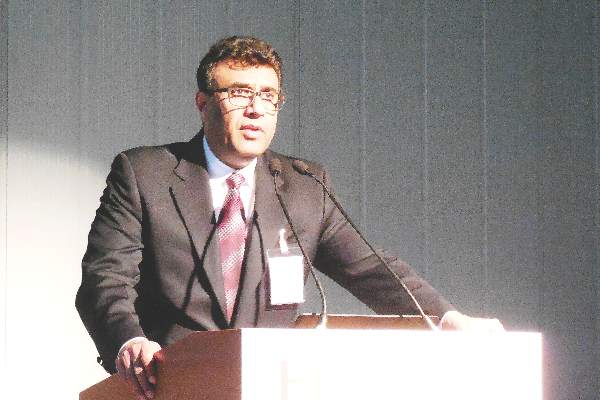
But despite their limitations and the limited weight that the ESC guidelines carry for U.S. practice, they have many redeeming features, noted Dr. Mandeep R. Mehra, medical director of the Heart and Vascular Center at Brigham and Women’s Hospital in Boston. The 2016 ESC guidelines “are extraordinarily clear, very practical, and very concise. They are very usable, and provide a fantastic algorithm for managing patients with heart failure with reduced ejection fraction [HFrEF],” he said while discussing the guidelines during the meeting.
U.S. and Europe largely agree on sacubitril/valsartan and ivabradine
Clearly the greatest area of U.S. and European agreement was in the adoption by both guidelines groups of sacubitril/valsartan (Entresto) and ivabradine (Corlanor) as important new components of the basic drug formula for treating patients with HFrEF. In fact, the U.S. guideline writers saw these two additions as so important and timely that they issued a “focused update” in May to the existing, 2013 U.S. heart failure guidelines, and timed release of this update to occur on May 20, 2016, a day before release of the ESC guidelines. But as Dr. Butler noted, this was more of a temporal harmonization than a substantive one, because even here, in a very evidence-based change, the U.S. guidelines for using sacubitril/valsartan differed subtly but importantly from the ESC version.
The U.S. focused update says that treatment of patients with stage C (symptomatic heart failure with structural heart disease) HFrEF should receive treatment with sacubitril/valsartan (also know as an angiotensin receptor neprilysin inhibitor, or ARNI), an ACE inhibitor, or an angiotensin receptor blocker (ARB), as well as evidence-based treatment with a beta-blocker and with a mineralocorticoid receptor antagonist (MRA). A subsequent recommendation in the U.S. focused update said that HFrEF patients with chronic symptoms and New York Heart Association class II or III disease should switch from a stable, tolerated regimen with either an ACE inhibitor or ARB to treatment with sacubitril/valsartan.

In contrast, the new European guideline for sacubitril/valsartan recommends starting patients on this combination formulation only after first demonstrating that patients tolerated treatment with an ACE inhibitor or ARB for at least 30 days and determining that patients remained symptomatic while on one of these treatments. In short, the U.S. guideline gives a green light to starting patients with newly diagnosed, symptomatic HFrEF on sacubitril/valsartan immediately, while the European guideline only sanctions sacubitril/valsartan to start after a patient has spent at least 30 days settling into a multidrug regimen featuring an ACE inhibitor or an ARB when an ACE inhibitor isn’t well tolerated.
“The European guidelines are closely related to the study population enrolled in the PARADIGM-HF trial,” the pivotal trial that showed superiority of sacubitril/valsartan to an ACE inhibitor (N Engl J Med. 2014;371:993-1004), noted Dr. Butler in an interview. “The U.S. guidelines interpreted [the PARADIGM-HF] results in the best interests of a larger patient population. The European guidelines are far more proscriptive in replicating the clinical criteria of the trial. In some patients the sequence of starting a MRA and sacubitril/valsartan matters, but in other patients it is less important.”
Dr. Frank Ruschitzka, a coauthor of the ESC guidelines, said that the reason for the more cautious ESC approach was lack of widespread familiarity with sacubitril/valsartan treatment among cardiologists.

The ESC guidelines on using sacubitril/valsartan “replicated the PARADIGM-HF trial. We have no data right now that it is justifiable to put a [treatment-naive] patient on sacubitril/valsartan to begin with. Another difference between the U.S. and ESC guidelines is when to start a MRA,” said Dr. Ruschitzka, professor and head of cardiology at the Heart Center of the University Hospital in Zurich. “It makes a lot of sense to me to start sacubitril/valsartan early. The PARADIGM trial was positive, but no one has a feel for how to use sacubitril/valsartan. Should we give it to everyone? We said replicate the trial, and gain experience using the drug. We want to bring a life-saving drug to patients, but this is the approach we took. We need more data.”
Dr. Jessup noted that a lot of uncertainty also exists among U.S. clinicians about when to start sacubitril/valsartan. “It’s not been clear which patients to put on sacubitril/valsartan. No guidelines had been out on using it” until mid-May, and “the cost of sacubitril/valsartan is daunting. I have received calls from many people who ask whom am I supposed to use sacubitril/valsartan on? It took years and years to get people to [routinely] start patients on an ACE inhibitor and a beta-blocker, and now we’re telling them to do something else. In my practice it’s a 30-minute conversation with each patient that you need to first stop your ACE inhibitor, and then they often get denied coverage by their insurer,” said Dr. Jessup, professor of medicine at the University of Pennsylvania in Philadelphia. She expressed hope that coverage issues will diminish now that clear guidelines are out endorsing a key role for sacubitril/valsartan.
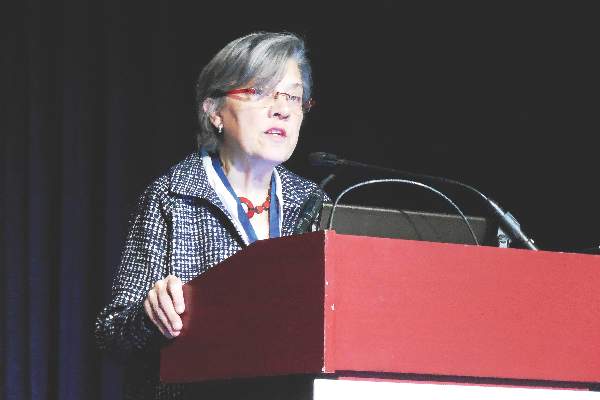
“We now all have started sacubitril/valsartan on patients” without first starting them on an ACE inhibitor, “but we all need to get a sense of what we can get away with” when using this drug, noted Dr. JoAnn Lindenfeld, professor and director of heart failure and transplant at Vanderbilt University in Nashville.
At least one European cardiologist was skeptical of just how proscriptive the ESC guideline for sacubitril/valsartan will be in actual practice.
“The best treatment [for symptomatic HFrEF] is sacubitril/valsartan, a beta-blocker, and a MRA,” said Dr. John J.V. McMurray, professor of cardiology at Glasgow University and lead investigator for the PARADIGM-HF pivotal trial for sacubitril/valsartan. “The treatment sequence advocated in the guidelines – treat with an ACE inhibitor first and if patients remain symptomatic change to sacubitril/valsartan – is evidence-based medicine. As a guidelines writer and as a promoter of evidence-based medicine, this is absolutely the correct approach. But as a practicing physician I’d go straight for sacubitril/valsartan. Otherwise you’re wasting everybody’s time starting with an ACE inhibitor and then waiting a month to switch,” Dr. McMurray said in an interview.
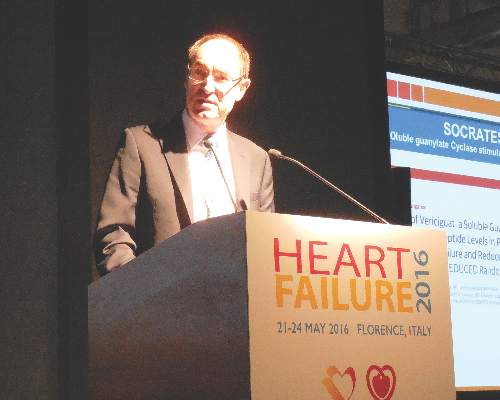
“It’s pointless to wait. We saw results within 30 days of starting sacubitril/valsartan, so it’s a theoretical risk to wait. Very few patients will become completely asymptomatic on an ACE inhibitor. Everyone who entered PARADIGM-HF was at New York Heart Association class II or higher, and at the time of randomization only a handful of patients were in New York Heart Association class I. Very few patients get to class I. That tells you it’s pretty uncommon for a heart failure patient to become truly asymptomatic with ACE inhibitor treatment. The main problem is that you are inconveniencing everybody with more blood tests and more clinic visits by waiting to start sacubitril/valsartan, said Dr. McMurray, who was not a member of the panel that wrote the new ESC guidelines.
Even less separates the new U.S. focused update and the ESC guidelines for using ivabradine. Both agree on starting the drug on HFrEF patients who remain symptomatic and with a left ventricular ejection fraction of 35% or less despite being on guideline-directed therapy including titration to a maximum beta-blocker dosage and with a persistent heart rate of at least 70 beats/min. The goal of ivabradine treatment is to further reduce heart rate beyond what’s achieved by a maximal beta-blocker dosage.
Perhaps the biggest questions about ivabradine have been why it took so long to enter the U.S. guidelines, and why it is listed in both the U.S. and ESC guidelines as a level II recommendation. Results from the pivotal trial that supported ivabradine’s use in HFrEF patients, SHIFT, first appeared in 2010 (Lancet. 2010 Sep 11;376[9744]:875-95).
Dr. Butler chalked up the drug’s slow entry into U.S. guidelines as the result of a lack of initiative by ivabradine’s initial developer, Servier. “SHIFT did not have any U.S. sites, and Servier never sought Food and Drug Administration approval,” he noted. “Amgen acquired the U.S. rights to ivabradine in 2013,” and the drug received FDA approval in April 2015, Dr. Butler noted, in explaining the drug’s U.S. timeline. As to why its use is a level II recommendation, he noted that the evidence for efficacy came only from the SHIFT trial, questions exist whether the beta-blocker dosages were fully optimized in all patients in this trial, and the benefit was limited to a reduction in heart failure hospitalizations but not in mortality. “I think that patients with persistent heart failure symptoms [and a persistently elevated heart rate] should get ivabradine,” but these caveats limit it to a class II level recommendation, Dr. Butler said.
“There were questions about ivabradine’s benefit in reducing heart failure hospitalization but not mortality, and questions about whether it would benefit patients if their beta-blocker dosage was adequately up titrated. There were also questions about which heart failure patients to use it on,” noted Dr. Lindenfeld, a member of the panel that wrote the U.S. focused update. These concerns in part help explain the delay to integrating ivabradine into U.S. practice guidelines, she said in an interview, but added that additional data and analysis published during the past 3 or so years have clarified ivabradine’s potentially useful role in treating selected HFrEF patients.
New ESC guidelines based on expert opinion
The sections on sacubitril/valsartan and ivabradine occupy a mere 2 pages among more than 55 pages of text and charts that spell out the ESC’s current vision of how physicians should diagnose and manage heart failure patients. While much of what carried over from prior editions of the guidelines is rooted in evidence, many of the new approaches advocated rely on expert opinion or new interpretations of existing data. Here are some of the notable changes and highlights of the 2016 ESC recommendations:
• Heart failure diagnosis. The new ESC guidelines streamline the diagnostic process, which now focuses on five key elements: The patient’s history, physical examination, ECG, serum level of either brain natriuretic peptide (BNP) or N-terminal(NT)-proBNP, and echocardiography. The guidelines specify threshold levels of BNP and NT-proBNP that can effectively rule out heart failure, a BNP level of at least 35 pg/mL or a NT-proBNP level of at least 125 pg/mL.

“The diagnostic minimum levels of BNP and NT-proBNP were designed to rule out heart failure. They both have a high negative predictive value, but at these levels their positive predictive value is low,” explained Dr. Adriaan A. Voors, cochair of the ESC’s guideline-writing panel and professor of cardiology at the University of Groningen, the Netherlands.
But while these levels might be effective for reliable rule out of heart failure, they could mean a large number of patients would qualify for an echocardiographic assessment.
“If we used the ESC’s natriuretic peptide cutoffs, there would be a clear concern about overuse of echo. It’s a cost-effectiveness issue. You wind up doing a lot of echos that will be normal. Echocardiography is very safe, but each echo costs about $400-$500,” commented Dr. Butler.
“The results from the STOP-HF and PONTIAC studies showed that BNP levels can identify people at increased risk for developing heart failure who need more intensive assessment and could also potentially benefit from more attention to heart failure prevention. I suspect the full U.S. guideline update will address this issue, but we have not yet finalized our decisions,” he added.
• Heart failure classification. The new ESC guidelines created a new heart failure category, midrange ejection fraction, that the writing panel positioned squarely between the two more classic heart failure subgroups, HFrEF and heart failure with preserved ejection fraction (HFpEF). The definition of each of the three subgroups depends on left ventricular ejection fraction as determined by echocardiography: A LVEF of less than 40% defined HFrEF, a LVEF of 40%-49% defined heart failure with midrange ejection fraction (HFmrEF), and a LVEF of 50% or higher defined HFpEF. Diagnostic confirmation of both HFmrEF and HFpEF also requires that patients fulfill certain criteria of structural or functional heart abnormalities.
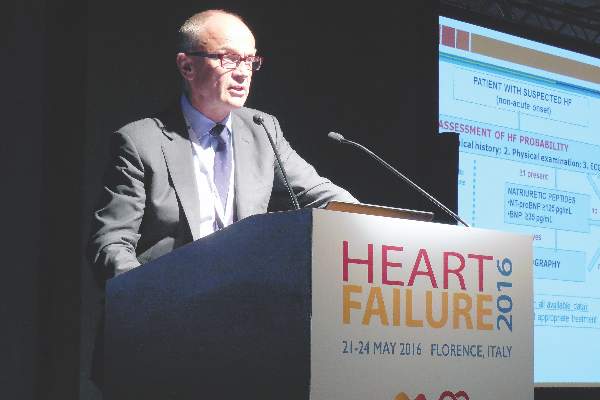
The category of HFmrEF was created “to stimulate research into how to best manage these patients,” explained Dr. Piotr Ponikowski, chair of the ESC guidelines writing panel. For the time being, it remains a category with only theoretical importance as nothing is known to suggest that management of patients with HFmrEF should in any way differ from patients with HFpEF.
• Acute heart failure. Perhaps the most revolutionary element of the new guidelines is the detailed map they provide to managing patients who present with acute decompensated heart failure and the underlying principles cited to justify this radically different approach.
“The acute heart failure section was completely rewritten,” noted Dr. Ponikowski, professor of heart diseases at the Medical University in Wroclaw, Poland. “We don’t yet have evidence-based treatments” to apply to acute heart failure patients, he admitted, “however we strongly recommend the concept that the shorter the better. Shorten the time of diagnosis and for therapeutic decisions. We have borrowed from acute coronary syndrome. Don’t keep patients in the emergency department for another couple of hours just to see if they will respond. We must be aware that we need to do our best to shorten diagnosis and treatment decisions. Time is an issue. Manage a patient’s congestion and impaired peripheral perfusion within a time frame of 1-2 hours.”
The concept that acute heart failure must be quickly managed as an emergency condition similar to acute coronary syndrome first appeared as a European practice recommendation in 2015, a consensus statement from the European Heart Failure Association and two other collaborating organizations (Eur Heart J. 2015 Aug 7;36[30]:1958-66).

“In 2015, the consensus paper talked about how to handle acute heart failure patients in the emergency department. Now, we have focused on defining the patients’ phenotype and how to categorize their treatment options. We built on the 2015 statement, but the algorithms we now have are original to 2016; they were not in the 2015 paper,” said Dr. Veli-Pekka Harjola, a member of the 2015 consensus group and 2016 guidelines panel who spearheaded writing the acute heart failure section of the new ESC guidelines.
An additional new and notable feature of this section in the 2016 guidelines is its creation of an acronym, CHAMP, designed to guide the management of patients with acute heart failure. CHAMP stands for acute Coronary syndrome, Hypertension emergency, Arrhythmia, acute Mechanical cause, and Pulmonary embolism. The CHAMP acronym’s purpose is to “focus attention on these five specific, potential causes of acute heart failure, life-threatening conditions that need immediate treatment,” explained Dr. Ponikowski.
“CHAMP emphasizes the most critical causes of acute heart failure,” added Dr. Harjola, a cardiologist at Helsinki University Central Hospital. “We created this new acronym” to help clinicians keep in mind what to look for in a patient presenting with acute heart failure.
U.S. cardiologists find things to like in what the Europeans say about managing acute heart failure, as well as aspects to question.
“It makes no sense not to aggressively treat a patient who arrives at an emergency department with acute heart failure. But there is a difference between acute MI or stroke and acute heart failure,” said Dr. Butler. “In acute MI there is the ruptured plaque and thrombus that blocks a coronary artery. In stroke there is a thrombus. These are diseases with a specific onset and treatment target. But with acute heart failure we don’t have a thrombus to treat; we don’t have a specific target. What we’ve learned from studying implanted devices [such as CardioMems] is that the congestion that causes acute heart failure can start 2-3 weeks before a patient develops acute decompensated heart failure and goes to the hospital. We have not found a specific pathophysiologic abnormality in the patient with acute heart failure that is any different from chronic heart failure. This begs the question: If a patient who presents with acute heart failure has a congestion process that’s been going on for 2 or 3 weeks what difference will another 3 hours make? Do we need to replicate the concept of an acute stroke team or acute MI response for acute heart failure?”
Dr. Butler stressed that additional data are expected soon that may help clarify this issue.
“Some large outcome trials in patients with acute heart failure are now underway, one testing serelaxin treatment, another testing ularitide treatment, that are also testing the hypothesis that rapid treatment with these drugs can produce more end-organ protection, stop damage to the heart, kidney and liver, and lead to better long-term outcomes. Until we have those data, the jury is still out” on the benefit patients gain from rapid treatment of acute heart failure. “Until then, it’s not that the data say don’t treat acute heart failure patients aggressively. But we have not yet proven it is similar to treating an acute MI or stroke,” said Dr. Butler.
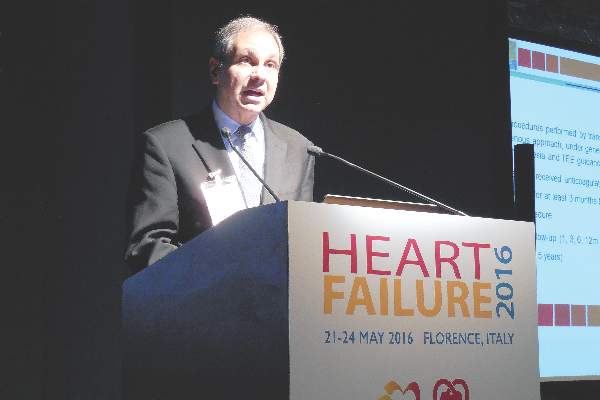
“U.S. guidelines have tended to stay away from areas where there are no evidence-based data. To their credit, the Europeans will take on something like acute heart failure where we don’t have an adequate evidence base. Despite that, they provide guidelines, which is important because clinicians need guidance even when the evidence is not very good, when the guideline is based mostly on experience and expert consensus.” commented Dr. William T. Abraham, professor and director of cardiovascular medicine at the Ohio State University Wexner Medical Center in Columbus.
“It’s absolutely appropriate to think of acute heart failure as an emergency situation. We know from high-sensitivity troponin assays that troponin levels are increased in 90% of patients who present with acute decompensated heart failure. So most acute heart failure patients are losing heart muscle cells and we should treat them like we treat acute coronary syndrome. Time matters in acute heart failure; time is heart muscle. Treatment needs to break the hemodynamic and neurohormonal storm of acute decompensated heart failure; get the patient stabilized; improve vital organ perfusion, including within the heart; and shift the myocardial oxygen supply and demand equation so myocardial necrosis stops. All of this is important, and study results suggest it’s the correct approach. I’m not sure study results prove it, but studies that have looked at the time course of treatment for acute heart failure showed that early initiation of treatment – within the first 6 hours of onset – compared with 12-24 hours of onset makes a difference in outcomes,” Dr. Abraham said in an interview.
But a major limitation to the potential efficacy of a rapidly initiated management strategy is that few interventions currently exist with proven benefits for acute heart failure patients.
For the time being, rapid intervention means using diuretics relatively quickly and, if there is an indication for treating with a vasoactive medication, using that quickly too. “The rapid approach is really more relevant to the future; it’s relevant to the design of future acute heart failure treatment trials. That is where this early treatment paradigm is important,” as it could potentially apply to new, more effective treatments of the future rather than to the marginally effective treatments now available, Dr. Abraham said.
“For a long we time haven’t pushed how quickly we should act when implementing guideline-directed treatment” for patients with acute heart failure, noted Dr. Mehra. “The CHAMP approach is interesting, and the ESC guidelines are a very interesting move in the direction” of faster action. “They speak to the period of time during which one should act. Hopefully this will help the science of acute decompensated heart failure move forward.”
But for other U.S. experts the issue again pivots on the lack of evidence.
“There is nothing new” about managing acute heart failure, said Dr. Jessup. “The ESC guideline was articulated very well; they made their recommendations very clear. But a lot is consensus driven. There are no new data. The problem with acute heart failure is that the recommendations are what we think clinicians should do. CHAMP is a nice acronym; it’s packaged better, but there are not any new data.”
Comorbidities
A dramatic contrast distinguishes the extent to which the ESC guidelines highlight comorbidities, compared with prevailing U.S. guidelines. The new ESC guidelines highlight and discuss with some detail 16 distinct comorbidities for clinicians to keep in mind when managing heart failure patients, compared with three comorbidities (atrial fibrillation, anemia, and depression) discussed with similar detail in the 2013 U.S. guidelines.

“We are targeting comorbidities to personalize medicine, by subgrouping [heart failure] patients into groups that need to receive special attention,” explained Dr. Stefan D. Anker, a coauthor on the ESC guidelines. “We care about comorbidities because they make the diagnosis of heart failure difficult. They aggravate symptoms and contribute to additional hospitalizations. They interfere with [heart failure] treatment, and because comorbidities have led to exclusions of heart failure patients from trials, we lack evidence of treatment efficacy in patients with certain comorbidities,” said Dr. Anker, a professor of innovative clinical trials at the Medical University in Göttingen, Germany.
“The comorbidity discussion in the ESC guidelines is extremely important,” commented Dr. Abraham. “It supports the need for a multidimensional approach to heart failure patients. A cardiologist may not have all the resources to manage all the comorbidities [a heart failure patient might have]. This is why having a sleep medicine specialist, a diabetes specialist, a nephrologist, etc., involved as part of a heart failure management team can be very valuable. We need to involve subspecialists in managing the comorbidities of heart failure because they clearly have an impact on patient outcome.”
But Dr. Butler had a somewhat different take on how comorbidity management fits into the broader picture of heart failure management.
“There is no doubt that heart failure worsens other comorbidities and other comorbidities worsen heart failure. The relationship is bidirectional between heart failure and chronic obstructive pulmonary disease, liver disease, depression, sleep apnea, renal disease, lung disease, diabetes, etc. The problem is that treating a comorbidity does not necessarily translate into improved heart failure outcomes. Comorbidities are important for heart failure patients and worsen their heart failure outcomes. However, management of a comorbidity should be done primarily for the sake of improving the comorbidity. If you treat depression, for example, and it does not improve a patient’s heart failure, that doesn’t mean you shouldn’t have treated the depression. It just means that we don’t have good data that it will improve heart failure.”
Another limitation from a U.S. perspective is what role treatment of various comorbidities can play in benefiting heart failure patients and how compelling the evidence is for this. Dr. Butler gave as an example the problem with treating iron deficiency in heart failure patients who do not have anemia, a strategy endorsed in the ESC guidelines as a level IIa recommendation.
“The data regarding improved exercise capacity from treatment with intravenous ferric carboxymaltose is pretty convincing,” he said. But patients have benefited from this treatment only with improved function and quality of life, and not with improved survival or fewer hospitalizations.
“Is treating patients to improve their function and help them feel better enough?” Dr. Butler asked. “In other diseases it is. In gastrointestinal disease, if a drug helps patients feel better you approve the drug. We value improved functional capacity for patients with pulmonary hypertension, angina, and peripheral vascular disease. All these indications have drugs approved for improving functional capacity and quality of life. But for heart failure the bar has been set higher. There is a lot of interest in changing this” for heart failure.
“There is interest in running a study of ferric carboxymaltose for heart failure with a mortality endpoint. In the meantime, the impact on improving functional capacity is compelling, and it will be interesting to see what happens in the U.S. guidelines. Currently, in U.S. practice if a heart failure patient has iron-deficiency anemia you treat with intravenous iron replacement and the treatment gets reimbursed without a problem. But if the heart failure patient has iron deficiency without anemia then reimbursement for the cost of iron supplementation can be a problem,” Dr. Butler noted. This may change only if the experts who write the next U.S. heart failure guidelines decide to change the rules of what constitutes a useful heart failure treatment, he said.
Dr. Butler has been a consultant to Novartis and Amgen and several other companies. Dr. Jessup had no disclosures. Dr. Mehra has been a consultant to Teva, Johnson & Johnson, Boston Scientific, and St. Jude. Dr. Ruschitzka has been a consultant to Novartis, Servier, Sanofi, Cardiorentis, Heartware, and St. Jude. Dr. McMurray has received research support from Novartis and Amgen. Dr. Lindenfeld has been a consultant to Novartis, Abbott, Janssen, Relypsa, and Resmed. Dr. Voors has been a consultant to Novartis, Amgen, Servier, and several other drug companies. Dr. Ponikowski has been a consultant to Amgen, Novartis, Servier, and several other drug companies. Dr. Harjola has been a consultant to Novartis, Servier, Bayer, Boehringer Ingelheim, Pfizer, and Resmed. Dr. Abraham has been a consultant to Amgen, Novartis, and several device companies. Dr. Anker has been a consultant to Novartis, Servier, and several other companies.
On Twitter @mitchelzoler
FLORENCE, ITALY – The 2016 revision of the European Society of Cardiology’s guidelines for diagnosing and treating acute and chronic heart failure highlights the extent to which thinking in the field has changed during the past 4 years, since the prior edition in 2012.
The new European guidelines, unveiled by the ESC’s Heart Failure Association during the group’s annual meeting, also underscore the great dependence that many new approaches have on expert opinion rather than what’s become the keystone of guidelines writing, evidence-based medicine. Frequent reliance on consensus decisions rather than indisputable proof from controlled trials defines what some U.S. specialists see as a divide as wide as the Atlantic between the European and U.S. approaches to guideline writing.
“The guidelines from the ESC are articulated very well; they made their recommendations very clear. But a lot is consensus driven, without new data,” said Dr. Mariell L. Jessup, who serves as both vice chair of the panel currently revising the U.S. heart failure guidelines – expected out later in 2016 – and was also the sole American representative on the panel that produced the ESC guidelines. “The ESC guidelines make clear all the things that need to happen to patients. I hope it will result in better patient care. We are clearly not doing a good job in heart failure. We not only don’t have evidence-based treatments, but people often don’t do a good job [caring for heart failure patients] and they die in the hospital all the time.”
Dr. Javed Butler, another member of the U.S. guidelines panel and professor and chief of cardiology at Stony Brook (N.Y.) University, called the U.S. and European divide a “philosophical perspective of evidence-based medicine.
“U.S. physicians should read the ESC guidelines and make up their own minds. The ESC guidelines are excellent and give you perspective. But U.S. regulatory and payment issues will be driven by U.S. guidelines,” Dr. Butler said in an interview.
But despite their limitations and the limited weight that the ESC guidelines carry for U.S. practice, they have many redeeming features, noted Dr. Mandeep R. Mehra, medical director of the Heart and Vascular Center at Brigham and Women’s Hospital in Boston. The 2016 ESC guidelines “are extraordinarily clear, very practical, and very concise. They are very usable, and provide a fantastic algorithm for managing patients with heart failure with reduced ejection fraction [HFrEF],” he said while discussing the guidelines during the meeting.
U.S. and Europe largely agree on sacubitril/valsartan and ivabradine
Clearly the greatest area of U.S. and European agreement was in the adoption by both guidelines groups of sacubitril/valsartan (Entresto) and ivabradine (Corlanor) as important new components of the basic drug formula for treating patients with HFrEF. In fact, the U.S. guideline writers saw these two additions as so important and timely that they issued a “focused update” in May to the existing, 2013 U.S. heart failure guidelines, and timed release of this update to occur on May 20, 2016, a day before release of the ESC guidelines. But as Dr. Butler noted, this was more of a temporal harmonization than a substantive one, because even here, in a very evidence-based change, the U.S. guidelines for using sacubitril/valsartan differed subtly but importantly from the ESC version.
The U.S. focused update says that treatment of patients with stage C (symptomatic heart failure with structural heart disease) HFrEF should receive treatment with sacubitril/valsartan (also know as an angiotensin receptor neprilysin inhibitor, or ARNI), an ACE inhibitor, or an angiotensin receptor blocker (ARB), as well as evidence-based treatment with a beta-blocker and with a mineralocorticoid receptor antagonist (MRA). A subsequent recommendation in the U.S. focused update said that HFrEF patients with chronic symptoms and New York Heart Association class II or III disease should switch from a stable, tolerated regimen with either an ACE inhibitor or ARB to treatment with sacubitril/valsartan.
In contrast, the new European guideline for sacubitril/valsartan recommends starting patients on this combination formulation only after first demonstrating that patients tolerated treatment with an ACE inhibitor or ARB for at least 30 days and determining that patients remained symptomatic while on one of these treatments. In short, the U.S. guideline gives a green light to starting patients with newly diagnosed, symptomatic HFrEF on sacubitril/valsartan immediately, while the European guideline only sanctions sacubitril/valsartan to start after a patient has spent at least 30 days settling into a multidrug regimen featuring an ACE inhibitor or an ARB when an ACE inhibitor isn’t well tolerated.
“The European guidelines are closely related to the study population enrolled in the PARADIGM-HF trial,” the pivotal trial that showed superiority of sacubitril/valsartan to an ACE inhibitor (N Engl J Med. 2014;371:993-1004), noted Dr. Butler in an interview. “The U.S. guidelines interpreted [the PARADIGM-HF] results in the best interests of a larger patient population. The European guidelines are far more proscriptive in replicating the clinical criteria of the trial. In some patients the sequence of starting a MRA and sacubitril/valsartan matters, but in other patients it is less important.”
Dr. Frank Ruschitzka, a coauthor of the ESC guidelines, said that the reason for the more cautious ESC approach was lack of widespread familiarity with sacubitril/valsartan treatment among cardiologists.
The ESC guidelines on using sacubitril/valsartan “replicated the PARADIGM-HF trial. We have no data right now that it is justifiable to put a [treatment-naive] patient on sacubitril/valsartan to begin with. Another difference between the U.S. and ESC guidelines is when to start a MRA,” said Dr. Ruschitzka, professor and head of cardiology at the Heart Center of the University Hospital in Zurich. “It makes a lot of sense to me to start sacubitril/valsartan early. The PARADIGM trial was positive, but no one has a feel for how to use sacubitril/valsartan. Should we give it to everyone? We said replicate the trial, and gain experience using the drug. We want to bring a life-saving drug to patients, but this is the approach we took. We need more data.”
Dr. Jessup noted that a lot of uncertainty also exists among U.S. clinicians about when to start sacubitril/valsartan. “It’s not been clear which patients to put on sacubitril/valsartan. No guidelines had been out on using it” until mid-May, and “the cost of sacubitril/valsartan is daunting. I have received calls from many people who ask whom am I supposed to use sacubitril/valsartan on? It took years and years to get people to [routinely] start patients on an ACE inhibitor and a beta-blocker, and now we’re telling them to do something else. In my practice it’s a 30-minute conversation with each patient that you need to first stop your ACE inhibitor, and then they often get denied coverage by their insurer,” said Dr. Jessup, professor of medicine at the University of Pennsylvania in Philadelphia. She expressed hope that coverage issues will diminish now that clear guidelines are out endorsing a key role for sacubitril/valsartan.
“We now all have started sacubitril/valsartan on patients” without first starting them on an ACE inhibitor, “but we all need to get a sense of what we can get away with” when using this drug, noted Dr. JoAnn Lindenfeld, professor and director of heart failure and transplant at Vanderbilt University in Nashville.
At least one European cardiologist was skeptical of just how proscriptive the ESC guideline for sacubitril/valsartan will be in actual practice.
“The best treatment [for symptomatic HFrEF] is sacubitril/valsartan, a beta-blocker, and a MRA,” said Dr. John J.V. McMurray, professor of cardiology at Glasgow University and lead investigator for the PARADIGM-HF pivotal trial for sacubitril/valsartan. “The treatment sequence advocated in the guidelines – treat with an ACE inhibitor first and if patients remain symptomatic change to sacubitril/valsartan – is evidence-based medicine. As a guidelines writer and as a promoter of evidence-based medicine, this is absolutely the correct approach. But as a practicing physician I’d go straight for sacubitril/valsartan. Otherwise you’re wasting everybody’s time starting with an ACE inhibitor and then waiting a month to switch,” Dr. McMurray said in an interview.
“It’s pointless to wait. We saw results within 30 days of starting sacubitril/valsartan, so it’s a theoretical risk to wait. Very few patients will become completely asymptomatic on an ACE inhibitor. Everyone who entered PARADIGM-HF was at New York Heart Association class II or higher, and at the time of randomization only a handful of patients were in New York Heart Association class I. Very few patients get to class I. That tells you it’s pretty uncommon for a heart failure patient to become truly asymptomatic with ACE inhibitor treatment. The main problem is that you are inconveniencing everybody with more blood tests and more clinic visits by waiting to start sacubitril/valsartan, said Dr. McMurray, who was not a member of the panel that wrote the new ESC guidelines.
Even less separates the new U.S. focused update and the ESC guidelines for using ivabradine. Both agree on starting the drug on HFrEF patients who remain symptomatic and with a left ventricular ejection fraction of 35% or less despite being on guideline-directed therapy including titration to a maximum beta-blocker dosage and with a persistent heart rate of at least 70 beats/min. The goal of ivabradine treatment is to further reduce heart rate beyond what’s achieved by a maximal beta-blocker dosage.
Perhaps the biggest questions about ivabradine have been why it took so long to enter the U.S. guidelines, and why it is listed in both the U.S. and ESC guidelines as a level II recommendation. Results from the pivotal trial that supported ivabradine’s use in HFrEF patients, SHIFT, first appeared in 2010 (Lancet. 2010 Sep 11;376[9744]:875-95).
Dr. Butler chalked up the drug’s slow entry into U.S. guidelines as the result of a lack of initiative by ivabradine’s initial developer, Servier. “SHIFT did not have any U.S. sites, and Servier never sought Food and Drug Administration approval,” he noted. “Amgen acquired the U.S. rights to ivabradine in 2013,” and the drug received FDA approval in April 2015, Dr. Butler noted, in explaining the drug’s U.S. timeline. As to why its use is a level II recommendation, he noted that the evidence for efficacy came only from the SHIFT trial, questions exist whether the beta-blocker dosages were fully optimized in all patients in this trial, and the benefit was limited to a reduction in heart failure hospitalizations but not in mortality. “I think that patients with persistent heart failure symptoms [and a persistently elevated heart rate] should get ivabradine,” but these caveats limit it to a class II level recommendation, Dr. Butler said.
“There were questions about ivabradine’s benefit in reducing heart failure hospitalization but not mortality, and questions about whether it would benefit patients if their beta-blocker dosage was adequately up titrated. There were also questions about which heart failure patients to use it on,” noted Dr. Lindenfeld, a member of the panel that wrote the U.S. focused update. These concerns in part help explain the delay to integrating ivabradine into U.S. practice guidelines, she said in an interview, but added that additional data and analysis published during the past 3 or so years have clarified ivabradine’s potentially useful role in treating selected HFrEF patients.
New ESC guidelines based on expert opinion
The sections on sacubitril/valsartan and ivabradine occupy a mere 2 pages among more than 55 pages of text and charts that spell out the ESC’s current vision of how physicians should diagnose and manage heart failure patients. While much of what carried over from prior editions of the guidelines is rooted in evidence, many of the new approaches advocated rely on expert opinion or new interpretations of existing data. Here are some of the notable changes and highlights of the 2016 ESC recommendations:
• Heart failure diagnosis. The new ESC guidelines streamline the diagnostic process, which now focuses on five key elements: The patient’s history, physical examination, ECG, serum level of either brain natriuretic peptide (BNP) or N-terminal(NT)-proBNP, and echocardiography. The guidelines specify threshold levels of BNP and NT-proBNP that can effectively rule out heart failure, a BNP level of at least 35 pg/mL or a NT-proBNP level of at least 125 pg/mL.
“The diagnostic minimum levels of BNP and NT-proBNP were designed to rule out heart failure. They both have a high negative predictive value, but at these levels their positive predictive value is low,” explained Dr. Adriaan A. Voors, cochair of the ESC’s guideline-writing panel and professor of cardiology at the University of Groningen, the Netherlands.
But while these levels might be effective for reliable rule out of heart failure, they could mean a large number of patients would qualify for an echocardiographic assessment.
“If we used the ESC’s natriuretic peptide cutoffs, there would be a clear concern about overuse of echo. It’s a cost-effectiveness issue. You wind up doing a lot of echos that will be normal. Echocardiography is very safe, but each echo costs about $400-$500,” commented Dr. Butler.
“The results from the STOP-HF and PONTIAC studies showed that BNP levels can identify people at increased risk for developing heart failure who need more intensive assessment and could also potentially benefit from more attention to heart failure prevention. I suspect the full U.S. guideline update will address this issue, but we have not yet finalized our decisions,” he added.
• Heart failure classification. The new ESC guidelines created a new heart failure category, midrange ejection fraction, that the writing panel positioned squarely between the two more classic heart failure subgroups, HFrEF and heart failure with preserved ejection fraction (HFpEF). The definition of each of the three subgroups depends on left ventricular ejection fraction as determined by echocardiography: A LVEF of less than 40% defined HFrEF, a LVEF of 40%-49% defined heart failure with midrange ejection fraction (HFmrEF), and a LVEF of 50% or higher defined HFpEF. Diagnostic confirmation of both HFmrEF and HFpEF also requires that patients fulfill certain criteria of structural or functional heart abnormalities.
The category of HFmrEF was created “to stimulate research into how to best manage these patients,” explained Dr. Piotr Ponikowski, chair of the ESC guidelines writing panel. For the time being, it remains a category with only theoretical importance as nothing is known to suggest that management of patients with HFmrEF should in any way differ from patients with HFpEF.
• Acute heart failure. Perhaps the most revolutionary element of the new guidelines is the detailed map they provide to managing patients who present with acute decompensated heart failure and the underlying principles cited to justify this radically different approach.
“The acute heart failure section was completely rewritten,” noted Dr. Ponikowski, professor of heart diseases at the Medical University in Wroclaw, Poland. “We don’t yet have evidence-based treatments” to apply to acute heart failure patients, he admitted, “however we strongly recommend the concept that the shorter the better. Shorten the time of diagnosis and for therapeutic decisions. We have borrowed from acute coronary syndrome. Don’t keep patients in the emergency department for another couple of hours just to see if they will respond. We must be aware that we need to do our best to shorten diagnosis and treatment decisions. Time is an issue. Manage a patient’s congestion and impaired peripheral perfusion within a time frame of 1-2 hours.”
The concept that acute heart failure must be quickly managed as an emergency condition similar to acute coronary syndrome first appeared as a European practice recommendation in 2015, a consensus statement from the European Heart Failure Association and two other collaborating organizations (Eur Heart J. 2015 Aug 7;36[30]:1958-66).
“In 2015, the consensus paper talked about how to handle acute heart failure patients in the emergency department. Now, we have focused on defining the patients’ phenotype and how to categorize their treatment options. We built on the 2015 statement, but the algorithms we now have are original to 2016; they were not in the 2015 paper,” said Dr. Veli-Pekka Harjola, a member of the 2015 consensus group and 2016 guidelines panel who spearheaded writing the acute heart failure section of the new ESC guidelines.
An additional new and notable feature of this section in the 2016 guidelines is its creation of an acronym, CHAMP, designed to guide the management of patients with acute heart failure. CHAMP stands for acute Coronary syndrome, Hypertension emergency, Arrhythmia, acute Mechanical cause, and Pulmonary embolism. The CHAMP acronym’s purpose is to “focus attention on these five specific, potential causes of acute heart failure, life-threatening conditions that need immediate treatment,” explained Dr. Ponikowski.
“CHAMP emphasizes the most critical causes of acute heart failure,” added Dr. Harjola, a cardiologist at Helsinki University Central Hospital. “We created this new acronym” to help clinicians keep in mind what to look for in a patient presenting with acute heart failure.
U.S. cardiologists find things to like in what the Europeans say about managing acute heart failure, as well as aspects to question.
“It makes no sense not to aggressively treat a patient who arrives at an emergency department with acute heart failure. But there is a difference between acute MI or stroke and acute heart failure,” said Dr. Butler. “In acute MI there is the ruptured plaque and thrombus that blocks a coronary artery. In stroke there is a thrombus. These are diseases with a specific onset and treatment target. But with acute heart failure we don’t have a thrombus to treat; we don’t have a specific target. What we’ve learned from studying implanted devices [such as CardioMems] is that the congestion that causes acute heart failure can start 2-3 weeks before a patient develops acute decompensated heart failure and goes to the hospital. We have not found a specific pathophysiologic abnormality in the patient with acute heart failure that is any different from chronic heart failure. This begs the question: If a patient who presents with acute heart failure has a congestion process that’s been going on for 2 or 3 weeks what difference will another 3 hours make? Do we need to replicate the concept of an acute stroke team or acute MI response for acute heart failure?”
Dr. Butler stressed that additional data are expected soon that may help clarify this issue.
“Some large outcome trials in patients with acute heart failure are now underway, one testing serelaxin treatment, another testing ularitide treatment, that are also testing the hypothesis that rapid treatment with these drugs can produce more end-organ protection, stop damage to the heart, kidney and liver, and lead to better long-term outcomes. Until we have those data, the jury is still out” on the benefit patients gain from rapid treatment of acute heart failure. “Until then, it’s not that the data say don’t treat acute heart failure patients aggressively. But we have not yet proven it is similar to treating an acute MI or stroke,” said Dr. Butler.
“U.S. guidelines have tended to stay away from areas where there are no evidence-based data. To their credit, the Europeans will take on something like acute heart failure where we don’t have an adequate evidence base. Despite that, they provide guidelines, which is important because clinicians need guidance even when the evidence is not very good, when the guideline is based mostly on experience and expert consensus.” commented Dr. William T. Abraham, professor and director of cardiovascular medicine at the Ohio State University Wexner Medical Center in Columbus.
“It’s absolutely appropriate to think of acute heart failure as an emergency situation. We know from high-sensitivity troponin assays that troponin levels are increased in 90% of patients who present with acute decompensated heart failure. So most acute heart failure patients are losing heart muscle cells and we should treat them like we treat acute coronary syndrome. Time matters in acute heart failure; time is heart muscle. Treatment needs to break the hemodynamic and neurohormonal storm of acute decompensated heart failure; get the patient stabilized; improve vital organ perfusion, including within the heart; and shift the myocardial oxygen supply and demand equation so myocardial necrosis stops. All of this is important, and study results suggest it’s the correct approach. I’m not sure study results prove it, but studies that have looked at the time course of treatment for acute heart failure showed that early initiation of treatment – within the first 6 hours of onset – compared with 12-24 hours of onset makes a difference in outcomes,” Dr. Abraham said in an interview.
But a major limitation to the potential efficacy of a rapidly initiated management strategy is that few interventions currently exist with proven benefits for acute heart failure patients.
For the time being, rapid intervention means using diuretics relatively quickly and, if there is an indication for treating with a vasoactive medication, using that quickly too. “The rapid approach is really more relevant to the future; it’s relevant to the design of future acute heart failure treatment trials. That is where this early treatment paradigm is important,” as it could potentially apply to new, more effective treatments of the future rather than to the marginally effective treatments now available, Dr. Abraham said.
“For a long we time haven’t pushed how quickly we should act when implementing guideline-directed treatment” for patients with acute heart failure, noted Dr. Mehra. “The CHAMP approach is interesting, and the ESC guidelines are a very interesting move in the direction” of faster action. “They speak to the period of time during which one should act. Hopefully this will help the science of acute decompensated heart failure move forward.”
But for other U.S. experts the issue again pivots on the lack of evidence.
“There is nothing new” about managing acute heart failure, said Dr. Jessup. “The ESC guideline was articulated very well; they made their recommendations very clear. But a lot is consensus driven. There are no new data. The problem with acute heart failure is that the recommendations are what we think clinicians should do. CHAMP is a nice acronym; it’s packaged better, but there are not any new data.”
Comorbidities
A dramatic contrast distinguishes the extent to which the ESC guidelines highlight comorbidities, compared with prevailing U.S. guidelines. The new ESC guidelines highlight and discuss with some detail 16 distinct comorbidities for clinicians to keep in mind when managing heart failure patients, compared with three comorbidities (atrial fibrillation, anemia, and depression) discussed with similar detail in the 2013 U.S. guidelines.
“We are targeting comorbidities to personalize medicine, by subgrouping [heart failure] patients into groups that need to receive special attention,” explained Dr. Stefan D. Anker, a coauthor on the ESC guidelines. “We care about comorbidities because they make the diagnosis of heart failure difficult. They aggravate symptoms and contribute to additional hospitalizations. They interfere with [heart failure] treatment, and because comorbidities have led to exclusions of heart failure patients from trials, we lack evidence of treatment efficacy in patients with certain comorbidities,” said Dr. Anker, a professor of innovative clinical trials at the Medical University in Göttingen, Germany.
“The comorbidity discussion in the ESC guidelines is extremely important,” commented Dr. Abraham. “It supports the need for a multidimensional approach to heart failure patients. A cardiologist may not have all the resources to manage all the comorbidities [a heart failure patient might have]. This is why having a sleep medicine specialist, a diabetes specialist, a nephrologist, etc., involved as part of a heart failure management team can be very valuable. We need to involve subspecialists in managing the comorbidities of heart failure because they clearly have an impact on patient outcome.”
But Dr. Butler had a somewhat different take on how comorbidity management fits into the broader picture of heart failure management.
“There is no doubt that heart failure worsens other comorbidities and other comorbidities worsen heart failure. The relationship is bidirectional between heart failure and chronic obstructive pulmonary disease, liver disease, depression, sleep apnea, renal disease, lung disease, diabetes, etc. The problem is that treating a comorbidity does not necessarily translate into improved heart failure outcomes. Comorbidities are important for heart failure patients and worsen their heart failure outcomes. However, management of a comorbidity should be done primarily for the sake of improving the comorbidity. If you treat depression, for example, and it does not improve a patient’s heart failure, that doesn’t mean you shouldn’t have treated the depression. It just means that we don’t have good data that it will improve heart failure.”
Another limitation from a U.S. perspective is what role treatment of various comorbidities can play in benefiting heart failure patients and how compelling the evidence is for this. Dr. Butler gave as an example the problem with treating iron deficiency in heart failure patients who do not have anemia, a strategy endorsed in the ESC guidelines as a level IIa recommendation.
“The data regarding improved exercise capacity from treatment with intravenous ferric carboxymaltose is pretty convincing,” he said. But patients have benefited from this treatment only with improved function and quality of life, and not with improved survival or fewer hospitalizations.
“Is treating patients to improve their function and help them feel better enough?” Dr. Butler asked. “In other diseases it is. In gastrointestinal disease, if a drug helps patients feel better you approve the drug. We value improved functional capacity for patients with pulmonary hypertension, angina, and peripheral vascular disease. All these indications have drugs approved for improving functional capacity and quality of life. But for heart failure the bar has been set higher. There is a lot of interest in changing this” for heart failure.
“There is interest in running a study of ferric carboxymaltose for heart failure with a mortality endpoint. In the meantime, the impact on improving functional capacity is compelling, and it will be interesting to see what happens in the U.S. guidelines. Currently, in U.S. practice if a heart failure patient has iron-deficiency anemia you treat with intravenous iron replacement and the treatment gets reimbursed without a problem. But if the heart failure patient has iron deficiency without anemia then reimbursement for the cost of iron supplementation can be a problem,” Dr. Butler noted. This may change only if the experts who write the next U.S. heart failure guidelines decide to change the rules of what constitutes a useful heart failure treatment, he said.
Dr. Butler has been a consultant to Novartis and Amgen and several other companies. Dr. Jessup had no disclosures. Dr. Mehra has been a consultant to Teva, Johnson & Johnson, Boston Scientific, and St. Jude. Dr. Ruschitzka has been a consultant to Novartis, Servier, Sanofi, Cardiorentis, Heartware, and St. Jude. Dr. McMurray has received research support from Novartis and Amgen. Dr. Lindenfeld has been a consultant to Novartis, Abbott, Janssen, Relypsa, and Resmed. Dr. Voors has been a consultant to Novartis, Amgen, Servier, and several other drug companies. Dr. Ponikowski has been a consultant to Amgen, Novartis, Servier, and several other drug companies. Dr. Harjola has been a consultant to Novartis, Servier, Bayer, Boehringer Ingelheim, Pfizer, and Resmed. Dr. Abraham has been a consultant to Amgen, Novartis, and several device companies. Dr. Anker has been a consultant to Novartis, Servier, and several other companies.
On Twitter @mitchelzoler
FLORENCE, ITALY – The 2016 revision of the European Society of Cardiology’s guidelines for diagnosing and treating acute and chronic heart failure highlights the extent to which thinking in the field has changed during the past 4 years, since the prior edition in 2012.
The new European guidelines, unveiled by the ESC’s Heart Failure Association during the group’s annual meeting, also underscore the great dependence that many new approaches have on expert opinion rather than what’s become the keystone of guidelines writing, evidence-based medicine. Frequent reliance on consensus decisions rather than indisputable proof from controlled trials defines what some U.S. specialists see as a divide as wide as the Atlantic between the European and U.S. approaches to guideline writing.
“The guidelines from the ESC are articulated very well; they made their recommendations very clear. But a lot is consensus driven, without new data,” said Dr. Mariell L. Jessup, who serves as both vice chair of the panel currently revising the U.S. heart failure guidelines – expected out later in 2016 – and was also the sole American representative on the panel that produced the ESC guidelines. “The ESC guidelines make clear all the things that need to happen to patients. I hope it will result in better patient care. We are clearly not doing a good job in heart failure. We not only don’t have evidence-based treatments, but people often don’t do a good job [caring for heart failure patients] and they die in the hospital all the time.”
Dr. Javed Butler, another member of the U.S. guidelines panel and professor and chief of cardiology at Stony Brook (N.Y.) University, called the U.S. and European divide a “philosophical perspective of evidence-based medicine.
“U.S. physicians should read the ESC guidelines and make up their own minds. The ESC guidelines are excellent and give you perspective. But U.S. regulatory and payment issues will be driven by U.S. guidelines,” Dr. Butler said in an interview.
But despite their limitations and the limited weight that the ESC guidelines carry for U.S. practice, they have many redeeming features, noted Dr. Mandeep R. Mehra, medical director of the Heart and Vascular Center at Brigham and Women’s Hospital in Boston. The 2016 ESC guidelines “are extraordinarily clear, very practical, and very concise. They are very usable, and provide a fantastic algorithm for managing patients with heart failure with reduced ejection fraction [HFrEF],” he said while discussing the guidelines during the meeting.
U.S. and Europe largely agree on sacubitril/valsartan and ivabradine
Clearly the greatest area of U.S. and European agreement was in the adoption by both guidelines groups of sacubitril/valsartan (Entresto) and ivabradine (Corlanor) as important new components of the basic drug formula for treating patients with HFrEF. In fact, the U.S. guideline writers saw these two additions as so important and timely that they issued a “focused update” in May to the existing, 2013 U.S. heart failure guidelines, and timed release of this update to occur on May 20, 2016, a day before release of the ESC guidelines. But as Dr. Butler noted, this was more of a temporal harmonization than a substantive one, because even here, in a very evidence-based change, the U.S. guidelines for using sacubitril/valsartan differed subtly but importantly from the ESC version.
The U.S. focused update says that treatment of patients with stage C (symptomatic heart failure with structural heart disease) HFrEF should receive treatment with sacubitril/valsartan (also know as an angiotensin receptor neprilysin inhibitor, or ARNI), an ACE inhibitor, or an angiotensin receptor blocker (ARB), as well as evidence-based treatment with a beta-blocker and with a mineralocorticoid receptor antagonist (MRA). A subsequent recommendation in the U.S. focused update said that HFrEF patients with chronic symptoms and New York Heart Association class II or III disease should switch from a stable, tolerated regimen with either an ACE inhibitor or ARB to treatment with sacubitril/valsartan.
In contrast, the new European guideline for sacubitril/valsartan recommends starting patients on this combination formulation only after first demonstrating that patients tolerated treatment with an ACE inhibitor or ARB for at least 30 days and determining that patients remained symptomatic while on one of these treatments. In short, the U.S. guideline gives a green light to starting patients with newly diagnosed, symptomatic HFrEF on sacubitril/valsartan immediately, while the European guideline only sanctions sacubitril/valsartan to start after a patient has spent at least 30 days settling into a multidrug regimen featuring an ACE inhibitor or an ARB when an ACE inhibitor isn’t well tolerated.
“The European guidelines are closely related to the study population enrolled in the PARADIGM-HF trial,” the pivotal trial that showed superiority of sacubitril/valsartan to an ACE inhibitor (N Engl J Med. 2014;371:993-1004), noted Dr. Butler in an interview. “The U.S. guidelines interpreted [the PARADIGM-HF] results in the best interests of a larger patient population. The European guidelines are far more proscriptive in replicating the clinical criteria of the trial. In some patients the sequence of starting a MRA and sacubitril/valsartan matters, but in other patients it is less important.”
Dr. Frank Ruschitzka, a coauthor of the ESC guidelines, said that the reason for the more cautious ESC approach was lack of widespread familiarity with sacubitril/valsartan treatment among cardiologists.
The ESC guidelines on using sacubitril/valsartan “replicated the PARADIGM-HF trial. We have no data right now that it is justifiable to put a [treatment-naive] patient on sacubitril/valsartan to begin with. Another difference between the U.S. and ESC guidelines is when to start a MRA,” said Dr. Ruschitzka, professor and head of cardiology at the Heart Center of the University Hospital in Zurich. “It makes a lot of sense to me to start sacubitril/valsartan early. The PARADIGM trial was positive, but no one has a feel for how to use sacubitril/valsartan. Should we give it to everyone? We said replicate the trial, and gain experience using the drug. We want to bring a life-saving drug to patients, but this is the approach we took. We need more data.”
Dr. Jessup noted that a lot of uncertainty also exists among U.S. clinicians about when to start sacubitril/valsartan. “It’s not been clear which patients to put on sacubitril/valsartan. No guidelines had been out on using it” until mid-May, and “the cost of sacubitril/valsartan is daunting. I have received calls from many people who ask whom am I supposed to use sacubitril/valsartan on? It took years and years to get people to [routinely] start patients on an ACE inhibitor and a beta-blocker, and now we’re telling them to do something else. In my practice it’s a 30-minute conversation with each patient that you need to first stop your ACE inhibitor, and then they often get denied coverage by their insurer,” said Dr. Jessup, professor of medicine at the University of Pennsylvania in Philadelphia. She expressed hope that coverage issues will diminish now that clear guidelines are out endorsing a key role for sacubitril/valsartan.
“We now all have started sacubitril/valsartan on patients” without first starting them on an ACE inhibitor, “but we all need to get a sense of what we can get away with” when using this drug, noted Dr. JoAnn Lindenfeld, professor and director of heart failure and transplant at Vanderbilt University in Nashville.
At least one European cardiologist was skeptical of just how proscriptive the ESC guideline for sacubitril/valsartan will be in actual practice.
“The best treatment [for symptomatic HFrEF] is sacubitril/valsartan, a beta-blocker, and a MRA,” said Dr. John J.V. McMurray, professor of cardiology at Glasgow University and lead investigator for the PARADIGM-HF pivotal trial for sacubitril/valsartan. “The treatment sequence advocated in the guidelines – treat with an ACE inhibitor first and if patients remain symptomatic change to sacubitril/valsartan – is evidence-based medicine. As a guidelines writer and as a promoter of evidence-based medicine, this is absolutely the correct approach. But as a practicing physician I’d go straight for sacubitril/valsartan. Otherwise you’re wasting everybody’s time starting with an ACE inhibitor and then waiting a month to switch,” Dr. McMurray said in an interview.
“It’s pointless to wait. We saw results within 30 days of starting sacubitril/valsartan, so it’s a theoretical risk to wait. Very few patients will become completely asymptomatic on an ACE inhibitor. Everyone who entered PARADIGM-HF was at New York Heart Association class II or higher, and at the time of randomization only a handful of patients were in New York Heart Association class I. Very few patients get to class I. That tells you it’s pretty uncommon for a heart failure patient to become truly asymptomatic with ACE inhibitor treatment. The main problem is that you are inconveniencing everybody with more blood tests and more clinic visits by waiting to start sacubitril/valsartan, said Dr. McMurray, who was not a member of the panel that wrote the new ESC guidelines.
Even less separates the new U.S. focused update and the ESC guidelines for using ivabradine. Both agree on starting the drug on HFrEF patients who remain symptomatic and with a left ventricular ejection fraction of 35% or less despite being on guideline-directed therapy including titration to a maximum beta-blocker dosage and with a persistent heart rate of at least 70 beats/min. The goal of ivabradine treatment is to further reduce heart rate beyond what’s achieved by a maximal beta-blocker dosage.
Perhaps the biggest questions about ivabradine have been why it took so long to enter the U.S. guidelines, and why it is listed in both the U.S. and ESC guidelines as a level II recommendation. Results from the pivotal trial that supported ivabradine’s use in HFrEF patients, SHIFT, first appeared in 2010 (Lancet. 2010 Sep 11;376[9744]:875-95).
Dr. Butler chalked up the drug’s slow entry into U.S. guidelines as the result of a lack of initiative by ivabradine’s initial developer, Servier. “SHIFT did not have any U.S. sites, and Servier never sought Food and Drug Administration approval,” he noted. “Amgen acquired the U.S. rights to ivabradine in 2013,” and the drug received FDA approval in April 2015, Dr. Butler noted, in explaining the drug’s U.S. timeline. As to why its use is a level II recommendation, he noted that the evidence for efficacy came only from the SHIFT trial, questions exist whether the beta-blocker dosages were fully optimized in all patients in this trial, and the benefit was limited to a reduction in heart failure hospitalizations but not in mortality. “I think that patients with persistent heart failure symptoms [and a persistently elevated heart rate] should get ivabradine,” but these caveats limit it to a class II level recommendation, Dr. Butler said.
“There were questions about ivabradine’s benefit in reducing heart failure hospitalization but not mortality, and questions about whether it would benefit patients if their beta-blocker dosage was adequately up titrated. There were also questions about which heart failure patients to use it on,” noted Dr. Lindenfeld, a member of the panel that wrote the U.S. focused update. These concerns in part help explain the delay to integrating ivabradine into U.S. practice guidelines, she said in an interview, but added that additional data and analysis published during the past 3 or so years have clarified ivabradine’s potentially useful role in treating selected HFrEF patients.
New ESC guidelines based on expert opinion
The sections on sacubitril/valsartan and ivabradine occupy a mere 2 pages among more than 55 pages of text and charts that spell out the ESC’s current vision of how physicians should diagnose and manage heart failure patients. While much of what carried over from prior editions of the guidelines is rooted in evidence, many of the new approaches advocated rely on expert opinion or new interpretations of existing data. Here are some of the notable changes and highlights of the 2016 ESC recommendations:
• Heart failure diagnosis. The new ESC guidelines streamline the diagnostic process, which now focuses on five key elements: The patient’s history, physical examination, ECG, serum level of either brain natriuretic peptide (BNP) or N-terminal(NT)-proBNP, and echocardiography. The guidelines specify threshold levels of BNP and NT-proBNP that can effectively rule out heart failure, a BNP level of at least 35 pg/mL or a NT-proBNP level of at least 125 pg/mL.
“The diagnostic minimum levels of BNP and NT-proBNP were designed to rule out heart failure. They both have a high negative predictive value, but at these levels their positive predictive value is low,” explained Dr. Adriaan A. Voors, cochair of the ESC’s guideline-writing panel and professor of cardiology at the University of Groningen, the Netherlands.
But while these levels might be effective for reliable rule out of heart failure, they could mean a large number of patients would qualify for an echocardiographic assessment.
“If we used the ESC’s natriuretic peptide cutoffs, there would be a clear concern about overuse of echo. It’s a cost-effectiveness issue. You wind up doing a lot of echos that will be normal. Echocardiography is very safe, but each echo costs about $400-$500,” commented Dr. Butler.
“The results from the STOP-HF and PONTIAC studies showed that BNP levels can identify people at increased risk for developing heart failure who need more intensive assessment and could also potentially benefit from more attention to heart failure prevention. I suspect the full U.S. guideline update will address this issue, but we have not yet finalized our decisions,” he added.
• Heart failure classification. The new ESC guidelines created a new heart failure category, midrange ejection fraction, that the writing panel positioned squarely between the two more classic heart failure subgroups, HFrEF and heart failure with preserved ejection fraction (HFpEF). The definition of each of the three subgroups depends on left ventricular ejection fraction as determined by echocardiography: A LVEF of less than 40% defined HFrEF, a LVEF of 40%-49% defined heart failure with midrange ejection fraction (HFmrEF), and a LVEF of 50% or higher defined HFpEF. Diagnostic confirmation of both HFmrEF and HFpEF also requires that patients fulfill certain criteria of structural or functional heart abnormalities.
The category of HFmrEF was created “to stimulate research into how to best manage these patients,” explained Dr. Piotr Ponikowski, chair of the ESC guidelines writing panel. For the time being, it remains a category with only theoretical importance as nothing is known to suggest that management of patients with HFmrEF should in any way differ from patients with HFpEF.
• Acute heart failure. Perhaps the most revolutionary element of the new guidelines is the detailed map they provide to managing patients who present with acute decompensated heart failure and the underlying principles cited to justify this radically different approach.
“The acute heart failure section was completely rewritten,” noted Dr. Ponikowski, professor of heart diseases at the Medical University in Wroclaw, Poland. “We don’t yet have evidence-based treatments” to apply to acute heart failure patients, he admitted, “however we strongly recommend the concept that the shorter the better. Shorten the time of diagnosis and for therapeutic decisions. We have borrowed from acute coronary syndrome. Don’t keep patients in the emergency department for another couple of hours just to see if they will respond. We must be aware that we need to do our best to shorten diagnosis and treatment decisions. Time is an issue. Manage a patient’s congestion and impaired peripheral perfusion within a time frame of 1-2 hours.”
The concept that acute heart failure must be quickly managed as an emergency condition similar to acute coronary syndrome first appeared as a European practice recommendation in 2015, a consensus statement from the European Heart Failure Association and two other collaborating organizations (Eur Heart J. 2015 Aug 7;36[30]:1958-66).
“In 2015, the consensus paper talked about how to handle acute heart failure patients in the emergency department. Now, we have focused on defining the patients’ phenotype and how to categorize their treatment options. We built on the 2015 statement, but the algorithms we now have are original to 2016; they were not in the 2015 paper,” said Dr. Veli-Pekka Harjola, a member of the 2015 consensus group and 2016 guidelines panel who spearheaded writing the acute heart failure section of the new ESC guidelines.
An additional new and notable feature of this section in the 2016 guidelines is its creation of an acronym, CHAMP, designed to guide the management of patients with acute heart failure. CHAMP stands for acute Coronary syndrome, Hypertension emergency, Arrhythmia, acute Mechanical cause, and Pulmonary embolism. The CHAMP acronym’s purpose is to “focus attention on these five specific, potential causes of acute heart failure, life-threatening conditions that need immediate treatment,” explained Dr. Ponikowski.
“CHAMP emphasizes the most critical causes of acute heart failure,” added Dr. Harjola, a cardiologist at Helsinki University Central Hospital. “We created this new acronym” to help clinicians keep in mind what to look for in a patient presenting with acute heart failure.
U.S. cardiologists find things to like in what the Europeans say about managing acute heart failure, as well as aspects to question.
“It makes no sense not to aggressively treat a patient who arrives at an emergency department with acute heart failure. But there is a difference between acute MI or stroke and acute heart failure,” said Dr. Butler. “In acute MI there is the ruptured plaque and thrombus that blocks a coronary artery. In stroke there is a thrombus. These are diseases with a specific onset and treatment target. But with acute heart failure we don’t have a thrombus to treat; we don’t have a specific target. What we’ve learned from studying implanted devices [such as CardioMems] is that the congestion that causes acute heart failure can start 2-3 weeks before a patient develops acute decompensated heart failure and goes to the hospital. We have not found a specific pathophysiologic abnormality in the patient with acute heart failure that is any different from chronic heart failure. This begs the question: If a patient who presents with acute heart failure has a congestion process that’s been going on for 2 or 3 weeks what difference will another 3 hours make? Do we need to replicate the concept of an acute stroke team or acute MI response for acute heart failure?”
Dr. Butler stressed that additional data are expected soon that may help clarify this issue.
“Some large outcome trials in patients with acute heart failure are now underway, one testing serelaxin treatment, another testing ularitide treatment, that are also testing the hypothesis that rapid treatment with these drugs can produce more end-organ protection, stop damage to the heart, kidney and liver, and lead to better long-term outcomes. Until we have those data, the jury is still out” on the benefit patients gain from rapid treatment of acute heart failure. “Until then, it’s not that the data say don’t treat acute heart failure patients aggressively. But we have not yet proven it is similar to treating an acute MI or stroke,” said Dr. Butler.
“U.S. guidelines have tended to stay away from areas where there are no evidence-based data. To their credit, the Europeans will take on something like acute heart failure where we don’t have an adequate evidence base. Despite that, they provide guidelines, which is important because clinicians need guidance even when the evidence is not very good, when the guideline is based mostly on experience and expert consensus.” commented Dr. William T. Abraham, professor and director of cardiovascular medicine at the Ohio State University Wexner Medical Center in Columbus.
“It’s absolutely appropriate to think of acute heart failure as an emergency situation. We know from high-sensitivity troponin assays that troponin levels are increased in 90% of patients who present with acute decompensated heart failure. So most acute heart failure patients are losing heart muscle cells and we should treat them like we treat acute coronary syndrome. Time matters in acute heart failure; time is heart muscle. Treatment needs to break the hemodynamic and neurohormonal storm of acute decompensated heart failure; get the patient stabilized; improve vital organ perfusion, including within the heart; and shift the myocardial oxygen supply and demand equation so myocardial necrosis stops. All of this is important, and study results suggest it’s the correct approach. I’m not sure study results prove it, but studies that have looked at the time course of treatment for acute heart failure showed that early initiation of treatment – within the first 6 hours of onset – compared with 12-24 hours of onset makes a difference in outcomes,” Dr. Abraham said in an interview.
But a major limitation to the potential efficacy of a rapidly initiated management strategy is that few interventions currently exist with proven benefits for acute heart failure patients.
For the time being, rapid intervention means using diuretics relatively quickly and, if there is an indication for treating with a vasoactive medication, using that quickly too. “The rapid approach is really more relevant to the future; it’s relevant to the design of future acute heart failure treatment trials. That is where this early treatment paradigm is important,” as it could potentially apply to new, more effective treatments of the future rather than to the marginally effective treatments now available, Dr. Abraham said.
“For a long we time haven’t pushed how quickly we should act when implementing guideline-directed treatment” for patients with acute heart failure, noted Dr. Mehra. “The CHAMP approach is interesting, and the ESC guidelines are a very interesting move in the direction” of faster action. “They speak to the period of time during which one should act. Hopefully this will help the science of acute decompensated heart failure move forward.”
But for other U.S. experts the issue again pivots on the lack of evidence.
“There is nothing new” about managing acute heart failure, said Dr. Jessup. “The ESC guideline was articulated very well; they made their recommendations very clear. But a lot is consensus driven. There are no new data. The problem with acute heart failure is that the recommendations are what we think clinicians should do. CHAMP is a nice acronym; it’s packaged better, but there are not any new data.”
Comorbidities
A dramatic contrast distinguishes the extent to which the ESC guidelines highlight comorbidities, compared with prevailing U.S. guidelines. The new ESC guidelines highlight and discuss with some detail 16 distinct comorbidities for clinicians to keep in mind when managing heart failure patients, compared with three comorbidities (atrial fibrillation, anemia, and depression) discussed with similar detail in the 2013 U.S. guidelines.
“We are targeting comorbidities to personalize medicine, by subgrouping [heart failure] patients into groups that need to receive special attention,” explained Dr. Stefan D. Anker, a coauthor on the ESC guidelines. “We care about comorbidities because they make the diagnosis of heart failure difficult. They aggravate symptoms and contribute to additional hospitalizations. They interfere with [heart failure] treatment, and because comorbidities have led to exclusions of heart failure patients from trials, we lack evidence of treatment efficacy in patients with certain comorbidities,” said Dr. Anker, a professor of innovative clinical trials at the Medical University in Göttingen, Germany.
“The comorbidity discussion in the ESC guidelines is extremely important,” commented Dr. Abraham. “It supports the need for a multidimensional approach to heart failure patients. A cardiologist may not have all the resources to manage all the comorbidities [a heart failure patient might have]. This is why having a sleep medicine specialist, a diabetes specialist, a nephrologist, etc., involved as part of a heart failure management team can be very valuable. We need to involve subspecialists in managing the comorbidities of heart failure because they clearly have an impact on patient outcome.”
But Dr. Butler had a somewhat different take on how comorbidity management fits into the broader picture of heart failure management.
“There is no doubt that heart failure worsens other comorbidities and other comorbidities worsen heart failure. The relationship is bidirectional between heart failure and chronic obstructive pulmonary disease, liver disease, depression, sleep apnea, renal disease, lung disease, diabetes, etc. The problem is that treating a comorbidity does not necessarily translate into improved heart failure outcomes. Comorbidities are important for heart failure patients and worsen their heart failure outcomes. However, management of a comorbidity should be done primarily for the sake of improving the comorbidity. If you treat depression, for example, and it does not improve a patient’s heart failure, that doesn’t mean you shouldn’t have treated the depression. It just means that we don’t have good data that it will improve heart failure.”
Another limitation from a U.S. perspective is what role treatment of various comorbidities can play in benefiting heart failure patients and how compelling the evidence is for this. Dr. Butler gave as an example the problem with treating iron deficiency in heart failure patients who do not have anemia, a strategy endorsed in the ESC guidelines as a level IIa recommendation.
“The data regarding improved exercise capacity from treatment with intravenous ferric carboxymaltose is pretty convincing,” he said. But patients have benefited from this treatment only with improved function and quality of life, and not with improved survival or fewer hospitalizations.
“Is treating patients to improve their function and help them feel better enough?” Dr. Butler asked. “In other diseases it is. In gastrointestinal disease, if a drug helps patients feel better you approve the drug. We value improved functional capacity for patients with pulmonary hypertension, angina, and peripheral vascular disease. All these indications have drugs approved for improving functional capacity and quality of life. But for heart failure the bar has been set higher. There is a lot of interest in changing this” for heart failure.
“There is interest in running a study of ferric carboxymaltose for heart failure with a mortality endpoint. In the meantime, the impact on improving functional capacity is compelling, and it will be interesting to see what happens in the U.S. guidelines. Currently, in U.S. practice if a heart failure patient has iron-deficiency anemia you treat with intravenous iron replacement and the treatment gets reimbursed without a problem. But if the heart failure patient has iron deficiency without anemia then reimbursement for the cost of iron supplementation can be a problem,” Dr. Butler noted. This may change only if the experts who write the next U.S. heart failure guidelines decide to change the rules of what constitutes a useful heart failure treatment, he said.
Dr. Butler has been a consultant to Novartis and Amgen and several other companies. Dr. Jessup had no disclosures. Dr. Mehra has been a consultant to Teva, Johnson & Johnson, Boston Scientific, and St. Jude. Dr. Ruschitzka has been a consultant to Novartis, Servier, Sanofi, Cardiorentis, Heartware, and St. Jude. Dr. McMurray has received research support from Novartis and Amgen. Dr. Lindenfeld has been a consultant to Novartis, Abbott, Janssen, Relypsa, and Resmed. Dr. Voors has been a consultant to Novartis, Amgen, Servier, and several other drug companies. Dr. Ponikowski has been a consultant to Amgen, Novartis, Servier, and several other drug companies. Dr. Harjola has been a consultant to Novartis, Servier, Bayer, Boehringer Ingelheim, Pfizer, and Resmed. Dr. Abraham has been a consultant to Amgen, Novartis, and several device companies. Dr. Anker has been a consultant to Novartis, Servier, and several other companies.
On Twitter @mitchelzoler
EXPERT ANALYSIS FROM HEART FAILURE 2016

Single rituximab dose slows rheumatoid arthritis development
LONDON – A single, intravenous infusion of 1,000 mg of rituximab to people with arthralgia and a high risk for developing rheumatoid arthritis cut the subsequent rate of rheumatoid arthritis development roughly in half during more than 18 months of follow-up in a proof-of-concept, placebo-controlled study that randomized 81 people.
“This is the first study to evaluate the effects of a biopharmaceutical in subjects at risk of developing RA [rheumatoid arthritis],” Dr. Daniëlle M. Gerlag said at the European Congress of Rheumatology. “These results strongly support the rationale for future clinical trials aimed at prevention of RA by a targeted intervention,” added Dr. Gerlag, a rheumatologist at the Academic Medical Center in Amsterdam.

Additional studies are needed to confirm this effect and to examine whether the period of protection against RA development can be extended by administration of additional rituximab (Rituxan) doses. In the current study, the protective effect from the single dose administered appeared to wane over time, she noted.
The idea behind this strategy is that a window of opportunity exists in people at high risk for developing RA to prevent the disease by blocking production of the autoantibodies that trigger the development of a subclinical synovitis that eventually leads to RA. Rituximab is a cytolytic antibody directed against the CD20 antigen on B cells that already has regulatory approval for treating moderately to severely active RA as well as certain other diseases.
Dr. Gerlag and her associates recently published an analysis that detailed their rationale for hypothesizing that prophylactic treatment with rituximab might prove effective at delaying or preventing the development of RA in susceptible people (Rheumatology [Oxford]. 2016 April;55[4]:607-14).
The Prevention of RA by Rituximab (PRAIRI) study ran at three Dutch centers. The investigators enrolled people with arthralgia who had never been diagnosed with arthritis, had never used a disease-modifying antirheumatic drug, and had at least one of these two risk factors: a serum level of IgM rheumatoid factor of more than 12.5 IU/mL and a serum level of anticitrullinated peptide antibodies of more than 25 IU/mL. Enrolled participants also needed to have at least one of the following: a serum level of C-reactive protein greater than 3 mg/L, an erythrocyte sedimentation rate of greater than 28 mm/hr, and evidence of subclinical synovitis identified by either ultrasound or MRI.
The researchers found these participants largely through screening sessions run at health fairs and by publicizing the study during television appearances, Dr. Gerlag said. About three-quarters of the participants were first-degree relatives of patients already diagnosed with RA, but this was not a criterion for enrollment. The participants averaged about 53 years old, and nearly two-thirds were women.
Among the 81 people who underwent treatment, 41 received a single, 1,000-mg infusion of rituximab, and 40 received a placebo infusion. The researchers then followed the participants with scheduled, periodic examinations during a median of 29 months.
During follow-up, 16 of the 40 people in the placebo group (40%) developed RA after a median of 12 months, and 14 of the 41 in the treated arm (34%) developed RA after a median of 17 months.
The researchers performed two different statistical analyses on these outcomes. They used a Kaplan-Meier survival analysis to determine the time until 25% of people in each arm developed RA. Among the placebo patients, this occurred after 12 months, while in the intervention arm, it did not occur until 24 months, a statistically significant doubling of the time to this outcome with rituximab treatment, Dr. Gerlag reported.
The second analysis calculated a Cox proportional hazard ratio based on the time to development of rheumatoid arthritis among those in each of the treatment groups. This determined a 55% reduced hazard ratio after 12 months among people treated with rituximab, compared with the placebo-treated controls, and a 53% reduced hazard after 18 months, both statistically significant differences.
A safety analysis showed that some people treated with rituximab had mild infusion-related symptoms, but no participants had serious infections. Serious adverse events occurred in 11 people in the rituximab group and in 3 in the placebo arm, but none of these serious adverse events was judged to be related to treatment by the study’s data safety monitoring board, said Dr. Gerlag, who is also on the staff of GlaxoSmithKline in Cambridge, England.
The PRAIRI study received no commercial funding. Dr. Gerlag is also a shareholder in GlaxoSmithKline, but the company played no role in the study.
On Twitter@mitchelzoler
LONDON – A single, intravenous infusion of 1,000 mg of rituximab to people with arthralgia and a high risk for developing rheumatoid arthritis cut the subsequent rate of rheumatoid arthritis development roughly in half during more than 18 months of follow-up in a proof-of-concept, placebo-controlled study that randomized 81 people.
“This is the first study to evaluate the effects of a biopharmaceutical in subjects at risk of developing RA [rheumatoid arthritis],” Dr. Daniëlle M. Gerlag said at the European Congress of Rheumatology. “These results strongly support the rationale for future clinical trials aimed at prevention of RA by a targeted intervention,” added Dr. Gerlag, a rheumatologist at the Academic Medical Center in Amsterdam.
Additional studies are needed to confirm this effect and to examine whether the period of protection against RA development can be extended by administration of additional rituximab (Rituxan) doses. In the current study, the protective effect from the single dose administered appeared to wane over time, she noted.
The idea behind this strategy is that a window of opportunity exists in people at high risk for developing RA to prevent the disease by blocking production of the autoantibodies that trigger the development of a subclinical synovitis that eventually leads to RA. Rituximab is a cytolytic antibody directed against the CD20 antigen on B cells that already has regulatory approval for treating moderately to severely active RA as well as certain other diseases.
Dr. Gerlag and her associates recently published an analysis that detailed their rationale for hypothesizing that prophylactic treatment with rituximab might prove effective at delaying or preventing the development of RA in susceptible people (Rheumatology [Oxford]. 2016 April;55[4]:607-14).
The Prevention of RA by Rituximab (PRAIRI) study ran at three Dutch centers. The investigators enrolled people with arthralgia who had never been diagnosed with arthritis, had never used a disease-modifying antirheumatic drug, and had at least one of these two risk factors: a serum level of IgM rheumatoid factor of more than 12.5 IU/mL and a serum level of anticitrullinated peptide antibodies of more than 25 IU/mL. Enrolled participants also needed to have at least one of the following: a serum level of C-reactive protein greater than 3 mg/L, an erythrocyte sedimentation rate of greater than 28 mm/hr, and evidence of subclinical synovitis identified by either ultrasound or MRI.
The researchers found these participants largely through screening sessions run at health fairs and by publicizing the study during television appearances, Dr. Gerlag said. About three-quarters of the participants were first-degree relatives of patients already diagnosed with RA, but this was not a criterion for enrollment. The participants averaged about 53 years old, and nearly two-thirds were women.
Among the 81 people who underwent treatment, 41 received a single, 1,000-mg infusion of rituximab, and 40 received a placebo infusion. The researchers then followed the participants with scheduled, periodic examinations during a median of 29 months.
During follow-up, 16 of the 40 people in the placebo group (40%) developed RA after a median of 12 months, and 14 of the 41 in the treated arm (34%) developed RA after a median of 17 months.
The researchers performed two different statistical analyses on these outcomes. They used a Kaplan-Meier survival analysis to determine the time until 25% of people in each arm developed RA. Among the placebo patients, this occurred after 12 months, while in the intervention arm, it did not occur until 24 months, a statistically significant doubling of the time to this outcome with rituximab treatment, Dr. Gerlag reported.
The second analysis calculated a Cox proportional hazard ratio based on the time to development of rheumatoid arthritis among those in each of the treatment groups. This determined a 55% reduced hazard ratio after 12 months among people treated with rituximab, compared with the placebo-treated controls, and a 53% reduced hazard after 18 months, both statistically significant differences.
A safety analysis showed that some people treated with rituximab had mild infusion-related symptoms, but no participants had serious infections. Serious adverse events occurred in 11 people in the rituximab group and in 3 in the placebo arm, but none of these serious adverse events was judged to be related to treatment by the study’s data safety monitoring board, said Dr. Gerlag, who is also on the staff of GlaxoSmithKline in Cambridge, England.
The PRAIRI study received no commercial funding. Dr. Gerlag is also a shareholder in GlaxoSmithKline, but the company played no role in the study.
On Twitter@mitchelzoler
LONDON – A single, intravenous infusion of 1,000 mg of rituximab to people with arthralgia and a high risk for developing rheumatoid arthritis cut the subsequent rate of rheumatoid arthritis development roughly in half during more than 18 months of follow-up in a proof-of-concept, placebo-controlled study that randomized 81 people.
“This is the first study to evaluate the effects of a biopharmaceutical in subjects at risk of developing RA [rheumatoid arthritis],” Dr. Daniëlle M. Gerlag said at the European Congress of Rheumatology. “These results strongly support the rationale for future clinical trials aimed at prevention of RA by a targeted intervention,” added Dr. Gerlag, a rheumatologist at the Academic Medical Center in Amsterdam.
Additional studies are needed to confirm this effect and to examine whether the period of protection against RA development can be extended by administration of additional rituximab (Rituxan) doses. In the current study, the protective effect from the single dose administered appeared to wane over time, she noted.
The idea behind this strategy is that a window of opportunity exists in people at high risk for developing RA to prevent the disease by blocking production of the autoantibodies that trigger the development of a subclinical synovitis that eventually leads to RA. Rituximab is a cytolytic antibody directed against the CD20 antigen on B cells that already has regulatory approval for treating moderately to severely active RA as well as certain other diseases.
Dr. Gerlag and her associates recently published an analysis that detailed their rationale for hypothesizing that prophylactic treatment with rituximab might prove effective at delaying or preventing the development of RA in susceptible people (Rheumatology [Oxford]. 2016 April;55[4]:607-14).
The Prevention of RA by Rituximab (PRAIRI) study ran at three Dutch centers. The investigators enrolled people with arthralgia who had never been diagnosed with arthritis, had never used a disease-modifying antirheumatic drug, and had at least one of these two risk factors: a serum level of IgM rheumatoid factor of more than 12.5 IU/mL and a serum level of anticitrullinated peptide antibodies of more than 25 IU/mL. Enrolled participants also needed to have at least one of the following: a serum level of C-reactive protein greater than 3 mg/L, an erythrocyte sedimentation rate of greater than 28 mm/hr, and evidence of subclinical synovitis identified by either ultrasound or MRI.
The researchers found these participants largely through screening sessions run at health fairs and by publicizing the study during television appearances, Dr. Gerlag said. About three-quarters of the participants were first-degree relatives of patients already diagnosed with RA, but this was not a criterion for enrollment. The participants averaged about 53 years old, and nearly two-thirds were women.
Among the 81 people who underwent treatment, 41 received a single, 1,000-mg infusion of rituximab, and 40 received a placebo infusion. The researchers then followed the participants with scheduled, periodic examinations during a median of 29 months.
During follow-up, 16 of the 40 people in the placebo group (40%) developed RA after a median of 12 months, and 14 of the 41 in the treated arm (34%) developed RA after a median of 17 months.
The researchers performed two different statistical analyses on these outcomes. They used a Kaplan-Meier survival analysis to determine the time until 25% of people in each arm developed RA. Among the placebo patients, this occurred after 12 months, while in the intervention arm, it did not occur until 24 months, a statistically significant doubling of the time to this outcome with rituximab treatment, Dr. Gerlag reported.
The second analysis calculated a Cox proportional hazard ratio based on the time to development of rheumatoid arthritis among those in each of the treatment groups. This determined a 55% reduced hazard ratio after 12 months among people treated with rituximab, compared with the placebo-treated controls, and a 53% reduced hazard after 18 months, both statistically significant differences.
A safety analysis showed that some people treated with rituximab had mild infusion-related symptoms, but no participants had serious infections. Serious adverse events occurred in 11 people in the rituximab group and in 3 in the placebo arm, but none of these serious adverse events was judged to be related to treatment by the study’s data safety monitoring board, said Dr. Gerlag, who is also on the staff of GlaxoSmithKline in Cambridge, England.
The PRAIRI study received no commercial funding. Dr. Gerlag is also a shareholder in GlaxoSmithKline, but the company played no role in the study.
On Twitter@mitchelzoler
AT THE EULAR 2016 CONGRESS
Key clinical point: A single, intravenous dose of 1,000 mg rituximab to people with arthralgia and a high risk for developing rheumatoid arthritis halved the incidence of rheumatoid arthritis during the 18 months after treatment in a placebo-controlled study.
Major finding: Rituximab cut the rheumatoid arthritis incidence, compared with placebo, by 55% after 12 months and 53% after 18 months.
Data source: PRAIRI, a multicenter, placebo-controlled, randomized trial with 81 people at high risk for developing rheumatoid arthritis.
Disclosures: PRAIRI received no commercial funding. Dr. Gerlag is an employee of and shareholder in GlaxoSmithKline, but the company played no role in the study.

VIDEO: Depression worsens newly diagnosed juvenile idiopathic arthritis
LONDON – Depression is relatively common among teenagers newly diagnosed with juvenile idiopathic arthritis, and adolescents with both disorders appeared to have a less complete response to their treatment in a study of 102 patients.
Juvenile idiopathic arthritis (JIA) that first manifests when a patient is a teenager comes at a “vulnerable time” that can drive the development and worsening of depression, and depression can potentially exacerbate inflammation and also interfere with treatment compliance, Dr. John Ioannou said at the European Congress of Rheumatology,
Depression and JIA can produce a “vicious cycle in which depression exacerbates the disease and the disease exacerbates depression,” explained Dr. Ioannou, a rheumatologist at University College Hospital in London.
Although no study results have yet identified an effective intervention for depression identified in teenagers with newly diagnosed JIA, the immediate message from these new findings is that clinicians must assess the psychological health of adolescents with JIA both when they are first diagnosed as well as at subsequent visits, and if depression is found it requires some sort of intervention, Dr. Ioannou said in an interview.
He and his associates studied 102 patients from the United Kingdom, who were newly diagnosed with JIA and were 11-16 years old at baseline and enrolled in the Childhood Arthritis Prospective Study (CAPS), a nationwide cohort of patients with childhood-onset arthritis of various types. The average age of the group they studied was just under 13 years old, 57% were girls, 52% had persistent oligoarticular arthritis, 30% had polyarticular arthritis, and 18% had enthesitis-related arthritis. All patients underwent assessment at baseline for depression using the Mood and Feelings Questionnaire and 15 (15%) had a score that flagged them as having “probable” depression.
This depression prevalence is about three- to fourfold higher than for an otherwise healthy group of similarly aged adolescents, Dr. Ioannou said.
At baseline, the subgroup of teens with depression had a significantly higher number of inflamed joints, restricted joints, and also more overall pain and disability as measured on the Childhood Health Assessment Questionnaire.
The 102 teens with JIA underwent follow-up assessment 1-3 years later, after they had received ongoing treatment for their JIA. At follow-up, standard JIA treatment had largely resulted in resolution of joint inflammation and movement restriction among all patients, including those with depression at baseline. However the adolescents who had both JIA and depression at entry continued to have significantly more pain and disability at follow-up than did the nondepressed JIA patients, suggesting a link between depression and refractory pain and disability in JIA patients, the researchers reported.
“We need to ensure that psychological assessments and support are available to all young people diagnosed with JIA, and that this is fully integrated into routine care” for newly diagnosed JIA patients, Dr. Ioannou said. He had no disclosures.
The video associated with this article is no longer available on this site. Please view all of our videos on the MDedge YouTube channel
On Twitter @mitchelzoler
Prior study results showed that about a third of adult patients with rheumatoid arthritis are depressed. There seems to be a vulnerability to depression among patients diagnosed with inflammatory arthritis. It makes sense that chronic arthritis can cause depression as it is a painful, debilitating, and long-term disease that is often nonremitting.
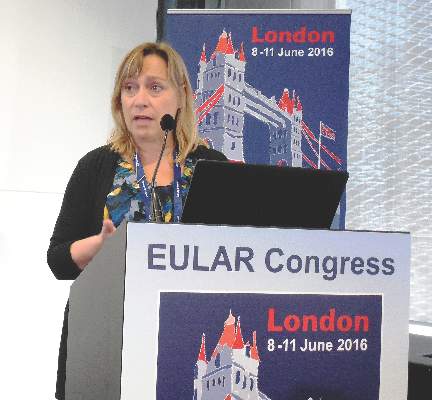
|
| Mitchel L. Zoler/Frontline Medical News Susan Barlett, Ph.D. |
Good evidence also suggests that people who are depressed are more vulnerable to develop rheumatoid arthritis or other autoimmune diseases.
The important new findings reported by Dr. Ioannou and his associates underscore the importance of providing psychological support to adolescents newly diagnosed with juvenile idiopathic arthritis. Among its many effects, depression is one of the few robust predictors of nonadherence to medical treatments by patients. Patients who are depressed are less likely to take their medications as prescribed. Depressed patients are also more likely to smoke because tobacco smoking can produce some depression relief. But smoking also contributes to the development and worsening of rheumatoid arthritis and likely other forms of inflammatory arthritis.
Susan Bartlett, Ph.D., is a psychologist and clinical epidemiologist at McGill University, Montreal, who specializes in chronic diseases including arthritis. She had no disclosures. She made these comments during a press conference.
Prior study results showed that about a third of adult patients with rheumatoid arthritis are depressed. There seems to be a vulnerability to depression among patients diagnosed with inflammatory arthritis. It makes sense that chronic arthritis can cause depression as it is a painful, debilitating, and long-term disease that is often nonremitting.
|
|
| Mitchel L. Zoler/Frontline Medical News Susan Barlett, Ph.D. |
Good evidence also suggests that people who are depressed are more vulnerable to develop rheumatoid arthritis or other autoimmune diseases.
The important new findings reported by Dr. Ioannou and his associates underscore the importance of providing psychological support to adolescents newly diagnosed with juvenile idiopathic arthritis. Among its many effects, depression is one of the few robust predictors of nonadherence to medical treatments by patients. Patients who are depressed are less likely to take their medications as prescribed. Depressed patients are also more likely to smoke because tobacco smoking can produce some depression relief. But smoking also contributes to the development and worsening of rheumatoid arthritis and likely other forms of inflammatory arthritis.
Susan Bartlett, Ph.D., is a psychologist and clinical epidemiologist at McGill University, Montreal, who specializes in chronic diseases including arthritis. She had no disclosures. She made these comments during a press conference.
Prior study results showed that about a third of adult patients with rheumatoid arthritis are depressed. There seems to be a vulnerability to depression among patients diagnosed with inflammatory arthritis. It makes sense that chronic arthritis can cause depression as it is a painful, debilitating, and long-term disease that is often nonremitting.
|
|
| Mitchel L. Zoler/Frontline Medical News Susan Barlett, Ph.D. |
Good evidence also suggests that people who are depressed are more vulnerable to develop rheumatoid arthritis or other autoimmune diseases.
The important new findings reported by Dr. Ioannou and his associates underscore the importance of providing psychological support to adolescents newly diagnosed with juvenile idiopathic arthritis. Among its many effects, depression is one of the few robust predictors of nonadherence to medical treatments by patients. Patients who are depressed are less likely to take their medications as prescribed. Depressed patients are also more likely to smoke because tobacco smoking can produce some depression relief. But smoking also contributes to the development and worsening of rheumatoid arthritis and likely other forms of inflammatory arthritis.
Susan Bartlett, Ph.D., is a psychologist and clinical epidemiologist at McGill University, Montreal, who specializes in chronic diseases including arthritis. She had no disclosures. She made these comments during a press conference.
LONDON – Depression is relatively common among teenagers newly diagnosed with juvenile idiopathic arthritis, and adolescents with both disorders appeared to have a less complete response to their treatment in a study of 102 patients.
Juvenile idiopathic arthritis (JIA) that first manifests when a patient is a teenager comes at a “vulnerable time” that can drive the development and worsening of depression, and depression can potentially exacerbate inflammation and also interfere with treatment compliance, Dr. John Ioannou said at the European Congress of Rheumatology,
Depression and JIA can produce a “vicious cycle in which depression exacerbates the disease and the disease exacerbates depression,” explained Dr. Ioannou, a rheumatologist at University College Hospital in London.
Although no study results have yet identified an effective intervention for depression identified in teenagers with newly diagnosed JIA, the immediate message from these new findings is that clinicians must assess the psychological health of adolescents with JIA both when they are first diagnosed as well as at subsequent visits, and if depression is found it requires some sort of intervention, Dr. Ioannou said in an interview.
He and his associates studied 102 patients from the United Kingdom, who were newly diagnosed with JIA and were 11-16 years old at baseline and enrolled in the Childhood Arthritis Prospective Study (CAPS), a nationwide cohort of patients with childhood-onset arthritis of various types. The average age of the group they studied was just under 13 years old, 57% were girls, 52% had persistent oligoarticular arthritis, 30% had polyarticular arthritis, and 18% had enthesitis-related arthritis. All patients underwent assessment at baseline for depression using the Mood and Feelings Questionnaire and 15 (15%) had a score that flagged them as having “probable” depression.
This depression prevalence is about three- to fourfold higher than for an otherwise healthy group of similarly aged adolescents, Dr. Ioannou said.
At baseline, the subgroup of teens with depression had a significantly higher number of inflamed joints, restricted joints, and also more overall pain and disability as measured on the Childhood Health Assessment Questionnaire.
The 102 teens with JIA underwent follow-up assessment 1-3 years later, after they had received ongoing treatment for their JIA. At follow-up, standard JIA treatment had largely resulted in resolution of joint inflammation and movement restriction among all patients, including those with depression at baseline. However the adolescents who had both JIA and depression at entry continued to have significantly more pain and disability at follow-up than did the nondepressed JIA patients, suggesting a link between depression and refractory pain and disability in JIA patients, the researchers reported.
“We need to ensure that psychological assessments and support are available to all young people diagnosed with JIA, and that this is fully integrated into routine care” for newly diagnosed JIA patients, Dr. Ioannou said. He had no disclosures.
The video associated with this article is no longer available on this site. Please view all of our videos on the MDedge YouTube channel
On Twitter @mitchelzoler
LONDON – Depression is relatively common among teenagers newly diagnosed with juvenile idiopathic arthritis, and adolescents with both disorders appeared to have a less complete response to their treatment in a study of 102 patients.
Juvenile idiopathic arthritis (JIA) that first manifests when a patient is a teenager comes at a “vulnerable time” that can drive the development and worsening of depression, and depression can potentially exacerbate inflammation and also interfere with treatment compliance, Dr. John Ioannou said at the European Congress of Rheumatology,
Depression and JIA can produce a “vicious cycle in which depression exacerbates the disease and the disease exacerbates depression,” explained Dr. Ioannou, a rheumatologist at University College Hospital in London.
Although no study results have yet identified an effective intervention for depression identified in teenagers with newly diagnosed JIA, the immediate message from these new findings is that clinicians must assess the psychological health of adolescents with JIA both when they are first diagnosed as well as at subsequent visits, and if depression is found it requires some sort of intervention, Dr. Ioannou said in an interview.
He and his associates studied 102 patients from the United Kingdom, who were newly diagnosed with JIA and were 11-16 years old at baseline and enrolled in the Childhood Arthritis Prospective Study (CAPS), a nationwide cohort of patients with childhood-onset arthritis of various types. The average age of the group they studied was just under 13 years old, 57% were girls, 52% had persistent oligoarticular arthritis, 30% had polyarticular arthritis, and 18% had enthesitis-related arthritis. All patients underwent assessment at baseline for depression using the Mood and Feelings Questionnaire and 15 (15%) had a score that flagged them as having “probable” depression.
This depression prevalence is about three- to fourfold higher than for an otherwise healthy group of similarly aged adolescents, Dr. Ioannou said.
At baseline, the subgroup of teens with depression had a significantly higher number of inflamed joints, restricted joints, and also more overall pain and disability as measured on the Childhood Health Assessment Questionnaire.
The 102 teens with JIA underwent follow-up assessment 1-3 years later, after they had received ongoing treatment for their JIA. At follow-up, standard JIA treatment had largely resulted in resolution of joint inflammation and movement restriction among all patients, including those with depression at baseline. However the adolescents who had both JIA and depression at entry continued to have significantly more pain and disability at follow-up than did the nondepressed JIA patients, suggesting a link between depression and refractory pain and disability in JIA patients, the researchers reported.
“We need to ensure that psychological assessments and support are available to all young people diagnosed with JIA, and that this is fully integrated into routine care” for newly diagnosed JIA patients, Dr. Ioannou said. He had no disclosures.
The video associated with this article is no longer available on this site. Please view all of our videos on the MDedge YouTube channel
On Twitter @mitchelzoler
AT THE EULAR 2016 CONGRESS
Key clinical point: Pain and disability often persist despite effective antirheumatic treatment in depressed adolescents with juvenile idiopathic arthritis.
Major finding: Disability and pain levels remained significantly elevated among JIA teens with depression, compared with JIA teens without baseline depression.
Data source: The 102 adolescents enrolled in the Childhood Arthritis Prospective Study with juvenile idiopathic arthritis, including 15 patients with depression at baseline.
Disclosures: Dr. Ioannou had no disclosures.
VIDEO: RA patients on subcutaneous methotrexate avoid biologics
LONDON – Subcutaneous methotrexate monotherapy may be more effective at helping recently diagnosed patients with rheumatoid arthritis avoid biologic therapy, compared with similar patients on oral methotrexate, based on an analysis of data collected from 483 Canadian patients in routine care and enrolled in a national registry.
“This is a signal for improved efficacy with subcutaneous methotrexate, compared with oral methotrexate,” said Dr. Stephanie Gottheil, who reported these results at the European Congress of Rheumatology.
“In general, as long as patients with rheumatoid arthritis are under good control without a biologic drug, that is preferable” to initiating biologic treatment, said Dr. Gottheil, a researcher at Western University in London, Ont. Delaying the start of biologic treatment saves money, avoids the increased risk of infection that comes with biologic treatment, and defers a patient’s immune response to a biologic drug that can eventually compromise the biologic’s efficacy, she said in an interview.
“These data did not come from a randomized trial and so are by no means conclusive, but this is a signal that supports other data that subcutaneous methotrexate potentially puts patients into remission faster, and we know that earlier remission predicts more sustained remission,” she said.
“The biggest barrier to subcutaneous administration of methotrexate is patient preference to not inject themselves, but results from some studies have also shown that subcutaneous methotrexate is better tolerated,” compared with oral dosing, she added.
The study used data collected in the Canadian Early Arthritis Cohort (CATCH), which enrolls patients at several centers throughout Canada diagnosed with rheumatoid arthritis for less than 12 months. Dr. Gottheil and her associates particularly focused on 1,189 early RA patients with moderate to severe disease activity enrolled in CATCH during 2007-2012 who received methotrexate and had never previously received a biologic drug. The study’s primary endpoint was time to first treatment with a biologic during 3 years of follow-up after entry into the registry.
The patients’ average age at enrollment was 56 years, more than two-thirds were women, and their average methotrexate dosage was 20 mg/week. The cohort included 483 patients on methotrexate monotherapy – with virtually equal numbers on oral methotrexate and subcutaneous methotrexate – and 706 on a regimen that combined methotrexate with one or more additional (nonbiologic) drugs at baseline. The patients in each of the methotrexate monotherapy subgroups, those on oral or subcutaneous therapy, were very similar in their demographic and clinical profiles.
The analysis showed no statistically significant difference in time to first biologic use between the patients on a combination regimen and those on oral methotrexate monotherapy.
But when the researchers compared the time to first biologic among those on subcutaneous methotrexate monotherapy with those on oral methotrexate monotherapy, the subcutaneous patients showed a statistically significant, 47% reduced rate of starting any biologic drug during follow-up in an analysis that controlled for age, sex, education, comorbidities, disease duration, baseline disease activity, baseline corticosteroid use, joint erosions at baseline, and score on the health-assessment questionnaire at baseline, Dr. Gottheil reported.
The analysis also revealed three other variables that significantly linked with a slower progression to biologic treatment: older age, no use of corticosteroid treatment at baseline, and lower disease activity at baseline.
The CATCH registry research program is sponsored by AbbVie, Amgen, Bristol-Myers Squibb, Hoffmann-La Roche, Janssen, Pfizer, and UCB. Dr. Gottheil had no relevant disclosures.
The video associated with this article is no longer available on this site. Please view all of our videos on the MDedge YouTube channel
On Twitter @mitchelzoler
LONDON – Subcutaneous methotrexate monotherapy may be more effective at helping recently diagnosed patients with rheumatoid arthritis avoid biologic therapy, compared with similar patients on oral methotrexate, based on an analysis of data collected from 483 Canadian patients in routine care and enrolled in a national registry.
“This is a signal for improved efficacy with subcutaneous methotrexate, compared with oral methotrexate,” said Dr. Stephanie Gottheil, who reported these results at the European Congress of Rheumatology.
“In general, as long as patients with rheumatoid arthritis are under good control without a biologic drug, that is preferable” to initiating biologic treatment, said Dr. Gottheil, a researcher at Western University in London, Ont. Delaying the start of biologic treatment saves money, avoids the increased risk of infection that comes with biologic treatment, and defers a patient’s immune response to a biologic drug that can eventually compromise the biologic’s efficacy, she said in an interview.
“These data did not come from a randomized trial and so are by no means conclusive, but this is a signal that supports other data that subcutaneous methotrexate potentially puts patients into remission faster, and we know that earlier remission predicts more sustained remission,” she said.
“The biggest barrier to subcutaneous administration of methotrexate is patient preference to not inject themselves, but results from some studies have also shown that subcutaneous methotrexate is better tolerated,” compared with oral dosing, she added.
The study used data collected in the Canadian Early Arthritis Cohort (CATCH), which enrolls patients at several centers throughout Canada diagnosed with rheumatoid arthritis for less than 12 months. Dr. Gottheil and her associates particularly focused on 1,189 early RA patients with moderate to severe disease activity enrolled in CATCH during 2007-2012 who received methotrexate and had never previously received a biologic drug. The study’s primary endpoint was time to first treatment with a biologic during 3 years of follow-up after entry into the registry.
The patients’ average age at enrollment was 56 years, more than two-thirds were women, and their average methotrexate dosage was 20 mg/week. The cohort included 483 patients on methotrexate monotherapy – with virtually equal numbers on oral methotrexate and subcutaneous methotrexate – and 706 on a regimen that combined methotrexate with one or more additional (nonbiologic) drugs at baseline. The patients in each of the methotrexate monotherapy subgroups, those on oral or subcutaneous therapy, were very similar in their demographic and clinical profiles.
The analysis showed no statistically significant difference in time to first biologic use between the patients on a combination regimen and those on oral methotrexate monotherapy.
But when the researchers compared the time to first biologic among those on subcutaneous methotrexate monotherapy with those on oral methotrexate monotherapy, the subcutaneous patients showed a statistically significant, 47% reduced rate of starting any biologic drug during follow-up in an analysis that controlled for age, sex, education, comorbidities, disease duration, baseline disease activity, baseline corticosteroid use, joint erosions at baseline, and score on the health-assessment questionnaire at baseline, Dr. Gottheil reported.
The analysis also revealed three other variables that significantly linked with a slower progression to biologic treatment: older age, no use of corticosteroid treatment at baseline, and lower disease activity at baseline.
The CATCH registry research program is sponsored by AbbVie, Amgen, Bristol-Myers Squibb, Hoffmann-La Roche, Janssen, Pfizer, and UCB. Dr. Gottheil had no relevant disclosures.
The video associated with this article is no longer available on this site. Please view all of our videos on the MDedge YouTube channel
On Twitter @mitchelzoler
LONDON – Subcutaneous methotrexate monotherapy may be more effective at helping recently diagnosed patients with rheumatoid arthritis avoid biologic therapy, compared with similar patients on oral methotrexate, based on an analysis of data collected from 483 Canadian patients in routine care and enrolled in a national registry.
“This is a signal for improved efficacy with subcutaneous methotrexate, compared with oral methotrexate,” said Dr. Stephanie Gottheil, who reported these results at the European Congress of Rheumatology.
“In general, as long as patients with rheumatoid arthritis are under good control without a biologic drug, that is preferable” to initiating biologic treatment, said Dr. Gottheil, a researcher at Western University in London, Ont. Delaying the start of biologic treatment saves money, avoids the increased risk of infection that comes with biologic treatment, and defers a patient’s immune response to a biologic drug that can eventually compromise the biologic’s efficacy, she said in an interview.
“These data did not come from a randomized trial and so are by no means conclusive, but this is a signal that supports other data that subcutaneous methotrexate potentially puts patients into remission faster, and we know that earlier remission predicts more sustained remission,” she said.
“The biggest barrier to subcutaneous administration of methotrexate is patient preference to not inject themselves, but results from some studies have also shown that subcutaneous methotrexate is better tolerated,” compared with oral dosing, she added.
The study used data collected in the Canadian Early Arthritis Cohort (CATCH), which enrolls patients at several centers throughout Canada diagnosed with rheumatoid arthritis for less than 12 months. Dr. Gottheil and her associates particularly focused on 1,189 early RA patients with moderate to severe disease activity enrolled in CATCH during 2007-2012 who received methotrexate and had never previously received a biologic drug. The study’s primary endpoint was time to first treatment with a biologic during 3 years of follow-up after entry into the registry.
The patients’ average age at enrollment was 56 years, more than two-thirds were women, and their average methotrexate dosage was 20 mg/week. The cohort included 483 patients on methotrexate monotherapy – with virtually equal numbers on oral methotrexate and subcutaneous methotrexate – and 706 on a regimen that combined methotrexate with one or more additional (nonbiologic) drugs at baseline. The patients in each of the methotrexate monotherapy subgroups, those on oral or subcutaneous therapy, were very similar in their demographic and clinical profiles.
The analysis showed no statistically significant difference in time to first biologic use between the patients on a combination regimen and those on oral methotrexate monotherapy.
But when the researchers compared the time to first biologic among those on subcutaneous methotrexate monotherapy with those on oral methotrexate monotherapy, the subcutaneous patients showed a statistically significant, 47% reduced rate of starting any biologic drug during follow-up in an analysis that controlled for age, sex, education, comorbidities, disease duration, baseline disease activity, baseline corticosteroid use, joint erosions at baseline, and score on the health-assessment questionnaire at baseline, Dr. Gottheil reported.
The analysis also revealed three other variables that significantly linked with a slower progression to biologic treatment: older age, no use of corticosteroid treatment at baseline, and lower disease activity at baseline.
The CATCH registry research program is sponsored by AbbVie, Amgen, Bristol-Myers Squibb, Hoffmann-La Roche, Janssen, Pfizer, and UCB. Dr. Gottheil had no relevant disclosures.
The video associated with this article is no longer available on this site. Please view all of our videos on the MDedge YouTube channel
On Twitter @mitchelzoler
AT THE EULAR 2016 CONGRESS
Key clinical point: Among patients with recently diagnosed, moderate to severe rheumatoid arthritis, subcutaneous methotrexate monotherapy postponed the need for biologic therapy longer than did oral methotrexate monotherapy.
Major finding: Progression to biologic therapy was 47% less common among RA patients on subcutaneous methotrexate monotherapy, compared with oral methotrexate.
Data source: Three-year follow-up of 483 Canadian patients with recently diagnosed rheumatoid arthritis enrolled in CATCH, a national, real-world registry.
Disclosures: The CATCH registry research program is sponsored by AbbVie, Amgen, Bristol-Myers Squibb, Hoffmann-La Roche, Janssen, Pfizer, and UCB. Dr. Gottheil had no relevant disclosures.

Updated Behçet’s disease recommendations expand biologic treatment
LONDON – A EULAR task force issued the first update to recommendations for managing Behçet’s disease since 2008, with revised recommendations that reflect expanded use of biologic agents, and increased evidence to guide management of gastrointestinal involvement, use of anticoagulants in patients with venous involvement, and use of surgical and interventional treatments, Dr. Gülen Hatemi said while presenting the update at the European Congress of Rheumatology.
The task force, which included more than 20 members, identified 304 articles to apply to the update, and produced five overarching principal and 18 specific recommendations divided among six categories of clinical manifestations of Behçet’s disease, said Dr. Hatemi, convenor of the task force and a rheumatologist at Istanbul University.

For mucocutaneous involvement, the update included five items that all received a “strong” recommendation from the task force: For an oral or genital ulcer, use a topical agent, such as a local steroid. Try colchicine first to prevent recurrent mucocutaneous lesions, especially when the dominant lesion is erythema nodosum or a genital ulcer. Treat papulopustular or acnelike lesions with topical or systemic agents, as when treating acne vulgaris. Coordinate treatment of leg ulcers, which can be caused by venous stasis or obliterative vasculitis, with a dermatologist and vascular surgeon. And azathioprine, thalidomide, interferon-alpha, a tumor necrosis factor (TNF)–alpha antagonist, or apremilast (Otezla) may be necessary for selected patients.
The task force issued two strong recommendations for managing eye involvement along with one conditional recommendation. The first strong recommendation was that managing uveitis requires close collaboration with an ophthalmologist, with the goal of inducing and maintaining remission. Patients with an inflammatory eye disease affecting the posterior segment should receive treatment with azathioprine, cyclosporine, interferon-alpha, or a monoclonal TNF-alpha antagonist. Treatment with a systemic corticosteroid should occur only when combined with azathioprine or another systemic immunosuppressant.
The second strong recommendation was that patients who present with an initial or recurrent acute episode of sight-threatening uveitis should receive treatment with a high-dose glucocorticoid, infliximab, or interferon-alpha. Intravitreal injection with a glucocorticoid as an adjunct to systemic therapy is an option for patients with a unilateral exacerbation. The conditional recommendation was for patients with isolated anterior uveitis. When these patients have markers of a poor prognosis – such as young age, male sex, or early disease onset – systemic treatment with an immunosuppressant is a possible option.
The panel issued three strong recommendations along with one conditional recommendation for managing vascular involvement. One of the strong recommendations called for treating acute deep vein thrombosis with a glucocorticoid as well as an immunosuppresant such as azathioprine, cyclophosphamide, or cyclosporine. A conditional recommendation said patients with refractory venous thrombosis could be considered for treatment with a monoclonal TNF-alpha antagonist, along with an anticoagulant if the patient’s risk for bleeding was generally low and a coexistent pulmonary artery aneurysm was ruled out.
Management of arterial aneurysms received the other two strong recommendations. The panel recommended high-dose glucocorticoid plus cyclophosphamide for a pulmonary artery aneurysm, followed by a monoclonal TNF-alpha antagonist for refractory cases. Patients with these aneurysms who are at high risk for major bleeding should undergo embolization in preference to open surgery. When patients have aortic or peripheral artery aneurysms, treatment should start with cyclophosphamide and a corticosteroid before an aneurysm repair is attempted. But surgery or stenting of the aneurysm should not be delayed when patients are symptomatic.
Gastrointestinal involvement received one strong and two conditional recommendations. The panel strongly recommended confirming gastrointestinal involvement using endoscopy, imaging, or both, while also ruling out treatment with a nonsteroidal anti-inflammatory drug, inflammatory bowel disease, or an infection such as tuberculosis as the cause of gastrointestinal symptoms. One of the conditional recommendations called for an urgent surgical consult when patients have perforation, major bleeding, or obstruction. The second conditional recommendation called for considering glucocorticoid treatment to treat an acute exacerbation of gastrointestinal involvement. Additional treatment options to pair with a glucocorticoid include a disease-modifying drug such as 5-aminosalicylic acid or azathioprine. For patients with severe or refractory gastrointestinal symptoms or both, a monoclonal TNF-alpha antagonist or thalidomide is another potential option.
The panel issued two strong recommendations for managing nervous system involvement. The top treatment option for parenchymal involvement is a high-dose glucocorticoid followed by slow tapering while also treating with an immunosuppressant such as azathioprine. Treatment with cyclosporine should be avoided, the panel said. Treatment with a monoclonal TNF-alpha antagonist is an option to consider as first-line treatment for patients with severe nervous system involvement or for those with refractory disease. The second strong recommendation was to treat a cerebral venous thrombus with a high-dose glucocorticoid followed by tapering, with short-term anticoagulant treatment as an option. Patients also need screening for the presence of vascular disease at an extracranial location.
The panel’s final recommendation was a strong endorsement of colchicine as first-line treatment for arthritis in Behçet’s patients, although patients with acute monoarticular disease can be managed with an intra-articular injection of a glucocorticoid. For patients with recurrent or chronic arthritis, treatment options include azathioprine, interferon-alpha, or a TNF-alpha antagonist.
Dr. Hatemi has received research support from, received honoraria from, or has been a speaker for AbbVie, Celgene, Merck Sharp & Dohme, and Pfizer.
On Twitter @mitchelzoler
LONDON – A EULAR task force issued the first update to recommendations for managing Behçet’s disease since 2008, with revised recommendations that reflect expanded use of biologic agents, and increased evidence to guide management of gastrointestinal involvement, use of anticoagulants in patients with venous involvement, and use of surgical and interventional treatments, Dr. Gülen Hatemi said while presenting the update at the European Congress of Rheumatology.
The task force, which included more than 20 members, identified 304 articles to apply to the update, and produced five overarching principal and 18 specific recommendations divided among six categories of clinical manifestations of Behçet’s disease, said Dr. Hatemi, convenor of the task force and a rheumatologist at Istanbul University.
For mucocutaneous involvement, the update included five items that all received a “strong” recommendation from the task force: For an oral or genital ulcer, use a topical agent, such as a local steroid. Try colchicine first to prevent recurrent mucocutaneous lesions, especially when the dominant lesion is erythema nodosum or a genital ulcer. Treat papulopustular or acnelike lesions with topical or systemic agents, as when treating acne vulgaris. Coordinate treatment of leg ulcers, which can be caused by venous stasis or obliterative vasculitis, with a dermatologist and vascular surgeon. And azathioprine, thalidomide, interferon-alpha, a tumor necrosis factor (TNF)–alpha antagonist, or apremilast (Otezla) may be necessary for selected patients.
The task force issued two strong recommendations for managing eye involvement along with one conditional recommendation. The first strong recommendation was that managing uveitis requires close collaboration with an ophthalmologist, with the goal of inducing and maintaining remission. Patients with an inflammatory eye disease affecting the posterior segment should receive treatment with azathioprine, cyclosporine, interferon-alpha, or a monoclonal TNF-alpha antagonist. Treatment with a systemic corticosteroid should occur only when combined with azathioprine or another systemic immunosuppressant.
The second strong recommendation was that patients who present with an initial or recurrent acute episode of sight-threatening uveitis should receive treatment with a high-dose glucocorticoid, infliximab, or interferon-alpha. Intravitreal injection with a glucocorticoid as an adjunct to systemic therapy is an option for patients with a unilateral exacerbation. The conditional recommendation was for patients with isolated anterior uveitis. When these patients have markers of a poor prognosis – such as young age, male sex, or early disease onset – systemic treatment with an immunosuppressant is a possible option.
The panel issued three strong recommendations along with one conditional recommendation for managing vascular involvement. One of the strong recommendations called for treating acute deep vein thrombosis with a glucocorticoid as well as an immunosuppresant such as azathioprine, cyclophosphamide, or cyclosporine. A conditional recommendation said patients with refractory venous thrombosis could be considered for treatment with a monoclonal TNF-alpha antagonist, along with an anticoagulant if the patient’s risk for bleeding was generally low and a coexistent pulmonary artery aneurysm was ruled out.
Management of arterial aneurysms received the other two strong recommendations. The panel recommended high-dose glucocorticoid plus cyclophosphamide for a pulmonary artery aneurysm, followed by a monoclonal TNF-alpha antagonist for refractory cases. Patients with these aneurysms who are at high risk for major bleeding should undergo embolization in preference to open surgery. When patients have aortic or peripheral artery aneurysms, treatment should start with cyclophosphamide and a corticosteroid before an aneurysm repair is attempted. But surgery or stenting of the aneurysm should not be delayed when patients are symptomatic.
Gastrointestinal involvement received one strong and two conditional recommendations. The panel strongly recommended confirming gastrointestinal involvement using endoscopy, imaging, or both, while also ruling out treatment with a nonsteroidal anti-inflammatory drug, inflammatory bowel disease, or an infection such as tuberculosis as the cause of gastrointestinal symptoms. One of the conditional recommendations called for an urgent surgical consult when patients have perforation, major bleeding, or obstruction. The second conditional recommendation called for considering glucocorticoid treatment to treat an acute exacerbation of gastrointestinal involvement. Additional treatment options to pair with a glucocorticoid include a disease-modifying drug such as 5-aminosalicylic acid or azathioprine. For patients with severe or refractory gastrointestinal symptoms or both, a monoclonal TNF-alpha antagonist or thalidomide is another potential option.
The panel issued two strong recommendations for managing nervous system involvement. The top treatment option for parenchymal involvement is a high-dose glucocorticoid followed by slow tapering while also treating with an immunosuppressant such as azathioprine. Treatment with cyclosporine should be avoided, the panel said. Treatment with a monoclonal TNF-alpha antagonist is an option to consider as first-line treatment for patients with severe nervous system involvement or for those with refractory disease. The second strong recommendation was to treat a cerebral venous thrombus with a high-dose glucocorticoid followed by tapering, with short-term anticoagulant treatment as an option. Patients also need screening for the presence of vascular disease at an extracranial location.
The panel’s final recommendation was a strong endorsement of colchicine as first-line treatment for arthritis in Behçet’s patients, although patients with acute monoarticular disease can be managed with an intra-articular injection of a glucocorticoid. For patients with recurrent or chronic arthritis, treatment options include azathioprine, interferon-alpha, or a TNF-alpha antagonist.
Dr. Hatemi has received research support from, received honoraria from, or has been a speaker for AbbVie, Celgene, Merck Sharp & Dohme, and Pfizer.
On Twitter @mitchelzoler
LONDON – A EULAR task force issued the first update to recommendations for managing Behçet’s disease since 2008, with revised recommendations that reflect expanded use of biologic agents, and increased evidence to guide management of gastrointestinal involvement, use of anticoagulants in patients with venous involvement, and use of surgical and interventional treatments, Dr. Gülen Hatemi said while presenting the update at the European Congress of Rheumatology.
The task force, which included more than 20 members, identified 304 articles to apply to the update, and produced five overarching principal and 18 specific recommendations divided among six categories of clinical manifestations of Behçet’s disease, said Dr. Hatemi, convenor of the task force and a rheumatologist at Istanbul University.
For mucocutaneous involvement, the update included five items that all received a “strong” recommendation from the task force: For an oral or genital ulcer, use a topical agent, such as a local steroid. Try colchicine first to prevent recurrent mucocutaneous lesions, especially when the dominant lesion is erythema nodosum or a genital ulcer. Treat papulopustular or acnelike lesions with topical or systemic agents, as when treating acne vulgaris. Coordinate treatment of leg ulcers, which can be caused by venous stasis or obliterative vasculitis, with a dermatologist and vascular surgeon. And azathioprine, thalidomide, interferon-alpha, a tumor necrosis factor (TNF)–alpha antagonist, or apremilast (Otezla) may be necessary for selected patients.
The task force issued two strong recommendations for managing eye involvement along with one conditional recommendation. The first strong recommendation was that managing uveitis requires close collaboration with an ophthalmologist, with the goal of inducing and maintaining remission. Patients with an inflammatory eye disease affecting the posterior segment should receive treatment with azathioprine, cyclosporine, interferon-alpha, or a monoclonal TNF-alpha antagonist. Treatment with a systemic corticosteroid should occur only when combined with azathioprine or another systemic immunosuppressant.
The second strong recommendation was that patients who present with an initial or recurrent acute episode of sight-threatening uveitis should receive treatment with a high-dose glucocorticoid, infliximab, or interferon-alpha. Intravitreal injection with a glucocorticoid as an adjunct to systemic therapy is an option for patients with a unilateral exacerbation. The conditional recommendation was for patients with isolated anterior uveitis. When these patients have markers of a poor prognosis – such as young age, male sex, or early disease onset – systemic treatment with an immunosuppressant is a possible option.
The panel issued three strong recommendations along with one conditional recommendation for managing vascular involvement. One of the strong recommendations called for treating acute deep vein thrombosis with a glucocorticoid as well as an immunosuppresant such as azathioprine, cyclophosphamide, or cyclosporine. A conditional recommendation said patients with refractory venous thrombosis could be considered for treatment with a monoclonal TNF-alpha antagonist, along with an anticoagulant if the patient’s risk for bleeding was generally low and a coexistent pulmonary artery aneurysm was ruled out.
Management of arterial aneurysms received the other two strong recommendations. The panel recommended high-dose glucocorticoid plus cyclophosphamide for a pulmonary artery aneurysm, followed by a monoclonal TNF-alpha antagonist for refractory cases. Patients with these aneurysms who are at high risk for major bleeding should undergo embolization in preference to open surgery. When patients have aortic or peripheral artery aneurysms, treatment should start with cyclophosphamide and a corticosteroid before an aneurysm repair is attempted. But surgery or stenting of the aneurysm should not be delayed when patients are symptomatic.
Gastrointestinal involvement received one strong and two conditional recommendations. The panel strongly recommended confirming gastrointestinal involvement using endoscopy, imaging, or both, while also ruling out treatment with a nonsteroidal anti-inflammatory drug, inflammatory bowel disease, or an infection such as tuberculosis as the cause of gastrointestinal symptoms. One of the conditional recommendations called for an urgent surgical consult when patients have perforation, major bleeding, or obstruction. The second conditional recommendation called for considering glucocorticoid treatment to treat an acute exacerbation of gastrointestinal involvement. Additional treatment options to pair with a glucocorticoid include a disease-modifying drug such as 5-aminosalicylic acid or azathioprine. For patients with severe or refractory gastrointestinal symptoms or both, a monoclonal TNF-alpha antagonist or thalidomide is another potential option.
The panel issued two strong recommendations for managing nervous system involvement. The top treatment option for parenchymal involvement is a high-dose glucocorticoid followed by slow tapering while also treating with an immunosuppressant such as azathioprine. Treatment with cyclosporine should be avoided, the panel said. Treatment with a monoclonal TNF-alpha antagonist is an option to consider as first-line treatment for patients with severe nervous system involvement or for those with refractory disease. The second strong recommendation was to treat a cerebral venous thrombus with a high-dose glucocorticoid followed by tapering, with short-term anticoagulant treatment as an option. Patients also need screening for the presence of vascular disease at an extracranial location.
The panel’s final recommendation was a strong endorsement of colchicine as first-line treatment for arthritis in Behçet’s patients, although patients with acute monoarticular disease can be managed with an intra-articular injection of a glucocorticoid. For patients with recurrent or chronic arthritis, treatment options include azathioprine, interferon-alpha, or a TNF-alpha antagonist.
Dr. Hatemi has received research support from, received honoraria from, or has been a speaker for AbbVie, Celgene, Merck Sharp & Dohme, and Pfizer.
On Twitter @mitchelzoler
AT THE EULAR 2016 CONGRESS
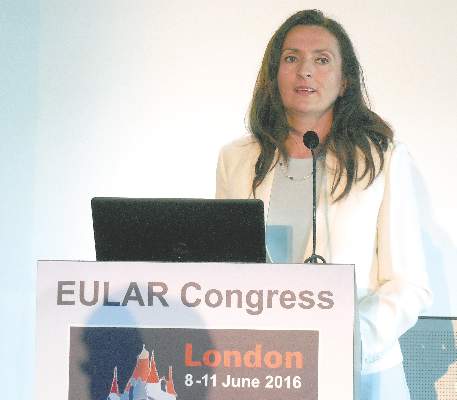
VIDEO: Updated axial SpA recommendations include IL-17 inhibitors
LONDON – The option of treating axial spondyloarthritis with an interleukin-17 inhibitor has become an officially recommended option for the first time in a new update to management recommendations for this disease released by a task force assembled jointly by the Assessment of SpondyloArthritis International Society and the European League Against Rheumatism.
The update replaces recommendations last released by the two groups for managing patients with ankylosing spondylitis in 2010 (Ann Rheum Dis. 2011 June;70[6]:896-904), as well as the prior recommendations from the two organizations for using tumor necrosis factor (TNF) inhibitors on these patients (Ann Rheum Dis. 2011 June;70[6]:905-8). The new update also broadens the disease spectrum from ankylosing spondylitis to axial spondyloarthritis (SpA).

The latest recommendations continue to place nonsteroidal anti-inflammatory drugs (NSAIDs) as first-line pharmacotherapy for patients with axial SpA to control pain and stiffness, and continue to place treatment with a biological disease modifying antirheumatic drug (DMARD) – identified in the recommendations as most typically a TNF inhibitor by current practice – as second-line treatment after NSAIDs. The recommendations specify that initiation of a biological DMARD should target patients who have both failed treatment with at least two different NSAIDs over the course of at least 4 weeks of treatment, and who have active disease documented by either of two standard measures of disease activity in patients with axial SpA: either a score of at least 2.1 on the ankylosing spondylitis disease activity score (ASDAS) or a score of at least 4 on the Bath ankylosing spondylitis disease activity index (BASDAI).
Incorporation of the ASDAS as a potential alternative to the BASDAI for assessing disease activity in these patients is another new feature of these recommendations, noted Dr. Désirée van der Heijde, convenor of the update task force, who presented the new recommendations at the European Congress of Rheumatology.
The new recommendations place use of an interleukin (IL)-17 inhibitor as a third-line management option, for patients who fail to adequately respond to a first TNF inhibitor, and they also say that an alternative to starting an IL-17 inhibitor at this stage of management is to instead try treatment with a second type of TNF inhibitor. The IL-17 inhibitor class includes secukinumab (Cosentyx), which received approval from the Food and Drug Administration for treating active ankylosing spondylitis in January 2016, and which also has approval for the same indication from the European Medicines Agency.
The updated recommendations leave unchanged from the prior version advice to use biological DMARDs only after failure of other treatments, as well as advocacy of nondrug therapy with regular exercise, smoking cessation, and physical therapy when appropriate as the very first therapeutic step to take, before even starting a NSAID regimen. For patients with axial SpA who have peripheral arthritis, the recommendations say that clinicians can consider treatment with a local injection of a glucocorticoid, and a treatment course with sulfasalazine. The recommendations do not endorse treatment with a conventional, synthetic DMARD for patients with purely axial disease, and they also recommend against long-term treatment with a systemic corticosteroid. The update calls analgesics contraindicated.
Another new feature of the updated recommendations is endorsement of treating axial SpA patients to a predefined treatment target, although the recommendations left the nature of that target undefined and is something for the treating clinician to discuss and tailor to each patient individually, said Dr. van der Heijde, professor of rheumatology at Leiden University Medical Center in The Netherlands. The update also introduces for the first time the recommendation to consider tapering down treatment with a biological DMARD for patients who achieve remission.
Dr. van der Heijde said that she has been a consultant to 17 drug companies.
On Twitter @mitchelzoler
The video associated with this article is no longer available on this site. Please view all of our videos on the MDedge YouTube channel
It’s important to have updated treatment recommendations as we accrue new evidence and treatment options. These recommendations can now address interleukin-17 inhibitors, which were not available for U.S. use to treat ankylosing spondylitis when the American College of Rheumatology and its collaborating organizations released updated recommendations for treating ankylosing spondylitis and nonradiographic axial spondyloarthritis in September 2015 (Arthritis Rheum. 2016 Feb;68[2]:282-98). Having interleukin (IL)-17 inhibitors now available and joining tumor necrosis factor (TNF) inhibitors as a second class of biological drugs to treat these patients is a big step forward.
I do not believe strong evidence exists to make IL-17 inhibitors second-line agents behind TNF inhibitors as was done in the new European recommendations. That was an expert-opinion based decision rather than something based on clear evidence.
Another notable feature of the updated European recommendations is that they anchor several treatment decisions to measuring a patient’s disease activity and comparing the level of activity against defined thresholds. This is very different from the approach generally used in U.S. practice, where we do not require patients to have a certain level of quantifiable disease activity to either initiate or stop treatment. In U.S. practice, the rheumatologist’s assessment of disease activity is what matters, however that is done.
The European recommendations also call specifically for considering tapering down a biological drug once a patient achieves remission of active disease. In my experience, when a patient achieves remission it is more often the nonsteroidal anti-inflammatory drug that rheumatologists prefer to taper because they attribute the patient’s good response primarily to his/her biological treatment. And the evidence is good that when a patient with ankylosing spondylitis stops treatment with a TNF inhibitor his/her disease tends to reactivate.
During the near future, we can expect an increased focus on diagnosing patients with axial spondyloarthritis and ankylosing spondylitis earlier and starting treatment earlier. I expect that this could lead to improved patient outcomes. I also expect that we will soon see more evidence regarding the effect of drug treatment on extra-articular manifestations of these diseases, and that this evidence will help dictate the specific treatments we choose for each patient. In the future, we will administer more personalized management for these disorders that is better tailored to each individual patient.
Dr. Lianne S. Gensler is a rheumatologist and director of the Ankylosing Spondylitis Clinic at the University of California, San Francisco. She has been a consultant to or has received research support from Abbvie, Amgen, Janssen, Novartis, and UCB. She made these comments in an interview.
It’s important to have updated treatment recommendations as we accrue new evidence and treatment options. These recommendations can now address interleukin-17 inhibitors, which were not available for U.S. use to treat ankylosing spondylitis when the American College of Rheumatology and its collaborating organizations released updated recommendations for treating ankylosing spondylitis and nonradiographic axial spondyloarthritis in September 2015 (Arthritis Rheum. 2016 Feb;68[2]:282-98). Having interleukin (IL)-17 inhibitors now available and joining tumor necrosis factor (TNF) inhibitors as a second class of biological drugs to treat these patients is a big step forward.
I do not believe strong evidence exists to make IL-17 inhibitors second-line agents behind TNF inhibitors as was done in the new European recommendations. That was an expert-opinion based decision rather than something based on clear evidence.
Another notable feature of the updated European recommendations is that they anchor several treatment decisions to measuring a patient’s disease activity and comparing the level of activity against defined thresholds. This is very different from the approach generally used in U.S. practice, where we do not require patients to have a certain level of quantifiable disease activity to either initiate or stop treatment. In U.S. practice, the rheumatologist’s assessment of disease activity is what matters, however that is done.
The European recommendations also call specifically for considering tapering down a biological drug once a patient achieves remission of active disease. In my experience, when a patient achieves remission it is more often the nonsteroidal anti-inflammatory drug that rheumatologists prefer to taper because they attribute the patient’s good response primarily to his/her biological treatment. And the evidence is good that when a patient with ankylosing spondylitis stops treatment with a TNF inhibitor his/her disease tends to reactivate.
During the near future, we can expect an increased focus on diagnosing patients with axial spondyloarthritis and ankylosing spondylitis earlier and starting treatment earlier. I expect that this could lead to improved patient outcomes. I also expect that we will soon see more evidence regarding the effect of drug treatment on extra-articular manifestations of these diseases, and that this evidence will help dictate the specific treatments we choose for each patient. In the future, we will administer more personalized management for these disorders that is better tailored to each individual patient.
Dr. Lianne S. Gensler is a rheumatologist and director of the Ankylosing Spondylitis Clinic at the University of California, San Francisco. She has been a consultant to or has received research support from Abbvie, Amgen, Janssen, Novartis, and UCB. She made these comments in an interview.
It’s important to have updated treatment recommendations as we accrue new evidence and treatment options. These recommendations can now address interleukin-17 inhibitors, which were not available for U.S. use to treat ankylosing spondylitis when the American College of Rheumatology and its collaborating organizations released updated recommendations for treating ankylosing spondylitis and nonradiographic axial spondyloarthritis in September 2015 (Arthritis Rheum. 2016 Feb;68[2]:282-98). Having interleukin (IL)-17 inhibitors now available and joining tumor necrosis factor (TNF) inhibitors as a second class of biological drugs to treat these patients is a big step forward.
I do not believe strong evidence exists to make IL-17 inhibitors second-line agents behind TNF inhibitors as was done in the new European recommendations. That was an expert-opinion based decision rather than something based on clear evidence.
Another notable feature of the updated European recommendations is that they anchor several treatment decisions to measuring a patient’s disease activity and comparing the level of activity against defined thresholds. This is very different from the approach generally used in U.S. practice, where we do not require patients to have a certain level of quantifiable disease activity to either initiate or stop treatment. In U.S. practice, the rheumatologist’s assessment of disease activity is what matters, however that is done.
The European recommendations also call specifically for considering tapering down a biological drug once a patient achieves remission of active disease. In my experience, when a patient achieves remission it is more often the nonsteroidal anti-inflammatory drug that rheumatologists prefer to taper because they attribute the patient’s good response primarily to his/her biological treatment. And the evidence is good that when a patient with ankylosing spondylitis stops treatment with a TNF inhibitor his/her disease tends to reactivate.
During the near future, we can expect an increased focus on diagnosing patients with axial spondyloarthritis and ankylosing spondylitis earlier and starting treatment earlier. I expect that this could lead to improved patient outcomes. I also expect that we will soon see more evidence regarding the effect of drug treatment on extra-articular manifestations of these diseases, and that this evidence will help dictate the specific treatments we choose for each patient. In the future, we will administer more personalized management for these disorders that is better tailored to each individual patient.
Dr. Lianne S. Gensler is a rheumatologist and director of the Ankylosing Spondylitis Clinic at the University of California, San Francisco. She has been a consultant to or has received research support from Abbvie, Amgen, Janssen, Novartis, and UCB. She made these comments in an interview.
LONDON – The option of treating axial spondyloarthritis with an interleukin-17 inhibitor has become an officially recommended option for the first time in a new update to management recommendations for this disease released by a task force assembled jointly by the Assessment of SpondyloArthritis International Society and the European League Against Rheumatism.
The update replaces recommendations last released by the two groups for managing patients with ankylosing spondylitis in 2010 (Ann Rheum Dis. 2011 June;70[6]:896-904), as well as the prior recommendations from the two organizations for using tumor necrosis factor (TNF) inhibitors on these patients (Ann Rheum Dis. 2011 June;70[6]:905-8). The new update also broadens the disease spectrum from ankylosing spondylitis to axial spondyloarthritis (SpA).
The latest recommendations continue to place nonsteroidal anti-inflammatory drugs (NSAIDs) as first-line pharmacotherapy for patients with axial SpA to control pain and stiffness, and continue to place treatment with a biological disease modifying antirheumatic drug (DMARD) – identified in the recommendations as most typically a TNF inhibitor by current practice – as second-line treatment after NSAIDs. The recommendations specify that initiation of a biological DMARD should target patients who have both failed treatment with at least two different NSAIDs over the course of at least 4 weeks of treatment, and who have active disease documented by either of two standard measures of disease activity in patients with axial SpA: either a score of at least 2.1 on the ankylosing spondylitis disease activity score (ASDAS) or a score of at least 4 on the Bath ankylosing spondylitis disease activity index (BASDAI).
Incorporation of the ASDAS as a potential alternative to the BASDAI for assessing disease activity in these patients is another new feature of these recommendations, noted Dr. Désirée van der Heijde, convenor of the update task force, who presented the new recommendations at the European Congress of Rheumatology.
The new recommendations place use of an interleukin (IL)-17 inhibitor as a third-line management option, for patients who fail to adequately respond to a first TNF inhibitor, and they also say that an alternative to starting an IL-17 inhibitor at this stage of management is to instead try treatment with a second type of TNF inhibitor. The IL-17 inhibitor class includes secukinumab (Cosentyx), which received approval from the Food and Drug Administration for treating active ankylosing spondylitis in January 2016, and which also has approval for the same indication from the European Medicines Agency.
The updated recommendations leave unchanged from the prior version advice to use biological DMARDs only after failure of other treatments, as well as advocacy of nondrug therapy with regular exercise, smoking cessation, and physical therapy when appropriate as the very first therapeutic step to take, before even starting a NSAID regimen. For patients with axial SpA who have peripheral arthritis, the recommendations say that clinicians can consider treatment with a local injection of a glucocorticoid, and a treatment course with sulfasalazine. The recommendations do not endorse treatment with a conventional, synthetic DMARD for patients with purely axial disease, and they also recommend against long-term treatment with a systemic corticosteroid. The update calls analgesics contraindicated.
Another new feature of the updated recommendations is endorsement of treating axial SpA patients to a predefined treatment target, although the recommendations left the nature of that target undefined and is something for the treating clinician to discuss and tailor to each patient individually, said Dr. van der Heijde, professor of rheumatology at Leiden University Medical Center in The Netherlands. The update also introduces for the first time the recommendation to consider tapering down treatment with a biological DMARD for patients who achieve remission.
Dr. van der Heijde said that she has been a consultant to 17 drug companies.
On Twitter @mitchelzoler
The video associated with this article is no longer available on this site. Please view all of our videos on the MDedge YouTube channel
LONDON – The option of treating axial spondyloarthritis with an interleukin-17 inhibitor has become an officially recommended option for the first time in a new update to management recommendations for this disease released by a task force assembled jointly by the Assessment of SpondyloArthritis International Society and the European League Against Rheumatism.
The update replaces recommendations last released by the two groups for managing patients with ankylosing spondylitis in 2010 (Ann Rheum Dis. 2011 June;70[6]:896-904), as well as the prior recommendations from the two organizations for using tumor necrosis factor (TNF) inhibitors on these patients (Ann Rheum Dis. 2011 June;70[6]:905-8). The new update also broadens the disease spectrum from ankylosing spondylitis to axial spondyloarthritis (SpA).
The latest recommendations continue to place nonsteroidal anti-inflammatory drugs (NSAIDs) as first-line pharmacotherapy for patients with axial SpA to control pain and stiffness, and continue to place treatment with a biological disease modifying antirheumatic drug (DMARD) – identified in the recommendations as most typically a TNF inhibitor by current practice – as second-line treatment after NSAIDs. The recommendations specify that initiation of a biological DMARD should target patients who have both failed treatment with at least two different NSAIDs over the course of at least 4 weeks of treatment, and who have active disease documented by either of two standard measures of disease activity in patients with axial SpA: either a score of at least 2.1 on the ankylosing spondylitis disease activity score (ASDAS) or a score of at least 4 on the Bath ankylosing spondylitis disease activity index (BASDAI).
Incorporation of the ASDAS as a potential alternative to the BASDAI for assessing disease activity in these patients is another new feature of these recommendations, noted Dr. Désirée van der Heijde, convenor of the update task force, who presented the new recommendations at the European Congress of Rheumatology.
The new recommendations place use of an interleukin (IL)-17 inhibitor as a third-line management option, for patients who fail to adequately respond to a first TNF inhibitor, and they also say that an alternative to starting an IL-17 inhibitor at this stage of management is to instead try treatment with a second type of TNF inhibitor. The IL-17 inhibitor class includes secukinumab (Cosentyx), which received approval from the Food and Drug Administration for treating active ankylosing spondylitis in January 2016, and which also has approval for the same indication from the European Medicines Agency.
The updated recommendations leave unchanged from the prior version advice to use biological DMARDs only after failure of other treatments, as well as advocacy of nondrug therapy with regular exercise, smoking cessation, and physical therapy when appropriate as the very first therapeutic step to take, before even starting a NSAID regimen. For patients with axial SpA who have peripheral arthritis, the recommendations say that clinicians can consider treatment with a local injection of a glucocorticoid, and a treatment course with sulfasalazine. The recommendations do not endorse treatment with a conventional, synthetic DMARD for patients with purely axial disease, and they also recommend against long-term treatment with a systemic corticosteroid. The update calls analgesics contraindicated.
Another new feature of the updated recommendations is endorsement of treating axial SpA patients to a predefined treatment target, although the recommendations left the nature of that target undefined and is something for the treating clinician to discuss and tailor to each patient individually, said Dr. van der Heijde, professor of rheumatology at Leiden University Medical Center in The Netherlands. The update also introduces for the first time the recommendation to consider tapering down treatment with a biological DMARD for patients who achieve remission.
Dr. van der Heijde said that she has been a consultant to 17 drug companies.
On Twitter @mitchelzoler
The video associated with this article is no longer available on this site. Please view all of our videos on the MDedge YouTube channel
AT THE EULAR 2016 CONGRESS

New Fibromyalgia Recommendations Have Firmer Evidence Base
LONDON – The new EULAR recommendations for fibromyalgia incorporate a decade’s worth of new evidence collected since the last edition appeared in 2008.
Although the 2016 recommendations do not reflect a novel understanding of the pathophysiology of fibromyalgia or a radically different approach to managing the disease, compared with those published in 2008, they differ vastly in the level and quality of supporting evidence behind them, said Dr. Gary J. Macfarlane, convener of the fibromyalgia recommendations panel and clinical professor of epidemiology at the University of Aberdeen, Scotland.

Dr. Macfarlane said that the past decade has seen “an explosion of evidence from randomized trials” around the management of fibromyalgia. “I think this will be one of the first EULAR guidelines in which all the recommendations are going to be based on systematic reviews or meta-analysis” – 107 altogether, he said in an interview.
Fibromyalgia – a heterogeneous pain condition that involves abnormal pain processing and can affect sleep, function, and quality of life – can be complex to diagnose and treat. Pain is a signature feature of fibromyalgia, but it is not the only treatment target: sleep, ability to function, and quality of life all are important, Dr. Macfarlane said.
The guidelines emphasize that optimal management of fibromyalgia requires not just a prompt diagnosis but “a comprehensive assessment of the patient’s ability to function and about the psychosocial context in which symptoms occur,” he said.
Patient education, including written information, is key and is the first step in management. Initial management should focus on nonpharmacologic interventions, specifically exercise. In patients for whom educational materials alone are insufficient to provide benefit, the next step is enrollment of the patient into a physical therapy program that involves an individualized program of graded physical exercise. Other nonpharmacologic interventions that can be introduced at this stage include hydrotherapy and acupuncture.
If there is insufficient response to these first two intervention steps, the next phase should start with a second round of patient assessment to develop an individualized intervention program. This involves characterizing the dominant features of the patient’s complaints into one of the three main categories: pain-related depression and anxiety, or behavior indicating abnormal coping strategies; severe pain, sleep disturbance, or both; or severe disability or sick leave, Dr. Macfarlane said at the European Congress of Rheumatology.
For patients in the first subgroup – pain-related depression and anxiety, or behavior indicating abnormal coping strategies – the intervention should consist of psychological therapies, primarily cognitive-behavioral therapy (CBT). For patients with more severe depression or anxiety, psychopharmacologic treatment is also an option.
For patients in the second subgroup – those with severe pain, sleep disturbance, or both – the main intervention is pharmacotherapy. For severe pain, this can involve duloxetine, pregabalin, or tramadol either alone or in combination with paracetamol (acetaminophen). For sleep disturbance, recommended drug interventions are low-dose amitriptyline, cyclobenzaprine, or pregabalin administered at bedtime.
For patients in the third subgroup – with severe disability or sick leave – the recommended intervention is a multimodal rehabilitation program.
“We made the decision to consider all therapies whether they were licensed in Europe or not because we felt that helps to contribute to the debate,” Dr. Macfarlane said. He also highlighted several interventions that have been proposed in the past, but which his working group refrained from recommending because of either lack of demonstrated effectiveness or the poor quality of the studies that appeared to document efficacy. These nonrecommended interventions are biofeedback, capsaicin, hypnotherapy, massage, S-adenosyl methinone or SAMe, and other complementary and alternative therapies.
Dr. Macfarlane noted that, despite a decade’s worth of findings, many questions still hover over the ideal management of fibromyalgia. Although the guidelines strongly promote exercise, “we still don’t have enough information about what specific type of exercise would be most beneficial.”
And while studies show overwhelmingly that CBT is effective, the size of the benefit is modest. Dr. Macfarlane said that it will be important to learn whether combined pharmacologic and nonpharmacologic approaches might be more effective from the get-go for certain patients – in contrast to the stepped approach outlined in the guidelines – and whether there is a way to identify patients for whom such interventions as CBT are most likely to be effective.
Another question still unanswered is whether fibromyalgia should remain primarily the domain of rheumatologists. While this was not a question addressed in the guidelines, the writing committee involved not only rheumatologists but also specialists in pain, internal medicine, occupational health, and nursing – underscoring the multidisciplinary direction that fibromyalgia treatment is taking.
“I think rheumatologists have an important role to play because pain is a dominant feature and because fibromyalgia is often comorbid with inflammatory rheumatic conditions,” Dr. Macfarlane said. “But I think we should be looking at other models of care for these patients as well.”
Because patients are referred in and out of various specialties, “there is no one really looking at the overall management, thinking about them holistically,” he said. “There’s a need for us to organize health care services better, so when we have a patient with fibromyalgia-like symptoms, we manage their journey through the system effectively instead of ping-ponging them around.”
Dr. Macfarlane has given lectures on behalf of Janssen and has received research support from Pfizer.
LONDON – The new EULAR recommendations for fibromyalgia incorporate a decade’s worth of new evidence collected since the last edition appeared in 2008.
Although the 2016 recommendations do not reflect a novel understanding of the pathophysiology of fibromyalgia or a radically different approach to managing the disease, compared with those published in 2008, they differ vastly in the level and quality of supporting evidence behind them, said Dr. Gary J. Macfarlane, convener of the fibromyalgia recommendations panel and clinical professor of epidemiology at the University of Aberdeen, Scotland.
Dr. Macfarlane said that the past decade has seen “an explosion of evidence from randomized trials” around the management of fibromyalgia. “I think this will be one of the first EULAR guidelines in which all the recommendations are going to be based on systematic reviews or meta-analysis” – 107 altogether, he said in an interview.
Fibromyalgia – a heterogeneous pain condition that involves abnormal pain processing and can affect sleep, function, and quality of life – can be complex to diagnose and treat. Pain is a signature feature of fibromyalgia, but it is not the only treatment target: sleep, ability to function, and quality of life all are important, Dr. Macfarlane said.
The guidelines emphasize that optimal management of fibromyalgia requires not just a prompt diagnosis but “a comprehensive assessment of the patient’s ability to function and about the psychosocial context in which symptoms occur,” he said.
Patient education, including written information, is key and is the first step in management. Initial management should focus on nonpharmacologic interventions, specifically exercise. In patients for whom educational materials alone are insufficient to provide benefit, the next step is enrollment of the patient into a physical therapy program that involves an individualized program of graded physical exercise. Other nonpharmacologic interventions that can be introduced at this stage include hydrotherapy and acupuncture.
If there is insufficient response to these first two intervention steps, the next phase should start with a second round of patient assessment to develop an individualized intervention program. This involves characterizing the dominant features of the patient’s complaints into one of the three main categories: pain-related depression and anxiety, or behavior indicating abnormal coping strategies; severe pain, sleep disturbance, or both; or severe disability or sick leave, Dr. Macfarlane said at the European Congress of Rheumatology.
For patients in the first subgroup – pain-related depression and anxiety, or behavior indicating abnormal coping strategies – the intervention should consist of psychological therapies, primarily cognitive-behavioral therapy (CBT). For patients with more severe depression or anxiety, psychopharmacologic treatment is also an option.
For patients in the second subgroup – those with severe pain, sleep disturbance, or both – the main intervention is pharmacotherapy. For severe pain, this can involve duloxetine, pregabalin, or tramadol either alone or in combination with paracetamol (acetaminophen). For sleep disturbance, recommended drug interventions are low-dose amitriptyline, cyclobenzaprine, or pregabalin administered at bedtime.
For patients in the third subgroup – with severe disability or sick leave – the recommended intervention is a multimodal rehabilitation program.
“We made the decision to consider all therapies whether they were licensed in Europe or not because we felt that helps to contribute to the debate,” Dr. Macfarlane said. He also highlighted several interventions that have been proposed in the past, but which his working group refrained from recommending because of either lack of demonstrated effectiveness or the poor quality of the studies that appeared to document efficacy. These nonrecommended interventions are biofeedback, capsaicin, hypnotherapy, massage, S-adenosyl methinone or SAMe, and other complementary and alternative therapies.
Dr. Macfarlane noted that, despite a decade’s worth of findings, many questions still hover over the ideal management of fibromyalgia. Although the guidelines strongly promote exercise, “we still don’t have enough information about what specific type of exercise would be most beneficial.”
And while studies show overwhelmingly that CBT is effective, the size of the benefit is modest. Dr. Macfarlane said that it will be important to learn whether combined pharmacologic and nonpharmacologic approaches might be more effective from the get-go for certain patients – in contrast to the stepped approach outlined in the guidelines – and whether there is a way to identify patients for whom such interventions as CBT are most likely to be effective.
Another question still unanswered is whether fibromyalgia should remain primarily the domain of rheumatologists. While this was not a question addressed in the guidelines, the writing committee involved not only rheumatologists but also specialists in pain, internal medicine, occupational health, and nursing – underscoring the multidisciplinary direction that fibromyalgia treatment is taking.
“I think rheumatologists have an important role to play because pain is a dominant feature and because fibromyalgia is often comorbid with inflammatory rheumatic conditions,” Dr. Macfarlane said. “But I think we should be looking at other models of care for these patients as well.”
Because patients are referred in and out of various specialties, “there is no one really looking at the overall management, thinking about them holistically,” he said. “There’s a need for us to organize health care services better, so when we have a patient with fibromyalgia-like symptoms, we manage their journey through the system effectively instead of ping-ponging them around.”
Dr. Macfarlane has given lectures on behalf of Janssen and has received research support from Pfizer.
LONDON – The new EULAR recommendations for fibromyalgia incorporate a decade’s worth of new evidence collected since the last edition appeared in 2008.
Although the 2016 recommendations do not reflect a novel understanding of the pathophysiology of fibromyalgia or a radically different approach to managing the disease, compared with those published in 2008, they differ vastly in the level and quality of supporting evidence behind them, said Dr. Gary J. Macfarlane, convener of the fibromyalgia recommendations panel and clinical professor of epidemiology at the University of Aberdeen, Scotland.
Dr. Macfarlane said that the past decade has seen “an explosion of evidence from randomized trials” around the management of fibromyalgia. “I think this will be one of the first EULAR guidelines in which all the recommendations are going to be based on systematic reviews or meta-analysis” – 107 altogether, he said in an interview.
Fibromyalgia – a heterogeneous pain condition that involves abnormal pain processing and can affect sleep, function, and quality of life – can be complex to diagnose and treat. Pain is a signature feature of fibromyalgia, but it is not the only treatment target: sleep, ability to function, and quality of life all are important, Dr. Macfarlane said.
The guidelines emphasize that optimal management of fibromyalgia requires not just a prompt diagnosis but “a comprehensive assessment of the patient’s ability to function and about the psychosocial context in which symptoms occur,” he said.
Patient education, including written information, is key and is the first step in management. Initial management should focus on nonpharmacologic interventions, specifically exercise. In patients for whom educational materials alone are insufficient to provide benefit, the next step is enrollment of the patient into a physical therapy program that involves an individualized program of graded physical exercise. Other nonpharmacologic interventions that can be introduced at this stage include hydrotherapy and acupuncture.
If there is insufficient response to these first two intervention steps, the next phase should start with a second round of patient assessment to develop an individualized intervention program. This involves characterizing the dominant features of the patient’s complaints into one of the three main categories: pain-related depression and anxiety, or behavior indicating abnormal coping strategies; severe pain, sleep disturbance, or both; or severe disability or sick leave, Dr. Macfarlane said at the European Congress of Rheumatology.
For patients in the first subgroup – pain-related depression and anxiety, or behavior indicating abnormal coping strategies – the intervention should consist of psychological therapies, primarily cognitive-behavioral therapy (CBT). For patients with more severe depression or anxiety, psychopharmacologic treatment is also an option.
For patients in the second subgroup – those with severe pain, sleep disturbance, or both – the main intervention is pharmacotherapy. For severe pain, this can involve duloxetine, pregabalin, or tramadol either alone or in combination with paracetamol (acetaminophen). For sleep disturbance, recommended drug interventions are low-dose amitriptyline, cyclobenzaprine, or pregabalin administered at bedtime.
For patients in the third subgroup – with severe disability or sick leave – the recommended intervention is a multimodal rehabilitation program.
“We made the decision to consider all therapies whether they were licensed in Europe or not because we felt that helps to contribute to the debate,” Dr. Macfarlane said. He also highlighted several interventions that have been proposed in the past, but which his working group refrained from recommending because of either lack of demonstrated effectiveness or the poor quality of the studies that appeared to document efficacy. These nonrecommended interventions are biofeedback, capsaicin, hypnotherapy, massage, S-adenosyl methinone or SAMe, and other complementary and alternative therapies.
Dr. Macfarlane noted that, despite a decade’s worth of findings, many questions still hover over the ideal management of fibromyalgia. Although the guidelines strongly promote exercise, “we still don’t have enough information about what specific type of exercise would be most beneficial.”
And while studies show overwhelmingly that CBT is effective, the size of the benefit is modest. Dr. Macfarlane said that it will be important to learn whether combined pharmacologic and nonpharmacologic approaches might be more effective from the get-go for certain patients – in contrast to the stepped approach outlined in the guidelines – and whether there is a way to identify patients for whom such interventions as CBT are most likely to be effective.
Another question still unanswered is whether fibromyalgia should remain primarily the domain of rheumatologists. While this was not a question addressed in the guidelines, the writing committee involved not only rheumatologists but also specialists in pain, internal medicine, occupational health, and nursing – underscoring the multidisciplinary direction that fibromyalgia treatment is taking.
“I think rheumatologists have an important role to play because pain is a dominant feature and because fibromyalgia is often comorbid with inflammatory rheumatic conditions,” Dr. Macfarlane said. “But I think we should be looking at other models of care for these patients as well.”
Because patients are referred in and out of various specialties, “there is no one really looking at the overall management, thinking about them holistically,” he said. “There’s a need for us to organize health care services better, so when we have a patient with fibromyalgia-like symptoms, we manage their journey through the system effectively instead of ping-ponging them around.”
Dr. Macfarlane has given lectures on behalf of Janssen and has received research support from Pfizer.
AT THE EULAR 2016 CONGRESS

New fibromyalgia recommendations have firmer evidence base
LONDON – The new EULAR recommendations for fibromyalgia incorporate a decade’s worth of new evidence collected since the last edition appeared in 2008.
Although the 2016 recommendations do not reflect a novel understanding of the pathophysiology of fibromyalgia or a radically different approach to managing the disease, compared with those published in 2008, they differ vastly in the level and quality of supporting evidence behind them, said Dr. Gary J. Macfarlane, convener of the fibromyalgia recommendations panel and clinical professor of epidemiology at the University of Aberdeen, Scotland.

Dr. Macfarlane said that the past decade has seen “an explosion of evidence from randomized trials” around the management of fibromyalgia. “I think this will be one of the first EULAR guidelines in which all the recommendations are going to be based on systematic reviews or meta-analysis” – 107 altogether, he said in an interview.
Fibromyalgia – a heterogeneous pain condition that involves abnormal pain processing and can affect sleep, function, and quality of life – can be complex to diagnose and treat. Pain is a signature feature of fibromyalgia, but it is not the only treatment target: sleep, ability to function, and quality of life all are important, Dr. Macfarlane said.
The guidelines emphasize that optimal management of fibromyalgia requires not just a prompt diagnosis but “a comprehensive assessment of the patient’s ability to function and about the psychosocial context in which symptoms occur,” he said.
Patient education, including written information, is key and is the first step in management. Initial management should focus on nonpharmacologic interventions, specifically exercise. In patients for whom educational materials alone are insufficient to provide benefit, the next step is enrollment of the patient into a physical therapy program that involves an individualized program of graded physical exercise. Other nonpharmacologic interventions that can be introduced at this stage include hydrotherapy and acupuncture.
If there is insufficient response to these first two intervention steps, the next phase should start with a second round of patient assessment to develop an individualized intervention program. This involves characterizing the dominant features of the patient’s complaints into one of the three main categories: pain-related depression and anxiety, or behavior indicating abnormal coping strategies; severe pain, sleep disturbance, or both; or severe disability or sick leave, Dr. Macfarlane said at the European Congress of Rheumatology.
For patients in the first subgroup – pain-related depression and anxiety, or behavior indicating abnormal coping strategies – the intervention should consist of psychological therapies, primarily cognitive-behavioral therapy (CBT). For patients with more severe depression or anxiety, psychopharmacologic treatment is also an option.
For patients in the second subgroup – those with severe pain, sleep disturbance, or both – the main intervention is pharmacotherapy. For severe pain, this can involve duloxetine, pregabalin, or tramadol either alone or in combination with paracetamol (acetaminophen). For sleep disturbance, recommended drug interventions are low-dose amitriptyline, cyclobenzaprine, or pregabalin administered at bedtime.
For patients in the third subgroup – with severe disability or sick leave – the recommended intervention is a multimodal rehabilitation program.
“We made the decision to consider all therapies whether they were licensed in Europe or not because we felt that helps to contribute to the debate,” Dr. Macfarlane said. He also highlighted several interventions that have been proposed in the past, but which his working group refrained from recommending because of either lack of demonstrated effectiveness or the poor quality of the studies that appeared to document efficacy. These nonrecommended interventions are biofeedback, capsaicin, hypnotherapy, massage, S-adenosyl methinone or SAMe, and other complementary and alternative therapies.
Dr. Macfarlane noted that, despite a decade’s worth of findings, many questions still hover over the ideal management of fibromyalgia. Although the guidelines strongly promote exercise, “we still don’t have enough information about what specific type of exercise would be most beneficial.”
And while studies show overwhelmingly that CBT is effective, the size of the benefit is modest. Dr. Macfarlane said that it will be important to learn whether combined pharmacologic and nonpharmacologic approaches might be more effective from the get-go for certain patients – in contrast to the stepped approach outlined in the guidelines – and whether there is a way to identify patients for whom such interventions as CBT are most likely to be effective.
Another question still unanswered is whether fibromyalgia should remain primarily the domain of rheumatologists. While this was not a question addressed in the guidelines, the writing committee involved not only rheumatologists but also specialists in pain, internal medicine, occupational health, and nursing – underscoring the multidisciplinary direction that fibromyalgia treatment is taking.
“I think rheumatologists have an important role to play because pain is a dominant feature and because fibromyalgia is often comorbid with inflammatory rheumatic conditions,” Dr. Macfarlane said. “But I think we should be looking at other models of care for these patients as well.”
Because patients are referred in and out of various specialties, “there is no one really looking at the overall management, thinking about them holistically,” he said. “There’s a need for us to organize health care services better, so when we have a patient with fibromyalgia-like symptoms, we manage their journey through the system effectively instead of ping-ponging them around.”
Dr. Macfarlane has given lectures on behalf of Janssen and has received research support from Pfizer.
On Twitter @mitchelzoler
LONDON – The new EULAR recommendations for fibromyalgia incorporate a decade’s worth of new evidence collected since the last edition appeared in 2008.
Although the 2016 recommendations do not reflect a novel understanding of the pathophysiology of fibromyalgia or a radically different approach to managing the disease, compared with those published in 2008, they differ vastly in the level and quality of supporting evidence behind them, said Dr. Gary J. Macfarlane, convener of the fibromyalgia recommendations panel and clinical professor of epidemiology at the University of Aberdeen, Scotland.
Dr. Macfarlane said that the past decade has seen “an explosion of evidence from randomized trials” around the management of fibromyalgia. “I think this will be one of the first EULAR guidelines in which all the recommendations are going to be based on systematic reviews or meta-analysis” – 107 altogether, he said in an interview.
Fibromyalgia – a heterogeneous pain condition that involves abnormal pain processing and can affect sleep, function, and quality of life – can be complex to diagnose and treat. Pain is a signature feature of fibromyalgia, but it is not the only treatment target: sleep, ability to function, and quality of life all are important, Dr. Macfarlane said.
The guidelines emphasize that optimal management of fibromyalgia requires not just a prompt diagnosis but “a comprehensive assessment of the patient’s ability to function and about the psychosocial context in which symptoms occur,” he said.
Patient education, including written information, is key and is the first step in management. Initial management should focus on nonpharmacologic interventions, specifically exercise. In patients for whom educational materials alone are insufficient to provide benefit, the next step is enrollment of the patient into a physical therapy program that involves an individualized program of graded physical exercise. Other nonpharmacologic interventions that can be introduced at this stage include hydrotherapy and acupuncture.
If there is insufficient response to these first two intervention steps, the next phase should start with a second round of patient assessment to develop an individualized intervention program. This involves characterizing the dominant features of the patient’s complaints into one of the three main categories: pain-related depression and anxiety, or behavior indicating abnormal coping strategies; severe pain, sleep disturbance, or both; or severe disability or sick leave, Dr. Macfarlane said at the European Congress of Rheumatology.
For patients in the first subgroup – pain-related depression and anxiety, or behavior indicating abnormal coping strategies – the intervention should consist of psychological therapies, primarily cognitive-behavioral therapy (CBT). For patients with more severe depression or anxiety, psychopharmacologic treatment is also an option.
For patients in the second subgroup – those with severe pain, sleep disturbance, or both – the main intervention is pharmacotherapy. For severe pain, this can involve duloxetine, pregabalin, or tramadol either alone or in combination with paracetamol (acetaminophen). For sleep disturbance, recommended drug interventions are low-dose amitriptyline, cyclobenzaprine, or pregabalin administered at bedtime.
For patients in the third subgroup – with severe disability or sick leave – the recommended intervention is a multimodal rehabilitation program.
“We made the decision to consider all therapies whether they were licensed in Europe or not because we felt that helps to contribute to the debate,” Dr. Macfarlane said. He also highlighted several interventions that have been proposed in the past, but which his working group refrained from recommending because of either lack of demonstrated effectiveness or the poor quality of the studies that appeared to document efficacy. These nonrecommended interventions are biofeedback, capsaicin, hypnotherapy, massage, S-adenosyl methinone or SAMe, and other complementary and alternative therapies.
Dr. Macfarlane noted that, despite a decade’s worth of findings, many questions still hover over the ideal management of fibromyalgia. Although the guidelines strongly promote exercise, “we still don’t have enough information about what specific type of exercise would be most beneficial.”
And while studies show overwhelmingly that CBT is effective, the size of the benefit is modest. Dr. Macfarlane said that it will be important to learn whether combined pharmacologic and nonpharmacologic approaches might be more effective from the get-go for certain patients – in contrast to the stepped approach outlined in the guidelines – and whether there is a way to identify patients for whom such interventions as CBT are most likely to be effective.
Another question still unanswered is whether fibromyalgia should remain primarily the domain of rheumatologists. While this was not a question addressed in the guidelines, the writing committee involved not only rheumatologists but also specialists in pain, internal medicine, occupational health, and nursing – underscoring the multidisciplinary direction that fibromyalgia treatment is taking.
“I think rheumatologists have an important role to play because pain is a dominant feature and because fibromyalgia is often comorbid with inflammatory rheumatic conditions,” Dr. Macfarlane said. “But I think we should be looking at other models of care for these patients as well.”
Because patients are referred in and out of various specialties, “there is no one really looking at the overall management, thinking about them holistically,” he said. “There’s a need for us to organize health care services better, so when we have a patient with fibromyalgia-like symptoms, we manage their journey through the system effectively instead of ping-ponging them around.”
Dr. Macfarlane has given lectures on behalf of Janssen and has received research support from Pfizer.
On Twitter @mitchelzoler
LONDON – The new EULAR recommendations for fibromyalgia incorporate a decade’s worth of new evidence collected since the last edition appeared in 2008.
Although the 2016 recommendations do not reflect a novel understanding of the pathophysiology of fibromyalgia or a radically different approach to managing the disease, compared with those published in 2008, they differ vastly in the level and quality of supporting evidence behind them, said Dr. Gary J. Macfarlane, convener of the fibromyalgia recommendations panel and clinical professor of epidemiology at the University of Aberdeen, Scotland.
Dr. Macfarlane said that the past decade has seen “an explosion of evidence from randomized trials” around the management of fibromyalgia. “I think this will be one of the first EULAR guidelines in which all the recommendations are going to be based on systematic reviews or meta-analysis” – 107 altogether, he said in an interview.
Fibromyalgia – a heterogeneous pain condition that involves abnormal pain processing and can affect sleep, function, and quality of life – can be complex to diagnose and treat. Pain is a signature feature of fibromyalgia, but it is not the only treatment target: sleep, ability to function, and quality of life all are important, Dr. Macfarlane said.
The guidelines emphasize that optimal management of fibromyalgia requires not just a prompt diagnosis but “a comprehensive assessment of the patient’s ability to function and about the psychosocial context in which symptoms occur,” he said.
Patient education, including written information, is key and is the first step in management. Initial management should focus on nonpharmacologic interventions, specifically exercise. In patients for whom educational materials alone are insufficient to provide benefit, the next step is enrollment of the patient into a physical therapy program that involves an individualized program of graded physical exercise. Other nonpharmacologic interventions that can be introduced at this stage include hydrotherapy and acupuncture.
If there is insufficient response to these first two intervention steps, the next phase should start with a second round of patient assessment to develop an individualized intervention program. This involves characterizing the dominant features of the patient’s complaints into one of the three main categories: pain-related depression and anxiety, or behavior indicating abnormal coping strategies; severe pain, sleep disturbance, or both; or severe disability or sick leave, Dr. Macfarlane said at the European Congress of Rheumatology.
For patients in the first subgroup – pain-related depression and anxiety, or behavior indicating abnormal coping strategies – the intervention should consist of psychological therapies, primarily cognitive-behavioral therapy (CBT). For patients with more severe depression or anxiety, psychopharmacologic treatment is also an option.
For patients in the second subgroup – those with severe pain, sleep disturbance, or both – the main intervention is pharmacotherapy. For severe pain, this can involve duloxetine, pregabalin, or tramadol either alone or in combination with paracetamol (acetaminophen). For sleep disturbance, recommended drug interventions are low-dose amitriptyline, cyclobenzaprine, or pregabalin administered at bedtime.
For patients in the third subgroup – with severe disability or sick leave – the recommended intervention is a multimodal rehabilitation program.
“We made the decision to consider all therapies whether they were licensed in Europe or not because we felt that helps to contribute to the debate,” Dr. Macfarlane said. He also highlighted several interventions that have been proposed in the past, but which his working group refrained from recommending because of either lack of demonstrated effectiveness or the poor quality of the studies that appeared to document efficacy. These nonrecommended interventions are biofeedback, capsaicin, hypnotherapy, massage, S-adenosyl methinone or SAMe, and other complementary and alternative therapies.
Dr. Macfarlane noted that, despite a decade’s worth of findings, many questions still hover over the ideal management of fibromyalgia. Although the guidelines strongly promote exercise, “we still don’t have enough information about what specific type of exercise would be most beneficial.”
And while studies show overwhelmingly that CBT is effective, the size of the benefit is modest. Dr. Macfarlane said that it will be important to learn whether combined pharmacologic and nonpharmacologic approaches might be more effective from the get-go for certain patients – in contrast to the stepped approach outlined in the guidelines – and whether there is a way to identify patients for whom such interventions as CBT are most likely to be effective.
Another question still unanswered is whether fibromyalgia should remain primarily the domain of rheumatologists. While this was not a question addressed in the guidelines, the writing committee involved not only rheumatologists but also specialists in pain, internal medicine, occupational health, and nursing – underscoring the multidisciplinary direction that fibromyalgia treatment is taking.
“I think rheumatologists have an important role to play because pain is a dominant feature and because fibromyalgia is often comorbid with inflammatory rheumatic conditions,” Dr. Macfarlane said. “But I think we should be looking at other models of care for these patients as well.”
Because patients are referred in and out of various specialties, “there is no one really looking at the overall management, thinking about them holistically,” he said. “There’s a need for us to organize health care services better, so when we have a patient with fibromyalgia-like symptoms, we manage their journey through the system effectively instead of ping-ponging them around.”
Dr. Macfarlane has given lectures on behalf of Janssen and has received research support from Pfizer.
On Twitter @mitchelzoler
AT THE EULAR 2016 CONGRESS