User login
Can adhesive small bowel obstructions be addressed laparoscopically?
LAS VEGAS – whether they are open or laparoscopic. Small bowel obstructions can result, and management decisions can be complex. What if the patient resolves? Should you offer elective adhesiolysis? If it doesn’t resolve, can the surgery be done laparoscopically or should the procedure be open?
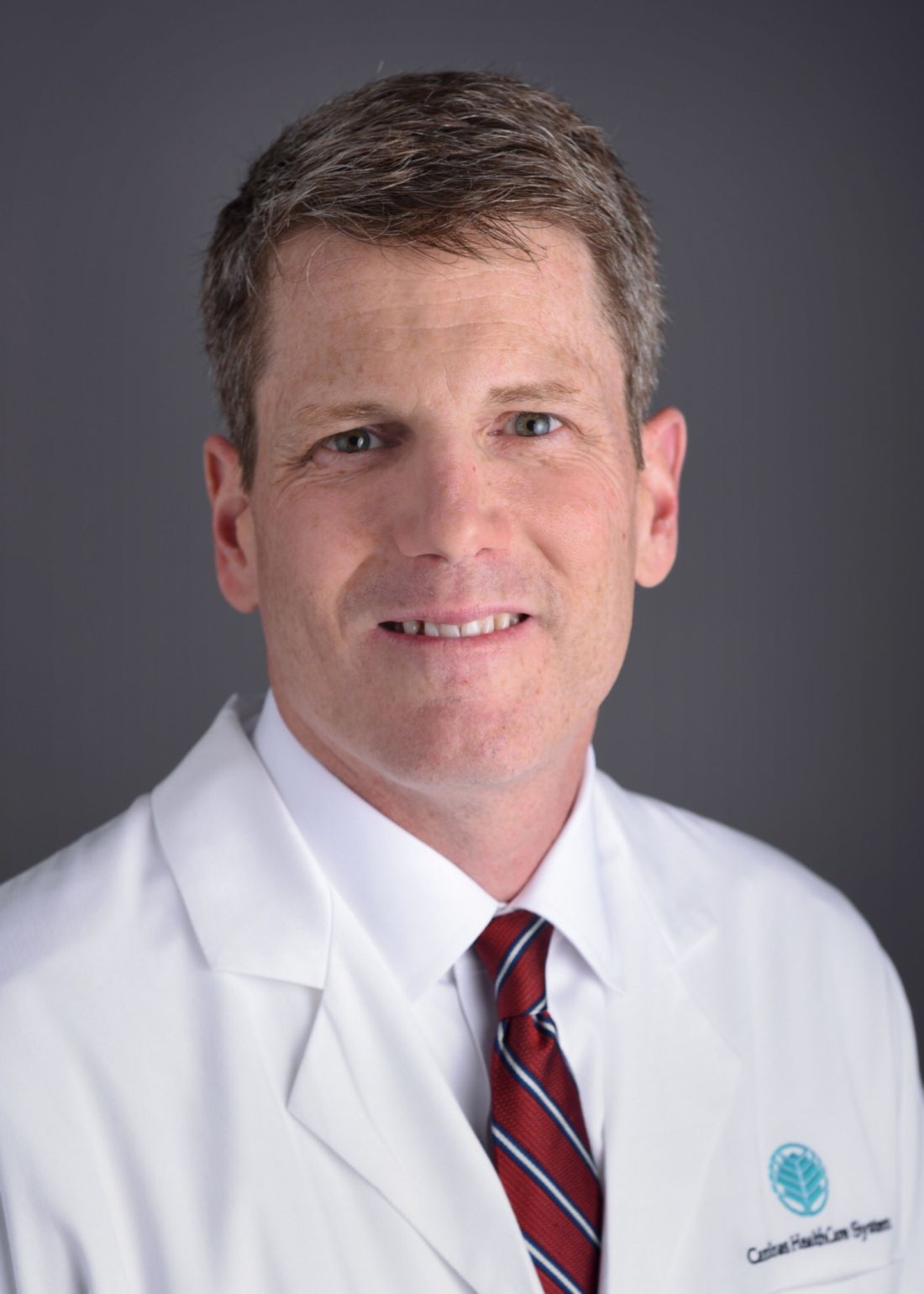
Bradley R. Davis, MD, FACS, discussed some of these options, and the case circumstances that inform the surgeon’s choices at the Annual Minimally Invasive Surgery Symposium by -Global Academy for Medical Education. Dr. Davis is chief of general surgery and of rectal surgery at Carolinas Medical Center, Charlotte, N.C.
Laparoscopic surgeries are associated with significantly lower rates of small bowel obstruction, but it can still happen. More often, patients will have had a previous open surgery, and this should be a selling point for doing first-time surgeries using minimally invasive techniques. “That’s one thing I tell my patients when I see them in the office. There’s a real reduction in adhesive small bowel obstruction and certainly in hernia formation, so there are long-term benefits that I don’t think we talk enough about,” said Dr. Davis.
Although the majority of obstructions are caused by adhesions, some are the result of malignancies or hernias, and Dr. Davis encourages his residents to do exams to determine if a hernia is to blame. “That’s harder and harder to do now that everyone does a CT scan, but that’s always an interesting question to ask a resident,” he said. Inflammatory bowel disease is sometimes also a cause, but that’s rare.
CT scans are the diagnostic mode of choice for small bowel obstructions. Some believe that oral contrast agents may help resolve obstructions, but Dr. Davis mentioned evidence from a study showing that contrast agents don’t change the course of obstructions or reduce laparotomy rates. However, contrast agents can help predict the clinical course of an obstruction. If the contrast agent is present in the colon at 24 hours, then that predicts that the patient will resolve with conservative treatment. “You have a pretty good idea that the patient is going to get better,” said Dr. Davis.
The American Association for the Surgery of Trauma severity grade is helpful for adhesive small bowel obstructions. Grade 2 cases involve intestinal distension and possibly a transition zone, some passage of contrast on follow-up films, and no evidence of intestinal compromise. Grade 3 cases have no distal contrast flow and evidence of complete obstruction or impending bowel compromise. In the latter cases, “we’re scratching our heads wondering whether to take the patient to the operating room. Certainly most of these cases we’ll manage initially nonoperatively, but those patients will end up getting an earlier operation,” said Dr. Davis.
The majority of surgeries are adhesiolysis, sometimes with a bowel resection. Whether or not the surgery can be performed laparoscopically or as an open surgery depends on several factors. If the index operation was done laparoscopically, chances are good that the adhesiolysis can be performed the same way. On the other hand, “if a patient has a known hostile abdomen, I wouldn’t even try. I would basically go straight to an open procedure,” said Dr. Davis.
Generally speaking, though, reoperative surgeries can be attempted laparoscopically and then converted to open procedures if needed, he added. The most common reasons for conversion are dense adhesions and ischemia-related resection.
However, iatrogenic injuries can also occur as a result of trocar access. “Just keep in mind that if you put the trocar into the bowel, the worst thing you can do is take it out because you won’t always find that hole. Just leave the trocar in the bowel, convert to an open procedure, and find the hole and fix it,” said Dr. Davis.
Cases are particularly challenging when the transition zone is in the pelvis. Those procedures are difficult to do laparoscopically because of a difficult angle, and they are more likely to convert to open surgery. “To be honest, that’s not an easy operation to open either, so beware that transition zone in the pelvis can be a difficult case.
“I don’t try to do anything heroic laparoscopically. If you put a camera in and you find it’s going to be a massive adhesiolysis laparoscopically, you might just be better off to open,” said Dr. Davis. In cases like that it can be hard to find the transition zone, which must be identified in order to ensure that the underlying problem is fixed.
An aggressive option in difficult cases is to use a PEEK Port, which starts with a 6-8 cm incision. The surgeon can open up a minimum of disposables and put a hand in to assist the laparoscopic view and determine if the procedure can be completed laparoscopically. “If you encounter extensive adhesions, you just convert to a laparotomy and you haven’t lost any time or spent any money in terms of disposables,” he said.
Dr. Davis had no disclosures. Global Academy for Medical Education and this news organization are owned by the same parent company.
LAS VEGAS – whether they are open or laparoscopic. Small bowel obstructions can result, and management decisions can be complex. What if the patient resolves? Should you offer elective adhesiolysis? If it doesn’t resolve, can the surgery be done laparoscopically or should the procedure be open?
Bradley R. Davis, MD, FACS, discussed some of these options, and the case circumstances that inform the surgeon’s choices at the Annual Minimally Invasive Surgery Symposium by -Global Academy for Medical Education. Dr. Davis is chief of general surgery and of rectal surgery at Carolinas Medical Center, Charlotte, N.C.
Laparoscopic surgeries are associated with significantly lower rates of small bowel obstruction, but it can still happen. More often, patients will have had a previous open surgery, and this should be a selling point for doing first-time surgeries using minimally invasive techniques. “That’s one thing I tell my patients when I see them in the office. There’s a real reduction in adhesive small bowel obstruction and certainly in hernia formation, so there are long-term benefits that I don’t think we talk enough about,” said Dr. Davis.
Although the majority of obstructions are caused by adhesions, some are the result of malignancies or hernias, and Dr. Davis encourages his residents to do exams to determine if a hernia is to blame. “That’s harder and harder to do now that everyone does a CT scan, but that’s always an interesting question to ask a resident,” he said. Inflammatory bowel disease is sometimes also a cause, but that’s rare.
CT scans are the diagnostic mode of choice for small bowel obstructions. Some believe that oral contrast agents may help resolve obstructions, but Dr. Davis mentioned evidence from a study showing that contrast agents don’t change the course of obstructions or reduce laparotomy rates. However, contrast agents can help predict the clinical course of an obstruction. If the contrast agent is present in the colon at 24 hours, then that predicts that the patient will resolve with conservative treatment. “You have a pretty good idea that the patient is going to get better,” said Dr. Davis.
The American Association for the Surgery of Trauma severity grade is helpful for adhesive small bowel obstructions. Grade 2 cases involve intestinal distension and possibly a transition zone, some passage of contrast on follow-up films, and no evidence of intestinal compromise. Grade 3 cases have no distal contrast flow and evidence of complete obstruction or impending bowel compromise. In the latter cases, “we’re scratching our heads wondering whether to take the patient to the operating room. Certainly most of these cases we’ll manage initially nonoperatively, but those patients will end up getting an earlier operation,” said Dr. Davis.
The majority of surgeries are adhesiolysis, sometimes with a bowel resection. Whether or not the surgery can be performed laparoscopically or as an open surgery depends on several factors. If the index operation was done laparoscopically, chances are good that the adhesiolysis can be performed the same way. On the other hand, “if a patient has a known hostile abdomen, I wouldn’t even try. I would basically go straight to an open procedure,” said Dr. Davis.
Generally speaking, though, reoperative surgeries can be attempted laparoscopically and then converted to open procedures if needed, he added. The most common reasons for conversion are dense adhesions and ischemia-related resection.
However, iatrogenic injuries can also occur as a result of trocar access. “Just keep in mind that if you put the trocar into the bowel, the worst thing you can do is take it out because you won’t always find that hole. Just leave the trocar in the bowel, convert to an open procedure, and find the hole and fix it,” said Dr. Davis.
Cases are particularly challenging when the transition zone is in the pelvis. Those procedures are difficult to do laparoscopically because of a difficult angle, and they are more likely to convert to open surgery. “To be honest, that’s not an easy operation to open either, so beware that transition zone in the pelvis can be a difficult case.
“I don’t try to do anything heroic laparoscopically. If you put a camera in and you find it’s going to be a massive adhesiolysis laparoscopically, you might just be better off to open,” said Dr. Davis. In cases like that it can be hard to find the transition zone, which must be identified in order to ensure that the underlying problem is fixed.
An aggressive option in difficult cases is to use a PEEK Port, which starts with a 6-8 cm incision. The surgeon can open up a minimum of disposables and put a hand in to assist the laparoscopic view and determine if the procedure can be completed laparoscopically. “If you encounter extensive adhesions, you just convert to a laparotomy and you haven’t lost any time or spent any money in terms of disposables,” he said.
Dr. Davis had no disclosures. Global Academy for Medical Education and this news organization are owned by the same parent company.
LAS VEGAS – whether they are open or laparoscopic. Small bowel obstructions can result, and management decisions can be complex. What if the patient resolves? Should you offer elective adhesiolysis? If it doesn’t resolve, can the surgery be done laparoscopically or should the procedure be open?
Bradley R. Davis, MD, FACS, discussed some of these options, and the case circumstances that inform the surgeon’s choices at the Annual Minimally Invasive Surgery Symposium by -Global Academy for Medical Education. Dr. Davis is chief of general surgery and of rectal surgery at Carolinas Medical Center, Charlotte, N.C.
Laparoscopic surgeries are associated with significantly lower rates of small bowel obstruction, but it can still happen. More often, patients will have had a previous open surgery, and this should be a selling point for doing first-time surgeries using minimally invasive techniques. “That’s one thing I tell my patients when I see them in the office. There’s a real reduction in adhesive small bowel obstruction and certainly in hernia formation, so there are long-term benefits that I don’t think we talk enough about,” said Dr. Davis.
Although the majority of obstructions are caused by adhesions, some are the result of malignancies or hernias, and Dr. Davis encourages his residents to do exams to determine if a hernia is to blame. “That’s harder and harder to do now that everyone does a CT scan, but that’s always an interesting question to ask a resident,” he said. Inflammatory bowel disease is sometimes also a cause, but that’s rare.
CT scans are the diagnostic mode of choice for small bowel obstructions. Some believe that oral contrast agents may help resolve obstructions, but Dr. Davis mentioned evidence from a study showing that contrast agents don’t change the course of obstructions or reduce laparotomy rates. However, contrast agents can help predict the clinical course of an obstruction. If the contrast agent is present in the colon at 24 hours, then that predicts that the patient will resolve with conservative treatment. “You have a pretty good idea that the patient is going to get better,” said Dr. Davis.
The American Association for the Surgery of Trauma severity grade is helpful for adhesive small bowel obstructions. Grade 2 cases involve intestinal distension and possibly a transition zone, some passage of contrast on follow-up films, and no evidence of intestinal compromise. Grade 3 cases have no distal contrast flow and evidence of complete obstruction or impending bowel compromise. In the latter cases, “we’re scratching our heads wondering whether to take the patient to the operating room. Certainly most of these cases we’ll manage initially nonoperatively, but those patients will end up getting an earlier operation,” said Dr. Davis.
The majority of surgeries are adhesiolysis, sometimes with a bowel resection. Whether or not the surgery can be performed laparoscopically or as an open surgery depends on several factors. If the index operation was done laparoscopically, chances are good that the adhesiolysis can be performed the same way. On the other hand, “if a patient has a known hostile abdomen, I wouldn’t even try. I would basically go straight to an open procedure,” said Dr. Davis.
Generally speaking, though, reoperative surgeries can be attempted laparoscopically and then converted to open procedures if needed, he added. The most common reasons for conversion are dense adhesions and ischemia-related resection.
However, iatrogenic injuries can also occur as a result of trocar access. “Just keep in mind that if you put the trocar into the bowel, the worst thing you can do is take it out because you won’t always find that hole. Just leave the trocar in the bowel, convert to an open procedure, and find the hole and fix it,” said Dr. Davis.
Cases are particularly challenging when the transition zone is in the pelvis. Those procedures are difficult to do laparoscopically because of a difficult angle, and they are more likely to convert to open surgery. “To be honest, that’s not an easy operation to open either, so beware that transition zone in the pelvis can be a difficult case.
“I don’t try to do anything heroic laparoscopically. If you put a camera in and you find it’s going to be a massive adhesiolysis laparoscopically, you might just be better off to open,” said Dr. Davis. In cases like that it can be hard to find the transition zone, which must be identified in order to ensure that the underlying problem is fixed.
An aggressive option in difficult cases is to use a PEEK Port, which starts with a 6-8 cm incision. The surgeon can open up a minimum of disposables and put a hand in to assist the laparoscopic view and determine if the procedure can be completed laparoscopically. “If you encounter extensive adhesions, you just convert to a laparotomy and you haven’t lost any time or spent any money in terms of disposables,” he said.
Dr. Davis had no disclosures. Global Academy for Medical Education and this news organization are owned by the same parent company.
EXPERT ANALYSIS FROM MISS
Rare, serious alemtuzumab adverse events emerge
according to three new case reports and series in Neurology.
The complications include acute coronary syndrome in one patient, hemophagocytic lymphohistiocytosis (HLH) in two patients, and acute acalculous cholecystitis in eight patients.
Postmarketing surveillance aims to identify rare and late adverse events that may not be discovered during clinical trials.
The cardiac arrest incident occurred in a 24-year old woman with spinal-onset relapsing-remitting multiple sclerosis (RRMS) during alemtuzumab infusion. She had experienced two clinical relapses and a significant increase in cerebral and spinal MRI lesion load, despite previous treatment with natalizumab (Tysabri). The only striking thing about her medical history was allergic asthma.
On the third day of treatment, she developed severe asymptomatic sinus bradycardia (HR, 38 beats per minute), which resolved with treatment, and clinicians continued the regimen. The following morning, she experienced acute coronary syndrome, which later resolved.
The authors recommend that clinicians treating RRMS patients with alemtuzumab consider a baseline preinfusion ECG and monitoring heart rate at least hourly while infusion is being carried out.
The HLH cases occurred in a man and a woman with RRMS, both in their 20s. The woman was switched from natalizumab to alemtuzumab because of a high anti-JC virus antibody index. Both cases presented in the time frame typical of secondary autoimmunity. The female patient had an acalculous gallbladder with thickened walls and pericholecystic fluid and responded to intravenous antibiotics, but 3 weeks later she developed thrombocytopenia, coagulopathy, and anemia with abnormal liver enzymes. Treatment failed and she succumbed to the condition.
The man received alemtuzumab as first-line therapy for RRMS during the Keratinocyte Growth Factor to Prevent Autoimmunity After Alemtuzumab Treatment of Multiple Sclerosis (CAM-THY) clinical trial. He received boluses of either placebo or palifermin (Kepivance) before and after each alemtuzumab dose in order to reduce secondary autoimmunity. At 30 months after his initial cycle of alemtuzumab, he was admitted to the hospital with HLH and also developed acquired factor VIII hemophilia. He responded positively to 4 months of corticosteroid treatment combined with two doses of rituximab (Rituxan) and ultimately returned to work. However, he experienced a relapse of acquired hemophilia during later doses of corticosteroids and rituximab.
A search of the Food and Drug Administration Adverse Event Reporting System (FAERS) revealed eight cases of acute acalculous cholecystitis (AAC) – four assessed as possibly caused by alemtuzumab, and four assessed as probable – that occurred in patients with RRMS. Seven of the cases involved presentation during treatment or soon afterward, which suggests that acute cytokine release syndrome (ACRS) may be the cause. The cases did not share all of the manifestations of typical ACRS, but the researchers noted that coadministration of methylprednisolone in the RRMS dosing schedule may have masked some of the features.
Unlike typical AAC, these cases occurred primarily in females (six of eight) and were not associated with concurrent critical illnesses. Other risk factors were not consistently present. Historically, AAC is associated with treatment of older male patients in the ICU. Three of the patients underwent surgical treatment, and five received conservative treatment of antibiotics or an unspecified treatment. Seven patients recovered. The outcome in the eighth patient was not reported.
Despite these good outcomes, the authors of the report note that longer-term outcomes in this AAC population are not yet understood.
The findings led to the addition of AAC to the Warnings and Precautions section of the alemtuzumab label in October 2017.
None of the reports received funding. Some of the authors had financial ties to the pharmaceutical industry.
SOURCES: Croteau D et al. Neurology. 2018 Mar 30. doi: 10.1212/WNL.0000000000005422. Saarela M et al. Neurology. 2018 Mar 30. doi: 10.1212/WNL.0000000000005420. Ferraro D et al. Neurology. 2018 Mar 30. doi: 10.1212/WNL.0000000000005417.
Clinical trials find most adverse events for a new drug, but postmarketing surveillance is essential to find rare events, even though they may underestimate the frequency of these events because of underreporting.
Other reports suggest the emergence of uncommon infectious complications associated with alemtuzumab, especially Listeria meningitis. Listeria infection can occur within days of alemtuzumab treatment, and the use of preventive sulfamethoxazole-trimethoprim treatment is now advocated in the United Kingdom.
Overall, these adverse events remind clinicians that they must balance the benefits of alemtuzumab, which is highly effective, against its potential risks.
Paolo A. Muraro, MD, PhD is a professor of neurology, neuroimmunology, and immunotherapy at Imperial College London. Neil J. Scolding MD, PhD, is director of the Bristol Institute of Clinical Neurosciences at the University of Bristol (England). Robert J. Fox, MD, is a neurologist at the Mellen Center for Multiple Sclerosis at the Cleveland Clinic in Ohio. All of the authors reported financial relationships with companies marketing MS drugs. Their comments are derived from an editorial accompanying the adverse event reports (Neurology. 2018 Mar 30. doi: 10.1212/WNL.0000000000005409).
Clinical trials find most adverse events for a new drug, but postmarketing surveillance is essential to find rare events, even though they may underestimate the frequency of these events because of underreporting.
Other reports suggest the emergence of uncommon infectious complications associated with alemtuzumab, especially Listeria meningitis. Listeria infection can occur within days of alemtuzumab treatment, and the use of preventive sulfamethoxazole-trimethoprim treatment is now advocated in the United Kingdom.
Overall, these adverse events remind clinicians that they must balance the benefits of alemtuzumab, which is highly effective, against its potential risks.
Paolo A. Muraro, MD, PhD is a professor of neurology, neuroimmunology, and immunotherapy at Imperial College London. Neil J. Scolding MD, PhD, is director of the Bristol Institute of Clinical Neurosciences at the University of Bristol (England). Robert J. Fox, MD, is a neurologist at the Mellen Center for Multiple Sclerosis at the Cleveland Clinic in Ohio. All of the authors reported financial relationships with companies marketing MS drugs. Their comments are derived from an editorial accompanying the adverse event reports (Neurology. 2018 Mar 30. doi: 10.1212/WNL.0000000000005409).
Clinical trials find most adverse events for a new drug, but postmarketing surveillance is essential to find rare events, even though they may underestimate the frequency of these events because of underreporting.
Other reports suggest the emergence of uncommon infectious complications associated with alemtuzumab, especially Listeria meningitis. Listeria infection can occur within days of alemtuzumab treatment, and the use of preventive sulfamethoxazole-trimethoprim treatment is now advocated in the United Kingdom.
Overall, these adverse events remind clinicians that they must balance the benefits of alemtuzumab, which is highly effective, against its potential risks.
Paolo A. Muraro, MD, PhD is a professor of neurology, neuroimmunology, and immunotherapy at Imperial College London. Neil J. Scolding MD, PhD, is director of the Bristol Institute of Clinical Neurosciences at the University of Bristol (England). Robert J. Fox, MD, is a neurologist at the Mellen Center for Multiple Sclerosis at the Cleveland Clinic in Ohio. All of the authors reported financial relationships with companies marketing MS drugs. Their comments are derived from an editorial accompanying the adverse event reports (Neurology. 2018 Mar 30. doi: 10.1212/WNL.0000000000005409).
according to three new case reports and series in Neurology.
The complications include acute coronary syndrome in one patient, hemophagocytic lymphohistiocytosis (HLH) in two patients, and acute acalculous cholecystitis in eight patients.
Postmarketing surveillance aims to identify rare and late adverse events that may not be discovered during clinical trials.
The cardiac arrest incident occurred in a 24-year old woman with spinal-onset relapsing-remitting multiple sclerosis (RRMS) during alemtuzumab infusion. She had experienced two clinical relapses and a significant increase in cerebral and spinal MRI lesion load, despite previous treatment with natalizumab (Tysabri). The only striking thing about her medical history was allergic asthma.
On the third day of treatment, she developed severe asymptomatic sinus bradycardia (HR, 38 beats per minute), which resolved with treatment, and clinicians continued the regimen. The following morning, she experienced acute coronary syndrome, which later resolved.
The authors recommend that clinicians treating RRMS patients with alemtuzumab consider a baseline preinfusion ECG and monitoring heart rate at least hourly while infusion is being carried out.
The HLH cases occurred in a man and a woman with RRMS, both in their 20s. The woman was switched from natalizumab to alemtuzumab because of a high anti-JC virus antibody index. Both cases presented in the time frame typical of secondary autoimmunity. The female patient had an acalculous gallbladder with thickened walls and pericholecystic fluid and responded to intravenous antibiotics, but 3 weeks later she developed thrombocytopenia, coagulopathy, and anemia with abnormal liver enzymes. Treatment failed and she succumbed to the condition.
The man received alemtuzumab as first-line therapy for RRMS during the Keratinocyte Growth Factor to Prevent Autoimmunity After Alemtuzumab Treatment of Multiple Sclerosis (CAM-THY) clinical trial. He received boluses of either placebo or palifermin (Kepivance) before and after each alemtuzumab dose in order to reduce secondary autoimmunity. At 30 months after his initial cycle of alemtuzumab, he was admitted to the hospital with HLH and also developed acquired factor VIII hemophilia. He responded positively to 4 months of corticosteroid treatment combined with two doses of rituximab (Rituxan) and ultimately returned to work. However, he experienced a relapse of acquired hemophilia during later doses of corticosteroids and rituximab.
A search of the Food and Drug Administration Adverse Event Reporting System (FAERS) revealed eight cases of acute acalculous cholecystitis (AAC) – four assessed as possibly caused by alemtuzumab, and four assessed as probable – that occurred in patients with RRMS. Seven of the cases involved presentation during treatment or soon afterward, which suggests that acute cytokine release syndrome (ACRS) may be the cause. The cases did not share all of the manifestations of typical ACRS, but the researchers noted that coadministration of methylprednisolone in the RRMS dosing schedule may have masked some of the features.
Unlike typical AAC, these cases occurred primarily in females (six of eight) and were not associated with concurrent critical illnesses. Other risk factors were not consistently present. Historically, AAC is associated with treatment of older male patients in the ICU. Three of the patients underwent surgical treatment, and five received conservative treatment of antibiotics or an unspecified treatment. Seven patients recovered. The outcome in the eighth patient was not reported.
Despite these good outcomes, the authors of the report note that longer-term outcomes in this AAC population are not yet understood.
The findings led to the addition of AAC to the Warnings and Precautions section of the alemtuzumab label in October 2017.
None of the reports received funding. Some of the authors had financial ties to the pharmaceutical industry.
SOURCES: Croteau D et al. Neurology. 2018 Mar 30. doi: 10.1212/WNL.0000000000005422. Saarela M et al. Neurology. 2018 Mar 30. doi: 10.1212/WNL.0000000000005420. Ferraro D et al. Neurology. 2018 Mar 30. doi: 10.1212/WNL.0000000000005417.
according to three new case reports and series in Neurology.
The complications include acute coronary syndrome in one patient, hemophagocytic lymphohistiocytosis (HLH) in two patients, and acute acalculous cholecystitis in eight patients.
Postmarketing surveillance aims to identify rare and late adverse events that may not be discovered during clinical trials.
The cardiac arrest incident occurred in a 24-year old woman with spinal-onset relapsing-remitting multiple sclerosis (RRMS) during alemtuzumab infusion. She had experienced two clinical relapses and a significant increase in cerebral and spinal MRI lesion load, despite previous treatment with natalizumab (Tysabri). The only striking thing about her medical history was allergic asthma.
On the third day of treatment, she developed severe asymptomatic sinus bradycardia (HR, 38 beats per minute), which resolved with treatment, and clinicians continued the regimen. The following morning, she experienced acute coronary syndrome, which later resolved.
The authors recommend that clinicians treating RRMS patients with alemtuzumab consider a baseline preinfusion ECG and monitoring heart rate at least hourly while infusion is being carried out.
The HLH cases occurred in a man and a woman with RRMS, both in their 20s. The woman was switched from natalizumab to alemtuzumab because of a high anti-JC virus antibody index. Both cases presented in the time frame typical of secondary autoimmunity. The female patient had an acalculous gallbladder with thickened walls and pericholecystic fluid and responded to intravenous antibiotics, but 3 weeks later she developed thrombocytopenia, coagulopathy, and anemia with abnormal liver enzymes. Treatment failed and she succumbed to the condition.
The man received alemtuzumab as first-line therapy for RRMS during the Keratinocyte Growth Factor to Prevent Autoimmunity After Alemtuzumab Treatment of Multiple Sclerosis (CAM-THY) clinical trial. He received boluses of either placebo or palifermin (Kepivance) before and after each alemtuzumab dose in order to reduce secondary autoimmunity. At 30 months after his initial cycle of alemtuzumab, he was admitted to the hospital with HLH and also developed acquired factor VIII hemophilia. He responded positively to 4 months of corticosteroid treatment combined with two doses of rituximab (Rituxan) and ultimately returned to work. However, he experienced a relapse of acquired hemophilia during later doses of corticosteroids and rituximab.
A search of the Food and Drug Administration Adverse Event Reporting System (FAERS) revealed eight cases of acute acalculous cholecystitis (AAC) – four assessed as possibly caused by alemtuzumab, and four assessed as probable – that occurred in patients with RRMS. Seven of the cases involved presentation during treatment or soon afterward, which suggests that acute cytokine release syndrome (ACRS) may be the cause. The cases did not share all of the manifestations of typical ACRS, but the researchers noted that coadministration of methylprednisolone in the RRMS dosing schedule may have masked some of the features.
Unlike typical AAC, these cases occurred primarily in females (six of eight) and were not associated with concurrent critical illnesses. Other risk factors were not consistently present. Historically, AAC is associated with treatment of older male patients in the ICU. Three of the patients underwent surgical treatment, and five received conservative treatment of antibiotics or an unspecified treatment. Seven patients recovered. The outcome in the eighth patient was not reported.
Despite these good outcomes, the authors of the report note that longer-term outcomes in this AAC population are not yet understood.
The findings led to the addition of AAC to the Warnings and Precautions section of the alemtuzumab label in October 2017.
None of the reports received funding. Some of the authors had financial ties to the pharmaceutical industry.
SOURCES: Croteau D et al. Neurology. 2018 Mar 30. doi: 10.1212/WNL.0000000000005422. Saarela M et al. Neurology. 2018 Mar 30. doi: 10.1212/WNL.0000000000005420. Ferraro D et al. Neurology. 2018 Mar 30. doi: 10.1212/WNL.0000000000005417.
FROM NEUROLOGY
Key clinical point: Rare events associated with alemtuzumab are emerging that were not uncovered during clinical trials.
Major finding: Eight cases of acute acalculous cholecystitis formed the basis for its addition to the Warnings and Precautions section of the alemtuzumab label in October 2017.
Study details: Case reports of acute coronary syndrome in one patient, hemophagocytic lymphohistiocytosis in two patients, and acute acalculous cholecystitis in eight patients.
Disclosures: None of the reports received funding. Some of the authors had financial ties to the pharmaceutical industry.
Sources: Croteau D et al. Neurology. 2018 Mar 30. doi: 10.1212/WNL.0000000000005422; Saarela M et al. Neurology. 2018 Mar 30. doi: 10.1212/WNL.0000000000005420; Ferraro D et al. Neurology. 2018 Mar 30. doi: 10.1212/WNL.0000000000005417.
Unknown primary melanoma looks a lot like known
Stage IV melanoma of unknown primary (MUP) origin, in which a primary tumor has either resolved or remains undiscovered, shares similar outcomes and prognostic factors to melanoma of known primary (MKP) origin, according to a new analysis of the nationwide Surveillance, Epidemiology, and End Results (SEER)-18 registries spanning from 1973 to 2014.
Previous studies of MUP have been single institutional or multi-institutional studies. The current work is the first population-level study.
MUP is uncommon, representing 2.5-5% of melanoma cases. As with MKP, worse survival of MUP patients was tied to age greater than 50 years and not undergoing a surgical procedure. The researchers did find a slight advantage in one-year survival for MUP patients compared to MKP, which could be because many of the MUP patients had experienced an immune response that eliminated the primary tumor.
“You could imagine that if the body attacks the primary tumor and it goes away, you’re set up to fight off the metastatic melanoma better,” said lead study author Jeffrey Scott, MD, a micrographic surgery and dermatologic oncology fellow at University Hospitals Cleveland Medical Center, Case Western Reserve University.
The study appeared online March 23 in the Journal of the American Academy of Dermatology.
The researchers analyzed 322 stage IV MUP cases and 12,796 stage IV MKP cases. The incidence of stage IV MUP increased over time, from 1.52 per 100,000 between 1973 and 1984, to 5.83 per 100,000 from 2005 to 2014. MUP patients were more likely to be recommended for surgery than MKP patients (surgery not recommended for 47.7% of MKP cases, compared to 37.7% of MUP cases), and they had better 1-year survival rates compared to the general U.S. population than did MKP patients (0.54, 95% CI, 0.48-0.60 versus 0.41, 95% CI 0.39-0.42). The improved survival of MUP over MKP remained steady at each measured time point out to 5 years.
However, there was no difference in 5-year disease-specific survival (DSS) in MUP versus MKP (HR, 0.91; 95% CI, 0.79-1.04; P =.16), or in the 5-year DSS Kaplan-Meier curve after adjustment for year of diagnosis, age, sex, race, and surgical treatment (log-rank P = .93).
A multivariate analysis showed increased 5-year DSS among patients who received surgery (HR, 0.41; 95% CI, 0.30-0.56; P less than .001) and decreased 5-year DSS among patients over 50 (HR 3.27, 95% CI, 1.17-9.17; P = .02 for age 50-59).
“The prognostic factors are very similar, so you should treat these patients (with MUP) similarly to patients with melanoma of known primary, the same treatments, the same clinical trials,” Dr. Scott and associates said.
The results also raise the possibility of gaining a better understanding of how immune response affects the course of metastatic melanoma.
“If MUP is due to the fact that your immune system is attacking the primary tumor, then what characteristics of the person would cause that to happen? Are younger patients (exhibiting) a more robust immune response? Could that explain why their prognosis is better? More molecular studies of the actual tumors and the immune characteristics of these patients would help us answer that,” they added.
A resolved primary tumor isn’t the only explanation for MUP, however. It’s also possible that melanocytes are found in unexpected sites, perhaps because they did not complete their migration during development. “They could give rise to melanoma that would present (as MUP). Maybe there never was a skin tumor,” the authors wrote.
The investigators recommend a thorough search for a primary tumor, employing ophthalmologists, gynecologists, and other specialists if necessary. “You could argue that once you have metastatic disease, what’s the point of finding the primary tumor? But it’s important to correctly classify these patients, in terms of what clinical trials and treatments they may be eligible for,” Dr. Scott and associates said.
SOURCE: Scott JF et al. J Am Acad Dermatol. 2018 Mar 23. doi: 10.1016/j.jaad.2018.03.021.
Stage IV melanoma of unknown primary (MUP) origin, in which a primary tumor has either resolved or remains undiscovered, shares similar outcomes and prognostic factors to melanoma of known primary (MKP) origin, according to a new analysis of the nationwide Surveillance, Epidemiology, and End Results (SEER)-18 registries spanning from 1973 to 2014.
Previous studies of MUP have been single institutional or multi-institutional studies. The current work is the first population-level study.
MUP is uncommon, representing 2.5-5% of melanoma cases. As with MKP, worse survival of MUP patients was tied to age greater than 50 years and not undergoing a surgical procedure. The researchers did find a slight advantage in one-year survival for MUP patients compared to MKP, which could be because many of the MUP patients had experienced an immune response that eliminated the primary tumor.
“You could imagine that if the body attacks the primary tumor and it goes away, you’re set up to fight off the metastatic melanoma better,” said lead study author Jeffrey Scott, MD, a micrographic surgery and dermatologic oncology fellow at University Hospitals Cleveland Medical Center, Case Western Reserve University.
The study appeared online March 23 in the Journal of the American Academy of Dermatology.
The researchers analyzed 322 stage IV MUP cases and 12,796 stage IV MKP cases. The incidence of stage IV MUP increased over time, from 1.52 per 100,000 between 1973 and 1984, to 5.83 per 100,000 from 2005 to 2014. MUP patients were more likely to be recommended for surgery than MKP patients (surgery not recommended for 47.7% of MKP cases, compared to 37.7% of MUP cases), and they had better 1-year survival rates compared to the general U.S. population than did MKP patients (0.54, 95% CI, 0.48-0.60 versus 0.41, 95% CI 0.39-0.42). The improved survival of MUP over MKP remained steady at each measured time point out to 5 years.
However, there was no difference in 5-year disease-specific survival (DSS) in MUP versus MKP (HR, 0.91; 95% CI, 0.79-1.04; P =.16), or in the 5-year DSS Kaplan-Meier curve after adjustment for year of diagnosis, age, sex, race, and surgical treatment (log-rank P = .93).
A multivariate analysis showed increased 5-year DSS among patients who received surgery (HR, 0.41; 95% CI, 0.30-0.56; P less than .001) and decreased 5-year DSS among patients over 50 (HR 3.27, 95% CI, 1.17-9.17; P = .02 for age 50-59).
“The prognostic factors are very similar, so you should treat these patients (with MUP) similarly to patients with melanoma of known primary, the same treatments, the same clinical trials,” Dr. Scott and associates said.
The results also raise the possibility of gaining a better understanding of how immune response affects the course of metastatic melanoma.
“If MUP is due to the fact that your immune system is attacking the primary tumor, then what characteristics of the person would cause that to happen? Are younger patients (exhibiting) a more robust immune response? Could that explain why their prognosis is better? More molecular studies of the actual tumors and the immune characteristics of these patients would help us answer that,” they added.
A resolved primary tumor isn’t the only explanation for MUP, however. It’s also possible that melanocytes are found in unexpected sites, perhaps because they did not complete their migration during development. “They could give rise to melanoma that would present (as MUP). Maybe there never was a skin tumor,” the authors wrote.
The investigators recommend a thorough search for a primary tumor, employing ophthalmologists, gynecologists, and other specialists if necessary. “You could argue that once you have metastatic disease, what’s the point of finding the primary tumor? But it’s important to correctly classify these patients, in terms of what clinical trials and treatments they may be eligible for,” Dr. Scott and associates said.
SOURCE: Scott JF et al. J Am Acad Dermatol. 2018 Mar 23. doi: 10.1016/j.jaad.2018.03.021.
Stage IV melanoma of unknown primary (MUP) origin, in which a primary tumor has either resolved or remains undiscovered, shares similar outcomes and prognostic factors to melanoma of known primary (MKP) origin, according to a new analysis of the nationwide Surveillance, Epidemiology, and End Results (SEER)-18 registries spanning from 1973 to 2014.
Previous studies of MUP have been single institutional or multi-institutional studies. The current work is the first population-level study.
MUP is uncommon, representing 2.5-5% of melanoma cases. As with MKP, worse survival of MUP patients was tied to age greater than 50 years and not undergoing a surgical procedure. The researchers did find a slight advantage in one-year survival for MUP patients compared to MKP, which could be because many of the MUP patients had experienced an immune response that eliminated the primary tumor.
“You could imagine that if the body attacks the primary tumor and it goes away, you’re set up to fight off the metastatic melanoma better,” said lead study author Jeffrey Scott, MD, a micrographic surgery and dermatologic oncology fellow at University Hospitals Cleveland Medical Center, Case Western Reserve University.
The study appeared online March 23 in the Journal of the American Academy of Dermatology.
The researchers analyzed 322 stage IV MUP cases and 12,796 stage IV MKP cases. The incidence of stage IV MUP increased over time, from 1.52 per 100,000 between 1973 and 1984, to 5.83 per 100,000 from 2005 to 2014. MUP patients were more likely to be recommended for surgery than MKP patients (surgery not recommended for 47.7% of MKP cases, compared to 37.7% of MUP cases), and they had better 1-year survival rates compared to the general U.S. population than did MKP patients (0.54, 95% CI, 0.48-0.60 versus 0.41, 95% CI 0.39-0.42). The improved survival of MUP over MKP remained steady at each measured time point out to 5 years.
However, there was no difference in 5-year disease-specific survival (DSS) in MUP versus MKP (HR, 0.91; 95% CI, 0.79-1.04; P =.16), or in the 5-year DSS Kaplan-Meier curve after adjustment for year of diagnosis, age, sex, race, and surgical treatment (log-rank P = .93).
A multivariate analysis showed increased 5-year DSS among patients who received surgery (HR, 0.41; 95% CI, 0.30-0.56; P less than .001) and decreased 5-year DSS among patients over 50 (HR 3.27, 95% CI, 1.17-9.17; P = .02 for age 50-59).
“The prognostic factors are very similar, so you should treat these patients (with MUP) similarly to patients with melanoma of known primary, the same treatments, the same clinical trials,” Dr. Scott and associates said.
The results also raise the possibility of gaining a better understanding of how immune response affects the course of metastatic melanoma.
“If MUP is due to the fact that your immune system is attacking the primary tumor, then what characteristics of the person would cause that to happen? Are younger patients (exhibiting) a more robust immune response? Could that explain why their prognosis is better? More molecular studies of the actual tumors and the immune characteristics of these patients would help us answer that,” they added.
A resolved primary tumor isn’t the only explanation for MUP, however. It’s also possible that melanocytes are found in unexpected sites, perhaps because they did not complete their migration during development. “They could give rise to melanoma that would present (as MUP). Maybe there never was a skin tumor,” the authors wrote.
The investigators recommend a thorough search for a primary tumor, employing ophthalmologists, gynecologists, and other specialists if necessary. “You could argue that once you have metastatic disease, what’s the point of finding the primary tumor? But it’s important to correctly classify these patients, in terms of what clinical trials and treatments they may be eligible for,” Dr. Scott and associates said.
SOURCE: Scott JF et al. J Am Acad Dermatol. 2018 Mar 23. doi: 10.1016/j.jaad.2018.03.021.
FROM THE JOURNAL OF THE AMERICAN ACADEMY OF DERMATOLOGY
Key clinical point: Unknown primary melanomas should be approached similar to melanomas with known primaries.
Major finding: The 5-year DSS rate was lower in patients age 50-59 (HR, 3.27).
Study details: Retrospective analysis of 322 stage IV MUP cases and 12,796 stage IV MKP.
Disclosures: The study was funded by the Char and Chuck Fowler Family Foundation. Dr. Scott reported no relevant financial relationships.
Source: Scott JF et al. J Am Acad Dermatol. 2018 Mar 23. doi: 10.1016/j.jaad.2018.03.021.
Minimally invasive colon surgery: Managing conversions
LAS VEGAS – Minimally invasive colon surgery has many advantages over an open procedure with respect to complications and patient recovery, but as surgeons are well aware, sometimes conversion cannot and should not be avoided. “It’s going to happen, and if you’re not converting any of your patients, then you’re probably not being aggressive enough,” said Bradley R. Davis, MD, FACS, at a talk he gave on the topic at the Annual Minimally Invasive Surgery Symposium (MISS) 2018 by Global Academy for Medical Education.
Dr. Davis discussed some of the most common reasons for conversion to open surgery and strategies to try to reduce the incidence. He is the chief of general surgery and the chief of rectal and rectal surgery at Carolinas Medical Center, Charlotte, N.C.
A 2017 survey of 41,417 left hemicolectomy and sigmoidectomy procedures revealed that 63.4% were attempted laparoscopically, and the rate of conversion to an open procedure was 13.4% (JSLS. 2017 Jul-Sep;21[3]:e2017.00036). “I think that if your conversation rate is between 5% and 15%, [it’s] perfectly acceptable,” said Dr. Davis.
He suggested that surgeons should be willing to consider an increasing number of cases for minimally invasive surgery, despite the risk of conversion. By taking some precautions and being aware of which cases are most likely to lead to conversion, surgeons can potentially reduce the conversion rate – or at least lessen the effects it can have on patients and on costs.
Dr. Davis started with a discussion of the surgeon factors that can affect conversion rates. Medial and lateral approaches seem to have similar learning curves. “You’ve got to just stick to one approach. There’s not going to be any difference in terms of [frequency of] conversions,” said Dr. Davis.
Vascular pedicle ligation is the easiest approach, he said. Flexure mobilizations can be challenging, but they aren’t necessarily easier in open surgery. “If you’re struggling to mobilize the flexure, that may be the time to keep struggling because often when we go to open surgery [it doesn’t] get any easier,” said Dr. Davis.
The transverse colon mesentery is most difficult. “If you’re early in your learning curve, that’s something that’s going to be a little more difficult. The learning curve is between 50 and 60 cases,” said Dr. Davis.
Adhesions are the most common cause of conversions, but Dr. Davis said he generally starts with an attempt at laparoscopy. When he has a questionable case, he notifies the operating room staff that it should be prepared for a conversion so they don’t open a lot of disposables.
Other causes of conversion include pedicle or solid organ bleeding, hollow viscus injuries, and anastomotic complications. “As you get more up on your learning curve, you’ll be more comfortable in managing a hole in the bowel laparoscopically. ... Often you can manage those through your extraction site, so you can temporize that with a stitch and then bring it out and look at it,” said Dr. Davis.
Air leaks while doing an anastomosis on the sigmoid can also lead to conversion. “If you have a Pfannenstiel incision, you can do it through the Pfannenstiel, but if you have no incision, you are probably going to want to do some kind of incision to take a peek at that,” said Dr. Davis.
In neoplasms, conversions are common to ensure negative margins, which can’t always be accomplished laparoscopically.
Severe diverticulitis is another case that can mean a conversion, but hand-assisted techniques can be employed to avoid conversion. In severe diverticulitis, ureteral catheters can be helpful. “We identified a lower incidence of ureteral injury [with the use of ureteral catheters] in diverticulitis and T4 cancers. If you have a big phlegmon or a big cancer, I would definitely consider ureteral catheters,” said Dr. Davis. He pointed out that an inability to pinpoint the ureter is daunting in these types of cases. “That’s another thing to plan on if you know you’re going into these tough cases – trying to maximize your chances of not having a conversion by giving yourself the best possible tools to and the best visualization possible,” he added.
Obesity and inflammatory bowel disease are other conversion risk factors, as is performing a left hemicolectomy versus a sigmoidectomy. “As you plan your surgery, if you know you’ve got an obese patient with bad diverticulitis, this might be someone you would schedule as a laparoscopic versus open, with minimum disposable equipment in the room, knowing that, if it’s just not going to happen, then you need to open,” said Dr. Davis.
Technical factors that can contribute to conversion include failures of staplers, clips, and energy devices. When bleeding occurs as a result of an energy device, he doesn’t repeat its use. “If the energy has failed, I go right to an endoloop,” said Dr. Davis.
Bleeding in general needs to be controlled quickly or converted to open. “If you can’t get control of bleeding, that’s when you want to make a quick decision to open. You don’t want to lose two liters of blood trying to be fancy,” said Dr. Davis.
“Cautery injuries will happen, and it doesn’t take much to cause a full-thickness injury. It’s important to address it immediately, rather than move on, since it can be difficult to find after you’ve moved on to something else. Serosal injuries should also be dealt with right away,” he said.
A staple misfire can sometimes be repaired laparoscopically, but if it can’t, the patient should be opened up. “It’s just not worth the leak to prevent an incision,” said Dr. Davis.
Finally, body mass index is a strong predictor of conversion because of the difficulties it presents. “These aren’t cases that are fun to do open, either, but it’s going to be something that we’ll have to get better and better at as we see more of these patients,” said Dr. Davis.
Global Academy for Medical Education and this news organization are owned by the same parent company.
LAS VEGAS – Minimally invasive colon surgery has many advantages over an open procedure with respect to complications and patient recovery, but as surgeons are well aware, sometimes conversion cannot and should not be avoided. “It’s going to happen, and if you’re not converting any of your patients, then you’re probably not being aggressive enough,” said Bradley R. Davis, MD, FACS, at a talk he gave on the topic at the Annual Minimally Invasive Surgery Symposium (MISS) 2018 by Global Academy for Medical Education.
Dr. Davis discussed some of the most common reasons for conversion to open surgery and strategies to try to reduce the incidence. He is the chief of general surgery and the chief of rectal and rectal surgery at Carolinas Medical Center, Charlotte, N.C.
A 2017 survey of 41,417 left hemicolectomy and sigmoidectomy procedures revealed that 63.4% were attempted laparoscopically, and the rate of conversion to an open procedure was 13.4% (JSLS. 2017 Jul-Sep;21[3]:e2017.00036). “I think that if your conversation rate is between 5% and 15%, [it’s] perfectly acceptable,” said Dr. Davis.
He suggested that surgeons should be willing to consider an increasing number of cases for minimally invasive surgery, despite the risk of conversion. By taking some precautions and being aware of which cases are most likely to lead to conversion, surgeons can potentially reduce the conversion rate – or at least lessen the effects it can have on patients and on costs.
Dr. Davis started with a discussion of the surgeon factors that can affect conversion rates. Medial and lateral approaches seem to have similar learning curves. “You’ve got to just stick to one approach. There’s not going to be any difference in terms of [frequency of] conversions,” said Dr. Davis.
Vascular pedicle ligation is the easiest approach, he said. Flexure mobilizations can be challenging, but they aren’t necessarily easier in open surgery. “If you’re struggling to mobilize the flexure, that may be the time to keep struggling because often when we go to open surgery [it doesn’t] get any easier,” said Dr. Davis.
The transverse colon mesentery is most difficult. “If you’re early in your learning curve, that’s something that’s going to be a little more difficult. The learning curve is between 50 and 60 cases,” said Dr. Davis.
Adhesions are the most common cause of conversions, but Dr. Davis said he generally starts with an attempt at laparoscopy. When he has a questionable case, he notifies the operating room staff that it should be prepared for a conversion so they don’t open a lot of disposables.
Other causes of conversion include pedicle or solid organ bleeding, hollow viscus injuries, and anastomotic complications. “As you get more up on your learning curve, you’ll be more comfortable in managing a hole in the bowel laparoscopically. ... Often you can manage those through your extraction site, so you can temporize that with a stitch and then bring it out and look at it,” said Dr. Davis.
Air leaks while doing an anastomosis on the sigmoid can also lead to conversion. “If you have a Pfannenstiel incision, you can do it through the Pfannenstiel, but if you have no incision, you are probably going to want to do some kind of incision to take a peek at that,” said Dr. Davis.
In neoplasms, conversions are common to ensure negative margins, which can’t always be accomplished laparoscopically.
Severe diverticulitis is another case that can mean a conversion, but hand-assisted techniques can be employed to avoid conversion. In severe diverticulitis, ureteral catheters can be helpful. “We identified a lower incidence of ureteral injury [with the use of ureteral catheters] in diverticulitis and T4 cancers. If you have a big phlegmon or a big cancer, I would definitely consider ureteral catheters,” said Dr. Davis. He pointed out that an inability to pinpoint the ureter is daunting in these types of cases. “That’s another thing to plan on if you know you’re going into these tough cases – trying to maximize your chances of not having a conversion by giving yourself the best possible tools to and the best visualization possible,” he added.
Obesity and inflammatory bowel disease are other conversion risk factors, as is performing a left hemicolectomy versus a sigmoidectomy. “As you plan your surgery, if you know you’ve got an obese patient with bad diverticulitis, this might be someone you would schedule as a laparoscopic versus open, with minimum disposable equipment in the room, knowing that, if it’s just not going to happen, then you need to open,” said Dr. Davis.
Technical factors that can contribute to conversion include failures of staplers, clips, and energy devices. When bleeding occurs as a result of an energy device, he doesn’t repeat its use. “If the energy has failed, I go right to an endoloop,” said Dr. Davis.
Bleeding in general needs to be controlled quickly or converted to open. “If you can’t get control of bleeding, that’s when you want to make a quick decision to open. You don’t want to lose two liters of blood trying to be fancy,” said Dr. Davis.
“Cautery injuries will happen, and it doesn’t take much to cause a full-thickness injury. It’s important to address it immediately, rather than move on, since it can be difficult to find after you’ve moved on to something else. Serosal injuries should also be dealt with right away,” he said.
A staple misfire can sometimes be repaired laparoscopically, but if it can’t, the patient should be opened up. “It’s just not worth the leak to prevent an incision,” said Dr. Davis.
Finally, body mass index is a strong predictor of conversion because of the difficulties it presents. “These aren’t cases that are fun to do open, either, but it’s going to be something that we’ll have to get better and better at as we see more of these patients,” said Dr. Davis.
Global Academy for Medical Education and this news organization are owned by the same parent company.
LAS VEGAS – Minimally invasive colon surgery has many advantages over an open procedure with respect to complications and patient recovery, but as surgeons are well aware, sometimes conversion cannot and should not be avoided. “It’s going to happen, and if you’re not converting any of your patients, then you’re probably not being aggressive enough,” said Bradley R. Davis, MD, FACS, at a talk he gave on the topic at the Annual Minimally Invasive Surgery Symposium (MISS) 2018 by Global Academy for Medical Education.
Dr. Davis discussed some of the most common reasons for conversion to open surgery and strategies to try to reduce the incidence. He is the chief of general surgery and the chief of rectal and rectal surgery at Carolinas Medical Center, Charlotte, N.C.
A 2017 survey of 41,417 left hemicolectomy and sigmoidectomy procedures revealed that 63.4% were attempted laparoscopically, and the rate of conversion to an open procedure was 13.4% (JSLS. 2017 Jul-Sep;21[3]:e2017.00036). “I think that if your conversation rate is between 5% and 15%, [it’s] perfectly acceptable,” said Dr. Davis.
He suggested that surgeons should be willing to consider an increasing number of cases for minimally invasive surgery, despite the risk of conversion. By taking some precautions and being aware of which cases are most likely to lead to conversion, surgeons can potentially reduce the conversion rate – or at least lessen the effects it can have on patients and on costs.
Dr. Davis started with a discussion of the surgeon factors that can affect conversion rates. Medial and lateral approaches seem to have similar learning curves. “You’ve got to just stick to one approach. There’s not going to be any difference in terms of [frequency of] conversions,” said Dr. Davis.
Vascular pedicle ligation is the easiest approach, he said. Flexure mobilizations can be challenging, but they aren’t necessarily easier in open surgery. “If you’re struggling to mobilize the flexure, that may be the time to keep struggling because often when we go to open surgery [it doesn’t] get any easier,” said Dr. Davis.
The transverse colon mesentery is most difficult. “If you’re early in your learning curve, that’s something that’s going to be a little more difficult. The learning curve is between 50 and 60 cases,” said Dr. Davis.
Adhesions are the most common cause of conversions, but Dr. Davis said he generally starts with an attempt at laparoscopy. When he has a questionable case, he notifies the operating room staff that it should be prepared for a conversion so they don’t open a lot of disposables.
Other causes of conversion include pedicle or solid organ bleeding, hollow viscus injuries, and anastomotic complications. “As you get more up on your learning curve, you’ll be more comfortable in managing a hole in the bowel laparoscopically. ... Often you can manage those through your extraction site, so you can temporize that with a stitch and then bring it out and look at it,” said Dr. Davis.
Air leaks while doing an anastomosis on the sigmoid can also lead to conversion. “If you have a Pfannenstiel incision, you can do it through the Pfannenstiel, but if you have no incision, you are probably going to want to do some kind of incision to take a peek at that,” said Dr. Davis.
In neoplasms, conversions are common to ensure negative margins, which can’t always be accomplished laparoscopically.
Severe diverticulitis is another case that can mean a conversion, but hand-assisted techniques can be employed to avoid conversion. In severe diverticulitis, ureteral catheters can be helpful. “We identified a lower incidence of ureteral injury [with the use of ureteral catheters] in diverticulitis and T4 cancers. If you have a big phlegmon or a big cancer, I would definitely consider ureteral catheters,” said Dr. Davis. He pointed out that an inability to pinpoint the ureter is daunting in these types of cases. “That’s another thing to plan on if you know you’re going into these tough cases – trying to maximize your chances of not having a conversion by giving yourself the best possible tools to and the best visualization possible,” he added.
Obesity and inflammatory bowel disease are other conversion risk factors, as is performing a left hemicolectomy versus a sigmoidectomy. “As you plan your surgery, if you know you’ve got an obese patient with bad diverticulitis, this might be someone you would schedule as a laparoscopic versus open, with minimum disposable equipment in the room, knowing that, if it’s just not going to happen, then you need to open,” said Dr. Davis.
Technical factors that can contribute to conversion include failures of staplers, clips, and energy devices. When bleeding occurs as a result of an energy device, he doesn’t repeat its use. “If the energy has failed, I go right to an endoloop,” said Dr. Davis.
Bleeding in general needs to be controlled quickly or converted to open. “If you can’t get control of bleeding, that’s when you want to make a quick decision to open. You don’t want to lose two liters of blood trying to be fancy,” said Dr. Davis.
“Cautery injuries will happen, and it doesn’t take much to cause a full-thickness injury. It’s important to address it immediately, rather than move on, since it can be difficult to find after you’ve moved on to something else. Serosal injuries should also be dealt with right away,” he said.
A staple misfire can sometimes be repaired laparoscopically, but if it can’t, the patient should be opened up. “It’s just not worth the leak to prevent an incision,” said Dr. Davis.
Finally, body mass index is a strong predictor of conversion because of the difficulties it presents. “These aren’t cases that are fun to do open, either, but it’s going to be something that we’ll have to get better and better at as we see more of these patients,” said Dr. Davis.
Global Academy for Medical Education and this news organization are owned by the same parent company.
REPORTING FROM MISS
Easing into laparoscopic colectomy
LAS VEGAS – , including reduced hospital length of stay, less pain, faster return to work, and reduced incidence of adhesive small bowel obstructions. But the methods are underutilized, in part because they can be challenging to learn.
There are some tools and methods that can help surgeons perform surgeries laparoscopically, including hand-assisted laparoscopy and the use of single-incision laparoscopic colectomy (SILC). These methods were the subject of a talk at the Annual Minimally Invasive Surgery Symposium by Global Academy for Medical Education.
Between 2009 and 2012, a little over 30% of colon cancer cases in the United States and about half of diverticulitis cases were performed laparoscopically. The percentage of laparoscopic procedures ticked up slightly from 2009 to 2012, but only by a few percentage points. “The fact is, we’re just not doing [minimally invasive procedures],” Ian M. Paquette, MD, FACS, associate professor of surgery at the University of Cincinnati, said during his talk.
When a laparoscopic procedure proves challenging, one option is the hand-assist technique. The literature hasn’t been very supportive of the method, with one study of data from the American College of Surgeons National Surgical Quality Improvement Program showing that it offers no improvement in operation time, compared with standard laparoscopy, and that it has slightly higher complication rates (J Gastrointest Surg. 2016 Nov;20[11]:1854-60). “They say you should do everything laparoscopically,” said Dr. Paquette.
One high-volume surgeon showed what happened over time when his practice employed hand-assisted laparoscopy for diverticulitis cases (Dis Colon Rectum. 2014;57[9]1090-7). Initially, most cases were done with the hand-assist technique. Over time, that percentage dropped precipitously and the number that were performed laparoscopically rose sharply. Throughout the study period, the percentage of open procedures remained very low, dropping to almost zero near the conclusion. “They were able to keep their experience of open surgery quite low by using hand-assisted techniques to help with the tough cases of diverticular disease and get over that learning curve,” said Dr. Paquette.
In colon cancer, the study found that laparoscopic procedures hovered around 50%, while open and hand-assisted techniques tended to be around 20%. The higher incidence of open procedures was probably due to the desire of surgeons to be certain that the entire tumor has been excised. “If you’re in doubt, you don’t compromise on oncology. You do an open procedure if you need to,” said Dr. Paquette.
Another tool available to surgeons is single-incision laparoscopic colectomy, as opposed to conventional multiport laparoscopic colectomy. The method results in a very small incision, but can be challenging because the instruments are closer together and it is tricky when the surgeon has to cross the instrument, he said.
Dr. Paquette’s own group also looked at extraction in hand-assisted sigmoid colectomy, in which the surgeon went in laparoscopically, mobilized the colon laterally as would be done in an open procedure, and then performed the colectomy through a small extraction incision. The length of stay was about 15% shorter, there was a lower readmission rate, and gastrointestinal function returned more quickly (Surg Endosc. 2016 Aug;30[8]:3567-72).
Can patients who previously underwent a midline laparotomy be treated laparoscopically? “The answer is possibly yes,” said Dr. Paquette. He noted one study that showed higher rates of minor morbidity, ileotomy, and longer length of stay with laparoscopic treatment (Surg Endosc. 2015;29[3]537-42). “It’s a worth a try if you carefully plan where you’re going to go in through your ports, get in off the midline somewhere if you have to, and just take a look. If you have some adhesions of the omentum to the abdominal wall, it’s really no problem and you can proceed. If you have a frozen abdomen, just do the right thing and open the patient,” said Dr. Paquette.
When it comes to extraction options, Pfannenstiel incisions have the lowest rates of incisional hernias, at 1.9%, according to a survey of 2,148 cases at the Cleveland Clinic. The periumbilical midline incision had the highest frequency at 16.2% (Dis Colon Rectum. 2016 Aug;59[8]:743-50).
“If I’m doing a laparoscopic sigmoid or a laparoscopic low anterior, I do prefer to do a Pfannenstiel incision if I can. If you think that you may need to convert that patient for some reason, don’t do the Pfannenstiel first – nobody wants that big T-shaped incision,” said Dr. Paquette.
Global Academy for Medical Education and this news organization are owned by the same parent company. Dr. Paquette has consulted for Ethicon.
LAS VEGAS – , including reduced hospital length of stay, less pain, faster return to work, and reduced incidence of adhesive small bowel obstructions. But the methods are underutilized, in part because they can be challenging to learn.
There are some tools and methods that can help surgeons perform surgeries laparoscopically, including hand-assisted laparoscopy and the use of single-incision laparoscopic colectomy (SILC). These methods were the subject of a talk at the Annual Minimally Invasive Surgery Symposium by Global Academy for Medical Education.
Between 2009 and 2012, a little over 30% of colon cancer cases in the United States and about half of diverticulitis cases were performed laparoscopically. The percentage of laparoscopic procedures ticked up slightly from 2009 to 2012, but only by a few percentage points. “The fact is, we’re just not doing [minimally invasive procedures],” Ian M. Paquette, MD, FACS, associate professor of surgery at the University of Cincinnati, said during his talk.
When a laparoscopic procedure proves challenging, one option is the hand-assist technique. The literature hasn’t been very supportive of the method, with one study of data from the American College of Surgeons National Surgical Quality Improvement Program showing that it offers no improvement in operation time, compared with standard laparoscopy, and that it has slightly higher complication rates (J Gastrointest Surg. 2016 Nov;20[11]:1854-60). “They say you should do everything laparoscopically,” said Dr. Paquette.
One high-volume surgeon showed what happened over time when his practice employed hand-assisted laparoscopy for diverticulitis cases (Dis Colon Rectum. 2014;57[9]1090-7). Initially, most cases were done with the hand-assist technique. Over time, that percentage dropped precipitously and the number that were performed laparoscopically rose sharply. Throughout the study period, the percentage of open procedures remained very low, dropping to almost zero near the conclusion. “They were able to keep their experience of open surgery quite low by using hand-assisted techniques to help with the tough cases of diverticular disease and get over that learning curve,” said Dr. Paquette.
In colon cancer, the study found that laparoscopic procedures hovered around 50%, while open and hand-assisted techniques tended to be around 20%. The higher incidence of open procedures was probably due to the desire of surgeons to be certain that the entire tumor has been excised. “If you’re in doubt, you don’t compromise on oncology. You do an open procedure if you need to,” said Dr. Paquette.
Another tool available to surgeons is single-incision laparoscopic colectomy, as opposed to conventional multiport laparoscopic colectomy. The method results in a very small incision, but can be challenging because the instruments are closer together and it is tricky when the surgeon has to cross the instrument, he said.
Dr. Paquette’s own group also looked at extraction in hand-assisted sigmoid colectomy, in which the surgeon went in laparoscopically, mobilized the colon laterally as would be done in an open procedure, and then performed the colectomy through a small extraction incision. The length of stay was about 15% shorter, there was a lower readmission rate, and gastrointestinal function returned more quickly (Surg Endosc. 2016 Aug;30[8]:3567-72).
Can patients who previously underwent a midline laparotomy be treated laparoscopically? “The answer is possibly yes,” said Dr. Paquette. He noted one study that showed higher rates of minor morbidity, ileotomy, and longer length of stay with laparoscopic treatment (Surg Endosc. 2015;29[3]537-42). “It’s a worth a try if you carefully plan where you’re going to go in through your ports, get in off the midline somewhere if you have to, and just take a look. If you have some adhesions of the omentum to the abdominal wall, it’s really no problem and you can proceed. If you have a frozen abdomen, just do the right thing and open the patient,” said Dr. Paquette.
When it comes to extraction options, Pfannenstiel incisions have the lowest rates of incisional hernias, at 1.9%, according to a survey of 2,148 cases at the Cleveland Clinic. The periumbilical midline incision had the highest frequency at 16.2% (Dis Colon Rectum. 2016 Aug;59[8]:743-50).
“If I’m doing a laparoscopic sigmoid or a laparoscopic low anterior, I do prefer to do a Pfannenstiel incision if I can. If you think that you may need to convert that patient for some reason, don’t do the Pfannenstiel first – nobody wants that big T-shaped incision,” said Dr. Paquette.
Global Academy for Medical Education and this news organization are owned by the same parent company. Dr. Paquette has consulted for Ethicon.
LAS VEGAS – , including reduced hospital length of stay, less pain, faster return to work, and reduced incidence of adhesive small bowel obstructions. But the methods are underutilized, in part because they can be challenging to learn.
There are some tools and methods that can help surgeons perform surgeries laparoscopically, including hand-assisted laparoscopy and the use of single-incision laparoscopic colectomy (SILC). These methods were the subject of a talk at the Annual Minimally Invasive Surgery Symposium by Global Academy for Medical Education.
Between 2009 and 2012, a little over 30% of colon cancer cases in the United States and about half of diverticulitis cases were performed laparoscopically. The percentage of laparoscopic procedures ticked up slightly from 2009 to 2012, but only by a few percentage points. “The fact is, we’re just not doing [minimally invasive procedures],” Ian M. Paquette, MD, FACS, associate professor of surgery at the University of Cincinnati, said during his talk.
When a laparoscopic procedure proves challenging, one option is the hand-assist technique. The literature hasn’t been very supportive of the method, with one study of data from the American College of Surgeons National Surgical Quality Improvement Program showing that it offers no improvement in operation time, compared with standard laparoscopy, and that it has slightly higher complication rates (J Gastrointest Surg. 2016 Nov;20[11]:1854-60). “They say you should do everything laparoscopically,” said Dr. Paquette.
One high-volume surgeon showed what happened over time when his practice employed hand-assisted laparoscopy for diverticulitis cases (Dis Colon Rectum. 2014;57[9]1090-7). Initially, most cases were done with the hand-assist technique. Over time, that percentage dropped precipitously and the number that were performed laparoscopically rose sharply. Throughout the study period, the percentage of open procedures remained very low, dropping to almost zero near the conclusion. “They were able to keep their experience of open surgery quite low by using hand-assisted techniques to help with the tough cases of diverticular disease and get over that learning curve,” said Dr. Paquette.
In colon cancer, the study found that laparoscopic procedures hovered around 50%, while open and hand-assisted techniques tended to be around 20%. The higher incidence of open procedures was probably due to the desire of surgeons to be certain that the entire tumor has been excised. “If you’re in doubt, you don’t compromise on oncology. You do an open procedure if you need to,” said Dr. Paquette.
Another tool available to surgeons is single-incision laparoscopic colectomy, as opposed to conventional multiport laparoscopic colectomy. The method results in a very small incision, but can be challenging because the instruments are closer together and it is tricky when the surgeon has to cross the instrument, he said.
Dr. Paquette’s own group also looked at extraction in hand-assisted sigmoid colectomy, in which the surgeon went in laparoscopically, mobilized the colon laterally as would be done in an open procedure, and then performed the colectomy through a small extraction incision. The length of stay was about 15% shorter, there was a lower readmission rate, and gastrointestinal function returned more quickly (Surg Endosc. 2016 Aug;30[8]:3567-72).
Can patients who previously underwent a midline laparotomy be treated laparoscopically? “The answer is possibly yes,” said Dr. Paquette. He noted one study that showed higher rates of minor morbidity, ileotomy, and longer length of stay with laparoscopic treatment (Surg Endosc. 2015;29[3]537-42). “It’s a worth a try if you carefully plan where you’re going to go in through your ports, get in off the midline somewhere if you have to, and just take a look. If you have some adhesions of the omentum to the abdominal wall, it’s really no problem and you can proceed. If you have a frozen abdomen, just do the right thing and open the patient,” said Dr. Paquette.
When it comes to extraction options, Pfannenstiel incisions have the lowest rates of incisional hernias, at 1.9%, according to a survey of 2,148 cases at the Cleveland Clinic. The periumbilical midline incision had the highest frequency at 16.2% (Dis Colon Rectum. 2016 Aug;59[8]:743-50).
“If I’m doing a laparoscopic sigmoid or a laparoscopic low anterior, I do prefer to do a Pfannenstiel incision if I can. If you think that you may need to convert that patient for some reason, don’t do the Pfannenstiel first – nobody wants that big T-shaped incision,” said Dr. Paquette.
Global Academy for Medical Education and this news organization are owned by the same parent company. Dr. Paquette has consulted for Ethicon.
REPORTING FROM MISS

IBD: When to operate and when to punt
LAS VEGAS – Patients with inflammatory bowel disease who are in need of a surgical intervention can pose a special challenge to surgeons who encounter these patients only occasionally.
The question of whether to perform surgery or refer a patient to a higher-volume specialty center can depend on proximity. In some cases, a specialty center isn’t close, or the patient can’t tolerate the required travel. In fact, a recent study showed that 85.8% of IBD patients are treated surgically in hospitals that treat fewer than 50 patients per year (Am J Gastroenterol. 2008;103:2789-98).
In a presentation at the Annual Minimally Invasive Surgery Symposium by Global Academy for Medical Education, Larry Whelan, MD, FACS, discussed some of the challenges these patients pose and offered guidance on which cases are best referred to high-volume centers, and the best way to proceed in emergencies.
IBD patients at high-volume centers have lower mortality than do those in low-volume centers, but patients treated at lower-volume centers tend to be sicker, and studies have shown no significant difference in complication rate. This suggests that surgeons shouldn’t be afraid to tackle these cases, according to Dr. Whelan, chief of colorectal surgery at Mount Sinai West, New York.
"If you get an IBD case and you don’t see a lot of those, how do you decide what to do about it, and should you just refer it to a high-volume center?” said Dr. Whelan.
These patients are often under complex medical management, frequently spanning years, and this is an important factor in surgical decisions. They are often on multiple medications, including steroids, and most patients these days are taking monoclonal antibodies, said Dr. Whelan. The latter in particular can lead patients to be susceptible to infections. “These things can all affect decision making,” said Dr. Whelan.
Sometimes the nutritional status of IBD patients is poor, and most of the time, surgery is elective in these patients. So surgery can often be delayed for a month or more to allow time for nutritional status to improve, and this gives time for a patient to go off monoclonal antibodies, and for the physician to arrange for a referral to a high-volume center, if that seems the wisest course.
Surgery should not be considered without a gastrointestinal specialist who is comfortable in managing these patients. “Having someone who knows when to operate and not to operate, and how to handle medication, is really important,” said Dr. Whelan.
Certain cases should definitely be referred out. Ileal pouches are one. Another is a Crohn’s disease patient with multiple points of obstruction. “That may be one that you’re better off to punt,” said Dr. Whelan. Other cases include patients under complex medical management, when there is no experienced GI specialist available to help.
Emergencies require quicker decisions. In ulcerative colitis, emergency cases may include toxic megacolon, perforated colon, or obstruction from either a stricture or cancer, as well as bleeding in rare cases. Scenarios in Crohn’s disease include perforation with sepsis, inaccessible abscess, and, most commonly, obstruction resulting from fibrous stricture or acute inflammation.
When surgery is required, what’s the best choice? Dr. Whelan emphasized keeping it simple. Redo ileal pouches and ileal pouch excisions should generally be avoided. “Even if you do [pouches] often. It’s not the smartest way to go. These patients are almost all on immunosuppressive medications … to make an operation that’s already big even bigger often doesn’t work out well,” he said.
In emergency chronic ulcerative colitis cases, the safest choice is total abdominal colectomy plus end ileostomy. Dr. Whelan discourages surgeons from considering proctectomy and ileal pouch in emergency cases. A number of studies have shown that delaying pouch surgery is associated with fewer minor and major adverse events, and lower reoperation rates, he said. “If you do these operations on an immunosuppressed population, they don’t do as well,” said Dr. Whelan.
Crohn’s disease emergencies can often be managed nonsurgically. Most patients have phlegmon, fistulae, or a partial obstruction. Intravenous antibiotics, percutaneous drainage, hydration, and boosting nutritional status are good options. In cases where an obstruction requires surgery, and the surgeon isn’t comfortable performing stricturoplasty, “you want to limit the resection as best you can,” he said.
Dr. Whelan disclosed financial relationships with Ethicon Endosurgery and Olympus Corporation. Global Academy for Medical Education and this news organization are owned by the same parent company.”
LAS VEGAS – Patients with inflammatory bowel disease who are in need of a surgical intervention can pose a special challenge to surgeons who encounter these patients only occasionally.
The question of whether to perform surgery or refer a patient to a higher-volume specialty center can depend on proximity. In some cases, a specialty center isn’t close, or the patient can’t tolerate the required travel. In fact, a recent study showed that 85.8% of IBD patients are treated surgically in hospitals that treat fewer than 50 patients per year (Am J Gastroenterol. 2008;103:2789-98).
In a presentation at the Annual Minimally Invasive Surgery Symposium by Global Academy for Medical Education, Larry Whelan, MD, FACS, discussed some of the challenges these patients pose and offered guidance on which cases are best referred to high-volume centers, and the best way to proceed in emergencies.
IBD patients at high-volume centers have lower mortality than do those in low-volume centers, but patients treated at lower-volume centers tend to be sicker, and studies have shown no significant difference in complication rate. This suggests that surgeons shouldn’t be afraid to tackle these cases, according to Dr. Whelan, chief of colorectal surgery at Mount Sinai West, New York.
"If you get an IBD case and you don’t see a lot of those, how do you decide what to do about it, and should you just refer it to a high-volume center?” said Dr. Whelan.
These patients are often under complex medical management, frequently spanning years, and this is an important factor in surgical decisions. They are often on multiple medications, including steroids, and most patients these days are taking monoclonal antibodies, said Dr. Whelan. The latter in particular can lead patients to be susceptible to infections. “These things can all affect decision making,” said Dr. Whelan.
Sometimes the nutritional status of IBD patients is poor, and most of the time, surgery is elective in these patients. So surgery can often be delayed for a month or more to allow time for nutritional status to improve, and this gives time for a patient to go off monoclonal antibodies, and for the physician to arrange for a referral to a high-volume center, if that seems the wisest course.
Surgery should not be considered without a gastrointestinal specialist who is comfortable in managing these patients. “Having someone who knows when to operate and not to operate, and how to handle medication, is really important,” said Dr. Whelan.
Certain cases should definitely be referred out. Ileal pouches are one. Another is a Crohn’s disease patient with multiple points of obstruction. “That may be one that you’re better off to punt,” said Dr. Whelan. Other cases include patients under complex medical management, when there is no experienced GI specialist available to help.
Emergencies require quicker decisions. In ulcerative colitis, emergency cases may include toxic megacolon, perforated colon, or obstruction from either a stricture or cancer, as well as bleeding in rare cases. Scenarios in Crohn’s disease include perforation with sepsis, inaccessible abscess, and, most commonly, obstruction resulting from fibrous stricture or acute inflammation.
When surgery is required, what’s the best choice? Dr. Whelan emphasized keeping it simple. Redo ileal pouches and ileal pouch excisions should generally be avoided. “Even if you do [pouches] often. It’s not the smartest way to go. These patients are almost all on immunosuppressive medications … to make an operation that’s already big even bigger often doesn’t work out well,” he said.
In emergency chronic ulcerative colitis cases, the safest choice is total abdominal colectomy plus end ileostomy. Dr. Whelan discourages surgeons from considering proctectomy and ileal pouch in emergency cases. A number of studies have shown that delaying pouch surgery is associated with fewer minor and major adverse events, and lower reoperation rates, he said. “If you do these operations on an immunosuppressed population, they don’t do as well,” said Dr. Whelan.
Crohn’s disease emergencies can often be managed nonsurgically. Most patients have phlegmon, fistulae, or a partial obstruction. Intravenous antibiotics, percutaneous drainage, hydration, and boosting nutritional status are good options. In cases where an obstruction requires surgery, and the surgeon isn’t comfortable performing stricturoplasty, “you want to limit the resection as best you can,” he said.
Dr. Whelan disclosed financial relationships with Ethicon Endosurgery and Olympus Corporation. Global Academy for Medical Education and this news organization are owned by the same parent company.”
LAS VEGAS – Patients with inflammatory bowel disease who are in need of a surgical intervention can pose a special challenge to surgeons who encounter these patients only occasionally.
The question of whether to perform surgery or refer a patient to a higher-volume specialty center can depend on proximity. In some cases, a specialty center isn’t close, or the patient can’t tolerate the required travel. In fact, a recent study showed that 85.8% of IBD patients are treated surgically in hospitals that treat fewer than 50 patients per year (Am J Gastroenterol. 2008;103:2789-98).
In a presentation at the Annual Minimally Invasive Surgery Symposium by Global Academy for Medical Education, Larry Whelan, MD, FACS, discussed some of the challenges these patients pose and offered guidance on which cases are best referred to high-volume centers, and the best way to proceed in emergencies.
IBD patients at high-volume centers have lower mortality than do those in low-volume centers, but patients treated at lower-volume centers tend to be sicker, and studies have shown no significant difference in complication rate. This suggests that surgeons shouldn’t be afraid to tackle these cases, according to Dr. Whelan, chief of colorectal surgery at Mount Sinai West, New York.
"If you get an IBD case and you don’t see a lot of those, how do you decide what to do about it, and should you just refer it to a high-volume center?” said Dr. Whelan.
These patients are often under complex medical management, frequently spanning years, and this is an important factor in surgical decisions. They are often on multiple medications, including steroids, and most patients these days are taking monoclonal antibodies, said Dr. Whelan. The latter in particular can lead patients to be susceptible to infections. “These things can all affect decision making,” said Dr. Whelan.
Sometimes the nutritional status of IBD patients is poor, and most of the time, surgery is elective in these patients. So surgery can often be delayed for a month or more to allow time for nutritional status to improve, and this gives time for a patient to go off monoclonal antibodies, and for the physician to arrange for a referral to a high-volume center, if that seems the wisest course.
Surgery should not be considered without a gastrointestinal specialist who is comfortable in managing these patients. “Having someone who knows when to operate and not to operate, and how to handle medication, is really important,” said Dr. Whelan.
Certain cases should definitely be referred out. Ileal pouches are one. Another is a Crohn’s disease patient with multiple points of obstruction. “That may be one that you’re better off to punt,” said Dr. Whelan. Other cases include patients under complex medical management, when there is no experienced GI specialist available to help.
Emergencies require quicker decisions. In ulcerative colitis, emergency cases may include toxic megacolon, perforated colon, or obstruction from either a stricture or cancer, as well as bleeding in rare cases. Scenarios in Crohn’s disease include perforation with sepsis, inaccessible abscess, and, most commonly, obstruction resulting from fibrous stricture or acute inflammation.
When surgery is required, what’s the best choice? Dr. Whelan emphasized keeping it simple. Redo ileal pouches and ileal pouch excisions should generally be avoided. “Even if you do [pouches] often. It’s not the smartest way to go. These patients are almost all on immunosuppressive medications … to make an operation that’s already big even bigger often doesn’t work out well,” he said.
In emergency chronic ulcerative colitis cases, the safest choice is total abdominal colectomy plus end ileostomy. Dr. Whelan discourages surgeons from considering proctectomy and ileal pouch in emergency cases. A number of studies have shown that delaying pouch surgery is associated with fewer minor and major adverse events, and lower reoperation rates, he said. “If you do these operations on an immunosuppressed population, they don’t do as well,” said Dr. Whelan.
Crohn’s disease emergencies can often be managed nonsurgically. Most patients have phlegmon, fistulae, or a partial obstruction. Intravenous antibiotics, percutaneous drainage, hydration, and boosting nutritional status are good options. In cases where an obstruction requires surgery, and the surgeon isn’t comfortable performing stricturoplasty, “you want to limit the resection as best you can,” he said.
Dr. Whelan disclosed financial relationships with Ethicon Endosurgery and Olympus Corporation. Global Academy for Medical Education and this news organization are owned by the same parent company.”
EXPERT ANALYSIS FROM MISS
Strategies to reduce colorectal surgery complications
LAS VEGAS – Colorectal surgery is rife with potential complications, but there are steps that surgeons can take to improve outcomes, and factors to consider to reduce complications. These strategies and considerations were the focus of a talk by Matthew G. Mutch, MD, at the Annual Minimally Invasive Surgery Symposium by Global Academy for Medical Education.
Prehabilitation
The approach to improve outcomes can begin with prehabilitation – preparing the patient for the difficult process of surgery. “If somebody is going to fight a 15-round heavyweight bout, they train for 6 or 8 weeks before a fight. Why not bring that concept to surgery?” said Dr. Mutch, chief of colon and rectal surgery at the Washington University, St. Louis.
Prehabilitation can include lifestyle changes, such as quitting smoking, but can also incorporate aerobic and/or resistance exercise, dietary counseling and protein supplementation, anxiety reduction, and medical education to prepare the patient for the challenges ahead. “Preoperatively, we try to identify factors to see if we can make meaningful lifestyle changes, because that’s really the grassroots level where a lot of this [improvement in outcomes] is going to occur,” said Dr. Mutch.
Frailty
Frailty is a factor driving complications in colorectal surgery. A meta-analysis of 20 studies showed that frailty and prefrailty were associated with worse all-cause mortality during follow-up among older cancer patients. More striking, it showed that frail patients were nearly five times more likely to be intolerant of cancer treatment (odds ratio, 4.86) and more likely to experience postoperative complications (30-day hazard ratio, 3.19) (Ann Oncol. 2015;26[6]:1091-1101).
Hemoglobin A1c
Dr. Mutch went on to discuss hemoglobin A1c (HbA1c) levels as a risk factor in colorectal surgery. HbA1c levels higher than 6 are associated with worse outcomes, but tight postoperative control is associated with hypoglycemia. “What you want to do is set that patient up before surgery. HbA1c has a half-life of about a month, so if you start modifying their risk factors 4-6 weeks before you get them into surgery, by 1 month you can see a 50% reduction, and at 2 months a 75% reduction. If you do these things in a preoperative setting it makes a difference,” said Dr. Mutch.
Smoking cessation
Smoking cessation is another key strategy. Two weeks of cessation should lead to a decline in coughing, but a minimum of 4 weeks is needed to significantly reduce overall complications. Lifestyle changes need to be long term. “These are not measures that you’re going to do over a short period of time, and then when surgery is over throw it out the window,” said Dr. Mutch.
Anastomotic leak
Another factor is the detection of anastomotic leak, which can be challenging because its definitions vary significantly, and its causes can be multifactorial. Studies show that predictions of anastomotic leak are not especially successful, Dr. Mutch said, but routine leak testing improves outcomes. In a study of left-side anastomoses in Washington State, hospitals that performed leak tests had lower leak rates at least 90% of the time (OR, 0.23), and hospitals that later implemented leak tests experienced a significant reduction (Arch Surg. 2012:147[4]:345-51).
Venous thromboembolic events
Venous thromboembolic events (VTE), are the leading cause of operative mortality in colorectal surgery patients. This complication can be greatly reduced with prophylaxis, but requires screening for risk factors. Major surgery raises the risk of deep vein thrombosis in 20% of all hospitalized patients to 40%-80%, depending on the surgery type. “We have a lot of room to improve,” said Dr. Mutch.
Timing
One factor that may have an impact on complications appears to be timing of surgery, at least at Washington University, where Dr. Mutch practices. The institution found that patients who had surgery the same day they were admitted had a 2.5% VTE risk, compared with 11% in patients who had surgery 5 or more days after admission.
Postop ambulation
Postsurgical ambulation was another critical complication factor. Dr. Mutch cited a study showing that ambulation on the day after surgery was associated with a 1% VTE risk, compared to 6.9% in patients who waited until day 2.
Dr. Mutch had no disclosures. Global Academy for Medical Education and this news organization are owned by the same parent company.
LAS VEGAS – Colorectal surgery is rife with potential complications, but there are steps that surgeons can take to improve outcomes, and factors to consider to reduce complications. These strategies and considerations were the focus of a talk by Matthew G. Mutch, MD, at the Annual Minimally Invasive Surgery Symposium by Global Academy for Medical Education.
Prehabilitation
The approach to improve outcomes can begin with prehabilitation – preparing the patient for the difficult process of surgery. “If somebody is going to fight a 15-round heavyweight bout, they train for 6 or 8 weeks before a fight. Why not bring that concept to surgery?” said Dr. Mutch, chief of colon and rectal surgery at the Washington University, St. Louis.
Prehabilitation can include lifestyle changes, such as quitting smoking, but can also incorporate aerobic and/or resistance exercise, dietary counseling and protein supplementation, anxiety reduction, and medical education to prepare the patient for the challenges ahead. “Preoperatively, we try to identify factors to see if we can make meaningful lifestyle changes, because that’s really the grassroots level where a lot of this [improvement in outcomes] is going to occur,” said Dr. Mutch.
Frailty
Frailty is a factor driving complications in colorectal surgery. A meta-analysis of 20 studies showed that frailty and prefrailty were associated with worse all-cause mortality during follow-up among older cancer patients. More striking, it showed that frail patients were nearly five times more likely to be intolerant of cancer treatment (odds ratio, 4.86) and more likely to experience postoperative complications (30-day hazard ratio, 3.19) (Ann Oncol. 2015;26[6]:1091-1101).
Hemoglobin A1c
Dr. Mutch went on to discuss hemoglobin A1c (HbA1c) levels as a risk factor in colorectal surgery. HbA1c levels higher than 6 are associated with worse outcomes, but tight postoperative control is associated with hypoglycemia. “What you want to do is set that patient up before surgery. HbA1c has a half-life of about a month, so if you start modifying their risk factors 4-6 weeks before you get them into surgery, by 1 month you can see a 50% reduction, and at 2 months a 75% reduction. If you do these things in a preoperative setting it makes a difference,” said Dr. Mutch.
Smoking cessation
Smoking cessation is another key strategy. Two weeks of cessation should lead to a decline in coughing, but a minimum of 4 weeks is needed to significantly reduce overall complications. Lifestyle changes need to be long term. “These are not measures that you’re going to do over a short period of time, and then when surgery is over throw it out the window,” said Dr. Mutch.
Anastomotic leak
Another factor is the detection of anastomotic leak, which can be challenging because its definitions vary significantly, and its causes can be multifactorial. Studies show that predictions of anastomotic leak are not especially successful, Dr. Mutch said, but routine leak testing improves outcomes. In a study of left-side anastomoses in Washington State, hospitals that performed leak tests had lower leak rates at least 90% of the time (OR, 0.23), and hospitals that later implemented leak tests experienced a significant reduction (Arch Surg. 2012:147[4]:345-51).
Venous thromboembolic events
Venous thromboembolic events (VTE), are the leading cause of operative mortality in colorectal surgery patients. This complication can be greatly reduced with prophylaxis, but requires screening for risk factors. Major surgery raises the risk of deep vein thrombosis in 20% of all hospitalized patients to 40%-80%, depending on the surgery type. “We have a lot of room to improve,” said Dr. Mutch.
Timing
One factor that may have an impact on complications appears to be timing of surgery, at least at Washington University, where Dr. Mutch practices. The institution found that patients who had surgery the same day they were admitted had a 2.5% VTE risk, compared with 11% in patients who had surgery 5 or more days after admission.
Postop ambulation
Postsurgical ambulation was another critical complication factor. Dr. Mutch cited a study showing that ambulation on the day after surgery was associated with a 1% VTE risk, compared to 6.9% in patients who waited until day 2.
Dr. Mutch had no disclosures. Global Academy for Medical Education and this news organization are owned by the same parent company.
LAS VEGAS – Colorectal surgery is rife with potential complications, but there are steps that surgeons can take to improve outcomes, and factors to consider to reduce complications. These strategies and considerations were the focus of a talk by Matthew G. Mutch, MD, at the Annual Minimally Invasive Surgery Symposium by Global Academy for Medical Education.
Prehabilitation
The approach to improve outcomes can begin with prehabilitation – preparing the patient for the difficult process of surgery. “If somebody is going to fight a 15-round heavyweight bout, they train for 6 or 8 weeks before a fight. Why not bring that concept to surgery?” said Dr. Mutch, chief of colon and rectal surgery at the Washington University, St. Louis.
Prehabilitation can include lifestyle changes, such as quitting smoking, but can also incorporate aerobic and/or resistance exercise, dietary counseling and protein supplementation, anxiety reduction, and medical education to prepare the patient for the challenges ahead. “Preoperatively, we try to identify factors to see if we can make meaningful lifestyle changes, because that’s really the grassroots level where a lot of this [improvement in outcomes] is going to occur,” said Dr. Mutch.
Frailty
Frailty is a factor driving complications in colorectal surgery. A meta-analysis of 20 studies showed that frailty and prefrailty were associated with worse all-cause mortality during follow-up among older cancer patients. More striking, it showed that frail patients were nearly five times more likely to be intolerant of cancer treatment (odds ratio, 4.86) and more likely to experience postoperative complications (30-day hazard ratio, 3.19) (Ann Oncol. 2015;26[6]:1091-1101).
Hemoglobin A1c
Dr. Mutch went on to discuss hemoglobin A1c (HbA1c) levels as a risk factor in colorectal surgery. HbA1c levels higher than 6 are associated with worse outcomes, but tight postoperative control is associated with hypoglycemia. “What you want to do is set that patient up before surgery. HbA1c has a half-life of about a month, so if you start modifying their risk factors 4-6 weeks before you get them into surgery, by 1 month you can see a 50% reduction, and at 2 months a 75% reduction. If you do these things in a preoperative setting it makes a difference,” said Dr. Mutch.
Smoking cessation
Smoking cessation is another key strategy. Two weeks of cessation should lead to a decline in coughing, but a minimum of 4 weeks is needed to significantly reduce overall complications. Lifestyle changes need to be long term. “These are not measures that you’re going to do over a short period of time, and then when surgery is over throw it out the window,” said Dr. Mutch.
Anastomotic leak
Another factor is the detection of anastomotic leak, which can be challenging because its definitions vary significantly, and its causes can be multifactorial. Studies show that predictions of anastomotic leak are not especially successful, Dr. Mutch said, but routine leak testing improves outcomes. In a study of left-side anastomoses in Washington State, hospitals that performed leak tests had lower leak rates at least 90% of the time (OR, 0.23), and hospitals that later implemented leak tests experienced a significant reduction (Arch Surg. 2012:147[4]:345-51).
Venous thromboembolic events
Venous thromboembolic events (VTE), are the leading cause of operative mortality in colorectal surgery patients. This complication can be greatly reduced with prophylaxis, but requires screening for risk factors. Major surgery raises the risk of deep vein thrombosis in 20% of all hospitalized patients to 40%-80%, depending on the surgery type. “We have a lot of room to improve,” said Dr. Mutch.
Timing
One factor that may have an impact on complications appears to be timing of surgery, at least at Washington University, where Dr. Mutch practices. The institution found that patients who had surgery the same day they were admitted had a 2.5% VTE risk, compared with 11% in patients who had surgery 5 or more days after admission.
Postop ambulation
Postsurgical ambulation was another critical complication factor. Dr. Mutch cited a study showing that ambulation on the day after surgery was associated with a 1% VTE risk, compared to 6.9% in patients who waited until day 2.
Dr. Mutch had no disclosures. Global Academy for Medical Education and this news organization are owned by the same parent company.
REPORTING FROM MISS
RA unlikely to be transmitted through blood transfusions
Rheumatoid arthritis does not get transmitted through blood transfusions, according to findings from a large retrospective study of blood transfusions in Denmark and Sweden.
Two separate analyses showed that the risk of developing RA among transfusion recipients was not correlated to the presence of RA in the blood donor.
There had been concern about risks of transfusion because of RA’s long preclinical phase, in which RA pathogenesis factors circulate in the periphery and could potentially be transmitted in a transfusion. Mouse models had suggested that anti–citrullinated peptide/protein antibodies could spark or worsen arthritis, and RA fibroblast-like synoviocyte cell precursors could spread RA between joints.
Two previous studies, based on self-reported history of blood transfusion, reached the opposite conclusion regarding the risk of RA transmission.
The latest findings, published online in Annals of the Rheumatic Diseases, involved an analysis of data from the Danish–Swedish population-based research donations and transfusions database (SCANDAT2). In one model, they looked at 938,942 blood donors, 2,412 of whom were diagnosed with RA during the follow-up period. The researchers then analyzed data from 13,369 subjects who had been exposed to blood from donors who went on to develop RA, and compared them to 139,470 recipients who received blood from donors who did not develop RA. There was no statistically significant correlation between risk of RA among recipients by RA status of the donors, RA serotype in the donors, donor age at RA diagnosis, or elapsed time between donation and RA diagnosis.
In a second analysis, the researchers looked for RA clusters among recipients who might have received blood from a donor with RA. They found no association between RA risk for a given recipient based on whether other recipients from the same donor had gone on to develop RA.
“In light of the study’s strengths, including low likelihood of confounding and large study size ensuring meaningful statistical power, we believe the possibility of RA transmission is unlikely to be clinically relevant,” the authors wrote.
The study was funded by the Danish Rheumatism Association, the Odense University Hospital PhD Fund and Fund for clinical research, the Nordic Cancer Union, the Swedish Foundation for Strategic Research, the Swedish Research Council, and ALF funds. One author reported receiving grants from AbbVie, Bristol-Myers Squibb, Merck, Pfizer, Roche, Samsung, and UCB.
SOURCE: Just SA et al. Ann Rheum Dis. 2018 Mar 1. doi: 10.1136/annrheumdis-2017-212844
Rheumatoid arthritis does not get transmitted through blood transfusions, according to findings from a large retrospective study of blood transfusions in Denmark and Sweden.
Two separate analyses showed that the risk of developing RA among transfusion recipients was not correlated to the presence of RA in the blood donor.
There had been concern about risks of transfusion because of RA’s long preclinical phase, in which RA pathogenesis factors circulate in the periphery and could potentially be transmitted in a transfusion. Mouse models had suggested that anti–citrullinated peptide/protein antibodies could spark or worsen arthritis, and RA fibroblast-like synoviocyte cell precursors could spread RA between joints.
Two previous studies, based on self-reported history of blood transfusion, reached the opposite conclusion regarding the risk of RA transmission.
The latest findings, published online in Annals of the Rheumatic Diseases, involved an analysis of data from the Danish–Swedish population-based research donations and transfusions database (SCANDAT2). In one model, they looked at 938,942 blood donors, 2,412 of whom were diagnosed with RA during the follow-up period. The researchers then analyzed data from 13,369 subjects who had been exposed to blood from donors who went on to develop RA, and compared them to 139,470 recipients who received blood from donors who did not develop RA. There was no statistically significant correlation between risk of RA among recipients by RA status of the donors, RA serotype in the donors, donor age at RA diagnosis, or elapsed time between donation and RA diagnosis.
In a second analysis, the researchers looked for RA clusters among recipients who might have received blood from a donor with RA. They found no association between RA risk for a given recipient based on whether other recipients from the same donor had gone on to develop RA.
“In light of the study’s strengths, including low likelihood of confounding and large study size ensuring meaningful statistical power, we believe the possibility of RA transmission is unlikely to be clinically relevant,” the authors wrote.
The study was funded by the Danish Rheumatism Association, the Odense University Hospital PhD Fund and Fund for clinical research, the Nordic Cancer Union, the Swedish Foundation for Strategic Research, the Swedish Research Council, and ALF funds. One author reported receiving grants from AbbVie, Bristol-Myers Squibb, Merck, Pfizer, Roche, Samsung, and UCB.
SOURCE: Just SA et al. Ann Rheum Dis. 2018 Mar 1. doi: 10.1136/annrheumdis-2017-212844
Rheumatoid arthritis does not get transmitted through blood transfusions, according to findings from a large retrospective study of blood transfusions in Denmark and Sweden.
Two separate analyses showed that the risk of developing RA among transfusion recipients was not correlated to the presence of RA in the blood donor.
There had been concern about risks of transfusion because of RA’s long preclinical phase, in which RA pathogenesis factors circulate in the periphery and could potentially be transmitted in a transfusion. Mouse models had suggested that anti–citrullinated peptide/protein antibodies could spark or worsen arthritis, and RA fibroblast-like synoviocyte cell precursors could spread RA between joints.
Two previous studies, based on self-reported history of blood transfusion, reached the opposite conclusion regarding the risk of RA transmission.
The latest findings, published online in Annals of the Rheumatic Diseases, involved an analysis of data from the Danish–Swedish population-based research donations and transfusions database (SCANDAT2). In one model, they looked at 938,942 blood donors, 2,412 of whom were diagnosed with RA during the follow-up period. The researchers then analyzed data from 13,369 subjects who had been exposed to blood from donors who went on to develop RA, and compared them to 139,470 recipients who received blood from donors who did not develop RA. There was no statistically significant correlation between risk of RA among recipients by RA status of the donors, RA serotype in the donors, donor age at RA diagnosis, or elapsed time between donation and RA diagnosis.
In a second analysis, the researchers looked for RA clusters among recipients who might have received blood from a donor with RA. They found no association between RA risk for a given recipient based on whether other recipients from the same donor had gone on to develop RA.
“In light of the study’s strengths, including low likelihood of confounding and large study size ensuring meaningful statistical power, we believe the possibility of RA transmission is unlikely to be clinically relevant,” the authors wrote.
The study was funded by the Danish Rheumatism Association, the Odense University Hospital PhD Fund and Fund for clinical research, the Nordic Cancer Union, the Swedish Foundation for Strategic Research, the Swedish Research Council, and ALF funds. One author reported receiving grants from AbbVie, Bristol-Myers Squibb, Merck, Pfizer, Roche, Samsung, and UCB.
SOURCE: Just SA et al. Ann Rheum Dis. 2018 Mar 1. doi: 10.1136/annrheumdis-2017-212844
FROM ANNALS OF THE RHEUMATIC DISEASES
Key clinical point: Blood transfusion is unlikely to be a RA transmission route.
Major finding: Recipients had similar risk of RA whether or not the donor later developed RA.
Data source: Retrospective analysis of 938,942 blood donors and 152,839 recipients.
Disclosures: The study was funded by the Danish Rheumatism Association, the Odense University Hospital PhD Fund and Fund for clinical research, the Nordic Cancer Union, the Swedish Foundation for Strategic Research, the Swedish Research Council, and ALF funds. One author reported receiving grants from AbbVie, Bristol-Myers Squibb, Merck, Pfizer, Roche, Samsung, and UCB.
Source: Just SA et al. Ann Rheum Dis. 2018 Mar 1. doi: 10.1136/annrheumdis-2017-212844.
Blood transfusions are dropping in U.S. hospitals
The number of red blood cell (RBC) and plasma transfusions conducted in U.S. hospitals has declined steadily since 2011, perhaps as a result of hospitals instituting new blood management programs after randomized trials showed the safety of restrictive transfusion strategies.
There has been no change in the frequency of platelet transfusions since 2011.
The researchers analyzed data from the National Inpatient Sample, using ICD-9-CM procedure codes to identify transfusion procedures. They examined the percentage of hospitalizations with one or more RBC transfusions, since these represent the majority of transfusions. Secondary outcomes included hospitalizations with one or more plasma or one or more platelet transfusions. The findings were published in a research letter in JAMA.
The study included data from the period of 1993-2014. The frequency of transfusions has trended upward since 1993, but a joinpoint analysis found an inflection point at 2011. The researchers then focused their analysis on the period from 2011 to 2014.
The researchers found reductions in RBC transfusions among all sexes, race/ethnicities, patient risk severities, payer types, and admission types. They found no statistically significant reductions in RBC transfusions in private investor–owned hospitals or in patients under the age of 18, though they noted that there is limited evidence to guide clinical practice in the pediatric population.
The decline in RBC transfusions was greater for elective admissions (aRR, 0.74, 95% CI, 0.67-0.80) than it was for nonelective admissions (aRR, 0.86; 95% CI, 0.81-0.91; P for interaction less than .001).
“The observed decreases in RBC and plasma transfusions from 2011 to 2014 may reflect evidence demonstrating the safety of restricting RBC transfusions, patient blood management programs, conservation initiatives (e.g., cell salvage, pharmacotherapy, improved surgical techniques), advocacy from medical organizations, and publication of transfusion guidelines,” the researchers wrote.
The study is limited by its retrospective design and may not be generalizable to outpatient settings.
The study was supported by grants from the National Institutes of Health and Weill Cornell Medical College. Two of the study authors reported personal fees from Terumo BCT, Haemonetics, and Octapharma. No other disclosures were reported.
hematologynews@frontlinemedcom.com
SOURCE: Goel R et al. JAMA. 2018 Feb 27;319(8):825-7.
The number of red blood cell (RBC) and plasma transfusions conducted in U.S. hospitals has declined steadily since 2011, perhaps as a result of hospitals instituting new blood management programs after randomized trials showed the safety of restrictive transfusion strategies.
There has been no change in the frequency of platelet transfusions since 2011.
The researchers analyzed data from the National Inpatient Sample, using ICD-9-CM procedure codes to identify transfusion procedures. They examined the percentage of hospitalizations with one or more RBC transfusions, since these represent the majority of transfusions. Secondary outcomes included hospitalizations with one or more plasma or one or more platelet transfusions. The findings were published in a research letter in JAMA.
The study included data from the period of 1993-2014. The frequency of transfusions has trended upward since 1993, but a joinpoint analysis found an inflection point at 2011. The researchers then focused their analysis on the period from 2011 to 2014.
The researchers found reductions in RBC transfusions among all sexes, race/ethnicities, patient risk severities, payer types, and admission types. They found no statistically significant reductions in RBC transfusions in private investor–owned hospitals or in patients under the age of 18, though they noted that there is limited evidence to guide clinical practice in the pediatric population.
The decline in RBC transfusions was greater for elective admissions (aRR, 0.74, 95% CI, 0.67-0.80) than it was for nonelective admissions (aRR, 0.86; 95% CI, 0.81-0.91; P for interaction less than .001).
“The observed decreases in RBC and plasma transfusions from 2011 to 2014 may reflect evidence demonstrating the safety of restricting RBC transfusions, patient blood management programs, conservation initiatives (e.g., cell salvage, pharmacotherapy, improved surgical techniques), advocacy from medical organizations, and publication of transfusion guidelines,” the researchers wrote.
The study is limited by its retrospective design and may not be generalizable to outpatient settings.
The study was supported by grants from the National Institutes of Health and Weill Cornell Medical College. Two of the study authors reported personal fees from Terumo BCT, Haemonetics, and Octapharma. No other disclosures were reported.
hematologynews@frontlinemedcom.com
SOURCE: Goel R et al. JAMA. 2018 Feb 27;319(8):825-7.
The number of red blood cell (RBC) and plasma transfusions conducted in U.S. hospitals has declined steadily since 2011, perhaps as a result of hospitals instituting new blood management programs after randomized trials showed the safety of restrictive transfusion strategies.
There has been no change in the frequency of platelet transfusions since 2011.
The researchers analyzed data from the National Inpatient Sample, using ICD-9-CM procedure codes to identify transfusion procedures. They examined the percentage of hospitalizations with one or more RBC transfusions, since these represent the majority of transfusions. Secondary outcomes included hospitalizations with one or more plasma or one or more platelet transfusions. The findings were published in a research letter in JAMA.
The study included data from the period of 1993-2014. The frequency of transfusions has trended upward since 1993, but a joinpoint analysis found an inflection point at 2011. The researchers then focused their analysis on the period from 2011 to 2014.
The researchers found reductions in RBC transfusions among all sexes, race/ethnicities, patient risk severities, payer types, and admission types. They found no statistically significant reductions in RBC transfusions in private investor–owned hospitals or in patients under the age of 18, though they noted that there is limited evidence to guide clinical practice in the pediatric population.
The decline in RBC transfusions was greater for elective admissions (aRR, 0.74, 95% CI, 0.67-0.80) than it was for nonelective admissions (aRR, 0.86; 95% CI, 0.81-0.91; P for interaction less than .001).
“The observed decreases in RBC and plasma transfusions from 2011 to 2014 may reflect evidence demonstrating the safety of restricting RBC transfusions, patient blood management programs, conservation initiatives (e.g., cell salvage, pharmacotherapy, improved surgical techniques), advocacy from medical organizations, and publication of transfusion guidelines,” the researchers wrote.
The study is limited by its retrospective design and may not be generalizable to outpatient settings.
The study was supported by grants from the National Institutes of Health and Weill Cornell Medical College. Two of the study authors reported personal fees from Terumo BCT, Haemonetics, and Octapharma. No other disclosures were reported.
hematologynews@frontlinemedcom.com
SOURCE: Goel R et al. JAMA. 2018 Feb 27;319(8):825-7.
FROM JAMA
Key clinical point:
Major finding: The frequency of red blood cell transfusions among hospital inpatients dropped from 6.8% to 5.7% from 2011 to 2014.
Study details: A retrospective analysis of procedures codes at U.S. hospitals from 1993 to 2014.
Disclosures: The study was supported by grants from the National Institutes of Health and Weill Cornell Medical College. Two of the study authors reported personal fees from Terumo BCT, Haemonetics, and Octapharma. No other disclosures were reported.
Source: Goel R et al. JAMA. 2018 Feb 27;319(8):825-7.

Pre–bariatric surgery weight loss improves outcomes
Preoperative weight loss improves bariatric surgery outcomes, according to findings from a single-institution retrospective analysis. The weight loss came from following a 4-week low-calorie diet (LCD) and was of greatest benefit to patients who lost 8% or more of their excess weight. These patients had a greater loss of excess weight in the 12 months following surgery, as well as shorter average hospital length of stay.
The results appeared online in the Journal of the American College of Surgeons.
Preliminary studies indicated that short-term weight loss before surgery might reduce surgical complexity by reducing the size of the liver and intra-abdominal fat mass, but it remained uncertain what effect weight loss might have on long-term outcomes.
The LCD included 1,200 kcal/day (45% carbohydrates, 35% protein, 20% fat), which were consumed through five meal-replacement products and one food-based meal. Liquids included at least 80 ounces of calorie-free, caffeine-free, carbonation-free beverages per day. Patients were also instructed to conduct 30 minutes of moderate to vigorous activity per day.
Deborah A. Hutcheon, DCN, and her fellow researchers analyzed data from their own institution, where a presurgical 4-week LCD with a target loss of 8% or more of excess weight had been standard policy already. The population included 355 patients who underwent sleeve gastrectomy (n = 167) or Roux-en-Y gastric bypass (n = 188) between January 2014 and January 2016.
Almost two-thirds (63.3%) of patients achieved the target weight loss before surgery. There were some differences between the two groups. The group that achieved the target contained a greater proportion of men than did the other group (25.5% vs. 13.7%, respectively; P = .013), a higher proportion of white patients (84.8% vs. 74.1%; P = .011), and a higher proportion of patients taking antihypertensive medications (68.3% vs. 57.3%; P = .048). The two groups had similar rates of preoperative comorbidities and surgery types.
Those who achieved the target weight loss had a shorter hospital length of stay (1.8 days vs. 2.1 days; P = .006). They also had a higher percentage loss of excess weight at 3 months (42.3% vs. 36.1%; P less than .001), 6 months (56.0% vs. 47.5%; P less than .001), and at 12 months (65.1% vs. 55.7%; P = .003).
After controlling for patient characteristics, insurance status, 12-month diet compliance, and surgery type, successful presurgery weight loss was associated with greater weight loss at 12 months.
The AGA Obesity Practice Guide was created to provide a comprehensive, multidisciplinary process to personalize innovative obesity care for safe and effective weight management, including nonsurgical and endoscopic management of obesity. Learn more at www.gastro.org/obesity.
SOURCE: Hutcheon DA et al. J Am Coll Surgeons. 2018 Jan 31. doi: 10.1016/j.jamcollsurg.2017.12.032.
Preoperative weight loss improves bariatric surgery outcomes, according to findings from a single-institution retrospective analysis. The weight loss came from following a 4-week low-calorie diet (LCD) and was of greatest benefit to patients who lost 8% or more of their excess weight. These patients had a greater loss of excess weight in the 12 months following surgery, as well as shorter average hospital length of stay.
The results appeared online in the Journal of the American College of Surgeons.
Preliminary studies indicated that short-term weight loss before surgery might reduce surgical complexity by reducing the size of the liver and intra-abdominal fat mass, but it remained uncertain what effect weight loss might have on long-term outcomes.
The LCD included 1,200 kcal/day (45% carbohydrates, 35% protein, 20% fat), which were consumed through five meal-replacement products and one food-based meal. Liquids included at least 80 ounces of calorie-free, caffeine-free, carbonation-free beverages per day. Patients were also instructed to conduct 30 minutes of moderate to vigorous activity per day.
Deborah A. Hutcheon, DCN, and her fellow researchers analyzed data from their own institution, where a presurgical 4-week LCD with a target loss of 8% or more of excess weight had been standard policy already. The population included 355 patients who underwent sleeve gastrectomy (n = 167) or Roux-en-Y gastric bypass (n = 188) between January 2014 and January 2016.
Almost two-thirds (63.3%) of patients achieved the target weight loss before surgery. There were some differences between the two groups. The group that achieved the target contained a greater proportion of men than did the other group (25.5% vs. 13.7%, respectively; P = .013), a higher proportion of white patients (84.8% vs. 74.1%; P = .011), and a higher proportion of patients taking antihypertensive medications (68.3% vs. 57.3%; P = .048). The two groups had similar rates of preoperative comorbidities and surgery types.
Those who achieved the target weight loss had a shorter hospital length of stay (1.8 days vs. 2.1 days; P = .006). They also had a higher percentage loss of excess weight at 3 months (42.3% vs. 36.1%; P less than .001), 6 months (56.0% vs. 47.5%; P less than .001), and at 12 months (65.1% vs. 55.7%; P = .003).
After controlling for patient characteristics, insurance status, 12-month diet compliance, and surgery type, successful presurgery weight loss was associated with greater weight loss at 12 months.
The AGA Obesity Practice Guide was created to provide a comprehensive, multidisciplinary process to personalize innovative obesity care for safe and effective weight management, including nonsurgical and endoscopic management of obesity. Learn more at www.gastro.org/obesity.
SOURCE: Hutcheon DA et al. J Am Coll Surgeons. 2018 Jan 31. doi: 10.1016/j.jamcollsurg.2017.12.032.
Preoperative weight loss improves bariatric surgery outcomes, according to findings from a single-institution retrospective analysis. The weight loss came from following a 4-week low-calorie diet (LCD) and was of greatest benefit to patients who lost 8% or more of their excess weight. These patients had a greater loss of excess weight in the 12 months following surgery, as well as shorter average hospital length of stay.
The results appeared online in the Journal of the American College of Surgeons.
Preliminary studies indicated that short-term weight loss before surgery might reduce surgical complexity by reducing the size of the liver and intra-abdominal fat mass, but it remained uncertain what effect weight loss might have on long-term outcomes.
The LCD included 1,200 kcal/day (45% carbohydrates, 35% protein, 20% fat), which were consumed through five meal-replacement products and one food-based meal. Liquids included at least 80 ounces of calorie-free, caffeine-free, carbonation-free beverages per day. Patients were also instructed to conduct 30 minutes of moderate to vigorous activity per day.
Deborah A. Hutcheon, DCN, and her fellow researchers analyzed data from their own institution, where a presurgical 4-week LCD with a target loss of 8% or more of excess weight had been standard policy already. The population included 355 patients who underwent sleeve gastrectomy (n = 167) or Roux-en-Y gastric bypass (n = 188) between January 2014 and January 2016.
Almost two-thirds (63.3%) of patients achieved the target weight loss before surgery. There were some differences between the two groups. The group that achieved the target contained a greater proportion of men than did the other group (25.5% vs. 13.7%, respectively; P = .013), a higher proportion of white patients (84.8% vs. 74.1%; P = .011), and a higher proportion of patients taking antihypertensive medications (68.3% vs. 57.3%; P = .048). The two groups had similar rates of preoperative comorbidities and surgery types.
Those who achieved the target weight loss had a shorter hospital length of stay (1.8 days vs. 2.1 days; P = .006). They also had a higher percentage loss of excess weight at 3 months (42.3% vs. 36.1%; P less than .001), 6 months (56.0% vs. 47.5%; P less than .001), and at 12 months (65.1% vs. 55.7%; P = .003).
After controlling for patient characteristics, insurance status, 12-month diet compliance, and surgery type, successful presurgery weight loss was associated with greater weight loss at 12 months.
The AGA Obesity Practice Guide was created to provide a comprehensive, multidisciplinary process to personalize innovative obesity care for safe and effective weight management, including nonsurgical and endoscopic management of obesity. Learn more at www.gastro.org/obesity.
SOURCE: Hutcheon DA et al. J Am Coll Surgeons. 2018 Jan 31. doi: 10.1016/j.jamcollsurg.2017.12.032.
FROM THE JOURNAL OF THE AMERICAN COLLEGE OF SURGEONS
Key clinical point: Weight loss before bariatric surgery boosts results.
Major finding: Patients who lost at least 8% of excess body weight had an average of 65.1% loss of excess weight at 12 months, compared with the 55.7% seen in those who did not.
Data source: Retrospective, single-center analysis (n = 355).
Disclosures: No source of funding was disclosed.
Source: Hutcheon DA et al. J Am Coll Surgeons. 2018 Jan 31. doi: 10.1016/j.jamcollsurg.2017.12.032.