User login
MRI measurements reveal effects of sleep deprivation
Lack of sleep had a significant impact on brain responses to an attention task, and circadian rhythms played a role, according to functional magnetic resonance imaging data from 33 healthy adults. The findings were published online Aug. 11 in Science.
Despite the data showing that acute sleep loss impacts cognition, “human performance remains remarkably well preserved until wakefulness is extended into the biological night,” wrote Vincenzo Muto of the University of Liège, Belgium, and his colleagues (Science 2016;353:687-90. doi: 10.1126/science.aad2993).

Study participants stayed awake for 42 hours, beginning in the morning and covering 2 biological days, 1 biological night, and part of a second night. They periodically performed the psychomotor vigilance task (PVT), a visual reaction time task designed to measure attention; and an auditory n-back task, and the researchers collected functional and structural MRI data across 13 sessions. The average age of the participants (17 men and 16 women) was 21 years.
Overall, PVT performance was stable during the first day, but decreased significantly after sleep deprivation, then recovered during the second day, and returned to baseline after a period of recovery sleep, the researchers said.
Brain responses to the n-back task were “significantly modulated by a circadian oscillation, synchronous to the melatonin rhythm,” they noted. “This finding rules out a global task-independent circadian influence and suggest the influence of a local, region-specific task-dependent circadian signal,” they added.
Although more research is needed on how different cognitive tasks are affected by sleep deprivation, the findings may help in “understanding of the brain mechanisms underlying the maintenance of daytime cognitive performance and its deterioration, as observed in shift work, jet lag, sleep disorders, aging, and neurodegenerative diseases,” the researchers wrote.
They had no financial conflicts to disclose.
Lack of sleep had a significant impact on brain responses to an attention task, and circadian rhythms played a role, according to functional magnetic resonance imaging data from 33 healthy adults. The findings were published online Aug. 11 in Science.
Despite the data showing that acute sleep loss impacts cognition, “human performance remains remarkably well preserved until wakefulness is extended into the biological night,” wrote Vincenzo Muto of the University of Liège, Belgium, and his colleagues (Science 2016;353:687-90. doi: 10.1126/science.aad2993).
Study participants stayed awake for 42 hours, beginning in the morning and covering 2 biological days, 1 biological night, and part of a second night. They periodically performed the psychomotor vigilance task (PVT), a visual reaction time task designed to measure attention; and an auditory n-back task, and the researchers collected functional and structural MRI data across 13 sessions. The average age of the participants (17 men and 16 women) was 21 years.
Overall, PVT performance was stable during the first day, but decreased significantly after sleep deprivation, then recovered during the second day, and returned to baseline after a period of recovery sleep, the researchers said.
Brain responses to the n-back task were “significantly modulated by a circadian oscillation, synchronous to the melatonin rhythm,” they noted. “This finding rules out a global task-independent circadian influence and suggest the influence of a local, region-specific task-dependent circadian signal,” they added.
Although more research is needed on how different cognitive tasks are affected by sleep deprivation, the findings may help in “understanding of the brain mechanisms underlying the maintenance of daytime cognitive performance and its deterioration, as observed in shift work, jet lag, sleep disorders, aging, and neurodegenerative diseases,” the researchers wrote.
They had no financial conflicts to disclose.
Lack of sleep had a significant impact on brain responses to an attention task, and circadian rhythms played a role, according to functional magnetic resonance imaging data from 33 healthy adults. The findings were published online Aug. 11 in Science.
Despite the data showing that acute sleep loss impacts cognition, “human performance remains remarkably well preserved until wakefulness is extended into the biological night,” wrote Vincenzo Muto of the University of Liège, Belgium, and his colleagues (Science 2016;353:687-90. doi: 10.1126/science.aad2993).
Study participants stayed awake for 42 hours, beginning in the morning and covering 2 biological days, 1 biological night, and part of a second night. They periodically performed the psychomotor vigilance task (PVT), a visual reaction time task designed to measure attention; and an auditory n-back task, and the researchers collected functional and structural MRI data across 13 sessions. The average age of the participants (17 men and 16 women) was 21 years.
Overall, PVT performance was stable during the first day, but decreased significantly after sleep deprivation, then recovered during the second day, and returned to baseline after a period of recovery sleep, the researchers said.
Brain responses to the n-back task were “significantly modulated by a circadian oscillation, synchronous to the melatonin rhythm,” they noted. “This finding rules out a global task-independent circadian influence and suggest the influence of a local, region-specific task-dependent circadian signal,” they added.
Although more research is needed on how different cognitive tasks are affected by sleep deprivation, the findings may help in “understanding of the brain mechanisms underlying the maintenance of daytime cognitive performance and its deterioration, as observed in shift work, jet lag, sleep disorders, aging, and neurodegenerative diseases,” the researchers wrote.
They had no financial conflicts to disclose.
FROM SCIENCE
Key clinical point: Brain responses to sustained-attention tasks deteriorated with sleep deprivation and varied according to circadian rhythms, according to functional MRI data.
Major finding: MRI data collected over 42 hours of wakefulness and after recovery sleep showed a significant (P less than .05) impact of circadian rhythms on participants’ abilities to perform visual and auditory tasks.
Data source: A sleep study that used functional MRI to measure changes in brain response in 33 healthy adults.
Disclosures: The researchers had no financial conflicts to disclose.

Tailored exercise boosts physical function for knee OA patients with comorbidities
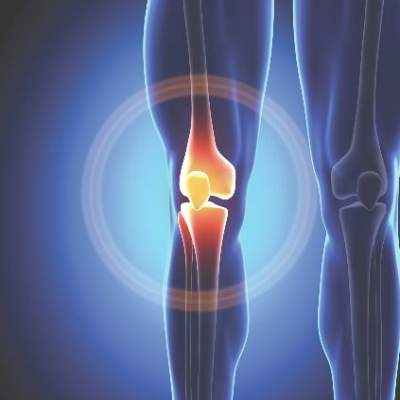
Adults with knee osteoarthritis and at least one comorbid condition significantly improved their physical function after a comorbidity-targeted 20-week exercise program in a randomized, controlled trial of 126 patients.
“Guidelines on knee osteoarthritis do not provide guidance on tailoring exercise therapy to the presence of comorbidity,” wrote Mariëtte de Rooij of the Amsterdam Rehabilitation Research Center and her colleagues. “In clinical practice, comorbidity is a frequent reason to exclude patients from exercise therapy,” they noted.
The researchers randomized 126 adults with knee osteoarthritis and at least one of the following comorbidities: coronary disease, heart failure, type 2 diabetes, chronic obstructive pulmonary disease, or obesity (body mass index 30 kg/m2 or higher). The treatment group participated in a 20-week exercise program adapted to their comorbidities and physical limitations. Each program included aerobic exercise and strength training in two 30- to 60-minute sessions per week, supervised by a physical therapist. The control group received their current medical care for knee osteoarthritis and were placed on a waiting list for exercise therapy. Baseline characteristics and demographics were similar between the two groups, with mean ages of about 63 years, 81% with bilateral knee osteoarthritis, and a mean duration of symptoms of about 9 years. Patients with absolute contraindications for exercise therapy (such as myocardial infarction within the past 3 months) were excluded (Arthritis Care Res. 2016 Aug 26. doi: 10.1002/acr.23013).
In a follow-up visit 3 months after the end of the exercise program, patients in the treatment group averaged an 11.6-point (33%) improvement on the Western Ontario and McMaster Universities Osteoarthritis Index physical function subscale and a 59-meter (15%) improvement on the 6-minute walk test, compared with controls.
In addition, patients in the treatment group reported a 1.7-point (27%) improvement on the Numeric Rating Scale for knee pain severity. No serious adverse events related to the exercise therapy were reported.
The exercise programs were adapted to the patients by adjusting the frequency, intensity, timing, and type (FITT) of exercises, educating patients about the impact of exercise on their comorbidities, and by coaching patients to ease fears of exertion or to encourage weight loss.
“This is the first study showing that tailored exercise therapy is efficacious in improving physical functioning and is safe in patients with knee osteoarthritis and severe comorbidities,” the researchers said. The findings were limited by several factors including a small sample size that made it impossible to analyze the impact of exercise on any specific comorbidity, and the lack of cost-effectiveness data. However, “the results should encourage clinicians to consider exercise therapy as a treatment option for patients with knee osteoarthritis, even in the presence of severe comorbidity,” the researchers added.
The trial was supported by the Royal Dutch Society for Physical Therapy and Merck Sharp & Dohme. The researchers had no financial conflicts to disclose.
Adults with knee osteoarthritis and at least one comorbid condition significantly improved their physical function after a comorbidity-targeted 20-week exercise program in a randomized, controlled trial of 126 patients.
“Guidelines on knee osteoarthritis do not provide guidance on tailoring exercise therapy to the presence of comorbidity,” wrote Mariëtte de Rooij of the Amsterdam Rehabilitation Research Center and her colleagues. “In clinical practice, comorbidity is a frequent reason to exclude patients from exercise therapy,” they noted.
The researchers randomized 126 adults with knee osteoarthritis and at least one of the following comorbidities: coronary disease, heart failure, type 2 diabetes, chronic obstructive pulmonary disease, or obesity (body mass index 30 kg/m2 or higher). The treatment group participated in a 20-week exercise program adapted to their comorbidities and physical limitations. Each program included aerobic exercise and strength training in two 30- to 60-minute sessions per week, supervised by a physical therapist. The control group received their current medical care for knee osteoarthritis and were placed on a waiting list for exercise therapy. Baseline characteristics and demographics were similar between the two groups, with mean ages of about 63 years, 81% with bilateral knee osteoarthritis, and a mean duration of symptoms of about 9 years. Patients with absolute contraindications for exercise therapy (such as myocardial infarction within the past 3 months) were excluded (Arthritis Care Res. 2016 Aug 26. doi: 10.1002/acr.23013).
In a follow-up visit 3 months after the end of the exercise program, patients in the treatment group averaged an 11.6-point (33%) improvement on the Western Ontario and McMaster Universities Osteoarthritis Index physical function subscale and a 59-meter (15%) improvement on the 6-minute walk test, compared with controls.
In addition, patients in the treatment group reported a 1.7-point (27%) improvement on the Numeric Rating Scale for knee pain severity. No serious adverse events related to the exercise therapy were reported.
The exercise programs were adapted to the patients by adjusting the frequency, intensity, timing, and type (FITT) of exercises, educating patients about the impact of exercise on their comorbidities, and by coaching patients to ease fears of exertion or to encourage weight loss.
“This is the first study showing that tailored exercise therapy is efficacious in improving physical functioning and is safe in patients with knee osteoarthritis and severe comorbidities,” the researchers said. The findings were limited by several factors including a small sample size that made it impossible to analyze the impact of exercise on any specific comorbidity, and the lack of cost-effectiveness data. However, “the results should encourage clinicians to consider exercise therapy as a treatment option for patients with knee osteoarthritis, even in the presence of severe comorbidity,” the researchers added.
The trial was supported by the Royal Dutch Society for Physical Therapy and Merck Sharp & Dohme. The researchers had no financial conflicts to disclose.
Adults with knee osteoarthritis and at least one comorbid condition significantly improved their physical function after a comorbidity-targeted 20-week exercise program in a randomized, controlled trial of 126 patients.
“Guidelines on knee osteoarthritis do not provide guidance on tailoring exercise therapy to the presence of comorbidity,” wrote Mariëtte de Rooij of the Amsterdam Rehabilitation Research Center and her colleagues. “In clinical practice, comorbidity is a frequent reason to exclude patients from exercise therapy,” they noted.
The researchers randomized 126 adults with knee osteoarthritis and at least one of the following comorbidities: coronary disease, heart failure, type 2 diabetes, chronic obstructive pulmonary disease, or obesity (body mass index 30 kg/m2 or higher). The treatment group participated in a 20-week exercise program adapted to their comorbidities and physical limitations. Each program included aerobic exercise and strength training in two 30- to 60-minute sessions per week, supervised by a physical therapist. The control group received their current medical care for knee osteoarthritis and were placed on a waiting list for exercise therapy. Baseline characteristics and demographics were similar between the two groups, with mean ages of about 63 years, 81% with bilateral knee osteoarthritis, and a mean duration of symptoms of about 9 years. Patients with absolute contraindications for exercise therapy (such as myocardial infarction within the past 3 months) were excluded (Arthritis Care Res. 2016 Aug 26. doi: 10.1002/acr.23013).
In a follow-up visit 3 months after the end of the exercise program, patients in the treatment group averaged an 11.6-point (33%) improvement on the Western Ontario and McMaster Universities Osteoarthritis Index physical function subscale and a 59-meter (15%) improvement on the 6-minute walk test, compared with controls.
In addition, patients in the treatment group reported a 1.7-point (27%) improvement on the Numeric Rating Scale for knee pain severity. No serious adverse events related to the exercise therapy were reported.
The exercise programs were adapted to the patients by adjusting the frequency, intensity, timing, and type (FITT) of exercises, educating patients about the impact of exercise on their comorbidities, and by coaching patients to ease fears of exertion or to encourage weight loss.
“This is the first study showing that tailored exercise therapy is efficacious in improving physical functioning and is safe in patients with knee osteoarthritis and severe comorbidities,” the researchers said. The findings were limited by several factors including a small sample size that made it impossible to analyze the impact of exercise on any specific comorbidity, and the lack of cost-effectiveness data. However, “the results should encourage clinicians to consider exercise therapy as a treatment option for patients with knee osteoarthritis, even in the presence of severe comorbidity,” the researchers added.
The trial was supported by the Royal Dutch Society for Physical Therapy and Merck Sharp & Dohme. The researchers had no financial conflicts to disclose.
FROM ARTHRITIS CARE & RESEARCH
Key clinical point: Adults with knee osteoarthritis and at least one comorbid condition had significant improvement in physical function after a 20-week targeted exercise program.
Major finding: After a 20-week exercise program tailored to their comorbid conditions, knee OA patients improved by an average of 33% on a physical function scale, compared with controls.
Data source: A randomized, controlled trial of 126 adults with knee osteoarthritis and at least one comorbid condition.
Disclosures: The trial was supported by the Royal Dutch Society for Physical Therapy and Merck Sharp & Dohme. The researchers had no financial conflicts to disclose.
Rotavirus vaccination herd effect benefits newborns and infants
Unvaccinated newborns and infants 42 days old or younger had significantly fewer rotavirus infections after the introduction of a universal mass vaccination (UMV) program, based on a decade of surveillance data from 11 pediatric care facilities in Austria.
“The present study aimed to investigate the long-term effect of UMV on rotavirus (RV)–associated hospitalizations, with particular focus on neonates and infants less than 6 weeks of age, comparing surveillance data between the prevaccination and postvaccination periods,” wrote Martina Prelog, MD, of University Hospital Wuerzburg (Germany), and her colleagues.

The data included 10,960 laboratory-confirmed cases of RV covering the periods before and after the initiation of the mass vaccination program.
Overall, hospitalizations for community-acquired RV infections dropped by almost 90% across all age groups. Among young infants, nosocomial RV infection rates were 28% prior to the vaccination program and 19% afterwards. However, overall nosocomial RV infection rates increased from 6% before the vaccination program to 13% after the program, and 6% of the cases were breakthrough infections, generally after incomplete RV vaccination.
“High numbers of documented cases and similar trends in all centers bolster the conclusion that UMV with RV vaccination may be associated with lower rates of RV hospitalization in unvaccinated neonates and young infants, supporting the beneficial role of UMV,” Dr. Prelog and her associates wrote.
Find the full study here in the Journal of Infectious Diseases (2016. doi: 10.1093/infdis/jiw186).
Unvaccinated newborns and infants 42 days old or younger had significantly fewer rotavirus infections after the introduction of a universal mass vaccination (UMV) program, based on a decade of surveillance data from 11 pediatric care facilities in Austria.
“The present study aimed to investigate the long-term effect of UMV on rotavirus (RV)–associated hospitalizations, with particular focus on neonates and infants less than 6 weeks of age, comparing surveillance data between the prevaccination and postvaccination periods,” wrote Martina Prelog, MD, of University Hospital Wuerzburg (Germany), and her colleagues.
The data included 10,960 laboratory-confirmed cases of RV covering the periods before and after the initiation of the mass vaccination program.
Overall, hospitalizations for community-acquired RV infections dropped by almost 90% across all age groups. Among young infants, nosocomial RV infection rates were 28% prior to the vaccination program and 19% afterwards. However, overall nosocomial RV infection rates increased from 6% before the vaccination program to 13% after the program, and 6% of the cases were breakthrough infections, generally after incomplete RV vaccination.
“High numbers of documented cases and similar trends in all centers bolster the conclusion that UMV with RV vaccination may be associated with lower rates of RV hospitalization in unvaccinated neonates and young infants, supporting the beneficial role of UMV,” Dr. Prelog and her associates wrote.
Find the full study here in the Journal of Infectious Diseases (2016. doi: 10.1093/infdis/jiw186).
Unvaccinated newborns and infants 42 days old or younger had significantly fewer rotavirus infections after the introduction of a universal mass vaccination (UMV) program, based on a decade of surveillance data from 11 pediatric care facilities in Austria.
“The present study aimed to investigate the long-term effect of UMV on rotavirus (RV)–associated hospitalizations, with particular focus on neonates and infants less than 6 weeks of age, comparing surveillance data between the prevaccination and postvaccination periods,” wrote Martina Prelog, MD, of University Hospital Wuerzburg (Germany), and her colleagues.
The data included 10,960 laboratory-confirmed cases of RV covering the periods before and after the initiation of the mass vaccination program.
Overall, hospitalizations for community-acquired RV infections dropped by almost 90% across all age groups. Among young infants, nosocomial RV infection rates were 28% prior to the vaccination program and 19% afterwards. However, overall nosocomial RV infection rates increased from 6% before the vaccination program to 13% after the program, and 6% of the cases were breakthrough infections, generally after incomplete RV vaccination.
“High numbers of documented cases and similar trends in all centers bolster the conclusion that UMV with RV vaccination may be associated with lower rates of RV hospitalization in unvaccinated neonates and young infants, supporting the beneficial role of UMV,” Dr. Prelog and her associates wrote.
Find the full study here in the Journal of Infectious Diseases (2016. doi: 10.1093/infdis/jiw186).
FROM THE JOURNAL OF INFECTIOUS DISEASES

Peanut-allergic preschoolers benefit from oral immunotherapy
Early intervention oral immunotherapy (OIT) improved a majority of peanut-allergic preschoolers’ ability to eat peanut protein with no reaction, based on data from a randomized trial of 40 children aged 9-36 months.
“We postulated that targeting newly diagnosed young peanut-allergic children would provide the best opportunity to enhance the clinical effectiveness of OIT as an immunomodulatory and disease-modifying treatment by interrupting allergic priming before its full maturation,” wrote Brian P. Vickery, MD, of the University of North Carolina, Chapel Hill, and his colleagues.

The children received doses of either 300 mg/day or 3,000 mg/day of peanut protein for an average of 29 months. Overall, 78% of the 37 children in the intent-to-treat analysis met the primary endpoint of unresponsiveness to peanut protein 4 weeks after discontinuing oral immunotherapy (85% of the 300-mg group and 71% of the 3,000-mg group). Peanut-specific levels of IgE dropped significantly in the treatment group, and the treated children were 19 times more likely to eat 5 g of peanut protein without reaction than were 154 untreated matched controls.
Three children discontinued the study because of treatment-related adverse events, but no treatment-related severe adverse events, hospitalizations, or deaths were reported.
The findings suggest “that allergic responses may be more easily and durably corrected in young children, and that in this context, relatively low OIT doses are sufficiently potent in suppressing IgE responses and stimulating IgG4 production,” the researchers said.
Find the full study here in the Journal of Allergy and Clinical Immunology (2016 Aug. doi: 10.1016/j.jaci.2016.05.027).
Early intervention oral immunotherapy (OIT) improved a majority of peanut-allergic preschoolers’ ability to eat peanut protein with no reaction, based on data from a randomized trial of 40 children aged 9-36 months.
“We postulated that targeting newly diagnosed young peanut-allergic children would provide the best opportunity to enhance the clinical effectiveness of OIT as an immunomodulatory and disease-modifying treatment by interrupting allergic priming before its full maturation,” wrote Brian P. Vickery, MD, of the University of North Carolina, Chapel Hill, and his colleagues.
The children received doses of either 300 mg/day or 3,000 mg/day of peanut protein for an average of 29 months. Overall, 78% of the 37 children in the intent-to-treat analysis met the primary endpoint of unresponsiveness to peanut protein 4 weeks after discontinuing oral immunotherapy (85% of the 300-mg group and 71% of the 3,000-mg group). Peanut-specific levels of IgE dropped significantly in the treatment group, and the treated children were 19 times more likely to eat 5 g of peanut protein without reaction than were 154 untreated matched controls.
Three children discontinued the study because of treatment-related adverse events, but no treatment-related severe adverse events, hospitalizations, or deaths were reported.
The findings suggest “that allergic responses may be more easily and durably corrected in young children, and that in this context, relatively low OIT doses are sufficiently potent in suppressing IgE responses and stimulating IgG4 production,” the researchers said.
Find the full study here in the Journal of Allergy and Clinical Immunology (2016 Aug. doi: 10.1016/j.jaci.2016.05.027).
Early intervention oral immunotherapy (OIT) improved a majority of peanut-allergic preschoolers’ ability to eat peanut protein with no reaction, based on data from a randomized trial of 40 children aged 9-36 months.
“We postulated that targeting newly diagnosed young peanut-allergic children would provide the best opportunity to enhance the clinical effectiveness of OIT as an immunomodulatory and disease-modifying treatment by interrupting allergic priming before its full maturation,” wrote Brian P. Vickery, MD, of the University of North Carolina, Chapel Hill, and his colleagues.
The children received doses of either 300 mg/day or 3,000 mg/day of peanut protein for an average of 29 months. Overall, 78% of the 37 children in the intent-to-treat analysis met the primary endpoint of unresponsiveness to peanut protein 4 weeks after discontinuing oral immunotherapy (85% of the 300-mg group and 71% of the 3,000-mg group). Peanut-specific levels of IgE dropped significantly in the treatment group, and the treated children were 19 times more likely to eat 5 g of peanut protein without reaction than were 154 untreated matched controls.
Three children discontinued the study because of treatment-related adverse events, but no treatment-related severe adverse events, hospitalizations, or deaths were reported.
The findings suggest “that allergic responses may be more easily and durably corrected in young children, and that in this context, relatively low OIT doses are sufficiently potent in suppressing IgE responses and stimulating IgG4 production,” the researchers said.
Find the full study here in the Journal of Allergy and Clinical Immunology (2016 Aug. doi: 10.1016/j.jaci.2016.05.027).
FROM THE JOURNAL OF ALLERGY AND CLINICAL IMMUNOLOGY

Psoriasis cardiovascular risk parallels type 2 diabetes
Psoriasis increased the measures of coronary artery calcium at a level similar to that seen in type 2 diabetes mellitus, independent of cardiovascular disease risk factors, based on data from a trio of cross-sectional studies including 387 adults. .
“Psoriasis and type 2 diabetes share similar cardiovascular risk profiles, which may predispose patients to developing coronary atherosclerosis at a relatively young age,” wrote Bobbak Mansouri, MD, of Baylor University Medical Center in Dallas and his associates (JAMA Dermatol. 2016. [doi: 10.1001/jamadermatol.2016.2907]).

The researchers compared coronary artery calcium (CAC) levels in patients with psoriasis, patients with type 2 diabetes, and healthy controls. CAC has become an accepted measure of atherosclerosis and “the cornerstone for screening the risk of future cardiac events and improving cardiovascular risk stratification beyond traditional risk factors, especially in higher-risk groups,” according to the investigators. The average age of the patients was 52 years, 50% were female, and at least 92% were white.
The researchers used a hierarchical Tobit regression analysis to determine the association between disease and CAC level, as measured by the Agatston score. After controlling for confounding variables, including cardiovascular risk factors (low-density lipoprotein cholesterol, high-density lipoprotein cholesterol, triglycerides, fasting blood glucose, systolic blood pressure, and tobacco use), the association with CAC was similar in psoriasis patients and type 2 diabetes patients (Tobit regression ratio [TRR], 0.89 and 0.79, respectively).
In a logistic multivariate regression analysis, patients with either psoriasis or type 2 diabetes were approximately twice as likely to have evidence of CAC as were healthy controls (odds ratio, 2.35 and 2.18, respectively), and psoriasis remained independently associated with the presence of CAC.
“When we added use of systemic or biological therapy to the models, the TRR and OR increased; however, these analyses were exploratory,” wrote Dr. Mansouri and his associates.
The study was limited by factors including the cross-sectional design and lack of diversity in the patient population, the investigators noted. However, the results suggest that “CAC assessment may be considered in patients with psoriasis who have two or more traditional cardiovascular risk factors given the high prevalence of CAC observed in this study,” they said.
Dr. Mansouri disclosed serving on an advisory board and receiving an honorarium from Celgene, maker of the psoriasis drug apremilast (Otezl). Study coauthors disclosed financial relationships with multiple pharmaceutical companies.
Psoriasis increased the measures of coronary artery calcium at a level similar to that seen in type 2 diabetes mellitus, independent of cardiovascular disease risk factors, based on data from a trio of cross-sectional studies including 387 adults. .
“Psoriasis and type 2 diabetes share similar cardiovascular risk profiles, which may predispose patients to developing coronary atherosclerosis at a relatively young age,” wrote Bobbak Mansouri, MD, of Baylor University Medical Center in Dallas and his associates (JAMA Dermatol. 2016. [doi: 10.1001/jamadermatol.2016.2907]).
The researchers compared coronary artery calcium (CAC) levels in patients with psoriasis, patients with type 2 diabetes, and healthy controls. CAC has become an accepted measure of atherosclerosis and “the cornerstone for screening the risk of future cardiac events and improving cardiovascular risk stratification beyond traditional risk factors, especially in higher-risk groups,” according to the investigators. The average age of the patients was 52 years, 50% were female, and at least 92% were white.
The researchers used a hierarchical Tobit regression analysis to determine the association between disease and CAC level, as measured by the Agatston score. After controlling for confounding variables, including cardiovascular risk factors (low-density lipoprotein cholesterol, high-density lipoprotein cholesterol, triglycerides, fasting blood glucose, systolic blood pressure, and tobacco use), the association with CAC was similar in psoriasis patients and type 2 diabetes patients (Tobit regression ratio [TRR], 0.89 and 0.79, respectively).
In a logistic multivariate regression analysis, patients with either psoriasis or type 2 diabetes were approximately twice as likely to have evidence of CAC as were healthy controls (odds ratio, 2.35 and 2.18, respectively), and psoriasis remained independently associated with the presence of CAC.
“When we added use of systemic or biological therapy to the models, the TRR and OR increased; however, these analyses were exploratory,” wrote Dr. Mansouri and his associates.
The study was limited by factors including the cross-sectional design and lack of diversity in the patient population, the investigators noted. However, the results suggest that “CAC assessment may be considered in patients with psoriasis who have two or more traditional cardiovascular risk factors given the high prevalence of CAC observed in this study,” they said.
Dr. Mansouri disclosed serving on an advisory board and receiving an honorarium from Celgene, maker of the psoriasis drug apremilast (Otezl). Study coauthors disclosed financial relationships with multiple pharmaceutical companies.
Psoriasis increased the measures of coronary artery calcium at a level similar to that seen in type 2 diabetes mellitus, independent of cardiovascular disease risk factors, based on data from a trio of cross-sectional studies including 387 adults. .
“Psoriasis and type 2 diabetes share similar cardiovascular risk profiles, which may predispose patients to developing coronary atherosclerosis at a relatively young age,” wrote Bobbak Mansouri, MD, of Baylor University Medical Center in Dallas and his associates (JAMA Dermatol. 2016. [doi: 10.1001/jamadermatol.2016.2907]).
The researchers compared coronary artery calcium (CAC) levels in patients with psoriasis, patients with type 2 diabetes, and healthy controls. CAC has become an accepted measure of atherosclerosis and “the cornerstone for screening the risk of future cardiac events and improving cardiovascular risk stratification beyond traditional risk factors, especially in higher-risk groups,” according to the investigators. The average age of the patients was 52 years, 50% were female, and at least 92% were white.
The researchers used a hierarchical Tobit regression analysis to determine the association between disease and CAC level, as measured by the Agatston score. After controlling for confounding variables, including cardiovascular risk factors (low-density lipoprotein cholesterol, high-density lipoprotein cholesterol, triglycerides, fasting blood glucose, systolic blood pressure, and tobacco use), the association with CAC was similar in psoriasis patients and type 2 diabetes patients (Tobit regression ratio [TRR], 0.89 and 0.79, respectively).
In a logistic multivariate regression analysis, patients with either psoriasis or type 2 diabetes were approximately twice as likely to have evidence of CAC as were healthy controls (odds ratio, 2.35 and 2.18, respectively), and psoriasis remained independently associated with the presence of CAC.
“When we added use of systemic or biological therapy to the models, the TRR and OR increased; however, these analyses were exploratory,” wrote Dr. Mansouri and his associates.
The study was limited by factors including the cross-sectional design and lack of diversity in the patient population, the investigators noted. However, the results suggest that “CAC assessment may be considered in patients with psoriasis who have two or more traditional cardiovascular risk factors given the high prevalence of CAC observed in this study,” they said.
Dr. Mansouri disclosed serving on an advisory board and receiving an honorarium from Celgene, maker of the psoriasis drug apremilast (Otezl). Study coauthors disclosed financial relationships with multiple pharmaceutical companies.
FROM JAMA DERMATOLOGY
Key clinical point: Psoriasis patients have increased coronary artery calcium levels similar to those seen in type 2 diabetes patients, suggesting subclinical atherosclerosis.
Major finding: Psoriasis patients were more than twice as likely (odds ratio, 2.35) to have evidence of coronary artery calcium, compared with healthy controls.
Data source: A set of three single-center, cross-sectional studies totaling 387 adults and including individuals with psoriasis or type 2 diabetes, and healthy controls.
Disclosures: Dr. Mansouri disclosed serving on an advisory board and receiving an honorarium from Celgene, maker of the psoriasis drug apremilast (Otezl). Study coauthors disclosed financial relationships with multiple pharmaceutical companies.

HPV vaccination rates grow slowly
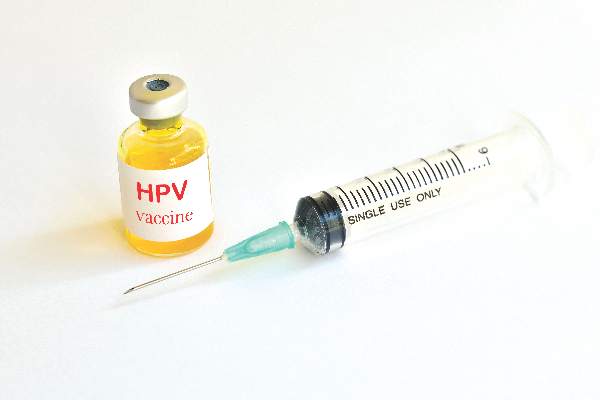
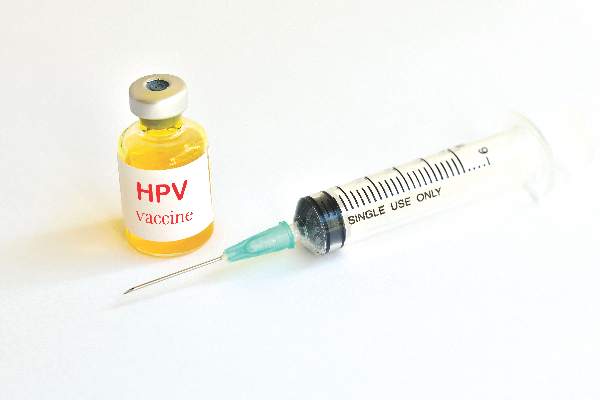
Over half, 56% of adolescents aged 13-17 years in the United States had received at least one dose of HPV vaccine, based on 2015 data from the Centers for Disease Control and Prevention’s 2015 National Immunization Survey-Teen.
From 2014 to 2015, the percentage of boys who had received at least one dose of HPV vaccine increased from 42% to 50% and the percentage in girls increased from 60% to 63%. In 2015, 35% of all adolescents (28% of boys and 42% of girls) received at least three doses of HPV vaccine.
Despite the increases, “coverage with at least one HPV vaccine dose was lower than coverage with Tdap and MenACWY,” wrote Dr. Sarah Reagan-Steiner of the CDC and colleagues. During the time of the study, vaccination with at least one dose of the quadrivalent meningococcal conjugate vaccine (MenACWY) increased from 79% to 81% for all adolescents.
“These gaps in coverage demonstrate ongoing missed opportunities for HPV vaccination at visits when other recommended vaccines are administered,” the researchers said. “Strong clinician recommendations for HPV vaccination, and coadministration of the first HPV vaccine dose with Tdap and MenACWY vaccine at age 11-12 years during the same visit would improve HPV coverage,” they added.
Clinician resources to promote conversations with parents and adolescents about vaccination are available on the CDC website.
The findings were published Aug. 25 in the Centers for Disease Control and Prevention’s Morbidity and Mortality Weekly Report (MMWR 2016;65:850-8).
Over half, 56% of adolescents aged 13-17 years in the United States had received at least one dose of HPV vaccine, based on 2015 data from the Centers for Disease Control and Prevention’s 2015 National Immunization Survey-Teen.
From 2014 to 2015, the percentage of boys who had received at least one dose of HPV vaccine increased from 42% to 50% and the percentage in girls increased from 60% to 63%. In 2015, 35% of all adolescents (28% of boys and 42% of girls) received at least three doses of HPV vaccine.
Despite the increases, “coverage with at least one HPV vaccine dose was lower than coverage with Tdap and MenACWY,” wrote Dr. Sarah Reagan-Steiner of the CDC and colleagues. During the time of the study, vaccination with at least one dose of the quadrivalent meningococcal conjugate vaccine (MenACWY) increased from 79% to 81% for all adolescents.
“These gaps in coverage demonstrate ongoing missed opportunities for HPV vaccination at visits when other recommended vaccines are administered,” the researchers said. “Strong clinician recommendations for HPV vaccination, and coadministration of the first HPV vaccine dose with Tdap and MenACWY vaccine at age 11-12 years during the same visit would improve HPV coverage,” they added.
Clinician resources to promote conversations with parents and adolescents about vaccination are available on the CDC website.
The findings were published Aug. 25 in the Centers for Disease Control and Prevention’s Morbidity and Mortality Weekly Report (MMWR 2016;65:850-8).
Over half, 56% of adolescents aged 13-17 years in the United States had received at least one dose of HPV vaccine, based on 2015 data from the Centers for Disease Control and Prevention’s 2015 National Immunization Survey-Teen.
From 2014 to 2015, the percentage of boys who had received at least one dose of HPV vaccine increased from 42% to 50% and the percentage in girls increased from 60% to 63%. In 2015, 35% of all adolescents (28% of boys and 42% of girls) received at least three doses of HPV vaccine.
Despite the increases, “coverage with at least one HPV vaccine dose was lower than coverage with Tdap and MenACWY,” wrote Dr. Sarah Reagan-Steiner of the CDC and colleagues. During the time of the study, vaccination with at least one dose of the quadrivalent meningococcal conjugate vaccine (MenACWY) increased from 79% to 81% for all adolescents.
“These gaps in coverage demonstrate ongoing missed opportunities for HPV vaccination at visits when other recommended vaccines are administered,” the researchers said. “Strong clinician recommendations for HPV vaccination, and coadministration of the first HPV vaccine dose with Tdap and MenACWY vaccine at age 11-12 years during the same visit would improve HPV coverage,” they added.
Clinician resources to promote conversations with parents and adolescents about vaccination are available on the CDC website.
The findings were published Aug. 25 in the Centers for Disease Control and Prevention’s Morbidity and Mortality Weekly Report (MMWR 2016;65:850-8).
FROM MMWR
Primary care physicians diagnose most pediatric thyroid conditions
Primary care physicians can play an important role in managing thyroid disease in children and teens by proactive screening and evaluation, based on data from a literature review of 83 articles published between Jan. 1, 2010, and Dec. 31, 2015. The review was published online Aug. 29 in JAMA Pediatrics.
“Early diagnosis and treatment of thyroid hormone deficiency is crucial to ensure normal development and cognition,” wrote Dr. Patrick Hanley of the Children’s Hospital of Philadelphia and his colleagues.
Thyroid dysgenesis accounts for 80%-85% of cases of primary congenital hypothyroidism, and many newborns with the condition are asymptomatic at birth because of protection by maternal thyroid hormones. Early signs of thyroid problems include a hoarse cry, prolonged jaundice, lethargy, poor feeding, and constipation, the researchers said (JAMA Pediatr. 2016. doi:10.1001/jamapediatrics.2016.0486).
“Once the diagnosis has been made, additional testing can be considered to determine the etiology of the hypothyroidism so that the family can receive anticipatory guidance in regard to the potential need for lifelong thyroid hormone replacement therapy,” the researchers wrote.
The treatment of choice for congenital hypothyroidism is levothyroxine at a starting dose of 10-15 mcg/kg once daily, they noted.
Read the full study here: http://archpedi.jamanetwork.com/article.aspx?doi=10.1001/jamapediatrics.2016.0486.
Primary care physicians can play an important role in managing thyroid disease in children and teens by proactive screening and evaluation, based on data from a literature review of 83 articles published between Jan. 1, 2010, and Dec. 31, 2015. The review was published online Aug. 29 in JAMA Pediatrics.
“Early diagnosis and treatment of thyroid hormone deficiency is crucial to ensure normal development and cognition,” wrote Dr. Patrick Hanley of the Children’s Hospital of Philadelphia and his colleagues.
Thyroid dysgenesis accounts for 80%-85% of cases of primary congenital hypothyroidism, and many newborns with the condition are asymptomatic at birth because of protection by maternal thyroid hormones. Early signs of thyroid problems include a hoarse cry, prolonged jaundice, lethargy, poor feeding, and constipation, the researchers said (JAMA Pediatr. 2016. doi:10.1001/jamapediatrics.2016.0486).
“Once the diagnosis has been made, additional testing can be considered to determine the etiology of the hypothyroidism so that the family can receive anticipatory guidance in regard to the potential need for lifelong thyroid hormone replacement therapy,” the researchers wrote.
The treatment of choice for congenital hypothyroidism is levothyroxine at a starting dose of 10-15 mcg/kg once daily, they noted.
Read the full study here: http://archpedi.jamanetwork.com/article.aspx?doi=10.1001/jamapediatrics.2016.0486.
Primary care physicians can play an important role in managing thyroid disease in children and teens by proactive screening and evaluation, based on data from a literature review of 83 articles published between Jan. 1, 2010, and Dec. 31, 2015. The review was published online Aug. 29 in JAMA Pediatrics.
“Early diagnosis and treatment of thyroid hormone deficiency is crucial to ensure normal development and cognition,” wrote Dr. Patrick Hanley of the Children’s Hospital of Philadelphia and his colleagues.
Thyroid dysgenesis accounts for 80%-85% of cases of primary congenital hypothyroidism, and many newborns with the condition are asymptomatic at birth because of protection by maternal thyroid hormones. Early signs of thyroid problems include a hoarse cry, prolonged jaundice, lethargy, poor feeding, and constipation, the researchers said (JAMA Pediatr. 2016. doi:10.1001/jamapediatrics.2016.0486).
“Once the diagnosis has been made, additional testing can be considered to determine the etiology of the hypothyroidism so that the family can receive anticipatory guidance in regard to the potential need for lifelong thyroid hormone replacement therapy,” the researchers wrote.
The treatment of choice for congenital hypothyroidism is levothyroxine at a starting dose of 10-15 mcg/kg once daily, they noted.
Read the full study here: http://archpedi.jamanetwork.com/article.aspx?doi=10.1001/jamapediatrics.2016.0486.
FROM JAMA PEDIATRICS
CASTOR study shows daratumumab efficacy in myeloma
Daratumumab significantly improved survival when added to the current two-drug regimen for multiple myeloma, according to published data from a phase III study.
Patients treated with the anti-CD38 antibody in addition to the current standard treatment combination of bortezomib and dexamethasone had a 61% progression-free survival rate compared with a 27% rate seen in controls who received only bortezomib and dexamethasone.
The study results were presented initially at the annual meeting of the American Society of Hematology in 2015.
After an average follow-up of 7 months, 67 disease-progression events or deaths occurred in the daratumumab group, compared with 122 in the control group. Overall treatment response rates also were significantly higher in the daratumumab group compared with controls (83% vs. 63%), reported Antonio Palumbo, MD, of the University of Turin, Italy, and his associates in the CASTOR study.

The multicenter, randomized trial included 251 multiple myeloma patients in the daratumumab group 247 patients in the control group. Demographics were similar between the groups; the median patient age was 64 years.
Although more than 95% of patients in each group reported at least one adverse event, fewer than 10% of patients in each group discontinued treatment as a result. The most common adverse events associated with discontinuation were peripheral sensory neuropathy and pneumonia (N Engl J Med 2016;375:754-66).
The study was funded by Janssen Research and Development.
Daratumumab significantly improved survival when added to the current two-drug regimen for multiple myeloma, according to published data from a phase III study.
Patients treated with the anti-CD38 antibody in addition to the current standard treatment combination of bortezomib and dexamethasone had a 61% progression-free survival rate compared with a 27% rate seen in controls who received only bortezomib and dexamethasone.
The study results were presented initially at the annual meeting of the American Society of Hematology in 2015.
After an average follow-up of 7 months, 67 disease-progression events or deaths occurred in the daratumumab group, compared with 122 in the control group. Overall treatment response rates also were significantly higher in the daratumumab group compared with controls (83% vs. 63%), reported Antonio Palumbo, MD, of the University of Turin, Italy, and his associates in the CASTOR study.
The multicenter, randomized trial included 251 multiple myeloma patients in the daratumumab group 247 patients in the control group. Demographics were similar between the groups; the median patient age was 64 years.
Although more than 95% of patients in each group reported at least one adverse event, fewer than 10% of patients in each group discontinued treatment as a result. The most common adverse events associated with discontinuation were peripheral sensory neuropathy and pneumonia (N Engl J Med 2016;375:754-66).
The study was funded by Janssen Research and Development.
Daratumumab significantly improved survival when added to the current two-drug regimen for multiple myeloma, according to published data from a phase III study.
Patients treated with the anti-CD38 antibody in addition to the current standard treatment combination of bortezomib and dexamethasone had a 61% progression-free survival rate compared with a 27% rate seen in controls who received only bortezomib and dexamethasone.
The study results were presented initially at the annual meeting of the American Society of Hematology in 2015.
After an average follow-up of 7 months, 67 disease-progression events or deaths occurred in the daratumumab group, compared with 122 in the control group. Overall treatment response rates also were significantly higher in the daratumumab group compared with controls (83% vs. 63%), reported Antonio Palumbo, MD, of the University of Turin, Italy, and his associates in the CASTOR study.
The multicenter, randomized trial included 251 multiple myeloma patients in the daratumumab group 247 patients in the control group. Demographics were similar between the groups; the median patient age was 64 years.
Although more than 95% of patients in each group reported at least one adverse event, fewer than 10% of patients in each group discontinued treatment as a result. The most common adverse events associated with discontinuation were peripheral sensory neuropathy and pneumonia (N Engl J Med 2016;375:754-66).
The study was funded by Janssen Research and Development.
FROM NEW ENGLAND JOURNAL OF MEDICINE

U.S. breastfeeding rates rise for newborns
More than 80% of mothers in the United States started breastfeeding their infants at birth in 2013, 52% were breastfeeding at 6 months, and 30% were breastfeeding at 12 months, according to a breastfeeding report card from the Centers for Disease Control and Prevention.
Overall, 29 states, including Washington, D.C., and Puerto Rico, have met the Healthy People 2020 objective of 81.9% of infants who have ever been breastfed. However, only 12 states met the breastfeeding goal of 60.6% of infants breastfeeding at 6 months of age.

“High breastfeeding initiation rates show that most mothers in the U.S. want to breastfeed and are trying to do so,” according to the report. But the lower rates at 6 and 12 months “suggest that mothers, in part, may not be getting the support they need, such as from health care providers, family members, and employers.”
In the report, CDC officials call on states to use their breastfeeding statistics as a call to action for goals including monitoring breastfeeding progress, sharing success stories from effective hospital and community programs, building state profiles of community breastfeeding support, and identifying ways to increase breastfeeding rates through maternity care programs and peer and professional support networks.
The 2016 Breastfeeding Report Card included data from all 50 states, the District of Columbia, and Puerto Rico. The data were taken from the U.S. National Immunization Surveys from 2014 and 2015 and referred to infants born in 2013. “Since breastfeeding data are obtained by maternal recall when children are between 19 and 35 months of age, breastfeeding rates are analyzed by birth cohort rather than survey year,” the researchers noted.
Read the complete findings on the CDC website.
More than 80% of mothers in the United States started breastfeeding their infants at birth in 2013, 52% were breastfeeding at 6 months, and 30% were breastfeeding at 12 months, according to a breastfeeding report card from the Centers for Disease Control and Prevention.
Overall, 29 states, including Washington, D.C., and Puerto Rico, have met the Healthy People 2020 objective of 81.9% of infants who have ever been breastfed. However, only 12 states met the breastfeeding goal of 60.6% of infants breastfeeding at 6 months of age.
“High breastfeeding initiation rates show that most mothers in the U.S. want to breastfeed and are trying to do so,” according to the report. But the lower rates at 6 and 12 months “suggest that mothers, in part, may not be getting the support they need, such as from health care providers, family members, and employers.”
In the report, CDC officials call on states to use their breastfeeding statistics as a call to action for goals including monitoring breastfeeding progress, sharing success stories from effective hospital and community programs, building state profiles of community breastfeeding support, and identifying ways to increase breastfeeding rates through maternity care programs and peer and professional support networks.
The 2016 Breastfeeding Report Card included data from all 50 states, the District of Columbia, and Puerto Rico. The data were taken from the U.S. National Immunization Surveys from 2014 and 2015 and referred to infants born in 2013. “Since breastfeeding data are obtained by maternal recall when children are between 19 and 35 months of age, breastfeeding rates are analyzed by birth cohort rather than survey year,” the researchers noted.
Read the complete findings on the CDC website.
More than 80% of mothers in the United States started breastfeeding their infants at birth in 2013, 52% were breastfeeding at 6 months, and 30% were breastfeeding at 12 months, according to a breastfeeding report card from the Centers for Disease Control and Prevention.
Overall, 29 states, including Washington, D.C., and Puerto Rico, have met the Healthy People 2020 objective of 81.9% of infants who have ever been breastfed. However, only 12 states met the breastfeeding goal of 60.6% of infants breastfeeding at 6 months of age.
“High breastfeeding initiation rates show that most mothers in the U.S. want to breastfeed and are trying to do so,” according to the report. But the lower rates at 6 and 12 months “suggest that mothers, in part, may not be getting the support they need, such as from health care providers, family members, and employers.”
In the report, CDC officials call on states to use their breastfeeding statistics as a call to action for goals including monitoring breastfeeding progress, sharing success stories from effective hospital and community programs, building state profiles of community breastfeeding support, and identifying ways to increase breastfeeding rates through maternity care programs and peer and professional support networks.
The 2016 Breastfeeding Report Card included data from all 50 states, the District of Columbia, and Puerto Rico. The data were taken from the U.S. National Immunization Surveys from 2014 and 2015 and referred to infants born in 2013. “Since breastfeeding data are obtained by maternal recall when children are between 19 and 35 months of age, breastfeeding rates are analyzed by birth cohort rather than survey year,” the researchers noted.
Read the complete findings on the CDC website.

Better use of lab testing tools needed to beat HIV/AIDS
Major improvements in HIV laboratory capacity utilization are needed in low- and middle-income countries if the global UNAIDS 90-90-90 targets for HIV and AIDS diagnosis and treatment are to be met, according to a World Health Organization study.
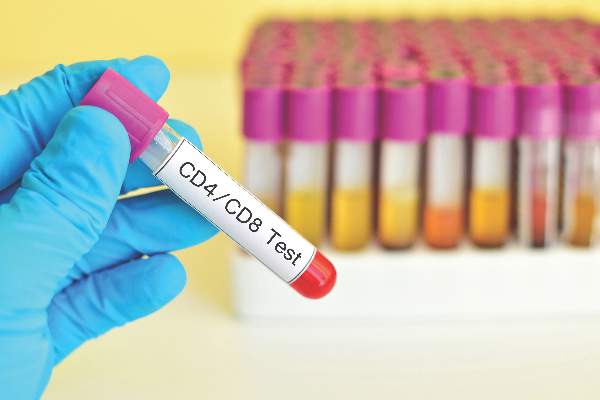
The study, based on 3 years of WHO survey data from 127 countries (not including the United States), says achieving the 90-90-90 targets depends heavily on improved access to high-quality testing for early infant diagnosis and treatment monitoring. The availability of “cluster of differentiation 4” (CD4) and viral load testing instruments currently meets the needs of individuals living with HIV/AIDS, but the tests are not being utilized to their full potential.
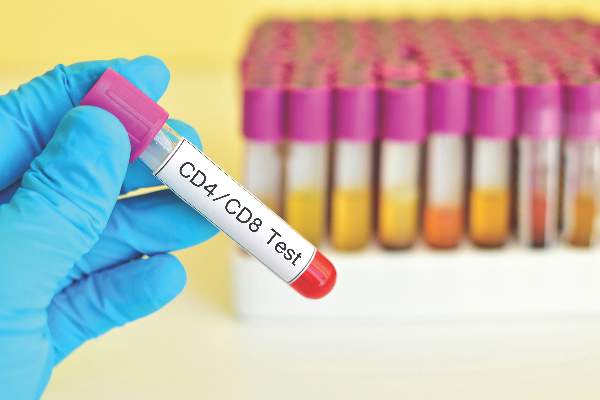
“Expanding access to treatment requires high-quality HIV testing technologies, including CD4 to assess risk of disease progression, viral load testing to monitor treatment efficacy, early infant diagnosis to determine HIV-infection status in HIV-exposed children, and other monitoring capabilities within a tiered laboratory network,” wrote Vincent Habiyambere, MD, of the WHO in Geneva and his colleagues in a study published online Aug. 23 in PLOS Medicine.
Overall, 13.7% of existing CD4 testing capacity and 36.5% of existing viral load capacity were used in 2013. In addition, 7.4% of existing CD4 instruments and 10% of viral load instruments were not in use by the end of 2013 because of several factors including lack of reagents, improperly installed or destroyed equipment, and lack of staff training.
The survey results were limited by underreporting in some programs and the collection of data from the public sector only, the researchers noted. But the data suggest that “regardless of the need for point of care, it is clear that laboratory-based monitoring will remain a key component of HIV programmes now and in the future,” the authors said. “With laboratory systems in reporting countries expanding, a national laboratory strategic plan to strengthen services must be developed, implemented, and monitored by governments and their international partners.”
Read the full study in PLOS Medicine (doi:10.1371/journal.pmed.1002088).
Major improvements in HIV laboratory capacity utilization are needed in low- and middle-income countries if the global UNAIDS 90-90-90 targets for HIV and AIDS diagnosis and treatment are to be met, according to a World Health Organization study.
The study, based on 3 years of WHO survey data from 127 countries (not including the United States), says achieving the 90-90-90 targets depends heavily on improved access to high-quality testing for early infant diagnosis and treatment monitoring. The availability of “cluster of differentiation 4” (CD4) and viral load testing instruments currently meets the needs of individuals living with HIV/AIDS, but the tests are not being utilized to their full potential.
“Expanding access to treatment requires high-quality HIV testing technologies, including CD4 to assess risk of disease progression, viral load testing to monitor treatment efficacy, early infant diagnosis to determine HIV-infection status in HIV-exposed children, and other monitoring capabilities within a tiered laboratory network,” wrote Vincent Habiyambere, MD, of the WHO in Geneva and his colleagues in a study published online Aug. 23 in PLOS Medicine.
Overall, 13.7% of existing CD4 testing capacity and 36.5% of existing viral load capacity were used in 2013. In addition, 7.4% of existing CD4 instruments and 10% of viral load instruments were not in use by the end of 2013 because of several factors including lack of reagents, improperly installed or destroyed equipment, and lack of staff training.
The survey results were limited by underreporting in some programs and the collection of data from the public sector only, the researchers noted. But the data suggest that “regardless of the need for point of care, it is clear that laboratory-based monitoring will remain a key component of HIV programmes now and in the future,” the authors said. “With laboratory systems in reporting countries expanding, a national laboratory strategic plan to strengthen services must be developed, implemented, and monitored by governments and their international partners.”
Read the full study in PLOS Medicine (doi:10.1371/journal.pmed.1002088).
Major improvements in HIV laboratory capacity utilization are needed in low- and middle-income countries if the global UNAIDS 90-90-90 targets for HIV and AIDS diagnosis and treatment are to be met, according to a World Health Organization study.
The study, based on 3 years of WHO survey data from 127 countries (not including the United States), says achieving the 90-90-90 targets depends heavily on improved access to high-quality testing for early infant diagnosis and treatment monitoring. The availability of “cluster of differentiation 4” (CD4) and viral load testing instruments currently meets the needs of individuals living with HIV/AIDS, but the tests are not being utilized to their full potential.
“Expanding access to treatment requires high-quality HIV testing technologies, including CD4 to assess risk of disease progression, viral load testing to monitor treatment efficacy, early infant diagnosis to determine HIV-infection status in HIV-exposed children, and other monitoring capabilities within a tiered laboratory network,” wrote Vincent Habiyambere, MD, of the WHO in Geneva and his colleagues in a study published online Aug. 23 in PLOS Medicine.
Overall, 13.7% of existing CD4 testing capacity and 36.5% of existing viral load capacity were used in 2013. In addition, 7.4% of existing CD4 instruments and 10% of viral load instruments were not in use by the end of 2013 because of several factors including lack of reagents, improperly installed or destroyed equipment, and lack of staff training.
The survey results were limited by underreporting in some programs and the collection of data from the public sector only, the researchers noted. But the data suggest that “regardless of the need for point of care, it is clear that laboratory-based monitoring will remain a key component of HIV programmes now and in the future,” the authors said. “With laboratory systems in reporting countries expanding, a national laboratory strategic plan to strengthen services must be developed, implemented, and monitored by governments and their international partners.”
Read the full study in PLOS Medicine (doi:10.1371/journal.pmed.1002088).
FROM PLOS MEDICINE