User login
VIDEO: For facial resurfacing, revisit CO2 lasers
LAS VEGAS – Patients can enjoy positive results from facial resurfacing with fractionated lasers, but they don’t always yield the same benefits as the traditional CO2 laser, Christopher Zachary, M.D., said at Skin Disease Education Foundation’s annual Las Vegas dermatology seminar.
“A lot of us are going back to using traditional laser resurfacing” for the patients who need it, such as those with many wrinkles, crepey skin, and extensive sun damage, Dr. Zachary, professor and chair of the department of dermatology at the University of California, Irvine, said in a video interview.
“Those patients are not going to have an optimal result, even with the most aggressive of fractionated ablative lasers, as compared to the traditional laser resurfacing,” he added.
Dr. Zachary disclosed relationships with multiple companies, including Solta, Zeltiq, Scion, Amway, and Candela. SDEF and this news organization are owned by the same parent company.
The video associated with this article is no longer available on this site. Please view all of our videos on the MDedge YouTube channel
LAS VEGAS – Patients can enjoy positive results from facial resurfacing with fractionated lasers, but they don’t always yield the same benefits as the traditional CO2 laser, Christopher Zachary, M.D., said at Skin Disease Education Foundation’s annual Las Vegas dermatology seminar.
“A lot of us are going back to using traditional laser resurfacing” for the patients who need it, such as those with many wrinkles, crepey skin, and extensive sun damage, Dr. Zachary, professor and chair of the department of dermatology at the University of California, Irvine, said in a video interview.
“Those patients are not going to have an optimal result, even with the most aggressive of fractionated ablative lasers, as compared to the traditional laser resurfacing,” he added.
Dr. Zachary disclosed relationships with multiple companies, including Solta, Zeltiq, Scion, Amway, and Candela. SDEF and this news organization are owned by the same parent company.
The video associated with this article is no longer available on this site. Please view all of our videos on the MDedge YouTube channel
LAS VEGAS – Patients can enjoy positive results from facial resurfacing with fractionated lasers, but they don’t always yield the same benefits as the traditional CO2 laser, Christopher Zachary, M.D., said at Skin Disease Education Foundation’s annual Las Vegas dermatology seminar.
“A lot of us are going back to using traditional laser resurfacing” for the patients who need it, such as those with many wrinkles, crepey skin, and extensive sun damage, Dr. Zachary, professor and chair of the department of dermatology at the University of California, Irvine, said in a video interview.
“Those patients are not going to have an optimal result, even with the most aggressive of fractionated ablative lasers, as compared to the traditional laser resurfacing,” he added.
Dr. Zachary disclosed relationships with multiple companies, including Solta, Zeltiq, Scion, Amway, and Candela. SDEF and this news organization are owned by the same parent company.
The video associated with this article is no longer available on this site. Please view all of our videos on the MDedge YouTube channel
AT SDEF LAS VEGAS DERMATOLOGY SEMINAR

VIDEO: Bulk matters in body sculpting
LAS VEGAS – Both heating and cooling techniques can provide effective results for patients seeking to improve their appearance with body sculpting, Christopher Zachary, MD, said at Skin Disease Education Foundation’s annual Las Vegas dermatology seminar.
Whether the clinician chooses devices that use radiofrequency, laser, or cryolipolysis to target fat, the key is bulk treatment, Dr. Zachary, professor and chair of the department of dermatology at the University of California, Irvine, said in a video interview.
When cooling or heating the fat, “it has to been done in bulk; it has to be done for a certain length of time,” he said, noting that treatment times vary with devices, from 5 to 60 minutes. “I can’t stress enough the importance of bulk cooling or bulk heating,” which induce a chronic reaction “that results in localized fat reduction,” he added.
Dr. Zachary disclosed relationships with multiple companies, including Solta, Zeltiq, Scion, Amway, and Candela. SDEF and this news organization are owned by the same parent company.
The video associated with this article is no longer available on this site. Please view all of our videos on the MDedge YouTube channel
LAS VEGAS – Both heating and cooling techniques can provide effective results for patients seeking to improve their appearance with body sculpting, Christopher Zachary, MD, said at Skin Disease Education Foundation’s annual Las Vegas dermatology seminar.
Whether the clinician chooses devices that use radiofrequency, laser, or cryolipolysis to target fat, the key is bulk treatment, Dr. Zachary, professor and chair of the department of dermatology at the University of California, Irvine, said in a video interview.
When cooling or heating the fat, “it has to been done in bulk; it has to be done for a certain length of time,” he said, noting that treatment times vary with devices, from 5 to 60 minutes. “I can’t stress enough the importance of bulk cooling or bulk heating,” which induce a chronic reaction “that results in localized fat reduction,” he added.
Dr. Zachary disclosed relationships with multiple companies, including Solta, Zeltiq, Scion, Amway, and Candela. SDEF and this news organization are owned by the same parent company.
The video associated with this article is no longer available on this site. Please view all of our videos on the MDedge YouTube channel
LAS VEGAS – Both heating and cooling techniques can provide effective results for patients seeking to improve their appearance with body sculpting, Christopher Zachary, MD, said at Skin Disease Education Foundation’s annual Las Vegas dermatology seminar.
Whether the clinician chooses devices that use radiofrequency, laser, or cryolipolysis to target fat, the key is bulk treatment, Dr. Zachary, professor and chair of the department of dermatology at the University of California, Irvine, said in a video interview.
When cooling or heating the fat, “it has to been done in bulk; it has to be done for a certain length of time,” he said, noting that treatment times vary with devices, from 5 to 60 minutes. “I can’t stress enough the importance of bulk cooling or bulk heating,” which induce a chronic reaction “that results in localized fat reduction,” he added.
Dr. Zachary disclosed relationships with multiple companies, including Solta, Zeltiq, Scion, Amway, and Candela. SDEF and this news organization are owned by the same parent company.
The video associated with this article is no longer available on this site. Please view all of our videos on the MDedge YouTube channel
AT SDEF LAS VEGAS DERMATOLOGY SEMINAR

Most children’s hypertension goes undiagnosed and untreated
Twenty-three percent of children with hypertension and 10% of those with prehypertension were diagnosed by clinicians, based on data from a retrospective study of more than 398,000 children in the United States.
In addition, only 6% of children who met criteria for hypertension received treatment within a year of their diagnosis.
The researchers reviewed data from 398,079 children and adolescents aged 3-18 years who were part of the Comparative Effectiveness Research Through Collaborative Electronic Reporting Consortium. The patients had at least three visits with blood pressure and height measured.
The final study population included 12,138 children with hypertension at 44 sites and 38,874 children with prehypertension at 77 sites. Of the children with hypertension, 23% had hypertension or abnormal blood pressure diagnosis in their electronic health record (EHR). In addition, 32% of 4,996 children with stage 2 hypertension had an EHR diagnosis. A diagnosis was more likely in children who were male, taller, older, heavier, had at least one blood pressure measurement in the stage 2 range, or who had additional measurements beyond the three needed for a diagnosis.
Of the children with prehypertension, 10% had a diagnosis of hypertension or abnormal blood pressure in their EHRs. Diagnosis was more common among males and those who were older, heavier, taller, had more than one blood pressure measurement in the stage 2 range or had additional readings beyond those needed for diagnosis, the investigators said.
Of 2,813 pediatric patients who met criteria for hypertension and continued to have high blood pressure readings, only 6% were prescribed medication within 12 months of diagnosis. The average age for medication initiation was almost 14 years, and the most commonly prescribed medications were angiotensin-converting-enzyme inhibitors or angiotensin-II-receptor blockers for 35% of children, diuretics for 22%, calcium channel blockers for 17%, and beta blockers for 10%, Dr. Kaelber and his associates reported.
The study results were limited by several factors, among them the reliance on ICD-9 codes for identification of abnormal blood pressure and inclusion of all reasons (preventive care and nonpreventive care) for visits to primary care pediatric providers. The findings, however, suggest that “intervention is needed to help pediatric primary care clinicians recognize and treat hypertension and prehypertension,” they wrote.
Funding was provided by U.S. Department of Health & Human Services grants and by the Eunice Kennedy Shriver National Institute of Child Health and Human Development. The researchers had no relevant financial disclosures.
“Childhood hypertension is associated with increased carotid intima media thickness, increased left ventricular mass, and increased arterial stiffness, all precursors to adverse cardiovascular outcomes in adulthood,” wrote Kevin D. Hill, MD, and Jennifer S. Li., MD, in an accompanying editorial (Pediatrics 2016 Nov 22;138:e20162857. doi: 10.1542/peds.2016-2857).
Although some may question the study findings, “there are compelling reasons to believe the results,” in part because the study’s definition of hypertension and reported 3.3% hypertension rate are consistent with current guidelines and previous studies, they noted.
“Hypertension is indeed more challenging to diagnose in children because of age, sex, and height-related variability in blood pressure norms,” they said. Evaluation of blood pressure percentiles, however, should be routine in pediatric practice.
More research is needed, including head-to-head comparisons of drugs and assessments of lifestyle interventions, the editorialists said. However, “it is clear that childhood hypertension is a major public health concern. The clinical manifestations may be silent during childhood, but this should not deter early diagnosis and treatment.”
Dr. Hill and Dr. Li are with Duke University in Durham, N.C. They had no financial conflicts to disclose. Their work was supported in part by the National Institutes of Health.
“Childhood hypertension is associated with increased carotid intima media thickness, increased left ventricular mass, and increased arterial stiffness, all precursors to adverse cardiovascular outcomes in adulthood,” wrote Kevin D. Hill, MD, and Jennifer S. Li., MD, in an accompanying editorial (Pediatrics 2016 Nov 22;138:e20162857. doi: 10.1542/peds.2016-2857).
Although some may question the study findings, “there are compelling reasons to believe the results,” in part because the study’s definition of hypertension and reported 3.3% hypertension rate are consistent with current guidelines and previous studies, they noted.
“Hypertension is indeed more challenging to diagnose in children because of age, sex, and height-related variability in blood pressure norms,” they said. Evaluation of blood pressure percentiles, however, should be routine in pediatric practice.
More research is needed, including head-to-head comparisons of drugs and assessments of lifestyle interventions, the editorialists said. However, “it is clear that childhood hypertension is a major public health concern. The clinical manifestations may be silent during childhood, but this should not deter early diagnosis and treatment.”
Dr. Hill and Dr. Li are with Duke University in Durham, N.C. They had no financial conflicts to disclose. Their work was supported in part by the National Institutes of Health.
“Childhood hypertension is associated with increased carotid intima media thickness, increased left ventricular mass, and increased arterial stiffness, all precursors to adverse cardiovascular outcomes in adulthood,” wrote Kevin D. Hill, MD, and Jennifer S. Li., MD, in an accompanying editorial (Pediatrics 2016 Nov 22;138:e20162857. doi: 10.1542/peds.2016-2857).
Although some may question the study findings, “there are compelling reasons to believe the results,” in part because the study’s definition of hypertension and reported 3.3% hypertension rate are consistent with current guidelines and previous studies, they noted.
“Hypertension is indeed more challenging to diagnose in children because of age, sex, and height-related variability in blood pressure norms,” they said. Evaluation of blood pressure percentiles, however, should be routine in pediatric practice.
More research is needed, including head-to-head comparisons of drugs and assessments of lifestyle interventions, the editorialists said. However, “it is clear that childhood hypertension is a major public health concern. The clinical manifestations may be silent during childhood, but this should not deter early diagnosis and treatment.”
Dr. Hill and Dr. Li are with Duke University in Durham, N.C. They had no financial conflicts to disclose. Their work was supported in part by the National Institutes of Health.
Twenty-three percent of children with hypertension and 10% of those with prehypertension were diagnosed by clinicians, based on data from a retrospective study of more than 398,000 children in the United States.
In addition, only 6% of children who met criteria for hypertension received treatment within a year of their diagnosis.
The researchers reviewed data from 398,079 children and adolescents aged 3-18 years who were part of the Comparative Effectiveness Research Through Collaborative Electronic Reporting Consortium. The patients had at least three visits with blood pressure and height measured.
The final study population included 12,138 children with hypertension at 44 sites and 38,874 children with prehypertension at 77 sites. Of the children with hypertension, 23% had hypertension or abnormal blood pressure diagnosis in their electronic health record (EHR). In addition, 32% of 4,996 children with stage 2 hypertension had an EHR diagnosis. A diagnosis was more likely in children who were male, taller, older, heavier, had at least one blood pressure measurement in the stage 2 range, or who had additional measurements beyond the three needed for a diagnosis.
Of the children with prehypertension, 10% had a diagnosis of hypertension or abnormal blood pressure in their EHRs. Diagnosis was more common among males and those who were older, heavier, taller, had more than one blood pressure measurement in the stage 2 range or had additional readings beyond those needed for diagnosis, the investigators said.
Of 2,813 pediatric patients who met criteria for hypertension and continued to have high blood pressure readings, only 6% were prescribed medication within 12 months of diagnosis. The average age for medication initiation was almost 14 years, and the most commonly prescribed medications were angiotensin-converting-enzyme inhibitors or angiotensin-II-receptor blockers for 35% of children, diuretics for 22%, calcium channel blockers for 17%, and beta blockers for 10%, Dr. Kaelber and his associates reported.
The study results were limited by several factors, among them the reliance on ICD-9 codes for identification of abnormal blood pressure and inclusion of all reasons (preventive care and nonpreventive care) for visits to primary care pediatric providers. The findings, however, suggest that “intervention is needed to help pediatric primary care clinicians recognize and treat hypertension and prehypertension,” they wrote.
Funding was provided by U.S. Department of Health & Human Services grants and by the Eunice Kennedy Shriver National Institute of Child Health and Human Development. The researchers had no relevant financial disclosures.
Twenty-three percent of children with hypertension and 10% of those with prehypertension were diagnosed by clinicians, based on data from a retrospective study of more than 398,000 children in the United States.
In addition, only 6% of children who met criteria for hypertension received treatment within a year of their diagnosis.
The researchers reviewed data from 398,079 children and adolescents aged 3-18 years who were part of the Comparative Effectiveness Research Through Collaborative Electronic Reporting Consortium. The patients had at least three visits with blood pressure and height measured.
The final study population included 12,138 children with hypertension at 44 sites and 38,874 children with prehypertension at 77 sites. Of the children with hypertension, 23% had hypertension or abnormal blood pressure diagnosis in their electronic health record (EHR). In addition, 32% of 4,996 children with stage 2 hypertension had an EHR diagnosis. A diagnosis was more likely in children who were male, taller, older, heavier, had at least one blood pressure measurement in the stage 2 range, or who had additional measurements beyond the three needed for a diagnosis.
Of the children with prehypertension, 10% had a diagnosis of hypertension or abnormal blood pressure in their EHRs. Diagnosis was more common among males and those who were older, heavier, taller, had more than one blood pressure measurement in the stage 2 range or had additional readings beyond those needed for diagnosis, the investigators said.
Of 2,813 pediatric patients who met criteria for hypertension and continued to have high blood pressure readings, only 6% were prescribed medication within 12 months of diagnosis. The average age for medication initiation was almost 14 years, and the most commonly prescribed medications were angiotensin-converting-enzyme inhibitors or angiotensin-II-receptor blockers for 35% of children, diuretics for 22%, calcium channel blockers for 17%, and beta blockers for 10%, Dr. Kaelber and his associates reported.
The study results were limited by several factors, among them the reliance on ICD-9 codes for identification of abnormal blood pressure and inclusion of all reasons (preventive care and nonpreventive care) for visits to primary care pediatric providers. The findings, however, suggest that “intervention is needed to help pediatric primary care clinicians recognize and treat hypertension and prehypertension,” they wrote.
Funding was provided by U.S. Department of Health & Human Services grants and by the Eunice Kennedy Shriver National Institute of Child Health and Human Development. The researchers had no relevant financial disclosures.
FROM PEDIATRICS
Key clinical point: Pediatric hypertension is underdiagnosed, and medication guidelines are inconsistently followed.
Major finding: Only 23% of children with hypertension and 10% of those with prehypertension were diagnosed by clinicians; 6% of those with hypertension were prescribed medication.
Data source: A retrospective cohort study including 398,079 pediatric patients from 196 clinics in 27 states.
Disclosures: Funding was provided by U.S. Department of Health & Human Services grants and by the Eunice Kennedy Shriver National Institute of Child Health and Human Development. The researchers had no relevant financial disclosures.
View of medical cannabis in psychiatry may be changing
Some psychiatrists and other physicians who treat pain have been open for some time to recommending medical cannabis for their patients. The psychiatric community in general, however – largely because of concerns about addiction and psychosis – has been reluctant to do so, despite the drug’s proven benefits for illnesses such as anxiety, posttraumatic stress disorder, and mood disorders.
But this reluctance might be changing, some psychiatrists say.
“Clinicians are increasingly open to this kind of dialogue,” said Christopher G. Fichtner, MD, a Fellow of the American Psychiatric Association (FAPA), and clinical professor of psychiatry at the University of California, Riverside. “As a doctor, I try to be aware of how my patients are using cannabis, what benefits they may attribute to it, and whether they have problems related to its use. At times, it may be possible to advise them about the value, for example, of products rich in cannabidiol (CBD) – known to be anxiolytic, possibly antipsychotic, and potentially mood stabilizing – as opposed to products higher in tetrahydrocannabinol (THC) that are more psychoactive and may aggravate psychotic symptoms for some patients.
“Our ability to advise patients along these lines is helpful to the extent that patients are able to consistently obtain reliable cannabis products,” Dr. Fichtner said, noting that European and Brazilian research supports the view that CBD might have some antipsychotic properties (Schizophr Res. March 2015;162[1-3]:153-61) and (Schizophr Res. 2015 May;164:[1-3]:155-63).
Currently, 25 states and the District of Columbia have legalized cannabis for medical use; and voters in three additional states – Arkansas, Florida, and North Dakota – approved medical cannabis measures on Nov. 8. “Although medical marijuana laws have not made it possible to prescribe cannabis in the strict sense, they allow doctors to recommend it for patients who experience benefit from using it,” Dr. Fichtner said. “Cannabinoid products available in dispensaries are not subject to the same level of regulation and quality control as Food and Drug Administration–approved medicines, but they are often labeled qualitatively and/or quantitatively with the result that they probably are more reliable than marijuana obtained on the streets.”
Traditional vs. counter views
The American Psychiatric Association came out strongly against cannabis use for medicinal purposes in 2013. The APA’s position statement cites the absence of “current scientific evidence” showing that marijuana is in any way beneficial for treating “any psychiatric disorder. In contrast, current evidence supports, at minimum, a strong association of cannabis use with the onset of psychiatric disorders,” the statement says. Likewise, the American Medical Association reaffirmed its opposition to the use of medical cannabis in 2013, citing the drug as a “public health concern.” Another medical group that is in strong opposition to the use of medical cannabis is the American Society of Addiction Medicine (ASAM). In addition to rejecting smoking as a means of delivery, ASAM’s policy statement says “cannabis, cannabis-based products, and cannabis delivery devices should be subject to the same standards that are applicable to other prescription medications and medical devices.”
In a policy revised in 2015, the National Institute on Drug Abuse (NIDA) said that although the FDA has neither recognized nor approved the marijuana plant as medicine, the FDA has approved three medications that contain cannabinoid chemicals. Marinol and Syndros, which include dronabinol, a synthetic delta-9-THC, are approved for treating anorexia tied to weight loss in patients with AIDS. Cesamet, which contains nabilone and has a chemical structure that is similar to THC, also has received FDA approval for nausea and vomiting caused by cancer chemotherapy.
Earlier this year, a new organization founded by David L. Nathan, MD, a Distinguished Fellow of the APA (DFAPA), joined the cannabis debate. The group, known as Doctors for Cannabis Regulation (DFCR), does not advocate for the use of medical cannabis. However, DFCR does support, among other things, “cannabis legalization for adults, preventive education of minors, and regulation of the industry.”

DFCR argues that prohibiting cannabis overburdens the criminal justice system, drains law enforcement, and treats African Americans unfairly, saying that population is “nearly four times more likely than whites to be arrested for cannabis possession, despite similar usage rates between the two groups.” The group, which launched with more than 40 founding members – including 10 psychiatrists – also cites evidence showing that medical cannabis use is correlated with a 25% reduction in deaths from opioid use. In 2014, Marcus A. Bachhuber, MD, of the Philadelphia VA Center, and his colleagues reached those conclusions after comparing three states with medical cannabis laws that were effective before 1999 with 10 states that had enacted medical cannabis laws between 1999 and 2010 (JAMA Intern Med. 2014;174[10]:166-73).
“This is a rapidly changing area; new therapeutics are being developed; and there is great potential for good here” as well as the potential for risks, just as with any other medicine,” said Dan Morhaim, MD, an emergency medicine physician who represents Baltimore County’s 11th legislative district in the Maryland House of Delegates. “It’s not the devil weed; nor is it a panacea,” said Dr. Morhaim, who was active in the process of passing Maryland’s medical cannabis law. “Our job ought to be to see it as another tool in the toolbox to be used responsibly, just as we would with any other medicine.”
Weighing U.S. data
Most of the data on cannabis come from studies of recreational use, Dr. Daviss said. “We know that it can contribute to symptoms of depression, anxiety, psychosis, and addiction. Younger users are particularly at risk for some of these symptoms. We don’t really know how much of this risk applies to monitored medical use,” he said. “And some states have no requirements for monitoring and modulating the dose, so risk data from these states will be different from states where medical use is more regulated and more similar to standard medical care.”
In addition, data on the benefits of marijuana for psychiatric conditions are limited, Dr. Daviss said. “I have certainly heard directly from patients about how marijuana helps them,” he said. “These comments often suggest improvements in sleep, appetite, mood, and anxiety. “A major concern of psychiatric clinicians is that many people asking for medical cannabis are providing contrived reports of symptoms in an attempt to obtain marijuana for nonmedical (recreational) use,” or to share or sell, he said.
Clinicians also remain concerned that “one’s state medical license or federal [Drug Enforcement Administration] license could be at risk for ‘prescribing’ or ‘recommending’ medical cannabis,” Dr. Daviss said. “Being known as a ‘pot doc’ is not viewed as a career booster and could be seen as a risk factor for enhanced regulatory scrutiny of one’s practice.”
However, “there are many who balance those concerns with a harm reduction approach that acknowledges that drug cartels and gangs are fueled by marijuana sales, resulting in preventable violence and deaths, marijuana of unknown quality or adulteration, and negative criminal justice consequences for what should be viewed as a public health problem rather than a criminal problem,” Dr. Daviss said. “Such a harm reduction perspective may increase the likelihood that some physicians will support the use of either medical cannabis or recreational marijuana.”
As more researchers study medical marijuana, the concerns of psychiatrists will evolve along with the science, Dr. Daviss predicted. Relevant outcomes research would include comparative effectiveness studies such as a randomized, double-blind trials of standardized cannabis formulations versus standard treatment for depression or anxiety, he said.
There’s not enough evidence for specific contraindications for medical marijuana use in psychiatry, Dr. Daviss said. However, most clinicians would say that a psychotic disorder such as schizophrenia is a contraindication, because some users of medical marijuana experience paranoia and other psychotic symptoms, he noted.
Dr. Fichtner agreed, and said “studies do find an association between adolescent marijuana use and later development of psychotic disorders, including schizophrenia.
“Even though authors of such studies extrapolate their findings to public health implications in terms of reducing the number of cases of schizophrenia through prevention of marijuana use, such a cause and effect relationship is far from clear – and such conclusions are unwarranted,” he said.
In fact, he said, at least one small case series found prescription molecular THC to be a helpful adjunct to approved antipsychotic medications in schizophrenia patients who reported symptomatic benefit from previous marijuana use (J Clin Psychopharmacol. 2009 Jun;29[3]:255-8). “Even more compelling,” Dr. Fichtner said, “are data on antipsychotic effects of molecular CBD, an important component of herbal cannabis that does not have THC-like psychoactive effects but has been demonstrated to have anxiolytic properties in a number of human studies.”
Dr. Fichtner said authors of research articles on the association between schizophrenia and cannabis use rarely have grappled with the possibility that patients might experience therapeutic benefits through self-medication. In addition, he said, “there are findings in the literature suggesting that among patients with schizophrenia, those using marijuana may have fewer and more selective cognitive deficits than those who do not use marijuana.”
For his part, Dr. Morhaim also supports an open approach. “All health professionals, psychiatrists included, need to consider cannabis as any other medicine,” Dr. Morhaim said. “It has its uses and side effects; reasons to initiate use and reasons to stop; diagnoses for which it is generally accepted that it works (multiple sclerosis, nausea from cancer chemotherapy, and appetite loss) and ones where [effects are] less clear. The medical-scientific potential, however, is expanding rapidly as the shackles that have blocked proper cannabis research are coming off,” he noted.
Several large studies evaluating the use of cannabis for mental illness are underway, Dr. Morhaim said. As the science expands, recent studies have examined the role of cannabis for treating a range of medical conditions, including Alzheimer’s disease, multiple sclerosis, migraine, and even fracture healing and acne, he said. Still, data remain sparse. For example, a literature review that looked at randomized, clinical trials and meta-analyses tied to marijuana and other cannabinoids, and specific diagnoses found no trials that examined marijuana’s efficacy for treating Tourette disorder, PTSD, or Alzheimer’s disease (J Clin Psychiatry. 2016 Aug;77[8]:1050-64). “Given its rapidly changing legal status, there is an urgent need to conduct double-blind, randomized, placebo- and active-controlled studies on the efficacy and safety of marijuana or its constituent cannabinoids for psychiatric conditions,” wrote Samuel T. Wilkinson, MD, of the department of psychiatry at Yale University, New Haven, Conn., and his associates. Meanwhile, a matched case-control, cross-sectional evaluation of veterans with probable PTSD found no significant differences between cases and controls in PTSD scores and frequency of cannabis use (J Affect Disord. 2016 Jan 15;190:439-42).
Nevertheless, “psychiatrists ought to be familiar with medical cannabis, because they may be taking care of patients who are on it for other (somatic) reasons,” Dr. Morhaim said. “This is just like my work as an emergency doctor; I don’t prescribe psych medicines, but I have to know about them, because patients come to the ER who are on them.”
Lessons from patients’ reports
Rachna J. Patel, DO, a psychiatrist who describes herself on her website as “The Medical Marijuana Expert,” treats patients with anxiety and PTSD, and agrees that marijuana is a tool that, when used correctly, can benefit patients. “A visit with me, a medical marijuana doctor, is much like a visit with any other doctor,” said Dr. Patel, who practices in Walnut Creek, Calif.
“I have my patients complete a form that asks about their medical history, as well as the treatments they’ve sought out for their anxiety and/or PTSD, such as prescription medications, therapy, and other methods,” she said. “I then sit down with the patient to go over their history and do a focused physical exam. Once I determine that the patient’s medical condition will benefit with the use of medical marijuana, I spend the remainder of the time step-by-step walking him or her through how to use medical marijuana for the anxiety and/or PTSD,” she added.
Dr. Patel applies some basic considerations when assessing patients for potential medical marijuana treatment, notably the efficacy and side effects of past treatments and patient concerns about past treatments, including the potential for dependency or addiction. She also assesses the impact of anxiety or PTSD on the patient’s quality of life.
Education is key, she said, to addressing patients’ concerns and managing possible risks. “The risks are generally minimized and even eliminated by educating patients on selection of the appropriate combination of cannabinoids, as well as teaching them to use medical marijuana at the lowest effective dose and with the lowest effective frequency,” she said.
“Having practiced in the field of medical marijuana for 4-plus years, I haven’t found marijuana to be a gateway drug,” she said. “The patients I see aren’t looking to ‘get high’ off of medical marijuana. In fact, they’re seeking to get off of the pharmaceutical drugs they’ve been prescribed.”
Dr. Patel walks patients through what she calls “The Patel Protocol for Medical Marijuana,” which includes “teaching patients how to select the appropriate combination of cannabinoids in marijuana products, figuring out how much to use and how often to use it, how to avoid side effects, and what to do in case patients do experience side effects,” she said.
In her experience, “when it comes to dosing, just like with many pharmaceutical medications, it really varies from patient to patient, even more so because cannabinoids are hydrophobic, so their pharmacology is not typical of most pharmaceutical medications.” Dr. Patel follows up with her patients often by phone after the initial office visit, then continues with office visits at least once a year.
“The best way any doctor can help to monitor their patients’ use of medical marijuana is to be as informed about it as any other pharmaceutical drug they’re prescribing,” she said. “Become familiar with the pharmacology [of medical marijuana],” she advised. “Know what scenarios could lead to side effects and how those side effects can be avoided. Know in what scenarios it [marijuana] can exacerbate underlying medical conditions.”
Dr. Fichtner agrees with Dr. Patel’s approach but adds that he generally does not recommend cannabis as a first-line treatment for his patients with serious mental illness. Rather, his approach generally is to prescribe evidence-based treatments.
“But when I do find a history of marijuana use and the patient reports it has been helpful, I work with the patient to assess possible benefits in the areas of symptom management and possible reductions in polypharmacy,” he said. “The latter is of particular concern in PTSD, where patients may be on complex multidrug regimens involving off-label medication prescriptions with only partial symptom relief. It is important to take the patient’s claim seriously, rather than merely jumping to the conclusion that they have a substance use disorder that is undermining their psychiatric care.”
Dr. Patel said a surprising and positive side effect she has observed during her years of recommending medical marijuana is that patients’ use of any anxiety and PTSD medication decreases over time.
“Even though I never expected it, with the use of medical marijuana, many of my patients have been able to significantly reduce or even eliminate the use of their prescription medications for their anxiety and/or PTSD,” she said. “Over time, I find that patients use the medical marijuana on an as-needed basis.”
Dr. Fichtner is the author of book, “Cannabinomics: The Marijuana Policy Tipping Point” (Northbrook, Ill.: Well Mind Books, 2010). Dr. Daviss, Dr. Morhaim, and Dr. Patel had no relevant financial conflicts to disclose.
Some psychiatrists and other physicians who treat pain have been open for some time to recommending medical cannabis for their patients. The psychiatric community in general, however – largely because of concerns about addiction and psychosis – has been reluctant to do so, despite the drug’s proven benefits for illnesses such as anxiety, posttraumatic stress disorder, and mood disorders.
But this reluctance might be changing, some psychiatrists say.
“Clinicians are increasingly open to this kind of dialogue,” said Christopher G. Fichtner, MD, a Fellow of the American Psychiatric Association (FAPA), and clinical professor of psychiatry at the University of California, Riverside. “As a doctor, I try to be aware of how my patients are using cannabis, what benefits they may attribute to it, and whether they have problems related to its use. At times, it may be possible to advise them about the value, for example, of products rich in cannabidiol (CBD) – known to be anxiolytic, possibly antipsychotic, and potentially mood stabilizing – as opposed to products higher in tetrahydrocannabinol (THC) that are more psychoactive and may aggravate psychotic symptoms for some patients.
“Our ability to advise patients along these lines is helpful to the extent that patients are able to consistently obtain reliable cannabis products,” Dr. Fichtner said, noting that European and Brazilian research supports the view that CBD might have some antipsychotic properties (Schizophr Res. March 2015;162[1-3]:153-61) and (Schizophr Res. 2015 May;164:[1-3]:155-63).
Currently, 25 states and the District of Columbia have legalized cannabis for medical use; and voters in three additional states – Arkansas, Florida, and North Dakota – approved medical cannabis measures on Nov. 8. “Although medical marijuana laws have not made it possible to prescribe cannabis in the strict sense, they allow doctors to recommend it for patients who experience benefit from using it,” Dr. Fichtner said. “Cannabinoid products available in dispensaries are not subject to the same level of regulation and quality control as Food and Drug Administration–approved medicines, but they are often labeled qualitatively and/or quantitatively with the result that they probably are more reliable than marijuana obtained on the streets.”
Traditional vs. counter views
The American Psychiatric Association came out strongly against cannabis use for medicinal purposes in 2013. The APA’s position statement cites the absence of “current scientific evidence” showing that marijuana is in any way beneficial for treating “any psychiatric disorder. In contrast, current evidence supports, at minimum, a strong association of cannabis use with the onset of psychiatric disorders,” the statement says. Likewise, the American Medical Association reaffirmed its opposition to the use of medical cannabis in 2013, citing the drug as a “public health concern.” Another medical group that is in strong opposition to the use of medical cannabis is the American Society of Addiction Medicine (ASAM). In addition to rejecting smoking as a means of delivery, ASAM’s policy statement says “cannabis, cannabis-based products, and cannabis delivery devices should be subject to the same standards that are applicable to other prescription medications and medical devices.”
In a policy revised in 2015, the National Institute on Drug Abuse (NIDA) said that although the FDA has neither recognized nor approved the marijuana plant as medicine, the FDA has approved three medications that contain cannabinoid chemicals. Marinol and Syndros, which include dronabinol, a synthetic delta-9-THC, are approved for treating anorexia tied to weight loss in patients with AIDS. Cesamet, which contains nabilone and has a chemical structure that is similar to THC, also has received FDA approval for nausea and vomiting caused by cancer chemotherapy.
Earlier this year, a new organization founded by David L. Nathan, MD, a Distinguished Fellow of the APA (DFAPA), joined the cannabis debate. The group, known as Doctors for Cannabis Regulation (DFCR), does not advocate for the use of medical cannabis. However, DFCR does support, among other things, “cannabis legalization for adults, preventive education of minors, and regulation of the industry.”
DFCR argues that prohibiting cannabis overburdens the criminal justice system, drains law enforcement, and treats African Americans unfairly, saying that population is “nearly four times more likely than whites to be arrested for cannabis possession, despite similar usage rates between the two groups.” The group, which launched with more than 40 founding members – including 10 psychiatrists – also cites evidence showing that medical cannabis use is correlated with a 25% reduction in deaths from opioid use. In 2014, Marcus A. Bachhuber, MD, of the Philadelphia VA Center, and his colleagues reached those conclusions after comparing three states with medical cannabis laws that were effective before 1999 with 10 states that had enacted medical cannabis laws between 1999 and 2010 (JAMA Intern Med. 2014;174[10]:166-73).
“This is a rapidly changing area; new therapeutics are being developed; and there is great potential for good here” as well as the potential for risks, just as with any other medicine,” said Dan Morhaim, MD, an emergency medicine physician who represents Baltimore County’s 11th legislative district in the Maryland House of Delegates. “It’s not the devil weed; nor is it a panacea,” said Dr. Morhaim, who was active in the process of passing Maryland’s medical cannabis law. “Our job ought to be to see it as another tool in the toolbox to be used responsibly, just as we would with any other medicine.”
Weighing U.S. data
Most of the data on cannabis come from studies of recreational use, Dr. Daviss said. “We know that it can contribute to symptoms of depression, anxiety, psychosis, and addiction. Younger users are particularly at risk for some of these symptoms. We don’t really know how much of this risk applies to monitored medical use,” he said. “And some states have no requirements for monitoring and modulating the dose, so risk data from these states will be different from states where medical use is more regulated and more similar to standard medical care.”
In addition, data on the benefits of marijuana for psychiatric conditions are limited, Dr. Daviss said. “I have certainly heard directly from patients about how marijuana helps them,” he said. “These comments often suggest improvements in sleep, appetite, mood, and anxiety. “A major concern of psychiatric clinicians is that many people asking for medical cannabis are providing contrived reports of symptoms in an attempt to obtain marijuana for nonmedical (recreational) use,” or to share or sell, he said.
Clinicians also remain concerned that “one’s state medical license or federal [Drug Enforcement Administration] license could be at risk for ‘prescribing’ or ‘recommending’ medical cannabis,” Dr. Daviss said. “Being known as a ‘pot doc’ is not viewed as a career booster and could be seen as a risk factor for enhanced regulatory scrutiny of one’s practice.”
However, “there are many who balance those concerns with a harm reduction approach that acknowledges that drug cartels and gangs are fueled by marijuana sales, resulting in preventable violence and deaths, marijuana of unknown quality or adulteration, and negative criminal justice consequences for what should be viewed as a public health problem rather than a criminal problem,” Dr. Daviss said. “Such a harm reduction perspective may increase the likelihood that some physicians will support the use of either medical cannabis or recreational marijuana.”
As more researchers study medical marijuana, the concerns of psychiatrists will evolve along with the science, Dr. Daviss predicted. Relevant outcomes research would include comparative effectiveness studies such as a randomized, double-blind trials of standardized cannabis formulations versus standard treatment for depression or anxiety, he said.
There’s not enough evidence for specific contraindications for medical marijuana use in psychiatry, Dr. Daviss said. However, most clinicians would say that a psychotic disorder such as schizophrenia is a contraindication, because some users of medical marijuana experience paranoia and other psychotic symptoms, he noted.
Dr. Fichtner agreed, and said “studies do find an association between adolescent marijuana use and later development of psychotic disorders, including schizophrenia.
“Even though authors of such studies extrapolate their findings to public health implications in terms of reducing the number of cases of schizophrenia through prevention of marijuana use, such a cause and effect relationship is far from clear – and such conclusions are unwarranted,” he said.
In fact, he said, at least one small case series found prescription molecular THC to be a helpful adjunct to approved antipsychotic medications in schizophrenia patients who reported symptomatic benefit from previous marijuana use (J Clin Psychopharmacol. 2009 Jun;29[3]:255-8). “Even more compelling,” Dr. Fichtner said, “are data on antipsychotic effects of molecular CBD, an important component of herbal cannabis that does not have THC-like psychoactive effects but has been demonstrated to have anxiolytic properties in a number of human studies.”
Dr. Fichtner said authors of research articles on the association between schizophrenia and cannabis use rarely have grappled with the possibility that patients might experience therapeutic benefits through self-medication. In addition, he said, “there are findings in the literature suggesting that among patients with schizophrenia, those using marijuana may have fewer and more selective cognitive deficits than those who do not use marijuana.”
For his part, Dr. Morhaim also supports an open approach. “All health professionals, psychiatrists included, need to consider cannabis as any other medicine,” Dr. Morhaim said. “It has its uses and side effects; reasons to initiate use and reasons to stop; diagnoses for which it is generally accepted that it works (multiple sclerosis, nausea from cancer chemotherapy, and appetite loss) and ones where [effects are] less clear. The medical-scientific potential, however, is expanding rapidly as the shackles that have blocked proper cannabis research are coming off,” he noted.
Several large studies evaluating the use of cannabis for mental illness are underway, Dr. Morhaim said. As the science expands, recent studies have examined the role of cannabis for treating a range of medical conditions, including Alzheimer’s disease, multiple sclerosis, migraine, and even fracture healing and acne, he said. Still, data remain sparse. For example, a literature review that looked at randomized, clinical trials and meta-analyses tied to marijuana and other cannabinoids, and specific diagnoses found no trials that examined marijuana’s efficacy for treating Tourette disorder, PTSD, or Alzheimer’s disease (J Clin Psychiatry. 2016 Aug;77[8]:1050-64). “Given its rapidly changing legal status, there is an urgent need to conduct double-blind, randomized, placebo- and active-controlled studies on the efficacy and safety of marijuana or its constituent cannabinoids for psychiatric conditions,” wrote Samuel T. Wilkinson, MD, of the department of psychiatry at Yale University, New Haven, Conn., and his associates. Meanwhile, a matched case-control, cross-sectional evaluation of veterans with probable PTSD found no significant differences between cases and controls in PTSD scores and frequency of cannabis use (J Affect Disord. 2016 Jan 15;190:439-42).
Nevertheless, “psychiatrists ought to be familiar with medical cannabis, because they may be taking care of patients who are on it for other (somatic) reasons,” Dr. Morhaim said. “This is just like my work as an emergency doctor; I don’t prescribe psych medicines, but I have to know about them, because patients come to the ER who are on them.”
Lessons from patients’ reports
Rachna J. Patel, DO, a psychiatrist who describes herself on her website as “The Medical Marijuana Expert,” treats patients with anxiety and PTSD, and agrees that marijuana is a tool that, when used correctly, can benefit patients. “A visit with me, a medical marijuana doctor, is much like a visit with any other doctor,” said Dr. Patel, who practices in Walnut Creek, Calif.
“I have my patients complete a form that asks about their medical history, as well as the treatments they’ve sought out for their anxiety and/or PTSD, such as prescription medications, therapy, and other methods,” she said. “I then sit down with the patient to go over their history and do a focused physical exam. Once I determine that the patient’s medical condition will benefit with the use of medical marijuana, I spend the remainder of the time step-by-step walking him or her through how to use medical marijuana for the anxiety and/or PTSD,” she added.
Dr. Patel applies some basic considerations when assessing patients for potential medical marijuana treatment, notably the efficacy and side effects of past treatments and patient concerns about past treatments, including the potential for dependency or addiction. She also assesses the impact of anxiety or PTSD on the patient’s quality of life.
Education is key, she said, to addressing patients’ concerns and managing possible risks. “The risks are generally minimized and even eliminated by educating patients on selection of the appropriate combination of cannabinoids, as well as teaching them to use medical marijuana at the lowest effective dose and with the lowest effective frequency,” she said.
“Having practiced in the field of medical marijuana for 4-plus years, I haven’t found marijuana to be a gateway drug,” she said. “The patients I see aren’t looking to ‘get high’ off of medical marijuana. In fact, they’re seeking to get off of the pharmaceutical drugs they’ve been prescribed.”
Dr. Patel walks patients through what she calls “The Patel Protocol for Medical Marijuana,” which includes “teaching patients how to select the appropriate combination of cannabinoids in marijuana products, figuring out how much to use and how often to use it, how to avoid side effects, and what to do in case patients do experience side effects,” she said.
In her experience, “when it comes to dosing, just like with many pharmaceutical medications, it really varies from patient to patient, even more so because cannabinoids are hydrophobic, so their pharmacology is not typical of most pharmaceutical medications.” Dr. Patel follows up with her patients often by phone after the initial office visit, then continues with office visits at least once a year.
“The best way any doctor can help to monitor their patients’ use of medical marijuana is to be as informed about it as any other pharmaceutical drug they’re prescribing,” she said. “Become familiar with the pharmacology [of medical marijuana],” she advised. “Know what scenarios could lead to side effects and how those side effects can be avoided. Know in what scenarios it [marijuana] can exacerbate underlying medical conditions.”
Dr. Fichtner agrees with Dr. Patel’s approach but adds that he generally does not recommend cannabis as a first-line treatment for his patients with serious mental illness. Rather, his approach generally is to prescribe evidence-based treatments.
“But when I do find a history of marijuana use and the patient reports it has been helpful, I work with the patient to assess possible benefits in the areas of symptom management and possible reductions in polypharmacy,” he said. “The latter is of particular concern in PTSD, where patients may be on complex multidrug regimens involving off-label medication prescriptions with only partial symptom relief. It is important to take the patient’s claim seriously, rather than merely jumping to the conclusion that they have a substance use disorder that is undermining their psychiatric care.”
Dr. Patel said a surprising and positive side effect she has observed during her years of recommending medical marijuana is that patients’ use of any anxiety and PTSD medication decreases over time.
“Even though I never expected it, with the use of medical marijuana, many of my patients have been able to significantly reduce or even eliminate the use of their prescription medications for their anxiety and/or PTSD,” she said. “Over time, I find that patients use the medical marijuana on an as-needed basis.”
Dr. Fichtner is the author of book, “Cannabinomics: The Marijuana Policy Tipping Point” (Northbrook, Ill.: Well Mind Books, 2010). Dr. Daviss, Dr. Morhaim, and Dr. Patel had no relevant financial conflicts to disclose.
Some psychiatrists and other physicians who treat pain have been open for some time to recommending medical cannabis for their patients. The psychiatric community in general, however – largely because of concerns about addiction and psychosis – has been reluctant to do so, despite the drug’s proven benefits for illnesses such as anxiety, posttraumatic stress disorder, and mood disorders.
But this reluctance might be changing, some psychiatrists say.
“Clinicians are increasingly open to this kind of dialogue,” said Christopher G. Fichtner, MD, a Fellow of the American Psychiatric Association (FAPA), and clinical professor of psychiatry at the University of California, Riverside. “As a doctor, I try to be aware of how my patients are using cannabis, what benefits they may attribute to it, and whether they have problems related to its use. At times, it may be possible to advise them about the value, for example, of products rich in cannabidiol (CBD) – known to be anxiolytic, possibly antipsychotic, and potentially mood stabilizing – as opposed to products higher in tetrahydrocannabinol (THC) that are more psychoactive and may aggravate psychotic symptoms for some patients.
“Our ability to advise patients along these lines is helpful to the extent that patients are able to consistently obtain reliable cannabis products,” Dr. Fichtner said, noting that European and Brazilian research supports the view that CBD might have some antipsychotic properties (Schizophr Res. March 2015;162[1-3]:153-61) and (Schizophr Res. 2015 May;164:[1-3]:155-63).
Currently, 25 states and the District of Columbia have legalized cannabis for medical use; and voters in three additional states – Arkansas, Florida, and North Dakota – approved medical cannabis measures on Nov. 8. “Although medical marijuana laws have not made it possible to prescribe cannabis in the strict sense, they allow doctors to recommend it for patients who experience benefit from using it,” Dr. Fichtner said. “Cannabinoid products available in dispensaries are not subject to the same level of regulation and quality control as Food and Drug Administration–approved medicines, but they are often labeled qualitatively and/or quantitatively with the result that they probably are more reliable than marijuana obtained on the streets.”
Traditional vs. counter views
The American Psychiatric Association came out strongly against cannabis use for medicinal purposes in 2013. The APA’s position statement cites the absence of “current scientific evidence” showing that marijuana is in any way beneficial for treating “any psychiatric disorder. In contrast, current evidence supports, at minimum, a strong association of cannabis use with the onset of psychiatric disorders,” the statement says. Likewise, the American Medical Association reaffirmed its opposition to the use of medical cannabis in 2013, citing the drug as a “public health concern.” Another medical group that is in strong opposition to the use of medical cannabis is the American Society of Addiction Medicine (ASAM). In addition to rejecting smoking as a means of delivery, ASAM’s policy statement says “cannabis, cannabis-based products, and cannabis delivery devices should be subject to the same standards that are applicable to other prescription medications and medical devices.”
In a policy revised in 2015, the National Institute on Drug Abuse (NIDA) said that although the FDA has neither recognized nor approved the marijuana plant as medicine, the FDA has approved three medications that contain cannabinoid chemicals. Marinol and Syndros, which include dronabinol, a synthetic delta-9-THC, are approved for treating anorexia tied to weight loss in patients with AIDS. Cesamet, which contains nabilone and has a chemical structure that is similar to THC, also has received FDA approval for nausea and vomiting caused by cancer chemotherapy.
Earlier this year, a new organization founded by David L. Nathan, MD, a Distinguished Fellow of the APA (DFAPA), joined the cannabis debate. The group, known as Doctors for Cannabis Regulation (DFCR), does not advocate for the use of medical cannabis. However, DFCR does support, among other things, “cannabis legalization for adults, preventive education of minors, and regulation of the industry.”
DFCR argues that prohibiting cannabis overburdens the criminal justice system, drains law enforcement, and treats African Americans unfairly, saying that population is “nearly four times more likely than whites to be arrested for cannabis possession, despite similar usage rates between the two groups.” The group, which launched with more than 40 founding members – including 10 psychiatrists – also cites evidence showing that medical cannabis use is correlated with a 25% reduction in deaths from opioid use. In 2014, Marcus A. Bachhuber, MD, of the Philadelphia VA Center, and his colleagues reached those conclusions after comparing three states with medical cannabis laws that were effective before 1999 with 10 states that had enacted medical cannabis laws between 1999 and 2010 (JAMA Intern Med. 2014;174[10]:166-73).
“This is a rapidly changing area; new therapeutics are being developed; and there is great potential for good here” as well as the potential for risks, just as with any other medicine,” said Dan Morhaim, MD, an emergency medicine physician who represents Baltimore County’s 11th legislative district in the Maryland House of Delegates. “It’s not the devil weed; nor is it a panacea,” said Dr. Morhaim, who was active in the process of passing Maryland’s medical cannabis law. “Our job ought to be to see it as another tool in the toolbox to be used responsibly, just as we would with any other medicine.”
Weighing U.S. data
Most of the data on cannabis come from studies of recreational use, Dr. Daviss said. “We know that it can contribute to symptoms of depression, anxiety, psychosis, and addiction. Younger users are particularly at risk for some of these symptoms. We don’t really know how much of this risk applies to monitored medical use,” he said. “And some states have no requirements for monitoring and modulating the dose, so risk data from these states will be different from states where medical use is more regulated and more similar to standard medical care.”
In addition, data on the benefits of marijuana for psychiatric conditions are limited, Dr. Daviss said. “I have certainly heard directly from patients about how marijuana helps them,” he said. “These comments often suggest improvements in sleep, appetite, mood, and anxiety. “A major concern of psychiatric clinicians is that many people asking for medical cannabis are providing contrived reports of symptoms in an attempt to obtain marijuana for nonmedical (recreational) use,” or to share or sell, he said.
Clinicians also remain concerned that “one’s state medical license or federal [Drug Enforcement Administration] license could be at risk for ‘prescribing’ or ‘recommending’ medical cannabis,” Dr. Daviss said. “Being known as a ‘pot doc’ is not viewed as a career booster and could be seen as a risk factor for enhanced regulatory scrutiny of one’s practice.”
However, “there are many who balance those concerns with a harm reduction approach that acknowledges that drug cartels and gangs are fueled by marijuana sales, resulting in preventable violence and deaths, marijuana of unknown quality or adulteration, and negative criminal justice consequences for what should be viewed as a public health problem rather than a criminal problem,” Dr. Daviss said. “Such a harm reduction perspective may increase the likelihood that some physicians will support the use of either medical cannabis or recreational marijuana.”
As more researchers study medical marijuana, the concerns of psychiatrists will evolve along with the science, Dr. Daviss predicted. Relevant outcomes research would include comparative effectiveness studies such as a randomized, double-blind trials of standardized cannabis formulations versus standard treatment for depression or anxiety, he said.
There’s not enough evidence for specific contraindications for medical marijuana use in psychiatry, Dr. Daviss said. However, most clinicians would say that a psychotic disorder such as schizophrenia is a contraindication, because some users of medical marijuana experience paranoia and other psychotic symptoms, he noted.
Dr. Fichtner agreed, and said “studies do find an association between adolescent marijuana use and later development of psychotic disorders, including schizophrenia.
“Even though authors of such studies extrapolate their findings to public health implications in terms of reducing the number of cases of schizophrenia through prevention of marijuana use, such a cause and effect relationship is far from clear – and such conclusions are unwarranted,” he said.
In fact, he said, at least one small case series found prescription molecular THC to be a helpful adjunct to approved antipsychotic medications in schizophrenia patients who reported symptomatic benefit from previous marijuana use (J Clin Psychopharmacol. 2009 Jun;29[3]:255-8). “Even more compelling,” Dr. Fichtner said, “are data on antipsychotic effects of molecular CBD, an important component of herbal cannabis that does not have THC-like psychoactive effects but has been demonstrated to have anxiolytic properties in a number of human studies.”
Dr. Fichtner said authors of research articles on the association between schizophrenia and cannabis use rarely have grappled with the possibility that patients might experience therapeutic benefits through self-medication. In addition, he said, “there are findings in the literature suggesting that among patients with schizophrenia, those using marijuana may have fewer and more selective cognitive deficits than those who do not use marijuana.”
For his part, Dr. Morhaim also supports an open approach. “All health professionals, psychiatrists included, need to consider cannabis as any other medicine,” Dr. Morhaim said. “It has its uses and side effects; reasons to initiate use and reasons to stop; diagnoses for which it is generally accepted that it works (multiple sclerosis, nausea from cancer chemotherapy, and appetite loss) and ones where [effects are] less clear. The medical-scientific potential, however, is expanding rapidly as the shackles that have blocked proper cannabis research are coming off,” he noted.
Several large studies evaluating the use of cannabis for mental illness are underway, Dr. Morhaim said. As the science expands, recent studies have examined the role of cannabis for treating a range of medical conditions, including Alzheimer’s disease, multiple sclerosis, migraine, and even fracture healing and acne, he said. Still, data remain sparse. For example, a literature review that looked at randomized, clinical trials and meta-analyses tied to marijuana and other cannabinoids, and specific diagnoses found no trials that examined marijuana’s efficacy for treating Tourette disorder, PTSD, or Alzheimer’s disease (J Clin Psychiatry. 2016 Aug;77[8]:1050-64). “Given its rapidly changing legal status, there is an urgent need to conduct double-blind, randomized, placebo- and active-controlled studies on the efficacy and safety of marijuana or its constituent cannabinoids for psychiatric conditions,” wrote Samuel T. Wilkinson, MD, of the department of psychiatry at Yale University, New Haven, Conn., and his associates. Meanwhile, a matched case-control, cross-sectional evaluation of veterans with probable PTSD found no significant differences between cases and controls in PTSD scores and frequency of cannabis use (J Affect Disord. 2016 Jan 15;190:439-42).
Nevertheless, “psychiatrists ought to be familiar with medical cannabis, because they may be taking care of patients who are on it for other (somatic) reasons,” Dr. Morhaim said. “This is just like my work as an emergency doctor; I don’t prescribe psych medicines, but I have to know about them, because patients come to the ER who are on them.”
Lessons from patients’ reports
Rachna J. Patel, DO, a psychiatrist who describes herself on her website as “The Medical Marijuana Expert,” treats patients with anxiety and PTSD, and agrees that marijuana is a tool that, when used correctly, can benefit patients. “A visit with me, a medical marijuana doctor, is much like a visit with any other doctor,” said Dr. Patel, who practices in Walnut Creek, Calif.
“I have my patients complete a form that asks about their medical history, as well as the treatments they’ve sought out for their anxiety and/or PTSD, such as prescription medications, therapy, and other methods,” she said. “I then sit down with the patient to go over their history and do a focused physical exam. Once I determine that the patient’s medical condition will benefit with the use of medical marijuana, I spend the remainder of the time step-by-step walking him or her through how to use medical marijuana for the anxiety and/or PTSD,” she added.
Dr. Patel applies some basic considerations when assessing patients for potential medical marijuana treatment, notably the efficacy and side effects of past treatments and patient concerns about past treatments, including the potential for dependency or addiction. She also assesses the impact of anxiety or PTSD on the patient’s quality of life.
Education is key, she said, to addressing patients’ concerns and managing possible risks. “The risks are generally minimized and even eliminated by educating patients on selection of the appropriate combination of cannabinoids, as well as teaching them to use medical marijuana at the lowest effective dose and with the lowest effective frequency,” she said.
“Having practiced in the field of medical marijuana for 4-plus years, I haven’t found marijuana to be a gateway drug,” she said. “The patients I see aren’t looking to ‘get high’ off of medical marijuana. In fact, they’re seeking to get off of the pharmaceutical drugs they’ve been prescribed.”
Dr. Patel walks patients through what she calls “The Patel Protocol for Medical Marijuana,” which includes “teaching patients how to select the appropriate combination of cannabinoids in marijuana products, figuring out how much to use and how often to use it, how to avoid side effects, and what to do in case patients do experience side effects,” she said.
In her experience, “when it comes to dosing, just like with many pharmaceutical medications, it really varies from patient to patient, even more so because cannabinoids are hydrophobic, so their pharmacology is not typical of most pharmaceutical medications.” Dr. Patel follows up with her patients often by phone after the initial office visit, then continues with office visits at least once a year.
“The best way any doctor can help to monitor their patients’ use of medical marijuana is to be as informed about it as any other pharmaceutical drug they’re prescribing,” she said. “Become familiar with the pharmacology [of medical marijuana],” she advised. “Know what scenarios could lead to side effects and how those side effects can be avoided. Know in what scenarios it [marijuana] can exacerbate underlying medical conditions.”
Dr. Fichtner agrees with Dr. Patel’s approach but adds that he generally does not recommend cannabis as a first-line treatment for his patients with serious mental illness. Rather, his approach generally is to prescribe evidence-based treatments.
“But when I do find a history of marijuana use and the patient reports it has been helpful, I work with the patient to assess possible benefits in the areas of symptom management and possible reductions in polypharmacy,” he said. “The latter is of particular concern in PTSD, where patients may be on complex multidrug regimens involving off-label medication prescriptions with only partial symptom relief. It is important to take the patient’s claim seriously, rather than merely jumping to the conclusion that they have a substance use disorder that is undermining their psychiatric care.”
Dr. Patel said a surprising and positive side effect she has observed during her years of recommending medical marijuana is that patients’ use of any anxiety and PTSD medication decreases over time.
“Even though I never expected it, with the use of medical marijuana, many of my patients have been able to significantly reduce or even eliminate the use of their prescription medications for their anxiety and/or PTSD,” she said. “Over time, I find that patients use the medical marijuana on an as-needed basis.”
Dr. Fichtner is the author of book, “Cannabinomics: The Marijuana Policy Tipping Point” (Northbrook, Ill.: Well Mind Books, 2010). Dr. Daviss, Dr. Morhaim, and Dr. Patel had no relevant financial conflicts to disclose.
VIDEO: Consider comorbidities when preparing patients for systemic psoriasis therapy
LAS VEGAS – Clinicians should consider the increased risk for multiple comorbidities in their patients with psoriasis, Joel M. Gelfand, MD, said in a video interview at the Skin Disease Education Foundation’s annual Las Vegas Dermatology Seminar.
“These are patients who should undergo the type of age-appropriate screening that any patient should have,” including checks for blood pressure and diabetes, said Dr. Gelfand, professor of dermatology and epidemiology at the University of Pennsylvania, Philadelphia.
In terms of preparing for systemic psoriasis therapy, “there are lots of things we can do to lower the risk of having bad outcomes,” including age-appropriate cancer screening such as colonoscopy and mammography, he added. Vaccination is also an important strategy to help reduce the risk of potential side effects related to immunosuppression, he noted.
Dr. Gelfand disclosed relationships with multiple companies including AbbVie, Celgene, Janssen, Lilly, Merck, Novartis, Pfizer, Sanofi, and Valeant.
SDEF and this news organization are owned by the same parent company.
The video associated with this article is no longer available on this site. Please view all of our videos on the MDedge YouTube channel
LAS VEGAS – Clinicians should consider the increased risk for multiple comorbidities in their patients with psoriasis, Joel M. Gelfand, MD, said in a video interview at the Skin Disease Education Foundation’s annual Las Vegas Dermatology Seminar.
“These are patients who should undergo the type of age-appropriate screening that any patient should have,” including checks for blood pressure and diabetes, said Dr. Gelfand, professor of dermatology and epidemiology at the University of Pennsylvania, Philadelphia.
In terms of preparing for systemic psoriasis therapy, “there are lots of things we can do to lower the risk of having bad outcomes,” including age-appropriate cancer screening such as colonoscopy and mammography, he added. Vaccination is also an important strategy to help reduce the risk of potential side effects related to immunosuppression, he noted.
Dr. Gelfand disclosed relationships with multiple companies including AbbVie, Celgene, Janssen, Lilly, Merck, Novartis, Pfizer, Sanofi, and Valeant.
SDEF and this news organization are owned by the same parent company.
The video associated with this article is no longer available on this site. Please view all of our videos on the MDedge YouTube channel
LAS VEGAS – Clinicians should consider the increased risk for multiple comorbidities in their patients with psoriasis, Joel M. Gelfand, MD, said in a video interview at the Skin Disease Education Foundation’s annual Las Vegas Dermatology Seminar.
“These are patients who should undergo the type of age-appropriate screening that any patient should have,” including checks for blood pressure and diabetes, said Dr. Gelfand, professor of dermatology and epidemiology at the University of Pennsylvania, Philadelphia.
In terms of preparing for systemic psoriasis therapy, “there are lots of things we can do to lower the risk of having bad outcomes,” including age-appropriate cancer screening such as colonoscopy and mammography, he added. Vaccination is also an important strategy to help reduce the risk of potential side effects related to immunosuppression, he noted.
Dr. Gelfand disclosed relationships with multiple companies including AbbVie, Celgene, Janssen, Lilly, Merck, Novartis, Pfizer, Sanofi, and Valeant.
SDEF and this news organization are owned by the same parent company.
The video associated with this article is no longer available on this site. Please view all of our videos on the MDedge YouTube channel
EXPERT ANALYSIS AT SDEF LAS VEGAS DERMATOLOGY SEMINAR

VIDEO: Biosimilars show promise and progress
LAS VEGAS – There is reason to be optimistic about biosimilars for treating psoriasis, Bruce E. Strober, MD, PhD, said at the Skin Disease Education Foundation’s annual Las Vegas Dermatology Seminar.
To date, the Food and Drug Administration has approved three biosimilar versions of agents used to treat psoriasis: adalimumab, infliximab, and etanercept.
“The biosimilar development and approval pathway is quite rigorous,” said Dr. Strober, professor and chair of the department of dermatology at the University of Connecticut, Farmington, in a video interview. Although none are yet available, “I can say with high confidence that biosimilar molecules are very comparable,” to the reference molecules, he said.
The impact of biosimilars on the market in the United States in terms of cost and access remains to be seen, Dr, Strober added.
However, “I do believe the science and the clinical trials process and the regulatory process are good,” and that, if clinicians had to use biosimilars for their patients, the patient experience would be safe and effective, he noted.
Dr. Strober disclosed relationships with multiple companies including AbbVie, Amgen, Boehringer Ingelheim, Celgene, Dermira, GlaxoSmithKline, Merck, Novartis, and Pfizer.
SDEF and this news organization are owned by the same parent company.
The video associated with this article is no longer available on this site. Please view all of our videos on the MDedge YouTube channel
LAS VEGAS – There is reason to be optimistic about biosimilars for treating psoriasis, Bruce E. Strober, MD, PhD, said at the Skin Disease Education Foundation’s annual Las Vegas Dermatology Seminar.
To date, the Food and Drug Administration has approved three biosimilar versions of agents used to treat psoriasis: adalimumab, infliximab, and etanercept.
“The biosimilar development and approval pathway is quite rigorous,” said Dr. Strober, professor and chair of the department of dermatology at the University of Connecticut, Farmington, in a video interview. Although none are yet available, “I can say with high confidence that biosimilar molecules are very comparable,” to the reference molecules, he said.
The impact of biosimilars on the market in the United States in terms of cost and access remains to be seen, Dr, Strober added.
However, “I do believe the science and the clinical trials process and the regulatory process are good,” and that, if clinicians had to use biosimilars for their patients, the patient experience would be safe and effective, he noted.
Dr. Strober disclosed relationships with multiple companies including AbbVie, Amgen, Boehringer Ingelheim, Celgene, Dermira, GlaxoSmithKline, Merck, Novartis, and Pfizer.
SDEF and this news organization are owned by the same parent company.
The video associated with this article is no longer available on this site. Please view all of our videos on the MDedge YouTube channel
LAS VEGAS – There is reason to be optimistic about biosimilars for treating psoriasis, Bruce E. Strober, MD, PhD, said at the Skin Disease Education Foundation’s annual Las Vegas Dermatology Seminar.
To date, the Food and Drug Administration has approved three biosimilar versions of agents used to treat psoriasis: adalimumab, infliximab, and etanercept.
“The biosimilar development and approval pathway is quite rigorous,” said Dr. Strober, professor and chair of the department of dermatology at the University of Connecticut, Farmington, in a video interview. Although none are yet available, “I can say with high confidence that biosimilar molecules are very comparable,” to the reference molecules, he said.
The impact of biosimilars on the market in the United States in terms of cost and access remains to be seen, Dr, Strober added.
However, “I do believe the science and the clinical trials process and the regulatory process are good,” and that, if clinicians had to use biosimilars for their patients, the patient experience would be safe and effective, he noted.
Dr. Strober disclosed relationships with multiple companies including AbbVie, Amgen, Boehringer Ingelheim, Celgene, Dermira, GlaxoSmithKline, Merck, Novartis, and Pfizer.
SDEF and this news organization are owned by the same parent company.
The video associated with this article is no longer available on this site. Please view all of our videos on the MDedge YouTube channel
Optimize anti–TNF-alpha therapy for psoriasis
While anti–tumor necrosis factor (TNF)-alpha medications have shown effectiveness for psoriasis, ongoing issues include optimizing therapy, managing treatment in special populations, and comparing the drugs with newer therapies, according to Dr. Francisco A. Kerdel.
Among the concerns regarding optimizing anti–TNF-alpha therapy are loss of response, continuous versus intermittent dosing, combination therapy, and long-term safety and efficacy, Dr. Kerdel, professor and vice-chair of the department of dermatology, Florida International University, Miami, said in a presentation at the Skin Disease Education Foundation’s annual Las Vegas Dermatology Seminar.

However, “no evidence-based guidelines are available for screening and monitoring patients receiving biologic therapy for psoriasis,” Dr. Kerdel noted.
Patient factors that impact the choice and potential response of anti–TNF-alpha therapy include not only physical issues such as weight, disease activity, and comorbidities, but also patient preferences for simpler dosing regimens or a desire to avoid injections, he said.
Despite these issues, there is currently no consensus on and no guidelines for switching treatments after failure with an anti–TNF-alpha agent, he noted.
Other questions associated with anti–TNF-alpha agents in psoriasis include whether the loading dose recommended by most drug labels is necessary, according to Dr. Kerdel. “In practice, many clinicians omit the loading dosage and initiate therapy with maintenance doses,” he said. In addition, “physicians should use clinical judgment when screening and monitoring patients taking biologic agents.”
From a dermatologist perspective, the top unmet therapeutic needs in the treatment of psoriasis were improved efficacy, improved tolerability, improved long-term safety, another oral treatment option, and a new mechanism of action, based on a survey that included 391 dermatologists (J Eur Acad Dermatol Venereol. 2015 Oct;29[10]:2002-10).
As psoriasis treatments evolve, other issues include compiling real-world, postmarketing data on biosimilars; monitoring patients for the emergence of significant adverse events; and searching for biomarkers to help target biologics to specific patients and psoriasis subtypes, Dr. Kerdel added.
SDEF and this news organization are owned by the same parent company.
Dr. Kerdel disclosed being a speaker for AbbVie, Amgen, Celgene, Galderma, and Janssen; conducting research for those 5 companies and for Novartis, Pfizer, and Valeant; he is also on the board of Celgene.
While anti–tumor necrosis factor (TNF)-alpha medications have shown effectiveness for psoriasis, ongoing issues include optimizing therapy, managing treatment in special populations, and comparing the drugs with newer therapies, according to Dr. Francisco A. Kerdel.
Among the concerns regarding optimizing anti–TNF-alpha therapy are loss of response, continuous versus intermittent dosing, combination therapy, and long-term safety and efficacy, Dr. Kerdel, professor and vice-chair of the department of dermatology, Florida International University, Miami, said in a presentation at the Skin Disease Education Foundation’s annual Las Vegas Dermatology Seminar.
However, “no evidence-based guidelines are available for screening and monitoring patients receiving biologic therapy for psoriasis,” Dr. Kerdel noted.
Patient factors that impact the choice and potential response of anti–TNF-alpha therapy include not only physical issues such as weight, disease activity, and comorbidities, but also patient preferences for simpler dosing regimens or a desire to avoid injections, he said.
Despite these issues, there is currently no consensus on and no guidelines for switching treatments after failure with an anti–TNF-alpha agent, he noted.
Other questions associated with anti–TNF-alpha agents in psoriasis include whether the loading dose recommended by most drug labels is necessary, according to Dr. Kerdel. “In practice, many clinicians omit the loading dosage and initiate therapy with maintenance doses,” he said. In addition, “physicians should use clinical judgment when screening and monitoring patients taking biologic agents.”
From a dermatologist perspective, the top unmet therapeutic needs in the treatment of psoriasis were improved efficacy, improved tolerability, improved long-term safety, another oral treatment option, and a new mechanism of action, based on a survey that included 391 dermatologists (J Eur Acad Dermatol Venereol. 2015 Oct;29[10]:2002-10).
As psoriasis treatments evolve, other issues include compiling real-world, postmarketing data on biosimilars; monitoring patients for the emergence of significant adverse events; and searching for biomarkers to help target biologics to specific patients and psoriasis subtypes, Dr. Kerdel added.
SDEF and this news organization are owned by the same parent company.
Dr. Kerdel disclosed being a speaker for AbbVie, Amgen, Celgene, Galderma, and Janssen; conducting research for those 5 companies and for Novartis, Pfizer, and Valeant; he is also on the board of Celgene.
While anti–tumor necrosis factor (TNF)-alpha medications have shown effectiveness for psoriasis, ongoing issues include optimizing therapy, managing treatment in special populations, and comparing the drugs with newer therapies, according to Dr. Francisco A. Kerdel.
Among the concerns regarding optimizing anti–TNF-alpha therapy are loss of response, continuous versus intermittent dosing, combination therapy, and long-term safety and efficacy, Dr. Kerdel, professor and vice-chair of the department of dermatology, Florida International University, Miami, said in a presentation at the Skin Disease Education Foundation’s annual Las Vegas Dermatology Seminar.
However, “no evidence-based guidelines are available for screening and monitoring patients receiving biologic therapy for psoriasis,” Dr. Kerdel noted.
Patient factors that impact the choice and potential response of anti–TNF-alpha therapy include not only physical issues such as weight, disease activity, and comorbidities, but also patient preferences for simpler dosing regimens or a desire to avoid injections, he said.
Despite these issues, there is currently no consensus on and no guidelines for switching treatments after failure with an anti–TNF-alpha agent, he noted.
Other questions associated with anti–TNF-alpha agents in psoriasis include whether the loading dose recommended by most drug labels is necessary, according to Dr. Kerdel. “In practice, many clinicians omit the loading dosage and initiate therapy with maintenance doses,” he said. In addition, “physicians should use clinical judgment when screening and monitoring patients taking biologic agents.”
From a dermatologist perspective, the top unmet therapeutic needs in the treatment of psoriasis were improved efficacy, improved tolerability, improved long-term safety, another oral treatment option, and a new mechanism of action, based on a survey that included 391 dermatologists (J Eur Acad Dermatol Venereol. 2015 Oct;29[10]:2002-10).
As psoriasis treatments evolve, other issues include compiling real-world, postmarketing data on biosimilars; monitoring patients for the emergence of significant adverse events; and searching for biomarkers to help target biologics to specific patients and psoriasis subtypes, Dr. Kerdel added.
SDEF and this news organization are owned by the same parent company.
Dr. Kerdel disclosed being a speaker for AbbVie, Amgen, Celgene, Galderma, and Janssen; conducting research for those 5 companies and for Novartis, Pfizer, and Valeant; he is also on the board of Celgene.
EXPERT ANALYSIS FROM SDEF LAS VEGAS DERMATOLOGY SEMINAR
VIDEO: IL-23 inhibitors on the upswing
LAS VEGAS – Interleukin-23 (IL-23) inhibitors, currently in the pipeline for treating psoriasis, are showing great promise for the treatment of the disease, Bruce E. Strober, MD, PhD, said in a video interview at the Skin Disease Education Foundation’s Las Vegas Dermatology Seminar.
“There likely will be at least three, if not four, IL-23 inhibitors, all biologics, approved within the next 5 years,” said Dr. Strober, professor and chair of the department of dermatology at the University of Connecticut Health Center, Farmington. “The IL-23 inhibitors are specific, and they seem to be delivering as good or better efficacy than ustekinumab,” with the potential for longer dosing intervals, depending on the patient, he noted.
Dr. Strober disclosed relationships with multiple companies including AbbVie, Amgen, Boehringer Ingelheim, Celgene, Dermira, GlaxoSmithKline, Merck, Novartis, and Pfizer.
SDEF and this news organization are owned by the same parent company.
The video associated with this article is no longer available on this site. Please view all of our videos on the MDedge YouTube channel
LAS VEGAS – Interleukin-23 (IL-23) inhibitors, currently in the pipeline for treating psoriasis, are showing great promise for the treatment of the disease, Bruce E. Strober, MD, PhD, said in a video interview at the Skin Disease Education Foundation’s Las Vegas Dermatology Seminar.
“There likely will be at least three, if not four, IL-23 inhibitors, all biologics, approved within the next 5 years,” said Dr. Strober, professor and chair of the department of dermatology at the University of Connecticut Health Center, Farmington. “The IL-23 inhibitors are specific, and they seem to be delivering as good or better efficacy than ustekinumab,” with the potential for longer dosing intervals, depending on the patient, he noted.
Dr. Strober disclosed relationships with multiple companies including AbbVie, Amgen, Boehringer Ingelheim, Celgene, Dermira, GlaxoSmithKline, Merck, Novartis, and Pfizer.
SDEF and this news organization are owned by the same parent company.
The video associated with this article is no longer available on this site. Please view all of our videos on the MDedge YouTube channel
LAS VEGAS – Interleukin-23 (IL-23) inhibitors, currently in the pipeline for treating psoriasis, are showing great promise for the treatment of the disease, Bruce E. Strober, MD, PhD, said in a video interview at the Skin Disease Education Foundation’s Las Vegas Dermatology Seminar.
“There likely will be at least three, if not four, IL-23 inhibitors, all biologics, approved within the next 5 years,” said Dr. Strober, professor and chair of the department of dermatology at the University of Connecticut Health Center, Farmington. “The IL-23 inhibitors are specific, and they seem to be delivering as good or better efficacy than ustekinumab,” with the potential for longer dosing intervals, depending on the patient, he noted.
Dr. Strober disclosed relationships with multiple companies including AbbVie, Amgen, Boehringer Ingelheim, Celgene, Dermira, GlaxoSmithKline, Merck, Novartis, and Pfizer.
SDEF and this news organization are owned by the same parent company.
The video associated with this article is no longer available on this site. Please view all of our videos on the MDedge YouTube channel
EXPERT ANALYSIS FROM SDEF LAS VEGAS DERMATOLOGY SEMINAR
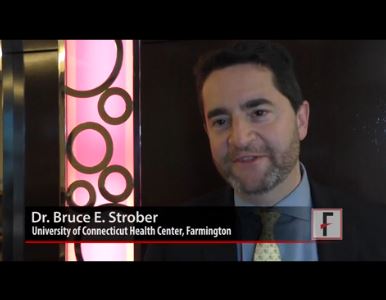
Include quality of life measures in evaluating treatment success of psoriasis
No matter what the disease, physician judgment of disease severity correlates poorly with the patient’s quality of life, Dr. Joel Gelfand said during a presentation at the Skin Disease Education Foundation’s annual Las Vegas Dermatology Seminar.
“Patients with similar objective findings have varying health-related quality of life,” said Dr. Gelfand, professor of dermatology at the University of Pennsylvania, Philadelphia.
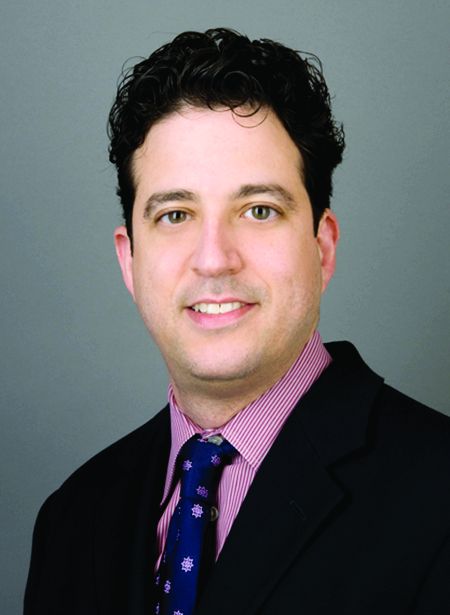
Dermatologists have several tools to measure quality of life and treatment, with varying levels of validation. For example, the Psoriasis Symptom Inventory measures symptoms including redness, itching, scaling, burning, stinging, cracking, flaking, and pain (J Dermatolog Treat. 2013 Oct;24[5]:356-60).
The Dermatology Life Quality Index (DLQI) is commonly used in clinical trials of psoriasis therapeutics and is frequently used in clinical practice in Europe, Dr. Gelfand said. The DLQI asks about symptoms, feelings, daily activities, leisure time, work/school functioning, and relationships, as well as the treatment itself.
He and his associates used this tool in a study of psoriasis patients seen in routine clinical follow-up in dermatology practices across the United States. The study found that approximately 19% of those who were almost clear (compared with 2% of those who were clear) met DLQI criteria for a treatment change (J Am Acad Dermatol. 2014 Oct;71[4]:633-41). European guidelines, he added, suggest that patients achieving a Psoriasis Area and Severity Index (PASI) score between 50 and 75 and a DLQI greater than 5 should modify their treatment regimens (Arch Dermatol Res. 2011 Jan; 303[1]: 1-10).
Dr. Gelfand described his clinical approach to psoriasis and evaluating quality of life in patients, which involves a global assessment (conducted by a medical assistant) with both a physical and emotional component.
First, patients are asked to think about how severe their physical symptoms of psoriasis have been over the past week on a scale of 0-10, with 0 being no symptoms and 10 being the worst. Next, patients are asked to think about how severe their psoriasis-related emotional symptoms (such as embarrassment, frustration, depression) have been over the past week on a scale of 0-10, with 0 being no symptoms and 10 being the worst. The patient’s responses help direct treatment plans.
Another reason to attend to quality of life in psoriasis patients: suicide risk. Suicide risk in psoriasis patients has not been well studied, said Dr. Gelfand, whose PubMed search of “psoriasis and suicide” in September yielded only 48 hits. However, one study of 217 patients who completed the Carroll Rating Scale for Depression showed that almost 10% reported a wish to be dead, and almost 6% reported active thoughts of suicide (Int J Dermatol. 1993 Mar;32[3]:188-90).
Another large study that used data from the National Health Service in England included 119,304 patients with psoriasis and found a high risk for suicide attempts and/or suicide in these patients (J R Soc Med. 2014 Feb 13;107[5]:194-204). High risk also was noted for patients with eczema, diabetes, epilepsy, asthma, and inflammatory joint disease, he said. In addition, the Centers for Disease Control and Prevention’s research on suicide risk factors includes medical conditions such as psoriasis, as well as demographic factors with rates being higher in middle-aged white males.
Dr. Gelfand disclosed serving as an investigator and/or consultant for multiple companies including AbbVie, AstraZeneca, Celgene, Coherus, Eli Lilly, Janssen, Merck, Pfizer, Regeneron, Sanofi, and Valeant.
SDEF and this news organization are owned by the same parent company.
No matter what the disease, physician judgment of disease severity correlates poorly with the patient’s quality of life, Dr. Joel Gelfand said during a presentation at the Skin Disease Education Foundation’s annual Las Vegas Dermatology Seminar.
“Patients with similar objective findings have varying health-related quality of life,” said Dr. Gelfand, professor of dermatology at the University of Pennsylvania, Philadelphia.
Dermatologists have several tools to measure quality of life and treatment, with varying levels of validation. For example, the Psoriasis Symptom Inventory measures symptoms including redness, itching, scaling, burning, stinging, cracking, flaking, and pain (J Dermatolog Treat. 2013 Oct;24[5]:356-60).
The Dermatology Life Quality Index (DLQI) is commonly used in clinical trials of psoriasis therapeutics and is frequently used in clinical practice in Europe, Dr. Gelfand said. The DLQI asks about symptoms, feelings, daily activities, leisure time, work/school functioning, and relationships, as well as the treatment itself.
He and his associates used this tool in a study of psoriasis patients seen in routine clinical follow-up in dermatology practices across the United States. The study found that approximately 19% of those who were almost clear (compared with 2% of those who were clear) met DLQI criteria for a treatment change (J Am Acad Dermatol. 2014 Oct;71[4]:633-41). European guidelines, he added, suggest that patients achieving a Psoriasis Area and Severity Index (PASI) score between 50 and 75 and a DLQI greater than 5 should modify their treatment regimens (Arch Dermatol Res. 2011 Jan; 303[1]: 1-10).
Dr. Gelfand described his clinical approach to psoriasis and evaluating quality of life in patients, which involves a global assessment (conducted by a medical assistant) with both a physical and emotional component.
First, patients are asked to think about how severe their physical symptoms of psoriasis have been over the past week on a scale of 0-10, with 0 being no symptoms and 10 being the worst. Next, patients are asked to think about how severe their psoriasis-related emotional symptoms (such as embarrassment, frustration, depression) have been over the past week on a scale of 0-10, with 0 being no symptoms and 10 being the worst. The patient’s responses help direct treatment plans.
Another reason to attend to quality of life in psoriasis patients: suicide risk. Suicide risk in psoriasis patients has not been well studied, said Dr. Gelfand, whose PubMed search of “psoriasis and suicide” in September yielded only 48 hits. However, one study of 217 patients who completed the Carroll Rating Scale for Depression showed that almost 10% reported a wish to be dead, and almost 6% reported active thoughts of suicide (Int J Dermatol. 1993 Mar;32[3]:188-90).
Another large study that used data from the National Health Service in England included 119,304 patients with psoriasis and found a high risk for suicide attempts and/or suicide in these patients (J R Soc Med. 2014 Feb 13;107[5]:194-204). High risk also was noted for patients with eczema, diabetes, epilepsy, asthma, and inflammatory joint disease, he said. In addition, the Centers for Disease Control and Prevention’s research on suicide risk factors includes medical conditions such as psoriasis, as well as demographic factors with rates being higher in middle-aged white males.
Dr. Gelfand disclosed serving as an investigator and/or consultant for multiple companies including AbbVie, AstraZeneca, Celgene, Coherus, Eli Lilly, Janssen, Merck, Pfizer, Regeneron, Sanofi, and Valeant.
SDEF and this news organization are owned by the same parent company.
No matter what the disease, physician judgment of disease severity correlates poorly with the patient’s quality of life, Dr. Joel Gelfand said during a presentation at the Skin Disease Education Foundation’s annual Las Vegas Dermatology Seminar.
“Patients with similar objective findings have varying health-related quality of life,” said Dr. Gelfand, professor of dermatology at the University of Pennsylvania, Philadelphia.
Dermatologists have several tools to measure quality of life and treatment, with varying levels of validation. For example, the Psoriasis Symptom Inventory measures symptoms including redness, itching, scaling, burning, stinging, cracking, flaking, and pain (J Dermatolog Treat. 2013 Oct;24[5]:356-60).
The Dermatology Life Quality Index (DLQI) is commonly used in clinical trials of psoriasis therapeutics and is frequently used in clinical practice in Europe, Dr. Gelfand said. The DLQI asks about symptoms, feelings, daily activities, leisure time, work/school functioning, and relationships, as well as the treatment itself.
He and his associates used this tool in a study of psoriasis patients seen in routine clinical follow-up in dermatology practices across the United States. The study found that approximately 19% of those who were almost clear (compared with 2% of those who were clear) met DLQI criteria for a treatment change (J Am Acad Dermatol. 2014 Oct;71[4]:633-41). European guidelines, he added, suggest that patients achieving a Psoriasis Area and Severity Index (PASI) score between 50 and 75 and a DLQI greater than 5 should modify their treatment regimens (Arch Dermatol Res. 2011 Jan; 303[1]: 1-10).
Dr. Gelfand described his clinical approach to psoriasis and evaluating quality of life in patients, which involves a global assessment (conducted by a medical assistant) with both a physical and emotional component.
First, patients are asked to think about how severe their physical symptoms of psoriasis have been over the past week on a scale of 0-10, with 0 being no symptoms and 10 being the worst. Next, patients are asked to think about how severe their psoriasis-related emotional symptoms (such as embarrassment, frustration, depression) have been over the past week on a scale of 0-10, with 0 being no symptoms and 10 being the worst. The patient’s responses help direct treatment plans.
Another reason to attend to quality of life in psoriasis patients: suicide risk. Suicide risk in psoriasis patients has not been well studied, said Dr. Gelfand, whose PubMed search of “psoriasis and suicide” in September yielded only 48 hits. However, one study of 217 patients who completed the Carroll Rating Scale for Depression showed that almost 10% reported a wish to be dead, and almost 6% reported active thoughts of suicide (Int J Dermatol. 1993 Mar;32[3]:188-90).
Another large study that used data from the National Health Service in England included 119,304 patients with psoriasis and found a high risk for suicide attempts and/or suicide in these patients (J R Soc Med. 2014 Feb 13;107[5]:194-204). High risk also was noted for patients with eczema, diabetes, epilepsy, asthma, and inflammatory joint disease, he said. In addition, the Centers for Disease Control and Prevention’s research on suicide risk factors includes medical conditions such as psoriasis, as well as demographic factors with rates being higher in middle-aged white males.
Dr. Gelfand disclosed serving as an investigator and/or consultant for multiple companies including AbbVie, AstraZeneca, Celgene, Coherus, Eli Lilly, Janssen, Merck, Pfizer, Regeneron, Sanofi, and Valeant.
SDEF and this news organization are owned by the same parent company.
EXPERT ANALYSIS FROM SDEF LAS VEGAS DERMATOLOGY SEMINAR
Biologic-naive psoriasis patients get biggest boost with treatment
LAS VEGAS – Biologic-naive psoriasis patients had stronger responses to treatment than those who were previously treated and switched from one biologic to another, according to a systematic review of 15 studies in adults with psoriasis.
In a real-world setting, patients who fail treatment with a tumor necrosis factor–alfa (TNF-alfa) inhibitor or ustekinumab may be switched from one treatment to another, Steven R. Feldman, MD, professor of dermatology at Wake Forest University, Winston-Salem, N.C., said in a poster presented at the Skin Disease Education Foundation’s annual Las Vegas Dermatology Seminar. “However, there is conflicting evidence of reduced effectiveness in later lines of treatment,” he added.
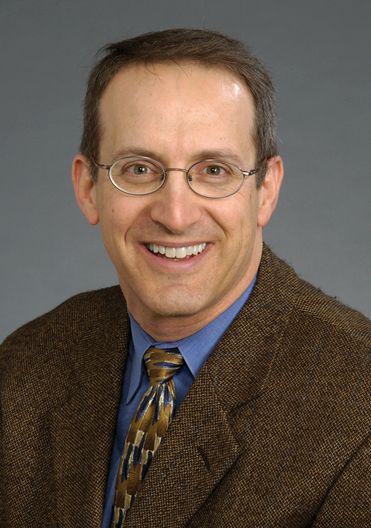
In four of the studies, biologic-naive patients showed significantly better responses when given anti-TNF agents than patients who had been treated with a biologic. Another study showed that the reduced effectiveness of adalimumab treatment was associated with the number of previous treatments with anti-TNFs (hazard ratio, 1.63). Another study found an association between previous treatment with etanercept and loss of response and serious adverse effects (HR, 4.32).
The other nine studies suggested some evidence of effectiveness for treatment with anti-TNFs or ustekinumab as later lines of treatment for psoriasis patients, but most of the studies (six of nine) did not include information on whether the results were statistically significant.
“More real-world evidence and future research in studies with large sample sizes are needed to further understand the role of anti-TNF and ustekinumab as later-line treatment in psoriasis management,” Dr. Feldman said.
He disclosed relationships with multiple companies, including study sponsor Novartis; one of the study coauthors is affiliated with Novartis. SDEF and this organization are owned by the same parent company.
LAS VEGAS – Biologic-naive psoriasis patients had stronger responses to treatment than those who were previously treated and switched from one biologic to another, according to a systematic review of 15 studies in adults with psoriasis.
In a real-world setting, patients who fail treatment with a tumor necrosis factor–alfa (TNF-alfa) inhibitor or ustekinumab may be switched from one treatment to another, Steven R. Feldman, MD, professor of dermatology at Wake Forest University, Winston-Salem, N.C., said in a poster presented at the Skin Disease Education Foundation’s annual Las Vegas Dermatology Seminar. “However, there is conflicting evidence of reduced effectiveness in later lines of treatment,” he added.
In four of the studies, biologic-naive patients showed significantly better responses when given anti-TNF agents than patients who had been treated with a biologic. Another study showed that the reduced effectiveness of adalimumab treatment was associated with the number of previous treatments with anti-TNFs (hazard ratio, 1.63). Another study found an association between previous treatment with etanercept and loss of response and serious adverse effects (HR, 4.32).
The other nine studies suggested some evidence of effectiveness for treatment with anti-TNFs or ustekinumab as later lines of treatment for psoriasis patients, but most of the studies (six of nine) did not include information on whether the results were statistically significant.
“More real-world evidence and future research in studies with large sample sizes are needed to further understand the role of anti-TNF and ustekinumab as later-line treatment in psoriasis management,” Dr. Feldman said.
He disclosed relationships with multiple companies, including study sponsor Novartis; one of the study coauthors is affiliated with Novartis. SDEF and this organization are owned by the same parent company.
LAS VEGAS – Biologic-naive psoriasis patients had stronger responses to treatment than those who were previously treated and switched from one biologic to another, according to a systematic review of 15 studies in adults with psoriasis.
In a real-world setting, patients who fail treatment with a tumor necrosis factor–alfa (TNF-alfa) inhibitor or ustekinumab may be switched from one treatment to another, Steven R. Feldman, MD, professor of dermatology at Wake Forest University, Winston-Salem, N.C., said in a poster presented at the Skin Disease Education Foundation’s annual Las Vegas Dermatology Seminar. “However, there is conflicting evidence of reduced effectiveness in later lines of treatment,” he added.
In four of the studies, biologic-naive patients showed significantly better responses when given anti-TNF agents than patients who had been treated with a biologic. Another study showed that the reduced effectiveness of adalimumab treatment was associated with the number of previous treatments with anti-TNFs (hazard ratio, 1.63). Another study found an association between previous treatment with etanercept and loss of response and serious adverse effects (HR, 4.32).
The other nine studies suggested some evidence of effectiveness for treatment with anti-TNFs or ustekinumab as later lines of treatment for psoriasis patients, but most of the studies (six of nine) did not include information on whether the results were statistically significant.
“More real-world evidence and future research in studies with large sample sizes are needed to further understand the role of anti-TNF and ustekinumab as later-line treatment in psoriasis management,” Dr. Feldman said.
He disclosed relationships with multiple companies, including study sponsor Novartis; one of the study coauthors is affiliated with Novartis. SDEF and this organization are owned by the same parent company.
AT SDEF LAS VEGAS DERMATOLOGY SEMINAR
Key clinical point:
Major finding: Biologic-naive psoriasis patients had stronger responses to treatment than those who were previously treated and switched from one biologic to another.
Data source: A systematic review of 15 observational studies of adults with psoriasis evaluating anti-TNF agents or ustekinumab as second-line or later-line treatments.
Disclosures: Dr. Feldman disclosed relationships with multiple companies, including study sponsor Novartis; one of the study coauthors is affiliated with Novartis.