User login
How to prevent 1 million coronary events
LOS ANGELES – Aggressive control of blood pressure, lipids, and hemoglobin A1c in Americans with type 2 diabetes would prevent nearly 1 million fatal and nonfatal myocardial infarctions and sudden cardiac deaths over 10 years.
A less aggressive approach – one that brings those risk factors to guideline-recommended targets but no further in patients not currently at goal – would still prevent more than 600,000 coronary heart disease (CHD) events, according to the first study to estimate the population-wide impact of achieving composite control of these major risk factors in the U.S. type 2 diabetic population.

The key to achieving preventive success on this enormous scale is to attain composite risk factor control, Nathan D. Wong, Ph. D., stressed at the annual scientific sessions of the American Heart Association.
"One of the things that needs to be emphasized is we have to have a coordinated approach, where people are taking care of all of their risk factors. All too frequently, we might take care of A1c but the blood pressure and lipids are not well controlled, or vice versa," said Dr. Wong, professor of medicine and director of the University of California, Irvine, Heart Disease Prevention Program.
"In another recent paper we did [Diab. Vasc. Dis. Res. 2012;9:146-52], we showed that less than 13% of the U.S. diabetic population is in simultaneous control of blood pressure, A1c, and lipids, so we still have a long way to go in terms of getting our diabetic patients to goal," he added.
In the study he presented at the meeting, Dr. Wong and his coinvestigators extrapolated from weighted, nationally representative data for 2007-2008 on 384 adults with type 2 diabetes and no history of CHD or stroke, in order to create a portrait of the cardiovascular risk factor status of 9.6 million such U.S. patients. The data came from the U.S. National Health and Nutrition Examination Survey (NHANES).
Next the investigators utilized the U.K. Prospective Diabetes Study risk engine version 1.1 to estimate the group’s 10-year risk of CHD events as-is. They then examined the impact of improved control of blood pressure, HbA1c, high-density lipoprotein, and total cholesterol by recalculating 10-year risk based upon better risk factor numbers.
The baseline 10-year risk of CHD events, defined conservatively as fatal or nonfatal acute MI or sudden death, was calculated at 23% in U.S. type 2 diabetic men and 12.1% in women. This translated to a projected 1.7 million CHD events among 9.6 million individuals over 10 years if their risk factor status remained unchanged.
However, the investigators projected that by controlling these risk factors to goal – that is, an HbA1c of less than 7.0%, systolic blood pressure of 130 mm Hg, total cholesterol of 170 mg/dL, and HDL of 40 mg/dL in men and 50 mg/dL in women – then 32% of CHD events in men and 39% in women would be prevented. That translates to a projected 618,100 fewer major CHD events in this population. For this study, a total cholesterol of 170 mg/dL served as a proxy for an LDL cholesterol of 100 mg/dL.
Moreover, aggressive risk factor control, defined by Dr. Wong and his coworkers as a 50% reduction from baseline in total cholesterol, a 20% increase in HDL, and a 20% decrease in systolic blood pressure, combined with an absolute 2% reduction in HbA1c, was projected to prevent 51% of CHD events in men and 58% in women with type 2 diabetes. That’s 937,320 fewer CHD events over 10 years.
Session cochair Dr. Martin K. Rutter commented, "It’s a very positive message, I think, that medical therapy has potentially such great good to do. We sometimes forget how much good we can do with our simple tools in the clinic."
Also, because the UKPDS was conducted in an era before modern aggressive risk factor reduction became common, the risk engine may actually underestimate the true value of this intensified approach in terms of preventable CHD events, said Dr. Rutter, a diabetologist at the University of Manchester (U.K.).
Dr. Wong agreed. He added that there are a couple of other reasons to think the UKPDS research engine may have undervalued the true impact of simultaneous risk factor control. For one, the investigators didn’t include the implications of smoking cessation in their calculations.
Also, NHANES did not record whether participants had atrial fibrillation, so Dr. Wong and his coworkers were forced into making risk calculations based on the false assumption that atrial fibrillation was nonexistent in the type 2 diabetic population. In reality, of course, the presence of this common arrhythmia in type 2 diabetic individuals further increases their cardiovascular risk, and thus the benefits of risk factor reduction would become magnified.
This analysis was funded by Bristol-Myers Squibb. Dr. Wong reported receiving a research grant from that company to conduct the study. In addition, he serves as a consultant to Merck, LipoScience, and Reengineering Healthcare.
University of California, Irvine, Heart Disease Prevention Program,
LOS ANGELES – Aggressive control of blood pressure, lipids, and hemoglobin A1c in Americans with type 2 diabetes would prevent nearly 1 million fatal and nonfatal myocardial infarctions and sudden cardiac deaths over 10 years.
A less aggressive approach – one that brings those risk factors to guideline-recommended targets but no further in patients not currently at goal – would still prevent more than 600,000 coronary heart disease (CHD) events, according to the first study to estimate the population-wide impact of achieving composite control of these major risk factors in the U.S. type 2 diabetic population.
The key to achieving preventive success on this enormous scale is to attain composite risk factor control, Nathan D. Wong, Ph. D., stressed at the annual scientific sessions of the American Heart Association.
"One of the things that needs to be emphasized is we have to have a coordinated approach, where people are taking care of all of their risk factors. All too frequently, we might take care of A1c but the blood pressure and lipids are not well controlled, or vice versa," said Dr. Wong, professor of medicine and director of the University of California, Irvine, Heart Disease Prevention Program.
"In another recent paper we did [Diab. Vasc. Dis. Res. 2012;9:146-52], we showed that less than 13% of the U.S. diabetic population is in simultaneous control of blood pressure, A1c, and lipids, so we still have a long way to go in terms of getting our diabetic patients to goal," he added.
In the study he presented at the meeting, Dr. Wong and his coinvestigators extrapolated from weighted, nationally representative data for 2007-2008 on 384 adults with type 2 diabetes and no history of CHD or stroke, in order to create a portrait of the cardiovascular risk factor status of 9.6 million such U.S. patients. The data came from the U.S. National Health and Nutrition Examination Survey (NHANES).
Next the investigators utilized the U.K. Prospective Diabetes Study risk engine version 1.1 to estimate the group’s 10-year risk of CHD events as-is. They then examined the impact of improved control of blood pressure, HbA1c, high-density lipoprotein, and total cholesterol by recalculating 10-year risk based upon better risk factor numbers.
The baseline 10-year risk of CHD events, defined conservatively as fatal or nonfatal acute MI or sudden death, was calculated at 23% in U.S. type 2 diabetic men and 12.1% in women. This translated to a projected 1.7 million CHD events among 9.6 million individuals over 10 years if their risk factor status remained unchanged.
However, the investigators projected that by controlling these risk factors to goal – that is, an HbA1c of less than 7.0%, systolic blood pressure of 130 mm Hg, total cholesterol of 170 mg/dL, and HDL of 40 mg/dL in men and 50 mg/dL in women – then 32% of CHD events in men and 39% in women would be prevented. That translates to a projected 618,100 fewer major CHD events in this population. For this study, a total cholesterol of 170 mg/dL served as a proxy for an LDL cholesterol of 100 mg/dL.
Moreover, aggressive risk factor control, defined by Dr. Wong and his coworkers as a 50% reduction from baseline in total cholesterol, a 20% increase in HDL, and a 20% decrease in systolic blood pressure, combined with an absolute 2% reduction in HbA1c, was projected to prevent 51% of CHD events in men and 58% in women with type 2 diabetes. That’s 937,320 fewer CHD events over 10 years.
Session cochair Dr. Martin K. Rutter commented, "It’s a very positive message, I think, that medical therapy has potentially such great good to do. We sometimes forget how much good we can do with our simple tools in the clinic."
Also, because the UKPDS was conducted in an era before modern aggressive risk factor reduction became common, the risk engine may actually underestimate the true value of this intensified approach in terms of preventable CHD events, said Dr. Rutter, a diabetologist at the University of Manchester (U.K.).
Dr. Wong agreed. He added that there are a couple of other reasons to think the UKPDS research engine may have undervalued the true impact of simultaneous risk factor control. For one, the investigators didn’t include the implications of smoking cessation in their calculations.
Also, NHANES did not record whether participants had atrial fibrillation, so Dr. Wong and his coworkers were forced into making risk calculations based on the false assumption that atrial fibrillation was nonexistent in the type 2 diabetic population. In reality, of course, the presence of this common arrhythmia in type 2 diabetic individuals further increases their cardiovascular risk, and thus the benefits of risk factor reduction would become magnified.
This analysis was funded by Bristol-Myers Squibb. Dr. Wong reported receiving a research grant from that company to conduct the study. In addition, he serves as a consultant to Merck, LipoScience, and Reengineering Healthcare.
LOS ANGELES – Aggressive control of blood pressure, lipids, and hemoglobin A1c in Americans with type 2 diabetes would prevent nearly 1 million fatal and nonfatal myocardial infarctions and sudden cardiac deaths over 10 years.
A less aggressive approach – one that brings those risk factors to guideline-recommended targets but no further in patients not currently at goal – would still prevent more than 600,000 coronary heart disease (CHD) events, according to the first study to estimate the population-wide impact of achieving composite control of these major risk factors in the U.S. type 2 diabetic population.
The key to achieving preventive success on this enormous scale is to attain composite risk factor control, Nathan D. Wong, Ph. D., stressed at the annual scientific sessions of the American Heart Association.
"One of the things that needs to be emphasized is we have to have a coordinated approach, where people are taking care of all of their risk factors. All too frequently, we might take care of A1c but the blood pressure and lipids are not well controlled, or vice versa," said Dr. Wong, professor of medicine and director of the University of California, Irvine, Heart Disease Prevention Program.
"In another recent paper we did [Diab. Vasc. Dis. Res. 2012;9:146-52], we showed that less than 13% of the U.S. diabetic population is in simultaneous control of blood pressure, A1c, and lipids, so we still have a long way to go in terms of getting our diabetic patients to goal," he added.
In the study he presented at the meeting, Dr. Wong and his coinvestigators extrapolated from weighted, nationally representative data for 2007-2008 on 384 adults with type 2 diabetes and no history of CHD or stroke, in order to create a portrait of the cardiovascular risk factor status of 9.6 million such U.S. patients. The data came from the U.S. National Health and Nutrition Examination Survey (NHANES).
Next the investigators utilized the U.K. Prospective Diabetes Study risk engine version 1.1 to estimate the group’s 10-year risk of CHD events as-is. They then examined the impact of improved control of blood pressure, HbA1c, high-density lipoprotein, and total cholesterol by recalculating 10-year risk based upon better risk factor numbers.
The baseline 10-year risk of CHD events, defined conservatively as fatal or nonfatal acute MI or sudden death, was calculated at 23% in U.S. type 2 diabetic men and 12.1% in women. This translated to a projected 1.7 million CHD events among 9.6 million individuals over 10 years if their risk factor status remained unchanged.
However, the investigators projected that by controlling these risk factors to goal – that is, an HbA1c of less than 7.0%, systolic blood pressure of 130 mm Hg, total cholesterol of 170 mg/dL, and HDL of 40 mg/dL in men and 50 mg/dL in women – then 32% of CHD events in men and 39% in women would be prevented. That translates to a projected 618,100 fewer major CHD events in this population. For this study, a total cholesterol of 170 mg/dL served as a proxy for an LDL cholesterol of 100 mg/dL.
Moreover, aggressive risk factor control, defined by Dr. Wong and his coworkers as a 50% reduction from baseline in total cholesterol, a 20% increase in HDL, and a 20% decrease in systolic blood pressure, combined with an absolute 2% reduction in HbA1c, was projected to prevent 51% of CHD events in men and 58% in women with type 2 diabetes. That’s 937,320 fewer CHD events over 10 years.
Session cochair Dr. Martin K. Rutter commented, "It’s a very positive message, I think, that medical therapy has potentially such great good to do. We sometimes forget how much good we can do with our simple tools in the clinic."
Also, because the UKPDS was conducted in an era before modern aggressive risk factor reduction became common, the risk engine may actually underestimate the true value of this intensified approach in terms of preventable CHD events, said Dr. Rutter, a diabetologist at the University of Manchester (U.K.).
Dr. Wong agreed. He added that there are a couple of other reasons to think the UKPDS research engine may have undervalued the true impact of simultaneous risk factor control. For one, the investigators didn’t include the implications of smoking cessation in their calculations.
Also, NHANES did not record whether participants had atrial fibrillation, so Dr. Wong and his coworkers were forced into making risk calculations based on the false assumption that atrial fibrillation was nonexistent in the type 2 diabetic population. In reality, of course, the presence of this common arrhythmia in type 2 diabetic individuals further increases their cardiovascular risk, and thus the benefits of risk factor reduction would become magnified.
This analysis was funded by Bristol-Myers Squibb. Dr. Wong reported receiving a research grant from that company to conduct the study. In addition, he serves as a consultant to Merck, LipoScience, and Reengineering Healthcare.
University of California, Irvine, Heart Disease Prevention Program,
University of California, Irvine, Heart Disease Prevention Program,
AT THE ANNUAL SCIENTIFIC SESSIONS OF THE AMERICAN HEART ASSOCIATION
Major Finding: If all of the nation’s type 2 diabetic adults were to reach guideline-recommended goals for blood pressure, HbA1c, HDL, and total cholesterol, the result would be an estimated 618,100 fewer acute myocardial infarctions and sudden cardiac deaths over a 10-year period. More aggressive risk factor modification would prevent an estimated 937,320 such events.
Data Source: Projections from the National Health and Nutrition Examination Survey for 2007-2008 and CHD event estimates derived from the U.K. Prospective Diabetes Study risk engine.
Disclosures: The study was sponsored by Bristol-Myers Squibb. Dr. Wong reported receiving a research grant from that company to conduct the study. In addition, he serves as a consultant to Merck, LipoScience, and Reengineering Healthcare.

Looking 'old for years' boosts cardiovascular risk
LOS ANGELES – If you look old for your chronologic age, chances are your coronary arteries are undergoing accelerated biologic aging, too, judging from findings in a new report from the landmark Copenhagen City Heart Study.
Several specific skin signs of aging serve as significant predictors of increased risk for ischemic heart disease independent of chronologic age and the standard cardiovascular risk factors, Dr. Anne Tybaerg-Hansen reported at the annual scientific sessions of the American Heart Association.

"I think this is pretty useful information clinically. If you look at your patients right, it’ll give you an idea of their cardiovascular health independent of their chronologic age. And when you see these traits that are not dependent on the well-known cardiovascular risk factors, then you should perhaps treat them more diligently, because their 10-year risk is higher than in individuals in the same age groups who do not have these aging signs," explained Dr. Tybaerg-Hansen, professor of clinical biochemistry at the University of Copenhagen.
When nearly 11,000 participants in the prospective Copenhagen City Heart Study had their first physical examination back in 1976-1978, investigators blinded as to subjects’ health status systematically recorded visible signs of aging using prespecified criteria. Since then, during a mean follow-up of 35 years, there have been 3,401 ischemic heart disease events, including 1,708 acute MIs, in these subjects.
In a multivariate analysis extensively adjusted for potential confounders, several classic signs of aging proved unrelated to the risk of future ischemic heart disease. Neither wrinkles, grey hair, nor arcus corneae – that is, cholesterol deposits in the eye – were independently related to risk. That implies these features are fully accounted for by chronologic age and conventional cardiovascular risk factors.
However, four aging signs remained independent predictors of increased risk after controlling for age, gender, all the standard cardiovascular risk factors, socioeconomic status, body mass index, and physical activity. Xanthelasma – yellowish deposits of cholesterol around the eyelids – was associated with a 35% increased risk of MI during follow-up. An earlobe crease was associated with a significant 11% increased risk. Crown top baldness carried a 40% increase in relative risk, while frontoparietal baldness was associated with a 14% greater risk.
These two forms of baldness were significant predictors in men only. Crown top and frontoparietal baldness also were linked to increased MI risk in women, but this association didn’t achieve statistical significance because so few women experience these aging signs.
The more of the four aging signs present at baseline, the greater the risk of subsequent acute MI. Nine percent of subjects had three or all four aging signs; their risk of acute MI was 60% greater than in individuals with none of the aging signs in the adjusted analysis. Those with one or two aging signs had increased risks of roughly 20% and 35%, respectively.
This stepwise increase in risk held true across all 10-year age groups. Among 70- to 79-year-old men, for example, those with three or four of the aging signs had a 44% absolute 10-year risk of ischemic heart disease, while those with none of the signs had a 32% risk.
Asked to speculate about the mechanisms underlying the association between the aging signs and ischemic heart disease, Dr. Tybaerg-Hansen was quick to note that "there are no scientific data at all" for guidance. That being said, high free-testosterone levels are associated with male-pattern baldness, and some studies have reported a link between free testosterone and ischemic heart disease. Also, Dr. Tybaerg-Hansen and her coworkers recently demonstrated that the increased risk of ischemic heart disease associated with xanthelasma cannot be explained by serum cholesterol or triglyceride levels (BMJ 2011;343:d5497).

"So there must be something else, probably something in the connective tissue, which makes some people more prone to accumulate cholesterol. Connective tissue could also be involved in the earlobe crease. But there is as yet no hard evidence for this," she said.
Session chair Dr. Kathy Magliato, a cardiothoracic surgeon and director of women’s cardiac services at St. John’s Health Center in Los Angeles, said that the new Copenhagen City Heart Study findings confirm her own anecdotal experience.
"The majority of people who come to me because they’ve missed out on the benefits of prevention and now need heart surgery look old for their age. It’s reassuring to know now that I’m not just imagining that. The older they look, the worse their heart disease," she said.
"This study reinforces the fact that we have to look at our patients," Dr. Magliato continued. "I think doctors are sometimes so rushed to put on a blood pressure cuff and get a stethoscope on the chest that we forget to just step back and look at these visible signs of aging."
Dr. Tybaerg-Hansen reported having no financial conflicts.
LOS ANGELES – If you look old for your chronologic age, chances are your coronary arteries are undergoing accelerated biologic aging, too, judging from findings in a new report from the landmark Copenhagen City Heart Study.
Several specific skin signs of aging serve as significant predictors of increased risk for ischemic heart disease independent of chronologic age and the standard cardiovascular risk factors, Dr. Anne Tybaerg-Hansen reported at the annual scientific sessions of the American Heart Association.
"I think this is pretty useful information clinically. If you look at your patients right, it’ll give you an idea of their cardiovascular health independent of their chronologic age. And when you see these traits that are not dependent on the well-known cardiovascular risk factors, then you should perhaps treat them more diligently, because their 10-year risk is higher than in individuals in the same age groups who do not have these aging signs," explained Dr. Tybaerg-Hansen, professor of clinical biochemistry at the University of Copenhagen.
When nearly 11,000 participants in the prospective Copenhagen City Heart Study had their first physical examination back in 1976-1978, investigators blinded as to subjects’ health status systematically recorded visible signs of aging using prespecified criteria. Since then, during a mean follow-up of 35 years, there have been 3,401 ischemic heart disease events, including 1,708 acute MIs, in these subjects.
In a multivariate analysis extensively adjusted for potential confounders, several classic signs of aging proved unrelated to the risk of future ischemic heart disease. Neither wrinkles, grey hair, nor arcus corneae – that is, cholesterol deposits in the eye – were independently related to risk. That implies these features are fully accounted for by chronologic age and conventional cardiovascular risk factors.
However, four aging signs remained independent predictors of increased risk after controlling for age, gender, all the standard cardiovascular risk factors, socioeconomic status, body mass index, and physical activity. Xanthelasma – yellowish deposits of cholesterol around the eyelids – was associated with a 35% increased risk of MI during follow-up. An earlobe crease was associated with a significant 11% increased risk. Crown top baldness carried a 40% increase in relative risk, while frontoparietal baldness was associated with a 14% greater risk.
These two forms of baldness were significant predictors in men only. Crown top and frontoparietal baldness also were linked to increased MI risk in women, but this association didn’t achieve statistical significance because so few women experience these aging signs.
The more of the four aging signs present at baseline, the greater the risk of subsequent acute MI. Nine percent of subjects had three or all four aging signs; their risk of acute MI was 60% greater than in individuals with none of the aging signs in the adjusted analysis. Those with one or two aging signs had increased risks of roughly 20% and 35%, respectively.
This stepwise increase in risk held true across all 10-year age groups. Among 70- to 79-year-old men, for example, those with three or four of the aging signs had a 44% absolute 10-year risk of ischemic heart disease, while those with none of the signs had a 32% risk.
Asked to speculate about the mechanisms underlying the association between the aging signs and ischemic heart disease, Dr. Tybaerg-Hansen was quick to note that "there are no scientific data at all" for guidance. That being said, high free-testosterone levels are associated with male-pattern baldness, and some studies have reported a link between free testosterone and ischemic heart disease. Also, Dr. Tybaerg-Hansen and her coworkers recently demonstrated that the increased risk of ischemic heart disease associated with xanthelasma cannot be explained by serum cholesterol or triglyceride levels (BMJ 2011;343:d5497).
"So there must be something else, probably something in the connective tissue, which makes some people more prone to accumulate cholesterol. Connective tissue could also be involved in the earlobe crease. But there is as yet no hard evidence for this," she said.
Session chair Dr. Kathy Magliato, a cardiothoracic surgeon and director of women’s cardiac services at St. John’s Health Center in Los Angeles, said that the new Copenhagen City Heart Study findings confirm her own anecdotal experience.
"The majority of people who come to me because they’ve missed out on the benefits of prevention and now need heart surgery look old for their age. It’s reassuring to know now that I’m not just imagining that. The older they look, the worse their heart disease," she said.
"This study reinforces the fact that we have to look at our patients," Dr. Magliato continued. "I think doctors are sometimes so rushed to put on a blood pressure cuff and get a stethoscope on the chest that we forget to just step back and look at these visible signs of aging."
Dr. Tybaerg-Hansen reported having no financial conflicts.
LOS ANGELES – If you look old for your chronologic age, chances are your coronary arteries are undergoing accelerated biologic aging, too, judging from findings in a new report from the landmark Copenhagen City Heart Study.
Several specific skin signs of aging serve as significant predictors of increased risk for ischemic heart disease independent of chronologic age and the standard cardiovascular risk factors, Dr. Anne Tybaerg-Hansen reported at the annual scientific sessions of the American Heart Association.
"I think this is pretty useful information clinically. If you look at your patients right, it’ll give you an idea of their cardiovascular health independent of their chronologic age. And when you see these traits that are not dependent on the well-known cardiovascular risk factors, then you should perhaps treat them more diligently, because their 10-year risk is higher than in individuals in the same age groups who do not have these aging signs," explained Dr. Tybaerg-Hansen, professor of clinical biochemistry at the University of Copenhagen.
When nearly 11,000 participants in the prospective Copenhagen City Heart Study had their first physical examination back in 1976-1978, investigators blinded as to subjects’ health status systematically recorded visible signs of aging using prespecified criteria. Since then, during a mean follow-up of 35 years, there have been 3,401 ischemic heart disease events, including 1,708 acute MIs, in these subjects.
In a multivariate analysis extensively adjusted for potential confounders, several classic signs of aging proved unrelated to the risk of future ischemic heart disease. Neither wrinkles, grey hair, nor arcus corneae – that is, cholesterol deposits in the eye – were independently related to risk. That implies these features are fully accounted for by chronologic age and conventional cardiovascular risk factors.
However, four aging signs remained independent predictors of increased risk after controlling for age, gender, all the standard cardiovascular risk factors, socioeconomic status, body mass index, and physical activity. Xanthelasma – yellowish deposits of cholesterol around the eyelids – was associated with a 35% increased risk of MI during follow-up. An earlobe crease was associated with a significant 11% increased risk. Crown top baldness carried a 40% increase in relative risk, while frontoparietal baldness was associated with a 14% greater risk.
These two forms of baldness were significant predictors in men only. Crown top and frontoparietal baldness also were linked to increased MI risk in women, but this association didn’t achieve statistical significance because so few women experience these aging signs.
The more of the four aging signs present at baseline, the greater the risk of subsequent acute MI. Nine percent of subjects had three or all four aging signs; their risk of acute MI was 60% greater than in individuals with none of the aging signs in the adjusted analysis. Those with one or two aging signs had increased risks of roughly 20% and 35%, respectively.
This stepwise increase in risk held true across all 10-year age groups. Among 70- to 79-year-old men, for example, those with three or four of the aging signs had a 44% absolute 10-year risk of ischemic heart disease, while those with none of the signs had a 32% risk.
Asked to speculate about the mechanisms underlying the association between the aging signs and ischemic heart disease, Dr. Tybaerg-Hansen was quick to note that "there are no scientific data at all" for guidance. That being said, high free-testosterone levels are associated with male-pattern baldness, and some studies have reported a link between free testosterone and ischemic heart disease. Also, Dr. Tybaerg-Hansen and her coworkers recently demonstrated that the increased risk of ischemic heart disease associated with xanthelasma cannot be explained by serum cholesterol or triglyceride levels (BMJ 2011;343:d5497).
"So there must be something else, probably something in the connective tissue, which makes some people more prone to accumulate cholesterol. Connective tissue could also be involved in the earlobe crease. But there is as yet no hard evidence for this," she said.
Session chair Dr. Kathy Magliato, a cardiothoracic surgeon and director of women’s cardiac services at St. John’s Health Center in Los Angeles, said that the new Copenhagen City Heart Study findings confirm her own anecdotal experience.
"The majority of people who come to me because they’ve missed out on the benefits of prevention and now need heart surgery look old for their age. It’s reassuring to know now that I’m not just imagining that. The older they look, the worse their heart disease," she said.
"This study reinforces the fact that we have to look at our patients," Dr. Magliato continued. "I think doctors are sometimes so rushed to put on a blood pressure cuff and get a stethoscope on the chest that we forget to just step back and look at these visible signs of aging."
Dr. Tybaerg-Hansen reported having no financial conflicts.
AT THE ANNUAL SCIENTIFIC SESSIONS OF THE AMERICAN HEART ASSOCIATION
Major Finding: Four visible signs of aging – xanthelasma, earlobe crease, crown top baldness, and frontoparietal baldness – are associated with increased risk of subsequent ischemic heart disease independent of all conventional cardiovascular risk factors.
Data Source: These data come from 10,885 participants in the Copenhagen City Heart Study, with a mean 35-year prospective follow-up.
Disclosures: This study was funded by the Danish Heart Foundation, the Danish Medical Research Council, the Rigshospitalet Research Fund, and the Lundbeck Foundation. The presenter reported having no financial conflicts.

GI-friendly aspirin product performs well in phase III
A novel proprietary combination of aspirin and immediate-release omeprazole in a coordinated-delivery tablet resulted in markedly fewer gastric ulcers and treatment discontinuations than conventional enteric-coated aspirin in two pivotal phase III clinical trials reported at the annual scientific sessions of the American Heart Association.
The two double-blind, 6-month, multicenter, randomized phase III studies included 1,049 patients who had coronary heart disease and were taking aspirin for secondary cardiovascular prevention. Based upon the highly favorable results reported by Dr. David L. Whellan at the meeting as well as other evidence, the studies’ sponsor, Pozen, will seek regulatory approval of the coordinated-delivery product with an indication for use in secondary prevention of cardiovascular events in the roughly 15% of patients at risk for aspirin-induced upper-GI adverse events.
Study participants were randomized to once-daily conventional enteric-coated aspirin at 325 mg or to the investigational tablet, known for now as PA32540. The primary endpoint – the 6-month rate of endoscopically confirmed gastric ulcers – occurred in 3.8% of the PA32540 group, compared with 8.7% of controls, in one 524-patient study and in 2.7% of the PA32540 group, versus 8.5% of controls, in the 525-patient second study. This corresponds to relative risk reductions of 56% and 68%, respectively, according to Dr. Whellan of Thomas Jefferson University, Philadelphia.
A key secondary endpoint was the 6-month treatment discontinuation rate as a result of dyspepsia, erosive gastritis, and other upper-GI adverse events. The combined rate in the two trials was 1.5% in the PA32540 group and 8.2% in patients on enteric-coated aspirin, for an 82% relative risk reduction.
The rate of discontinuation for any adverse events was 6.7% with PA32540 and 11.2% in controls. Since patient adherence to aspirin therapy saves lives, these are clinically important outcomes, he noted.
The rate of acute MI and other major adverse cardiovascular events was 1.7% in the PA32540 group and 2.5% in controls, a nonsignificant difference. The study wasn’t of sufficient size or duration to provide definitive evidence regarding this endpoint.
PA32540 is a once-daily tablet containing 40 mg of immediate-release omeprazole layered around 325 mg of pH-sensitive aspirin. Pozen has announced that it is currently seeking strategic partners to help market the novel product on a wide scale at an affordable cost once PA32540 receives regulatory approval.
Dr. Whellan is a consultant to Pozen.
A novel proprietary combination of aspirin and immediate-release omeprazole in a coordinated-delivery tablet resulted in markedly fewer gastric ulcers and treatment discontinuations than conventional enteric-coated aspirin in two pivotal phase III clinical trials reported at the annual scientific sessions of the American Heart Association.
The two double-blind, 6-month, multicenter, randomized phase III studies included 1,049 patients who had coronary heart disease and were taking aspirin for secondary cardiovascular prevention. Based upon the highly favorable results reported by Dr. David L. Whellan at the meeting as well as other evidence, the studies’ sponsor, Pozen, will seek regulatory approval of the coordinated-delivery product with an indication for use in secondary prevention of cardiovascular events in the roughly 15% of patients at risk for aspirin-induced upper-GI adverse events.
Study participants were randomized to once-daily conventional enteric-coated aspirin at 325 mg or to the investigational tablet, known for now as PA32540. The primary endpoint – the 6-month rate of endoscopically confirmed gastric ulcers – occurred in 3.8% of the PA32540 group, compared with 8.7% of controls, in one 524-patient study and in 2.7% of the PA32540 group, versus 8.5% of controls, in the 525-patient second study. This corresponds to relative risk reductions of 56% and 68%, respectively, according to Dr. Whellan of Thomas Jefferson University, Philadelphia.
A key secondary endpoint was the 6-month treatment discontinuation rate as a result of dyspepsia, erosive gastritis, and other upper-GI adverse events. The combined rate in the two trials was 1.5% in the PA32540 group and 8.2% in patients on enteric-coated aspirin, for an 82% relative risk reduction.
The rate of discontinuation for any adverse events was 6.7% with PA32540 and 11.2% in controls. Since patient adherence to aspirin therapy saves lives, these are clinically important outcomes, he noted.
The rate of acute MI and other major adverse cardiovascular events was 1.7% in the PA32540 group and 2.5% in controls, a nonsignificant difference. The study wasn’t of sufficient size or duration to provide definitive evidence regarding this endpoint.
PA32540 is a once-daily tablet containing 40 mg of immediate-release omeprazole layered around 325 mg of pH-sensitive aspirin. Pozen has announced that it is currently seeking strategic partners to help market the novel product on a wide scale at an affordable cost once PA32540 receives regulatory approval.
Dr. Whellan is a consultant to Pozen.
A novel proprietary combination of aspirin and immediate-release omeprazole in a coordinated-delivery tablet resulted in markedly fewer gastric ulcers and treatment discontinuations than conventional enteric-coated aspirin in two pivotal phase III clinical trials reported at the annual scientific sessions of the American Heart Association.
The two double-blind, 6-month, multicenter, randomized phase III studies included 1,049 patients who had coronary heart disease and were taking aspirin for secondary cardiovascular prevention. Based upon the highly favorable results reported by Dr. David L. Whellan at the meeting as well as other evidence, the studies’ sponsor, Pozen, will seek regulatory approval of the coordinated-delivery product with an indication for use in secondary prevention of cardiovascular events in the roughly 15% of patients at risk for aspirin-induced upper-GI adverse events.
Study participants were randomized to once-daily conventional enteric-coated aspirin at 325 mg or to the investigational tablet, known for now as PA32540. The primary endpoint – the 6-month rate of endoscopically confirmed gastric ulcers – occurred in 3.8% of the PA32540 group, compared with 8.7% of controls, in one 524-patient study and in 2.7% of the PA32540 group, versus 8.5% of controls, in the 525-patient second study. This corresponds to relative risk reductions of 56% and 68%, respectively, according to Dr. Whellan of Thomas Jefferson University, Philadelphia.
A key secondary endpoint was the 6-month treatment discontinuation rate as a result of dyspepsia, erosive gastritis, and other upper-GI adverse events. The combined rate in the two trials was 1.5% in the PA32540 group and 8.2% in patients on enteric-coated aspirin, for an 82% relative risk reduction.
The rate of discontinuation for any adverse events was 6.7% with PA32540 and 11.2% in controls. Since patient adherence to aspirin therapy saves lives, these are clinically important outcomes, he noted.
The rate of acute MI and other major adverse cardiovascular events was 1.7% in the PA32540 group and 2.5% in controls, a nonsignificant difference. The study wasn’t of sufficient size or duration to provide definitive evidence regarding this endpoint.
PA32540 is a once-daily tablet containing 40 mg of immediate-release omeprazole layered around 325 mg of pH-sensitive aspirin. Pozen has announced that it is currently seeking strategic partners to help market the novel product on a wide scale at an affordable cost once PA32540 receives regulatory approval.
Dr. Whellan is a consultant to Pozen.
AT THE ANNUAL SCIENTIFIC SESSIONS OF THE AMERICAN HEART ASSOCIATION
Major Finding: An investigational combination of 325 mg of pH-sensitive aspirin and 40 mg of immediate-release omeprazole layered in a coordinated-delivery tablet resulted in an endoscopically confirmed gastric ulcer rate of 3.2% compared with 8.6% with 325 mg of enteric-coated aspirin once daily in two trials totaling 1,049 patients.
Data Source: The two randomized phase III trials of PA32540 were double-blind, multicenter, and 6 months in duration.
Disclosures: The pivotal trials were sponsored by Pozen. The presenter is a consultant to the company.
Combo may be best rescue therapy for resistant Kawasaki disease
The combination of intravenous immunoglobulin, aspirin, and prednisolone appears to be the most effective form of rescue therapy for patients with acute Kawasaki disease who don’t respond to initial IVIG plus aspirin, according to a large Japanese observational study.
Dr. Tohru Kobayashi reported on 375 consecutive patients resistant to initial standard therapy with IVIG plus aspirin. In nonrandomized fashion, 141 received another course of IVIG as first-line rescue therapy, 80 got prednisolone, and 154 were put on IVIG plus prednisolone. All patients also received aspirin.
The rescue therapy failure rate was significantly lower in patients who got IVIG combined with prednisolone, 12.3%, compared with 38.3% with IVIG alone and 30% with prednisolone, according to Dr. Kobayashi of Gunma University in Maebashi, Japan.
Moreover, the prevalence of coronary artery aneurysms at 1 month was 6.5% with combination rescue therapy, significantly lower than the 14.9% figure with rescue IVIG or the 16.3% prevalence with prednisolone, Dr. Kobayashi said at the annual scientific sessions of the American Heart Association.
Compared with the rescue IVIG group, patients who received rescue IVIG plus prednisolone had an adjusted 84% lower risk of failing to respond to initial rescue therapy. They were also 61% less likely to have a coronary artery aneurysm at 1 month.
This study was funded by the Japanese Ministry of Health, Labor, and Comprehensive Research on Practical Application of Medical Technology. Dr. Kobayashi reported having no financial conflicts.
The combination of intravenous immunoglobulin, aspirin, and prednisolone appears to be the most effective form of rescue therapy for patients with acute Kawasaki disease who don’t respond to initial IVIG plus aspirin, according to a large Japanese observational study.
Dr. Tohru Kobayashi reported on 375 consecutive patients resistant to initial standard therapy with IVIG plus aspirin. In nonrandomized fashion, 141 received another course of IVIG as first-line rescue therapy, 80 got prednisolone, and 154 were put on IVIG plus prednisolone. All patients also received aspirin.
The rescue therapy failure rate was significantly lower in patients who got IVIG combined with prednisolone, 12.3%, compared with 38.3% with IVIG alone and 30% with prednisolone, according to Dr. Kobayashi of Gunma University in Maebashi, Japan.
Moreover, the prevalence of coronary artery aneurysms at 1 month was 6.5% with combination rescue therapy, significantly lower than the 14.9% figure with rescue IVIG or the 16.3% prevalence with prednisolone, Dr. Kobayashi said at the annual scientific sessions of the American Heart Association.
Compared with the rescue IVIG group, patients who received rescue IVIG plus prednisolone had an adjusted 84% lower risk of failing to respond to initial rescue therapy. They were also 61% less likely to have a coronary artery aneurysm at 1 month.
This study was funded by the Japanese Ministry of Health, Labor, and Comprehensive Research on Practical Application of Medical Technology. Dr. Kobayashi reported having no financial conflicts.
The combination of intravenous immunoglobulin, aspirin, and prednisolone appears to be the most effective form of rescue therapy for patients with acute Kawasaki disease who don’t respond to initial IVIG plus aspirin, according to a large Japanese observational study.
Dr. Tohru Kobayashi reported on 375 consecutive patients resistant to initial standard therapy with IVIG plus aspirin. In nonrandomized fashion, 141 received another course of IVIG as first-line rescue therapy, 80 got prednisolone, and 154 were put on IVIG plus prednisolone. All patients also received aspirin.
The rescue therapy failure rate was significantly lower in patients who got IVIG combined with prednisolone, 12.3%, compared with 38.3% with IVIG alone and 30% with prednisolone, according to Dr. Kobayashi of Gunma University in Maebashi, Japan.
Moreover, the prevalence of coronary artery aneurysms at 1 month was 6.5% with combination rescue therapy, significantly lower than the 14.9% figure with rescue IVIG or the 16.3% prevalence with prednisolone, Dr. Kobayashi said at the annual scientific sessions of the American Heart Association.
Compared with the rescue IVIG group, patients who received rescue IVIG plus prednisolone had an adjusted 84% lower risk of failing to respond to initial rescue therapy. They were also 61% less likely to have a coronary artery aneurysm at 1 month.
This study was funded by the Japanese Ministry of Health, Labor, and Comprehensive Research on Practical Application of Medical Technology. Dr. Kobayashi reported having no financial conflicts.
AT THE ANNUAL SCIENTIFIC SESSIONS OF THE AMERICAN HEART ASSOCIATION
Major Finding: Nonresponders to IVIG plus aspirin for treatment of acute Kawasaki disease were significantly more likely to respond to rescue therapy with IVIG plus prednisolone than to either agent alone.
Data Source: A retrospective observational study of 375 consecutive Kawasaki disease patients who failed to respond to initial therapy with IVIG and aspirin.
Disclosures: This study was funded by the Japanese Ministry of Health, Labor, and Comprehensive Research on Practical Application of Medical Technology. Dr. Kobayashi reported having no financial disclosures.
SSRIs for PTSD bring cardiometabolic benefits
LOS ANGELES – The use of selective serotonin reuptake inhibitors in treating combat posttraumatic stress disorder in middle-aged veterans was associated with sharply reduced cardiovascular mortality in a large observational study, according to Dr. Naser Ahmadi of the VA Greater Los Angeles Healthcare System.
Treatment with a selective serotonin reuptake inhibitor also appeared to protect against development of metabolic syndrome in this patient population, he added at the annual scientific sessions of the American Heart Association.
Dr. Ahmadi reported on 1,142 veterans with combat-induced PTSD, 433 of whom had received SSRI therapy for the disorder. Fifty-three percent of subjects met criteria for metabolic syndrome.
During a median 5 years of follow-up through the Veterans Affairs system’s electronic medical record system, the cardiovascular mortality was 21% in patients with PTSD and metabolic syndrome, compared with 14% in those without metabolic syndrome. Thus, comorbid metabolic syndrome in patients with combat PTSD was associated with a 68% increase in the risk of cardiovascular mortality.
The prevalence of metabolic syndrome was 32% among SSRI recipients, compared with 45% in those whose PTSD was not treated SSRIs. After adjusting for age, gender, and conventional cardiovascular risk factors in a multivariate analysis, the relative risk of metabolic syndrome in patients with PTSD was 71% lower with SSRI therapy than without it.
Moreover, the adjusted risk of cardiovascular mortality over the course of a median 5 years of follow-up in this hypothesis-generating observational study was 36% lower in SSRI-treated patients with PTSD and metabolic syndrome than in those not on an SSRI, and 64% lower in SSRI-treated patients with PTSD without metabolic syndrome.
This study received funding from the American Heart Association. Dr. Ahmadi reported having no financial conflicts.
LOS ANGELES – The use of selective serotonin reuptake inhibitors in treating combat posttraumatic stress disorder in middle-aged veterans was associated with sharply reduced cardiovascular mortality in a large observational study, according to Dr. Naser Ahmadi of the VA Greater Los Angeles Healthcare System.
Treatment with a selective serotonin reuptake inhibitor also appeared to protect against development of metabolic syndrome in this patient population, he added at the annual scientific sessions of the American Heart Association.
Dr. Ahmadi reported on 1,142 veterans with combat-induced PTSD, 433 of whom had received SSRI therapy for the disorder. Fifty-three percent of subjects met criteria for metabolic syndrome.
During a median 5 years of follow-up through the Veterans Affairs system’s electronic medical record system, the cardiovascular mortality was 21% in patients with PTSD and metabolic syndrome, compared with 14% in those without metabolic syndrome. Thus, comorbid metabolic syndrome in patients with combat PTSD was associated with a 68% increase in the risk of cardiovascular mortality.
The prevalence of metabolic syndrome was 32% among SSRI recipients, compared with 45% in those whose PTSD was not treated SSRIs. After adjusting for age, gender, and conventional cardiovascular risk factors in a multivariate analysis, the relative risk of metabolic syndrome in patients with PTSD was 71% lower with SSRI therapy than without it.
Moreover, the adjusted risk of cardiovascular mortality over the course of a median 5 years of follow-up in this hypothesis-generating observational study was 36% lower in SSRI-treated patients with PTSD and metabolic syndrome than in those not on an SSRI, and 64% lower in SSRI-treated patients with PTSD without metabolic syndrome.
This study received funding from the American Heart Association. Dr. Ahmadi reported having no financial conflicts.
LOS ANGELES – The use of selective serotonin reuptake inhibitors in treating combat posttraumatic stress disorder in middle-aged veterans was associated with sharply reduced cardiovascular mortality in a large observational study, according to Dr. Naser Ahmadi of the VA Greater Los Angeles Healthcare System.
Treatment with a selective serotonin reuptake inhibitor also appeared to protect against development of metabolic syndrome in this patient population, he added at the annual scientific sessions of the American Heart Association.
Dr. Ahmadi reported on 1,142 veterans with combat-induced PTSD, 433 of whom had received SSRI therapy for the disorder. Fifty-three percent of subjects met criteria for metabolic syndrome.
During a median 5 years of follow-up through the Veterans Affairs system’s electronic medical record system, the cardiovascular mortality was 21% in patients with PTSD and metabolic syndrome, compared with 14% in those without metabolic syndrome. Thus, comorbid metabolic syndrome in patients with combat PTSD was associated with a 68% increase in the risk of cardiovascular mortality.
The prevalence of metabolic syndrome was 32% among SSRI recipients, compared with 45% in those whose PTSD was not treated SSRIs. After adjusting for age, gender, and conventional cardiovascular risk factors in a multivariate analysis, the relative risk of metabolic syndrome in patients with PTSD was 71% lower with SSRI therapy than without it.
Moreover, the adjusted risk of cardiovascular mortality over the course of a median 5 years of follow-up in this hypothesis-generating observational study was 36% lower in SSRI-treated patients with PTSD and metabolic syndrome than in those not on an SSRI, and 64% lower in SSRI-treated patients with PTSD without metabolic syndrome.
This study received funding from the American Heart Association. Dr. Ahmadi reported having no financial conflicts.
AT THE ANNUAL SCIENTIFIC SESSIONS OF THE AMERICAN HEART ASSOCIATION
Major Finding: The relative risk of metabolic syndrome in middle-aged veterans with PTSD was 71% lower with SSRI therapy than without it. Cardiovascular mortality also was substantially lower in patients on an SSRI.
Data Source: Observational study involving 1,142 veterans who were followed for a median of 5 years.
Disclosures: This study received funding from the American Heart Association. Dr. Ahmadi reported having no financial conflicts.
Kawasaki disease: long-term cardiovascular risk quantified
LOS ANGELES – The largest-ever U.S. study of the long-term risk of cardiovascular events in survivors of childhood acute Kawasaki disease paints a highly reassuring picture overall.
Indeed, the cardiovascular event rate in 546 patients during an average 15-year follow-up since their acute illness was extremely low – no different, in fact, than in 2,218 matched controls, Dr. Taylor J. Holve reported at the annual scientific sessions of the American Heart Association.
The composite endpoint of acute coronary syndrome, coronary revascularization heart failure, ventricular arrhythmia, valvular heart disease, aortic aneurysm, or all-cause mortality occurred in two patients with a history of Kawasaki disease and in seven controls. That translated to an adjusted incidence rate of 0.246 events per 1,000 person-years in the Kawasaki disease group and a similar figure of 0.217 per 1,000 person-years in controls, according to Dr. Holve of Kaiser San Francisco Medical Center.
Twenty-five patients in the Kawasaki disease group had a persistent coronary artery aneurysm. Both of the cardiovascular events that occurred during long-term follow-up – one case of acute coronary syndrome (ACS), and another of ACS followed by coronary artery bypass surgery – were in the small subgroup with persistent coronary aneurysm.
Other investigators have previously described the increased long-term risk posed by formation of a persistent aneurysm in survivors of acute Kawasaki disease. It’s clear from this large study that survivors with persistent coronary aneurysm are a higher-risk subgroup meriting long-term cardiovascular surveillance. In contrast, Kawasaki disease survivors without persistent aneurysm had a cardiovascular event rate of zero. A caveat: The average age of these patients at 15 years of follow-up was slightly over 21 years; continued follow-up will be required to exclude the possibility of an elevated risk of cardiovascular events once patients without a persistent coronary aneurysm hit their mid-20s and beyond, Dr. Holve noted.
The various treatment strategies employed in treating acute Kawasaki disease showed no association with short- or long-term complication rates.
Dr. Holve reported having no financial conflicts.
LOS ANGELES – The largest-ever U.S. study of the long-term risk of cardiovascular events in survivors of childhood acute Kawasaki disease paints a highly reassuring picture overall.
Indeed, the cardiovascular event rate in 546 patients during an average 15-year follow-up since their acute illness was extremely low – no different, in fact, than in 2,218 matched controls, Dr. Taylor J. Holve reported at the annual scientific sessions of the American Heart Association.
The composite endpoint of acute coronary syndrome, coronary revascularization heart failure, ventricular arrhythmia, valvular heart disease, aortic aneurysm, or all-cause mortality occurred in two patients with a history of Kawasaki disease and in seven controls. That translated to an adjusted incidence rate of 0.246 events per 1,000 person-years in the Kawasaki disease group and a similar figure of 0.217 per 1,000 person-years in controls, according to Dr. Holve of Kaiser San Francisco Medical Center.
Twenty-five patients in the Kawasaki disease group had a persistent coronary artery aneurysm. Both of the cardiovascular events that occurred during long-term follow-up – one case of acute coronary syndrome (ACS), and another of ACS followed by coronary artery bypass surgery – were in the small subgroup with persistent coronary aneurysm.
Other investigators have previously described the increased long-term risk posed by formation of a persistent aneurysm in survivors of acute Kawasaki disease. It’s clear from this large study that survivors with persistent coronary aneurysm are a higher-risk subgroup meriting long-term cardiovascular surveillance. In contrast, Kawasaki disease survivors without persistent aneurysm had a cardiovascular event rate of zero. A caveat: The average age of these patients at 15 years of follow-up was slightly over 21 years; continued follow-up will be required to exclude the possibility of an elevated risk of cardiovascular events once patients without a persistent coronary aneurysm hit their mid-20s and beyond, Dr. Holve noted.
The various treatment strategies employed in treating acute Kawasaki disease showed no association with short- or long-term complication rates.
Dr. Holve reported having no financial conflicts.
LOS ANGELES – The largest-ever U.S. study of the long-term risk of cardiovascular events in survivors of childhood acute Kawasaki disease paints a highly reassuring picture overall.
Indeed, the cardiovascular event rate in 546 patients during an average 15-year follow-up since their acute illness was extremely low – no different, in fact, than in 2,218 matched controls, Dr. Taylor J. Holve reported at the annual scientific sessions of the American Heart Association.
The composite endpoint of acute coronary syndrome, coronary revascularization heart failure, ventricular arrhythmia, valvular heart disease, aortic aneurysm, or all-cause mortality occurred in two patients with a history of Kawasaki disease and in seven controls. That translated to an adjusted incidence rate of 0.246 events per 1,000 person-years in the Kawasaki disease group and a similar figure of 0.217 per 1,000 person-years in controls, according to Dr. Holve of Kaiser San Francisco Medical Center.
Twenty-five patients in the Kawasaki disease group had a persistent coronary artery aneurysm. Both of the cardiovascular events that occurred during long-term follow-up – one case of acute coronary syndrome (ACS), and another of ACS followed by coronary artery bypass surgery – were in the small subgroup with persistent coronary aneurysm.
Other investigators have previously described the increased long-term risk posed by formation of a persistent aneurysm in survivors of acute Kawasaki disease. It’s clear from this large study that survivors with persistent coronary aneurysm are a higher-risk subgroup meriting long-term cardiovascular surveillance. In contrast, Kawasaki disease survivors without persistent aneurysm had a cardiovascular event rate of zero. A caveat: The average age of these patients at 15 years of follow-up was slightly over 21 years; continued follow-up will be required to exclude the possibility of an elevated risk of cardiovascular events once patients without a persistent coronary aneurysm hit their mid-20s and beyond, Dr. Holve noted.
The various treatment strategies employed in treating acute Kawasaki disease showed no association with short- or long-term complication rates.
Dr. Holve reported having no financial conflicts.
AT THE ANNUAL SCIENTIFIC SESSIONS OF THE AMERICAN HEART ASSOCIATION
Major Finding: Only two cardiovascular events occurred during an average follow-up period of 15 years in 546 U.S. survivors of acute Kawasaki disease. The event rate in patients without a persistent coronary artery aneurysm was zero.
Data Source: A retrospective cohort study that also included 2,218 matched controls in the Kaiser Permanente Northern California database.
Disclosures: The presenter reported having no financial conflicts regarding this Kaiser-sponsored study.
ED troponin testing called big time saver
DENVER – Adopting troponin I point-of-care testing in the emergency department for patients presenting with chest pain significantly cuts door-to-troponin-result times and shortens ED length-of-stay, according to Dr. George Hertner of Memorial Hospital, Colorado Springs, Colo.
Traditionally, troponin testing entails sending a blood sample to a hospital’s central lab. That’s a rate-limiting step that slows patient flow through the ED, he said at the annual meeting of the American College of Emergency Physicians.
Dr. Hertner presented a retrospective before-and-after study involving 5,251 consecutive patients who presented with chest pain to the Memorial Hospital ED and for whom a cardiac troponin test was ordered. A total of 344 patients were from the pre–point-of-care-test era; their samples were sent to the hospital’s central lab for triple-marker testing of cardiac troponin, creatine kinase MB and myoglobin. A CBC, comprehensive metabolic panel, and basic metabolic panel tests were also routinely performed. The subsequent 4,907 patients underwent troponin I point-of-care testing in the ED. During both testing periods, the ED averaged 48-50 visits per day by patients with chest pain.
The mean door-to-troponin-result time dropped by 51% after the introduction of point-of-care testing, from 105 minutes to 51 minutes. The average ED length of stay for chest pain patients decreased from 290 minutes when troponin testing was done in the central lab to 255 minutes with point-of-care testing. And with the hospital’s central lab freed from having to perform troponin assays, the lab’s turnaround time for CBCs and comprehensive metabolic panels dropped by 25 minutes, from an average of 50 minutes in the pre–point-of-care-test era to 25 minutes.
Surveys of ED physicians, nurses, and technicians found a high degree of satisfaction with bedside point-of-care troponin testing using the i-STAT system marketed by Abbott Point of Care. They stated that the test improved staff productivity, patient flow, and quality of care.
In an ACEP conference wrap-up session highlighting the top research presented at the annual meeting, panelist Dr. Judd E. Hollander singled out Dr. Hertner’s study for special attention. He said that while the reported 35-minute reduction in ED length of stay for chest pain patients after introduction of troponin I point-of-care testing is meaningful, what really caught his eye was the 25-minute decrease in turnaround time for other tests that was accomplished by taking troponin measurement away from the hospital’s central lab.
"That’s got the potential to be a really big savings. We have point-of-care troponin testing in our ED, too, but I never really thought about what it does for the turnaround time for other tests. To me, this is a big, clinically relevant finding that to the best of my knowledge no one has ever looked at before with point-of-care biomarker testing," said Dr. Hollander, professor of emergency medicine at the University of Pennsylvania, Philadelphia.
This study was funded by Abbott. Dr. Hertner is on the speakers bureau for the company.
DENVER – Adopting troponin I point-of-care testing in the emergency department for patients presenting with chest pain significantly cuts door-to-troponin-result times and shortens ED length-of-stay, according to Dr. George Hertner of Memorial Hospital, Colorado Springs, Colo.
Traditionally, troponin testing entails sending a blood sample to a hospital’s central lab. That’s a rate-limiting step that slows patient flow through the ED, he said at the annual meeting of the American College of Emergency Physicians.
Dr. Hertner presented a retrospective before-and-after study involving 5,251 consecutive patients who presented with chest pain to the Memorial Hospital ED and for whom a cardiac troponin test was ordered. A total of 344 patients were from the pre–point-of-care-test era; their samples were sent to the hospital’s central lab for triple-marker testing of cardiac troponin, creatine kinase MB and myoglobin. A CBC, comprehensive metabolic panel, and basic metabolic panel tests were also routinely performed. The subsequent 4,907 patients underwent troponin I point-of-care testing in the ED. During both testing periods, the ED averaged 48-50 visits per day by patients with chest pain.
The mean door-to-troponin-result time dropped by 51% after the introduction of point-of-care testing, from 105 minutes to 51 minutes. The average ED length of stay for chest pain patients decreased from 290 minutes when troponin testing was done in the central lab to 255 minutes with point-of-care testing. And with the hospital’s central lab freed from having to perform troponin assays, the lab’s turnaround time for CBCs and comprehensive metabolic panels dropped by 25 minutes, from an average of 50 minutes in the pre–point-of-care-test era to 25 minutes.
Surveys of ED physicians, nurses, and technicians found a high degree of satisfaction with bedside point-of-care troponin testing using the i-STAT system marketed by Abbott Point of Care. They stated that the test improved staff productivity, patient flow, and quality of care.
In an ACEP conference wrap-up session highlighting the top research presented at the annual meeting, panelist Dr. Judd E. Hollander singled out Dr. Hertner’s study for special attention. He said that while the reported 35-minute reduction in ED length of stay for chest pain patients after introduction of troponin I point-of-care testing is meaningful, what really caught his eye was the 25-minute decrease in turnaround time for other tests that was accomplished by taking troponin measurement away from the hospital’s central lab.
"That’s got the potential to be a really big savings. We have point-of-care troponin testing in our ED, too, but I never really thought about what it does for the turnaround time for other tests. To me, this is a big, clinically relevant finding that to the best of my knowledge no one has ever looked at before with point-of-care biomarker testing," said Dr. Hollander, professor of emergency medicine at the University of Pennsylvania, Philadelphia.
This study was funded by Abbott. Dr. Hertner is on the speakers bureau for the company.
DENVER – Adopting troponin I point-of-care testing in the emergency department for patients presenting with chest pain significantly cuts door-to-troponin-result times and shortens ED length-of-stay, according to Dr. George Hertner of Memorial Hospital, Colorado Springs, Colo.
Traditionally, troponin testing entails sending a blood sample to a hospital’s central lab. That’s a rate-limiting step that slows patient flow through the ED, he said at the annual meeting of the American College of Emergency Physicians.
Dr. Hertner presented a retrospective before-and-after study involving 5,251 consecutive patients who presented with chest pain to the Memorial Hospital ED and for whom a cardiac troponin test was ordered. A total of 344 patients were from the pre–point-of-care-test era; their samples were sent to the hospital’s central lab for triple-marker testing of cardiac troponin, creatine kinase MB and myoglobin. A CBC, comprehensive metabolic panel, and basic metabolic panel tests were also routinely performed. The subsequent 4,907 patients underwent troponin I point-of-care testing in the ED. During both testing periods, the ED averaged 48-50 visits per day by patients with chest pain.
The mean door-to-troponin-result time dropped by 51% after the introduction of point-of-care testing, from 105 minutes to 51 minutes. The average ED length of stay for chest pain patients decreased from 290 minutes when troponin testing was done in the central lab to 255 minutes with point-of-care testing. And with the hospital’s central lab freed from having to perform troponin assays, the lab’s turnaround time for CBCs and comprehensive metabolic panels dropped by 25 minutes, from an average of 50 minutes in the pre–point-of-care-test era to 25 minutes.
Surveys of ED physicians, nurses, and technicians found a high degree of satisfaction with bedside point-of-care troponin testing using the i-STAT system marketed by Abbott Point of Care. They stated that the test improved staff productivity, patient flow, and quality of care.
In an ACEP conference wrap-up session highlighting the top research presented at the annual meeting, panelist Dr. Judd E. Hollander singled out Dr. Hertner’s study for special attention. He said that while the reported 35-minute reduction in ED length of stay for chest pain patients after introduction of troponin I point-of-care testing is meaningful, what really caught his eye was the 25-minute decrease in turnaround time for other tests that was accomplished by taking troponin measurement away from the hospital’s central lab.
"That’s got the potential to be a really big savings. We have point-of-care troponin testing in our ED, too, but I never really thought about what it does for the turnaround time for other tests. To me, this is a big, clinically relevant finding that to the best of my knowledge no one has ever looked at before with point-of-care biomarker testing," said Dr. Hollander, professor of emergency medicine at the University of Pennsylvania, Philadelphia.
This study was funded by Abbott. Dr. Hertner is on the speakers bureau for the company.
AT THE ANNUAL MEETING OF THE AMERICAN COLLEGE OF EMERGENCY PHYSICIANS
Major Finding: Switching from troponin measurement in the hospital’s central laboratory to point-of-care troponin I testing in the ED for patients presenting with chest pain reduced door-to-troponin-result times by 54 minutes and ED length of stay for chest pain patients by 35 minutes.
Data Source: A retrospective observational study conducted at a single medical center averaging 105,000 ED visits annually.
Disclosures: The study was sponsored by Abbott Point of Care. The presenter is on the company’s speakers bureau.
Psoriasis drug pipeline extrudes progress
PRAGUE – Two biologic agents addressing novel therapeutic targets in psoriasis continue to advance in the developmental pipeline, as highlighted in studies presented at the annual congress of the European Academy of Dermatology and Venereology.
Merck’s MK-3222 is a monoclonal antibody directed against the interleukin-23 p19 subunit. MK-3222 specifically binds and neutralizes IL23, and thereby inhibits IL23-dependent Th17 cells, which mediate inflammatory injury in psoriasis.
Dr. Tamara Kopp of the Medical University of Vienna presented a proof-of-concept study which suggested that targeting IL23p19 via MK-3222 could be an important new form of therapy for moderate to severe psoriasis. But there was a potential red flag: Eighteen percent of patients treated with just three doses of the antibody over the course of up to 12 weeks developed antidrug antibodies. The clinical significance of these antibodies will require additional study.
Separately, Dr. Richard Langley presented a secondary analysis of data from a phase II, 125-patient, double-blind, placebo-controlled, dose-ranging study of secukinumab, a fully human monoclonal antibody directed against the proinflammatory cytokine IL17A (Br. J. Dermatol. 2012 Oct. 27 [doi: 10.1111/bjd.12110]). The objective was to determine how long it takes for psoriasis symptoms to return after 8 weeks of therapy.
The answer is that relapse takes a very long time.
At the most effective dose tested in the trial, which was 150 mg of secukinumab given subcutaneously at weeks 0, 4, and 8, a Psoriasis Area and Severity Index (PASI) 75 response was seen at week 12 in 82% of patients assigned to the monoclonal antibody, compared with 9% of placebo-treated controls. A PASI 90 response – that is, at least a 90% reduction in the PASI score compared with baseline – was documented at week 12 in 52% of patients on secukinumab and 5% of controls.
At week 32, fully 24 weeks since the final 150-mg dose, only half of PASI 75 responders to secukinumab had relapsed as defined by loss of at least 50% of the maximum PASI improvement seen at week 12. Median time to relapse was 174 days, reported Dr. Langley, director of research in the division of clinical dermatology and cutaneous science at Dalhousie University in Halifax, N.S.
Secukinumab was quite well tolerated. Indeed, the overall adverse events and serious adverse events were generally similar in nature to placebo, but less frequent.
Based upon the phase II time-to-relapse analysis, it’s likely that two maintenance therapy schedules will be tested in larger studies: one involving retreatment at 4-week intervals, and another in which retreatment is held in abeyance until relapse commences, according to Dr. Langley.
Dr. Kopp reported that the MK-3222 study involved 77 enrollees, 66 of whom completed the 16-week dose-ranging study. Only 2 of the 11 dropouts did so because of adverse events.
All 11 patients who received intravenous MK-3222 at either 3 or 10 mg/kg on days 1, 56, and 84 had a PASI 75 response at week 16. So did 10 of 15 who received 3 mg/kg and 13 of 14 who received 10 mg/kg on days 1, 28, and 56.
The anti-IL23p19 antibody was generally well tolerated, with no dose-related increase in adverse events and no ECG or laboratory abnormalities.
Of the nine patients who developed antidrug antibodies during the study, five had serum drug concentrations that were significantly lower than those of subjects without antidrug antibodies; two of these five patients – those with the most pronounced reduction in drug concentrations – also had neutralizing antidrug antibodies to MK-3222. However, patients with antidrug antibodies did not differ from the others in terms of their clinical response to treatment as reflected in PASI improvement, and their adverse event profile was not outstanding.
Dr. Kopp serves as a consultant to Merck, which is developing MK-3222. The secukinumab study was funded by Novartis. Dr. Langley is a consultant to the company.
PRAGUE – Two biologic agents addressing novel therapeutic targets in psoriasis continue to advance in the developmental pipeline, as highlighted in studies presented at the annual congress of the European Academy of Dermatology and Venereology.
Merck’s MK-3222 is a monoclonal antibody directed against the interleukin-23 p19 subunit. MK-3222 specifically binds and neutralizes IL23, and thereby inhibits IL23-dependent Th17 cells, which mediate inflammatory injury in psoriasis.
Dr. Tamara Kopp of the Medical University of Vienna presented a proof-of-concept study which suggested that targeting IL23p19 via MK-3222 could be an important new form of therapy for moderate to severe psoriasis. But there was a potential red flag: Eighteen percent of patients treated with just three doses of the antibody over the course of up to 12 weeks developed antidrug antibodies. The clinical significance of these antibodies will require additional study.
Separately, Dr. Richard Langley presented a secondary analysis of data from a phase II, 125-patient, double-blind, placebo-controlled, dose-ranging study of secukinumab, a fully human monoclonal antibody directed against the proinflammatory cytokine IL17A (Br. J. Dermatol. 2012 Oct. 27 [doi: 10.1111/bjd.12110]). The objective was to determine how long it takes for psoriasis symptoms to return after 8 weeks of therapy.
The answer is that relapse takes a very long time.
At the most effective dose tested in the trial, which was 150 mg of secukinumab given subcutaneously at weeks 0, 4, and 8, a Psoriasis Area and Severity Index (PASI) 75 response was seen at week 12 in 82% of patients assigned to the monoclonal antibody, compared with 9% of placebo-treated controls. A PASI 90 response – that is, at least a 90% reduction in the PASI score compared with baseline – was documented at week 12 in 52% of patients on secukinumab and 5% of controls.
At week 32, fully 24 weeks since the final 150-mg dose, only half of PASI 75 responders to secukinumab had relapsed as defined by loss of at least 50% of the maximum PASI improvement seen at week 12. Median time to relapse was 174 days, reported Dr. Langley, director of research in the division of clinical dermatology and cutaneous science at Dalhousie University in Halifax, N.S.
Secukinumab was quite well tolerated. Indeed, the overall adverse events and serious adverse events were generally similar in nature to placebo, but less frequent.
Based upon the phase II time-to-relapse analysis, it’s likely that two maintenance therapy schedules will be tested in larger studies: one involving retreatment at 4-week intervals, and another in which retreatment is held in abeyance until relapse commences, according to Dr. Langley.
Dr. Kopp reported that the MK-3222 study involved 77 enrollees, 66 of whom completed the 16-week dose-ranging study. Only 2 of the 11 dropouts did so because of adverse events.
All 11 patients who received intravenous MK-3222 at either 3 or 10 mg/kg on days 1, 56, and 84 had a PASI 75 response at week 16. So did 10 of 15 who received 3 mg/kg and 13 of 14 who received 10 mg/kg on days 1, 28, and 56.
The anti-IL23p19 antibody was generally well tolerated, with no dose-related increase in adverse events and no ECG or laboratory abnormalities.
Of the nine patients who developed antidrug antibodies during the study, five had serum drug concentrations that were significantly lower than those of subjects without antidrug antibodies; two of these five patients – those with the most pronounced reduction in drug concentrations – also had neutralizing antidrug antibodies to MK-3222. However, patients with antidrug antibodies did not differ from the others in terms of their clinical response to treatment as reflected in PASI improvement, and their adverse event profile was not outstanding.
Dr. Kopp serves as a consultant to Merck, which is developing MK-3222. The secukinumab study was funded by Novartis. Dr. Langley is a consultant to the company.
PRAGUE – Two biologic agents addressing novel therapeutic targets in psoriasis continue to advance in the developmental pipeline, as highlighted in studies presented at the annual congress of the European Academy of Dermatology and Venereology.
Merck’s MK-3222 is a monoclonal antibody directed against the interleukin-23 p19 subunit. MK-3222 specifically binds and neutralizes IL23, and thereby inhibits IL23-dependent Th17 cells, which mediate inflammatory injury in psoriasis.
Dr. Tamara Kopp of the Medical University of Vienna presented a proof-of-concept study which suggested that targeting IL23p19 via MK-3222 could be an important new form of therapy for moderate to severe psoriasis. But there was a potential red flag: Eighteen percent of patients treated with just three doses of the antibody over the course of up to 12 weeks developed antidrug antibodies. The clinical significance of these antibodies will require additional study.
Separately, Dr. Richard Langley presented a secondary analysis of data from a phase II, 125-patient, double-blind, placebo-controlled, dose-ranging study of secukinumab, a fully human monoclonal antibody directed against the proinflammatory cytokine IL17A (Br. J. Dermatol. 2012 Oct. 27 [doi: 10.1111/bjd.12110]). The objective was to determine how long it takes for psoriasis symptoms to return after 8 weeks of therapy.
The answer is that relapse takes a very long time.
At the most effective dose tested in the trial, which was 150 mg of secukinumab given subcutaneously at weeks 0, 4, and 8, a Psoriasis Area and Severity Index (PASI) 75 response was seen at week 12 in 82% of patients assigned to the monoclonal antibody, compared with 9% of placebo-treated controls. A PASI 90 response – that is, at least a 90% reduction in the PASI score compared with baseline – was documented at week 12 in 52% of patients on secukinumab and 5% of controls.
At week 32, fully 24 weeks since the final 150-mg dose, only half of PASI 75 responders to secukinumab had relapsed as defined by loss of at least 50% of the maximum PASI improvement seen at week 12. Median time to relapse was 174 days, reported Dr. Langley, director of research in the division of clinical dermatology and cutaneous science at Dalhousie University in Halifax, N.S.
Secukinumab was quite well tolerated. Indeed, the overall adverse events and serious adverse events were generally similar in nature to placebo, but less frequent.
Based upon the phase II time-to-relapse analysis, it’s likely that two maintenance therapy schedules will be tested in larger studies: one involving retreatment at 4-week intervals, and another in which retreatment is held in abeyance until relapse commences, according to Dr. Langley.
Dr. Kopp reported that the MK-3222 study involved 77 enrollees, 66 of whom completed the 16-week dose-ranging study. Only 2 of the 11 dropouts did so because of adverse events.
All 11 patients who received intravenous MK-3222 at either 3 or 10 mg/kg on days 1, 56, and 84 had a PASI 75 response at week 16. So did 10 of 15 who received 3 mg/kg and 13 of 14 who received 10 mg/kg on days 1, 28, and 56.
The anti-IL23p19 antibody was generally well tolerated, with no dose-related increase in adverse events and no ECG or laboratory abnormalities.
Of the nine patients who developed antidrug antibodies during the study, five had serum drug concentrations that were significantly lower than those of subjects without antidrug antibodies; two of these five patients – those with the most pronounced reduction in drug concentrations – also had neutralizing antidrug antibodies to MK-3222. However, patients with antidrug antibodies did not differ from the others in terms of their clinical response to treatment as reflected in PASI improvement, and their adverse event profile was not outstanding.
Dr. Kopp serves as a consultant to Merck, which is developing MK-3222. The secukinumab study was funded by Novartis. Dr. Langley is a consultant to the company.
EXPERT ANALYSIS FROM THE ANNUAL CONGRESS OF THE EUROPEAN ACADEMY OF DERMATOLOGY AND VENEREOLOGY
PCI without surgery backup shows no economic benefit
LOS ANGELES – There are perfectly good reasons for hospitals to offer elective percutaneous coronary intervention without on-site cardiac surgery backup, but saving institutional dollars isn’t among them.
That’s the bottom line from CPORT-E (Cardiovascular Patient Outcomes Research Team/Non-Primary Percutaneous Coronary Intervention Economic Study), the prespecified economic analysis conducted as part of the landmark CPORT trial.
The estimated medical costs per CPORT participant, including the index revascularization and hospitalization as well as costs incurred during 9 months of follow-up, averaged $29,136 in hospitals without on-site coronary artery bypass surgery backup and $25,412 in centers with backup. This 15% difference did not reach statistical significance, Eric L. Eisenstein, DBA, reported at the annual scientific sessions of the American Heart Association.
Patients assigned to PCI at hospitals without on-site cardiac surgery actually had a shorter average length of stay; however, their total hospitalization costs ran higher because the study protocol dictated that their post-PCI care take place in the intensive care unit. Patients in centers with no on-site CABG backup also had a significantly higher rate of repeat target vessel revascularization during 9 months of follow-up: 6.5% compared with 5.4% when PCI was performed in hospitals with surgical backup, explained Dr. Eisenstein of Duke Clinical Research Institute, Durham, N.C.
CPORT was a randomized, prospective trial in which elective PCI performed at hospitals with or without on-site cardiac surgery backup was compared for nearly 19,000 participants. As previously reported (N. Engl. J. Med. 2012;366:1792-802), there were no significant differences between the two patient populations in terms of the coprimary end points of 6-week mortality (0.9% at hospitals without on-site surgery and 1.0% at those with backup) and 9-month major adverse cardiac events (12.1% without versus 11.2% with on-site surgical backup).
Discussant Dr. Mark A. Hlatky noted that 9-month total costs in CPORT-E were 22% higher at low-PCI-volume sites without surgery but only 7% higher at high-volume sites without surgery than at hospitals having on-site CABG backup.
"That’s a very interesting issue: The crucial factor driving costs may not be whether surgery is present on site or not, but the PCI volume at the site. If we have a low-volume site there may be higher costs and more adverse events. Whenever you do something in higher volumes you’re more efficient economically and you may actually do a little bit better job," said Dr. Hlatky of Stanford (Calif.) University.
As a matter of health policy, introducing elective PCI at hospitals without on-site cardiac surgery is attractive because it improves access, particularly for patients in rural areas. Another consideration is that these centers without on-site surgery may be available for emergency PCI, thereby avoiding the delays inherent in patient transfer to a distant center, he observed.
Discussant Dr. David O. Williams called CPORT "an extremely well-organized and well-conducted trial. It was a large study and the findings, I believe, are quite valid. To be applicable, however, hospitals will need to replicate all the necessary operational and training activities inherent in the trial, which were really quite extensive." That means no money-saving shortcuts, such as eliminating a post-PCI stay in the ICU.
"I believe this trial is significant and will likely impact the manner in which PCI is performed in the U.S. The performance of PCI in hospitals without on-site CABG surgery, I believe, will be adopted and become the standard of care," predicted Dr. Williams, an interventional cardiologist at Brigham and Women’s Hospital, Boston.
Dr. Eisenstein had research grants from Medtronic and Eli Lilly. Dr. Williams reported grants from medical device companies. Dr. Hlatky had no conflicts.
LOS ANGELES – There are perfectly good reasons for hospitals to offer elective percutaneous coronary intervention without on-site cardiac surgery backup, but saving institutional dollars isn’t among them.
That’s the bottom line from CPORT-E (Cardiovascular Patient Outcomes Research Team/Non-Primary Percutaneous Coronary Intervention Economic Study), the prespecified economic analysis conducted as part of the landmark CPORT trial.
The estimated medical costs per CPORT participant, including the index revascularization and hospitalization as well as costs incurred during 9 months of follow-up, averaged $29,136 in hospitals without on-site coronary artery bypass surgery backup and $25,412 in centers with backup. This 15% difference did not reach statistical significance, Eric L. Eisenstein, DBA, reported at the annual scientific sessions of the American Heart Association.
Patients assigned to PCI at hospitals without on-site cardiac surgery actually had a shorter average length of stay; however, their total hospitalization costs ran higher because the study protocol dictated that their post-PCI care take place in the intensive care unit. Patients in centers with no on-site CABG backup also had a significantly higher rate of repeat target vessel revascularization during 9 months of follow-up: 6.5% compared with 5.4% when PCI was performed in hospitals with surgical backup, explained Dr. Eisenstein of Duke Clinical Research Institute, Durham, N.C.
CPORT was a randomized, prospective trial in which elective PCI performed at hospitals with or without on-site cardiac surgery backup was compared for nearly 19,000 participants. As previously reported (N. Engl. J. Med. 2012;366:1792-802), there were no significant differences between the two patient populations in terms of the coprimary end points of 6-week mortality (0.9% at hospitals without on-site surgery and 1.0% at those with backup) and 9-month major adverse cardiac events (12.1% without versus 11.2% with on-site surgical backup).
Discussant Dr. Mark A. Hlatky noted that 9-month total costs in CPORT-E were 22% higher at low-PCI-volume sites without surgery but only 7% higher at high-volume sites without surgery than at hospitals having on-site CABG backup.
"That’s a very interesting issue: The crucial factor driving costs may not be whether surgery is present on site or not, but the PCI volume at the site. If we have a low-volume site there may be higher costs and more adverse events. Whenever you do something in higher volumes you’re more efficient economically and you may actually do a little bit better job," said Dr. Hlatky of Stanford (Calif.) University.
As a matter of health policy, introducing elective PCI at hospitals without on-site cardiac surgery is attractive because it improves access, particularly for patients in rural areas. Another consideration is that these centers without on-site surgery may be available for emergency PCI, thereby avoiding the delays inherent in patient transfer to a distant center, he observed.
Discussant Dr. David O. Williams called CPORT "an extremely well-organized and well-conducted trial. It was a large study and the findings, I believe, are quite valid. To be applicable, however, hospitals will need to replicate all the necessary operational and training activities inherent in the trial, which were really quite extensive." That means no money-saving shortcuts, such as eliminating a post-PCI stay in the ICU.
"I believe this trial is significant and will likely impact the manner in which PCI is performed in the U.S. The performance of PCI in hospitals without on-site CABG surgery, I believe, will be adopted and become the standard of care," predicted Dr. Williams, an interventional cardiologist at Brigham and Women’s Hospital, Boston.
Dr. Eisenstein had research grants from Medtronic and Eli Lilly. Dr. Williams reported grants from medical device companies. Dr. Hlatky had no conflicts.
LOS ANGELES – There are perfectly good reasons for hospitals to offer elective percutaneous coronary intervention without on-site cardiac surgery backup, but saving institutional dollars isn’t among them.
That’s the bottom line from CPORT-E (Cardiovascular Patient Outcomes Research Team/Non-Primary Percutaneous Coronary Intervention Economic Study), the prespecified economic analysis conducted as part of the landmark CPORT trial.
The estimated medical costs per CPORT participant, including the index revascularization and hospitalization as well as costs incurred during 9 months of follow-up, averaged $29,136 in hospitals without on-site coronary artery bypass surgery backup and $25,412 in centers with backup. This 15% difference did not reach statistical significance, Eric L. Eisenstein, DBA, reported at the annual scientific sessions of the American Heart Association.
Patients assigned to PCI at hospitals without on-site cardiac surgery actually had a shorter average length of stay; however, their total hospitalization costs ran higher because the study protocol dictated that their post-PCI care take place in the intensive care unit. Patients in centers with no on-site CABG backup also had a significantly higher rate of repeat target vessel revascularization during 9 months of follow-up: 6.5% compared with 5.4% when PCI was performed in hospitals with surgical backup, explained Dr. Eisenstein of Duke Clinical Research Institute, Durham, N.C.
CPORT was a randomized, prospective trial in which elective PCI performed at hospitals with or without on-site cardiac surgery backup was compared for nearly 19,000 participants. As previously reported (N. Engl. J. Med. 2012;366:1792-802), there were no significant differences between the two patient populations in terms of the coprimary end points of 6-week mortality (0.9% at hospitals without on-site surgery and 1.0% at those with backup) and 9-month major adverse cardiac events (12.1% without versus 11.2% with on-site surgical backup).
Discussant Dr. Mark A. Hlatky noted that 9-month total costs in CPORT-E were 22% higher at low-PCI-volume sites without surgery but only 7% higher at high-volume sites without surgery than at hospitals having on-site CABG backup.
"That’s a very interesting issue: The crucial factor driving costs may not be whether surgery is present on site or not, but the PCI volume at the site. If we have a low-volume site there may be higher costs and more adverse events. Whenever you do something in higher volumes you’re more efficient economically and you may actually do a little bit better job," said Dr. Hlatky of Stanford (Calif.) University.
As a matter of health policy, introducing elective PCI at hospitals without on-site cardiac surgery is attractive because it improves access, particularly for patients in rural areas. Another consideration is that these centers without on-site surgery may be available for emergency PCI, thereby avoiding the delays inherent in patient transfer to a distant center, he observed.
Discussant Dr. David O. Williams called CPORT "an extremely well-organized and well-conducted trial. It was a large study and the findings, I believe, are quite valid. To be applicable, however, hospitals will need to replicate all the necessary operational and training activities inherent in the trial, which were really quite extensive." That means no money-saving shortcuts, such as eliminating a post-PCI stay in the ICU.
"I believe this trial is significant and will likely impact the manner in which PCI is performed in the U.S. The performance of PCI in hospitals without on-site CABG surgery, I believe, will be adopted and become the standard of care," predicted Dr. Williams, an interventional cardiologist at Brigham and Women’s Hospital, Boston.
Dr. Eisenstein had research grants from Medtronic and Eli Lilly. Dr. Williams reported grants from medical device companies. Dr. Hlatky had no conflicts.
Major Finding: The mean total cost of elective percutaneous intervention and subsequent cardiovascular hospital care during 9 months of follow-up was 22% higher in patients at low-volume PCI centers without on-site cardiac surgery backup, but only 7% higher at high-volume centers without surgical backup, than when PCI was performed at centers with cardiac surgery backup.
Data Source: The CPORT trial included almost 19,000 patients who were randomized to elective percutaneous coronary intervention at hospitals with or without on-site cardiac surgery backup.
Disclosures: The CPORT Economic Study was funded by Johns Hopkins University. Dr. Eisenstein reported receiving research grants from Medtronic and Eli Lilly.
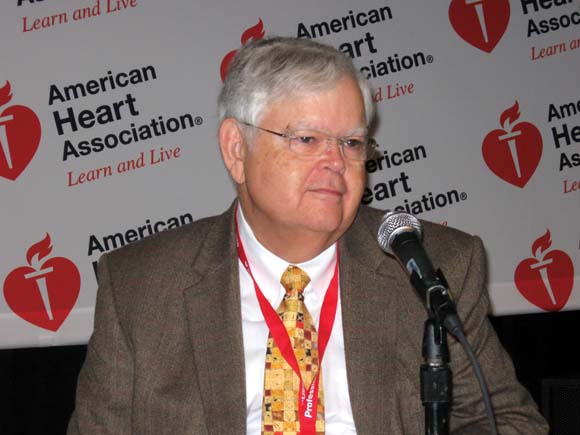
Contact dermatitis due to fragrances has morphed
PRAGUE – Reliance upon the time-honored tools for diagnosis of contact allergy due to fragrances will cause physicians to miss many cases, Dr. David E. Cohen said at the annual congress of the European Academy of Dermatology and Venereology.
"The old fragrance mix – fragrance mix I – and the use of balsam of Peru as fragrance screening tools really won’t capture contact dermatitis involving allergens to more modern fragrances," cautioned Dr. Cohen, professor and vice chair of the department of dermatology at New York University.

"I remember my grandmother always smelling like rosewater and naphthalene – like mothballs and rosewater. But we don’t smell like that anymore. Now we tend to use more botanical extracts. We see tea tree oil and jasmine appearing in our personal care products, and if we don’t test for those more contemporary fragrances, we will miss a very important source of contact dermatitis," he continued.
That’s why fragrance mix II (FM II) was developed. FM II has been incorporated into the North American Contact Dermatitis Group’s standard screening tray. It is not, however, part of the widely used T.R.U.E. (Thin-Layer Rapid Use Epicutaneous) test, nor is it included in the European standard screening series.
Multiple studies have documented that a substantial proportion of patients with allergic contact dermatitis will react only to the newer fragrances, and not to FM I or balsam of Peru. For example, a multicenter Hungarian study published earlier this year found that of 565 patients patch tested because of skin symptoms provoked by scented products, 17% exhibited contact hypersensitivity to one or more components of FM II. Moreover, 48% of FM II–positive patients reacted only to FM II, not FM I, balsam of Peru, or other test materials (Dermatitis 2012;23:71-4).
Similarly, a Mayo Clinic study of 945 patients patch tested using both the standard screening tray with FM II and the T.R.U.E. test found that 49% of patients reacted to one or more preservatives and 31% reacted to at least one fragrance or botanical additive. However, the T.R.U.E. test didn’t capture 23% of patients with a preservative allergy and 11% of those with a fragrance or botanical allergy (J. Am. Acad. Dermatol. 2010;63:789-98).
Fragrances pose one of the greatest challenges in the field of contact dermatitis. That’s because there are roughly 3,000 fragrance chemicals utilized in personal care products and cosmetics, and at least 100 of them have been described as causing contact dermatitis in patients. It can be difficult to assess the clinical relevance of positive patch test reactions because physicians don’t know what’s contained in North American fragrances. The fragrance industry is lucrative, secretive, and self-regulated.
Fragrance allergy is on the rise in children and adolescents, probably because they are being exposed to an onslaught of fragrance chemicals at a younger and younger age.
"When I grew up there was a bar of soap in the shower and, if we were lucky, shampoo; and if there was no shampoo we used the bar of soap. I have 19- and 17-year-old daughters, and if you go into their bathroom there are four different shampoos and three conditioners. There are things with glitter in there, and moisturizers and cosmetics, most of which I don’t even know what they’re for. All of them are fragrances. Folks are starting their exposure when they’re 7 and 8 years old. That was never the case before," said Dr. Cohen, who is also director of occupational, environmental, and allergic dermatology at the university.
The commercially available six-ingredient FM II panel is a 14% concentration composed of citronellol 0.5%, hydroxyisohexyl 3-cyclohexenecarboxyaldehyde (Lyral) 2.5%, hexyl cinnamal 5.0%, citral 1.0%, coumarin 2.5%, and farnesol 2.5%.
A long-standing point of contention has been the question of whether patients with atopic disease are more likely than nonatopic individuals to experience contact sensitivity, or less. The latest evidence suggests patients with asthma or severe atopic dermatitis have an overall lower prevalence of contact sensitization compared with nonatopic controls, with one striking exception.
In this very large study conducted by investigators at the Danish National Allergy Research Center, Copenhagen, an inverse association was found between atopic disease and contact allergy to metals and all groups of chemicals ... except fragrances. The prevalence of contact sensitization to fragrances was significantly higher in patients with atopic dermatitis than in controls. The investigators recommended that patients with atopic dermatitis be instructed to avoid scented moisturizers (Allergy 2012;67:1157-64).
The Danes found that patients with severe atopic dermatitis were 30% less likely than controls to be patch test–positive for contact sensitivity overall, whereas mild to moderate atopic dermatitis did not suppress contact sensitization. Again, fragrances constituted the exception: Not only did patients with severe atopic dermatitis have an increased prevalence of contact sensitization to fragrance chemicals, those with mild or moderate atopic dermatitis did, too, Dr. Cohen noted.
He reported having no financial conflicts.
PRAGUE – Reliance upon the time-honored tools for diagnosis of contact allergy due to fragrances will cause physicians to miss many cases, Dr. David E. Cohen said at the annual congress of the European Academy of Dermatology and Venereology.
"The old fragrance mix – fragrance mix I – and the use of balsam of Peru as fragrance screening tools really won’t capture contact dermatitis involving allergens to more modern fragrances," cautioned Dr. Cohen, professor and vice chair of the department of dermatology at New York University.
"I remember my grandmother always smelling like rosewater and naphthalene – like mothballs and rosewater. But we don’t smell like that anymore. Now we tend to use more botanical extracts. We see tea tree oil and jasmine appearing in our personal care products, and if we don’t test for those more contemporary fragrances, we will miss a very important source of contact dermatitis," he continued.
That’s why fragrance mix II (FM II) was developed. FM II has been incorporated into the North American Contact Dermatitis Group’s standard screening tray. It is not, however, part of the widely used T.R.U.E. (Thin-Layer Rapid Use Epicutaneous) test, nor is it included in the European standard screening series.
Multiple studies have documented that a substantial proportion of patients with allergic contact dermatitis will react only to the newer fragrances, and not to FM I or balsam of Peru. For example, a multicenter Hungarian study published earlier this year found that of 565 patients patch tested because of skin symptoms provoked by scented products, 17% exhibited contact hypersensitivity to one or more components of FM II. Moreover, 48% of FM II–positive patients reacted only to FM II, not FM I, balsam of Peru, or other test materials (Dermatitis 2012;23:71-4).
Similarly, a Mayo Clinic study of 945 patients patch tested using both the standard screening tray with FM II and the T.R.U.E. test found that 49% of patients reacted to one or more preservatives and 31% reacted to at least one fragrance or botanical additive. However, the T.R.U.E. test didn’t capture 23% of patients with a preservative allergy and 11% of those with a fragrance or botanical allergy (J. Am. Acad. Dermatol. 2010;63:789-98).
Fragrances pose one of the greatest challenges in the field of contact dermatitis. That’s because there are roughly 3,000 fragrance chemicals utilized in personal care products and cosmetics, and at least 100 of them have been described as causing contact dermatitis in patients. It can be difficult to assess the clinical relevance of positive patch test reactions because physicians don’t know what’s contained in North American fragrances. The fragrance industry is lucrative, secretive, and self-regulated.
Fragrance allergy is on the rise in children and adolescents, probably because they are being exposed to an onslaught of fragrance chemicals at a younger and younger age.
"When I grew up there was a bar of soap in the shower and, if we were lucky, shampoo; and if there was no shampoo we used the bar of soap. I have 19- and 17-year-old daughters, and if you go into their bathroom there are four different shampoos and three conditioners. There are things with glitter in there, and moisturizers and cosmetics, most of which I don’t even know what they’re for. All of them are fragrances. Folks are starting their exposure when they’re 7 and 8 years old. That was never the case before," said Dr. Cohen, who is also director of occupational, environmental, and allergic dermatology at the university.
The commercially available six-ingredient FM II panel is a 14% concentration composed of citronellol 0.5%, hydroxyisohexyl 3-cyclohexenecarboxyaldehyde (Lyral) 2.5%, hexyl cinnamal 5.0%, citral 1.0%, coumarin 2.5%, and farnesol 2.5%.
A long-standing point of contention has been the question of whether patients with atopic disease are more likely than nonatopic individuals to experience contact sensitivity, or less. The latest evidence suggests patients with asthma or severe atopic dermatitis have an overall lower prevalence of contact sensitization compared with nonatopic controls, with one striking exception.
In this very large study conducted by investigators at the Danish National Allergy Research Center, Copenhagen, an inverse association was found between atopic disease and contact allergy to metals and all groups of chemicals ... except fragrances. The prevalence of contact sensitization to fragrances was significantly higher in patients with atopic dermatitis than in controls. The investigators recommended that patients with atopic dermatitis be instructed to avoid scented moisturizers (Allergy 2012;67:1157-64).
The Danes found that patients with severe atopic dermatitis were 30% less likely than controls to be patch test–positive for contact sensitivity overall, whereas mild to moderate atopic dermatitis did not suppress contact sensitization. Again, fragrances constituted the exception: Not only did patients with severe atopic dermatitis have an increased prevalence of contact sensitization to fragrance chemicals, those with mild or moderate atopic dermatitis did, too, Dr. Cohen noted.
He reported having no financial conflicts.
PRAGUE – Reliance upon the time-honored tools for diagnosis of contact allergy due to fragrances will cause physicians to miss many cases, Dr. David E. Cohen said at the annual congress of the European Academy of Dermatology and Venereology.
"The old fragrance mix – fragrance mix I – and the use of balsam of Peru as fragrance screening tools really won’t capture contact dermatitis involving allergens to more modern fragrances," cautioned Dr. Cohen, professor and vice chair of the department of dermatology at New York University.
"I remember my grandmother always smelling like rosewater and naphthalene – like mothballs and rosewater. But we don’t smell like that anymore. Now we tend to use more botanical extracts. We see tea tree oil and jasmine appearing in our personal care products, and if we don’t test for those more contemporary fragrances, we will miss a very important source of contact dermatitis," he continued.
That’s why fragrance mix II (FM II) was developed. FM II has been incorporated into the North American Contact Dermatitis Group’s standard screening tray. It is not, however, part of the widely used T.R.U.E. (Thin-Layer Rapid Use Epicutaneous) test, nor is it included in the European standard screening series.
Multiple studies have documented that a substantial proportion of patients with allergic contact dermatitis will react only to the newer fragrances, and not to FM I or balsam of Peru. For example, a multicenter Hungarian study published earlier this year found that of 565 patients patch tested because of skin symptoms provoked by scented products, 17% exhibited contact hypersensitivity to one or more components of FM II. Moreover, 48% of FM II–positive patients reacted only to FM II, not FM I, balsam of Peru, or other test materials (Dermatitis 2012;23:71-4).
Similarly, a Mayo Clinic study of 945 patients patch tested using both the standard screening tray with FM II and the T.R.U.E. test found that 49% of patients reacted to one or more preservatives and 31% reacted to at least one fragrance or botanical additive. However, the T.R.U.E. test didn’t capture 23% of patients with a preservative allergy and 11% of those with a fragrance or botanical allergy (J. Am. Acad. Dermatol. 2010;63:789-98).
Fragrances pose one of the greatest challenges in the field of contact dermatitis. That’s because there are roughly 3,000 fragrance chemicals utilized in personal care products and cosmetics, and at least 100 of them have been described as causing contact dermatitis in patients. It can be difficult to assess the clinical relevance of positive patch test reactions because physicians don’t know what’s contained in North American fragrances. The fragrance industry is lucrative, secretive, and self-regulated.
Fragrance allergy is on the rise in children and adolescents, probably because they are being exposed to an onslaught of fragrance chemicals at a younger and younger age.
"When I grew up there was a bar of soap in the shower and, if we were lucky, shampoo; and if there was no shampoo we used the bar of soap. I have 19- and 17-year-old daughters, and if you go into their bathroom there are four different shampoos and three conditioners. There are things with glitter in there, and moisturizers and cosmetics, most of which I don’t even know what they’re for. All of them are fragrances. Folks are starting their exposure when they’re 7 and 8 years old. That was never the case before," said Dr. Cohen, who is also director of occupational, environmental, and allergic dermatology at the university.
The commercially available six-ingredient FM II panel is a 14% concentration composed of citronellol 0.5%, hydroxyisohexyl 3-cyclohexenecarboxyaldehyde (Lyral) 2.5%, hexyl cinnamal 5.0%, citral 1.0%, coumarin 2.5%, and farnesol 2.5%.
A long-standing point of contention has been the question of whether patients with atopic disease are more likely than nonatopic individuals to experience contact sensitivity, or less. The latest evidence suggests patients with asthma or severe atopic dermatitis have an overall lower prevalence of contact sensitization compared with nonatopic controls, with one striking exception.
In this very large study conducted by investigators at the Danish National Allergy Research Center, Copenhagen, an inverse association was found between atopic disease and contact allergy to metals and all groups of chemicals ... except fragrances. The prevalence of contact sensitization to fragrances was significantly higher in patients with atopic dermatitis than in controls. The investigators recommended that patients with atopic dermatitis be instructed to avoid scented moisturizers (Allergy 2012;67:1157-64).
The Danes found that patients with severe atopic dermatitis were 30% less likely than controls to be patch test–positive for contact sensitivity overall, whereas mild to moderate atopic dermatitis did not suppress contact sensitization. Again, fragrances constituted the exception: Not only did patients with severe atopic dermatitis have an increased prevalence of contact sensitization to fragrance chemicals, those with mild or moderate atopic dermatitis did, too, Dr. Cohen noted.
He reported having no financial conflicts.
EXPERT OPINION FROM THE ANNUAL CONGRESS OF THE EUROPEAN ACADEMY OF DERMATOLOGY AND VENEREOLOGY