User login
Arthritis drug may curb myocardial damage in acute STEMI
Early use of tocilizumab (Actemra) does not reduce myocardial infarct size but modestly increases myocardial salvage in patients with acute ST-segment elevation MI (STEMI), results of the ASSAIL-MI trial suggest.
“We’re among the first to show that you can actually affect the reperfusion injury through anti-inflammatory treatment – it’s sort of a new attack point for treatments in STEMI,” lead author Kaspar Broch, MD, PhD, Oslo University Hospital Rikshospitalet, said in an interview. “What we do now is reperfuse as soon as we can and then add drugs in order to prevent new events, but we don’t really attack the reperfusion injury that occurs when you perform PCI [percutaneous coronary intervention], which has been shown to actually account for some 50% of the final injury.”
The phase 2, proof-of-concept study was prompted by the team’s earlier work in non-STEMI patients, in which a single dose of the interleukin-6 receptor antagonist cut C-reactive protein (CRP) levels by more than 50% during hospitalization and reduced troponin T release after PCI.
For ASSAIL-MI, Dr. Broch and colleagues randomly assigned 199 patients presenting with acute STEMI within 6 hours of symptom onset to a single intravenous injection of 280 mg tocilizumab or placebo during PCI. Patients, study personnel, and caretakers were blinded to treatment. Data were available for 195 patients for the primary endpoint of myocardial salvage index.
As reported in the Journal of the American College of Cardiology, tocilizumab was associated with a higher adjusted myocardial salvage index on cardiac MRI 3-7 days after PCI than placebo (69.3% vs. 63.6%; P = .04).
The extent of microvascular obstruction was less with tocilizumab (0% vs. 4%; P = .03), as was the area under the curve of CRP during hospitalization (1.9 vs. 8.6 mg/L per hour; P < .001).
The final infarct size at 6 months was 21% lower in the tocilizumab group but the difference did not reach statistical significance (7.2% vs. 9.1% of left ventricular mass; P = .08).
There were no between-group differences in troponin T area under the curve during hospitalization (1,614 vs. 2,357 ng/L per hour; P = .13), N-terminal of the prohormone brain natriuretic peptide concentrations at 6 months (79 vs. 63 ng/L; P = .25), or baseline-adjusted left ventricular end-diastolic volume at 6 months (157 vs. 160 mL; P = .54).
Subgroup analyses suggested the positive effect of tocilizumab on myocardial salvage index is limited to patients presenting at least 3 hours after symptom onset versus 3 hours or less (P = .034), with a trend for greater benefit among men versus women (P = .053).
Dr. Broch noted that the absolute effect of tocilizumab on myocardial necrosis was smaller than anticipated when the trial was designed, which may explain the lack of significant reduction in infarct size.
“We were aiming for patients with larger infarctions than we actually ended up with, which is partly due to the strict inclusion criteria and the fact that, with modern treatments, patients don’t end up with large myocardial infarctions,” he said. “But if they had been larger, I think that 20% absolute reduction would have meant a lot in terms of clinical events.”
The study also used a very modest dose of tocilizumab, compared with that used for inflammatory diseases, to minimize a potential negative effect on myocardial healing, for instance, myocardial ruptures, Dr. Broch said. “I’m not sure whether you gain anything by giving a larger dose.”
Serious adverse events were similar in the tocilizumab and placebo groups (19 vs. 15; P = .57). There were no myocardial ruptures, and no patient died or developed heart failure. LDL cholesterol, triglycerides, and liver enzymes increased in the tocilizumab group but were similar at 3 and 6 months.
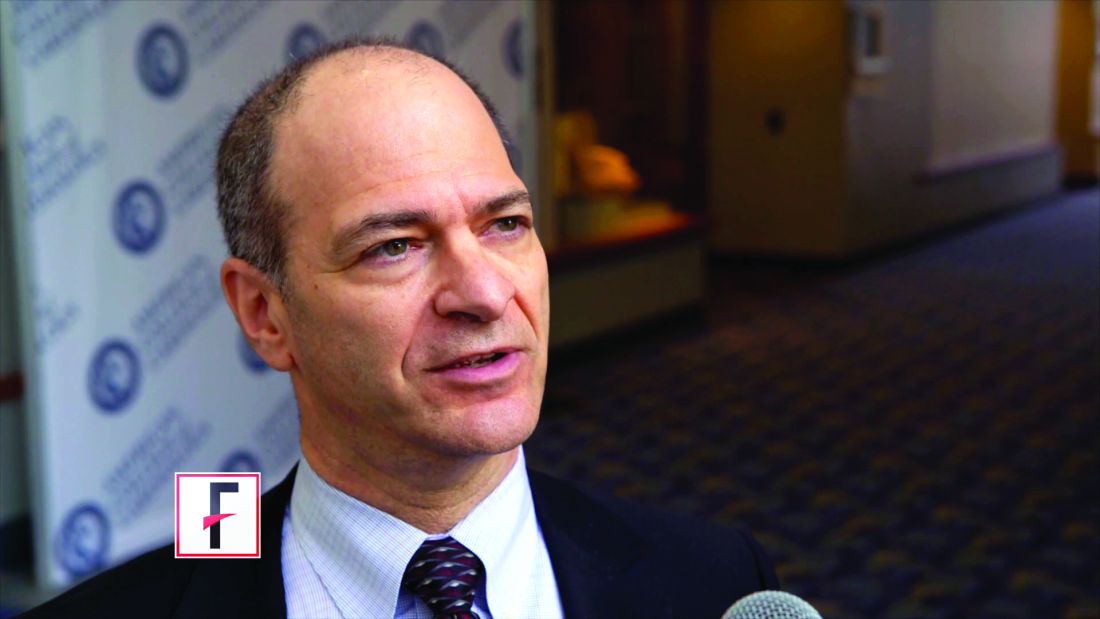
“IL-6 is a central cytokine involved in all stages of plaque growth, progression, and rupture,” Paul Ridker, MD, MPH, of the Brigham and Women’s Hospital in Boston, and a long-standing investigator in inflammation and atherothrombosis, said in an interview. “These preliminary data in STEMI, like the authors’ prior data in non-STEMI, are consistent with the idea that inhibiting IL-6 could have clinical benefit, a concept that will be taken into a major cardiovascular outcomes trial later this year.”
The cardiovascular outcomes trial, known as ZEUS, will test the novel IL-6 inhibitor ziltivekimab among more than 6,000 very-high-risk atherosclerosis patients who have moderate to severe chronic kidney disease and high sensitivity CRP greater than 2 mg/L, he noted.
Moving beyond IL-1b blockade as done in CANTOS to direct downstream inhibition of IL-6 represents a “logical next scientific step” in the development of anti-inflammatory therapies for acute ischemia and chronic atherosclerosis, Dr. Ridker, who led the CANTOS trial, noted in an accompanying editorial.
“Preventive cardiologists, however, need not wait until outcome trials are complete to use this evolving biological knowledge to their patient’s advantage,” he wrote. “As recently confirmed in the pages of the Journal, exercise, smoking cessation, and a healthy diet reduce both C-reactive protein and IL-6, and clearly have lifelong benefits. Our immediate task is thus to incorporate inflammation inhibition through lifestyle management into our daily practice.”
The study was supported by the South-Eastern Norway Regional Health Authority, Central Norway Regional Health Authority, and Roche, which provided the medicinal products and an unrestricted grant. Dr. Broch has disclosed no relevant financial relationships. Dr. Ridker has received investigator-initiated research grant support from Kowa, Novartis, Amarin, Pfizer, and the National Heart, Lung, and Blood Institute; and has served as a consultant to Novartis, Janssen, Agepha, Flame, Civi Biopharma, Inflazome, Corvidia, Novo Nordisk, SOCAR, IQVIA, and AstraZeneca.
A version of this article first appeared on Medscape.com.
Early use of tocilizumab (Actemra) does not reduce myocardial infarct size but modestly increases myocardial salvage in patients with acute ST-segment elevation MI (STEMI), results of the ASSAIL-MI trial suggest.
“We’re among the first to show that you can actually affect the reperfusion injury through anti-inflammatory treatment – it’s sort of a new attack point for treatments in STEMI,” lead author Kaspar Broch, MD, PhD, Oslo University Hospital Rikshospitalet, said in an interview. “What we do now is reperfuse as soon as we can and then add drugs in order to prevent new events, but we don’t really attack the reperfusion injury that occurs when you perform PCI [percutaneous coronary intervention], which has been shown to actually account for some 50% of the final injury.”
The phase 2, proof-of-concept study was prompted by the team’s earlier work in non-STEMI patients, in which a single dose of the interleukin-6 receptor antagonist cut C-reactive protein (CRP) levels by more than 50% during hospitalization and reduced troponin T release after PCI.
For ASSAIL-MI, Dr. Broch and colleagues randomly assigned 199 patients presenting with acute STEMI within 6 hours of symptom onset to a single intravenous injection of 280 mg tocilizumab or placebo during PCI. Patients, study personnel, and caretakers were blinded to treatment. Data were available for 195 patients for the primary endpoint of myocardial salvage index.
As reported in the Journal of the American College of Cardiology, tocilizumab was associated with a higher adjusted myocardial salvage index on cardiac MRI 3-7 days after PCI than placebo (69.3% vs. 63.6%; P = .04).
The extent of microvascular obstruction was less with tocilizumab (0% vs. 4%; P = .03), as was the area under the curve of CRP during hospitalization (1.9 vs. 8.6 mg/L per hour; P < .001).
The final infarct size at 6 months was 21% lower in the tocilizumab group but the difference did not reach statistical significance (7.2% vs. 9.1% of left ventricular mass; P = .08).
There were no between-group differences in troponin T area under the curve during hospitalization (1,614 vs. 2,357 ng/L per hour; P = .13), N-terminal of the prohormone brain natriuretic peptide concentrations at 6 months (79 vs. 63 ng/L; P = .25), or baseline-adjusted left ventricular end-diastolic volume at 6 months (157 vs. 160 mL; P = .54).
Subgroup analyses suggested the positive effect of tocilizumab on myocardial salvage index is limited to patients presenting at least 3 hours after symptom onset versus 3 hours or less (P = .034), with a trend for greater benefit among men versus women (P = .053).
Dr. Broch noted that the absolute effect of tocilizumab on myocardial necrosis was smaller than anticipated when the trial was designed, which may explain the lack of significant reduction in infarct size.
“We were aiming for patients with larger infarctions than we actually ended up with, which is partly due to the strict inclusion criteria and the fact that, with modern treatments, patients don’t end up with large myocardial infarctions,” he said. “But if they had been larger, I think that 20% absolute reduction would have meant a lot in terms of clinical events.”
The study also used a very modest dose of tocilizumab, compared with that used for inflammatory diseases, to minimize a potential negative effect on myocardial healing, for instance, myocardial ruptures, Dr. Broch said. “I’m not sure whether you gain anything by giving a larger dose.”
Serious adverse events were similar in the tocilizumab and placebo groups (19 vs. 15; P = .57). There were no myocardial ruptures, and no patient died or developed heart failure. LDL cholesterol, triglycerides, and liver enzymes increased in the tocilizumab group but were similar at 3 and 6 months.
“IL-6 is a central cytokine involved in all stages of plaque growth, progression, and rupture,” Paul Ridker, MD, MPH, of the Brigham and Women’s Hospital in Boston, and a long-standing investigator in inflammation and atherothrombosis, said in an interview. “These preliminary data in STEMI, like the authors’ prior data in non-STEMI, are consistent with the idea that inhibiting IL-6 could have clinical benefit, a concept that will be taken into a major cardiovascular outcomes trial later this year.”
The cardiovascular outcomes trial, known as ZEUS, will test the novel IL-6 inhibitor ziltivekimab among more than 6,000 very-high-risk atherosclerosis patients who have moderate to severe chronic kidney disease and high sensitivity CRP greater than 2 mg/L, he noted.
Moving beyond IL-1b blockade as done in CANTOS to direct downstream inhibition of IL-6 represents a “logical next scientific step” in the development of anti-inflammatory therapies for acute ischemia and chronic atherosclerosis, Dr. Ridker, who led the CANTOS trial, noted in an accompanying editorial.
“Preventive cardiologists, however, need not wait until outcome trials are complete to use this evolving biological knowledge to their patient’s advantage,” he wrote. “As recently confirmed in the pages of the Journal, exercise, smoking cessation, and a healthy diet reduce both C-reactive protein and IL-6, and clearly have lifelong benefits. Our immediate task is thus to incorporate inflammation inhibition through lifestyle management into our daily practice.”
The study was supported by the South-Eastern Norway Regional Health Authority, Central Norway Regional Health Authority, and Roche, which provided the medicinal products and an unrestricted grant. Dr. Broch has disclosed no relevant financial relationships. Dr. Ridker has received investigator-initiated research grant support from Kowa, Novartis, Amarin, Pfizer, and the National Heart, Lung, and Blood Institute; and has served as a consultant to Novartis, Janssen, Agepha, Flame, Civi Biopharma, Inflazome, Corvidia, Novo Nordisk, SOCAR, IQVIA, and AstraZeneca.
A version of this article first appeared on Medscape.com.
Early use of tocilizumab (Actemra) does not reduce myocardial infarct size but modestly increases myocardial salvage in patients with acute ST-segment elevation MI (STEMI), results of the ASSAIL-MI trial suggest.
“We’re among the first to show that you can actually affect the reperfusion injury through anti-inflammatory treatment – it’s sort of a new attack point for treatments in STEMI,” lead author Kaspar Broch, MD, PhD, Oslo University Hospital Rikshospitalet, said in an interview. “What we do now is reperfuse as soon as we can and then add drugs in order to prevent new events, but we don’t really attack the reperfusion injury that occurs when you perform PCI [percutaneous coronary intervention], which has been shown to actually account for some 50% of the final injury.”
The phase 2, proof-of-concept study was prompted by the team’s earlier work in non-STEMI patients, in which a single dose of the interleukin-6 receptor antagonist cut C-reactive protein (CRP) levels by more than 50% during hospitalization and reduced troponin T release after PCI.
For ASSAIL-MI, Dr. Broch and colleagues randomly assigned 199 patients presenting with acute STEMI within 6 hours of symptom onset to a single intravenous injection of 280 mg tocilizumab or placebo during PCI. Patients, study personnel, and caretakers were blinded to treatment. Data were available for 195 patients for the primary endpoint of myocardial salvage index.
As reported in the Journal of the American College of Cardiology, tocilizumab was associated with a higher adjusted myocardial salvage index on cardiac MRI 3-7 days after PCI than placebo (69.3% vs. 63.6%; P = .04).
The extent of microvascular obstruction was less with tocilizumab (0% vs. 4%; P = .03), as was the area under the curve of CRP during hospitalization (1.9 vs. 8.6 mg/L per hour; P < .001).
The final infarct size at 6 months was 21% lower in the tocilizumab group but the difference did not reach statistical significance (7.2% vs. 9.1% of left ventricular mass; P = .08).
There were no between-group differences in troponin T area under the curve during hospitalization (1,614 vs. 2,357 ng/L per hour; P = .13), N-terminal of the prohormone brain natriuretic peptide concentrations at 6 months (79 vs. 63 ng/L; P = .25), or baseline-adjusted left ventricular end-diastolic volume at 6 months (157 vs. 160 mL; P = .54).
Subgroup analyses suggested the positive effect of tocilizumab on myocardial salvage index is limited to patients presenting at least 3 hours after symptom onset versus 3 hours or less (P = .034), with a trend for greater benefit among men versus women (P = .053).
Dr. Broch noted that the absolute effect of tocilizumab on myocardial necrosis was smaller than anticipated when the trial was designed, which may explain the lack of significant reduction in infarct size.
“We were aiming for patients with larger infarctions than we actually ended up with, which is partly due to the strict inclusion criteria and the fact that, with modern treatments, patients don’t end up with large myocardial infarctions,” he said. “But if they had been larger, I think that 20% absolute reduction would have meant a lot in terms of clinical events.”
The study also used a very modest dose of tocilizumab, compared with that used for inflammatory diseases, to minimize a potential negative effect on myocardial healing, for instance, myocardial ruptures, Dr. Broch said. “I’m not sure whether you gain anything by giving a larger dose.”
Serious adverse events were similar in the tocilizumab and placebo groups (19 vs. 15; P = .57). There were no myocardial ruptures, and no patient died or developed heart failure. LDL cholesterol, triglycerides, and liver enzymes increased in the tocilizumab group but were similar at 3 and 6 months.
“IL-6 is a central cytokine involved in all stages of plaque growth, progression, and rupture,” Paul Ridker, MD, MPH, of the Brigham and Women’s Hospital in Boston, and a long-standing investigator in inflammation and atherothrombosis, said in an interview. “These preliminary data in STEMI, like the authors’ prior data in non-STEMI, are consistent with the idea that inhibiting IL-6 could have clinical benefit, a concept that will be taken into a major cardiovascular outcomes trial later this year.”
The cardiovascular outcomes trial, known as ZEUS, will test the novel IL-6 inhibitor ziltivekimab among more than 6,000 very-high-risk atherosclerosis patients who have moderate to severe chronic kidney disease and high sensitivity CRP greater than 2 mg/L, he noted.
Moving beyond IL-1b blockade as done in CANTOS to direct downstream inhibition of IL-6 represents a “logical next scientific step” in the development of anti-inflammatory therapies for acute ischemia and chronic atherosclerosis, Dr. Ridker, who led the CANTOS trial, noted in an accompanying editorial.
“Preventive cardiologists, however, need not wait until outcome trials are complete to use this evolving biological knowledge to their patient’s advantage,” he wrote. “As recently confirmed in the pages of the Journal, exercise, smoking cessation, and a healthy diet reduce both C-reactive protein and IL-6, and clearly have lifelong benefits. Our immediate task is thus to incorporate inflammation inhibition through lifestyle management into our daily practice.”
The study was supported by the South-Eastern Norway Regional Health Authority, Central Norway Regional Health Authority, and Roche, which provided the medicinal products and an unrestricted grant. Dr. Broch has disclosed no relevant financial relationships. Dr. Ridker has received investigator-initiated research grant support from Kowa, Novartis, Amarin, Pfizer, and the National Heart, Lung, and Blood Institute; and has served as a consultant to Novartis, Janssen, Agepha, Flame, Civi Biopharma, Inflazome, Corvidia, Novo Nordisk, SOCAR, IQVIA, and AstraZeneca.
A version of this article first appeared on Medscape.com.
Rheumatology clinics find success with smoking cessation referral program
A new protocol designed to help patients in rheumatology clinics quit smoking proved both efficient and effective in referring willing participants to free tobacco quit lines.

“Rheumatology visits provide a unique opportunity to address smoking as a chronic modifiable risk factor in populations at high risk for cardiovascular disease, pulmonary disease, and rheumatic disease progression,” wrote Christie M. Bartels, MD, chief of the division of rheumatology at the University of Wisconsin, Madison, and colleagues. The study was published in Arthritis Care & Research.

To assess the effectiveness of implementing a smoking cessation protocol for patients with rheumatic diseases, the researchers launched a quasi-experimental cohort study in which their Quit Connect protocol was tested at three rheumatology clinics. Adapting the Ask, Advise, Connect primary care protocol to a new setting, nurses and medical assistants were trained to use electronic health record (EHR) prompts that would check if patients who smoked were ready to quit within 30 days, advise them to do so, and then use electronic referrals to connect them to state-run tobacco quit lines. An extended baseline period – October 2012 to March 2016 – was compared to a 6-month intervention period from April to October 2016.
Across 54,090 pre- and postimplementation rheumatology clinic visits, 4,601 were with current smokers. Demographics were similar across both periods: The mean age of the patients was 51 years, about two-thirds were female, and 85% were White.
Clinicians’ assessment of tobacco use before and after implementation of the program stayed steady at 96% of patient visits, but the percentage of tobacco users’ visits that included checking for readiness to quit within the next 30 days rose from 3% (135 of 4,078) to 80% (421 of 523).
Before the implementation of the program, 0.6% of eligible visits with current smokers included a quit-line referral offer. After implementation, 93 (18%) of the 523 smokers who visited – 122 of whom said they were ready to quit – were offered referrals, a 26-fold increase. Of the 93 offered referrals, 66 (71%) accepted and 16 set a quit date or reported having quit; 11 accepted counseling services and nicotine replacement.
Although clinic staff reported encountering several obstacles, such as the need to craft nonthreatening language for challenging patients, they also contributed their own talking points that were included in the EHR tools and desktop brochures. On average, the protocol took less than 90 seconds to perform.
Rheumatologists can make headway on patients quitting smoking
“While smoking cessation programs require time and resources to implement, this study suggests a role for evidence-based protocols within rheumatology centers,” Medha Barbhaiya, MD, a rheumatologist at the Hospital for Special Surgery in New York, said in an interview. “Given that current smokers are at an increased risk of developing more severe rheumatic disease and cardiovascular disease, and patients often visit their rheumatologist multiple times yearly, rheumatologists may be well-positioned to address smoking cessation with patients.”
In regard to next steps, she noted that “while future large studies in diverse cohorts are needed to confirm these findings, implementing a formal smoking cessation protocol within rheumatology centers may provide a unique opportunity for rheumatologists to directly help patients modify their disease risk, leading to improved health outcomes.”
The authors acknowledged their study’s limitations, including the fact that it was a prepost design and not a randomized trial. They also recognized that many tobacco users require 8-10 attempts before permanently quitting, likely lessening the lasting impact of the short-term study. They did cite expert analysis, however, that says “connecting patients to evidence-based resources makes them more likely to permanently quit.”
The study was supported in part by Pfizer’s office of Independent Grants for Learning and Change and by a grant collaboration from the University of Wisconsin Clinical and Translational Science Award and the University of Wisconsin School of Medicine and Public Health’s Wisconsin Partnership Program, through the NIH National Center for Advancing Translational Sciences.
A new protocol designed to help patients in rheumatology clinics quit smoking proved both efficient and effective in referring willing participants to free tobacco quit lines.
“Rheumatology visits provide a unique opportunity to address smoking as a chronic modifiable risk factor in populations at high risk for cardiovascular disease, pulmonary disease, and rheumatic disease progression,” wrote Christie M. Bartels, MD, chief of the division of rheumatology at the University of Wisconsin, Madison, and colleagues. The study was published in Arthritis Care & Research.
To assess the effectiveness of implementing a smoking cessation protocol for patients with rheumatic diseases, the researchers launched a quasi-experimental cohort study in which their Quit Connect protocol was tested at three rheumatology clinics. Adapting the Ask, Advise, Connect primary care protocol to a new setting, nurses and medical assistants were trained to use electronic health record (EHR) prompts that would check if patients who smoked were ready to quit within 30 days, advise them to do so, and then use electronic referrals to connect them to state-run tobacco quit lines. An extended baseline period – October 2012 to March 2016 – was compared to a 6-month intervention period from April to October 2016.
Across 54,090 pre- and postimplementation rheumatology clinic visits, 4,601 were with current smokers. Demographics were similar across both periods: The mean age of the patients was 51 years, about two-thirds were female, and 85% were White.
Clinicians’ assessment of tobacco use before and after implementation of the program stayed steady at 96% of patient visits, but the percentage of tobacco users’ visits that included checking for readiness to quit within the next 30 days rose from 3% (135 of 4,078) to 80% (421 of 523).
Before the implementation of the program, 0.6% of eligible visits with current smokers included a quit-line referral offer. After implementation, 93 (18%) of the 523 smokers who visited – 122 of whom said they were ready to quit – were offered referrals, a 26-fold increase. Of the 93 offered referrals, 66 (71%) accepted and 16 set a quit date or reported having quit; 11 accepted counseling services and nicotine replacement.
Although clinic staff reported encountering several obstacles, such as the need to craft nonthreatening language for challenging patients, they also contributed their own talking points that were included in the EHR tools and desktop brochures. On average, the protocol took less than 90 seconds to perform.
Rheumatologists can make headway on patients quitting smoking
“While smoking cessation programs require time and resources to implement, this study suggests a role for evidence-based protocols within rheumatology centers,” Medha Barbhaiya, MD, a rheumatologist at the Hospital for Special Surgery in New York, said in an interview. “Given that current smokers are at an increased risk of developing more severe rheumatic disease and cardiovascular disease, and patients often visit their rheumatologist multiple times yearly, rheumatologists may be well-positioned to address smoking cessation with patients.”
In regard to next steps, she noted that “while future large studies in diverse cohorts are needed to confirm these findings, implementing a formal smoking cessation protocol within rheumatology centers may provide a unique opportunity for rheumatologists to directly help patients modify their disease risk, leading to improved health outcomes.”
The authors acknowledged their study’s limitations, including the fact that it was a prepost design and not a randomized trial. They also recognized that many tobacco users require 8-10 attempts before permanently quitting, likely lessening the lasting impact of the short-term study. They did cite expert analysis, however, that says “connecting patients to evidence-based resources makes them more likely to permanently quit.”
The study was supported in part by Pfizer’s office of Independent Grants for Learning and Change and by a grant collaboration from the University of Wisconsin Clinical and Translational Science Award and the University of Wisconsin School of Medicine and Public Health’s Wisconsin Partnership Program, through the NIH National Center for Advancing Translational Sciences.
A new protocol designed to help patients in rheumatology clinics quit smoking proved both efficient and effective in referring willing participants to free tobacco quit lines.
“Rheumatology visits provide a unique opportunity to address smoking as a chronic modifiable risk factor in populations at high risk for cardiovascular disease, pulmonary disease, and rheumatic disease progression,” wrote Christie M. Bartels, MD, chief of the division of rheumatology at the University of Wisconsin, Madison, and colleagues. The study was published in Arthritis Care & Research.
To assess the effectiveness of implementing a smoking cessation protocol for patients with rheumatic diseases, the researchers launched a quasi-experimental cohort study in which their Quit Connect protocol was tested at three rheumatology clinics. Adapting the Ask, Advise, Connect primary care protocol to a new setting, nurses and medical assistants were trained to use electronic health record (EHR) prompts that would check if patients who smoked were ready to quit within 30 days, advise them to do so, and then use electronic referrals to connect them to state-run tobacco quit lines. An extended baseline period – October 2012 to March 2016 – was compared to a 6-month intervention period from April to October 2016.
Across 54,090 pre- and postimplementation rheumatology clinic visits, 4,601 were with current smokers. Demographics were similar across both periods: The mean age of the patients was 51 years, about two-thirds were female, and 85% were White.
Clinicians’ assessment of tobacco use before and after implementation of the program stayed steady at 96% of patient visits, but the percentage of tobacco users’ visits that included checking for readiness to quit within the next 30 days rose from 3% (135 of 4,078) to 80% (421 of 523).
Before the implementation of the program, 0.6% of eligible visits with current smokers included a quit-line referral offer. After implementation, 93 (18%) of the 523 smokers who visited – 122 of whom said they were ready to quit – were offered referrals, a 26-fold increase. Of the 93 offered referrals, 66 (71%) accepted and 16 set a quit date or reported having quit; 11 accepted counseling services and nicotine replacement.
Although clinic staff reported encountering several obstacles, such as the need to craft nonthreatening language for challenging patients, they also contributed their own talking points that were included in the EHR tools and desktop brochures. On average, the protocol took less than 90 seconds to perform.
Rheumatologists can make headway on patients quitting smoking
“While smoking cessation programs require time and resources to implement, this study suggests a role for evidence-based protocols within rheumatology centers,” Medha Barbhaiya, MD, a rheumatologist at the Hospital for Special Surgery in New York, said in an interview. “Given that current smokers are at an increased risk of developing more severe rheumatic disease and cardiovascular disease, and patients often visit their rheumatologist multiple times yearly, rheumatologists may be well-positioned to address smoking cessation with patients.”
In regard to next steps, she noted that “while future large studies in diverse cohorts are needed to confirm these findings, implementing a formal smoking cessation protocol within rheumatology centers may provide a unique opportunity for rheumatologists to directly help patients modify their disease risk, leading to improved health outcomes.”
The authors acknowledged their study’s limitations, including the fact that it was a prepost design and not a randomized trial. They also recognized that many tobacco users require 8-10 attempts before permanently quitting, likely lessening the lasting impact of the short-term study. They did cite expert analysis, however, that says “connecting patients to evidence-based resources makes them more likely to permanently quit.”
The study was supported in part by Pfizer’s office of Independent Grants for Learning and Change and by a grant collaboration from the University of Wisconsin Clinical and Translational Science Award and the University of Wisconsin School of Medicine and Public Health’s Wisconsin Partnership Program, through the NIH National Center for Advancing Translational Sciences.
FROM ARTHRITIS CARE & RESEARCH
Researchers stress importance of second COVID-19 vaccine dose for infliximab users
Patients being treated with infliximab had weakened immune responses to the first dose of the ChAdOx1 nCoV-19 (Oxford/AstraZeneca) and BNT162b2 (Pfizer/BioNTech) vaccines, compared with patients on vedolizumab (Entyvio), although a very significant number of patients from both groups seroconverted after their second dose, according to a new U.K. study of patients with inflammatory bowel disease (IBD).

“Antibody testing and adapted vaccine schedules should be considered to protect these at-risk patients,” Nicholas A. Kennedy, PhD, MBBS, of the University of Exeter (England) and colleagues wrote in a preprint published March 29 on MedRxiv.
Infliximab is an anti–tumor necrosis factor (anti-TNF) monoclonal antibody that’s approved to treat adult and pediatric Crohn’s disease and ulcerative colitis, as well as rheumatoid arthritis, ankylosing spondylitis, psoriatic arthritis, and plaque psoriasis, whereas vedolizumab, a gut selective anti-integrin alpha4beta7 monoclonal antibody that is not associated with impaired systemic immune responses, is approved to treat Crohn’s disease and ulcerative colitis in adults.
A previous study from Kennedy and colleagues revealed that IBD patients on infliximab showed a weakened COVID-19 antibody response compared with patients on vedolizumab. To determine if treatment with anti-TNF drugs impacted the efficacy of the first shot of these two-dose COVID-19 vaccines, the researchers used data from the CLARITY IBD study to assess 865 infliximab- and 428 vedolizumab-treated participants without evidence of prior SARS-CoV-2 infection who had received uninterrupted biologic therapy since being recruited between Sept. 22 and Dec. 23, 2020.
In the 3-10 weeks after initial vaccination, geometric mean concentrations for SARS-CoV-2 anti-spike protein receptor-binding protein antibodies were lower in patients on infliximab, compared with patients on vedolizumab for both the Pfizer (6.0 U/mL [5.9] versus 28.8 U/mL [5.4], P < .0001) and AstraZeneca (4.7 U/mL [4.9] versus 13.8 U/mL [5.9]; P < .0001) vaccines. The researchers’ multivariable models reinforced those findings, with antibody concentrations lower in infliximab-treated patients for both the Pfizer (fold change, 0.29; 95% confidence interval, 0.21-0.40; P < .0001) and AstraZeneca (FC, 0.39; 95% CI, 0.30-0.51; P < .0001) vaccines.
After second doses of the two-dose Pfizer vaccine, 85% of patients on infliximab and 86% of patients on vedolizumab seroconverted (P = .68); similarly high seroconversion rates were seen in patients who had been infected with SARS-CoV-2 prior to receiving either vaccine. Several patient characteristics were associated with lower antibody concentrations regardless of vaccine type: being 60 years or older, use of immunomodulators, having Crohn’s disease, and being a smoker. Alternatively, non-White ethnicity was associated with higher antibody concentrations.
Evidence has ‘unclear clinical significance’
“These data, which require peer review, do not change my opinion on the safety and efficacy of COVID-19 vaccines in patients taking TNF inhibitors such as infliximab as monotherapy for the treatment of psoriatic disease,” Joel M. Gelfand MD, director of the psoriasis and phototherapy treatment center at the University of Pennsylvania, Philadelphia, said in an interview.

“First, two peer-reviewed studies found good antibody response in patients on TNF inhibitors receiving COVID-19 vaccines (doi: 10.1136/annrheumdis-2021-220289; 10.1136/annrheumdis-2021-220272). Second, antibody responses were robust in the small cohort that received the second dose of a COVID-19 vaccine. We already know that, for the two messenger RNA-based vaccines available under emergency use authorization in the U.S., a second dose is required for optimal efficacy. Thus, evidence of a reduced antibody response after just one dose is of unclear clinical significance. Third, antibody responses are only a surrogate marker, and a low antibody response doesn’t necessarily mean the patient will not be protected by the vaccine.”
Focus on the second dose of a two-dose regimen
“Tell me about the response in people who got both doses of a vaccine that you’re supposed to get both doses of,” Jeffrey Curtis, MD, professor of medicine in the division of clinical immunology and rheumatology at the University of Alabama at Birmingham, said in an interview. “The number of patients in that subset was small [n = 27] but in my opinion that’s the most clinically relevant analysis and the one that patients and clinicians want answered.”

He also emphasized the uncertainty around what ‘protection’ means in these early days of studying COVID-19 vaccine responses. “You can define seroprotection or seroconversion as some absolute level of an antibody response, but if you want to say ‘Mrs. Smith, your antibody level was X,’ on whatever arbitrary scale with whoever’s arbitrary lab test, nobody actually knows that Mrs. Smith is now protected from SARS-CoV-2, or how protected,” he said.
“What is not terribly controversial is: If you can’t detect antibodies, the vaccine didn’t ‘take,’ if you will. But if I tell you that the mean antibody level was X with one drug and then 2X with another drug, does that mean that you’re twice as protected? We don’t know that. I’m fearful that people are looking at these studies and thinking that more is better. It might be, but we don’t know that to be true.”
Debating the cause of weakened immune responses
“The biological plausibility of being on an anti-TNF affecting your immune reaction to a messenger RNA or even a replication-deficient viral vector vaccine doesn’t make sense,” David T. Rubin, MD, professor of medicine at the University of Chicago and chair of the National Scientific Advisory Committee of the Crohn’s and Colitis Foundation, said in an interview.

“I’m sure immunologists may differ with me on this, but given what we have come to appreciate about these vaccine mechanisms, this finding doesn’t make intuitive sense. So we need to make sure that, when this happens, we look to the next studies and try to understand, was there any other confounder that may have resulted in these findings that was not adequately adjusted for or addressed in some other way?
“When you have a study of this size, you argue, ‘Because it’s so large, any effect that was seen must be real,’ ” he added. “Alternatively, to have a study of this size, by its very nature you are limited in being able to control for certain other factors or differences between the groups.”
That said, he commended the authors for their study and acknowledged the potential questions it raises about the single-shot Johnson & Johnson vaccine. “If you only get one and you’re on infliximab, this study implies that maybe that’s not enough,” he said. “Despite the fact that Johnson & Johnson was approved as a single dose, it may be necessary to think about it as the first of two, or maybe it’s not the preferred vaccine in this group of patients.”
The study was supported by the Royal Devon and Exeter and Hull University Hospital Foundation NHS Trusts and unrestricted educational grants from Biogen (Switzerland), Celltrion Healthcare (South Korea), Galapagos NV (Belgium), and F. Hoffmann-La Roche (Switzerland). The authors acknowledged numerous potential conflicts of interest, including receiving grants, personal fees, and nonfinancial support from various pharmaceutical companies.
Patients being treated with infliximab had weakened immune responses to the first dose of the ChAdOx1 nCoV-19 (Oxford/AstraZeneca) and BNT162b2 (Pfizer/BioNTech) vaccines, compared with patients on vedolizumab (Entyvio), although a very significant number of patients from both groups seroconverted after their second dose, according to a new U.K. study of patients with inflammatory bowel disease (IBD).
“Antibody testing and adapted vaccine schedules should be considered to protect these at-risk patients,” Nicholas A. Kennedy, PhD, MBBS, of the University of Exeter (England) and colleagues wrote in a preprint published March 29 on MedRxiv.
Infliximab is an anti–tumor necrosis factor (anti-TNF) monoclonal antibody that’s approved to treat adult and pediatric Crohn’s disease and ulcerative colitis, as well as rheumatoid arthritis, ankylosing spondylitis, psoriatic arthritis, and plaque psoriasis, whereas vedolizumab, a gut selective anti-integrin alpha4beta7 monoclonal antibody that is not associated with impaired systemic immune responses, is approved to treat Crohn’s disease and ulcerative colitis in adults.
A previous study from Kennedy and colleagues revealed that IBD patients on infliximab showed a weakened COVID-19 antibody response compared with patients on vedolizumab. To determine if treatment with anti-TNF drugs impacted the efficacy of the first shot of these two-dose COVID-19 vaccines, the researchers used data from the CLARITY IBD study to assess 865 infliximab- and 428 vedolizumab-treated participants without evidence of prior SARS-CoV-2 infection who had received uninterrupted biologic therapy since being recruited between Sept. 22 and Dec. 23, 2020.
In the 3-10 weeks after initial vaccination, geometric mean concentrations for SARS-CoV-2 anti-spike protein receptor-binding protein antibodies were lower in patients on infliximab, compared with patients on vedolizumab for both the Pfizer (6.0 U/mL [5.9] versus 28.8 U/mL [5.4], P < .0001) and AstraZeneca (4.7 U/mL [4.9] versus 13.8 U/mL [5.9]; P < .0001) vaccines. The researchers’ multivariable models reinforced those findings, with antibody concentrations lower in infliximab-treated patients for both the Pfizer (fold change, 0.29; 95% confidence interval, 0.21-0.40; P < .0001) and AstraZeneca (FC, 0.39; 95% CI, 0.30-0.51; P < .0001) vaccines.
After second doses of the two-dose Pfizer vaccine, 85% of patients on infliximab and 86% of patients on vedolizumab seroconverted (P = .68); similarly high seroconversion rates were seen in patients who had been infected with SARS-CoV-2 prior to receiving either vaccine. Several patient characteristics were associated with lower antibody concentrations regardless of vaccine type: being 60 years or older, use of immunomodulators, having Crohn’s disease, and being a smoker. Alternatively, non-White ethnicity was associated with higher antibody concentrations.
Evidence has ‘unclear clinical significance’
“These data, which require peer review, do not change my opinion on the safety and efficacy of COVID-19 vaccines in patients taking TNF inhibitors such as infliximab as monotherapy for the treatment of psoriatic disease,” Joel M. Gelfand MD, director of the psoriasis and phototherapy treatment center at the University of Pennsylvania, Philadelphia, said in an interview.
“First, two peer-reviewed studies found good antibody response in patients on TNF inhibitors receiving COVID-19 vaccines (doi: 10.1136/annrheumdis-2021-220289; 10.1136/annrheumdis-2021-220272). Second, antibody responses were robust in the small cohort that received the second dose of a COVID-19 vaccine. We already know that, for the two messenger RNA-based vaccines available under emergency use authorization in the U.S., a second dose is required for optimal efficacy. Thus, evidence of a reduced antibody response after just one dose is of unclear clinical significance. Third, antibody responses are only a surrogate marker, and a low antibody response doesn’t necessarily mean the patient will not be protected by the vaccine.”
Focus on the second dose of a two-dose regimen
“Tell me about the response in people who got both doses of a vaccine that you’re supposed to get both doses of,” Jeffrey Curtis, MD, professor of medicine in the division of clinical immunology and rheumatology at the University of Alabama at Birmingham, said in an interview. “The number of patients in that subset was small [n = 27] but in my opinion that’s the most clinically relevant analysis and the one that patients and clinicians want answered.”
He also emphasized the uncertainty around what ‘protection’ means in these early days of studying COVID-19 vaccine responses. “You can define seroprotection or seroconversion as some absolute level of an antibody response, but if you want to say ‘Mrs. Smith, your antibody level was X,’ on whatever arbitrary scale with whoever’s arbitrary lab test, nobody actually knows that Mrs. Smith is now protected from SARS-CoV-2, or how protected,” he said.
“What is not terribly controversial is: If you can’t detect antibodies, the vaccine didn’t ‘take,’ if you will. But if I tell you that the mean antibody level was X with one drug and then 2X with another drug, does that mean that you’re twice as protected? We don’t know that. I’m fearful that people are looking at these studies and thinking that more is better. It might be, but we don’t know that to be true.”
Debating the cause of weakened immune responses
“The biological plausibility of being on an anti-TNF affecting your immune reaction to a messenger RNA or even a replication-deficient viral vector vaccine doesn’t make sense,” David T. Rubin, MD, professor of medicine at the University of Chicago and chair of the National Scientific Advisory Committee of the Crohn’s and Colitis Foundation, said in an interview.
“I’m sure immunologists may differ with me on this, but given what we have come to appreciate about these vaccine mechanisms, this finding doesn’t make intuitive sense. So we need to make sure that, when this happens, we look to the next studies and try to understand, was there any other confounder that may have resulted in these findings that was not adequately adjusted for or addressed in some other way?
“When you have a study of this size, you argue, ‘Because it’s so large, any effect that was seen must be real,’ ” he added. “Alternatively, to have a study of this size, by its very nature you are limited in being able to control for certain other factors or differences between the groups.”
That said, he commended the authors for their study and acknowledged the potential questions it raises about the single-shot Johnson & Johnson vaccine. “If you only get one and you’re on infliximab, this study implies that maybe that’s not enough,” he said. “Despite the fact that Johnson & Johnson was approved as a single dose, it may be necessary to think about it as the first of two, or maybe it’s not the preferred vaccine in this group of patients.”
The study was supported by the Royal Devon and Exeter and Hull University Hospital Foundation NHS Trusts and unrestricted educational grants from Biogen (Switzerland), Celltrion Healthcare (South Korea), Galapagos NV (Belgium), and F. Hoffmann-La Roche (Switzerland). The authors acknowledged numerous potential conflicts of interest, including receiving grants, personal fees, and nonfinancial support from various pharmaceutical companies.
Patients being treated with infliximab had weakened immune responses to the first dose of the ChAdOx1 nCoV-19 (Oxford/AstraZeneca) and BNT162b2 (Pfizer/BioNTech) vaccines, compared with patients on vedolizumab (Entyvio), although a very significant number of patients from both groups seroconverted after their second dose, according to a new U.K. study of patients with inflammatory bowel disease (IBD).
“Antibody testing and adapted vaccine schedules should be considered to protect these at-risk patients,” Nicholas A. Kennedy, PhD, MBBS, of the University of Exeter (England) and colleagues wrote in a preprint published March 29 on MedRxiv.
Infliximab is an anti–tumor necrosis factor (anti-TNF) monoclonal antibody that’s approved to treat adult and pediatric Crohn’s disease and ulcerative colitis, as well as rheumatoid arthritis, ankylosing spondylitis, psoriatic arthritis, and plaque psoriasis, whereas vedolizumab, a gut selective anti-integrin alpha4beta7 monoclonal antibody that is not associated with impaired systemic immune responses, is approved to treat Crohn’s disease and ulcerative colitis in adults.
A previous study from Kennedy and colleagues revealed that IBD patients on infliximab showed a weakened COVID-19 antibody response compared with patients on vedolizumab. To determine if treatment with anti-TNF drugs impacted the efficacy of the first shot of these two-dose COVID-19 vaccines, the researchers used data from the CLARITY IBD study to assess 865 infliximab- and 428 vedolizumab-treated participants without evidence of prior SARS-CoV-2 infection who had received uninterrupted biologic therapy since being recruited between Sept. 22 and Dec. 23, 2020.
In the 3-10 weeks after initial vaccination, geometric mean concentrations for SARS-CoV-2 anti-spike protein receptor-binding protein antibodies were lower in patients on infliximab, compared with patients on vedolizumab for both the Pfizer (6.0 U/mL [5.9] versus 28.8 U/mL [5.4], P < .0001) and AstraZeneca (4.7 U/mL [4.9] versus 13.8 U/mL [5.9]; P < .0001) vaccines. The researchers’ multivariable models reinforced those findings, with antibody concentrations lower in infliximab-treated patients for both the Pfizer (fold change, 0.29; 95% confidence interval, 0.21-0.40; P < .0001) and AstraZeneca (FC, 0.39; 95% CI, 0.30-0.51; P < .0001) vaccines.
After second doses of the two-dose Pfizer vaccine, 85% of patients on infliximab and 86% of patients on vedolizumab seroconverted (P = .68); similarly high seroconversion rates were seen in patients who had been infected with SARS-CoV-2 prior to receiving either vaccine. Several patient characteristics were associated with lower antibody concentrations regardless of vaccine type: being 60 years or older, use of immunomodulators, having Crohn’s disease, and being a smoker. Alternatively, non-White ethnicity was associated with higher antibody concentrations.
Evidence has ‘unclear clinical significance’
“These data, which require peer review, do not change my opinion on the safety and efficacy of COVID-19 vaccines in patients taking TNF inhibitors such as infliximab as monotherapy for the treatment of psoriatic disease,” Joel M. Gelfand MD, director of the psoriasis and phototherapy treatment center at the University of Pennsylvania, Philadelphia, said in an interview.
“First, two peer-reviewed studies found good antibody response in patients on TNF inhibitors receiving COVID-19 vaccines (doi: 10.1136/annrheumdis-2021-220289; 10.1136/annrheumdis-2021-220272). Second, antibody responses were robust in the small cohort that received the second dose of a COVID-19 vaccine. We already know that, for the two messenger RNA-based vaccines available under emergency use authorization in the U.S., a second dose is required for optimal efficacy. Thus, evidence of a reduced antibody response after just one dose is of unclear clinical significance. Third, antibody responses are only a surrogate marker, and a low antibody response doesn’t necessarily mean the patient will not be protected by the vaccine.”
Focus on the second dose of a two-dose regimen
“Tell me about the response in people who got both doses of a vaccine that you’re supposed to get both doses of,” Jeffrey Curtis, MD, professor of medicine in the division of clinical immunology and rheumatology at the University of Alabama at Birmingham, said in an interview. “The number of patients in that subset was small [n = 27] but in my opinion that’s the most clinically relevant analysis and the one that patients and clinicians want answered.”
He also emphasized the uncertainty around what ‘protection’ means in these early days of studying COVID-19 vaccine responses. “You can define seroprotection or seroconversion as some absolute level of an antibody response, but if you want to say ‘Mrs. Smith, your antibody level was X,’ on whatever arbitrary scale with whoever’s arbitrary lab test, nobody actually knows that Mrs. Smith is now protected from SARS-CoV-2, or how protected,” he said.
“What is not terribly controversial is: If you can’t detect antibodies, the vaccine didn’t ‘take,’ if you will. But if I tell you that the mean antibody level was X with one drug and then 2X with another drug, does that mean that you’re twice as protected? We don’t know that. I’m fearful that people are looking at these studies and thinking that more is better. It might be, but we don’t know that to be true.”
Debating the cause of weakened immune responses
“The biological plausibility of being on an anti-TNF affecting your immune reaction to a messenger RNA or even a replication-deficient viral vector vaccine doesn’t make sense,” David T. Rubin, MD, professor of medicine at the University of Chicago and chair of the National Scientific Advisory Committee of the Crohn’s and Colitis Foundation, said in an interview.
“I’m sure immunologists may differ with me on this, but given what we have come to appreciate about these vaccine mechanisms, this finding doesn’t make intuitive sense. So we need to make sure that, when this happens, we look to the next studies and try to understand, was there any other confounder that may have resulted in these findings that was not adequately adjusted for or addressed in some other way?
“When you have a study of this size, you argue, ‘Because it’s so large, any effect that was seen must be real,’ ” he added. “Alternatively, to have a study of this size, by its very nature you are limited in being able to control for certain other factors or differences between the groups.”
That said, he commended the authors for their study and acknowledged the potential questions it raises about the single-shot Johnson & Johnson vaccine. “If you only get one and you’re on infliximab, this study implies that maybe that’s not enough,” he said. “Despite the fact that Johnson & Johnson was approved as a single dose, it may be necessary to think about it as the first of two, or maybe it’s not the preferred vaccine in this group of patients.”
The study was supported by the Royal Devon and Exeter and Hull University Hospital Foundation NHS Trusts and unrestricted educational grants from Biogen (Switzerland), Celltrion Healthcare (South Korea), Galapagos NV (Belgium), and F. Hoffmann-La Roche (Switzerland). The authors acknowledged numerous potential conflicts of interest, including receiving grants, personal fees, and nonfinancial support from various pharmaceutical companies.
FROM MEDRXIV
Clinical Edge Commentary: RA April 2021

Iguratimod (IGU) is a novel small-molecule synthetic DMARD being studied for RA; its exact mechanism is unknown, but it inhibits NF-kB activation and seems to reduce bone resorption via RANKL and cartilage erosion via matrix metalloproteinases. Currently, it is approved in Japan and China for treatment of RA; initial studies from 2008-2010 showed improved ACR20 rates compared to placebo and comparable rates with methotrexate monotherapy; combination therapy with methotrexate appears to be more effective than either methotrexate or IGU monotherapy. Yoshikawa et al present a small study of 47 patients receiving methotrexate or methotrexate with IGU and show promising results regarding tapering of methotrexate with sustained remission/low disease activity and decrease in ultrasound evidence of synovitis in patients receiving IGU, suggesting that it is a reasonable longer-term option for RA patients. However, the medication is not approved in the US, nor have studies in patients in the US been published, so generalizability in patients outside of Japan and China is uncertain, in addition to concerns related to the small sample size.
In contrast, tocilizumab is an established therapy for RA; Pappas et al present real-world clinical practice data from the Corrona RA registry. Among nearly 1800 RA patients who initiated tocilizumab therapy, the mean durability of response was over 3 years in terms of maintaining minimum clinically important difference (MCID) over baseline CDAI and over 1 year in terms of maintaining low disease activity. Most patients in the study had previously received biologic therapy. Though the observational nature of the study limits its generalizability, the addition of efficacy data to persistence on therapy lend weight to this evidence regarding durability of response to tocilizumab, as the proportion of patients maintaining MCID was >50% at 3 years.
Treatment options are limited for RA patients who have ILD or other pulmonary complications. The fear of causing or exacerbating pulmonary toxicity limits the use of methotrexate, leflunomide, and anti-TNF biologics. Some data support the safety of rituximab and abatacept. A retrospective observational study looked at outcomes in RA patients on rituximab and JAK inhibitors. Reassuringly, respiratory event rates were no different between the two groups though number of patients and trial design prevents wider generalization; it is also unknown whether RA-ILD improves with ritixumab or JAK-inhibition. However, given these results, studying JAK inhibitors in larger prospective studies would be reasonable.
Iguratimod (IGU) is a novel small-molecule synthetic DMARD being studied for RA; its exact mechanism is unknown, but it inhibits NF-kB activation and seems to reduce bone resorption via RANKL and cartilage erosion via matrix metalloproteinases. Currently, it is approved in Japan and China for treatment of RA; initial studies from 2008-2010 showed improved ACR20 rates compared to placebo and comparable rates with methotrexate monotherapy; combination therapy with methotrexate appears to be more effective than either methotrexate or IGU monotherapy. Yoshikawa et al present a small study of 47 patients receiving methotrexate or methotrexate with IGU and show promising results regarding tapering of methotrexate with sustained remission/low disease activity and decrease in ultrasound evidence of synovitis in patients receiving IGU, suggesting that it is a reasonable longer-term option for RA patients. However, the medication is not approved in the US, nor have studies in patients in the US been published, so generalizability in patients outside of Japan and China is uncertain, in addition to concerns related to the small sample size.
In contrast, tocilizumab is an established therapy for RA; Pappas et al present real-world clinical practice data from the Corrona RA registry. Among nearly 1800 RA patients who initiated tocilizumab therapy, the mean durability of response was over 3 years in terms of maintaining minimum clinically important difference (MCID) over baseline CDAI and over 1 year in terms of maintaining low disease activity. Most patients in the study had previously received biologic therapy. Though the observational nature of the study limits its generalizability, the addition of efficacy data to persistence on therapy lend weight to this evidence regarding durability of response to tocilizumab, as the proportion of patients maintaining MCID was >50% at 3 years.
Treatment options are limited for RA patients who have ILD or other pulmonary complications. The fear of causing or exacerbating pulmonary toxicity limits the use of methotrexate, leflunomide, and anti-TNF biologics. Some data support the safety of rituximab and abatacept. A retrospective observational study looked at outcomes in RA patients on rituximab and JAK inhibitors. Reassuringly, respiratory event rates were no different between the two groups though number of patients and trial design prevents wider generalization; it is also unknown whether RA-ILD improves with ritixumab or JAK-inhibition. However, given these results, studying JAK inhibitors in larger prospective studies would be reasonable.
Iguratimod (IGU) is a novel small-molecule synthetic DMARD being studied for RA; its exact mechanism is unknown, but it inhibits NF-kB activation and seems to reduce bone resorption via RANKL and cartilage erosion via matrix metalloproteinases. Currently, it is approved in Japan and China for treatment of RA; initial studies from 2008-2010 showed improved ACR20 rates compared to placebo and comparable rates with methotrexate monotherapy; combination therapy with methotrexate appears to be more effective than either methotrexate or IGU monotherapy. Yoshikawa et al present a small study of 47 patients receiving methotrexate or methotrexate with IGU and show promising results regarding tapering of methotrexate with sustained remission/low disease activity and decrease in ultrasound evidence of synovitis in patients receiving IGU, suggesting that it is a reasonable longer-term option for RA patients. However, the medication is not approved in the US, nor have studies in patients in the US been published, so generalizability in patients outside of Japan and China is uncertain, in addition to concerns related to the small sample size.
In contrast, tocilizumab is an established therapy for RA; Pappas et al present real-world clinical practice data from the Corrona RA registry. Among nearly 1800 RA patients who initiated tocilizumab therapy, the mean durability of response was over 3 years in terms of maintaining minimum clinically important difference (MCID) over baseline CDAI and over 1 year in terms of maintaining low disease activity. Most patients in the study had previously received biologic therapy. Though the observational nature of the study limits its generalizability, the addition of efficacy data to persistence on therapy lend weight to this evidence regarding durability of response to tocilizumab, as the proportion of patients maintaining MCID was >50% at 3 years.
Treatment options are limited for RA patients who have ILD or other pulmonary complications. The fear of causing or exacerbating pulmonary toxicity limits the use of methotrexate, leflunomide, and anti-TNF biologics. Some data support the safety of rituximab and abatacept. A retrospective observational study looked at outcomes in RA patients on rituximab and JAK inhibitors. Reassuringly, respiratory event rates were no different between the two groups though number of patients and trial design prevents wider generalization; it is also unknown whether RA-ILD improves with ritixumab or JAK-inhibition. However, given these results, studying JAK inhibitors in larger prospective studies would be reasonable.
RA: Difficult-to-treat cases persist in real world despite intensive treatment
Key clinical point: Considerable proportions of cases with rheumatoid arthritis (RA) are still difficult to treat in real world despite intensive treatment.
Major finding: Among patients with RA, 10.1% were categorized as having difficult-to-treat RA despite being treated intensively. Main reasons for difficulty in treating RA were multidrug resistance (34.1%), comorbidities (9.8%), and socioeconomic reasons (56.1%).
Study details: Data come from an analysis of 1,709 patients with RA who visited Keio University Hospital between 2016 and 2017.
Disclosures: The study did not receive any funding. S Takanashi reported no conflicts of interest. Y Kaneko and T Takeuchi reported receiving grants or speaker fees from various sources.
Source: Takanashi S et al. Rheumatology (Oxford). 2021 Mar 2. doi: 10.1093/rheumatology/keab209.
Key clinical point: Considerable proportions of cases with rheumatoid arthritis (RA) are still difficult to treat in real world despite intensive treatment.
Major finding: Among patients with RA, 10.1% were categorized as having difficult-to-treat RA despite being treated intensively. Main reasons for difficulty in treating RA were multidrug resistance (34.1%), comorbidities (9.8%), and socioeconomic reasons (56.1%).
Study details: Data come from an analysis of 1,709 patients with RA who visited Keio University Hospital between 2016 and 2017.
Disclosures: The study did not receive any funding. S Takanashi reported no conflicts of interest. Y Kaneko and T Takeuchi reported receiving grants or speaker fees from various sources.
Source: Takanashi S et al. Rheumatology (Oxford). 2021 Mar 2. doi: 10.1093/rheumatology/keab209.
Key clinical point: Considerable proportions of cases with rheumatoid arthritis (RA) are still difficult to treat in real world despite intensive treatment.
Major finding: Among patients with RA, 10.1% were categorized as having difficult-to-treat RA despite being treated intensively. Main reasons for difficulty in treating RA were multidrug resistance (34.1%), comorbidities (9.8%), and socioeconomic reasons (56.1%).
Study details: Data come from an analysis of 1,709 patients with RA who visited Keio University Hospital between 2016 and 2017.
Disclosures: The study did not receive any funding. S Takanashi reported no conflicts of interest. Y Kaneko and T Takeuchi reported receiving grants or speaker fees from various sources.
Source: Takanashi S et al. Rheumatology (Oxford). 2021 Mar 2. doi: 10.1093/rheumatology/keab209.
Low cardiorespiratory fitness contributes to excess all-cause mortality in RA
Key clinical point: Low cardiorespiratory fitness (CRF) is an important mediator of increased long-term all-cause mortality among patients with rheumatoid arthritis (RA).
Major finding: Patients with RA having CRF below sex-specific and age-specific median had a 28% excess relative risk of mortality (P = .035), of which 5% was associated with the disease itself and 23% was mediated by direct and indirect effects of low CRF.
Study details: Data come from an analysis of patients with RA (n=348) and controls (n=60,938) who participated in the second and third waves of the longitudinal population-based Trøndelag Health Study.
Disclosures: This project was funded by a grant to MH Liff from the Central Norway Regional Health Authority, allocated via the Liaison Committee for Education, Research and Innovation in Central Norway. All the authors declared no conflicts of interest.
Source: Liff MH et al. RMD Open. 2021 March 8. doi: 10.1136/rmdopen-2020-001545.
Key clinical point: Low cardiorespiratory fitness (CRF) is an important mediator of increased long-term all-cause mortality among patients with rheumatoid arthritis (RA).
Major finding: Patients with RA having CRF below sex-specific and age-specific median had a 28% excess relative risk of mortality (P = .035), of which 5% was associated with the disease itself and 23% was mediated by direct and indirect effects of low CRF.
Study details: Data come from an analysis of patients with RA (n=348) and controls (n=60,938) who participated in the second and third waves of the longitudinal population-based Trøndelag Health Study.
Disclosures: This project was funded by a grant to MH Liff from the Central Norway Regional Health Authority, allocated via the Liaison Committee for Education, Research and Innovation in Central Norway. All the authors declared no conflicts of interest.
Source: Liff MH et al. RMD Open. 2021 March 8. doi: 10.1136/rmdopen-2020-001545.
Key clinical point: Low cardiorespiratory fitness (CRF) is an important mediator of increased long-term all-cause mortality among patients with rheumatoid arthritis (RA).
Major finding: Patients with RA having CRF below sex-specific and age-specific median had a 28% excess relative risk of mortality (P = .035), of which 5% was associated with the disease itself and 23% was mediated by direct and indirect effects of low CRF.
Study details: Data come from an analysis of patients with RA (n=348) and controls (n=60,938) who participated in the second and third waves of the longitudinal population-based Trøndelag Health Study.
Disclosures: This project was funded by a grant to MH Liff from the Central Norway Regional Health Authority, allocated via the Liaison Committee for Education, Research and Innovation in Central Norway. All the authors declared no conflicts of interest.
Source: Liff MH et al. RMD Open. 2021 March 8. doi: 10.1136/rmdopen-2020-001545.
Habitual fish intake may prevent frailty in RA patients
Key clinical point: Frailty is positively associated with disease activity in rheumatoid arthritis (RA), and habitual fish intake may help prevent progression of frailty and RA.
Major finding: The presence of frailty was significantly associated with the disease activity score (Disease Activity Score 28-erythrocyte sedimentation rate; odds ratio [OR], 1.70; P less than .0001). Patients who consumed fish more than twice per week had a lower prevalence of frailty than those who consumed fish twice per week or lesser (OR, 0.35; P = .00060).
Study details: The data come from a cross-sectional study of 306 female outpatients with RA from the KURAMA cohort database.
Disclosures: KURAMA cohort study was supported by AMED and a grant from the Daiichi Sankyo Co. Ltd. M. Hashimoto, R Watanabe, K Nishitani, H Ito, K Ohmura, and S Matsuda reported to receive grants and/or speaker fees from various pharmaceutical companies including Bristol-Meyers, Mitsubishi Tanabe Pharma, Asahi-Kasei Pharma, Daiichi-Sankyo, etc. Some of the authors declared no conflicts of interest.
Source: Minamino H et al. Sci Rep. 2021 Mar 3. doi: 10.1038/s41598-021-84479-0.
Key clinical point: Frailty is positively associated with disease activity in rheumatoid arthritis (RA), and habitual fish intake may help prevent progression of frailty and RA.
Major finding: The presence of frailty was significantly associated with the disease activity score (Disease Activity Score 28-erythrocyte sedimentation rate; odds ratio [OR], 1.70; P less than .0001). Patients who consumed fish more than twice per week had a lower prevalence of frailty than those who consumed fish twice per week or lesser (OR, 0.35; P = .00060).
Study details: The data come from a cross-sectional study of 306 female outpatients with RA from the KURAMA cohort database.
Disclosures: KURAMA cohort study was supported by AMED and a grant from the Daiichi Sankyo Co. Ltd. M. Hashimoto, R Watanabe, K Nishitani, H Ito, K Ohmura, and S Matsuda reported to receive grants and/or speaker fees from various pharmaceutical companies including Bristol-Meyers, Mitsubishi Tanabe Pharma, Asahi-Kasei Pharma, Daiichi-Sankyo, etc. Some of the authors declared no conflicts of interest.
Source: Minamino H et al. Sci Rep. 2021 Mar 3. doi: 10.1038/s41598-021-84479-0.
Key clinical point: Frailty is positively associated with disease activity in rheumatoid arthritis (RA), and habitual fish intake may help prevent progression of frailty and RA.
Major finding: The presence of frailty was significantly associated with the disease activity score (Disease Activity Score 28-erythrocyte sedimentation rate; odds ratio [OR], 1.70; P less than .0001). Patients who consumed fish more than twice per week had a lower prevalence of frailty than those who consumed fish twice per week or lesser (OR, 0.35; P = .00060).
Study details: The data come from a cross-sectional study of 306 female outpatients with RA from the KURAMA cohort database.
Disclosures: KURAMA cohort study was supported by AMED and a grant from the Daiichi Sankyo Co. Ltd. M. Hashimoto, R Watanabe, K Nishitani, H Ito, K Ohmura, and S Matsuda reported to receive grants and/or speaker fees from various pharmaceutical companies including Bristol-Meyers, Mitsubishi Tanabe Pharma, Asahi-Kasei Pharma, Daiichi-Sankyo, etc. Some of the authors declared no conflicts of interest.
Source: Minamino H et al. Sci Rep. 2021 Mar 3. doi: 10.1038/s41598-021-84479-0.
RA tied to worse long-term outcomes after myocardial infarction
Key clinical point: Rheumatoid arthritis (RA) is associated with poor long-term prognosis after myocardial infarction (MI).
Major finding: At 14-year follow-up after MI, the cumulative all-cause mortality risk was significantly higher among patients with vs. without RA (80.4% vs. 72.3%; hazard ratio [HR], 1.25; P less than .0001). Patients with RA had a higher risk for new MI (HR, 1.22; P = .0001) and revascularization (HR, 1.27; P = .002) after discharge from index MI.
Study details: This was a nationwide, multicenter, cohort register study of real-life MI patients with RA (n=1,614) retrospectively compared with propensity score-matched MI patients without RA (n=8,070).
Disclosures: This study was supported by grant funding from the Finnish Cultural Foundation, the Paulo Foundation, and the Finnish Governmental VTR-funding. A Palomäki, AM Kerola, M Malmberg, and V Kytö reported relevant relationships with various pharmaceutical companies and/or research organizations. The other author declared no conflicts of interest.
Source: Palomäki A et al. Rheumatology (Oxford). 2021 Mar 1. doi: 10.1093/rheumatology/keab204.
Key clinical point: Rheumatoid arthritis (RA) is associated with poor long-term prognosis after myocardial infarction (MI).
Major finding: At 14-year follow-up after MI, the cumulative all-cause mortality risk was significantly higher among patients with vs. without RA (80.4% vs. 72.3%; hazard ratio [HR], 1.25; P less than .0001). Patients with RA had a higher risk for new MI (HR, 1.22; P = .0001) and revascularization (HR, 1.27; P = .002) after discharge from index MI.
Study details: This was a nationwide, multicenter, cohort register study of real-life MI patients with RA (n=1,614) retrospectively compared with propensity score-matched MI patients without RA (n=8,070).
Disclosures: This study was supported by grant funding from the Finnish Cultural Foundation, the Paulo Foundation, and the Finnish Governmental VTR-funding. A Palomäki, AM Kerola, M Malmberg, and V Kytö reported relevant relationships with various pharmaceutical companies and/or research organizations. The other author declared no conflicts of interest.
Source: Palomäki A et al. Rheumatology (Oxford). 2021 Mar 1. doi: 10.1093/rheumatology/keab204.
Key clinical point: Rheumatoid arthritis (RA) is associated with poor long-term prognosis after myocardial infarction (MI).
Major finding: At 14-year follow-up after MI, the cumulative all-cause mortality risk was significantly higher among patients with vs. without RA (80.4% vs. 72.3%; hazard ratio [HR], 1.25; P less than .0001). Patients with RA had a higher risk for new MI (HR, 1.22; P = .0001) and revascularization (HR, 1.27; P = .002) after discharge from index MI.
Study details: This was a nationwide, multicenter, cohort register study of real-life MI patients with RA (n=1,614) retrospectively compared with propensity score-matched MI patients without RA (n=8,070).
Disclosures: This study was supported by grant funding from the Finnish Cultural Foundation, the Paulo Foundation, and the Finnish Governmental VTR-funding. A Palomäki, AM Kerola, M Malmberg, and V Kytö reported relevant relationships with various pharmaceutical companies and/or research organizations. The other author declared no conflicts of interest.
Source: Palomäki A et al. Rheumatology (Oxford). 2021 Mar 1. doi: 10.1093/rheumatology/keab204.
MBDA score not sufficiently responsive to assess RA disease activity
Key clinical point: Multi-Biomarker Disease Activity (MBDA) should not be preferred to assess clinically meaningful improvements in disease activity after repository corticotropin injection (RCI) therapy in patients with active rheumatoid arthritis (RA).
Major finding: RCI-mediated improvements in Disease Activity Score 28-erythrocyte sedimentation rate and Clinical Disease Activity Index scores suggested clinically meaningful improvement with more than 84% of patients meeting the minimal clinically important difference/minimally important difference criteria, which ranged from 26.3% to 34.7% for MBDA.
Study details: The data come from a multicenter, randomized, placebo-controlled study of 259 patients with active RA despite treatment with stable glucocorticoid dose and 1 or 2 disease-modifying anti-rheumatic drugs. Patients achieving low disease activity during open-label period were randomly assigned to either 80 U of RCI (n=77) or placebo (n=76) during the 12-week double-blind period.
Disclosures: This study was funded by Mallinckrodt Pharmaceuticals. R Fleischmann, DE Furst, and OG Segurado reported receiving clinical trial grants and consulting fees from various pharmaceutical companies including Mallinckrodt Pharmaceuticals. J Liu and J Zhu declared being employees of Mallinckrodt Pharmaceuticals.
Source: Fleischmann R et al. Arthritis Care Res (Hoboken). 2021 Feb 28. doi: 10.1002/acr.24583.
Key clinical point: Multi-Biomarker Disease Activity (MBDA) should not be preferred to assess clinically meaningful improvements in disease activity after repository corticotropin injection (RCI) therapy in patients with active rheumatoid arthritis (RA).
Major finding: RCI-mediated improvements in Disease Activity Score 28-erythrocyte sedimentation rate and Clinical Disease Activity Index scores suggested clinically meaningful improvement with more than 84% of patients meeting the minimal clinically important difference/minimally important difference criteria, which ranged from 26.3% to 34.7% for MBDA.
Study details: The data come from a multicenter, randomized, placebo-controlled study of 259 patients with active RA despite treatment with stable glucocorticoid dose and 1 or 2 disease-modifying anti-rheumatic drugs. Patients achieving low disease activity during open-label period were randomly assigned to either 80 U of RCI (n=77) or placebo (n=76) during the 12-week double-blind period.
Disclosures: This study was funded by Mallinckrodt Pharmaceuticals. R Fleischmann, DE Furst, and OG Segurado reported receiving clinical trial grants and consulting fees from various pharmaceutical companies including Mallinckrodt Pharmaceuticals. J Liu and J Zhu declared being employees of Mallinckrodt Pharmaceuticals.
Source: Fleischmann R et al. Arthritis Care Res (Hoboken). 2021 Feb 28. doi: 10.1002/acr.24583.
Key clinical point: Multi-Biomarker Disease Activity (MBDA) should not be preferred to assess clinically meaningful improvements in disease activity after repository corticotropin injection (RCI) therapy in patients with active rheumatoid arthritis (RA).
Major finding: RCI-mediated improvements in Disease Activity Score 28-erythrocyte sedimentation rate and Clinical Disease Activity Index scores suggested clinically meaningful improvement with more than 84% of patients meeting the minimal clinically important difference/minimally important difference criteria, which ranged from 26.3% to 34.7% for MBDA.
Study details: The data come from a multicenter, randomized, placebo-controlled study of 259 patients with active RA despite treatment with stable glucocorticoid dose and 1 or 2 disease-modifying anti-rheumatic drugs. Patients achieving low disease activity during open-label period were randomly assigned to either 80 U of RCI (n=77) or placebo (n=76) during the 12-week double-blind period.
Disclosures: This study was funded by Mallinckrodt Pharmaceuticals. R Fleischmann, DE Furst, and OG Segurado reported receiving clinical trial grants and consulting fees from various pharmaceutical companies including Mallinckrodt Pharmaceuticals. J Liu and J Zhu declared being employees of Mallinckrodt Pharmaceuticals.
Source: Fleischmann R et al. Arthritis Care Res (Hoboken). 2021 Feb 28. doi: 10.1002/acr.24583.
Durability of tocilizumab response in patients with RA
Key clinical point: Median durability of tocilizumab (TCZ) response was more than 3 years when measured as maintenance of minimum clinically important difference (MCID) in Clinical Disease Activity Index (CDAI) score in patients with RA initiating TCZ.
Major finding: Overall, durability of response among patients who initiated TCZ and achieved MCID in CDAI remained more than 50% after 3 years of follow-up. The proportion of patients maintaining MCID durability at 1, 2, and 3 years was 64.4% (95% CI, 59.2%-69.6%), 56.0% (95% CI, 50.0%-62.0%), and 51.8% (95% CI, 44.7%-58.9%), respectively.
Study details: The findings are from an observational study of 1,789 patients with RA who initiated TCZ and were enrolled in the US-based Corrona RA Registry.
Disclosures: This study was sponsored by Corrona LLC, and the analysis was funded by Genentech, Inc. DA Pappas, T Blachley, and K Emeanuru declared being employees and/or shareholders of Corrona, LLC. JH Best, WG Reiss, and S Zlotnick declared being current/former employees and/or shareholders of Genentech, Inc.
Source: Pappas DA et al. Rheumatol Ther. 2021 Feb 25. doi: 10.1007/s40744-021-00285-0.
Key clinical point: Median durability of tocilizumab (TCZ) response was more than 3 years when measured as maintenance of minimum clinically important difference (MCID) in Clinical Disease Activity Index (CDAI) score in patients with RA initiating TCZ.
Major finding: Overall, durability of response among patients who initiated TCZ and achieved MCID in CDAI remained more than 50% after 3 years of follow-up. The proportion of patients maintaining MCID durability at 1, 2, and 3 years was 64.4% (95% CI, 59.2%-69.6%), 56.0% (95% CI, 50.0%-62.0%), and 51.8% (95% CI, 44.7%-58.9%), respectively.
Study details: The findings are from an observational study of 1,789 patients with RA who initiated TCZ and were enrolled in the US-based Corrona RA Registry.
Disclosures: This study was sponsored by Corrona LLC, and the analysis was funded by Genentech, Inc. DA Pappas, T Blachley, and K Emeanuru declared being employees and/or shareholders of Corrona, LLC. JH Best, WG Reiss, and S Zlotnick declared being current/former employees and/or shareholders of Genentech, Inc.
Source: Pappas DA et al. Rheumatol Ther. 2021 Feb 25. doi: 10.1007/s40744-021-00285-0.
Key clinical point: Median durability of tocilizumab (TCZ) response was more than 3 years when measured as maintenance of minimum clinically important difference (MCID) in Clinical Disease Activity Index (CDAI) score in patients with RA initiating TCZ.
Major finding: Overall, durability of response among patients who initiated TCZ and achieved MCID in CDAI remained more than 50% after 3 years of follow-up. The proportion of patients maintaining MCID durability at 1, 2, and 3 years was 64.4% (95% CI, 59.2%-69.6%), 56.0% (95% CI, 50.0%-62.0%), and 51.8% (95% CI, 44.7%-58.9%), respectively.
Study details: The findings are from an observational study of 1,789 patients with RA who initiated TCZ and were enrolled in the US-based Corrona RA Registry.
Disclosures: This study was sponsored by Corrona LLC, and the analysis was funded by Genentech, Inc. DA Pappas, T Blachley, and K Emeanuru declared being employees and/or shareholders of Corrona, LLC. JH Best, WG Reiss, and S Zlotnick declared being current/former employees and/or shareholders of Genentech, Inc.
Source: Pappas DA et al. Rheumatol Ther. 2021 Feb 25. doi: 10.1007/s40744-021-00285-0.