User login
FDA again rejects rivaroxaban for use in ACS patients
Credit: Andre E.X. Brown
The US Food and Drug Administration (FDA) has again decided not to approve the anticoagulant rivaroxaban (Xarelto) for use in patients with acute coronary syndromes (ACS).
The drug’s developers are seeking approval of rivaroxaban to reduce the risk of secondary cardiovascular events—heart attack, stroke, or death—and to reduce the risk of stent thrombosis in ACS patients.
For both indications, the drug would be given in combination with standard antiplatelet therapy.
This is not the first time the FDA has decided against approving rivaroxaban for use in ACS patients. The agency rejected the drug as prophylaxis for cardiovascular events in June 2012 and March 2013. And the drug was denied approval for stent thrombosis in June 2013.
Nevertheless, it seems the companies developing rivaroxaban—Janssen Research & Development, LLC and Bayer HealthCare—plan to continue pursuing approvals for these indications.
“We remain committed to providing patients who have suffered from acute coronary syndrome with additional protection against stent thrombosis and secondary, life-threatening cardiovascular events,” said Paul Burton, MD, PhD, Vice President, Clinical Development, Janssen Research & Development.
“We are evaluating the contents of the [FDA’s complete response] letters and will determine the appropriate next steps.”
Both applications for expanding rivaroxaban use were based on results from the phase 3 ATLAS ACS 2 TIMI 51 trial, which were published in NEJM in November 2011.
The study showed that rivaroxaban, when given in combination with standard antiplatelet therapy, reduced the composite endpoint of cardiovascular death, myocardial infarction, and stroke in ACS patients, compared to placebo. But rivaroxaban also increased the risk of major bleeding and intracranial hemorrhage.
In past evaluations of rivaroxaban, the FDA and its advisors expressed concerns about data from this trial, particularly the risk of bleeding associated with rivaroxaban and some gaps in trial data.
Although Janssen submitted the missing data, the FDA still had reservations about rivaroxaban’s safety and efficacy in ACS patients. The FDA recently suggested the company limit the proposed duration of rivaroxaban treatment, as the drug might be safer and more effective when given for a shorter period.
So Janssen changed the suggested treatment duration to 90 days. But last month, an FDA advisory committee still recommended against expanding the drug’s indication. And the agency seems to have taken that recommendation to heart.
Rivaroxaban is currently FDA-approved to treat patients with venous thromboembolism (VTE) and to reduce the risk of VTE recurrence following an initial 6-month treatment for acute VTE. The drug is also approved for use as thromboprophylaxis for patients with non-valvular atrial fibrillation, those who have undergone knee replacement surgery, and patients who have had hip replacement surgery. 
Credit: Andre E.X. Brown
The US Food and Drug Administration (FDA) has again decided not to approve the anticoagulant rivaroxaban (Xarelto) for use in patients with acute coronary syndromes (ACS).
The drug’s developers are seeking approval of rivaroxaban to reduce the risk of secondary cardiovascular events—heart attack, stroke, or death—and to reduce the risk of stent thrombosis in ACS patients.
For both indications, the drug would be given in combination with standard antiplatelet therapy.
This is not the first time the FDA has decided against approving rivaroxaban for use in ACS patients. The agency rejected the drug as prophylaxis for cardiovascular events in June 2012 and March 2013. And the drug was denied approval for stent thrombosis in June 2013.
Nevertheless, it seems the companies developing rivaroxaban—Janssen Research & Development, LLC and Bayer HealthCare—plan to continue pursuing approvals for these indications.
“We remain committed to providing patients who have suffered from acute coronary syndrome with additional protection against stent thrombosis and secondary, life-threatening cardiovascular events,” said Paul Burton, MD, PhD, Vice President, Clinical Development, Janssen Research & Development.
“We are evaluating the contents of the [FDA’s complete response] letters and will determine the appropriate next steps.”
Both applications for expanding rivaroxaban use were based on results from the phase 3 ATLAS ACS 2 TIMI 51 trial, which were published in NEJM in November 2011.
The study showed that rivaroxaban, when given in combination with standard antiplatelet therapy, reduced the composite endpoint of cardiovascular death, myocardial infarction, and stroke in ACS patients, compared to placebo. But rivaroxaban also increased the risk of major bleeding and intracranial hemorrhage.
In past evaluations of rivaroxaban, the FDA and its advisors expressed concerns about data from this trial, particularly the risk of bleeding associated with rivaroxaban and some gaps in trial data.
Although Janssen submitted the missing data, the FDA still had reservations about rivaroxaban’s safety and efficacy in ACS patients. The FDA recently suggested the company limit the proposed duration of rivaroxaban treatment, as the drug might be safer and more effective when given for a shorter period.
So Janssen changed the suggested treatment duration to 90 days. But last month, an FDA advisory committee still recommended against expanding the drug’s indication. And the agency seems to have taken that recommendation to heart.
Rivaroxaban is currently FDA-approved to treat patients with venous thromboembolism (VTE) and to reduce the risk of VTE recurrence following an initial 6-month treatment for acute VTE. The drug is also approved for use as thromboprophylaxis for patients with non-valvular atrial fibrillation, those who have undergone knee replacement surgery, and patients who have had hip replacement surgery.
Credit: Andre E.X. Brown
The US Food and Drug Administration (FDA) has again decided not to approve the anticoagulant rivaroxaban (Xarelto) for use in patients with acute coronary syndromes (ACS).
The drug’s developers are seeking approval of rivaroxaban to reduce the risk of secondary cardiovascular events—heart attack, stroke, or death—and to reduce the risk of stent thrombosis in ACS patients.
For both indications, the drug would be given in combination with standard antiplatelet therapy.
This is not the first time the FDA has decided against approving rivaroxaban for use in ACS patients. The agency rejected the drug as prophylaxis for cardiovascular events in June 2012 and March 2013. And the drug was denied approval for stent thrombosis in June 2013.
Nevertheless, it seems the companies developing rivaroxaban—Janssen Research & Development, LLC and Bayer HealthCare—plan to continue pursuing approvals for these indications.
“We remain committed to providing patients who have suffered from acute coronary syndrome with additional protection against stent thrombosis and secondary, life-threatening cardiovascular events,” said Paul Burton, MD, PhD, Vice President, Clinical Development, Janssen Research & Development.
“We are evaluating the contents of the [FDA’s complete response] letters and will determine the appropriate next steps.”
Both applications for expanding rivaroxaban use were based on results from the phase 3 ATLAS ACS 2 TIMI 51 trial, which were published in NEJM in November 2011.
The study showed that rivaroxaban, when given in combination with standard antiplatelet therapy, reduced the composite endpoint of cardiovascular death, myocardial infarction, and stroke in ACS patients, compared to placebo. But rivaroxaban also increased the risk of major bleeding and intracranial hemorrhage.
In past evaluations of rivaroxaban, the FDA and its advisors expressed concerns about data from this trial, particularly the risk of bleeding associated with rivaroxaban and some gaps in trial data.
Although Janssen submitted the missing data, the FDA still had reservations about rivaroxaban’s safety and efficacy in ACS patients. The FDA recently suggested the company limit the proposed duration of rivaroxaban treatment, as the drug might be safer and more effective when given for a shorter period.
So Janssen changed the suggested treatment duration to 90 days. But last month, an FDA advisory committee still recommended against expanding the drug’s indication. And the agency seems to have taken that recommendation to heart.
Rivaroxaban is currently FDA-approved to treat patients with venous thromboembolism (VTE) and to reduce the risk of VTE recurrence following an initial 6-month treatment for acute VTE. The drug is also approved for use as thromboprophylaxis for patients with non-valvular atrial fibrillation, those who have undergone knee replacement surgery, and patients who have had hip replacement surgery.
FDA approves ibrutinib for previously treated CLL

Credit: Rhoda Baer
The US Food and Drug Administration (FDA) has expanded the indication for the Bruton’s tyrosine kinase inhibitor ibrutinib (Imbruvica).
Last November, the drug gained accelerated approval as a “breakthrough therapy” for patients with mantle cell lymphoma who had received at least 1 prior therapy.
Now, ibrutinib has been granted accelerated approval to treat patients with chronic lymphocytic leukemia (CLL) who have received at least 1 prior therapy.
The accelerated approval process allows the FDA to approve a drug based on a surrogate or intermediate endpoint that is reasonably likely to predict clinical benefit. Both approvals of ibrutinib are based on observed benefits in overall response rates.
Ibrutinib also received priority review and orphan-product designation for CLL.
Trial results
The accelerated approval of ibrutinib is based on results of a phase 1b/2 study, which included 48 patients with relapsed or refractory CLL. The patients had been diagnosed an average of 6.7 years prior to study enrollment and had received 4 prior therapies.
All patients received 420 mg of ibrutinib orally until disease progression or the development of unacceptable toxicity.
The overall response rate was 58.3%, and all of these were partial responses. The median duration of response was not reached (range, 5.6 months to more than 24.2 months).
Study investigators have not established whether ibrutinib confers improvements in survival or disease-related symptoms.
The median treatment duration was 15.6 months. Ten percent of patients (n=5) discontinued treatment due to adverse events. Three of these patients developed infections, and 2 had subdural hematomas. Thirteen percent of patients experienced adverse events that led to dose reductions.
The most commonly occurring adverse events (all grades and grade 3/4, respectively) included thrombocytopenia (71%, 10%), diarrhea (63%, 4%), bruising (54%, 2%), neutropenia (54%, 27%), anemia (44%, 0%), upper respiratory tract infection (48%, 26%), fatigue (31%, 4%), musculoskeletal pain (27%, 6%), rash (27%, 0%), pyrexia (25%, 2%), constipation (23%, 2%), peripheral edema (23%, 0%), arthralgia (23%, 0%), nausea (21%, 2%), stomatitis (21%, 0%), sinusitis (21%, 6%), and dizziness (21%, 0%).
Ibrutinib is being developed and commercialized by Pharmacyclics and Janssen Biotech, Inc. For full prescribing information, visit http://www.imbruvica.com/downloads/Prescribing_Information.pdf.
Credit: Rhoda Baer
The US Food and Drug Administration (FDA) has expanded the indication for the Bruton’s tyrosine kinase inhibitor ibrutinib (Imbruvica).
Last November, the drug gained accelerated approval as a “breakthrough therapy” for patients with mantle cell lymphoma who had received at least 1 prior therapy.
Now, ibrutinib has been granted accelerated approval to treat patients with chronic lymphocytic leukemia (CLL) who have received at least 1 prior therapy.
The accelerated approval process allows the FDA to approve a drug based on a surrogate or intermediate endpoint that is reasonably likely to predict clinical benefit. Both approvals of ibrutinib are based on observed benefits in overall response rates.
Ibrutinib also received priority review and orphan-product designation for CLL.
Trial results
The accelerated approval of ibrutinib is based on results of a phase 1b/2 study, which included 48 patients with relapsed or refractory CLL. The patients had been diagnosed an average of 6.7 years prior to study enrollment and had received 4 prior therapies.
All patients received 420 mg of ibrutinib orally until disease progression or the development of unacceptable toxicity.
The overall response rate was 58.3%, and all of these were partial responses. The median duration of response was not reached (range, 5.6 months to more than 24.2 months).
Study investigators have not established whether ibrutinib confers improvements in survival or disease-related symptoms.
The median treatment duration was 15.6 months. Ten percent of patients (n=5) discontinued treatment due to adverse events. Three of these patients developed infections, and 2 had subdural hematomas. Thirteen percent of patients experienced adverse events that led to dose reductions.
The most commonly occurring adverse events (all grades and grade 3/4, respectively) included thrombocytopenia (71%, 10%), diarrhea (63%, 4%), bruising (54%, 2%), neutropenia (54%, 27%), anemia (44%, 0%), upper respiratory tract infection (48%, 26%), fatigue (31%, 4%), musculoskeletal pain (27%, 6%), rash (27%, 0%), pyrexia (25%, 2%), constipation (23%, 2%), peripheral edema (23%, 0%), arthralgia (23%, 0%), nausea (21%, 2%), stomatitis (21%, 0%), sinusitis (21%, 6%), and dizziness (21%, 0%).
Ibrutinib is being developed and commercialized by Pharmacyclics and Janssen Biotech, Inc. For full prescribing information, visit http://www.imbruvica.com/downloads/Prescribing_Information.pdf.
Credit: Rhoda Baer
The US Food and Drug Administration (FDA) has expanded the indication for the Bruton’s tyrosine kinase inhibitor ibrutinib (Imbruvica).
Last November, the drug gained accelerated approval as a “breakthrough therapy” for patients with mantle cell lymphoma who had received at least 1 prior therapy.
Now, ibrutinib has been granted accelerated approval to treat patients with chronic lymphocytic leukemia (CLL) who have received at least 1 prior therapy.
The accelerated approval process allows the FDA to approve a drug based on a surrogate or intermediate endpoint that is reasonably likely to predict clinical benefit. Both approvals of ibrutinib are based on observed benefits in overall response rates.
Ibrutinib also received priority review and orphan-product designation for CLL.
Trial results
The accelerated approval of ibrutinib is based on results of a phase 1b/2 study, which included 48 patients with relapsed or refractory CLL. The patients had been diagnosed an average of 6.7 years prior to study enrollment and had received 4 prior therapies.
All patients received 420 mg of ibrutinib orally until disease progression or the development of unacceptable toxicity.
The overall response rate was 58.3%, and all of these were partial responses. The median duration of response was not reached (range, 5.6 months to more than 24.2 months).
Study investigators have not established whether ibrutinib confers improvements in survival or disease-related symptoms.
The median treatment duration was 15.6 months. Ten percent of patients (n=5) discontinued treatment due to adverse events. Three of these patients developed infections, and 2 had subdural hematomas. Thirteen percent of patients experienced adverse events that led to dose reductions.
The most commonly occurring adverse events (all grades and grade 3/4, respectively) included thrombocytopenia (71%, 10%), diarrhea (63%, 4%), bruising (54%, 2%), neutropenia (54%, 27%), anemia (44%, 0%), upper respiratory tract infection (48%, 26%), fatigue (31%, 4%), musculoskeletal pain (27%, 6%), rash (27%, 0%), pyrexia (25%, 2%), constipation (23%, 2%), peripheral edema (23%, 0%), arthralgia (23%, 0%), nausea (21%, 2%), stomatitis (21%, 0%), sinusitis (21%, 6%), and dizziness (21%, 0%).
Ibrutinib is being developed and commercialized by Pharmacyclics and Janssen Biotech, Inc. For full prescribing information, visit http://www.imbruvica.com/downloads/Prescribing_Information.pdf.
Health Canada approves pomalidomide for MM

Credit: CDC
Health Canada has approved pomalidomide (Pomalyst) for use in combination with dexamethasone to treat patients with relapsed or refractory multiple myeloma (MM).
Patients must have received at least 2 prior therapies, failed treatment with lenalidomide and bortezomib, and experienced disease progression while on their last treatment regimen.
Health Canada had given pomalidomide priority review status due to the unmet need of effective therapies for patients with aggressive MM.
“Until now, there have been no approved options for patients whose disease has progressed despite available treatments,” said Donna E. Reece, MD, of the Princess Margaret Cancer Centre in Toronto.
“With Pomalyst, we have a new option that extends periods of remission, is generally well-tolerated, and can be taken in the convenience of a patient’s home.”
Trial prompts approval
Health Canada based its approval of pomalidomide on findings from the MM-003 trial. Regulatory agencies in the United States and European Union, both of which approved pomalidomide last year, based their decisions on the results of this study as well.
The phase 3 trial included 455 patients with relapsed or refractory MM who had received a median of 5 prior treatment regimens.
Patients were randomized to receive pomalidomide plus low-dose dexamethasone (POM-LoDEX, n=302) or high-dose dexamethasone alone (HiDEX, n=153). The median follow-up was 10 months.
Researchers found that response and survival rates were superior in the POM-LoDEX arm, and rates of adverse events were largely similar between the 2 arms.
The overall response rate was 31% (n=95) in the POM-LoDEX arm and 10% (n=15) in the HiDEX arm. The median duration of response was 7.0 months and 6.1 months, respectively.
The median progression-free survival was 4.0 months in the POM-LoDEX arm and 1.9 months in the HiDEX arm (P<0.001). And the median overall survival was 12.7 months in the POM-LoDEX arm and 8.1 months in the HiDEX arm (P=0.028).
Patients in the POM-LoDEX arm experienced more grade 3/4 neutropenia than patients in the HiDEX arm. But rates of grade 3/4 anemia and thrombocytopenia were similar.
Rates of grade 3/4 non-hematologic toxicities were also comparable and included infection, pneumonia, hemorrhage, glucose intolerance, and fatigue. Other adverse events of note included venous thromboembolism and peripheral neuropathy, which occurred at similar rates in both arms.
These results were presented at the 2013 ASCO Annual Meeting and published in The Lancet Oncology in October.
Drug availability
Pomalidomide is expected to be commercially available in Canada in March.
The drug will be distributed through a risk-management program called RevAid, which was developed in 2008. By adding pomalidomide to the program, regulators are aiming to prevent fetal exposure to the drug because of its structural similarities to thalidomide, a known human teratogen.
Under the program, only prescribers and pharmacists registered with RevAid are able to prescribe and dispense pomalidomide. In addition, only those patients who are registered and meet all the conditions of the RevAid program will receive the drug.
Credit: CDC
Health Canada has approved pomalidomide (Pomalyst) for use in combination with dexamethasone to treat patients with relapsed or refractory multiple myeloma (MM).
Patients must have received at least 2 prior therapies, failed treatment with lenalidomide and bortezomib, and experienced disease progression while on their last treatment regimen.
Health Canada had given pomalidomide priority review status due to the unmet need of effective therapies for patients with aggressive MM.
“Until now, there have been no approved options for patients whose disease has progressed despite available treatments,” said Donna E. Reece, MD, of the Princess Margaret Cancer Centre in Toronto.
“With Pomalyst, we have a new option that extends periods of remission, is generally well-tolerated, and can be taken in the convenience of a patient’s home.”
Trial prompts approval
Health Canada based its approval of pomalidomide on findings from the MM-003 trial. Regulatory agencies in the United States and European Union, both of which approved pomalidomide last year, based their decisions on the results of this study as well.
The phase 3 trial included 455 patients with relapsed or refractory MM who had received a median of 5 prior treatment regimens.
Patients were randomized to receive pomalidomide plus low-dose dexamethasone (POM-LoDEX, n=302) or high-dose dexamethasone alone (HiDEX, n=153). The median follow-up was 10 months.
Researchers found that response and survival rates were superior in the POM-LoDEX arm, and rates of adverse events were largely similar between the 2 arms.
The overall response rate was 31% (n=95) in the POM-LoDEX arm and 10% (n=15) in the HiDEX arm. The median duration of response was 7.0 months and 6.1 months, respectively.
The median progression-free survival was 4.0 months in the POM-LoDEX arm and 1.9 months in the HiDEX arm (P<0.001). And the median overall survival was 12.7 months in the POM-LoDEX arm and 8.1 months in the HiDEX arm (P=0.028).
Patients in the POM-LoDEX arm experienced more grade 3/4 neutropenia than patients in the HiDEX arm. But rates of grade 3/4 anemia and thrombocytopenia were similar.
Rates of grade 3/4 non-hematologic toxicities were also comparable and included infection, pneumonia, hemorrhage, glucose intolerance, and fatigue. Other adverse events of note included venous thromboembolism and peripheral neuropathy, which occurred at similar rates in both arms.
These results were presented at the 2013 ASCO Annual Meeting and published in The Lancet Oncology in October.
Drug availability
Pomalidomide is expected to be commercially available in Canada in March.
The drug will be distributed through a risk-management program called RevAid, which was developed in 2008. By adding pomalidomide to the program, regulators are aiming to prevent fetal exposure to the drug because of its structural similarities to thalidomide, a known human teratogen.
Under the program, only prescribers and pharmacists registered with RevAid are able to prescribe and dispense pomalidomide. In addition, only those patients who are registered and meet all the conditions of the RevAid program will receive the drug.
Credit: CDC
Health Canada has approved pomalidomide (Pomalyst) for use in combination with dexamethasone to treat patients with relapsed or refractory multiple myeloma (MM).
Patients must have received at least 2 prior therapies, failed treatment with lenalidomide and bortezomib, and experienced disease progression while on their last treatment regimen.
Health Canada had given pomalidomide priority review status due to the unmet need of effective therapies for patients with aggressive MM.
“Until now, there have been no approved options for patients whose disease has progressed despite available treatments,” said Donna E. Reece, MD, of the Princess Margaret Cancer Centre in Toronto.
“With Pomalyst, we have a new option that extends periods of remission, is generally well-tolerated, and can be taken in the convenience of a patient’s home.”
Trial prompts approval
Health Canada based its approval of pomalidomide on findings from the MM-003 trial. Regulatory agencies in the United States and European Union, both of which approved pomalidomide last year, based their decisions on the results of this study as well.
The phase 3 trial included 455 patients with relapsed or refractory MM who had received a median of 5 prior treatment regimens.
Patients were randomized to receive pomalidomide plus low-dose dexamethasone (POM-LoDEX, n=302) or high-dose dexamethasone alone (HiDEX, n=153). The median follow-up was 10 months.
Researchers found that response and survival rates were superior in the POM-LoDEX arm, and rates of adverse events were largely similar between the 2 arms.
The overall response rate was 31% (n=95) in the POM-LoDEX arm and 10% (n=15) in the HiDEX arm. The median duration of response was 7.0 months and 6.1 months, respectively.
The median progression-free survival was 4.0 months in the POM-LoDEX arm and 1.9 months in the HiDEX arm (P<0.001). And the median overall survival was 12.7 months in the POM-LoDEX arm and 8.1 months in the HiDEX arm (P=0.028).
Patients in the POM-LoDEX arm experienced more grade 3/4 neutropenia than patients in the HiDEX arm. But rates of grade 3/4 anemia and thrombocytopenia were similar.
Rates of grade 3/4 non-hematologic toxicities were also comparable and included infection, pneumonia, hemorrhage, glucose intolerance, and fatigue. Other adverse events of note included venous thromboembolism and peripheral neuropathy, which occurred at similar rates in both arms.
These results were presented at the 2013 ASCO Annual Meeting and published in The Lancet Oncology in October.
Drug availability
Pomalidomide is expected to be commercially available in Canada in March.
The drug will be distributed through a risk-management program called RevAid, which was developed in 2008. By adding pomalidomide to the program, regulators are aiming to prevent fetal exposure to the drug because of its structural similarities to thalidomide, a known human teratogen.
Under the program, only prescribers and pharmacists registered with RevAid are able to prescribe and dispense pomalidomide. In addition, only those patients who are registered and meet all the conditions of the RevAid program will receive the drug.
Experts offer guidance for preventing drug shortages

with chemotherapy drugs
Credit: Bill Branson
A group of healthcare experts has created a “blueprint” for managing and preventing drug shortages.
They devised 6 recommendations for preempting shortages of pediatric oncology drugs, but the suggestions can be applied to other drugs as well.
Some of the recommendations would represent new norms for healthcare practice, such as sharing scarce drugs among healthcare institutions and not giving preferential access to patients participating in clinical trials.
The suggestions appear in a consensus statement published in Pediatrics.
“Although our recommendations were developed with pediatric oncology in mind, and serve as a blueprint for preventing children with cancer from lacking access to essential life-saving medications, we believe that they apply more broadly across medicine to include pediatrics and adult medicine in general,” said statement author Yoram Unguru, MD, of the Johns Hopkins Berman Institute of Bioethics in Baltimore, Maryland.
He and his coauthors developed the following recommendations:
- Support national polices—and develop new measures—to prevent drug shortages
- Use drug supplies efficiently to reduce the likelihood of shortages
- Give equal priority to evidence-based uses of drugs, whether they occur within or outside clinical trials
- Develop an improved clearinghouse for sharing drug shortage information
- Explore the sharing of drug supplies among institutions
- Develop strategies to engage stakeholders in the management of drug shortages.
For each recommendation, the authors included potential barriers to its implementation. A centralized information source of drug supply information, for instance, comes with the risk that such information will encourage hoarding of existing supplies. This includes “gray market” suppliers that sell scarce drugs for inflated prices.
The authors also pointed to the marketplace economy as an obstacle to implementing their recommendations and preventing drug shortages. Drug manufacturers do not like to disclose manufacturing problems that lead to shortages, nor are competitive healthcare institutions accustomed to cooperating to share resources.
Nonetheless, the authors called for an exploration of “ways to facilitate inter-institutional and inter-state transfer of drugs, especially during shortages,” as well as the ethical obligation to patients inside vs outside a healthcare institution when there is a drug shortage.
“The reasons for drug shortages are complex, but we must not lose sight of the fact that, without access to these life-saving drugs, children and adults with cancer will almost certainly die,” Dr Unguru said. “It is untenable for this situation to continue any longer. We have a clear moral obligation to act to address this critical issue.”
with chemotherapy drugs
Credit: Bill Branson
A group of healthcare experts has created a “blueprint” for managing and preventing drug shortages.
They devised 6 recommendations for preempting shortages of pediatric oncology drugs, but the suggestions can be applied to other drugs as well.
Some of the recommendations would represent new norms for healthcare practice, such as sharing scarce drugs among healthcare institutions and not giving preferential access to patients participating in clinical trials.
The suggestions appear in a consensus statement published in Pediatrics.
“Although our recommendations were developed with pediatric oncology in mind, and serve as a blueprint for preventing children with cancer from lacking access to essential life-saving medications, we believe that they apply more broadly across medicine to include pediatrics and adult medicine in general,” said statement author Yoram Unguru, MD, of the Johns Hopkins Berman Institute of Bioethics in Baltimore, Maryland.
He and his coauthors developed the following recommendations:
- Support national polices—and develop new measures—to prevent drug shortages
- Use drug supplies efficiently to reduce the likelihood of shortages
- Give equal priority to evidence-based uses of drugs, whether they occur within or outside clinical trials
- Develop an improved clearinghouse for sharing drug shortage information
- Explore the sharing of drug supplies among institutions
- Develop strategies to engage stakeholders in the management of drug shortages.
For each recommendation, the authors included potential barriers to its implementation. A centralized information source of drug supply information, for instance, comes with the risk that such information will encourage hoarding of existing supplies. This includes “gray market” suppliers that sell scarce drugs for inflated prices.
The authors also pointed to the marketplace economy as an obstacle to implementing their recommendations and preventing drug shortages. Drug manufacturers do not like to disclose manufacturing problems that lead to shortages, nor are competitive healthcare institutions accustomed to cooperating to share resources.
Nonetheless, the authors called for an exploration of “ways to facilitate inter-institutional and inter-state transfer of drugs, especially during shortages,” as well as the ethical obligation to patients inside vs outside a healthcare institution when there is a drug shortage.
“The reasons for drug shortages are complex, but we must not lose sight of the fact that, without access to these life-saving drugs, children and adults with cancer will almost certainly die,” Dr Unguru said. “It is untenable for this situation to continue any longer. We have a clear moral obligation to act to address this critical issue.”
with chemotherapy drugs
Credit: Bill Branson
A group of healthcare experts has created a “blueprint” for managing and preventing drug shortages.
They devised 6 recommendations for preempting shortages of pediatric oncology drugs, but the suggestions can be applied to other drugs as well.
Some of the recommendations would represent new norms for healthcare practice, such as sharing scarce drugs among healthcare institutions and not giving preferential access to patients participating in clinical trials.
The suggestions appear in a consensus statement published in Pediatrics.
“Although our recommendations were developed with pediatric oncology in mind, and serve as a blueprint for preventing children with cancer from lacking access to essential life-saving medications, we believe that they apply more broadly across medicine to include pediatrics and adult medicine in general,” said statement author Yoram Unguru, MD, of the Johns Hopkins Berman Institute of Bioethics in Baltimore, Maryland.
He and his coauthors developed the following recommendations:
- Support national polices—and develop new measures—to prevent drug shortages
- Use drug supplies efficiently to reduce the likelihood of shortages
- Give equal priority to evidence-based uses of drugs, whether they occur within or outside clinical trials
- Develop an improved clearinghouse for sharing drug shortage information
- Explore the sharing of drug supplies among institutions
- Develop strategies to engage stakeholders in the management of drug shortages.
For each recommendation, the authors included potential barriers to its implementation. A centralized information source of drug supply information, for instance, comes with the risk that such information will encourage hoarding of existing supplies. This includes “gray market” suppliers that sell scarce drugs for inflated prices.
The authors also pointed to the marketplace economy as an obstacle to implementing their recommendations and preventing drug shortages. Drug manufacturers do not like to disclose manufacturing problems that lead to shortages, nor are competitive healthcare institutions accustomed to cooperating to share resources.
Nonetheless, the authors called for an exploration of “ways to facilitate inter-institutional and inter-state transfer of drugs, especially during shortages,” as well as the ethical obligation to patients inside vs outside a healthcare institution when there is a drug shortage.
“The reasons for drug shortages are complex, but we must not lose sight of the fact that, without access to these life-saving drugs, children and adults with cancer will almost certainly die,” Dr Unguru said. “It is untenable for this situation to continue any longer. We have a clear moral obligation to act to address this critical issue.”
Drug gets breakthrough designation for SAA

The US Food and Drug Administration (FDA) has granted breakthrough therapy designation for the thrombopoietin receptor agonist eltrombopag (Promacta/Revolade) to treat patients with severe aplastic anemia (SAA) who have had an insufficient response to immunosuppressive therapy (IST).
Eltrombopag is not approved in this setting anywhere in the world, and there are no approved therapies for SAA patients who are unresponsive to initial IST.
Of those patients who are unresponsive to initial IST, approximately 40% die from infection or bleeding within 5 years of their diagnosis.
Breakthrough therapy designation is the newest of the FDA’s programs aimed at accelerating the development and review of drugs for serious or life-threatening conditions. A drug receives the designation when preliminary clinical evidence suggests it may offer substantial improvement over available therapies on at least one clinically significant endpoint.
Eltrombopag was granted breakthrough designation based on results from an open-label, phase 2 study in 43 heavily pretreated SAA patients with an insufficient response to IST. Updated results of this trial were published in December (Desmond et al, Blood 2013).
Patients received varying doses of eltrombopag to improve blood counts. At 3 to 4 months of follow-up, the overall response rate was 40% (17/43), which included 1 tri-lineage and 5 bi-lineage responses.
Most of the 17 patients who remained on eltrombopag in an extension study continued to show improvement, but 3 lost their response. Ultimately, 7 patients had significant increases in neutrophil, red cell, and platelet counts.
Five patients who experienced robust near-normalization of blood counts discontinued the drug and maintained stable counts a median of 13 months after discontinuation (range, 1-15).
Eight patients, including 2 who responded, developed new cytogenetic abnormalities while on eltrombopag. But none have evolved to acute myeloid leukemia to date.
The only dose-limiting toxicity was reversible transaminitis. Two patients had reversible transaminitis related to treatment, and both required dose interruption.
There were no thrombotic events while patients were on treatment, but 1 responding patient developed deep-vein thrombosis 14 months after treatment discontinuation.
The US Food and Drug Administration (FDA) has granted breakthrough therapy designation for the thrombopoietin receptor agonist eltrombopag (Promacta/Revolade) to treat patients with severe aplastic anemia (SAA) who have had an insufficient response to immunosuppressive therapy (IST).
Eltrombopag is not approved in this setting anywhere in the world, and there are no approved therapies for SAA patients who are unresponsive to initial IST.
Of those patients who are unresponsive to initial IST, approximately 40% die from infection or bleeding within 5 years of their diagnosis.
Breakthrough therapy designation is the newest of the FDA’s programs aimed at accelerating the development and review of drugs for serious or life-threatening conditions. A drug receives the designation when preliminary clinical evidence suggests it may offer substantial improvement over available therapies on at least one clinically significant endpoint.
Eltrombopag was granted breakthrough designation based on results from an open-label, phase 2 study in 43 heavily pretreated SAA patients with an insufficient response to IST. Updated results of this trial were published in December (Desmond et al, Blood 2013).
Patients received varying doses of eltrombopag to improve blood counts. At 3 to 4 months of follow-up, the overall response rate was 40% (17/43), which included 1 tri-lineage and 5 bi-lineage responses.
Most of the 17 patients who remained on eltrombopag in an extension study continued to show improvement, but 3 lost their response. Ultimately, 7 patients had significant increases in neutrophil, red cell, and platelet counts.
Five patients who experienced robust near-normalization of blood counts discontinued the drug and maintained stable counts a median of 13 months after discontinuation (range, 1-15).
Eight patients, including 2 who responded, developed new cytogenetic abnormalities while on eltrombopag. But none have evolved to acute myeloid leukemia to date.
The only dose-limiting toxicity was reversible transaminitis. Two patients had reversible transaminitis related to treatment, and both required dose interruption.
There were no thrombotic events while patients were on treatment, but 1 responding patient developed deep-vein thrombosis 14 months after treatment discontinuation.
The US Food and Drug Administration (FDA) has granted breakthrough therapy designation for the thrombopoietin receptor agonist eltrombopag (Promacta/Revolade) to treat patients with severe aplastic anemia (SAA) who have had an insufficient response to immunosuppressive therapy (IST).
Eltrombopag is not approved in this setting anywhere in the world, and there are no approved therapies for SAA patients who are unresponsive to initial IST.
Of those patients who are unresponsive to initial IST, approximately 40% die from infection or bleeding within 5 years of their diagnosis.
Breakthrough therapy designation is the newest of the FDA’s programs aimed at accelerating the development and review of drugs for serious or life-threatening conditions. A drug receives the designation when preliminary clinical evidence suggests it may offer substantial improvement over available therapies on at least one clinically significant endpoint.
Eltrombopag was granted breakthrough designation based on results from an open-label, phase 2 study in 43 heavily pretreated SAA patients with an insufficient response to IST. Updated results of this trial were published in December (Desmond et al, Blood 2013).
Patients received varying doses of eltrombopag to improve blood counts. At 3 to 4 months of follow-up, the overall response rate was 40% (17/43), which included 1 tri-lineage and 5 bi-lineage responses.
Most of the 17 patients who remained on eltrombopag in an extension study continued to show improvement, but 3 lost their response. Ultimately, 7 patients had significant increases in neutrophil, red cell, and platelet counts.
Five patients who experienced robust near-normalization of blood counts discontinued the drug and maintained stable counts a median of 13 months after discontinuation (range, 1-15).
Eight patients, including 2 who responded, developed new cytogenetic abnormalities while on eltrombopag. But none have evolved to acute myeloid leukemia to date.
The only dose-limiting toxicity was reversible transaminitis. Two patients had reversible transaminitis related to treatment, and both required dose interruption.
There were no thrombotic events while patients were on treatment, but 1 responding patient developed deep-vein thrombosis 14 months after treatment discontinuation.
Ibrutinib trial stopped early

Credit: Steven Harbour
The phase 3 RESONATE study has been stopped early due to positive results in patients receiving ibrutinib.
In this trial, researchers compared the BTK inhibitor ibrutinib to the CD20-directed antibody ofatumumab in patients with relapsed or refractory chronic lymphocytic leukemia (CLL) or small lymphocytic lymphoma (SLL).
The study has ended early because 2 key endpoints were met—namely, ibrutinib significantly improved progression-free and overall survival rates.
The RESONATE study enrolled 391 patients with relapsed or refractory CLL or SLL with measurable nodal disease who were not eligible for treatment with purine-analog-based therapy. Patients had received at least 1 prior therapy.
The researchers randomized patients to receive 420 mg of ibrutinib orally once daily or intravenous doses of ofatumumab over the course of 24 weeks until disease progression or unacceptable toxicity.
At the planned interim analysis, ibrutinib had significantly improved progression-free survival (the primary endpoint) and overall survival (a secondary endpoint).
And the safety profile of ibrutinib was acceptable, according to the companies developing the drug (Pharmacyclics, Inc. and Janssen Research and Development, LLC).
Based on these results, an independent data monitoring committee recommended that patients in the ofatumumab arm be given access to ibrutinib.
Pharmacyclics has informed the US Food and Drug Administration of this recommendation, and Janssen has informed the European Medicines Agency. Both companies are in talks with the health authorities to define the next regulatory steps.
Pharmacyclics has said detailed data from the RESONATE study will be presented at an upcoming oncology conference.
Ibrutinib was recently approved by the US Food and Drug Administration to treat mantle cell lymphoma.
Credit: Steven Harbour
The phase 3 RESONATE study has been stopped early due to positive results in patients receiving ibrutinib.
In this trial, researchers compared the BTK inhibitor ibrutinib to the CD20-directed antibody ofatumumab in patients with relapsed or refractory chronic lymphocytic leukemia (CLL) or small lymphocytic lymphoma (SLL).
The study has ended early because 2 key endpoints were met—namely, ibrutinib significantly improved progression-free and overall survival rates.
The RESONATE study enrolled 391 patients with relapsed or refractory CLL or SLL with measurable nodal disease who were not eligible for treatment with purine-analog-based therapy. Patients had received at least 1 prior therapy.
The researchers randomized patients to receive 420 mg of ibrutinib orally once daily or intravenous doses of ofatumumab over the course of 24 weeks until disease progression or unacceptable toxicity.
At the planned interim analysis, ibrutinib had significantly improved progression-free survival (the primary endpoint) and overall survival (a secondary endpoint).
And the safety profile of ibrutinib was acceptable, according to the companies developing the drug (Pharmacyclics, Inc. and Janssen Research and Development, LLC).
Based on these results, an independent data monitoring committee recommended that patients in the ofatumumab arm be given access to ibrutinib.
Pharmacyclics has informed the US Food and Drug Administration of this recommendation, and Janssen has informed the European Medicines Agency. Both companies are in talks with the health authorities to define the next regulatory steps.
Pharmacyclics has said detailed data from the RESONATE study will be presented at an upcoming oncology conference.
Ibrutinib was recently approved by the US Food and Drug Administration to treat mantle cell lymphoma.
Credit: Steven Harbour
The phase 3 RESONATE study has been stopped early due to positive results in patients receiving ibrutinib.
In this trial, researchers compared the BTK inhibitor ibrutinib to the CD20-directed antibody ofatumumab in patients with relapsed or refractory chronic lymphocytic leukemia (CLL) or small lymphocytic lymphoma (SLL).
The study has ended early because 2 key endpoints were met—namely, ibrutinib significantly improved progression-free and overall survival rates.
The RESONATE study enrolled 391 patients with relapsed or refractory CLL or SLL with measurable nodal disease who were not eligible for treatment with purine-analog-based therapy. Patients had received at least 1 prior therapy.
The researchers randomized patients to receive 420 mg of ibrutinib orally once daily or intravenous doses of ofatumumab over the course of 24 weeks until disease progression or unacceptable toxicity.
At the planned interim analysis, ibrutinib had significantly improved progression-free survival (the primary endpoint) and overall survival (a secondary endpoint).
And the safety profile of ibrutinib was acceptable, according to the companies developing the drug (Pharmacyclics, Inc. and Janssen Research and Development, LLC).
Based on these results, an independent data monitoring committee recommended that patients in the ofatumumab arm be given access to ibrutinib.
Pharmacyclics has informed the US Food and Drug Administration of this recommendation, and Janssen has informed the European Medicines Agency. Both companies are in talks with the health authorities to define the next regulatory steps.
Pharmacyclics has said detailed data from the RESONATE study will be presented at an upcoming oncology conference.
Ibrutinib was recently approved by the US Food and Drug Administration to treat mantle cell lymphoma.
Study explains why FDA rejects new drug applications

Credit: Esther Dyson
New research suggests that drugs are often rejected by the US Food and Drug Administration (FDA), not because they are unsafe or ineffective, but because there is not enough evidence to determine the drugs’ safety and efficacy.
Investigators reviewed about 300 drug applications and discovered a number of reasons why drugs were denied approval on the first try.
The FDA cited issues with dosing, trial populations, study endpoints, and inconsistencies in data as reasons for denial.
Leonard V. Sacks, MBBCh, of the FDA in Silver Springs, Maryland, and his colleagues conducted this research and reported the results in JAMA.
The team reviewed marketing applications for all new molecular entities (NMEs; active ingredients never before marketed in the US) first submitted to the FDA between 2000 and 2012.
They used FDA correspondence and reviews to determine the scientific and regulatory reasons approvals were delayed or denied.
Of the 302 NME applications, 222 (73.5%) ultimately achieved marketing approval.
Half of all NMEs (151) were rejected on the first try, but 71 (47.0%) of these were approved following resubmission. The median time to approval was 435 days after the first action letter (range, 47-2374 days).
Drugs were denied approval for a number of reasons, including:
- Uncertainty about the optimal dose to maximize efficacy and minimize safety risks (15.9%)
- Inconsistent results for multiple predefined study endpoints (13.2%)
- Trial endpoints were unsatisfactory (13.2%)
- Inconsistencies in efficacy for portions of the study population (11.3%)
- The populations studied did not reflect the populations likely to use the drug (7.3%).
The investigators also found that the frequency of safety deficiencies was similar among never-approved drugs and drugs with delayed approval. However, efficacy deficiencies were significantly more frequent among the never-approved drugs than among those with delayed approvals.
There were 48 drugs with initial efficacy concerns, and only 31.3% of these were eventually approved, compared to 61.5% of the 39 drugs with safety concerns alone.
There were 20 drugs (13.2%) that, despite showing superiority to placebo, were considered to have inadequate efficacy compared with the standard of care.
The investigators said that, taken together, these findings suggest there is room for improvement in new drug applications. But if drug sponsors increase communication with the FDA, particularly with regard to study design, they could reduce delays in drug approval.
Credit: Esther Dyson
New research suggests that drugs are often rejected by the US Food and Drug Administration (FDA), not because they are unsafe or ineffective, but because there is not enough evidence to determine the drugs’ safety and efficacy.
Investigators reviewed about 300 drug applications and discovered a number of reasons why drugs were denied approval on the first try.
The FDA cited issues with dosing, trial populations, study endpoints, and inconsistencies in data as reasons for denial.
Leonard V. Sacks, MBBCh, of the FDA in Silver Springs, Maryland, and his colleagues conducted this research and reported the results in JAMA.
The team reviewed marketing applications for all new molecular entities (NMEs; active ingredients never before marketed in the US) first submitted to the FDA between 2000 and 2012.
They used FDA correspondence and reviews to determine the scientific and regulatory reasons approvals were delayed or denied.
Of the 302 NME applications, 222 (73.5%) ultimately achieved marketing approval.
Half of all NMEs (151) were rejected on the first try, but 71 (47.0%) of these were approved following resubmission. The median time to approval was 435 days after the first action letter (range, 47-2374 days).
Drugs were denied approval for a number of reasons, including:
- Uncertainty about the optimal dose to maximize efficacy and minimize safety risks (15.9%)
- Inconsistent results for multiple predefined study endpoints (13.2%)
- Trial endpoints were unsatisfactory (13.2%)
- Inconsistencies in efficacy for portions of the study population (11.3%)
- The populations studied did not reflect the populations likely to use the drug (7.3%).
The investigators also found that the frequency of safety deficiencies was similar among never-approved drugs and drugs with delayed approval. However, efficacy deficiencies were significantly more frequent among the never-approved drugs than among those with delayed approvals.
There were 48 drugs with initial efficacy concerns, and only 31.3% of these were eventually approved, compared to 61.5% of the 39 drugs with safety concerns alone.
There were 20 drugs (13.2%) that, despite showing superiority to placebo, were considered to have inadequate efficacy compared with the standard of care.
The investigators said that, taken together, these findings suggest there is room for improvement in new drug applications. But if drug sponsors increase communication with the FDA, particularly with regard to study design, they could reduce delays in drug approval.
Credit: Esther Dyson
New research suggests that drugs are often rejected by the US Food and Drug Administration (FDA), not because they are unsafe or ineffective, but because there is not enough evidence to determine the drugs’ safety and efficacy.
Investigators reviewed about 300 drug applications and discovered a number of reasons why drugs were denied approval on the first try.
The FDA cited issues with dosing, trial populations, study endpoints, and inconsistencies in data as reasons for denial.
Leonard V. Sacks, MBBCh, of the FDA in Silver Springs, Maryland, and his colleagues conducted this research and reported the results in JAMA.
The team reviewed marketing applications for all new molecular entities (NMEs; active ingredients never before marketed in the US) first submitted to the FDA between 2000 and 2012.
They used FDA correspondence and reviews to determine the scientific and regulatory reasons approvals were delayed or denied.
Of the 302 NME applications, 222 (73.5%) ultimately achieved marketing approval.
Half of all NMEs (151) were rejected on the first try, but 71 (47.0%) of these were approved following resubmission. The median time to approval was 435 days after the first action letter (range, 47-2374 days).
Drugs were denied approval for a number of reasons, including:
- Uncertainty about the optimal dose to maximize efficacy and minimize safety risks (15.9%)
- Inconsistent results for multiple predefined study endpoints (13.2%)
- Trial endpoints were unsatisfactory (13.2%)
- Inconsistencies in efficacy for portions of the study population (11.3%)
- The populations studied did not reflect the populations likely to use the drug (7.3%).
The investigators also found that the frequency of safety deficiencies was similar among never-approved drugs and drugs with delayed approval. However, efficacy deficiencies were significantly more frequent among the never-approved drugs than among those with delayed approvals.
There were 48 drugs with initial efficacy concerns, and only 31.3% of these were eventually approved, compared to 61.5% of the 39 drugs with safety concerns alone.
There were 20 drugs (13.2%) that, despite showing superiority to placebo, were considered to have inadequate efficacy compared with the standard of care.
The investigators said that, taken together, these findings suggest there is room for improvement in new drug applications. But if drug sponsors increase communication with the FDA, particularly with regard to study design, they could reduce delays in drug approval.
FDA working to end IV fluid shortage
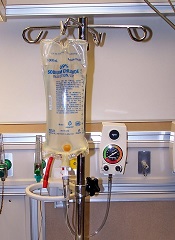
The US Food and Drug Administration (FDA) has acknowledged the current shortage of intravenous (IV) solutions, particularly 0.9% sodium chloride injection (ie, saline), which is used as a priming solution and to provide patients with the necessary fluids for hydration.
The agency said the shortage has been triggered by a range of factors. A few manufacturers have cited increased demand as the cause, and the FDA said this could be a result of flu season.
The agency is now working with 3 manufacturers of IV solutions, Baxter Healthcare Corp., B. Braun Medical Inc., and Hospira Inc., to help preserve the supply of these products.
However, the FDA noted that addressing the shortage will depend on the demand of these products and supplier production. Millions of these IV solutions are used each week by healthcare professionals.
Visit the FDA’s drug shortage webpage for updates.
The US Food and Drug Administration (FDA) has acknowledged the current shortage of intravenous (IV) solutions, particularly 0.9% sodium chloride injection (ie, saline), which is used as a priming solution and to provide patients with the necessary fluids for hydration.
The agency said the shortage has been triggered by a range of factors. A few manufacturers have cited increased demand as the cause, and the FDA said this could be a result of flu season.
The agency is now working with 3 manufacturers of IV solutions, Baxter Healthcare Corp., B. Braun Medical Inc., and Hospira Inc., to help preserve the supply of these products.
However, the FDA noted that addressing the shortage will depend on the demand of these products and supplier production. Millions of these IV solutions are used each week by healthcare professionals.
Visit the FDA’s drug shortage webpage for updates.
The US Food and Drug Administration (FDA) has acknowledged the current shortage of intravenous (IV) solutions, particularly 0.9% sodium chloride injection (ie, saline), which is used as a priming solution and to provide patients with the necessary fluids for hydration.
The agency said the shortage has been triggered by a range of factors. A few manufacturers have cited increased demand as the cause, and the FDA said this could be a result of flu season.
The agency is now working with 3 manufacturers of IV solutions, Baxter Healthcare Corp., B. Braun Medical Inc., and Hospira Inc., to help preserve the supply of these products.
However, the FDA noted that addressing the shortage will depend on the demand of these products and supplier production. Millions of these IV solutions are used each week by healthcare professionals.
Visit the FDA’s drug shortage webpage for updates.
Brentuximab vedotin approved in Japan

Credit: Linda Bartlett
The Japanese Ministry of Health, Labour and Welfare has approved brentuximab vedotin (Adcetris) for the treatment of patients with relapsed or refractory, CD30+ Hodgkin lymphoma (HL) or anaplastic large-cell lymphoma (ALCL).
The approval was based on a phase 1/2 trial in Japanese patients with relapsed or refractory, CD30+ HL or systemic ALCL, as well as data from two phase 2 trials—one of 102 HL patients and one of 58 patients with ALCL.
Brentuximab vedotin is an antibody-drug conjugate consisting of an anti-CD30 monoclonal antibody attached by a protease-cleavable linker to a microtubule disrupting agent, monomethyl auristatin E.
The conjugate employs a linker system designed to be stable in the bloodstream but release monomethyl auristatin E upon internalization into CD30-expressing tumor cells.
Brentuximab vedotin was approved by the US Food and Drug Administration (FDA) in August 2011 and gained conditional approval from Health Canada in February 2013 for the following indications:
- To treat HL patients who had failed autologous stem cell transplant (auto-SCT) or were not eligible for auto-SCT and had failed at least 2 prior multi-agent chemotherapy regimens
- To treat patients with systemic ALCL after they failed at least 1 multi-agent chemotherapy regimen.
The drug received conditional marketing authorization by the European Commission in October 2012 to treat:
- Adult patients with relapsed or refractory, systemic ALCL
- Adults with relapsed or refractory, CD30-positive HL who had undergone auto-SCT or received 2 prior therapies when auto-SCT or multi-agent chemotherapy were not appropriate.
The FDA has granted brentuximab vedotin orphan designation to treat mycosis fungoides. And trials have suggested the drug is active in diffuse large B-cell lymphoma, as well as leukemias and multiple myeloma.
However, brentuximab vedotin also made the FDA watch list due to adverse events associated with the drug’s use. The FDA added a boxed warning to the drug’s label in January 2012, after 3 cases of progressive multifocal leukoencephalopathy were reported in patients receiving brentuximab vedotin.
Credit: Linda Bartlett
The Japanese Ministry of Health, Labour and Welfare has approved brentuximab vedotin (Adcetris) for the treatment of patients with relapsed or refractory, CD30+ Hodgkin lymphoma (HL) or anaplastic large-cell lymphoma (ALCL).
The approval was based on a phase 1/2 trial in Japanese patients with relapsed or refractory, CD30+ HL or systemic ALCL, as well as data from two phase 2 trials—one of 102 HL patients and one of 58 patients with ALCL.
Brentuximab vedotin is an antibody-drug conjugate consisting of an anti-CD30 monoclonal antibody attached by a protease-cleavable linker to a microtubule disrupting agent, monomethyl auristatin E.
The conjugate employs a linker system designed to be stable in the bloodstream but release monomethyl auristatin E upon internalization into CD30-expressing tumor cells.
Brentuximab vedotin was approved by the US Food and Drug Administration (FDA) in August 2011 and gained conditional approval from Health Canada in February 2013 for the following indications:
- To treat HL patients who had failed autologous stem cell transplant (auto-SCT) or were not eligible for auto-SCT and had failed at least 2 prior multi-agent chemotherapy regimens
- To treat patients with systemic ALCL after they failed at least 1 multi-agent chemotherapy regimen.
The drug received conditional marketing authorization by the European Commission in October 2012 to treat:
- Adult patients with relapsed or refractory, systemic ALCL
- Adults with relapsed or refractory, CD30-positive HL who had undergone auto-SCT or received 2 prior therapies when auto-SCT or multi-agent chemotherapy were not appropriate.
The FDA has granted brentuximab vedotin orphan designation to treat mycosis fungoides. And trials have suggested the drug is active in diffuse large B-cell lymphoma, as well as leukemias and multiple myeloma.
However, brentuximab vedotin also made the FDA watch list due to adverse events associated with the drug’s use. The FDA added a boxed warning to the drug’s label in January 2012, after 3 cases of progressive multifocal leukoencephalopathy were reported in patients receiving brentuximab vedotin.
Credit: Linda Bartlett
The Japanese Ministry of Health, Labour and Welfare has approved brentuximab vedotin (Adcetris) for the treatment of patients with relapsed or refractory, CD30+ Hodgkin lymphoma (HL) or anaplastic large-cell lymphoma (ALCL).
The approval was based on a phase 1/2 trial in Japanese patients with relapsed or refractory, CD30+ HL or systemic ALCL, as well as data from two phase 2 trials—one of 102 HL patients and one of 58 patients with ALCL.
Brentuximab vedotin is an antibody-drug conjugate consisting of an anti-CD30 monoclonal antibody attached by a protease-cleavable linker to a microtubule disrupting agent, monomethyl auristatin E.
The conjugate employs a linker system designed to be stable in the bloodstream but release monomethyl auristatin E upon internalization into CD30-expressing tumor cells.
Brentuximab vedotin was approved by the US Food and Drug Administration (FDA) in August 2011 and gained conditional approval from Health Canada in February 2013 for the following indications:
- To treat HL patients who had failed autologous stem cell transplant (auto-SCT) or were not eligible for auto-SCT and had failed at least 2 prior multi-agent chemotherapy regimens
- To treat patients with systemic ALCL after they failed at least 1 multi-agent chemotherapy regimen.
The drug received conditional marketing authorization by the European Commission in October 2012 to treat:
- Adult patients with relapsed or refractory, systemic ALCL
- Adults with relapsed or refractory, CD30-positive HL who had undergone auto-SCT or received 2 prior therapies when auto-SCT or multi-agent chemotherapy were not appropriate.
The FDA has granted brentuximab vedotin orphan designation to treat mycosis fungoides. And trials have suggested the drug is active in diffuse large B-cell lymphoma, as well as leukemias and multiple myeloma.
However, brentuximab vedotin also made the FDA watch list due to adverse events associated with the drug’s use. The FDA added a boxed warning to the drug’s label in January 2012, after 3 cases of progressive multifocal leukoencephalopathy were reported in patients receiving brentuximab vedotin.
FDA doesn’t hold drug trials to same standards

Credit: FDA
A new study suggests the US Food and Drug Administration (FDA) does not hold drug trials to the same set of standards.
The research revealed substantial differences in trials used to support drugs approved between 2005 and 2012.
Some drugs were approved based on results from multiple studies, while other approvals were based on data from a single trial.
Furthermore, trials varied greatly with regard to size, length of study period, type of comparator, and metrics of efficacy.
These results appear in the current issue of JAMA.
“Based on our analysis, some drugs are approved on the basis of large, high-quality clinical trials, while others are approved based on results of smaller trials,” said senior study author Joseph Ross, MD, of the Yale School of Medicine in New Haven, Connecticut.
“There was a lack of uniformity in the level of evidence the FDA used. We also found that only 40% of drug approvals involved a clinical trial that compared a new drug to existing treatment offerings. This is an important step for determining whether the new drug is a better option than existing, older drugs.”
Dr Ross and his colleagues evaluated the strength of clinical trial evidence supporting FDA approval decisions by characterizing key features of efficacy trials, such as size, duration, and endpoints.
The researchers used publicly available FDA documents to identify 188 drugs approved between 2005 and 2012 for 206 indications on the basis of 448 pivotal efficacy trials.
The team identified trials for 201 of the indications. Four drugs (including 1 used for 2 different indications) were approved without a pivotal efficacy trial.
So among the 201 indications, the median number of trials reviewed per indication was 2 (interquartile range [IQR], 1-2.5). Seventy-four indications (36.8%) were approved on the basis of a single trial, 77 (38.3%) on data from 2 trials, and 50 (24.9%) on data from 3 or more trials.
Most trials were randomized (89.3%) and double-blinded (79.5%). The median duration of a trial was 14.0 weeks (IQR, 6.0-26.0 weeks), and 113 trials (25.2%) lasted 6 months or longer.
The median number of total subjects enrolled in a trial was 446 (IQR, 205-678), and the median number of patients in the intervention arm of a study was 271 (IQR, 133-426).
More than half of trials (55.1%) used a placebo for comparison, 31.9% used an active comparator (such as another drug), and 12.9% had no comparator.
The primary endpoint was a surrogate outcome in 48.9% of trials, a clinical outcome for 29%, and a clinical scale for 22.1%.
These results suggest the quality of clinical trial evidence the FDA uses to make approval decisions varies widely across indications, the researchers said.
Study author Nicholas S. Downing, a student at the Yale School of Medicine, noted that survey data suggest patients expect drugs approved by the FDA to be both safe and effective.
“Based on our study of the data, we can’t be certain that this expectation is necessarily justified,” he said, “given the quantity and quality of the variability we saw in the drug approval process.”
Credit: FDA
A new study suggests the US Food and Drug Administration (FDA) does not hold drug trials to the same set of standards.
The research revealed substantial differences in trials used to support drugs approved between 2005 and 2012.
Some drugs were approved based on results from multiple studies, while other approvals were based on data from a single trial.
Furthermore, trials varied greatly with regard to size, length of study period, type of comparator, and metrics of efficacy.
These results appear in the current issue of JAMA.
“Based on our analysis, some drugs are approved on the basis of large, high-quality clinical trials, while others are approved based on results of smaller trials,” said senior study author Joseph Ross, MD, of the Yale School of Medicine in New Haven, Connecticut.
“There was a lack of uniformity in the level of evidence the FDA used. We also found that only 40% of drug approvals involved a clinical trial that compared a new drug to existing treatment offerings. This is an important step for determining whether the new drug is a better option than existing, older drugs.”
Dr Ross and his colleagues evaluated the strength of clinical trial evidence supporting FDA approval decisions by characterizing key features of efficacy trials, such as size, duration, and endpoints.
The researchers used publicly available FDA documents to identify 188 drugs approved between 2005 and 2012 for 206 indications on the basis of 448 pivotal efficacy trials.
The team identified trials for 201 of the indications. Four drugs (including 1 used for 2 different indications) were approved without a pivotal efficacy trial.
So among the 201 indications, the median number of trials reviewed per indication was 2 (interquartile range [IQR], 1-2.5). Seventy-four indications (36.8%) were approved on the basis of a single trial, 77 (38.3%) on data from 2 trials, and 50 (24.9%) on data from 3 or more trials.
Most trials were randomized (89.3%) and double-blinded (79.5%). The median duration of a trial was 14.0 weeks (IQR, 6.0-26.0 weeks), and 113 trials (25.2%) lasted 6 months or longer.
The median number of total subjects enrolled in a trial was 446 (IQR, 205-678), and the median number of patients in the intervention arm of a study was 271 (IQR, 133-426).
More than half of trials (55.1%) used a placebo for comparison, 31.9% used an active comparator (such as another drug), and 12.9% had no comparator.
The primary endpoint was a surrogate outcome in 48.9% of trials, a clinical outcome for 29%, and a clinical scale for 22.1%.
These results suggest the quality of clinical trial evidence the FDA uses to make approval decisions varies widely across indications, the researchers said.
Study author Nicholas S. Downing, a student at the Yale School of Medicine, noted that survey data suggest patients expect drugs approved by the FDA to be both safe and effective.
“Based on our study of the data, we can’t be certain that this expectation is necessarily justified,” he said, “given the quantity and quality of the variability we saw in the drug approval process.”
Credit: FDA
A new study suggests the US Food and Drug Administration (FDA) does not hold drug trials to the same set of standards.
The research revealed substantial differences in trials used to support drugs approved between 2005 and 2012.
Some drugs were approved based on results from multiple studies, while other approvals were based on data from a single trial.
Furthermore, trials varied greatly with regard to size, length of study period, type of comparator, and metrics of efficacy.
These results appear in the current issue of JAMA.
“Based on our analysis, some drugs are approved on the basis of large, high-quality clinical trials, while others are approved based on results of smaller trials,” said senior study author Joseph Ross, MD, of the Yale School of Medicine in New Haven, Connecticut.
“There was a lack of uniformity in the level of evidence the FDA used. We also found that only 40% of drug approvals involved a clinical trial that compared a new drug to existing treatment offerings. This is an important step for determining whether the new drug is a better option than existing, older drugs.”
Dr Ross and his colleagues evaluated the strength of clinical trial evidence supporting FDA approval decisions by characterizing key features of efficacy trials, such as size, duration, and endpoints.
The researchers used publicly available FDA documents to identify 188 drugs approved between 2005 and 2012 for 206 indications on the basis of 448 pivotal efficacy trials.
The team identified trials for 201 of the indications. Four drugs (including 1 used for 2 different indications) were approved without a pivotal efficacy trial.
So among the 201 indications, the median number of trials reviewed per indication was 2 (interquartile range [IQR], 1-2.5). Seventy-four indications (36.8%) were approved on the basis of a single trial, 77 (38.3%) on data from 2 trials, and 50 (24.9%) on data from 3 or more trials.
Most trials were randomized (89.3%) and double-blinded (79.5%). The median duration of a trial was 14.0 weeks (IQR, 6.0-26.0 weeks), and 113 trials (25.2%) lasted 6 months or longer.
The median number of total subjects enrolled in a trial was 446 (IQR, 205-678), and the median number of patients in the intervention arm of a study was 271 (IQR, 133-426).
More than half of trials (55.1%) used a placebo for comparison, 31.9% used an active comparator (such as another drug), and 12.9% had no comparator.
The primary endpoint was a surrogate outcome in 48.9% of trials, a clinical outcome for 29%, and a clinical scale for 22.1%.
These results suggest the quality of clinical trial evidence the FDA uses to make approval decisions varies widely across indications, the researchers said.
Study author Nicholas S. Downing, a student at the Yale School of Medicine, noted that survey data suggest patients expect drugs approved by the FDA to be both safe and effective.
“Based on our study of the data, we can’t be certain that this expectation is necessarily justified,” he said, “given the quantity and quality of the variability we saw in the drug approval process.”