User login
Healthy habits can cut risk of metabolic syndrome in childhood cancer survivors

patient and her father
Credit: Rhoda Baer
Following a healthy lifestyle can decrease the risk of metabolic syndrome in childhood cancer survivors, according to a study published in Cancer.
Unfortunately, only about a quarter of the survivors studied actually practiced healthy lifestyle habits, such as engaging in moderate physical activity; eating the recommended daily serving of fruits, vegetables, and complex carbohydrates; and consuming red meat, alcohol, and sodium in moderation.
Childhood cancer survivors are known to have an increased risk of developing metabolic syndrome.
The syndrome is actually a number of conditions—high blood pressure, increased body fat, and abnormal cholesterol and glucose levels—that, when they occur together, increase a person’s risk of heart disease, stroke, and diabetes.
Kirsten Ness, PhD, of St Jude Children’s Research Hospital in Memphis, Tennessee, and her colleagues wanted to determine if lifestyle habits might affect the risk of metabolic syndrome among childhood cancer survivors.
So the team analyzed 1598 survivors who were cancer-free for at least 10 years. They had a median age of 32.7 years (range, 18.9 to 60).
The analysis showed that failure to follow healthy lifestyle guidelines roughly doubled the survivors’ risk of developing metabolic syndrome. Women had a 2.4-times greater risk, and men had a 2.2-times greater risk of the syndrome if they did not follow the guidelines.
Metabolic syndrome was present in 31.8% of the participants—32.5% of males and 31% of females.
The researchers considered a subject to have metabolic syndrome if he had or received treatment for 3 or more of the following:
- Abdominal obesity (waist circumference of > 102 cm in males and > 88 cm in females)
- Triglycerides ≥ 150 mg/dL
- High-density lipoprotein cholesterol (< 40 mg/dL in males and < 50 mg/dL in females)
- Hypertension (systolic pressure ≥ 130 mm Hg or diastolic pressure ≥ 85 mm Hg)
- Fasting plasma glucose ≥ 100 mg/dL.
Questionnaires and tests helped the researchers assess whether participants followed healthy lifestyle recommendations issued by the World Cancer Research Fund and American Institute for Cancer Research.
The recommendations include:
- Having a body mass index of 25 or lower
- Engaging in moderate physical activity for 150 minutes each week
- Eating 5 or more servings of fruits and vegetables each day
- Consuming 400 g or more of complex carbohydrates daily
- Eating less than 80 g of red meat each day
- Consuming less than 2400 mg of sodium each day
- Low daily alcohol consumption (less than 14 g for females and less than 28 g for males).
Subjects who met at least 4 of these 7 criteria were classified as following the guidelines. And 27% of the participants—25.2% of males and 28.8% of females—were classified as such.
“These findings are important because they indicate that adults who were treated for cancer as children have the opportunity to influence their own health outcomes,” Dr Ness said.
“[A]dopting a lifestyle that includes maintaining a healthy body weight, regular physical activity, and a diet that includes fruits and vegetables and that limits refined sugars, excessive alcohol, red meat, and salt has potential to prevent development of metabolic syndrome.” 
patient and her father
Credit: Rhoda Baer
Following a healthy lifestyle can decrease the risk of metabolic syndrome in childhood cancer survivors, according to a study published in Cancer.
Unfortunately, only about a quarter of the survivors studied actually practiced healthy lifestyle habits, such as engaging in moderate physical activity; eating the recommended daily serving of fruits, vegetables, and complex carbohydrates; and consuming red meat, alcohol, and sodium in moderation.
Childhood cancer survivors are known to have an increased risk of developing metabolic syndrome.
The syndrome is actually a number of conditions—high blood pressure, increased body fat, and abnormal cholesterol and glucose levels—that, when they occur together, increase a person’s risk of heart disease, stroke, and diabetes.
Kirsten Ness, PhD, of St Jude Children’s Research Hospital in Memphis, Tennessee, and her colleagues wanted to determine if lifestyle habits might affect the risk of metabolic syndrome among childhood cancer survivors.
So the team analyzed 1598 survivors who were cancer-free for at least 10 years. They had a median age of 32.7 years (range, 18.9 to 60).
The analysis showed that failure to follow healthy lifestyle guidelines roughly doubled the survivors’ risk of developing metabolic syndrome. Women had a 2.4-times greater risk, and men had a 2.2-times greater risk of the syndrome if they did not follow the guidelines.
Metabolic syndrome was present in 31.8% of the participants—32.5% of males and 31% of females.
The researchers considered a subject to have metabolic syndrome if he had or received treatment for 3 or more of the following:
- Abdominal obesity (waist circumference of > 102 cm in males and > 88 cm in females)
- Triglycerides ≥ 150 mg/dL
- High-density lipoprotein cholesterol (< 40 mg/dL in males and < 50 mg/dL in females)
- Hypertension (systolic pressure ≥ 130 mm Hg or diastolic pressure ≥ 85 mm Hg)
- Fasting plasma glucose ≥ 100 mg/dL.
Questionnaires and tests helped the researchers assess whether participants followed healthy lifestyle recommendations issued by the World Cancer Research Fund and American Institute for Cancer Research.
The recommendations include:
- Having a body mass index of 25 or lower
- Engaging in moderate physical activity for 150 minutes each week
- Eating 5 or more servings of fruits and vegetables each day
- Consuming 400 g or more of complex carbohydrates daily
- Eating less than 80 g of red meat each day
- Consuming less than 2400 mg of sodium each day
- Low daily alcohol consumption (less than 14 g for females and less than 28 g for males).
Subjects who met at least 4 of these 7 criteria were classified as following the guidelines. And 27% of the participants—25.2% of males and 28.8% of females—were classified as such.
“These findings are important because they indicate that adults who were treated for cancer as children have the opportunity to influence their own health outcomes,” Dr Ness said.
“[A]dopting a lifestyle that includes maintaining a healthy body weight, regular physical activity, and a diet that includes fruits and vegetables and that limits refined sugars, excessive alcohol, red meat, and salt has potential to prevent development of metabolic syndrome.”
patient and her father
Credit: Rhoda Baer
Following a healthy lifestyle can decrease the risk of metabolic syndrome in childhood cancer survivors, according to a study published in Cancer.
Unfortunately, only about a quarter of the survivors studied actually practiced healthy lifestyle habits, such as engaging in moderate physical activity; eating the recommended daily serving of fruits, vegetables, and complex carbohydrates; and consuming red meat, alcohol, and sodium in moderation.
Childhood cancer survivors are known to have an increased risk of developing metabolic syndrome.
The syndrome is actually a number of conditions—high blood pressure, increased body fat, and abnormal cholesterol and glucose levels—that, when they occur together, increase a person’s risk of heart disease, stroke, and diabetes.
Kirsten Ness, PhD, of St Jude Children’s Research Hospital in Memphis, Tennessee, and her colleagues wanted to determine if lifestyle habits might affect the risk of metabolic syndrome among childhood cancer survivors.
So the team analyzed 1598 survivors who were cancer-free for at least 10 years. They had a median age of 32.7 years (range, 18.9 to 60).
The analysis showed that failure to follow healthy lifestyle guidelines roughly doubled the survivors’ risk of developing metabolic syndrome. Women had a 2.4-times greater risk, and men had a 2.2-times greater risk of the syndrome if they did not follow the guidelines.
Metabolic syndrome was present in 31.8% of the participants—32.5% of males and 31% of females.
The researchers considered a subject to have metabolic syndrome if he had or received treatment for 3 or more of the following:
- Abdominal obesity (waist circumference of > 102 cm in males and > 88 cm in females)
- Triglycerides ≥ 150 mg/dL
- High-density lipoprotein cholesterol (< 40 mg/dL in males and < 50 mg/dL in females)
- Hypertension (systolic pressure ≥ 130 mm Hg or diastolic pressure ≥ 85 mm Hg)
- Fasting plasma glucose ≥ 100 mg/dL.
Questionnaires and tests helped the researchers assess whether participants followed healthy lifestyle recommendations issued by the World Cancer Research Fund and American Institute for Cancer Research.
The recommendations include:
- Having a body mass index of 25 or lower
- Engaging in moderate physical activity for 150 minutes each week
- Eating 5 or more servings of fruits and vegetables each day
- Consuming 400 g or more of complex carbohydrates daily
- Eating less than 80 g of red meat each day
- Consuming less than 2400 mg of sodium each day
- Low daily alcohol consumption (less than 14 g for females and less than 28 g for males).
Subjects who met at least 4 of these 7 criteria were classified as following the guidelines. And 27% of the participants—25.2% of males and 28.8% of females—were classified as such.
“These findings are important because they indicate that adults who were treated for cancer as children have the opportunity to influence their own health outcomes,” Dr Ness said.
“[A]dopting a lifestyle that includes maintaining a healthy body weight, regular physical activity, and a diet that includes fruits and vegetables and that limits refined sugars, excessive alcohol, red meat, and salt has potential to prevent development of metabolic syndrome.”
FDA expands approved use of ibrutinib in CLL

Credit: Steven Harbour
The US Food and Drug Administration (FDA) has expanded the approved use of ibrutinib (Imbruvica) in patients with chronic lymphocytic leukemia (CLL).
The agency previously granted the drug accelerated approval to treat CLL patients who had received at least 1 prior therapy.
Now, the FDA has granted ibrutinib full approval for that indication and expanded the drug’s approved use to include previously treated and untreated CLL patients with 17p deletion.
The FDA’s decision to grant ibrutinib accelerated approval in CLL was based on the drug’s ability to elicit responses in previously treated patients.
Recent trial results have shown the drug can improve survival rates in CLL, which signifies a clinical benefit and allows the FDA to grant ibrutinib full approval.
Ibrutinib in CLL: Trial results
The expanded approval for ibrutinib is based on results of the phase 3 RESONATE trial, which were presented at this year’s ASCO and EHA meetings.
The trial included 391 previously treated patients, 127 of whom had 17p deletion. Patients were randomized to receive ibrutinib or the anti-CD20 monoclonal antibody ofatumumab until disease progression or unacceptable toxicity.
The trial was stopped early after a pre-planned interim analysis showed that ibrutinib-treated patients experienced a 78% reduction in the risk of disease progression or death.
At the time of interim analysis, the patients’ median time on study was 9.4 months. The best overall response among evaluable patients was 78% in the ibrutinib arm and 11% in the ofatumumab arm.
Ibrutinib significantly prolonged progression-free and overall survival. The median progression-free survival was 8.1 months in the ofatumumab arm and was not reached in the ibrutinib arm (P<0.0001). The median overall survival was not reached in either arm, but the hazard ratio was 0.434 (P=0.0049).
Of the 127 patients with 17p deletion, those treated with ibrutinib experienced a 75% reduction in the risk of disease progression or death.
Adverse events occurred in 99% of patients in the ibrutinib arm and 98% of those in the ofatumumab arm. Grade 3/4 events occurred in 51% and 39%, respectively.
Atrial fibrillation, bleeding-related events, diarrhea, and arthralgia were more common in the ibrutinib arm. Infusion-related reactions, peripheral sensory neuropathy, urticaria, night sweats, and pruritus were more common in the ofatumumab arm.
Ibrutinib in development
Ibrutinib is being studied alone and in combination with other treatments in several hematologic malignancies, including CLL, mantle cell lymphoma (MCL), Waldenstrom’s macroglobulinemia, diffuse large B-cell lymphoma, follicular lymphoma, and multiple myeloma.
Before the FDA granted ibrutinib accelerated approval in CLL, the agency granted the drug accelerated approval for use in previously treated MCL patients. Studies to verify ibrutinib’s clinical benefit in MCL are ongoing.
The European Medicines Agency’s Committee for Medicinal Products for Human Use has recommended marketing authorization for ibrutinib to treat adults with relapsed or refractory MCL.
The committee has also recommended the drug for adults with CLL who have received at least 1 prior therapy and CLL patients with 17p deletion or TP53 mutation who cannot receive chemo-immunotherapy.
Ibrutinib is already approved in Israel for the treatment of adults with MCL who have received at least 1 prior therapy.
Ibrutinib is under development by Janssen Biotech and Pharmacyclics, Inc. The companies co-market ibrutinib in the US, but Janssen markets (or will market) ibrutinib in the rest of the world.
Credit: Steven Harbour
The US Food and Drug Administration (FDA) has expanded the approved use of ibrutinib (Imbruvica) in patients with chronic lymphocytic leukemia (CLL).
The agency previously granted the drug accelerated approval to treat CLL patients who had received at least 1 prior therapy.
Now, the FDA has granted ibrutinib full approval for that indication and expanded the drug’s approved use to include previously treated and untreated CLL patients with 17p deletion.
The FDA’s decision to grant ibrutinib accelerated approval in CLL was based on the drug’s ability to elicit responses in previously treated patients.
Recent trial results have shown the drug can improve survival rates in CLL, which signifies a clinical benefit and allows the FDA to grant ibrutinib full approval.
Ibrutinib in CLL: Trial results
The expanded approval for ibrutinib is based on results of the phase 3 RESONATE trial, which were presented at this year’s ASCO and EHA meetings.
The trial included 391 previously treated patients, 127 of whom had 17p deletion. Patients were randomized to receive ibrutinib or the anti-CD20 monoclonal antibody ofatumumab until disease progression or unacceptable toxicity.
The trial was stopped early after a pre-planned interim analysis showed that ibrutinib-treated patients experienced a 78% reduction in the risk of disease progression or death.
At the time of interim analysis, the patients’ median time on study was 9.4 months. The best overall response among evaluable patients was 78% in the ibrutinib arm and 11% in the ofatumumab arm.
Ibrutinib significantly prolonged progression-free and overall survival. The median progression-free survival was 8.1 months in the ofatumumab arm and was not reached in the ibrutinib arm (P<0.0001). The median overall survival was not reached in either arm, but the hazard ratio was 0.434 (P=0.0049).
Of the 127 patients with 17p deletion, those treated with ibrutinib experienced a 75% reduction in the risk of disease progression or death.
Adverse events occurred in 99% of patients in the ibrutinib arm and 98% of those in the ofatumumab arm. Grade 3/4 events occurred in 51% and 39%, respectively.
Atrial fibrillation, bleeding-related events, diarrhea, and arthralgia were more common in the ibrutinib arm. Infusion-related reactions, peripheral sensory neuropathy, urticaria, night sweats, and pruritus were more common in the ofatumumab arm.
Ibrutinib in development
Ibrutinib is being studied alone and in combination with other treatments in several hematologic malignancies, including CLL, mantle cell lymphoma (MCL), Waldenstrom’s macroglobulinemia, diffuse large B-cell lymphoma, follicular lymphoma, and multiple myeloma.
Before the FDA granted ibrutinib accelerated approval in CLL, the agency granted the drug accelerated approval for use in previously treated MCL patients. Studies to verify ibrutinib’s clinical benefit in MCL are ongoing.
The European Medicines Agency’s Committee for Medicinal Products for Human Use has recommended marketing authorization for ibrutinib to treat adults with relapsed or refractory MCL.
The committee has also recommended the drug for adults with CLL who have received at least 1 prior therapy and CLL patients with 17p deletion or TP53 mutation who cannot receive chemo-immunotherapy.
Ibrutinib is already approved in Israel for the treatment of adults with MCL who have received at least 1 prior therapy.
Ibrutinib is under development by Janssen Biotech and Pharmacyclics, Inc. The companies co-market ibrutinib in the US, but Janssen markets (or will market) ibrutinib in the rest of the world.
Credit: Steven Harbour
The US Food and Drug Administration (FDA) has expanded the approved use of ibrutinib (Imbruvica) in patients with chronic lymphocytic leukemia (CLL).
The agency previously granted the drug accelerated approval to treat CLL patients who had received at least 1 prior therapy.
Now, the FDA has granted ibrutinib full approval for that indication and expanded the drug’s approved use to include previously treated and untreated CLL patients with 17p deletion.
The FDA’s decision to grant ibrutinib accelerated approval in CLL was based on the drug’s ability to elicit responses in previously treated patients.
Recent trial results have shown the drug can improve survival rates in CLL, which signifies a clinical benefit and allows the FDA to grant ibrutinib full approval.
Ibrutinib in CLL: Trial results
The expanded approval for ibrutinib is based on results of the phase 3 RESONATE trial, which were presented at this year’s ASCO and EHA meetings.
The trial included 391 previously treated patients, 127 of whom had 17p deletion. Patients were randomized to receive ibrutinib or the anti-CD20 monoclonal antibody ofatumumab until disease progression or unacceptable toxicity.
The trial was stopped early after a pre-planned interim analysis showed that ibrutinib-treated patients experienced a 78% reduction in the risk of disease progression or death.
At the time of interim analysis, the patients’ median time on study was 9.4 months. The best overall response among evaluable patients was 78% in the ibrutinib arm and 11% in the ofatumumab arm.
Ibrutinib significantly prolonged progression-free and overall survival. The median progression-free survival was 8.1 months in the ofatumumab arm and was not reached in the ibrutinib arm (P<0.0001). The median overall survival was not reached in either arm, but the hazard ratio was 0.434 (P=0.0049).
Of the 127 patients with 17p deletion, those treated with ibrutinib experienced a 75% reduction in the risk of disease progression or death.
Adverse events occurred in 99% of patients in the ibrutinib arm and 98% of those in the ofatumumab arm. Grade 3/4 events occurred in 51% and 39%, respectively.
Atrial fibrillation, bleeding-related events, diarrhea, and arthralgia were more common in the ibrutinib arm. Infusion-related reactions, peripheral sensory neuropathy, urticaria, night sweats, and pruritus were more common in the ofatumumab arm.
Ibrutinib in development
Ibrutinib is being studied alone and in combination with other treatments in several hematologic malignancies, including CLL, mantle cell lymphoma (MCL), Waldenstrom’s macroglobulinemia, diffuse large B-cell lymphoma, follicular lymphoma, and multiple myeloma.
Before the FDA granted ibrutinib accelerated approval in CLL, the agency granted the drug accelerated approval for use in previously treated MCL patients. Studies to verify ibrutinib’s clinical benefit in MCL are ongoing.
The European Medicines Agency’s Committee for Medicinal Products for Human Use has recommended marketing authorization for ibrutinib to treat adults with relapsed or refractory MCL.
The committee has also recommended the drug for adults with CLL who have received at least 1 prior therapy and CLL patients with 17p deletion or TP53 mutation who cannot receive chemo-immunotherapy.
Ibrutinib is already approved in Israel for the treatment of adults with MCL who have received at least 1 prior therapy.
Ibrutinib is under development by Janssen Biotech and Pharmacyclics, Inc. The companies co-market ibrutinib in the US, but Janssen markets (or will market) ibrutinib in the rest of the world.
CHMP recommends ibrutinib for CLL, MCL

The European Medicines Agency’s Committee for Medicinal Products for Human Use (CHMP) is recommending marketing authorization for ibrutinib (Imbruvica).
The committee is endorsing the Bruton’s tyrosine kinase (BTK) inhibitor for use in adults with relapsed or refractory mantle cell lymphoma (MCL) and certain adults with chronic lymphocytic leukemia (CLL).
This includes untreated CLL patients with 17p deletion or TP53 mutation who cannot receive chemo-immunotherapy and patients who have received at least 1 prior therapy.
The European Commission will take the CHMP’s opinion into account when deciding whether to authorize the commercialization of ibrutinib in the European Union.
The CHMP based its recommendations on data from 2 CLL studies—the phase 3 RESONATE trial (PCYC-1112) and a phase 1b/2 trial (PCYC-1102)—as well as a phase 2 trial (PCYC-1104) in MCL.
RESONATE trial
Results of RESONATE were recently presented at the 2014 EHA Congress. The trial included 391 patients with relapsed or refractory CLL or small lymphocytic lymphoma (SLL).
Patients were randomized to receive ibrutinib (n=195) or ofatumumab (n=196). Patients in the ofatumumab arm were allowed to cross over to ibrutinib if they progressed (n=57). The median time on study was 9.4 months.
The best overall response rate was higher in the ibrutinib arm than the ofatumumab arm, at 78% and 11%, respectively. And ibrutinib significantly prolonged progression-free survival. The median was 8.1 months in the ofatumumab arm and was not reached in the ibrutinib arm (P<0.0001).
Ibrutinib significantly prolonged overall survival as well. The median overall survival was not reached in either arm, but the hazard ratio was 0.434 (P=0.0049).
Adverse events occurred in 99% of patients in the ibrutinib arm and 98% of those in the ofatumumab arm. Grade 3/4 events occurred in 51% and 39%, respectively.
Atrial fibrillation, bleeding-related events, diarrhea, and arthralgia were more common in the ibrutinib arm. Infusion-related reactions, peripheral sensory neuropathy, urticaria, night sweats, and pruritus were more common in the ofatumumab arm.
PCYC-1102: Ibrutinib in CLL/SLL
Results of this phase 1b/2 trial were published in The Lancet Oncology in January. The trial enrolled 29 patients with previously untreated CLL and 2 with SLL.
They received 28-day cycles of once-daily ibrutinib at 420 mg or 840 mg. The 840 mg dose was discontinued after enrollment had begun because the doses showed comparable activity.
After a median follow-up of 22.1 months, 71% of patients achieved an objective response. Four patients (13%) had a complete response. The median time to response was 1.9 months.
Study investigators did not establish whether ibrutinib confers improvements in survival or disease-related symptoms.
Common adverse events included diarrhea (68%), nausea (48%), fatigue (32%), peripheral edema (29%), hypertension (29%), dizziness (26%), dyspepsia (26%), upper respiratory tract infection (26%), arthralgia (23%), constipation (23%), urinary tract infection (23%), and vomiting (23%).
Grade 3 adverse events included diarrhea (13%), fatigue (3%), hypertension (6%), dizziness (3%), urinary tract infection (3%), headache (3%), back pain (3%), and neutropenia (3%). One patient (3%) had grade 4 thrombocytopenia.
PCYC-1104 trial: Ibrutinib in MCL
Results of this trial were presented at ASH 2012 and published in NEJM in 2013. The NEJM data included 111 patients who received ibrutinib at 560 mg daily in continuous, 28-day cycles until disease progression.
The overall response rate was 68%, with a complete response rate of 21% and a partial response rate of 47%. With an estimated median follow-up of 15.3 months, the estimated median response duration was 17.5 months.
The estimated progression-free survival was 13.9 months, and the overall survival was not reached. The estimated rate of overall survival was 58% at 18 months.
Common nonhematologic adverse events included diarrhea (50%), fatigue (41%), nausea (31%), peripheral edema (28%), dyspnea (27%), constipation (25%), upper respiratory tract infection (23%), vomiting (23%), and decreased appetite (21%). The most common grade 3, 4, or 5 infection was pneumonia (6%).
Grade 3 and 4 hematologic adverse events included neutropenia (16%), thrombocytopenia (11%), and anemia (10%). Grade 3 bleeding events occurred in 5 patients.
About ibrutinib
Ibrutinib works by inhibiting BTK, a protein involved in mediating the cellular signaling pathways that control B-cell maturation and survival. In malignant B cells, there is excessive signaling through the B-cell receptor signaling pathway, which includes BTK.
Ibrutinib forms a strong covalent bond with BTK, which inhibits the excessive transmission of cell survival signals within the malignant B cells and stops their excessive build-up in protected environmental areas such as the lymph nodes.
Ibrutinib is being studied alone and in combination with other treatments in several hematologic malignancies, including CLL, MCL, Waldenstrom’s macroglobulinemia, diffuse large B-cell lymphoma, follicular lymphoma, and multiple myeloma.
Ibrutinib received accelerated approval from the US Food and Drug Administration in November 2013 to treat MCL. The drug received accelerated approval in February 2014 to treat CLL patients who have received at least 1 prior therapy.
Ibrutinib is also approved in Israel for the treatment of adults with MCL who have received at least 1 prior therapy.
Ibrutinib is under development by Janssen and Pharmacyclics. The companies co-market ibrutinib in the US, but, pending the drug’s approval, Janssen will market ibrutinib in the rest of the world.
The European Medicines Agency’s Committee for Medicinal Products for Human Use (CHMP) is recommending marketing authorization for ibrutinib (Imbruvica).
The committee is endorsing the Bruton’s tyrosine kinase (BTK) inhibitor for use in adults with relapsed or refractory mantle cell lymphoma (MCL) and certain adults with chronic lymphocytic leukemia (CLL).
This includes untreated CLL patients with 17p deletion or TP53 mutation who cannot receive chemo-immunotherapy and patients who have received at least 1 prior therapy.
The European Commission will take the CHMP’s opinion into account when deciding whether to authorize the commercialization of ibrutinib in the European Union.
The CHMP based its recommendations on data from 2 CLL studies—the phase 3 RESONATE trial (PCYC-1112) and a phase 1b/2 trial (PCYC-1102)—as well as a phase 2 trial (PCYC-1104) in MCL.
RESONATE trial
Results of RESONATE were recently presented at the 2014 EHA Congress. The trial included 391 patients with relapsed or refractory CLL or small lymphocytic lymphoma (SLL).
Patients were randomized to receive ibrutinib (n=195) or ofatumumab (n=196). Patients in the ofatumumab arm were allowed to cross over to ibrutinib if they progressed (n=57). The median time on study was 9.4 months.
The best overall response rate was higher in the ibrutinib arm than the ofatumumab arm, at 78% and 11%, respectively. And ibrutinib significantly prolonged progression-free survival. The median was 8.1 months in the ofatumumab arm and was not reached in the ibrutinib arm (P<0.0001).
Ibrutinib significantly prolonged overall survival as well. The median overall survival was not reached in either arm, but the hazard ratio was 0.434 (P=0.0049).
Adverse events occurred in 99% of patients in the ibrutinib arm and 98% of those in the ofatumumab arm. Grade 3/4 events occurred in 51% and 39%, respectively.
Atrial fibrillation, bleeding-related events, diarrhea, and arthralgia were more common in the ibrutinib arm. Infusion-related reactions, peripheral sensory neuropathy, urticaria, night sweats, and pruritus were more common in the ofatumumab arm.
PCYC-1102: Ibrutinib in CLL/SLL
Results of this phase 1b/2 trial were published in The Lancet Oncology in January. The trial enrolled 29 patients with previously untreated CLL and 2 with SLL.
They received 28-day cycles of once-daily ibrutinib at 420 mg or 840 mg. The 840 mg dose was discontinued after enrollment had begun because the doses showed comparable activity.
After a median follow-up of 22.1 months, 71% of patients achieved an objective response. Four patients (13%) had a complete response. The median time to response was 1.9 months.
Study investigators did not establish whether ibrutinib confers improvements in survival or disease-related symptoms.
Common adverse events included diarrhea (68%), nausea (48%), fatigue (32%), peripheral edema (29%), hypertension (29%), dizziness (26%), dyspepsia (26%), upper respiratory tract infection (26%), arthralgia (23%), constipation (23%), urinary tract infection (23%), and vomiting (23%).
Grade 3 adverse events included diarrhea (13%), fatigue (3%), hypertension (6%), dizziness (3%), urinary tract infection (3%), headache (3%), back pain (3%), and neutropenia (3%). One patient (3%) had grade 4 thrombocytopenia.
PCYC-1104 trial: Ibrutinib in MCL
Results of this trial were presented at ASH 2012 and published in NEJM in 2013. The NEJM data included 111 patients who received ibrutinib at 560 mg daily in continuous, 28-day cycles until disease progression.
The overall response rate was 68%, with a complete response rate of 21% and a partial response rate of 47%. With an estimated median follow-up of 15.3 months, the estimated median response duration was 17.5 months.
The estimated progression-free survival was 13.9 months, and the overall survival was not reached. The estimated rate of overall survival was 58% at 18 months.
Common nonhematologic adverse events included diarrhea (50%), fatigue (41%), nausea (31%), peripheral edema (28%), dyspnea (27%), constipation (25%), upper respiratory tract infection (23%), vomiting (23%), and decreased appetite (21%). The most common grade 3, 4, or 5 infection was pneumonia (6%).
Grade 3 and 4 hematologic adverse events included neutropenia (16%), thrombocytopenia (11%), and anemia (10%). Grade 3 bleeding events occurred in 5 patients.
About ibrutinib
Ibrutinib works by inhibiting BTK, a protein involved in mediating the cellular signaling pathways that control B-cell maturation and survival. In malignant B cells, there is excessive signaling through the B-cell receptor signaling pathway, which includes BTK.
Ibrutinib forms a strong covalent bond with BTK, which inhibits the excessive transmission of cell survival signals within the malignant B cells and stops their excessive build-up in protected environmental areas such as the lymph nodes.
Ibrutinib is being studied alone and in combination with other treatments in several hematologic malignancies, including CLL, MCL, Waldenstrom’s macroglobulinemia, diffuse large B-cell lymphoma, follicular lymphoma, and multiple myeloma.
Ibrutinib received accelerated approval from the US Food and Drug Administration in November 2013 to treat MCL. The drug received accelerated approval in February 2014 to treat CLL patients who have received at least 1 prior therapy.
Ibrutinib is also approved in Israel for the treatment of adults with MCL who have received at least 1 prior therapy.
Ibrutinib is under development by Janssen and Pharmacyclics. The companies co-market ibrutinib in the US, but, pending the drug’s approval, Janssen will market ibrutinib in the rest of the world.
The European Medicines Agency’s Committee for Medicinal Products for Human Use (CHMP) is recommending marketing authorization for ibrutinib (Imbruvica).
The committee is endorsing the Bruton’s tyrosine kinase (BTK) inhibitor for use in adults with relapsed or refractory mantle cell lymphoma (MCL) and certain adults with chronic lymphocytic leukemia (CLL).
This includes untreated CLL patients with 17p deletion or TP53 mutation who cannot receive chemo-immunotherapy and patients who have received at least 1 prior therapy.
The European Commission will take the CHMP’s opinion into account when deciding whether to authorize the commercialization of ibrutinib in the European Union.
The CHMP based its recommendations on data from 2 CLL studies—the phase 3 RESONATE trial (PCYC-1112) and a phase 1b/2 trial (PCYC-1102)—as well as a phase 2 trial (PCYC-1104) in MCL.
RESONATE trial
Results of RESONATE were recently presented at the 2014 EHA Congress. The trial included 391 patients with relapsed or refractory CLL or small lymphocytic lymphoma (SLL).
Patients were randomized to receive ibrutinib (n=195) or ofatumumab (n=196). Patients in the ofatumumab arm were allowed to cross over to ibrutinib if they progressed (n=57). The median time on study was 9.4 months.
The best overall response rate was higher in the ibrutinib arm than the ofatumumab arm, at 78% and 11%, respectively. And ibrutinib significantly prolonged progression-free survival. The median was 8.1 months in the ofatumumab arm and was not reached in the ibrutinib arm (P<0.0001).
Ibrutinib significantly prolonged overall survival as well. The median overall survival was not reached in either arm, but the hazard ratio was 0.434 (P=0.0049).
Adverse events occurred in 99% of patients in the ibrutinib arm and 98% of those in the ofatumumab arm. Grade 3/4 events occurred in 51% and 39%, respectively.
Atrial fibrillation, bleeding-related events, diarrhea, and arthralgia were more common in the ibrutinib arm. Infusion-related reactions, peripheral sensory neuropathy, urticaria, night sweats, and pruritus were more common in the ofatumumab arm.
PCYC-1102: Ibrutinib in CLL/SLL
Results of this phase 1b/2 trial were published in The Lancet Oncology in January. The trial enrolled 29 patients with previously untreated CLL and 2 with SLL.
They received 28-day cycles of once-daily ibrutinib at 420 mg or 840 mg. The 840 mg dose was discontinued after enrollment had begun because the doses showed comparable activity.
After a median follow-up of 22.1 months, 71% of patients achieved an objective response. Four patients (13%) had a complete response. The median time to response was 1.9 months.
Study investigators did not establish whether ibrutinib confers improvements in survival or disease-related symptoms.
Common adverse events included diarrhea (68%), nausea (48%), fatigue (32%), peripheral edema (29%), hypertension (29%), dizziness (26%), dyspepsia (26%), upper respiratory tract infection (26%), arthralgia (23%), constipation (23%), urinary tract infection (23%), and vomiting (23%).
Grade 3 adverse events included diarrhea (13%), fatigue (3%), hypertension (6%), dizziness (3%), urinary tract infection (3%), headache (3%), back pain (3%), and neutropenia (3%). One patient (3%) had grade 4 thrombocytopenia.
PCYC-1104 trial: Ibrutinib in MCL
Results of this trial were presented at ASH 2012 and published in NEJM in 2013. The NEJM data included 111 patients who received ibrutinib at 560 mg daily in continuous, 28-day cycles until disease progression.
The overall response rate was 68%, with a complete response rate of 21% and a partial response rate of 47%. With an estimated median follow-up of 15.3 months, the estimated median response duration was 17.5 months.
The estimated progression-free survival was 13.9 months, and the overall survival was not reached. The estimated rate of overall survival was 58% at 18 months.
Common nonhematologic adverse events included diarrhea (50%), fatigue (41%), nausea (31%), peripheral edema (28%), dyspnea (27%), constipation (25%), upper respiratory tract infection (23%), vomiting (23%), and decreased appetite (21%). The most common grade 3, 4, or 5 infection was pneumonia (6%).
Grade 3 and 4 hematologic adverse events included neutropenia (16%), thrombocytopenia (11%), and anemia (10%). Grade 3 bleeding events occurred in 5 patients.
About ibrutinib
Ibrutinib works by inhibiting BTK, a protein involved in mediating the cellular signaling pathways that control B-cell maturation and survival. In malignant B cells, there is excessive signaling through the B-cell receptor signaling pathway, which includes BTK.
Ibrutinib forms a strong covalent bond with BTK, which inhibits the excessive transmission of cell survival signals within the malignant B cells and stops their excessive build-up in protected environmental areas such as the lymph nodes.
Ibrutinib is being studied alone and in combination with other treatments in several hematologic malignancies, including CLL, MCL, Waldenstrom’s macroglobulinemia, diffuse large B-cell lymphoma, follicular lymphoma, and multiple myeloma.
Ibrutinib received accelerated approval from the US Food and Drug Administration in November 2013 to treat MCL. The drug received accelerated approval in February 2014 to treat CLL patients who have received at least 1 prior therapy.
Ibrutinib is also approved in Israel for the treatment of adults with MCL who have received at least 1 prior therapy.
Ibrutinib is under development by Janssen and Pharmacyclics. The companies co-market ibrutinib in the US, but, pending the drug’s approval, Janssen will market ibrutinib in the rest of the world.
CHMP recommends idelalisib for CLL, FL
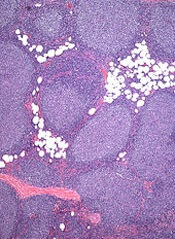
Days after gaining approval for 3 indications in the US, idelalisib (Zydelig) has earned a positive opinion from the European Medicine Agency’s Committee for Medicinal Products for Human Use (CHMP).
The CHMP is recommending the PI3K delta inhibitor for the treatment of chronic lymphocytic leukemia (CLL) and follicular lymphoma (FL).
If approved, the drug would be used as monotherapy for adults with FL that is refractory to 2 prior lines of treatment.
Idelalisib would also be used in combination with rituximab for adults with CLL who have received at least 1 prior therapy or as first-line treatment in CLL patients who have 17p deletion or TP53 mutation and cannot receive chemo-immunotherapy.
The CHMP’s recommendation for idelalisib (150 mg film-coated tablets) will be reviewed by the European Commission, which has the authority to approve medicines for use in the 28 countries of the European Union.
The CHMP’s positive opinion of idelalisib is based on data from 2 clinical trials—Study 116 and Study 101-09.
Study 116: Idelalisib in CLL
This phase 3 trial was stopped early because idelalisib had a significant impact on progression-free survival.
The study included 220 CLL patients who could not receive chemotherapy. Half were randomized to receive idelalisib plus rituximab, and the other half were randomized to rituximab plus placebo.
Patients in the idelalisib arm had a much higher overall response rate than patients in the placebo arm—81% and 13%, respectively (P<0.001). But all responses were partial.
At 24 weeks, the rate of progression-free survival was 93% in the idelalisib arm and 46% in the placebo arm (P<0.001). The median progression-free survival was 5.5 months in the placebo arm and not reached in the idelalisib arm (P<0.001).
At 12 months, the overall survival rate was 92% in the idelalisib arm and 80% in the placebo arm (P=0.02).
Most adverse events, in either treatment arm, were grade 2 or lower. The most common events in the idelalisib arm were pyrexia, fatigue, nausea, chills, and diarrhea. In the placebo arm, the most common events were infusion-related reactions, fatigue, cough, nausea, and dyspnea.
There were more serious adverse events in the idelalisib arm than in the placebo arm—40% and 35%, respectively. The most frequent serious events were pneumonia, pyrexia, and febrile neutropenia (in both treatment arms).
Study 101-09: Idelalisib in FL
In this phase 2 trial, idelalisib was given as a single agent to patients with indolent non-Hodgkin lymphoma who were refractory to rituximab and chemotherapy containing an alkylating agent.
In the 72 patients with FL, the overall response rate was 54%, and the complete response rate was 8%. The median duration of response was not reached (range, 0-14.8 months).
Improvements in patient survival or disease-related symptoms have not been established.
The most common grade 3 or higher adverse events were neutropenia (27%), elevations in aminotransferase levels (13%), diarrhea (13%), and pneumonia (7%).
About idelalisib
Idelalisib is an oral inhibitor of PI3K delta, a protein that plays a role in the activation, proliferation, and viability of B cells. PI3K delta signaling is active in many B-cell leukemias and lymphomas, and, by inhibiting the protein, idelalisib blocks several cellular signaling pathways that drive B-cell viability.
Idelalisib is being developed by Gilead Sciences. On July 23, the drug received US Food and Drug Administration approval for use in combination with rituximab to treat patients with relapsed CLL who cannot receive rituximab alone. The agency also granted idelalisib accelerated approval to treat patients with relapsed FL or small lymphocytic lymphoma who have received at least 2 prior systemic therapies.
Days after gaining approval for 3 indications in the US, idelalisib (Zydelig) has earned a positive opinion from the European Medicine Agency’s Committee for Medicinal Products for Human Use (CHMP).
The CHMP is recommending the PI3K delta inhibitor for the treatment of chronic lymphocytic leukemia (CLL) and follicular lymphoma (FL).
If approved, the drug would be used as monotherapy for adults with FL that is refractory to 2 prior lines of treatment.
Idelalisib would also be used in combination with rituximab for adults with CLL who have received at least 1 prior therapy or as first-line treatment in CLL patients who have 17p deletion or TP53 mutation and cannot receive chemo-immunotherapy.
The CHMP’s recommendation for idelalisib (150 mg film-coated tablets) will be reviewed by the European Commission, which has the authority to approve medicines for use in the 28 countries of the European Union.
The CHMP’s positive opinion of idelalisib is based on data from 2 clinical trials—Study 116 and Study 101-09.
Study 116: Idelalisib in CLL
This phase 3 trial was stopped early because idelalisib had a significant impact on progression-free survival.
The study included 220 CLL patients who could not receive chemotherapy. Half were randomized to receive idelalisib plus rituximab, and the other half were randomized to rituximab plus placebo.
Patients in the idelalisib arm had a much higher overall response rate than patients in the placebo arm—81% and 13%, respectively (P<0.001). But all responses were partial.
At 24 weeks, the rate of progression-free survival was 93% in the idelalisib arm and 46% in the placebo arm (P<0.001). The median progression-free survival was 5.5 months in the placebo arm and not reached in the idelalisib arm (P<0.001).
At 12 months, the overall survival rate was 92% in the idelalisib arm and 80% in the placebo arm (P=0.02).
Most adverse events, in either treatment arm, were grade 2 or lower. The most common events in the idelalisib arm were pyrexia, fatigue, nausea, chills, and diarrhea. In the placebo arm, the most common events were infusion-related reactions, fatigue, cough, nausea, and dyspnea.
There were more serious adverse events in the idelalisib arm than in the placebo arm—40% and 35%, respectively. The most frequent serious events were pneumonia, pyrexia, and febrile neutropenia (in both treatment arms).
Study 101-09: Idelalisib in FL
In this phase 2 trial, idelalisib was given as a single agent to patients with indolent non-Hodgkin lymphoma who were refractory to rituximab and chemotherapy containing an alkylating agent.
In the 72 patients with FL, the overall response rate was 54%, and the complete response rate was 8%. The median duration of response was not reached (range, 0-14.8 months).
Improvements in patient survival or disease-related symptoms have not been established.
The most common grade 3 or higher adverse events were neutropenia (27%), elevations in aminotransferase levels (13%), diarrhea (13%), and pneumonia (7%).
About idelalisib
Idelalisib is an oral inhibitor of PI3K delta, a protein that plays a role in the activation, proliferation, and viability of B cells. PI3K delta signaling is active in many B-cell leukemias and lymphomas, and, by inhibiting the protein, idelalisib blocks several cellular signaling pathways that drive B-cell viability.
Idelalisib is being developed by Gilead Sciences. On July 23, the drug received US Food and Drug Administration approval for use in combination with rituximab to treat patients with relapsed CLL who cannot receive rituximab alone. The agency also granted idelalisib accelerated approval to treat patients with relapsed FL or small lymphocytic lymphoma who have received at least 2 prior systemic therapies.
Days after gaining approval for 3 indications in the US, idelalisib (Zydelig) has earned a positive opinion from the European Medicine Agency’s Committee for Medicinal Products for Human Use (CHMP).
The CHMP is recommending the PI3K delta inhibitor for the treatment of chronic lymphocytic leukemia (CLL) and follicular lymphoma (FL).
If approved, the drug would be used as monotherapy for adults with FL that is refractory to 2 prior lines of treatment.
Idelalisib would also be used in combination with rituximab for adults with CLL who have received at least 1 prior therapy or as first-line treatment in CLL patients who have 17p deletion or TP53 mutation and cannot receive chemo-immunotherapy.
The CHMP’s recommendation for idelalisib (150 mg film-coated tablets) will be reviewed by the European Commission, which has the authority to approve medicines for use in the 28 countries of the European Union.
The CHMP’s positive opinion of idelalisib is based on data from 2 clinical trials—Study 116 and Study 101-09.
Study 116: Idelalisib in CLL
This phase 3 trial was stopped early because idelalisib had a significant impact on progression-free survival.
The study included 220 CLL patients who could not receive chemotherapy. Half were randomized to receive idelalisib plus rituximab, and the other half were randomized to rituximab plus placebo.
Patients in the idelalisib arm had a much higher overall response rate than patients in the placebo arm—81% and 13%, respectively (P<0.001). But all responses were partial.
At 24 weeks, the rate of progression-free survival was 93% in the idelalisib arm and 46% in the placebo arm (P<0.001). The median progression-free survival was 5.5 months in the placebo arm and not reached in the idelalisib arm (P<0.001).
At 12 months, the overall survival rate was 92% in the idelalisib arm and 80% in the placebo arm (P=0.02).
Most adverse events, in either treatment arm, were grade 2 or lower. The most common events in the idelalisib arm were pyrexia, fatigue, nausea, chills, and diarrhea. In the placebo arm, the most common events were infusion-related reactions, fatigue, cough, nausea, and dyspnea.
There were more serious adverse events in the idelalisib arm than in the placebo arm—40% and 35%, respectively. The most frequent serious events were pneumonia, pyrexia, and febrile neutropenia (in both treatment arms).
Study 101-09: Idelalisib in FL
In this phase 2 trial, idelalisib was given as a single agent to patients with indolent non-Hodgkin lymphoma who were refractory to rituximab and chemotherapy containing an alkylating agent.
In the 72 patients with FL, the overall response rate was 54%, and the complete response rate was 8%. The median duration of response was not reached (range, 0-14.8 months).
Improvements in patient survival or disease-related symptoms have not been established.
The most common grade 3 or higher adverse events were neutropenia (27%), elevations in aminotransferase levels (13%), diarrhea (13%), and pneumonia (7%).
About idelalisib
Idelalisib is an oral inhibitor of PI3K delta, a protein that plays a role in the activation, proliferation, and viability of B cells. PI3K delta signaling is active in many B-cell leukemias and lymphomas, and, by inhibiting the protein, idelalisib blocks several cellular signaling pathways that drive B-cell viability.
Idelalisib is being developed by Gilead Sciences. On July 23, the drug received US Food and Drug Administration approval for use in combination with rituximab to treat patients with relapsed CLL who cannot receive rituximab alone. The agency also granted idelalisib accelerated approval to treat patients with relapsed FL or small lymphocytic lymphoma who have received at least 2 prior systemic therapies.
Study weakens link between nuclear facilities and cancer

Young people living near nuclear facilities in the UK since the 1990s are not at an increased risk of developing cancer, according to research published in the British Journal of Cancer.
Researchers studied cancer rates between 1963 and 2006 among individuals under age 25 who were living near Sellafield—a nuclear reprocessing site in Cumbria, England—or Dounreay, the site of 2 nuclear facilities in the highlands of Scotland—when diagnosed.
The team found no difference in cancer incidence from 1991 to 2006 between people living near the nuclear power plants and the general population.
However, the study confirmed an increased risk of cancers, particularly leukemia, already reported for earlier time periods.
“For many years, there have been concerns over the potential raised cancer risk among people—particularly children—who live near nuclear installations,” said study author Kathryn Bunch, of the University of Oxford in the UK.
“This study found that children, teenagers, and young adults living close to Sellafield and Dounreay are no longer at an increased risk of developing cancer. Furthermore, there is no evidence of any increased risk of cancer later in life for those who were born near these power plants.”
Sellafield analysis
The researchers performed a cross-sectional analysis using census data to derive age-specific estimates of cancer incidence for 3 areas:
- Seascale, the village closest to Sellafield
- The county districts of Allerdale and Copeland, which are relatively close to Sellafield; Seascale is located in Copeland, but this group excludes the Seascale ward
- The remainder of Cumbria.
Ages 0 to 14
There was a significantly increased risk of leukemia in the Seascale ward for patients aged 0 to 14 years from 1963 to 1983—standardized incidence ratio (SIR) of 9.85 (P<0.01)—and from 1963 to 2006—SIR of 6.85 (P<0.01).
There was also a significantly increased risk of all malignancies in the Seascale ward from 1963 to 1983—SIR of 4.12 (P<0.05)—and from 1963 to 2006—SIR of 3.58 (P<0.01).
There was no increased risk of leukemia or other malignancies in the Copeland and Allerdale county districts for any time period. However, there was an increased risk of leukemia from 1984 to 1990 for individuals living in the remainder of Cumbria—SIR 1.56 (P<0.05).
Ages 15 to 24
There was no increased risk in leukemia cases among 15-to-24-year-olds in the Seascale ward for any time period. However, there was an increased risk for other tumors—SIR 10.61 (P<0.05)—and all malignancies combined—SIR 9.25 (P<0.05)—from 1984 to 1990.
There was no increased risk of leukemia or other malignancies in Copeland and Allerdale county districts for any time period.
In the remainder of Cumbria, there was a decreased risk of leukemia and all malignancies combined from 1963 to 2006—SIRs of 0.58 and 0.85, respectively (P<0.05 for both).
Dounreay analysis
The researchers analyzed 2 geographical areas surrounding the Dounreay nuclear facilities. The area closest to Dounreay consists of the civil parishes of Thurso and Reay. The second area consists of the remaining civil parishes of Caithness, which is a much larger area but has a relatively sparse population.
For individuals aged 0 to 14, there was no increased incidence of leukemia or other malignancies for any time period or either geographic area.
In Thurso and Reay, there was an increased risk of leukemia among individuals aged 15 to 24, from 1984 to 1990—SIR of 9.22 (P<0.05).
In the remaining civil parishes of Caithness, the older age group had a decreased risk of all malignancies from 1963 to 2006—SIR of 0.55 (P<0.05).
The researchers said these results suggest that children, adolescents, and young adults living near Sellafield and Dounreay in recent years do not have an increased risk of leukemia or other cancers.
However, the analyses did indicate an increased incidence of leukemia and other cancers for earlier time periods.
“There has been a lot of concern that nuclear power stations could increase the risk of cancer, particularly leukemia,” said Julie Sharp, PhD, of Cancer Research UK, which funded this research.
“This study is reassuring for anyone who happens to be living near a power plant, as it shows no increased risk among children, teenagers, or young adults in recent years.”
Young people living near nuclear facilities in the UK since the 1990s are not at an increased risk of developing cancer, according to research published in the British Journal of Cancer.
Researchers studied cancer rates between 1963 and 2006 among individuals under age 25 who were living near Sellafield—a nuclear reprocessing site in Cumbria, England—or Dounreay, the site of 2 nuclear facilities in the highlands of Scotland—when diagnosed.
The team found no difference in cancer incidence from 1991 to 2006 between people living near the nuclear power plants and the general population.
However, the study confirmed an increased risk of cancers, particularly leukemia, already reported for earlier time periods.
“For many years, there have been concerns over the potential raised cancer risk among people—particularly children—who live near nuclear installations,” said study author Kathryn Bunch, of the University of Oxford in the UK.
“This study found that children, teenagers, and young adults living close to Sellafield and Dounreay are no longer at an increased risk of developing cancer. Furthermore, there is no evidence of any increased risk of cancer later in life for those who were born near these power plants.”
Sellafield analysis
The researchers performed a cross-sectional analysis using census data to derive age-specific estimates of cancer incidence for 3 areas:
- Seascale, the village closest to Sellafield
- The county districts of Allerdale and Copeland, which are relatively close to Sellafield; Seascale is located in Copeland, but this group excludes the Seascale ward
- The remainder of Cumbria.
Ages 0 to 14
There was a significantly increased risk of leukemia in the Seascale ward for patients aged 0 to 14 years from 1963 to 1983—standardized incidence ratio (SIR) of 9.85 (P<0.01)—and from 1963 to 2006—SIR of 6.85 (P<0.01).
There was also a significantly increased risk of all malignancies in the Seascale ward from 1963 to 1983—SIR of 4.12 (P<0.05)—and from 1963 to 2006—SIR of 3.58 (P<0.01).
There was no increased risk of leukemia or other malignancies in the Copeland and Allerdale county districts for any time period. However, there was an increased risk of leukemia from 1984 to 1990 for individuals living in the remainder of Cumbria—SIR 1.56 (P<0.05).
Ages 15 to 24
There was no increased risk in leukemia cases among 15-to-24-year-olds in the Seascale ward for any time period. However, there was an increased risk for other tumors—SIR 10.61 (P<0.05)—and all malignancies combined—SIR 9.25 (P<0.05)—from 1984 to 1990.
There was no increased risk of leukemia or other malignancies in Copeland and Allerdale county districts for any time period.
In the remainder of Cumbria, there was a decreased risk of leukemia and all malignancies combined from 1963 to 2006—SIRs of 0.58 and 0.85, respectively (P<0.05 for both).
Dounreay analysis
The researchers analyzed 2 geographical areas surrounding the Dounreay nuclear facilities. The area closest to Dounreay consists of the civil parishes of Thurso and Reay. The second area consists of the remaining civil parishes of Caithness, which is a much larger area but has a relatively sparse population.
For individuals aged 0 to 14, there was no increased incidence of leukemia or other malignancies for any time period or either geographic area.
In Thurso and Reay, there was an increased risk of leukemia among individuals aged 15 to 24, from 1984 to 1990—SIR of 9.22 (P<0.05).
In the remaining civil parishes of Caithness, the older age group had a decreased risk of all malignancies from 1963 to 2006—SIR of 0.55 (P<0.05).
The researchers said these results suggest that children, adolescents, and young adults living near Sellafield and Dounreay in recent years do not have an increased risk of leukemia or other cancers.
However, the analyses did indicate an increased incidence of leukemia and other cancers for earlier time periods.
“There has been a lot of concern that nuclear power stations could increase the risk of cancer, particularly leukemia,” said Julie Sharp, PhD, of Cancer Research UK, which funded this research.
“This study is reassuring for anyone who happens to be living near a power plant, as it shows no increased risk among children, teenagers, or young adults in recent years.”
Young people living near nuclear facilities in the UK since the 1990s are not at an increased risk of developing cancer, according to research published in the British Journal of Cancer.
Researchers studied cancer rates between 1963 and 2006 among individuals under age 25 who were living near Sellafield—a nuclear reprocessing site in Cumbria, England—or Dounreay, the site of 2 nuclear facilities in the highlands of Scotland—when diagnosed.
The team found no difference in cancer incidence from 1991 to 2006 between people living near the nuclear power plants and the general population.
However, the study confirmed an increased risk of cancers, particularly leukemia, already reported for earlier time periods.
“For many years, there have been concerns over the potential raised cancer risk among people—particularly children—who live near nuclear installations,” said study author Kathryn Bunch, of the University of Oxford in the UK.
“This study found that children, teenagers, and young adults living close to Sellafield and Dounreay are no longer at an increased risk of developing cancer. Furthermore, there is no evidence of any increased risk of cancer later in life for those who were born near these power plants.”
Sellafield analysis
The researchers performed a cross-sectional analysis using census data to derive age-specific estimates of cancer incidence for 3 areas:
- Seascale, the village closest to Sellafield
- The county districts of Allerdale and Copeland, which are relatively close to Sellafield; Seascale is located in Copeland, but this group excludes the Seascale ward
- The remainder of Cumbria.
Ages 0 to 14
There was a significantly increased risk of leukemia in the Seascale ward for patients aged 0 to 14 years from 1963 to 1983—standardized incidence ratio (SIR) of 9.85 (P<0.01)—and from 1963 to 2006—SIR of 6.85 (P<0.01).
There was also a significantly increased risk of all malignancies in the Seascale ward from 1963 to 1983—SIR of 4.12 (P<0.05)—and from 1963 to 2006—SIR of 3.58 (P<0.01).
There was no increased risk of leukemia or other malignancies in the Copeland and Allerdale county districts for any time period. However, there was an increased risk of leukemia from 1984 to 1990 for individuals living in the remainder of Cumbria—SIR 1.56 (P<0.05).
Ages 15 to 24
There was no increased risk in leukemia cases among 15-to-24-year-olds in the Seascale ward for any time period. However, there was an increased risk for other tumors—SIR 10.61 (P<0.05)—and all malignancies combined—SIR 9.25 (P<0.05)—from 1984 to 1990.
There was no increased risk of leukemia or other malignancies in Copeland and Allerdale county districts for any time period.
In the remainder of Cumbria, there was a decreased risk of leukemia and all malignancies combined from 1963 to 2006—SIRs of 0.58 and 0.85, respectively (P<0.05 for both).
Dounreay analysis
The researchers analyzed 2 geographical areas surrounding the Dounreay nuclear facilities. The area closest to Dounreay consists of the civil parishes of Thurso and Reay. The second area consists of the remaining civil parishes of Caithness, which is a much larger area but has a relatively sparse population.
For individuals aged 0 to 14, there was no increased incidence of leukemia or other malignancies for any time period or either geographic area.
In Thurso and Reay, there was an increased risk of leukemia among individuals aged 15 to 24, from 1984 to 1990—SIR of 9.22 (P<0.05).
In the remaining civil parishes of Caithness, the older age group had a decreased risk of all malignancies from 1963 to 2006—SIR of 0.55 (P<0.05).
The researchers said these results suggest that children, adolescents, and young adults living near Sellafield and Dounreay in recent years do not have an increased risk of leukemia or other cancers.
However, the analyses did indicate an increased incidence of leukemia and other cancers for earlier time periods.
“There has been a lot of concern that nuclear power stations could increase the risk of cancer, particularly leukemia,” said Julie Sharp, PhD, of Cancer Research UK, which funded this research.
“This study is reassuring for anyone who happens to be living near a power plant, as it shows no increased risk among children, teenagers, or young adults in recent years.”
FDA approves idelalisib for CLL, SLL and FL
The US Food and Drug Administration (FDA) has approved the PI3K delta inhibitor idelalisib (Zydelig) for the treatment of chronic lymphocytic leukemia (CLL), small lymphocytic lymphoma (SLL), and follicular lymphoma (FL).
The drug was granted traditional approval for use in combination with rituximab to treat patients with relapsed CLL who cannot receive rituximab alone.
Idelalisib has also received accelerated approval to treat patients with relapsed FL or SLL who have received at least 2 prior systemic therapies.
The FDA’s accelerated approval program allows for approval of a drug to treat a serious or life-threatening disease based on clinical data showing the drug has an effect on a surrogate endpoint that is reasonably likely to predict a clinical benefit to patients.
This program provides earlier patient access to a drug while the developer—in this case, Gilead Sciences—conducts trials confirming the drug’s benefit.
Idelalisib in CLL: Results of a phase 3 study
The approval of idelalisib in CLL is based on results of a phase 3 trial (Study 116), which was stopped early because idelalisib had a significant impact on progression-free survival.
The study included 220 CLL patients who could not receive chemotherapy. Half were randomized to receive idelalisib plus rituximab, and the other half were randomized to rituximab plus placebo.
Patients in the idelalisib arm had a much higher overall response rate than patients in the placebo arm—81% and 13%, respectively (P<0.001). But all responses were partial responses.
At 24 weeks, the rate of progression-free survival was 93% in the idelalisib arm and 46% in the placebo arm (P<0.001). The median progression-free survival was 5.5 months in the placebo arm and not reached in the idelalisib arm (P<0.001).
At 12 months, the overall survival rate was 92% in the idelalisib arm and 80% in the placebo arm (P=0.02).
Most adverse events, in either treatment group, were grade 2 or lower. The most common events in the idelalisib arm were pyrexia, fatigue, nausea, chills, and diarrhea. In the placebo arm, the most common events were infusion-related reactions, fatigue, cough, nausea, and dyspnea.
There were more serious adverse events in the idelalisib arm than in the placebo arm—40% and 35%, respectively. The most frequent serious events were pneumonia, pyrexia, and febrile neutropenia (in both treatment arms).
Idelalisib in FL and SLL: Results of a phase 2 study
Idelalisib’s accelerated approval in FL and SLL is supported by data from a single-arm, phase 2 trial (Study 101-09).
The drug was given as a single agent to patients who were refractory to rituximab and alkylating-agent-containing chemotherapy. Seventy-two patients had FL, and 26 had SLL.
The overall response rate was 54% in FL and 58% in SLL. Eight percent of FL responses were complete, and all responses in SLL patients were partial.
The median duration of response was 11.9 months in SLL patients (range, 0-14.7 months) but was not reached in FL patients (range, 0-14.8 months).
Improvements in patient survival or disease-related symptoms have not been established.
In all patients, the most common grade 3 or higher adverse events were neutropenia (27%), elevations in aminotransferase levels (13%), diarrhea (13%), and pneumonia (7%).
About idelalisib: Dosing, boxed warning and REMS
Idelalisib is an oral inhibitor of PI3K delta, a protein that plays a role in the activation, proliferation, and viability of B cells. PI3K delta signaling is active in many B-cell leukemias and lymphomas, and, by inhibiting the protein, idelalisib blocks several cellular signaling pathways that drive B-cell viability.
The drug is available as 150 mg and 100 mg tablets, administered orally twice-daily, but 150 mg is the recommended starting dose.
Idelalisib has a boxed warning on its label communicating the risks of fatal and serious toxicities, which include hepatic toxicity, severe diarrhea, colitis, pneumonitis, and intestinal perforation.
The drug is being approved with a risk evaluation and mitigation strategy (REMS) comprised of a communication plan to ensure healthcare providers are fully informed about these risks. For more information on this program, visit www.ZydeligREMS.com.
The US Food and Drug Administration (FDA) has approved the PI3K delta inhibitor idelalisib (Zydelig) for the treatment of chronic lymphocytic leukemia (CLL), small lymphocytic lymphoma (SLL), and follicular lymphoma (FL).
The drug was granted traditional approval for use in combination with rituximab to treat patients with relapsed CLL who cannot receive rituximab alone.
Idelalisib has also received accelerated approval to treat patients with relapsed FL or SLL who have received at least 2 prior systemic therapies.
The FDA’s accelerated approval program allows for approval of a drug to treat a serious or life-threatening disease based on clinical data showing the drug has an effect on a surrogate endpoint that is reasonably likely to predict a clinical benefit to patients.
This program provides earlier patient access to a drug while the developer—in this case, Gilead Sciences—conducts trials confirming the drug’s benefit.
Idelalisib in CLL: Results of a phase 3 study
The approval of idelalisib in CLL is based on results of a phase 3 trial (Study 116), which was stopped early because idelalisib had a significant impact on progression-free survival.
The study included 220 CLL patients who could not receive chemotherapy. Half were randomized to receive idelalisib plus rituximab, and the other half were randomized to rituximab plus placebo.
Patients in the idelalisib arm had a much higher overall response rate than patients in the placebo arm—81% and 13%, respectively (P<0.001). But all responses were partial responses.
At 24 weeks, the rate of progression-free survival was 93% in the idelalisib arm and 46% in the placebo arm (P<0.001). The median progression-free survival was 5.5 months in the placebo arm and not reached in the idelalisib arm (P<0.001).
At 12 months, the overall survival rate was 92% in the idelalisib arm and 80% in the placebo arm (P=0.02).
Most adverse events, in either treatment group, were grade 2 or lower. The most common events in the idelalisib arm were pyrexia, fatigue, nausea, chills, and diarrhea. In the placebo arm, the most common events were infusion-related reactions, fatigue, cough, nausea, and dyspnea.
There were more serious adverse events in the idelalisib arm than in the placebo arm—40% and 35%, respectively. The most frequent serious events were pneumonia, pyrexia, and febrile neutropenia (in both treatment arms).
Idelalisib in FL and SLL: Results of a phase 2 study
Idelalisib’s accelerated approval in FL and SLL is supported by data from a single-arm, phase 2 trial (Study 101-09).
The drug was given as a single agent to patients who were refractory to rituximab and alkylating-agent-containing chemotherapy. Seventy-two patients had FL, and 26 had SLL.
The overall response rate was 54% in FL and 58% in SLL. Eight percent of FL responses were complete, and all responses in SLL patients were partial.
The median duration of response was 11.9 months in SLL patients (range, 0-14.7 months) but was not reached in FL patients (range, 0-14.8 months).
Improvements in patient survival or disease-related symptoms have not been established.
In all patients, the most common grade 3 or higher adverse events were neutropenia (27%), elevations in aminotransferase levels (13%), diarrhea (13%), and pneumonia (7%).
About idelalisib: Dosing, boxed warning and REMS
Idelalisib is an oral inhibitor of PI3K delta, a protein that plays a role in the activation, proliferation, and viability of B cells. PI3K delta signaling is active in many B-cell leukemias and lymphomas, and, by inhibiting the protein, idelalisib blocks several cellular signaling pathways that drive B-cell viability.
The drug is available as 150 mg and 100 mg tablets, administered orally twice-daily, but 150 mg is the recommended starting dose.
Idelalisib has a boxed warning on its label communicating the risks of fatal and serious toxicities, which include hepatic toxicity, severe diarrhea, colitis, pneumonitis, and intestinal perforation.
The drug is being approved with a risk evaluation and mitigation strategy (REMS) comprised of a communication plan to ensure healthcare providers are fully informed about these risks. For more information on this program, visit www.ZydeligREMS.com.
The US Food and Drug Administration (FDA) has approved the PI3K delta inhibitor idelalisib (Zydelig) for the treatment of chronic lymphocytic leukemia (CLL), small lymphocytic lymphoma (SLL), and follicular lymphoma (FL).
The drug was granted traditional approval for use in combination with rituximab to treat patients with relapsed CLL who cannot receive rituximab alone.
Idelalisib has also received accelerated approval to treat patients with relapsed FL or SLL who have received at least 2 prior systemic therapies.
The FDA’s accelerated approval program allows for approval of a drug to treat a serious or life-threatening disease based on clinical data showing the drug has an effect on a surrogate endpoint that is reasonably likely to predict a clinical benefit to patients.
This program provides earlier patient access to a drug while the developer—in this case, Gilead Sciences—conducts trials confirming the drug’s benefit.
Idelalisib in CLL: Results of a phase 3 study
The approval of idelalisib in CLL is based on results of a phase 3 trial (Study 116), which was stopped early because idelalisib had a significant impact on progression-free survival.
The study included 220 CLL patients who could not receive chemotherapy. Half were randomized to receive idelalisib plus rituximab, and the other half were randomized to rituximab plus placebo.
Patients in the idelalisib arm had a much higher overall response rate than patients in the placebo arm—81% and 13%, respectively (P<0.001). But all responses were partial responses.
At 24 weeks, the rate of progression-free survival was 93% in the idelalisib arm and 46% in the placebo arm (P<0.001). The median progression-free survival was 5.5 months in the placebo arm and not reached in the idelalisib arm (P<0.001).
At 12 months, the overall survival rate was 92% in the idelalisib arm and 80% in the placebo arm (P=0.02).
Most adverse events, in either treatment group, were grade 2 or lower. The most common events in the idelalisib arm were pyrexia, fatigue, nausea, chills, and diarrhea. In the placebo arm, the most common events were infusion-related reactions, fatigue, cough, nausea, and dyspnea.
There were more serious adverse events in the idelalisib arm than in the placebo arm—40% and 35%, respectively. The most frequent serious events were pneumonia, pyrexia, and febrile neutropenia (in both treatment arms).
Idelalisib in FL and SLL: Results of a phase 2 study
Idelalisib’s accelerated approval in FL and SLL is supported by data from a single-arm, phase 2 trial (Study 101-09).
The drug was given as a single agent to patients who were refractory to rituximab and alkylating-agent-containing chemotherapy. Seventy-two patients had FL, and 26 had SLL.
The overall response rate was 54% in FL and 58% in SLL. Eight percent of FL responses were complete, and all responses in SLL patients were partial.
The median duration of response was 11.9 months in SLL patients (range, 0-14.7 months) but was not reached in FL patients (range, 0-14.8 months).
Improvements in patient survival or disease-related symptoms have not been established.
In all patients, the most common grade 3 or higher adverse events were neutropenia (27%), elevations in aminotransferase levels (13%), diarrhea (13%), and pneumonia (7%).
About idelalisib: Dosing, boxed warning and REMS
Idelalisib is an oral inhibitor of PI3K delta, a protein that plays a role in the activation, proliferation, and viability of B cells. PI3K delta signaling is active in many B-cell leukemias and lymphomas, and, by inhibiting the protein, idelalisib blocks several cellular signaling pathways that drive B-cell viability.
The drug is available as 150 mg and 100 mg tablets, administered orally twice-daily, but 150 mg is the recommended starting dose.
Idelalisib has a boxed warning on its label communicating the risks of fatal and serious toxicities, which include hepatic toxicity, severe diarrhea, colitis, pneumonitis, and intestinal perforation.
The drug is being approved with a risk evaluation and mitigation strategy (REMS) comprised of a communication plan to ensure healthcare providers are fully informed about these risks. For more information on this program, visit www.ZydeligREMS.com.
FDA approves idelalisib for three leukemia and lymphoma indications
The oral kinase inhibitor idelalisib has been approved for treating patients with relapsed chronic lymphocytic leukemia, follicular lymphoma, and small lymphocytic lymphoma, with a boxed warning about fatal and serious toxicities associated with treatment, the Food and Drug Administration announced on July 23.
The three approved indications for idelalisib – administered at a recommended starting dose of 150 mg, twice a day – are for:

• Relapsed chronic lymphocytic leukemia (CLL), in combination with rituximab, in patients for whom rituximab alone would be considered appropriate therapy due to other comorbidities. This is a traditional approval based on progression-free survival (PFS) data.
• Relapsed follicular B-cell non-Hodgkin’s lymphoma (FL) in patients who have received at least two prior systemic therapies.
• Relapsed small lymphocytic lymphoma (SLL) in patients who have received at least two prior systemic therapies.
The FL and SLL indications, based on objective response rates in one study, are accelerated approvals, which provides patients with serious or life-threatening diseases earlier access to a promising drug based on an effect on a surrogate endpoint considered " reasonably likely to predict clinical benefit," according to the FDA. Full approval is contingent on the manufacturer conducting trials confirming clinical benefits; if they do not, the FDA can withdraw the approval.
Idelalisib is being marketed as Zydelig, by Gilead Sciences. There is also a Risk Evaluation and Mitigation Strategy (REMS) in place for the drug, which includes a communication plan to ensure that prescribers are fully informed about treatment-associated risks. The boxed warning lists the risks of fatal and/or serious hepatoxicity (affecting 14% of treated patients); fatal and/or serious and severe diarrhea or colitis (also affecting 14% of treated patients); as well as fatal and serious pneumonitis; and fatal and serious intestinal perforation.
Idelalisib is an oral inhibitor of phosphoinositide 3-kinase (PI3K) delta, "a protein that plays a role in the activation, proliferation, and viability of B cells," according to a Gilead statement announcing the approval, which added that PI3K delta signaling "is active in many B-cell leukemias and lymphomas, and by inhibiting the protein, Zydelig blocks several cellular signaling pathways that drive B-cell viability."
The FDA granted a full approval for the CLL indication, based on a phase III study of 220 patients, which was stopped early in October 2013 at the first-specified interim analysis. Median PFS was not reached among those randomized to on idelalisib plus rituximab, but was at least 10.7 months, and was 5.5 months among those randomized to placebo plus rituximab (N. Engl. J. Med. 2014;370:997-1007). "Results from a second interim analysis continued to show a statistically significant improvement for Zydelig and Rituxan over placebo and Rituxan," the FDA statement said.
The accelerated approvals for relapsed FL and relapsed SLL were based on a single-arm phase II study of 123 patients refractory to rituximab and chemotherapy including alkylating agents, treated with idelalisib. The objective response rates were 54% among those with relapsed FL, and 58% of those with SLL in the study (N. Engl. J. Med. 2014;370:1008-18).
Common adverse events associated with treatment included diarrhea, fever, fatigue, nausea, cough, pneumonia, abdominal pain, chills, and rash; and common lab abnormalities associated with treatment included neutropenia, hypertriglyceridemia, hyperglycemia, and liver enzyme elevations, according to the FDA.
In the FDA statement, Dr. Richard Pazdur, director of the Office of Hematology and Oncology Products in the FDA’s Center for Drug Evaluation and Research, pointed out that in less than a year, "We have seen considerable progress in the availability of treatments for chronic lymphocytic leukemia." The other treatments for CLL are obinutuzumab (Gazyva), approved in November 2013; ibrutinib (Imbruvica), approved in February 2014; and ofatumumab (Arzerra) approved in April 2014.
Prescribing information is available at the FDA website.
The oral kinase inhibitor idelalisib has been approved for treating patients with relapsed chronic lymphocytic leukemia, follicular lymphoma, and small lymphocytic lymphoma, with a boxed warning about fatal and serious toxicities associated with treatment, the Food and Drug Administration announced on July 23.
The three approved indications for idelalisib – administered at a recommended starting dose of 150 mg, twice a day – are for:
• Relapsed chronic lymphocytic leukemia (CLL), in combination with rituximab, in patients for whom rituximab alone would be considered appropriate therapy due to other comorbidities. This is a traditional approval based on progression-free survival (PFS) data.
• Relapsed follicular B-cell non-Hodgkin’s lymphoma (FL) in patients who have received at least two prior systemic therapies.
• Relapsed small lymphocytic lymphoma (SLL) in patients who have received at least two prior systemic therapies.
The FL and SLL indications, based on objective response rates in one study, are accelerated approvals, which provides patients with serious or life-threatening diseases earlier access to a promising drug based on an effect on a surrogate endpoint considered " reasonably likely to predict clinical benefit," according to the FDA. Full approval is contingent on the manufacturer conducting trials confirming clinical benefits; if they do not, the FDA can withdraw the approval.
Idelalisib is being marketed as Zydelig, by Gilead Sciences. There is also a Risk Evaluation and Mitigation Strategy (REMS) in place for the drug, which includes a communication plan to ensure that prescribers are fully informed about treatment-associated risks. The boxed warning lists the risks of fatal and/or serious hepatoxicity (affecting 14% of treated patients); fatal and/or serious and severe diarrhea or colitis (also affecting 14% of treated patients); as well as fatal and serious pneumonitis; and fatal and serious intestinal perforation.
Idelalisib is an oral inhibitor of phosphoinositide 3-kinase (PI3K) delta, "a protein that plays a role in the activation, proliferation, and viability of B cells," according to a Gilead statement announcing the approval, which added that PI3K delta signaling "is active in many B-cell leukemias and lymphomas, and by inhibiting the protein, Zydelig blocks several cellular signaling pathways that drive B-cell viability."
The FDA granted a full approval for the CLL indication, based on a phase III study of 220 patients, which was stopped early in October 2013 at the first-specified interim analysis. Median PFS was not reached among those randomized to on idelalisib plus rituximab, but was at least 10.7 months, and was 5.5 months among those randomized to placebo plus rituximab (N. Engl. J. Med. 2014;370:997-1007). "Results from a second interim analysis continued to show a statistically significant improvement for Zydelig and Rituxan over placebo and Rituxan," the FDA statement said.
The accelerated approvals for relapsed FL and relapsed SLL were based on a single-arm phase II study of 123 patients refractory to rituximab and chemotherapy including alkylating agents, treated with idelalisib. The objective response rates were 54% among those with relapsed FL, and 58% of those with SLL in the study (N. Engl. J. Med. 2014;370:1008-18).
Common adverse events associated with treatment included diarrhea, fever, fatigue, nausea, cough, pneumonia, abdominal pain, chills, and rash; and common lab abnormalities associated with treatment included neutropenia, hypertriglyceridemia, hyperglycemia, and liver enzyme elevations, according to the FDA.
In the FDA statement, Dr. Richard Pazdur, director of the Office of Hematology and Oncology Products in the FDA’s Center for Drug Evaluation and Research, pointed out that in less than a year, "We have seen considerable progress in the availability of treatments for chronic lymphocytic leukemia." The other treatments for CLL are obinutuzumab (Gazyva), approved in November 2013; ibrutinib (Imbruvica), approved in February 2014; and ofatumumab (Arzerra) approved in April 2014.
Prescribing information is available at the FDA website.
The oral kinase inhibitor idelalisib has been approved for treating patients with relapsed chronic lymphocytic leukemia, follicular lymphoma, and small lymphocytic lymphoma, with a boxed warning about fatal and serious toxicities associated with treatment, the Food and Drug Administration announced on July 23.
The three approved indications for idelalisib – administered at a recommended starting dose of 150 mg, twice a day – are for:
• Relapsed chronic lymphocytic leukemia (CLL), in combination with rituximab, in patients for whom rituximab alone would be considered appropriate therapy due to other comorbidities. This is a traditional approval based on progression-free survival (PFS) data.
• Relapsed follicular B-cell non-Hodgkin’s lymphoma (FL) in patients who have received at least two prior systemic therapies.
• Relapsed small lymphocytic lymphoma (SLL) in patients who have received at least two prior systemic therapies.
The FL and SLL indications, based on objective response rates in one study, are accelerated approvals, which provides patients with serious or life-threatening diseases earlier access to a promising drug based on an effect on a surrogate endpoint considered " reasonably likely to predict clinical benefit," according to the FDA. Full approval is contingent on the manufacturer conducting trials confirming clinical benefits; if they do not, the FDA can withdraw the approval.
Idelalisib is being marketed as Zydelig, by Gilead Sciences. There is also a Risk Evaluation and Mitigation Strategy (REMS) in place for the drug, which includes a communication plan to ensure that prescribers are fully informed about treatment-associated risks. The boxed warning lists the risks of fatal and/or serious hepatoxicity (affecting 14% of treated patients); fatal and/or serious and severe diarrhea or colitis (also affecting 14% of treated patients); as well as fatal and serious pneumonitis; and fatal and serious intestinal perforation.
Idelalisib is an oral inhibitor of phosphoinositide 3-kinase (PI3K) delta, "a protein that plays a role in the activation, proliferation, and viability of B cells," according to a Gilead statement announcing the approval, which added that PI3K delta signaling "is active in many B-cell leukemias and lymphomas, and by inhibiting the protein, Zydelig blocks several cellular signaling pathways that drive B-cell viability."
The FDA granted a full approval for the CLL indication, based on a phase III study of 220 patients, which was stopped early in October 2013 at the first-specified interim analysis. Median PFS was not reached among those randomized to on idelalisib plus rituximab, but was at least 10.7 months, and was 5.5 months among those randomized to placebo plus rituximab (N. Engl. J. Med. 2014;370:997-1007). "Results from a second interim analysis continued to show a statistically significant improvement for Zydelig and Rituxan over placebo and Rituxan," the FDA statement said.
The accelerated approvals for relapsed FL and relapsed SLL were based on a single-arm phase II study of 123 patients refractory to rituximab and chemotherapy including alkylating agents, treated with idelalisib. The objective response rates were 54% among those with relapsed FL, and 58% of those with SLL in the study (N. Engl. J. Med. 2014;370:1008-18).
Common adverse events associated with treatment included diarrhea, fever, fatigue, nausea, cough, pneumonia, abdominal pain, chills, and rash; and common lab abnormalities associated with treatment included neutropenia, hypertriglyceridemia, hyperglycemia, and liver enzyme elevations, according to the FDA.
In the FDA statement, Dr. Richard Pazdur, director of the Office of Hematology and Oncology Products in the FDA’s Center for Drug Evaluation and Research, pointed out that in less than a year, "We have seen considerable progress in the availability of treatments for chronic lymphocytic leukemia." The other treatments for CLL are obinutuzumab (Gazyva), approved in November 2013; ibrutinib (Imbruvica), approved in February 2014; and ofatumumab (Arzerra) approved in April 2014.
Prescribing information is available at the FDA website.

Combo appears safe and active in CLL, NHL

Credit: Linda Bartlett
KOHALA COAST, HAWAII—Early results of a small, phase 1 study suggest a novel combination treatment is active and generally well-tolerated in relapsed or refractory patients with chronic lymphocytic leukemia/small lymphocytic lymphoma (CLL/SLL) or non-Hodgkin lymphomas (NHLs).
The treatment consists of ublituximab (TG-1101), a monoclonal antibody that targets a unique epitope on the CD20 antigen, and TGR-1202, a next-generation PI3K delta inhibitor.
The combination appeared to be well tolerated overall, although infusion-related reactions were common, and nearly a quarter of patients experienced grade 3/4 neutropenia.
Four of 5 CLL/SLL patients experienced a partial response (PR), and the remaining patient had stable disease (SD). Among the 10 NHL patients, 1 had progressive disease, 7 had SD, and 2 achieved a PR.
Matthew Lunning, DO, of the University of Nebraska Medical Center in Omaha, and his colleagues presented these results in a poster at the 2014 Pan Pacific Lymphoma Conference.
The study is sponsored by TG Therapeutics, the company developing both drugs.
The researchers presented results from 8 patients with CLL/SLL, 7 patients with diffuse large B-cell lymphoma (DLBCL), 5 with follicular lymphoma (FL), and 1 patient with Richter’s syndrome (RS).
Patients had a median age of 64 years (range, 35-82), and they had received a median of 3 prior therapies (range, 1-9). Fifty-seven percent of patients had received 3 or more prior therapies, and 38% were refractory to their prior therapy.
The patients received escalating doses of TGR-1202, with a fixed dose of ublituximab—900 mg for patients with NHL and 600 mg for patients with CLL.
As of the data cutoff, all 21 patients were evaluable for safety, but only 15 were evaluable for efficacy.
Adverse events
The most common adverse event was infusion-related reactions, which occurred in 48% of patients. All of these events were manageable without dose reductions, and all but 1 event was grade 1 or 2 in severity.
Neutropenia was also common, occurring in 38% of patients. Grade 3/4 neutropenia occurred in 24% of patients. One CLL patient required a dose delay for neutropenia in cycle 1, which met the criteria for a dose-limiting toxicity.
No additional dose-limiting toxicities have been observed to date. Likewise, none of the patients has required dose reductions for either drug, and there were no drug-related AST/ALT elevations.
On the other hand, 1 patient did come off the study due to grade 1 itching that was possibly related to TGR-1202.
Other common adverse events associated with treatment included diarrhea (29%), nausea (29%), hoarseness (10%), muscle aches (10%), and fatigue (10%).
Activity in CLL/SLL
Of the 8 CLL/SLL patients enrolled to date, 5 were evaluable for efficacy. Four patients achieved a PR at the first efficacy assessment. The remaining patient, a CLL patient with both 17p and 11q del, achieved SD with a 44% nodal reduction at the first assessment.
All 5 patients achieved a greater-than-50% reduction in ALC by the first efficacy assessment. One patient achieved complete normalization of ALC (less than 4000/uL), and the other 4 patients achieved at least an 80% reduction by the first efficacy assessment.
The lymphocytosis generally observed in CLL patients treated with TGR-1202, similar to other PI3K delta and BTK inhibitors, appears to be mitigated by the addition of ublituximab.
Activity in NHL
Of the 13 patients in this group, 10 were evaluable for efficacy, including 5 with DLBCL, 4 with FL, and 1 with RS. Results were not as favorable in this group as they were among CLL/SLL patients, but, as the researchers pointed out, these patients were heavily pretreated.
Among the DLBCL patients, 2 achieved PRs with TGR-1202 and ublituximab. Both of these responses occurred at the higher dose of TGR-1202.
Two DLBCL patients had SD, and 1 patient progressed. DLBCL patients had a median of 3 prior treatment lines, and 3 patients had GCB DLBCL, with 1 patient classified as triple-hit lymphoma (overexpression of BCL2, BCL6, and MYC rearrangements).
In the FL group, all 4 patients had SD after treatment and exhibited a reduction in tumor mass at the first assessment. These patients had advanced disease and a median of 6 prior lines of therapy.
The RS patient also had SD following TGR-1202 and ublituximab.
“We have been very impressed with the safety profile and the level of activity observed to date in all patient groups with TGR-1202 in combination with ublituximab, particularly given the advanced stage of disease . . . ,” said Susan O’Brien, MD, a professor at MD Anderson Cancer Center in Houston and study chair for the CLL patient group.
“Of particular interest is the absence of observed elevations in AST/ALT with TGR-1202, which is a known adverse event associated with other PI3K delta inhibitors. We look forward to continuing enrollment at all trial centers of this exciting combination and presenting data on more patients at upcoming medical meetings.”
Credit: Linda Bartlett
KOHALA COAST, HAWAII—Early results of a small, phase 1 study suggest a novel combination treatment is active and generally well-tolerated in relapsed or refractory patients with chronic lymphocytic leukemia/small lymphocytic lymphoma (CLL/SLL) or non-Hodgkin lymphomas (NHLs).
The treatment consists of ublituximab (TG-1101), a monoclonal antibody that targets a unique epitope on the CD20 antigen, and TGR-1202, a next-generation PI3K delta inhibitor.
The combination appeared to be well tolerated overall, although infusion-related reactions were common, and nearly a quarter of patients experienced grade 3/4 neutropenia.
Four of 5 CLL/SLL patients experienced a partial response (PR), and the remaining patient had stable disease (SD). Among the 10 NHL patients, 1 had progressive disease, 7 had SD, and 2 achieved a PR.
Matthew Lunning, DO, of the University of Nebraska Medical Center in Omaha, and his colleagues presented these results in a poster at the 2014 Pan Pacific Lymphoma Conference.
The study is sponsored by TG Therapeutics, the company developing both drugs.
The researchers presented results from 8 patients with CLL/SLL, 7 patients with diffuse large B-cell lymphoma (DLBCL), 5 with follicular lymphoma (FL), and 1 patient with Richter’s syndrome (RS).
Patients had a median age of 64 years (range, 35-82), and they had received a median of 3 prior therapies (range, 1-9). Fifty-seven percent of patients had received 3 or more prior therapies, and 38% were refractory to their prior therapy.
The patients received escalating doses of TGR-1202, with a fixed dose of ublituximab—900 mg for patients with NHL and 600 mg for patients with CLL.
As of the data cutoff, all 21 patients were evaluable for safety, but only 15 were evaluable for efficacy.
Adverse events
The most common adverse event was infusion-related reactions, which occurred in 48% of patients. All of these events were manageable without dose reductions, and all but 1 event was grade 1 or 2 in severity.
Neutropenia was also common, occurring in 38% of patients. Grade 3/4 neutropenia occurred in 24% of patients. One CLL patient required a dose delay for neutropenia in cycle 1, which met the criteria for a dose-limiting toxicity.
No additional dose-limiting toxicities have been observed to date. Likewise, none of the patients has required dose reductions for either drug, and there were no drug-related AST/ALT elevations.
On the other hand, 1 patient did come off the study due to grade 1 itching that was possibly related to TGR-1202.
Other common adverse events associated with treatment included diarrhea (29%), nausea (29%), hoarseness (10%), muscle aches (10%), and fatigue (10%).
Activity in CLL/SLL
Of the 8 CLL/SLL patients enrolled to date, 5 were evaluable for efficacy. Four patients achieved a PR at the first efficacy assessment. The remaining patient, a CLL patient with both 17p and 11q del, achieved SD with a 44% nodal reduction at the first assessment.
All 5 patients achieved a greater-than-50% reduction in ALC by the first efficacy assessment. One patient achieved complete normalization of ALC (less than 4000/uL), and the other 4 patients achieved at least an 80% reduction by the first efficacy assessment.
The lymphocytosis generally observed in CLL patients treated with TGR-1202, similar to other PI3K delta and BTK inhibitors, appears to be mitigated by the addition of ublituximab.
Activity in NHL
Of the 13 patients in this group, 10 were evaluable for efficacy, including 5 with DLBCL, 4 with FL, and 1 with RS. Results were not as favorable in this group as they were among CLL/SLL patients, but, as the researchers pointed out, these patients were heavily pretreated.
Among the DLBCL patients, 2 achieved PRs with TGR-1202 and ublituximab. Both of these responses occurred at the higher dose of TGR-1202.
Two DLBCL patients had SD, and 1 patient progressed. DLBCL patients had a median of 3 prior treatment lines, and 3 patients had GCB DLBCL, with 1 patient classified as triple-hit lymphoma (overexpression of BCL2, BCL6, and MYC rearrangements).
In the FL group, all 4 patients had SD after treatment and exhibited a reduction in tumor mass at the first assessment. These patients had advanced disease and a median of 6 prior lines of therapy.
The RS patient also had SD following TGR-1202 and ublituximab.
“We have been very impressed with the safety profile and the level of activity observed to date in all patient groups with TGR-1202 in combination with ublituximab, particularly given the advanced stage of disease . . . ,” said Susan O’Brien, MD, a professor at MD Anderson Cancer Center in Houston and study chair for the CLL patient group.
“Of particular interest is the absence of observed elevations in AST/ALT with TGR-1202, which is a known adverse event associated with other PI3K delta inhibitors. We look forward to continuing enrollment at all trial centers of this exciting combination and presenting data on more patients at upcoming medical meetings.”
Credit: Linda Bartlett
KOHALA COAST, HAWAII—Early results of a small, phase 1 study suggest a novel combination treatment is active and generally well-tolerated in relapsed or refractory patients with chronic lymphocytic leukemia/small lymphocytic lymphoma (CLL/SLL) or non-Hodgkin lymphomas (NHLs).
The treatment consists of ublituximab (TG-1101), a monoclonal antibody that targets a unique epitope on the CD20 antigen, and TGR-1202, a next-generation PI3K delta inhibitor.
The combination appeared to be well tolerated overall, although infusion-related reactions were common, and nearly a quarter of patients experienced grade 3/4 neutropenia.
Four of 5 CLL/SLL patients experienced a partial response (PR), and the remaining patient had stable disease (SD). Among the 10 NHL patients, 1 had progressive disease, 7 had SD, and 2 achieved a PR.
Matthew Lunning, DO, of the University of Nebraska Medical Center in Omaha, and his colleagues presented these results in a poster at the 2014 Pan Pacific Lymphoma Conference.
The study is sponsored by TG Therapeutics, the company developing both drugs.
The researchers presented results from 8 patients with CLL/SLL, 7 patients with diffuse large B-cell lymphoma (DLBCL), 5 with follicular lymphoma (FL), and 1 patient with Richter’s syndrome (RS).
Patients had a median age of 64 years (range, 35-82), and they had received a median of 3 prior therapies (range, 1-9). Fifty-seven percent of patients had received 3 or more prior therapies, and 38% were refractory to their prior therapy.
The patients received escalating doses of TGR-1202, with a fixed dose of ublituximab—900 mg for patients with NHL and 600 mg for patients with CLL.
As of the data cutoff, all 21 patients were evaluable for safety, but only 15 were evaluable for efficacy.
Adverse events
The most common adverse event was infusion-related reactions, which occurred in 48% of patients. All of these events were manageable without dose reductions, and all but 1 event was grade 1 or 2 in severity.
Neutropenia was also common, occurring in 38% of patients. Grade 3/4 neutropenia occurred in 24% of patients. One CLL patient required a dose delay for neutropenia in cycle 1, which met the criteria for a dose-limiting toxicity.
No additional dose-limiting toxicities have been observed to date. Likewise, none of the patients has required dose reductions for either drug, and there were no drug-related AST/ALT elevations.
On the other hand, 1 patient did come off the study due to grade 1 itching that was possibly related to TGR-1202.
Other common adverse events associated with treatment included diarrhea (29%), nausea (29%), hoarseness (10%), muscle aches (10%), and fatigue (10%).
Activity in CLL/SLL
Of the 8 CLL/SLL patients enrolled to date, 5 were evaluable for efficacy. Four patients achieved a PR at the first efficacy assessment. The remaining patient, a CLL patient with both 17p and 11q del, achieved SD with a 44% nodal reduction at the first assessment.
All 5 patients achieved a greater-than-50% reduction in ALC by the first efficacy assessment. One patient achieved complete normalization of ALC (less than 4000/uL), and the other 4 patients achieved at least an 80% reduction by the first efficacy assessment.
The lymphocytosis generally observed in CLL patients treated with TGR-1202, similar to other PI3K delta and BTK inhibitors, appears to be mitigated by the addition of ublituximab.
Activity in NHL
Of the 13 patients in this group, 10 were evaluable for efficacy, including 5 with DLBCL, 4 with FL, and 1 with RS. Results were not as favorable in this group as they were among CLL/SLL patients, but, as the researchers pointed out, these patients were heavily pretreated.
Among the DLBCL patients, 2 achieved PRs with TGR-1202 and ublituximab. Both of these responses occurred at the higher dose of TGR-1202.
Two DLBCL patients had SD, and 1 patient progressed. DLBCL patients had a median of 3 prior treatment lines, and 3 patients had GCB DLBCL, with 1 patient classified as triple-hit lymphoma (overexpression of BCL2, BCL6, and MYC rearrangements).
In the FL group, all 4 patients had SD after treatment and exhibited a reduction in tumor mass at the first assessment. These patients had advanced disease and a median of 6 prior lines of therapy.
The RS patient also had SD following TGR-1202 and ublituximab.
“We have been very impressed with the safety profile and the level of activity observed to date in all patient groups with TGR-1202 in combination with ublituximab, particularly given the advanced stage of disease . . . ,” said Susan O’Brien, MD, a professor at MD Anderson Cancer Center in Houston and study chair for the CLL patient group.
“Of particular interest is the absence of observed elevations in AST/ALT with TGR-1202, which is a known adverse event associated with other PI3K delta inhibitors. We look forward to continuing enrollment at all trial centers of this exciting combination and presenting data on more patients at upcoming medical meetings.”
Fasting can have beneficial effects in cancer setting

in the bone marrow
New research indicates that cycles of prolonged fasting may prevent chemotherapy-induced immunosuppressive toxicity and induce regeneration of the hematopoietic system.
Long periods of fasting reduced damage in bone marrow stem and progenitor cells and protected both mice and humans from chemotoxicity.
In mice, the fasting cycles “flipped a regenerative switch,” changing the signaling pathways for hematopoietic stem cells (HSCs).
Researchers reported these results in Cell Stem Cell.
“We could not predict that prolonged fasting would have such a remarkable effect in promoting stem cell-based regeneration of the hematopoietic system,” said study author Valter Longo, PhD, of the University of Southern California in Los Angeles.
“When you starve, the system tries to save energy, and one of the things it can do to save energy is to recycle a lot of the immune cells that are not needed, especially those that may be damaged. What we started noticing in both our human work and animal work is that the white blood cell count goes down with prolonged fasting. Then, when you re-feed, the blood cells come back. So we started thinking, well, where does it come from?”
The researchers found that prolonged fasting reduced the enzyme PKA, which regulates HSC self-renewal and pluripotency.
“PKA is the key gene that needs to shut down in order for these stem cells to switch into regenerative mode,” Dr Longo said. “It gives the ‘okay’ for stem cells to go ahead and begin proliferating and rebuild the entire system.”
Prolonged fasting also lowered levels of IGF-1, a growth-factor hormone that has been linked to aging, tumor progression, and cancer risk.
In addition to downregulating the IGF-1/PKA pathway in HSCs, prolonged fasting protected hematopoietic cells from chemotoxicity and promoted HSC self-renewal to reverse immunosuppression.
Experiments revealed that inhibiting IGF-1 or PKA signaling mimicked the effects of prolonged fasting.
The researchers also analyzed a small group of patients from a pilot study evaluating the effects of fasting before chemotherapy. Fasting for 72 hours, but not 24 hours, ensured that patients had normal lymphocyte counts and maintained a normal lineage balance in white blood cells after chemotherapy.
Dr Longo’s lab is now conducting further research on controlled dietary interventions and stem cell regeneration in both animal and clinical studies.
in the bone marrow
New research indicates that cycles of prolonged fasting may prevent chemotherapy-induced immunosuppressive toxicity and induce regeneration of the hematopoietic system.
Long periods of fasting reduced damage in bone marrow stem and progenitor cells and protected both mice and humans from chemotoxicity.
In mice, the fasting cycles “flipped a regenerative switch,” changing the signaling pathways for hematopoietic stem cells (HSCs).
Researchers reported these results in Cell Stem Cell.
“We could not predict that prolonged fasting would have such a remarkable effect in promoting stem cell-based regeneration of the hematopoietic system,” said study author Valter Longo, PhD, of the University of Southern California in Los Angeles.
“When you starve, the system tries to save energy, and one of the things it can do to save energy is to recycle a lot of the immune cells that are not needed, especially those that may be damaged. What we started noticing in both our human work and animal work is that the white blood cell count goes down with prolonged fasting. Then, when you re-feed, the blood cells come back. So we started thinking, well, where does it come from?”
The researchers found that prolonged fasting reduced the enzyme PKA, which regulates HSC self-renewal and pluripotency.
“PKA is the key gene that needs to shut down in order for these stem cells to switch into regenerative mode,” Dr Longo said. “It gives the ‘okay’ for stem cells to go ahead and begin proliferating and rebuild the entire system.”
Prolonged fasting also lowered levels of IGF-1, a growth-factor hormone that has been linked to aging, tumor progression, and cancer risk.
In addition to downregulating the IGF-1/PKA pathway in HSCs, prolonged fasting protected hematopoietic cells from chemotoxicity and promoted HSC self-renewal to reverse immunosuppression.
Experiments revealed that inhibiting IGF-1 or PKA signaling mimicked the effects of prolonged fasting.
The researchers also analyzed a small group of patients from a pilot study evaluating the effects of fasting before chemotherapy. Fasting for 72 hours, but not 24 hours, ensured that patients had normal lymphocyte counts and maintained a normal lineage balance in white blood cells after chemotherapy.
Dr Longo’s lab is now conducting further research on controlled dietary interventions and stem cell regeneration in both animal and clinical studies.
in the bone marrow
New research indicates that cycles of prolonged fasting may prevent chemotherapy-induced immunosuppressive toxicity and induce regeneration of the hematopoietic system.
Long periods of fasting reduced damage in bone marrow stem and progenitor cells and protected both mice and humans from chemotoxicity.
In mice, the fasting cycles “flipped a regenerative switch,” changing the signaling pathways for hematopoietic stem cells (HSCs).
Researchers reported these results in Cell Stem Cell.
“We could not predict that prolonged fasting would have such a remarkable effect in promoting stem cell-based regeneration of the hematopoietic system,” said study author Valter Longo, PhD, of the University of Southern California in Los Angeles.
“When you starve, the system tries to save energy, and one of the things it can do to save energy is to recycle a lot of the immune cells that are not needed, especially those that may be damaged. What we started noticing in both our human work and animal work is that the white blood cell count goes down with prolonged fasting. Then, when you re-feed, the blood cells come back. So we started thinking, well, where does it come from?”
The researchers found that prolonged fasting reduced the enzyme PKA, which regulates HSC self-renewal and pluripotency.
“PKA is the key gene that needs to shut down in order for these stem cells to switch into regenerative mode,” Dr Longo said. “It gives the ‘okay’ for stem cells to go ahead and begin proliferating and rebuild the entire system.”
Prolonged fasting also lowered levels of IGF-1, a growth-factor hormone that has been linked to aging, tumor progression, and cancer risk.
In addition to downregulating the IGF-1/PKA pathway in HSCs, prolonged fasting protected hematopoietic cells from chemotoxicity and promoted HSC self-renewal to reverse immunosuppression.
Experiments revealed that inhibiting IGF-1 or PKA signaling mimicked the effects of prolonged fasting.
The researchers also analyzed a small group of patients from a pilot study evaluating the effects of fasting before chemotherapy. Fasting for 72 hours, but not 24 hours, ensured that patients had normal lymphocyte counts and maintained a normal lineage balance in white blood cells after chemotherapy.
Dr Longo’s lab is now conducting further research on controlled dietary interventions and stem cell regeneration in both animal and clinical studies.
Current and novel therapeutic approaches in myelodysplastic syndromes
Myelodysplastic syndromes (MDS) are a heterogeneous group of hematologic neoplasms with an annual incidence of 4.1 cases per 100,000 Americans. Patients with MDS suffer from chronic cytopenias that may lead to recurrent transfusions, infections, and increased risk for bleeding. They are also at risk for progression to acute myeloid leukemia. Allogeneic hematopoietic cell transplantation is the only potentially curative treatment for MDS, although 3 drugs have been approved by the US Food and Drug Administration for its treatment: lenalidomide, 5-azacitidine, and decitabine.
Click on the PDF icon at the top of this introduction to read the full article.
Myelodysplastic syndromes (MDS) are a heterogeneous group of hematologic neoplasms with an annual incidence of 4.1 cases per 100,000 Americans. Patients with MDS suffer from chronic cytopenias that may lead to recurrent transfusions, infections, and increased risk for bleeding. They are also at risk for progression to acute myeloid leukemia. Allogeneic hematopoietic cell transplantation is the only potentially curative treatment for MDS, although 3 drugs have been approved by the US Food and Drug Administration for its treatment: lenalidomide, 5-azacitidine, and decitabine.
Click on the PDF icon at the top of this introduction to read the full article.
Myelodysplastic syndromes (MDS) are a heterogeneous group of hematologic neoplasms with an annual incidence of 4.1 cases per 100,000 Americans. Patients with MDS suffer from chronic cytopenias that may lead to recurrent transfusions, infections, and increased risk for bleeding. They are also at risk for progression to acute myeloid leukemia. Allogeneic hematopoietic cell transplantation is the only potentially curative treatment for MDS, although 3 drugs have been approved by the US Food and Drug Administration for its treatment: lenalidomide, 5-azacitidine, and decitabine.
Click on the PDF icon at the top of this introduction to read the full article.