User login
Why ustekinumab dosing differs in Crohn’s disease
ORLANDO – Preclinical studies and years of clinical experience using the monoclonal antibody ustekinumab (Stelara, Janssen Biotech) in psoriasis and psoriatic arthritis offer important clues to any gastroenterologist perplexed by the official Food and Drug Administration indication, dosing frequency, and intensity for Crohn’s disease. Phase II and phase III findings also reveal where the monoclonal antibody may offer particular advantages, compared with other agents.
“Ustekinumab landed in your lap in September. You’re probably all trying to figure out how to get the ID formulation paid for with insurance,” William J. Sanborn, MD, professor and chief of the division of gastroenterology at the University of California, San Diego, said at the Advances in Inflammatory Bowel Diseases meeting. “But this is now the reality that you have this in your Crohn’s practice.”
The FDA approved ustekinumab to treat adults with moderately to severely active Crohn’s disease who 1) failed or were intolerant to immune modulators or corticosteroids but did not fail tumor necrosis factor (TNF) blockers or 2) failed or were intolerant to one or more TNF blockers. Dr. Sanborn and colleagues observed a significant induction of clinical response in a subgroup of patients who previously failed a TNF blocker in an early efficacy study (Gastroenterology. 2008;135:1130-41). “This is where the idea of initially focusing on TNF failures came from,” he added at the meeting sponsored by the Crohn’s & Colitis Foundation of America.
Induction dosing in Crohn’s disease is intravenous versus subcutaneous in psoriasis and psoriatic arthritis, in part because of the same study. “It looked like relatively better bioavailability and relatively better effect with intravenous dosing,” Dr. Sanborn said. “In Crohn’s disease, it’s a completely different animal.”
Official induction dosing is approximately 6 mg/kg in three fixed doses according to patient weight in Crohn’s disease. The 6-mg/kg dose yielded the most consistent response, compared with 1-mg/kg or 3-mg/kg doses in a subsequent phase IIb study (N Engl J Med. 2012;367:1519-28).
The most consistent induction results at weeks 6 and 8 were observed with 6 mg/kg ustekinumab versus 1 mg/kg or 3 mg/kg.
Dr. Sanborn and coinvestigators also saw “numeric differences in drug versus placebo for remission at 6 and 8 weeks “but it was not that clear from the phase II trial what the remission efficacy was, so that needed more exploration to really understand.”
Another distinction for ustekinumab in Crohn’s disease is the approved maintenance dosing of 90 mg subcutaneously every 8 weeks versus a 12-week interval recommended for psoriasis. “Why so much more in Crohn’s disease, and is that necessary?” Dr. Sanborn asked.
Based on changes in C-reactive protein levels and a “rapid drop” in Crohn’s Disease Activity Index scores by 4 weeks, “clearly efficacy was there for induction,” he said. Ustekinumab has a “quick onset – analogous to the TNF blockers.”
“These were quite encouraging data, and paved the way to move on to phase III [studies],” Dr. Sanborn said. The preclinical studies up to this point focused on patients with Crohn’s disease who previously failed TNF blockers. However, “in clinical practice, we would be interested to know if it would work in anti-TNF naive or nonfailures as well.”
So two subsequent studies assessed safety and efficacy in a TNF blocker–failure population (UNITI-1 trial. Inflamm. Bowel Dis. 2016 Mar;22 Suppl 1:S1) and a non-TNF failure population of patients who did fail previous conventional therapy such as steroids or immunomodulators (UNITI-2 trial).
Clinical response and remission steadily rose following induction up to a significant difference versus placebo at 8 weeks in the non–TNF failure population. “Remember, in the phase IIa study, the remission rates were not as clear-cut, so this really nails down this as a good drug in both patient populations,” Dr. Sanborn said.
To evaluate long-term maintenance, investigators rerandomized all participants in the UNITI-1 and UNITI-2 studies. They saw a 15% gain in clinical remission out to week 44, compared with placebo. Dr. Sanborn noted that ustekinumab has a relatively long half-life, so the difference in patients switched to placebo may not have been as striking. “In practice it’s important to know the on-time and off-time of this agent, and I think the clinical trials make that clear.”
The trials also show that 12-week dosing works, Dr. Sanborn said. “You see about 20% gain for every 8-week dosing. You get extra 5% or 10% extra on all outcome measures at 8 weeks, compared to 12 weeks dosing, with no difference in safety signals.” He added, “So more intensive dosing of 90 mg every 8 weeks is what ended up getting approved in the United States.”
Safety profile
So what does all the preclinical evidence suggest about safety of ustekinumab? The UNITI trials combined included more than 1,000 patients, and there were no deaths, Dr. Sanborn said. “Usually with TNF blockers in 1,000 patients you would see a few deaths.”
Patient withdrawals from the preclinical studies were also relatively low, Dr. Sanborn reported. “With ustekinumab monotherapy, drug withdrawal is only 3% or 4%, so it seems to be different from TNF blockers in that sense [too].”
In addition, the rates of adverse events were similar between placebo (83.5%) and ustekinumab’s combined every 8 week and every 12 week dosing groups through 44 weeks (81.0%), Dr. Sanborn said. The rates of serious adverse events were likewise similar, 15.0% and 11.0%, respectively. Reported malignancy included two cases of basal cell skin cancers, one in the placebo group and one in the every-8-week dosing group, he added.
“So all those black box warnings you’re used to worrying about with TNF blockers – serious infections, about opportunistic infections, malignancy – there is no black box warning with this agent around that.”
Dr. Sanborn noted that the FDA labeling reports infections. “We know Crohn’s disease patients are [also] getting azathioprine, steroids, methotrexate, so you will see some infections, but there wasn’t a consistent opportunistic infection signal.”
One case of reversible posterior leukoencephalopathy syndrome is included on the labeling. Dr. Sanborn also put this in perspective: “With all the experience in psoriasis and psoriatic arthritis, and the clinical trials [in IBD], there is just one case. So the relationship is not very clear.”
“The safety signals with ustekinumab are really very good. It seems to be an extremely safe agent – we really don’t see much in terms of infections,” Brian Feagan, MD, an internist and gastroenterologist at the University of Western Ontario in London, said in a separate presentation at the conference. “We don’t have a lot of long-term experience with ustekinumab in Crohn’s disease, but we have a lot of experience in psoriasis, and it’s a safe drug.”
“Ustekinumab may be our first really valid monotherapy, with less immunogenicity,” Dr. Feagan said.
AGA Resource
AGA offers an IBD Clinical Service Line that provides tools to help you become more efficient, understand quality standards, and improve the process of care for patients. Learn more at http://www.gastro.org/patient-care/conditions-diseases/ibd
ORLANDO – Preclinical studies and years of clinical experience using the monoclonal antibody ustekinumab (Stelara, Janssen Biotech) in psoriasis and psoriatic arthritis offer important clues to any gastroenterologist perplexed by the official Food and Drug Administration indication, dosing frequency, and intensity for Crohn’s disease. Phase II and phase III findings also reveal where the monoclonal antibody may offer particular advantages, compared with other agents.
“Ustekinumab landed in your lap in September. You’re probably all trying to figure out how to get the ID formulation paid for with insurance,” William J. Sanborn, MD, professor and chief of the division of gastroenterology at the University of California, San Diego, said at the Advances in Inflammatory Bowel Diseases meeting. “But this is now the reality that you have this in your Crohn’s practice.”
The FDA approved ustekinumab to treat adults with moderately to severely active Crohn’s disease who 1) failed or were intolerant to immune modulators or corticosteroids but did not fail tumor necrosis factor (TNF) blockers or 2) failed or were intolerant to one or more TNF blockers. Dr. Sanborn and colleagues observed a significant induction of clinical response in a subgroup of patients who previously failed a TNF blocker in an early efficacy study (Gastroenterology. 2008;135:1130-41). “This is where the idea of initially focusing on TNF failures came from,” he added at the meeting sponsored by the Crohn’s & Colitis Foundation of America.
Induction dosing in Crohn’s disease is intravenous versus subcutaneous in psoriasis and psoriatic arthritis, in part because of the same study. “It looked like relatively better bioavailability and relatively better effect with intravenous dosing,” Dr. Sanborn said. “In Crohn’s disease, it’s a completely different animal.”
Official induction dosing is approximately 6 mg/kg in three fixed doses according to patient weight in Crohn’s disease. The 6-mg/kg dose yielded the most consistent response, compared with 1-mg/kg or 3-mg/kg doses in a subsequent phase IIb study (N Engl J Med. 2012;367:1519-28).
The most consistent induction results at weeks 6 and 8 were observed with 6 mg/kg ustekinumab versus 1 mg/kg or 3 mg/kg.
Dr. Sanborn and coinvestigators also saw “numeric differences in drug versus placebo for remission at 6 and 8 weeks “but it was not that clear from the phase II trial what the remission efficacy was, so that needed more exploration to really understand.”
Another distinction for ustekinumab in Crohn’s disease is the approved maintenance dosing of 90 mg subcutaneously every 8 weeks versus a 12-week interval recommended for psoriasis. “Why so much more in Crohn’s disease, and is that necessary?” Dr. Sanborn asked.
Based on changes in C-reactive protein levels and a “rapid drop” in Crohn’s Disease Activity Index scores by 4 weeks, “clearly efficacy was there for induction,” he said. Ustekinumab has a “quick onset – analogous to the TNF blockers.”
“These were quite encouraging data, and paved the way to move on to phase III [studies],” Dr. Sanborn said. The preclinical studies up to this point focused on patients with Crohn’s disease who previously failed TNF blockers. However, “in clinical practice, we would be interested to know if it would work in anti-TNF naive or nonfailures as well.”
So two subsequent studies assessed safety and efficacy in a TNF blocker–failure population (UNITI-1 trial. Inflamm. Bowel Dis. 2016 Mar;22 Suppl 1:S1) and a non-TNF failure population of patients who did fail previous conventional therapy such as steroids or immunomodulators (UNITI-2 trial).
Clinical response and remission steadily rose following induction up to a significant difference versus placebo at 8 weeks in the non–TNF failure population. “Remember, in the phase IIa study, the remission rates were not as clear-cut, so this really nails down this as a good drug in both patient populations,” Dr. Sanborn said.
To evaluate long-term maintenance, investigators rerandomized all participants in the UNITI-1 and UNITI-2 studies. They saw a 15% gain in clinical remission out to week 44, compared with placebo. Dr. Sanborn noted that ustekinumab has a relatively long half-life, so the difference in patients switched to placebo may not have been as striking. “In practice it’s important to know the on-time and off-time of this agent, and I think the clinical trials make that clear.”
The trials also show that 12-week dosing works, Dr. Sanborn said. “You see about 20% gain for every 8-week dosing. You get extra 5% or 10% extra on all outcome measures at 8 weeks, compared to 12 weeks dosing, with no difference in safety signals.” He added, “So more intensive dosing of 90 mg every 8 weeks is what ended up getting approved in the United States.”
Safety profile
So what does all the preclinical evidence suggest about safety of ustekinumab? The UNITI trials combined included more than 1,000 patients, and there were no deaths, Dr. Sanborn said. “Usually with TNF blockers in 1,000 patients you would see a few deaths.”
Patient withdrawals from the preclinical studies were also relatively low, Dr. Sanborn reported. “With ustekinumab monotherapy, drug withdrawal is only 3% or 4%, so it seems to be different from TNF blockers in that sense [too].”
In addition, the rates of adverse events were similar between placebo (83.5%) and ustekinumab’s combined every 8 week and every 12 week dosing groups through 44 weeks (81.0%), Dr. Sanborn said. The rates of serious adverse events were likewise similar, 15.0% and 11.0%, respectively. Reported malignancy included two cases of basal cell skin cancers, one in the placebo group and one in the every-8-week dosing group, he added.
“So all those black box warnings you’re used to worrying about with TNF blockers – serious infections, about opportunistic infections, malignancy – there is no black box warning with this agent around that.”
Dr. Sanborn noted that the FDA labeling reports infections. “We know Crohn’s disease patients are [also] getting azathioprine, steroids, methotrexate, so you will see some infections, but there wasn’t a consistent opportunistic infection signal.”
One case of reversible posterior leukoencephalopathy syndrome is included on the labeling. Dr. Sanborn also put this in perspective: “With all the experience in psoriasis and psoriatic arthritis, and the clinical trials [in IBD], there is just one case. So the relationship is not very clear.”
“The safety signals with ustekinumab are really very good. It seems to be an extremely safe agent – we really don’t see much in terms of infections,” Brian Feagan, MD, an internist and gastroenterologist at the University of Western Ontario in London, said in a separate presentation at the conference. “We don’t have a lot of long-term experience with ustekinumab in Crohn’s disease, but we have a lot of experience in psoriasis, and it’s a safe drug.”
“Ustekinumab may be our first really valid monotherapy, with less immunogenicity,” Dr. Feagan said.
AGA Resource
AGA offers an IBD Clinical Service Line that provides tools to help you become more efficient, understand quality standards, and improve the process of care for patients. Learn more at http://www.gastro.org/patient-care/conditions-diseases/ibd
ORLANDO – Preclinical studies and years of clinical experience using the monoclonal antibody ustekinumab (Stelara, Janssen Biotech) in psoriasis and psoriatic arthritis offer important clues to any gastroenterologist perplexed by the official Food and Drug Administration indication, dosing frequency, and intensity for Crohn’s disease. Phase II and phase III findings also reveal where the monoclonal antibody may offer particular advantages, compared with other agents.
“Ustekinumab landed in your lap in September. You’re probably all trying to figure out how to get the ID formulation paid for with insurance,” William J. Sanborn, MD, professor and chief of the division of gastroenterology at the University of California, San Diego, said at the Advances in Inflammatory Bowel Diseases meeting. “But this is now the reality that you have this in your Crohn’s practice.”
The FDA approved ustekinumab to treat adults with moderately to severely active Crohn’s disease who 1) failed or were intolerant to immune modulators or corticosteroids but did not fail tumor necrosis factor (TNF) blockers or 2) failed or were intolerant to one or more TNF blockers. Dr. Sanborn and colleagues observed a significant induction of clinical response in a subgroup of patients who previously failed a TNF blocker in an early efficacy study (Gastroenterology. 2008;135:1130-41). “This is where the idea of initially focusing on TNF failures came from,” he added at the meeting sponsored by the Crohn’s & Colitis Foundation of America.
Induction dosing in Crohn’s disease is intravenous versus subcutaneous in psoriasis and psoriatic arthritis, in part because of the same study. “It looked like relatively better bioavailability and relatively better effect with intravenous dosing,” Dr. Sanborn said. “In Crohn’s disease, it’s a completely different animal.”
Official induction dosing is approximately 6 mg/kg in three fixed doses according to patient weight in Crohn’s disease. The 6-mg/kg dose yielded the most consistent response, compared with 1-mg/kg or 3-mg/kg doses in a subsequent phase IIb study (N Engl J Med. 2012;367:1519-28).
The most consistent induction results at weeks 6 and 8 were observed with 6 mg/kg ustekinumab versus 1 mg/kg or 3 mg/kg.
Dr. Sanborn and coinvestigators also saw “numeric differences in drug versus placebo for remission at 6 and 8 weeks “but it was not that clear from the phase II trial what the remission efficacy was, so that needed more exploration to really understand.”
Another distinction for ustekinumab in Crohn’s disease is the approved maintenance dosing of 90 mg subcutaneously every 8 weeks versus a 12-week interval recommended for psoriasis. “Why so much more in Crohn’s disease, and is that necessary?” Dr. Sanborn asked.
Based on changes in C-reactive protein levels and a “rapid drop” in Crohn’s Disease Activity Index scores by 4 weeks, “clearly efficacy was there for induction,” he said. Ustekinumab has a “quick onset – analogous to the TNF blockers.”
“These were quite encouraging data, and paved the way to move on to phase III [studies],” Dr. Sanborn said. The preclinical studies up to this point focused on patients with Crohn’s disease who previously failed TNF blockers. However, “in clinical practice, we would be interested to know if it would work in anti-TNF naive or nonfailures as well.”
So two subsequent studies assessed safety and efficacy in a TNF blocker–failure population (UNITI-1 trial. Inflamm. Bowel Dis. 2016 Mar;22 Suppl 1:S1) and a non-TNF failure population of patients who did fail previous conventional therapy such as steroids or immunomodulators (UNITI-2 trial).
Clinical response and remission steadily rose following induction up to a significant difference versus placebo at 8 weeks in the non–TNF failure population. “Remember, in the phase IIa study, the remission rates were not as clear-cut, so this really nails down this as a good drug in both patient populations,” Dr. Sanborn said.
To evaluate long-term maintenance, investigators rerandomized all participants in the UNITI-1 and UNITI-2 studies. They saw a 15% gain in clinical remission out to week 44, compared with placebo. Dr. Sanborn noted that ustekinumab has a relatively long half-life, so the difference in patients switched to placebo may not have been as striking. “In practice it’s important to know the on-time and off-time of this agent, and I think the clinical trials make that clear.”
The trials also show that 12-week dosing works, Dr. Sanborn said. “You see about 20% gain for every 8-week dosing. You get extra 5% or 10% extra on all outcome measures at 8 weeks, compared to 12 weeks dosing, with no difference in safety signals.” He added, “So more intensive dosing of 90 mg every 8 weeks is what ended up getting approved in the United States.”
Safety profile
So what does all the preclinical evidence suggest about safety of ustekinumab? The UNITI trials combined included more than 1,000 patients, and there were no deaths, Dr. Sanborn said. “Usually with TNF blockers in 1,000 patients you would see a few deaths.”
Patient withdrawals from the preclinical studies were also relatively low, Dr. Sanborn reported. “With ustekinumab monotherapy, drug withdrawal is only 3% or 4%, so it seems to be different from TNF blockers in that sense [too].”
In addition, the rates of adverse events were similar between placebo (83.5%) and ustekinumab’s combined every 8 week and every 12 week dosing groups through 44 weeks (81.0%), Dr. Sanborn said. The rates of serious adverse events were likewise similar, 15.0% and 11.0%, respectively. Reported malignancy included two cases of basal cell skin cancers, one in the placebo group and one in the every-8-week dosing group, he added.
“So all those black box warnings you’re used to worrying about with TNF blockers – serious infections, about opportunistic infections, malignancy – there is no black box warning with this agent around that.”
Dr. Sanborn noted that the FDA labeling reports infections. “We know Crohn’s disease patients are [also] getting azathioprine, steroids, methotrexate, so you will see some infections, but there wasn’t a consistent opportunistic infection signal.”
One case of reversible posterior leukoencephalopathy syndrome is included on the labeling. Dr. Sanborn also put this in perspective: “With all the experience in psoriasis and psoriatic arthritis, and the clinical trials [in IBD], there is just one case. So the relationship is not very clear.”
“The safety signals with ustekinumab are really very good. It seems to be an extremely safe agent – we really don’t see much in terms of infections,” Brian Feagan, MD, an internist and gastroenterologist at the University of Western Ontario in London, said in a separate presentation at the conference. “We don’t have a lot of long-term experience with ustekinumab in Crohn’s disease, but we have a lot of experience in psoriasis, and it’s a safe drug.”
“Ustekinumab may be our first really valid monotherapy, with less immunogenicity,” Dr. Feagan said.
AGA Resource
AGA offers an IBD Clinical Service Line that provides tools to help you become more efficient, understand quality standards, and improve the process of care for patients. Learn more at http://www.gastro.org/patient-care/conditions-diseases/ibd
Vedolizumab effective at treating UC in wide range of patients
When treating patients for ulcerative colitis (UC), clinicians should consider using vedolizumab, because the drug has been found to be both safe and highly effective in patients who have never received tumor necrosis factor (TNF)–antagonist treatment and those who have but did not benefit from it, according to a study published in the February issue of Clinical Gastroenterology and Hepatology (doi: 10.1016/j.cgh.2016.08.044).
“Approximately 50% of patients with UC do not respond to induction therapy with TNF antagonists or lose response over time such that after 1 year of treatment, clinical remission is observed in only 17%-34% of patients,” explained the authors of the report, led by Brian G. Feagan, MD, of the University of Western Ontario in London. “Furthermore, the risk of serious infection (with immunosuppressants in general, and TNF antagonists specifically) is an important concern [so] alternative approaches to treatment are needed.”
For this study, Dr. Feagan and his colleagues turned to the GEMINI 1 trial, which evaluated vedolizumab in patients with moderate and severe UC via a multicenter, phase III, randomized, placebo-controlled trial. This study produced data on 374 subjects who had been randomized into cohorts receiving either vedolizumab intravenously or a placebo. However, this number was deemed too low, so a further 521 patients were enrolled for an open-label study and randomized in the same 3:2 ratio as the previous study. The former study was called Cohort 1 and the latter called Cohort 2.
“Eligible patients had UC for [at least] 6 months before enrollment, MCS [Mayo Clinic scores for disease activity] from 6 to 12, and endoscopic subscores of [at least] 2 within 7 days before the first dose of study drug, and evidence of disease extending [at least] 15 cm proximal to the rectum,” the authors explained.
Vedolizumab was administered at baseline, with follow-up evaluations at 2, 4, and 6 weeks. Subjects who experienced a clinical response – defined as an MCS reduction of at least 3 points and 30%, along with at least a 1-point reduction in rectal bleeding and an absolute rectal bleeding subscore of either 0 or 1 – were re-randomized into cohorts that received the drug every 4 weeks or every 8 weeks, for a period of up to 46 weeks. The total length of the study was, therefore, 52 weeks; for patients that were re-randomized, follow-up evaluations took place every 4 weeks.
A total of 464 patients who were enrolled and completed the study were naive to TNF antagonists, while 367 had previously been treated with TNF antagonists unsuccessfully. At 6-week follow-up, 53.1% of naive subjects receiving vedolizumab had achieved clinical response, versus 26.3% of naive subjects on placebo (absolute difference, 26.4%; 95% confidence interval, 12.4-40.4). Similarly, those with previous TNF antagonist exposure who were given vedolizumab had a 39.0% clinical response rate, versus 20.6% of those on placebo (AD, 18.1%; 95% CI, 2.8-33.5).
At week 52, naive subjects on vedolizumab continued to have far higher rates of clinical response than did those on placebo, with 46.9% and 19.0%, respectively (AD, 28.0%; 95% CI, 14.9-41.1). For those with previous TNF antagonist exposure, the disparity between vedolizumab and placebo was similarly profound: 36.1% versus 5.3%, respectively (AD, 29.5%; 95% CI, 12.8-46.1).
Adverse event rates between naive and previously exposed patients were not significantly different, according to the findings. In naive patients, 74% of those on vedolizumab experienced an adverse event, and 9% experienced a serious adverse event. For those on placebo, those rates were 75% and 16%, respectively. For patients who had previously been on a TNF antagonist, subjects on vedolizumab had an 88% rate of adverse events and a 17% rate of serious adverse events, compared with 84% and 11%, respectively, for those on placebo.
“It is notable that, in maintenance, the absolute remission rates were substantially lower in the TNF failure population for both vedolizumab-treated and placebo-treated patients,” the investigators noted, positing that “The relatively low placebo response rate in the TNF-failure group could be attributed to the presence of a greater proportion of patients with more refractory disease and poor prognostic factors, such as pancolitis and long disease duration.”
The study was funded by Millennium Pharmaceuticals. Dr. Feagan disclosed serving as a consultant and receiving financial support for research from Millennium and other companies. No other coauthors reported relevant financial disclosures.
When treating patients for ulcerative colitis (UC), clinicians should consider using vedolizumab, because the drug has been found to be both safe and highly effective in patients who have never received tumor necrosis factor (TNF)–antagonist treatment and those who have but did not benefit from it, according to a study published in the February issue of Clinical Gastroenterology and Hepatology (doi: 10.1016/j.cgh.2016.08.044).
“Approximately 50% of patients with UC do not respond to induction therapy with TNF antagonists or lose response over time such that after 1 year of treatment, clinical remission is observed in only 17%-34% of patients,” explained the authors of the report, led by Brian G. Feagan, MD, of the University of Western Ontario in London. “Furthermore, the risk of serious infection (with immunosuppressants in general, and TNF antagonists specifically) is an important concern [so] alternative approaches to treatment are needed.”
For this study, Dr. Feagan and his colleagues turned to the GEMINI 1 trial, which evaluated vedolizumab in patients with moderate and severe UC via a multicenter, phase III, randomized, placebo-controlled trial. This study produced data on 374 subjects who had been randomized into cohorts receiving either vedolizumab intravenously or a placebo. However, this number was deemed too low, so a further 521 patients were enrolled for an open-label study and randomized in the same 3:2 ratio as the previous study. The former study was called Cohort 1 and the latter called Cohort 2.
“Eligible patients had UC for [at least] 6 months before enrollment, MCS [Mayo Clinic scores for disease activity] from 6 to 12, and endoscopic subscores of [at least] 2 within 7 days before the first dose of study drug, and evidence of disease extending [at least] 15 cm proximal to the rectum,” the authors explained.
Vedolizumab was administered at baseline, with follow-up evaluations at 2, 4, and 6 weeks. Subjects who experienced a clinical response – defined as an MCS reduction of at least 3 points and 30%, along with at least a 1-point reduction in rectal bleeding and an absolute rectal bleeding subscore of either 0 or 1 – were re-randomized into cohorts that received the drug every 4 weeks or every 8 weeks, for a period of up to 46 weeks. The total length of the study was, therefore, 52 weeks; for patients that were re-randomized, follow-up evaluations took place every 4 weeks.
A total of 464 patients who were enrolled and completed the study were naive to TNF antagonists, while 367 had previously been treated with TNF antagonists unsuccessfully. At 6-week follow-up, 53.1% of naive subjects receiving vedolizumab had achieved clinical response, versus 26.3% of naive subjects on placebo (absolute difference, 26.4%; 95% confidence interval, 12.4-40.4). Similarly, those with previous TNF antagonist exposure who were given vedolizumab had a 39.0% clinical response rate, versus 20.6% of those on placebo (AD, 18.1%; 95% CI, 2.8-33.5).
At week 52, naive subjects on vedolizumab continued to have far higher rates of clinical response than did those on placebo, with 46.9% and 19.0%, respectively (AD, 28.0%; 95% CI, 14.9-41.1). For those with previous TNF antagonist exposure, the disparity between vedolizumab and placebo was similarly profound: 36.1% versus 5.3%, respectively (AD, 29.5%; 95% CI, 12.8-46.1).
Adverse event rates between naive and previously exposed patients were not significantly different, according to the findings. In naive patients, 74% of those on vedolizumab experienced an adverse event, and 9% experienced a serious adverse event. For those on placebo, those rates were 75% and 16%, respectively. For patients who had previously been on a TNF antagonist, subjects on vedolizumab had an 88% rate of adverse events and a 17% rate of serious adverse events, compared with 84% and 11%, respectively, for those on placebo.
“It is notable that, in maintenance, the absolute remission rates were substantially lower in the TNF failure population for both vedolizumab-treated and placebo-treated patients,” the investigators noted, positing that “The relatively low placebo response rate in the TNF-failure group could be attributed to the presence of a greater proportion of patients with more refractory disease and poor prognostic factors, such as pancolitis and long disease duration.”
The study was funded by Millennium Pharmaceuticals. Dr. Feagan disclosed serving as a consultant and receiving financial support for research from Millennium and other companies. No other coauthors reported relevant financial disclosures.
When treating patients for ulcerative colitis (UC), clinicians should consider using vedolizumab, because the drug has been found to be both safe and highly effective in patients who have never received tumor necrosis factor (TNF)–antagonist treatment and those who have but did not benefit from it, according to a study published in the February issue of Clinical Gastroenterology and Hepatology (doi: 10.1016/j.cgh.2016.08.044).
“Approximately 50% of patients with UC do not respond to induction therapy with TNF antagonists or lose response over time such that after 1 year of treatment, clinical remission is observed in only 17%-34% of patients,” explained the authors of the report, led by Brian G. Feagan, MD, of the University of Western Ontario in London. “Furthermore, the risk of serious infection (with immunosuppressants in general, and TNF antagonists specifically) is an important concern [so] alternative approaches to treatment are needed.”
For this study, Dr. Feagan and his colleagues turned to the GEMINI 1 trial, which evaluated vedolizumab in patients with moderate and severe UC via a multicenter, phase III, randomized, placebo-controlled trial. This study produced data on 374 subjects who had been randomized into cohorts receiving either vedolizumab intravenously or a placebo. However, this number was deemed too low, so a further 521 patients were enrolled for an open-label study and randomized in the same 3:2 ratio as the previous study. The former study was called Cohort 1 and the latter called Cohort 2.
“Eligible patients had UC for [at least] 6 months before enrollment, MCS [Mayo Clinic scores for disease activity] from 6 to 12, and endoscopic subscores of [at least] 2 within 7 days before the first dose of study drug, and evidence of disease extending [at least] 15 cm proximal to the rectum,” the authors explained.
Vedolizumab was administered at baseline, with follow-up evaluations at 2, 4, and 6 weeks. Subjects who experienced a clinical response – defined as an MCS reduction of at least 3 points and 30%, along with at least a 1-point reduction in rectal bleeding and an absolute rectal bleeding subscore of either 0 or 1 – were re-randomized into cohorts that received the drug every 4 weeks or every 8 weeks, for a period of up to 46 weeks. The total length of the study was, therefore, 52 weeks; for patients that were re-randomized, follow-up evaluations took place every 4 weeks.
A total of 464 patients who were enrolled and completed the study were naive to TNF antagonists, while 367 had previously been treated with TNF antagonists unsuccessfully. At 6-week follow-up, 53.1% of naive subjects receiving vedolizumab had achieved clinical response, versus 26.3% of naive subjects on placebo (absolute difference, 26.4%; 95% confidence interval, 12.4-40.4). Similarly, those with previous TNF antagonist exposure who were given vedolizumab had a 39.0% clinical response rate, versus 20.6% of those on placebo (AD, 18.1%; 95% CI, 2.8-33.5).
At week 52, naive subjects on vedolizumab continued to have far higher rates of clinical response than did those on placebo, with 46.9% and 19.0%, respectively (AD, 28.0%; 95% CI, 14.9-41.1). For those with previous TNF antagonist exposure, the disparity between vedolizumab and placebo was similarly profound: 36.1% versus 5.3%, respectively (AD, 29.5%; 95% CI, 12.8-46.1).
Adverse event rates between naive and previously exposed patients were not significantly different, according to the findings. In naive patients, 74% of those on vedolizumab experienced an adverse event, and 9% experienced a serious adverse event. For those on placebo, those rates were 75% and 16%, respectively. For patients who had previously been on a TNF antagonist, subjects on vedolizumab had an 88% rate of adverse events and a 17% rate of serious adverse events, compared with 84% and 11%, respectively, for those on placebo.
“It is notable that, in maintenance, the absolute remission rates were substantially lower in the TNF failure population for both vedolizumab-treated and placebo-treated patients,” the investigators noted, positing that “The relatively low placebo response rate in the TNF-failure group could be attributed to the presence of a greater proportion of patients with more refractory disease and poor prognostic factors, such as pancolitis and long disease duration.”
The study was funded by Millennium Pharmaceuticals. Dr. Feagan disclosed serving as a consultant and receiving financial support for research from Millennium and other companies. No other coauthors reported relevant financial disclosures.
FROM CLINICAL GASTROENTEROLOGY AND HEPATOLOGY
Key clinical point:
Major finding: Response to vedolizumab in patients new to TNF antagonists was 53.1%, versus 26.3% in the placebo cohort; patients who failed TNF antagonist treatment previously had a 39.0% response rate to vedolizumab, versus 20.6% on placebo.
Data source: Post-hoc cohort analysis of 831 UC patients from the GEMINI 1 study population.
Disclosures: Funding provided by Millennium Pharmaceuticals. Dr. Feagan disclosed potential conflicts of interest.
Systemic inflammation expands clinical challenge in IBD
ORLANDO – Prescribing optimal therapy for a patient with inflammatory bowel disease can be challenging under ordinary circumstances, but add an extra-intestinal manifestation and the complexity grows greater still. Until more evidence-based findings emerge to help guide and individualize systemic or combination therapy, one of the advantages of biologics – their ability to target the intestine – can be a drawback when patients present with other manifestations.
To highlight the challenges and propose management strategies, Corey A. Siegel, MD, presented the case of a 45-year-old man seeking care 8 years after a diagnosis of ileocolonic Crohn’s disease. Seven years earlier, after the patient failed 5-aminosalicylic acid medication and prednisone therapy, clinicians prescribed infliximab (Remicade, Janssen) monotherapy. He experienced a “great response,” Dr. Siegel said at the Advances in Inflammatory Bowel Diseases meeting.

“Unfortunately, he had a real-life delayed hypersensitivity reaction 2 years ago with no drug present at trough and good antibodies, equal to 12 on a drug tolerant assay,” added Dr. Siegel, director of the Inflammatory Bowel Disease Center at Dartmouth-Hitchcock Medical Center in Lebanon, N.H., and moderator of a case discussion panel session. So physicians initiated combination therapy with adalimumab (Humira, AbbVie) and methotrexate, but the patient “never felt as good as he did on infliximab, even with weekly dosing.”
A colonoscopy 9 months ago revealed mild to mildly active ileal and ascending colon disease. “So he still has residual disease present, even with weekly dosing of adalimumab,” Dr. Siegel explained. At the time, clinicians prescribed vedolizumab (Entyvio, Takeda) and the patient reported IBD symptom improvement. “He was doing better but not fantastic, and now his joints were bothering him, and they never bothered him before.” The man reported joint pain in his hands, knees, and hips. A more recent, follow-up colonoscopy revealed improvement, although mildly active disease was still present.
Do we need to dose-optimize vedolizumab or is it time to move on here? Dr. Siegel asked an expert panel: Bruce E. Sands, MD, David T. Rubin, MD, and Gary L. Lichtenstein, MD.

Instead of considering a third anti–tumor necrosis factor (anti-TNF) agent when the patient has already not responded fully to others in that class, Dr. Sands suggested ustekinumab (Stelara, Janssen). “It could be that ustekinumab would be a better choice versus dose escalation of vedolizumab, unless you add something to the dose-escalated vedolizumab to treat the arthralgias like celecoxib.”
Next, Dr. Siegel asked if the arthralgias are truly extra-intestinal manifestations of inflammatory bowel disease “or is it what my patients are telling me – what they see all over the Internet – that vedolizumab causes arthralgias or arthropathies?
“That is an important question,” said Dr. Rubin, section chief of gastroenterology, hepatology, and nutrition at the University of Chicago. “My question back to you is when did the joint pain start – right after vedolizumab was initiated? Right after steroids were tapered? Or after the patient was on stable dosing for some time?”
The arthralgias seemed to start right after the patient started vedolizumab, Dr. Siegel said. But when clinicians inquired a little further, the patient reported “it was when he came off the adalimumab that things really started.”

It could be that systemically active infliximab and adalimumab with methotrexate were essentially covering up an extra-intestinal manifestation that was later uncovered with the selective mechanism of vedolizumab, Dr. Rubin said. “If that’s true, I don’t think I would give him more vedolizumab to treat his joint pain – that certainly wouldn’t do it. I would make sure his disease is responding from mucosal view, then I would add methotrexate or even consider sulfasalazine.”

A meeting attendee said that the patient did very well with infliximab, and asked “can we ever go back?”
“Probably not easily,” Dr. Sands said. “For someone with a bona fide delayed hypersensitivity reaction – I wouldn’t go there, and I wouldn’t think that you could.”
Another attendee asked if there is a role for adding another biologic to vedolizumab. “We hope to initiate a study soon looking at combination of biologics, such as vedolizumab with adalimumab, with and without an immunomodulator, Dr. Sands replied. They cover somewhat different targets – so it’s sort of a ‘belts and suspenders approach’ … but there are no data whatsoever [yet].”
Dr. Siegel wrapped up the case discussion with the patient’s outcomes. “We did move him on to ustekinumab. He felt better and his arthralgias went away.”
The meeting was sponsored by the Crohn’s & Colitis Foundation of America.
Dr. Siegel and Dr. Rubin disclosed ties with AbbVie, Janssen, and Takeda. Dr. Sands disclosed ties with AbbVie, Janssen Biotech, and Takeda. Dr. Lichtenstein disclosed ties with AbbVie, Janssen Orthobiotech, and Takeda.
ORLANDO – Prescribing optimal therapy for a patient with inflammatory bowel disease can be challenging under ordinary circumstances, but add an extra-intestinal manifestation and the complexity grows greater still. Until more evidence-based findings emerge to help guide and individualize systemic or combination therapy, one of the advantages of biologics – their ability to target the intestine – can be a drawback when patients present with other manifestations.
To highlight the challenges and propose management strategies, Corey A. Siegel, MD, presented the case of a 45-year-old man seeking care 8 years after a diagnosis of ileocolonic Crohn’s disease. Seven years earlier, after the patient failed 5-aminosalicylic acid medication and prednisone therapy, clinicians prescribed infliximab (Remicade, Janssen) monotherapy. He experienced a “great response,” Dr. Siegel said at the Advances in Inflammatory Bowel Diseases meeting.
“Unfortunately, he had a real-life delayed hypersensitivity reaction 2 years ago with no drug present at trough and good antibodies, equal to 12 on a drug tolerant assay,” added Dr. Siegel, director of the Inflammatory Bowel Disease Center at Dartmouth-Hitchcock Medical Center in Lebanon, N.H., and moderator of a case discussion panel session. So physicians initiated combination therapy with adalimumab (Humira, AbbVie) and methotrexate, but the patient “never felt as good as he did on infliximab, even with weekly dosing.”
A colonoscopy 9 months ago revealed mild to mildly active ileal and ascending colon disease. “So he still has residual disease present, even with weekly dosing of adalimumab,” Dr. Siegel explained. At the time, clinicians prescribed vedolizumab (Entyvio, Takeda) and the patient reported IBD symptom improvement. “He was doing better but not fantastic, and now his joints were bothering him, and they never bothered him before.” The man reported joint pain in his hands, knees, and hips. A more recent, follow-up colonoscopy revealed improvement, although mildly active disease was still present.
Do we need to dose-optimize vedolizumab or is it time to move on here? Dr. Siegel asked an expert panel: Bruce E. Sands, MD, David T. Rubin, MD, and Gary L. Lichtenstein, MD.
Instead of considering a third anti–tumor necrosis factor (anti-TNF) agent when the patient has already not responded fully to others in that class, Dr. Sands suggested ustekinumab (Stelara, Janssen). “It could be that ustekinumab would be a better choice versus dose escalation of vedolizumab, unless you add something to the dose-escalated vedolizumab to treat the arthralgias like celecoxib.”
Next, Dr. Siegel asked if the arthralgias are truly extra-intestinal manifestations of inflammatory bowel disease “or is it what my patients are telling me – what they see all over the Internet – that vedolizumab causes arthralgias or arthropathies?
“That is an important question,” said Dr. Rubin, section chief of gastroenterology, hepatology, and nutrition at the University of Chicago. “My question back to you is when did the joint pain start – right after vedolizumab was initiated? Right after steroids were tapered? Or after the patient was on stable dosing for some time?”
The arthralgias seemed to start right after the patient started vedolizumab, Dr. Siegel said. But when clinicians inquired a little further, the patient reported “it was when he came off the adalimumab that things really started.”
It could be that systemically active infliximab and adalimumab with methotrexate were essentially covering up an extra-intestinal manifestation that was later uncovered with the selective mechanism of vedolizumab, Dr. Rubin said. “If that’s true, I don’t think I would give him more vedolizumab to treat his joint pain – that certainly wouldn’t do it. I would make sure his disease is responding from mucosal view, then I would add methotrexate or even consider sulfasalazine.”
A meeting attendee said that the patient did very well with infliximab, and asked “can we ever go back?”
“Probably not easily,” Dr. Sands said. “For someone with a bona fide delayed hypersensitivity reaction – I wouldn’t go there, and I wouldn’t think that you could.”
Another attendee asked if there is a role for adding another biologic to vedolizumab. “We hope to initiate a study soon looking at combination of biologics, such as vedolizumab with adalimumab, with and without an immunomodulator, Dr. Sands replied. They cover somewhat different targets – so it’s sort of a ‘belts and suspenders approach’ … but there are no data whatsoever [yet].”
Dr. Siegel wrapped up the case discussion with the patient’s outcomes. “We did move him on to ustekinumab. He felt better and his arthralgias went away.”
The meeting was sponsored by the Crohn’s & Colitis Foundation of America.
Dr. Siegel and Dr. Rubin disclosed ties with AbbVie, Janssen, and Takeda. Dr. Sands disclosed ties with AbbVie, Janssen Biotech, and Takeda. Dr. Lichtenstein disclosed ties with AbbVie, Janssen Orthobiotech, and Takeda.
ORLANDO – Prescribing optimal therapy for a patient with inflammatory bowel disease can be challenging under ordinary circumstances, but add an extra-intestinal manifestation and the complexity grows greater still. Until more evidence-based findings emerge to help guide and individualize systemic or combination therapy, one of the advantages of biologics – their ability to target the intestine – can be a drawback when patients present with other manifestations.
To highlight the challenges and propose management strategies, Corey A. Siegel, MD, presented the case of a 45-year-old man seeking care 8 years after a diagnosis of ileocolonic Crohn’s disease. Seven years earlier, after the patient failed 5-aminosalicylic acid medication and prednisone therapy, clinicians prescribed infliximab (Remicade, Janssen) monotherapy. He experienced a “great response,” Dr. Siegel said at the Advances in Inflammatory Bowel Diseases meeting.
“Unfortunately, he had a real-life delayed hypersensitivity reaction 2 years ago with no drug present at trough and good antibodies, equal to 12 on a drug tolerant assay,” added Dr. Siegel, director of the Inflammatory Bowel Disease Center at Dartmouth-Hitchcock Medical Center in Lebanon, N.H., and moderator of a case discussion panel session. So physicians initiated combination therapy with adalimumab (Humira, AbbVie) and methotrexate, but the patient “never felt as good as he did on infliximab, even with weekly dosing.”
A colonoscopy 9 months ago revealed mild to mildly active ileal and ascending colon disease. “So he still has residual disease present, even with weekly dosing of adalimumab,” Dr. Siegel explained. At the time, clinicians prescribed vedolizumab (Entyvio, Takeda) and the patient reported IBD symptom improvement. “He was doing better but not fantastic, and now his joints were bothering him, and they never bothered him before.” The man reported joint pain in his hands, knees, and hips. A more recent, follow-up colonoscopy revealed improvement, although mildly active disease was still present.
Do we need to dose-optimize vedolizumab or is it time to move on here? Dr. Siegel asked an expert panel: Bruce E. Sands, MD, David T. Rubin, MD, and Gary L. Lichtenstein, MD.
Instead of considering a third anti–tumor necrosis factor (anti-TNF) agent when the patient has already not responded fully to others in that class, Dr. Sands suggested ustekinumab (Stelara, Janssen). “It could be that ustekinumab would be a better choice versus dose escalation of vedolizumab, unless you add something to the dose-escalated vedolizumab to treat the arthralgias like celecoxib.”
Next, Dr. Siegel asked if the arthralgias are truly extra-intestinal manifestations of inflammatory bowel disease “or is it what my patients are telling me – what they see all over the Internet – that vedolizumab causes arthralgias or arthropathies?
“That is an important question,” said Dr. Rubin, section chief of gastroenterology, hepatology, and nutrition at the University of Chicago. “My question back to you is when did the joint pain start – right after vedolizumab was initiated? Right after steroids were tapered? Or after the patient was on stable dosing for some time?”
The arthralgias seemed to start right after the patient started vedolizumab, Dr. Siegel said. But when clinicians inquired a little further, the patient reported “it was when he came off the adalimumab that things really started.”
It could be that systemically active infliximab and adalimumab with methotrexate were essentially covering up an extra-intestinal manifestation that was later uncovered with the selective mechanism of vedolizumab, Dr. Rubin said. “If that’s true, I don’t think I would give him more vedolizumab to treat his joint pain – that certainly wouldn’t do it. I would make sure his disease is responding from mucosal view, then I would add methotrexate or even consider sulfasalazine.”
A meeting attendee said that the patient did very well with infliximab, and asked “can we ever go back?”
“Probably not easily,” Dr. Sands said. “For someone with a bona fide delayed hypersensitivity reaction – I wouldn’t go there, and I wouldn’t think that you could.”
Another attendee asked if there is a role for adding another biologic to vedolizumab. “We hope to initiate a study soon looking at combination of biologics, such as vedolizumab with adalimumab, with and without an immunomodulator, Dr. Sands replied. They cover somewhat different targets – so it’s sort of a ‘belts and suspenders approach’ … but there are no data whatsoever [yet].”
Dr. Siegel wrapped up the case discussion with the patient’s outcomes. “We did move him on to ustekinumab. He felt better and his arthralgias went away.”
The meeting was sponsored by the Crohn’s & Colitis Foundation of America.
Dr. Siegel and Dr. Rubin disclosed ties with AbbVie, Janssen, and Takeda. Dr. Sands disclosed ties with AbbVie, Janssen Biotech, and Takeda. Dr. Lichtenstein disclosed ties with AbbVie, Janssen Orthobiotech, and Takeda.
AT AIBD 2016
Key clinical point: Extra-intestinal manifestations of inflammatory bowel disease can leave gastroenterologists wondering about the best approach to treatment.
Major finding: Less gut-specific drug action may actually be better for these patients.
Data source: Panel discussion of challenging cases at AIBD 2016.
Disclosures: Dr. Siegel and Dr. Rubin disclosed ties with AbbVie, Janssen, and Takeda. Dr. Sands disclosed ties with AbbVie, Janssen Biotech, and Takeda. Dr. Lichtenstein disclosed ties with AbbVie, Janssen Orthobiotech, and Takeda.
Intensifying vedolizumab could counter loss of response in IBD
ORLANDO – In a study of 644 people with moderate to severe inflammatory bowel disease treated with vedolizumab (Entyvio, Takeda Pharmaceuticals), 346 achieved remission or a significant response. This 54% response rate includes 192 people with Crohn’s disease and 154 others with ulcerative colitis.
However, after a median of 143 days, some of the initial responders experienced a loss of response to vedolizumab therapy.
“In our real-world study of vedolizumab use in patients with IBD predominantly refractory to anti-TNF [tumor necrosis factor] therapy, loss of response was observed in about 40% of patients at 12 months,” said Eugenia Shmidt, MD, a gastroenterology fellow at the Icahn School of Medicine at Mount Sinai hospital in New York City.
To counter the loss of response, Dr. Shmidt and her colleagues shortened the dosing interval of vedolizumab to either 4 or 6 weeks in a subgroup of 36 patients who lost response. They also shortened the dosing interval to try to attempt an initial response in a subgroup of 47 people who did not respond to initial induction therapy in the first place. “Dose intensification led to a successful recapture of response in 32% of patients who had initial response and in 19% of patients who did not have an initial response,” Dr. Shmidt said at the Advances in Inflammatory Bowel Diseases meeting.
“We find it interesting that there was greater success in recapturing significant response in patients who responded to vedolizumab initially compared to those who did not initially respond,” she said when asked if she found any of her findings surprising. “This emphasizes a likely need for different management strategies for initial vedolizumab responders and nonresponders, as well as early recognition of the need for dose optimization,” she added.
The study included adults with mild to moderate inflammatory bowel disease, based on clinical factors or confirmed through endoscopy. There were no significant differences in severity of disease between patients who were able to recapture response versus those were not. The mean age among the 374 participants with Crohn’s disease was 39 years; similarly, the mean age in the group of 270 with ulcerative colitis was 41 years. Mean duration of disease was 15 years and 9 years in the two groups, respectively.
To identify risk factors associated with loss of response to vedolizumab, Dr. Shmidt and her colleagues performed univariable and multivariable Cox proportional hazard analyses. They found concomitant use of an immunomodulator for Crohn’s disease was protective against loss of response (hazard ratio, 0.44). In the ulcerative colitis group, a baseline serum albumin level below a normal value achieved lower vedolizumab response rates; a value below 3.2 g/dL was an independent predictor of cumulative loss of response over time (HR, 2.39).
Inflammatory bowel disease patients treated at higher volume centers, which were defined as enrolling at least 100 patients in the study, had higher rates of loss of response to vedolizumab (HR, 1.92 on multivariable analysis).
The multicenter VICTORY consortium coinvestigators in this study are affiliated with Mayo Clinic in Rochester, Minn.; Cleveland Clinic Foundation in Ohio; University of California, San Diego; New York University in New York City; Montefiore Medical Center/Albert Einstein College of Medicine in the Bronx, N.Y.; and Dartmouth-Hitchcock Medical Center in Lebanon, N.H.
Future studies are warranted to evaluate the pharmacodynamics and pharmacokinetics of vedolizumab, the authors noted, as well as to determine an optimal dosing strategy among people with high drug clearance.
The study was funded in part by Takeda Pharmaceuticals. Dr. Eugenia Shmidt did not have any relevant disclosures. The meeting was sponsored by the Crohn’s & Colitis Foundation of America.
ORLANDO – In a study of 644 people with moderate to severe inflammatory bowel disease treated with vedolizumab (Entyvio, Takeda Pharmaceuticals), 346 achieved remission or a significant response. This 54% response rate includes 192 people with Crohn’s disease and 154 others with ulcerative colitis.
However, after a median of 143 days, some of the initial responders experienced a loss of response to vedolizumab therapy.
“In our real-world study of vedolizumab use in patients with IBD predominantly refractory to anti-TNF [tumor necrosis factor] therapy, loss of response was observed in about 40% of patients at 12 months,” said Eugenia Shmidt, MD, a gastroenterology fellow at the Icahn School of Medicine at Mount Sinai hospital in New York City.
To counter the loss of response, Dr. Shmidt and her colleagues shortened the dosing interval of vedolizumab to either 4 or 6 weeks in a subgroup of 36 patients who lost response. They also shortened the dosing interval to try to attempt an initial response in a subgroup of 47 people who did not respond to initial induction therapy in the first place. “Dose intensification led to a successful recapture of response in 32% of patients who had initial response and in 19% of patients who did not have an initial response,” Dr. Shmidt said at the Advances in Inflammatory Bowel Diseases meeting.
“We find it interesting that there was greater success in recapturing significant response in patients who responded to vedolizumab initially compared to those who did not initially respond,” she said when asked if she found any of her findings surprising. “This emphasizes a likely need for different management strategies for initial vedolizumab responders and nonresponders, as well as early recognition of the need for dose optimization,” she added.
The study included adults with mild to moderate inflammatory bowel disease, based on clinical factors or confirmed through endoscopy. There were no significant differences in severity of disease between patients who were able to recapture response versus those were not. The mean age among the 374 participants with Crohn’s disease was 39 years; similarly, the mean age in the group of 270 with ulcerative colitis was 41 years. Mean duration of disease was 15 years and 9 years in the two groups, respectively.
To identify risk factors associated with loss of response to vedolizumab, Dr. Shmidt and her colleagues performed univariable and multivariable Cox proportional hazard analyses. They found concomitant use of an immunomodulator for Crohn’s disease was protective against loss of response (hazard ratio, 0.44). In the ulcerative colitis group, a baseline serum albumin level below a normal value achieved lower vedolizumab response rates; a value below 3.2 g/dL was an independent predictor of cumulative loss of response over time (HR, 2.39).
Inflammatory bowel disease patients treated at higher volume centers, which were defined as enrolling at least 100 patients in the study, had higher rates of loss of response to vedolizumab (HR, 1.92 on multivariable analysis).
The multicenter VICTORY consortium coinvestigators in this study are affiliated with Mayo Clinic in Rochester, Minn.; Cleveland Clinic Foundation in Ohio; University of California, San Diego; New York University in New York City; Montefiore Medical Center/Albert Einstein College of Medicine in the Bronx, N.Y.; and Dartmouth-Hitchcock Medical Center in Lebanon, N.H.
Future studies are warranted to evaluate the pharmacodynamics and pharmacokinetics of vedolizumab, the authors noted, as well as to determine an optimal dosing strategy among people with high drug clearance.
The study was funded in part by Takeda Pharmaceuticals. Dr. Eugenia Shmidt did not have any relevant disclosures. The meeting was sponsored by the Crohn’s & Colitis Foundation of America.
ORLANDO – In a study of 644 people with moderate to severe inflammatory bowel disease treated with vedolizumab (Entyvio, Takeda Pharmaceuticals), 346 achieved remission or a significant response. This 54% response rate includes 192 people with Crohn’s disease and 154 others with ulcerative colitis.
However, after a median of 143 days, some of the initial responders experienced a loss of response to vedolizumab therapy.
“In our real-world study of vedolizumab use in patients with IBD predominantly refractory to anti-TNF [tumor necrosis factor] therapy, loss of response was observed in about 40% of patients at 12 months,” said Eugenia Shmidt, MD, a gastroenterology fellow at the Icahn School of Medicine at Mount Sinai hospital in New York City.
To counter the loss of response, Dr. Shmidt and her colleagues shortened the dosing interval of vedolizumab to either 4 or 6 weeks in a subgroup of 36 patients who lost response. They also shortened the dosing interval to try to attempt an initial response in a subgroup of 47 people who did not respond to initial induction therapy in the first place. “Dose intensification led to a successful recapture of response in 32% of patients who had initial response and in 19% of patients who did not have an initial response,” Dr. Shmidt said at the Advances in Inflammatory Bowel Diseases meeting.
“We find it interesting that there was greater success in recapturing significant response in patients who responded to vedolizumab initially compared to those who did not initially respond,” she said when asked if she found any of her findings surprising. “This emphasizes a likely need for different management strategies for initial vedolizumab responders and nonresponders, as well as early recognition of the need for dose optimization,” she added.
The study included adults with mild to moderate inflammatory bowel disease, based on clinical factors or confirmed through endoscopy. There were no significant differences in severity of disease between patients who were able to recapture response versus those were not. The mean age among the 374 participants with Crohn’s disease was 39 years; similarly, the mean age in the group of 270 with ulcerative colitis was 41 years. Mean duration of disease was 15 years and 9 years in the two groups, respectively.
To identify risk factors associated with loss of response to vedolizumab, Dr. Shmidt and her colleagues performed univariable and multivariable Cox proportional hazard analyses. They found concomitant use of an immunomodulator for Crohn’s disease was protective against loss of response (hazard ratio, 0.44). In the ulcerative colitis group, a baseline serum albumin level below a normal value achieved lower vedolizumab response rates; a value below 3.2 g/dL was an independent predictor of cumulative loss of response over time (HR, 2.39).
Inflammatory bowel disease patients treated at higher volume centers, which were defined as enrolling at least 100 patients in the study, had higher rates of loss of response to vedolizumab (HR, 1.92 on multivariable analysis).
The multicenter VICTORY consortium coinvestigators in this study are affiliated with Mayo Clinic in Rochester, Minn.; Cleveland Clinic Foundation in Ohio; University of California, San Diego; New York University in New York City; Montefiore Medical Center/Albert Einstein College of Medicine in the Bronx, N.Y.; and Dartmouth-Hitchcock Medical Center in Lebanon, N.H.
Future studies are warranted to evaluate the pharmacodynamics and pharmacokinetics of vedolizumab, the authors noted, as well as to determine an optimal dosing strategy among people with high drug clearance.
The study was funded in part by Takeda Pharmaceuticals. Dr. Eugenia Shmidt did not have any relevant disclosures. The meeting was sponsored by the Crohn’s & Colitis Foundation of America.
Key clinical point: Some patients with moderate to severe inflammatory bowel disease experience loss of response to vedolizumab over time.
Major finding: At a median 143 days, 41% of patients with Crohn’s disease and 42% of those with ulcerative colitis who initially had a strong response or experienced remission with vedolizumab experienced subsequent loss of response.
Data source: Study of 644 patients with moderate to severe Crohn’s disease or ulcerative colitis followed for 12 months.
Disclosures: The study was funded in part by Takeda Pharmaceuticals. Dr. Eugenia Shmidt did not have any relevant disclosures.
Widespread lack of awareness of pancreatic insufficiency
Individuals experiencing chronic GI symptoms waited a mean of 3.7 years to see a health care professional, according to a recent survey.
Thus, for persons with chronic GI issues, inadequate communication may be a factor contributing to underdiagnosis. Fully 60% of patients surveyed cited embarrassment as the reason it was difficult to disclose GI symptoms to a doctor. Nearly half (47%) said they simply wanted to wait to see if their problems would go away. And 66% of patients interviewed had never heard of exocrine pancreatic insufficiency (EPI), while an additional 21% had heard of EPI but were not familiar with it.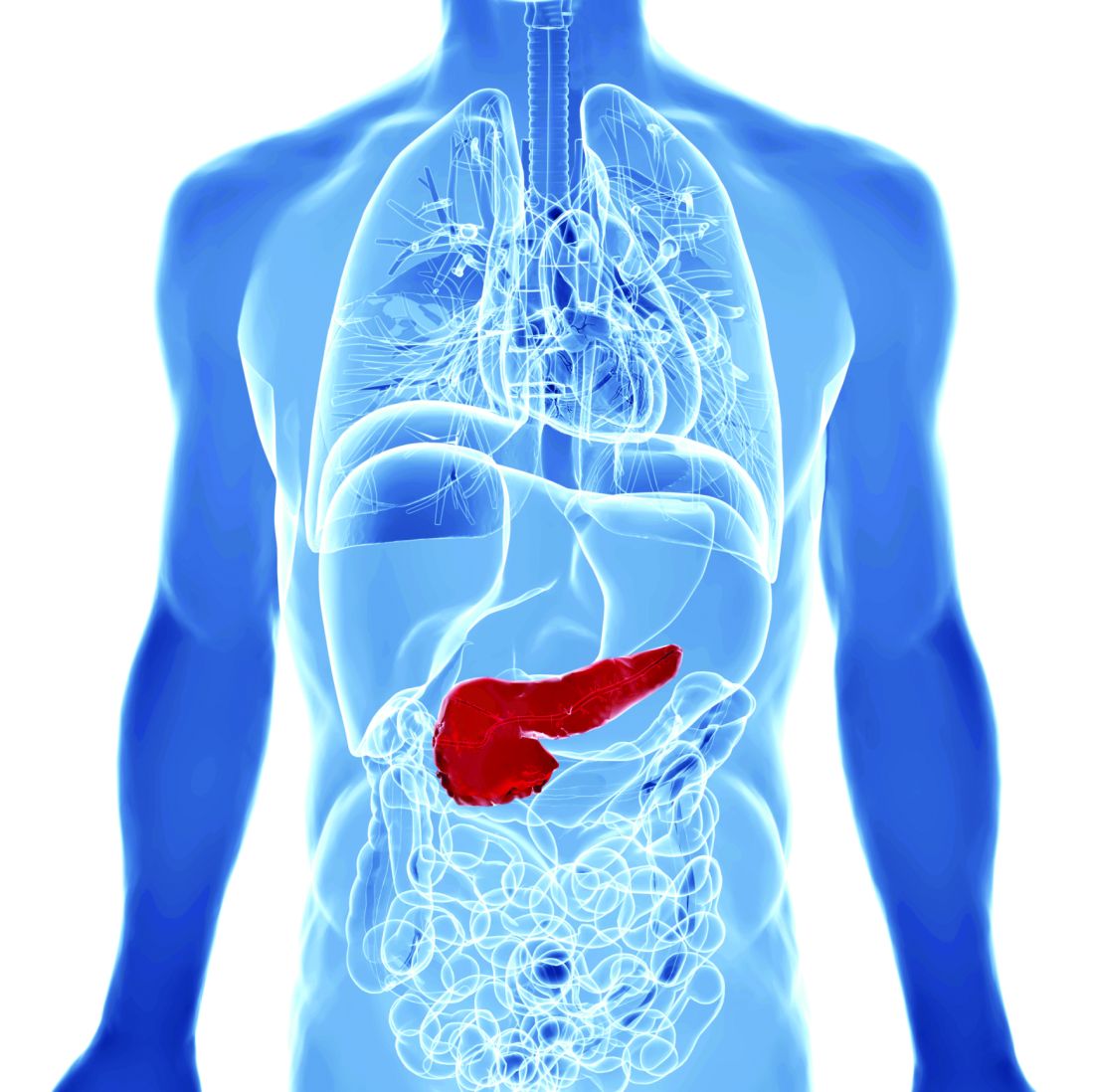
Financial support for the survey came from AbbVie, which manufactures a Food and Drug Administration–approved pharmaceutical used to treat EPI.
EPI occurs when the production of pancreatic enzymes is insufficient and the digestion of food incomplete. Untreated EPI can lead to distressing symptoms and malnutrition, Phil Hart, MD, of the Ohio State University, Columbus, said in an interview.
Diagnosis can be challenging, but a high index of suspicion for EPI is appropriate for patients with unexplained weight loss and those with a personal or family history of pancreatic disease. An additional red flag is “a greasy, oily film in the toilet water, a sign indicating the malabsorption of nutrients, Dr. Hart pointed out.
Other symptoms may also be relevant to the diagnosis. “EPI is certainly not the most common reason for symptoms like diarrhea, flatulence, weight loss, etc. That being said, it is much more common than is appreciated,” Christopher E. Forsmark, MD, AGAF, of the University of Florida, Gainesville, said in an interview.
EPI should frequently be considered in the differential diagnosis of such conditions as functional bowel disease, irritable bowel disease, and lactose intolerance.
“We do not have accurate methods for diagnosis. Many patients with EPI, even those with underlying pancreatic disease who are at highest risk, are not diagnosed and therefore not treated,” said Dr. Forsmark.
The gold standard for diagnosis is a 72-hour stool collection and fecal fat analysis, which is both labor intensive, expensive, and rarely done. Other tests more-commonly done are fecal elastase and serum trypsin level or a mixed triglyceride breath test.
Dr. Hart and Dr. Forsmark were involved as AGA medical advisers in the development and drafting of the EPI Uncovered survey.
Of providers surveyed who had treated patient with EPI during the past 3 months, 70% of gastroenterologists reported that they had initiated discussion of EPI symptoms, prevention, diagnosis, or treatment; 24% of the time, it was the patient who had initiated that discussion. In contrast, primary care physicians reported that only 35% of the time had they initiated the discussion, while 43% of the time it was the patient who had done so. In 6% of the cases, gastroenterologists were unsure who had initiated the discussion or did not recall who had done so, while the corresponding figure for primary care physicians was 22%.
“Patients will usually respond honestly to direct questions but may not spontaneously volunteer to report their symptoms. This means that their physician must ask these questions, and not assume that the patient would let them know if GI symptoms were present,” Dr. Forsmark said.
Some patients might be gently and sensitively pushed to reveal information, Dr. Hart said. For example, he may ask patients if their symptoms are interfering with their work or their social interactions. Further, in his experience family members may prove to be better sources of relevant information than patients themselves.
The physicians surveyed revealed that approximately one-quarter of their patients (25% of primary care patients and 24% of patients of gastroenterologists) who are eventually diagnosed with EPI had previously been diagnosed with a different condition.
“There is a widespread lack of knowledge on the part of patients and even doctors about the pancreas and about EPI. There is also a widespread lack of knowledge on appropriate treatment of EPI. Patients often are not treated at all, or are treated with an inadequate dosage of pancreatic enzyme replacement therapy,” Dr. Forsmark said.
Further, while 63% of gastroenterologists said they considered the pancreas when diagnosing gastrointestinal symptoms, only 48% of primary care physicians reported considering the pancreas in these situations.
“In our culture, discussing GI symptoms is particularly embarrassing,” said Dr. Forsmark. “This is not uniform across these symptoms. For instance, patients will often report heartburn or GERD [gastroesophageal reflux disease] or difficulty swallowing but are more embarrassed to report bloating or flatulence or changes in bowel habits, or even abdominal pain.”
“In addition, as we have all had these types of symptoms during our lives and they often spontaneously improve, our tendency is to ignore them for prolonged periods,” Dr. Forsmark said.
“A recent patient of mine presented with some loose stools and severe weight loss. This patient reported that symptoms – in retrospect – had been present for more than 6 months. And noted that although he had lost more than 40 pounds, he had been ‘trying to lose weight.’ ” This patient seemed to ignore the fact that “all previous attempts at dieting had been ineffective, and his diet had not really changed. Only when a family member insisted did he agree to an evaluation, Dr. Forsmark said.
Of gastroenterologists surveyed, only 2% had not personally diagnosed at least one patient with EPI. In contrast, 57% of primary care physicians surveyed had never diagnosed a patient with EPI. Gastroenterologists should have all or most of the responsibility in educating patients about gastrointestinal symptoms, according to 78% of the primary care physicians and 92% of the gastroenterologists surveyed. And gastroenterologists should have all or most of the responsibility in treating EPI, said 84% of the primary care physicians and 93% of the gastroenterologists.
While 96% of gastroenterologists reported being either very or somewhat familiar with pancreatic enzyme replacement therapies, among primary care physicians surveyed only 52% expressed a similar level of familiarity with these drugs.
According to the National Institute for Diabetes and Digestive and Kidney Diseases 60-70 million Americans are affected by all digestive diseases. The exact prevalence of exocrine pancreatic insufficiency in not well defined, it is a symptom of a pancreatic disorder such as chronic pancreatitis.
Individuals experiencing chronic GI symptoms waited a mean of 3.7 years to see a health care professional, according to a recent survey.
Thus, for persons with chronic GI issues, inadequate communication may be a factor contributing to underdiagnosis. Fully 60% of patients surveyed cited embarrassment as the reason it was difficult to disclose GI symptoms to a doctor. Nearly half (47%) said they simply wanted to wait to see if their problems would go away. And 66% of patients interviewed had never heard of exocrine pancreatic insufficiency (EPI), while an additional 21% had heard of EPI but were not familiar with it.
Financial support for the survey came from AbbVie, which manufactures a Food and Drug Administration–approved pharmaceutical used to treat EPI.
EPI occurs when the production of pancreatic enzymes is insufficient and the digestion of food incomplete. Untreated EPI can lead to distressing symptoms and malnutrition, Phil Hart, MD, of the Ohio State University, Columbus, said in an interview.
Diagnosis can be challenging, but a high index of suspicion for EPI is appropriate for patients with unexplained weight loss and those with a personal or family history of pancreatic disease. An additional red flag is “a greasy, oily film in the toilet water, a sign indicating the malabsorption of nutrients, Dr. Hart pointed out.
Other symptoms may also be relevant to the diagnosis. “EPI is certainly not the most common reason for symptoms like diarrhea, flatulence, weight loss, etc. That being said, it is much more common than is appreciated,” Christopher E. Forsmark, MD, AGAF, of the University of Florida, Gainesville, said in an interview.
EPI should frequently be considered in the differential diagnosis of such conditions as functional bowel disease, irritable bowel disease, and lactose intolerance.
“We do not have accurate methods for diagnosis. Many patients with EPI, even those with underlying pancreatic disease who are at highest risk, are not diagnosed and therefore not treated,” said Dr. Forsmark.
The gold standard for diagnosis is a 72-hour stool collection and fecal fat analysis, which is both labor intensive, expensive, and rarely done. Other tests more-commonly done are fecal elastase and serum trypsin level or a mixed triglyceride breath test.
Dr. Hart and Dr. Forsmark were involved as AGA medical advisers in the development and drafting of the EPI Uncovered survey.
Of providers surveyed who had treated patient with EPI during the past 3 months, 70% of gastroenterologists reported that they had initiated discussion of EPI symptoms, prevention, diagnosis, or treatment; 24% of the time, it was the patient who had initiated that discussion. In contrast, primary care physicians reported that only 35% of the time had they initiated the discussion, while 43% of the time it was the patient who had done so. In 6% of the cases, gastroenterologists were unsure who had initiated the discussion or did not recall who had done so, while the corresponding figure for primary care physicians was 22%.
“Patients will usually respond honestly to direct questions but may not spontaneously volunteer to report their symptoms. This means that their physician must ask these questions, and not assume that the patient would let them know if GI symptoms were present,” Dr. Forsmark said.
Some patients might be gently and sensitively pushed to reveal information, Dr. Hart said. For example, he may ask patients if their symptoms are interfering with their work or their social interactions. Further, in his experience family members may prove to be better sources of relevant information than patients themselves.
The physicians surveyed revealed that approximately one-quarter of their patients (25% of primary care patients and 24% of patients of gastroenterologists) who are eventually diagnosed with EPI had previously been diagnosed with a different condition.
“There is a widespread lack of knowledge on the part of patients and even doctors about the pancreas and about EPI. There is also a widespread lack of knowledge on appropriate treatment of EPI. Patients often are not treated at all, or are treated with an inadequate dosage of pancreatic enzyme replacement therapy,” Dr. Forsmark said.
Further, while 63% of gastroenterologists said they considered the pancreas when diagnosing gastrointestinal symptoms, only 48% of primary care physicians reported considering the pancreas in these situations.
“In our culture, discussing GI symptoms is particularly embarrassing,” said Dr. Forsmark. “This is not uniform across these symptoms. For instance, patients will often report heartburn or GERD [gastroesophageal reflux disease] or difficulty swallowing but are more embarrassed to report bloating or flatulence or changes in bowel habits, or even abdominal pain.”
“In addition, as we have all had these types of symptoms during our lives and they often spontaneously improve, our tendency is to ignore them for prolonged periods,” Dr. Forsmark said.
“A recent patient of mine presented with some loose stools and severe weight loss. This patient reported that symptoms – in retrospect – had been present for more than 6 months. And noted that although he had lost more than 40 pounds, he had been ‘trying to lose weight.’ ” This patient seemed to ignore the fact that “all previous attempts at dieting had been ineffective, and his diet had not really changed. Only when a family member insisted did he agree to an evaluation, Dr. Forsmark said.
Of gastroenterologists surveyed, only 2% had not personally diagnosed at least one patient with EPI. In contrast, 57% of primary care physicians surveyed had never diagnosed a patient with EPI. Gastroenterologists should have all or most of the responsibility in educating patients about gastrointestinal symptoms, according to 78% of the primary care physicians and 92% of the gastroenterologists surveyed. And gastroenterologists should have all or most of the responsibility in treating EPI, said 84% of the primary care physicians and 93% of the gastroenterologists.
While 96% of gastroenterologists reported being either very or somewhat familiar with pancreatic enzyme replacement therapies, among primary care physicians surveyed only 52% expressed a similar level of familiarity with these drugs.
According to the National Institute for Diabetes and Digestive and Kidney Diseases 60-70 million Americans are affected by all digestive diseases. The exact prevalence of exocrine pancreatic insufficiency in not well defined, it is a symptom of a pancreatic disorder such as chronic pancreatitis.
Individuals experiencing chronic GI symptoms waited a mean of 3.7 years to see a health care professional, according to a recent survey.
Thus, for persons with chronic GI issues, inadequate communication may be a factor contributing to underdiagnosis. Fully 60% of patients surveyed cited embarrassment as the reason it was difficult to disclose GI symptoms to a doctor. Nearly half (47%) said they simply wanted to wait to see if their problems would go away. And 66% of patients interviewed had never heard of exocrine pancreatic insufficiency (EPI), while an additional 21% had heard of EPI but were not familiar with it.
Financial support for the survey came from AbbVie, which manufactures a Food and Drug Administration–approved pharmaceutical used to treat EPI.
EPI occurs when the production of pancreatic enzymes is insufficient and the digestion of food incomplete. Untreated EPI can lead to distressing symptoms and malnutrition, Phil Hart, MD, of the Ohio State University, Columbus, said in an interview.
Diagnosis can be challenging, but a high index of suspicion for EPI is appropriate for patients with unexplained weight loss and those with a personal or family history of pancreatic disease. An additional red flag is “a greasy, oily film in the toilet water, a sign indicating the malabsorption of nutrients, Dr. Hart pointed out.
Other symptoms may also be relevant to the diagnosis. “EPI is certainly not the most common reason for symptoms like diarrhea, flatulence, weight loss, etc. That being said, it is much more common than is appreciated,” Christopher E. Forsmark, MD, AGAF, of the University of Florida, Gainesville, said in an interview.
EPI should frequently be considered in the differential diagnosis of such conditions as functional bowel disease, irritable bowel disease, and lactose intolerance.
“We do not have accurate methods for diagnosis. Many patients with EPI, even those with underlying pancreatic disease who are at highest risk, are not diagnosed and therefore not treated,” said Dr. Forsmark.
The gold standard for diagnosis is a 72-hour stool collection and fecal fat analysis, which is both labor intensive, expensive, and rarely done. Other tests more-commonly done are fecal elastase and serum trypsin level or a mixed triglyceride breath test.
Dr. Hart and Dr. Forsmark were involved as AGA medical advisers in the development and drafting of the EPI Uncovered survey.
Of providers surveyed who had treated patient with EPI during the past 3 months, 70% of gastroenterologists reported that they had initiated discussion of EPI symptoms, prevention, diagnosis, or treatment; 24% of the time, it was the patient who had initiated that discussion. In contrast, primary care physicians reported that only 35% of the time had they initiated the discussion, while 43% of the time it was the patient who had done so. In 6% of the cases, gastroenterologists were unsure who had initiated the discussion or did not recall who had done so, while the corresponding figure for primary care physicians was 22%.
“Patients will usually respond honestly to direct questions but may not spontaneously volunteer to report their symptoms. This means that their physician must ask these questions, and not assume that the patient would let them know if GI symptoms were present,” Dr. Forsmark said.
Some patients might be gently and sensitively pushed to reveal information, Dr. Hart said. For example, he may ask patients if their symptoms are interfering with their work or their social interactions. Further, in his experience family members may prove to be better sources of relevant information than patients themselves.
The physicians surveyed revealed that approximately one-quarter of their patients (25% of primary care patients and 24% of patients of gastroenterologists) who are eventually diagnosed with EPI had previously been diagnosed with a different condition.
“There is a widespread lack of knowledge on the part of patients and even doctors about the pancreas and about EPI. There is also a widespread lack of knowledge on appropriate treatment of EPI. Patients often are not treated at all, or are treated with an inadequate dosage of pancreatic enzyme replacement therapy,” Dr. Forsmark said.
Further, while 63% of gastroenterologists said they considered the pancreas when diagnosing gastrointestinal symptoms, only 48% of primary care physicians reported considering the pancreas in these situations.
“In our culture, discussing GI symptoms is particularly embarrassing,” said Dr. Forsmark. “This is not uniform across these symptoms. For instance, patients will often report heartburn or GERD [gastroesophageal reflux disease] or difficulty swallowing but are more embarrassed to report bloating or flatulence or changes in bowel habits, or even abdominal pain.”
“In addition, as we have all had these types of symptoms during our lives and they often spontaneously improve, our tendency is to ignore them for prolonged periods,” Dr. Forsmark said.
“A recent patient of mine presented with some loose stools and severe weight loss. This patient reported that symptoms – in retrospect – had been present for more than 6 months. And noted that although he had lost more than 40 pounds, he had been ‘trying to lose weight.’ ” This patient seemed to ignore the fact that “all previous attempts at dieting had been ineffective, and his diet had not really changed. Only when a family member insisted did he agree to an evaluation, Dr. Forsmark said.
Of gastroenterologists surveyed, only 2% had not personally diagnosed at least one patient with EPI. In contrast, 57% of primary care physicians surveyed had never diagnosed a patient with EPI. Gastroenterologists should have all or most of the responsibility in educating patients about gastrointestinal symptoms, according to 78% of the primary care physicians and 92% of the gastroenterologists surveyed. And gastroenterologists should have all or most of the responsibility in treating EPI, said 84% of the primary care physicians and 93% of the gastroenterologists.
While 96% of gastroenterologists reported being either very or somewhat familiar with pancreatic enzyme replacement therapies, among primary care physicians surveyed only 52% expressed a similar level of familiarity with these drugs.
According to the National Institute for Diabetes and Digestive and Kidney Diseases 60-70 million Americans are affected by all digestive diseases. The exact prevalence of exocrine pancreatic insufficiency in not well defined, it is a symptom of a pancreatic disorder such as chronic pancreatitis.
Key clinical point: Embarrassment hinders diagnosis of lower GI conditions, including exocrine pancreatic insufficiency.
Major finding: Individuals experiencing chronic GI symptoms waited a mean of 3.7 years to see a health care professional.
Data source: An online survey of 1,001 patients, 250 gastroenterologists, and 250 primary care providers.
Disclosures: Financial support for the survey came from AbbVie, which manufactures an FDA-approved pharmaceutical used to treat EPI.
Initial data on biosimilars in IBD are encouraging, but more needed
ORLANDO – The rapidly evolving field of biologic and biosimilar agents can leave gastroenterologists reeling in terms of what role biosimilars will play in practice and how best to utilize them for a patient with ulcerative colitis or Crohn’s disease. Limited data so far – primarily case series and limited postmarketing findings – suggest that a biosimilar can be as safe and effective as the innovator biologic. However, more rigorous research and more research overall are needed to confirm this comparative efficacy and to address unanswered questions around switching and cost effectiveness.
The uncertainty stems in part from a lack of prospective, randomized comparison studies to guide evidence-based clinical practice, Miguel D. Regueiro, MD, gastroenterologist and IBD clinical medical director at the University of Pittsburgh Medical Center.

As clinicians await more definitive evidence, a number of limited studies have been published in the past year assessing biosimilars in inflammatory bowel disease (IBD). “The clinical response ranges were high, in most studies more than two-thirds [of patients] had a response, but again there are no head-to-head studies,” Dr. Regueiro said at the meeting sponsored by the Crohn’s & Colitis Foundation of America.
“We don’t have the data yet in IBD.”
A review of the literature on anti-tumor necrosis factor antibody biosimilar Inflectra (infliximab-dyyb, Celltrion) supports its bioequivalence to infliximab (Remicade, Janssen) in ankylosing spondylitis (Aliment Pharmacol Ther. 2015;42:1158-69). However, dosing regimens and use of concomitant medications differ in the IBD population, the investigators noted, so the case series and short-duration postmarketing results published in the literature leave unanswered questions for gastroenterologists.
Just because biosimilars appear bioequivalent so far in IBD, it does not mean this new class of agents is free of controversy. When the U.S. Food and Drug Administration approved Inflectra in April 2016 based on evidence in ankylosing spondylitis and rheumatoid arthritis, it extrapolated the approval to all conditions for which infliximab is approved, including ulcerative colitis and Crohn’s disease. However, this “highly controversial approach has been criticized by various rheumatology and gastroenterology professional societies around the world,” according to authors of a critical review on biosimilars in IBD (Inflamm Bowel Dis. 2016;22:2513-26).
Clinicians can safely switch patients from infliximab to Inflectra, according to the noninferiority phase IV NOR-SWITCH study conducted in Norway. Researchers assessed almost 500 patients on stable infliximab treatment for a minimum of 6 months prior to switching. However, this was a multi-indication study that included inflammatory bowel disease patients and many others, Dr. Regueiro said. “When you read the fine print in these studies, especially with Crohn’s disease, you start to see differences,” he added.
Although the evidence is encouraging so far, “we do not have prospective, comparative studies yet.”
During a Q&A panel session, a meeting attendee asked if clinicians will be able to use the same laboratory assay used to check a biologic’s drug and antibody levels for its biosimilar. “Our understanding is you will not be able to use the same assay as you do for infliximab. There are companies developing assays specifically for the biosimilars, and I think they will be available in addition to the ones for the innovator agents.”
ORLANDO – The rapidly evolving field of biologic and biosimilar agents can leave gastroenterologists reeling in terms of what role biosimilars will play in practice and how best to utilize them for a patient with ulcerative colitis or Crohn’s disease. Limited data so far – primarily case series and limited postmarketing findings – suggest that a biosimilar can be as safe and effective as the innovator biologic. However, more rigorous research and more research overall are needed to confirm this comparative efficacy and to address unanswered questions around switching and cost effectiveness.
The uncertainty stems in part from a lack of prospective, randomized comparison studies to guide evidence-based clinical practice, Miguel D. Regueiro, MD, gastroenterologist and IBD clinical medical director at the University of Pittsburgh Medical Center.
As clinicians await more definitive evidence, a number of limited studies have been published in the past year assessing biosimilars in inflammatory bowel disease (IBD). “The clinical response ranges were high, in most studies more than two-thirds [of patients] had a response, but again there are no head-to-head studies,” Dr. Regueiro said at the meeting sponsored by the Crohn’s & Colitis Foundation of America.
“We don’t have the data yet in IBD.”
A review of the literature on anti-tumor necrosis factor antibody biosimilar Inflectra (infliximab-dyyb, Celltrion) supports its bioequivalence to infliximab (Remicade, Janssen) in ankylosing spondylitis (Aliment Pharmacol Ther. 2015;42:1158-69). However, dosing regimens and use of concomitant medications differ in the IBD population, the investigators noted, so the case series and short-duration postmarketing results published in the literature leave unanswered questions for gastroenterologists.
Just because biosimilars appear bioequivalent so far in IBD, it does not mean this new class of agents is free of controversy. When the U.S. Food and Drug Administration approved Inflectra in April 2016 based on evidence in ankylosing spondylitis and rheumatoid arthritis, it extrapolated the approval to all conditions for which infliximab is approved, including ulcerative colitis and Crohn’s disease. However, this “highly controversial approach has been criticized by various rheumatology and gastroenterology professional societies around the world,” according to authors of a critical review on biosimilars in IBD (Inflamm Bowel Dis. 2016;22:2513-26).
Clinicians can safely switch patients from infliximab to Inflectra, according to the noninferiority phase IV NOR-SWITCH study conducted in Norway. Researchers assessed almost 500 patients on stable infliximab treatment for a minimum of 6 months prior to switching. However, this was a multi-indication study that included inflammatory bowel disease patients and many others, Dr. Regueiro said. “When you read the fine print in these studies, especially with Crohn’s disease, you start to see differences,” he added.
Although the evidence is encouraging so far, “we do not have prospective, comparative studies yet.”
During a Q&A panel session, a meeting attendee asked if clinicians will be able to use the same laboratory assay used to check a biologic’s drug and antibody levels for its biosimilar. “Our understanding is you will not be able to use the same assay as you do for infliximab. There are companies developing assays specifically for the biosimilars, and I think they will be available in addition to the ones for the innovator agents.”
ORLANDO – The rapidly evolving field of biologic and biosimilar agents can leave gastroenterologists reeling in terms of what role biosimilars will play in practice and how best to utilize them for a patient with ulcerative colitis or Crohn’s disease. Limited data so far – primarily case series and limited postmarketing findings – suggest that a biosimilar can be as safe and effective as the innovator biologic. However, more rigorous research and more research overall are needed to confirm this comparative efficacy and to address unanswered questions around switching and cost effectiveness.
The uncertainty stems in part from a lack of prospective, randomized comparison studies to guide evidence-based clinical practice, Miguel D. Regueiro, MD, gastroenterologist and IBD clinical medical director at the University of Pittsburgh Medical Center.
As clinicians await more definitive evidence, a number of limited studies have been published in the past year assessing biosimilars in inflammatory bowel disease (IBD). “The clinical response ranges were high, in most studies more than two-thirds [of patients] had a response, but again there are no head-to-head studies,” Dr. Regueiro said at the meeting sponsored by the Crohn’s & Colitis Foundation of America.
“We don’t have the data yet in IBD.”
A review of the literature on anti-tumor necrosis factor antibody biosimilar Inflectra (infliximab-dyyb, Celltrion) supports its bioequivalence to infliximab (Remicade, Janssen) in ankylosing spondylitis (Aliment Pharmacol Ther. 2015;42:1158-69). However, dosing regimens and use of concomitant medications differ in the IBD population, the investigators noted, so the case series and short-duration postmarketing results published in the literature leave unanswered questions for gastroenterologists.
Just because biosimilars appear bioequivalent so far in IBD, it does not mean this new class of agents is free of controversy. When the U.S. Food and Drug Administration approved Inflectra in April 2016 based on evidence in ankylosing spondylitis and rheumatoid arthritis, it extrapolated the approval to all conditions for which infliximab is approved, including ulcerative colitis and Crohn’s disease. However, this “highly controversial approach has been criticized by various rheumatology and gastroenterology professional societies around the world,” according to authors of a critical review on biosimilars in IBD (Inflamm Bowel Dis. 2016;22:2513-26).
Clinicians can safely switch patients from infliximab to Inflectra, according to the noninferiority phase IV NOR-SWITCH study conducted in Norway. Researchers assessed almost 500 patients on stable infliximab treatment for a minimum of 6 months prior to switching. However, this was a multi-indication study that included inflammatory bowel disease patients and many others, Dr. Regueiro said. “When you read the fine print in these studies, especially with Crohn’s disease, you start to see differences,” he added.
Although the evidence is encouraging so far, “we do not have prospective, comparative studies yet.”
During a Q&A panel session, a meeting attendee asked if clinicians will be able to use the same laboratory assay used to check a biologic’s drug and antibody levels for its biosimilar. “Our understanding is you will not be able to use the same assay as you do for infliximab. There are companies developing assays specifically for the biosimilars, and I think they will be available in addition to the ones for the innovator agents.”
AT AIBD 2016
Key clinical point: Initial research on biosimilars in ulcerative colitis and Crohn’s disease suggests similar efficacy and safety to originator biologic agents, which researchers hope to confirm in larger, prospective studies underway.
Major finding: The clinical response ranges were high – in most studies more than two-thirds of patients had a response to a biosimilar agent.
Data source: Literature review, expert opinion.
Disclosures: Dr. Regueiro reported he is a consultant for AbbVie, Janssen, Pfizer, Takeda, and UCB.
AGA Guideline: Preventing Crohn’s recurrence after resection
Patients whose Crohn’s disease fully remits after resection should not wait for endoscopic recurrence to start tumor-necrosis-factor inhibitors or thiopurines, according to a new guideline from the American Gastroenterological Association.
Patients who are low risk or worried about side effects, however, “may reasonably select endoscopy-guided pharmacological treatment,” the guidelines state (doi: 10.1053/j.gastro.2016.10.038).

Early pharmacologic prophylaxis usually begins within 8 weeks of surgery, they noted. Whether this approach bests endoscopy-guided treatment is unclear: In one small trial (Gastroenterology. 2013;145[4]:766-74.e1), early azathioprine therapy failed to best endoscopy-guided therapy for preventing clinical or endoscopic recurrence.
Early prophylaxis, however, is usually reasonable because most Crohn’s patients who undergo surgery have at least one risk factor for recurrence, Dr. Nguyen and his associates emphasize. They suggest reserving endoscopy-guided therapy for patients who have real concerns about side effects and are at low risk, such as nonsmokers who were diagnosed within 10 years and have less than 10-20 cm of fibrostenotic disease.
For prophylaxis, a moderate amount of evidence supports anti–tumor necrosis factor (TNF) agents, thiopurines, or combined therapy over other agents, the guideline also states. In placebo-controlled clinical trials, anti-TNF therapy reduced the chances of clinical recurrence by 49% and endoscopic recurrence by 76%, while thiopurines cut these rates by 65% and 60%, respectively. Evidence favors anti-TNF agents over thiopurines for preventing recurrence, but it is of low quality, the guideline says. Furthermore, only indirect evidence supports combined therapy in patients at highest risk of recurrence.
Among the antibiotics, only nitroimidazoles such as metronidazole have been adequately studied, and they posted worse results than anti-TNF agents or thiopurines. Antibiotic therapy decreased the risk of endoscopic recurrence of Crohn’s disease by about 50%, but long-term use is associated with peripheral neuropathy and disease usually recurs within 2 years of stopping treatment. Accordingly, the guidelines suggest using a nitroimidazole for only 3-12 months, and only in lower-risk patients who are concerned about the adverse effects of anti-TNF agents and thiopurines.
The AGA made a conditional recommendation against the prophylactic use of budesonide, probiotics, and 5-aminosalicylates such as mesalamine. Only low-quality evidence supports their efficacy after resection, and by using these agents, clinicians may inadvertently boost the risk of recurrence by forgoing better therapies, the guideline states.
The initial endoscopy should be timed for 6-12 months after resection, regardless of whether patients are receiving pharmacologic prophylaxis, the guideline states. If there is endoscopic recurrence, then anti-TNF or thiopurine therapy should be started or optimized.
In the Postoperative Crohn’s Endoscopic Recurrence (POCER) trial, endoscopic monitoring and treatment escalation in the face of endoscopic recurrence cut the risk of subsequent clinical and endoscopic recurrence by about 18% and 27%, respectively, compared with continuing the original treatment regimen. Most patients received azathioprine or adalimumab with 3 months of metronidazole postoperatively, so “even [those] who were already on postoperative prophylaxis benefited from endoscopic monitoring with colonoscopy at 6-12 months,” the guideline notes. However, patients who elect early prophylaxis after resection can reasonably forego colonoscopy if endoscopic recurrence is unlikely to affect their treatment plan, the AGA states. The guideline strongly recommends ongoing surveillance endoscopies if patients decide against early postresection prophylaxis, but notes a lack of evidence on how far to space out these procedures.
None of the authors had relevant financial disclosures.
Patients whose Crohn’s disease fully remits after resection should not wait for endoscopic recurrence to start tumor-necrosis-factor inhibitors or thiopurines, according to a new guideline from the American Gastroenterological Association.
Patients who are low risk or worried about side effects, however, “may reasonably select endoscopy-guided pharmacological treatment,” the guidelines state (doi: 10.1053/j.gastro.2016.10.038).
Early pharmacologic prophylaxis usually begins within 8 weeks of surgery, they noted. Whether this approach bests endoscopy-guided treatment is unclear: In one small trial (Gastroenterology. 2013;145[4]:766-74.e1), early azathioprine therapy failed to best endoscopy-guided therapy for preventing clinical or endoscopic recurrence.
Early prophylaxis, however, is usually reasonable because most Crohn’s patients who undergo surgery have at least one risk factor for recurrence, Dr. Nguyen and his associates emphasize. They suggest reserving endoscopy-guided therapy for patients who have real concerns about side effects and are at low risk, such as nonsmokers who were diagnosed within 10 years and have less than 10-20 cm of fibrostenotic disease.
For prophylaxis, a moderate amount of evidence supports anti–tumor necrosis factor (TNF) agents, thiopurines, or combined therapy over other agents, the guideline also states. In placebo-controlled clinical trials, anti-TNF therapy reduced the chances of clinical recurrence by 49% and endoscopic recurrence by 76%, while thiopurines cut these rates by 65% and 60%, respectively. Evidence favors anti-TNF agents over thiopurines for preventing recurrence, but it is of low quality, the guideline says. Furthermore, only indirect evidence supports combined therapy in patients at highest risk of recurrence.
Among the antibiotics, only nitroimidazoles such as metronidazole have been adequately studied, and they posted worse results than anti-TNF agents or thiopurines. Antibiotic therapy decreased the risk of endoscopic recurrence of Crohn’s disease by about 50%, but long-term use is associated with peripheral neuropathy and disease usually recurs within 2 years of stopping treatment. Accordingly, the guidelines suggest using a nitroimidazole for only 3-12 months, and only in lower-risk patients who are concerned about the adverse effects of anti-TNF agents and thiopurines.
The AGA made a conditional recommendation against the prophylactic use of budesonide, probiotics, and 5-aminosalicylates such as mesalamine. Only low-quality evidence supports their efficacy after resection, and by using these agents, clinicians may inadvertently boost the risk of recurrence by forgoing better therapies, the guideline states.
The initial endoscopy should be timed for 6-12 months after resection, regardless of whether patients are receiving pharmacologic prophylaxis, the guideline states. If there is endoscopic recurrence, then anti-TNF or thiopurine therapy should be started or optimized.
In the Postoperative Crohn’s Endoscopic Recurrence (POCER) trial, endoscopic monitoring and treatment escalation in the face of endoscopic recurrence cut the risk of subsequent clinical and endoscopic recurrence by about 18% and 27%, respectively, compared with continuing the original treatment regimen. Most patients received azathioprine or adalimumab with 3 months of metronidazole postoperatively, so “even [those] who were already on postoperative prophylaxis benefited from endoscopic monitoring with colonoscopy at 6-12 months,” the guideline notes. However, patients who elect early prophylaxis after resection can reasonably forego colonoscopy if endoscopic recurrence is unlikely to affect their treatment plan, the AGA states. The guideline strongly recommends ongoing surveillance endoscopies if patients decide against early postresection prophylaxis, but notes a lack of evidence on how far to space out these procedures.
None of the authors had relevant financial disclosures.
Patients whose Crohn’s disease fully remits after resection should not wait for endoscopic recurrence to start tumor-necrosis-factor inhibitors or thiopurines, according to a new guideline from the American Gastroenterological Association.
Patients who are low risk or worried about side effects, however, “may reasonably select endoscopy-guided pharmacological treatment,” the guidelines state (doi: 10.1053/j.gastro.2016.10.038).
Early pharmacologic prophylaxis usually begins within 8 weeks of surgery, they noted. Whether this approach bests endoscopy-guided treatment is unclear: In one small trial (Gastroenterology. 2013;145[4]:766-74.e1), early azathioprine therapy failed to best endoscopy-guided therapy for preventing clinical or endoscopic recurrence.
Early prophylaxis, however, is usually reasonable because most Crohn’s patients who undergo surgery have at least one risk factor for recurrence, Dr. Nguyen and his associates emphasize. They suggest reserving endoscopy-guided therapy for patients who have real concerns about side effects and are at low risk, such as nonsmokers who were diagnosed within 10 years and have less than 10-20 cm of fibrostenotic disease.
For prophylaxis, a moderate amount of evidence supports anti–tumor necrosis factor (TNF) agents, thiopurines, or combined therapy over other agents, the guideline also states. In placebo-controlled clinical trials, anti-TNF therapy reduced the chances of clinical recurrence by 49% and endoscopic recurrence by 76%, while thiopurines cut these rates by 65% and 60%, respectively. Evidence favors anti-TNF agents over thiopurines for preventing recurrence, but it is of low quality, the guideline says. Furthermore, only indirect evidence supports combined therapy in patients at highest risk of recurrence.
Among the antibiotics, only nitroimidazoles such as metronidazole have been adequately studied, and they posted worse results than anti-TNF agents or thiopurines. Antibiotic therapy decreased the risk of endoscopic recurrence of Crohn’s disease by about 50%, but long-term use is associated with peripheral neuropathy and disease usually recurs within 2 years of stopping treatment. Accordingly, the guidelines suggest using a nitroimidazole for only 3-12 months, and only in lower-risk patients who are concerned about the adverse effects of anti-TNF agents and thiopurines.
The AGA made a conditional recommendation against the prophylactic use of budesonide, probiotics, and 5-aminosalicylates such as mesalamine. Only low-quality evidence supports their efficacy after resection, and by using these agents, clinicians may inadvertently boost the risk of recurrence by forgoing better therapies, the guideline states.
The initial endoscopy should be timed for 6-12 months after resection, regardless of whether patients are receiving pharmacologic prophylaxis, the guideline states. If there is endoscopic recurrence, then anti-TNF or thiopurine therapy should be started or optimized.
In the Postoperative Crohn’s Endoscopic Recurrence (POCER) trial, endoscopic monitoring and treatment escalation in the face of endoscopic recurrence cut the risk of subsequent clinical and endoscopic recurrence by about 18% and 27%, respectively, compared with continuing the original treatment regimen. Most patients received azathioprine or adalimumab with 3 months of metronidazole postoperatively, so “even [those] who were already on postoperative prophylaxis benefited from endoscopic monitoring with colonoscopy at 6-12 months,” the guideline notes. However, patients who elect early prophylaxis after resection can reasonably forego colonoscopy if endoscopic recurrence is unlikely to affect their treatment plan, the AGA states. The guideline strongly recommends ongoing surveillance endoscopies if patients decide against early postresection prophylaxis, but notes a lack of evidence on how far to space out these procedures.
None of the authors had relevant financial disclosures.
Genetics dictate interferon-alfa diarrhea risk
Genetics are probably to blame for why some patients have significant intestinal side effects from Roferon-A (interferon alfa-2a, recombinant – Roche) while others do not, according to a new French investigation reported in issue of Cellular and Molecular Gastroenterology and Hepatology.
They cultured intestinal wall samples taken from 20 colon cancer patients when they had surgery; none of them had been exposed to chemotherapy, radiation, or immunosuppressives. The team bathed the cells in IFN-alfa 2a and other biochemicals to see how they reacted. It was bench work, but the findings could eventually be useful if the team identifies the genetic risk factors for Roferon intestinal side effects and finds better options for patients at risk. Roferon is widely used for blood cancer, melanoma, viral hepatitis, and renal and hepatocellular carcinomas.
“IFN-alfa 2a elicited a rapid (24 hours) disruption of surface and crypt colonic epithelial cells via apoptosis that was variable in intensity among the 20 individuals studied. This apoptotic effect was dependent on the initiation of an IFN-gamma response … expressed in T cell–positive lamina propria cells,” the investigators said.
“IFN-alfa impairs human intestinal mucosa homeostasis by eliciting epithelial barrier disruption via apoptosis … The IFN-alfa–elicited impairment of intestinal mucosa homeostasis is heterogeneous among individuals,” Dr. Jarry and her associates wrote.
“This ex vivo finding parallels clinical observations of the interpatient variability of Roferon therapy side effects. … It has been reported that approximately 60% of patients with chronic hepatitis or cancer treated with Roferon have intestinal disorders, especially diarrhea,” they said.
The authors had no conflicts of interest. The work was funded by the University of Nantes.
Many studies have implicated cytokines in various human GI-tract disorders, but there is still limited information in the literature about their exact role in the maintenance and disturbance of tissue homeostasis and the molecular mechanisms involved.


Interestingly, IFN-alfa did not induce apoptosis in all human colonic fragments analyzed, showing that their culture model accounts for variability among individuals, recapitulating the heterogeneous response of cancer patients to IFN-alfa-based treatment who present with intestinal dysfunction as a side effect. The use of such models of human primary cell culture helps us develop a better understanding of how cytokines affect the GI mucosa, potentially leading to alternative targets for treatments. They also could be used to determine the individual patient differences underlying diverse responses to cytokines and drugs, which is particularly important to the advance of precision/personalized medicine.
Jason C. Mills, MD, PhD, and Luciana H. Osaki, PhD, are with the division of gastroenterology, departments of medicine, pathology and immunology, and developmental biology, Washington University, St. Louis. They have no conflicts of interest.
Many studies have implicated cytokines in various human GI-tract disorders, but there is still limited information in the literature about their exact role in the maintenance and disturbance of tissue homeostasis and the molecular mechanisms involved.
Interestingly, IFN-alfa did not induce apoptosis in all human colonic fragments analyzed, showing that their culture model accounts for variability among individuals, recapitulating the heterogeneous response of cancer patients to IFN-alfa-based treatment who present with intestinal dysfunction as a side effect. The use of such models of human primary cell culture helps us develop a better understanding of how cytokines affect the GI mucosa, potentially leading to alternative targets for treatments. They also could be used to determine the individual patient differences underlying diverse responses to cytokines and drugs, which is particularly important to the advance of precision/personalized medicine.
Jason C. Mills, MD, PhD, and Luciana H. Osaki, PhD, are with the division of gastroenterology, departments of medicine, pathology and immunology, and developmental biology, Washington University, St. Louis. They have no conflicts of interest.
Many studies have implicated cytokines in various human GI-tract disorders, but there is still limited information in the literature about their exact role in the maintenance and disturbance of tissue homeostasis and the molecular mechanisms involved.
Interestingly, IFN-alfa did not induce apoptosis in all human colonic fragments analyzed, showing that their culture model accounts for variability among individuals, recapitulating the heterogeneous response of cancer patients to IFN-alfa-based treatment who present with intestinal dysfunction as a side effect. The use of such models of human primary cell culture helps us develop a better understanding of how cytokines affect the GI mucosa, potentially leading to alternative targets for treatments. They also could be used to determine the individual patient differences underlying diverse responses to cytokines and drugs, which is particularly important to the advance of precision/personalized medicine.
Jason C. Mills, MD, PhD, and Luciana H. Osaki, PhD, are with the division of gastroenterology, departments of medicine, pathology and immunology, and developmental biology, Washington University, St. Louis. They have no conflicts of interest.
Genetics are probably to blame for why some patients have significant intestinal side effects from Roferon-A (interferon alfa-2a, recombinant – Roche) while others do not, according to a new French investigation reported in issue of Cellular and Molecular Gastroenterology and Hepatology.
They cultured intestinal wall samples taken from 20 colon cancer patients when they had surgery; none of them had been exposed to chemotherapy, radiation, or immunosuppressives. The team bathed the cells in IFN-alfa 2a and other biochemicals to see how they reacted. It was bench work, but the findings could eventually be useful if the team identifies the genetic risk factors for Roferon intestinal side effects and finds better options for patients at risk. Roferon is widely used for blood cancer, melanoma, viral hepatitis, and renal and hepatocellular carcinomas.
“IFN-alfa 2a elicited a rapid (24 hours) disruption of surface and crypt colonic epithelial cells via apoptosis that was variable in intensity among the 20 individuals studied. This apoptotic effect was dependent on the initiation of an IFN-gamma response … expressed in T cell–positive lamina propria cells,” the investigators said.
“IFN-alfa impairs human intestinal mucosa homeostasis by eliciting epithelial barrier disruption via apoptosis … The IFN-alfa–elicited impairment of intestinal mucosa homeostasis is heterogeneous among individuals,” Dr. Jarry and her associates wrote.
“This ex vivo finding parallels clinical observations of the interpatient variability of Roferon therapy side effects. … It has been reported that approximately 60% of patients with chronic hepatitis or cancer treated with Roferon have intestinal disorders, especially diarrhea,” they said.
The authors had no conflicts of interest. The work was funded by the University of Nantes.
Genetics are probably to blame for why some patients have significant intestinal side effects from Roferon-A (interferon alfa-2a, recombinant – Roche) while others do not, according to a new French investigation reported in issue of Cellular and Molecular Gastroenterology and Hepatology.
They cultured intestinal wall samples taken from 20 colon cancer patients when they had surgery; none of them had been exposed to chemotherapy, radiation, or immunosuppressives. The team bathed the cells in IFN-alfa 2a and other biochemicals to see how they reacted. It was bench work, but the findings could eventually be useful if the team identifies the genetic risk factors for Roferon intestinal side effects and finds better options for patients at risk. Roferon is widely used for blood cancer, melanoma, viral hepatitis, and renal and hepatocellular carcinomas.
“IFN-alfa 2a elicited a rapid (24 hours) disruption of surface and crypt colonic epithelial cells via apoptosis that was variable in intensity among the 20 individuals studied. This apoptotic effect was dependent on the initiation of an IFN-gamma response … expressed in T cell–positive lamina propria cells,” the investigators said.
“IFN-alfa impairs human intestinal mucosa homeostasis by eliciting epithelial barrier disruption via apoptosis … The IFN-alfa–elicited impairment of intestinal mucosa homeostasis is heterogeneous among individuals,” Dr. Jarry and her associates wrote.
“This ex vivo finding parallels clinical observations of the interpatient variability of Roferon therapy side effects. … It has been reported that approximately 60% of patients with chronic hepatitis or cancer treated with Roferon have intestinal disorders, especially diarrhea,” they said.
The authors had no conflicts of interest. The work was funded by the University of Nantes.
FROM CELLULAR AND MOLECULAR GASTROENTEROLOGY AND HEPATOLOGY
Fecal calprotectin tops CRP as Crohn’s marker
Stool calprotectin correlates with severity of small-bowel Crohn’s disease, as measured against balloon-assisted enteroscopy and computed tomography enterography, according to a review reported in the January issue of Clinical Gastroenterology and Hepatology of 89 patients at Toho University in Chiba, Japan.
Although the correlation was moderate, the findings suggest that fecal calprotectin (FC), with additional work, might turn out to be a good biomarker for tracking small-bowel Crohn’s disease (CD) and its response to tumor necrosis factor blockers. “Currently, it is not widely accepted that FC relates to disease activity in patients with small-intestinal CD,” said investigators led by Tsunetaka Arai of Toho University’s division of gastroenterology and hepatology (Clin Gastroenterol Hepatol. 2016 Aug 23. doi: 10.1016/j.cgh.2016.08.015).
Gastroenterologists need a decent biomarker for small-bowel Crohn’s because old-school endoscopy falls short. Adhesions and strictures block endoscopes, and sometimes scopes simply can’t reach the disease site.
Balloon-assisted enteroscopy (BAE) and computed tomography enterography (CTE) have emerged in recent years as alternatives, but, even so, the need persists for a noninvasive and inexpensive biomarker that’s better than the current standard of C-reactive protein (CRP), which can be thrown off by systemic inflammation, among other problems. The Toho investigators “believe that FC could be a relevant surrogate marker of disease activity in small-bowel CD.” Stool calprotectin paralleled disease activity in their study, while “neither the CDAI [CD activity index] score nor serum CRP showed similar correlation,” they said.
However, elevations in FC – a calcium- and zinc-binding protein released when neutrophils, monocytes, and macrophages inflame the intestinal mucosa – was independent of CD location, which signals the need for further investigation.
Meanwhile, the decent correlation between FC and CTE in the study “should [also] mean that” they could be used together to reliably define mucosal healing. CTE on its own “showed good correlation” with BAE; a CTE score/segment less than 2 [was] associated with endoscopic mucosal healing” on BAE, the investigators said.
The study subjects were an average of 32 years old, and had CD for 9 years; most were men. They had highly active disease at their first endoscopy (average CDAI of 120 points), and an average CRP of 1.09 mg/dL. Twenty-seven patients (30.3%) had small-bowel CD, 50 (56.2%) had ileocolonic CD, and 12 (13.5%) had colonic CD.
They all had endoscopic exams, BAE, and FC stool testing; those with strictures (17) went on to CTE; CTE detected every lesion despite the strictures.
The authors had no conflicts of interest.
Stool calprotectin correlates with severity of small-bowel Crohn’s disease, as measured against balloon-assisted enteroscopy and computed tomography enterography, according to a review reported in the January issue of Clinical Gastroenterology and Hepatology of 89 patients at Toho University in Chiba, Japan.
Although the correlation was moderate, the findings suggest that fecal calprotectin (FC), with additional work, might turn out to be a good biomarker for tracking small-bowel Crohn’s disease (CD) and its response to tumor necrosis factor blockers. “Currently, it is not widely accepted that FC relates to disease activity in patients with small-intestinal CD,” said investigators led by Tsunetaka Arai of Toho University’s division of gastroenterology and hepatology (Clin Gastroenterol Hepatol. 2016 Aug 23. doi: 10.1016/j.cgh.2016.08.015).
Gastroenterologists need a decent biomarker for small-bowel Crohn’s because old-school endoscopy falls short. Adhesions and strictures block endoscopes, and sometimes scopes simply can’t reach the disease site.
Balloon-assisted enteroscopy (BAE) and computed tomography enterography (CTE) have emerged in recent years as alternatives, but, even so, the need persists for a noninvasive and inexpensive biomarker that’s better than the current standard of C-reactive protein (CRP), which can be thrown off by systemic inflammation, among other problems. The Toho investigators “believe that FC could be a relevant surrogate marker of disease activity in small-bowel CD.” Stool calprotectin paralleled disease activity in their study, while “neither the CDAI [CD activity index] score nor serum CRP showed similar correlation,” they said.
However, elevations in FC – a calcium- and zinc-binding protein released when neutrophils, monocytes, and macrophages inflame the intestinal mucosa – was independent of CD location, which signals the need for further investigation.
Meanwhile, the decent correlation between FC and CTE in the study “should [also] mean that” they could be used together to reliably define mucosal healing. CTE on its own “showed good correlation” with BAE; a CTE score/segment less than 2 [was] associated with endoscopic mucosal healing” on BAE, the investigators said.
The study subjects were an average of 32 years old, and had CD for 9 years; most were men. They had highly active disease at their first endoscopy (average CDAI of 120 points), and an average CRP of 1.09 mg/dL. Twenty-seven patients (30.3%) had small-bowel CD, 50 (56.2%) had ileocolonic CD, and 12 (13.5%) had colonic CD.
They all had endoscopic exams, BAE, and FC stool testing; those with strictures (17) went on to CTE; CTE detected every lesion despite the strictures.
The authors had no conflicts of interest.
Stool calprotectin correlates with severity of small-bowel Crohn’s disease, as measured against balloon-assisted enteroscopy and computed tomography enterography, according to a review reported in the January issue of Clinical Gastroenterology and Hepatology of 89 patients at Toho University in Chiba, Japan.
Although the correlation was moderate, the findings suggest that fecal calprotectin (FC), with additional work, might turn out to be a good biomarker for tracking small-bowel Crohn’s disease (CD) and its response to tumor necrosis factor blockers. “Currently, it is not widely accepted that FC relates to disease activity in patients with small-intestinal CD,” said investigators led by Tsunetaka Arai of Toho University’s division of gastroenterology and hepatology (Clin Gastroenterol Hepatol. 2016 Aug 23. doi: 10.1016/j.cgh.2016.08.015).
Gastroenterologists need a decent biomarker for small-bowel Crohn’s because old-school endoscopy falls short. Adhesions and strictures block endoscopes, and sometimes scopes simply can’t reach the disease site.
Balloon-assisted enteroscopy (BAE) and computed tomography enterography (CTE) have emerged in recent years as alternatives, but, even so, the need persists for a noninvasive and inexpensive biomarker that’s better than the current standard of C-reactive protein (CRP), which can be thrown off by systemic inflammation, among other problems. The Toho investigators “believe that FC could be a relevant surrogate marker of disease activity in small-bowel CD.” Stool calprotectin paralleled disease activity in their study, while “neither the CDAI [CD activity index] score nor serum CRP showed similar correlation,” they said.
However, elevations in FC – a calcium- and zinc-binding protein released when neutrophils, monocytes, and macrophages inflame the intestinal mucosa – was independent of CD location, which signals the need for further investigation.
Meanwhile, the decent correlation between FC and CTE in the study “should [also] mean that” they could be used together to reliably define mucosal healing. CTE on its own “showed good correlation” with BAE; a CTE score/segment less than 2 [was] associated with endoscopic mucosal healing” on BAE, the investigators said.
The study subjects were an average of 32 years old, and had CD for 9 years; most were men. They had highly active disease at their first endoscopy (average CDAI of 120 points), and an average CRP of 1.09 mg/dL. Twenty-seven patients (30.3%) had small-bowel CD, 50 (56.2%) had ileocolonic CD, and 12 (13.5%) had colonic CD.
They all had endoscopic exams, BAE, and FC stool testing; those with strictures (17) went on to CTE; CTE detected every lesion despite the strictures.
The authors had no conflicts of interest.
FROM CLINICAL GASTROENTEROLOGY AND HEPATOLOGY
Key clinical point:
Major finding: A fecal calprotectin cutoff of 215 mcg/g identified mucosal healing with 82.8% sensitivity, 71.4% specificity, and an AUC of 0.81.
Data source: Review of 89 Crohn’s patients
Disclosures: The investigators had no conflicts of interest.
Mobile health indexes accurately detected active inflammatory bowel disease
Mobile health indexes for remotely monitoring Crohn’s disease and ulcerative colitis accurately identified clinically active disease and changed significantly as disease activity did, researchers reported in the December issue of Clinical Gastroenterology and Hepatology.
The mobile health index for Crohn’s disease predicted clinical disease activity with an area under the receiver operating characteristic curve (AUC) of 0.90, Welmoed K. van Deen, MD, of the University of California, Los Angeles, and her associates wrote in Clinical Gastroenterology and Hepatology. The AUC for the ulcerative colitis index for ulcerative colitis was very similar, at 0.91. “The [mobile health indexes] are specifically designed for implementation on a mobile application, and are currently available to patients with IBD [inflammatory bowel disease] treated at the UCLA Center for IBD,” the researchers said. “Prospective, randomized studies need to assess the effect of remote monitoring on disease control, quality of life, patient satisfaction, and health care costs.”
Inspired by the lack of smartphone applications for remotely managing inflammatory bowel disease, the researchers administered comprehensive disease-specific questionnaires to 110 patients with Crohn’s disease and 109 patients with ulcerative colitis who visited the UCLA IBD center in 2013 and 2014. They compared patient-reported outcomes across 10 domains of disease activity with scores on a number of existing disease activity indexes, and used logistic regression to identify which self-reported outcomes best predicted disease activity in both Crohn’s disease and ulcerative colitis (Clin Gastroenterol Hepatol. 2015 Nov 18. doi: 10.1016/j.cgh.2015.10.035).
The resulting Crohn’s disease mobile health index asked how many liquid or “very soft” stools patients had per day, if they had abdominal pain, and how they would rate their well-being and level of disease control on scales ranging between 0 and 10. The ulcerative colitis mobile health index asked about number of stools the day before and had patients score abdominal pain, frequency of rectal bleeding, and level of disease control between 0 and 10. The researchers also validated each mobile health index in multicenter cohorts of 301 patients with Crohn’s disease and 265 patients with ulcerative colitis.
Each mobile health index detected clinical disease activity with about 90% accuracy, compared with standard measures, including the Crohn’s disease activity index and the Harvey Bradshaw index for Crohn’s disease, the partial Mayo score, the simple clinical colitis activity index, and the modified Truelove and Witts index for ulcerative colitis. But the mobile indexes detected endoscopic disease activity less accurately, with AUCs of 0.82 for ulcerative colitis and only 0.63 for Crohn’s disease. “As previously shown, ulcerative colitis clinical disease activity highly correlates with endoscopic disease activity, whereas correlation between Crohn’s disease symptoms and endoscopic findings is poor,” the researchers noted. However, both mobile indexes reliably detected changes in disease activity, varying significantly depending on whether patients were clinically improved, stable, or worse, regardless of whether they had Crohn’s disease (P = .003) or ulcerative colitis (P = .0025).
To explore intrapatient reliability, the researchers also compared initial and follow-up mobile health index results for subgroups of 40 Crohn’s disease patients tested a median of 21 hours apart, and 37 ulcerative colitis patients tested a median of 23 hours apart. In both cases, the intraclass correlation coefficient reached 0.94 (95% confidence interval, 0.89-0.97). “Cloud-based health technologies are predicted to revolutionize care delivery and patient engagement,” the investigators commented. “Patients can participate in their care by signaling meaningful health outcomes during year-round monitoring. Barriers for more widespread implementation of mobile health in inflammatory bowel disease care include policies affecting reimbursement and regulatory requirements, and privacy and security concerns.”
Genova Diagnostics provided stool collection kits and fecal calprotectin testing. The investigators had no disclosures.
To make mobile applications for inflammatory bowel disease valuable, it is critical to accurately capture disease activity in a consistent and reproducible manner. With this in mind, Dr. Van Deen and colleagues designed and evaluated specific “mobile health indexes” (mHIs) for patients with Crohn’s disease and ulcerative colitis.
Patients were invited to complete validated questionnaires assessing patient-reported outcomes (PROs) and clinical disease activity. PROs across 10 domains with the strongest correlation to clinical disease activity scores were identified and used to generate the mobile health indexes.

Strengths of this particular study include the prospective design that incorporated reliability assessments and independent validation cohorts. Potential weaknesses include patient recall bias, small sample size, and lack of knowledge on how language and numerical scales were interpreted across health literacy levels and cultural backgrounds. Nevertheless, these mobile health indexes have promise, both as disease-monitoring and engagement tools, whose clinical impact has yet to be fully realized.
Lauren K. Tormey, MD, is an assistant professor of medicine at the Geisel School of Medicine at Dartmouth and member of the Dartmouth-Hitchcock Inflammatory Bowel Disease Center in Lebanon, N.H. She discloses no conflicts.
To make mobile applications for inflammatory bowel disease valuable, it is critical to accurately capture disease activity in a consistent and reproducible manner. With this in mind, Dr. Van Deen and colleagues designed and evaluated specific “mobile health indexes” (mHIs) for patients with Crohn’s disease and ulcerative colitis.
Patients were invited to complete validated questionnaires assessing patient-reported outcomes (PROs) and clinical disease activity. PROs across 10 domains with the strongest correlation to clinical disease activity scores were identified and used to generate the mobile health indexes.
Strengths of this particular study include the prospective design that incorporated reliability assessments and independent validation cohorts. Potential weaknesses include patient recall bias, small sample size, and lack of knowledge on how language and numerical scales were interpreted across health literacy levels and cultural backgrounds. Nevertheless, these mobile health indexes have promise, both as disease-monitoring and engagement tools, whose clinical impact has yet to be fully realized.
Lauren K. Tormey, MD, is an assistant professor of medicine at the Geisel School of Medicine at Dartmouth and member of the Dartmouth-Hitchcock Inflammatory Bowel Disease Center in Lebanon, N.H. She discloses no conflicts.
To make mobile applications for inflammatory bowel disease valuable, it is critical to accurately capture disease activity in a consistent and reproducible manner. With this in mind, Dr. Van Deen and colleagues designed and evaluated specific “mobile health indexes” (mHIs) for patients with Crohn’s disease and ulcerative colitis.
Patients were invited to complete validated questionnaires assessing patient-reported outcomes (PROs) and clinical disease activity. PROs across 10 domains with the strongest correlation to clinical disease activity scores were identified and used to generate the mobile health indexes.
Strengths of this particular study include the prospective design that incorporated reliability assessments and independent validation cohorts. Potential weaknesses include patient recall bias, small sample size, and lack of knowledge on how language and numerical scales were interpreted across health literacy levels and cultural backgrounds. Nevertheless, these mobile health indexes have promise, both as disease-monitoring and engagement tools, whose clinical impact has yet to be fully realized.
Lauren K. Tormey, MD, is an assistant professor of medicine at the Geisel School of Medicine at Dartmouth and member of the Dartmouth-Hitchcock Inflammatory Bowel Disease Center in Lebanon, N.H. She discloses no conflicts.
Mobile health indexes for remotely monitoring Crohn’s disease and ulcerative colitis accurately identified clinically active disease and changed significantly as disease activity did, researchers reported in the December issue of Clinical Gastroenterology and Hepatology.
The mobile health index for Crohn’s disease predicted clinical disease activity with an area under the receiver operating characteristic curve (AUC) of 0.90, Welmoed K. van Deen, MD, of the University of California, Los Angeles, and her associates wrote in Clinical Gastroenterology and Hepatology. The AUC for the ulcerative colitis index for ulcerative colitis was very similar, at 0.91. “The [mobile health indexes] are specifically designed for implementation on a mobile application, and are currently available to patients with IBD [inflammatory bowel disease] treated at the UCLA Center for IBD,” the researchers said. “Prospective, randomized studies need to assess the effect of remote monitoring on disease control, quality of life, patient satisfaction, and health care costs.”
Inspired by the lack of smartphone applications for remotely managing inflammatory bowel disease, the researchers administered comprehensive disease-specific questionnaires to 110 patients with Crohn’s disease and 109 patients with ulcerative colitis who visited the UCLA IBD center in 2013 and 2014. They compared patient-reported outcomes across 10 domains of disease activity with scores on a number of existing disease activity indexes, and used logistic regression to identify which self-reported outcomes best predicted disease activity in both Crohn’s disease and ulcerative colitis (Clin Gastroenterol Hepatol. 2015 Nov 18. doi: 10.1016/j.cgh.2015.10.035).
The resulting Crohn’s disease mobile health index asked how many liquid or “very soft” stools patients had per day, if they had abdominal pain, and how they would rate their well-being and level of disease control on scales ranging between 0 and 10. The ulcerative colitis mobile health index asked about number of stools the day before and had patients score abdominal pain, frequency of rectal bleeding, and level of disease control between 0 and 10. The researchers also validated each mobile health index in multicenter cohorts of 301 patients with Crohn’s disease and 265 patients with ulcerative colitis.
Each mobile health index detected clinical disease activity with about 90% accuracy, compared with standard measures, including the Crohn’s disease activity index and the Harvey Bradshaw index for Crohn’s disease, the partial Mayo score, the simple clinical colitis activity index, and the modified Truelove and Witts index for ulcerative colitis. But the mobile indexes detected endoscopic disease activity less accurately, with AUCs of 0.82 for ulcerative colitis and only 0.63 for Crohn’s disease. “As previously shown, ulcerative colitis clinical disease activity highly correlates with endoscopic disease activity, whereas correlation between Crohn’s disease symptoms and endoscopic findings is poor,” the researchers noted. However, both mobile indexes reliably detected changes in disease activity, varying significantly depending on whether patients were clinically improved, stable, or worse, regardless of whether they had Crohn’s disease (P = .003) or ulcerative colitis (P = .0025).
To explore intrapatient reliability, the researchers also compared initial and follow-up mobile health index results for subgroups of 40 Crohn’s disease patients tested a median of 21 hours apart, and 37 ulcerative colitis patients tested a median of 23 hours apart. In both cases, the intraclass correlation coefficient reached 0.94 (95% confidence interval, 0.89-0.97). “Cloud-based health technologies are predicted to revolutionize care delivery and patient engagement,” the investigators commented. “Patients can participate in their care by signaling meaningful health outcomes during year-round monitoring. Barriers for more widespread implementation of mobile health in inflammatory bowel disease care include policies affecting reimbursement and regulatory requirements, and privacy and security concerns.”
Genova Diagnostics provided stool collection kits and fecal calprotectin testing. The investigators had no disclosures.
Mobile health indexes for remotely monitoring Crohn’s disease and ulcerative colitis accurately identified clinically active disease and changed significantly as disease activity did, researchers reported in the December issue of Clinical Gastroenterology and Hepatology.
The mobile health index for Crohn’s disease predicted clinical disease activity with an area under the receiver operating characteristic curve (AUC) of 0.90, Welmoed K. van Deen, MD, of the University of California, Los Angeles, and her associates wrote in Clinical Gastroenterology and Hepatology. The AUC for the ulcerative colitis index for ulcerative colitis was very similar, at 0.91. “The [mobile health indexes] are specifically designed for implementation on a mobile application, and are currently available to patients with IBD [inflammatory bowel disease] treated at the UCLA Center for IBD,” the researchers said. “Prospective, randomized studies need to assess the effect of remote monitoring on disease control, quality of life, patient satisfaction, and health care costs.”
Inspired by the lack of smartphone applications for remotely managing inflammatory bowel disease, the researchers administered comprehensive disease-specific questionnaires to 110 patients with Crohn’s disease and 109 patients with ulcerative colitis who visited the UCLA IBD center in 2013 and 2014. They compared patient-reported outcomes across 10 domains of disease activity with scores on a number of existing disease activity indexes, and used logistic regression to identify which self-reported outcomes best predicted disease activity in both Crohn’s disease and ulcerative colitis (Clin Gastroenterol Hepatol. 2015 Nov 18. doi: 10.1016/j.cgh.2015.10.035).
The resulting Crohn’s disease mobile health index asked how many liquid or “very soft” stools patients had per day, if they had abdominal pain, and how they would rate their well-being and level of disease control on scales ranging between 0 and 10. The ulcerative colitis mobile health index asked about number of stools the day before and had patients score abdominal pain, frequency of rectal bleeding, and level of disease control between 0 and 10. The researchers also validated each mobile health index in multicenter cohorts of 301 patients with Crohn’s disease and 265 patients with ulcerative colitis.
Each mobile health index detected clinical disease activity with about 90% accuracy, compared with standard measures, including the Crohn’s disease activity index and the Harvey Bradshaw index for Crohn’s disease, the partial Mayo score, the simple clinical colitis activity index, and the modified Truelove and Witts index for ulcerative colitis. But the mobile indexes detected endoscopic disease activity less accurately, with AUCs of 0.82 for ulcerative colitis and only 0.63 for Crohn’s disease. “As previously shown, ulcerative colitis clinical disease activity highly correlates with endoscopic disease activity, whereas correlation between Crohn’s disease symptoms and endoscopic findings is poor,” the researchers noted. However, both mobile indexes reliably detected changes in disease activity, varying significantly depending on whether patients were clinically improved, stable, or worse, regardless of whether they had Crohn’s disease (P = .003) or ulcerative colitis (P = .0025).
To explore intrapatient reliability, the researchers also compared initial and follow-up mobile health index results for subgroups of 40 Crohn’s disease patients tested a median of 21 hours apart, and 37 ulcerative colitis patients tested a median of 23 hours apart. In both cases, the intraclass correlation coefficient reached 0.94 (95% confidence interval, 0.89-0.97). “Cloud-based health technologies are predicted to revolutionize care delivery and patient engagement,” the investigators commented. “Patients can participate in their care by signaling meaningful health outcomes during year-round monitoring. Barriers for more widespread implementation of mobile health in inflammatory bowel disease care include policies affecting reimbursement and regulatory requirements, and privacy and security concerns.”
Genova Diagnostics provided stool collection kits and fecal calprotectin testing. The investigators had no disclosures.
FROM CLINICAL GASTROENTEROLOGY AND HEPATOLOGY
Key clinical point: Two short mobile health indexes accurately identified disease activity in Crohn’s disease and ulcerative colitis.
Major finding: Areas under the receiver operating curve (AUC) were 0.91 for Crohn’s disease and 0.90 for ulcerative colitis when compared with standard measures of clinical disease activity.
Data source: A prospective, observational study of 110 patients with Crohn’s disease and 109 patients with ulcerative colitis.
Disclosures: Genova Diagnostics provided stool collection kits and fecal calprotectin testing. The investigators had no disclosures.