User login
Doxorubicin, radiation doses predict heart risk in lymphoma survivors
Adult lymphoma survivors who were treated with autologous hematopoietic stem-cell transplantation had a greater than sixfold increased risk of left ventricular systolic dysfunction compared with controls, according to a study published online in the Journal of Clinical Oncology.
Among 274 adult survivors of Hodgkin or non-Hodgkin lymphoma, 16% had left ventricular systolic dysfunction (LVSD): 11% had overt heart failure (HF) and 5% had asymptomatic LVSD, defined as a left ventricular ejection fraction of less than 50%.Heart symptoms were significantly associated with exposure to doxorubicin at a cumulative dose of 300 mg/m2 or more and with cardiac radiation therapy of more than 30 Gy. Recognizing these patient risk factors allows for more intensive follow-up with the goal of “identification and early treatment of asymptomatic LVSD [which] may prevent the development of HF,” wrote Dr. Klaus Murbraech of Oslo University Hospital and his colleagues (J. Clin. Oncol. 2015 July 13 [doi:10.1200/JCO.2015.60.8125]).
The investigators observed no association between lower-dose cardiac radiation therapy and LVSD. There was only a marginally significant association between the presence of two or more traditional cardiovascular disease risk factors and LVSD.
The cross-sectional multicenter cohort study is the first to assess the prevalence of LVSD, according to Dr. Murbraech and his colleagues. The study included adult survivors of Hodgkin or non-Hodgkin lymphoma, median age 56 years, who underwent autologous stem-cell transplants in Norway from 1987 to 2008. The median observation time was 13 years (range, 4-34 years). The control group consisted of initially healthy patients in an echocardiographic follow-up study. Controls were matched to patients based on age, sex, systolic blood pressure, and body mass index.
The study was supported by the South-Eastern Norway Regional Health Authority and Extrastiftelsen. Dr. Murbraech reported having no disclosures.
Adult lymphoma survivors who were treated with autologous hematopoietic stem-cell transplantation had a greater than sixfold increased risk of left ventricular systolic dysfunction compared with controls, according to a study published online in the Journal of Clinical Oncology.
Among 274 adult survivors of Hodgkin or non-Hodgkin lymphoma, 16% had left ventricular systolic dysfunction (LVSD): 11% had overt heart failure (HF) and 5% had asymptomatic LVSD, defined as a left ventricular ejection fraction of less than 50%.Heart symptoms were significantly associated with exposure to doxorubicin at a cumulative dose of 300 mg/m2 or more and with cardiac radiation therapy of more than 30 Gy. Recognizing these patient risk factors allows for more intensive follow-up with the goal of “identification and early treatment of asymptomatic LVSD [which] may prevent the development of HF,” wrote Dr. Klaus Murbraech of Oslo University Hospital and his colleagues (J. Clin. Oncol. 2015 July 13 [doi:10.1200/JCO.2015.60.8125]).
The investigators observed no association between lower-dose cardiac radiation therapy and LVSD. There was only a marginally significant association between the presence of two or more traditional cardiovascular disease risk factors and LVSD.
The cross-sectional multicenter cohort study is the first to assess the prevalence of LVSD, according to Dr. Murbraech and his colleagues. The study included adult survivors of Hodgkin or non-Hodgkin lymphoma, median age 56 years, who underwent autologous stem-cell transplants in Norway from 1987 to 2008. The median observation time was 13 years (range, 4-34 years). The control group consisted of initially healthy patients in an echocardiographic follow-up study. Controls were matched to patients based on age, sex, systolic blood pressure, and body mass index.
The study was supported by the South-Eastern Norway Regional Health Authority and Extrastiftelsen. Dr. Murbraech reported having no disclosures.
Adult lymphoma survivors who were treated with autologous hematopoietic stem-cell transplantation had a greater than sixfold increased risk of left ventricular systolic dysfunction compared with controls, according to a study published online in the Journal of Clinical Oncology.
Among 274 adult survivors of Hodgkin or non-Hodgkin lymphoma, 16% had left ventricular systolic dysfunction (LVSD): 11% had overt heart failure (HF) and 5% had asymptomatic LVSD, defined as a left ventricular ejection fraction of less than 50%.Heart symptoms were significantly associated with exposure to doxorubicin at a cumulative dose of 300 mg/m2 or more and with cardiac radiation therapy of more than 30 Gy. Recognizing these patient risk factors allows for more intensive follow-up with the goal of “identification and early treatment of asymptomatic LVSD [which] may prevent the development of HF,” wrote Dr. Klaus Murbraech of Oslo University Hospital and his colleagues (J. Clin. Oncol. 2015 July 13 [doi:10.1200/JCO.2015.60.8125]).
The investigators observed no association between lower-dose cardiac radiation therapy and LVSD. There was only a marginally significant association between the presence of two or more traditional cardiovascular disease risk factors and LVSD.
The cross-sectional multicenter cohort study is the first to assess the prevalence of LVSD, according to Dr. Murbraech and his colleagues. The study included adult survivors of Hodgkin or non-Hodgkin lymphoma, median age 56 years, who underwent autologous stem-cell transplants in Norway from 1987 to 2008. The median observation time was 13 years (range, 4-34 years). The control group consisted of initially healthy patients in an echocardiographic follow-up study. Controls were matched to patients based on age, sex, systolic blood pressure, and body mass index.
The study was supported by the South-Eastern Norway Regional Health Authority and Extrastiftelsen. Dr. Murbraech reported having no disclosures.
FROM THE JOURNAL OF CLINICAL ONCOLOGY
Key clinical point: Lymphoma survivors treated with autologous hematopoietic stem-cell transplantation (auto-HSC) had a significantly higher risk of left ventricular systolic dysfunction than did controls.
Major finding: Treatment with at least 300 mg/m2 cumulative of doxorubicin and with over 30 Gy of cardiac radiation therapy were independent risk factors for LVSD.
Data source: A cross-sectional multicenter cohort study of 274 Hodgkin or non-Hodgkin lymphoma survivors.
Disclosures: Supported by the South-Eastern Norway Regional Health Authority and Extrastiftelsen. Dr. Murbraech reported having no disclosures.
FDA approval of sacubitril-valsartan combo opens ‘new chapter’ for heart failure
A combination of a new drug, sacubitril, a neprilysin inhibitor, and the angiotensin receptor blocker valsartan has been approved for treating heart failure, providing what experts are describing as a major advance in the treatment of heart failure.
The approval, announced by the Food and Drug Administration on July 7, was based on the results of the PARADIGM-HF study of about 8,400 patients with class II-IV heart failure and an ejection fraction of 40% or less. The study showed that the combination reduced the risk of cardiovascular death and hospitalization for heart failure by 20% and reduced the risk for all-cause mortality by 16%, compared with enalapril, with a favorable adverse event profile.
The approved indication for sacubitril-valsartan is to “reduce the risk of cardiovascular death and hospitalization for heart failure in patients with chronic heart failure [New York Heart Association class II-IV] and reduced ejection fraction,” according to the prescribing information. The indications section includes the statement that it “is usually administered in conjunction with other heart failure therapies, in place of an ACE inhibitor or other ARB [angiotensin II receptor blocker].” It is contraindicated for use with ACE inhibitors, and when patients on an ACE inhibitor are switched to this drug a washout period of 36 hours before starting treatment is recommended.
Previously called LCZ696, the combination tablet formulation will be marketed by Novartis as Entresto, and will be available in three dosage strengths of sacubitril-valsartan: 24/26 mg, 49/51 mg, and 97/103 mg; in published studies of the combination, these doses are referred to as 50 mg, 100 mg, and 200 mg, respectively. The target dose is 97/103 mg twice a day.
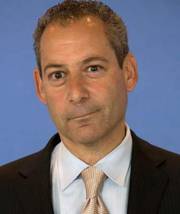
“Many of us see this as a real sea change in heart failure management; we’re all eager to start using this new medicine in our patients, and I think clinicians will very rapidly get a feel for this drug,” Dr. Scott D. Solomon, professor of medicine, Harvard Medical School, Boston, and one of the authors of the study, said in an interview. Referring to the trial results, he noted that for at least 10 years, there has not been a new drug for heart failure that has had this impact on mortality, “so this is really quite an extraordinary finding.”
The availability of a new drug class, a neprilysin inhibitor, “opens up a new chapter in our treatment of heart failure,” said Dr. Mariell Jessup, professor of medicine at the University of Pennsylvania, Philadelphia, who was not involved in the study. “I’m very excited that we now have this new drug for use in our patients,” she said, pointing out that with the exception of ivabradine (Corlanor), approved in April, there has not been a new type of drug approved for heart failure in a long time.

Neprilysin is an endopeptidase that degrades several endogenous vasoactive peptides. Sacubitril “inhibits the breakdown of natriuretic peptides, among other vasoactive compounds, so the drug simultaneously blocks one of the neurohormonal systems that is abnormally activated in the setting of heart failure, and it also augments one of the neurohormonal systems that can be beneficial in patients with heart failure,” said Dr. Solomon, who is also director of noninvasive cardiology at Brigham and Women’s Hospital, Boston.
In PARADIGM-HF, conducted to determine if sacubitril-valsartan was superior to treatment with an ACE inhibitor, the recognized standard treatment for heart failure, a composite of death from cardiovascular causes or a first hospitalization for heart failure (the primary outcome), was 21.8% among those randomized to the combination vs. 26.5% of those on enalapril after a median 27-month follow-up, a highly statistically significant difference that represented a 20% reduced risk over the comparator (N. Engl. J. Med. 371:993-1004). A 20% reduced risk over enalapril was seen for the two components individually in the study, which was stopped early because of the magnitude of the effect over enalapril at a dose of the ACE inhibitor that the investigators pointed out had been shown to reduce mortality, compared with placebo.
Hypotension and nonserious cases of angioedema were higher among those on sacubitril-valsartan, while renal impairment, hyperkalemia, and cough were higher in the enalapril-treated patients.
As with ACE inhibitors, there is a small risk for angioedema, and while the number of cases was low in the study, physicians need to be aware of this issue, Dr. Solomon said. “To use this effectively, patients who are on ACE inhibitors or ARBs will need to be stopped, given 36 hours to wash out, and then started on this new agent,” he said.
In an interview, Dr. Jessup said that she hopes that physicians approach this new drug with the same caution they have with other drugs for patients with systolic heart failure and encouraged clinicians to carefully read the study and familiarize themselves with the prescribing information. Patients should not be taken off an ACE inhibitor and immediately switched to Entresto, she said.
She referred to the “famous” Canadian study that identified a significant increase in spironolactone prescriptions and in the rates of hyperkalemia and hyperkalemia-associated deaths after the positive Randomized Aldactone Evaluation Study (RALES) results were published in 1999 (N. Engl. J. Med. 2004;351:543-51). After the study, which found significant improvements in morbidity and mortality in patients with severe heart failure, was published, “physicians immediately started to put their patients on spironolactone and there was a spike in hyperkalemia and in deaths,” she noted.
The Entresto label includes a boxed warning about the risk of fetal toxicity, and the FDA statement recommends that health care professionals counsel patients about the risks to an unborn baby. One of the company’s postmarketing requirements is to conduct an epidemiologic study evaluating the incidence of angioedema in black patients treated with the combination, compared with another drug, according to the FDA’s approval letter.
The PARADIGM-HF results were reported in August 2014 at the European Society of Cardiology annual meeting in Barcelona. Dr. Solomon said that a large international study evaluating Entresto in patients with heart failure and preserved ejection fraction is currently underway.
The cost per day of Entresto is $12.50 (the wholesale acquisition cost), and the company anticipates that the product will be available in most pharmacies within weeks of the approval date, according to a Novartis spokesperson.
Valsartan, approved in 2001, is marketed as Diovan by Novartis and is available in generic form from Ranbaxy.
The PARADIGM-HF trial was funded by Novartis. Dr. Solomon, a member of the executive committee for the study, has received research support from Novartis for the conduct of this and other studies, and has served as a consultant to the company. Dr. Jessup had no related disclosures.
A combination of a new drug, sacubitril, a neprilysin inhibitor, and the angiotensin receptor blocker valsartan has been approved for treating heart failure, providing what experts are describing as a major advance in the treatment of heart failure.
The approval, announced by the Food and Drug Administration on July 7, was based on the results of the PARADIGM-HF study of about 8,400 patients with class II-IV heart failure and an ejection fraction of 40% or less. The study showed that the combination reduced the risk of cardiovascular death and hospitalization for heart failure by 20% and reduced the risk for all-cause mortality by 16%, compared with enalapril, with a favorable adverse event profile.
The approved indication for sacubitril-valsartan is to “reduce the risk of cardiovascular death and hospitalization for heart failure in patients with chronic heart failure [New York Heart Association class II-IV] and reduced ejection fraction,” according to the prescribing information. The indications section includes the statement that it “is usually administered in conjunction with other heart failure therapies, in place of an ACE inhibitor or other ARB [angiotensin II receptor blocker].” It is contraindicated for use with ACE inhibitors, and when patients on an ACE inhibitor are switched to this drug a washout period of 36 hours before starting treatment is recommended.
Previously called LCZ696, the combination tablet formulation will be marketed by Novartis as Entresto, and will be available in three dosage strengths of sacubitril-valsartan: 24/26 mg, 49/51 mg, and 97/103 mg; in published studies of the combination, these doses are referred to as 50 mg, 100 mg, and 200 mg, respectively. The target dose is 97/103 mg twice a day.
“Many of us see this as a real sea change in heart failure management; we’re all eager to start using this new medicine in our patients, and I think clinicians will very rapidly get a feel for this drug,” Dr. Scott D. Solomon, professor of medicine, Harvard Medical School, Boston, and one of the authors of the study, said in an interview. Referring to the trial results, he noted that for at least 10 years, there has not been a new drug for heart failure that has had this impact on mortality, “so this is really quite an extraordinary finding.”
The availability of a new drug class, a neprilysin inhibitor, “opens up a new chapter in our treatment of heart failure,” said Dr. Mariell Jessup, professor of medicine at the University of Pennsylvania, Philadelphia, who was not involved in the study. “I’m very excited that we now have this new drug for use in our patients,” she said, pointing out that with the exception of ivabradine (Corlanor), approved in April, there has not been a new type of drug approved for heart failure in a long time.
Neprilysin is an endopeptidase that degrades several endogenous vasoactive peptides. Sacubitril “inhibits the breakdown of natriuretic peptides, among other vasoactive compounds, so the drug simultaneously blocks one of the neurohormonal systems that is abnormally activated in the setting of heart failure, and it also augments one of the neurohormonal systems that can be beneficial in patients with heart failure,” said Dr. Solomon, who is also director of noninvasive cardiology at Brigham and Women’s Hospital, Boston.
In PARADIGM-HF, conducted to determine if sacubitril-valsartan was superior to treatment with an ACE inhibitor, the recognized standard treatment for heart failure, a composite of death from cardiovascular causes or a first hospitalization for heart failure (the primary outcome), was 21.8% among those randomized to the combination vs. 26.5% of those on enalapril after a median 27-month follow-up, a highly statistically significant difference that represented a 20% reduced risk over the comparator (N. Engl. J. Med. 371:993-1004). A 20% reduced risk over enalapril was seen for the two components individually in the study, which was stopped early because of the magnitude of the effect over enalapril at a dose of the ACE inhibitor that the investigators pointed out had been shown to reduce mortality, compared with placebo.
Hypotension and nonserious cases of angioedema were higher among those on sacubitril-valsartan, while renal impairment, hyperkalemia, and cough were higher in the enalapril-treated patients.
As with ACE inhibitors, there is a small risk for angioedema, and while the number of cases was low in the study, physicians need to be aware of this issue, Dr. Solomon said. “To use this effectively, patients who are on ACE inhibitors or ARBs will need to be stopped, given 36 hours to wash out, and then started on this new agent,” he said.
In an interview, Dr. Jessup said that she hopes that physicians approach this new drug with the same caution they have with other drugs for patients with systolic heart failure and encouraged clinicians to carefully read the study and familiarize themselves with the prescribing information. Patients should not be taken off an ACE inhibitor and immediately switched to Entresto, she said.
She referred to the “famous” Canadian study that identified a significant increase in spironolactone prescriptions and in the rates of hyperkalemia and hyperkalemia-associated deaths after the positive Randomized Aldactone Evaluation Study (RALES) results were published in 1999 (N. Engl. J. Med. 2004;351:543-51). After the study, which found significant improvements in morbidity and mortality in patients with severe heart failure, was published, “physicians immediately started to put their patients on spironolactone and there was a spike in hyperkalemia and in deaths,” she noted.
The Entresto label includes a boxed warning about the risk of fetal toxicity, and the FDA statement recommends that health care professionals counsel patients about the risks to an unborn baby. One of the company’s postmarketing requirements is to conduct an epidemiologic study evaluating the incidence of angioedema in black patients treated with the combination, compared with another drug, according to the FDA’s approval letter.
The PARADIGM-HF results were reported in August 2014 at the European Society of Cardiology annual meeting in Barcelona. Dr. Solomon said that a large international study evaluating Entresto in patients with heart failure and preserved ejection fraction is currently underway.
The cost per day of Entresto is $12.50 (the wholesale acquisition cost), and the company anticipates that the product will be available in most pharmacies within weeks of the approval date, according to a Novartis spokesperson.
Valsartan, approved in 2001, is marketed as Diovan by Novartis and is available in generic form from Ranbaxy.
The PARADIGM-HF trial was funded by Novartis. Dr. Solomon, a member of the executive committee for the study, has received research support from Novartis for the conduct of this and other studies, and has served as a consultant to the company. Dr. Jessup had no related disclosures.
A combination of a new drug, sacubitril, a neprilysin inhibitor, and the angiotensin receptor blocker valsartan has been approved for treating heart failure, providing what experts are describing as a major advance in the treatment of heart failure.
The approval, announced by the Food and Drug Administration on July 7, was based on the results of the PARADIGM-HF study of about 8,400 patients with class II-IV heart failure and an ejection fraction of 40% or less. The study showed that the combination reduced the risk of cardiovascular death and hospitalization for heart failure by 20% and reduced the risk for all-cause mortality by 16%, compared with enalapril, with a favorable adverse event profile.
The approved indication for sacubitril-valsartan is to “reduce the risk of cardiovascular death and hospitalization for heart failure in patients with chronic heart failure [New York Heart Association class II-IV] and reduced ejection fraction,” according to the prescribing information. The indications section includes the statement that it “is usually administered in conjunction with other heart failure therapies, in place of an ACE inhibitor or other ARB [angiotensin II receptor blocker].” It is contraindicated for use with ACE inhibitors, and when patients on an ACE inhibitor are switched to this drug a washout period of 36 hours before starting treatment is recommended.
Previously called LCZ696, the combination tablet formulation will be marketed by Novartis as Entresto, and will be available in three dosage strengths of sacubitril-valsartan: 24/26 mg, 49/51 mg, and 97/103 mg; in published studies of the combination, these doses are referred to as 50 mg, 100 mg, and 200 mg, respectively. The target dose is 97/103 mg twice a day.
“Many of us see this as a real sea change in heart failure management; we’re all eager to start using this new medicine in our patients, and I think clinicians will very rapidly get a feel for this drug,” Dr. Scott D. Solomon, professor of medicine, Harvard Medical School, Boston, and one of the authors of the study, said in an interview. Referring to the trial results, he noted that for at least 10 years, there has not been a new drug for heart failure that has had this impact on mortality, “so this is really quite an extraordinary finding.”
The availability of a new drug class, a neprilysin inhibitor, “opens up a new chapter in our treatment of heart failure,” said Dr. Mariell Jessup, professor of medicine at the University of Pennsylvania, Philadelphia, who was not involved in the study. “I’m very excited that we now have this new drug for use in our patients,” she said, pointing out that with the exception of ivabradine (Corlanor), approved in April, there has not been a new type of drug approved for heart failure in a long time.
Neprilysin is an endopeptidase that degrades several endogenous vasoactive peptides. Sacubitril “inhibits the breakdown of natriuretic peptides, among other vasoactive compounds, so the drug simultaneously blocks one of the neurohormonal systems that is abnormally activated in the setting of heart failure, and it also augments one of the neurohormonal systems that can be beneficial in patients with heart failure,” said Dr. Solomon, who is also director of noninvasive cardiology at Brigham and Women’s Hospital, Boston.
In PARADIGM-HF, conducted to determine if sacubitril-valsartan was superior to treatment with an ACE inhibitor, the recognized standard treatment for heart failure, a composite of death from cardiovascular causes or a first hospitalization for heart failure (the primary outcome), was 21.8% among those randomized to the combination vs. 26.5% of those on enalapril after a median 27-month follow-up, a highly statistically significant difference that represented a 20% reduced risk over the comparator (N. Engl. J. Med. 371:993-1004). A 20% reduced risk over enalapril was seen for the two components individually in the study, which was stopped early because of the magnitude of the effect over enalapril at a dose of the ACE inhibitor that the investigators pointed out had been shown to reduce mortality, compared with placebo.
Hypotension and nonserious cases of angioedema were higher among those on sacubitril-valsartan, while renal impairment, hyperkalemia, and cough were higher in the enalapril-treated patients.
As with ACE inhibitors, there is a small risk for angioedema, and while the number of cases was low in the study, physicians need to be aware of this issue, Dr. Solomon said. “To use this effectively, patients who are on ACE inhibitors or ARBs will need to be stopped, given 36 hours to wash out, and then started on this new agent,” he said.
In an interview, Dr. Jessup said that she hopes that physicians approach this new drug with the same caution they have with other drugs for patients with systolic heart failure and encouraged clinicians to carefully read the study and familiarize themselves with the prescribing information. Patients should not be taken off an ACE inhibitor and immediately switched to Entresto, she said.
She referred to the “famous” Canadian study that identified a significant increase in spironolactone prescriptions and in the rates of hyperkalemia and hyperkalemia-associated deaths after the positive Randomized Aldactone Evaluation Study (RALES) results were published in 1999 (N. Engl. J. Med. 2004;351:543-51). After the study, which found significant improvements in morbidity and mortality in patients with severe heart failure, was published, “physicians immediately started to put their patients on spironolactone and there was a spike in hyperkalemia and in deaths,” she noted.
The Entresto label includes a boxed warning about the risk of fetal toxicity, and the FDA statement recommends that health care professionals counsel patients about the risks to an unborn baby. One of the company’s postmarketing requirements is to conduct an epidemiologic study evaluating the incidence of angioedema in black patients treated with the combination, compared with another drug, according to the FDA’s approval letter.
The PARADIGM-HF results were reported in August 2014 at the European Society of Cardiology annual meeting in Barcelona. Dr. Solomon said that a large international study evaluating Entresto in patients with heart failure and preserved ejection fraction is currently underway.
The cost per day of Entresto is $12.50 (the wholesale acquisition cost), and the company anticipates that the product will be available in most pharmacies within weeks of the approval date, according to a Novartis spokesperson.
Valsartan, approved in 2001, is marketed as Diovan by Novartis and is available in generic form from Ranbaxy.
The PARADIGM-HF trial was funded by Novartis. Dr. Solomon, a member of the executive committee for the study, has received research support from Novartis for the conduct of this and other studies, and has served as a consultant to the company. Dr. Jessup had no related disclosures.
Two U.S. transcatheter valve approvals reshape TAVR
The nature of U.S. transcatheter aortic valve replacement (TAVR) shifted dramatically in mid-June when the Food and Drug Administration, in two separate actions timed just days apart, approved marketing of next-generation models for the only two transcatheter aortic valve replacement systems on the U.S. market.
For inoperable or high-risk patients in came the Edwards Sapien 3 and the CoreValve Evolut R systems, and out went the Sapien XT and the original CoreValve. In the process the transcatheter aortic valve replacement (TAVR) procedures available to American patients on a routine basis became smaller – meaning more likely to use transfemoral approaches, less likely to cause substantial paravalvular leak, less likely to cause stroke, and in the case of the Evolut system also became repositionable and less likely to result in the need for a pacemaker.
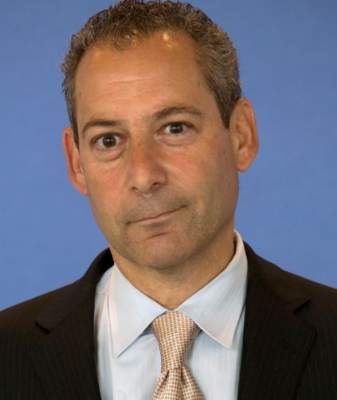
With approvals of these two latest-generation devices, in both cases based on follow-up data of only 30 days, “we have really expanded the types of patients who can be treated with TAVR in the U.S., and we can do it with better products and get better outcomes. I am thrilled this technology will be available to patients,” said Dr. Jeffrey J. Popma, a lead investigator for the Evolut U.S. pivotal trial and professor of medicine at Harvard University in Boston.

The pair of approvals were also notable as clear demonstration that the FDA was willing to base its decisions on 30-day follow-up data, a step closer to the approval model it applies to heart valves placed using open surgery. Perhaps most attention-grabbing of all, the FDA based its approval of the Evolut system on data from a total of 151 patients, with 60 coming from the ex-U.S. trial designed to secure a CE mark in Europe, and the other 91 patients the first ones enrolled in what was designed to be the U.S. pivotal trial for Evolut, with a planned enrollment of 250 patients that had almost fully filled by mid-June.
“This was a really good week for the FDA,” said Dr. Popma. “The FDA approved devices with reasonable assurance of safety and efficacy but without the burden of requiring 1 or more years follow-up. We are seeing a changed FDA,” he declared in an interview.
Although the full dataset for all 151 patients that the FDA used to approve the self-expanding Evolut system has not yet been released, investigators from the U.S. trial say data from their first 91 patients looked similar to the 60 patients in the CE trial, the results of which appeared in a poster in March at the annual scientific sessions of the American College of Cardiology.
The CE trial enrolled 60 symptomatic extreme- or high-risk patients at six centers in Australia, New Zealand, and the United Kingdom, who averaged 83 years old and had an average Society of Thoracic Surgeons predicted mortality estimate of 7%. Fifty-nine of the 60 patients (98%) had their TAVR done via the transfemoral route, and during 30-day follow-up no patients died and none had a stroke. The researchers identified a moderate or severe paravalvular leak in 3% of patients after 30 days, and 12% of patients had a new need for a pacemaker. By comparison, in the CoreValve pivotal trial for the first-generation version of this self-expanding valve, death occurred in 3% of patients after 30 days, major strokes in 4%, moderate or severe paravalvular leaks occurred in 9%, and 20% of patients by that point had required placement of a new pacemaker (N. Engl. J. Med. 2014;370:1790-8).
The striking reductions in more severe paravalvular leaks and in the need for a pacemaker likely related at least in part to the ability to reposition the Evolut valve during placement as long as the valve was not more than 80% deployed and as long as retrieval was not attempted more than three times.
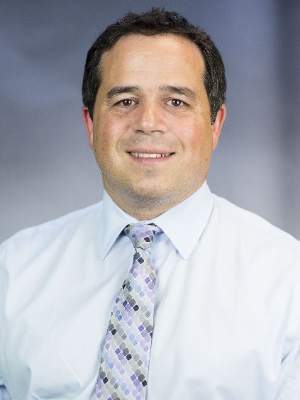
Repositioning is “huge” said Dr. Mathew R. Williams, chief of adult cardiac surgery and director of interventional cardiology at New York University, and one of two lead investigators on the U.S. CoreValve Evolut R pivotal trial. “We don’t need to use it most of the time, but having that ability reduces stress and helps make the operator more comfortable,” he said in an interview. The more optimized positioning allowed by the recapture feature likely helped minimize both paravalvular leaks and the valve’s ability to trigger an arrhythmia and need for pacing. In the CE trial the operator used the repositioning function in 15 patients (25%) for a total of 22 repositioning events.
Like Dr. Popma, Dr. Williams welcomed the June 17 approval of the Sapien 3 TAVR system, based on 30-day outcomes from all 583 patients enrolled in the U.S. pivotal trial. Results from that study became public last March in a late-breaker report at the American College of Cardiology meeting.
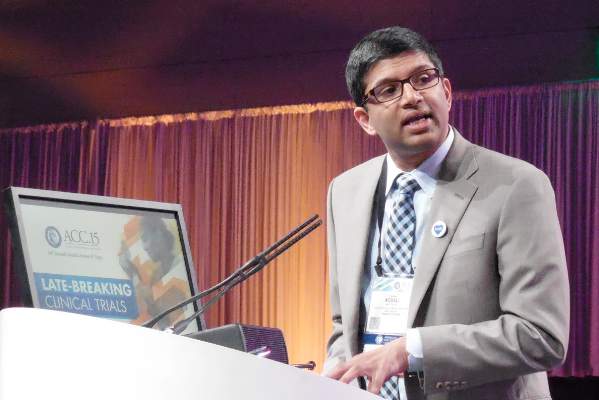
Sapien 3 treatment of high-risk, symptomatic patients, who averaged 83 years old and had a STS predicted mortality rate of 8.6%, resulted in a 2% mortality rate, a 1.5% stroke rate, a 3% rate of moderate or severe paravalvular leaks, and 13% of patients had a new need for a pacemaker, Dr. Susheel Kodali reported when he presented these data in March. Trial investigators were able to place the Sapien 3 aortic valve via a transfemoral approach in 491 of the 583 patients (84%) enrolled in the study. The adverse outcomes with Sapien 3 contrasted with rates for the prior Sapien XT TAVR system of 3.5% for 30-day mortality, 4.3% for strokes, and a 24% rate of moderate or severe paravalvular leak, said Dr. Kodali, director of the heart valve program at Columbia University in New York.
While the Sapien 3 and Evolut systems appeared to produce roughly similar outcomes for parameters like 30-day mortality, stroke, and paravalvular leak rates, with both systems outperforming what they displaced, the Evolut has two important differences, compared with Sapien 3. First, the Evolut is slightly smaller, with the ability to traverse arteries as narrow as 5 mm, whereas the minimum vessel size for Sapien 3 passage is 5.5 mm; second, Evolute is repositionable, while Sapien 3 is not.
The CoreValve Evolut R trials were sponsored by Medtronic. Dr. Popma has received research grants from and served as a speaker on behalf of Medtronic. He has also been a speaker for Abbott Vascular, Boston Scientific, Covidien, Cook Medical, and Direct Flow Medical and has received research support from five other companies. Dr. Williams has been a consultant to and received research support from Medtronic and has also been a consultant to Edwards and Direct Flow Medical. The Sapien 3 trial was sponsored by Edwards. Dr. Kodali has received research support from Edwards, has an equity interest in Thubrikar Aortic Valve, has received honoraria from St. Jude, and has served on the steering committee for trials sponsored by Claret Medical and Meril.
On Twitter @mitchelzoler
The nature of U.S. transcatheter aortic valve replacement (TAVR) shifted dramatically in mid-June when the Food and Drug Administration, in two separate actions timed just days apart, approved marketing of next-generation models for the only two transcatheter aortic valve replacement systems on the U.S. market.
For inoperable or high-risk patients in came the Edwards Sapien 3 and the CoreValve Evolut R systems, and out went the Sapien XT and the original CoreValve. In the process the transcatheter aortic valve replacement (TAVR) procedures available to American patients on a routine basis became smaller – meaning more likely to use transfemoral approaches, less likely to cause substantial paravalvular leak, less likely to cause stroke, and in the case of the Evolut system also became repositionable and less likely to result in the need for a pacemaker.
With approvals of these two latest-generation devices, in both cases based on follow-up data of only 30 days, “we have really expanded the types of patients who can be treated with TAVR in the U.S., and we can do it with better products and get better outcomes. I am thrilled this technology will be available to patients,” said Dr. Jeffrey J. Popma, a lead investigator for the Evolut U.S. pivotal trial and professor of medicine at Harvard University in Boston.
The pair of approvals were also notable as clear demonstration that the FDA was willing to base its decisions on 30-day follow-up data, a step closer to the approval model it applies to heart valves placed using open surgery. Perhaps most attention-grabbing of all, the FDA based its approval of the Evolut system on data from a total of 151 patients, with 60 coming from the ex-U.S. trial designed to secure a CE mark in Europe, and the other 91 patients the first ones enrolled in what was designed to be the U.S. pivotal trial for Evolut, with a planned enrollment of 250 patients that had almost fully filled by mid-June.
“This was a really good week for the FDA,” said Dr. Popma. “The FDA approved devices with reasonable assurance of safety and efficacy but without the burden of requiring 1 or more years follow-up. We are seeing a changed FDA,” he declared in an interview.
Although the full dataset for all 151 patients that the FDA used to approve the self-expanding Evolut system has not yet been released, investigators from the U.S. trial say data from their first 91 patients looked similar to the 60 patients in the CE trial, the results of which appeared in a poster in March at the annual scientific sessions of the American College of Cardiology.
The CE trial enrolled 60 symptomatic extreme- or high-risk patients at six centers in Australia, New Zealand, and the United Kingdom, who averaged 83 years old and had an average Society of Thoracic Surgeons predicted mortality estimate of 7%. Fifty-nine of the 60 patients (98%) had their TAVR done via the transfemoral route, and during 30-day follow-up no patients died and none had a stroke. The researchers identified a moderate or severe paravalvular leak in 3% of patients after 30 days, and 12% of patients had a new need for a pacemaker. By comparison, in the CoreValve pivotal trial for the first-generation version of this self-expanding valve, death occurred in 3% of patients after 30 days, major strokes in 4%, moderate or severe paravalvular leaks occurred in 9%, and 20% of patients by that point had required placement of a new pacemaker (N. Engl. J. Med. 2014;370:1790-8).
The striking reductions in more severe paravalvular leaks and in the need for a pacemaker likely related at least in part to the ability to reposition the Evolut valve during placement as long as the valve was not more than 80% deployed and as long as retrieval was not attempted more than three times.
Repositioning is “huge” said Dr. Mathew R. Williams, chief of adult cardiac surgery and director of interventional cardiology at New York University, and one of two lead investigators on the U.S. CoreValve Evolut R pivotal trial. “We don’t need to use it most of the time, but having that ability reduces stress and helps make the operator more comfortable,” he said in an interview. The more optimized positioning allowed by the recapture feature likely helped minimize both paravalvular leaks and the valve’s ability to trigger an arrhythmia and need for pacing. In the CE trial the operator used the repositioning function in 15 patients (25%) for a total of 22 repositioning events.
Like Dr. Popma, Dr. Williams welcomed the June 17 approval of the Sapien 3 TAVR system, based on 30-day outcomes from all 583 patients enrolled in the U.S. pivotal trial. Results from that study became public last March in a late-breaker report at the American College of Cardiology meeting.
Sapien 3 treatment of high-risk, symptomatic patients, who averaged 83 years old and had a STS predicted mortality rate of 8.6%, resulted in a 2% mortality rate, a 1.5% stroke rate, a 3% rate of moderate or severe paravalvular leaks, and 13% of patients had a new need for a pacemaker, Dr. Susheel Kodali reported when he presented these data in March. Trial investigators were able to place the Sapien 3 aortic valve via a transfemoral approach in 491 of the 583 patients (84%) enrolled in the study. The adverse outcomes with Sapien 3 contrasted with rates for the prior Sapien XT TAVR system of 3.5% for 30-day mortality, 4.3% for strokes, and a 24% rate of moderate or severe paravalvular leak, said Dr. Kodali, director of the heart valve program at Columbia University in New York.
While the Sapien 3 and Evolut systems appeared to produce roughly similar outcomes for parameters like 30-day mortality, stroke, and paravalvular leak rates, with both systems outperforming what they displaced, the Evolut has two important differences, compared with Sapien 3. First, the Evolut is slightly smaller, with the ability to traverse arteries as narrow as 5 mm, whereas the minimum vessel size for Sapien 3 passage is 5.5 mm; second, Evolute is repositionable, while Sapien 3 is not.
The CoreValve Evolut R trials were sponsored by Medtronic. Dr. Popma has received research grants from and served as a speaker on behalf of Medtronic. He has also been a speaker for Abbott Vascular, Boston Scientific, Covidien, Cook Medical, and Direct Flow Medical and has received research support from five other companies. Dr. Williams has been a consultant to and received research support from Medtronic and has also been a consultant to Edwards and Direct Flow Medical. The Sapien 3 trial was sponsored by Edwards. Dr. Kodali has received research support from Edwards, has an equity interest in Thubrikar Aortic Valve, has received honoraria from St. Jude, and has served on the steering committee for trials sponsored by Claret Medical and Meril.
On Twitter @mitchelzoler
The nature of U.S. transcatheter aortic valve replacement (TAVR) shifted dramatically in mid-June when the Food and Drug Administration, in two separate actions timed just days apart, approved marketing of next-generation models for the only two transcatheter aortic valve replacement systems on the U.S. market.
For inoperable or high-risk patients in came the Edwards Sapien 3 and the CoreValve Evolut R systems, and out went the Sapien XT and the original CoreValve. In the process the transcatheter aortic valve replacement (TAVR) procedures available to American patients on a routine basis became smaller – meaning more likely to use transfemoral approaches, less likely to cause substantial paravalvular leak, less likely to cause stroke, and in the case of the Evolut system also became repositionable and less likely to result in the need for a pacemaker.
With approvals of these two latest-generation devices, in both cases based on follow-up data of only 30 days, “we have really expanded the types of patients who can be treated with TAVR in the U.S., and we can do it with better products and get better outcomes. I am thrilled this technology will be available to patients,” said Dr. Jeffrey J. Popma, a lead investigator for the Evolut U.S. pivotal trial and professor of medicine at Harvard University in Boston.
The pair of approvals were also notable as clear demonstration that the FDA was willing to base its decisions on 30-day follow-up data, a step closer to the approval model it applies to heart valves placed using open surgery. Perhaps most attention-grabbing of all, the FDA based its approval of the Evolut system on data from a total of 151 patients, with 60 coming from the ex-U.S. trial designed to secure a CE mark in Europe, and the other 91 patients the first ones enrolled in what was designed to be the U.S. pivotal trial for Evolut, with a planned enrollment of 250 patients that had almost fully filled by mid-June.
“This was a really good week for the FDA,” said Dr. Popma. “The FDA approved devices with reasonable assurance of safety and efficacy but without the burden of requiring 1 or more years follow-up. We are seeing a changed FDA,” he declared in an interview.
Although the full dataset for all 151 patients that the FDA used to approve the self-expanding Evolut system has not yet been released, investigators from the U.S. trial say data from their first 91 patients looked similar to the 60 patients in the CE trial, the results of which appeared in a poster in March at the annual scientific sessions of the American College of Cardiology.
The CE trial enrolled 60 symptomatic extreme- or high-risk patients at six centers in Australia, New Zealand, and the United Kingdom, who averaged 83 years old and had an average Society of Thoracic Surgeons predicted mortality estimate of 7%. Fifty-nine of the 60 patients (98%) had their TAVR done via the transfemoral route, and during 30-day follow-up no patients died and none had a stroke. The researchers identified a moderate or severe paravalvular leak in 3% of patients after 30 days, and 12% of patients had a new need for a pacemaker. By comparison, in the CoreValve pivotal trial for the first-generation version of this self-expanding valve, death occurred in 3% of patients after 30 days, major strokes in 4%, moderate or severe paravalvular leaks occurred in 9%, and 20% of patients by that point had required placement of a new pacemaker (N. Engl. J. Med. 2014;370:1790-8).
The striking reductions in more severe paravalvular leaks and in the need for a pacemaker likely related at least in part to the ability to reposition the Evolut valve during placement as long as the valve was not more than 80% deployed and as long as retrieval was not attempted more than three times.
Repositioning is “huge” said Dr. Mathew R. Williams, chief of adult cardiac surgery and director of interventional cardiology at New York University, and one of two lead investigators on the U.S. CoreValve Evolut R pivotal trial. “We don’t need to use it most of the time, but having that ability reduces stress and helps make the operator more comfortable,” he said in an interview. The more optimized positioning allowed by the recapture feature likely helped minimize both paravalvular leaks and the valve’s ability to trigger an arrhythmia and need for pacing. In the CE trial the operator used the repositioning function in 15 patients (25%) for a total of 22 repositioning events.
Like Dr. Popma, Dr. Williams welcomed the June 17 approval of the Sapien 3 TAVR system, based on 30-day outcomes from all 583 patients enrolled in the U.S. pivotal trial. Results from that study became public last March in a late-breaker report at the American College of Cardiology meeting.
Sapien 3 treatment of high-risk, symptomatic patients, who averaged 83 years old and had a STS predicted mortality rate of 8.6%, resulted in a 2% mortality rate, a 1.5% stroke rate, a 3% rate of moderate or severe paravalvular leaks, and 13% of patients had a new need for a pacemaker, Dr. Susheel Kodali reported when he presented these data in March. Trial investigators were able to place the Sapien 3 aortic valve via a transfemoral approach in 491 of the 583 patients (84%) enrolled in the study. The adverse outcomes with Sapien 3 contrasted with rates for the prior Sapien XT TAVR system of 3.5% for 30-day mortality, 4.3% for strokes, and a 24% rate of moderate or severe paravalvular leak, said Dr. Kodali, director of the heart valve program at Columbia University in New York.
While the Sapien 3 and Evolut systems appeared to produce roughly similar outcomes for parameters like 30-day mortality, stroke, and paravalvular leak rates, with both systems outperforming what they displaced, the Evolut has two important differences, compared with Sapien 3. First, the Evolut is slightly smaller, with the ability to traverse arteries as narrow as 5 mm, whereas the minimum vessel size for Sapien 3 passage is 5.5 mm; second, Evolute is repositionable, while Sapien 3 is not.
The CoreValve Evolut R trials were sponsored by Medtronic. Dr. Popma has received research grants from and served as a speaker on behalf of Medtronic. He has also been a speaker for Abbott Vascular, Boston Scientific, Covidien, Cook Medical, and Direct Flow Medical and has received research support from five other companies. Dr. Williams has been a consultant to and received research support from Medtronic and has also been a consultant to Edwards and Direct Flow Medical. The Sapien 3 trial was sponsored by Edwards. Dr. Kodali has received research support from Edwards, has an equity interest in Thubrikar Aortic Valve, has received honoraria from St. Jude, and has served on the steering committee for trials sponsored by Claret Medical and Meril.
On Twitter @mitchelzoler

Poor thyroid status raises mortality in patients with heart failure
Thyroid dysfunction was associated with an increased risk of mortality in patients with heart failure due to idiopathic dilated cardiomyopathy (IDCM), according to research reported in the Journal of Clinical Endocrinology and Metabolism.
Lead author Wenyao Wang of the Chinese Academy of Medical Sciences and Peking Union Medical College, Beijing, and associates gathered data from 458 consecutive patients with IDCM who were admitted to the National Center of Cardiovascular diseases in Beijing, and then evaluated their risk of mortality based on levels of free T3 and TSH and the whole thyroid function profile.
Hypothyroidism was the strongest predictor of mortality (hazard ratio, 4.189; 95% confidence interval, 2.118-8.283), followed by low-T3 syndrome (HR, 3.147; 95% CI, 1.558-6.355) and subclinical hypothyroidism (HR, 2.869; 95% CI, 1.817-4.532); subclinical hyperthyroidism did not have a significant impact on mortality. The most common forms of thyroid dysfunction were subclinical hypothyroidism (n = 41, 9%), followed by subclinical hyperthyroidism (n = 35, 7%), low-T3 syndrome (n = 17, 4%), and overt hypothyroidism (n = 12, 3%).
“Monitoring thyroid function is necessary for patients with IDCM, and further study is warranted to investigate whether reversing low thyroid function can benefit these patients,” the investigators noted.
Read the full article here: (J. Clin. Endocrinol. Metab. 2015 [doi:10.1210/jc.2014-4159]).
The investigators reported that they had no financial disclosures to make.
Thyroid dysfunction was associated with an increased risk of mortality in patients with heart failure due to idiopathic dilated cardiomyopathy (IDCM), according to research reported in the Journal of Clinical Endocrinology and Metabolism.
Lead author Wenyao Wang of the Chinese Academy of Medical Sciences and Peking Union Medical College, Beijing, and associates gathered data from 458 consecutive patients with IDCM who were admitted to the National Center of Cardiovascular diseases in Beijing, and then evaluated their risk of mortality based on levels of free T3 and TSH and the whole thyroid function profile.
Hypothyroidism was the strongest predictor of mortality (hazard ratio, 4.189; 95% confidence interval, 2.118-8.283), followed by low-T3 syndrome (HR, 3.147; 95% CI, 1.558-6.355) and subclinical hypothyroidism (HR, 2.869; 95% CI, 1.817-4.532); subclinical hyperthyroidism did not have a significant impact on mortality. The most common forms of thyroid dysfunction were subclinical hypothyroidism (n = 41, 9%), followed by subclinical hyperthyroidism (n = 35, 7%), low-T3 syndrome (n = 17, 4%), and overt hypothyroidism (n = 12, 3%).
“Monitoring thyroid function is necessary for patients with IDCM, and further study is warranted to investigate whether reversing low thyroid function can benefit these patients,” the investigators noted.
Read the full article here: (J. Clin. Endocrinol. Metab. 2015 [doi:10.1210/jc.2014-4159]).
The investigators reported that they had no financial disclosures to make.
Thyroid dysfunction was associated with an increased risk of mortality in patients with heart failure due to idiopathic dilated cardiomyopathy (IDCM), according to research reported in the Journal of Clinical Endocrinology and Metabolism.
Lead author Wenyao Wang of the Chinese Academy of Medical Sciences and Peking Union Medical College, Beijing, and associates gathered data from 458 consecutive patients with IDCM who were admitted to the National Center of Cardiovascular diseases in Beijing, and then evaluated their risk of mortality based on levels of free T3 and TSH and the whole thyroid function profile.
Hypothyroidism was the strongest predictor of mortality (hazard ratio, 4.189; 95% confidence interval, 2.118-8.283), followed by low-T3 syndrome (HR, 3.147; 95% CI, 1.558-6.355) and subclinical hypothyroidism (HR, 2.869; 95% CI, 1.817-4.532); subclinical hyperthyroidism did not have a significant impact on mortality. The most common forms of thyroid dysfunction were subclinical hypothyroidism (n = 41, 9%), followed by subclinical hyperthyroidism (n = 35, 7%), low-T3 syndrome (n = 17, 4%), and overt hypothyroidism (n = 12, 3%).
“Monitoring thyroid function is necessary for patients with IDCM, and further study is warranted to investigate whether reversing low thyroid function can benefit these patients,” the investigators noted.
Read the full article here: (J. Clin. Endocrinol. Metab. 2015 [doi:10.1210/jc.2014-4159]).
The investigators reported that they had no financial disclosures to make.
Lixisenatide news is good, but search for the ‘holy grail’ continues
BOSTON – The ELIXA trial confirms that the GLP-1 receptor agonist lixisenatide neither decreases nor increases the risk of major adverse cardiac events in postacute coronary syndrome patients, and that it improves glucose control, compared with placebo, and provides modest benefits with respect to body weight, blood pressure, progression of albuminuria, and hypoglycemia rates, Dr. Silvio E. Inzucchi said at the annual scientific sessions of the American Diabetes Association.
Particularly encouraging was the lack of any signal for pancreatic injury, thyroid cancer, or heart failure. The latter finding is especially timely given recent concerns raised by DPP-4 inhibitors, said Dr. Inzucchi, who was invited by the ADA to comment on the ELIXA (Evaluation of Lixisenatide in Acute Coronary Syndrome) trial findings.
As for whether the ELIXA trial represents a high-quality study with believable results and an important end point, “the answer to this is a resounding yes,” he said, congratulating the investigators, who “have done a fine job of conducting this study, which represents another example of the great collaboration between diabetologists and cardiologists.”
“We all see the same patients and we need to work more and more together to find out the best treatments for our patients,” he said, noting that finding a glucose-lowering agent that has a clearcut cardiovascular benefit represents the “holy grail.”
The neutral finding, as opposed to a positive one, in ELIXA with respect to effects on cardiovascular outcomes is not surprising, said Dr. Inzucchi, professor of medicine and director of the Yale Diabetes Center at Yale University in New Haven, Conn.
“Hypoglycemia is more tightly linked to micro- than to macrovascular outcomes, so not surprisingly it is much easier to show a benefit on these microvascular complications from controlling blood glucose. Any cardiovascular benefit accrues over many years, outside the time course of most of our randomized clinical trials, and any cardiovascular benefit is likely to be attenuated in those with pre-existing atherosclerosis,” he said.
Although Dr. Inzucchi said that he is skeptical that any of the numerous ongoing cardiovascular outcomes trials (CVOTs) will be able to show such a benefit unless a particular agent shows “some dramatic off-target effect on atherosclerosis,” which is an unlikely outcome since glucose lowering has only a modest effect that is disclosed only after a number of years, he noted. It is “just kind of fun to think that, if one of these CVOTs does turn positive … that drug may potentially be positioned as the favored treatment in addition to metformin. Obviously, it depends on the degree of risk reduction and other effects as well, but only then will we have achieved the holy grail.”
BOSTON – The ELIXA trial confirms that the GLP-1 receptor agonist lixisenatide neither decreases nor increases the risk of major adverse cardiac events in postacute coronary syndrome patients, and that it improves glucose control, compared with placebo, and provides modest benefits with respect to body weight, blood pressure, progression of albuminuria, and hypoglycemia rates, Dr. Silvio E. Inzucchi said at the annual scientific sessions of the American Diabetes Association.
Particularly encouraging was the lack of any signal for pancreatic injury, thyroid cancer, or heart failure. The latter finding is especially timely given recent concerns raised by DPP-4 inhibitors, said Dr. Inzucchi, who was invited by the ADA to comment on the ELIXA (Evaluation of Lixisenatide in Acute Coronary Syndrome) trial findings.
As for whether the ELIXA trial represents a high-quality study with believable results and an important end point, “the answer to this is a resounding yes,” he said, congratulating the investigators, who “have done a fine job of conducting this study, which represents another example of the great collaboration between diabetologists and cardiologists.”
“We all see the same patients and we need to work more and more together to find out the best treatments for our patients,” he said, noting that finding a glucose-lowering agent that has a clearcut cardiovascular benefit represents the “holy grail.”
The neutral finding, as opposed to a positive one, in ELIXA with respect to effects on cardiovascular outcomes is not surprising, said Dr. Inzucchi, professor of medicine and director of the Yale Diabetes Center at Yale University in New Haven, Conn.
“Hypoglycemia is more tightly linked to micro- than to macrovascular outcomes, so not surprisingly it is much easier to show a benefit on these microvascular complications from controlling blood glucose. Any cardiovascular benefit accrues over many years, outside the time course of most of our randomized clinical trials, and any cardiovascular benefit is likely to be attenuated in those with pre-existing atherosclerosis,” he said.
Although Dr. Inzucchi said that he is skeptical that any of the numerous ongoing cardiovascular outcomes trials (CVOTs) will be able to show such a benefit unless a particular agent shows “some dramatic off-target effect on atherosclerosis,” which is an unlikely outcome since glucose lowering has only a modest effect that is disclosed only after a number of years, he noted. It is “just kind of fun to think that, if one of these CVOTs does turn positive … that drug may potentially be positioned as the favored treatment in addition to metformin. Obviously, it depends on the degree of risk reduction and other effects as well, but only then will we have achieved the holy grail.”
BOSTON – The ELIXA trial confirms that the GLP-1 receptor agonist lixisenatide neither decreases nor increases the risk of major adverse cardiac events in postacute coronary syndrome patients, and that it improves glucose control, compared with placebo, and provides modest benefits with respect to body weight, blood pressure, progression of albuminuria, and hypoglycemia rates, Dr. Silvio E. Inzucchi said at the annual scientific sessions of the American Diabetes Association.
Particularly encouraging was the lack of any signal for pancreatic injury, thyroid cancer, or heart failure. The latter finding is especially timely given recent concerns raised by DPP-4 inhibitors, said Dr. Inzucchi, who was invited by the ADA to comment on the ELIXA (Evaluation of Lixisenatide in Acute Coronary Syndrome) trial findings.
As for whether the ELIXA trial represents a high-quality study with believable results and an important end point, “the answer to this is a resounding yes,” he said, congratulating the investigators, who “have done a fine job of conducting this study, which represents another example of the great collaboration between diabetologists and cardiologists.”
“We all see the same patients and we need to work more and more together to find out the best treatments for our patients,” he said, noting that finding a glucose-lowering agent that has a clearcut cardiovascular benefit represents the “holy grail.”
The neutral finding, as opposed to a positive one, in ELIXA with respect to effects on cardiovascular outcomes is not surprising, said Dr. Inzucchi, professor of medicine and director of the Yale Diabetes Center at Yale University in New Haven, Conn.
“Hypoglycemia is more tightly linked to micro- than to macrovascular outcomes, so not surprisingly it is much easier to show a benefit on these microvascular complications from controlling blood glucose. Any cardiovascular benefit accrues over many years, outside the time course of most of our randomized clinical trials, and any cardiovascular benefit is likely to be attenuated in those with pre-existing atherosclerosis,” he said.
Although Dr. Inzucchi said that he is skeptical that any of the numerous ongoing cardiovascular outcomes trials (CVOTs) will be able to show such a benefit unless a particular agent shows “some dramatic off-target effect on atherosclerosis,” which is an unlikely outcome since glucose lowering has only a modest effect that is disclosed only after a number of years, he noted. It is “just kind of fun to think that, if one of these CVOTs does turn positive … that drug may potentially be positioned as the favored treatment in addition to metformin. Obviously, it depends on the degree of risk reduction and other effects as well, but only then will we have achieved the holy grail.”
EXPERT ANALYSIS FROM THE ADA ANNUAL SCIENTIFIC SESSIONS
ADA: DPP4 inhibitors and cardiovascular outcomes: connecting the dots
BOSTON – Findings presented at the annual scientific sessions of the American Diabetes Association showed that one widely used glucose-lowering agent, sitagliptin, was not associated with an increase in major atherosclerotic cardiovascular events or hospitalizations for heart failure, compared with placebo.
Results from TECOS (Trial Evaluating Cardiovascular Outcomes With Sitagliptin) were reassuring to clinicians who consider sitagliptin (Januvia), like other dipeptidyl peptidase-4 (DPP-4) inhibitors, to be a well-tolerated, effective drug not associated with weight gain or hypoglycemia in patients with type 2 diabetes.
The TECOS findings, however, did raise questions about whether sitagliptin was different than other DPP-4 inhibitors in people with known cardiovascular disease.
A randomized controlled trial of saxagliptin (Onglyza) found a 27% increased risk of hospitalization for heart failure, compared with placebo.
A trial of alogliptin (Nesina) saw a numerical imbalance in hospitalizations for heart failure that did not reach statistical significance.
Speaking at the conference after the presentation of the TECOS findings, Dr. Allison B. Goldfine, head of the section of clinical, behavioral, and outcomes research at the Joslin Diabetes Center and of Harvard Medical School, both in Boston, who was not an investigator on any of the three trials, suggested several potential reasons that the signal for heart failure hospitalizations was inconsistent across the trials.
Dr. Goldfine pointed to important differences in trial design and duration. Patients in the alogliptin trial had acute coronary syndrome at baseline and hemoglobin A1c levels of between 6.5% and 11%, and they were followed up a median of 18 months.
Patients in the saxagliptin trial had either established cardiovascular disease or multiple risk factors for vascular disease, HbA1c of 6.5%-12%, and were followed 2 years. TECOS patients had a history of coronary artery disease, ischemic cerebrovascular disease, or atherosclerotic peripheral arterial disease, and had an HbA1c between 6.5% and 8%. They were followed for 3 years.
Dr. Goldfine also noted the potential for differences in activity among the individual agents. “There are some different specificities and the potential for on- and off-target effects across these drugs,” she said, though these remain poorly understood.
“Is it a class effect? Maybe not, as there was no hospitalization for heart failure increase in TECOS,” Dr. Goldfine said. “But I want you to be very cautious in using this interpretation. These were not head-to-head studies, and there were differences in the patient illnesses and severities, comorbidities and concomitant therapies, sample sizes, duration of follow up, and a potential for altered attentiveness and therapeutic practices due to these baseline differences.”
Clinicians considering use of the DPP4 inhibitors “need to realize that there’s some uncertainty when evaluating the risk and benefit of any of our drugs,” she noted.
The TECOS findings will not be the last word on DPP-4 inhibitors and the mixed signals on heart failure seen to date, Dr. Goldfine said. “I think a lot of effort will go on in the very near future to try to understand these better to see if there’s an explanation.”
Dr. Goldfine disclosed past research support from Amneal, LifeScan, Nestle, Novo, and Nordisk.
BOSTON – Findings presented at the annual scientific sessions of the American Diabetes Association showed that one widely used glucose-lowering agent, sitagliptin, was not associated with an increase in major atherosclerotic cardiovascular events or hospitalizations for heart failure, compared with placebo.
Results from TECOS (Trial Evaluating Cardiovascular Outcomes With Sitagliptin) were reassuring to clinicians who consider sitagliptin (Januvia), like other dipeptidyl peptidase-4 (DPP-4) inhibitors, to be a well-tolerated, effective drug not associated with weight gain or hypoglycemia in patients with type 2 diabetes.
The TECOS findings, however, did raise questions about whether sitagliptin was different than other DPP-4 inhibitors in people with known cardiovascular disease.
A randomized controlled trial of saxagliptin (Onglyza) found a 27% increased risk of hospitalization for heart failure, compared with placebo.
A trial of alogliptin (Nesina) saw a numerical imbalance in hospitalizations for heart failure that did not reach statistical significance.
Speaking at the conference after the presentation of the TECOS findings, Dr. Allison B. Goldfine, head of the section of clinical, behavioral, and outcomes research at the Joslin Diabetes Center and of Harvard Medical School, both in Boston, who was not an investigator on any of the three trials, suggested several potential reasons that the signal for heart failure hospitalizations was inconsistent across the trials.
Dr. Goldfine pointed to important differences in trial design and duration. Patients in the alogliptin trial had acute coronary syndrome at baseline and hemoglobin A1c levels of between 6.5% and 11%, and they were followed up a median of 18 months.
Patients in the saxagliptin trial had either established cardiovascular disease or multiple risk factors for vascular disease, HbA1c of 6.5%-12%, and were followed 2 years. TECOS patients had a history of coronary artery disease, ischemic cerebrovascular disease, or atherosclerotic peripheral arterial disease, and had an HbA1c between 6.5% and 8%. They were followed for 3 years.
Dr. Goldfine also noted the potential for differences in activity among the individual agents. “There are some different specificities and the potential for on- and off-target effects across these drugs,” she said, though these remain poorly understood.
“Is it a class effect? Maybe not, as there was no hospitalization for heart failure increase in TECOS,” Dr. Goldfine said. “But I want you to be very cautious in using this interpretation. These were not head-to-head studies, and there were differences in the patient illnesses and severities, comorbidities and concomitant therapies, sample sizes, duration of follow up, and a potential for altered attentiveness and therapeutic practices due to these baseline differences.”
Clinicians considering use of the DPP4 inhibitors “need to realize that there’s some uncertainty when evaluating the risk and benefit of any of our drugs,” she noted.
The TECOS findings will not be the last word on DPP-4 inhibitors and the mixed signals on heart failure seen to date, Dr. Goldfine said. “I think a lot of effort will go on in the very near future to try to understand these better to see if there’s an explanation.”
Dr. Goldfine disclosed past research support from Amneal, LifeScan, Nestle, Novo, and Nordisk.
BOSTON – Findings presented at the annual scientific sessions of the American Diabetes Association showed that one widely used glucose-lowering agent, sitagliptin, was not associated with an increase in major atherosclerotic cardiovascular events or hospitalizations for heart failure, compared with placebo.
Results from TECOS (Trial Evaluating Cardiovascular Outcomes With Sitagliptin) were reassuring to clinicians who consider sitagliptin (Januvia), like other dipeptidyl peptidase-4 (DPP-4) inhibitors, to be a well-tolerated, effective drug not associated with weight gain or hypoglycemia in patients with type 2 diabetes.
The TECOS findings, however, did raise questions about whether sitagliptin was different than other DPP-4 inhibitors in people with known cardiovascular disease.
A randomized controlled trial of saxagliptin (Onglyza) found a 27% increased risk of hospitalization for heart failure, compared with placebo.
A trial of alogliptin (Nesina) saw a numerical imbalance in hospitalizations for heart failure that did not reach statistical significance.
Speaking at the conference after the presentation of the TECOS findings, Dr. Allison B. Goldfine, head of the section of clinical, behavioral, and outcomes research at the Joslin Diabetes Center and of Harvard Medical School, both in Boston, who was not an investigator on any of the three trials, suggested several potential reasons that the signal for heart failure hospitalizations was inconsistent across the trials.
Dr. Goldfine pointed to important differences in trial design and duration. Patients in the alogliptin trial had acute coronary syndrome at baseline and hemoglobin A1c levels of between 6.5% and 11%, and they were followed up a median of 18 months.
Patients in the saxagliptin trial had either established cardiovascular disease or multiple risk factors for vascular disease, HbA1c of 6.5%-12%, and were followed 2 years. TECOS patients had a history of coronary artery disease, ischemic cerebrovascular disease, or atherosclerotic peripheral arterial disease, and had an HbA1c between 6.5% and 8%. They were followed for 3 years.
Dr. Goldfine also noted the potential for differences in activity among the individual agents. “There are some different specificities and the potential for on- and off-target effects across these drugs,” she said, though these remain poorly understood.
“Is it a class effect? Maybe not, as there was no hospitalization for heart failure increase in TECOS,” Dr. Goldfine said. “But I want you to be very cautious in using this interpretation. These were not head-to-head studies, and there were differences in the patient illnesses and severities, comorbidities and concomitant therapies, sample sizes, duration of follow up, and a potential for altered attentiveness and therapeutic practices due to these baseline differences.”
Clinicians considering use of the DPP4 inhibitors “need to realize that there’s some uncertainty when evaluating the risk and benefit of any of our drugs,” she noted.
The TECOS findings will not be the last word on DPP-4 inhibitors and the mixed signals on heart failure seen to date, Dr. Goldfine said. “I think a lot of effort will go on in the very near future to try to understand these better to see if there’s an explanation.”
Dr. Goldfine disclosed past research support from Amneal, LifeScan, Nestle, Novo, and Nordisk.
AT THE ADA ANNUAL SCIENTIFIC SESSIONS
ELIXA trial: No cardiovascular risk with GLP-1 receptor agonist lixisenatide
BOSTON – The glucagon-like peptide 1 (GLP-1) receptor agonist lixisenatide does not increase the risk for cardiovascular problems in diabetic patients, according to findings from the first cardiovascular disease outcomes trial for this widely prescribed class of glucose-lowering drugs.
The findings of the randomized, placebo-controlled Evaluation of Lixisenatide in Acute Coronary Syndrome (ELIXA) trial, presented at the annual scientific sessions of the American Diabetes Association, dissipate the “cloud of suspicion” that has cast a shadow over GLP-1 agonists with regard to their possible effects on cardiovascular risk, the investigators said.

“We have shown that patients and their health care providers should have no cause for concern, even if they are at high risk of heart-related problems,” said principal investigator Dr. Marc Pfeffer, professor of medicine at Harvard University and senior physician in the division of cardiology at Brigham and Women’s Hospital, Boston.
Dr. Pfeffer and his colleagues studied 6,068 patients who were randomized to receive placebo or lixisenatide (Lyxumia), which is investigational in the United States but approved in more than 50 countries worldwide. The study subjects were followed for a mean of 2.1 years.
The composite primary outcome of cardiovascular death, myocardial infarction, stroke, or unstable angina occurred in 399 of 3,304 placebo-group patients (13.2%) and in 406 of 3,034 treatment-group patients (13.4%; hazard ratio, 1.02), Dr. Pfeffer said.
No difference was seen between the groups for any of the individual components of the composite outcome (HR: 0.98 for cardiovascular death, 1.03 for MI, 1.12 for stroke, and 1.11 for unstable angina), and no differences were seen based on sex, age, race, or region.
“No sign of interactions, and no patterns emerged in older patients or sicker patients,” Dr. Pfeffer added.
Heart failure, which is “a very important outcome,” did occur more often in those with heart failure prior to randomization, but again, the outcomes did not differ between the placebo and treatment group (HR, 0.97 for cardiovascular death plus heart failure hospitalization), he noted.
All-cause death also occurred at a similar rate in both groups: 7.4% and 7% for the placebo vs. treatment groups (HR, 0.94).
Treatment can confidently be said to be safe, as well as neutral, with respect to the various outcome measures, he said.
Dr. Matthew Riddle of Oregon Health and Science University, Portland, further reported that patients in the lixisenatide group were more likely than those who received placebo to experience a modest benefit in terms of weight. Those in the treatment group did not gain weight, while those in the placebo group did (–0.7 kg between-group difference from baseline), he said, noting that this is a finding that “has some possibility of clinical relevance.”
A similar pattern was seen with systolic blood pressure, with treatment-group patients experiencing a modest but statistically significant improvement (–0.8 mm Hg between-group difference from baseline).
The treatment-group patients were not more likely than those who received placebo to experience hypoglycemia, despite better glucose control, nor were they more likely to experience pancreatitis or pancreatic cancer, he said.
A modest significant difference was seen with respect to HbA1c levels and fasting plasma glucose with treatment vs. placebo (–0.27% mean postbaseline difference for each).
Patients included in the ELIXA trial were adults over age 30 years who had experienced a recent acute coronary syndrome event. They were enrolled from 782 sites in 49 countries within 180 days (mean, 72 days) of the event, which was MI in most cases.
Patients received a single injection each day of either lixisenatide or volume-matched placebo before breakfast. The dosage could be titrated up from 10 mcg to 20 mcg, or down for those not able to tolerate the full dose. Other than adjustments to prevent hypoglycemia, local standards of care for lifestyle, glycemic targets, and risk factor management were followed.
At least one adverse event was reported by 77% and 81% of placebo and treatment-group patients, with nausea and vomiting – common side effects for GLP-1 agonists – accounting for most of the difference. No difference was seen between the groups with respect to serious adverse events (22% in each arm reported serious events).
Adverse events, however, led to treatment discontinuation in 7.2% of placebo-group patients, compared with 11.4% of lixisenatide-group patients.
The findings confirm that lixisenatide does not increase the risk of major adverse cardiac events, and no signal was seen for pancreatic cancer, pancreatitis, other cancers, or heart failure, said discussant Dr. Silvio Inzucchi, professor of medicine and director of the Yale Diabetes Center at Yale University in New Haven, Conn., who was invited by the ADA to comment on the findings.
As for whether the ELIXA trial represents a high-quality study with believable results and an important endpoint, “the answer is a resounding yes,” he said.
Lixisenatide was approved in Europe in 2013 for the treatment of adults with type 2 diabetes mellitus to achieve glycemic control in combination with oral glucose-lowering medical products and/or basal insulin when these, together with diet and exercise, do not provide adequate glycemic control.
According to Sanofi, a New Drug Application for lixisenatide is on track to be resubmitted to the Food and Drug Administration in the third quarter of 2015. An initial application was accepted for review in 2013, but Sanofi delayed the approval process based on concerns regarding cardiovascular risk. The application to be resubmitted later this year will include findings from the GetGoal Duo-2 clinical trial, which were reported in a poster at the ADA meeting; all coprimary endpoints in the 26-week, randomized, open-label trial were met, reported Dr. Julio Rosenstock, director of the Dallas Diabetes and Endocrine Center.
In GetGoal Duo-2, lixisenatide was compared as a once-daily 20 mcg add-on to optimally titrated insulin glargine with or without metformin vs. the addition of rapid-acting insulin glulisine with or without metformin injected once daily at the time of the patient’s main meal (basal-plus), or three times daily at meal time (basal-bolus). Subjects were adults with poorly controlled diabetes on basal insulin with or without oral antidiabetic drugs for at least 6 months.
In 890 patients included in an intention-to-treat analysis, lixisenatide was noninferior to both comparator insulin regimens for reducing HbA1c levels (mean difference, –0.05% vs. basal plus and 0.21% vs. basal bolus), and was shown to be statistically superior to basal-bolus for body weight change (mean difference, –2 kg), Dr. Rosenstock said.
Postprandial glucose also was significantly reduced with lixisenatide vs. both insulin glulisine regimens (mean difference, –37 mg/dL vs. basal plus and –40 mg/dL vs. basal bolus), as was hypoglycemia (estimated rate ratios, 0.8 and 0.5, respectively).
Nausea occurred in 25% of the lixisenatide patients vs. 1% and 2% of the basal plus and basal bolus patients, respectively, and vomiting and diarrhea occurred in 9% and 7%, respectively, of the lixisenatide patients.
Both lixisenatide studies were sponsored by Sanofi. Dr. Pfeffer reported receiving honoraria and/or research grants from, or serving as a consultant for, Aastrom, Amgen, Bristol-Myers Squibb, Celladon, Concert, Hamilton Health Sciences, Keryx, Medtronic, Merck, Novartis, Roche, Sanofi-Aventis, Servier, Teva, University of Oxford, and Xoma. The Brigham and Women’s Hospital has patents for the use of inhibitors of the renin-angiotensin system in survivors of MI with Novartis.
BOSTON – The glucagon-like peptide 1 (GLP-1) receptor agonist lixisenatide does not increase the risk for cardiovascular problems in diabetic patients, according to findings from the first cardiovascular disease outcomes trial for this widely prescribed class of glucose-lowering drugs.
The findings of the randomized, placebo-controlled Evaluation of Lixisenatide in Acute Coronary Syndrome (ELIXA) trial, presented at the annual scientific sessions of the American Diabetes Association, dissipate the “cloud of suspicion” that has cast a shadow over GLP-1 agonists with regard to their possible effects on cardiovascular risk, the investigators said.
“We have shown that patients and their health care providers should have no cause for concern, even if they are at high risk of heart-related problems,” said principal investigator Dr. Marc Pfeffer, professor of medicine at Harvard University and senior physician in the division of cardiology at Brigham and Women’s Hospital, Boston.
Dr. Pfeffer and his colleagues studied 6,068 patients who were randomized to receive placebo or lixisenatide (Lyxumia), which is investigational in the United States but approved in more than 50 countries worldwide. The study subjects were followed for a mean of 2.1 years.
The composite primary outcome of cardiovascular death, myocardial infarction, stroke, or unstable angina occurred in 399 of 3,304 placebo-group patients (13.2%) and in 406 of 3,034 treatment-group patients (13.4%; hazard ratio, 1.02), Dr. Pfeffer said.
No difference was seen between the groups for any of the individual components of the composite outcome (HR: 0.98 for cardiovascular death, 1.03 for MI, 1.12 for stroke, and 1.11 for unstable angina), and no differences were seen based on sex, age, race, or region.
“No sign of interactions, and no patterns emerged in older patients or sicker patients,” Dr. Pfeffer added.
Heart failure, which is “a very important outcome,” did occur more often in those with heart failure prior to randomization, but again, the outcomes did not differ between the placebo and treatment group (HR, 0.97 for cardiovascular death plus heart failure hospitalization), he noted.
All-cause death also occurred at a similar rate in both groups: 7.4% and 7% for the placebo vs. treatment groups (HR, 0.94).
Treatment can confidently be said to be safe, as well as neutral, with respect to the various outcome measures, he said.
Dr. Matthew Riddle of Oregon Health and Science University, Portland, further reported that patients in the lixisenatide group were more likely than those who received placebo to experience a modest benefit in terms of weight. Those in the treatment group did not gain weight, while those in the placebo group did (–0.7 kg between-group difference from baseline), he said, noting that this is a finding that “has some possibility of clinical relevance.”
A similar pattern was seen with systolic blood pressure, with treatment-group patients experiencing a modest but statistically significant improvement (–0.8 mm Hg between-group difference from baseline).
The treatment-group patients were not more likely than those who received placebo to experience hypoglycemia, despite better glucose control, nor were they more likely to experience pancreatitis or pancreatic cancer, he said.
A modest significant difference was seen with respect to HbA1c levels and fasting plasma glucose with treatment vs. placebo (–0.27% mean postbaseline difference for each).
Patients included in the ELIXA trial were adults over age 30 years who had experienced a recent acute coronary syndrome event. They were enrolled from 782 sites in 49 countries within 180 days (mean, 72 days) of the event, which was MI in most cases.
Patients received a single injection each day of either lixisenatide or volume-matched placebo before breakfast. The dosage could be titrated up from 10 mcg to 20 mcg, or down for those not able to tolerate the full dose. Other than adjustments to prevent hypoglycemia, local standards of care for lifestyle, glycemic targets, and risk factor management were followed.
At least one adverse event was reported by 77% and 81% of placebo and treatment-group patients, with nausea and vomiting – common side effects for GLP-1 agonists – accounting for most of the difference. No difference was seen between the groups with respect to serious adverse events (22% in each arm reported serious events).
Adverse events, however, led to treatment discontinuation in 7.2% of placebo-group patients, compared with 11.4% of lixisenatide-group patients.
The findings confirm that lixisenatide does not increase the risk of major adverse cardiac events, and no signal was seen for pancreatic cancer, pancreatitis, other cancers, or heart failure, said discussant Dr. Silvio Inzucchi, professor of medicine and director of the Yale Diabetes Center at Yale University in New Haven, Conn., who was invited by the ADA to comment on the findings.
As for whether the ELIXA trial represents a high-quality study with believable results and an important endpoint, “the answer is a resounding yes,” he said.
Lixisenatide was approved in Europe in 2013 for the treatment of adults with type 2 diabetes mellitus to achieve glycemic control in combination with oral glucose-lowering medical products and/or basal insulin when these, together with diet and exercise, do not provide adequate glycemic control.
According to Sanofi, a New Drug Application for lixisenatide is on track to be resubmitted to the Food and Drug Administration in the third quarter of 2015. An initial application was accepted for review in 2013, but Sanofi delayed the approval process based on concerns regarding cardiovascular risk. The application to be resubmitted later this year will include findings from the GetGoal Duo-2 clinical trial, which were reported in a poster at the ADA meeting; all coprimary endpoints in the 26-week, randomized, open-label trial were met, reported Dr. Julio Rosenstock, director of the Dallas Diabetes and Endocrine Center.
In GetGoal Duo-2, lixisenatide was compared as a once-daily 20 mcg add-on to optimally titrated insulin glargine with or without metformin vs. the addition of rapid-acting insulin glulisine with or without metformin injected once daily at the time of the patient’s main meal (basal-plus), or three times daily at meal time (basal-bolus). Subjects were adults with poorly controlled diabetes on basal insulin with or without oral antidiabetic drugs for at least 6 months.
In 890 patients included in an intention-to-treat analysis, lixisenatide was noninferior to both comparator insulin regimens for reducing HbA1c levels (mean difference, –0.05% vs. basal plus and 0.21% vs. basal bolus), and was shown to be statistically superior to basal-bolus for body weight change (mean difference, –2 kg), Dr. Rosenstock said.
Postprandial glucose also was significantly reduced with lixisenatide vs. both insulin glulisine regimens (mean difference, –37 mg/dL vs. basal plus and –40 mg/dL vs. basal bolus), as was hypoglycemia (estimated rate ratios, 0.8 and 0.5, respectively).
Nausea occurred in 25% of the lixisenatide patients vs. 1% and 2% of the basal plus and basal bolus patients, respectively, and vomiting and diarrhea occurred in 9% and 7%, respectively, of the lixisenatide patients.
Both lixisenatide studies were sponsored by Sanofi. Dr. Pfeffer reported receiving honoraria and/or research grants from, or serving as a consultant for, Aastrom, Amgen, Bristol-Myers Squibb, Celladon, Concert, Hamilton Health Sciences, Keryx, Medtronic, Merck, Novartis, Roche, Sanofi-Aventis, Servier, Teva, University of Oxford, and Xoma. The Brigham and Women’s Hospital has patents for the use of inhibitors of the renin-angiotensin system in survivors of MI with Novartis.
BOSTON – The glucagon-like peptide 1 (GLP-1) receptor agonist lixisenatide does not increase the risk for cardiovascular problems in diabetic patients, according to findings from the first cardiovascular disease outcomes trial for this widely prescribed class of glucose-lowering drugs.
The findings of the randomized, placebo-controlled Evaluation of Lixisenatide in Acute Coronary Syndrome (ELIXA) trial, presented at the annual scientific sessions of the American Diabetes Association, dissipate the “cloud of suspicion” that has cast a shadow over GLP-1 agonists with regard to their possible effects on cardiovascular risk, the investigators said.
“We have shown that patients and their health care providers should have no cause for concern, even if they are at high risk of heart-related problems,” said principal investigator Dr. Marc Pfeffer, professor of medicine at Harvard University and senior physician in the division of cardiology at Brigham and Women’s Hospital, Boston.
Dr. Pfeffer and his colleagues studied 6,068 patients who were randomized to receive placebo or lixisenatide (Lyxumia), which is investigational in the United States but approved in more than 50 countries worldwide. The study subjects were followed for a mean of 2.1 years.
The composite primary outcome of cardiovascular death, myocardial infarction, stroke, or unstable angina occurred in 399 of 3,304 placebo-group patients (13.2%) and in 406 of 3,034 treatment-group patients (13.4%; hazard ratio, 1.02), Dr. Pfeffer said.
No difference was seen between the groups for any of the individual components of the composite outcome (HR: 0.98 for cardiovascular death, 1.03 for MI, 1.12 for stroke, and 1.11 for unstable angina), and no differences were seen based on sex, age, race, or region.
“No sign of interactions, and no patterns emerged in older patients or sicker patients,” Dr. Pfeffer added.
Heart failure, which is “a very important outcome,” did occur more often in those with heart failure prior to randomization, but again, the outcomes did not differ between the placebo and treatment group (HR, 0.97 for cardiovascular death plus heart failure hospitalization), he noted.
All-cause death also occurred at a similar rate in both groups: 7.4% and 7% for the placebo vs. treatment groups (HR, 0.94).
Treatment can confidently be said to be safe, as well as neutral, with respect to the various outcome measures, he said.
Dr. Matthew Riddle of Oregon Health and Science University, Portland, further reported that patients in the lixisenatide group were more likely than those who received placebo to experience a modest benefit in terms of weight. Those in the treatment group did not gain weight, while those in the placebo group did (–0.7 kg between-group difference from baseline), he said, noting that this is a finding that “has some possibility of clinical relevance.”
A similar pattern was seen with systolic blood pressure, with treatment-group patients experiencing a modest but statistically significant improvement (–0.8 mm Hg between-group difference from baseline).
The treatment-group patients were not more likely than those who received placebo to experience hypoglycemia, despite better glucose control, nor were they more likely to experience pancreatitis or pancreatic cancer, he said.
A modest significant difference was seen with respect to HbA1c levels and fasting plasma glucose with treatment vs. placebo (–0.27% mean postbaseline difference for each).
Patients included in the ELIXA trial were adults over age 30 years who had experienced a recent acute coronary syndrome event. They were enrolled from 782 sites in 49 countries within 180 days (mean, 72 days) of the event, which was MI in most cases.
Patients received a single injection each day of either lixisenatide or volume-matched placebo before breakfast. The dosage could be titrated up from 10 mcg to 20 mcg, or down for those not able to tolerate the full dose. Other than adjustments to prevent hypoglycemia, local standards of care for lifestyle, glycemic targets, and risk factor management were followed.
At least one adverse event was reported by 77% and 81% of placebo and treatment-group patients, with nausea and vomiting – common side effects for GLP-1 agonists – accounting for most of the difference. No difference was seen between the groups with respect to serious adverse events (22% in each arm reported serious events).
Adverse events, however, led to treatment discontinuation in 7.2% of placebo-group patients, compared with 11.4% of lixisenatide-group patients.
The findings confirm that lixisenatide does not increase the risk of major adverse cardiac events, and no signal was seen for pancreatic cancer, pancreatitis, other cancers, or heart failure, said discussant Dr. Silvio Inzucchi, professor of medicine and director of the Yale Diabetes Center at Yale University in New Haven, Conn., who was invited by the ADA to comment on the findings.
As for whether the ELIXA trial represents a high-quality study with believable results and an important endpoint, “the answer is a resounding yes,” he said.
Lixisenatide was approved in Europe in 2013 for the treatment of adults with type 2 diabetes mellitus to achieve glycemic control in combination with oral glucose-lowering medical products and/or basal insulin when these, together with diet and exercise, do not provide adequate glycemic control.
According to Sanofi, a New Drug Application for lixisenatide is on track to be resubmitted to the Food and Drug Administration in the third quarter of 2015. An initial application was accepted for review in 2013, but Sanofi delayed the approval process based on concerns regarding cardiovascular risk. The application to be resubmitted later this year will include findings from the GetGoal Duo-2 clinical trial, which were reported in a poster at the ADA meeting; all coprimary endpoints in the 26-week, randomized, open-label trial were met, reported Dr. Julio Rosenstock, director of the Dallas Diabetes and Endocrine Center.
In GetGoal Duo-2, lixisenatide was compared as a once-daily 20 mcg add-on to optimally titrated insulin glargine with or without metformin vs. the addition of rapid-acting insulin glulisine with or without metformin injected once daily at the time of the patient’s main meal (basal-plus), or three times daily at meal time (basal-bolus). Subjects were adults with poorly controlled diabetes on basal insulin with or without oral antidiabetic drugs for at least 6 months.
In 890 patients included in an intention-to-treat analysis, lixisenatide was noninferior to both comparator insulin regimens for reducing HbA1c levels (mean difference, –0.05% vs. basal plus and 0.21% vs. basal bolus), and was shown to be statistically superior to basal-bolus for body weight change (mean difference, –2 kg), Dr. Rosenstock said.
Postprandial glucose also was significantly reduced with lixisenatide vs. both insulin glulisine regimens (mean difference, –37 mg/dL vs. basal plus and –40 mg/dL vs. basal bolus), as was hypoglycemia (estimated rate ratios, 0.8 and 0.5, respectively).
Nausea occurred in 25% of the lixisenatide patients vs. 1% and 2% of the basal plus and basal bolus patients, respectively, and vomiting and diarrhea occurred in 9% and 7%, respectively, of the lixisenatide patients.
Both lixisenatide studies were sponsored by Sanofi. Dr. Pfeffer reported receiving honoraria and/or research grants from, or serving as a consultant for, Aastrom, Amgen, Bristol-Myers Squibb, Celladon, Concert, Hamilton Health Sciences, Keryx, Medtronic, Merck, Novartis, Roche, Sanofi-Aventis, Servier, Teva, University of Oxford, and Xoma. The Brigham and Women’s Hospital has patents for the use of inhibitors of the renin-angiotensin system in survivors of MI with Novartis.
AT THE ADA ANNUAL SCIENTIFIC SESSIONS
Key clinical point: The glucagon-like peptide 1 (GLP-1) receptor agonist lixisenatide does not increase the risk for cardiovascular problems in diabetic patients.
Major finding: The composite primary outcome occurred in 13.2% of placebo patients and 13.4% of treatment-group patients (hazard ratio, 1.02).
Data source: The randomized, placebo-controlled ELIXA trial of 6,068 patients.
Disclosures: Both lixisenatide studies were sponsored by Sanofi. Dr. Pfeffer reported receiving honoraria and/or research grants from, or serving as a consultant for, Aastrom, Amgen, Bristol-Myers Squibb, Celladon, Concert, Hamilton Health Sciences, Keryx, Medtronic, Merck, Novartis, Roche, Sanofi-Aventis, Servier, Teva, University of Oxford, and Xoma. The Brigham and Women’s Hospital has patents for the use of inhibitors of the renin-angiotensin system in survivors of MI with Novartis.

TECOS finds no CV risks for sitagliptin
BOSTON – The glucose-lowering drug sitagliptin, part of a class of drugs whose cardiovascular safety has been cast into doubt based on findings in trials of similar agents, was shown not to increase the risk of heart failure or other adverse cardiovascular outcomes in a large randomized trial.
Results presented June 8 at the annual scientific sessions of the American Diabetes Association and published simultaneously in the New England Journal of Medicine (doi:10.1056/NEJMoa1501352) revealed “no evidence of harm one way or another” for cardiovascular events or heart failure, Dr. Rury F. Holman, professor of diabetic medicine and diabetes trials unit director at the Oxford (England) Centre for Diabetes, Endocrinology & Metabolism, the study’s corresponding author, said at a press conference.

Though the manufacturer announced the main cardiovascular findings on sitagliptin (Januvia), earlier this year, the details of this trial – driven by concerns about a signal for increased risk of heart failure in two earlier trials of dipeptidyl peptidase 4 (DPP-4) inhibitors – were presented for the first time.
TECOS (Trial Evaluating Cardiovascular Outcomes With Sitagliptin) enrolled 14,671 patients with type 2 diabetes in combination with cardiovascular disease who were age 50 years or older. Patients were recruited in 38 countries and randomized to add-on therapy with
sitagliptin or placebo in addition to other antihyperglycemic therapies used openly at physician discretion. At mean 3 years’ follow-up, sitagliptin was noninferior to placebo for a combined cardiovascular endpoint comprising first time to CV death, nonfatal myocardial infarction, nonfatal stroke, and hospitalization for unstable angina (hazard ratio, 0.98; 95% confidence interval, 0.88-1.09, P < .001).
Hospitalizations for heart failure did not differ between the placebo and sitagliptin arms (HR, 1.0; 95% CI, 0.83-1.20, P = .98), and no significant differences were seen in rates of pancreatitis or pancreatic cancer.
All patients in both the control and intervention arms were treated to similar glucose targets by their physicians. Levels of glycated hemoglobin between the groups were close throughout the study period, with a difference of –0.29 for the sitagliptin arm (95% CI, –0.32 to –0.27). “That’s important because we didn’t want a glucose difference that might have influenced the cardiovascular outcomes one way or another,” Dr. Holman commented.
Dr. Eric D. Peterson, executive director of the Duke Clinical Research Institute as well as professor in the departments of medicine and cardiology and the Fred Cobb, MD, Distinguished Professor of Medicine of Duke University, Durham, N.C., who was a coauthor on the study, commented on its heart failure finding. TECOS had been prompted by unexpected
heart-failure signals seen in two earlier trials of DPP-4 inhibitors, saxagliptin and alogliptin.
“Given the size of our study, and the longer duration of follow-up, as well as the higher risk of our population, we feel that this puts to bed the question – at least with sitagliptin – that there’s any risk for heart failure increases,” Dr. Peterson said.
The investigators were careful to assert that few conclusions could be drawn for the class of drugs as a whole based on the TECOS findings but suggested chance could have played a role in the earlier studies.
The study was funded by sitagliptin’s manufacturer, Merck Sharp & Dohme. Dr. Holman disclosed a financial relationship with the study sponsor. Dr. Peterson disclosed financial relationships with other manufacturers.
BOSTON – The glucose-lowering drug sitagliptin, part of a class of drugs whose cardiovascular safety has been cast into doubt based on findings in trials of similar agents, was shown not to increase the risk of heart failure or other adverse cardiovascular outcomes in a large randomized trial.
Results presented June 8 at the annual scientific sessions of the American Diabetes Association and published simultaneously in the New England Journal of Medicine (doi:10.1056/NEJMoa1501352) revealed “no evidence of harm one way or another” for cardiovascular events or heart failure, Dr. Rury F. Holman, professor of diabetic medicine and diabetes trials unit director at the Oxford (England) Centre for Diabetes, Endocrinology & Metabolism, the study’s corresponding author, said at a press conference.
Though the manufacturer announced the main cardiovascular findings on sitagliptin (Januvia), earlier this year, the details of this trial – driven by concerns about a signal for increased risk of heart failure in two earlier trials of dipeptidyl peptidase 4 (DPP-4) inhibitors – were presented for the first time.
TECOS (Trial Evaluating Cardiovascular Outcomes With Sitagliptin) enrolled 14,671 patients with type 2 diabetes in combination with cardiovascular disease who were age 50 years or older. Patients were recruited in 38 countries and randomized to add-on therapy with
sitagliptin or placebo in addition to other antihyperglycemic therapies used openly at physician discretion. At mean 3 years’ follow-up, sitagliptin was noninferior to placebo for a combined cardiovascular endpoint comprising first time to CV death, nonfatal myocardial infarction, nonfatal stroke, and hospitalization for unstable angina (hazard ratio, 0.98; 95% confidence interval, 0.88-1.09, P < .001).
Hospitalizations for heart failure did not differ between the placebo and sitagliptin arms (HR, 1.0; 95% CI, 0.83-1.20, P = .98), and no significant differences were seen in rates of pancreatitis or pancreatic cancer.
All patients in both the control and intervention arms were treated to similar glucose targets by their physicians. Levels of glycated hemoglobin between the groups were close throughout the study period, with a difference of –0.29 for the sitagliptin arm (95% CI, –0.32 to –0.27). “That’s important because we didn’t want a glucose difference that might have influenced the cardiovascular outcomes one way or another,” Dr. Holman commented.
Dr. Eric D. Peterson, executive director of the Duke Clinical Research Institute as well as professor in the departments of medicine and cardiology and the Fred Cobb, MD, Distinguished Professor of Medicine of Duke University, Durham, N.C., who was a coauthor on the study, commented on its heart failure finding. TECOS had been prompted by unexpected
heart-failure signals seen in two earlier trials of DPP-4 inhibitors, saxagliptin and alogliptin.
“Given the size of our study, and the longer duration of follow-up, as well as the higher risk of our population, we feel that this puts to bed the question – at least with sitagliptin – that there’s any risk for heart failure increases,” Dr. Peterson said.
The investigators were careful to assert that few conclusions could be drawn for the class of drugs as a whole based on the TECOS findings but suggested chance could have played a role in the earlier studies.
The study was funded by sitagliptin’s manufacturer, Merck Sharp & Dohme. Dr. Holman disclosed a financial relationship with the study sponsor. Dr. Peterson disclosed financial relationships with other manufacturers.
BOSTON – The glucose-lowering drug sitagliptin, part of a class of drugs whose cardiovascular safety has been cast into doubt based on findings in trials of similar agents, was shown not to increase the risk of heart failure or other adverse cardiovascular outcomes in a large randomized trial.
Results presented June 8 at the annual scientific sessions of the American Diabetes Association and published simultaneously in the New England Journal of Medicine (doi:10.1056/NEJMoa1501352) revealed “no evidence of harm one way or another” for cardiovascular events or heart failure, Dr. Rury F. Holman, professor of diabetic medicine and diabetes trials unit director at the Oxford (England) Centre for Diabetes, Endocrinology & Metabolism, the study’s corresponding author, said at a press conference.
Though the manufacturer announced the main cardiovascular findings on sitagliptin (Januvia), earlier this year, the details of this trial – driven by concerns about a signal for increased risk of heart failure in two earlier trials of dipeptidyl peptidase 4 (DPP-4) inhibitors – were presented for the first time.
TECOS (Trial Evaluating Cardiovascular Outcomes With Sitagliptin) enrolled 14,671 patients with type 2 diabetes in combination with cardiovascular disease who were age 50 years or older. Patients were recruited in 38 countries and randomized to add-on therapy with
sitagliptin or placebo in addition to other antihyperglycemic therapies used openly at physician discretion. At mean 3 years’ follow-up, sitagliptin was noninferior to placebo for a combined cardiovascular endpoint comprising first time to CV death, nonfatal myocardial infarction, nonfatal stroke, and hospitalization for unstable angina (hazard ratio, 0.98; 95% confidence interval, 0.88-1.09, P < .001).
Hospitalizations for heart failure did not differ between the placebo and sitagliptin arms (HR, 1.0; 95% CI, 0.83-1.20, P = .98), and no significant differences were seen in rates of pancreatitis or pancreatic cancer.
All patients in both the control and intervention arms were treated to similar glucose targets by their physicians. Levels of glycated hemoglobin between the groups were close throughout the study period, with a difference of –0.29 for the sitagliptin arm (95% CI, –0.32 to –0.27). “That’s important because we didn’t want a glucose difference that might have influenced the cardiovascular outcomes one way or another,” Dr. Holman commented.
Dr. Eric D. Peterson, executive director of the Duke Clinical Research Institute as well as professor in the departments of medicine and cardiology and the Fred Cobb, MD, Distinguished Professor of Medicine of Duke University, Durham, N.C., who was a coauthor on the study, commented on its heart failure finding. TECOS had been prompted by unexpected
heart-failure signals seen in two earlier trials of DPP-4 inhibitors, saxagliptin and alogliptin.
“Given the size of our study, and the longer duration of follow-up, as well as the higher risk of our population, we feel that this puts to bed the question – at least with sitagliptin – that there’s any risk for heart failure increases,” Dr. Peterson said.
The investigators were careful to assert that few conclusions could be drawn for the class of drugs as a whole based on the TECOS findings but suggested chance could have played a role in the earlier studies.
The study was funded by sitagliptin’s manufacturer, Merck Sharp & Dohme. Dr. Holman disclosed a financial relationship with the study sponsor. Dr. Peterson disclosed financial relationships with other manufacturers.
AT THE ADA ANNUAL SCIENTIFIC SESSIONS
Key clinical point: Sitagliptin, a dipeptidyl peptidase 4 (DPP-4) inhibitor used to lower blood glucose in patients with type 2 diabetes, was not seen to be associated with any elevated risk of heart failure or other adverse cardiovascular outcomes, compared with placebo, and may be used safely in patients with existing heart disease.
Major finding: Sitagliptin was found noninferior to placebo for a combined cardiovascular endpoint comprising first time to CV death, nonfatal myocardial infarction or stroke, and hospitalization for unstable angina (HR, 0.98; 95% CI, 0.88-1.09; P less than .001). Hospitalizations for heart failure did not differ between placebo and sitagliptin arms (HR, 1.0; 95% CI, 0.83-1.20; P = .98).
Data Source: Nearly 15,000 patients with type 2 diabetes and concurrent CV disease recruited from centers in 38 countries were randomized to add either sitagliptin or placebo to their existing antihyperglycemic therapies. Patients were followed for a mean of 3 years.
Disclosures: Study funded by drug manufacturer Merck Sharp & Dohme. Corresponding author and several coauthors disclosed fees and advisory relationships with Merck and other manufacturers.

Two different MRI-safe ICDs show safety, efficacy
BOSTON – An implantable cardioverter defibrillator device that can safely undergo magnetic resonance imaging may soon be a commercial reality as two different models from two different manufacturers showed safety and mostly uncompromised efficacy during and after MRI in two separate studies reported at the annual scientific sessions of the Heart Rhythm Society.
The impending availability of two different brands of implantable cardioverter defibrillators (ICDs) that allow patients to safely undergo MRI “will hopefully open a new era when most [ICDs] are designed” to be MRI safe, said Dr. Khaled A. Awad, an electrophysiologist at the University of Alabama at Birmingham, and lead investigator for one of the new studies.
“Within 10 years, all ICDs getting implanted will be MRI compatible,” predicted Dr. Michael R. Gold, chief of cardiology and medical director of the heart and vascular center at the Medical University of South Carolina in Charleston and lead investigator for the second study.
Until now, having an ICD in a patient created a contraindication for using MRI on the patient, a situation that would change once MRI-safe ICDs become routinely available, noted Dr. Gold. MRI-compatible implanted pacemakers have been on the U.S. market since 2011; ICDs able to safely undergo MRI exposure became the next frontier for creating implanted cardiovascular devices that allow MRIs. Both studies used MRI performed with a 1.5-T magnetic field, a strength commonly used in routine practice today.

The ProMRI study reported by Dr. Awad enrolled patients at 39 U.S. centers who at least 5 weeks previously had received an Iforia ICD made by Biotronik along with commercially available leads believed to be MRI safe. The researchers performed MRIs of the heart or thoracic spine on 154 patients, and then ran follow-up examinations on 150 patients 1 month after the MRI, and a second, 3-month follow-up on 92 of the enrolled patients. The study did not include any control patients who received the ICD and did not undergo MRI.
No patient had an adverse event related or possibly related to their ICD either at the time of the MRI or at follow-up, Dr. Awad reported. In addition, no patients had a significant change in their ICD’s ventricular capture threshold, and one patient had a significant change in the ICD’s ventricular sensing. During follow-up, the ICDs of enrolled patients detected a total of 403 ventricular arrhythmias in 39 patients, with all these episodes appropriately detected and treated.
The study reported by Dr. Gold enrolled patients at 42 centers in 13 countries including the United States. The investigators implanted ICDs into 263 patients using commercially available leads, and then 9-12 weeks after placement, they randomized patients at a 2:1 rate to either undergo MRI or receive no MRI and serve as controls. Of the 175 patients randomized to undergo MRI, 156 actually received the examination, a full-body examination, and 147 participated in follow-up to at least 1 month and were part of the safety analysis.
Patient follow-up showed no complications, no episodes of a significant change in ventricular-pacing sensing threshold, and one episode of a significant change in ventricular-sensing amplitude, Dr. Gold reported, showing safety and efficacy outcomes identical to those in the trial of the Biotronik device. During follow-up 34 episodes of ventricular tachycardia or fibrillation occurred in 24 patients in the MRI group, and the implanted ICDs detected and treated all episodes appropriately. Concurrent with Dr. Gold’s report, the results also appeared in an article published online (J. Am. Coll. Cardiol. 2015 [doi:10.1016/j.jacc.2015.04.047]).
mzoler@frontlinemedcom.com
On Twitter @mitchelzoler
MRI-safe implantable cardioverter defibrillators will become the standard of care. They are especially appropriate for patients who are younger when they receive their device and hence more likely to need an MRI at sometime in their future, as well as for older patients who are known to need an MRI in the foreseeable future.

|
Dr. Fred M. Kusumoto |
MRI-safe implanted pacemakers have been routinely available in the United States for a few years, and since their U.S. introduction they have gradually increased their market share and have become the dominant device for younger patients and for patients with a scheduled, upcoming MRI.
Now that MRI-safe pacemakers and implantable cardioverter defibrillators exist, the next step will be to create an MRI-compatible cardiac resynchronization therapy device, but their more complicated design and lead placements will mean further design and engineering challenges.
Dr. Fred M. Kusumoto is a professor of medicine and an electrophysiologist at the Mayo Clinic in Jacksonville, Fla. He had no relevant financial disclosures. He made these comments in an interview.
MRI-safe implantable cardioverter defibrillators will become the standard of care. They are especially appropriate for patients who are younger when they receive their device and hence more likely to need an MRI at sometime in their future, as well as for older patients who are known to need an MRI in the foreseeable future.
|
|
Dr. Fred M. Kusumoto |
MRI-safe implanted pacemakers have been routinely available in the United States for a few years, and since their U.S. introduction they have gradually increased their market share and have become the dominant device for younger patients and for patients with a scheduled, upcoming MRI.
Now that MRI-safe pacemakers and implantable cardioverter defibrillators exist, the next step will be to create an MRI-compatible cardiac resynchronization therapy device, but their more complicated design and lead placements will mean further design and engineering challenges.
Dr. Fred M. Kusumoto is a professor of medicine and an electrophysiologist at the Mayo Clinic in Jacksonville, Fla. He had no relevant financial disclosures. He made these comments in an interview.
MRI-safe implantable cardioverter defibrillators will become the standard of care. They are especially appropriate for patients who are younger when they receive their device and hence more likely to need an MRI at sometime in their future, as well as for older patients who are known to need an MRI in the foreseeable future.
|
|
Dr. Fred M. Kusumoto |
MRI-safe implanted pacemakers have been routinely available in the United States for a few years, and since their U.S. introduction they have gradually increased their market share and have become the dominant device for younger patients and for patients with a scheduled, upcoming MRI.
Now that MRI-safe pacemakers and implantable cardioverter defibrillators exist, the next step will be to create an MRI-compatible cardiac resynchronization therapy device, but their more complicated design and lead placements will mean further design and engineering challenges.
Dr. Fred M. Kusumoto is a professor of medicine and an electrophysiologist at the Mayo Clinic in Jacksonville, Fla. He had no relevant financial disclosures. He made these comments in an interview.
BOSTON – An implantable cardioverter defibrillator device that can safely undergo magnetic resonance imaging may soon be a commercial reality as two different models from two different manufacturers showed safety and mostly uncompromised efficacy during and after MRI in two separate studies reported at the annual scientific sessions of the Heart Rhythm Society.
The impending availability of two different brands of implantable cardioverter defibrillators (ICDs) that allow patients to safely undergo MRI “will hopefully open a new era when most [ICDs] are designed” to be MRI safe, said Dr. Khaled A. Awad, an electrophysiologist at the University of Alabama at Birmingham, and lead investigator for one of the new studies.
“Within 10 years, all ICDs getting implanted will be MRI compatible,” predicted Dr. Michael R. Gold, chief of cardiology and medical director of the heart and vascular center at the Medical University of South Carolina in Charleston and lead investigator for the second study.
Until now, having an ICD in a patient created a contraindication for using MRI on the patient, a situation that would change once MRI-safe ICDs become routinely available, noted Dr. Gold. MRI-compatible implanted pacemakers have been on the U.S. market since 2011; ICDs able to safely undergo MRI exposure became the next frontier for creating implanted cardiovascular devices that allow MRIs. Both studies used MRI performed with a 1.5-T magnetic field, a strength commonly used in routine practice today.
The ProMRI study reported by Dr. Awad enrolled patients at 39 U.S. centers who at least 5 weeks previously had received an Iforia ICD made by Biotronik along with commercially available leads believed to be MRI safe. The researchers performed MRIs of the heart or thoracic spine on 154 patients, and then ran follow-up examinations on 150 patients 1 month after the MRI, and a second, 3-month follow-up on 92 of the enrolled patients. The study did not include any control patients who received the ICD and did not undergo MRI.
No patient had an adverse event related or possibly related to their ICD either at the time of the MRI or at follow-up, Dr. Awad reported. In addition, no patients had a significant change in their ICD’s ventricular capture threshold, and one patient had a significant change in the ICD’s ventricular sensing. During follow-up, the ICDs of enrolled patients detected a total of 403 ventricular arrhythmias in 39 patients, with all these episodes appropriately detected and treated.
The study reported by Dr. Gold enrolled patients at 42 centers in 13 countries including the United States. The investigators implanted ICDs into 263 patients using commercially available leads, and then 9-12 weeks after placement, they randomized patients at a 2:1 rate to either undergo MRI or receive no MRI and serve as controls. Of the 175 patients randomized to undergo MRI, 156 actually received the examination, a full-body examination, and 147 participated in follow-up to at least 1 month and were part of the safety analysis.
Patient follow-up showed no complications, no episodes of a significant change in ventricular-pacing sensing threshold, and one episode of a significant change in ventricular-sensing amplitude, Dr. Gold reported, showing safety and efficacy outcomes identical to those in the trial of the Biotronik device. During follow-up 34 episodes of ventricular tachycardia or fibrillation occurred in 24 patients in the MRI group, and the implanted ICDs detected and treated all episodes appropriately. Concurrent with Dr. Gold’s report, the results also appeared in an article published online (J. Am. Coll. Cardiol. 2015 [doi:10.1016/j.jacc.2015.04.047]).
mzoler@frontlinemedcom.com
On Twitter @mitchelzoler
BOSTON – An implantable cardioverter defibrillator device that can safely undergo magnetic resonance imaging may soon be a commercial reality as two different models from two different manufacturers showed safety and mostly uncompromised efficacy during and after MRI in two separate studies reported at the annual scientific sessions of the Heart Rhythm Society.
The impending availability of two different brands of implantable cardioverter defibrillators (ICDs) that allow patients to safely undergo MRI “will hopefully open a new era when most [ICDs] are designed” to be MRI safe, said Dr. Khaled A. Awad, an electrophysiologist at the University of Alabama at Birmingham, and lead investigator for one of the new studies.
“Within 10 years, all ICDs getting implanted will be MRI compatible,” predicted Dr. Michael R. Gold, chief of cardiology and medical director of the heart and vascular center at the Medical University of South Carolina in Charleston and lead investigator for the second study.
Until now, having an ICD in a patient created a contraindication for using MRI on the patient, a situation that would change once MRI-safe ICDs become routinely available, noted Dr. Gold. MRI-compatible implanted pacemakers have been on the U.S. market since 2011; ICDs able to safely undergo MRI exposure became the next frontier for creating implanted cardiovascular devices that allow MRIs. Both studies used MRI performed with a 1.5-T magnetic field, a strength commonly used in routine practice today.
The ProMRI study reported by Dr. Awad enrolled patients at 39 U.S. centers who at least 5 weeks previously had received an Iforia ICD made by Biotronik along with commercially available leads believed to be MRI safe. The researchers performed MRIs of the heart or thoracic spine on 154 patients, and then ran follow-up examinations on 150 patients 1 month after the MRI, and a second, 3-month follow-up on 92 of the enrolled patients. The study did not include any control patients who received the ICD and did not undergo MRI.
No patient had an adverse event related or possibly related to their ICD either at the time of the MRI or at follow-up, Dr. Awad reported. In addition, no patients had a significant change in their ICD’s ventricular capture threshold, and one patient had a significant change in the ICD’s ventricular sensing. During follow-up, the ICDs of enrolled patients detected a total of 403 ventricular arrhythmias in 39 patients, with all these episodes appropriately detected and treated.
The study reported by Dr. Gold enrolled patients at 42 centers in 13 countries including the United States. The investigators implanted ICDs into 263 patients using commercially available leads, and then 9-12 weeks after placement, they randomized patients at a 2:1 rate to either undergo MRI or receive no MRI and serve as controls. Of the 175 patients randomized to undergo MRI, 156 actually received the examination, a full-body examination, and 147 participated in follow-up to at least 1 month and were part of the safety analysis.
Patient follow-up showed no complications, no episodes of a significant change in ventricular-pacing sensing threshold, and one episode of a significant change in ventricular-sensing amplitude, Dr. Gold reported, showing safety and efficacy outcomes identical to those in the trial of the Biotronik device. During follow-up 34 episodes of ventricular tachycardia or fibrillation occurred in 24 patients in the MRI group, and the implanted ICDs detected and treated all episodes appropriately. Concurrent with Dr. Gold’s report, the results also appeared in an article published online (J. Am. Coll. Cardiol. 2015 [doi:10.1016/j.jacc.2015.04.047]).
mzoler@frontlinemedcom.com
On Twitter @mitchelzoler
AT HEART RHYTHM 2015
Key clinical point: Two different MRI-safe implantable cardioverter defibrillators showed safety and efficacy in pivotal trials.
Major finding: In each study, MRI produced no adverse events and resulted in one episode of impaired ventricular sensing.
Data source: A randomized, controlled trial with 253 patients and data from a prospective series of 154 patients.
Disclosures: Dr. Awad has received research support from Biosense Webster, and two of his coauthors are Biotronik employees. Dr. Gold has been a consultant to and received research grants from Boston Scientific, Medtronic, and St. Jude.

Tight glycemic control: Somewhat fewer CV events, same mortality
Tight glycemic control modestly reduced the rate of major cardiovascular events but didn’t improve mortality in an extended follow-up of a clinical trial involving 1,791 veterans with type 2 diabetes, which was published online June 3 in the New England Journal of Medicine.
At the conclusion of the treatment phase of the Veteran Affairs Diabetes Trial in 2008, the primary outcome – the rate of a first major CV event – was nonsignificantly lower with intensive glycemic control than with standard glycemic control. Researchers now report the findings after an additional 7.5 years of follow-up of 92% of the participants in that multicenter unblended randomized controlled trial.
During the treatment phase of the study, median glycated hemoglobin level differed by 1.5 percentage points between patients who received intensive therapy (6.9%) and patients who received standard therapy (8.4%). During follow-up, this difference declined to only 0.2-0.3 percentage points. “Even with the support of a dedicated research team, only approximately half the participants [achieved] a glycated hemoglobin level of less than 7%,” said Dr. Rodney A. Hayward of the VA Center for Clinical Management Research, VA Ann Arbor (Mich.) Healthcare System, and his associates.
During extended follow-up, there were 253 major CV events in the group randomly assigned to intensive therapy and 288 in the group assigned to standard therapy. Tight glycemic control using a multidrug regimen was associated with a significant, though modest, 17% relative reduction in a the primary composite outcome of heart attack, stroke, new or worsening congestive heart failure, death from CV causes, or amputation due to ischemic gangrene. This represents 8.6 CV events prevented per 1,000 person-years.
However, there was no evidence of any reduction in either cardiovascular or all-cause mortality. In addition, treatment effects were no different between patients at high and those at low cardiovascular risk, the investigators said (N. Engl. J. Med. 2015 June 3 [doi:10.1056/NEJMoa1414266]).
“In the absence of a reduction in total mortality, a small to moderate reduction in the rate of CV events needs to be weighed against potential harm due to overly aggressive care and the burden, long-term safety profile, and side effects of treatment, including weight gain and hypoglycemia,” they added.
Tight glycemic control modestly reduced the rate of major cardiovascular events but didn’t improve mortality in an extended follow-up of a clinical trial involving 1,791 veterans with type 2 diabetes, which was published online June 3 in the New England Journal of Medicine.
At the conclusion of the treatment phase of the Veteran Affairs Diabetes Trial in 2008, the primary outcome – the rate of a first major CV event – was nonsignificantly lower with intensive glycemic control than with standard glycemic control. Researchers now report the findings after an additional 7.5 years of follow-up of 92% of the participants in that multicenter unblended randomized controlled trial.
During the treatment phase of the study, median glycated hemoglobin level differed by 1.5 percentage points between patients who received intensive therapy (6.9%) and patients who received standard therapy (8.4%). During follow-up, this difference declined to only 0.2-0.3 percentage points. “Even with the support of a dedicated research team, only approximately half the participants [achieved] a glycated hemoglobin level of less than 7%,” said Dr. Rodney A. Hayward of the VA Center for Clinical Management Research, VA Ann Arbor (Mich.) Healthcare System, and his associates.
During extended follow-up, there were 253 major CV events in the group randomly assigned to intensive therapy and 288 in the group assigned to standard therapy. Tight glycemic control using a multidrug regimen was associated with a significant, though modest, 17% relative reduction in a the primary composite outcome of heart attack, stroke, new or worsening congestive heart failure, death from CV causes, or amputation due to ischemic gangrene. This represents 8.6 CV events prevented per 1,000 person-years.
However, there was no evidence of any reduction in either cardiovascular or all-cause mortality. In addition, treatment effects were no different between patients at high and those at low cardiovascular risk, the investigators said (N. Engl. J. Med. 2015 June 3 [doi:10.1056/NEJMoa1414266]).
“In the absence of a reduction in total mortality, a small to moderate reduction in the rate of CV events needs to be weighed against potential harm due to overly aggressive care and the burden, long-term safety profile, and side effects of treatment, including weight gain and hypoglycemia,” they added.
Tight glycemic control modestly reduced the rate of major cardiovascular events but didn’t improve mortality in an extended follow-up of a clinical trial involving 1,791 veterans with type 2 diabetes, which was published online June 3 in the New England Journal of Medicine.
At the conclusion of the treatment phase of the Veteran Affairs Diabetes Trial in 2008, the primary outcome – the rate of a first major CV event – was nonsignificantly lower with intensive glycemic control than with standard glycemic control. Researchers now report the findings after an additional 7.5 years of follow-up of 92% of the participants in that multicenter unblended randomized controlled trial.
During the treatment phase of the study, median glycated hemoglobin level differed by 1.5 percentage points between patients who received intensive therapy (6.9%) and patients who received standard therapy (8.4%). During follow-up, this difference declined to only 0.2-0.3 percentage points. “Even with the support of a dedicated research team, only approximately half the participants [achieved] a glycated hemoglobin level of less than 7%,” said Dr. Rodney A. Hayward of the VA Center for Clinical Management Research, VA Ann Arbor (Mich.) Healthcare System, and his associates.
During extended follow-up, there were 253 major CV events in the group randomly assigned to intensive therapy and 288 in the group assigned to standard therapy. Tight glycemic control using a multidrug regimen was associated with a significant, though modest, 17% relative reduction in a the primary composite outcome of heart attack, stroke, new or worsening congestive heart failure, death from CV causes, or amputation due to ischemic gangrene. This represents 8.6 CV events prevented per 1,000 person-years.
However, there was no evidence of any reduction in either cardiovascular or all-cause mortality. In addition, treatment effects were no different between patients at high and those at low cardiovascular risk, the investigators said (N. Engl. J. Med. 2015 June 3 [doi:10.1056/NEJMoa1414266]).
“In the absence of a reduction in total mortality, a small to moderate reduction in the rate of CV events needs to be weighed against potential harm due to overly aggressive care and the burden, long-term safety profile, and side effects of treatment, including weight gain and hypoglycemia,” they added.
Key clinical point: Tight glycemic control cut the rate of major cardiovascular events by 17% but didn’t improve mortality in patients with type 2 diabetes.
Major finding: Compared with standard glycemic control, tight glycemic control prevented 8.6 CV events per 1,000 person-years.
Data source: Extended follow-up of an unblinded, multicenter, randomized, controlled trial involving 1,791 veterans with type 2 diabetes.
Disclosures: This study was supported by the VA Cooperative Studies Program, the National Institute of Diabetes and Digestive and Kidney Diseases, and the National Institutes of Health. Dr. Hayward reported having no relevant financial disclosures; two of his associates reported ties to Amgen, AstraZeneca, Merck, and Novo Nordisk.