User login
The role ob.gyns. can play in preventing Zika virus
In February of 2016, the World Health Organization declared Zika a Public Health Emergency of International Concern and the Centers for Disease and Prevention elevated its Zika Emergency Operation Center activation to Level 1, its highest level. The Zika epidemic is unique in many ways, particularly in that women and reproductive health care are at the center of the epidemic.
Most people who are infected with Zika are asymptomatic; those who do have symptoms generally have a mild, self-limited infection. However, a pregnant woman can pass the infection to her fetus, which can lead to severe outcomes. As ob.gyns., we are called upon to guide pregnant women who have been exposed or infected regarding testing, diagnosis, options counseling, surveillance, and management. Additionally, we can help pregnant women prevent Zika infection. Discuss avoiding travel for her and her partner(s) to areas with Zika. Encourage strategies for mosquito bite prevention if traveling to endemic areas and at home. Recommend abstaining from sex or using a condom for those who have partners who have recently traveled to areas with Zika transmission.

With that said, most of our patients are not pregnant. Many are capable of pregnancy and potentially at risk for unintended pregnancy since almost half of pregnancies in the United States are unintended (N Engl J Med. 2016 Mar 3;374[9]:843-52). Contraception for women who are not desiring pregnancy may help prevent unintended pregnancy, but also may help prevent the serious effects that can be seen with mother-to-fetus transmission of Zika. We can play a critical role in this important prevention message for nonpregnant women.
We do not know how long the Zika virus will continue to spread nor do we know whether we will have local transmission in the continental U.S. But we do know that travel is common and sexual transmission is possible. As such, all women need to be educated about the Zika virus. All women should be aware of the risks it poses for their reproductive health and be given an opportunity to discuss what that might mean to each of them. Whether a woman is planning a pregnancy, trying to avoid one, or is unsure of what she wants, having a conversation with her ob.gyn. may help her feel informed and supported in making the best decision for her right now. This may be particularly true of her plans for pregnancy timing and the use of contraception and condoms.
Beyond travel screening and mosquito bite prevention strategies, there are several key messages that we are uniquely poised to relay about Zika prevention. First, women who have been exposed to Zika should delay trying to conceive for 8 weeks. The recommendation for male partners to delay conception ranges from 8 weeks to 6 months depending upon local transmission and presence of symptoms. For those who are not trying to become pregnant or who want to delay pregnancy because of Zika concerns or exposures, we should offer the full range of contraceptive options and work with each patient to optimize her contraceptive selection, based on her individual preferences, goals, and needs. Finally, women should be counseled to avoid transmission from sex by choosing to not have sex or by using a condom with each act of sex with a partner who may have been exposed to Zika.
Our understanding of Zika infection is rapidly evolving. It will be particularly important for us to stay current on this issue. Providers can access up-to-date information about Zika, provider updates, patient information, posters and other information about the emergency response from the CDC’s website at www.cdc.gov/zika/index.html.
There are several tools available for guidance in these conversations. On July 1, 2016, the Office of Population Affairs released a toolkit for Providing Family Planning Care for Non-Pregnant Women and Men of Reproductive Age in the Context of Zika. It is available online at: www.hhs.gov/opa/news#toolkit.
The CDC also offers comprehensive guidance on providing contraception. Providers can access the Medical Eligibility Criteria for Contraceptive Use, the Selected Practice Recommendations for Contraceptive Use, and Providing Quality Family Planning Services, all of which are available on the CDC website.
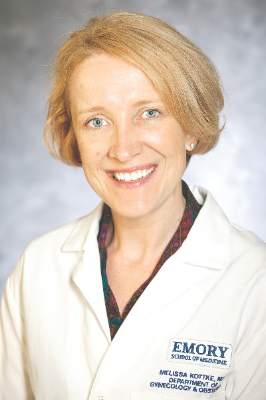
Dr. Kottke is an associate professor in the department of gynecology and obstetrics at Emory University in Atlanta, Georgia. She is the director of the Jane Fonda Center at Emory, which is involved in research and program development focused on adolescent sexual and reproductive health. She also serves as the medical consultant for the state of Georgia’s Family Planning Program. Dr. Kottke reported that she is a Nexplanon (Merck) trainer, is a consultant to CSL Behring, and serves on the advisory board for Evofem.
In February of 2016, the World Health Organization declared Zika a Public Health Emergency of International Concern and the Centers for Disease and Prevention elevated its Zika Emergency Operation Center activation to Level 1, its highest level. The Zika epidemic is unique in many ways, particularly in that women and reproductive health care are at the center of the epidemic.
Most people who are infected with Zika are asymptomatic; those who do have symptoms generally have a mild, self-limited infection. However, a pregnant woman can pass the infection to her fetus, which can lead to severe outcomes. As ob.gyns., we are called upon to guide pregnant women who have been exposed or infected regarding testing, diagnosis, options counseling, surveillance, and management. Additionally, we can help pregnant women prevent Zika infection. Discuss avoiding travel for her and her partner(s) to areas with Zika. Encourage strategies for mosquito bite prevention if traveling to endemic areas and at home. Recommend abstaining from sex or using a condom for those who have partners who have recently traveled to areas with Zika transmission.
With that said, most of our patients are not pregnant. Many are capable of pregnancy and potentially at risk for unintended pregnancy since almost half of pregnancies in the United States are unintended (N Engl J Med. 2016 Mar 3;374[9]:843-52). Contraception for women who are not desiring pregnancy may help prevent unintended pregnancy, but also may help prevent the serious effects that can be seen with mother-to-fetus transmission of Zika. We can play a critical role in this important prevention message for nonpregnant women.
We do not know how long the Zika virus will continue to spread nor do we know whether we will have local transmission in the continental U.S. But we do know that travel is common and sexual transmission is possible. As such, all women need to be educated about the Zika virus. All women should be aware of the risks it poses for their reproductive health and be given an opportunity to discuss what that might mean to each of them. Whether a woman is planning a pregnancy, trying to avoid one, or is unsure of what she wants, having a conversation with her ob.gyn. may help her feel informed and supported in making the best decision for her right now. This may be particularly true of her plans for pregnancy timing and the use of contraception and condoms.
Beyond travel screening and mosquito bite prevention strategies, there are several key messages that we are uniquely poised to relay about Zika prevention. First, women who have been exposed to Zika should delay trying to conceive for 8 weeks. The recommendation for male partners to delay conception ranges from 8 weeks to 6 months depending upon local transmission and presence of symptoms. For those who are not trying to become pregnant or who want to delay pregnancy because of Zika concerns or exposures, we should offer the full range of contraceptive options and work with each patient to optimize her contraceptive selection, based on her individual preferences, goals, and needs. Finally, women should be counseled to avoid transmission from sex by choosing to not have sex or by using a condom with each act of sex with a partner who may have been exposed to Zika.
Our understanding of Zika infection is rapidly evolving. It will be particularly important for us to stay current on this issue. Providers can access up-to-date information about Zika, provider updates, patient information, posters and other information about the emergency response from the CDC’s website at www.cdc.gov/zika/index.html.
There are several tools available for guidance in these conversations. On July 1, 2016, the Office of Population Affairs released a toolkit for Providing Family Planning Care for Non-Pregnant Women and Men of Reproductive Age in the Context of Zika. It is available online at: www.hhs.gov/opa/news#toolkit.
The CDC also offers comprehensive guidance on providing contraception. Providers can access the Medical Eligibility Criteria for Contraceptive Use, the Selected Practice Recommendations for Contraceptive Use, and Providing Quality Family Planning Services, all of which are available on the CDC website.
Dr. Kottke is an associate professor in the department of gynecology and obstetrics at Emory University in Atlanta, Georgia. She is the director of the Jane Fonda Center at Emory, which is involved in research and program development focused on adolescent sexual and reproductive health. She also serves as the medical consultant for the state of Georgia’s Family Planning Program. Dr. Kottke reported that she is a Nexplanon (Merck) trainer, is a consultant to CSL Behring, and serves on the advisory board for Evofem.
In February of 2016, the World Health Organization declared Zika a Public Health Emergency of International Concern and the Centers for Disease and Prevention elevated its Zika Emergency Operation Center activation to Level 1, its highest level. The Zika epidemic is unique in many ways, particularly in that women and reproductive health care are at the center of the epidemic.
Most people who are infected with Zika are asymptomatic; those who do have symptoms generally have a mild, self-limited infection. However, a pregnant woman can pass the infection to her fetus, which can lead to severe outcomes. As ob.gyns., we are called upon to guide pregnant women who have been exposed or infected regarding testing, diagnosis, options counseling, surveillance, and management. Additionally, we can help pregnant women prevent Zika infection. Discuss avoiding travel for her and her partner(s) to areas with Zika. Encourage strategies for mosquito bite prevention if traveling to endemic areas and at home. Recommend abstaining from sex or using a condom for those who have partners who have recently traveled to areas with Zika transmission.
With that said, most of our patients are not pregnant. Many are capable of pregnancy and potentially at risk for unintended pregnancy since almost half of pregnancies in the United States are unintended (N Engl J Med. 2016 Mar 3;374[9]:843-52). Contraception for women who are not desiring pregnancy may help prevent unintended pregnancy, but also may help prevent the serious effects that can be seen with mother-to-fetus transmission of Zika. We can play a critical role in this important prevention message for nonpregnant women.
We do not know how long the Zika virus will continue to spread nor do we know whether we will have local transmission in the continental U.S. But we do know that travel is common and sexual transmission is possible. As such, all women need to be educated about the Zika virus. All women should be aware of the risks it poses for their reproductive health and be given an opportunity to discuss what that might mean to each of them. Whether a woman is planning a pregnancy, trying to avoid one, or is unsure of what she wants, having a conversation with her ob.gyn. may help her feel informed and supported in making the best decision for her right now. This may be particularly true of her plans for pregnancy timing and the use of contraception and condoms.
Beyond travel screening and mosquito bite prevention strategies, there are several key messages that we are uniquely poised to relay about Zika prevention. First, women who have been exposed to Zika should delay trying to conceive for 8 weeks. The recommendation for male partners to delay conception ranges from 8 weeks to 6 months depending upon local transmission and presence of symptoms. For those who are not trying to become pregnant or who want to delay pregnancy because of Zika concerns or exposures, we should offer the full range of contraceptive options and work with each patient to optimize her contraceptive selection, based on her individual preferences, goals, and needs. Finally, women should be counseled to avoid transmission from sex by choosing to not have sex or by using a condom with each act of sex with a partner who may have been exposed to Zika.
Our understanding of Zika infection is rapidly evolving. It will be particularly important for us to stay current on this issue. Providers can access up-to-date information about Zika, provider updates, patient information, posters and other information about the emergency response from the CDC’s website at www.cdc.gov/zika/index.html.
There are several tools available for guidance in these conversations. On July 1, 2016, the Office of Population Affairs released a toolkit for Providing Family Planning Care for Non-Pregnant Women and Men of Reproductive Age in the Context of Zika. It is available online at: www.hhs.gov/opa/news#toolkit.
The CDC also offers comprehensive guidance on providing contraception. Providers can access the Medical Eligibility Criteria for Contraceptive Use, the Selected Practice Recommendations for Contraceptive Use, and Providing Quality Family Planning Services, all of which are available on the CDC website.
Dr. Kottke is an associate professor in the department of gynecology and obstetrics at Emory University in Atlanta, Georgia. She is the director of the Jane Fonda Center at Emory, which is involved in research and program development focused on adolescent sexual and reproductive health. She also serves as the medical consultant for the state of Georgia’s Family Planning Program. Dr. Kottke reported that she is a Nexplanon (Merck) trainer, is a consultant to CSL Behring, and serves on the advisory board for Evofem.
Turning down treatment
How do you treat a patient who doesn’t want to be treated?
It depends. If the problem is acne or a wart, then it’s all right to let it go.
Harriet, however, has HIV. And a facial basal cell carcinoma.
Now what?
Perhaps it still depends.

After showing me a red spot on her right cheek, Harriet put me on notice right away. “I don’t believe in unnecessary treatments,” she said.
I asked her what she meant.
“I’ve been HIV positive since the mid-1980s,” she said. “Last year, my doctor wanted to pump me full of those poisons. So I changed doctors.”
“What does your new doctor think?” I asked.
“My T-cell counts aren’t very good. He also thinks I should take those medicines, but I don’t see him much.
“I went to another dermatologist about a different problem. He got very angry at me, because I had called in advance to ask not to be seen by a resident. They told me that would be OK, but the resident showed up anyway. When the doctor also came in and I tried to explain, he threw me out of the clinic.”
By now, I’d gotten the picture: Harriet has her own ideas about things and is not about to take advice with which she doesn’t agree. What makes Harriet different is not that she ignores medical advice – people do that all the time – but that she comes right out and says so to the doctor’s face. Others wait till they get home.
So what do you do when a patient shows that he or she is ready to look you in the eye and turn you down flat?
One response is to leave the room in a huff. After all, who’s the expert here, and who’s trying to help whom?
That reaction is understandable, but if the doctor walks out, who is being helped? The patient, or the doctor?
There is, of course, another approach, which is to suppress professional ego considerations and ask:
1. What are the actual medical stakes? What is the worst that could happen if the patient refuses treatment?
2. What realistic options, if any, are there to change the patient’s mind?
3. Why is the patient behaving that way, anyway?
In Harriet’s case, what are the medical stakes? I am no HIV specialist, but how many patients who seroconverted in the 1980s are still around to consider their options? (Other such patients have told me their doctors really don’t understand how patients like them survived.) If Harriet is sexually inactive and does not try to donate blood, how sure are we that she isn’t better off doing nothing?
Besides, what other options are there to change her mind?
Before turning to my third question, I have to plan what to do if – when – the biopsy confirms my clinical diagnosis of basal cell. I will inform Harriet, and recommend Mohs surgery. Suppose she refuses and wants a lesser procedure, or no surgery at all. What next?
This happens. If the patient is elderly, and the lesion is not near a strategic organ, such as the eye, it may be acceptable just to watch the lesion. Some basal cells grow fast, others barely grow at all. If Harriet decides to do nothing, I could explain my preference – surgery – and her risks – lesion growth and bigger surgery later – and insist on seeing her every 2 months.
Which brings us to our third question: Why would Harriet act this way?
Two possibilities occur to me. The first is fear. Scared people often act aggressively. Calmed down, they relent.
The second is that Harriet is what the English call bloody minded; in other words, deliberately uncooperative.
Battling with the bloody minded is not helpful for anybody.
Negotiating with difficult people is much less gratifying than giving advice and being respectfully thanked for our efforts and expertise.
Sometimes, though, the best we can do is to swallow our professional pride, try to defuse what fear we can, and show that we will push only as hard as clinical risk truly justifies. This is not always easy to do but is often worth the effort. It may certainly be the best available alternative.
Harriet’s biopsy showed a basal cell. She readily agreed to surgery.
You never know.
Dr. Rockoff practices dermatology in Brookline, Mass. He is on the clinical faculty at Tufts University School of Medicine, Boston, and has taught senior medical students and other trainees for 30 years. Dr. Rockoff has contributed to the Under My Skin column in Dermatology News since January 2002. Write to him at dermnews@frontlinemedcom.com.
How do you treat a patient who doesn’t want to be treated?
It depends. If the problem is acne or a wart, then it’s all right to let it go.
Harriet, however, has HIV. And a facial basal cell carcinoma.
Now what?
Perhaps it still depends.
After showing me a red spot on her right cheek, Harriet put me on notice right away. “I don’t believe in unnecessary treatments,” she said.
I asked her what she meant.
“I’ve been HIV positive since the mid-1980s,” she said. “Last year, my doctor wanted to pump me full of those poisons. So I changed doctors.”
“What does your new doctor think?” I asked.
“My T-cell counts aren’t very good. He also thinks I should take those medicines, but I don’t see him much.
“I went to another dermatologist about a different problem. He got very angry at me, because I had called in advance to ask not to be seen by a resident. They told me that would be OK, but the resident showed up anyway. When the doctor also came in and I tried to explain, he threw me out of the clinic.”
By now, I’d gotten the picture: Harriet has her own ideas about things and is not about to take advice with which she doesn’t agree. What makes Harriet different is not that she ignores medical advice – people do that all the time – but that she comes right out and says so to the doctor’s face. Others wait till they get home.
So what do you do when a patient shows that he or she is ready to look you in the eye and turn you down flat?
One response is to leave the room in a huff. After all, who’s the expert here, and who’s trying to help whom?
That reaction is understandable, but if the doctor walks out, who is being helped? The patient, or the doctor?
There is, of course, another approach, which is to suppress professional ego considerations and ask:
1. What are the actual medical stakes? What is the worst that could happen if the patient refuses treatment?
2. What realistic options, if any, are there to change the patient’s mind?
3. Why is the patient behaving that way, anyway?
In Harriet’s case, what are the medical stakes? I am no HIV specialist, but how many patients who seroconverted in the 1980s are still around to consider their options? (Other such patients have told me their doctors really don’t understand how patients like them survived.) If Harriet is sexually inactive and does not try to donate blood, how sure are we that she isn’t better off doing nothing?
Besides, what other options are there to change her mind?
Before turning to my third question, I have to plan what to do if – when – the biopsy confirms my clinical diagnosis of basal cell. I will inform Harriet, and recommend Mohs surgery. Suppose she refuses and wants a lesser procedure, or no surgery at all. What next?
This happens. If the patient is elderly, and the lesion is not near a strategic organ, such as the eye, it may be acceptable just to watch the lesion. Some basal cells grow fast, others barely grow at all. If Harriet decides to do nothing, I could explain my preference – surgery – and her risks – lesion growth and bigger surgery later – and insist on seeing her every 2 months.
Which brings us to our third question: Why would Harriet act this way?
Two possibilities occur to me. The first is fear. Scared people often act aggressively. Calmed down, they relent.
The second is that Harriet is what the English call bloody minded; in other words, deliberately uncooperative.
Battling with the bloody minded is not helpful for anybody.
Negotiating with difficult people is much less gratifying than giving advice and being respectfully thanked for our efforts and expertise.
Sometimes, though, the best we can do is to swallow our professional pride, try to defuse what fear we can, and show that we will push only as hard as clinical risk truly justifies. This is not always easy to do but is often worth the effort. It may certainly be the best available alternative.
Harriet’s biopsy showed a basal cell. She readily agreed to surgery.
You never know.
Dr. Rockoff practices dermatology in Brookline, Mass. He is on the clinical faculty at Tufts University School of Medicine, Boston, and has taught senior medical students and other trainees for 30 years. Dr. Rockoff has contributed to the Under My Skin column in Dermatology News since January 2002. Write to him at dermnews@frontlinemedcom.com.
How do you treat a patient who doesn’t want to be treated?
It depends. If the problem is acne or a wart, then it’s all right to let it go.
Harriet, however, has HIV. And a facial basal cell carcinoma.
Now what?
Perhaps it still depends.
After showing me a red spot on her right cheek, Harriet put me on notice right away. “I don’t believe in unnecessary treatments,” she said.
I asked her what she meant.
“I’ve been HIV positive since the mid-1980s,” she said. “Last year, my doctor wanted to pump me full of those poisons. So I changed doctors.”
“What does your new doctor think?” I asked.
“My T-cell counts aren’t very good. He also thinks I should take those medicines, but I don’t see him much.
“I went to another dermatologist about a different problem. He got very angry at me, because I had called in advance to ask not to be seen by a resident. They told me that would be OK, but the resident showed up anyway. When the doctor also came in and I tried to explain, he threw me out of the clinic.”
By now, I’d gotten the picture: Harriet has her own ideas about things and is not about to take advice with which she doesn’t agree. What makes Harriet different is not that she ignores medical advice – people do that all the time – but that she comes right out and says so to the doctor’s face. Others wait till they get home.
So what do you do when a patient shows that he or she is ready to look you in the eye and turn you down flat?
One response is to leave the room in a huff. After all, who’s the expert here, and who’s trying to help whom?
That reaction is understandable, but if the doctor walks out, who is being helped? The patient, or the doctor?
There is, of course, another approach, which is to suppress professional ego considerations and ask:
1. What are the actual medical stakes? What is the worst that could happen if the patient refuses treatment?
2. What realistic options, if any, are there to change the patient’s mind?
3. Why is the patient behaving that way, anyway?
In Harriet’s case, what are the medical stakes? I am no HIV specialist, but how many patients who seroconverted in the 1980s are still around to consider their options? (Other such patients have told me their doctors really don’t understand how patients like them survived.) If Harriet is sexually inactive and does not try to donate blood, how sure are we that she isn’t better off doing nothing?
Besides, what other options are there to change her mind?
Before turning to my third question, I have to plan what to do if – when – the biopsy confirms my clinical diagnosis of basal cell. I will inform Harriet, and recommend Mohs surgery. Suppose she refuses and wants a lesser procedure, or no surgery at all. What next?
This happens. If the patient is elderly, and the lesion is not near a strategic organ, such as the eye, it may be acceptable just to watch the lesion. Some basal cells grow fast, others barely grow at all. If Harriet decides to do nothing, I could explain my preference – surgery – and her risks – lesion growth and bigger surgery later – and insist on seeing her every 2 months.
Which brings us to our third question: Why would Harriet act this way?
Two possibilities occur to me. The first is fear. Scared people often act aggressively. Calmed down, they relent.
The second is that Harriet is what the English call bloody minded; in other words, deliberately uncooperative.
Battling with the bloody minded is not helpful for anybody.
Negotiating with difficult people is much less gratifying than giving advice and being respectfully thanked for our efforts and expertise.
Sometimes, though, the best we can do is to swallow our professional pride, try to defuse what fear we can, and show that we will push only as hard as clinical risk truly justifies. This is not always easy to do but is often worth the effort. It may certainly be the best available alternative.
Harriet’s biopsy showed a basal cell. She readily agreed to surgery.
You never know.
Dr. Rockoff practices dermatology in Brookline, Mass. He is on the clinical faculty at Tufts University School of Medicine, Boston, and has taught senior medical students and other trainees for 30 years. Dr. Rockoff has contributed to the Under My Skin column in Dermatology News since January 2002. Write to him at dermnews@frontlinemedcom.com.

Laser and electrocautery plume
A recent publication by Chuang et al. carefully characterizes the content of smoke (or plume) created from laser hair removal.1 At the University of California, Los Angeles, discarded terminal hairs from the trunk and extremities were collected from two adult volunteers. The hair samples were sealed in glass gas chromatography chambers and treated with either an 810-nm diode laser (Lightsheer, Lumenis) or 755-nm alexandrite laser (Gentlelase, Candela). During laser hair removal (LHR) treatment, two 6-L negative-pressure canisters were used to capture 30 seconds of laser plume, and a portable condensation particle counter was used to measure ultrafine particulates (less than 1 mcm). Ultrafine particle concentrations were measured within the treatment room, within the waiting room, and outside the building. The laser plume was then analyzed by gas chromatography–mass spectrometry (GC-MS) at the Boston University department of chemistry.
Analysis with GC-MS identified 377 chemical compounds. Sixty-two of the compounds exhibited strong absorption peaks, of which 13 are known or suspected carcinogens (including benzene, ethylbenzene, benzeneacetonitrile, acetonitrile, quinoline, isoquinoline, sterene, diethyl phthalate, 2-methylpyridine, naphthalene carbonitrile, and propene) and more than 20 are known environmental toxins causing acute toxic effects on exposure (including carbon monoxide, p-xylene, phenol, toluene, benzaldehyde, benzenedicarboxylic acid [phthalic acid], and long-chain and cyclic hydrocarbons).

During LHR, the portable condensation particle counters documented an eightfold increase, compared with the ambient room baseline level of ultrafine particle concentrations (ambient room baseline, 15,300 particles per cubic centimeter [ppc]; LHR with smoke evacuator, 129,376 ppc), even when a smoke evacuator was in close proximity (5.0 cm) to the procedure site. When the smoke evacuator was turned off for 30 seconds, there was a more than 26-fold increase in particulate count, compared with ambient baseline levels (ambient baseline, 15,300 ppc; LHR without smoke evacuator for 30 seconds, 435,888 ppc).
It has long been known that smoke created from electrocautery also may impose a risk on the health care worker. In 2011, Lewin et al. published a comprehensive review of the risk that surgical smoke and laser imposes on the dermatologist.2 At this time, most of the laser data was for the plume created by ablative CO2 lasers. In their review, it was stated that surgical smoke is composed of 95% water and 5% particulate matter (made up of chemicals, blood and tissue particles, viruses, and bacteria). The size of the particulate matter is dictated by the device used, with electrosurgical units creating particles of roughly 0.07 mcm and lasers liberating particles of 0.31 mcm. The size of liberated particles is important as those smaller than 100 mcm in diameter remain airborne, and particles less than 2 mcm are deposited in the bronchioles and alveoli.
Electrocautery plume is composed mostly of hydrocarbons, phenols, nitriles, and fatty acids, but most notably carbon monoxide, acrylonitrile, hydrogen cyanide, and benzene, which may have carcinogenic potential. On the mucosa of the canine tongue, the mutagenic effect of the smoke from 1 g of cauterized tissue with laser and electrocautery was equivalent to those from three or six cigarettes, respectively. Pulmonary changes also may occur. Blood vessel hypertrophy, alveolar congestion, and emphysematous changes were seen in rats after plume created from both electrocautery and Nd:Yag ablation of porcine skin. In that study, pulmonary changes were less severe in rats exposed to surgical smoke collected with single- and double-filtered smoke evacuators than unfiltered smoke.
Infection also poses a risk, with bovine papillomavirus and HPV detected in CO2 laser plume as early as 1988. In 1995, Gloster and Roenigk at the Mayo Clinic conducted a comparative study using questionnaires sent to members of the American Society for Laser Surgeons and the American Society of Dermatologic Surgery.3 The comparison groups were CO2 laser surgeons and two large groups of patients in the community with a diagnosis of warts. Analysis revealed that CO2 laser surgeons had a statistically significant greater risk of acquiring nasopharyngeal warts but were less likely to acquire plantar, genital, and perianal warts than the Mayo Clinic patient group did, demonstrating that laser plume is a likely means by which HPV can be transmitted to the upper airway, suggesting that those using lasers to treat HPV lesions are at greater risk. Staphylococcus, Corynebacterium, and Neisseria also have been detected during laser resurfacing.

Traditional surgical masks are able to capture particles greater than 5 mcm but offer no protection against particulate matter produced by electrosurgical and laser devices liberating byproducts less than 1 mcm. Laser masks or high-filtration masks provide greater protection than do standard surgical masks and are able to filter particles to 1.1 mcm; however, it has been shown that approximately 77% of particulate matter in surgical smoke is 1.1 mcm and smaller. Smoke evacuators consist of a suction unit (vacuum pump), filter, hose, and inlet nozzle. The smoke evacuator should have a capture velocity of approximately 30-45 m/min at the inlet nozzle. As the effectiveness of the smoke evacuator decreases with farther distance away from the procedure site, the current study of laser plume from LHR recommends that the smoke evacuator be placed within 5 cm of plume generation.4 In a study of warts treated with CO2 laser or electrocoagulation, smoke evacuators are 98.6% effective when placed 1 cm from the treatment site, with efficacy decreasing to 50% when moved to 2 cm from the treatment site.
As our specialty likely conducts the highest proportion of laser and electrosurgical procedures of any specialty, current recommendations for electrocautery, laser resurfacing, and LHR should include adequate air filtration and the use of high-filtration masks and smoke evacuators by the health care practitioner.
References
1. JAMA Dermatol. 2016 Jul 6. doi: 10.1001/jamadermatol.2016.2097. [Epub ahead of print]
2. J Am Acad Dermatol. 2011 Sep;65(3):636-41.
3. J Am Acad Dermatol. 1995 Mar;32(3):436-41.
4. J Am Acad Dermatol. 1989 Jul;21(1):41-9.
Dr. Wesley and Dr. Talakoub are co-contributors to this column. Dr. Talakoub is in private practice in McLean, Va. Dr. Wesley practices dermatology in Beverly Hills, Calif. This month’s column is by Dr. Wesley. Write to them at dermnews@frontlinemedcom.com.
A recent publication by Chuang et al. carefully characterizes the content of smoke (or plume) created from laser hair removal.1 At the University of California, Los Angeles, discarded terminal hairs from the trunk and extremities were collected from two adult volunteers. The hair samples were sealed in glass gas chromatography chambers and treated with either an 810-nm diode laser (Lightsheer, Lumenis) or 755-nm alexandrite laser (Gentlelase, Candela). During laser hair removal (LHR) treatment, two 6-L negative-pressure canisters were used to capture 30 seconds of laser plume, and a portable condensation particle counter was used to measure ultrafine particulates (less than 1 mcm). Ultrafine particle concentrations were measured within the treatment room, within the waiting room, and outside the building. The laser plume was then analyzed by gas chromatography–mass spectrometry (GC-MS) at the Boston University department of chemistry.
Analysis with GC-MS identified 377 chemical compounds. Sixty-two of the compounds exhibited strong absorption peaks, of which 13 are known or suspected carcinogens (including benzene, ethylbenzene, benzeneacetonitrile, acetonitrile, quinoline, isoquinoline, sterene, diethyl phthalate, 2-methylpyridine, naphthalene carbonitrile, and propene) and more than 20 are known environmental toxins causing acute toxic effects on exposure (including carbon monoxide, p-xylene, phenol, toluene, benzaldehyde, benzenedicarboxylic acid [phthalic acid], and long-chain and cyclic hydrocarbons).
During LHR, the portable condensation particle counters documented an eightfold increase, compared with the ambient room baseline level of ultrafine particle concentrations (ambient room baseline, 15,300 particles per cubic centimeter [ppc]; LHR with smoke evacuator, 129,376 ppc), even when a smoke evacuator was in close proximity (5.0 cm) to the procedure site. When the smoke evacuator was turned off for 30 seconds, there was a more than 26-fold increase in particulate count, compared with ambient baseline levels (ambient baseline, 15,300 ppc; LHR without smoke evacuator for 30 seconds, 435,888 ppc).
It has long been known that smoke created from electrocautery also may impose a risk on the health care worker. In 2011, Lewin et al. published a comprehensive review of the risk that surgical smoke and laser imposes on the dermatologist.2 At this time, most of the laser data was for the plume created by ablative CO2 lasers. In their review, it was stated that surgical smoke is composed of 95% water and 5% particulate matter (made up of chemicals, blood and tissue particles, viruses, and bacteria). The size of the particulate matter is dictated by the device used, with electrosurgical units creating particles of roughly 0.07 mcm and lasers liberating particles of 0.31 mcm. The size of liberated particles is important as those smaller than 100 mcm in diameter remain airborne, and particles less than 2 mcm are deposited in the bronchioles and alveoli.
Electrocautery plume is composed mostly of hydrocarbons, phenols, nitriles, and fatty acids, but most notably carbon monoxide, acrylonitrile, hydrogen cyanide, and benzene, which may have carcinogenic potential. On the mucosa of the canine tongue, the mutagenic effect of the smoke from 1 g of cauterized tissue with laser and electrocautery was equivalent to those from three or six cigarettes, respectively. Pulmonary changes also may occur. Blood vessel hypertrophy, alveolar congestion, and emphysematous changes were seen in rats after plume created from both electrocautery and Nd:Yag ablation of porcine skin. In that study, pulmonary changes were less severe in rats exposed to surgical smoke collected with single- and double-filtered smoke evacuators than unfiltered smoke.
Infection also poses a risk, with bovine papillomavirus and HPV detected in CO2 laser plume as early as 1988. In 1995, Gloster and Roenigk at the Mayo Clinic conducted a comparative study using questionnaires sent to members of the American Society for Laser Surgeons and the American Society of Dermatologic Surgery.3 The comparison groups were CO2 laser surgeons and two large groups of patients in the community with a diagnosis of warts. Analysis revealed that CO2 laser surgeons had a statistically significant greater risk of acquiring nasopharyngeal warts but were less likely to acquire plantar, genital, and perianal warts than the Mayo Clinic patient group did, demonstrating that laser plume is a likely means by which HPV can be transmitted to the upper airway, suggesting that those using lasers to treat HPV lesions are at greater risk. Staphylococcus, Corynebacterium, and Neisseria also have been detected during laser resurfacing.
Traditional surgical masks are able to capture particles greater than 5 mcm but offer no protection against particulate matter produced by electrosurgical and laser devices liberating byproducts less than 1 mcm. Laser masks or high-filtration masks provide greater protection than do standard surgical masks and are able to filter particles to 1.1 mcm; however, it has been shown that approximately 77% of particulate matter in surgical smoke is 1.1 mcm and smaller. Smoke evacuators consist of a suction unit (vacuum pump), filter, hose, and inlet nozzle. The smoke evacuator should have a capture velocity of approximately 30-45 m/min at the inlet nozzle. As the effectiveness of the smoke evacuator decreases with farther distance away from the procedure site, the current study of laser plume from LHR recommends that the smoke evacuator be placed within 5 cm of plume generation.4 In a study of warts treated with CO2 laser or electrocoagulation, smoke evacuators are 98.6% effective when placed 1 cm from the treatment site, with efficacy decreasing to 50% when moved to 2 cm from the treatment site.
As our specialty likely conducts the highest proportion of laser and electrosurgical procedures of any specialty, current recommendations for electrocautery, laser resurfacing, and LHR should include adequate air filtration and the use of high-filtration masks and smoke evacuators by the health care practitioner.
References
1. JAMA Dermatol. 2016 Jul 6. doi: 10.1001/jamadermatol.2016.2097. [Epub ahead of print]
2. J Am Acad Dermatol. 2011 Sep;65(3):636-41.
3. J Am Acad Dermatol. 1995 Mar;32(3):436-41.
4. J Am Acad Dermatol. 1989 Jul;21(1):41-9.
Dr. Wesley and Dr. Talakoub are co-contributors to this column. Dr. Talakoub is in private practice in McLean, Va. Dr. Wesley practices dermatology in Beverly Hills, Calif. This month’s column is by Dr. Wesley. Write to them at dermnews@frontlinemedcom.com.
A recent publication by Chuang et al. carefully characterizes the content of smoke (or plume) created from laser hair removal.1 At the University of California, Los Angeles, discarded terminal hairs from the trunk and extremities were collected from two adult volunteers. The hair samples were sealed in glass gas chromatography chambers and treated with either an 810-nm diode laser (Lightsheer, Lumenis) or 755-nm alexandrite laser (Gentlelase, Candela). During laser hair removal (LHR) treatment, two 6-L negative-pressure canisters were used to capture 30 seconds of laser plume, and a portable condensation particle counter was used to measure ultrafine particulates (less than 1 mcm). Ultrafine particle concentrations were measured within the treatment room, within the waiting room, and outside the building. The laser plume was then analyzed by gas chromatography–mass spectrometry (GC-MS) at the Boston University department of chemistry.
Analysis with GC-MS identified 377 chemical compounds. Sixty-two of the compounds exhibited strong absorption peaks, of which 13 are known or suspected carcinogens (including benzene, ethylbenzene, benzeneacetonitrile, acetonitrile, quinoline, isoquinoline, sterene, diethyl phthalate, 2-methylpyridine, naphthalene carbonitrile, and propene) and more than 20 are known environmental toxins causing acute toxic effects on exposure (including carbon monoxide, p-xylene, phenol, toluene, benzaldehyde, benzenedicarboxylic acid [phthalic acid], and long-chain and cyclic hydrocarbons).
During LHR, the portable condensation particle counters documented an eightfold increase, compared with the ambient room baseline level of ultrafine particle concentrations (ambient room baseline, 15,300 particles per cubic centimeter [ppc]; LHR with smoke evacuator, 129,376 ppc), even when a smoke evacuator was in close proximity (5.0 cm) to the procedure site. When the smoke evacuator was turned off for 30 seconds, there was a more than 26-fold increase in particulate count, compared with ambient baseline levels (ambient baseline, 15,300 ppc; LHR without smoke evacuator for 30 seconds, 435,888 ppc).
It has long been known that smoke created from electrocautery also may impose a risk on the health care worker. In 2011, Lewin et al. published a comprehensive review of the risk that surgical smoke and laser imposes on the dermatologist.2 At this time, most of the laser data was for the plume created by ablative CO2 lasers. In their review, it was stated that surgical smoke is composed of 95% water and 5% particulate matter (made up of chemicals, blood and tissue particles, viruses, and bacteria). The size of the particulate matter is dictated by the device used, with electrosurgical units creating particles of roughly 0.07 mcm and lasers liberating particles of 0.31 mcm. The size of liberated particles is important as those smaller than 100 mcm in diameter remain airborne, and particles less than 2 mcm are deposited in the bronchioles and alveoli.
Electrocautery plume is composed mostly of hydrocarbons, phenols, nitriles, and fatty acids, but most notably carbon monoxide, acrylonitrile, hydrogen cyanide, and benzene, which may have carcinogenic potential. On the mucosa of the canine tongue, the mutagenic effect of the smoke from 1 g of cauterized tissue with laser and electrocautery was equivalent to those from three or six cigarettes, respectively. Pulmonary changes also may occur. Blood vessel hypertrophy, alveolar congestion, and emphysematous changes were seen in rats after plume created from both electrocautery and Nd:Yag ablation of porcine skin. In that study, pulmonary changes were less severe in rats exposed to surgical smoke collected with single- and double-filtered smoke evacuators than unfiltered smoke.
Infection also poses a risk, with bovine papillomavirus and HPV detected in CO2 laser plume as early as 1988. In 1995, Gloster and Roenigk at the Mayo Clinic conducted a comparative study using questionnaires sent to members of the American Society for Laser Surgeons and the American Society of Dermatologic Surgery.3 The comparison groups were CO2 laser surgeons and two large groups of patients in the community with a diagnosis of warts. Analysis revealed that CO2 laser surgeons had a statistically significant greater risk of acquiring nasopharyngeal warts but were less likely to acquire plantar, genital, and perianal warts than the Mayo Clinic patient group did, demonstrating that laser plume is a likely means by which HPV can be transmitted to the upper airway, suggesting that those using lasers to treat HPV lesions are at greater risk. Staphylococcus, Corynebacterium, and Neisseria also have been detected during laser resurfacing.
Traditional surgical masks are able to capture particles greater than 5 mcm but offer no protection against particulate matter produced by electrosurgical and laser devices liberating byproducts less than 1 mcm. Laser masks or high-filtration masks provide greater protection than do standard surgical masks and are able to filter particles to 1.1 mcm; however, it has been shown that approximately 77% of particulate matter in surgical smoke is 1.1 mcm and smaller. Smoke evacuators consist of a suction unit (vacuum pump), filter, hose, and inlet nozzle. The smoke evacuator should have a capture velocity of approximately 30-45 m/min at the inlet nozzle. As the effectiveness of the smoke evacuator decreases with farther distance away from the procedure site, the current study of laser plume from LHR recommends that the smoke evacuator be placed within 5 cm of plume generation.4 In a study of warts treated with CO2 laser or electrocoagulation, smoke evacuators are 98.6% effective when placed 1 cm from the treatment site, with efficacy decreasing to 50% when moved to 2 cm from the treatment site.
As our specialty likely conducts the highest proportion of laser and electrosurgical procedures of any specialty, current recommendations for electrocautery, laser resurfacing, and LHR should include adequate air filtration and the use of high-filtration masks and smoke evacuators by the health care practitioner.
References
1. JAMA Dermatol. 2016 Jul 6. doi: 10.1001/jamadermatol.2016.2097. [Epub ahead of print]
2. J Am Acad Dermatol. 2011 Sep;65(3):636-41.
3. J Am Acad Dermatol. 1995 Mar;32(3):436-41.
4. J Am Acad Dermatol. 1989 Jul;21(1):41-9.
Dr. Wesley and Dr. Talakoub are co-contributors to this column. Dr. Talakoub is in private practice in McLean, Va. Dr. Wesley practices dermatology in Beverly Hills, Calif. This month’s column is by Dr. Wesley. Write to them at dermnews@frontlinemedcom.com.

Treatment of posttraumatic stress disorder
Traumatic events are extremely common, with as many as 60% of children experiencing some trauma by age 18 years. About 15% of these children will develop posttraumatic stress disorder (PTSD).
Case summary
Jane is a 13-year-old girl who presented because of steadily escalating angry outbursts with her mother, irritable mood, and anxiety since her father went to jail 2 years previously. Prior to the father’s departure from the family, he drank heavily and had been physically violent to Jane’s mother through most of Jane’s life.

Since these events, Jane has been extremely angry and irritable, often fighting extensively with her younger sister. She has severe difficulty separating from her mother, often following her around or demanding to know everything that her mother is doing. Jane herself reports that she feels worried, irritable, and sad much of the time. She is especially angry when thinking about anything related to her father. Jane won’t talk about her father to anyone, except occasionally her mother and one friend. She has difficulty falling asleep and has nightmares. She never thinks about the future, and instead just lives day to day. Images from the past come vividly into her mind. She has highly negative, hopeless views of the world, and doesn’t trust people, so she is unwilling to consider any therapy. Jane’s mother also is highly irritable and snaps at Jane over small things while in the office.
Discussion
The DSM-5 diagnostic criteria for PTSD require that an individual has been exposed to a severe stressor that threatens death, serious injury, or sexual violence through direct experience, witnessing the event happening to others, or learning that the event happened to a close family member or friend. Not all people who experience such events will develop PTSD, however. Additional symptoms are grouped into four areas (rather than three as in the DSM-IV), and a diagnosis requires one or two symptoms in each area:
• Intrusive symptoms including intrusive distressing memories, recurrent dreams with content related to the event, dissociative reactions such as flashbacks, intense distress at exposure to triggers that remind individuals of the event, or marked physiologic reactions to triggers.
• Avoidance of stimuli associated with the event, either memories or thoughts or external reminders.
• Negative cognitions manifesting as changes in thoughts and mood beginning or worsening after the event. These are an inability to remember the event, persistent negative beliefs about oneself or the world, distorted thoughts about the cause or results of the event, persistent negative emotional states such as anger or guilt, decreased participation in activities, feelings of estrangement from others, or an inability to experience positive emotions.
• Changes in arousal and reactivity as shown by irritable behavior, reckless behavior, hypervigilance, an exaggerated startle response, concentration problems, or sleep disturbance.
There are several screening instruments for the presence of a history of traumatic events as well as for symptoms of PTSD. The Child PTSD Symptom Scale (CPSS) is one example of a simple, readily available screening tool. More extensive assessment is an important part of treatment by mental health clinicians.
Treatment
Psychotherapy interventions are the core of treatment for PTSD in young people. Interventions based on cognitive-behavioral therapy (CBT) are the most extensively researched, with trauma-focused CBT (TF-CBT) being the specific intervention with the most research (13 randomized controlled trials showing efficacy) for children and adolescents. There are several other approaches that have evidence of efficacy through randomized controlled trials, and have been specifically studied for different ages, cultural groups, and focus of intervention (group, family, classroom). Child-parent psychotherapy focuses on traumatized 3-to 5-year-olds and works with both parent and child. Eye movement desensitization and preprocessing therapy (EMDR), extensively studied for adults, has some randomized controlled trials in children. The National Child Traumatic Stress Network (NCTSN) has a website listing evidence-based interventions with descriptions of the extent of the evidence for these and other interventions, including the population for which the intervention was designed and information on training and dissemination.
A recent meta-analysis by Morina et al. identified 39 randomized controlled trials with psychological interventions targeting PTSD in children and youth and found a large (0.83) overall effect size vs. wait list control, and a moderate (0.41) effect size vs. an active control such as supportive therapy. There were enough randomized controlled trials to analyze the TF-CBT–based interventions as a group, and these had even larger effect sizes: 1.44 vs. wait list and 0.66 vs. active control. The non-CBT approaches did not have enough studies to be evaluated separately (Clin Psychol Rev. 2016 Jul;47:41-54).
It is important to know which available therapists are trained in specific interventions such as TF-CBT and review the evidence behind other interventions that therapists are using. Advocacy for the training of local therapists, particularly therapists who are affiliated with your practice, can increase these resources.
The evidence for pharmacologic treatment for PTSD in children and adolescents, in contrast to adults, is very thin. In adults, SSRIs have shown a significant benefit, but there have been three randomized controlled trials examining this question in young people with no significant difference shown for the SSRI. One of these compared TF-CBT alone to TF-CBT plus sertraline, with no added benefit for sertraline. A second compared sertraline to placebo and showed no difference, and the third was an extremely brief trial of 1 week of fluoxetine for children with burns, with no effect. There are open label studies of citalopram that have shown some benefit.
Prazosin is an alpha-1 antagonist that decreases the effect of peripheral norepinephrine, which has been shown to decrease reactivity in adults through two randomized controlled trials, but there are case reports in adolescents only. Guanfacine, an alpha-2 agonist that acts centrally to decrease norepinephrine release, has one open label study of the extended-release form in adolescents showing benefit, but there are two negative randomized controlled trials in adults. Other agents such as second-generation antipsychotics and mood stabilizers (specifically carbamazepine and valproic acid) have open label studies in children only and have the potential for significant side effects.
Psychotherapy is clearly the treatment of choice for children and adolescents with PTSD; the difficulty is that avoidance and difficulty trusting people are core symptoms of PTSD, and can lead patients to be extremely reluctant to try therapy. As a pediatrician, you likely already have a trusting relationship with your patient and parent(s), which can provide an opening for discussion.
Psychoeducation about trauma and the specific trauma a child has experienced is a core component and often the first step of PTSD treatment. The NCTSN website provides a goldmine of information about specific types of trauma (found under the tab labeled trauma types), including common symptoms at different developmental stages and specific resources. By providing information to families in a sensitive way, clinicians can help people understand that they are not alone, that their struggles are common reactions to the type of trauma they have experienced, and that people can recover with therapy so that the trauma does not have to go on negatively affecting their lives.
Finally, noting a parent’s possible trauma, and encouraging that parent to get his or her own treatment in order to help the child, can be a crucial first step.
General references
Dr. Hall is assistant professor of psychiatry and pediatrics at the University of Vermont, Burlington. She said she had no relevant financial disclosures.
Traumatic events are extremely common, with as many as 60% of children experiencing some trauma by age 18 years. About 15% of these children will develop posttraumatic stress disorder (PTSD).
Case summary
Jane is a 13-year-old girl who presented because of steadily escalating angry outbursts with her mother, irritable mood, and anxiety since her father went to jail 2 years previously. Prior to the father’s departure from the family, he drank heavily and had been physically violent to Jane’s mother through most of Jane’s life.
Since these events, Jane has been extremely angry and irritable, often fighting extensively with her younger sister. She has severe difficulty separating from her mother, often following her around or demanding to know everything that her mother is doing. Jane herself reports that she feels worried, irritable, and sad much of the time. She is especially angry when thinking about anything related to her father. Jane won’t talk about her father to anyone, except occasionally her mother and one friend. She has difficulty falling asleep and has nightmares. She never thinks about the future, and instead just lives day to day. Images from the past come vividly into her mind. She has highly negative, hopeless views of the world, and doesn’t trust people, so she is unwilling to consider any therapy. Jane’s mother also is highly irritable and snaps at Jane over small things while in the office.
Discussion
The DSM-5 diagnostic criteria for PTSD require that an individual has been exposed to a severe stressor that threatens death, serious injury, or sexual violence through direct experience, witnessing the event happening to others, or learning that the event happened to a close family member or friend. Not all people who experience such events will develop PTSD, however. Additional symptoms are grouped into four areas (rather than three as in the DSM-IV), and a diagnosis requires one or two symptoms in each area:
• Intrusive symptoms including intrusive distressing memories, recurrent dreams with content related to the event, dissociative reactions such as flashbacks, intense distress at exposure to triggers that remind individuals of the event, or marked physiologic reactions to triggers.
• Avoidance of stimuli associated with the event, either memories or thoughts or external reminders.
• Negative cognitions manifesting as changes in thoughts and mood beginning or worsening after the event. These are an inability to remember the event, persistent negative beliefs about oneself or the world, distorted thoughts about the cause or results of the event, persistent negative emotional states such as anger or guilt, decreased participation in activities, feelings of estrangement from others, or an inability to experience positive emotions.
• Changes in arousal and reactivity as shown by irritable behavior, reckless behavior, hypervigilance, an exaggerated startle response, concentration problems, or sleep disturbance.
There are several screening instruments for the presence of a history of traumatic events as well as for symptoms of PTSD. The Child PTSD Symptom Scale (CPSS) is one example of a simple, readily available screening tool. More extensive assessment is an important part of treatment by mental health clinicians.
Treatment
Psychotherapy interventions are the core of treatment for PTSD in young people. Interventions based on cognitive-behavioral therapy (CBT) are the most extensively researched, with trauma-focused CBT (TF-CBT) being the specific intervention with the most research (13 randomized controlled trials showing efficacy) for children and adolescents. There are several other approaches that have evidence of efficacy through randomized controlled trials, and have been specifically studied for different ages, cultural groups, and focus of intervention (group, family, classroom). Child-parent psychotherapy focuses on traumatized 3-to 5-year-olds and works with both parent and child. Eye movement desensitization and preprocessing therapy (EMDR), extensively studied for adults, has some randomized controlled trials in children. The National Child Traumatic Stress Network (NCTSN) has a website listing evidence-based interventions with descriptions of the extent of the evidence for these and other interventions, including the population for which the intervention was designed and information on training and dissemination.
A recent meta-analysis by Morina et al. identified 39 randomized controlled trials with psychological interventions targeting PTSD in children and youth and found a large (0.83) overall effect size vs. wait list control, and a moderate (0.41) effect size vs. an active control such as supportive therapy. There were enough randomized controlled trials to analyze the TF-CBT–based interventions as a group, and these had even larger effect sizes: 1.44 vs. wait list and 0.66 vs. active control. The non-CBT approaches did not have enough studies to be evaluated separately (Clin Psychol Rev. 2016 Jul;47:41-54).
It is important to know which available therapists are trained in specific interventions such as TF-CBT and review the evidence behind other interventions that therapists are using. Advocacy for the training of local therapists, particularly therapists who are affiliated with your practice, can increase these resources.
The evidence for pharmacologic treatment for PTSD in children and adolescents, in contrast to adults, is very thin. In adults, SSRIs have shown a significant benefit, but there have been three randomized controlled trials examining this question in young people with no significant difference shown for the SSRI. One of these compared TF-CBT alone to TF-CBT plus sertraline, with no added benefit for sertraline. A second compared sertraline to placebo and showed no difference, and the third was an extremely brief trial of 1 week of fluoxetine for children with burns, with no effect. There are open label studies of citalopram that have shown some benefit.
Prazosin is an alpha-1 antagonist that decreases the effect of peripheral norepinephrine, which has been shown to decrease reactivity in adults through two randomized controlled trials, but there are case reports in adolescents only. Guanfacine, an alpha-2 agonist that acts centrally to decrease norepinephrine release, has one open label study of the extended-release form in adolescents showing benefit, but there are two negative randomized controlled trials in adults. Other agents such as second-generation antipsychotics and mood stabilizers (specifically carbamazepine and valproic acid) have open label studies in children only and have the potential for significant side effects.
Psychotherapy is clearly the treatment of choice for children and adolescents with PTSD; the difficulty is that avoidance and difficulty trusting people are core symptoms of PTSD, and can lead patients to be extremely reluctant to try therapy. As a pediatrician, you likely already have a trusting relationship with your patient and parent(s), which can provide an opening for discussion.
Psychoeducation about trauma and the specific trauma a child has experienced is a core component and often the first step of PTSD treatment. The NCTSN website provides a goldmine of information about specific types of trauma (found under the tab labeled trauma types), including common symptoms at different developmental stages and specific resources. By providing information to families in a sensitive way, clinicians can help people understand that they are not alone, that their struggles are common reactions to the type of trauma they have experienced, and that people can recover with therapy so that the trauma does not have to go on negatively affecting their lives.
Finally, noting a parent’s possible trauma, and encouraging that parent to get his or her own treatment in order to help the child, can be a crucial first step.
General references
Dr. Hall is assistant professor of psychiatry and pediatrics at the University of Vermont, Burlington. She said she had no relevant financial disclosures.
Traumatic events are extremely common, with as many as 60% of children experiencing some trauma by age 18 years. About 15% of these children will develop posttraumatic stress disorder (PTSD).
Case summary
Jane is a 13-year-old girl who presented because of steadily escalating angry outbursts with her mother, irritable mood, and anxiety since her father went to jail 2 years previously. Prior to the father’s departure from the family, he drank heavily and had been physically violent to Jane’s mother through most of Jane’s life.
Since these events, Jane has been extremely angry and irritable, often fighting extensively with her younger sister. She has severe difficulty separating from her mother, often following her around or demanding to know everything that her mother is doing. Jane herself reports that she feels worried, irritable, and sad much of the time. She is especially angry when thinking about anything related to her father. Jane won’t talk about her father to anyone, except occasionally her mother and one friend. She has difficulty falling asleep and has nightmares. She never thinks about the future, and instead just lives day to day. Images from the past come vividly into her mind. She has highly negative, hopeless views of the world, and doesn’t trust people, so she is unwilling to consider any therapy. Jane’s mother also is highly irritable and snaps at Jane over small things while in the office.
Discussion
The DSM-5 diagnostic criteria for PTSD require that an individual has been exposed to a severe stressor that threatens death, serious injury, or sexual violence through direct experience, witnessing the event happening to others, or learning that the event happened to a close family member or friend. Not all people who experience such events will develop PTSD, however. Additional symptoms are grouped into four areas (rather than three as in the DSM-IV), and a diagnosis requires one or two symptoms in each area:
• Intrusive symptoms including intrusive distressing memories, recurrent dreams with content related to the event, dissociative reactions such as flashbacks, intense distress at exposure to triggers that remind individuals of the event, or marked physiologic reactions to triggers.
• Avoidance of stimuli associated with the event, either memories or thoughts or external reminders.
• Negative cognitions manifesting as changes in thoughts and mood beginning or worsening after the event. These are an inability to remember the event, persistent negative beliefs about oneself or the world, distorted thoughts about the cause or results of the event, persistent negative emotional states such as anger or guilt, decreased participation in activities, feelings of estrangement from others, or an inability to experience positive emotions.
• Changes in arousal and reactivity as shown by irritable behavior, reckless behavior, hypervigilance, an exaggerated startle response, concentration problems, or sleep disturbance.
There are several screening instruments for the presence of a history of traumatic events as well as for symptoms of PTSD. The Child PTSD Symptom Scale (CPSS) is one example of a simple, readily available screening tool. More extensive assessment is an important part of treatment by mental health clinicians.
Treatment
Psychotherapy interventions are the core of treatment for PTSD in young people. Interventions based on cognitive-behavioral therapy (CBT) are the most extensively researched, with trauma-focused CBT (TF-CBT) being the specific intervention with the most research (13 randomized controlled trials showing efficacy) for children and adolescents. There are several other approaches that have evidence of efficacy through randomized controlled trials, and have been specifically studied for different ages, cultural groups, and focus of intervention (group, family, classroom). Child-parent psychotherapy focuses on traumatized 3-to 5-year-olds and works with both parent and child. Eye movement desensitization and preprocessing therapy (EMDR), extensively studied for adults, has some randomized controlled trials in children. The National Child Traumatic Stress Network (NCTSN) has a website listing evidence-based interventions with descriptions of the extent of the evidence for these and other interventions, including the population for which the intervention was designed and information on training and dissemination.
A recent meta-analysis by Morina et al. identified 39 randomized controlled trials with psychological interventions targeting PTSD in children and youth and found a large (0.83) overall effect size vs. wait list control, and a moderate (0.41) effect size vs. an active control such as supportive therapy. There were enough randomized controlled trials to analyze the TF-CBT–based interventions as a group, and these had even larger effect sizes: 1.44 vs. wait list and 0.66 vs. active control. The non-CBT approaches did not have enough studies to be evaluated separately (Clin Psychol Rev. 2016 Jul;47:41-54).
It is important to know which available therapists are trained in specific interventions such as TF-CBT and review the evidence behind other interventions that therapists are using. Advocacy for the training of local therapists, particularly therapists who are affiliated with your practice, can increase these resources.
The evidence for pharmacologic treatment for PTSD in children and adolescents, in contrast to adults, is very thin. In adults, SSRIs have shown a significant benefit, but there have been three randomized controlled trials examining this question in young people with no significant difference shown for the SSRI. One of these compared TF-CBT alone to TF-CBT plus sertraline, with no added benefit for sertraline. A second compared sertraline to placebo and showed no difference, and the third was an extremely brief trial of 1 week of fluoxetine for children with burns, with no effect. There are open label studies of citalopram that have shown some benefit.
Prazosin is an alpha-1 antagonist that decreases the effect of peripheral norepinephrine, which has been shown to decrease reactivity in adults through two randomized controlled trials, but there are case reports in adolescents only. Guanfacine, an alpha-2 agonist that acts centrally to decrease norepinephrine release, has one open label study of the extended-release form in adolescents showing benefit, but there are two negative randomized controlled trials in adults. Other agents such as second-generation antipsychotics and mood stabilizers (specifically carbamazepine and valproic acid) have open label studies in children only and have the potential for significant side effects.
Psychotherapy is clearly the treatment of choice for children and adolescents with PTSD; the difficulty is that avoidance and difficulty trusting people are core symptoms of PTSD, and can lead patients to be extremely reluctant to try therapy. As a pediatrician, you likely already have a trusting relationship with your patient and parent(s), which can provide an opening for discussion.
Psychoeducation about trauma and the specific trauma a child has experienced is a core component and often the first step of PTSD treatment. The NCTSN website provides a goldmine of information about specific types of trauma (found under the tab labeled trauma types), including common symptoms at different developmental stages and specific resources. By providing information to families in a sensitive way, clinicians can help people understand that they are not alone, that their struggles are common reactions to the type of trauma they have experienced, and that people can recover with therapy so that the trauma does not have to go on negatively affecting their lives.
Finally, noting a parent’s possible trauma, and encouraging that parent to get his or her own treatment in order to help the child, can be a crucial first step.
General references
Dr. Hall is assistant professor of psychiatry and pediatrics at the University of Vermont, Burlington. She said she had no relevant financial disclosures.