User login
Hospital Medicine Flourishing Around the World
Since last September, Anand Kartha, MD, MS, has headed the hospital medicine (HM) program at 600-bed Hamad General Hospital, the flagship facility for eight-hospital Hamad Medical Corporation in Doha, Qatar, a small nation of 1.8 million people located on the northeast corner of the Arabian Peninsula.
“Qatar has a world-class healthcare system,” he says. “But to me, it sometimes feels like 1999, with the beginnings of the hospitalist movement as a new model of care.”
Dr. Kartha, a native of India who trained at the University of Pittsburgh Medical Center Mercy and Boston University School of Medicine, was recruited by Hamad Medical Corporation to develop hospital medicine in response to the growing complexity of inpatient care—and of patients served.
“Hospital medicine, delivered 24/7 by attending physicians, is an important element of the Health Ministry’s strategy and vision,” he says. “They looked at Australian, British, and American health systems, trying to put together the best from each—adapted to local sensitivities.
“One reason I came here was to expand the hospitalist model and be part of its extraordinary growth and development.”
Dr. Kartha also participates in medical research and residency training. His group now employs 30 attending physicians, half of them recent hires from the U.S. and the U.K.
As in the U.S., international drivers for the hospitalist model of care include pressures to improve efficiency, throughput, and quality of care. Those drivers are especially in focus at Hamad General, which Dr. Kartha says has one of the busiest EDs in the world.
Hospital medicine programs are springing up in other parts of the world, too, often inspired by the success of the HM model in the U.S. Hospitalist pioneers from other countries pore over the published research and visit the U.S. to attend conferences like SHM’s annual meeting, with its programming for international members, or to complete fellowships or other trainings. U.S. hospitalists are invited to speak to groups in other countries. Some, like Dr. Kartha, are being tapped to build hospitalist programs around the globe.

Hospital medicine can be introduced from the top down as a strategy by the public health system or from the bottom up by pioneers and advocates at the grassroots level.
Ron Greeno, MD, MHM, FCCP, has been active in hospital medicine since before the term “hospitalist” was coined. Currently chief strategy officer with IPC Healthcare, Inc., he was a founder in 1993 of Cogent Healthcare, which recently merged with Sound Physicians in Tacoma, Wash. Dr. Greeno says he is fascinated by the growth in international hospital medicine.
“I have been impressed at the number of countries that are represented at SHM [meetings] and the enthusiasm they show as they talk about their experiences,” he says. “What I see in these young, enthusiastic physicians from around the world is they are not naïve, but they are very idealistic. Their descriptions of their struggles remind me of our early days in Southern California.
“The international representatives at SHM all recognize the need for data. Every one of them feels their hospitalist model has advantages for their health system. But everybody’s struggling with the need for more resources. That’s the same in the U.S.”
Similarities and Differences
Many aspects of the experience in Qatar have been surprisingly familiar for Dr. Kartha.
“We are a Joint Commission-accredited hospital,” he says. “Our residency program is accredited by the American College of Graduate Medical Education. We are the flagship hospital for Weill Cornell Medical College in Qatar.”
The workday of a hospitalist at Hamad General is strikingly similar to the one he knew as an academic hospitalist in Boston.
“Models we are introducing include extended hours coverage, evenings and weekends, proactive discharge planning, and co-management with specialists,” he says. The health system is also rolling out an electronic health record.
Still, his adaptation to a new medical system has generated many curiosities in the sports-mad, fully wired-for-Internet nation, which has the world’s highest per capita standard of living.
“Every now and then, I look around and think: ‘This isn’t Kansas anymore, Toto,’” Dr. Kartha says, adding that he has learned about important cultural and religious beliefs and traditions that affect patients’ attitudes toward health and healing.
Arpana Vidyarthi, MD, associate professor in the Duke-NUS Graduate Medical School in Singapore, previously worked as a hospitalist at the University of California-San Francisco (UCSF) before moving to Singapore in 2011. She thinks “pockets” of hospital medicine are being practiced all over the world “in response to local needs.”
“The model is manifest in a diverse fashion throughout the United States, yet it is agile enough to be adapted around the world and be truly relevant,” Dr. Vidyarthi says. “But local tradition and the way hospitals are structured will determine how the model is established.”
Traditionally, medical specialists, often without a central physician to coordinate care, manage inpatients in Singapore, according to Dr. Vidyarthi. At discharge, they are referred to numerous subspecialists and to a public health clinic. Half of hospital wards are staffed by “super-specialists,” the other half by general internists who see patients both in the clinic and in the hospital, she says.
“This is not hospital medicine as we know it in the United States,” she says, “but different models are evolving.”
Ten years ago, physicians from Singapore visited UCSF to observe how hospital medicine was practiced there. A family medicine hospitalist program was piloted in 2006 at Singapore General Hospital. The program helped reduce lengths of stay and costs of care without adversely affecting mortality or readmissions.1
Kheng-Hock Lee, MD, one of the researchers and president of the Singapore College of Family Physicians, says that defining a generalist role for hospital medicine in Singapore has been difficult.
“When I call myself a hospitalist here, there is a strong reaction from some who perceive it as profit driven,” Dr. Vidyarthi says. “Clearly, there is a need for a generalist physician at the center of the patient experience, to manage the complexity of the patient as a whole person, as well as the hospital system. That is where it’s emerging within internal medicine, whether it’s called hospital medicine or not.”
For the past year, Dr. Vidyarthi has been working at Singapore General.
“The concept of the academic hospitalist is new here. People are able to see when I’m on service that I do things differently. This is because of the hospitalist mindset I brought from the United States,” she says. “Because I have a systems lens, I organize my day differently than the other doctors. I teach concurrently with clinical care, delegate responsibilities and accountabilities, and focus on discharge from the first day of admission.
“In general, my team is happier and my patients have lower lengths of stay.”
Defining a Specialized Expertise
Whatever you call it, there is a need around the world for physicians to practice in hospitals—to help standardize care, improve quality and patient safety, and prevent waste. Peter Jamieson, MD, a family physician in Calgary, Alberta, Canada, and medical director of the Foothills Medical Centre, has worked as a hospitalist since 1997. He didn’t call himself a hospitalist at first, “but the concept is becoming better socialized and more widely recognized in Canada.”
The Canadian Society of Hospital Medicine, founded in 2001 and affiliated with SHM, has about 1,300 members.
“I’d say we’re more the same than different compared with the United States, with a similar focus on quality of care,” Dr. Jamieson says.
Interestingly, he says the moniker “hospitalist” is not helping the development—and recognition—of Canadians who practice hospital-based medicine. It’s a refrain echoed for years by many in the U.S.
“As leaders in hospital medicine in Canada, we’d prefer to move away from the term ‘hospitalist’ and toward ‘specialist’ or ‘expert in hospital medicine,’” he says. “That takes us more in the direction we want to go in defining the mission of hospital medicine.

“First of all, in Canada and other places, there’s a bit of baggage attached to the term ‘hospitalist.’ These other terms help us get away from some of the historical assumptions of what people thought a hospitalist was—based on educational background.”
In Canada, that has largely been family medicine. Hospital medicine advocates are now exploring the best preparation for practicing the specialty.
“We want to define the mission around competency, rather than board certification,” Dr. Jamieson explains.
Listen to Dr. Jamieson discuss the evolution of hospital medicine in Canada.
The days when the majority of Canadian primary care providers would join the staff of a hospital and continue to manage their patients’ care during the hospital stay are long gone, he adds. In smaller and rural hospitals, the family doctor may still be the physician of record, although the number of such hospitals is dwindling.
HM clinicians generally are not employed by the hospital but often are sole practitioners with independent corporations or organized into groups that associate for the sake of the practice, signing a common contract with the hospital. Depending on provincial law, most hospitalist groups have leaders appointed and compensated by the hospital for scheduling and coordination.
On top of billing fee-for-service to the provincial health authority, hospitalists may also receive a stipend from the hospital, collectively or individually.
“There is a recognition that the physician fee schedule has not kept pace with the demands of hospital medicine, and that stipend also covers other services performed in the hospital,” Dr. Jamieson says.
Vandad Yousefi, MD, CCFP, FHM, hospitalist at Vancouver General Hospital in British Columbia, Canada, and co-founder and CEO of Hospitalist Consulting Solutions, has researched the development of hospital medicine in Canada and says that, even more than in the U.S., it was driven by the withdrawal of PCPs from hospitals, which created a vacuum.2,3
“For a lot of programs I’ve consulted with, the crisis point happened when physicians resigned en masse from hospital staffs,” he says.
Another driver is an increase in “unattached” hospitalized patients, which in Canada means they don’t have a specific medical provider willing to supply their inpatient attending-level care. In his surveys of typologies of roles played by hospitalists, Dr. Yousefi has observed a lot of variation in program models—not just between academic centers, teaching hospitals, and rural hospitals, but also within each category.
“These differences in programs make it hard to benchmark,” he says.
Hospitalist—or House Officer?
The Netherlands also has “hospitalists,” although they also refer to themselves as “house officers,” says Marijke Timmermans, a doctoral student in epidemiology at the Scientific Institute for Quality of Healthcare at Radboud University Medical Center in Nijmegen. As part of a long-standing system of post-graduate, on-the-job training for doctors, Dutch hospitalists typically are medical residents who perform the medical care of hospitalized patients, but not as the physician of record.
Timmermans is studying the growing role of physician assistants (PAs) in managing hospitalized patients in response to demands for better continuity of care. Although the PA concept is little more than a decade old in the Netherlands, there are 1,000 PAs, with about half filling a hospitalist role under the supervision of a medical specialist. Timmermans’ research looks at the effectiveness and quality of care with PAs under a mixed model of PA and physician, compared with physician alone.4

In the Netherlands, the patient’s PCP does not assume medical management responsibility while the patient is hospitalized, although PCP visits might be made to reassure the patient and advise the hospital-based team. As in the U.S., the hospitalist will try to communicate with the primary care doctor at discharge and, if possible, schedule follow-up visits for the discharged patient at a clinic on the hospital campus.
A new experiment is underway in four Dutch hospitals. It’s a three-year medical education curriculum to train “hospital doctors” (ziekenhuisarts). The new medical specialty, with general medical training, will assume more responsibility for ward care in the hospital. Timmermans says it is not yet known how these professionals will relate to other professionals in the hospital.
Joseph Li, MD, SFHM, head of hospital medicine at Beth Israel Deaconess Medical Center in Boston and past president of SHM, notes a key distinction between hospitalists as they are commonly understood in the U.S. and house officers: House officers don’t assume medical responsibility for the patient’s care.
“A house officer is not a hospitalist as we understand it—but even in this country, terminology varies and means different things in different hospitals,” Dr. Li says.
The Acute Medical Unit
In the U.K., a different model has emerged over the past two decades. It is called the acute medical unit [PDF] (AMU) and is staffed by dedicated consultants.5 The AMU fits functionally between the hospital’s ED, or front door admissions, and specialty care units within the hospital.
Patients generally are admitted to the AMU for a maximum of 72 hours for medical work-ups, with consultations as needed by specialists. They should be seen twice a day by the acute medical consultant, who is responsible for the delivery and direction of their care. Then they either go home or get transferred to a specialty unit within the hospital, with specialty care organized in a manner broadly similar to the U.S.
This frontloading of medical attention at admission allows patients to be worked up and turned around quickly, says Derek Bell, MD, head of acute medicine at Imperial College London and a founder in 2000 of the U.K.’s Society for Acute Medicine. Dr. Bell suggests that this system developed to ensure a safe haven for medical patients who are unstable or require ongoing investigation and treatment. A national “four-hour rule,” designed to reduce overcrowding in EDs, means that patients need to either go home or be admitted within four hours of presentation to the hospital.
U.K. hospitals also employ a registrar, a senior trainee who supervises junior and resident doctors. Hospital physicians are salaried and employed by “provider organizations,” which can be a single hospital or a collection of hospitals.
“My hospital admits about 30 to 35 medical patients per day, and we have two consultants working during the day just doing acute medicine, along with two registrars, one for emergency patients, two intermediate grade doctors, and two junior residents,” Dr. Bell says.
Acute medicine consultants generally do weekday shifts, with one consultant on call per night.
A few hospitals have embedded PCPs, who know the local system and can facilitate communication with the patient’s family doctor. “This model is well recognized but is not common,” Dr. Bell says.
What’s Happening Elsewhere?
In Australia, public hospitals in New South Wales generated positive results for a hospitalist pilot program in 2007, but also encountered some resistance from the Australian Medical Association and others concerned about its potential impact on such existing roles as career medical officer, PCP, and general physician, and on the provision of medical training in hospitals.6
Hospital medicine has grown since then, but slowly, with individual institutions successfully employing hospitalists at various levels. The fledgling specialty has yet to take off nationally, says Mary G.T. Webber, MBBS, a past president of the Australasian Society of Career Medical Officers. Dr. Webber practices hospital medicine at Ryde Hospital in suburban Sydney, where she has found the mix of clinical care, system development, and mentoring roles offered by the service personally rewarding. She has been frustrated with a lack of progress for the hospitalist movement overall in Australia.
“The concept of a rural generalist is already well accepted in Australia, and hospital medicine is the next logical iteration of the medical generalist,” Dr. Webber says. This need has been supported by the NSW Ministry of Health through a Hospital Skills Program, and, more recently, the successful implementation of a master’s degree for experienced nonspecialist doctors through the Senior Hospitalist Initiative at the University of Newcastle.
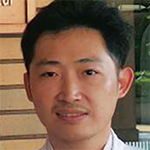
“Once you adopt a system view of patient care in hospitals, there is no going back,” says Dr. Webber, who was lead author of the hospital skills program curriculum in hospital medicine. “This is an idea whose time has come.”
A pioneering hospitalist program at National Taiwan University Hospital in Taipei (NTUH) was established by internists with diverse specializations in pulmonology, nephrology, infectious diseases, and family medicine and is led by Hung-Bin Tsai, MD, and Nin-Chieh Hsu, MD.7,8 Because of relatively low salaries for generalist physicians and a national health insurance program that incentivizes patient access to specialists, 95% of internal medicine doctors in Taiwan have chosen to subspecialize, Dr. Hsu says.
Other barriers to the dissemination of hospital medicine in Taiwan include a shortage of internal medicine residents and resident work-hour restrictions mandated by the country’s Ministry of Health, with resulting heavy work schedules for internal medicine attending physicians, who average 64 hours per week. Advocates believe the hospitalist model could help promote better work-life-salary balance for inpatient physicians.
“We are trying to persuade the Ministry of Health to pay a fair reimbursement for inpatient care,” Dr. Hsu says.
The pioneer hospitalist program at NTUH, developed in 2009 in a 36-bed, hospitalist-run ward, now 70 beds, has this year been joined by more than 20 other hospital medicine programs under an initiative of the Ministry of Health. Auspiciously, the chief of the pioneer hospitalist program at NTUH, Wen-je Ko, MD, PhD, was elected mayor of Taipei earlier this year. A Taiwanese Society of Hospital Medicine should be up and running by late 2015, says Dr. Tsai, who is its chief facilitator. When that happens, organizers expect hospital medicine to finally take off in Taiwan.
The Future Is Now
When Dr. Greeno talks to international hospitalists, he says, “If you’re doing a good job, that creates value for somebody. Find out who that is—that’s where you need to go to get your resources, financial or otherwise. Is it your individual hospital or your national health system? Everybody wants to deliver better care at lower cost. When you do that, that’s your driver for growth.”
Something about the hospitalist model, he adds, “just makes sense.”
“There are people virtually everywhere who are very enthusiastic about it. We in the United States can learn a lot from their enthusiasm,” he says. “It will evolve in different ways. The future is already here; it’s just unevenly distributed.”
Larry Beresford is a freelance writer in Alameda, Calif.
Hospitalist Programs as Islands
Felipe Lucena, MD, FHM, an internist at Clinica Universidad de Navarra in Pamplona, Spain, founded the first hospitalist program in that country a decade ago to focus on the medical management of hospitalized patients. In 2013, he was recognized by SHM with the Fellow in Hospital Medicine (FHM) designation. A number of other facilities in Spain have developed hospitalist programs, he says, but they operate independently—“as islands.”
Dr. Lucena is active in multisite and multinational clinical research, studying sepsis and noninvasive mechanical ventilation, as well as outcomes from new programs such as an intermediate care unit staffed by hospitalists, with results published internationally and reported at the Spanish Society of Internal Medicine.9
Developing a national society of hospital medicine in Spain is not going to be easy, Dr. Lucena admits, but he says the recognition from U.S. hospitalists will aid his efforts to promote the development of local hospital medicine chapters. He is working with SHM to advance professional recognition and mentorship from the U.S., including Efren Manjarrez, MD, SFHM, who runs the hospital medicine rotation at the University of Miami Hospital in Florida. One of Dr. Lucena’s colleagues will soon start a yearlong clinical research placement in Miami.
“Although in general terms our work is very similar to U.S. hospitalists, we have a long way to go to learn and improve,” Dr. Lucena says. “Spain’s medical societies do not recognize the term ‘hospitalist’ or its special work among the clinical specialties.”
In fact, many internists work in hospitals, both urban and rural, without understanding the implications of the work or their need for specialized training, he says. “We need to develop best practice models for our centers and define our core competencies,” he says.
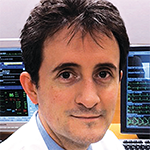
The development of hospital medicine also is impacted by an economic downturn in Spain, which affects the National Health System’s provision of health coverage for Spanish and European citizens. The government and medical boards are trying to reorganize medical specialties to establish two- to three-year training in internal medicine before doctors pursue medical specialization, rather than medical graduates applying directly to specialty programs.
Dr. Lucena says this change will help ease the problems caused by fragmented medical care and could also further the development of hospital medicine. Hospitalists in Spain are mainly salaried employees in both public and private academic medical centers.
“In general terms, physicians are underpaid in Spain,” he says. “Of course, with the economi
c crisis, salaries are getting worse. But when we compare
with other groups in our society, such as architects, engineers, and lawyers, we have more stable work and better salaries.”
Brazil: Early Stages of Development
Brazilian hospitalist pioneer, Guilherme Barcellos, MD, SFHM, began exploring hospital medicine for his country a decade ago with a small study group during his medical residency at a hospital in Porto Alegre. He and some committed colleagues have built the concept into a movement, with an association and website, national conferences with visiting speakers from other countries, and opportunities to network with colleagues in the U.S. and elsewhere.
Dr. Barcellos now runs the hospitalist program at Divina Providância Hospital in Porto Alegre. He has attended SHM conferences in the U.S. five times, always accompanied by visits to hospital medicine programs, and he has been recognized by SHM as a Senior Fellow of Hospital Medicine.
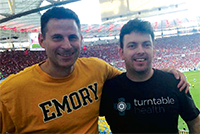
“Now other groups around this big country are doing exactly what my U.S. hospitalist friends do,” Dr. Barcellos says. “There aren’t so much differences as just an earlier stage in the process of maturation in Brazil.” Many of the challenges of developing hospitalist programs—and the needs driving that development—are the same that he has heard from U.S colleagues.
Unfortunately, some Brazilian hospitals treated their hospitalists as “super residents” or as if they were mid-level providers, which led some programs to close, Dr. Barcellos says. Remuneration for salaried hospital physicians is another problem, and some have to work for multiple hospitals or see too many patients, with no time for nonclinical activities to advance hospital medicine. “We have pressures to do things we don’t like, but it’s also a learning experience.”
He also finds supportive colleagues through the Pan American Society of Hospitalists, which brings together hospitalist pioneers from across the Americas. He estimates a hundred hospitalist programs in Brazil, 20 of which he has visited in person, and about 1,000 working hospitalists.
“We are still promoting the dissemination of ideas and the improvement of hospital medicine practice through the Future Hospitalist Movement website, and planning another meeting for 2016,” he says.
References
- Hock Lee K, Yang Y, Soong Yang K, Chi Ong B, Seong Ng H. Bringing generalists into the hospital: outcomes of a family medicine hospitalist model in Singapore. J Hosp Med. 2011;6(3):115-121.
- Yousefi V, Chong CAKY. Does implementation of a hospitalist program in a Canadian community hospital improve measures of quality of care and utilization? An observational comparative analysis of hospitalists vs. traditional care providers. BMC Health Serv Res. 2013;13:204.
- Timmermans MJC, van Vught AJAH, Wensing M, Laurant MGH. The effectiveness of substitution of hospital ward care from medical doctors to physician assistants: a study protocol. BMC Health Serv Res.; 2014;14:43.
- Black C. Acute medicine: making it work for patients. Hosp Med. 2004;65(8):493-496.
- Australian Medical Association. AMA Position Statement: Hospitalists – 2008. October 21, 2008. Accessed October 5, 2015.
- Shu CC, Lin JW, Lin YF, Hsu NC, Ko WJ. Evaluating the performance of a hospitalist system in Taiwan: A pioneer study for nationwide health insurance in Asia. J Hosp Med. 2011;6(7):378-382.
- Shu CC, Hsu NC, Lin YF, Wang JY, Lin JW, Ko WJ. Integrated postdischarge transitional care in a hospitalist system to improve discharge outcome: an experimental study. BMC Med. 2011;9:96.
- Carmona-Torre F, Martinez-Urbistondo D, Landecho MF, Lucena JF. Surviving sepsis in an intermediate care unit. Lancet Infect Dis. 2013;13(4):294-295.
- Lucena JF, Alegre F, Rodil R, et al. Results of a retrospective observational study of intermediate care staffed by hospitalists: impact on mortality, co-management, and teaching. J Hosp Med. 2012;7(5):411-415.
Since last September, Anand Kartha, MD, MS, has headed the hospital medicine (HM) program at 600-bed Hamad General Hospital, the flagship facility for eight-hospital Hamad Medical Corporation in Doha, Qatar, a small nation of 1.8 million people located on the northeast corner of the Arabian Peninsula.
“Qatar has a world-class healthcare system,” he says. “But to me, it sometimes feels like 1999, with the beginnings of the hospitalist movement as a new model of care.”
Dr. Kartha, a native of India who trained at the University of Pittsburgh Medical Center Mercy and Boston University School of Medicine, was recruited by Hamad Medical Corporation to develop hospital medicine in response to the growing complexity of inpatient care—and of patients served.
“Hospital medicine, delivered 24/7 by attending physicians, is an important element of the Health Ministry’s strategy and vision,” he says. “They looked at Australian, British, and American health systems, trying to put together the best from each—adapted to local sensitivities.
“One reason I came here was to expand the hospitalist model and be part of its extraordinary growth and development.”
Dr. Kartha also participates in medical research and residency training. His group now employs 30 attending physicians, half of them recent hires from the U.S. and the U.K.
As in the U.S., international drivers for the hospitalist model of care include pressures to improve efficiency, throughput, and quality of care. Those drivers are especially in focus at Hamad General, which Dr. Kartha says has one of the busiest EDs in the world.
Hospital medicine programs are springing up in other parts of the world, too, often inspired by the success of the HM model in the U.S. Hospitalist pioneers from other countries pore over the published research and visit the U.S. to attend conferences like SHM’s annual meeting, with its programming for international members, or to complete fellowships or other trainings. U.S. hospitalists are invited to speak to groups in other countries. Some, like Dr. Kartha, are being tapped to build hospitalist programs around the globe.
Hospital medicine can be introduced from the top down as a strategy by the public health system or from the bottom up by pioneers and advocates at the grassroots level.
Ron Greeno, MD, MHM, FCCP, has been active in hospital medicine since before the term “hospitalist” was coined. Currently chief strategy officer with IPC Healthcare, Inc., he was a founder in 1993 of Cogent Healthcare, which recently merged with Sound Physicians in Tacoma, Wash. Dr. Greeno says he is fascinated by the growth in international hospital medicine.
“I have been impressed at the number of countries that are represented at SHM [meetings] and the enthusiasm they show as they talk about their experiences,” he says. “What I see in these young, enthusiastic physicians from around the world is they are not naïve, but they are very idealistic. Their descriptions of their struggles remind me of our early days in Southern California.
“The international representatives at SHM all recognize the need for data. Every one of them feels their hospitalist model has advantages for their health system. But everybody’s struggling with the need for more resources. That’s the same in the U.S.”
Similarities and Differences
Many aspects of the experience in Qatar have been surprisingly familiar for Dr. Kartha.
“We are a Joint Commission-accredited hospital,” he says. “Our residency program is accredited by the American College of Graduate Medical Education. We are the flagship hospital for Weill Cornell Medical College in Qatar.”
The workday of a hospitalist at Hamad General is strikingly similar to the one he knew as an academic hospitalist in Boston.
“Models we are introducing include extended hours coverage, evenings and weekends, proactive discharge planning, and co-management with specialists,” he says. The health system is also rolling out an electronic health record.
Still, his adaptation to a new medical system has generated many curiosities in the sports-mad, fully wired-for-Internet nation, which has the world’s highest per capita standard of living.
“Every now and then, I look around and think: ‘This isn’t Kansas anymore, Toto,’” Dr. Kartha says, adding that he has learned about important cultural and religious beliefs and traditions that affect patients’ attitudes toward health and healing.
Arpana Vidyarthi, MD, associate professor in the Duke-NUS Graduate Medical School in Singapore, previously worked as a hospitalist at the University of California-San Francisco (UCSF) before moving to Singapore in 2011. She thinks “pockets” of hospital medicine are being practiced all over the world “in response to local needs.”
“The model is manifest in a diverse fashion throughout the United States, yet it is agile enough to be adapted around the world and be truly relevant,” Dr. Vidyarthi says. “But local tradition and the way hospitals are structured will determine how the model is established.”
Traditionally, medical specialists, often without a central physician to coordinate care, manage inpatients in Singapore, according to Dr. Vidyarthi. At discharge, they are referred to numerous subspecialists and to a public health clinic. Half of hospital wards are staffed by “super-specialists,” the other half by general internists who see patients both in the clinic and in the hospital, she says.
“This is not hospital medicine as we know it in the United States,” she says, “but different models are evolving.”
Ten years ago, physicians from Singapore visited UCSF to observe how hospital medicine was practiced there. A family medicine hospitalist program was piloted in 2006 at Singapore General Hospital. The program helped reduce lengths of stay and costs of care without adversely affecting mortality or readmissions.1
Kheng-Hock Lee, MD, one of the researchers and president of the Singapore College of Family Physicians, says that defining a generalist role for hospital medicine in Singapore has been difficult.
“When I call myself a hospitalist here, there is a strong reaction from some who perceive it as profit driven,” Dr. Vidyarthi says. “Clearly, there is a need for a generalist physician at the center of the patient experience, to manage the complexity of the patient as a whole person, as well as the hospital system. That is where it’s emerging within internal medicine, whether it’s called hospital medicine or not.”
For the past year, Dr. Vidyarthi has been working at Singapore General.
“The concept of the academic hospitalist is new here. People are able to see when I’m on service that I do things differently. This is because of the hospitalist mindset I brought from the United States,” she says. “Because I have a systems lens, I organize my day differently than the other doctors. I teach concurrently with clinical care, delegate responsibilities and accountabilities, and focus on discharge from the first day of admission.
“In general, my team is happier and my patients have lower lengths of stay.”
Defining a Specialized Expertise
Whatever you call it, there is a need around the world for physicians to practice in hospitals—to help standardize care, improve quality and patient safety, and prevent waste. Peter Jamieson, MD, a family physician in Calgary, Alberta, Canada, and medical director of the Foothills Medical Centre, has worked as a hospitalist since 1997. He didn’t call himself a hospitalist at first, “but the concept is becoming better socialized and more widely recognized in Canada.”
The Canadian Society of Hospital Medicine, founded in 2001 and affiliated with SHM, has about 1,300 members.
“I’d say we’re more the same than different compared with the United States, with a similar focus on quality of care,” Dr. Jamieson says.
Interestingly, he says the moniker “hospitalist” is not helping the development—and recognition—of Canadians who practice hospital-based medicine. It’s a refrain echoed for years by many in the U.S.
“As leaders in hospital medicine in Canada, we’d prefer to move away from the term ‘hospitalist’ and toward ‘specialist’ or ‘expert in hospital medicine,’” he says. “That takes us more in the direction we want to go in defining the mission of hospital medicine.
“First of all, in Canada and other places, there’s a bit of baggage attached to the term ‘hospitalist.’ These other terms help us get away from some of the historical assumptions of what people thought a hospitalist was—based on educational background.”
In Canada, that has largely been family medicine. Hospital medicine advocates are now exploring the best preparation for practicing the specialty.
“We want to define the mission around competency, rather than board certification,” Dr. Jamieson explains.
Listen to Dr. Jamieson discuss the evolution of hospital medicine in Canada.
The days when the majority of Canadian primary care providers would join the staff of a hospital and continue to manage their patients’ care during the hospital stay are long gone, he adds. In smaller and rural hospitals, the family doctor may still be the physician of record, although the number of such hospitals is dwindling.
HM clinicians generally are not employed by the hospital but often are sole practitioners with independent corporations or organized into groups that associate for the sake of the practice, signing a common contract with the hospital. Depending on provincial law, most hospitalist groups have leaders appointed and compensated by the hospital for scheduling and coordination.
On top of billing fee-for-service to the provincial health authority, hospitalists may also receive a stipend from the hospital, collectively or individually.
“There is a recognition that the physician fee schedule has not kept pace with the demands of hospital medicine, and that stipend also covers other services performed in the hospital,” Dr. Jamieson says.
Vandad Yousefi, MD, CCFP, FHM, hospitalist at Vancouver General Hospital in British Columbia, Canada, and co-founder and CEO of Hospitalist Consulting Solutions, has researched the development of hospital medicine in Canada and says that, even more than in the U.S., it was driven by the withdrawal of PCPs from hospitals, which created a vacuum.2,3
“For a lot of programs I’ve consulted with, the crisis point happened when physicians resigned en masse from hospital staffs,” he says.
Another driver is an increase in “unattached” hospitalized patients, which in Canada means they don’t have a specific medical provider willing to supply their inpatient attending-level care. In his surveys of typologies of roles played by hospitalists, Dr. Yousefi has observed a lot of variation in program models—not just between academic centers, teaching hospitals, and rural hospitals, but also within each category.
“These differences in programs make it hard to benchmark,” he says.
Hospitalist—or House Officer?
The Netherlands also has “hospitalists,” although they also refer to themselves as “house officers,” says Marijke Timmermans, a doctoral student in epidemiology at the Scientific Institute for Quality of Healthcare at Radboud University Medical Center in Nijmegen. As part of a long-standing system of post-graduate, on-the-job training for doctors, Dutch hospitalists typically are medical residents who perform the medical care of hospitalized patients, but not as the physician of record.
Timmermans is studying the growing role of physician assistants (PAs) in managing hospitalized patients in response to demands for better continuity of care. Although the PA concept is little more than a decade old in the Netherlands, there are 1,000 PAs, with about half filling a hospitalist role under the supervision of a medical specialist. Timmermans’ research looks at the effectiveness and quality of care with PAs under a mixed model of PA and physician, compared with physician alone.4
In the Netherlands, the patient’s PCP does not assume medical management responsibility while the patient is hospitalized, although PCP visits might be made to reassure the patient and advise the hospital-based team. As in the U.S., the hospitalist will try to communicate with the primary care doctor at discharge and, if possible, schedule follow-up visits for the discharged patient at a clinic on the hospital campus.
A new experiment is underway in four Dutch hospitals. It’s a three-year medical education curriculum to train “hospital doctors” (ziekenhuisarts). The new medical specialty, with general medical training, will assume more responsibility for ward care in the hospital. Timmermans says it is not yet known how these professionals will relate to other professionals in the hospital.
Joseph Li, MD, SFHM, head of hospital medicine at Beth Israel Deaconess Medical Center in Boston and past president of SHM, notes a key distinction between hospitalists as they are commonly understood in the U.S. and house officers: House officers don’t assume medical responsibility for the patient’s care.
“A house officer is not a hospitalist as we understand it—but even in this country, terminology varies and means different things in different hospitals,” Dr. Li says.
The Acute Medical Unit
In the U.K., a different model has emerged over the past two decades. It is called the acute medical unit [PDF] (AMU) and is staffed by dedicated consultants.5 The AMU fits functionally between the hospital’s ED, or front door admissions, and specialty care units within the hospital.
Patients generally are admitted to the AMU for a maximum of 72 hours for medical work-ups, with consultations as needed by specialists. They should be seen twice a day by the acute medical consultant, who is responsible for the delivery and direction of their care. Then they either go home or get transferred to a specialty unit within the hospital, with specialty care organized in a manner broadly similar to the U.S.
This frontloading of medical attention at admission allows patients to be worked up and turned around quickly, says Derek Bell, MD, head of acute medicine at Imperial College London and a founder in 2000 of the U.K.’s Society for Acute Medicine. Dr. Bell suggests that this system developed to ensure a safe haven for medical patients who are unstable or require ongoing investigation and treatment. A national “four-hour rule,” designed to reduce overcrowding in EDs, means that patients need to either go home or be admitted within four hours of presentation to the hospital.
U.K. hospitals also employ a registrar, a senior trainee who supervises junior and resident doctors. Hospital physicians are salaried and employed by “provider organizations,” which can be a single hospital or a collection of hospitals.
“My hospital admits about 30 to 35 medical patients per day, and we have two consultants working during the day just doing acute medicine, along with two registrars, one for emergency patients, two intermediate grade doctors, and two junior residents,” Dr. Bell says.
Acute medicine consultants generally do weekday shifts, with one consultant on call per night.
A few hospitals have embedded PCPs, who know the local system and can facilitate communication with the patient’s family doctor. “This model is well recognized but is not common,” Dr. Bell says.
What’s Happening Elsewhere?
In Australia, public hospitals in New South Wales generated positive results for a hospitalist pilot program in 2007, but also encountered some resistance from the Australian Medical Association and others concerned about its potential impact on such existing roles as career medical officer, PCP, and general physician, and on the provision of medical training in hospitals.6
Hospital medicine has grown since then, but slowly, with individual institutions successfully employing hospitalists at various levels. The fledgling specialty has yet to take off nationally, says Mary G.T. Webber, MBBS, a past president of the Australasian Society of Career Medical Officers. Dr. Webber practices hospital medicine at Ryde Hospital in suburban Sydney, where she has found the mix of clinical care, system development, and mentoring roles offered by the service personally rewarding. She has been frustrated with a lack of progress for the hospitalist movement overall in Australia.
“The concept of a rural generalist is already well accepted in Australia, and hospital medicine is the next logical iteration of the medical generalist,” Dr. Webber says. This need has been supported by the NSW Ministry of Health through a Hospital Skills Program, and, more recently, the successful implementation of a master’s degree for experienced nonspecialist doctors through the Senior Hospitalist Initiative at the University of Newcastle.
“Once you adopt a system view of patient care in hospitals, there is no going back,” says Dr. Webber, who was lead author of the hospital skills program curriculum in hospital medicine. “This is an idea whose time has come.”
A pioneering hospitalist program at National Taiwan University Hospital in Taipei (NTUH) was established by internists with diverse specializations in pulmonology, nephrology, infectious diseases, and family medicine and is led by Hung-Bin Tsai, MD, and Nin-Chieh Hsu, MD.7,8 Because of relatively low salaries for generalist physicians and a national health insurance program that incentivizes patient access to specialists, 95% of internal medicine doctors in Taiwan have chosen to subspecialize, Dr. Hsu says.
Other barriers to the dissemination of hospital medicine in Taiwan include a shortage of internal medicine residents and resident work-hour restrictions mandated by the country’s Ministry of Health, with resulting heavy work schedules for internal medicine attending physicians, who average 64 hours per week. Advocates believe the hospitalist model could help promote better work-life-salary balance for inpatient physicians.
“We are trying to persuade the Ministry of Health to pay a fair reimbursement for inpatient care,” Dr. Hsu says.
The pioneer hospitalist program at NTUH, developed in 2009 in a 36-bed, hospitalist-run ward, now 70 beds, has this year been joined by more than 20 other hospital medicine programs under an initiative of the Ministry of Health. Auspiciously, the chief of the pioneer hospitalist program at NTUH, Wen-je Ko, MD, PhD, was elected mayor of Taipei earlier this year. A Taiwanese Society of Hospital Medicine should be up and running by late 2015, says Dr. Tsai, who is its chief facilitator. When that happens, organizers expect hospital medicine to finally take off in Taiwan.
The Future Is Now
When Dr. Greeno talks to international hospitalists, he says, “If you’re doing a good job, that creates value for somebody. Find out who that is—that’s where you need to go to get your resources, financial or otherwise. Is it your individual hospital or your national health system? Everybody wants to deliver better care at lower cost. When you do that, that’s your driver for growth.”
Something about the hospitalist model, he adds, “just makes sense.”
“There are people virtually everywhere who are very enthusiastic about it. We in the United States can learn a lot from their enthusiasm,” he says. “It will evolve in different ways. The future is already here; it’s just unevenly distributed.”
Larry Beresford is a freelance writer in Alameda, Calif.
Hospitalist Programs as Islands
Felipe Lucena, MD, FHM, an internist at Clinica Universidad de Navarra in Pamplona, Spain, founded the first hospitalist program in that country a decade ago to focus on the medical management of hospitalized patients. In 2013, he was recognized by SHM with the Fellow in Hospital Medicine (FHM) designation. A number of other facilities in Spain have developed hospitalist programs, he says, but they operate independently—“as islands.”
Dr. Lucena is active in multisite and multinational clinical research, studying sepsis and noninvasive mechanical ventilation, as well as outcomes from new programs such as an intermediate care unit staffed by hospitalists, with results published internationally and reported at the Spanish Society of Internal Medicine.9
Developing a national society of hospital medicine in Spain is not going to be easy, Dr. Lucena admits, but he says the recognition from U.S. hospitalists will aid his efforts to promote the development of local hospital medicine chapters. He is working with SHM to advance professional recognition and mentorship from the U.S., including Efren Manjarrez, MD, SFHM, who runs the hospital medicine rotation at the University of Miami Hospital in Florida. One of Dr. Lucena’s colleagues will soon start a yearlong clinical research placement in Miami.
“Although in general terms our work is very similar to U.S. hospitalists, we have a long way to go to learn and improve,” Dr. Lucena says. “Spain’s medical societies do not recognize the term ‘hospitalist’ or its special work among the clinical specialties.”
In fact, many internists work in hospitals, both urban and rural, without understanding the implications of the work or their need for specialized training, he says. “We need to develop best practice models for our centers and define our core competencies,” he says.
The development of hospital medicine also is impacted by an economic downturn in Spain, which affects the National Health System’s provision of health coverage for Spanish and European citizens. The government and medical boards are trying to reorganize medical specialties to establish two- to three-year training in internal medicine before doctors pursue medical specialization, rather than medical graduates applying directly to specialty programs.
Dr. Lucena says this change will help ease the problems caused by fragmented medical care and could also further the development of hospital medicine. Hospitalists in Spain are mainly salaried employees in both public and private academic medical centers.
“In general terms, physicians are underpaid in Spain,” he says. “Of course, with the economi
c crisis, salaries are getting worse. But when we compare
with other groups in our society, such as architects, engineers, and lawyers, we have more stable work and better salaries.”
Brazil: Early Stages of Development
Brazilian hospitalist pioneer, Guilherme Barcellos, MD, SFHM, began exploring hospital medicine for his country a decade ago with a small study group during his medical residency at a hospital in Porto Alegre. He and some committed colleagues have built the concept into a movement, with an association and website, national conferences with visiting speakers from other countries, and opportunities to network with colleagues in the U.S. and elsewhere.
Dr. Barcellos now runs the hospitalist program at Divina Providância Hospital in Porto Alegre. He has attended SHM conferences in the U.S. five times, always accompanied by visits to hospital medicine programs, and he has been recognized by SHM as a Senior Fellow of Hospital Medicine.
“Now other groups around this big country are doing exactly what my U.S. hospitalist friends do,” Dr. Barcellos says. “There aren’t so much differences as just an earlier stage in the process of maturation in Brazil.” Many of the challenges of developing hospitalist programs—and the needs driving that development—are the same that he has heard from U.S colleagues.
Unfortunately, some Brazilian hospitals treated their hospitalists as “super residents” or as if they were mid-level providers, which led some programs to close, Dr. Barcellos says. Remuneration for salaried hospital physicians is another problem, and some have to work for multiple hospitals or see too many patients, with no time for nonclinical activities to advance hospital medicine. “We have pressures to do things we don’t like, but it’s also a learning experience.”
He also finds supportive colleagues through the Pan American Society of Hospitalists, which brings together hospitalist pioneers from across the Americas. He estimates a hundred hospitalist programs in Brazil, 20 of which he has visited in person, and about 1,000 working hospitalists.
“We are still promoting the dissemination of ideas and the improvement of hospital medicine practice through the Future Hospitalist Movement website, and planning another meeting for 2016,” he says.
References
- Hock Lee K, Yang Y, Soong Yang K, Chi Ong B, Seong Ng H. Bringing generalists into the hospital: outcomes of a family medicine hospitalist model in Singapore. J Hosp Med. 2011;6(3):115-121.
- Yousefi V, Chong CAKY. Does implementation of a hospitalist program in a Canadian community hospital improve measures of quality of care and utilization? An observational comparative analysis of hospitalists vs. traditional care providers. BMC Health Serv Res. 2013;13:204.
- Timmermans MJC, van Vught AJAH, Wensing M, Laurant MGH. The effectiveness of substitution of hospital ward care from medical doctors to physician assistants: a study protocol. BMC Health Serv Res.; 2014;14:43.
- Black C. Acute medicine: making it work for patients. Hosp Med. 2004;65(8):493-496.
- Australian Medical Association. AMA Position Statement: Hospitalists – 2008. October 21, 2008. Accessed October 5, 2015.
- Shu CC, Lin JW, Lin YF, Hsu NC, Ko WJ. Evaluating the performance of a hospitalist system in Taiwan: A pioneer study for nationwide health insurance in Asia. J Hosp Med. 2011;6(7):378-382.
- Shu CC, Hsu NC, Lin YF, Wang JY, Lin JW, Ko WJ. Integrated postdischarge transitional care in a hospitalist system to improve discharge outcome: an experimental study. BMC Med. 2011;9:96.
- Carmona-Torre F, Martinez-Urbistondo D, Landecho MF, Lucena JF. Surviving sepsis in an intermediate care unit. Lancet Infect Dis. 2013;13(4):294-295.
- Lucena JF, Alegre F, Rodil R, et al. Results of a retrospective observational study of intermediate care staffed by hospitalists: impact on mortality, co-management, and teaching. J Hosp Med. 2012;7(5):411-415.
Since last September, Anand Kartha, MD, MS, has headed the hospital medicine (HM) program at 600-bed Hamad General Hospital, the flagship facility for eight-hospital Hamad Medical Corporation in Doha, Qatar, a small nation of 1.8 million people located on the northeast corner of the Arabian Peninsula.
“Qatar has a world-class healthcare system,” he says. “But to me, it sometimes feels like 1999, with the beginnings of the hospitalist movement as a new model of care.”
Dr. Kartha, a native of India who trained at the University of Pittsburgh Medical Center Mercy and Boston University School of Medicine, was recruited by Hamad Medical Corporation to develop hospital medicine in response to the growing complexity of inpatient care—and of patients served.
“Hospital medicine, delivered 24/7 by attending physicians, is an important element of the Health Ministry’s strategy and vision,” he says. “They looked at Australian, British, and American health systems, trying to put together the best from each—adapted to local sensitivities.
“One reason I came here was to expand the hospitalist model and be part of its extraordinary growth and development.”
Dr. Kartha also participates in medical research and residency training. His group now employs 30 attending physicians, half of them recent hires from the U.S. and the U.K.
As in the U.S., international drivers for the hospitalist model of care include pressures to improve efficiency, throughput, and quality of care. Those drivers are especially in focus at Hamad General, which Dr. Kartha says has one of the busiest EDs in the world.
Hospital medicine programs are springing up in other parts of the world, too, often inspired by the success of the HM model in the U.S. Hospitalist pioneers from other countries pore over the published research and visit the U.S. to attend conferences like SHM’s annual meeting, with its programming for international members, or to complete fellowships or other trainings. U.S. hospitalists are invited to speak to groups in other countries. Some, like Dr. Kartha, are being tapped to build hospitalist programs around the globe.
Hospital medicine can be introduced from the top down as a strategy by the public health system or from the bottom up by pioneers and advocates at the grassroots level.
Ron Greeno, MD, MHM, FCCP, has been active in hospital medicine since before the term “hospitalist” was coined. Currently chief strategy officer with IPC Healthcare, Inc., he was a founder in 1993 of Cogent Healthcare, which recently merged with Sound Physicians in Tacoma, Wash. Dr. Greeno says he is fascinated by the growth in international hospital medicine.
“I have been impressed at the number of countries that are represented at SHM [meetings] and the enthusiasm they show as they talk about their experiences,” he says. “What I see in these young, enthusiastic physicians from around the world is they are not naïve, but they are very idealistic. Their descriptions of their struggles remind me of our early days in Southern California.
“The international representatives at SHM all recognize the need for data. Every one of them feels their hospitalist model has advantages for their health system. But everybody’s struggling with the need for more resources. That’s the same in the U.S.”
Similarities and Differences
Many aspects of the experience in Qatar have been surprisingly familiar for Dr. Kartha.
“We are a Joint Commission-accredited hospital,” he says. “Our residency program is accredited by the American College of Graduate Medical Education. We are the flagship hospital for Weill Cornell Medical College in Qatar.”
The workday of a hospitalist at Hamad General is strikingly similar to the one he knew as an academic hospitalist in Boston.
“Models we are introducing include extended hours coverage, evenings and weekends, proactive discharge planning, and co-management with specialists,” he says. The health system is also rolling out an electronic health record.
Still, his adaptation to a new medical system has generated many curiosities in the sports-mad, fully wired-for-Internet nation, which has the world’s highest per capita standard of living.
“Every now and then, I look around and think: ‘This isn’t Kansas anymore, Toto,’” Dr. Kartha says, adding that he has learned about important cultural and religious beliefs and traditions that affect patients’ attitudes toward health and healing.
Arpana Vidyarthi, MD, associate professor in the Duke-NUS Graduate Medical School in Singapore, previously worked as a hospitalist at the University of California-San Francisco (UCSF) before moving to Singapore in 2011. She thinks “pockets” of hospital medicine are being practiced all over the world “in response to local needs.”
“The model is manifest in a diverse fashion throughout the United States, yet it is agile enough to be adapted around the world and be truly relevant,” Dr. Vidyarthi says. “But local tradition and the way hospitals are structured will determine how the model is established.”
Traditionally, medical specialists, often without a central physician to coordinate care, manage inpatients in Singapore, according to Dr. Vidyarthi. At discharge, they are referred to numerous subspecialists and to a public health clinic. Half of hospital wards are staffed by “super-specialists,” the other half by general internists who see patients both in the clinic and in the hospital, she says.
“This is not hospital medicine as we know it in the United States,” she says, “but different models are evolving.”
Ten years ago, physicians from Singapore visited UCSF to observe how hospital medicine was practiced there. A family medicine hospitalist program was piloted in 2006 at Singapore General Hospital. The program helped reduce lengths of stay and costs of care without adversely affecting mortality or readmissions.1
Kheng-Hock Lee, MD, one of the researchers and president of the Singapore College of Family Physicians, says that defining a generalist role for hospital medicine in Singapore has been difficult.
“When I call myself a hospitalist here, there is a strong reaction from some who perceive it as profit driven,” Dr. Vidyarthi says. “Clearly, there is a need for a generalist physician at the center of the patient experience, to manage the complexity of the patient as a whole person, as well as the hospital system. That is where it’s emerging within internal medicine, whether it’s called hospital medicine or not.”
For the past year, Dr. Vidyarthi has been working at Singapore General.
“The concept of the academic hospitalist is new here. People are able to see when I’m on service that I do things differently. This is because of the hospitalist mindset I brought from the United States,” she says. “Because I have a systems lens, I organize my day differently than the other doctors. I teach concurrently with clinical care, delegate responsibilities and accountabilities, and focus on discharge from the first day of admission.
“In general, my team is happier and my patients have lower lengths of stay.”
Defining a Specialized Expertise
Whatever you call it, there is a need around the world for physicians to practice in hospitals—to help standardize care, improve quality and patient safety, and prevent waste. Peter Jamieson, MD, a family physician in Calgary, Alberta, Canada, and medical director of the Foothills Medical Centre, has worked as a hospitalist since 1997. He didn’t call himself a hospitalist at first, “but the concept is becoming better socialized and more widely recognized in Canada.”
The Canadian Society of Hospital Medicine, founded in 2001 and affiliated with SHM, has about 1,300 members.
“I’d say we’re more the same than different compared with the United States, with a similar focus on quality of care,” Dr. Jamieson says.
Interestingly, he says the moniker “hospitalist” is not helping the development—and recognition—of Canadians who practice hospital-based medicine. It’s a refrain echoed for years by many in the U.S.
“As leaders in hospital medicine in Canada, we’d prefer to move away from the term ‘hospitalist’ and toward ‘specialist’ or ‘expert in hospital medicine,’” he says. “That takes us more in the direction we want to go in defining the mission of hospital medicine.
“First of all, in Canada and other places, there’s a bit of baggage attached to the term ‘hospitalist.’ These other terms help us get away from some of the historical assumptions of what people thought a hospitalist was—based on educational background.”
In Canada, that has largely been family medicine. Hospital medicine advocates are now exploring the best preparation for practicing the specialty.
“We want to define the mission around competency, rather than board certification,” Dr. Jamieson explains.
Listen to Dr. Jamieson discuss the evolution of hospital medicine in Canada.
The days when the majority of Canadian primary care providers would join the staff of a hospital and continue to manage their patients’ care during the hospital stay are long gone, he adds. In smaller and rural hospitals, the family doctor may still be the physician of record, although the number of such hospitals is dwindling.
HM clinicians generally are not employed by the hospital but often are sole practitioners with independent corporations or organized into groups that associate for the sake of the practice, signing a common contract with the hospital. Depending on provincial law, most hospitalist groups have leaders appointed and compensated by the hospital for scheduling and coordination.
On top of billing fee-for-service to the provincial health authority, hospitalists may also receive a stipend from the hospital, collectively or individually.
“There is a recognition that the physician fee schedule has not kept pace with the demands of hospital medicine, and that stipend also covers other services performed in the hospital,” Dr. Jamieson says.
Vandad Yousefi, MD, CCFP, FHM, hospitalist at Vancouver General Hospital in British Columbia, Canada, and co-founder and CEO of Hospitalist Consulting Solutions, has researched the development of hospital medicine in Canada and says that, even more than in the U.S., it was driven by the withdrawal of PCPs from hospitals, which created a vacuum.2,3
“For a lot of programs I’ve consulted with, the crisis point happened when physicians resigned en masse from hospital staffs,” he says.
Another driver is an increase in “unattached” hospitalized patients, which in Canada means they don’t have a specific medical provider willing to supply their inpatient attending-level care. In his surveys of typologies of roles played by hospitalists, Dr. Yousefi has observed a lot of variation in program models—not just between academic centers, teaching hospitals, and rural hospitals, but also within each category.
“These differences in programs make it hard to benchmark,” he says.
Hospitalist—or House Officer?
The Netherlands also has “hospitalists,” although they also refer to themselves as “house officers,” says Marijke Timmermans, a doctoral student in epidemiology at the Scientific Institute for Quality of Healthcare at Radboud University Medical Center in Nijmegen. As part of a long-standing system of post-graduate, on-the-job training for doctors, Dutch hospitalists typically are medical residents who perform the medical care of hospitalized patients, but not as the physician of record.
Timmermans is studying the growing role of physician assistants (PAs) in managing hospitalized patients in response to demands for better continuity of care. Although the PA concept is little more than a decade old in the Netherlands, there are 1,000 PAs, with about half filling a hospitalist role under the supervision of a medical specialist. Timmermans’ research looks at the effectiveness and quality of care with PAs under a mixed model of PA and physician, compared with physician alone.4
In the Netherlands, the patient’s PCP does not assume medical management responsibility while the patient is hospitalized, although PCP visits might be made to reassure the patient and advise the hospital-based team. As in the U.S., the hospitalist will try to communicate with the primary care doctor at discharge and, if possible, schedule follow-up visits for the discharged patient at a clinic on the hospital campus.
A new experiment is underway in four Dutch hospitals. It’s a three-year medical education curriculum to train “hospital doctors” (ziekenhuisarts). The new medical specialty, with general medical training, will assume more responsibility for ward care in the hospital. Timmermans says it is not yet known how these professionals will relate to other professionals in the hospital.
Joseph Li, MD, SFHM, head of hospital medicine at Beth Israel Deaconess Medical Center in Boston and past president of SHM, notes a key distinction between hospitalists as they are commonly understood in the U.S. and house officers: House officers don’t assume medical responsibility for the patient’s care.
“A house officer is not a hospitalist as we understand it—but even in this country, terminology varies and means different things in different hospitals,” Dr. Li says.
The Acute Medical Unit
In the U.K., a different model has emerged over the past two decades. It is called the acute medical unit [PDF] (AMU) and is staffed by dedicated consultants.5 The AMU fits functionally between the hospital’s ED, or front door admissions, and specialty care units within the hospital.
Patients generally are admitted to the AMU for a maximum of 72 hours for medical work-ups, with consultations as needed by specialists. They should be seen twice a day by the acute medical consultant, who is responsible for the delivery and direction of their care. Then they either go home or get transferred to a specialty unit within the hospital, with specialty care organized in a manner broadly similar to the U.S.
This frontloading of medical attention at admission allows patients to be worked up and turned around quickly, says Derek Bell, MD, head of acute medicine at Imperial College London and a founder in 2000 of the U.K.’s Society for Acute Medicine. Dr. Bell suggests that this system developed to ensure a safe haven for medical patients who are unstable or require ongoing investigation and treatment. A national “four-hour rule,” designed to reduce overcrowding in EDs, means that patients need to either go home or be admitted within four hours of presentation to the hospital.
U.K. hospitals also employ a registrar, a senior trainee who supervises junior and resident doctors. Hospital physicians are salaried and employed by “provider organizations,” which can be a single hospital or a collection of hospitals.
“My hospital admits about 30 to 35 medical patients per day, and we have two consultants working during the day just doing acute medicine, along with two registrars, one for emergency patients, two intermediate grade doctors, and two junior residents,” Dr. Bell says.
Acute medicine consultants generally do weekday shifts, with one consultant on call per night.
A few hospitals have embedded PCPs, who know the local system and can facilitate communication with the patient’s family doctor. “This model is well recognized but is not common,” Dr. Bell says.
What’s Happening Elsewhere?
In Australia, public hospitals in New South Wales generated positive results for a hospitalist pilot program in 2007, but also encountered some resistance from the Australian Medical Association and others concerned about its potential impact on such existing roles as career medical officer, PCP, and general physician, and on the provision of medical training in hospitals.6
Hospital medicine has grown since then, but slowly, with individual institutions successfully employing hospitalists at various levels. The fledgling specialty has yet to take off nationally, says Mary G.T. Webber, MBBS, a past president of the Australasian Society of Career Medical Officers. Dr. Webber practices hospital medicine at Ryde Hospital in suburban Sydney, where she has found the mix of clinical care, system development, and mentoring roles offered by the service personally rewarding. She has been frustrated with a lack of progress for the hospitalist movement overall in Australia.
“The concept of a rural generalist is already well accepted in Australia, and hospital medicine is the next logical iteration of the medical generalist,” Dr. Webber says. This need has been supported by the NSW Ministry of Health through a Hospital Skills Program, and, more recently, the successful implementation of a master’s degree for experienced nonspecialist doctors through the Senior Hospitalist Initiative at the University of Newcastle.
“Once you adopt a system view of patient care in hospitals, there is no going back,” says Dr. Webber, who was lead author of the hospital skills program curriculum in hospital medicine. “This is an idea whose time has come.”
A pioneering hospitalist program at National Taiwan University Hospital in Taipei (NTUH) was established by internists with diverse specializations in pulmonology, nephrology, infectious diseases, and family medicine and is led by Hung-Bin Tsai, MD, and Nin-Chieh Hsu, MD.7,8 Because of relatively low salaries for generalist physicians and a national health insurance program that incentivizes patient access to specialists, 95% of internal medicine doctors in Taiwan have chosen to subspecialize, Dr. Hsu says.
Other barriers to the dissemination of hospital medicine in Taiwan include a shortage of internal medicine residents and resident work-hour restrictions mandated by the country’s Ministry of Health, with resulting heavy work schedules for internal medicine attending physicians, who average 64 hours per week. Advocates believe the hospitalist model could help promote better work-life-salary balance for inpatient physicians.
“We are trying to persuade the Ministry of Health to pay a fair reimbursement for inpatient care,” Dr. Hsu says.
The pioneer hospitalist program at NTUH, developed in 2009 in a 36-bed, hospitalist-run ward, now 70 beds, has this year been joined by more than 20 other hospital medicine programs under an initiative of the Ministry of Health. Auspiciously, the chief of the pioneer hospitalist program at NTUH, Wen-je Ko, MD, PhD, was elected mayor of Taipei earlier this year. A Taiwanese Society of Hospital Medicine should be up and running by late 2015, says Dr. Tsai, who is its chief facilitator. When that happens, organizers expect hospital medicine to finally take off in Taiwan.
The Future Is Now
When Dr. Greeno talks to international hospitalists, he says, “If you’re doing a good job, that creates value for somebody. Find out who that is—that’s where you need to go to get your resources, financial or otherwise. Is it your individual hospital or your national health system? Everybody wants to deliver better care at lower cost. When you do that, that’s your driver for growth.”
Something about the hospitalist model, he adds, “just makes sense.”
“There are people virtually everywhere who are very enthusiastic about it. We in the United States can learn a lot from their enthusiasm,” he says. “It will evolve in different ways. The future is already here; it’s just unevenly distributed.”
Larry Beresford is a freelance writer in Alameda, Calif.
Hospitalist Programs as Islands
Felipe Lucena, MD, FHM, an internist at Clinica Universidad de Navarra in Pamplona, Spain, founded the first hospitalist program in that country a decade ago to focus on the medical management of hospitalized patients. In 2013, he was recognized by SHM with the Fellow in Hospital Medicine (FHM) designation. A number of other facilities in Spain have developed hospitalist programs, he says, but they operate independently—“as islands.”
Dr. Lucena is active in multisite and multinational clinical research, studying sepsis and noninvasive mechanical ventilation, as well as outcomes from new programs such as an intermediate care unit staffed by hospitalists, with results published internationally and reported at the Spanish Society of Internal Medicine.9
Developing a national society of hospital medicine in Spain is not going to be easy, Dr. Lucena admits, but he says the recognition from U.S. hospitalists will aid his efforts to promote the development of local hospital medicine chapters. He is working with SHM to advance professional recognition and mentorship from the U.S., including Efren Manjarrez, MD, SFHM, who runs the hospital medicine rotation at the University of Miami Hospital in Florida. One of Dr. Lucena’s colleagues will soon start a yearlong clinical research placement in Miami.
“Although in general terms our work is very similar to U.S. hospitalists, we have a long way to go to learn and improve,” Dr. Lucena says. “Spain’s medical societies do not recognize the term ‘hospitalist’ or its special work among the clinical specialties.”
In fact, many internists work in hospitals, both urban and rural, without understanding the implications of the work or their need for specialized training, he says. “We need to develop best practice models for our centers and define our core competencies,” he says.
The development of hospital medicine also is impacted by an economic downturn in Spain, which affects the National Health System’s provision of health coverage for Spanish and European citizens. The government and medical boards are trying to reorganize medical specialties to establish two- to three-year training in internal medicine before doctors pursue medical specialization, rather than medical graduates applying directly to specialty programs.
Dr. Lucena says this change will help ease the problems caused by fragmented medical care and could also further the development of hospital medicine. Hospitalists in Spain are mainly salaried employees in both public and private academic medical centers.
“In general terms, physicians are underpaid in Spain,” he says. “Of course, with the economi
c crisis, salaries are getting worse. But when we compare
with other groups in our society, such as architects, engineers, and lawyers, we have more stable work and better salaries.”
Brazil: Early Stages of Development
Brazilian hospitalist pioneer, Guilherme Barcellos, MD, SFHM, began exploring hospital medicine for his country a decade ago with a small study group during his medical residency at a hospital in Porto Alegre. He and some committed colleagues have built the concept into a movement, with an association and website, national conferences with visiting speakers from other countries, and opportunities to network with colleagues in the U.S. and elsewhere.
Dr. Barcellos now runs the hospitalist program at Divina Providância Hospital in Porto Alegre. He has attended SHM conferences in the U.S. five times, always accompanied by visits to hospital medicine programs, and he has been recognized by SHM as a Senior Fellow of Hospital Medicine.
“Now other groups around this big country are doing exactly what my U.S. hospitalist friends do,” Dr. Barcellos says. “There aren’t so much differences as just an earlier stage in the process of maturation in Brazil.” Many of the challenges of developing hospitalist programs—and the needs driving that development—are the same that he has heard from U.S colleagues.
Unfortunately, some Brazilian hospitals treated their hospitalists as “super residents” or as if they were mid-level providers, which led some programs to close, Dr. Barcellos says. Remuneration for salaried hospital physicians is another problem, and some have to work for multiple hospitals or see too many patients, with no time for nonclinical activities to advance hospital medicine. “We have pressures to do things we don’t like, but it’s also a learning experience.”
He also finds supportive colleagues through the Pan American Society of Hospitalists, which brings together hospitalist pioneers from across the Americas. He estimates a hundred hospitalist programs in Brazil, 20 of which he has visited in person, and about 1,000 working hospitalists.
“We are still promoting the dissemination of ideas and the improvement of hospital medicine practice through the Future Hospitalist Movement website, and planning another meeting for 2016,” he says.
References
- Hock Lee K, Yang Y, Soong Yang K, Chi Ong B, Seong Ng H. Bringing generalists into the hospital: outcomes of a family medicine hospitalist model in Singapore. J Hosp Med. 2011;6(3):115-121.
- Yousefi V, Chong CAKY. Does implementation of a hospitalist program in a Canadian community hospital improve measures of quality of care and utilization? An observational comparative analysis of hospitalists vs. traditional care providers. BMC Health Serv Res. 2013;13:204.
- Timmermans MJC, van Vught AJAH, Wensing M, Laurant MGH. The effectiveness of substitution of hospital ward care from medical doctors to physician assistants: a study protocol. BMC Health Serv Res.; 2014;14:43.
- Black C. Acute medicine: making it work for patients. Hosp Med. 2004;65(8):493-496.
- Australian Medical Association. AMA Position Statement: Hospitalists – 2008. October 21, 2008. Accessed October 5, 2015.
- Shu CC, Lin JW, Lin YF, Hsu NC, Ko WJ. Evaluating the performance of a hospitalist system in Taiwan: A pioneer study for nationwide health insurance in Asia. J Hosp Med. 2011;6(7):378-382.
- Shu CC, Hsu NC, Lin YF, Wang JY, Lin JW, Ko WJ. Integrated postdischarge transitional care in a hospitalist system to improve discharge outcome: an experimental study. BMC Med. 2011;9:96.
- Carmona-Torre F, Martinez-Urbistondo D, Landecho MF, Lucena JF. Surviving sepsis in an intermediate care unit. Lancet Infect Dis. 2013;13(4):294-295.
- Lucena JF, Alegre F, Rodil R, et al. Results of a retrospective observational study of intermediate care staffed by hospitalists: impact on mortality, co-management, and teaching. J Hosp Med. 2012;7(5):411-415.
Listen Now: Highlights of the November 2015 issue of The Hospitalist


Listen Now: Dr. Peter Jamieson Discusses Evolution of Hospital Medicine in Canada
Peter Jamieson, MD, medical director of Foothills Medical Center in Calgary, Alberta, talks about hospital medicine's evolution Canada away from the term “hospitalist” and toward the
establishment and development of a core curriculum and credential of added competency in hospital medicine.
Peter Jamieson, MD, medical director of Foothills Medical Center in Calgary, Alberta, talks about hospital medicine's evolution Canada away from the term “hospitalist” and toward the
establishment and development of a core curriculum and credential of added competency in hospital medicine.
Peter Jamieson, MD, medical director of Foothills Medical Center in Calgary, Alberta, talks about hospital medicine's evolution Canada away from the term “hospitalist” and toward the
establishment and development of a core curriculum and credential of added competency in hospital medicine.
Listen Now: Dr. Henry Feldman Discusses Advancing Hospital Medicine Globally
Henry Feldman, MD, a hospitalist at Beth Israel Deaconess Medical Center in Boston, talks about his work with hospitalists overseas to help advance their medical informatics, diabetes care, stroke care, and dissemination of “Open Notes” policies.
Henry Feldman, MD, a hospitalist at Beth Israel Deaconess Medical Center in Boston, talks about his work with hospitalists overseas to help advance their medical informatics, diabetes care, stroke care, and dissemination of “Open Notes” policies.
Henry Feldman, MD, a hospitalist at Beth Israel Deaconess Medical Center in Boston, talks about his work with hospitalists overseas to help advance their medical informatics, diabetes care, stroke care, and dissemination of “Open Notes” policies.
New Studies Find RIPC Ineffective
NEW YORK - The theory that heart surgery can be made safer by periodically cutting off blood flow to an arm has been called into serious question.
Two large randomized studies, published online by the New England Journal of Medicine and presented on Oct. 5 at the European Society of Intensive Care Medicine Congress in Berlin, show that the technique, known as remote ischemic preconditioning (RIPC), made no difference in terms of the risk of death, heart attack, or kidney failure after surgery.
"The conclusions from both trials are definitive: remote ischemic preconditioning is ineffective in adults undergoing on-pump cardiac surgery," wrote Dr. Michael Zaugg and Dr. Eliana Lucchinetti of the University of Alberta in Edmonton, Canada, in a Journal editorial.
But the chief author of one of the studies, Dr. Patrick Meybohm of University Hospital Frankfurt in Germany, said research on the technique will likely continue because propofol was used as an anesthetic, which may have muted the effect, and patients who were excluded because of recent heart attack or severe liver or kidney disease might benefit.
"Other RIPC protocols (e.g., involving lower-limb RIPC, a longer duration of ischemia, or more cycles) may still be protective. Thus future studies should focus on these confounders," he said by email.
Evidence supporting the technique has been mixed, although tests that have looked at serum cardiac and renal biomarkers have suggested that cutting off flow to an extremity during on-pump surgery might offer better outcomes.
"The underlying hypothesis is that RIPC may attenuate organ injury by releasing various molecules such as damage-associated molecular patterns, adenosin, etc. etc., and that the body's own mediators may then induce natural defenses such as bioenergetic down-regulation and temporary cell-cycle arrest," Meybohm said. "These defenses, once engaged, can then protect the organs during subsequent inflammatory or ischemic stress."
The two studies, known as ERICCA and the RIPHeart, both included a sham group so the surgeons would not know which of the unconscious patients were getting their arm circulation cut off by a blood pressure cuff during the operation. Virtually all the patients were sedated with intravenous propofol.
ERICCA, the larger of the two, was conducted in the UK at 30 cardiac surgery centers on people undergoing coronary artery bypass graft surgery with or without valve replacement.
In the active treatment group, the blood was cut off from the arm for five minutes and restored for five minutes. The cycle was repeated three more times. In the control group, the inflation valve was left open.
Ultimately, 26.5% of the 801 patients in the test group died from cardiovascular causes, experienced a myocardial infarction, required coronary revascularization or experienced a stroke 12 months after randomization. The rate was 27.7% for the 811 in the control group (p=0.58).
There were no significant differences for those individual measures, nor on secondary measures such as the rate of acute kidney injury, troponin levels, length of stay in the ICU, or amount of time spent in the hospital.
The research team, led by Dr. Derek Hausenloy of University College in London, did not find any evidence that preconditioning produced serious side effects.
The RIPHeart study, conducted at 14 German hospitals by Dr. Meybohm and colleagues, randomized 1,403 patients and used a composite endpoint of death, heart attack, stroke, or acute renal failure up to the time of hospital discharge or a maximum of 14 days. A secondary analysis followed the volunteers for three months.
To disguise which patients were receiving preconditioning and which were not, cuffs were placed on each patient's arm and on a dummy arm, both covered by surgical drapes. Only one cuff was inflated.
Again, the endpoint rates in the two groups were the same - 14.3% with preconditioning and 14.6% with sham preconditioning. Analyzing the individual elements of the composite endpoint also show no advantage either way.
No significant differences were seen "in the level of troponin release, the duration of mechanical ventilation, the length of stay in the intensive care unit or the hospital, new onset of atrial fibrillation, and the incidence of postoperative delirium," the team concluded.
"In addition, no significant differences between treatment groups were found at the 30-day and 90-day follow-up," they wrote.
They also saw no adverse events. In their editorial, Drs. Zaugg and Lucchinetti speculated that the technique might be risky in patients with highly unstable coronary plaques because there was a small, albeit nonsignificant, increase in deaths from cardiovascular causes in one of the two studies.
Dr. Meybohm said he didn't think that speculation was warranted.
"Current data do not strongly support the hypothesis that RIPC may do more harm than good," he said. "There are preliminary results from about two-three studies, but there are also nearly a hundred studies demonstrating reduced biomarkers of organ ischemia/reperfusion injury, and positive/neutral effects."
The ERICCA study was funded by the Efficacy and Evaluation Program and the British Heart Foundation; the RIPHeart study was funded by the German Research Foundation.
NEW YORK - The theory that heart surgery can be made safer by periodically cutting off blood flow to an arm has been called into serious question.
Two large randomized studies, published online by the New England Journal of Medicine and presented on Oct. 5 at the European Society of Intensive Care Medicine Congress in Berlin, show that the technique, known as remote ischemic preconditioning (RIPC), made no difference in terms of the risk of death, heart attack, or kidney failure after surgery.
"The conclusions from both trials are definitive: remote ischemic preconditioning is ineffective in adults undergoing on-pump cardiac surgery," wrote Dr. Michael Zaugg and Dr. Eliana Lucchinetti of the University of Alberta in Edmonton, Canada, in a Journal editorial.
But the chief author of one of the studies, Dr. Patrick Meybohm of University Hospital Frankfurt in Germany, said research on the technique will likely continue because propofol was used as an anesthetic, which may have muted the effect, and patients who were excluded because of recent heart attack or severe liver or kidney disease might benefit.
"Other RIPC protocols (e.g., involving lower-limb RIPC, a longer duration of ischemia, or more cycles) may still be protective. Thus future studies should focus on these confounders," he said by email.
Evidence supporting the technique has been mixed, although tests that have looked at serum cardiac and renal biomarkers have suggested that cutting off flow to an extremity during on-pump surgery might offer better outcomes.
"The underlying hypothesis is that RIPC may attenuate organ injury by releasing various molecules such as damage-associated molecular patterns, adenosin, etc. etc., and that the body's own mediators may then induce natural defenses such as bioenergetic down-regulation and temporary cell-cycle arrest," Meybohm said. "These defenses, once engaged, can then protect the organs during subsequent inflammatory or ischemic stress."
The two studies, known as ERICCA and the RIPHeart, both included a sham group so the surgeons would not know which of the unconscious patients were getting their arm circulation cut off by a blood pressure cuff during the operation. Virtually all the patients were sedated with intravenous propofol.
ERICCA, the larger of the two, was conducted in the UK at 30 cardiac surgery centers on people undergoing coronary artery bypass graft surgery with or without valve replacement.
In the active treatment group, the blood was cut off from the arm for five minutes and restored for five minutes. The cycle was repeated three more times. In the control group, the inflation valve was left open.
Ultimately, 26.5% of the 801 patients in the test group died from cardiovascular causes, experienced a myocardial infarction, required coronary revascularization or experienced a stroke 12 months after randomization. The rate was 27.7% for the 811 in the control group (p=0.58).
There were no significant differences for those individual measures, nor on secondary measures such as the rate of acute kidney injury, troponin levels, length of stay in the ICU, or amount of time spent in the hospital.
The research team, led by Dr. Derek Hausenloy of University College in London, did not find any evidence that preconditioning produced serious side effects.
The RIPHeart study, conducted at 14 German hospitals by Dr. Meybohm and colleagues, randomized 1,403 patients and used a composite endpoint of death, heart attack, stroke, or acute renal failure up to the time of hospital discharge or a maximum of 14 days. A secondary analysis followed the volunteers for three months.
To disguise which patients were receiving preconditioning and which were not, cuffs were placed on each patient's arm and on a dummy arm, both covered by surgical drapes. Only one cuff was inflated.
Again, the endpoint rates in the two groups were the same - 14.3% with preconditioning and 14.6% with sham preconditioning. Analyzing the individual elements of the composite endpoint also show no advantage either way.
No significant differences were seen "in the level of troponin release, the duration of mechanical ventilation, the length of stay in the intensive care unit or the hospital, new onset of atrial fibrillation, and the incidence of postoperative delirium," the team concluded.
"In addition, no significant differences between treatment groups were found at the 30-day and 90-day follow-up," they wrote.
They also saw no adverse events. In their editorial, Drs. Zaugg and Lucchinetti speculated that the technique might be risky in patients with highly unstable coronary plaques because there was a small, albeit nonsignificant, increase in deaths from cardiovascular causes in one of the two studies.
Dr. Meybohm said he didn't think that speculation was warranted.
"Current data do not strongly support the hypothesis that RIPC may do more harm than good," he said. "There are preliminary results from about two-three studies, but there are also nearly a hundred studies demonstrating reduced biomarkers of organ ischemia/reperfusion injury, and positive/neutral effects."
The ERICCA study was funded by the Efficacy and Evaluation Program and the British Heart Foundation; the RIPHeart study was funded by the German Research Foundation.
NEW YORK - The theory that heart surgery can be made safer by periodically cutting off blood flow to an arm has been called into serious question.
Two large randomized studies, published online by the New England Journal of Medicine and presented on Oct. 5 at the European Society of Intensive Care Medicine Congress in Berlin, show that the technique, known as remote ischemic preconditioning (RIPC), made no difference in terms of the risk of death, heart attack, or kidney failure after surgery.
"The conclusions from both trials are definitive: remote ischemic preconditioning is ineffective in adults undergoing on-pump cardiac surgery," wrote Dr. Michael Zaugg and Dr. Eliana Lucchinetti of the University of Alberta in Edmonton, Canada, in a Journal editorial.
But the chief author of one of the studies, Dr. Patrick Meybohm of University Hospital Frankfurt in Germany, said research on the technique will likely continue because propofol was used as an anesthetic, which may have muted the effect, and patients who were excluded because of recent heart attack or severe liver or kidney disease might benefit.
"Other RIPC protocols (e.g., involving lower-limb RIPC, a longer duration of ischemia, or more cycles) may still be protective. Thus future studies should focus on these confounders," he said by email.
Evidence supporting the technique has been mixed, although tests that have looked at serum cardiac and renal biomarkers have suggested that cutting off flow to an extremity during on-pump surgery might offer better outcomes.
"The underlying hypothesis is that RIPC may attenuate organ injury by releasing various molecules such as damage-associated molecular patterns, adenosin, etc. etc., and that the body's own mediators may then induce natural defenses such as bioenergetic down-regulation and temporary cell-cycle arrest," Meybohm said. "These defenses, once engaged, can then protect the organs during subsequent inflammatory or ischemic stress."
The two studies, known as ERICCA and the RIPHeart, both included a sham group so the surgeons would not know which of the unconscious patients were getting their arm circulation cut off by a blood pressure cuff during the operation. Virtually all the patients were sedated with intravenous propofol.
ERICCA, the larger of the two, was conducted in the UK at 30 cardiac surgery centers on people undergoing coronary artery bypass graft surgery with or without valve replacement.
In the active treatment group, the blood was cut off from the arm for five minutes and restored for five minutes. The cycle was repeated three more times. In the control group, the inflation valve was left open.
Ultimately, 26.5% of the 801 patients in the test group died from cardiovascular causes, experienced a myocardial infarction, required coronary revascularization or experienced a stroke 12 months after randomization. The rate was 27.7% for the 811 in the control group (p=0.58).
There were no significant differences for those individual measures, nor on secondary measures such as the rate of acute kidney injury, troponin levels, length of stay in the ICU, or amount of time spent in the hospital.
The research team, led by Dr. Derek Hausenloy of University College in London, did not find any evidence that preconditioning produced serious side effects.
The RIPHeart study, conducted at 14 German hospitals by Dr. Meybohm and colleagues, randomized 1,403 patients and used a composite endpoint of death, heart attack, stroke, or acute renal failure up to the time of hospital discharge or a maximum of 14 days. A secondary analysis followed the volunteers for three months.
To disguise which patients were receiving preconditioning and which were not, cuffs were placed on each patient's arm and on a dummy arm, both covered by surgical drapes. Only one cuff was inflated.
Again, the endpoint rates in the two groups were the same - 14.3% with preconditioning and 14.6% with sham preconditioning. Analyzing the individual elements of the composite endpoint also show no advantage either way.
No significant differences were seen "in the level of troponin release, the duration of mechanical ventilation, the length of stay in the intensive care unit or the hospital, new onset of atrial fibrillation, and the incidence of postoperative delirium," the team concluded.
"In addition, no significant differences between treatment groups were found at the 30-day and 90-day follow-up," they wrote.
They also saw no adverse events. In their editorial, Drs. Zaugg and Lucchinetti speculated that the technique might be risky in patients with highly unstable coronary plaques because there was a small, albeit nonsignificant, increase in deaths from cardiovascular causes in one of the two studies.
Dr. Meybohm said he didn't think that speculation was warranted.
"Current data do not strongly support the hypothesis that RIPC may do more harm than good," he said. "There are preliminary results from about two-three studies, but there are also nearly a hundred studies demonstrating reduced biomarkers of organ ischemia/reperfusion injury, and positive/neutral effects."
The ERICCA study was funded by the Efficacy and Evaluation Program and the British Heart Foundation; the RIPHeart study was funded by the German Research Foundation.
Listen Now: Antimicrobial Stewardship Programs and Hospital Medicine
Dr. Jonathan Zenilman, chief of infectious diseases at Johns Hopkins Bayview Medical Center in Baltimore, discusses details of Bayview’s antibiotic stewardship program and the challenge of getting such programs funded.
Dr. Jonathan Zenilman, chief of infectious diseases at Johns Hopkins Bayview Medical Center in Baltimore, discusses details of Bayview’s antibiotic stewardship program and the challenge of getting such programs funded.
Dr. Jonathan Zenilman, chief of infectious diseases at Johns Hopkins Bayview Medical Center in Baltimore, discusses details of Bayview’s antibiotic stewardship program and the challenge of getting such programs funded.
Canada Develops Core Competencies for Hospitalists
The Canadian Society of Hospital Medicine is spearheading an initiative called the Core Competencies in Hospitalist Medicine Document Project, which could be used to clarify what the field is, update certification processes, and define its future growth.
Neither the Royal College of Physicians and Surgeons of Canada nor the College of Family Physicians of Canada is likely to pursue board certification for a subspecialty in hospital medicine, says Peter Jamieson, MD, CCFP, FCFP, a hospitalist at Foothills Medical Center in Calgary, Alberta.
“If you think about hospital medicine as a construct—and take the focus off the person and put it instead onto the patient and onto the work, then you can describe the necessary competencies,” Dr. Jamieson says. “What are the preparation, the evaluation, and all of the associated functions? We want to be clear about what this job really is. We don’t have to be defined by training in a particular specialty.”
Writing and reviewing the competencies has been assigned to large physician working groups, with a well-defined process for validation, Dr. Jamieson says.
“Next steps will include elaborating the evaluation criteria, the learning objectives, and those sorts of things. That’s all going on right now,” he explains. “Our objective is to have all of them in a publishable format within the next year or so. Then we’ll need to get the regulatory folks to agree that this represents a subset of practice and a discrete and obtainable set of skills.
“As time goes by, it will become more and more obvious that hospital medicine is a discrete set of skills—not that any doctor couldn’t obtain those skills, but in order to obtain and maintain them you will need some training through a professional development pathway that creates and maintains the professional competencies.” TH
The Canadian Society of Hospital Medicine is spearheading an initiative called the Core Competencies in Hospitalist Medicine Document Project, which could be used to clarify what the field is, update certification processes, and define its future growth.
Neither the Royal College of Physicians and Surgeons of Canada nor the College of Family Physicians of Canada is likely to pursue board certification for a subspecialty in hospital medicine, says Peter Jamieson, MD, CCFP, FCFP, a hospitalist at Foothills Medical Center in Calgary, Alberta.
“If you think about hospital medicine as a construct—and take the focus off the person and put it instead onto the patient and onto the work, then you can describe the necessary competencies,” Dr. Jamieson says. “What are the preparation, the evaluation, and all of the associated functions? We want to be clear about what this job really is. We don’t have to be defined by training in a particular specialty.”
Writing and reviewing the competencies has been assigned to large physician working groups, with a well-defined process for validation, Dr. Jamieson says.
“Next steps will include elaborating the evaluation criteria, the learning objectives, and those sorts of things. That’s all going on right now,” he explains. “Our objective is to have all of them in a publishable format within the next year or so. Then we’ll need to get the regulatory folks to agree that this represents a subset of practice and a discrete and obtainable set of skills.
“As time goes by, it will become more and more obvious that hospital medicine is a discrete set of skills—not that any doctor couldn’t obtain those skills, but in order to obtain and maintain them you will need some training through a professional development pathway that creates and maintains the professional competencies.” TH
The Canadian Society of Hospital Medicine is spearheading an initiative called the Core Competencies in Hospitalist Medicine Document Project, which could be used to clarify what the field is, update certification processes, and define its future growth.
Neither the Royal College of Physicians and Surgeons of Canada nor the College of Family Physicians of Canada is likely to pursue board certification for a subspecialty in hospital medicine, says Peter Jamieson, MD, CCFP, FCFP, a hospitalist at Foothills Medical Center in Calgary, Alberta.
“If you think about hospital medicine as a construct—and take the focus off the person and put it instead onto the patient and onto the work, then you can describe the necessary competencies,” Dr. Jamieson says. “What are the preparation, the evaluation, and all of the associated functions? We want to be clear about what this job really is. We don’t have to be defined by training in a particular specialty.”
Writing and reviewing the competencies has been assigned to large physician working groups, with a well-defined process for validation, Dr. Jamieson says.
“Next steps will include elaborating the evaluation criteria, the learning objectives, and those sorts of things. That’s all going on right now,” he explains. “Our objective is to have all of them in a publishable format within the next year or so. Then we’ll need to get the regulatory folks to agree that this represents a subset of practice and a discrete and obtainable set of skills.
“As time goes by, it will become more and more obvious that hospital medicine is a discrete set of skills—not that any doctor couldn’t obtain those skills, but in order to obtain and maintain them you will need some training through a professional development pathway that creates and maintains the professional competencies.” TH
iPad Apps Help Inpatients Bridge Information Gaps
A study in the Journal of the American Medical Informatics Association found that giving hospitalized patients iPads with basic information about their care helped them engage more with physicians.
The patient portal application helped inpatients remember their doctors’ names, the study noted, but had no statistically significant impact on patients’ ability to remember scheduled procedures or active medications.
Hospitalist and lead author Kevin O’Leary, MD, MS, SFHM, of Northwestern University Feinberg School of Medicine in Chicago says the portals can be a way to improve the discharge process.
“We know that patients have a fairly poor comprehension of their care during hospitalization, which doesn’t set them up to do well after discharge,” says Dr. O’Leary, who has studied the potential of portals. “This patient portal has the opportunity to fill in the gaps.”
Although the study didn’t address qualitative issues around why patients didn’t have better recall of information about tests, procedures, or active medications, Dr. O’Leary says future work will address how to tweak portals to improve their efficacy.
“Our study had limited information purposely to just test the concept,” Dr. O’Leary says. “I predict that 10 years from now, this is going to be commonplace. Even five years from now, many hospitals will be offering portal access to inpatients.”
Dr. O’Leary says he believes that using the increasingly ubiquitous technology of smartphones and tablet computers to engage patients creates greater transparency, which could result in better retention of care instructions.
“You’re giving ownership to the patient over information, and it’s much earlier than right at discharge and then a phone call after discharge,” Dr. O’Leary adds. “Why not begin to educate the patient about their condition and their medications from the very first minute of their admission? And give them access to that information and have them identify their own needs and knowledge deficits?”
Visit our website for more information about iPad technology in medical practice.
A study in the Journal of the American Medical Informatics Association found that giving hospitalized patients iPads with basic information about their care helped them engage more with physicians.
The patient portal application helped inpatients remember their doctors’ names, the study noted, but had no statistically significant impact on patients’ ability to remember scheduled procedures or active medications.
Hospitalist and lead author Kevin O’Leary, MD, MS, SFHM, of Northwestern University Feinberg School of Medicine in Chicago says the portals can be a way to improve the discharge process.
“We know that patients have a fairly poor comprehension of their care during hospitalization, which doesn’t set them up to do well after discharge,” says Dr. O’Leary, who has studied the potential of portals. “This patient portal has the opportunity to fill in the gaps.”
Although the study didn’t address qualitative issues around why patients didn’t have better recall of information about tests, procedures, or active medications, Dr. O’Leary says future work will address how to tweak portals to improve their efficacy.
“Our study had limited information purposely to just test the concept,” Dr. O’Leary says. “I predict that 10 years from now, this is going to be commonplace. Even five years from now, many hospitals will be offering portal access to inpatients.”
Dr. O’Leary says he believes that using the increasingly ubiquitous technology of smartphones and tablet computers to engage patients creates greater transparency, which could result in better retention of care instructions.
“You’re giving ownership to the patient over information, and it’s much earlier than right at discharge and then a phone call after discharge,” Dr. O’Leary adds. “Why not begin to educate the patient about their condition and their medications from the very first minute of their admission? And give them access to that information and have them identify their own needs and knowledge deficits?”
Visit our website for more information about iPad technology in medical practice.
A study in the Journal of the American Medical Informatics Association found that giving hospitalized patients iPads with basic information about their care helped them engage more with physicians.
The patient portal application helped inpatients remember their doctors’ names, the study noted, but had no statistically significant impact on patients’ ability to remember scheduled procedures or active medications.
Hospitalist and lead author Kevin O’Leary, MD, MS, SFHM, of Northwestern University Feinberg School of Medicine in Chicago says the portals can be a way to improve the discharge process.
“We know that patients have a fairly poor comprehension of their care during hospitalization, which doesn’t set them up to do well after discharge,” says Dr. O’Leary, who has studied the potential of portals. “This patient portal has the opportunity to fill in the gaps.”
Although the study didn’t address qualitative issues around why patients didn’t have better recall of information about tests, procedures, or active medications, Dr. O’Leary says future work will address how to tweak portals to improve their efficacy.
“Our study had limited information purposely to just test the concept,” Dr. O’Leary says. “I predict that 10 years from now, this is going to be commonplace. Even five years from now, many hospitals will be offering portal access to inpatients.”
Dr. O’Leary says he believes that using the increasingly ubiquitous technology of smartphones and tablet computers to engage patients creates greater transparency, which could result in better retention of care instructions.
“You’re giving ownership to the patient over information, and it’s much earlier than right at discharge and then a phone call after discharge,” Dr. O’Leary adds. “Why not begin to educate the patient about their condition and their medications from the very first minute of their admission? And give them access to that information and have them identify their own needs and knowledge deficits?”
Visit our website for more information about iPad technology in medical practice.
Joint Commission Unveils Online Resource to Promote High-Reliability Healthcare
Zero preventable harm is the goal of every healthcare organization, and a new online application from the Joint Commission Center for Transforming Healthcare can help groups reach that goal. Oro 2.0 can assist hospital leaders with determining their organization’s status across multiple components of high reliability that will let them achieve zero preventable harm.
Hospitalists are integral to this process, says Coleen Smith, RN, BSN, MBA, CPHQ, director of high reliability initiatives for the Joint Commission. “Hospitalists are a crucial piece of improving the quality of an organization. Physicians routinely getting involved in high reliability and leading those activities are how we want high-reliability hospitals to look,” says Smith.
The Oro 2.0 application has two major elements. The first is an assessment tool for senior hospital leadership that covers 14 different performance areas, covering components such as safety culture and leadership. After an assessment is complete, the application issues a report that identifies strengths and opportunities for improvement and directs the user to specific resources, which are the application’s second element: a library of published materials about specific areas of high reliability offering more than 125 references and tools. These materials will help organizations educate themselves about the 14 components included in Oro 2.0’s high-reliability model.
This is an idea long overdue in healthcare, which lags behind other industries, according to Smith. “We know high-reliability industries like nuclear power and commercial aviation do very complex daily work but have far fewer bad things happening,” she adds. “Healthcare is nowhere near that state of reliability, but it needs to get there.”
Participation by hospitalists is required to make such a change, Smith says. She hopes they will access Oro 2.0’s resource library to understand the solutions the Joint Commission is proposing. “Then they can go to the senior leadership of their hospital and ask them to consider committing to zero patient harm,” she says. “They can support their senior leadership in this work and be vocal about their interest in pursuing high reliability and zero patient harm.”
Visit our website for more information on hospitalists and healthcare safety.
Zero preventable harm is the goal of every healthcare organization, and a new online application from the Joint Commission Center for Transforming Healthcare can help groups reach that goal. Oro 2.0 can assist hospital leaders with determining their organization’s status across multiple components of high reliability that will let them achieve zero preventable harm.
Hospitalists are integral to this process, says Coleen Smith, RN, BSN, MBA, CPHQ, director of high reliability initiatives for the Joint Commission. “Hospitalists are a crucial piece of improving the quality of an organization. Physicians routinely getting involved in high reliability and leading those activities are how we want high-reliability hospitals to look,” says Smith.
The Oro 2.0 application has two major elements. The first is an assessment tool for senior hospital leadership that covers 14 different performance areas, covering components such as safety culture and leadership. After an assessment is complete, the application issues a report that identifies strengths and opportunities for improvement and directs the user to specific resources, which are the application’s second element: a library of published materials about specific areas of high reliability offering more than 125 references and tools. These materials will help organizations educate themselves about the 14 components included in Oro 2.0’s high-reliability model.
This is an idea long overdue in healthcare, which lags behind other industries, according to Smith. “We know high-reliability industries like nuclear power and commercial aviation do very complex daily work but have far fewer bad things happening,” she adds. “Healthcare is nowhere near that state of reliability, but it needs to get there.”
Participation by hospitalists is required to make such a change, Smith says. She hopes they will access Oro 2.0’s resource library to understand the solutions the Joint Commission is proposing. “Then they can go to the senior leadership of their hospital and ask them to consider committing to zero patient harm,” she says. “They can support their senior leadership in this work and be vocal about their interest in pursuing high reliability and zero patient harm.”
Visit our website for more information on hospitalists and healthcare safety.
Zero preventable harm is the goal of every healthcare organization, and a new online application from the Joint Commission Center for Transforming Healthcare can help groups reach that goal. Oro 2.0 can assist hospital leaders with determining their organization’s status across multiple components of high reliability that will let them achieve zero preventable harm.
Hospitalists are integral to this process, says Coleen Smith, RN, BSN, MBA, CPHQ, director of high reliability initiatives for the Joint Commission. “Hospitalists are a crucial piece of improving the quality of an organization. Physicians routinely getting involved in high reliability and leading those activities are how we want high-reliability hospitals to look,” says Smith.
The Oro 2.0 application has two major elements. The first is an assessment tool for senior hospital leadership that covers 14 different performance areas, covering components such as safety culture and leadership. After an assessment is complete, the application issues a report that identifies strengths and opportunities for improvement and directs the user to specific resources, which are the application’s second element: a library of published materials about specific areas of high reliability offering more than 125 references and tools. These materials will help organizations educate themselves about the 14 components included in Oro 2.0’s high-reliability model.
This is an idea long overdue in healthcare, which lags behind other industries, according to Smith. “We know high-reliability industries like nuclear power and commercial aviation do very complex daily work but have far fewer bad things happening,” she adds. “Healthcare is nowhere near that state of reliability, but it needs to get there.”
Participation by hospitalists is required to make such a change, Smith says. She hopes they will access Oro 2.0’s resource library to understand the solutions the Joint Commission is proposing. “Then they can go to the senior leadership of their hospital and ask them to consider committing to zero patient harm,” she says. “They can support their senior leadership in this work and be vocal about their interest in pursuing high reliability and zero patient harm.”
Visit our website for more information on hospitalists and healthcare safety.
Lymphedema Patients Benefit from Pneumatic Compression Devices
NEW YORK - Patients with lymphedema may reduce their risk of cellulitis, as well as the number of outpatient visits, by using an advanced pneumatic compression device (APCD), according to a new study.
"Our study demonstrates, for the first time, that receipt of an advanced pneumatic compression device is associated with significant improvements in key clinical endpoints for lymphedema patients, both for those with cancer and those without," Dr. Pinar Karaca-Mandic of the University of Minnesota School of Public Health in Minneapolis said by email.
"This finding has important implications for the patients who suffer from the disease, especially for those who have high rates of cellulitis. These devices serve as a viable self-management option and can reduce the need for more intensive outpatient care in rehabilitative settings," she added.
Advanced devices have more garment chambers and greater adjustability than earlier devices, the researchers wrote.
Dr. Karaca-Mandic and colleagues used a commercial insurance claims database to compare outcomes for 12 months before and 12 months after APCD purchase (Flexitouch System, Tactile Medical) by 718 patients (374 with cancer) between 2008 and 2012.
Lymphedema-related outcomes had either primary or secondary diagnosis codes.
The patients' mean age was 54.2, 84.8% were female, and 71.6% were non-Hispanic white. Just over half (52.2%) had hypertension, and breast cancer (39.6%) was the predominant disease in the cancer group.
As reported online October 7 in JAMA Dermatology, the adjusted rate of cellulitis diagnoses fell from 21.1% before APCD use to 4.5% afterward (p<0.001), a 79% decline. The noncancer group had a 75% decline, from 28.8% to 7.3% (p<0.001).
The noncancer group also had a 54% decline in adjusted rate of hospitalizations, from 7.0% to 3.2% (p=0.02), the authors reported.
Both groups had declines in receipt of manual therapy, from an adjusted rate of 35.6% before APCD use to 24.9% afterward for cancer patients (p<0.001) and from 32.3% to 21.2% for noncancer patients (p<0.001).
The adjusted rate of outpatient visits fell from 58.6% to 41.4% in the cancer cohort and from 52.6% to 31.4% in the noncancer group (p<0.001 for both).
Total costs per patient, excluding medical equipment, declined from $2597 to $1642 for cancer patients (p=0.002) and from $2937 to $1883 (p=0.007) for noncancer patients.
"While our findings are based upon the outcomes from one specific device, it is possible other such devices may also reduce patient burden. This warrants explorations in future studies. In addition, our study was not designed to assess the long term effectiveness of the device. That should be studied in future work," Dr. Karaca-Mandic explained.
Also, she pointed out, her team didn't look at nonmonetary expenses such as productivity loss and caretaker costs. "To the extent that device use improves physical functioning and lowers such costs as well, the impact is likely much larger than we can measure," she added.
Dr. Peter J. Franks, of the Center for Research and Implementation of Clinical Practice in London, UK, said by email, "We have these devices that appear to work. The problem is that the evidence on efficacy and cost effectiveness is so poor. The article gave some retrospective observational data that implied that the incidence of infection (cellulitis) was reduced. This is important, as infections lead to further deterioration of the lymphatic system, making the situation worse for the patient and increasing the risk of further infections."
"It is hard to say how generalizable the results are to other devices, though fundamentally they all work in similar ways," said Dr. Franks, who coauthored an accompanying editorial. "I think that this is an important step in how we consider the use of medical devices."
Cynthia Shechter, an occupational therapist in New York City who is a lymphedema specialist for cancer patients, said by email, "When looking for the right device, look for a pump that contains multiple chambers, operates on a short thirty-second cycle time, and applies graduated compression."
"The body operates on a pressure gradient system, so it is imperative to obtain a gradient or graduated compression pump. Pressure at the feet or hand is greater than the thigh or shoulder," she added.
"Clinicians practicing in the treatment of lymphedema need to be open-minded regarding less traditional treatment options for this insidious condition, including the use of traditional and advanced pneumatic compression devices," Shechter said.
"This study indicates that use of an APCD reduces the necessity for therapy. However, rehabilitation therapy for primary and secondary lymphedema, at least a short course of
treatment, is important, especially in order to ensure patients are adequately educated in lymphedema care, management, and precautions," she said.
"There should be a follow-up study performed to discuss a patient's ability to sustain use of the APCD versus a traditional pneumatic pump, and the long-term success in both preventing infection and in reduction of therapy visits," Shechter said.
Tactile Medical partially supported this research and employs one coauthor as chief medical officer. Dr. Karaca-Mandic, Dr. Franks, and his coauthor reported consulting for the company.
NEW YORK - Patients with lymphedema may reduce their risk of cellulitis, as well as the number of outpatient visits, by using an advanced pneumatic compression device (APCD), according to a new study.
"Our study demonstrates, for the first time, that receipt of an advanced pneumatic compression device is associated with significant improvements in key clinical endpoints for lymphedema patients, both for those with cancer and those without," Dr. Pinar Karaca-Mandic of the University of Minnesota School of Public Health in Minneapolis said by email.
"This finding has important implications for the patients who suffer from the disease, especially for those who have high rates of cellulitis. These devices serve as a viable self-management option and can reduce the need for more intensive outpatient care in rehabilitative settings," she added.
Advanced devices have more garment chambers and greater adjustability than earlier devices, the researchers wrote.
Dr. Karaca-Mandic and colleagues used a commercial insurance claims database to compare outcomes for 12 months before and 12 months after APCD purchase (Flexitouch System, Tactile Medical) by 718 patients (374 with cancer) between 2008 and 2012.
Lymphedema-related outcomes had either primary or secondary diagnosis codes.
The patients' mean age was 54.2, 84.8% were female, and 71.6% were non-Hispanic white. Just over half (52.2%) had hypertension, and breast cancer (39.6%) was the predominant disease in the cancer group.
As reported online October 7 in JAMA Dermatology, the adjusted rate of cellulitis diagnoses fell from 21.1% before APCD use to 4.5% afterward (p<0.001), a 79% decline. The noncancer group had a 75% decline, from 28.8% to 7.3% (p<0.001).
The noncancer group also had a 54% decline in adjusted rate of hospitalizations, from 7.0% to 3.2% (p=0.02), the authors reported.
Both groups had declines in receipt of manual therapy, from an adjusted rate of 35.6% before APCD use to 24.9% afterward for cancer patients (p<0.001) and from 32.3% to 21.2% for noncancer patients (p<0.001).
The adjusted rate of outpatient visits fell from 58.6% to 41.4% in the cancer cohort and from 52.6% to 31.4% in the noncancer group (p<0.001 for both).
Total costs per patient, excluding medical equipment, declined from $2597 to $1642 for cancer patients (p=0.002) and from $2937 to $1883 (p=0.007) for noncancer patients.
"While our findings are based upon the outcomes from one specific device, it is possible other such devices may also reduce patient burden. This warrants explorations in future studies. In addition, our study was not designed to assess the long term effectiveness of the device. That should be studied in future work," Dr. Karaca-Mandic explained.
Also, she pointed out, her team didn't look at nonmonetary expenses such as productivity loss and caretaker costs. "To the extent that device use improves physical functioning and lowers such costs as well, the impact is likely much larger than we can measure," she added.
Dr. Peter J. Franks, of the Center for Research and Implementation of Clinical Practice in London, UK, said by email, "We have these devices that appear to work. The problem is that the evidence on efficacy and cost effectiveness is so poor. The article gave some retrospective observational data that implied that the incidence of infection (cellulitis) was reduced. This is important, as infections lead to further deterioration of the lymphatic system, making the situation worse for the patient and increasing the risk of further infections."
"It is hard to say how generalizable the results are to other devices, though fundamentally they all work in similar ways," said Dr. Franks, who coauthored an accompanying editorial. "I think that this is an important step in how we consider the use of medical devices."
Cynthia Shechter, an occupational therapist in New York City who is a lymphedema specialist for cancer patients, said by email, "When looking for the right device, look for a pump that contains multiple chambers, operates on a short thirty-second cycle time, and applies graduated compression."
"The body operates on a pressure gradient system, so it is imperative to obtain a gradient or graduated compression pump. Pressure at the feet or hand is greater than the thigh or shoulder," she added.
"Clinicians practicing in the treatment of lymphedema need to be open-minded regarding less traditional treatment options for this insidious condition, including the use of traditional and advanced pneumatic compression devices," Shechter said.
"This study indicates that use of an APCD reduces the necessity for therapy. However, rehabilitation therapy for primary and secondary lymphedema, at least a short course of
treatment, is important, especially in order to ensure patients are adequately educated in lymphedema care, management, and precautions," she said.
"There should be a follow-up study performed to discuss a patient's ability to sustain use of the APCD versus a traditional pneumatic pump, and the long-term success in both preventing infection and in reduction of therapy visits," Shechter said.
Tactile Medical partially supported this research and employs one coauthor as chief medical officer. Dr. Karaca-Mandic, Dr. Franks, and his coauthor reported consulting for the company.
NEW YORK - Patients with lymphedema may reduce their risk of cellulitis, as well as the number of outpatient visits, by using an advanced pneumatic compression device (APCD), according to a new study.
"Our study demonstrates, for the first time, that receipt of an advanced pneumatic compression device is associated with significant improvements in key clinical endpoints for lymphedema patients, both for those with cancer and those without," Dr. Pinar Karaca-Mandic of the University of Minnesota School of Public Health in Minneapolis said by email.
"This finding has important implications for the patients who suffer from the disease, especially for those who have high rates of cellulitis. These devices serve as a viable self-management option and can reduce the need for more intensive outpatient care in rehabilitative settings," she added.
Advanced devices have more garment chambers and greater adjustability than earlier devices, the researchers wrote.
Dr. Karaca-Mandic and colleagues used a commercial insurance claims database to compare outcomes for 12 months before and 12 months after APCD purchase (Flexitouch System, Tactile Medical) by 718 patients (374 with cancer) between 2008 and 2012.
Lymphedema-related outcomes had either primary or secondary diagnosis codes.
The patients' mean age was 54.2, 84.8% were female, and 71.6% were non-Hispanic white. Just over half (52.2%) had hypertension, and breast cancer (39.6%) was the predominant disease in the cancer group.
As reported online October 7 in JAMA Dermatology, the adjusted rate of cellulitis diagnoses fell from 21.1% before APCD use to 4.5% afterward (p<0.001), a 79% decline. The noncancer group had a 75% decline, from 28.8% to 7.3% (p<0.001).
The noncancer group also had a 54% decline in adjusted rate of hospitalizations, from 7.0% to 3.2% (p=0.02), the authors reported.
Both groups had declines in receipt of manual therapy, from an adjusted rate of 35.6% before APCD use to 24.9% afterward for cancer patients (p<0.001) and from 32.3% to 21.2% for noncancer patients (p<0.001).
The adjusted rate of outpatient visits fell from 58.6% to 41.4% in the cancer cohort and from 52.6% to 31.4% in the noncancer group (p<0.001 for both).
Total costs per patient, excluding medical equipment, declined from $2597 to $1642 for cancer patients (p=0.002) and from $2937 to $1883 (p=0.007) for noncancer patients.
"While our findings are based upon the outcomes from one specific device, it is possible other such devices may also reduce patient burden. This warrants explorations in future studies. In addition, our study was not designed to assess the long term effectiveness of the device. That should be studied in future work," Dr. Karaca-Mandic explained.
Also, she pointed out, her team didn't look at nonmonetary expenses such as productivity loss and caretaker costs. "To the extent that device use improves physical functioning and lowers such costs as well, the impact is likely much larger than we can measure," she added.
Dr. Peter J. Franks, of the Center for Research and Implementation of Clinical Practice in London, UK, said by email, "We have these devices that appear to work. The problem is that the evidence on efficacy and cost effectiveness is so poor. The article gave some retrospective observational data that implied that the incidence of infection (cellulitis) was reduced. This is important, as infections lead to further deterioration of the lymphatic system, making the situation worse for the patient and increasing the risk of further infections."
"It is hard to say how generalizable the results are to other devices, though fundamentally they all work in similar ways," said Dr. Franks, who coauthored an accompanying editorial. "I think that this is an important step in how we consider the use of medical devices."
Cynthia Shechter, an occupational therapist in New York City who is a lymphedema specialist for cancer patients, said by email, "When looking for the right device, look for a pump that contains multiple chambers, operates on a short thirty-second cycle time, and applies graduated compression."
"The body operates on a pressure gradient system, so it is imperative to obtain a gradient or graduated compression pump. Pressure at the feet or hand is greater than the thigh or shoulder," she added.
"Clinicians practicing in the treatment of lymphedema need to be open-minded regarding less traditional treatment options for this insidious condition, including the use of traditional and advanced pneumatic compression devices," Shechter said.
"This study indicates that use of an APCD reduces the necessity for therapy. However, rehabilitation therapy for primary and secondary lymphedema, at least a short course of
treatment, is important, especially in order to ensure patients are adequately educated in lymphedema care, management, and precautions," she said.
"There should be a follow-up study performed to discuss a patient's ability to sustain use of the APCD versus a traditional pneumatic pump, and the long-term success in both preventing infection and in reduction of therapy visits," Shechter said.
Tactile Medical partially supported this research and employs one coauthor as chief medical officer. Dr. Karaca-Mandic, Dr. Franks, and his coauthor reported consulting for the company.