User login
Patients with Postoperative Myocardial Infarction May Benefit from Higher Transfusion Threshold
Clinical question: Is there an improved 30-day mortality rate if patients receive blood transfusion at higher hematocrit values after postoperative myocardial infarction (MI)?

Background: Prior studies evaluating patients with a history of coronary artery disease (CAD) who undergo non-cardiac surgery have shown similar mortality outcomes with liberal and restrictive transfusion strategies. Data are lacking for transfusion strategies in patients with CAD who experience postoperative MI after non-cardiac surgeries.
Study design: Retrospective cohort.
Setting: Veterans Affairs health system.
Synopsis: The study included 7,361 patients with a history of CAD who underwent non-cardiac surgery whose postoperative hematocrit was between 20% and 30%. Patients were stratified by postoperative hematocrit nadir and presence of postoperative MI. In patients with postoperative MI, transfusion was associated with lower mortality with hematocrit nadir of 20%–24% but not with hematocrit of 24%–27% or 27%–30%. In patients without postoperative MI, transfusion was associated with higher mortality in patients with hematocrit of 27%–30%.
This retrospective study was limited to the VA population of mostly male patients. The sample size was limited. The study was unable to determine if postoperative blood transfusion is a risk for developing MI.
Bottom line: Patients with a history of CAD and MI who have a postoperative MI following non-cardiac surgery may benefit from higher blood transfusion thresholds; however, further controlled studies are needed.
Citation: Hollis RH, Singeltary BA, McMurtrie JT, et al. Blood transfusion and 30-day mortality in patients with coronary artery disease and anemia following noncardiac surgery [published online ahead of print October 7, 2015]. JAMA Surg. doi:10.1001/jamasurg.2015.3420.
Clinical question: Is there an improved 30-day mortality rate if patients receive blood transfusion at higher hematocrit values after postoperative myocardial infarction (MI)?
Background: Prior studies evaluating patients with a history of coronary artery disease (CAD) who undergo non-cardiac surgery have shown similar mortality outcomes with liberal and restrictive transfusion strategies. Data are lacking for transfusion strategies in patients with CAD who experience postoperative MI after non-cardiac surgeries.
Study design: Retrospective cohort.
Setting: Veterans Affairs health system.
Synopsis: The study included 7,361 patients with a history of CAD who underwent non-cardiac surgery whose postoperative hematocrit was between 20% and 30%. Patients were stratified by postoperative hematocrit nadir and presence of postoperative MI. In patients with postoperative MI, transfusion was associated with lower mortality with hematocrit nadir of 20%–24% but not with hematocrit of 24%–27% or 27%–30%. In patients without postoperative MI, transfusion was associated with higher mortality in patients with hematocrit of 27%–30%.
This retrospective study was limited to the VA population of mostly male patients. The sample size was limited. The study was unable to determine if postoperative blood transfusion is a risk for developing MI.
Bottom line: Patients with a history of CAD and MI who have a postoperative MI following non-cardiac surgery may benefit from higher blood transfusion thresholds; however, further controlled studies are needed.
Citation: Hollis RH, Singeltary BA, McMurtrie JT, et al. Blood transfusion and 30-day mortality in patients with coronary artery disease and anemia following noncardiac surgery [published online ahead of print October 7, 2015]. JAMA Surg. doi:10.1001/jamasurg.2015.3420.
Clinical question: Is there an improved 30-day mortality rate if patients receive blood transfusion at higher hematocrit values after postoperative myocardial infarction (MI)?
Background: Prior studies evaluating patients with a history of coronary artery disease (CAD) who undergo non-cardiac surgery have shown similar mortality outcomes with liberal and restrictive transfusion strategies. Data are lacking for transfusion strategies in patients with CAD who experience postoperative MI after non-cardiac surgeries.
Study design: Retrospective cohort.
Setting: Veterans Affairs health system.
Synopsis: The study included 7,361 patients with a history of CAD who underwent non-cardiac surgery whose postoperative hematocrit was between 20% and 30%. Patients were stratified by postoperative hematocrit nadir and presence of postoperative MI. In patients with postoperative MI, transfusion was associated with lower mortality with hematocrit nadir of 20%–24% but not with hematocrit of 24%–27% or 27%–30%. In patients without postoperative MI, transfusion was associated with higher mortality in patients with hematocrit of 27%–30%.
This retrospective study was limited to the VA population of mostly male patients. The sample size was limited. The study was unable to determine if postoperative blood transfusion is a risk for developing MI.
Bottom line: Patients with a history of CAD and MI who have a postoperative MI following non-cardiac surgery may benefit from higher blood transfusion thresholds; however, further controlled studies are needed.
Citation: Hollis RH, Singeltary BA, McMurtrie JT, et al. Blood transfusion and 30-day mortality in patients with coronary artery disease and anemia following noncardiac surgery [published online ahead of print October 7, 2015]. JAMA Surg. doi:10.1001/jamasurg.2015.3420.

Nebulized Hypertonic Saline Does Not Improve Outcomes for Non-ICU Infants with Acute Bronchiolitis
Clinical question: Does the use of nebulized 3% hypertonic saline shorten length of stay (LOS) in infants hospitalized with acute bronchiolitis?
Background: Acute bronchiolitis is a disease primarily of infants and young children, triggered by a viral infection that leads to variable inflammation, edema, and inspissated mucus in the lower airways. Although bronchiolitis is the most common cause of hospitalization in children under the age of two, few interventions have been shown to improve patient-level outcomes.
Hypertonic saline (generally 3%) has been one of the few interventions that has improved outcomes in some studies, leading the most recent American Academy of Pediatrics (AAP) clinical practice guideline (CPG) to state that nebulized hypertonic saline may be considered for infants and children hospitalized for bronchiolitis. The studies cited in this CPG statement were heterogeneous, with many of them performed in Europe, where the LOS for bronchiolitis is generally longer than in the U.S. In addition, most of the studies administered hypertonic saline (HS) with a bronchodilator, confounding the outcomes with an intervention not recommended in the most recent bronchiolitis CPG.
Study design: Prospective, randomized controlled, double-blinded, parallel-group study.
Setting: Urban, tertiary-care, 136-bed children’s hospital.
Synopsis: Infants 4 points received a bronchodilator and were withdrawn from the study.
Of the 227 patients enrolled after application of inclusion and exclusion criteria, 113 were randomized to receive HS and 114 to NS. Twenty patients in the HS group and 17 in the NS group discontinued intervention due to ICU transfer, provider choice to use albuterol, parental request, or protocol deviation, but patients were analyzed by intention-to-treat (ITT) assignments. No significant difference in LOS between the HS and NS groups was found, either by the traditional definition or the treatment-to-discharge order definition. No significant differences were found in secondary outcomes between the two groups, including readmission rates or clinical worsening. In addition, pre- to post-treatment RDAI score changes were not significantly different for HS versus NS.
Bottom line: Treating infants
Citation: Silver AH, Esteban-Cruciani N, Azzarone G, et al. 3% hypertonic saline versus normal saline in inpatient bronchiolitis: a randomized controlled trial. Pediatrics. 2015;136(6):1036-1043. TH
Clinical question: Does the use of nebulized 3% hypertonic saline shorten length of stay (LOS) in infants hospitalized with acute bronchiolitis?
Background: Acute bronchiolitis is a disease primarily of infants and young children, triggered by a viral infection that leads to variable inflammation, edema, and inspissated mucus in the lower airways. Although bronchiolitis is the most common cause of hospitalization in children under the age of two, few interventions have been shown to improve patient-level outcomes.
Hypertonic saline (generally 3%) has been one of the few interventions that has improved outcomes in some studies, leading the most recent American Academy of Pediatrics (AAP) clinical practice guideline (CPG) to state that nebulized hypertonic saline may be considered for infants and children hospitalized for bronchiolitis. The studies cited in this CPG statement were heterogeneous, with many of them performed in Europe, where the LOS for bronchiolitis is generally longer than in the U.S. In addition, most of the studies administered hypertonic saline (HS) with a bronchodilator, confounding the outcomes with an intervention not recommended in the most recent bronchiolitis CPG.
Study design: Prospective, randomized controlled, double-blinded, parallel-group study.
Setting: Urban, tertiary-care, 136-bed children’s hospital.
Synopsis: Infants 4 points received a bronchodilator and were withdrawn from the study.
Of the 227 patients enrolled after application of inclusion and exclusion criteria, 113 were randomized to receive HS and 114 to NS. Twenty patients in the HS group and 17 in the NS group discontinued intervention due to ICU transfer, provider choice to use albuterol, parental request, or protocol deviation, but patients were analyzed by intention-to-treat (ITT) assignments. No significant difference in LOS between the HS and NS groups was found, either by the traditional definition or the treatment-to-discharge order definition. No significant differences were found in secondary outcomes between the two groups, including readmission rates or clinical worsening. In addition, pre- to post-treatment RDAI score changes were not significantly different for HS versus NS.
Bottom line: Treating infants
Citation: Silver AH, Esteban-Cruciani N, Azzarone G, et al. 3% hypertonic saline versus normal saline in inpatient bronchiolitis: a randomized controlled trial. Pediatrics. 2015;136(6):1036-1043. TH
Clinical question: Does the use of nebulized 3% hypertonic saline shorten length of stay (LOS) in infants hospitalized with acute bronchiolitis?
Background: Acute bronchiolitis is a disease primarily of infants and young children, triggered by a viral infection that leads to variable inflammation, edema, and inspissated mucus in the lower airways. Although bronchiolitis is the most common cause of hospitalization in children under the age of two, few interventions have been shown to improve patient-level outcomes.
Hypertonic saline (generally 3%) has been one of the few interventions that has improved outcomes in some studies, leading the most recent American Academy of Pediatrics (AAP) clinical practice guideline (CPG) to state that nebulized hypertonic saline may be considered for infants and children hospitalized for bronchiolitis. The studies cited in this CPG statement were heterogeneous, with many of them performed in Europe, where the LOS for bronchiolitis is generally longer than in the U.S. In addition, most of the studies administered hypertonic saline (HS) with a bronchodilator, confounding the outcomes with an intervention not recommended in the most recent bronchiolitis CPG.
Study design: Prospective, randomized controlled, double-blinded, parallel-group study.
Setting: Urban, tertiary-care, 136-bed children’s hospital.
Synopsis: Infants 4 points received a bronchodilator and were withdrawn from the study.
Of the 227 patients enrolled after application of inclusion and exclusion criteria, 113 were randomized to receive HS and 114 to NS. Twenty patients in the HS group and 17 in the NS group discontinued intervention due to ICU transfer, provider choice to use albuterol, parental request, or protocol deviation, but patients were analyzed by intention-to-treat (ITT) assignments. No significant difference in LOS between the HS and NS groups was found, either by the traditional definition or the treatment-to-discharge order definition. No significant differences were found in secondary outcomes between the two groups, including readmission rates or clinical worsening. In addition, pre- to post-treatment RDAI score changes were not significantly different for HS versus NS.
Bottom line: Treating infants
Citation: Silver AH, Esteban-Cruciani N, Azzarone G, et al. 3% hypertonic saline versus normal saline in inpatient bronchiolitis: a randomized controlled trial. Pediatrics. 2015;136(6):1036-1043. TH
San Diego Hospitalist Weijen Chang, MD, SFHM, Offers Suggestions on Things to Do at HM16
Weijen Chang, MD, SFHM, associate clinical professor at the University of California at San Diego, has a concern: If people attending HM16 don’t get out and about, he worries, they might leave with the impression that his town is sort of, well, normal.
“San Diego is a very laid-back place in general,” says Dr. Chang, director of the hospitalist service in the La Jolla location of the UCSD Health System and longtime pediatrics editor for The Hospitalist. “I think tourists end up being in very touristy areas and don’t generally get a sense of that.”
Read more about the new tracks, speakers at HM16.
Like a good doctor, he’s here to offer a cure. Here are Dr. Chang’s tips for seeing the city. Some are fairly standard and, yes, even a little touristy. But some do give you a taste of that true San Diego vibe, if you’re up for it. He hopes you are.
Mission Beach, Pacific Beach
“Mission Beach is kind of funky,” Dr. Chang says. “Pacific Beach is a little less funky, but it kind of gives you that sort of funky San Diego feeling that a lot of people don’t get when they’re in touristy areas.”
If you make it to Pacific Beach, he says, keep an eye out for “Slomo,” the nickname of a neurologist-turned-Rollerblader who constantly skates up and down the promenade and is nationally known.
“He’s kind of like a fixture,” Dr. Chang says. “Literally, he’s there every single day.”
Harbor Cruise
“If you don’t have access to a car, a really fun and easy thing is a harbor cruise,” Dr. Chang says. “It takes you around all the different ships in the harbor.”
The cruise also goes to Coronado, an island just across the San Diego Bay from downtown.
Lunch at Hotel del Coronado
For those willing to hitch a ride via Uber, Lyft, or a regular taxi—you don’t really need a car to see quite a bit in San Diego—this is a good option. “It’s not super-expensive, and you could see the hotel and walk around the beach there,” Dr. Chang says.
Torrey Pines State Natural Reserve, La Jolla Cove
Torrey Pines is north of downtown and is a good choice for a family outing, Dr. Chang suggests.
“It’s a beautiful hike. They have cliffs in that area. It’s a good family thing to do because the whole family can hike along,” he says. “They have a museum there.”
And beautiful Torrey pine trees are unique to that area.
Also, La Jolla Cove is an option. It’s a touristy spot but a “really pretty” one, Dr. Chang adds.
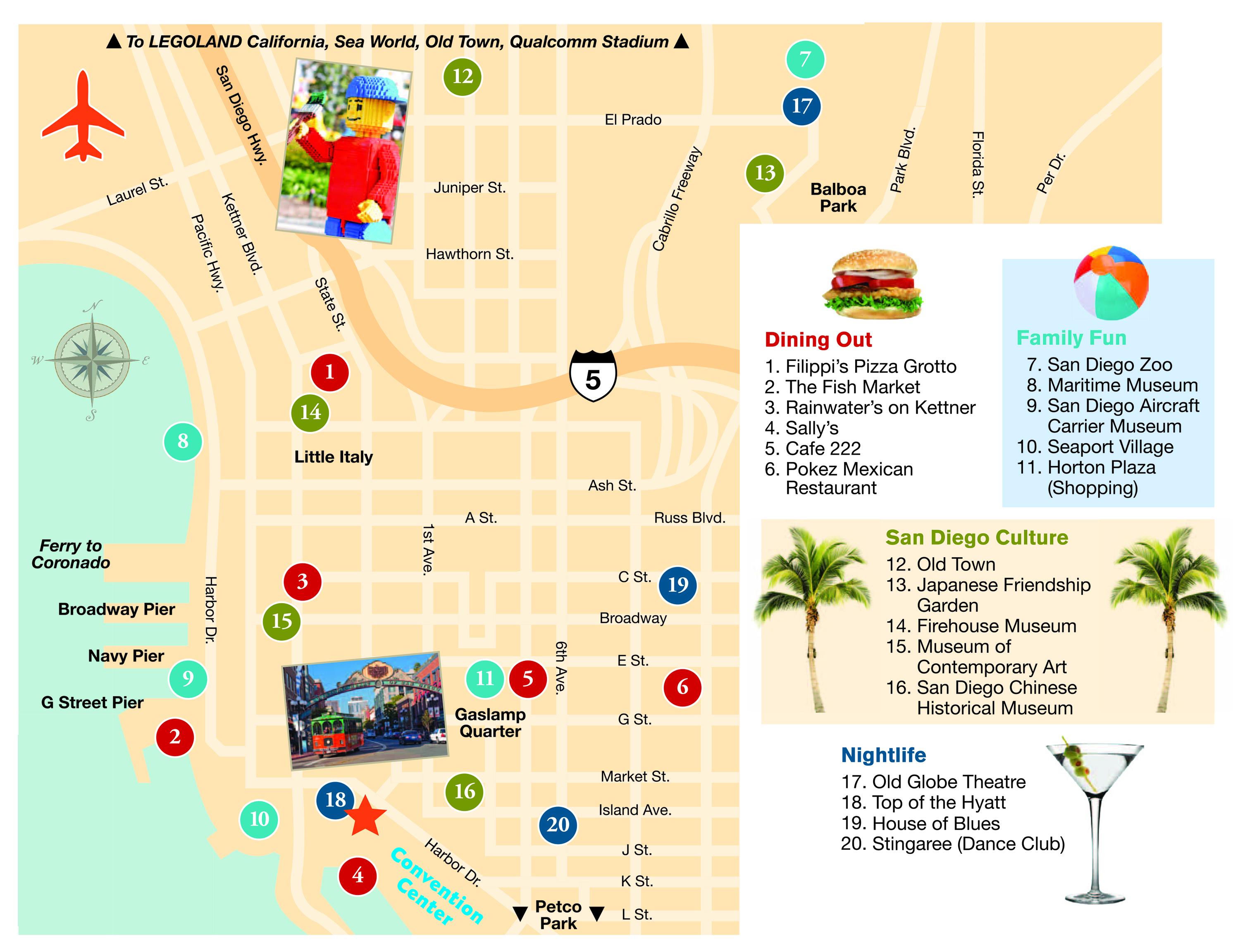
Balboa Park, Gaslamp Quarter, Little Italy
Dr. Chang suggests Panama 66, a restaurant in Balboa Park.
“It’s in a sculpture garden, and there’s usually a live band playing,” he says. “You can buy a beer or glass of wine and have dinner, too. Or you can just get a couple snacks and hang out and listen to music. That’s sort of my speed when it comes to nightlife. And I imagine for most doctors, it’s sort of their speed.”
There’s also the Old Globe theater in the park. Attendees might want to catch a show. “Just walking around Balboa Park at night is kind of fun,” he says.
Hitting the Gaslamp Quarter, a trendy restaurant and shop area near the convention center, is a nice, “easy thing to do,” he says. One spot there worth checking out is a new speakeasy-style place called Prohibition.
“It’s quieter; it’s got nice jazz and is a little more laid-back than perhaps a big loud, bustling bar would be,” he notes.
Little Italy, a long walk or a taxi ride from the conference, is an area “that some people overlook that has a lot of nice restaurants and bars. And it’s a little more laid-back than the Gaslamp,” Dr. Chang says. “The Gaslamp can sometimes be a little bit overwhelming.”
Coronado, Mission Beach
If you want suggestions for seeing a great sunset, he says, Coronado and Mission Beach would be worthwhile, but “anywhere along the westward-facing beach is pretty spectacular.”

Thomas R. Collins is a freelance writer in South Florida.
Weijen Chang, MD, SFHM, associate clinical professor at the University of California at San Diego, has a concern: If people attending HM16 don’t get out and about, he worries, they might leave with the impression that his town is sort of, well, normal.
“San Diego is a very laid-back place in general,” says Dr. Chang, director of the hospitalist service in the La Jolla location of the UCSD Health System and longtime pediatrics editor for The Hospitalist. “I think tourists end up being in very touristy areas and don’t generally get a sense of that.”
Read more about the new tracks, speakers at HM16.
Like a good doctor, he’s here to offer a cure. Here are Dr. Chang’s tips for seeing the city. Some are fairly standard and, yes, even a little touristy. But some do give you a taste of that true San Diego vibe, if you’re up for it. He hopes you are.
Mission Beach, Pacific Beach
“Mission Beach is kind of funky,” Dr. Chang says. “Pacific Beach is a little less funky, but it kind of gives you that sort of funky San Diego feeling that a lot of people don’t get when they’re in touristy areas.”
If you make it to Pacific Beach, he says, keep an eye out for “Slomo,” the nickname of a neurologist-turned-Rollerblader who constantly skates up and down the promenade and is nationally known.
“He’s kind of like a fixture,” Dr. Chang says. “Literally, he’s there every single day.”
Harbor Cruise
“If you don’t have access to a car, a really fun and easy thing is a harbor cruise,” Dr. Chang says. “It takes you around all the different ships in the harbor.”
The cruise also goes to Coronado, an island just across the San Diego Bay from downtown.
Lunch at Hotel del Coronado
For those willing to hitch a ride via Uber, Lyft, or a regular taxi—you don’t really need a car to see quite a bit in San Diego—this is a good option. “It’s not super-expensive, and you could see the hotel and walk around the beach there,” Dr. Chang says.
Torrey Pines State Natural Reserve, La Jolla Cove
Torrey Pines is north of downtown and is a good choice for a family outing, Dr. Chang suggests.
“It’s a beautiful hike. They have cliffs in that area. It’s a good family thing to do because the whole family can hike along,” he says. “They have a museum there.”
And beautiful Torrey pine trees are unique to that area.
Also, La Jolla Cove is an option. It’s a touristy spot but a “really pretty” one, Dr. Chang adds.
Balboa Park, Gaslamp Quarter, Little Italy
Dr. Chang suggests Panama 66, a restaurant in Balboa Park.
“It’s in a sculpture garden, and there’s usually a live band playing,” he says. “You can buy a beer or glass of wine and have dinner, too. Or you can just get a couple snacks and hang out and listen to music. That’s sort of my speed when it comes to nightlife. And I imagine for most doctors, it’s sort of their speed.”
There’s also the Old Globe theater in the park. Attendees might want to catch a show. “Just walking around Balboa Park at night is kind of fun,” he says.
Hitting the Gaslamp Quarter, a trendy restaurant and shop area near the convention center, is a nice, “easy thing to do,” he says. One spot there worth checking out is a new speakeasy-style place called Prohibition.
“It’s quieter; it’s got nice jazz and is a little more laid-back than perhaps a big loud, bustling bar would be,” he notes.
Little Italy, a long walk or a taxi ride from the conference, is an area “that some people overlook that has a lot of nice restaurants and bars. And it’s a little more laid-back than the Gaslamp,” Dr. Chang says. “The Gaslamp can sometimes be a little bit overwhelming.”
Coronado, Mission Beach
If you want suggestions for seeing a great sunset, he says, Coronado and Mission Beach would be worthwhile, but “anywhere along the westward-facing beach is pretty spectacular.”
Thomas R. Collins is a freelance writer in South Florida.
Weijen Chang, MD, SFHM, associate clinical professor at the University of California at San Diego, has a concern: If people attending HM16 don’t get out and about, he worries, they might leave with the impression that his town is sort of, well, normal.
“San Diego is a very laid-back place in general,” says Dr. Chang, director of the hospitalist service in the La Jolla location of the UCSD Health System and longtime pediatrics editor for The Hospitalist. “I think tourists end up being in very touristy areas and don’t generally get a sense of that.”
Read more about the new tracks, speakers at HM16.
Like a good doctor, he’s here to offer a cure. Here are Dr. Chang’s tips for seeing the city. Some are fairly standard and, yes, even a little touristy. But some do give you a taste of that true San Diego vibe, if you’re up for it. He hopes you are.
Mission Beach, Pacific Beach
“Mission Beach is kind of funky,” Dr. Chang says. “Pacific Beach is a little less funky, but it kind of gives you that sort of funky San Diego feeling that a lot of people don’t get when they’re in touristy areas.”
If you make it to Pacific Beach, he says, keep an eye out for “Slomo,” the nickname of a neurologist-turned-Rollerblader who constantly skates up and down the promenade and is nationally known.
“He’s kind of like a fixture,” Dr. Chang says. “Literally, he’s there every single day.”
Harbor Cruise
“If you don’t have access to a car, a really fun and easy thing is a harbor cruise,” Dr. Chang says. “It takes you around all the different ships in the harbor.”
The cruise also goes to Coronado, an island just across the San Diego Bay from downtown.
Lunch at Hotel del Coronado
For those willing to hitch a ride via Uber, Lyft, or a regular taxi—you don’t really need a car to see quite a bit in San Diego—this is a good option. “It’s not super-expensive, and you could see the hotel and walk around the beach there,” Dr. Chang says.
Torrey Pines State Natural Reserve, La Jolla Cove
Torrey Pines is north of downtown and is a good choice for a family outing, Dr. Chang suggests.
“It’s a beautiful hike. They have cliffs in that area. It’s a good family thing to do because the whole family can hike along,” he says. “They have a museum there.”
And beautiful Torrey pine trees are unique to that area.
Also, La Jolla Cove is an option. It’s a touristy spot but a “really pretty” one, Dr. Chang adds.
Balboa Park, Gaslamp Quarter, Little Italy
Dr. Chang suggests Panama 66, a restaurant in Balboa Park.
“It’s in a sculpture garden, and there’s usually a live band playing,” he says. “You can buy a beer or glass of wine and have dinner, too. Or you can just get a couple snacks and hang out and listen to music. That’s sort of my speed when it comes to nightlife. And I imagine for most doctors, it’s sort of their speed.”
There’s also the Old Globe theater in the park. Attendees might want to catch a show. “Just walking around Balboa Park at night is kind of fun,” he says.
Hitting the Gaslamp Quarter, a trendy restaurant and shop area near the convention center, is a nice, “easy thing to do,” he says. One spot there worth checking out is a new speakeasy-style place called Prohibition.
“It’s quieter; it’s got nice jazz and is a little more laid-back than perhaps a big loud, bustling bar would be,” he notes.
Little Italy, a long walk or a taxi ride from the conference, is an area “that some people overlook that has a lot of nice restaurants and bars. And it’s a little more laid-back than the Gaslamp,” Dr. Chang says. “The Gaslamp can sometimes be a little bit overwhelming.”
Coronado, Mission Beach
If you want suggestions for seeing a great sunset, he says, Coronado and Mission Beach would be worthwhile, but “anywhere along the westward-facing beach is pretty spectacular.”
Thomas R. Collins is a freelance writer in South Florida.
Beta-Blockers May Increase Risk of Perioperative MACEs in Patients with Uncomplicated Hypertension
Clinical question: Does taking a perioperative beta-blocker increase the risk of major adverse cardiovascular events (MACEs) and all-cause mortality in low-risk patients with essential hypertension (HTN)?
Background: Guidelines for the use of perioperative beta-blockers are being reevaluated due to concerns about validity of prior studies that supported the use of perioperative beta-blockers. This study sought to evaluate effectiveness and safety of beta-blockers in patients with uncomplicated HTN.
Study design: Observational cohort study.
Setting: Denmark.
Synopsis: This study included 55,320 hypertensive patients using at least two antihypertensive drugs who underwent non-cardiac surgery. Of these, 14,644 patients were treated with a beta-blocker. Patients with secondary cardiovascular conditions, renal disease, or liver disease were excluded; 30-day MACEs and all-cause mortality were analyzed.
In patients treated with a beta-blocker, the incidence of 30-day MACEs was 1.32% compared with 0.84% in the non-beta-blockers group; 30-day mortality in those treated with beta-blocker was 1.9% compared with 1.3% in the non-beta-blocker group. Risk of beta-blocker-associated MACEs was higher in patients 70 and older. Causality cannot be concluded based on observational data.
Bottom line: In patients with uncomplicated HTN, treatment with a beta-blocker may be associated with increased 30-day risk of perioperative MACEs after non-cardiac surgery.
Citation: Jorgensen ME, Hlatky MA, Kober L, et al. Beta-blocker-associated risks in patients with uncomplicated hypertension undergoing noncardiac surgery. JAMA Intern Med. 2015;175(12):1923-1931.
Clinical question: Does taking a perioperative beta-blocker increase the risk of major adverse cardiovascular events (MACEs) and all-cause mortality in low-risk patients with essential hypertension (HTN)?
Background: Guidelines for the use of perioperative beta-blockers are being reevaluated due to concerns about validity of prior studies that supported the use of perioperative beta-blockers. This study sought to evaluate effectiveness and safety of beta-blockers in patients with uncomplicated HTN.
Study design: Observational cohort study.
Setting: Denmark.
Synopsis: This study included 55,320 hypertensive patients using at least two antihypertensive drugs who underwent non-cardiac surgery. Of these, 14,644 patients were treated with a beta-blocker. Patients with secondary cardiovascular conditions, renal disease, or liver disease were excluded; 30-day MACEs and all-cause mortality were analyzed.
In patients treated with a beta-blocker, the incidence of 30-day MACEs was 1.32% compared with 0.84% in the non-beta-blockers group; 30-day mortality in those treated with beta-blocker was 1.9% compared with 1.3% in the non-beta-blocker group. Risk of beta-blocker-associated MACEs was higher in patients 70 and older. Causality cannot be concluded based on observational data.
Bottom line: In patients with uncomplicated HTN, treatment with a beta-blocker may be associated with increased 30-day risk of perioperative MACEs after non-cardiac surgery.
Citation: Jorgensen ME, Hlatky MA, Kober L, et al. Beta-blocker-associated risks in patients with uncomplicated hypertension undergoing noncardiac surgery. JAMA Intern Med. 2015;175(12):1923-1931.
Clinical question: Does taking a perioperative beta-blocker increase the risk of major adverse cardiovascular events (MACEs) and all-cause mortality in low-risk patients with essential hypertension (HTN)?
Background: Guidelines for the use of perioperative beta-blockers are being reevaluated due to concerns about validity of prior studies that supported the use of perioperative beta-blockers. This study sought to evaluate effectiveness and safety of beta-blockers in patients with uncomplicated HTN.
Study design: Observational cohort study.
Setting: Denmark.
Synopsis: This study included 55,320 hypertensive patients using at least two antihypertensive drugs who underwent non-cardiac surgery. Of these, 14,644 patients were treated with a beta-blocker. Patients with secondary cardiovascular conditions, renal disease, or liver disease were excluded; 30-day MACEs and all-cause mortality were analyzed.
In patients treated with a beta-blocker, the incidence of 30-day MACEs was 1.32% compared with 0.84% in the non-beta-blockers group; 30-day mortality in those treated with beta-blocker was 1.9% compared with 1.3% in the non-beta-blocker group. Risk of beta-blocker-associated MACEs was higher in patients 70 and older. Causality cannot be concluded based on observational data.
Bottom line: In patients with uncomplicated HTN, treatment with a beta-blocker may be associated with increased 30-day risk of perioperative MACEs after non-cardiac surgery.
Citation: Jorgensen ME, Hlatky MA, Kober L, et al. Beta-blocker-associated risks in patients with uncomplicated hypertension undergoing noncardiac surgery. JAMA Intern Med. 2015;175(12):1923-1931.
Pharmacist Involvement in Transitional Care Can Reduce Return ED Visits, Inpatient Readmissions
Clinical question: Does pharmacist involvement in transitions of care decrease medication errors (MEs), adverse drug events (ADEs), and 30-day ED visits and inpatient readmissions?
Background: Previous studies show pharmacist involvement in discharge can reduce ADEs and improve patient satisfaction, but there have been inconsistent data on the impact of pharmacist involvement on readmissions, ADEs, and MEs.
Study design: Prospective, randomized, single-period, longitudinal study.
Setting: Northwestern Memorial Hospital, Chicago.
Synopsis: Investigators included 278 patients (137 in study arm, 141 in control arm) in the final analysis. The study arm received intensive pharmacist involvement on admission and discharge, followed by phone calls at three, 14, and 30 days post-discharge. The study arm had lower composite 30-day ED visits and inpatient readmission rates compared to the control group (25% vs. 39%; P=0.001) but did not have lower isolated inpatient readmission rates (20% vs. 24%; P=0.43). ADEs and MEs were not significantly different between the two groups.
This study had extensive exclusion criteria, limiting the patient population to which these results can be applied. It was underpowered, which could have prevented the detection of a significant improvement in readmission rates.
Care transitions are high-risk periods in patient care, and there is benefit to continuity of care of an interdisciplinary team, including pharmacists.
Bottom line: Pharmacist involvement in transitions of care was shown to reduce the composite of ED visits and inpatient readmissions.
Citation: Phatak A, Prusi R, Ward B, et al. Impact of pharmacist involvement in the transitional care of high-risk patients through medication reconciliation, medication education, and postdischarge call-backs (IPITCH Study). J Hosp Med. 2016;11(1):39-44. doi:10.1002/jhm.2493.
Clinical question: Does pharmacist involvement in transitions of care decrease medication errors (MEs), adverse drug events (ADEs), and 30-day ED visits and inpatient readmissions?
Background: Previous studies show pharmacist involvement in discharge can reduce ADEs and improve patient satisfaction, but there have been inconsistent data on the impact of pharmacist involvement on readmissions, ADEs, and MEs.
Study design: Prospective, randomized, single-period, longitudinal study.
Setting: Northwestern Memorial Hospital, Chicago.
Synopsis: Investigators included 278 patients (137 in study arm, 141 in control arm) in the final analysis. The study arm received intensive pharmacist involvement on admission and discharge, followed by phone calls at three, 14, and 30 days post-discharge. The study arm had lower composite 30-day ED visits and inpatient readmission rates compared to the control group (25% vs. 39%; P=0.001) but did not have lower isolated inpatient readmission rates (20% vs. 24%; P=0.43). ADEs and MEs were not significantly different between the two groups.
This study had extensive exclusion criteria, limiting the patient population to which these results can be applied. It was underpowered, which could have prevented the detection of a significant improvement in readmission rates.
Care transitions are high-risk periods in patient care, and there is benefit to continuity of care of an interdisciplinary team, including pharmacists.
Bottom line: Pharmacist involvement in transitions of care was shown to reduce the composite of ED visits and inpatient readmissions.
Citation: Phatak A, Prusi R, Ward B, et al. Impact of pharmacist involvement in the transitional care of high-risk patients through medication reconciliation, medication education, and postdischarge call-backs (IPITCH Study). J Hosp Med. 2016;11(1):39-44. doi:10.1002/jhm.2493.
Clinical question: Does pharmacist involvement in transitions of care decrease medication errors (MEs), adverse drug events (ADEs), and 30-day ED visits and inpatient readmissions?
Background: Previous studies show pharmacist involvement in discharge can reduce ADEs and improve patient satisfaction, but there have been inconsistent data on the impact of pharmacist involvement on readmissions, ADEs, and MEs.
Study design: Prospective, randomized, single-period, longitudinal study.
Setting: Northwestern Memorial Hospital, Chicago.
Synopsis: Investigators included 278 patients (137 in study arm, 141 in control arm) in the final analysis. The study arm received intensive pharmacist involvement on admission and discharge, followed by phone calls at three, 14, and 30 days post-discharge. The study arm had lower composite 30-day ED visits and inpatient readmission rates compared to the control group (25% vs. 39%; P=0.001) but did not have lower isolated inpatient readmission rates (20% vs. 24%; P=0.43). ADEs and MEs were not significantly different between the two groups.
This study had extensive exclusion criteria, limiting the patient population to which these results can be applied. It was underpowered, which could have prevented the detection of a significant improvement in readmission rates.
Care transitions are high-risk periods in patient care, and there is benefit to continuity of care of an interdisciplinary team, including pharmacists.
Bottom line: Pharmacist involvement in transitions of care was shown to reduce the composite of ED visits and inpatient readmissions.
Citation: Phatak A, Prusi R, Ward B, et al. Impact of pharmacist involvement in the transitional care of high-risk patients through medication reconciliation, medication education, and postdischarge call-backs (IPITCH Study). J Hosp Med. 2016;11(1):39-44. doi:10.1002/jhm.2493.
Hospital Medicine 2016 Expands, Offers ‘Something for Everyone’
If you can’t find anything that interests you at HM16, check your caffeine level. You might need a cup.
There’s so much in store, you can practically hear the binding of the program straining to contain it all.

If there is a dominant theme at this year’s conference, it’s health information technology (IT), which will be featured in a new track that will span electronic medical records, using IT for documentation and shifting from volume to value, and social media. The keynote address will cover health IT as well.
But even a quick glance captures the diversity of the program: applying for jobs, inpatient management, apps, cost-value questions, ischemic stroke, X-ray, endocrinology, and dying and the counseling of families.
Better buckle up.
Here’s some of what you need to know:
- There will be new tracks on health IT for the hospitalist, the doctor-patient relationship, post-acute care, and perioperative medicine.
- The popular “Young Hospitalist” track is back after a successful debut last year. This track covers, among other things, the application process, how to be a good mentee, how to negotiate a first job, and an introduction to quality improvement projects.
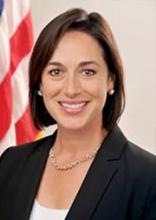
Karen DeSalvo - To kick off the meeting, a panel will discuss the field’s expansion, or “hospital medicine at the edges.” It will feature big names, including Laurence Wellikson, MD, MHM, SHM’s chief executive officer.
- Keynote speaker Karen DeSalvo, MD, MPH, MSc, national coordinator for health information technology and acting assistant secretary for the U.S. Department of Health & Human Services, will discuss hospital medicine and technology.
- A series of 90-minute workshops will tackle thought-provoking and relevant topics: “Rule Your Inbox, Rule Your Life”; “Attending 101: Everything You Want and Need to Know”; and “Case-Based Discussion of Essential Issues on Anticoagulation Management.”

Plus, the tracks that form a kind of foundation for the meeting—practice management, academic/research, pediatrics, and quality improvement—will be back.
Get some tips on things to do in San Diego at HM16.
“The annual meeting will have the core content that brings hospitalists back year after year, including something for practice administrators and leaders of practice groups [with] the practice management track, including academics and researchers for the academic and research track, and a quality track for all those [involved in quality projects], and many, many hospitalists are engaged in quality and patient safety efforts across the country,” says Course Director Melissa Mattison, MD, SFHM, assistant professor of medicine at Harvard Medical School in Boston.
The panel on hospital expansion will cover four main areas that are seeing rapid change, according to Dr. Wellikson.
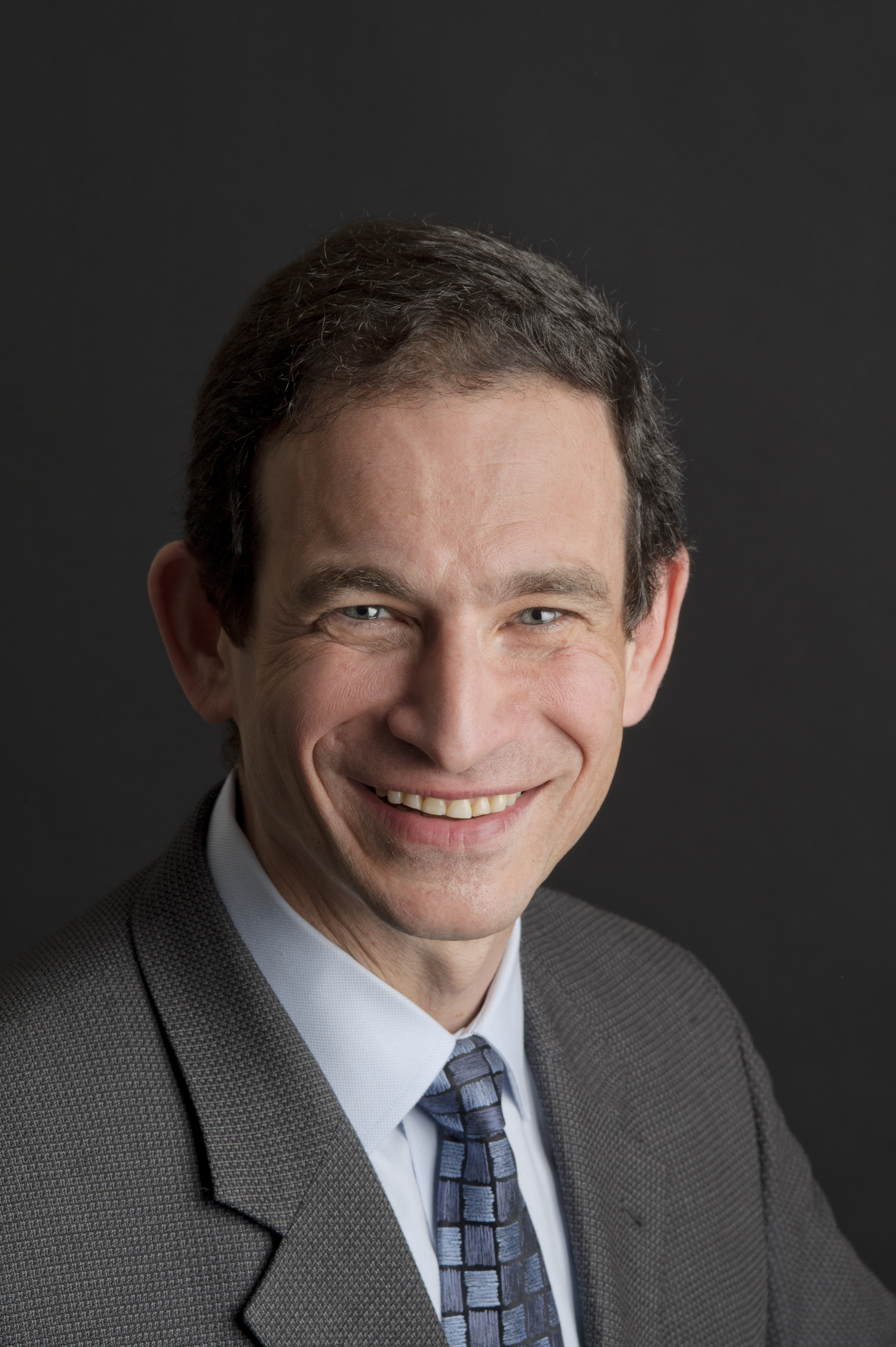
“Hospitalists continue to see their scope of practice evolve and expand,” he says. “In this presentation, we will hear from national leaders about the expanding roles of hospitalists.”
Topics will include palliative care, covered by Steve Pantilat, MD, SFHM, medical director of the University of California at San Francisco School of Medicine palliative care service; alternative payment models, covered by Ron Greeno, MD, MHM, executive vice president for strategy and innovation at Cogent Healthcare; post-acute care, covered by SHM President Bob Harrington, MD, SFHM, CMO at Reliant Post-Acute Care Solutions; and perioperative care, covered by Rachel Thompson, MD, MPH, FHM, associate professor of medicine at the University of Washington.
Dr. Mattison and other organizers thought it was imperative to bring back the “Young Hospitalist” track, which “was wildly successful last year” in both attendance and reviews.
“It’s for people who are aspiring hospitalists—medical students and residents in training—who hope to go on to hospital medicine careers, as well as people who are newly minted hospitalists, people who are probably between one and five years out of their training,” Dr. Mattison explains.
Darlene Tad-y, MD, FHM, assistant professor of medicine at University of Colorado at Denver and chair of SHM’s Physicians in Training Committee, says the offerings for young hospitalists come in response to requests from students, residents, and junior faculty. The track intends to give its audience a sense of how to apply for jobs and start shaping a career path, as well as an understanding of the contours of the hospital medicine field.
Dr. Tad-y says she wants the track to reflect her past experiences at SHM meetings (she’s been to five in a row) of a vibrant, engaged community.
“We wanted our students, residents, and young hospitalists to be able to interact with the whole spectrum of hospitalists—folks who are medical educators, folks who are group leaders, folks who are doing quality and safety work,” she says. “All of our sessions are designed to give them those opportunities.”
Hospitalists, she says, “broadly are game changers.”
“We really want our students, residents, and junior hospitalists to engage with us and see how they can be part of this,” she adds.
Dr. Mattison hopes the annual meeting continues to build on its solid reputation.
“I’ve always enjoyed the annual meeting,” she says. “There are a lot of strengths in SHM’s annual meeting year after year. I think the challenge in planning another annual meeting is building upon that strength and continuing it, and finding new topics and new tracks, and evolving with the times.” TH
Thomas R. Collins is a freelance writer in South Florida.
If you can’t find anything that interests you at HM16, check your caffeine level. You might need a cup.
There’s so much in store, you can practically hear the binding of the program straining to contain it all.
If there is a dominant theme at this year’s conference, it’s health information technology (IT), which will be featured in a new track that will span electronic medical records, using IT for documentation and shifting from volume to value, and social media. The keynote address will cover health IT as well.
But even a quick glance captures the diversity of the program: applying for jobs, inpatient management, apps, cost-value questions, ischemic stroke, X-ray, endocrinology, and dying and the counseling of families.
Better buckle up.
Here’s some of what you need to know:
- There will be new tracks on health IT for the hospitalist, the doctor-patient relationship, post-acute care, and perioperative medicine.
- The popular “Young Hospitalist” track is back after a successful debut last year. This track covers, among other things, the application process, how to be a good mentee, how to negotiate a first job, and an introduction to quality improvement projects.
Karen DeSalvo - To kick off the meeting, a panel will discuss the field’s expansion, or “hospital medicine at the edges.” It will feature big names, including Laurence Wellikson, MD, MHM, SHM’s chief executive officer.
- Keynote speaker Karen DeSalvo, MD, MPH, MSc, national coordinator for health information technology and acting assistant secretary for the U.S. Department of Health & Human Services, will discuss hospital medicine and technology.
- A series of 90-minute workshops will tackle thought-provoking and relevant topics: “Rule Your Inbox, Rule Your Life”; “Attending 101: Everything You Want and Need to Know”; and “Case-Based Discussion of Essential Issues on Anticoagulation Management.”
Plus, the tracks that form a kind of foundation for the meeting—practice management, academic/research, pediatrics, and quality improvement—will be back.
Get some tips on things to do in San Diego at HM16.
“The annual meeting will have the core content that brings hospitalists back year after year, including something for practice administrators and leaders of practice groups [with] the practice management track, including academics and researchers for the academic and research track, and a quality track for all those [involved in quality projects], and many, many hospitalists are engaged in quality and patient safety efforts across the country,” says Course Director Melissa Mattison, MD, SFHM, assistant professor of medicine at Harvard Medical School in Boston.
The panel on hospital expansion will cover four main areas that are seeing rapid change, according to Dr. Wellikson.
“Hospitalists continue to see their scope of practice evolve and expand,” he says. “In this presentation, we will hear from national leaders about the expanding roles of hospitalists.”
Topics will include palliative care, covered by Steve Pantilat, MD, SFHM, medical director of the University of California at San Francisco School of Medicine palliative care service; alternative payment models, covered by Ron Greeno, MD, MHM, executive vice president for strategy and innovation at Cogent Healthcare; post-acute care, covered by SHM President Bob Harrington, MD, SFHM, CMO at Reliant Post-Acute Care Solutions; and perioperative care, covered by Rachel Thompson, MD, MPH, FHM, associate professor of medicine at the University of Washington.
Dr. Mattison and other organizers thought it was imperative to bring back the “Young Hospitalist” track, which “was wildly successful last year” in both attendance and reviews.
“It’s for people who are aspiring hospitalists—medical students and residents in training—who hope to go on to hospital medicine careers, as well as people who are newly minted hospitalists, people who are probably between one and five years out of their training,” Dr. Mattison explains.
Darlene Tad-y, MD, FHM, assistant professor of medicine at University of Colorado at Denver and chair of SHM’s Physicians in Training Committee, says the offerings for young hospitalists come in response to requests from students, residents, and junior faculty. The track intends to give its audience a sense of how to apply for jobs and start shaping a career path, as well as an understanding of the contours of the hospital medicine field.
Dr. Tad-y says she wants the track to reflect her past experiences at SHM meetings (she’s been to five in a row) of a vibrant, engaged community.
“We wanted our students, residents, and young hospitalists to be able to interact with the whole spectrum of hospitalists—folks who are medical educators, folks who are group leaders, folks who are doing quality and safety work,” she says. “All of our sessions are designed to give them those opportunities.”
Hospitalists, she says, “broadly are game changers.”
“We really want our students, residents, and junior hospitalists to engage with us and see how they can be part of this,” she adds.
Dr. Mattison hopes the annual meeting continues to build on its solid reputation.
“I’ve always enjoyed the annual meeting,” she says. “There are a lot of strengths in SHM’s annual meeting year after year. I think the challenge in planning another annual meeting is building upon that strength and continuing it, and finding new topics and new tracks, and evolving with the times.” TH
Thomas R. Collins is a freelance writer in South Florida.
If you can’t find anything that interests you at HM16, check your caffeine level. You might need a cup.
There’s so much in store, you can practically hear the binding of the program straining to contain it all.
If there is a dominant theme at this year’s conference, it’s health information technology (IT), which will be featured in a new track that will span electronic medical records, using IT for documentation and shifting from volume to value, and social media. The keynote address will cover health IT as well.
But even a quick glance captures the diversity of the program: applying for jobs, inpatient management, apps, cost-value questions, ischemic stroke, X-ray, endocrinology, and dying and the counseling of families.
Better buckle up.
Here’s some of what you need to know:
- There will be new tracks on health IT for the hospitalist, the doctor-patient relationship, post-acute care, and perioperative medicine.
- The popular “Young Hospitalist” track is back after a successful debut last year. This track covers, among other things, the application process, how to be a good mentee, how to negotiate a first job, and an introduction to quality improvement projects.
Karen DeSalvo - To kick off the meeting, a panel will discuss the field’s expansion, or “hospital medicine at the edges.” It will feature big names, including Laurence Wellikson, MD, MHM, SHM’s chief executive officer.
- Keynote speaker Karen DeSalvo, MD, MPH, MSc, national coordinator for health information technology and acting assistant secretary for the U.S. Department of Health & Human Services, will discuss hospital medicine and technology.
- A series of 90-minute workshops will tackle thought-provoking and relevant topics: “Rule Your Inbox, Rule Your Life”; “Attending 101: Everything You Want and Need to Know”; and “Case-Based Discussion of Essential Issues on Anticoagulation Management.”
Plus, the tracks that form a kind of foundation for the meeting—practice management, academic/research, pediatrics, and quality improvement—will be back.
Get some tips on things to do in San Diego at HM16.
“The annual meeting will have the core content that brings hospitalists back year after year, including something for practice administrators and leaders of practice groups [with] the practice management track, including academics and researchers for the academic and research track, and a quality track for all those [involved in quality projects], and many, many hospitalists are engaged in quality and patient safety efforts across the country,” says Course Director Melissa Mattison, MD, SFHM, assistant professor of medicine at Harvard Medical School in Boston.
The panel on hospital expansion will cover four main areas that are seeing rapid change, according to Dr. Wellikson.
“Hospitalists continue to see their scope of practice evolve and expand,” he says. “In this presentation, we will hear from national leaders about the expanding roles of hospitalists.”
Topics will include palliative care, covered by Steve Pantilat, MD, SFHM, medical director of the University of California at San Francisco School of Medicine palliative care service; alternative payment models, covered by Ron Greeno, MD, MHM, executive vice president for strategy and innovation at Cogent Healthcare; post-acute care, covered by SHM President Bob Harrington, MD, SFHM, CMO at Reliant Post-Acute Care Solutions; and perioperative care, covered by Rachel Thompson, MD, MPH, FHM, associate professor of medicine at the University of Washington.
Dr. Mattison and other organizers thought it was imperative to bring back the “Young Hospitalist” track, which “was wildly successful last year” in both attendance and reviews.
“It’s for people who are aspiring hospitalists—medical students and residents in training—who hope to go on to hospital medicine careers, as well as people who are newly minted hospitalists, people who are probably between one and five years out of their training,” Dr. Mattison explains.
Darlene Tad-y, MD, FHM, assistant professor of medicine at University of Colorado at Denver and chair of SHM’s Physicians in Training Committee, says the offerings for young hospitalists come in response to requests from students, residents, and junior faculty. The track intends to give its audience a sense of how to apply for jobs and start shaping a career path, as well as an understanding of the contours of the hospital medicine field.
Dr. Tad-y says she wants the track to reflect her past experiences at SHM meetings (she’s been to five in a row) of a vibrant, engaged community.
“We wanted our students, residents, and young hospitalists to be able to interact with the whole spectrum of hospitalists—folks who are medical educators, folks who are group leaders, folks who are doing quality and safety work,” she says. “All of our sessions are designed to give them those opportunities.”
Hospitalists, she says, “broadly are game changers.”
“We really want our students, residents, and junior hospitalists to engage with us and see how they can be part of this,” she adds.
Dr. Mattison hopes the annual meeting continues to build on its solid reputation.
“I’ve always enjoyed the annual meeting,” she says. “There are a lot of strengths in SHM’s annual meeting year after year. I think the challenge in planning another annual meeting is building upon that strength and continuing it, and finding new topics and new tracks, and evolving with the times.” TH
Thomas R. Collins is a freelance writer in South Florida.

A Look at Democratic Presidential Hopefuls’ Healthcare Ideas
Unlike the crowded Republican primary field heading into this year’s presidential election, just three candidates seek the Democratic nomination: former First Lady and former New York Sen. Hillary Clinton, former Maryland Gov. Martin O’Malley, and U.S. Sen. Bernie Sanders of Vermont.
Although they share numerous ideas, the candidates also differ fundamentally in how they believe the American healthcare system should be run. And they stand in stark contrast to their Republican opponents.
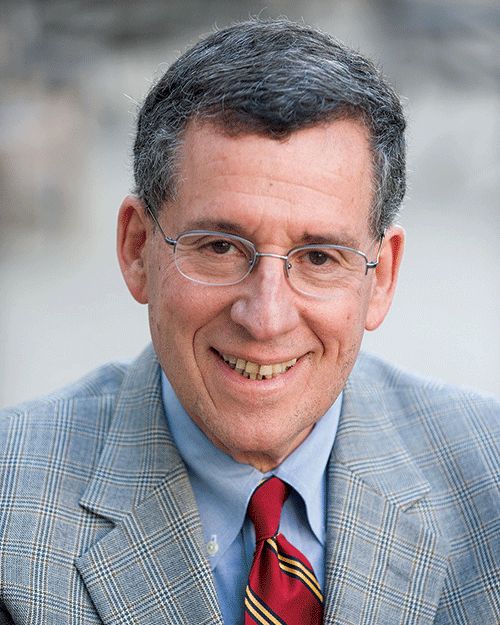
“There really is a philosophical difference between the parties,” says Robert Blendon, professor of health policy and political analysis at the Harvard T.H. Chan School of Public Health and Harvard Kennedy School of Government. “Republicans really feel that if people themselves controlled more of the financial wherewithal, they would shop more and ask more questions.”
Democrats, however, “tend to believe that when people are ill, they are not in particularly good shape to shop,” Blendon says. Nor are they particularly fit to decide what costs are worth incurring or what procedures they may or may not need, he adds.
Listen to more of our interview with Dr. Blendon.
In general, Democrats believe the healthcare system should provide patients structure to make appropriate choices. They do not support reliance on high-deductible health plans and health savings accounts to lower healthcare costs.
“This is why the outcome of the election will matter,” Blendon says, “because it’s a very different view of what the future should look like.”
In 1993, as First Lady, Clinton undertook a failed but massive healthcare reform effort that would have created a universal healthcare system based on private insurance. Today, she supports the Affordable Care Act and says she will continue to build upon and support it, which includes making changes to the law such as repealing the Cadillac tax and further lowering out-of-pocket healthcare costs for most Americans.
Clinton’s view “is that many people have too large deductibles and copays, and for moderate-income people, it’s really deterring care,” Blendon says. “She’s likely to try to see if they can actually increase the government subsidies so the plans offer a wider range of benefits.”
Bradley Flansbaum, DO, MPH, MHM, hospitalist and SHM Public Policy Committee member, says changes must be made.
“We can’t say the direction we’re moving in is the right direction,” he says. “There is a desperate sense in America that what we have been doing is wrong and we need to change … whether the experiments now lead to a system more Americans would prefer remains to be seen.”
Sanders believes in a much bolder shift in direction. He does not think the Affordable Care Act goes far enough and wants to move to a single-payor system.
“I want to end the international embarrassment of the United States of America being the only major country on Earth that doesn’t guarantee healthcare to all people as a right, not a privilege,” he said at the second Democratic debate on Nov. 14, 2015.
However, his vision is unlikely to come to quick fruition if elected, Blendon says. “There’s not going to be—anywhere in the short term—the votes in the U.S. Congress to move in that direction.
“But it would change the level of discussion.”
O’Malley, on the other hand, wants to expand the ACA and envisions an “all-payor system” like that in Maryland, where the state sets medical costs and caps what hospitals can charge. He has vowed to continue to move away from a fee-for-service healthcare system and has said that reform should “eliminate the profit motive” for hospitals CEOs to keep beds filled.
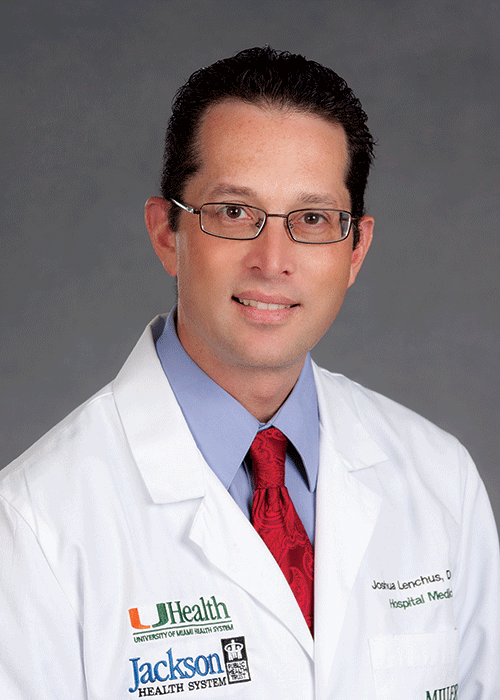
“Regardless of who is elected, I would like to believe they would build off of what already exists,” says Joshua Lenchus, DO, RPh, SFHM, a member of SHM’s Public Policy Committee and a hospitalist at the University of Miami Jackson Memorial Hospital. “The populace doesn’t have the stomach for going through healthcare reform again.”
One of the biggest issues to emerge in the Democratic primaries is drugs: the pricing set by and regulations governing the pharmaceutical industry. Sanders wants to see a higher level of transparency, Clinton wants to require companies receiving federal support to invest in research, and both want to see the skyrocketing costs of prescription drugs reduced dramatically. This includes allowing Medicare to negotiate drug prices and allowing the sale of drugs from other countries that meet FDA standards.
“That resonates with the general public,” Blendon says, “because it’s very hard for people to understand that if we’re free trade in everything, why aren’t we for free trade in pharmaceuticals?”
Dr. Lenchus believes Democrats are going to “double-down” on health reform.
“To ensure the financial underpinnings and some of the partisan concerns are addressed,” he says. “I think with respect to hospitalists, the thing that impacts us the most is how medicine is going to get paid for doing what it does.” TH
Kelly April Tyrrell is a freelance writer in Madison, Wis.
Unlike the crowded Republican primary field heading into this year’s presidential election, just three candidates seek the Democratic nomination: former First Lady and former New York Sen. Hillary Clinton, former Maryland Gov. Martin O’Malley, and U.S. Sen. Bernie Sanders of Vermont.
Although they share numerous ideas, the candidates also differ fundamentally in how they believe the American healthcare system should be run. And they stand in stark contrast to their Republican opponents.
“There really is a philosophical difference between the parties,” says Robert Blendon, professor of health policy and political analysis at the Harvard T.H. Chan School of Public Health and Harvard Kennedy School of Government. “Republicans really feel that if people themselves controlled more of the financial wherewithal, they would shop more and ask more questions.”
Democrats, however, “tend to believe that when people are ill, they are not in particularly good shape to shop,” Blendon says. Nor are they particularly fit to decide what costs are worth incurring or what procedures they may or may not need, he adds.
Listen to more of our interview with Dr. Blendon.
In general, Democrats believe the healthcare system should provide patients structure to make appropriate choices. They do not support reliance on high-deductible health plans and health savings accounts to lower healthcare costs.
“This is why the outcome of the election will matter,” Blendon says, “because it’s a very different view of what the future should look like.”
In 1993, as First Lady, Clinton undertook a failed but massive healthcare reform effort that would have created a universal healthcare system based on private insurance. Today, she supports the Affordable Care Act and says she will continue to build upon and support it, which includes making changes to the law such as repealing the Cadillac tax and further lowering out-of-pocket healthcare costs for most Americans.
Clinton’s view “is that many people have too large deductibles and copays, and for moderate-income people, it’s really deterring care,” Blendon says. “She’s likely to try to see if they can actually increase the government subsidies so the plans offer a wider range of benefits.”
Bradley Flansbaum, DO, MPH, MHM, hospitalist and SHM Public Policy Committee member, says changes must be made.
“We can’t say the direction we’re moving in is the right direction,” he says. “There is a desperate sense in America that what we have been doing is wrong and we need to change … whether the experiments now lead to a system more Americans would prefer remains to be seen.”
Sanders believes in a much bolder shift in direction. He does not think the Affordable Care Act goes far enough and wants to move to a single-payor system.
“I want to end the international embarrassment of the United States of America being the only major country on Earth that doesn’t guarantee healthcare to all people as a right, not a privilege,” he said at the second Democratic debate on Nov. 14, 2015.
However, his vision is unlikely to come to quick fruition if elected, Blendon says. “There’s not going to be—anywhere in the short term—the votes in the U.S. Congress to move in that direction.
“But it would change the level of discussion.”
O’Malley, on the other hand, wants to expand the ACA and envisions an “all-payor system” like that in Maryland, where the state sets medical costs and caps what hospitals can charge. He has vowed to continue to move away from a fee-for-service healthcare system and has said that reform should “eliminate the profit motive” for hospitals CEOs to keep beds filled.
“Regardless of who is elected, I would like to believe they would build off of what already exists,” says Joshua Lenchus, DO, RPh, SFHM, a member of SHM’s Public Policy Committee and a hospitalist at the University of Miami Jackson Memorial Hospital. “The populace doesn’t have the stomach for going through healthcare reform again.”
One of the biggest issues to emerge in the Democratic primaries is drugs: the pricing set by and regulations governing the pharmaceutical industry. Sanders wants to see a higher level of transparency, Clinton wants to require companies receiving federal support to invest in research, and both want to see the skyrocketing costs of prescription drugs reduced dramatically. This includes allowing Medicare to negotiate drug prices and allowing the sale of drugs from other countries that meet FDA standards.
“That resonates with the general public,” Blendon says, “because it’s very hard for people to understand that if we’re free trade in everything, why aren’t we for free trade in pharmaceuticals?”
Dr. Lenchus believes Democrats are going to “double-down” on health reform.
“To ensure the financial underpinnings and some of the partisan concerns are addressed,” he says. “I think with respect to hospitalists, the thing that impacts us the most is how medicine is going to get paid for doing what it does.” TH
Kelly April Tyrrell is a freelance writer in Madison, Wis.
Unlike the crowded Republican primary field heading into this year’s presidential election, just three candidates seek the Democratic nomination: former First Lady and former New York Sen. Hillary Clinton, former Maryland Gov. Martin O’Malley, and U.S. Sen. Bernie Sanders of Vermont.
Although they share numerous ideas, the candidates also differ fundamentally in how they believe the American healthcare system should be run. And they stand in stark contrast to their Republican opponents.
“There really is a philosophical difference between the parties,” says Robert Blendon, professor of health policy and political analysis at the Harvard T.H. Chan School of Public Health and Harvard Kennedy School of Government. “Republicans really feel that if people themselves controlled more of the financial wherewithal, they would shop more and ask more questions.”
Democrats, however, “tend to believe that when people are ill, they are not in particularly good shape to shop,” Blendon says. Nor are they particularly fit to decide what costs are worth incurring or what procedures they may or may not need, he adds.
Listen to more of our interview with Dr. Blendon.
In general, Democrats believe the healthcare system should provide patients structure to make appropriate choices. They do not support reliance on high-deductible health plans and health savings accounts to lower healthcare costs.
“This is why the outcome of the election will matter,” Blendon says, “because it’s a very different view of what the future should look like.”
In 1993, as First Lady, Clinton undertook a failed but massive healthcare reform effort that would have created a universal healthcare system based on private insurance. Today, she supports the Affordable Care Act and says she will continue to build upon and support it, which includes making changes to the law such as repealing the Cadillac tax and further lowering out-of-pocket healthcare costs for most Americans.
Clinton’s view “is that many people have too large deductibles and copays, and for moderate-income people, it’s really deterring care,” Blendon says. “She’s likely to try to see if they can actually increase the government subsidies so the plans offer a wider range of benefits.”
Bradley Flansbaum, DO, MPH, MHM, hospitalist and SHM Public Policy Committee member, says changes must be made.
“We can’t say the direction we’re moving in is the right direction,” he says. “There is a desperate sense in America that what we have been doing is wrong and we need to change … whether the experiments now lead to a system more Americans would prefer remains to be seen.”
Sanders believes in a much bolder shift in direction. He does not think the Affordable Care Act goes far enough and wants to move to a single-payor system.
“I want to end the international embarrassment of the United States of America being the only major country on Earth that doesn’t guarantee healthcare to all people as a right, not a privilege,” he said at the second Democratic debate on Nov. 14, 2015.
However, his vision is unlikely to come to quick fruition if elected, Blendon says. “There’s not going to be—anywhere in the short term—the votes in the U.S. Congress to move in that direction.
“But it would change the level of discussion.”
O’Malley, on the other hand, wants to expand the ACA and envisions an “all-payor system” like that in Maryland, where the state sets medical costs and caps what hospitals can charge. He has vowed to continue to move away from a fee-for-service healthcare system and has said that reform should “eliminate the profit motive” for hospitals CEOs to keep beds filled.
“Regardless of who is elected, I would like to believe they would build off of what already exists,” says Joshua Lenchus, DO, RPh, SFHM, a member of SHM’s Public Policy Committee and a hospitalist at the University of Miami Jackson Memorial Hospital. “The populace doesn’t have the stomach for going through healthcare reform again.”
One of the biggest issues to emerge in the Democratic primaries is drugs: the pricing set by and regulations governing the pharmaceutical industry. Sanders wants to see a higher level of transparency, Clinton wants to require companies receiving federal support to invest in research, and both want to see the skyrocketing costs of prescription drugs reduced dramatically. This includes allowing Medicare to negotiate drug prices and allowing the sale of drugs from other countries that meet FDA standards.
“That resonates with the general public,” Blendon says, “because it’s very hard for people to understand that if we’re free trade in everything, why aren’t we for free trade in pharmaceuticals?”
Dr. Lenchus believes Democrats are going to “double-down” on health reform.
“To ensure the financial underpinnings and some of the partisan concerns are addressed,” he says. “I think with respect to hospitalists, the thing that impacts us the most is how medicine is going to get paid for doing what it does.” TH
Kelly April Tyrrell is a freelance writer in Madison, Wis.
Hospital Medicine 2016 Returns to San Diego

A great thing about San Diego is that the weather there is to a meteorologist as the common cold is to a doctor: not too challenging. If you guess mild and sunny, you won’t be far off.
Read more about the new tracks, speakers at HM16.
The HM16 program, on the other hand, might be a challenge. There’s a lot to choose from. The latest in clinical care, technology, practice management, building better relationships with patients—it all will be covered and then some. TH
A great thing about San Diego is that the weather there is to a meteorologist as the common cold is to a doctor: not too challenging. If you guess mild and sunny, you won’t be far off.
Read more about the new tracks, speakers at HM16.
The HM16 program, on the other hand, might be a challenge. There’s a lot to choose from. The latest in clinical care, technology, practice management, building better relationships with patients—it all will be covered and then some. TH
A great thing about San Diego is that the weather there is to a meteorologist as the common cold is to a doctor: not too challenging. If you guess mild and sunny, you won’t be far off.
Read more about the new tracks, speakers at HM16.
The HM16 program, on the other hand, might be a challenge. There’s a lot to choose from. The latest in clinical care, technology, practice management, building better relationships with patients—it all will be covered and then some. TH
A New Schedule Could Be Better for Your Hospitalist Group
Present “hospitalist” in a word association exercise to a wide range of healthcare personnel in clinical and administrative roles, and many would instantly respond with “seven-on/seven-off schedule.”
Some numbers from SHM’s 2014 State of Hospital Medicine report:
- 53.8%: Portion of hospitalist groups using a seven-on/seven-off schedule.
- 182: Median number of shifts worked annually by a full-time hospitalist (standard contract hours, does not include “extra” shifts).
- 65%: Portion of groups having day shifts that are 12.0–13.9 hours in length.
These numbers suggest to me that, at least outside of academia, the standard hospitalist is working 12-hour shifts on a seven-on/seven-off schedule. And that mirrors my experience working on-site with hundreds of hospitalist groups across the country.
In other words, the hospitalist marketplace has spoken unambiguously regarding the favored work schedule. In some ways, it is a defining feature of hospitalist practice. In the same way that a defining characteristic of Millennials is devotion to social media and that air travel is associated with cramped seats, this work schedule is a defining characteristic for hospitalists.
Schedule Benefits? Many …
There is a reason for its popularity: It is simple to understand and operationalize, it provides for good hospitalist-patient continuity, and having every other week off is often cited as a principle reason for becoming a hospitalist (in many cases, it might only take a clerk or administrator a few hours to create a group’s work schedule for a whole year). Many hospitalist groups have followed this schedule for a decade or longer, and while they might have periodically discussed moving to an entirely different model, most have stuck with what they know.
I’m convinced this schedule will be around for many years to come.
Not Ideal in All Respects
Despite this schedule’s popularity, I regularly talk with hospitalists who say it has become very stressful and monotonous. They say they would really like to change to something else but feel stuck by the complexity of alternative models and the difficulty achieving consensus within the group regarding what model offers enough advantages—and acceptable costs—to be worth it.
They cite as shortcomings of the seven-on/seven-off schedule:
- It can be a Herculean task to alter the schedule to arrange a day or two off during the regularly scheduled week. They often give up on the effort, and over time, this can lead to some resentment toward their work.
- There is a tendency to adopt a systole-diastole lifestyle, with no activities other than work during the week on (e.g., no trips to the gym, dinners out with family, etc.) and an effort to move all of these into the week off. They’ll say, “What other profession requires one to shut down their personal life for seven days every other week?”
- It can be difficult to reliably use the seven days off productively. Sometimes it might be better to return to work after only two to four days off if at other times it were easy to arrange more than seven consecutive days off.
- The “switch day” can be difficult for the hospital. Such schedules nearly always are arranged so that all the doctors conclude seven days of work on the same day and are replaced by others the following day. Every hospitalist patient (typically more than half of all patients in the hospital) gets a new doctor on the same day, and the whole hospital runs less efficiently as a result.
Change Your Schedule?
Who am I kidding? Few groups, probably none to be precise, are likely to change their schedule as a result of reading this column. But I’m among what seems to be a small contingent who believe alternative schedules can work. Whether your group decides to pursue a different model should be entirely up to its members, but it is worthwhile to periodically discuss the costs and benefits of your current schedule as well as what other options might be practical. In most cases the discussion will conclude without any significant change, but discussing it periodically might turn up worthwhile small adjustments.
But if your group is ready to make a meaningful change away from a rigid seven-on/seven-off schedule, the first step could be to vary the number of days off. No longer would all in the group switch on the same day; only one doctor would switch at a time (unless there are more than seven day shifts), and that could occur on any day of the week.
To illustrate, let’s say you’re in a group with four day shifts. For this week, Dr. Plant might start Monday after four days off, Dr. Bonham has had 11 days off and starts Tuesday, Dr. Page starts Friday after nine days off, and Dr. Jones starts Saturday after six days off. Each will work seven consecutive day shifts, and the number of off days will vary depending on their own wishes and the needs of the group. This is much more complicated to schedule, but varying the switch day and number of days off between weeks can be good for work-life balance.
Some will quickly identify difficulties, such as how to get the kids’ nanny to match a varying work schedule like this. I know many hospitalists who have done this successfully and are glad they did, but I’m sure there are also many for whom changing to a schedule like this might require moving from their current terrific childcare arrangements to a new one, something that they (justifiably) are unwilling to do.
And if your group successfully moves to a seven-on/X-off schedule (i.e., varied number of days off), you could next think about varying the number of consecutive days worked. Maybe it could range from no fewer than five or six (to preserve reasonable continuity) to as many as 10 or 11 as long as you have the stamina.
I don’t have research proving this would be a better schedule. But my own career, and the experiences of a number of others I’ve spoken with, is enough to convince me it’s worth considering. TH

Present “hospitalist” in a word association exercise to a wide range of healthcare personnel in clinical and administrative roles, and many would instantly respond with “seven-on/seven-off schedule.”
Some numbers from SHM’s 2014 State of Hospital Medicine report:
- 53.8%: Portion of hospitalist groups using a seven-on/seven-off schedule.
- 182: Median number of shifts worked annually by a full-time hospitalist (standard contract hours, does not include “extra” shifts).
- 65%: Portion of groups having day shifts that are 12.0–13.9 hours in length.
These numbers suggest to me that, at least outside of academia, the standard hospitalist is working 12-hour shifts on a seven-on/seven-off schedule. And that mirrors my experience working on-site with hundreds of hospitalist groups across the country.
In other words, the hospitalist marketplace has spoken unambiguously regarding the favored work schedule. In some ways, it is a defining feature of hospitalist practice. In the same way that a defining characteristic of Millennials is devotion to social media and that air travel is associated with cramped seats, this work schedule is a defining characteristic for hospitalists.
Schedule Benefits? Many …
There is a reason for its popularity: It is simple to understand and operationalize, it provides for good hospitalist-patient continuity, and having every other week off is often cited as a principle reason for becoming a hospitalist (in many cases, it might only take a clerk or administrator a few hours to create a group’s work schedule for a whole year). Many hospitalist groups have followed this schedule for a decade or longer, and while they might have periodically discussed moving to an entirely different model, most have stuck with what they know.
I’m convinced this schedule will be around for many years to come.
Not Ideal in All Respects
Despite this schedule’s popularity, I regularly talk with hospitalists who say it has become very stressful and monotonous. They say they would really like to change to something else but feel stuck by the complexity of alternative models and the difficulty achieving consensus within the group regarding what model offers enough advantages—and acceptable costs—to be worth it.
They cite as shortcomings of the seven-on/seven-off schedule:
- It can be a Herculean task to alter the schedule to arrange a day or two off during the regularly scheduled week. They often give up on the effort, and over time, this can lead to some resentment toward their work.
- There is a tendency to adopt a systole-diastole lifestyle, with no activities other than work during the week on (e.g., no trips to the gym, dinners out with family, etc.) and an effort to move all of these into the week off. They’ll say, “What other profession requires one to shut down their personal life for seven days every other week?”
- It can be difficult to reliably use the seven days off productively. Sometimes it might be better to return to work after only two to four days off if at other times it were easy to arrange more than seven consecutive days off.
- The “switch day” can be difficult for the hospital. Such schedules nearly always are arranged so that all the doctors conclude seven days of work on the same day and are replaced by others the following day. Every hospitalist patient (typically more than half of all patients in the hospital) gets a new doctor on the same day, and the whole hospital runs less efficiently as a result.
Change Your Schedule?
Who am I kidding? Few groups, probably none to be precise, are likely to change their schedule as a result of reading this column. But I’m among what seems to be a small contingent who believe alternative schedules can work. Whether your group decides to pursue a different model should be entirely up to its members, but it is worthwhile to periodically discuss the costs and benefits of your current schedule as well as what other options might be practical. In most cases the discussion will conclude without any significant change, but discussing it periodically might turn up worthwhile small adjustments.
But if your group is ready to make a meaningful change away from a rigid seven-on/seven-off schedule, the first step could be to vary the number of days off. No longer would all in the group switch on the same day; only one doctor would switch at a time (unless there are more than seven day shifts), and that could occur on any day of the week.
To illustrate, let’s say you’re in a group with four day shifts. For this week, Dr. Plant might start Monday after four days off, Dr. Bonham has had 11 days off and starts Tuesday, Dr. Page starts Friday after nine days off, and Dr. Jones starts Saturday after six days off. Each will work seven consecutive day shifts, and the number of off days will vary depending on their own wishes and the needs of the group. This is much more complicated to schedule, but varying the switch day and number of days off between weeks can be good for work-life balance.
Some will quickly identify difficulties, such as how to get the kids’ nanny to match a varying work schedule like this. I know many hospitalists who have done this successfully and are glad they did, but I’m sure there are also many for whom changing to a schedule like this might require moving from their current terrific childcare arrangements to a new one, something that they (justifiably) are unwilling to do.
And if your group successfully moves to a seven-on/X-off schedule (i.e., varied number of days off), you could next think about varying the number of consecutive days worked. Maybe it could range from no fewer than five or six (to preserve reasonable continuity) to as many as 10 or 11 as long as you have the stamina.
I don’t have research proving this would be a better schedule. But my own career, and the experiences of a number of others I’ve spoken with, is enough to convince me it’s worth considering. TH
Present “hospitalist” in a word association exercise to a wide range of healthcare personnel in clinical and administrative roles, and many would instantly respond with “seven-on/seven-off schedule.”
Some numbers from SHM’s 2014 State of Hospital Medicine report:
- 53.8%: Portion of hospitalist groups using a seven-on/seven-off schedule.
- 182: Median number of shifts worked annually by a full-time hospitalist (standard contract hours, does not include “extra” shifts).
- 65%: Portion of groups having day shifts that are 12.0–13.9 hours in length.
These numbers suggest to me that, at least outside of academia, the standard hospitalist is working 12-hour shifts on a seven-on/seven-off schedule. And that mirrors my experience working on-site with hundreds of hospitalist groups across the country.
In other words, the hospitalist marketplace has spoken unambiguously regarding the favored work schedule. In some ways, it is a defining feature of hospitalist practice. In the same way that a defining characteristic of Millennials is devotion to social media and that air travel is associated with cramped seats, this work schedule is a defining characteristic for hospitalists.
Schedule Benefits? Many …
There is a reason for its popularity: It is simple to understand and operationalize, it provides for good hospitalist-patient continuity, and having every other week off is often cited as a principle reason for becoming a hospitalist (in many cases, it might only take a clerk or administrator a few hours to create a group’s work schedule for a whole year). Many hospitalist groups have followed this schedule for a decade or longer, and while they might have periodically discussed moving to an entirely different model, most have stuck with what they know.
I’m convinced this schedule will be around for many years to come.
Not Ideal in All Respects
Despite this schedule’s popularity, I regularly talk with hospitalists who say it has become very stressful and monotonous. They say they would really like to change to something else but feel stuck by the complexity of alternative models and the difficulty achieving consensus within the group regarding what model offers enough advantages—and acceptable costs—to be worth it.
They cite as shortcomings of the seven-on/seven-off schedule:
- It can be a Herculean task to alter the schedule to arrange a day or two off during the regularly scheduled week. They often give up on the effort, and over time, this can lead to some resentment toward their work.
- There is a tendency to adopt a systole-diastole lifestyle, with no activities other than work during the week on (e.g., no trips to the gym, dinners out with family, etc.) and an effort to move all of these into the week off. They’ll say, “What other profession requires one to shut down their personal life for seven days every other week?”
- It can be difficult to reliably use the seven days off productively. Sometimes it might be better to return to work after only two to four days off if at other times it were easy to arrange more than seven consecutive days off.
- The “switch day” can be difficult for the hospital. Such schedules nearly always are arranged so that all the doctors conclude seven days of work on the same day and are replaced by others the following day. Every hospitalist patient (typically more than half of all patients in the hospital) gets a new doctor on the same day, and the whole hospital runs less efficiently as a result.
Change Your Schedule?
Who am I kidding? Few groups, probably none to be precise, are likely to change their schedule as a result of reading this column. But I’m among what seems to be a small contingent who believe alternative schedules can work. Whether your group decides to pursue a different model should be entirely up to its members, but it is worthwhile to periodically discuss the costs and benefits of your current schedule as well as what other options might be practical. In most cases the discussion will conclude without any significant change, but discussing it periodically might turn up worthwhile small adjustments.
But if your group is ready to make a meaningful change away from a rigid seven-on/seven-off schedule, the first step could be to vary the number of days off. No longer would all in the group switch on the same day; only one doctor would switch at a time (unless there are more than seven day shifts), and that could occur on any day of the week.
To illustrate, let’s say you’re in a group with four day shifts. For this week, Dr. Plant might start Monday after four days off, Dr. Bonham has had 11 days off and starts Tuesday, Dr. Page starts Friday after nine days off, and Dr. Jones starts Saturday after six days off. Each will work seven consecutive day shifts, and the number of off days will vary depending on their own wishes and the needs of the group. This is much more complicated to schedule, but varying the switch day and number of days off between weeks can be good for work-life balance.
Some will quickly identify difficulties, such as how to get the kids’ nanny to match a varying work schedule like this. I know many hospitalists who have done this successfully and are glad they did, but I’m sure there are also many for whom changing to a schedule like this might require moving from their current terrific childcare arrangements to a new one, something that they (justifiably) are unwilling to do.
And if your group successfully moves to a seven-on/X-off schedule (i.e., varied number of days off), you could next think about varying the number of consecutive days worked. Maybe it could range from no fewer than five or six (to preserve reasonable continuity) to as many as 10 or 11 as long as you have the stamina.
I don’t have research proving this would be a better schedule. But my own career, and the experiences of a number of others I’ve spoken with, is enough to convince me it’s worth considering. TH
Nocturnists Offer Tips for Tackling Night Shifts
Nocturnists Daniele Olveczky, MD, MS, of Beth Israel Deaconess Medical Center in Boston, and Eric Martin, MD, of the University of Colorado, provide insight and tips for tackling night shifts and avoiding burnout.
The video associated with this article is no longer available on this site. Please view all of our videos on the MDedge YouTube channel
Nocturnists Daniele Olveczky, MD, MS, of Beth Israel Deaconess Medical Center in Boston, and Eric Martin, MD, of the University of Colorado, provide insight and tips for tackling night shifts and avoiding burnout.
The video associated with this article is no longer available on this site. Please view all of our videos on the MDedge YouTube channel
Nocturnists Daniele Olveczky, MD, MS, of Beth Israel Deaconess Medical Center in Boston, and Eric Martin, MD, of the University of Colorado, provide insight and tips for tackling night shifts and avoiding burnout.