User login
Defining Patient Experience: 'Everything We Say and Do'
Editor’s note: “Everything We Say and Do” is an informational series developed by SHM’s Patient Experience Committee to provide readers with thoughtful and actionable communication tactics that have great potential to positively impact patients’ experience of care. Each article will focus on how the contributor applies one ormore of the “key communication” tactics in practice to maintain provider accountability for “Everything we say and do that affects our patients’ thoughts, feelings and well-being.”
As providers, how do we define the patient experience? Over the past year, I have had the pleasure of working with a dedicated group of 15 fellow members on the newly formed SHM Patient Experience Committee. One of our first goals was to define the patient experience in a way that acknowledges our role and its potential impact on patients as emotional beings and not just vessels for their disease.
To this end, we define the patient experience as “everything we say and do that affects our patients’ thoughts, feelings, and well-being.
Although it’s true that patients bring with them their own history and narrative that contribute to their experience, we cannot change that. We can only adjust our own behaviors and actions when we seek to elicit or respond to patients’ concerns and goals.
And although “everything we say and do” is inclusive of providing the most effective and evidence-based medical care at all times, we believe that accurate clinical decision making absolutely must be accompanied by superior communication. By offering clear explanations, listening compassionately, and acknowledging patients’ predicaments with empathy and caring statements, we can restore a degree of humanity to our care that will allow patients to trust that we have their best interests in mind at all times. This is our role in improving the patient experience.
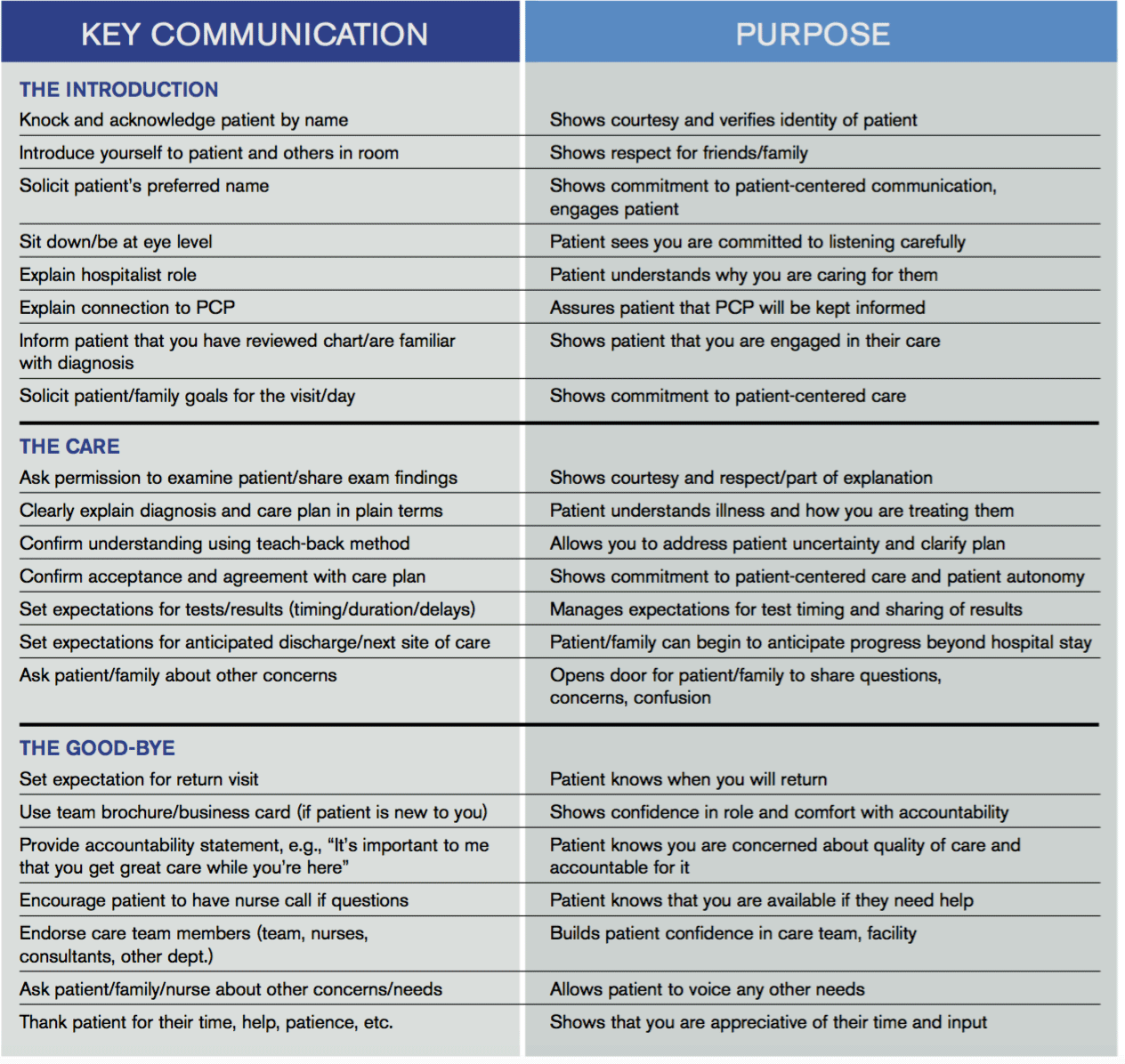
Beginning next month, members of the Patient Experience Committee will be sharing key communication skills and interventions that each of us believes to be important and effective. Each member will share what they do, why they do it, and how it can be done effectively. The items we’ll be focusing on will be taken from the “Core Principles” and “Key Communications,” as compiled by the committee (see Table 1, below). Some have evidence to back them up. Some are common sense. All of them are simply the right thing to do.
We hope you’ll reflect on “everything we say and do” each month as well as share it with your colleagues and teams. And we need look no further for a winning argument to focus on the patient experience than Sir William Osler and one of his most famous quotes: “The good physician treats the disease; the great physician treats the patient who has the disease.”
We’re going for great. Are you with us? TH
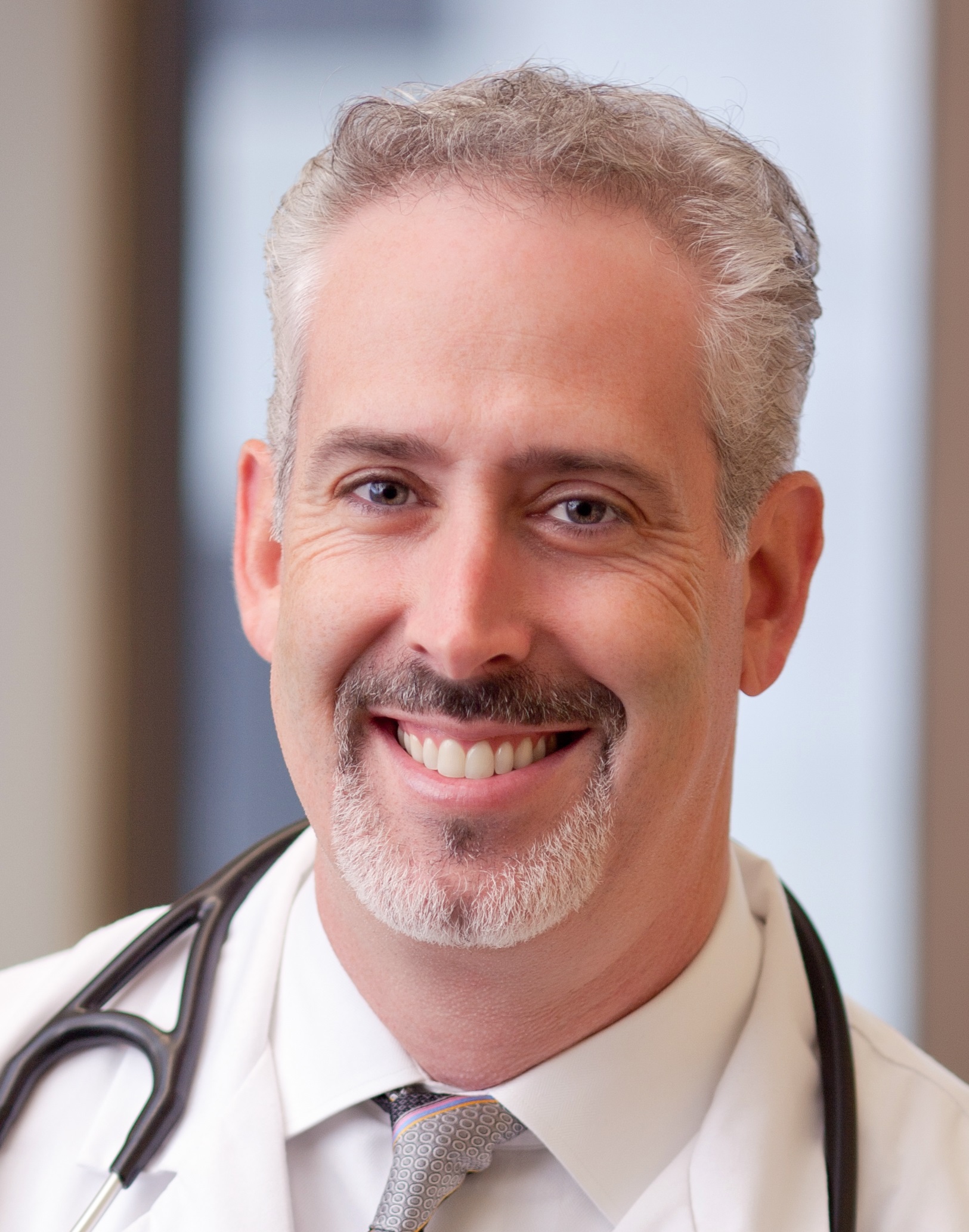
Dr. Rudolph is vice president of physician development and patient experience for Tacoma, Wash.–based Sound Physicians. He is chair of SHM’s Patient Experience Committee.
Table 1.

Editor’s note: “Everything We Say and Do” is an informational series developed by SHM’s Patient Experience Committee to provide readers with thoughtful and actionable communication tactics that have great potential to positively impact patients’ experience of care. Each article will focus on how the contributor applies one ormore of the “key communication” tactics in practice to maintain provider accountability for “Everything we say and do that affects our patients’ thoughts, feelings and well-being.”
As providers, how do we define the patient experience? Over the past year, I have had the pleasure of working with a dedicated group of 15 fellow members on the newly formed SHM Patient Experience Committee. One of our first goals was to define the patient experience in a way that acknowledges our role and its potential impact on patients as emotional beings and not just vessels for their disease.
To this end, we define the patient experience as “everything we say and do that affects our patients’ thoughts, feelings, and well-being.
Although it’s true that patients bring with them their own history and narrative that contribute to their experience, we cannot change that. We can only adjust our own behaviors and actions when we seek to elicit or respond to patients’ concerns and goals.
And although “everything we say and do” is inclusive of providing the most effective and evidence-based medical care at all times, we believe that accurate clinical decision making absolutely must be accompanied by superior communication. By offering clear explanations, listening compassionately, and acknowledging patients’ predicaments with empathy and caring statements, we can restore a degree of humanity to our care that will allow patients to trust that we have their best interests in mind at all times. This is our role in improving the patient experience.
Beginning next month, members of the Patient Experience Committee will be sharing key communication skills and interventions that each of us believes to be important and effective. Each member will share what they do, why they do it, and how it can be done effectively. The items we’ll be focusing on will be taken from the “Core Principles” and “Key Communications,” as compiled by the committee (see Table 1, below). Some have evidence to back them up. Some are common sense. All of them are simply the right thing to do.
We hope you’ll reflect on “everything we say and do” each month as well as share it with your colleagues and teams. And we need look no further for a winning argument to focus on the patient experience than Sir William Osler and one of his most famous quotes: “The good physician treats the disease; the great physician treats the patient who has the disease.”
We’re going for great. Are you with us? TH
Dr. Rudolph is vice president of physician development and patient experience for Tacoma, Wash.–based Sound Physicians. He is chair of SHM’s Patient Experience Committee.
Table 1.
Editor’s note: “Everything We Say and Do” is an informational series developed by SHM’s Patient Experience Committee to provide readers with thoughtful and actionable communication tactics that have great potential to positively impact patients’ experience of care. Each article will focus on how the contributor applies one ormore of the “key communication” tactics in practice to maintain provider accountability for “Everything we say and do that affects our patients’ thoughts, feelings and well-being.”
As providers, how do we define the patient experience? Over the past year, I have had the pleasure of working with a dedicated group of 15 fellow members on the newly formed SHM Patient Experience Committee. One of our first goals was to define the patient experience in a way that acknowledges our role and its potential impact on patients as emotional beings and not just vessels for their disease.
To this end, we define the patient experience as “everything we say and do that affects our patients’ thoughts, feelings, and well-being.
Although it’s true that patients bring with them their own history and narrative that contribute to their experience, we cannot change that. We can only adjust our own behaviors and actions when we seek to elicit or respond to patients’ concerns and goals.
And although “everything we say and do” is inclusive of providing the most effective and evidence-based medical care at all times, we believe that accurate clinical decision making absolutely must be accompanied by superior communication. By offering clear explanations, listening compassionately, and acknowledging patients’ predicaments with empathy and caring statements, we can restore a degree of humanity to our care that will allow patients to trust that we have their best interests in mind at all times. This is our role in improving the patient experience.
Beginning next month, members of the Patient Experience Committee will be sharing key communication skills and interventions that each of us believes to be important and effective. Each member will share what they do, why they do it, and how it can be done effectively. The items we’ll be focusing on will be taken from the “Core Principles” and “Key Communications,” as compiled by the committee (see Table 1, below). Some have evidence to back them up. Some are common sense. All of them are simply the right thing to do.
We hope you’ll reflect on “everything we say and do” each month as well as share it with your colleagues and teams. And we need look no further for a winning argument to focus on the patient experience than Sir William Osler and one of his most famous quotes: “The good physician treats the disease; the great physician treats the patient who has the disease.”
We’re going for great. Are you with us? TH
Dr. Rudolph is vice president of physician development and patient experience for Tacoma, Wash.–based Sound Physicians. He is chair of SHM’s Patient Experience Committee.
Table 1.
Overall Patient Satisfaction Better on Hospitalist Teams Compared with Teaching Teams
Clinical question: Is there a difference in patient experience on hospitalist teams compared with teaching teams?

Background: Hospitalist-intensive hospitals tend to perform better on patient-satisfaction measures on HCAHPS survey; however, little is known about the difference in patient experience between patients cared for by hospitalist and trainee teams.
Study design: Retrospective cohort analysis.
Setting: University of Chicago Medical Center.
Synopsis: A 30-day post-discharge survey was sent to 14,855 patients cared for by hospitalist and teaching teams, with 57% of teaching and 31% of hospitalist team patients returning fully completed surveys. A higher percentage of hospitalist team patients reported satisfaction with their overall care (73% vs. 67%; P<0.001; regression model odds ratio = 1.33; 95% CI, 1.15–1.47). There was no statistically significant difference in patient satisfaction with the teamwork of their providers, confidence in identifying their provider, or ability to understand the role of their provider.
Other than the inability to mitigate response-selection bias, the main limitation of this study is the single-center setting, which impacts the generalizability of the findings. Hospital-specific factors like different services and structures (hospitalists at their institution care for renal and lung transplant and oncology patients) could influence patients’ perception of their care. More research needs to be done to determine the specific factors that lead to a better patient experience.
Bottom line: At a single academic center, overall patient satisfaction was higher on a hospitalist service compared with teaching teams.
Citation: Wray CM, Flores A, Padula WV, Prochaska MT, Meltzer DO, Arora VM. Measuring patient experiences on hospitalist and teaching services: patient responses to a 30-day postdischarge questionnaire [published online ahead of print September 18, 2015]. J Hosp Med. doi:10.1002/jhm.2485.
Clinical question: Is there a difference in patient experience on hospitalist teams compared with teaching teams?
Background: Hospitalist-intensive hospitals tend to perform better on patient-satisfaction measures on HCAHPS survey; however, little is known about the difference in patient experience between patients cared for by hospitalist and trainee teams.
Study design: Retrospective cohort analysis.
Setting: University of Chicago Medical Center.
Synopsis: A 30-day post-discharge survey was sent to 14,855 patients cared for by hospitalist and teaching teams, with 57% of teaching and 31% of hospitalist team patients returning fully completed surveys. A higher percentage of hospitalist team patients reported satisfaction with their overall care (73% vs. 67%; P<0.001; regression model odds ratio = 1.33; 95% CI, 1.15–1.47). There was no statistically significant difference in patient satisfaction with the teamwork of their providers, confidence in identifying their provider, or ability to understand the role of their provider.
Other than the inability to mitigate response-selection bias, the main limitation of this study is the single-center setting, which impacts the generalizability of the findings. Hospital-specific factors like different services and structures (hospitalists at their institution care for renal and lung transplant and oncology patients) could influence patients’ perception of their care. More research needs to be done to determine the specific factors that lead to a better patient experience.
Bottom line: At a single academic center, overall patient satisfaction was higher on a hospitalist service compared with teaching teams.
Citation: Wray CM, Flores A, Padula WV, Prochaska MT, Meltzer DO, Arora VM. Measuring patient experiences on hospitalist and teaching services: patient responses to a 30-day postdischarge questionnaire [published online ahead of print September 18, 2015]. J Hosp Med. doi:10.1002/jhm.2485.
Clinical question: Is there a difference in patient experience on hospitalist teams compared with teaching teams?
Background: Hospitalist-intensive hospitals tend to perform better on patient-satisfaction measures on HCAHPS survey; however, little is known about the difference in patient experience between patients cared for by hospitalist and trainee teams.
Study design: Retrospective cohort analysis.
Setting: University of Chicago Medical Center.
Synopsis: A 30-day post-discharge survey was sent to 14,855 patients cared for by hospitalist and teaching teams, with 57% of teaching and 31% of hospitalist team patients returning fully completed surveys. A higher percentage of hospitalist team patients reported satisfaction with their overall care (73% vs. 67%; P<0.001; regression model odds ratio = 1.33; 95% CI, 1.15–1.47). There was no statistically significant difference in patient satisfaction with the teamwork of their providers, confidence in identifying their provider, or ability to understand the role of their provider.
Other than the inability to mitigate response-selection bias, the main limitation of this study is the single-center setting, which impacts the generalizability of the findings. Hospital-specific factors like different services and structures (hospitalists at their institution care for renal and lung transplant and oncology patients) could influence patients’ perception of their care. More research needs to be done to determine the specific factors that lead to a better patient experience.
Bottom line: At a single academic center, overall patient satisfaction was higher on a hospitalist service compared with teaching teams.
Citation: Wray CM, Flores A, Padula WV, Prochaska MT, Meltzer DO, Arora VM. Measuring patient experiences on hospitalist and teaching services: patient responses to a 30-day postdischarge questionnaire [published online ahead of print September 18, 2015]. J Hosp Med. doi:10.1002/jhm.2485.

Health IT Chief, Hospital Medicine ‘Godfather’ Headline SHM Annual Meeting Keynotes
Health information technology (IT) will take center stage early and often at this year’s annual meeting of the Society of Hospital Medicine.
Karen DeSalvo, MD, MPH, MSc, acting assistant secretary for health in the U.S. Department of Health & Human Services (HHS) and the national coordinator for health information technology, will deliver the keynote address. She is scheduled to give her talk an hour into the first day of programming.
Another highly anticipated talk will be delivered by Robert Wachter, MD, MHM, chief of the division of hospital medicine at the University of California at San Francisco, the “godfather” of hospital medicine, and the field’s most well-known practitioner. Dr. Wachter will give his 12th straight meeting-closing talk at noon Wednesday.
Dr. DeSalvo, an internist by training, was the chief of general internal medicine at Tulane University for about 10 years. She also started at Charity Hospital in New Orleans, site of one of the earliest hospital medicine programs.

She says her speech will take a broad look at information technology as a tool for advancing good health, with attention to the role that hospitals and hospitalists play. She also plans to touch on the successes in U.S. healthcare in recent years, including expanded coverage, quality and safety improvements, and the rapid rate of adoption of electronic health records (EHRs), especially in the hospital. She says the hospital setting is “most ripe” for health IT advancement because it is the site of “the most rich data about the patient’s care and care experience and health … and there is the best interoperability right now between hospital systems and the best opportunity to make that more seamless.”
The future, she says, will be about “much more than the electronic health record.”
“I want to talk a bit about what’s happening on the pioneering edge in health IT, ranging anywhere from apps to consumer interface with digital health records to some really on-the-edge things like using telehealth and hologram technology for remote patient care,” she explains.
Dr. DeSalvo also plans to underscore health IT’s key role in HHS’s push for delivery system reform: changing the way care is paid for and delivered and the way information is delivered. HHS’s goal is for 50% of payments to be in the form of alternative or value-based payment models by 2018. Without health IT advancements, that won’t be possible, she says.
Health IT policy at HHS, she notes, has centered largely on “freeing the data” so that information is no longer trapped within a particular EHR system. A rule taking effect in 2018 will require that EHRs be built so that apps can be overlaid onto the data, allowing easier access and the ability to tailor data to an individual’s needs.
“It’s going to get to be more like the way we do our banking or call for transportation with a smartphone or have an interface for our travel arrangements,” she says. “That’s the way that the health IT world is evolving.”
She says hospitalists are “pioneering, early adopters who are by nature very innovative” and are ideal for helping refine health IT. But she also recognizes that the bumps along the way can cause technology to be seen as a hurdle. That’s why HHS policy has focused on making data more readily available, smoothing out clunkiness, making EHR vendors become more transparent about their products, and aligning documentation requirements with real patient outcomes so that unnecessary requirements can be eliminated.
Good systems have been developed, but improvements are needed, she acknowledges.
“We’re working with an intense sense of urgency at HHS because we know that is a source of frustration to doctors on the frontlines,” Dr. DeSalvo says. “We not only hear it all the time when we’re out speaking with folks, but some of us still practice and will shortly be practicing again, so it’s very real to us to know that this has to get better. What we don’t want is for people to be frustrated with the technology. We want it to lift them up and help make their practice better. We also want it to be an enabler for consumers.”
Dr. Wachter has an easy way to remember how many annual meeting lectures he’s given: The 10th was the one where he dressed up as Elton John, sang, and played the piano on stage. That was in Las Vegas, of course.

This year? Don’t expect the piano, or singing for that matter. His HM16 theme will be more sober, one of caution and the importance of perspective.
The early title, he tells The Hospitalist, is “Why Culture Is Key to Improvement … And Why Hospitalists Are the Key to Hospital Culture.” The title might change, and the precise direction and details of his talk are still in flux, he says.
But the thrust will be a concern that, with a blizzard of quality improvement (QI) projects and process analyses being taken on by hospitalists, hospitalists are not immune to the burnout we’re seeing throughout medicine. A bad vibe is creeping in, he fears, and unless there’s more awareness of, and attention to, the culture itself—and not just a grim soldiering on from one initiative to another—the field will suffer.
“There’s a risk that we’ll lose sight of the people and culture within the organization,” Dr. Wachter says. “Even good people are beginning to say, ‘I just can’t do another QI project; I just can’t do another thing.’”
He wants hospitalists to think “more deeply” about the issues of culture, how the workforce is being managed, and “that we’re focusing on the right things in the right way.”
He hopes to call on hospitalists and hospitalist leaders to continue to recognize “the importance of the human spirit in all of this.”
So how worried is he?
“It won’t be a downer,” he says. “I still think we’re in great shape, but I am a bit worried, in part, because of our successes. We grew so fast, and we became so important to our organizations. We have to be sure we’re taking care of ourselves.”
So many hospitalists now have leadership roles. That’s a good thing, he adds, “but it does mean that as people are beginning to be burned out or organizations are struggling with dealing with initiative fatigue, we’re the first ones that are going to feel that because we are disproportionately involved.” TH
Thomas R. Collins is a freelance writer in South Florida.
Health information technology (IT) will take center stage early and often at this year’s annual meeting of the Society of Hospital Medicine.
Karen DeSalvo, MD, MPH, MSc, acting assistant secretary for health in the U.S. Department of Health & Human Services (HHS) and the national coordinator for health information technology, will deliver the keynote address. She is scheduled to give her talk an hour into the first day of programming.
Another highly anticipated talk will be delivered by Robert Wachter, MD, MHM, chief of the division of hospital medicine at the University of California at San Francisco, the “godfather” of hospital medicine, and the field’s most well-known practitioner. Dr. Wachter will give his 12th straight meeting-closing talk at noon Wednesday.
Dr. DeSalvo, an internist by training, was the chief of general internal medicine at Tulane University for about 10 years. She also started at Charity Hospital in New Orleans, site of one of the earliest hospital medicine programs.
She says her speech will take a broad look at information technology as a tool for advancing good health, with attention to the role that hospitals and hospitalists play. She also plans to touch on the successes in U.S. healthcare in recent years, including expanded coverage, quality and safety improvements, and the rapid rate of adoption of electronic health records (EHRs), especially in the hospital. She says the hospital setting is “most ripe” for health IT advancement because it is the site of “the most rich data about the patient’s care and care experience and health … and there is the best interoperability right now between hospital systems and the best opportunity to make that more seamless.”
The future, she says, will be about “much more than the electronic health record.”
“I want to talk a bit about what’s happening on the pioneering edge in health IT, ranging anywhere from apps to consumer interface with digital health records to some really on-the-edge things like using telehealth and hologram technology for remote patient care,” she explains.
Dr. DeSalvo also plans to underscore health IT’s key role in HHS’s push for delivery system reform: changing the way care is paid for and delivered and the way information is delivered. HHS’s goal is for 50% of payments to be in the form of alternative or value-based payment models by 2018. Without health IT advancements, that won’t be possible, she says.
Health IT policy at HHS, she notes, has centered largely on “freeing the data” so that information is no longer trapped within a particular EHR system. A rule taking effect in 2018 will require that EHRs be built so that apps can be overlaid onto the data, allowing easier access and the ability to tailor data to an individual’s needs.
“It’s going to get to be more like the way we do our banking or call for transportation with a smartphone or have an interface for our travel arrangements,” she says. “That’s the way that the health IT world is evolving.”
She says hospitalists are “pioneering, early adopters who are by nature very innovative” and are ideal for helping refine health IT. But she also recognizes that the bumps along the way can cause technology to be seen as a hurdle. That’s why HHS policy has focused on making data more readily available, smoothing out clunkiness, making EHR vendors become more transparent about their products, and aligning documentation requirements with real patient outcomes so that unnecessary requirements can be eliminated.
Good systems have been developed, but improvements are needed, she acknowledges.
“We’re working with an intense sense of urgency at HHS because we know that is a source of frustration to doctors on the frontlines,” Dr. DeSalvo says. “We not only hear it all the time when we’re out speaking with folks, but some of us still practice and will shortly be practicing again, so it’s very real to us to know that this has to get better. What we don’t want is for people to be frustrated with the technology. We want it to lift them up and help make their practice better. We also want it to be an enabler for consumers.”
Dr. Wachter has an easy way to remember how many annual meeting lectures he’s given: The 10th was the one where he dressed up as Elton John, sang, and played the piano on stage. That was in Las Vegas, of course.
This year? Don’t expect the piano, or singing for that matter. His HM16 theme will be more sober, one of caution and the importance of perspective.
The early title, he tells The Hospitalist, is “Why Culture Is Key to Improvement … And Why Hospitalists Are the Key to Hospital Culture.” The title might change, and the precise direction and details of his talk are still in flux, he says.
But the thrust will be a concern that, with a blizzard of quality improvement (QI) projects and process analyses being taken on by hospitalists, hospitalists are not immune to the burnout we’re seeing throughout medicine. A bad vibe is creeping in, he fears, and unless there’s more awareness of, and attention to, the culture itself—and not just a grim soldiering on from one initiative to another—the field will suffer.
“There’s a risk that we’ll lose sight of the people and culture within the organization,” Dr. Wachter says. “Even good people are beginning to say, ‘I just can’t do another QI project; I just can’t do another thing.’”
He wants hospitalists to think “more deeply” about the issues of culture, how the workforce is being managed, and “that we’re focusing on the right things in the right way.”
He hopes to call on hospitalists and hospitalist leaders to continue to recognize “the importance of the human spirit in all of this.”
So how worried is he?
“It won’t be a downer,” he says. “I still think we’re in great shape, but I am a bit worried, in part, because of our successes. We grew so fast, and we became so important to our organizations. We have to be sure we’re taking care of ourselves.”
So many hospitalists now have leadership roles. That’s a good thing, he adds, “but it does mean that as people are beginning to be burned out or organizations are struggling with dealing with initiative fatigue, we’re the first ones that are going to feel that because we are disproportionately involved.” TH
Thomas R. Collins is a freelance writer in South Florida.
Health information technology (IT) will take center stage early and often at this year’s annual meeting of the Society of Hospital Medicine.
Karen DeSalvo, MD, MPH, MSc, acting assistant secretary for health in the U.S. Department of Health & Human Services (HHS) and the national coordinator for health information technology, will deliver the keynote address. She is scheduled to give her talk an hour into the first day of programming.
Another highly anticipated talk will be delivered by Robert Wachter, MD, MHM, chief of the division of hospital medicine at the University of California at San Francisco, the “godfather” of hospital medicine, and the field’s most well-known practitioner. Dr. Wachter will give his 12th straight meeting-closing talk at noon Wednesday.
Dr. DeSalvo, an internist by training, was the chief of general internal medicine at Tulane University for about 10 years. She also started at Charity Hospital in New Orleans, site of one of the earliest hospital medicine programs.
She says her speech will take a broad look at information technology as a tool for advancing good health, with attention to the role that hospitals and hospitalists play. She also plans to touch on the successes in U.S. healthcare in recent years, including expanded coverage, quality and safety improvements, and the rapid rate of adoption of electronic health records (EHRs), especially in the hospital. She says the hospital setting is “most ripe” for health IT advancement because it is the site of “the most rich data about the patient’s care and care experience and health … and there is the best interoperability right now between hospital systems and the best opportunity to make that more seamless.”
The future, she says, will be about “much more than the electronic health record.”
“I want to talk a bit about what’s happening on the pioneering edge in health IT, ranging anywhere from apps to consumer interface with digital health records to some really on-the-edge things like using telehealth and hologram technology for remote patient care,” she explains.
Dr. DeSalvo also plans to underscore health IT’s key role in HHS’s push for delivery system reform: changing the way care is paid for and delivered and the way information is delivered. HHS’s goal is for 50% of payments to be in the form of alternative or value-based payment models by 2018. Without health IT advancements, that won’t be possible, she says.
Health IT policy at HHS, she notes, has centered largely on “freeing the data” so that information is no longer trapped within a particular EHR system. A rule taking effect in 2018 will require that EHRs be built so that apps can be overlaid onto the data, allowing easier access and the ability to tailor data to an individual’s needs.
“It’s going to get to be more like the way we do our banking or call for transportation with a smartphone or have an interface for our travel arrangements,” she says. “That’s the way that the health IT world is evolving.”
She says hospitalists are “pioneering, early adopters who are by nature very innovative” and are ideal for helping refine health IT. But she also recognizes that the bumps along the way can cause technology to be seen as a hurdle. That’s why HHS policy has focused on making data more readily available, smoothing out clunkiness, making EHR vendors become more transparent about their products, and aligning documentation requirements with real patient outcomes so that unnecessary requirements can be eliminated.
Good systems have been developed, but improvements are needed, she acknowledges.
“We’re working with an intense sense of urgency at HHS because we know that is a source of frustration to doctors on the frontlines,” Dr. DeSalvo says. “We not only hear it all the time when we’re out speaking with folks, but some of us still practice and will shortly be practicing again, so it’s very real to us to know that this has to get better. What we don’t want is for people to be frustrated with the technology. We want it to lift them up and help make their practice better. We also want it to be an enabler for consumers.”
Dr. Wachter has an easy way to remember how many annual meeting lectures he’s given: The 10th was the one where he dressed up as Elton John, sang, and played the piano on stage. That was in Las Vegas, of course.
This year? Don’t expect the piano, or singing for that matter. His HM16 theme will be more sober, one of caution and the importance of perspective.
The early title, he tells The Hospitalist, is “Why Culture Is Key to Improvement … And Why Hospitalists Are the Key to Hospital Culture.” The title might change, and the precise direction and details of his talk are still in flux, he says.
But the thrust will be a concern that, with a blizzard of quality improvement (QI) projects and process analyses being taken on by hospitalists, hospitalists are not immune to the burnout we’re seeing throughout medicine. A bad vibe is creeping in, he fears, and unless there’s more awareness of, and attention to, the culture itself—and not just a grim soldiering on from one initiative to another—the field will suffer.
“There’s a risk that we’ll lose sight of the people and culture within the organization,” Dr. Wachter says. “Even good people are beginning to say, ‘I just can’t do another QI project; I just can’t do another thing.’”
He wants hospitalists to think “more deeply” about the issues of culture, how the workforce is being managed, and “that we’re focusing on the right things in the right way.”
He hopes to call on hospitalists and hospitalist leaders to continue to recognize “the importance of the human spirit in all of this.”
So how worried is he?
“It won’t be a downer,” he says. “I still think we’re in great shape, but I am a bit worried, in part, because of our successes. We grew so fast, and we became so important to our organizations. We have to be sure we’re taking care of ourselves.”
So many hospitalists now have leadership roles. That’s a good thing, he adds, “but it does mean that as people are beginning to be burned out or organizations are struggling with dealing with initiative fatigue, we’re the first ones that are going to feel that because we are disproportionately involved.” TH
Thomas R. Collins is a freelance writer in South Florida.
New SHM Members – February 2016
A. Benefield, BSN, FNP, MSN, RN, Alabama
A. Mahajan, MPH, Alabama
B. Meredith, DO, Alabama
L. Ortiz, MD, Arizona
N. Charlton, MD, California
T. Fong, BS, MD, California
B. Gee, MD, California
I. He, California
K. Jones, FAAFP, California
J. Kolev, MD, California
S. Krishnamoorthy, MD, California
A. Kumar, MD, California
D. Pan, California
M. Reaves, MD, California
A. Sones, California
A. Wang, California
S. McCary, MD, Colorado
A. Beg, MD, Connecticut
S. Das, MD, Connecticut
A. Reisner, MD, D.C.
S. Gadalla, MD, Florida
N. Joseph, MBBS, Florida
R. Chowdhury, DO, MPH, Georgia
K. Mann, Georgia
D. Aiken, Idaho
C. Riji Anil, MBBS, Idaho
A. Asare, MACP, MBchB, Illinois
R. Clapp, ACNP, Illinois
A. Kost, MD, Illinois
R. Pavurala, MBBS, Illinois
M. Tsien, Illinois
D. Brewer, Indiana
J. Mast, MD, Indiana
M. Arakane, Iowa
S. Dobler, MD, Kansas
A. Ausef, Louisiana
C. Newby, MD, Louisiana
S. Brown, Massachusetts
A. Gonzalez, MD, Massachusetts
K. Lombardo, Massachusetts
C. Alamelumangapuram, MBBS, Michigan
A. Chakrabarti, Michigan
K. Dazy, MD, FAAP, Michigan
A. John, Michigan
J. Meinke, Michigan
P. Vemula, Michigan
R. Albrecht, PA-C, Minnesota
D. Burgy, Minnesota
T. Ebel, MD, Minnesota
T. Goddard, PA-C, Minnesota
K. Lichter, Minnesota
D. Lorentz, MD, Minnesota
R. Parikh, MD, Minnesota
E. Zygmunt, PA-C, Minnesota
A. Blaes, ACNP, MSN, Missouri
M. Sheikh, MD, Missouri
J. Carrasquillo, APRN-NP, Nebraska
T. Diesing, ACMPE, Nebraska
M. Havekost, MD, FAAFP, Nebraska
E. Guzman, MD, Nevada
S. Gupta, APRN, New Hampshire
M. Scaccia, MD, New Hampshire
M. Ward, New Hampshire
M. Weber, PA-C, New Jersey
Y. Abdou, New Mexico
J. Cruickshank, New Mexico
S. Scott, MD, New Mexico
P. Agrawal, MD, New York
A. Cruz, MD, New York
S. Dutta, New York
B. Fuchs, New York
D. Gill, MD, New York
K. Hernandez, New York
H. Holzer, MD, New York
L. Janson, MD, New York
P. Koukuntla, MBBS, New York
R. Mamun, New York
A. Nair, MD, New York
C. Ramchandani, New York
D. Shah, New York
J. Silver, MD, New York
A. Tusano, New York
J. Virk, MBBS, New York
J. Weisenberger, DO, New York
S. Chow, DO, North Carolina
Z. Hafeez, North Carolina
M. Jagosky, MD, North Carolina
L. Spence, DO, North Carolina
N. Uchendu, MD, MBBS, North Carolina
D. Wefuan, MD, North Carolina
O. Afzal, MD, Ohio
P. Areti, MD, MBBS, Ohio
S. Arobelidze, MD, Ohio
A. Bath, MD, Ohio
D. Bhandari, MD, Ohio
M. Hadley, Ohio
L. Hakam, MD, Ohio
L. Heinemann, MD, Ohio
V. Janamanchi, MD, Ohio
M. Sundhu, MD, Ohio
M. Syed, MD, Ohio
R. Wajahat, MD, Ohio
K. Welch, Ohio
R. Barnhart, MD, Oregon
D. Harmon, Oregon
K. Ordelheide, FACP, Oregon
C. Boyle, BS, Pennsylvania
J. Dong, Pennsylvania
S. Kowsika, MD, Pennsylvania
S. Krauthamer, Pennsylvania
A. Rajaratnam, MD, Pennsylvania
C. Rauscher, MD, Pennsylvania
M. Scoulos-Hanson, Pennsylvania
C. Shoff, MD, Pennsylvania
E. Garcia-Torres, MD, South Carolina
J. Kanter, FAAP, South Carolina
T. Klein, Tennessee
C. Taylor, MBA, Tennessee
J. Tedesco, ACNP, Tennessee
S. Ansari, Texas
A. Corley, MPAS, PA-C, Texas
K. Cunnusamy, Texas
C. Faust, MPH, Texas
B. Gajjar, Texas
S. Gudur, Texas
J. Hinojosa, Texas
R. Imtiaz, BS, Texas
B. Kennedy, MD, Texas
K. Koch, Texas
O. Mirza, Texas
L. Rijos, ACNP, Texas
H. Saikumar, MD, Texas
M. Walker, MD, Texas
M. Zaman, Texas
D. Borg, APRNBC, MSN, NP, Utah
A. Breviu, MD, Utah
R. Cook, Utah
K. Kenealy, MD, Utah
C. Chen, MD, Virginia
K. Malloy, Virginia
L. McDaniel, MD, Virginia
R. Miller, MD, Virginia
T. Schaefer, PA-C, Virginia
D. Vanikar, Virginia
J. Asriel, MD, Washington
T. Corn, Washington
K. Bergquist, DO, Wisconsin
S. Patel, MD, Wisconsin
S. Skogen, APRN-BC, Wisconsin
E. Winkel, Wisconsin
D. Figueroa, MD, Puerto Rico
A. Benefield, BSN, FNP, MSN, RN, Alabama
A. Mahajan, MPH, Alabama
B. Meredith, DO, Alabama
L. Ortiz, MD, Arizona
N. Charlton, MD, California
T. Fong, BS, MD, California
B. Gee, MD, California
I. He, California
K. Jones, FAAFP, California
J. Kolev, MD, California
S. Krishnamoorthy, MD, California
A. Kumar, MD, California
D. Pan, California
M. Reaves, MD, California
A. Sones, California
A. Wang, California
S. McCary, MD, Colorado
A. Beg, MD, Connecticut
S. Das, MD, Connecticut
A. Reisner, MD, D.C.
S. Gadalla, MD, Florida
N. Joseph, MBBS, Florida
R. Chowdhury, DO, MPH, Georgia
K. Mann, Georgia
D. Aiken, Idaho
C. Riji Anil, MBBS, Idaho
A. Asare, MACP, MBchB, Illinois
R. Clapp, ACNP, Illinois
A. Kost, MD, Illinois
R. Pavurala, MBBS, Illinois
M. Tsien, Illinois
D. Brewer, Indiana
J. Mast, MD, Indiana
M. Arakane, Iowa
S. Dobler, MD, Kansas
A. Ausef, Louisiana
C. Newby, MD, Louisiana
S. Brown, Massachusetts
A. Gonzalez, MD, Massachusetts
K. Lombardo, Massachusetts
C. Alamelumangapuram, MBBS, Michigan
A. Chakrabarti, Michigan
K. Dazy, MD, FAAP, Michigan
A. John, Michigan
J. Meinke, Michigan
P. Vemula, Michigan
R. Albrecht, PA-C, Minnesota
D. Burgy, Minnesota
T. Ebel, MD, Minnesota
T. Goddard, PA-C, Minnesota
K. Lichter, Minnesota
D. Lorentz, MD, Minnesota
R. Parikh, MD, Minnesota
E. Zygmunt, PA-C, Minnesota
A. Blaes, ACNP, MSN, Missouri
M. Sheikh, MD, Missouri
J. Carrasquillo, APRN-NP, Nebraska
T. Diesing, ACMPE, Nebraska
M. Havekost, MD, FAAFP, Nebraska
E. Guzman, MD, Nevada
S. Gupta, APRN, New Hampshire
M. Scaccia, MD, New Hampshire
M. Ward, New Hampshire
M. Weber, PA-C, New Jersey
Y. Abdou, New Mexico
J. Cruickshank, New Mexico
S. Scott, MD, New Mexico
P. Agrawal, MD, New York
A. Cruz, MD, New York
S. Dutta, New York
B. Fuchs, New York
D. Gill, MD, New York
K. Hernandez, New York
H. Holzer, MD, New York
L. Janson, MD, New York
P. Koukuntla, MBBS, New York
R. Mamun, New York
A. Nair, MD, New York
C. Ramchandani, New York
D. Shah, New York
J. Silver, MD, New York
A. Tusano, New York
J. Virk, MBBS, New York
J. Weisenberger, DO, New York
S. Chow, DO, North Carolina
Z. Hafeez, North Carolina
M. Jagosky, MD, North Carolina
L. Spence, DO, North Carolina
N. Uchendu, MD, MBBS, North Carolina
D. Wefuan, MD, North Carolina
O. Afzal, MD, Ohio
P. Areti, MD, MBBS, Ohio
S. Arobelidze, MD, Ohio
A. Bath, MD, Ohio
D. Bhandari, MD, Ohio
M. Hadley, Ohio
L. Hakam, MD, Ohio
L. Heinemann, MD, Ohio
V. Janamanchi, MD, Ohio
M. Sundhu, MD, Ohio
M. Syed, MD, Ohio
R. Wajahat, MD, Ohio
K. Welch, Ohio
R. Barnhart, MD, Oregon
D. Harmon, Oregon
K. Ordelheide, FACP, Oregon
C. Boyle, BS, Pennsylvania
J. Dong, Pennsylvania
S. Kowsika, MD, Pennsylvania
S. Krauthamer, Pennsylvania
A. Rajaratnam, MD, Pennsylvania
C. Rauscher, MD, Pennsylvania
M. Scoulos-Hanson, Pennsylvania
C. Shoff, MD, Pennsylvania
E. Garcia-Torres, MD, South Carolina
J. Kanter, FAAP, South Carolina
T. Klein, Tennessee
C. Taylor, MBA, Tennessee
J. Tedesco, ACNP, Tennessee
S. Ansari, Texas
A. Corley, MPAS, PA-C, Texas
K. Cunnusamy, Texas
C. Faust, MPH, Texas
B. Gajjar, Texas
S. Gudur, Texas
J. Hinojosa, Texas
R. Imtiaz, BS, Texas
B. Kennedy, MD, Texas
K. Koch, Texas
O. Mirza, Texas
L. Rijos, ACNP, Texas
H. Saikumar, MD, Texas
M. Walker, MD, Texas
M. Zaman, Texas
D. Borg, APRNBC, MSN, NP, Utah
A. Breviu, MD, Utah
R. Cook, Utah
K. Kenealy, MD, Utah
C. Chen, MD, Virginia
K. Malloy, Virginia
L. McDaniel, MD, Virginia
R. Miller, MD, Virginia
T. Schaefer, PA-C, Virginia
D. Vanikar, Virginia
J. Asriel, MD, Washington
T. Corn, Washington
K. Bergquist, DO, Wisconsin
S. Patel, MD, Wisconsin
S. Skogen, APRN-BC, Wisconsin
E. Winkel, Wisconsin
D. Figueroa, MD, Puerto Rico
A. Benefield, BSN, FNP, MSN, RN, Alabama
A. Mahajan, MPH, Alabama
B. Meredith, DO, Alabama
L. Ortiz, MD, Arizona
N. Charlton, MD, California
T. Fong, BS, MD, California
B. Gee, MD, California
I. He, California
K. Jones, FAAFP, California
J. Kolev, MD, California
S. Krishnamoorthy, MD, California
A. Kumar, MD, California
D. Pan, California
M. Reaves, MD, California
A. Sones, California
A. Wang, California
S. McCary, MD, Colorado
A. Beg, MD, Connecticut
S. Das, MD, Connecticut
A. Reisner, MD, D.C.
S. Gadalla, MD, Florida
N. Joseph, MBBS, Florida
R. Chowdhury, DO, MPH, Georgia
K. Mann, Georgia
D. Aiken, Idaho
C. Riji Anil, MBBS, Idaho
A. Asare, MACP, MBchB, Illinois
R. Clapp, ACNP, Illinois
A. Kost, MD, Illinois
R. Pavurala, MBBS, Illinois
M. Tsien, Illinois
D. Brewer, Indiana
J. Mast, MD, Indiana
M. Arakane, Iowa
S. Dobler, MD, Kansas
A. Ausef, Louisiana
C. Newby, MD, Louisiana
S. Brown, Massachusetts
A. Gonzalez, MD, Massachusetts
K. Lombardo, Massachusetts
C. Alamelumangapuram, MBBS, Michigan
A. Chakrabarti, Michigan
K. Dazy, MD, FAAP, Michigan
A. John, Michigan
J. Meinke, Michigan
P. Vemula, Michigan
R. Albrecht, PA-C, Minnesota
D. Burgy, Minnesota
T. Ebel, MD, Minnesota
T. Goddard, PA-C, Minnesota
K. Lichter, Minnesota
D. Lorentz, MD, Minnesota
R. Parikh, MD, Minnesota
E. Zygmunt, PA-C, Minnesota
A. Blaes, ACNP, MSN, Missouri
M. Sheikh, MD, Missouri
J. Carrasquillo, APRN-NP, Nebraska
T. Diesing, ACMPE, Nebraska
M. Havekost, MD, FAAFP, Nebraska
E. Guzman, MD, Nevada
S. Gupta, APRN, New Hampshire
M. Scaccia, MD, New Hampshire
M. Ward, New Hampshire
M. Weber, PA-C, New Jersey
Y. Abdou, New Mexico
J. Cruickshank, New Mexico
S. Scott, MD, New Mexico
P. Agrawal, MD, New York
A. Cruz, MD, New York
S. Dutta, New York
B. Fuchs, New York
D. Gill, MD, New York
K. Hernandez, New York
H. Holzer, MD, New York
L. Janson, MD, New York
P. Koukuntla, MBBS, New York
R. Mamun, New York
A. Nair, MD, New York
C. Ramchandani, New York
D. Shah, New York
J. Silver, MD, New York
A. Tusano, New York
J. Virk, MBBS, New York
J. Weisenberger, DO, New York
S. Chow, DO, North Carolina
Z. Hafeez, North Carolina
M. Jagosky, MD, North Carolina
L. Spence, DO, North Carolina
N. Uchendu, MD, MBBS, North Carolina
D. Wefuan, MD, North Carolina
O. Afzal, MD, Ohio
P. Areti, MD, MBBS, Ohio
S. Arobelidze, MD, Ohio
A. Bath, MD, Ohio
D. Bhandari, MD, Ohio
M. Hadley, Ohio
L. Hakam, MD, Ohio
L. Heinemann, MD, Ohio
V. Janamanchi, MD, Ohio
M. Sundhu, MD, Ohio
M. Syed, MD, Ohio
R. Wajahat, MD, Ohio
K. Welch, Ohio
R. Barnhart, MD, Oregon
D. Harmon, Oregon
K. Ordelheide, FACP, Oregon
C. Boyle, BS, Pennsylvania
J. Dong, Pennsylvania
S. Kowsika, MD, Pennsylvania
S. Krauthamer, Pennsylvania
A. Rajaratnam, MD, Pennsylvania
C. Rauscher, MD, Pennsylvania
M. Scoulos-Hanson, Pennsylvania
C. Shoff, MD, Pennsylvania
E. Garcia-Torres, MD, South Carolina
J. Kanter, FAAP, South Carolina
T. Klein, Tennessee
C. Taylor, MBA, Tennessee
J. Tedesco, ACNP, Tennessee
S. Ansari, Texas
A. Corley, MPAS, PA-C, Texas
K. Cunnusamy, Texas
C. Faust, MPH, Texas
B. Gajjar, Texas
S. Gudur, Texas
J. Hinojosa, Texas
R. Imtiaz, BS, Texas
B. Kennedy, MD, Texas
K. Koch, Texas
O. Mirza, Texas
L. Rijos, ACNP, Texas
H. Saikumar, MD, Texas
M. Walker, MD, Texas
M. Zaman, Texas
D. Borg, APRNBC, MSN, NP, Utah
A. Breviu, MD, Utah
R. Cook, Utah
K. Kenealy, MD, Utah
C. Chen, MD, Virginia
K. Malloy, Virginia
L. McDaniel, MD, Virginia
R. Miller, MD, Virginia
T. Schaefer, PA-C, Virginia
D. Vanikar, Virginia
J. Asriel, MD, Washington
T. Corn, Washington
K. Bergquist, DO, Wisconsin
S. Patel, MD, Wisconsin
S. Skogen, APRN-BC, Wisconsin
E. Winkel, Wisconsin
D. Figueroa, MD, Puerto Rico
Caprini Score Accurately Predicts Risk of Venous Thromboembolism in Critically Ill Surgical Patients
Clinical question: Is the Caprini risk assessment model (RAM) a valid tool to predict venous thromboembolism (VTE) risk in critically ill surgical patients?
Background: VTE is a major source of morbidity and mortality among hospitalized patients; prevention is critical to reduce morbidity and cut healthcare costs. Risk assessment is important to determine thromboprophylaxis, yet data are lacking regarding an appropriate tool for risk stratification in the critically ill.
Study design: Retrospective cohort.
Setting: University of Michigan Health System; 20-bed surgical ICU at an academic hospital.
Synopsis: This study included 4,844 surgical ICU patients. Primary outcome was VTE during the patient’s hospital admission. A retrospective risk scoring method based on the 2005 Caprini RAM was used to calculate the risk for all patients at the time of ICU admission. Patients were divided into low (Caprini score 0–2), moderate, high, highest, and super-high (Caprini score > 8) risk levels. The incidence of VTE increased in linear fashion with increasing Caprini score.
This study was limited to one academic medical center. The retrospective scoring model limits the ability to identify all patient risk factors. VTE outcomes were reported only for the length of hospitalization and did not include post-discharge follow-up. Replicating this study across a larger patient population and performing a prospective study with follow-up after discharge would address these limitations.
Bottom line: The Caprini risk assessment model is a valid instrument to assess VTE risk in critically ill surgical patients.
Citation: Obi AT, Pannucci CJ, Nackashi A, et al. Validation of the Caprini venous thromboembolism risk assessment model in critically ill surgical patients. JAMA Surg. 2015;150(10):941-948.
Clinical question: Is the Caprini risk assessment model (RAM) a valid tool to predict venous thromboembolism (VTE) risk in critically ill surgical patients?
Background: VTE is a major source of morbidity and mortality among hospitalized patients; prevention is critical to reduce morbidity and cut healthcare costs. Risk assessment is important to determine thromboprophylaxis, yet data are lacking regarding an appropriate tool for risk stratification in the critically ill.
Study design: Retrospective cohort.
Setting: University of Michigan Health System; 20-bed surgical ICU at an academic hospital.
Synopsis: This study included 4,844 surgical ICU patients. Primary outcome was VTE during the patient’s hospital admission. A retrospective risk scoring method based on the 2005 Caprini RAM was used to calculate the risk for all patients at the time of ICU admission. Patients were divided into low (Caprini score 0–2), moderate, high, highest, and super-high (Caprini score > 8) risk levels. The incidence of VTE increased in linear fashion with increasing Caprini score.
This study was limited to one academic medical center. The retrospective scoring model limits the ability to identify all patient risk factors. VTE outcomes were reported only for the length of hospitalization and did not include post-discharge follow-up. Replicating this study across a larger patient population and performing a prospective study with follow-up after discharge would address these limitations.
Bottom line: The Caprini risk assessment model is a valid instrument to assess VTE risk in critically ill surgical patients.
Citation: Obi AT, Pannucci CJ, Nackashi A, et al. Validation of the Caprini venous thromboembolism risk assessment model in critically ill surgical patients. JAMA Surg. 2015;150(10):941-948.
Clinical question: Is the Caprini risk assessment model (RAM) a valid tool to predict venous thromboembolism (VTE) risk in critically ill surgical patients?
Background: VTE is a major source of morbidity and mortality among hospitalized patients; prevention is critical to reduce morbidity and cut healthcare costs. Risk assessment is important to determine thromboprophylaxis, yet data are lacking regarding an appropriate tool for risk stratification in the critically ill.
Study design: Retrospective cohort.
Setting: University of Michigan Health System; 20-bed surgical ICU at an academic hospital.
Synopsis: This study included 4,844 surgical ICU patients. Primary outcome was VTE during the patient’s hospital admission. A retrospective risk scoring method based on the 2005 Caprini RAM was used to calculate the risk for all patients at the time of ICU admission. Patients were divided into low (Caprini score 0–2), moderate, high, highest, and super-high (Caprini score > 8) risk levels. The incidence of VTE increased in linear fashion with increasing Caprini score.
This study was limited to one academic medical center. The retrospective scoring model limits the ability to identify all patient risk factors. VTE outcomes were reported only for the length of hospitalization and did not include post-discharge follow-up. Replicating this study across a larger patient population and performing a prospective study with follow-up after discharge would address these limitations.
Bottom line: The Caprini risk assessment model is a valid instrument to assess VTE risk in critically ill surgical patients.
Citation: Obi AT, Pannucci CJ, Nackashi A, et al. Validation of the Caprini venous thromboembolism risk assessment model in critically ill surgical patients. JAMA Surg. 2015;150(10):941-948.
Total Knee Replacement Superior to Non-Surgical Intervention
Clinical question: Does total knee replacement followed by a 12-week non-surgical treatment program provide greater pain relief and improvement in function and quality of life than non-surgical treatment alone?
Background: The number of total knee replacements in the U.S. has increased dramatically since the 1970s and is expected to continue to rise. To date, evidence to support the effectiveness of surgical intervention compared to non-surgical intervention is lacking.
Study design: Randomized, controlled trial.
Setting: Aalborg University Hospital Outpatient Clinics, Denmark.
Synopsis: One hundred patients with osteoarthritis were randomly assigned to undergo total knee replacement followed by 12 weeks of non-surgical treatment or to receive only 12 weeks of non-surgical treatment. The non-surgical treatment program consisted of exercise, education, dietary advice, insoles, and pain medication. Change from baseline to 12 months was assessed using the Knee Injury and Osteoarthritis Outcome Score (KOOS).
The total knee replacement group had a significantly greater improvement in the KOOS score than did the non-surgical group. Serious adverse events were more common in the total knee replacement group.
The study did not include a sham-surgery control group. It is unknown whether the KOOS pain subscale is generalizable to patients with severe pain. Additionally, the intensity of non-surgical treatment may have differed between groups.
Bottom line: Total knee replacement followed by non-surgical treatment is more efficacious than non-surgical treatment alone in providing pain relief and improving function and quality of life, but it is associated with higher number of adverse events.
Citation: Skou ST, Roos EM, Laursen MB, et al. A randomized, controlled trial of total knee replacement. N Engl J Med. 2015;373(17):1597-1606.
Clinical question: Does total knee replacement followed by a 12-week non-surgical treatment program provide greater pain relief and improvement in function and quality of life than non-surgical treatment alone?
Background: The number of total knee replacements in the U.S. has increased dramatically since the 1970s and is expected to continue to rise. To date, evidence to support the effectiveness of surgical intervention compared to non-surgical intervention is lacking.
Study design: Randomized, controlled trial.
Setting: Aalborg University Hospital Outpatient Clinics, Denmark.
Synopsis: One hundred patients with osteoarthritis were randomly assigned to undergo total knee replacement followed by 12 weeks of non-surgical treatment or to receive only 12 weeks of non-surgical treatment. The non-surgical treatment program consisted of exercise, education, dietary advice, insoles, and pain medication. Change from baseline to 12 months was assessed using the Knee Injury and Osteoarthritis Outcome Score (KOOS).
The total knee replacement group had a significantly greater improvement in the KOOS score than did the non-surgical group. Serious adverse events were more common in the total knee replacement group.
The study did not include a sham-surgery control group. It is unknown whether the KOOS pain subscale is generalizable to patients with severe pain. Additionally, the intensity of non-surgical treatment may have differed between groups.
Bottom line: Total knee replacement followed by non-surgical treatment is more efficacious than non-surgical treatment alone in providing pain relief and improving function and quality of life, but it is associated with higher number of adverse events.
Citation: Skou ST, Roos EM, Laursen MB, et al. A randomized, controlled trial of total knee replacement. N Engl J Med. 2015;373(17):1597-1606.
Clinical question: Does total knee replacement followed by a 12-week non-surgical treatment program provide greater pain relief and improvement in function and quality of life than non-surgical treatment alone?
Background: The number of total knee replacements in the U.S. has increased dramatically since the 1970s and is expected to continue to rise. To date, evidence to support the effectiveness of surgical intervention compared to non-surgical intervention is lacking.
Study design: Randomized, controlled trial.
Setting: Aalborg University Hospital Outpatient Clinics, Denmark.
Synopsis: One hundred patients with osteoarthritis were randomly assigned to undergo total knee replacement followed by 12 weeks of non-surgical treatment or to receive only 12 weeks of non-surgical treatment. The non-surgical treatment program consisted of exercise, education, dietary advice, insoles, and pain medication. Change from baseline to 12 months was assessed using the Knee Injury and Osteoarthritis Outcome Score (KOOS).
The total knee replacement group had a significantly greater improvement in the KOOS score than did the non-surgical group. Serious adverse events were more common in the total knee replacement group.
The study did not include a sham-surgery control group. It is unknown whether the KOOS pain subscale is generalizable to patients with severe pain. Additionally, the intensity of non-surgical treatment may have differed between groups.
Bottom line: Total knee replacement followed by non-surgical treatment is more efficacious than non-surgical treatment alone in providing pain relief and improving function and quality of life, but it is associated with higher number of adverse events.
Citation: Skou ST, Roos EM, Laursen MB, et al. A randomized, controlled trial of total knee replacement. N Engl J Med. 2015;373(17):1597-1606.
HM Groups Invited to Participate in 2016 State of Hospital Medicine Survey
Every other year, SHM’s practice analysis subcommittee invites all U.S. hospital medicine groups to participate in the State of Hospital Medicine (SOHM) survey. Your responses generate the authoritative report on how today’s hospital medicine groups are organized, scheduled, funded, compensated, staffed, and much more. After months of refining and updating, the survey opened on Jan. 11. The time has arrived for you to respond to this critical survey!

Empower Your Hospitalist Program
Hospital medicine has seen the most dramatic growth and evolution of any specialty in the last two decades. Although all practices innovate in response to shifting demands, leaders and hospitalists alike need to understand how the frontrunners in this dynamic field have adapted. The SoHM report summarizes thousands of data points about the latest trends in hospital medicine practice design and productivity.
Hospitalist group leaders depend on this information to draw comparisons against national benchmarks, both for improvement and as a frame of reference for demonstrating the value your group provides to your hospital. However, the report is only as good as the number and quality of the responses to the survey.
How To Get Engaged
Responding to the survey is straightforward through the web-based questionnaire, and only one response is needed from each group. The survey does require some modest preparation to look up such practice characteristics as CPT code distribution, total RVU generation, and average number of shifts per FTE. For many groups, a hospitalist and a practice manager can collaborate to answer all of the questions accurately. If you haven’t already, take some basic steps to prepare:
- Discuss the survey at your next group meeting and advocate for responding.
- Determine who will complete the survey on behalf of your group.
- Visit www.hospitalmedicine.org/survey and download the survey instrument and instructions, share them with the lead respondent for your group.
- Submit your responses by March 11.
Of note, you’ll also want to participate in the Medical Group Management Association (MGMA) survey, as well. SHM licenses key portions of the SoHM report from MGMA, such as provider compensation, so the complete report depends on having great responses to both instruments.
Why Participate?
First, hospitalist groups that respond to the Survey will get a FREE copy of the report. Have you wondered things like:
- “How many groups are using a scheduling model other than 7-on, 7-off?”
- “What percentage of groups staff an observation unit?”
- “Are hospitalists groups taking on new roles in Accountable Care Organizations (ACOs)?”
- “How does compensation differ for providers who see children or are in academics?”
If so, you’ll have those answers at your fingertips and a whole lot more.
Second, you’ll have the satisfaction of knowing that you helped to make the SoHM report the indispensable tool upon which group leaders everywhere depend. The survey is anonymous, but respondents will know that the report presents data on the most relevant HM group of all—your own! Don’t wait.
Participate today at www.hospitalmedicine.org/survey. TH
Dr. White is assistant professor of medicine at the University of Washington and group director at the University of Washington Medical Center in Seattle, Wash.
Every other year, SHM’s practice analysis subcommittee invites all U.S. hospital medicine groups to participate in the State of Hospital Medicine (SOHM) survey. Your responses generate the authoritative report on how today’s hospital medicine groups are organized, scheduled, funded, compensated, staffed, and much more. After months of refining and updating, the survey opened on Jan. 11. The time has arrived for you to respond to this critical survey!
Empower Your Hospitalist Program
Hospital medicine has seen the most dramatic growth and evolution of any specialty in the last two decades. Although all practices innovate in response to shifting demands, leaders and hospitalists alike need to understand how the frontrunners in this dynamic field have adapted. The SoHM report summarizes thousands of data points about the latest trends in hospital medicine practice design and productivity.
Hospitalist group leaders depend on this information to draw comparisons against national benchmarks, both for improvement and as a frame of reference for demonstrating the value your group provides to your hospital. However, the report is only as good as the number and quality of the responses to the survey.
How To Get Engaged
Responding to the survey is straightforward through the web-based questionnaire, and only one response is needed from each group. The survey does require some modest preparation to look up such practice characteristics as CPT code distribution, total RVU generation, and average number of shifts per FTE. For many groups, a hospitalist and a practice manager can collaborate to answer all of the questions accurately. If you haven’t already, take some basic steps to prepare:
- Discuss the survey at your next group meeting and advocate for responding.
- Determine who will complete the survey on behalf of your group.
- Visit www.hospitalmedicine.org/survey and download the survey instrument and instructions, share them with the lead respondent for your group.
- Submit your responses by March 11.
Of note, you’ll also want to participate in the Medical Group Management Association (MGMA) survey, as well. SHM licenses key portions of the SoHM report from MGMA, such as provider compensation, so the complete report depends on having great responses to both instruments.
Why Participate?
First, hospitalist groups that respond to the Survey will get a FREE copy of the report. Have you wondered things like:
- “How many groups are using a scheduling model other than 7-on, 7-off?”
- “What percentage of groups staff an observation unit?”
- “Are hospitalists groups taking on new roles in Accountable Care Organizations (ACOs)?”
- “How does compensation differ for providers who see children or are in academics?”
If so, you’ll have those answers at your fingertips and a whole lot more.
Second, you’ll have the satisfaction of knowing that you helped to make the SoHM report the indispensable tool upon which group leaders everywhere depend. The survey is anonymous, but respondents will know that the report presents data on the most relevant HM group of all—your own! Don’t wait.
Participate today at www.hospitalmedicine.org/survey. TH
Dr. White is assistant professor of medicine at the University of Washington and group director at the University of Washington Medical Center in Seattle, Wash.
Every other year, SHM’s practice analysis subcommittee invites all U.S. hospital medicine groups to participate in the State of Hospital Medicine (SOHM) survey. Your responses generate the authoritative report on how today’s hospital medicine groups are organized, scheduled, funded, compensated, staffed, and much more. After months of refining and updating, the survey opened on Jan. 11. The time has arrived for you to respond to this critical survey!
Empower Your Hospitalist Program
Hospital medicine has seen the most dramatic growth and evolution of any specialty in the last two decades. Although all practices innovate in response to shifting demands, leaders and hospitalists alike need to understand how the frontrunners in this dynamic field have adapted. The SoHM report summarizes thousands of data points about the latest trends in hospital medicine practice design and productivity.
Hospitalist group leaders depend on this information to draw comparisons against national benchmarks, both for improvement and as a frame of reference for demonstrating the value your group provides to your hospital. However, the report is only as good as the number and quality of the responses to the survey.
How To Get Engaged
Responding to the survey is straightforward through the web-based questionnaire, and only one response is needed from each group. The survey does require some modest preparation to look up such practice characteristics as CPT code distribution, total RVU generation, and average number of shifts per FTE. For many groups, a hospitalist and a practice manager can collaborate to answer all of the questions accurately. If you haven’t already, take some basic steps to prepare:
- Discuss the survey at your next group meeting and advocate for responding.
- Determine who will complete the survey on behalf of your group.
- Visit www.hospitalmedicine.org/survey and download the survey instrument and instructions, share them with the lead respondent for your group.
- Submit your responses by March 11.
Of note, you’ll also want to participate in the Medical Group Management Association (MGMA) survey, as well. SHM licenses key portions of the SoHM report from MGMA, such as provider compensation, so the complete report depends on having great responses to both instruments.
Why Participate?
First, hospitalist groups that respond to the Survey will get a FREE copy of the report. Have you wondered things like:
- “How many groups are using a scheduling model other than 7-on, 7-off?”
- “What percentage of groups staff an observation unit?”
- “Are hospitalists groups taking on new roles in Accountable Care Organizations (ACOs)?”
- “How does compensation differ for providers who see children or are in academics?”
If so, you’ll have those answers at your fingertips and a whole lot more.
Second, you’ll have the satisfaction of knowing that you helped to make the SoHM report the indispensable tool upon which group leaders everywhere depend. The survey is anonymous, but respondents will know that the report presents data on the most relevant HM group of all—your own! Don’t wait.
Participate today at www.hospitalmedicine.org/survey. TH
Dr. White is assistant professor of medicine at the University of Washington and group director at the University of Washington Medical Center in Seattle, Wash.

HM16 Takes a Look at Health IT, Post-Acute Care
Take a look at the HM16 program, and you get a snapshot of the most pressing topics in hospital medicine. Specifically, four new educational tracks are being rolled out at this year’s annual meeting, including a new track on the patient-doctor relationship, which is so crucial with today’s growing emphasis on patient satisfaction, and a track focused on perioperative medicine, an important area with a fast-moving frontier. Another new track covers post-acute care, a setting in which more and more hospitalists find themselves practicing. Then there’s the big daddy: health information technology (IT) for hospitalists.

Course Director Melissa Mattison, MD, SFHM, also points to a new twist in the way the conference will attempt to tackle the tough topic of work-life balance.
Read the full interview with Melissa Mattison, MD, SFHM.
Here’s a look at what’s new for HM16 attendees.
Health IT for Hospitalists
“There’s not a hospitalist in the country who’s not affected by IT and updates to their [electronic medical records (EMR)], new adoption of EMR technology, different vendors,” Dr. Mattison says. “We’re always searching for something to make our lives better and make the care that we provide more high quality.”
There will be sessions of a general nature, such as “There’s an App for That,” a review of mobile apps helpful to hospitalists. And there will be those for the more passionate technophiles, such as a session on clinical informatics and “Using IT to Help Drive the Shift from Volume to Value.”
“We’ve spent a lot of time trying to make sure there’s something for everyone,” says Kendall Rogers, MD, SFHM, chair of SHM’s IT Committee. “And even within each individual talk, we’ve tried to make sure that there is material that can be applicable from the frontline hospitalist to the CMIO of a hospital.”

Dr. Rogers says the committee has “really been pushing” to have its own track at the annual meeting.
Listen to more of our interview with Dr. Rogers.
“Health IT continues to be an area of great frustration and great promise,” he says. “I think most of the frustration that hospitalists have is because they realize the potential of health IT, and they see how far it is from the reality of what they’re working with every day.
“Hospitalists are well-suited for actively being involved in clinical informatics, but many of us would be far more effective in our roles with more formal education and training.”
Post-Acute Care
It’s estimated that as many as 35% of hospitalists work in the post-acute setting. The number very much surprised Dr. Mattison. When she heard of the figure, “[the committee] lobbied very hard to get a track for post-acute care.”
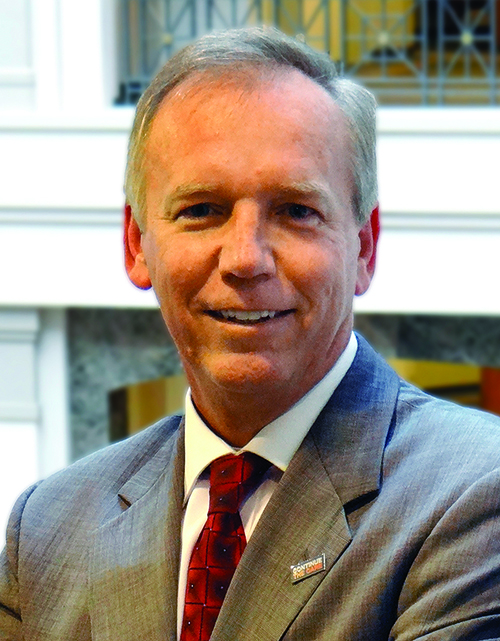
One session, “Building and Managing a PAC Practice,” will review setting up a staff, relevant regulations, billing, and collecting, and it should be of interest to both managers and physicians, says Sean Muldoon, MD, senior vice president and chief medical officer of the hospitalist division at Louisville, Ken.–based Kindred Healthcare and chair of SHM’s Post-Acute Care Task Force.
Another session, “Lost in Transitions,” will review information gaps and propose solutions “to the well-known voltage drop of information that can happen in transfer from the hospital to post-acute care.”
At Kindred, Dr. Muldoon says he has seen the benefits of hospitalist involvement in post-acute care.
“In many markets, we seek out and often are able to become a practice site for a large hospitalist medical group,” he says. “That’s really good for us, the patients, and, we think, the hospitalists because it allows the hospitalists to be exposed to the practice and benefits of post-acute care without having to make a full commitment to be a skilled-nursing physician or a long-term acute-care physician.”
It also makes transitions of care smoother and less disruptive, he says, “because a patient is simply transferred from one hospitalist in a group to another or often maintaining that same hospitalist in the post-acute-care setting.”
Dr. Muldoon says the new track is of value to any hospitalist, whether they actually work in post-acute care or not.
“A hospitalist would be hard-pressed to provide knowledgeable input into where a patient should receive post-acute care without a working knowledge of which patients should be directed to which post-acute-care setting,” he says.
Doctor-Patient Relationship
This topic was a pre-course last year, and organizers decided to make this a full track on the final day of the meeting schedule.
“It’s really about communication style,” Dr. Mattison says. “There’s one session called ‘The Language of Empathy and Engagement: Communication Essentials for Patient-Centered Care.’ There’s one on unconscious biases and our underlying assumptions and how it affects how we care for patients. [Another is focused] on improving the patient experience in the hospital.”
Co-Management/ Perioperative Medicine
“There are a lot of challenges around anticoagulation management, optimizing patients’ physical heath prior to the surgery, what things should we be doing, what medications should we be giving, what ones shouldn’t we be giving,” Dr. Mattison says. “It’s an evolving field that has, every year, new information.”
Hidden Gems
Dr. Mattison draws special attention to “Work-Life Balance: Is It Possible?” (Tuesday, March 8, 4:20–5:40 p.m.). This year, this problem—all too familiar to hospitalists—will be addressed in a panel discussion, which is a change from previous years.
“There’s been, year after year after year, a lot of discussion around, how can I make my job manageable if my boss isn’t listening to me or is not attuned to work-life balance? How can I navigate this process?” she says. “I’m hopeful that the panel discussion will provide people with some real examples and strategies for success.”
She also draws attention to the session “Perioperative Pitfalls: Overcoming Common Challenges in Managing Medical Problems in Surgical Patients” (Monday, March 7, 3:05–4:20 p.m.).
“There are some true leaders in perioperative management, and they’re going to come together and have a panel discussion,” she says. “It’ll be an opportunity to see some of the great minds think, if you will.” TH
Thomas R. Collins is a freelance writer in South Florida.
Take a look at the HM16 program, and you get a snapshot of the most pressing topics in hospital medicine. Specifically, four new educational tracks are being rolled out at this year’s annual meeting, including a new track on the patient-doctor relationship, which is so crucial with today’s growing emphasis on patient satisfaction, and a track focused on perioperative medicine, an important area with a fast-moving frontier. Another new track covers post-acute care, a setting in which more and more hospitalists find themselves practicing. Then there’s the big daddy: health information technology (IT) for hospitalists.
Course Director Melissa Mattison, MD, SFHM, also points to a new twist in the way the conference will attempt to tackle the tough topic of work-life balance.
Read the full interview with Melissa Mattison, MD, SFHM.
Here’s a look at what’s new for HM16 attendees.
Health IT for Hospitalists
“There’s not a hospitalist in the country who’s not affected by IT and updates to their [electronic medical records (EMR)], new adoption of EMR technology, different vendors,” Dr. Mattison says. “We’re always searching for something to make our lives better and make the care that we provide more high quality.”
There will be sessions of a general nature, such as “There’s an App for That,” a review of mobile apps helpful to hospitalists. And there will be those for the more passionate technophiles, such as a session on clinical informatics and “Using IT to Help Drive the Shift from Volume to Value.”
“We’ve spent a lot of time trying to make sure there’s something for everyone,” says Kendall Rogers, MD, SFHM, chair of SHM’s IT Committee. “And even within each individual talk, we’ve tried to make sure that there is material that can be applicable from the frontline hospitalist to the CMIO of a hospital.”
Dr. Rogers says the committee has “really been pushing” to have its own track at the annual meeting.
Listen to more of our interview with Dr. Rogers.
“Health IT continues to be an area of great frustration and great promise,” he says. “I think most of the frustration that hospitalists have is because they realize the potential of health IT, and they see how far it is from the reality of what they’re working with every day.
“Hospitalists are well-suited for actively being involved in clinical informatics, but many of us would be far more effective in our roles with more formal education and training.”
Post-Acute Care
It’s estimated that as many as 35% of hospitalists work in the post-acute setting. The number very much surprised Dr. Mattison. When she heard of the figure, “[the committee] lobbied very hard to get a track for post-acute care.”
One session, “Building and Managing a PAC Practice,” will review setting up a staff, relevant regulations, billing, and collecting, and it should be of interest to both managers and physicians, says Sean Muldoon, MD, senior vice president and chief medical officer of the hospitalist division at Louisville, Ken.–based Kindred Healthcare and chair of SHM’s Post-Acute Care Task Force.
Another session, “Lost in Transitions,” will review information gaps and propose solutions “to the well-known voltage drop of information that can happen in transfer from the hospital to post-acute care.”
At Kindred, Dr. Muldoon says he has seen the benefits of hospitalist involvement in post-acute care.
“In many markets, we seek out and often are able to become a practice site for a large hospitalist medical group,” he says. “That’s really good for us, the patients, and, we think, the hospitalists because it allows the hospitalists to be exposed to the practice and benefits of post-acute care without having to make a full commitment to be a skilled-nursing physician or a long-term acute-care physician.”
It also makes transitions of care smoother and less disruptive, he says, “because a patient is simply transferred from one hospitalist in a group to another or often maintaining that same hospitalist in the post-acute-care setting.”
Dr. Muldoon says the new track is of value to any hospitalist, whether they actually work in post-acute care or not.
“A hospitalist would be hard-pressed to provide knowledgeable input into where a patient should receive post-acute care without a working knowledge of which patients should be directed to which post-acute-care setting,” he says.
Doctor-Patient Relationship
This topic was a pre-course last year, and organizers decided to make this a full track on the final day of the meeting schedule.
“It’s really about communication style,” Dr. Mattison says. “There’s one session called ‘The Language of Empathy and Engagement: Communication Essentials for Patient-Centered Care.’ There’s one on unconscious biases and our underlying assumptions and how it affects how we care for patients. [Another is focused] on improving the patient experience in the hospital.”
Co-Management/ Perioperative Medicine
“There are a lot of challenges around anticoagulation management, optimizing patients’ physical heath prior to the surgery, what things should we be doing, what medications should we be giving, what ones shouldn’t we be giving,” Dr. Mattison says. “It’s an evolving field that has, every year, new information.”
Hidden Gems
Dr. Mattison draws special attention to “Work-Life Balance: Is It Possible?” (Tuesday, March 8, 4:20–5:40 p.m.). This year, this problem—all too familiar to hospitalists—will be addressed in a panel discussion, which is a change from previous years.
“There’s been, year after year after year, a lot of discussion around, how can I make my job manageable if my boss isn’t listening to me or is not attuned to work-life balance? How can I navigate this process?” she says. “I’m hopeful that the panel discussion will provide people with some real examples and strategies for success.”
She also draws attention to the session “Perioperative Pitfalls: Overcoming Common Challenges in Managing Medical Problems in Surgical Patients” (Monday, March 7, 3:05–4:20 p.m.).
“There are some true leaders in perioperative management, and they’re going to come together and have a panel discussion,” she says. “It’ll be an opportunity to see some of the great minds think, if you will.” TH
Thomas R. Collins is a freelance writer in South Florida.
Take a look at the HM16 program, and you get a snapshot of the most pressing topics in hospital medicine. Specifically, four new educational tracks are being rolled out at this year’s annual meeting, including a new track on the patient-doctor relationship, which is so crucial with today’s growing emphasis on patient satisfaction, and a track focused on perioperative medicine, an important area with a fast-moving frontier. Another new track covers post-acute care, a setting in which more and more hospitalists find themselves practicing. Then there’s the big daddy: health information technology (IT) for hospitalists.
Course Director Melissa Mattison, MD, SFHM, also points to a new twist in the way the conference will attempt to tackle the tough topic of work-life balance.
Read the full interview with Melissa Mattison, MD, SFHM.
Here’s a look at what’s new for HM16 attendees.
Health IT for Hospitalists
“There’s not a hospitalist in the country who’s not affected by IT and updates to their [electronic medical records (EMR)], new adoption of EMR technology, different vendors,” Dr. Mattison says. “We’re always searching for something to make our lives better and make the care that we provide more high quality.”
There will be sessions of a general nature, such as “There’s an App for That,” a review of mobile apps helpful to hospitalists. And there will be those for the more passionate technophiles, such as a session on clinical informatics and “Using IT to Help Drive the Shift from Volume to Value.”
“We’ve spent a lot of time trying to make sure there’s something for everyone,” says Kendall Rogers, MD, SFHM, chair of SHM’s IT Committee. “And even within each individual talk, we’ve tried to make sure that there is material that can be applicable from the frontline hospitalist to the CMIO of a hospital.”
Dr. Rogers says the committee has “really been pushing” to have its own track at the annual meeting.
Listen to more of our interview with Dr. Rogers.
“Health IT continues to be an area of great frustration and great promise,” he says. “I think most of the frustration that hospitalists have is because they realize the potential of health IT, and they see how far it is from the reality of what they’re working with every day.
“Hospitalists are well-suited for actively being involved in clinical informatics, but many of us would be far more effective in our roles with more formal education and training.”
Post-Acute Care
It’s estimated that as many as 35% of hospitalists work in the post-acute setting. The number very much surprised Dr. Mattison. When she heard of the figure, “[the committee] lobbied very hard to get a track for post-acute care.”
One session, “Building and Managing a PAC Practice,” will review setting up a staff, relevant regulations, billing, and collecting, and it should be of interest to both managers and physicians, says Sean Muldoon, MD, senior vice president and chief medical officer of the hospitalist division at Louisville, Ken.–based Kindred Healthcare and chair of SHM’s Post-Acute Care Task Force.
Another session, “Lost in Transitions,” will review information gaps and propose solutions “to the well-known voltage drop of information that can happen in transfer from the hospital to post-acute care.”
At Kindred, Dr. Muldoon says he has seen the benefits of hospitalist involvement in post-acute care.
“In many markets, we seek out and often are able to become a practice site for a large hospitalist medical group,” he says. “That’s really good for us, the patients, and, we think, the hospitalists because it allows the hospitalists to be exposed to the practice and benefits of post-acute care without having to make a full commitment to be a skilled-nursing physician or a long-term acute-care physician.”
It also makes transitions of care smoother and less disruptive, he says, “because a patient is simply transferred from one hospitalist in a group to another or often maintaining that same hospitalist in the post-acute-care setting.”
Dr. Muldoon says the new track is of value to any hospitalist, whether they actually work in post-acute care or not.
“A hospitalist would be hard-pressed to provide knowledgeable input into where a patient should receive post-acute care without a working knowledge of which patients should be directed to which post-acute-care setting,” he says.
Doctor-Patient Relationship
This topic was a pre-course last year, and organizers decided to make this a full track on the final day of the meeting schedule.
“It’s really about communication style,” Dr. Mattison says. “There’s one session called ‘The Language of Empathy and Engagement: Communication Essentials for Patient-Centered Care.’ There’s one on unconscious biases and our underlying assumptions and how it affects how we care for patients. [Another is focused] on improving the patient experience in the hospital.”
Co-Management/ Perioperative Medicine
“There are a lot of challenges around anticoagulation management, optimizing patients’ physical heath prior to the surgery, what things should we be doing, what medications should we be giving, what ones shouldn’t we be giving,” Dr. Mattison says. “It’s an evolving field that has, every year, new information.”
Hidden Gems
Dr. Mattison draws special attention to “Work-Life Balance: Is It Possible?” (Tuesday, March 8, 4:20–5:40 p.m.). This year, this problem—all too familiar to hospitalists—will be addressed in a panel discussion, which is a change from previous years.
“There’s been, year after year after year, a lot of discussion around, how can I make my job manageable if my boss isn’t listening to me or is not attuned to work-life balance? How can I navigate this process?” she says. “I’m hopeful that the panel discussion will provide people with some real examples and strategies for success.”
She also draws attention to the session “Perioperative Pitfalls: Overcoming Common Challenges in Managing Medical Problems in Surgical Patients” (Monday, March 7, 3:05–4:20 p.m.).
“There are some true leaders in perioperative management, and they’re going to come together and have a panel discussion,” she says. “It’ll be an opportunity to see some of the great minds think, if you will.” TH
Thomas R. Collins is a freelance writer in South Florida.

2016: Celebrating 20 Years of Hospital Medicine and Looking Toward a Bright Future
For hospitalists who were practicing medicine in 1996, it may seem like just a few years ago; however, that was when the term “hospitalist” was first used by Bob Wachter, MD, MHM, and Lee Goldman, MD, in a New England Journal of Medicine article. And for those who started their hospitalist careers since then, it may be inconceivable that there was a time before hospitalists were widely known.

In either case, 20 years later, the term has stuck and now identifies more than 44,000 hospitalists nationwide.
SHM will be commemorating the specialty’s milestone all year, referring to 2016 as the “Year of the Hospitalist.”
In addition to yearlong recognition of hospitalists, SHM will celebrate the Year of the Hospitalist in front of thousands at a plenary session at HM16 in San Diego. There, SHM co-founders John Nelson, MD, MHM, and Win Whitcomb, MD, MHM, will offer their own perspective on the specialty after just 20 years—and what’s to come.
“When Win Whitcomb and I began talking about forming a medical society, we wanted to make sure it would serve as a forum for exchange of ideas about the most effective ways to approach our work,” Dr. Nelson recalls. “It is really gratifying to see all the ways SHM has done that and to think about how it will be increasingly important for all in hospital medicine to have a way to stay connected given the ever-increasing pace of change in hospital care and healthcare generally.”
Dr. Whitcomb shares Dr. Nelson’s awe at the growth and influence of the specialty in a relatively short amount of time.
“A lot has changed in 20 years. Back then, we were surprised to observe that hospitalists, yet unnamed, could reliably decrease cost and length of stay,” Dr. Whitcomb says. “Then, in 1999, hospital medicine was transformed as patient safety emerged as a bona fide discipline.”
However, the transitions are not over for hospitalists, he says.
“As we see healthcare in the midst of a generational transition to alternative payment models like ACOs and bundled payment, hospitalists will once again reinvent themselves, this time to influence care over not just the inpatient stay but also patients’ transition out of the hospital and back into the primary care system,” Dr. Whitcomb says. TH
Brendon Shank is SHM’s associate vice president of communications.
For hospitalists who were practicing medicine in 1996, it may seem like just a few years ago; however, that was when the term “hospitalist” was first used by Bob Wachter, MD, MHM, and Lee Goldman, MD, in a New England Journal of Medicine article. And for those who started their hospitalist careers since then, it may be inconceivable that there was a time before hospitalists were widely known.
In either case, 20 years later, the term has stuck and now identifies more than 44,000 hospitalists nationwide.
SHM will be commemorating the specialty’s milestone all year, referring to 2016 as the “Year of the Hospitalist.”
In addition to yearlong recognition of hospitalists, SHM will celebrate the Year of the Hospitalist in front of thousands at a plenary session at HM16 in San Diego. There, SHM co-founders John Nelson, MD, MHM, and Win Whitcomb, MD, MHM, will offer their own perspective on the specialty after just 20 years—and what’s to come.
“When Win Whitcomb and I began talking about forming a medical society, we wanted to make sure it would serve as a forum for exchange of ideas about the most effective ways to approach our work,” Dr. Nelson recalls. “It is really gratifying to see all the ways SHM has done that and to think about how it will be increasingly important for all in hospital medicine to have a way to stay connected given the ever-increasing pace of change in hospital care and healthcare generally.”
Dr. Whitcomb shares Dr. Nelson’s awe at the growth and influence of the specialty in a relatively short amount of time.
“A lot has changed in 20 years. Back then, we were surprised to observe that hospitalists, yet unnamed, could reliably decrease cost and length of stay,” Dr. Whitcomb says. “Then, in 1999, hospital medicine was transformed as patient safety emerged as a bona fide discipline.”
However, the transitions are not over for hospitalists, he says.
“As we see healthcare in the midst of a generational transition to alternative payment models like ACOs and bundled payment, hospitalists will once again reinvent themselves, this time to influence care over not just the inpatient stay but also patients’ transition out of the hospital and back into the primary care system,” Dr. Whitcomb says. TH
Brendon Shank is SHM’s associate vice president of communications.
For hospitalists who were practicing medicine in 1996, it may seem like just a few years ago; however, that was when the term “hospitalist” was first used by Bob Wachter, MD, MHM, and Lee Goldman, MD, in a New England Journal of Medicine article. And for those who started their hospitalist careers since then, it may be inconceivable that there was a time before hospitalists were widely known.
In either case, 20 years later, the term has stuck and now identifies more than 44,000 hospitalists nationwide.
SHM will be commemorating the specialty’s milestone all year, referring to 2016 as the “Year of the Hospitalist.”
In addition to yearlong recognition of hospitalists, SHM will celebrate the Year of the Hospitalist in front of thousands at a plenary session at HM16 in San Diego. There, SHM co-founders John Nelson, MD, MHM, and Win Whitcomb, MD, MHM, will offer their own perspective on the specialty after just 20 years—and what’s to come.
“When Win Whitcomb and I began talking about forming a medical society, we wanted to make sure it would serve as a forum for exchange of ideas about the most effective ways to approach our work,” Dr. Nelson recalls. “It is really gratifying to see all the ways SHM has done that and to think about how it will be increasingly important for all in hospital medicine to have a way to stay connected given the ever-increasing pace of change in hospital care and healthcare generally.”
Dr. Whitcomb shares Dr. Nelson’s awe at the growth and influence of the specialty in a relatively short amount of time.
“A lot has changed in 20 years. Back then, we were surprised to observe that hospitalists, yet unnamed, could reliably decrease cost and length of stay,” Dr. Whitcomb says. “Then, in 1999, hospital medicine was transformed as patient safety emerged as a bona fide discipline.”
However, the transitions are not over for hospitalists, he says.
“As we see healthcare in the midst of a generational transition to alternative payment models like ACOs and bundled payment, hospitalists will once again reinvent themselves, this time to influence care over not just the inpatient stay but also patients’ transition out of the hospital and back into the primary care system,” Dr. Whitcomb says. TH
Brendon Shank is SHM’s associate vice president of communications.
Melissa Mattison, MD, SFHM, Offers Inside Scoop on HM16 Educational Offerings
HM16 course director Melissa Mattison, MD, SFHM, assistant professor of medicine at Harvard Medical School in Boston, took some time out of her busy schedule to chat with The Hospitalist about how the annual meeting program comes together, the continued relevance of SHM meetings, resisting the lure of San Diego beaches, and more.
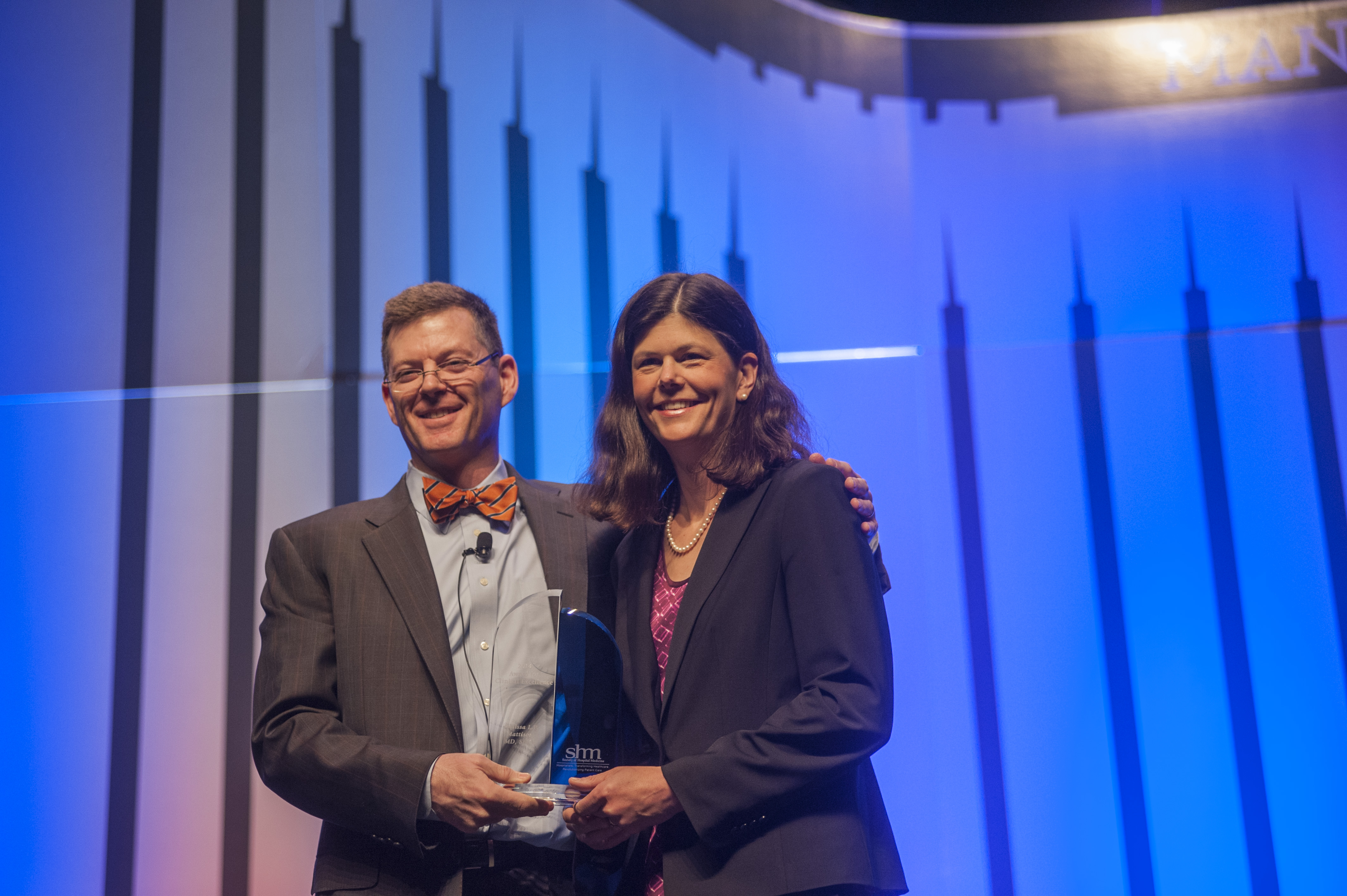
Read more about what's new at HM16
Question: There’s a lot packed into just a few days at every annual meeting. What is the process for determining what makes it into the program?
Answer: The annual meeting committee starts meeting in the spring, basically around 12 to 13 months before the annual meeting. So even as the current annual meeting is going on, the next one is well under way in terms of planning.
The annual meeting committee then meets every single week, if not more frequently, by conference call to map out and assign jobs and whatnot to the group. We usually start by reviewing workshops. The workshop proposals are received by SHM through an open-access submission process, whereby pretty much anyone can submit a proposal for a workshop. The annual meeting committee reviews all of the workshops. This year, we had 160 or 170 workshop submissions. We were only able to accept 16, I believe. …
Listen to more of our interview with Dr. Mattison.
At the same time the workshops are being selected, we work with the leaders of practice management, the leaders of the academic and research committees, and the leaders of quality and pediatrics committees to have them help us identify content for their various tracks, suggest speakers and talks. After all of that’s done, we move on to the remaining didactic sessions, and we look at what things were popular in previous years, what things had good reviews, which speakers were highly regarded, etc., and spend some time thinking deliberately about tracks that we feel we ought to include again, like the “Young Hospitalists” track and tracks that we think deserve to be included that haven’t previously been included—those that warrant some sort of attention because of widespread appeal and usefulness to the attendee of SHM.
Q: It’s very easy for hospitalists to stream videos of talks, access literature online, and talk about important topics in online chat rooms. In this day and age, what is the advantage to physically taking part in an annual meeting in an actual brick-and-mortar building?
A: The content itself is enough to draw someone. It’s packed content in terms of topics that would be of interest and benefit to the average hospitalist; pretty much any hospitalist who’s practicing medicine will find multiple, multiple sessions of interest and value. And you don’t have to go far for them. You don’t have to go hunting for them. They’re all there. …
Aside from actual didactics and content of the annual meeting, there’s the value of networking and of collaboration and meeting and talking to hospitalists from around the country and around the world. I mean, I think that one of the biggest values I’ve had is just meeting other people who are facing challenges in their work environment that I have [and learning] how they solve their challenges.
I think the [special interest] groups that meet Monday evening at 4:30 p.m. … those are great opportunities to go and meet people who have interests that are similar to yours or concerns that are similar to yours.
Q: Technology has a presence in the program this year. Why is it so important to highlight this?
A: The challenge of healthcare and incorporating technology into providing care to patients in a way that is efficient and helpful is there. That is a challenge that has been written about by many, many folks. Dr. Bob Wachter gave a whole keynote on it last year. And we’re all seeking ways to work with the technology that we have and identify opportunities to improve the care we’re providing using and harnessing the technology that’s available to us.
So whether that’s with new apps or with figuring out ways to embed decision support into our local systems of care, we need to do that. I think hospitalists are, time and time again, looked at as leaders at their institutions in this domain. It’s going to be 2016, this is the world we live in, and to ignore technology would be foolhardy.
Q: One of the new tracks is focused on post-acute care. Is the importance of the post-acute setting a sign that hospital medicine is, in some ways, reinventing itself?
A: I wouldn’t say reinventing. I think that hospitalists and internists that have become hospitalists have filled the gap in care over the past 20 years. It’s been 20 years since the name “hospitalist” was used in the New England Journal of Medicine. And in that time, the breadth and depth of care that hospitalists provide across the continuum in the acute-care setting has grown. …
Our older patients are often discharged from the acute-care setting but unable to return directly to their home environment safely. [They] require a period of a week or two, or sometimes longer, in a post-acute-care setting to continue to receive both the medical and the physical rehabilitation care that they need. And we know that there are not enough geriatricians in the world, and hospitalists are really sort of stepping up to provide this post-acute care. And it makes sense because the patients are coming from the hospital directly, and a lot of folks would say they’re sicker than ever in the post-acute-care setting. You don’t stay in the hospital for long anymore, and when you get to the post-acute-care setting, often the illness is ongoing but stabilized, and the patient is on the mend from whatever has befallen them. But they still require a fair amount of medical management. So it makes sense that hospitalists are going into that sphere.
Q: How will you go about resisting the temptation to stealthily leave the convention center during the day and hit the beach? Or will you be able to resist?
A: [Laughter.] I do like that question. I think that … I think that the conference, while it’s busy, there’s some time in the evening to go out and have a nice meal or [to] the beach and see friends. And then the last day, if you have time, if you don’t need to race off, you have a good half a day where you could go to the beach, or you could come early and come a day before or stay an extra couple of days and enjoy San Diego.
But I think if you skip the conference for the beach, you’re not doing yourself a service. You’re going to miss out on the opportunity to learn new clinical information, new strategies for communication. You’re also going to miss out on opportunities to network with your colleagues from across the country. TH
Thomas R. Collins is a freelance writer in South Florida.
HM16 course director Melissa Mattison, MD, SFHM, assistant professor of medicine at Harvard Medical School in Boston, took some time out of her busy schedule to chat with The Hospitalist about how the annual meeting program comes together, the continued relevance of SHM meetings, resisting the lure of San Diego beaches, and more.
Read more about what's new at HM16
Question: There’s a lot packed into just a few days at every annual meeting. What is the process for determining what makes it into the program?
Answer: The annual meeting committee starts meeting in the spring, basically around 12 to 13 months before the annual meeting. So even as the current annual meeting is going on, the next one is well under way in terms of planning.
The annual meeting committee then meets every single week, if not more frequently, by conference call to map out and assign jobs and whatnot to the group. We usually start by reviewing workshops. The workshop proposals are received by SHM through an open-access submission process, whereby pretty much anyone can submit a proposal for a workshop. The annual meeting committee reviews all of the workshops. This year, we had 160 or 170 workshop submissions. We were only able to accept 16, I believe. …
Listen to more of our interview with Dr. Mattison.
At the same time the workshops are being selected, we work with the leaders of practice management, the leaders of the academic and research committees, and the leaders of quality and pediatrics committees to have them help us identify content for their various tracks, suggest speakers and talks. After all of that’s done, we move on to the remaining didactic sessions, and we look at what things were popular in previous years, what things had good reviews, which speakers were highly regarded, etc., and spend some time thinking deliberately about tracks that we feel we ought to include again, like the “Young Hospitalists” track and tracks that we think deserve to be included that haven’t previously been included—those that warrant some sort of attention because of widespread appeal and usefulness to the attendee of SHM.
Q: It’s very easy for hospitalists to stream videos of talks, access literature online, and talk about important topics in online chat rooms. In this day and age, what is the advantage to physically taking part in an annual meeting in an actual brick-and-mortar building?
A: The content itself is enough to draw someone. It’s packed content in terms of topics that would be of interest and benefit to the average hospitalist; pretty much any hospitalist who’s practicing medicine will find multiple, multiple sessions of interest and value. And you don’t have to go far for them. You don’t have to go hunting for them. They’re all there. …
Aside from actual didactics and content of the annual meeting, there’s the value of networking and of collaboration and meeting and talking to hospitalists from around the country and around the world. I mean, I think that one of the biggest values I’ve had is just meeting other people who are facing challenges in their work environment that I have [and learning] how they solve their challenges.
I think the [special interest] groups that meet Monday evening at 4:30 p.m. … those are great opportunities to go and meet people who have interests that are similar to yours or concerns that are similar to yours.
Q: Technology has a presence in the program this year. Why is it so important to highlight this?
A: The challenge of healthcare and incorporating technology into providing care to patients in a way that is efficient and helpful is there. That is a challenge that has been written about by many, many folks. Dr. Bob Wachter gave a whole keynote on it last year. And we’re all seeking ways to work with the technology that we have and identify opportunities to improve the care we’re providing using and harnessing the technology that’s available to us.
So whether that’s with new apps or with figuring out ways to embed decision support into our local systems of care, we need to do that. I think hospitalists are, time and time again, looked at as leaders at their institutions in this domain. It’s going to be 2016, this is the world we live in, and to ignore technology would be foolhardy.
Q: One of the new tracks is focused on post-acute care. Is the importance of the post-acute setting a sign that hospital medicine is, in some ways, reinventing itself?
A: I wouldn’t say reinventing. I think that hospitalists and internists that have become hospitalists have filled the gap in care over the past 20 years. It’s been 20 years since the name “hospitalist” was used in the New England Journal of Medicine. And in that time, the breadth and depth of care that hospitalists provide across the continuum in the acute-care setting has grown. …
Our older patients are often discharged from the acute-care setting but unable to return directly to their home environment safely. [They] require a period of a week or two, or sometimes longer, in a post-acute-care setting to continue to receive both the medical and the physical rehabilitation care that they need. And we know that there are not enough geriatricians in the world, and hospitalists are really sort of stepping up to provide this post-acute care. And it makes sense because the patients are coming from the hospital directly, and a lot of folks would say they’re sicker than ever in the post-acute-care setting. You don’t stay in the hospital for long anymore, and when you get to the post-acute-care setting, often the illness is ongoing but stabilized, and the patient is on the mend from whatever has befallen them. But they still require a fair amount of medical management. So it makes sense that hospitalists are going into that sphere.
Q: How will you go about resisting the temptation to stealthily leave the convention center during the day and hit the beach? Or will you be able to resist?
A: [Laughter.] I do like that question. I think that … I think that the conference, while it’s busy, there’s some time in the evening to go out and have a nice meal or [to] the beach and see friends. And then the last day, if you have time, if you don’t need to race off, you have a good half a day where you could go to the beach, or you could come early and come a day before or stay an extra couple of days and enjoy San Diego.
But I think if you skip the conference for the beach, you’re not doing yourself a service. You’re going to miss out on the opportunity to learn new clinical information, new strategies for communication. You’re also going to miss out on opportunities to network with your colleagues from across the country. TH
Thomas R. Collins is a freelance writer in South Florida.
HM16 course director Melissa Mattison, MD, SFHM, assistant professor of medicine at Harvard Medical School in Boston, took some time out of her busy schedule to chat with The Hospitalist about how the annual meeting program comes together, the continued relevance of SHM meetings, resisting the lure of San Diego beaches, and more.
Read more about what's new at HM16
Question: There’s a lot packed into just a few days at every annual meeting. What is the process for determining what makes it into the program?
Answer: The annual meeting committee starts meeting in the spring, basically around 12 to 13 months before the annual meeting. So even as the current annual meeting is going on, the next one is well under way in terms of planning.
The annual meeting committee then meets every single week, if not more frequently, by conference call to map out and assign jobs and whatnot to the group. We usually start by reviewing workshops. The workshop proposals are received by SHM through an open-access submission process, whereby pretty much anyone can submit a proposal for a workshop. The annual meeting committee reviews all of the workshops. This year, we had 160 or 170 workshop submissions. We were only able to accept 16, I believe. …
Listen to more of our interview with Dr. Mattison.
At the same time the workshops are being selected, we work with the leaders of practice management, the leaders of the academic and research committees, and the leaders of quality and pediatrics committees to have them help us identify content for their various tracks, suggest speakers and talks. After all of that’s done, we move on to the remaining didactic sessions, and we look at what things were popular in previous years, what things had good reviews, which speakers were highly regarded, etc., and spend some time thinking deliberately about tracks that we feel we ought to include again, like the “Young Hospitalists” track and tracks that we think deserve to be included that haven’t previously been included—those that warrant some sort of attention because of widespread appeal and usefulness to the attendee of SHM.
Q: It’s very easy for hospitalists to stream videos of talks, access literature online, and talk about important topics in online chat rooms. In this day and age, what is the advantage to physically taking part in an annual meeting in an actual brick-and-mortar building?
A: The content itself is enough to draw someone. It’s packed content in terms of topics that would be of interest and benefit to the average hospitalist; pretty much any hospitalist who’s practicing medicine will find multiple, multiple sessions of interest and value. And you don’t have to go far for them. You don’t have to go hunting for them. They’re all there. …
Aside from actual didactics and content of the annual meeting, there’s the value of networking and of collaboration and meeting and talking to hospitalists from around the country and around the world. I mean, I think that one of the biggest values I’ve had is just meeting other people who are facing challenges in their work environment that I have [and learning] how they solve their challenges.
I think the [special interest] groups that meet Monday evening at 4:30 p.m. … those are great opportunities to go and meet people who have interests that are similar to yours or concerns that are similar to yours.
Q: Technology has a presence in the program this year. Why is it so important to highlight this?
A: The challenge of healthcare and incorporating technology into providing care to patients in a way that is efficient and helpful is there. That is a challenge that has been written about by many, many folks. Dr. Bob Wachter gave a whole keynote on it last year. And we’re all seeking ways to work with the technology that we have and identify opportunities to improve the care we’re providing using and harnessing the technology that’s available to us.
So whether that’s with new apps or with figuring out ways to embed decision support into our local systems of care, we need to do that. I think hospitalists are, time and time again, looked at as leaders at their institutions in this domain. It’s going to be 2016, this is the world we live in, and to ignore technology would be foolhardy.
Q: One of the new tracks is focused on post-acute care. Is the importance of the post-acute setting a sign that hospital medicine is, in some ways, reinventing itself?
A: I wouldn’t say reinventing. I think that hospitalists and internists that have become hospitalists have filled the gap in care over the past 20 years. It’s been 20 years since the name “hospitalist” was used in the New England Journal of Medicine. And in that time, the breadth and depth of care that hospitalists provide across the continuum in the acute-care setting has grown. …
Our older patients are often discharged from the acute-care setting but unable to return directly to their home environment safely. [They] require a period of a week or two, or sometimes longer, in a post-acute-care setting to continue to receive both the medical and the physical rehabilitation care that they need. And we know that there are not enough geriatricians in the world, and hospitalists are really sort of stepping up to provide this post-acute care. And it makes sense because the patients are coming from the hospital directly, and a lot of folks would say they’re sicker than ever in the post-acute-care setting. You don’t stay in the hospital for long anymore, and when you get to the post-acute-care setting, often the illness is ongoing but stabilized, and the patient is on the mend from whatever has befallen them. But they still require a fair amount of medical management. So it makes sense that hospitalists are going into that sphere.
Q: How will you go about resisting the temptation to stealthily leave the convention center during the day and hit the beach? Or will you be able to resist?
A: [Laughter.] I do like that question. I think that … I think that the conference, while it’s busy, there’s some time in the evening to go out and have a nice meal or [to] the beach and see friends. And then the last day, if you have time, if you don’t need to race off, you have a good half a day where you could go to the beach, or you could come early and come a day before or stay an extra couple of days and enjoy San Diego.
But I think if you skip the conference for the beach, you’re not doing yourself a service. You’re going to miss out on the opportunity to learn new clinical information, new strategies for communication. You’re also going to miss out on opportunities to network with your colleagues from across the country. TH
Thomas R. Collins is a freelance writer in South Florida.