User login
Does traumatic brain injury cause violence?
You would be fully justified to state that traumatic brain injury (TBI) can cause and worsen a wide range of psychiatric symptoms including psychosis, mood symptoms, anxiety, cognitive deficits, and impulsivity. Could you also present sufficient evidence of TBI as a cause of violence?
That could be more difficult. TBI-induced criminality remains a central and controversial area within forensic psychiatry. Behavior resulting from injury has been implicated in violence and crime, especially when coexisting with substance abuse, a violent environment during childhood including abuse, and pre-existing personality disorder. The literature is vast and covers a spectrum of opinions, allowing the forensic psychiatrist to find evidence that would support the prosecution or the defense. Judge for yourself.
For the prosecution: TBI is no defense
In his study, “Brain injury and criminality,” Virkkunen concluded that “sociopathy, alcoholism, and drug abuse are the types of psychiatric disorders associated with criminal behavior, not organic brain syndrome.”1
This statement was based upon a retrospective analysis of World War II veterans. A search was conducted through Finland’s Criminal Register to compare the frequencies of convictions for crimes punishable by imprisonment between a non-TBI control group and a TBI group. The overall crime rates between the two groups were not significantly different: 5.5% versus 4.2% for the control and TBI groups, respectively. Seventeen of 1,870 (0.9%) of the TBI patients committed violent crimes versus 3 of 500 (0.6%) of the control group. A closer examination revealed that most convictions were associated with alcohol in both groups.
Unlike Virkkunen, Kreutzer et al were unable to prove or disprove a cause and effect between TBI and violence. In their 1991 investigation based on 74 TBI patients, they found that 20% had been arrested pre-injury, and 10% had been arrested after the injury.2 Most arrests occurred after use of alcohol or other drugs. The study concluded that criminal behavior might be a result of post-injury changes including poor judgment, apathy, and other new behaviors.
There are several coexisting theories. The vulnerable amygdala, located within the anterior temporal lobe, is often injured. The amygdala adjoins emotions to thoughts. Damage to the amygdala has led to poor impulse control and violent behavior. In addition, frontal lobe lesions frequently result from damage caused by bony upward projections from the skull. “Orbital frontal lesions resulting from contusions of neural tissue against the floor of the anterior cranial vault can occur when an individual falls backwards striking the occiput against a firm surface.”10 This damage impairs the TBI patient’s ability to regulate limbic input. Therefore, the disinhibited TBI patient with frontal lobe damage often reacts impulsively and even violently.
Damage to specific neurotransmitter systems also causes impulse dyscontrol in TBI patients. The locus ceruleus in the forebrain is often injured, leading to elevations in norepinephrine in post-TBI patients. Increased norepinephrine levels have been correlated with aggressiveness and impulsivity. In addition, studies by Porta et al12 and Hamill et al13 showed that dopamine was increased in post-TBI patients. Agitation and aggression have been proven to result from hyperdopaminergic states. In contrast to dopamine and norepinephrine, reduced serotonin levels (CSF 5-HIAA) lead to increased impulsivity and aggression. Although the results have varied, studies have shown changes in serotonin levels after TBI.10 Hence, much evidence supports the biological basis for impulsivity in TBI patients.
Substance abuse, traumatic brain injury, and crime were indeed interconnected, the researchers said, but they did not go so far as to conclude that TBI causes criminality and violence. Rather, they believed that substance abuse, which was most common among those younger than 35, led to legal difficulties and TBI.
In 1995, based on a larger sample of 327 patients, Kreutzer and associates found that the TBI criminal population has a relatively high incidence of alcohol abuse before and after head injury.3 Most crimes were associated with substance abuse, such as drug possession or driving under the influence of alcohol.
The study found that TBI patients with a history of arrest were more likely to have substance abuse problems after the injury. TBI patients with both a criminal and substance abuse history also were more likely to commit crimes after the head injury. Kreutzer concluded that TBI is not a risk factor for crime without such a history.
For the defense: TBI does lead to criminality
In one study by Brooks et al of 42 individuals with severe TBI, threats of violence increased from 15% 1 year after sustaining head injury to 54% 5 years after.4 What’s more, at the 5-year follow-up, 31% of these patients had legal problems and 20% of their relatives had been assaulted by them at least once.
A study by Sarpata et al also supports the argument that TBI leads to criminality.5 They argue that TBI patients should be expected to commit crimes because they have poor cognitive skills, impulsivity, and increased aggression, as well as low tolerance for frustration and poor judgment. In their study of 18 subjects in a community corrections day program in Vigo County, Indiana, they found that a large percentage of offenders (50%) reported head injury.5 In contrast, the prevalence of head injury in the general population is 2%to 5%.
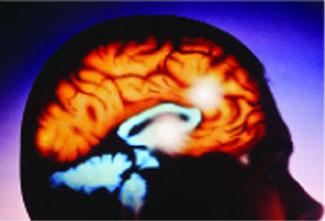
By self-report, the TBI offenders at the day program had worse cognition, greater lability, and more aggressiveness than non-offenders and non-TBI offenders. They concluded, “it would appear that had most of these people not experienced a head injury, they may not have become offenders.”5 The Sarpata et al study did not involve an imprisoned population; therefore, these offenders did not become brain-injured while incarcerated. They argued that TBI patients may have more difficulty understanding the legal process, are less able to assist with their defense, and thus are more likely to be found guilty than are suspects without brain injury. The authors recommended cognitive rehabilitation as a way to reduce the propensity for crime.
In a report of the Vietnam Head Injury Study, Grafman et al concluded that ventromedial frontal lobe lesions could result in violent behavior because frontal lobe damage makes it more difficult for the brain to access social skills leading to disinhibition and aggression.6 In this study, 279 Vietnam veterans with a history of TBI were matched with 57 healthy people, based on age, education, and length of Vietnam experience. Each received comprehensive testing, including neuropsychological and personality testing. Family members completed questionnaires, which were rated on the Katz Adjustment Scale (KAS), including the Any Violence Scale and the Extreme Violence Scale, to assess aggressiveness.
Based on the observations of family members through the KAS, 14% of the group with frontal lobe injury exhibited physical violence compared with roughly 5% of the controls. These findings were independent of education, IQ scores, or Beck Depression Inventory scores. Patients with lesions in the mediofrontal and orbitofrontal regions had higher Any Violence Scale and Extreme Violence Scale scores than the control group, as reported by family members.
“Knowledge stored in the human prefrontal cortex plays a managerial role in the control of behavior and takes the form of mental models, thematic understanding, plans, and social rules,” the authors said.6 They theorized that a prefrontal cortex lesion would hinder the ability to manage one’s instincts, leading to impulsivity, aggression, and violence. However, all patients with ventromedial prefrontal cortex lesions did not display aggression or violent behavior. Further, patients with lesions elsewhere and some normal subjects displayed aggressive and violent behaviors.
Martell estimated the prevalence of organic brain dysfunction in maximum-security forensic psychiatric patients at the Kirby Forensic Psychiatric Center on Ward’s Island in New York City.7 Of the 50 randomly selected patients, 22% had a history of a head injury in which they lost consciousness. Whereas 84% had a history of some sort of brain impairment, only 16% were given an organic diagnosis.
“All of the subjects with a DSM-III-R diagnosis of organic brain disorder had been arrested and charged for violent crimes. Of these patients, 75% were charged with murder, manslaughter, or attempted murder. The remaining 25% were charged with violent sex offenses,” said Martell, arguing for a more careful evaluation of organic brain impairment in forensic evaluations.7
Lewis et al evaluated the neuropsychiatric status of 15 death-row inmates.8 All had reached the final stage in the legal process prior to execution, and 4 had been executed by the time the study was published in 1986. All 15 had a history of TBI as evidenced by objective findings of scars, skull indents, neurologic findings, records, collateral from families, and neuroimaging. During childhood, for instance, one inmate had been beaten in the head by 2-by-4s and fell into a pit, with loss of consciousness for several hours. As an adult, he was in a motor vehicle accident, resulting in an injury to the right eye, and later fell from a roof after a blackout. Other inmates had seizures, abnormal CT scans, positive Babinski signs, ankle clonus, skull defects, and various other neurologic signs.
“When the Supreme Court reinstated the death penalty, it provided that there be a separate sentencing in which mitigating circumstances could be explored. Any evidence of mental disease or defect, including any evidence of central nervous system dysfunction, would be relevant to such hearings, since such disorders affect judgment, reality testing, and self-control,” the authors said.8
These 15 death-row inmates had numerous neuropsychiatric symptoms that were not addressed. It was thought that the attorneys and judges did not address the organic conditions because of their subtle nature. Objective evidence through collateral and testing ruled out malingering, as did the fact that these inmates were not searching for evaluations or exaggerating their symptoms. The authors concluded that neuropsychiatric status could be a potentially strong mitigating factor, but such evidence is often neglected.
TBI and the insanity defense
Criminal responsibility is dependent on actus reus, the harmful act, and mens rea, guilty or wrongful intent. The accountability and blameworthiness of the crime fall under mens rea. Do TBI patients have the mens rea for the crime? Can TBI be a basis for a plea of not guilty by reason of insanity (NGRI) or a diminished capacity defense? Can the worsening of TBI-related behaviors by substance abuse be the basis for an insanity defense or diminished capacity?
For an NGRI plea, a mental illness or defect must exist. TBI is an abnormal condition of the mind leading to a mental disease that can substantially affect control of emotions and behaviors. The NGRI plea historically had two prongs: cognitive and volitional impairment.9 The M’Naghten test, the cognitive prong, is based on whether the defendant knew the nature and quality of the criminal act or knew the act was wrong. Under the American Law Institute (ALI)test and American Bar Association standards, the defendant can meet the criteria for insanity by demonstrating a substantial lack of capacity to appreciate, rather than knowing, the criminality or wrongfulness of the act.
There is a substantial amount of evidence for cognitive impairment in TBI patients. The TBI patient may have several co-existing “neurolinguistic deficits associated with the pragmatics of language.”10 For example, a TBI patient with damage in the nondominant hemisphere may misinterpret the prosody of language, leading to an inappropriate response. Other neurolinguistic deficits in TBI patients include decreased intelligibility, a constricted operational vocabulary, perseveration, and limited listening.
TBI can also lead to short-term memory impairment due to injury to the vulnerable hippocampus within the anterior temporal lobe. When the hippocampus is damaged, the transformation of memories from long-term to active is impaired. Consequently, retrieval of learned information is more difficult for the TBI patient.10
Also, higher-order cognitive processes can be damaged after TBI. Executive functioning, through the frontal lobe, involves data collection, prioritizing, formulating a plan, and carrying out the plan. This process is almost always impaired in TBI patients, according to a study by Szekeres et al in 1987.14 Poor abstraction associated with frontal lobe damage can lead to difficulties of TBI patients in understanding or appreciating certain concepts related to the wrongfulness, nature, and quality of their acts.
Finally, interpretation of sensory input is impaired as a result of widespread subcortical damage. Deficient central processing could lead to inability to realistically perceive the external world.10 In theory, the TBI patient could potentially have enough cognitive impairment to have a substantial lack of appreciation of the criminality or wrongfulness of an act.
The insanity defense reforms after John Hinckley’s attempted assassination of former President Ronald Reagan have rendered the volitional prong largely irrelevant. One way to judge volitional control is the “policeman at the elbow,” defined as a lack of control such that the offender would have committed the act with a police officer present. Although studies have not focused on whether TBI can lead to “policeman at the elbow” impulsivity, they have proven that TBI-related deficits can lead to severe impulsivity through neuroanatomy and neurotransmitter systems. Silver et al developed the specific diagnosis of “organic aggression syndrome” to describe TBI patients whose aggression is characterized as being “reactive,” “nonreflective,” “nonpurposeful,” “explosive,” “periodic,” and “ego-dystonic.”10
Diminished capacity and mens rea testimony can be subdivided into four categories under the ALI model Penal Code formulation, including “purpose,” “knowledge,” “recklessness,” and “negligence.”9 If an offender has purpose or knowledge, he or she specifically intended to commit the crime. In contrast, with negligence, the offender should have been aware of the risk but may not have been. If the offender is reckless, he or she consciously disregarded a known risk. In general, TBI-related impulsivity and cognitive impairment can lead to recklessness and negligence.
As previously discussed, substance abuse is frequently comorbid in the TBI patient. Evidence for intoxication often exists at the time of the offense. Although the effects of drugs and alcohol might be more severe in such a patient, and the patient probably knew this, the intoxication remains voluntary. An NGRI plea might be unobtainable with voluntary intoxication, but diminished capacity remains a possibility (albeit a weak one).
A mitigating factor in sentencing
TBI is perhaps most pertinent to sentencing, especially in capital cases. Because the death penalty is on the line, psychiatrists will often be asked for their clinical opinions. Lockett v. Ohio11 secured that any mitigating factors can be admitted during the sentencing phase of a capital case. In fact, it is widely recognized that substance abuse and TBI are potentially independent mitigating factors.9
Treatability and rehabilitative potential may also be mitigating. Communicating the potential for treatment to the court can be an undeniable mitigating factor for a TBI patient who has committed violent acts. Cognitive rehabilitation, psychopharmacology, and psychotherapy (individual and family) can be effective treatment options.
Related resources
- Centers for Disease Control and Prevention: Epidemiology of Traumatic Brain Injury in the United States.
- Reynolds CR, ed. Detection of Malingering during Head Injury Litigation. New York: Plenum Press, 1998.
- Murrey G, ed. The Forensic Evaluation of Traumatic Brain Injury: A Handbook for Clinicians and Attorneys. Atlanta, Ga: CDC Press, 2000.
1. Virkkunen M. Brain injury and criminality. Dis Nerv Syst 1977;907-8.
2. Kreutzer JS, Wehman PH, Harris JA, et al. Substance abuse and crime patterns among persons with traumatic brain injury referred for supported employment. Brain Injury 1991;5(2):177-87.
3. Kreutzer JS, Marwitz JH, Witol AD. Interrelationships between crime, substance abuse, and aggressive behaviours among persons with traumatic brain injury. Brain Injury 1995;9(8):757-68.
4. Brooks N, Campsie L, Symington C. The five year outcome of severe blunt head injury: a relative’s view. J Neurol Neurosurg Psychiatry 1986;49:764-70.
5. Sarapata M, Hermann D, Johnson T, Aycock R. The role of head injury in cognitive functioning, emotional adjustment and criminal behavior. Brain Injury 1998;12(10):821-42.
6. Grafman J, Schwab K, Warden D, et al. Frontal lobe injuries, violence, and aggression: a report of the Vietnam head injury study. Neurology 1996;46:1231-8.
7. Martell DA. Estimating the prevalence of organic brain dysfunction in maximum-security forensic psychiatric patients. JForensic Sci 1992;37(3):878-93.
8. Lewis DO, Pincus JH, Feldman M, et al. Psychiatric, neurological, and psychoeducational characteristics of 15 death row inmates in the United States. Am J Psychiatry 1986;143:838-45.
9. Melton GB, Petrila J, Poythress NG, Slobogin C. Psycholgogical Evaluations for the Courts. New York: The Guilford Press, 1997.
10. Silver JM, Yudofsky SC, Hales RE. Neuropsychiatry of Traumatic Brain Injury. Washington, DC: American Psychiatric Press, Inc., 1997.
11. Lockett V Ohio. Details of case available at http://oyez.nwu.edu/cases/cases.cgi?command=show&case_id=212&page=abstract
12. Porta M, Bareggi SR, Collice M, et al. Homovanillic acid and 5-hydroxyindoleacetic acid in the CSF of patients after severe head injury, II:ventricular CSF con centrations in acute brain post-traumatic syndromes. Eur Neurol 1975;13:545-54.
13. Hamill RW, Woolf PD, McDonald JV, et al. Catecholamines predict outcome in traumatic brain injury. Ann Neurol 1987;21:438-43.
14. Szekeres SF, Ylvisaker M, Cohen SB. A framework for cognitive rehabilitation thera py, in Community Reentry for Head Injured Adults. Ylvisaker M, Gobble EMR, eds. Boston, Mass: College-Hill Press, 1987;87-136.
You would be fully justified to state that traumatic brain injury (TBI) can cause and worsen a wide range of psychiatric symptoms including psychosis, mood symptoms, anxiety, cognitive deficits, and impulsivity. Could you also present sufficient evidence of TBI as a cause of violence?
That could be more difficult. TBI-induced criminality remains a central and controversial area within forensic psychiatry. Behavior resulting from injury has been implicated in violence and crime, especially when coexisting with substance abuse, a violent environment during childhood including abuse, and pre-existing personality disorder. The literature is vast and covers a spectrum of opinions, allowing the forensic psychiatrist to find evidence that would support the prosecution or the defense. Judge for yourself.
For the prosecution: TBI is no defense
In his study, “Brain injury and criminality,” Virkkunen concluded that “sociopathy, alcoholism, and drug abuse are the types of psychiatric disorders associated with criminal behavior, not organic brain syndrome.”1
This statement was based upon a retrospective analysis of World War II veterans. A search was conducted through Finland’s Criminal Register to compare the frequencies of convictions for crimes punishable by imprisonment between a non-TBI control group and a TBI group. The overall crime rates between the two groups were not significantly different: 5.5% versus 4.2% for the control and TBI groups, respectively. Seventeen of 1,870 (0.9%) of the TBI patients committed violent crimes versus 3 of 500 (0.6%) of the control group. A closer examination revealed that most convictions were associated with alcohol in both groups.
Unlike Virkkunen, Kreutzer et al were unable to prove or disprove a cause and effect between TBI and violence. In their 1991 investigation based on 74 TBI patients, they found that 20% had been arrested pre-injury, and 10% had been arrested after the injury.2 Most arrests occurred after use of alcohol or other drugs. The study concluded that criminal behavior might be a result of post-injury changes including poor judgment, apathy, and other new behaviors.
There are several coexisting theories. The vulnerable amygdala, located within the anterior temporal lobe, is often injured. The amygdala adjoins emotions to thoughts. Damage to the amygdala has led to poor impulse control and violent behavior. In addition, frontal lobe lesions frequently result from damage caused by bony upward projections from the skull. “Orbital frontal lesions resulting from contusions of neural tissue against the floor of the anterior cranial vault can occur when an individual falls backwards striking the occiput against a firm surface.”10 This damage impairs the TBI patient’s ability to regulate limbic input. Therefore, the disinhibited TBI patient with frontal lobe damage often reacts impulsively and even violently.
Damage to specific neurotransmitter systems also causes impulse dyscontrol in TBI patients. The locus ceruleus in the forebrain is often injured, leading to elevations in norepinephrine in post-TBI patients. Increased norepinephrine levels have been correlated with aggressiveness and impulsivity. In addition, studies by Porta et al12 and Hamill et al13 showed that dopamine was increased in post-TBI patients. Agitation and aggression have been proven to result from hyperdopaminergic states. In contrast to dopamine and norepinephrine, reduced serotonin levels (CSF 5-HIAA) lead to increased impulsivity and aggression. Although the results have varied, studies have shown changes in serotonin levels after TBI.10 Hence, much evidence supports the biological basis for impulsivity in TBI patients.
Substance abuse, traumatic brain injury, and crime were indeed interconnected, the researchers said, but they did not go so far as to conclude that TBI causes criminality and violence. Rather, they believed that substance abuse, which was most common among those younger than 35, led to legal difficulties and TBI.
In 1995, based on a larger sample of 327 patients, Kreutzer and associates found that the TBI criminal population has a relatively high incidence of alcohol abuse before and after head injury.3 Most crimes were associated with substance abuse, such as drug possession or driving under the influence of alcohol.
The study found that TBI patients with a history of arrest were more likely to have substance abuse problems after the injury. TBI patients with both a criminal and substance abuse history also were more likely to commit crimes after the head injury. Kreutzer concluded that TBI is not a risk factor for crime without such a history.
For the defense: TBI does lead to criminality
In one study by Brooks et al of 42 individuals with severe TBI, threats of violence increased from 15% 1 year after sustaining head injury to 54% 5 years after.4 What’s more, at the 5-year follow-up, 31% of these patients had legal problems and 20% of their relatives had been assaulted by them at least once.
A study by Sarpata et al also supports the argument that TBI leads to criminality.5 They argue that TBI patients should be expected to commit crimes because they have poor cognitive skills, impulsivity, and increased aggression, as well as low tolerance for frustration and poor judgment. In their study of 18 subjects in a community corrections day program in Vigo County, Indiana, they found that a large percentage of offenders (50%) reported head injury.5 In contrast, the prevalence of head injury in the general population is 2%to 5%.
By self-report, the TBI offenders at the day program had worse cognition, greater lability, and more aggressiveness than non-offenders and non-TBI offenders. They concluded, “it would appear that had most of these people not experienced a head injury, they may not have become offenders.”5 The Sarpata et al study did not involve an imprisoned population; therefore, these offenders did not become brain-injured while incarcerated. They argued that TBI patients may have more difficulty understanding the legal process, are less able to assist with their defense, and thus are more likely to be found guilty than are suspects without brain injury. The authors recommended cognitive rehabilitation as a way to reduce the propensity for crime.
In a report of the Vietnam Head Injury Study, Grafman et al concluded that ventromedial frontal lobe lesions could result in violent behavior because frontal lobe damage makes it more difficult for the brain to access social skills leading to disinhibition and aggression.6 In this study, 279 Vietnam veterans with a history of TBI were matched with 57 healthy people, based on age, education, and length of Vietnam experience. Each received comprehensive testing, including neuropsychological and personality testing. Family members completed questionnaires, which were rated on the Katz Adjustment Scale (KAS), including the Any Violence Scale and the Extreme Violence Scale, to assess aggressiveness.
Based on the observations of family members through the KAS, 14% of the group with frontal lobe injury exhibited physical violence compared with roughly 5% of the controls. These findings were independent of education, IQ scores, or Beck Depression Inventory scores. Patients with lesions in the mediofrontal and orbitofrontal regions had higher Any Violence Scale and Extreme Violence Scale scores than the control group, as reported by family members.
“Knowledge stored in the human prefrontal cortex plays a managerial role in the control of behavior and takes the form of mental models, thematic understanding, plans, and social rules,” the authors said.6 They theorized that a prefrontal cortex lesion would hinder the ability to manage one’s instincts, leading to impulsivity, aggression, and violence. However, all patients with ventromedial prefrontal cortex lesions did not display aggression or violent behavior. Further, patients with lesions elsewhere and some normal subjects displayed aggressive and violent behaviors.
Martell estimated the prevalence of organic brain dysfunction in maximum-security forensic psychiatric patients at the Kirby Forensic Psychiatric Center on Ward’s Island in New York City.7 Of the 50 randomly selected patients, 22% had a history of a head injury in which they lost consciousness. Whereas 84% had a history of some sort of brain impairment, only 16% were given an organic diagnosis.
“All of the subjects with a DSM-III-R diagnosis of organic brain disorder had been arrested and charged for violent crimes. Of these patients, 75% were charged with murder, manslaughter, or attempted murder. The remaining 25% were charged with violent sex offenses,” said Martell, arguing for a more careful evaluation of organic brain impairment in forensic evaluations.7
Lewis et al evaluated the neuropsychiatric status of 15 death-row inmates.8 All had reached the final stage in the legal process prior to execution, and 4 had been executed by the time the study was published in 1986. All 15 had a history of TBI as evidenced by objective findings of scars, skull indents, neurologic findings, records, collateral from families, and neuroimaging. During childhood, for instance, one inmate had been beaten in the head by 2-by-4s and fell into a pit, with loss of consciousness for several hours. As an adult, he was in a motor vehicle accident, resulting in an injury to the right eye, and later fell from a roof after a blackout. Other inmates had seizures, abnormal CT scans, positive Babinski signs, ankle clonus, skull defects, and various other neurologic signs.
“When the Supreme Court reinstated the death penalty, it provided that there be a separate sentencing in which mitigating circumstances could be explored. Any evidence of mental disease or defect, including any evidence of central nervous system dysfunction, would be relevant to such hearings, since such disorders affect judgment, reality testing, and self-control,” the authors said.8
These 15 death-row inmates had numerous neuropsychiatric symptoms that were not addressed. It was thought that the attorneys and judges did not address the organic conditions because of their subtle nature. Objective evidence through collateral and testing ruled out malingering, as did the fact that these inmates were not searching for evaluations or exaggerating their symptoms. The authors concluded that neuropsychiatric status could be a potentially strong mitigating factor, but such evidence is often neglected.
TBI and the insanity defense
Criminal responsibility is dependent on actus reus, the harmful act, and mens rea, guilty or wrongful intent. The accountability and blameworthiness of the crime fall under mens rea. Do TBI patients have the mens rea for the crime? Can TBI be a basis for a plea of not guilty by reason of insanity (NGRI) or a diminished capacity defense? Can the worsening of TBI-related behaviors by substance abuse be the basis for an insanity defense or diminished capacity?
For an NGRI plea, a mental illness or defect must exist. TBI is an abnormal condition of the mind leading to a mental disease that can substantially affect control of emotions and behaviors. The NGRI plea historically had two prongs: cognitive and volitional impairment.9 The M’Naghten test, the cognitive prong, is based on whether the defendant knew the nature and quality of the criminal act or knew the act was wrong. Under the American Law Institute (ALI)test and American Bar Association standards, the defendant can meet the criteria for insanity by demonstrating a substantial lack of capacity to appreciate, rather than knowing, the criminality or wrongfulness of the act.
There is a substantial amount of evidence for cognitive impairment in TBI patients. The TBI patient may have several co-existing “neurolinguistic deficits associated with the pragmatics of language.”10 For example, a TBI patient with damage in the nondominant hemisphere may misinterpret the prosody of language, leading to an inappropriate response. Other neurolinguistic deficits in TBI patients include decreased intelligibility, a constricted operational vocabulary, perseveration, and limited listening.
TBI can also lead to short-term memory impairment due to injury to the vulnerable hippocampus within the anterior temporal lobe. When the hippocampus is damaged, the transformation of memories from long-term to active is impaired. Consequently, retrieval of learned information is more difficult for the TBI patient.10
Also, higher-order cognitive processes can be damaged after TBI. Executive functioning, through the frontal lobe, involves data collection, prioritizing, formulating a plan, and carrying out the plan. This process is almost always impaired in TBI patients, according to a study by Szekeres et al in 1987.14 Poor abstraction associated with frontal lobe damage can lead to difficulties of TBI patients in understanding or appreciating certain concepts related to the wrongfulness, nature, and quality of their acts.
Finally, interpretation of sensory input is impaired as a result of widespread subcortical damage. Deficient central processing could lead to inability to realistically perceive the external world.10 In theory, the TBI patient could potentially have enough cognitive impairment to have a substantial lack of appreciation of the criminality or wrongfulness of an act.
The insanity defense reforms after John Hinckley’s attempted assassination of former President Ronald Reagan have rendered the volitional prong largely irrelevant. One way to judge volitional control is the “policeman at the elbow,” defined as a lack of control such that the offender would have committed the act with a police officer present. Although studies have not focused on whether TBI can lead to “policeman at the elbow” impulsivity, they have proven that TBI-related deficits can lead to severe impulsivity through neuroanatomy and neurotransmitter systems. Silver et al developed the specific diagnosis of “organic aggression syndrome” to describe TBI patients whose aggression is characterized as being “reactive,” “nonreflective,” “nonpurposeful,” “explosive,” “periodic,” and “ego-dystonic.”10
Diminished capacity and mens rea testimony can be subdivided into four categories under the ALI model Penal Code formulation, including “purpose,” “knowledge,” “recklessness,” and “negligence.”9 If an offender has purpose or knowledge, he or she specifically intended to commit the crime. In contrast, with negligence, the offender should have been aware of the risk but may not have been. If the offender is reckless, he or she consciously disregarded a known risk. In general, TBI-related impulsivity and cognitive impairment can lead to recklessness and negligence.
As previously discussed, substance abuse is frequently comorbid in the TBI patient. Evidence for intoxication often exists at the time of the offense. Although the effects of drugs and alcohol might be more severe in such a patient, and the patient probably knew this, the intoxication remains voluntary. An NGRI plea might be unobtainable with voluntary intoxication, but diminished capacity remains a possibility (albeit a weak one).
A mitigating factor in sentencing
TBI is perhaps most pertinent to sentencing, especially in capital cases. Because the death penalty is on the line, psychiatrists will often be asked for their clinical opinions. Lockett v. Ohio11 secured that any mitigating factors can be admitted during the sentencing phase of a capital case. In fact, it is widely recognized that substance abuse and TBI are potentially independent mitigating factors.9
Treatability and rehabilitative potential may also be mitigating. Communicating the potential for treatment to the court can be an undeniable mitigating factor for a TBI patient who has committed violent acts. Cognitive rehabilitation, psychopharmacology, and psychotherapy (individual and family) can be effective treatment options.
Related resources
- Centers for Disease Control and Prevention: Epidemiology of Traumatic Brain Injury in the United States.
- Reynolds CR, ed. Detection of Malingering during Head Injury Litigation. New York: Plenum Press, 1998.
- Murrey G, ed. The Forensic Evaluation of Traumatic Brain Injury: A Handbook for Clinicians and Attorneys. Atlanta, Ga: CDC Press, 2000.
You would be fully justified to state that traumatic brain injury (TBI) can cause and worsen a wide range of psychiatric symptoms including psychosis, mood symptoms, anxiety, cognitive deficits, and impulsivity. Could you also present sufficient evidence of TBI as a cause of violence?
That could be more difficult. TBI-induced criminality remains a central and controversial area within forensic psychiatry. Behavior resulting from injury has been implicated in violence and crime, especially when coexisting with substance abuse, a violent environment during childhood including abuse, and pre-existing personality disorder. The literature is vast and covers a spectrum of opinions, allowing the forensic psychiatrist to find evidence that would support the prosecution or the defense. Judge for yourself.
For the prosecution: TBI is no defense
In his study, “Brain injury and criminality,” Virkkunen concluded that “sociopathy, alcoholism, and drug abuse are the types of psychiatric disorders associated with criminal behavior, not organic brain syndrome.”1
This statement was based upon a retrospective analysis of World War II veterans. A search was conducted through Finland’s Criminal Register to compare the frequencies of convictions for crimes punishable by imprisonment between a non-TBI control group and a TBI group. The overall crime rates between the two groups were not significantly different: 5.5% versus 4.2% for the control and TBI groups, respectively. Seventeen of 1,870 (0.9%) of the TBI patients committed violent crimes versus 3 of 500 (0.6%) of the control group. A closer examination revealed that most convictions were associated with alcohol in both groups.
Unlike Virkkunen, Kreutzer et al were unable to prove or disprove a cause and effect between TBI and violence. In their 1991 investigation based on 74 TBI patients, they found that 20% had been arrested pre-injury, and 10% had been arrested after the injury.2 Most arrests occurred after use of alcohol or other drugs. The study concluded that criminal behavior might be a result of post-injury changes including poor judgment, apathy, and other new behaviors.
There are several coexisting theories. The vulnerable amygdala, located within the anterior temporal lobe, is often injured. The amygdala adjoins emotions to thoughts. Damage to the amygdala has led to poor impulse control and violent behavior. In addition, frontal lobe lesions frequently result from damage caused by bony upward projections from the skull. “Orbital frontal lesions resulting from contusions of neural tissue against the floor of the anterior cranial vault can occur when an individual falls backwards striking the occiput against a firm surface.”10 This damage impairs the TBI patient’s ability to regulate limbic input. Therefore, the disinhibited TBI patient with frontal lobe damage often reacts impulsively and even violently.
Damage to specific neurotransmitter systems also causes impulse dyscontrol in TBI patients. The locus ceruleus in the forebrain is often injured, leading to elevations in norepinephrine in post-TBI patients. Increased norepinephrine levels have been correlated with aggressiveness and impulsivity. In addition, studies by Porta et al12 and Hamill et al13 showed that dopamine was increased in post-TBI patients. Agitation and aggression have been proven to result from hyperdopaminergic states. In contrast to dopamine and norepinephrine, reduced serotonin levels (CSF 5-HIAA) lead to increased impulsivity and aggression. Although the results have varied, studies have shown changes in serotonin levels after TBI.10 Hence, much evidence supports the biological basis for impulsivity in TBI patients.
Substance abuse, traumatic brain injury, and crime were indeed interconnected, the researchers said, but they did not go so far as to conclude that TBI causes criminality and violence. Rather, they believed that substance abuse, which was most common among those younger than 35, led to legal difficulties and TBI.
In 1995, based on a larger sample of 327 patients, Kreutzer and associates found that the TBI criminal population has a relatively high incidence of alcohol abuse before and after head injury.3 Most crimes were associated with substance abuse, such as drug possession or driving under the influence of alcohol.
The study found that TBI patients with a history of arrest were more likely to have substance abuse problems after the injury. TBI patients with both a criminal and substance abuse history also were more likely to commit crimes after the head injury. Kreutzer concluded that TBI is not a risk factor for crime without such a history.
For the defense: TBI does lead to criminality
In one study by Brooks et al of 42 individuals with severe TBI, threats of violence increased from 15% 1 year after sustaining head injury to 54% 5 years after.4 What’s more, at the 5-year follow-up, 31% of these patients had legal problems and 20% of their relatives had been assaulted by them at least once.
A study by Sarpata et al also supports the argument that TBI leads to criminality.5 They argue that TBI patients should be expected to commit crimes because they have poor cognitive skills, impulsivity, and increased aggression, as well as low tolerance for frustration and poor judgment. In their study of 18 subjects in a community corrections day program in Vigo County, Indiana, they found that a large percentage of offenders (50%) reported head injury.5 In contrast, the prevalence of head injury in the general population is 2%to 5%.
By self-report, the TBI offenders at the day program had worse cognition, greater lability, and more aggressiveness than non-offenders and non-TBI offenders. They concluded, “it would appear that had most of these people not experienced a head injury, they may not have become offenders.”5 The Sarpata et al study did not involve an imprisoned population; therefore, these offenders did not become brain-injured while incarcerated. They argued that TBI patients may have more difficulty understanding the legal process, are less able to assist with their defense, and thus are more likely to be found guilty than are suspects without brain injury. The authors recommended cognitive rehabilitation as a way to reduce the propensity for crime.
In a report of the Vietnam Head Injury Study, Grafman et al concluded that ventromedial frontal lobe lesions could result in violent behavior because frontal lobe damage makes it more difficult for the brain to access social skills leading to disinhibition and aggression.6 In this study, 279 Vietnam veterans with a history of TBI were matched with 57 healthy people, based on age, education, and length of Vietnam experience. Each received comprehensive testing, including neuropsychological and personality testing. Family members completed questionnaires, which were rated on the Katz Adjustment Scale (KAS), including the Any Violence Scale and the Extreme Violence Scale, to assess aggressiveness.
Based on the observations of family members through the KAS, 14% of the group with frontal lobe injury exhibited physical violence compared with roughly 5% of the controls. These findings were independent of education, IQ scores, or Beck Depression Inventory scores. Patients with lesions in the mediofrontal and orbitofrontal regions had higher Any Violence Scale and Extreme Violence Scale scores than the control group, as reported by family members.
“Knowledge stored in the human prefrontal cortex plays a managerial role in the control of behavior and takes the form of mental models, thematic understanding, plans, and social rules,” the authors said.6 They theorized that a prefrontal cortex lesion would hinder the ability to manage one’s instincts, leading to impulsivity, aggression, and violence. However, all patients with ventromedial prefrontal cortex lesions did not display aggression or violent behavior. Further, patients with lesions elsewhere and some normal subjects displayed aggressive and violent behaviors.
Martell estimated the prevalence of organic brain dysfunction in maximum-security forensic psychiatric patients at the Kirby Forensic Psychiatric Center on Ward’s Island in New York City.7 Of the 50 randomly selected patients, 22% had a history of a head injury in which they lost consciousness. Whereas 84% had a history of some sort of brain impairment, only 16% were given an organic diagnosis.
“All of the subjects with a DSM-III-R diagnosis of organic brain disorder had been arrested and charged for violent crimes. Of these patients, 75% were charged with murder, manslaughter, or attempted murder. The remaining 25% were charged with violent sex offenses,” said Martell, arguing for a more careful evaluation of organic brain impairment in forensic evaluations.7
Lewis et al evaluated the neuropsychiatric status of 15 death-row inmates.8 All had reached the final stage in the legal process prior to execution, and 4 had been executed by the time the study was published in 1986. All 15 had a history of TBI as evidenced by objective findings of scars, skull indents, neurologic findings, records, collateral from families, and neuroimaging. During childhood, for instance, one inmate had been beaten in the head by 2-by-4s and fell into a pit, with loss of consciousness for several hours. As an adult, he was in a motor vehicle accident, resulting in an injury to the right eye, and later fell from a roof after a blackout. Other inmates had seizures, abnormal CT scans, positive Babinski signs, ankle clonus, skull defects, and various other neurologic signs.
“When the Supreme Court reinstated the death penalty, it provided that there be a separate sentencing in which mitigating circumstances could be explored. Any evidence of mental disease or defect, including any evidence of central nervous system dysfunction, would be relevant to such hearings, since such disorders affect judgment, reality testing, and self-control,” the authors said.8
These 15 death-row inmates had numerous neuropsychiatric symptoms that were not addressed. It was thought that the attorneys and judges did not address the organic conditions because of their subtle nature. Objective evidence through collateral and testing ruled out malingering, as did the fact that these inmates were not searching for evaluations or exaggerating their symptoms. The authors concluded that neuropsychiatric status could be a potentially strong mitigating factor, but such evidence is often neglected.
TBI and the insanity defense
Criminal responsibility is dependent on actus reus, the harmful act, and mens rea, guilty or wrongful intent. The accountability and blameworthiness of the crime fall under mens rea. Do TBI patients have the mens rea for the crime? Can TBI be a basis for a plea of not guilty by reason of insanity (NGRI) or a diminished capacity defense? Can the worsening of TBI-related behaviors by substance abuse be the basis for an insanity defense or diminished capacity?
For an NGRI plea, a mental illness or defect must exist. TBI is an abnormal condition of the mind leading to a mental disease that can substantially affect control of emotions and behaviors. The NGRI plea historically had two prongs: cognitive and volitional impairment.9 The M’Naghten test, the cognitive prong, is based on whether the defendant knew the nature and quality of the criminal act or knew the act was wrong. Under the American Law Institute (ALI)test and American Bar Association standards, the defendant can meet the criteria for insanity by demonstrating a substantial lack of capacity to appreciate, rather than knowing, the criminality or wrongfulness of the act.
There is a substantial amount of evidence for cognitive impairment in TBI patients. The TBI patient may have several co-existing “neurolinguistic deficits associated with the pragmatics of language.”10 For example, a TBI patient with damage in the nondominant hemisphere may misinterpret the prosody of language, leading to an inappropriate response. Other neurolinguistic deficits in TBI patients include decreased intelligibility, a constricted operational vocabulary, perseveration, and limited listening.
TBI can also lead to short-term memory impairment due to injury to the vulnerable hippocampus within the anterior temporal lobe. When the hippocampus is damaged, the transformation of memories from long-term to active is impaired. Consequently, retrieval of learned information is more difficult for the TBI patient.10
Also, higher-order cognitive processes can be damaged after TBI. Executive functioning, through the frontal lobe, involves data collection, prioritizing, formulating a plan, and carrying out the plan. This process is almost always impaired in TBI patients, according to a study by Szekeres et al in 1987.14 Poor abstraction associated with frontal lobe damage can lead to difficulties of TBI patients in understanding or appreciating certain concepts related to the wrongfulness, nature, and quality of their acts.
Finally, interpretation of sensory input is impaired as a result of widespread subcortical damage. Deficient central processing could lead to inability to realistically perceive the external world.10 In theory, the TBI patient could potentially have enough cognitive impairment to have a substantial lack of appreciation of the criminality or wrongfulness of an act.
The insanity defense reforms after John Hinckley’s attempted assassination of former President Ronald Reagan have rendered the volitional prong largely irrelevant. One way to judge volitional control is the “policeman at the elbow,” defined as a lack of control such that the offender would have committed the act with a police officer present. Although studies have not focused on whether TBI can lead to “policeman at the elbow” impulsivity, they have proven that TBI-related deficits can lead to severe impulsivity through neuroanatomy and neurotransmitter systems. Silver et al developed the specific diagnosis of “organic aggression syndrome” to describe TBI patients whose aggression is characterized as being “reactive,” “nonreflective,” “nonpurposeful,” “explosive,” “periodic,” and “ego-dystonic.”10
Diminished capacity and mens rea testimony can be subdivided into four categories under the ALI model Penal Code formulation, including “purpose,” “knowledge,” “recklessness,” and “negligence.”9 If an offender has purpose or knowledge, he or she specifically intended to commit the crime. In contrast, with negligence, the offender should have been aware of the risk but may not have been. If the offender is reckless, he or she consciously disregarded a known risk. In general, TBI-related impulsivity and cognitive impairment can lead to recklessness and negligence.
As previously discussed, substance abuse is frequently comorbid in the TBI patient. Evidence for intoxication often exists at the time of the offense. Although the effects of drugs and alcohol might be more severe in such a patient, and the patient probably knew this, the intoxication remains voluntary. An NGRI plea might be unobtainable with voluntary intoxication, but diminished capacity remains a possibility (albeit a weak one).
A mitigating factor in sentencing
TBI is perhaps most pertinent to sentencing, especially in capital cases. Because the death penalty is on the line, psychiatrists will often be asked for their clinical opinions. Lockett v. Ohio11 secured that any mitigating factors can be admitted during the sentencing phase of a capital case. In fact, it is widely recognized that substance abuse and TBI are potentially independent mitigating factors.9
Treatability and rehabilitative potential may also be mitigating. Communicating the potential for treatment to the court can be an undeniable mitigating factor for a TBI patient who has committed violent acts. Cognitive rehabilitation, psychopharmacology, and psychotherapy (individual and family) can be effective treatment options.
Related resources
- Centers for Disease Control and Prevention: Epidemiology of Traumatic Brain Injury in the United States.
- Reynolds CR, ed. Detection of Malingering during Head Injury Litigation. New York: Plenum Press, 1998.
- Murrey G, ed. The Forensic Evaluation of Traumatic Brain Injury: A Handbook for Clinicians and Attorneys. Atlanta, Ga: CDC Press, 2000.
1. Virkkunen M. Brain injury and criminality. Dis Nerv Syst 1977;907-8.
2. Kreutzer JS, Wehman PH, Harris JA, et al. Substance abuse and crime patterns among persons with traumatic brain injury referred for supported employment. Brain Injury 1991;5(2):177-87.
3. Kreutzer JS, Marwitz JH, Witol AD. Interrelationships between crime, substance abuse, and aggressive behaviours among persons with traumatic brain injury. Brain Injury 1995;9(8):757-68.
4. Brooks N, Campsie L, Symington C. The five year outcome of severe blunt head injury: a relative’s view. J Neurol Neurosurg Psychiatry 1986;49:764-70.
5. Sarapata M, Hermann D, Johnson T, Aycock R. The role of head injury in cognitive functioning, emotional adjustment and criminal behavior. Brain Injury 1998;12(10):821-42.
6. Grafman J, Schwab K, Warden D, et al. Frontal lobe injuries, violence, and aggression: a report of the Vietnam head injury study. Neurology 1996;46:1231-8.
7. Martell DA. Estimating the prevalence of organic brain dysfunction in maximum-security forensic psychiatric patients. JForensic Sci 1992;37(3):878-93.
8. Lewis DO, Pincus JH, Feldman M, et al. Psychiatric, neurological, and psychoeducational characteristics of 15 death row inmates in the United States. Am J Psychiatry 1986;143:838-45.
9. Melton GB, Petrila J, Poythress NG, Slobogin C. Psycholgogical Evaluations for the Courts. New York: The Guilford Press, 1997.
10. Silver JM, Yudofsky SC, Hales RE. Neuropsychiatry of Traumatic Brain Injury. Washington, DC: American Psychiatric Press, Inc., 1997.
11. Lockett V Ohio. Details of case available at http://oyez.nwu.edu/cases/cases.cgi?command=show&case_id=212&page=abstract
12. Porta M, Bareggi SR, Collice M, et al. Homovanillic acid and 5-hydroxyindoleacetic acid in the CSF of patients after severe head injury, II:ventricular CSF con centrations in acute brain post-traumatic syndromes. Eur Neurol 1975;13:545-54.
13. Hamill RW, Woolf PD, McDonald JV, et al. Catecholamines predict outcome in traumatic brain injury. Ann Neurol 1987;21:438-43.
14. Szekeres SF, Ylvisaker M, Cohen SB. A framework for cognitive rehabilitation thera py, in Community Reentry for Head Injured Adults. Ylvisaker M, Gobble EMR, eds. Boston, Mass: College-Hill Press, 1987;87-136.
1. Virkkunen M. Brain injury and criminality. Dis Nerv Syst 1977;907-8.
2. Kreutzer JS, Wehman PH, Harris JA, et al. Substance abuse and crime patterns among persons with traumatic brain injury referred for supported employment. Brain Injury 1991;5(2):177-87.
3. Kreutzer JS, Marwitz JH, Witol AD. Interrelationships between crime, substance abuse, and aggressive behaviours among persons with traumatic brain injury. Brain Injury 1995;9(8):757-68.
4. Brooks N, Campsie L, Symington C. The five year outcome of severe blunt head injury: a relative’s view. J Neurol Neurosurg Psychiatry 1986;49:764-70.
5. Sarapata M, Hermann D, Johnson T, Aycock R. The role of head injury in cognitive functioning, emotional adjustment and criminal behavior. Brain Injury 1998;12(10):821-42.
6. Grafman J, Schwab K, Warden D, et al. Frontal lobe injuries, violence, and aggression: a report of the Vietnam head injury study. Neurology 1996;46:1231-8.
7. Martell DA. Estimating the prevalence of organic brain dysfunction in maximum-security forensic psychiatric patients. JForensic Sci 1992;37(3):878-93.
8. Lewis DO, Pincus JH, Feldman M, et al. Psychiatric, neurological, and psychoeducational characteristics of 15 death row inmates in the United States. Am J Psychiatry 1986;143:838-45.
9. Melton GB, Petrila J, Poythress NG, Slobogin C. Psycholgogical Evaluations for the Courts. New York: The Guilford Press, 1997.
10. Silver JM, Yudofsky SC, Hales RE. Neuropsychiatry of Traumatic Brain Injury. Washington, DC: American Psychiatric Press, Inc., 1997.
11. Lockett V Ohio. Details of case available at http://oyez.nwu.edu/cases/cases.cgi?command=show&case_id=212&page=abstract
12. Porta M, Bareggi SR, Collice M, et al. Homovanillic acid and 5-hydroxyindoleacetic acid in the CSF of patients after severe head injury, II:ventricular CSF con centrations in acute brain post-traumatic syndromes. Eur Neurol 1975;13:545-54.
13. Hamill RW, Woolf PD, McDonald JV, et al. Catecholamines predict outcome in traumatic brain injury. Ann Neurol 1987;21:438-43.
14. Szekeres SF, Ylvisaker M, Cohen SB. A framework for cognitive rehabilitation thera py, in Community Reentry for Head Injured Adults. Ylvisaker M, Gobble EMR, eds. Boston, Mass: College-Hill Press, 1987;87-136.
A diagnosis that’s yours to make: Accidental hypothermia in the elderly
You may well be the first specialist to evaluate an elderly patient with accidental hypothermia, a severe medical illness, because patients with this condition may present initially with cognitive impairment and disruptive behavior. This problem is particularly evident when evaluating elderly patients. Accidental hypothermia commonly mimics major mental illness, may be induced or exacerbated by psychotropic medications, is commonly fatal, and may remain unrecognized without a high index of suspicion.
Hypothermia is defined as a fall in body temperature below 95°F or 35°C (Box 1). Clinical mercury thermometers commonly range between 96°F and 106°F. Thus, the family member or clinician may not suspect hypothermia after the initial temperature measurement.
The diagnosis of accidental hypothermia is straightforward if there is a history of environmental exposure, but such evidence is often lacking in urban settings and among the elderly. Also, particularly in the elderly, hypothermia may occur at room temperature, secondary to diseases that strike the hypothalamic thermoregulatory center.
Subjects with core body temperatures dropping from 95°F to 90°F develop amnesia, dysarthria, confusion, and disruptive behavior.1 Further cooling as the body temperature falls to 82.4°F yields stupor, paradoxical undressing, and hallucinations. These characteristics are illustrated in the accompanying vignette of Ms. B.

The body’s thermoregulatory center located in the hypothalamus normally maintains core body temperature between 97.5°F (36.5°C) and 99.5°F (37.5°C). When body temperature declines, heat production increases by shivering, and heat loss is reduced by decreasing cutaneous blood flow.
Accidental hypothermia is defined as an unintentional fall in body temperature below 95°F (35°C). The coordinated systems responsible for thermoregulation start to fail. Heat loss through radiation, conduction, convection, respiration, and evaporation occurs because compensatory physiologic mechanisms are both limited and impaired.
Schizophrenia and the hypothalamus
Over the course of 6 months before her death, Ms. B. showed evidence of both thermoregulatory dysfunction and autonomic nervous system instability. We do not know if these hypothalamic problems were separate from, or intrinsic parts of, her schizophrenia.
The hypothalamus regulates autonomic, endocrine, and visceral function. Hypothalamic dysfunction may be an intrinsic part of schizophrenia. Such dysfunction occurs most commonly in the periventricular and supraoptic nuclei of the hypothalamus.2 These areas are adjacent to hypothalamic areas regulating body temperature.3
Lesions in anterior parts of the hypothalamus (temperaturesensitive neurons in the preoptic nuclei—located close to nuclei controlling thirst and osmotic regulation) may induce hyperthermia, impairing heat-dissipating mechanisms including vasodilatation and sweating. Lesions in posterior parts of the hypothalamus may impair heat conservation and heat production mechanisms and induce hypothermia.4
Associated medical problems
Independent of drug treatment, metabolic and cardiovascular problems occur more frequently in patients suffering from schizophrenia than they do in the general population.5 Ms. B. developed hypertension, diabetes mellitus, dyslipidemia, and coronary artery disease.
Diabetes mellitus in particular is a risk factor for hypothermia and may be found in more than 10 percent of elderly patients who suffered thermoregulatory failure before dying.6 Diabetes may impair autonomic system vasomotor stability and the body’s ability to vasoconstrict to preserve body heat.
Dementia and hypothermia
Cognitive impairment is a core feature of schizophrenia,7 and dementia is a common outcome among elderly patients suffering with the disorder.8 We don’t know whether Ms. B.’s progressive cognitive deterioration derived from dementia associated with schizophrenia or from a separate process such as Alzheimer’s disease.
Alzheimer’s disease may limit behavioral responses to cooling or even recognition that the body temperature is dropping.9 This disease is associated with weight loss (and attendant loss of body fat that acts, in part, as insulation), hypothalamic pathologic changes, and decreased serotonin activity in the hypothalamus. The processes leading to Ms. B.’s progressive cognitive impairment most likely contributed to hypothalamic dysregulation and subsequent accidental hypothermia.
Ms. B.’s repeated disrobing during her stay at the adult care facility was ascribed to dementia. Serial body temperature measurements were not available, so we do not know the extent to which the disrobing may have been paradoxical—that is, undressing when cold rather than dressing more warmly. Paradoxical undressing is found during moderate (82.4°F to 90°F) hypothermia.1
Medications and hypothermia
Normally, mild hypothermia induces vasoconstriction and initial increases in heart rate and cardiac output. (The latter increase is principally driven by the accelerated heart rate rather than increased stroke volume.) These changes tend to protect the patient from further lowering of body temperature. But Ms. B.’s medications included the vasodilator, isosorbide dinitrate; the beta-blocker, metoprolol; and the angiotensin-converting enzyme (ACE) inhibitor, lisinopril. All these agents impaired her capacities to vasoconstrict and to increase cardiac output, thereby reducing her ability to conserve body heat.
Over the course of several months, Ms. B., a woman in her mid-70s, manifested features of accidental hypothermia, which went undiagnosed amid a backdrop of a long history of schizophrenia and a more recent history of dementia.
In 1996, almost 5 years before developing accidental hypothermia, Ms. B. sought care for paranoia, nervousness, and dysphoria. The records showed a history of cigarette abuse, diet-controlled type 2 diabetes mellitus of more than 20 years duration, and kidney surgery. She was cognitively intact and had received doses of up to 3 mg/bid of risperidone and desipramine. A few months later, temazepam was added for insomnia. Still later, following the death of her husband, lorazepam was added.
Until late 1999, Ms. B. remained psychiatrically stable. Then she became more anxious and her lorazepam dosage was increased. But in June 2000, she was admitted to a local hospital following a month of confusion, weakness, and slurred speech. The precipitating event was a fall. A head CT scan showed brain atrophy and white-matter disease. Extensive condylomata led to a partial vulvectomy. Her lowest recorded oral temperature was 95.6°F.
Ms. B. returned to a residential home briefly but was readmitted when she was found unresponsive; hypotension and bradycardia were detected. Cardiac catheterization showed normal left ventricular function and severe 3-vessel coronary artery disease with a 50% obstruction of the left main coronary artery. This procedure was complicated by severe agitation, confusion, and a large post-catheterization hematoma requiring blood transfusions.
Following discussions with the cardiac surgeons, the family considered Ms. B. too ill to undergo coronary artery bypass surgery. The lowest recorded oral temperature was 94°F.
Ms. B. returned to the residential home—but not for long. In August 2000, she was again taken to the hospital. She was confused, threatening to harm herself with a knife, and eating “hair grease.” Her medications now included temazepam, lorazepam, risperidone, paroxetine, and desipramine—plus aspirin, verapamil, lisinopril, metoprolol, amlodipine, and isosorbide dinitrate for coronary heart disease and hypertension. The admission database included a temperature of 96.2°F. She received a Global Assessment of Functioning score of 20 contrasted with a high score of 70 the preceding year.
Ms. B.’s hospital stay lasted 2 months. Confusion and disorientation persisted one month after admission while still undergoing psychiatric care. Midway during her hospitalization, she underwent a cholecystectomy.
When she was discharged to an assisted living facility, Ms. B. required assistance with self-care and restraint with a posey vest. Dementia was considered the major psychiatric problem. Medications now included amlodipine, aspirin, famotidine, isosorbide dinitrate, lisinopril, metoprolol, oxybutynin, metoclopramide, lorazepam 0.5 mg 3 times a day, and risperidone 1 mg twice daily.
Two weeks later, Ms. B. was still confused and disoriented. Risperidone was increased to 1 mg 3 times daily and lorazepam was increased to 0.5 mg 4 times daily. A week later, the nursing staff noted further deterioration. She would wander, on occasion even into the street. Subsequently, she began disrobing for no apparent reason, 3 to 4 times a week.
In early December 2000, nurses called an ambulance because Ms. B. was “lethargic, unresponsive to name call.” The ambulance crew noted she was “foaming at the mouth,” lying "naked" in bed, and very “cold” to the touch. At the hospital, hypothermia was documented with a body temperature of 84°F rectally. (Of note, the patient’s roommate manifested a normal body temperature, was cognitively intact, and did not complain that their room was cold.) Medications at the time of admission included lisinopril 10 mg/d, aspirin 325 mg/d, amlodipine 10 mg/d, oxybutynin 5 mg twice daily, lorazepam 0.5 mg 3 times daily, metoprolol 50 mg twice daily, famotidine 20 mg twice daily, isosorbide dinitrate 10 mg 3 times daily, metoclopramide 10 mg 4 times daily, and risperidone 1 mg twice daily.
Initially, Ms. B. manifested bradycardia requiring temporary pacing, and hemoconcentration without explanation for the low body temperature. Despite return to normal body temperature within 24 hours, vasomotor instability, body temperatures ranging between 95.9°F and 100.1°F, encephalopathy, and general organ failure persisted. Ms. B. was pronounced dead on the 18th hospital day. An autopsy was not performed.
Amlodipine, a calcium channel blocker, enhances vasodilatation and may also have limited Ms. B.’s capacity to vasoconstrict. Calcium channel blockers may have variable effects on intraoperative core body temperature in humans.10
Phenothiazines, particularly the low-potency agents in this class, are the antipsychotic drugs most commonly associated with drug-induced hypothermia.6,9,11 Phenothiazines seem to have a direct effect on hypothalamic thermoregulation. About a month before developing moderate hypothermia, Ms. B. received an increase in her risperidone dosage from 1 mg twice daily to 1 mg 3 times daily because of agitation. The package insert for risperidone states:
- Medical conditions
- Hypoglycemia
- Hypothyroidism
- Adrenal insufficiency
- Hypopituitarism
- Stroke
- Malnutrition
- Shock
- Sepsis
- Hepatic or renal failure
- Burns
- Exfoliative dermatitis
- Immobility or debilitation
- Hypothalamic disorders
- Parkinson’s disease
- Spinal cord injury
- Diabetic ketoacidosis
- Psychiatric conditions
- Alzheimer’s disease
- Schizophrenia
- Medications
- Ethanol
- Phenothiazines
- Barbiturates
- Anesthetics
- Neuromuscular blockers
*Adapted from Danzl DF. Hypothermia. Harrison’s 15th Ed., Principles of Internal Medicine, New York: McGraw-Hill, 2001, p. 107.
“Disruption of body temperature regulation has been attributed to antipsychotic agents. Both hyperthermia and hypothermia have been reported in association with Risperdal use. Caution is advised when prescribing for patients who will be exposed to temperature extremes.”12
Lorazepam very rarely may be associated with hypothermia. In animal studies, zolpidem, diazepam, and lorazepam produced comparable dose-dependent hypothermia.13 Ms. B. had her dosage of lorazepam increased from 0.5 mg 3 times daily to 0.5 mg 4 times daily because of increasing agitation and wandering. About 10 days before developing moderate hypothermia, she became more lethargic and the nursing staff was directed to withhold lorazepam if she appeared unduly sedated. At this point, Ms. B. may have had a drug-induced delirium superimposed upon dementia or a toxic-metabolic encephalopathy superimposed upon dementia. In her case, we do not know if druginduced or metabolic-induced changes (or a combination of the two) best explained her change in mental status.
Once accidental hypothermia sets in
During the days before Ms. B. developed moderate hypothermia, the temperature outside the assisted living facility ranged from 25°F to 40°F. When she was found by the nursing staff to be unusually unresponsive, she was wearing her nightgown under bed sheets. Even if her room temperature had been at 70°F, an almost 30°F gradient would exist between that and normal body temperature (98.6°F). In complete thermodysregulation, her body temperature of 84°F could have been reached within 5 to 8 hours. The colder the room, the faster her body would cool in the presence of thermodysregulation.
Although sepsis and adverse environmental exposure are the most common conditions leading to hypothermia, up to onethird of cases of accidental hypothermia in the elderly occur during the warmer months, with one-half of these cases found in the hospital.6 In cases of accidental hypothermia occurring during the winter, one-half occur in a normal room temperature setting.9
In a United Kingdom study, about 25% of elderly patients with hypothermia died.9 Still, the severity of underlying disease is more predictive of mortality than is the degree of hypothermia.14 Ms. B.’s fatal clinical course was that of multiple organ failure complicated by hypothermia. No mention was made in the hospital records of her vulnerability to hypothermia. This vulnerability placed significant burden on the assisted living facility staff.
Hypothermia should be considered in the differential diagnosis of confusion and disruptive behavior in the elderly patient. In Ms. B.’s case, an early diagnosis of accidental hypothermia by a psychiatrist could have made a difference.
Related resources Oriented to mental health issues
- Kramer MR, Vandijk J, Rosin AJ. Mortality in elderly patients with thermoregulatory failure. Arch Intern Med. 1989;149:1521-1523.
- Murphy PJ. Hypothermia. In Oxford Textbook of Geriatric Medicine. Evans JG, Williams TF, Beattie BL, Michel J-P, Wilcock GK, eds. New York: Oxford University Press, 2000:857-863.
- Jolly BT, Ghezzi KT. Accidental hypothermia. Emerg Med Clin North Am. 1992; 10:311-327.
- Fischbeck KH, Simon RP. Neurological manifestations of accidental hypothermia. Ann Neurol. 1981; 10:384-387.
Drug brand names
- Amlodipine • Norvasc
- Famotidine • Pepcid
- Isosorbide dinitrate • Isordil
- Lisinopril • Prinivil
- Metoclopramide • Reglan
- Metoprolol • Lopressor
- Oxybutynin • Ditropan
- Paroxetine • Paxil
- Risperidone • Risperdal
- Zolpidem • Ambien
Disclosure
The author reports that he is on the speakers’ bureau of Janssen Pharmaceutica, Eli Lilly and Co., Pfizer Inc., Wyeth-Ayerst Pharmaceuticals, Forest Pharmaceuticals, and GlaxoSmithKline.
1. Danzl DF, Pozos RS. Accidental hypothermia. N Engl J Med. 1994;331:1756-1760.
2. Vieweg WVR, Leadbetter RA. The polydipsia-hyponatremia syndrome. Epidemiology, clinical features, and treatment. CNS Drugs. 1997;7:121-138.
3. Grossman SP. Physiology of thirst. In: Schnur DB, Kirch DG, eds. Water balance in schizophrenia. Washington, DC: American Psychiatric Press, Inc., 1996;53-87.
4. Guyton AC, Hall JE. Behavioral and Motivational Mechanisms of the Brain—The Limbic System and the Hypothalamus. Textbook of Medical Physiology. Philadelphia: W.B. Saunders, 1996;749-760.
5. Fontaine KR, Heo M, Harrigan EP, Shear CL, et al. Estimating the consequences of antipsychotic induced weight gain on health and mortality rate. Psychiatry Res. 2001;101:277-288.
6. Kramer MR, Vandijk J, Rosin AJ. Mortality in elderly patients with thermoregulatory failure. Arch Intern Med. 1989;149:1521-1523.
7. Mohamed S, Paulsen JS, O’Leary D, Arndt S, Andreasen N. Generalized cognitive deficits in schizophrenia: a study of first-episode patients. Arch Gen Psychiatry. 1999;56:749-754.
8. Vieweg V, Tucker R, Talbot PC, Blair CE, Lewis R. Mini-Mental State Examination scores of subjects with nondementing diagnoses on admission to a geropsychiatric hospital. Med Psychiatry. 2001;4:19-22.
9. Murphy PJ. Hypothermia. In: Evans JG, Williams TF, Beattie BL, Michel J-P, Wilcock GK, eds. Oxford Textbook of Geriatric Medicine. New York: Oxford University Press, 2000;857-863.
10. Vassilieff N, Rosencher N, Sessler DL, Conseiller C, Lienhart A. Nifedipine and intraoperative core body temperature in humans. Anesthesiology. 1994;80:123-128.
11. Jolly BT, Ghezzi KT. Accidental hypothermia. Emerg Med Clin North Am. 1992;10:311-327.
12. Physicians’ Desk Reference. 54th ed. Montvale, NJ: Medical Economics Company, Inc., 2000.
13. Elliott EE, White JM. The acute effects of zolpidem compared to diazepam and lorazepam using radiotelemetry. Neuropharmacology. 2001;40:717-721.
14. Fischbeck KH, Simon RP. Neurological manifestations of accidental hypothermia. Ann Neurol. 1981;10:384-387.
You may well be the first specialist to evaluate an elderly patient with accidental hypothermia, a severe medical illness, because patients with this condition may present initially with cognitive impairment and disruptive behavior. This problem is particularly evident when evaluating elderly patients. Accidental hypothermia commonly mimics major mental illness, may be induced or exacerbated by psychotropic medications, is commonly fatal, and may remain unrecognized without a high index of suspicion.
Hypothermia is defined as a fall in body temperature below 95°F or 35°C (Box 1). Clinical mercury thermometers commonly range between 96°F and 106°F. Thus, the family member or clinician may not suspect hypothermia after the initial temperature measurement.
The diagnosis of accidental hypothermia is straightforward if there is a history of environmental exposure, but such evidence is often lacking in urban settings and among the elderly. Also, particularly in the elderly, hypothermia may occur at room temperature, secondary to diseases that strike the hypothalamic thermoregulatory center.
Subjects with core body temperatures dropping from 95°F to 90°F develop amnesia, dysarthria, confusion, and disruptive behavior.1 Further cooling as the body temperature falls to 82.4°F yields stupor, paradoxical undressing, and hallucinations. These characteristics are illustrated in the accompanying vignette of Ms. B.
The body’s thermoregulatory center located in the hypothalamus normally maintains core body temperature between 97.5°F (36.5°C) and 99.5°F (37.5°C). When body temperature declines, heat production increases by shivering, and heat loss is reduced by decreasing cutaneous blood flow.
Accidental hypothermia is defined as an unintentional fall in body temperature below 95°F (35°C). The coordinated systems responsible for thermoregulation start to fail. Heat loss through radiation, conduction, convection, respiration, and evaporation occurs because compensatory physiologic mechanisms are both limited and impaired.
Schizophrenia and the hypothalamus
Over the course of 6 months before her death, Ms. B. showed evidence of both thermoregulatory dysfunction and autonomic nervous system instability. We do not know if these hypothalamic problems were separate from, or intrinsic parts of, her schizophrenia.
The hypothalamus regulates autonomic, endocrine, and visceral function. Hypothalamic dysfunction may be an intrinsic part of schizophrenia. Such dysfunction occurs most commonly in the periventricular and supraoptic nuclei of the hypothalamus.2 These areas are adjacent to hypothalamic areas regulating body temperature.3
Lesions in anterior parts of the hypothalamus (temperaturesensitive neurons in the preoptic nuclei—located close to nuclei controlling thirst and osmotic regulation) may induce hyperthermia, impairing heat-dissipating mechanisms including vasodilatation and sweating. Lesions in posterior parts of the hypothalamus may impair heat conservation and heat production mechanisms and induce hypothermia.4
Associated medical problems
Independent of drug treatment, metabolic and cardiovascular problems occur more frequently in patients suffering from schizophrenia than they do in the general population.5 Ms. B. developed hypertension, diabetes mellitus, dyslipidemia, and coronary artery disease.
Diabetes mellitus in particular is a risk factor for hypothermia and may be found in more than 10 percent of elderly patients who suffered thermoregulatory failure before dying.6 Diabetes may impair autonomic system vasomotor stability and the body’s ability to vasoconstrict to preserve body heat.
Dementia and hypothermia
Cognitive impairment is a core feature of schizophrenia,7 and dementia is a common outcome among elderly patients suffering with the disorder.8 We don’t know whether Ms. B.’s progressive cognitive deterioration derived from dementia associated with schizophrenia or from a separate process such as Alzheimer’s disease.
Alzheimer’s disease may limit behavioral responses to cooling or even recognition that the body temperature is dropping.9 This disease is associated with weight loss (and attendant loss of body fat that acts, in part, as insulation), hypothalamic pathologic changes, and decreased serotonin activity in the hypothalamus. The processes leading to Ms. B.’s progressive cognitive impairment most likely contributed to hypothalamic dysregulation and subsequent accidental hypothermia.
Ms. B.’s repeated disrobing during her stay at the adult care facility was ascribed to dementia. Serial body temperature measurements were not available, so we do not know the extent to which the disrobing may have been paradoxical—that is, undressing when cold rather than dressing more warmly. Paradoxical undressing is found during moderate (82.4°F to 90°F) hypothermia.1
Medications and hypothermia
Normally, mild hypothermia induces vasoconstriction and initial increases in heart rate and cardiac output. (The latter increase is principally driven by the accelerated heart rate rather than increased stroke volume.) These changes tend to protect the patient from further lowering of body temperature. But Ms. B.’s medications included the vasodilator, isosorbide dinitrate; the beta-blocker, metoprolol; and the angiotensin-converting enzyme (ACE) inhibitor, lisinopril. All these agents impaired her capacities to vasoconstrict and to increase cardiac output, thereby reducing her ability to conserve body heat.
Over the course of several months, Ms. B., a woman in her mid-70s, manifested features of accidental hypothermia, which went undiagnosed amid a backdrop of a long history of schizophrenia and a more recent history of dementia.
In 1996, almost 5 years before developing accidental hypothermia, Ms. B. sought care for paranoia, nervousness, and dysphoria. The records showed a history of cigarette abuse, diet-controlled type 2 diabetes mellitus of more than 20 years duration, and kidney surgery. She was cognitively intact and had received doses of up to 3 mg/bid of risperidone and desipramine. A few months later, temazepam was added for insomnia. Still later, following the death of her husband, lorazepam was added.
Until late 1999, Ms. B. remained psychiatrically stable. Then she became more anxious and her lorazepam dosage was increased. But in June 2000, she was admitted to a local hospital following a month of confusion, weakness, and slurred speech. The precipitating event was a fall. A head CT scan showed brain atrophy and white-matter disease. Extensive condylomata led to a partial vulvectomy. Her lowest recorded oral temperature was 95.6°F.
Ms. B. returned to a residential home briefly but was readmitted when she was found unresponsive; hypotension and bradycardia were detected. Cardiac catheterization showed normal left ventricular function and severe 3-vessel coronary artery disease with a 50% obstruction of the left main coronary artery. This procedure was complicated by severe agitation, confusion, and a large post-catheterization hematoma requiring blood transfusions.
Following discussions with the cardiac surgeons, the family considered Ms. B. too ill to undergo coronary artery bypass surgery. The lowest recorded oral temperature was 94°F.
Ms. B. returned to the residential home—but not for long. In August 2000, she was again taken to the hospital. She was confused, threatening to harm herself with a knife, and eating “hair grease.” Her medications now included temazepam, lorazepam, risperidone, paroxetine, and desipramine—plus aspirin, verapamil, lisinopril, metoprolol, amlodipine, and isosorbide dinitrate for coronary heart disease and hypertension. The admission database included a temperature of 96.2°F. She received a Global Assessment of Functioning score of 20 contrasted with a high score of 70 the preceding year.
Ms. B.’s hospital stay lasted 2 months. Confusion and disorientation persisted one month after admission while still undergoing psychiatric care. Midway during her hospitalization, she underwent a cholecystectomy.
When she was discharged to an assisted living facility, Ms. B. required assistance with self-care and restraint with a posey vest. Dementia was considered the major psychiatric problem. Medications now included amlodipine, aspirin, famotidine, isosorbide dinitrate, lisinopril, metoprolol, oxybutynin, metoclopramide, lorazepam 0.5 mg 3 times a day, and risperidone 1 mg twice daily.
Two weeks later, Ms. B. was still confused and disoriented. Risperidone was increased to 1 mg 3 times daily and lorazepam was increased to 0.5 mg 4 times daily. A week later, the nursing staff noted further deterioration. She would wander, on occasion even into the street. Subsequently, she began disrobing for no apparent reason, 3 to 4 times a week.
In early December 2000, nurses called an ambulance because Ms. B. was “lethargic, unresponsive to name call.” The ambulance crew noted she was “foaming at the mouth,” lying "naked" in bed, and very “cold” to the touch. At the hospital, hypothermia was documented with a body temperature of 84°F rectally. (Of note, the patient’s roommate manifested a normal body temperature, was cognitively intact, and did not complain that their room was cold.) Medications at the time of admission included lisinopril 10 mg/d, aspirin 325 mg/d, amlodipine 10 mg/d, oxybutynin 5 mg twice daily, lorazepam 0.5 mg 3 times daily, metoprolol 50 mg twice daily, famotidine 20 mg twice daily, isosorbide dinitrate 10 mg 3 times daily, metoclopramide 10 mg 4 times daily, and risperidone 1 mg twice daily.
Initially, Ms. B. manifested bradycardia requiring temporary pacing, and hemoconcentration without explanation for the low body temperature. Despite return to normal body temperature within 24 hours, vasomotor instability, body temperatures ranging between 95.9°F and 100.1°F, encephalopathy, and general organ failure persisted. Ms. B. was pronounced dead on the 18th hospital day. An autopsy was not performed.
Amlodipine, a calcium channel blocker, enhances vasodilatation and may also have limited Ms. B.’s capacity to vasoconstrict. Calcium channel blockers may have variable effects on intraoperative core body temperature in humans.10
Phenothiazines, particularly the low-potency agents in this class, are the antipsychotic drugs most commonly associated with drug-induced hypothermia.6,9,11 Phenothiazines seem to have a direct effect on hypothalamic thermoregulation. About a month before developing moderate hypothermia, Ms. B. received an increase in her risperidone dosage from 1 mg twice daily to 1 mg 3 times daily because of agitation. The package insert for risperidone states:
- Medical conditions
- Hypoglycemia
- Hypothyroidism
- Adrenal insufficiency
- Hypopituitarism
- Stroke
- Malnutrition
- Shock
- Sepsis
- Hepatic or renal failure
- Burns
- Exfoliative dermatitis
- Immobility or debilitation
- Hypothalamic disorders
- Parkinson’s disease
- Spinal cord injury
- Diabetic ketoacidosis
- Psychiatric conditions
- Alzheimer’s disease
- Schizophrenia
- Medications
- Ethanol
- Phenothiazines
- Barbiturates
- Anesthetics
- Neuromuscular blockers
*Adapted from Danzl DF. Hypothermia. Harrison’s 15th Ed., Principles of Internal Medicine, New York: McGraw-Hill, 2001, p. 107.
“Disruption of body temperature regulation has been attributed to antipsychotic agents. Both hyperthermia and hypothermia have been reported in association with Risperdal use. Caution is advised when prescribing for patients who will be exposed to temperature extremes.”12
Lorazepam very rarely may be associated with hypothermia. In animal studies, zolpidem, diazepam, and lorazepam produced comparable dose-dependent hypothermia.13 Ms. B. had her dosage of lorazepam increased from 0.5 mg 3 times daily to 0.5 mg 4 times daily because of increasing agitation and wandering. About 10 days before developing moderate hypothermia, she became more lethargic and the nursing staff was directed to withhold lorazepam if she appeared unduly sedated. At this point, Ms. B. may have had a drug-induced delirium superimposed upon dementia or a toxic-metabolic encephalopathy superimposed upon dementia. In her case, we do not know if druginduced or metabolic-induced changes (or a combination of the two) best explained her change in mental status.
Once accidental hypothermia sets in
During the days before Ms. B. developed moderate hypothermia, the temperature outside the assisted living facility ranged from 25°F to 40°F. When she was found by the nursing staff to be unusually unresponsive, she was wearing her nightgown under bed sheets. Even if her room temperature had been at 70°F, an almost 30°F gradient would exist between that and normal body temperature (98.6°F). In complete thermodysregulation, her body temperature of 84°F could have been reached within 5 to 8 hours. The colder the room, the faster her body would cool in the presence of thermodysregulation.
Although sepsis and adverse environmental exposure are the most common conditions leading to hypothermia, up to onethird of cases of accidental hypothermia in the elderly occur during the warmer months, with one-half of these cases found in the hospital.6 In cases of accidental hypothermia occurring during the winter, one-half occur in a normal room temperature setting.9
In a United Kingdom study, about 25% of elderly patients with hypothermia died.9 Still, the severity of underlying disease is more predictive of mortality than is the degree of hypothermia.14 Ms. B.’s fatal clinical course was that of multiple organ failure complicated by hypothermia. No mention was made in the hospital records of her vulnerability to hypothermia. This vulnerability placed significant burden on the assisted living facility staff.
Hypothermia should be considered in the differential diagnosis of confusion and disruptive behavior in the elderly patient. In Ms. B.’s case, an early diagnosis of accidental hypothermia by a psychiatrist could have made a difference.
Related resources Oriented to mental health issues
- Kramer MR, Vandijk J, Rosin AJ. Mortality in elderly patients with thermoregulatory failure. Arch Intern Med. 1989;149:1521-1523.
- Murphy PJ. Hypothermia. In Oxford Textbook of Geriatric Medicine. Evans JG, Williams TF, Beattie BL, Michel J-P, Wilcock GK, eds. New York: Oxford University Press, 2000:857-863.
- Jolly BT, Ghezzi KT. Accidental hypothermia. Emerg Med Clin North Am. 1992; 10:311-327.
- Fischbeck KH, Simon RP. Neurological manifestations of accidental hypothermia. Ann Neurol. 1981; 10:384-387.
Drug brand names
- Amlodipine • Norvasc
- Famotidine • Pepcid
- Isosorbide dinitrate • Isordil
- Lisinopril • Prinivil
- Metoclopramide • Reglan
- Metoprolol • Lopressor
- Oxybutynin • Ditropan
- Paroxetine • Paxil
- Risperidone • Risperdal
- Zolpidem • Ambien
Disclosure
The author reports that he is on the speakers’ bureau of Janssen Pharmaceutica, Eli Lilly and Co., Pfizer Inc., Wyeth-Ayerst Pharmaceuticals, Forest Pharmaceuticals, and GlaxoSmithKline.
You may well be the first specialist to evaluate an elderly patient with accidental hypothermia, a severe medical illness, because patients with this condition may present initially with cognitive impairment and disruptive behavior. This problem is particularly evident when evaluating elderly patients. Accidental hypothermia commonly mimics major mental illness, may be induced or exacerbated by psychotropic medications, is commonly fatal, and may remain unrecognized without a high index of suspicion.
Hypothermia is defined as a fall in body temperature below 95°F or 35°C (Box 1). Clinical mercury thermometers commonly range between 96°F and 106°F. Thus, the family member or clinician may not suspect hypothermia after the initial temperature measurement.
The diagnosis of accidental hypothermia is straightforward if there is a history of environmental exposure, but such evidence is often lacking in urban settings and among the elderly. Also, particularly in the elderly, hypothermia may occur at room temperature, secondary to diseases that strike the hypothalamic thermoregulatory center.
Subjects with core body temperatures dropping from 95°F to 90°F develop amnesia, dysarthria, confusion, and disruptive behavior.1 Further cooling as the body temperature falls to 82.4°F yields stupor, paradoxical undressing, and hallucinations. These characteristics are illustrated in the accompanying vignette of Ms. B.
The body’s thermoregulatory center located in the hypothalamus normally maintains core body temperature between 97.5°F (36.5°C) and 99.5°F (37.5°C). When body temperature declines, heat production increases by shivering, and heat loss is reduced by decreasing cutaneous blood flow.
Accidental hypothermia is defined as an unintentional fall in body temperature below 95°F (35°C). The coordinated systems responsible for thermoregulation start to fail. Heat loss through radiation, conduction, convection, respiration, and evaporation occurs because compensatory physiologic mechanisms are both limited and impaired.
Schizophrenia and the hypothalamus
Over the course of 6 months before her death, Ms. B. showed evidence of both thermoregulatory dysfunction and autonomic nervous system instability. We do not know if these hypothalamic problems were separate from, or intrinsic parts of, her schizophrenia.
The hypothalamus regulates autonomic, endocrine, and visceral function. Hypothalamic dysfunction may be an intrinsic part of schizophrenia. Such dysfunction occurs most commonly in the periventricular and supraoptic nuclei of the hypothalamus.2 These areas are adjacent to hypothalamic areas regulating body temperature.3
Lesions in anterior parts of the hypothalamus (temperaturesensitive neurons in the preoptic nuclei—located close to nuclei controlling thirst and osmotic regulation) may induce hyperthermia, impairing heat-dissipating mechanisms including vasodilatation and sweating. Lesions in posterior parts of the hypothalamus may impair heat conservation and heat production mechanisms and induce hypothermia.4
Associated medical problems
Independent of drug treatment, metabolic and cardiovascular problems occur more frequently in patients suffering from schizophrenia than they do in the general population.5 Ms. B. developed hypertension, diabetes mellitus, dyslipidemia, and coronary artery disease.
Diabetes mellitus in particular is a risk factor for hypothermia and may be found in more than 10 percent of elderly patients who suffered thermoregulatory failure before dying.6 Diabetes may impair autonomic system vasomotor stability and the body’s ability to vasoconstrict to preserve body heat.
Dementia and hypothermia
Cognitive impairment is a core feature of schizophrenia,7 and dementia is a common outcome among elderly patients suffering with the disorder.8 We don’t know whether Ms. B.’s progressive cognitive deterioration derived from dementia associated with schizophrenia or from a separate process such as Alzheimer’s disease.
Alzheimer’s disease may limit behavioral responses to cooling or even recognition that the body temperature is dropping.9 This disease is associated with weight loss (and attendant loss of body fat that acts, in part, as insulation), hypothalamic pathologic changes, and decreased serotonin activity in the hypothalamus. The processes leading to Ms. B.’s progressive cognitive impairment most likely contributed to hypothalamic dysregulation and subsequent accidental hypothermia.
Ms. B.’s repeated disrobing during her stay at the adult care facility was ascribed to dementia. Serial body temperature measurements were not available, so we do not know the extent to which the disrobing may have been paradoxical—that is, undressing when cold rather than dressing more warmly. Paradoxical undressing is found during moderate (82.4°F to 90°F) hypothermia.1
Medications and hypothermia
Normally, mild hypothermia induces vasoconstriction and initial increases in heart rate and cardiac output. (The latter increase is principally driven by the accelerated heart rate rather than increased stroke volume.) These changes tend to protect the patient from further lowering of body temperature. But Ms. B.’s medications included the vasodilator, isosorbide dinitrate; the beta-blocker, metoprolol; and the angiotensin-converting enzyme (ACE) inhibitor, lisinopril. All these agents impaired her capacities to vasoconstrict and to increase cardiac output, thereby reducing her ability to conserve body heat.
Over the course of several months, Ms. B., a woman in her mid-70s, manifested features of accidental hypothermia, which went undiagnosed amid a backdrop of a long history of schizophrenia and a more recent history of dementia.
In 1996, almost 5 years before developing accidental hypothermia, Ms. B. sought care for paranoia, nervousness, and dysphoria. The records showed a history of cigarette abuse, diet-controlled type 2 diabetes mellitus of more than 20 years duration, and kidney surgery. She was cognitively intact and had received doses of up to 3 mg/bid of risperidone and desipramine. A few months later, temazepam was added for insomnia. Still later, following the death of her husband, lorazepam was added.
Until late 1999, Ms. B. remained psychiatrically stable. Then she became more anxious and her lorazepam dosage was increased. But in June 2000, she was admitted to a local hospital following a month of confusion, weakness, and slurred speech. The precipitating event was a fall. A head CT scan showed brain atrophy and white-matter disease. Extensive condylomata led to a partial vulvectomy. Her lowest recorded oral temperature was 95.6°F.
Ms. B. returned to a residential home briefly but was readmitted when she was found unresponsive; hypotension and bradycardia were detected. Cardiac catheterization showed normal left ventricular function and severe 3-vessel coronary artery disease with a 50% obstruction of the left main coronary artery. This procedure was complicated by severe agitation, confusion, and a large post-catheterization hematoma requiring blood transfusions.
Following discussions with the cardiac surgeons, the family considered Ms. B. too ill to undergo coronary artery bypass surgery. The lowest recorded oral temperature was 94°F.
Ms. B. returned to the residential home—but not for long. In August 2000, she was again taken to the hospital. She was confused, threatening to harm herself with a knife, and eating “hair grease.” Her medications now included temazepam, lorazepam, risperidone, paroxetine, and desipramine—plus aspirin, verapamil, lisinopril, metoprolol, amlodipine, and isosorbide dinitrate for coronary heart disease and hypertension. The admission database included a temperature of 96.2°F. She received a Global Assessment of Functioning score of 20 contrasted with a high score of 70 the preceding year.
Ms. B.’s hospital stay lasted 2 months. Confusion and disorientation persisted one month after admission while still undergoing psychiatric care. Midway during her hospitalization, she underwent a cholecystectomy.
When she was discharged to an assisted living facility, Ms. B. required assistance with self-care and restraint with a posey vest. Dementia was considered the major psychiatric problem. Medications now included amlodipine, aspirin, famotidine, isosorbide dinitrate, lisinopril, metoprolol, oxybutynin, metoclopramide, lorazepam 0.5 mg 3 times a day, and risperidone 1 mg twice daily.
Two weeks later, Ms. B. was still confused and disoriented. Risperidone was increased to 1 mg 3 times daily and lorazepam was increased to 0.5 mg 4 times daily. A week later, the nursing staff noted further deterioration. She would wander, on occasion even into the street. Subsequently, she began disrobing for no apparent reason, 3 to 4 times a week.
In early December 2000, nurses called an ambulance because Ms. B. was “lethargic, unresponsive to name call.” The ambulance crew noted she was “foaming at the mouth,” lying "naked" in bed, and very “cold” to the touch. At the hospital, hypothermia was documented with a body temperature of 84°F rectally. (Of note, the patient’s roommate manifested a normal body temperature, was cognitively intact, and did not complain that their room was cold.) Medications at the time of admission included lisinopril 10 mg/d, aspirin 325 mg/d, amlodipine 10 mg/d, oxybutynin 5 mg twice daily, lorazepam 0.5 mg 3 times daily, metoprolol 50 mg twice daily, famotidine 20 mg twice daily, isosorbide dinitrate 10 mg 3 times daily, metoclopramide 10 mg 4 times daily, and risperidone 1 mg twice daily.
Initially, Ms. B. manifested bradycardia requiring temporary pacing, and hemoconcentration without explanation for the low body temperature. Despite return to normal body temperature within 24 hours, vasomotor instability, body temperatures ranging between 95.9°F and 100.1°F, encephalopathy, and general organ failure persisted. Ms. B. was pronounced dead on the 18th hospital day. An autopsy was not performed.
Amlodipine, a calcium channel blocker, enhances vasodilatation and may also have limited Ms. B.’s capacity to vasoconstrict. Calcium channel blockers may have variable effects on intraoperative core body temperature in humans.10
Phenothiazines, particularly the low-potency agents in this class, are the antipsychotic drugs most commonly associated with drug-induced hypothermia.6,9,11 Phenothiazines seem to have a direct effect on hypothalamic thermoregulation. About a month before developing moderate hypothermia, Ms. B. received an increase in her risperidone dosage from 1 mg twice daily to 1 mg 3 times daily because of agitation. The package insert for risperidone states:
- Medical conditions
- Hypoglycemia
- Hypothyroidism
- Adrenal insufficiency
- Hypopituitarism
- Stroke
- Malnutrition
- Shock
- Sepsis
- Hepatic or renal failure
- Burns
- Exfoliative dermatitis
- Immobility or debilitation
- Hypothalamic disorders
- Parkinson’s disease
- Spinal cord injury
- Diabetic ketoacidosis
- Psychiatric conditions
- Alzheimer’s disease
- Schizophrenia
- Medications
- Ethanol
- Phenothiazines
- Barbiturates
- Anesthetics
- Neuromuscular blockers
*Adapted from Danzl DF. Hypothermia. Harrison’s 15th Ed., Principles of Internal Medicine, New York: McGraw-Hill, 2001, p. 107.
“Disruption of body temperature regulation has been attributed to antipsychotic agents. Both hyperthermia and hypothermia have been reported in association with Risperdal use. Caution is advised when prescribing for patients who will be exposed to temperature extremes.”12
Lorazepam very rarely may be associated with hypothermia. In animal studies, zolpidem, diazepam, and lorazepam produced comparable dose-dependent hypothermia.13 Ms. B. had her dosage of lorazepam increased from 0.5 mg 3 times daily to 0.5 mg 4 times daily because of increasing agitation and wandering. About 10 days before developing moderate hypothermia, she became more lethargic and the nursing staff was directed to withhold lorazepam if she appeared unduly sedated. At this point, Ms. B. may have had a drug-induced delirium superimposed upon dementia or a toxic-metabolic encephalopathy superimposed upon dementia. In her case, we do not know if druginduced or metabolic-induced changes (or a combination of the two) best explained her change in mental status.
Once accidental hypothermia sets in
During the days before Ms. B. developed moderate hypothermia, the temperature outside the assisted living facility ranged from 25°F to 40°F. When she was found by the nursing staff to be unusually unresponsive, she was wearing her nightgown under bed sheets. Even if her room temperature had been at 70°F, an almost 30°F gradient would exist between that and normal body temperature (98.6°F). In complete thermodysregulation, her body temperature of 84°F could have been reached within 5 to 8 hours. The colder the room, the faster her body would cool in the presence of thermodysregulation.
Although sepsis and adverse environmental exposure are the most common conditions leading to hypothermia, up to onethird of cases of accidental hypothermia in the elderly occur during the warmer months, with one-half of these cases found in the hospital.6 In cases of accidental hypothermia occurring during the winter, one-half occur in a normal room temperature setting.9
In a United Kingdom study, about 25% of elderly patients with hypothermia died.9 Still, the severity of underlying disease is more predictive of mortality than is the degree of hypothermia.14 Ms. B.’s fatal clinical course was that of multiple organ failure complicated by hypothermia. No mention was made in the hospital records of her vulnerability to hypothermia. This vulnerability placed significant burden on the assisted living facility staff.
Hypothermia should be considered in the differential diagnosis of confusion and disruptive behavior in the elderly patient. In Ms. B.’s case, an early diagnosis of accidental hypothermia by a psychiatrist could have made a difference.
Related resources Oriented to mental health issues
- Kramer MR, Vandijk J, Rosin AJ. Mortality in elderly patients with thermoregulatory failure. Arch Intern Med. 1989;149:1521-1523.
- Murphy PJ. Hypothermia. In Oxford Textbook of Geriatric Medicine. Evans JG, Williams TF, Beattie BL, Michel J-P, Wilcock GK, eds. New York: Oxford University Press, 2000:857-863.
- Jolly BT, Ghezzi KT. Accidental hypothermia. Emerg Med Clin North Am. 1992; 10:311-327.
- Fischbeck KH, Simon RP. Neurological manifestations of accidental hypothermia. Ann Neurol. 1981; 10:384-387.
Drug brand names
- Amlodipine • Norvasc
- Famotidine • Pepcid
- Isosorbide dinitrate • Isordil
- Lisinopril • Prinivil
- Metoclopramide • Reglan
- Metoprolol • Lopressor
- Oxybutynin • Ditropan
- Paroxetine • Paxil
- Risperidone • Risperdal
- Zolpidem • Ambien
Disclosure
The author reports that he is on the speakers’ bureau of Janssen Pharmaceutica, Eli Lilly and Co., Pfizer Inc., Wyeth-Ayerst Pharmaceuticals, Forest Pharmaceuticals, and GlaxoSmithKline.
1. Danzl DF, Pozos RS. Accidental hypothermia. N Engl J Med. 1994;331:1756-1760.
2. Vieweg WVR, Leadbetter RA. The polydipsia-hyponatremia syndrome. Epidemiology, clinical features, and treatment. CNS Drugs. 1997;7:121-138.
3. Grossman SP. Physiology of thirst. In: Schnur DB, Kirch DG, eds. Water balance in schizophrenia. Washington, DC: American Psychiatric Press, Inc., 1996;53-87.
4. Guyton AC, Hall JE. Behavioral and Motivational Mechanisms of the Brain—The Limbic System and the Hypothalamus. Textbook of Medical Physiology. Philadelphia: W.B. Saunders, 1996;749-760.
5. Fontaine KR, Heo M, Harrigan EP, Shear CL, et al. Estimating the consequences of antipsychotic induced weight gain on health and mortality rate. Psychiatry Res. 2001;101:277-288.
6. Kramer MR, Vandijk J, Rosin AJ. Mortality in elderly patients with thermoregulatory failure. Arch Intern Med. 1989;149:1521-1523.
7. Mohamed S, Paulsen JS, O’Leary D, Arndt S, Andreasen N. Generalized cognitive deficits in schizophrenia: a study of first-episode patients. Arch Gen Psychiatry. 1999;56:749-754.
8. Vieweg V, Tucker R, Talbot PC, Blair CE, Lewis R. Mini-Mental State Examination scores of subjects with nondementing diagnoses on admission to a geropsychiatric hospital. Med Psychiatry. 2001;4:19-22.
9. Murphy PJ. Hypothermia. In: Evans JG, Williams TF, Beattie BL, Michel J-P, Wilcock GK, eds. Oxford Textbook of Geriatric Medicine. New York: Oxford University Press, 2000;857-863.
10. Vassilieff N, Rosencher N, Sessler DL, Conseiller C, Lienhart A. Nifedipine and intraoperative core body temperature in humans. Anesthesiology. 1994;80:123-128.
11. Jolly BT, Ghezzi KT. Accidental hypothermia. Emerg Med Clin North Am. 1992;10:311-327.
12. Physicians’ Desk Reference. 54th ed. Montvale, NJ: Medical Economics Company, Inc., 2000.
13. Elliott EE, White JM. The acute effects of zolpidem compared to diazepam and lorazepam using radiotelemetry. Neuropharmacology. 2001;40:717-721.
14. Fischbeck KH, Simon RP. Neurological manifestations of accidental hypothermia. Ann Neurol. 1981;10:384-387.
1. Danzl DF, Pozos RS. Accidental hypothermia. N Engl J Med. 1994;331:1756-1760.
2. Vieweg WVR, Leadbetter RA. The polydipsia-hyponatremia syndrome. Epidemiology, clinical features, and treatment. CNS Drugs. 1997;7:121-138.
3. Grossman SP. Physiology of thirst. In: Schnur DB, Kirch DG, eds. Water balance in schizophrenia. Washington, DC: American Psychiatric Press, Inc., 1996;53-87.
4. Guyton AC, Hall JE. Behavioral and Motivational Mechanisms of the Brain—The Limbic System and the Hypothalamus. Textbook of Medical Physiology. Philadelphia: W.B. Saunders, 1996;749-760.
5. Fontaine KR, Heo M, Harrigan EP, Shear CL, et al. Estimating the consequences of antipsychotic induced weight gain on health and mortality rate. Psychiatry Res. 2001;101:277-288.
6. Kramer MR, Vandijk J, Rosin AJ. Mortality in elderly patients with thermoregulatory failure. Arch Intern Med. 1989;149:1521-1523.
7. Mohamed S, Paulsen JS, O’Leary D, Arndt S, Andreasen N. Generalized cognitive deficits in schizophrenia: a study of first-episode patients. Arch Gen Psychiatry. 1999;56:749-754.
8. Vieweg V, Tucker R, Talbot PC, Blair CE, Lewis R. Mini-Mental State Examination scores of subjects with nondementing diagnoses on admission to a geropsychiatric hospital. Med Psychiatry. 2001;4:19-22.
9. Murphy PJ. Hypothermia. In: Evans JG, Williams TF, Beattie BL, Michel J-P, Wilcock GK, eds. Oxford Textbook of Geriatric Medicine. New York: Oxford University Press, 2000;857-863.
10. Vassilieff N, Rosencher N, Sessler DL, Conseiller C, Lienhart A. Nifedipine and intraoperative core body temperature in humans. Anesthesiology. 1994;80:123-128.
11. Jolly BT, Ghezzi KT. Accidental hypothermia. Emerg Med Clin North Am. 1992;10:311-327.
12. Physicians’ Desk Reference. 54th ed. Montvale, NJ: Medical Economics Company, Inc., 2000.
13. Elliott EE, White JM. The acute effects of zolpidem compared to diazepam and lorazepam using radiotelemetry. Neuropharmacology. 2001;40:717-721.
14. Fischbeck KH, Simon RP. Neurological manifestations of accidental hypothermia. Ann Neurol. 1981;10:384-387.
Safe and effective care for your patients with diabetes
Type 2 diabetes mellitus is one of the most common and costly chronic diseases, afflicting 16 million people nationwide. According to American Diabetes Association statistics, the disease each year costs the United States more than $100 billion in health-care expenses and lost productivity.
Diabetes is associated with many psychiatric conditions, yet psychiatrists may not be aware that patients under treatment for mental disorders are suffering from diabetes or have problems related to their psychopharmacologic therapy. With changing criteria for the diagnosis of diabetes, new evidence about the prevention and treatment of this disease, and a growing link between diabetes and psychiatric issues, the practicing psychiatrist should be knowledgeable about such possible interactions.
The following three cases illustrate these challenges and offer pearls for patient management.
Type 1 diabetes is caused by an autoimmune phenomenon leading to beta-cell failure and absolute deficiency in insulin. Type 2 diabetes is characterized by tissue receptor resistance to insulin (aggravated by genetic factors, obesity, aging, and other problems), beta cell dysfunction (with defects in the timing and amount of insulin secretion), and changes in hepatic glucose output and glucose transport. Patients with type 2 diabetes will initially lose phase one (early) insulin secretion in response to a glucose load.
Unregulated production of hepatic glucose ultimately leads to abnormal fasting blood sugars. The beta cells will initially compensate, but will eventually fail. Thus, postprandial blood sugars will increase, reflecting the loss of early insulin secretion, but return relatively rapidly to normal. Gradually, fasting blood sugars will also rise as insulin resistance becomes more pronounced and the imbalance in hepatic glucogenesis occurs. Eventually, with absolute beta cell failure, patients with type 2 diabetes will require insulin to offset their insulinopenic state.
Case 1: Diabetes and depression
L.S., age 54, has a five-year history of type 2 diabetes. On referral, he presents with increasing lethargy, difficulty concentrating, and irritability. His mental status examination discloses anhedonia, moderate irritability, depressed mood, loss of appetite, and overall lethargy. He emphatically denies suicidal thoughts, but feels “overwhelmed with life.” His referring physician notes that he also suffers from hyperlipidemia and hypertension, and continues to smoke one pack per day. His current medications include atorvastatin, enalapril, glucophage, and one baby aspirin per day. His weight is 247 pounds. Other than mild background retinopathy and mild peripheral neuropathy, his last physical examination was normal. His last HbA1c was 8.8%, and his creatinine was 1.7.
How do you manage this patient?
The challenge Type 2 diabetes mellitus affects more than one in 17 persons in the U.S., and physicians diagnose approximately 800,000 cases yearly. Yet one third of individuals with diabetes are undiagnosed, and multiple studies suggest we are falling short of accepted guidelines for care. Diabetes remains the leading cause of blindness, renal failure, and non-traumatic amputation in adults. While care for patients with diabetes will largely fall to primary care physicians (it is the third most common problem seen by family physicians) and endocrinologists, psychiatrists will often also see these patients.
Case 1 concluded While this patient’s history clearly suggests major depressive disorder, the possibility of other medical complications (e.g., worsening renal function or lactic acidosis from metformin therapy) should be entertained. A serum lactate level was normal and a metabolic panel, including renal function, was stable. The patient responded well to the addition of a selective serotonin reuptake inhibitor (SSRI) for his major depressive disorder.
Comment Many patients with diabetes will present with symptoms and signs suggestive of depression and anxiety. Patients with diabetes are more likely to develop depression, a disorder that worsens the outcomes for such individuals. These patients are likely to take multiple medications and have many medical comorbidities. Therapy of psychiatric disorders in patients with diabetes may be complicated by drug-drug and drug-disease interactions. When patients with diabetes present with symptoms of a mental disorder, a careful assessment is essential.
The diagnosis of diabetes depends on the demonstration of either fasting glucose intolerance (plasma glucose 126) or abnormal response to glucose challenge (plasma glucose 200 following a 75 gm glucose challenge). Testing is repeated and not done at a time of stress, such as during an acute illness. The HbA1c is not recommended for the diagnosis of diabetes.
Risk factors for type 2 diabetes mellitus include:
- Obesity
- Family history of diabetes
- Race/ethnicity (African-American, Hispanic, Asian-American, Pacific Islander)
- Age ≥ 45
- Sedentary lifestyle
- Previous history of impaired glucose tolerance
- History of gestational diabetes or birth weight of child of 4 kg or more
- Hypertension
- HDL 35 ≤ mg per dL or triglyceride 250 ≥ mg per dL
Case 2: A patient on risperidone who develops diabetes
G.L., 47, has a longstanding history of schizophrenia. She has been on risperidone for one year and has done well, but has gained 14 pounds and now weighs 212 pounds. G.L. complains of difficulty seeing and returns for assessment. What next?
Psychiatric drug use and diabetes The incidence of mental health problems is increased in individuals with diabetes and psychiatric disorders may increase diabetic morbidity. Certain medications commonly used by psychiatrists may trigger diabetic complications and some hypoglycemic agents may be associated with potential drug-drug interactions or other difficulties (Tables 1 and 2).
Approximately 40% of patients with type 2 diabetes remain undiagnosed. It is estimated that diagnosis is delayed by 4 to 7 years after the development of their disease, and patients frequently present with established retinopathy, renal disease, or macrovascular disease. As the diagnostic criteria have changed and more patients are obese and lead sedentary lifestyles, the prevalence of recognized diabetes is increasing.
Table 1
Therapeutic options for type 2 diabetes treatment
| Class | Representative agents | Mechanism of action | Side effects, cautions, and notes | Common uses |
|---|---|---|---|---|
| First-generation sulfonylureas | Tolbutamide (Orinase), chlorpropamide (Diabinese), tolazamide (Tolinase) | Stimulate insulin secretion | Weight gain, hypoglycemia, fever, disulfiram type reaction. Caution: if significant hepaticor renal impairment; MAOIs may exacerbate hypoglycemia | Generic versions are least expensive oral hypoglycemics |
| Newer-generation sulfonylureas | Glipizide (Glucotrol, Glucotrol XL), glyburide (DiaBeta, Glynase), glimepiride (Amaryl) | Stimulate insulin secretion | Weight gain, hypoglycemia. Caution: with significant hepatic impairment; glyburide has active metabolite that may accumulate with renal dysfunction; MAOIs may exacerbate hypoglycemia | More potent; glipizide may lack some of the side effects of first-generation agents; common initial monotherapy |
| Metglitinides | Repaglinide (Prandin), nateglinide (Starlix) | Stimulate insulin secretion | Very short half life—must be given right before meals; metabolized by CYP-450 3A4 (may be induced by medications such as carbamazepine); highly protein bound; contraindicated in pregnancy | May help patients who have transient loss of diet control, postprandial hyperglycemia |
| Biguanides | Metformin (Glucophage, Glucophage XR) | Reduce hepatic glucose output and enhance insulin sensitivity | Gastrointestinal problems common initially; must be withheld before imaging with contrast media; lactic acidosis; contraindicated if renal or hepatic dysfunction, CHF, dehydration, hypoxemia; metallic taste | Overweight patients; favorable effects on lipids; fasting hyperglycemia |
| Thiazolidinediones | Pioglitazone (Actos), rosiglitazone (Avandia) | Enhance insulin sensitivity (cellular uptake of insulin) and inhibit hepatic glucose production | Hepatic toxicity; delayed onset of action; weight gain and fluid retention; contraindicated with CHF, liver disease | Useful as monotherapy or in combination; does not cause hypoglycemia and might ameliorate hyperlipidemia |
| Alpha-glucosidase inhibitors | Acarbose (Precose), miglitol (Glyset) | Inhibit breakdown and absorption of carbohydrates | Flatulence; need for high carbohydrate diet; cannot correct hypoglycemia with sucrose, maltose, or starch (but do not cause hypoglycemia on their own); contraindicated in patients with substantive renal and hepatic disease | Early in treatment for postprandial hyperglycemia; less potent than other agents |
| Combination agents | Glyburide/metformin (Glucovance) | As above | As above | Failure to meet goals on one agent alone; may reduce side effects of higher doses of either agent alone |
| Insulin | Short acting (Lispro and regular—aspart pending release); intermediate (NPH and Lente); long-acting (Ultralente and glargine) | Replace insulin, reduce hepatic glucose production, increase glucose uptake | Hypoglycemia; weight gain; must currently be injected | Failure to meet goals with oral agents or unable to take oral agents or to overcome glucose toxicity |
Table 2
Selected psychiatric drugs that interact with diabetes agents and patients with diabetes
| Drug Class | Effect |
|---|---|
| MAOIs | Hypoglycemia; may displace metglitinides and other protein-bound agents from serum proteins and cause hypoglycemia |
| SSRIs | Hypoglycemic unawareness |
| Tricyclics | May exacerbate autonomic neuropathy, orthostatic hypotension |
| Nefazodone | Highly protein bound and metabolized by CYP-3A4 (may effect metglitinide metabolism) |
| Bupropion | Liver metabolism |
| Carbamazepine | CYP-3A4 metabolized; may induce metglitinide metabolism |
| Valproate | Highly protein bound |
| Phenytoin | May decrease hypoglycemic effect of sulfonylureas |
| Benzodiazepines | Some (e.g., triazolam, alprazolam) metabolized by CYP/liver |
| Buspirone | Protein bound; CYP-3A4 metabolism |
| Antipsychotics | Weight gain may exacerbate or precipitate diabetes; liver metabolized |
| Note: Except for case reports, most of these agents are only theoretically implicated in the above drug-drug interactions (DDIs) or drug-disease interactions. Remember to assess all medications used in persons with diabetes, many of which do have substantial potential for DDIs. | |
The growing association of impaired glucose tolerance with progression to diabetes, the availability of effective interventions, and the high burden of morbidity for unrecognized diabetes suggest that more aggressive screening may be warranted.
Case 2 concluded Weight gain associated with atypical antipsychotic agents is all too common, and will often tip a patient “over the edge” from impaired glucose tolerance to type 2 diabetes. G.L. was referred to her primary care physician for assessment. Her fasting blood glucose Commonly used psychiatric medications may cause weight gain that exacerbates or precipitates type 2 diabetes was 312. Repeat FBG was 299. An ophthalmologic evaluation disclosed background changes consistent with diabetic retinopathy. Type 2 diabetes was diagnosed.
This patient deserves aggressive attention to modifiable risk factors, and warrants therapy for diabetes. Appropriate modification of diet, exercise, smoking and other risk factors—and medical comanagement—are critical. This includes attention to the psychotropic drugs she is taking.
Comment Medications commonly used by psychiatrists (e.g., atypical antipsychotics) may be associated with weight gain that exacerbates or precipitates type 2 diabetes.
The psychiatrist also must be aware of other potential medical comorbidities of treatment. Drug-drug interactions may occur with agents that are hepatic metabolized, including commonly used therapies for bipolar disorder (Table 2).
Metglitinides are metabolized by the CYP-3A4 system and drugs such as barbiturates and carbamazepine may induce this enzyme and reduce effectiveness. MAO inhibitors are associated with hypoglycemia with a number of agents, including sulfonylureas, and highly protein-bound agents such as the MAO inhibitors may displace repaglinide and increase its hypoglycemic activity. Fluoxetine and other SSRIs may cause hypoglycemic unawareness. Oral hypoglycemia agents themselves can be associated with hypoglycemia, and the onset may be confused with anxiety or panic attacks. The older sulfonylureas may cause inappropriate ADH (SIADH). Biguanides are occasionally associated with potentially catastrophic lactic acidosis.
Case 3: Disordered eating in an adolescent with type 1 diabetes
B.C., a 17-year-old with type 1 diabetes mellitus, is referred to a psychiatrist for a possible eating disorder. She was diagnosed with diabetes when she was 4. Over the past year her diabetes self-care has become increasingly erratic. B.C.’s mother notes that the patient often skips her insulin altogether, is preoccupied with her weight, and consumes large amounts of junk food. B.C. also admits to purging when she has been particularly lax with her diet.
Interaction between psychiatric and endocrine disorders Disordered eating appears to be frequent in adolescent girls and women with diabetes. Conscious underdosing of insulin and irregular eating habits may occur when patients are concerned about their body image, feel a stigma about using insulin, or fear they won’t fit in with friends.
Diabetes treatment requires a comprehensive approach embracing education, regular history and physical examinations, routine laboratory evaluations, and establishment of counseling goals. The foundation of care lies on appropriate diet and exercise.
Increasingly, a “stepped care approach” to medication is being advocated based on the patient’s stage of disease. For individuals with early type 2 diabetes, risk factor modification, diet, and exercise may be sufficient. Later, as further insulin resistance occurs, oral hypoglycemic agents must be added. A number of therapeutic options are available (Table 1). Finally, late in the course of type 2 diabetes, as absolute insulin deficiency occurs, combination therapy and insulin are used. Insulin is also often required for initial therapy to “rescue” the overstressed beta cells and overcome “glucose toxicity.”
Little evidence exists to guide the choice of treatment of type 2 diabetes, and nuances of therapy are beyond the scope of this article. However, several points are worth reinforcing:
- Ideal treatment is geared to normalizing the blood sugar at all times and achieving a near normal A1c (6.5% to 7%).
- Lifestyle modifications are important, and even relatively small changes in weight can substantially increase insulin sensitivity.
- Risk factor modification (e.g., smoking, lipids, hypertension) is extremely important.
- Therapy for type 2 diabetes is not static. As the disease progresses, more aggressive therapy is often required.
It also appears that depression may be associated with diabetes, perhaps through an intervening effect on diet and exercise. The incidence of depression in patients with diabetes is up to 28%, and women with diabetes appear to have a greater risk for depression than men. Patients with diabetes who are depressed are less likely to adhere to their diabetes program and more likely to have worse glycemic control and increasing risk of complications.
Of course, prevention is the best treatment of diabetes, and promising data are emerging. Increased physical activity (irrespective of BMI) and weight control appear to reduce both the risk of developing type 2 diabetes and the risk of progression from impaired glucose tolerance to overt diabetes. Smoking cessation may also play a role by improving insulin sensitivity. The Diabetes Prevention Program, a multicenter trial sponsored by the National Institutes of Health, should provide definitive data on primary prevention; recommendations based on the initial results of this trial are being developed.
The value of secondary prevention (screening) for type 2 diabetes has been debated. The American Diabetes Association recommends screening all individuals age 45 and older, while the U.S. Preventive Services Task Force suggests there is insufficient evidence to recommend for or against routine screening.
The all-cause mortality rate is doubled for individuals with diabetes. Good data from controlled trials suggest that improved glycemic control diminishes the microvascular complications of diabetes (e.g., retinopathy). A goal of a normal or near normal HbA1c (6.5% to 7.0%) is recommended.
The leading causes of mortality in patients with type 2 diabetes include coronary heart disease and complications of diabetes. The influence on macrovascular complications such as myocardial infarction is less clear. Thus, cardiac risk factors must be managed aggressively.
Diabetic retinopathy is the leading cause of blindness, diabetic nephropathy is the most common reason for end-stage renal disease, and diabetic neuropathy is the most frequent origin of amputation in the United States. Tertiary screening is directed toward early detection and treatment of these complications.
Case 3 concluded B.C. is concerned about weight gain, her friends making fun of her need for injections, and hypoglycemic reactions while playing varsity volleyball. Her concerns are explored and intensive counseling is undertaken. At the same time, she is referred to an endocrinologist for further evaluation, and the diabetes care team initiates therapy with an insulin pump.
After an initial rocky period, B.C.’s therapy is stabilized and her hypoglycemic episodes reduced. B.C. discusses her concerns with other teens in a diabetes support group and is introduced at the local college to a star volleyball player (who also suffers from diabetes). As B.C. graduates, she is offered a scholarship at a top university. Her HbA1c is at normal levels.
Comment Younger individuals with diabetes face substantial challenges in adjusting to their disease. The incidence of disordered eating, depression, anxiety, and adjustment disorders is increased.
What’s more, diabetes in children and adolescents affects the whole family. Parents and siblings are often stressed over the patient’s care needs and mood swings, and may also present with mental disorders.
Related resources Oriented to mental health issues
- Wirshing DA. Adverse effects of atypical antipschotics. J Clin Psych. 2001;62:(suppl 21)7-10.
- Goodnick PJ, Henry JH, Buki VMV. Treatment of depression in patients with diabetes mellitus. J Clin Psych. 1995;56:4,128-136.
- Carney C. Diabetes mellitus and major depressive disorder: an overview of prevalence, complications, and treatment. Depression Anxiety. 1998;7:149-157.
- Jacobson AM. The psychological care of patients with insulin-dependent diabetes mellitus. N Engl J Med. 1996;334(19), 1249-53.
- Glasgow RE, Fisher EB, Anderson BJ, et al. Behavioral science in diabetes. Contribution and opportunities. Diabetes Care. 1999;22(5):832-43.
- Hoffman RP. Eating disorders in adolescents with type 1 diabetes. Postgrad Med. 2001;109(4)67-74.
- Talbot F, Nouwen A. A review of the relationship between depression and diabetes in adults: is there a link? Diabetes Care. 2000;23(10):1556-62.
- Rubin RR, Peyrot M. Psychological issues and treatments for people with diabetes. J Clin Psychol. 2001;57(4):457-78.
- Golden MP. Special problems with children and adolescents with diabetes. Primary Care Clin. 1999; 26(4):885-94.
Drug brand names
- Alprazolam • Xanax
- Atorvastatin • Lipitor
- Bupropion • Wellbutrin
- Buspirone • Buspar
- Carbamazepine • Tegretol, Epitol, Atretol
- Enalapril • Vasotec
- Fluoxetine • Prozac
- Nefazodone • Serzone
- Phenytoin • Dilantin
- Risperidone • Risperdal
- Triazolam • Halcion
- Valproate • Depacon
Disclosure
The author reports that he has been a speaker or consultant for SmithKline Beecham, Organon, Wyeth-Ayerst Pharmaceuticals, and Pfizer.
General on diabetes
• Diabetes Control and Complications Trial Research Group. The effect of intensive treatment of diabetes on the development and progression of long-term complications in insulin-dependent diabetes mellitus. N Engl J Med. 1993;329:997-
• United Kingdom Prospective Diabetes Study Group. Intensive blood glucose control with sulphonylureas or insulin compared with conventional treatment and risk of complications in patients with type 2 diabetes (UKPDS 33). Lancet. 1998;352:837-53.
• Reasner CA, Defronzo RA. Treatment of type 2 diabetes mellitus: a rational approach based on its pathophysiology. Am Fam Phys. 2001;63(9):1687-92.
• Clark CM, Fradkin JE, Hiss RG, et al. Promoting early diagnosis and treatment of type 2 diabetes. JAMA. 2000;284(3):363-4
• Evans RM, Brown EF, Krosnick A. eds. Managing diabetes. A CME program for primary care physicians. Chicago: American Medical Association, 2001.
Type 2 diabetes mellitus is one of the most common and costly chronic diseases, afflicting 16 million people nationwide. According to American Diabetes Association statistics, the disease each year costs the United States more than $100 billion in health-care expenses and lost productivity.
Diabetes is associated with many psychiatric conditions, yet psychiatrists may not be aware that patients under treatment for mental disorders are suffering from diabetes or have problems related to their psychopharmacologic therapy. With changing criteria for the diagnosis of diabetes, new evidence about the prevention and treatment of this disease, and a growing link between diabetes and psychiatric issues, the practicing psychiatrist should be knowledgeable about such possible interactions.
The following three cases illustrate these challenges and offer pearls for patient management.
Type 1 diabetes is caused by an autoimmune phenomenon leading to beta-cell failure and absolute deficiency in insulin. Type 2 diabetes is characterized by tissue receptor resistance to insulin (aggravated by genetic factors, obesity, aging, and other problems), beta cell dysfunction (with defects in the timing and amount of insulin secretion), and changes in hepatic glucose output and glucose transport. Patients with type 2 diabetes will initially lose phase one (early) insulin secretion in response to a glucose load.
Unregulated production of hepatic glucose ultimately leads to abnormal fasting blood sugars. The beta cells will initially compensate, but will eventually fail. Thus, postprandial blood sugars will increase, reflecting the loss of early insulin secretion, but return relatively rapidly to normal. Gradually, fasting blood sugars will also rise as insulin resistance becomes more pronounced and the imbalance in hepatic glucogenesis occurs. Eventually, with absolute beta cell failure, patients with type 2 diabetes will require insulin to offset their insulinopenic state.
Case 1: Diabetes and depression
L.S., age 54, has a five-year history of type 2 diabetes. On referral, he presents with increasing lethargy, difficulty concentrating, and irritability. His mental status examination discloses anhedonia, moderate irritability, depressed mood, loss of appetite, and overall lethargy. He emphatically denies suicidal thoughts, but feels “overwhelmed with life.” His referring physician notes that he also suffers from hyperlipidemia and hypertension, and continues to smoke one pack per day. His current medications include atorvastatin, enalapril, glucophage, and one baby aspirin per day. His weight is 247 pounds. Other than mild background retinopathy and mild peripheral neuropathy, his last physical examination was normal. His last HbA1c was 8.8%, and his creatinine was 1.7.
How do you manage this patient?
The challenge Type 2 diabetes mellitus affects more than one in 17 persons in the U.S., and physicians diagnose approximately 800,000 cases yearly. Yet one third of individuals with diabetes are undiagnosed, and multiple studies suggest we are falling short of accepted guidelines for care. Diabetes remains the leading cause of blindness, renal failure, and non-traumatic amputation in adults. While care for patients with diabetes will largely fall to primary care physicians (it is the third most common problem seen by family physicians) and endocrinologists, psychiatrists will often also see these patients.
Case 1 concluded While this patient’s history clearly suggests major depressive disorder, the possibility of other medical complications (e.g., worsening renal function or lactic acidosis from metformin therapy) should be entertained. A serum lactate level was normal and a metabolic panel, including renal function, was stable. The patient responded well to the addition of a selective serotonin reuptake inhibitor (SSRI) for his major depressive disorder.
Comment Many patients with diabetes will present with symptoms and signs suggestive of depression and anxiety. Patients with diabetes are more likely to develop depression, a disorder that worsens the outcomes for such individuals. These patients are likely to take multiple medications and have many medical comorbidities. Therapy of psychiatric disorders in patients with diabetes may be complicated by drug-drug and drug-disease interactions. When patients with diabetes present with symptoms of a mental disorder, a careful assessment is essential.
The diagnosis of diabetes depends on the demonstration of either fasting glucose intolerance (plasma glucose 126) or abnormal response to glucose challenge (plasma glucose 200 following a 75 gm glucose challenge). Testing is repeated and not done at a time of stress, such as during an acute illness. The HbA1c is not recommended for the diagnosis of diabetes.
Risk factors for type 2 diabetes mellitus include:
- Obesity
- Family history of diabetes
- Race/ethnicity (African-American, Hispanic, Asian-American, Pacific Islander)
- Age ≥ 45
- Sedentary lifestyle
- Previous history of impaired glucose tolerance
- History of gestational diabetes or birth weight of child of 4 kg or more
- Hypertension
- HDL 35 ≤ mg per dL or triglyceride 250 ≥ mg per dL
Case 2: A patient on risperidone who develops diabetes
G.L., 47, has a longstanding history of schizophrenia. She has been on risperidone for one year and has done well, but has gained 14 pounds and now weighs 212 pounds. G.L. complains of difficulty seeing and returns for assessment. What next?
Psychiatric drug use and diabetes The incidence of mental health problems is increased in individuals with diabetes and psychiatric disorders may increase diabetic morbidity. Certain medications commonly used by psychiatrists may trigger diabetic complications and some hypoglycemic agents may be associated with potential drug-drug interactions or other difficulties (Tables 1 and 2).
Approximately 40% of patients with type 2 diabetes remain undiagnosed. It is estimated that diagnosis is delayed by 4 to 7 years after the development of their disease, and patients frequently present with established retinopathy, renal disease, or macrovascular disease. As the diagnostic criteria have changed and more patients are obese and lead sedentary lifestyles, the prevalence of recognized diabetes is increasing.
Table 1
Therapeutic options for type 2 diabetes treatment
| Class | Representative agents | Mechanism of action | Side effects, cautions, and notes | Common uses |
|---|---|---|---|---|
| First-generation sulfonylureas | Tolbutamide (Orinase), chlorpropamide (Diabinese), tolazamide (Tolinase) | Stimulate insulin secretion | Weight gain, hypoglycemia, fever, disulfiram type reaction. Caution: if significant hepaticor renal impairment; MAOIs may exacerbate hypoglycemia | Generic versions are least expensive oral hypoglycemics |
| Newer-generation sulfonylureas | Glipizide (Glucotrol, Glucotrol XL), glyburide (DiaBeta, Glynase), glimepiride (Amaryl) | Stimulate insulin secretion | Weight gain, hypoglycemia. Caution: with significant hepatic impairment; glyburide has active metabolite that may accumulate with renal dysfunction; MAOIs may exacerbate hypoglycemia | More potent; glipizide may lack some of the side effects of first-generation agents; common initial monotherapy |
| Metglitinides | Repaglinide (Prandin), nateglinide (Starlix) | Stimulate insulin secretion | Very short half life—must be given right before meals; metabolized by CYP-450 3A4 (may be induced by medications such as carbamazepine); highly protein bound; contraindicated in pregnancy | May help patients who have transient loss of diet control, postprandial hyperglycemia |
| Biguanides | Metformin (Glucophage, Glucophage XR) | Reduce hepatic glucose output and enhance insulin sensitivity | Gastrointestinal problems common initially; must be withheld before imaging with contrast media; lactic acidosis; contraindicated if renal or hepatic dysfunction, CHF, dehydration, hypoxemia; metallic taste | Overweight patients; favorable effects on lipids; fasting hyperglycemia |
| Thiazolidinediones | Pioglitazone (Actos), rosiglitazone (Avandia) | Enhance insulin sensitivity (cellular uptake of insulin) and inhibit hepatic glucose production | Hepatic toxicity; delayed onset of action; weight gain and fluid retention; contraindicated with CHF, liver disease | Useful as monotherapy or in combination; does not cause hypoglycemia and might ameliorate hyperlipidemia |
| Alpha-glucosidase inhibitors | Acarbose (Precose), miglitol (Glyset) | Inhibit breakdown and absorption of carbohydrates | Flatulence; need for high carbohydrate diet; cannot correct hypoglycemia with sucrose, maltose, or starch (but do not cause hypoglycemia on their own); contraindicated in patients with substantive renal and hepatic disease | Early in treatment for postprandial hyperglycemia; less potent than other agents |
| Combination agents | Glyburide/metformin (Glucovance) | As above | As above | Failure to meet goals on one agent alone; may reduce side effects of higher doses of either agent alone |
| Insulin | Short acting (Lispro and regular—aspart pending release); intermediate (NPH and Lente); long-acting (Ultralente and glargine) | Replace insulin, reduce hepatic glucose production, increase glucose uptake | Hypoglycemia; weight gain; must currently be injected | Failure to meet goals with oral agents or unable to take oral agents or to overcome glucose toxicity |
Table 2
Selected psychiatric drugs that interact with diabetes agents and patients with diabetes
| Drug Class | Effect |
|---|---|
| MAOIs | Hypoglycemia; may displace metglitinides and other protein-bound agents from serum proteins and cause hypoglycemia |
| SSRIs | Hypoglycemic unawareness |
| Tricyclics | May exacerbate autonomic neuropathy, orthostatic hypotension |
| Nefazodone | Highly protein bound and metabolized by CYP-3A4 (may effect metglitinide metabolism) |
| Bupropion | Liver metabolism |
| Carbamazepine | CYP-3A4 metabolized; may induce metglitinide metabolism |
| Valproate | Highly protein bound |
| Phenytoin | May decrease hypoglycemic effect of sulfonylureas |
| Benzodiazepines | Some (e.g., triazolam, alprazolam) metabolized by CYP/liver |
| Buspirone | Protein bound; CYP-3A4 metabolism |
| Antipsychotics | Weight gain may exacerbate or precipitate diabetes; liver metabolized |
| Note: Except for case reports, most of these agents are only theoretically implicated in the above drug-drug interactions (DDIs) or drug-disease interactions. Remember to assess all medications used in persons with diabetes, many of which do have substantial potential for DDIs. | |
The growing association of impaired glucose tolerance with progression to diabetes, the availability of effective interventions, and the high burden of morbidity for unrecognized diabetes suggest that more aggressive screening may be warranted.
Case 2 concluded Weight gain associated with atypical antipsychotic agents is all too common, and will often tip a patient “over the edge” from impaired glucose tolerance to type 2 diabetes. G.L. was referred to her primary care physician for assessment. Her fasting blood glucose Commonly used psychiatric medications may cause weight gain that exacerbates or precipitates type 2 diabetes was 312. Repeat FBG was 299. An ophthalmologic evaluation disclosed background changes consistent with diabetic retinopathy. Type 2 diabetes was diagnosed.
This patient deserves aggressive attention to modifiable risk factors, and warrants therapy for diabetes. Appropriate modification of diet, exercise, smoking and other risk factors—and medical comanagement—are critical. This includes attention to the psychotropic drugs she is taking.
Comment Medications commonly used by psychiatrists (e.g., atypical antipsychotics) may be associated with weight gain that exacerbates or precipitates type 2 diabetes.
The psychiatrist also must be aware of other potential medical comorbidities of treatment. Drug-drug interactions may occur with agents that are hepatic metabolized, including commonly used therapies for bipolar disorder (Table 2).
Metglitinides are metabolized by the CYP-3A4 system and drugs such as barbiturates and carbamazepine may induce this enzyme and reduce effectiveness. MAO inhibitors are associated with hypoglycemia with a number of agents, including sulfonylureas, and highly protein-bound agents such as the MAO inhibitors may displace repaglinide and increase its hypoglycemic activity. Fluoxetine and other SSRIs may cause hypoglycemic unawareness. Oral hypoglycemia agents themselves can be associated with hypoglycemia, and the onset may be confused with anxiety or panic attacks. The older sulfonylureas may cause inappropriate ADH (SIADH). Biguanides are occasionally associated with potentially catastrophic lactic acidosis.
Case 3: Disordered eating in an adolescent with type 1 diabetes
B.C., a 17-year-old with type 1 diabetes mellitus, is referred to a psychiatrist for a possible eating disorder. She was diagnosed with diabetes when she was 4. Over the past year her diabetes self-care has become increasingly erratic. B.C.’s mother notes that the patient often skips her insulin altogether, is preoccupied with her weight, and consumes large amounts of junk food. B.C. also admits to purging when she has been particularly lax with her diet.
Interaction between psychiatric and endocrine disorders Disordered eating appears to be frequent in adolescent girls and women with diabetes. Conscious underdosing of insulin and irregular eating habits may occur when patients are concerned about their body image, feel a stigma about using insulin, or fear they won’t fit in with friends.
Diabetes treatment requires a comprehensive approach embracing education, regular history and physical examinations, routine laboratory evaluations, and establishment of counseling goals. The foundation of care lies on appropriate diet and exercise.
Increasingly, a “stepped care approach” to medication is being advocated based on the patient’s stage of disease. For individuals with early type 2 diabetes, risk factor modification, diet, and exercise may be sufficient. Later, as further insulin resistance occurs, oral hypoglycemic agents must be added. A number of therapeutic options are available (Table 1). Finally, late in the course of type 2 diabetes, as absolute insulin deficiency occurs, combination therapy and insulin are used. Insulin is also often required for initial therapy to “rescue” the overstressed beta cells and overcome “glucose toxicity.”
Little evidence exists to guide the choice of treatment of type 2 diabetes, and nuances of therapy are beyond the scope of this article. However, several points are worth reinforcing:
- Ideal treatment is geared to normalizing the blood sugar at all times and achieving a near normal A1c (6.5% to 7%).
- Lifestyle modifications are important, and even relatively small changes in weight can substantially increase insulin sensitivity.
- Risk factor modification (e.g., smoking, lipids, hypertension) is extremely important.
- Therapy for type 2 diabetes is not static. As the disease progresses, more aggressive therapy is often required.
It also appears that depression may be associated with diabetes, perhaps through an intervening effect on diet and exercise. The incidence of depression in patients with diabetes is up to 28%, and women with diabetes appear to have a greater risk for depression than men. Patients with diabetes who are depressed are less likely to adhere to their diabetes program and more likely to have worse glycemic control and increasing risk of complications.
Of course, prevention is the best treatment of diabetes, and promising data are emerging. Increased physical activity (irrespective of BMI) and weight control appear to reduce both the risk of developing type 2 diabetes and the risk of progression from impaired glucose tolerance to overt diabetes. Smoking cessation may also play a role by improving insulin sensitivity. The Diabetes Prevention Program, a multicenter trial sponsored by the National Institutes of Health, should provide definitive data on primary prevention; recommendations based on the initial results of this trial are being developed.
The value of secondary prevention (screening) for type 2 diabetes has been debated. The American Diabetes Association recommends screening all individuals age 45 and older, while the U.S. Preventive Services Task Force suggests there is insufficient evidence to recommend for or against routine screening.
The all-cause mortality rate is doubled for individuals with diabetes. Good data from controlled trials suggest that improved glycemic control diminishes the microvascular complications of diabetes (e.g., retinopathy). A goal of a normal or near normal HbA1c (6.5% to 7.0%) is recommended.
The leading causes of mortality in patients with type 2 diabetes include coronary heart disease and complications of diabetes. The influence on macrovascular complications such as myocardial infarction is less clear. Thus, cardiac risk factors must be managed aggressively.
Diabetic retinopathy is the leading cause of blindness, diabetic nephropathy is the most common reason for end-stage renal disease, and diabetic neuropathy is the most frequent origin of amputation in the United States. Tertiary screening is directed toward early detection and treatment of these complications.
Case 3 concluded B.C. is concerned about weight gain, her friends making fun of her need for injections, and hypoglycemic reactions while playing varsity volleyball. Her concerns are explored and intensive counseling is undertaken. At the same time, she is referred to an endocrinologist for further evaluation, and the diabetes care team initiates therapy with an insulin pump.
After an initial rocky period, B.C.’s therapy is stabilized and her hypoglycemic episodes reduced. B.C. discusses her concerns with other teens in a diabetes support group and is introduced at the local college to a star volleyball player (who also suffers from diabetes). As B.C. graduates, she is offered a scholarship at a top university. Her HbA1c is at normal levels.
Comment Younger individuals with diabetes face substantial challenges in adjusting to their disease. The incidence of disordered eating, depression, anxiety, and adjustment disorders is increased.
What’s more, diabetes in children and adolescents affects the whole family. Parents and siblings are often stressed over the patient’s care needs and mood swings, and may also present with mental disorders.
Related resources Oriented to mental health issues
- Wirshing DA. Adverse effects of atypical antipschotics. J Clin Psych. 2001;62:(suppl 21)7-10.
- Goodnick PJ, Henry JH, Buki VMV. Treatment of depression in patients with diabetes mellitus. J Clin Psych. 1995;56:4,128-136.
- Carney C. Diabetes mellitus and major depressive disorder: an overview of prevalence, complications, and treatment. Depression Anxiety. 1998;7:149-157.
- Jacobson AM. The psychological care of patients with insulin-dependent diabetes mellitus. N Engl J Med. 1996;334(19), 1249-53.
- Glasgow RE, Fisher EB, Anderson BJ, et al. Behavioral science in diabetes. Contribution and opportunities. Diabetes Care. 1999;22(5):832-43.
- Hoffman RP. Eating disorders in adolescents with type 1 diabetes. Postgrad Med. 2001;109(4)67-74.
- Talbot F, Nouwen A. A review of the relationship between depression and diabetes in adults: is there a link? Diabetes Care. 2000;23(10):1556-62.
- Rubin RR, Peyrot M. Psychological issues and treatments for people with diabetes. J Clin Psychol. 2001;57(4):457-78.
- Golden MP. Special problems with children and adolescents with diabetes. Primary Care Clin. 1999; 26(4):885-94.
Drug brand names
- Alprazolam • Xanax
- Atorvastatin • Lipitor
- Bupropion • Wellbutrin
- Buspirone • Buspar
- Carbamazepine • Tegretol, Epitol, Atretol
- Enalapril • Vasotec
- Fluoxetine • Prozac
- Nefazodone • Serzone
- Phenytoin • Dilantin
- Risperidone • Risperdal
- Triazolam • Halcion
- Valproate • Depacon
Disclosure
The author reports that he has been a speaker or consultant for SmithKline Beecham, Organon, Wyeth-Ayerst Pharmaceuticals, and Pfizer.
Type 2 diabetes mellitus is one of the most common and costly chronic diseases, afflicting 16 million people nationwide. According to American Diabetes Association statistics, the disease each year costs the United States more than $100 billion in health-care expenses and lost productivity.
Diabetes is associated with many psychiatric conditions, yet psychiatrists may not be aware that patients under treatment for mental disorders are suffering from diabetes or have problems related to their psychopharmacologic therapy. With changing criteria for the diagnosis of diabetes, new evidence about the prevention and treatment of this disease, and a growing link between diabetes and psychiatric issues, the practicing psychiatrist should be knowledgeable about such possible interactions.
The following three cases illustrate these challenges and offer pearls for patient management.
Type 1 diabetes is caused by an autoimmune phenomenon leading to beta-cell failure and absolute deficiency in insulin. Type 2 diabetes is characterized by tissue receptor resistance to insulin (aggravated by genetic factors, obesity, aging, and other problems), beta cell dysfunction (with defects in the timing and amount of insulin secretion), and changes in hepatic glucose output and glucose transport. Patients with type 2 diabetes will initially lose phase one (early) insulin secretion in response to a glucose load.
Unregulated production of hepatic glucose ultimately leads to abnormal fasting blood sugars. The beta cells will initially compensate, but will eventually fail. Thus, postprandial blood sugars will increase, reflecting the loss of early insulin secretion, but return relatively rapidly to normal. Gradually, fasting blood sugars will also rise as insulin resistance becomes more pronounced and the imbalance in hepatic glucogenesis occurs. Eventually, with absolute beta cell failure, patients with type 2 diabetes will require insulin to offset their insulinopenic state.
Case 1: Diabetes and depression
L.S., age 54, has a five-year history of type 2 diabetes. On referral, he presents with increasing lethargy, difficulty concentrating, and irritability. His mental status examination discloses anhedonia, moderate irritability, depressed mood, loss of appetite, and overall lethargy. He emphatically denies suicidal thoughts, but feels “overwhelmed with life.” His referring physician notes that he also suffers from hyperlipidemia and hypertension, and continues to smoke one pack per day. His current medications include atorvastatin, enalapril, glucophage, and one baby aspirin per day. His weight is 247 pounds. Other than mild background retinopathy and mild peripheral neuropathy, his last physical examination was normal. His last HbA1c was 8.8%, and his creatinine was 1.7.
How do you manage this patient?
The challenge Type 2 diabetes mellitus affects more than one in 17 persons in the U.S., and physicians diagnose approximately 800,000 cases yearly. Yet one third of individuals with diabetes are undiagnosed, and multiple studies suggest we are falling short of accepted guidelines for care. Diabetes remains the leading cause of blindness, renal failure, and non-traumatic amputation in adults. While care for patients with diabetes will largely fall to primary care physicians (it is the third most common problem seen by family physicians) and endocrinologists, psychiatrists will often also see these patients.
Case 1 concluded While this patient’s history clearly suggests major depressive disorder, the possibility of other medical complications (e.g., worsening renal function or lactic acidosis from metformin therapy) should be entertained. A serum lactate level was normal and a metabolic panel, including renal function, was stable. The patient responded well to the addition of a selective serotonin reuptake inhibitor (SSRI) for his major depressive disorder.
Comment Many patients with diabetes will present with symptoms and signs suggestive of depression and anxiety. Patients with diabetes are more likely to develop depression, a disorder that worsens the outcomes for such individuals. These patients are likely to take multiple medications and have many medical comorbidities. Therapy of psychiatric disorders in patients with diabetes may be complicated by drug-drug and drug-disease interactions. When patients with diabetes present with symptoms of a mental disorder, a careful assessment is essential.
The diagnosis of diabetes depends on the demonstration of either fasting glucose intolerance (plasma glucose 126) or abnormal response to glucose challenge (plasma glucose 200 following a 75 gm glucose challenge). Testing is repeated and not done at a time of stress, such as during an acute illness. The HbA1c is not recommended for the diagnosis of diabetes.
Risk factors for type 2 diabetes mellitus include:
- Obesity
- Family history of diabetes
- Race/ethnicity (African-American, Hispanic, Asian-American, Pacific Islander)
- Age ≥ 45
- Sedentary lifestyle
- Previous history of impaired glucose tolerance
- History of gestational diabetes or birth weight of child of 4 kg or more
- Hypertension
- HDL 35 ≤ mg per dL or triglyceride 250 ≥ mg per dL
Case 2: A patient on risperidone who develops diabetes
G.L., 47, has a longstanding history of schizophrenia. She has been on risperidone for one year and has done well, but has gained 14 pounds and now weighs 212 pounds. G.L. complains of difficulty seeing and returns for assessment. What next?
Psychiatric drug use and diabetes The incidence of mental health problems is increased in individuals with diabetes and psychiatric disorders may increase diabetic morbidity. Certain medications commonly used by psychiatrists may trigger diabetic complications and some hypoglycemic agents may be associated with potential drug-drug interactions or other difficulties (Tables 1 and 2).
Approximately 40% of patients with type 2 diabetes remain undiagnosed. It is estimated that diagnosis is delayed by 4 to 7 years after the development of their disease, and patients frequently present with established retinopathy, renal disease, or macrovascular disease. As the diagnostic criteria have changed and more patients are obese and lead sedentary lifestyles, the prevalence of recognized diabetes is increasing.
Table 1
Therapeutic options for type 2 diabetes treatment
| Class | Representative agents | Mechanism of action | Side effects, cautions, and notes | Common uses |
|---|---|---|---|---|
| First-generation sulfonylureas | Tolbutamide (Orinase), chlorpropamide (Diabinese), tolazamide (Tolinase) | Stimulate insulin secretion | Weight gain, hypoglycemia, fever, disulfiram type reaction. Caution: if significant hepaticor renal impairment; MAOIs may exacerbate hypoglycemia | Generic versions are least expensive oral hypoglycemics |
| Newer-generation sulfonylureas | Glipizide (Glucotrol, Glucotrol XL), glyburide (DiaBeta, Glynase), glimepiride (Amaryl) | Stimulate insulin secretion | Weight gain, hypoglycemia. Caution: with significant hepatic impairment; glyburide has active metabolite that may accumulate with renal dysfunction; MAOIs may exacerbate hypoglycemia | More potent; glipizide may lack some of the side effects of first-generation agents; common initial monotherapy |
| Metglitinides | Repaglinide (Prandin), nateglinide (Starlix) | Stimulate insulin secretion | Very short half life—must be given right before meals; metabolized by CYP-450 3A4 (may be induced by medications such as carbamazepine); highly protein bound; contraindicated in pregnancy | May help patients who have transient loss of diet control, postprandial hyperglycemia |
| Biguanides | Metformin (Glucophage, Glucophage XR) | Reduce hepatic glucose output and enhance insulin sensitivity | Gastrointestinal problems common initially; must be withheld before imaging with contrast media; lactic acidosis; contraindicated if renal or hepatic dysfunction, CHF, dehydration, hypoxemia; metallic taste | Overweight patients; favorable effects on lipids; fasting hyperglycemia |
| Thiazolidinediones | Pioglitazone (Actos), rosiglitazone (Avandia) | Enhance insulin sensitivity (cellular uptake of insulin) and inhibit hepatic glucose production | Hepatic toxicity; delayed onset of action; weight gain and fluid retention; contraindicated with CHF, liver disease | Useful as monotherapy or in combination; does not cause hypoglycemia and might ameliorate hyperlipidemia |
| Alpha-glucosidase inhibitors | Acarbose (Precose), miglitol (Glyset) | Inhibit breakdown and absorption of carbohydrates | Flatulence; need for high carbohydrate diet; cannot correct hypoglycemia with sucrose, maltose, or starch (but do not cause hypoglycemia on their own); contraindicated in patients with substantive renal and hepatic disease | Early in treatment for postprandial hyperglycemia; less potent than other agents |
| Combination agents | Glyburide/metformin (Glucovance) | As above | As above | Failure to meet goals on one agent alone; may reduce side effects of higher doses of either agent alone |
| Insulin | Short acting (Lispro and regular—aspart pending release); intermediate (NPH and Lente); long-acting (Ultralente and glargine) | Replace insulin, reduce hepatic glucose production, increase glucose uptake | Hypoglycemia; weight gain; must currently be injected | Failure to meet goals with oral agents or unable to take oral agents or to overcome glucose toxicity |
Table 2
Selected psychiatric drugs that interact with diabetes agents and patients with diabetes
| Drug Class | Effect |
|---|---|
| MAOIs | Hypoglycemia; may displace metglitinides and other protein-bound agents from serum proteins and cause hypoglycemia |
| SSRIs | Hypoglycemic unawareness |
| Tricyclics | May exacerbate autonomic neuropathy, orthostatic hypotension |
| Nefazodone | Highly protein bound and metabolized by CYP-3A4 (may effect metglitinide metabolism) |
| Bupropion | Liver metabolism |
| Carbamazepine | CYP-3A4 metabolized; may induce metglitinide metabolism |
| Valproate | Highly protein bound |
| Phenytoin | May decrease hypoglycemic effect of sulfonylureas |
| Benzodiazepines | Some (e.g., triazolam, alprazolam) metabolized by CYP/liver |
| Buspirone | Protein bound; CYP-3A4 metabolism |
| Antipsychotics | Weight gain may exacerbate or precipitate diabetes; liver metabolized |
| Note: Except for case reports, most of these agents are only theoretically implicated in the above drug-drug interactions (DDIs) or drug-disease interactions. Remember to assess all medications used in persons with diabetes, many of which do have substantial potential for DDIs. | |
The growing association of impaired glucose tolerance with progression to diabetes, the availability of effective interventions, and the high burden of morbidity for unrecognized diabetes suggest that more aggressive screening may be warranted.
Case 2 concluded Weight gain associated with atypical antipsychotic agents is all too common, and will often tip a patient “over the edge” from impaired glucose tolerance to type 2 diabetes. G.L. was referred to her primary care physician for assessment. Her fasting blood glucose Commonly used psychiatric medications may cause weight gain that exacerbates or precipitates type 2 diabetes was 312. Repeat FBG was 299. An ophthalmologic evaluation disclosed background changes consistent with diabetic retinopathy. Type 2 diabetes was diagnosed.
This patient deserves aggressive attention to modifiable risk factors, and warrants therapy for diabetes. Appropriate modification of diet, exercise, smoking and other risk factors—and medical comanagement—are critical. This includes attention to the psychotropic drugs she is taking.
Comment Medications commonly used by psychiatrists (e.g., atypical antipsychotics) may be associated with weight gain that exacerbates or precipitates type 2 diabetes.
The psychiatrist also must be aware of other potential medical comorbidities of treatment. Drug-drug interactions may occur with agents that are hepatic metabolized, including commonly used therapies for bipolar disorder (Table 2).
Metglitinides are metabolized by the CYP-3A4 system and drugs such as barbiturates and carbamazepine may induce this enzyme and reduce effectiveness. MAO inhibitors are associated with hypoglycemia with a number of agents, including sulfonylureas, and highly protein-bound agents such as the MAO inhibitors may displace repaglinide and increase its hypoglycemic activity. Fluoxetine and other SSRIs may cause hypoglycemic unawareness. Oral hypoglycemia agents themselves can be associated with hypoglycemia, and the onset may be confused with anxiety or panic attacks. The older sulfonylureas may cause inappropriate ADH (SIADH). Biguanides are occasionally associated with potentially catastrophic lactic acidosis.
Case 3: Disordered eating in an adolescent with type 1 diabetes
B.C., a 17-year-old with type 1 diabetes mellitus, is referred to a psychiatrist for a possible eating disorder. She was diagnosed with diabetes when she was 4. Over the past year her diabetes self-care has become increasingly erratic. B.C.’s mother notes that the patient often skips her insulin altogether, is preoccupied with her weight, and consumes large amounts of junk food. B.C. also admits to purging when she has been particularly lax with her diet.
Interaction between psychiatric and endocrine disorders Disordered eating appears to be frequent in adolescent girls and women with diabetes. Conscious underdosing of insulin and irregular eating habits may occur when patients are concerned about their body image, feel a stigma about using insulin, or fear they won’t fit in with friends.
Diabetes treatment requires a comprehensive approach embracing education, regular history and physical examinations, routine laboratory evaluations, and establishment of counseling goals. The foundation of care lies on appropriate diet and exercise.
Increasingly, a “stepped care approach” to medication is being advocated based on the patient’s stage of disease. For individuals with early type 2 diabetes, risk factor modification, diet, and exercise may be sufficient. Later, as further insulin resistance occurs, oral hypoglycemic agents must be added. A number of therapeutic options are available (Table 1). Finally, late in the course of type 2 diabetes, as absolute insulin deficiency occurs, combination therapy and insulin are used. Insulin is also often required for initial therapy to “rescue” the overstressed beta cells and overcome “glucose toxicity.”
Little evidence exists to guide the choice of treatment of type 2 diabetes, and nuances of therapy are beyond the scope of this article. However, several points are worth reinforcing:
- Ideal treatment is geared to normalizing the blood sugar at all times and achieving a near normal A1c (6.5% to 7%).
- Lifestyle modifications are important, and even relatively small changes in weight can substantially increase insulin sensitivity.
- Risk factor modification (e.g., smoking, lipids, hypertension) is extremely important.
- Therapy for type 2 diabetes is not static. As the disease progresses, more aggressive therapy is often required.
It also appears that depression may be associated with diabetes, perhaps through an intervening effect on diet and exercise. The incidence of depression in patients with diabetes is up to 28%, and women with diabetes appear to have a greater risk for depression than men. Patients with diabetes who are depressed are less likely to adhere to their diabetes program and more likely to have worse glycemic control and increasing risk of complications.
Of course, prevention is the best treatment of diabetes, and promising data are emerging. Increased physical activity (irrespective of BMI) and weight control appear to reduce both the risk of developing type 2 diabetes and the risk of progression from impaired glucose tolerance to overt diabetes. Smoking cessation may also play a role by improving insulin sensitivity. The Diabetes Prevention Program, a multicenter trial sponsored by the National Institutes of Health, should provide definitive data on primary prevention; recommendations based on the initial results of this trial are being developed.
The value of secondary prevention (screening) for type 2 diabetes has been debated. The American Diabetes Association recommends screening all individuals age 45 and older, while the U.S. Preventive Services Task Force suggests there is insufficient evidence to recommend for or against routine screening.
The all-cause mortality rate is doubled for individuals with diabetes. Good data from controlled trials suggest that improved glycemic control diminishes the microvascular complications of diabetes (e.g., retinopathy). A goal of a normal or near normal HbA1c (6.5% to 7.0%) is recommended.
The leading causes of mortality in patients with type 2 diabetes include coronary heart disease and complications of diabetes. The influence on macrovascular complications such as myocardial infarction is less clear. Thus, cardiac risk factors must be managed aggressively.
Diabetic retinopathy is the leading cause of blindness, diabetic nephropathy is the most common reason for end-stage renal disease, and diabetic neuropathy is the most frequent origin of amputation in the United States. Tertiary screening is directed toward early detection and treatment of these complications.
Case 3 concluded B.C. is concerned about weight gain, her friends making fun of her need for injections, and hypoglycemic reactions while playing varsity volleyball. Her concerns are explored and intensive counseling is undertaken. At the same time, she is referred to an endocrinologist for further evaluation, and the diabetes care team initiates therapy with an insulin pump.
After an initial rocky period, B.C.’s therapy is stabilized and her hypoglycemic episodes reduced. B.C. discusses her concerns with other teens in a diabetes support group and is introduced at the local college to a star volleyball player (who also suffers from diabetes). As B.C. graduates, she is offered a scholarship at a top university. Her HbA1c is at normal levels.
Comment Younger individuals with diabetes face substantial challenges in adjusting to their disease. The incidence of disordered eating, depression, anxiety, and adjustment disorders is increased.
What’s more, diabetes in children and adolescents affects the whole family. Parents and siblings are often stressed over the patient’s care needs and mood swings, and may also present with mental disorders.
Related resources Oriented to mental health issues
- Wirshing DA. Adverse effects of atypical antipschotics. J Clin Psych. 2001;62:(suppl 21)7-10.
- Goodnick PJ, Henry JH, Buki VMV. Treatment of depression in patients with diabetes mellitus. J Clin Psych. 1995;56:4,128-136.
- Carney C. Diabetes mellitus and major depressive disorder: an overview of prevalence, complications, and treatment. Depression Anxiety. 1998;7:149-157.
- Jacobson AM. The psychological care of patients with insulin-dependent diabetes mellitus. N Engl J Med. 1996;334(19), 1249-53.
- Glasgow RE, Fisher EB, Anderson BJ, et al. Behavioral science in diabetes. Contribution and opportunities. Diabetes Care. 1999;22(5):832-43.
- Hoffman RP. Eating disorders in adolescents with type 1 diabetes. Postgrad Med. 2001;109(4)67-74.
- Talbot F, Nouwen A. A review of the relationship between depression and diabetes in adults: is there a link? Diabetes Care. 2000;23(10):1556-62.
- Rubin RR, Peyrot M. Psychological issues and treatments for people with diabetes. J Clin Psychol. 2001;57(4):457-78.
- Golden MP. Special problems with children and adolescents with diabetes. Primary Care Clin. 1999; 26(4):885-94.
Drug brand names
- Alprazolam • Xanax
- Atorvastatin • Lipitor
- Bupropion • Wellbutrin
- Buspirone • Buspar
- Carbamazepine • Tegretol, Epitol, Atretol
- Enalapril • Vasotec
- Fluoxetine • Prozac
- Nefazodone • Serzone
- Phenytoin • Dilantin
- Risperidone • Risperdal
- Triazolam • Halcion
- Valproate • Depacon
Disclosure
The author reports that he has been a speaker or consultant for SmithKline Beecham, Organon, Wyeth-Ayerst Pharmaceuticals, and Pfizer.
General on diabetes
• Diabetes Control and Complications Trial Research Group. The effect of intensive treatment of diabetes on the development and progression of long-term complications in insulin-dependent diabetes mellitus. N Engl J Med. 1993;329:997-
• United Kingdom Prospective Diabetes Study Group. Intensive blood glucose control with sulphonylureas or insulin compared with conventional treatment and risk of complications in patients with type 2 diabetes (UKPDS 33). Lancet. 1998;352:837-53.
• Reasner CA, Defronzo RA. Treatment of type 2 diabetes mellitus: a rational approach based on its pathophysiology. Am Fam Phys. 2001;63(9):1687-92.
• Clark CM, Fradkin JE, Hiss RG, et al. Promoting early diagnosis and treatment of type 2 diabetes. JAMA. 2000;284(3):363-4
• Evans RM, Brown EF, Krosnick A. eds. Managing diabetes. A CME program for primary care physicians. Chicago: American Medical Association, 2001.
General on diabetes
• Diabetes Control and Complications Trial Research Group. The effect of intensive treatment of diabetes on the development and progression of long-term complications in insulin-dependent diabetes mellitus. N Engl J Med. 1993;329:997-
• United Kingdom Prospective Diabetes Study Group. Intensive blood glucose control with sulphonylureas or insulin compared with conventional treatment and risk of complications in patients with type 2 diabetes (UKPDS 33). Lancet. 1998;352:837-53.
• Reasner CA, Defronzo RA. Treatment of type 2 diabetes mellitus: a rational approach based on its pathophysiology. Am Fam Phys. 2001;63(9):1687-92.
• Clark CM, Fradkin JE, Hiss RG, et al. Promoting early diagnosis and treatment of type 2 diabetes. JAMA. 2000;284(3):363-4
• Evans RM, Brown EF, Krosnick A. eds. Managing diabetes. A CME program for primary care physicians. Chicago: American Medical Association, 2001.