User login
FDA expands approval of carfilzomib

Photo courtesy of Amgen
The US Food and Drug Administration (FDA) has approved carfilzomib (Kyprolis) in combination with lenalidomide and dexamethasone to treat patients with relapsed multiple myeloma (MM) who have received 1 to 3 prior lines of therapy.
Carfilzomib already has accelerated approval from the FDA as monotherapy for MM patients who have received at least 2 prior therapies, including bortezomib and an immunomodulatory agent, and have demonstrated disease progression on or within 60 days of completing their last treatment.
The FDA’s expanded approval was based on results of the phase 3 ASPIRE trial.
The trial enrolled 792 patients with relapsed or refractory MM who had received 1 to 3 prior lines of therapy. The patients were randomized (1:1) to receive lenalidomide and dexamethasone with or without carfilzomib for 18 cycles.
Lenalidomide and dexamethasone were continued thereafter until disease progression. There was no planned cross-over from the control arm to treatment with carfilzomib.
There was a statistically significant prolongation of progression-free survival (PFS), as determined by an independent review committee, in the carfilzomib arm (hazard ratio=0.69, P=0.0001). The median PFS was 26.3 months in the 3-drug arm and 17.6 months in the 2-drug arm.
A treatment effect was observed across all subgroups tested, but the magnitude of the treatment effect was reduced in patients with higher tumor burden at baseline. The improvement in median PFS was 11 months for patients with International Staging System (ISS) Stage I disease, 8 months for ISS Stage II, and 2 months for ISS Stage III.
An interim analysis of overall survival, the key secondary endpoint, was conducted at the same time. The difference in overall survival did not reach the prespecified boundary for statistical significance.
The overall response rate (partial response or better) was 87% in the 3-drug arm and 67% in the 2-drug arm.
The safety profile of carfilzomib in the 3-drug combination was similar to that described on the current label.
Cardiovascular events, venous thromboembolic events (VTE), and thrombocytopenia occurred more frequently in the 3-drug arm than in the 2-drug arm. In cycles 1 to 12, the VTE rate was 13% and 6%, respectively, despite protocol-mandated use of thromboprophylaxis.
The revised labeling for carfilzomib includes new Warnings and Precautions for VTE, cardiac toxicities, acute renal failure, pulmonary toxicities, and hypertension. The increased safety risks, including mortality, for elderly patients is described. Detailed safety information in the prescribing information was also updated for the use of carfilzomib monotherapy.
The recommended dose schedule for carfilzomib has been revised for both monotherapy and combination treatment. For details, see the full prescribing information.
Carfilzomib is marketed as Kyprolis in the US by Onyx Pharmaceuticals, Inc., an Amgen subsidiary. 
Photo courtesy of Amgen
The US Food and Drug Administration (FDA) has approved carfilzomib (Kyprolis) in combination with lenalidomide and dexamethasone to treat patients with relapsed multiple myeloma (MM) who have received 1 to 3 prior lines of therapy.
Carfilzomib already has accelerated approval from the FDA as monotherapy for MM patients who have received at least 2 prior therapies, including bortezomib and an immunomodulatory agent, and have demonstrated disease progression on or within 60 days of completing their last treatment.
The FDA’s expanded approval was based on results of the phase 3 ASPIRE trial.
The trial enrolled 792 patients with relapsed or refractory MM who had received 1 to 3 prior lines of therapy. The patients were randomized (1:1) to receive lenalidomide and dexamethasone with or without carfilzomib for 18 cycles.
Lenalidomide and dexamethasone were continued thereafter until disease progression. There was no planned cross-over from the control arm to treatment with carfilzomib.
There was a statistically significant prolongation of progression-free survival (PFS), as determined by an independent review committee, in the carfilzomib arm (hazard ratio=0.69, P=0.0001). The median PFS was 26.3 months in the 3-drug arm and 17.6 months in the 2-drug arm.
A treatment effect was observed across all subgroups tested, but the magnitude of the treatment effect was reduced in patients with higher tumor burden at baseline. The improvement in median PFS was 11 months for patients with International Staging System (ISS) Stage I disease, 8 months for ISS Stage II, and 2 months for ISS Stage III.
An interim analysis of overall survival, the key secondary endpoint, was conducted at the same time. The difference in overall survival did not reach the prespecified boundary for statistical significance.
The overall response rate (partial response or better) was 87% in the 3-drug arm and 67% in the 2-drug arm.
The safety profile of carfilzomib in the 3-drug combination was similar to that described on the current label.
Cardiovascular events, venous thromboembolic events (VTE), and thrombocytopenia occurred more frequently in the 3-drug arm than in the 2-drug arm. In cycles 1 to 12, the VTE rate was 13% and 6%, respectively, despite protocol-mandated use of thromboprophylaxis.
The revised labeling for carfilzomib includes new Warnings and Precautions for VTE, cardiac toxicities, acute renal failure, pulmonary toxicities, and hypertension. The increased safety risks, including mortality, for elderly patients is described. Detailed safety information in the prescribing information was also updated for the use of carfilzomib monotherapy.
The recommended dose schedule for carfilzomib has been revised for both monotherapy and combination treatment. For details, see the full prescribing information.
Carfilzomib is marketed as Kyprolis in the US by Onyx Pharmaceuticals, Inc., an Amgen subsidiary.
Photo courtesy of Amgen
The US Food and Drug Administration (FDA) has approved carfilzomib (Kyprolis) in combination with lenalidomide and dexamethasone to treat patients with relapsed multiple myeloma (MM) who have received 1 to 3 prior lines of therapy.
Carfilzomib already has accelerated approval from the FDA as monotherapy for MM patients who have received at least 2 prior therapies, including bortezomib and an immunomodulatory agent, and have demonstrated disease progression on or within 60 days of completing their last treatment.
The FDA’s expanded approval was based on results of the phase 3 ASPIRE trial.
The trial enrolled 792 patients with relapsed or refractory MM who had received 1 to 3 prior lines of therapy. The patients were randomized (1:1) to receive lenalidomide and dexamethasone with or without carfilzomib for 18 cycles.
Lenalidomide and dexamethasone were continued thereafter until disease progression. There was no planned cross-over from the control arm to treatment with carfilzomib.
There was a statistically significant prolongation of progression-free survival (PFS), as determined by an independent review committee, in the carfilzomib arm (hazard ratio=0.69, P=0.0001). The median PFS was 26.3 months in the 3-drug arm and 17.6 months in the 2-drug arm.
A treatment effect was observed across all subgroups tested, but the magnitude of the treatment effect was reduced in patients with higher tumor burden at baseline. The improvement in median PFS was 11 months for patients with International Staging System (ISS) Stage I disease, 8 months for ISS Stage II, and 2 months for ISS Stage III.
An interim analysis of overall survival, the key secondary endpoint, was conducted at the same time. The difference in overall survival did not reach the prespecified boundary for statistical significance.
The overall response rate (partial response or better) was 87% in the 3-drug arm and 67% in the 2-drug arm.
The safety profile of carfilzomib in the 3-drug combination was similar to that described on the current label.
Cardiovascular events, venous thromboembolic events (VTE), and thrombocytopenia occurred more frequently in the 3-drug arm than in the 2-drug arm. In cycles 1 to 12, the VTE rate was 13% and 6%, respectively, despite protocol-mandated use of thromboprophylaxis.
The revised labeling for carfilzomib includes new Warnings and Precautions for VTE, cardiac toxicities, acute renal failure, pulmonary toxicities, and hypertension. The increased safety risks, including mortality, for elderly patients is described. Detailed safety information in the prescribing information was also updated for the use of carfilzomib monotherapy.
The recommended dose schedule for carfilzomib has been revised for both monotherapy and combination treatment. For details, see the full prescribing information.
Carfilzomib is marketed as Kyprolis in the US by Onyx Pharmaceuticals, Inc., an Amgen subsidiary.
FDA approves carfilzomib for relapsed multiple myeloma
The Food and Drug Administration has approved carfilzomib (Kyprolis) to be used in combination with lenalidomide (Revlimid) and dexamethasone for patients with relapsed multiple myeloma who have received one to three prior lines of therapy.
The expanded indication for carfilzomib was based on the results of the ASPIRE trial of 792 patients with relapsed or refractory multiple myeloma who were randomized to receive lenalidomide and dexamethasone with or without carfilzomib for 18 cycles. Progression-free survival was significantly longer among patients receiving the three-drug regimen that included carfilzomib (26.3 months), compared with those in the two-drug arm (17.6 months).

The safety profile of carfilzomib used in combination was similar to that described on the current label. Side effects that occurred more frequently with the three-drug regimen included cardiovascular events, venous thromboembolic events, and thrombocytopenia.
Along with the approval, the labeling has been revised to include new warnings and precautions for venous thromboembolic events, cardiac toxicities, acute renal failure, pulmonary toxicities, and hypertension. Also, there are increased safety risks indicated for elderly patients.
The recommended dose-schedule for carfilzomib has also been revised for use as monotherapy or in combination with lenalidomide and dexamethasone.
Carfilzomib is manufactured by Onyx Pharmaceuticals under the trade name Kyprolis.
The Food and Drug Administration has approved carfilzomib (Kyprolis) to be used in combination with lenalidomide (Revlimid) and dexamethasone for patients with relapsed multiple myeloma who have received one to three prior lines of therapy.
The expanded indication for carfilzomib was based on the results of the ASPIRE trial of 792 patients with relapsed or refractory multiple myeloma who were randomized to receive lenalidomide and dexamethasone with or without carfilzomib for 18 cycles. Progression-free survival was significantly longer among patients receiving the three-drug regimen that included carfilzomib (26.3 months), compared with those in the two-drug arm (17.6 months).
The safety profile of carfilzomib used in combination was similar to that described on the current label. Side effects that occurred more frequently with the three-drug regimen included cardiovascular events, venous thromboembolic events, and thrombocytopenia.
Along with the approval, the labeling has been revised to include new warnings and precautions for venous thromboembolic events, cardiac toxicities, acute renal failure, pulmonary toxicities, and hypertension. Also, there are increased safety risks indicated for elderly patients.
The recommended dose-schedule for carfilzomib has also been revised for use as monotherapy or in combination with lenalidomide and dexamethasone.
Carfilzomib is manufactured by Onyx Pharmaceuticals under the trade name Kyprolis.
The Food and Drug Administration has approved carfilzomib (Kyprolis) to be used in combination with lenalidomide (Revlimid) and dexamethasone for patients with relapsed multiple myeloma who have received one to three prior lines of therapy.
The expanded indication for carfilzomib was based on the results of the ASPIRE trial of 792 patients with relapsed or refractory multiple myeloma who were randomized to receive lenalidomide and dexamethasone with or without carfilzomib for 18 cycles. Progression-free survival was significantly longer among patients receiving the three-drug regimen that included carfilzomib (26.3 months), compared with those in the two-drug arm (17.6 months).
The safety profile of carfilzomib used in combination was similar to that described on the current label. Side effects that occurred more frequently with the three-drug regimen included cardiovascular events, venous thromboembolic events, and thrombocytopenia.
Along with the approval, the labeling has been revised to include new warnings and precautions for venous thromboembolic events, cardiac toxicities, acute renal failure, pulmonary toxicities, and hypertension. Also, there are increased safety risks indicated for elderly patients.
The recommended dose-schedule for carfilzomib has also been revised for use as monotherapy or in combination with lenalidomide and dexamethasone.
Carfilzomib is manufactured by Onyx Pharmaceuticals under the trade name Kyprolis.

Evolution drives cancer development, scientists say

Photo courtesy of University
of Colorado Cancer Center
Oncogenesis does not depend only on the accumulation of mutations but on evolutionary pressures acting on cell populations, according to a paper published in PNAS.
The authors say the ecosystem of a healthy tissue landscape lets healthy cells outcompete cells with cancerous mutations.
It is when the tissue ecosystem changes due to aging, smoking, or other stressors that cells with cancerous mutations can suddenly find themselves the most fit.
And this allows the cell population to expand over generations of natural selection.
This model of oncogenesis has profound implications for cancer therapy and drug design, according to the authors.
“We’ve been trying to make drugs that target mutations in cancer cells,” said author James DeGregori, PhD, of University of Colorado School of Medicine in Aurora.
“But if it’s the ecosystem of the body, and not only cancer-causing mutations, that allows the growth of cancer, we should also be prioritizing interventions and lifestyle choices that promote the fitness of healthy cells in order to suppress the emergence of cancer.”
The proposed model helps to answer a long-standing question known as Peto’s Paradox. If cancer is due to random activating mutation, larger animals with more cells should be at greater risk of developing cancer earlier in their lives. Why then do mammals of vastly different sizes and lifespans all seem to develop cancer mostly late in life?
“Blue whales have more than a million times more cells and live about 50 times longer than a mouse, but the whale has no more risk than a mouse of developing cancer over its lifespan,” Dr DeGregori noted.
The answer he and colleague Andrii Rozhok, PhD, propose is that, in addition to activating mutations, cancer may require age-associated changes to the tissue landscape in order for evolution to favor the survival and growth of cancer cells over the competition of healthy cells.
“Healthy cells are optimized for the ecosystem of the healthy body,” Dr DeGregori said. “But when the tissue ecosystem changes, such as with aging or smoking, cancer-causing mutations are often very good at exploiting the conditions of a damaged tissue landscape.”
This model is supported by studies showing that mutations that can cause cancer do not necessarily increase a cell’s fitness.
“In fact, healthy cells are so optimized to the healthy tissue landscape that almost any mutation makes them less fit,” Dr DeGregori said.
For example, some cancer cells mutate in a way that allows them to survive in the oxygen-poor tissue environments found in the center of developing tumors. But this adaptation only confers a fitness benefit in oxygen-poor tissues.
In a healthy, oxygen-rich tissue, this mutation would not confer this advantage. In healthy tissue, cells with this mutation lose the evolutionary race to the healthy cells. Cancer cells are outcompeted and die, or, at least, their population is held in check and remains insignificantly small.
But what happens when the tissue landscape changes?
“When the body changes due to aging, smoking, inherited genetic differences, or other factors, it changes the tissue ecosystem, allowing a new kind of cell to replace the healthy ones,” Dr DeGregori said.
Certainly, cancer development requires mutations and other genetic alterations. But how do these mutations cause cancer?
It may not be that these mutations create accidental “super cells” that immediately run amok. Instead, it may be that oncogenic mutations are often or always present in the body but are kept at bay by selection pressures set against them.
That is, until the tissue ecosystem and its pressures change in ways that make cells with cancerous mutations more likely to survive than healthy cells. Over time, this allows the population of cancer cells to overcome that of healthy cells.
People can avoid some of these tissue changes by lifestyle choices, Dr DeGregori noted, but aging cannot be stopped. Still, there may be features of the tissue landscape that, with new therapies and new understanding, could be reinforced in ways to resist cancer better for longer.
Photo courtesy of University
of Colorado Cancer Center
Oncogenesis does not depend only on the accumulation of mutations but on evolutionary pressures acting on cell populations, according to a paper published in PNAS.
The authors say the ecosystem of a healthy tissue landscape lets healthy cells outcompete cells with cancerous mutations.
It is when the tissue ecosystem changes due to aging, smoking, or other stressors that cells with cancerous mutations can suddenly find themselves the most fit.
And this allows the cell population to expand over generations of natural selection.
This model of oncogenesis has profound implications for cancer therapy and drug design, according to the authors.
“We’ve been trying to make drugs that target mutations in cancer cells,” said author James DeGregori, PhD, of University of Colorado School of Medicine in Aurora.
“But if it’s the ecosystem of the body, and not only cancer-causing mutations, that allows the growth of cancer, we should also be prioritizing interventions and lifestyle choices that promote the fitness of healthy cells in order to suppress the emergence of cancer.”
The proposed model helps to answer a long-standing question known as Peto’s Paradox. If cancer is due to random activating mutation, larger animals with more cells should be at greater risk of developing cancer earlier in their lives. Why then do mammals of vastly different sizes and lifespans all seem to develop cancer mostly late in life?
“Blue whales have more than a million times more cells and live about 50 times longer than a mouse, but the whale has no more risk than a mouse of developing cancer over its lifespan,” Dr DeGregori noted.
The answer he and colleague Andrii Rozhok, PhD, propose is that, in addition to activating mutations, cancer may require age-associated changes to the tissue landscape in order for evolution to favor the survival and growth of cancer cells over the competition of healthy cells.
“Healthy cells are optimized for the ecosystem of the healthy body,” Dr DeGregori said. “But when the tissue ecosystem changes, such as with aging or smoking, cancer-causing mutations are often very good at exploiting the conditions of a damaged tissue landscape.”
This model is supported by studies showing that mutations that can cause cancer do not necessarily increase a cell’s fitness.
“In fact, healthy cells are so optimized to the healthy tissue landscape that almost any mutation makes them less fit,” Dr DeGregori said.
For example, some cancer cells mutate in a way that allows them to survive in the oxygen-poor tissue environments found in the center of developing tumors. But this adaptation only confers a fitness benefit in oxygen-poor tissues.
In a healthy, oxygen-rich tissue, this mutation would not confer this advantage. In healthy tissue, cells with this mutation lose the evolutionary race to the healthy cells. Cancer cells are outcompeted and die, or, at least, their population is held in check and remains insignificantly small.
But what happens when the tissue landscape changes?
“When the body changes due to aging, smoking, inherited genetic differences, or other factors, it changes the tissue ecosystem, allowing a new kind of cell to replace the healthy ones,” Dr DeGregori said.
Certainly, cancer development requires mutations and other genetic alterations. But how do these mutations cause cancer?
It may not be that these mutations create accidental “super cells” that immediately run amok. Instead, it may be that oncogenic mutations are often or always present in the body but are kept at bay by selection pressures set against them.
That is, until the tissue ecosystem and its pressures change in ways that make cells with cancerous mutations more likely to survive than healthy cells. Over time, this allows the population of cancer cells to overcome that of healthy cells.
People can avoid some of these tissue changes by lifestyle choices, Dr DeGregori noted, but aging cannot be stopped. Still, there may be features of the tissue landscape that, with new therapies and new understanding, could be reinforced in ways to resist cancer better for longer.
Photo courtesy of University
of Colorado Cancer Center
Oncogenesis does not depend only on the accumulation of mutations but on evolutionary pressures acting on cell populations, according to a paper published in PNAS.
The authors say the ecosystem of a healthy tissue landscape lets healthy cells outcompete cells with cancerous mutations.
It is when the tissue ecosystem changes due to aging, smoking, or other stressors that cells with cancerous mutations can suddenly find themselves the most fit.
And this allows the cell population to expand over generations of natural selection.
This model of oncogenesis has profound implications for cancer therapy and drug design, according to the authors.
“We’ve been trying to make drugs that target mutations in cancer cells,” said author James DeGregori, PhD, of University of Colorado School of Medicine in Aurora.
“But if it’s the ecosystem of the body, and not only cancer-causing mutations, that allows the growth of cancer, we should also be prioritizing interventions and lifestyle choices that promote the fitness of healthy cells in order to suppress the emergence of cancer.”
The proposed model helps to answer a long-standing question known as Peto’s Paradox. If cancer is due to random activating mutation, larger animals with more cells should be at greater risk of developing cancer earlier in their lives. Why then do mammals of vastly different sizes and lifespans all seem to develop cancer mostly late in life?
“Blue whales have more than a million times more cells and live about 50 times longer than a mouse, but the whale has no more risk than a mouse of developing cancer over its lifespan,” Dr DeGregori noted.
The answer he and colleague Andrii Rozhok, PhD, propose is that, in addition to activating mutations, cancer may require age-associated changes to the tissue landscape in order for evolution to favor the survival and growth of cancer cells over the competition of healthy cells.
“Healthy cells are optimized for the ecosystem of the healthy body,” Dr DeGregori said. “But when the tissue ecosystem changes, such as with aging or smoking, cancer-causing mutations are often very good at exploiting the conditions of a damaged tissue landscape.”
This model is supported by studies showing that mutations that can cause cancer do not necessarily increase a cell’s fitness.
“In fact, healthy cells are so optimized to the healthy tissue landscape that almost any mutation makes them less fit,” Dr DeGregori said.
For example, some cancer cells mutate in a way that allows them to survive in the oxygen-poor tissue environments found in the center of developing tumors. But this adaptation only confers a fitness benefit in oxygen-poor tissues.
In a healthy, oxygen-rich tissue, this mutation would not confer this advantage. In healthy tissue, cells with this mutation lose the evolutionary race to the healthy cells. Cancer cells are outcompeted and die, or, at least, their population is held in check and remains insignificantly small.
But what happens when the tissue landscape changes?
“When the body changes due to aging, smoking, inherited genetic differences, or other factors, it changes the tissue ecosystem, allowing a new kind of cell to replace the healthy ones,” Dr DeGregori said.
Certainly, cancer development requires mutations and other genetic alterations. But how do these mutations cause cancer?
It may not be that these mutations create accidental “super cells” that immediately run amok. Instead, it may be that oncogenic mutations are often or always present in the body but are kept at bay by selection pressures set against them.
That is, until the tissue ecosystem and its pressures change in ways that make cells with cancerous mutations more likely to survive than healthy cells. Over time, this allows the population of cancer cells to overcome that of healthy cells.
People can avoid some of these tissue changes by lifestyle choices, Dr DeGregori noted, but aging cannot be stopped. Still, there may be features of the tissue landscape that, with new therapies and new understanding, could be reinforced in ways to resist cancer better for longer.
SNP linked to poor survival in MM

Photo courtesy of NIGMS
Investigators have identified a single nucleotide polymorphism (SNP) that seems to confer shorter survival in patients with multiple myeloma (MM).
The group found a significant association between survival and a SNP near the gene FOPNL on chromosome 16p13.
On average, MM patients with this SNP (rs72773978) died 1 to 3 years sooner than patients without it.
The investigators pinpointed the SNP via genome-wide association studies and verified its impact on survival in patient populations from North America and Europe.
The research, which is published in Nature Communications, included 1635 MM patients.
“This is the largest study of inherited genetics and myeloma survival to date,” said Nicola Camp, PhD, of the Huntsman Cancer Institute in Salt Lake City, Utah.
“We were able to identify the FOPNL variant because it has quite a large effect on survival. With even larger collaborative studies, we hope to add to this. The ability to stratify patients based on their genetic make-up opens the door to personalizing their treatment and care.”
For this study, Dr Camp and her colleagues first conducted a meta-analysis of 306 MM patients treated at University of California, San Francisco and 239 patients treated at the Mayo Clinic.
The investigators found a significant association between rs72773978 and survival. Patients with the minor allele had an increased risk of mortality compared to patients who were homozygous for the major allele (hazard ratio=2.65).
The team then conducted a replication meta-analysis of 1090 MM cases, including 772 European patients from the IMMEnSE consortium and 318 from the Utah cohort. Again, there was a significant association between rs72773978 and survival (hazard ratio=1.34).
Although the investigators don’t yet understand why the SNP is associated with poor prognosis, there are clues that it could be involved in disease progression through centrosome amplification.
Analyses of the different MM patient datasets showed that individuals with the worst outcomes have abnormal amounts of FOPNL and carry another sign of poor prognosis—a high centrosome index. The implication is that disruptions in FOPNL could affect fundamental mechanisms controlling the distribution of genetic material to newly made cells.
“The results point us to a previously unrecognized gene as a determinant of myeloma prognosis,” said Elad Ziv, MD, of the University of California, San Francisco.
“If we understand what about this gene is causing poor prognosis, that may lead to a better fundamental grasp of the pathways that are important in multiple myeloma progression. Such knowledge could ultimately lead to better therapies.”
Photo courtesy of NIGMS
Investigators have identified a single nucleotide polymorphism (SNP) that seems to confer shorter survival in patients with multiple myeloma (MM).
The group found a significant association between survival and a SNP near the gene FOPNL on chromosome 16p13.
On average, MM patients with this SNP (rs72773978) died 1 to 3 years sooner than patients without it.
The investigators pinpointed the SNP via genome-wide association studies and verified its impact on survival in patient populations from North America and Europe.
The research, which is published in Nature Communications, included 1635 MM patients.
“This is the largest study of inherited genetics and myeloma survival to date,” said Nicola Camp, PhD, of the Huntsman Cancer Institute in Salt Lake City, Utah.
“We were able to identify the FOPNL variant because it has quite a large effect on survival. With even larger collaborative studies, we hope to add to this. The ability to stratify patients based on their genetic make-up opens the door to personalizing their treatment and care.”
For this study, Dr Camp and her colleagues first conducted a meta-analysis of 306 MM patients treated at University of California, San Francisco and 239 patients treated at the Mayo Clinic.
The investigators found a significant association between rs72773978 and survival. Patients with the minor allele had an increased risk of mortality compared to patients who were homozygous for the major allele (hazard ratio=2.65).
The team then conducted a replication meta-analysis of 1090 MM cases, including 772 European patients from the IMMEnSE consortium and 318 from the Utah cohort. Again, there was a significant association between rs72773978 and survival (hazard ratio=1.34).
Although the investigators don’t yet understand why the SNP is associated with poor prognosis, there are clues that it could be involved in disease progression through centrosome amplification.
Analyses of the different MM patient datasets showed that individuals with the worst outcomes have abnormal amounts of FOPNL and carry another sign of poor prognosis—a high centrosome index. The implication is that disruptions in FOPNL could affect fundamental mechanisms controlling the distribution of genetic material to newly made cells.
“The results point us to a previously unrecognized gene as a determinant of myeloma prognosis,” said Elad Ziv, MD, of the University of California, San Francisco.
“If we understand what about this gene is causing poor prognosis, that may lead to a better fundamental grasp of the pathways that are important in multiple myeloma progression. Such knowledge could ultimately lead to better therapies.”
Photo courtesy of NIGMS
Investigators have identified a single nucleotide polymorphism (SNP) that seems to confer shorter survival in patients with multiple myeloma (MM).
The group found a significant association between survival and a SNP near the gene FOPNL on chromosome 16p13.
On average, MM patients with this SNP (rs72773978) died 1 to 3 years sooner than patients without it.
The investigators pinpointed the SNP via genome-wide association studies and verified its impact on survival in patient populations from North America and Europe.
The research, which is published in Nature Communications, included 1635 MM patients.
“This is the largest study of inherited genetics and myeloma survival to date,” said Nicola Camp, PhD, of the Huntsman Cancer Institute in Salt Lake City, Utah.
“We were able to identify the FOPNL variant because it has quite a large effect on survival. With even larger collaborative studies, we hope to add to this. The ability to stratify patients based on their genetic make-up opens the door to personalizing their treatment and care.”
For this study, Dr Camp and her colleagues first conducted a meta-analysis of 306 MM patients treated at University of California, San Francisco and 239 patients treated at the Mayo Clinic.
The investigators found a significant association between rs72773978 and survival. Patients with the minor allele had an increased risk of mortality compared to patients who were homozygous for the major allele (hazard ratio=2.65).
The team then conducted a replication meta-analysis of 1090 MM cases, including 772 European patients from the IMMEnSE consortium and 318 from the Utah cohort. Again, there was a significant association between rs72773978 and survival (hazard ratio=1.34).
Although the investigators don’t yet understand why the SNP is associated with poor prognosis, there are clues that it could be involved in disease progression through centrosome amplification.
Analyses of the different MM patient datasets showed that individuals with the worst outcomes have abnormal amounts of FOPNL and carry another sign of poor prognosis—a high centrosome index. The implication is that disruptions in FOPNL could affect fundamental mechanisms controlling the distribution of genetic material to newly made cells.
“The results point us to a previously unrecognized gene as a determinant of myeloma prognosis,” said Elad Ziv, MD, of the University of California, San Francisco.
“If we understand what about this gene is causing poor prognosis, that may lead to a better fundamental grasp of the pathways that are important in multiple myeloma progression. Such knowledge could ultimately lead to better therapies.”
Database may help predict cancer patients’ survival

Photo by Darren Baker
A newly developed database may help physicians predict survival outcomes in patients with hematologic and solid tumor malignancies, according to a paper published in Nature Medicine.
The database, known as PRECOG, integrates gene expression patterns of 39 types of cancer from nearly 18,000 patients with data about how long those patients lived.
By combining these data, researchers were able to see broad patterns that correlate with survival. They also believe this information could help them pinpoint potential therapeutic targets for a range of cancers.
“We were able to identify key pathways that can dramatically stratify survival across diverse cancer types,” said Ash Alizadeh, MD, PhD, of Stanford University in California.
“The patterns were very striking, especially because few such examples are currently available for the use of genes or immune cells for cancer prognosis.”
In addition to identifying potentially useful gene expression patterns, the researchers used an analytical tool called CIBERSORT to determine the composition of leukocytes that flock to a tumor.
“We were able to infer which immune cells are present or absent in individual solid tumors, to estimate their prevalence, and to correlate that information with patient survival,” said Aaron Newman, PhD, of Stanford University.
“We found you can even broadly distinguish cancer types just based on what kind of immune cells have infiltrated the tumor.”
Compiling the data
Researchers have tried for years to identify specific patterns of gene expression in cancerous tumors that differ from those in normal tissue. But the extreme variability among individual patients and tumors has made the process difficult, even when focused on particular cancer types.
“There are many more genes in a cell than there are patients with any one type of cancer, and this makes discovering the important genes for cancer outcomes a tough problem,” said Andrew Gentles, PhD, of Stanford University.
“Because it’s easy to find spurious associations that don’t hold up in follow-up studies, we combined information from a vast array of cancer types to better see meaningful correlations.”
The researchers first collected publicly available data on gene expression patterns of many types of cancers.
They then matched the gene expression profiles with clinical information about the patients, including their age, disease status, and how long they survived after diagnosis. Finally, the team combined the studies in a database.
“We wanted to be able to connect gene expression data with patient outcome for thousands of people at once,” Dr Alizadeh said. “Then, we could ask what we could learn more broadly.”
Surprising findings
The researchers were surprised to find that prognostic genes were often shared among distinct cancer types, suggesting that similar biological programs impact survival across cancers.
They were able to identify the top 10 genes that seemed to confer adverse outcomes—FOXM1, BIRC5, TOP2A, TPX2, NME1, CCNB1, CEP55, TYMS, CENPF, and CDKN3—and the top 10 genes associated with more positive outcomes—KLRB1, ITM2B, CBX7, CD2, CREBL2, SATB1, NR3C1, TMEM66, KLRK1, and FUCA1.
Many of these genes are involved in aspects of cell division or are associated with distinct leukocytes that flood a tumor.
The researchers were also able to identify combinations of leukocytes that appear to be correlated with outcomes.
In particular, elevated numbers of plasma cells and certain types of T cells correlated with better patient survival rates across many different solid tumors. But a high proportion of granulocytes was associated with adverse outcomes.
The researchers hope that PRECOG and CIBERSORT will increase our understanding of cancer biology and aid the development of new therapies for cancer patients. The team is applying these tools to better predict which patients will respond to new and emerging anticancer therapies.
Dr Alizadeh said this is especially important given recent advances in the development of drugs that engage immune responses but work well only for a subset of cancer patients.
Photo by Darren Baker
A newly developed database may help physicians predict survival outcomes in patients with hematologic and solid tumor malignancies, according to a paper published in Nature Medicine.
The database, known as PRECOG, integrates gene expression patterns of 39 types of cancer from nearly 18,000 patients with data about how long those patients lived.
By combining these data, researchers were able to see broad patterns that correlate with survival. They also believe this information could help them pinpoint potential therapeutic targets for a range of cancers.
“We were able to identify key pathways that can dramatically stratify survival across diverse cancer types,” said Ash Alizadeh, MD, PhD, of Stanford University in California.
“The patterns were very striking, especially because few such examples are currently available for the use of genes or immune cells for cancer prognosis.”
In addition to identifying potentially useful gene expression patterns, the researchers used an analytical tool called CIBERSORT to determine the composition of leukocytes that flock to a tumor.
“We were able to infer which immune cells are present or absent in individual solid tumors, to estimate their prevalence, and to correlate that information with patient survival,” said Aaron Newman, PhD, of Stanford University.
“We found you can even broadly distinguish cancer types just based on what kind of immune cells have infiltrated the tumor.”
Compiling the data
Researchers have tried for years to identify specific patterns of gene expression in cancerous tumors that differ from those in normal tissue. But the extreme variability among individual patients and tumors has made the process difficult, even when focused on particular cancer types.
“There are many more genes in a cell than there are patients with any one type of cancer, and this makes discovering the important genes for cancer outcomes a tough problem,” said Andrew Gentles, PhD, of Stanford University.
“Because it’s easy to find spurious associations that don’t hold up in follow-up studies, we combined information from a vast array of cancer types to better see meaningful correlations.”
The researchers first collected publicly available data on gene expression patterns of many types of cancers.
They then matched the gene expression profiles with clinical information about the patients, including their age, disease status, and how long they survived after diagnosis. Finally, the team combined the studies in a database.
“We wanted to be able to connect gene expression data with patient outcome for thousands of people at once,” Dr Alizadeh said. “Then, we could ask what we could learn more broadly.”
Surprising findings
The researchers were surprised to find that prognostic genes were often shared among distinct cancer types, suggesting that similar biological programs impact survival across cancers.
They were able to identify the top 10 genes that seemed to confer adverse outcomes—FOXM1, BIRC5, TOP2A, TPX2, NME1, CCNB1, CEP55, TYMS, CENPF, and CDKN3—and the top 10 genes associated with more positive outcomes—KLRB1, ITM2B, CBX7, CD2, CREBL2, SATB1, NR3C1, TMEM66, KLRK1, and FUCA1.
Many of these genes are involved in aspects of cell division or are associated with distinct leukocytes that flood a tumor.
The researchers were also able to identify combinations of leukocytes that appear to be correlated with outcomes.
In particular, elevated numbers of plasma cells and certain types of T cells correlated with better patient survival rates across many different solid tumors. But a high proportion of granulocytes was associated with adverse outcomes.
The researchers hope that PRECOG and CIBERSORT will increase our understanding of cancer biology and aid the development of new therapies for cancer patients. The team is applying these tools to better predict which patients will respond to new and emerging anticancer therapies.
Dr Alizadeh said this is especially important given recent advances in the development of drugs that engage immune responses but work well only for a subset of cancer patients.
Photo by Darren Baker
A newly developed database may help physicians predict survival outcomes in patients with hematologic and solid tumor malignancies, according to a paper published in Nature Medicine.
The database, known as PRECOG, integrates gene expression patterns of 39 types of cancer from nearly 18,000 patients with data about how long those patients lived.
By combining these data, researchers were able to see broad patterns that correlate with survival. They also believe this information could help them pinpoint potential therapeutic targets for a range of cancers.
“We were able to identify key pathways that can dramatically stratify survival across diverse cancer types,” said Ash Alizadeh, MD, PhD, of Stanford University in California.
“The patterns were very striking, especially because few such examples are currently available for the use of genes or immune cells for cancer prognosis.”
In addition to identifying potentially useful gene expression patterns, the researchers used an analytical tool called CIBERSORT to determine the composition of leukocytes that flock to a tumor.
“We were able to infer which immune cells are present or absent in individual solid tumors, to estimate their prevalence, and to correlate that information with patient survival,” said Aaron Newman, PhD, of Stanford University.
“We found you can even broadly distinguish cancer types just based on what kind of immune cells have infiltrated the tumor.”
Compiling the data
Researchers have tried for years to identify specific patterns of gene expression in cancerous tumors that differ from those in normal tissue. But the extreme variability among individual patients and tumors has made the process difficult, even when focused on particular cancer types.
“There are many more genes in a cell than there are patients with any one type of cancer, and this makes discovering the important genes for cancer outcomes a tough problem,” said Andrew Gentles, PhD, of Stanford University.
“Because it’s easy to find spurious associations that don’t hold up in follow-up studies, we combined information from a vast array of cancer types to better see meaningful correlations.”
The researchers first collected publicly available data on gene expression patterns of many types of cancers.
They then matched the gene expression profiles with clinical information about the patients, including their age, disease status, and how long they survived after diagnosis. Finally, the team combined the studies in a database.
“We wanted to be able to connect gene expression data with patient outcome for thousands of people at once,” Dr Alizadeh said. “Then, we could ask what we could learn more broadly.”
Surprising findings
The researchers were surprised to find that prognostic genes were often shared among distinct cancer types, suggesting that similar biological programs impact survival across cancers.
They were able to identify the top 10 genes that seemed to confer adverse outcomes—FOXM1, BIRC5, TOP2A, TPX2, NME1, CCNB1, CEP55, TYMS, CENPF, and CDKN3—and the top 10 genes associated with more positive outcomes—KLRB1, ITM2B, CBX7, CD2, CREBL2, SATB1, NR3C1, TMEM66, KLRK1, and FUCA1.
Many of these genes are involved in aspects of cell division or are associated with distinct leukocytes that flood a tumor.
The researchers were also able to identify combinations of leukocytes that appear to be correlated with outcomes.
In particular, elevated numbers of plasma cells and certain types of T cells correlated with better patient survival rates across many different solid tumors. But a high proportion of granulocytes was associated with adverse outcomes.
The researchers hope that PRECOG and CIBERSORT will increase our understanding of cancer biology and aid the development of new therapies for cancer patients. The team is applying these tools to better predict which patients will respond to new and emerging anticancer therapies.
Dr Alizadeh said this is especially important given recent advances in the development of drugs that engage immune responses but work well only for a subset of cancer patients.
Modified T cells may improve auto-SCT outcomes in MM

Photo from Penn Medicine
Infusions of modified autologous T cells may improve responses in multiple myeloma (MM) patients undergoing autologous stem cell transplant (auto-SCT), according to research published in Nature Medicine.
Researchers said patients who received the T cells—which were engineered to express an affinity-enhanced T-cell receptor (TCR)—after auto-SCT had a better response rate than is expected for MM patients undergoing auto-SCT. At day 100, the overall response rate was 90%.
The researchers also said the T cells were safe. There were no treatment-related deaths, and all 7 serious adverse events were resolved.
“This study shows us that these TCR-specific T cells are safe and feasible . . . , but it also revealed encouraging antitumor activity and showed impressive, durable T-cell persistence,” said study author Carl June, MD, of the Perelman School of Medicine at the University of Pennsylvania in Philadelphia.
The research was a collaboration between the University of Maryland School of Medicine, the Perelman School of Medicine, and Adaptimmune, a clinical stage biopharmaceutical company that owns the core TCR technology and funded the study.
The study included 20 evaluable patients with advanced MM. They received an average of 2.4 billion autologous T cells 2 days after undergoing auto-SCT.
The T cells were engineered to express an affinity-enhanced TCR recognizing a naturally processed peptide shared by the cancer-testis antigens NY-ESO-1 and LAGE-1. Up to 60% of advanced myelomas have been reported to express NY-ESO-1 and/or LAGE-1, which is correlated with tumor proliferation and poorer outcomes.
Response and survival
“The majority of patients who participated in this trial had a meaningful degree of clinical benefit,” said study author Aaron P. Rapoport, MD, of the University of Maryland School of Medicine in Baltimore.
“Even patients who later relapsed after achieving a complete response to treatment or didn’t have a complete response had periods of disease control that I believe they would not have otherwise experienced. Some patients are still in remission after nearly 3 years.”
Treatment responses were as follows:
| Outcome | Prior
to infusion |
Day
42 |
Day
100 |
Day
180 |
|---|---|---|---|---|
| Complete
response (CR) |
1 | 2 | ||
| Stringent
CR |
1 | 2 | 2 | |
| Near
CR |
1 | 6 | 11 | 8 |
| Very
good partial response |
2 | 7 | 2 | 2 |
| Partial
response |
6 | 4 | 2 | 1 |
| Stable
disease |
6 | 2 | 1 | 1 |
| Progressive
disease |
5 | 1 | 3 |
A subset of patients received lenalidomide maintenance after day 100, and 1 patient had died by the 180-day mark, as a result of disease progression.
The researchers noted that relapse was associated with a loss of the engineered T cells, which suggests methods for sustaining long-term persistence of the cells could improve outcomes.
At a median follow up of 21.1 months, 75% of patients were still alive, 50% were progression-free, and 25% had died after disease progression.
At a median follow up of 30.1 months, the median progression-free survival was 19.1 months, and the median overall survival was 32.1 months.
Adverse events
There were no treatment-related deaths, and all 7 serious adverse events were resolved. The serious events included grade 3 gastrointestinal graft-vs-host disease (GVHD), grade 3 hypoxia, grade 3 dehydration, grade 4 neutropenia, grade 4 hyponatremia, grade 4 hypotension, and grade 4 pancytopenia.
There were 17 adverse events that were considered probably related to treatment. These were gastrointestinal GVHD (3 grade 3), skin GVHD (2 grade 2), fatigue (1 grade 1), fever (2 grade 1-2), rash (3 grade 1-3), diarrhea (2 grade 1-2), sinus tachycardia (1 grade 1), injection site reaction/extravasation changes (1 grade 1), weakness (1 grade 1), and hypotension (1 grade 3).
“This study suggests that treatment with engineered T cells is not only safe but of potential clinical benefit to patients with certain types of aggressive multiple myeloma,” Dr Rapoport said. “Our findings provide a strong foundation for further research in the field of cellular immunotherapy for myeloma to help achieve even better results for our patients.”
Photo from Penn Medicine
Infusions of modified autologous T cells may improve responses in multiple myeloma (MM) patients undergoing autologous stem cell transplant (auto-SCT), according to research published in Nature Medicine.
Researchers said patients who received the T cells—which were engineered to express an affinity-enhanced T-cell receptor (TCR)—after auto-SCT had a better response rate than is expected for MM patients undergoing auto-SCT. At day 100, the overall response rate was 90%.
The researchers also said the T cells were safe. There were no treatment-related deaths, and all 7 serious adverse events were resolved.
“This study shows us that these TCR-specific T cells are safe and feasible . . . , but it also revealed encouraging antitumor activity and showed impressive, durable T-cell persistence,” said study author Carl June, MD, of the Perelman School of Medicine at the University of Pennsylvania in Philadelphia.
The research was a collaboration between the University of Maryland School of Medicine, the Perelman School of Medicine, and Adaptimmune, a clinical stage biopharmaceutical company that owns the core TCR technology and funded the study.
The study included 20 evaluable patients with advanced MM. They received an average of 2.4 billion autologous T cells 2 days after undergoing auto-SCT.
The T cells were engineered to express an affinity-enhanced TCR recognizing a naturally processed peptide shared by the cancer-testis antigens NY-ESO-1 and LAGE-1. Up to 60% of advanced myelomas have been reported to express NY-ESO-1 and/or LAGE-1, which is correlated with tumor proliferation and poorer outcomes.
Response and survival
“The majority of patients who participated in this trial had a meaningful degree of clinical benefit,” said study author Aaron P. Rapoport, MD, of the University of Maryland School of Medicine in Baltimore.
“Even patients who later relapsed after achieving a complete response to treatment or didn’t have a complete response had periods of disease control that I believe they would not have otherwise experienced. Some patients are still in remission after nearly 3 years.”
Treatment responses were as follows:
| Outcome | Prior
to infusion |
Day
42 |
Day
100 |
Day
180 |
|---|---|---|---|---|
| Complete
response (CR) |
1 | 2 | ||
| Stringent
CR |
1 | 2 | 2 | |
| Near
CR |
1 | 6 | 11 | 8 |
| Very
good partial response |
2 | 7 | 2 | 2 |
| Partial
response |
6 | 4 | 2 | 1 |
| Stable
disease |
6 | 2 | 1 | 1 |
| Progressive
disease |
5 | 1 | 3 |
A subset of patients received lenalidomide maintenance after day 100, and 1 patient had died by the 180-day mark, as a result of disease progression.
The researchers noted that relapse was associated with a loss of the engineered T cells, which suggests methods for sustaining long-term persistence of the cells could improve outcomes.
At a median follow up of 21.1 months, 75% of patients were still alive, 50% were progression-free, and 25% had died after disease progression.
At a median follow up of 30.1 months, the median progression-free survival was 19.1 months, and the median overall survival was 32.1 months.
Adverse events
There were no treatment-related deaths, and all 7 serious adverse events were resolved. The serious events included grade 3 gastrointestinal graft-vs-host disease (GVHD), grade 3 hypoxia, grade 3 dehydration, grade 4 neutropenia, grade 4 hyponatremia, grade 4 hypotension, and grade 4 pancytopenia.
There were 17 adverse events that were considered probably related to treatment. These were gastrointestinal GVHD (3 grade 3), skin GVHD (2 grade 2), fatigue (1 grade 1), fever (2 grade 1-2), rash (3 grade 1-3), diarrhea (2 grade 1-2), sinus tachycardia (1 grade 1), injection site reaction/extravasation changes (1 grade 1), weakness (1 grade 1), and hypotension (1 grade 3).
“This study suggests that treatment with engineered T cells is not only safe but of potential clinical benefit to patients with certain types of aggressive multiple myeloma,” Dr Rapoport said. “Our findings provide a strong foundation for further research in the field of cellular immunotherapy for myeloma to help achieve even better results for our patients.”
Photo from Penn Medicine
Infusions of modified autologous T cells may improve responses in multiple myeloma (MM) patients undergoing autologous stem cell transplant (auto-SCT), according to research published in Nature Medicine.
Researchers said patients who received the T cells—which were engineered to express an affinity-enhanced T-cell receptor (TCR)—after auto-SCT had a better response rate than is expected for MM patients undergoing auto-SCT. At day 100, the overall response rate was 90%.
The researchers also said the T cells were safe. There were no treatment-related deaths, and all 7 serious adverse events were resolved.
“This study shows us that these TCR-specific T cells are safe and feasible . . . , but it also revealed encouraging antitumor activity and showed impressive, durable T-cell persistence,” said study author Carl June, MD, of the Perelman School of Medicine at the University of Pennsylvania in Philadelphia.
The research was a collaboration between the University of Maryland School of Medicine, the Perelman School of Medicine, and Adaptimmune, a clinical stage biopharmaceutical company that owns the core TCR technology and funded the study.
The study included 20 evaluable patients with advanced MM. They received an average of 2.4 billion autologous T cells 2 days after undergoing auto-SCT.
The T cells were engineered to express an affinity-enhanced TCR recognizing a naturally processed peptide shared by the cancer-testis antigens NY-ESO-1 and LAGE-1. Up to 60% of advanced myelomas have been reported to express NY-ESO-1 and/or LAGE-1, which is correlated with tumor proliferation and poorer outcomes.
Response and survival
“The majority of patients who participated in this trial had a meaningful degree of clinical benefit,” said study author Aaron P. Rapoport, MD, of the University of Maryland School of Medicine in Baltimore.
“Even patients who later relapsed after achieving a complete response to treatment or didn’t have a complete response had periods of disease control that I believe they would not have otherwise experienced. Some patients are still in remission after nearly 3 years.”
Treatment responses were as follows:
| Outcome | Prior
to infusion |
Day
42 |
Day
100 |
Day
180 |
|---|---|---|---|---|
| Complete
response (CR) |
1 | 2 | ||
| Stringent
CR |
1 | 2 | 2 | |
| Near
CR |
1 | 6 | 11 | 8 |
| Very
good partial response |
2 | 7 | 2 | 2 |
| Partial
response |
6 | 4 | 2 | 1 |
| Stable
disease |
6 | 2 | 1 | 1 |
| Progressive
disease |
5 | 1 | 3 |
A subset of patients received lenalidomide maintenance after day 100, and 1 patient had died by the 180-day mark, as a result of disease progression.
The researchers noted that relapse was associated with a loss of the engineered T cells, which suggests methods for sustaining long-term persistence of the cells could improve outcomes.
At a median follow up of 21.1 months, 75% of patients were still alive, 50% were progression-free, and 25% had died after disease progression.
At a median follow up of 30.1 months, the median progression-free survival was 19.1 months, and the median overall survival was 32.1 months.
Adverse events
There were no treatment-related deaths, and all 7 serious adverse events were resolved. The serious events included grade 3 gastrointestinal graft-vs-host disease (GVHD), grade 3 hypoxia, grade 3 dehydration, grade 4 neutropenia, grade 4 hyponatremia, grade 4 hypotension, and grade 4 pancytopenia.
There were 17 adverse events that were considered probably related to treatment. These were gastrointestinal GVHD (3 grade 3), skin GVHD (2 grade 2), fatigue (1 grade 1), fever (2 grade 1-2), rash (3 grade 1-3), diarrhea (2 grade 1-2), sinus tachycardia (1 grade 1), injection site reaction/extravasation changes (1 grade 1), weakness (1 grade 1), and hypotension (1 grade 3).
“This study suggests that treatment with engineered T cells is not only safe but of potential clinical benefit to patients with certain types of aggressive multiple myeloma,” Dr Rapoport said. “Our findings provide a strong foundation for further research in the field of cellular immunotherapy for myeloma to help achieve even better results for our patients.”
Pomalidomide increases overall survival in multiple myeloma
In patients with multiple myeloma refractory to lenalidomide, pomalidomide administered in a lower-dose, continuous schedule resulted in overall and event-free survival similar to that of intermittent dosing, which is approved by the Food and Drug Administration, according to a report published in Blood.
Both regimens led to rapid activation of innate and adaptive immunity and benefitted expected survival in the heavily pretreated patient population. The cohort given intermittent dosing had a mean 54% reduction in measurable disease, compared with 28% for the cohort given continuous dosing (P = .02); both cohorts had similar event-free survival (4.3 vs. 5.3 months) and overall survival (21.7 vs. 17.7 months).
“In our study, although the 21/28-day schedule led to a greater reduction in measurable disease (although the differences in overall response rate did not reach statistical significance), it also led to a greater incidence of grade 3/4 treatment-related adverse events. Taken together, in our view, these data do not suggest a clear advantage for either regimen based on clinical parameters alone,” wrote Dr. Kartik Sehgal of Yale University, New Haven, Conn., and his colleagues (Blood 2015 June 25 [doi:10.1001/jamaoncol.2015.2010]).
The prospective phase II trial randomized 39 patients, who had received at least two (median four) prior therapies including lenalidomide, to receive pomalidomide in continuous (2 mg/day for 28/28 days) or intermittent (4 mg/day for 21/28 days) dosing schedules. All patients received dexamethasone at 40 mg weekly, starting with cycle two.
The most common adverse effect was myelosuppression, and the pattern of specific toxicities was similar in the two groups. Patients in the intermittent dosing cohort experienced more grade 3/4 adverse effects than the continuous dosing cohort (90% vs. 58%; P = .03).
Both pomalidomide and lenalidomide share the same cellular target (cereblon), and pharmacodynamic studies of the two pomalidomide regimens sought to clarify the mechanism of pomalidomide activity in lenalidomide-refractory multiple myeloma. The data suggest that pomalidomide affects the tumor microenvironment and immune cells. These effects may be amplified by blockade of immune checkpoints, the authors noted.
“Optimizing the immune effects of pomalidomide/lenalidomide on the tumor microenvironment with combination therapies may enhance their therapeutic potential in MM [multiple myeloma] and other cancers,” the authors wrote.
In patients with multiple myeloma refractory to lenalidomide, pomalidomide administered in a lower-dose, continuous schedule resulted in overall and event-free survival similar to that of intermittent dosing, which is approved by the Food and Drug Administration, according to a report published in Blood.
Both regimens led to rapid activation of innate and adaptive immunity and benefitted expected survival in the heavily pretreated patient population. The cohort given intermittent dosing had a mean 54% reduction in measurable disease, compared with 28% for the cohort given continuous dosing (P = .02); both cohorts had similar event-free survival (4.3 vs. 5.3 months) and overall survival (21.7 vs. 17.7 months).
“In our study, although the 21/28-day schedule led to a greater reduction in measurable disease (although the differences in overall response rate did not reach statistical significance), it also led to a greater incidence of grade 3/4 treatment-related adverse events. Taken together, in our view, these data do not suggest a clear advantage for either regimen based on clinical parameters alone,” wrote Dr. Kartik Sehgal of Yale University, New Haven, Conn., and his colleagues (Blood 2015 June 25 [doi:10.1001/jamaoncol.2015.2010]).
The prospective phase II trial randomized 39 patients, who had received at least two (median four) prior therapies including lenalidomide, to receive pomalidomide in continuous (2 mg/day for 28/28 days) or intermittent (4 mg/day for 21/28 days) dosing schedules. All patients received dexamethasone at 40 mg weekly, starting with cycle two.
The most common adverse effect was myelosuppression, and the pattern of specific toxicities was similar in the two groups. Patients in the intermittent dosing cohort experienced more grade 3/4 adverse effects than the continuous dosing cohort (90% vs. 58%; P = .03).
Both pomalidomide and lenalidomide share the same cellular target (cereblon), and pharmacodynamic studies of the two pomalidomide regimens sought to clarify the mechanism of pomalidomide activity in lenalidomide-refractory multiple myeloma. The data suggest that pomalidomide affects the tumor microenvironment and immune cells. These effects may be amplified by blockade of immune checkpoints, the authors noted.
“Optimizing the immune effects of pomalidomide/lenalidomide on the tumor microenvironment with combination therapies may enhance their therapeutic potential in MM [multiple myeloma] and other cancers,” the authors wrote.
In patients with multiple myeloma refractory to lenalidomide, pomalidomide administered in a lower-dose, continuous schedule resulted in overall and event-free survival similar to that of intermittent dosing, which is approved by the Food and Drug Administration, according to a report published in Blood.
Both regimens led to rapid activation of innate and adaptive immunity and benefitted expected survival in the heavily pretreated patient population. The cohort given intermittent dosing had a mean 54% reduction in measurable disease, compared with 28% for the cohort given continuous dosing (P = .02); both cohorts had similar event-free survival (4.3 vs. 5.3 months) and overall survival (21.7 vs. 17.7 months).
“In our study, although the 21/28-day schedule led to a greater reduction in measurable disease (although the differences in overall response rate did not reach statistical significance), it also led to a greater incidence of grade 3/4 treatment-related adverse events. Taken together, in our view, these data do not suggest a clear advantage for either regimen based on clinical parameters alone,” wrote Dr. Kartik Sehgal of Yale University, New Haven, Conn., and his colleagues (Blood 2015 June 25 [doi:10.1001/jamaoncol.2015.2010]).
The prospective phase II trial randomized 39 patients, who had received at least two (median four) prior therapies including lenalidomide, to receive pomalidomide in continuous (2 mg/day for 28/28 days) or intermittent (4 mg/day for 21/28 days) dosing schedules. All patients received dexamethasone at 40 mg weekly, starting with cycle two.
The most common adverse effect was myelosuppression, and the pattern of specific toxicities was similar in the two groups. Patients in the intermittent dosing cohort experienced more grade 3/4 adverse effects than the continuous dosing cohort (90% vs. 58%; P = .03).
Both pomalidomide and lenalidomide share the same cellular target (cereblon), and pharmacodynamic studies of the two pomalidomide regimens sought to clarify the mechanism of pomalidomide activity in lenalidomide-refractory multiple myeloma. The data suggest that pomalidomide affects the tumor microenvironment and immune cells. These effects may be amplified by blockade of immune checkpoints, the authors noted.
“Optimizing the immune effects of pomalidomide/lenalidomide on the tumor microenvironment with combination therapies may enhance their therapeutic potential in MM [multiple myeloma] and other cancers,” the authors wrote.
FROM BLOOD
Key clinical point: In patients with multiple myeloma, both continuous and intermittent dosing regimens of pomalidomide had similar favorable impacts on overall and event-free survival, and led to rapid activation of innate and adaptive immunity.
Major finding: The intermittent dosing cohort had a mean 54% reduction in measurable disease, compared with 28% for the continuous dosing cohort (P = .02); both cohorts had similar event-free (4.3 vs. 5.3 months) and overall (21.7 vs. 17.7 months) survival.
Data source: This prospective randomized phase II trial evaluated 39 patients who had received at least two (median four) prior therapies including lenalidomide.
Disclosures: Dr. Seghal reported having no disclosures. Some of his coauthors are employed by or consult for Celgene, the makers of pomalidomide (Pomalyst).
Drug granted orphan designation for MM
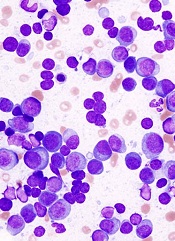
The US Food and Drug Administration (FDA) has granted orphan designation for the drug CB-5083 to treat multiple myeloma (MM).
CB-5083 works by inhibiting p97, an enzyme that controls various aspects of protein homeostasis.
Inhibiting p97 function in cancers has been shown to generate irresolvable endoplasmic reticulum stress that induces a lethal unfolded protein response, which leads to apoptosis and antitumor activity.
CB-5083 has exhibited anticancer activity in preclinical research, and the drug is currently under investigation in two phase 1 studies—one in MM and one in solid tumor malignancies.
Research in MM
Preclinical research presented at ASH 2014 showed that CB-5083 inhibits MM cell viability in vitro. The drug also inhibited tumor growth in xenograft models of MM and in an orthometastatic model of MM.
In addition, CB-5083 demonstrated synergy with carfilzomib, bortezomib, and combination lenalidomide-dexamethasone.
CB-5083 is now under investigation in a phase 1 dose-escalation/dose-expansion trial of MM patients.
Researchers are evaluating the safety, pharmacokinetics, pharmacodynamics, and antitumor activity of the drug in patients who have relapsed/refractory or refractory MM after receiving 2 or more lines of therapy, including an immunomodulatory agent and a proteasome inhibitor.
The goal is to enroll up to 60 patients in this trial at multiple US cancer centers that are part of the Multiple Myeloma Research Consortium. More information about the trial is available at www.clinicaltrials.gov (NCT02223598).
About orphan designation
The FDA grants orphan designation to drugs that are intended to treat diseases or conditions affecting fewer than 200,000 patients in the US. Orphan designation provides the sponsor of a drug with various development incentives.
The orphan designation for CB-5083 provides Cleave Biosciences with opportunities to apply for research-related tax credits and grant funding, assistance in designing clinical trials, 7 years of US marketing exclusivity if the drug is approved, and other benefits.
The US Food and Drug Administration (FDA) has granted orphan designation for the drug CB-5083 to treat multiple myeloma (MM).
CB-5083 works by inhibiting p97, an enzyme that controls various aspects of protein homeostasis.
Inhibiting p97 function in cancers has been shown to generate irresolvable endoplasmic reticulum stress that induces a lethal unfolded protein response, which leads to apoptosis and antitumor activity.
CB-5083 has exhibited anticancer activity in preclinical research, and the drug is currently under investigation in two phase 1 studies—one in MM and one in solid tumor malignancies.
Research in MM
Preclinical research presented at ASH 2014 showed that CB-5083 inhibits MM cell viability in vitro. The drug also inhibited tumor growth in xenograft models of MM and in an orthometastatic model of MM.
In addition, CB-5083 demonstrated synergy with carfilzomib, bortezomib, and combination lenalidomide-dexamethasone.
CB-5083 is now under investigation in a phase 1 dose-escalation/dose-expansion trial of MM patients.
Researchers are evaluating the safety, pharmacokinetics, pharmacodynamics, and antitumor activity of the drug in patients who have relapsed/refractory or refractory MM after receiving 2 or more lines of therapy, including an immunomodulatory agent and a proteasome inhibitor.
The goal is to enroll up to 60 patients in this trial at multiple US cancer centers that are part of the Multiple Myeloma Research Consortium. More information about the trial is available at www.clinicaltrials.gov (NCT02223598).
About orphan designation
The FDA grants orphan designation to drugs that are intended to treat diseases or conditions affecting fewer than 200,000 patients in the US. Orphan designation provides the sponsor of a drug with various development incentives.
The orphan designation for CB-5083 provides Cleave Biosciences with opportunities to apply for research-related tax credits and grant funding, assistance in designing clinical trials, 7 years of US marketing exclusivity if the drug is approved, and other benefits.
The US Food and Drug Administration (FDA) has granted orphan designation for the drug CB-5083 to treat multiple myeloma (MM).
CB-5083 works by inhibiting p97, an enzyme that controls various aspects of protein homeostasis.
Inhibiting p97 function in cancers has been shown to generate irresolvable endoplasmic reticulum stress that induces a lethal unfolded protein response, which leads to apoptosis and antitumor activity.
CB-5083 has exhibited anticancer activity in preclinical research, and the drug is currently under investigation in two phase 1 studies—one in MM and one in solid tumor malignancies.
Research in MM
Preclinical research presented at ASH 2014 showed that CB-5083 inhibits MM cell viability in vitro. The drug also inhibited tumor growth in xenograft models of MM and in an orthometastatic model of MM.
In addition, CB-5083 demonstrated synergy with carfilzomib, bortezomib, and combination lenalidomide-dexamethasone.
CB-5083 is now under investigation in a phase 1 dose-escalation/dose-expansion trial of MM patients.
Researchers are evaluating the safety, pharmacokinetics, pharmacodynamics, and antitumor activity of the drug in patients who have relapsed/refractory or refractory MM after receiving 2 or more lines of therapy, including an immunomodulatory agent and a proteasome inhibitor.
The goal is to enroll up to 60 patients in this trial at multiple US cancer centers that are part of the Multiple Myeloma Research Consortium. More information about the trial is available at www.clinicaltrials.gov (NCT02223598).
About orphan designation
The FDA grants orphan designation to drugs that are intended to treat diseases or conditions affecting fewer than 200,000 patients in the US. Orphan designation provides the sponsor of a drug with various development incentives.
The orphan designation for CB-5083 provides Cleave Biosciences with opportunities to apply for research-related tax credits and grant funding, assistance in designing clinical trials, 7 years of US marketing exclusivity if the drug is approved, and other benefits.
Prolonged sitting may increase cancer risk in women

Photo by Petr Kratochvil
Results of a large study indicate that women who spend their leisure time sitting for prolonged periods—6 or more hours a day—have an increased risk of developing certain cancers.
These women had a significant increase in the risk of overall cancer, multiple myeloma, breast cancer, and ovarian cancer.
The increased risks were present even after taking into account a woman’s body mass index (BMI), frequency of physical activity, and other factors.
For men, there was no association between leisure time spent sitting and any type of cancer.
Alpa Patel, PhD, of the American Cancer Society in Atlanta, Georgia, and her colleagues conducted this research and reported the results in Cancer Epidemiology, Biomarkers & Prevention.
The researchers analyzed data on 69,260 men and 77,462 women who were initially cancer-free and enrolled in the American Cancer Society Cancer Prevention Study II Nutrition Cohort.
In addition to evaluating the amount of leisure time subjects spent sitting, the researchers assessed factors such as age, race, BMI, alcohol use, smoking status, diabetes status, diet, and frequency and type of physical activity.
At baseline, the men enrolled in this study were slightly older, leaner, and more likely to have ever smoked cigarettes compared to the women. Men and women who spent the most leisure time sitting were more likely than their peers to be obese, have type II diabetes mellitus or other chronic diseases, have a higher caloric intake, eat more red/processed meat, and have ever smoked.
Between 1992 and 2009, 18,555 men and 12,236 women were diagnosed with cancer.
In women, longer leisure time spent sitting was associated with a significantly increased risk of cancer overall, even after the researchers adjusted for potential confounders such as overall physical activity and BMI.
The relative risk (RR) of cancer was 1.10 for women who spent an average of 6 or more hours a day sitting, compared to those who spent less than 3 hours a day sitting.
Women who sat for 6 or more hours a day also had a significantly increased risk of multiple myeloma (RR=1.65), invasive breast cancer (RR=1.10), and ovarian cancer (RR=1.43).
Initially, there was a significant association between prolonged sitting and endometrial cancer, but this was attenuated after the researchers adjusted for BMI. The researchers also found positive, but not significant, associations between sitting time and esophageal, head and neck, and gallbladder cancers.
For men, there was no significant association between time spent sitting and overall cancer risk or the risk of individual cancers. The researchers said further study is warranted to better understand this difference between the sexes.
The team also noted that American Cancer Society guidelines for cancer prevention recommend reducing sitting time when possible. And, given the high rate of time spent sitting in the US, even a modest positive association with cancer could have broad public health implications.
Photo by Petr Kratochvil
Results of a large study indicate that women who spend their leisure time sitting for prolonged periods—6 or more hours a day—have an increased risk of developing certain cancers.
These women had a significant increase in the risk of overall cancer, multiple myeloma, breast cancer, and ovarian cancer.
The increased risks were present even after taking into account a woman’s body mass index (BMI), frequency of physical activity, and other factors.
For men, there was no association between leisure time spent sitting and any type of cancer.
Alpa Patel, PhD, of the American Cancer Society in Atlanta, Georgia, and her colleagues conducted this research and reported the results in Cancer Epidemiology, Biomarkers & Prevention.
The researchers analyzed data on 69,260 men and 77,462 women who were initially cancer-free and enrolled in the American Cancer Society Cancer Prevention Study II Nutrition Cohort.
In addition to evaluating the amount of leisure time subjects spent sitting, the researchers assessed factors such as age, race, BMI, alcohol use, smoking status, diabetes status, diet, and frequency and type of physical activity.
At baseline, the men enrolled in this study were slightly older, leaner, and more likely to have ever smoked cigarettes compared to the women. Men and women who spent the most leisure time sitting were more likely than their peers to be obese, have type II diabetes mellitus or other chronic diseases, have a higher caloric intake, eat more red/processed meat, and have ever smoked.
Between 1992 and 2009, 18,555 men and 12,236 women were diagnosed with cancer.
In women, longer leisure time spent sitting was associated with a significantly increased risk of cancer overall, even after the researchers adjusted for potential confounders such as overall physical activity and BMI.
The relative risk (RR) of cancer was 1.10 for women who spent an average of 6 or more hours a day sitting, compared to those who spent less than 3 hours a day sitting.
Women who sat for 6 or more hours a day also had a significantly increased risk of multiple myeloma (RR=1.65), invasive breast cancer (RR=1.10), and ovarian cancer (RR=1.43).
Initially, there was a significant association between prolonged sitting and endometrial cancer, but this was attenuated after the researchers adjusted for BMI. The researchers also found positive, but not significant, associations between sitting time and esophageal, head and neck, and gallbladder cancers.
For men, there was no significant association between time spent sitting and overall cancer risk or the risk of individual cancers. The researchers said further study is warranted to better understand this difference between the sexes.
The team also noted that American Cancer Society guidelines for cancer prevention recommend reducing sitting time when possible. And, given the high rate of time spent sitting in the US, even a modest positive association with cancer could have broad public health implications.
Photo by Petr Kratochvil
Results of a large study indicate that women who spend their leisure time sitting for prolonged periods—6 or more hours a day—have an increased risk of developing certain cancers.
These women had a significant increase in the risk of overall cancer, multiple myeloma, breast cancer, and ovarian cancer.
The increased risks were present even after taking into account a woman’s body mass index (BMI), frequency of physical activity, and other factors.
For men, there was no association between leisure time spent sitting and any type of cancer.
Alpa Patel, PhD, of the American Cancer Society in Atlanta, Georgia, and her colleagues conducted this research and reported the results in Cancer Epidemiology, Biomarkers & Prevention.
The researchers analyzed data on 69,260 men and 77,462 women who were initially cancer-free and enrolled in the American Cancer Society Cancer Prevention Study II Nutrition Cohort.
In addition to evaluating the amount of leisure time subjects spent sitting, the researchers assessed factors such as age, race, BMI, alcohol use, smoking status, diabetes status, diet, and frequency and type of physical activity.
At baseline, the men enrolled in this study were slightly older, leaner, and more likely to have ever smoked cigarettes compared to the women. Men and women who spent the most leisure time sitting were more likely than their peers to be obese, have type II diabetes mellitus or other chronic diseases, have a higher caloric intake, eat more red/processed meat, and have ever smoked.
Between 1992 and 2009, 18,555 men and 12,236 women were diagnosed with cancer.
In women, longer leisure time spent sitting was associated with a significantly increased risk of cancer overall, even after the researchers adjusted for potential confounders such as overall physical activity and BMI.
The relative risk (RR) of cancer was 1.10 for women who spent an average of 6 or more hours a day sitting, compared to those who spent less than 3 hours a day sitting.
Women who sat for 6 or more hours a day also had a significantly increased risk of multiple myeloma (RR=1.65), invasive breast cancer (RR=1.10), and ovarian cancer (RR=1.43).
Initially, there was a significant association between prolonged sitting and endometrial cancer, but this was attenuated after the researchers adjusted for BMI. The researchers also found positive, but not significant, associations between sitting time and esophageal, head and neck, and gallbladder cancers.
For men, there was no significant association between time spent sitting and overall cancer risk or the risk of individual cancers. The researchers said further study is warranted to better understand this difference between the sexes.
The team also noted that American Cancer Society guidelines for cancer prevention recommend reducing sitting time when possible. And, given the high rate of time spent sitting in the US, even a modest positive association with cancer could have broad public health implications.
Adopting may be more difficult for cancer survivors

by Vera Kratochvil
Cancer survivors may face more challenges when trying to adopt a child than individuals without a history of cancer, according to a new study.
Investigators found the sizable upfront costs associated with adoption and requirements regarding a prospective parent’s health could work against cancer survivors trying to adopt.
However, the study also suggested that birth mothers might be receptive to cancer survivors as adoptive parents.
The research was published in Cancer.
Little is known about the rate at which cancer survivors successfully adopt a child or about their experiences during the adoption process. So Gwendolyn Quinn, PhD, of the Moffitt Cancer Center in Tampa, Florida, and her colleagues conducted a study to gain some insight.
The investigators asked oncology nurses who were participating in a training program to conduct interviews with adoption agencies. Seventy-seven nurses across 15 states provided summaries of their interviews.
The nurses reported that adoption fees ranged from $3000 to $75,000. They noted that the upfront costs of adoption could deter cancer survivors who already have “a huge financial burden” due to treatment costs.
Not all of the adoption agencies contacted kept records on whether prospective adoptive parents were cancer survivors. But agencies that did track this reported an average of 10 former cancer patients a year seeking adoption.
A few agencies reported that a cancer history in an adoptive parent could be discouraging for a birth mother. But most reported the opposite—that birth mothers might feel confident in choosing a parent who has overcome hardships and has an appreciation for life.
Agencies usually required prospective parents to provide a letter from a physician regarding their health and medical history. In some cases, agencies required cancer survivors to be disease-free for 5 years before they could adopt a child.
In addition, international adoptions had greater restrictions for prospective parents with a cancer history (compared to US adoptions).
Dr Quinn said these are potentially discriminatory practices akin to restricting employment opportunities for people with disabilities.
“[P]erhaps this data will bring to light the need for policy revisions in adoption processes . . . ,” she added.
by Vera Kratochvil
Cancer survivors may face more challenges when trying to adopt a child than individuals without a history of cancer, according to a new study.
Investigators found the sizable upfront costs associated with adoption and requirements regarding a prospective parent’s health could work against cancer survivors trying to adopt.
However, the study also suggested that birth mothers might be receptive to cancer survivors as adoptive parents.
The research was published in Cancer.
Little is known about the rate at which cancer survivors successfully adopt a child or about their experiences during the adoption process. So Gwendolyn Quinn, PhD, of the Moffitt Cancer Center in Tampa, Florida, and her colleagues conducted a study to gain some insight.
The investigators asked oncology nurses who were participating in a training program to conduct interviews with adoption agencies. Seventy-seven nurses across 15 states provided summaries of their interviews.
The nurses reported that adoption fees ranged from $3000 to $75,000. They noted that the upfront costs of adoption could deter cancer survivors who already have “a huge financial burden” due to treatment costs.
Not all of the adoption agencies contacted kept records on whether prospective adoptive parents were cancer survivors. But agencies that did track this reported an average of 10 former cancer patients a year seeking adoption.
A few agencies reported that a cancer history in an adoptive parent could be discouraging for a birth mother. But most reported the opposite—that birth mothers might feel confident in choosing a parent who has overcome hardships and has an appreciation for life.
Agencies usually required prospective parents to provide a letter from a physician regarding their health and medical history. In some cases, agencies required cancer survivors to be disease-free for 5 years before they could adopt a child.
In addition, international adoptions had greater restrictions for prospective parents with a cancer history (compared to US adoptions).
Dr Quinn said these are potentially discriminatory practices akin to restricting employment opportunities for people with disabilities.
“[P]erhaps this data will bring to light the need for policy revisions in adoption processes . . . ,” she added.
by Vera Kratochvil
Cancer survivors may face more challenges when trying to adopt a child than individuals without a history of cancer, according to a new study.
Investigators found the sizable upfront costs associated with adoption and requirements regarding a prospective parent’s health could work against cancer survivors trying to adopt.
However, the study also suggested that birth mothers might be receptive to cancer survivors as adoptive parents.
The research was published in Cancer.
Little is known about the rate at which cancer survivors successfully adopt a child or about their experiences during the adoption process. So Gwendolyn Quinn, PhD, of the Moffitt Cancer Center in Tampa, Florida, and her colleagues conducted a study to gain some insight.
The investigators asked oncology nurses who were participating in a training program to conduct interviews with adoption agencies. Seventy-seven nurses across 15 states provided summaries of their interviews.
The nurses reported that adoption fees ranged from $3000 to $75,000. They noted that the upfront costs of adoption could deter cancer survivors who already have “a huge financial burden” due to treatment costs.
Not all of the adoption agencies contacted kept records on whether prospective adoptive parents were cancer survivors. But agencies that did track this reported an average of 10 former cancer patients a year seeking adoption.
A few agencies reported that a cancer history in an adoptive parent could be discouraging for a birth mother. But most reported the opposite—that birth mothers might feel confident in choosing a parent who has overcome hardships and has an appreciation for life.
Agencies usually required prospective parents to provide a letter from a physician regarding their health and medical history. In some cases, agencies required cancer survivors to be disease-free for 5 years before they could adopt a child.
In addition, international adoptions had greater restrictions for prospective parents with a cancer history (compared to US adoptions).
Dr Quinn said these are potentially discriminatory practices akin to restricting employment opportunities for people with disabilities.
“[P]erhaps this data will bring to light the need for policy revisions in adoption processes . . . ,” she added.