User login
For MD-IQ use only
Norovirus vaccine candidates employ different approaches
Scientists are trying different approaches to developing vaccines against norovirus, seeking to replicate the success seen in developing shots against rotavirus.
Speaking at the 12th World Congress of the World Society for Pediatric Infectious Diseases (WSPID), Miguel O’Ryan, MD, of the University of Chile, Santiago, presented an overview of candidate vaccines. Dr. O’Ryan has been involved for many years with research on rotavirus vaccines and has branched into work with the somewhat similar norovirus.
With advances in preventing rotavirus, norovirus has emerged in recent years as a leading cause of acute gastroenteritis (AGE) in most countries worldwide. It’s associated with almost 20% of all acute diarrheal cases globally and with an estimated 685 million episodes and 212,000 deaths annually, Dr. O’Ryan and coauthors reported in a review in the journal Viruses.
If successful, norovirus vaccines may be used someday to prevent outbreaks among military personnel, as this contagious virus has the potential to disrupt missions, Dr. O’Ryan and coauthors wrote. They also said people might consider getting norovirus vaccines ahead of trips to prevent traveler’s diarrhea. But most importantly, these kinds of vaccines could reduce diarrhea-associated hospitalizations and deaths of children.
Takeda Pharmaceutical Company, for whom Dr. O’Ryan has done consulting, last year announced a collaboration with Frazier Healthcare Partners to launch HilleVax. Based in Boston, the company is intended to commercialize Takeda’s norovirus vaccine candidate.
The Takeda-HilleVax candidate vaccine injection has advanced as far as phase 2 studies, including a test done over two winter seasons in U.S. Navy recruits. Takeda and U.S. Navy scientists reported in 2020 in the journal Vaccine that the primary efficacy outcome for this test could not be evaluated due to an unexpectedly low number of cases of norovirus. Still, data taken from this study indicate that the vaccine induces a broad immune response, the scientists reported.
In his WSPID presentation, Dr. O’Ryan also mentioned an oral norovirus vaccine candidate that the company Vaxart is developing, referring to this as a “very interesting approach.”
Betting on the gut
Based in South San Francisco, California, Vaxart is pursuing a theory that a vaccine designed to generate mucosal antibodies locally in the intestine, in addition to systemic antibodies in the blood, may better protect against norovirus infection than an injectable vaccine.
“A key ability to protect against norovirus needs to come from an intestinal immune response, and injected vaccines don’t give those very well,” Sean Tucker, PhD, the founder and chief scientific officer of Vaxart, told this news organization in an interview. “We think that’s one of the reasons why our oral approaches can have significant advantages.”
Challenges to developing a norovirus vaccine have included a lack of good animal models to use in research and a lack of an ability to grow the virus well in cell culture, Dr. Tucker said.
Vaxart experienced disruptions in its research during the early stages of the pandemic but has since picked up the pace of its efforts to develop its oral vaccine, Dr. Tucker said during the interview.
In a recent filing with the Securities and Exchange Commission, Vaxart said in early 2021 it resumed its norovirus vaccine program by initiating three clinical studies. These included a phase 1b placebo-controlled dose ranging study in healthy elderly adults aged 55-80. Data from these trials may be unveiled in the coming months.
Vaxart said that this year it has already initiated a phase 2 norovirus challenge study, which will evaluate safety, immunogenicity, and clinical efficacy of a vaccine candidate against placebo.
A version of this article first appeared on Medscape.com.
Scientists are trying different approaches to developing vaccines against norovirus, seeking to replicate the success seen in developing shots against rotavirus.
Speaking at the 12th World Congress of the World Society for Pediatric Infectious Diseases (WSPID), Miguel O’Ryan, MD, of the University of Chile, Santiago, presented an overview of candidate vaccines. Dr. O’Ryan has been involved for many years with research on rotavirus vaccines and has branched into work with the somewhat similar norovirus.
With advances in preventing rotavirus, norovirus has emerged in recent years as a leading cause of acute gastroenteritis (AGE) in most countries worldwide. It’s associated with almost 20% of all acute diarrheal cases globally and with an estimated 685 million episodes and 212,000 deaths annually, Dr. O’Ryan and coauthors reported in a review in the journal Viruses.
If successful, norovirus vaccines may be used someday to prevent outbreaks among military personnel, as this contagious virus has the potential to disrupt missions, Dr. O’Ryan and coauthors wrote. They also said people might consider getting norovirus vaccines ahead of trips to prevent traveler’s diarrhea. But most importantly, these kinds of vaccines could reduce diarrhea-associated hospitalizations and deaths of children.
Takeda Pharmaceutical Company, for whom Dr. O’Ryan has done consulting, last year announced a collaboration with Frazier Healthcare Partners to launch HilleVax. Based in Boston, the company is intended to commercialize Takeda’s norovirus vaccine candidate.
The Takeda-HilleVax candidate vaccine injection has advanced as far as phase 2 studies, including a test done over two winter seasons in U.S. Navy recruits. Takeda and U.S. Navy scientists reported in 2020 in the journal Vaccine that the primary efficacy outcome for this test could not be evaluated due to an unexpectedly low number of cases of norovirus. Still, data taken from this study indicate that the vaccine induces a broad immune response, the scientists reported.
In his WSPID presentation, Dr. O’Ryan also mentioned an oral norovirus vaccine candidate that the company Vaxart is developing, referring to this as a “very interesting approach.”
Betting on the gut
Based in South San Francisco, California, Vaxart is pursuing a theory that a vaccine designed to generate mucosal antibodies locally in the intestine, in addition to systemic antibodies in the blood, may better protect against norovirus infection than an injectable vaccine.
“A key ability to protect against norovirus needs to come from an intestinal immune response, and injected vaccines don’t give those very well,” Sean Tucker, PhD, the founder and chief scientific officer of Vaxart, told this news organization in an interview. “We think that’s one of the reasons why our oral approaches can have significant advantages.”
Challenges to developing a norovirus vaccine have included a lack of good animal models to use in research and a lack of an ability to grow the virus well in cell culture, Dr. Tucker said.
Vaxart experienced disruptions in its research during the early stages of the pandemic but has since picked up the pace of its efforts to develop its oral vaccine, Dr. Tucker said during the interview.
In a recent filing with the Securities and Exchange Commission, Vaxart said in early 2021 it resumed its norovirus vaccine program by initiating three clinical studies. These included a phase 1b placebo-controlled dose ranging study in healthy elderly adults aged 55-80. Data from these trials may be unveiled in the coming months.
Vaxart said that this year it has already initiated a phase 2 norovirus challenge study, which will evaluate safety, immunogenicity, and clinical efficacy of a vaccine candidate against placebo.
A version of this article first appeared on Medscape.com.
Scientists are trying different approaches to developing vaccines against norovirus, seeking to replicate the success seen in developing shots against rotavirus.
Speaking at the 12th World Congress of the World Society for Pediatric Infectious Diseases (WSPID), Miguel O’Ryan, MD, of the University of Chile, Santiago, presented an overview of candidate vaccines. Dr. O’Ryan has been involved for many years with research on rotavirus vaccines and has branched into work with the somewhat similar norovirus.
With advances in preventing rotavirus, norovirus has emerged in recent years as a leading cause of acute gastroenteritis (AGE) in most countries worldwide. It’s associated with almost 20% of all acute diarrheal cases globally and with an estimated 685 million episodes and 212,000 deaths annually, Dr. O’Ryan and coauthors reported in a review in the journal Viruses.
If successful, norovirus vaccines may be used someday to prevent outbreaks among military personnel, as this contagious virus has the potential to disrupt missions, Dr. O’Ryan and coauthors wrote. They also said people might consider getting norovirus vaccines ahead of trips to prevent traveler’s diarrhea. But most importantly, these kinds of vaccines could reduce diarrhea-associated hospitalizations and deaths of children.
Takeda Pharmaceutical Company, for whom Dr. O’Ryan has done consulting, last year announced a collaboration with Frazier Healthcare Partners to launch HilleVax. Based in Boston, the company is intended to commercialize Takeda’s norovirus vaccine candidate.
The Takeda-HilleVax candidate vaccine injection has advanced as far as phase 2 studies, including a test done over two winter seasons in U.S. Navy recruits. Takeda and U.S. Navy scientists reported in 2020 in the journal Vaccine that the primary efficacy outcome for this test could not be evaluated due to an unexpectedly low number of cases of norovirus. Still, data taken from this study indicate that the vaccine induces a broad immune response, the scientists reported.
In his WSPID presentation, Dr. O’Ryan also mentioned an oral norovirus vaccine candidate that the company Vaxart is developing, referring to this as a “very interesting approach.”
Betting on the gut
Based in South San Francisco, California, Vaxart is pursuing a theory that a vaccine designed to generate mucosal antibodies locally in the intestine, in addition to systemic antibodies in the blood, may better protect against norovirus infection than an injectable vaccine.
“A key ability to protect against norovirus needs to come from an intestinal immune response, and injected vaccines don’t give those very well,” Sean Tucker, PhD, the founder and chief scientific officer of Vaxart, told this news organization in an interview. “We think that’s one of the reasons why our oral approaches can have significant advantages.”
Challenges to developing a norovirus vaccine have included a lack of good animal models to use in research and a lack of an ability to grow the virus well in cell culture, Dr. Tucker said.
Vaxart experienced disruptions in its research during the early stages of the pandemic but has since picked up the pace of its efforts to develop its oral vaccine, Dr. Tucker said during the interview.
In a recent filing with the Securities and Exchange Commission, Vaxart said in early 2021 it resumed its norovirus vaccine program by initiating three clinical studies. These included a phase 1b placebo-controlled dose ranging study in healthy elderly adults aged 55-80. Data from these trials may be unveiled in the coming months.
Vaxart said that this year it has already initiated a phase 2 norovirus challenge study, which will evaluate safety, immunogenicity, and clinical efficacy of a vaccine candidate against placebo.
A version of this article first appeared on Medscape.com.
Death of pig heart transplant patient is more a beginning than an end
The genetically altered pig’s heart “worked like a rock star, beautifully functioning,” the surgeon who performed the pioneering Jan. 7 xenotransplant procedure said in a press statement on the death of the patient, David Bennett Sr.
“He wasn’t able to overcome what turned out to be devastating – the debilitation from his previous period of heart failure, which was extreme,” said Bartley P. Griffith, MD, clinical director of the cardiac xenotransplantation program at the University of Maryland, Baltimore.
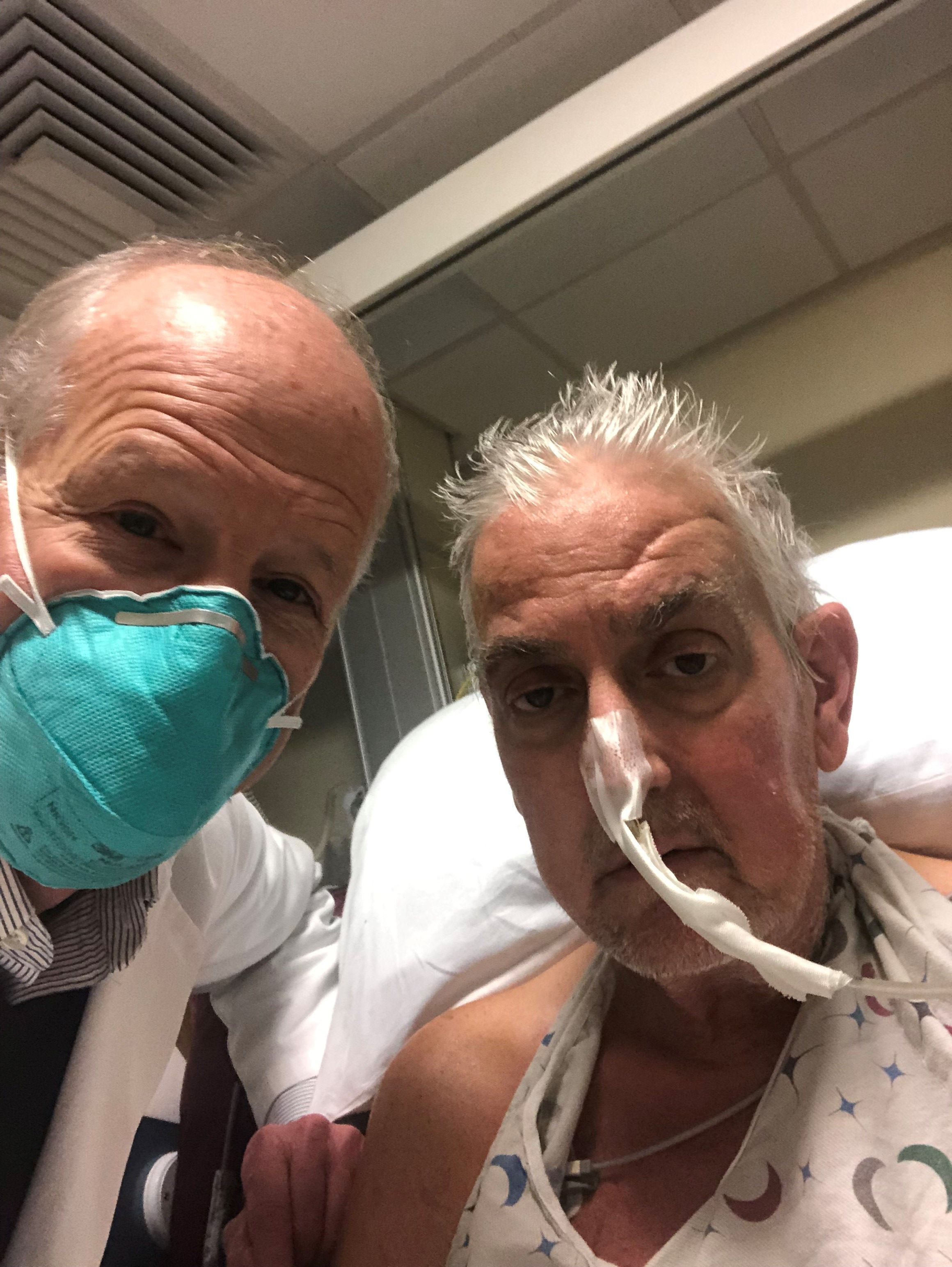
Representatives of the institution aren’t offering many details on the cause of Mr. Bennett’s death on March 8, 60 days after his operation, but said they will elaborate when their findings are formally published. But their comments seem to downplay the unique nature of the implanted heart itself as a culprit and instead implicate the patient’s diminished overall clinical condition and what grew into an ongoing battle with infections.
The 57-year-old Bennett, bedridden with end-stage heart failure, judged a poor candidate for a ventricular assist device, and on extracorporeal membrane oxygenation (ECMO), reportedly was offered the extraordinary surgery after being turned down for a conventional transplant at several major centers.
“Until day 45 or 50, he was doing very well,” Muhammad M. Mohiuddin, MD, the xenotransplantation program’s scientific director, observed in the statement. But infections soon took advantage of his hobbled immune system.
Given his “preexisting condition and how frail his body was,” Dr. Mohiuddin said, “we were having difficulty maintaining a balance between his immunosuppression and controlling his infection.” Mr. Bennett went into multiple organ failure and “I think that resulted in his passing away.”
Beyond wildest dreams
The surgeons confidently framed Mr. Bennett’s experience as a milestone for heart xenotransplantation. “The demonstration that it was possible, beyond the wildest dreams of most people in the field, even, at this point – that we were able to take a genetically engineered organ and watch it function flawlessly for 9 weeks – is pretty positive in terms of the potential of this therapy,” Dr. Griffith said.
But enough questions linger that others were more circumspect, even as they praised the accomplishment. “There’s no question that this is a historic event,” Mandeep R. Mehra, MD, of Harvard Medical School, and director of the Center for Advanced Heart Disease at Brigham and Women’s Hospital, both in Boston, said in an interview.
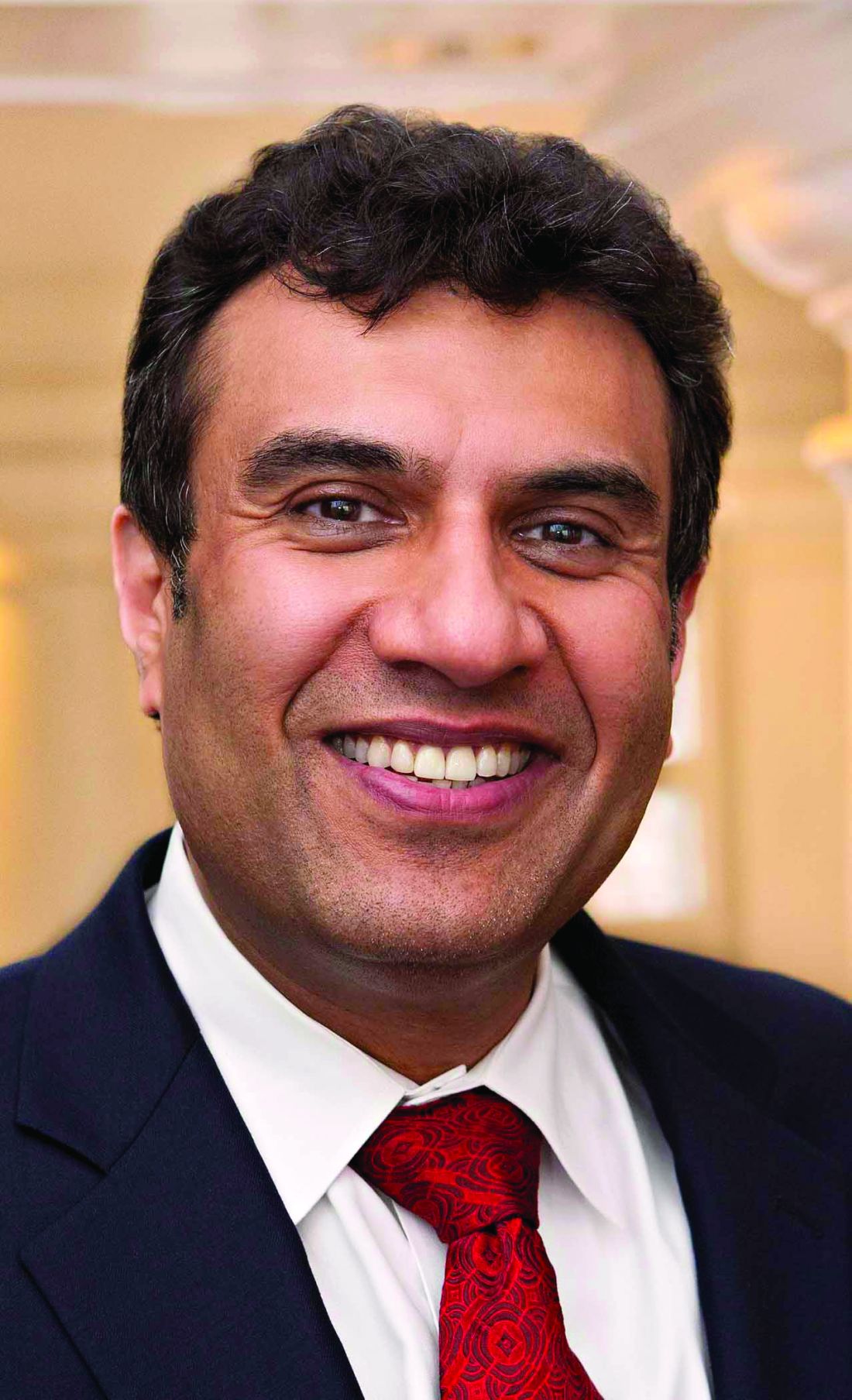
Still, “I don’t think we should just conclude that it was the patient’s frailty or death from infection,” Dr. Mehra said. With so few details available, “I would be very careful in prematurely concluding that the problem did not reside with the heart but with the patient. We cannot be sure.”
For example, he noted, “6 to 8 weeks is right around the time when some cardiac complications, like accelerated forms of vasculopathy, could become evident.” Immune-mediated cardiac allograft vasculopathy is a common cause of heart transplant failure.
Or, “it could as easily have been the fact that immunosuppression was modified at 6 to 7 weeks in response to potential infection, which could have led to a cardiac compromise,” Dr. Mehra said. “We just don’t know.”
“It’s really important that this be reported in a scientifically accurate way, because we will all learn from this,” Lori J. West, MD, DPhil, said in an interview.
Little seems to be known for sure about the actual cause of death, “but the fact there was not hyperacute rejection is itself a big step forward. And we know, at least from the limited information we have, that it did not occur,” observed Dr. West, who directs the Alberta Transplant Institute, Edmonton, and the Canadian Donation and Transplantation Research Program. She is a professor of pediatrics with adjunct positions in the departments of surgery and microbiology/immunology.
Dr. West also sees Mr. Bennett’s struggle with infections and adjustments to his unique immunosuppressive regimen, at least as characterized by his care team, as in line with the experience of many heart transplant recipients facing the same threat.
“We already walk this tightrope with every transplant patient,” she said. Typically, they’re put on a somewhat standardized immunosuppressant regimen, “and then we modify it a bit, either increasing or decreasing it, depending on the posttransplant course.” The regimen can become especially intense in response to new signs of rejection, “and you know that that’s going to have an impact on susceptibility to all kinds of infections.”
Full circle
The porcine heart was protected along two fronts against assault from Mr. Bennett’s immune system and other inhospitable aspects of his physiology, either of which could also have been obstacles to success: Genetic modification (Revivicor) of the pig that provided the heart, and a singularly aggressive antirejection drug regimen for the patient.
The knockout of three genes targeting specific porcine cell-surface carbohydrates that provoke a strong human antibody response reportedly averted a hyperacute rejection response that would have caused the graft to fail almost immediately.
Other genetic manipulations, some using CRISPR technology, silenced genes encoded for porcine endogenous retroviruses. Others were aimed at controlling myocardial growth and stemming graft microangiopathy.
Mr. Bennett himself was treated with powerful immunosuppressants, including an investigational anti-CD40 monoclonal antibody (KPL-404, Kiniksa Pharmaceuticals) that, according to UMSOM, inhibits a well-recognized pathway critical to B-cell proliferation, T-cell activation, and antibody production.
“I suspect the patient may not have had rejection, but unfortunately, that intense immunosuppression really set him up – even if he had been half that age – for a very difficult time,” David A. Baran, MD, a cardiologist from Sentara Advanced Heart Failure Center, Norfolk, Va., who studies transplant immunology, said in an interview.
“This is in some ways like the original heart transplant in 1967, when the ability to do the surgery evolved before understanding of the immunosuppression needed. Four or 5 years later, heart transplantation almost died out, before the development of better immunosuppressants like cyclosporine and later tacrolimus,” Dr. Baran said.
“The current age, when we use less immunosuppression than ever, is based on 30 years of progressive success,” he noted. This landmark xenotransplantation “basically turns back the clock to a time when the intensity of immunosuppression by definition had to be extremely high, because we really didn’t know what to expect.”
Emerging role of xeno-organs
Xenotransplantation has been touted as potential strategy for expanding the pool of organs available for transplantation. Mr. Bennett’s “breakthrough surgery” takes the world “one step closer to solving the organ shortage crisis,” his surgeon, Dr. Griffith, announced soon after the procedure. “There are simply not enough donor human hearts available to meet the long list of potential recipients.”
But it’s not the only proposed approach. Measures could be taken, for example, to make more efficient use of the human organs that become available, partly by opening the field to additional less-than-ideal hearts and loosening regulatory mandates for projected graft survival.
“Every year, more than two-thirds of donor organs in the United States are discarded. So it’s not actually that we don’t have enough organs, it’s that we don’t have enough organs that people are willing to take,” Dr. Baran said. Still, it’s important to pursue all promising avenues, and “the genetic manipulation pathway is remarkable.”
But “honestly, organs such as kidneys probably make the most sense” for early study of xenotransplantation from pigs, he said. “The waiting list for kidneys is also very long, but if the kidney graft were to fail, the patient wouldn’t die. It would allow us to work out the immunosuppression without putting patients’ lives at risk.”
Often overlooked in assessments of organ demand, Dr. West said, is that “a lot of patients who could benefit from a transplant will never even be listed for a transplant.” It’s not clear why; perhaps they have multiple comorbidities, live too far from a transplant center, “or they’re too big or too small. Even if there were unlimited organs, you could never meet the needs of people who could benefit from transplantation.”
So even if more available donor organs were used, she said, there would still be a gap that xenotransplantation could help fill. “I’m very much in favor of research that allows us to continue to try to find a pathway to xenotransplantation. I think it’s critically important.”
Unquestionably, “we now need to have a dialogue to entertain how a technology like this, using modern medicine with gene editing, is really going to be utilized,” Dr. Mehra said. The Bennett case “does open up the field, but it also raises caution.” There should be broad participation to move the field forward, “coordinated through either societies or nationally allocated advisory committees that oversee the movement of this technology, to the next step.”
Ideally, that next step “would be to do a safety clinical trial in the right patient,” he said. “And the right patient, by definition, would be one who does not have a life-prolonging option, either mechanical circulatory support or allograft transplantation. That would be the goal.”
Dr. Mehra has reported receiving payments to his institution from Abbott for consulting; consulting fees from Janssen, Mesoblast, Broadview Ventures, Natera, Paragonix, Moderna, and the Baim Institute for Clinical Research; and serving on a scientific advisory board NuPulseCV, Leviticus, and FineHeart. Dr. Baran disclosed consulting for Getinge and LivaNova; speaking for Pfizer; and serving on trial steering committees for CareDx and Procyrion, all unrelated to xenotransplantation. Dr. West has declared no relevant conflicts.
A version of this article first appeared on Medscape.com.
The genetically altered pig’s heart “worked like a rock star, beautifully functioning,” the surgeon who performed the pioneering Jan. 7 xenotransplant procedure said in a press statement on the death of the patient, David Bennett Sr.
“He wasn’t able to overcome what turned out to be devastating – the debilitation from his previous period of heart failure, which was extreme,” said Bartley P. Griffith, MD, clinical director of the cardiac xenotransplantation program at the University of Maryland, Baltimore.
Representatives of the institution aren’t offering many details on the cause of Mr. Bennett’s death on March 8, 60 days after his operation, but said they will elaborate when their findings are formally published. But their comments seem to downplay the unique nature of the implanted heart itself as a culprit and instead implicate the patient’s diminished overall clinical condition and what grew into an ongoing battle with infections.
The 57-year-old Bennett, bedridden with end-stage heart failure, judged a poor candidate for a ventricular assist device, and on extracorporeal membrane oxygenation (ECMO), reportedly was offered the extraordinary surgery after being turned down for a conventional transplant at several major centers.
“Until day 45 or 50, he was doing very well,” Muhammad M. Mohiuddin, MD, the xenotransplantation program’s scientific director, observed in the statement. But infections soon took advantage of his hobbled immune system.
Given his “preexisting condition and how frail his body was,” Dr. Mohiuddin said, “we were having difficulty maintaining a balance between his immunosuppression and controlling his infection.” Mr. Bennett went into multiple organ failure and “I think that resulted in his passing away.”
Beyond wildest dreams
The surgeons confidently framed Mr. Bennett’s experience as a milestone for heart xenotransplantation. “The demonstration that it was possible, beyond the wildest dreams of most people in the field, even, at this point – that we were able to take a genetically engineered organ and watch it function flawlessly for 9 weeks – is pretty positive in terms of the potential of this therapy,” Dr. Griffith said.
But enough questions linger that others were more circumspect, even as they praised the accomplishment. “There’s no question that this is a historic event,” Mandeep R. Mehra, MD, of Harvard Medical School, and director of the Center for Advanced Heart Disease at Brigham and Women’s Hospital, both in Boston, said in an interview.
Still, “I don’t think we should just conclude that it was the patient’s frailty or death from infection,” Dr. Mehra said. With so few details available, “I would be very careful in prematurely concluding that the problem did not reside with the heart but with the patient. We cannot be sure.”
For example, he noted, “6 to 8 weeks is right around the time when some cardiac complications, like accelerated forms of vasculopathy, could become evident.” Immune-mediated cardiac allograft vasculopathy is a common cause of heart transplant failure.
Or, “it could as easily have been the fact that immunosuppression was modified at 6 to 7 weeks in response to potential infection, which could have led to a cardiac compromise,” Dr. Mehra said. “We just don’t know.”
“It’s really important that this be reported in a scientifically accurate way, because we will all learn from this,” Lori J. West, MD, DPhil, said in an interview.
Little seems to be known for sure about the actual cause of death, “but the fact there was not hyperacute rejection is itself a big step forward. And we know, at least from the limited information we have, that it did not occur,” observed Dr. West, who directs the Alberta Transplant Institute, Edmonton, and the Canadian Donation and Transplantation Research Program. She is a professor of pediatrics with adjunct positions in the departments of surgery and microbiology/immunology.
Dr. West also sees Mr. Bennett’s struggle with infections and adjustments to his unique immunosuppressive regimen, at least as characterized by his care team, as in line with the experience of many heart transplant recipients facing the same threat.
“We already walk this tightrope with every transplant patient,” she said. Typically, they’re put on a somewhat standardized immunosuppressant regimen, “and then we modify it a bit, either increasing or decreasing it, depending on the posttransplant course.” The regimen can become especially intense in response to new signs of rejection, “and you know that that’s going to have an impact on susceptibility to all kinds of infections.”
Full circle
The porcine heart was protected along two fronts against assault from Mr. Bennett’s immune system and other inhospitable aspects of his physiology, either of which could also have been obstacles to success: Genetic modification (Revivicor) of the pig that provided the heart, and a singularly aggressive antirejection drug regimen for the patient.
The knockout of three genes targeting specific porcine cell-surface carbohydrates that provoke a strong human antibody response reportedly averted a hyperacute rejection response that would have caused the graft to fail almost immediately.
Other genetic manipulations, some using CRISPR technology, silenced genes encoded for porcine endogenous retroviruses. Others were aimed at controlling myocardial growth and stemming graft microangiopathy.
Mr. Bennett himself was treated with powerful immunosuppressants, including an investigational anti-CD40 monoclonal antibody (KPL-404, Kiniksa Pharmaceuticals) that, according to UMSOM, inhibits a well-recognized pathway critical to B-cell proliferation, T-cell activation, and antibody production.
“I suspect the patient may not have had rejection, but unfortunately, that intense immunosuppression really set him up – even if he had been half that age – for a very difficult time,” David A. Baran, MD, a cardiologist from Sentara Advanced Heart Failure Center, Norfolk, Va., who studies transplant immunology, said in an interview.
“This is in some ways like the original heart transplant in 1967, when the ability to do the surgery evolved before understanding of the immunosuppression needed. Four or 5 years later, heart transplantation almost died out, before the development of better immunosuppressants like cyclosporine and later tacrolimus,” Dr. Baran said.
“The current age, when we use less immunosuppression than ever, is based on 30 years of progressive success,” he noted. This landmark xenotransplantation “basically turns back the clock to a time when the intensity of immunosuppression by definition had to be extremely high, because we really didn’t know what to expect.”
Emerging role of xeno-organs
Xenotransplantation has been touted as potential strategy for expanding the pool of organs available for transplantation. Mr. Bennett’s “breakthrough surgery” takes the world “one step closer to solving the organ shortage crisis,” his surgeon, Dr. Griffith, announced soon after the procedure. “There are simply not enough donor human hearts available to meet the long list of potential recipients.”
But it’s not the only proposed approach. Measures could be taken, for example, to make more efficient use of the human organs that become available, partly by opening the field to additional less-than-ideal hearts and loosening regulatory mandates for projected graft survival.
“Every year, more than two-thirds of donor organs in the United States are discarded. So it’s not actually that we don’t have enough organs, it’s that we don’t have enough organs that people are willing to take,” Dr. Baran said. Still, it’s important to pursue all promising avenues, and “the genetic manipulation pathway is remarkable.”
But “honestly, organs such as kidneys probably make the most sense” for early study of xenotransplantation from pigs, he said. “The waiting list for kidneys is also very long, but if the kidney graft were to fail, the patient wouldn’t die. It would allow us to work out the immunosuppression without putting patients’ lives at risk.”
Often overlooked in assessments of organ demand, Dr. West said, is that “a lot of patients who could benefit from a transplant will never even be listed for a transplant.” It’s not clear why; perhaps they have multiple comorbidities, live too far from a transplant center, “or they’re too big or too small. Even if there were unlimited organs, you could never meet the needs of people who could benefit from transplantation.”
So even if more available donor organs were used, she said, there would still be a gap that xenotransplantation could help fill. “I’m very much in favor of research that allows us to continue to try to find a pathway to xenotransplantation. I think it’s critically important.”
Unquestionably, “we now need to have a dialogue to entertain how a technology like this, using modern medicine with gene editing, is really going to be utilized,” Dr. Mehra said. The Bennett case “does open up the field, but it also raises caution.” There should be broad participation to move the field forward, “coordinated through either societies or nationally allocated advisory committees that oversee the movement of this technology, to the next step.”
Ideally, that next step “would be to do a safety clinical trial in the right patient,” he said. “And the right patient, by definition, would be one who does not have a life-prolonging option, either mechanical circulatory support or allograft transplantation. That would be the goal.”
Dr. Mehra has reported receiving payments to his institution from Abbott for consulting; consulting fees from Janssen, Mesoblast, Broadview Ventures, Natera, Paragonix, Moderna, and the Baim Institute for Clinical Research; and serving on a scientific advisory board NuPulseCV, Leviticus, and FineHeart. Dr. Baran disclosed consulting for Getinge and LivaNova; speaking for Pfizer; and serving on trial steering committees for CareDx and Procyrion, all unrelated to xenotransplantation. Dr. West has declared no relevant conflicts.
A version of this article first appeared on Medscape.com.
The genetically altered pig’s heart “worked like a rock star, beautifully functioning,” the surgeon who performed the pioneering Jan. 7 xenotransplant procedure said in a press statement on the death of the patient, David Bennett Sr.
“He wasn’t able to overcome what turned out to be devastating – the debilitation from his previous period of heart failure, which was extreme,” said Bartley P. Griffith, MD, clinical director of the cardiac xenotransplantation program at the University of Maryland, Baltimore.
Representatives of the institution aren’t offering many details on the cause of Mr. Bennett’s death on March 8, 60 days after his operation, but said they will elaborate when their findings are formally published. But their comments seem to downplay the unique nature of the implanted heart itself as a culprit and instead implicate the patient’s diminished overall clinical condition and what grew into an ongoing battle with infections.
The 57-year-old Bennett, bedridden with end-stage heart failure, judged a poor candidate for a ventricular assist device, and on extracorporeal membrane oxygenation (ECMO), reportedly was offered the extraordinary surgery after being turned down for a conventional transplant at several major centers.
“Until day 45 or 50, he was doing very well,” Muhammad M. Mohiuddin, MD, the xenotransplantation program’s scientific director, observed in the statement. But infections soon took advantage of his hobbled immune system.
Given his “preexisting condition and how frail his body was,” Dr. Mohiuddin said, “we were having difficulty maintaining a balance between his immunosuppression and controlling his infection.” Mr. Bennett went into multiple organ failure and “I think that resulted in his passing away.”
Beyond wildest dreams
The surgeons confidently framed Mr. Bennett’s experience as a milestone for heart xenotransplantation. “The demonstration that it was possible, beyond the wildest dreams of most people in the field, even, at this point – that we were able to take a genetically engineered organ and watch it function flawlessly for 9 weeks – is pretty positive in terms of the potential of this therapy,” Dr. Griffith said.
But enough questions linger that others were more circumspect, even as they praised the accomplishment. “There’s no question that this is a historic event,” Mandeep R. Mehra, MD, of Harvard Medical School, and director of the Center for Advanced Heart Disease at Brigham and Women’s Hospital, both in Boston, said in an interview.
Still, “I don’t think we should just conclude that it was the patient’s frailty or death from infection,” Dr. Mehra said. With so few details available, “I would be very careful in prematurely concluding that the problem did not reside with the heart but with the patient. We cannot be sure.”
For example, he noted, “6 to 8 weeks is right around the time when some cardiac complications, like accelerated forms of vasculopathy, could become evident.” Immune-mediated cardiac allograft vasculopathy is a common cause of heart transplant failure.
Or, “it could as easily have been the fact that immunosuppression was modified at 6 to 7 weeks in response to potential infection, which could have led to a cardiac compromise,” Dr. Mehra said. “We just don’t know.”
“It’s really important that this be reported in a scientifically accurate way, because we will all learn from this,” Lori J. West, MD, DPhil, said in an interview.
Little seems to be known for sure about the actual cause of death, “but the fact there was not hyperacute rejection is itself a big step forward. And we know, at least from the limited information we have, that it did not occur,” observed Dr. West, who directs the Alberta Transplant Institute, Edmonton, and the Canadian Donation and Transplantation Research Program. She is a professor of pediatrics with adjunct positions in the departments of surgery and microbiology/immunology.
Dr. West also sees Mr. Bennett’s struggle with infections and adjustments to his unique immunosuppressive regimen, at least as characterized by his care team, as in line with the experience of many heart transplant recipients facing the same threat.
“We already walk this tightrope with every transplant patient,” she said. Typically, they’re put on a somewhat standardized immunosuppressant regimen, “and then we modify it a bit, either increasing or decreasing it, depending on the posttransplant course.” The regimen can become especially intense in response to new signs of rejection, “and you know that that’s going to have an impact on susceptibility to all kinds of infections.”
Full circle
The porcine heart was protected along two fronts against assault from Mr. Bennett’s immune system and other inhospitable aspects of his physiology, either of which could also have been obstacles to success: Genetic modification (Revivicor) of the pig that provided the heart, and a singularly aggressive antirejection drug regimen for the patient.
The knockout of three genes targeting specific porcine cell-surface carbohydrates that provoke a strong human antibody response reportedly averted a hyperacute rejection response that would have caused the graft to fail almost immediately.
Other genetic manipulations, some using CRISPR technology, silenced genes encoded for porcine endogenous retroviruses. Others were aimed at controlling myocardial growth and stemming graft microangiopathy.
Mr. Bennett himself was treated with powerful immunosuppressants, including an investigational anti-CD40 monoclonal antibody (KPL-404, Kiniksa Pharmaceuticals) that, according to UMSOM, inhibits a well-recognized pathway critical to B-cell proliferation, T-cell activation, and antibody production.
“I suspect the patient may not have had rejection, but unfortunately, that intense immunosuppression really set him up – even if he had been half that age – for a very difficult time,” David A. Baran, MD, a cardiologist from Sentara Advanced Heart Failure Center, Norfolk, Va., who studies transplant immunology, said in an interview.
“This is in some ways like the original heart transplant in 1967, when the ability to do the surgery evolved before understanding of the immunosuppression needed. Four or 5 years later, heart transplantation almost died out, before the development of better immunosuppressants like cyclosporine and later tacrolimus,” Dr. Baran said.
“The current age, when we use less immunosuppression than ever, is based on 30 years of progressive success,” he noted. This landmark xenotransplantation “basically turns back the clock to a time when the intensity of immunosuppression by definition had to be extremely high, because we really didn’t know what to expect.”
Emerging role of xeno-organs
Xenotransplantation has been touted as potential strategy for expanding the pool of organs available for transplantation. Mr. Bennett’s “breakthrough surgery” takes the world “one step closer to solving the organ shortage crisis,” his surgeon, Dr. Griffith, announced soon after the procedure. “There are simply not enough donor human hearts available to meet the long list of potential recipients.”
But it’s not the only proposed approach. Measures could be taken, for example, to make more efficient use of the human organs that become available, partly by opening the field to additional less-than-ideal hearts and loosening regulatory mandates for projected graft survival.
“Every year, more than two-thirds of donor organs in the United States are discarded. So it’s not actually that we don’t have enough organs, it’s that we don’t have enough organs that people are willing to take,” Dr. Baran said. Still, it’s important to pursue all promising avenues, and “the genetic manipulation pathway is remarkable.”
But “honestly, organs such as kidneys probably make the most sense” for early study of xenotransplantation from pigs, he said. “The waiting list for kidneys is also very long, but if the kidney graft were to fail, the patient wouldn’t die. It would allow us to work out the immunosuppression without putting patients’ lives at risk.”
Often overlooked in assessments of organ demand, Dr. West said, is that “a lot of patients who could benefit from a transplant will never even be listed for a transplant.” It’s not clear why; perhaps they have multiple comorbidities, live too far from a transplant center, “or they’re too big or too small. Even if there were unlimited organs, you could never meet the needs of people who could benefit from transplantation.”
So even if more available donor organs were used, she said, there would still be a gap that xenotransplantation could help fill. “I’m very much in favor of research that allows us to continue to try to find a pathway to xenotransplantation. I think it’s critically important.”
Unquestionably, “we now need to have a dialogue to entertain how a technology like this, using modern medicine with gene editing, is really going to be utilized,” Dr. Mehra said. The Bennett case “does open up the field, but it also raises caution.” There should be broad participation to move the field forward, “coordinated through either societies or nationally allocated advisory committees that oversee the movement of this technology, to the next step.”
Ideally, that next step “would be to do a safety clinical trial in the right patient,” he said. “And the right patient, by definition, would be one who does not have a life-prolonging option, either mechanical circulatory support or allograft transplantation. That would be the goal.”
Dr. Mehra has reported receiving payments to his institution from Abbott for consulting; consulting fees from Janssen, Mesoblast, Broadview Ventures, Natera, Paragonix, Moderna, and the Baim Institute for Clinical Research; and serving on a scientific advisory board NuPulseCV, Leviticus, and FineHeart. Dr. Baran disclosed consulting for Getinge and LivaNova; speaking for Pfizer; and serving on trial steering committees for CareDx and Procyrion, all unrelated to xenotransplantation. Dr. West has declared no relevant conflicts.
A version of this article first appeared on Medscape.com.
Lights on during sleep can play havoc with metabolism
“The most important finding” is that, compared with one night in a dim light environment, “one night of exposure to a moderate level of room light while sleeping with eyes closed increased heart rate and sympathetic [nervous system] activity during the entire sleep period,” said senior author Phyllis C. Zee, MD, PhD.
And on the morning following the moderate room light condition, a higher amount of insulin secretion was required to normalize glucose levels following ingestion of a bolus of glucose in an oral glucose tolerance test, consistent with higher insulin resistance, Dr. Zee, director of the center for circadian and sleep medicine at Northwestern University, Chicago, told this news organization in an email.
The study by Ivy C. Mason, PhD, also of Northwestern University, and colleagues was published March 14 in the Proceedings of the National Academy of Sciences.
Melatonin levels were similar under the two light conditions, Dr. Zee added, which “suggests that the effect of light during sleep on these cardiometabolic measures were more likely due to activation of the sympathetic [nervous] system and less likely due to changes in sleep or suppression of melatonin by light.”
“Attention to avoiding exposure to light at night during sleep may be beneficial for cardiometabolic health,” the researchers conclude.
That means “turn lights off before sleeping,” Dr. Zee elaborated. If a light is needed for safety reasons, keep it as dim as possible, she advises, and avoid exposure to blue or green light, but instead try red-amber colors.
How light during sleep may affect insulin, melatonin, heart rate
Several studies have investigated the effect of light on sleep and metabolic outcomes, the researchers explain.
In one study, light in the bedroom was associated with obesity in women, and in another study, it was associated with risk of type 2 diabetes in an elderly population.
Research has suggested that nighttime light exposure may alter glucose metabolism by increasing insulin resistance; lowering melatonin levels, which alters insulin secretion; and having an arousing effect on the sympathetic autonomic nervous system (increasing the stress hormone cortisol or heart rate, and decreasing heart rate variability).
However, the effect of a single night of moderate room light exposure across the entire nighttime sleep period has not been fully investigated.
The researchers enrolled and randomized 20 healthy young adults who were 18-40 years old and regularly went to sleep between 9 p.m. and 1 a.m. and slept 6.5-8.5 hours, to sleep 2 nights in the sleep laboratory under two conditions.
Ten participants (eight women, two men) slept in a dim light condition on night 1 and in a moderate light condition on night 2. The other 10 participants (six women, four men) slept 2 nights in the dim light condition.
The moderate light condition consisted of four 60-watt incandescent overhead ceiling light bulbs (a total of 100 lux), which “is bright enough to see, but not to read comfortably,” Dr. Zee explained. “It’s like hallway light in an apartment. But the people were sleeping, so about 90% of the light would be blocked by the eyelids.”
The dim light condition was less than 3 lux, which is dimmer than a night light.
When participants were awake, the room lighting was 240 lux.
Participants in each group were a mean age of 27 years and had a mean body mass index of 23 and 24 kg/m2.
The week before the study, participants went to bed at 11 p.m. and slept for 7 hours (based on actigraphy measures). During the laboratory stay, the participants were allowed to sleep 8 hours, during which polysomnography was performed.
They received standard meals at 2.5, 5, and 11 hours after waking and had 30 minutes to eat them. Snacking and caffeine were not permitted.
Participants were instructed to remain seated or standing in their room, but not exercise, when they were not sleeping. Blood samples to determine melatonin levels were collected hourly during wake and sleep via an intravenous line.
Participants slept for a similar time, around 7 hours, in both conditions.
Although melatonin levels were similar in both conditions, this was a relatively small sample, the researchers caution.
In the room light condition, participants spent proportionately more time in stage N2 sleep and less in slow-wave and rapid eye movement sleep. There was no increase in sleep fragmentation or arousals.
The research was partly supported by the Center for Circadian and Sleep Medicine at Northwestern University, the National Center for Advancing Translational Sciences, the National Institutes of Health, and the American Heart Association. The researchers have reported no relevant financial relationships.
A version of this article first appeared on Medscape.com.
“The most important finding” is that, compared with one night in a dim light environment, “one night of exposure to a moderate level of room light while sleeping with eyes closed increased heart rate and sympathetic [nervous system] activity during the entire sleep period,” said senior author Phyllis C. Zee, MD, PhD.
And on the morning following the moderate room light condition, a higher amount of insulin secretion was required to normalize glucose levels following ingestion of a bolus of glucose in an oral glucose tolerance test, consistent with higher insulin resistance, Dr. Zee, director of the center for circadian and sleep medicine at Northwestern University, Chicago, told this news organization in an email.
The study by Ivy C. Mason, PhD, also of Northwestern University, and colleagues was published March 14 in the Proceedings of the National Academy of Sciences.
Melatonin levels were similar under the two light conditions, Dr. Zee added, which “suggests that the effect of light during sleep on these cardiometabolic measures were more likely due to activation of the sympathetic [nervous] system and less likely due to changes in sleep or suppression of melatonin by light.”
“Attention to avoiding exposure to light at night during sleep may be beneficial for cardiometabolic health,” the researchers conclude.
That means “turn lights off before sleeping,” Dr. Zee elaborated. If a light is needed for safety reasons, keep it as dim as possible, she advises, and avoid exposure to blue or green light, but instead try red-amber colors.
How light during sleep may affect insulin, melatonin, heart rate
Several studies have investigated the effect of light on sleep and metabolic outcomes, the researchers explain.
In one study, light in the bedroom was associated with obesity in women, and in another study, it was associated with risk of type 2 diabetes in an elderly population.
Research has suggested that nighttime light exposure may alter glucose metabolism by increasing insulin resistance; lowering melatonin levels, which alters insulin secretion; and having an arousing effect on the sympathetic autonomic nervous system (increasing the stress hormone cortisol or heart rate, and decreasing heart rate variability).
However, the effect of a single night of moderate room light exposure across the entire nighttime sleep period has not been fully investigated.
The researchers enrolled and randomized 20 healthy young adults who were 18-40 years old and regularly went to sleep between 9 p.m. and 1 a.m. and slept 6.5-8.5 hours, to sleep 2 nights in the sleep laboratory under two conditions.
Ten participants (eight women, two men) slept in a dim light condition on night 1 and in a moderate light condition on night 2. The other 10 participants (six women, four men) slept 2 nights in the dim light condition.
The moderate light condition consisted of four 60-watt incandescent overhead ceiling light bulbs (a total of 100 lux), which “is bright enough to see, but not to read comfortably,” Dr. Zee explained. “It’s like hallway light in an apartment. But the people were sleeping, so about 90% of the light would be blocked by the eyelids.”
The dim light condition was less than 3 lux, which is dimmer than a night light.
When participants were awake, the room lighting was 240 lux.
Participants in each group were a mean age of 27 years and had a mean body mass index of 23 and 24 kg/m2.
The week before the study, participants went to bed at 11 p.m. and slept for 7 hours (based on actigraphy measures). During the laboratory stay, the participants were allowed to sleep 8 hours, during which polysomnography was performed.
They received standard meals at 2.5, 5, and 11 hours after waking and had 30 minutes to eat them. Snacking and caffeine were not permitted.
Participants were instructed to remain seated or standing in their room, but not exercise, when they were not sleeping. Blood samples to determine melatonin levels were collected hourly during wake and sleep via an intravenous line.
Participants slept for a similar time, around 7 hours, in both conditions.
Although melatonin levels were similar in both conditions, this was a relatively small sample, the researchers caution.
In the room light condition, participants spent proportionately more time in stage N2 sleep and less in slow-wave and rapid eye movement sleep. There was no increase in sleep fragmentation or arousals.
The research was partly supported by the Center for Circadian and Sleep Medicine at Northwestern University, the National Center for Advancing Translational Sciences, the National Institutes of Health, and the American Heart Association. The researchers have reported no relevant financial relationships.
A version of this article first appeared on Medscape.com.
“The most important finding” is that, compared with one night in a dim light environment, “one night of exposure to a moderate level of room light while sleeping with eyes closed increased heart rate and sympathetic [nervous system] activity during the entire sleep period,” said senior author Phyllis C. Zee, MD, PhD.
And on the morning following the moderate room light condition, a higher amount of insulin secretion was required to normalize glucose levels following ingestion of a bolus of glucose in an oral glucose tolerance test, consistent with higher insulin resistance, Dr. Zee, director of the center for circadian and sleep medicine at Northwestern University, Chicago, told this news organization in an email.
The study by Ivy C. Mason, PhD, also of Northwestern University, and colleagues was published March 14 in the Proceedings of the National Academy of Sciences.
Melatonin levels were similar under the two light conditions, Dr. Zee added, which “suggests that the effect of light during sleep on these cardiometabolic measures were more likely due to activation of the sympathetic [nervous] system and less likely due to changes in sleep or suppression of melatonin by light.”
“Attention to avoiding exposure to light at night during sleep may be beneficial for cardiometabolic health,” the researchers conclude.
That means “turn lights off before sleeping,” Dr. Zee elaborated. If a light is needed for safety reasons, keep it as dim as possible, she advises, and avoid exposure to blue or green light, but instead try red-amber colors.
How light during sleep may affect insulin, melatonin, heart rate
Several studies have investigated the effect of light on sleep and metabolic outcomes, the researchers explain.
In one study, light in the bedroom was associated with obesity in women, and in another study, it was associated with risk of type 2 diabetes in an elderly population.
Research has suggested that nighttime light exposure may alter glucose metabolism by increasing insulin resistance; lowering melatonin levels, which alters insulin secretion; and having an arousing effect on the sympathetic autonomic nervous system (increasing the stress hormone cortisol or heart rate, and decreasing heart rate variability).
However, the effect of a single night of moderate room light exposure across the entire nighttime sleep period has not been fully investigated.
The researchers enrolled and randomized 20 healthy young adults who were 18-40 years old and regularly went to sleep between 9 p.m. and 1 a.m. and slept 6.5-8.5 hours, to sleep 2 nights in the sleep laboratory under two conditions.
Ten participants (eight women, two men) slept in a dim light condition on night 1 and in a moderate light condition on night 2. The other 10 participants (six women, four men) slept 2 nights in the dim light condition.
The moderate light condition consisted of four 60-watt incandescent overhead ceiling light bulbs (a total of 100 lux), which “is bright enough to see, but not to read comfortably,” Dr. Zee explained. “It’s like hallway light in an apartment. But the people were sleeping, so about 90% of the light would be blocked by the eyelids.”
The dim light condition was less than 3 lux, which is dimmer than a night light.
When participants were awake, the room lighting was 240 lux.
Participants in each group were a mean age of 27 years and had a mean body mass index of 23 and 24 kg/m2.
The week before the study, participants went to bed at 11 p.m. and slept for 7 hours (based on actigraphy measures). During the laboratory stay, the participants were allowed to sleep 8 hours, during which polysomnography was performed.
They received standard meals at 2.5, 5, and 11 hours after waking and had 30 minutes to eat them. Snacking and caffeine were not permitted.
Participants were instructed to remain seated or standing in their room, but not exercise, when they were not sleeping. Blood samples to determine melatonin levels were collected hourly during wake and sleep via an intravenous line.
Participants slept for a similar time, around 7 hours, in both conditions.
Although melatonin levels were similar in both conditions, this was a relatively small sample, the researchers caution.
In the room light condition, participants spent proportionately more time in stage N2 sleep and less in slow-wave and rapid eye movement sleep. There was no increase in sleep fragmentation or arousals.
The research was partly supported by the Center for Circadian and Sleep Medicine at Northwestern University, the National Center for Advancing Translational Sciences, the National Institutes of Health, and the American Heart Association. The researchers have reported no relevant financial relationships.
A version of this article first appeared on Medscape.com.
FROM PROCEEDINGS OF THE NATIONAL ACADEMY OF SCIENCES
Cardiologist pleads guilty to abusive sexual contact
John Giacomini, MD, has pleaded guilty to one count of abusive sexual contact of a female physician he was supervising, the Department of Justice (DOJ) has announced.
Dr. Giacomini, 73, of Atherton, California, had practiced medicine and cardiology for more than 30 years and served as chief of the cardiology section at the VA Hospital in Palo Alto from 1985 to 2018.
According to the statement from DOJ, starting in the fall of 2017, Dr. Giacomini repeatedly subjected a subordinate doctor to unwanted and unwelcome sexual contact, which included hugging, kissing, and intimate touching while on VA premises.
The victim explicitly told Dr. Giacomini she was not interested in a romantic or sexual relationship with him and forcibly resisted his repeated attempts to kiss her, the statement notes.
The abuse continued, culminating in December 2017 with the incident of abusive sexual contact, the DOJ says.
Afterward, the victim resigned from her position at the VA, citing Dr. Giacomini’s behavior as her principal reason for leaving.
“As a federal employee for well over 30 years, [Dr.] Giacomini was trained throughout his career on the prevention of workplace sexual assault and sexual harassment,” the DOJ says.
“As a supervisor and manager, [Dr.] Giacomini had an obligation to the VA and to his subordinates to prevent workplace sexual harassment and disclose any harassing behavior of which he became aware. He failed to do this,” the DOJ says.
A federal grand jury indicted Dr. Giacomini in March 2020, charging him with one count of abusive sexual contact. Dr. Giacomini has now pleaded guilty to the charge, a felony.
Sentencing is scheduled for July 12. Dr. Giacomini faces a maximum sentence of 2 years in prison, a fine of $250,000, restitution, and supervised release.
A version of this article first appeared on Medscape.com.
John Giacomini, MD, has pleaded guilty to one count of abusive sexual contact of a female physician he was supervising, the Department of Justice (DOJ) has announced.
Dr. Giacomini, 73, of Atherton, California, had practiced medicine and cardiology for more than 30 years and served as chief of the cardiology section at the VA Hospital in Palo Alto from 1985 to 2018.
According to the statement from DOJ, starting in the fall of 2017, Dr. Giacomini repeatedly subjected a subordinate doctor to unwanted and unwelcome sexual contact, which included hugging, kissing, and intimate touching while on VA premises.
The victim explicitly told Dr. Giacomini she was not interested in a romantic or sexual relationship with him and forcibly resisted his repeated attempts to kiss her, the statement notes.
The abuse continued, culminating in December 2017 with the incident of abusive sexual contact, the DOJ says.
Afterward, the victim resigned from her position at the VA, citing Dr. Giacomini’s behavior as her principal reason for leaving.
“As a federal employee for well over 30 years, [Dr.] Giacomini was trained throughout his career on the prevention of workplace sexual assault and sexual harassment,” the DOJ says.
“As a supervisor and manager, [Dr.] Giacomini had an obligation to the VA and to his subordinates to prevent workplace sexual harassment and disclose any harassing behavior of which he became aware. He failed to do this,” the DOJ says.
A federal grand jury indicted Dr. Giacomini in March 2020, charging him with one count of abusive sexual contact. Dr. Giacomini has now pleaded guilty to the charge, a felony.
Sentencing is scheduled for July 12. Dr. Giacomini faces a maximum sentence of 2 years in prison, a fine of $250,000, restitution, and supervised release.
A version of this article first appeared on Medscape.com.
John Giacomini, MD, has pleaded guilty to one count of abusive sexual contact of a female physician he was supervising, the Department of Justice (DOJ) has announced.
Dr. Giacomini, 73, of Atherton, California, had practiced medicine and cardiology for more than 30 years and served as chief of the cardiology section at the VA Hospital in Palo Alto from 1985 to 2018.
According to the statement from DOJ, starting in the fall of 2017, Dr. Giacomini repeatedly subjected a subordinate doctor to unwanted and unwelcome sexual contact, which included hugging, kissing, and intimate touching while on VA premises.
The victim explicitly told Dr. Giacomini she was not interested in a romantic or sexual relationship with him and forcibly resisted his repeated attempts to kiss her, the statement notes.
The abuse continued, culminating in December 2017 with the incident of abusive sexual contact, the DOJ says.
Afterward, the victim resigned from her position at the VA, citing Dr. Giacomini’s behavior as her principal reason for leaving.
“As a federal employee for well over 30 years, [Dr.] Giacomini was trained throughout his career on the prevention of workplace sexual assault and sexual harassment,” the DOJ says.
“As a supervisor and manager, [Dr.] Giacomini had an obligation to the VA and to his subordinates to prevent workplace sexual harassment and disclose any harassing behavior of which he became aware. He failed to do this,” the DOJ says.
A federal grand jury indicted Dr. Giacomini in March 2020, charging him with one count of abusive sexual contact. Dr. Giacomini has now pleaded guilty to the charge, a felony.
Sentencing is scheduled for July 12. Dr. Giacomini faces a maximum sentence of 2 years in prison, a fine of $250,000, restitution, and supervised release.
A version of this article first appeared on Medscape.com.
Q&A With JAAD Editor Dirk M. Elston, MD
who has authored more than 600 peer-reviewed publications and 92 textbook chapters.
After earning his undergraduate degree from Pennsylvania State University and his medical degree from Jefferson Medical College in Philadelphia, Dr. Elston completed an internship and a dermatology residency at Walter Reed Army Medical Center in Washington, as well as a dermatopathology fellowship at the Cleveland Clinic. He currently is professor and chair of the department of dermatology and dermatologic surgery at the Medical University of South Carolina in Charleston.
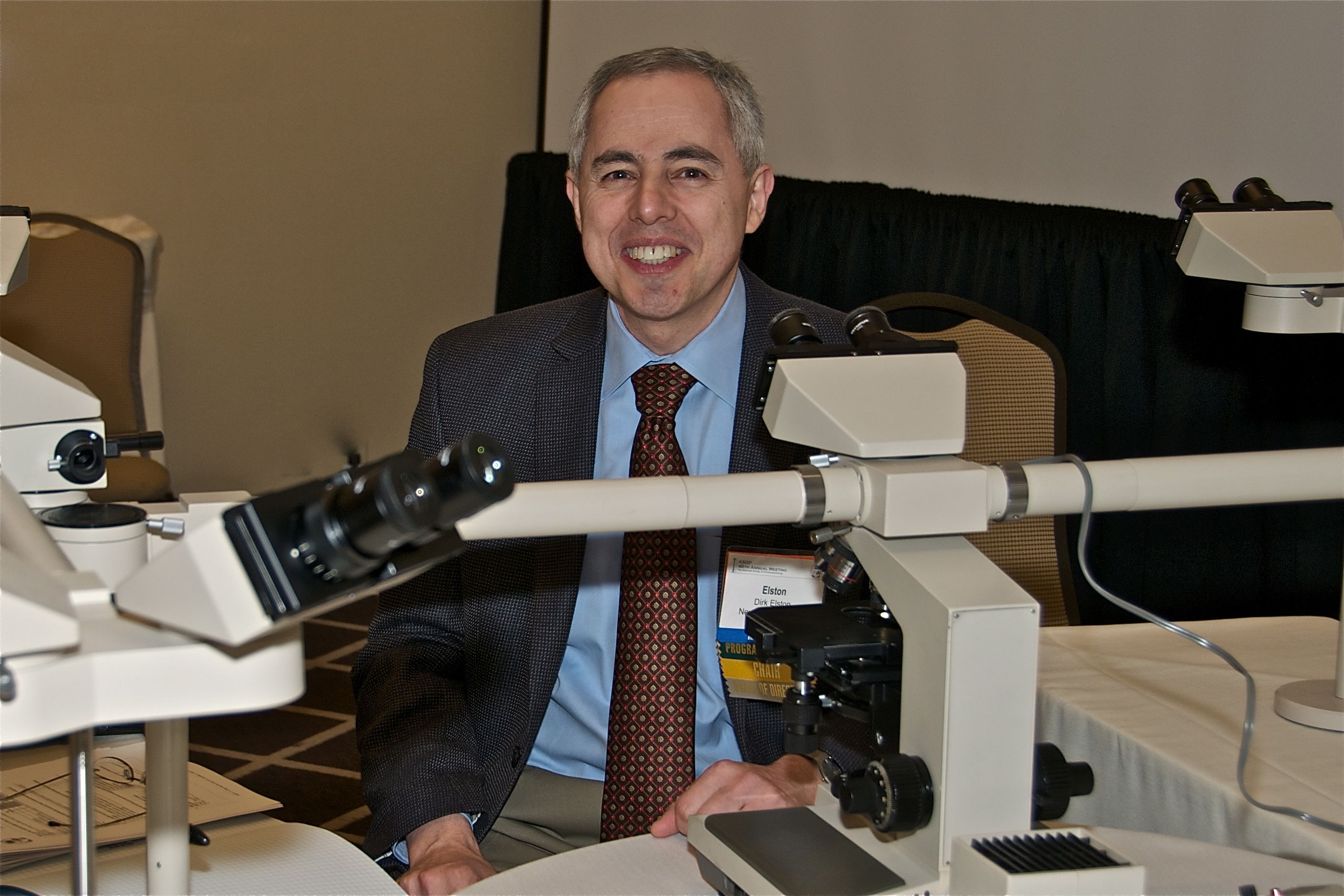
Dr. Elston is one of five authors of “Andrews’ Diseases of the Skin),” coauthor with Tammie Ferringer, MD, of the “Dermatopathology” textbook, and editor in chief of the Requisites in Dermatology series of textbooks. In 2018, he succeeded Bruce H. Thiers, MD, as editor of the Journal of the American Academy of Dermatology and in 2021, received the AAD’s Gold Medal Award, which is the academy’s highest honor.
In an interview, Dr. Elston reflected on his mentors, shared how he manages his many responsibilities as a clinician, teacher, and editor, and talked about the promising future of dermatology.
Who inspired you most to pursue a career in medicine? My grandmother, Annie Elston, was a physician and dedicated her life to helping others. She was a front-line medic during World War I, helped to run a neonatal syphilis ward after the war, and practiced pediatrics in New York City until her death. She was a great role model.
Did you enter medical school knowing that you wanted to become a dermatologist? If not, what was the turning point for you? I didn’t really know much about dermatology when I entered medical school. I fell in love with the specialty during a rotation.
What was the most memorable experience from your dermatology residency at Walter Reed Army Medical Center? There were so many interesting patients, including many tropical diseases.
Why did you choose to pursue a fellowship in dermatopathology? What was it about this subspeciality that piqued your interest? Great teachers, including Tim Berger, MD, George Lupton, MD, and Dean Pearson, MD. They inspired me to seek a dermpath fellowship and I was lucky enough to train with Wilma Bergfeld, MD.
In your opinion, what’s been the most important advance in dermatopathology to date?
Immunohistochemistry changed the specialty. Now molecular diagnostics is a second wave of major advancement.
How do you stay passionate about both dermatology and dermatopathology? The patients, residents, and fellows keep it interesting. It’s a two-way street. I learn as much as I teach.
You’ve had a remarkable run at the Journal of the American Academy of Dermatology, starting as deputy editor in 2008 before becoming editor in 2018. What’s been most rewarding about this role for you? It is a labor of love and such a privilege to see everyone’s best work.
During the peak of the COVID-19 pandemic, what were your most significant challenges from both a clinical and a personal standpoint? Fear of the unknown is always a challenge with a new epidemic and worse with a pandemic. The patients still needed to be seen but it was a challenge with some buildings closed and some personnel afraid to come to work.
Is there anything you would tell your younger self in terms of career advice? Enjoy every step of the journey.
Considering your various work responsibilities as a clinician, teacher, and editor, what’s your strategy for achieving a work-life balance? A good friend of mine is fond of saying that balance is an illusion. There is only resilience. I believe the truth lies somewhere in between. Make time for family, and decide what has to get done today and what can wait until tomorrow.
What development in dermatology are you most excited about in the next 5 years? We are in a golden age of therapeutic innovations that are life changing and lifesaving for our patients. I never would have believed I would see complete cures of patients with widely metastatic melanoma. From psoriasis to eczema to malignancy, our therapeutic armamentarium is dramatically better each year. It makes the practice of medicine exciting.
who has authored more than 600 peer-reviewed publications and 92 textbook chapters.
After earning his undergraduate degree from Pennsylvania State University and his medical degree from Jefferson Medical College in Philadelphia, Dr. Elston completed an internship and a dermatology residency at Walter Reed Army Medical Center in Washington, as well as a dermatopathology fellowship at the Cleveland Clinic. He currently is professor and chair of the department of dermatology and dermatologic surgery at the Medical University of South Carolina in Charleston.
Dr. Elston is one of five authors of “Andrews’ Diseases of the Skin),” coauthor with Tammie Ferringer, MD, of the “Dermatopathology” textbook, and editor in chief of the Requisites in Dermatology series of textbooks. In 2018, he succeeded Bruce H. Thiers, MD, as editor of the Journal of the American Academy of Dermatology and in 2021, received the AAD’s Gold Medal Award, which is the academy’s highest honor.
In an interview, Dr. Elston reflected on his mentors, shared how he manages his many responsibilities as a clinician, teacher, and editor, and talked about the promising future of dermatology.
Who inspired you most to pursue a career in medicine? My grandmother, Annie Elston, was a physician and dedicated her life to helping others. She was a front-line medic during World War I, helped to run a neonatal syphilis ward after the war, and practiced pediatrics in New York City until her death. She was a great role model.
Did you enter medical school knowing that you wanted to become a dermatologist? If not, what was the turning point for you? I didn’t really know much about dermatology when I entered medical school. I fell in love with the specialty during a rotation.
What was the most memorable experience from your dermatology residency at Walter Reed Army Medical Center? There were so many interesting patients, including many tropical diseases.
Why did you choose to pursue a fellowship in dermatopathology? What was it about this subspeciality that piqued your interest? Great teachers, including Tim Berger, MD, George Lupton, MD, and Dean Pearson, MD. They inspired me to seek a dermpath fellowship and I was lucky enough to train with Wilma Bergfeld, MD.
In your opinion, what’s been the most important advance in dermatopathology to date?
Immunohistochemistry changed the specialty. Now molecular diagnostics is a second wave of major advancement.
How do you stay passionate about both dermatology and dermatopathology? The patients, residents, and fellows keep it interesting. It’s a two-way street. I learn as much as I teach.
You’ve had a remarkable run at the Journal of the American Academy of Dermatology, starting as deputy editor in 2008 before becoming editor in 2018. What’s been most rewarding about this role for you? It is a labor of love and such a privilege to see everyone’s best work.
During the peak of the COVID-19 pandemic, what were your most significant challenges from both a clinical and a personal standpoint? Fear of the unknown is always a challenge with a new epidemic and worse with a pandemic. The patients still needed to be seen but it was a challenge with some buildings closed and some personnel afraid to come to work.
Is there anything you would tell your younger self in terms of career advice? Enjoy every step of the journey.
Considering your various work responsibilities as a clinician, teacher, and editor, what’s your strategy for achieving a work-life balance? A good friend of mine is fond of saying that balance is an illusion. There is only resilience. I believe the truth lies somewhere in between. Make time for family, and decide what has to get done today and what can wait until tomorrow.
What development in dermatology are you most excited about in the next 5 years? We are in a golden age of therapeutic innovations that are life changing and lifesaving for our patients. I never would have believed I would see complete cures of patients with widely metastatic melanoma. From psoriasis to eczema to malignancy, our therapeutic armamentarium is dramatically better each year. It makes the practice of medicine exciting.
who has authored more than 600 peer-reviewed publications and 92 textbook chapters.
After earning his undergraduate degree from Pennsylvania State University and his medical degree from Jefferson Medical College in Philadelphia, Dr. Elston completed an internship and a dermatology residency at Walter Reed Army Medical Center in Washington, as well as a dermatopathology fellowship at the Cleveland Clinic. He currently is professor and chair of the department of dermatology and dermatologic surgery at the Medical University of South Carolina in Charleston.
Dr. Elston is one of five authors of “Andrews’ Diseases of the Skin),” coauthor with Tammie Ferringer, MD, of the “Dermatopathology” textbook, and editor in chief of the Requisites in Dermatology series of textbooks. In 2018, he succeeded Bruce H. Thiers, MD, as editor of the Journal of the American Academy of Dermatology and in 2021, received the AAD’s Gold Medal Award, which is the academy’s highest honor.
In an interview, Dr. Elston reflected on his mentors, shared how he manages his many responsibilities as a clinician, teacher, and editor, and talked about the promising future of dermatology.
Who inspired you most to pursue a career in medicine? My grandmother, Annie Elston, was a physician and dedicated her life to helping others. She was a front-line medic during World War I, helped to run a neonatal syphilis ward after the war, and practiced pediatrics in New York City until her death. She was a great role model.
Did you enter medical school knowing that you wanted to become a dermatologist? If not, what was the turning point for you? I didn’t really know much about dermatology when I entered medical school. I fell in love with the specialty during a rotation.
What was the most memorable experience from your dermatology residency at Walter Reed Army Medical Center? There were so many interesting patients, including many tropical diseases.
Why did you choose to pursue a fellowship in dermatopathology? What was it about this subspeciality that piqued your interest? Great teachers, including Tim Berger, MD, George Lupton, MD, and Dean Pearson, MD. They inspired me to seek a dermpath fellowship and I was lucky enough to train with Wilma Bergfeld, MD.
In your opinion, what’s been the most important advance in dermatopathology to date?
Immunohistochemistry changed the specialty. Now molecular diagnostics is a second wave of major advancement.
How do you stay passionate about both dermatology and dermatopathology? The patients, residents, and fellows keep it interesting. It’s a two-way street. I learn as much as I teach.
You’ve had a remarkable run at the Journal of the American Academy of Dermatology, starting as deputy editor in 2008 before becoming editor in 2018. What’s been most rewarding about this role for you? It is a labor of love and such a privilege to see everyone’s best work.
During the peak of the COVID-19 pandemic, what were your most significant challenges from both a clinical and a personal standpoint? Fear of the unknown is always a challenge with a new epidemic and worse with a pandemic. The patients still needed to be seen but it was a challenge with some buildings closed and some personnel afraid to come to work.
Is there anything you would tell your younger self in terms of career advice? Enjoy every step of the journey.
Considering your various work responsibilities as a clinician, teacher, and editor, what’s your strategy for achieving a work-life balance? A good friend of mine is fond of saying that balance is an illusion. There is only resilience. I believe the truth lies somewhere in between. Make time for family, and decide what has to get done today and what can wait until tomorrow.
What development in dermatology are you most excited about in the next 5 years? We are in a golden age of therapeutic innovations that are life changing and lifesaving for our patients. I never would have believed I would see complete cures of patients with widely metastatic melanoma. From psoriasis to eczema to malignancy, our therapeutic armamentarium is dramatically better each year. It makes the practice of medicine exciting.
Pharma should stop doing business in Russia, says ethicist
Should pharmaceutical companies continue to do business in Russia, running ongoing clinical trials, starting new ones, or continuing to sell their products there?
Some argue that medicine and science must not get enmeshed in politics, staying above the fray to protect their independence and credibility. Other defenders of business-as-usual say the pharmaceutical industry deals in health and aids the vulnerable. Humanitarianism requires continued interaction with Russia.
I think both arguments fail.
We are fighting a war with Russia. It is a war of economic strangulation, social isolation, and pushing Russia as hard as we can to become a pariah state so that internal pressure on Putin will cause him to rethink his cruel, unjustified invasion or the Russian people to replace him. This pressure must be harsh and it must happen quickly. Why?
Having failed to rapidly defeat the Ukrainian army in the war’s first weeks, Russian commanders are now resorting to the horrible barbarism they used in previous wars in Chechnya and Syria: flattening cities, attacking civilians, killing children with massive and indiscriminate firepower.
To mention one recent horror among many, Russian shelling destroyed a maternity hospital in Mariupol. Ukraine’s president, Volodymyr Zelensky, in bemoaning the Russians for their continuing series of war crimes called on the world to act.
“Mariupol. Direct Strike of Russian troops at the maternity hospital,” he wrote in a Twitter post. “People, children are under the wreckage. Atrocity! How much longer will the world be an accomplice ignoring terror?”
The Russian government’s response: “It is not the first time we have seen pathetic outcries concerning the so-called atrocities,” said Minister of Foreign Affairs Sergei Lavrov, claiming the hospital was being used as a base by an “ultra-radical” Ukrainian battalion.
Health and its preservation are key parts of the aim of medicine and science. There is no way that medicine and science can ignore what war does to health, what attacks on hospitals do to the sick and those who serve them there, the psychological toll that intentional terrorism takes on civilians and their defenders, and what the destruction of infrastructure means for the long-term well-being of Ukrainians.
There can be no collusion with war criminals. There can be no denial of the inextricable link between medicine, science, and politics. Medicine and science are controlled by political forces; their use for good or evil is driven by political considerations, and each doctor, scientist, and scientific society must take a stand when politics corrodes the underlying aims of research and healing.
How far does noncooperation with Russia go? Very, very far. All research, both ongoing and new, must cease immediately. Whatever can be done to minimize harm to existing subjects in a short period of time ought to be done, but that is it.
Similarly, no sale of medicines or therapies ought to be occurring, be they life-saving or consumer products. Putin will see to it that such shipments go to the military or are sold on the black market for revenue, and there is nothing pharma companies can do to stop that.
The Russian people need to be pinched not only by the loss of cheeseburgers and boutique coffee but by products they use to maintain their well-being. War is cruel that way, but if you tolerate a government that is bombing and shelling a peaceful neighbor to oblivion, then pharma must ensure that efforts to make Putin and his kleptocratic goons feel the wrath of their fellow citizens.
Given the realities of nuclear Armageddon, the civilized world must fight obvious barbarity as best it can with sanctions, financial assaults, property seizures, and forgoing commerce, including important raw materials and health products. War, even in a fiscal form, is not without terrible costs; but achieving a rapid, just resolution against tyranny permits no exceptions for pharma or any other business if it is a war that must be fought.
Dr. Caplan is director of the division of medical ethics at New York University. He has consulted with Johnson & Johnson’s Panel for Compassionate Drug Use.
A version of this article first appeared on Medscape.com.
Should pharmaceutical companies continue to do business in Russia, running ongoing clinical trials, starting new ones, or continuing to sell their products there?
Some argue that medicine and science must not get enmeshed in politics, staying above the fray to protect their independence and credibility. Other defenders of business-as-usual say the pharmaceutical industry deals in health and aids the vulnerable. Humanitarianism requires continued interaction with Russia.
I think both arguments fail.
We are fighting a war with Russia. It is a war of economic strangulation, social isolation, and pushing Russia as hard as we can to become a pariah state so that internal pressure on Putin will cause him to rethink his cruel, unjustified invasion or the Russian people to replace him. This pressure must be harsh and it must happen quickly. Why?
Having failed to rapidly defeat the Ukrainian army in the war’s first weeks, Russian commanders are now resorting to the horrible barbarism they used in previous wars in Chechnya and Syria: flattening cities, attacking civilians, killing children with massive and indiscriminate firepower.
To mention one recent horror among many, Russian shelling destroyed a maternity hospital in Mariupol. Ukraine’s president, Volodymyr Zelensky, in bemoaning the Russians for their continuing series of war crimes called on the world to act.
“Mariupol. Direct Strike of Russian troops at the maternity hospital,” he wrote in a Twitter post. “People, children are under the wreckage. Atrocity! How much longer will the world be an accomplice ignoring terror?”
The Russian government’s response: “It is not the first time we have seen pathetic outcries concerning the so-called atrocities,” said Minister of Foreign Affairs Sergei Lavrov, claiming the hospital was being used as a base by an “ultra-radical” Ukrainian battalion.
Health and its preservation are key parts of the aim of medicine and science. There is no way that medicine and science can ignore what war does to health, what attacks on hospitals do to the sick and those who serve them there, the psychological toll that intentional terrorism takes on civilians and their defenders, and what the destruction of infrastructure means for the long-term well-being of Ukrainians.
There can be no collusion with war criminals. There can be no denial of the inextricable link between medicine, science, and politics. Medicine and science are controlled by political forces; their use for good or evil is driven by political considerations, and each doctor, scientist, and scientific society must take a stand when politics corrodes the underlying aims of research and healing.
How far does noncooperation with Russia go? Very, very far. All research, both ongoing and new, must cease immediately. Whatever can be done to minimize harm to existing subjects in a short period of time ought to be done, but that is it.
Similarly, no sale of medicines or therapies ought to be occurring, be they life-saving or consumer products. Putin will see to it that such shipments go to the military or are sold on the black market for revenue, and there is nothing pharma companies can do to stop that.
The Russian people need to be pinched not only by the loss of cheeseburgers and boutique coffee but by products they use to maintain their well-being. War is cruel that way, but if you tolerate a government that is bombing and shelling a peaceful neighbor to oblivion, then pharma must ensure that efforts to make Putin and his kleptocratic goons feel the wrath of their fellow citizens.
Given the realities of nuclear Armageddon, the civilized world must fight obvious barbarity as best it can with sanctions, financial assaults, property seizures, and forgoing commerce, including important raw materials and health products. War, even in a fiscal form, is not without terrible costs; but achieving a rapid, just resolution against tyranny permits no exceptions for pharma or any other business if it is a war that must be fought.
Dr. Caplan is director of the division of medical ethics at New York University. He has consulted with Johnson & Johnson’s Panel for Compassionate Drug Use.
A version of this article first appeared on Medscape.com.
Should pharmaceutical companies continue to do business in Russia, running ongoing clinical trials, starting new ones, or continuing to sell their products there?
Some argue that medicine and science must not get enmeshed in politics, staying above the fray to protect their independence and credibility. Other defenders of business-as-usual say the pharmaceutical industry deals in health and aids the vulnerable. Humanitarianism requires continued interaction with Russia.
I think both arguments fail.
We are fighting a war with Russia. It is a war of economic strangulation, social isolation, and pushing Russia as hard as we can to become a pariah state so that internal pressure on Putin will cause him to rethink his cruel, unjustified invasion or the Russian people to replace him. This pressure must be harsh and it must happen quickly. Why?
Having failed to rapidly defeat the Ukrainian army in the war’s first weeks, Russian commanders are now resorting to the horrible barbarism they used in previous wars in Chechnya and Syria: flattening cities, attacking civilians, killing children with massive and indiscriminate firepower.
To mention one recent horror among many, Russian shelling destroyed a maternity hospital in Mariupol. Ukraine’s president, Volodymyr Zelensky, in bemoaning the Russians for their continuing series of war crimes called on the world to act.
“Mariupol. Direct Strike of Russian troops at the maternity hospital,” he wrote in a Twitter post. “People, children are under the wreckage. Atrocity! How much longer will the world be an accomplice ignoring terror?”
The Russian government’s response: “It is not the first time we have seen pathetic outcries concerning the so-called atrocities,” said Minister of Foreign Affairs Sergei Lavrov, claiming the hospital was being used as a base by an “ultra-radical” Ukrainian battalion.
Health and its preservation are key parts of the aim of medicine and science. There is no way that medicine and science can ignore what war does to health, what attacks on hospitals do to the sick and those who serve them there, the psychological toll that intentional terrorism takes on civilians and their defenders, and what the destruction of infrastructure means for the long-term well-being of Ukrainians.
There can be no collusion with war criminals. There can be no denial of the inextricable link between medicine, science, and politics. Medicine and science are controlled by political forces; their use for good or evil is driven by political considerations, and each doctor, scientist, and scientific society must take a stand when politics corrodes the underlying aims of research and healing.
How far does noncooperation with Russia go? Very, very far. All research, both ongoing and new, must cease immediately. Whatever can be done to minimize harm to existing subjects in a short period of time ought to be done, but that is it.
Similarly, no sale of medicines or therapies ought to be occurring, be they life-saving or consumer products. Putin will see to it that such shipments go to the military or are sold on the black market for revenue, and there is nothing pharma companies can do to stop that.
The Russian people need to be pinched not only by the loss of cheeseburgers and boutique coffee but by products they use to maintain their well-being. War is cruel that way, but if you tolerate a government that is bombing and shelling a peaceful neighbor to oblivion, then pharma must ensure that efforts to make Putin and his kleptocratic goons feel the wrath of their fellow citizens.
Given the realities of nuclear Armageddon, the civilized world must fight obvious barbarity as best it can with sanctions, financial assaults, property seizures, and forgoing commerce, including important raw materials and health products. War, even in a fiscal form, is not without terrible costs; but achieving a rapid, just resolution against tyranny permits no exceptions for pharma or any other business if it is a war that must be fought.
Dr. Caplan is director of the division of medical ethics at New York University. He has consulted with Johnson & Johnson’s Panel for Compassionate Drug Use.
A version of this article first appeared on Medscape.com.
Infectious disease pop quiz: Clinical challenge #18 for the ObGyn
What antenatal treatment is indicated in a pregnant woman at 28 weeks’ gestation who has a hepatitis B viral load of 2 million copies/mL?
Continue to the answer...
This patient has a markedly elevated viral load and is at significantly increased risk of transmitting hepatitis B infection to her neonate even if the infant receives hepatitis B immune globulin immediately after birth and quickly begins the hepatitis B vaccine series. Daily antenatal treatment with tenofovir (300 mg daily) from 28 weeks until delivery will significantly reduce the risk of perinatal transmission.
- Duff P. Maternal and perinatal infections: bacterial. In: Landon MB, Galan HL, Jauniaux ERM, et al. Gabbe’s Obstetrics: Normal and Problem Pregnancies. 8th ed. Elsevier; 2021:1124-1146.
- Duff P. Maternal and fetal infections. In: Resnik R, Lockwood CJ, Moore TJ, et al. Creasy & Resnik’s Maternal-Fetal Medicine: Principles and Practice. 8th ed. Elsevier; 2019:862-919.
Dr. Edwards is a Resident in the Department of Medicine, University of Florida College of Medicine, Gainesville.
Dr. Duff is Professor of Maternal-Fetal Medicine, Department of Obstetrics and Gynecology, University of Florida College of Medicine, Gainesville.
The authors report no financial relationships relevant to this article.
Dr. Edwards is a Resident in the Department of Medicine, University of Florida College of Medicine, Gainesville.
Dr. Duff is Professor of Maternal-Fetal Medicine, Department of Obstetrics and Gynecology, University of Florida College of Medicine, Gainesville.
The authors report no financial relationships relevant to this article.
Dr. Edwards is a Resident in the Department of Medicine, University of Florida College of Medicine, Gainesville.
Dr. Duff is Professor of Maternal-Fetal Medicine, Department of Obstetrics and Gynecology, University of Florida College of Medicine, Gainesville.
The authors report no financial relationships relevant to this article.
What antenatal treatment is indicated in a pregnant woman at 28 weeks’ gestation who has a hepatitis B viral load of 2 million copies/mL?
Continue to the answer...
This patient has a markedly elevated viral load and is at significantly increased risk of transmitting hepatitis B infection to her neonate even if the infant receives hepatitis B immune globulin immediately after birth and quickly begins the hepatitis B vaccine series. Daily antenatal treatment with tenofovir (300 mg daily) from 28 weeks until delivery will significantly reduce the risk of perinatal transmission.
What antenatal treatment is indicated in a pregnant woman at 28 weeks’ gestation who has a hepatitis B viral load of 2 million copies/mL?
Continue to the answer...
This patient has a markedly elevated viral load and is at significantly increased risk of transmitting hepatitis B infection to her neonate even if the infant receives hepatitis B immune globulin immediately after birth and quickly begins the hepatitis B vaccine series. Daily antenatal treatment with tenofovir (300 mg daily) from 28 weeks until delivery will significantly reduce the risk of perinatal transmission.
- Duff P. Maternal and perinatal infections: bacterial. In: Landon MB, Galan HL, Jauniaux ERM, et al. Gabbe’s Obstetrics: Normal and Problem Pregnancies. 8th ed. Elsevier; 2021:1124-1146.
- Duff P. Maternal and fetal infections. In: Resnik R, Lockwood CJ, Moore TJ, et al. Creasy & Resnik’s Maternal-Fetal Medicine: Principles and Practice. 8th ed. Elsevier; 2019:862-919.
- Duff P. Maternal and perinatal infections: bacterial. In: Landon MB, Galan HL, Jauniaux ERM, et al. Gabbe’s Obstetrics: Normal and Problem Pregnancies. 8th ed. Elsevier; 2021:1124-1146.
- Duff P. Maternal and fetal infections. In: Resnik R, Lockwood CJ, Moore TJ, et al. Creasy & Resnik’s Maternal-Fetal Medicine: Principles and Practice. 8th ed. Elsevier; 2019:862-919.
Heavy drinking in your 20s has lasting impact on cancer risk
according to a new study from Australia.
Although alcohol is a known risk factor for cancer, people generally do not expect their heavy drinking in early adulthood to affect their cancer risk many years later, lead author Harindra Jayasekara, MBBS, MD, PhD, with Cancer Council Victoria and University of Melbourne, said in an interview. But in this analysis, “we found evidence consistent with early initiation and chronic progression of carcinogenesis linked to alcohol and its toxic metabolites.”

The study, published online Feb. 19 in the International Journal of Cancer, assessed lifetime drinking trajectories and risk for alcohol-related cancer using data from 22,756 women and 15,701 men recruited to the prospective Melbourne Collaborative Cohort Study from 1990-1994. Heavy drinking was considered an average alcohol intake of at least 60 g/day, which is equivalent to the alcohol content in 6 standard drinks.
During 485,525 person-years of follow-up among women, 2,303 incident alcohol-related cancers were diagnosed, most commonly breast (64%) and colorectal cancer (31%).
During 303,218 person-years of follow-up among men, 789 alcohol-related cancers were found, most commonly colorectal cancer (83%).
The researchers identified three distinct lifetime alcohol intake trajectories for women – lifetime abstainer (39%), stable light (54%), and increasing moderate (7%) – and six for men – lifetime abstainer (14.3%), stable light (51.5%), stable moderate (20.4%), increasing heavy (6.6%), early decreasing heavy (5.1%), and late decreasing heavy (2.2%).
Almost three times more, women were lifetime abstainers (39% vs. 14% of men). And approximately the same percentage of men and women increased their alcohol consumption over time. About 7% of men were classified as increasing heavy drinkers, consuming a moderate amount of alcohol (30-59 g/day) at age 20-39 and increasing their intake markedly from age 40-49 (over 60 g/day) before reducing it by age 60-69. Among women, 7% were classified as increasing moderate, tending to consume around 20 g/day at age 20-29 and gradually increasing their alcohol intake over time to consume close to 40 g/day at age 50-59.
Among men, the early decreasing heavy group started as heavy drinkers at age 20-39 (greater than or equal to 60 g/day) and continued to cut down their intake over time until developing stable light drinking habits by age 60-69, whereas late decreasing heavy drinks continued to drink a lot until age 60-69 before cutting their intake in their 70s.
Impact on cancer risk
For men, relative to lifetime abstention, heavy drinking trajectories were associated with an increased risk for alcohol-related cancer overall.
The strongest associations were for the early decreasing heavy trajectory (hazard ratio, 1.75) and the late decreasing heavy trajectory (HR, 1.94), with the increasing heavy trajectory not far behind (HR, 1.45).
The strength of these associations did not change appreciably in analyses excluding current smokers at baseline.
Among men, the early decreasing heavy and late decreasing heavy intake trajectories were similarly associated with an increased risk for colorectal cancer (HR, 1.56 for early, and HR, 1.74 for late). The corresponding HR for the increasing heavy trajectory was 1.36.
For women, compared with lifetime abstention, the alcohol intake trajectory classified as increasing moderate (30-59 g/day) was associated with a greater risk for alcohol-related cancer overall (HR, 1.25). The strength of this association weakened slightly when current smokers were excluded.
Compared with lifetime abstention, the increasing moderate trajectory in women was similarly associated with an increased risk for breast cancer (HR, 1.30) and colorectal cancer (HR, 1.23).
The 2018 World Cancer Research Fund and American Institute for Cancer Research global cancer prevention recommendation on alcohol is to “avoid any alcohol,” study investigator Julie Bassett, PhD, MSc, with Cancer Council Victoria, said in an interview. “As much as it is important to limit alcohol intake during middle age to prevent cancer, we have shown that limiting intake during early adulthood is also important.”
‘Striking’ findings
Reached for comment, Timothy Brennan, MD, MPH, chief of clinical services at the Addiction Institute of Mount Sinai in New York, said it is “striking” that heavy drinking in early adulthood led to an increased risk for alcohol-related cancers, even among people who drank much less in middle age.
“We’ve known for decades that alcohol is not harmless, but this data adds to the growing body of literature regarding the significant dangers of heavy drinking during early adulthood,” said Dr. Brennan, who wasn’t involved in the study.
Dr. Brennan cautioned, however, that the authors studied alcohol-related cancers, and “there are likely many other [cancer] risk factors that were not analyzed in this dataset.”
Nevertheless, this evidence helps counter the “troubling narrative” that “it is somehow normal and safe to drink excessively in young adulthood.”
“It is most certainly not safe,” Dr. Brennan told this news organization . “We see in this study that drinking excessively in young adulthood can raise the risk of cancer much later in life.”
The study had no commercial funding. Dr. Bassett, Dr. Jayasekara, and Dr. Brennan have disclosed no relevant financial relationships.
A version of this article first appeared on Medscape.com.
according to a new study from Australia.
Although alcohol is a known risk factor for cancer, people generally do not expect their heavy drinking in early adulthood to affect their cancer risk many years later, lead author Harindra Jayasekara, MBBS, MD, PhD, with Cancer Council Victoria and University of Melbourne, said in an interview. But in this analysis, “we found evidence consistent with early initiation and chronic progression of carcinogenesis linked to alcohol and its toxic metabolites.”
The study, published online Feb. 19 in the International Journal of Cancer, assessed lifetime drinking trajectories and risk for alcohol-related cancer using data from 22,756 women and 15,701 men recruited to the prospective Melbourne Collaborative Cohort Study from 1990-1994. Heavy drinking was considered an average alcohol intake of at least 60 g/day, which is equivalent to the alcohol content in 6 standard drinks.
During 485,525 person-years of follow-up among women, 2,303 incident alcohol-related cancers were diagnosed, most commonly breast (64%) and colorectal cancer (31%).
During 303,218 person-years of follow-up among men, 789 alcohol-related cancers were found, most commonly colorectal cancer (83%).
The researchers identified three distinct lifetime alcohol intake trajectories for women – lifetime abstainer (39%), stable light (54%), and increasing moderate (7%) – and six for men – lifetime abstainer (14.3%), stable light (51.5%), stable moderate (20.4%), increasing heavy (6.6%), early decreasing heavy (5.1%), and late decreasing heavy (2.2%).
Almost three times more, women were lifetime abstainers (39% vs. 14% of men). And approximately the same percentage of men and women increased their alcohol consumption over time. About 7% of men were classified as increasing heavy drinkers, consuming a moderate amount of alcohol (30-59 g/day) at age 20-39 and increasing their intake markedly from age 40-49 (over 60 g/day) before reducing it by age 60-69. Among women, 7% were classified as increasing moderate, tending to consume around 20 g/day at age 20-29 and gradually increasing their alcohol intake over time to consume close to 40 g/day at age 50-59.
Among men, the early decreasing heavy group started as heavy drinkers at age 20-39 (greater than or equal to 60 g/day) and continued to cut down their intake over time until developing stable light drinking habits by age 60-69, whereas late decreasing heavy drinks continued to drink a lot until age 60-69 before cutting their intake in their 70s.
Impact on cancer risk
For men, relative to lifetime abstention, heavy drinking trajectories were associated with an increased risk for alcohol-related cancer overall.
The strongest associations were for the early decreasing heavy trajectory (hazard ratio, 1.75) and the late decreasing heavy trajectory (HR, 1.94), with the increasing heavy trajectory not far behind (HR, 1.45).
The strength of these associations did not change appreciably in analyses excluding current smokers at baseline.
Among men, the early decreasing heavy and late decreasing heavy intake trajectories were similarly associated with an increased risk for colorectal cancer (HR, 1.56 for early, and HR, 1.74 for late). The corresponding HR for the increasing heavy trajectory was 1.36.
For women, compared with lifetime abstention, the alcohol intake trajectory classified as increasing moderate (30-59 g/day) was associated with a greater risk for alcohol-related cancer overall (HR, 1.25). The strength of this association weakened slightly when current smokers were excluded.
Compared with lifetime abstention, the increasing moderate trajectory in women was similarly associated with an increased risk for breast cancer (HR, 1.30) and colorectal cancer (HR, 1.23).
The 2018 World Cancer Research Fund and American Institute for Cancer Research global cancer prevention recommendation on alcohol is to “avoid any alcohol,” study investigator Julie Bassett, PhD, MSc, with Cancer Council Victoria, said in an interview. “As much as it is important to limit alcohol intake during middle age to prevent cancer, we have shown that limiting intake during early adulthood is also important.”
‘Striking’ findings
Reached for comment, Timothy Brennan, MD, MPH, chief of clinical services at the Addiction Institute of Mount Sinai in New York, said it is “striking” that heavy drinking in early adulthood led to an increased risk for alcohol-related cancers, even among people who drank much less in middle age.
“We’ve known for decades that alcohol is not harmless, but this data adds to the growing body of literature regarding the significant dangers of heavy drinking during early adulthood,” said Dr. Brennan, who wasn’t involved in the study.
Dr. Brennan cautioned, however, that the authors studied alcohol-related cancers, and “there are likely many other [cancer] risk factors that were not analyzed in this dataset.”
Nevertheless, this evidence helps counter the “troubling narrative” that “it is somehow normal and safe to drink excessively in young adulthood.”
“It is most certainly not safe,” Dr. Brennan told this news organization . “We see in this study that drinking excessively in young adulthood can raise the risk of cancer much later in life.”
The study had no commercial funding. Dr. Bassett, Dr. Jayasekara, and Dr. Brennan have disclosed no relevant financial relationships.
A version of this article first appeared on Medscape.com.
according to a new study from Australia.
Although alcohol is a known risk factor for cancer, people generally do not expect their heavy drinking in early adulthood to affect their cancer risk many years later, lead author Harindra Jayasekara, MBBS, MD, PhD, with Cancer Council Victoria and University of Melbourne, said in an interview. But in this analysis, “we found evidence consistent with early initiation and chronic progression of carcinogenesis linked to alcohol and its toxic metabolites.”
The study, published online Feb. 19 in the International Journal of Cancer, assessed lifetime drinking trajectories and risk for alcohol-related cancer using data from 22,756 women and 15,701 men recruited to the prospective Melbourne Collaborative Cohort Study from 1990-1994. Heavy drinking was considered an average alcohol intake of at least 60 g/day, which is equivalent to the alcohol content in 6 standard drinks.
During 485,525 person-years of follow-up among women, 2,303 incident alcohol-related cancers were diagnosed, most commonly breast (64%) and colorectal cancer (31%).
During 303,218 person-years of follow-up among men, 789 alcohol-related cancers were found, most commonly colorectal cancer (83%).
The researchers identified three distinct lifetime alcohol intake trajectories for women – lifetime abstainer (39%), stable light (54%), and increasing moderate (7%) – and six for men – lifetime abstainer (14.3%), stable light (51.5%), stable moderate (20.4%), increasing heavy (6.6%), early decreasing heavy (5.1%), and late decreasing heavy (2.2%).
Almost three times more, women were lifetime abstainers (39% vs. 14% of men). And approximately the same percentage of men and women increased their alcohol consumption over time. About 7% of men were classified as increasing heavy drinkers, consuming a moderate amount of alcohol (30-59 g/day) at age 20-39 and increasing their intake markedly from age 40-49 (over 60 g/day) before reducing it by age 60-69. Among women, 7% were classified as increasing moderate, tending to consume around 20 g/day at age 20-29 and gradually increasing their alcohol intake over time to consume close to 40 g/day at age 50-59.
Among men, the early decreasing heavy group started as heavy drinkers at age 20-39 (greater than or equal to 60 g/day) and continued to cut down their intake over time until developing stable light drinking habits by age 60-69, whereas late decreasing heavy drinks continued to drink a lot until age 60-69 before cutting their intake in their 70s.
Impact on cancer risk
For men, relative to lifetime abstention, heavy drinking trajectories were associated with an increased risk for alcohol-related cancer overall.
The strongest associations were for the early decreasing heavy trajectory (hazard ratio, 1.75) and the late decreasing heavy trajectory (HR, 1.94), with the increasing heavy trajectory not far behind (HR, 1.45).
The strength of these associations did not change appreciably in analyses excluding current smokers at baseline.
Among men, the early decreasing heavy and late decreasing heavy intake trajectories were similarly associated with an increased risk for colorectal cancer (HR, 1.56 for early, and HR, 1.74 for late). The corresponding HR for the increasing heavy trajectory was 1.36.
For women, compared with lifetime abstention, the alcohol intake trajectory classified as increasing moderate (30-59 g/day) was associated with a greater risk for alcohol-related cancer overall (HR, 1.25). The strength of this association weakened slightly when current smokers were excluded.
Compared with lifetime abstention, the increasing moderate trajectory in women was similarly associated with an increased risk for breast cancer (HR, 1.30) and colorectal cancer (HR, 1.23).
The 2018 World Cancer Research Fund and American Institute for Cancer Research global cancer prevention recommendation on alcohol is to “avoid any alcohol,” study investigator Julie Bassett, PhD, MSc, with Cancer Council Victoria, said in an interview. “As much as it is important to limit alcohol intake during middle age to prevent cancer, we have shown that limiting intake during early adulthood is also important.”
‘Striking’ findings
Reached for comment, Timothy Brennan, MD, MPH, chief of clinical services at the Addiction Institute of Mount Sinai in New York, said it is “striking” that heavy drinking in early adulthood led to an increased risk for alcohol-related cancers, even among people who drank much less in middle age.
“We’ve known for decades that alcohol is not harmless, but this data adds to the growing body of literature regarding the significant dangers of heavy drinking during early adulthood,” said Dr. Brennan, who wasn’t involved in the study.
Dr. Brennan cautioned, however, that the authors studied alcohol-related cancers, and “there are likely many other [cancer] risk factors that were not analyzed in this dataset.”
Nevertheless, this evidence helps counter the “troubling narrative” that “it is somehow normal and safe to drink excessively in young adulthood.”
“It is most certainly not safe,” Dr. Brennan told this news organization . “We see in this study that drinking excessively in young adulthood can raise the risk of cancer much later in life.”
The study had no commercial funding. Dr. Bassett, Dr. Jayasekara, and Dr. Brennan have disclosed no relevant financial relationships.
A version of this article first appeared on Medscape.com.
FROM THE INTERNATIONAL JOURNAL OF CANCER
Half of U.S. adults exposed to harmful lead levels as children: Study
published in the Proceedings of the National Academy of Sciences.
In addition, the researchers found, 90% of children born in the United States between 1951 and 1980 had blood-lead levels higher than the Centers for Disease Control and Prevention threshold. On average, early childhood exposure to lead resulted in a 2.6-point drop in IQ per person.
“Most of what we think of as the Lost Generation and the Greatest Generation and Baby Boomers had a moderate amount of lead exposure,” Matt Hauer, PhD, one of the coauthors and an assistant professor of sociology at Florida State University, Tallahassee, said in a statement.
“Generation X was exposed to very high amounts of lead, and now Millennials and the generation following them have been exposed to very low amounts of lead,” he said.
The findings were “infuriating” because scientists have long known that lead exposure is harmful, Michael McFarland, PhD, coauthor and an associate professor of sociology at Florida State University, Tallahassee, told The Associated Press.
The research team analyzed blood-lead levels, census data, and the use of leaded gasoline to understand how widespread early childhood lead exposure was in the United States between 1940 and 2015. They looked mostly at exposure caused by leaded gasoline, which was the dominant form of exposure between the 1940s and 1980s.
They estimated that half of the U.S. adult population in 2015 had been exposed to lead levels that surpassed 5 micrograms per deciliter, which was the CDC threshold at the time. More than 54 million had been exposed to levels above 15 micrograms per deciliter, and 4.5 million were exposed to 30 micrograms per deciliter – or six times the threshold.
They found that estimated lead-linked deficits were greatest for the 21 million people born between 1966 and 1970, who had an average 5.9-point drop in IQ per person.
The United States has put in place tougher regulations to protect Americans from lead poisoning in recent decades, particularly from gasoline. The study team found that blood-lead levels were considerably lower than 5 micrograms per deciliter among those born since 2001.
At the same time, the public health effects of childhood exposure for older generations will last for years to come.
“Childhood lead exposure is not just here and now. It’s going to impact your lifelong health,” Abheet Solomon, a senior program manager at the United Nations Children’s Fund, told the AP.
Childhood lead exposure is known to affect the development of mental skills, and it raises the risk of hypertension, kidney damage, and heart disease. It has been linked to harm in pregnant women and developing children.
“The more tragic part is that we keep making the same … mistakes again,” Bruce Lanphear, MD, a health sciences professor at Simon Fraser University in Vancouver, B.C., told the AP.
Dr. Lanphear’s research on lead exposure has found loss of mental skills and IQ as well.
“First it was lead, then it was air pollution. Now it’s PFAS chemicals and phthalates (chemicals used to make plastics more durable),” he said. “And we can’t stop long enough to ask ourselves should we be regulating chemicals differently.”
A version of this article first appeared on WebMD.com.
published in the Proceedings of the National Academy of Sciences.
In addition, the researchers found, 90% of children born in the United States between 1951 and 1980 had blood-lead levels higher than the Centers for Disease Control and Prevention threshold. On average, early childhood exposure to lead resulted in a 2.6-point drop in IQ per person.
“Most of what we think of as the Lost Generation and the Greatest Generation and Baby Boomers had a moderate amount of lead exposure,” Matt Hauer, PhD, one of the coauthors and an assistant professor of sociology at Florida State University, Tallahassee, said in a statement.
“Generation X was exposed to very high amounts of lead, and now Millennials and the generation following them have been exposed to very low amounts of lead,” he said.
The findings were “infuriating” because scientists have long known that lead exposure is harmful, Michael McFarland, PhD, coauthor and an associate professor of sociology at Florida State University, Tallahassee, told The Associated Press.
The research team analyzed blood-lead levels, census data, and the use of leaded gasoline to understand how widespread early childhood lead exposure was in the United States between 1940 and 2015. They looked mostly at exposure caused by leaded gasoline, which was the dominant form of exposure between the 1940s and 1980s.
They estimated that half of the U.S. adult population in 2015 had been exposed to lead levels that surpassed 5 micrograms per deciliter, which was the CDC threshold at the time. More than 54 million had been exposed to levels above 15 micrograms per deciliter, and 4.5 million were exposed to 30 micrograms per deciliter – or six times the threshold.
They found that estimated lead-linked deficits were greatest for the 21 million people born between 1966 and 1970, who had an average 5.9-point drop in IQ per person.
The United States has put in place tougher regulations to protect Americans from lead poisoning in recent decades, particularly from gasoline. The study team found that blood-lead levels were considerably lower than 5 micrograms per deciliter among those born since 2001.
At the same time, the public health effects of childhood exposure for older generations will last for years to come.
“Childhood lead exposure is not just here and now. It’s going to impact your lifelong health,” Abheet Solomon, a senior program manager at the United Nations Children’s Fund, told the AP.
Childhood lead exposure is known to affect the development of mental skills, and it raises the risk of hypertension, kidney damage, and heart disease. It has been linked to harm in pregnant women and developing children.
“The more tragic part is that we keep making the same … mistakes again,” Bruce Lanphear, MD, a health sciences professor at Simon Fraser University in Vancouver, B.C., told the AP.
Dr. Lanphear’s research on lead exposure has found loss of mental skills and IQ as well.
“First it was lead, then it was air pollution. Now it’s PFAS chemicals and phthalates (chemicals used to make plastics more durable),” he said. “And we can’t stop long enough to ask ourselves should we be regulating chemicals differently.”
A version of this article first appeared on WebMD.com.
published in the Proceedings of the National Academy of Sciences.
In addition, the researchers found, 90% of children born in the United States between 1951 and 1980 had blood-lead levels higher than the Centers for Disease Control and Prevention threshold. On average, early childhood exposure to lead resulted in a 2.6-point drop in IQ per person.
“Most of what we think of as the Lost Generation and the Greatest Generation and Baby Boomers had a moderate amount of lead exposure,” Matt Hauer, PhD, one of the coauthors and an assistant professor of sociology at Florida State University, Tallahassee, said in a statement.
“Generation X was exposed to very high amounts of lead, and now Millennials and the generation following them have been exposed to very low amounts of lead,” he said.
The findings were “infuriating” because scientists have long known that lead exposure is harmful, Michael McFarland, PhD, coauthor and an associate professor of sociology at Florida State University, Tallahassee, told The Associated Press.
The research team analyzed blood-lead levels, census data, and the use of leaded gasoline to understand how widespread early childhood lead exposure was in the United States between 1940 and 2015. They looked mostly at exposure caused by leaded gasoline, which was the dominant form of exposure between the 1940s and 1980s.
They estimated that half of the U.S. adult population in 2015 had been exposed to lead levels that surpassed 5 micrograms per deciliter, which was the CDC threshold at the time. More than 54 million had been exposed to levels above 15 micrograms per deciliter, and 4.5 million were exposed to 30 micrograms per deciliter – or six times the threshold.
They found that estimated lead-linked deficits were greatest for the 21 million people born between 1966 and 1970, who had an average 5.9-point drop in IQ per person.
The United States has put in place tougher regulations to protect Americans from lead poisoning in recent decades, particularly from gasoline. The study team found that blood-lead levels were considerably lower than 5 micrograms per deciliter among those born since 2001.
At the same time, the public health effects of childhood exposure for older generations will last for years to come.
“Childhood lead exposure is not just here and now. It’s going to impact your lifelong health,” Abheet Solomon, a senior program manager at the United Nations Children’s Fund, told the AP.
Childhood lead exposure is known to affect the development of mental skills, and it raises the risk of hypertension, kidney damage, and heart disease. It has been linked to harm in pregnant women and developing children.
“The more tragic part is that we keep making the same … mistakes again,” Bruce Lanphear, MD, a health sciences professor at Simon Fraser University in Vancouver, B.C., told the AP.
Dr. Lanphear’s research on lead exposure has found loss of mental skills and IQ as well.
“First it was lead, then it was air pollution. Now it’s PFAS chemicals and phthalates (chemicals used to make plastics more durable),” he said. “And we can’t stop long enough to ask ourselves should we be regulating chemicals differently.”
A version of this article first appeared on WebMD.com.
Raise a glass to speed up the brain’s aging process
Drink a day could age your brain
There are many things we can do daily to improve our health: Exercise, read a book, eat an apple (supposedly). Not drink a glass of red wine. Wait, not drink? That’s right. We were told that a glass of red wine each night was doing something good for our hearts, but it’s doing something bad to our brains: Aging them prematurely.
According to a recent study in Nature Communications, drinking half a pint of beer a day could age the brain of a 50-year-old by 6 months. A pint of beer equaled 2 years of aging and a pint and a half aged participants’ brains by 3.5 years.
Compared with people who didn’t drink, those who averaged about two pints of beer or two glasses of wine daily had brains aged 10 years older!
The researchers’ analysis included MRI scans of about 37,000 middle-aged men in the United Kingdom, along with their medical information and drinking habits, Everyday Health reported. They determined volume reductions in two parts of the brain potentially impacted by daily consumption of alcohol: White matter, which controls the senses and communication, and gray matter, which controls cognitive functions such as movement, emotions, and memories.
Normal brain aging is bad enough: Stuff like forgetting why we walked into the kitchen or having a word we want to use on the tips of our tongues. Who knew that happy hour could be speeding up the process?
Bartender, make that mimosa a virgin.
A big dose of meta-cine
The metaverse is big news in the tech world. For those who are less technologically inclined or haven’t thrown a few hundred dollars at a clunky virtual reality headset, the metaverse is a vaguely defined artificial reality world, brought to you by Facebo-, excuse us, Meta, where you hang out with people using a virtual avatar and do various activities, all from the comfort of your own home.

That’s not the most helpful definition, if we’re being honest, and that’s partially because the metaverse, as it’s being pushed by companies such as Meta, is very new and kind of a Wild West. No one really knows what it’ll be used for, but that’s not going to stop big business from pushing to secure their own corners of a new and exciting market, and that brings us to CVS, which is looking to become the first pharmacy in the metaverse.
Specifically, the company is looking to provide the entirety of its health care services – nonemergency medical care, wellness programs, nutrition advice, and counseling – to the metaverse. That makes sense. Telemedicine has become big during the pandemic, and bringing that care to the metaverse could work. Probably overcomplicated, since the sort of person who couldn’t figure out a video call to a doctor probably won’t be spending much time in the metaverse, but hey, if they can make it work, more power to them.
Where things get a bit silly is the online store. CVS looking to sell not only NFTs (because of course it is), but also downloadable virtual goods, including “prescription drugs, health, wellness, beauty, and personal care products,” according to the company’s claim to the U.S. Patent Trade Office. What exactly is a downloadable virtual prescription drug? Excellent question. We’re picturing holographic meatloaf, but the true answer is bound to be sillier than anything SpongeBob and friends could conjure.
Please don’t eat the winner
Hello friends. LOTME Sports welcomes you to the University of Toledo’s Glass Bowl for the wackiest virtual sporting event since Usain Bolt raced against a cheetah.

Hi, I’m Jim Nantz, and we’re here to witness the brainchild of Toledo physics professor Scott Lee, PhD, who posed an unusual question to his students: Is Usain Bolt faster than a 900-pound dinosaur?
Before we get started, though, I’ve got a quick question for my partner in today’s broadcast, Hall of Fame quarterback Peyton Manning: Why is someone who practices physics called a physicist when someone who practices medicine is known as a physician?
Jim, I’m prepared to talk about how Dr. Lee’s students used the concepts of 1D kinematics – displacement, speed, velocity, and acceleration – to determine if a Jamaican sprinter could beat Dilophosaurus wetherilli in a hypothetical race. Heck, it took me 2 days to be able to pronounce Dilophosaurus wetherilli. Don’t get me started on etymology.
Fair enough, my friend. What else can you tell us?
In his article in The Physics Teacher, Dr. Lee noted that recent musculoskeletal models of vertebrate animals have shown that a dinosaur like Dilophosaurus could run about as fast as Usain Bolt when he set the world record of 9.58 seconds for 100 meters in 2009. You might remember Dilophosaurus from “Jurassic Park.” It was the one that attacked the guy who played Newman on “Seinfeld.”
Fascinating stuff, Peyton, but it looks like the race is about to start. And they’re off! Newton’s second law, which says that acceleration is determined by a combination of mass and force, gives the smaller Bolt an early advantage. The dinosaur takes longer to reach maximum running velocity and crosses the line 2 seconds behind the world’s fastest human. Amazing!
Be sure to tune in again next week, when tennis legend Serena Williams takes the court against a hungry velociraptor.
Turning back the egg timer
The idea of getting older can be scary. Wouldn’t it be nice if we could reverse the aging process? Nice, sure, but not possible. Well, it may just be possible for women undergoing assisted reproductive treatment.

It’s generally known that oocytes accumulate DNA damage over time as well, hindering fertility, but a lab in Jerusalem has found a way to reverse the age of eggs.
If you’re wondering how on Earth that was possible, here’s how. Scientists from the Hebrew University of Jerusalem said that they found a previously unknown aging mechanism, which they were able to reverse using antiviral medications, they reported in Aging Cell.
The experiment started on mice eggs, but soon real human eggs were donated. After the procedure, the treated eggs appeared younger, with less of the DNA damage that comes from age. Sperm has not yet been used to test fertility so it is unclear if this will result in something game changing, but the investigators have high hopes.
“Many women are trying to get pregnant aged 40 or over, and we think this could actually increase their level of fertility,” senior investigator Michael Klutstein, PhD, told the Times of Israel. “Within 10 years, we hope to use antiviral drugs to increase fertility among older women.”
We’re counting on you, science! Do your thing!
Drink a day could age your brain
There are many things we can do daily to improve our health: Exercise, read a book, eat an apple (supposedly). Not drink a glass of red wine. Wait, not drink? That’s right. We were told that a glass of red wine each night was doing something good for our hearts, but it’s doing something bad to our brains: Aging them prematurely.
According to a recent study in Nature Communications, drinking half a pint of beer a day could age the brain of a 50-year-old by 6 months. A pint of beer equaled 2 years of aging and a pint and a half aged participants’ brains by 3.5 years.
Compared with people who didn’t drink, those who averaged about two pints of beer or two glasses of wine daily had brains aged 10 years older!
The researchers’ analysis included MRI scans of about 37,000 middle-aged men in the United Kingdom, along with their medical information and drinking habits, Everyday Health reported. They determined volume reductions in two parts of the brain potentially impacted by daily consumption of alcohol: White matter, which controls the senses and communication, and gray matter, which controls cognitive functions such as movement, emotions, and memories.
Normal brain aging is bad enough: Stuff like forgetting why we walked into the kitchen or having a word we want to use on the tips of our tongues. Who knew that happy hour could be speeding up the process?
Bartender, make that mimosa a virgin.
A big dose of meta-cine
The metaverse is big news in the tech world. For those who are less technologically inclined or haven’t thrown a few hundred dollars at a clunky virtual reality headset, the metaverse is a vaguely defined artificial reality world, brought to you by Facebo-, excuse us, Meta, where you hang out with people using a virtual avatar and do various activities, all from the comfort of your own home.
That’s not the most helpful definition, if we’re being honest, and that’s partially because the metaverse, as it’s being pushed by companies such as Meta, is very new and kind of a Wild West. No one really knows what it’ll be used for, but that’s not going to stop big business from pushing to secure their own corners of a new and exciting market, and that brings us to CVS, which is looking to become the first pharmacy in the metaverse.
Specifically, the company is looking to provide the entirety of its health care services – nonemergency medical care, wellness programs, nutrition advice, and counseling – to the metaverse. That makes sense. Telemedicine has become big during the pandemic, and bringing that care to the metaverse could work. Probably overcomplicated, since the sort of person who couldn’t figure out a video call to a doctor probably won’t be spending much time in the metaverse, but hey, if they can make it work, more power to them.
Where things get a bit silly is the online store. CVS looking to sell not only NFTs (because of course it is), but also downloadable virtual goods, including “prescription drugs, health, wellness, beauty, and personal care products,” according to the company’s claim to the U.S. Patent Trade Office. What exactly is a downloadable virtual prescription drug? Excellent question. We’re picturing holographic meatloaf, but the true answer is bound to be sillier than anything SpongeBob and friends could conjure.
Please don’t eat the winner
Hello friends. LOTME Sports welcomes you to the University of Toledo’s Glass Bowl for the wackiest virtual sporting event since Usain Bolt raced against a cheetah.
Hi, I’m Jim Nantz, and we’re here to witness the brainchild of Toledo physics professor Scott Lee, PhD, who posed an unusual question to his students: Is Usain Bolt faster than a 900-pound dinosaur?
Before we get started, though, I’ve got a quick question for my partner in today’s broadcast, Hall of Fame quarterback Peyton Manning: Why is someone who practices physics called a physicist when someone who practices medicine is known as a physician?
Jim, I’m prepared to talk about how Dr. Lee’s students used the concepts of 1D kinematics – displacement, speed, velocity, and acceleration – to determine if a Jamaican sprinter could beat Dilophosaurus wetherilli in a hypothetical race. Heck, it took me 2 days to be able to pronounce Dilophosaurus wetherilli. Don’t get me started on etymology.
Fair enough, my friend. What else can you tell us?
In his article in The Physics Teacher, Dr. Lee noted that recent musculoskeletal models of vertebrate animals have shown that a dinosaur like Dilophosaurus could run about as fast as Usain Bolt when he set the world record of 9.58 seconds for 100 meters in 2009. You might remember Dilophosaurus from “Jurassic Park.” It was the one that attacked the guy who played Newman on “Seinfeld.”
Fascinating stuff, Peyton, but it looks like the race is about to start. And they’re off! Newton’s second law, which says that acceleration is determined by a combination of mass and force, gives the smaller Bolt an early advantage. The dinosaur takes longer to reach maximum running velocity and crosses the line 2 seconds behind the world’s fastest human. Amazing!
Be sure to tune in again next week, when tennis legend Serena Williams takes the court against a hungry velociraptor.
Turning back the egg timer
The idea of getting older can be scary. Wouldn’t it be nice if we could reverse the aging process? Nice, sure, but not possible. Well, it may just be possible for women undergoing assisted reproductive treatment.
It’s generally known that oocytes accumulate DNA damage over time as well, hindering fertility, but a lab in Jerusalem has found a way to reverse the age of eggs.
If you’re wondering how on Earth that was possible, here’s how. Scientists from the Hebrew University of Jerusalem said that they found a previously unknown aging mechanism, which they were able to reverse using antiviral medications, they reported in Aging Cell.
The experiment started on mice eggs, but soon real human eggs were donated. After the procedure, the treated eggs appeared younger, with less of the DNA damage that comes from age. Sperm has not yet been used to test fertility so it is unclear if this will result in something game changing, but the investigators have high hopes.
“Many women are trying to get pregnant aged 40 or over, and we think this could actually increase their level of fertility,” senior investigator Michael Klutstein, PhD, told the Times of Israel. “Within 10 years, we hope to use antiviral drugs to increase fertility among older women.”
We’re counting on you, science! Do your thing!
Drink a day could age your brain
There are many things we can do daily to improve our health: Exercise, read a book, eat an apple (supposedly). Not drink a glass of red wine. Wait, not drink? That’s right. We were told that a glass of red wine each night was doing something good for our hearts, but it’s doing something bad to our brains: Aging them prematurely.
According to a recent study in Nature Communications, drinking half a pint of beer a day could age the brain of a 50-year-old by 6 months. A pint of beer equaled 2 years of aging and a pint and a half aged participants’ brains by 3.5 years.
Compared with people who didn’t drink, those who averaged about two pints of beer or two glasses of wine daily had brains aged 10 years older!
The researchers’ analysis included MRI scans of about 37,000 middle-aged men in the United Kingdom, along with their medical information and drinking habits, Everyday Health reported. They determined volume reductions in two parts of the brain potentially impacted by daily consumption of alcohol: White matter, which controls the senses and communication, and gray matter, which controls cognitive functions such as movement, emotions, and memories.
Normal brain aging is bad enough: Stuff like forgetting why we walked into the kitchen or having a word we want to use on the tips of our tongues. Who knew that happy hour could be speeding up the process?
Bartender, make that mimosa a virgin.
A big dose of meta-cine
The metaverse is big news in the tech world. For those who are less technologically inclined or haven’t thrown a few hundred dollars at a clunky virtual reality headset, the metaverse is a vaguely defined artificial reality world, brought to you by Facebo-, excuse us, Meta, where you hang out with people using a virtual avatar and do various activities, all from the comfort of your own home.
That’s not the most helpful definition, if we’re being honest, and that’s partially because the metaverse, as it’s being pushed by companies such as Meta, is very new and kind of a Wild West. No one really knows what it’ll be used for, but that’s not going to stop big business from pushing to secure their own corners of a new and exciting market, and that brings us to CVS, which is looking to become the first pharmacy in the metaverse.
Specifically, the company is looking to provide the entirety of its health care services – nonemergency medical care, wellness programs, nutrition advice, and counseling – to the metaverse. That makes sense. Telemedicine has become big during the pandemic, and bringing that care to the metaverse could work. Probably overcomplicated, since the sort of person who couldn’t figure out a video call to a doctor probably won’t be spending much time in the metaverse, but hey, if they can make it work, more power to them.
Where things get a bit silly is the online store. CVS looking to sell not only NFTs (because of course it is), but also downloadable virtual goods, including “prescription drugs, health, wellness, beauty, and personal care products,” according to the company’s claim to the U.S. Patent Trade Office. What exactly is a downloadable virtual prescription drug? Excellent question. We’re picturing holographic meatloaf, but the true answer is bound to be sillier than anything SpongeBob and friends could conjure.
Please don’t eat the winner
Hello friends. LOTME Sports welcomes you to the University of Toledo’s Glass Bowl for the wackiest virtual sporting event since Usain Bolt raced against a cheetah.
Hi, I’m Jim Nantz, and we’re here to witness the brainchild of Toledo physics professor Scott Lee, PhD, who posed an unusual question to his students: Is Usain Bolt faster than a 900-pound dinosaur?
Before we get started, though, I’ve got a quick question for my partner in today’s broadcast, Hall of Fame quarterback Peyton Manning: Why is someone who practices physics called a physicist when someone who practices medicine is known as a physician?
Jim, I’m prepared to talk about how Dr. Lee’s students used the concepts of 1D kinematics – displacement, speed, velocity, and acceleration – to determine if a Jamaican sprinter could beat Dilophosaurus wetherilli in a hypothetical race. Heck, it took me 2 days to be able to pronounce Dilophosaurus wetherilli. Don’t get me started on etymology.
Fair enough, my friend. What else can you tell us?
In his article in The Physics Teacher, Dr. Lee noted that recent musculoskeletal models of vertebrate animals have shown that a dinosaur like Dilophosaurus could run about as fast as Usain Bolt when he set the world record of 9.58 seconds for 100 meters in 2009. You might remember Dilophosaurus from “Jurassic Park.” It was the one that attacked the guy who played Newman on “Seinfeld.”
Fascinating stuff, Peyton, but it looks like the race is about to start. And they’re off! Newton’s second law, which says that acceleration is determined by a combination of mass and force, gives the smaller Bolt an early advantage. The dinosaur takes longer to reach maximum running velocity and crosses the line 2 seconds behind the world’s fastest human. Amazing!
Be sure to tune in again next week, when tennis legend Serena Williams takes the court against a hungry velociraptor.
Turning back the egg timer
The idea of getting older can be scary. Wouldn’t it be nice if we could reverse the aging process? Nice, sure, but not possible. Well, it may just be possible for women undergoing assisted reproductive treatment.
It’s generally known that oocytes accumulate DNA damage over time as well, hindering fertility, but a lab in Jerusalem has found a way to reverse the age of eggs.
If you’re wondering how on Earth that was possible, here’s how. Scientists from the Hebrew University of Jerusalem said that they found a previously unknown aging mechanism, which they were able to reverse using antiviral medications, they reported in Aging Cell.
The experiment started on mice eggs, but soon real human eggs were donated. After the procedure, the treated eggs appeared younger, with less of the DNA damage that comes from age. Sperm has not yet been used to test fertility so it is unclear if this will result in something game changing, but the investigators have high hopes.
“Many women are trying to get pregnant aged 40 or over, and we think this could actually increase their level of fertility,” senior investigator Michael Klutstein, PhD, told the Times of Israel. “Within 10 years, we hope to use antiviral drugs to increase fertility among older women.”
We’re counting on you, science! Do your thing!