User login
New digital ADHD intervention tools are emerging
New digital tools are on the horizon to help patients with attention-deficit/hyperactivity disorder (ADHD) manage the condition.

Speakers at the World Congress on ADHD – Virtual Event described innovations aimed at improving medication compliance or reducing symptoms through the use of smartphone technology such as apps and text messaging, and video games. Some of these technologies have shown promising results in clinical trials, but the experts called for additional studies to further vet their efficacy.

Digital technologies have limitations and should be seen as adjunctive rather than standalone tools that can aid clinicians and educators, said Hannah Kirk, PhD, a psychology research fellow at Monash University’s Turner Institute for Brain and Mental Health in Clayton, Australia. Dr. Kirk joined three other speakers for the session: “ADHD in the digital age – From pitfalls to challenges.”
An explosion in technology
ADHD, the most common neurodevelopmental disorder, has global prevalence rates ranging from 5% to 7%, said Dr. Kirk. Digital technology and digital health “have been heralded as having enormous potential to improve early access and to improve the increasing demand in child support services,” she said.
The world has seen an explosion of digital technology innovation in the last decade, spurred on most recently by the COVID-19 pandemic. New demand exists for tools in educational and health care settings to provide information and support through websites, apps, SMS, video conferencing, and wearable devices, Dr. Kirk said.
Looking at the landscape of ADHD digital therapeutics, “there are probably tens of thousands of apps and other digital products to treat and manage conditions across the spectrum,” said Scott H. Kollins, PhD, MS, a clinical psychologist at Duke Health’s ADHD Clinic in Durham, N.C.

In general, few developers of these products have conducted rigorous, well-controlled trials, he noted.
Video game interventions
AKL-T01, a tool that pairs continuous fine motor tasks and perceptual reaction time tasks, went through several rounds of clinical trials to achieve federal approval as a digital therapeutic.
“This not just another video game,” said Dr. Kollins, who helped developed it. The tool’s adaptive algorithms adjust and monitor task difficulty based on performance, using a video game format and rewards to engage users.
Two phase 3 trials provided the basis for the Food and Drug Administration’s approval of AKL-T01, also known as EndeavorRx, in 2020. The first trial, published in The Lancet, randomized 348 children 1:1 to receive either the AKL-T01 treatment or a controlled intervention, which was a word game. Participating children aged 8-12 with a confirmed ADHD diagnosis were asked to play the game for about 25 minutes a day, 5 days a week over 4 weeks. The study excluded children who were taking medicine.
The researchers reported statistically significant improvements in attentional functioning in the AKL-T01 group as rated by test of variables of attention. The trial reported no serious adverse events, although one child in the AKL-T01 group withdrew from the study.
“As kids go through this treatment, it’s challenging and the difficulty levels increase, so it’s not surprising that kids get frustrated with that, or have emotional outbursts,” Dr. Kollins said. Those reactions suggest that the intervention was working, he added.
A follow-up study, published in npj Digital Medicine, broadened the scope. That study included children who had taken medication and extended the study period. Overall, 206 children aged 8-14 (130 on stimulants and 76 on no medication) played the game for 28 days, taking a pause for another 28 days, then reinitiating the treatment.
As in the first trial, AKL-T01 significantly improved ADHD-related impairment, a metric that continued to improve in the second round of treatment. Looking at secondary outcomes, the proportion of children deemed as clinical responders on the Impairment Rating Scale, 68.3% of all of the participants were responders by the end of the study on the ADHD ratings scale, meaning there was a greater than 30% improvement in symptoms. Upward of 50% of participants at the end of the second round of treatment showed substantial improvement in their ADHD ratings scale scores.
“This was really a substantial move ... the first-ever app-based video game approved by the FDA,” noted Dr. Kollins, who is affiliated with the Duke Clinical Research Institute. Some skeptics have called this a marketing ploy or have questioned the integrity of the FDA approval process.
“I would submit and argue that the rigor of the trial speaks for itself,” he said. “But it’s not surprising that there’s skepticism in the clinical community about something like this – a brand new treatment modality.”
In her own research, Dr. Kirk has studied game-based interventions aimed at assessing ADHD and improving cognitive training. In 2018, her team developed a touch screen game–based intervention for early evaluation of attention skills, using six activities. In a visual search task, children were asked to locate red lobsters on a screen that showed a variety of underwater creatures. In another selection attention task, children were asked to scan the screen for a particular target, such as a yellow star, and to indicate whether that target was absent or present on the screen. Other tasks assessed for sustained attention abilities and information processing speed.
She and her colleagues recruited 340 children aged 4-7 years to evaluate whether the tool produced consistent results over time, and compared favorably to existing measures of attention. None of the participants had been diagnosed with ADHD. To assess reliability, a subset of children completed another assessment 2 weeks after the first one. The study showed varying results according to activity. The visual search task had high test-retest reliability and the strongest validity, compared with the other tasks. The sustained attention tasks exhibited the weakest validity.
The next steps are to assess whether this tool is sensitive enough to detect differences between children with or without clinical attention difficulties such as ADHD, Dr. Kirk said.
Apps improve adherence
As some technologies focus on reducing symptoms through games, others seek to improve medication compliance through SMS and smartphone apps.
Studies have shown that medication can decrease incidence of smoking, mood disorders, traumatic brain injuries, car crashes, and educational outcomes. However, risk decreases only if compliance is good, said Joseph Biederman, MD. Right now, “there’s extremely poor adherence to stimulant medications in ADHD” across the world, said Dr. Biederman, chief of clinical and research programs in pediatric psychopharmacology and adult ADHD at Massachusetts General Hospital in Boston.
“This is a problem that’s driven by ADHD itself,” he continued. Prescribers don’t always have the time to educate the patient on medications, deal with misconceptions, or provide support for management of daily activities.
Text reminders may offer a solution. Partnering with a Canadian technology company, MEMOTEXT, Dr. Biederman and colleagues at Massachusetts General Hospital developed an SMS-based disease management intervention for ADHD.
The tool aims to manage work, home life, and social relationships by supporting the timely renewal of medications. It doesn’t just remind people to take their ADHD medication, it reminds them to take any other medication they need, and provides the reasons why it’s important to take these drugs. Through interactive questions, it also assesses the progress and knowledge of patients and families about ADHD.
Testing this app in pediatric settings, Dr. Biederman and colleagues published a study in the Journal of Psychopharmacology showing a dramatic increase in compliance – from 60% to 90%.
In another study, this one published in the Journal of Clinical Psychopharmacology, Dr. Biederman and colleagues found that compliance improved, from 35% to 70% in adults. The SMS program in these settings not only improved adherence, but it also reduced costs of ADHD-associated complications while adding beneficial support and value to patients, families, and prescribers, Dr. Biederman said.
Promising findings about the power of apps to increase ADHD medication adherence led Luis Augusto Rohde, MD, PhD, and colleagues to develop the FOCUS app in 2016, for use in his home country of Brazil. The app objectively monitors symptoms of ADHD and establishes cooperative relationships between the patient, their families, and caregivers, said Dr. Rohde, professor of child and adolescent psychiatry at the Federal University of Rio Grande do Sul’s department of psychiatry, Porto Alegre, Brazil.
FOCUS works through collaboration. Anyone involved in the patient’s care: teachers, family members, and health care professionals, can download the app. Through this shared connection with the patient, they can participate in weekly assessments of symptoms and adverse events. A task manager sends medication reminders to the patient, who can select activities to help monitor daily performance and customize rewards.
All of those features “make it much easier to plan and individualize treatments and discuss compliance and issues with the patient,” Dr. Rohde said.
FOCUS traffic ranges from 1,200 to 1,500 active users each week, offering a wealth of data to mine on compliance, behavior, and adverse events. An upcoming randomized clinical trial in three groups of patients will further explore FOCUS’s ability to increase adherence to treatment, Dr. Rohde said.
Digital tech pros and cons
The accessibility of digital technology to children living in remote areas is one of its biggest assets, Dr. Kirk said.
Digital technologies capture real time data, are easy to use, are suitable for young children with developmental disorders, have few adverse effects, and can be easily updated. However, there are some limitations, she added. Attitudes toward technology, time required to supervise their use, and funding to facilitate the use of such technology can hinder implementation. Given that digital technology is increasingly being used to collect sensitive medical data and assess clinical conditions, it’s crucial for these new technologies to be compliant with HIPAA requirements, Dr. Kirk said.
Developers need to be thoughtful and deliberate in how they design clinical evidence strategies for digital therapeutics for ADHD.
“There’s much work that needs to be done from a clinical, statistical, regulatory, and policy perspective, but this journey illustrates this can be done with ADHD and other mental health conditions.”
Dr. Kirk disclosed working previously for a small technology company in Melbourne that developed medical technologies for children. Dr. Kollins’ work has been supported by numerous U.S. agencies, including the National Institute of Mental Health. He has served as a consultant to numerous pharmaceutical companies tied to ADHD clinical psychopharmacology. Dr. Biederman has provided research support to Genentech, Headspace, Pfizer, Roche Translational & Clinical Research Center, and other pharmaceutical companies. Also, Dr. Biederman has a partnership with MEMOTEXT through Partners Healthcare Innovation. Dr. Rohde has received grant or research support from, and served as a consultant to, several companies, including Bial, Novartis, Pfizer, and Shire/Takeda. He has received authorship royalties from Oxford University Press and ArtMed, and travel grants from Shire.
New digital tools are on the horizon to help patients with attention-deficit/hyperactivity disorder (ADHD) manage the condition.
Speakers at the World Congress on ADHD – Virtual Event described innovations aimed at improving medication compliance or reducing symptoms through the use of smartphone technology such as apps and text messaging, and video games. Some of these technologies have shown promising results in clinical trials, but the experts called for additional studies to further vet their efficacy.
Digital technologies have limitations and should be seen as adjunctive rather than standalone tools that can aid clinicians and educators, said Hannah Kirk, PhD, a psychology research fellow at Monash University’s Turner Institute for Brain and Mental Health in Clayton, Australia. Dr. Kirk joined three other speakers for the session: “ADHD in the digital age – From pitfalls to challenges.”
An explosion in technology
ADHD, the most common neurodevelopmental disorder, has global prevalence rates ranging from 5% to 7%, said Dr. Kirk. Digital technology and digital health “have been heralded as having enormous potential to improve early access and to improve the increasing demand in child support services,” she said.
The world has seen an explosion of digital technology innovation in the last decade, spurred on most recently by the COVID-19 pandemic. New demand exists for tools in educational and health care settings to provide information and support through websites, apps, SMS, video conferencing, and wearable devices, Dr. Kirk said.
Looking at the landscape of ADHD digital therapeutics, “there are probably tens of thousands of apps and other digital products to treat and manage conditions across the spectrum,” said Scott H. Kollins, PhD, MS, a clinical psychologist at Duke Health’s ADHD Clinic in Durham, N.C.
In general, few developers of these products have conducted rigorous, well-controlled trials, he noted.
Video game interventions
AKL-T01, a tool that pairs continuous fine motor tasks and perceptual reaction time tasks, went through several rounds of clinical trials to achieve federal approval as a digital therapeutic.
“This not just another video game,” said Dr. Kollins, who helped developed it. The tool’s adaptive algorithms adjust and monitor task difficulty based on performance, using a video game format and rewards to engage users.
Two phase 3 trials provided the basis for the Food and Drug Administration’s approval of AKL-T01, also known as EndeavorRx, in 2020. The first trial, published in The Lancet, randomized 348 children 1:1 to receive either the AKL-T01 treatment or a controlled intervention, which was a word game. Participating children aged 8-12 with a confirmed ADHD diagnosis were asked to play the game for about 25 minutes a day, 5 days a week over 4 weeks. The study excluded children who were taking medicine.
The researchers reported statistically significant improvements in attentional functioning in the AKL-T01 group as rated by test of variables of attention. The trial reported no serious adverse events, although one child in the AKL-T01 group withdrew from the study.
“As kids go through this treatment, it’s challenging and the difficulty levels increase, so it’s not surprising that kids get frustrated with that, or have emotional outbursts,” Dr. Kollins said. Those reactions suggest that the intervention was working, he added.
A follow-up study, published in npj Digital Medicine, broadened the scope. That study included children who had taken medication and extended the study period. Overall, 206 children aged 8-14 (130 on stimulants and 76 on no medication) played the game for 28 days, taking a pause for another 28 days, then reinitiating the treatment.
As in the first trial, AKL-T01 significantly improved ADHD-related impairment, a metric that continued to improve in the second round of treatment. Looking at secondary outcomes, the proportion of children deemed as clinical responders on the Impairment Rating Scale, 68.3% of all of the participants were responders by the end of the study on the ADHD ratings scale, meaning there was a greater than 30% improvement in symptoms. Upward of 50% of participants at the end of the second round of treatment showed substantial improvement in their ADHD ratings scale scores.
“This was really a substantial move ... the first-ever app-based video game approved by the FDA,” noted Dr. Kollins, who is affiliated with the Duke Clinical Research Institute. Some skeptics have called this a marketing ploy or have questioned the integrity of the FDA approval process.
“I would submit and argue that the rigor of the trial speaks for itself,” he said. “But it’s not surprising that there’s skepticism in the clinical community about something like this – a brand new treatment modality.”
In her own research, Dr. Kirk has studied game-based interventions aimed at assessing ADHD and improving cognitive training. In 2018, her team developed a touch screen game–based intervention for early evaluation of attention skills, using six activities. In a visual search task, children were asked to locate red lobsters on a screen that showed a variety of underwater creatures. In another selection attention task, children were asked to scan the screen for a particular target, such as a yellow star, and to indicate whether that target was absent or present on the screen. Other tasks assessed for sustained attention abilities and information processing speed.
She and her colleagues recruited 340 children aged 4-7 years to evaluate whether the tool produced consistent results over time, and compared favorably to existing measures of attention. None of the participants had been diagnosed with ADHD. To assess reliability, a subset of children completed another assessment 2 weeks after the first one. The study showed varying results according to activity. The visual search task had high test-retest reliability and the strongest validity, compared with the other tasks. The sustained attention tasks exhibited the weakest validity.
The next steps are to assess whether this tool is sensitive enough to detect differences between children with or without clinical attention difficulties such as ADHD, Dr. Kirk said.
Apps improve adherence
As some technologies focus on reducing symptoms through games, others seek to improve medication compliance through SMS and smartphone apps.
Studies have shown that medication can decrease incidence of smoking, mood disorders, traumatic brain injuries, car crashes, and educational outcomes. However, risk decreases only if compliance is good, said Joseph Biederman, MD. Right now, “there’s extremely poor adherence to stimulant medications in ADHD” across the world, said Dr. Biederman, chief of clinical and research programs in pediatric psychopharmacology and adult ADHD at Massachusetts General Hospital in Boston.
“This is a problem that’s driven by ADHD itself,” he continued. Prescribers don’t always have the time to educate the patient on medications, deal with misconceptions, or provide support for management of daily activities.
Text reminders may offer a solution. Partnering with a Canadian technology company, MEMOTEXT, Dr. Biederman and colleagues at Massachusetts General Hospital developed an SMS-based disease management intervention for ADHD.
The tool aims to manage work, home life, and social relationships by supporting the timely renewal of medications. It doesn’t just remind people to take their ADHD medication, it reminds them to take any other medication they need, and provides the reasons why it’s important to take these drugs. Through interactive questions, it also assesses the progress and knowledge of patients and families about ADHD.
Testing this app in pediatric settings, Dr. Biederman and colleagues published a study in the Journal of Psychopharmacology showing a dramatic increase in compliance – from 60% to 90%.
In another study, this one published in the Journal of Clinical Psychopharmacology, Dr. Biederman and colleagues found that compliance improved, from 35% to 70% in adults. The SMS program in these settings not only improved adherence, but it also reduced costs of ADHD-associated complications while adding beneficial support and value to patients, families, and prescribers, Dr. Biederman said.
Promising findings about the power of apps to increase ADHD medication adherence led Luis Augusto Rohde, MD, PhD, and colleagues to develop the FOCUS app in 2016, for use in his home country of Brazil. The app objectively monitors symptoms of ADHD and establishes cooperative relationships between the patient, their families, and caregivers, said Dr. Rohde, professor of child and adolescent psychiatry at the Federal University of Rio Grande do Sul’s department of psychiatry, Porto Alegre, Brazil.
FOCUS works through collaboration. Anyone involved in the patient’s care: teachers, family members, and health care professionals, can download the app. Through this shared connection with the patient, they can participate in weekly assessments of symptoms and adverse events. A task manager sends medication reminders to the patient, who can select activities to help monitor daily performance and customize rewards.
All of those features “make it much easier to plan and individualize treatments and discuss compliance and issues with the patient,” Dr. Rohde said.
FOCUS traffic ranges from 1,200 to 1,500 active users each week, offering a wealth of data to mine on compliance, behavior, and adverse events. An upcoming randomized clinical trial in three groups of patients will further explore FOCUS’s ability to increase adherence to treatment, Dr. Rohde said.
Digital tech pros and cons
The accessibility of digital technology to children living in remote areas is one of its biggest assets, Dr. Kirk said.
Digital technologies capture real time data, are easy to use, are suitable for young children with developmental disorders, have few adverse effects, and can be easily updated. However, there are some limitations, she added. Attitudes toward technology, time required to supervise their use, and funding to facilitate the use of such technology can hinder implementation. Given that digital technology is increasingly being used to collect sensitive medical data and assess clinical conditions, it’s crucial for these new technologies to be compliant with HIPAA requirements, Dr. Kirk said.
Developers need to be thoughtful and deliberate in how they design clinical evidence strategies for digital therapeutics for ADHD.
“There’s much work that needs to be done from a clinical, statistical, regulatory, and policy perspective, but this journey illustrates this can be done with ADHD and other mental health conditions.”
Dr. Kirk disclosed working previously for a small technology company in Melbourne that developed medical technologies for children. Dr. Kollins’ work has been supported by numerous U.S. agencies, including the National Institute of Mental Health. He has served as a consultant to numerous pharmaceutical companies tied to ADHD clinical psychopharmacology. Dr. Biederman has provided research support to Genentech, Headspace, Pfizer, Roche Translational & Clinical Research Center, and other pharmaceutical companies. Also, Dr. Biederman has a partnership with MEMOTEXT through Partners Healthcare Innovation. Dr. Rohde has received grant or research support from, and served as a consultant to, several companies, including Bial, Novartis, Pfizer, and Shire/Takeda. He has received authorship royalties from Oxford University Press and ArtMed, and travel grants from Shire.
New digital tools are on the horizon to help patients with attention-deficit/hyperactivity disorder (ADHD) manage the condition.
Speakers at the World Congress on ADHD – Virtual Event described innovations aimed at improving medication compliance or reducing symptoms through the use of smartphone technology such as apps and text messaging, and video games. Some of these technologies have shown promising results in clinical trials, but the experts called for additional studies to further vet their efficacy.
Digital technologies have limitations and should be seen as adjunctive rather than standalone tools that can aid clinicians and educators, said Hannah Kirk, PhD, a psychology research fellow at Monash University’s Turner Institute for Brain and Mental Health in Clayton, Australia. Dr. Kirk joined three other speakers for the session: “ADHD in the digital age – From pitfalls to challenges.”
An explosion in technology
ADHD, the most common neurodevelopmental disorder, has global prevalence rates ranging from 5% to 7%, said Dr. Kirk. Digital technology and digital health “have been heralded as having enormous potential to improve early access and to improve the increasing demand in child support services,” she said.
The world has seen an explosion of digital technology innovation in the last decade, spurred on most recently by the COVID-19 pandemic. New demand exists for tools in educational and health care settings to provide information and support through websites, apps, SMS, video conferencing, and wearable devices, Dr. Kirk said.
Looking at the landscape of ADHD digital therapeutics, “there are probably tens of thousands of apps and other digital products to treat and manage conditions across the spectrum,” said Scott H. Kollins, PhD, MS, a clinical psychologist at Duke Health’s ADHD Clinic in Durham, N.C.
In general, few developers of these products have conducted rigorous, well-controlled trials, he noted.
Video game interventions
AKL-T01, a tool that pairs continuous fine motor tasks and perceptual reaction time tasks, went through several rounds of clinical trials to achieve federal approval as a digital therapeutic.
“This not just another video game,” said Dr. Kollins, who helped developed it. The tool’s adaptive algorithms adjust and monitor task difficulty based on performance, using a video game format and rewards to engage users.
Two phase 3 trials provided the basis for the Food and Drug Administration’s approval of AKL-T01, also known as EndeavorRx, in 2020. The first trial, published in The Lancet, randomized 348 children 1:1 to receive either the AKL-T01 treatment or a controlled intervention, which was a word game. Participating children aged 8-12 with a confirmed ADHD diagnosis were asked to play the game for about 25 minutes a day, 5 days a week over 4 weeks. The study excluded children who were taking medicine.
The researchers reported statistically significant improvements in attentional functioning in the AKL-T01 group as rated by test of variables of attention. The trial reported no serious adverse events, although one child in the AKL-T01 group withdrew from the study.
“As kids go through this treatment, it’s challenging and the difficulty levels increase, so it’s not surprising that kids get frustrated with that, or have emotional outbursts,” Dr. Kollins said. Those reactions suggest that the intervention was working, he added.
A follow-up study, published in npj Digital Medicine, broadened the scope. That study included children who had taken medication and extended the study period. Overall, 206 children aged 8-14 (130 on stimulants and 76 on no medication) played the game for 28 days, taking a pause for another 28 days, then reinitiating the treatment.
As in the first trial, AKL-T01 significantly improved ADHD-related impairment, a metric that continued to improve in the second round of treatment. Looking at secondary outcomes, the proportion of children deemed as clinical responders on the Impairment Rating Scale, 68.3% of all of the participants were responders by the end of the study on the ADHD ratings scale, meaning there was a greater than 30% improvement in symptoms. Upward of 50% of participants at the end of the second round of treatment showed substantial improvement in their ADHD ratings scale scores.
“This was really a substantial move ... the first-ever app-based video game approved by the FDA,” noted Dr. Kollins, who is affiliated with the Duke Clinical Research Institute. Some skeptics have called this a marketing ploy or have questioned the integrity of the FDA approval process.
“I would submit and argue that the rigor of the trial speaks for itself,” he said. “But it’s not surprising that there’s skepticism in the clinical community about something like this – a brand new treatment modality.”
In her own research, Dr. Kirk has studied game-based interventions aimed at assessing ADHD and improving cognitive training. In 2018, her team developed a touch screen game–based intervention for early evaluation of attention skills, using six activities. In a visual search task, children were asked to locate red lobsters on a screen that showed a variety of underwater creatures. In another selection attention task, children were asked to scan the screen for a particular target, such as a yellow star, and to indicate whether that target was absent or present on the screen. Other tasks assessed for sustained attention abilities and information processing speed.
She and her colleagues recruited 340 children aged 4-7 years to evaluate whether the tool produced consistent results over time, and compared favorably to existing measures of attention. None of the participants had been diagnosed with ADHD. To assess reliability, a subset of children completed another assessment 2 weeks after the first one. The study showed varying results according to activity. The visual search task had high test-retest reliability and the strongest validity, compared with the other tasks. The sustained attention tasks exhibited the weakest validity.
The next steps are to assess whether this tool is sensitive enough to detect differences between children with or without clinical attention difficulties such as ADHD, Dr. Kirk said.
Apps improve adherence
As some technologies focus on reducing symptoms through games, others seek to improve medication compliance through SMS and smartphone apps.
Studies have shown that medication can decrease incidence of smoking, mood disorders, traumatic brain injuries, car crashes, and educational outcomes. However, risk decreases only if compliance is good, said Joseph Biederman, MD. Right now, “there’s extremely poor adherence to stimulant medications in ADHD” across the world, said Dr. Biederman, chief of clinical and research programs in pediatric psychopharmacology and adult ADHD at Massachusetts General Hospital in Boston.
“This is a problem that’s driven by ADHD itself,” he continued. Prescribers don’t always have the time to educate the patient on medications, deal with misconceptions, or provide support for management of daily activities.
Text reminders may offer a solution. Partnering with a Canadian technology company, MEMOTEXT, Dr. Biederman and colleagues at Massachusetts General Hospital developed an SMS-based disease management intervention for ADHD.
The tool aims to manage work, home life, and social relationships by supporting the timely renewal of medications. It doesn’t just remind people to take their ADHD medication, it reminds them to take any other medication they need, and provides the reasons why it’s important to take these drugs. Through interactive questions, it also assesses the progress and knowledge of patients and families about ADHD.
Testing this app in pediatric settings, Dr. Biederman and colleagues published a study in the Journal of Psychopharmacology showing a dramatic increase in compliance – from 60% to 90%.
In another study, this one published in the Journal of Clinical Psychopharmacology, Dr. Biederman and colleagues found that compliance improved, from 35% to 70% in adults. The SMS program in these settings not only improved adherence, but it also reduced costs of ADHD-associated complications while adding beneficial support and value to patients, families, and prescribers, Dr. Biederman said.
Promising findings about the power of apps to increase ADHD medication adherence led Luis Augusto Rohde, MD, PhD, and colleagues to develop the FOCUS app in 2016, for use in his home country of Brazil. The app objectively monitors symptoms of ADHD and establishes cooperative relationships between the patient, their families, and caregivers, said Dr. Rohde, professor of child and adolescent psychiatry at the Federal University of Rio Grande do Sul’s department of psychiatry, Porto Alegre, Brazil.
FOCUS works through collaboration. Anyone involved in the patient’s care: teachers, family members, and health care professionals, can download the app. Through this shared connection with the patient, they can participate in weekly assessments of symptoms and adverse events. A task manager sends medication reminders to the patient, who can select activities to help monitor daily performance and customize rewards.
All of those features “make it much easier to plan and individualize treatments and discuss compliance and issues with the patient,” Dr. Rohde said.
FOCUS traffic ranges from 1,200 to 1,500 active users each week, offering a wealth of data to mine on compliance, behavior, and adverse events. An upcoming randomized clinical trial in three groups of patients will further explore FOCUS’s ability to increase adherence to treatment, Dr. Rohde said.
Digital tech pros and cons
The accessibility of digital technology to children living in remote areas is one of its biggest assets, Dr. Kirk said.
Digital technologies capture real time data, are easy to use, are suitable for young children with developmental disorders, have few adverse effects, and can be easily updated. However, there are some limitations, she added. Attitudes toward technology, time required to supervise their use, and funding to facilitate the use of such technology can hinder implementation. Given that digital technology is increasingly being used to collect sensitive medical data and assess clinical conditions, it’s crucial for these new technologies to be compliant with HIPAA requirements, Dr. Kirk said.
Developers need to be thoughtful and deliberate in how they design clinical evidence strategies for digital therapeutics for ADHD.
“There’s much work that needs to be done from a clinical, statistical, regulatory, and policy perspective, but this journey illustrates this can be done with ADHD and other mental health conditions.”
Dr. Kirk disclosed working previously for a small technology company in Melbourne that developed medical technologies for children. Dr. Kollins’ work has been supported by numerous U.S. agencies, including the National Institute of Mental Health. He has served as a consultant to numerous pharmaceutical companies tied to ADHD clinical psychopharmacology. Dr. Biederman has provided research support to Genentech, Headspace, Pfizer, Roche Translational & Clinical Research Center, and other pharmaceutical companies. Also, Dr. Biederman has a partnership with MEMOTEXT through Partners Healthcare Innovation. Dr. Rohde has received grant or research support from, and served as a consultant to, several companies, including Bial, Novartis, Pfizer, and Shire/Takeda. He has received authorship royalties from Oxford University Press and ArtMed, and travel grants from Shire.
FROM ADHD 2021
Motor abnormalities in children a harbinger of serious mental illness?
Motor problems in children may be a harbinger of serious mental illness, new research suggests.
Investigators found that motor abnormalities were twice as common among those who develop psychosis or depression, compared with their counterparts in the general population, suggesting that these abnormalities may help predict vulnerability and provide an opportunity for early intervention.
“We have learned there are motor signs that are measurable in adolescence [that are] more prevalent in these disorders,” said lead investigator Katherine S. F. Damme, PhD, adolescent development and preventive treatment program (ADAPT), Northwestern University, Chicago.
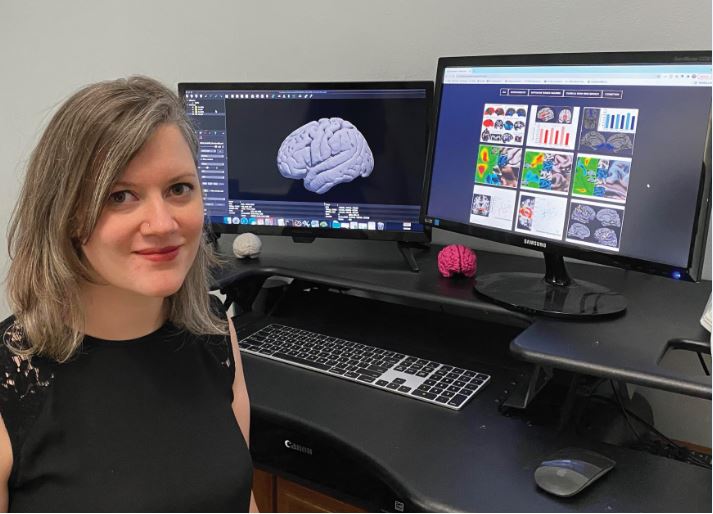
“This is just scratching the surface of motor signs, but they may have some transdiagnostic vulnerability across these psychopathologies” to which sensorimotor connectivity and motor behaviors “might provide additional insight,” Dr. Damme added.
The findings were presented at the Virtual Congress of the Schizophrenia International Research Society 2021.
A core symptom
There has been a lot of interest in the pathophysiology of psychosis and in detecting it early, said Dr. Damme. “It has devastating effects, and early intervention is of great importance,” she added.
However, previous research has typically focused on affect or cognition, rather than on motor signs, despite the fact that motor signs are a “core symptom of both psychosis and depression.”
The prevalence and presentation of motor signs in adolescence, which is a “critical time for identifying these risk markers” because of their proximity to the onset of psychosis, has been understudied, Dr. Damme said.
For their study, the investigators gathered motor function data from the Adolescent Brain Cognitive Development Study (ABCD), which included 10,835 children aged 9-11 years with broad demographic diversity from 21 sites across the United States.
Overall, 27.6% of the children were reported to have least one motor sign; approximately 3% were reported to have two or more motor signs.
The most common of these was dyscoordination, which was endorsed by 19.3% of participants. In addition, 8.8% were reported to have had experienced developmental motor delays, 1.5% had psychomotor agitation, and 0.3% had psychomotor retardation.
The investigators determined that 4.6% of participants met criteria for depression, 2.6% for a psychosis, and 1.8% for comorbid psychosis and depression.
Motor signs were much more common among children with depression, psychosis, or both than among those who did not have these conditions; 45.8% reported having at least one motor sign.
Developmental motor delays and dyscoordination occurred at about the same rate in both patients with depression and those with psychosis. Rates were higher among patients with both of these conditions than among those with either condition alone.
In contrast, psychomotor agitation was more common among patients with depression alone and among those with comorbid depression and psychosis than among patients with psychosis alone. The rate of psychomotor retardation was increased among patients with psychosis alone but was less common among patients with comorbidity than in the healthy control group.
Familial vulnerability
The investigators also assessed participants who had not been diagnosed with a mental illness but who had a family history of depression only (28.9%), a relative with psychosis-like experiences (0.6%), or a family history of both depression and psychosis experiences (1.8%).
Although the effect size was smaller, there was a higher rate of motor signs among participants with a family history of these conditions, Dr. Damme said. “Again, we see that it’s elevated across developmental motor delays and at a similar rate in people who have depression and psychosis.”
In addition, psychomotor agitation was linked to depression with psychosis and depression without it.
Sensorimotor connectivity network data for the cohort indicated there was no main effect of diagnosis on corticostriatal connectivity.
However, more depressive symptoms were related to less connectivity (P = .024). There was a similar finding for psychotic-like experiences. The total number of such experiences related to lower connectivity (P < .001).
During the postpresentation discussion, Ian Kelleher, MD, PhD, honorary clinical lecturer in psychiatry at the Royal College of Surgeons in Ireland, Dublin, said he was “surprised” by the finding that the rate of psychomotor retardation was lower among participants with psychosis and depression.
Dr. Damme noted that some of the motor sign item ratings came by way of a child interview and that some of these item ratings came from the adults in the children’s lives.
She added that she was not entirely sure whether asking an 8- to 11-year-old in a clinical interview whether they are experiencing motor signs “might be the best way to get at motor slowing.”
Subtle features
Commenting on the findings in an interview, Peter F. Liddle, MD, PhD, professor of psychiatry, at the University of Nottingham (England), noted that the “features we’re talking about are pretty subtle.
“What I’ve been wondering about for some time is whether we should be getting video recordings and using machine learning approaches to teach a computer to recognize normal movements vs abnormal movements, and particularly facial expression,” said Dr. Liddle, who was not involved with the research.
He called the current study “interesting” but noted several factors that affect the potential utility of the findings in predicting outcomes.
First, they “may not be very good for distinguishing schizophrenia from mood disorders; but if the question is simply determining which young person might go on to develop a significant mental disorder, then it may be useful,” Dr. Liddle said.
He endorsed the investigators’ conclusion that motor abnormalities may be a transdiagnostic marker. Beyond that, they may be “more useful as a predictor of the likely long-term severity, but that’s my own hypothesis based on my work,” he added.
Another question concerns the sensitivity of motor abnormalities as a predictive marker. With the rate of the abnormalities identified in those who developed psychosis and depression about double the rate in the overall population, “it sounds like those assessors were fairly sensitive. … but not all that specific,” said Dr. Liddle.
A third issue relates to treatment. “By the time people get sent to a psychiatrist for assessment for possible impending psychotic illness, they’ve often already had medication,” typically an antidepressant or antipsychotic.
“It’s very well established that dopamine-blocking antipsychotics produce hypokinesia and also dyskinesia,” which could then become a confounding factor, Dr. Liddle said.
The study was funded by grants from the National Institute of Mental Health. The study authors and Dr. Liddle have disclosed no relevant financial relationships.
A version of this article first appeared on Medscape.com.
Motor problems in children may be a harbinger of serious mental illness, new research suggests.
Investigators found that motor abnormalities were twice as common among those who develop psychosis or depression, compared with their counterparts in the general population, suggesting that these abnormalities may help predict vulnerability and provide an opportunity for early intervention.
“We have learned there are motor signs that are measurable in adolescence [that are] more prevalent in these disorders,” said lead investigator Katherine S. F. Damme, PhD, adolescent development and preventive treatment program (ADAPT), Northwestern University, Chicago.
“This is just scratching the surface of motor signs, but they may have some transdiagnostic vulnerability across these psychopathologies” to which sensorimotor connectivity and motor behaviors “might provide additional insight,” Dr. Damme added.
The findings were presented at the Virtual Congress of the Schizophrenia International Research Society 2021.
A core symptom
There has been a lot of interest in the pathophysiology of psychosis and in detecting it early, said Dr. Damme. “It has devastating effects, and early intervention is of great importance,” she added.
However, previous research has typically focused on affect or cognition, rather than on motor signs, despite the fact that motor signs are a “core symptom of both psychosis and depression.”
The prevalence and presentation of motor signs in adolescence, which is a “critical time for identifying these risk markers” because of their proximity to the onset of psychosis, has been understudied, Dr. Damme said.
For their study, the investigators gathered motor function data from the Adolescent Brain Cognitive Development Study (ABCD), which included 10,835 children aged 9-11 years with broad demographic diversity from 21 sites across the United States.
Overall, 27.6% of the children were reported to have least one motor sign; approximately 3% were reported to have two or more motor signs.
The most common of these was dyscoordination, which was endorsed by 19.3% of participants. In addition, 8.8% were reported to have had experienced developmental motor delays, 1.5% had psychomotor agitation, and 0.3% had psychomotor retardation.
The investigators determined that 4.6% of participants met criteria for depression, 2.6% for a psychosis, and 1.8% for comorbid psychosis and depression.
Motor signs were much more common among children with depression, psychosis, or both than among those who did not have these conditions; 45.8% reported having at least one motor sign.
Developmental motor delays and dyscoordination occurred at about the same rate in both patients with depression and those with psychosis. Rates were higher among patients with both of these conditions than among those with either condition alone.
In contrast, psychomotor agitation was more common among patients with depression alone and among those with comorbid depression and psychosis than among patients with psychosis alone. The rate of psychomotor retardation was increased among patients with psychosis alone but was less common among patients with comorbidity than in the healthy control group.
Familial vulnerability
The investigators also assessed participants who had not been diagnosed with a mental illness but who had a family history of depression only (28.9%), a relative with psychosis-like experiences (0.6%), or a family history of both depression and psychosis experiences (1.8%).
Although the effect size was smaller, there was a higher rate of motor signs among participants with a family history of these conditions, Dr. Damme said. “Again, we see that it’s elevated across developmental motor delays and at a similar rate in people who have depression and psychosis.”
In addition, psychomotor agitation was linked to depression with psychosis and depression without it.
Sensorimotor connectivity network data for the cohort indicated there was no main effect of diagnosis on corticostriatal connectivity.
However, more depressive symptoms were related to less connectivity (P = .024). There was a similar finding for psychotic-like experiences. The total number of such experiences related to lower connectivity (P < .001).
During the postpresentation discussion, Ian Kelleher, MD, PhD, honorary clinical lecturer in psychiatry at the Royal College of Surgeons in Ireland, Dublin, said he was “surprised” by the finding that the rate of psychomotor retardation was lower among participants with psychosis and depression.
Dr. Damme noted that some of the motor sign item ratings came by way of a child interview and that some of these item ratings came from the adults in the children’s lives.
She added that she was not entirely sure whether asking an 8- to 11-year-old in a clinical interview whether they are experiencing motor signs “might be the best way to get at motor slowing.”
Subtle features
Commenting on the findings in an interview, Peter F. Liddle, MD, PhD, professor of psychiatry, at the University of Nottingham (England), noted that the “features we’re talking about are pretty subtle.
“What I’ve been wondering about for some time is whether we should be getting video recordings and using machine learning approaches to teach a computer to recognize normal movements vs abnormal movements, and particularly facial expression,” said Dr. Liddle, who was not involved with the research.
He called the current study “interesting” but noted several factors that affect the potential utility of the findings in predicting outcomes.
First, they “may not be very good for distinguishing schizophrenia from mood disorders; but if the question is simply determining which young person might go on to develop a significant mental disorder, then it may be useful,” Dr. Liddle said.
He endorsed the investigators’ conclusion that motor abnormalities may be a transdiagnostic marker. Beyond that, they may be “more useful as a predictor of the likely long-term severity, but that’s my own hypothesis based on my work,” he added.
Another question concerns the sensitivity of motor abnormalities as a predictive marker. With the rate of the abnormalities identified in those who developed psychosis and depression about double the rate in the overall population, “it sounds like those assessors were fairly sensitive. … but not all that specific,” said Dr. Liddle.
A third issue relates to treatment. “By the time people get sent to a psychiatrist for assessment for possible impending psychotic illness, they’ve often already had medication,” typically an antidepressant or antipsychotic.
“It’s very well established that dopamine-blocking antipsychotics produce hypokinesia and also dyskinesia,” which could then become a confounding factor, Dr. Liddle said.
The study was funded by grants from the National Institute of Mental Health. The study authors and Dr. Liddle have disclosed no relevant financial relationships.
A version of this article first appeared on Medscape.com.
Motor problems in children may be a harbinger of serious mental illness, new research suggests.
Investigators found that motor abnormalities were twice as common among those who develop psychosis or depression, compared with their counterparts in the general population, suggesting that these abnormalities may help predict vulnerability and provide an opportunity for early intervention.
“We have learned there are motor signs that are measurable in adolescence [that are] more prevalent in these disorders,” said lead investigator Katherine S. F. Damme, PhD, adolescent development and preventive treatment program (ADAPT), Northwestern University, Chicago.
“This is just scratching the surface of motor signs, but they may have some transdiagnostic vulnerability across these psychopathologies” to which sensorimotor connectivity and motor behaviors “might provide additional insight,” Dr. Damme added.
The findings were presented at the Virtual Congress of the Schizophrenia International Research Society 2021.
A core symptom
There has been a lot of interest in the pathophysiology of psychosis and in detecting it early, said Dr. Damme. “It has devastating effects, and early intervention is of great importance,” she added.
However, previous research has typically focused on affect or cognition, rather than on motor signs, despite the fact that motor signs are a “core symptom of both psychosis and depression.”
The prevalence and presentation of motor signs in adolescence, which is a “critical time for identifying these risk markers” because of their proximity to the onset of psychosis, has been understudied, Dr. Damme said.
For their study, the investigators gathered motor function data from the Adolescent Brain Cognitive Development Study (ABCD), which included 10,835 children aged 9-11 years with broad demographic diversity from 21 sites across the United States.
Overall, 27.6% of the children were reported to have least one motor sign; approximately 3% were reported to have two or more motor signs.
The most common of these was dyscoordination, which was endorsed by 19.3% of participants. In addition, 8.8% were reported to have had experienced developmental motor delays, 1.5% had psychomotor agitation, and 0.3% had psychomotor retardation.
The investigators determined that 4.6% of participants met criteria for depression, 2.6% for a psychosis, and 1.8% for comorbid psychosis and depression.
Motor signs were much more common among children with depression, psychosis, or both than among those who did not have these conditions; 45.8% reported having at least one motor sign.
Developmental motor delays and dyscoordination occurred at about the same rate in both patients with depression and those with psychosis. Rates were higher among patients with both of these conditions than among those with either condition alone.
In contrast, psychomotor agitation was more common among patients with depression alone and among those with comorbid depression and psychosis than among patients with psychosis alone. The rate of psychomotor retardation was increased among patients with psychosis alone but was less common among patients with comorbidity than in the healthy control group.
Familial vulnerability
The investigators also assessed participants who had not been diagnosed with a mental illness but who had a family history of depression only (28.9%), a relative with psychosis-like experiences (0.6%), or a family history of both depression and psychosis experiences (1.8%).
Although the effect size was smaller, there was a higher rate of motor signs among participants with a family history of these conditions, Dr. Damme said. “Again, we see that it’s elevated across developmental motor delays and at a similar rate in people who have depression and psychosis.”
In addition, psychomotor agitation was linked to depression with psychosis and depression without it.
Sensorimotor connectivity network data for the cohort indicated there was no main effect of diagnosis on corticostriatal connectivity.
However, more depressive symptoms were related to less connectivity (P = .024). There was a similar finding for psychotic-like experiences. The total number of such experiences related to lower connectivity (P < .001).
During the postpresentation discussion, Ian Kelleher, MD, PhD, honorary clinical lecturer in psychiatry at the Royal College of Surgeons in Ireland, Dublin, said he was “surprised” by the finding that the rate of psychomotor retardation was lower among participants with psychosis and depression.
Dr. Damme noted that some of the motor sign item ratings came by way of a child interview and that some of these item ratings came from the adults in the children’s lives.
She added that she was not entirely sure whether asking an 8- to 11-year-old in a clinical interview whether they are experiencing motor signs “might be the best way to get at motor slowing.”
Subtle features
Commenting on the findings in an interview, Peter F. Liddle, MD, PhD, professor of psychiatry, at the University of Nottingham (England), noted that the “features we’re talking about are pretty subtle.
“What I’ve been wondering about for some time is whether we should be getting video recordings and using machine learning approaches to teach a computer to recognize normal movements vs abnormal movements, and particularly facial expression,” said Dr. Liddle, who was not involved with the research.
He called the current study “interesting” but noted several factors that affect the potential utility of the findings in predicting outcomes.
First, they “may not be very good for distinguishing schizophrenia from mood disorders; but if the question is simply determining which young person might go on to develop a significant mental disorder, then it may be useful,” Dr. Liddle said.
He endorsed the investigators’ conclusion that motor abnormalities may be a transdiagnostic marker. Beyond that, they may be “more useful as a predictor of the likely long-term severity, but that’s my own hypothesis based on my work,” he added.
Another question concerns the sensitivity of motor abnormalities as a predictive marker. With the rate of the abnormalities identified in those who developed psychosis and depression about double the rate in the overall population, “it sounds like those assessors were fairly sensitive. … but not all that specific,” said Dr. Liddle.
A third issue relates to treatment. “By the time people get sent to a psychiatrist for assessment for possible impending psychotic illness, they’ve often already had medication,” typically an antidepressant or antipsychotic.
“It’s very well established that dopamine-blocking antipsychotics produce hypokinesia and also dyskinesia,” which could then become a confounding factor, Dr. Liddle said.
The study was funded by grants from the National Institute of Mental Health. The study authors and Dr. Liddle have disclosed no relevant financial relationships.
A version of this article first appeared on Medscape.com.
Structural racism tied to psychosis risk in Black people
Social and economic disparities are linked to an increased risk for psychosis in Black and Latino communities, new research shows.
Results of a literature review of social and economic disparities in mental illness suggest that “structural racism” contributes to social and environmental conditions that affect psychosis risk.
“Black and Latino people suffer disproportionately from psychosis risk factors, at the neighborhood level and at the individual level, in large part as a result of structural racism,” study investigator Deidre M. Anglin, PhD, associate professor, department of psychology, City College of New York (N.Y.), told reporters attending a press briefing.
The social environment, which, for minorities, involves disadvantage and discrimination, may account for this increased psychosis risk, perhaps even more so than genetics, she said. Structural racism “is a critical public health threat,” Dr. Anglin added.
The findings were presented at the virtual American Psychiatric Association annual meeting and were simultaneously published online May 3 in The American Journal of Psychiatry.
Perpetual disadvantage
Dr. Anglin and colleagues examined U.S.-based evidence connecting characteristics of social environments with outcomes across the psychosis continuum – from psychotic experiences to schizophrenia.
Citing numerous studies, the researchers highlighted three key areas that reflect social and environmental conditions that may affect psychosis risk, and that disproportionately affect minorities. These were neighborhood factors, trauma in a U.S. context, and racial disparities during the prenatal and perinatal periods.
The data that were related to neighborhoods revealed “just how much racism has historically structured U.S. neighborhoods in ways that generationally perpetuate disadvantage for racially minoritized communities,” said Dr. Anglin.
“This happens through inequitable access to resources, such as health care, clean air, education, [and] employment, but also in terms of disproportionate exposure to environmental toxins and stressors,” she said.
These neighborhood factors are associated with cumulative stress that may be linked to heightened risk for psychosis, the investigators noted.
U.S. studies show that rates of adverse childhood experiences, such as abuse and emotional and physical neglect, are higher among racial and ethnic minorities.
Police victimization and gun violence disproportionately affect racial minorities and create what the investigators call “a unique type of collective trauma” in the United States. They note that Black men have a 1 in 1,000 chance of being victims of lethal force by police over their lifetimes. By comparison, White men have a 39 in 100,000 chance.
One study of a diverse sample from four large U.S. urban centers showed that those who self-reported different types of police victimization were more likely to report psychotic experiences. Another study showed that greater exposure to gun violence fatalities, regardless of police involvement, was positively associated with psychotic experiences.
Obstetric complications
A variety of obstetric complications, including infection, maternal inflammation, and stress, have been associated with increased risk for psychotic disorders in U.S. samples.
“What we saw emerge from the literature is that Black women in the U.S. are at substantially increased risk for many of these obstetrical complications compared to White women, and this is not necessarily explained by socioeconomic status,” said Dr. Anglin.
Neighborhood- and individual-level factors appear to affect the disparity in these outcomes. A recent study revealed that exposure to environmental contaminants such as air pollution is associated with higher rates of preterm birth and low birth weight differentially in Black mothers compared with other mothers, “possibly as a result of an interaction between prenatal stress and contaminants,” the investigators noted.
Research also indicates that Black women are more likely to have lower levels of cortisol during the second trimester of pregnancy compared with women of other racial and ethnic groups. Cortisol is essential for fetal growth. Evidence links lower cortisol levels in later stages of pregnancy with decreased fetal growth in individuals who develop schizophrenia.
, compared with White women of the same socioeconomic status.
Such findings “highlight a complex picture” involving maternal cortisol levels and other stress biomarkers, “potentially leading to poor birth outcomes and subsequent risk for psychotic disorders in adulthood,” the investigators noted.
The researchers call for the dismantling of structural racism and the social policies and norms it shapes. They also recommend changes in health care policy and in the approach to early intervention for psychosis among Black and other racially-minoritized groups.
“Altogether, the current evidence suggests the need to identify, address, and tackle the social determinants deeply ingrained in U.S. society, in tandem with empowering the most marginalized communities,” the researchers wrote.
“We recommend that the field of psychiatry devote considerably more effort to addressing structural racism and social determinants of psychosis in funding priorities, training, and intervention development,” they added.
Dr. Anglin suggests that mental health providers use what she called a “cultural formulation interview” that takes a person’s environmental and social context into consideration. Studies show that incorporating this into clinical practice helps reduce misdiagnosis of mental illness in Black populations, she said.
Call to action
Commenting on the findings in an interview, Ned H. Kalin, MD, editor of The American Journal of Psychiatry and professor and chair of the department of psychiatry, University of Wisconsin, Madison, said the study was well done and serves as a “call to action” to address the impact of structural racism on mental health issues and psychiatric diseases.
The article highlights the need for “collecting better data” on structural racism, said Dr. Kalin. “We know it’s a big issue, but we can’t even quantitate it, so we need some fundamental measures to use as a benchmark as we move forward, as we try to make change.”
He noted that racism “is so embedded in one’s experience and in our society that we sort of don’t even think about it as a trauma.”
In psychiatry, for example, trauma is often thought of as a loss or a traumatic event. “We don’t typically think of trauma as an experience that pervades one’s entire life,” but that needs to change, he said. “At the individual level and in the doctor’s office, being sensitive to and aware of these issues is absolutely critical.”
Dr. Anglin and Dr. Kalin have disclosed no relevant financial relationships.
A version of this article first appeared on Medscape.com.
Social and economic disparities are linked to an increased risk for psychosis in Black and Latino communities, new research shows.
Results of a literature review of social and economic disparities in mental illness suggest that “structural racism” contributes to social and environmental conditions that affect psychosis risk.
“Black and Latino people suffer disproportionately from psychosis risk factors, at the neighborhood level and at the individual level, in large part as a result of structural racism,” study investigator Deidre M. Anglin, PhD, associate professor, department of psychology, City College of New York (N.Y.), told reporters attending a press briefing.
The social environment, which, for minorities, involves disadvantage and discrimination, may account for this increased psychosis risk, perhaps even more so than genetics, she said. Structural racism “is a critical public health threat,” Dr. Anglin added.
The findings were presented at the virtual American Psychiatric Association annual meeting and were simultaneously published online May 3 in The American Journal of Psychiatry.
Perpetual disadvantage
Dr. Anglin and colleagues examined U.S.-based evidence connecting characteristics of social environments with outcomes across the psychosis continuum – from psychotic experiences to schizophrenia.
Citing numerous studies, the researchers highlighted three key areas that reflect social and environmental conditions that may affect psychosis risk, and that disproportionately affect minorities. These were neighborhood factors, trauma in a U.S. context, and racial disparities during the prenatal and perinatal periods.
The data that were related to neighborhoods revealed “just how much racism has historically structured U.S. neighborhoods in ways that generationally perpetuate disadvantage for racially minoritized communities,” said Dr. Anglin.
“This happens through inequitable access to resources, such as health care, clean air, education, [and] employment, but also in terms of disproportionate exposure to environmental toxins and stressors,” she said.
These neighborhood factors are associated with cumulative stress that may be linked to heightened risk for psychosis, the investigators noted.
U.S. studies show that rates of adverse childhood experiences, such as abuse and emotional and physical neglect, are higher among racial and ethnic minorities.
Police victimization and gun violence disproportionately affect racial minorities and create what the investigators call “a unique type of collective trauma” in the United States. They note that Black men have a 1 in 1,000 chance of being victims of lethal force by police over their lifetimes. By comparison, White men have a 39 in 100,000 chance.
One study of a diverse sample from four large U.S. urban centers showed that those who self-reported different types of police victimization were more likely to report psychotic experiences. Another study showed that greater exposure to gun violence fatalities, regardless of police involvement, was positively associated with psychotic experiences.
Obstetric complications
A variety of obstetric complications, including infection, maternal inflammation, and stress, have been associated with increased risk for psychotic disorders in U.S. samples.
“What we saw emerge from the literature is that Black women in the U.S. are at substantially increased risk for many of these obstetrical complications compared to White women, and this is not necessarily explained by socioeconomic status,” said Dr. Anglin.
Neighborhood- and individual-level factors appear to affect the disparity in these outcomes. A recent study revealed that exposure to environmental contaminants such as air pollution is associated with higher rates of preterm birth and low birth weight differentially in Black mothers compared with other mothers, “possibly as a result of an interaction between prenatal stress and contaminants,” the investigators noted.
Research also indicates that Black women are more likely to have lower levels of cortisol during the second trimester of pregnancy compared with women of other racial and ethnic groups. Cortisol is essential for fetal growth. Evidence links lower cortisol levels in later stages of pregnancy with decreased fetal growth in individuals who develop schizophrenia.
, compared with White women of the same socioeconomic status.
Such findings “highlight a complex picture” involving maternal cortisol levels and other stress biomarkers, “potentially leading to poor birth outcomes and subsequent risk for psychotic disorders in adulthood,” the investigators noted.
The researchers call for the dismantling of structural racism and the social policies and norms it shapes. They also recommend changes in health care policy and in the approach to early intervention for psychosis among Black and other racially-minoritized groups.
“Altogether, the current evidence suggests the need to identify, address, and tackle the social determinants deeply ingrained in U.S. society, in tandem with empowering the most marginalized communities,” the researchers wrote.
“We recommend that the field of psychiatry devote considerably more effort to addressing structural racism and social determinants of psychosis in funding priorities, training, and intervention development,” they added.
Dr. Anglin suggests that mental health providers use what she called a “cultural formulation interview” that takes a person’s environmental and social context into consideration. Studies show that incorporating this into clinical practice helps reduce misdiagnosis of mental illness in Black populations, she said.
Call to action
Commenting on the findings in an interview, Ned H. Kalin, MD, editor of The American Journal of Psychiatry and professor and chair of the department of psychiatry, University of Wisconsin, Madison, said the study was well done and serves as a “call to action” to address the impact of structural racism on mental health issues and psychiatric diseases.
The article highlights the need for “collecting better data” on structural racism, said Dr. Kalin. “We know it’s a big issue, but we can’t even quantitate it, so we need some fundamental measures to use as a benchmark as we move forward, as we try to make change.”
He noted that racism “is so embedded in one’s experience and in our society that we sort of don’t even think about it as a trauma.”
In psychiatry, for example, trauma is often thought of as a loss or a traumatic event. “We don’t typically think of trauma as an experience that pervades one’s entire life,” but that needs to change, he said. “At the individual level and in the doctor’s office, being sensitive to and aware of these issues is absolutely critical.”
Dr. Anglin and Dr. Kalin have disclosed no relevant financial relationships.
A version of this article first appeared on Medscape.com.
Social and economic disparities are linked to an increased risk for psychosis in Black and Latino communities, new research shows.
Results of a literature review of social and economic disparities in mental illness suggest that “structural racism” contributes to social and environmental conditions that affect psychosis risk.
“Black and Latino people suffer disproportionately from psychosis risk factors, at the neighborhood level and at the individual level, in large part as a result of structural racism,” study investigator Deidre M. Anglin, PhD, associate professor, department of psychology, City College of New York (N.Y.), told reporters attending a press briefing.
The social environment, which, for minorities, involves disadvantage and discrimination, may account for this increased psychosis risk, perhaps even more so than genetics, she said. Structural racism “is a critical public health threat,” Dr. Anglin added.
The findings were presented at the virtual American Psychiatric Association annual meeting and were simultaneously published online May 3 in The American Journal of Psychiatry.
Perpetual disadvantage
Dr. Anglin and colleagues examined U.S.-based evidence connecting characteristics of social environments with outcomes across the psychosis continuum – from psychotic experiences to schizophrenia.
Citing numerous studies, the researchers highlighted three key areas that reflect social and environmental conditions that may affect psychosis risk, and that disproportionately affect minorities. These were neighborhood factors, trauma in a U.S. context, and racial disparities during the prenatal and perinatal periods.
The data that were related to neighborhoods revealed “just how much racism has historically structured U.S. neighborhoods in ways that generationally perpetuate disadvantage for racially minoritized communities,” said Dr. Anglin.
“This happens through inequitable access to resources, such as health care, clean air, education, [and] employment, but also in terms of disproportionate exposure to environmental toxins and stressors,” she said.
These neighborhood factors are associated with cumulative stress that may be linked to heightened risk for psychosis, the investigators noted.
U.S. studies show that rates of adverse childhood experiences, such as abuse and emotional and physical neglect, are higher among racial and ethnic minorities.
Police victimization and gun violence disproportionately affect racial minorities and create what the investigators call “a unique type of collective trauma” in the United States. They note that Black men have a 1 in 1,000 chance of being victims of lethal force by police over their lifetimes. By comparison, White men have a 39 in 100,000 chance.
One study of a diverse sample from four large U.S. urban centers showed that those who self-reported different types of police victimization were more likely to report psychotic experiences. Another study showed that greater exposure to gun violence fatalities, regardless of police involvement, was positively associated with psychotic experiences.
Obstetric complications
A variety of obstetric complications, including infection, maternal inflammation, and stress, have been associated with increased risk for psychotic disorders in U.S. samples.
“What we saw emerge from the literature is that Black women in the U.S. are at substantially increased risk for many of these obstetrical complications compared to White women, and this is not necessarily explained by socioeconomic status,” said Dr. Anglin.
Neighborhood- and individual-level factors appear to affect the disparity in these outcomes. A recent study revealed that exposure to environmental contaminants such as air pollution is associated with higher rates of preterm birth and low birth weight differentially in Black mothers compared with other mothers, “possibly as a result of an interaction between prenatal stress and contaminants,” the investigators noted.
Research also indicates that Black women are more likely to have lower levels of cortisol during the second trimester of pregnancy compared with women of other racial and ethnic groups. Cortisol is essential for fetal growth. Evidence links lower cortisol levels in later stages of pregnancy with decreased fetal growth in individuals who develop schizophrenia.
, compared with White women of the same socioeconomic status.
Such findings “highlight a complex picture” involving maternal cortisol levels and other stress biomarkers, “potentially leading to poor birth outcomes and subsequent risk for psychotic disorders in adulthood,” the investigators noted.
The researchers call for the dismantling of structural racism and the social policies and norms it shapes. They also recommend changes in health care policy and in the approach to early intervention for psychosis among Black and other racially-minoritized groups.
“Altogether, the current evidence suggests the need to identify, address, and tackle the social determinants deeply ingrained in U.S. society, in tandem with empowering the most marginalized communities,” the researchers wrote.
“We recommend that the field of psychiatry devote considerably more effort to addressing structural racism and social determinants of psychosis in funding priorities, training, and intervention development,” they added.
Dr. Anglin suggests that mental health providers use what she called a “cultural formulation interview” that takes a person’s environmental and social context into consideration. Studies show that incorporating this into clinical practice helps reduce misdiagnosis of mental illness in Black populations, she said.
Call to action
Commenting on the findings in an interview, Ned H. Kalin, MD, editor of The American Journal of Psychiatry and professor and chair of the department of psychiatry, University of Wisconsin, Madison, said the study was well done and serves as a “call to action” to address the impact of structural racism on mental health issues and psychiatric diseases.
The article highlights the need for “collecting better data” on structural racism, said Dr. Kalin. “We know it’s a big issue, but we can’t even quantitate it, so we need some fundamental measures to use as a benchmark as we move forward, as we try to make change.”
He noted that racism “is so embedded in one’s experience and in our society that we sort of don’t even think about it as a trauma.”
In psychiatry, for example, trauma is often thought of as a loss or a traumatic event. “We don’t typically think of trauma as an experience that pervades one’s entire life,” but that needs to change, he said. “At the individual level and in the doctor’s office, being sensitive to and aware of these issues is absolutely critical.”
Dr. Anglin and Dr. Kalin have disclosed no relevant financial relationships.
A version of this article first appeared on Medscape.com.
Clinician well-being a top priority, Surgeon General says
Clinicians’ well-being is a “crisis” of grave import to the public health and a top issue that he hopes to get more squarely on the public radar screen, Surgeon General Vivek Murthy, MD, MBA, said May 6 in a “fireside chat” with SHM president Danielle Scheurer, MD, MSRC, SFHM, at SHM Converge, the annual conference of the Society of Hospital Medicine.
“This is a crisis that I don’t know that the country recognizes is fully important,” Dr. Murthy said. “I don’t think that most people in the public recognize just how extraordinarily difficult it is, for many clinicians, to come to practice. And if the clinicians continue to burn out at the rate that they are – in addition to the humanitarian crisis of people who are struggling that we should all feel concern about – it will impact care in a profound way.” He said part of his plan is a “national agenda” for clinician well-being, with a clear pathway for creating an environment more conducive to providing quality patient care.
Dr. Scheurer said that this was “welcome news and wonderful to hear.”
“Fortunately or unfortunately, now I do think it’s more in the front seat,” she said, adding that “this notion of ‘heal thyself,’ we know doesn’t work and these are really systemic ailments that we all have to tackle together.”
Dr. Murthy, a hospitalist by training, recently began his second term as Surgeon General, having served under President Obama and appointed to the post again by President Biden. This second appointment is different in the knowledge he has about the job from the start, in the enormity of the public health challenges posed by the COVID-19 pandemic, and in the political tenor of the country.
He said one of his main priorities is to “recenter our public health response” with scientists and public health leaders regaining their proper role.
“Have them be the voices that are actually speaking directly to the public, not in a way that’s biased by the politics or by politicians, but it’s really guided again by the science and substance of what we know needs to happen,” he said.
The response to COVID goes beyond continuing an aggressive vaccination and testing campaign, he said. The pandemic has given rise to worse mental health issues such as depression and anxiety, substance use disorders, and delays in care for other medical conditions for fear of infection – and these are all priorities, Dr. Murthy said.
One “silver lining” of the pandemic is the expansion of telehealth, but this needs refining and persistence to make it work optimally for all patients, he said.
“We have to ensure that that expansion continues and that it’s even – meaning that there are so many parts of the country where broadband access is a challenge for patients, so they don’t have the benefits of telemedicine,” he said. “We also need to ensure that these systems are integrated across our current systems, across hospitals so that we’re not creating more work for clinicians when it comes to utilizing this technology to reach their patients.”
Clinicians – typically viewed as coming to Capitol Hill only to push for higher payment or changes to medical liability laws – need to use their trusted voices to raise the profile of preventive care and identifying and fixing social barriers related to health, such as transportation issues and unsafe neighborhoods, Dr. Murthy said.
“No one really celebrates the heart attack that was prevented or the asthma that was prevented – we celebrate the illness that took place and was cured,” he said. “We know as clinicians that if you really want to reduce human suffering that you have to focus on the prevention side of the house, and I think that unless our colleagues in medicine and in public health come together and advocate for greater investments in prevention, or a national agenda around prevention, my worry is that it won’t naturally develop.”
On vaccine hesitancy, Dr. Murthy said that the United States needs to work more in increasing confidence that the vaccines will work, and in access to vaccines, but, mostly, in motivation.
“What we’ve learned is that ultimately trusted voices are what make all the difference when it comes to vaccination,” he said. “It’s one of these large, people-powered movements that we have to build in our community.”
Dr. Scheurer noted that, with hospitalists in 90% of U.S. hospitals, they can play a big role. “If we can all do our part then we’ll at least take the ball further down the field.”
Dr. Murthy added that, since residency, when he cared for young cancer patients near his own age, he has focused on “finding meaning now” in his work and life. The pandemic has reinforced this, and he doesn’t necessarily want life to go back to exactly how it was before the pandemic.
“Many of us are thinking – ‘Is there actually a better way for us to live our lives and design our workdays and our choices other than what we were doing prepandemic? Can we center our lives more around the people we love and care about, can we design our work to accommodate our family as opposed to the other way around, to always make our families accommodate our work?’ – These are the kinds of choices that we have to make as a society.”
Clinicians’ well-being is a “crisis” of grave import to the public health and a top issue that he hopes to get more squarely on the public radar screen, Surgeon General Vivek Murthy, MD, MBA, said May 6 in a “fireside chat” with SHM president Danielle Scheurer, MD, MSRC, SFHM, at SHM Converge, the annual conference of the Society of Hospital Medicine.
“This is a crisis that I don’t know that the country recognizes is fully important,” Dr. Murthy said. “I don’t think that most people in the public recognize just how extraordinarily difficult it is, for many clinicians, to come to practice. And if the clinicians continue to burn out at the rate that they are – in addition to the humanitarian crisis of people who are struggling that we should all feel concern about – it will impact care in a profound way.” He said part of his plan is a “national agenda” for clinician well-being, with a clear pathway for creating an environment more conducive to providing quality patient care.
Dr. Scheurer said that this was “welcome news and wonderful to hear.”
“Fortunately or unfortunately, now I do think it’s more in the front seat,” she said, adding that “this notion of ‘heal thyself,’ we know doesn’t work and these are really systemic ailments that we all have to tackle together.”
Dr. Murthy, a hospitalist by training, recently began his second term as Surgeon General, having served under President Obama and appointed to the post again by President Biden. This second appointment is different in the knowledge he has about the job from the start, in the enormity of the public health challenges posed by the COVID-19 pandemic, and in the political tenor of the country.
He said one of his main priorities is to “recenter our public health response” with scientists and public health leaders regaining their proper role.
“Have them be the voices that are actually speaking directly to the public, not in a way that’s biased by the politics or by politicians, but it’s really guided again by the science and substance of what we know needs to happen,” he said.
The response to COVID goes beyond continuing an aggressive vaccination and testing campaign, he said. The pandemic has given rise to worse mental health issues such as depression and anxiety, substance use disorders, and delays in care for other medical conditions for fear of infection – and these are all priorities, Dr. Murthy said.
One “silver lining” of the pandemic is the expansion of telehealth, but this needs refining and persistence to make it work optimally for all patients, he said.
“We have to ensure that that expansion continues and that it’s even – meaning that there are so many parts of the country where broadband access is a challenge for patients, so they don’t have the benefits of telemedicine,” he said. “We also need to ensure that these systems are integrated across our current systems, across hospitals so that we’re not creating more work for clinicians when it comes to utilizing this technology to reach their patients.”
Clinicians – typically viewed as coming to Capitol Hill only to push for higher payment or changes to medical liability laws – need to use their trusted voices to raise the profile of preventive care and identifying and fixing social barriers related to health, such as transportation issues and unsafe neighborhoods, Dr. Murthy said.
“No one really celebrates the heart attack that was prevented or the asthma that was prevented – we celebrate the illness that took place and was cured,” he said. “We know as clinicians that if you really want to reduce human suffering that you have to focus on the prevention side of the house, and I think that unless our colleagues in medicine and in public health come together and advocate for greater investments in prevention, or a national agenda around prevention, my worry is that it won’t naturally develop.”
On vaccine hesitancy, Dr. Murthy said that the United States needs to work more in increasing confidence that the vaccines will work, and in access to vaccines, but, mostly, in motivation.
“What we’ve learned is that ultimately trusted voices are what make all the difference when it comes to vaccination,” he said. “It’s one of these large, people-powered movements that we have to build in our community.”
Dr. Scheurer noted that, with hospitalists in 90% of U.S. hospitals, they can play a big role. “If we can all do our part then we’ll at least take the ball further down the field.”
Dr. Murthy added that, since residency, when he cared for young cancer patients near his own age, he has focused on “finding meaning now” in his work and life. The pandemic has reinforced this, and he doesn’t necessarily want life to go back to exactly how it was before the pandemic.
“Many of us are thinking – ‘Is there actually a better way for us to live our lives and design our workdays and our choices other than what we were doing prepandemic? Can we center our lives more around the people we love and care about, can we design our work to accommodate our family as opposed to the other way around, to always make our families accommodate our work?’ – These are the kinds of choices that we have to make as a society.”
Clinicians’ well-being is a “crisis” of grave import to the public health and a top issue that he hopes to get more squarely on the public radar screen, Surgeon General Vivek Murthy, MD, MBA, said May 6 in a “fireside chat” with SHM president Danielle Scheurer, MD, MSRC, SFHM, at SHM Converge, the annual conference of the Society of Hospital Medicine.
“This is a crisis that I don’t know that the country recognizes is fully important,” Dr. Murthy said. “I don’t think that most people in the public recognize just how extraordinarily difficult it is, for many clinicians, to come to practice. And if the clinicians continue to burn out at the rate that they are – in addition to the humanitarian crisis of people who are struggling that we should all feel concern about – it will impact care in a profound way.” He said part of his plan is a “national agenda” for clinician well-being, with a clear pathway for creating an environment more conducive to providing quality patient care.
Dr. Scheurer said that this was “welcome news and wonderful to hear.”
“Fortunately or unfortunately, now I do think it’s more in the front seat,” she said, adding that “this notion of ‘heal thyself,’ we know doesn’t work and these are really systemic ailments that we all have to tackle together.”
Dr. Murthy, a hospitalist by training, recently began his second term as Surgeon General, having served under President Obama and appointed to the post again by President Biden. This second appointment is different in the knowledge he has about the job from the start, in the enormity of the public health challenges posed by the COVID-19 pandemic, and in the political tenor of the country.
He said one of his main priorities is to “recenter our public health response” with scientists and public health leaders regaining their proper role.
“Have them be the voices that are actually speaking directly to the public, not in a way that’s biased by the politics or by politicians, but it’s really guided again by the science and substance of what we know needs to happen,” he said.
The response to COVID goes beyond continuing an aggressive vaccination and testing campaign, he said. The pandemic has given rise to worse mental health issues such as depression and anxiety, substance use disorders, and delays in care for other medical conditions for fear of infection – and these are all priorities, Dr. Murthy said.
One “silver lining” of the pandemic is the expansion of telehealth, but this needs refining and persistence to make it work optimally for all patients, he said.
“We have to ensure that that expansion continues and that it’s even – meaning that there are so many parts of the country where broadband access is a challenge for patients, so they don’t have the benefits of telemedicine,” he said. “We also need to ensure that these systems are integrated across our current systems, across hospitals so that we’re not creating more work for clinicians when it comes to utilizing this technology to reach their patients.”
Clinicians – typically viewed as coming to Capitol Hill only to push for higher payment or changes to medical liability laws – need to use their trusted voices to raise the profile of preventive care and identifying and fixing social barriers related to health, such as transportation issues and unsafe neighborhoods, Dr. Murthy said.
“No one really celebrates the heart attack that was prevented or the asthma that was prevented – we celebrate the illness that took place and was cured,” he said. “We know as clinicians that if you really want to reduce human suffering that you have to focus on the prevention side of the house, and I think that unless our colleagues in medicine and in public health come together and advocate for greater investments in prevention, or a national agenda around prevention, my worry is that it won’t naturally develop.”
On vaccine hesitancy, Dr. Murthy said that the United States needs to work more in increasing confidence that the vaccines will work, and in access to vaccines, but, mostly, in motivation.
“What we’ve learned is that ultimately trusted voices are what make all the difference when it comes to vaccination,” he said. “It’s one of these large, people-powered movements that we have to build in our community.”
Dr. Scheurer noted that, with hospitalists in 90% of U.S. hospitals, they can play a big role. “If we can all do our part then we’ll at least take the ball further down the field.”
Dr. Murthy added that, since residency, when he cared for young cancer patients near his own age, he has focused on “finding meaning now” in his work and life. The pandemic has reinforced this, and he doesn’t necessarily want life to go back to exactly how it was before the pandemic.
“Many of us are thinking – ‘Is there actually a better way for us to live our lives and design our workdays and our choices other than what we were doing prepandemic? Can we center our lives more around the people we love and care about, can we design our work to accommodate our family as opposed to the other way around, to always make our families accommodate our work?’ – These are the kinds of choices that we have to make as a society.”
FROM SHM CONVERGE 2021
Insomnia? Referral, drugs not usually needed
Too often, medications are the treatment of choice, and when used long term they can perpetuate a problematic cycle, said Dr. Lettieri, professor in pulmonary, critical care, and sleep medicine at Johns Hopkins University, Baltimore.
However, medications alone won’t work without other behavior modifications and they come with potential side effects, he said in his talk. Prescription medications typically don’t treat the cause of the insomnia, just the symptoms.
“In the 15 years I’ve been practicing sleep medicine, I can honestly say I only have a handful of patients that I treat with long-term pharmacotherapy,” Dr. Lettieri said.
He said he typically uses pharmacotherapy only when conservative measures have failed or to help jump-start patients to behavior modifications.
Restricted sleep is a good place to start for chronic insomnia, he continued.
Physicians should ask patients the latest time they can wake up to make it to school, work, etc. If that time is 6 a.m., the goal is to move bedtime back to 10 p.m.–11 p.m. If the patient, however, is unable to sleep until 12:30 a.m., move bedtime there, he said.
Though the 5.5-hour window is not ideal, it’s better to get into bed when ready for sleep. From there, try to get the patient to move bedtime back 15 minutes each week as they train themselves to fall asleep earlier, he said.
“I promise you this works in the majority of patients and doesn’t require any medication. You can also accomplish this with one or two office visits, so it is not a huge drain on resources,” he said.
Sleep specialists in short supply
Cognitive-behavioral therapy (CBT) is “without question the best way to treat chronic insomnia and it’s recommended as first-line therapy by all published guidelines,” Dr. Lettieri said.
He defined chronic insomnia as happening most nights over at least 3 months. It affects twice as many women as men.
CBT offers a formalized way of changing sleep patterns with the help of an expert in sleep behavior disorders. It combines cognitive therapies with education about sleep and stimulus control and uses techniques such as mindfulness and relaxation.
However, most programs take 4-8 sessions with a sleep medicine provider and are usually not covered by insurance. In addition, the number of insomnia specialists is not nearly adequate to meet demand, he added.
Online and mobile-platform CBT programs are widely effective, Dr. Lettieri said. Many are free and all are convenient for patients to use. He said many of his patients use Sleepio, but many other online programs are effective.
“You can provide sufficient therapy for many of your patients and reserve CBT for patients who can’t be fixed with more conservative measures,” he said.
Insomnia among older patients
Interest in helping older patients with insomnia dominated the chat session associated with the talk.
Insomnia increases with age and older patients have often been using prescription or over-the-counter sleep aids for decades.
Additionally, “insomnia is the second-most common reason why people get admitted to long-term care facilities, second only to urinary incontinence,” Dr. Lettieri said.
If physicians use medications with older patients, he said, extra caution is needed. Older people have more neurocognitive impairments than younger adults and may already be taking several other medications. Sleep medications may come with longer elimination half-lives. Polypharmacy may increase risk for falls and have other consequences.
“If you have to go to a medication, try something simple like melatonin,” he said, adding that it should be pharmaceutical grade and extended release.
Also, bright lights during the day, movement throughout the day, and dim lights closer to bedtime are especially important for the elderly, Dr. Lettieri said.
Andrew Corr, MD, a geriatric specialist in primary care with the Riverside (Calif.) Medical Clinic, said in an interview the main message he will take back to his physician group is more CBT and less medication.
He said that, although he has long known CBT is the top first-line treatment, it is difficult to find experts in his area who are trained to do CBT for insomnia, so he was glad to hear online programs and self-directed reading are typically effective.
He also said there’s a common misperception that there’s no harm in prescribing medications such as trazodone (Desyrel), an antidepressant commonly used off label as a sleep aid.
Dr. Lettieri’s talk highlighted his recommendation against using trazodone for sleep. “Despite several recommendations against its use for insomnia, it is still commonly prescribed. You just shouldn’t use it for insomnia,” Dr. Lettieri said.
“It has no measurable effect in a third of patients and at least unacceptable side effects in another third. Right off the bat, it’s not efficacious in two thirds of patients.”
Additionally, priapism, a prolonged erection, has been associated with trazodone, Dr. Lettieri said, “and I have literally never met a patient on trazodone who was counseled about this.”
Trazodone also has a black box warning from the Food and Drug Administration warning about increased risk for suicidal thoughts.
Dr. Lettieri and Dr. Corr disclosed no relevant financial relationships.
A version of this article first appeared on Medscape.com.
Too often, medications are the treatment of choice, and when used long term they can perpetuate a problematic cycle, said Dr. Lettieri, professor in pulmonary, critical care, and sleep medicine at Johns Hopkins University, Baltimore.
However, medications alone won’t work without other behavior modifications and they come with potential side effects, he said in his talk. Prescription medications typically don’t treat the cause of the insomnia, just the symptoms.
“In the 15 years I’ve been practicing sleep medicine, I can honestly say I only have a handful of patients that I treat with long-term pharmacotherapy,” Dr. Lettieri said.
He said he typically uses pharmacotherapy only when conservative measures have failed or to help jump-start patients to behavior modifications.
Restricted sleep is a good place to start for chronic insomnia, he continued.
Physicians should ask patients the latest time they can wake up to make it to school, work, etc. If that time is 6 a.m., the goal is to move bedtime back to 10 p.m.–11 p.m. If the patient, however, is unable to sleep until 12:30 a.m., move bedtime there, he said.
Though the 5.5-hour window is not ideal, it’s better to get into bed when ready for sleep. From there, try to get the patient to move bedtime back 15 minutes each week as they train themselves to fall asleep earlier, he said.
“I promise you this works in the majority of patients and doesn’t require any medication. You can also accomplish this with one or two office visits, so it is not a huge drain on resources,” he said.
Sleep specialists in short supply
Cognitive-behavioral therapy (CBT) is “without question the best way to treat chronic insomnia and it’s recommended as first-line therapy by all published guidelines,” Dr. Lettieri said.
He defined chronic insomnia as happening most nights over at least 3 months. It affects twice as many women as men.
CBT offers a formalized way of changing sleep patterns with the help of an expert in sleep behavior disorders. It combines cognitive therapies with education about sleep and stimulus control and uses techniques such as mindfulness and relaxation.
However, most programs take 4-8 sessions with a sleep medicine provider and are usually not covered by insurance. In addition, the number of insomnia specialists is not nearly adequate to meet demand, he added.
Online and mobile-platform CBT programs are widely effective, Dr. Lettieri said. Many are free and all are convenient for patients to use. He said many of his patients use Sleepio, but many other online programs are effective.
“You can provide sufficient therapy for many of your patients and reserve CBT for patients who can’t be fixed with more conservative measures,” he said.
Insomnia among older patients
Interest in helping older patients with insomnia dominated the chat session associated with the talk.
Insomnia increases with age and older patients have often been using prescription or over-the-counter sleep aids for decades.
Additionally, “insomnia is the second-most common reason why people get admitted to long-term care facilities, second only to urinary incontinence,” Dr. Lettieri said.
If physicians use medications with older patients, he said, extra caution is needed. Older people have more neurocognitive impairments than younger adults and may already be taking several other medications. Sleep medications may come with longer elimination half-lives. Polypharmacy may increase risk for falls and have other consequences.
“If you have to go to a medication, try something simple like melatonin,” he said, adding that it should be pharmaceutical grade and extended release.
Also, bright lights during the day, movement throughout the day, and dim lights closer to bedtime are especially important for the elderly, Dr. Lettieri said.
Andrew Corr, MD, a geriatric specialist in primary care with the Riverside (Calif.) Medical Clinic, said in an interview the main message he will take back to his physician group is more CBT and less medication.
He said that, although he has long known CBT is the top first-line treatment, it is difficult to find experts in his area who are trained to do CBT for insomnia, so he was glad to hear online programs and self-directed reading are typically effective.
He also said there’s a common misperception that there’s no harm in prescribing medications such as trazodone (Desyrel), an antidepressant commonly used off label as a sleep aid.
Dr. Lettieri’s talk highlighted his recommendation against using trazodone for sleep. “Despite several recommendations against its use for insomnia, it is still commonly prescribed. You just shouldn’t use it for insomnia,” Dr. Lettieri said.
“It has no measurable effect in a third of patients and at least unacceptable side effects in another third. Right off the bat, it’s not efficacious in two thirds of patients.”
Additionally, priapism, a prolonged erection, has been associated with trazodone, Dr. Lettieri said, “and I have literally never met a patient on trazodone who was counseled about this.”
Trazodone also has a black box warning from the Food and Drug Administration warning about increased risk for suicidal thoughts.
Dr. Lettieri and Dr. Corr disclosed no relevant financial relationships.
A version of this article first appeared on Medscape.com.
Too often, medications are the treatment of choice, and when used long term they can perpetuate a problematic cycle, said Dr. Lettieri, professor in pulmonary, critical care, and sleep medicine at Johns Hopkins University, Baltimore.
However, medications alone won’t work without other behavior modifications and they come with potential side effects, he said in his talk. Prescription medications typically don’t treat the cause of the insomnia, just the symptoms.
“In the 15 years I’ve been practicing sleep medicine, I can honestly say I only have a handful of patients that I treat with long-term pharmacotherapy,” Dr. Lettieri said.
He said he typically uses pharmacotherapy only when conservative measures have failed or to help jump-start patients to behavior modifications.
Restricted sleep is a good place to start for chronic insomnia, he continued.
Physicians should ask patients the latest time they can wake up to make it to school, work, etc. If that time is 6 a.m., the goal is to move bedtime back to 10 p.m.–11 p.m. If the patient, however, is unable to sleep until 12:30 a.m., move bedtime there, he said.
Though the 5.5-hour window is not ideal, it’s better to get into bed when ready for sleep. From there, try to get the patient to move bedtime back 15 minutes each week as they train themselves to fall asleep earlier, he said.
“I promise you this works in the majority of patients and doesn’t require any medication. You can also accomplish this with one or two office visits, so it is not a huge drain on resources,” he said.
Sleep specialists in short supply
Cognitive-behavioral therapy (CBT) is “without question the best way to treat chronic insomnia and it’s recommended as first-line therapy by all published guidelines,” Dr. Lettieri said.
He defined chronic insomnia as happening most nights over at least 3 months. It affects twice as many women as men.
CBT offers a formalized way of changing sleep patterns with the help of an expert in sleep behavior disorders. It combines cognitive therapies with education about sleep and stimulus control and uses techniques such as mindfulness and relaxation.
However, most programs take 4-8 sessions with a sleep medicine provider and are usually not covered by insurance. In addition, the number of insomnia specialists is not nearly adequate to meet demand, he added.
Online and mobile-platform CBT programs are widely effective, Dr. Lettieri said. Many are free and all are convenient for patients to use. He said many of his patients use Sleepio, but many other online programs are effective.
“You can provide sufficient therapy for many of your patients and reserve CBT for patients who can’t be fixed with more conservative measures,” he said.
Insomnia among older patients
Interest in helping older patients with insomnia dominated the chat session associated with the talk.
Insomnia increases with age and older patients have often been using prescription or over-the-counter sleep aids for decades.
Additionally, “insomnia is the second-most common reason why people get admitted to long-term care facilities, second only to urinary incontinence,” Dr. Lettieri said.
If physicians use medications with older patients, he said, extra caution is needed. Older people have more neurocognitive impairments than younger adults and may already be taking several other medications. Sleep medications may come with longer elimination half-lives. Polypharmacy may increase risk for falls and have other consequences.
“If you have to go to a medication, try something simple like melatonin,” he said, adding that it should be pharmaceutical grade and extended release.
Also, bright lights during the day, movement throughout the day, and dim lights closer to bedtime are especially important for the elderly, Dr. Lettieri said.
Andrew Corr, MD, a geriatric specialist in primary care with the Riverside (Calif.) Medical Clinic, said in an interview the main message he will take back to his physician group is more CBT and less medication.
He said that, although he has long known CBT is the top first-line treatment, it is difficult to find experts in his area who are trained to do CBT for insomnia, so he was glad to hear online programs and self-directed reading are typically effective.
He also said there’s a common misperception that there’s no harm in prescribing medications such as trazodone (Desyrel), an antidepressant commonly used off label as a sleep aid.
Dr. Lettieri’s talk highlighted his recommendation against using trazodone for sleep. “Despite several recommendations against its use for insomnia, it is still commonly prescribed. You just shouldn’t use it for insomnia,” Dr. Lettieri said.
“It has no measurable effect in a third of patients and at least unacceptable side effects in another third. Right off the bat, it’s not efficacious in two thirds of patients.”
Additionally, priapism, a prolonged erection, has been associated with trazodone, Dr. Lettieri said, “and I have literally never met a patient on trazodone who was counseled about this.”
Trazodone also has a black box warning from the Food and Drug Administration warning about increased risk for suicidal thoughts.
Dr. Lettieri and Dr. Corr disclosed no relevant financial relationships.
A version of this article first appeared on Medscape.com.
FROM INTERNAL MEDICINE 2021
Reflections on healing as a process
We physicians should not think of ourselves as ‘fixers.’
Recently, a patient excitedly told me during her session that she had been coming to see me for about 24 years. This was followed by positive remarks about where she was at the point when she first walked into my office.
Her progress has been slow but steady – and today, she finds herself at a much better place even within the context of having to deal with life’s complications. Her surprise about the longevity of this therapeutic relationship was easily and comfortably balanced by the pleasant feeling of well-being.
This interaction reminded me of a conversation I had with a friend of mine, an ophthalmologist who once asked me a related question: Why is it that people have been coming to see me for decades and I have not been able to “fix” them? Does that make me feel badly?
I clearly remember my response, which started in more of a defensive mode but ended with some self-reflection. I reminded him that, in his specialty, like many other fields of medicine, we don’t get to “fix” a lot. In fact, the majority of the conditions we deal with are chronic and lingering.
However, during the process of reminding him to look in the mirror, I was also able to articulate that many of these patients came into my office in potentially dire situations, including experiencing severe depression and suicidal thoughts, ignoring basic needs such as hygiene, feeling paralyzed with panic attacks, or having complete inability to deal with day-to-day situations.
Decades later, many of these patients, while still struggling with some ongoing issues, appeared to be alive and well – and we have wonderful interactions in our office where I get to talk to them about exciting things they’re looking forward to doing with their families or for themselves. Similar analogies can be applied to almost all medical specialties. An endocrinologist might help a patient with severe diabetes or hypothyroid disease get the illness under control but is not able to fix the problem. Clearly, patients’ quality of life improves tremendously through treatment with medications and with education about lifestyle changes, such as exercise and diet.
Even in the case of surgeons who may successfully remove the problem tissue or tumor, the patient is not in fact “fixed” and still requires ongoing medical care, psychosocial interventions, and pharmacotherapy to maintain or improve upon quality of life.
My patient’s remarks led to a similar, delightful therapeutic session reflecting on her progress and what it meant to both of us. We physicians certainly find it very frustrating that we are unable to fix things and make people feel completely better. However, it is important to reflect on the difference our contribution to the process of healing makes for our patients and the impact it has on their quality of life – which is meaningful to them, however small it may be.
, which could lead to minimal or no improvement in the pathological condition but may in fact improve patients’ outlook and willingness to carry on with dignity and satisfaction. It could do us all a lot of good to think of ourselves as healers – not fixers.
Dr. Awan, a psychiatrist, is medical director of Pennsylvania Counseling Services in Reading. He disclosed no conflicts of interest.
We physicians should not think of ourselves as ‘fixers.’
We physicians should not think of ourselves as ‘fixers.’
Recently, a patient excitedly told me during her session that she had been coming to see me for about 24 years. This was followed by positive remarks about where she was at the point when she first walked into my office.
Her progress has been slow but steady – and today, she finds herself at a much better place even within the context of having to deal with life’s complications. Her surprise about the longevity of this therapeutic relationship was easily and comfortably balanced by the pleasant feeling of well-being.
This interaction reminded me of a conversation I had with a friend of mine, an ophthalmologist who once asked me a related question: Why is it that people have been coming to see me for decades and I have not been able to “fix” them? Does that make me feel badly?
I clearly remember my response, which started in more of a defensive mode but ended with some self-reflection. I reminded him that, in his specialty, like many other fields of medicine, we don’t get to “fix” a lot. In fact, the majority of the conditions we deal with are chronic and lingering.
However, during the process of reminding him to look in the mirror, I was also able to articulate that many of these patients came into my office in potentially dire situations, including experiencing severe depression and suicidal thoughts, ignoring basic needs such as hygiene, feeling paralyzed with panic attacks, or having complete inability to deal with day-to-day situations.
Decades later, many of these patients, while still struggling with some ongoing issues, appeared to be alive and well – and we have wonderful interactions in our office where I get to talk to them about exciting things they’re looking forward to doing with their families or for themselves. Similar analogies can be applied to almost all medical specialties. An endocrinologist might help a patient with severe diabetes or hypothyroid disease get the illness under control but is not able to fix the problem. Clearly, patients’ quality of life improves tremendously through treatment with medications and with education about lifestyle changes, such as exercise and diet.
Even in the case of surgeons who may successfully remove the problem tissue or tumor, the patient is not in fact “fixed” and still requires ongoing medical care, psychosocial interventions, and pharmacotherapy to maintain or improve upon quality of life.
My patient’s remarks led to a similar, delightful therapeutic session reflecting on her progress and what it meant to both of us. We physicians certainly find it very frustrating that we are unable to fix things and make people feel completely better. However, it is important to reflect on the difference our contribution to the process of healing makes for our patients and the impact it has on their quality of life – which is meaningful to them, however small it may be.
, which could lead to minimal or no improvement in the pathological condition but may in fact improve patients’ outlook and willingness to carry on with dignity and satisfaction. It could do us all a lot of good to think of ourselves as healers – not fixers.
Dr. Awan, a psychiatrist, is medical director of Pennsylvania Counseling Services in Reading. He disclosed no conflicts of interest.
Recently, a patient excitedly told me during her session that she had been coming to see me for about 24 years. This was followed by positive remarks about where she was at the point when she first walked into my office.
Her progress has been slow but steady – and today, she finds herself at a much better place even within the context of having to deal with life’s complications. Her surprise about the longevity of this therapeutic relationship was easily and comfortably balanced by the pleasant feeling of well-being.
This interaction reminded me of a conversation I had with a friend of mine, an ophthalmologist who once asked me a related question: Why is it that people have been coming to see me for decades and I have not been able to “fix” them? Does that make me feel badly?
I clearly remember my response, which started in more of a defensive mode but ended with some self-reflection. I reminded him that, in his specialty, like many other fields of medicine, we don’t get to “fix” a lot. In fact, the majority of the conditions we deal with are chronic and lingering.
However, during the process of reminding him to look in the mirror, I was also able to articulate that many of these patients came into my office in potentially dire situations, including experiencing severe depression and suicidal thoughts, ignoring basic needs such as hygiene, feeling paralyzed with panic attacks, or having complete inability to deal with day-to-day situations.
Decades later, many of these patients, while still struggling with some ongoing issues, appeared to be alive and well – and we have wonderful interactions in our office where I get to talk to them about exciting things they’re looking forward to doing with their families or for themselves. Similar analogies can be applied to almost all medical specialties. An endocrinologist might help a patient with severe diabetes or hypothyroid disease get the illness under control but is not able to fix the problem. Clearly, patients’ quality of life improves tremendously through treatment with medications and with education about lifestyle changes, such as exercise and diet.
Even in the case of surgeons who may successfully remove the problem tissue or tumor, the patient is not in fact “fixed” and still requires ongoing medical care, psychosocial interventions, and pharmacotherapy to maintain or improve upon quality of life.
My patient’s remarks led to a similar, delightful therapeutic session reflecting on her progress and what it meant to both of us. We physicians certainly find it very frustrating that we are unable to fix things and make people feel completely better. However, it is important to reflect on the difference our contribution to the process of healing makes for our patients and the impact it has on their quality of life – which is meaningful to them, however small it may be.
, which could lead to minimal or no improvement in the pathological condition but may in fact improve patients’ outlook and willingness to carry on with dignity and satisfaction. It could do us all a lot of good to think of ourselves as healers – not fixers.
Dr. Awan, a psychiatrist, is medical director of Pennsylvania Counseling Services in Reading. He disclosed no conflicts of interest.
Parental attitudes to kids’ sexual orientation: Unexpected findings
For gay and lesbian individuals, consistency in parents’ attitudes toward their child’s sexual orientation, even when they are negative, is an important factor in positive mental health outcomes, new research shows.
Study investigator Matthew Verdun, MS, a licensed marriage and family therapist and doctoral student at the Chicago School of Professional Psychology at Los Angeles, California, found that gays and lesbians whose parents were not supportive of their sexual orientation could still have good outcomes.
The findings were presented at the annual meeting of the American Psychiatric Association, which was held as a virtual live event.
High rates of mental illness
Research shows that members of the gay and lesbian community experience higher rates of mental illness and substance use disorders and that psychological well-being declines during periods close to when sexual orientation is disclosed.
Mr. Verdun referred to a theory in the literature of homosexual identity formation that describes how individuals go through six stages: confusion, comparison, tolerance, acceptance, pride, and synthesis.
Research shows a U-shaped relationship between subjective reports of well-being at these six stages. The lowest rates occur during the identity comparison and identity tolerance stages.
“Those stages roughly correspond with the time when people would disclose their sexual orientation to parents and family members. The time when a person discloses is probably one of the most anxious times in their life; it’s also where their rate of well-being is the lowest,” said Mr. Verdun.
Mr. Verdun said he “wanted to know what happens when a parent is supportive or rejecting at that moment, but also what happens over time.”
To determine whether parental support affects depression, anxiety, or substance abuse in members of the gay and lesbian community, Mr. Verdun studied 175 individuals who self-identified as gay or lesbian (77 males and 98 females) and were recruited via social media. Most (70.3%) were of White race or ethnicity.
Participants completed surveys asking about their parents’ initial and current level of support regarding their sexual orientation. They also completed the nine-item Patient Health Questionnaire (PHQ-9), the seven-item General Anxiety Disorder (GAD-7), and the 20-item Drug Abuse Screening Tool (DAST-20).
The investigators categorized participants into one of three groups on the basis of parental support:
- Consistently positive.
- Negative to positive.
- Consistently negative.
A fourth group, positive to negative, was excluded from the analysis because it was too small.
Mr. Verdun was unable analyze results for substance abuse. “The DAST-20 results violated the assumption of homogeneity of variances, which meant the analysis could result in error,” he explained.
Analyses for the PHQ-9 and GAD-7 showed that the consistently positive group had the lowest symptom scores.
“People whose parents were accepting had the lowest scores for anxiety and depression,” said Mr. Verdun.
For both the PHQ and GAD, the findings were significant (P < .05) for the consistently positive and the consistently negative groups in comparison with the negative to positive group.
The difference between the consistently positive and the consistently negative groups was not statistically significant.
Surprise finding
Previous research has shown that current levels of parental support relate to better mental health, so Mr. Verdun initially thought children whose parents were consistently supportive or those whose parents became supportive over time would have the best mental health outcomes.
“But, interestingly, what I found was that people whose parents vacillated between being accepting and rejecting over time actually had significantly more mental health symptoms at the time of the assessment than people whose parents were consistently accepting or consistently rejecting,” he said.
Although the study provided evidence of better outcomes for those with consistently unsupportive parents, Mr. Verdun believes some hypotheses are worthy of further research.
One is that people with unsupportive parents receive support elsewhere and could, for example, turn to peers, teachers, or other community members, including faith leaders, and that symptoms of mental illness may improve with such support, said Mr. Verdun.
These individuals may also develop ways to “buffer their mental health symptoms,” possibly by cultivating meaningful relationships “where they’re seen as a complete and total person, not just in terms of their sexual orientation,” he said.
Gay and lesbian individuals may also benefit from “healing activities,” which might include engagement and involvement in their community, such as performing volunteer work and learning about the history of their community, said Mr. Verdun.
Mental health providers can play a role in creating a positive environment by referring patients to support groups, to centers that cater to gays and lesbians, to faith communities, or by encouraging recreational activities, said Mr. Verdun.
Clinicians can also help gay and lesbian patients determine how and when to safely disclose their sexual orientation, he said.
The study did not include bisexual or transsexual individuals because processes of identifying sexual orientation differ for those persons, said Mr. Verdun.
“I would like to conduct future research that includes bisexual, trans people, and intersectional groups within the LGBTQIA [lesbian, gay, bisexual, transgender, queer, intersex, asexual] community,” he said.
Important research
Commenting on the study, Jeffrey Borenstein, MD, president and CEO of the Brain and Behavior Research Foundation and editor-in-chief of Psychiatric News, said the work is “extremely important and that it has the potential to lead to clinical guidance.”
The finding that levels of depression and anxiety were lower in children whose parents were accepting of their sexual orientation is not surprising, said Dr. Borenstein. “It’s common sense, but it’s always good to have such a finding demonstrate it,” he said.
Parents who understand this relationship may be better able to help their child who is depressed or anxious, he added.
Dr. Borenstein agreed that further research is needed regarding the finding of benefits from consistent parenting, even when that parenting involves rejection.
Such research might uncover “what types of other supports these individuals have that allow for lower levels of depression and anxiety,” he said.
“For this population, the risk of mental health issues is higher, and the risk of suicide is higher, so anything we can do to provide support and improved treatment is extremely important,” he said.
A version of this article first appeared on Medscape.com.
For gay and lesbian individuals, consistency in parents’ attitudes toward their child’s sexual orientation, even when they are negative, is an important factor in positive mental health outcomes, new research shows.
Study investigator Matthew Verdun, MS, a licensed marriage and family therapist and doctoral student at the Chicago School of Professional Psychology at Los Angeles, California, found that gays and lesbians whose parents were not supportive of their sexual orientation could still have good outcomes.
The findings were presented at the annual meeting of the American Psychiatric Association, which was held as a virtual live event.
High rates of mental illness
Research shows that members of the gay and lesbian community experience higher rates of mental illness and substance use disorders and that psychological well-being declines during periods close to when sexual orientation is disclosed.
Mr. Verdun referred to a theory in the literature of homosexual identity formation that describes how individuals go through six stages: confusion, comparison, tolerance, acceptance, pride, and synthesis.
Research shows a U-shaped relationship between subjective reports of well-being at these six stages. The lowest rates occur during the identity comparison and identity tolerance stages.
“Those stages roughly correspond with the time when people would disclose their sexual orientation to parents and family members. The time when a person discloses is probably one of the most anxious times in their life; it’s also where their rate of well-being is the lowest,” said Mr. Verdun.
Mr. Verdun said he “wanted to know what happens when a parent is supportive or rejecting at that moment, but also what happens over time.”
To determine whether parental support affects depression, anxiety, or substance abuse in members of the gay and lesbian community, Mr. Verdun studied 175 individuals who self-identified as gay or lesbian (77 males and 98 females) and were recruited via social media. Most (70.3%) were of White race or ethnicity.
Participants completed surveys asking about their parents’ initial and current level of support regarding their sexual orientation. They also completed the nine-item Patient Health Questionnaire (PHQ-9), the seven-item General Anxiety Disorder (GAD-7), and the 20-item Drug Abuse Screening Tool (DAST-20).
The investigators categorized participants into one of three groups on the basis of parental support:
- Consistently positive.
- Negative to positive.
- Consistently negative.
A fourth group, positive to negative, was excluded from the analysis because it was too small.
Mr. Verdun was unable analyze results for substance abuse. “The DAST-20 results violated the assumption of homogeneity of variances, which meant the analysis could result in error,” he explained.
Analyses for the PHQ-9 and GAD-7 showed that the consistently positive group had the lowest symptom scores.
“People whose parents were accepting had the lowest scores for anxiety and depression,” said Mr. Verdun.
For both the PHQ and GAD, the findings were significant (P < .05) for the consistently positive and the consistently negative groups in comparison with the negative to positive group.
The difference between the consistently positive and the consistently negative groups was not statistically significant.
Surprise finding
Previous research has shown that current levels of parental support relate to better mental health, so Mr. Verdun initially thought children whose parents were consistently supportive or those whose parents became supportive over time would have the best mental health outcomes.
“But, interestingly, what I found was that people whose parents vacillated between being accepting and rejecting over time actually had significantly more mental health symptoms at the time of the assessment than people whose parents were consistently accepting or consistently rejecting,” he said.
Although the study provided evidence of better outcomes for those with consistently unsupportive parents, Mr. Verdun believes some hypotheses are worthy of further research.
One is that people with unsupportive parents receive support elsewhere and could, for example, turn to peers, teachers, or other community members, including faith leaders, and that symptoms of mental illness may improve with such support, said Mr. Verdun.
These individuals may also develop ways to “buffer their mental health symptoms,” possibly by cultivating meaningful relationships “where they’re seen as a complete and total person, not just in terms of their sexual orientation,” he said.
Gay and lesbian individuals may also benefit from “healing activities,” which might include engagement and involvement in their community, such as performing volunteer work and learning about the history of their community, said Mr. Verdun.
Mental health providers can play a role in creating a positive environment by referring patients to support groups, to centers that cater to gays and lesbians, to faith communities, or by encouraging recreational activities, said Mr. Verdun.
Clinicians can also help gay and lesbian patients determine how and when to safely disclose their sexual orientation, he said.
The study did not include bisexual or transsexual individuals because processes of identifying sexual orientation differ for those persons, said Mr. Verdun.
“I would like to conduct future research that includes bisexual, trans people, and intersectional groups within the LGBTQIA [lesbian, gay, bisexual, transgender, queer, intersex, asexual] community,” he said.
Important research
Commenting on the study, Jeffrey Borenstein, MD, president and CEO of the Brain and Behavior Research Foundation and editor-in-chief of Psychiatric News, said the work is “extremely important and that it has the potential to lead to clinical guidance.”
The finding that levels of depression and anxiety were lower in children whose parents were accepting of their sexual orientation is not surprising, said Dr. Borenstein. “It’s common sense, but it’s always good to have such a finding demonstrate it,” he said.
Parents who understand this relationship may be better able to help their child who is depressed or anxious, he added.
Dr. Borenstein agreed that further research is needed regarding the finding of benefits from consistent parenting, even when that parenting involves rejection.
Such research might uncover “what types of other supports these individuals have that allow for lower levels of depression and anxiety,” he said.
“For this population, the risk of mental health issues is higher, and the risk of suicide is higher, so anything we can do to provide support and improved treatment is extremely important,” he said.
A version of this article first appeared on Medscape.com.
For gay and lesbian individuals, consistency in parents’ attitudes toward their child’s sexual orientation, even when they are negative, is an important factor in positive mental health outcomes, new research shows.
Study investigator Matthew Verdun, MS, a licensed marriage and family therapist and doctoral student at the Chicago School of Professional Psychology at Los Angeles, California, found that gays and lesbians whose parents were not supportive of their sexual orientation could still have good outcomes.
The findings were presented at the annual meeting of the American Psychiatric Association, which was held as a virtual live event.
High rates of mental illness
Research shows that members of the gay and lesbian community experience higher rates of mental illness and substance use disorders and that psychological well-being declines during periods close to when sexual orientation is disclosed.
Mr. Verdun referred to a theory in the literature of homosexual identity formation that describes how individuals go through six stages: confusion, comparison, tolerance, acceptance, pride, and synthesis.
Research shows a U-shaped relationship between subjective reports of well-being at these six stages. The lowest rates occur during the identity comparison and identity tolerance stages.
“Those stages roughly correspond with the time when people would disclose their sexual orientation to parents and family members. The time when a person discloses is probably one of the most anxious times in their life; it’s also where their rate of well-being is the lowest,” said Mr. Verdun.
Mr. Verdun said he “wanted to know what happens when a parent is supportive or rejecting at that moment, but also what happens over time.”
To determine whether parental support affects depression, anxiety, or substance abuse in members of the gay and lesbian community, Mr. Verdun studied 175 individuals who self-identified as gay or lesbian (77 males and 98 females) and were recruited via social media. Most (70.3%) were of White race or ethnicity.
Participants completed surveys asking about their parents’ initial and current level of support regarding their sexual orientation. They also completed the nine-item Patient Health Questionnaire (PHQ-9), the seven-item General Anxiety Disorder (GAD-7), and the 20-item Drug Abuse Screening Tool (DAST-20).
The investigators categorized participants into one of three groups on the basis of parental support:
- Consistently positive.
- Negative to positive.
- Consistently negative.
A fourth group, positive to negative, was excluded from the analysis because it was too small.
Mr. Verdun was unable analyze results for substance abuse. “The DAST-20 results violated the assumption of homogeneity of variances, which meant the analysis could result in error,” he explained.
Analyses for the PHQ-9 and GAD-7 showed that the consistently positive group had the lowest symptom scores.
“People whose parents were accepting had the lowest scores for anxiety and depression,” said Mr. Verdun.
For both the PHQ and GAD, the findings were significant (P < .05) for the consistently positive and the consistently negative groups in comparison with the negative to positive group.
The difference between the consistently positive and the consistently negative groups was not statistically significant.
Surprise finding
Previous research has shown that current levels of parental support relate to better mental health, so Mr. Verdun initially thought children whose parents were consistently supportive or those whose parents became supportive over time would have the best mental health outcomes.
“But, interestingly, what I found was that people whose parents vacillated between being accepting and rejecting over time actually had significantly more mental health symptoms at the time of the assessment than people whose parents were consistently accepting or consistently rejecting,” he said.
Although the study provided evidence of better outcomes for those with consistently unsupportive parents, Mr. Verdun believes some hypotheses are worthy of further research.
One is that people with unsupportive parents receive support elsewhere and could, for example, turn to peers, teachers, or other community members, including faith leaders, and that symptoms of mental illness may improve with such support, said Mr. Verdun.
These individuals may also develop ways to “buffer their mental health symptoms,” possibly by cultivating meaningful relationships “where they’re seen as a complete and total person, not just in terms of their sexual orientation,” he said.
Gay and lesbian individuals may also benefit from “healing activities,” which might include engagement and involvement in their community, such as performing volunteer work and learning about the history of their community, said Mr. Verdun.
Mental health providers can play a role in creating a positive environment by referring patients to support groups, to centers that cater to gays and lesbians, to faith communities, or by encouraging recreational activities, said Mr. Verdun.
Clinicians can also help gay and lesbian patients determine how and when to safely disclose their sexual orientation, he said.
The study did not include bisexual or transsexual individuals because processes of identifying sexual orientation differ for those persons, said Mr. Verdun.
“I would like to conduct future research that includes bisexual, trans people, and intersectional groups within the LGBTQIA [lesbian, gay, bisexual, transgender, queer, intersex, asexual] community,” he said.
Important research
Commenting on the study, Jeffrey Borenstein, MD, president and CEO of the Brain and Behavior Research Foundation and editor-in-chief of Psychiatric News, said the work is “extremely important and that it has the potential to lead to clinical guidance.”
The finding that levels of depression and anxiety were lower in children whose parents were accepting of their sexual orientation is not surprising, said Dr. Borenstein. “It’s common sense, but it’s always good to have such a finding demonstrate it,” he said.
Parents who understand this relationship may be better able to help their child who is depressed or anxious, he added.
Dr. Borenstein agreed that further research is needed regarding the finding of benefits from consistent parenting, even when that parenting involves rejection.
Such research might uncover “what types of other supports these individuals have that allow for lower levels of depression and anxiety,” he said.
“For this population, the risk of mental health issues is higher, and the risk of suicide is higher, so anything we can do to provide support and improved treatment is extremely important,” he said.
A version of this article first appeared on Medscape.com.
Military leader shows hospitalists a way out of pandemic ‘combat’
Whether they realize it or not, hospitalists treating patients during the COVID-19 pandemic have been in a combat-like situation, with challenges and stresses similar to those faced by soldiers in a war zone.
And now, as the pandemic shows signs of subsiding, they’re about to emerge from this fight, which poses a whole new set of challenges, according a retired U.S. Army general who spoke May 4 at SHM Converge, the annual conference of the Society of Hospital Medicine.
Lt. Gen. (Ret.) Mark Hertling, DBA, said during his keynote speech that clinicians and soldiers – the only two professions that routinely have to navigate through life and death situations – must lead during all phases of combat.
“This is a period where you’re going to experience some things that you may or may not be ready for,” he said. “These are the same kind of issues soldiers face when redeploying from a combat zone.”
To help draw the comparison between hospitalists during the COVID-19 era and troops during a war, Lt. Gen. Hertling showed a photo of a U.S. paratrooper who’d just dropped into northern Iraq, carrying a backpack engorged with gear. He was on one knee with his face downcast as he seemed to be taking a moment to reflect on the enormity, complexity, and danger of the crisis into which he was about to plunge. He was, Lt. Gen. Hertling said, likely pondering the mission, his family he left behind, and concerns about making mistakes in front of his comrades.
Then he showed a picture of a health care worker in a hospital corridor slumped on the floor with his or her back against the wall, knees up, and hands loosely clasped, looking exhausted and dazed. Health care workers also have carried a load that has seemed unbearable.
“You can certainly see that they are experiencing an emotional trauma at the very start of the pandemic,” he said. “The things you have carried over the last year-plus as the pandemic has raged will be with you in good and sometimes bad ways, and you need to address those things.”
Lt. Gen. Hertling described several issues – mirroring those seen in combat – that clinicians will take away from the COVID-19 experience and must grapple with as the closing chapters of the pandemic play out:
A sense of teamwork in a crisis
While it’s not unusual, he said, for physicians not to get along well with administrators, and for nurses sometimes not to trust doctors, the COVID-19 crisis created a sense of effective teamwork.
“They have built trust because they see a common mission and a common requirement,” he said.
A sense of loss
“You have lost patients, you probably have lost comrades, and some of you are having this associated survivor’s guilt – why did you survive and so many of your patients, perhaps a lot of your friends, did not?”
At memorial services for fallen soldiers, Lt. Gen. Hertling would bring a laminated card with the soldier’s picture and put it in a box with the words “Make It Matter” on it.
“That was our code for ensuring that every one of these individual soldiers who sacrificed their lives for the organization, we would carry on their legacy and make their sacrifice matter,” he said. “That’s one of the few ways you can overcome survivor’s guilt.”
Sense of accomplishment
Lt. Gen. Hertling said hospitalists, pushed to the extreme, were able to do things they never thought they were capable of.
“You have to relish in that, and you have to write those things down so you can go back and think about the things you did in a crisis environment to help,” he said.
In the post-pandemic era, health care workers should reflect on what they have seen, learned, and experienced, to help set a new standard and to establish ways to eliminate “bureaucratic morasses,” which seemed more possible than ever because the urgency of the moment demanded it.
Lt. Gen. Hertling also said hospitalists should take time to make a plan to handle personal, professional, team, and organizational requirements. For instance, health care workers should get a physical to take stock of how their bodies reacted to the stress of the pandemic. He said they should also recognize the difference between posttraumatic stress, which is to be expected, and posttraumatic stress disorder (PTSD), which is less common.
“It’s only at the extreme that it becomes a dysfunction and you have to address it with the help of others,” he said. Hospitalists should examine the state of their emotional and spiritual relationships – with family and friends as well as with God or other figures important to them spiritually.
Professionally, hospitalists should review professional accomplishments and shortcomings and make changes based on those assessments, he said. It’s also a good time to assess leadership issues – recall who the contributors were and who could have done more. Hospitalists should also consider contributing post-pandemic articles to the Journal of Hospital Medicine, he said.
Lt. Gen. Hertling concluded by suggesting that hospitalists seek feedback on themselves and their own leadership qualities, from their team members.
“Really press the issue,” he said, “and get a good critique on how you can improve personally and professionally in terms of your leadership approach.”
Whether they realize it or not, hospitalists treating patients during the COVID-19 pandemic have been in a combat-like situation, with challenges and stresses similar to those faced by soldiers in a war zone.
And now, as the pandemic shows signs of subsiding, they’re about to emerge from this fight, which poses a whole new set of challenges, according a retired U.S. Army general who spoke May 4 at SHM Converge, the annual conference of the Society of Hospital Medicine.
Lt. Gen. (Ret.) Mark Hertling, DBA, said during his keynote speech that clinicians and soldiers – the only two professions that routinely have to navigate through life and death situations – must lead during all phases of combat.
“This is a period where you’re going to experience some things that you may or may not be ready for,” he said. “These are the same kind of issues soldiers face when redeploying from a combat zone.”
To help draw the comparison between hospitalists during the COVID-19 era and troops during a war, Lt. Gen. Hertling showed a photo of a U.S. paratrooper who’d just dropped into northern Iraq, carrying a backpack engorged with gear. He was on one knee with his face downcast as he seemed to be taking a moment to reflect on the enormity, complexity, and danger of the crisis into which he was about to plunge. He was, Lt. Gen. Hertling said, likely pondering the mission, his family he left behind, and concerns about making mistakes in front of his comrades.
Then he showed a picture of a health care worker in a hospital corridor slumped on the floor with his or her back against the wall, knees up, and hands loosely clasped, looking exhausted and dazed. Health care workers also have carried a load that has seemed unbearable.
“You can certainly see that they are experiencing an emotional trauma at the very start of the pandemic,” he said. “The things you have carried over the last year-plus as the pandemic has raged will be with you in good and sometimes bad ways, and you need to address those things.”
Lt. Gen. Hertling described several issues – mirroring those seen in combat – that clinicians will take away from the COVID-19 experience and must grapple with as the closing chapters of the pandemic play out:
A sense of teamwork in a crisis
While it’s not unusual, he said, for physicians not to get along well with administrators, and for nurses sometimes not to trust doctors, the COVID-19 crisis created a sense of effective teamwork.
“They have built trust because they see a common mission and a common requirement,” he said.
A sense of loss
“You have lost patients, you probably have lost comrades, and some of you are having this associated survivor’s guilt – why did you survive and so many of your patients, perhaps a lot of your friends, did not?”
At memorial services for fallen soldiers, Lt. Gen. Hertling would bring a laminated card with the soldier’s picture and put it in a box with the words “Make It Matter” on it.
“That was our code for ensuring that every one of these individual soldiers who sacrificed their lives for the organization, we would carry on their legacy and make their sacrifice matter,” he said. “That’s one of the few ways you can overcome survivor’s guilt.”
Sense of accomplishment
Lt. Gen. Hertling said hospitalists, pushed to the extreme, were able to do things they never thought they were capable of.
“You have to relish in that, and you have to write those things down so you can go back and think about the things you did in a crisis environment to help,” he said.
In the post-pandemic era, health care workers should reflect on what they have seen, learned, and experienced, to help set a new standard and to establish ways to eliminate “bureaucratic morasses,” which seemed more possible than ever because the urgency of the moment demanded it.
Lt. Gen. Hertling also said hospitalists should take time to make a plan to handle personal, professional, team, and organizational requirements. For instance, health care workers should get a physical to take stock of how their bodies reacted to the stress of the pandemic. He said they should also recognize the difference between posttraumatic stress, which is to be expected, and posttraumatic stress disorder (PTSD), which is less common.
“It’s only at the extreme that it becomes a dysfunction and you have to address it with the help of others,” he said. Hospitalists should examine the state of their emotional and spiritual relationships – with family and friends as well as with God or other figures important to them spiritually.
Professionally, hospitalists should review professional accomplishments and shortcomings and make changes based on those assessments, he said. It’s also a good time to assess leadership issues – recall who the contributors were and who could have done more. Hospitalists should also consider contributing post-pandemic articles to the Journal of Hospital Medicine, he said.
Lt. Gen. Hertling concluded by suggesting that hospitalists seek feedback on themselves and their own leadership qualities, from their team members.
“Really press the issue,” he said, “and get a good critique on how you can improve personally and professionally in terms of your leadership approach.”
Whether they realize it or not, hospitalists treating patients during the COVID-19 pandemic have been in a combat-like situation, with challenges and stresses similar to those faced by soldiers in a war zone.
And now, as the pandemic shows signs of subsiding, they’re about to emerge from this fight, which poses a whole new set of challenges, according a retired U.S. Army general who spoke May 4 at SHM Converge, the annual conference of the Society of Hospital Medicine.
Lt. Gen. (Ret.) Mark Hertling, DBA, said during his keynote speech that clinicians and soldiers – the only two professions that routinely have to navigate through life and death situations – must lead during all phases of combat.
“This is a period where you’re going to experience some things that you may or may not be ready for,” he said. “These are the same kind of issues soldiers face when redeploying from a combat zone.”
To help draw the comparison between hospitalists during the COVID-19 era and troops during a war, Lt. Gen. Hertling showed a photo of a U.S. paratrooper who’d just dropped into northern Iraq, carrying a backpack engorged with gear. He was on one knee with his face downcast as he seemed to be taking a moment to reflect on the enormity, complexity, and danger of the crisis into which he was about to plunge. He was, Lt. Gen. Hertling said, likely pondering the mission, his family he left behind, and concerns about making mistakes in front of his comrades.
Then he showed a picture of a health care worker in a hospital corridor slumped on the floor with his or her back against the wall, knees up, and hands loosely clasped, looking exhausted and dazed. Health care workers also have carried a load that has seemed unbearable.
“You can certainly see that they are experiencing an emotional trauma at the very start of the pandemic,” he said. “The things you have carried over the last year-plus as the pandemic has raged will be with you in good and sometimes bad ways, and you need to address those things.”
Lt. Gen. Hertling described several issues – mirroring those seen in combat – that clinicians will take away from the COVID-19 experience and must grapple with as the closing chapters of the pandemic play out:
A sense of teamwork in a crisis
While it’s not unusual, he said, for physicians not to get along well with administrators, and for nurses sometimes not to trust doctors, the COVID-19 crisis created a sense of effective teamwork.
“They have built trust because they see a common mission and a common requirement,” he said.
A sense of loss
“You have lost patients, you probably have lost comrades, and some of you are having this associated survivor’s guilt – why did you survive and so many of your patients, perhaps a lot of your friends, did not?”
At memorial services for fallen soldiers, Lt. Gen. Hertling would bring a laminated card with the soldier’s picture and put it in a box with the words “Make It Matter” on it.
“That was our code for ensuring that every one of these individual soldiers who sacrificed their lives for the organization, we would carry on their legacy and make their sacrifice matter,” he said. “That’s one of the few ways you can overcome survivor’s guilt.”
Sense of accomplishment
Lt. Gen. Hertling said hospitalists, pushed to the extreme, were able to do things they never thought they were capable of.
“You have to relish in that, and you have to write those things down so you can go back and think about the things you did in a crisis environment to help,” he said.
In the post-pandemic era, health care workers should reflect on what they have seen, learned, and experienced, to help set a new standard and to establish ways to eliminate “bureaucratic morasses,” which seemed more possible than ever because the urgency of the moment demanded it.
Lt. Gen. Hertling also said hospitalists should take time to make a plan to handle personal, professional, team, and organizational requirements. For instance, health care workers should get a physical to take stock of how their bodies reacted to the stress of the pandemic. He said they should also recognize the difference between posttraumatic stress, which is to be expected, and posttraumatic stress disorder (PTSD), which is less common.
“It’s only at the extreme that it becomes a dysfunction and you have to address it with the help of others,” he said. Hospitalists should examine the state of their emotional and spiritual relationships – with family and friends as well as with God or other figures important to them spiritually.
Professionally, hospitalists should review professional accomplishments and shortcomings and make changes based on those assessments, he said. It’s also a good time to assess leadership issues – recall who the contributors were and who could have done more. Hospitalists should also consider contributing post-pandemic articles to the Journal of Hospital Medicine, he said.
Lt. Gen. Hertling concluded by suggesting that hospitalists seek feedback on themselves and their own leadership qualities, from their team members.
“Really press the issue,” he said, “and get a good critique on how you can improve personally and professionally in terms of your leadership approach.”
FROM SHM CONVERGE 2021
Patients with agoraphobia are showing strength, resilience during the pandemic
The COVID-19 pandemic has exposed a wave of general and mental health-related problems, such as stress, addiction, weight gain, depression, and social isolation. Those problems have been exacerbated in patients with mental illness who are already struggling to cope with personal problems.

One might expect those with agoraphobia to be adversely affected by the pandemic and experience increased feelings of anxiety. It appears that people with agoraphobia might especially feel uncertain of other people’s actions during this time. Some might perceive being alone and cut off from help, and those feelings might make them more susceptible to panic attacks.
In my (R.W.C.) clinical experience, however, my patients with agoraphobia are actually functioning better than usual throughout this challenging course.
Personalizing treatment
Agoraphobia is a type of anxiety disorder that often develops after a panic attack and involves an intense fear of a place or situation. In my 40 years of clinical experience, I have treated about 300 patients with agoraphobia, and all of them exhibit the following three symptoms: depression (from losses in life), dependency (dependent on other people to help with activities of daily living), and panic attacks (an abrupt surge of intense fear or intense discomfort that may cause a person to avoid crowded areas or other public spaces outside of the home).
To manage these clients, I individualize treatment and use different strategies for different patients to help them cope with their agoraphobia. I normally treat my agoraphobic patients with a combination of medication and therapy. I most often use a selective serotonin reuptake inhibitor (SSRI), and my SSRI drug of choice is usually paroxetine (Paxil). Or, instead of an SSRI, I sometimes prescribe a tricyclic antidepressant, often Tofranil (imipramine). As an adjunct, I might prescribe a benzodiazepine, Xanax (alprazolam), p.r.n. My prescription decision is based on a patient’s side effect profile, medical history, and close blood relatives’ responses to those medications.
The therapy I use is behavior modification with systematic desensitization and flooding. Desensitization is a coping technique that helps the patient overcome triggers associated with the panic attacks and anxiety. In normal times, I use both in vitro (imaginary) and in vivo (real situation) desensitization. However, during the pandemic, I can use only in vitro desensitization, since I am treating patients through phone calls and telemedicine rather than in-person visits.
I also teach my patients with agoraphobia relaxation techniques to work through their fears and anxieties, and thus to reduce feelings of stress and anxiety. The patients can practice these learned techniques on their own in an effort to reduce panic and avoidance behaviors, and create a relaxation response.
Treating the key symptoms
As stated earlier, all of my agoraphobic patients exhibit the following three symptoms: depression, dependency, and panic attacks.
- Depression – My agoraphobia patients are less depressed during the pandemic and are not feeling intense losses as they did prepandemic.
- Dependency – During the pandemic, everyone has been interdependent upon other people in their households. Therefore, the patients’ support systems are more readily available, and the patients can help others as much as others help them in their own households or “havens of safety.”
- Panic attacks – As depression has declined, panic attacks have also declined, since they are interrelated.
Understanding why functioning might be better
I attribute the improved functioning I am seeing to five factors:
1. Some people with agoraphobia may find that physical distancing provides relief, because it discourages situations that may trigger fear.
2. Staying in their homes can make people with agoraphobia feel like part of mainstream America, rather than outside the norm. Also, they become egosyntonic, and sense both acceptance and comfort in their homes.
3. Isolating, staying home, and avoidance behavior is now applauded and has become the norm for the entire population. Thus, people with agoraphobia might feel heightened self-esteem.
4. Since many people have been staying in for the most part, people with agoraphobia do not feel they are missing out by staying in. As a result, they are experiencing less depression.
5. Now, I treat my patients through the use of telemedicine or by phone, and thus, patients are more relaxed and calm because they do not have to leave their homes and travel to my office. Thus, patients can avoid this dreaded anxiety trigger.
It might have been logical to assume that patients living with agoraphobia would be negatively affected by the pandemic, and experience increased feelings of anxiety and/or panic attacks – since the pandemic forced those with the illness to face fearful situations from which they cannot escape.
Fortunately, my agoraphobia patients have fared very well. They have remained on their prescribed medications and have adapted well to phone and telemedicine therapy. In fact, the adjustment of my patients with agoraphobia to the stringent mitigation measures surpassed the adjustment of my other patients. These patients with agoraphobia have proved to be a strong and resilient group in the face of extreme stress.
Dr. Cohen, who is married to Nancy S. Cohen, is board-certified in psychiatry and has had a private practice in Philadelphia for more than 35 years. His areas of specialty include agoraphobia, sports psychiatry, depression, and substance abuse. In addition, Dr. Cohen is a former professor of psychiatry, family medicine, and otolaryngology at Thomas Jefferson University in Philadelphia. He has no conflicts of interest. Ms. Cohen holds an MBA from Temple University in Philadelphia with a focus on health care administration. Previously, Ms. Cohen was an associate administrator at Hahnemann University Hospital and an executive at the Health Services Council, both in Philadelphia. She currently writes biographical summaries of notable 18th- and 19th-century women. Ms. Cohen has no disclosures.
The COVID-19 pandemic has exposed a wave of general and mental health-related problems, such as stress, addiction, weight gain, depression, and social isolation. Those problems have been exacerbated in patients with mental illness who are already struggling to cope with personal problems.
One might expect those with agoraphobia to be adversely affected by the pandemic and experience increased feelings of anxiety. It appears that people with agoraphobia might especially feel uncertain of other people’s actions during this time. Some might perceive being alone and cut off from help, and those feelings might make them more susceptible to panic attacks.
In my (R.W.C.) clinical experience, however, my patients with agoraphobia are actually functioning better than usual throughout this challenging course.
Personalizing treatment
Agoraphobia is a type of anxiety disorder that often develops after a panic attack and involves an intense fear of a place or situation. In my 40 years of clinical experience, I have treated about 300 patients with agoraphobia, and all of them exhibit the following three symptoms: depression (from losses in life), dependency (dependent on other people to help with activities of daily living), and panic attacks (an abrupt surge of intense fear or intense discomfort that may cause a person to avoid crowded areas or other public spaces outside of the home).
To manage these clients, I individualize treatment and use different strategies for different patients to help them cope with their agoraphobia. I normally treat my agoraphobic patients with a combination of medication and therapy. I most often use a selective serotonin reuptake inhibitor (SSRI), and my SSRI drug of choice is usually paroxetine (Paxil). Or, instead of an SSRI, I sometimes prescribe a tricyclic antidepressant, often Tofranil (imipramine). As an adjunct, I might prescribe a benzodiazepine, Xanax (alprazolam), p.r.n. My prescription decision is based on a patient’s side effect profile, medical history, and close blood relatives’ responses to those medications.
The therapy I use is behavior modification with systematic desensitization and flooding. Desensitization is a coping technique that helps the patient overcome triggers associated with the panic attacks and anxiety. In normal times, I use both in vitro (imaginary) and in vivo (real situation) desensitization. However, during the pandemic, I can use only in vitro desensitization, since I am treating patients through phone calls and telemedicine rather than in-person visits.
I also teach my patients with agoraphobia relaxation techniques to work through their fears and anxieties, and thus to reduce feelings of stress and anxiety. The patients can practice these learned techniques on their own in an effort to reduce panic and avoidance behaviors, and create a relaxation response.
Treating the key symptoms
As stated earlier, all of my agoraphobic patients exhibit the following three symptoms: depression, dependency, and panic attacks.
- Depression – My agoraphobia patients are less depressed during the pandemic and are not feeling intense losses as they did prepandemic.
- Dependency – During the pandemic, everyone has been interdependent upon other people in their households. Therefore, the patients’ support systems are more readily available, and the patients can help others as much as others help them in their own households or “havens of safety.”
- Panic attacks – As depression has declined, panic attacks have also declined, since they are interrelated.
Understanding why functioning might be better
I attribute the improved functioning I am seeing to five factors:
1. Some people with agoraphobia may find that physical distancing provides relief, because it discourages situations that may trigger fear.
2. Staying in their homes can make people with agoraphobia feel like part of mainstream America, rather than outside the norm. Also, they become egosyntonic, and sense both acceptance and comfort in their homes.
3. Isolating, staying home, and avoidance behavior is now applauded and has become the norm for the entire population. Thus, people with agoraphobia might feel heightened self-esteem.
4. Since many people have been staying in for the most part, people with agoraphobia do not feel they are missing out by staying in. As a result, they are experiencing less depression.
5. Now, I treat my patients through the use of telemedicine or by phone, and thus, patients are more relaxed and calm because they do not have to leave their homes and travel to my office. Thus, patients can avoid this dreaded anxiety trigger.
It might have been logical to assume that patients living with agoraphobia would be negatively affected by the pandemic, and experience increased feelings of anxiety and/or panic attacks – since the pandemic forced those with the illness to face fearful situations from which they cannot escape.
Fortunately, my agoraphobia patients have fared very well. They have remained on their prescribed medications and have adapted well to phone and telemedicine therapy. In fact, the adjustment of my patients with agoraphobia to the stringent mitigation measures surpassed the adjustment of my other patients. These patients with agoraphobia have proved to be a strong and resilient group in the face of extreme stress.
Dr. Cohen, who is married to Nancy S. Cohen, is board-certified in psychiatry and has had a private practice in Philadelphia for more than 35 years. His areas of specialty include agoraphobia, sports psychiatry, depression, and substance abuse. In addition, Dr. Cohen is a former professor of psychiatry, family medicine, and otolaryngology at Thomas Jefferson University in Philadelphia. He has no conflicts of interest. Ms. Cohen holds an MBA from Temple University in Philadelphia with a focus on health care administration. Previously, Ms. Cohen was an associate administrator at Hahnemann University Hospital and an executive at the Health Services Council, both in Philadelphia. She currently writes biographical summaries of notable 18th- and 19th-century women. Ms. Cohen has no disclosures.
The COVID-19 pandemic has exposed a wave of general and mental health-related problems, such as stress, addiction, weight gain, depression, and social isolation. Those problems have been exacerbated in patients with mental illness who are already struggling to cope with personal problems.
One might expect those with agoraphobia to be adversely affected by the pandemic and experience increased feelings of anxiety. It appears that people with agoraphobia might especially feel uncertain of other people’s actions during this time. Some might perceive being alone and cut off from help, and those feelings might make them more susceptible to panic attacks.
In my (R.W.C.) clinical experience, however, my patients with agoraphobia are actually functioning better than usual throughout this challenging course.
Personalizing treatment
Agoraphobia is a type of anxiety disorder that often develops after a panic attack and involves an intense fear of a place or situation. In my 40 years of clinical experience, I have treated about 300 patients with agoraphobia, and all of them exhibit the following three symptoms: depression (from losses in life), dependency (dependent on other people to help with activities of daily living), and panic attacks (an abrupt surge of intense fear or intense discomfort that may cause a person to avoid crowded areas or other public spaces outside of the home).
To manage these clients, I individualize treatment and use different strategies for different patients to help them cope with their agoraphobia. I normally treat my agoraphobic patients with a combination of medication and therapy. I most often use a selective serotonin reuptake inhibitor (SSRI), and my SSRI drug of choice is usually paroxetine (Paxil). Or, instead of an SSRI, I sometimes prescribe a tricyclic antidepressant, often Tofranil (imipramine). As an adjunct, I might prescribe a benzodiazepine, Xanax (alprazolam), p.r.n. My prescription decision is based on a patient’s side effect profile, medical history, and close blood relatives’ responses to those medications.
The therapy I use is behavior modification with systematic desensitization and flooding. Desensitization is a coping technique that helps the patient overcome triggers associated with the panic attacks and anxiety. In normal times, I use both in vitro (imaginary) and in vivo (real situation) desensitization. However, during the pandemic, I can use only in vitro desensitization, since I am treating patients through phone calls and telemedicine rather than in-person visits.
I also teach my patients with agoraphobia relaxation techniques to work through their fears and anxieties, and thus to reduce feelings of stress and anxiety. The patients can practice these learned techniques on their own in an effort to reduce panic and avoidance behaviors, and create a relaxation response.
Treating the key symptoms
As stated earlier, all of my agoraphobic patients exhibit the following three symptoms: depression, dependency, and panic attacks.
- Depression – My agoraphobia patients are less depressed during the pandemic and are not feeling intense losses as they did prepandemic.
- Dependency – During the pandemic, everyone has been interdependent upon other people in their households. Therefore, the patients’ support systems are more readily available, and the patients can help others as much as others help them in their own households or “havens of safety.”
- Panic attacks – As depression has declined, panic attacks have also declined, since they are interrelated.
Understanding why functioning might be better
I attribute the improved functioning I am seeing to five factors:
1. Some people with agoraphobia may find that physical distancing provides relief, because it discourages situations that may trigger fear.
2. Staying in their homes can make people with agoraphobia feel like part of mainstream America, rather than outside the norm. Also, they become egosyntonic, and sense both acceptance and comfort in their homes.
3. Isolating, staying home, and avoidance behavior is now applauded and has become the norm for the entire population. Thus, people with agoraphobia might feel heightened self-esteem.
4. Since many people have been staying in for the most part, people with agoraphobia do not feel they are missing out by staying in. As a result, they are experiencing less depression.
5. Now, I treat my patients through the use of telemedicine or by phone, and thus, patients are more relaxed and calm because they do not have to leave their homes and travel to my office. Thus, patients can avoid this dreaded anxiety trigger.
It might have been logical to assume that patients living with agoraphobia would be negatively affected by the pandemic, and experience increased feelings of anxiety and/or panic attacks – since the pandemic forced those with the illness to face fearful situations from which they cannot escape.
Fortunately, my agoraphobia patients have fared very well. They have remained on their prescribed medications and have adapted well to phone and telemedicine therapy. In fact, the adjustment of my patients with agoraphobia to the stringent mitigation measures surpassed the adjustment of my other patients. These patients with agoraphobia have proved to be a strong and resilient group in the face of extreme stress.
Dr. Cohen, who is married to Nancy S. Cohen, is board-certified in psychiatry and has had a private practice in Philadelphia for more than 35 years. His areas of specialty include agoraphobia, sports psychiatry, depression, and substance abuse. In addition, Dr. Cohen is a former professor of psychiatry, family medicine, and otolaryngology at Thomas Jefferson University in Philadelphia. He has no conflicts of interest. Ms. Cohen holds an MBA from Temple University in Philadelphia with a focus on health care administration. Previously, Ms. Cohen was an associate administrator at Hahnemann University Hospital and an executive at the Health Services Council, both in Philadelphia. She currently writes biographical summaries of notable 18th- and 19th-century women. Ms. Cohen has no disclosures.
Are adolescents canaries in the coal mine?
Increasing youth suicides may be a warning about society’s psychosocial health.
Before COVID-19 pandemic, suicide rates were already increasing among adolescents.1 Loneliness, because of social isolation and loss of in-person community contacts, was recognized as one factor perhaps contributing to increasing adolescent suicide.2 Now, with the physical distancing measures vital to curbing the spread, the loneliness epidemic that preceded COVID-19 has only worsened, and suicidal thoughts in adolescents remain on the rise.3

Given the crucial role of interpersonal interactions and community in healthy adolescent development, these troubling trends provide insight not only into the psychosocial health of our teenagers but also into the psychosocial health of our society as a whole.
Over the past 8 months, our psychiatric crisis stabilization unit has experienced a surge in admissions for adolescents with suicidal ideation, often with accompanying attempts. Even more concerning, a significant percentage of these patients do not have additional symptoms of depression or premorbid risk factors for suicide. In many cases, there are no warning signs to alert parents of their adolescent’s imminent suicidal behavior.
Prior to COVID-19, most of our patients with suicidal ideations arrived withdrawn, irritable, and isolative. Interactions with these patients evoked poignant feelings of empathy and sadness, and these patients endorsed multiple additional symptoms consistent with criteria for a specified depressive disorder.
More recently, since COVID-19, we have observed patients who, mere hours earlier, were in an ED receiving medical interventions for a suicide attempt, now present on our unit smiling, laughing, and interacting contentedly with their peers. Upon integration into our milieu, they often report complete resolution of their suicidal thoughts. Interactions with these patients do not conjure feelings of sadness or despair. In fact, we often struggle with diagnostic specificity, because many of these patients do not meet criteria for a specified depressive disorder.

As observed in real time on our unit, meaningful interpersonal interactions are especially crucial to our adolescents’ psychosocial and emotional well-being. As their independence grows, their holding environment expands to incorporate the community. Nonparent family members, teachers, mentors, coaches, peers, parents, and most importantly, same-aged peers play a vital role in creating the environment necessary for healthy adolescent development.
The larger community is essential for adolescents to develop the skills and confidence to move into adulthood. When adolescents are lonely, with less contact with the community outside of their family, they lose the milieu in which they develop. Their fundamental psychological need of belonging becomes compromised; they fail to experience fidelity or a sense of self; and sometimes they no longer have the desire to live.
So what might the increasing suicide rate in adolescents indicate about the status of the psychosocial health of our society as a whole? Based on the vital necessity of community to support their development, Like the canary in the coal mines, this increase in suicidal ideations in our adolescent population may be a warning that our current lack of psychosocial supports have become toxic. If we cannot restore our relatedness and reconstruct our sense of community, societal psychosocial health may continue to decline.
References
1. National Center for Health Statistics Data Brief. 2019 Oct (352). https://www.cdc.gov/nchs/data/databriefs/db352-h.pdf
2. J Soc Pers Relationships. 2019 Mar 19. doi: 10.1177/0265407519836170.
3. Medscape.com. 2020 Sep 25. https://www.medscape.com/viewarticle/938065.
Dr. Loper is the team leader for inpatient psychiatric services at Prisma Health–Midlands in Columbia, S.C. He is an assistant professor in the department of neuropsychiatry and behavioral science at the University of South Carolina, Columbia. He has no conflicts of interest. Dr. Kaminstein is an adjunct assistant professor at the graduate school of education and affiliated faculty in the organizational dynamics program, School of Arts and Sciences, at the University of Pennsylvania, Philadelphia. He is a social psychologist who has been studying groups and organizations for more than 40 years. He has no conflicts of interest.
Increasing youth suicides may be a warning about society’s psychosocial health.
Increasing youth suicides may be a warning about society’s psychosocial health.
Before COVID-19 pandemic, suicide rates were already increasing among adolescents.1 Loneliness, because of social isolation and loss of in-person community contacts, was recognized as one factor perhaps contributing to increasing adolescent suicide.2 Now, with the physical distancing measures vital to curbing the spread, the loneliness epidemic that preceded COVID-19 has only worsened, and suicidal thoughts in adolescents remain on the rise.3
Given the crucial role of interpersonal interactions and community in healthy adolescent development, these troubling trends provide insight not only into the psychosocial health of our teenagers but also into the psychosocial health of our society as a whole.
Over the past 8 months, our psychiatric crisis stabilization unit has experienced a surge in admissions for adolescents with suicidal ideation, often with accompanying attempts. Even more concerning, a significant percentage of these patients do not have additional symptoms of depression or premorbid risk factors for suicide. In many cases, there are no warning signs to alert parents of their adolescent’s imminent suicidal behavior.
Prior to COVID-19, most of our patients with suicidal ideations arrived withdrawn, irritable, and isolative. Interactions with these patients evoked poignant feelings of empathy and sadness, and these patients endorsed multiple additional symptoms consistent with criteria for a specified depressive disorder.
More recently, since COVID-19, we have observed patients who, mere hours earlier, were in an ED receiving medical interventions for a suicide attempt, now present on our unit smiling, laughing, and interacting contentedly with their peers. Upon integration into our milieu, they often report complete resolution of their suicidal thoughts. Interactions with these patients do not conjure feelings of sadness or despair. In fact, we often struggle with diagnostic specificity, because many of these patients do not meet criteria for a specified depressive disorder.
As observed in real time on our unit, meaningful interpersonal interactions are especially crucial to our adolescents’ psychosocial and emotional well-being. As their independence grows, their holding environment expands to incorporate the community. Nonparent family members, teachers, mentors, coaches, peers, parents, and most importantly, same-aged peers play a vital role in creating the environment necessary for healthy adolescent development.
The larger community is essential for adolescents to develop the skills and confidence to move into adulthood. When adolescents are lonely, with less contact with the community outside of their family, they lose the milieu in which they develop. Their fundamental psychological need of belonging becomes compromised; they fail to experience fidelity or a sense of self; and sometimes they no longer have the desire to live.
So what might the increasing suicide rate in adolescents indicate about the status of the psychosocial health of our society as a whole? Based on the vital necessity of community to support their development, Like the canary in the coal mines, this increase in suicidal ideations in our adolescent population may be a warning that our current lack of psychosocial supports have become toxic. If we cannot restore our relatedness and reconstruct our sense of community, societal psychosocial health may continue to decline.
References
1. National Center for Health Statistics Data Brief. 2019 Oct (352). https://www.cdc.gov/nchs/data/databriefs/db352-h.pdf
2. J Soc Pers Relationships. 2019 Mar 19. doi: 10.1177/0265407519836170.
3. Medscape.com. 2020 Sep 25. https://www.medscape.com/viewarticle/938065.
Dr. Loper is the team leader for inpatient psychiatric services at Prisma Health–Midlands in Columbia, S.C. He is an assistant professor in the department of neuropsychiatry and behavioral science at the University of South Carolina, Columbia. He has no conflicts of interest. Dr. Kaminstein is an adjunct assistant professor at the graduate school of education and affiliated faculty in the organizational dynamics program, School of Arts and Sciences, at the University of Pennsylvania, Philadelphia. He is a social psychologist who has been studying groups and organizations for more than 40 years. He has no conflicts of interest.
Before COVID-19 pandemic, suicide rates were already increasing among adolescents.1 Loneliness, because of social isolation and loss of in-person community contacts, was recognized as one factor perhaps contributing to increasing adolescent suicide.2 Now, with the physical distancing measures vital to curbing the spread, the loneliness epidemic that preceded COVID-19 has only worsened, and suicidal thoughts in adolescents remain on the rise.3
Given the crucial role of interpersonal interactions and community in healthy adolescent development, these troubling trends provide insight not only into the psychosocial health of our teenagers but also into the psychosocial health of our society as a whole.
Over the past 8 months, our psychiatric crisis stabilization unit has experienced a surge in admissions for adolescents with suicidal ideation, often with accompanying attempts. Even more concerning, a significant percentage of these patients do not have additional symptoms of depression or premorbid risk factors for suicide. In many cases, there are no warning signs to alert parents of their adolescent’s imminent suicidal behavior.
Prior to COVID-19, most of our patients with suicidal ideations arrived withdrawn, irritable, and isolative. Interactions with these patients evoked poignant feelings of empathy and sadness, and these patients endorsed multiple additional symptoms consistent with criteria for a specified depressive disorder.
More recently, since COVID-19, we have observed patients who, mere hours earlier, were in an ED receiving medical interventions for a suicide attempt, now present on our unit smiling, laughing, and interacting contentedly with their peers. Upon integration into our milieu, they often report complete resolution of their suicidal thoughts. Interactions with these patients do not conjure feelings of sadness or despair. In fact, we often struggle with diagnostic specificity, because many of these patients do not meet criteria for a specified depressive disorder.
As observed in real time on our unit, meaningful interpersonal interactions are especially crucial to our adolescents’ psychosocial and emotional well-being. As their independence grows, their holding environment expands to incorporate the community. Nonparent family members, teachers, mentors, coaches, peers, parents, and most importantly, same-aged peers play a vital role in creating the environment necessary for healthy adolescent development.
The larger community is essential for adolescents to develop the skills and confidence to move into adulthood. When adolescents are lonely, with less contact with the community outside of their family, they lose the milieu in which they develop. Their fundamental psychological need of belonging becomes compromised; they fail to experience fidelity or a sense of self; and sometimes they no longer have the desire to live.
So what might the increasing suicide rate in adolescents indicate about the status of the psychosocial health of our society as a whole? Based on the vital necessity of community to support their development, Like the canary in the coal mines, this increase in suicidal ideations in our adolescent population may be a warning that our current lack of psychosocial supports have become toxic. If we cannot restore our relatedness and reconstruct our sense of community, societal psychosocial health may continue to decline.
References
1. National Center for Health Statistics Data Brief. 2019 Oct (352). https://www.cdc.gov/nchs/data/databriefs/db352-h.pdf
2. J Soc Pers Relationships. 2019 Mar 19. doi: 10.1177/0265407519836170.
3. Medscape.com. 2020 Sep 25. https://www.medscape.com/viewarticle/938065.
Dr. Loper is the team leader for inpatient psychiatric services at Prisma Health–Midlands in Columbia, S.C. He is an assistant professor in the department of neuropsychiatry and behavioral science at the University of South Carolina, Columbia. He has no conflicts of interest. Dr. Kaminstein is an adjunct assistant professor at the graduate school of education and affiliated faculty in the organizational dynamics program, School of Arts and Sciences, at the University of Pennsylvania, Philadelphia. He is a social psychologist who has been studying groups and organizations for more than 40 years. He has no conflicts of interest.