User login
Quick and easy parenting assessment could prevent adverse events
A parenting assessment can add value to a clinic visit by facilitating conversations about discipline and potentially mitigating adverse childhood experiences, based on survey data from 167 health care providers.
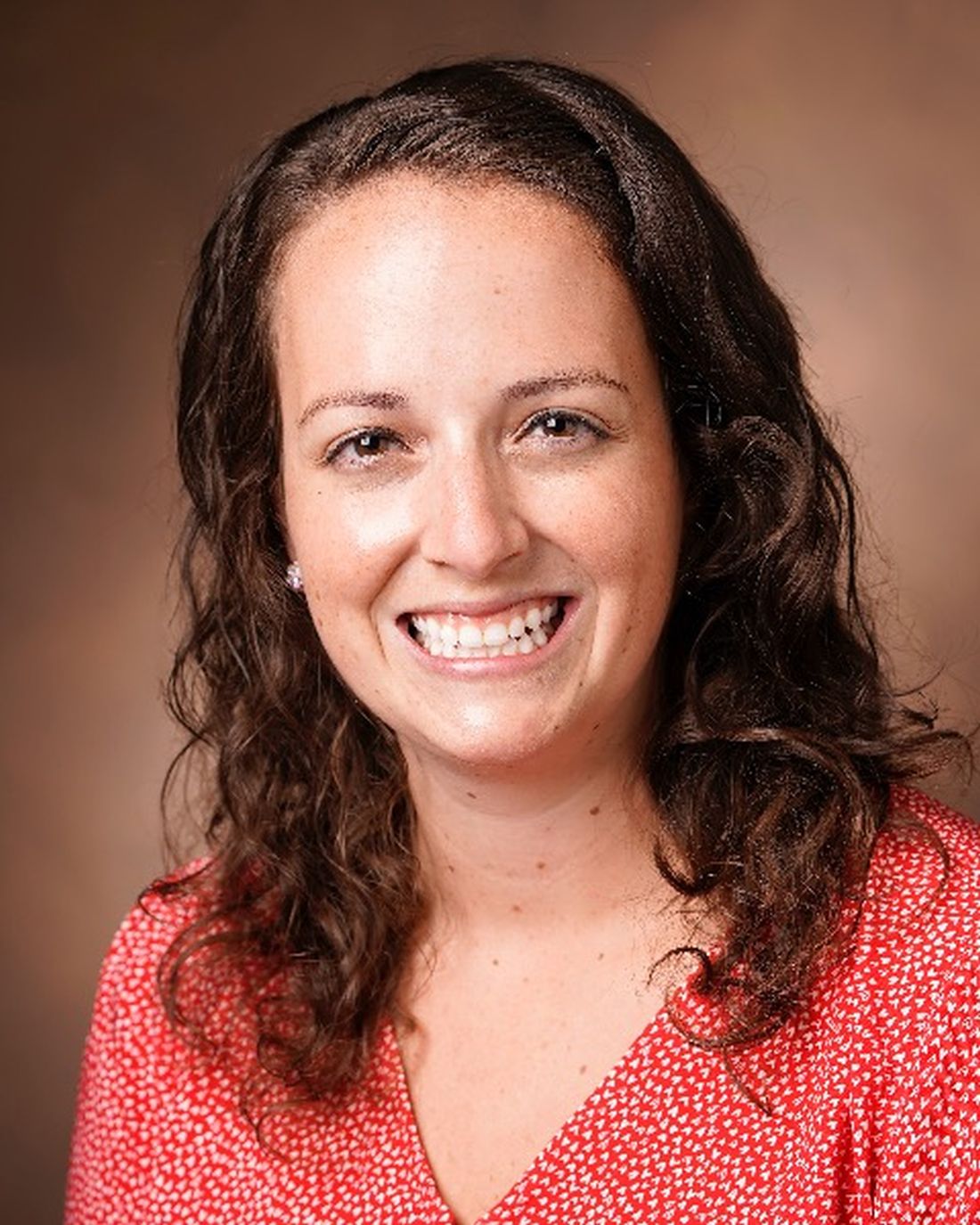
“Some of the most modifiable adverse childhood experiences (ACEs) are unhealthy parenting behaviors,” according to Amber J. Cooke, MD, of Vanderbilt University, Nashville, Tenn., and colleagues. “Despite the widespread use of standardized health assessment tools in pediatrics, a gap in services is that parenting assessments are not routinely administered,” they said.
In a study presented at the virtual meeting of the Pediatric Academic Societies, the researchers assessed clinicians’ perspectives on the use of the Quick Parenting Assessment (QPA), a validated 13-item parent support tool designed to identify children exposed to unhealthy parenting practices such as yelling, threatening, humiliating language, and physical punishment.
The researchers surveyed clinicians about how they integrated the QPA into a 15-month or 30-month well-child visit. Clinicians were trained to review the QPA and respond to parents during the visit.
Overall, the health care providers reported that the QPA could be reviewed with parents in less than 3 minutes for more than 80% of encounters.
The QPA takes approximately 1 minute for parents or caregivers to complete. Participating clinicians underwent training to learn how to interpret and respond to the QPA, and responded to a survey based on their inclusion of it in clinical visits. Key factors measured in the survey included the time needed for the clinician to review the QPA with the parent; whether the QPA increased clinicians’ objectivity about the level of support needed for the caregivers, whether the QPA affected communications with the caregiver about parenting, and whether the QPA added value to the well-child visit.
The survey respondents included resident physicians, nurse practitioners, and attending physicians. Approximately 75% of the providers said they were able to review the QPA in 1 minute or less; approximately 24% took 1-5 minutes, and less than 1% took longer than 5 minutes.
A majority of respondents (79%) said that the parent or caregiver was receptive to the QPA, and 74% said that the QPA facilitated communications with caregivers about parenting. In addition, 61% and 60% said the QPA improved the quality and value, respectively, of the visit, and 64% of the respondents said that the QPA increased their objectivity in assessing the level of support needed by caregivers.
Responses were similar, but slightly higher, in each category when the researchers compared providers who reviewed three or more QPAs with parents to those who reviewed less than three QPAs with parents.
The study findings were limited by several factors including the use of data from a single clinic site serving primarily low-income families, which might affect the generalizability of the results, the researchers noted. A lack of data on all QPA encounters might result in a participation bias as well, they said.
However, the results support the feasibility of the QPA, and clinical implications include mitigating ACEs, preventing child abuse, and enhancing the value of the well-child visit, they said. Next steps for research include integrating the QPA into 5-year and 8-year well-child visits, they concluded.
Data support value of parenting assessment screening tool
“In order to be useful, a screening tool has to be validated, not add significant time to the well-child visit, and result in useful data for the clinician to more effectively serve their families,” Suzanne C. Boulter, MD, of the Geisel School of Medicine at Dartmouth, Hanover, N.H., said in an interview. “The Quick Parenting Assessment Screen was developed at Vanderbilt, is free for clinicians to use, and takes an average of 1 minute to assess,” she noted. “This poster highlights a study that was done by residents and attendings at Vanderbilt who administered the tool to caregivers attending their well child clinics.”
Dr. Boulter explained the study was important because “there is increased emphasis on the social determinants of health within the context of well child care, and discipline is one aspect of significance in the assessment of adverse childhood experiences,” she said. “The practitioners overall felt that the tool improved communication with their caregivers, which increased the quality of the visit. It was also surprising that 79% of the providers noted that the caregiver was receptive to the assessment tool,” Dr. Boulter added.
“In general, this tool offers clinicians a quick overview of disciplinary practices in the households of their patients. It would be useful, as a next step, to expand the testing to a wider socioeconomic population of families,” she concluded.
The researchers had no financial conflicts to disclose. Dr. Boulter had no financial conflicts to disclose, but serves on the Pediatric News Editorial Advisory Board.
A parenting assessment can add value to a clinic visit by facilitating conversations about discipline and potentially mitigating adverse childhood experiences, based on survey data from 167 health care providers.
“Some of the most modifiable adverse childhood experiences (ACEs) are unhealthy parenting behaviors,” according to Amber J. Cooke, MD, of Vanderbilt University, Nashville, Tenn., and colleagues. “Despite the widespread use of standardized health assessment tools in pediatrics, a gap in services is that parenting assessments are not routinely administered,” they said.
In a study presented at the virtual meeting of the Pediatric Academic Societies, the researchers assessed clinicians’ perspectives on the use of the Quick Parenting Assessment (QPA), a validated 13-item parent support tool designed to identify children exposed to unhealthy parenting practices such as yelling, threatening, humiliating language, and physical punishment.
The researchers surveyed clinicians about how they integrated the QPA into a 15-month or 30-month well-child visit. Clinicians were trained to review the QPA and respond to parents during the visit.
Overall, the health care providers reported that the QPA could be reviewed with parents in less than 3 minutes for more than 80% of encounters.
The QPA takes approximately 1 minute for parents or caregivers to complete. Participating clinicians underwent training to learn how to interpret and respond to the QPA, and responded to a survey based on their inclusion of it in clinical visits. Key factors measured in the survey included the time needed for the clinician to review the QPA with the parent; whether the QPA increased clinicians’ objectivity about the level of support needed for the caregivers, whether the QPA affected communications with the caregiver about parenting, and whether the QPA added value to the well-child visit.
The survey respondents included resident physicians, nurse practitioners, and attending physicians. Approximately 75% of the providers said they were able to review the QPA in 1 minute or less; approximately 24% took 1-5 minutes, and less than 1% took longer than 5 minutes.
A majority of respondents (79%) said that the parent or caregiver was receptive to the QPA, and 74% said that the QPA facilitated communications with caregivers about parenting. In addition, 61% and 60% said the QPA improved the quality and value, respectively, of the visit, and 64% of the respondents said that the QPA increased their objectivity in assessing the level of support needed by caregivers.
Responses were similar, but slightly higher, in each category when the researchers compared providers who reviewed three or more QPAs with parents to those who reviewed less than three QPAs with parents.
The study findings were limited by several factors including the use of data from a single clinic site serving primarily low-income families, which might affect the generalizability of the results, the researchers noted. A lack of data on all QPA encounters might result in a participation bias as well, they said.
However, the results support the feasibility of the QPA, and clinical implications include mitigating ACEs, preventing child abuse, and enhancing the value of the well-child visit, they said. Next steps for research include integrating the QPA into 5-year and 8-year well-child visits, they concluded.
Data support value of parenting assessment screening tool
“In order to be useful, a screening tool has to be validated, not add significant time to the well-child visit, and result in useful data for the clinician to more effectively serve their families,” Suzanne C. Boulter, MD, of the Geisel School of Medicine at Dartmouth, Hanover, N.H., said in an interview. “The Quick Parenting Assessment Screen was developed at Vanderbilt, is free for clinicians to use, and takes an average of 1 minute to assess,” she noted. “This poster highlights a study that was done by residents and attendings at Vanderbilt who administered the tool to caregivers attending their well child clinics.”
Dr. Boulter explained the study was important because “there is increased emphasis on the social determinants of health within the context of well child care, and discipline is one aspect of significance in the assessment of adverse childhood experiences,” she said. “The practitioners overall felt that the tool improved communication with their caregivers, which increased the quality of the visit. It was also surprising that 79% of the providers noted that the caregiver was receptive to the assessment tool,” Dr. Boulter added.
“In general, this tool offers clinicians a quick overview of disciplinary practices in the households of their patients. It would be useful, as a next step, to expand the testing to a wider socioeconomic population of families,” she concluded.
The researchers had no financial conflicts to disclose. Dr. Boulter had no financial conflicts to disclose, but serves on the Pediatric News Editorial Advisory Board.
A parenting assessment can add value to a clinic visit by facilitating conversations about discipline and potentially mitigating adverse childhood experiences, based on survey data from 167 health care providers.
“Some of the most modifiable adverse childhood experiences (ACEs) are unhealthy parenting behaviors,” according to Amber J. Cooke, MD, of Vanderbilt University, Nashville, Tenn., and colleagues. “Despite the widespread use of standardized health assessment tools in pediatrics, a gap in services is that parenting assessments are not routinely administered,” they said.
In a study presented at the virtual meeting of the Pediatric Academic Societies, the researchers assessed clinicians’ perspectives on the use of the Quick Parenting Assessment (QPA), a validated 13-item parent support tool designed to identify children exposed to unhealthy parenting practices such as yelling, threatening, humiliating language, and physical punishment.
The researchers surveyed clinicians about how they integrated the QPA into a 15-month or 30-month well-child visit. Clinicians were trained to review the QPA and respond to parents during the visit.
Overall, the health care providers reported that the QPA could be reviewed with parents in less than 3 minutes for more than 80% of encounters.
The QPA takes approximately 1 minute for parents or caregivers to complete. Participating clinicians underwent training to learn how to interpret and respond to the QPA, and responded to a survey based on their inclusion of it in clinical visits. Key factors measured in the survey included the time needed for the clinician to review the QPA with the parent; whether the QPA increased clinicians’ objectivity about the level of support needed for the caregivers, whether the QPA affected communications with the caregiver about parenting, and whether the QPA added value to the well-child visit.
The survey respondents included resident physicians, nurse practitioners, and attending physicians. Approximately 75% of the providers said they were able to review the QPA in 1 minute or less; approximately 24% took 1-5 minutes, and less than 1% took longer than 5 minutes.
A majority of respondents (79%) said that the parent or caregiver was receptive to the QPA, and 74% said that the QPA facilitated communications with caregivers about parenting. In addition, 61% and 60% said the QPA improved the quality and value, respectively, of the visit, and 64% of the respondents said that the QPA increased their objectivity in assessing the level of support needed by caregivers.
Responses were similar, but slightly higher, in each category when the researchers compared providers who reviewed three or more QPAs with parents to those who reviewed less than three QPAs with parents.
The study findings were limited by several factors including the use of data from a single clinic site serving primarily low-income families, which might affect the generalizability of the results, the researchers noted. A lack of data on all QPA encounters might result in a participation bias as well, they said.
However, the results support the feasibility of the QPA, and clinical implications include mitigating ACEs, preventing child abuse, and enhancing the value of the well-child visit, they said. Next steps for research include integrating the QPA into 5-year and 8-year well-child visits, they concluded.
Data support value of parenting assessment screening tool
“In order to be useful, a screening tool has to be validated, not add significant time to the well-child visit, and result in useful data for the clinician to more effectively serve their families,” Suzanne C. Boulter, MD, of the Geisel School of Medicine at Dartmouth, Hanover, N.H., said in an interview. “The Quick Parenting Assessment Screen was developed at Vanderbilt, is free for clinicians to use, and takes an average of 1 minute to assess,” she noted. “This poster highlights a study that was done by residents and attendings at Vanderbilt who administered the tool to caregivers attending their well child clinics.”
Dr. Boulter explained the study was important because “there is increased emphasis on the social determinants of health within the context of well child care, and discipline is one aspect of significance in the assessment of adverse childhood experiences,” she said. “The practitioners overall felt that the tool improved communication with their caregivers, which increased the quality of the visit. It was also surprising that 79% of the providers noted that the caregiver was receptive to the assessment tool,” Dr. Boulter added.
“In general, this tool offers clinicians a quick overview of disciplinary practices in the households of their patients. It would be useful, as a next step, to expand the testing to a wider socioeconomic population of families,” she concluded.
The researchers had no financial conflicts to disclose. Dr. Boulter had no financial conflicts to disclose, but serves on the Pediatric News Editorial Advisory Board.
FROM PAS 2021
HHS to inject billions into mental health, substance use disorders
The U.S. Department of Health and Human Services will inject billions of dollars into programs designed to address mental health and substance use disorders, including $3 billion released to states as of May 18, said federal officials.
The American Rescue Plan, a COVID-relief package signed into law in March, contained the money, which will be divided equally between the Community Mental Health Services Block Grant Program and the Substance Abuse Prevention and Treatment Block Grant Program, said Tom Coderre, Acting Assistant Secretary for Mental Health and Substance Use, in a call with reporters.
The award amounts will vary by state.
The mental health program helps states and territories provide services for children with serious emotional issues and adults with serious mental illness.
The substance use program provides money to plan, implement, and evaluate prevention, intervention, treatment, and recovery services.
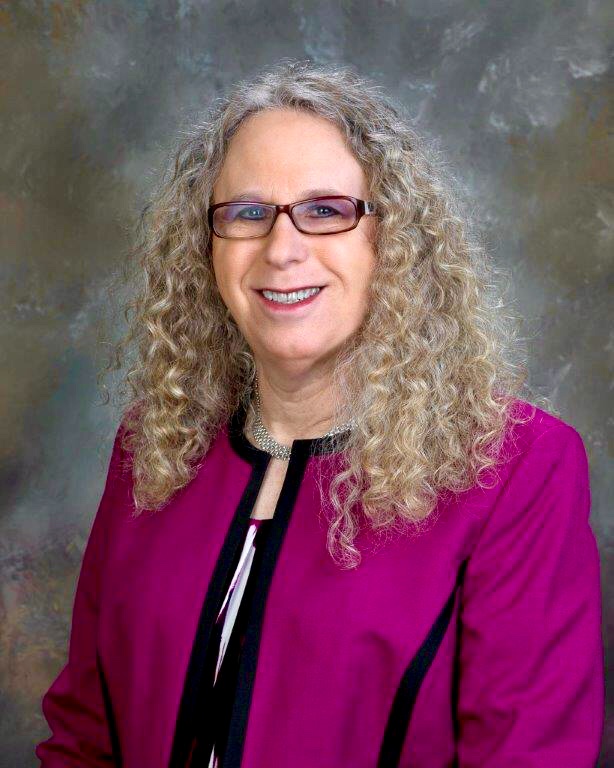
, which fueled an increase in anxiety, depression, and overdose, said Assistant Secretary for Health Rachel Levine, MD, on the call.
“We know multiple stressors during the pandemic – isolation, sickness, grief, job loss, food instability, and loss of routines – have devastated many Americans and presented the unprecedented behavioral health challenges across the nation,” said Dr. Levine.
The HHS also announced that it is re-establishing a Behavioral Health Coordinating Council (BHCC). Dr. Levine and Mr. Coderre will serve as cochairs of the Council, which will coordinate action-oriented approaches to addressing the HHS’s behavioral health efforts.
However, in 2014, the U.S. Government Accountability Office criticized the BHCC for only focusing on the HHS, and noted the lack of coordination across the federal government’s various efforts to address mental health.
‘A huge step forward’
The American Psychiatric Association welcomed the new money and the return of the council.
“In the wake of the pandemic an unprecedented, and as of yet untold, number of Americans are faced with mental health and substance use disorders, particularly in communities impacted by structural racism,” said APA President Vivian Pender, MD, in a statement. “With the creation of this Council and this investment in mental health, the administration is taking a huge step forward.”
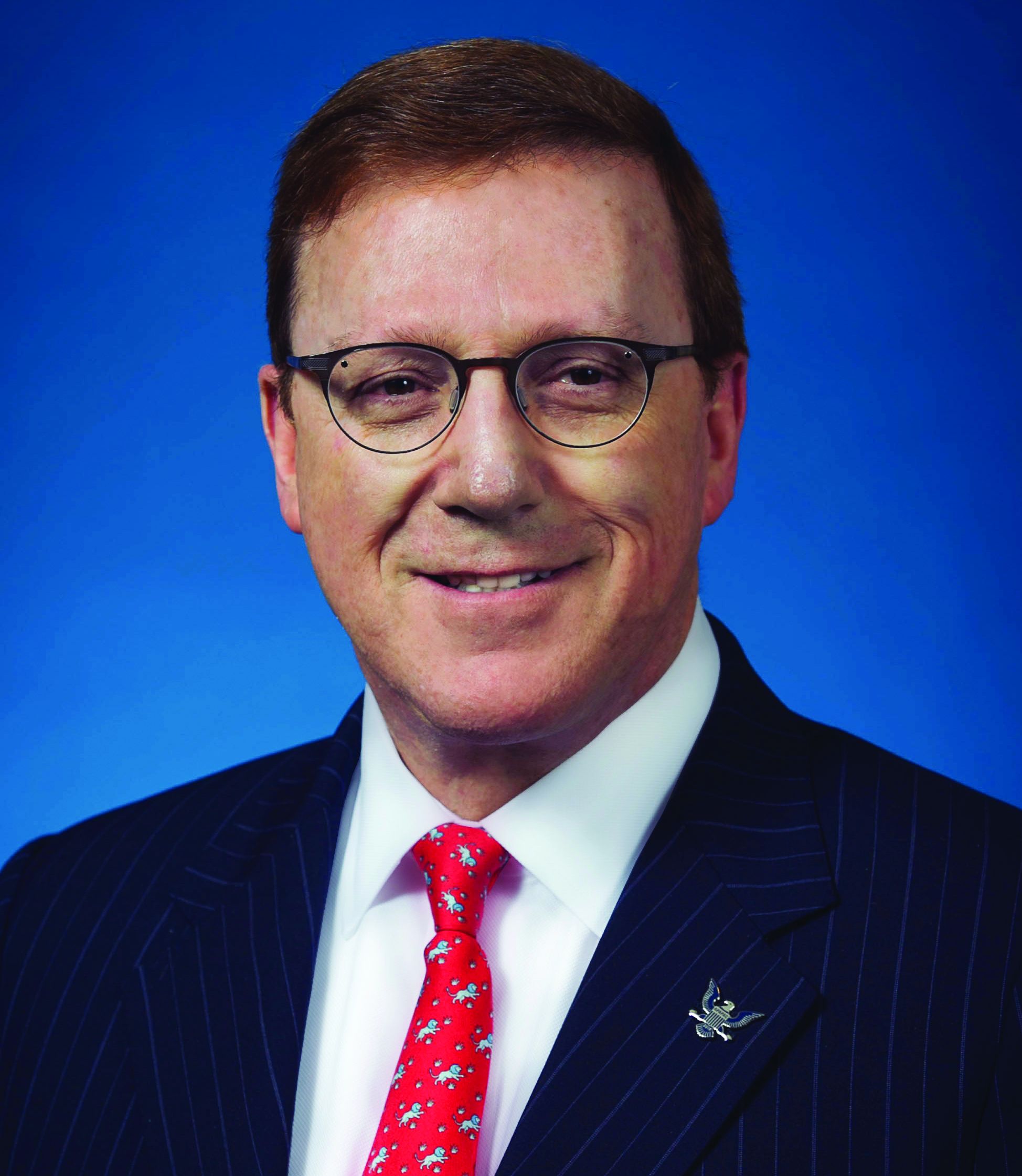
APA CEO and Medical Director Saul Levin, MD, MPA, added: “This Council has great potential to ease the challenges we face as we begin to recover from the pandemic’s impact on our society, and [the] APA looks forward to assisting in their efforts.”
HHS Secretary Xavier Becerra noted in a statement that the COVID-19 pandemic “has made clear the need to invest resources in our nation’s mental health and address the inequities that still exist around behavioral health care.” He added, “This national problem calls for department-wide coordination to address the issue.”
Dr. Levine said the Council “will assure the right prioritization and guidelines are in place to provide pathways to prevention, intervention, treatment, and recovery services.”
A version of this article first appeared on Medscape.com.
The U.S. Department of Health and Human Services will inject billions of dollars into programs designed to address mental health and substance use disorders, including $3 billion released to states as of May 18, said federal officials.
The American Rescue Plan, a COVID-relief package signed into law in March, contained the money, which will be divided equally between the Community Mental Health Services Block Grant Program and the Substance Abuse Prevention and Treatment Block Grant Program, said Tom Coderre, Acting Assistant Secretary for Mental Health and Substance Use, in a call with reporters.
The award amounts will vary by state.
The mental health program helps states and territories provide services for children with serious emotional issues and adults with serious mental illness.
The substance use program provides money to plan, implement, and evaluate prevention, intervention, treatment, and recovery services.
, which fueled an increase in anxiety, depression, and overdose, said Assistant Secretary for Health Rachel Levine, MD, on the call.
“We know multiple stressors during the pandemic – isolation, sickness, grief, job loss, food instability, and loss of routines – have devastated many Americans and presented the unprecedented behavioral health challenges across the nation,” said Dr. Levine.
The HHS also announced that it is re-establishing a Behavioral Health Coordinating Council (BHCC). Dr. Levine and Mr. Coderre will serve as cochairs of the Council, which will coordinate action-oriented approaches to addressing the HHS’s behavioral health efforts.
However, in 2014, the U.S. Government Accountability Office criticized the BHCC for only focusing on the HHS, and noted the lack of coordination across the federal government’s various efforts to address mental health.
‘A huge step forward’
The American Psychiatric Association welcomed the new money and the return of the council.
“In the wake of the pandemic an unprecedented, and as of yet untold, number of Americans are faced with mental health and substance use disorders, particularly in communities impacted by structural racism,” said APA President Vivian Pender, MD, in a statement. “With the creation of this Council and this investment in mental health, the administration is taking a huge step forward.”
APA CEO and Medical Director Saul Levin, MD, MPA, added: “This Council has great potential to ease the challenges we face as we begin to recover from the pandemic’s impact on our society, and [the] APA looks forward to assisting in their efforts.”
HHS Secretary Xavier Becerra noted in a statement that the COVID-19 pandemic “has made clear the need to invest resources in our nation’s mental health and address the inequities that still exist around behavioral health care.” He added, “This national problem calls for department-wide coordination to address the issue.”
Dr. Levine said the Council “will assure the right prioritization and guidelines are in place to provide pathways to prevention, intervention, treatment, and recovery services.”
A version of this article first appeared on Medscape.com.
The U.S. Department of Health and Human Services will inject billions of dollars into programs designed to address mental health and substance use disorders, including $3 billion released to states as of May 18, said federal officials.
The American Rescue Plan, a COVID-relief package signed into law in March, contained the money, which will be divided equally between the Community Mental Health Services Block Grant Program and the Substance Abuse Prevention and Treatment Block Grant Program, said Tom Coderre, Acting Assistant Secretary for Mental Health and Substance Use, in a call with reporters.
The award amounts will vary by state.
The mental health program helps states and territories provide services for children with serious emotional issues and adults with serious mental illness.
The substance use program provides money to plan, implement, and evaluate prevention, intervention, treatment, and recovery services.
, which fueled an increase in anxiety, depression, and overdose, said Assistant Secretary for Health Rachel Levine, MD, on the call.
“We know multiple stressors during the pandemic – isolation, sickness, grief, job loss, food instability, and loss of routines – have devastated many Americans and presented the unprecedented behavioral health challenges across the nation,” said Dr. Levine.
The HHS also announced that it is re-establishing a Behavioral Health Coordinating Council (BHCC). Dr. Levine and Mr. Coderre will serve as cochairs of the Council, which will coordinate action-oriented approaches to addressing the HHS’s behavioral health efforts.
However, in 2014, the U.S. Government Accountability Office criticized the BHCC for only focusing on the HHS, and noted the lack of coordination across the federal government’s various efforts to address mental health.
‘A huge step forward’
The American Psychiatric Association welcomed the new money and the return of the council.
“In the wake of the pandemic an unprecedented, and as of yet untold, number of Americans are faced with mental health and substance use disorders, particularly in communities impacted by structural racism,” said APA President Vivian Pender, MD, in a statement. “With the creation of this Council and this investment in mental health, the administration is taking a huge step forward.”
APA CEO and Medical Director Saul Levin, MD, MPA, added: “This Council has great potential to ease the challenges we face as we begin to recover from the pandemic’s impact on our society, and [the] APA looks forward to assisting in their efforts.”
HHS Secretary Xavier Becerra noted in a statement that the COVID-19 pandemic “has made clear the need to invest resources in our nation’s mental health and address the inequities that still exist around behavioral health care.” He added, “This national problem calls for department-wide coordination to address the issue.”
Dr. Levine said the Council “will assure the right prioritization and guidelines are in place to provide pathways to prevention, intervention, treatment, and recovery services.”
A version of this article first appeared on Medscape.com.
Acts of kindness, empathy bolster mental health
Sigmund Freud said, “Out of your vulnerabilities will come greatest strength.” What exactly did Dr. Freud mean by this?

Many aspects of mental health treatment include cognitive restructuring, behavioral changes, emotion processing, and setting boundaries. These are all critical aspects of treatment, but what about kindness and compassion?
We often forget that kindness requires us to be vulnerable and take a risk at times. Being kind to others is not always easy, and it is not always an automatic reaction. Vulnerability often involves risk, but the outcomes often outweigh fear.
Dr. Freud was highlighting that being kind, open, and honest will often result in strong character and resilience. In turn, it will help others. Psychology and psychiatry have proved time and time again that empathy, compassion, and kindness have numerous benefits for mental and physical health for both the giver and the receiver.
From a biological perspective, we know that acts of kindness signal the brain to release serotonin and dopamine, known as “feel good transmitters,” and endorphins, which in turn lessen pain, depression, and anxiety. According to Waguih W. Ishak, MD, a psychiatrist affiliated with Cedars-Sinai in Los Angeles,1 in addition to boosting oxytocin and dopamine, being kind can increase serotonin, a neurotransmitter that helps regulate mood. Kindness and compassion have been shown to release oxytocin, known as the “love hormone,” which increases self-esteem, trust, connection, and optimism. Oxytocin also reduces blood pressure and has been dubbed the “cardioprotective” hormone. According to Kelli Harding, MD, MPH, a psychiatrist affiliated with Columbia University in New York,2 kindness can extend the lifespan. Research from Emory University in Atlanta has shown that, when an individual is kind to another, the brain’s reward centers light up – resulting in a “helper’s high.” Thus, kindness is self-reinforcing.3
Kindness leads to a greater sense of connection to others and a lessening in feelings of isolation. Small acts of kindness build up compassion in oneself. Research indicates that kindness doesn’t just positively affect the giver and receiver but can also benefit onlookers. An article in Psychology Today,4 suggests that those who witness acts of kindness are also more likely to “pay it forward,” resulting in a domino effect. Along these same lines, altruistic people, specifically those who engage in charitable donations, expressed higher levels of overall happiness according to a 2010 Harvard Business School survey.5
“You can’t pour from an empty cup” is a trendy quote making its way around social media. Before we can be kind and compassionate to others, we must first be kind and compassionate to ourselves. In today’s world, productivity and pressure-filled environments consume us daily. We often find ourselves skipping meals, forgetting to connect with loved ones, missing breaks, and even neglecting our sleep. It is virtually impossible to care for others when we are depleted ourselves. Sometimes not prioritizing ourselves can result in collateral damage. We may become short-tempered, irritable, moody, and overwhelmed. At this point kindness, compassion, and empathy toward others are likely to be absent. Once we replenish ourselves, by taking time off, indulging in a nice meal, exercising, we are more likely to respond as opposed to react, ask others about themselves, and engage in overall positive interactions throughout our day. Kindness is best fostered by being kind to ourselves to sustain our own well-being and by being kind to others in order to maintain the cycle. For clinicians who have been pushed to respond to various aspects of the COVID-19 pandemic, self-care has never been more important.
COVID-19 has been difficult for everyone, particularly the elderly and vulnerable populations. However, kindness has proved to be an overwhelming response as many businesses and individuals have taken to volunteering time and resources for those in need. Even big corporations have chipped in. For example, Lyft and Uber – in a partnership with the White House – are now offering free rides to vaccine sites, and several local businesses have donated personal protective equipment to hospitals and assisted living facilities.
Kindness and empathy are ever present in the field of mental health, medicine, and substance use treatment. The very act of caring for another involves kindness. In medicine, empathy has been defined as “an emotional experience between an observer and a subject in which the observer, based on visual and auditory cues, identifies and transiently experiences the subject’s emotional state.”6
As mental health professionals, we receive empathy training early on in our schooling – increasingly so over the last decade. Research has indicated that trusting relationships between clinicians and patients result in optimal care. Evidence-based communication styles are being widely implemented. This entails using nonjudgmental language, open-ended questions, and active listening skills, for example. In addition, the mental health professionals have our conscious and unconscious judgments. If empathy training is provided, we can learn to acknowledge our biases and mitigate them. Lastly, empathy training has been proven to assist with destigmatization, increase in treatment seeking, and overall better outcomes.
Substance use treatment, which often focuses on cognition and behavior changing, boundaries, and family dynamics, also requires support and kindness. Although it is not an empirically based “treatment,” Alcoholics Anonymous (AA) has used kindness for decades.
Step 12 of AA’s 12-step program, which was developed by two people with alcohol use disorder in 1935 in Akron, Ohio, is as follows: “Having had a spiritual awakening as the result of these steps, we tried to carry this message to alcoholics, and to practice these principles in all our affairs.”
Once AA members are on solid ground with their sobriety, they are urged to help others in their recovery. This process provides many benefits. When individuals are concerned about someone else, they are less focused on themselves. This helps the individuals in recovery to decrease their rumination and “get out of themselves.” It also allows for the AA member to be kind and helpful to an individual who is suffering, thereby expressing kindness, compassion, and empathy. This act of “paying it forward” produces a domino effect that has withstood the test of time as evidenced by the ever-growing fellowship of Alcoholics Anonymous.
Several small acts of kindness can help us as clinicians and our patients:
1. Practice self-care.
2. Take a half day off from your practice.
3. Give staff a half day off.
4. Call a family member or friend and ask them how they are doing. Then engage in active listening and refrain from giving advice.
5. Donate to a homeless shelter or volunteer your time at a charity.
6. Give a stranger a compliment.
7. Surprise someone with a small gift.
8. Send a loved one a letter instead of a text.
9. Pick up litter.
10. Acknowledge family and friends who gave you extra support during the pandemic.
11. Take baked goods to your office.
12. Help a neighbor with groceries.
13. Leave a generous tip.
14. Play soft music in your office.
In conclusion, kindness, empathy, and compassion are vital concepts that are not just fluffy theories. They have vast mental, physical, and social benefits for us and our patients.
References
1. Cedars-Sinai staff. The Science of Kindness. 2019 Feb 13. Cedars-Sinai blog.
2. Harding K. The Rabbit Effect: Live Longer, Happier, and Healthier with the Groundbreaking Science of Kindness. Atria Books, 2019.
3. Ritvo E. BeKindr. Momosa Publishing, 2017.
4. Svoboda E. “Pay it Forward.” Psychology Today. Last reviewed 2016 Jun 9.
5. Aknin LB et al. “Prosocial spending and well-being: Cross-Cultural Evidence for a Psychological Universal.” Harvard Business School. Working Paper 11-038. 2010.
6. Hirsch EM. AMA J Ethics. Virtual Mentor. 2007;9(6):423-7.
Dr. Haji is a licensed clinical psychologist specializing in psychodiagnostic assessment, forensic assessment, dual diagnosis, serious and persistent mental illness, depression, anxiety, personality disorders, and substance abuse treatment. She practices in Miami and has no conflicts of interest.
Sigmund Freud said, “Out of your vulnerabilities will come greatest strength.” What exactly did Dr. Freud mean by this?
Many aspects of mental health treatment include cognitive restructuring, behavioral changes, emotion processing, and setting boundaries. These are all critical aspects of treatment, but what about kindness and compassion?
We often forget that kindness requires us to be vulnerable and take a risk at times. Being kind to others is not always easy, and it is not always an automatic reaction. Vulnerability often involves risk, but the outcomes often outweigh fear.
Dr. Freud was highlighting that being kind, open, and honest will often result in strong character and resilience. In turn, it will help others. Psychology and psychiatry have proved time and time again that empathy, compassion, and kindness have numerous benefits for mental and physical health for both the giver and the receiver.
From a biological perspective, we know that acts of kindness signal the brain to release serotonin and dopamine, known as “feel good transmitters,” and endorphins, which in turn lessen pain, depression, and anxiety. According to Waguih W. Ishak, MD, a psychiatrist affiliated with Cedars-Sinai in Los Angeles,1 in addition to boosting oxytocin and dopamine, being kind can increase serotonin, a neurotransmitter that helps regulate mood. Kindness and compassion have been shown to release oxytocin, known as the “love hormone,” which increases self-esteem, trust, connection, and optimism. Oxytocin also reduces blood pressure and has been dubbed the “cardioprotective” hormone. According to Kelli Harding, MD, MPH, a psychiatrist affiliated with Columbia University in New York,2 kindness can extend the lifespan. Research from Emory University in Atlanta has shown that, when an individual is kind to another, the brain’s reward centers light up – resulting in a “helper’s high.” Thus, kindness is self-reinforcing.3
Kindness leads to a greater sense of connection to others and a lessening in feelings of isolation. Small acts of kindness build up compassion in oneself. Research indicates that kindness doesn’t just positively affect the giver and receiver but can also benefit onlookers. An article in Psychology Today,4 suggests that those who witness acts of kindness are also more likely to “pay it forward,” resulting in a domino effect. Along these same lines, altruistic people, specifically those who engage in charitable donations, expressed higher levels of overall happiness according to a 2010 Harvard Business School survey.5
“You can’t pour from an empty cup” is a trendy quote making its way around social media. Before we can be kind and compassionate to others, we must first be kind and compassionate to ourselves. In today’s world, productivity and pressure-filled environments consume us daily. We often find ourselves skipping meals, forgetting to connect with loved ones, missing breaks, and even neglecting our sleep. It is virtually impossible to care for others when we are depleted ourselves. Sometimes not prioritizing ourselves can result in collateral damage. We may become short-tempered, irritable, moody, and overwhelmed. At this point kindness, compassion, and empathy toward others are likely to be absent. Once we replenish ourselves, by taking time off, indulging in a nice meal, exercising, we are more likely to respond as opposed to react, ask others about themselves, and engage in overall positive interactions throughout our day. Kindness is best fostered by being kind to ourselves to sustain our own well-being and by being kind to others in order to maintain the cycle. For clinicians who have been pushed to respond to various aspects of the COVID-19 pandemic, self-care has never been more important.
COVID-19 has been difficult for everyone, particularly the elderly and vulnerable populations. However, kindness has proved to be an overwhelming response as many businesses and individuals have taken to volunteering time and resources for those in need. Even big corporations have chipped in. For example, Lyft and Uber – in a partnership with the White House – are now offering free rides to vaccine sites, and several local businesses have donated personal protective equipment to hospitals and assisted living facilities.
Kindness and empathy are ever present in the field of mental health, medicine, and substance use treatment. The very act of caring for another involves kindness. In medicine, empathy has been defined as “an emotional experience between an observer and a subject in which the observer, based on visual and auditory cues, identifies and transiently experiences the subject’s emotional state.”6
As mental health professionals, we receive empathy training early on in our schooling – increasingly so over the last decade. Research has indicated that trusting relationships between clinicians and patients result in optimal care. Evidence-based communication styles are being widely implemented. This entails using nonjudgmental language, open-ended questions, and active listening skills, for example. In addition, the mental health professionals have our conscious and unconscious judgments. If empathy training is provided, we can learn to acknowledge our biases and mitigate them. Lastly, empathy training has been proven to assist with destigmatization, increase in treatment seeking, and overall better outcomes.
Substance use treatment, which often focuses on cognition and behavior changing, boundaries, and family dynamics, also requires support and kindness. Although it is not an empirically based “treatment,” Alcoholics Anonymous (AA) has used kindness for decades.
Step 12 of AA’s 12-step program, which was developed by two people with alcohol use disorder in 1935 in Akron, Ohio, is as follows: “Having had a spiritual awakening as the result of these steps, we tried to carry this message to alcoholics, and to practice these principles in all our affairs.”
Once AA members are on solid ground with their sobriety, they are urged to help others in their recovery. This process provides many benefits. When individuals are concerned about someone else, they are less focused on themselves. This helps the individuals in recovery to decrease their rumination and “get out of themselves.” It also allows for the AA member to be kind and helpful to an individual who is suffering, thereby expressing kindness, compassion, and empathy. This act of “paying it forward” produces a domino effect that has withstood the test of time as evidenced by the ever-growing fellowship of Alcoholics Anonymous.
Several small acts of kindness can help us as clinicians and our patients:
1. Practice self-care.
2. Take a half day off from your practice.
3. Give staff a half day off.
4. Call a family member or friend and ask them how they are doing. Then engage in active listening and refrain from giving advice.
5. Donate to a homeless shelter or volunteer your time at a charity.
6. Give a stranger a compliment.
7. Surprise someone with a small gift.
8. Send a loved one a letter instead of a text.
9. Pick up litter.
10. Acknowledge family and friends who gave you extra support during the pandemic.
11. Take baked goods to your office.
12. Help a neighbor with groceries.
13. Leave a generous tip.
14. Play soft music in your office.
In conclusion, kindness, empathy, and compassion are vital concepts that are not just fluffy theories. They have vast mental, physical, and social benefits for us and our patients.
References
1. Cedars-Sinai staff. The Science of Kindness. 2019 Feb 13. Cedars-Sinai blog.
2. Harding K. The Rabbit Effect: Live Longer, Happier, and Healthier with the Groundbreaking Science of Kindness. Atria Books, 2019.
3. Ritvo E. BeKindr. Momosa Publishing, 2017.
4. Svoboda E. “Pay it Forward.” Psychology Today. Last reviewed 2016 Jun 9.
5. Aknin LB et al. “Prosocial spending and well-being: Cross-Cultural Evidence for a Psychological Universal.” Harvard Business School. Working Paper 11-038. 2010.
6. Hirsch EM. AMA J Ethics. Virtual Mentor. 2007;9(6):423-7.
Dr. Haji is a licensed clinical psychologist specializing in psychodiagnostic assessment, forensic assessment, dual diagnosis, serious and persistent mental illness, depression, anxiety, personality disorders, and substance abuse treatment. She practices in Miami and has no conflicts of interest.
Sigmund Freud said, “Out of your vulnerabilities will come greatest strength.” What exactly did Dr. Freud mean by this?
Many aspects of mental health treatment include cognitive restructuring, behavioral changes, emotion processing, and setting boundaries. These are all critical aspects of treatment, but what about kindness and compassion?
We often forget that kindness requires us to be vulnerable and take a risk at times. Being kind to others is not always easy, and it is not always an automatic reaction. Vulnerability often involves risk, but the outcomes often outweigh fear.
Dr. Freud was highlighting that being kind, open, and honest will often result in strong character and resilience. In turn, it will help others. Psychology and psychiatry have proved time and time again that empathy, compassion, and kindness have numerous benefits for mental and physical health for both the giver and the receiver.
From a biological perspective, we know that acts of kindness signal the brain to release serotonin and dopamine, known as “feel good transmitters,” and endorphins, which in turn lessen pain, depression, and anxiety. According to Waguih W. Ishak, MD, a psychiatrist affiliated with Cedars-Sinai in Los Angeles,1 in addition to boosting oxytocin and dopamine, being kind can increase serotonin, a neurotransmitter that helps regulate mood. Kindness and compassion have been shown to release oxytocin, known as the “love hormone,” which increases self-esteem, trust, connection, and optimism. Oxytocin also reduces blood pressure and has been dubbed the “cardioprotective” hormone. According to Kelli Harding, MD, MPH, a psychiatrist affiliated with Columbia University in New York,2 kindness can extend the lifespan. Research from Emory University in Atlanta has shown that, when an individual is kind to another, the brain’s reward centers light up – resulting in a “helper’s high.” Thus, kindness is self-reinforcing.3
Kindness leads to a greater sense of connection to others and a lessening in feelings of isolation. Small acts of kindness build up compassion in oneself. Research indicates that kindness doesn’t just positively affect the giver and receiver but can also benefit onlookers. An article in Psychology Today,4 suggests that those who witness acts of kindness are also more likely to “pay it forward,” resulting in a domino effect. Along these same lines, altruistic people, specifically those who engage in charitable donations, expressed higher levels of overall happiness according to a 2010 Harvard Business School survey.5
“You can’t pour from an empty cup” is a trendy quote making its way around social media. Before we can be kind and compassionate to others, we must first be kind and compassionate to ourselves. In today’s world, productivity and pressure-filled environments consume us daily. We often find ourselves skipping meals, forgetting to connect with loved ones, missing breaks, and even neglecting our sleep. It is virtually impossible to care for others when we are depleted ourselves. Sometimes not prioritizing ourselves can result in collateral damage. We may become short-tempered, irritable, moody, and overwhelmed. At this point kindness, compassion, and empathy toward others are likely to be absent. Once we replenish ourselves, by taking time off, indulging in a nice meal, exercising, we are more likely to respond as opposed to react, ask others about themselves, and engage in overall positive interactions throughout our day. Kindness is best fostered by being kind to ourselves to sustain our own well-being and by being kind to others in order to maintain the cycle. For clinicians who have been pushed to respond to various aspects of the COVID-19 pandemic, self-care has never been more important.
COVID-19 has been difficult for everyone, particularly the elderly and vulnerable populations. However, kindness has proved to be an overwhelming response as many businesses and individuals have taken to volunteering time and resources for those in need. Even big corporations have chipped in. For example, Lyft and Uber – in a partnership with the White House – are now offering free rides to vaccine sites, and several local businesses have donated personal protective equipment to hospitals and assisted living facilities.
Kindness and empathy are ever present in the field of mental health, medicine, and substance use treatment. The very act of caring for another involves kindness. In medicine, empathy has been defined as “an emotional experience between an observer and a subject in which the observer, based on visual and auditory cues, identifies and transiently experiences the subject’s emotional state.”6
As mental health professionals, we receive empathy training early on in our schooling – increasingly so over the last decade. Research has indicated that trusting relationships between clinicians and patients result in optimal care. Evidence-based communication styles are being widely implemented. This entails using nonjudgmental language, open-ended questions, and active listening skills, for example. In addition, the mental health professionals have our conscious and unconscious judgments. If empathy training is provided, we can learn to acknowledge our biases and mitigate them. Lastly, empathy training has been proven to assist with destigmatization, increase in treatment seeking, and overall better outcomes.
Substance use treatment, which often focuses on cognition and behavior changing, boundaries, and family dynamics, also requires support and kindness. Although it is not an empirically based “treatment,” Alcoholics Anonymous (AA) has used kindness for decades.
Step 12 of AA’s 12-step program, which was developed by two people with alcohol use disorder in 1935 in Akron, Ohio, is as follows: “Having had a spiritual awakening as the result of these steps, we tried to carry this message to alcoholics, and to practice these principles in all our affairs.”
Once AA members are on solid ground with their sobriety, they are urged to help others in their recovery. This process provides many benefits. When individuals are concerned about someone else, they are less focused on themselves. This helps the individuals in recovery to decrease their rumination and “get out of themselves.” It also allows for the AA member to be kind and helpful to an individual who is suffering, thereby expressing kindness, compassion, and empathy. This act of “paying it forward” produces a domino effect that has withstood the test of time as evidenced by the ever-growing fellowship of Alcoholics Anonymous.
Several small acts of kindness can help us as clinicians and our patients:
1. Practice self-care.
2. Take a half day off from your practice.
3. Give staff a half day off.
4. Call a family member or friend and ask them how they are doing. Then engage in active listening and refrain from giving advice.
5. Donate to a homeless shelter or volunteer your time at a charity.
6. Give a stranger a compliment.
7. Surprise someone with a small gift.
8. Send a loved one a letter instead of a text.
9. Pick up litter.
10. Acknowledge family and friends who gave you extra support during the pandemic.
11. Take baked goods to your office.
12. Help a neighbor with groceries.
13. Leave a generous tip.
14. Play soft music in your office.
In conclusion, kindness, empathy, and compassion are vital concepts that are not just fluffy theories. They have vast mental, physical, and social benefits for us and our patients.
References
1. Cedars-Sinai staff. The Science of Kindness. 2019 Feb 13. Cedars-Sinai blog.
2. Harding K. The Rabbit Effect: Live Longer, Happier, and Healthier with the Groundbreaking Science of Kindness. Atria Books, 2019.
3. Ritvo E. BeKindr. Momosa Publishing, 2017.
4. Svoboda E. “Pay it Forward.” Psychology Today. Last reviewed 2016 Jun 9.
5. Aknin LB et al. “Prosocial spending and well-being: Cross-Cultural Evidence for a Psychological Universal.” Harvard Business School. Working Paper 11-038. 2010.
6. Hirsch EM. AMA J Ethics. Virtual Mentor. 2007;9(6):423-7.
Dr. Haji is a licensed clinical psychologist specializing in psychodiagnostic assessment, forensic assessment, dual diagnosis, serious and persistent mental illness, depression, anxiety, personality disorders, and substance abuse treatment. She practices in Miami and has no conflicts of interest.
Depot buprenorphine a shot in the arm for opioid addiction?
Adults in treatment for opioid dependence report high satisfaction with buprenorphine injections, in new findings that researchers say could help improve treatment and management of patients with opioid dependence.
In the DEBUT trial, patients who received weekly or monthly depot buprenorphine had significantly higher overall treatment satisfaction, reduced treatment burden, and higher quality-of-life ratings than peers who received daily treatment with sublingual buprenorphine.
“The study’s focus on patient-reported outcomes (PROs) can help to better inform patients and clinicians when selecting treatment options than the clinical traditional outcomes of opioid dependence treatment studies,” lead investigator Fredrik Tiberg, PhD, president and CEO of Camurus, a pharmaceutical company in Lund, Sweden, said in an interview.
“The positive patient experiences with the depot buprenorphine injection reported in the DEBUT study indicate that long-acting treatments could contribute to advancing the quality of care and access to treatment for patients with opioid dependence/use disorder,” said Dr. Tiberg.
The study was published online May 10 in JAMA Network Open.
Novel study
The study was an open-label, parallel-group randomized controlled trial that included 119 patients from six outpatient clinics in Australia; 60 received weekly or monthly depot buprenorphine and 59 received sublingual buprenorphine for 24 weeks.
The primary outcome was global treatment satisfaction, as measured by the 14-question Treatment Satisfaction Questionnaire for Medication (TSQM) at the end of the study at week 24.
The study met its primary endpoint with a significantly higher TSQM global satisfaction score among adults who received depot injections, compared with those who received sublingual buprenorphine (mean score 82.5 vs. 74.3; difference, 8.2; 95% confidence interval, 1.7-14.6; P = .01).
Improvement was also observed for several secondary outcomes, including decreased treatment burden and higher quality of life.
The safety profile was consistent with the known safety profile of buprenorphine, aside from transient, mild-to-moderate injection site reactions.
“To our knowledge, this is the first randomized study that has used a range of PROs to compare outcomes between a long-acting injection and daily dosing of buprenorphine in the treatment of opioid dependence,” the investigators note.
“The study highlights the application of PROs as alternate endpoints to traditional markers of substance use in addiction treatment outcome studies,” they conclude.
Giving patients a voice
In an invited commentary, from most of the work in medication development, including for opioid use disorder.
The current study addresses this very issue in a “well designed and executed” fashion and the results “consistently demonstrated” the superiority of injectable buprenorphine across many outcomes.
The study highlights the importance of considering PRO measures in clinical trials, Dr. Volkow and Dr. Compton say.
“Even if efficacy is no different for various formulations, PROs may provide an important reason to select a new formulation. Patient preferences and apparently improved function may prove to be useful secondary outcomes in medication trials, and the measures used in this new study deserve consideration,” they write.
In addition, the greater treatment satisfaction by patients receiving extended-release buprenorphine suggests that these formulations “might help to improve long-term retention and, as such, be a valuable tool to help combat the current opioid epidemic and reduce its associated mortality,” they conclude.
This study was supported by Camurus AB. Dr. Tiberg is president and CEO of Camurus AB. A complete list of author disclosures is with the original article. Dr. Volkow and Dr. Compton have disclosed no relevant financial relationships.
A version of this article first appeared on Medscape.com.
Adults in treatment for opioid dependence report high satisfaction with buprenorphine injections, in new findings that researchers say could help improve treatment and management of patients with opioid dependence.
In the DEBUT trial, patients who received weekly or monthly depot buprenorphine had significantly higher overall treatment satisfaction, reduced treatment burden, and higher quality-of-life ratings than peers who received daily treatment with sublingual buprenorphine.
“The study’s focus on patient-reported outcomes (PROs) can help to better inform patients and clinicians when selecting treatment options than the clinical traditional outcomes of opioid dependence treatment studies,” lead investigator Fredrik Tiberg, PhD, president and CEO of Camurus, a pharmaceutical company in Lund, Sweden, said in an interview.
“The positive patient experiences with the depot buprenorphine injection reported in the DEBUT study indicate that long-acting treatments could contribute to advancing the quality of care and access to treatment for patients with opioid dependence/use disorder,” said Dr. Tiberg.
The study was published online May 10 in JAMA Network Open.
Novel study
The study was an open-label, parallel-group randomized controlled trial that included 119 patients from six outpatient clinics in Australia; 60 received weekly or monthly depot buprenorphine and 59 received sublingual buprenorphine for 24 weeks.
The primary outcome was global treatment satisfaction, as measured by the 14-question Treatment Satisfaction Questionnaire for Medication (TSQM) at the end of the study at week 24.
The study met its primary endpoint with a significantly higher TSQM global satisfaction score among adults who received depot injections, compared with those who received sublingual buprenorphine (mean score 82.5 vs. 74.3; difference, 8.2; 95% confidence interval, 1.7-14.6; P = .01).
Improvement was also observed for several secondary outcomes, including decreased treatment burden and higher quality of life.
The safety profile was consistent with the known safety profile of buprenorphine, aside from transient, mild-to-moderate injection site reactions.
“To our knowledge, this is the first randomized study that has used a range of PROs to compare outcomes between a long-acting injection and daily dosing of buprenorphine in the treatment of opioid dependence,” the investigators note.
“The study highlights the application of PROs as alternate endpoints to traditional markers of substance use in addiction treatment outcome studies,” they conclude.
Giving patients a voice
In an invited commentary, from most of the work in medication development, including for opioid use disorder.
The current study addresses this very issue in a “well designed and executed” fashion and the results “consistently demonstrated” the superiority of injectable buprenorphine across many outcomes.
The study highlights the importance of considering PRO measures in clinical trials, Dr. Volkow and Dr. Compton say.
“Even if efficacy is no different for various formulations, PROs may provide an important reason to select a new formulation. Patient preferences and apparently improved function may prove to be useful secondary outcomes in medication trials, and the measures used in this new study deserve consideration,” they write.
In addition, the greater treatment satisfaction by patients receiving extended-release buprenorphine suggests that these formulations “might help to improve long-term retention and, as such, be a valuable tool to help combat the current opioid epidemic and reduce its associated mortality,” they conclude.
This study was supported by Camurus AB. Dr. Tiberg is president and CEO of Camurus AB. A complete list of author disclosures is with the original article. Dr. Volkow and Dr. Compton have disclosed no relevant financial relationships.
A version of this article first appeared on Medscape.com.
Adults in treatment for opioid dependence report high satisfaction with buprenorphine injections, in new findings that researchers say could help improve treatment and management of patients with opioid dependence.
In the DEBUT trial, patients who received weekly or monthly depot buprenorphine had significantly higher overall treatment satisfaction, reduced treatment burden, and higher quality-of-life ratings than peers who received daily treatment with sublingual buprenorphine.
“The study’s focus on patient-reported outcomes (PROs) can help to better inform patients and clinicians when selecting treatment options than the clinical traditional outcomes of opioid dependence treatment studies,” lead investigator Fredrik Tiberg, PhD, president and CEO of Camurus, a pharmaceutical company in Lund, Sweden, said in an interview.
“The positive patient experiences with the depot buprenorphine injection reported in the DEBUT study indicate that long-acting treatments could contribute to advancing the quality of care and access to treatment for patients with opioid dependence/use disorder,” said Dr. Tiberg.
The study was published online May 10 in JAMA Network Open.
Novel study
The study was an open-label, parallel-group randomized controlled trial that included 119 patients from six outpatient clinics in Australia; 60 received weekly or monthly depot buprenorphine and 59 received sublingual buprenorphine for 24 weeks.
The primary outcome was global treatment satisfaction, as measured by the 14-question Treatment Satisfaction Questionnaire for Medication (TSQM) at the end of the study at week 24.
The study met its primary endpoint with a significantly higher TSQM global satisfaction score among adults who received depot injections, compared with those who received sublingual buprenorphine (mean score 82.5 vs. 74.3; difference, 8.2; 95% confidence interval, 1.7-14.6; P = .01).
Improvement was also observed for several secondary outcomes, including decreased treatment burden and higher quality of life.
The safety profile was consistent with the known safety profile of buprenorphine, aside from transient, mild-to-moderate injection site reactions.
“To our knowledge, this is the first randomized study that has used a range of PROs to compare outcomes between a long-acting injection and daily dosing of buprenorphine in the treatment of opioid dependence,” the investigators note.
“The study highlights the application of PROs as alternate endpoints to traditional markers of substance use in addiction treatment outcome studies,” they conclude.
Giving patients a voice
In an invited commentary, from most of the work in medication development, including for opioid use disorder.
The current study addresses this very issue in a “well designed and executed” fashion and the results “consistently demonstrated” the superiority of injectable buprenorphine across many outcomes.
The study highlights the importance of considering PRO measures in clinical trials, Dr. Volkow and Dr. Compton say.
“Even if efficacy is no different for various formulations, PROs may provide an important reason to select a new formulation. Patient preferences and apparently improved function may prove to be useful secondary outcomes in medication trials, and the measures used in this new study deserve consideration,” they write.
In addition, the greater treatment satisfaction by patients receiving extended-release buprenorphine suggests that these formulations “might help to improve long-term retention and, as such, be a valuable tool to help combat the current opioid epidemic and reduce its associated mortality,” they conclude.
This study was supported by Camurus AB. Dr. Tiberg is president and CEO of Camurus AB. A complete list of author disclosures is with the original article. Dr. Volkow and Dr. Compton have disclosed no relevant financial relationships.
A version of this article first appeared on Medscape.com.
COVID-19 fallout makes case for promoting the mental health czar
When the Biden administration announced who would serve on its COVID-19 task force, some asked why a mental health expert had not been included. I have a broader question: In light of the magnitude of the pandemic’s fallout, why doesn’t the administration create a mental health post parallel to the surgeon general?

I have been making the case for creation of a high-level mental health post for quite some time. In fact, in the late 1970s, toward the end of then-President Jimmy Carter’s term, I wrote and talked about the need for a special cabinet post of mental health. At the time I realized that, besides chronic mental disorders, the amount of mental distress people experienced from a myriad of life issues leading to anxiety, depression, even posttraumatic stress disorder (although not labeled as such then), needed focused and informed leadership.
Before the pandemic, the World Health Organization reported that depression was the leading cause of disability worldwide. In the prepandemic United States, mental and substance use disorders were the top cause of disability among younger people.
We’ve lost almost 600,000 people to COVID-19, and people have been unable to grieve properly. More than 2 million women have left the labor force to care for children and sick family members. As we continue to learn about the mental health–related devastation wrought by SARS-CoV-2 – particularly long-haul COVID-19 – it’s time to dust off my proposal, update it, and implement it.
Building on a good decision
Back in 2017, President Trump appointed Elinore F. McCance-Katz, MD, PhD, to a new post officially called “assistant secretary for mental health and substance use” and unofficially called the “mental health czar.” This was a groundbreaking step, because Dr. McCance-Katz, a psychiatrist, is known for developing innovative approaches to addressing the opioid crisis in her home state of Rhode Island. She resigned from her post on Jan. 7, 2021, citing her concerns about the Jan. 6 insurrection on the U.S. Capitol.
As of this writing, President Biden has nominated psychologist Miriam Delphin-Rittmon, PhD, who is commissioner of Connecticut Department of Mental Health and Addiction Services, as mental health czar. I’m glad to see that the new administration wants a new czar, but I would prefer to see a more expansive role for a mental health professional at the federal level. The reason is because
Processing the current crisis
Americans managed to recover emotionally from the ravages of death and dying from World War II; we lived through the “atomic age” of mutual destruction, sometimes calling it the age of anxiety. But nothing has come close to the overwhelming devastation that COVID-19 has brought to the world – and to this country.
A recent Government Accountability Office report shows 38% of U.S. adults reported symptoms of anxiety or depression from April 2020 through February 2021. That was up from 11% from January to June 2019, the report said, citing data from the Centers for Disease Control and Prevention. Meanwhile, the report cites data from the Substance Abuse and Mental Health Services Administration showing that opioid deaths were 25%-50% higher during the pandemic than a year earlier.
My sense is that people generally have opened up regarding their emotional problems in a freer manner, thus allowing us to speak about and accept mental health problems as part of our human reality – just as we accept physical disorders and search for treatment and care.
In terms of talk therapy, I still believe that the “thinking” therapies, that is, cognitive therapies that involved getting a new perspective on problems, are most effective in dealing with the myriad of emotional issues people experience as well as those that have arisen because of COVID-19, and the tremendous fear of severe illness and death that the virus can bring. Besides anxiety, depression, and fear, the psychological toll of a fractured lifestyle, coupled with social isolation, will lead many into a variety of PTSD-related conditions. Many of those conditions, including PTSD, might lift when COVID-19 is controlled, but the time frame for resolution is far from clear and will vary, depending on each person. National leadership, as well as therapists, need to be ready to work with the many mental health problems COVID-19 will leave in its wake.
Therapeutically, as we develop our cognitive approaches to the problems this pandemic has brought, whether affecting people with no past psychiatric history or those with a previous or ongoing problems, we are in a unique position ourselves to offer even more support based on our own experiences during the pandemic. Our patients have seen us wear masks and work remotely, and just as we know about their suffering, they know we have been affected as well. These shared experiences with patients can allow us to express even greater empathy and offer even greater support – which I believe enhances the cognitive process and adds more humanism to the therapeutic process.
The therapists I’ve talked with believe that sharing coping skills – even generally sharing anxieties – can be very therapeutic. They compared these exchanges to what is done in support or educational groups.
As a psychiatrist who has been treating patients using cognitive-behavioral therapy – the thinking therapy – for more than 40 years, I agree that sharing our experiences in this worldwide pandemic with those we are helping can be extremely beneficial. Using this approach would not distract from other cognitive work. CBT, after all, is a far cry from dynamic or psychoanalytic talking or listening.
Change is in the air. More and more Americans are getting vaccinated, and the CDC is constantly updating its guidance on COVID-19. That guidance should have a mental health component.
I urge the president to put mental health at the forefront by nominating an expert who could offer mental health solutions on a daily basis. This person should be on equal footing with the surgeon general. Taking this step would help destigmatize mental suffering and despair – and create greater awareness about how to address those conditions.
Dr. London has been a practicing psychiatrist for 4 decades and a newspaper columnist for almost as long. He has a private practice in New York and is author of “Find Freedom Fast: Short-Term Therapy That Works” (New York: Kettlehole Publishing, 2019). Dr. London has no conflicts of interest.
When the Biden administration announced who would serve on its COVID-19 task force, some asked why a mental health expert had not been included. I have a broader question: In light of the magnitude of the pandemic’s fallout, why doesn’t the administration create a mental health post parallel to the surgeon general?
I have been making the case for creation of a high-level mental health post for quite some time. In fact, in the late 1970s, toward the end of then-President Jimmy Carter’s term, I wrote and talked about the need for a special cabinet post of mental health. At the time I realized that, besides chronic mental disorders, the amount of mental distress people experienced from a myriad of life issues leading to anxiety, depression, even posttraumatic stress disorder (although not labeled as such then), needed focused and informed leadership.
Before the pandemic, the World Health Organization reported that depression was the leading cause of disability worldwide. In the prepandemic United States, mental and substance use disorders were the top cause of disability among younger people.
We’ve lost almost 600,000 people to COVID-19, and people have been unable to grieve properly. More than 2 million women have left the labor force to care for children and sick family members. As we continue to learn about the mental health–related devastation wrought by SARS-CoV-2 – particularly long-haul COVID-19 – it’s time to dust off my proposal, update it, and implement it.
Building on a good decision
Back in 2017, President Trump appointed Elinore F. McCance-Katz, MD, PhD, to a new post officially called “assistant secretary for mental health and substance use” and unofficially called the “mental health czar.” This was a groundbreaking step, because Dr. McCance-Katz, a psychiatrist, is known for developing innovative approaches to addressing the opioid crisis in her home state of Rhode Island. She resigned from her post on Jan. 7, 2021, citing her concerns about the Jan. 6 insurrection on the U.S. Capitol.
As of this writing, President Biden has nominated psychologist Miriam Delphin-Rittmon, PhD, who is commissioner of Connecticut Department of Mental Health and Addiction Services, as mental health czar. I’m glad to see that the new administration wants a new czar, but I would prefer to see a more expansive role for a mental health professional at the federal level. The reason is because
Processing the current crisis
Americans managed to recover emotionally from the ravages of death and dying from World War II; we lived through the “atomic age” of mutual destruction, sometimes calling it the age of anxiety. But nothing has come close to the overwhelming devastation that COVID-19 has brought to the world – and to this country.
A recent Government Accountability Office report shows 38% of U.S. adults reported symptoms of anxiety or depression from April 2020 through February 2021. That was up from 11% from January to June 2019, the report said, citing data from the Centers for Disease Control and Prevention. Meanwhile, the report cites data from the Substance Abuse and Mental Health Services Administration showing that opioid deaths were 25%-50% higher during the pandemic than a year earlier.
My sense is that people generally have opened up regarding their emotional problems in a freer manner, thus allowing us to speak about and accept mental health problems as part of our human reality – just as we accept physical disorders and search for treatment and care.
In terms of talk therapy, I still believe that the “thinking” therapies, that is, cognitive therapies that involved getting a new perspective on problems, are most effective in dealing with the myriad of emotional issues people experience as well as those that have arisen because of COVID-19, and the tremendous fear of severe illness and death that the virus can bring. Besides anxiety, depression, and fear, the psychological toll of a fractured lifestyle, coupled with social isolation, will lead many into a variety of PTSD-related conditions. Many of those conditions, including PTSD, might lift when COVID-19 is controlled, but the time frame for resolution is far from clear and will vary, depending on each person. National leadership, as well as therapists, need to be ready to work with the many mental health problems COVID-19 will leave in its wake.
Therapeutically, as we develop our cognitive approaches to the problems this pandemic has brought, whether affecting people with no past psychiatric history or those with a previous or ongoing problems, we are in a unique position ourselves to offer even more support based on our own experiences during the pandemic. Our patients have seen us wear masks and work remotely, and just as we know about their suffering, they know we have been affected as well. These shared experiences with patients can allow us to express even greater empathy and offer even greater support – which I believe enhances the cognitive process and adds more humanism to the therapeutic process.
The therapists I’ve talked with believe that sharing coping skills – even generally sharing anxieties – can be very therapeutic. They compared these exchanges to what is done in support or educational groups.
As a psychiatrist who has been treating patients using cognitive-behavioral therapy – the thinking therapy – for more than 40 years, I agree that sharing our experiences in this worldwide pandemic with those we are helping can be extremely beneficial. Using this approach would not distract from other cognitive work. CBT, after all, is a far cry from dynamic or psychoanalytic talking or listening.
Change is in the air. More and more Americans are getting vaccinated, and the CDC is constantly updating its guidance on COVID-19. That guidance should have a mental health component.
I urge the president to put mental health at the forefront by nominating an expert who could offer mental health solutions on a daily basis. This person should be on equal footing with the surgeon general. Taking this step would help destigmatize mental suffering and despair – and create greater awareness about how to address those conditions.
Dr. London has been a practicing psychiatrist for 4 decades and a newspaper columnist for almost as long. He has a private practice in New York and is author of “Find Freedom Fast: Short-Term Therapy That Works” (New York: Kettlehole Publishing, 2019). Dr. London has no conflicts of interest.
When the Biden administration announced who would serve on its COVID-19 task force, some asked why a mental health expert had not been included. I have a broader question: In light of the magnitude of the pandemic’s fallout, why doesn’t the administration create a mental health post parallel to the surgeon general?
I have been making the case for creation of a high-level mental health post for quite some time. In fact, in the late 1970s, toward the end of then-President Jimmy Carter’s term, I wrote and talked about the need for a special cabinet post of mental health. At the time I realized that, besides chronic mental disorders, the amount of mental distress people experienced from a myriad of life issues leading to anxiety, depression, even posttraumatic stress disorder (although not labeled as such then), needed focused and informed leadership.
Before the pandemic, the World Health Organization reported that depression was the leading cause of disability worldwide. In the prepandemic United States, mental and substance use disorders were the top cause of disability among younger people.
We’ve lost almost 600,000 people to COVID-19, and people have been unable to grieve properly. More than 2 million women have left the labor force to care for children and sick family members. As we continue to learn about the mental health–related devastation wrought by SARS-CoV-2 – particularly long-haul COVID-19 – it’s time to dust off my proposal, update it, and implement it.
Building on a good decision
Back in 2017, President Trump appointed Elinore F. McCance-Katz, MD, PhD, to a new post officially called “assistant secretary for mental health and substance use” and unofficially called the “mental health czar.” This was a groundbreaking step, because Dr. McCance-Katz, a psychiatrist, is known for developing innovative approaches to addressing the opioid crisis in her home state of Rhode Island. She resigned from her post on Jan. 7, 2021, citing her concerns about the Jan. 6 insurrection on the U.S. Capitol.
As of this writing, President Biden has nominated psychologist Miriam Delphin-Rittmon, PhD, who is commissioner of Connecticut Department of Mental Health and Addiction Services, as mental health czar. I’m glad to see that the new administration wants a new czar, but I would prefer to see a more expansive role for a mental health professional at the federal level. The reason is because
Processing the current crisis
Americans managed to recover emotionally from the ravages of death and dying from World War II; we lived through the “atomic age” of mutual destruction, sometimes calling it the age of anxiety. But nothing has come close to the overwhelming devastation that COVID-19 has brought to the world – and to this country.
A recent Government Accountability Office report shows 38% of U.S. adults reported symptoms of anxiety or depression from April 2020 through February 2021. That was up from 11% from January to June 2019, the report said, citing data from the Centers for Disease Control and Prevention. Meanwhile, the report cites data from the Substance Abuse and Mental Health Services Administration showing that opioid deaths were 25%-50% higher during the pandemic than a year earlier.
My sense is that people generally have opened up regarding their emotional problems in a freer manner, thus allowing us to speak about and accept mental health problems as part of our human reality – just as we accept physical disorders and search for treatment and care.
In terms of talk therapy, I still believe that the “thinking” therapies, that is, cognitive therapies that involved getting a new perspective on problems, are most effective in dealing with the myriad of emotional issues people experience as well as those that have arisen because of COVID-19, and the tremendous fear of severe illness and death that the virus can bring. Besides anxiety, depression, and fear, the psychological toll of a fractured lifestyle, coupled with social isolation, will lead many into a variety of PTSD-related conditions. Many of those conditions, including PTSD, might lift when COVID-19 is controlled, but the time frame for resolution is far from clear and will vary, depending on each person. National leadership, as well as therapists, need to be ready to work with the many mental health problems COVID-19 will leave in its wake.
Therapeutically, as we develop our cognitive approaches to the problems this pandemic has brought, whether affecting people with no past psychiatric history or those with a previous or ongoing problems, we are in a unique position ourselves to offer even more support based on our own experiences during the pandemic. Our patients have seen us wear masks and work remotely, and just as we know about their suffering, they know we have been affected as well. These shared experiences with patients can allow us to express even greater empathy and offer even greater support – which I believe enhances the cognitive process and adds more humanism to the therapeutic process.
The therapists I’ve talked with believe that sharing coping skills – even generally sharing anxieties – can be very therapeutic. They compared these exchanges to what is done in support or educational groups.
As a psychiatrist who has been treating patients using cognitive-behavioral therapy – the thinking therapy – for more than 40 years, I agree that sharing our experiences in this worldwide pandemic with those we are helping can be extremely beneficial. Using this approach would not distract from other cognitive work. CBT, after all, is a far cry from dynamic or psychoanalytic talking or listening.
Change is in the air. More and more Americans are getting vaccinated, and the CDC is constantly updating its guidance on COVID-19. That guidance should have a mental health component.
I urge the president to put mental health at the forefront by nominating an expert who could offer mental health solutions on a daily basis. This person should be on equal footing with the surgeon general. Taking this step would help destigmatize mental suffering and despair – and create greater awareness about how to address those conditions.
Dr. London has been a practicing psychiatrist for 4 decades and a newspaper columnist for almost as long. He has a private practice in New York and is author of “Find Freedom Fast: Short-Term Therapy That Works” (New York: Kettlehole Publishing, 2019). Dr. London has no conflicts of interest.
TMS ‘surprisingly effective’ for resistant depression
Treatment with transcranial magnetic stimulation (TMS) has a robust effect for patients with major depressive disorder (MDD), results from a large registry study show.
From patient self-reports and clinician assessments, investigators found that TMS was “surprisingly effective” and “an eye-opener” for these patients, lead investigator Harold A. Sackeim, PhD, professor of clinical psychology in psychiatry and radiology, Columbia University, New York, told this news organization.
“In a presumably treatment-resistant population, the efficacy compared favorably with virtually all pharmacologic treatments” tested in the studies, said Dr. Sackeim.
He noted that the registry from which the data were obtained “is the largest for any treatment of depression, period.” These positive results suggest TMS should be considered a first-line treatment for MDD, he added.
The study was presented at the virtual American Psychiatric Association 2021 Annual Meeting and was previously published in the Journal of Affective Disorders.
Real-world study
Results of randomized clinical trials have shown that TMS is effective for episodes of MDD. However, the investigators note that there is a need to characterize and identify patient- and treatment-related clinical outcomes.
The study included 5,010 adult patients who had received a primary diagnosis of MDD and were treated at 103 practices in the United States. Participants completed the nine-item Patient Health Questionnaire (PHQ-9) at baseline and at least one other time following a TMS treatment.
The average baseline PHQ-9 score was 19.8, indicating moderate to severe symptoms. This was also reflected in a smaller sample that included Clinical Global Impressions–Severity (CGI-S) ratings by clinicians, mostly psychiatrists.
About two-thirds of the study population were women. The average age was about 50 years. Participants typically received about 30 TMS sessions over 7 to 8 weeks.
TMS targets tissue in the dorsolateral prefrontal cortex. The standard protocol involves administering “fast” or high-frequency (10-Hz) stimulation on the left side. Sometimes, slow-frequency stimulation on the right side is added. About 57% of patients were treated on the left side, and 43% were treated on both sides. Each session involved delivery of about 3,000 pulses.
In the analysis of patient self-reports (PHQ-9), the response rate, which was defined as resolution of 50% or more of symptoms, was from 58% to 69%. The remission rate, defined as becoming asymptomatic or having minimal symptoms, ranged from 28% to 36%.
Results were about 5% higher in the “completer” sample, which included 3,814 patients who received at least 20 treatments and who completed a PHQ-9 assessment at the end the treatment course.
The number of completers in the analysis was “massive,” said Dr. Sackeim. It’s “ten times larger than in any previous TMS study; all randomized trials have a couple of hundred subjects at most, so this is whopping.”
The results provide “a full snapshot” of TMS in the “real-world” community instead of in the “highly controlled” environment of most studies, he added.
Gender differences
The analysis that included CGI-S clinician measures yielded higher outcome estimates – 79% to 83% for the response rate, and 47% to 63% for the remission rate.
Women tended to have better clinical outcomes. “It appears to me that around age 50 is where you see the difference,” said Dr. Sackeim. “Among women, it looks like the older they get, the better the outcome, whereas men are not showing that type of positive aging effect.”
This difference might be due to hormonal changes associated with menopause and the fact that older men with depression may have had a stroke or brain lesion. Dr. Sackeim said he plans to look more closely at outcomes of women in comparison with men.
This, said Dr. Sackeim, illustrates how rapidly the TMS field is evolving.
He noted that researchers are now personalizing the procedure by determining the optimal target for individual patients. Other investigators are testing different protocols.
In the current study, results tended to be better for those who received 4,000 or more pulses, said Dr. Sackeim. “There was an indication of a dose response effect in terms of how many pulses per session,” he said.
The authors note that the study’s PDQ-9 response and remission rates indicate that clinical outcomes are comparable to those of the seven antidepressants studied in Level 2 of the large Sequenced Treatment Alternatives to Relieve Depression (STAR-D) trial.
Initial data for relapse in the study population are “encouraging,” said Dr. Sackeim. “You don’t see the rapid relapse that you do when you discontinue some treatments, for example with ECT [electroconvulsive therapy].”
The “slower onset of action” over the course of several sessions “may induce longer benefit,” he added.
Expanded use warranted?
The intervention proved very safe. Side effects, including headaches, were minimal, and there were “virtually no cognitive effects,” said Dr. Sackeim.
Dr. Sackeim believes TMS, as it has evolved, “is an outstanding option for treatment-resistant depression, and it has a very bright future” and should not be reserved for patients with established treatment-resistant depression (TRD), which is the current U.S. Food and Drug Administration indication.
“Restricting it to TRD in my mind is probably a mistake. Why shouldn’t the patient who is just starting on their course of treatment for depression have this as a nonpharmacological option?” he said.
Limitations of the study included its open-label design and the fact that only patients’ age, gender, outcome scores, and TMS treatment parameters were recorded in the registry. Other clinical characteristics, including medication use, were unknown.
However, it’s presumed that most patients had TRD, because insurance reimbursement for TMS typically requires an extensive history of failed antidepressant treatment.
Commenting on the study for an interview, Mark George, MD, professor, and Layton McCurdy, endowed chair in psychiatry, the Medical University of South Carolina, Charleston, called the remission and response rates “remarkable.”

The study included a “huge sample size” of Americans suffering from depression “who have not responded to talking therapy or medications,” noted Dr. George.
“This real-world study shows how effective, safe, and important TMS is for depressed patients who do not respond to medications,” he said.
Neuronetics supported the NeuroStar Advanced Therapy System Clinical Outcomes Registry, analysis of the registry data, and the drafting of this manuscript. Dr. Sackeim serves as a scientific adviser to LivaNova PLC, MECTA Corporation, and Neuronetics. He receives honoraria and royalties from Elsevier and Oxford University Press. He is the inventor on nonremunerative U.S. patents for Focal Electrically Administered Seizure Therapy (FEAST), titration in the current domain in ECT, and the adjustment of current in ECT devices; each patent is held by the MECTA Corporation. He is also the originator of magnetic seizure therapy.
A version of this article first appeared on Medscape.com.
Treatment with transcranial magnetic stimulation (TMS) has a robust effect for patients with major depressive disorder (MDD), results from a large registry study show.
From patient self-reports and clinician assessments, investigators found that TMS was “surprisingly effective” and “an eye-opener” for these patients, lead investigator Harold A. Sackeim, PhD, professor of clinical psychology in psychiatry and radiology, Columbia University, New York, told this news organization.
“In a presumably treatment-resistant population, the efficacy compared favorably with virtually all pharmacologic treatments” tested in the studies, said Dr. Sackeim.
He noted that the registry from which the data were obtained “is the largest for any treatment of depression, period.” These positive results suggest TMS should be considered a first-line treatment for MDD, he added.
The study was presented at the virtual American Psychiatric Association 2021 Annual Meeting and was previously published in the Journal of Affective Disorders.
Real-world study
Results of randomized clinical trials have shown that TMS is effective for episodes of MDD. However, the investigators note that there is a need to characterize and identify patient- and treatment-related clinical outcomes.
The study included 5,010 adult patients who had received a primary diagnosis of MDD and were treated at 103 practices in the United States. Participants completed the nine-item Patient Health Questionnaire (PHQ-9) at baseline and at least one other time following a TMS treatment.
The average baseline PHQ-9 score was 19.8, indicating moderate to severe symptoms. This was also reflected in a smaller sample that included Clinical Global Impressions–Severity (CGI-S) ratings by clinicians, mostly psychiatrists.
About two-thirds of the study population were women. The average age was about 50 years. Participants typically received about 30 TMS sessions over 7 to 8 weeks.
TMS targets tissue in the dorsolateral prefrontal cortex. The standard protocol involves administering “fast” or high-frequency (10-Hz) stimulation on the left side. Sometimes, slow-frequency stimulation on the right side is added. About 57% of patients were treated on the left side, and 43% were treated on both sides. Each session involved delivery of about 3,000 pulses.
In the analysis of patient self-reports (PHQ-9), the response rate, which was defined as resolution of 50% or more of symptoms, was from 58% to 69%. The remission rate, defined as becoming asymptomatic or having minimal symptoms, ranged from 28% to 36%.
Results were about 5% higher in the “completer” sample, which included 3,814 patients who received at least 20 treatments and who completed a PHQ-9 assessment at the end the treatment course.
The number of completers in the analysis was “massive,” said Dr. Sackeim. It’s “ten times larger than in any previous TMS study; all randomized trials have a couple of hundred subjects at most, so this is whopping.”
The results provide “a full snapshot” of TMS in the “real-world” community instead of in the “highly controlled” environment of most studies, he added.
Gender differences
The analysis that included CGI-S clinician measures yielded higher outcome estimates – 79% to 83% for the response rate, and 47% to 63% for the remission rate.
Women tended to have better clinical outcomes. “It appears to me that around age 50 is where you see the difference,” said Dr. Sackeim. “Among women, it looks like the older they get, the better the outcome, whereas men are not showing that type of positive aging effect.”
This difference might be due to hormonal changes associated with menopause and the fact that older men with depression may have had a stroke or brain lesion. Dr. Sackeim said he plans to look more closely at outcomes of women in comparison with men.
This, said Dr. Sackeim, illustrates how rapidly the TMS field is evolving.
He noted that researchers are now personalizing the procedure by determining the optimal target for individual patients. Other investigators are testing different protocols.
In the current study, results tended to be better for those who received 4,000 or more pulses, said Dr. Sackeim. “There was an indication of a dose response effect in terms of how many pulses per session,” he said.
The authors note that the study’s PDQ-9 response and remission rates indicate that clinical outcomes are comparable to those of the seven antidepressants studied in Level 2 of the large Sequenced Treatment Alternatives to Relieve Depression (STAR-D) trial.
Initial data for relapse in the study population are “encouraging,” said Dr. Sackeim. “You don’t see the rapid relapse that you do when you discontinue some treatments, for example with ECT [electroconvulsive therapy].”
The “slower onset of action” over the course of several sessions “may induce longer benefit,” he added.
Expanded use warranted?
The intervention proved very safe. Side effects, including headaches, were minimal, and there were “virtually no cognitive effects,” said Dr. Sackeim.
Dr. Sackeim believes TMS, as it has evolved, “is an outstanding option for treatment-resistant depression, and it has a very bright future” and should not be reserved for patients with established treatment-resistant depression (TRD), which is the current U.S. Food and Drug Administration indication.
“Restricting it to TRD in my mind is probably a mistake. Why shouldn’t the patient who is just starting on their course of treatment for depression have this as a nonpharmacological option?” he said.
Limitations of the study included its open-label design and the fact that only patients’ age, gender, outcome scores, and TMS treatment parameters were recorded in the registry. Other clinical characteristics, including medication use, were unknown.
However, it’s presumed that most patients had TRD, because insurance reimbursement for TMS typically requires an extensive history of failed antidepressant treatment.
Commenting on the study for an interview, Mark George, MD, professor, and Layton McCurdy, endowed chair in psychiatry, the Medical University of South Carolina, Charleston, called the remission and response rates “remarkable.”
The study included a “huge sample size” of Americans suffering from depression “who have not responded to talking therapy or medications,” noted Dr. George.
“This real-world study shows how effective, safe, and important TMS is for depressed patients who do not respond to medications,” he said.
Neuronetics supported the NeuroStar Advanced Therapy System Clinical Outcomes Registry, analysis of the registry data, and the drafting of this manuscript. Dr. Sackeim serves as a scientific adviser to LivaNova PLC, MECTA Corporation, and Neuronetics. He receives honoraria and royalties from Elsevier and Oxford University Press. He is the inventor on nonremunerative U.S. patents for Focal Electrically Administered Seizure Therapy (FEAST), titration in the current domain in ECT, and the adjustment of current in ECT devices; each patent is held by the MECTA Corporation. He is also the originator of magnetic seizure therapy.
A version of this article first appeared on Medscape.com.
Treatment with transcranial magnetic stimulation (TMS) has a robust effect for patients with major depressive disorder (MDD), results from a large registry study show.
From patient self-reports and clinician assessments, investigators found that TMS was “surprisingly effective” and “an eye-opener” for these patients, lead investigator Harold A. Sackeim, PhD, professor of clinical psychology in psychiatry and radiology, Columbia University, New York, told this news organization.
“In a presumably treatment-resistant population, the efficacy compared favorably with virtually all pharmacologic treatments” tested in the studies, said Dr. Sackeim.
He noted that the registry from which the data were obtained “is the largest for any treatment of depression, period.” These positive results suggest TMS should be considered a first-line treatment for MDD, he added.
The study was presented at the virtual American Psychiatric Association 2021 Annual Meeting and was previously published in the Journal of Affective Disorders.
Real-world study
Results of randomized clinical trials have shown that TMS is effective for episodes of MDD. However, the investigators note that there is a need to characterize and identify patient- and treatment-related clinical outcomes.
The study included 5,010 adult patients who had received a primary diagnosis of MDD and were treated at 103 practices in the United States. Participants completed the nine-item Patient Health Questionnaire (PHQ-9) at baseline and at least one other time following a TMS treatment.
The average baseline PHQ-9 score was 19.8, indicating moderate to severe symptoms. This was also reflected in a smaller sample that included Clinical Global Impressions–Severity (CGI-S) ratings by clinicians, mostly psychiatrists.
About two-thirds of the study population were women. The average age was about 50 years. Participants typically received about 30 TMS sessions over 7 to 8 weeks.
TMS targets tissue in the dorsolateral prefrontal cortex. The standard protocol involves administering “fast” or high-frequency (10-Hz) stimulation on the left side. Sometimes, slow-frequency stimulation on the right side is added. About 57% of patients were treated on the left side, and 43% were treated on both sides. Each session involved delivery of about 3,000 pulses.
In the analysis of patient self-reports (PHQ-9), the response rate, which was defined as resolution of 50% or more of symptoms, was from 58% to 69%. The remission rate, defined as becoming asymptomatic or having minimal symptoms, ranged from 28% to 36%.
Results were about 5% higher in the “completer” sample, which included 3,814 patients who received at least 20 treatments and who completed a PHQ-9 assessment at the end the treatment course.
The number of completers in the analysis was “massive,” said Dr. Sackeim. It’s “ten times larger than in any previous TMS study; all randomized trials have a couple of hundred subjects at most, so this is whopping.”
The results provide “a full snapshot” of TMS in the “real-world” community instead of in the “highly controlled” environment of most studies, he added.
Gender differences
The analysis that included CGI-S clinician measures yielded higher outcome estimates – 79% to 83% for the response rate, and 47% to 63% for the remission rate.
Women tended to have better clinical outcomes. “It appears to me that around age 50 is where you see the difference,” said Dr. Sackeim. “Among women, it looks like the older they get, the better the outcome, whereas men are not showing that type of positive aging effect.”
This difference might be due to hormonal changes associated with menopause and the fact that older men with depression may have had a stroke or brain lesion. Dr. Sackeim said he plans to look more closely at outcomes of women in comparison with men.
This, said Dr. Sackeim, illustrates how rapidly the TMS field is evolving.
He noted that researchers are now personalizing the procedure by determining the optimal target for individual patients. Other investigators are testing different protocols.
In the current study, results tended to be better for those who received 4,000 or more pulses, said Dr. Sackeim. “There was an indication of a dose response effect in terms of how many pulses per session,” he said.
The authors note that the study’s PDQ-9 response and remission rates indicate that clinical outcomes are comparable to those of the seven antidepressants studied in Level 2 of the large Sequenced Treatment Alternatives to Relieve Depression (STAR-D) trial.
Initial data for relapse in the study population are “encouraging,” said Dr. Sackeim. “You don’t see the rapid relapse that you do when you discontinue some treatments, for example with ECT [electroconvulsive therapy].”
The “slower onset of action” over the course of several sessions “may induce longer benefit,” he added.
Expanded use warranted?
The intervention proved very safe. Side effects, including headaches, were minimal, and there were “virtually no cognitive effects,” said Dr. Sackeim.
Dr. Sackeim believes TMS, as it has evolved, “is an outstanding option for treatment-resistant depression, and it has a very bright future” and should not be reserved for patients with established treatment-resistant depression (TRD), which is the current U.S. Food and Drug Administration indication.
“Restricting it to TRD in my mind is probably a mistake. Why shouldn’t the patient who is just starting on their course of treatment for depression have this as a nonpharmacological option?” he said.
Limitations of the study included its open-label design and the fact that only patients’ age, gender, outcome scores, and TMS treatment parameters were recorded in the registry. Other clinical characteristics, including medication use, were unknown.
However, it’s presumed that most patients had TRD, because insurance reimbursement for TMS typically requires an extensive history of failed antidepressant treatment.
Commenting on the study for an interview, Mark George, MD, professor, and Layton McCurdy, endowed chair in psychiatry, the Medical University of South Carolina, Charleston, called the remission and response rates “remarkable.”
The study included a “huge sample size” of Americans suffering from depression “who have not responded to talking therapy or medications,” noted Dr. George.
“This real-world study shows how effective, safe, and important TMS is for depressed patients who do not respond to medications,” he said.
Neuronetics supported the NeuroStar Advanced Therapy System Clinical Outcomes Registry, analysis of the registry data, and the drafting of this manuscript. Dr. Sackeim serves as a scientific adviser to LivaNova PLC, MECTA Corporation, and Neuronetics. He receives honoraria and royalties from Elsevier and Oxford University Press. He is the inventor on nonremunerative U.S. patents for Focal Electrically Administered Seizure Therapy (FEAST), titration in the current domain in ECT, and the adjustment of current in ECT devices; each patent is held by the MECTA Corporation. He is also the originator of magnetic seizure therapy.
A version of this article first appeared on Medscape.com.
How to improve our response to COVID’s mental tolls
We have no way of precisely knowing how many lives might have been saved, and how much grief and loneliness spared and economic ruin contained during COVID-19 if we had risen to its myriad challenges in a timely fashion. However, I feel we can safely say that the United States deserves to be graded with an “F” for its management of the pandemic.

To render this grade, we need only to read the countless verified reports of how critically needed public health measures were not taken soon enough, or sufficiently, to substantially mitigate human and societal suffering.
This began with the failure to protect doctors, nurses, and technicians, who did not have the personal protective equipment needed to prevent infection and spare risk to their loved ones. It soon extended to the country’s failure to adequately protect all its citizens and residents. COVID-19 then rained its grievous consequences disproportionately upon people of color, those living in poverty, and those with housing and food insecurity – those already greatly foreclosed from opportunities to exit from their circumstances.
We all have heard, “Fool me once, shame on you; fool me twice, shame on me.”
Bear witness, colleagues and friends: It will be our shared shame if we too continue to fail in our response to COVID-19. But failure need not happen because protecting ourselves and our country is a solvable problem; complex and demanding for sure, but solvable.
To battle trauma, we must first define it
The sine qua non of a disaster is its psychic and social trauma. I asked Maureen Sayres Van Niel, MD, chair of the American Psychiatric Association’s Minority and Underrepresented Caucus and a former steering committee member of the U.S. Preventive Services Task Force, to define trauma. She said, “It is [the product of] a catastrophic, unexpected event over which we have little control, with grave consequences to the lives and psychological functioning of those individuals and groups affected.”
The COVID-19 pandemic is a massively amplified traumatic event because of the virulence and contagious properties of the virus and its variants; the absence of end date on the horizon; its effect as a proverbial ax that disproportionately falls on the majority of the populace experiencing racial and social inequities; and the ironic yet necessary imperative to distance ourselves from those we care about and who care about us.
Four interdependent factors drive the magnitude of the traumatic impact of a disaster: the degree of exposure to the life-threatening event; the duration and threat of recurrence; an individual’s preexisting (natural and human-made) trauma and mental and addictive disorders; and the adequacy of family and fundamental resources such as housing, food, safety, and access to health care (the social dimensions of health and mental health). These factors underline the “who,” “what,” “where,” and “how” of what should have been (and continue to be) an effective public health response to the COVID-19 pandemic.
Yet existing categories that we have used to predict risk for trauma no longer hold. The gravity, prevalence, and persistence of COVID-19’s horrors erase any differences among victims, witnesses, and bystanders. Dr Sayres Van Niel asserts that we have a “collective, national trauma.” In April, the Kaiser Family Foundation’s Vaccine Monitor reported that 24% of U.S. adults had a close friend or family member who died of COVID-19. That’s 82 million Americans! Our country has eclipsed individual victimization and trauma because we are all in its maw.
Vital lessons from the past
In a previous column, I described my role as New York City’s mental health commissioner after 9/11 and the many lessons we learned during that multiyear process. Our work served as a template for other disasters to follow, such as Hurricane Sandy. Its value to COVID-19 is equally apparent.
We learned that those most at risk of developing symptomatic, functionally impairing mental illness had prior traumatic experiences (for example, from childhood abuse or neglect, violence, war, and forced displacement from their native land) and/or a preexisting mental or substance use disorder.
Once these individuals and communities were identified, we could prioritize their treatment and care. Doing so required mobilizing both inner and external (social) resources, which can be used before disaster strikes or in its wake.
For individuals, adaptive resources include developing any of a number of mind-body activities (for example, meditation, mindfulness, slow breathing, and yoga); sufficient but not necessarily excessive levels of exercise (as has been said, if exercise were a pill, it would be the most potent of medicines); nourishing diets; sleep, nature’s restorative state; and perhaps most important, attachment and human connection to people who care about you and whom you care about and trust.
This does not necessarily mean holding or following an institutional religion or belonging to house of worship (though, of course, that melds and augments faith with community). For a great many, myself included, there is spirituality, the belief in a greater power, which need not be a God yet instills a sense of the vastness, universality, and continuity of life.
For communities, adaptive resources include safe homes and neighborhoods; diminishing housing and food insecurity; education, including pre-K; employment, with a livable wage; ridding human interactions of the endless, so-called microaggressions (which are not micro at all, because they accrue) of race, ethnic, class, and age discrimination and injustice; and ready access to quality and affordable health care, now more than ever for the rising tide of mental and substance use disorders that COVID-19 has unleashed.
Every gain we make to ablate racism, social injustice, discrimination, and widely and deeply spread resource and opportunity inequities means more cohesion among the members of our collective tribe. Greater cohesion, a love for thy neighbor, and equity (in action, not polemics) will fuel the resilience we will need to withstand more of COVID-19’s ongoing trauma; that of other, inescapable disasters and losses; and the wear and tear of everyday life. The rewards of equity are priceless and include the dignity that derives from fairness and justice – given and received.
An unprecedented disaster requires a bold response
My, what a list. But to me, the encompassing nature of what’s needed means that we can make differences anywhere, everywhere, and in countless and continuous ways.
The measure of any society is in how it cares for those who are foreclosed, through no fault of their own, from what we all want: a life safe from violence, secure in housing and food, with loving relationships and the pride that comes of making contributions, each in our own, wonderfully unique way.
Where will we all be in a year, 2, or 3 from now? Prepared, or not? Emotionally inoculated, or not? Better equipped, or not? As divided, or more cohesive?
Well, I imagine that depends on each and every one of us.
Lloyd I. Sederer, MD, is a psychiatrist, public health doctor, and writer. He is an adjunct professor at the Columbia University School of Public Health, director of Columbia Psychiatry Media, chief medical officer of Bongo Media, and chair of the advisory board of Get Help. He has been chief medical officer of McLean Hospital, a Harvard teaching hospital; mental health commissioner of New York City (in the Bloomberg administration); and chief medical officer of the New York State Office of Mental Health, the nation’s largest state mental health agency.
A version of this article first appeared on Medscape.com.
We have no way of precisely knowing how many lives might have been saved, and how much grief and loneliness spared and economic ruin contained during COVID-19 if we had risen to its myriad challenges in a timely fashion. However, I feel we can safely say that the United States deserves to be graded with an “F” for its management of the pandemic.
To render this grade, we need only to read the countless verified reports of how critically needed public health measures were not taken soon enough, or sufficiently, to substantially mitigate human and societal suffering.
This began with the failure to protect doctors, nurses, and technicians, who did not have the personal protective equipment needed to prevent infection and spare risk to their loved ones. It soon extended to the country’s failure to adequately protect all its citizens and residents. COVID-19 then rained its grievous consequences disproportionately upon people of color, those living in poverty, and those with housing and food insecurity – those already greatly foreclosed from opportunities to exit from their circumstances.
We all have heard, “Fool me once, shame on you; fool me twice, shame on me.”
Bear witness, colleagues and friends: It will be our shared shame if we too continue to fail in our response to COVID-19. But failure need not happen because protecting ourselves and our country is a solvable problem; complex and demanding for sure, but solvable.
To battle trauma, we must first define it
The sine qua non of a disaster is its psychic and social trauma. I asked Maureen Sayres Van Niel, MD, chair of the American Psychiatric Association’s Minority and Underrepresented Caucus and a former steering committee member of the U.S. Preventive Services Task Force, to define trauma. She said, “It is [the product of] a catastrophic, unexpected event over which we have little control, with grave consequences to the lives and psychological functioning of those individuals and groups affected.”
The COVID-19 pandemic is a massively amplified traumatic event because of the virulence and contagious properties of the virus and its variants; the absence of end date on the horizon; its effect as a proverbial ax that disproportionately falls on the majority of the populace experiencing racial and social inequities; and the ironic yet necessary imperative to distance ourselves from those we care about and who care about us.
Four interdependent factors drive the magnitude of the traumatic impact of a disaster: the degree of exposure to the life-threatening event; the duration and threat of recurrence; an individual’s preexisting (natural and human-made) trauma and mental and addictive disorders; and the adequacy of family and fundamental resources such as housing, food, safety, and access to health care (the social dimensions of health and mental health). These factors underline the “who,” “what,” “where,” and “how” of what should have been (and continue to be) an effective public health response to the COVID-19 pandemic.
Yet existing categories that we have used to predict risk for trauma no longer hold. The gravity, prevalence, and persistence of COVID-19’s horrors erase any differences among victims, witnesses, and bystanders. Dr Sayres Van Niel asserts that we have a “collective, national trauma.” In April, the Kaiser Family Foundation’s Vaccine Monitor reported that 24% of U.S. adults had a close friend or family member who died of COVID-19. That’s 82 million Americans! Our country has eclipsed individual victimization and trauma because we are all in its maw.
Vital lessons from the past
In a previous column, I described my role as New York City’s mental health commissioner after 9/11 and the many lessons we learned during that multiyear process. Our work served as a template for other disasters to follow, such as Hurricane Sandy. Its value to COVID-19 is equally apparent.
We learned that those most at risk of developing symptomatic, functionally impairing mental illness had prior traumatic experiences (for example, from childhood abuse or neglect, violence, war, and forced displacement from their native land) and/or a preexisting mental or substance use disorder.
Once these individuals and communities were identified, we could prioritize their treatment and care. Doing so required mobilizing both inner and external (social) resources, which can be used before disaster strikes or in its wake.
For individuals, adaptive resources include developing any of a number of mind-body activities (for example, meditation, mindfulness, slow breathing, and yoga); sufficient but not necessarily excessive levels of exercise (as has been said, if exercise were a pill, it would be the most potent of medicines); nourishing diets; sleep, nature’s restorative state; and perhaps most important, attachment and human connection to people who care about you and whom you care about and trust.
This does not necessarily mean holding or following an institutional religion or belonging to house of worship (though, of course, that melds and augments faith with community). For a great many, myself included, there is spirituality, the belief in a greater power, which need not be a God yet instills a sense of the vastness, universality, and continuity of life.
For communities, adaptive resources include safe homes and neighborhoods; diminishing housing and food insecurity; education, including pre-K; employment, with a livable wage; ridding human interactions of the endless, so-called microaggressions (which are not micro at all, because they accrue) of race, ethnic, class, and age discrimination and injustice; and ready access to quality and affordable health care, now more than ever for the rising tide of mental and substance use disorders that COVID-19 has unleashed.
Every gain we make to ablate racism, social injustice, discrimination, and widely and deeply spread resource and opportunity inequities means more cohesion among the members of our collective tribe. Greater cohesion, a love for thy neighbor, and equity (in action, not polemics) will fuel the resilience we will need to withstand more of COVID-19’s ongoing trauma; that of other, inescapable disasters and losses; and the wear and tear of everyday life. The rewards of equity are priceless and include the dignity that derives from fairness and justice – given and received.
An unprecedented disaster requires a bold response
My, what a list. But to me, the encompassing nature of what’s needed means that we can make differences anywhere, everywhere, and in countless and continuous ways.
The measure of any society is in how it cares for those who are foreclosed, through no fault of their own, from what we all want: a life safe from violence, secure in housing and food, with loving relationships and the pride that comes of making contributions, each in our own, wonderfully unique way.
Where will we all be in a year, 2, or 3 from now? Prepared, or not? Emotionally inoculated, or not? Better equipped, or not? As divided, or more cohesive?
Well, I imagine that depends on each and every one of us.
Lloyd I. Sederer, MD, is a psychiatrist, public health doctor, and writer. He is an adjunct professor at the Columbia University School of Public Health, director of Columbia Psychiatry Media, chief medical officer of Bongo Media, and chair of the advisory board of Get Help. He has been chief medical officer of McLean Hospital, a Harvard teaching hospital; mental health commissioner of New York City (in the Bloomberg administration); and chief medical officer of the New York State Office of Mental Health, the nation’s largest state mental health agency.
A version of this article first appeared on Medscape.com.
We have no way of precisely knowing how many lives might have been saved, and how much grief and loneliness spared and economic ruin contained during COVID-19 if we had risen to its myriad challenges in a timely fashion. However, I feel we can safely say that the United States deserves to be graded with an “F” for its management of the pandemic.
To render this grade, we need only to read the countless verified reports of how critically needed public health measures were not taken soon enough, or sufficiently, to substantially mitigate human and societal suffering.
This began with the failure to protect doctors, nurses, and technicians, who did not have the personal protective equipment needed to prevent infection and spare risk to their loved ones. It soon extended to the country’s failure to adequately protect all its citizens and residents. COVID-19 then rained its grievous consequences disproportionately upon people of color, those living in poverty, and those with housing and food insecurity – those already greatly foreclosed from opportunities to exit from their circumstances.
We all have heard, “Fool me once, shame on you; fool me twice, shame on me.”
Bear witness, colleagues and friends: It will be our shared shame if we too continue to fail in our response to COVID-19. But failure need not happen because protecting ourselves and our country is a solvable problem; complex and demanding for sure, but solvable.
To battle trauma, we must first define it
The sine qua non of a disaster is its psychic and social trauma. I asked Maureen Sayres Van Niel, MD, chair of the American Psychiatric Association’s Minority and Underrepresented Caucus and a former steering committee member of the U.S. Preventive Services Task Force, to define trauma. She said, “It is [the product of] a catastrophic, unexpected event over which we have little control, with grave consequences to the lives and psychological functioning of those individuals and groups affected.”
The COVID-19 pandemic is a massively amplified traumatic event because of the virulence and contagious properties of the virus and its variants; the absence of end date on the horizon; its effect as a proverbial ax that disproportionately falls on the majority of the populace experiencing racial and social inequities; and the ironic yet necessary imperative to distance ourselves from those we care about and who care about us.
Four interdependent factors drive the magnitude of the traumatic impact of a disaster: the degree of exposure to the life-threatening event; the duration and threat of recurrence; an individual’s preexisting (natural and human-made) trauma and mental and addictive disorders; and the adequacy of family and fundamental resources such as housing, food, safety, and access to health care (the social dimensions of health and mental health). These factors underline the “who,” “what,” “where,” and “how” of what should have been (and continue to be) an effective public health response to the COVID-19 pandemic.
Yet existing categories that we have used to predict risk for trauma no longer hold. The gravity, prevalence, and persistence of COVID-19’s horrors erase any differences among victims, witnesses, and bystanders. Dr Sayres Van Niel asserts that we have a “collective, national trauma.” In April, the Kaiser Family Foundation’s Vaccine Monitor reported that 24% of U.S. adults had a close friend or family member who died of COVID-19. That’s 82 million Americans! Our country has eclipsed individual victimization and trauma because we are all in its maw.
Vital lessons from the past
In a previous column, I described my role as New York City’s mental health commissioner after 9/11 and the many lessons we learned during that multiyear process. Our work served as a template for other disasters to follow, such as Hurricane Sandy. Its value to COVID-19 is equally apparent.
We learned that those most at risk of developing symptomatic, functionally impairing mental illness had prior traumatic experiences (for example, from childhood abuse or neglect, violence, war, and forced displacement from their native land) and/or a preexisting mental or substance use disorder.
Once these individuals and communities were identified, we could prioritize their treatment and care. Doing so required mobilizing both inner and external (social) resources, which can be used before disaster strikes or in its wake.
For individuals, adaptive resources include developing any of a number of mind-body activities (for example, meditation, mindfulness, slow breathing, and yoga); sufficient but not necessarily excessive levels of exercise (as has been said, if exercise were a pill, it would be the most potent of medicines); nourishing diets; sleep, nature’s restorative state; and perhaps most important, attachment and human connection to people who care about you and whom you care about and trust.
This does not necessarily mean holding or following an institutional religion or belonging to house of worship (though, of course, that melds and augments faith with community). For a great many, myself included, there is spirituality, the belief in a greater power, which need not be a God yet instills a sense of the vastness, universality, and continuity of life.
For communities, adaptive resources include safe homes and neighborhoods; diminishing housing and food insecurity; education, including pre-K; employment, with a livable wage; ridding human interactions of the endless, so-called microaggressions (which are not micro at all, because they accrue) of race, ethnic, class, and age discrimination and injustice; and ready access to quality and affordable health care, now more than ever for the rising tide of mental and substance use disorders that COVID-19 has unleashed.
Every gain we make to ablate racism, social injustice, discrimination, and widely and deeply spread resource and opportunity inequities means more cohesion among the members of our collective tribe. Greater cohesion, a love for thy neighbor, and equity (in action, not polemics) will fuel the resilience we will need to withstand more of COVID-19’s ongoing trauma; that of other, inescapable disasters and losses; and the wear and tear of everyday life. The rewards of equity are priceless and include the dignity that derives from fairness and justice – given and received.
An unprecedented disaster requires a bold response
My, what a list. But to me, the encompassing nature of what’s needed means that we can make differences anywhere, everywhere, and in countless and continuous ways.
The measure of any society is in how it cares for those who are foreclosed, through no fault of their own, from what we all want: a life safe from violence, secure in housing and food, with loving relationships and the pride that comes of making contributions, each in our own, wonderfully unique way.
Where will we all be in a year, 2, or 3 from now? Prepared, or not? Emotionally inoculated, or not? Better equipped, or not? As divided, or more cohesive?
Well, I imagine that depends on each and every one of us.
Lloyd I. Sederer, MD, is a psychiatrist, public health doctor, and writer. He is an adjunct professor at the Columbia University School of Public Health, director of Columbia Psychiatry Media, chief medical officer of Bongo Media, and chair of the advisory board of Get Help. He has been chief medical officer of McLean Hospital, a Harvard teaching hospital; mental health commissioner of New York City (in the Bloomberg administration); and chief medical officer of the New York State Office of Mental Health, the nation’s largest state mental health agency.
A version of this article first appeared on Medscape.com.
Self-harm is a leading cause of death for new moms
Death by self-harm through suicide or overdose is a leading cause of death for women in the first year post partum, data indicate. Many of these deaths may be preventable, said Adrienne Griffen, MPP, executive director of the Maternal Mental Health Leadership Alliance.
Ms. Griffen discussed these findings and ways clinicians may be able to help at the 2021 virtual meeting of the American College of Obstetricians and Gynecologists.
Women “visit a health care provider an average of 25 times during a healthy pregnancy and first year of baby’s life,” she said. “Obstetric and primary care providers who serve pregnant and postpartum women are uniquely positioned to intervene effectively to screen and assess women for mental health disorders.”
To that end, clinicians should discuss mental health “early and often,” Ms. Griffen said.
“Asking about mental health issues and suicide will not cause women to think these thoughts,” she said. “We cannot wait for women to raise their hand and ask for help because by the time they do that, they needed help many weeks ago.”
For example, a doctor might tell a patient: “Your mental health is just as important as your physical health, and anxiety and depression are the most common complications of pregnancy and childbirth,” Ms. Griffen suggested. “Every time I see you, I’m going to ask you how you are doing, and we’ll do a formal screening assessment periodically over the course of the pregnancy. … Your job is to answer us honestly so that we can connect you with resources as soon as possible to minimize the impact on you and your baby.”
Although the obstetric provider should introduce this topic, a nurse, lactation consultant, or social worker may conduct screenings and help patients who are experiencing distress, she said.
During the past decade, several medical associations have issued new guidance around screening new mothers for anxiety and depression. One recent ACOG committee opinion recommends screening for depression at least once during pregnancy and once post partum, and encourages doctors to initiate medical therapy if possible and provide resources and referrals.
Another committee opinion suggests that doctors should have contact with a patient between 2 and 3 weeks post partum, primarily to assess for mental health.
Limited data
In discussing maternal suicide statistics, Ms. Griffen focused on data from Maternal Mortality Review Committees (MMRCs).
Two other sources of data about maternal mortality – the National Vital Statistics System and the Pregnancy Mortality Surveillance System – do not include information about suicide, which may be a reason this cause of death is not discussed more often, Ms. Griffen noted.
MMRCs, on the other hand, include information about suicide and self-harm. About half of the states in the United States have these multidisciplinary committees. Committee members review deaths of all women during pregnancy or within 1 year of pregnancy. Members consider a range of clinical and nonclinical data, including reports from social services and police, to try to understand the circumstances of each death.
A report that examined pregnancy-related deaths using data from 14 U.S. MMRCs between 2008 and 2017 showed that mental health conditions were the leading cause of death for non-Hispanic White women. In all, 34% of pregnancy-related suicide deaths had a documented prior suicide attempt, and the majority of suicides happened in the late postpartum time frame (43-365 days post partum).
Some physicians cite a lack of education, time, reimbursement, or referral resources as barriers to maternal mental health screening and treatment, but there may be useful options available, Ms. Griffen said. Postpartum Support International provides resources for physicians, as well as mothers. The National Curriculum in Reproductive Psychiatry and the Seleni Institute also have educational resources.
Some states have psychiatry access programs, where psychiatrists educate obstetricians, family physicians, and pediatricians about how to assess for and treat maternal mental health issues, Ms. Griffen noted.
Self care, social support, and talk therapy may help patients. “Sometimes medication is needed, but a combination of all of these things … can help women recover from maternal mental health conditions,” Ms. Griffen said.
Need to intervene
Although medical societies have emphasized the importance of maternal mental health screening and treatment in recent years, the risk of self-harm has been a concern for obstetricians and gynecologists long before then, said Marc Alan Landsberg, MD, a member of the meeting’s scientific committee who moderated the session.
“We have been talking about this at ACOG for a long time,” Dr. Landsberg said in an interview.
The presentation highlighted why obstetricians, gynecologists, and other doctors who deliver babies and care for women post partum “have got to screen these people,” he said. The finding that 34% of pregnancy-related suicide deaths had a prior suicide attempt indicates that clinicians may be able to identify these patients, Dr. Landsberg said. Suicide and overdose are leading causes of death in the first year post partum and “probably 100% of these are preventable,” he said.
As a first step, screening may be relatively simple. The Edinburgh Postnatal Depression Scale, highlighted during the talk, is an easy and quick tool to use, Dr. Landsberg said. It contains 10 items and assesses for anxiety and depression. It also specifically asks about suicide.
Ms. Griffen and Dr. Landsberg had no conflicts of interest.
Death by self-harm through suicide or overdose is a leading cause of death for women in the first year post partum, data indicate. Many of these deaths may be preventable, said Adrienne Griffen, MPP, executive director of the Maternal Mental Health Leadership Alliance.
Ms. Griffen discussed these findings and ways clinicians may be able to help at the 2021 virtual meeting of the American College of Obstetricians and Gynecologists.
Women “visit a health care provider an average of 25 times during a healthy pregnancy and first year of baby’s life,” she said. “Obstetric and primary care providers who serve pregnant and postpartum women are uniquely positioned to intervene effectively to screen and assess women for mental health disorders.”
To that end, clinicians should discuss mental health “early and often,” Ms. Griffen said.
“Asking about mental health issues and suicide will not cause women to think these thoughts,” she said. “We cannot wait for women to raise their hand and ask for help because by the time they do that, they needed help many weeks ago.”
For example, a doctor might tell a patient: “Your mental health is just as important as your physical health, and anxiety and depression are the most common complications of pregnancy and childbirth,” Ms. Griffen suggested. “Every time I see you, I’m going to ask you how you are doing, and we’ll do a formal screening assessment periodically over the course of the pregnancy. … Your job is to answer us honestly so that we can connect you with resources as soon as possible to minimize the impact on you and your baby.”
Although the obstetric provider should introduce this topic, a nurse, lactation consultant, or social worker may conduct screenings and help patients who are experiencing distress, she said.
During the past decade, several medical associations have issued new guidance around screening new mothers for anxiety and depression. One recent ACOG committee opinion recommends screening for depression at least once during pregnancy and once post partum, and encourages doctors to initiate medical therapy if possible and provide resources and referrals.
Another committee opinion suggests that doctors should have contact with a patient between 2 and 3 weeks post partum, primarily to assess for mental health.
Limited data
In discussing maternal suicide statistics, Ms. Griffen focused on data from Maternal Mortality Review Committees (MMRCs).
Two other sources of data about maternal mortality – the National Vital Statistics System and the Pregnancy Mortality Surveillance System – do not include information about suicide, which may be a reason this cause of death is not discussed more often, Ms. Griffen noted.
MMRCs, on the other hand, include information about suicide and self-harm. About half of the states in the United States have these multidisciplinary committees. Committee members review deaths of all women during pregnancy or within 1 year of pregnancy. Members consider a range of clinical and nonclinical data, including reports from social services and police, to try to understand the circumstances of each death.
A report that examined pregnancy-related deaths using data from 14 U.S. MMRCs between 2008 and 2017 showed that mental health conditions were the leading cause of death for non-Hispanic White women. In all, 34% of pregnancy-related suicide deaths had a documented prior suicide attempt, and the majority of suicides happened in the late postpartum time frame (43-365 days post partum).
Some physicians cite a lack of education, time, reimbursement, or referral resources as barriers to maternal mental health screening and treatment, but there may be useful options available, Ms. Griffen said. Postpartum Support International provides resources for physicians, as well as mothers. The National Curriculum in Reproductive Psychiatry and the Seleni Institute also have educational resources.
Some states have psychiatry access programs, where psychiatrists educate obstetricians, family physicians, and pediatricians about how to assess for and treat maternal mental health issues, Ms. Griffen noted.
Self care, social support, and talk therapy may help patients. “Sometimes medication is needed, but a combination of all of these things … can help women recover from maternal mental health conditions,” Ms. Griffen said.
Need to intervene
Although medical societies have emphasized the importance of maternal mental health screening and treatment in recent years, the risk of self-harm has been a concern for obstetricians and gynecologists long before then, said Marc Alan Landsberg, MD, a member of the meeting’s scientific committee who moderated the session.
“We have been talking about this at ACOG for a long time,” Dr. Landsberg said in an interview.
The presentation highlighted why obstetricians, gynecologists, and other doctors who deliver babies and care for women post partum “have got to screen these people,” he said. The finding that 34% of pregnancy-related suicide deaths had a prior suicide attempt indicates that clinicians may be able to identify these patients, Dr. Landsberg said. Suicide and overdose are leading causes of death in the first year post partum and “probably 100% of these are preventable,” he said.
As a first step, screening may be relatively simple. The Edinburgh Postnatal Depression Scale, highlighted during the talk, is an easy and quick tool to use, Dr. Landsberg said. It contains 10 items and assesses for anxiety and depression. It also specifically asks about suicide.
Ms. Griffen and Dr. Landsberg had no conflicts of interest.
Death by self-harm through suicide or overdose is a leading cause of death for women in the first year post partum, data indicate. Many of these deaths may be preventable, said Adrienne Griffen, MPP, executive director of the Maternal Mental Health Leadership Alliance.
Ms. Griffen discussed these findings and ways clinicians may be able to help at the 2021 virtual meeting of the American College of Obstetricians and Gynecologists.
Women “visit a health care provider an average of 25 times during a healthy pregnancy and first year of baby’s life,” she said. “Obstetric and primary care providers who serve pregnant and postpartum women are uniquely positioned to intervene effectively to screen and assess women for mental health disorders.”
To that end, clinicians should discuss mental health “early and often,” Ms. Griffen said.
“Asking about mental health issues and suicide will not cause women to think these thoughts,” she said. “We cannot wait for women to raise their hand and ask for help because by the time they do that, they needed help many weeks ago.”
For example, a doctor might tell a patient: “Your mental health is just as important as your physical health, and anxiety and depression are the most common complications of pregnancy and childbirth,” Ms. Griffen suggested. “Every time I see you, I’m going to ask you how you are doing, and we’ll do a formal screening assessment periodically over the course of the pregnancy. … Your job is to answer us honestly so that we can connect you with resources as soon as possible to minimize the impact on you and your baby.”
Although the obstetric provider should introduce this topic, a nurse, lactation consultant, or social worker may conduct screenings and help patients who are experiencing distress, she said.
During the past decade, several medical associations have issued new guidance around screening new mothers for anxiety and depression. One recent ACOG committee opinion recommends screening for depression at least once during pregnancy and once post partum, and encourages doctors to initiate medical therapy if possible and provide resources and referrals.
Another committee opinion suggests that doctors should have contact with a patient between 2 and 3 weeks post partum, primarily to assess for mental health.
Limited data
In discussing maternal suicide statistics, Ms. Griffen focused on data from Maternal Mortality Review Committees (MMRCs).
Two other sources of data about maternal mortality – the National Vital Statistics System and the Pregnancy Mortality Surveillance System – do not include information about suicide, which may be a reason this cause of death is not discussed more often, Ms. Griffen noted.
MMRCs, on the other hand, include information about suicide and self-harm. About half of the states in the United States have these multidisciplinary committees. Committee members review deaths of all women during pregnancy or within 1 year of pregnancy. Members consider a range of clinical and nonclinical data, including reports from social services and police, to try to understand the circumstances of each death.
A report that examined pregnancy-related deaths using data from 14 U.S. MMRCs between 2008 and 2017 showed that mental health conditions were the leading cause of death for non-Hispanic White women. In all, 34% of pregnancy-related suicide deaths had a documented prior suicide attempt, and the majority of suicides happened in the late postpartum time frame (43-365 days post partum).
Some physicians cite a lack of education, time, reimbursement, or referral resources as barriers to maternal mental health screening and treatment, but there may be useful options available, Ms. Griffen said. Postpartum Support International provides resources for physicians, as well as mothers. The National Curriculum in Reproductive Psychiatry and the Seleni Institute also have educational resources.
Some states have psychiatry access programs, where psychiatrists educate obstetricians, family physicians, and pediatricians about how to assess for and treat maternal mental health issues, Ms. Griffen noted.
Self care, social support, and talk therapy may help patients. “Sometimes medication is needed, but a combination of all of these things … can help women recover from maternal mental health conditions,” Ms. Griffen said.
Need to intervene
Although medical societies have emphasized the importance of maternal mental health screening and treatment in recent years, the risk of self-harm has been a concern for obstetricians and gynecologists long before then, said Marc Alan Landsberg, MD, a member of the meeting’s scientific committee who moderated the session.
“We have been talking about this at ACOG for a long time,” Dr. Landsberg said in an interview.
The presentation highlighted why obstetricians, gynecologists, and other doctors who deliver babies and care for women post partum “have got to screen these people,” he said. The finding that 34% of pregnancy-related suicide deaths had a prior suicide attempt indicates that clinicians may be able to identify these patients, Dr. Landsberg said. Suicide and overdose are leading causes of death in the first year post partum and “probably 100% of these are preventable,” he said.
As a first step, screening may be relatively simple. The Edinburgh Postnatal Depression Scale, highlighted during the talk, is an easy and quick tool to use, Dr. Landsberg said. It contains 10 items and assesses for anxiety and depression. It also specifically asks about suicide.
Ms. Griffen and Dr. Landsberg had no conflicts of interest.
FROM ACOG 2021
Study points to best treatments for depression in primary care
according to a network meta-analysis (NMA) comparing either and both approaches with control conditions in the primary care setting.
The findings are important, since the majority of depressed patients are treated by primary care physicians, yet relatively few randomized trials of treatment have focused on this setting, noted senior study author Pim Cuijpers, PhD, from Vrije Universiteit Amsterdam, and colleagues, in the paper, which was published in Annals of Family Medicine.
“The main message is that clinicians should certainly consider psychotherapy instead of pharmacotherapy, because this is preferred by most patients, and when possible, combined treatments should be the preferred choice because the outcomes are considerably better,” he said in an interview. Either way, he emphasized that “preference of patients is very important and all three treatments are better than usual care.”
The NMA included studies comparing psychotherapy, antidepressant medication, or a combination of both, with control conditions (defined as usual care, wait list, or pill placebo) in adult primary care patients with depression.
Patients could have major depression, persistent mood disorders (dysthymia), both, or high scores on self-rating depression scales. The primary outcome of the NMA was response, defined as a 50% improvement in the Hamilton Depression Rating scores (HAM-D).
A total of 58 studies met inclusion criteria, involving 9,301 patients.
Treatment options compared
Compared with usual care, both psychotherapy alone and pharmacotherapy alone had significantly better response rates, with no significant difference between them (relative risk, 1.60 and RR, 1.65, respectively). The combination of psychotherapy and pharmacotherapy was even better (RR, 2.15), whereas the wait list was less effective (RR, 0.68).
When comparing combined therapy with psychotherapy or pharmacotherapy, the superiority of combination therapy over psychotherapy was only slightly statistically significant (RR, 1.35; 95% confidence interval, 1.00-1.81), while pharmacotherapy was only slightly inferior (RR, 1.30; 95% CI, 0.98-1.73).
“The significance level is not very high, which is related to statistical power,” said Dr. Cuijpers. “But the mean benefit is quite substantial in my opinion, with a 35% higher chance of response in the combined treatment, compared to psychotherapy alone.”
Looking at the outcome of remission, (normally defined as a score of 7 or less on the HAM-D), the outcomes were “comparable to those for response, with the exception that combined treatment was not significantly different from psychotherapy,” they wrote.
One important caveat is that several studies included in the NMA included patients with moderate to severe depression, a population that is different from the usual primary care population of depressed patients who have mild to moderate symptoms. Antidepressant medications are also assumed to work better against more severe symptoms, added the authors. “The inclusion of these studies might therefore have resulted in an overestimation of the effects of pharmacotherapy in the present NMA.”
Among other limitations, the authors noted that studies included mixed populations of patients with dysthymia and major depression; they also made no distinction between different types of antidepressants.
Psychotherapies unknown, but meta-analysis is still useful
Commenting on these findings, Neil Skolnik, MD, professor of family and community medicine at Sidney Kimmel Medical College, Philadelphia, said this is “an important study, confirming and extending the conclusions” of a systematic review published in 2016 as a Clinical Practice Guideline from the American College of Physicians.
“Unfortunately, the authors did not specify what type of psychotherapy was studied in the meta-analysis, so we have to look elsewhere if we want to advise our patients on what type of psychotherapy to seek, since there are important differences between different types of therapy,” he said.
Still, he described the study as providing “helpful information for the practicing clinician, as it gives us solid information with which to engage and advise patients in a shared decision-making process for effective treatment of depression.”
“Some patients will choose psychotherapy, some will choose medications. They can make either choice with the confidence that both approaches are effective,” Dr. Skolnik elaborated. “In addition, if psychotherapy does not seem to be sufficiently helping we are on solid ground adding an antidepressant medication to psychotherapy, with this data showing that the combined treatment works better than psychotherapy alone.”
Dr. Cuijpers receives allowances for his memberships on the board of directors of Mind, Fonds Psychische Gezondheid, and Korrelatie, and for being chair of the PACO committee of the Raad voor Civiel-militaire Zorg en Onderzoek of the Dutch Ministry of Defense. He also serves as deputy editor of Depression and Anxiety and associate editor of Psychological Bulletin, and he receives royalties for books he has authored or coauthored. He received grants from the European Union, ZonMw, and PFGV. Another study author reported receiving personal fees from Mitsubishi-Tanabe, MSD, and Shionogi and a grant from Mitsubishi-Tanabe outside the submitted work. One author has received research and consultancy fees from INCiPiT (Italian Network for Paediatric Trials), CARIPLO Foundation, and Angelini Pharmam, while another reported receiving personal fees from Boehringer Ingelheim, Kyowa Kirin, ASKA Pharmaceutical, and Toyota Motor Corporation outside the submitted work. The other authors and Dr. Skolnik reported no conflicts.
according to a network meta-analysis (NMA) comparing either and both approaches with control conditions in the primary care setting.
The findings are important, since the majority of depressed patients are treated by primary care physicians, yet relatively few randomized trials of treatment have focused on this setting, noted senior study author Pim Cuijpers, PhD, from Vrije Universiteit Amsterdam, and colleagues, in the paper, which was published in Annals of Family Medicine.
“The main message is that clinicians should certainly consider psychotherapy instead of pharmacotherapy, because this is preferred by most patients, and when possible, combined treatments should be the preferred choice because the outcomes are considerably better,” he said in an interview. Either way, he emphasized that “preference of patients is very important and all three treatments are better than usual care.”
The NMA included studies comparing psychotherapy, antidepressant medication, or a combination of both, with control conditions (defined as usual care, wait list, or pill placebo) in adult primary care patients with depression.
Patients could have major depression, persistent mood disorders (dysthymia), both, or high scores on self-rating depression scales. The primary outcome of the NMA was response, defined as a 50% improvement in the Hamilton Depression Rating scores (HAM-D).
A total of 58 studies met inclusion criteria, involving 9,301 patients.
Treatment options compared
Compared with usual care, both psychotherapy alone and pharmacotherapy alone had significantly better response rates, with no significant difference between them (relative risk, 1.60 and RR, 1.65, respectively). The combination of psychotherapy and pharmacotherapy was even better (RR, 2.15), whereas the wait list was less effective (RR, 0.68).
When comparing combined therapy with psychotherapy or pharmacotherapy, the superiority of combination therapy over psychotherapy was only slightly statistically significant (RR, 1.35; 95% confidence interval, 1.00-1.81), while pharmacotherapy was only slightly inferior (RR, 1.30; 95% CI, 0.98-1.73).
“The significance level is not very high, which is related to statistical power,” said Dr. Cuijpers. “But the mean benefit is quite substantial in my opinion, with a 35% higher chance of response in the combined treatment, compared to psychotherapy alone.”
Looking at the outcome of remission, (normally defined as a score of 7 or less on the HAM-D), the outcomes were “comparable to those for response, with the exception that combined treatment was not significantly different from psychotherapy,” they wrote.
One important caveat is that several studies included in the NMA included patients with moderate to severe depression, a population that is different from the usual primary care population of depressed patients who have mild to moderate symptoms. Antidepressant medications are also assumed to work better against more severe symptoms, added the authors. “The inclusion of these studies might therefore have resulted in an overestimation of the effects of pharmacotherapy in the present NMA.”
Among other limitations, the authors noted that studies included mixed populations of patients with dysthymia and major depression; they also made no distinction between different types of antidepressants.
Psychotherapies unknown, but meta-analysis is still useful
Commenting on these findings, Neil Skolnik, MD, professor of family and community medicine at Sidney Kimmel Medical College, Philadelphia, said this is “an important study, confirming and extending the conclusions” of a systematic review published in 2016 as a Clinical Practice Guideline from the American College of Physicians.
“Unfortunately, the authors did not specify what type of psychotherapy was studied in the meta-analysis, so we have to look elsewhere if we want to advise our patients on what type of psychotherapy to seek, since there are important differences between different types of therapy,” he said.
Still, he described the study as providing “helpful information for the practicing clinician, as it gives us solid information with which to engage and advise patients in a shared decision-making process for effective treatment of depression.”
“Some patients will choose psychotherapy, some will choose medications. They can make either choice with the confidence that both approaches are effective,” Dr. Skolnik elaborated. “In addition, if psychotherapy does not seem to be sufficiently helping we are on solid ground adding an antidepressant medication to psychotherapy, with this data showing that the combined treatment works better than psychotherapy alone.”
Dr. Cuijpers receives allowances for his memberships on the board of directors of Mind, Fonds Psychische Gezondheid, and Korrelatie, and for being chair of the PACO committee of the Raad voor Civiel-militaire Zorg en Onderzoek of the Dutch Ministry of Defense. He also serves as deputy editor of Depression and Anxiety and associate editor of Psychological Bulletin, and he receives royalties for books he has authored or coauthored. He received grants from the European Union, ZonMw, and PFGV. Another study author reported receiving personal fees from Mitsubishi-Tanabe, MSD, and Shionogi and a grant from Mitsubishi-Tanabe outside the submitted work. One author has received research and consultancy fees from INCiPiT (Italian Network for Paediatric Trials), CARIPLO Foundation, and Angelini Pharmam, while another reported receiving personal fees from Boehringer Ingelheim, Kyowa Kirin, ASKA Pharmaceutical, and Toyota Motor Corporation outside the submitted work. The other authors and Dr. Skolnik reported no conflicts.
according to a network meta-analysis (NMA) comparing either and both approaches with control conditions in the primary care setting.
The findings are important, since the majority of depressed patients are treated by primary care physicians, yet relatively few randomized trials of treatment have focused on this setting, noted senior study author Pim Cuijpers, PhD, from Vrije Universiteit Amsterdam, and colleagues, in the paper, which was published in Annals of Family Medicine.
“The main message is that clinicians should certainly consider psychotherapy instead of pharmacotherapy, because this is preferred by most patients, and when possible, combined treatments should be the preferred choice because the outcomes are considerably better,” he said in an interview. Either way, he emphasized that “preference of patients is very important and all three treatments are better than usual care.”
The NMA included studies comparing psychotherapy, antidepressant medication, or a combination of both, with control conditions (defined as usual care, wait list, or pill placebo) in adult primary care patients with depression.
Patients could have major depression, persistent mood disorders (dysthymia), both, or high scores on self-rating depression scales. The primary outcome of the NMA was response, defined as a 50% improvement in the Hamilton Depression Rating scores (HAM-D).
A total of 58 studies met inclusion criteria, involving 9,301 patients.
Treatment options compared
Compared with usual care, both psychotherapy alone and pharmacotherapy alone had significantly better response rates, with no significant difference between them (relative risk, 1.60 and RR, 1.65, respectively). The combination of psychotherapy and pharmacotherapy was even better (RR, 2.15), whereas the wait list was less effective (RR, 0.68).
When comparing combined therapy with psychotherapy or pharmacotherapy, the superiority of combination therapy over psychotherapy was only slightly statistically significant (RR, 1.35; 95% confidence interval, 1.00-1.81), while pharmacotherapy was only slightly inferior (RR, 1.30; 95% CI, 0.98-1.73).
“The significance level is not very high, which is related to statistical power,” said Dr. Cuijpers. “But the mean benefit is quite substantial in my opinion, with a 35% higher chance of response in the combined treatment, compared to psychotherapy alone.”
Looking at the outcome of remission, (normally defined as a score of 7 or less on the HAM-D), the outcomes were “comparable to those for response, with the exception that combined treatment was not significantly different from psychotherapy,” they wrote.
One important caveat is that several studies included in the NMA included patients with moderate to severe depression, a population that is different from the usual primary care population of depressed patients who have mild to moderate symptoms. Antidepressant medications are also assumed to work better against more severe symptoms, added the authors. “The inclusion of these studies might therefore have resulted in an overestimation of the effects of pharmacotherapy in the present NMA.”
Among other limitations, the authors noted that studies included mixed populations of patients with dysthymia and major depression; they also made no distinction between different types of antidepressants.
Psychotherapies unknown, but meta-analysis is still useful
Commenting on these findings, Neil Skolnik, MD, professor of family and community medicine at Sidney Kimmel Medical College, Philadelphia, said this is “an important study, confirming and extending the conclusions” of a systematic review published in 2016 as a Clinical Practice Guideline from the American College of Physicians.
“Unfortunately, the authors did not specify what type of psychotherapy was studied in the meta-analysis, so we have to look elsewhere if we want to advise our patients on what type of psychotherapy to seek, since there are important differences between different types of therapy,” he said.
Still, he described the study as providing “helpful information for the practicing clinician, as it gives us solid information with which to engage and advise patients in a shared decision-making process for effective treatment of depression.”
“Some patients will choose psychotherapy, some will choose medications. They can make either choice with the confidence that both approaches are effective,” Dr. Skolnik elaborated. “In addition, if psychotherapy does not seem to be sufficiently helping we are on solid ground adding an antidepressant medication to psychotherapy, with this data showing that the combined treatment works better than psychotherapy alone.”
Dr. Cuijpers receives allowances for his memberships on the board of directors of Mind, Fonds Psychische Gezondheid, and Korrelatie, and for being chair of the PACO committee of the Raad voor Civiel-militaire Zorg en Onderzoek of the Dutch Ministry of Defense. He also serves as deputy editor of Depression and Anxiety and associate editor of Psychological Bulletin, and he receives royalties for books he has authored or coauthored. He received grants from the European Union, ZonMw, and PFGV. Another study author reported receiving personal fees from Mitsubishi-Tanabe, MSD, and Shionogi and a grant from Mitsubishi-Tanabe outside the submitted work. One author has received research and consultancy fees from INCiPiT (Italian Network for Paediatric Trials), CARIPLO Foundation, and Angelini Pharmam, while another reported receiving personal fees from Boehringer Ingelheim, Kyowa Kirin, ASKA Pharmaceutical, and Toyota Motor Corporation outside the submitted work. The other authors and Dr. Skolnik reported no conflicts.
FROM ANNALS OF FAMILY MEDICINE
Perinatal depression and the pediatrician’s role
Postpartum depression (PPD) is a common and treatable problem affecting over 10% of all pregnant women. Without routine use of a screening questionnaire, many women go undiagnosed and without treatment. The risks of untreated PPD in a new mother are the risks of depression tripled: to her health and to the health of her new infant and their whole family. Although pediatricians treat children, they take care of the whole family. They appreciate their role in offering support and guidance to new parents, and in the case of PPD, they are in a unique position. The American Academy of Pediatrics recognized this when they issued their policy statement, “Incorporating Recognition and Management of Perinatal Depression into Pediatric Practice,” in January 2019. By screening, tracking, and connecting affected mothers to care and services, you can truly provide “two-generational care” for your youngest patients.

PPD affects an estimated one in seven women (13%) globally. In one large retrospective study that looked at the 39 weeks before and after delivery, 15.4% of mothers received a diagnosis of PPD and a second study indicated that 22% of new mothers had depressive symptoms that were persistent for 6 months.1 The pathways to PPD include prior personal or family history of depression, stressors in the family (connected to social determinants of health), previous miscarriage or serious complications in a previous pregnancy, and sensitivity to hormonal changes. Indeed, PPD is the most common complication of childbirth.2 Although as many as half of all women eventually diagnosed with PPD had symptoms during their pregnancy, the misperception that PPD is only post partum leads to it being mistaken for the normal process of adjustment to parenthood. PPD is particularly insidious as new mothers are likely to be silent if they feel shame for not enjoying what they have been told will be a special and happy time, and those around them may mistake symptoms for the normal “baby blues” that will resolve quickly and with routine supports.
Untreated PPD, creates risks for mother, infant, and family as she manages needless suffering during a critical period for her new baby. While depression may remit over months without treatment, suicide is a real risk, and accounts for 20% of postpartum deaths.3 Infants face serious developmental consequences when their mothers are withdrawn and disconnected from them during the first months of life, including impaired social development, physical growth, and cognitive development. This impairment persists. Exposure to maternal depression during infancy is associated with lower IQ, attentional problems, and special educational needs by elementary school,4 and is a risk factor for psychiatric illnesses in childhood and adolescence.5,6 PPD has a broad range of severity, including psychosis that may include paranoia with the rare risk of infanticide. And maternal depression can add to the strains in a vulnerable caregiver relationship that can raise the risk for neglect or abuse of the mother, children, or both.
It is important to note that anxiety is often the presenting problem in perinatal mood disorders, with mothers experiencing intense morbid worries about their infant’s safety and health, and fear of inadequacy, criticism, and even infant removal. These fears may reinforce silence and isolation. But pediatricians are one group that these mothers are most likely to share their anxieties with as they look for reassurance. It can be challenging to distinguish PPD from obsessive-compulsive disorder or PTSD. The critical work of the pediatrician is not specific diagnosis and treatment. Instead, your task is to provide screening and support, to create a safe place to overcome silence and shame.

There are many reliable and valid screening instruments available for depression, but the Edinburgh Postnatal Depression Scale (EDPS) has been specially developed for and tested in this population. It is a 10-item scale that is easy to complete and to score. Scores range from 0 to 30 and a score of 10 is considered a cutoff for depression. It can be used to track symptoms and is free and widely available online and in multiple languages. Ideally, this scale can be administered as part of a previsit, automatically entered into an electronic medical record and given at regular intervals during the infant’s first year of primary care. Some new mothers, especially if they are suffering from depression, may feel anxious about filling this out. It is important that your staff tell them that you screen all new mothers in your practice, and that PPD is common and treatable and the pediatrician’s office is committed to the health of the whole family.
If a new mother screens positive, you might consider yourself to have three tasks: Reassure her that she is a wonderful mother and this is a treatable illness, not a cause for guilt, shame, or alarm; expand her support and decrease her isolation by helping her to communicate with her family; and identify treatment resources for her. Start by being curious about some of her specific worries or feelings, her energy level, feelings of isolation or trouble with sleep. Offer compassion and validation around the pain of these experiences in the midst of so much transition. Only after hearing a little detail about her experience, then you may offer that such feelings are common, but when they are persistent or severe, they often indicate PPD, and that her screening test suggests they do for her. Offer that this form of depression is very treatable, with both pharmacologic and psychotherapy interventions. And if she is resistant, gently offer that treatment will be very protective of her new infant’s physical, social, and cognitive growth and development. Hearing this from a pediatrician is powerful for a new mother, even if depressed. Finally, ask if you might help her bring other important adults in her family into an understanding of this. Could she tell her spouse? Her sister? Her best friend? Perhaps she could bring one of them to the next weekly visit, so you can all speak together. This intervention greatly improves the likelihood of her engaging in treatment, and strong interpersonal connections are therapeutic in and of themselves.
For treatment, the easier your office can make it, the more likely she is to follow up. Identify local resources, perhaps through connected community organizations such as Jewish Family and Children’s Services or through a public program like California’s First Five. Connect with the local obstetric practice, which may already have a referral process in place. If you can connect with her primary care provider, they may take on the referral process or may even have integrated capacity for treatment. Identify strategies that may support her restful sleep, including realistic daily exercise, sharing infant care, and being cautious with caffeine and screen time. Identify ways for her to meet other new mothers or reconnect with friends. Reassure her that easy attachment activities, such as reading a book or singing to her baby can be good for both of them without requiring much energy. This may sound like a daunting task, but the conversation will only take a few minutes. Helping an isolated new parent recognize that their feelings of fear, inadequacy, and guilt are not facts, offering some simple immediate strategies and facilitating a referral can be lifesaving.
Dr. Swick is physician in chief at Ohana, Center for Child and Adolescent Behavioral Health, Community Hospital of the Monterey (Calif.) Peninsula. Dr. Jellinek is professor of psychiatry and pediatrics, Harvard Medical School, Boston. Email them at pdnews@mdedge.com
References
1. Dietz PM et al. Am J Psychiatry. 2007;164(10):1515-20.
2. Hanusa BH et al. J Women’s Health (Larchmt) 2008;17(4):585-96.
3. Lindahl V et al. Arch Womens Ment Health. 2005;8(2):77-87.
4. Hay DF et al. J Child Psychol Psychiatry. 2001;42(7):871-89.
5. Tully EC et al. Am J Psychiatry. 2008:165(9):1148-54.
6. Maternal depression and child development. Paediatr. Child Health 2004;9(8):575-98.
Postpartum depression (PPD) is a common and treatable problem affecting over 10% of all pregnant women. Without routine use of a screening questionnaire, many women go undiagnosed and without treatment. The risks of untreated PPD in a new mother are the risks of depression tripled: to her health and to the health of her new infant and their whole family. Although pediatricians treat children, they take care of the whole family. They appreciate their role in offering support and guidance to new parents, and in the case of PPD, they are in a unique position. The American Academy of Pediatrics recognized this when they issued their policy statement, “Incorporating Recognition and Management of Perinatal Depression into Pediatric Practice,” in January 2019. By screening, tracking, and connecting affected mothers to care and services, you can truly provide “two-generational care” for your youngest patients.
PPD affects an estimated one in seven women (13%) globally. In one large retrospective study that looked at the 39 weeks before and after delivery, 15.4% of mothers received a diagnosis of PPD and a second study indicated that 22% of new mothers had depressive symptoms that were persistent for 6 months.1 The pathways to PPD include prior personal or family history of depression, stressors in the family (connected to social determinants of health), previous miscarriage or serious complications in a previous pregnancy, and sensitivity to hormonal changes. Indeed, PPD is the most common complication of childbirth.2 Although as many as half of all women eventually diagnosed with PPD had symptoms during their pregnancy, the misperception that PPD is only post partum leads to it being mistaken for the normal process of adjustment to parenthood. PPD is particularly insidious as new mothers are likely to be silent if they feel shame for not enjoying what they have been told will be a special and happy time, and those around them may mistake symptoms for the normal “baby blues” that will resolve quickly and with routine supports.
Untreated PPD, creates risks for mother, infant, and family as she manages needless suffering during a critical period for her new baby. While depression may remit over months without treatment, suicide is a real risk, and accounts for 20% of postpartum deaths.3 Infants face serious developmental consequences when their mothers are withdrawn and disconnected from them during the first months of life, including impaired social development, physical growth, and cognitive development. This impairment persists. Exposure to maternal depression during infancy is associated with lower IQ, attentional problems, and special educational needs by elementary school,4 and is a risk factor for psychiatric illnesses in childhood and adolescence.5,6 PPD has a broad range of severity, including psychosis that may include paranoia with the rare risk of infanticide. And maternal depression can add to the strains in a vulnerable caregiver relationship that can raise the risk for neglect or abuse of the mother, children, or both.
It is important to note that anxiety is often the presenting problem in perinatal mood disorders, with mothers experiencing intense morbid worries about their infant’s safety and health, and fear of inadequacy, criticism, and even infant removal. These fears may reinforce silence and isolation. But pediatricians are one group that these mothers are most likely to share their anxieties with as they look for reassurance. It can be challenging to distinguish PPD from obsessive-compulsive disorder or PTSD. The critical work of the pediatrician is not specific diagnosis and treatment. Instead, your task is to provide screening and support, to create a safe place to overcome silence and shame.
There are many reliable and valid screening instruments available for depression, but the Edinburgh Postnatal Depression Scale (EDPS) has been specially developed for and tested in this population. It is a 10-item scale that is easy to complete and to score. Scores range from 0 to 30 and a score of 10 is considered a cutoff for depression. It can be used to track symptoms and is free and widely available online and in multiple languages. Ideally, this scale can be administered as part of a previsit, automatically entered into an electronic medical record and given at regular intervals during the infant’s first year of primary care. Some new mothers, especially if they are suffering from depression, may feel anxious about filling this out. It is important that your staff tell them that you screen all new mothers in your practice, and that PPD is common and treatable and the pediatrician’s office is committed to the health of the whole family.
If a new mother screens positive, you might consider yourself to have three tasks: Reassure her that she is a wonderful mother and this is a treatable illness, not a cause for guilt, shame, or alarm; expand her support and decrease her isolation by helping her to communicate with her family; and identify treatment resources for her. Start by being curious about some of her specific worries or feelings, her energy level, feelings of isolation or trouble with sleep. Offer compassion and validation around the pain of these experiences in the midst of so much transition. Only after hearing a little detail about her experience, then you may offer that such feelings are common, but when they are persistent or severe, they often indicate PPD, and that her screening test suggests they do for her. Offer that this form of depression is very treatable, with both pharmacologic and psychotherapy interventions. And if she is resistant, gently offer that treatment will be very protective of her new infant’s physical, social, and cognitive growth and development. Hearing this from a pediatrician is powerful for a new mother, even if depressed. Finally, ask if you might help her bring other important adults in her family into an understanding of this. Could she tell her spouse? Her sister? Her best friend? Perhaps she could bring one of them to the next weekly visit, so you can all speak together. This intervention greatly improves the likelihood of her engaging in treatment, and strong interpersonal connections are therapeutic in and of themselves.
For treatment, the easier your office can make it, the more likely she is to follow up. Identify local resources, perhaps through connected community organizations such as Jewish Family and Children’s Services or through a public program like California’s First Five. Connect with the local obstetric practice, which may already have a referral process in place. If you can connect with her primary care provider, they may take on the referral process or may even have integrated capacity for treatment. Identify strategies that may support her restful sleep, including realistic daily exercise, sharing infant care, and being cautious with caffeine and screen time. Identify ways for her to meet other new mothers or reconnect with friends. Reassure her that easy attachment activities, such as reading a book or singing to her baby can be good for both of them without requiring much energy. This may sound like a daunting task, but the conversation will only take a few minutes. Helping an isolated new parent recognize that their feelings of fear, inadequacy, and guilt are not facts, offering some simple immediate strategies and facilitating a referral can be lifesaving.
Dr. Swick is physician in chief at Ohana, Center for Child and Adolescent Behavioral Health, Community Hospital of the Monterey (Calif.) Peninsula. Dr. Jellinek is professor of psychiatry and pediatrics, Harvard Medical School, Boston. Email them at pdnews@mdedge.com
References
1. Dietz PM et al. Am J Psychiatry. 2007;164(10):1515-20.
2. Hanusa BH et al. J Women’s Health (Larchmt) 2008;17(4):585-96.
3. Lindahl V et al. Arch Womens Ment Health. 2005;8(2):77-87.
4. Hay DF et al. J Child Psychol Psychiatry. 2001;42(7):871-89.
5. Tully EC et al. Am J Psychiatry. 2008:165(9):1148-54.
6. Maternal depression and child development. Paediatr. Child Health 2004;9(8):575-98.
Postpartum depression (PPD) is a common and treatable problem affecting over 10% of all pregnant women. Without routine use of a screening questionnaire, many women go undiagnosed and without treatment. The risks of untreated PPD in a new mother are the risks of depression tripled: to her health and to the health of her new infant and their whole family. Although pediatricians treat children, they take care of the whole family. They appreciate their role in offering support and guidance to new parents, and in the case of PPD, they are in a unique position. The American Academy of Pediatrics recognized this when they issued their policy statement, “Incorporating Recognition and Management of Perinatal Depression into Pediatric Practice,” in January 2019. By screening, tracking, and connecting affected mothers to care and services, you can truly provide “two-generational care” for your youngest patients.
PPD affects an estimated one in seven women (13%) globally. In one large retrospective study that looked at the 39 weeks before and after delivery, 15.4% of mothers received a diagnosis of PPD and a second study indicated that 22% of new mothers had depressive symptoms that were persistent for 6 months.1 The pathways to PPD include prior personal or family history of depression, stressors in the family (connected to social determinants of health), previous miscarriage or serious complications in a previous pregnancy, and sensitivity to hormonal changes. Indeed, PPD is the most common complication of childbirth.2 Although as many as half of all women eventually diagnosed with PPD had symptoms during their pregnancy, the misperception that PPD is only post partum leads to it being mistaken for the normal process of adjustment to parenthood. PPD is particularly insidious as new mothers are likely to be silent if they feel shame for not enjoying what they have been told will be a special and happy time, and those around them may mistake symptoms for the normal “baby blues” that will resolve quickly and with routine supports.
Untreated PPD, creates risks for mother, infant, and family as she manages needless suffering during a critical period for her new baby. While depression may remit over months without treatment, suicide is a real risk, and accounts for 20% of postpartum deaths.3 Infants face serious developmental consequences when their mothers are withdrawn and disconnected from them during the first months of life, including impaired social development, physical growth, and cognitive development. This impairment persists. Exposure to maternal depression during infancy is associated with lower IQ, attentional problems, and special educational needs by elementary school,4 and is a risk factor for psychiatric illnesses in childhood and adolescence.5,6 PPD has a broad range of severity, including psychosis that may include paranoia with the rare risk of infanticide. And maternal depression can add to the strains in a vulnerable caregiver relationship that can raise the risk for neglect or abuse of the mother, children, or both.
It is important to note that anxiety is often the presenting problem in perinatal mood disorders, with mothers experiencing intense morbid worries about their infant’s safety and health, and fear of inadequacy, criticism, and even infant removal. These fears may reinforce silence and isolation. But pediatricians are one group that these mothers are most likely to share their anxieties with as they look for reassurance. It can be challenging to distinguish PPD from obsessive-compulsive disorder or PTSD. The critical work of the pediatrician is not specific diagnosis and treatment. Instead, your task is to provide screening and support, to create a safe place to overcome silence and shame.
There are many reliable and valid screening instruments available for depression, but the Edinburgh Postnatal Depression Scale (EDPS) has been specially developed for and tested in this population. It is a 10-item scale that is easy to complete and to score. Scores range from 0 to 30 and a score of 10 is considered a cutoff for depression. It can be used to track symptoms and is free and widely available online and in multiple languages. Ideally, this scale can be administered as part of a previsit, automatically entered into an electronic medical record and given at regular intervals during the infant’s first year of primary care. Some new mothers, especially if they are suffering from depression, may feel anxious about filling this out. It is important that your staff tell them that you screen all new mothers in your practice, and that PPD is common and treatable and the pediatrician’s office is committed to the health of the whole family.
If a new mother screens positive, you might consider yourself to have three tasks: Reassure her that she is a wonderful mother and this is a treatable illness, not a cause for guilt, shame, or alarm; expand her support and decrease her isolation by helping her to communicate with her family; and identify treatment resources for her. Start by being curious about some of her specific worries or feelings, her energy level, feelings of isolation or trouble with sleep. Offer compassion and validation around the pain of these experiences in the midst of so much transition. Only after hearing a little detail about her experience, then you may offer that such feelings are common, but when they are persistent or severe, they often indicate PPD, and that her screening test suggests they do for her. Offer that this form of depression is very treatable, with both pharmacologic and psychotherapy interventions. And if she is resistant, gently offer that treatment will be very protective of her new infant’s physical, social, and cognitive growth and development. Hearing this from a pediatrician is powerful for a new mother, even if depressed. Finally, ask if you might help her bring other important adults in her family into an understanding of this. Could she tell her spouse? Her sister? Her best friend? Perhaps she could bring one of them to the next weekly visit, so you can all speak together. This intervention greatly improves the likelihood of her engaging in treatment, and strong interpersonal connections are therapeutic in and of themselves.
For treatment, the easier your office can make it, the more likely she is to follow up. Identify local resources, perhaps through connected community organizations such as Jewish Family and Children’s Services or through a public program like California’s First Five. Connect with the local obstetric practice, which may already have a referral process in place. If you can connect with her primary care provider, they may take on the referral process or may even have integrated capacity for treatment. Identify strategies that may support her restful sleep, including realistic daily exercise, sharing infant care, and being cautious with caffeine and screen time. Identify ways for her to meet other new mothers or reconnect with friends. Reassure her that easy attachment activities, such as reading a book or singing to her baby can be good for both of them without requiring much energy. This may sound like a daunting task, but the conversation will only take a few minutes. Helping an isolated new parent recognize that their feelings of fear, inadequacy, and guilt are not facts, offering some simple immediate strategies and facilitating a referral can be lifesaving.
Dr. Swick is physician in chief at Ohana, Center for Child and Adolescent Behavioral Health, Community Hospital of the Monterey (Calif.) Peninsula. Dr. Jellinek is professor of psychiatry and pediatrics, Harvard Medical School, Boston. Email them at pdnews@mdedge.com
References
1. Dietz PM et al. Am J Psychiatry. 2007;164(10):1515-20.
2. Hanusa BH et al. J Women’s Health (Larchmt) 2008;17(4):585-96.
3. Lindahl V et al. Arch Womens Ment Health. 2005;8(2):77-87.
4. Hay DF et al. J Child Psychol Psychiatry. 2001;42(7):871-89.
5. Tully EC et al. Am J Psychiatry. 2008:165(9):1148-54.
6. Maternal depression and child development. Paediatr. Child Health 2004;9(8):575-98.