User login
Tips for managing youth with substance use disorders
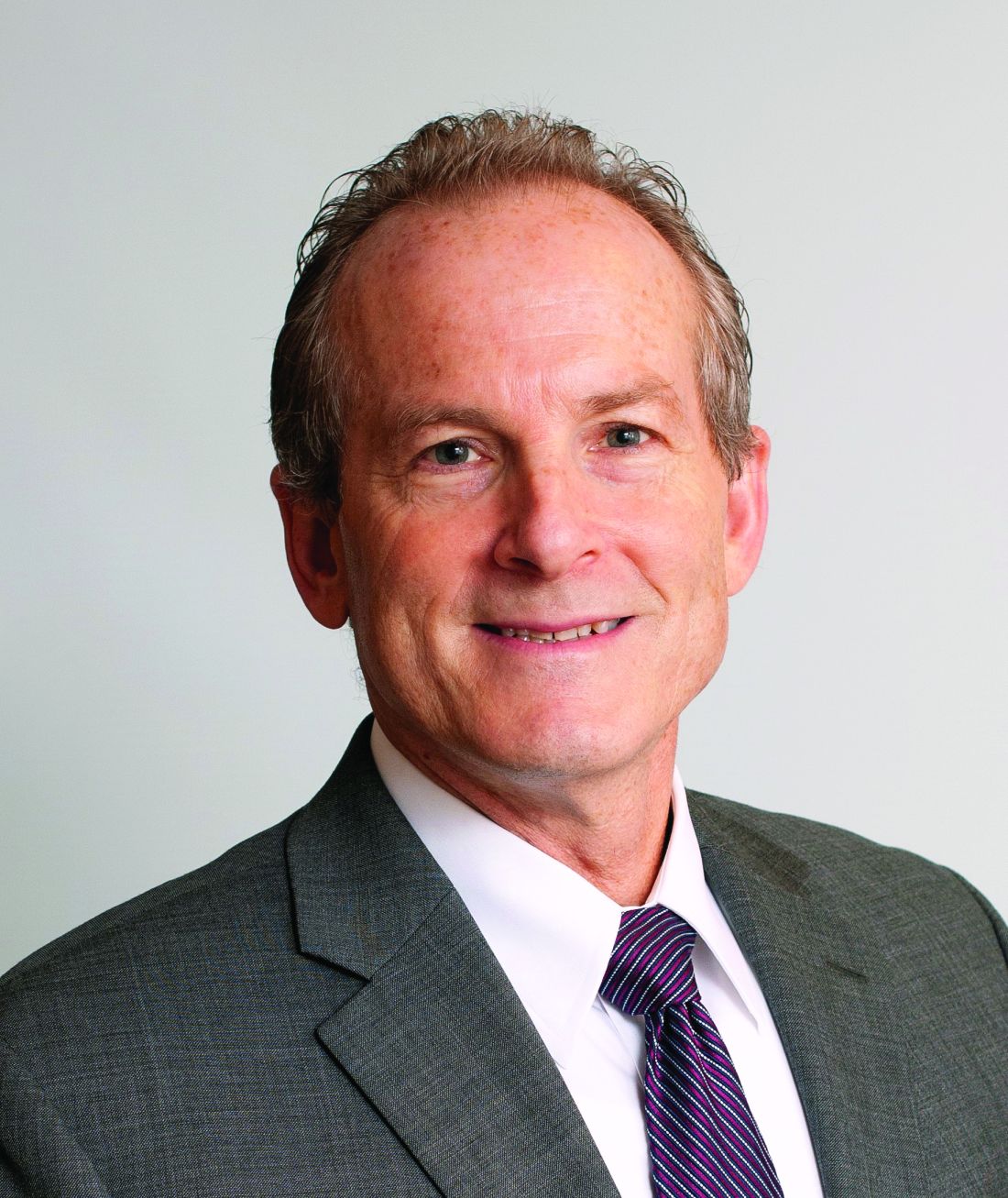
LAS VEGAS – Timothy E. Wilens, MD, advised during an annual psychopharmacology update held by the Nevada Psychiatric Association.
“We see high rates of STDs, and we have about 10% of our kids who use opioids who already have hepatitis C,” said Dr. Wilens, who is chief of the division of child & adolescent psychiatry at Massachusetts General Hospital, Boston. “These are kids who may be 16, 17, or 18.”
While the CRAFTT Screening Test has been widely used to screen for substance-related risks and problems in adolescents, another more recent option is the Screening to Brief Intervention (S2BI). Both tools collect information about both alcohol and drug use, are supported by strong research, are available for free, and are easy to use, Dr. Wilens said.
After you generate a differential diagnosis for psychiatric/medical symptoms, clinicians should order urine, saliva, or hair toxicology screens. “We don’t recommend that toxicology screens be done by parents; we do the toxicology screens,” he said. “Be careful about certain things like limitations of detection in the case of high-potency benzodiazepines and duration of detection in the case of marijuana use. The other thing is some of our screens can be used qualitatively or quantitatively. Why is that helpful? If you’re following someone who’s on marijuana and they’re cutting back, you can see if use [really] goes down over time.”
In Dr. Wilen’s clinical experience, efforts to stabilize adolescents with substance use disorders are most effective when patients join support groups comprised of other people from similar sociodemographic backgrounds. “There are different self-help philosophies, but when you’re referring, I always tell people: ‘Have the kid look in a mirror.’ So, if you have an LGBTQ patient from the inner city, that person should not be going to an Alcoholics Anonymous meeting of middle-aged persons in the suburbs. That’s not going to work for them. You want them to be with very similar sociodemographic groups if possible.”
Support groups for parents are also helpful. “There are two levels here: Peer groups of parents that help each other with support and find referrals, and there are parent coaching groups, where you have patients work with professionals,” said Dr. Wilens, who is also codirector of the MGH Center for Addiction Medicine. He advises parents to avoid “tough love” as the first step in efforts to help their child. “Tough love is, you throw the kid out of the house because they won’t stop using,” he said. “Where do you think the kid lives if they’re not at home? Where do you think they’re going to go? Maybe to the home of a friend or a family member for 1 or 2 nights but otherwise they’re living on the streets. How do you think they’re going to make a living if they’re living on the streets? They either sell drugs, or they get involved in prostitution. I have worked with more kids who are furious at their parents because they threw them out of the house. I understand where the patients are coming from, but maybe have a graduated exit instead, where the kid has to sleep outside in a camper for 2 nights, or in an isolated room in the house, or to grandma’s house, which smells like mothballs. Have a graduated approach.”
Psychotherapy is the mainstay of treatment and begins with motivational interviewing. To foster a collaborative connection, Dr. Wilens advises clinicians to discuss issues that are problematic instead of focusing on the substance use right off the bat. “Rather than go right to saying, ‘let’s talk about you smoking too much marijuana,’ instead say, ‘what is it you think may be causing the fights with your parents?’ Or, maybe their peer group isn’t accepting them like they used to.”
In his experience, adolescents respond well to goal setting. For example, for patients who say they’re smoking marijuana every day, Dr. Wilens may ask if they can cut back use to three days per week. “I’ll say: ‘I’m going to write this down in the chart,’ ” he said. “They start to work on it. If they come back and they didn’t reach that goal I say: ‘If you can’t cut back it’s okay; I just need to know it.’ ” He also recommends “sobriety sampling” which asks the patient to make a minimal commitment to stop using, for say, 30 days. “Don’t forget to monitor substance use during follow-up meetings.”
According to Dr. Wilens, child psychiatrists can help prevent substance abuse by encouraging discussion within families by the time kids are in fifth grade and encouraging parents to monitor children’s activities, friends, and personal space. “Privacy is a relative term,” he said. “It’s good you’re in their space. Make their beds; go into their bedroom.” He also advises parents to not smoke marijuana behind their kids’ backs. “I love it when parents tell me: ‘They don’t know I smoke marijuana.’ My counter to that is ‘not only do they know, they’re smoking your marijuana.’ ”
He concluded his remarks by encouraging child psychiatrists to advocate for sensible public laws related to marijuana and other substances. “Zero tolerance laws don’t work, because 85% of kids experiment [with drugs],” said Dr. Wilens, who is also professor of psychiatry at Harvard Medical School, Boston. “It works great until it’s your kid or a neighbor’s kid who’s a good kid but gets thrown out of school.”
Dr. Wilens reported that he has received grant support from the National Institutes of Health and the Food and Drug Administration. He has also served as a consultant to Vallon and has a licensing/collaborative agreement with Ironshore and 3D Therapy.
LAS VEGAS – Timothy E. Wilens, MD, advised during an annual psychopharmacology update held by the Nevada Psychiatric Association.
“We see high rates of STDs, and we have about 10% of our kids who use opioids who already have hepatitis C,” said Dr. Wilens, who is chief of the division of child & adolescent psychiatry at Massachusetts General Hospital, Boston. “These are kids who may be 16, 17, or 18.”
While the CRAFTT Screening Test has been widely used to screen for substance-related risks and problems in adolescents, another more recent option is the Screening to Brief Intervention (S2BI). Both tools collect information about both alcohol and drug use, are supported by strong research, are available for free, and are easy to use, Dr. Wilens said.
After you generate a differential diagnosis for psychiatric/medical symptoms, clinicians should order urine, saliva, or hair toxicology screens. “We don’t recommend that toxicology screens be done by parents; we do the toxicology screens,” he said. “Be careful about certain things like limitations of detection in the case of high-potency benzodiazepines and duration of detection in the case of marijuana use. The other thing is some of our screens can be used qualitatively or quantitatively. Why is that helpful? If you’re following someone who’s on marijuana and they’re cutting back, you can see if use [really] goes down over time.”
In Dr. Wilen’s clinical experience, efforts to stabilize adolescents with substance use disorders are most effective when patients join support groups comprised of other people from similar sociodemographic backgrounds. “There are different self-help philosophies, but when you’re referring, I always tell people: ‘Have the kid look in a mirror.’ So, if you have an LGBTQ patient from the inner city, that person should not be going to an Alcoholics Anonymous meeting of middle-aged persons in the suburbs. That’s not going to work for them. You want them to be with very similar sociodemographic groups if possible.”
Support groups for parents are also helpful. “There are two levels here: Peer groups of parents that help each other with support and find referrals, and there are parent coaching groups, where you have patients work with professionals,” said Dr. Wilens, who is also codirector of the MGH Center for Addiction Medicine. He advises parents to avoid “tough love” as the first step in efforts to help their child. “Tough love is, you throw the kid out of the house because they won’t stop using,” he said. “Where do you think the kid lives if they’re not at home? Where do you think they’re going to go? Maybe to the home of a friend or a family member for 1 or 2 nights but otherwise they’re living on the streets. How do you think they’re going to make a living if they’re living on the streets? They either sell drugs, or they get involved in prostitution. I have worked with more kids who are furious at their parents because they threw them out of the house. I understand where the patients are coming from, but maybe have a graduated exit instead, where the kid has to sleep outside in a camper for 2 nights, or in an isolated room in the house, or to grandma’s house, which smells like mothballs. Have a graduated approach.”
Psychotherapy is the mainstay of treatment and begins with motivational interviewing. To foster a collaborative connection, Dr. Wilens advises clinicians to discuss issues that are problematic instead of focusing on the substance use right off the bat. “Rather than go right to saying, ‘let’s talk about you smoking too much marijuana,’ instead say, ‘what is it you think may be causing the fights with your parents?’ Or, maybe their peer group isn’t accepting them like they used to.”
In his experience, adolescents respond well to goal setting. For example, for patients who say they’re smoking marijuana every day, Dr. Wilens may ask if they can cut back use to three days per week. “I’ll say: ‘I’m going to write this down in the chart,’ ” he said. “They start to work on it. If they come back and they didn’t reach that goal I say: ‘If you can’t cut back it’s okay; I just need to know it.’ ” He also recommends “sobriety sampling” which asks the patient to make a minimal commitment to stop using, for say, 30 days. “Don’t forget to monitor substance use during follow-up meetings.”
According to Dr. Wilens, child psychiatrists can help prevent substance abuse by encouraging discussion within families by the time kids are in fifth grade and encouraging parents to monitor children’s activities, friends, and personal space. “Privacy is a relative term,” he said. “It’s good you’re in their space. Make their beds; go into their bedroom.” He also advises parents to not smoke marijuana behind their kids’ backs. “I love it when parents tell me: ‘They don’t know I smoke marijuana.’ My counter to that is ‘not only do they know, they’re smoking your marijuana.’ ”
He concluded his remarks by encouraging child psychiatrists to advocate for sensible public laws related to marijuana and other substances. “Zero tolerance laws don’t work, because 85% of kids experiment [with drugs],” said Dr. Wilens, who is also professor of psychiatry at Harvard Medical School, Boston. “It works great until it’s your kid or a neighbor’s kid who’s a good kid but gets thrown out of school.”
Dr. Wilens reported that he has received grant support from the National Institutes of Health and the Food and Drug Administration. He has also served as a consultant to Vallon and has a licensing/collaborative agreement with Ironshore and 3D Therapy.
LAS VEGAS – Timothy E. Wilens, MD, advised during an annual psychopharmacology update held by the Nevada Psychiatric Association.
“We see high rates of STDs, and we have about 10% of our kids who use opioids who already have hepatitis C,” said Dr. Wilens, who is chief of the division of child & adolescent psychiatry at Massachusetts General Hospital, Boston. “These are kids who may be 16, 17, or 18.”
While the CRAFTT Screening Test has been widely used to screen for substance-related risks and problems in adolescents, another more recent option is the Screening to Brief Intervention (S2BI). Both tools collect information about both alcohol and drug use, are supported by strong research, are available for free, and are easy to use, Dr. Wilens said.
After you generate a differential diagnosis for psychiatric/medical symptoms, clinicians should order urine, saliva, or hair toxicology screens. “We don’t recommend that toxicology screens be done by parents; we do the toxicology screens,” he said. “Be careful about certain things like limitations of detection in the case of high-potency benzodiazepines and duration of detection in the case of marijuana use. The other thing is some of our screens can be used qualitatively or quantitatively. Why is that helpful? If you’re following someone who’s on marijuana and they’re cutting back, you can see if use [really] goes down over time.”
In Dr. Wilen’s clinical experience, efforts to stabilize adolescents with substance use disorders are most effective when patients join support groups comprised of other people from similar sociodemographic backgrounds. “There are different self-help philosophies, but when you’re referring, I always tell people: ‘Have the kid look in a mirror.’ So, if you have an LGBTQ patient from the inner city, that person should not be going to an Alcoholics Anonymous meeting of middle-aged persons in the suburbs. That’s not going to work for them. You want them to be with very similar sociodemographic groups if possible.”
Support groups for parents are also helpful. “There are two levels here: Peer groups of parents that help each other with support and find referrals, and there are parent coaching groups, where you have patients work with professionals,” said Dr. Wilens, who is also codirector of the MGH Center for Addiction Medicine. He advises parents to avoid “tough love” as the first step in efforts to help their child. “Tough love is, you throw the kid out of the house because they won’t stop using,” he said. “Where do you think the kid lives if they’re not at home? Where do you think they’re going to go? Maybe to the home of a friend or a family member for 1 or 2 nights but otherwise they’re living on the streets. How do you think they’re going to make a living if they’re living on the streets? They either sell drugs, or they get involved in prostitution. I have worked with more kids who are furious at their parents because they threw them out of the house. I understand where the patients are coming from, but maybe have a graduated exit instead, where the kid has to sleep outside in a camper for 2 nights, or in an isolated room in the house, or to grandma’s house, which smells like mothballs. Have a graduated approach.”
Psychotherapy is the mainstay of treatment and begins with motivational interviewing. To foster a collaborative connection, Dr. Wilens advises clinicians to discuss issues that are problematic instead of focusing on the substance use right off the bat. “Rather than go right to saying, ‘let’s talk about you smoking too much marijuana,’ instead say, ‘what is it you think may be causing the fights with your parents?’ Or, maybe their peer group isn’t accepting them like they used to.”
In his experience, adolescents respond well to goal setting. For example, for patients who say they’re smoking marijuana every day, Dr. Wilens may ask if they can cut back use to three days per week. “I’ll say: ‘I’m going to write this down in the chart,’ ” he said. “They start to work on it. If they come back and they didn’t reach that goal I say: ‘If you can’t cut back it’s okay; I just need to know it.’ ” He also recommends “sobriety sampling” which asks the patient to make a minimal commitment to stop using, for say, 30 days. “Don’t forget to monitor substance use during follow-up meetings.”
According to Dr. Wilens, child psychiatrists can help prevent substance abuse by encouraging discussion within families by the time kids are in fifth grade and encouraging parents to monitor children’s activities, friends, and personal space. “Privacy is a relative term,” he said. “It’s good you’re in their space. Make their beds; go into their bedroom.” He also advises parents to not smoke marijuana behind their kids’ backs. “I love it when parents tell me: ‘They don’t know I smoke marijuana.’ My counter to that is ‘not only do they know, they’re smoking your marijuana.’ ”
He concluded his remarks by encouraging child psychiatrists to advocate for sensible public laws related to marijuana and other substances. “Zero tolerance laws don’t work, because 85% of kids experiment [with drugs],” said Dr. Wilens, who is also professor of psychiatry at Harvard Medical School, Boston. “It works great until it’s your kid or a neighbor’s kid who’s a good kid but gets thrown out of school.”
Dr. Wilens reported that he has received grant support from the National Institutes of Health and the Food and Drug Administration. He has also served as a consultant to Vallon and has a licensing/collaborative agreement with Ironshore and 3D Therapy.
AT NPA 2022
Former APA president suspended by Columbia for ‘racist’ tweet
The university had not confirmed the suspension to this news organization by press time, but a letter from the school’s leadership notifying staff of the suspension was posted on Twitter the morning of Feb. 23 by addiction psychiatrist Jeremy Kidd, MD, who is a colleague of Dr. Lieberman’s at Columbia.
The suspension comes in the wake of Dr. Lieberman’s Feb. 21 tweet that drew immediate backlash by Twitter users who characterized it as racist and misogynist.
Dr. Lieberman, a former president of the American Psychiatric Association, reportedly deleted the tweet and his entire Twitter account soon after, according to NewsOne.
However, the tweet was captured by others, including Jack Turban, MD, a child psychiatry fellow at Stanford University. In Turban’s retweet, Dr. Lieberman commented on a tweet about a black model, noting, “whether a work of art or a freak of nature she’s a beautiful sight to behold.”
The response on Twitter was swift. “My ancestors would roll over in their graves if I refrained from commentary on how anti-Blackness shows up in ‘compliments,’” tweeted Jessica Isom, MD, MPH, a psychiatrist at Yale University.
Dr. Turban speculated that there will be no consequences for Dr. Lieberman, adding in his tweet, “He will continue to make the hiring decisions (including for faculty candidates who are women of color).”
Apology letter?
David Pagliaccio, a research scientist at the New York State Psychiatric Institute, posted what appeared to be an apology letter from Dr. Lieberman, although it could not be verified by this news organization.
In it, Dr. Lieberman was quoted as saying, “Yesterday, I tweeted from my personal account a message that was racist and sexist,” adding that prejudices he didn’t know he had held had been exposed, “and I’m deeply ashamed and very sorry.”
“I’ve hurt many, and I am beginning to understand the work ahead to make needed personal changes and over time to regain your trust,” Dr. Lieberman added.
Dr. Kidd called the suspension “absolutely the right move.” He added in his tweet that it “is only the beginning of what Columbia must do to heal & earn the trust our patients & trainees place in us every day.”
This news organization’s queries to Columbia University and to Dr. Lieberman were not returned by press time.
Dr. Lieberman is also director of the New York State Psychiatric Institute, was an advisory board member for Medscape Psychiatry and a frequent columnist for Medscape Medical News (sister organizations of MDedge.com), and was a consultant for Clinical Psychiatry.
A version of this article first appeared on Medscape.com.
The university had not confirmed the suspension to this news organization by press time, but a letter from the school’s leadership notifying staff of the suspension was posted on Twitter the morning of Feb. 23 by addiction psychiatrist Jeremy Kidd, MD, who is a colleague of Dr. Lieberman’s at Columbia.
The suspension comes in the wake of Dr. Lieberman’s Feb. 21 tweet that drew immediate backlash by Twitter users who characterized it as racist and misogynist.
Dr. Lieberman, a former president of the American Psychiatric Association, reportedly deleted the tweet and his entire Twitter account soon after, according to NewsOne.
However, the tweet was captured by others, including Jack Turban, MD, a child psychiatry fellow at Stanford University. In Turban’s retweet, Dr. Lieberman commented on a tweet about a black model, noting, “whether a work of art or a freak of nature she’s a beautiful sight to behold.”
The response on Twitter was swift. “My ancestors would roll over in their graves if I refrained from commentary on how anti-Blackness shows up in ‘compliments,’” tweeted Jessica Isom, MD, MPH, a psychiatrist at Yale University.
Dr. Turban speculated that there will be no consequences for Dr. Lieberman, adding in his tweet, “He will continue to make the hiring decisions (including for faculty candidates who are women of color).”
Apology letter?
David Pagliaccio, a research scientist at the New York State Psychiatric Institute, posted what appeared to be an apology letter from Dr. Lieberman, although it could not be verified by this news organization.
In it, Dr. Lieberman was quoted as saying, “Yesterday, I tweeted from my personal account a message that was racist and sexist,” adding that prejudices he didn’t know he had held had been exposed, “and I’m deeply ashamed and very sorry.”
“I’ve hurt many, and I am beginning to understand the work ahead to make needed personal changes and over time to regain your trust,” Dr. Lieberman added.
Dr. Kidd called the suspension “absolutely the right move.” He added in his tweet that it “is only the beginning of what Columbia must do to heal & earn the trust our patients & trainees place in us every day.”
This news organization’s queries to Columbia University and to Dr. Lieberman were not returned by press time.
Dr. Lieberman is also director of the New York State Psychiatric Institute, was an advisory board member for Medscape Psychiatry and a frequent columnist for Medscape Medical News (sister organizations of MDedge.com), and was a consultant for Clinical Psychiatry.
A version of this article first appeared on Medscape.com.
The university had not confirmed the suspension to this news organization by press time, but a letter from the school’s leadership notifying staff of the suspension was posted on Twitter the morning of Feb. 23 by addiction psychiatrist Jeremy Kidd, MD, who is a colleague of Dr. Lieberman’s at Columbia.
The suspension comes in the wake of Dr. Lieberman’s Feb. 21 tweet that drew immediate backlash by Twitter users who characterized it as racist and misogynist.
Dr. Lieberman, a former president of the American Psychiatric Association, reportedly deleted the tweet and his entire Twitter account soon after, according to NewsOne.
However, the tweet was captured by others, including Jack Turban, MD, a child psychiatry fellow at Stanford University. In Turban’s retweet, Dr. Lieberman commented on a tweet about a black model, noting, “whether a work of art or a freak of nature she’s a beautiful sight to behold.”
The response on Twitter was swift. “My ancestors would roll over in their graves if I refrained from commentary on how anti-Blackness shows up in ‘compliments,’” tweeted Jessica Isom, MD, MPH, a psychiatrist at Yale University.
Dr. Turban speculated that there will be no consequences for Dr. Lieberman, adding in his tweet, “He will continue to make the hiring decisions (including for faculty candidates who are women of color).”
Apology letter?
David Pagliaccio, a research scientist at the New York State Psychiatric Institute, posted what appeared to be an apology letter from Dr. Lieberman, although it could not be verified by this news organization.
In it, Dr. Lieberman was quoted as saying, “Yesterday, I tweeted from my personal account a message that was racist and sexist,” adding that prejudices he didn’t know he had held had been exposed, “and I’m deeply ashamed and very sorry.”
“I’ve hurt many, and I am beginning to understand the work ahead to make needed personal changes and over time to regain your trust,” Dr. Lieberman added.
Dr. Kidd called the suspension “absolutely the right move.” He added in his tweet that it “is only the beginning of what Columbia must do to heal & earn the trust our patients & trainees place in us every day.”
This news organization’s queries to Columbia University and to Dr. Lieberman were not returned by press time.
Dr. Lieberman is also director of the New York State Psychiatric Institute, was an advisory board member for Medscape Psychiatry and a frequent columnist for Medscape Medical News (sister organizations of MDedge.com), and was a consultant for Clinical Psychiatry.
A version of this article first appeared on Medscape.com.
Pandemic-stressed youths call runaway hotline
The calls kept coming into the National Runaway Safeline during the pandemic: the desperate kids who wanted to bike away from home in the middle of the night, the isolated youths who felt suicidal, the teens whose parents had forced them out of the house.
To the surprise of experts who help runaway youths, the pandemic didn’t appear to produce a big rise or fall in the numbers of children and teens who had left home. Still, the crisis hit hard. As schools closed and households sheltered in place, youths reached out to the National Runaway Safeline to report heightened family conflicts and worsening mental health.
The Safeline, based in Chicago, is the country’s 24/7, federally designated communications system for runaway and homeless youths. Each year, it makes about 125,000 connections with young people and their family members through its hotline and other services.
In a typical year, teens aged 15-17 years are the main group that gets in touch by phone, live chat, email, or an online crisis forum, according to Jeff Stern, chief engagement officer at the Safeline.
But in the past 2 years, “contacts have skewed younger,” including many more children under age 12.
“I think this is showing what a hit this is taking on young children,” he said.
Without school, sports, and other activities, younger children might be reaching out because they’ve lost trusted sources of support. Callers have been as young as 9.
“Those ones stand out,” said a crisis center supervisor who asked to go by Michael, which is not his real name, to protect the privacy of his clients.
In November 2020, a child posted in the crisis forum: “I’m 11 and my parents treat me poorly. They have told me many times to ‘kill myself’ and I didn’t let that settle well with me. ... I have tried to run away one time from my house, but they found out, so they took my phone away and put screws on my windows so I couldn’t leave.”
Increasing numbers of children told Safeline counselors that their parents were emotionally or verbally abusive, while others reported physical abuse. Some said they experienced neglect, while others had been thrown out.
“We absolutely have had youths who have either been physically kicked out of the house or just verbally told to leave,” Michael said, “and then the kid does.”
Heightened family conflicts
The Safeline partners with the National Center for Missing and Exploited Children, which, despite widespread public perception, doesn’t work mainly with child abduction cases. Each year, the center assists with 29,000-31,000 cases, and 92% involve “endangered runaways,” said John Bischoff, vice president of the Missing Children Division. These children could be running away from home or foster care.
During the pandemic, the center didn’t spot major changes in its missing child numbers, “which honestly was shocking,” Mr. Bischoff said. “We figured we were either going to see an extreme rise or a decrease.
“But the reasons for the run were changing,” he said.
Many youths were fleeing out of frustration with quarantine restrictions, Mr. Bischoff said, as well as frustration with the unknown and their own lack of control over many situations.
At the runaway hotline, calls have been longer and more intense, with family problems topping the list of concerns. In 2019, about 57% of all contacts mentioned family dynamics. In 2020, that number jumped to 88%, according to Mr. Stern.
Some kids sought support for family problems that involved school. In October 2020, one 13-year-old wrote in the Safeline forum: “My mom constantly yells at me for no reason. I want to leave, but I don’t know how. I have also been really stressed about school because they haven’t been giving me the grades I would normally receive during actual school. She thinks I’m lying and that I don’t care. I just need somebody to help me.”
Many adults are under tremendous strain, too, Michael said.
“Parents might have gotten COVID last month and haven’t been able to work for 2 weeks, and they’re missing a paycheck now. Money is tight, there might not be food, everyone’s angry at everything.”
During the pandemic, the National Runaway Safeline found a 16% increase in contacts citing financial challenges.
Some children have felt confined in unsafe homes or have endured violence, as one 15-year-old reported in the forum: “I am the scapegoat out of four kids. Unfortunately, my mom has always been a toxic person. ... I’m the only kid she still hits really hard. She’s left bruises and scratches recently. ... I just have no solution to this.”
Worsening mental health
Besides family dynamics, mental health emerged as a top concern that youths reported in 2020. “This is something notable. It increased by 30% just in 1 year,” Mr. Stern said.
In November 2020, a 16-year-old wrote: “I can’t ever go outside. I’ve been stuck in the house for a very long time now since quarantine started. I’m scared. ... My mother has been taking her anger out on me emotionally. ... I have severe depression and I need help. Please, if there’s any way I can get out of here, let me know.”
The Safeline also has seen a rise in suicide-related contacts. Among children and teens who had cited a mental health concern, 18% said they were suicidal, Stern said. Most were between ages 12 and 16, but some were younger than 12.
When children couldn’t hang out with peers, they felt even more isolated if parents confiscated their phones, a common punishment, Michael said.
During the winter of 2020-21, “It felt like almost every digital contact was a youth reaching out on their Chromebook because they had gotten their phone taken away and they were either suicidal or considering running away,” he said. “That’s kind of their entire social sphere getting taken away.”
Reality check
Roughly 7 in 10 youths report still being at home when they reach out to the Safeline. Among those who do leave, Michael said, “They’re going sometimes to friends’ houses, oftentimes to a significant other’s house, sometimes to extended family members’ houses. Often, they don’t have a place that they’re planning to go. They just left, and that’s why they’re calling us.”
While some youths have been afraid of catching COVID-19 in general, the coronavirus threat hasn’t deterred those who have decided to run away, Michael said. “Usually, they’re more worried about being returned home.”
Many can’t comprehend the risks of setting off on their own.
In October 2021, a 15-year-old boy posted on the forum that his verbally abusive parents had called him a mistake and said they couldn’t wait for him to move out.
“So I’m going to make their dreams come true,” he wrote. “I’m going to go live in California with my friend who is a young YouTuber. I need help getting money to either fly or get a bus ticket, even though I’m all right with trying to ride a bike or fixing my dirt bike and getting the wagon to pull my stuff. But I’m looking for apartments in Los Angeles so I’m not living on the streets and I’m looking for a job. Please help me. My friend can’t send me money because I don’t have a bank account.”
“Often,” Michael said, “we’re reality-checking kids who want to hitchhike 5 hours away to either a friend’s or the closest shelter that we could find them. Or walk for 5 hours at 3 a.m. or bike, so we try to safety-check that.”
Another concern: online enticement by predators. During the pandemic, the National Center for Missing and Exploited Children saw cases in which children ran away from home “to go meet with someone who may not be who they thought they were talking to online,” Mr. Bischoff said. “It’s certainly something we’re keeping a close eye on.”
Fewer resources in the pandemic
The National Runaway Safeline provides information and referrals to other hotlines and services, including suicide prevention and mental health organizations. When youths have already run away and have no place to go, Michael said, the Safeline tries to find shelter options or seek out a relative who can provide a safe place to stay.
But finding shelters became tougher during the pandemic, when many had no room or shelter supply was limited. Some had to shut down for COVID-19–related deep cleanings, Michael said. Helping youths find transportation, especially with public transportation shutdowns, also was tough.
The Huckleberry House, a six-bed youth shelter in San Francisco, has stayed open throughout the pandemic with limited staffing, said Douglas Styles, PsyD. He’s the executive director of the Huckleberry Youth Programs, which runs the house.
The shelter, which serves Bay Area runaway and homeless youths ages 12-17, hasn’t seen an overall spike in demand, Dr. Styles said. But “what’s expanded is undocumented [youths] and young people who don’t have any family connections in the area, so they’re unaccompanied as well. We’ve seen that here and there throughout the years, but during the pandemic, that population has actually increased quite a bit.”
The Huckleberry House has sheltered children and teens who have run away from all kinds of homes, including affluent ones, Dr. Styles said.
Once children leave home, the lack of adult supervision leaves them vulnerable. They face multiple dangers, including child sex trafficking and exploitation, substance abuse, gang involvement, and violence. “As an organization, that scares us,” Mr. Bischoff said. “What’s happening at home, we’ll sort that out. The biggest thing we as an organization are trying to do is locate them and ensure their safety.”
To help runaways and their families get in touch, the National Runaway Safeline provides a message service and conference calling. “We can play the middleman, really acting on behalf of the young person – not because they’re right or wrong, but to ensure that their voice is really heard,” Mr. Stern said.
Through its national Home Free program, the Safeline partners with Greyhound to bring children back home or into an alternative, safe living environment by providing a free bus ticket.
These days, technology can expose children to harm online, but it can also speed their return home.
“When I was growing up, if you weren’t home by 5 o’clock, Mom would start to worry, but she really didn’t have any way of reaching you,” Mr. Bischoff said. “More children today have cellphones. More children are easily reachable. That’s a benefit.”
A version of this article first appeared on WebMD.com.
The calls kept coming into the National Runaway Safeline during the pandemic: the desperate kids who wanted to bike away from home in the middle of the night, the isolated youths who felt suicidal, the teens whose parents had forced them out of the house.
To the surprise of experts who help runaway youths, the pandemic didn’t appear to produce a big rise or fall in the numbers of children and teens who had left home. Still, the crisis hit hard. As schools closed and households sheltered in place, youths reached out to the National Runaway Safeline to report heightened family conflicts and worsening mental health.
The Safeline, based in Chicago, is the country’s 24/7, federally designated communications system for runaway and homeless youths. Each year, it makes about 125,000 connections with young people and their family members through its hotline and other services.
In a typical year, teens aged 15-17 years are the main group that gets in touch by phone, live chat, email, or an online crisis forum, according to Jeff Stern, chief engagement officer at the Safeline.
But in the past 2 years, “contacts have skewed younger,” including many more children under age 12.
“I think this is showing what a hit this is taking on young children,” he said.
Without school, sports, and other activities, younger children might be reaching out because they’ve lost trusted sources of support. Callers have been as young as 9.
“Those ones stand out,” said a crisis center supervisor who asked to go by Michael, which is not his real name, to protect the privacy of his clients.
In November 2020, a child posted in the crisis forum: “I’m 11 and my parents treat me poorly. They have told me many times to ‘kill myself’ and I didn’t let that settle well with me. ... I have tried to run away one time from my house, but they found out, so they took my phone away and put screws on my windows so I couldn’t leave.”
Increasing numbers of children told Safeline counselors that their parents were emotionally or verbally abusive, while others reported physical abuse. Some said they experienced neglect, while others had been thrown out.
“We absolutely have had youths who have either been physically kicked out of the house or just verbally told to leave,” Michael said, “and then the kid does.”
Heightened family conflicts
The Safeline partners with the National Center for Missing and Exploited Children, which, despite widespread public perception, doesn’t work mainly with child abduction cases. Each year, the center assists with 29,000-31,000 cases, and 92% involve “endangered runaways,” said John Bischoff, vice president of the Missing Children Division. These children could be running away from home or foster care.
During the pandemic, the center didn’t spot major changes in its missing child numbers, “which honestly was shocking,” Mr. Bischoff said. “We figured we were either going to see an extreme rise or a decrease.
“But the reasons for the run were changing,” he said.
Many youths were fleeing out of frustration with quarantine restrictions, Mr. Bischoff said, as well as frustration with the unknown and their own lack of control over many situations.
At the runaway hotline, calls have been longer and more intense, with family problems topping the list of concerns. In 2019, about 57% of all contacts mentioned family dynamics. In 2020, that number jumped to 88%, according to Mr. Stern.
Some kids sought support for family problems that involved school. In October 2020, one 13-year-old wrote in the Safeline forum: “My mom constantly yells at me for no reason. I want to leave, but I don’t know how. I have also been really stressed about school because they haven’t been giving me the grades I would normally receive during actual school. She thinks I’m lying and that I don’t care. I just need somebody to help me.”
Many adults are under tremendous strain, too, Michael said.
“Parents might have gotten COVID last month and haven’t been able to work for 2 weeks, and they’re missing a paycheck now. Money is tight, there might not be food, everyone’s angry at everything.”
During the pandemic, the National Runaway Safeline found a 16% increase in contacts citing financial challenges.
Some children have felt confined in unsafe homes or have endured violence, as one 15-year-old reported in the forum: “I am the scapegoat out of four kids. Unfortunately, my mom has always been a toxic person. ... I’m the only kid she still hits really hard. She’s left bruises and scratches recently. ... I just have no solution to this.”
Worsening mental health
Besides family dynamics, mental health emerged as a top concern that youths reported in 2020. “This is something notable. It increased by 30% just in 1 year,” Mr. Stern said.
In November 2020, a 16-year-old wrote: “I can’t ever go outside. I’ve been stuck in the house for a very long time now since quarantine started. I’m scared. ... My mother has been taking her anger out on me emotionally. ... I have severe depression and I need help. Please, if there’s any way I can get out of here, let me know.”
The Safeline also has seen a rise in suicide-related contacts. Among children and teens who had cited a mental health concern, 18% said they were suicidal, Stern said. Most were between ages 12 and 16, but some were younger than 12.
When children couldn’t hang out with peers, they felt even more isolated if parents confiscated their phones, a common punishment, Michael said.
During the winter of 2020-21, “It felt like almost every digital contact was a youth reaching out on their Chromebook because they had gotten their phone taken away and they were either suicidal or considering running away,” he said. “That’s kind of their entire social sphere getting taken away.”
Reality check
Roughly 7 in 10 youths report still being at home when they reach out to the Safeline. Among those who do leave, Michael said, “They’re going sometimes to friends’ houses, oftentimes to a significant other’s house, sometimes to extended family members’ houses. Often, they don’t have a place that they’re planning to go. They just left, and that’s why they’re calling us.”
While some youths have been afraid of catching COVID-19 in general, the coronavirus threat hasn’t deterred those who have decided to run away, Michael said. “Usually, they’re more worried about being returned home.”
Many can’t comprehend the risks of setting off on their own.
In October 2021, a 15-year-old boy posted on the forum that his verbally abusive parents had called him a mistake and said they couldn’t wait for him to move out.
“So I’m going to make their dreams come true,” he wrote. “I’m going to go live in California with my friend who is a young YouTuber. I need help getting money to either fly or get a bus ticket, even though I’m all right with trying to ride a bike or fixing my dirt bike and getting the wagon to pull my stuff. But I’m looking for apartments in Los Angeles so I’m not living on the streets and I’m looking for a job. Please help me. My friend can’t send me money because I don’t have a bank account.”
“Often,” Michael said, “we’re reality-checking kids who want to hitchhike 5 hours away to either a friend’s or the closest shelter that we could find them. Or walk for 5 hours at 3 a.m. or bike, so we try to safety-check that.”
Another concern: online enticement by predators. During the pandemic, the National Center for Missing and Exploited Children saw cases in which children ran away from home “to go meet with someone who may not be who they thought they were talking to online,” Mr. Bischoff said. “It’s certainly something we’re keeping a close eye on.”
Fewer resources in the pandemic
The National Runaway Safeline provides information and referrals to other hotlines and services, including suicide prevention and mental health organizations. When youths have already run away and have no place to go, Michael said, the Safeline tries to find shelter options or seek out a relative who can provide a safe place to stay.
But finding shelters became tougher during the pandemic, when many had no room or shelter supply was limited. Some had to shut down for COVID-19–related deep cleanings, Michael said. Helping youths find transportation, especially with public transportation shutdowns, also was tough.
The Huckleberry House, a six-bed youth shelter in San Francisco, has stayed open throughout the pandemic with limited staffing, said Douglas Styles, PsyD. He’s the executive director of the Huckleberry Youth Programs, which runs the house.
The shelter, which serves Bay Area runaway and homeless youths ages 12-17, hasn’t seen an overall spike in demand, Dr. Styles said. But “what’s expanded is undocumented [youths] and young people who don’t have any family connections in the area, so they’re unaccompanied as well. We’ve seen that here and there throughout the years, but during the pandemic, that population has actually increased quite a bit.”
The Huckleberry House has sheltered children and teens who have run away from all kinds of homes, including affluent ones, Dr. Styles said.
Once children leave home, the lack of adult supervision leaves them vulnerable. They face multiple dangers, including child sex trafficking and exploitation, substance abuse, gang involvement, and violence. “As an organization, that scares us,” Mr. Bischoff said. “What’s happening at home, we’ll sort that out. The biggest thing we as an organization are trying to do is locate them and ensure their safety.”
To help runaways and their families get in touch, the National Runaway Safeline provides a message service and conference calling. “We can play the middleman, really acting on behalf of the young person – not because they’re right or wrong, but to ensure that their voice is really heard,” Mr. Stern said.
Through its national Home Free program, the Safeline partners with Greyhound to bring children back home or into an alternative, safe living environment by providing a free bus ticket.
These days, technology can expose children to harm online, but it can also speed their return home.
“When I was growing up, if you weren’t home by 5 o’clock, Mom would start to worry, but she really didn’t have any way of reaching you,” Mr. Bischoff said. “More children today have cellphones. More children are easily reachable. That’s a benefit.”
A version of this article first appeared on WebMD.com.
The calls kept coming into the National Runaway Safeline during the pandemic: the desperate kids who wanted to bike away from home in the middle of the night, the isolated youths who felt suicidal, the teens whose parents had forced them out of the house.
To the surprise of experts who help runaway youths, the pandemic didn’t appear to produce a big rise or fall in the numbers of children and teens who had left home. Still, the crisis hit hard. As schools closed and households sheltered in place, youths reached out to the National Runaway Safeline to report heightened family conflicts and worsening mental health.
The Safeline, based in Chicago, is the country’s 24/7, federally designated communications system for runaway and homeless youths. Each year, it makes about 125,000 connections with young people and their family members through its hotline and other services.
In a typical year, teens aged 15-17 years are the main group that gets in touch by phone, live chat, email, or an online crisis forum, according to Jeff Stern, chief engagement officer at the Safeline.
But in the past 2 years, “contacts have skewed younger,” including many more children under age 12.
“I think this is showing what a hit this is taking on young children,” he said.
Without school, sports, and other activities, younger children might be reaching out because they’ve lost trusted sources of support. Callers have been as young as 9.
“Those ones stand out,” said a crisis center supervisor who asked to go by Michael, which is not his real name, to protect the privacy of his clients.
In November 2020, a child posted in the crisis forum: “I’m 11 and my parents treat me poorly. They have told me many times to ‘kill myself’ and I didn’t let that settle well with me. ... I have tried to run away one time from my house, but they found out, so they took my phone away and put screws on my windows so I couldn’t leave.”
Increasing numbers of children told Safeline counselors that their parents were emotionally or verbally abusive, while others reported physical abuse. Some said they experienced neglect, while others had been thrown out.
“We absolutely have had youths who have either been physically kicked out of the house or just verbally told to leave,” Michael said, “and then the kid does.”
Heightened family conflicts
The Safeline partners with the National Center for Missing and Exploited Children, which, despite widespread public perception, doesn’t work mainly with child abduction cases. Each year, the center assists with 29,000-31,000 cases, and 92% involve “endangered runaways,” said John Bischoff, vice president of the Missing Children Division. These children could be running away from home or foster care.
During the pandemic, the center didn’t spot major changes in its missing child numbers, “which honestly was shocking,” Mr. Bischoff said. “We figured we were either going to see an extreme rise or a decrease.
“But the reasons for the run were changing,” he said.
Many youths were fleeing out of frustration with quarantine restrictions, Mr. Bischoff said, as well as frustration with the unknown and their own lack of control over many situations.
At the runaway hotline, calls have been longer and more intense, with family problems topping the list of concerns. In 2019, about 57% of all contacts mentioned family dynamics. In 2020, that number jumped to 88%, according to Mr. Stern.
Some kids sought support for family problems that involved school. In October 2020, one 13-year-old wrote in the Safeline forum: “My mom constantly yells at me for no reason. I want to leave, but I don’t know how. I have also been really stressed about school because they haven’t been giving me the grades I would normally receive during actual school. She thinks I’m lying and that I don’t care. I just need somebody to help me.”
Many adults are under tremendous strain, too, Michael said.
“Parents might have gotten COVID last month and haven’t been able to work for 2 weeks, and they’re missing a paycheck now. Money is tight, there might not be food, everyone’s angry at everything.”
During the pandemic, the National Runaway Safeline found a 16% increase in contacts citing financial challenges.
Some children have felt confined in unsafe homes or have endured violence, as one 15-year-old reported in the forum: “I am the scapegoat out of four kids. Unfortunately, my mom has always been a toxic person. ... I’m the only kid she still hits really hard. She’s left bruises and scratches recently. ... I just have no solution to this.”
Worsening mental health
Besides family dynamics, mental health emerged as a top concern that youths reported in 2020. “This is something notable. It increased by 30% just in 1 year,” Mr. Stern said.
In November 2020, a 16-year-old wrote: “I can’t ever go outside. I’ve been stuck in the house for a very long time now since quarantine started. I’m scared. ... My mother has been taking her anger out on me emotionally. ... I have severe depression and I need help. Please, if there’s any way I can get out of here, let me know.”
The Safeline also has seen a rise in suicide-related contacts. Among children and teens who had cited a mental health concern, 18% said they were suicidal, Stern said. Most were between ages 12 and 16, but some were younger than 12.
When children couldn’t hang out with peers, they felt even more isolated if parents confiscated their phones, a common punishment, Michael said.
During the winter of 2020-21, “It felt like almost every digital contact was a youth reaching out on their Chromebook because they had gotten their phone taken away and they were either suicidal or considering running away,” he said. “That’s kind of their entire social sphere getting taken away.”
Reality check
Roughly 7 in 10 youths report still being at home when they reach out to the Safeline. Among those who do leave, Michael said, “They’re going sometimes to friends’ houses, oftentimes to a significant other’s house, sometimes to extended family members’ houses. Often, they don’t have a place that they’re planning to go. They just left, and that’s why they’re calling us.”
While some youths have been afraid of catching COVID-19 in general, the coronavirus threat hasn’t deterred those who have decided to run away, Michael said. “Usually, they’re more worried about being returned home.”
Many can’t comprehend the risks of setting off on their own.
In October 2021, a 15-year-old boy posted on the forum that his verbally abusive parents had called him a mistake and said they couldn’t wait for him to move out.
“So I’m going to make their dreams come true,” he wrote. “I’m going to go live in California with my friend who is a young YouTuber. I need help getting money to either fly or get a bus ticket, even though I’m all right with trying to ride a bike or fixing my dirt bike and getting the wagon to pull my stuff. But I’m looking for apartments in Los Angeles so I’m not living on the streets and I’m looking for a job. Please help me. My friend can’t send me money because I don’t have a bank account.”
“Often,” Michael said, “we’re reality-checking kids who want to hitchhike 5 hours away to either a friend’s or the closest shelter that we could find them. Or walk for 5 hours at 3 a.m. or bike, so we try to safety-check that.”
Another concern: online enticement by predators. During the pandemic, the National Center for Missing and Exploited Children saw cases in which children ran away from home “to go meet with someone who may not be who they thought they were talking to online,” Mr. Bischoff said. “It’s certainly something we’re keeping a close eye on.”
Fewer resources in the pandemic
The National Runaway Safeline provides information and referrals to other hotlines and services, including suicide prevention and mental health organizations. When youths have already run away and have no place to go, Michael said, the Safeline tries to find shelter options or seek out a relative who can provide a safe place to stay.
But finding shelters became tougher during the pandemic, when many had no room or shelter supply was limited. Some had to shut down for COVID-19–related deep cleanings, Michael said. Helping youths find transportation, especially with public transportation shutdowns, also was tough.
The Huckleberry House, a six-bed youth shelter in San Francisco, has stayed open throughout the pandemic with limited staffing, said Douglas Styles, PsyD. He’s the executive director of the Huckleberry Youth Programs, which runs the house.
The shelter, which serves Bay Area runaway and homeless youths ages 12-17, hasn’t seen an overall spike in demand, Dr. Styles said. But “what’s expanded is undocumented [youths] and young people who don’t have any family connections in the area, so they’re unaccompanied as well. We’ve seen that here and there throughout the years, but during the pandemic, that population has actually increased quite a bit.”
The Huckleberry House has sheltered children and teens who have run away from all kinds of homes, including affluent ones, Dr. Styles said.
Once children leave home, the lack of adult supervision leaves them vulnerable. They face multiple dangers, including child sex trafficking and exploitation, substance abuse, gang involvement, and violence. “As an organization, that scares us,” Mr. Bischoff said. “What’s happening at home, we’ll sort that out. The biggest thing we as an organization are trying to do is locate them and ensure their safety.”
To help runaways and their families get in touch, the National Runaway Safeline provides a message service and conference calling. “We can play the middleman, really acting on behalf of the young person – not because they’re right or wrong, but to ensure that their voice is really heard,” Mr. Stern said.
Through its national Home Free program, the Safeline partners with Greyhound to bring children back home or into an alternative, safe living environment by providing a free bus ticket.
These days, technology can expose children to harm online, but it can also speed their return home.
“When I was growing up, if you weren’t home by 5 o’clock, Mom would start to worry, but she really didn’t have any way of reaching you,” Mr. Bischoff said. “More children today have cellphones. More children are easily reachable. That’s a benefit.”
A version of this article first appeared on WebMD.com.
Healthy gut tied to better cognition
Investigators conducted cognitive testing and analyzed stool samples in close to 600 adults and found that beta-diversity, which is a between-person measure of gut microbial community composition, was significantly associated with cognitive scores.
Three specific bacterial genera showed a positive association with performance on at least one cognitive test, while one showed a negative association.
“Data from our study support an association between the gut microbial community and measure of cognitive function – results that are consistent with findings from other human and animal research,” study investigator Katie Meyer, ScD, assistant professor, department of nutrition, UNC Gillings School of Public Health, Chapel Hill, N.C., told this news organization.
“However, it is also important to recognize that we are still learning about how to characterize the role of this dynamic ecological community and delineate mechanistic pathways,” she said.
The study was published online Feb 8 in JAMA Network Open.
‘Novel’ research
“Communication pathways between gut bacteria and neurologic function (referred to as the ‘gut-brain axis’) have emerged as a novel area of research into potential mechanisms regulating brain health through immunologic, metabolic, and endocrine pathways,” the authors wrote.
A number of studies have “shown associations between gut microbial measures and neurological outcomes, including cognitive function and dementia,” but mechanisms underlying these associations “have not been fully established.”
Animal and small-scale human studies have suggested that reduced microbial diversity is associated with poorer cognition, but studies have not been conducted in community-based large and diverse populations.
The researchers therefore examined cross-sectional associations of gut microbial diversity and taxonomic composition with cognitive status in a large group of community-dwelling, sociodemographically diverse Black and White adults living in four metropolitan areas who were participants in the Coronary Artery Risk Development in Young Adults (CARDIA) study.
They hypothesized that microbial diversity would be positively associated with global as well as domain-specific cognitive status and that higher cognitive status would be associated with specific taxonomic groups involved in short-chain fatty acid production.
The CARDIA’s year 30 follow-up examination took place during 2015-2016, when the original participants ranged in age from 48 to 60 years. During that examination, participants took a battery of cognitive assessments, and 615 also provided a stool sample for a microbiome substudy; of these, 597 (mean [SD] age, 55.2 [3.5] years, 44.7% Black, 45.2% White) had both stool DNA available for sequencing and a complete complement of cognitive tests and were included in the current study.
The cognitive tests included the Digit Symbol Substitution Test (DSST); Rey-Auditory Verbal Learning Test (RAVLT); the timed Stroop test; letter fluency and category fluency; and the Montreal Cognitive Assessment (MoCA).
Covariates that might confound associations between microbial and cognitive measures, including body mass index, diabetes, age, sex, race, field center, education, physical activity, current smoking, diet quality, number of medications, and hypertension, were included in the analyses.
The investigators conducted three standard microbial analyses: within-person alpha-diversity; between-person beta-diversity; and individual taxa.
Potential pathways
The strongest associations in the variance tests for beta-diversity, which were significant for all cognition measures in multivariable-adjusted principal coordinates analysis (all Ps = .001 except for the Stroop, which was .007). However, the association with letter fluency was not deemed significant (P = .07).
After fully adjusting for sociodemographic variables, health behaviors, and clinical covariates, the researchers found that three genera were positively associated, while one was negatively associated with cognitive measures.
“The strongest results from our study were from a multivariate analysis that can be considered a test of the overall community,” said Dr. Meyer.
She pointed to several pathways through which gut microbiota can contribute to brain health.
“We know from mechanistic studies in animal models that the gut microbiota is involved in systemic inflammation, which is a risk factor for brain pathology,” she said.
Moreover, “the gut microbiota is involved in the production of metabolites that may impact the brain, including tryptophan metabolites and short-chain fatty acids, many of which derive from dietary components, which may help explain associations between diet and cognition (e.g., the Mediterranean-style diet can be protective),” she added.
Starting point
Commenting for this news organization, Timothy Dinan, MD, PhD, professor of psychiatry and an investigator, APC Microbiome Institute, University College Cork, Ireland, said, “This is an important study, adding to the growing body of evidence that gut microbes influence brain function.”
Dr. Dinan, who was not involved with the study, continued: “In an impressively large sample, an association between cognition and gut microbiota architecture was demonstrated.”
He cautioned that the study “is limited by the fact that it is cross-sectional, and the relationships are correlational.” Nevertheless, “despite these obvious caveats, the paper undoubtedly advances the field.”
Dr. Meyer agreed, noting that there is “a paucity of biomarkers that can be used to predict cognitive decline and dementia,” but because their study was cross-sectional, “we cannot assess temporality (i.e., whether gut microbiota predicts cognitive decline); but, as a start, we can assess associations.”
She added that “at this point, we know far more about modifiable risk factors that have been shown to be positively associated with cognitive function,” including eating a Mediterranean diet and engaging in physical activity.
“It is possible that protective effects of diet and activity may, in part, operate thorough the gut microbiota,” Dr. Meyer suggested.
The CARDIA study is supported by the National Heart, Lung, and Blood Institute, the Intramural Research Program of the National Institute on Aging, and the University of North Carolina Nutrition Research Institute. Dr. Meyer and coauthors and Dr. Dinan report no relevant financial relationships.
A version of this article first appeared on Medscape.com.
Investigators conducted cognitive testing and analyzed stool samples in close to 600 adults and found that beta-diversity, which is a between-person measure of gut microbial community composition, was significantly associated with cognitive scores.
Three specific bacterial genera showed a positive association with performance on at least one cognitive test, while one showed a negative association.
“Data from our study support an association between the gut microbial community and measure of cognitive function – results that are consistent with findings from other human and animal research,” study investigator Katie Meyer, ScD, assistant professor, department of nutrition, UNC Gillings School of Public Health, Chapel Hill, N.C., told this news organization.
“However, it is also important to recognize that we are still learning about how to characterize the role of this dynamic ecological community and delineate mechanistic pathways,” she said.
The study was published online Feb 8 in JAMA Network Open.
‘Novel’ research
“Communication pathways between gut bacteria and neurologic function (referred to as the ‘gut-brain axis’) have emerged as a novel area of research into potential mechanisms regulating brain health through immunologic, metabolic, and endocrine pathways,” the authors wrote.
A number of studies have “shown associations between gut microbial measures and neurological outcomes, including cognitive function and dementia,” but mechanisms underlying these associations “have not been fully established.”
Animal and small-scale human studies have suggested that reduced microbial diversity is associated with poorer cognition, but studies have not been conducted in community-based large and diverse populations.
The researchers therefore examined cross-sectional associations of gut microbial diversity and taxonomic composition with cognitive status in a large group of community-dwelling, sociodemographically diverse Black and White adults living in four metropolitan areas who were participants in the Coronary Artery Risk Development in Young Adults (CARDIA) study.
They hypothesized that microbial diversity would be positively associated with global as well as domain-specific cognitive status and that higher cognitive status would be associated with specific taxonomic groups involved in short-chain fatty acid production.
The CARDIA’s year 30 follow-up examination took place during 2015-2016, when the original participants ranged in age from 48 to 60 years. During that examination, participants took a battery of cognitive assessments, and 615 also provided a stool sample for a microbiome substudy; of these, 597 (mean [SD] age, 55.2 [3.5] years, 44.7% Black, 45.2% White) had both stool DNA available for sequencing and a complete complement of cognitive tests and were included in the current study.
The cognitive tests included the Digit Symbol Substitution Test (DSST); Rey-Auditory Verbal Learning Test (RAVLT); the timed Stroop test; letter fluency and category fluency; and the Montreal Cognitive Assessment (MoCA).
Covariates that might confound associations between microbial and cognitive measures, including body mass index, diabetes, age, sex, race, field center, education, physical activity, current smoking, diet quality, number of medications, and hypertension, were included in the analyses.
The investigators conducted three standard microbial analyses: within-person alpha-diversity; between-person beta-diversity; and individual taxa.
Potential pathways
The strongest associations in the variance tests for beta-diversity, which were significant for all cognition measures in multivariable-adjusted principal coordinates analysis (all Ps = .001 except for the Stroop, which was .007). However, the association with letter fluency was not deemed significant (P = .07).
After fully adjusting for sociodemographic variables, health behaviors, and clinical covariates, the researchers found that three genera were positively associated, while one was negatively associated with cognitive measures.
“The strongest results from our study were from a multivariate analysis that can be considered a test of the overall community,” said Dr. Meyer.
She pointed to several pathways through which gut microbiota can contribute to brain health.
“We know from mechanistic studies in animal models that the gut microbiota is involved in systemic inflammation, which is a risk factor for brain pathology,” she said.
Moreover, “the gut microbiota is involved in the production of metabolites that may impact the brain, including tryptophan metabolites and short-chain fatty acids, many of which derive from dietary components, which may help explain associations between diet and cognition (e.g., the Mediterranean-style diet can be protective),” she added.
Starting point
Commenting for this news organization, Timothy Dinan, MD, PhD, professor of psychiatry and an investigator, APC Microbiome Institute, University College Cork, Ireland, said, “This is an important study, adding to the growing body of evidence that gut microbes influence brain function.”
Dr. Dinan, who was not involved with the study, continued: “In an impressively large sample, an association between cognition and gut microbiota architecture was demonstrated.”
He cautioned that the study “is limited by the fact that it is cross-sectional, and the relationships are correlational.” Nevertheless, “despite these obvious caveats, the paper undoubtedly advances the field.”
Dr. Meyer agreed, noting that there is “a paucity of biomarkers that can be used to predict cognitive decline and dementia,” but because their study was cross-sectional, “we cannot assess temporality (i.e., whether gut microbiota predicts cognitive decline); but, as a start, we can assess associations.”
She added that “at this point, we know far more about modifiable risk factors that have been shown to be positively associated with cognitive function,” including eating a Mediterranean diet and engaging in physical activity.
“It is possible that protective effects of diet and activity may, in part, operate thorough the gut microbiota,” Dr. Meyer suggested.
The CARDIA study is supported by the National Heart, Lung, and Blood Institute, the Intramural Research Program of the National Institute on Aging, and the University of North Carolina Nutrition Research Institute. Dr. Meyer and coauthors and Dr. Dinan report no relevant financial relationships.
A version of this article first appeared on Medscape.com.
Investigators conducted cognitive testing and analyzed stool samples in close to 600 adults and found that beta-diversity, which is a between-person measure of gut microbial community composition, was significantly associated with cognitive scores.
Three specific bacterial genera showed a positive association with performance on at least one cognitive test, while one showed a negative association.
“Data from our study support an association between the gut microbial community and measure of cognitive function – results that are consistent with findings from other human and animal research,” study investigator Katie Meyer, ScD, assistant professor, department of nutrition, UNC Gillings School of Public Health, Chapel Hill, N.C., told this news organization.
“However, it is also important to recognize that we are still learning about how to characterize the role of this dynamic ecological community and delineate mechanistic pathways,” she said.
The study was published online Feb 8 in JAMA Network Open.
‘Novel’ research
“Communication pathways between gut bacteria and neurologic function (referred to as the ‘gut-brain axis’) have emerged as a novel area of research into potential mechanisms regulating brain health through immunologic, metabolic, and endocrine pathways,” the authors wrote.
A number of studies have “shown associations between gut microbial measures and neurological outcomes, including cognitive function and dementia,” but mechanisms underlying these associations “have not been fully established.”
Animal and small-scale human studies have suggested that reduced microbial diversity is associated with poorer cognition, but studies have not been conducted in community-based large and diverse populations.
The researchers therefore examined cross-sectional associations of gut microbial diversity and taxonomic composition with cognitive status in a large group of community-dwelling, sociodemographically diverse Black and White adults living in four metropolitan areas who were participants in the Coronary Artery Risk Development in Young Adults (CARDIA) study.
They hypothesized that microbial diversity would be positively associated with global as well as domain-specific cognitive status and that higher cognitive status would be associated with specific taxonomic groups involved in short-chain fatty acid production.
The CARDIA’s year 30 follow-up examination took place during 2015-2016, when the original participants ranged in age from 48 to 60 years. During that examination, participants took a battery of cognitive assessments, and 615 also provided a stool sample for a microbiome substudy; of these, 597 (mean [SD] age, 55.2 [3.5] years, 44.7% Black, 45.2% White) had both stool DNA available for sequencing and a complete complement of cognitive tests and were included in the current study.
The cognitive tests included the Digit Symbol Substitution Test (DSST); Rey-Auditory Verbal Learning Test (RAVLT); the timed Stroop test; letter fluency and category fluency; and the Montreal Cognitive Assessment (MoCA).
Covariates that might confound associations between microbial and cognitive measures, including body mass index, diabetes, age, sex, race, field center, education, physical activity, current smoking, diet quality, number of medications, and hypertension, were included in the analyses.
The investigators conducted three standard microbial analyses: within-person alpha-diversity; between-person beta-diversity; and individual taxa.
Potential pathways
The strongest associations in the variance tests for beta-diversity, which were significant for all cognition measures in multivariable-adjusted principal coordinates analysis (all Ps = .001 except for the Stroop, which was .007). However, the association with letter fluency was not deemed significant (P = .07).
After fully adjusting for sociodemographic variables, health behaviors, and clinical covariates, the researchers found that three genera were positively associated, while one was negatively associated with cognitive measures.
“The strongest results from our study were from a multivariate analysis that can be considered a test of the overall community,” said Dr. Meyer.
She pointed to several pathways through which gut microbiota can contribute to brain health.
“We know from mechanistic studies in animal models that the gut microbiota is involved in systemic inflammation, which is a risk factor for brain pathology,” she said.
Moreover, “the gut microbiota is involved in the production of metabolites that may impact the brain, including tryptophan metabolites and short-chain fatty acids, many of which derive from dietary components, which may help explain associations between diet and cognition (e.g., the Mediterranean-style diet can be protective),” she added.
Starting point
Commenting for this news organization, Timothy Dinan, MD, PhD, professor of psychiatry and an investigator, APC Microbiome Institute, University College Cork, Ireland, said, “This is an important study, adding to the growing body of evidence that gut microbes influence brain function.”
Dr. Dinan, who was not involved with the study, continued: “In an impressively large sample, an association between cognition and gut microbiota architecture was demonstrated.”
He cautioned that the study “is limited by the fact that it is cross-sectional, and the relationships are correlational.” Nevertheless, “despite these obvious caveats, the paper undoubtedly advances the field.”
Dr. Meyer agreed, noting that there is “a paucity of biomarkers that can be used to predict cognitive decline and dementia,” but because their study was cross-sectional, “we cannot assess temporality (i.e., whether gut microbiota predicts cognitive decline); but, as a start, we can assess associations.”
She added that “at this point, we know far more about modifiable risk factors that have been shown to be positively associated with cognitive function,” including eating a Mediterranean diet and engaging in physical activity.
“It is possible that protective effects of diet and activity may, in part, operate thorough the gut microbiota,” Dr. Meyer suggested.
The CARDIA study is supported by the National Heart, Lung, and Blood Institute, the Intramural Research Program of the National Institute on Aging, and the University of North Carolina Nutrition Research Institute. Dr. Meyer and coauthors and Dr. Dinan report no relevant financial relationships.
A version of this article first appeared on Medscape.com.
FROM JAMA NETWORK OPEN
Alarming rates of self-harm in adults with autism expose a broken system
When a recent study from Columbia University reported that suicide and self-harm were nearly four times more likely in adults with autism spectrum disorder (ASD) than in the general population, the findings were sobering. But to many in the field, they were not surprising.
Previous analyses showed individuals with ASD were up to six times more likely to attempt suicide and nearly eight times as likely to succeed. However, the recent study published in JAMA Network Open is one of only a few on self-harm and suicide in autism spectrum disorder (ASD) to include a focus on adults.
“Previously there was relatively little information about adults with autism in general and on injury risk among adults with autism specifically,” study investigator Guohua Li, DrPH, MD, professor of epidemiology at Columbia University Mailman School of Public Health, New York, told this news organization.
“How to continue to provide social support and health care services to adults with autism presents a real challenge to society and is a public health issue,” Dr. Li said.
Falling off a ‘services cliff’
The ASD rate among children is at a record-high in the United States, which means the number of adults on the spectrum will also continue to climb. The incidence of adults with newly diagnosed ASD, who are sometimes described as the “lost generation,” is also increasing. Despite these realities, adults with ASD remain largely underserved and understudied.
The data that are available paint a concerning picture. Adolescents with ASD face a “services cliff” as they transition to adulthood and fall into a landscape with a serious lack of services, support, and clinicians trained to treat adults with ASD.
Compared with young adults without ASD, those on the spectrum have significantly lower college graduation rates, have a harder time finding and keeping a job, are more likely to have a co-occurring mental illness, and are far less likely to live independently.
Before 2020, there were no national data on the number of U.S. adults with autism. That year, the Centers for Disease Control and Prevention released its first-ever report on adult autism prevalence, estimated to be 5.4 million.
That figure is almost definitely low, Matthew Maenner, PhD, autism surveillance team lead with the CDC’s National Center on Birth Defects and Developmental Disabilities, told this news organization.
Researchers use school and medical records to calculate child ASD rates, but counting adults with the disorder is far more difficult.
The CDC’s estimate was based on modeling reports from 2017 state-based population and mortality records and parent-reported survey data of U.S. children diagnosed with ASD. It was inexact, said Dr. Maenner, but it was a start.
“There are no good data on the prevalence of autism in adults. Anywhere,” he added.
Masking and camouflaging
Only about 3.5% of published studies on autism focus on adults, one review showed. In the recently published “The Lancet Commission on the future of care and clinical research in autism,” the section on research on adolescents and adults was a mere 189 words long.
“The brevity of this paragraph reflects the little data available in this area, not its importance” the authors write.
The recent report of higher self-harm risk in adults on the spectrum offers further evidence that “there just aren’t enough services and research on adults on [the] autism spectrum,” Edward S. Brodkin, MD, associate professor of psychiatry and director of the Adult Autism Spectrum Program at the University of Pennsylvania Perelman School of Medicine in Philadelphia, told this news organization.
Founded by Dr. Brodkin in 2013, the program provides ASD diagnostic and support services for adults with ASD. Like others in the field, Dr. Brodkin has noted a sharp increase in the number of previously undiagnosed adults seeking evaluation for possible ASD.
Many of his patients have recently diagnosed children and realized they share some of the same ASD symptoms. Others have long recognized traits common in autism but have engaged in what clinicians call “masking” or “camouflaging.” This is particularly true in women, who are diagnosed with autism at far lower rates than men.
The “lost generation” of adults who receive an ASD diagnosis later in life have a lower quality of life, studies suggest, and have the highest risk for suicide among all individuals with autism.
The recent study from Dr. Li and colleagues offers new evidence in both children and adults. But although the systematic review and meta-analysis of 31 studies showed high rates of self-injurious behavior and suicidality in both groups, Dr. Li said it’s the data on adults that was most alarming.
The OR of suicidality in children was 2.53, but the risk in adults was significantly higher, with an odds ratio (OR) of 3.84.
Adults were at greater risk for self-harm than children (OR, 1.45; 95% confidence interval, 1.04-2.03), with higher odds of self-injurious behavior (OR, 3.38; 95% CI, 2.54-4.50) and suicidality (OR, 3.84; 95% CI, 2.78-5.30), compared with children (OR, 2.99; 95% CI, 1.93-4.64 for self-injurious behavior, and OR, 2.53; 95% CI, 1.70-3.76 for suicidality).
Lightbulb moment?
Commenting for this news organization, Brenna Maddox, PhD, assistant professor of psychiatry at UNC Chapel Hill and co-chair of the American Association of Suicidology’s Autism and Suicide Committee, said “the sad reality” is that these findings won’t be surprising to many who work in the field.
“But for some clinicians and the public, this will be a lightbulb kind of moment, increasing awareness about a problem many of us have been talking about for a while,” said Dr. Maddox, who was not involved with the current research.
In January, she launched a 5-year, $9 million study to compare the efficacy of two suicide intervention programs in adolescents and young adults with autism.
The interventions use a well-known suicide prevention tool that has been newly modified for use in people with autism. One program would rely on the intervention alone, and the other would add a structured clinical follow-up.
“There has to be much more than awareness. We need more training for clinicians, we need more tools, we need to know which tools are going to work,” Dr. Maddox said.
Her new project could address all of those needs. Funded by the nonprofit Patient-Centered Outcomes Research Institute (PCORI), it will train 150 clinicians at centers in four states to identify suicidal risk among young adults with autism, utilize the prevention tool, and collect data on its efficacy alone or with follow-up.
Clinician training will begin this spring, and researchers hope to have the first patient data in the fall.
Scaling the ‘services cliff’
While Dr. Maddox’s study could yield a potential suicide prevention tool, she is quick to point out that the ultimate goal would be to have fewer people reach the point where such a tool is needed. However, that will take a multidisciplinary approach that begins with access to clinical care, including mental health care, she noted.
“Our mental health care system in general is not great for people on the spectrum, but it’s even worse for adults,” Dr. Maddox said.
Compared with neurotypical adults, adults with autism use more mental health services, have higher hospitalization rates, and are more likely to use primary care services, one recent study showed. The problem, Dr. Maddox notes, is that there are too few clinicians in those areas who are trained in autism care.
One way to address that issue is to mandate autism instruction in the medical curriculum, Catherine Lord, PhD, told this news organization when asked for comment. Dr. Lord is cochair of The Lancet commission on the future of care and clinical research in autism and professor of psychiatry at the Semel Institute for Neuroscience and Human Behavior at UCLA.
“Medical schools offer very little training on ASD, even in standard psychiatry training. For people who don’t specialize in child or adolescence psychiatry, there’s almost none,” Dr. Lord said.
Dr. Maddox agrees. One goal of the PCORI study is to turn their findings into a transportable training program, perhaps available via a webinar for clinicians, crisis center staff, and others who may encounter an adult with autism who is contemplating suicide.
“This is a life and death situation,” Dr. Maddox said. “We have to marshal every resource we have, and we have to do it now. We can’t waste time.”
Dr. Li’s study was funded by the Eunice Kennedy Shriver National Institute of Child Health and Human Development of the National Institutes of Health. Study authors and other sources reported no relevant financial relationships.
A version of this article first appeared on Medscape.com.
When a recent study from Columbia University reported that suicide and self-harm were nearly four times more likely in adults with autism spectrum disorder (ASD) than in the general population, the findings were sobering. But to many in the field, they were not surprising.
Previous analyses showed individuals with ASD were up to six times more likely to attempt suicide and nearly eight times as likely to succeed. However, the recent study published in JAMA Network Open is one of only a few on self-harm and suicide in autism spectrum disorder (ASD) to include a focus on adults.
“Previously there was relatively little information about adults with autism in general and on injury risk among adults with autism specifically,” study investigator Guohua Li, DrPH, MD, professor of epidemiology at Columbia University Mailman School of Public Health, New York, told this news organization.
“How to continue to provide social support and health care services to adults with autism presents a real challenge to society and is a public health issue,” Dr. Li said.
Falling off a ‘services cliff’
The ASD rate among children is at a record-high in the United States, which means the number of adults on the spectrum will also continue to climb. The incidence of adults with newly diagnosed ASD, who are sometimes described as the “lost generation,” is also increasing. Despite these realities, adults with ASD remain largely underserved and understudied.
The data that are available paint a concerning picture. Adolescents with ASD face a “services cliff” as they transition to adulthood and fall into a landscape with a serious lack of services, support, and clinicians trained to treat adults with ASD.
Compared with young adults without ASD, those on the spectrum have significantly lower college graduation rates, have a harder time finding and keeping a job, are more likely to have a co-occurring mental illness, and are far less likely to live independently.
Before 2020, there were no national data on the number of U.S. adults with autism. That year, the Centers for Disease Control and Prevention released its first-ever report on adult autism prevalence, estimated to be 5.4 million.
That figure is almost definitely low, Matthew Maenner, PhD, autism surveillance team lead with the CDC’s National Center on Birth Defects and Developmental Disabilities, told this news organization.
Researchers use school and medical records to calculate child ASD rates, but counting adults with the disorder is far more difficult.
The CDC’s estimate was based on modeling reports from 2017 state-based population and mortality records and parent-reported survey data of U.S. children diagnosed with ASD. It was inexact, said Dr. Maenner, but it was a start.
“There are no good data on the prevalence of autism in adults. Anywhere,” he added.
Masking and camouflaging
Only about 3.5% of published studies on autism focus on adults, one review showed. In the recently published “The Lancet Commission on the future of care and clinical research in autism,” the section on research on adolescents and adults was a mere 189 words long.
“The brevity of this paragraph reflects the little data available in this area, not its importance” the authors write.
The recent report of higher self-harm risk in adults on the spectrum offers further evidence that “there just aren’t enough services and research on adults on [the] autism spectrum,” Edward S. Brodkin, MD, associate professor of psychiatry and director of the Adult Autism Spectrum Program at the University of Pennsylvania Perelman School of Medicine in Philadelphia, told this news organization.
Founded by Dr. Brodkin in 2013, the program provides ASD diagnostic and support services for adults with ASD. Like others in the field, Dr. Brodkin has noted a sharp increase in the number of previously undiagnosed adults seeking evaluation for possible ASD.
Many of his patients have recently diagnosed children and realized they share some of the same ASD symptoms. Others have long recognized traits common in autism but have engaged in what clinicians call “masking” or “camouflaging.” This is particularly true in women, who are diagnosed with autism at far lower rates than men.
The “lost generation” of adults who receive an ASD diagnosis later in life have a lower quality of life, studies suggest, and have the highest risk for suicide among all individuals with autism.
The recent study from Dr. Li and colleagues offers new evidence in both children and adults. But although the systematic review and meta-analysis of 31 studies showed high rates of self-injurious behavior and suicidality in both groups, Dr. Li said it’s the data on adults that was most alarming.
The OR of suicidality in children was 2.53, but the risk in adults was significantly higher, with an odds ratio (OR) of 3.84.
Adults were at greater risk for self-harm than children (OR, 1.45; 95% confidence interval, 1.04-2.03), with higher odds of self-injurious behavior (OR, 3.38; 95% CI, 2.54-4.50) and suicidality (OR, 3.84; 95% CI, 2.78-5.30), compared with children (OR, 2.99; 95% CI, 1.93-4.64 for self-injurious behavior, and OR, 2.53; 95% CI, 1.70-3.76 for suicidality).
Lightbulb moment?
Commenting for this news organization, Brenna Maddox, PhD, assistant professor of psychiatry at UNC Chapel Hill and co-chair of the American Association of Suicidology’s Autism and Suicide Committee, said “the sad reality” is that these findings won’t be surprising to many who work in the field.
“But for some clinicians and the public, this will be a lightbulb kind of moment, increasing awareness about a problem many of us have been talking about for a while,” said Dr. Maddox, who was not involved with the current research.
In January, she launched a 5-year, $9 million study to compare the efficacy of two suicide intervention programs in adolescents and young adults with autism.
The interventions use a well-known suicide prevention tool that has been newly modified for use in people with autism. One program would rely on the intervention alone, and the other would add a structured clinical follow-up.
“There has to be much more than awareness. We need more training for clinicians, we need more tools, we need to know which tools are going to work,” Dr. Maddox said.
Her new project could address all of those needs. Funded by the nonprofit Patient-Centered Outcomes Research Institute (PCORI), it will train 150 clinicians at centers in four states to identify suicidal risk among young adults with autism, utilize the prevention tool, and collect data on its efficacy alone or with follow-up.
Clinician training will begin this spring, and researchers hope to have the first patient data in the fall.
Scaling the ‘services cliff’
While Dr. Maddox’s study could yield a potential suicide prevention tool, she is quick to point out that the ultimate goal would be to have fewer people reach the point where such a tool is needed. However, that will take a multidisciplinary approach that begins with access to clinical care, including mental health care, she noted.
“Our mental health care system in general is not great for people on the spectrum, but it’s even worse for adults,” Dr. Maddox said.
Compared with neurotypical adults, adults with autism use more mental health services, have higher hospitalization rates, and are more likely to use primary care services, one recent study showed. The problem, Dr. Maddox notes, is that there are too few clinicians in those areas who are trained in autism care.
One way to address that issue is to mandate autism instruction in the medical curriculum, Catherine Lord, PhD, told this news organization when asked for comment. Dr. Lord is cochair of The Lancet commission on the future of care and clinical research in autism and professor of psychiatry at the Semel Institute for Neuroscience and Human Behavior at UCLA.
“Medical schools offer very little training on ASD, even in standard psychiatry training. For people who don’t specialize in child or adolescence psychiatry, there’s almost none,” Dr. Lord said.
Dr. Maddox agrees. One goal of the PCORI study is to turn their findings into a transportable training program, perhaps available via a webinar for clinicians, crisis center staff, and others who may encounter an adult with autism who is contemplating suicide.
“This is a life and death situation,” Dr. Maddox said. “We have to marshal every resource we have, and we have to do it now. We can’t waste time.”
Dr. Li’s study was funded by the Eunice Kennedy Shriver National Institute of Child Health and Human Development of the National Institutes of Health. Study authors and other sources reported no relevant financial relationships.
A version of this article first appeared on Medscape.com.
When a recent study from Columbia University reported that suicide and self-harm were nearly four times more likely in adults with autism spectrum disorder (ASD) than in the general population, the findings were sobering. But to many in the field, they were not surprising.
Previous analyses showed individuals with ASD were up to six times more likely to attempt suicide and nearly eight times as likely to succeed. However, the recent study published in JAMA Network Open is one of only a few on self-harm and suicide in autism spectrum disorder (ASD) to include a focus on adults.
“Previously there was relatively little information about adults with autism in general and on injury risk among adults with autism specifically,” study investigator Guohua Li, DrPH, MD, professor of epidemiology at Columbia University Mailman School of Public Health, New York, told this news organization.
“How to continue to provide social support and health care services to adults with autism presents a real challenge to society and is a public health issue,” Dr. Li said.
Falling off a ‘services cliff’
The ASD rate among children is at a record-high in the United States, which means the number of adults on the spectrum will also continue to climb. The incidence of adults with newly diagnosed ASD, who are sometimes described as the “lost generation,” is also increasing. Despite these realities, adults with ASD remain largely underserved and understudied.
The data that are available paint a concerning picture. Adolescents with ASD face a “services cliff” as they transition to adulthood and fall into a landscape with a serious lack of services, support, and clinicians trained to treat adults with ASD.
Compared with young adults without ASD, those on the spectrum have significantly lower college graduation rates, have a harder time finding and keeping a job, are more likely to have a co-occurring mental illness, and are far less likely to live independently.
Before 2020, there were no national data on the number of U.S. adults with autism. That year, the Centers for Disease Control and Prevention released its first-ever report on adult autism prevalence, estimated to be 5.4 million.
That figure is almost definitely low, Matthew Maenner, PhD, autism surveillance team lead with the CDC’s National Center on Birth Defects and Developmental Disabilities, told this news organization.
Researchers use school and medical records to calculate child ASD rates, but counting adults with the disorder is far more difficult.
The CDC’s estimate was based on modeling reports from 2017 state-based population and mortality records and parent-reported survey data of U.S. children diagnosed with ASD. It was inexact, said Dr. Maenner, but it was a start.
“There are no good data on the prevalence of autism in adults. Anywhere,” he added.
Masking and camouflaging
Only about 3.5% of published studies on autism focus on adults, one review showed. In the recently published “The Lancet Commission on the future of care and clinical research in autism,” the section on research on adolescents and adults was a mere 189 words long.
“The brevity of this paragraph reflects the little data available in this area, not its importance” the authors write.
The recent report of higher self-harm risk in adults on the spectrum offers further evidence that “there just aren’t enough services and research on adults on [the] autism spectrum,” Edward S. Brodkin, MD, associate professor of psychiatry and director of the Adult Autism Spectrum Program at the University of Pennsylvania Perelman School of Medicine in Philadelphia, told this news organization.
Founded by Dr. Brodkin in 2013, the program provides ASD diagnostic and support services for adults with ASD. Like others in the field, Dr. Brodkin has noted a sharp increase in the number of previously undiagnosed adults seeking evaluation for possible ASD.
Many of his patients have recently diagnosed children and realized they share some of the same ASD symptoms. Others have long recognized traits common in autism but have engaged in what clinicians call “masking” or “camouflaging.” This is particularly true in women, who are diagnosed with autism at far lower rates than men.
The “lost generation” of adults who receive an ASD diagnosis later in life have a lower quality of life, studies suggest, and have the highest risk for suicide among all individuals with autism.
The recent study from Dr. Li and colleagues offers new evidence in both children and adults. But although the systematic review and meta-analysis of 31 studies showed high rates of self-injurious behavior and suicidality in both groups, Dr. Li said it’s the data on adults that was most alarming.
The OR of suicidality in children was 2.53, but the risk in adults was significantly higher, with an odds ratio (OR) of 3.84.
Adults were at greater risk for self-harm than children (OR, 1.45; 95% confidence interval, 1.04-2.03), with higher odds of self-injurious behavior (OR, 3.38; 95% CI, 2.54-4.50) and suicidality (OR, 3.84; 95% CI, 2.78-5.30), compared with children (OR, 2.99; 95% CI, 1.93-4.64 for self-injurious behavior, and OR, 2.53; 95% CI, 1.70-3.76 for suicidality).
Lightbulb moment?
Commenting for this news organization, Brenna Maddox, PhD, assistant professor of psychiatry at UNC Chapel Hill and co-chair of the American Association of Suicidology’s Autism and Suicide Committee, said “the sad reality” is that these findings won’t be surprising to many who work in the field.
“But for some clinicians and the public, this will be a lightbulb kind of moment, increasing awareness about a problem many of us have been talking about for a while,” said Dr. Maddox, who was not involved with the current research.
In January, she launched a 5-year, $9 million study to compare the efficacy of two suicide intervention programs in adolescents and young adults with autism.
The interventions use a well-known suicide prevention tool that has been newly modified for use in people with autism. One program would rely on the intervention alone, and the other would add a structured clinical follow-up.
“There has to be much more than awareness. We need more training for clinicians, we need more tools, we need to know which tools are going to work,” Dr. Maddox said.
Her new project could address all of those needs. Funded by the nonprofit Patient-Centered Outcomes Research Institute (PCORI), it will train 150 clinicians at centers in four states to identify suicidal risk among young adults with autism, utilize the prevention tool, and collect data on its efficacy alone or with follow-up.
Clinician training will begin this spring, and researchers hope to have the first patient data in the fall.
Scaling the ‘services cliff’
While Dr. Maddox’s study could yield a potential suicide prevention tool, she is quick to point out that the ultimate goal would be to have fewer people reach the point where such a tool is needed. However, that will take a multidisciplinary approach that begins with access to clinical care, including mental health care, she noted.
“Our mental health care system in general is not great for people on the spectrum, but it’s even worse for adults,” Dr. Maddox said.
Compared with neurotypical adults, adults with autism use more mental health services, have higher hospitalization rates, and are more likely to use primary care services, one recent study showed. The problem, Dr. Maddox notes, is that there are too few clinicians in those areas who are trained in autism care.
One way to address that issue is to mandate autism instruction in the medical curriculum, Catherine Lord, PhD, told this news organization when asked for comment. Dr. Lord is cochair of The Lancet commission on the future of care and clinical research in autism and professor of psychiatry at the Semel Institute for Neuroscience and Human Behavior at UCLA.
“Medical schools offer very little training on ASD, even in standard psychiatry training. For people who don’t specialize in child or adolescence psychiatry, there’s almost none,” Dr. Lord said.
Dr. Maddox agrees. One goal of the PCORI study is to turn their findings into a transportable training program, perhaps available via a webinar for clinicians, crisis center staff, and others who may encounter an adult with autism who is contemplating suicide.
“This is a life and death situation,” Dr. Maddox said. “We have to marshal every resource we have, and we have to do it now. We can’t waste time.”
Dr. Li’s study was funded by the Eunice Kennedy Shriver National Institute of Child Health and Human Development of the National Institutes of Health. Study authors and other sources reported no relevant financial relationships.
A version of this article first appeared on Medscape.com.
Top strategies for preventing tardive dyskinesia
LAS VEGAS –
“But this does not seem to always be the case, because there is still a risk of TD, and we need to monitor for it,” Dr. Correll, professor of psychiatry and molecular medicine at The Donald and Barbara Zucker School of Medicine at Hofstra/Northwell, New York, said during an annual psychopharmacology update held by the Nevada Psychiatric Association. “It is important to minimize the risk of TD by educating patients and caregivers about the risks of and alternatives to antipsychotic medication and early signs of TD.”

First described in 1957, TD is characterized by involuntary repetitive but irregular movements, mostly in the oral, lingual, and buccal regions – such as tongue protruding, puckering, chewing, and grimacing. Less often, there are movements in the hands, legs, feet, and torso. Symptoms can include mannerisms, stereotypies, tics, myoclonus, dystonias, tremor, and akathisia. “TD can be severe, persistent, and have medical and psychosocial consequences,” Dr. Correll said. “It can occur in untreated patients, but treatment with dopamine blocking agents – antipsychotics and metoclopramide – increases risk for TD.”
Differential diagnoses to consider include morbus Huntington, benign familial Chorea, and Sydenham’s Chorea. Less frequent causes of TD include metabolic conditions such as uremia, hyponatremia, hypernatremia, hypoparathyroidism, and hyperparathyroidism. “Those would need to be ruled out during the physical exam,” he said. There can also be inflammatory causes of TD such as herpes simplex virus, varicella, measles, mumps, and rubella.
A standard measure for TD diagnosis is the Abnormal Involuntary Movement Scale (AIMS), an observer-rated 12-item anchored scale that takes 5-10 minutes to administer. However, the AIMS on its own does not diagnose TD. In 1982, researchers developed three diagnostic criteria for TD: At least 3 months of cumulative antipsychotic drug exposure; presence of at least moderate abnormal involuntary movements in one or more body area(s) or mild movements in two or more body areas, and absence of other conditions that might produce involuntary movements (Arch Gen Psychiatry 1982;39:486-7).
The impact of TD on everyday functioning depends on anatomic location as well as severity, Dr. Correll continued. The condition can cause impairments to speech, verbal communication, dentition, temporomandibular joint pain/myalgia, swallowing difficulties, and fine motor skills including instrumental activities of daily living and written communication. Truncal and lower extremity TD can affect gait, posture and postural stability, strength, power flexibility, physical capacity, and one’s ability to exercise. “There are also psychological impairments,” he said. “Patients can develop different awareness so they become self-conscious; there can be cognitive abnormalities, and they can become more anxious or [have an] increased sense of paranoia, isolation, stigma, social and/or educational/vocational impairment.”
According to research by Dr. Correll and colleagues, unmodifiable patient-related risk factors for TD include older age, female sex, and being of white or African descent (J Neurol Sci 2018 June 15; 389:21-7). Unmodifiable illness-related risk factors include longer duration of illness, intellectual disability and brain damage, negative symptoms in schizophrenia, mood disorders, cognitive symptoms in mood disorders, and gene polymorphisms involving antipsychotic metabolism and dopamine functioning. Modifiable comorbidity-related factors include diabetes, smoking, and alcohol/substance abuse, while modifiable treatment-related factors include dopamine receptor blockers, higher cumulative and current antipsychotic dose or plasma levels, early parkinsonian side effects, treatment-emergent akathisia, and anticholinergic co-treatment. In a meta-analysis of 41 studies that aimed to determine the prevalence of TD, the mean age of the 11,493 patients was 43, 66% were male, and 77% had schizophrenia spectrum disorders (J Clin Psychiatry. 2017 Mar;78[3]:e264-78). The global mean TD prevalence was 25%, but the rates were lower with patients on current treatment with second-generation antipsychotics compared with those on first-generation antipsychotics (21% vs. 30%, respectively).
According to Dr. Correll, strategies for preventing TD include confirming and documenting the indication for dopamine antagonist antipsychotic medications, using conservative maintenance doses, and considering the use of SGAs, especially in those at high risk for EPS (extrapyramidal symptoms). “Don’t go too high [with the dose],” he said. “Stay below the EPS threshold. Inform patients and caregivers of the risk of TD and assess for incipient signs regularly using the AIMS.”
Treatment options include discontinuing antipsychotics, adjusting their dose, or switching patients from a first-generation antipsychotic to a second-generation antipsychotic. Supplementation with antioxidants/radical scavengers such as vitamin E, vitamin B6, ginkgo biloba, and fish oil “can be tried, but have limited evidence, as is the case for melatonin.” Other options include clonazepam, amantadine, donepezil, and tetrabenazine, a reversible and specific inhibitor of vesicular monoamine transporter-2 (VMAT-2), a transporter that packages neurotransmitters (preferentially dopamine) into vesicles for release into the synapse and was approved in 2008 as an orphan drug for the treatment of choreiform movements associated with Huntington’s disease. “Neurologists have using tetrabenazine off-label for TD, but in schizophrenia and other psychiatric care, we rarely use it because it has to be given three times a day and it has a black box warning for depression and suicidality,” he said.
Dr. Correll noted that the Food and Drug Administration approval of two more recent VMAT-2 inhibitors – deutetrabenazine (Austedo) and valbenazine (Ingrezza) – provides an evidence-based care option for the effective management of TD. Deutetrabenazine requires titration over several weeks and twice-daily dosing, while valbenazine can reach the maximum dose by the beginning of week 2 and is dosed once daily. Deutetrabenazine should be taken with food, which is not required valbenazine.
“Both VMAT-2 inhibitors are generally well tolerated and have a positive benefit-risk ratio,” he said. “Both are recommended by the APA guidelines as the preferred and only evidence-based treatment for TD.”
Dr. Correll reported that he has received honoraria from and has been an advisory board member for numerous pharmaceutical companies. He has also received grant support from Janssen, the National Institute of Mental Health, the Patient Centered Outcomes Research Institute, Takeda, and the Thrasher Foundation.
LAS VEGAS –
“But this does not seem to always be the case, because there is still a risk of TD, and we need to monitor for it,” Dr. Correll, professor of psychiatry and molecular medicine at The Donald and Barbara Zucker School of Medicine at Hofstra/Northwell, New York, said during an annual psychopharmacology update held by the Nevada Psychiatric Association. “It is important to minimize the risk of TD by educating patients and caregivers about the risks of and alternatives to antipsychotic medication and early signs of TD.”
First described in 1957, TD is characterized by involuntary repetitive but irregular movements, mostly in the oral, lingual, and buccal regions – such as tongue protruding, puckering, chewing, and grimacing. Less often, there are movements in the hands, legs, feet, and torso. Symptoms can include mannerisms, stereotypies, tics, myoclonus, dystonias, tremor, and akathisia. “TD can be severe, persistent, and have medical and psychosocial consequences,” Dr. Correll said. “It can occur in untreated patients, but treatment with dopamine blocking agents – antipsychotics and metoclopramide – increases risk for TD.”
Differential diagnoses to consider include morbus Huntington, benign familial Chorea, and Sydenham’s Chorea. Less frequent causes of TD include metabolic conditions such as uremia, hyponatremia, hypernatremia, hypoparathyroidism, and hyperparathyroidism. “Those would need to be ruled out during the physical exam,” he said. There can also be inflammatory causes of TD such as herpes simplex virus, varicella, measles, mumps, and rubella.
A standard measure for TD diagnosis is the Abnormal Involuntary Movement Scale (AIMS), an observer-rated 12-item anchored scale that takes 5-10 minutes to administer. However, the AIMS on its own does not diagnose TD. In 1982, researchers developed three diagnostic criteria for TD: At least 3 months of cumulative antipsychotic drug exposure; presence of at least moderate abnormal involuntary movements in one or more body area(s) or mild movements in two or more body areas, and absence of other conditions that might produce involuntary movements (Arch Gen Psychiatry 1982;39:486-7).
The impact of TD on everyday functioning depends on anatomic location as well as severity, Dr. Correll continued. The condition can cause impairments to speech, verbal communication, dentition, temporomandibular joint pain/myalgia, swallowing difficulties, and fine motor skills including instrumental activities of daily living and written communication. Truncal and lower extremity TD can affect gait, posture and postural stability, strength, power flexibility, physical capacity, and one’s ability to exercise. “There are also psychological impairments,” he said. “Patients can develop different awareness so they become self-conscious; there can be cognitive abnormalities, and they can become more anxious or [have an] increased sense of paranoia, isolation, stigma, social and/or educational/vocational impairment.”
According to research by Dr. Correll and colleagues, unmodifiable patient-related risk factors for TD include older age, female sex, and being of white or African descent (J Neurol Sci 2018 June 15; 389:21-7). Unmodifiable illness-related risk factors include longer duration of illness, intellectual disability and brain damage, negative symptoms in schizophrenia, mood disorders, cognitive symptoms in mood disorders, and gene polymorphisms involving antipsychotic metabolism and dopamine functioning. Modifiable comorbidity-related factors include diabetes, smoking, and alcohol/substance abuse, while modifiable treatment-related factors include dopamine receptor blockers, higher cumulative and current antipsychotic dose or plasma levels, early parkinsonian side effects, treatment-emergent akathisia, and anticholinergic co-treatment. In a meta-analysis of 41 studies that aimed to determine the prevalence of TD, the mean age of the 11,493 patients was 43, 66% were male, and 77% had schizophrenia spectrum disorders (J Clin Psychiatry. 2017 Mar;78[3]:e264-78). The global mean TD prevalence was 25%, but the rates were lower with patients on current treatment with second-generation antipsychotics compared with those on first-generation antipsychotics (21% vs. 30%, respectively).
According to Dr. Correll, strategies for preventing TD include confirming and documenting the indication for dopamine antagonist antipsychotic medications, using conservative maintenance doses, and considering the use of SGAs, especially in those at high risk for EPS (extrapyramidal symptoms). “Don’t go too high [with the dose],” he said. “Stay below the EPS threshold. Inform patients and caregivers of the risk of TD and assess for incipient signs regularly using the AIMS.”
Treatment options include discontinuing antipsychotics, adjusting their dose, or switching patients from a first-generation antipsychotic to a second-generation antipsychotic. Supplementation with antioxidants/radical scavengers such as vitamin E, vitamin B6, ginkgo biloba, and fish oil “can be tried, but have limited evidence, as is the case for melatonin.” Other options include clonazepam, amantadine, donepezil, and tetrabenazine, a reversible and specific inhibitor of vesicular monoamine transporter-2 (VMAT-2), a transporter that packages neurotransmitters (preferentially dopamine) into vesicles for release into the synapse and was approved in 2008 as an orphan drug for the treatment of choreiform movements associated with Huntington’s disease. “Neurologists have using tetrabenazine off-label for TD, but in schizophrenia and other psychiatric care, we rarely use it because it has to be given three times a day and it has a black box warning for depression and suicidality,” he said.
Dr. Correll noted that the Food and Drug Administration approval of two more recent VMAT-2 inhibitors – deutetrabenazine (Austedo) and valbenazine (Ingrezza) – provides an evidence-based care option for the effective management of TD. Deutetrabenazine requires titration over several weeks and twice-daily dosing, while valbenazine can reach the maximum dose by the beginning of week 2 and is dosed once daily. Deutetrabenazine should be taken with food, which is not required valbenazine.
“Both VMAT-2 inhibitors are generally well tolerated and have a positive benefit-risk ratio,” he said. “Both are recommended by the APA guidelines as the preferred and only evidence-based treatment for TD.”
Dr. Correll reported that he has received honoraria from and has been an advisory board member for numerous pharmaceutical companies. He has also received grant support from Janssen, the National Institute of Mental Health, the Patient Centered Outcomes Research Institute, Takeda, and the Thrasher Foundation.
LAS VEGAS –
“But this does not seem to always be the case, because there is still a risk of TD, and we need to monitor for it,” Dr. Correll, professor of psychiatry and molecular medicine at The Donald and Barbara Zucker School of Medicine at Hofstra/Northwell, New York, said during an annual psychopharmacology update held by the Nevada Psychiatric Association. “It is important to minimize the risk of TD by educating patients and caregivers about the risks of and alternatives to antipsychotic medication and early signs of TD.”
First described in 1957, TD is characterized by involuntary repetitive but irregular movements, mostly in the oral, lingual, and buccal regions – such as tongue protruding, puckering, chewing, and grimacing. Less often, there are movements in the hands, legs, feet, and torso. Symptoms can include mannerisms, stereotypies, tics, myoclonus, dystonias, tremor, and akathisia. “TD can be severe, persistent, and have medical and psychosocial consequences,” Dr. Correll said. “It can occur in untreated patients, but treatment with dopamine blocking agents – antipsychotics and metoclopramide – increases risk for TD.”
Differential diagnoses to consider include morbus Huntington, benign familial Chorea, and Sydenham’s Chorea. Less frequent causes of TD include metabolic conditions such as uremia, hyponatremia, hypernatremia, hypoparathyroidism, and hyperparathyroidism. “Those would need to be ruled out during the physical exam,” he said. There can also be inflammatory causes of TD such as herpes simplex virus, varicella, measles, mumps, and rubella.
A standard measure for TD diagnosis is the Abnormal Involuntary Movement Scale (AIMS), an observer-rated 12-item anchored scale that takes 5-10 minutes to administer. However, the AIMS on its own does not diagnose TD. In 1982, researchers developed three diagnostic criteria for TD: At least 3 months of cumulative antipsychotic drug exposure; presence of at least moderate abnormal involuntary movements in one or more body area(s) or mild movements in two or more body areas, and absence of other conditions that might produce involuntary movements (Arch Gen Psychiatry 1982;39:486-7).
The impact of TD on everyday functioning depends on anatomic location as well as severity, Dr. Correll continued. The condition can cause impairments to speech, verbal communication, dentition, temporomandibular joint pain/myalgia, swallowing difficulties, and fine motor skills including instrumental activities of daily living and written communication. Truncal and lower extremity TD can affect gait, posture and postural stability, strength, power flexibility, physical capacity, and one’s ability to exercise. “There are also psychological impairments,” he said. “Patients can develop different awareness so they become self-conscious; there can be cognitive abnormalities, and they can become more anxious or [have an] increased sense of paranoia, isolation, stigma, social and/or educational/vocational impairment.”
According to research by Dr. Correll and colleagues, unmodifiable patient-related risk factors for TD include older age, female sex, and being of white or African descent (J Neurol Sci 2018 June 15; 389:21-7). Unmodifiable illness-related risk factors include longer duration of illness, intellectual disability and brain damage, negative symptoms in schizophrenia, mood disorders, cognitive symptoms in mood disorders, and gene polymorphisms involving antipsychotic metabolism and dopamine functioning. Modifiable comorbidity-related factors include diabetes, smoking, and alcohol/substance abuse, while modifiable treatment-related factors include dopamine receptor blockers, higher cumulative and current antipsychotic dose or plasma levels, early parkinsonian side effects, treatment-emergent akathisia, and anticholinergic co-treatment. In a meta-analysis of 41 studies that aimed to determine the prevalence of TD, the mean age of the 11,493 patients was 43, 66% were male, and 77% had schizophrenia spectrum disorders (J Clin Psychiatry. 2017 Mar;78[3]:e264-78). The global mean TD prevalence was 25%, but the rates were lower with patients on current treatment with second-generation antipsychotics compared with those on first-generation antipsychotics (21% vs. 30%, respectively).
According to Dr. Correll, strategies for preventing TD include confirming and documenting the indication for dopamine antagonist antipsychotic medications, using conservative maintenance doses, and considering the use of SGAs, especially in those at high risk for EPS (extrapyramidal symptoms). “Don’t go too high [with the dose],” he said. “Stay below the EPS threshold. Inform patients and caregivers of the risk of TD and assess for incipient signs regularly using the AIMS.”
Treatment options include discontinuing antipsychotics, adjusting their dose, or switching patients from a first-generation antipsychotic to a second-generation antipsychotic. Supplementation with antioxidants/radical scavengers such as vitamin E, vitamin B6, ginkgo biloba, and fish oil “can be tried, but have limited evidence, as is the case for melatonin.” Other options include clonazepam, amantadine, donepezil, and tetrabenazine, a reversible and specific inhibitor of vesicular monoamine transporter-2 (VMAT-2), a transporter that packages neurotransmitters (preferentially dopamine) into vesicles for release into the synapse and was approved in 2008 as an orphan drug for the treatment of choreiform movements associated with Huntington’s disease. “Neurologists have using tetrabenazine off-label for TD, but in schizophrenia and other psychiatric care, we rarely use it because it has to be given three times a day and it has a black box warning for depression and suicidality,” he said.
Dr. Correll noted that the Food and Drug Administration approval of two more recent VMAT-2 inhibitors – deutetrabenazine (Austedo) and valbenazine (Ingrezza) – provides an evidence-based care option for the effective management of TD. Deutetrabenazine requires titration over several weeks and twice-daily dosing, while valbenazine can reach the maximum dose by the beginning of week 2 and is dosed once daily. Deutetrabenazine should be taken with food, which is not required valbenazine.
“Both VMAT-2 inhibitors are generally well tolerated and have a positive benefit-risk ratio,” he said. “Both are recommended by the APA guidelines as the preferred and only evidence-based treatment for TD.”
Dr. Correll reported that he has received honoraria from and has been an advisory board member for numerous pharmaceutical companies. He has also received grant support from Janssen, the National Institute of Mental Health, the Patient Centered Outcomes Research Institute, Takeda, and the Thrasher Foundation.
REPORTING FROM NPA 2022
Childhood-onset insomnia persists into adolescence and adulthood
Childhood-onset insomnia is a chronic problem in 43% of children, based on 15-year follow-up data from approximately 500 individuals.
Difficulty initiating or maintaining sleep (DIMS) is the most frequently reported insomnia symptom in children and teens, but longitudinal data on the trajectory of insomnia symptoms from childhood into adulthood are limited, Julio Fernandez-Mendoza, PhD, of Penn State University, Hershey, and colleagues wrote.
Previous studies have shown varying results, notably on the effect of objective short sleep duration (OSSD), they said. The extent to which the effect of OSSD on insomnia trajectories, and whether OSSD affects the development of insomnia in the transition to adulthood remains uncertain.
In a study published in Pediatrics, the researchers reviewed data from 502 children who enrolled at age 5-12 years between 2000 and 2005. The participants underwent laboratory polysomnography visits at baseline; 421 had a second laboratory visit between 2010 and 2013 (median age, 16 years), and 502 completed a structured self-reported survey between 2018 and 2021 at a median age of 24 years. At the first visit, 118 children met criteria for insomnia, defined as parent reports of often/moderate or very often/severe DIMS and/or use of over-the-counter or prescription sleep medications for DIMS. At the second visit, 120 children met the definition for insomnia.
Among children with insomnia symptoms at baseline, 53.7% had persistence of insomnia symptoms in adolescence and 61.9% had symptoms in young adulthood; 46.3% and 38.1% remitted at these times.
Among children with insomnia symptoms at adolescence, 57.5% and 42.5% had persistence and remittance, respectively, in young adulthood.
In children with insomnia at baseline, therefore, the most frequent developmental trajectory was persistence (43.3%) followed by remission (26.9% since childhood and 11.2% since adolescence) and a waxing and waning pattern (18.6%), the researchers said.
Among children with normal sleep at baseline, 69.7% retained normal sleep patterns in adolescence and 63.3% retained normal sleep in young adulthood; 30.3% and 36.7% developed insomnia in adolescence and young adulthood, respectively.
Overall, adult insomnia was reported by 22.0% and 20.8% of individuals with childhood and adolescent insomnia, respectively. In a multivariate analysis, the odds of adult insomnia were 2.6 times and 5.5 times higher among those with histories of short-sleeping in childhood and adolescence, respectively.
“The most common developmental trajectory for insomnia symptoms was that of persistence from childhood through young adulthood,” the researchers wrote in their discussion of the study.
“These 15-year longitudinal findings across three developmental stages indicate that insomnia symptoms should not be expected to developmentally remit in at least 40% of children and that adolescence is a critical developmental period for the adverse prognosis of the insomnia with short sleep duration phenotype,” they emphasized.
The study findings were limited by several factors including the collection of OSSD and other sleep data via a 1-night, 9-hour polysomnography, which might not be representative of habitual sleep at home, the researchers noted. Other limitations include the lack of polysomnography data to accompany the young adult survey and the inability to validate insomnia in young adults via strict diagnostic criteria.
However, the results reveal that the persistence of childhood insomnia is higher than suggested in previous studies, and that these children and adolescents, especially short sleepers, are at significantly increased risk of adult insomnia, the researchers concluded.
“Early sleep interventions are a priority, as clinicians should not expect insomnia symptoms to developmentally remit in a high proportion of children, although objective sleep measures may be indicated in adolescence to identify those with poorer long-term prognosis,” they said.
Pandemic prompts interest in sleep issues
The current study is important at this time because sleep disruptions in children and adolescents have increased over the course of the COVID-19 pandemic, Karalyn Kinsella, MD, a pediatrician in private practice in Cheshire, Conn., said in an interview.
Dr. Kinsella said she was especially surprised to see that adolescent insomnia will most likely not remit in young adulthood, as she had considered it a disorder of adolescence.
The study highlights the need for early intervention to manage insomnia in children. However, there are several barriers to such intervention. “Parents [of young children] are overwhelmed and just need sleep themselves, so they don’t always have the energy to work on good sleep habits in their children,” she said. Improving sleep habits in adolescents requires overcoming the barrier of the young patients’ attitudes. “For adolescents, they need to buy into the change.”
However, the take-home message for clinicians is that it is important to work to overcome these barriers and improve sleep in children and teens, because the longitudinal data suggest that the problem is “likely to persist and unlikely to remit,” for many, she said.
As for additional studies, “I would like to see more research done on neurologic and psychological causes of insomnia,” Dr. Kinsella said.
The study was supported in part by grants from the National Heart, Lung, and Blood Institute; National Institute of Mental Health; and the National Center for Advancing Translational Sciences of the National Institutes of Health. The researchers had no financial conflicts to disclose. Dr. Kinsella had no financial conflicts to disclose and serves on the editorial advisory board of Pediatric News.
Childhood-onset insomnia is a chronic problem in 43% of children, based on 15-year follow-up data from approximately 500 individuals.
Difficulty initiating or maintaining sleep (DIMS) is the most frequently reported insomnia symptom in children and teens, but longitudinal data on the trajectory of insomnia symptoms from childhood into adulthood are limited, Julio Fernandez-Mendoza, PhD, of Penn State University, Hershey, and colleagues wrote.
Previous studies have shown varying results, notably on the effect of objective short sleep duration (OSSD), they said. The extent to which the effect of OSSD on insomnia trajectories, and whether OSSD affects the development of insomnia in the transition to adulthood remains uncertain.
In a study published in Pediatrics, the researchers reviewed data from 502 children who enrolled at age 5-12 years between 2000 and 2005. The participants underwent laboratory polysomnography visits at baseline; 421 had a second laboratory visit between 2010 and 2013 (median age, 16 years), and 502 completed a structured self-reported survey between 2018 and 2021 at a median age of 24 years. At the first visit, 118 children met criteria for insomnia, defined as parent reports of often/moderate or very often/severe DIMS and/or use of over-the-counter or prescription sleep medications for DIMS. At the second visit, 120 children met the definition for insomnia.
Among children with insomnia symptoms at baseline, 53.7% had persistence of insomnia symptoms in adolescence and 61.9% had symptoms in young adulthood; 46.3% and 38.1% remitted at these times.
Among children with insomnia symptoms at adolescence, 57.5% and 42.5% had persistence and remittance, respectively, in young adulthood.
In children with insomnia at baseline, therefore, the most frequent developmental trajectory was persistence (43.3%) followed by remission (26.9% since childhood and 11.2% since adolescence) and a waxing and waning pattern (18.6%), the researchers said.
Among children with normal sleep at baseline, 69.7% retained normal sleep patterns in adolescence and 63.3% retained normal sleep in young adulthood; 30.3% and 36.7% developed insomnia in adolescence and young adulthood, respectively.
Overall, adult insomnia was reported by 22.0% and 20.8% of individuals with childhood and adolescent insomnia, respectively. In a multivariate analysis, the odds of adult insomnia were 2.6 times and 5.5 times higher among those with histories of short-sleeping in childhood and adolescence, respectively.
“The most common developmental trajectory for insomnia symptoms was that of persistence from childhood through young adulthood,” the researchers wrote in their discussion of the study.
“These 15-year longitudinal findings across three developmental stages indicate that insomnia symptoms should not be expected to developmentally remit in at least 40% of children and that adolescence is a critical developmental period for the adverse prognosis of the insomnia with short sleep duration phenotype,” they emphasized.
The study findings were limited by several factors including the collection of OSSD and other sleep data via a 1-night, 9-hour polysomnography, which might not be representative of habitual sleep at home, the researchers noted. Other limitations include the lack of polysomnography data to accompany the young adult survey and the inability to validate insomnia in young adults via strict diagnostic criteria.
However, the results reveal that the persistence of childhood insomnia is higher than suggested in previous studies, and that these children and adolescents, especially short sleepers, are at significantly increased risk of adult insomnia, the researchers concluded.
“Early sleep interventions are a priority, as clinicians should not expect insomnia symptoms to developmentally remit in a high proportion of children, although objective sleep measures may be indicated in adolescence to identify those with poorer long-term prognosis,” they said.
Pandemic prompts interest in sleep issues
The current study is important at this time because sleep disruptions in children and adolescents have increased over the course of the COVID-19 pandemic, Karalyn Kinsella, MD, a pediatrician in private practice in Cheshire, Conn., said in an interview.
Dr. Kinsella said she was especially surprised to see that adolescent insomnia will most likely not remit in young adulthood, as she had considered it a disorder of adolescence.
The study highlights the need for early intervention to manage insomnia in children. However, there are several barriers to such intervention. “Parents [of young children] are overwhelmed and just need sleep themselves, so they don’t always have the energy to work on good sleep habits in their children,” she said. Improving sleep habits in adolescents requires overcoming the barrier of the young patients’ attitudes. “For adolescents, they need to buy into the change.”
However, the take-home message for clinicians is that it is important to work to overcome these barriers and improve sleep in children and teens, because the longitudinal data suggest that the problem is “likely to persist and unlikely to remit,” for many, she said.
As for additional studies, “I would like to see more research done on neurologic and psychological causes of insomnia,” Dr. Kinsella said.
The study was supported in part by grants from the National Heart, Lung, and Blood Institute; National Institute of Mental Health; and the National Center for Advancing Translational Sciences of the National Institutes of Health. The researchers had no financial conflicts to disclose. Dr. Kinsella had no financial conflicts to disclose and serves on the editorial advisory board of Pediatric News.
Childhood-onset insomnia is a chronic problem in 43% of children, based on 15-year follow-up data from approximately 500 individuals.
Difficulty initiating or maintaining sleep (DIMS) is the most frequently reported insomnia symptom in children and teens, but longitudinal data on the trajectory of insomnia symptoms from childhood into adulthood are limited, Julio Fernandez-Mendoza, PhD, of Penn State University, Hershey, and colleagues wrote.
Previous studies have shown varying results, notably on the effect of objective short sleep duration (OSSD), they said. The extent to which the effect of OSSD on insomnia trajectories, and whether OSSD affects the development of insomnia in the transition to adulthood remains uncertain.
In a study published in Pediatrics, the researchers reviewed data from 502 children who enrolled at age 5-12 years between 2000 and 2005. The participants underwent laboratory polysomnography visits at baseline; 421 had a second laboratory visit between 2010 and 2013 (median age, 16 years), and 502 completed a structured self-reported survey between 2018 and 2021 at a median age of 24 years. At the first visit, 118 children met criteria for insomnia, defined as parent reports of often/moderate or very often/severe DIMS and/or use of over-the-counter or prescription sleep medications for DIMS. At the second visit, 120 children met the definition for insomnia.
Among children with insomnia symptoms at baseline, 53.7% had persistence of insomnia symptoms in adolescence and 61.9% had symptoms in young adulthood; 46.3% and 38.1% remitted at these times.
Among children with insomnia symptoms at adolescence, 57.5% and 42.5% had persistence and remittance, respectively, in young adulthood.
In children with insomnia at baseline, therefore, the most frequent developmental trajectory was persistence (43.3%) followed by remission (26.9% since childhood and 11.2% since adolescence) and a waxing and waning pattern (18.6%), the researchers said.
Among children with normal sleep at baseline, 69.7% retained normal sleep patterns in adolescence and 63.3% retained normal sleep in young adulthood; 30.3% and 36.7% developed insomnia in adolescence and young adulthood, respectively.
Overall, adult insomnia was reported by 22.0% and 20.8% of individuals with childhood and adolescent insomnia, respectively. In a multivariate analysis, the odds of adult insomnia were 2.6 times and 5.5 times higher among those with histories of short-sleeping in childhood and adolescence, respectively.
“The most common developmental trajectory for insomnia symptoms was that of persistence from childhood through young adulthood,” the researchers wrote in their discussion of the study.
“These 15-year longitudinal findings across three developmental stages indicate that insomnia symptoms should not be expected to developmentally remit in at least 40% of children and that adolescence is a critical developmental period for the adverse prognosis of the insomnia with short sleep duration phenotype,” they emphasized.
The study findings were limited by several factors including the collection of OSSD and other sleep data via a 1-night, 9-hour polysomnography, which might not be representative of habitual sleep at home, the researchers noted. Other limitations include the lack of polysomnography data to accompany the young adult survey and the inability to validate insomnia in young adults via strict diagnostic criteria.
However, the results reveal that the persistence of childhood insomnia is higher than suggested in previous studies, and that these children and adolescents, especially short sleepers, are at significantly increased risk of adult insomnia, the researchers concluded.
“Early sleep interventions are a priority, as clinicians should not expect insomnia symptoms to developmentally remit in a high proportion of children, although objective sleep measures may be indicated in adolescence to identify those with poorer long-term prognosis,” they said.
Pandemic prompts interest in sleep issues
The current study is important at this time because sleep disruptions in children and adolescents have increased over the course of the COVID-19 pandemic, Karalyn Kinsella, MD, a pediatrician in private practice in Cheshire, Conn., said in an interview.
Dr. Kinsella said she was especially surprised to see that adolescent insomnia will most likely not remit in young adulthood, as she had considered it a disorder of adolescence.
The study highlights the need for early intervention to manage insomnia in children. However, there are several barriers to such intervention. “Parents [of young children] are overwhelmed and just need sleep themselves, so they don’t always have the energy to work on good sleep habits in their children,” she said. Improving sleep habits in adolescents requires overcoming the barrier of the young patients’ attitudes. “For adolescents, they need to buy into the change.”
However, the take-home message for clinicians is that it is important to work to overcome these barriers and improve sleep in children and teens, because the longitudinal data suggest that the problem is “likely to persist and unlikely to remit,” for many, she said.
As for additional studies, “I would like to see more research done on neurologic and psychological causes of insomnia,” Dr. Kinsella said.
The study was supported in part by grants from the National Heart, Lung, and Blood Institute; National Institute of Mental Health; and the National Center for Advancing Translational Sciences of the National Institutes of Health. The researchers had no financial conflicts to disclose. Dr. Kinsella had no financial conflicts to disclose and serves on the editorial advisory board of Pediatric News.
FROM PEDIATRICS
Innovative ‘chatbot’ reduces eating disorder risk
Results of a randomized trial show that at-risk women who interacted with the chatbot showed lower concern about their weight and body shape compared to a wait-list control group.
“Chatbots are widely used in industry and have begun to be used in medical settings, although few studies have examined their effectiveness for mental health issues and none address EDs or ED prevention,” senior investigator C. Barr Taylor, MD, a research faculty member at Palo Alto (Calif.) University, said in a press release.
“We found that the group with access to the chatbot had a greater reduction in weight and shape concerns, both right after using it at 3 months and at the 6-month follow-up. The effects had sustainability over time, and we also found indication that the chatbot may reduce ED onset more so than the control group, where there was a greater incidence of EDs,” Dr. Taylor told this news organization.
The study was published online Dec. 28, 2021, in the International Journal of Eating Disorders.
Deadly disorders
“EDs are a common problem with huge risk factors; and, given how widespread they are, we need scalable tools that can reach a lot of people at low cost, reduce risk factors for developing an ED – which is the second most deadly of all psychiatric illnesses – so prevention is of the utmost importance,” Dr. Taylor said.
The investigators developed a targeted Internet-based preventive program called StudentBodies that utilizes cognitive-behavioral therapy approaches. The program was successful in reducing weight/shape concerns in women at high risk for the onset of an ED, and it reduced ED onset in the highest-risk women.
However, it required trained moderators who spent over 45 minutes with participants. Given the large number of people at risk for an ED who might benefit, the researchers noted that it is unlikely that a human-moderated version would be widely disseminated.
A chatbot may represent a “possible solution to reducing delivery costs” because it mimics aspects of human moderation in simulating conversations, the investigators noted.
“We wanted to take the earlier program we developed into this century and program it for delivery in this new format that would allow for bite-size pieces of information for the chatbot to communicate to the user,” lead author Ellen Fitzsimmons-Craft, PhD, assistant professor of psychiatry, Washington University, St. Louis, told this news organization.
“Our ED prevention online version was more effective when there was guidance from a human moderator who could provide feedback on progress, encourage you to go on, and apply the skills in daily life. But that’s not the most scalable. So we thought that a chatbot, in addition to providing content in this perhaps more engaging format, could also provide some aspect of human moderation, although the person is chatting with a robot,” added Dr. Fitzsimmons-Craft, associate director of the Center for Healthy Weight and Wellness.
Tessa will speak to you now
Participants (n = 700 women; mean [SD] age, 21.08 [3.09] years; 84.6% White; 53.8% heterosexual; 31.08% bisexual), were randomized to an intervention group or a wait-list control group (n = 352 and 348, respectively). There were no significant differences between groups in age, race, ethnicity, education, or sexual orientation.
The StudentBodies program was adapted for delivery via a chatbot named Tessa “while retaining the core intervention principles” and referred to as “Body Positive.”
It consisted of several components programmed into the chatbot, which initiated each conversation in a predetermined order. Participants were encouraged to engage in two conversations weekly. The program included an introduction and eight sessions as well as a crisis module that provided users with a referral to a crisis hotline in case of emergency. Referral was triggered on the basis of “recognized keywords,” such as “hurting myself.”
The researchers used the Weight Concerns Scale questionnaire to assess weight and shape concerns and the Internalization: Thin/Low Body Fat subscale of the Sociocultural Attitudes Toward Appearance Questionnaire–4 to “assess the cognitive aspect of thin-ideal internalization.”
Secondary outcomes tested the hypothesis that the chatbot would be more likely to reduce clinical outcomes (ED psychopathology, depression, and anxiety) and prevent ED onset, compared to the control condition.
Ready for prime time
At 3- and 6-month follow-up, there was significantly greater reduction in the intervention group compared with the control group in weight/shape concerns (d = -.20, P = .03 and d = -.19, P = .04, respectively), although there were no differences in thin-ideal internalization change.
The chatbot intervention was associated with significantly greater reductions in overall ED psychopathology at 3 months (d = -.29, P = .003) compared to the control condition, but not at 6 months.
Notably, the intervention group had significantly higher odds than the control group of remaining nonclinical for EDs at 3- and 6-month follow-up (OR, 2.37 [95% confidence interval, 1.37-4.11] and OR, 2.13 [95% CI,1.26-3.59], respectively).
“We were very excited about the study, and frankly, I was surprised by the effectiveness [of the chatbot intervention] because I didn’t think it would have as much of an impact as it did,” said Dr. Taylor. “Prevention gets short shrift everywhere, and I think we succeeded very well.”
Dr. Fitzsimmons-Craft added that the National Eating Disorders Association (NEDA) has agreed to make the chatbot available on its website for people who screen positive for having an ED or for being at high risk, and so their group is working with their industry partner, a company called X2AI, which developed the chatbot, to make this happen.
“This is definitely the fastest research-to-practice translation I’ve ever seen, where we can so quickly show that it works and make it available to tens of thousands almost immediately.”
Dr. Fitzsimmons-Craft is optimistic that it will be available to launch the week of Feb. 21, which is National Eating Disorders Week.
Innovative, creative research
Commenting on the research, Evelyn Attia, MD, professor of psychiatry, Columbia University Medical Center, and director of the Columbia Center for Eating Disorders New York–Presbyterian Hospital, New York, described the study as “innovative and creative.”

Dr. Attia, a member of the Research Advisory Council of the NEDA, noted that the structure of the study is “very preliminary” and that the comparison to a wait-list control makes it hard to know whether this is an effective intervention compared with other types of interventions, rather than compared with no intervention.
“But I’m sure that when the researchers are set up and primed to study this more robustly, they will consider a more active control intervention to see whether this preliminary finding holds up,” she said.
Also commenting on the study, Deborah R. Glasofer, PhD, associate professor of clinical medical psychology (in psychiatry), Columbia Center for Eating Disorders, said, “Higher-than-average concern about appearance – body shape, size, or weight – and a tightly held belief that it is ideal to be thin are known risk factors for the development of an eating disorder.
“This study offers an indication that technology can be leveraged to fill a gap and help folks before unhelpful and sometimes misguided thoughts about food, eating, and appearance evolve into a full-blown eating disorder,” said Dr. Glasofer, who was not involved with the study.
The study was supported by the NEDA Feeding Hope Fund, the National Institute of Mental Health, the National Heart, Lung, and Blood Institute, and the Swedish Research Council. The authors and Dr. Glasofer have disclosed no relevant financial relationships. Dr. Attia is on the board and the Research Advisory Council of NEDA.
A version of this article first appeared on Medscape.com.
Results of a randomized trial show that at-risk women who interacted with the chatbot showed lower concern about their weight and body shape compared to a wait-list control group.
“Chatbots are widely used in industry and have begun to be used in medical settings, although few studies have examined their effectiveness for mental health issues and none address EDs or ED prevention,” senior investigator C. Barr Taylor, MD, a research faculty member at Palo Alto (Calif.) University, said in a press release.
“We found that the group with access to the chatbot had a greater reduction in weight and shape concerns, both right after using it at 3 months and at the 6-month follow-up. The effects had sustainability over time, and we also found indication that the chatbot may reduce ED onset more so than the control group, where there was a greater incidence of EDs,” Dr. Taylor told this news organization.
The study was published online Dec. 28, 2021, in the International Journal of Eating Disorders.
Deadly disorders
“EDs are a common problem with huge risk factors; and, given how widespread they are, we need scalable tools that can reach a lot of people at low cost, reduce risk factors for developing an ED – which is the second most deadly of all psychiatric illnesses – so prevention is of the utmost importance,” Dr. Taylor said.
The investigators developed a targeted Internet-based preventive program called StudentBodies that utilizes cognitive-behavioral therapy approaches. The program was successful in reducing weight/shape concerns in women at high risk for the onset of an ED, and it reduced ED onset in the highest-risk women.
However, it required trained moderators who spent over 45 minutes with participants. Given the large number of people at risk for an ED who might benefit, the researchers noted that it is unlikely that a human-moderated version would be widely disseminated.
A chatbot may represent a “possible solution to reducing delivery costs” because it mimics aspects of human moderation in simulating conversations, the investigators noted.
“We wanted to take the earlier program we developed into this century and program it for delivery in this new format that would allow for bite-size pieces of information for the chatbot to communicate to the user,” lead author Ellen Fitzsimmons-Craft, PhD, assistant professor of psychiatry, Washington University, St. Louis, told this news organization.
“Our ED prevention online version was more effective when there was guidance from a human moderator who could provide feedback on progress, encourage you to go on, and apply the skills in daily life. But that’s not the most scalable. So we thought that a chatbot, in addition to providing content in this perhaps more engaging format, could also provide some aspect of human moderation, although the person is chatting with a robot,” added Dr. Fitzsimmons-Craft, associate director of the Center for Healthy Weight and Wellness.
Tessa will speak to you now
Participants (n = 700 women; mean [SD] age, 21.08 [3.09] years; 84.6% White; 53.8% heterosexual; 31.08% bisexual), were randomized to an intervention group or a wait-list control group (n = 352 and 348, respectively). There were no significant differences between groups in age, race, ethnicity, education, or sexual orientation.
The StudentBodies program was adapted for delivery via a chatbot named Tessa “while retaining the core intervention principles” and referred to as “Body Positive.”
It consisted of several components programmed into the chatbot, which initiated each conversation in a predetermined order. Participants were encouraged to engage in two conversations weekly. The program included an introduction and eight sessions as well as a crisis module that provided users with a referral to a crisis hotline in case of emergency. Referral was triggered on the basis of “recognized keywords,” such as “hurting myself.”
The researchers used the Weight Concerns Scale questionnaire to assess weight and shape concerns and the Internalization: Thin/Low Body Fat subscale of the Sociocultural Attitudes Toward Appearance Questionnaire–4 to “assess the cognitive aspect of thin-ideal internalization.”
Secondary outcomes tested the hypothesis that the chatbot would be more likely to reduce clinical outcomes (ED psychopathology, depression, and anxiety) and prevent ED onset, compared to the control condition.
Ready for prime time
At 3- and 6-month follow-up, there was significantly greater reduction in the intervention group compared with the control group in weight/shape concerns (d = -.20, P = .03 and d = -.19, P = .04, respectively), although there were no differences in thin-ideal internalization change.
The chatbot intervention was associated with significantly greater reductions in overall ED psychopathology at 3 months (d = -.29, P = .003) compared to the control condition, but not at 6 months.
Notably, the intervention group had significantly higher odds than the control group of remaining nonclinical for EDs at 3- and 6-month follow-up (OR, 2.37 [95% confidence interval, 1.37-4.11] and OR, 2.13 [95% CI,1.26-3.59], respectively).
“We were very excited about the study, and frankly, I was surprised by the effectiveness [of the chatbot intervention] because I didn’t think it would have as much of an impact as it did,” said Dr. Taylor. “Prevention gets short shrift everywhere, and I think we succeeded very well.”
Dr. Fitzsimmons-Craft added that the National Eating Disorders Association (NEDA) has agreed to make the chatbot available on its website for people who screen positive for having an ED or for being at high risk, and so their group is working with their industry partner, a company called X2AI, which developed the chatbot, to make this happen.
“This is definitely the fastest research-to-practice translation I’ve ever seen, where we can so quickly show that it works and make it available to tens of thousands almost immediately.”
Dr. Fitzsimmons-Craft is optimistic that it will be available to launch the week of Feb. 21, which is National Eating Disorders Week.
Innovative, creative research
Commenting on the research, Evelyn Attia, MD, professor of psychiatry, Columbia University Medical Center, and director of the Columbia Center for Eating Disorders New York–Presbyterian Hospital, New York, described the study as “innovative and creative.”
Dr. Attia, a member of the Research Advisory Council of the NEDA, noted that the structure of the study is “very preliminary” and that the comparison to a wait-list control makes it hard to know whether this is an effective intervention compared with other types of interventions, rather than compared with no intervention.
“But I’m sure that when the researchers are set up and primed to study this more robustly, they will consider a more active control intervention to see whether this preliminary finding holds up,” she said.
Also commenting on the study, Deborah R. Glasofer, PhD, associate professor of clinical medical psychology (in psychiatry), Columbia Center for Eating Disorders, said, “Higher-than-average concern about appearance – body shape, size, or weight – and a tightly held belief that it is ideal to be thin are known risk factors for the development of an eating disorder.
“This study offers an indication that technology can be leveraged to fill a gap and help folks before unhelpful and sometimes misguided thoughts about food, eating, and appearance evolve into a full-blown eating disorder,” said Dr. Glasofer, who was not involved with the study.
The study was supported by the NEDA Feeding Hope Fund, the National Institute of Mental Health, the National Heart, Lung, and Blood Institute, and the Swedish Research Council. The authors and Dr. Glasofer have disclosed no relevant financial relationships. Dr. Attia is on the board and the Research Advisory Council of NEDA.
A version of this article first appeared on Medscape.com.
Results of a randomized trial show that at-risk women who interacted with the chatbot showed lower concern about their weight and body shape compared to a wait-list control group.
“Chatbots are widely used in industry and have begun to be used in medical settings, although few studies have examined their effectiveness for mental health issues and none address EDs or ED prevention,” senior investigator C. Barr Taylor, MD, a research faculty member at Palo Alto (Calif.) University, said in a press release.
“We found that the group with access to the chatbot had a greater reduction in weight and shape concerns, both right after using it at 3 months and at the 6-month follow-up. The effects had sustainability over time, and we also found indication that the chatbot may reduce ED onset more so than the control group, where there was a greater incidence of EDs,” Dr. Taylor told this news organization.
The study was published online Dec. 28, 2021, in the International Journal of Eating Disorders.
Deadly disorders
“EDs are a common problem with huge risk factors; and, given how widespread they are, we need scalable tools that can reach a lot of people at low cost, reduce risk factors for developing an ED – which is the second most deadly of all psychiatric illnesses – so prevention is of the utmost importance,” Dr. Taylor said.
The investigators developed a targeted Internet-based preventive program called StudentBodies that utilizes cognitive-behavioral therapy approaches. The program was successful in reducing weight/shape concerns in women at high risk for the onset of an ED, and it reduced ED onset in the highest-risk women.
However, it required trained moderators who spent over 45 minutes with participants. Given the large number of people at risk for an ED who might benefit, the researchers noted that it is unlikely that a human-moderated version would be widely disseminated.
A chatbot may represent a “possible solution to reducing delivery costs” because it mimics aspects of human moderation in simulating conversations, the investigators noted.
“We wanted to take the earlier program we developed into this century and program it for delivery in this new format that would allow for bite-size pieces of information for the chatbot to communicate to the user,” lead author Ellen Fitzsimmons-Craft, PhD, assistant professor of psychiatry, Washington University, St. Louis, told this news organization.
“Our ED prevention online version was more effective when there was guidance from a human moderator who could provide feedback on progress, encourage you to go on, and apply the skills in daily life. But that’s not the most scalable. So we thought that a chatbot, in addition to providing content in this perhaps more engaging format, could also provide some aspect of human moderation, although the person is chatting with a robot,” added Dr. Fitzsimmons-Craft, associate director of the Center for Healthy Weight and Wellness.
Tessa will speak to you now
Participants (n = 700 women; mean [SD] age, 21.08 [3.09] years; 84.6% White; 53.8% heterosexual; 31.08% bisexual), were randomized to an intervention group or a wait-list control group (n = 352 and 348, respectively). There were no significant differences between groups in age, race, ethnicity, education, or sexual orientation.
The StudentBodies program was adapted for delivery via a chatbot named Tessa “while retaining the core intervention principles” and referred to as “Body Positive.”
It consisted of several components programmed into the chatbot, which initiated each conversation in a predetermined order. Participants were encouraged to engage in two conversations weekly. The program included an introduction and eight sessions as well as a crisis module that provided users with a referral to a crisis hotline in case of emergency. Referral was triggered on the basis of “recognized keywords,” such as “hurting myself.”
The researchers used the Weight Concerns Scale questionnaire to assess weight and shape concerns and the Internalization: Thin/Low Body Fat subscale of the Sociocultural Attitudes Toward Appearance Questionnaire–4 to “assess the cognitive aspect of thin-ideal internalization.”
Secondary outcomes tested the hypothesis that the chatbot would be more likely to reduce clinical outcomes (ED psychopathology, depression, and anxiety) and prevent ED onset, compared to the control condition.
Ready for prime time
At 3- and 6-month follow-up, there was significantly greater reduction in the intervention group compared with the control group in weight/shape concerns (d = -.20, P = .03 and d = -.19, P = .04, respectively), although there were no differences in thin-ideal internalization change.
The chatbot intervention was associated with significantly greater reductions in overall ED psychopathology at 3 months (d = -.29, P = .003) compared to the control condition, but not at 6 months.
Notably, the intervention group had significantly higher odds than the control group of remaining nonclinical for EDs at 3- and 6-month follow-up (OR, 2.37 [95% confidence interval, 1.37-4.11] and OR, 2.13 [95% CI,1.26-3.59], respectively).
“We were very excited about the study, and frankly, I was surprised by the effectiveness [of the chatbot intervention] because I didn’t think it would have as much of an impact as it did,” said Dr. Taylor. “Prevention gets short shrift everywhere, and I think we succeeded very well.”
Dr. Fitzsimmons-Craft added that the National Eating Disorders Association (NEDA) has agreed to make the chatbot available on its website for people who screen positive for having an ED or for being at high risk, and so their group is working with their industry partner, a company called X2AI, which developed the chatbot, to make this happen.
“This is definitely the fastest research-to-practice translation I’ve ever seen, where we can so quickly show that it works and make it available to tens of thousands almost immediately.”
Dr. Fitzsimmons-Craft is optimistic that it will be available to launch the week of Feb. 21, which is National Eating Disorders Week.
Innovative, creative research
Commenting on the research, Evelyn Attia, MD, professor of psychiatry, Columbia University Medical Center, and director of the Columbia Center for Eating Disorders New York–Presbyterian Hospital, New York, described the study as “innovative and creative.”
Dr. Attia, a member of the Research Advisory Council of the NEDA, noted that the structure of the study is “very preliminary” and that the comparison to a wait-list control makes it hard to know whether this is an effective intervention compared with other types of interventions, rather than compared with no intervention.
“But I’m sure that when the researchers are set up and primed to study this more robustly, they will consider a more active control intervention to see whether this preliminary finding holds up,” she said.
Also commenting on the study, Deborah R. Glasofer, PhD, associate professor of clinical medical psychology (in psychiatry), Columbia Center for Eating Disorders, said, “Higher-than-average concern about appearance – body shape, size, or weight – and a tightly held belief that it is ideal to be thin are known risk factors for the development of an eating disorder.
“This study offers an indication that technology can be leveraged to fill a gap and help folks before unhelpful and sometimes misguided thoughts about food, eating, and appearance evolve into a full-blown eating disorder,” said Dr. Glasofer, who was not involved with the study.
The study was supported by the NEDA Feeding Hope Fund, the National Institute of Mental Health, the National Heart, Lung, and Blood Institute, and the Swedish Research Council. The authors and Dr. Glasofer have disclosed no relevant financial relationships. Dr. Attia is on the board and the Research Advisory Council of NEDA.
A version of this article first appeared on Medscape.com.
Combination antidepressant treatment outperforms monotherapy in meta-analysis
Clinicians should consider this approach as a viable first-line treatment for severe depression and for nonresponders, a team of German researchers concluded.
The findings were published online Feb. 16 in JAMA Psychiatry.

Combining antidepressants is often the next step if a patient with acute depression fails to respond to a monotherapy. In a previous meta-analysis, first author Jonathan Henssler, MD, and colleagues reported on the merits of combining monoamine reuptake inhibitors (selective serotonin reuptake inhibitor, serotonin-norepinephrine reuptake inhibitor [SNRI], or tricyclic antidepressant) and antagonists of presynaptic alpha2-autoreceptors (mianserin, mirtazapine, trazodone).
Studies that followed yielded mixed results. One randomized controlled trial (RCT) showed signs of substantial superiority when antidepressants were combined; another report from Japan only demonstrated a modest effect, said Christopher Baethge, MD, senior author of the meta-analysis, in an interview. Another recent trial showed better efficacy with monotherapy.
“In our view, this diverse field of trials suggested a reassessment. Specifically, we wanted to find out whether certain combinations are effective whereas others are not,” said Dr. Baethge, a professor of psychiatry at the University of Cologne (Germany).
Combing through Embase, PsycINFO, and the Cochrane Central Register of Controlled Trials, the investigators selected RCTs that compared combinations versus monotherapy antidepressants in adult patients with acute depression. The meta-analysis did not include studies on bipolar depression or maintenance therapy. It also didn’t include comorbid medical conditions and concomitant diagnoses of other psychiatric disorders as exclusion criteria.
Separate investigations of combinations using presynaptic alpha2-autoreceptor antagonists or bupropion also took place.
Treatment efficacy measured as standardized mean difference (SMD) between combination and monotherapy was the primary outcome. Other outcomes included the percent of patients in remission after either treatment course or the percentage of patients stopping drug therapy.
Combination treatments yield better outcomes
Among 39 trials and 6,751 patients included in the analysis, 38 of the trials provided data on the primary outcome.
Combination treatments yielded more superior outcomes, compared with monotherapy (SMD, 0.31; 95% confidence interval, 0.19-0.44). Greater efficacy in the combination approach was indicated in 82% of the studies. This finding also held up when the analysis was restricted to low risk of bias trials, applied as a first-line treatment, and among nonresponders.
Potential advantages of presynaptic alpha2-autoreceptors
In the separate analysis, presynaptic alpha2-autoreceptors did a better job than monotherapy as a first-line treatment and when applied to nonresponder populations. In comparison, bupropion combinations did not outperform monotherapy.
It’s possible that in combinations, “alpha2-autoreceptors effectively counteract, through sedation, the restlessness and agitation that many patients find troublesome when taking monoamine-reuptake inhibitors. Similarly, they may help against sexual dysfunction associated with reuptake inhibitors,” Dr. Baethge suggested.
Presynaptic alpha2-autoreceptors might also boost monoaminergic neurotransmission “by interrupting the inhibition feedback loop initiated when reuptake inhibitors increase neurotransmitter concentrations in the synaptic cleft,” he added.
Whether or not bupropion combinations help patients with treatment-resistant depression is inconclusive, noted Dr. Baethge. “More studies will likely help us get a clearer picture. So far, we can only say that we have not enough evidence to positively recommend bupropion combinations to that group of patients.”
Combining treatments did not yield more dropouts or adverse events than monotherapy. “It may thus be a safe treatment alternative when compared with other second-step strategies in treatment-resistant depression, such as augmenting monotherapy with lithium or atypical psychotic,” the investigators concluded.
Looking at this study’s limitations, the multiple clinical trials examined in a meta-analysis often have different designs, definitions of response and control groups, and use different rating scales, noted Henry A. Nasrallah, MD, professor of psychiatry, neurology, and neuroscience at the University of Cincinnati, who was not involved in the study.
Some publication bias was found but overall the results kept their integrity across secondary outcomes and subgroup and sensitivity analyses.
Guidance for choosing more effective therapies
The hope is these results will help clinicians choose more promising combinations, such as presynaptic alpha2-autoreceptor antagonists with SSRIs or SNRIs, as opposed to combinations that are less helpful or haven’t gone through an RCT, said Dr. Baethge.
The findings on tolerability may also encourage some clinicians to consider these combinations, especially if they’ve favored less evidence-based approaches such as switching drugs or increasing the dose, he said.
Polypharmacy is often viewed as undesirable or leading to more side effects, noted Dr. Nasrallah. However, “the combination of a reuptake inhibitor plus an alpha2–presynaptic receptor antagonist like mirtazapine, can actually improve tolerability compared to monotherapy antidepressant because their mechanisms of action offset the side effects while increasing efficacy,” he said.
“Finally, although sedation is a side effect of both mirtazapine and trazodone, that can be helpful for patients with difficulty falling asleep, which is common in major depression,” added Dr. Nasrallah.
Dr. Baethge and Dr. Nasrallah had no disclosures. Dr. Henssler received a research grant from the German Federal Ministry of Education and Research.
Clinicians should consider this approach as a viable first-line treatment for severe depression and for nonresponders, a team of German researchers concluded.
The findings were published online Feb. 16 in JAMA Psychiatry.
Combining antidepressants is often the next step if a patient with acute depression fails to respond to a monotherapy. In a previous meta-analysis, first author Jonathan Henssler, MD, and colleagues reported on the merits of combining monoamine reuptake inhibitors (selective serotonin reuptake inhibitor, serotonin-norepinephrine reuptake inhibitor [SNRI], or tricyclic antidepressant) and antagonists of presynaptic alpha2-autoreceptors (mianserin, mirtazapine, trazodone).
Studies that followed yielded mixed results. One randomized controlled trial (RCT) showed signs of substantial superiority when antidepressants were combined; another report from Japan only demonstrated a modest effect, said Christopher Baethge, MD, senior author of the meta-analysis, in an interview. Another recent trial showed better efficacy with monotherapy.
“In our view, this diverse field of trials suggested a reassessment. Specifically, we wanted to find out whether certain combinations are effective whereas others are not,” said Dr. Baethge, a professor of psychiatry at the University of Cologne (Germany).
Combing through Embase, PsycINFO, and the Cochrane Central Register of Controlled Trials, the investigators selected RCTs that compared combinations versus monotherapy antidepressants in adult patients with acute depression. The meta-analysis did not include studies on bipolar depression or maintenance therapy. It also didn’t include comorbid medical conditions and concomitant diagnoses of other psychiatric disorders as exclusion criteria.
Separate investigations of combinations using presynaptic alpha2-autoreceptor antagonists or bupropion also took place.
Treatment efficacy measured as standardized mean difference (SMD) between combination and monotherapy was the primary outcome. Other outcomes included the percent of patients in remission after either treatment course or the percentage of patients stopping drug therapy.
Combination treatments yield better outcomes
Among 39 trials and 6,751 patients included in the analysis, 38 of the trials provided data on the primary outcome.
Combination treatments yielded more superior outcomes, compared with monotherapy (SMD, 0.31; 95% confidence interval, 0.19-0.44). Greater efficacy in the combination approach was indicated in 82% of the studies. This finding also held up when the analysis was restricted to low risk of bias trials, applied as a first-line treatment, and among nonresponders.
Potential advantages of presynaptic alpha2-autoreceptors
In the separate analysis, presynaptic alpha2-autoreceptors did a better job than monotherapy as a first-line treatment and when applied to nonresponder populations. In comparison, bupropion combinations did not outperform monotherapy.
It’s possible that in combinations, “alpha2-autoreceptors effectively counteract, through sedation, the restlessness and agitation that many patients find troublesome when taking monoamine-reuptake inhibitors. Similarly, they may help against sexual dysfunction associated with reuptake inhibitors,” Dr. Baethge suggested.
Presynaptic alpha2-autoreceptors might also boost monoaminergic neurotransmission “by interrupting the inhibition feedback loop initiated when reuptake inhibitors increase neurotransmitter concentrations in the synaptic cleft,” he added.
Whether or not bupropion combinations help patients with treatment-resistant depression is inconclusive, noted Dr. Baethge. “More studies will likely help us get a clearer picture. So far, we can only say that we have not enough evidence to positively recommend bupropion combinations to that group of patients.”
Combining treatments did not yield more dropouts or adverse events than monotherapy. “It may thus be a safe treatment alternative when compared with other second-step strategies in treatment-resistant depression, such as augmenting monotherapy with lithium or atypical psychotic,” the investigators concluded.
Looking at this study’s limitations, the multiple clinical trials examined in a meta-analysis often have different designs, definitions of response and control groups, and use different rating scales, noted Henry A. Nasrallah, MD, professor of psychiatry, neurology, and neuroscience at the University of Cincinnati, who was not involved in the study.
Some publication bias was found but overall the results kept their integrity across secondary outcomes and subgroup and sensitivity analyses.
Guidance for choosing more effective therapies
The hope is these results will help clinicians choose more promising combinations, such as presynaptic alpha2-autoreceptor antagonists with SSRIs or SNRIs, as opposed to combinations that are less helpful or haven’t gone through an RCT, said Dr. Baethge.
The findings on tolerability may also encourage some clinicians to consider these combinations, especially if they’ve favored less evidence-based approaches such as switching drugs or increasing the dose, he said.
Polypharmacy is often viewed as undesirable or leading to more side effects, noted Dr. Nasrallah. However, “the combination of a reuptake inhibitor plus an alpha2–presynaptic receptor antagonist like mirtazapine, can actually improve tolerability compared to monotherapy antidepressant because their mechanisms of action offset the side effects while increasing efficacy,” he said.
“Finally, although sedation is a side effect of both mirtazapine and trazodone, that can be helpful for patients with difficulty falling asleep, which is common in major depression,” added Dr. Nasrallah.
Dr. Baethge and Dr. Nasrallah had no disclosures. Dr. Henssler received a research grant from the German Federal Ministry of Education and Research.
Clinicians should consider this approach as a viable first-line treatment for severe depression and for nonresponders, a team of German researchers concluded.
The findings were published online Feb. 16 in JAMA Psychiatry.
Combining antidepressants is often the next step if a patient with acute depression fails to respond to a monotherapy. In a previous meta-analysis, first author Jonathan Henssler, MD, and colleagues reported on the merits of combining monoamine reuptake inhibitors (selective serotonin reuptake inhibitor, serotonin-norepinephrine reuptake inhibitor [SNRI], or tricyclic antidepressant) and antagonists of presynaptic alpha2-autoreceptors (mianserin, mirtazapine, trazodone).
Studies that followed yielded mixed results. One randomized controlled trial (RCT) showed signs of substantial superiority when antidepressants were combined; another report from Japan only demonstrated a modest effect, said Christopher Baethge, MD, senior author of the meta-analysis, in an interview. Another recent trial showed better efficacy with monotherapy.
“In our view, this diverse field of trials suggested a reassessment. Specifically, we wanted to find out whether certain combinations are effective whereas others are not,” said Dr. Baethge, a professor of psychiatry at the University of Cologne (Germany).
Combing through Embase, PsycINFO, and the Cochrane Central Register of Controlled Trials, the investigators selected RCTs that compared combinations versus monotherapy antidepressants in adult patients with acute depression. The meta-analysis did not include studies on bipolar depression or maintenance therapy. It also didn’t include comorbid medical conditions and concomitant diagnoses of other psychiatric disorders as exclusion criteria.
Separate investigations of combinations using presynaptic alpha2-autoreceptor antagonists or bupropion also took place.
Treatment efficacy measured as standardized mean difference (SMD) between combination and monotherapy was the primary outcome. Other outcomes included the percent of patients in remission after either treatment course or the percentage of patients stopping drug therapy.
Combination treatments yield better outcomes
Among 39 trials and 6,751 patients included in the analysis, 38 of the trials provided data on the primary outcome.
Combination treatments yielded more superior outcomes, compared with monotherapy (SMD, 0.31; 95% confidence interval, 0.19-0.44). Greater efficacy in the combination approach was indicated in 82% of the studies. This finding also held up when the analysis was restricted to low risk of bias trials, applied as a first-line treatment, and among nonresponders.
Potential advantages of presynaptic alpha2-autoreceptors
In the separate analysis, presynaptic alpha2-autoreceptors did a better job than monotherapy as a first-line treatment and when applied to nonresponder populations. In comparison, bupropion combinations did not outperform monotherapy.
It’s possible that in combinations, “alpha2-autoreceptors effectively counteract, through sedation, the restlessness and agitation that many patients find troublesome when taking monoamine-reuptake inhibitors. Similarly, they may help against sexual dysfunction associated with reuptake inhibitors,” Dr. Baethge suggested.
Presynaptic alpha2-autoreceptors might also boost monoaminergic neurotransmission “by interrupting the inhibition feedback loop initiated when reuptake inhibitors increase neurotransmitter concentrations in the synaptic cleft,” he added.
Whether or not bupropion combinations help patients with treatment-resistant depression is inconclusive, noted Dr. Baethge. “More studies will likely help us get a clearer picture. So far, we can only say that we have not enough evidence to positively recommend bupropion combinations to that group of patients.”
Combining treatments did not yield more dropouts or adverse events than monotherapy. “It may thus be a safe treatment alternative when compared with other second-step strategies in treatment-resistant depression, such as augmenting monotherapy with lithium or atypical psychotic,” the investigators concluded.
Looking at this study’s limitations, the multiple clinical trials examined in a meta-analysis often have different designs, definitions of response and control groups, and use different rating scales, noted Henry A. Nasrallah, MD, professor of psychiatry, neurology, and neuroscience at the University of Cincinnati, who was not involved in the study.
Some publication bias was found but overall the results kept their integrity across secondary outcomes and subgroup and sensitivity analyses.
Guidance for choosing more effective therapies
The hope is these results will help clinicians choose more promising combinations, such as presynaptic alpha2-autoreceptor antagonists with SSRIs or SNRIs, as opposed to combinations that are less helpful or haven’t gone through an RCT, said Dr. Baethge.
The findings on tolerability may also encourage some clinicians to consider these combinations, especially if they’ve favored less evidence-based approaches such as switching drugs or increasing the dose, he said.
Polypharmacy is often viewed as undesirable or leading to more side effects, noted Dr. Nasrallah. However, “the combination of a reuptake inhibitor plus an alpha2–presynaptic receptor antagonist like mirtazapine, can actually improve tolerability compared to monotherapy antidepressant because their mechanisms of action offset the side effects while increasing efficacy,” he said.
“Finally, although sedation is a side effect of both mirtazapine and trazodone, that can be helpful for patients with difficulty falling asleep, which is common in major depression,” added Dr. Nasrallah.
Dr. Baethge and Dr. Nasrallah had no disclosures. Dr. Henssler received a research grant from the German Federal Ministry of Education and Research.
FROM JAMA PSYCHIATRY
Seizure phobia stands out in epilepsy patients
Anxiety and depression are known to affect quality of life in epilepsy patients, and previous studies have shown that anticipatory anxiety of epileptic seizures (AAS) was present in 53% of patients with focal epilepsy, wrote lead author Aviva Weiss of Psychiatric Hostels affiliated with Kidum Rehabilitation Projects, Jerusalem, and colleagues.
“Although recognized by the epilepsy and the psychiatric communities, seizure phobia as a distinct anxiety disorder among PWE is insufficiently described in the medical literature,” they said.
Seizure phobia has been defined as an anxiety disorder in which patients experience fear related to anticipation of seizures in certain situations.
In a study published in Seizure: European Journal of Epilepsy, the researchers recruited 69 PWE who were treated at an outpatient clinic. Data were collected from interviews, questionnaires, and medical records. The average age of the participants was 36.8 years, 41 were women, and 41 were married.
Overall, 19 individuals (27.5%) were diagnosed with seizure phobia. Compared with PWE without seizure phobia, the seizure phobia patients were significantly more likely to be women (84.2% vs. 44.2%; P = .005) and to have comorbid anxiety disorders (84.2% vs. 34.9%; P = .01). Individuals with seizure phobia also were significantly more likely than those without seizure phobia to have a past major depressive episode (63.2% vs. 20.9%; P = .003), and posttraumatic stress disorder (26.3% vs. 7%; P = .05).
Seizure phobia was significantly associated with comorbid psychogenic nonepileptic seizures (PNES) (36.8% vs. 11.6%; P = .034). PNES have been significantly associated with panic attacks, and “all patients with both panic attacks and comorbid PNES were diagnosed with seizure phobia,” the researchers noted. However, no significant association was found with epilepsy-related variables, they said.
A multivariate logistic regression model to predict seizure phobia showed that anxiety and a past MDE were significant predictors; the odds of seizure phobia were 10.45 times higher if a patient reported any anxiety disorder, and 6.85 times higher if the patient had a history of MDE.
The study findings were limited by several factors, including the use of semistructured interviews to diagnose seizure phobia, which are subject to interviewer bias, and by the small study population with a high proportion of comorbid PNES and epilepsy, the researchers noted. However, the results support seizure phobia as a distinct clinical entity worthy of management with education, psychosocial interventions, and potential medication changes, they said.
“Development of appropriate screening tools and implementation of effective treatment interventions is warranted for individual patients, combined with large-scale population-targeted psychoeducation, aimed to mitigate the risk of developing seizure phobia in PWE,” they concluded.
The study received no outside funding. The researchers had no financial conflicts to disclose.
Anxiety and depression are known to affect quality of life in epilepsy patients, and previous studies have shown that anticipatory anxiety of epileptic seizures (AAS) was present in 53% of patients with focal epilepsy, wrote lead author Aviva Weiss of Psychiatric Hostels affiliated with Kidum Rehabilitation Projects, Jerusalem, and colleagues.
“Although recognized by the epilepsy and the psychiatric communities, seizure phobia as a distinct anxiety disorder among PWE is insufficiently described in the medical literature,” they said.
Seizure phobia has been defined as an anxiety disorder in which patients experience fear related to anticipation of seizures in certain situations.
In a study published in Seizure: European Journal of Epilepsy, the researchers recruited 69 PWE who were treated at an outpatient clinic. Data were collected from interviews, questionnaires, and medical records. The average age of the participants was 36.8 years, 41 were women, and 41 were married.
Overall, 19 individuals (27.5%) were diagnosed with seizure phobia. Compared with PWE without seizure phobia, the seizure phobia patients were significantly more likely to be women (84.2% vs. 44.2%; P = .005) and to have comorbid anxiety disorders (84.2% vs. 34.9%; P = .01). Individuals with seizure phobia also were significantly more likely than those without seizure phobia to have a past major depressive episode (63.2% vs. 20.9%; P = .003), and posttraumatic stress disorder (26.3% vs. 7%; P = .05).
Seizure phobia was significantly associated with comorbid psychogenic nonepileptic seizures (PNES) (36.8% vs. 11.6%; P = .034). PNES have been significantly associated with panic attacks, and “all patients with both panic attacks and comorbid PNES were diagnosed with seizure phobia,” the researchers noted. However, no significant association was found with epilepsy-related variables, they said.
A multivariate logistic regression model to predict seizure phobia showed that anxiety and a past MDE were significant predictors; the odds of seizure phobia were 10.45 times higher if a patient reported any anxiety disorder, and 6.85 times higher if the patient had a history of MDE.
The study findings were limited by several factors, including the use of semistructured interviews to diagnose seizure phobia, which are subject to interviewer bias, and by the small study population with a high proportion of comorbid PNES and epilepsy, the researchers noted. However, the results support seizure phobia as a distinct clinical entity worthy of management with education, psychosocial interventions, and potential medication changes, they said.
“Development of appropriate screening tools and implementation of effective treatment interventions is warranted for individual patients, combined with large-scale population-targeted psychoeducation, aimed to mitigate the risk of developing seizure phobia in PWE,” they concluded.
The study received no outside funding. The researchers had no financial conflicts to disclose.
Anxiety and depression are known to affect quality of life in epilepsy patients, and previous studies have shown that anticipatory anxiety of epileptic seizures (AAS) was present in 53% of patients with focal epilepsy, wrote lead author Aviva Weiss of Psychiatric Hostels affiliated with Kidum Rehabilitation Projects, Jerusalem, and colleagues.
“Although recognized by the epilepsy and the psychiatric communities, seizure phobia as a distinct anxiety disorder among PWE is insufficiently described in the medical literature,” they said.
Seizure phobia has been defined as an anxiety disorder in which patients experience fear related to anticipation of seizures in certain situations.
In a study published in Seizure: European Journal of Epilepsy, the researchers recruited 69 PWE who were treated at an outpatient clinic. Data were collected from interviews, questionnaires, and medical records. The average age of the participants was 36.8 years, 41 were women, and 41 were married.
Overall, 19 individuals (27.5%) were diagnosed with seizure phobia. Compared with PWE without seizure phobia, the seizure phobia patients were significantly more likely to be women (84.2% vs. 44.2%; P = .005) and to have comorbid anxiety disorders (84.2% vs. 34.9%; P = .01). Individuals with seizure phobia also were significantly more likely than those without seizure phobia to have a past major depressive episode (63.2% vs. 20.9%; P = .003), and posttraumatic stress disorder (26.3% vs. 7%; P = .05).
Seizure phobia was significantly associated with comorbid psychogenic nonepileptic seizures (PNES) (36.8% vs. 11.6%; P = .034). PNES have been significantly associated with panic attacks, and “all patients with both panic attacks and comorbid PNES were diagnosed with seizure phobia,” the researchers noted. However, no significant association was found with epilepsy-related variables, they said.
A multivariate logistic regression model to predict seizure phobia showed that anxiety and a past MDE were significant predictors; the odds of seizure phobia were 10.45 times higher if a patient reported any anxiety disorder, and 6.85 times higher if the patient had a history of MDE.
The study findings were limited by several factors, including the use of semistructured interviews to diagnose seizure phobia, which are subject to interviewer bias, and by the small study population with a high proportion of comorbid PNES and epilepsy, the researchers noted. However, the results support seizure phobia as a distinct clinical entity worthy of management with education, psychosocial interventions, and potential medication changes, they said.
“Development of appropriate screening tools and implementation of effective treatment interventions is warranted for individual patients, combined with large-scale population-targeted psychoeducation, aimed to mitigate the risk of developing seizure phobia in PWE,” they concluded.
The study received no outside funding. The researchers had no financial conflicts to disclose.
FROM SEIZURE: EUROPEAN JOURNAL OF EPILEPSY