User login
FDA grants accelerated approval to copanlisib for relapsed follicular lymphoma
The Food and Drug Administration has granted accelerated approval to copanlisib (Aliqopa) for the treatment of adults with relapsed follicular lymphoma who have received at least two prior treatments.
Approval of the kinase inhibitor was based on an overall response rate of 59% in a single-arm trial of 104 patients with follicular B-cell non-Hodgkin lymphoma who had relapsed disease following at least two prior treatments. These patients had a complete or partial response for a median 12.2 months.
“For patients with relapsed follicular lymphoma, the cancer often comes back even after multiple treatments,” Richard Pazdur, MD, director of the FDA’s Oncology Center of Excellence and acting director of the Office of Hematology and Oncology Products in the FDA’s Center for Drug Evaluation and Research said in the press release. “Options are limited for these patients and today’s approval provides an additional choice for treatment, filling an unmet need for them,” he said.
The Food and Drug Administration has granted accelerated approval to copanlisib (Aliqopa) for the treatment of adults with relapsed follicular lymphoma who have received at least two prior treatments.
Approval of the kinase inhibitor was based on an overall response rate of 59% in a single-arm trial of 104 patients with follicular B-cell non-Hodgkin lymphoma who had relapsed disease following at least two prior treatments. These patients had a complete or partial response for a median 12.2 months.
“For patients with relapsed follicular lymphoma, the cancer often comes back even after multiple treatments,” Richard Pazdur, MD, director of the FDA’s Oncology Center of Excellence and acting director of the Office of Hematology and Oncology Products in the FDA’s Center for Drug Evaluation and Research said in the press release. “Options are limited for these patients and today’s approval provides an additional choice for treatment, filling an unmet need for them,” he said.
The Food and Drug Administration has granted accelerated approval to copanlisib (Aliqopa) for the treatment of adults with relapsed follicular lymphoma who have received at least two prior treatments.
Approval of the kinase inhibitor was based on an overall response rate of 59% in a single-arm trial of 104 patients with follicular B-cell non-Hodgkin lymphoma who had relapsed disease following at least two prior treatments. These patients had a complete or partial response for a median 12.2 months.
“For patients with relapsed follicular lymphoma, the cancer often comes back even after multiple treatments,” Richard Pazdur, MD, director of the FDA’s Oncology Center of Excellence and acting director of the Office of Hematology and Oncology Products in the FDA’s Center for Drug Evaluation and Research said in the press release. “Options are limited for these patients and today’s approval provides an additional choice for treatment, filling an unmet need for them,” he said.
New antibodies, drugs for refractory and relapsed myeloma are effective in patients over 65
MADRID – Patients with refractory/relapsed multiple myeloma had similar rates of progression-free survival (PFS) whether they were younger than age 65 or 65 years and older, based on the results of eight recent phase 3 trials in an analysis presented at the European Society for Medical Oncology Congress.
“The PFS benefit was significant in both younger and older patients with relapsed and refractory multiple myeloma with a cut off at 75 years,” reported Thierry Landre, PharmD, of the department of geriatric oncology, University of Paris 13, France. “Age, by itself, should not be a contraindication to the new myeloma drugs.”
In this meta-analysis, 5,421 patients were evaluated from the CASTOR and POLLUX trials, which evaluated daratumumab; the ELOQUENT-2 trial, which evaluated elotuzumab; the ASPIRE and ENDEAVOR trials, which evaluated carfilzomib; the TOURMALINE-MM trial, which evaluated ixazomib; the PANORAMA trial, which evaluated panobinostat; and the VANTAGE trial, which evaluated vorinostat.
For the analysis, patients were stratified by age younger than 65 years and age 65 years and older. Hazard ratios for benefit were calculated for the experimental and comparator arm for these two age groups. Though the number of patients over age 75 was small, hazard ratios were determined on an exploratory basis for that age group.
For the experimental arm relative to the comparator arm, all hazard ratios were statistically significant for patients less than age 65 with the exception of patients receiving elotuzumab in ELOQUENT-2. In that trial, the hazard ratio slightly exceeded the upward bound of the 95% confidence interval (95% CI, 0.55-1.02).
When the data were combined for the eight trials, the hazard ratio for PFS was 0.62 for newer agents relative to the comparator arms.
Similar results were seen for individual trial and aggregated trial data when the same calculations were done in patients aged 65-75. When the data for the eight trials were combined, the hazard ratio for PFS was 0.67 for newer agents relative to comparators.
The calculations for patients over age 75 were more limited because of the small numbers of trial participants in that age group. Of the hazard ratio estimates that were done, however, they were again of the same general magnitude seen in younger patients.
When PFS was broken down by type of therapy, the hazard ratios for patients younger than age 65 and those aged 65-75 were 0.57 and 0.52, respectively, for monoclonal antibodies. For combined data with the histone deacetylase inhibitors panobinostat and vorinostat, the respective hazard ratios were 0.67 and 0.78, respectively. For the second generation proteasome inhibitors carfilzomib and ixazomib, the respective hazard ratios were 0.61 and 0.70.
The ESMO-invited discussant for this presentation, Evangelos Terpos, MD, PhD, of the University of Athens, called the results reassuring. These data support treating relatively fit elderly patients with the newer agents.
“The data with the monoclonal antibodies suggest that these drugs actually provide their best results in elderly patients,” noted Dr. Terpos, pointing to the numerical advantage for the hazard ratio in older versus younger patients. The efficacy of monoclonal antibodies in older patients was further reinforced by the narrow confidence interval (95% CI, 0.42-0.61).
“There are many new drugs in the refractory setting [of multiple myeloma],” Dr. Terpos remarked. “It is helpful to have some data to show that these are also beneficial in the age group where this disease is most common.”
Dr. Landre agreed, noting that the median age at diagnosis of multiple myeloma is 69. This analysis helps to address the gap of “data available for evaluating efficacy in those older than 65 years and older than 75 years of age.”
MADRID – Patients with refractory/relapsed multiple myeloma had similar rates of progression-free survival (PFS) whether they were younger than age 65 or 65 years and older, based on the results of eight recent phase 3 trials in an analysis presented at the European Society for Medical Oncology Congress.
“The PFS benefit was significant in both younger and older patients with relapsed and refractory multiple myeloma with a cut off at 75 years,” reported Thierry Landre, PharmD, of the department of geriatric oncology, University of Paris 13, France. “Age, by itself, should not be a contraindication to the new myeloma drugs.”
In this meta-analysis, 5,421 patients were evaluated from the CASTOR and POLLUX trials, which evaluated daratumumab; the ELOQUENT-2 trial, which evaluated elotuzumab; the ASPIRE and ENDEAVOR trials, which evaluated carfilzomib; the TOURMALINE-MM trial, which evaluated ixazomib; the PANORAMA trial, which evaluated panobinostat; and the VANTAGE trial, which evaluated vorinostat.
For the analysis, patients were stratified by age younger than 65 years and age 65 years and older. Hazard ratios for benefit were calculated for the experimental and comparator arm for these two age groups. Though the number of patients over age 75 was small, hazard ratios were determined on an exploratory basis for that age group.
For the experimental arm relative to the comparator arm, all hazard ratios were statistically significant for patients less than age 65 with the exception of patients receiving elotuzumab in ELOQUENT-2. In that trial, the hazard ratio slightly exceeded the upward bound of the 95% confidence interval (95% CI, 0.55-1.02).
When the data were combined for the eight trials, the hazard ratio for PFS was 0.62 for newer agents relative to the comparator arms.
Similar results were seen for individual trial and aggregated trial data when the same calculations were done in patients aged 65-75. When the data for the eight trials were combined, the hazard ratio for PFS was 0.67 for newer agents relative to comparators.
The calculations for patients over age 75 were more limited because of the small numbers of trial participants in that age group. Of the hazard ratio estimates that were done, however, they were again of the same general magnitude seen in younger patients.
When PFS was broken down by type of therapy, the hazard ratios for patients younger than age 65 and those aged 65-75 were 0.57 and 0.52, respectively, for monoclonal antibodies. For combined data with the histone deacetylase inhibitors panobinostat and vorinostat, the respective hazard ratios were 0.67 and 0.78, respectively. For the second generation proteasome inhibitors carfilzomib and ixazomib, the respective hazard ratios were 0.61 and 0.70.
The ESMO-invited discussant for this presentation, Evangelos Terpos, MD, PhD, of the University of Athens, called the results reassuring. These data support treating relatively fit elderly patients with the newer agents.
“The data with the monoclonal antibodies suggest that these drugs actually provide their best results in elderly patients,” noted Dr. Terpos, pointing to the numerical advantage for the hazard ratio in older versus younger patients. The efficacy of monoclonal antibodies in older patients was further reinforced by the narrow confidence interval (95% CI, 0.42-0.61).
“There are many new drugs in the refractory setting [of multiple myeloma],” Dr. Terpos remarked. “It is helpful to have some data to show that these are also beneficial in the age group where this disease is most common.”
Dr. Landre agreed, noting that the median age at diagnosis of multiple myeloma is 69. This analysis helps to address the gap of “data available for evaluating efficacy in those older than 65 years and older than 75 years of age.”
MADRID – Patients with refractory/relapsed multiple myeloma had similar rates of progression-free survival (PFS) whether they were younger than age 65 or 65 years and older, based on the results of eight recent phase 3 trials in an analysis presented at the European Society for Medical Oncology Congress.
“The PFS benefit was significant in both younger and older patients with relapsed and refractory multiple myeloma with a cut off at 75 years,” reported Thierry Landre, PharmD, of the department of geriatric oncology, University of Paris 13, France. “Age, by itself, should not be a contraindication to the new myeloma drugs.”
In this meta-analysis, 5,421 patients were evaluated from the CASTOR and POLLUX trials, which evaluated daratumumab; the ELOQUENT-2 trial, which evaluated elotuzumab; the ASPIRE and ENDEAVOR trials, which evaluated carfilzomib; the TOURMALINE-MM trial, which evaluated ixazomib; the PANORAMA trial, which evaluated panobinostat; and the VANTAGE trial, which evaluated vorinostat.
For the analysis, patients were stratified by age younger than 65 years and age 65 years and older. Hazard ratios for benefit were calculated for the experimental and comparator arm for these two age groups. Though the number of patients over age 75 was small, hazard ratios were determined on an exploratory basis for that age group.
For the experimental arm relative to the comparator arm, all hazard ratios were statistically significant for patients less than age 65 with the exception of patients receiving elotuzumab in ELOQUENT-2. In that trial, the hazard ratio slightly exceeded the upward bound of the 95% confidence interval (95% CI, 0.55-1.02).
When the data were combined for the eight trials, the hazard ratio for PFS was 0.62 for newer agents relative to the comparator arms.
Similar results were seen for individual trial and aggregated trial data when the same calculations were done in patients aged 65-75. When the data for the eight trials were combined, the hazard ratio for PFS was 0.67 for newer agents relative to comparators.
The calculations for patients over age 75 were more limited because of the small numbers of trial participants in that age group. Of the hazard ratio estimates that were done, however, they were again of the same general magnitude seen in younger patients.
When PFS was broken down by type of therapy, the hazard ratios for patients younger than age 65 and those aged 65-75 were 0.57 and 0.52, respectively, for monoclonal antibodies. For combined data with the histone deacetylase inhibitors panobinostat and vorinostat, the respective hazard ratios were 0.67 and 0.78, respectively. For the second generation proteasome inhibitors carfilzomib and ixazomib, the respective hazard ratios were 0.61 and 0.70.
The ESMO-invited discussant for this presentation, Evangelos Terpos, MD, PhD, of the University of Athens, called the results reassuring. These data support treating relatively fit elderly patients with the newer agents.
“The data with the monoclonal antibodies suggest that these drugs actually provide their best results in elderly patients,” noted Dr. Terpos, pointing to the numerical advantage for the hazard ratio in older versus younger patients. The efficacy of monoclonal antibodies in older patients was further reinforced by the narrow confidence interval (95% CI, 0.42-0.61).
“There are many new drugs in the refractory setting [of multiple myeloma],” Dr. Terpos remarked. “It is helpful to have some data to show that these are also beneficial in the age group where this disease is most common.”
Dr. Landre agreed, noting that the median age at diagnosis of multiple myeloma is 69. This analysis helps to address the gap of “data available for evaluating efficacy in those older than 65 years and older than 75 years of age.”
AT ESMO 2017
Key clinical point: Recently approved monoclonal antibodies and drugs for treating refractory/relapsed multiple myeloma work well for patients aged 65-75 years.
Major finding: The hazard ratios for progression-free survival were largely similar for patients younger than age 65 years and patients aged 65 and older.
Data source: Meta-analysis of eight phase 3 randomized trials.
Disclosures: Dr. Landre reported having no financial conflicts of interest.
Team creates guidelines on CAR T-cell-related toxicity

Researchers say they have created guidelines for managing the unique toxicities associated with chimeric antigen receptor (CAR) T-cell therapy.
The guidelines focus on cytokine release syndrome (CRS); neurological toxicity, which the researchers have dubbed “CAR-T-cell-related encephalopathy syndrome (CRES);” and adverse effects related to these syndromes.
“The toxicities are unique, and every member of the care team needs to be trained to recognize them and act accordingly,” said Sattva Neelapu, MD, of University of Texas MD Anderson Cancer Center in Houston.
Dr Neelapu and his colleagues described the toxicities and related recommendations in Nature Reviews Clinical Oncology.
The team’s guidelines include supportive-care considerations for patients receiving CAR T‑cell therapy. For example, they recommend:
- Baseline brain MRI to rule out central nervous system disease
- Cardiac monitoring starting on the day of CAR T‑cell infusion
- Assessing a patient’s vital signs every 4 hours after CAR T-cell infusion
- Assessing and grading CRS at least twice daily and whenever the patient’s status changes
- Assessing and grading CRES at least every 8 hours.
CRS
One section of the guidelines is dedicated to CRS, with subsections on pathophysiology, precautions and supportive care, the use of corticosteroids and IL‑6/IL‑6R antagonists, and grading CRS.
The researchers noted that CRS typically manifests with constitutional symptoms, such as fever, malaise, anorexia, and myalgias. However, CRS can affect any organ system in the body.
The team recommends managing CRS according to grade. For example, patients with grade 1 CRS should typically receive supportive care. However, physicians should consider giving tocilizumab or siltuximab to grade 1 patients who have a refractory fever lasting more than 3 days.
The researchers also noted that CRS can evolve into fulminant hemophagocytic lymphohistiocytosis (HLH), also known as macrophage-activation syndrome (MAS).
The team said HLH/MAS encompasses a group of severe immunological disorders characterized by hyperactivation of macrophages and lymphocytes, proinflammatory cytokine production, lymphohistiocytic tissue infiltration, and immune-mediated multi-organ failure.
The guidelines include diagnostic criteria for CAR T‑cell-related HLH/MAS and recommendations for managing the condition.
CRES
One section of the guidelines is dedicated to the grading and treatment of CRES, which typically manifests as a toxic encephalopathy.
The researchers said the earliest signs of CRES are diminished attention, language disturbance, and impaired handwriting. Other symptoms include confusion, disorientation, agitation, aphasia, somnolence, and tremors.
Patients with severe CRES (grade >2) may experience seizures, motor weakness, incontinence, mental obtundation, increased intracranial pressure, papilledema, and cerebral edema.
Therefore, the guidelines include recommendations for the management of status epilepticus and raised intracranial pressure after CAR T‑cell therapy.
The researchers also devised an algorithm, known as CARTOX-10, for identifying neurotoxicity. (An existing general method didn’t effectively quantify the neurological effects caused by CAR T-cell therapies.)
CARTOX-10 is a 10-point test in which patients are asked to do the following:
- Name the current month (1 point) and year (1 point)
- Name the city (1 point) and hospital they are in (1 point)
- Name the president/prime minister of their home country (1 point)
- Name 3 nearby objects (3 points)
- Write a standard sentence (1 point)
- Count backward from 100 by tens (1 point).
A perfect score indicates normal cognitive function. A patient has mild to severe impairment depending on the number of questions or activities missed.
Dr Neelapu and his colleagues believe their recommendations will be applicable to other types of cell-based immunotherapy as well, including CAR natural killer cells, T-cell receptor engineered T cells, and combination drugs that use an antibody to connect T cells to targets on cancer cells.
Researchers involved in this work have received funding from companies developing/marketing CAR T-cell therapies. 
Researchers say they have created guidelines for managing the unique toxicities associated with chimeric antigen receptor (CAR) T-cell therapy.
The guidelines focus on cytokine release syndrome (CRS); neurological toxicity, which the researchers have dubbed “CAR-T-cell-related encephalopathy syndrome (CRES);” and adverse effects related to these syndromes.
“The toxicities are unique, and every member of the care team needs to be trained to recognize them and act accordingly,” said Sattva Neelapu, MD, of University of Texas MD Anderson Cancer Center in Houston.
Dr Neelapu and his colleagues described the toxicities and related recommendations in Nature Reviews Clinical Oncology.
The team’s guidelines include supportive-care considerations for patients receiving CAR T‑cell therapy. For example, they recommend:
- Baseline brain MRI to rule out central nervous system disease
- Cardiac monitoring starting on the day of CAR T‑cell infusion
- Assessing a patient’s vital signs every 4 hours after CAR T-cell infusion
- Assessing and grading CRS at least twice daily and whenever the patient’s status changes
- Assessing and grading CRES at least every 8 hours.
CRS
One section of the guidelines is dedicated to CRS, with subsections on pathophysiology, precautions and supportive care, the use of corticosteroids and IL‑6/IL‑6R antagonists, and grading CRS.
The researchers noted that CRS typically manifests with constitutional symptoms, such as fever, malaise, anorexia, and myalgias. However, CRS can affect any organ system in the body.
The team recommends managing CRS according to grade. For example, patients with grade 1 CRS should typically receive supportive care. However, physicians should consider giving tocilizumab or siltuximab to grade 1 patients who have a refractory fever lasting more than 3 days.
The researchers also noted that CRS can evolve into fulminant hemophagocytic lymphohistiocytosis (HLH), also known as macrophage-activation syndrome (MAS).
The team said HLH/MAS encompasses a group of severe immunological disorders characterized by hyperactivation of macrophages and lymphocytes, proinflammatory cytokine production, lymphohistiocytic tissue infiltration, and immune-mediated multi-organ failure.
The guidelines include diagnostic criteria for CAR T‑cell-related HLH/MAS and recommendations for managing the condition.
CRES
One section of the guidelines is dedicated to the grading and treatment of CRES, which typically manifests as a toxic encephalopathy.
The researchers said the earliest signs of CRES are diminished attention, language disturbance, and impaired handwriting. Other symptoms include confusion, disorientation, agitation, aphasia, somnolence, and tremors.
Patients with severe CRES (grade >2) may experience seizures, motor weakness, incontinence, mental obtundation, increased intracranial pressure, papilledema, and cerebral edema.
Therefore, the guidelines include recommendations for the management of status epilepticus and raised intracranial pressure after CAR T‑cell therapy.
The researchers also devised an algorithm, known as CARTOX-10, for identifying neurotoxicity. (An existing general method didn’t effectively quantify the neurological effects caused by CAR T-cell therapies.)
CARTOX-10 is a 10-point test in which patients are asked to do the following:
- Name the current month (1 point) and year (1 point)
- Name the city (1 point) and hospital they are in (1 point)
- Name the president/prime minister of their home country (1 point)
- Name 3 nearby objects (3 points)
- Write a standard sentence (1 point)
- Count backward from 100 by tens (1 point).
A perfect score indicates normal cognitive function. A patient has mild to severe impairment depending on the number of questions or activities missed.
Dr Neelapu and his colleagues believe their recommendations will be applicable to other types of cell-based immunotherapy as well, including CAR natural killer cells, T-cell receptor engineered T cells, and combination drugs that use an antibody to connect T cells to targets on cancer cells.
Researchers involved in this work have received funding from companies developing/marketing CAR T-cell therapies.
Researchers say they have created guidelines for managing the unique toxicities associated with chimeric antigen receptor (CAR) T-cell therapy.
The guidelines focus on cytokine release syndrome (CRS); neurological toxicity, which the researchers have dubbed “CAR-T-cell-related encephalopathy syndrome (CRES);” and adverse effects related to these syndromes.
“The toxicities are unique, and every member of the care team needs to be trained to recognize them and act accordingly,” said Sattva Neelapu, MD, of University of Texas MD Anderson Cancer Center in Houston.
Dr Neelapu and his colleagues described the toxicities and related recommendations in Nature Reviews Clinical Oncology.
The team’s guidelines include supportive-care considerations for patients receiving CAR T‑cell therapy. For example, they recommend:
- Baseline brain MRI to rule out central nervous system disease
- Cardiac monitoring starting on the day of CAR T‑cell infusion
- Assessing a patient’s vital signs every 4 hours after CAR T-cell infusion
- Assessing and grading CRS at least twice daily and whenever the patient’s status changes
- Assessing and grading CRES at least every 8 hours.
CRS
One section of the guidelines is dedicated to CRS, with subsections on pathophysiology, precautions and supportive care, the use of corticosteroids and IL‑6/IL‑6R antagonists, and grading CRS.
The researchers noted that CRS typically manifests with constitutional symptoms, such as fever, malaise, anorexia, and myalgias. However, CRS can affect any organ system in the body.
The team recommends managing CRS according to grade. For example, patients with grade 1 CRS should typically receive supportive care. However, physicians should consider giving tocilizumab or siltuximab to grade 1 patients who have a refractory fever lasting more than 3 days.
The researchers also noted that CRS can evolve into fulminant hemophagocytic lymphohistiocytosis (HLH), also known as macrophage-activation syndrome (MAS).
The team said HLH/MAS encompasses a group of severe immunological disorders characterized by hyperactivation of macrophages and lymphocytes, proinflammatory cytokine production, lymphohistiocytic tissue infiltration, and immune-mediated multi-organ failure.
The guidelines include diagnostic criteria for CAR T‑cell-related HLH/MAS and recommendations for managing the condition.
CRES
One section of the guidelines is dedicated to the grading and treatment of CRES, which typically manifests as a toxic encephalopathy.
The researchers said the earliest signs of CRES are diminished attention, language disturbance, and impaired handwriting. Other symptoms include confusion, disorientation, agitation, aphasia, somnolence, and tremors.
Patients with severe CRES (grade >2) may experience seizures, motor weakness, incontinence, mental obtundation, increased intracranial pressure, papilledema, and cerebral edema.
Therefore, the guidelines include recommendations for the management of status epilepticus and raised intracranial pressure after CAR T‑cell therapy.
The researchers also devised an algorithm, known as CARTOX-10, for identifying neurotoxicity. (An existing general method didn’t effectively quantify the neurological effects caused by CAR T-cell therapies.)
CARTOX-10 is a 10-point test in which patients are asked to do the following:
- Name the current month (1 point) and year (1 point)
- Name the city (1 point) and hospital they are in (1 point)
- Name the president/prime minister of their home country (1 point)
- Name 3 nearby objects (3 points)
- Write a standard sentence (1 point)
- Count backward from 100 by tens (1 point).
A perfect score indicates normal cognitive function. A patient has mild to severe impairment depending on the number of questions or activities missed.
Dr Neelapu and his colleagues believe their recommendations will be applicable to other types of cell-based immunotherapy as well, including CAR natural killer cells, T-cell receptor engineered T cells, and combination drugs that use an antibody to connect T cells to targets on cancer cells.
Researchers involved in this work have received funding from companies developing/marketing CAR T-cell therapies.
Trials of atezolizumab placed on partial hold
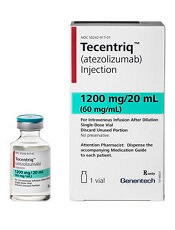
Roche has announced a partial clinical hold on 2 trials of the anti-PD-L1 antibody atezolizumab (Tecentriq).
One is a phase 1b/2 study (NCT02631577) in which researchers are evaluating atezolizumab in combination with obinutuzumab plus lenalidomide in patients with relapsed or refractory follicular lymphoma.
The other is a phase 1b study (NCT02431208) of atezolizumab alone or in combination with an immunomodulatory drug and/or daratumumab in patients with multiple myeloma (MM).
The partial clinical hold on these trials means patients who are currently enrolled and are deriving clinical benefit may continue to receive treatment, but no additional patients will be enrolled.
The decision to place these trials on hold is related to risks identified in 2 trials of the anti-PD-1 agent pembrolizumab. Results from these trials showed that combining pembrolizumab with dexamethasone and an immunomodulatory agent (lenalidomide or pomalidomide) increases the risk of death in patients with MM.
The results led to clinical holds on these trials (and a third trial of pembrolizumab) as well as an investigation by the US Food and Drug Administration (FDA).
The FDA has stressed its belief that the benefits of taking pembrolizumab and other PD-1/PD-L1 inhibitors for their approved uses continue to outweigh the risks.
However, the agency also thinks there may be an unfavorable risk-benefit ratio for patients receiving PD-1/PD-L1 treatment alone or in other combinations in unapproved indications.
Therefore, the FDA is investigating trials of PD-1/PD-L1 inhibitors being studied in combination with immunomodulatory agents or other classes of drugs in patients with hematologic malignancies.
In the course of this investigation, the FDA has placed holds on trials of nivolumab and durvalumab as well as atezolizumab.
According to Roche, there is no evidence of an increased risk of death or serious events with the use of atezolizumab in combination with immunomodulatory agents.
Roche has announced a partial clinical hold on 2 trials of the anti-PD-L1 antibody atezolizumab (Tecentriq).
One is a phase 1b/2 study (NCT02631577) in which researchers are evaluating atezolizumab in combination with obinutuzumab plus lenalidomide in patients with relapsed or refractory follicular lymphoma.
The other is a phase 1b study (NCT02431208) of atezolizumab alone or in combination with an immunomodulatory drug and/or daratumumab in patients with multiple myeloma (MM).
The partial clinical hold on these trials means patients who are currently enrolled and are deriving clinical benefit may continue to receive treatment, but no additional patients will be enrolled.
The decision to place these trials on hold is related to risks identified in 2 trials of the anti-PD-1 agent pembrolizumab. Results from these trials showed that combining pembrolizumab with dexamethasone and an immunomodulatory agent (lenalidomide or pomalidomide) increases the risk of death in patients with MM.
The results led to clinical holds on these trials (and a third trial of pembrolizumab) as well as an investigation by the US Food and Drug Administration (FDA).
The FDA has stressed its belief that the benefits of taking pembrolizumab and other PD-1/PD-L1 inhibitors for their approved uses continue to outweigh the risks.
However, the agency also thinks there may be an unfavorable risk-benefit ratio for patients receiving PD-1/PD-L1 treatment alone or in other combinations in unapproved indications.
Therefore, the FDA is investigating trials of PD-1/PD-L1 inhibitors being studied in combination with immunomodulatory agents or other classes of drugs in patients with hematologic malignancies.
In the course of this investigation, the FDA has placed holds on trials of nivolumab and durvalumab as well as atezolizumab.
According to Roche, there is no evidence of an increased risk of death or serious events with the use of atezolizumab in combination with immunomodulatory agents.
Roche has announced a partial clinical hold on 2 trials of the anti-PD-L1 antibody atezolizumab (Tecentriq).
One is a phase 1b/2 study (NCT02631577) in which researchers are evaluating atezolizumab in combination with obinutuzumab plus lenalidomide in patients with relapsed or refractory follicular lymphoma.
The other is a phase 1b study (NCT02431208) of atezolizumab alone or in combination with an immunomodulatory drug and/or daratumumab in patients with multiple myeloma (MM).
The partial clinical hold on these trials means patients who are currently enrolled and are deriving clinical benefit may continue to receive treatment, but no additional patients will be enrolled.
The decision to place these trials on hold is related to risks identified in 2 trials of the anti-PD-1 agent pembrolizumab. Results from these trials showed that combining pembrolizumab with dexamethasone and an immunomodulatory agent (lenalidomide or pomalidomide) increases the risk of death in patients with MM.
The results led to clinical holds on these trials (and a third trial of pembrolizumab) as well as an investigation by the US Food and Drug Administration (FDA).
The FDA has stressed its belief that the benefits of taking pembrolizumab and other PD-1/PD-L1 inhibitors for their approved uses continue to outweigh the risks.
However, the agency also thinks there may be an unfavorable risk-benefit ratio for patients receiving PD-1/PD-L1 treatment alone or in other combinations in unapproved indications.
Therefore, the FDA is investigating trials of PD-1/PD-L1 inhibitors being studied in combination with immunomodulatory agents or other classes of drugs in patients with hematologic malignancies.
In the course of this investigation, the FDA has placed holds on trials of nivolumab and durvalumab as well as atezolizumab.
According to Roche, there is no evidence of an increased risk of death or serious events with the use of atezolizumab in combination with immunomodulatory agents.
Application for pegfilgrastim biosimilar withdrawn

Mylan S.A.S. has withdrawn the European marketing authorization application for its pegfilgrastim biosimilar Fulphila, according to the European Medicines Agency’s Committee for Medicinal Products for Human Use (CHMP).
Fulphila was intended to be used to reduce the duration of neutropenia and the incidence of febrile neutropenia in adults receiving cytotoxic therapy for malignancy (except chronic myeloid leukemia and myelodysplastic syndromes).
Fulphila was intended to be highly similar to Neulasta, a solution for injection that contains the active substance pegfilgrastim.
To support the application for Fulphila, Mylan S.A.S. presented results of studies designed to show that Fulphila is highly similar to Neulasta in terms of chemical structure, purity, mechanism, safety, effectiveness, and immunogenicity.
Mylan S.A.S withdrew the application for Fulphila after the CHMP had evaluated the initial documentation the company provided on the drug and formulated a list of questions. The CHMP was assessing the company’s responses to the questions when the application was withdrawn.
At the time of the withdrawal, the CHMP had some concerns and was of the provisional opinion that Fulphila could not have been approved.
One of the CHMP’s main concerns was the lack of a certificate of Good Manufacturing Practice for the manufacturing site of the product. Other concerns related to the description of the manufacturing process, the control of impurities in the active substance, and the sterilization of the final product.
In a letter to the European Medicines Agency, Mylan S.A.S said it withdrew the application for Fulphila because a Good Manufacturing Practice certificate for the manufacturing site could not be obtained in the time available.
The application withdrawal does not impact ongoing clinical trials of Fulphila, and there are no compassionate use programs for the drug.
Mylan S.A.S said it plans to resubmit the application for Fulphila as soon as possible. The company is working to ensure “inspection readiness” at the Fulphila manufacturing site by October 2017.
Mylan S.A.S. has withdrawn the European marketing authorization application for its pegfilgrastim biosimilar Fulphila, according to the European Medicines Agency’s Committee for Medicinal Products for Human Use (CHMP).
Fulphila was intended to be used to reduce the duration of neutropenia and the incidence of febrile neutropenia in adults receiving cytotoxic therapy for malignancy (except chronic myeloid leukemia and myelodysplastic syndromes).
Fulphila was intended to be highly similar to Neulasta, a solution for injection that contains the active substance pegfilgrastim.
To support the application for Fulphila, Mylan S.A.S. presented results of studies designed to show that Fulphila is highly similar to Neulasta in terms of chemical structure, purity, mechanism, safety, effectiveness, and immunogenicity.
Mylan S.A.S withdrew the application for Fulphila after the CHMP had evaluated the initial documentation the company provided on the drug and formulated a list of questions. The CHMP was assessing the company’s responses to the questions when the application was withdrawn.
At the time of the withdrawal, the CHMP had some concerns and was of the provisional opinion that Fulphila could not have been approved.
One of the CHMP’s main concerns was the lack of a certificate of Good Manufacturing Practice for the manufacturing site of the product. Other concerns related to the description of the manufacturing process, the control of impurities in the active substance, and the sterilization of the final product.
In a letter to the European Medicines Agency, Mylan S.A.S said it withdrew the application for Fulphila because a Good Manufacturing Practice certificate for the manufacturing site could not be obtained in the time available.
The application withdrawal does not impact ongoing clinical trials of Fulphila, and there are no compassionate use programs for the drug.
Mylan S.A.S said it plans to resubmit the application for Fulphila as soon as possible. The company is working to ensure “inspection readiness” at the Fulphila manufacturing site by October 2017.
Mylan S.A.S. has withdrawn the European marketing authorization application for its pegfilgrastim biosimilar Fulphila, according to the European Medicines Agency’s Committee for Medicinal Products for Human Use (CHMP).
Fulphila was intended to be used to reduce the duration of neutropenia and the incidence of febrile neutropenia in adults receiving cytotoxic therapy for malignancy (except chronic myeloid leukemia and myelodysplastic syndromes).
Fulphila was intended to be highly similar to Neulasta, a solution for injection that contains the active substance pegfilgrastim.
To support the application for Fulphila, Mylan S.A.S. presented results of studies designed to show that Fulphila is highly similar to Neulasta in terms of chemical structure, purity, mechanism, safety, effectiveness, and immunogenicity.
Mylan S.A.S withdrew the application for Fulphila after the CHMP had evaluated the initial documentation the company provided on the drug and formulated a list of questions. The CHMP was assessing the company’s responses to the questions when the application was withdrawn.
At the time of the withdrawal, the CHMP had some concerns and was of the provisional opinion that Fulphila could not have been approved.
One of the CHMP’s main concerns was the lack of a certificate of Good Manufacturing Practice for the manufacturing site of the product. Other concerns related to the description of the manufacturing process, the control of impurities in the active substance, and the sterilization of the final product.
In a letter to the European Medicines Agency, Mylan S.A.S said it withdrew the application for Fulphila because a Good Manufacturing Practice certificate for the manufacturing site could not be obtained in the time available.
The application withdrawal does not impact ongoing clinical trials of Fulphila, and there are no compassionate use programs for the drug.
Mylan S.A.S said it plans to resubmit the application for Fulphila as soon as possible. The company is working to ensure “inspection readiness” at the Fulphila manufacturing site by October 2017.
In Hodgkin lymphoma, HAPLO transplant outcomes match those of conventional transplants
Hodgkin lymphoma patients who received haploidentical (HAPLO) allogeneic hematopoietic cell transplantation after a nonmyeloablative regimen and posttransplantation cyclophosphamide had outcomes similar to those of patients who had conventional transplants, in a retrospective analysis of 709 adult patients in the European Society for Blood and Marrow Transplantation database.
In addition, patients who underwent HAPLO had a lower incidence of extensive chronic graft-versus host disease (cGVHD) compared with HLA-matched unrelated donor (MUD) transplantation and higher cGVHD-free/relapse-free survival compared with HLA-matched sibling donor (SIB) transplantation.
“Use of HAPLO donors may allow patients to proceed more rapidly to transplantation, avoiding the time needed to complete a formal MUD search and arrange for graft collection at a remote center,” wrote Carmen Martinez, MD, of the Institute of Hematology and Oncology, Hospital Clinic, Barcelona. The study was published online in the Journal of Clinical Oncology. Conventional donors are unavailable for a significant proportion of Hodgkin lymphoma patients.
Recommendations from the European Society for Blood and Marrow Transplantation consider alloHCT to be the standard treatment option for eligible patients with Hodgkin lymphoma who have relapsed after undergoing autologous hematopoietic cell transplantation and SIB or MUD. For the retrospective study, outcomes were compared for 338 patients who had SIB transplants, 273 patients who had MUD transplants, and 98 patients who received HAPLO transplants after a nonmyeloablative regimen and posttransplantation cyclophosphamide (PTCy) as GVHD prophylaxis.
The rate of grade II-IV acute GVHD after HAPLO was higher than after SIB (33% vs. 18%; P = .003), and was comparable to the rate with MUD (30%). The rates of grade III-IV acute GVHD were similar for all three cohorts (HAPLO, 9%; SIB, 6%; and MUD, 9%).
At 1 year, the cumulative rate of chronic GVHD was 26% after HAPLO and 25% after SIB; it was significantly higher at 41% after MUD (P = .017).
The cumulative incidence of nonrelapse mortality at 1 year was 17% with HAPLO, 13% with SIB, and significantly higher at 21% with MUD (P = .003). At 2 years, the cumulative incidence of relapse or progression was 39%, 49%, and 32%, respectively. The difference was significantly higher for SIB than HAPLO (P = .047) and MUD (P = .001).
There were no significant differences in 2-year overall survival, but MUD transplant recipients had lower overall survival (62%; 95% CI, 56 to 68; P = .039) compared with SIB transplant recipients.
“Whether HAPLO transplantation is the first choice instead of MUD transplantation and whether it can eventually substitute SIB transplantation in specific subgroups of patients must be assessed within the context of a randomized prospective clinical trial,” wrote Dr. Martinez and colleagues.
Hodgkin lymphoma patients who received haploidentical (HAPLO) allogeneic hematopoietic cell transplantation after a nonmyeloablative regimen and posttransplantation cyclophosphamide had outcomes similar to those of patients who had conventional transplants, in a retrospective analysis of 709 adult patients in the European Society for Blood and Marrow Transplantation database.
In addition, patients who underwent HAPLO had a lower incidence of extensive chronic graft-versus host disease (cGVHD) compared with HLA-matched unrelated donor (MUD) transplantation and higher cGVHD-free/relapse-free survival compared with HLA-matched sibling donor (SIB) transplantation.
“Use of HAPLO donors may allow patients to proceed more rapidly to transplantation, avoiding the time needed to complete a formal MUD search and arrange for graft collection at a remote center,” wrote Carmen Martinez, MD, of the Institute of Hematology and Oncology, Hospital Clinic, Barcelona. The study was published online in the Journal of Clinical Oncology. Conventional donors are unavailable for a significant proportion of Hodgkin lymphoma patients.
Recommendations from the European Society for Blood and Marrow Transplantation consider alloHCT to be the standard treatment option for eligible patients with Hodgkin lymphoma who have relapsed after undergoing autologous hematopoietic cell transplantation and SIB or MUD. For the retrospective study, outcomes were compared for 338 patients who had SIB transplants, 273 patients who had MUD transplants, and 98 patients who received HAPLO transplants after a nonmyeloablative regimen and posttransplantation cyclophosphamide (PTCy) as GVHD prophylaxis.
The rate of grade II-IV acute GVHD after HAPLO was higher than after SIB (33% vs. 18%; P = .003), and was comparable to the rate with MUD (30%). The rates of grade III-IV acute GVHD were similar for all three cohorts (HAPLO, 9%; SIB, 6%; and MUD, 9%).
At 1 year, the cumulative rate of chronic GVHD was 26% after HAPLO and 25% after SIB; it was significantly higher at 41% after MUD (P = .017).
The cumulative incidence of nonrelapse mortality at 1 year was 17% with HAPLO, 13% with SIB, and significantly higher at 21% with MUD (P = .003). At 2 years, the cumulative incidence of relapse or progression was 39%, 49%, and 32%, respectively. The difference was significantly higher for SIB than HAPLO (P = .047) and MUD (P = .001).
There were no significant differences in 2-year overall survival, but MUD transplant recipients had lower overall survival (62%; 95% CI, 56 to 68; P = .039) compared with SIB transplant recipients.
“Whether HAPLO transplantation is the first choice instead of MUD transplantation and whether it can eventually substitute SIB transplantation in specific subgroups of patients must be assessed within the context of a randomized prospective clinical trial,” wrote Dr. Martinez and colleagues.
Hodgkin lymphoma patients who received haploidentical (HAPLO) allogeneic hematopoietic cell transplantation after a nonmyeloablative regimen and posttransplantation cyclophosphamide had outcomes similar to those of patients who had conventional transplants, in a retrospective analysis of 709 adult patients in the European Society for Blood and Marrow Transplantation database.
In addition, patients who underwent HAPLO had a lower incidence of extensive chronic graft-versus host disease (cGVHD) compared with HLA-matched unrelated donor (MUD) transplantation and higher cGVHD-free/relapse-free survival compared with HLA-matched sibling donor (SIB) transplantation.
“Use of HAPLO donors may allow patients to proceed more rapidly to transplantation, avoiding the time needed to complete a formal MUD search and arrange for graft collection at a remote center,” wrote Carmen Martinez, MD, of the Institute of Hematology and Oncology, Hospital Clinic, Barcelona. The study was published online in the Journal of Clinical Oncology. Conventional donors are unavailable for a significant proportion of Hodgkin lymphoma patients.
Recommendations from the European Society for Blood and Marrow Transplantation consider alloHCT to be the standard treatment option for eligible patients with Hodgkin lymphoma who have relapsed after undergoing autologous hematopoietic cell transplantation and SIB or MUD. For the retrospective study, outcomes were compared for 338 patients who had SIB transplants, 273 patients who had MUD transplants, and 98 patients who received HAPLO transplants after a nonmyeloablative regimen and posttransplantation cyclophosphamide (PTCy) as GVHD prophylaxis.
The rate of grade II-IV acute GVHD after HAPLO was higher than after SIB (33% vs. 18%; P = .003), and was comparable to the rate with MUD (30%). The rates of grade III-IV acute GVHD were similar for all three cohorts (HAPLO, 9%; SIB, 6%; and MUD, 9%).
At 1 year, the cumulative rate of chronic GVHD was 26% after HAPLO and 25% after SIB; it was significantly higher at 41% after MUD (P = .017).
The cumulative incidence of nonrelapse mortality at 1 year was 17% with HAPLO, 13% with SIB, and significantly higher at 21% with MUD (P = .003). At 2 years, the cumulative incidence of relapse or progression was 39%, 49%, and 32%, respectively. The difference was significantly higher for SIB than HAPLO (P = .047) and MUD (P = .001).
There were no significant differences in 2-year overall survival, but MUD transplant recipients had lower overall survival (62%; 95% CI, 56 to 68; P = .039) compared with SIB transplant recipients.
“Whether HAPLO transplantation is the first choice instead of MUD transplantation and whether it can eventually substitute SIB transplantation in specific subgroups of patients must be assessed within the context of a randomized prospective clinical trial,” wrote Dr. Martinez and colleagues.
FROM THE JOURNAL OF CLINICAL ONCOLOGY
Key clinical point: Haploidentical allogeneic hematopoietic cell transplantation after a nonmyeloablative regimen and posttransplantation cyclophosphamide resulted in outcomes similar to those seen with conventional transplantations in Hodgkin lymphoma patients.
Major finding: The 2-year overall survival was 67% for HAPLO, 71% for a transplant from an HLA-matched sibling donor, and 62% for a transplant from an HLA-matched unrelated donor.
Data source: A retrospective analysis of 709 adult patients in the European Society for Blood and Marrow Transplantation database.
Disclosures: No funding source was disclosed. Dr. Martinez has no disclosures and several of the coauthors report relationships with industry.
FDA approves drug to treat relapsed FL
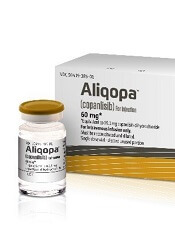
The US Food and Drug Administration (FDA) has granted accelerated approval to copanlisib (Aliqopa), an intravenous PI3K inhibitor developed by Bayer.
The drug is now approved to treat adults with relapsed follicular lymphoma (FL) who have received at least 2 prior systemic therapies.
Copanlisib received accelerated approval from the FDA because it has not yet shown a clinical benefit in these patients.
The FDA’s accelerated approval program allows conditional approval of a drug that fills an unmet medical need for a serious condition.
Accelerated approval is based on a surrogate or intermediate endpoint—in this case, overall response rate—that is reasonably likely to predict clinical benefit.
Continued approval of copanlisib for the aforementioned indication may be contingent upon verification of clinical benefit in confirmatory trials.
The FDA previously granted copanlisib priority review, fast track designation, and orphan drug designation.
According to Bayer, copanlisib is now available. The prescribing information is available for download here.
In addition, Bayer has created the Aliqopa™ Resource Connections (ARCTM) Program, which includes resources to help patients navigate the insurance process and identify sources of financial assistance.
The program offers free medication to patients who are uninsured or underinsured and meet the eligibility criteria. It includes a $0 co-pay program for covered patients.
Phase 2 results
The FDA’s approval of copanlisib is based on data from the phase 2 CHRONOS-1 trial. Data from this trial were presented at the AACR Annual Meeting 2017 and the 2017 ASCO Annual Meeting.
The trial included 104 patients with FL who had relapsed after at least 2 prior systemic therapies.
The median duration of treatment with copanlisib was 22 weeks (range, 1-105). Thirty-three patients (32%) were still on treatment at last follow-up.
The overall response rate was 59%, with 14% of patients achieving a complete response. The median duration of response was 12.2 months (range, 0+ to 22.6).
The most common treatment-emergent adverse events (in ≥25% of patients) were diarrhea (34% all grades, 5% ≥grade 3), reduced neutrophil count (30% all grades, 24% ≥grade 3), fatigue (30% all grades, 2% ≥grade 3), and fever (25% all grades, 4% ≥grade 3).
There were 6 deaths, and 3 of them were attributed to copanlisib. One patient died of lung infection, 1 died of respiratory failure, and 1 died of a thromboembolic event.
The US Food and Drug Administration (FDA) has granted accelerated approval to copanlisib (Aliqopa), an intravenous PI3K inhibitor developed by Bayer.
The drug is now approved to treat adults with relapsed follicular lymphoma (FL) who have received at least 2 prior systemic therapies.
Copanlisib received accelerated approval from the FDA because it has not yet shown a clinical benefit in these patients.
The FDA’s accelerated approval program allows conditional approval of a drug that fills an unmet medical need for a serious condition.
Accelerated approval is based on a surrogate or intermediate endpoint—in this case, overall response rate—that is reasonably likely to predict clinical benefit.
Continued approval of copanlisib for the aforementioned indication may be contingent upon verification of clinical benefit in confirmatory trials.
The FDA previously granted copanlisib priority review, fast track designation, and orphan drug designation.
According to Bayer, copanlisib is now available. The prescribing information is available for download here.
In addition, Bayer has created the Aliqopa™ Resource Connections (ARCTM) Program, which includes resources to help patients navigate the insurance process and identify sources of financial assistance.
The program offers free medication to patients who are uninsured or underinsured and meet the eligibility criteria. It includes a $0 co-pay program for covered patients.
Phase 2 results
The FDA’s approval of copanlisib is based on data from the phase 2 CHRONOS-1 trial. Data from this trial were presented at the AACR Annual Meeting 2017 and the 2017 ASCO Annual Meeting.
The trial included 104 patients with FL who had relapsed after at least 2 prior systemic therapies.
The median duration of treatment with copanlisib was 22 weeks (range, 1-105). Thirty-three patients (32%) were still on treatment at last follow-up.
The overall response rate was 59%, with 14% of patients achieving a complete response. The median duration of response was 12.2 months (range, 0+ to 22.6).
The most common treatment-emergent adverse events (in ≥25% of patients) were diarrhea (34% all grades, 5% ≥grade 3), reduced neutrophil count (30% all grades, 24% ≥grade 3), fatigue (30% all grades, 2% ≥grade 3), and fever (25% all grades, 4% ≥grade 3).
There were 6 deaths, and 3 of them were attributed to copanlisib. One patient died of lung infection, 1 died of respiratory failure, and 1 died of a thromboembolic event.
The US Food and Drug Administration (FDA) has granted accelerated approval to copanlisib (Aliqopa), an intravenous PI3K inhibitor developed by Bayer.
The drug is now approved to treat adults with relapsed follicular lymphoma (FL) who have received at least 2 prior systemic therapies.
Copanlisib received accelerated approval from the FDA because it has not yet shown a clinical benefit in these patients.
The FDA’s accelerated approval program allows conditional approval of a drug that fills an unmet medical need for a serious condition.
Accelerated approval is based on a surrogate or intermediate endpoint—in this case, overall response rate—that is reasonably likely to predict clinical benefit.
Continued approval of copanlisib for the aforementioned indication may be contingent upon verification of clinical benefit in confirmatory trials.
The FDA previously granted copanlisib priority review, fast track designation, and orphan drug designation.
According to Bayer, copanlisib is now available. The prescribing information is available for download here.
In addition, Bayer has created the Aliqopa™ Resource Connections (ARCTM) Program, which includes resources to help patients navigate the insurance process and identify sources of financial assistance.
The program offers free medication to patients who are uninsured or underinsured and meet the eligibility criteria. It includes a $0 co-pay program for covered patients.
Phase 2 results
The FDA’s approval of copanlisib is based on data from the phase 2 CHRONOS-1 trial. Data from this trial were presented at the AACR Annual Meeting 2017 and the 2017 ASCO Annual Meeting.
The trial included 104 patients with FL who had relapsed after at least 2 prior systemic therapies.
The median duration of treatment with copanlisib was 22 weeks (range, 1-105). Thirty-three patients (32%) were still on treatment at last follow-up.
The overall response rate was 59%, with 14% of patients achieving a complete response. The median duration of response was 12.2 months (range, 0+ to 22.6).
The most common treatment-emergent adverse events (in ≥25% of patients) were diarrhea (34% all grades, 5% ≥grade 3), reduced neutrophil count (30% all grades, 24% ≥grade 3), fatigue (30% all grades, 2% ≥grade 3), and fever (25% all grades, 4% ≥grade 3).
There were 6 deaths, and 3 of them were attributed to copanlisib. One patient died of lung infection, 1 died of respiratory failure, and 1 died of a thromboembolic event.
Immune status linked to outcomes of CAR T-cell therapy
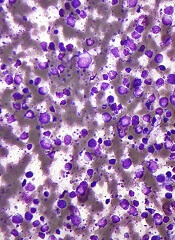
MAINZ/FRANKFURT, GERMANY—Outcomes of treatment with a third-generation chimeric antigen receptor (CAR) T-cell therapy are associated with a patient’s immune status, according to a phase 1/2a trial.
The CD19-specific CAR T-cell therapy produced a complete response (CR) in 6 of 15 patients with relapsed/refractory CD19-positive leukemia or lymphoma.
Though all responders eventually relapsed, 4 patients—including 2 with stable disease (SD) after treatment—responded to subsequent therapy and are still alive, 1 of them beyond 36 months.
An analysis of blood samples taken throughout the study revealed that a patient’s immune status was associated with treatment failure and overall survival.
Tanja Lövgren, PhD, of Uppsala University in Sweden, and her colleagues presented these findings at the Third CRI-CIMT-EATI-AACR International Cancer Immunotherapy Conference: Translating Science into Survival (abstract B156).
“CD19-specific CAR T-cell therapy has yielded remarkable response rates for patients who have B-cell acute lymphoblastic leukemia,” Dr Lövgren said. “However, many patients relapse.”
“In addition, response rates are more variable for patients who have other CD19-positive B-cell malignancies, and many patients experience serious adverse events. We set out to investigate the safety and effectiveness of a third-generation CD19-specific CAR T-cell therapy and to identify potential biomarkers of treatment outcome.”
Dr Lövgren and her colleagues studied 15 patients (ages 24-72) who had relapsed or refractory CD19-positive B-cell malignancies:
- Six patients with diffuse large B-cell lymphoma (DLBCL), including 3 cases that were transformed from follicular lymphoma (FL)
- Four patients with pre-B acute lymphoblastic leukemia (ALL)
- Two patients with mantle cell lymphoma (MCL)
- Two patients with chronic lymphocytic leukemia (CLL)
- One patient with FL transformed from Burkitt lymphoma.
Eleven patients received preconditioning with cyclophosphamide (500 mg/m2) and fludarabine (3 doses at 25 mg/m2).
All patients received CAR T cells at 1 x 10⁸, 2 x 10⁷, or 2 x 10⁸ cells/m2. These were autologous, CD19-targeting CAR T cells with 3 intracellular signaling domains derived from CD3 zeta, CD28, and 4-1BB.
The researchers assessed tumor responses via bone marrow/blood analysis and/or radiology, depending on the type of malignancy. The team also collected blood samples before CAR T-cell infusion and at multiple times after infusion.
Efficacy and safety
Six patients achieved a CR to treatment—3 with DLBCL (1 transformed), 2 with ALL, and 1 with CLL. Two patients had SD—1 with MCL and 1 with CLL. The remaining patients progressed.
All patients with a CR eventually relapsed. The median duration of CR was 5 months (range, 3-24 months).
Four patients—2 complete responders and 2 with SD—responded well to subsequent therapy and are still alive with 27 to 36 months of follow-up. This includes 1 patient with DLBCL, 1 with MCL, and 2 with CLL.
Four patients had serious adverse events. Three had cytokine-release syndrome, and 2 had neurological toxicity.
All cases of cytokine-release syndrome resolved after treatment with corticosteroids/anti-IL6R therapy. The neurological toxicity resolved spontaneously.
Immune status
An analysis of the blood samples taken throughout the study showed that high levels of monocytic myeloid-derived suppressor cells (MDSCs) prior to treatment was associated with decreased overall survival. In addition, increased levels of MDSCs after treatment preceded treatment failure.
Furthermore, high plasma levels of immunosuppressive factors—such as PD-L1 and PD-L2—after treatment were associated with decreased overall survival.
High plasma levels of biomarkers of an immunostimulatory environment—including IL-12, DC-LAMP, TRAIL, and FasL—before the administration of CAR T-cell therapy was associated with increased overall survival.
“[A]n immunostimulatory environment was associated with improved overall survival, while immunosuppressive cells and factors were associated with treatment failure and decreased overall survival,” Dr Lövgren said.
“We are hoping to follow up this study with another clinical trial that will combine CAR T-cell therapy with chemotherapy known to decrease the number of monocytic myeloid-derived suppressive cells. We are also looking to further optimize the CAR T-cell therapy.”
Dr Lövgren said the main limitations of this study are that it only included 15 patients, the patients had several different malignancies, and some patients may have been too sick to respond to any treatment.
This study was supported by funds from AFA Insurance AB, the Swedish Cancer Society, the Swedish Research Council, the Lions Fund at Uppsala University Hospital, and the Swedish State Support for Clinical Research. Dr Lövgren declared no conflicts of interest.
MAINZ/FRANKFURT, GERMANY—Outcomes of treatment with a third-generation chimeric antigen receptor (CAR) T-cell therapy are associated with a patient’s immune status, according to a phase 1/2a trial.
The CD19-specific CAR T-cell therapy produced a complete response (CR) in 6 of 15 patients with relapsed/refractory CD19-positive leukemia or lymphoma.
Though all responders eventually relapsed, 4 patients—including 2 with stable disease (SD) after treatment—responded to subsequent therapy and are still alive, 1 of them beyond 36 months.
An analysis of blood samples taken throughout the study revealed that a patient’s immune status was associated with treatment failure and overall survival.
Tanja Lövgren, PhD, of Uppsala University in Sweden, and her colleagues presented these findings at the Third CRI-CIMT-EATI-AACR International Cancer Immunotherapy Conference: Translating Science into Survival (abstract B156).
“CD19-specific CAR T-cell therapy has yielded remarkable response rates for patients who have B-cell acute lymphoblastic leukemia,” Dr Lövgren said. “However, many patients relapse.”
“In addition, response rates are more variable for patients who have other CD19-positive B-cell malignancies, and many patients experience serious adverse events. We set out to investigate the safety and effectiveness of a third-generation CD19-specific CAR T-cell therapy and to identify potential biomarkers of treatment outcome.”
Dr Lövgren and her colleagues studied 15 patients (ages 24-72) who had relapsed or refractory CD19-positive B-cell malignancies:
- Six patients with diffuse large B-cell lymphoma (DLBCL), including 3 cases that were transformed from follicular lymphoma (FL)
- Four patients with pre-B acute lymphoblastic leukemia (ALL)
- Two patients with mantle cell lymphoma (MCL)
- Two patients with chronic lymphocytic leukemia (CLL)
- One patient with FL transformed from Burkitt lymphoma.
Eleven patients received preconditioning with cyclophosphamide (500 mg/m2) and fludarabine (3 doses at 25 mg/m2).
All patients received CAR T cells at 1 x 10⁸, 2 x 10⁷, or 2 x 10⁸ cells/m2. These were autologous, CD19-targeting CAR T cells with 3 intracellular signaling domains derived from CD3 zeta, CD28, and 4-1BB.
The researchers assessed tumor responses via bone marrow/blood analysis and/or radiology, depending on the type of malignancy. The team also collected blood samples before CAR T-cell infusion and at multiple times after infusion.
Efficacy and safety
Six patients achieved a CR to treatment—3 with DLBCL (1 transformed), 2 with ALL, and 1 with CLL. Two patients had SD—1 with MCL and 1 with CLL. The remaining patients progressed.
All patients with a CR eventually relapsed. The median duration of CR was 5 months (range, 3-24 months).
Four patients—2 complete responders and 2 with SD—responded well to subsequent therapy and are still alive with 27 to 36 months of follow-up. This includes 1 patient with DLBCL, 1 with MCL, and 2 with CLL.
Four patients had serious adverse events. Three had cytokine-release syndrome, and 2 had neurological toxicity.
All cases of cytokine-release syndrome resolved after treatment with corticosteroids/anti-IL6R therapy. The neurological toxicity resolved spontaneously.
Immune status
An analysis of the blood samples taken throughout the study showed that high levels of monocytic myeloid-derived suppressor cells (MDSCs) prior to treatment was associated with decreased overall survival. In addition, increased levels of MDSCs after treatment preceded treatment failure.
Furthermore, high plasma levels of immunosuppressive factors—such as PD-L1 and PD-L2—after treatment were associated with decreased overall survival.
High plasma levels of biomarkers of an immunostimulatory environment—including IL-12, DC-LAMP, TRAIL, and FasL—before the administration of CAR T-cell therapy was associated with increased overall survival.
“[A]n immunostimulatory environment was associated with improved overall survival, while immunosuppressive cells and factors were associated with treatment failure and decreased overall survival,” Dr Lövgren said.
“We are hoping to follow up this study with another clinical trial that will combine CAR T-cell therapy with chemotherapy known to decrease the number of monocytic myeloid-derived suppressive cells. We are also looking to further optimize the CAR T-cell therapy.”
Dr Lövgren said the main limitations of this study are that it only included 15 patients, the patients had several different malignancies, and some patients may have been too sick to respond to any treatment.
This study was supported by funds from AFA Insurance AB, the Swedish Cancer Society, the Swedish Research Council, the Lions Fund at Uppsala University Hospital, and the Swedish State Support for Clinical Research. Dr Lövgren declared no conflicts of interest.
MAINZ/FRANKFURT, GERMANY—Outcomes of treatment with a third-generation chimeric antigen receptor (CAR) T-cell therapy are associated with a patient’s immune status, according to a phase 1/2a trial.
The CD19-specific CAR T-cell therapy produced a complete response (CR) in 6 of 15 patients with relapsed/refractory CD19-positive leukemia or lymphoma.
Though all responders eventually relapsed, 4 patients—including 2 with stable disease (SD) after treatment—responded to subsequent therapy and are still alive, 1 of them beyond 36 months.
An analysis of blood samples taken throughout the study revealed that a patient’s immune status was associated with treatment failure and overall survival.
Tanja Lövgren, PhD, of Uppsala University in Sweden, and her colleagues presented these findings at the Third CRI-CIMT-EATI-AACR International Cancer Immunotherapy Conference: Translating Science into Survival (abstract B156).
“CD19-specific CAR T-cell therapy has yielded remarkable response rates for patients who have B-cell acute lymphoblastic leukemia,” Dr Lövgren said. “However, many patients relapse.”
“In addition, response rates are more variable for patients who have other CD19-positive B-cell malignancies, and many patients experience serious adverse events. We set out to investigate the safety and effectiveness of a third-generation CD19-specific CAR T-cell therapy and to identify potential biomarkers of treatment outcome.”
Dr Lövgren and her colleagues studied 15 patients (ages 24-72) who had relapsed or refractory CD19-positive B-cell malignancies:
- Six patients with diffuse large B-cell lymphoma (DLBCL), including 3 cases that were transformed from follicular lymphoma (FL)
- Four patients with pre-B acute lymphoblastic leukemia (ALL)
- Two patients with mantle cell lymphoma (MCL)
- Two patients with chronic lymphocytic leukemia (CLL)
- One patient with FL transformed from Burkitt lymphoma.
Eleven patients received preconditioning with cyclophosphamide (500 mg/m2) and fludarabine (3 doses at 25 mg/m2).
All patients received CAR T cells at 1 x 10⁸, 2 x 10⁷, or 2 x 10⁸ cells/m2. These were autologous, CD19-targeting CAR T cells with 3 intracellular signaling domains derived from CD3 zeta, CD28, and 4-1BB.
The researchers assessed tumor responses via bone marrow/blood analysis and/or radiology, depending on the type of malignancy. The team also collected blood samples before CAR T-cell infusion and at multiple times after infusion.
Efficacy and safety
Six patients achieved a CR to treatment—3 with DLBCL (1 transformed), 2 with ALL, and 1 with CLL. Two patients had SD—1 with MCL and 1 with CLL. The remaining patients progressed.
All patients with a CR eventually relapsed. The median duration of CR was 5 months (range, 3-24 months).
Four patients—2 complete responders and 2 with SD—responded well to subsequent therapy and are still alive with 27 to 36 months of follow-up. This includes 1 patient with DLBCL, 1 with MCL, and 2 with CLL.
Four patients had serious adverse events. Three had cytokine-release syndrome, and 2 had neurological toxicity.
All cases of cytokine-release syndrome resolved after treatment with corticosteroids/anti-IL6R therapy. The neurological toxicity resolved spontaneously.
Immune status
An analysis of the blood samples taken throughout the study showed that high levels of monocytic myeloid-derived suppressor cells (MDSCs) prior to treatment was associated with decreased overall survival. In addition, increased levels of MDSCs after treatment preceded treatment failure.
Furthermore, high plasma levels of immunosuppressive factors—such as PD-L1 and PD-L2—after treatment were associated with decreased overall survival.
High plasma levels of biomarkers of an immunostimulatory environment—including IL-12, DC-LAMP, TRAIL, and FasL—before the administration of CAR T-cell therapy was associated with increased overall survival.
“[A]n immunostimulatory environment was associated with improved overall survival, while immunosuppressive cells and factors were associated with treatment failure and decreased overall survival,” Dr Lövgren said.
“We are hoping to follow up this study with another clinical trial that will combine CAR T-cell therapy with chemotherapy known to decrease the number of monocytic myeloid-derived suppressive cells. We are also looking to further optimize the CAR T-cell therapy.”
Dr Lövgren said the main limitations of this study are that it only included 15 patients, the patients had several different malignancies, and some patients may have been too sick to respond to any treatment.
This study was supported by funds from AFA Insurance AB, the Swedish Cancer Society, the Swedish Research Council, the Lions Fund at Uppsala University Hospital, and the Swedish State Support for Clinical Research. Dr Lövgren declared no conflicts of interest.
Survey reveals lack of specialized care for AYAs with cancer

MADRID—New research indicates there is a lack of specialized care in Europe for adolescents and young adults (AYAs) with cancer.
In a survey of more than 200 European healthcare professionals, more than two-thirds of respondents said they did not have access to specialized services where adult and pediatric cancer specialists work together to plan treatment and deliver care to AYAs with cancer.
This lack of services was more pronounced in Eastern and Southern Europe than Western and Northern Europe.
“The survey found gaps and disparities in cancer care for adolescents and young adults across Europe,” said study author Emmanouil Saloustros, MD, a consultant medical oncologist at General Hospital of Heraklion “Venizelio” in Heraklion, Crete, Greece.
Dr Saloustros and his colleagues presented these findings at the ESMO 2017 Congress (abstract 1438O_PR) and reported them in ESMO Open.
The researchers sent an online survey on the status of care and research in AYAs (ages 15-39) to members of the European Society for Medical Oncology (ESMO) and the European Society for Paediatric Oncology (SIOPE).
The team received responses from 266 healthcare professionals across Europe—55% of them female. Eleven percent were age 20–29, 29% were age 30–39, 26% were age 40–49, 25% were age 50–59, and 9% were age 60 and older.
Forty-eight percent were medical oncologists, 21% were pediatric oncologists, 8% were in training, 5% were hematologists, 4% were radiation oncologists, and 2% were surgical oncologists. The rest were other types of healthcare professionals, such as oncology nurses.
Fifty-two percent of respondents worked in general academic centers, 19% in specialized cancer hospitals, and 11% in pediatric hospitals. Sixty percent of respondents had been trained to treat adults with cancer, 25% to treat pediatric cancer patients, and 15% were trained to treat both.
In the past year, 32% of respondents had treated between 1 and 10 AYAs, 28% had treated 11 to 20, 17% had treated between 21 and 50, and 16% had treated more than 50 AYAs.
Results
The following results are based on data from 242 survey respondents. (The other respondents did not provide complete information.)
More than two-thirds (67%) of the respondents said they did not have access to specialized services for AYAs with cancer. This was true for 88% of respondents in Southern Europe, 87% in Eastern Europe, 55% in Western Europe, and 40% in Northern Europe.
Sixty-two percent of hematologists said they had access to AYA services, as did 44% of pediatric oncologists and 27% of medical oncologists.
Eighty-six percent of respondents said their AYA patients had access to professional psychological support. This was true for 97% of respondents in Western Europe, 82% in Southern Europe, 81% in Northern Europe, and 74% in Eastern Europe.
Fifty-four percent of all respondents said their AYAs had access to a support group with other young people. This was true for 81% of respondents in Northern Europe, 60% in Western Europe, 48% in Eastern Europe, and 34% in Southern Europe.
Thirty-six percent of all respondents said their AYAs had access to an age-specific specialist nurse. This was true for 53% of respondents in Western Europe, 51% in Northern Europe, 32% in Eastern Europe, and 10% in Southern Europe.
Sixty-two percent of respondents said their institution provided AYAs with access to a fertility specialist. This was true for 78% of respondents in Western Europe, 72% in Northern Europe, 52% in Southern Europe, and 24% in Eastern Europe.
“These patients have specific needs that are not covered by pediatric or general oncology centers or classical medical oncology centers, and this survey shows that most do not have access to the recommended special care,” said Gilles Vassal, director of clinical research at Gustave Roussy in Villejuif, France, and past president of SIOPE (who was not involved in this study).
“Countries without these services can look at existing examples—such as in the UK and France—to build teams equipped to improve survival and survivorship for adolescents and young adults with cancer.”
MADRID—New research indicates there is a lack of specialized care in Europe for adolescents and young adults (AYAs) with cancer.
In a survey of more than 200 European healthcare professionals, more than two-thirds of respondents said they did not have access to specialized services where adult and pediatric cancer specialists work together to plan treatment and deliver care to AYAs with cancer.
This lack of services was more pronounced in Eastern and Southern Europe than Western and Northern Europe.
“The survey found gaps and disparities in cancer care for adolescents and young adults across Europe,” said study author Emmanouil Saloustros, MD, a consultant medical oncologist at General Hospital of Heraklion “Venizelio” in Heraklion, Crete, Greece.
Dr Saloustros and his colleagues presented these findings at the ESMO 2017 Congress (abstract 1438O_PR) and reported them in ESMO Open.
The researchers sent an online survey on the status of care and research in AYAs (ages 15-39) to members of the European Society for Medical Oncology (ESMO) and the European Society for Paediatric Oncology (SIOPE).
The team received responses from 266 healthcare professionals across Europe—55% of them female. Eleven percent were age 20–29, 29% were age 30–39, 26% were age 40–49, 25% were age 50–59, and 9% were age 60 and older.
Forty-eight percent were medical oncologists, 21% were pediatric oncologists, 8% were in training, 5% were hematologists, 4% were radiation oncologists, and 2% were surgical oncologists. The rest were other types of healthcare professionals, such as oncology nurses.
Fifty-two percent of respondents worked in general academic centers, 19% in specialized cancer hospitals, and 11% in pediatric hospitals. Sixty percent of respondents had been trained to treat adults with cancer, 25% to treat pediatric cancer patients, and 15% were trained to treat both.
In the past year, 32% of respondents had treated between 1 and 10 AYAs, 28% had treated 11 to 20, 17% had treated between 21 and 50, and 16% had treated more than 50 AYAs.
Results
The following results are based on data from 242 survey respondents. (The other respondents did not provide complete information.)
More than two-thirds (67%) of the respondents said they did not have access to specialized services for AYAs with cancer. This was true for 88% of respondents in Southern Europe, 87% in Eastern Europe, 55% in Western Europe, and 40% in Northern Europe.
Sixty-two percent of hematologists said they had access to AYA services, as did 44% of pediatric oncologists and 27% of medical oncologists.
Eighty-six percent of respondents said their AYA patients had access to professional psychological support. This was true for 97% of respondents in Western Europe, 82% in Southern Europe, 81% in Northern Europe, and 74% in Eastern Europe.
Fifty-four percent of all respondents said their AYAs had access to a support group with other young people. This was true for 81% of respondents in Northern Europe, 60% in Western Europe, 48% in Eastern Europe, and 34% in Southern Europe.
Thirty-six percent of all respondents said their AYAs had access to an age-specific specialist nurse. This was true for 53% of respondents in Western Europe, 51% in Northern Europe, 32% in Eastern Europe, and 10% in Southern Europe.
Sixty-two percent of respondents said their institution provided AYAs with access to a fertility specialist. This was true for 78% of respondents in Western Europe, 72% in Northern Europe, 52% in Southern Europe, and 24% in Eastern Europe.
“These patients have specific needs that are not covered by pediatric or general oncology centers or classical medical oncology centers, and this survey shows that most do not have access to the recommended special care,” said Gilles Vassal, director of clinical research at Gustave Roussy in Villejuif, France, and past president of SIOPE (who was not involved in this study).
“Countries without these services can look at existing examples—such as in the UK and France—to build teams equipped to improve survival and survivorship for adolescents and young adults with cancer.”
MADRID—New research indicates there is a lack of specialized care in Europe for adolescents and young adults (AYAs) with cancer.
In a survey of more than 200 European healthcare professionals, more than two-thirds of respondents said they did not have access to specialized services where adult and pediatric cancer specialists work together to plan treatment and deliver care to AYAs with cancer.
This lack of services was more pronounced in Eastern and Southern Europe than Western and Northern Europe.
“The survey found gaps and disparities in cancer care for adolescents and young adults across Europe,” said study author Emmanouil Saloustros, MD, a consultant medical oncologist at General Hospital of Heraklion “Venizelio” in Heraklion, Crete, Greece.
Dr Saloustros and his colleagues presented these findings at the ESMO 2017 Congress (abstract 1438O_PR) and reported them in ESMO Open.
The researchers sent an online survey on the status of care and research in AYAs (ages 15-39) to members of the European Society for Medical Oncology (ESMO) and the European Society for Paediatric Oncology (SIOPE).
The team received responses from 266 healthcare professionals across Europe—55% of them female. Eleven percent were age 20–29, 29% were age 30–39, 26% were age 40–49, 25% were age 50–59, and 9% were age 60 and older.
Forty-eight percent were medical oncologists, 21% were pediatric oncologists, 8% were in training, 5% were hematologists, 4% were radiation oncologists, and 2% were surgical oncologists. The rest were other types of healthcare professionals, such as oncology nurses.
Fifty-two percent of respondents worked in general academic centers, 19% in specialized cancer hospitals, and 11% in pediatric hospitals. Sixty percent of respondents had been trained to treat adults with cancer, 25% to treat pediatric cancer patients, and 15% were trained to treat both.
In the past year, 32% of respondents had treated between 1 and 10 AYAs, 28% had treated 11 to 20, 17% had treated between 21 and 50, and 16% had treated more than 50 AYAs.
Results
The following results are based on data from 242 survey respondents. (The other respondents did not provide complete information.)
More than two-thirds (67%) of the respondents said they did not have access to specialized services for AYAs with cancer. This was true for 88% of respondents in Southern Europe, 87% in Eastern Europe, 55% in Western Europe, and 40% in Northern Europe.
Sixty-two percent of hematologists said they had access to AYA services, as did 44% of pediatric oncologists and 27% of medical oncologists.
Eighty-six percent of respondents said their AYA patients had access to professional psychological support. This was true for 97% of respondents in Western Europe, 82% in Southern Europe, 81% in Northern Europe, and 74% in Eastern Europe.
Fifty-four percent of all respondents said their AYAs had access to a support group with other young people. This was true for 81% of respondents in Northern Europe, 60% in Western Europe, 48% in Eastern Europe, and 34% in Southern Europe.
Thirty-six percent of all respondents said their AYAs had access to an age-specific specialist nurse. This was true for 53% of respondents in Western Europe, 51% in Northern Europe, 32% in Eastern Europe, and 10% in Southern Europe.
Sixty-two percent of respondents said their institution provided AYAs with access to a fertility specialist. This was true for 78% of respondents in Western Europe, 72% in Northern Europe, 52% in Southern Europe, and 24% in Eastern Europe.
“These patients have specific needs that are not covered by pediatric or general oncology centers or classical medical oncology centers, and this survey shows that most do not have access to the recommended special care,” said Gilles Vassal, director of clinical research at Gustave Roussy in Villejuif, France, and past president of SIOPE (who was not involved in this study).
“Countries without these services can look at existing examples—such as in the UK and France—to build teams equipped to improve survival and survivorship for adolescents and young adults with cancer.”
Most daratumumab infusion reactions occur in first infusion
MADRID – The high rate of infusion-related reactions at first daratumumab infusion may be related to treatment duration, based on data from the CASTOR and POLLUX studies presented at the European Society for Medical Oncology Congress.
Infusion-related reactions occur in half of relapsed or refractory multiple myeloma patients who receive daratumumab, but nearly all reactions are grade 2 or less and rarely lead to treatment discontinuation, reported Philippe Moreau, MD, of University Hospital, Nantes, France.
“In the two phase 3 trials, CASTOR and POLLUX, infusion-related reactions occurred in 45% and 48% of patients, respectively. Of these, 98% and 96%, respectively, occurred during the first infusion,” he said. Treatment duration was 7 hours for first infusion vs. 4 hours and 3 hours for the second and third infusions, respectively. Grade 3 infusion-related reactions occurred in 5.3% and 8.6% of patients in CASTOR and POLLUX, respectively. No grade 4 infusion-related reactions were observed in either trial.
(In CASTOR [NCT02136134], daratumumab was combined with bortezomib and dexamethasone. In POLLUX [NCT02076009], it was combined with lenalidomide and dexamethasone. Based on improvements in progression-free survival relative to the background drugs alone, daratumumab was approved for relapsed or refractory multiple myeloma.)
All patients in the trials received some form of preinfusion medications. These included 650-1,000 mg of paracetamol by intravenous or oral administration, 25-50 mg of diphenhydramine, 10 mg of montelukast, and 20 mg of dexamethasone. Patients thought to be at high risk of respiratory complications were candidates for postinfusion medications such as diphenhydramine or a short-acting beta agonist. However, only about 10% of high-risk patients received these therapies, so the impact of this potentially preventive approach is not clear, Dr. Moreau said.
In grade 1 reactions, Dr. Moreau recommended that infusions be paused at the first sign of an infusion-related reaction and then restarted at half the infusion rate when the condition is considered stable. Daratumumab treatment should be withdrawn in grade 2 or higher infusion-related reactions associated with laryngeal edema or grade 2 or higher bronchospasm that does not respond to systemic therapy and resolves within 6 hours of onset.
In grade 3 infusion-related reactions, the recommendation is to stop the daratumumab infusion and closely observe the patient. The infusion should be restarted only if the severity drops to grade 1. Again, the rate of infusion after the interruption should be half the rate provided prior to the infusion-related reaction. Therapy should be withdrawn if the infusion-related reaction recurs for a second time, according to Dr. Moreau.
Infusion-related reactions involving the upper respiratory tract – such as dyspnea, cough, bronchospasm, or throat irritation – may be related to the physiologic function of CD38, Dr. Moreau said. For this reason, grade 3 upper respiratory-related events deserve close attention and persisting symptoms warrant halting treatment.
The evidence is “reassuring” that the majority of infusion-related reactions are confined to the first infusion, said the ESMO-invited discussant, Evangelos Terpos, MD, PhD, of the University of Athens. He noted that the specific treatment recommendations outlined by Dr. Moreau could be helpful for minimizing nuisance infusion-related reactions as well as reducing the risk of more serious infusion-related reactions, particularly those involving respiratory events.
Prophylactic strategies for infusion-related reactions are particularly important in patients with risk factors for respiratory complications, Dr. Terpos added.
MADRID – The high rate of infusion-related reactions at first daratumumab infusion may be related to treatment duration, based on data from the CASTOR and POLLUX studies presented at the European Society for Medical Oncology Congress.
Infusion-related reactions occur in half of relapsed or refractory multiple myeloma patients who receive daratumumab, but nearly all reactions are grade 2 or less and rarely lead to treatment discontinuation, reported Philippe Moreau, MD, of University Hospital, Nantes, France.
“In the two phase 3 trials, CASTOR and POLLUX, infusion-related reactions occurred in 45% and 48% of patients, respectively. Of these, 98% and 96%, respectively, occurred during the first infusion,” he said. Treatment duration was 7 hours for first infusion vs. 4 hours and 3 hours for the second and third infusions, respectively. Grade 3 infusion-related reactions occurred in 5.3% and 8.6% of patients in CASTOR and POLLUX, respectively. No grade 4 infusion-related reactions were observed in either trial.
(In CASTOR [NCT02136134], daratumumab was combined with bortezomib and dexamethasone. In POLLUX [NCT02076009], it was combined with lenalidomide and dexamethasone. Based on improvements in progression-free survival relative to the background drugs alone, daratumumab was approved for relapsed or refractory multiple myeloma.)
All patients in the trials received some form of preinfusion medications. These included 650-1,000 mg of paracetamol by intravenous or oral administration, 25-50 mg of diphenhydramine, 10 mg of montelukast, and 20 mg of dexamethasone. Patients thought to be at high risk of respiratory complications were candidates for postinfusion medications such as diphenhydramine or a short-acting beta agonist. However, only about 10% of high-risk patients received these therapies, so the impact of this potentially preventive approach is not clear, Dr. Moreau said.
In grade 1 reactions, Dr. Moreau recommended that infusions be paused at the first sign of an infusion-related reaction and then restarted at half the infusion rate when the condition is considered stable. Daratumumab treatment should be withdrawn in grade 2 or higher infusion-related reactions associated with laryngeal edema or grade 2 or higher bronchospasm that does not respond to systemic therapy and resolves within 6 hours of onset.
In grade 3 infusion-related reactions, the recommendation is to stop the daratumumab infusion and closely observe the patient. The infusion should be restarted only if the severity drops to grade 1. Again, the rate of infusion after the interruption should be half the rate provided prior to the infusion-related reaction. Therapy should be withdrawn if the infusion-related reaction recurs for a second time, according to Dr. Moreau.
Infusion-related reactions involving the upper respiratory tract – such as dyspnea, cough, bronchospasm, or throat irritation – may be related to the physiologic function of CD38, Dr. Moreau said. For this reason, grade 3 upper respiratory-related events deserve close attention and persisting symptoms warrant halting treatment.
The evidence is “reassuring” that the majority of infusion-related reactions are confined to the first infusion, said the ESMO-invited discussant, Evangelos Terpos, MD, PhD, of the University of Athens. He noted that the specific treatment recommendations outlined by Dr. Moreau could be helpful for minimizing nuisance infusion-related reactions as well as reducing the risk of more serious infusion-related reactions, particularly those involving respiratory events.
Prophylactic strategies for infusion-related reactions are particularly important in patients with risk factors for respiratory complications, Dr. Terpos added.
MADRID – The high rate of infusion-related reactions at first daratumumab infusion may be related to treatment duration, based on data from the CASTOR and POLLUX studies presented at the European Society for Medical Oncology Congress.
Infusion-related reactions occur in half of relapsed or refractory multiple myeloma patients who receive daratumumab, but nearly all reactions are grade 2 or less and rarely lead to treatment discontinuation, reported Philippe Moreau, MD, of University Hospital, Nantes, France.
“In the two phase 3 trials, CASTOR and POLLUX, infusion-related reactions occurred in 45% and 48% of patients, respectively. Of these, 98% and 96%, respectively, occurred during the first infusion,” he said. Treatment duration was 7 hours for first infusion vs. 4 hours and 3 hours for the second and third infusions, respectively. Grade 3 infusion-related reactions occurred in 5.3% and 8.6% of patients in CASTOR and POLLUX, respectively. No grade 4 infusion-related reactions were observed in either trial.
(In CASTOR [NCT02136134], daratumumab was combined with bortezomib and dexamethasone. In POLLUX [NCT02076009], it was combined with lenalidomide and dexamethasone. Based on improvements in progression-free survival relative to the background drugs alone, daratumumab was approved for relapsed or refractory multiple myeloma.)
All patients in the trials received some form of preinfusion medications. These included 650-1,000 mg of paracetamol by intravenous or oral administration, 25-50 mg of diphenhydramine, 10 mg of montelukast, and 20 mg of dexamethasone. Patients thought to be at high risk of respiratory complications were candidates for postinfusion medications such as diphenhydramine or a short-acting beta agonist. However, only about 10% of high-risk patients received these therapies, so the impact of this potentially preventive approach is not clear, Dr. Moreau said.
In grade 1 reactions, Dr. Moreau recommended that infusions be paused at the first sign of an infusion-related reaction and then restarted at half the infusion rate when the condition is considered stable. Daratumumab treatment should be withdrawn in grade 2 or higher infusion-related reactions associated with laryngeal edema or grade 2 or higher bronchospasm that does not respond to systemic therapy and resolves within 6 hours of onset.
In grade 3 infusion-related reactions, the recommendation is to stop the daratumumab infusion and closely observe the patient. The infusion should be restarted only if the severity drops to grade 1. Again, the rate of infusion after the interruption should be half the rate provided prior to the infusion-related reaction. Therapy should be withdrawn if the infusion-related reaction recurs for a second time, according to Dr. Moreau.
Infusion-related reactions involving the upper respiratory tract – such as dyspnea, cough, bronchospasm, or throat irritation – may be related to the physiologic function of CD38, Dr. Moreau said. For this reason, grade 3 upper respiratory-related events deserve close attention and persisting symptoms warrant halting treatment.
The evidence is “reassuring” that the majority of infusion-related reactions are confined to the first infusion, said the ESMO-invited discussant, Evangelos Terpos, MD, PhD, of the University of Athens. He noted that the specific treatment recommendations outlined by Dr. Moreau could be helpful for minimizing nuisance infusion-related reactions as well as reducing the risk of more serious infusion-related reactions, particularly those involving respiratory events.
Prophylactic strategies for infusion-related reactions are particularly important in patients with risk factors for respiratory complications, Dr. Terpos added.
AT ESMO 2017
Key clinical point: In grade 1 infusion-related reactions, daratumumab infusion should be paused at the first sign of a reaction and then restarted at half the infusion rate when the condition is considered stable.
Major finding:
Data source: Post hoc analysis of the phase 3 trials, CASTOR and POLLUX.
Disclosures: Dr. Moreau reported financial relationships with Amgen, Celgene, Janssen, Novartis, and Takeda.