User login
Elderly males with DLBCL require increased rituximab dosing

©ASCO/Phil McCarten
CHICAGO—Elderly males with non-Hodgkin lymphoma (NHL) may require one-third higher doses of rituximab than the current standard to attain optimal responses to rituximab-containing chemotherapy, a new study suggests.
Increasing the rituximab dose eliminated any gender-related differences in survival among elderly patients with aggressive, CD20+, B-cell lymphomas, said investigator Michael Pfreundschuh, MD, of Saarland University Medical Center in Germany.
He presented this finding at the 2014 ASCO Annual Meeting (abstract 8501).
Although rituximab has been used in NHL for nearly 2 decades, standard dosing of the drug is still largely empiric. Only recently have researchers examined whether responses to the drug may vary by gender and age.
New data show that rituximab clears the body more rapidly in elderly males than elderly females, suggesting that rituximab dosing may need to be increased in older men to maintain adequate drug exposure.
Dr Pfreundschuh noted that the RICOVER-60 trial established 6 cycles of rituximab plus cyclophosphamide, doxorubicin, vincristine, and prednisone every 14 days (R-CHOP-14), followed by 2 additional cycles of rituximab, as the new standard of care for elderly patients with NHL in Germany.
Further analysis of the trial’s results indicates that rituximab dosing may be inadequate in males older than 60, since they fare much worse than elderly females in terms of progression-free survival (PFS).
To test this gender difference, the German High-grade Non-Hodgkin Lymphoma Study Group designed the SEXIE-R-CHOP-14 trial.
The group tested 2 different rituximab doses in patients aged 61 to 80 with stage I to IV, CD20+, diffuse large B-cell lymphoma (DLBCL). A group of 120 females received rituximab at 375 mg/m2 per treatment cycle, and a group of 148 males received 500 mg/m2 per treatment cycle.
The increased rituximab dose in males resulted in slightly higher trough serum levels than in females. However, rituximab levels dropped faster in males, resulting in nearly identical serum levels thereafter and a very similar overall rituximab exposure time, Dr Pfreundschuh said.
The higher dose of rituximab given to elderly males did not result in increased toxicity.
Survival rates were similar between the male and female groups. The 3-year PFS was 74% in males and 68% in females, and 3-year overall survival was 82% in males and 72% in females.
A multivariate analysis that evaluated gender as a risk factor revealed that the male-vs-female hazard ratio for PFS was 0.8 in SEXIE-R-CHOP-14, compared to 1.6 in RICOVER-60. Similarly, the male-vs-female hazard ratio for overall survival was 0.7 in SEXIE-R-CHOP-14 and 1.4 in RICOVER-60.
“Increasing the rituximab dose by one-third eliminated the increased risk [of death and progression in] elderly males,” Dr Pfreundschuh concluded.
He also noted that younger males and females have faster rituximab clearance than elderly females. So increasing the dose in these populations should also result in a better outcome. 
©ASCO/Phil McCarten
CHICAGO—Elderly males with non-Hodgkin lymphoma (NHL) may require one-third higher doses of rituximab than the current standard to attain optimal responses to rituximab-containing chemotherapy, a new study suggests.
Increasing the rituximab dose eliminated any gender-related differences in survival among elderly patients with aggressive, CD20+, B-cell lymphomas, said investigator Michael Pfreundschuh, MD, of Saarland University Medical Center in Germany.
He presented this finding at the 2014 ASCO Annual Meeting (abstract 8501).
Although rituximab has been used in NHL for nearly 2 decades, standard dosing of the drug is still largely empiric. Only recently have researchers examined whether responses to the drug may vary by gender and age.
New data show that rituximab clears the body more rapidly in elderly males than elderly females, suggesting that rituximab dosing may need to be increased in older men to maintain adequate drug exposure.
Dr Pfreundschuh noted that the RICOVER-60 trial established 6 cycles of rituximab plus cyclophosphamide, doxorubicin, vincristine, and prednisone every 14 days (R-CHOP-14), followed by 2 additional cycles of rituximab, as the new standard of care for elderly patients with NHL in Germany.
Further analysis of the trial’s results indicates that rituximab dosing may be inadequate in males older than 60, since they fare much worse than elderly females in terms of progression-free survival (PFS).
To test this gender difference, the German High-grade Non-Hodgkin Lymphoma Study Group designed the SEXIE-R-CHOP-14 trial.
The group tested 2 different rituximab doses in patients aged 61 to 80 with stage I to IV, CD20+, diffuse large B-cell lymphoma (DLBCL). A group of 120 females received rituximab at 375 mg/m2 per treatment cycle, and a group of 148 males received 500 mg/m2 per treatment cycle.
The increased rituximab dose in males resulted in slightly higher trough serum levels than in females. However, rituximab levels dropped faster in males, resulting in nearly identical serum levels thereafter and a very similar overall rituximab exposure time, Dr Pfreundschuh said.
The higher dose of rituximab given to elderly males did not result in increased toxicity.
Survival rates were similar between the male and female groups. The 3-year PFS was 74% in males and 68% in females, and 3-year overall survival was 82% in males and 72% in females.
A multivariate analysis that evaluated gender as a risk factor revealed that the male-vs-female hazard ratio for PFS was 0.8 in SEXIE-R-CHOP-14, compared to 1.6 in RICOVER-60. Similarly, the male-vs-female hazard ratio for overall survival was 0.7 in SEXIE-R-CHOP-14 and 1.4 in RICOVER-60.
“Increasing the rituximab dose by one-third eliminated the increased risk [of death and progression in] elderly males,” Dr Pfreundschuh concluded.
He also noted that younger males and females have faster rituximab clearance than elderly females. So increasing the dose in these populations should also result in a better outcome.
©ASCO/Phil McCarten
CHICAGO—Elderly males with non-Hodgkin lymphoma (NHL) may require one-third higher doses of rituximab than the current standard to attain optimal responses to rituximab-containing chemotherapy, a new study suggests.
Increasing the rituximab dose eliminated any gender-related differences in survival among elderly patients with aggressive, CD20+, B-cell lymphomas, said investigator Michael Pfreundschuh, MD, of Saarland University Medical Center in Germany.
He presented this finding at the 2014 ASCO Annual Meeting (abstract 8501).
Although rituximab has been used in NHL for nearly 2 decades, standard dosing of the drug is still largely empiric. Only recently have researchers examined whether responses to the drug may vary by gender and age.
New data show that rituximab clears the body more rapidly in elderly males than elderly females, suggesting that rituximab dosing may need to be increased in older men to maintain adequate drug exposure.
Dr Pfreundschuh noted that the RICOVER-60 trial established 6 cycles of rituximab plus cyclophosphamide, doxorubicin, vincristine, and prednisone every 14 days (R-CHOP-14), followed by 2 additional cycles of rituximab, as the new standard of care for elderly patients with NHL in Germany.
Further analysis of the trial’s results indicates that rituximab dosing may be inadequate in males older than 60, since they fare much worse than elderly females in terms of progression-free survival (PFS).
To test this gender difference, the German High-grade Non-Hodgkin Lymphoma Study Group designed the SEXIE-R-CHOP-14 trial.
The group tested 2 different rituximab doses in patients aged 61 to 80 with stage I to IV, CD20+, diffuse large B-cell lymphoma (DLBCL). A group of 120 females received rituximab at 375 mg/m2 per treatment cycle, and a group of 148 males received 500 mg/m2 per treatment cycle.
The increased rituximab dose in males resulted in slightly higher trough serum levels than in females. However, rituximab levels dropped faster in males, resulting in nearly identical serum levels thereafter and a very similar overall rituximab exposure time, Dr Pfreundschuh said.
The higher dose of rituximab given to elderly males did not result in increased toxicity.
Survival rates were similar between the male and female groups. The 3-year PFS was 74% in males and 68% in females, and 3-year overall survival was 82% in males and 72% in females.
A multivariate analysis that evaluated gender as a risk factor revealed that the male-vs-female hazard ratio for PFS was 0.8 in SEXIE-R-CHOP-14, compared to 1.6 in RICOVER-60. Similarly, the male-vs-female hazard ratio for overall survival was 0.7 in SEXIE-R-CHOP-14 and 1.4 in RICOVER-60.
“Increasing the rituximab dose by one-third eliminated the increased risk [of death and progression in] elderly males,” Dr Pfreundschuh concluded.
He also noted that younger males and females have faster rituximab clearance than elderly females. So increasing the dose in these populations should also result in a better outcome.
Approach can reduce drug-induced TLS
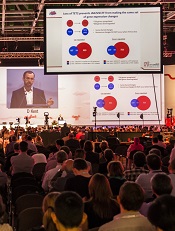
Photo courtesy of EHA
MILAN—The BCL-2 inhibitor ABT-199 may be a feasible treatment option for patients with chronic lymphocyctic leukemia/small lymphocytic lymphoma (CLL/SLL), according to research presented at the 19th Congress of the European Hematology Association (EHA).
Previous results showed that ABT-199 can elicit responses in patients with CLL/SLL, but it can also induce tumor lysis syndrome (TLS).
In fact, 2 TLS-related deaths prompted the temporary suspension of enrollment in trials of ABT-199.
But now, researchers have reported that a modified dosing schedule, prophylaxis, and patient monitoring can reduce, and perhaps even eliminate, the risk of TLS.
And ABT-199 can produce solid responses, even in high-risk CLL/SLL patients.
John Seymour, MBBS, PhD, of the Peter MacCallum Cancer Center in Victoria, Australia, and his colleagues presented results observed with a TLS prophylactic regimen at the EHA Congress as abstract P868.
Dr Seymour also presented data from a phase 1 study of ABT-199 monotherapy as abstract S702. Both studies were supported by AbbVie and Genentech, the companies developing ABT-199.
Assessing the risk of TLS
To identify pre-treatment risk factors for TLS and appropriate prophylactic measures, Dr Seymour and his colleagues analyzed 77 CLL/SLL patients who were treated with ABT-199 prior to the identification of TLS (from June 2011 to March 2013).
Twenty-four of these patients had values meeting Cairo-Bishop criteria for TLS, and medical adjudication suggested 19 (25%) of them had TLS.
Comparing these patients to those who did not develop TLS, the researchers found that patients were at low risk of developing TLS if they had a nodal mass measuring less than 5 cm and an absolute lymphocyte count (ALC) less than 25,000.
Patients were at medium risk of TLS if they had a nodal mass of 5 cm to 9 cm or an ALC of at least 25,000. And patients were at high risk of TLS if they had a nodal mass of 10 cm or greater or a nodal mass of 5 cm to 9 cm and an ALC of 25,000 or greater.
Dose modification
The researchers also found that TLS events tended to occur within 24 hours of the first dose of ABT-199. And the initial exposure (median Cmax value) for patients who had a TLS incident was higher than patients without TLS (0.49 μg/mL vs 0.23 μg/mL).
However, simulations suggested that, at a 20 mg starting dose, 98% of patients will achieve initial peak exposures similar to patients without TLS (Cmax below 0.23 ug/mL).
So the researchers modified the dosing schedule of ABT-199 in subsequently treated patients. The patients received a 20 mg starting dose, then 50 mg for the rest of week 1, 100 mg in week 2, 200 mg in week 3, and 400 mg in week 4.
However, if 1 or more electrolytes met Cairo-Bishop criteria and/or there was a 30% or greater decrease in ALC with the first dose, patients received the drug at 20 mg in week 1, 50 mg in week 2, 100 mg in week 3, 200 mg in week 4, and 400 mg in week 5.
Prophylactic measures
Dr Seymour and his colleagues also recommended several other steps to minimize the risk of TLS. They said their findings support hospitalizing and monitoring patients for the first dose of 20 mg and 50 mg, regardless of their risk of TLS.
High-risk patients should be hospitalized for all subsequent dose escalations until they are re-categorized to medium- or low-risk groups. The researchers also said hospitalization should be considered at subsequent dose escalation for medium-risk patients with creatinine clearance of 80 mL/min or less.
All patients should receive oral hydration prior to receiving ABT-199, and hospitalized patients should receive intravenous hydration (150-200 cc/hour, as tolerated).
All patients should receive a uric-acid-reducing agent at least 72 hours before their first dose of ABT-199. Rasburicase is strongly suggested for high-risk patients with high baseline uric acid and for patients who develop rapid rises in uric acid values.
The researchers also recommended laboratory assessment at 8 hours and 24 hours in an outpatient setting and at 4, 8, 12, and 24 hours in hospitalized patients.
Approach reduces TLS risk
Lastly, Dr Seymour and his colleagues analyzed the effect of the modified dosing schedule and the aforementioned prophylactic measures on a cohort of 58 CLL/SLL patients treated with ABT-199.
The TLS risk stratification was similar in this cohort and the pre-modification cohort of 77 patients. There was, however, a higher proportion of patients in the post-modification cohort who fell into the high-risk category.
According to Cairo-Bishop criteria, 3 patients (3.9%) had clinical TLS in the pre-modification cohort and 16 (20.8%) had laboratory TLS. In the post-modification cohort, none of the patients had clinical TLS, and 8 (13.8%) had laboratory TLS.
According to the Howard definition of TLS, 3 patients (3.9%) in the pre-modification cohort had clinical TLS, and 7 (9.1%) had laboratory TLS. But none of the patients in the post-modification cohort had clinical or laboratory TLS.
Phase 1 trial of ABT-199 monotherapy
In another presentation at the EHA Congress, Dr Seymour reported results from a phase 1 study of ABT-199 monotherapy in 105 patients with high-risk CLL/SLL.
Following the identification of TLS, patients received treatment according to the modified schedule, as well as TLS prophylaxis.
In all, 7 patients developed TLS. One of these patients died, and 1 required dialysis. As of April 9, 2014, there were no cases of TLS among the 49 patients who received ABT-199 according to the modified dosing schedule, as well as TLS prophylaxis.
Other common treatment-emergent adverse events included diarrhea (40%), neutropenia (36%), and nausea (35%). Grade 3/4 neutropenia occurred in 33% of patients, and febrile neutropenia occurred in 4%.
Thirty-seven patients discontinued treatment—22 due to progressive disease, 12 due to adverse events, and 3 for other reasons (1 required warfarin, and 2 proceeded to transplant).
Seventy-eight patients were evaluable for treatment response. Nineteen of these patients had del (17p), 41 were fludarabine-refractory, and 24 had unmutated IGHV.
The response rate was 77% overall, 79% among patients with del (17p), 76% in those who were fludarabine-refractory, and 75% in those with unmutated IGHV. The complete response rates were 23% 26%, 22%, and 29%, respectively.
As of April 9, the median progression-free survival was about 18 months. The median progression-free survival had not been reached for patients treated at or above 400 mg. 
Photo courtesy of EHA
MILAN—The BCL-2 inhibitor ABT-199 may be a feasible treatment option for patients with chronic lymphocyctic leukemia/small lymphocytic lymphoma (CLL/SLL), according to research presented at the 19th Congress of the European Hematology Association (EHA).
Previous results showed that ABT-199 can elicit responses in patients with CLL/SLL, but it can also induce tumor lysis syndrome (TLS).
In fact, 2 TLS-related deaths prompted the temporary suspension of enrollment in trials of ABT-199.
But now, researchers have reported that a modified dosing schedule, prophylaxis, and patient monitoring can reduce, and perhaps even eliminate, the risk of TLS.
And ABT-199 can produce solid responses, even in high-risk CLL/SLL patients.
John Seymour, MBBS, PhD, of the Peter MacCallum Cancer Center in Victoria, Australia, and his colleagues presented results observed with a TLS prophylactic regimen at the EHA Congress as abstract P868.
Dr Seymour also presented data from a phase 1 study of ABT-199 monotherapy as abstract S702. Both studies were supported by AbbVie and Genentech, the companies developing ABT-199.
Assessing the risk of TLS
To identify pre-treatment risk factors for TLS and appropriate prophylactic measures, Dr Seymour and his colleagues analyzed 77 CLL/SLL patients who were treated with ABT-199 prior to the identification of TLS (from June 2011 to March 2013).
Twenty-four of these patients had values meeting Cairo-Bishop criteria for TLS, and medical adjudication suggested 19 (25%) of them had TLS.
Comparing these patients to those who did not develop TLS, the researchers found that patients were at low risk of developing TLS if they had a nodal mass measuring less than 5 cm and an absolute lymphocyte count (ALC) less than 25,000.
Patients were at medium risk of TLS if they had a nodal mass of 5 cm to 9 cm or an ALC of at least 25,000. And patients were at high risk of TLS if they had a nodal mass of 10 cm or greater or a nodal mass of 5 cm to 9 cm and an ALC of 25,000 or greater.
Dose modification
The researchers also found that TLS events tended to occur within 24 hours of the first dose of ABT-199. And the initial exposure (median Cmax value) for patients who had a TLS incident was higher than patients without TLS (0.49 μg/mL vs 0.23 μg/mL).
However, simulations suggested that, at a 20 mg starting dose, 98% of patients will achieve initial peak exposures similar to patients without TLS (Cmax below 0.23 ug/mL).
So the researchers modified the dosing schedule of ABT-199 in subsequently treated patients. The patients received a 20 mg starting dose, then 50 mg for the rest of week 1, 100 mg in week 2, 200 mg in week 3, and 400 mg in week 4.
However, if 1 or more electrolytes met Cairo-Bishop criteria and/or there was a 30% or greater decrease in ALC with the first dose, patients received the drug at 20 mg in week 1, 50 mg in week 2, 100 mg in week 3, 200 mg in week 4, and 400 mg in week 5.
Prophylactic measures
Dr Seymour and his colleagues also recommended several other steps to minimize the risk of TLS. They said their findings support hospitalizing and monitoring patients for the first dose of 20 mg and 50 mg, regardless of their risk of TLS.
High-risk patients should be hospitalized for all subsequent dose escalations until they are re-categorized to medium- or low-risk groups. The researchers also said hospitalization should be considered at subsequent dose escalation for medium-risk patients with creatinine clearance of 80 mL/min or less.
All patients should receive oral hydration prior to receiving ABT-199, and hospitalized patients should receive intravenous hydration (150-200 cc/hour, as tolerated).
All patients should receive a uric-acid-reducing agent at least 72 hours before their first dose of ABT-199. Rasburicase is strongly suggested for high-risk patients with high baseline uric acid and for patients who develop rapid rises in uric acid values.
The researchers also recommended laboratory assessment at 8 hours and 24 hours in an outpatient setting and at 4, 8, 12, and 24 hours in hospitalized patients.
Approach reduces TLS risk
Lastly, Dr Seymour and his colleagues analyzed the effect of the modified dosing schedule and the aforementioned prophylactic measures on a cohort of 58 CLL/SLL patients treated with ABT-199.
The TLS risk stratification was similar in this cohort and the pre-modification cohort of 77 patients. There was, however, a higher proportion of patients in the post-modification cohort who fell into the high-risk category.
According to Cairo-Bishop criteria, 3 patients (3.9%) had clinical TLS in the pre-modification cohort and 16 (20.8%) had laboratory TLS. In the post-modification cohort, none of the patients had clinical TLS, and 8 (13.8%) had laboratory TLS.
According to the Howard definition of TLS, 3 patients (3.9%) in the pre-modification cohort had clinical TLS, and 7 (9.1%) had laboratory TLS. But none of the patients in the post-modification cohort had clinical or laboratory TLS.
Phase 1 trial of ABT-199 monotherapy
In another presentation at the EHA Congress, Dr Seymour reported results from a phase 1 study of ABT-199 monotherapy in 105 patients with high-risk CLL/SLL.
Following the identification of TLS, patients received treatment according to the modified schedule, as well as TLS prophylaxis.
In all, 7 patients developed TLS. One of these patients died, and 1 required dialysis. As of April 9, 2014, there were no cases of TLS among the 49 patients who received ABT-199 according to the modified dosing schedule, as well as TLS prophylaxis.
Other common treatment-emergent adverse events included diarrhea (40%), neutropenia (36%), and nausea (35%). Grade 3/4 neutropenia occurred in 33% of patients, and febrile neutropenia occurred in 4%.
Thirty-seven patients discontinued treatment—22 due to progressive disease, 12 due to adverse events, and 3 for other reasons (1 required warfarin, and 2 proceeded to transplant).
Seventy-eight patients were evaluable for treatment response. Nineteen of these patients had del (17p), 41 were fludarabine-refractory, and 24 had unmutated IGHV.
The response rate was 77% overall, 79% among patients with del (17p), 76% in those who were fludarabine-refractory, and 75% in those with unmutated IGHV. The complete response rates were 23% 26%, 22%, and 29%, respectively.
As of April 9, the median progression-free survival was about 18 months. The median progression-free survival had not been reached for patients treated at or above 400 mg.
Photo courtesy of EHA
MILAN—The BCL-2 inhibitor ABT-199 may be a feasible treatment option for patients with chronic lymphocyctic leukemia/small lymphocytic lymphoma (CLL/SLL), according to research presented at the 19th Congress of the European Hematology Association (EHA).
Previous results showed that ABT-199 can elicit responses in patients with CLL/SLL, but it can also induce tumor lysis syndrome (TLS).
In fact, 2 TLS-related deaths prompted the temporary suspension of enrollment in trials of ABT-199.
But now, researchers have reported that a modified dosing schedule, prophylaxis, and patient monitoring can reduce, and perhaps even eliminate, the risk of TLS.
And ABT-199 can produce solid responses, even in high-risk CLL/SLL patients.
John Seymour, MBBS, PhD, of the Peter MacCallum Cancer Center in Victoria, Australia, and his colleagues presented results observed with a TLS prophylactic regimen at the EHA Congress as abstract P868.
Dr Seymour also presented data from a phase 1 study of ABT-199 monotherapy as abstract S702. Both studies were supported by AbbVie and Genentech, the companies developing ABT-199.
Assessing the risk of TLS
To identify pre-treatment risk factors for TLS and appropriate prophylactic measures, Dr Seymour and his colleagues analyzed 77 CLL/SLL patients who were treated with ABT-199 prior to the identification of TLS (from June 2011 to March 2013).
Twenty-four of these patients had values meeting Cairo-Bishop criteria for TLS, and medical adjudication suggested 19 (25%) of them had TLS.
Comparing these patients to those who did not develop TLS, the researchers found that patients were at low risk of developing TLS if they had a nodal mass measuring less than 5 cm and an absolute lymphocyte count (ALC) less than 25,000.
Patients were at medium risk of TLS if they had a nodal mass of 5 cm to 9 cm or an ALC of at least 25,000. And patients were at high risk of TLS if they had a nodal mass of 10 cm or greater or a nodal mass of 5 cm to 9 cm and an ALC of 25,000 or greater.
Dose modification
The researchers also found that TLS events tended to occur within 24 hours of the first dose of ABT-199. And the initial exposure (median Cmax value) for patients who had a TLS incident was higher than patients without TLS (0.49 μg/mL vs 0.23 μg/mL).
However, simulations suggested that, at a 20 mg starting dose, 98% of patients will achieve initial peak exposures similar to patients without TLS (Cmax below 0.23 ug/mL).
So the researchers modified the dosing schedule of ABT-199 in subsequently treated patients. The patients received a 20 mg starting dose, then 50 mg for the rest of week 1, 100 mg in week 2, 200 mg in week 3, and 400 mg in week 4.
However, if 1 or more electrolytes met Cairo-Bishop criteria and/or there was a 30% or greater decrease in ALC with the first dose, patients received the drug at 20 mg in week 1, 50 mg in week 2, 100 mg in week 3, 200 mg in week 4, and 400 mg in week 5.
Prophylactic measures
Dr Seymour and his colleagues also recommended several other steps to minimize the risk of TLS. They said their findings support hospitalizing and monitoring patients for the first dose of 20 mg and 50 mg, regardless of their risk of TLS.
High-risk patients should be hospitalized for all subsequent dose escalations until they are re-categorized to medium- or low-risk groups. The researchers also said hospitalization should be considered at subsequent dose escalation for medium-risk patients with creatinine clearance of 80 mL/min or less.
All patients should receive oral hydration prior to receiving ABT-199, and hospitalized patients should receive intravenous hydration (150-200 cc/hour, as tolerated).
All patients should receive a uric-acid-reducing agent at least 72 hours before their first dose of ABT-199. Rasburicase is strongly suggested for high-risk patients with high baseline uric acid and for patients who develop rapid rises in uric acid values.
The researchers also recommended laboratory assessment at 8 hours and 24 hours in an outpatient setting and at 4, 8, 12, and 24 hours in hospitalized patients.
Approach reduces TLS risk
Lastly, Dr Seymour and his colleagues analyzed the effect of the modified dosing schedule and the aforementioned prophylactic measures on a cohort of 58 CLL/SLL patients treated with ABT-199.
The TLS risk stratification was similar in this cohort and the pre-modification cohort of 77 patients. There was, however, a higher proportion of patients in the post-modification cohort who fell into the high-risk category.
According to Cairo-Bishop criteria, 3 patients (3.9%) had clinical TLS in the pre-modification cohort and 16 (20.8%) had laboratory TLS. In the post-modification cohort, none of the patients had clinical TLS, and 8 (13.8%) had laboratory TLS.
According to the Howard definition of TLS, 3 patients (3.9%) in the pre-modification cohort had clinical TLS, and 7 (9.1%) had laboratory TLS. But none of the patients in the post-modification cohort had clinical or laboratory TLS.
Phase 1 trial of ABT-199 monotherapy
In another presentation at the EHA Congress, Dr Seymour reported results from a phase 1 study of ABT-199 monotherapy in 105 patients with high-risk CLL/SLL.
Following the identification of TLS, patients received treatment according to the modified schedule, as well as TLS prophylaxis.
In all, 7 patients developed TLS. One of these patients died, and 1 required dialysis. As of April 9, 2014, there were no cases of TLS among the 49 patients who received ABT-199 according to the modified dosing schedule, as well as TLS prophylaxis.
Other common treatment-emergent adverse events included diarrhea (40%), neutropenia (36%), and nausea (35%). Grade 3/4 neutropenia occurred in 33% of patients, and febrile neutropenia occurred in 4%.
Thirty-seven patients discontinued treatment—22 due to progressive disease, 12 due to adverse events, and 3 for other reasons (1 required warfarin, and 2 proceeded to transplant).
Seventy-eight patients were evaluable for treatment response. Nineteen of these patients had del (17p), 41 were fludarabine-refractory, and 24 had unmutated IGHV.
The response rate was 77% overall, 79% among patients with del (17p), 76% in those who were fludarabine-refractory, and 75% in those with unmutated IGHV. The complete response rates were 23% 26%, 22%, and 29%, respectively.
As of April 9, the median progression-free survival was about 18 months. The median progression-free survival had not been reached for patients treated at or above 400 mg.
CNS involvement predicts relapse but not survival in ARL, study shows
CHICAGO—Investigators have found evidence to suggest that identifying central nervous system (CNS) involvement at diagnosis does not impact overall survival for patients with AIDS-related lymphoma (ARL).
The research showed that ARL patients with CNS involvement at diagnosis were nearly 3 times as likely as their peers to have CNS relapse during cancer treatment.
But there was no significant difference between the 2 groups with regard to survival.
This may be due to the low overall incidence of CNS relapse, the use of insufficient treatments, and/or inadequate methods for identifying patients with CNS involvement, according to the investigators.
Stefan K. Barta, MD, of the Fox Chase Cancer Center in Philadelphia, Pennsylvania, and his colleagues conducted this research and presented the results at the 2014 ASCO Annual Meeting (abstract 8570).
In 2013, Dr Barta led the assembly of a database containing medical data from more than 1500 patients newly diagnosed with ARL who participated in clinical trials in Europe and the US from 1990 through 2010.
In the new study, he and his colleagues used the database to identify 880 patients with ARL whose data included complete information on CNS involvement at diagnosis and CNS relapse.
The team set out to find associations between CNS relapse and patient characteristics, including age, sex, CD4 count, lymphoma subtype, treatment history with combination antiretroviral therapies (cART), rituximab use, and the type of initial chemotherapy.
All of the patients had received either intrathecal therapy for CNS involvement or intrathecal prophylaxis with single-agent or 3-agent regimens. Sixty-nine percent of patients (n=607) had received cART, and 31% (n=276) had received rituximab-containing induction chemoimmunotherapy.
CNS involvement was identified in 13% of patients at diagnosis, including 27% of patients with Burkitt lymphoma or Burkitt-like lymphoma and 6% of patients with diffuse large B-cell lymphoma.
There was no difference in the prevalence of baseline CNS involvement between patients treated before and after the introduction of cART (13% each).
In all, 5.3% of patients experienced CNS relapse at a median of 4.2 months after diagnosis (range, 0.3-19.3 months). This included 12% of patients diagnosed with CNS involvement at baseline and 4% of patients who were not.
The median overall survival after CNS relapse was 1.6 months (range, 0-86.4 months). There was no significant difference in overall survival between patients with CNS involvement at diagnosis and those without it. The hazard ratio was 0.85 (P=0.32).
Multivariate analysis showed the only baseline characteristic significantly associated with the frequency of CNS relapse was CNS involvement, with a hazard ratio of 2.9 (P=0.01). None of the treatments had a significant impact on CNS relapse.
Dr Barta said these results suggest that current treatments are insufficient, and the approaches used to identify CNS involvement may be missing many patients who are at risk of CNS relapse.
“A lot of patients who relapsed probably had undetected CNS involvement at diagnosis,” he said. “We want to figure out if there are better strategies to identify patients at risk.”
CHICAGO—Investigators have found evidence to suggest that identifying central nervous system (CNS) involvement at diagnosis does not impact overall survival for patients with AIDS-related lymphoma (ARL).
The research showed that ARL patients with CNS involvement at diagnosis were nearly 3 times as likely as their peers to have CNS relapse during cancer treatment.
But there was no significant difference between the 2 groups with regard to survival.
This may be due to the low overall incidence of CNS relapse, the use of insufficient treatments, and/or inadequate methods for identifying patients with CNS involvement, according to the investigators.
Stefan K. Barta, MD, of the Fox Chase Cancer Center in Philadelphia, Pennsylvania, and his colleagues conducted this research and presented the results at the 2014 ASCO Annual Meeting (abstract 8570).
In 2013, Dr Barta led the assembly of a database containing medical data from more than 1500 patients newly diagnosed with ARL who participated in clinical trials in Europe and the US from 1990 through 2010.
In the new study, he and his colleagues used the database to identify 880 patients with ARL whose data included complete information on CNS involvement at diagnosis and CNS relapse.
The team set out to find associations between CNS relapse and patient characteristics, including age, sex, CD4 count, lymphoma subtype, treatment history with combination antiretroviral therapies (cART), rituximab use, and the type of initial chemotherapy.
All of the patients had received either intrathecal therapy for CNS involvement or intrathecal prophylaxis with single-agent or 3-agent regimens. Sixty-nine percent of patients (n=607) had received cART, and 31% (n=276) had received rituximab-containing induction chemoimmunotherapy.
CNS involvement was identified in 13% of patients at diagnosis, including 27% of patients with Burkitt lymphoma or Burkitt-like lymphoma and 6% of patients with diffuse large B-cell lymphoma.
There was no difference in the prevalence of baseline CNS involvement between patients treated before and after the introduction of cART (13% each).
In all, 5.3% of patients experienced CNS relapse at a median of 4.2 months after diagnosis (range, 0.3-19.3 months). This included 12% of patients diagnosed with CNS involvement at baseline and 4% of patients who were not.
The median overall survival after CNS relapse was 1.6 months (range, 0-86.4 months). There was no significant difference in overall survival between patients with CNS involvement at diagnosis and those without it. The hazard ratio was 0.85 (P=0.32).
Multivariate analysis showed the only baseline characteristic significantly associated with the frequency of CNS relapse was CNS involvement, with a hazard ratio of 2.9 (P=0.01). None of the treatments had a significant impact on CNS relapse.
Dr Barta said these results suggest that current treatments are insufficient, and the approaches used to identify CNS involvement may be missing many patients who are at risk of CNS relapse.
“A lot of patients who relapsed probably had undetected CNS involvement at diagnosis,” he said. “We want to figure out if there are better strategies to identify patients at risk.”
CHICAGO—Investigators have found evidence to suggest that identifying central nervous system (CNS) involvement at diagnosis does not impact overall survival for patients with AIDS-related lymphoma (ARL).
The research showed that ARL patients with CNS involvement at diagnosis were nearly 3 times as likely as their peers to have CNS relapse during cancer treatment.
But there was no significant difference between the 2 groups with regard to survival.
This may be due to the low overall incidence of CNS relapse, the use of insufficient treatments, and/or inadequate methods for identifying patients with CNS involvement, according to the investigators.
Stefan K. Barta, MD, of the Fox Chase Cancer Center in Philadelphia, Pennsylvania, and his colleagues conducted this research and presented the results at the 2014 ASCO Annual Meeting (abstract 8570).
In 2013, Dr Barta led the assembly of a database containing medical data from more than 1500 patients newly diagnosed with ARL who participated in clinical trials in Europe and the US from 1990 through 2010.
In the new study, he and his colleagues used the database to identify 880 patients with ARL whose data included complete information on CNS involvement at diagnosis and CNS relapse.
The team set out to find associations between CNS relapse and patient characteristics, including age, sex, CD4 count, lymphoma subtype, treatment history with combination antiretroviral therapies (cART), rituximab use, and the type of initial chemotherapy.
All of the patients had received either intrathecal therapy for CNS involvement or intrathecal prophylaxis with single-agent or 3-agent regimens. Sixty-nine percent of patients (n=607) had received cART, and 31% (n=276) had received rituximab-containing induction chemoimmunotherapy.
CNS involvement was identified in 13% of patients at diagnosis, including 27% of patients with Burkitt lymphoma or Burkitt-like lymphoma and 6% of patients with diffuse large B-cell lymphoma.
There was no difference in the prevalence of baseline CNS involvement between patients treated before and after the introduction of cART (13% each).
In all, 5.3% of patients experienced CNS relapse at a median of 4.2 months after diagnosis (range, 0.3-19.3 months). This included 12% of patients diagnosed with CNS involvement at baseline and 4% of patients who were not.
The median overall survival after CNS relapse was 1.6 months (range, 0-86.4 months). There was no significant difference in overall survival between patients with CNS involvement at diagnosis and those without it. The hazard ratio was 0.85 (P=0.32).
Multivariate analysis showed the only baseline characteristic significantly associated with the frequency of CNS relapse was CNS involvement, with a hazard ratio of 2.9 (P=0.01). None of the treatments had a significant impact on CNS relapse.
Dr Barta said these results suggest that current treatments are insufficient, and the approaches used to identify CNS involvement may be missing many patients who are at risk of CNS relapse.
“A lot of patients who relapsed probably had undetected CNS involvement at diagnosis,” he said. “We want to figure out if there are better strategies to identify patients at risk.”
VIDEO: Team approach is best for successful oncofertility clinic
PHILADELPHIA – Whether you want to build an entire oncofertility clinic or just elevate the level of care your current facility offers, an integrated approach to care is key, according to Dr. Leslie A. Appiah, director of oncofertility at the University of Kentucky Medical Center, Lexington.
In a video interview at the annual meeting of the North American Society for Pediatric and Adolescent Gynecology, Dr. Appiah offers suggestions for how oncologists, gynecologists, reproductive endocrinologists, nurse managers, social workers, and others – even when they’re with other institutions – can work together to offer care that adheres to position statements on fertility rights for cancer patients from the American Society of Clinical Oncology and other associations.
Dr. Appiah also discusses how to achieve fluid communication so that fertility can be preserved without delaying cancer treatments, and best practices for oncofertility concerns in the pediatric setting.
On Twitter @whitneymcknight
The video associated with this article is no longer available on this site. Please view all of our videos on the MDedge YouTube channel
PHILADELPHIA – Whether you want to build an entire oncofertility clinic or just elevate the level of care your current facility offers, an integrated approach to care is key, according to Dr. Leslie A. Appiah, director of oncofertility at the University of Kentucky Medical Center, Lexington.
In a video interview at the annual meeting of the North American Society for Pediatric and Adolescent Gynecology, Dr. Appiah offers suggestions for how oncologists, gynecologists, reproductive endocrinologists, nurse managers, social workers, and others – even when they’re with other institutions – can work together to offer care that adheres to position statements on fertility rights for cancer patients from the American Society of Clinical Oncology and other associations.
Dr. Appiah also discusses how to achieve fluid communication so that fertility can be preserved without delaying cancer treatments, and best practices for oncofertility concerns in the pediatric setting.
On Twitter @whitneymcknight
The video associated with this article is no longer available on this site. Please view all of our videos on the MDedge YouTube channel
PHILADELPHIA – Whether you want to build an entire oncofertility clinic or just elevate the level of care your current facility offers, an integrated approach to care is key, according to Dr. Leslie A. Appiah, director of oncofertility at the University of Kentucky Medical Center, Lexington.
In a video interview at the annual meeting of the North American Society for Pediatric and Adolescent Gynecology, Dr. Appiah offers suggestions for how oncologists, gynecologists, reproductive endocrinologists, nurse managers, social workers, and others – even when they’re with other institutions – can work together to offer care that adheres to position statements on fertility rights for cancer patients from the American Society of Clinical Oncology and other associations.
Dr. Appiah also discusses how to achieve fluid communication so that fertility can be preserved without delaying cancer treatments, and best practices for oncofertility concerns in the pediatric setting.
On Twitter @whitneymcknight
The video associated with this article is no longer available on this site. Please view all of our videos on the MDedge YouTube channel
AT THE NASPAG ANNUAL MEETING

Novel agent shows promising activity in heavily pretreated NHL

©ASCO/Rodney White
CHICAGO—The novel, oral selective inhibitor of nuclear transport known as selinexor (KPT-330) can safely be given as monotherapy to patients with heavily pretreated non-Hodgkin lymphoma (NHL), according to a presentation at the 2014 ASCO Annual Meeting.
“Selinexor has favorable pharmacokinetic and pharmacodynamic characteristics,” said presenter Martin Gutierrez, MD, of the John Theurer Cancer Center at Hackensack University Medical Center in New Jersey.
Selinexor is a slowly reversible, selective inhibitor of nuclear transport that inhibits XPO1, which is elevated in NHL, chronic lymphocytic leukemia (CLL), and other malignances.
“It shows single-agent anti-tumor activity across all NHL types, with durable cancer control of more than 9 months [and] marked activity across germ cell B (GCB), non-germ cell B, and double-hit diffuse large B-cell lymphoma (DLBCL),” Dr Gutierrez said.
He provided an update of the ongoing phase 1 dose-escalation study at the meeting as abstract 8518.
The study now includes 51 patients, half of whom have NHL. Their median age is 60 years.
The patients received selinexor across 8 dose levels, ranging from 3 mg/m2 to 60 mg/m2. Dosing at 60 mg/m2 twice weekly is ongoing, and the maximum-tolerated dose has not been reached.
Among the 43 evaluable patients, the disease control rate was 74%, the overall response rate was 28%, and the complete response rate was 5%.
“All patients who had their disease controlled had a reduction in lymph nodes and some degree of activity across all dose levels,” Dr Gutierrez said. “GCB and non-GCB patients responded similarly.”
The length of response was up to 632 days in the DLBCL group.
Most adverse events were gastrointestinal in nature, and most of them were grade 1 or 2. The most common adverse events were nausea, anorexia, and fatigue.
The investigators found a higher incidence of side effects in the first treatment cycle. The dosing schedule was interrupted and reduced to maintain steady state levels.
“The results suggest that an intermittent dosing schedule optimally induces a steady state with maximal induction of XPO1 mRNA,” Dr Gutierrez said.
There were 3 dose-limiting toxicities, including 1 multiple myeloma patient with grade 4 thrombocytopenia, 1 follicular lymphoma patient with grade 4 thrombocytopenia, and 1 CLL patient with grade 2 fatigue.
ASCO discussant Owen O’Connor, MD, from Columbia University Medical Center in New York, commented, “These clinical data are interesting with a provocative target. I applaud the investigators for doing a trial across a diversity of B- and T-cell lymphomas . . . . The results suggest a potential effect in a rare subset of lymphoma patients that have little treatment options.”
Frontline trials of selinexor are planned, including patients with Richter transformation and follicular lymphoma.
Selinexor recently received orphan drug status from the US Food and Drug Administration for the treatment of DLBCL.
©ASCO/Rodney White
CHICAGO—The novel, oral selective inhibitor of nuclear transport known as selinexor (KPT-330) can safely be given as monotherapy to patients with heavily pretreated non-Hodgkin lymphoma (NHL), according to a presentation at the 2014 ASCO Annual Meeting.
“Selinexor has favorable pharmacokinetic and pharmacodynamic characteristics,” said presenter Martin Gutierrez, MD, of the John Theurer Cancer Center at Hackensack University Medical Center in New Jersey.
Selinexor is a slowly reversible, selective inhibitor of nuclear transport that inhibits XPO1, which is elevated in NHL, chronic lymphocytic leukemia (CLL), and other malignances.
“It shows single-agent anti-tumor activity across all NHL types, with durable cancer control of more than 9 months [and] marked activity across germ cell B (GCB), non-germ cell B, and double-hit diffuse large B-cell lymphoma (DLBCL),” Dr Gutierrez said.
He provided an update of the ongoing phase 1 dose-escalation study at the meeting as abstract 8518.
The study now includes 51 patients, half of whom have NHL. Their median age is 60 years.
The patients received selinexor across 8 dose levels, ranging from 3 mg/m2 to 60 mg/m2. Dosing at 60 mg/m2 twice weekly is ongoing, and the maximum-tolerated dose has not been reached.
Among the 43 evaluable patients, the disease control rate was 74%, the overall response rate was 28%, and the complete response rate was 5%.
“All patients who had their disease controlled had a reduction in lymph nodes and some degree of activity across all dose levels,” Dr Gutierrez said. “GCB and non-GCB patients responded similarly.”
The length of response was up to 632 days in the DLBCL group.
Most adverse events were gastrointestinal in nature, and most of them were grade 1 or 2. The most common adverse events were nausea, anorexia, and fatigue.
The investigators found a higher incidence of side effects in the first treatment cycle. The dosing schedule was interrupted and reduced to maintain steady state levels.
“The results suggest that an intermittent dosing schedule optimally induces a steady state with maximal induction of XPO1 mRNA,” Dr Gutierrez said.
There were 3 dose-limiting toxicities, including 1 multiple myeloma patient with grade 4 thrombocytopenia, 1 follicular lymphoma patient with grade 4 thrombocytopenia, and 1 CLL patient with grade 2 fatigue.
ASCO discussant Owen O’Connor, MD, from Columbia University Medical Center in New York, commented, “These clinical data are interesting with a provocative target. I applaud the investigators for doing a trial across a diversity of B- and T-cell lymphomas . . . . The results suggest a potential effect in a rare subset of lymphoma patients that have little treatment options.”
Frontline trials of selinexor are planned, including patients with Richter transformation and follicular lymphoma.
Selinexor recently received orphan drug status from the US Food and Drug Administration for the treatment of DLBCL.
©ASCO/Rodney White
CHICAGO—The novel, oral selective inhibitor of nuclear transport known as selinexor (KPT-330) can safely be given as monotherapy to patients with heavily pretreated non-Hodgkin lymphoma (NHL), according to a presentation at the 2014 ASCO Annual Meeting.
“Selinexor has favorable pharmacokinetic and pharmacodynamic characteristics,” said presenter Martin Gutierrez, MD, of the John Theurer Cancer Center at Hackensack University Medical Center in New Jersey.
Selinexor is a slowly reversible, selective inhibitor of nuclear transport that inhibits XPO1, which is elevated in NHL, chronic lymphocytic leukemia (CLL), and other malignances.
“It shows single-agent anti-tumor activity across all NHL types, with durable cancer control of more than 9 months [and] marked activity across germ cell B (GCB), non-germ cell B, and double-hit diffuse large B-cell lymphoma (DLBCL),” Dr Gutierrez said.
He provided an update of the ongoing phase 1 dose-escalation study at the meeting as abstract 8518.
The study now includes 51 patients, half of whom have NHL. Their median age is 60 years.
The patients received selinexor across 8 dose levels, ranging from 3 mg/m2 to 60 mg/m2. Dosing at 60 mg/m2 twice weekly is ongoing, and the maximum-tolerated dose has not been reached.
Among the 43 evaluable patients, the disease control rate was 74%, the overall response rate was 28%, and the complete response rate was 5%.
“All patients who had their disease controlled had a reduction in lymph nodes and some degree of activity across all dose levels,” Dr Gutierrez said. “GCB and non-GCB patients responded similarly.”
The length of response was up to 632 days in the DLBCL group.
Most adverse events were gastrointestinal in nature, and most of them were grade 1 or 2. The most common adverse events were nausea, anorexia, and fatigue.
The investigators found a higher incidence of side effects in the first treatment cycle. The dosing schedule was interrupted and reduced to maintain steady state levels.
“The results suggest that an intermittent dosing schedule optimally induces a steady state with maximal induction of XPO1 mRNA,” Dr Gutierrez said.
There were 3 dose-limiting toxicities, including 1 multiple myeloma patient with grade 4 thrombocytopenia, 1 follicular lymphoma patient with grade 4 thrombocytopenia, and 1 CLL patient with grade 2 fatigue.
ASCO discussant Owen O’Connor, MD, from Columbia University Medical Center in New York, commented, “These clinical data are interesting with a provocative target. I applaud the investigators for doing a trial across a diversity of B- and T-cell lymphomas . . . . The results suggest a potential effect in a rare subset of lymphoma patients that have little treatment options.”
Frontline trials of selinexor are planned, including patients with Richter transformation and follicular lymphoma.
Selinexor recently received orphan drug status from the US Food and Drug Administration for the treatment of DLBCL.
Lenalidomide plus R-CHOP tackles thorny DLBCL subtype
CHICAGO – Lenalidomide in combination with R-CHOP chemotherapy induced responses in 98% of patients with newly diagnosed diffuse large B-cell lymphoma in a phase II study.
Among the 60 evaluable patients, 80% had complete responses, and 18% had partial responses.
Moreover, progression-free and overall survival were increased with lenalidomide (Revlimid) in the activated B-cell (ABC) or non–germinal center B-cell (non-GCB) subtype, which is associated with a poor outcome when treated with standard R-CHOP monotherapy.
"It appears the addition of lenalidomide to R-CHOP may ameliorate the negative effect of the non-GCB phenotype on outcome," Dr. Grzegorz Nowakowski said at the annual meeting of the American Society of Clinical Oncology.
About 40% of patients with diffuse large B-cell lymphoma (DLBCL) given R-CHOP every 21 days will relapse or develop refractory disease. For those who do, the response rate for single-agent lenalidomide is about 30%, he said.
The study involved 64 patients with untreated stages II-V CD20-positive DLBCL who received oral lenalidomide 25 mg on days 1-10 with standard-dose R-CHOP (cyclophosphamide, hydroxydaunorubicin, vincristine, and prednisone) chemotherapy every 21 days for six cycles (R2CHOP).
All patients received pegfilgrastim on day 2 of each cycle and aspirin prophylaxis throughout.
At baseline, 25% of patients were older than age 70 years, 60% had stage IV disease, and 52% were International Prognostic Index high intermediate or high risk.
The DLBCL subtype was germinal-center B-cell (GCB) in 51% and non-GCB in 34%, with 16% unknown.
Efficacy was examined by DLBCL subtype and against a matched case-control cohort of 87 consecutive, contemporary DLBCL cases in the Mayo Clinic Lymphoma Database who were treated with R-CHOP alone.
At 2 years, progression-free survival (PFS) and overall survival rates in the R2CHOP group were 59% and 78%, compared with rates of 52% and 65% in the R-CHOP case-matched controls, said Dr. Nowakowski of the Mayo Clinic, Rochester, Minn.
When the case controls were examined by molecular subtype, there was a significant difference between non-GCB and GCB controls treated with standard R-CHOP alone for progression-free survival (28% vs. 64%; P = .00029) and overall survival (46% vs. 74%; P = .000036).
In contrast, non-GCB and GCB treated with R2CHOP with lenalidomide had similar rates of progression (60% vs. 59%; P = 0.83) and overall survival at 2 years (83% vs. 75%; P = .61), he reported.
Similar results were recently seen in elderly DLBCL patients in the phase II Italian REAL07 trial (Lancet Oncol. 2014 Jun;15:730-7), said Dr. Nowakowski and invited discussant Dr. Andre Goy, chief of lymphoma and chair and director, John Theurer Cancer Center, Hackensack (N.J.) University Medical Center.
Lenalidomide offers "very promising activity with R2CHOP, particularly in the non-GC subtype," Dr. Goy said "These data will need to be confirmed in ongoing randomized studies, but might offer a new platform in combination/maintenance post–R-CHOP, particularly in elderly patients because the ABC percentage increases with age and they tend to have a worse outcome."
Dr. Goy observed that lenalidomide increased the incidence of grade 3 and 4 neutropenia and thrombocytopenia, but this did not translate into more infections, serious adverse events, or treatment delays.
Grade 3 febrile neutropenia developed in six patients, grade 4 sepsis in one, hemorrhage in one, and thrombosis in one, Dr. Nowakowski said. One patient died of perforation/sepsis unrelated to treatment.
The ongoing phase II ECOG 1412 trial is utilizing gene expression profiling of DLBCL subtype in its evaluation of the efficacy of R2CHOP vs. R-CHOP, he said.
The study was supported by Celgene. Dr. Nowakowski reported having no financial disclosures. Dr. Goy reported serving in a consultant or advisory role with Celgene and Pharmacyclics and receiving honoraria from Janssen Oncology and Millennium Pharmaceuticals.
CHICAGO – Lenalidomide in combination with R-CHOP chemotherapy induced responses in 98% of patients with newly diagnosed diffuse large B-cell lymphoma in a phase II study.
Among the 60 evaluable patients, 80% had complete responses, and 18% had partial responses.
Moreover, progression-free and overall survival were increased with lenalidomide (Revlimid) in the activated B-cell (ABC) or non–germinal center B-cell (non-GCB) subtype, which is associated with a poor outcome when treated with standard R-CHOP monotherapy.
"It appears the addition of lenalidomide to R-CHOP may ameliorate the negative effect of the non-GCB phenotype on outcome," Dr. Grzegorz Nowakowski said at the annual meeting of the American Society of Clinical Oncology.
About 40% of patients with diffuse large B-cell lymphoma (DLBCL) given R-CHOP every 21 days will relapse or develop refractory disease. For those who do, the response rate for single-agent lenalidomide is about 30%, he said.
The study involved 64 patients with untreated stages II-V CD20-positive DLBCL who received oral lenalidomide 25 mg on days 1-10 with standard-dose R-CHOP (cyclophosphamide, hydroxydaunorubicin, vincristine, and prednisone) chemotherapy every 21 days for six cycles (R2CHOP).
All patients received pegfilgrastim on day 2 of each cycle and aspirin prophylaxis throughout.
At baseline, 25% of patients were older than age 70 years, 60% had stage IV disease, and 52% were International Prognostic Index high intermediate or high risk.
The DLBCL subtype was germinal-center B-cell (GCB) in 51% and non-GCB in 34%, with 16% unknown.
Efficacy was examined by DLBCL subtype and against a matched case-control cohort of 87 consecutive, contemporary DLBCL cases in the Mayo Clinic Lymphoma Database who were treated with R-CHOP alone.
At 2 years, progression-free survival (PFS) and overall survival rates in the R2CHOP group were 59% and 78%, compared with rates of 52% and 65% in the R-CHOP case-matched controls, said Dr. Nowakowski of the Mayo Clinic, Rochester, Minn.
When the case controls were examined by molecular subtype, there was a significant difference between non-GCB and GCB controls treated with standard R-CHOP alone for progression-free survival (28% vs. 64%; P = .00029) and overall survival (46% vs. 74%; P = .000036).
In contrast, non-GCB and GCB treated with R2CHOP with lenalidomide had similar rates of progression (60% vs. 59%; P = 0.83) and overall survival at 2 years (83% vs. 75%; P = .61), he reported.
Similar results were recently seen in elderly DLBCL patients in the phase II Italian REAL07 trial (Lancet Oncol. 2014 Jun;15:730-7), said Dr. Nowakowski and invited discussant Dr. Andre Goy, chief of lymphoma and chair and director, John Theurer Cancer Center, Hackensack (N.J.) University Medical Center.
Lenalidomide offers "very promising activity with R2CHOP, particularly in the non-GC subtype," Dr. Goy said "These data will need to be confirmed in ongoing randomized studies, but might offer a new platform in combination/maintenance post–R-CHOP, particularly in elderly patients because the ABC percentage increases with age and they tend to have a worse outcome."
Dr. Goy observed that lenalidomide increased the incidence of grade 3 and 4 neutropenia and thrombocytopenia, but this did not translate into more infections, serious adverse events, or treatment delays.
Grade 3 febrile neutropenia developed in six patients, grade 4 sepsis in one, hemorrhage in one, and thrombosis in one, Dr. Nowakowski said. One patient died of perforation/sepsis unrelated to treatment.
The ongoing phase II ECOG 1412 trial is utilizing gene expression profiling of DLBCL subtype in its evaluation of the efficacy of R2CHOP vs. R-CHOP, he said.
The study was supported by Celgene. Dr. Nowakowski reported having no financial disclosures. Dr. Goy reported serving in a consultant or advisory role with Celgene and Pharmacyclics and receiving honoraria from Janssen Oncology and Millennium Pharmaceuticals.
CHICAGO – Lenalidomide in combination with R-CHOP chemotherapy induced responses in 98% of patients with newly diagnosed diffuse large B-cell lymphoma in a phase II study.
Among the 60 evaluable patients, 80% had complete responses, and 18% had partial responses.
Moreover, progression-free and overall survival were increased with lenalidomide (Revlimid) in the activated B-cell (ABC) or non–germinal center B-cell (non-GCB) subtype, which is associated with a poor outcome when treated with standard R-CHOP monotherapy.
"It appears the addition of lenalidomide to R-CHOP may ameliorate the negative effect of the non-GCB phenotype on outcome," Dr. Grzegorz Nowakowski said at the annual meeting of the American Society of Clinical Oncology.
About 40% of patients with diffuse large B-cell lymphoma (DLBCL) given R-CHOP every 21 days will relapse or develop refractory disease. For those who do, the response rate for single-agent lenalidomide is about 30%, he said.
The study involved 64 patients with untreated stages II-V CD20-positive DLBCL who received oral lenalidomide 25 mg on days 1-10 with standard-dose R-CHOP (cyclophosphamide, hydroxydaunorubicin, vincristine, and prednisone) chemotherapy every 21 days for six cycles (R2CHOP).
All patients received pegfilgrastim on day 2 of each cycle and aspirin prophylaxis throughout.
At baseline, 25% of patients were older than age 70 years, 60% had stage IV disease, and 52% were International Prognostic Index high intermediate or high risk.
The DLBCL subtype was germinal-center B-cell (GCB) in 51% and non-GCB in 34%, with 16% unknown.
Efficacy was examined by DLBCL subtype and against a matched case-control cohort of 87 consecutive, contemporary DLBCL cases in the Mayo Clinic Lymphoma Database who were treated with R-CHOP alone.
At 2 years, progression-free survival (PFS) and overall survival rates in the R2CHOP group were 59% and 78%, compared with rates of 52% and 65% in the R-CHOP case-matched controls, said Dr. Nowakowski of the Mayo Clinic, Rochester, Minn.
When the case controls were examined by molecular subtype, there was a significant difference between non-GCB and GCB controls treated with standard R-CHOP alone for progression-free survival (28% vs. 64%; P = .00029) and overall survival (46% vs. 74%; P = .000036).
In contrast, non-GCB and GCB treated with R2CHOP with lenalidomide had similar rates of progression (60% vs. 59%; P = 0.83) and overall survival at 2 years (83% vs. 75%; P = .61), he reported.
Similar results were recently seen in elderly DLBCL patients in the phase II Italian REAL07 trial (Lancet Oncol. 2014 Jun;15:730-7), said Dr. Nowakowski and invited discussant Dr. Andre Goy, chief of lymphoma and chair and director, John Theurer Cancer Center, Hackensack (N.J.) University Medical Center.
Lenalidomide offers "very promising activity with R2CHOP, particularly in the non-GC subtype," Dr. Goy said "These data will need to be confirmed in ongoing randomized studies, but might offer a new platform in combination/maintenance post–R-CHOP, particularly in elderly patients because the ABC percentage increases with age and they tend to have a worse outcome."
Dr. Goy observed that lenalidomide increased the incidence of grade 3 and 4 neutropenia and thrombocytopenia, but this did not translate into more infections, serious adverse events, or treatment delays.
Grade 3 febrile neutropenia developed in six patients, grade 4 sepsis in one, hemorrhage in one, and thrombosis in one, Dr. Nowakowski said. One patient died of perforation/sepsis unrelated to treatment.
The ongoing phase II ECOG 1412 trial is utilizing gene expression profiling of DLBCL subtype in its evaluation of the efficacy of R2CHOP vs. R-CHOP, he said.
The study was supported by Celgene. Dr. Nowakowski reported having no financial disclosures. Dr. Goy reported serving in a consultant or advisory role with Celgene and Pharmacyclics and receiving honoraria from Janssen Oncology and Millennium Pharmaceuticals.
AT THE ASCO ANNUAL MEETING 2014
Key clinical point: DLBCL patients with the molecular subtype non-GCB may benefit from the addition of lenalidomide to R-CHOP chemotherapy.
Major finding: Non-GCB and GCB subtypes treated with R-CHOP plus lenalidomide had similar rates of progression (60% vs. 59%; P = .83) and overall survival at 2 years (83% vs. 75%; P = .61)
Data source: A phase II study in 64 newly diagnosed diffuse large B-cell lymphoma patients.
Disclosures: The study was supported by Celgene. Dr. Nowakowski reported having no financial disclosures. Dr. Goy reported serving in a consultant or advisory role with Celgene and Pharmacyclics and receiving honoraria from Janssen Oncology and Millennium Pharmaceuticals.
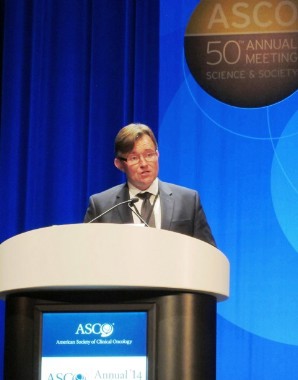
PET-CT accurately predicts survival of follicular lymphoma patients
CHICAGO – For patients with follicular lymphoma, positron emission tomography–computed tomography performed at the end of induction therapy is strongly predictive of both progression-free and overall survival, a retrospective analysis showed.
The pooled analysis of data on 246 PET-CT scans performed following chemoimmunotherapy in three clinical trials showed that patients with 18-fluorodeoxyglucose (FDG) uptake of 4 or greater on a 5-point scale had a fourfold higher risk for disease progression, compared with patients who became PET negative after induction, reported Dr. Judith Trotman of the University of Sydney (Australia).
At 4.5 years of follow-up, median progression-free survival (PFS) was 16.9 months for patients with a PET uptake of 4 or greater on the 5-point Deauville scale for postinduction response assessment, vs. 74 months for PET-negative patients.
Overall survival at 4.5 years for patients with a higher uptake of FDG PET was 87%, compared with 97% for patients who were PET negative after induction, Dr. Trotman reported at the American Society of Clinical Oncology annual meeting.
"We argue that for the patients who remain PET positive, follicular lymphoma is no longer an indolent histology," Dr. Trotman said.
The study results also showed that conventional CT assessment provides only limited additional value, and that "PET-CT applying the 5-point scale should be the new gold standard for therapeutic response assessment in this lymphoma," she said.
Not so indolent
Although the natural history of follicular lymphoma is a generally indolent course, approximately 15% of patients will die within 5 years of diagnosis, and high-risk scores on the Follicular Lymphoma International Prognostic Index (FLIPI) or its revision (FLIPI2) are not sufficient for predicting which patients are at greatest risk for death, Dr. Trotman said.
Three recent clinical trials reported that positron emission tomography assessment after first-line rituximab-based chemotherapy has good predictive value in patients with high tumor burden follicular lymphoma. Dr. Trotman and his colleagues conducted a pooled analysis of data from the trials with independent review of PET-CT scans to come up with more precise survival estimates and identify the best cutoff for survival using the Deauville scale for response assessment of FDG-avid lymphoma.
The trials were the PRIMA (Primary Rituximab and Maintenance) study of 122 patients, the FOLL05 randomized trial of the Fondazione Italiana Linfomi in 202 patients, and the PET Folliculaire trial in 106 patients.
The Deauville 5-point scale for FDG-avid lymphoma uses the following criteria:
1. No uptake.
2. Uptake less than or equal to mediastinum.
3. Uptake greater than mediastinum but less than or equal to liver.
4. Uptake moderately higher than liver.
5. Uptake markedly higher than liver and/or new lesions.
Dr. Trotman and his colleagues looked at cutoffs of 3 and higher and 4 and higher to see whether they were predictive of prognosis. Reviews of concordance with the trial results, performed by three independent reviewers, showed that a cutoff of 3 or higher had moderate concordance, while a score of 4 or higher had substantial agreement with results.
They then evaluated PET results to see whether they could sharpen the prognostic ability, and found that both cutoffs predicted PFS, but because of the higher concordance score, they chose to focus on the 4+ cutoff.
They found that the hazard ratio (HR) for progression with a score of 4 or greater was 3.9 (P less than .0001), and the hazard ratio for death was 6.7 (P = .0002). Median overall survival in patients with scores of 4 or greater was 79 months, vs. not reached for PET-negative patients.
In multivariate analyses, factors associated with PFS included PET-positive scores of 4 or greater (HR, 3.1; P less than .0001), stable or progressive disease vs. complete responses or complete responses unconfirmed (CR/CRu; HR, 3.7; P = .0013), and partial responses (PRs) vs. CR/CRu (HR, 1.6; P = .04).
Factors associated with OS were PET score and stable/progressive disease vs. CR/CRu (HR, 5.3; P = .05).
"I hope that we can now move on: postinduction PET-CT is a platform for response–adapted therapy, because while achieving PET negativity can better reassure our patients, particularly those otherwise in CRu or PR, the inferior survival of those who remain PET positive compels us to study such PET-response–adapted approaches," Dr. Trotman said.
The invited discussant, Dr. Christopher Flowers of the department of hematology and medical oncology at Emory University, Atlanta, noted that in their analysis, Dr. Trotman and his colleagues included only those scans that were of sufficient quality for central review, and that slightly more than half of all patients had PET scans.
"I think it’s important to try and understand how the PET-available cohort compared to the other clinical trial characteristics of patients to understand whether or not this PET population is a unique population, and [whether] the behavior characteristics may be different from what you might expect from a broader population of patients," he said.
It will be important to see whether the findings will hold up in patients treated with emerging regimens, such as rituximab and bendamustine, and other combinations now in clinical trials, he said.
Dr. Trotman reported having no relevant relationships to disclose. Dr. Flowers disclosed uncompensated consultation from several companies, and receiving research funding from Gilead Sciences, Janssen Pharmaceuticals, Millennium, and Spectrum Pharmaceuticals.
CHICAGO – For patients with follicular lymphoma, positron emission tomography–computed tomography performed at the end of induction therapy is strongly predictive of both progression-free and overall survival, a retrospective analysis showed.
The pooled analysis of data on 246 PET-CT scans performed following chemoimmunotherapy in three clinical trials showed that patients with 18-fluorodeoxyglucose (FDG) uptake of 4 or greater on a 5-point scale had a fourfold higher risk for disease progression, compared with patients who became PET negative after induction, reported Dr. Judith Trotman of the University of Sydney (Australia).
At 4.5 years of follow-up, median progression-free survival (PFS) was 16.9 months for patients with a PET uptake of 4 or greater on the 5-point Deauville scale for postinduction response assessment, vs. 74 months for PET-negative patients.
Overall survival at 4.5 years for patients with a higher uptake of FDG PET was 87%, compared with 97% for patients who were PET negative after induction, Dr. Trotman reported at the American Society of Clinical Oncology annual meeting.
"We argue that for the patients who remain PET positive, follicular lymphoma is no longer an indolent histology," Dr. Trotman said.
The study results also showed that conventional CT assessment provides only limited additional value, and that "PET-CT applying the 5-point scale should be the new gold standard for therapeutic response assessment in this lymphoma," she said.
Not so indolent
Although the natural history of follicular lymphoma is a generally indolent course, approximately 15% of patients will die within 5 years of diagnosis, and high-risk scores on the Follicular Lymphoma International Prognostic Index (FLIPI) or its revision (FLIPI2) are not sufficient for predicting which patients are at greatest risk for death, Dr. Trotman said.
Three recent clinical trials reported that positron emission tomography assessment after first-line rituximab-based chemotherapy has good predictive value in patients with high tumor burden follicular lymphoma. Dr. Trotman and his colleagues conducted a pooled analysis of data from the trials with independent review of PET-CT scans to come up with more precise survival estimates and identify the best cutoff for survival using the Deauville scale for response assessment of FDG-avid lymphoma.
The trials were the PRIMA (Primary Rituximab and Maintenance) study of 122 patients, the FOLL05 randomized trial of the Fondazione Italiana Linfomi in 202 patients, and the PET Folliculaire trial in 106 patients.
The Deauville 5-point scale for FDG-avid lymphoma uses the following criteria:
1. No uptake.
2. Uptake less than or equal to mediastinum.
3. Uptake greater than mediastinum but less than or equal to liver.
4. Uptake moderately higher than liver.
5. Uptake markedly higher than liver and/or new lesions.
Dr. Trotman and his colleagues looked at cutoffs of 3 and higher and 4 and higher to see whether they were predictive of prognosis. Reviews of concordance with the trial results, performed by three independent reviewers, showed that a cutoff of 3 or higher had moderate concordance, while a score of 4 or higher had substantial agreement with results.
They then evaluated PET results to see whether they could sharpen the prognostic ability, and found that both cutoffs predicted PFS, but because of the higher concordance score, they chose to focus on the 4+ cutoff.
They found that the hazard ratio (HR) for progression with a score of 4 or greater was 3.9 (P less than .0001), and the hazard ratio for death was 6.7 (P = .0002). Median overall survival in patients with scores of 4 or greater was 79 months, vs. not reached for PET-negative patients.
In multivariate analyses, factors associated with PFS included PET-positive scores of 4 or greater (HR, 3.1; P less than .0001), stable or progressive disease vs. complete responses or complete responses unconfirmed (CR/CRu; HR, 3.7; P = .0013), and partial responses (PRs) vs. CR/CRu (HR, 1.6; P = .04).
Factors associated with OS were PET score and stable/progressive disease vs. CR/CRu (HR, 5.3; P = .05).
"I hope that we can now move on: postinduction PET-CT is a platform for response–adapted therapy, because while achieving PET negativity can better reassure our patients, particularly those otherwise in CRu or PR, the inferior survival of those who remain PET positive compels us to study such PET-response–adapted approaches," Dr. Trotman said.
The invited discussant, Dr. Christopher Flowers of the department of hematology and medical oncology at Emory University, Atlanta, noted that in their analysis, Dr. Trotman and his colleagues included only those scans that were of sufficient quality for central review, and that slightly more than half of all patients had PET scans.
"I think it’s important to try and understand how the PET-available cohort compared to the other clinical trial characteristics of patients to understand whether or not this PET population is a unique population, and [whether] the behavior characteristics may be different from what you might expect from a broader population of patients," he said.
It will be important to see whether the findings will hold up in patients treated with emerging regimens, such as rituximab and bendamustine, and other combinations now in clinical trials, he said.
Dr. Trotman reported having no relevant relationships to disclose. Dr. Flowers disclosed uncompensated consultation from several companies, and receiving research funding from Gilead Sciences, Janssen Pharmaceuticals, Millennium, and Spectrum Pharmaceuticals.
CHICAGO – For patients with follicular lymphoma, positron emission tomography–computed tomography performed at the end of induction therapy is strongly predictive of both progression-free and overall survival, a retrospective analysis showed.
The pooled analysis of data on 246 PET-CT scans performed following chemoimmunotherapy in three clinical trials showed that patients with 18-fluorodeoxyglucose (FDG) uptake of 4 or greater on a 5-point scale had a fourfold higher risk for disease progression, compared with patients who became PET negative after induction, reported Dr. Judith Trotman of the University of Sydney (Australia).
At 4.5 years of follow-up, median progression-free survival (PFS) was 16.9 months for patients with a PET uptake of 4 or greater on the 5-point Deauville scale for postinduction response assessment, vs. 74 months for PET-negative patients.
Overall survival at 4.5 years for patients with a higher uptake of FDG PET was 87%, compared with 97% for patients who were PET negative after induction, Dr. Trotman reported at the American Society of Clinical Oncology annual meeting.
"We argue that for the patients who remain PET positive, follicular lymphoma is no longer an indolent histology," Dr. Trotman said.
The study results also showed that conventional CT assessment provides only limited additional value, and that "PET-CT applying the 5-point scale should be the new gold standard for therapeutic response assessment in this lymphoma," she said.
Not so indolent
Although the natural history of follicular lymphoma is a generally indolent course, approximately 15% of patients will die within 5 years of diagnosis, and high-risk scores on the Follicular Lymphoma International Prognostic Index (FLIPI) or its revision (FLIPI2) are not sufficient for predicting which patients are at greatest risk for death, Dr. Trotman said.
Three recent clinical trials reported that positron emission tomography assessment after first-line rituximab-based chemotherapy has good predictive value in patients with high tumor burden follicular lymphoma. Dr. Trotman and his colleagues conducted a pooled analysis of data from the trials with independent review of PET-CT scans to come up with more precise survival estimates and identify the best cutoff for survival using the Deauville scale for response assessment of FDG-avid lymphoma.
The trials were the PRIMA (Primary Rituximab and Maintenance) study of 122 patients, the FOLL05 randomized trial of the Fondazione Italiana Linfomi in 202 patients, and the PET Folliculaire trial in 106 patients.
The Deauville 5-point scale for FDG-avid lymphoma uses the following criteria:
1. No uptake.
2. Uptake less than or equal to mediastinum.
3. Uptake greater than mediastinum but less than or equal to liver.
4. Uptake moderately higher than liver.
5. Uptake markedly higher than liver and/or new lesions.
Dr. Trotman and his colleagues looked at cutoffs of 3 and higher and 4 and higher to see whether they were predictive of prognosis. Reviews of concordance with the trial results, performed by three independent reviewers, showed that a cutoff of 3 or higher had moderate concordance, while a score of 4 or higher had substantial agreement with results.
They then evaluated PET results to see whether they could sharpen the prognostic ability, and found that both cutoffs predicted PFS, but because of the higher concordance score, they chose to focus on the 4+ cutoff.
They found that the hazard ratio (HR) for progression with a score of 4 or greater was 3.9 (P less than .0001), and the hazard ratio for death was 6.7 (P = .0002). Median overall survival in patients with scores of 4 or greater was 79 months, vs. not reached for PET-negative patients.
In multivariate analyses, factors associated with PFS included PET-positive scores of 4 or greater (HR, 3.1; P less than .0001), stable or progressive disease vs. complete responses or complete responses unconfirmed (CR/CRu; HR, 3.7; P = .0013), and partial responses (PRs) vs. CR/CRu (HR, 1.6; P = .04).
Factors associated with OS were PET score and stable/progressive disease vs. CR/CRu (HR, 5.3; P = .05).
"I hope that we can now move on: postinduction PET-CT is a platform for response–adapted therapy, because while achieving PET negativity can better reassure our patients, particularly those otherwise in CRu or PR, the inferior survival of those who remain PET positive compels us to study such PET-response–adapted approaches," Dr. Trotman said.
The invited discussant, Dr. Christopher Flowers of the department of hematology and medical oncology at Emory University, Atlanta, noted that in their analysis, Dr. Trotman and his colleagues included only those scans that were of sufficient quality for central review, and that slightly more than half of all patients had PET scans.
"I think it’s important to try and understand how the PET-available cohort compared to the other clinical trial characteristics of patients to understand whether or not this PET population is a unique population, and [whether] the behavior characteristics may be different from what you might expect from a broader population of patients," he said.
It will be important to see whether the findings will hold up in patients treated with emerging regimens, such as rituximab and bendamustine, and other combinations now in clinical trials, he said.
Dr. Trotman reported having no relevant relationships to disclose. Dr. Flowers disclosed uncompensated consultation from several companies, and receiving research funding from Gilead Sciences, Janssen Pharmaceuticals, Millennium, and Spectrum Pharmaceuticals.
AT THE ASCO ANNUAL MEETING 2014
Key clinical point: For patients with follicular lymphoma, a PET-CT performed at the end of induction therapy is predictive of survival.
Major finding: A PET-CT cutoff score of 4 out of 5 on the Deauville lymphoma-response assessment scale was strongly predictive of both progression-free and overall survival of follicular lymphoma.
Data source: A retrospective analysis of prospectively collected data on 246 patients in three clinical trials.
Disclosures: Dr. Trotman reported having no relevant relationships to disclose. Dr. Flowers disclosed uncompensated consultation from several companies, and receiving research funding from Gilead Sciences, Janssen Pharmaceuticals, Millennium, and Spectrum Pharmaceuticals.
Method reveals new targets of p53

Credit: A.T. Tikhonenko
A novel sequencing technique has allowed researchers to identify direct targets of p53, providing new insight into this gene’s anticancer activity.
The research, published in eLife, revealed nearly 200 genes that were directly regulated by p53, and many of these had never been identified before.
The study’s authors said this work lays the foundation for investigations into which of these genes are necessary for p53’s cancer-killing effects and how cancer cells evade these genes.
The researchers noted that all cancers must deal with p53’s antitumor effects. Generally, there are 2 ways they do this: by mutating p53 directly or by producing the protein MDM2, which inhibits p53 function. With the current study, the team explored the second strategy.
“MDM2 inhibitors, which are through phase 1 human trials, effectively activate p53 but manage to kill only about 1 in 20 tumors,” said study author Joaquín Espinosa, PhD, of the University of Colorado in Boulder.
“The question is why. What else is happening in these cancer cells that allow them to evade p53?”
According to the researchers, the answer is in the downstream effects of p53. The gene sets in motion a cascade of events that lead to cancer cell destruction. But it has been unclear exactly which other genes are directly activated by p53.
To identify genetic targets of p53, Dr Espinosa and his colleagues used a technique called Global Run-On Sequencing (GRO-Seq). Unlike other methods, GRO-Seq measures new RNA being created, not overall RNA levels.
“Many teams around the world have been getting cancer cells, treating them with MDM2 inhibitors, and waiting hours and hours to see what genes turn on, and then, only imprecisely,” Dr Espinosa said. “GRO-Seq lets us do it in minutes, and the discoveries are massive.”
The technique generates a large quantity of data because it requires counting tens of thousands of RNA molecules before and after p53 activation. So this research required designing algorithms to sort through the data, as well as a computational biologist driving a supercomputer.
But the researchers were able to pinpoint new genes directly regulated by p53. And they believe this could aid the future development of cancer-fighting strategies.
Credit: A.T. Tikhonenko
A novel sequencing technique has allowed researchers to identify direct targets of p53, providing new insight into this gene’s anticancer activity.
The research, published in eLife, revealed nearly 200 genes that were directly regulated by p53, and many of these had never been identified before.
The study’s authors said this work lays the foundation for investigations into which of these genes are necessary for p53’s cancer-killing effects and how cancer cells evade these genes.
The researchers noted that all cancers must deal with p53’s antitumor effects. Generally, there are 2 ways they do this: by mutating p53 directly or by producing the protein MDM2, which inhibits p53 function. With the current study, the team explored the second strategy.
“MDM2 inhibitors, which are through phase 1 human trials, effectively activate p53 but manage to kill only about 1 in 20 tumors,” said study author Joaquín Espinosa, PhD, of the University of Colorado in Boulder.
“The question is why. What else is happening in these cancer cells that allow them to evade p53?”
According to the researchers, the answer is in the downstream effects of p53. The gene sets in motion a cascade of events that lead to cancer cell destruction. But it has been unclear exactly which other genes are directly activated by p53.
To identify genetic targets of p53, Dr Espinosa and his colleagues used a technique called Global Run-On Sequencing (GRO-Seq). Unlike other methods, GRO-Seq measures new RNA being created, not overall RNA levels.
“Many teams around the world have been getting cancer cells, treating them with MDM2 inhibitors, and waiting hours and hours to see what genes turn on, and then, only imprecisely,” Dr Espinosa said. “GRO-Seq lets us do it in minutes, and the discoveries are massive.”
The technique generates a large quantity of data because it requires counting tens of thousands of RNA molecules before and after p53 activation. So this research required designing algorithms to sort through the data, as well as a computational biologist driving a supercomputer.
But the researchers were able to pinpoint new genes directly regulated by p53. And they believe this could aid the future development of cancer-fighting strategies.
Credit: A.T. Tikhonenko
A novel sequencing technique has allowed researchers to identify direct targets of p53, providing new insight into this gene’s anticancer activity.
The research, published in eLife, revealed nearly 200 genes that were directly regulated by p53, and many of these had never been identified before.
The study’s authors said this work lays the foundation for investigations into which of these genes are necessary for p53’s cancer-killing effects and how cancer cells evade these genes.
The researchers noted that all cancers must deal with p53’s antitumor effects. Generally, there are 2 ways they do this: by mutating p53 directly or by producing the protein MDM2, which inhibits p53 function. With the current study, the team explored the second strategy.
“MDM2 inhibitors, which are through phase 1 human trials, effectively activate p53 but manage to kill only about 1 in 20 tumors,” said study author Joaquín Espinosa, PhD, of the University of Colorado in Boulder.
“The question is why. What else is happening in these cancer cells that allow them to evade p53?”
According to the researchers, the answer is in the downstream effects of p53. The gene sets in motion a cascade of events that lead to cancer cell destruction. But it has been unclear exactly which other genes are directly activated by p53.
To identify genetic targets of p53, Dr Espinosa and his colleagues used a technique called Global Run-On Sequencing (GRO-Seq). Unlike other methods, GRO-Seq measures new RNA being created, not overall RNA levels.
“Many teams around the world have been getting cancer cells, treating them with MDM2 inhibitors, and waiting hours and hours to see what genes turn on, and then, only imprecisely,” Dr Espinosa said. “GRO-Seq lets us do it in minutes, and the discoveries are massive.”
The technique generates a large quantity of data because it requires counting tens of thousands of RNA molecules before and after p53 activation. So this research required designing algorithms to sort through the data, as well as a computational biologist driving a supercomputer.
But the researchers were able to pinpoint new genes directly regulated by p53. And they believe this could aid the future development of cancer-fighting strategies.
Screening catches breast cancer early in HL survivors
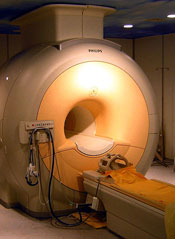
Results of a new study indicate that MRI and mammography can detect invasive breast tumors at very early stages in female survivors of Hodgkin lymphoma (HL).
Researchers said the findings underscore the need for at-risk childhood HL survivors and their physicians to be aware of screening guidelines.
The guidelines recommend survivors undergo breast MRI screening beginning at age 25 or 8 years after they received chest radiation, whichever is later.
“Female survivors of childhood HL who had chest radiation should speak with their family doctor about after-care assessment and breast cancer screening,” said David Hodgson, MD, of Princess Margaret Cancer Centre in Toronto, Canada.
“We estimate that 75% of women who are at high risk because of prior radiotherapy to the chest are not being screened. So my hope is that this new evidence will encourage these survivors to discuss early screening with their doctors.”
Dr Hodgson and his colleagues reported this evidence in Cancer.
The researchers evaluated the results of breast MRI and mammography screening among 96 female survivors of childhood HL who had been treated with chest radiotherapy.
The median patient age at first screening was 30 years, and the median number of MRI screening rounds was 3. Ten breast cancers—half of them invasive tumors—were diagnosed in 9 women during 363 person-years follow up.
The median age at breast cancer diagnosis was 39 years (range, 24 to 43 years), and the median latency period between HL diagnosis and age at breast cancer diagnoses was 21 years (range, 12 to 27 years).
“This illustrates the young age at which these cancers can occur,” Dr Hodgson said. “For some of these women, if they had been screened starting at age 40 or 50, like average-risk women, it would have been too late.”
MRI alone detected tumors with 80% sensitivity and 93.5% specificity. Mammography alone detected tumors with 70% sensitivity and 95% specificity. And both modalities combined detected tumors with 100% sensitivity and 88.6% specificity. All invasive tumors were detected by MRI.
In other words, of the 10 breast tumors, 5 were visible on both MRI and mammogram, 3 were visible only on MRI, and 2 were detected via mammogram alone (but were non-invasive). The median size of invasive tumors size was 8 mm (range, 3-15 mm), and none had spread to the lymph nodes.
The researchers noted that these results are substantially better than prior studies using only mammographic screening in young patients.
Dr Hodgson also pointed out that, because MRI screening is so much more sensitive to small changes in the appearance of the breast tissue than mammography, up to a third of patients may be called back for further testing of suspicious findings. But many of these are benign or not clinically significant and, therefore, require no treatment.
Results of a new study indicate that MRI and mammography can detect invasive breast tumors at very early stages in female survivors of Hodgkin lymphoma (HL).
Researchers said the findings underscore the need for at-risk childhood HL survivors and their physicians to be aware of screening guidelines.
The guidelines recommend survivors undergo breast MRI screening beginning at age 25 or 8 years after they received chest radiation, whichever is later.
“Female survivors of childhood HL who had chest radiation should speak with their family doctor about after-care assessment and breast cancer screening,” said David Hodgson, MD, of Princess Margaret Cancer Centre in Toronto, Canada.
“We estimate that 75% of women who are at high risk because of prior radiotherapy to the chest are not being screened. So my hope is that this new evidence will encourage these survivors to discuss early screening with their doctors.”
Dr Hodgson and his colleagues reported this evidence in Cancer.
The researchers evaluated the results of breast MRI and mammography screening among 96 female survivors of childhood HL who had been treated with chest radiotherapy.
The median patient age at first screening was 30 years, and the median number of MRI screening rounds was 3. Ten breast cancers—half of them invasive tumors—were diagnosed in 9 women during 363 person-years follow up.
The median age at breast cancer diagnosis was 39 years (range, 24 to 43 years), and the median latency period between HL diagnosis and age at breast cancer diagnoses was 21 years (range, 12 to 27 years).
“This illustrates the young age at which these cancers can occur,” Dr Hodgson said. “For some of these women, if they had been screened starting at age 40 or 50, like average-risk women, it would have been too late.”
MRI alone detected tumors with 80% sensitivity and 93.5% specificity. Mammography alone detected tumors with 70% sensitivity and 95% specificity. And both modalities combined detected tumors with 100% sensitivity and 88.6% specificity. All invasive tumors were detected by MRI.
In other words, of the 10 breast tumors, 5 were visible on both MRI and mammogram, 3 were visible only on MRI, and 2 were detected via mammogram alone (but were non-invasive). The median size of invasive tumors size was 8 mm (range, 3-15 mm), and none had spread to the lymph nodes.
The researchers noted that these results are substantially better than prior studies using only mammographic screening in young patients.
Dr Hodgson also pointed out that, because MRI screening is so much more sensitive to small changes in the appearance of the breast tissue than mammography, up to a third of patients may be called back for further testing of suspicious findings. But many of these are benign or not clinically significant and, therefore, require no treatment.
Results of a new study indicate that MRI and mammography can detect invasive breast tumors at very early stages in female survivors of Hodgkin lymphoma (HL).
Researchers said the findings underscore the need for at-risk childhood HL survivors and their physicians to be aware of screening guidelines.
The guidelines recommend survivors undergo breast MRI screening beginning at age 25 or 8 years after they received chest radiation, whichever is later.
“Female survivors of childhood HL who had chest radiation should speak with their family doctor about after-care assessment and breast cancer screening,” said David Hodgson, MD, of Princess Margaret Cancer Centre in Toronto, Canada.
“We estimate that 75% of women who are at high risk because of prior radiotherapy to the chest are not being screened. So my hope is that this new evidence will encourage these survivors to discuss early screening with their doctors.”
Dr Hodgson and his colleagues reported this evidence in Cancer.
The researchers evaluated the results of breast MRI and mammography screening among 96 female survivors of childhood HL who had been treated with chest radiotherapy.
The median patient age at first screening was 30 years, and the median number of MRI screening rounds was 3. Ten breast cancers—half of them invasive tumors—were diagnosed in 9 women during 363 person-years follow up.
The median age at breast cancer diagnosis was 39 years (range, 24 to 43 years), and the median latency period between HL diagnosis and age at breast cancer diagnoses was 21 years (range, 12 to 27 years).
“This illustrates the young age at which these cancers can occur,” Dr Hodgson said. “For some of these women, if they had been screened starting at age 40 or 50, like average-risk women, it would have been too late.”
MRI alone detected tumors with 80% sensitivity and 93.5% specificity. Mammography alone detected tumors with 70% sensitivity and 95% specificity. And both modalities combined detected tumors with 100% sensitivity and 88.6% specificity. All invasive tumors were detected by MRI.
In other words, of the 10 breast tumors, 5 were visible on both MRI and mammogram, 3 were visible only on MRI, and 2 were detected via mammogram alone (but were non-invasive). The median size of invasive tumors size was 8 mm (range, 3-15 mm), and none had spread to the lymph nodes.
The researchers noted that these results are substantially better than prior studies using only mammographic screening in young patients.
Dr Hodgson also pointed out that, because MRI screening is so much more sensitive to small changes in the appearance of the breast tissue than mammography, up to a third of patients may be called back for further testing of suspicious findings. But many of these are benign or not clinically significant and, therefore, require no treatment.
Group finds a way to target MDSCs

Researchers say they’ve found a way to target myeloid-derived suppressor cells (MDSCs) while sparing other immune cells.
In preclinical experiments, the team showed they could deplete MDSCs—and shrink tumors—using peptide antibodies.
These “peptibodies” wiped out MDSCs in the blood, spleen, and tumor cells of mice without binding to other white blood cells or dendritic cells.
The researchers described this work in Nature Medicine.
“We’ve known about [MDSCs] blocking immune response for a decade but haven’t been able to shut them down for lack of an identified target,” said the paper’s senior author, Larry Kwak, MD, PhD, of The University of Texas MD Anderson Cancer Center in Houston.
“This is the first demonstration of a molecule on these cells that allows us to make an antibody—in this case, a peptide—to bind to them and get rid of them. It’s a brand new immunotherapy target.”
Dr Kwak and his colleagues began this research by applying a peptide phage library to MDSCs, which allowed for a mass screening of candidate peptides that bind to the surface of MDSCs. This revealed 2 peptides, labeled G3 and H6, that bound only to MDSCs.
The researchers fused the 2 peptides to a portion of mouse immune globulin to generate experimental peptibodies called pep-G3 and pep-H6. Both peptibodies bound to both types of MDSCs—monocytic and granulocytic cells.
Dr Kwak and his colleagues then tested the peptibodies in 2 mouse models of thymic tumors, as well as models of melanoma and lymphoma. The team compared pep-G3 and pep-H6 to a control peptibody and an antibody against Gr-1.
Both pep-G3 and pep-H6 depleted monocytic and granulocytic MDSCs in the blood and spleens of all mice. But the Gr-1 antibody only worked against granulocytic MDSCs.
To see whether MDSC depletion would impede tumor growth, the researchers administered the peptibodies to mice with thymic tumors every other day for 2 weeks.
Mice treated with either pep-G3 or pep-H6 had tumors that were about half the size and weight of those in mice treated with the control peptibody or the Gr-1 antibody.
Lastly, the researchers analyzed surface proteins on the MDSCs and found that S100A9 and S100A8 are the likely binding targets for pep-G3 and pep-H6.
Dr Kwak and his colleagues said they are now working to extend these findings to human MDSCs.
Researchers say they’ve found a way to target myeloid-derived suppressor cells (MDSCs) while sparing other immune cells.
In preclinical experiments, the team showed they could deplete MDSCs—and shrink tumors—using peptide antibodies.
These “peptibodies” wiped out MDSCs in the blood, spleen, and tumor cells of mice without binding to other white blood cells or dendritic cells.
The researchers described this work in Nature Medicine.
“We’ve known about [MDSCs] blocking immune response for a decade but haven’t been able to shut them down for lack of an identified target,” said the paper’s senior author, Larry Kwak, MD, PhD, of The University of Texas MD Anderson Cancer Center in Houston.
“This is the first demonstration of a molecule on these cells that allows us to make an antibody—in this case, a peptide—to bind to them and get rid of them. It’s a brand new immunotherapy target.”
Dr Kwak and his colleagues began this research by applying a peptide phage library to MDSCs, which allowed for a mass screening of candidate peptides that bind to the surface of MDSCs. This revealed 2 peptides, labeled G3 and H6, that bound only to MDSCs.
The researchers fused the 2 peptides to a portion of mouse immune globulin to generate experimental peptibodies called pep-G3 and pep-H6. Both peptibodies bound to both types of MDSCs—monocytic and granulocytic cells.
Dr Kwak and his colleagues then tested the peptibodies in 2 mouse models of thymic tumors, as well as models of melanoma and lymphoma. The team compared pep-G3 and pep-H6 to a control peptibody and an antibody against Gr-1.
Both pep-G3 and pep-H6 depleted monocytic and granulocytic MDSCs in the blood and spleens of all mice. But the Gr-1 antibody only worked against granulocytic MDSCs.
To see whether MDSC depletion would impede tumor growth, the researchers administered the peptibodies to mice with thymic tumors every other day for 2 weeks.
Mice treated with either pep-G3 or pep-H6 had tumors that were about half the size and weight of those in mice treated with the control peptibody or the Gr-1 antibody.
Lastly, the researchers analyzed surface proteins on the MDSCs and found that S100A9 and S100A8 are the likely binding targets for pep-G3 and pep-H6.
Dr Kwak and his colleagues said they are now working to extend these findings to human MDSCs.
Researchers say they’ve found a way to target myeloid-derived suppressor cells (MDSCs) while sparing other immune cells.
In preclinical experiments, the team showed they could deplete MDSCs—and shrink tumors—using peptide antibodies.
These “peptibodies” wiped out MDSCs in the blood, spleen, and tumor cells of mice without binding to other white blood cells or dendritic cells.
The researchers described this work in Nature Medicine.
“We’ve known about [MDSCs] blocking immune response for a decade but haven’t been able to shut them down for lack of an identified target,” said the paper’s senior author, Larry Kwak, MD, PhD, of The University of Texas MD Anderson Cancer Center in Houston.
“This is the first demonstration of a molecule on these cells that allows us to make an antibody—in this case, a peptide—to bind to them and get rid of them. It’s a brand new immunotherapy target.”
Dr Kwak and his colleagues began this research by applying a peptide phage library to MDSCs, which allowed for a mass screening of candidate peptides that bind to the surface of MDSCs. This revealed 2 peptides, labeled G3 and H6, that bound only to MDSCs.
The researchers fused the 2 peptides to a portion of mouse immune globulin to generate experimental peptibodies called pep-G3 and pep-H6. Both peptibodies bound to both types of MDSCs—monocytic and granulocytic cells.
Dr Kwak and his colleagues then tested the peptibodies in 2 mouse models of thymic tumors, as well as models of melanoma and lymphoma. The team compared pep-G3 and pep-H6 to a control peptibody and an antibody against Gr-1.
Both pep-G3 and pep-H6 depleted monocytic and granulocytic MDSCs in the blood and spleens of all mice. But the Gr-1 antibody only worked against granulocytic MDSCs.
To see whether MDSC depletion would impede tumor growth, the researchers administered the peptibodies to mice with thymic tumors every other day for 2 weeks.
Mice treated with either pep-G3 or pep-H6 had tumors that were about half the size and weight of those in mice treated with the control peptibody or the Gr-1 antibody.
Lastly, the researchers analyzed surface proteins on the MDSCs and found that S100A9 and S100A8 are the likely binding targets for pep-G3 and pep-H6.
Dr Kwak and his colleagues said they are now working to extend these findings to human MDSCs.