User login
Map helps predict new cancer genes

Credit: Mount Sinai Hospital
Researchers say they’ve created the largest-scale map of direct interactions between proteins encoded by the human genome, and this has revealed dozens of genes that may be involved in cancers.
This human interactome map describes about 14,000 direct interactions between proteins.
The map is about 30% larger than previous maps and contains more high-quality interactions than have come from all previous studies combined, according to the researchers.
Frederick Roth, PhD, of the University of Toronto and Mount Sinai Hospital in Ontario, Canada, and his colleagues described their map in Cell.
First, the researchers identified protein interactions via lab experiments. Then, they used computer modelling to zoom in on proteins that connect to one or more other cancer proteins.
“We show, really for the first time, that cancer proteins are more likely to interconnect with one another than they are to connect to randomly chosen non-cancer proteins,” Dr Roth said.
“Once you see that proteins associated to the same disease are more likely to connect to each other, now you can use this network of interactions as a prediction tool to find new cancer proteins and the genes they encode.”
For example, two known cancer genes encoded two proteins that interacted with CTBP2, a protein encoded at a location tied to prostate cancer, which can spread to nearby lymph nodes. These two proteins are implicated in lymphoid tumors, suggesting that CTBP2 plays a role in the development of lymphoid tumors.
Using their predictive method, the researchers found that 60 of their predicted cancer genes fit into a known cancer pathway.
The study also revealed that the network of protein interactions in humans covers a much broader range of genes than some past research has suggested.
Dr Roth said studies often focus on “popular” proteins that have already been linked to disease or are interesting for other reasons, and this has created a bias in our understanding of protein interactions.
“One major conclusion of the paper is that when you look systematically for interactions, you find them everywhere,” he said.
He and his colleagues believe that knowledge of protein interactions is likely to inform worldwide efforts to sequence and interpret cancer genomes. 
Credit: Mount Sinai Hospital
Researchers say they’ve created the largest-scale map of direct interactions between proteins encoded by the human genome, and this has revealed dozens of genes that may be involved in cancers.
This human interactome map describes about 14,000 direct interactions between proteins.
The map is about 30% larger than previous maps and contains more high-quality interactions than have come from all previous studies combined, according to the researchers.
Frederick Roth, PhD, of the University of Toronto and Mount Sinai Hospital in Ontario, Canada, and his colleagues described their map in Cell.
First, the researchers identified protein interactions via lab experiments. Then, they used computer modelling to zoom in on proteins that connect to one or more other cancer proteins.
“We show, really for the first time, that cancer proteins are more likely to interconnect with one another than they are to connect to randomly chosen non-cancer proteins,” Dr Roth said.
“Once you see that proteins associated to the same disease are more likely to connect to each other, now you can use this network of interactions as a prediction tool to find new cancer proteins and the genes they encode.”
For example, two known cancer genes encoded two proteins that interacted with CTBP2, a protein encoded at a location tied to prostate cancer, which can spread to nearby lymph nodes. These two proteins are implicated in lymphoid tumors, suggesting that CTBP2 plays a role in the development of lymphoid tumors.
Using their predictive method, the researchers found that 60 of their predicted cancer genes fit into a known cancer pathway.
The study also revealed that the network of protein interactions in humans covers a much broader range of genes than some past research has suggested.
Dr Roth said studies often focus on “popular” proteins that have already been linked to disease or are interesting for other reasons, and this has created a bias in our understanding of protein interactions.
“One major conclusion of the paper is that when you look systematically for interactions, you find them everywhere,” he said.
He and his colleagues believe that knowledge of protein interactions is likely to inform worldwide efforts to sequence and interpret cancer genomes.
Credit: Mount Sinai Hospital
Researchers say they’ve created the largest-scale map of direct interactions between proteins encoded by the human genome, and this has revealed dozens of genes that may be involved in cancers.
This human interactome map describes about 14,000 direct interactions between proteins.
The map is about 30% larger than previous maps and contains more high-quality interactions than have come from all previous studies combined, according to the researchers.
Frederick Roth, PhD, of the University of Toronto and Mount Sinai Hospital in Ontario, Canada, and his colleagues described their map in Cell.
First, the researchers identified protein interactions via lab experiments. Then, they used computer modelling to zoom in on proteins that connect to one or more other cancer proteins.
“We show, really for the first time, that cancer proteins are more likely to interconnect with one another than they are to connect to randomly chosen non-cancer proteins,” Dr Roth said.
“Once you see that proteins associated to the same disease are more likely to connect to each other, now you can use this network of interactions as a prediction tool to find new cancer proteins and the genes they encode.”
For example, two known cancer genes encoded two proteins that interacted with CTBP2, a protein encoded at a location tied to prostate cancer, which can spread to nearby lymph nodes. These two proteins are implicated in lymphoid tumors, suggesting that CTBP2 plays a role in the development of lymphoid tumors.
Using their predictive method, the researchers found that 60 of their predicted cancer genes fit into a known cancer pathway.
The study also revealed that the network of protein interactions in humans covers a much broader range of genes than some past research has suggested.
Dr Roth said studies often focus on “popular” proteins that have already been linked to disease or are interesting for other reasons, and this has created a bias in our understanding of protein interactions.
“One major conclusion of the paper is that when you look systematically for interactions, you find them everywhere,” he said.
He and his colleagues believe that knowledge of protein interactions is likely to inform worldwide efforts to sequence and interpret cancer genomes.
VIDEO: Biomarker may reveal lymphoma risk in Sjögren’s syndrome
BOSTON – Low expression of protein A20 in minor salivary gland tissue appears to be associated with lymphomas in patients with primary Sjögren’s syndrome.
In an interview after his late-breaker presentation at the annual meeting of the American College of Rheumatology, Dr. Svein Joar A. Johnsen of Stavanger (Norway) University Hospital, discussed the implications of his findings and the search for biomarkers of lymphoma risk in these patients.
The video associated with this article is no longer available on this site. Please view all of our videos on the MDedge YouTube channel
BOSTON – Low expression of protein A20 in minor salivary gland tissue appears to be associated with lymphomas in patients with primary Sjögren’s syndrome.
In an interview after his late-breaker presentation at the annual meeting of the American College of Rheumatology, Dr. Svein Joar A. Johnsen of Stavanger (Norway) University Hospital, discussed the implications of his findings and the search for biomarkers of lymphoma risk in these patients.
The video associated with this article is no longer available on this site. Please view all of our videos on the MDedge YouTube channel
BOSTON – Low expression of protein A20 in minor salivary gland tissue appears to be associated with lymphomas in patients with primary Sjögren’s syndrome.
In an interview after his late-breaker presentation at the annual meeting of the American College of Rheumatology, Dr. Svein Joar A. Johnsen of Stavanger (Norway) University Hospital, discussed the implications of his findings and the search for biomarkers of lymphoma risk in these patients.
The video associated with this article is no longer available on this site. Please view all of our videos on the MDedge YouTube channel
AT ACR 2014

EZH2 inhibitor is active in NHL with wild-type EZH2
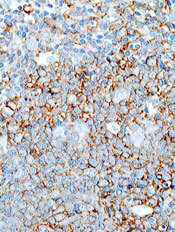
BARCELONA—A small molecule inhibitor of EZH2 has shown “encouraging” activity in patients with advanced non-Hodgkin lymphoma (NHL), according to researchers.
In a phase 1 study, 4 of 10 heavily pretreated NHL patients responded to the drug, E7438 (also known as EPZ6438), with 1 patient achieving a complete response.
And E7438’s activity was not dependent upon the presence of an EZH2 mutation, as all 4 patients had wild-type EZH2.
The drug also demonstrated activity in a patient with a malignant rhabdoid tumor in the brain.
“In this study, responses were seen in patients with lymphoma who were refractory to, or relapsed after, prior standard treatments, as well as in a patient with a malignant disease for which there is no available standard medical treatment [rhabdoid tumor in the brain],” said study investigator Vincent Ribrag, MD, of Institut Gustave Roussy in Villejuif, France.
Dr Ribrag and his colleagues also found E7438 to be well-tolerated. There were no grade 3 adverse events and only 1 grade 4 event at the maximum dose level.
The researchers presented these data at the 26th EORTC-NCI-AACR Symposium on Molecular Targets and Cancer Therapeutics as abstract LBA6. Investigators from Esai and Epizyme, the companies developing E7438, were involved in this trial.
The study included 24 patients who ranged in age from 24 to 84. Twelve patients had solid tumor malignancies, and 12 had NHL. Six patients had diffuse large B-cell lymphoma (DLBCL), 5 had follicular lymphoma (FL), and 1 had marginal zone lymphoma.
All of the patients were heavily pretreated. Fourteen had received between 2 and 4 prior therapies, and 9 had received more than 4 prior treatments.
E7438 was given in 5 dosing cohorts: 100 mg BID (n=6), 200 mg BID (n=3), 400 mg BID (n=3), 800 mg BID (n=6), and 1600 mg BID (n=6).
‘Encouraging activity’
Twenty patients were evaluable for efficacy as of October 20. Among the 10 patients with solid tumor malignancies, 1 responded. The patient with an INI1-deficient malignant rhabdoid tumor achieved a partial response and remains on study.
Four of the 10 evaluable NHL patients achieved a partial response or better, including 1 complete response. Responses were seen across a range of doses, up to the 800 mg BID dose.
Among the 5 evaluable DLBCL patients, 3 achieved a partial response or better. One patient with a partial response subsequently evolved to a complete response upon continued treatment and remains on study at 41 weeks of treatment. One of the 2 patients who achieved a partial response remains on study.
Among the 4 evaluable patients with FL, 1 achieved a partial response and remains on study. Three FL patients achieved stable disease, and 2 of these patients remain on study.
The patient with marginal zone lymphoma achieved stable disease and remains on study.
Confirmatory sequencing in a central lab showed that all 10 NHL patients who were evaluable for efficacy had wild-type EZH2, and responses were observed in both germinal center and non-germinal center lymphoma.
“These results provide encouraging evidence of antitumor activity with [E7438] . . . , including the potential for responses to improve with continued treatment,” said Peter Ho, MD, PhD, chief development officer at Epizyme.
“Given the clinical activity we saw in both wild-type EZH2 and non-germinal center lymphoma patients, our plan for the first phase 2 NHL study is to evaluate EPZ-6438 in DLBCL and FL patients with and without EZH2 mutations.”
‘Little toxicity’
All 24 patients were evaluable for safety and tolerability. The majority of adverse events were grade 1 or 2. Events occurring in more than 10% of patients included asthenia, decreased appetite, and nausea.
The only grade 3/4 treatment-related adverse event was grade 4 thrombocytopenia in 1 patient who received the drug at 1600 mg, which met the criteria for a dose-limiting toxicity.
There were no adverse events that required treatment withdrawal or dose reduction. However, 3 events resulted in dose interruption.
“The maximum tolerated dose was not reached because there was little toxicity observed,” Dr Ribrag said. “Since we saw that the drug was active at doses lower than the maximum dose of 1600 mg twice a day, the dose used for the phase 2 trials planned for 2015 may be lower.”
E7438 was rapidly absorbed and eliminated, with a terminal half-life of 3 to 6 hours. In addition, H3K27Me3 inhibition in the skin, a marker of biologic activity, correlated to treatment exposure, with near maximal inhibition predicted by pharmacokinetic exposure at 800 mg.
Currently, a phase 2 dose of 800 mg BID is under consideration. A final recommendation for the phase 2 dose will be approved by a data monitoring committee based on efficacy, safety, and pharmacokinetic/pharmacodynamic parameters.
BARCELONA—A small molecule inhibitor of EZH2 has shown “encouraging” activity in patients with advanced non-Hodgkin lymphoma (NHL), according to researchers.
In a phase 1 study, 4 of 10 heavily pretreated NHL patients responded to the drug, E7438 (also known as EPZ6438), with 1 patient achieving a complete response.
And E7438’s activity was not dependent upon the presence of an EZH2 mutation, as all 4 patients had wild-type EZH2.
The drug also demonstrated activity in a patient with a malignant rhabdoid tumor in the brain.
“In this study, responses were seen in patients with lymphoma who were refractory to, or relapsed after, prior standard treatments, as well as in a patient with a malignant disease for which there is no available standard medical treatment [rhabdoid tumor in the brain],” said study investigator Vincent Ribrag, MD, of Institut Gustave Roussy in Villejuif, France.
Dr Ribrag and his colleagues also found E7438 to be well-tolerated. There were no grade 3 adverse events and only 1 grade 4 event at the maximum dose level.
The researchers presented these data at the 26th EORTC-NCI-AACR Symposium on Molecular Targets and Cancer Therapeutics as abstract LBA6. Investigators from Esai and Epizyme, the companies developing E7438, were involved in this trial.
The study included 24 patients who ranged in age from 24 to 84. Twelve patients had solid tumor malignancies, and 12 had NHL. Six patients had diffuse large B-cell lymphoma (DLBCL), 5 had follicular lymphoma (FL), and 1 had marginal zone lymphoma.
All of the patients were heavily pretreated. Fourteen had received between 2 and 4 prior therapies, and 9 had received more than 4 prior treatments.
E7438 was given in 5 dosing cohorts: 100 mg BID (n=6), 200 mg BID (n=3), 400 mg BID (n=3), 800 mg BID (n=6), and 1600 mg BID (n=6).
‘Encouraging activity’
Twenty patients were evaluable for efficacy as of October 20. Among the 10 patients with solid tumor malignancies, 1 responded. The patient with an INI1-deficient malignant rhabdoid tumor achieved a partial response and remains on study.
Four of the 10 evaluable NHL patients achieved a partial response or better, including 1 complete response. Responses were seen across a range of doses, up to the 800 mg BID dose.
Among the 5 evaluable DLBCL patients, 3 achieved a partial response or better. One patient with a partial response subsequently evolved to a complete response upon continued treatment and remains on study at 41 weeks of treatment. One of the 2 patients who achieved a partial response remains on study.
Among the 4 evaluable patients with FL, 1 achieved a partial response and remains on study. Three FL patients achieved stable disease, and 2 of these patients remain on study.
The patient with marginal zone lymphoma achieved stable disease and remains on study.
Confirmatory sequencing in a central lab showed that all 10 NHL patients who were evaluable for efficacy had wild-type EZH2, and responses were observed in both germinal center and non-germinal center lymphoma.
“These results provide encouraging evidence of antitumor activity with [E7438] . . . , including the potential for responses to improve with continued treatment,” said Peter Ho, MD, PhD, chief development officer at Epizyme.
“Given the clinical activity we saw in both wild-type EZH2 and non-germinal center lymphoma patients, our plan for the first phase 2 NHL study is to evaluate EPZ-6438 in DLBCL and FL patients with and without EZH2 mutations.”
‘Little toxicity’
All 24 patients were evaluable for safety and tolerability. The majority of adverse events were grade 1 or 2. Events occurring in more than 10% of patients included asthenia, decreased appetite, and nausea.
The only grade 3/4 treatment-related adverse event was grade 4 thrombocytopenia in 1 patient who received the drug at 1600 mg, which met the criteria for a dose-limiting toxicity.
There were no adverse events that required treatment withdrawal or dose reduction. However, 3 events resulted in dose interruption.
“The maximum tolerated dose was not reached because there was little toxicity observed,” Dr Ribrag said. “Since we saw that the drug was active at doses lower than the maximum dose of 1600 mg twice a day, the dose used for the phase 2 trials planned for 2015 may be lower.”
E7438 was rapidly absorbed and eliminated, with a terminal half-life of 3 to 6 hours. In addition, H3K27Me3 inhibition in the skin, a marker of biologic activity, correlated to treatment exposure, with near maximal inhibition predicted by pharmacokinetic exposure at 800 mg.
Currently, a phase 2 dose of 800 mg BID is under consideration. A final recommendation for the phase 2 dose will be approved by a data monitoring committee based on efficacy, safety, and pharmacokinetic/pharmacodynamic parameters.
BARCELONA—A small molecule inhibitor of EZH2 has shown “encouraging” activity in patients with advanced non-Hodgkin lymphoma (NHL), according to researchers.
In a phase 1 study, 4 of 10 heavily pretreated NHL patients responded to the drug, E7438 (also known as EPZ6438), with 1 patient achieving a complete response.
And E7438’s activity was not dependent upon the presence of an EZH2 mutation, as all 4 patients had wild-type EZH2.
The drug also demonstrated activity in a patient with a malignant rhabdoid tumor in the brain.
“In this study, responses were seen in patients with lymphoma who were refractory to, or relapsed after, prior standard treatments, as well as in a patient with a malignant disease for which there is no available standard medical treatment [rhabdoid tumor in the brain],” said study investigator Vincent Ribrag, MD, of Institut Gustave Roussy in Villejuif, France.
Dr Ribrag and his colleagues also found E7438 to be well-tolerated. There were no grade 3 adverse events and only 1 grade 4 event at the maximum dose level.
The researchers presented these data at the 26th EORTC-NCI-AACR Symposium on Molecular Targets and Cancer Therapeutics as abstract LBA6. Investigators from Esai and Epizyme, the companies developing E7438, were involved in this trial.
The study included 24 patients who ranged in age from 24 to 84. Twelve patients had solid tumor malignancies, and 12 had NHL. Six patients had diffuse large B-cell lymphoma (DLBCL), 5 had follicular lymphoma (FL), and 1 had marginal zone lymphoma.
All of the patients were heavily pretreated. Fourteen had received between 2 and 4 prior therapies, and 9 had received more than 4 prior treatments.
E7438 was given in 5 dosing cohorts: 100 mg BID (n=6), 200 mg BID (n=3), 400 mg BID (n=3), 800 mg BID (n=6), and 1600 mg BID (n=6).
‘Encouraging activity’
Twenty patients were evaluable for efficacy as of October 20. Among the 10 patients with solid tumor malignancies, 1 responded. The patient with an INI1-deficient malignant rhabdoid tumor achieved a partial response and remains on study.
Four of the 10 evaluable NHL patients achieved a partial response or better, including 1 complete response. Responses were seen across a range of doses, up to the 800 mg BID dose.
Among the 5 evaluable DLBCL patients, 3 achieved a partial response or better. One patient with a partial response subsequently evolved to a complete response upon continued treatment and remains on study at 41 weeks of treatment. One of the 2 patients who achieved a partial response remains on study.
Among the 4 evaluable patients with FL, 1 achieved a partial response and remains on study. Three FL patients achieved stable disease, and 2 of these patients remain on study.
The patient with marginal zone lymphoma achieved stable disease and remains on study.
Confirmatory sequencing in a central lab showed that all 10 NHL patients who were evaluable for efficacy had wild-type EZH2, and responses were observed in both germinal center and non-germinal center lymphoma.
“These results provide encouraging evidence of antitumor activity with [E7438] . . . , including the potential for responses to improve with continued treatment,” said Peter Ho, MD, PhD, chief development officer at Epizyme.
“Given the clinical activity we saw in both wild-type EZH2 and non-germinal center lymphoma patients, our plan for the first phase 2 NHL study is to evaluate EPZ-6438 in DLBCL and FL patients with and without EZH2 mutations.”
‘Little toxicity’
All 24 patients were evaluable for safety and tolerability. The majority of adverse events were grade 1 or 2. Events occurring in more than 10% of patients included asthenia, decreased appetite, and nausea.
The only grade 3/4 treatment-related adverse event was grade 4 thrombocytopenia in 1 patient who received the drug at 1600 mg, which met the criteria for a dose-limiting toxicity.
There were no adverse events that required treatment withdrawal or dose reduction. However, 3 events resulted in dose interruption.
“The maximum tolerated dose was not reached because there was little toxicity observed,” Dr Ribrag said. “Since we saw that the drug was active at doses lower than the maximum dose of 1600 mg twice a day, the dose used for the phase 2 trials planned for 2015 may be lower.”
E7438 was rapidly absorbed and eliminated, with a terminal half-life of 3 to 6 hours. In addition, H3K27Me3 inhibition in the skin, a marker of biologic activity, correlated to treatment exposure, with near maximal inhibition predicted by pharmacokinetic exposure at 800 mg.
Currently, a phase 2 dose of 800 mg BID is under consideration. A final recommendation for the phase 2 dose will be approved by a data monitoring committee based on efficacy, safety, and pharmacokinetic/pharmacodynamic parameters.
Potential treatment method induces severe side effects
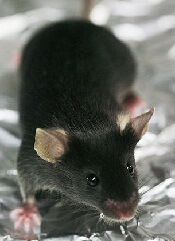
Previous studies have shown that inhibiting the activity of the Malt1 protein can kill lymphoma cells.
Now, research published in Cell Reports has revealed that it also causes the immune system to malfunction.
Malt1 carries out a variety of tasks in lymphocytes, including acting as a protease that breaks down messenger substances and controls their quantity.
Until now, researchers were unsure about the role the protease function plays in immune cell development.
Several years ago, Jürgen Ruland, PhD, of Technische Universität München in Germany, and his colleagues turned their attention to this question.
Via cell culture experiments, the researchers found that blocking the protease function of Malt1 kills lymphoma cells. The team decided to test this strategy in an animal model to shed light on the exact function of Malt1 protease.
“It’s only possible to study complex interactions in the immune system, which comprises a finely orchestrated interplay of various cell types, in an intact organism, not in cell cultures,” Dr Ruland noted. “The processes are too complex to recreate in cells outside the body.”
The mice the researchers used were genetically modified so their Malt1 protein could no longer act as a protease but was still able to carry out all of its other functions.
The team was surprised to find that these mice developed severe signs of inflammation. Moreover, the immune system attacked and destroyed key neurons that coordinate movements.
The researchers were able to explain how this serious malfunction occurred and, in doing so, discovered an unexpected function of Malt1.
They found that, in the absence of the protease function, the mice were unable to produce regulatory T cells, and this caused their immune responses to spin
out of control.
The team also found that normal lymphocytes can be activated without the protease function of Malt1, but they release messenger substances uncontrollably, which causes inflammation.
“Our study showed that Malt1 protease is surprisingly important for the development of regulatory T cells and for damping the immune response in general,” Dr Ruland said. “Since the blockade of the protease function in the organism produces undesirable effects, new alternatives should urgently be sought for the treatment of lymphoma.”
Previous studies have shown that inhibiting the activity of the Malt1 protein can kill lymphoma cells.
Now, research published in Cell Reports has revealed that it also causes the immune system to malfunction.
Malt1 carries out a variety of tasks in lymphocytes, including acting as a protease that breaks down messenger substances and controls their quantity.
Until now, researchers were unsure about the role the protease function plays in immune cell development.
Several years ago, Jürgen Ruland, PhD, of Technische Universität München in Germany, and his colleagues turned their attention to this question.
Via cell culture experiments, the researchers found that blocking the protease function of Malt1 kills lymphoma cells. The team decided to test this strategy in an animal model to shed light on the exact function of Malt1 protease.
“It’s only possible to study complex interactions in the immune system, which comprises a finely orchestrated interplay of various cell types, in an intact organism, not in cell cultures,” Dr Ruland noted. “The processes are too complex to recreate in cells outside the body.”
The mice the researchers used were genetically modified so their Malt1 protein could no longer act as a protease but was still able to carry out all of its other functions.
The team was surprised to find that these mice developed severe signs of inflammation. Moreover, the immune system attacked and destroyed key neurons that coordinate movements.
The researchers were able to explain how this serious malfunction occurred and, in doing so, discovered an unexpected function of Malt1.
They found that, in the absence of the protease function, the mice were unable to produce regulatory T cells, and this caused their immune responses to spin
out of control.
The team also found that normal lymphocytes can be activated without the protease function of Malt1, but they release messenger substances uncontrollably, which causes inflammation.
“Our study showed that Malt1 protease is surprisingly important for the development of regulatory T cells and for damping the immune response in general,” Dr Ruland said. “Since the blockade of the protease function in the organism produces undesirable effects, new alternatives should urgently be sought for the treatment of lymphoma.”
Previous studies have shown that inhibiting the activity of the Malt1 protein can kill lymphoma cells.
Now, research published in Cell Reports has revealed that it also causes the immune system to malfunction.
Malt1 carries out a variety of tasks in lymphocytes, including acting as a protease that breaks down messenger substances and controls their quantity.
Until now, researchers were unsure about the role the protease function plays in immune cell development.
Several years ago, Jürgen Ruland, PhD, of Technische Universität München in Germany, and his colleagues turned their attention to this question.
Via cell culture experiments, the researchers found that blocking the protease function of Malt1 kills lymphoma cells. The team decided to test this strategy in an animal model to shed light on the exact function of Malt1 protease.
“It’s only possible to study complex interactions in the immune system, which comprises a finely orchestrated interplay of various cell types, in an intact organism, not in cell cultures,” Dr Ruland noted. “The processes are too complex to recreate in cells outside the body.”
The mice the researchers used were genetically modified so their Malt1 protein could no longer act as a protease but was still able to carry out all of its other functions.
The team was surprised to find that these mice developed severe signs of inflammation. Moreover, the immune system attacked and destroyed key neurons that coordinate movements.
The researchers were able to explain how this serious malfunction occurred and, in doing so, discovered an unexpected function of Malt1.
They found that, in the absence of the protease function, the mice were unable to produce regulatory T cells, and this caused their immune responses to spin
out of control.
The team also found that normal lymphocytes can be activated without the protease function of Malt1, but they release messenger substances uncontrollably, which causes inflammation.
“Our study showed that Malt1 protease is surprisingly important for the development of regulatory T cells and for damping the immune response in general,” Dr Ruland said. “Since the blockade of the protease function in the organism produces undesirable effects, new alternatives should urgently be sought for the treatment of lymphoma.”
Group silences microRNA to treat DLBCL

Scientists believe they’ve devised a way to use antimiRs as anticancer drugs by showing that a specific antimiR could treat diffuse large B-cell lymphoma (DLBCL) in mice.
In a letter to Nature, the group explained that microRNAs known as oncomiRs can play a causal role in the onset and maintenance of cancer when they are overexpressed.
So inhibiting oncomiRs using antisense oligomers, or antimiRs, has seemed a promising therapeutic strategy. But physiological and cellular barriers have prevented targeted delivery.
Frank Slack, PhD, of Beth Israel Deaconess Medical Center in Boston, Massachusetts, and his colleagues have devised a new antimiR delivery platform and shown that it can inhibit DLBCL growth in vivo.
The team created a mouse model to study miR-155, an oncomiR that, when overexpressed, leads to DLBCL.
“We hypothesized that we could inhibit the function of miR-155 by way of an antisense molecule that would bind to miR-155,” Dr Slack said. “[However,] there are a number of significant obstacles to reaching the tumor cell target. Some roadblocks are clearance through the kidneys and accumulation in the liver, which absorbs any systemically injected agent.”
“Furthermore, even if you are able to reach your targeted cells, the molecules must cross cell membranes and escape degradation from a process known as endocytosis. If you can picture our antisense molecule being a warhead, we had to find the right ‘rocket’ to actually transport it to its target.”
The “rocket” turned out to be a peptide with a low-pH induced transmembrane structure (pHLIP), meaning it inserts into cell membranes only when cells are low in pH. And tumor cells provided the ideal environment.
“When we attached our antisense warhead to the pHLIP peptide, not only did it successfully insert itself into the tumor cell, but it also dragged the antisense molecule itself into the cell,” Dr Slack said. “Now the ‘warhead’ could deploy and actually inhibit microRNA function and control cancer growth.”
In the miR-155/DLBCL mouse models, pHLIP-anti155 slowed tumor growth, suppressed the metastatic spread of neoplastic lymphocytes to other organs, reduced the onset of splenomegaly, and delayed the development of conspicuous lymphadenopathy, when compared to control mice.
Responses with pHLIP-anti155 were similar to those observed in mice that received doxorubicin or CHOP, but pHLIP-anti155 proved less toxic than the other treatments.
“With this delivery platform, we should also be able to transform other RNAs into druggable targets,” Dr Slack said, adding that low pH is also an issue in kidney disease, myocardial infarction, stroke, and infection, among other conditions. So this type of therapy could have wide applications.
Scientists believe they’ve devised a way to use antimiRs as anticancer drugs by showing that a specific antimiR could treat diffuse large B-cell lymphoma (DLBCL) in mice.
In a letter to Nature, the group explained that microRNAs known as oncomiRs can play a causal role in the onset and maintenance of cancer when they are overexpressed.
So inhibiting oncomiRs using antisense oligomers, or antimiRs, has seemed a promising therapeutic strategy. But physiological and cellular barriers have prevented targeted delivery.
Frank Slack, PhD, of Beth Israel Deaconess Medical Center in Boston, Massachusetts, and his colleagues have devised a new antimiR delivery platform and shown that it can inhibit DLBCL growth in vivo.
The team created a mouse model to study miR-155, an oncomiR that, when overexpressed, leads to DLBCL.
“We hypothesized that we could inhibit the function of miR-155 by way of an antisense molecule that would bind to miR-155,” Dr Slack said. “[However,] there are a number of significant obstacles to reaching the tumor cell target. Some roadblocks are clearance through the kidneys and accumulation in the liver, which absorbs any systemically injected agent.”
“Furthermore, even if you are able to reach your targeted cells, the molecules must cross cell membranes and escape degradation from a process known as endocytosis. If you can picture our antisense molecule being a warhead, we had to find the right ‘rocket’ to actually transport it to its target.”
The “rocket” turned out to be a peptide with a low-pH induced transmembrane structure (pHLIP), meaning it inserts into cell membranes only when cells are low in pH. And tumor cells provided the ideal environment.
“When we attached our antisense warhead to the pHLIP peptide, not only did it successfully insert itself into the tumor cell, but it also dragged the antisense molecule itself into the cell,” Dr Slack said. “Now the ‘warhead’ could deploy and actually inhibit microRNA function and control cancer growth.”
In the miR-155/DLBCL mouse models, pHLIP-anti155 slowed tumor growth, suppressed the metastatic spread of neoplastic lymphocytes to other organs, reduced the onset of splenomegaly, and delayed the development of conspicuous lymphadenopathy, when compared to control mice.
Responses with pHLIP-anti155 were similar to those observed in mice that received doxorubicin or CHOP, but pHLIP-anti155 proved less toxic than the other treatments.
“With this delivery platform, we should also be able to transform other RNAs into druggable targets,” Dr Slack said, adding that low pH is also an issue in kidney disease, myocardial infarction, stroke, and infection, among other conditions. So this type of therapy could have wide applications.
Scientists believe they’ve devised a way to use antimiRs as anticancer drugs by showing that a specific antimiR could treat diffuse large B-cell lymphoma (DLBCL) in mice.
In a letter to Nature, the group explained that microRNAs known as oncomiRs can play a causal role in the onset and maintenance of cancer when they are overexpressed.
So inhibiting oncomiRs using antisense oligomers, or antimiRs, has seemed a promising therapeutic strategy. But physiological and cellular barriers have prevented targeted delivery.
Frank Slack, PhD, of Beth Israel Deaconess Medical Center in Boston, Massachusetts, and his colleagues have devised a new antimiR delivery platform and shown that it can inhibit DLBCL growth in vivo.
The team created a mouse model to study miR-155, an oncomiR that, when overexpressed, leads to DLBCL.
“We hypothesized that we could inhibit the function of miR-155 by way of an antisense molecule that would bind to miR-155,” Dr Slack said. “[However,] there are a number of significant obstacles to reaching the tumor cell target. Some roadblocks are clearance through the kidneys and accumulation in the liver, which absorbs any systemically injected agent.”
“Furthermore, even if you are able to reach your targeted cells, the molecules must cross cell membranes and escape degradation from a process known as endocytosis. If you can picture our antisense molecule being a warhead, we had to find the right ‘rocket’ to actually transport it to its target.”
The “rocket” turned out to be a peptide with a low-pH induced transmembrane structure (pHLIP), meaning it inserts into cell membranes only when cells are low in pH. And tumor cells provided the ideal environment.
“When we attached our antisense warhead to the pHLIP peptide, not only did it successfully insert itself into the tumor cell, but it also dragged the antisense molecule itself into the cell,” Dr Slack said. “Now the ‘warhead’ could deploy and actually inhibit microRNA function and control cancer growth.”
In the miR-155/DLBCL mouse models, pHLIP-anti155 slowed tumor growth, suppressed the metastatic spread of neoplastic lymphocytes to other organs, reduced the onset of splenomegaly, and delayed the development of conspicuous lymphadenopathy, when compared to control mice.
Responses with pHLIP-anti155 were similar to those observed in mice that received doxorubicin or CHOP, but pHLIP-anti155 proved less toxic than the other treatments.
“With this delivery platform, we should also be able to transform other RNAs into druggable targets,” Dr Slack said, adding that low pH is also an issue in kidney disease, myocardial infarction, stroke, and infection, among other conditions. So this type of therapy could have wide applications.
Superior vena cava syndrome as an initial presentation of low-grade follicular lymphoma
Superior vena cava (SVC) syndrome refers to a constellation of symptoms produced by the obstruction of blood flow through the SVC, resulting in symptoms of dyspnea, facial and upper-extremity edema, cough, chest pain, and dysphagia.1 Malignancies represent 60%-85% of the etiologies of SVC syndrome. Cumulatively, lymphoma and lung cancer represent 95% of malignancy-related SVC syndrome etiologies, with non-small-cell lung cancer (NSCLC) reported in about 50% of cases, small-cell lung cancer (SCLC) in about 25%, and non-Hodgkin lymphoma (NHL) in 10 % of all cases.1,2
Click on the PDF icon at the top of this introduction to read the full article.
Superior vena cava (SVC) syndrome refers to a constellation of symptoms produced by the obstruction of blood flow through the SVC, resulting in symptoms of dyspnea, facial and upper-extremity edema, cough, chest pain, and dysphagia.1 Malignancies represent 60%-85% of the etiologies of SVC syndrome. Cumulatively, lymphoma and lung cancer represent 95% of malignancy-related SVC syndrome etiologies, with non-small-cell lung cancer (NSCLC) reported in about 50% of cases, small-cell lung cancer (SCLC) in about 25%, and non-Hodgkin lymphoma (NHL) in 10 % of all cases.1,2
Click on the PDF icon at the top of this introduction to read the full article.
Superior vena cava (SVC) syndrome refers to a constellation of symptoms produced by the obstruction of blood flow through the SVC, resulting in symptoms of dyspnea, facial and upper-extremity edema, cough, chest pain, and dysphagia.1 Malignancies represent 60%-85% of the etiologies of SVC syndrome. Cumulatively, lymphoma and lung cancer represent 95% of malignancy-related SVC syndrome etiologies, with non-small-cell lung cancer (NSCLC) reported in about 50% of cases, small-cell lung cancer (SCLC) in about 25%, and non-Hodgkin lymphoma (NHL) in 10 % of all cases.1,2
Click on the PDF icon at the top of this introduction to read the full article.
Infection may cause implant-associated ALCL

Credit: FDA
Bacterial infection on the surface of textured breast implants may increase the risk of developing breast implant-associated anaplastic large-cell lymphoma (BIA-ALCL), according to research published in Plastic & Reconstructive Surgery.
Previous studies have shown that biofilm infection around breast implants is a major cause of capsular contracture, a painful hardening of the tissue around the implant that can cause physical deformity and pain.
Now, researchers have found that chronic infection around implants can also lead to an activation of the immune system and the patient’s lymphocytes. And long-term stimulation of lymphocytes by this infection may prompt the transformation of these cells into BIA-ALCL.
The infection was shown to be highest around textured breast implants, and this may provide an explanation as to why BIA-ALCL seems to be more common in patients with textured implants.
“Our previous research has shown that, 24 hours after bacteria come into contact with breast implants, textured implants had 72 times the number of bacteria attached to their surface as compared with the smooth implants,” said Anand Deva, MBBS, of Macquarie University in Sydney, Australia.
“This latest study has shown that the textured implants with the highest numbers of bacteria also had the highest number of activated lymphocytes around them. This finding is important and has now become even more relevant since the reporting of BIA-ALCL, as it provides us with a possible biological explanation of how this rare cancer could arise.”
To uncover these findings, Dr Devan and his colleagues first examined implants in pigs. The team inserted 12 textured and 12 smooth implants into submammary pockets in 3 adult pigs.
After a mean of 8.75 months, all of the samples were positive for bacterial biofilm. And there was a significant correlation between bacterial numbers and the grade of capsular contracture (P=0.04).
Lymphocyte numbers were significantly higher on textured implants (P<0.001), with T cells accounting for the majority of the lymphocytic infiltrate.
The researchers then examined implants in humans, collecting 57 capsules from patients with Baker grade 4 capsules over a 4-year period. The team analyzed biofilm and the surrounding lymphocytes.
As in the pigs, all of the capsules were positive for biofilm, and T cells were the predominant lymphocyte (P<0.001).
The researchers also discovered a significant linear correlation between the number of T and B cells and the number of detected bacteria (P<0.001). And there was a significantly higher number of bacteria for polyurethane implants (P<0.005).
These results suggest a possible link between bacterial biofilm and T-cell hyperplasia, a finding that may have implications for BIA-ALCL, the researchers said.
Dr Deva and his colleagues have published a 14-step guide to reduce the risk of breast implant infection, based on evidence of best practice to educate surgeons on how to reduce the risk of bacterial contamination.
A number of clinical studies have applied these principles and successfully reduced the rate of capsular contracture by a factor of 10 in their patients.
“This is a great validation of our research and a demonstration that good science in the laboratory can be translated into real benefits to patients at the bedside,” Dr Deva said.
“Now, with our greater understanding of the importance of preventing infection, we, as surgeons, can reduce the risk of capsular contracture and thereby reduce the risk of lymphocyte activation and possible transformation into BIA-ALCL.”
Credit: FDA
Bacterial infection on the surface of textured breast implants may increase the risk of developing breast implant-associated anaplastic large-cell lymphoma (BIA-ALCL), according to research published in Plastic & Reconstructive Surgery.
Previous studies have shown that biofilm infection around breast implants is a major cause of capsular contracture, a painful hardening of the tissue around the implant that can cause physical deformity and pain.
Now, researchers have found that chronic infection around implants can also lead to an activation of the immune system and the patient’s lymphocytes. And long-term stimulation of lymphocytes by this infection may prompt the transformation of these cells into BIA-ALCL.
The infection was shown to be highest around textured breast implants, and this may provide an explanation as to why BIA-ALCL seems to be more common in patients with textured implants.
“Our previous research has shown that, 24 hours after bacteria come into contact with breast implants, textured implants had 72 times the number of bacteria attached to their surface as compared with the smooth implants,” said Anand Deva, MBBS, of Macquarie University in Sydney, Australia.
“This latest study has shown that the textured implants with the highest numbers of bacteria also had the highest number of activated lymphocytes around them. This finding is important and has now become even more relevant since the reporting of BIA-ALCL, as it provides us with a possible biological explanation of how this rare cancer could arise.”
To uncover these findings, Dr Devan and his colleagues first examined implants in pigs. The team inserted 12 textured and 12 smooth implants into submammary pockets in 3 adult pigs.
After a mean of 8.75 months, all of the samples were positive for bacterial biofilm. And there was a significant correlation between bacterial numbers and the grade of capsular contracture (P=0.04).
Lymphocyte numbers were significantly higher on textured implants (P<0.001), with T cells accounting for the majority of the lymphocytic infiltrate.
The researchers then examined implants in humans, collecting 57 capsules from patients with Baker grade 4 capsules over a 4-year period. The team analyzed biofilm and the surrounding lymphocytes.
As in the pigs, all of the capsules were positive for biofilm, and T cells were the predominant lymphocyte (P<0.001).
The researchers also discovered a significant linear correlation between the number of T and B cells and the number of detected bacteria (P<0.001). And there was a significantly higher number of bacteria for polyurethane implants (P<0.005).
These results suggest a possible link between bacterial biofilm and T-cell hyperplasia, a finding that may have implications for BIA-ALCL, the researchers said.
Dr Deva and his colleagues have published a 14-step guide to reduce the risk of breast implant infection, based on evidence of best practice to educate surgeons on how to reduce the risk of bacterial contamination.
A number of clinical studies have applied these principles and successfully reduced the rate of capsular contracture by a factor of 10 in their patients.
“This is a great validation of our research and a demonstration that good science in the laboratory can be translated into real benefits to patients at the bedside,” Dr Deva said.
“Now, with our greater understanding of the importance of preventing infection, we, as surgeons, can reduce the risk of capsular contracture and thereby reduce the risk of lymphocyte activation and possible transformation into BIA-ALCL.”
Credit: FDA
Bacterial infection on the surface of textured breast implants may increase the risk of developing breast implant-associated anaplastic large-cell lymphoma (BIA-ALCL), according to research published in Plastic & Reconstructive Surgery.
Previous studies have shown that biofilm infection around breast implants is a major cause of capsular contracture, a painful hardening of the tissue around the implant that can cause physical deformity and pain.
Now, researchers have found that chronic infection around implants can also lead to an activation of the immune system and the patient’s lymphocytes. And long-term stimulation of lymphocytes by this infection may prompt the transformation of these cells into BIA-ALCL.
The infection was shown to be highest around textured breast implants, and this may provide an explanation as to why BIA-ALCL seems to be more common in patients with textured implants.
“Our previous research has shown that, 24 hours after bacteria come into contact with breast implants, textured implants had 72 times the number of bacteria attached to their surface as compared with the smooth implants,” said Anand Deva, MBBS, of Macquarie University in Sydney, Australia.
“This latest study has shown that the textured implants with the highest numbers of bacteria also had the highest number of activated lymphocytes around them. This finding is important and has now become even more relevant since the reporting of BIA-ALCL, as it provides us with a possible biological explanation of how this rare cancer could arise.”
To uncover these findings, Dr Devan and his colleagues first examined implants in pigs. The team inserted 12 textured and 12 smooth implants into submammary pockets in 3 adult pigs.
After a mean of 8.75 months, all of the samples were positive for bacterial biofilm. And there was a significant correlation between bacterial numbers and the grade of capsular contracture (P=0.04).
Lymphocyte numbers were significantly higher on textured implants (P<0.001), with T cells accounting for the majority of the lymphocytic infiltrate.
The researchers then examined implants in humans, collecting 57 capsules from patients with Baker grade 4 capsules over a 4-year period. The team analyzed biofilm and the surrounding lymphocytes.
As in the pigs, all of the capsules were positive for biofilm, and T cells were the predominant lymphocyte (P<0.001).
The researchers also discovered a significant linear correlation between the number of T and B cells and the number of detected bacteria (P<0.001). And there was a significantly higher number of bacteria for polyurethane implants (P<0.005).
These results suggest a possible link between bacterial biofilm and T-cell hyperplasia, a finding that may have implications for BIA-ALCL, the researchers said.
Dr Deva and his colleagues have published a 14-step guide to reduce the risk of breast implant infection, based on evidence of best practice to educate surgeons on how to reduce the risk of bacterial contamination.
A number of clinical studies have applied these principles and successfully reduced the rate of capsular contracture by a factor of 10 in their patients.
“This is a great validation of our research and a demonstration that good science in the laboratory can be translated into real benefits to patients at the bedside,” Dr Deva said.
“Now, with our greater understanding of the importance of preventing infection, we, as surgeons, can reduce the risk of capsular contracture and thereby reduce the risk of lymphocyte activation and possible transformation into BIA-ALCL.”
Treating Hodgkin Lymphoma
Christopher Flowers, MD, discusses current management strategies for newly diagnosed and relapsed patients with Hodgkin Lymphoma (HL). He also discusses emerging opportunities for the use of novel approaches to treat HL and surveillance of patients with this type of cancer.
"Stem cell transplant still remains the standard approach for patients with relapsed Hodgkin Lymphoma," Flowers said during his presentation during the 2014 AVAHO Meeting's Lymphoma Mini-Symposium. "Turning to the novel agents... there are a number of potential approaches that can be used."
Christopher Flowers, MD, discusses current management strategies for newly diagnosed and relapsed patients with Hodgkin Lymphoma (HL). He also discusses emerging opportunities for the use of novel approaches to treat HL and surveillance of patients with this type of cancer.
"Stem cell transplant still remains the standard approach for patients with relapsed Hodgkin Lymphoma," Flowers said during his presentation during the 2014 AVAHO Meeting's Lymphoma Mini-Symposium. "Turning to the novel agents... there are a number of potential approaches that can be used."
Christopher Flowers, MD, discusses current management strategies for newly diagnosed and relapsed patients with Hodgkin Lymphoma (HL). He also discusses emerging opportunities for the use of novel approaches to treat HL and surveillance of patients with this type of cancer.
"Stem cell transplant still remains the standard approach for patients with relapsed Hodgkin Lymphoma," Flowers said during his presentation during the 2014 AVAHO Meeting's Lymphoma Mini-Symposium. "Turning to the novel agents... there are a number of potential approaches that can be used."

Hospice cuts cost and use of care for cancer patients

Credit: CDC
Patients with advanced cancer receive less aggressive care and have lower healthcare costs during their last year of life if they use hospice care, according to research published in JAMA.
Patients who entered hospice had significantly lower rates of hospitalization, intensive care unit admissions, and invasive procedures, compared to patients who did not enter hospice.
Furthermore, patients who chose hospice were about 5 times less likely to die in hospitals and nursing homes.
“Our study shows very clearly that hospice matters,” said Ziad Obermeyer, MD, of Brigham and Women’s Hospital in Boston.
“Hospice and non-hospice patients had very similar patterns of healthcare utilization right up until the week of hospice enrollment. Then, the care started to look very different. Patients who didn’t enroll in hospice ended up with far more aggressive care in their last year of life, most of it related to acute complications like infections and organ failure, and not directly related to their cancer diagnosis.”
To conduct this study, Dr Obermeyer and his colleagues used data from Medicare beneficiaries with poor-prognosis cancers, including hematologic malignancies. The study included a nationally representative 20% sample of Medicare fee-for-service beneficiaries who died in 2011.
Among 86,851 patients, 51,924 (60%) entered hospice before death. Matching patients based on various criteria produced hospice and non-hospice groups, each with 18,165 patients. The median hospice duration was 11 days.
The researchers found that non-hospice patients had significantly greater healthcare utilization, largely for acute conditions not directly related to cancer.
This included rates of hospitalization (65% vs 42%), intensive care unit admissions (36% vs 15%), invasive procedures (51% vs 27%), and death in a hospital or nursing facility (74% vs 14%).
The costs of care for hospice and non-hospice patients were not significantly different before hospice care began. But they diverged sharply thereafter, contributing to a significant difference in total costs of $8697 over the last year of life—$71,517 for non-hospice patients and $62,819 for hospice patients.
“These findings highlight the importance of honest discussions between doctors and patients about our patients’ goals of their care at the end of life, relating to treatment decisions and quality of life,” Dr Obermeyer said. “This is of particular importance now, in light of the ongoing policy discussions around reimbursing providers for advance-care planning.”
Credit: CDC
Patients with advanced cancer receive less aggressive care and have lower healthcare costs during their last year of life if they use hospice care, according to research published in JAMA.
Patients who entered hospice had significantly lower rates of hospitalization, intensive care unit admissions, and invasive procedures, compared to patients who did not enter hospice.
Furthermore, patients who chose hospice were about 5 times less likely to die in hospitals and nursing homes.
“Our study shows very clearly that hospice matters,” said Ziad Obermeyer, MD, of Brigham and Women’s Hospital in Boston.
“Hospice and non-hospice patients had very similar patterns of healthcare utilization right up until the week of hospice enrollment. Then, the care started to look very different. Patients who didn’t enroll in hospice ended up with far more aggressive care in their last year of life, most of it related to acute complications like infections and organ failure, and not directly related to their cancer diagnosis.”
To conduct this study, Dr Obermeyer and his colleagues used data from Medicare beneficiaries with poor-prognosis cancers, including hematologic malignancies. The study included a nationally representative 20% sample of Medicare fee-for-service beneficiaries who died in 2011.
Among 86,851 patients, 51,924 (60%) entered hospice before death. Matching patients based on various criteria produced hospice and non-hospice groups, each with 18,165 patients. The median hospice duration was 11 days.
The researchers found that non-hospice patients had significantly greater healthcare utilization, largely for acute conditions not directly related to cancer.
This included rates of hospitalization (65% vs 42%), intensive care unit admissions (36% vs 15%), invasive procedures (51% vs 27%), and death in a hospital or nursing facility (74% vs 14%).
The costs of care for hospice and non-hospice patients were not significantly different before hospice care began. But they diverged sharply thereafter, contributing to a significant difference in total costs of $8697 over the last year of life—$71,517 for non-hospice patients and $62,819 for hospice patients.
“These findings highlight the importance of honest discussions between doctors and patients about our patients’ goals of their care at the end of life, relating to treatment decisions and quality of life,” Dr Obermeyer said. “This is of particular importance now, in light of the ongoing policy discussions around reimbursing providers for advance-care planning.”
Credit: CDC
Patients with advanced cancer receive less aggressive care and have lower healthcare costs during their last year of life if they use hospice care, according to research published in JAMA.
Patients who entered hospice had significantly lower rates of hospitalization, intensive care unit admissions, and invasive procedures, compared to patients who did not enter hospice.
Furthermore, patients who chose hospice were about 5 times less likely to die in hospitals and nursing homes.
“Our study shows very clearly that hospice matters,” said Ziad Obermeyer, MD, of Brigham and Women’s Hospital in Boston.
“Hospice and non-hospice patients had very similar patterns of healthcare utilization right up until the week of hospice enrollment. Then, the care started to look very different. Patients who didn’t enroll in hospice ended up with far more aggressive care in their last year of life, most of it related to acute complications like infections and organ failure, and not directly related to their cancer diagnosis.”
To conduct this study, Dr Obermeyer and his colleagues used data from Medicare beneficiaries with poor-prognosis cancers, including hematologic malignancies. The study included a nationally representative 20% sample of Medicare fee-for-service beneficiaries who died in 2011.
Among 86,851 patients, 51,924 (60%) entered hospice before death. Matching patients based on various criteria produced hospice and non-hospice groups, each with 18,165 patients. The median hospice duration was 11 days.
The researchers found that non-hospice patients had significantly greater healthcare utilization, largely for acute conditions not directly related to cancer.
This included rates of hospitalization (65% vs 42%), intensive care unit admissions (36% vs 15%), invasive procedures (51% vs 27%), and death in a hospital or nursing facility (74% vs 14%).
The costs of care for hospice and non-hospice patients were not significantly different before hospice care began. But they diverged sharply thereafter, contributing to a significant difference in total costs of $8697 over the last year of life—$71,517 for non-hospice patients and $62,819 for hospice patients.
“These findings highlight the importance of honest discussions between doctors and patients about our patients’ goals of their care at the end of life, relating to treatment decisions and quality of life,” Dr Obermeyer said. “This is of particular importance now, in light of the ongoing policy discussions around reimbursing providers for advance-care planning.”
Group develops cancer health literacy tool

patient and her father
Credit: Rhoda Baer
A new tool can identify patients with limited cancer health literacy, according to research published in the Journal of Health Communications.
The study authors noted that cancer patients are expected to play an active role in their care by adhering to medication regimens, distinguishing between scientifically credible medical evidence and misconceptions, and communicating with their providers about treatment decisions, risks, and survival rates.
However, patients with limited cancer health literacy can struggle with these responsibilities and potentially jeopardize their health by making uninformed decisions.
So Levent Dumenci, PhD, of Virginia Commonwealth University in Richmond, and his colleagues developed a tool to assess health literacy among cancer patients.
“Before now, there were only instruments that measured a particular aspect of general health literacy,” Dr Dumenci said. “It is important to have a tool that is specific to cancer because of the complex treatment options that cancer patients face, along with the increased demand for self-care.”
To meet that need, he and his colleagues developed the Cancer Health Literacy Test (CHLT)-30. The test, which is given via a touch-screen device, includes 30
questions about cancer treatment, medication side effects, and other cancer-related issues.
Six of the questions (CHLT-6) were specifically designed to quickly identify individuals with limited cancer health literacy.
The researchers tested the CHLT-30 in 1306 African American and Caucasian patients who were treated at oncology clinics in Virginia.
The team said the test accurately measured literacy and quickly identified patients with limited cancer health literacy. Eighteen percent of cancer patients had limited literacy, with an overrepresentation of African American, undereducated, and low-income patients.
“Using this tool, it takes just 1 to 2 minutes in the doctor’s office waiting room to identify patients with limited [cancer health literacy],” Dr Dumenci said. “Then, this information can be digitally communicated to the doctors prior to seeing the patients, so that they are prepared to talk with the patients in terms they can understand. This simple change could lead to big improvements in health outcomes.”
In future studies, the researchers hope to evaluate the cancer health literacy of Hispanic patients because prior research has pointed to disparities in this population’s health literacy.
patient and her father
Credit: Rhoda Baer
A new tool can identify patients with limited cancer health literacy, according to research published in the Journal of Health Communications.
The study authors noted that cancer patients are expected to play an active role in their care by adhering to medication regimens, distinguishing between scientifically credible medical evidence and misconceptions, and communicating with their providers about treatment decisions, risks, and survival rates.
However, patients with limited cancer health literacy can struggle with these responsibilities and potentially jeopardize their health by making uninformed decisions.
So Levent Dumenci, PhD, of Virginia Commonwealth University in Richmond, and his colleagues developed a tool to assess health literacy among cancer patients.
“Before now, there were only instruments that measured a particular aspect of general health literacy,” Dr Dumenci said. “It is important to have a tool that is specific to cancer because of the complex treatment options that cancer patients face, along with the increased demand for self-care.”
To meet that need, he and his colleagues developed the Cancer Health Literacy Test (CHLT)-30. The test, which is given via a touch-screen device, includes 30
questions about cancer treatment, medication side effects, and other cancer-related issues.
Six of the questions (CHLT-6) were specifically designed to quickly identify individuals with limited cancer health literacy.
The researchers tested the CHLT-30 in 1306 African American and Caucasian patients who were treated at oncology clinics in Virginia.
The team said the test accurately measured literacy and quickly identified patients with limited cancer health literacy. Eighteen percent of cancer patients had limited literacy, with an overrepresentation of African American, undereducated, and low-income patients.
“Using this tool, it takes just 1 to 2 minutes in the doctor’s office waiting room to identify patients with limited [cancer health literacy],” Dr Dumenci said. “Then, this information can be digitally communicated to the doctors prior to seeing the patients, so that they are prepared to talk with the patients in terms they can understand. This simple change could lead to big improvements in health outcomes.”
In future studies, the researchers hope to evaluate the cancer health literacy of Hispanic patients because prior research has pointed to disparities in this population’s health literacy.
patient and her father
Credit: Rhoda Baer
A new tool can identify patients with limited cancer health literacy, according to research published in the Journal of Health Communications.
The study authors noted that cancer patients are expected to play an active role in their care by adhering to medication regimens, distinguishing between scientifically credible medical evidence and misconceptions, and communicating with their providers about treatment decisions, risks, and survival rates.
However, patients with limited cancer health literacy can struggle with these responsibilities and potentially jeopardize their health by making uninformed decisions.
So Levent Dumenci, PhD, of Virginia Commonwealth University in Richmond, and his colleagues developed a tool to assess health literacy among cancer patients.
“Before now, there were only instruments that measured a particular aspect of general health literacy,” Dr Dumenci said. “It is important to have a tool that is specific to cancer because of the complex treatment options that cancer patients face, along with the increased demand for self-care.”
To meet that need, he and his colleagues developed the Cancer Health Literacy Test (CHLT)-30. The test, which is given via a touch-screen device, includes 30
questions about cancer treatment, medication side effects, and other cancer-related issues.
Six of the questions (CHLT-6) were specifically designed to quickly identify individuals with limited cancer health literacy.
The researchers tested the CHLT-30 in 1306 African American and Caucasian patients who were treated at oncology clinics in Virginia.
The team said the test accurately measured literacy and quickly identified patients with limited cancer health literacy. Eighteen percent of cancer patients had limited literacy, with an overrepresentation of African American, undereducated, and low-income patients.
“Using this tool, it takes just 1 to 2 minutes in the doctor’s office waiting room to identify patients with limited [cancer health literacy],” Dr Dumenci said. “Then, this information can be digitally communicated to the doctors prior to seeing the patients, so that they are prepared to talk with the patients in terms they can understand. This simple change could lead to big improvements in health outcomes.”
In future studies, the researchers hope to evaluate the cancer health literacy of Hispanic patients because prior research has pointed to disparities in this population’s health literacy.