User login
FDA approves rapid-infusion bendamustine

Photo by Bill Branson
The US Food and Drug Administration (FDA) has approved the use of Bendeka, a liquid, low-volume (50 mL), 10-minute infusion formulation of bendamustine hydrochloride.
Bendeka is now approved to treat patients with chronic lymphocytic leukemia (CLL) and patients with indolent B-cell non-Hodgkin lymphoma (NHL) that has progressed during or within 6 months of treatment with rituximab or a rituximab-containing regimen.
The FDA previously granted Bendeka orphan drug designation for CLL and indolent B-cell NHL.
Under a license agreement with Eagle Pharmaceuticals, Inc., Teva Pharmaceutical Industries Ltd. is responsible for all US commercial activities for Bendeka.
Teva said it expects to make Bendeka commercially available to prescribers during the first quarter of 2016. For details on the drug, see the full prescribing information.
Teva also markets bendamustine hydrochloride under the trade name Treanda, which is FDA-approved to treat CLL and NHL and is available in 2 formulations:
- A solution of 45 mg/0.5 mL or 180 mg/2 mL in a single-dose vial
- A 25 mg or 100 mg lyophilized powder in a single-dose vial for reconstitution.

Photo by Bill Branson
The US Food and Drug Administration (FDA) has approved the use of Bendeka, a liquid, low-volume (50 mL), 10-minute infusion formulation of bendamustine hydrochloride.
Bendeka is now approved to treat patients with chronic lymphocytic leukemia (CLL) and patients with indolent B-cell non-Hodgkin lymphoma (NHL) that has progressed during or within 6 months of treatment with rituximab or a rituximab-containing regimen.
The FDA previously granted Bendeka orphan drug designation for CLL and indolent B-cell NHL.
Under a license agreement with Eagle Pharmaceuticals, Inc., Teva Pharmaceutical Industries Ltd. is responsible for all US commercial activities for Bendeka.
Teva said it expects to make Bendeka commercially available to prescribers during the first quarter of 2016. For details on the drug, see the full prescribing information.
Teva also markets bendamustine hydrochloride under the trade name Treanda, which is FDA-approved to treat CLL and NHL and is available in 2 formulations:
- A solution of 45 mg/0.5 mL or 180 mg/2 mL in a single-dose vial
- A 25 mg or 100 mg lyophilized powder in a single-dose vial for reconstitution.
Photo by Bill Branson
The US Food and Drug Administration (FDA) has approved the use of Bendeka, a liquid, low-volume (50 mL), 10-minute infusion formulation of bendamustine hydrochloride.
Bendeka is now approved to treat patients with chronic lymphocytic leukemia (CLL) and patients with indolent B-cell non-Hodgkin lymphoma (NHL) that has progressed during or within 6 months of treatment with rituximab or a rituximab-containing regimen.
The FDA previously granted Bendeka orphan drug designation for CLL and indolent B-cell NHL.
Under a license agreement with Eagle Pharmaceuticals, Inc., Teva Pharmaceutical Industries Ltd. is responsible for all US commercial activities for Bendeka.
Teva said it expects to make Bendeka commercially available to prescribers during the first quarter of 2016. For details on the drug, see the full prescribing information.
Teva also markets bendamustine hydrochloride under the trade name Treanda, which is FDA-approved to treat CLL and NHL and is available in 2 formulations:
- A solution of 45 mg/0.5 mL or 180 mg/2 mL in a single-dose vial
- A 25 mg or 100 mg lyophilized powder in a single-dose vial for reconstitution.
FDA grants KTE-C19 breakthrough designation
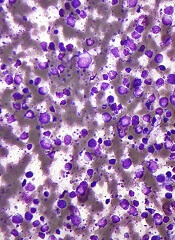
The US Food and Drug Administration (FDA) has granted breakthrough designation for the chimeric antigen receptor (CAR) T-cell therapy KTE-C19 as a treatment for refractory diffuse large B-cell lymphoma (DLBCL), primary mediastinal B-cell lymphoma (PMBCL), and transformed follicular lymphoma (TFL).
To create KTE-C19, T cells are modified to express a CAR designed to target CD19, a cell-surface protein expressed in B-cell lymphomas and leukemias.
Breakthrough therapy designation is designed to accelerate the development and review of medicines that demonstrate early clinical evidence of a substantial improvement over current treatment options for serious diseases.
The designation conveys all the features of the FDA’s fast track program, as well as more intensive FDA guidance on an efficient drug development program and eligibility for rolling review and priority review.
KTE-C19 research
In a study published in the Journal of Clinical Oncology last year, researchers evaluated KTE-C19 in 15 patients with advanced B-cell malignancies.
The patients received a conditioning regimen of cyclophosphamide and fludarabine, followed 1 day later by a single infusion of KTE-C19. The researchers noted that the conditioning regimen is known to be active against B-cell malignancies and could have made a direct contribution to patient responses.
Thirteen patients were evaluable for response. One patient was lost to follow-up because of noncompliance, and 1 died soon after treatment. The researchers said the cause of death was likely cardiac arrhythmia.
The overall response rate was 92%. Eight patients achieved a complete response (CR), and 4 had a partial response (PR).
Of the 7 patients with DLBCL, 4 achieved a CR, 2 achieved a PR, and 1 had stable disease. Three of the CRs were ongoing at the time of publication, with the duration ranging from 9 months to 22 months.
Of the 4 patients with chronic lymphocytic leukemia, 3 had a CR, and 1 had a PR. All 3 CRs were ongoing at the time of publication, with the duration ranging from 14 months to 23 months.
Among the 2 patients with indolent lymphomas, 1 achieved a CR, and 1 had a PR. The duration of the CR was 11 months at the time of publication.
KTE-C19 elicited a number of adverse events, including fever, hypotension, delirium, and other neurologic toxicities. All but 2 patients experienced grade 3/4 adverse events.
Three patients developed unexpected neurologic abnormalities. One patient experienced aphasia and right-sided facial paresis. One patient developed aphasia, confusion, and severe, generalized myoclonus. And 1 patient had aphasia, confusion, hemifacial spasms, apraxia, and gait disturbances.
KTE-C19 is currently under investigation in a phase 2 trial of refractory DLBCL, PMBCL, and TFL (ZUMA-1), a phase 2 trial of relapsed/refractory mantle cell lymphoma (ZUMA-2), a phase 1/2 trial of relapsed/refractory adult acute lymphoblastic leukemia (ZUMA-3), and a phase 1/2 trial of relapsed/refractory pediatric acute lymphoblastic leukemia (ZUMA-4).
Data from ZUMA-1 were presented at the 2015 ASH Annual Meeting (abstracts 2730 and 3991).
KTE-C19 is under development by Kite Pharma.
The US Food and Drug Administration (FDA) has granted breakthrough designation for the chimeric antigen receptor (CAR) T-cell therapy KTE-C19 as a treatment for refractory diffuse large B-cell lymphoma (DLBCL), primary mediastinal B-cell lymphoma (PMBCL), and transformed follicular lymphoma (TFL).
To create KTE-C19, T cells are modified to express a CAR designed to target CD19, a cell-surface protein expressed in B-cell lymphomas and leukemias.
Breakthrough therapy designation is designed to accelerate the development and review of medicines that demonstrate early clinical evidence of a substantial improvement over current treatment options for serious diseases.
The designation conveys all the features of the FDA’s fast track program, as well as more intensive FDA guidance on an efficient drug development program and eligibility for rolling review and priority review.
KTE-C19 research
In a study published in the Journal of Clinical Oncology last year, researchers evaluated KTE-C19 in 15 patients with advanced B-cell malignancies.
The patients received a conditioning regimen of cyclophosphamide and fludarabine, followed 1 day later by a single infusion of KTE-C19. The researchers noted that the conditioning regimen is known to be active against B-cell malignancies and could have made a direct contribution to patient responses.
Thirteen patients were evaluable for response. One patient was lost to follow-up because of noncompliance, and 1 died soon after treatment. The researchers said the cause of death was likely cardiac arrhythmia.
The overall response rate was 92%. Eight patients achieved a complete response (CR), and 4 had a partial response (PR).
Of the 7 patients with DLBCL, 4 achieved a CR, 2 achieved a PR, and 1 had stable disease. Three of the CRs were ongoing at the time of publication, with the duration ranging from 9 months to 22 months.
Of the 4 patients with chronic lymphocytic leukemia, 3 had a CR, and 1 had a PR. All 3 CRs were ongoing at the time of publication, with the duration ranging from 14 months to 23 months.
Among the 2 patients with indolent lymphomas, 1 achieved a CR, and 1 had a PR. The duration of the CR was 11 months at the time of publication.
KTE-C19 elicited a number of adverse events, including fever, hypotension, delirium, and other neurologic toxicities. All but 2 patients experienced grade 3/4 adverse events.
Three patients developed unexpected neurologic abnormalities. One patient experienced aphasia and right-sided facial paresis. One patient developed aphasia, confusion, and severe, generalized myoclonus. And 1 patient had aphasia, confusion, hemifacial spasms, apraxia, and gait disturbances.
KTE-C19 is currently under investigation in a phase 2 trial of refractory DLBCL, PMBCL, and TFL (ZUMA-1), a phase 2 trial of relapsed/refractory mantle cell lymphoma (ZUMA-2), a phase 1/2 trial of relapsed/refractory adult acute lymphoblastic leukemia (ZUMA-3), and a phase 1/2 trial of relapsed/refractory pediatric acute lymphoblastic leukemia (ZUMA-4).
Data from ZUMA-1 were presented at the 2015 ASH Annual Meeting (abstracts 2730 and 3991).
KTE-C19 is under development by Kite Pharma.
The US Food and Drug Administration (FDA) has granted breakthrough designation for the chimeric antigen receptor (CAR) T-cell therapy KTE-C19 as a treatment for refractory diffuse large B-cell lymphoma (DLBCL), primary mediastinal B-cell lymphoma (PMBCL), and transformed follicular lymphoma (TFL).
To create KTE-C19, T cells are modified to express a CAR designed to target CD19, a cell-surface protein expressed in B-cell lymphomas and leukemias.
Breakthrough therapy designation is designed to accelerate the development and review of medicines that demonstrate early clinical evidence of a substantial improvement over current treatment options for serious diseases.
The designation conveys all the features of the FDA’s fast track program, as well as more intensive FDA guidance on an efficient drug development program and eligibility for rolling review and priority review.
KTE-C19 research
In a study published in the Journal of Clinical Oncology last year, researchers evaluated KTE-C19 in 15 patients with advanced B-cell malignancies.
The patients received a conditioning regimen of cyclophosphamide and fludarabine, followed 1 day later by a single infusion of KTE-C19. The researchers noted that the conditioning regimen is known to be active against B-cell malignancies and could have made a direct contribution to patient responses.
Thirteen patients were evaluable for response. One patient was lost to follow-up because of noncompliance, and 1 died soon after treatment. The researchers said the cause of death was likely cardiac arrhythmia.
The overall response rate was 92%. Eight patients achieved a complete response (CR), and 4 had a partial response (PR).
Of the 7 patients with DLBCL, 4 achieved a CR, 2 achieved a PR, and 1 had stable disease. Three of the CRs were ongoing at the time of publication, with the duration ranging from 9 months to 22 months.
Of the 4 patients with chronic lymphocytic leukemia, 3 had a CR, and 1 had a PR. All 3 CRs were ongoing at the time of publication, with the duration ranging from 14 months to 23 months.
Among the 2 patients with indolent lymphomas, 1 achieved a CR, and 1 had a PR. The duration of the CR was 11 months at the time of publication.
KTE-C19 elicited a number of adverse events, including fever, hypotension, delirium, and other neurologic toxicities. All but 2 patients experienced grade 3/4 adverse events.
Three patients developed unexpected neurologic abnormalities. One patient experienced aphasia and right-sided facial paresis. One patient developed aphasia, confusion, and severe, generalized myoclonus. And 1 patient had aphasia, confusion, hemifacial spasms, apraxia, and gait disturbances.
KTE-C19 is currently under investigation in a phase 2 trial of refractory DLBCL, PMBCL, and TFL (ZUMA-1), a phase 2 trial of relapsed/refractory mantle cell lymphoma (ZUMA-2), a phase 1/2 trial of relapsed/refractory adult acute lymphoblastic leukemia (ZUMA-3), and a phase 1/2 trial of relapsed/refractory pediatric acute lymphoblastic leukemia (ZUMA-4).
Data from ZUMA-1 were presented at the 2015 ASH Annual Meeting (abstracts 2730 and 3991).
KTE-C19 is under development by Kite Pharma.
2nd-gen BTK inhibitor may be safer, team says
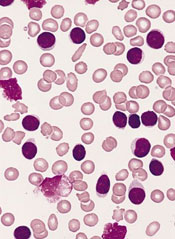
ORLANDO, FL—The second-generation BTK inhibitor acalabrutinib (ACP-196) can elicit durable partial responses in patients with chronic lymphocytic leukemia (CLL) while producing minimal side effects, according to researchers.
They said data suggest that, compared to the first-generation BTK inhibitor ibrutinib, acalabrutinib more selectively blocks the BTK pathway.
And it does so without disrupting other molecular pathways that are important for preserving platelet and immune function, thereby avoiding or minimizing certain side effects.
John C. Byrd, MD, of The Ohio State University Comprehensive Cancer Center in Columbus, and his colleagues reported data from an ongoing phase 1/2 trial of acalabrutinib in NEJM and at the 2015 ASH Annual Meeting (abstract 831). The study was sponsored by Acerta Pharma.
The researchers reported on 61 patients with relapsed CLL. They had a median age of 62 (range, 44-84) and a median of 3 prior therapies (range, 1-13).
Most patients had an ECOG performance status of 1 (59%) or 0 (36%). Most had high-risk (67%) or intermediate-risk disease (31%) according to Rai classification. Forty-six percent of patients had lymph nodes ≥ 5 cm in diameter, and 5% had lymph nodes ≥ 10 cm.
Seventy-five percent of patients had unmutated immunoglobulin variable-region heavy-chain gene, 31% had 17p deletion, 29% had 17q deletion, and 81% had β2-microglobulin > 3.5 mg/liter.
Patients enrolled in the phase 1 portion of the study received escalating doses of acalabrutinib, with a maximum dose of 400 mg once daily. Patients involved in the phase 2 portion of the study were treated with a 100 mg dose twice daily.
Adverse events and discontinuation
At a median follow-up of 14.3 months (range, 0.5 to 20), 53 patients are still receiving treatment.
The primary reasons for treatment discontinuation were investigator or patient decision (n=2), active autoimmune hemolytic anemia that required additional therapy (n=1), fatal pneumonia (n=1), CLL progression, and adverse events of diarrhea (n=1), gastritis (n=1), and dyspnea (n=1).
The most common adverse events of all grades (occurring in at least 20% of patients) were headache (43%), diarrhea (39%), increased weight (26%), pyrexia (23%), upper respiratory tract infection (23%), fatigue (21%), peripheral edema (21%), hypertension (20%), and nausea (20%).
Grade 3/4 adverse events included diarrhea (2%), increased weight (2%), pyrexia (3%), fatigue (3%), hypertension (7%), and arthralgia (2%).
Response
The overall response rate among the 60 evaluable patients was 95%. This included partial responses in 85% of patients and partial responses with lymphocytosis in 10%. The rate of stable disease was 5%.
The researchers noted that responses occurred in all dosing cohorts, and the response rate increased over time.
All 18 patients with 17p deletion experienced a partial response (89%) or partial response with lymphocytosis (11%). But 1 of these patients later progressed.
All 4 patients who previously received idelalisib responded to acalabrutinib, with partial responses in 75% and partial responses with lymphocytosis in 25%.
There were no cases of Richter’s transformation.
In all, 1 patient experienced progression at 16 months, and 1 patient died of pneumonia at 13 months.
“This data is very exciting because it illustrates that acalabrutinib is a highly potent and selective oral BTK inhibitor that can be given safely in patients with relapsed CLL,” Dr Byrd said. “What is particularly remarkable is how well patients are tolerating this therapy.”
Clinical trials of acalabrutinib in CLL are ongoing, including a phase 3 head-to-head comparison of ibrutinib and acalabrutinib.
ORLANDO, FL—The second-generation BTK inhibitor acalabrutinib (ACP-196) can elicit durable partial responses in patients with chronic lymphocytic leukemia (CLL) while producing minimal side effects, according to researchers.
They said data suggest that, compared to the first-generation BTK inhibitor ibrutinib, acalabrutinib more selectively blocks the BTK pathway.
And it does so without disrupting other molecular pathways that are important for preserving platelet and immune function, thereby avoiding or minimizing certain side effects.
John C. Byrd, MD, of The Ohio State University Comprehensive Cancer Center in Columbus, and his colleagues reported data from an ongoing phase 1/2 trial of acalabrutinib in NEJM and at the 2015 ASH Annual Meeting (abstract 831). The study was sponsored by Acerta Pharma.
The researchers reported on 61 patients with relapsed CLL. They had a median age of 62 (range, 44-84) and a median of 3 prior therapies (range, 1-13).
Most patients had an ECOG performance status of 1 (59%) or 0 (36%). Most had high-risk (67%) or intermediate-risk disease (31%) according to Rai classification. Forty-six percent of patients had lymph nodes ≥ 5 cm in diameter, and 5% had lymph nodes ≥ 10 cm.
Seventy-five percent of patients had unmutated immunoglobulin variable-region heavy-chain gene, 31% had 17p deletion, 29% had 17q deletion, and 81% had β2-microglobulin > 3.5 mg/liter.
Patients enrolled in the phase 1 portion of the study received escalating doses of acalabrutinib, with a maximum dose of 400 mg once daily. Patients involved in the phase 2 portion of the study were treated with a 100 mg dose twice daily.
Adverse events and discontinuation
At a median follow-up of 14.3 months (range, 0.5 to 20), 53 patients are still receiving treatment.
The primary reasons for treatment discontinuation were investigator or patient decision (n=2), active autoimmune hemolytic anemia that required additional therapy (n=1), fatal pneumonia (n=1), CLL progression, and adverse events of diarrhea (n=1), gastritis (n=1), and dyspnea (n=1).
The most common adverse events of all grades (occurring in at least 20% of patients) were headache (43%), diarrhea (39%), increased weight (26%), pyrexia (23%), upper respiratory tract infection (23%), fatigue (21%), peripheral edema (21%), hypertension (20%), and nausea (20%).
Grade 3/4 adverse events included diarrhea (2%), increased weight (2%), pyrexia (3%), fatigue (3%), hypertension (7%), and arthralgia (2%).
Response
The overall response rate among the 60 evaluable patients was 95%. This included partial responses in 85% of patients and partial responses with lymphocytosis in 10%. The rate of stable disease was 5%.
The researchers noted that responses occurred in all dosing cohorts, and the response rate increased over time.
All 18 patients with 17p deletion experienced a partial response (89%) or partial response with lymphocytosis (11%). But 1 of these patients later progressed.
All 4 patients who previously received idelalisib responded to acalabrutinib, with partial responses in 75% and partial responses with lymphocytosis in 25%.
There were no cases of Richter’s transformation.
In all, 1 patient experienced progression at 16 months, and 1 patient died of pneumonia at 13 months.
“This data is very exciting because it illustrates that acalabrutinib is a highly potent and selective oral BTK inhibitor that can be given safely in patients with relapsed CLL,” Dr Byrd said. “What is particularly remarkable is how well patients are tolerating this therapy.”
Clinical trials of acalabrutinib in CLL are ongoing, including a phase 3 head-to-head comparison of ibrutinib and acalabrutinib.
ORLANDO, FL—The second-generation BTK inhibitor acalabrutinib (ACP-196) can elicit durable partial responses in patients with chronic lymphocytic leukemia (CLL) while producing minimal side effects, according to researchers.
They said data suggest that, compared to the first-generation BTK inhibitor ibrutinib, acalabrutinib more selectively blocks the BTK pathway.
And it does so without disrupting other molecular pathways that are important for preserving platelet and immune function, thereby avoiding or minimizing certain side effects.
John C. Byrd, MD, of The Ohio State University Comprehensive Cancer Center in Columbus, and his colleagues reported data from an ongoing phase 1/2 trial of acalabrutinib in NEJM and at the 2015 ASH Annual Meeting (abstract 831). The study was sponsored by Acerta Pharma.
The researchers reported on 61 patients with relapsed CLL. They had a median age of 62 (range, 44-84) and a median of 3 prior therapies (range, 1-13).
Most patients had an ECOG performance status of 1 (59%) or 0 (36%). Most had high-risk (67%) or intermediate-risk disease (31%) according to Rai classification. Forty-six percent of patients had lymph nodes ≥ 5 cm in diameter, and 5% had lymph nodes ≥ 10 cm.
Seventy-five percent of patients had unmutated immunoglobulin variable-region heavy-chain gene, 31% had 17p deletion, 29% had 17q deletion, and 81% had β2-microglobulin > 3.5 mg/liter.
Patients enrolled in the phase 1 portion of the study received escalating doses of acalabrutinib, with a maximum dose of 400 mg once daily. Patients involved in the phase 2 portion of the study were treated with a 100 mg dose twice daily.
Adverse events and discontinuation
At a median follow-up of 14.3 months (range, 0.5 to 20), 53 patients are still receiving treatment.
The primary reasons for treatment discontinuation were investigator or patient decision (n=2), active autoimmune hemolytic anemia that required additional therapy (n=1), fatal pneumonia (n=1), CLL progression, and adverse events of diarrhea (n=1), gastritis (n=1), and dyspnea (n=1).
The most common adverse events of all grades (occurring in at least 20% of patients) were headache (43%), diarrhea (39%), increased weight (26%), pyrexia (23%), upper respiratory tract infection (23%), fatigue (21%), peripheral edema (21%), hypertension (20%), and nausea (20%).
Grade 3/4 adverse events included diarrhea (2%), increased weight (2%), pyrexia (3%), fatigue (3%), hypertension (7%), and arthralgia (2%).
Response
The overall response rate among the 60 evaluable patients was 95%. This included partial responses in 85% of patients and partial responses with lymphocytosis in 10%. The rate of stable disease was 5%.
The researchers noted that responses occurred in all dosing cohorts, and the response rate increased over time.
All 18 patients with 17p deletion experienced a partial response (89%) or partial response with lymphocytosis (11%). But 1 of these patients later progressed.
All 4 patients who previously received idelalisib responded to acalabrutinib, with partial responses in 75% and partial responses with lymphocytosis in 25%.
There were no cases of Richter’s transformation.
In all, 1 patient experienced progression at 16 months, and 1 patient died of pneumonia at 13 months.
“This data is very exciting because it illustrates that acalabrutinib is a highly potent and selective oral BTK inhibitor that can be given safely in patients with relapsed CLL,” Dr Byrd said. “What is particularly remarkable is how well patients are tolerating this therapy.”
Clinical trials of acalabrutinib in CLL are ongoing, including a phase 3 head-to-head comparison of ibrutinib and acalabrutinib.
FDA gives nod to rapid-infusion bendamustine for CLL
The Food and Drug Administration has approved a new rapid-infusion form of bendamustine hydrochloride for patients with chronic lymphocytic leukemia and indolent B-cell non-Hodgkin lymphoma.
The new formulation of bendamustine (Bendeka) is a 50-mL liquid designed for 10-minute infusion. It was granted orphan drug status for both the leukemia and lymphoma indications.

Bendeka is approved as primary therapy for chronic lymphocytic leukemia (CLL) and also for indolent B-cell non-Hodgkin lymphoma (NHL) that has progressed during or within 6 months of treatment with rituximab or a rituximab-containing regimen.
According to the prescribing information, the recommended dosing regimen for CLL is 100 mg/m2 infused intravenously over 10 minutes on days 1 and 2 of a 28-day cycle, up to six cycles. For NHL, the regimen calls for 120 mg/m2 infused intravenously over 10 minutes on days 1 and 2 of a 21-day cycle, up to eight cycles.
The most common hematologic adverse reactions are lymphopenia, anemia, leukopenia, thrombocytopenia, and neutropenia. Bendamustine has been associated with severe – and even fatal – myelosuppression.
Bendeka is manufactured by Teva Pharmaceutical Industries and succeeds Teva’s previously approved form of bendamustine, Treanda, approved in 2008. “Since 2008, Treanda has played a valuable role in the treatment of patients with CLL or indolent B-cell NHL that has progressed,” Paul Rittman, Teva Oncology’s vice president and general manager, said in a press statement. Treanda’s orphan drug exclusivity status for the NHL indication was set to expire in October, and its pediatric exclusivity status for that indication, next April. Its CLL exclusivity status expired in September.
Teva purchased the new formulation from Eagle Pharmaceuticals last February. The deal was closed with an upfront payment of $30 million, and potential for up to $90 million in additional payments, as well as double-digit royalties on net sales.
At the time of purchase, Eagle had secured orphan drug designations for Bendeka in both CLL and NHL and had submitted the New Drug Application under priority review. Bendeka may be eligible for a 7-year exclusivity status.
The drug is scheduled to be available during the first quarter of 2016.
The Food and Drug Administration has approved a new rapid-infusion form of bendamustine hydrochloride for patients with chronic lymphocytic leukemia and indolent B-cell non-Hodgkin lymphoma.
The new formulation of bendamustine (Bendeka) is a 50-mL liquid designed for 10-minute infusion. It was granted orphan drug status for both the leukemia and lymphoma indications.
Bendeka is approved as primary therapy for chronic lymphocytic leukemia (CLL) and also for indolent B-cell non-Hodgkin lymphoma (NHL) that has progressed during or within 6 months of treatment with rituximab or a rituximab-containing regimen.
According to the prescribing information, the recommended dosing regimen for CLL is 100 mg/m2 infused intravenously over 10 minutes on days 1 and 2 of a 28-day cycle, up to six cycles. For NHL, the regimen calls for 120 mg/m2 infused intravenously over 10 minutes on days 1 and 2 of a 21-day cycle, up to eight cycles.
The most common hematologic adverse reactions are lymphopenia, anemia, leukopenia, thrombocytopenia, and neutropenia. Bendamustine has been associated with severe – and even fatal – myelosuppression.
Bendeka is manufactured by Teva Pharmaceutical Industries and succeeds Teva’s previously approved form of bendamustine, Treanda, approved in 2008. “Since 2008, Treanda has played a valuable role in the treatment of patients with CLL or indolent B-cell NHL that has progressed,” Paul Rittman, Teva Oncology’s vice president and general manager, said in a press statement. Treanda’s orphan drug exclusivity status for the NHL indication was set to expire in October, and its pediatric exclusivity status for that indication, next April. Its CLL exclusivity status expired in September.
Teva purchased the new formulation from Eagle Pharmaceuticals last February. The deal was closed with an upfront payment of $30 million, and potential for up to $90 million in additional payments, as well as double-digit royalties on net sales.
At the time of purchase, Eagle had secured orphan drug designations for Bendeka in both CLL and NHL and had submitted the New Drug Application under priority review. Bendeka may be eligible for a 7-year exclusivity status.
The drug is scheduled to be available during the first quarter of 2016.
The Food and Drug Administration has approved a new rapid-infusion form of bendamustine hydrochloride for patients with chronic lymphocytic leukemia and indolent B-cell non-Hodgkin lymphoma.
The new formulation of bendamustine (Bendeka) is a 50-mL liquid designed for 10-minute infusion. It was granted orphan drug status for both the leukemia and lymphoma indications.
Bendeka is approved as primary therapy for chronic lymphocytic leukemia (CLL) and also for indolent B-cell non-Hodgkin lymphoma (NHL) that has progressed during or within 6 months of treatment with rituximab or a rituximab-containing regimen.
According to the prescribing information, the recommended dosing regimen for CLL is 100 mg/m2 infused intravenously over 10 minutes on days 1 and 2 of a 28-day cycle, up to six cycles. For NHL, the regimen calls for 120 mg/m2 infused intravenously over 10 minutes on days 1 and 2 of a 21-day cycle, up to eight cycles.
The most common hematologic adverse reactions are lymphopenia, anemia, leukopenia, thrombocytopenia, and neutropenia. Bendamustine has been associated with severe – and even fatal – myelosuppression.
Bendeka is manufactured by Teva Pharmaceutical Industries and succeeds Teva’s previously approved form of bendamustine, Treanda, approved in 2008. “Since 2008, Treanda has played a valuable role in the treatment of patients with CLL or indolent B-cell NHL that has progressed,” Paul Rittman, Teva Oncology’s vice president and general manager, said in a press statement. Treanda’s orphan drug exclusivity status for the NHL indication was set to expire in October, and its pediatric exclusivity status for that indication, next April. Its CLL exclusivity status expired in September.
Teva purchased the new formulation from Eagle Pharmaceuticals last February. The deal was closed with an upfront payment of $30 million, and potential for up to $90 million in additional payments, as well as double-digit royalties on net sales.
At the time of purchase, Eagle had secured orphan drug designations for Bendeka in both CLL and NHL and had submitted the New Drug Application under priority review. Bendeka may be eligible for a 7-year exclusivity status.
The drug is scheduled to be available during the first quarter of 2016.

CAR exhibits activity in resistant B-cell malignancies
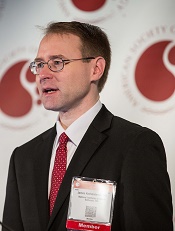
Photo courtesy of ASH
ORLANDO, FL—Allogeneic chimeric antigen receptor (CAR) T cells directed against CD19 can have “significant” activity against resistant B-cell malignancies, even when given without prior chemotherapy, according to a presentation at the 2015 ASH Annual Meeting.
Nine of 20 patients responded to treatment with the CAR T cells, despite having failed prior allogeneic transplant. The best responses were observed in patients with acute lymphoblastic leukemia (ALL) and chronic lymphocytic leukemia (CLL).
“Malignancies that were resistant to allogeneic transplants and standard donor lymphocyte infusions regressed after infusions of allogeneic anti-CD19 CAR T cells,” said James N. Kochenderfer, MD, of the National Cancer Institute in Bethesda, Maryland.
“Allogeneic anti-CD19 CAR T cells seem to be particularly effective against ALL and CLL, suggesting a possible antigenic stimulation that may be more pronounced in these malignancies.”
Adverse events associated with these CAR T cells included severe but reversible cytokine release syndrome, mild aphasia, and muscle damage. There were no cases of acute graft-vs-host disease (GVHD).
Dr Kochenderfer presented these results at ASH as abstract 99.
For this phase 1 study, researchers tested a CAR T-cell therapy that was originally developed by Dr Kochenderfer and his colleagues. The therapy is now known as KTE-C19 and is under development by Kite Pharmaceuticals. However, the company did not sponsor this trial.
The study was open to patients with any CD19+ B-cell malignancy that persisted after allogeneic transplant.
All patients except those with ALL were required to have received at least one standard donor lymphocyte infusion. In addition, patients were only eligible if they had minimal or no GVHD and were not receiving any systemic immunosuppressive drugs.
The trial included 20 patients—5 each with ALL, CLL, mantle cell lymphoma (MCL), and diffuse large B-cell lymphoma (DLBCL).
All patients received a single infusion of CAR T cells derived from their original transplant donor. Production of these cells took 8 days. The highest dose of CAR T cells given was 107 cells/kg.
Four of the ALL patients obtained a minimal-residual disease-negative complete response (CR), but 2 of these patients subsequently relapsed. Of the other 2 patients, 1 remains in CR at 18 months of follow-up, and the other went on to receive a second allogeneic transplant. That patient remains in CR today.
Among the CLL patients, 1 achieved a CR, and 1 achieved a partial response (PR). One patient had stable disease (SD), and the other 2 progressed. Both the CR and the PR are ongoing at 36 and 18 months of follow-up, respectively.
One MCL patient achieved a CR, 1 had a PR, and 3 had SD. The CR is ongoing at 31 months. One DLBCL patient achieved a CR, 3 had SD, and 1 progressed.
Dr Kochenderfer noted that response was associated with higher blood CAR T-cell levels. There was a significant difference in CAR T-cell levels between responders and nonresponders (P=0.001).
In addition, the presence of blood B-cell levels before CAR T-cell infusion was associated with higher blood CAR T-cell levels. Patients with normal or high B lymphocytes had higher levels of CAR T cells in their blood (P=0.04).
Patients with high tumor burdens developed severe cytokine-release syndrome with fever, tachycardia, and hypotension. The ALL patients were particularly susceptible to cytokine-release syndrome.
Dr Kochenderfer said neurologic toxicity was rare and mild. There was 1 case of mild aphasia.
There were 2 patients with elevations in CPK, indicating muscle damage. Those patients also reported muscle pain, and 1 patient reported weakness.
“This is one of the first reports, I think, of muscle damage in CAR T-cell patients,” Dr Kochenderfer said.
None of the patients developed acute GVHD after CAR T-cell therapy. One patient had continued worsening of pre-existing chronic GVHD after treatment, and 1 patient developed mild chronic eye GVHD more than a year after CAR T-cell infusion.
Dr Kochenderfer said additional details from this trial will be published in an upcoming issue of the Journal of Clinical Oncology.
Photo courtesy of ASH
ORLANDO, FL—Allogeneic chimeric antigen receptor (CAR) T cells directed against CD19 can have “significant” activity against resistant B-cell malignancies, even when given without prior chemotherapy, according to a presentation at the 2015 ASH Annual Meeting.
Nine of 20 patients responded to treatment with the CAR T cells, despite having failed prior allogeneic transplant. The best responses were observed in patients with acute lymphoblastic leukemia (ALL) and chronic lymphocytic leukemia (CLL).
“Malignancies that were resistant to allogeneic transplants and standard donor lymphocyte infusions regressed after infusions of allogeneic anti-CD19 CAR T cells,” said James N. Kochenderfer, MD, of the National Cancer Institute in Bethesda, Maryland.
“Allogeneic anti-CD19 CAR T cells seem to be particularly effective against ALL and CLL, suggesting a possible antigenic stimulation that may be more pronounced in these malignancies.”
Adverse events associated with these CAR T cells included severe but reversible cytokine release syndrome, mild aphasia, and muscle damage. There were no cases of acute graft-vs-host disease (GVHD).
Dr Kochenderfer presented these results at ASH as abstract 99.
For this phase 1 study, researchers tested a CAR T-cell therapy that was originally developed by Dr Kochenderfer and his colleagues. The therapy is now known as KTE-C19 and is under development by Kite Pharmaceuticals. However, the company did not sponsor this trial.
The study was open to patients with any CD19+ B-cell malignancy that persisted after allogeneic transplant.
All patients except those with ALL were required to have received at least one standard donor lymphocyte infusion. In addition, patients were only eligible if they had minimal or no GVHD and were not receiving any systemic immunosuppressive drugs.
The trial included 20 patients—5 each with ALL, CLL, mantle cell lymphoma (MCL), and diffuse large B-cell lymphoma (DLBCL).
All patients received a single infusion of CAR T cells derived from their original transplant donor. Production of these cells took 8 days. The highest dose of CAR T cells given was 107 cells/kg.
Four of the ALL patients obtained a minimal-residual disease-negative complete response (CR), but 2 of these patients subsequently relapsed. Of the other 2 patients, 1 remains in CR at 18 months of follow-up, and the other went on to receive a second allogeneic transplant. That patient remains in CR today.
Among the CLL patients, 1 achieved a CR, and 1 achieved a partial response (PR). One patient had stable disease (SD), and the other 2 progressed. Both the CR and the PR are ongoing at 36 and 18 months of follow-up, respectively.
One MCL patient achieved a CR, 1 had a PR, and 3 had SD. The CR is ongoing at 31 months. One DLBCL patient achieved a CR, 3 had SD, and 1 progressed.
Dr Kochenderfer noted that response was associated with higher blood CAR T-cell levels. There was a significant difference in CAR T-cell levels between responders and nonresponders (P=0.001).
In addition, the presence of blood B-cell levels before CAR T-cell infusion was associated with higher blood CAR T-cell levels. Patients with normal or high B lymphocytes had higher levels of CAR T cells in their blood (P=0.04).
Patients with high tumor burdens developed severe cytokine-release syndrome with fever, tachycardia, and hypotension. The ALL patients were particularly susceptible to cytokine-release syndrome.
Dr Kochenderfer said neurologic toxicity was rare and mild. There was 1 case of mild aphasia.
There were 2 patients with elevations in CPK, indicating muscle damage. Those patients also reported muscle pain, and 1 patient reported weakness.
“This is one of the first reports, I think, of muscle damage in CAR T-cell patients,” Dr Kochenderfer said.
None of the patients developed acute GVHD after CAR T-cell therapy. One patient had continued worsening of pre-existing chronic GVHD after treatment, and 1 patient developed mild chronic eye GVHD more than a year after CAR T-cell infusion.
Dr Kochenderfer said additional details from this trial will be published in an upcoming issue of the Journal of Clinical Oncology.
Photo courtesy of ASH
ORLANDO, FL—Allogeneic chimeric antigen receptor (CAR) T cells directed against CD19 can have “significant” activity against resistant B-cell malignancies, even when given without prior chemotherapy, according to a presentation at the 2015 ASH Annual Meeting.
Nine of 20 patients responded to treatment with the CAR T cells, despite having failed prior allogeneic transplant. The best responses were observed in patients with acute lymphoblastic leukemia (ALL) and chronic lymphocytic leukemia (CLL).
“Malignancies that were resistant to allogeneic transplants and standard donor lymphocyte infusions regressed after infusions of allogeneic anti-CD19 CAR T cells,” said James N. Kochenderfer, MD, of the National Cancer Institute in Bethesda, Maryland.
“Allogeneic anti-CD19 CAR T cells seem to be particularly effective against ALL and CLL, suggesting a possible antigenic stimulation that may be more pronounced in these malignancies.”
Adverse events associated with these CAR T cells included severe but reversible cytokine release syndrome, mild aphasia, and muscle damage. There were no cases of acute graft-vs-host disease (GVHD).
Dr Kochenderfer presented these results at ASH as abstract 99.
For this phase 1 study, researchers tested a CAR T-cell therapy that was originally developed by Dr Kochenderfer and his colleagues. The therapy is now known as KTE-C19 and is under development by Kite Pharmaceuticals. However, the company did not sponsor this trial.
The study was open to patients with any CD19+ B-cell malignancy that persisted after allogeneic transplant.
All patients except those with ALL were required to have received at least one standard donor lymphocyte infusion. In addition, patients were only eligible if they had minimal or no GVHD and were not receiving any systemic immunosuppressive drugs.
The trial included 20 patients—5 each with ALL, CLL, mantle cell lymphoma (MCL), and diffuse large B-cell lymphoma (DLBCL).
All patients received a single infusion of CAR T cells derived from their original transplant donor. Production of these cells took 8 days. The highest dose of CAR T cells given was 107 cells/kg.
Four of the ALL patients obtained a minimal-residual disease-negative complete response (CR), but 2 of these patients subsequently relapsed. Of the other 2 patients, 1 remains in CR at 18 months of follow-up, and the other went on to receive a second allogeneic transplant. That patient remains in CR today.
Among the CLL patients, 1 achieved a CR, and 1 achieved a partial response (PR). One patient had stable disease (SD), and the other 2 progressed. Both the CR and the PR are ongoing at 36 and 18 months of follow-up, respectively.
One MCL patient achieved a CR, 1 had a PR, and 3 had SD. The CR is ongoing at 31 months. One DLBCL patient achieved a CR, 3 had SD, and 1 progressed.
Dr Kochenderfer noted that response was associated with higher blood CAR T-cell levels. There was a significant difference in CAR T-cell levels between responders and nonresponders (P=0.001).
In addition, the presence of blood B-cell levels before CAR T-cell infusion was associated with higher blood CAR T-cell levels. Patients with normal or high B lymphocytes had higher levels of CAR T cells in their blood (P=0.04).
Patients with high tumor burdens developed severe cytokine-release syndrome with fever, tachycardia, and hypotension. The ALL patients were particularly susceptible to cytokine-release syndrome.
Dr Kochenderfer said neurologic toxicity was rare and mild. There was 1 case of mild aphasia.
There were 2 patients with elevations in CPK, indicating muscle damage. Those patients also reported muscle pain, and 1 patient reported weakness.
“This is one of the first reports, I think, of muscle damage in CAR T-cell patients,” Dr Kochenderfer said.
None of the patients developed acute GVHD after CAR T-cell therapy. One patient had continued worsening of pre-existing chronic GVHD after treatment, and 1 patient developed mild chronic eye GVHD more than a year after CAR T-cell infusion.
Dr Kochenderfer said additional details from this trial will be published in an upcoming issue of the Journal of Clinical Oncology.
Ibrutinib ‘treatment of choice’ in rel/ref MCL

Annual Meeting
Photo courtesy of ASH
ORLANDO, FL—The BTK inhibitor ibrutinib should be considered the treatment of choice for patients with relapsed or refractory mantle cell lymphoma (MCL), according to a speaker at the 2015 ASH Annual Meeting.
Results of the phase 3 RAY trial showed that ibrutinib can prolong progression-free survival (PFS) when compared to the mTOR inhibitor temsirolimus.
There was no significant difference in overall survival (OS) between the treatment arms, but this outcome was influenced by the fact that patients were allowed to cross over from the temsirolimus arm to the ibrutinib arm after they progressed.
A majority of patients in both arms experienced adverse events (AEs), and the incidence of grade 3 or higher AEs was high—about 70% with ibrutinib and 90% with temsirolimus.
Simon Rule, MD, of Derriford Hospital in Plymouth, UK, presented these results at the meeting as abstract 469. The study has been published in The Lancet as well.
The research was sponsored by Janssen Biotech, Inc., which is jointly developing and commercializing ibrutinib with Pharmacyclics LLC, an AbbVie company.
Study design
The trial included 280 patients with relapsed or refractory MCL. They were enrolled from December 2012 to November 2013.
The patients were randomized to receive oral ibrutinib (n=139) at 560 mg or intravenous temsirolimus (n=141) at 175 mg on days 1, 8, and 15 of cycle 1 and 75 mg on days 1, 8, and 15 of all subsequent 21-day cycles until disease progression or unacceptable toxicity.
Starting July 2014, patients were allowed to cross over from the ibrutinib arm to the temsirolimus arm if they had progressive disease, as confirmed by an independent review committee. Thirty-two patients ultimately crossed over.
Patient characteristics
Baseline characteristics were similar between the treatment arms. The median age was 67 (range, 39-84) in the ibrutinib arm and 68 (range, 34-88) in the temsirolimus arm. Most patients had an ECOG performance status of 0 (48.2% and 47.5%, respectively) or 1 (51.1% in both arms).
The median number of prior therapies was 2 in both arms (range, 1-9). A majority of patients had 1 to 2 prior lines of therapy—68.3% in the ibrutinib arm and 66% in the temsirolimus arm.
The median time from the end of last therapy was 8.25 months for the ibrutinib arm and 7.03 months for the temsirolimus arm. And about 30% of patients in each arm were refractory to their last therapy—25.9% and 33.3%, respectively.
About half of patients in each arm had intermediate-risk disease (46.8% in the ibrutinib arm and 48.9% in the temsirolimus arm), followed by low-risk (31.7% and 29.8%, respectively) and high-risk disease (21.6% and 21.3%, respectively).
Most patients had stage IV disease—80.6% in the ibrutinib arm and 85.1% in the temsirolimus arm.
PFS
The study’s primary endpoint was PFS, as assessed by an independent review committee.
At a median follow-up of 20 months, the median PFS was 14.6 months for patients in the ibrutinib arm and 6.2 months for patients in the temsirolimus arm (hazard ratio=0.43, P<0.0001). At 2 years, the PFS was 41% in the ibrutinib arm and 7% in the temsirolimus arm.
Dr Rule noted that, looking at these data, people might question the validity of temsirolimus as a comparator to ibrutinib for this patient population.
“If you look at the median PFS for temsirolimus here, it’s 6.2 months,” he said. “In the registration study for Velcade—bortezomib—in the US, PFS was 6.5 months. If you look at the median PFS in the lenalidomide study that got registration, it was 4 months. So [the PFS for temsirolimus] is very representative of an oral novel agent in the context of mantle cell lymphoma.”
Dr Rule also pointed out that the improvement in PFS with ibrutinib was consistent across subgroups (ie, older age, risk score, tumor bulk, refractory disease). The only exception was patients with blastoid histology, but this was a very small group.
Secondary endpoints
The median OS was not reached in the ibrutinib arm but was 21.3 months in the temsirolimus arm.
This difference was not statistically significant, but Dr Rule noted that the trial was not powered for OS, and the analysis is confounded by the crossover. Twenty-three percent of patients in the temsirolimus arm ultimately received ibrutinib.
The overall response rate (ORR) was 71.9% in the ibrutinib arm and 40.4% in the temsirolimus arm (P<0.0001), according to the independent review committee. The complete response rates were 18.7% (n=26) and 1.4% (n=2), respectively.
The median duration of response was not reached with ibrutinib but was 7 months for temsirolimus. The median time to next treatment was not reached with ibrutinib, but it was 11.6 months in the temsirolimus arm (P<0.0001).
And the median duration of study treatment was 14.4 months in the ibrutinib arm and 3 months in the temsirolimus arm.
Timing counts
Dr Rule also presented response and PFS data according to the number of prior therapies patients received.
He noted that patients were more likely to respond to temsirolimus if they had received fewer prior therapies, but this was not the case with ibrutinib. Ibrutinib produced consistent ORRs regardless of when it was given.
In the ibrutinib arm, the ORR was 71.9% for patients who had received 1 prior line of therapy, 68.4% for those who received 2 prior therapies, and 75% for those who received 3 prior therapies. In the temsirolimus arm, the ORRs were 48%, 39.5%, and 33.3%, respectively.
Conversely, patients had a greater PFS benefit if they received ibrutinib earlier in their treatment course, but this was not true for temsirolimus.
At the median follow-up of 20 months, PFS was more than 60% for ibrutinib-treated patients who had received 1 prior line of therapy and less than 30% for ibrutinib-treated patients who received 2 or more prior lines of therapy. PFS was less than 15% for patients in the temsirolimus arm, regardless of their number of prior therapies.
“So that’s perhaps the first hint that, if we’re going to be using [ibrutinib], we should be using it earlier on,” Dr Rule said. “And I also suspect that, with further follow-up with this study, if this holds up, there will be, indeed, a survival benefit observed.”
Safety
“Despite patients on the ibrutinib arm being exposed to drug more than 4 times longer than those with temsirolimus, the frequency of most cumulative adverse events was lower in the ibrutinib arm,” Dr Rule said.
Still, he noted that most patients had some adverse events. And grade 3 or higher adverse events were reported in 67.6% of patients on ibrutinib and 87.1% of patients on temsirolimus.
Grade 3 or higher AEs included atrial fibrillation (AFib) and major bleeding. AFib occurred in 4.3% of patients in the ibrutinib arm and 1.4% in the temsirolimus arm. Major bleeding occurred in 10.1% and 6.5%, respectively.
Five of the 6 patients with AFib in the ibrutinib arm and all 3 patients who developed AFib in the temsirolimus arm had risk factors for AFib prior to treatment. None of these patients discontinued treatment due to AFib.
Dr Rule said there was no evidence to suggest that either drug increases the risk of second primary malignancies, although 3.6% of patients in the ibrutinib arm and 2.9% in the temsirolimus arm were diagnosed with second primary malignancies (mostly non-melanoma skin cancers).
The most common treatment-emergent AEs (≥20%) of any grade for the ibrutinib arm were diarrhea (28.8%), cough (22.3%), and fatigue (22.3%).
The most common treatment-emergent AEs (>20%) of any grade for the temsirolimus arm were thrombocytopenia (56.1%), anemia (43.2%), diarrhea (30.9%), fatigue (28.8%), neutropenia (25.9%), epistaxis (23.7%), cough (22.3%), peripheral edema (22.3%), nausea (21.6%), pyrexia (20.9%), and stomatitis (20.9%).
The most common hematologic AEs (≥10%) in the ibrutinib and temsirolimus arms, respectively, were thrombocytopenia (18% vs 56.1%), anemia (18% vs 43.2%), and neutropenia (15.8% vs 25.9%).
Six percent of patients in the ibrutinib arm and 26% in the temsirolimus arm discontinued treatment due to AEs.
At a median follow-up of 20 months, 42% of patients in the ibrutinib arm and 45% in the temsirolimus arm had died. The most common cause of death associated with ibrutinib was disease progression, and deaths in the temsirolimus arm were primarily attributed to AEs.
Annual Meeting
Photo courtesy of ASH
ORLANDO, FL—The BTK inhibitor ibrutinib should be considered the treatment of choice for patients with relapsed or refractory mantle cell lymphoma (MCL), according to a speaker at the 2015 ASH Annual Meeting.
Results of the phase 3 RAY trial showed that ibrutinib can prolong progression-free survival (PFS) when compared to the mTOR inhibitor temsirolimus.
There was no significant difference in overall survival (OS) between the treatment arms, but this outcome was influenced by the fact that patients were allowed to cross over from the temsirolimus arm to the ibrutinib arm after they progressed.
A majority of patients in both arms experienced adverse events (AEs), and the incidence of grade 3 or higher AEs was high—about 70% with ibrutinib and 90% with temsirolimus.
Simon Rule, MD, of Derriford Hospital in Plymouth, UK, presented these results at the meeting as abstract 469. The study has been published in The Lancet as well.
The research was sponsored by Janssen Biotech, Inc., which is jointly developing and commercializing ibrutinib with Pharmacyclics LLC, an AbbVie company.
Study design
The trial included 280 patients with relapsed or refractory MCL. They were enrolled from December 2012 to November 2013.
The patients were randomized to receive oral ibrutinib (n=139) at 560 mg or intravenous temsirolimus (n=141) at 175 mg on days 1, 8, and 15 of cycle 1 and 75 mg on days 1, 8, and 15 of all subsequent 21-day cycles until disease progression or unacceptable toxicity.
Starting July 2014, patients were allowed to cross over from the ibrutinib arm to the temsirolimus arm if they had progressive disease, as confirmed by an independent review committee. Thirty-two patients ultimately crossed over.
Patient characteristics
Baseline characteristics were similar between the treatment arms. The median age was 67 (range, 39-84) in the ibrutinib arm and 68 (range, 34-88) in the temsirolimus arm. Most patients had an ECOG performance status of 0 (48.2% and 47.5%, respectively) or 1 (51.1% in both arms).
The median number of prior therapies was 2 in both arms (range, 1-9). A majority of patients had 1 to 2 prior lines of therapy—68.3% in the ibrutinib arm and 66% in the temsirolimus arm.
The median time from the end of last therapy was 8.25 months for the ibrutinib arm and 7.03 months for the temsirolimus arm. And about 30% of patients in each arm were refractory to their last therapy—25.9% and 33.3%, respectively.
About half of patients in each arm had intermediate-risk disease (46.8% in the ibrutinib arm and 48.9% in the temsirolimus arm), followed by low-risk (31.7% and 29.8%, respectively) and high-risk disease (21.6% and 21.3%, respectively).
Most patients had stage IV disease—80.6% in the ibrutinib arm and 85.1% in the temsirolimus arm.
PFS
The study’s primary endpoint was PFS, as assessed by an independent review committee.
At a median follow-up of 20 months, the median PFS was 14.6 months for patients in the ibrutinib arm and 6.2 months for patients in the temsirolimus arm (hazard ratio=0.43, P<0.0001). At 2 years, the PFS was 41% in the ibrutinib arm and 7% in the temsirolimus arm.
Dr Rule noted that, looking at these data, people might question the validity of temsirolimus as a comparator to ibrutinib for this patient population.
“If you look at the median PFS for temsirolimus here, it’s 6.2 months,” he said. “In the registration study for Velcade—bortezomib—in the US, PFS was 6.5 months. If you look at the median PFS in the lenalidomide study that got registration, it was 4 months. So [the PFS for temsirolimus] is very representative of an oral novel agent in the context of mantle cell lymphoma.”
Dr Rule also pointed out that the improvement in PFS with ibrutinib was consistent across subgroups (ie, older age, risk score, tumor bulk, refractory disease). The only exception was patients with blastoid histology, but this was a very small group.
Secondary endpoints
The median OS was not reached in the ibrutinib arm but was 21.3 months in the temsirolimus arm.
This difference was not statistically significant, but Dr Rule noted that the trial was not powered for OS, and the analysis is confounded by the crossover. Twenty-three percent of patients in the temsirolimus arm ultimately received ibrutinib.
The overall response rate (ORR) was 71.9% in the ibrutinib arm and 40.4% in the temsirolimus arm (P<0.0001), according to the independent review committee. The complete response rates were 18.7% (n=26) and 1.4% (n=2), respectively.
The median duration of response was not reached with ibrutinib but was 7 months for temsirolimus. The median time to next treatment was not reached with ibrutinib, but it was 11.6 months in the temsirolimus arm (P<0.0001).
And the median duration of study treatment was 14.4 months in the ibrutinib arm and 3 months in the temsirolimus arm.
Timing counts
Dr Rule also presented response and PFS data according to the number of prior therapies patients received.
He noted that patients were more likely to respond to temsirolimus if they had received fewer prior therapies, but this was not the case with ibrutinib. Ibrutinib produced consistent ORRs regardless of when it was given.
In the ibrutinib arm, the ORR was 71.9% for patients who had received 1 prior line of therapy, 68.4% for those who received 2 prior therapies, and 75% for those who received 3 prior therapies. In the temsirolimus arm, the ORRs were 48%, 39.5%, and 33.3%, respectively.
Conversely, patients had a greater PFS benefit if they received ibrutinib earlier in their treatment course, but this was not true for temsirolimus.
At the median follow-up of 20 months, PFS was more than 60% for ibrutinib-treated patients who had received 1 prior line of therapy and less than 30% for ibrutinib-treated patients who received 2 or more prior lines of therapy. PFS was less than 15% for patients in the temsirolimus arm, regardless of their number of prior therapies.
“So that’s perhaps the first hint that, if we’re going to be using [ibrutinib], we should be using it earlier on,” Dr Rule said. “And I also suspect that, with further follow-up with this study, if this holds up, there will be, indeed, a survival benefit observed.”
Safety
“Despite patients on the ibrutinib arm being exposed to drug more than 4 times longer than those with temsirolimus, the frequency of most cumulative adverse events was lower in the ibrutinib arm,” Dr Rule said.
Still, he noted that most patients had some adverse events. And grade 3 or higher adverse events were reported in 67.6% of patients on ibrutinib and 87.1% of patients on temsirolimus.
Grade 3 or higher AEs included atrial fibrillation (AFib) and major bleeding. AFib occurred in 4.3% of patients in the ibrutinib arm and 1.4% in the temsirolimus arm. Major bleeding occurred in 10.1% and 6.5%, respectively.
Five of the 6 patients with AFib in the ibrutinib arm and all 3 patients who developed AFib in the temsirolimus arm had risk factors for AFib prior to treatment. None of these patients discontinued treatment due to AFib.
Dr Rule said there was no evidence to suggest that either drug increases the risk of second primary malignancies, although 3.6% of patients in the ibrutinib arm and 2.9% in the temsirolimus arm were diagnosed with second primary malignancies (mostly non-melanoma skin cancers).
The most common treatment-emergent AEs (≥20%) of any grade for the ibrutinib arm were diarrhea (28.8%), cough (22.3%), and fatigue (22.3%).
The most common treatment-emergent AEs (>20%) of any grade for the temsirolimus arm were thrombocytopenia (56.1%), anemia (43.2%), diarrhea (30.9%), fatigue (28.8%), neutropenia (25.9%), epistaxis (23.7%), cough (22.3%), peripheral edema (22.3%), nausea (21.6%), pyrexia (20.9%), and stomatitis (20.9%).
The most common hematologic AEs (≥10%) in the ibrutinib and temsirolimus arms, respectively, were thrombocytopenia (18% vs 56.1%), anemia (18% vs 43.2%), and neutropenia (15.8% vs 25.9%).
Six percent of patients in the ibrutinib arm and 26% in the temsirolimus arm discontinued treatment due to AEs.
At a median follow-up of 20 months, 42% of patients in the ibrutinib arm and 45% in the temsirolimus arm had died. The most common cause of death associated with ibrutinib was disease progression, and deaths in the temsirolimus arm were primarily attributed to AEs.
Annual Meeting
Photo courtesy of ASH
ORLANDO, FL—The BTK inhibitor ibrutinib should be considered the treatment of choice for patients with relapsed or refractory mantle cell lymphoma (MCL), according to a speaker at the 2015 ASH Annual Meeting.
Results of the phase 3 RAY trial showed that ibrutinib can prolong progression-free survival (PFS) when compared to the mTOR inhibitor temsirolimus.
There was no significant difference in overall survival (OS) between the treatment arms, but this outcome was influenced by the fact that patients were allowed to cross over from the temsirolimus arm to the ibrutinib arm after they progressed.
A majority of patients in both arms experienced adverse events (AEs), and the incidence of grade 3 or higher AEs was high—about 70% with ibrutinib and 90% with temsirolimus.
Simon Rule, MD, of Derriford Hospital in Plymouth, UK, presented these results at the meeting as abstract 469. The study has been published in The Lancet as well.
The research was sponsored by Janssen Biotech, Inc., which is jointly developing and commercializing ibrutinib with Pharmacyclics LLC, an AbbVie company.
Study design
The trial included 280 patients with relapsed or refractory MCL. They were enrolled from December 2012 to November 2013.
The patients were randomized to receive oral ibrutinib (n=139) at 560 mg or intravenous temsirolimus (n=141) at 175 mg on days 1, 8, and 15 of cycle 1 and 75 mg on days 1, 8, and 15 of all subsequent 21-day cycles until disease progression or unacceptable toxicity.
Starting July 2014, patients were allowed to cross over from the ibrutinib arm to the temsirolimus arm if they had progressive disease, as confirmed by an independent review committee. Thirty-two patients ultimately crossed over.
Patient characteristics
Baseline characteristics were similar between the treatment arms. The median age was 67 (range, 39-84) in the ibrutinib arm and 68 (range, 34-88) in the temsirolimus arm. Most patients had an ECOG performance status of 0 (48.2% and 47.5%, respectively) or 1 (51.1% in both arms).
The median number of prior therapies was 2 in both arms (range, 1-9). A majority of patients had 1 to 2 prior lines of therapy—68.3% in the ibrutinib arm and 66% in the temsirolimus arm.
The median time from the end of last therapy was 8.25 months for the ibrutinib arm and 7.03 months for the temsirolimus arm. And about 30% of patients in each arm were refractory to their last therapy—25.9% and 33.3%, respectively.
About half of patients in each arm had intermediate-risk disease (46.8% in the ibrutinib arm and 48.9% in the temsirolimus arm), followed by low-risk (31.7% and 29.8%, respectively) and high-risk disease (21.6% and 21.3%, respectively).
Most patients had stage IV disease—80.6% in the ibrutinib arm and 85.1% in the temsirolimus arm.
PFS
The study’s primary endpoint was PFS, as assessed by an independent review committee.
At a median follow-up of 20 months, the median PFS was 14.6 months for patients in the ibrutinib arm and 6.2 months for patients in the temsirolimus arm (hazard ratio=0.43, P<0.0001). At 2 years, the PFS was 41% in the ibrutinib arm and 7% in the temsirolimus arm.
Dr Rule noted that, looking at these data, people might question the validity of temsirolimus as a comparator to ibrutinib for this patient population.
“If you look at the median PFS for temsirolimus here, it’s 6.2 months,” he said. “In the registration study for Velcade—bortezomib—in the US, PFS was 6.5 months. If you look at the median PFS in the lenalidomide study that got registration, it was 4 months. So [the PFS for temsirolimus] is very representative of an oral novel agent in the context of mantle cell lymphoma.”
Dr Rule also pointed out that the improvement in PFS with ibrutinib was consistent across subgroups (ie, older age, risk score, tumor bulk, refractory disease). The only exception was patients with blastoid histology, but this was a very small group.
Secondary endpoints
The median OS was not reached in the ibrutinib arm but was 21.3 months in the temsirolimus arm.
This difference was not statistically significant, but Dr Rule noted that the trial was not powered for OS, and the analysis is confounded by the crossover. Twenty-three percent of patients in the temsirolimus arm ultimately received ibrutinib.
The overall response rate (ORR) was 71.9% in the ibrutinib arm and 40.4% in the temsirolimus arm (P<0.0001), according to the independent review committee. The complete response rates were 18.7% (n=26) and 1.4% (n=2), respectively.
The median duration of response was not reached with ibrutinib but was 7 months for temsirolimus. The median time to next treatment was not reached with ibrutinib, but it was 11.6 months in the temsirolimus arm (P<0.0001).
And the median duration of study treatment was 14.4 months in the ibrutinib arm and 3 months in the temsirolimus arm.
Timing counts
Dr Rule also presented response and PFS data according to the number of prior therapies patients received.
He noted that patients were more likely to respond to temsirolimus if they had received fewer prior therapies, but this was not the case with ibrutinib. Ibrutinib produced consistent ORRs regardless of when it was given.
In the ibrutinib arm, the ORR was 71.9% for patients who had received 1 prior line of therapy, 68.4% for those who received 2 prior therapies, and 75% for those who received 3 prior therapies. In the temsirolimus arm, the ORRs were 48%, 39.5%, and 33.3%, respectively.
Conversely, patients had a greater PFS benefit if they received ibrutinib earlier in their treatment course, but this was not true for temsirolimus.
At the median follow-up of 20 months, PFS was more than 60% for ibrutinib-treated patients who had received 1 prior line of therapy and less than 30% for ibrutinib-treated patients who received 2 or more prior lines of therapy. PFS was less than 15% for patients in the temsirolimus arm, regardless of their number of prior therapies.
“So that’s perhaps the first hint that, if we’re going to be using [ibrutinib], we should be using it earlier on,” Dr Rule said. “And I also suspect that, with further follow-up with this study, if this holds up, there will be, indeed, a survival benefit observed.”
Safety
“Despite patients on the ibrutinib arm being exposed to drug more than 4 times longer than those with temsirolimus, the frequency of most cumulative adverse events was lower in the ibrutinib arm,” Dr Rule said.
Still, he noted that most patients had some adverse events. And grade 3 or higher adverse events were reported in 67.6% of patients on ibrutinib and 87.1% of patients on temsirolimus.
Grade 3 or higher AEs included atrial fibrillation (AFib) and major bleeding. AFib occurred in 4.3% of patients in the ibrutinib arm and 1.4% in the temsirolimus arm. Major bleeding occurred in 10.1% and 6.5%, respectively.
Five of the 6 patients with AFib in the ibrutinib arm and all 3 patients who developed AFib in the temsirolimus arm had risk factors for AFib prior to treatment. None of these patients discontinued treatment due to AFib.
Dr Rule said there was no evidence to suggest that either drug increases the risk of second primary malignancies, although 3.6% of patients in the ibrutinib arm and 2.9% in the temsirolimus arm were diagnosed with second primary malignancies (mostly non-melanoma skin cancers).
The most common treatment-emergent AEs (≥20%) of any grade for the ibrutinib arm were diarrhea (28.8%), cough (22.3%), and fatigue (22.3%).
The most common treatment-emergent AEs (>20%) of any grade for the temsirolimus arm were thrombocytopenia (56.1%), anemia (43.2%), diarrhea (30.9%), fatigue (28.8%), neutropenia (25.9%), epistaxis (23.7%), cough (22.3%), peripheral edema (22.3%), nausea (21.6%), pyrexia (20.9%), and stomatitis (20.9%).
The most common hematologic AEs (≥10%) in the ibrutinib and temsirolimus arms, respectively, were thrombocytopenia (18% vs 56.1%), anemia (18% vs 43.2%), and neutropenia (15.8% vs 25.9%).
Six percent of patients in the ibrutinib arm and 26% in the temsirolimus arm discontinued treatment due to AEs.
At a median follow-up of 20 months, 42% of patients in the ibrutinib arm and 45% in the temsirolimus arm had died. The most common cause of death associated with ibrutinib was disease progression, and deaths in the temsirolimus arm were primarily attributed to AEs.
VIDEO: Top-line results from Tourmaline in multiple myeloma, plus ongoing trials and treatment selection
ORLANDO – The combination of the oral proteasome inhibitor ixazomib (Ninlaro, recently approved by the Food and Drug Administration) with lenalidomide and dexamethasone was associated with a 35% improvement in progression free survival in the Tourmaline trial.
In a video interview, Tourmaline investigator Dr. Shaji Kumar, professor of medicine at the Mayo Clinic, Rochester, Minn., discussed the top-line study results, the status of ongoing trials with ixazomib in other combination regimens, and the decision rationales that will need to be considered in selecting one of the newly approved multiple myeloma therapies.
Dr. Kumar has received funding from Takeda, the makers of ixazomib; he has also received funding from Celgene, Onyx, Janssen, and Sanofi.
The video associated with this article is no longer available on this site. Please view all of our videos on the MDedge YouTube channel
ORLANDO – The combination of the oral proteasome inhibitor ixazomib (Ninlaro, recently approved by the Food and Drug Administration) with lenalidomide and dexamethasone was associated with a 35% improvement in progression free survival in the Tourmaline trial.
In a video interview, Tourmaline investigator Dr. Shaji Kumar, professor of medicine at the Mayo Clinic, Rochester, Minn., discussed the top-line study results, the status of ongoing trials with ixazomib in other combination regimens, and the decision rationales that will need to be considered in selecting one of the newly approved multiple myeloma therapies.
Dr. Kumar has received funding from Takeda, the makers of ixazomib; he has also received funding from Celgene, Onyx, Janssen, and Sanofi.
The video associated with this article is no longer available on this site. Please view all of our videos on the MDedge YouTube channel
ORLANDO – The combination of the oral proteasome inhibitor ixazomib (Ninlaro, recently approved by the Food and Drug Administration) with lenalidomide and dexamethasone was associated with a 35% improvement in progression free survival in the Tourmaline trial.
In a video interview, Tourmaline investigator Dr. Shaji Kumar, professor of medicine at the Mayo Clinic, Rochester, Minn., discussed the top-line study results, the status of ongoing trials with ixazomib in other combination regimens, and the decision rationales that will need to be considered in selecting one of the newly approved multiple myeloma therapies.
Dr. Kumar has received funding from Takeda, the makers of ixazomib; he has also received funding from Celgene, Onyx, Janssen, and Sanofi.
The video associated with this article is no longer available on this site. Please view all of our videos on the MDedge YouTube channel
AT ASH 2015
ASH: Daratumumab and len/dex produce high response rates in refractory myeloma
ORLANDO – A combination of two standard therapies and the newly approved targeted agent daratumumab was associated with a high overall response rate and induced rapid, deep, and durable responses in patients with relapsed or refractory multiple myeloma, according to results of a phase I/II study presented at the annual meeting of the American Society of Hematology.
The median time to first response was 1 month; median time to best response was 5.1 months; and the median duration of response had not been reached at the most recent analysis. At 1 year, 91% of 26 patients with a partial response or better had not experienced disease progression. The 18-month progression-free survival rate was 72%, and the 18-month overall survival rate was 90%.
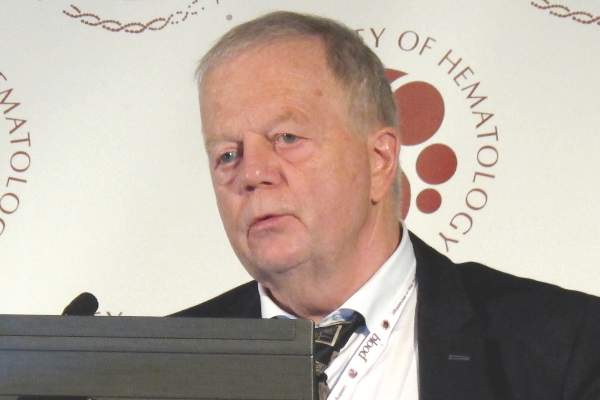
“I have been looking forward to this day since I dosed the first patient with daratumumab in 2007. We have come a long way,” Dr. Torben Plesner said at a briefing at the meeting.
The study is one of several trials examining the use of daratumumab (Darzalex) in various combination regimens. Daratumumab (Darzalex) was recently approved by the Food and Drug Administration as monotherapy for use in patients with relapsed or refractory multiple myeloma for whom three or more prior lines of therapy, including proteasome inhibitors or immunomodulators, have failed.
Updated data on an expansion cohort from the study show that the combination of lenalidomide and dexamethasone (len/dex) with daratumumab was associated with an 81% (26 patients) overall response rate (ORR). This included stringent complete responses (sCR) in 25% (8 patients), complete responses in 9% (3 patients), and very good partial responses in 28% (9 patients), and 6 partial responses
“The responses were durable and they occurred rapidly,” said Dr. Plesner of Vejle Hospital and the University of Southern Denmark in Vejle.
Dr. Plesner presented updated results from the expansion cohort of the GEN503 study looking at the combination of daratumumab and len/dex.
In the open-label, single-arm study, patients received 16 mg/kg intravenous infusions of daratumumab once weekly for the first 2 months, twice weekly for months 3 through 6, and once every 4 weeks thereafter, plus oral lenalidomide 25 mg on days 1 through 21 of every 28-day cycle, and oral dexamethasone 40 mg once weekly.
In the dose-escalation phase, patients with relapsed multiple myeloma following two to four prior lines of therapy were enrolled. In the expansion cohort phase, patients with relapsed disease after at least one line of therapy could be enrolled, with no upper limit on the number of prior regimens.
The primary endpoint was adverse events; the most common were neutropenia in 84% of patients, cough in 50%, diarrhea, and muscle spasms (44% each).
Half of all patients had a serious adverse event, but the only events that occurred in more than one patient were neutropenia (three), gastroenteritis (two), and pyrexia (two). Infusion-related reactions, primarily during the first infusion, occurred in 56%, and the severity was grade 2 or less. Reactions were managed either with premedication or by slowing the infusion rate.
Two randomized phase III studies of the combination of daratumumab and len/dex are ongoing: the POLLUX trial, looking at the drugs in patients with relapsed/refractory disease, and the MAIA trial, using the combination as first-line therapy for newly diagnosed patients.
Speaking about the wealth of new therapies for multiple myeloma and other hematologic malignancies discussed at the briefing, Dr. Robert Hromas, professor of medicine at the University of Florida in Gainesville, commented that “I’ve been in the field for years and I can’t explain the excitement among blood doctors. It’s extraordinary, but we see plateaus lasting years now.”
“It’s so much fun to be a blood doctor,” he added.
The GEN503 trial is sponsored by Janssen. Dr. Plesner disclosed serving on an advisory board for, and receiving research funding from, Janssen. Dr. Hromas had no relevant disclosures.
ORLANDO – A combination of two standard therapies and the newly approved targeted agent daratumumab was associated with a high overall response rate and induced rapid, deep, and durable responses in patients with relapsed or refractory multiple myeloma, according to results of a phase I/II study presented at the annual meeting of the American Society of Hematology.
The median time to first response was 1 month; median time to best response was 5.1 months; and the median duration of response had not been reached at the most recent analysis. At 1 year, 91% of 26 patients with a partial response or better had not experienced disease progression. The 18-month progression-free survival rate was 72%, and the 18-month overall survival rate was 90%.
“I have been looking forward to this day since I dosed the first patient with daratumumab in 2007. We have come a long way,” Dr. Torben Plesner said at a briefing at the meeting.
The study is one of several trials examining the use of daratumumab (Darzalex) in various combination regimens. Daratumumab (Darzalex) was recently approved by the Food and Drug Administration as monotherapy for use in patients with relapsed or refractory multiple myeloma for whom three or more prior lines of therapy, including proteasome inhibitors or immunomodulators, have failed.
Updated data on an expansion cohort from the study show that the combination of lenalidomide and dexamethasone (len/dex) with daratumumab was associated with an 81% (26 patients) overall response rate (ORR). This included stringent complete responses (sCR) in 25% (8 patients), complete responses in 9% (3 patients), and very good partial responses in 28% (9 patients), and 6 partial responses
“The responses were durable and they occurred rapidly,” said Dr. Plesner of Vejle Hospital and the University of Southern Denmark in Vejle.
Dr. Plesner presented updated results from the expansion cohort of the GEN503 study looking at the combination of daratumumab and len/dex.
In the open-label, single-arm study, patients received 16 mg/kg intravenous infusions of daratumumab once weekly for the first 2 months, twice weekly for months 3 through 6, and once every 4 weeks thereafter, plus oral lenalidomide 25 mg on days 1 through 21 of every 28-day cycle, and oral dexamethasone 40 mg once weekly.
In the dose-escalation phase, patients with relapsed multiple myeloma following two to four prior lines of therapy were enrolled. In the expansion cohort phase, patients with relapsed disease after at least one line of therapy could be enrolled, with no upper limit on the number of prior regimens.
The primary endpoint was adverse events; the most common were neutropenia in 84% of patients, cough in 50%, diarrhea, and muscle spasms (44% each).
Half of all patients had a serious adverse event, but the only events that occurred in more than one patient were neutropenia (three), gastroenteritis (two), and pyrexia (two). Infusion-related reactions, primarily during the first infusion, occurred in 56%, and the severity was grade 2 or less. Reactions were managed either with premedication or by slowing the infusion rate.
Two randomized phase III studies of the combination of daratumumab and len/dex are ongoing: the POLLUX trial, looking at the drugs in patients with relapsed/refractory disease, and the MAIA trial, using the combination as first-line therapy for newly diagnosed patients.
Speaking about the wealth of new therapies for multiple myeloma and other hematologic malignancies discussed at the briefing, Dr. Robert Hromas, professor of medicine at the University of Florida in Gainesville, commented that “I’ve been in the field for years and I can’t explain the excitement among blood doctors. It’s extraordinary, but we see plateaus lasting years now.”
“It’s so much fun to be a blood doctor,” he added.
The GEN503 trial is sponsored by Janssen. Dr. Plesner disclosed serving on an advisory board for, and receiving research funding from, Janssen. Dr. Hromas had no relevant disclosures.
ORLANDO – A combination of two standard therapies and the newly approved targeted agent daratumumab was associated with a high overall response rate and induced rapid, deep, and durable responses in patients with relapsed or refractory multiple myeloma, according to results of a phase I/II study presented at the annual meeting of the American Society of Hematology.
The median time to first response was 1 month; median time to best response was 5.1 months; and the median duration of response had not been reached at the most recent analysis. At 1 year, 91% of 26 patients with a partial response or better had not experienced disease progression. The 18-month progression-free survival rate was 72%, and the 18-month overall survival rate was 90%.
“I have been looking forward to this day since I dosed the first patient with daratumumab in 2007. We have come a long way,” Dr. Torben Plesner said at a briefing at the meeting.
The study is one of several trials examining the use of daratumumab (Darzalex) in various combination regimens. Daratumumab (Darzalex) was recently approved by the Food and Drug Administration as monotherapy for use in patients with relapsed or refractory multiple myeloma for whom three or more prior lines of therapy, including proteasome inhibitors or immunomodulators, have failed.
Updated data on an expansion cohort from the study show that the combination of lenalidomide and dexamethasone (len/dex) with daratumumab was associated with an 81% (26 patients) overall response rate (ORR). This included stringent complete responses (sCR) in 25% (8 patients), complete responses in 9% (3 patients), and very good partial responses in 28% (9 patients), and 6 partial responses
“The responses were durable and they occurred rapidly,” said Dr. Plesner of Vejle Hospital and the University of Southern Denmark in Vejle.
Dr. Plesner presented updated results from the expansion cohort of the GEN503 study looking at the combination of daratumumab and len/dex.
In the open-label, single-arm study, patients received 16 mg/kg intravenous infusions of daratumumab once weekly for the first 2 months, twice weekly for months 3 through 6, and once every 4 weeks thereafter, plus oral lenalidomide 25 mg on days 1 through 21 of every 28-day cycle, and oral dexamethasone 40 mg once weekly.
In the dose-escalation phase, patients with relapsed multiple myeloma following two to four prior lines of therapy were enrolled. In the expansion cohort phase, patients with relapsed disease after at least one line of therapy could be enrolled, with no upper limit on the number of prior regimens.
The primary endpoint was adverse events; the most common were neutropenia in 84% of patients, cough in 50%, diarrhea, and muscle spasms (44% each).
Half of all patients had a serious adverse event, but the only events that occurred in more than one patient were neutropenia (three), gastroenteritis (two), and pyrexia (two). Infusion-related reactions, primarily during the first infusion, occurred in 56%, and the severity was grade 2 or less. Reactions were managed either with premedication or by slowing the infusion rate.
Two randomized phase III studies of the combination of daratumumab and len/dex are ongoing: the POLLUX trial, looking at the drugs in patients with relapsed/refractory disease, and the MAIA trial, using the combination as first-line therapy for newly diagnosed patients.
Speaking about the wealth of new therapies for multiple myeloma and other hematologic malignancies discussed at the briefing, Dr. Robert Hromas, professor of medicine at the University of Florida in Gainesville, commented that “I’ve been in the field for years and I can’t explain the excitement among blood doctors. It’s extraordinary, but we see plateaus lasting years now.”
“It’s so much fun to be a blood doctor,” he added.
The GEN503 trial is sponsored by Janssen. Dr. Plesner disclosed serving on an advisory board for, and receiving research funding from, Janssen. Dr. Hromas had no relevant disclosures.
AT ASH 2015
Key clinical point: The combination of the targeted agent daratumumab (Darzalex) with len/dex was highly effective in heavily pretreated patients with multiple myeloma.
Major finding: The overall response rate was 81% (26 of 32 patients).
Data source: Open-label, single-arm expansion cohort from a phase I/II trial in 32 patients.
Disclosures: The GEN503 trial is sponsored by Janssen. Dr. Plesner disclosed serving on an advisory board for, and receiving research funding from, Janssen.
ASH: All-oral regimen extends multiple myeloma PFS
ORLANDO – The first all-oral drug combination for treatment of relapsed/refractory multiple myeloma significantly extended progression-free survival (PFS), based on the first of three planned interim analyses from a phase 3 trial.
The combination of the oral proteasome inhibitor ixazomib (Ninlaro, recently approved by the U.S. Food and Drug Administration) with lenalidomide and dexamethasone (len/dex) was associated with a 35% improvement in PFS, compared with len/dex and placebo, reported Dr. Philippe Moreau from Université Hospital of Nantes (France), Hôtel-Dieu.
The ixazomib combination also was associated with a significantly better median time to progression, at 21.4 vs. 15.7 months (P = .007). The time to response and duration of response were not significantly different, however, for the two groups in the placebo-controlled, randomized study of 722 patients.
“Ixazomib, when combined with len/dex for patients with relapsed and/or refractory multiple myeloma, was associated a significant and meaningful improvement in progression-free survival, significantly improved time to progression, and confirmed response rates,” Dr. Moreau said at a briefing at the American Society of Hematology annual meeting.
Dr. Moreau presented results of the phase III Tourmaline study, which compared len/dex plus weekly ixazomib or len/dex with weekly placebo in adults who have relapsed/refractory multiple myeloma following one to three prior lines of therapy and were not refractory to either prior lenalidomide or proteasome inhibitor–based therapy.
The study met its primary endpoint of a PFS advantage for the addition of ixazomib. The median PFS for ixazomib plus len/dex was 20.6 months, compared with 14.7 months for len/dex plus placebo. The hazard ratio for PFS with ixazomib-containing combination was 0.742 (P = .012).
The confirmed overall response rate (partial response or greater) was 78% with ixazomib vs. 71% with placebo (P = .035). The respective very good partial response or better rates were 48% vs. 39% (P = .014).
A total of 722 patients were randomized to either ixazomib 4 mg or placebo weekly on days 1, 8, 15 and 22 of each 28-day cycle, with oral lenalidomide 25 mg on days 1 through 21 (with dose reductions in patients with renal impairment at the investigator’s discretion) and oral dexamethasone 40 mg on days 1, 8, 15, and 22.
Patients were stratified at randomization by the number of prior therapies (one vs. two or three), previous proteasome-inhibitor exposure, and by International Staging System for multiple myeloma stage I or II vs. III. Cycles were repeated until disease progression or until patients experienced unacceptable toxicity.
The overall median age of patients was 66 (range, 30-91) years. In all, 70% had received a prior proteasome inhibitor, 88% had International Staging System stage I or II disease, and 59% had received just one prior line of therapy.
Dr. Moreau noted that the responses were rapid and durable with a median time to response of 1.1 months for ixazomib and 1.9 months for placebo, and a median duration of response of 20.5 months and 15 months, respectively. Neither difference was significant.
The incidence of grade 3 or greater adverse events was 68% for patients on ixazomib vs. 61% with placebo. A higher incidence of thrombocytopenia with ixazomib (19% vs. 9%) primarily accounted for the difference.
Dr. Moreau noted that peripheral neuropathy, a common problem with intravenous proteasome inhibitors, was low with ixazomib, and patients did not report significant changes in their quality of life.
The study was sponsored by Millennium Pharmaceuticals. Dr. Moreau disclosed receiving honoraria from the company.
ORLANDO – The first all-oral drug combination for treatment of relapsed/refractory multiple myeloma significantly extended progression-free survival (PFS), based on the first of three planned interim analyses from a phase 3 trial.
The combination of the oral proteasome inhibitor ixazomib (Ninlaro, recently approved by the U.S. Food and Drug Administration) with lenalidomide and dexamethasone (len/dex) was associated with a 35% improvement in PFS, compared with len/dex and placebo, reported Dr. Philippe Moreau from Université Hospital of Nantes (France), Hôtel-Dieu.
The ixazomib combination also was associated with a significantly better median time to progression, at 21.4 vs. 15.7 months (P = .007). The time to response and duration of response were not significantly different, however, for the two groups in the placebo-controlled, randomized study of 722 patients.
“Ixazomib, when combined with len/dex for patients with relapsed and/or refractory multiple myeloma, was associated a significant and meaningful improvement in progression-free survival, significantly improved time to progression, and confirmed response rates,” Dr. Moreau said at a briefing at the American Society of Hematology annual meeting.
Dr. Moreau presented results of the phase III Tourmaline study, which compared len/dex plus weekly ixazomib or len/dex with weekly placebo in adults who have relapsed/refractory multiple myeloma following one to three prior lines of therapy and were not refractory to either prior lenalidomide or proteasome inhibitor–based therapy.
The study met its primary endpoint of a PFS advantage for the addition of ixazomib. The median PFS for ixazomib plus len/dex was 20.6 months, compared with 14.7 months for len/dex plus placebo. The hazard ratio for PFS with ixazomib-containing combination was 0.742 (P = .012).
The confirmed overall response rate (partial response or greater) was 78% with ixazomib vs. 71% with placebo (P = .035). The respective very good partial response or better rates were 48% vs. 39% (P = .014).
A total of 722 patients were randomized to either ixazomib 4 mg or placebo weekly on days 1, 8, 15 and 22 of each 28-day cycle, with oral lenalidomide 25 mg on days 1 through 21 (with dose reductions in patients with renal impairment at the investigator’s discretion) and oral dexamethasone 40 mg on days 1, 8, 15, and 22.
Patients were stratified at randomization by the number of prior therapies (one vs. two or three), previous proteasome-inhibitor exposure, and by International Staging System for multiple myeloma stage I or II vs. III. Cycles were repeated until disease progression or until patients experienced unacceptable toxicity.
The overall median age of patients was 66 (range, 30-91) years. In all, 70% had received a prior proteasome inhibitor, 88% had International Staging System stage I or II disease, and 59% had received just one prior line of therapy.
Dr. Moreau noted that the responses were rapid and durable with a median time to response of 1.1 months for ixazomib and 1.9 months for placebo, and a median duration of response of 20.5 months and 15 months, respectively. Neither difference was significant.
The incidence of grade 3 or greater adverse events was 68% for patients on ixazomib vs. 61% with placebo. A higher incidence of thrombocytopenia with ixazomib (19% vs. 9%) primarily accounted for the difference.
Dr. Moreau noted that peripheral neuropathy, a common problem with intravenous proteasome inhibitors, was low with ixazomib, and patients did not report significant changes in their quality of life.
The study was sponsored by Millennium Pharmaceuticals. Dr. Moreau disclosed receiving honoraria from the company.
ORLANDO – The first all-oral drug combination for treatment of relapsed/refractory multiple myeloma significantly extended progression-free survival (PFS), based on the first of three planned interim analyses from a phase 3 trial.
The combination of the oral proteasome inhibitor ixazomib (Ninlaro, recently approved by the U.S. Food and Drug Administration) with lenalidomide and dexamethasone (len/dex) was associated with a 35% improvement in PFS, compared with len/dex and placebo, reported Dr. Philippe Moreau from Université Hospital of Nantes (France), Hôtel-Dieu.
The ixazomib combination also was associated with a significantly better median time to progression, at 21.4 vs. 15.7 months (P = .007). The time to response and duration of response were not significantly different, however, for the two groups in the placebo-controlled, randomized study of 722 patients.
“Ixazomib, when combined with len/dex for patients with relapsed and/or refractory multiple myeloma, was associated a significant and meaningful improvement in progression-free survival, significantly improved time to progression, and confirmed response rates,” Dr. Moreau said at a briefing at the American Society of Hematology annual meeting.
Dr. Moreau presented results of the phase III Tourmaline study, which compared len/dex plus weekly ixazomib or len/dex with weekly placebo in adults who have relapsed/refractory multiple myeloma following one to three prior lines of therapy and were not refractory to either prior lenalidomide or proteasome inhibitor–based therapy.
The study met its primary endpoint of a PFS advantage for the addition of ixazomib. The median PFS for ixazomib plus len/dex was 20.6 months, compared with 14.7 months for len/dex plus placebo. The hazard ratio for PFS with ixazomib-containing combination was 0.742 (P = .012).
The confirmed overall response rate (partial response or greater) was 78% with ixazomib vs. 71% with placebo (P = .035). The respective very good partial response or better rates were 48% vs. 39% (P = .014).
A total of 722 patients were randomized to either ixazomib 4 mg or placebo weekly on days 1, 8, 15 and 22 of each 28-day cycle, with oral lenalidomide 25 mg on days 1 through 21 (with dose reductions in patients with renal impairment at the investigator’s discretion) and oral dexamethasone 40 mg on days 1, 8, 15, and 22.
Patients were stratified at randomization by the number of prior therapies (one vs. two or three), previous proteasome-inhibitor exposure, and by International Staging System for multiple myeloma stage I or II vs. III. Cycles were repeated until disease progression or until patients experienced unacceptable toxicity.
The overall median age of patients was 66 (range, 30-91) years. In all, 70% had received a prior proteasome inhibitor, 88% had International Staging System stage I or II disease, and 59% had received just one prior line of therapy.
Dr. Moreau noted that the responses were rapid and durable with a median time to response of 1.1 months for ixazomib and 1.9 months for placebo, and a median duration of response of 20.5 months and 15 months, respectively. Neither difference was significant.
The incidence of grade 3 or greater adverse events was 68% for patients on ixazomib vs. 61% with placebo. A higher incidence of thrombocytopenia with ixazomib (19% vs. 9%) primarily accounted for the difference.
Dr. Moreau noted that peripheral neuropathy, a common problem with intravenous proteasome inhibitors, was low with ixazomib, and patients did not report significant changes in their quality of life.
The study was sponsored by Millennium Pharmaceuticals. Dr. Moreau disclosed receiving honoraria from the company.
AT ASH 2015
Key clinical point: Ixazomib added to lenalidomide and dexamethasone is an effective all-oral drug regimen in relapsed/refractory multiple myeloma.
Major finding: The combination was associated with a 35% improvement in progression-free survival, compared with len/dex and placebo.
Data source: Randomized placebo-controlled trial in 722 patients with relapsed/refractory multiple myeloma treated with one to three prior lines of therapy.
Disclosures: The study was sponsored by Millennium Pharmaceuticals. Dr. Moreau disclosed receiving honoraria from the company.
ASH: First-line ibrutinib beats standard chemo for CLL/SLL in older patients
ORLANDO – Monotherapy with ibrutinib (Imbruvica) prolonged survival longer than did standard chemotherapy using chlorambucil (Leukeran) in the front-line treatment of older patients with chronic lymphocytic leukemia (CLL) or small lymphocytic lymphoma (SLL) in the phase III RESONATE-2 study.
Co–drug developers Pharmacyclics and Janssen Biotech announced this summer that ibrutinib, an orally bioavailable, small-molecule inhibitor of Bruton’s tyrosine kinase, had achieved its primary and secondary endpoints.
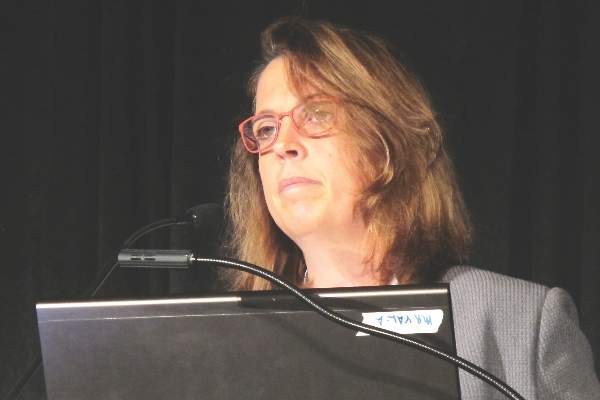
But the first full look at the data at the annual meeting of the American Society of Hematology showed ibrutinib reduced the risk of progression or death by 84% by independent review compared with chlorambucil, which has been a standard first-line therapy in older CLL patients.
The results were simultaneously published in the New England Journal of Medicine (doi: 10.1056/NEJMoa1509388).
With a median follow-up of 18.4 months, median progression-free survival (PFS) had not been reached with ibrutinib vs. 19 months with chlorambucil (hazard ratio, 0.16; P less than .001).
By investigator assessment, ibrutinib reduced the risk of progression by 91%, with an 18-month PFS rate of 94% vs. 45% with chlorambucil (HR, 0.09; P less than .001).
The PFS benefit with ibrutinib was consistent regardless of patient age, Rai stage, ECOG (Eastern Cooperative Oncology Group) status, bulky disease, and importantly, such high-risk markers as chromosome 11q deletion and unmutated immunoglobulin heavy chain variable (IGHV) mutation status, study author Dr. Alessandra Tedeschi, of Hospital Niguarda Cà Granda, Milan, , said at a press briefing highlighting the study (Ab. 485).
In addition, ibrutinib led to an 84% reduction in the risk of death compared with chlorambucil (HR, 0.16; P = .001). The 24-month overall survival rate was 98% with ibrutinib versus 85% with chlorambucil.
Single-agent ibrutinib was approved in 2014 for patients with CLL who had received at least one prior therapy and for all patients with the deleterious 17p deletion on the basis of the phase III RESONATE trial in relapsed or refractory CLL.
Three-year follow-up in the phase II PCYC-1102 study signaled a benefit with ibrutinib in treatment-naive CLL, showing an overall response rate of 84%, 30-month PFS of 96%, and overall survival rate of 97% in a subset of 31 patients at least 65 years old (Blood. 2015 Apr 16;125[16]:2497-506).
“The phase III RESONATE-2 trial confirms the efficacy of ibrutinib in treatment-naive CLL patients, leading to a 91% reduction in risk of progression and 84% reduction in risk of death when compared to chlorambucil,” Dr. Tedeschi said.
In all, 269 patients, median age of 73 years, were evenly randomized to once-daily ibrutinib 420 mg until progression or unacceptable toxicity or chlorambucil 0.5 mg/kg (up to a maximum of 0.8 mg/kg) on days 1 and 15 of a 28-day cycle for up to 12 cycles. Patients with the deleterious 17p deletion were excluded, as single-agent chlorambucil is not effective in this population.
Ibrutinib significantly improved bone marrow function, as reflected by a sustained increase in hemoglobin and platelets.
“This is very important in this category of elderly patients, in whom bone marrow failure is the most common cause of morbidity,” Dr. Tedeschi said.
There were 3 deaths on the ibrutinib arm and 17 on the chlorambucil arm.
The majority of patients (87%) in this older population with frequent comorbidities was able to continue on oral, once-daily ibrutinib with a median of 1.5 years of follow-up, she said.
The most common adverse events on ibrutinib were grade one diarrhea, fatigue, cough, and nausea that did not result in treatment discontinuation. On the chlorambucil arm, fatigue nausea, vomiting, and cytopenias occurred more frequently than with ibrutinib.
Grade 3 maculopapular rash occurred in 3% with ibrutinib and 2% with chlorambucil, she said.
Ibrutinib was associated with higher and not insignificant rates of atrial fibrillation and major hemorrhage compared with chlorambucil, said Dr. Brian T. Hill of the Taussig Cancer Institute at the Cleveland Clinic, who was not involved in the study. In our interview, Dr. Hill also questions the relevance today of chlorambucil monotherapy as the comparator arm in RESONATE-2.
Pharmacyclics, which is jointly developing ibrutinib with Janssen Biotech, sponsored the study. Dr. Tedeschi reported having nothing to disclose. Several coauthors reported relationships with Pharmacyclics and Janssen.
The video associated with this article is no longer available on this site. Please view all of our videos on the MDedge YouTube channel
ORLANDO – Monotherapy with ibrutinib (Imbruvica) prolonged survival longer than did standard chemotherapy using chlorambucil (Leukeran) in the front-line treatment of older patients with chronic lymphocytic leukemia (CLL) or small lymphocytic lymphoma (SLL) in the phase III RESONATE-2 study.
Co–drug developers Pharmacyclics and Janssen Biotech announced this summer that ibrutinib, an orally bioavailable, small-molecule inhibitor of Bruton’s tyrosine kinase, had achieved its primary and secondary endpoints.
But the first full look at the data at the annual meeting of the American Society of Hematology showed ibrutinib reduced the risk of progression or death by 84% by independent review compared with chlorambucil, which has been a standard first-line therapy in older CLL patients.
The results were simultaneously published in the New England Journal of Medicine (doi: 10.1056/NEJMoa1509388).
With a median follow-up of 18.4 months, median progression-free survival (PFS) had not been reached with ibrutinib vs. 19 months with chlorambucil (hazard ratio, 0.16; P less than .001).
By investigator assessment, ibrutinib reduced the risk of progression by 91%, with an 18-month PFS rate of 94% vs. 45% with chlorambucil (HR, 0.09; P less than .001).
The PFS benefit with ibrutinib was consistent regardless of patient age, Rai stage, ECOG (Eastern Cooperative Oncology Group) status, bulky disease, and importantly, such high-risk markers as chromosome 11q deletion and unmutated immunoglobulin heavy chain variable (IGHV) mutation status, study author Dr. Alessandra Tedeschi, of Hospital Niguarda Cà Granda, Milan, , said at a press briefing highlighting the study (Ab. 485).
In addition, ibrutinib led to an 84% reduction in the risk of death compared with chlorambucil (HR, 0.16; P = .001). The 24-month overall survival rate was 98% with ibrutinib versus 85% with chlorambucil.
Single-agent ibrutinib was approved in 2014 for patients with CLL who had received at least one prior therapy and for all patients with the deleterious 17p deletion on the basis of the phase III RESONATE trial in relapsed or refractory CLL.
Three-year follow-up in the phase II PCYC-1102 study signaled a benefit with ibrutinib in treatment-naive CLL, showing an overall response rate of 84%, 30-month PFS of 96%, and overall survival rate of 97% in a subset of 31 patients at least 65 years old (Blood. 2015 Apr 16;125[16]:2497-506).
“The phase III RESONATE-2 trial confirms the efficacy of ibrutinib in treatment-naive CLL patients, leading to a 91% reduction in risk of progression and 84% reduction in risk of death when compared to chlorambucil,” Dr. Tedeschi said.
In all, 269 patients, median age of 73 years, were evenly randomized to once-daily ibrutinib 420 mg until progression or unacceptable toxicity or chlorambucil 0.5 mg/kg (up to a maximum of 0.8 mg/kg) on days 1 and 15 of a 28-day cycle for up to 12 cycles. Patients with the deleterious 17p deletion were excluded, as single-agent chlorambucil is not effective in this population.
Ibrutinib significantly improved bone marrow function, as reflected by a sustained increase in hemoglobin and platelets.
“This is very important in this category of elderly patients, in whom bone marrow failure is the most common cause of morbidity,” Dr. Tedeschi said.
There were 3 deaths on the ibrutinib arm and 17 on the chlorambucil arm.
The majority of patients (87%) in this older population with frequent comorbidities was able to continue on oral, once-daily ibrutinib with a median of 1.5 years of follow-up, she said.
The most common adverse events on ibrutinib were grade one diarrhea, fatigue, cough, and nausea that did not result in treatment discontinuation. On the chlorambucil arm, fatigue nausea, vomiting, and cytopenias occurred more frequently than with ibrutinib.
Grade 3 maculopapular rash occurred in 3% with ibrutinib and 2% with chlorambucil, she said.
Ibrutinib was associated with higher and not insignificant rates of atrial fibrillation and major hemorrhage compared with chlorambucil, said Dr. Brian T. Hill of the Taussig Cancer Institute at the Cleveland Clinic, who was not involved in the study. In our interview, Dr. Hill also questions the relevance today of chlorambucil monotherapy as the comparator arm in RESONATE-2.
Pharmacyclics, which is jointly developing ibrutinib with Janssen Biotech, sponsored the study. Dr. Tedeschi reported having nothing to disclose. Several coauthors reported relationships with Pharmacyclics and Janssen.
The video associated with this article is no longer available on this site. Please view all of our videos on the MDedge YouTube channel
ORLANDO – Monotherapy with ibrutinib (Imbruvica) prolonged survival longer than did standard chemotherapy using chlorambucil (Leukeran) in the front-line treatment of older patients with chronic lymphocytic leukemia (CLL) or small lymphocytic lymphoma (SLL) in the phase III RESONATE-2 study.
Co–drug developers Pharmacyclics and Janssen Biotech announced this summer that ibrutinib, an orally bioavailable, small-molecule inhibitor of Bruton’s tyrosine kinase, had achieved its primary and secondary endpoints.
But the first full look at the data at the annual meeting of the American Society of Hematology showed ibrutinib reduced the risk of progression or death by 84% by independent review compared with chlorambucil, which has been a standard first-line therapy in older CLL patients.
The results were simultaneously published in the New England Journal of Medicine (doi: 10.1056/NEJMoa1509388).
With a median follow-up of 18.4 months, median progression-free survival (PFS) had not been reached with ibrutinib vs. 19 months with chlorambucil (hazard ratio, 0.16; P less than .001).
By investigator assessment, ibrutinib reduced the risk of progression by 91%, with an 18-month PFS rate of 94% vs. 45% with chlorambucil (HR, 0.09; P less than .001).
The PFS benefit with ibrutinib was consistent regardless of patient age, Rai stage, ECOG (Eastern Cooperative Oncology Group) status, bulky disease, and importantly, such high-risk markers as chromosome 11q deletion and unmutated immunoglobulin heavy chain variable (IGHV) mutation status, study author Dr. Alessandra Tedeschi, of Hospital Niguarda Cà Granda, Milan, , said at a press briefing highlighting the study (Ab. 485).
In addition, ibrutinib led to an 84% reduction in the risk of death compared with chlorambucil (HR, 0.16; P = .001). The 24-month overall survival rate was 98% with ibrutinib versus 85% with chlorambucil.
Single-agent ibrutinib was approved in 2014 for patients with CLL who had received at least one prior therapy and for all patients with the deleterious 17p deletion on the basis of the phase III RESONATE trial in relapsed or refractory CLL.
Three-year follow-up in the phase II PCYC-1102 study signaled a benefit with ibrutinib in treatment-naive CLL, showing an overall response rate of 84%, 30-month PFS of 96%, and overall survival rate of 97% in a subset of 31 patients at least 65 years old (Blood. 2015 Apr 16;125[16]:2497-506).
“The phase III RESONATE-2 trial confirms the efficacy of ibrutinib in treatment-naive CLL patients, leading to a 91% reduction in risk of progression and 84% reduction in risk of death when compared to chlorambucil,” Dr. Tedeschi said.
In all, 269 patients, median age of 73 years, were evenly randomized to once-daily ibrutinib 420 mg until progression or unacceptable toxicity or chlorambucil 0.5 mg/kg (up to a maximum of 0.8 mg/kg) on days 1 and 15 of a 28-day cycle for up to 12 cycles. Patients with the deleterious 17p deletion were excluded, as single-agent chlorambucil is not effective in this population.
Ibrutinib significantly improved bone marrow function, as reflected by a sustained increase in hemoglobin and platelets.
“This is very important in this category of elderly patients, in whom bone marrow failure is the most common cause of morbidity,” Dr. Tedeschi said.
There were 3 deaths on the ibrutinib arm and 17 on the chlorambucil arm.
The majority of patients (87%) in this older population with frequent comorbidities was able to continue on oral, once-daily ibrutinib with a median of 1.5 years of follow-up, she said.
The most common adverse events on ibrutinib were grade one diarrhea, fatigue, cough, and nausea that did not result in treatment discontinuation. On the chlorambucil arm, fatigue nausea, vomiting, and cytopenias occurred more frequently than with ibrutinib.
Grade 3 maculopapular rash occurred in 3% with ibrutinib and 2% with chlorambucil, she said.
Ibrutinib was associated with higher and not insignificant rates of atrial fibrillation and major hemorrhage compared with chlorambucil, said Dr. Brian T. Hill of the Taussig Cancer Institute at the Cleveland Clinic, who was not involved in the study. In our interview, Dr. Hill also questions the relevance today of chlorambucil monotherapy as the comparator arm in RESONATE-2.
Pharmacyclics, which is jointly developing ibrutinib with Janssen Biotech, sponsored the study. Dr. Tedeschi reported having nothing to disclose. Several coauthors reported relationships with Pharmacyclics and Janssen.
The video associated with this article is no longer available on this site. Please view all of our videos on the MDedge YouTube channel
AT ASH 2015
Key clinical point: First-line ibrutinib significantly extends survival in older patients with untreated chronic lymphocytic leukemia or small lymphocytic lymphoma, compared with chlorambucil chemotherapy.
Major finding: Median progression-free survival was not reached with ibrutinib vs. 19 months with chlorambucil (HR, 0.16; P less than .001).
Data source: Prospective, phase III study of 269 patients 65 years or older with treatment-naive CLL or SLL.
Disclosures: Pharmacyclics, which is jointly developing ibrutinib with Janssen Biotech, sponsored the study. Dr. Tedeschi reported having nothing to disclose. Several coauthors reported relationships with Pharmacyclics and Janssen.