User login
Ibrutinib approved for first-line treatment of CLL
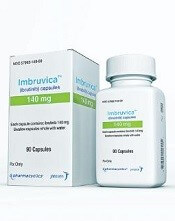
Photo courtesy of Janssen
Health Canada has approved the Bruton’s tyrosine kinase inhibitor ibrutinib (Imbruvica®) as a first-line treatment for patients with active chronic lymphocytic leukemia (CLL).
This is the fourth approval for ibrutinib in Canada. The drug is now approved for use in all CLL patients, patients with Waldenström’s macroglobulinemia, and patients with relapsed or refractory mantle cell lymphoma (conditional approval).
Ibrutinib is jointly developed and commercialized by Pharmacyclics LLC, an AbbVie company, and Janssen Biotech, Inc.
The latest approval of ibrutinib is based on results from the phase 3 RESONATE-2 trial
(PCYC-1115), which were presented at the 2015 ASH Annual Meeting and
simultaneously published in NEJM.
RESONATE-2 enrolled 269 treatment-naïve patients with CLL or small lymphocytic lymphoma who were 65 or older.
Patients were randomized to receive ibrutinib (n=136) at 420 mg once a day until progression or unacceptable toxicity, or chlorambucil (n=133) on days 1 and 15 of each 28-day cycle for up to 12 cycles. The starting dose for chlorambucil in cycle 1 was 0.5 mg/kg and was increased based on tolerability in cycle 2 by increments of 0.1 mg/kg to a maximum of 0.8 mg/kg.
The primary endpoint of the study was progression-free survival (PFS), as assessed by an independent review committee (IRC) according to the International Workshop on Chronic Lymphocytic Leukemia (iWCLL) 2008 criteria, with modification for treatment-related lymphocytosis.
Key secondary endpoints included overall response rate (based on the same iWCLL criteria), overall survival (OS), and safety.
Ibrutinib significantly prolonged PFS, as determined by the IRC, reducing the risk of progression or death by 84% compared to chlorambucil. The hazard ratio was 0.16 (P<0.001). The median PFS was not reached in the ibrutinib arm but was 18.9 months for the chlorambucil arm.
Ibrutinib significantly prolonged OS as well, although the median OS was not reached in either treatment arm. The OS rate at 24 months was 98% with ibrutinib and 85% with chlorambucil. The relative risk of death with ibrutinib was 84% lower than that with chlorambucil. The hazard ratio was 0.16 (P=0.001).
Ibrutinib was associated with a significantly higher IRC-assessed overall response rate compared to chlorambucil—82% and 35%, respectively (P<0.0001). Five
patients (4%) in the ibrutinib arm achieved a complete response, as did 2 patients (2%) in the chlorambucil arm.
The median duration of treatment was 17.4 months in the ibrutinib arm and 7.1 months in the chlorambucil arm.
The most common adverse events of any grade—in the ibrutinib and chlorambucil arms, respectively—were diarrhea (42% and 17%), fatigue (30% and 38%), cough (22% and 15%), nausea (22% and 39%), peripheral edema (19% and 9%), dry eye (17% and 5%), arthralgia (16% and 7%), neutropenia (16% and 23%), and vomiting (13% and 20%).
Adverse events of grade 3 or higher—in the ibrutinib and chlorambucil arms, respectively—were neutropenia (10% and 18%), anemia (6% and 8%), hypertension (4% and 0%), pneumonia (4% and 2%), diarrhea (4% and 0%), maculopapular rash (3% and 2%), decreased platelet count (3% and 1%), abdominal pain (3% and 1%), hyponatremia (3% and 0%), thrombocytopenia (2% and 6%), febrile neutropenia (2% and 2%), upper respiratory tract infection (2% and 2%), pleural effusion (2% and 1%), cellulitis (2% and 0%), fatigue (1% and 5%), syncope (1% and 2%), and hemolytic anemia (0% and 2%). 
Photo courtesy of Janssen
Health Canada has approved the Bruton’s tyrosine kinase inhibitor ibrutinib (Imbruvica®) as a first-line treatment for patients with active chronic lymphocytic leukemia (CLL).
This is the fourth approval for ibrutinib in Canada. The drug is now approved for use in all CLL patients, patients with Waldenström’s macroglobulinemia, and patients with relapsed or refractory mantle cell lymphoma (conditional approval).
Ibrutinib is jointly developed and commercialized by Pharmacyclics LLC, an AbbVie company, and Janssen Biotech, Inc.
The latest approval of ibrutinib is based on results from the phase 3 RESONATE-2 trial
(PCYC-1115), which were presented at the 2015 ASH Annual Meeting and
simultaneously published in NEJM.
RESONATE-2 enrolled 269 treatment-naïve patients with CLL or small lymphocytic lymphoma who were 65 or older.
Patients were randomized to receive ibrutinib (n=136) at 420 mg once a day until progression or unacceptable toxicity, or chlorambucil (n=133) on days 1 and 15 of each 28-day cycle for up to 12 cycles. The starting dose for chlorambucil in cycle 1 was 0.5 mg/kg and was increased based on tolerability in cycle 2 by increments of 0.1 mg/kg to a maximum of 0.8 mg/kg.
The primary endpoint of the study was progression-free survival (PFS), as assessed by an independent review committee (IRC) according to the International Workshop on Chronic Lymphocytic Leukemia (iWCLL) 2008 criteria, with modification for treatment-related lymphocytosis.
Key secondary endpoints included overall response rate (based on the same iWCLL criteria), overall survival (OS), and safety.
Ibrutinib significantly prolonged PFS, as determined by the IRC, reducing the risk of progression or death by 84% compared to chlorambucil. The hazard ratio was 0.16 (P<0.001). The median PFS was not reached in the ibrutinib arm but was 18.9 months for the chlorambucil arm.
Ibrutinib significantly prolonged OS as well, although the median OS was not reached in either treatment arm. The OS rate at 24 months was 98% with ibrutinib and 85% with chlorambucil. The relative risk of death with ibrutinib was 84% lower than that with chlorambucil. The hazard ratio was 0.16 (P=0.001).
Ibrutinib was associated with a significantly higher IRC-assessed overall response rate compared to chlorambucil—82% and 35%, respectively (P<0.0001). Five
patients (4%) in the ibrutinib arm achieved a complete response, as did 2 patients (2%) in the chlorambucil arm.
The median duration of treatment was 17.4 months in the ibrutinib arm and 7.1 months in the chlorambucil arm.
The most common adverse events of any grade—in the ibrutinib and chlorambucil arms, respectively—were diarrhea (42% and 17%), fatigue (30% and 38%), cough (22% and 15%), nausea (22% and 39%), peripheral edema (19% and 9%), dry eye (17% and 5%), arthralgia (16% and 7%), neutropenia (16% and 23%), and vomiting (13% and 20%).
Adverse events of grade 3 or higher—in the ibrutinib and chlorambucil arms, respectively—were neutropenia (10% and 18%), anemia (6% and 8%), hypertension (4% and 0%), pneumonia (4% and 2%), diarrhea (4% and 0%), maculopapular rash (3% and 2%), decreased platelet count (3% and 1%), abdominal pain (3% and 1%), hyponatremia (3% and 0%), thrombocytopenia (2% and 6%), febrile neutropenia (2% and 2%), upper respiratory tract infection (2% and 2%), pleural effusion (2% and 1%), cellulitis (2% and 0%), fatigue (1% and 5%), syncope (1% and 2%), and hemolytic anemia (0% and 2%).
Photo courtesy of Janssen
Health Canada has approved the Bruton’s tyrosine kinase inhibitor ibrutinib (Imbruvica®) as a first-line treatment for patients with active chronic lymphocytic leukemia (CLL).
This is the fourth approval for ibrutinib in Canada. The drug is now approved for use in all CLL patients, patients with Waldenström’s macroglobulinemia, and patients with relapsed or refractory mantle cell lymphoma (conditional approval).
Ibrutinib is jointly developed and commercialized by Pharmacyclics LLC, an AbbVie company, and Janssen Biotech, Inc.
The latest approval of ibrutinib is based on results from the phase 3 RESONATE-2 trial
(PCYC-1115), which were presented at the 2015 ASH Annual Meeting and
simultaneously published in NEJM.
RESONATE-2 enrolled 269 treatment-naïve patients with CLL or small lymphocytic lymphoma who were 65 or older.
Patients were randomized to receive ibrutinib (n=136) at 420 mg once a day until progression or unacceptable toxicity, or chlorambucil (n=133) on days 1 and 15 of each 28-day cycle for up to 12 cycles. The starting dose for chlorambucil in cycle 1 was 0.5 mg/kg and was increased based on tolerability in cycle 2 by increments of 0.1 mg/kg to a maximum of 0.8 mg/kg.
The primary endpoint of the study was progression-free survival (PFS), as assessed by an independent review committee (IRC) according to the International Workshop on Chronic Lymphocytic Leukemia (iWCLL) 2008 criteria, with modification for treatment-related lymphocytosis.
Key secondary endpoints included overall response rate (based on the same iWCLL criteria), overall survival (OS), and safety.
Ibrutinib significantly prolonged PFS, as determined by the IRC, reducing the risk of progression or death by 84% compared to chlorambucil. The hazard ratio was 0.16 (P<0.001). The median PFS was not reached in the ibrutinib arm but was 18.9 months for the chlorambucil arm.
Ibrutinib significantly prolonged OS as well, although the median OS was not reached in either treatment arm. The OS rate at 24 months was 98% with ibrutinib and 85% with chlorambucil. The relative risk of death with ibrutinib was 84% lower than that with chlorambucil. The hazard ratio was 0.16 (P=0.001).
Ibrutinib was associated with a significantly higher IRC-assessed overall response rate compared to chlorambucil—82% and 35%, respectively (P<0.0001). Five
patients (4%) in the ibrutinib arm achieved a complete response, as did 2 patients (2%) in the chlorambucil arm.
The median duration of treatment was 17.4 months in the ibrutinib arm and 7.1 months in the chlorambucil arm.
The most common adverse events of any grade—in the ibrutinib and chlorambucil arms, respectively—were diarrhea (42% and 17%), fatigue (30% and 38%), cough (22% and 15%), nausea (22% and 39%), peripheral edema (19% and 9%), dry eye (17% and 5%), arthralgia (16% and 7%), neutropenia (16% and 23%), and vomiting (13% and 20%).
Adverse events of grade 3 or higher—in the ibrutinib and chlorambucil arms, respectively—were neutropenia (10% and 18%), anemia (6% and 8%), hypertension (4% and 0%), pneumonia (4% and 2%), diarrhea (4% and 0%), maculopapular rash (3% and 2%), decreased platelet count (3% and 1%), abdominal pain (3% and 1%), hyponatremia (3% and 0%), thrombocytopenia (2% and 6%), febrile neutropenia (2% and 2%), upper respiratory tract infection (2% and 2%), pleural effusion (2% and 1%), cellulitis (2% and 0%), fatigue (1% and 5%), syncope (1% and 2%), and hemolytic anemia (0% and 2%).
Radiologists no longer have higher risk of cancer-related death

Photo by Rhoda Baer
Radiologists who graduated from medical school after 1940 do not have an increased risk of dying from radiation-related causes such as cancers, according to a study published in Radiology.
However, the study suggested that male radiologists who graduated before 1940 had a higher risk of death from certain cancers, including acute myeloid leukemia and non-Hodgkin lymphoma.
Researchers said these findings point to the success of efforts to reduce occupational radiation doses over the past several decades.
The team noted that female radiologists did not have an increased risk of all-cause mortality or cancer-related mortality, regardless of when they graduated from medical school.
However, the small number of women in this study prevented the researchers from studying the subjects’ mortality rates in detail. And very few female radiologists worked during the early period of the study, when radiation exposures were likely highest.
To conduct this study, the researchers analyzed records from the American Medical Association Physician Masterfile, a database established in 1906 that has grown to include current and historical data for more than 1.4 million physicians, residents, and medical students in the US.
The team compared cancer incidence and mortality rates between 43,763 radiologists and 64,990 psychiatrists who graduated from medical school between 1916 and 2006. Psychiatrists were chosen as a comparison group because they are unlikely to have had occupational radiation exposure.
“Our most important finding is that radiologists have lower death rates from all causes of death combined, compared to psychiatrists, and had similar risks of cancer deaths overall,” said study author Martha Linet, MD, of the National Cancer Institute in Bethesda, Maryland.
Results in males
The researchers found that, among male subjects who graduated after 1940, the risk of all-cause mortality was lower for the radiologists than the psychiatrists (relative risk [RR]=0.94; 95% CI: 0.90, 0.97), and the risk of death from cancer was similar (RR=1.00; 95% CI: 0.93, 1.07).
In contrast, male radiologists who graduated before 1940 had higher mortality rates from certain cancers.
They had a higher risk of skin cancer mortality (RR=6.38; 95% CI: 1.75, 23.20) that was driven by an excess of melanoma (RR=8.75; 95% CI: 1.89, 40.53).
They had an increased risk of death from all myeloid leukemias (RR=1.43; 95% CI: 1.00, 2.05) that was driven by acute myeloid leukemia and/or myelodysplastic syndromes (RR=4.68; 95% CI: 0.91, 24.18).
And they had an increased risk of death from lymphomas (RR=2.24; 95% CI: 1.31, 3.86) that was driven by non-Hodgkin lymphoma (RR=2.69; 95% CI: 1.33, 5.45).
The researchers also found an increased risk of cerebrovascular deaths in the male radiologists who graduated before 1940 (RR=1.49; 95% CI: 1.11, 2.01).
The team said the reduced health risks for more recent radiology graduates are likely due to developments and improvements in radiation protection and monitoring, along with improvements in equipment safety.
“Most of the findings of increased risk were in the earlier radiologists,” Dr Linet noted. “We do feel there is evidence that decreases in dose in the United States and other countries seem to have paid off, reducing risks in recent graduates.”
Results in females
The researchers said there were no clear increases in mortality in the female radiologists compared with the female psychiatrists.
The risk of all-cause mortality was lower in the radiologists, as was the risk of death from circulatory diseases, but the risk of cancer-related mortality was similar between the radiologists and the psychiatrists.
However, the researchers said the relatively small number of female deaths in this study prevented detailed investigation. Only 2% of female radiologists (208/8851) and 3% of female psychiatrists (524/17,493) died, compared to 12% of male radiologists (4260/43,763) and 16% of male psychiatrists (7815/47,443).
Photo by Rhoda Baer
Radiologists who graduated from medical school after 1940 do not have an increased risk of dying from radiation-related causes such as cancers, according to a study published in Radiology.
However, the study suggested that male radiologists who graduated before 1940 had a higher risk of death from certain cancers, including acute myeloid leukemia and non-Hodgkin lymphoma.
Researchers said these findings point to the success of efforts to reduce occupational radiation doses over the past several decades.
The team noted that female radiologists did not have an increased risk of all-cause mortality or cancer-related mortality, regardless of when they graduated from medical school.
However, the small number of women in this study prevented the researchers from studying the subjects’ mortality rates in detail. And very few female radiologists worked during the early period of the study, when radiation exposures were likely highest.
To conduct this study, the researchers analyzed records from the American Medical Association Physician Masterfile, a database established in 1906 that has grown to include current and historical data for more than 1.4 million physicians, residents, and medical students in the US.
The team compared cancer incidence and mortality rates between 43,763 radiologists and 64,990 psychiatrists who graduated from medical school between 1916 and 2006. Psychiatrists were chosen as a comparison group because they are unlikely to have had occupational radiation exposure.
“Our most important finding is that radiologists have lower death rates from all causes of death combined, compared to psychiatrists, and had similar risks of cancer deaths overall,” said study author Martha Linet, MD, of the National Cancer Institute in Bethesda, Maryland.
Results in males
The researchers found that, among male subjects who graduated after 1940, the risk of all-cause mortality was lower for the radiologists than the psychiatrists (relative risk [RR]=0.94; 95% CI: 0.90, 0.97), and the risk of death from cancer was similar (RR=1.00; 95% CI: 0.93, 1.07).
In contrast, male radiologists who graduated before 1940 had higher mortality rates from certain cancers.
They had a higher risk of skin cancer mortality (RR=6.38; 95% CI: 1.75, 23.20) that was driven by an excess of melanoma (RR=8.75; 95% CI: 1.89, 40.53).
They had an increased risk of death from all myeloid leukemias (RR=1.43; 95% CI: 1.00, 2.05) that was driven by acute myeloid leukemia and/or myelodysplastic syndromes (RR=4.68; 95% CI: 0.91, 24.18).
And they had an increased risk of death from lymphomas (RR=2.24; 95% CI: 1.31, 3.86) that was driven by non-Hodgkin lymphoma (RR=2.69; 95% CI: 1.33, 5.45).
The researchers also found an increased risk of cerebrovascular deaths in the male radiologists who graduated before 1940 (RR=1.49; 95% CI: 1.11, 2.01).
The team said the reduced health risks for more recent radiology graduates are likely due to developments and improvements in radiation protection and monitoring, along with improvements in equipment safety.
“Most of the findings of increased risk were in the earlier radiologists,” Dr Linet noted. “We do feel there is evidence that decreases in dose in the United States and other countries seem to have paid off, reducing risks in recent graduates.”
Results in females
The researchers said there were no clear increases in mortality in the female radiologists compared with the female psychiatrists.
The risk of all-cause mortality was lower in the radiologists, as was the risk of death from circulatory diseases, but the risk of cancer-related mortality was similar between the radiologists and the psychiatrists.
However, the researchers said the relatively small number of female deaths in this study prevented detailed investigation. Only 2% of female radiologists (208/8851) and 3% of female psychiatrists (524/17,493) died, compared to 12% of male radiologists (4260/43,763) and 16% of male psychiatrists (7815/47,443).
Photo by Rhoda Baer
Radiologists who graduated from medical school after 1940 do not have an increased risk of dying from radiation-related causes such as cancers, according to a study published in Radiology.
However, the study suggested that male radiologists who graduated before 1940 had a higher risk of death from certain cancers, including acute myeloid leukemia and non-Hodgkin lymphoma.
Researchers said these findings point to the success of efforts to reduce occupational radiation doses over the past several decades.
The team noted that female radiologists did not have an increased risk of all-cause mortality or cancer-related mortality, regardless of when they graduated from medical school.
However, the small number of women in this study prevented the researchers from studying the subjects’ mortality rates in detail. And very few female radiologists worked during the early period of the study, when radiation exposures were likely highest.
To conduct this study, the researchers analyzed records from the American Medical Association Physician Masterfile, a database established in 1906 that has grown to include current and historical data for more than 1.4 million physicians, residents, and medical students in the US.
The team compared cancer incidence and mortality rates between 43,763 radiologists and 64,990 psychiatrists who graduated from medical school between 1916 and 2006. Psychiatrists were chosen as a comparison group because they are unlikely to have had occupational radiation exposure.
“Our most important finding is that radiologists have lower death rates from all causes of death combined, compared to psychiatrists, and had similar risks of cancer deaths overall,” said study author Martha Linet, MD, of the National Cancer Institute in Bethesda, Maryland.
Results in males
The researchers found that, among male subjects who graduated after 1940, the risk of all-cause mortality was lower for the radiologists than the psychiatrists (relative risk [RR]=0.94; 95% CI: 0.90, 0.97), and the risk of death from cancer was similar (RR=1.00; 95% CI: 0.93, 1.07).
In contrast, male radiologists who graduated before 1940 had higher mortality rates from certain cancers.
They had a higher risk of skin cancer mortality (RR=6.38; 95% CI: 1.75, 23.20) that was driven by an excess of melanoma (RR=8.75; 95% CI: 1.89, 40.53).
They had an increased risk of death from all myeloid leukemias (RR=1.43; 95% CI: 1.00, 2.05) that was driven by acute myeloid leukemia and/or myelodysplastic syndromes (RR=4.68; 95% CI: 0.91, 24.18).
And they had an increased risk of death from lymphomas (RR=2.24; 95% CI: 1.31, 3.86) that was driven by non-Hodgkin lymphoma (RR=2.69; 95% CI: 1.33, 5.45).
The researchers also found an increased risk of cerebrovascular deaths in the male radiologists who graduated before 1940 (RR=1.49; 95% CI: 1.11, 2.01).
The team said the reduced health risks for more recent radiology graduates are likely due to developments and improvements in radiation protection and monitoring, along with improvements in equipment safety.
“Most of the findings of increased risk were in the earlier radiologists,” Dr Linet noted. “We do feel there is evidence that decreases in dose in the United States and other countries seem to have paid off, reducing risks in recent graduates.”
Results in females
The researchers said there were no clear increases in mortality in the female radiologists compared with the female psychiatrists.
The risk of all-cause mortality was lower in the radiologists, as was the risk of death from circulatory diseases, but the risk of cancer-related mortality was similar between the radiologists and the psychiatrists.
However, the researchers said the relatively small number of female deaths in this study prevented detailed investigation. Only 2% of female radiologists (208/8851) and 3% of female psychiatrists (524/17,493) died, compared to 12% of male radiologists (4260/43,763) and 16% of male psychiatrists (7815/47,443).
BTK inhibitor may treat ibrutinib-resistant cancers

Photo by Aaron Logan
KOLOA, HAWAII—Preclinical research suggests that ARQ 531, a reversible Bruton’s tyrosine kinase (BTK) inhibitor, might prove effective against ibrutinib-resistant hematologic malignancies.
The study showed that ARQ 531 inhibits wild-type BTK and the ibrutinib-resistant BTK-C481S mutant with similar potency.
The compound also suppressed proliferation of hematologic cancer cells in vitro and inhibited tumor growth in a mouse model of B-cell lymphoma.
Researchers disclosed these results in a poster presentation at the 2016 Pan Pacific Lymphoma Conference. The research was supported by ArQule Inc., the company developing ARQ 531.
The researchers first demonstrated that ARQ 531 enacts biochemical inhibition of both wild-type and C481S-mutant BTK at sub-nanomolar levels and cellular inhibition in C481S-mutant BTK cells that are resistant to ibrutinib.
The team then tested ARQ 531 in a range of cell lines encompassing a variety of leukemias and lymphomas, as well as multiple myeloma.
They found that ARQ 531 can inhibit proliferation in many types of hematologic cancer cells, but it “potently inhibits” cell lines that are addicted to BCR, PI3K/AKT, and Notch signaling pathways.
The researchers also tested ARQ 531 in the BTK-driven TMD8 xenograft mouse model (B-cell lymphoma). They said the compound demonstrated strong target and pathway inhibition, with sustained tumor growth inhibition.
The team noted that ARQ 531 exhibits a distinct kinase selectivity profile, with strong inhibitory activity against several key oncogenic drivers from TEC, Trk, and Src family kinases. And the compound inhibits the RAF/MEK/ERK and PI3K/AKT/mTOR pathways.
The researchers said these results support further investigation of ARQ 531, particularly in the setting of ibrutinib resistance.
It is currently estimated that about 10% of patients treated with ibrutinib develop resistance, and more than 80% of these patients present with the C481S mutation.
“We are beginning to see increasing resistance to ibrutinib, which is creating the need for a BTK inhibitor, like ARQ 531, that targets the C481S mutation,” said Brian Schwartz, head of research and development and chief medical officer at ArQule.
“The preclinical profile of ARQ 531 as a potent and reversible inhibitor of wild-type and mutant BTK presents the potential for a first-in-class and best-in-class molecule. We are working toward completing GLP [good laboratory practice] toxicology studies and filing an IND [investigational new drug application] in early 2017.”
Photo by Aaron Logan
KOLOA, HAWAII—Preclinical research suggests that ARQ 531, a reversible Bruton’s tyrosine kinase (BTK) inhibitor, might prove effective against ibrutinib-resistant hematologic malignancies.
The study showed that ARQ 531 inhibits wild-type BTK and the ibrutinib-resistant BTK-C481S mutant with similar potency.
The compound also suppressed proliferation of hematologic cancer cells in vitro and inhibited tumor growth in a mouse model of B-cell lymphoma.
Researchers disclosed these results in a poster presentation at the 2016 Pan Pacific Lymphoma Conference. The research was supported by ArQule Inc., the company developing ARQ 531.
The researchers first demonstrated that ARQ 531 enacts biochemical inhibition of both wild-type and C481S-mutant BTK at sub-nanomolar levels and cellular inhibition in C481S-mutant BTK cells that are resistant to ibrutinib.
The team then tested ARQ 531 in a range of cell lines encompassing a variety of leukemias and lymphomas, as well as multiple myeloma.
They found that ARQ 531 can inhibit proliferation in many types of hematologic cancer cells, but it “potently inhibits” cell lines that are addicted to BCR, PI3K/AKT, and Notch signaling pathways.
The researchers also tested ARQ 531 in the BTK-driven TMD8 xenograft mouse model (B-cell lymphoma). They said the compound demonstrated strong target and pathway inhibition, with sustained tumor growth inhibition.
The team noted that ARQ 531 exhibits a distinct kinase selectivity profile, with strong inhibitory activity against several key oncogenic drivers from TEC, Trk, and Src family kinases. And the compound inhibits the RAF/MEK/ERK and PI3K/AKT/mTOR pathways.
The researchers said these results support further investigation of ARQ 531, particularly in the setting of ibrutinib resistance.
It is currently estimated that about 10% of patients treated with ibrutinib develop resistance, and more than 80% of these patients present with the C481S mutation.
“We are beginning to see increasing resistance to ibrutinib, which is creating the need for a BTK inhibitor, like ARQ 531, that targets the C481S mutation,” said Brian Schwartz, head of research and development and chief medical officer at ArQule.
“The preclinical profile of ARQ 531 as a potent and reversible inhibitor of wild-type and mutant BTK presents the potential for a first-in-class and best-in-class molecule. We are working toward completing GLP [good laboratory practice] toxicology studies and filing an IND [investigational new drug application] in early 2017.”
Photo by Aaron Logan
KOLOA, HAWAII—Preclinical research suggests that ARQ 531, a reversible Bruton’s tyrosine kinase (BTK) inhibitor, might prove effective against ibrutinib-resistant hematologic malignancies.
The study showed that ARQ 531 inhibits wild-type BTK and the ibrutinib-resistant BTK-C481S mutant with similar potency.
The compound also suppressed proliferation of hematologic cancer cells in vitro and inhibited tumor growth in a mouse model of B-cell lymphoma.
Researchers disclosed these results in a poster presentation at the 2016 Pan Pacific Lymphoma Conference. The research was supported by ArQule Inc., the company developing ARQ 531.
The researchers first demonstrated that ARQ 531 enacts biochemical inhibition of both wild-type and C481S-mutant BTK at sub-nanomolar levels and cellular inhibition in C481S-mutant BTK cells that are resistant to ibrutinib.
The team then tested ARQ 531 in a range of cell lines encompassing a variety of leukemias and lymphomas, as well as multiple myeloma.
They found that ARQ 531 can inhibit proliferation in many types of hematologic cancer cells, but it “potently inhibits” cell lines that are addicted to BCR, PI3K/AKT, and Notch signaling pathways.
The researchers also tested ARQ 531 in the BTK-driven TMD8 xenograft mouse model (B-cell lymphoma). They said the compound demonstrated strong target and pathway inhibition, with sustained tumor growth inhibition.
The team noted that ARQ 531 exhibits a distinct kinase selectivity profile, with strong inhibitory activity against several key oncogenic drivers from TEC, Trk, and Src family kinases. And the compound inhibits the RAF/MEK/ERK and PI3K/AKT/mTOR pathways.
The researchers said these results support further investigation of ARQ 531, particularly in the setting of ibrutinib resistance.
It is currently estimated that about 10% of patients treated with ibrutinib develop resistance, and more than 80% of these patients present with the C481S mutation.
“We are beginning to see increasing resistance to ibrutinib, which is creating the need for a BTK inhibitor, like ARQ 531, that targets the C481S mutation,” said Brian Schwartz, head of research and development and chief medical officer at ArQule.
“The preclinical profile of ARQ 531 as a potent and reversible inhibitor of wild-type and mutant BTK presents the potential for a first-in-class and best-in-class molecule. We are working toward completing GLP [good laboratory practice] toxicology studies and filing an IND [investigational new drug application] in early 2017.”
FDA rejects pegfilgrastim biosimilar
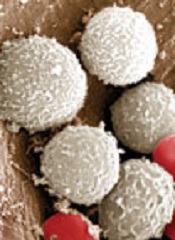
The US Food and Drug Administration (FDA) has decided not to approve Novartis’s application for a biosimilar of Amgen’s Neulasta, also known by the generic name pegfilgrastim.
The FDA issued a complete response letter for the pegfilgrastim biosimilar last month.
Novartis has not provided details about the agency’s decision or the contents of the letter, but the company said it is working with the FDA to answer its questions about the drug.
Novartis was seeking approval for its pegfilgrastim biosimilar for the same indication as Amgen’s Neulasta.
Neulasta is a leukocyte growth factor that is FDA-approved for the following indications:
- To decrease the incidence of infection, as manifested by febrile neutropenia, in patients with non-myeloid malignancies receiving myelosuppressive anticancer drugs associated with a clinically significant incidence of febrile neutropenia.
- To increase survival in patients acutely exposed to myelosuppressive doses of radiation.
Neulasta is not FDA-approved for the mobilization of peripheral blood progenitor cells for hematopoietic stem cell transplantation.
The US Food and Drug Administration (FDA) has decided not to approve Novartis’s application for a biosimilar of Amgen’s Neulasta, also known by the generic name pegfilgrastim.
The FDA issued a complete response letter for the pegfilgrastim biosimilar last month.
Novartis has not provided details about the agency’s decision or the contents of the letter, but the company said it is working with the FDA to answer its questions about the drug.
Novartis was seeking approval for its pegfilgrastim biosimilar for the same indication as Amgen’s Neulasta.
Neulasta is a leukocyte growth factor that is FDA-approved for the following indications:
- To decrease the incidence of infection, as manifested by febrile neutropenia, in patients with non-myeloid malignancies receiving myelosuppressive anticancer drugs associated with a clinically significant incidence of febrile neutropenia.
- To increase survival in patients acutely exposed to myelosuppressive doses of radiation.
Neulasta is not FDA-approved for the mobilization of peripheral blood progenitor cells for hematopoietic stem cell transplantation.
The US Food and Drug Administration (FDA) has decided not to approve Novartis’s application for a biosimilar of Amgen’s Neulasta, also known by the generic name pegfilgrastim.
The FDA issued a complete response letter for the pegfilgrastim biosimilar last month.
Novartis has not provided details about the agency’s decision or the contents of the letter, but the company said it is working with the FDA to answer its questions about the drug.
Novartis was seeking approval for its pegfilgrastim biosimilar for the same indication as Amgen’s Neulasta.
Neulasta is a leukocyte growth factor that is FDA-approved for the following indications:
- To decrease the incidence of infection, as manifested by febrile neutropenia, in patients with non-myeloid malignancies receiving myelosuppressive anticancer drugs associated with a clinically significant incidence of febrile neutropenia.
- To increase survival in patients acutely exposed to myelosuppressive doses of radiation.
Neulasta is not FDA-approved for the mobilization of peripheral blood progenitor cells for hematopoietic stem cell transplantation.
JAK3 inhibitors could treat NK/T-cell lymphoma
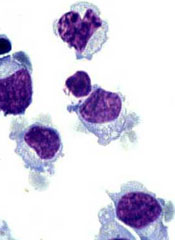
Agents that inhibit the protein kinase JAK3 could prove effective for treating natural killer/T-cell lymphoma (NKTL), according to research published in Blood.
Researchers investigated the role the cancer-promoting gene EZH2 plays in NKTL.
This revealed that EZH2 activity is regulated by JAK3, and a JAK3 inhibitor could significantly reduce the growth of NKTL cells.
Specifically, the team discovered that JAK3 activation leads to phosphorylation of EZH2.
This prompts the dissociation of EZH2 from the PRC2 complex and leads to decreased global H3K27me3 levels.
EZH2 then shifts from its normal function of suppressing gene expression to activating genes—specifically, upregulating a set of genes involved in DNA replication, cell cycle, biosynthesis, stemness, and invasiveness.
And this leads to the development of NKTL.
“As JAK3 is often mutated and activated in natural killer/T-cell lymphoma cells, this finding is particular intriguing, as it suggests a predominant non-catalytic function of EZH2 in JAK3-mutant natural killer/T-cell lymphoma,” said study author Wee-Joo Chng, MB ChB, PhD, of the National University of Singapore.
“Our study also suggests that various oncogenic mutations may modify the function of EZH2, explaining the complex roles of EZH2 in cancer.”
The researchers also found that a JAK3 inhibitor could significantly reduce the growth of NKTL cells, in an EZH2 phosphorylation-dependent manner.
However, compounds that have recently been developed to inhibit EZH2 methyltransferase activity did not have the same effect.
“Moving forward, a biomarker strategy might be needed to ensure appropriate application of EZH2 inhibitors,” Dr Chng said.
“This will help to identify tumors where EZH2 requires its catalytic activity or is actually acting through non-catalytic function. At the same time, we need to develop therapies that can target the non-catalytic function of EZH2.”
Agents that inhibit the protein kinase JAK3 could prove effective for treating natural killer/T-cell lymphoma (NKTL), according to research published in Blood.
Researchers investigated the role the cancer-promoting gene EZH2 plays in NKTL.
This revealed that EZH2 activity is regulated by JAK3, and a JAK3 inhibitor could significantly reduce the growth of NKTL cells.
Specifically, the team discovered that JAK3 activation leads to phosphorylation of EZH2.
This prompts the dissociation of EZH2 from the PRC2 complex and leads to decreased global H3K27me3 levels.
EZH2 then shifts from its normal function of suppressing gene expression to activating genes—specifically, upregulating a set of genes involved in DNA replication, cell cycle, biosynthesis, stemness, and invasiveness.
And this leads to the development of NKTL.
“As JAK3 is often mutated and activated in natural killer/T-cell lymphoma cells, this finding is particular intriguing, as it suggests a predominant non-catalytic function of EZH2 in JAK3-mutant natural killer/T-cell lymphoma,” said study author Wee-Joo Chng, MB ChB, PhD, of the National University of Singapore.
“Our study also suggests that various oncogenic mutations may modify the function of EZH2, explaining the complex roles of EZH2 in cancer.”
The researchers also found that a JAK3 inhibitor could significantly reduce the growth of NKTL cells, in an EZH2 phosphorylation-dependent manner.
However, compounds that have recently been developed to inhibit EZH2 methyltransferase activity did not have the same effect.
“Moving forward, a biomarker strategy might be needed to ensure appropriate application of EZH2 inhibitors,” Dr Chng said.
“This will help to identify tumors where EZH2 requires its catalytic activity or is actually acting through non-catalytic function. At the same time, we need to develop therapies that can target the non-catalytic function of EZH2.”
Agents that inhibit the protein kinase JAK3 could prove effective for treating natural killer/T-cell lymphoma (NKTL), according to research published in Blood.
Researchers investigated the role the cancer-promoting gene EZH2 plays in NKTL.
This revealed that EZH2 activity is regulated by JAK3, and a JAK3 inhibitor could significantly reduce the growth of NKTL cells.
Specifically, the team discovered that JAK3 activation leads to phosphorylation of EZH2.
This prompts the dissociation of EZH2 from the PRC2 complex and leads to decreased global H3K27me3 levels.
EZH2 then shifts from its normal function of suppressing gene expression to activating genes—specifically, upregulating a set of genes involved in DNA replication, cell cycle, biosynthesis, stemness, and invasiveness.
And this leads to the development of NKTL.
“As JAK3 is often mutated and activated in natural killer/T-cell lymphoma cells, this finding is particular intriguing, as it suggests a predominant non-catalytic function of EZH2 in JAK3-mutant natural killer/T-cell lymphoma,” said study author Wee-Joo Chng, MB ChB, PhD, of the National University of Singapore.
“Our study also suggests that various oncogenic mutations may modify the function of EZH2, explaining the complex roles of EZH2 in cancer.”
The researchers also found that a JAK3 inhibitor could significantly reduce the growth of NKTL cells, in an EZH2 phosphorylation-dependent manner.
However, compounds that have recently been developed to inhibit EZH2 methyltransferase activity did not have the same effect.
“Moving forward, a biomarker strategy might be needed to ensure appropriate application of EZH2 inhibitors,” Dr Chng said.
“This will help to identify tumors where EZH2 requires its catalytic activity or is actually acting through non-catalytic function. At the same time, we need to develop therapies that can target the non-catalytic function of EZH2.”
Drug may be curative for certain HL patients
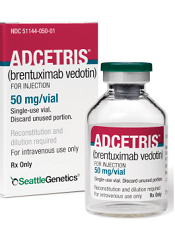
Photo from Business Wire
Five-year follow-up data from a phase 2 trial indicate that a subset of Hodgkin lymphoma (HL) patients who fail autologous stem cell transplant can achieve long-term disease control with single-agent brentuximab vedotin and may potentially be cured.
Thirty-three percent of patients in this trial achieved a complete remission (CR) with brentuximab vedotin, 13% remained in CR for more than 5 years, and 9% remained in CR without receiving a consolidative allogeneic transplant.
These results were published in Blood. The trial was sponsored by Seattle Genetics, Inc. and Takeda Pharmaceutical Company Limited, the companies developing brentuximab vedotin.
“At the time of trial initiation, historical outcomes for Hodgkin lymphoma patients who relapsed after an autologous stem cell transplant were poor, with median post-progression survival of 1.3 years, and the only long-term disease control option for these patients was considered to be an allogeneic stem cell transplant,” said study author Robert Chen, MD, of City of Hope National Medical Center in Duarte, California.
“The median survival of the patients on [brentuximab vedotin] monotherapy in this pivotal phase 2 trial exceeds these historic figures, and I am pleased to see the publication of the final data.”
Dr Chen previously reported results from this trial at the 2010 ASH Annual Meeting.
The single-arm trial, which supported the US approval of brentuximab vedotin in 2011, was conducted in 102 patients with relapsed or refractory classical HL. The patients’ median age was 31 (range, 15-77), they had an ECOG status of 0 or 1, and both genders were represented equally.
The patients had received a median of 3.5 chemotherapy regimens (range, 1-13), 66% had received prior radiation, and all patients had received an autologous transplant. Seventy-one percent of patients were refractory to frontline therapy, and 42% were refractory to their most recent treatment.
The patients received brentuximab vedotin intravenously at 1.8 mg/kg every 21 days for a maximum of 16 cycles.
Results
Thirty-four patients (33%) achieved a CR. At the 5-year follow-up and end of the study, the median duration of response was not reached.
Thirteen of the 34 patients (38%) who achieved a CR remained in remission at study closure. Of these patients, 4 underwent consolidative allogeneic stem cell transplants while in remission, and 9 received no further therapy.
Among the patients who achieved a CR, the estimated 5-year overall survival (OS) rate was 64%, and the estimated 5-year progression-free survival (PFS) rate was 52%.
For the entire study cohort, the median OS was 40.5 months, and the median PFS was 9.3 months. The estimated 5-year OS was 41%, and the estimated 5-year PFS was 22%.
The most common adverse events of any grade were peripheral sensory neuropathy, fatigue, nausea, neutropenia, and diarrhea.
Treatment-emergent peripheral neuropathy occurred in 56 patients (55%). Eighty-eight percent of these patients had an improvement in their symptoms, and 73% had complete resolution of peripheral neuropathy.
Photo from Business Wire
Five-year follow-up data from a phase 2 trial indicate that a subset of Hodgkin lymphoma (HL) patients who fail autologous stem cell transplant can achieve long-term disease control with single-agent brentuximab vedotin and may potentially be cured.
Thirty-three percent of patients in this trial achieved a complete remission (CR) with brentuximab vedotin, 13% remained in CR for more than 5 years, and 9% remained in CR without receiving a consolidative allogeneic transplant.
These results were published in Blood. The trial was sponsored by Seattle Genetics, Inc. and Takeda Pharmaceutical Company Limited, the companies developing brentuximab vedotin.
“At the time of trial initiation, historical outcomes for Hodgkin lymphoma patients who relapsed after an autologous stem cell transplant were poor, with median post-progression survival of 1.3 years, and the only long-term disease control option for these patients was considered to be an allogeneic stem cell transplant,” said study author Robert Chen, MD, of City of Hope National Medical Center in Duarte, California.
“The median survival of the patients on [brentuximab vedotin] monotherapy in this pivotal phase 2 trial exceeds these historic figures, and I am pleased to see the publication of the final data.”
Dr Chen previously reported results from this trial at the 2010 ASH Annual Meeting.
The single-arm trial, which supported the US approval of brentuximab vedotin in 2011, was conducted in 102 patients with relapsed or refractory classical HL. The patients’ median age was 31 (range, 15-77), they had an ECOG status of 0 or 1, and both genders were represented equally.
The patients had received a median of 3.5 chemotherapy regimens (range, 1-13), 66% had received prior radiation, and all patients had received an autologous transplant. Seventy-one percent of patients were refractory to frontline therapy, and 42% were refractory to their most recent treatment.
The patients received brentuximab vedotin intravenously at 1.8 mg/kg every 21 days for a maximum of 16 cycles.
Results
Thirty-four patients (33%) achieved a CR. At the 5-year follow-up and end of the study, the median duration of response was not reached.
Thirteen of the 34 patients (38%) who achieved a CR remained in remission at study closure. Of these patients, 4 underwent consolidative allogeneic stem cell transplants while in remission, and 9 received no further therapy.
Among the patients who achieved a CR, the estimated 5-year overall survival (OS) rate was 64%, and the estimated 5-year progression-free survival (PFS) rate was 52%.
For the entire study cohort, the median OS was 40.5 months, and the median PFS was 9.3 months. The estimated 5-year OS was 41%, and the estimated 5-year PFS was 22%.
The most common adverse events of any grade were peripheral sensory neuropathy, fatigue, nausea, neutropenia, and diarrhea.
Treatment-emergent peripheral neuropathy occurred in 56 patients (55%). Eighty-eight percent of these patients had an improvement in their symptoms, and 73% had complete resolution of peripheral neuropathy.
Photo from Business Wire
Five-year follow-up data from a phase 2 trial indicate that a subset of Hodgkin lymphoma (HL) patients who fail autologous stem cell transplant can achieve long-term disease control with single-agent brentuximab vedotin and may potentially be cured.
Thirty-three percent of patients in this trial achieved a complete remission (CR) with brentuximab vedotin, 13% remained in CR for more than 5 years, and 9% remained in CR without receiving a consolidative allogeneic transplant.
These results were published in Blood. The trial was sponsored by Seattle Genetics, Inc. and Takeda Pharmaceutical Company Limited, the companies developing brentuximab vedotin.
“At the time of trial initiation, historical outcomes for Hodgkin lymphoma patients who relapsed after an autologous stem cell transplant were poor, with median post-progression survival of 1.3 years, and the only long-term disease control option for these patients was considered to be an allogeneic stem cell transplant,” said study author Robert Chen, MD, of City of Hope National Medical Center in Duarte, California.
“The median survival of the patients on [brentuximab vedotin] monotherapy in this pivotal phase 2 trial exceeds these historic figures, and I am pleased to see the publication of the final data.”
Dr Chen previously reported results from this trial at the 2010 ASH Annual Meeting.
The single-arm trial, which supported the US approval of brentuximab vedotin in 2011, was conducted in 102 patients with relapsed or refractory classical HL. The patients’ median age was 31 (range, 15-77), they had an ECOG status of 0 or 1, and both genders were represented equally.
The patients had received a median of 3.5 chemotherapy regimens (range, 1-13), 66% had received prior radiation, and all patients had received an autologous transplant. Seventy-one percent of patients were refractory to frontline therapy, and 42% were refractory to their most recent treatment.
The patients received brentuximab vedotin intravenously at 1.8 mg/kg every 21 days for a maximum of 16 cycles.
Results
Thirty-four patients (33%) achieved a CR. At the 5-year follow-up and end of the study, the median duration of response was not reached.
Thirteen of the 34 patients (38%) who achieved a CR remained in remission at study closure. Of these patients, 4 underwent consolidative allogeneic stem cell transplants while in remission, and 9 received no further therapy.
Among the patients who achieved a CR, the estimated 5-year overall survival (OS) rate was 64%, and the estimated 5-year progression-free survival (PFS) rate was 52%.
For the entire study cohort, the median OS was 40.5 months, and the median PFS was 9.3 months. The estimated 5-year OS was 41%, and the estimated 5-year PFS was 22%.
The most common adverse events of any grade were peripheral sensory neuropathy, fatigue, nausea, neutropenia, and diarrhea.
Treatment-emergent peripheral neuropathy occurred in 56 patients (55%). Eighty-eight percent of these patients had an improvement in their symptoms, and 73% had complete resolution of peripheral neuropathy.
Combo doesn’t improve PFS in DLBCL
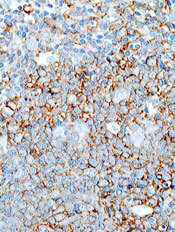
Results of a phase 3 study suggest that obinutuzumab may not confer a benefit over standard therapy in patients with previously untreated diffuse large B-cell lymphoma (DLBCL).
The data showed that obinutuzumab plus CHOP chemotherapy does not improve progression-free survival (PFS) in DLBCL patients, when compared to rituximab plus CHOP.
Adverse events with both treatment regimens were consistent with those seen in previous clinical trials, according to Genentech and Biogen, the companies developing obinutuzumab.
The companies have not released any data from this trial, known as GOYA, but they said results will be presented at an upcoming medical meeting.
“Two previous studies showed [obinutuzumab] helped people with previously untreated follicular lymphoma or chronic lymphocytic leukemia live longer without their disease worsening compared to [rituximab], when each was combined with chemotherapy,” said Sandra Horning, MD, chief medical officer and head of global product development at Genentech.
“We were hopeful we could show a similar result for people with diffuse large B-cell lymphoma and once again improve on the standard of care. We will continue to analyze the GOYA data to better understand the results, and to study other investigational treatments in this disease with the goal of further helping these patients.”
The GOYA trial enrolled 1418 previously untreated patients with CD20-positive DLBCL. The patients were randomized to receive obinutuzumab at 1000 mg every 21 days or rituximab at 375 mg/m2 every 21 days for 8 cycles, in addition to 6 to 8 cycles of CHOP (cyclophosphamide, doxorubicin, vincristine, and prednisolone) every 21 days.
The primary endpoint of the study is investigator-assessed PFS, with secondary endpoints including PFS assessed by an independent review committee, response rate, overall survival, disease-free survival, and safety profile.
Obinutuzumab is an engineered monoclonal antibody designed to attach to CD20, a protein found on certain B cells. The drug is thought to work by attacking targeted cells both directly and together with the immune system.
In the US and the European Union (EU), obinutuzumab is approved for use in combination with chlorambucil to treat adults with previously untreated chronic lymphocytic leukemia.
Obinutuzumab is also approved in the US and the EU to treat patients with follicular lymphoma. The drug can be given, first in combination with bendamustine and then alone as maintenance therapy, to adults with follicular lymphoma who did not respond to a rituximab-containing regimen or whose disease returned after such treatment.
Obinutuzumab is marketed as Gazyvaro in the EU and Switzerland and Gazyva in the rest of the world.
Results of a phase 3 study suggest that obinutuzumab may not confer a benefit over standard therapy in patients with previously untreated diffuse large B-cell lymphoma (DLBCL).
The data showed that obinutuzumab plus CHOP chemotherapy does not improve progression-free survival (PFS) in DLBCL patients, when compared to rituximab plus CHOP.
Adverse events with both treatment regimens were consistent with those seen in previous clinical trials, according to Genentech and Biogen, the companies developing obinutuzumab.
The companies have not released any data from this trial, known as GOYA, but they said results will be presented at an upcoming medical meeting.
“Two previous studies showed [obinutuzumab] helped people with previously untreated follicular lymphoma or chronic lymphocytic leukemia live longer without their disease worsening compared to [rituximab], when each was combined with chemotherapy,” said Sandra Horning, MD, chief medical officer and head of global product development at Genentech.
“We were hopeful we could show a similar result for people with diffuse large B-cell lymphoma and once again improve on the standard of care. We will continue to analyze the GOYA data to better understand the results, and to study other investigational treatments in this disease with the goal of further helping these patients.”
The GOYA trial enrolled 1418 previously untreated patients with CD20-positive DLBCL. The patients were randomized to receive obinutuzumab at 1000 mg every 21 days or rituximab at 375 mg/m2 every 21 days for 8 cycles, in addition to 6 to 8 cycles of CHOP (cyclophosphamide, doxorubicin, vincristine, and prednisolone) every 21 days.
The primary endpoint of the study is investigator-assessed PFS, with secondary endpoints including PFS assessed by an independent review committee, response rate, overall survival, disease-free survival, and safety profile.
Obinutuzumab is an engineered monoclonal antibody designed to attach to CD20, a protein found on certain B cells. The drug is thought to work by attacking targeted cells both directly and together with the immune system.
In the US and the European Union (EU), obinutuzumab is approved for use in combination with chlorambucil to treat adults with previously untreated chronic lymphocytic leukemia.
Obinutuzumab is also approved in the US and the EU to treat patients with follicular lymphoma. The drug can be given, first in combination with bendamustine and then alone as maintenance therapy, to adults with follicular lymphoma who did not respond to a rituximab-containing regimen or whose disease returned after such treatment.
Obinutuzumab is marketed as Gazyvaro in the EU and Switzerland and Gazyva in the rest of the world.
Results of a phase 3 study suggest that obinutuzumab may not confer a benefit over standard therapy in patients with previously untreated diffuse large B-cell lymphoma (DLBCL).
The data showed that obinutuzumab plus CHOP chemotherapy does not improve progression-free survival (PFS) in DLBCL patients, when compared to rituximab plus CHOP.
Adverse events with both treatment regimens were consistent with those seen in previous clinical trials, according to Genentech and Biogen, the companies developing obinutuzumab.
The companies have not released any data from this trial, known as GOYA, but they said results will be presented at an upcoming medical meeting.
“Two previous studies showed [obinutuzumab] helped people with previously untreated follicular lymphoma or chronic lymphocytic leukemia live longer without their disease worsening compared to [rituximab], when each was combined with chemotherapy,” said Sandra Horning, MD, chief medical officer and head of global product development at Genentech.
“We were hopeful we could show a similar result for people with diffuse large B-cell lymphoma and once again improve on the standard of care. We will continue to analyze the GOYA data to better understand the results, and to study other investigational treatments in this disease with the goal of further helping these patients.”
The GOYA trial enrolled 1418 previously untreated patients with CD20-positive DLBCL. The patients were randomized to receive obinutuzumab at 1000 mg every 21 days or rituximab at 375 mg/m2 every 21 days for 8 cycles, in addition to 6 to 8 cycles of CHOP (cyclophosphamide, doxorubicin, vincristine, and prednisolone) every 21 days.
The primary endpoint of the study is investigator-assessed PFS, with secondary endpoints including PFS assessed by an independent review committee, response rate, overall survival, disease-free survival, and safety profile.
Obinutuzumab is an engineered monoclonal antibody designed to attach to CD20, a protein found on certain B cells. The drug is thought to work by attacking targeted cells both directly and together with the immune system.
In the US and the European Union (EU), obinutuzumab is approved for use in combination with chlorambucil to treat adults with previously untreated chronic lymphocytic leukemia.
Obinutuzumab is also approved in the US and the EU to treat patients with follicular lymphoma. The drug can be given, first in combination with bendamustine and then alone as maintenance therapy, to adults with follicular lymphoma who did not respond to a rituximab-containing regimen or whose disease returned after such treatment.
Obinutuzumab is marketed as Gazyvaro in the EU and Switzerland and Gazyva in the rest of the world.
Compounds can kill multidrug-resistant lymphoma cells
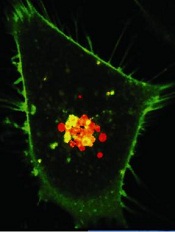
Image courtesy of PNAS
A class of newly discovered compounds can kill multidrug-resistant lymphoma cells by blocking the cells’ defenses against drugs, according to a study published in Bioorganic & Medicinal Chemistry Letters.
Researchers found this class of molecules—called selenocompounds—could kill multidrug-resistant murine T-lymphoma cells.
In fact, 4 of the compounds triggered apoptotic events in more than 80% of the cells.
“Our research reports a new way to fight multidrug resistance in cancer,” said study author Enrique Domínguez-Álvarez, PhD, of the University of Navarra in Pamplona, Spain.
“We are realistic, and we know that much more research needs to be done, but we are excited about these promising results that open new and unexplored possibilities.”
In previous studies, Dr Domínguez-Álvarez and his colleagues discovered 57 new molecules— selenocompounds—that prevented the growth of, and even killed, cancer cells.
While reading up on similar compounds, the researchers found that some could enhance the potency of chemotherapy drugs, so they decided to investigate.
When faced with aggressive treatment, cancer cells can sometimes develop a defense mechanism called an efflux pump—a protein in the cell membrane that can push the drug back out of the cancer cell to protect it. One such protein is called ABCB1.
Dr Domínguez-Álvarez and his colleagues tested the selenocompounds to see if they stopped this mechanism from working and found that the compounds do block the ABCB1 pump, effectively shutting down the defense mechanism.
In fact, 4 of the compounds were stronger inhibitors of the ABCB1 pump than the reference inhibitor the team tested, verapamil (1.7–3.6-fold stronger).
These 4 compounds were also significantly more cytotoxic than verapamil or thioridazine. The compounds triggered apoptotic events in more than 80% of the examined multidrug-resistant mouse T-lymphoma cells.
Dr Domínguez-Álvarez and his colleagues said the next step for this research will be to synthesize similar compounds to determine the most promising derivatives.
Dependent on funding, the team will consider further steps as well, such as testing the compounds in vivo.
Image courtesy of PNAS
A class of newly discovered compounds can kill multidrug-resistant lymphoma cells by blocking the cells’ defenses against drugs, according to a study published in Bioorganic & Medicinal Chemistry Letters.
Researchers found this class of molecules—called selenocompounds—could kill multidrug-resistant murine T-lymphoma cells.
In fact, 4 of the compounds triggered apoptotic events in more than 80% of the cells.
“Our research reports a new way to fight multidrug resistance in cancer,” said study author Enrique Domínguez-Álvarez, PhD, of the University of Navarra in Pamplona, Spain.
“We are realistic, and we know that much more research needs to be done, but we are excited about these promising results that open new and unexplored possibilities.”
In previous studies, Dr Domínguez-Álvarez and his colleagues discovered 57 new molecules— selenocompounds—that prevented the growth of, and even killed, cancer cells.
While reading up on similar compounds, the researchers found that some could enhance the potency of chemotherapy drugs, so they decided to investigate.
When faced with aggressive treatment, cancer cells can sometimes develop a defense mechanism called an efflux pump—a protein in the cell membrane that can push the drug back out of the cancer cell to protect it. One such protein is called ABCB1.
Dr Domínguez-Álvarez and his colleagues tested the selenocompounds to see if they stopped this mechanism from working and found that the compounds do block the ABCB1 pump, effectively shutting down the defense mechanism.
In fact, 4 of the compounds were stronger inhibitors of the ABCB1 pump than the reference inhibitor the team tested, verapamil (1.7–3.6-fold stronger).
These 4 compounds were also significantly more cytotoxic than verapamil or thioridazine. The compounds triggered apoptotic events in more than 80% of the examined multidrug-resistant mouse T-lymphoma cells.
Dr Domínguez-Álvarez and his colleagues said the next step for this research will be to synthesize similar compounds to determine the most promising derivatives.
Dependent on funding, the team will consider further steps as well, such as testing the compounds in vivo.
Image courtesy of PNAS
A class of newly discovered compounds can kill multidrug-resistant lymphoma cells by blocking the cells’ defenses against drugs, according to a study published in Bioorganic & Medicinal Chemistry Letters.
Researchers found this class of molecules—called selenocompounds—could kill multidrug-resistant murine T-lymphoma cells.
In fact, 4 of the compounds triggered apoptotic events in more than 80% of the cells.
“Our research reports a new way to fight multidrug resistance in cancer,” said study author Enrique Domínguez-Álvarez, PhD, of the University of Navarra in Pamplona, Spain.
“We are realistic, and we know that much more research needs to be done, but we are excited about these promising results that open new and unexplored possibilities.”
In previous studies, Dr Domínguez-Álvarez and his colleagues discovered 57 new molecules— selenocompounds—that prevented the growth of, and even killed, cancer cells.
While reading up on similar compounds, the researchers found that some could enhance the potency of chemotherapy drugs, so they decided to investigate.
When faced with aggressive treatment, cancer cells can sometimes develop a defense mechanism called an efflux pump—a protein in the cell membrane that can push the drug back out of the cancer cell to protect it. One such protein is called ABCB1.
Dr Domínguez-Álvarez and his colleagues tested the selenocompounds to see if they stopped this mechanism from working and found that the compounds do block the ABCB1 pump, effectively shutting down the defense mechanism.
In fact, 4 of the compounds were stronger inhibitors of the ABCB1 pump than the reference inhibitor the team tested, verapamil (1.7–3.6-fold stronger).
These 4 compounds were also significantly more cytotoxic than verapamil or thioridazine. The compounds triggered apoptotic events in more than 80% of the examined multidrug-resistant mouse T-lymphoma cells.
Dr Domínguez-Álvarez and his colleagues said the next step for this research will be to synthesize similar compounds to determine the most promising derivatives.
Dependent on funding, the team will consider further steps as well, such as testing the compounds in vivo.
EC approves lenalidomide for rel/ref MCL
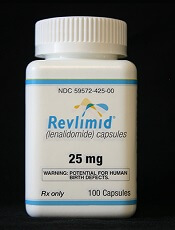
Photo courtesy of Celgene
The European Commission (EC) has approved lenalidomide (Revlimid®) for the treatment of adults with relapsed or refractory mantle cell lymphoma (MCL).
The EC previously approved lenalidomide as a single agent to treat adults with newly diagnosed multiple myeloma who are not eligible for transplant and in combination with dexamethasone to treat adults with multiple myeloma who have received at least 1 prior therapy.
The EC also approved lenalidomide for the treatment of patients with transfusion-dependent anemia due to low- or intermediate-1-risk myelodysplastic syndromes associated with an isolated deletion 5q cytogenetic abnormality when other therapeutic options are insufficient or inadequate.
Lenalidomide is a product of Celgene Corporation.
The EC’s decision to approve lenalidomide for MCL was based on data from a phase 2 trial known as SPRINT or MCL-002. The study included 254 MCL patients who were refractory to their last treatment or had relapsed 1 to 3 times.
The patients were randomized (2:1) to receive lenalidomide (n=170) or a single-agent therapy of the investigator’s choice (n=84), which included rituximab, gemcitabine, fludarabine, chlorambucil, and cytarabine. Patients who progressed on investigator’s choice could cross over to the lenalidomide arm.
At a median follow-up of 15.9 months, the overall response rate was 40% in the lenalidomide arm and 11% in the investigator’s choice arm (P<0.001).
The complete response rates were 5% and 0%, respectively (P=0.04). The median duration of response was 16 months and 10.4 months, respectively.
Lenalidomide significantly prolonged progression-free survival. The median was 8.7 months in the lenalidomide arm and 5.2 months in the investigator’s choice arm (P=0.004).
However, there was no significant difference in overall survival between the treatment arms. The median was 27.8 months in the lenalidomide arm and 21.2 months in the investigator’s choice arm (P=0.45).
The incidence of treatment-related adverse events was 84% in the lenalidomide arm and 60% in the investigator’s choice arm.
Common adverse events that occurred more frequently in the lenalidomide arm than the investigator’s choice arm were neutropenia (51%), anemia (29%), diarrhea (23%), fatigue (21%), constipation (17%), pyrexia (17%), and rash (16%).
Photo courtesy of Celgene
The European Commission (EC) has approved lenalidomide (Revlimid®) for the treatment of adults with relapsed or refractory mantle cell lymphoma (MCL).
The EC previously approved lenalidomide as a single agent to treat adults with newly diagnosed multiple myeloma who are not eligible for transplant and in combination with dexamethasone to treat adults with multiple myeloma who have received at least 1 prior therapy.
The EC also approved lenalidomide for the treatment of patients with transfusion-dependent anemia due to low- or intermediate-1-risk myelodysplastic syndromes associated with an isolated deletion 5q cytogenetic abnormality when other therapeutic options are insufficient or inadequate.
Lenalidomide is a product of Celgene Corporation.
The EC’s decision to approve lenalidomide for MCL was based on data from a phase 2 trial known as SPRINT or MCL-002. The study included 254 MCL patients who were refractory to their last treatment or had relapsed 1 to 3 times.
The patients were randomized (2:1) to receive lenalidomide (n=170) or a single-agent therapy of the investigator’s choice (n=84), which included rituximab, gemcitabine, fludarabine, chlorambucil, and cytarabine. Patients who progressed on investigator’s choice could cross over to the lenalidomide arm.
At a median follow-up of 15.9 months, the overall response rate was 40% in the lenalidomide arm and 11% in the investigator’s choice arm (P<0.001).
The complete response rates were 5% and 0%, respectively (P=0.04). The median duration of response was 16 months and 10.4 months, respectively.
Lenalidomide significantly prolonged progression-free survival. The median was 8.7 months in the lenalidomide arm and 5.2 months in the investigator’s choice arm (P=0.004).
However, there was no significant difference in overall survival between the treatment arms. The median was 27.8 months in the lenalidomide arm and 21.2 months in the investigator’s choice arm (P=0.45).
The incidence of treatment-related adverse events was 84% in the lenalidomide arm and 60% in the investigator’s choice arm.
Common adverse events that occurred more frequently in the lenalidomide arm than the investigator’s choice arm were neutropenia (51%), anemia (29%), diarrhea (23%), fatigue (21%), constipation (17%), pyrexia (17%), and rash (16%).
Photo courtesy of Celgene
The European Commission (EC) has approved lenalidomide (Revlimid®) for the treatment of adults with relapsed or refractory mantle cell lymphoma (MCL).
The EC previously approved lenalidomide as a single agent to treat adults with newly diagnosed multiple myeloma who are not eligible for transplant and in combination with dexamethasone to treat adults with multiple myeloma who have received at least 1 prior therapy.
The EC also approved lenalidomide for the treatment of patients with transfusion-dependent anemia due to low- or intermediate-1-risk myelodysplastic syndromes associated with an isolated deletion 5q cytogenetic abnormality when other therapeutic options are insufficient or inadequate.
Lenalidomide is a product of Celgene Corporation.
The EC’s decision to approve lenalidomide for MCL was based on data from a phase 2 trial known as SPRINT or MCL-002. The study included 254 MCL patients who were refractory to their last treatment or had relapsed 1 to 3 times.
The patients were randomized (2:1) to receive lenalidomide (n=170) or a single-agent therapy of the investigator’s choice (n=84), which included rituximab, gemcitabine, fludarabine, chlorambucil, and cytarabine. Patients who progressed on investigator’s choice could cross over to the lenalidomide arm.
At a median follow-up of 15.9 months, the overall response rate was 40% in the lenalidomide arm and 11% in the investigator’s choice arm (P<0.001).
The complete response rates were 5% and 0%, respectively (P=0.04). The median duration of response was 16 months and 10.4 months, respectively.
Lenalidomide significantly prolonged progression-free survival. The median was 8.7 months in the lenalidomide arm and 5.2 months in the investigator’s choice arm (P=0.004).
However, there was no significant difference in overall survival between the treatment arms. The median was 27.8 months in the lenalidomide arm and 21.2 months in the investigator’s choice arm (P=0.45).
The incidence of treatment-related adverse events was 84% in the lenalidomide arm and 60% in the investigator’s choice arm.
Common adverse events that occurred more frequently in the lenalidomide arm than the investigator’s choice arm were neutropenia (51%), anemia (29%), diarrhea (23%), fatigue (21%), constipation (17%), pyrexia (17%), and rash (16%).
Cancer patients and docs disagree about prognosis

patient and her father
Photo by Rhoda Baer
In a survey of advanced cancer patients and their oncologists, differing opinions about prognosis were common.
And the vast majority of patients didn’t know their doctors held different opinions about how long the patients might live.
Results of the survey were published in JAMA Oncology.
“We’ve discovered 2 important things happening between oncologists and patients with advanced cancer,” said study author Ronald M. Epstein, MD, of the University of Rochester Medical Center in Rochester, New York.
“First, some patients might know the doctor’s prognosis estimate, but the patient chooses to disagree, often because they believe other sources. And, second, some patients think that their doctor agrees with their opinion about prognosis but, in fact, the doctor doesn’t.”
Dr Epstein and his colleagues surveyed 236 patients with stage 3 or 4 cancer. According to medical evidence, fewer than 5% of these patients would be expected to live for 5 years.
The 38 oncologists who treated these patients were also surveyed. The doctors were asked,“What do you believe are the chances that this patient will live for 2 years or more?” And the patients were asked, “What do you believe are the chances that you will live for 2 years or more?”
Additional survey questions gauged whether patients knew their prognosis opinions differed from their doctors and to what extent treatment options were discussed in the context of life expectancy.
Among the 236 patients, 68% rated their survival prognosis differently than their oncologists, and 89% of these patients did not realize their opinions differed from their oncologists. In nearly all cases (96%), the patients were more optimistic than their doctors.
“Of course, it’s only possible for doctors to provide a ball-park estimate about life expectancy, and some people do beat the odds,” Dr Epstein noted. “But when a patient with very advanced cancer says that he has a 90% to 100% chance of being alive in 2 years and his oncologist believes that chance is more like 10%, there’s a problem.”
The challenge, according to Dr Epstein and his colleagues, is that talking about a cancer prognosis is not a straightforward exchange of information. It occurs in the context of fear, confusion, and uncertainty.
The researchers said prognosis should be addressed in several conversations about personal values and treatment goals. When doctor-patient communication is poor, it can result in mutual regret about end-of-life circumstances.
For example, nearly all of the patients surveyed said they wanted to be involved in treatment decisions. And 70% said they preferred supportive care at the end of their lives as opposed to aggressive therapy. However, as the researchers pointed out, making an informed decision requires knowing when death is approaching.
“When people think they’ll live a very long time with cancer, despite evidence to the contrary, they may end up taking more aggressive chemotherapy and agreeing to be placed on ventilators or dialysis, paradoxically reducing their quality of life, keeping them from enjoying time with family, and sometimes even shortening their lives,” Dr Epstein said. “So it’s very important for doctors and patients to be on the same page.”
patient and her father
Photo by Rhoda Baer
In a survey of advanced cancer patients and their oncologists, differing opinions about prognosis were common.
And the vast majority of patients didn’t know their doctors held different opinions about how long the patients might live.
Results of the survey were published in JAMA Oncology.
“We’ve discovered 2 important things happening between oncologists and patients with advanced cancer,” said study author Ronald M. Epstein, MD, of the University of Rochester Medical Center in Rochester, New York.
“First, some patients might know the doctor’s prognosis estimate, but the patient chooses to disagree, often because they believe other sources. And, second, some patients think that their doctor agrees with their opinion about prognosis but, in fact, the doctor doesn’t.”
Dr Epstein and his colleagues surveyed 236 patients with stage 3 or 4 cancer. According to medical evidence, fewer than 5% of these patients would be expected to live for 5 years.
The 38 oncologists who treated these patients were also surveyed. The doctors were asked,“What do you believe are the chances that this patient will live for 2 years or more?” And the patients were asked, “What do you believe are the chances that you will live for 2 years or more?”
Additional survey questions gauged whether patients knew their prognosis opinions differed from their doctors and to what extent treatment options were discussed in the context of life expectancy.
Among the 236 patients, 68% rated their survival prognosis differently than their oncologists, and 89% of these patients did not realize their opinions differed from their oncologists. In nearly all cases (96%), the patients were more optimistic than their doctors.
“Of course, it’s only possible for doctors to provide a ball-park estimate about life expectancy, and some people do beat the odds,” Dr Epstein noted. “But when a patient with very advanced cancer says that he has a 90% to 100% chance of being alive in 2 years and his oncologist believes that chance is more like 10%, there’s a problem.”
The challenge, according to Dr Epstein and his colleagues, is that talking about a cancer prognosis is not a straightforward exchange of information. It occurs in the context of fear, confusion, and uncertainty.
The researchers said prognosis should be addressed in several conversations about personal values and treatment goals. When doctor-patient communication is poor, it can result in mutual regret about end-of-life circumstances.
For example, nearly all of the patients surveyed said they wanted to be involved in treatment decisions. And 70% said they preferred supportive care at the end of their lives as opposed to aggressive therapy. However, as the researchers pointed out, making an informed decision requires knowing when death is approaching.
“When people think they’ll live a very long time with cancer, despite evidence to the contrary, they may end up taking more aggressive chemotherapy and agreeing to be placed on ventilators or dialysis, paradoxically reducing their quality of life, keeping them from enjoying time with family, and sometimes even shortening their lives,” Dr Epstein said. “So it’s very important for doctors and patients to be on the same page.”
patient and her father
Photo by Rhoda Baer
In a survey of advanced cancer patients and their oncologists, differing opinions about prognosis were common.
And the vast majority of patients didn’t know their doctors held different opinions about how long the patients might live.
Results of the survey were published in JAMA Oncology.
“We’ve discovered 2 important things happening between oncologists and patients with advanced cancer,” said study author Ronald M. Epstein, MD, of the University of Rochester Medical Center in Rochester, New York.
“First, some patients might know the doctor’s prognosis estimate, but the patient chooses to disagree, often because they believe other sources. And, second, some patients think that their doctor agrees with their opinion about prognosis but, in fact, the doctor doesn’t.”
Dr Epstein and his colleagues surveyed 236 patients with stage 3 or 4 cancer. According to medical evidence, fewer than 5% of these patients would be expected to live for 5 years.
The 38 oncologists who treated these patients were also surveyed. The doctors were asked,“What do you believe are the chances that this patient will live for 2 years or more?” And the patients were asked, “What do you believe are the chances that you will live for 2 years or more?”
Additional survey questions gauged whether patients knew their prognosis opinions differed from their doctors and to what extent treatment options were discussed in the context of life expectancy.
Among the 236 patients, 68% rated their survival prognosis differently than their oncologists, and 89% of these patients did not realize their opinions differed from their oncologists. In nearly all cases (96%), the patients were more optimistic than their doctors.
“Of course, it’s only possible for doctors to provide a ball-park estimate about life expectancy, and some people do beat the odds,” Dr Epstein noted. “But when a patient with very advanced cancer says that he has a 90% to 100% chance of being alive in 2 years and his oncologist believes that chance is more like 10%, there’s a problem.”
The challenge, according to Dr Epstein and his colleagues, is that talking about a cancer prognosis is not a straightforward exchange of information. It occurs in the context of fear, confusion, and uncertainty.
The researchers said prognosis should be addressed in several conversations about personal values and treatment goals. When doctor-patient communication is poor, it can result in mutual regret about end-of-life circumstances.
For example, nearly all of the patients surveyed said they wanted to be involved in treatment decisions. And 70% said they preferred supportive care at the end of their lives as opposed to aggressive therapy. However, as the researchers pointed out, making an informed decision requires knowing when death is approaching.
“When people think they’ll live a very long time with cancer, despite evidence to the contrary, they may end up taking more aggressive chemotherapy and agreeing to be placed on ventilators or dialysis, paradoxically reducing their quality of life, keeping them from enjoying time with family, and sometimes even shortening their lives,” Dr Epstein said. “So it’s very important for doctors and patients to be on the same page.”