User login
FDA expands ruxolitinib approval to include polycythemia vera
Ruxolitinib has been approved for the treatment of polycythemia vera in patients who have an inadequate response to hydroxyurea or are unable to tolerate that drug.
The Food and Drug Administration approved the drug, a Janus-associated kinase (JAK) inhibitor marketed as Jakafi, on Dec. 4. Ruxolitinib received a priority, expedited review at the agency.

“The approval of Jakafi for polycythemia vera underscores the importance of developing drugs matched to our increasing knowledge of the mechanisms of diseases,” said Dr. Richard Pazdur, director of the Office of Hematology and Oncology Products in the FDA’s Center for Drug Evaluation and Research, in a statement.
Ruxolitinib “represents an important advance for patients with uncontrolled PV,” said Dr. Srdan Verstovsek, a professor in the leukemia department at the University of Texas MD Anderson Cancer Center, Houston, in a statement issued by ruxolitinib maker Incyte Corp. “For the first time, we are able to provide these patients a treatment that has been shown to provide effective and consistent control of their blood counts and reduce spleen volume.”
Polycythemia vera, a chronic disease, causes a hyperproliferation of red blood cells. Patients may also experience an increase in white blood cells and platelets, and splenomegaly, and are at higher risk for heart attack and stroke.
“The trial used to evaluate Jakafi confirmed clinically meaningful reductions in spleen size and the need for phlebotomies to control the disease,” said Dr. Pazdur.

Ruxolitinib was first approved in 2011 for myelofibrosis, including primary myelofibrosis, post–polycythemia vera myelofibrosis, and post–essential thrombocythemia myelofibrosis.
The new indication is for polycythemia vera patients who do not respond to or cannot tolerate hydroxyurea.
The drug’s safety and effectiveness were evaluated in a study of 222 patients who received either ruxolitinib or the best available therapy, and who had the disease for at least 24 weeks, had an inadequate response to or could not tolerate hydroxyurea, had undergone a phlebotomy procedure and exhibited an enlarged spleen.
Of patients receiving ruxolitinib, 21% experienced a reduction in the need for a phlebotomy and a reduction in spleen volume by the end of the 32-week study, compared with 1% of participants who received best available therapy.
The most common side effects were anemia and thrombocytopenia, dizziness, constipation, and shingles.
On Twitter @aliciaault
Ruxolitinib has been approved for the treatment of polycythemia vera in patients who have an inadequate response to hydroxyurea or are unable to tolerate that drug.
The Food and Drug Administration approved the drug, a Janus-associated kinase (JAK) inhibitor marketed as Jakafi, on Dec. 4. Ruxolitinib received a priority, expedited review at the agency.
“The approval of Jakafi for polycythemia vera underscores the importance of developing drugs matched to our increasing knowledge of the mechanisms of diseases,” said Dr. Richard Pazdur, director of the Office of Hematology and Oncology Products in the FDA’s Center for Drug Evaluation and Research, in a statement.
Ruxolitinib “represents an important advance for patients with uncontrolled PV,” said Dr. Srdan Verstovsek, a professor in the leukemia department at the University of Texas MD Anderson Cancer Center, Houston, in a statement issued by ruxolitinib maker Incyte Corp. “For the first time, we are able to provide these patients a treatment that has been shown to provide effective and consistent control of their blood counts and reduce spleen volume.”
Polycythemia vera, a chronic disease, causes a hyperproliferation of red blood cells. Patients may also experience an increase in white blood cells and platelets, and splenomegaly, and are at higher risk for heart attack and stroke.
“The trial used to evaluate Jakafi confirmed clinically meaningful reductions in spleen size and the need for phlebotomies to control the disease,” said Dr. Pazdur.
Ruxolitinib was first approved in 2011 for myelofibrosis, including primary myelofibrosis, post–polycythemia vera myelofibrosis, and post–essential thrombocythemia myelofibrosis.
The new indication is for polycythemia vera patients who do not respond to or cannot tolerate hydroxyurea.
The drug’s safety and effectiveness were evaluated in a study of 222 patients who received either ruxolitinib or the best available therapy, and who had the disease for at least 24 weeks, had an inadequate response to or could not tolerate hydroxyurea, had undergone a phlebotomy procedure and exhibited an enlarged spleen.
Of patients receiving ruxolitinib, 21% experienced a reduction in the need for a phlebotomy and a reduction in spleen volume by the end of the 32-week study, compared with 1% of participants who received best available therapy.
The most common side effects were anemia and thrombocytopenia, dizziness, constipation, and shingles.
On Twitter @aliciaault
Ruxolitinib has been approved for the treatment of polycythemia vera in patients who have an inadequate response to hydroxyurea or are unable to tolerate that drug.
The Food and Drug Administration approved the drug, a Janus-associated kinase (JAK) inhibitor marketed as Jakafi, on Dec. 4. Ruxolitinib received a priority, expedited review at the agency.
“The approval of Jakafi for polycythemia vera underscores the importance of developing drugs matched to our increasing knowledge of the mechanisms of diseases,” said Dr. Richard Pazdur, director of the Office of Hematology and Oncology Products in the FDA’s Center for Drug Evaluation and Research, in a statement.
Ruxolitinib “represents an important advance for patients with uncontrolled PV,” said Dr. Srdan Verstovsek, a professor in the leukemia department at the University of Texas MD Anderson Cancer Center, Houston, in a statement issued by ruxolitinib maker Incyte Corp. “For the first time, we are able to provide these patients a treatment that has been shown to provide effective and consistent control of their blood counts and reduce spleen volume.”
Polycythemia vera, a chronic disease, causes a hyperproliferation of red blood cells. Patients may also experience an increase in white blood cells and platelets, and splenomegaly, and are at higher risk for heart attack and stroke.
“The trial used to evaluate Jakafi confirmed clinically meaningful reductions in spleen size and the need for phlebotomies to control the disease,” said Dr. Pazdur.
Ruxolitinib was first approved in 2011 for myelofibrosis, including primary myelofibrosis, post–polycythemia vera myelofibrosis, and post–essential thrombocythemia myelofibrosis.
The new indication is for polycythemia vera patients who do not respond to or cannot tolerate hydroxyurea.
The drug’s safety and effectiveness were evaluated in a study of 222 patients who received either ruxolitinib or the best available therapy, and who had the disease for at least 24 weeks, had an inadequate response to or could not tolerate hydroxyurea, had undergone a phlebotomy procedure and exhibited an enlarged spleen.
Of patients receiving ruxolitinib, 21% experienced a reduction in the need for a phlebotomy and a reduction in spleen volume by the end of the 32-week study, compared with 1% of participants who received best available therapy.
The most common side effects were anemia and thrombocytopenia, dizziness, constipation, and shingles.
On Twitter @aliciaault

ASH adds practices to Choosing Wisely list

Credit: Rhoda Baer
The American Society of Hematology (ASH) has released a second list of 5 commonly used tests, treatments, and procedures that physicians and patients should question in certain circumstances.
The additional items join an initial list of practices released last year as part of the Choosing Wisely® campaign, an initiative of the ABIM Foundation that aims to prompt conversations between patients and physicians about the necessity and potential harm of certain procedures.
These new “practices to question” are also highlighted in a manuscript published in Blood, which further describes the methods for developing the list and the evidentiary basis of the recommendations.
The new recommendations include:
- Don’t treat with an anticoagulant for more than 3 months in a patient with a first venous thromboembolism occurring in the setting of a major transient risk factor.
- Don’t routinely transfuse patients with sickle cell disease for chronic anemia or uncomplicated pain crisis without an appropriate clinical indication.
- Don’t perform baseline or routine surveillance CT scans in patients with asymptomatic, early stage chronic lymphocytic leukemia.
- Don’t test or treat for suspected heparin-induced thrombocytopenia (HIT) in patients with a low pre-test probability of HIT.
- Don’t treat patients with immune thrombocytopenic purpura in the absence of bleeding or a very low platelet count.
The second Choosing Wisely list was developed using a rigorous evidence-based methodology that incorporated suggestions from ASH members and prioritized avoiding harm to patients above all other considerations.
“Unnecessary treatments or tests not only add waste to the healthcare system, but, in some cases, they also expose our patients to a risk of harm,” said Lisa Hicks, MD, of St Michael’s Hospital and the University of Toronto and chair of the ASH Choosing Wisely Task Force.
“ASH developed its second Choosing Wisely list to help hematologists manage the utilization and delivery of patient-care resources, and the society encourages hematologists to consider these recommendations in all facets of their work, including patient care, teaching, innovation, and research.”
The dominant guiding principle for ASH’s list is the concept of avoiding harm. The four other established guiding principles of ASH’s involvement in the Choosing Wisely campaign are strength of evidence, aggregate cost, frequency, and making recommendations within the purview of hematology. This year, the task force added a sixth overarching principle of potential impact in the field.
“Choosing Wisely set out to stimulate conversations about waste and overuse in our healthcare system,” said Richard J. Baron, MD, President and CEO of the ABIM Foundation.
“We’ve been fortunate to be joined in this effort by many dedicated partners—including ASH—who have committed to addressing unnecessary care in their specialty. ASH’s second Choosing Wisely list gives clinicians and patients a new and important tool to help inform their conversations about what care is best for the patient.” 
Credit: Rhoda Baer
The American Society of Hematology (ASH) has released a second list of 5 commonly used tests, treatments, and procedures that physicians and patients should question in certain circumstances.
The additional items join an initial list of practices released last year as part of the Choosing Wisely® campaign, an initiative of the ABIM Foundation that aims to prompt conversations between patients and physicians about the necessity and potential harm of certain procedures.
These new “practices to question” are also highlighted in a manuscript published in Blood, which further describes the methods for developing the list and the evidentiary basis of the recommendations.
The new recommendations include:
- Don’t treat with an anticoagulant for more than 3 months in a patient with a first venous thromboembolism occurring in the setting of a major transient risk factor.
- Don’t routinely transfuse patients with sickle cell disease for chronic anemia or uncomplicated pain crisis without an appropriate clinical indication.
- Don’t perform baseline or routine surveillance CT scans in patients with asymptomatic, early stage chronic lymphocytic leukemia.
- Don’t test or treat for suspected heparin-induced thrombocytopenia (HIT) in patients with a low pre-test probability of HIT.
- Don’t treat patients with immune thrombocytopenic purpura in the absence of bleeding or a very low platelet count.
The second Choosing Wisely list was developed using a rigorous evidence-based methodology that incorporated suggestions from ASH members and prioritized avoiding harm to patients above all other considerations.
“Unnecessary treatments or tests not only add waste to the healthcare system, but, in some cases, they also expose our patients to a risk of harm,” said Lisa Hicks, MD, of St Michael’s Hospital and the University of Toronto and chair of the ASH Choosing Wisely Task Force.
“ASH developed its second Choosing Wisely list to help hematologists manage the utilization and delivery of patient-care resources, and the society encourages hematologists to consider these recommendations in all facets of their work, including patient care, teaching, innovation, and research.”
The dominant guiding principle for ASH’s list is the concept of avoiding harm. The four other established guiding principles of ASH’s involvement in the Choosing Wisely campaign are strength of evidence, aggregate cost, frequency, and making recommendations within the purview of hematology. This year, the task force added a sixth overarching principle of potential impact in the field.
“Choosing Wisely set out to stimulate conversations about waste and overuse in our healthcare system,” said Richard J. Baron, MD, President and CEO of the ABIM Foundation.
“We’ve been fortunate to be joined in this effort by many dedicated partners—including ASH—who have committed to addressing unnecessary care in their specialty. ASH’s second Choosing Wisely list gives clinicians and patients a new and important tool to help inform their conversations about what care is best for the patient.”
Credit: Rhoda Baer
The American Society of Hematology (ASH) has released a second list of 5 commonly used tests, treatments, and procedures that physicians and patients should question in certain circumstances.
The additional items join an initial list of practices released last year as part of the Choosing Wisely® campaign, an initiative of the ABIM Foundation that aims to prompt conversations between patients and physicians about the necessity and potential harm of certain procedures.
These new “practices to question” are also highlighted in a manuscript published in Blood, which further describes the methods for developing the list and the evidentiary basis of the recommendations.
The new recommendations include:
- Don’t treat with an anticoagulant for more than 3 months in a patient with a first venous thromboembolism occurring in the setting of a major transient risk factor.
- Don’t routinely transfuse patients with sickle cell disease for chronic anemia or uncomplicated pain crisis without an appropriate clinical indication.
- Don’t perform baseline or routine surveillance CT scans in patients with asymptomatic, early stage chronic lymphocytic leukemia.
- Don’t test or treat for suspected heparin-induced thrombocytopenia (HIT) in patients with a low pre-test probability of HIT.
- Don’t treat patients with immune thrombocytopenic purpura in the absence of bleeding or a very low platelet count.
The second Choosing Wisely list was developed using a rigorous evidence-based methodology that incorporated suggestions from ASH members and prioritized avoiding harm to patients above all other considerations.
“Unnecessary treatments or tests not only add waste to the healthcare system, but, in some cases, they also expose our patients to a risk of harm,” said Lisa Hicks, MD, of St Michael’s Hospital and the University of Toronto and chair of the ASH Choosing Wisely Task Force.
“ASH developed its second Choosing Wisely list to help hematologists manage the utilization and delivery of patient-care resources, and the society encourages hematologists to consider these recommendations in all facets of their work, including patient care, teaching, innovation, and research.”
The dominant guiding principle for ASH’s list is the concept of avoiding harm. The four other established guiding principles of ASH’s involvement in the Choosing Wisely campaign are strength of evidence, aggregate cost, frequency, and making recommendations within the purview of hematology. This year, the task force added a sixth overarching principle of potential impact in the field.
“Choosing Wisely set out to stimulate conversations about waste and overuse in our healthcare system,” said Richard J. Baron, MD, President and CEO of the ABIM Foundation.
“We’ve been fortunate to be joined in this effort by many dedicated partners—including ASH—who have committed to addressing unnecessary care in their specialty. ASH’s second Choosing Wisely list gives clinicians and patients a new and important tool to help inform their conversations about what care is best for the patient.”
FDA approves first anti-CD19 drug
Credit: NIAID
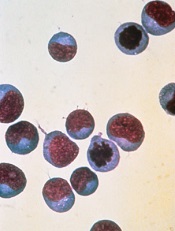
The US Food and Drug Administration (FDA) has granted accelerated approval for blinatumomab (Blincyto) to treat adults with relapsed or refractory Philadelphia chromosome-negative precursor B-cell acute lymphoblastic leukemia (ALL).
Blinatumomab is a bispecific T-cell engager (BiTE®) antibody construct designed to direct the body’s T cells against target cells expressing CD19, a protein found on the surface of B cells.
Blinatumomab is the first anti-CD19 drug to receive FDA approval. It will be available as a 35 mcg single-use vial.
“Immunotherapies, especially Blincyto with its unique mechanism of action, are particularly promising for patients with leukemia,” said Richard Pazdur, MD, director of the Office of Hematology and Oncology Products in the FDA’s Center for Drug Evaluation and Research.
“Recognizing the potential of this novel therapy, the FDA worked proactively with the sponsor under our breakthrough therapy designation program to facilitate the approval of this novel agent.”
Approval details
The FDA granted blinatumomab accelerated approval based on clinical data showing the drug has an effect on a surrogate endpoint reasonably likely to predict clinical benefit to patients.
Before granting the drug full approval, the FDA is requiring that blinatumomab’s manufacturer, Amgen, conduct a study to verify that the drug improves survival in patients with relapsed or refractory Philadelphia-negative precursor B-cell ALL.
Blinatumomab was approved with a boxed warning detailing the risk of cytokine release syndrome and neurological toxicities. The FDA also approved the drug with a Risk Evaluation and Mitigation Strategy, which consists of a communication plan to inform healthcare providers about the serious risks and the potential for preparation and administration errors.
Blinatumomab was approved more than 5 months ahead of the date the FDA was scheduled to complete review of the drug’s application (May 19, 2015).
The agency had granted blinatumomab breakthrough therapy designation, priority review, and orphan product designation because Amgen demonstrated through preliminary clinical evidence that the drug may offer a substantial improvement over available therapies.
That evidence came in the form of a phase 2 study, the results of which were presented at the 19th Congress of the European Hematology Association (EHA) in June.
Trial results
Researchers evaluated blinatumomab monotherapy in 189 patients with relapsed or refractory B-cell ALL and a median age of 39 (range, 18-79). The patients received blinatumomab by continuous intravenous infusion—4 weeks on and 2 weeks off—for up to 5 cycles.
Thirty-three percent of patients achieved a complete remission, and 9% achieved a complete remission with partial hematologic recovery. Seventy-one percent of these patients were negative for minimal residual disease.
The median relapse-free survival was 5.9 months.
Major toxicities were related to cytokine release syndrome, but cytopenias and central nervous system events were also common. The most frequent adverse events were pyrexia (59%), headache (35%), and febrile neutropenia (29%).
The most frequent grade 3 or higher adverse events were febrile neutropenia (26%), anemia (15%), and neutropenia (15%). Two percent of patients had grade 3 or higher cytokine release syndrome.
The most common grade 3 or higher nervous system events were headache (4%), encephalopathy (3%), and ataxia (2%). Three patients (2%) had grade 5 events considered treatment-related—2 with sepsis and 1 with Candida infection.
Credit: NIAID
The US Food and Drug Administration (FDA) has granted accelerated approval for blinatumomab (Blincyto) to treat adults with relapsed or refractory Philadelphia chromosome-negative precursor B-cell acute lymphoblastic leukemia (ALL).
Blinatumomab is a bispecific T-cell engager (BiTE®) antibody construct designed to direct the body’s T cells against target cells expressing CD19, a protein found on the surface of B cells.
Blinatumomab is the first anti-CD19 drug to receive FDA approval. It will be available as a 35 mcg single-use vial.
“Immunotherapies, especially Blincyto with its unique mechanism of action, are particularly promising for patients with leukemia,” said Richard Pazdur, MD, director of the Office of Hematology and Oncology Products in the FDA’s Center for Drug Evaluation and Research.
“Recognizing the potential of this novel therapy, the FDA worked proactively with the sponsor under our breakthrough therapy designation program to facilitate the approval of this novel agent.”
Approval details
The FDA granted blinatumomab accelerated approval based on clinical data showing the drug has an effect on a surrogate endpoint reasonably likely to predict clinical benefit to patients.
Before granting the drug full approval, the FDA is requiring that blinatumomab’s manufacturer, Amgen, conduct a study to verify that the drug improves survival in patients with relapsed or refractory Philadelphia-negative precursor B-cell ALL.
Blinatumomab was approved with a boxed warning detailing the risk of cytokine release syndrome and neurological toxicities. The FDA also approved the drug with a Risk Evaluation and Mitigation Strategy, which consists of a communication plan to inform healthcare providers about the serious risks and the potential for preparation and administration errors.
Blinatumomab was approved more than 5 months ahead of the date the FDA was scheduled to complete review of the drug’s application (May 19, 2015).
The agency had granted blinatumomab breakthrough therapy designation, priority review, and orphan product designation because Amgen demonstrated through preliminary clinical evidence that the drug may offer a substantial improvement over available therapies.
That evidence came in the form of a phase 2 study, the results of which were presented at the 19th Congress of the European Hematology Association (EHA) in June.
Trial results
Researchers evaluated blinatumomab monotherapy in 189 patients with relapsed or refractory B-cell ALL and a median age of 39 (range, 18-79). The patients received blinatumomab by continuous intravenous infusion—4 weeks on and 2 weeks off—for up to 5 cycles.
Thirty-three percent of patients achieved a complete remission, and 9% achieved a complete remission with partial hematologic recovery. Seventy-one percent of these patients were negative for minimal residual disease.
The median relapse-free survival was 5.9 months.
Major toxicities were related to cytokine release syndrome, but cytopenias and central nervous system events were also common. The most frequent adverse events were pyrexia (59%), headache (35%), and febrile neutropenia (29%).
The most frequent grade 3 or higher adverse events were febrile neutropenia (26%), anemia (15%), and neutropenia (15%). Two percent of patients had grade 3 or higher cytokine release syndrome.
The most common grade 3 or higher nervous system events were headache (4%), encephalopathy (3%), and ataxia (2%). Three patients (2%) had grade 5 events considered treatment-related—2 with sepsis and 1 with Candida infection.
Credit: NIAID
The US Food and Drug Administration (FDA) has granted accelerated approval for blinatumomab (Blincyto) to treat adults with relapsed or refractory Philadelphia chromosome-negative precursor B-cell acute lymphoblastic leukemia (ALL).
Blinatumomab is a bispecific T-cell engager (BiTE®) antibody construct designed to direct the body’s T cells against target cells expressing CD19, a protein found on the surface of B cells.
Blinatumomab is the first anti-CD19 drug to receive FDA approval. It will be available as a 35 mcg single-use vial.
“Immunotherapies, especially Blincyto with its unique mechanism of action, are particularly promising for patients with leukemia,” said Richard Pazdur, MD, director of the Office of Hematology and Oncology Products in the FDA’s Center for Drug Evaluation and Research.
“Recognizing the potential of this novel therapy, the FDA worked proactively with the sponsor under our breakthrough therapy designation program to facilitate the approval of this novel agent.”
Approval details
The FDA granted blinatumomab accelerated approval based on clinical data showing the drug has an effect on a surrogate endpoint reasonably likely to predict clinical benefit to patients.
Before granting the drug full approval, the FDA is requiring that blinatumomab’s manufacturer, Amgen, conduct a study to verify that the drug improves survival in patients with relapsed or refractory Philadelphia-negative precursor B-cell ALL.
Blinatumomab was approved with a boxed warning detailing the risk of cytokine release syndrome and neurological toxicities. The FDA also approved the drug with a Risk Evaluation and Mitigation Strategy, which consists of a communication plan to inform healthcare providers about the serious risks and the potential for preparation and administration errors.
Blinatumomab was approved more than 5 months ahead of the date the FDA was scheduled to complete review of the drug’s application (May 19, 2015).
The agency had granted blinatumomab breakthrough therapy designation, priority review, and orphan product designation because Amgen demonstrated through preliminary clinical evidence that the drug may offer a substantial improvement over available therapies.
That evidence came in the form of a phase 2 study, the results of which were presented at the 19th Congress of the European Hematology Association (EHA) in June.
Trial results
Researchers evaluated blinatumomab monotherapy in 189 patients with relapsed or refractory B-cell ALL and a median age of 39 (range, 18-79). The patients received blinatumomab by continuous intravenous infusion—4 weeks on and 2 weeks off—for up to 5 cycles.
Thirty-three percent of patients achieved a complete remission, and 9% achieved a complete remission with partial hematologic recovery. Seventy-one percent of these patients were negative for minimal residual disease.
The median relapse-free survival was 5.9 months.
Major toxicities were related to cytokine release syndrome, but cytopenias and central nervous system events were also common. The most frequent adverse events were pyrexia (59%), headache (35%), and febrile neutropenia (29%).
The most frequent grade 3 or higher adverse events were febrile neutropenia (26%), anemia (15%), and neutropenia (15%). Two percent of patients had grade 3 or higher cytokine release syndrome.
The most common grade 3 or higher nervous system events were headache (4%), encephalopathy (3%), and ataxia (2%). Three patients (2%) had grade 5 events considered treatment-related—2 with sepsis and 1 with Candida infection.
FDA approves blinatumomab for Philadelphia-negative ALL
The Food and Drug Administration has approved blinatumomab (Blincyto) for Philadelphia chromosome–negative relapsed or refractory B-cell precursor acute lymphoblastic leukemia.
The approval on Dec. 3 came almost 5 months early. Blinatumomab maker Amgen applied for accelerated approval with the agency in early October, and a decision was due by May 19, 2015, according to the company.
“Recognizing the potential of this novel therapy, the FDA worked proactively with the sponsor under our breakthrough therapy designation program to facilitate the approval of this novel agent,” said Dr. Richard Pazdur, director of the Office of Hematology and Oncology Products in the FDA’s Center for Drug Evaluation and Research, in a statement.

The National Cancer Institute estimates that 6,020 Americans will be diagnosed with ALL and 1,440 will die from the disease in 2014.
The drug is the first bispecific CD19-directed CD3 T-cell engager (BiTE) antibody construct approved by the FDA and is also the first single-agent immunotherapy to be approved for the treatment of patients with Philadelphia chromosome–negative relapsed or refractory B-cell precursor ALL, said Amgen.
The FDA based the approval on results of Amgen’s MT103-211 trial, a phase II, multicenter, single-arm, open-label study. Of the 185 patients evaluated in the trial, 42% (77 of 185) achieved complete remission or complete remission with partial hematologic recovery within two cycles of treatment. Blinatumomab was given by continuous infusion for 4 weeks of a 6-week cycle. Up to two cycles were used for induction and three cycles for consolidation.
The response was durable (with a median of 6.7 months; range, 0.46-16.5 months).
The FDA evaluated safety in 212 patients. The most common adverse reactions were pyrexia (62%), headache (36%), peripheral edema (25%), febrile neutropenia (25%), nausea (25%), hypokalemia (23%), rash (21%), tremor (20%), and constipation (20%).
Neurologic toxicities – including encephalopathy, convulsions, speech disorders, disturbances in consciousness, confusion and disorientation, and coordination and balance disorders – were common, occurring in almost half of patients, and were a frequent reason for interruption of therapy.
There is a boxed warning on neurologic toxicities and cytokine-release syndrome, which was reported in 11% of the patients. The FDA also is requiring a Risk Evaluation and Mitigation Strategy for blinatumomab, which consists of a communication plan to inform health care providers about the serious risks and the potential for preparation and administration errors.
On Twitter @aliciaault
The Food and Drug Administration has approved blinatumomab (Blincyto) for Philadelphia chromosome–negative relapsed or refractory B-cell precursor acute lymphoblastic leukemia.
The approval on Dec. 3 came almost 5 months early. Blinatumomab maker Amgen applied for accelerated approval with the agency in early October, and a decision was due by May 19, 2015, according to the company.
“Recognizing the potential of this novel therapy, the FDA worked proactively with the sponsor under our breakthrough therapy designation program to facilitate the approval of this novel agent,” said Dr. Richard Pazdur, director of the Office of Hematology and Oncology Products in the FDA’s Center for Drug Evaluation and Research, in a statement.
The National Cancer Institute estimates that 6,020 Americans will be diagnosed with ALL and 1,440 will die from the disease in 2014.
The drug is the first bispecific CD19-directed CD3 T-cell engager (BiTE) antibody construct approved by the FDA and is also the first single-agent immunotherapy to be approved for the treatment of patients with Philadelphia chromosome–negative relapsed or refractory B-cell precursor ALL, said Amgen.
The FDA based the approval on results of Amgen’s MT103-211 trial, a phase II, multicenter, single-arm, open-label study. Of the 185 patients evaluated in the trial, 42% (77 of 185) achieved complete remission or complete remission with partial hematologic recovery within two cycles of treatment. Blinatumomab was given by continuous infusion for 4 weeks of a 6-week cycle. Up to two cycles were used for induction and three cycles for consolidation.
The response was durable (with a median of 6.7 months; range, 0.46-16.5 months).
The FDA evaluated safety in 212 patients. The most common adverse reactions were pyrexia (62%), headache (36%), peripheral edema (25%), febrile neutropenia (25%), nausea (25%), hypokalemia (23%), rash (21%), tremor (20%), and constipation (20%).
Neurologic toxicities – including encephalopathy, convulsions, speech disorders, disturbances in consciousness, confusion and disorientation, and coordination and balance disorders – were common, occurring in almost half of patients, and were a frequent reason for interruption of therapy.
There is a boxed warning on neurologic toxicities and cytokine-release syndrome, which was reported in 11% of the patients. The FDA also is requiring a Risk Evaluation and Mitigation Strategy for blinatumomab, which consists of a communication plan to inform health care providers about the serious risks and the potential for preparation and administration errors.
On Twitter @aliciaault
The Food and Drug Administration has approved blinatumomab (Blincyto) for Philadelphia chromosome–negative relapsed or refractory B-cell precursor acute lymphoblastic leukemia.
The approval on Dec. 3 came almost 5 months early. Blinatumomab maker Amgen applied for accelerated approval with the agency in early October, and a decision was due by May 19, 2015, according to the company.
“Recognizing the potential of this novel therapy, the FDA worked proactively with the sponsor under our breakthrough therapy designation program to facilitate the approval of this novel agent,” said Dr. Richard Pazdur, director of the Office of Hematology and Oncology Products in the FDA’s Center for Drug Evaluation and Research, in a statement.
The National Cancer Institute estimates that 6,020 Americans will be diagnosed with ALL and 1,440 will die from the disease in 2014.
The drug is the first bispecific CD19-directed CD3 T-cell engager (BiTE) antibody construct approved by the FDA and is also the first single-agent immunotherapy to be approved for the treatment of patients with Philadelphia chromosome–negative relapsed or refractory B-cell precursor ALL, said Amgen.
The FDA based the approval on results of Amgen’s MT103-211 trial, a phase II, multicenter, single-arm, open-label study. Of the 185 patients evaluated in the trial, 42% (77 of 185) achieved complete remission or complete remission with partial hematologic recovery within two cycles of treatment. Blinatumomab was given by continuous infusion for 4 weeks of a 6-week cycle. Up to two cycles were used for induction and three cycles for consolidation.
The response was durable (with a median of 6.7 months; range, 0.46-16.5 months).
The FDA evaluated safety in 212 patients. The most common adverse reactions were pyrexia (62%), headache (36%), peripheral edema (25%), febrile neutropenia (25%), nausea (25%), hypokalemia (23%), rash (21%), tremor (20%), and constipation (20%).
Neurologic toxicities – including encephalopathy, convulsions, speech disorders, disturbances in consciousness, confusion and disorientation, and coordination and balance disorders – were common, occurring in almost half of patients, and were a frequent reason for interruption of therapy.
There is a boxed warning on neurologic toxicities and cytokine-release syndrome, which was reported in 11% of the patients. The FDA also is requiring a Risk Evaluation and Mitigation Strategy for blinatumomab, which consists of a communication plan to inform health care providers about the serious risks and the potential for preparation and administration errors.
On Twitter @aliciaault

ASH 2014 to highlight novel cancer therapies, longer follow-up results
Longer follow-up results on CAR-T therapy and early results from a novel BiTE therapy for patients with acute lymphoblastic leukemia, early results on checkpoint inhibitors to treat Hodgkin’s lymphoma, and phase III results on brentuximab vedotin to prevent recurrence of Hodgkin’s lymphoma will head up our onsite coverage of the American Society of Hematology Annual Meeting, to be held Dec. 6-9 in San Francisco.
Engineered T cells for treating patients with acute lymphoblastic leukemia
Reports on targeted therapies at ASH 2014 will include the latest follow-up of children with refractory acute lymphoblastic leukemia (ALL) who were treated with T-cells engineered with a chimeric antigen receptor targeting CD19, and results from a phase II study of blinatumomab, a bispecific T cell engager (BiTE) antibody construct, in patients with minimal residual disease B-precursor ALL.
Checkpoint inhibitors for treating patients with Hodgkin’s lymphoma
The first analyses from two studies using PD-1 antibodies for the treatment of classical Hodgkin’s lymphoma will be reported. Investigators will report phase I results of nivolumab in 23 heavily pretreated patients with classical HL, and of pembrolizumab (MK-3475) in 15 patients with classical HL with previously failed treatment using brentuximab vedotin.
Preventing recurrence of Hodgkin’s lymphoma
Highly anticipated results from the Aethera trial, a phase III study of brentuximab vedotin in 327 patients at risk of progression following autologous stem cell transplant for Hodgkin’s lymphoma, will also be reported.
lnikolaides@frontlinemedcom.com
On Twitter@nikolaideslaura
Longer follow-up results on CAR-T therapy and early results from a novel BiTE therapy for patients with acute lymphoblastic leukemia, early results on checkpoint inhibitors to treat Hodgkin’s lymphoma, and phase III results on brentuximab vedotin to prevent recurrence of Hodgkin’s lymphoma will head up our onsite coverage of the American Society of Hematology Annual Meeting, to be held Dec. 6-9 in San Francisco.
Engineered T cells for treating patients with acute lymphoblastic leukemia
Reports on targeted therapies at ASH 2014 will include the latest follow-up of children with refractory acute lymphoblastic leukemia (ALL) who were treated with T-cells engineered with a chimeric antigen receptor targeting CD19, and results from a phase II study of blinatumomab, a bispecific T cell engager (BiTE) antibody construct, in patients with minimal residual disease B-precursor ALL.
Checkpoint inhibitors for treating patients with Hodgkin’s lymphoma
The first analyses from two studies using PD-1 antibodies for the treatment of classical Hodgkin’s lymphoma will be reported. Investigators will report phase I results of nivolumab in 23 heavily pretreated patients with classical HL, and of pembrolizumab (MK-3475) in 15 patients with classical HL with previously failed treatment using brentuximab vedotin.
Preventing recurrence of Hodgkin’s lymphoma
Highly anticipated results from the Aethera trial, a phase III study of brentuximab vedotin in 327 patients at risk of progression following autologous stem cell transplant for Hodgkin’s lymphoma, will also be reported.
lnikolaides@frontlinemedcom.com
On Twitter@nikolaideslaura
Longer follow-up results on CAR-T therapy and early results from a novel BiTE therapy for patients with acute lymphoblastic leukemia, early results on checkpoint inhibitors to treat Hodgkin’s lymphoma, and phase III results on brentuximab vedotin to prevent recurrence of Hodgkin’s lymphoma will head up our onsite coverage of the American Society of Hematology Annual Meeting, to be held Dec. 6-9 in San Francisco.
Engineered T cells for treating patients with acute lymphoblastic leukemia
Reports on targeted therapies at ASH 2014 will include the latest follow-up of children with refractory acute lymphoblastic leukemia (ALL) who were treated with T-cells engineered with a chimeric antigen receptor targeting CD19, and results from a phase II study of blinatumomab, a bispecific T cell engager (BiTE) antibody construct, in patients with minimal residual disease B-precursor ALL.
Checkpoint inhibitors for treating patients with Hodgkin’s lymphoma
The first analyses from two studies using PD-1 antibodies for the treatment of classical Hodgkin’s lymphoma will be reported. Investigators will report phase I results of nivolumab in 23 heavily pretreated patients with classical HL, and of pembrolizumab (MK-3475) in 15 patients with classical HL with previously failed treatment using brentuximab vedotin.
Preventing recurrence of Hodgkin’s lymphoma
Highly anticipated results from the Aethera trial, a phase III study of brentuximab vedotin in 327 patients at risk of progression following autologous stem cell transplant for Hodgkin’s lymphoma, will also be reported.
lnikolaides@frontlinemedcom.com
On Twitter@nikolaideslaura
Study shows long-term survival improvements in blood cancers

Credit: Rhoda Baer
A new study suggests that half of all people recently diagnosed with cancer in England and Wales should survive their disease for at least 10 years, whereas, 40 years ago, only about a quarter of cancer patients could expect the same.
The research, published in The Lancet, showed significant improvements in long-term cancer survival rates from 1971 to 2011, particularly among patients with hematologic malignancies.
Unfortunately, the outlook for some malignancies remained extremely poor over the period studied.
“Although survival for some cancers has improved dramatically over the past 40 years, others are lagging far behind,” said Manuela Quaresma, of the London School of Hygiene & Tropical Medicine in the UK.
“More investment is urgently needed to improve early diagnosis and provide the best treatment, including more specialist surgeons for poor-prognosis cancers like lung cancer, which have shown little or no evidence of improvement in long-term survival (5 and 10 years after diagnosis) over the past 40 years.”
Quaresma and her colleagues analyzed survival trends for more than 7 million adults (aged 15 to 99 years) diagnosed with one of 21 common cancers in England and Wales between 1971 and 2011, and followed up to the end of 2012.
The researchers observed an increase in 10-year survival for all cancers combined. Twenty-four percent of patients diagnosed in 1971-1972 survived at least 10 years. And 49.8% of patients diagnosed in 2010-2011 are expected to survive at least 10 years.
The data revealed substantial improvements for patients with hematologic malignancies as well. For Hodgkin lymphoma, the 10-year survival rate rose from 47.7% for patients diagnosed in 1971-1972 to 80% for those diagnosed in 2010-2011.
For non-Hodgkin lymphoma, the 10-year survival rate increased from 22% to 63.1%. For multiple myeloma, it rose from 6.2% to 32.6%. And for leukemia, it rose from 6.9% to 46.1%.
The researchers noted that the most recent 10-year survival estimates are above 70% for cancers of the breast, prostate, testis, and uterus, as well as for melanoma and Hodgkin lymphoma. Furthermore, improvements in survival are greatest for these cancers.
Unfortunately, several other malignancies continue to have poor long-term survival. For cancers of the brain, stomach, lung, esophagus, and pancreas, 10-year survival after diagnosis is still below 15% for patients diagnosed in 2010-2011.
“These 5 cancers impose a huge public health burden, both because they are common and because they are often diagnosed at a late stage, when they are much harder to treat,” said study author Bernard Rachet, MD, PhD, of the London School of Hygiene & Tropical Medicine.
Dr Rachet also noted that this research confirms a persistent “age gap” in survival between younger and older patients for all cancers.
“Even after we have adjusted for the fact that older people have much higher death rates from other diseases than younger people, elderly cancer patients are doing worse for all cancers,” he said.
“This problem is particularly marked in the UK. In other countries, the age gap in cancer survival has become much narrower over the last 15 to 20 years than in England and Wales.” 
Credit: Rhoda Baer
A new study suggests that half of all people recently diagnosed with cancer in England and Wales should survive their disease for at least 10 years, whereas, 40 years ago, only about a quarter of cancer patients could expect the same.
The research, published in The Lancet, showed significant improvements in long-term cancer survival rates from 1971 to 2011, particularly among patients with hematologic malignancies.
Unfortunately, the outlook for some malignancies remained extremely poor over the period studied.
“Although survival for some cancers has improved dramatically over the past 40 years, others are lagging far behind,” said Manuela Quaresma, of the London School of Hygiene & Tropical Medicine in the UK.
“More investment is urgently needed to improve early diagnosis and provide the best treatment, including more specialist surgeons for poor-prognosis cancers like lung cancer, which have shown little or no evidence of improvement in long-term survival (5 and 10 years after diagnosis) over the past 40 years.”
Quaresma and her colleagues analyzed survival trends for more than 7 million adults (aged 15 to 99 years) diagnosed with one of 21 common cancers in England and Wales between 1971 and 2011, and followed up to the end of 2012.
The researchers observed an increase in 10-year survival for all cancers combined. Twenty-four percent of patients diagnosed in 1971-1972 survived at least 10 years. And 49.8% of patients diagnosed in 2010-2011 are expected to survive at least 10 years.
The data revealed substantial improvements for patients with hematologic malignancies as well. For Hodgkin lymphoma, the 10-year survival rate rose from 47.7% for patients diagnosed in 1971-1972 to 80% for those diagnosed in 2010-2011.
For non-Hodgkin lymphoma, the 10-year survival rate increased from 22% to 63.1%. For multiple myeloma, it rose from 6.2% to 32.6%. And for leukemia, it rose from 6.9% to 46.1%.
The researchers noted that the most recent 10-year survival estimates are above 70% for cancers of the breast, prostate, testis, and uterus, as well as for melanoma and Hodgkin lymphoma. Furthermore, improvements in survival are greatest for these cancers.
Unfortunately, several other malignancies continue to have poor long-term survival. For cancers of the brain, stomach, lung, esophagus, and pancreas, 10-year survival after diagnosis is still below 15% for patients diagnosed in 2010-2011.
“These 5 cancers impose a huge public health burden, both because they are common and because they are often diagnosed at a late stage, when they are much harder to treat,” said study author Bernard Rachet, MD, PhD, of the London School of Hygiene & Tropical Medicine.
Dr Rachet also noted that this research confirms a persistent “age gap” in survival between younger and older patients for all cancers.
“Even after we have adjusted for the fact that older people have much higher death rates from other diseases than younger people, elderly cancer patients are doing worse for all cancers,” he said.
“This problem is particularly marked in the UK. In other countries, the age gap in cancer survival has become much narrower over the last 15 to 20 years than in England and Wales.”
Credit: Rhoda Baer
A new study suggests that half of all people recently diagnosed with cancer in England and Wales should survive their disease for at least 10 years, whereas, 40 years ago, only about a quarter of cancer patients could expect the same.
The research, published in The Lancet, showed significant improvements in long-term cancer survival rates from 1971 to 2011, particularly among patients with hematologic malignancies.
Unfortunately, the outlook for some malignancies remained extremely poor over the period studied.
“Although survival for some cancers has improved dramatically over the past 40 years, others are lagging far behind,” said Manuela Quaresma, of the London School of Hygiene & Tropical Medicine in the UK.
“More investment is urgently needed to improve early diagnosis and provide the best treatment, including more specialist surgeons for poor-prognosis cancers like lung cancer, which have shown little or no evidence of improvement in long-term survival (5 and 10 years after diagnosis) over the past 40 years.”
Quaresma and her colleagues analyzed survival trends for more than 7 million adults (aged 15 to 99 years) diagnosed with one of 21 common cancers in England and Wales between 1971 and 2011, and followed up to the end of 2012.
The researchers observed an increase in 10-year survival for all cancers combined. Twenty-four percent of patients diagnosed in 1971-1972 survived at least 10 years. And 49.8% of patients diagnosed in 2010-2011 are expected to survive at least 10 years.
The data revealed substantial improvements for patients with hematologic malignancies as well. For Hodgkin lymphoma, the 10-year survival rate rose from 47.7% for patients diagnosed in 1971-1972 to 80% for those diagnosed in 2010-2011.
For non-Hodgkin lymphoma, the 10-year survival rate increased from 22% to 63.1%. For multiple myeloma, it rose from 6.2% to 32.6%. And for leukemia, it rose from 6.9% to 46.1%.
The researchers noted that the most recent 10-year survival estimates are above 70% for cancers of the breast, prostate, testis, and uterus, as well as for melanoma and Hodgkin lymphoma. Furthermore, improvements in survival are greatest for these cancers.
Unfortunately, several other malignancies continue to have poor long-term survival. For cancers of the brain, stomach, lung, esophagus, and pancreas, 10-year survival after diagnosis is still below 15% for patients diagnosed in 2010-2011.
“These 5 cancers impose a huge public health burden, both because they are common and because they are often diagnosed at a late stage, when they are much harder to treat,” said study author Bernard Rachet, MD, PhD, of the London School of Hygiene & Tropical Medicine.
Dr Rachet also noted that this research confirms a persistent “age gap” in survival between younger and older patients for all cancers.
“Even after we have adjusted for the fact that older people have much higher death rates from other diseases than younger people, elderly cancer patients are doing worse for all cancers,” he said.
“This problem is particularly marked in the UK. In other countries, the age gap in cancer survival has become much narrower over the last 15 to 20 years than in England and Wales.”
FDA grants drug orphan designation for AML
The US Food and Drug Administration (FDA) has granted orphan drug designation for Actimab-A, an alpha radiolabeled antibody, to treat patients over the age of 60 who are newly diagnosed with acute myeloid leukemia (AML).
Actimab-A consists of the CD33 antibody lintuzumab linked to the actinium-225 payload. The product is currently under investigation in a multicenter, phase 1/2 trial of elderly AML patients.
The company developing Actimab-A, Actinium Pharmaceuticals, Inc., recently announced positive interim data from this trial.
Nine patients were evaluable. They had a median age of 76 (range, 73-81) and intermediate- or poor-risk cytogenetics.
The median overall survival was 5.4 months (range, 2.2-24 months), but survival was better for the 7 patients who had secondary AML. These patients had a median overall survival of 9.1 months from study entry (range, 2.3-24 months).
Two secondary AML patients lived longer than 12 months, and the longest surviving patient lived more than 24 months.
Two dosing levels of Actimab-A have been evaluated to date (0.5 or 1.0 μCi/kg/fraction), and the study is ongoing at higher doses until the maximum tolerated dose is reached.
Actinium expects additional data from this trial to be available in 2015.
“The FDA’s decision to grant orphan drug status for Actimab-A is a significant milestone for the company and recognizes the need for innovative new approaches to treat AML,” said Kaushik J. Dave, PhD, President and CEO of Actinium.
“The designation will provide Actinium access to various development benefits and financial incentives from the agency, including an exemption from prescription drug user fees for Actimab-A for this indication and, if the drug receives marketing approval, it will enjoy 7 years of market exclusivity in the United States.”
The US Food and Drug Administration (FDA) has granted orphan drug designation for Actimab-A, an alpha radiolabeled antibody, to treat patients over the age of 60 who are newly diagnosed with acute myeloid leukemia (AML).
Actimab-A consists of the CD33 antibody lintuzumab linked to the actinium-225 payload. The product is currently under investigation in a multicenter, phase 1/2 trial of elderly AML patients.
The company developing Actimab-A, Actinium Pharmaceuticals, Inc., recently announced positive interim data from this trial.
Nine patients were evaluable. They had a median age of 76 (range, 73-81) and intermediate- or poor-risk cytogenetics.
The median overall survival was 5.4 months (range, 2.2-24 months), but survival was better for the 7 patients who had secondary AML. These patients had a median overall survival of 9.1 months from study entry (range, 2.3-24 months).
Two secondary AML patients lived longer than 12 months, and the longest surviving patient lived more than 24 months.
Two dosing levels of Actimab-A have been evaluated to date (0.5 or 1.0 μCi/kg/fraction), and the study is ongoing at higher doses until the maximum tolerated dose is reached.
Actinium expects additional data from this trial to be available in 2015.
“The FDA’s decision to grant orphan drug status for Actimab-A is a significant milestone for the company and recognizes the need for innovative new approaches to treat AML,” said Kaushik J. Dave, PhD, President and CEO of Actinium.
“The designation will provide Actinium access to various development benefits and financial incentives from the agency, including an exemption from prescription drug user fees for Actimab-A for this indication and, if the drug receives marketing approval, it will enjoy 7 years of market exclusivity in the United States.”
The US Food and Drug Administration (FDA) has granted orphan drug designation for Actimab-A, an alpha radiolabeled antibody, to treat patients over the age of 60 who are newly diagnosed with acute myeloid leukemia (AML).
Actimab-A consists of the CD33 antibody lintuzumab linked to the actinium-225 payload. The product is currently under investigation in a multicenter, phase 1/2 trial of elderly AML patients.
The company developing Actimab-A, Actinium Pharmaceuticals, Inc., recently announced positive interim data from this trial.
Nine patients were evaluable. They had a median age of 76 (range, 73-81) and intermediate- or poor-risk cytogenetics.
The median overall survival was 5.4 months (range, 2.2-24 months), but survival was better for the 7 patients who had secondary AML. These patients had a median overall survival of 9.1 months from study entry (range, 2.3-24 months).
Two secondary AML patients lived longer than 12 months, and the longest surviving patient lived more than 24 months.
Two dosing levels of Actimab-A have been evaluated to date (0.5 or 1.0 μCi/kg/fraction), and the study is ongoing at higher doses until the maximum tolerated dose is reached.
Actinium expects additional data from this trial to be available in 2015.
“The FDA’s decision to grant orphan drug status for Actimab-A is a significant milestone for the company and recognizes the need for innovative new approaches to treat AML,” said Kaushik J. Dave, PhD, President and CEO of Actinium.
“The designation will provide Actinium access to various development benefits and financial incentives from the agency, including an exemption from prescription drug user fees for Actimab-A for this indication and, if the drug receives marketing approval, it will enjoy 7 years of market exclusivity in the United States.”
Targeting enzyme can eliminate CSCs in AML
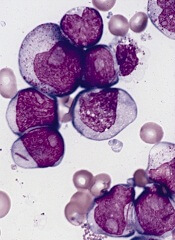
Inhibiting the enzyme 5-lipoxygenase (5-LO) can eradicate cancer stem cell-like cells (CSCs) in acute myeloid leukemia (AML), according to a preclinical study
published in Cancer Research.
Previous research suggested the enzyme is needed to maintain CSCs in chronic myeloid leukemia.
So investigators theorized that 5-LO could be a therapeutic target for AML, as CSCs are thought to cause the spread and relapse of this disease.
To test that theory, the team evaluated the effects of 5-LO inhibition in a PML/RARα-positive model of AML. As a model of CSCs, they used Sca-1+/lin− murine hematopoietic stem and progenitor cells (HSPCs), which were retrovirally transduced with PML/RARα.
The researchers targeted 5-LO genetically and pharmacologically. And they found that 5-LO inhibition interfered with the aberrant stem cell capacity of PML/RARα-expressing HSPCs.
Inhibiting 5-LO also inhibited Wnt signaling, which has been shown to be critical for CSC maintenance.
Additional investigation revealed that inhibition of Wnt signaling and CSCs was due to the generation of a catalytically inactive form of 5-LO, which hindered nuclear translocation of β-catenin.
Considering these results together, as well as evidence that CSCs mediate AML relapse, the investigators concluded that eradicating CSCs via 5-LO inhibition may offer a new treatment approach for AML.
“These results form the basis for a possible use of the 5-lipoxygenase inhibitors as stem cell therapy for a sustainable cure for acute myeloid leukemia,” said Martin Ruthardt, MD, of Goethe University in Frankfurt, Germany. “But this must firstly be studied further in preclinical and clinical studies in humans.”
“We are now in the process of examining the molecular mechanism in more detail in order to find out how the inhibitors precisely work on the leukemia stem cells,” added Thorsten Jürgen Maier, MD, PhD, of Goethe University and Aarhus University in Denmark. “We very much hope that our results will be of benefit for leukemia patients.”
Inhibiting the enzyme 5-lipoxygenase (5-LO) can eradicate cancer stem cell-like cells (CSCs) in acute myeloid leukemia (AML), according to a preclinical study
published in Cancer Research.
Previous research suggested the enzyme is needed to maintain CSCs in chronic myeloid leukemia.
So investigators theorized that 5-LO could be a therapeutic target for AML, as CSCs are thought to cause the spread and relapse of this disease.
To test that theory, the team evaluated the effects of 5-LO inhibition in a PML/RARα-positive model of AML. As a model of CSCs, they used Sca-1+/lin− murine hematopoietic stem and progenitor cells (HSPCs), which were retrovirally transduced with PML/RARα.
The researchers targeted 5-LO genetically and pharmacologically. And they found that 5-LO inhibition interfered with the aberrant stem cell capacity of PML/RARα-expressing HSPCs.
Inhibiting 5-LO also inhibited Wnt signaling, which has been shown to be critical for CSC maintenance.
Additional investigation revealed that inhibition of Wnt signaling and CSCs was due to the generation of a catalytically inactive form of 5-LO, which hindered nuclear translocation of β-catenin.
Considering these results together, as well as evidence that CSCs mediate AML relapse, the investigators concluded that eradicating CSCs via 5-LO inhibition may offer a new treatment approach for AML.
“These results form the basis for a possible use of the 5-lipoxygenase inhibitors as stem cell therapy for a sustainable cure for acute myeloid leukemia,” said Martin Ruthardt, MD, of Goethe University in Frankfurt, Germany. “But this must firstly be studied further in preclinical and clinical studies in humans.”
“We are now in the process of examining the molecular mechanism in more detail in order to find out how the inhibitors precisely work on the leukemia stem cells,” added Thorsten Jürgen Maier, MD, PhD, of Goethe University and Aarhus University in Denmark. “We very much hope that our results will be of benefit for leukemia patients.”
Inhibiting the enzyme 5-lipoxygenase (5-LO) can eradicate cancer stem cell-like cells (CSCs) in acute myeloid leukemia (AML), according to a preclinical study
published in Cancer Research.
Previous research suggested the enzyme is needed to maintain CSCs in chronic myeloid leukemia.
So investigators theorized that 5-LO could be a therapeutic target for AML, as CSCs are thought to cause the spread and relapse of this disease.
To test that theory, the team evaluated the effects of 5-LO inhibition in a PML/RARα-positive model of AML. As a model of CSCs, they used Sca-1+/lin− murine hematopoietic stem and progenitor cells (HSPCs), which were retrovirally transduced with PML/RARα.
The researchers targeted 5-LO genetically and pharmacologically. And they found that 5-LO inhibition interfered with the aberrant stem cell capacity of PML/RARα-expressing HSPCs.
Inhibiting 5-LO also inhibited Wnt signaling, which has been shown to be critical for CSC maintenance.
Additional investigation revealed that inhibition of Wnt signaling and CSCs was due to the generation of a catalytically inactive form of 5-LO, which hindered nuclear translocation of β-catenin.
Considering these results together, as well as evidence that CSCs mediate AML relapse, the investigators concluded that eradicating CSCs via 5-LO inhibition may offer a new treatment approach for AML.
“These results form the basis for a possible use of the 5-lipoxygenase inhibitors as stem cell therapy for a sustainable cure for acute myeloid leukemia,” said Martin Ruthardt, MD, of Goethe University in Frankfurt, Germany. “But this must firstly be studied further in preclinical and clinical studies in humans.”
“We are now in the process of examining the molecular mechanism in more detail in order to find out how the inhibitors precisely work on the leukemia stem cells,” added Thorsten Jürgen Maier, MD, PhD, of Goethe University and Aarhus University in Denmark. “We very much hope that our results will be of benefit for leukemia patients.”
NICE expands use of ESAs in cancer patients

chemotherapy
Credit: Rhoda Baer
The UK’s National Institute for Health and Care Excellence (NICE) has updated its guidance to expand the use of erythropoiesis-stimulating agents (ESAs) in cancer patients.
In 2008, NICE issued a guidance recommending ESAs as a possible treatment for certain patients with anemia caused by cancer treatment.
Now, NICE has updated the recommendations to expand the use of ESAs—epoetin alfa, beta, theta, and zeta, as well as darbepoetin alfa—to all other indications within their UK marketing authorizations.
“A lot of people with cancer having chemotherapy will become anemic,” noted Carole Longson, director of the Centre for Health Technology Evaluation at NICE.
“Managing anemia often requires extra trips to the hospital and can significantly affect a person’s quality of life. This updated final guidance recommends more options, epoetin and darbepoetin, that are both clinically and cost-effective and which also significantly improve quality of life for people who develop anemia whilst having cancer therapy.”
The 2008 NICE guidance recommended erythropoietin analogues with iron injections as a possible treatment for anemia caused by cancer treatment only in:
- Women receiving platinum-based chemotherapy for cancer of the ovaries who have a blood hemoglobin level of 8 g/100 mL or lower
- Patients who have very severe anemia and cannot receive blood transfusions.
NICE’s updated final guidance recommends using darbepoetin alfa and epoetin alfa, beta, theta, and zeta within their marketing authorizations as an option for treating anemia in cancer patients undergoing chemotherapy.
Epoetin alfa (Eprex, Janssen-Cilag, and Binocrit, Sandoz), and epoetin zeta (Retacrit, Hospira UK) have UK marketing authorization to treat anemia and to reduce transfusion requirements in adult patients receiving chemotherapy for solid tumors, malignant lymphoma, or multiple myeloma, who are at risk of transfusion as assessed by the patients’ general status (eg, cardiovascular status, pre-existing anemia at the start of chemotherapy).
Binocrit and Retacrit are both biosimilar medicines referenced to Eprex. Eprex, Binocrit, and Retacrit are available in pre-filled syringes at net prices of £5.53, £4.33, and £5.66 per 1000 units, respectively.
Epoetin beta (NeoRecormon, Roche Products) and epoetin theta (Eporatio, Teva UK) have UK marketing authorization to treat symptomatic anemia in adult patients with non-myeloid malignancies who are receiving chemotherapy.
NeoRecormon is available in a pre-filled syringe at a net price of £3.51 per 500 units, and Eporatio is available in a pre-filled syringe at a net price of £5.99 per 1000 units.
Darbepoetin alfa (Aranesp, Amgen) has UK marketing authorization to treat symptomatic anemia in adult cancer patients with non-myeloid malignancies who are receiving chemotherapy. Aranesp is available in a pre-filled syringe at a net price of £14.68 per 10 micrograms.
Costs (excluding value-added tax) may vary in different settings because of negotiated procurement discounts.
chemotherapy
Credit: Rhoda Baer
The UK’s National Institute for Health and Care Excellence (NICE) has updated its guidance to expand the use of erythropoiesis-stimulating agents (ESAs) in cancer patients.
In 2008, NICE issued a guidance recommending ESAs as a possible treatment for certain patients with anemia caused by cancer treatment.
Now, NICE has updated the recommendations to expand the use of ESAs—epoetin alfa, beta, theta, and zeta, as well as darbepoetin alfa—to all other indications within their UK marketing authorizations.
“A lot of people with cancer having chemotherapy will become anemic,” noted Carole Longson, director of the Centre for Health Technology Evaluation at NICE.
“Managing anemia often requires extra trips to the hospital and can significantly affect a person’s quality of life. This updated final guidance recommends more options, epoetin and darbepoetin, that are both clinically and cost-effective and which also significantly improve quality of life for people who develop anemia whilst having cancer therapy.”
The 2008 NICE guidance recommended erythropoietin analogues with iron injections as a possible treatment for anemia caused by cancer treatment only in:
- Women receiving platinum-based chemotherapy for cancer of the ovaries who have a blood hemoglobin level of 8 g/100 mL or lower
- Patients who have very severe anemia and cannot receive blood transfusions.
NICE’s updated final guidance recommends using darbepoetin alfa and epoetin alfa, beta, theta, and zeta within their marketing authorizations as an option for treating anemia in cancer patients undergoing chemotherapy.
Epoetin alfa (Eprex, Janssen-Cilag, and Binocrit, Sandoz), and epoetin zeta (Retacrit, Hospira UK) have UK marketing authorization to treat anemia and to reduce transfusion requirements in adult patients receiving chemotherapy for solid tumors, malignant lymphoma, or multiple myeloma, who are at risk of transfusion as assessed by the patients’ general status (eg, cardiovascular status, pre-existing anemia at the start of chemotherapy).
Binocrit and Retacrit are both biosimilar medicines referenced to Eprex. Eprex, Binocrit, and Retacrit are available in pre-filled syringes at net prices of £5.53, £4.33, and £5.66 per 1000 units, respectively.
Epoetin beta (NeoRecormon, Roche Products) and epoetin theta (Eporatio, Teva UK) have UK marketing authorization to treat symptomatic anemia in adult patients with non-myeloid malignancies who are receiving chemotherapy.
NeoRecormon is available in a pre-filled syringe at a net price of £3.51 per 500 units, and Eporatio is available in a pre-filled syringe at a net price of £5.99 per 1000 units.
Darbepoetin alfa (Aranesp, Amgen) has UK marketing authorization to treat symptomatic anemia in adult cancer patients with non-myeloid malignancies who are receiving chemotherapy. Aranesp is available in a pre-filled syringe at a net price of £14.68 per 10 micrograms.
Costs (excluding value-added tax) may vary in different settings because of negotiated procurement discounts.
chemotherapy
Credit: Rhoda Baer
The UK’s National Institute for Health and Care Excellence (NICE) has updated its guidance to expand the use of erythropoiesis-stimulating agents (ESAs) in cancer patients.
In 2008, NICE issued a guidance recommending ESAs as a possible treatment for certain patients with anemia caused by cancer treatment.
Now, NICE has updated the recommendations to expand the use of ESAs—epoetin alfa, beta, theta, and zeta, as well as darbepoetin alfa—to all other indications within their UK marketing authorizations.
“A lot of people with cancer having chemotherapy will become anemic,” noted Carole Longson, director of the Centre for Health Technology Evaluation at NICE.
“Managing anemia often requires extra trips to the hospital and can significantly affect a person’s quality of life. This updated final guidance recommends more options, epoetin and darbepoetin, that are both clinically and cost-effective and which also significantly improve quality of life for people who develop anemia whilst having cancer therapy.”
The 2008 NICE guidance recommended erythropoietin analogues with iron injections as a possible treatment for anemia caused by cancer treatment only in:
- Women receiving platinum-based chemotherapy for cancer of the ovaries who have a blood hemoglobin level of 8 g/100 mL or lower
- Patients who have very severe anemia and cannot receive blood transfusions.
NICE’s updated final guidance recommends using darbepoetin alfa and epoetin alfa, beta, theta, and zeta within their marketing authorizations as an option for treating anemia in cancer patients undergoing chemotherapy.
Epoetin alfa (Eprex, Janssen-Cilag, and Binocrit, Sandoz), and epoetin zeta (Retacrit, Hospira UK) have UK marketing authorization to treat anemia and to reduce transfusion requirements in adult patients receiving chemotherapy for solid tumors, malignant lymphoma, or multiple myeloma, who are at risk of transfusion as assessed by the patients’ general status (eg, cardiovascular status, pre-existing anemia at the start of chemotherapy).
Binocrit and Retacrit are both biosimilar medicines referenced to Eprex. Eprex, Binocrit, and Retacrit are available in pre-filled syringes at net prices of £5.53, £4.33, and £5.66 per 1000 units, respectively.
Epoetin beta (NeoRecormon, Roche Products) and epoetin theta (Eporatio, Teva UK) have UK marketing authorization to treat symptomatic anemia in adult patients with non-myeloid malignancies who are receiving chemotherapy.
NeoRecormon is available in a pre-filled syringe at a net price of £3.51 per 500 units, and Eporatio is available in a pre-filled syringe at a net price of £5.99 per 1000 units.
Darbepoetin alfa (Aranesp, Amgen) has UK marketing authorization to treat symptomatic anemia in adult cancer patients with non-myeloid malignancies who are receiving chemotherapy. Aranesp is available in a pre-filled syringe at a net price of £14.68 per 10 micrograms.
Costs (excluding value-added tax) may vary in different settings because of negotiated procurement discounts.
Mutations indicate predisposition to blood cancers
Credit: Graham Colm
Two teams of researchers have identified somatic mutations that increase the likelihood a person will develop a hematologic malignancy.
This “pre-malignant” stage was detected simply by sequencing DNA from blood samples.
The researchers found that subjects carrying certain mutations had more than 10 times the risk of developing a hematologic malignancy than individuals without the mutations. And the risk increased with age.
Steven McCarroll, PhD, of Harvard Medical School in Boston, Massachusetts, and Benjamin Ebert, MD, PhD, also of Harvard Medical School, reported these findings in NEJM.
Both research teams looked at somatic mutations in DNA samples collected from the blood of subjects who had not been diagnosed with cancer or blood disorders.
Taking two very different approaches, the teams found that a surprising percentage of individuals had acquired a subset of the somatic mutations present in hematologic malignancies. And subjects with the mutations were more likely to develop these cancers.
This pre-malignant state was rare in individuals under the age of 40. But it appeared with increasing frequency with each decade of life, ultimately appearing in more than 10% of individuals over the age of 70.
The researchers believe these early mutations lie in wait for follow-on, cooperating mutations that, when they occur in the same cells as the earlier mutations, drive the cells toward cancer. The majority of mutations occurred in just 3 genes: DNMT3A, TET2, and ASXL1.
Dr Ebert’s group
Dr Ebert and his colleagues had hypothesized that, since hematologic malignancies increase with age, it might be possible to detect early somatic mutations that could be initiating the disease process, and these mutations might increase with age.
The researchers looked specifically at 160 genes known to be recurrently mutated in hematologic malignancies, using genetic data derived from approximately 17,000 blood samples originally obtained for studies on the genetics of type 2 diabetes.
The team found a roughly 11-fold increase in the risk of hematologic malignancy among subjects with the subset of somatic mutations linked to blood cancers. And there was a clear association between age and the frequency of these mutations.
Men were slightly more likely to have the mutations than women, and Hispanics were slightly less likely to have the mutations than other racial/ethnic groups.
The researchers also found an association between the presence of this pre-malignant state and the risk of overall mortality independent of malignancy. Individuals with the mutations had a higher risk of type 2 diabetes, coronary heart disease, and ischemic stroke as well.
However, additional research will be needed to determine the nature of these associations.
Dr McCarroll’s group
Dr McCarroll and his colleagues discovered the same phenomenon while trying to determine whether somatic mutations contribute to the risk of developing schizophrenia.
The team studied roughly 12,000 DNA samples from patients with schizophrenia and bipolar disorder, as well as healthy controls, searching across the whole genome at all of the protein-coding genes for patterns in somatic mutations.
The somatic mutations were concentrated in a handful of genes that turned out to be cancer genes.
So the researchers used electronic medical records to follow the patients’ medical histories, finding that subjects with these acquired mutations had a nearly 13-fold higher risk of developing a hematologic malignancy than subjects without the mutations.
The team conducted follow-up analyses on tumor samples from 2 patients who had progressed from this pre-malignant state to cancer. In both cases, the cancer developed from the same cells that had harbored the initiating mutations years earlier.
“The fact that both teams converged on strikingly similar findings, using very different approaches and looking at DNA from very different sets of patients, has given us great confidence in the results,” said study author Giulio Genovese, PhD, of the Broad Institute of MIT and Harvard in Cambridge, Massachusetts.
Next steps
The researchers emphasized that there is no clinical benefit today for testing for this pre-malignant state, as there are no treatments currently available that would address this condition in otherwise healthy people.
However, they said the results open the door to entirely new directions for research, toward early detection and even prevention of hematologic malignancies.
“The results demonstrate a way to identify high-risk cohorts—people who are at much higher than average risk of progressing to cancer—which could be a population for clinical trials of future prevention strategies,” Dr McCarroll said. “The abundance of these mutated cells could also serve as a biomarker—like LDL cholesterol is for cardiovascular disease—to test the effects of potential prevention therapies in clinical trials.”
Dr Ebert added, “A new focus of investigation will now be to develop interventions that might decrease the likelihood that individuals with these mutations will go on to develop overt malignancies, or therapeutic strategies to decrease mortality from other conditions that may be instigated by these mutations.”
This research is set to be presented on December 9 at the 56th ASH Annual Meeting in San Francisco.
Credit: Graham Colm
Two teams of researchers have identified somatic mutations that increase the likelihood a person will develop a hematologic malignancy.
This “pre-malignant” stage was detected simply by sequencing DNA from blood samples.
The researchers found that subjects carrying certain mutations had more than 10 times the risk of developing a hematologic malignancy than individuals without the mutations. And the risk increased with age.
Steven McCarroll, PhD, of Harvard Medical School in Boston, Massachusetts, and Benjamin Ebert, MD, PhD, also of Harvard Medical School, reported these findings in NEJM.
Both research teams looked at somatic mutations in DNA samples collected from the blood of subjects who had not been diagnosed with cancer or blood disorders.
Taking two very different approaches, the teams found that a surprising percentage of individuals had acquired a subset of the somatic mutations present in hematologic malignancies. And subjects with the mutations were more likely to develop these cancers.
This pre-malignant state was rare in individuals under the age of 40. But it appeared with increasing frequency with each decade of life, ultimately appearing in more than 10% of individuals over the age of 70.
The researchers believe these early mutations lie in wait for follow-on, cooperating mutations that, when they occur in the same cells as the earlier mutations, drive the cells toward cancer. The majority of mutations occurred in just 3 genes: DNMT3A, TET2, and ASXL1.
Dr Ebert’s group
Dr Ebert and his colleagues had hypothesized that, since hematologic malignancies increase with age, it might be possible to detect early somatic mutations that could be initiating the disease process, and these mutations might increase with age.
The researchers looked specifically at 160 genes known to be recurrently mutated in hematologic malignancies, using genetic data derived from approximately 17,000 blood samples originally obtained for studies on the genetics of type 2 diabetes.
The team found a roughly 11-fold increase in the risk of hematologic malignancy among subjects with the subset of somatic mutations linked to blood cancers. And there was a clear association between age and the frequency of these mutations.
Men were slightly more likely to have the mutations than women, and Hispanics were slightly less likely to have the mutations than other racial/ethnic groups.
The researchers also found an association between the presence of this pre-malignant state and the risk of overall mortality independent of malignancy. Individuals with the mutations had a higher risk of type 2 diabetes, coronary heart disease, and ischemic stroke as well.
However, additional research will be needed to determine the nature of these associations.
Dr McCarroll’s group
Dr McCarroll and his colleagues discovered the same phenomenon while trying to determine whether somatic mutations contribute to the risk of developing schizophrenia.
The team studied roughly 12,000 DNA samples from patients with schizophrenia and bipolar disorder, as well as healthy controls, searching across the whole genome at all of the protein-coding genes for patterns in somatic mutations.
The somatic mutations were concentrated in a handful of genes that turned out to be cancer genes.
So the researchers used electronic medical records to follow the patients’ medical histories, finding that subjects with these acquired mutations had a nearly 13-fold higher risk of developing a hematologic malignancy than subjects without the mutations.
The team conducted follow-up analyses on tumor samples from 2 patients who had progressed from this pre-malignant state to cancer. In both cases, the cancer developed from the same cells that had harbored the initiating mutations years earlier.
“The fact that both teams converged on strikingly similar findings, using very different approaches and looking at DNA from very different sets of patients, has given us great confidence in the results,” said study author Giulio Genovese, PhD, of the Broad Institute of MIT and Harvard in Cambridge, Massachusetts.
Next steps
The researchers emphasized that there is no clinical benefit today for testing for this pre-malignant state, as there are no treatments currently available that would address this condition in otherwise healthy people.
However, they said the results open the door to entirely new directions for research, toward early detection and even prevention of hematologic malignancies.
“The results demonstrate a way to identify high-risk cohorts—people who are at much higher than average risk of progressing to cancer—which could be a population for clinical trials of future prevention strategies,” Dr McCarroll said. “The abundance of these mutated cells could also serve as a biomarker—like LDL cholesterol is for cardiovascular disease—to test the effects of potential prevention therapies in clinical trials.”
Dr Ebert added, “A new focus of investigation will now be to develop interventions that might decrease the likelihood that individuals with these mutations will go on to develop overt malignancies, or therapeutic strategies to decrease mortality from other conditions that may be instigated by these mutations.”
This research is set to be presented on December 9 at the 56th ASH Annual Meeting in San Francisco.
Credit: Graham Colm
Two teams of researchers have identified somatic mutations that increase the likelihood a person will develop a hematologic malignancy.
This “pre-malignant” stage was detected simply by sequencing DNA from blood samples.
The researchers found that subjects carrying certain mutations had more than 10 times the risk of developing a hematologic malignancy than individuals without the mutations. And the risk increased with age.
Steven McCarroll, PhD, of Harvard Medical School in Boston, Massachusetts, and Benjamin Ebert, MD, PhD, also of Harvard Medical School, reported these findings in NEJM.
Both research teams looked at somatic mutations in DNA samples collected from the blood of subjects who had not been diagnosed with cancer or blood disorders.
Taking two very different approaches, the teams found that a surprising percentage of individuals had acquired a subset of the somatic mutations present in hematologic malignancies. And subjects with the mutations were more likely to develop these cancers.
This pre-malignant state was rare in individuals under the age of 40. But it appeared with increasing frequency with each decade of life, ultimately appearing in more than 10% of individuals over the age of 70.
The researchers believe these early mutations lie in wait for follow-on, cooperating mutations that, when they occur in the same cells as the earlier mutations, drive the cells toward cancer. The majority of mutations occurred in just 3 genes: DNMT3A, TET2, and ASXL1.
Dr Ebert’s group
Dr Ebert and his colleagues had hypothesized that, since hematologic malignancies increase with age, it might be possible to detect early somatic mutations that could be initiating the disease process, and these mutations might increase with age.
The researchers looked specifically at 160 genes known to be recurrently mutated in hematologic malignancies, using genetic data derived from approximately 17,000 blood samples originally obtained for studies on the genetics of type 2 diabetes.
The team found a roughly 11-fold increase in the risk of hematologic malignancy among subjects with the subset of somatic mutations linked to blood cancers. And there was a clear association between age and the frequency of these mutations.
Men were slightly more likely to have the mutations than women, and Hispanics were slightly less likely to have the mutations than other racial/ethnic groups.
The researchers also found an association between the presence of this pre-malignant state and the risk of overall mortality independent of malignancy. Individuals with the mutations had a higher risk of type 2 diabetes, coronary heart disease, and ischemic stroke as well.
However, additional research will be needed to determine the nature of these associations.
Dr McCarroll’s group
Dr McCarroll and his colleagues discovered the same phenomenon while trying to determine whether somatic mutations contribute to the risk of developing schizophrenia.
The team studied roughly 12,000 DNA samples from patients with schizophrenia and bipolar disorder, as well as healthy controls, searching across the whole genome at all of the protein-coding genes for patterns in somatic mutations.
The somatic mutations were concentrated in a handful of genes that turned out to be cancer genes.
So the researchers used electronic medical records to follow the patients’ medical histories, finding that subjects with these acquired mutations had a nearly 13-fold higher risk of developing a hematologic malignancy than subjects without the mutations.
The team conducted follow-up analyses on tumor samples from 2 patients who had progressed from this pre-malignant state to cancer. In both cases, the cancer developed from the same cells that had harbored the initiating mutations years earlier.
“The fact that both teams converged on strikingly similar findings, using very different approaches and looking at DNA from very different sets of patients, has given us great confidence in the results,” said study author Giulio Genovese, PhD, of the Broad Institute of MIT and Harvard in Cambridge, Massachusetts.
Next steps
The researchers emphasized that there is no clinical benefit today for testing for this pre-malignant state, as there are no treatments currently available that would address this condition in otherwise healthy people.
However, they said the results open the door to entirely new directions for research, toward early detection and even prevention of hematologic malignancies.
“The results demonstrate a way to identify high-risk cohorts—people who are at much higher than average risk of progressing to cancer—which could be a population for clinical trials of future prevention strategies,” Dr McCarroll said. “The abundance of these mutated cells could also serve as a biomarker—like LDL cholesterol is for cardiovascular disease—to test the effects of potential prevention therapies in clinical trials.”
Dr Ebert added, “A new focus of investigation will now be to develop interventions that might decrease the likelihood that individuals with these mutations will go on to develop overt malignancies, or therapeutic strategies to decrease mortality from other conditions that may be instigated by these mutations.”
This research is set to be presented on December 9 at the 56th ASH Annual Meeting in San Francisco.