User login
Ketamine Plus Memantine-Based Multimodality Treatment of Chronic Refractory Migraine
Dr. Charles is Clinical Associate Professor Neurology, Rutgers–New Jersey Medical School, Newark, NJ; Neurology Attending, Holy Name Medical Center, Teaneck, NJ (jacharlesmd@gmail.com).
Dr. Gallo is Interventional Radiology Attending, Holy Name Medical Center, Teaneck, NJ (Vgallo83@gmail.com).
DISCLOSURES
The authors have no financial relationships to disclose relevant to the manuscript. There was no sponsorship of, or funding for, the study.
Dr. Charles designed and conceptualized the study; analyzed study data and performed the statistical analysis; and drafted the manuscript for intellectual content. Dr. Gallo had a major role in the acquisition of interventional sphenopalatine ganglion data.
ABSTRACT
Objective
Chronic refractory migraine patients who failed repetitive dihydroergotamine/dopamine infusion protocols and conventional preventives were treated with repeated low-dose ketamine-based parenteral protocols, followed by memantine-based preventive therapy, and observed for immediate reduction in pain intensity and headache frequency.
Methods
Ten patients were treated at an outpatient infusion center for 2 to 5 sequential days with AM and PM courses of intravenous diphenhydramine, prochlorperazine, and dihydroergotamine. A daily sphenopalatine ganglion block and low-dose intramuscular ketamine were given midday between treatments, with dexamethasone given on the last infusion day. The Numeric Pain Rating Scale was measured after infusion. Carryover effect was assessed 1 month and 2 months after infusion by headache frequency while being treated with memantine and various other preventive and abortive therapies.
Results
Reduction in headache pain of 71% was achieved at the end of the infusion period. Sedation was the only adverse effect. Decreased headache frequency persisted beyond the infusion period, with an 88.6% reduction in headache days per month at 1 month and a 79.4% reduction in headache days per month at 2 months, without adverse effects.
Conclusions
Data indicate that 1) repetitive low-dose, ketamine-based parenteral therapy, followed by memantine-based preventive therapy, reduced refractory headache pain and 2) the decremental effect on headache frequency persisted beyond the infusion period. Our results support the hypothesis that multimechanistic therapies might be better than single-modality treatment. More studies, with a larger patient population, are needed to confirm whether these multimodality ketamine/memantine therapies should become the preferred approach for these extremely disabled patients.
Chronic refractory migraine (CRM) degrades function and quality of life despite elimination of triggers and adequate trials of acute and preventive medicines that have established efficacy. This definition requires that patients with chronic migraine fail adequate trials of preventive drugs, alone or in combination, in at least 2 of 4 drug classes, including beta blockers, anticonvulsants, tricyclic antidepressants, onabotulinumtoxin A, and calcium-channel blockers. Patients must also fail adequate trials of abortive medicines, including both a triptan and dihydroergotamine (DHE), intranasal or injectable formulation, and either a nonsteroidal anti-inflammatory drug or a combination analgesic, unless contraindicated.1-4
In 1986, Raskin published a nonrandomized, nonblinded study of 2 treatments for intractable migraine in which repetitive inpatient intravenous (IV) DHE, administered in the hospital, was statistically more effective than IV diazepam in terminating cycles of intractable migraine.5 Most headache specialists have adopted the so-called Raskin protocol, as originally described or in any of several variations, as cornerstone therapy for CRM, chronic migraine, and prolonged status migrainosus.6 However, DHE-based infusion protocols do not always effectively reset the brain’s pain modulatory pathways in chronic migraine immediately posttreatment and might not induce a meaningful carryover effect.
We present 10 patients with CRM who met criteria for refractory migraine, including failure to terminate their headache with repetitive DHE/prochlorperazine/diphenhydramine/ketorolac/dexamethasone IV protocols, with or without sporadic administration of a sphenopalatine ganglion block. We treated these patients multimechanistically with repetitive IV DHE, a dopamine antagonist, an antihistamine, sphenopalatine ganglion (SPG) block, and low-dose ketamine, plus last-infusion-day dexamethasone, followed by outpatient oral memantine. Subsequently, we observed them for 2 months.
Ketamine is a phencyclidine derivative introduced the early 1960s as an IV anesthetic. Low-dose ketamine has been used successfully in the treatment of chronic pain. Today, increased interest in the application of low-dose ketamine includes cancer pain; treatment and prevention of acute and chronic pain, with and without neuropathic analgesia; fibromyalgia; complex regional pain; and migraine.7,8 The effectiveness of ketamine in different pain disorders may arise through different pathways and/or by way of activity at various receptor systems. Effects arise predominantly by noncompetitive antagonism of the glutamate N-methyl-D-aspartate (NMDA ) receptor.7,8
Memantine also is an NMDA receptor antagonist that is used effectively as an oral agent in CRM.9
METHODS
Patients enrolled in this prospective study had CRM for periods ranging from 1 to 2 years. All had daily headache that could not be terminated with repetitive DHE/prochlorperazine/diphenhydramine/ketorolac/dexamethasone IV protocols with or without sporadic administration of an SPG block. Age ranged from 18 and 68 years; all patients were female. Patients were excluded if they had known coronary artery disease, uncontrolled hypertension, or peripheral arterial disease; a history of stroke, transient ischemic attack, or pregnancy; impaired liver or renal function; smoked a tobacco product; or were taking a protease inhibitor or macrolide antibiotic.
Approval by the institutional review board was unnecessary because all drugs and procedures are FDA-approved and have published evidence-based efficacy for migraine and other diseases.
The Numeric Pain Rating Scale (NPRS; a scale of 0 to 10) was utilized to rate the intensity of pain from the beginning of the infusion to the end of the multiday infusion protocol, when the catheter was removed. All patients but 1 were treated for 5 days; for the 1 exception, treatment was terminated after 48 hours because of a scheduling conflict. The observational follow‐up periods for assessment of outcomes were 1 month and 2 months post-infusion.
Patients started the study with a baseline NPRS of 9 or 10. They were treated at the institution’s headache outpatient infusion center. In the morning, patients received, by sequential IV infusion, diphenhydramine, 50 mg; prochlorperazine, 10 mg; and DHE, 1 mg. They then received a midday SPG block under fluoroscopic guidance and ketamine, 0.45 mg/kg intramuscularly (IM), given in the post-anesthesia care unit. In the late afternoon, the patients received diphenhydramine, 50 mg; prochlorperazine, 10 mg; and DHE, 0.5 mg, in the Headache Outpatient Infusion Center. Patients were discharged to home by 6 PM. They received IV dexamethasone, 20 mg, on the last day of therapy.
Oral preventive agents were continued and abortives were temporarily discontinued during infusion therapy. Oral memantine was used immediately before, during, and, in all cases, after infusion, at a daily dosage that ranged from 10 mg BID to 28 mg, once-daily extended release.
RESULTS
Therapies were well-tolerated by all patients. On the last day of treatment, the entire cohort (N = 10) demonstrated an average of 71% (mean standard deviation [SD], 10.1%) reduction in pain intensity. The average reduction in headache days per month at 1 month was 88.6% (mean SD, 6.24%) and at 2 months was 79.4% (mean SD, 17.13%) (Table). Adverse effects were mild temporary sedation from ketamine. Pulse oximetry revealed no abnormal decrease in O2 saturation. All patients reported marked overall reduction in headache disability at the end of the infusion protocol. Self-administered abortive therapies posttreatment were more efficacious than they were pretreatment. All patients indicated less headache disability overall by the end of the 2-month observation period.
Table. Chronic Refractory Migraine Baseline Data and Treatment Resultsa
Name | Age (y) | Sex | Treatment Duration (days) | Baseline NPRS | Post-treatment NPRS | One Month Follow-upb | Two Month Follow-upb |
SL | 45 | F | 5 | 10 | 2 | 3 | 3 |
RR | 44 | F | 5 | 9 | 1 | 1 | 3 |
MP | 41 | F | 5 | 10 | 4 | 3 | 6 |
AP | 35 | F | 5 | 10 | 3 | 8 | 15 |
SW | 27 | F | 5 | 10 | 2 | 6 | 12 |
HC | 47 | F | 5 | 10 | 4 | 4 | 6 |
KK | 56 | F | 5 | 10 | 3 | 3 | 8 |
MG | 53 | F | 5 | 9 | 4 | 2 | 3 |
DM | 68 | F | 2 | 9 | 2 | 2 | 4 |
AO | 18 | F | 5 | 9 | 3 | 2 | 2 |
aAll patients had daily headache at initiation of treatment.
bHeadache days/month.
NPRS, Numeric Pain Rating Scale.
DISCUSSION
In our study of 10 patients with CRM who had daily headache treated repetitively in an outpatient infusion center with multimodality therapies, including sub-anesthetic doses of ketamine, all patients experienced marked reduction in headache pain intensity, with a whole-group average reduction of 71% by the end of infusion treatment. During post-infusion observation, all patients continued various preventive therapies, including memantine. At 1 month, the average reduction in headache frequency was 88.6%. Two months post-infusion, the average reduction in headache frequency was 79.4%. Adverse effects were minimal. Overall, the treatment was found to be safe and efficacious. All patients felt less headache disability after 2 months.
Because the protocol was administered comfortably in the Headache Outpatient Infusion Center, the inconvenience and higher cost of inpatient parenteral treatment were avoided. Ketamine, 0.45 mg/kg IM is a sub-anesthetic dose with proven efficacy in treating migraine without adverse effects in an outpatient setting.8 Low-dose ketamine obviated the need for anesthesia personnel and precautions. Temporary sedation was the only adverse effect. Ketamine was administered by a nurse in the post-anesthesia care unit while patients were under observation with conventional measurement of vital signs and pulse oximetry. Memantine, also an NMDA receptor antagonist, is postulated to prolong the NMDA antagonism of ketamine.
Inpatient and outpatient continuous IV DHE and repetitive IV DHE, often combined with dopamine antagonists in controlled and comparator studies, have demonstrated equal effectiveness for the treatment of chronic migraine.5,10,11 Our patients failed these therapies. This raises the question: Should our combined multimodality, ketamine-based approach be standard parenteral therapy for CRM?
In a recent study of continuous inpatient single-modality IV ketamine, a less-impressive carryover effect was obtained, with 23% to 50% 1-month sustained responders.12 Multimechanistic treatment superiority over monotherapy is legendary in the treatment of cancer and human immunodeficiency infection. Sumatriptan plus naproxen sodium as a single tablet for acute treatment of migraine resulted in more favorable clinical benefit compared with either monotherapy, with an acceptable, well-tolerated adverse effect profile. Because multiple pathogenic mechanisms putatively are involved in generation of the migraine symptom complex, multimechanism-targeted therapy may confer advantages over individual monotherapy. Drugs in 2 classes of migraine pharmacotherapy—triptans and nonsteroidal anti-inflammatory drugs —target distinct aspects of the vascular and inflammatory processes hypothesized to underlie migraine.13
Although combination therapy for CRM has not been systematically studied in randomized trials, clinical experience suggests that a rational approach to CRM treatment, utilizing a combination of treatments, may be effective when monotherapy has failed.14 During the infusion protocol, we re-set the trigeminovascular pain pathways 1) by repetitively blocking NMDA receptors (with ketamine), dopamine receptors (with prochlorperazine), and histamine receptors (with diphenhydramine); 2) by lidocaine anesthetic block of the sphenopalatine ganglia; and, on the last day of the protocol, 3) administering 1 large dose of IV dexamethasone to help prevent recurrence.15 NMDA blockade continued with oral outpatient memantine.
Virtually all patients were taking other preventives during the pretreatment period and 2-month observation period, including topiramate, venlafaxine, beta blockers, candesartan, zonisamide, onabotulinumtoxin A, neuromodulation (Cefaly Technology), and transcranial magnetic stimulation (springTMS®). Self-administered abortives were more effective in the 2-month observational period; these included IM/IV DHE; oral, spray, and subcutaneous triptans; IM ketorolac; diclofenac buffered solution; and transcranial magnetic stimulation (springTMS®). The cornerstone strategy of our treatment group that was a constant was the use of low-dose IM sub-anesthetic ketamine at a dosage of 0.45 mg/kg/d and the use of oral memantine during the follow-up observation period, at dosages ranging from 10 mg BID to 28 mg, once-daily extended release.
Limitations of this study design are:
- lack of a control group
- lack of subject randomization for comparative outcomes
- patients remaining on a variety of prophylactic regimens
- patients permitted to take any rescue therapy.
The effect of repetitive SPG block cannot be teased out of the efficacy data, but many of our patients had a poor or temporary response to infrequent sporadic SPG blocks prior to participating in our protocol.
Many migraineurs who seek care in a headache clinic are refractory to treatment, despite advances in headache therapy; refractory migraine was found in 5.1% of these patients.16 In this small series of patients, we demonstrated immediate relief and a significant 2-month carryover effect with our multimodality parenteral protocol. Larger, controlled studies are needed to further explore this protocol with repetitive DHE, diphenhydramine, prochlorperazine, SPG block, and low-dose IM ketamine, followed by outpatient memantine. Such studies would determine whether our protocol should be utilized as a primary treatment, instead of the conventional DHE-based Raskin and modified Raskin protocols.
Although this is a small series of patients, lack of adverse effects and impressive results should give credence to utilizing our protocol as treatment for this extremely debilitated, often desperate subset of headache patients. Data indicate that, whereas ketamine combined with other therapies immediately reduced refractory headache pain, the ameliorating effect of ketamine on CRM headache frequency and pain in our protocol persisted beyond the infusion period. This phenomenon indicates a disease-modulating role for ketamine in refractory migraine pain, possibly by means of desensitization of NMDA receptors in the trigeminal nucleus caudalis—desensitization that continued with the NMDA receptor antagonist memantine and/or restoration of inhibitory sensory control in the brain.
CONCLUSION
Our results support the hypothesis that multimechanistic therapies, including low-dose IM ketamine and memantine, might be better than single-modality treatment in this debilitated, refractory population. Future studies, with larger patient populations, are needed to confirm whether these multimodality ketamine/memantine-inclusive therapies should become the preferred approach for these extremely disabled patients.
REFERENCES
1. Goadsby PJ, Schoenen J, Ferrari MD, Silberstein SD, Dodick DW. Towards a definition of intractable headache for use in clinical practice and trials. Cephalalgia. 2006;26(9):1168-1170.
2. Schulman EA, Lipton R, Peterlin BL, Levin M, Grosberg BM. Commentary from the Refractory Headache Special Interest Section on defining the pharmacologically intractable headache for clinical trials and clinical practice. Headache. 2010;50(10):1637-1639.
3. Martelletti P, Jensen RH, Antal A, et al. Neuromodulation of chronic headaches: position statement from the European Headache Federation. J Headache Pain. 2013;14:86.
4. Dodick DW, Turkel CC, DeGryse RE, et al; PREEMPT Chronic Migraine Study Group. OnabotulinumtoxinA for treatment of chronic migraine: pooled results from the double-blind, randomized, placebo-controlled phases of the PREEMPT clinical program. Headache. 2010;50(6):921-936.
5. Raskin NH. Repetitive intravenous dihydroergotamine as therapy for intractable migraine. Neurology. 1986;36(7):995‐997.
6. Charles JA, von Dohln P. Outpatient home-based continuous intravenous dihydroergotamine therapy for intractable migraine. Headache. 2010;50(5):852-860.
7. Sigtermans M, Noppers I, Sarton E, et al. An observational study on the effect of S+-ketamine on chronic pain versus experimental acute pain in complex regional pain syndrome type 1 patients. Eur J Pain. 2010;14(3):302-307.
8. Krusz J, Cagle J, Hall S. Intramuscular (IM) ketamine for treating headache and pain flare-ups in the clinic. J Pain. 2008;9(4):30.
9. Bigal M Rapoport A, Sheftell F, Tepper D, Tepper S. Memantine in the preventive treatment of refractory migraine. Headache. 2008;48(9):1337-1342.
10. Ford RG, Ford KT. Continuous intravenous dihydroergotamine for treatment of intractable headache. Headache. 1997;37(3):129‐136.
11. Boudreau G, Aghai E, Marchand L, Langlois M. Outpatient intravenous dihydroergotamine for probable medication overuse headache. Headache Care. 2006;3(1):45‐49.
12. Pomeroy JL, Marmura MJ, Nahas SJ, Viscusi ER. Ketamine infusions for treatment refractory headache. Headache. 2017;57(2):276-282.
13. Brandes JL, Kudrow D, Stark SR, et al. Sumatriptan-naproxen for acute treatment of migraine: a randomized trial. JAMA. 2007;297(13):1443-1454.
14. Peterlin BL, Calhoun AH, Siegel S, Mathew NT. Rational combination therapy in refractory migraine. Headache. 2008;48(6):805-819.
15. Innes G, Macphail I, Dillon EC, Metcalfe C, Gao M. Dexamethasone prevents relapse after emergency department treatment of acute migraine: a randomized clinical trial. CJEM. 2015;1(1):26-33.
16. Irimia P, Palma JA, Fernandez-Torron R, Martinez-Vila E. Refractory migraine in a headache clinic population. BMC Neurol. 2011;11:94.
Dr. Charles is Clinical Associate Professor Neurology, Rutgers–New Jersey Medical School, Newark, NJ; Neurology Attending, Holy Name Medical Center, Teaneck, NJ (jacharlesmd@gmail.com).
Dr. Gallo is Interventional Radiology Attending, Holy Name Medical Center, Teaneck, NJ (Vgallo83@gmail.com).
DISCLOSURES
The authors have no financial relationships to disclose relevant to the manuscript. There was no sponsorship of, or funding for, the study.
Dr. Charles designed and conceptualized the study; analyzed study data and performed the statistical analysis; and drafted the manuscript for intellectual content. Dr. Gallo had a major role in the acquisition of interventional sphenopalatine ganglion data.
ABSTRACT
Objective
Chronic refractory migraine patients who failed repetitive dihydroergotamine/dopamine infusion protocols and conventional preventives were treated with repeated low-dose ketamine-based parenteral protocols, followed by memantine-based preventive therapy, and observed for immediate reduction in pain intensity and headache frequency.
Methods
Ten patients were treated at an outpatient infusion center for 2 to 5 sequential days with AM and PM courses of intravenous diphenhydramine, prochlorperazine, and dihydroergotamine. A daily sphenopalatine ganglion block and low-dose intramuscular ketamine were given midday between treatments, with dexamethasone given on the last infusion day. The Numeric Pain Rating Scale was measured after infusion. Carryover effect was assessed 1 month and 2 months after infusion by headache frequency while being treated with memantine and various other preventive and abortive therapies.
Results
Reduction in headache pain of 71% was achieved at the end of the infusion period. Sedation was the only adverse effect. Decreased headache frequency persisted beyond the infusion period, with an 88.6% reduction in headache days per month at 1 month and a 79.4% reduction in headache days per month at 2 months, without adverse effects.
Conclusions
Data indicate that 1) repetitive low-dose, ketamine-based parenteral therapy, followed by memantine-based preventive therapy, reduced refractory headache pain and 2) the decremental effect on headache frequency persisted beyond the infusion period. Our results support the hypothesis that multimechanistic therapies might be better than single-modality treatment. More studies, with a larger patient population, are needed to confirm whether these multimodality ketamine/memantine therapies should become the preferred approach for these extremely disabled patients.
Chronic refractory migraine (CRM) degrades function and quality of life despite elimination of triggers and adequate trials of acute and preventive medicines that have established efficacy. This definition requires that patients with chronic migraine fail adequate trials of preventive drugs, alone or in combination, in at least 2 of 4 drug classes, including beta blockers, anticonvulsants, tricyclic antidepressants, onabotulinumtoxin A, and calcium-channel blockers. Patients must also fail adequate trials of abortive medicines, including both a triptan and dihydroergotamine (DHE), intranasal or injectable formulation, and either a nonsteroidal anti-inflammatory drug or a combination analgesic, unless contraindicated.1-4
In 1986, Raskin published a nonrandomized, nonblinded study of 2 treatments for intractable migraine in which repetitive inpatient intravenous (IV) DHE, administered in the hospital, was statistically more effective than IV diazepam in terminating cycles of intractable migraine.5 Most headache specialists have adopted the so-called Raskin protocol, as originally described or in any of several variations, as cornerstone therapy for CRM, chronic migraine, and prolonged status migrainosus.6 However, DHE-based infusion protocols do not always effectively reset the brain’s pain modulatory pathways in chronic migraine immediately posttreatment and might not induce a meaningful carryover effect.
We present 10 patients with CRM who met criteria for refractory migraine, including failure to terminate their headache with repetitive DHE/prochlorperazine/diphenhydramine/ketorolac/dexamethasone IV protocols, with or without sporadic administration of a sphenopalatine ganglion block. We treated these patients multimechanistically with repetitive IV DHE, a dopamine antagonist, an antihistamine, sphenopalatine ganglion (SPG) block, and low-dose ketamine, plus last-infusion-day dexamethasone, followed by outpatient oral memantine. Subsequently, we observed them for 2 months.
Ketamine is a phencyclidine derivative introduced the early 1960s as an IV anesthetic. Low-dose ketamine has been used successfully in the treatment of chronic pain. Today, increased interest in the application of low-dose ketamine includes cancer pain; treatment and prevention of acute and chronic pain, with and without neuropathic analgesia; fibromyalgia; complex regional pain; and migraine.7,8 The effectiveness of ketamine in different pain disorders may arise through different pathways and/or by way of activity at various receptor systems. Effects arise predominantly by noncompetitive antagonism of the glutamate N-methyl-D-aspartate (NMDA ) receptor.7,8
Memantine also is an NMDA receptor antagonist that is used effectively as an oral agent in CRM.9
METHODS
Patients enrolled in this prospective study had CRM for periods ranging from 1 to 2 years. All had daily headache that could not be terminated with repetitive DHE/prochlorperazine/diphenhydramine/ketorolac/dexamethasone IV protocols with or without sporadic administration of an SPG block. Age ranged from 18 and 68 years; all patients were female. Patients were excluded if they had known coronary artery disease, uncontrolled hypertension, or peripheral arterial disease; a history of stroke, transient ischemic attack, or pregnancy; impaired liver or renal function; smoked a tobacco product; or were taking a protease inhibitor or macrolide antibiotic.
Approval by the institutional review board was unnecessary because all drugs and procedures are FDA-approved and have published evidence-based efficacy for migraine and other diseases.
The Numeric Pain Rating Scale (NPRS; a scale of 0 to 10) was utilized to rate the intensity of pain from the beginning of the infusion to the end of the multiday infusion protocol, when the catheter was removed. All patients but 1 were treated for 5 days; for the 1 exception, treatment was terminated after 48 hours because of a scheduling conflict. The observational follow‐up periods for assessment of outcomes were 1 month and 2 months post-infusion.
Patients started the study with a baseline NPRS of 9 or 10. They were treated at the institution’s headache outpatient infusion center. In the morning, patients received, by sequential IV infusion, diphenhydramine, 50 mg; prochlorperazine, 10 mg; and DHE, 1 mg. They then received a midday SPG block under fluoroscopic guidance and ketamine, 0.45 mg/kg intramuscularly (IM), given in the post-anesthesia care unit. In the late afternoon, the patients received diphenhydramine, 50 mg; prochlorperazine, 10 mg; and DHE, 0.5 mg, in the Headache Outpatient Infusion Center. Patients were discharged to home by 6 PM. They received IV dexamethasone, 20 mg, on the last day of therapy.
Oral preventive agents were continued and abortives were temporarily discontinued during infusion therapy. Oral memantine was used immediately before, during, and, in all cases, after infusion, at a daily dosage that ranged from 10 mg BID to 28 mg, once-daily extended release.
RESULTS
Therapies were well-tolerated by all patients. On the last day of treatment, the entire cohort (N = 10) demonstrated an average of 71% (mean standard deviation [SD], 10.1%) reduction in pain intensity. The average reduction in headache days per month at 1 month was 88.6% (mean SD, 6.24%) and at 2 months was 79.4% (mean SD, 17.13%) (Table). Adverse effects were mild temporary sedation from ketamine. Pulse oximetry revealed no abnormal decrease in O2 saturation. All patients reported marked overall reduction in headache disability at the end of the infusion protocol. Self-administered abortive therapies posttreatment were more efficacious than they were pretreatment. All patients indicated less headache disability overall by the end of the 2-month observation period.
Table. Chronic Refractory Migraine Baseline Data and Treatment Resultsa
Name | Age (y) | Sex | Treatment Duration (days) | Baseline NPRS | Post-treatment NPRS | One Month Follow-upb | Two Month Follow-upb |
SL | 45 | F | 5 | 10 | 2 | 3 | 3 |
RR | 44 | F | 5 | 9 | 1 | 1 | 3 |
MP | 41 | F | 5 | 10 | 4 | 3 | 6 |
AP | 35 | F | 5 | 10 | 3 | 8 | 15 |
SW | 27 | F | 5 | 10 | 2 | 6 | 12 |
HC | 47 | F | 5 | 10 | 4 | 4 | 6 |
KK | 56 | F | 5 | 10 | 3 | 3 | 8 |
MG | 53 | F | 5 | 9 | 4 | 2 | 3 |
DM | 68 | F | 2 | 9 | 2 | 2 | 4 |
AO | 18 | F | 5 | 9 | 3 | 2 | 2 |
aAll patients had daily headache at initiation of treatment.
bHeadache days/month.
NPRS, Numeric Pain Rating Scale.
DISCUSSION
In our study of 10 patients with CRM who had daily headache treated repetitively in an outpatient infusion center with multimodality therapies, including sub-anesthetic doses of ketamine, all patients experienced marked reduction in headache pain intensity, with a whole-group average reduction of 71% by the end of infusion treatment. During post-infusion observation, all patients continued various preventive therapies, including memantine. At 1 month, the average reduction in headache frequency was 88.6%. Two months post-infusion, the average reduction in headache frequency was 79.4%. Adverse effects were minimal. Overall, the treatment was found to be safe and efficacious. All patients felt less headache disability after 2 months.
Because the protocol was administered comfortably in the Headache Outpatient Infusion Center, the inconvenience and higher cost of inpatient parenteral treatment were avoided. Ketamine, 0.45 mg/kg IM is a sub-anesthetic dose with proven efficacy in treating migraine without adverse effects in an outpatient setting.8 Low-dose ketamine obviated the need for anesthesia personnel and precautions. Temporary sedation was the only adverse effect. Ketamine was administered by a nurse in the post-anesthesia care unit while patients were under observation with conventional measurement of vital signs and pulse oximetry. Memantine, also an NMDA receptor antagonist, is postulated to prolong the NMDA antagonism of ketamine.
Inpatient and outpatient continuous IV DHE and repetitive IV DHE, often combined with dopamine antagonists in controlled and comparator studies, have demonstrated equal effectiveness for the treatment of chronic migraine.5,10,11 Our patients failed these therapies. This raises the question: Should our combined multimodality, ketamine-based approach be standard parenteral therapy for CRM?
In a recent study of continuous inpatient single-modality IV ketamine, a less-impressive carryover effect was obtained, with 23% to 50% 1-month sustained responders.12 Multimechanistic treatment superiority over monotherapy is legendary in the treatment of cancer and human immunodeficiency infection. Sumatriptan plus naproxen sodium as a single tablet for acute treatment of migraine resulted in more favorable clinical benefit compared with either monotherapy, with an acceptable, well-tolerated adverse effect profile. Because multiple pathogenic mechanisms putatively are involved in generation of the migraine symptom complex, multimechanism-targeted therapy may confer advantages over individual monotherapy. Drugs in 2 classes of migraine pharmacotherapy—triptans and nonsteroidal anti-inflammatory drugs —target distinct aspects of the vascular and inflammatory processes hypothesized to underlie migraine.13
Although combination therapy for CRM has not been systematically studied in randomized trials, clinical experience suggests that a rational approach to CRM treatment, utilizing a combination of treatments, may be effective when monotherapy has failed.14 During the infusion protocol, we re-set the trigeminovascular pain pathways 1) by repetitively blocking NMDA receptors (with ketamine), dopamine receptors (with prochlorperazine), and histamine receptors (with diphenhydramine); 2) by lidocaine anesthetic block of the sphenopalatine ganglia; and, on the last day of the protocol, 3) administering 1 large dose of IV dexamethasone to help prevent recurrence.15 NMDA blockade continued with oral outpatient memantine.
Virtually all patients were taking other preventives during the pretreatment period and 2-month observation period, including topiramate, venlafaxine, beta blockers, candesartan, zonisamide, onabotulinumtoxin A, neuromodulation (Cefaly Technology), and transcranial magnetic stimulation (springTMS®). Self-administered abortives were more effective in the 2-month observational period; these included IM/IV DHE; oral, spray, and subcutaneous triptans; IM ketorolac; diclofenac buffered solution; and transcranial magnetic stimulation (springTMS®). The cornerstone strategy of our treatment group that was a constant was the use of low-dose IM sub-anesthetic ketamine at a dosage of 0.45 mg/kg/d and the use of oral memantine during the follow-up observation period, at dosages ranging from 10 mg BID to 28 mg, once-daily extended release.
Limitations of this study design are:
- lack of a control group
- lack of subject randomization for comparative outcomes
- patients remaining on a variety of prophylactic regimens
- patients permitted to take any rescue therapy.
The effect of repetitive SPG block cannot be teased out of the efficacy data, but many of our patients had a poor or temporary response to infrequent sporadic SPG blocks prior to participating in our protocol.
Many migraineurs who seek care in a headache clinic are refractory to treatment, despite advances in headache therapy; refractory migraine was found in 5.1% of these patients.16 In this small series of patients, we demonstrated immediate relief and a significant 2-month carryover effect with our multimodality parenteral protocol. Larger, controlled studies are needed to further explore this protocol with repetitive DHE, diphenhydramine, prochlorperazine, SPG block, and low-dose IM ketamine, followed by outpatient memantine. Such studies would determine whether our protocol should be utilized as a primary treatment, instead of the conventional DHE-based Raskin and modified Raskin protocols.
Although this is a small series of patients, lack of adverse effects and impressive results should give credence to utilizing our protocol as treatment for this extremely debilitated, often desperate subset of headache patients. Data indicate that, whereas ketamine combined with other therapies immediately reduced refractory headache pain, the ameliorating effect of ketamine on CRM headache frequency and pain in our protocol persisted beyond the infusion period. This phenomenon indicates a disease-modulating role for ketamine in refractory migraine pain, possibly by means of desensitization of NMDA receptors in the trigeminal nucleus caudalis—desensitization that continued with the NMDA receptor antagonist memantine and/or restoration of inhibitory sensory control in the brain.
CONCLUSION
Our results support the hypothesis that multimechanistic therapies, including low-dose IM ketamine and memantine, might be better than single-modality treatment in this debilitated, refractory population. Future studies, with larger patient populations, are needed to confirm whether these multimodality ketamine/memantine-inclusive therapies should become the preferred approach for these extremely disabled patients.
REFERENCES
1. Goadsby PJ, Schoenen J, Ferrari MD, Silberstein SD, Dodick DW. Towards a definition of intractable headache for use in clinical practice and trials. Cephalalgia. 2006;26(9):1168-1170.
2. Schulman EA, Lipton R, Peterlin BL, Levin M, Grosberg BM. Commentary from the Refractory Headache Special Interest Section on defining the pharmacologically intractable headache for clinical trials and clinical practice. Headache. 2010;50(10):1637-1639.
3. Martelletti P, Jensen RH, Antal A, et al. Neuromodulation of chronic headaches: position statement from the European Headache Federation. J Headache Pain. 2013;14:86.
4. Dodick DW, Turkel CC, DeGryse RE, et al; PREEMPT Chronic Migraine Study Group. OnabotulinumtoxinA for treatment of chronic migraine: pooled results from the double-blind, randomized, placebo-controlled phases of the PREEMPT clinical program. Headache. 2010;50(6):921-936.
5. Raskin NH. Repetitive intravenous dihydroergotamine as therapy for intractable migraine. Neurology. 1986;36(7):995‐997.
6. Charles JA, von Dohln P. Outpatient home-based continuous intravenous dihydroergotamine therapy for intractable migraine. Headache. 2010;50(5):852-860.
7. Sigtermans M, Noppers I, Sarton E, et al. An observational study on the effect of S+-ketamine on chronic pain versus experimental acute pain in complex regional pain syndrome type 1 patients. Eur J Pain. 2010;14(3):302-307.
8. Krusz J, Cagle J, Hall S. Intramuscular (IM) ketamine for treating headache and pain flare-ups in the clinic. J Pain. 2008;9(4):30.
9. Bigal M Rapoport A, Sheftell F, Tepper D, Tepper S. Memantine in the preventive treatment of refractory migraine. Headache. 2008;48(9):1337-1342.
10. Ford RG, Ford KT. Continuous intravenous dihydroergotamine for treatment of intractable headache. Headache. 1997;37(3):129‐136.
11. Boudreau G, Aghai E, Marchand L, Langlois M. Outpatient intravenous dihydroergotamine for probable medication overuse headache. Headache Care. 2006;3(1):45‐49.
12. Pomeroy JL, Marmura MJ, Nahas SJ, Viscusi ER. Ketamine infusions for treatment refractory headache. Headache. 2017;57(2):276-282.
13. Brandes JL, Kudrow D, Stark SR, et al. Sumatriptan-naproxen for acute treatment of migraine: a randomized trial. JAMA. 2007;297(13):1443-1454.
14. Peterlin BL, Calhoun AH, Siegel S, Mathew NT. Rational combination therapy in refractory migraine. Headache. 2008;48(6):805-819.
15. Innes G, Macphail I, Dillon EC, Metcalfe C, Gao M. Dexamethasone prevents relapse after emergency department treatment of acute migraine: a randomized clinical trial. CJEM. 2015;1(1):26-33.
16. Irimia P, Palma JA, Fernandez-Torron R, Martinez-Vila E. Refractory migraine in a headache clinic population. BMC Neurol. 2011;11:94.
Dr. Charles is Clinical Associate Professor Neurology, Rutgers–New Jersey Medical School, Newark, NJ; Neurology Attending, Holy Name Medical Center, Teaneck, NJ (jacharlesmd@gmail.com).
Dr. Gallo is Interventional Radiology Attending, Holy Name Medical Center, Teaneck, NJ (Vgallo83@gmail.com).
DISCLOSURES
The authors have no financial relationships to disclose relevant to the manuscript. There was no sponsorship of, or funding for, the study.
Dr. Charles designed and conceptualized the study; analyzed study data and performed the statistical analysis; and drafted the manuscript for intellectual content. Dr. Gallo had a major role in the acquisition of interventional sphenopalatine ganglion data.
ABSTRACT
Objective
Chronic refractory migraine patients who failed repetitive dihydroergotamine/dopamine infusion protocols and conventional preventives were treated with repeated low-dose ketamine-based parenteral protocols, followed by memantine-based preventive therapy, and observed for immediate reduction in pain intensity and headache frequency.
Methods
Ten patients were treated at an outpatient infusion center for 2 to 5 sequential days with AM and PM courses of intravenous diphenhydramine, prochlorperazine, and dihydroergotamine. A daily sphenopalatine ganglion block and low-dose intramuscular ketamine were given midday between treatments, with dexamethasone given on the last infusion day. The Numeric Pain Rating Scale was measured after infusion. Carryover effect was assessed 1 month and 2 months after infusion by headache frequency while being treated with memantine and various other preventive and abortive therapies.
Results
Reduction in headache pain of 71% was achieved at the end of the infusion period. Sedation was the only adverse effect. Decreased headache frequency persisted beyond the infusion period, with an 88.6% reduction in headache days per month at 1 month and a 79.4% reduction in headache days per month at 2 months, without adverse effects.
Conclusions
Data indicate that 1) repetitive low-dose, ketamine-based parenteral therapy, followed by memantine-based preventive therapy, reduced refractory headache pain and 2) the decremental effect on headache frequency persisted beyond the infusion period. Our results support the hypothesis that multimechanistic therapies might be better than single-modality treatment. More studies, with a larger patient population, are needed to confirm whether these multimodality ketamine/memantine therapies should become the preferred approach for these extremely disabled patients.
Chronic refractory migraine (CRM) degrades function and quality of life despite elimination of triggers and adequate trials of acute and preventive medicines that have established efficacy. This definition requires that patients with chronic migraine fail adequate trials of preventive drugs, alone or in combination, in at least 2 of 4 drug classes, including beta blockers, anticonvulsants, tricyclic antidepressants, onabotulinumtoxin A, and calcium-channel blockers. Patients must also fail adequate trials of abortive medicines, including both a triptan and dihydroergotamine (DHE), intranasal or injectable formulation, and either a nonsteroidal anti-inflammatory drug or a combination analgesic, unless contraindicated.1-4
In 1986, Raskin published a nonrandomized, nonblinded study of 2 treatments for intractable migraine in which repetitive inpatient intravenous (IV) DHE, administered in the hospital, was statistically more effective than IV diazepam in terminating cycles of intractable migraine.5 Most headache specialists have adopted the so-called Raskin protocol, as originally described or in any of several variations, as cornerstone therapy for CRM, chronic migraine, and prolonged status migrainosus.6 However, DHE-based infusion protocols do not always effectively reset the brain’s pain modulatory pathways in chronic migraine immediately posttreatment and might not induce a meaningful carryover effect.
We present 10 patients with CRM who met criteria for refractory migraine, including failure to terminate their headache with repetitive DHE/prochlorperazine/diphenhydramine/ketorolac/dexamethasone IV protocols, with or without sporadic administration of a sphenopalatine ganglion block. We treated these patients multimechanistically with repetitive IV DHE, a dopamine antagonist, an antihistamine, sphenopalatine ganglion (SPG) block, and low-dose ketamine, plus last-infusion-day dexamethasone, followed by outpatient oral memantine. Subsequently, we observed them for 2 months.
Ketamine is a phencyclidine derivative introduced the early 1960s as an IV anesthetic. Low-dose ketamine has been used successfully in the treatment of chronic pain. Today, increased interest in the application of low-dose ketamine includes cancer pain; treatment and prevention of acute and chronic pain, with and without neuropathic analgesia; fibromyalgia; complex regional pain; and migraine.7,8 The effectiveness of ketamine in different pain disorders may arise through different pathways and/or by way of activity at various receptor systems. Effects arise predominantly by noncompetitive antagonism of the glutamate N-methyl-D-aspartate (NMDA ) receptor.7,8
Memantine also is an NMDA receptor antagonist that is used effectively as an oral agent in CRM.9
METHODS
Patients enrolled in this prospective study had CRM for periods ranging from 1 to 2 years. All had daily headache that could not be terminated with repetitive DHE/prochlorperazine/diphenhydramine/ketorolac/dexamethasone IV protocols with or without sporadic administration of an SPG block. Age ranged from 18 and 68 years; all patients were female. Patients were excluded if they had known coronary artery disease, uncontrolled hypertension, or peripheral arterial disease; a history of stroke, transient ischemic attack, or pregnancy; impaired liver or renal function; smoked a tobacco product; or were taking a protease inhibitor or macrolide antibiotic.
Approval by the institutional review board was unnecessary because all drugs and procedures are FDA-approved and have published evidence-based efficacy for migraine and other diseases.
The Numeric Pain Rating Scale (NPRS; a scale of 0 to 10) was utilized to rate the intensity of pain from the beginning of the infusion to the end of the multiday infusion protocol, when the catheter was removed. All patients but 1 were treated for 5 days; for the 1 exception, treatment was terminated after 48 hours because of a scheduling conflict. The observational follow‐up periods for assessment of outcomes were 1 month and 2 months post-infusion.
Patients started the study with a baseline NPRS of 9 or 10. They were treated at the institution’s headache outpatient infusion center. In the morning, patients received, by sequential IV infusion, diphenhydramine, 50 mg; prochlorperazine, 10 mg; and DHE, 1 mg. They then received a midday SPG block under fluoroscopic guidance and ketamine, 0.45 mg/kg intramuscularly (IM), given in the post-anesthesia care unit. In the late afternoon, the patients received diphenhydramine, 50 mg; prochlorperazine, 10 mg; and DHE, 0.5 mg, in the Headache Outpatient Infusion Center. Patients were discharged to home by 6 PM. They received IV dexamethasone, 20 mg, on the last day of therapy.
Oral preventive agents were continued and abortives were temporarily discontinued during infusion therapy. Oral memantine was used immediately before, during, and, in all cases, after infusion, at a daily dosage that ranged from 10 mg BID to 28 mg, once-daily extended release.
RESULTS
Therapies were well-tolerated by all patients. On the last day of treatment, the entire cohort (N = 10) demonstrated an average of 71% (mean standard deviation [SD], 10.1%) reduction in pain intensity. The average reduction in headache days per month at 1 month was 88.6% (mean SD, 6.24%) and at 2 months was 79.4% (mean SD, 17.13%) (Table). Adverse effects were mild temporary sedation from ketamine. Pulse oximetry revealed no abnormal decrease in O2 saturation. All patients reported marked overall reduction in headache disability at the end of the infusion protocol. Self-administered abortive therapies posttreatment were more efficacious than they were pretreatment. All patients indicated less headache disability overall by the end of the 2-month observation period.
Table. Chronic Refractory Migraine Baseline Data and Treatment Resultsa
Name | Age (y) | Sex | Treatment Duration (days) | Baseline NPRS | Post-treatment NPRS | One Month Follow-upb | Two Month Follow-upb |
SL | 45 | F | 5 | 10 | 2 | 3 | 3 |
RR | 44 | F | 5 | 9 | 1 | 1 | 3 |
MP | 41 | F | 5 | 10 | 4 | 3 | 6 |
AP | 35 | F | 5 | 10 | 3 | 8 | 15 |
SW | 27 | F | 5 | 10 | 2 | 6 | 12 |
HC | 47 | F | 5 | 10 | 4 | 4 | 6 |
KK | 56 | F | 5 | 10 | 3 | 3 | 8 |
MG | 53 | F | 5 | 9 | 4 | 2 | 3 |
DM | 68 | F | 2 | 9 | 2 | 2 | 4 |
AO | 18 | F | 5 | 9 | 3 | 2 | 2 |
aAll patients had daily headache at initiation of treatment.
bHeadache days/month.
NPRS, Numeric Pain Rating Scale.
DISCUSSION
In our study of 10 patients with CRM who had daily headache treated repetitively in an outpatient infusion center with multimodality therapies, including sub-anesthetic doses of ketamine, all patients experienced marked reduction in headache pain intensity, with a whole-group average reduction of 71% by the end of infusion treatment. During post-infusion observation, all patients continued various preventive therapies, including memantine. At 1 month, the average reduction in headache frequency was 88.6%. Two months post-infusion, the average reduction in headache frequency was 79.4%. Adverse effects were minimal. Overall, the treatment was found to be safe and efficacious. All patients felt less headache disability after 2 months.
Because the protocol was administered comfortably in the Headache Outpatient Infusion Center, the inconvenience and higher cost of inpatient parenteral treatment were avoided. Ketamine, 0.45 mg/kg IM is a sub-anesthetic dose with proven efficacy in treating migraine without adverse effects in an outpatient setting.8 Low-dose ketamine obviated the need for anesthesia personnel and precautions. Temporary sedation was the only adverse effect. Ketamine was administered by a nurse in the post-anesthesia care unit while patients were under observation with conventional measurement of vital signs and pulse oximetry. Memantine, also an NMDA receptor antagonist, is postulated to prolong the NMDA antagonism of ketamine.
Inpatient and outpatient continuous IV DHE and repetitive IV DHE, often combined with dopamine antagonists in controlled and comparator studies, have demonstrated equal effectiveness for the treatment of chronic migraine.5,10,11 Our patients failed these therapies. This raises the question: Should our combined multimodality, ketamine-based approach be standard parenteral therapy for CRM?
In a recent study of continuous inpatient single-modality IV ketamine, a less-impressive carryover effect was obtained, with 23% to 50% 1-month sustained responders.12 Multimechanistic treatment superiority over monotherapy is legendary in the treatment of cancer and human immunodeficiency infection. Sumatriptan plus naproxen sodium as a single tablet for acute treatment of migraine resulted in more favorable clinical benefit compared with either monotherapy, with an acceptable, well-tolerated adverse effect profile. Because multiple pathogenic mechanisms putatively are involved in generation of the migraine symptom complex, multimechanism-targeted therapy may confer advantages over individual monotherapy. Drugs in 2 classes of migraine pharmacotherapy—triptans and nonsteroidal anti-inflammatory drugs —target distinct aspects of the vascular and inflammatory processes hypothesized to underlie migraine.13
Although combination therapy for CRM has not been systematically studied in randomized trials, clinical experience suggests that a rational approach to CRM treatment, utilizing a combination of treatments, may be effective when monotherapy has failed.14 During the infusion protocol, we re-set the trigeminovascular pain pathways 1) by repetitively blocking NMDA receptors (with ketamine), dopamine receptors (with prochlorperazine), and histamine receptors (with diphenhydramine); 2) by lidocaine anesthetic block of the sphenopalatine ganglia; and, on the last day of the protocol, 3) administering 1 large dose of IV dexamethasone to help prevent recurrence.15 NMDA blockade continued with oral outpatient memantine.
Virtually all patients were taking other preventives during the pretreatment period and 2-month observation period, including topiramate, venlafaxine, beta blockers, candesartan, zonisamide, onabotulinumtoxin A, neuromodulation (Cefaly Technology), and transcranial magnetic stimulation (springTMS®). Self-administered abortives were more effective in the 2-month observational period; these included IM/IV DHE; oral, spray, and subcutaneous triptans; IM ketorolac; diclofenac buffered solution; and transcranial magnetic stimulation (springTMS®). The cornerstone strategy of our treatment group that was a constant was the use of low-dose IM sub-anesthetic ketamine at a dosage of 0.45 mg/kg/d and the use of oral memantine during the follow-up observation period, at dosages ranging from 10 mg BID to 28 mg, once-daily extended release.
Limitations of this study design are:
- lack of a control group
- lack of subject randomization for comparative outcomes
- patients remaining on a variety of prophylactic regimens
- patients permitted to take any rescue therapy.
The effect of repetitive SPG block cannot be teased out of the efficacy data, but many of our patients had a poor or temporary response to infrequent sporadic SPG blocks prior to participating in our protocol.
Many migraineurs who seek care in a headache clinic are refractory to treatment, despite advances in headache therapy; refractory migraine was found in 5.1% of these patients.16 In this small series of patients, we demonstrated immediate relief and a significant 2-month carryover effect with our multimodality parenteral protocol. Larger, controlled studies are needed to further explore this protocol with repetitive DHE, diphenhydramine, prochlorperazine, SPG block, and low-dose IM ketamine, followed by outpatient memantine. Such studies would determine whether our protocol should be utilized as a primary treatment, instead of the conventional DHE-based Raskin and modified Raskin protocols.
Although this is a small series of patients, lack of adverse effects and impressive results should give credence to utilizing our protocol as treatment for this extremely debilitated, often desperate subset of headache patients. Data indicate that, whereas ketamine combined with other therapies immediately reduced refractory headache pain, the ameliorating effect of ketamine on CRM headache frequency and pain in our protocol persisted beyond the infusion period. This phenomenon indicates a disease-modulating role for ketamine in refractory migraine pain, possibly by means of desensitization of NMDA receptors in the trigeminal nucleus caudalis—desensitization that continued with the NMDA receptor antagonist memantine and/or restoration of inhibitory sensory control in the brain.
CONCLUSION
Our results support the hypothesis that multimechanistic therapies, including low-dose IM ketamine and memantine, might be better than single-modality treatment in this debilitated, refractory population. Future studies, with larger patient populations, are needed to confirm whether these multimodality ketamine/memantine-inclusive therapies should become the preferred approach for these extremely disabled patients.
REFERENCES
1. Goadsby PJ, Schoenen J, Ferrari MD, Silberstein SD, Dodick DW. Towards a definition of intractable headache for use in clinical practice and trials. Cephalalgia. 2006;26(9):1168-1170.
2. Schulman EA, Lipton R, Peterlin BL, Levin M, Grosberg BM. Commentary from the Refractory Headache Special Interest Section on defining the pharmacologically intractable headache for clinical trials and clinical practice. Headache. 2010;50(10):1637-1639.
3. Martelletti P, Jensen RH, Antal A, et al. Neuromodulation of chronic headaches: position statement from the European Headache Federation. J Headache Pain. 2013;14:86.
4. Dodick DW, Turkel CC, DeGryse RE, et al; PREEMPT Chronic Migraine Study Group. OnabotulinumtoxinA for treatment of chronic migraine: pooled results from the double-blind, randomized, placebo-controlled phases of the PREEMPT clinical program. Headache. 2010;50(6):921-936.
5. Raskin NH. Repetitive intravenous dihydroergotamine as therapy for intractable migraine. Neurology. 1986;36(7):995‐997.
6. Charles JA, von Dohln P. Outpatient home-based continuous intravenous dihydroergotamine therapy for intractable migraine. Headache. 2010;50(5):852-860.
7. Sigtermans M, Noppers I, Sarton E, et al. An observational study on the effect of S+-ketamine on chronic pain versus experimental acute pain in complex regional pain syndrome type 1 patients. Eur J Pain. 2010;14(3):302-307.
8. Krusz J, Cagle J, Hall S. Intramuscular (IM) ketamine for treating headache and pain flare-ups in the clinic. J Pain. 2008;9(4):30.
9. Bigal M Rapoport A, Sheftell F, Tepper D, Tepper S. Memantine in the preventive treatment of refractory migraine. Headache. 2008;48(9):1337-1342.
10. Ford RG, Ford KT. Continuous intravenous dihydroergotamine for treatment of intractable headache. Headache. 1997;37(3):129‐136.
11. Boudreau G, Aghai E, Marchand L, Langlois M. Outpatient intravenous dihydroergotamine for probable medication overuse headache. Headache Care. 2006;3(1):45‐49.
12. Pomeroy JL, Marmura MJ, Nahas SJ, Viscusi ER. Ketamine infusions for treatment refractory headache. Headache. 2017;57(2):276-282.
13. Brandes JL, Kudrow D, Stark SR, et al. Sumatriptan-naproxen for acute treatment of migraine: a randomized trial. JAMA. 2007;297(13):1443-1454.
14. Peterlin BL, Calhoun AH, Siegel S, Mathew NT. Rational combination therapy in refractory migraine. Headache. 2008;48(6):805-819.
15. Innes G, Macphail I, Dillon EC, Metcalfe C, Gao M. Dexamethasone prevents relapse after emergency department treatment of acute migraine: a randomized clinical trial. CJEM. 2015;1(1):26-33.
16. Irimia P, Palma JA, Fernandez-Torron R, Martinez-Vila E. Refractory migraine in a headache clinic population. BMC Neurol. 2011;11:94.
Identifying Triggers in Forecasting Migraine Attacks
Current migraine forecasting models represent an important first step in accurately predicting future headache activity, according to a recent investigation. However, to utilize these models in a preemptive treatment paradigm where the risk of headache is treated prior to the actual experience of pain, these models must achieve greater precision with good calibration and generate predictions that are clinically actionable by individuals in their real-time home environments.
A substantial pool of candidate migraine trigger factors could be considered in the creation of forecasting models. However, since mechanistic information about causal factors that precede a migraine attack is not well understood, and such factors are difficult to measure, empirical models that are based on trigger factors that are merely associated with the onset of headache activity are likely to be the focus of forecasting efforts. Of such factors, stress has considerable empirical support and has been used to successfully forecast future headache attacks within individuals over time. At present, however, existing models possess only modest levels of discrimination and lack strong resolution in generated predictions.
Curr Pain Headache Rep. Forecasting migraine attacks and the utility of identifying triggers. 2018;22:62. doi:10.1007/s11916-018-0715-3.
Current migraine forecasting models represent an important first step in accurately predicting future headache activity, according to a recent investigation. However, to utilize these models in a preemptive treatment paradigm where the risk of headache is treated prior to the actual experience of pain, these models must achieve greater precision with good calibration and generate predictions that are clinically actionable by individuals in their real-time home environments.
A substantial pool of candidate migraine trigger factors could be considered in the creation of forecasting models. However, since mechanistic information about causal factors that precede a migraine attack is not well understood, and such factors are difficult to measure, empirical models that are based on trigger factors that are merely associated with the onset of headache activity are likely to be the focus of forecasting efforts. Of such factors, stress has considerable empirical support and has been used to successfully forecast future headache attacks within individuals over time. At present, however, existing models possess only modest levels of discrimination and lack strong resolution in generated predictions.
Curr Pain Headache Rep. Forecasting migraine attacks and the utility of identifying triggers. 2018;22:62. doi:10.1007/s11916-018-0715-3.
Current migraine forecasting models represent an important first step in accurately predicting future headache activity, according to a recent investigation. However, to utilize these models in a preemptive treatment paradigm where the risk of headache is treated prior to the actual experience of pain, these models must achieve greater precision with good calibration and generate predictions that are clinically actionable by individuals in their real-time home environments.
A substantial pool of candidate migraine trigger factors could be considered in the creation of forecasting models. However, since mechanistic information about causal factors that precede a migraine attack is not well understood, and such factors are difficult to measure, empirical models that are based on trigger factors that are merely associated with the onset of headache activity are likely to be the focus of forecasting efforts. Of such factors, stress has considerable empirical support and has been used to successfully forecast future headache attacks within individuals over time. At present, however, existing models possess only modest levels of discrimination and lack strong resolution in generated predictions.
Curr Pain Headache Rep. Forecasting migraine attacks and the utility of identifying triggers. 2018;22:62. doi:10.1007/s11916-018-0715-3.
Migraine Pain Location and Measures of Distress
Although unilateral pain location can be helpful in making a migraine diagnosis, it does not appear to have additional clinical implications, according to a recent study. Additionally, its absence does not rule out a diagnosis of migraine since more than half of migraineurs have bilateral head pain. Medical record information was extracted for 477 randomly selected patients with migraine seen in 2011 in a tertiary headache clinic. This included demographic data, pain location, handedness, comorbid psychiatric diagnoses, medical and emergency department visits, and use of selected headache medications. Researchers found:
- Of 477 patients, 228 (47.8%) reported lateralized pain, of which 107 (47.9%) patients were right-sided compared with 65 (28.5%) left-sided patients, while 56 (24.5%) reported unilateral pain with no side predominance.
- Contrary to expectations, with the exception of self-reported posttraumatic stress disorder, there were no statistically significant differences between left and right in measures of psychiatric distress, emergency department visits, or healthcare use.
Migraine pain location and measures of healthcare use and distress: An observational study. Pain Res Manag. 2018;6157982. doi:10.1155/2018/6157982.
Although unilateral pain location can be helpful in making a migraine diagnosis, it does not appear to have additional clinical implications, according to a recent study. Additionally, its absence does not rule out a diagnosis of migraine since more than half of migraineurs have bilateral head pain. Medical record information was extracted for 477 randomly selected patients with migraine seen in 2011 in a tertiary headache clinic. This included demographic data, pain location, handedness, comorbid psychiatric diagnoses, medical and emergency department visits, and use of selected headache medications. Researchers found:
- Of 477 patients, 228 (47.8%) reported lateralized pain, of which 107 (47.9%) patients were right-sided compared with 65 (28.5%) left-sided patients, while 56 (24.5%) reported unilateral pain with no side predominance.
- Contrary to expectations, with the exception of self-reported posttraumatic stress disorder, there were no statistically significant differences between left and right in measures of psychiatric distress, emergency department visits, or healthcare use.
Migraine pain location and measures of healthcare use and distress: An observational study. Pain Res Manag. 2018;6157982. doi:10.1155/2018/6157982.
Although unilateral pain location can be helpful in making a migraine diagnosis, it does not appear to have additional clinical implications, according to a recent study. Additionally, its absence does not rule out a diagnosis of migraine since more than half of migraineurs have bilateral head pain. Medical record information was extracted for 477 randomly selected patients with migraine seen in 2011 in a tertiary headache clinic. This included demographic data, pain location, handedness, comorbid psychiatric diagnoses, medical and emergency department visits, and use of selected headache medications. Researchers found:
- Of 477 patients, 228 (47.8%) reported lateralized pain, of which 107 (47.9%) patients were right-sided compared with 65 (28.5%) left-sided patients, while 56 (24.5%) reported unilateral pain with no side predominance.
- Contrary to expectations, with the exception of self-reported posttraumatic stress disorder, there were no statistically significant differences between left and right in measures of psychiatric distress, emergency department visits, or healthcare use.
Migraine pain location and measures of healthcare use and distress: An observational study. Pain Res Manag. 2018;6157982. doi:10.1155/2018/6157982.
Vestibular Migraine More Common than Reported
A recent study found a much higher prevalence of vestibular migraine (VM) in the United States than previously reported. These results, therefore, indicate a likely under-diagnosis of VM. Researchers evaluated the responses of participants (n=21,781) in the 2008 National Health Interview Survey (NHIS) balance and dizziness supplement, which were analyzed using statistical software. They found:
- The 1-year prevalence of a dizziness or balance problem in the United States was 11.9% (2490 respondents).
- Of respondents with dizziness, 584 (23.4%) met the case definition of VM, which represents a prevalence of VM in 2.7% of adults.
- There was a female preponderance (64.1%) and a slightly younger mean age (40.9 years) for those with VM as compared with all respondents (51.7% females and 46 years, respectively).
- Multivariate analysis showed that age <40, female sex, anxiety, depression, and prior head trauma were all associated with significantly increased odds of experiencing VM.
- Only 10% of subjects meeting criteria for VM were told that migraine was the cause of their dizziness.
The epidemiology of vestibular migraine: A population-based survey study. [Published online ahead of print July 16, 2018]. Otol Neurotol. doi:10.1097/MAO.0000000000001900.
A recent study found a much higher prevalence of vestibular migraine (VM) in the United States than previously reported. These results, therefore, indicate a likely under-diagnosis of VM. Researchers evaluated the responses of participants (n=21,781) in the 2008 National Health Interview Survey (NHIS) balance and dizziness supplement, which were analyzed using statistical software. They found:
- The 1-year prevalence of a dizziness or balance problem in the United States was 11.9% (2490 respondents).
- Of respondents with dizziness, 584 (23.4%) met the case definition of VM, which represents a prevalence of VM in 2.7% of adults.
- There was a female preponderance (64.1%) and a slightly younger mean age (40.9 years) for those with VM as compared with all respondents (51.7% females and 46 years, respectively).
- Multivariate analysis showed that age <40, female sex, anxiety, depression, and prior head trauma were all associated with significantly increased odds of experiencing VM.
- Only 10% of subjects meeting criteria for VM were told that migraine was the cause of their dizziness.
The epidemiology of vestibular migraine: A population-based survey study. [Published online ahead of print July 16, 2018]. Otol Neurotol. doi:10.1097/MAO.0000000000001900.
A recent study found a much higher prevalence of vestibular migraine (VM) in the United States than previously reported. These results, therefore, indicate a likely under-diagnosis of VM. Researchers evaluated the responses of participants (n=21,781) in the 2008 National Health Interview Survey (NHIS) balance and dizziness supplement, which were analyzed using statistical software. They found:
- The 1-year prevalence of a dizziness or balance problem in the United States was 11.9% (2490 respondents).
- Of respondents with dizziness, 584 (23.4%) met the case definition of VM, which represents a prevalence of VM in 2.7% of adults.
- There was a female preponderance (64.1%) and a slightly younger mean age (40.9 years) for those with VM as compared with all respondents (51.7% females and 46 years, respectively).
- Multivariate analysis showed that age <40, female sex, anxiety, depression, and prior head trauma were all associated with significantly increased odds of experiencing VM.
- Only 10% of subjects meeting criteria for VM were told that migraine was the cause of their dizziness.
The epidemiology of vestibular migraine: A population-based survey study. [Published online ahead of print July 16, 2018]. Otol Neurotol. doi:10.1097/MAO.0000000000001900.
Positive pivotal trials for new headache drugs abound
SAN FRANCISCO – After a lengthy drought in the development of major new headache medications, it was finally raining successful phase 3 clinical trials for novel drugs at the annual meeting of the American Headache Society.
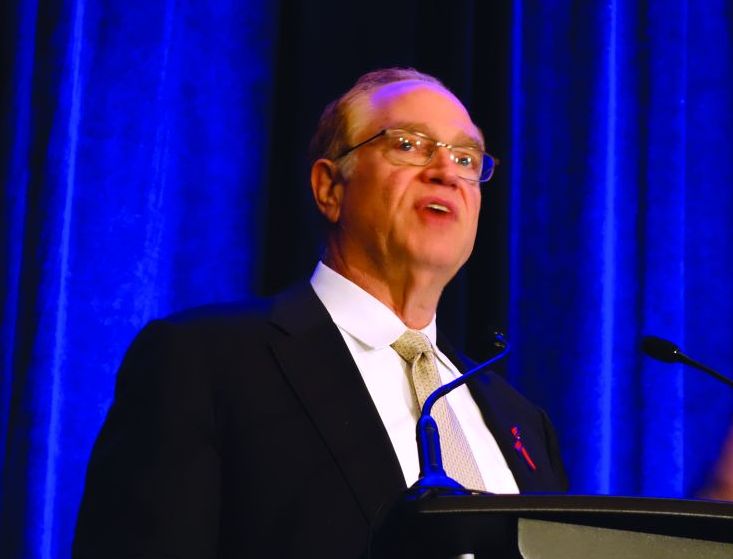
From the podium, as a prelude to presenting one of many positive trials, Richard B. Lipton, MD, was moved to paraphrase Charles Dickens: “ ‘It was the best of times’ ... and these are truly the best of times,” the neurologist observed.
“This morning we’ve heard about seven new molecular entities that are effective in the acute and/or preventive treatment of migraine, a couple of novel ways of delivering older drugs, and some interesting comparative effectiveness research. I have this compulsion to say over and over again – because I also work in Alzheimer’s disease – it just isn’t like this in other fields. This is truly a remarkable time in our field,” observed Dr. Lipton, professor and vice chair of the department of neurology at Albert Einstein College of Medicine in New York.
In addition to new studies of erenumab-aooe, which has been approved as Aimovig, the first-in-class calcitonin gene-related peptide (CGRP) inhibitor for the preventive treatment of migraine, the headache meeting also featured new positive phase 3 results for three other anti-CGRP monoclonal antibodies – galcanezumab, fremanezumab, and eptinezumab – as migraine-preventive therapy, with galcanezumab also demonstrating efficacy in episodic cluster headache; the oral small-molecule CGRP antagonists rimegepant and ubrogepant for acute treatment of migraine attacks; and the selective serotonin 5-HT 1F agonist lasmiditan, also for acute treatment of migraine.
Although the mechanisms of action and therapeutic purposes of the novel agents differ, they share in common what appears to be far better safety and tolerability than the current market leaders, topiramate (Topamax) for migraine prevention and the triptans for acute treatment.
Here are study highlights for the three potential new treatments for acute migraine attacks:
Rimegepant
Dr. Lipton presented the results of two virtually identical phase-3, double-blind, randomized trials in which a total of 2,162 patients with episodic migraine self-administered a 75-mg oral tablet of rimegepant or placebo to treat a single migraine attack when their headache pain reached moderate or severe intensity. The clinical trials, which lacked the customary snazzy acronyms, were simply called Study 301 and Study 302.
The two co-primary endpoints now required by the Food and Drug Administration for candidate agents for acute treatment of migraine attacks are freedom from pain and absence of the most bothersome symptom, both as assessed 2 hours post dose. The oral CGRP receptor antagonist met both endpoints, as well as key secondary endpoints.
In Study 302, for example, the pain-free rate 2 hours post dose was 19.6% in the rimegepant group, significantly higher than the 12% rate in placebo-treated controls. The rate of freedom from the most bothersome symptom, which was photophobia in the majority of patients, was 37.6% in the rimegepant group and 25.2% with placebo.
Dr. Lipton characterized the benefits seen with a single dose of rimegepant as “broad and clinically important.”
“The majority of patients achieved pain relief, durability of benefit at 24 and 48 hours, lower use of rescue medications, and a greater proportion of patients achieved normal function,” the neurologist reported.
The safety and tolerability profiles of rimegepant mirrored those of placebo, he added.
Ubrogepant
Dr. Lipton also presented the results of ACHIEVE II, a multicenter, double-blind, phase 3, placebo-controlled study of the oral CGRP receptor antagonist ubrogepant at 25 or 50 mg versus placebo in 1,355 patients with episodic migraine. Like rimegepant, it met both FDA-required primary endpoints. The pain freedom rate 2 hours post dose was 20.7% with ubrogepant at 25 mg, 21.8% with 50 mg, and 14.3% with placebo. The most bothersome symptom was gone at 2 hours in 34.1% of patients who received the CGRP receptor antagonist at 25 mg, 38.9% of those who got the 50-mg dose, and 27.4% of controls.

David W. Dodick, MD, explained the rationale for CGRP inhibition: CGRP and its receptors are highly expressed in pain-sensitive trigeminal sensory neurons, which innervate the dura and meningeal blood vessels. During the headache phase of migraine, the peptide is released in excess, making CGRP a key player in the pathophysiology of migraine.
Dr. Dodick presented an update focused on secondary endpoints in the phase 3, double-blind ACHIEVE I trial, whose positive co-primary outcomes have previously been reported. The analysis included 1,327 episodic migraine patients who were randomized to ubrogepant at 50 or 100 mg or placebo. Among the notable secondary outcomes was the clinically important rate of pain relief at 2 hours: 61% in both ubrogepant groups, significantly better than the 49% rate with placebo. Also, in terms of pain freedom, the 2-hour rate underestimated the true efficacy patients would experience in clinical practice: the maximum pain freedom rate occurred at 3 hours and was sustained to 8 hours post dose.
At the time study participants took their pill, only 30% indicated they were capable of functioning normally. Two hours later, this was still the case in 29.8% of placebo-treated controls, as compared with 40.6% on ubrogepant at 50 mg and 42.9% who took 100 mg of the drug. The proportion of patients who said they were satisfied or extremely satisfied with their treatment at the 2-hour mark was 24.1% in the placebo arm and 36.3% and 35.8% in the lower- and higher-dose ubrogepant arms, reported Dr. Dodick, professor of neurology at the Mayo Clinic in Scottsdale, Ariz.
Lasmiditan
Sheena K. Aurora, MD, presented the results of SAMURAI and SPARTAN, two randomized, double-blind, phase 3 clinical trials comparing lasmiditan versus placebo for the treatment of acute migraine in a collective 3,701 patients with longstanding episodic migraine, one-third of whom had a history of aura.
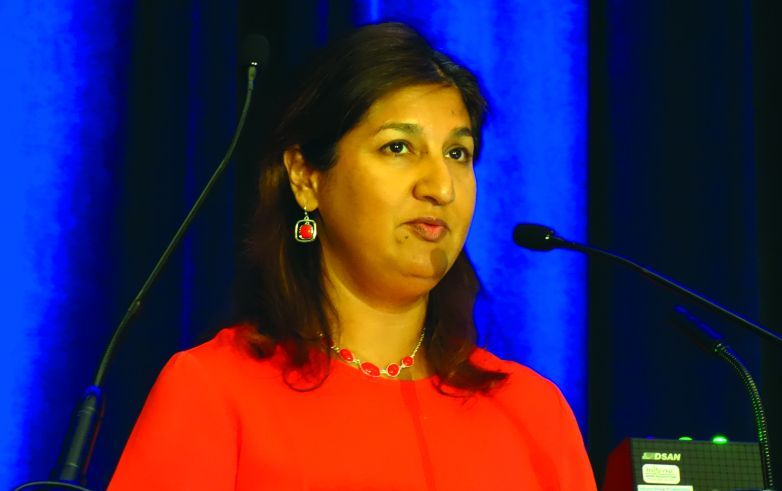
Lasmiditan is a novel oral serotonin receptor agonist that penetrates the CNS and selectively targets the 5-HT 1F receptor. The drug doesn’t cause the vasoconstrictive effects that make triptans, which target 5-HT 1B/1D receptors, contraindicated in patients with cardiovascular disease.
Indeed, SPARTAN included patients with known cardiovascular disease. SAMURAI did not; however, migraine is now recognized as an independent cardiovascular risk factor, and 80% of SAMURAI participants had one additional standard cardiovascular risk factor, such as diabetes, smoking, or hypertension.
SAMURAI randomized patients to lasmiditan at 100 or 200 mg or placebo to be taken within 4 hours of migraine onset, when the pain was of at least moderate severity. SPARTAN randomized patients to lasmiditan at 50, 100, or 200 mg or placebo.
A dose-response effect was noted. At 2 hours post dose of lasmiditan at 200 mg, 32.2% of patients in SAMURAI and 38.8% in SPARTAN were pain-free, compared with 15.3% and 21.3% on placebo, respectively. At the top dose of lasmiditan, 40.7% of patients in SAMURAI were free of their most bothersome baseline symptom, as were 48.7% in SPARTAN, with placebo response rates of 29.5% and 33.5%, respectively, for this endpoint. A significant separation from placebo was noted in 1 hour for the pain freedom endpoint, and in about 30 minutes for freedom from the most bothersome symptom, reported Dr. Aurora of Eli Lilly, which sponsored the trials.
Lasmiditan at 50 and 100 mg also significantly outperformed placebo for the co-primary endpoints.
As in the phase 3 trials of the two investigational oral CGRP antagonists, a secondary endpoint in SPARTAN and SAMURAI was pain relief at 2 hours, a lower bar than pain freedom. The rates in the lasmiditan 200 mg arms were 60%-65%, compared with about 40% with placebo.
Treatment-emergent adverse event rates were 11%-15% with placebo and in the 40% range for lasmiditan. Because the drug penetrates the CNS, centrally acting side effects were an issue. Dizziness was the most common, followed by paresthesia, somnolence, then fatigue. The dizziness was dose dependent: In SPARTAN, the complaint was noted in 2.5% of placebo-treated controls, 25.4% of patients on 50 mg of lasmiditan, 36.1% with 100 mg, and 39% at 200 mg.
Chest tightness, a common side effect with triptans, did not occur.
A large multicenter, open-label safety assessment study, called GLADIATOR, is ongoing.
Triptans, what have you done for me lately?
A recurring theme at the headache meeting was the vast unmet need for better treatments for acute migraine attacks.
“You all know very well that triptans have been the most widely prescribed acute treatments for migraine in North America now for decades, but there are people with unmet treatment needs,” Dr. Lipton said. “Depending on how you define it, perhaps 34% of patients do not respond, 30%-40% have attack recurrence, and 3.5 million people have absolute or relative contraindications to triptans among the 40 million people who have migraine in the United States.”

This was underscored by an analysis presented by Aftab Alam, MD, from the MAST (Migraine in America Symptoms and Treatment) study, a nationally representative cohort of 15,133 American adults with migraine and a mean monthly headache frequency of 3.3 days per month. Even though triptans are considered the gold standard acute migraine therapy, only 37% of participants in the detailed 30- to 40-minute survey had ever used a triptan, and just 15.9% of the overall study population were current users. Current triptan users averaged 7.3 headache days per month. A total of 85% of current users took oral formulations, 17% used nasal spray, and 8% utilized injectable triptans.
Among ever-users of triptans, 56.7% had discontinued them. The No.1 reason cited was lack of efficacy, named by 38% of those who stopped oral agents, 40% with the nasal spray, and 26% who discontinued injectables.
The second most common reason for triptan discontinuation was side effects, the most common of which was dizziness, followed by nausea and fatigue. Lack of insurance coverage was cited by only 6% of patients as a reason they discontinued triptans.
These MAST results suggest “there is a lot of unmet need in this area,” commented Dr. Alam, director of clinical development and medical affairs at Dr. Reddy’s Laboratories, Princeton, N.J. The MAST study was funded by Promius Pharma, a subsidiary of Dr. Reddy’s Laboratories.
Dr. Lipton reported serving as a consultant to more than a dozen pharmaceutical and medical device companies and holding stock options for Biohaven Pharmaceuticals, which is developing rimegepant.
Dr. Dodick reported serving as a consultant to Allergan, which sponsored the ubrogepant studies, as well as numerous other companies.
SOURCES: AHS Annual Meeting Abstracts. Alam A et al. Headache. 2018;58(Suppl 2):68. Abstract OR11; Wietecha L et al. Headache. 2018;58(Suppl 2):73. Abstract IOR02; Dodick D et al. AHS 2018 Abstract IOR01LB; Lipton R et al. AHS 2018 Abstract IOR02LB.
SAN FRANCISCO – After a lengthy drought in the development of major new headache medications, it was finally raining successful phase 3 clinical trials for novel drugs at the annual meeting of the American Headache Society.
From the podium, as a prelude to presenting one of many positive trials, Richard B. Lipton, MD, was moved to paraphrase Charles Dickens: “ ‘It was the best of times’ ... and these are truly the best of times,” the neurologist observed.
“This morning we’ve heard about seven new molecular entities that are effective in the acute and/or preventive treatment of migraine, a couple of novel ways of delivering older drugs, and some interesting comparative effectiveness research. I have this compulsion to say over and over again – because I also work in Alzheimer’s disease – it just isn’t like this in other fields. This is truly a remarkable time in our field,” observed Dr. Lipton, professor and vice chair of the department of neurology at Albert Einstein College of Medicine in New York.
In addition to new studies of erenumab-aooe, which has been approved as Aimovig, the first-in-class calcitonin gene-related peptide (CGRP) inhibitor for the preventive treatment of migraine, the headache meeting also featured new positive phase 3 results for three other anti-CGRP monoclonal antibodies – galcanezumab, fremanezumab, and eptinezumab – as migraine-preventive therapy, with galcanezumab also demonstrating efficacy in episodic cluster headache; the oral small-molecule CGRP antagonists rimegepant and ubrogepant for acute treatment of migraine attacks; and the selective serotonin 5-HT 1F agonist lasmiditan, also for acute treatment of migraine.
Although the mechanisms of action and therapeutic purposes of the novel agents differ, they share in common what appears to be far better safety and tolerability than the current market leaders, topiramate (Topamax) for migraine prevention and the triptans for acute treatment.
Here are study highlights for the three potential new treatments for acute migraine attacks:
Rimegepant
Dr. Lipton presented the results of two virtually identical phase-3, double-blind, randomized trials in which a total of 2,162 patients with episodic migraine self-administered a 75-mg oral tablet of rimegepant or placebo to treat a single migraine attack when their headache pain reached moderate or severe intensity. The clinical trials, which lacked the customary snazzy acronyms, were simply called Study 301 and Study 302.
The two co-primary endpoints now required by the Food and Drug Administration for candidate agents for acute treatment of migraine attacks are freedom from pain and absence of the most bothersome symptom, both as assessed 2 hours post dose. The oral CGRP receptor antagonist met both endpoints, as well as key secondary endpoints.
In Study 302, for example, the pain-free rate 2 hours post dose was 19.6% in the rimegepant group, significantly higher than the 12% rate in placebo-treated controls. The rate of freedom from the most bothersome symptom, which was photophobia in the majority of patients, was 37.6% in the rimegepant group and 25.2% with placebo.
Dr. Lipton characterized the benefits seen with a single dose of rimegepant as “broad and clinically important.”
“The majority of patients achieved pain relief, durability of benefit at 24 and 48 hours, lower use of rescue medications, and a greater proportion of patients achieved normal function,” the neurologist reported.
The safety and tolerability profiles of rimegepant mirrored those of placebo, he added.
Ubrogepant
Dr. Lipton also presented the results of ACHIEVE II, a multicenter, double-blind, phase 3, placebo-controlled study of the oral CGRP receptor antagonist ubrogepant at 25 or 50 mg versus placebo in 1,355 patients with episodic migraine. Like rimegepant, it met both FDA-required primary endpoints. The pain freedom rate 2 hours post dose was 20.7% with ubrogepant at 25 mg, 21.8% with 50 mg, and 14.3% with placebo. The most bothersome symptom was gone at 2 hours in 34.1% of patients who received the CGRP receptor antagonist at 25 mg, 38.9% of those who got the 50-mg dose, and 27.4% of controls.
David W. Dodick, MD, explained the rationale for CGRP inhibition: CGRP and its receptors are highly expressed in pain-sensitive trigeminal sensory neurons, which innervate the dura and meningeal blood vessels. During the headache phase of migraine, the peptide is released in excess, making CGRP a key player in the pathophysiology of migraine.
Dr. Dodick presented an update focused on secondary endpoints in the phase 3, double-blind ACHIEVE I trial, whose positive co-primary outcomes have previously been reported. The analysis included 1,327 episodic migraine patients who were randomized to ubrogepant at 50 or 100 mg or placebo. Among the notable secondary outcomes was the clinically important rate of pain relief at 2 hours: 61% in both ubrogepant groups, significantly better than the 49% rate with placebo. Also, in terms of pain freedom, the 2-hour rate underestimated the true efficacy patients would experience in clinical practice: the maximum pain freedom rate occurred at 3 hours and was sustained to 8 hours post dose.
At the time study participants took their pill, only 30% indicated they were capable of functioning normally. Two hours later, this was still the case in 29.8% of placebo-treated controls, as compared with 40.6% on ubrogepant at 50 mg and 42.9% who took 100 mg of the drug. The proportion of patients who said they were satisfied or extremely satisfied with their treatment at the 2-hour mark was 24.1% in the placebo arm and 36.3% and 35.8% in the lower- and higher-dose ubrogepant arms, reported Dr. Dodick, professor of neurology at the Mayo Clinic in Scottsdale, Ariz.
Lasmiditan
Sheena K. Aurora, MD, presented the results of SAMURAI and SPARTAN, two randomized, double-blind, phase 3 clinical trials comparing lasmiditan versus placebo for the treatment of acute migraine in a collective 3,701 patients with longstanding episodic migraine, one-third of whom had a history of aura.
Lasmiditan is a novel oral serotonin receptor agonist that penetrates the CNS and selectively targets the 5-HT 1F receptor. The drug doesn’t cause the vasoconstrictive effects that make triptans, which target 5-HT 1B/1D receptors, contraindicated in patients with cardiovascular disease.
Indeed, SPARTAN included patients with known cardiovascular disease. SAMURAI did not; however, migraine is now recognized as an independent cardiovascular risk factor, and 80% of SAMURAI participants had one additional standard cardiovascular risk factor, such as diabetes, smoking, or hypertension.
SAMURAI randomized patients to lasmiditan at 100 or 200 mg or placebo to be taken within 4 hours of migraine onset, when the pain was of at least moderate severity. SPARTAN randomized patients to lasmiditan at 50, 100, or 200 mg or placebo.
A dose-response effect was noted. At 2 hours post dose of lasmiditan at 200 mg, 32.2% of patients in SAMURAI and 38.8% in SPARTAN were pain-free, compared with 15.3% and 21.3% on placebo, respectively. At the top dose of lasmiditan, 40.7% of patients in SAMURAI were free of their most bothersome baseline symptom, as were 48.7% in SPARTAN, with placebo response rates of 29.5% and 33.5%, respectively, for this endpoint. A significant separation from placebo was noted in 1 hour for the pain freedom endpoint, and in about 30 minutes for freedom from the most bothersome symptom, reported Dr. Aurora of Eli Lilly, which sponsored the trials.
Lasmiditan at 50 and 100 mg also significantly outperformed placebo for the co-primary endpoints.
As in the phase 3 trials of the two investigational oral CGRP antagonists, a secondary endpoint in SPARTAN and SAMURAI was pain relief at 2 hours, a lower bar than pain freedom. The rates in the lasmiditan 200 mg arms were 60%-65%, compared with about 40% with placebo.
Treatment-emergent adverse event rates were 11%-15% with placebo and in the 40% range for lasmiditan. Because the drug penetrates the CNS, centrally acting side effects were an issue. Dizziness was the most common, followed by paresthesia, somnolence, then fatigue. The dizziness was dose dependent: In SPARTAN, the complaint was noted in 2.5% of placebo-treated controls, 25.4% of patients on 50 mg of lasmiditan, 36.1% with 100 mg, and 39% at 200 mg.
Chest tightness, a common side effect with triptans, did not occur.
A large multicenter, open-label safety assessment study, called GLADIATOR, is ongoing.
Triptans, what have you done for me lately?
A recurring theme at the headache meeting was the vast unmet need for better treatments for acute migraine attacks.
“You all know very well that triptans have been the most widely prescribed acute treatments for migraine in North America now for decades, but there are people with unmet treatment needs,” Dr. Lipton said. “Depending on how you define it, perhaps 34% of patients do not respond, 30%-40% have attack recurrence, and 3.5 million people have absolute or relative contraindications to triptans among the 40 million people who have migraine in the United States.”
This was underscored by an analysis presented by Aftab Alam, MD, from the MAST (Migraine in America Symptoms and Treatment) study, a nationally representative cohort of 15,133 American adults with migraine and a mean monthly headache frequency of 3.3 days per month. Even though triptans are considered the gold standard acute migraine therapy, only 37% of participants in the detailed 30- to 40-minute survey had ever used a triptan, and just 15.9% of the overall study population were current users. Current triptan users averaged 7.3 headache days per month. A total of 85% of current users took oral formulations, 17% used nasal spray, and 8% utilized injectable triptans.
Among ever-users of triptans, 56.7% had discontinued them. The No.1 reason cited was lack of efficacy, named by 38% of those who stopped oral agents, 40% with the nasal spray, and 26% who discontinued injectables.
The second most common reason for triptan discontinuation was side effects, the most common of which was dizziness, followed by nausea and fatigue. Lack of insurance coverage was cited by only 6% of patients as a reason they discontinued triptans.
These MAST results suggest “there is a lot of unmet need in this area,” commented Dr. Alam, director of clinical development and medical affairs at Dr. Reddy’s Laboratories, Princeton, N.J. The MAST study was funded by Promius Pharma, a subsidiary of Dr. Reddy’s Laboratories.
Dr. Lipton reported serving as a consultant to more than a dozen pharmaceutical and medical device companies and holding stock options for Biohaven Pharmaceuticals, which is developing rimegepant.
Dr. Dodick reported serving as a consultant to Allergan, which sponsored the ubrogepant studies, as well as numerous other companies.
SOURCES: AHS Annual Meeting Abstracts. Alam A et al. Headache. 2018;58(Suppl 2):68. Abstract OR11; Wietecha L et al. Headache. 2018;58(Suppl 2):73. Abstract IOR02; Dodick D et al. AHS 2018 Abstract IOR01LB; Lipton R et al. AHS 2018 Abstract IOR02LB.
SAN FRANCISCO – After a lengthy drought in the development of major new headache medications, it was finally raining successful phase 3 clinical trials for novel drugs at the annual meeting of the American Headache Society.
From the podium, as a prelude to presenting one of many positive trials, Richard B. Lipton, MD, was moved to paraphrase Charles Dickens: “ ‘It was the best of times’ ... and these are truly the best of times,” the neurologist observed.
“This morning we’ve heard about seven new molecular entities that are effective in the acute and/or preventive treatment of migraine, a couple of novel ways of delivering older drugs, and some interesting comparative effectiveness research. I have this compulsion to say over and over again – because I also work in Alzheimer’s disease – it just isn’t like this in other fields. This is truly a remarkable time in our field,” observed Dr. Lipton, professor and vice chair of the department of neurology at Albert Einstein College of Medicine in New York.
In addition to new studies of erenumab-aooe, which has been approved as Aimovig, the first-in-class calcitonin gene-related peptide (CGRP) inhibitor for the preventive treatment of migraine, the headache meeting also featured new positive phase 3 results for three other anti-CGRP monoclonal antibodies – galcanezumab, fremanezumab, and eptinezumab – as migraine-preventive therapy, with galcanezumab also demonstrating efficacy in episodic cluster headache; the oral small-molecule CGRP antagonists rimegepant and ubrogepant for acute treatment of migraine attacks; and the selective serotonin 5-HT 1F agonist lasmiditan, also for acute treatment of migraine.
Although the mechanisms of action and therapeutic purposes of the novel agents differ, they share in common what appears to be far better safety and tolerability than the current market leaders, topiramate (Topamax) for migraine prevention and the triptans for acute treatment.
Here are study highlights for the three potential new treatments for acute migraine attacks:
Rimegepant
Dr. Lipton presented the results of two virtually identical phase-3, double-blind, randomized trials in which a total of 2,162 patients with episodic migraine self-administered a 75-mg oral tablet of rimegepant or placebo to treat a single migraine attack when their headache pain reached moderate or severe intensity. The clinical trials, which lacked the customary snazzy acronyms, were simply called Study 301 and Study 302.
The two co-primary endpoints now required by the Food and Drug Administration for candidate agents for acute treatment of migraine attacks are freedom from pain and absence of the most bothersome symptom, both as assessed 2 hours post dose. The oral CGRP receptor antagonist met both endpoints, as well as key secondary endpoints.
In Study 302, for example, the pain-free rate 2 hours post dose was 19.6% in the rimegepant group, significantly higher than the 12% rate in placebo-treated controls. The rate of freedom from the most bothersome symptom, which was photophobia in the majority of patients, was 37.6% in the rimegepant group and 25.2% with placebo.
Dr. Lipton characterized the benefits seen with a single dose of rimegepant as “broad and clinically important.”
“The majority of patients achieved pain relief, durability of benefit at 24 and 48 hours, lower use of rescue medications, and a greater proportion of patients achieved normal function,” the neurologist reported.
The safety and tolerability profiles of rimegepant mirrored those of placebo, he added.
Ubrogepant
Dr. Lipton also presented the results of ACHIEVE II, a multicenter, double-blind, phase 3, placebo-controlled study of the oral CGRP receptor antagonist ubrogepant at 25 or 50 mg versus placebo in 1,355 patients with episodic migraine. Like rimegepant, it met both FDA-required primary endpoints. The pain freedom rate 2 hours post dose was 20.7% with ubrogepant at 25 mg, 21.8% with 50 mg, and 14.3% with placebo. The most bothersome symptom was gone at 2 hours in 34.1% of patients who received the CGRP receptor antagonist at 25 mg, 38.9% of those who got the 50-mg dose, and 27.4% of controls.
David W. Dodick, MD, explained the rationale for CGRP inhibition: CGRP and its receptors are highly expressed in pain-sensitive trigeminal sensory neurons, which innervate the dura and meningeal blood vessels. During the headache phase of migraine, the peptide is released in excess, making CGRP a key player in the pathophysiology of migraine.
Dr. Dodick presented an update focused on secondary endpoints in the phase 3, double-blind ACHIEVE I trial, whose positive co-primary outcomes have previously been reported. The analysis included 1,327 episodic migraine patients who were randomized to ubrogepant at 50 or 100 mg or placebo. Among the notable secondary outcomes was the clinically important rate of pain relief at 2 hours: 61% in both ubrogepant groups, significantly better than the 49% rate with placebo. Also, in terms of pain freedom, the 2-hour rate underestimated the true efficacy patients would experience in clinical practice: the maximum pain freedom rate occurred at 3 hours and was sustained to 8 hours post dose.
At the time study participants took their pill, only 30% indicated they were capable of functioning normally. Two hours later, this was still the case in 29.8% of placebo-treated controls, as compared with 40.6% on ubrogepant at 50 mg and 42.9% who took 100 mg of the drug. The proportion of patients who said they were satisfied or extremely satisfied with their treatment at the 2-hour mark was 24.1% in the placebo arm and 36.3% and 35.8% in the lower- and higher-dose ubrogepant arms, reported Dr. Dodick, professor of neurology at the Mayo Clinic in Scottsdale, Ariz.
Lasmiditan
Sheena K. Aurora, MD, presented the results of SAMURAI and SPARTAN, two randomized, double-blind, phase 3 clinical trials comparing lasmiditan versus placebo for the treatment of acute migraine in a collective 3,701 patients with longstanding episodic migraine, one-third of whom had a history of aura.
Lasmiditan is a novel oral serotonin receptor agonist that penetrates the CNS and selectively targets the 5-HT 1F receptor. The drug doesn’t cause the vasoconstrictive effects that make triptans, which target 5-HT 1B/1D receptors, contraindicated in patients with cardiovascular disease.
Indeed, SPARTAN included patients with known cardiovascular disease. SAMURAI did not; however, migraine is now recognized as an independent cardiovascular risk factor, and 80% of SAMURAI participants had one additional standard cardiovascular risk factor, such as diabetes, smoking, or hypertension.
SAMURAI randomized patients to lasmiditan at 100 or 200 mg or placebo to be taken within 4 hours of migraine onset, when the pain was of at least moderate severity. SPARTAN randomized patients to lasmiditan at 50, 100, or 200 mg or placebo.
A dose-response effect was noted. At 2 hours post dose of lasmiditan at 200 mg, 32.2% of patients in SAMURAI and 38.8% in SPARTAN were pain-free, compared with 15.3% and 21.3% on placebo, respectively. At the top dose of lasmiditan, 40.7% of patients in SAMURAI were free of their most bothersome baseline symptom, as were 48.7% in SPARTAN, with placebo response rates of 29.5% and 33.5%, respectively, for this endpoint. A significant separation from placebo was noted in 1 hour for the pain freedom endpoint, and in about 30 minutes for freedom from the most bothersome symptom, reported Dr. Aurora of Eli Lilly, which sponsored the trials.
Lasmiditan at 50 and 100 mg also significantly outperformed placebo for the co-primary endpoints.
As in the phase 3 trials of the two investigational oral CGRP antagonists, a secondary endpoint in SPARTAN and SAMURAI was pain relief at 2 hours, a lower bar than pain freedom. The rates in the lasmiditan 200 mg arms were 60%-65%, compared with about 40% with placebo.
Treatment-emergent adverse event rates were 11%-15% with placebo and in the 40% range for lasmiditan. Because the drug penetrates the CNS, centrally acting side effects were an issue. Dizziness was the most common, followed by paresthesia, somnolence, then fatigue. The dizziness was dose dependent: In SPARTAN, the complaint was noted in 2.5% of placebo-treated controls, 25.4% of patients on 50 mg of lasmiditan, 36.1% with 100 mg, and 39% at 200 mg.
Chest tightness, a common side effect with triptans, did not occur.
A large multicenter, open-label safety assessment study, called GLADIATOR, is ongoing.
Triptans, what have you done for me lately?
A recurring theme at the headache meeting was the vast unmet need for better treatments for acute migraine attacks.
“You all know very well that triptans have been the most widely prescribed acute treatments for migraine in North America now for decades, but there are people with unmet treatment needs,” Dr. Lipton said. “Depending on how you define it, perhaps 34% of patients do not respond, 30%-40% have attack recurrence, and 3.5 million people have absolute or relative contraindications to triptans among the 40 million people who have migraine in the United States.”
This was underscored by an analysis presented by Aftab Alam, MD, from the MAST (Migraine in America Symptoms and Treatment) study, a nationally representative cohort of 15,133 American adults with migraine and a mean monthly headache frequency of 3.3 days per month. Even though triptans are considered the gold standard acute migraine therapy, only 37% of participants in the detailed 30- to 40-minute survey had ever used a triptan, and just 15.9% of the overall study population were current users. Current triptan users averaged 7.3 headache days per month. A total of 85% of current users took oral formulations, 17% used nasal spray, and 8% utilized injectable triptans.
Among ever-users of triptans, 56.7% had discontinued them. The No.1 reason cited was lack of efficacy, named by 38% of those who stopped oral agents, 40% with the nasal spray, and 26% who discontinued injectables.
The second most common reason for triptan discontinuation was side effects, the most common of which was dizziness, followed by nausea and fatigue. Lack of insurance coverage was cited by only 6% of patients as a reason they discontinued triptans.
These MAST results suggest “there is a lot of unmet need in this area,” commented Dr. Alam, director of clinical development and medical affairs at Dr. Reddy’s Laboratories, Princeton, N.J. The MAST study was funded by Promius Pharma, a subsidiary of Dr. Reddy’s Laboratories.
Dr. Lipton reported serving as a consultant to more than a dozen pharmaceutical and medical device companies and holding stock options for Biohaven Pharmaceuticals, which is developing rimegepant.
Dr. Dodick reported serving as a consultant to Allergan, which sponsored the ubrogepant studies, as well as numerous other companies.
SOURCES: AHS Annual Meeting Abstracts. Alam A et al. Headache. 2018;58(Suppl 2):68. Abstract OR11; Wietecha L et al. Headache. 2018;58(Suppl 2):73. Abstract IOR02; Dodick D et al. AHS 2018 Abstract IOR01LB; Lipton R et al. AHS 2018 Abstract IOR02LB.
REPORTING FROM THE AHS ANNUAL MEETING
Antibody cleared amyloid plaques, slowed cognitive decline
Can meteorology predict migraines? Why closing a patent foramen ovale is the right approach to prevent recurring ischemic stroke. And claims that cannabis relieves noncancer pain go up in smoke.
Listen to the MDedge Daily News for today’s top news.
Can meteorology predict migraines? Why closing a patent foramen ovale is the right approach to prevent recurring ischemic stroke. And claims that cannabis relieves noncancer pain go up in smoke.
Listen to the MDedge Daily News for today’s top news.
Can meteorology predict migraines? Why closing a patent foramen ovale is the right approach to prevent recurring ischemic stroke. And claims that cannabis relieves noncancer pain go up in smoke.
Listen to the MDedge Daily News for today’s top news.
Weather changes trigger migraine
SAN FRANCISCO – Many migraineurs claim that changes in the weather can trigger their headache attacks. It took a headache specialist together with a meteorologist poring over surface weather maps to prove they are right.
“When patients tell you they can predict a headache from the weather, they really can,” Vincent T. Martin, MD, declared in presenting the evidence at the annual meeting of the American Headache Society.
Many physicians have been skeptical of patient self-reports of a weather/migraine connection because of mixed results in prior studies examining the impact of a single meteorologic factor at a time, such as barometric pressure, temperature, humidity, or wind speed.
“These studies, however, fail to account for the fact that weather events represent a confluence of meteorologic factors that occur in a specific temporal sequence. It may be necessary to model several variables together to achieve the optimal weather models,” explained Dr. Martin, a general internist, professor of medicine, and director of the Headache and Facial Pain Center at the University of Cincinnati.
He presented a retrospective cohort study of 218 patients with episodic migraine with a mean of 8.9 headache days per month who kept a daily electronic headache diary during two prior studies conducted in the St. Louis area. Their diary data were matched with hourly measurements of barometric pressure, temperature, relative humidity, and wind speed recorded at five St. Louis–area weather stations and archived at the National Climatic Data Center. Dr. Martin and his coinvestigators then created a series of models that predicted the weather conditions that were associated with each individual patient being in the top tertile for the presence of headache on a given day with no headache on the day before.
Preliminary analysis indicated that the most important predictor of new-onset headache in winter, spring, and fall was the barometric pressure differential between 2 consecutive days. These differentials were much smaller in the summer, so a separate model was created for that season. Multiple models were developed to identify binary cutpoints for each weather variable.
From fall through spring, during periods when barometric pressure was in the top tertile – that is, a high-pressure system was in play – a day-to-day difference in mean daily barometric pressure greater than 0.1 mm Hg was associated with a 4.9-fold increased risk of being in the top tertile for new-onset headache, and less than a 25% difference in minimal daily relative humidity was associated with a 4.6-fold increased risk.
In contrast, when barometric pressure was in the lowest tertile, a drop in mean daily barometric pressure of 0.05 mm Hg or less from one day to the next was associated with a 3.17-fold increased risk of entering the top tertile for new-onset headache, and a day-to-day increase in maximal wind speed of 7 mph or more was associated with a 2.64-fold increased risk.
In middle-tertile periods of barometric pressure, a drop in mean pressure of 0.05 mm Hg or less was associated with a 2.21-fold increase in new-onset headache, and a mean daily relative humidity of 79% or greater conferred a 4.43-fold relative risk.
“It’s very rare in epidemiologic studies to get magnitudes of association to those degrees,” Dr. Martin observed. “Our results provide strong evidence that weather is associated with days with a high probability of new-onset headache in persons with migraine.”
The mechanisms underlying this association aren’t known. Possibilities worthy of investigation include stimulation of hyperactivity of the sympathetic nervous system, increases in airborne environmental allergens or pollutants, or direct activation of trigeminal afferent nerve fibers, he said.
Dr. Martin reported having no financial conflicts of interest.
SAN FRANCISCO – Many migraineurs claim that changes in the weather can trigger their headache attacks. It took a headache specialist together with a meteorologist poring over surface weather maps to prove they are right.
“When patients tell you they can predict a headache from the weather, they really can,” Vincent T. Martin, MD, declared in presenting the evidence at the annual meeting of the American Headache Society.
Many physicians have been skeptical of patient self-reports of a weather/migraine connection because of mixed results in prior studies examining the impact of a single meteorologic factor at a time, such as barometric pressure, temperature, humidity, or wind speed.
“These studies, however, fail to account for the fact that weather events represent a confluence of meteorologic factors that occur in a specific temporal sequence. It may be necessary to model several variables together to achieve the optimal weather models,” explained Dr. Martin, a general internist, professor of medicine, and director of the Headache and Facial Pain Center at the University of Cincinnati.
He presented a retrospective cohort study of 218 patients with episodic migraine with a mean of 8.9 headache days per month who kept a daily electronic headache diary during two prior studies conducted in the St. Louis area. Their diary data were matched with hourly measurements of barometric pressure, temperature, relative humidity, and wind speed recorded at five St. Louis–area weather stations and archived at the National Climatic Data Center. Dr. Martin and his coinvestigators then created a series of models that predicted the weather conditions that were associated with each individual patient being in the top tertile for the presence of headache on a given day with no headache on the day before.
Preliminary analysis indicated that the most important predictor of new-onset headache in winter, spring, and fall was the barometric pressure differential between 2 consecutive days. These differentials were much smaller in the summer, so a separate model was created for that season. Multiple models were developed to identify binary cutpoints for each weather variable.
From fall through spring, during periods when barometric pressure was in the top tertile – that is, a high-pressure system was in play – a day-to-day difference in mean daily barometric pressure greater than 0.1 mm Hg was associated with a 4.9-fold increased risk of being in the top tertile for new-onset headache, and less than a 25% difference in minimal daily relative humidity was associated with a 4.6-fold increased risk.
In contrast, when barometric pressure was in the lowest tertile, a drop in mean daily barometric pressure of 0.05 mm Hg or less from one day to the next was associated with a 3.17-fold increased risk of entering the top tertile for new-onset headache, and a day-to-day increase in maximal wind speed of 7 mph or more was associated with a 2.64-fold increased risk.
In middle-tertile periods of barometric pressure, a drop in mean pressure of 0.05 mm Hg or less was associated with a 2.21-fold increase in new-onset headache, and a mean daily relative humidity of 79% or greater conferred a 4.43-fold relative risk.
“It’s very rare in epidemiologic studies to get magnitudes of association to those degrees,” Dr. Martin observed. “Our results provide strong evidence that weather is associated with days with a high probability of new-onset headache in persons with migraine.”
The mechanisms underlying this association aren’t known. Possibilities worthy of investigation include stimulation of hyperactivity of the sympathetic nervous system, increases in airborne environmental allergens or pollutants, or direct activation of trigeminal afferent nerve fibers, he said.
Dr. Martin reported having no financial conflicts of interest.
SAN FRANCISCO – Many migraineurs claim that changes in the weather can trigger their headache attacks. It took a headache specialist together with a meteorologist poring over surface weather maps to prove they are right.
“When patients tell you they can predict a headache from the weather, they really can,” Vincent T. Martin, MD, declared in presenting the evidence at the annual meeting of the American Headache Society.
Many physicians have been skeptical of patient self-reports of a weather/migraine connection because of mixed results in prior studies examining the impact of a single meteorologic factor at a time, such as barometric pressure, temperature, humidity, or wind speed.
“These studies, however, fail to account for the fact that weather events represent a confluence of meteorologic factors that occur in a specific temporal sequence. It may be necessary to model several variables together to achieve the optimal weather models,” explained Dr. Martin, a general internist, professor of medicine, and director of the Headache and Facial Pain Center at the University of Cincinnati.
He presented a retrospective cohort study of 218 patients with episodic migraine with a mean of 8.9 headache days per month who kept a daily electronic headache diary during two prior studies conducted in the St. Louis area. Their diary data were matched with hourly measurements of barometric pressure, temperature, relative humidity, and wind speed recorded at five St. Louis–area weather stations and archived at the National Climatic Data Center. Dr. Martin and his coinvestigators then created a series of models that predicted the weather conditions that were associated with each individual patient being in the top tertile for the presence of headache on a given day with no headache on the day before.
Preliminary analysis indicated that the most important predictor of new-onset headache in winter, spring, and fall was the barometric pressure differential between 2 consecutive days. These differentials were much smaller in the summer, so a separate model was created for that season. Multiple models were developed to identify binary cutpoints for each weather variable.
From fall through spring, during periods when barometric pressure was in the top tertile – that is, a high-pressure system was in play – a day-to-day difference in mean daily barometric pressure greater than 0.1 mm Hg was associated with a 4.9-fold increased risk of being in the top tertile for new-onset headache, and less than a 25% difference in minimal daily relative humidity was associated with a 4.6-fold increased risk.
In contrast, when barometric pressure was in the lowest tertile, a drop in mean daily barometric pressure of 0.05 mm Hg or less from one day to the next was associated with a 3.17-fold increased risk of entering the top tertile for new-onset headache, and a day-to-day increase in maximal wind speed of 7 mph or more was associated with a 2.64-fold increased risk.
In middle-tertile periods of barometric pressure, a drop in mean pressure of 0.05 mm Hg or less was associated with a 2.21-fold increase in new-onset headache, and a mean daily relative humidity of 79% or greater conferred a 4.43-fold relative risk.
“It’s very rare in epidemiologic studies to get magnitudes of association to those degrees,” Dr. Martin observed. “Our results provide strong evidence that weather is associated with days with a high probability of new-onset headache in persons with migraine.”
The mechanisms underlying this association aren’t known. Possibilities worthy of investigation include stimulation of hyperactivity of the sympathetic nervous system, increases in airborne environmental allergens or pollutants, or direct activation of trigeminal afferent nerve fibers, he said.
Dr. Martin reported having no financial conflicts of interest.
REPORTING FROM THE AHS ANNUAL MEETING
Key clinical point: Specific weather patterns can trigger migraine.
Major finding: During a low pressure front, a maximum wind speed of 7 mph or more on a given day was associated with a 2.6-fold increased relative risk of new-onset headache the next day.
Study details: This retrospective study of 218 episodic migraine patients linked their daily headache diary data to hourly measurements from local weather stations.
Disclosures: The presenter reported having no financial conflicts of interest.
New studies expand on Aimovig for migraine
SAN FRANCISCO – Now that erenumab has won approval as the first-in-class calcitonin gene-related peptide inhibitor for prevention of episodic and chronic migraine, a flurry of new studies shedding light on how the drug might best be used in clinical practice emerged as a highlight of the annual meeting of the American Headache Society.
Erenumab (Aimovig) is a fully human monoclonal antibody targeting the calcitonin gene-related peptide (CGRP) receptor. It was approved by the Food and Drug Administration at 140 and 70 mg monthly by subcutaneous injection on the strength of the required 12-week, double-blind, placebo-controlled clinical trial data. Among the fresh data presented at the headache meeting was reassuring evidence of the monoclonal antibody’s continued high degree of safety and tolerability for episodic migraine after more than 3 years of therapy, as well as a suggestion that the biologic’s efficacy for chronic migraine was not only sustained but actually increased over the course of a 1-year study.
Also, erenumab appears to be a novel treatment option for patients who have previously failed adequate trials of two to four standard preventive therapies. In addition, it has now demonstrated efficacy in reducing overuse of acute migraine drugs such as triptans, ergots, and opioids.
Here are the highlights:
One-year safety and efficacy for chronic migraine
Stewart J. Tepper, MD, presented results of a 1-year, open-label extension study that began after participants completed a pivotal 12-week, placebo-controlled, double-blind, randomized trial whose findings have been published (Lancet Neurol. 2017 Jun;16[6]:425-34). At the end of the 12-week, double-blind period, the mean number of monthly migraine days (MMD) in the erenumab group had dropped by 6.6 days from 18.1 at baseline. Subsequently, after 52 weeks of open-label erenumab at 140 mg monthly, that figure had further improved to 10.5 fewer MMDs than at baseline.

“That’s encouraging for our patients in that we will be able to tell them that if you’re a responder, you’re likely to show some continued improvement over time,” observed Dr. Tepper, professor of neurology and director of the headache clinic at Dartmouth University in Hanover, N.H.
During 527 patient-years of open-label therapy, at least a 50% reduction in MMDs was achieved by 67% of patients in the 140-mg group and 53% in the 70-mg group.
“I think it’s also important to look at the rate of 75% or greater reduction in MMDs, which is the responder rate most closely linked to a drop in disability. That rate at 52 weeks was 42% at 140 mg and 27% at 70 mg,” the neurologist continued.
At week 52, 12.7% of patients on erenumab at 140 mg monthly had no migraines at all during the previous month.
The mean number of acute migraine-specific medication days per month decreased by about 4 days in the erenumab group during the 12-week, double-blind trial and continued to fall during the open-label extension study, with a mean reduction from baseline of 6.7 days at week 52.
“That’s clearly sustained efficacy, and it looks like some accumulating efficacy,” Dr. Tepper said.
Safety and tolerability continued to be excellent, as in the parent 12-week study.
“One of the very interesting findings we saw which differentiates erenumab from, say, onabotulinumtoxinA, is that if you looked at the patients who were on placebo during the 12 weeks of the double-blind study and then looked at the first month they went on erenumab, they caught up immediately to the patients who’d been receiving the monoclonal antibody from the beginning. That’s unlike onabotulinumtoxinA in the regulatory trials, where the patients who initially received placebo never quite caught up to those who received active therapy from the beginning,” he said.
Dr. Tepper emphasized that a clear-eyed view of an open-label study needs to recognize that only responders would have stayed in the erenumab study for a full 52 weeks, so the results paint an overly rosy picture of overall efficacy. Even so, he found the results impressive. Of 609 patients who enrolled in the study, 74% completed it.
“It’s a very encouraging 1-year study for erenumab,” he concluded.
Safety and tolerability for episodic migraine at 3-plus years
Among 383 episodic migraine patients who enrolled in an ongoing 5-year, open-label extension study of erenumab after completing a 12-week, placebo-controlled, double-blind clinical trial, there have been no new safety signals at a mean 3.2 years of follow-up. The incidence rates and types of adverse events remain indistinguishable from placebo as noted in the parent 12-week double-blind trial, with the exception of an increased rate of mild injection site reactions, reported Daniel D. Mikol, MD, PhD, executive medical director for global neuroscience development at Amgen in Thousand Oaks, Calif.
Erenumab proves effective in patients who have failed multiple preventive therapies
Jan Klatt, MD, presented the results of the 12-week, double-blind portion of the phase 3b LIBERTY study, the first clinical trial specifically designed to assess the effects of CGRP-directed therapy in patients who have previously failed to respond to and/or tolerate two to four currently available preventive medications at adequate doses for at least 2-3 months.

The rationale for the trial was straightforward: “There is a particularly high unmet need in patients who have failed currently available preventive therapies, and who are usually considered difficult to treat,” explained Dr. Klatt of Novartis in Basel, Switzerland.
LIBERTY included 246 such patients with episodic migraine who were randomized to 12 weeks of erenumab at 140 mg monthly or placebo. The primary endpoint – the proportion of patients with at least a 50% reduction in MMDs during weeks 9-12 from the baseline of 9.3 – occurred in 30.3% of the erenumab group, significantly better than the 13.7% rate with placebo, with an adjusted odds ratio of 2.73 for success with erenumab. An open-label extension study is ongoing.
A clear separation was already evident at week 4 of the randomized trial, a prespecified secondary endpoint. A 50% or greater reduction in MMDs was seen at that point in 23.5% of the erenumab group versus 4.8% in placebo-treated controls, for a response odds ratio of 6.16. A 75% or greater reduction in MMDs during weeks 9-12 occurred in 11.8% of the erenumab group and 4% of controls. A 100% response rate – that is, no migraines during weeks 9-12 – occurred in 5.9% of the active treatment arm and none of the controls. Outcomes on two novel patient-reported outcomes – the Migraine Physical Function Impact Diary–physical impairment and –everyday activities subscales – were also significantly better in the active treatment arm.
Treatment outcomes with erenumab were similar regardless of which drug classes patients had previously failed on, the three most common of which were beta-blockers, topiramate, and amitriptyline, which is approved for migraine prevention in Europe, where the LIBERTY trial was conducted.
One audience member observed that the 13.7% primary endpoint placebo response rate was far lower than typically seen in double-blind migraine trials.
“This is something we see quite consistently,” Dr. Klatt replied. “Once you proceed to this kind of more difficult-to-treat population, your placebo response rates drop to really low levels. It’s probably due to the fact that those patients have low expectations for any new therapy.”
Erenumab quells acute migraine medication overuse
Dr. Tepper presented a separate analysis of the 52-week, open-label extension study of erenumab, this time comparing outcomes in 252 chronic migraine patients who met criteria for acute medication overuse (AMO) at baseline and 357 who did not. Overuse was defined via International Headache Society criteria: The use of triptans, ergots, or combination analgesics on 10 or more days per month, or simple analgesics on at least 15 days monthly. Combination analgesics feature a simple analgesic plus opiates or butalbital.
“The bottom line here is that the drug worked about the same and in a very encouraging way in the AMO and nonoveruse patients,” he said. “This is obviously something that’s very, very important to us because we’d like to take our patients who are overusing acute migraine medications and use the monoclonal antibody as a way of getting them off overuse and into episodic migraine.”
After 52 weeks of open-label erenumab, 61% of the non-AMO group and 56% of those with baseline AMO had at least a 50% reduction from baseline in MMDs. The use of acute migraine-specific medications fell by 3.7 days in the non-AMO group and by 6.7 days in those with AMO at baseline.
Safety in patients with stable angina
Although no signal of any cardiovascular issues arose in four randomized, double-blind clinical trials or in the long-term extension studies, it was appropriate to take a more focused look at erenumab’s effects in a high-risk population with stable angina and proven ischemic coronary artery disease. That’s because CGRP is a neuropeptide that not only affects migraine, it also acts as a cytoprotective mediator released by cardiac nerve fibers during myocardial ischemia. Thus, erenumab posed a theoretic cardiovascular risk, explained Christophe Depre, MD, PhD, of Amgen.
He presented a 12-week, randomized, double-blind study in which 89 patients with stable angina were assigned to a single IV infusion of 140 mg of erenumab or placebo followed by an exercise treadmill test. Reassuringly, the CGRP inhibitor had no adverse effect on exercise time, time to onset of at least 1 mm of ST segment depression. Nor did it affect heart rate or blood pressure during or after exercise.
Dr. Tepper reported serving as a consultant to numerous pharmaceutical and medical device companies, including Amgen and Novartis, which sponsored the erenumab studies. Dr. Depre and Dr. Mikol are Amgen employees, while Dr. Klatt is employed by Novartis.
SAN FRANCISCO – Now that erenumab has won approval as the first-in-class calcitonin gene-related peptide inhibitor for prevention of episodic and chronic migraine, a flurry of new studies shedding light on how the drug might best be used in clinical practice emerged as a highlight of the annual meeting of the American Headache Society.
Erenumab (Aimovig) is a fully human monoclonal antibody targeting the calcitonin gene-related peptide (CGRP) receptor. It was approved by the Food and Drug Administration at 140 and 70 mg monthly by subcutaneous injection on the strength of the required 12-week, double-blind, placebo-controlled clinical trial data. Among the fresh data presented at the headache meeting was reassuring evidence of the monoclonal antibody’s continued high degree of safety and tolerability for episodic migraine after more than 3 years of therapy, as well as a suggestion that the biologic’s efficacy for chronic migraine was not only sustained but actually increased over the course of a 1-year study.
Also, erenumab appears to be a novel treatment option for patients who have previously failed adequate trials of two to four standard preventive therapies. In addition, it has now demonstrated efficacy in reducing overuse of acute migraine drugs such as triptans, ergots, and opioids.
Here are the highlights:
One-year safety and efficacy for chronic migraine
Stewart J. Tepper, MD, presented results of a 1-year, open-label extension study that began after participants completed a pivotal 12-week, placebo-controlled, double-blind, randomized trial whose findings have been published (Lancet Neurol. 2017 Jun;16[6]:425-34). At the end of the 12-week, double-blind period, the mean number of monthly migraine days (MMD) in the erenumab group had dropped by 6.6 days from 18.1 at baseline. Subsequently, after 52 weeks of open-label erenumab at 140 mg monthly, that figure had further improved to 10.5 fewer MMDs than at baseline.
“That’s encouraging for our patients in that we will be able to tell them that if you’re a responder, you’re likely to show some continued improvement over time,” observed Dr. Tepper, professor of neurology and director of the headache clinic at Dartmouth University in Hanover, N.H.
During 527 patient-years of open-label therapy, at least a 50% reduction in MMDs was achieved by 67% of patients in the 140-mg group and 53% in the 70-mg group.
“I think it’s also important to look at the rate of 75% or greater reduction in MMDs, which is the responder rate most closely linked to a drop in disability. That rate at 52 weeks was 42% at 140 mg and 27% at 70 mg,” the neurologist continued.
At week 52, 12.7% of patients on erenumab at 140 mg monthly had no migraines at all during the previous month.
The mean number of acute migraine-specific medication days per month decreased by about 4 days in the erenumab group during the 12-week, double-blind trial and continued to fall during the open-label extension study, with a mean reduction from baseline of 6.7 days at week 52.
“That’s clearly sustained efficacy, and it looks like some accumulating efficacy,” Dr. Tepper said.
Safety and tolerability continued to be excellent, as in the parent 12-week study.
“One of the very interesting findings we saw which differentiates erenumab from, say, onabotulinumtoxinA, is that if you looked at the patients who were on placebo during the 12 weeks of the double-blind study and then looked at the first month they went on erenumab, they caught up immediately to the patients who’d been receiving the monoclonal antibody from the beginning. That’s unlike onabotulinumtoxinA in the regulatory trials, where the patients who initially received placebo never quite caught up to those who received active therapy from the beginning,” he said.
Dr. Tepper emphasized that a clear-eyed view of an open-label study needs to recognize that only responders would have stayed in the erenumab study for a full 52 weeks, so the results paint an overly rosy picture of overall efficacy. Even so, he found the results impressive. Of 609 patients who enrolled in the study, 74% completed it.
“It’s a very encouraging 1-year study for erenumab,” he concluded.
Safety and tolerability for episodic migraine at 3-plus years
Among 383 episodic migraine patients who enrolled in an ongoing 5-year, open-label extension study of erenumab after completing a 12-week, placebo-controlled, double-blind clinical trial, there have been no new safety signals at a mean 3.2 years of follow-up. The incidence rates and types of adverse events remain indistinguishable from placebo as noted in the parent 12-week double-blind trial, with the exception of an increased rate of mild injection site reactions, reported Daniel D. Mikol, MD, PhD, executive medical director for global neuroscience development at Amgen in Thousand Oaks, Calif.
Erenumab proves effective in patients who have failed multiple preventive therapies
Jan Klatt, MD, presented the results of the 12-week, double-blind portion of the phase 3b LIBERTY study, the first clinical trial specifically designed to assess the effects of CGRP-directed therapy in patients who have previously failed to respond to and/or tolerate two to four currently available preventive medications at adequate doses for at least 2-3 months.
The rationale for the trial was straightforward: “There is a particularly high unmet need in patients who have failed currently available preventive therapies, and who are usually considered difficult to treat,” explained Dr. Klatt of Novartis in Basel, Switzerland.
LIBERTY included 246 such patients with episodic migraine who were randomized to 12 weeks of erenumab at 140 mg monthly or placebo. The primary endpoint – the proportion of patients with at least a 50% reduction in MMDs during weeks 9-12 from the baseline of 9.3 – occurred in 30.3% of the erenumab group, significantly better than the 13.7% rate with placebo, with an adjusted odds ratio of 2.73 for success with erenumab. An open-label extension study is ongoing.
A clear separation was already evident at week 4 of the randomized trial, a prespecified secondary endpoint. A 50% or greater reduction in MMDs was seen at that point in 23.5% of the erenumab group versus 4.8% in placebo-treated controls, for a response odds ratio of 6.16. A 75% or greater reduction in MMDs during weeks 9-12 occurred in 11.8% of the erenumab group and 4% of controls. A 100% response rate – that is, no migraines during weeks 9-12 – occurred in 5.9% of the active treatment arm and none of the controls. Outcomes on two novel patient-reported outcomes – the Migraine Physical Function Impact Diary–physical impairment and –everyday activities subscales – were also significantly better in the active treatment arm.
Treatment outcomes with erenumab were similar regardless of which drug classes patients had previously failed on, the three most common of which were beta-blockers, topiramate, and amitriptyline, which is approved for migraine prevention in Europe, where the LIBERTY trial was conducted.
One audience member observed that the 13.7% primary endpoint placebo response rate was far lower than typically seen in double-blind migraine trials.
“This is something we see quite consistently,” Dr. Klatt replied. “Once you proceed to this kind of more difficult-to-treat population, your placebo response rates drop to really low levels. It’s probably due to the fact that those patients have low expectations for any new therapy.”
Erenumab quells acute migraine medication overuse
Dr. Tepper presented a separate analysis of the 52-week, open-label extension study of erenumab, this time comparing outcomes in 252 chronic migraine patients who met criteria for acute medication overuse (AMO) at baseline and 357 who did not. Overuse was defined via International Headache Society criteria: The use of triptans, ergots, or combination analgesics on 10 or more days per month, or simple analgesics on at least 15 days monthly. Combination analgesics feature a simple analgesic plus opiates or butalbital.
“The bottom line here is that the drug worked about the same and in a very encouraging way in the AMO and nonoveruse patients,” he said. “This is obviously something that’s very, very important to us because we’d like to take our patients who are overusing acute migraine medications and use the monoclonal antibody as a way of getting them off overuse and into episodic migraine.”
After 52 weeks of open-label erenumab, 61% of the non-AMO group and 56% of those with baseline AMO had at least a 50% reduction from baseline in MMDs. The use of acute migraine-specific medications fell by 3.7 days in the non-AMO group and by 6.7 days in those with AMO at baseline.
Safety in patients with stable angina
Although no signal of any cardiovascular issues arose in four randomized, double-blind clinical trials or in the long-term extension studies, it was appropriate to take a more focused look at erenumab’s effects in a high-risk population with stable angina and proven ischemic coronary artery disease. That’s because CGRP is a neuropeptide that not only affects migraine, it also acts as a cytoprotective mediator released by cardiac nerve fibers during myocardial ischemia. Thus, erenumab posed a theoretic cardiovascular risk, explained Christophe Depre, MD, PhD, of Amgen.
He presented a 12-week, randomized, double-blind study in which 89 patients with stable angina were assigned to a single IV infusion of 140 mg of erenumab or placebo followed by an exercise treadmill test. Reassuringly, the CGRP inhibitor had no adverse effect on exercise time, time to onset of at least 1 mm of ST segment depression. Nor did it affect heart rate or blood pressure during or after exercise.
Dr. Tepper reported serving as a consultant to numerous pharmaceutical and medical device companies, including Amgen and Novartis, which sponsored the erenumab studies. Dr. Depre and Dr. Mikol are Amgen employees, while Dr. Klatt is employed by Novartis.
SAN FRANCISCO – Now that erenumab has won approval as the first-in-class calcitonin gene-related peptide inhibitor for prevention of episodic and chronic migraine, a flurry of new studies shedding light on how the drug might best be used in clinical practice emerged as a highlight of the annual meeting of the American Headache Society.
Erenumab (Aimovig) is a fully human monoclonal antibody targeting the calcitonin gene-related peptide (CGRP) receptor. It was approved by the Food and Drug Administration at 140 and 70 mg monthly by subcutaneous injection on the strength of the required 12-week, double-blind, placebo-controlled clinical trial data. Among the fresh data presented at the headache meeting was reassuring evidence of the monoclonal antibody’s continued high degree of safety and tolerability for episodic migraine after more than 3 years of therapy, as well as a suggestion that the biologic’s efficacy for chronic migraine was not only sustained but actually increased over the course of a 1-year study.
Also, erenumab appears to be a novel treatment option for patients who have previously failed adequate trials of two to four standard preventive therapies. In addition, it has now demonstrated efficacy in reducing overuse of acute migraine drugs such as triptans, ergots, and opioids.
Here are the highlights:
One-year safety and efficacy for chronic migraine
Stewart J. Tepper, MD, presented results of a 1-year, open-label extension study that began after participants completed a pivotal 12-week, placebo-controlled, double-blind, randomized trial whose findings have been published (Lancet Neurol. 2017 Jun;16[6]:425-34). At the end of the 12-week, double-blind period, the mean number of monthly migraine days (MMD) in the erenumab group had dropped by 6.6 days from 18.1 at baseline. Subsequently, after 52 weeks of open-label erenumab at 140 mg monthly, that figure had further improved to 10.5 fewer MMDs than at baseline.
“That’s encouraging for our patients in that we will be able to tell them that if you’re a responder, you’re likely to show some continued improvement over time,” observed Dr. Tepper, professor of neurology and director of the headache clinic at Dartmouth University in Hanover, N.H.
During 527 patient-years of open-label therapy, at least a 50% reduction in MMDs was achieved by 67% of patients in the 140-mg group and 53% in the 70-mg group.
“I think it’s also important to look at the rate of 75% or greater reduction in MMDs, which is the responder rate most closely linked to a drop in disability. That rate at 52 weeks was 42% at 140 mg and 27% at 70 mg,” the neurologist continued.
At week 52, 12.7% of patients on erenumab at 140 mg monthly had no migraines at all during the previous month.
The mean number of acute migraine-specific medication days per month decreased by about 4 days in the erenumab group during the 12-week, double-blind trial and continued to fall during the open-label extension study, with a mean reduction from baseline of 6.7 days at week 52.
“That’s clearly sustained efficacy, and it looks like some accumulating efficacy,” Dr. Tepper said.
Safety and tolerability continued to be excellent, as in the parent 12-week study.
“One of the very interesting findings we saw which differentiates erenumab from, say, onabotulinumtoxinA, is that if you looked at the patients who were on placebo during the 12 weeks of the double-blind study and then looked at the first month they went on erenumab, they caught up immediately to the patients who’d been receiving the monoclonal antibody from the beginning. That’s unlike onabotulinumtoxinA in the regulatory trials, where the patients who initially received placebo never quite caught up to those who received active therapy from the beginning,” he said.
Dr. Tepper emphasized that a clear-eyed view of an open-label study needs to recognize that only responders would have stayed in the erenumab study for a full 52 weeks, so the results paint an overly rosy picture of overall efficacy. Even so, he found the results impressive. Of 609 patients who enrolled in the study, 74% completed it.
“It’s a very encouraging 1-year study for erenumab,” he concluded.
Safety and tolerability for episodic migraine at 3-plus years
Among 383 episodic migraine patients who enrolled in an ongoing 5-year, open-label extension study of erenumab after completing a 12-week, placebo-controlled, double-blind clinical trial, there have been no new safety signals at a mean 3.2 years of follow-up. The incidence rates and types of adverse events remain indistinguishable from placebo as noted in the parent 12-week double-blind trial, with the exception of an increased rate of mild injection site reactions, reported Daniel D. Mikol, MD, PhD, executive medical director for global neuroscience development at Amgen in Thousand Oaks, Calif.
Erenumab proves effective in patients who have failed multiple preventive therapies
Jan Klatt, MD, presented the results of the 12-week, double-blind portion of the phase 3b LIBERTY study, the first clinical trial specifically designed to assess the effects of CGRP-directed therapy in patients who have previously failed to respond to and/or tolerate two to four currently available preventive medications at adequate doses for at least 2-3 months.
The rationale for the trial was straightforward: “There is a particularly high unmet need in patients who have failed currently available preventive therapies, and who are usually considered difficult to treat,” explained Dr. Klatt of Novartis in Basel, Switzerland.
LIBERTY included 246 such patients with episodic migraine who were randomized to 12 weeks of erenumab at 140 mg monthly or placebo. The primary endpoint – the proportion of patients with at least a 50% reduction in MMDs during weeks 9-12 from the baseline of 9.3 – occurred in 30.3% of the erenumab group, significantly better than the 13.7% rate with placebo, with an adjusted odds ratio of 2.73 for success with erenumab. An open-label extension study is ongoing.
A clear separation was already evident at week 4 of the randomized trial, a prespecified secondary endpoint. A 50% or greater reduction in MMDs was seen at that point in 23.5% of the erenumab group versus 4.8% in placebo-treated controls, for a response odds ratio of 6.16. A 75% or greater reduction in MMDs during weeks 9-12 occurred in 11.8% of the erenumab group and 4% of controls. A 100% response rate – that is, no migraines during weeks 9-12 – occurred in 5.9% of the active treatment arm and none of the controls. Outcomes on two novel patient-reported outcomes – the Migraine Physical Function Impact Diary–physical impairment and –everyday activities subscales – were also significantly better in the active treatment arm.
Treatment outcomes with erenumab were similar regardless of which drug classes patients had previously failed on, the three most common of which were beta-blockers, topiramate, and amitriptyline, which is approved for migraine prevention in Europe, where the LIBERTY trial was conducted.
One audience member observed that the 13.7% primary endpoint placebo response rate was far lower than typically seen in double-blind migraine trials.
“This is something we see quite consistently,” Dr. Klatt replied. “Once you proceed to this kind of more difficult-to-treat population, your placebo response rates drop to really low levels. It’s probably due to the fact that those patients have low expectations for any new therapy.”
Erenumab quells acute migraine medication overuse
Dr. Tepper presented a separate analysis of the 52-week, open-label extension study of erenumab, this time comparing outcomes in 252 chronic migraine patients who met criteria for acute medication overuse (AMO) at baseline and 357 who did not. Overuse was defined via International Headache Society criteria: The use of triptans, ergots, or combination analgesics on 10 or more days per month, or simple analgesics on at least 15 days monthly. Combination analgesics feature a simple analgesic plus opiates or butalbital.
“The bottom line here is that the drug worked about the same and in a very encouraging way in the AMO and nonoveruse patients,” he said. “This is obviously something that’s very, very important to us because we’d like to take our patients who are overusing acute migraine medications and use the monoclonal antibody as a way of getting them off overuse and into episodic migraine.”
After 52 weeks of open-label erenumab, 61% of the non-AMO group and 56% of those with baseline AMO had at least a 50% reduction from baseline in MMDs. The use of acute migraine-specific medications fell by 3.7 days in the non-AMO group and by 6.7 days in those with AMO at baseline.
Safety in patients with stable angina
Although no signal of any cardiovascular issues arose in four randomized, double-blind clinical trials or in the long-term extension studies, it was appropriate to take a more focused look at erenumab’s effects in a high-risk population with stable angina and proven ischemic coronary artery disease. That’s because CGRP is a neuropeptide that not only affects migraine, it also acts as a cytoprotective mediator released by cardiac nerve fibers during myocardial ischemia. Thus, erenumab posed a theoretic cardiovascular risk, explained Christophe Depre, MD, PhD, of Amgen.
He presented a 12-week, randomized, double-blind study in which 89 patients with stable angina were assigned to a single IV infusion of 140 mg of erenumab or placebo followed by an exercise treadmill test. Reassuringly, the CGRP inhibitor had no adverse effect on exercise time, time to onset of at least 1 mm of ST segment depression. Nor did it affect heart rate or blood pressure during or after exercise.
Dr. Tepper reported serving as a consultant to numerous pharmaceutical and medical device companies, including Amgen and Novartis, which sponsored the erenumab studies. Dr. Depre and Dr. Mikol are Amgen employees, while Dr. Klatt is employed by Novartis.
REPORTING FROM THE AHS ANNUAL MEETING
Opioid crisis brings bonanza for headache research
SAN FRANCISCO – Congressional funding of the National Institutes of Health’s HEAL Initiative represents an unprecedented golden opportunity for research funding on headache and other pain conditions, according to Michael L. Oshinsky, PhD, a neurobiologist who serves as program director for pain and migraine at the National Institute of Neurological Disorders and Stroke (NINDS).

“This is a once-in-a-lifetime opportunity for physician researchers and basic science researchers to identify projects and request funding from NIH. This is an amount of money that doesn’t come along very often. It’s really a once in a lifetime situation, and I implore you to take advantage of this tremendous opportunity,” he urged attendees at the annual meeting of the American Headache Society.
Congress gave the NIH $500 million for the HEAL (Helping to End Addiction Long-term) Initiative to be spent over the course of fiscal years 2018 and 2019. The money is to be split equally on the initiative’s two components: opioid use disorder and pain management.
“We’re going to spend $250 million on pain, be sure of it,” Dr. Oshinsky promised.
Pain management issues cut across all 27 NIH institutes and centers. However, the biggest chunk of the money goes to NINDS, which leads the NIH Pain Consortium, charged with enhancing pain research and promoting collaboration across NIH.
Within NINDS, funding for migraine research has been formally designated as an HPP, or high program priority, according to Dr. Oshinsky.
“Headache research gets funded. It really does. I want to dispel the myth that there isn’t an interest in headache research or migraine research at NIH. Currently, at NINDS, we have more than 60 funded projects that specifically address scientific questions about migraine and headache. That’s more than any other government in the world,” he said.
And it’s not all basic science research related to headache that NINDS is interested in fostering, either. The institute is eager to fund large clinical trials, pediatric headache research, studies of device therapies, and a wealth of other projects.
Among the HEAL initiatives that have already been approved is a project aimed at identifying and validating new pain targets. Another is focused upon finding risk factors with clinically meaningful predictive value for transition from acute to chronic pain, be they biomarkers, imaging findings, or genetic characteristics. Yet another program is an NIH-industry collaboration that aims to identify new treatments for pain that are nonaddictive, nonrewarding, nonsedating, and safe across age groups; candidate biologics, small molecules, devices, and natural products will be screened in vitro and in animal models, with the successful ones moving on to clinical trials.
Funding opportunity announcements are imminent for creation of a planned NIH clinical trials network for pain research, which will conduct phase 2 trials in specialized pain centers. The focus will be on well-characterized pain conditions with high unmet medical need, including headache as well as orofacial, pelvic, gastrointestinal, and cancer pain.
Dr. Oshinsky encouraged academicians to have their fellows apply for the NIH early career development awards known as K awards.
“They are much easier to get than R01 awards and they provide a tremendous opportunity for jump-starting the career of new scientists in the headache field. Have them reach out to me. I can help them through the process, help them develop their project, and get them funded with a K award. And the transition from a K award to an R01 is a much smoother transition,” he said.
Research funding proposals should use the NINDS Common Data Elements for headache, recently updated by more than 40 experts in headache medicine and research.
Dr. Oshinsky said most of the new pain management programs will be funded in fiscal year 2019. These novel programs have to be approved by oversight committees, and that takes time. The reason that the bulk of HEAL Initiative funding in fiscal year 2018 is going for opioid use disorder is that much of that money is being spent on expansion of existing programs, which can quickly be ramped up without the same degree of oversight required for new programs.
SAN FRANCISCO – Congressional funding of the National Institutes of Health’s HEAL Initiative represents an unprecedented golden opportunity for research funding on headache and other pain conditions, according to Michael L. Oshinsky, PhD, a neurobiologist who serves as program director for pain and migraine at the National Institute of Neurological Disorders and Stroke (NINDS).
“This is a once-in-a-lifetime opportunity for physician researchers and basic science researchers to identify projects and request funding from NIH. This is an amount of money that doesn’t come along very often. It’s really a once in a lifetime situation, and I implore you to take advantage of this tremendous opportunity,” he urged attendees at the annual meeting of the American Headache Society.
Congress gave the NIH $500 million for the HEAL (Helping to End Addiction Long-term) Initiative to be spent over the course of fiscal years 2018 and 2019. The money is to be split equally on the initiative’s two components: opioid use disorder and pain management.
“We’re going to spend $250 million on pain, be sure of it,” Dr. Oshinsky promised.
Pain management issues cut across all 27 NIH institutes and centers. However, the biggest chunk of the money goes to NINDS, which leads the NIH Pain Consortium, charged with enhancing pain research and promoting collaboration across NIH.
Within NINDS, funding for migraine research has been formally designated as an HPP, or high program priority, according to Dr. Oshinsky.
“Headache research gets funded. It really does. I want to dispel the myth that there isn’t an interest in headache research or migraine research at NIH. Currently, at NINDS, we have more than 60 funded projects that specifically address scientific questions about migraine and headache. That’s more than any other government in the world,” he said.
And it’s not all basic science research related to headache that NINDS is interested in fostering, either. The institute is eager to fund large clinical trials, pediatric headache research, studies of device therapies, and a wealth of other projects.
Among the HEAL initiatives that have already been approved is a project aimed at identifying and validating new pain targets. Another is focused upon finding risk factors with clinically meaningful predictive value for transition from acute to chronic pain, be they biomarkers, imaging findings, or genetic characteristics. Yet another program is an NIH-industry collaboration that aims to identify new treatments for pain that are nonaddictive, nonrewarding, nonsedating, and safe across age groups; candidate biologics, small molecules, devices, and natural products will be screened in vitro and in animal models, with the successful ones moving on to clinical trials.
Funding opportunity announcements are imminent for creation of a planned NIH clinical trials network for pain research, which will conduct phase 2 trials in specialized pain centers. The focus will be on well-characterized pain conditions with high unmet medical need, including headache as well as orofacial, pelvic, gastrointestinal, and cancer pain.
Dr. Oshinsky encouraged academicians to have their fellows apply for the NIH early career development awards known as K awards.
“They are much easier to get than R01 awards and they provide a tremendous opportunity for jump-starting the career of new scientists in the headache field. Have them reach out to me. I can help them through the process, help them develop their project, and get them funded with a K award. And the transition from a K award to an R01 is a much smoother transition,” he said.
Research funding proposals should use the NINDS Common Data Elements for headache, recently updated by more than 40 experts in headache medicine and research.
Dr. Oshinsky said most of the new pain management programs will be funded in fiscal year 2019. These novel programs have to be approved by oversight committees, and that takes time. The reason that the bulk of HEAL Initiative funding in fiscal year 2018 is going for opioid use disorder is that much of that money is being spent on expansion of existing programs, which can quickly be ramped up without the same degree of oversight required for new programs.
SAN FRANCISCO – Congressional funding of the National Institutes of Health’s HEAL Initiative represents an unprecedented golden opportunity for research funding on headache and other pain conditions, according to Michael L. Oshinsky, PhD, a neurobiologist who serves as program director for pain and migraine at the National Institute of Neurological Disorders and Stroke (NINDS).
“This is a once-in-a-lifetime opportunity for physician researchers and basic science researchers to identify projects and request funding from NIH. This is an amount of money that doesn’t come along very often. It’s really a once in a lifetime situation, and I implore you to take advantage of this tremendous opportunity,” he urged attendees at the annual meeting of the American Headache Society.
Congress gave the NIH $500 million for the HEAL (Helping to End Addiction Long-term) Initiative to be spent over the course of fiscal years 2018 and 2019. The money is to be split equally on the initiative’s two components: opioid use disorder and pain management.
“We’re going to spend $250 million on pain, be sure of it,” Dr. Oshinsky promised.
Pain management issues cut across all 27 NIH institutes and centers. However, the biggest chunk of the money goes to NINDS, which leads the NIH Pain Consortium, charged with enhancing pain research and promoting collaboration across NIH.
Within NINDS, funding for migraine research has been formally designated as an HPP, or high program priority, according to Dr. Oshinsky.
“Headache research gets funded. It really does. I want to dispel the myth that there isn’t an interest in headache research or migraine research at NIH. Currently, at NINDS, we have more than 60 funded projects that specifically address scientific questions about migraine and headache. That’s more than any other government in the world,” he said.
And it’s not all basic science research related to headache that NINDS is interested in fostering, either. The institute is eager to fund large clinical trials, pediatric headache research, studies of device therapies, and a wealth of other projects.
Among the HEAL initiatives that have already been approved is a project aimed at identifying and validating new pain targets. Another is focused upon finding risk factors with clinically meaningful predictive value for transition from acute to chronic pain, be they biomarkers, imaging findings, or genetic characteristics. Yet another program is an NIH-industry collaboration that aims to identify new treatments for pain that are nonaddictive, nonrewarding, nonsedating, and safe across age groups; candidate biologics, small molecules, devices, and natural products will be screened in vitro and in animal models, with the successful ones moving on to clinical trials.
Funding opportunity announcements are imminent for creation of a planned NIH clinical trials network for pain research, which will conduct phase 2 trials in specialized pain centers. The focus will be on well-characterized pain conditions with high unmet medical need, including headache as well as orofacial, pelvic, gastrointestinal, and cancer pain.
Dr. Oshinsky encouraged academicians to have their fellows apply for the NIH early career development awards known as K awards.
“They are much easier to get than R01 awards and they provide a tremendous opportunity for jump-starting the career of new scientists in the headache field. Have them reach out to me. I can help them through the process, help them develop their project, and get them funded with a K award. And the transition from a K award to an R01 is a much smoother transition,” he said.
Research funding proposals should use the NINDS Common Data Elements for headache, recently updated by more than 40 experts in headache medicine and research.
Dr. Oshinsky said most of the new pain management programs will be funded in fiscal year 2019. These novel programs have to be approved by oversight committees, and that takes time. The reason that the bulk of HEAL Initiative funding in fiscal year 2018 is going for opioid use disorder is that much of that money is being spent on expansion of existing programs, which can quickly be ramped up without the same degree of oversight required for new programs.
REPORTING FROM THE AHS ANNUAL MEETING