User login
VIDEO: Rapid influenza test obviates empiric antivirals
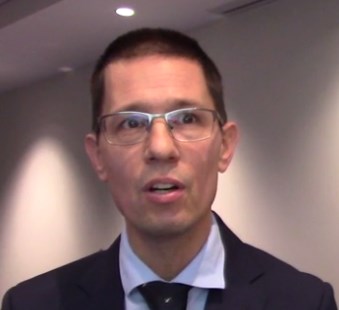
TORONTO – A test that only requires a maximum 2-hour wait for results was highly accurate at detecting influenza and respiratory syncytial virus infection in lung transplant patients, according to research presented at the CHEST annual meeting on Oct. 30.
This rapid and highly accurate test for detecting three common respiratory viruses has dramatically cut the need for empiric treatments and the risk for causing nosocomial infections in lung transplant patients who develop severe upper respiratory infections, Macé M. Schuurmans, MD, noted during the presentation.
This study involved 100 consecutive lung transplant patients who presented at Zurich University Hospital with signs of severe upper respiratory infection. The researchers ran the rapid and standard diagnostic tests for each patient and found that, relative to the standard test, the rapid test had positive and negative predictive values of 95%.
The number of empiric treatments with oseltamivir (Tamiflu) and ribavirin to treat a suspected influenza or respiratory syncytial virus infection (RSV) has “strongly diminished” by about two-thirds, noted Dr. Schuurmans, who is a pulmonologist at the hospital.
Until the rapid test became available, Dr. Shuurmans and his associates used a standard polymerase chain reaction test that takes 36-48 hours to yield a result. Using this test made treating patients empirically with oseltamivir and oral antibiotics for a couple of days a necessity, he said in a video interview. The older test also required isolating patients to avoid the potential spread of influenza or RSV in the hospital.
The rapid test, which became available for U.S. use in early 2017, covers influenza A and B and RSV in a single test with a single mouth-swab specimen.
“We now routinely use the rapid test and don’t prescribe empiric antivirals or antibiotics as often,” Dr. Schuurmans said. “There is much less drug cost and fewer potential adverse effects from empiric treatment.” Specimens still also undergo conventional testing, however, because that can identify eight additional viruses that the rapid test doesn’t cover.
Dr. Schuurmans acknowledged that further study needs to assess the cost-benefit of the rapid test to confirm that its added expense is offset by reduced expenses for empiric treatment and hospital isolation.
He had no disclosures. The study received no commercial support.
The video associated with this article is no longer available on this site. Please view all of our videos on the MDedge YouTube channel
mzoler@frontlinemedcom.com
On Twitter @mitchelzoler
TORONTO – A test that only requires a maximum 2-hour wait for results was highly accurate at detecting influenza and respiratory syncytial virus infection in lung transplant patients, according to research presented at the CHEST annual meeting on Oct. 30.
This rapid and highly accurate test for detecting three common respiratory viruses has dramatically cut the need for empiric treatments and the risk for causing nosocomial infections in lung transplant patients who develop severe upper respiratory infections, Macé M. Schuurmans, MD, noted during the presentation.
This study involved 100 consecutive lung transplant patients who presented at Zurich University Hospital with signs of severe upper respiratory infection. The researchers ran the rapid and standard diagnostic tests for each patient and found that, relative to the standard test, the rapid test had positive and negative predictive values of 95%.
The number of empiric treatments with oseltamivir (Tamiflu) and ribavirin to treat a suspected influenza or respiratory syncytial virus infection (RSV) has “strongly diminished” by about two-thirds, noted Dr. Schuurmans, who is a pulmonologist at the hospital.
Until the rapid test became available, Dr. Shuurmans and his associates used a standard polymerase chain reaction test that takes 36-48 hours to yield a result. Using this test made treating patients empirically with oseltamivir and oral antibiotics for a couple of days a necessity, he said in a video interview. The older test also required isolating patients to avoid the potential spread of influenza or RSV in the hospital.
The rapid test, which became available for U.S. use in early 2017, covers influenza A and B and RSV in a single test with a single mouth-swab specimen.
“We now routinely use the rapid test and don’t prescribe empiric antivirals or antibiotics as often,” Dr. Schuurmans said. “There is much less drug cost and fewer potential adverse effects from empiric treatment.” Specimens still also undergo conventional testing, however, because that can identify eight additional viruses that the rapid test doesn’t cover.
Dr. Schuurmans acknowledged that further study needs to assess the cost-benefit of the rapid test to confirm that its added expense is offset by reduced expenses for empiric treatment and hospital isolation.
He had no disclosures. The study received no commercial support.
The video associated with this article is no longer available on this site. Please view all of our videos on the MDedge YouTube channel
mzoler@frontlinemedcom.com
On Twitter @mitchelzoler
TORONTO – A test that only requires a maximum 2-hour wait for results was highly accurate at detecting influenza and respiratory syncytial virus infection in lung transplant patients, according to research presented at the CHEST annual meeting on Oct. 30.
This rapid and highly accurate test for detecting three common respiratory viruses has dramatically cut the need for empiric treatments and the risk for causing nosocomial infections in lung transplant patients who develop severe upper respiratory infections, Macé M. Schuurmans, MD, noted during the presentation.
This study involved 100 consecutive lung transplant patients who presented at Zurich University Hospital with signs of severe upper respiratory infection. The researchers ran the rapid and standard diagnostic tests for each patient and found that, relative to the standard test, the rapid test had positive and negative predictive values of 95%.
The number of empiric treatments with oseltamivir (Tamiflu) and ribavirin to treat a suspected influenza or respiratory syncytial virus infection (RSV) has “strongly diminished” by about two-thirds, noted Dr. Schuurmans, who is a pulmonologist at the hospital.
Until the rapid test became available, Dr. Shuurmans and his associates used a standard polymerase chain reaction test that takes 36-48 hours to yield a result. Using this test made treating patients empirically with oseltamivir and oral antibiotics for a couple of days a necessity, he said in a video interview. The older test also required isolating patients to avoid the potential spread of influenza or RSV in the hospital.
The rapid test, which became available for U.S. use in early 2017, covers influenza A and B and RSV in a single test with a single mouth-swab specimen.
“We now routinely use the rapid test and don’t prescribe empiric antivirals or antibiotics as often,” Dr. Schuurmans said. “There is much less drug cost and fewer potential adverse effects from empiric treatment.” Specimens still also undergo conventional testing, however, because that can identify eight additional viruses that the rapid test doesn’t cover.
Dr. Schuurmans acknowledged that further study needs to assess the cost-benefit of the rapid test to confirm that its added expense is offset by reduced expenses for empiric treatment and hospital isolation.
He had no disclosures. The study received no commercial support.
The video associated with this article is no longer available on this site. Please view all of our videos on the MDedge YouTube channel
mzoler@frontlinemedcom.com
On Twitter @mitchelzoler
AT CHEST 2017
Key clinical point:
Major finding: The rapid test had positive and negative predictive values of 95%.
Data source: A single-center observational study of 100 consecutive lung transplant recipients who presented with severe, acute respiratory infection.
Disclosures: Dr. Schuurmans had no disclosures. The study received no commercial support.
Getting Creative About Reducing Kidney Stones
A “smart” water bottle—or money—or a coach? What’s the best way to encourage people at risk for kidney stones to drink more water? The prevalence of urinary stones has nearly doubled in the past 15 years, affecting 1 in 11 people, according to the National Institute of Health (NIH). The NIH says little high-quality research exists related to how to prevent stones, and most therapies treat people with the condition only after they are in excruciating pain.
To test new solutions, researchers from the Urinary Stone Disease Research Network and Duke Clinical Research are recruiting 1,642 participants for Prevention of Urinary Stones with Hydration (PUSH), a 2-year multisite clinical trial funded by the National Institute of Diabetes and Digestive and Kidney Diseases (NIDDK).
People with kidney stones, when counseled to drink more water, usually only increase intake by small amounts. So participants in the intervention group will receive water bottles (Hidrate Spark) that connect to an app and monitor how much they drink, with a goal of 2.5 liters of water per day. They will also receive financial incentives if they achieve their fluid targets, and meet with a health coach who will help them identify barriers to drinking more liquids and help devise solutions.
“Urinary stones are painful and debilitating, and their treatment is expensive,” said Ziya Kirkali, MD, program director of urology clinical research and epidemiology in NIDDK’s Division of Kidney, Urologic, and Hematologic Diseases. “If successful, the study could change management of kidney stones.”
A “smart” water bottle—or money—or a coach? What’s the best way to encourage people at risk for kidney stones to drink more water? The prevalence of urinary stones has nearly doubled in the past 15 years, affecting 1 in 11 people, according to the National Institute of Health (NIH). The NIH says little high-quality research exists related to how to prevent stones, and most therapies treat people with the condition only after they are in excruciating pain.
To test new solutions, researchers from the Urinary Stone Disease Research Network and Duke Clinical Research are recruiting 1,642 participants for Prevention of Urinary Stones with Hydration (PUSH), a 2-year multisite clinical trial funded by the National Institute of Diabetes and Digestive and Kidney Diseases (NIDDK).
People with kidney stones, when counseled to drink more water, usually only increase intake by small amounts. So participants in the intervention group will receive water bottles (Hidrate Spark) that connect to an app and monitor how much they drink, with a goal of 2.5 liters of water per day. They will also receive financial incentives if they achieve their fluid targets, and meet with a health coach who will help them identify barriers to drinking more liquids and help devise solutions.
“Urinary stones are painful and debilitating, and their treatment is expensive,” said Ziya Kirkali, MD, program director of urology clinical research and epidemiology in NIDDK’s Division of Kidney, Urologic, and Hematologic Diseases. “If successful, the study could change management of kidney stones.”
A “smart” water bottle—or money—or a coach? What’s the best way to encourage people at risk for kidney stones to drink more water? The prevalence of urinary stones has nearly doubled in the past 15 years, affecting 1 in 11 people, according to the National Institute of Health (NIH). The NIH says little high-quality research exists related to how to prevent stones, and most therapies treat people with the condition only after they are in excruciating pain.
To test new solutions, researchers from the Urinary Stone Disease Research Network and Duke Clinical Research are recruiting 1,642 participants for Prevention of Urinary Stones with Hydration (PUSH), a 2-year multisite clinical trial funded by the National Institute of Diabetes and Digestive and Kidney Diseases (NIDDK).
People with kidney stones, when counseled to drink more water, usually only increase intake by small amounts. So participants in the intervention group will receive water bottles (Hidrate Spark) that connect to an app and monitor how much they drink, with a goal of 2.5 liters of water per day. They will also receive financial incentives if they achieve their fluid targets, and meet with a health coach who will help them identify barriers to drinking more liquids and help devise solutions.
“Urinary stones are painful and debilitating, and their treatment is expensive,” said Ziya Kirkali, MD, program director of urology clinical research and epidemiology in NIDDK’s Division of Kidney, Urologic, and Hematologic Diseases. “If successful, the study could change management of kidney stones.”
Bag-mask ventilation for CPR deflates in large RCT
BARCELONA – Bag-mask ventilation for airway management during resuscitation of patients with out-of-hospital cardiac arrest was considerably less safe and yet no more effective than endotracheal intubation in a large randomized trial, Frederic Adnet, MD, reported at the annual congress of the European Society of Cardiology.
This was an unexpected result.

Several large, well-respected observational registry studies had strongly suggested that bag-mask ventilation is associated with a superior survival rate with good neurologic outcome. As a result, many in the resuscitation science field have been moving closer to replacing endotracheal intubation as the standard of care in favor of bag-mask ventilation. But this first-of-its-kind, large, randomized trial to formally address the issue showed virtually identical rates of day-28 survival with good neurologic outcome in the two study arms. Plus, bag-mask ventilation had a significantly higher complication rate.
“So, at this time, we will not yet change our technique,” according to coinvestigator Eric Vicaut, MD, of Fernand Widal Hospital in Paris.
This major prospective randomized trial included 2,043 patients with out-of-hospital cardiac arrest at 20 centers in France and Belgium. The primary endpoint – day-28 survival with good neurologic status as defined by a Glasgow-Pittsburgh Cerebral Performance Scale score of 2 or less – occurred in 4.2% of the bag-mask ventilation group and 4.1% of the endotracheal intubation group.
However, the rate of aspiration or regurgitation of gastric contents was significantly higher in the bag-mask ventilation group by a margin of 14.9% to 7.7%. Moreover, the bag-mask ventilation technique failed in 6.3% of patients, compared with a 2.5% endotracheal intubation failure rate.
Discussant Susanna Price, MD, praised the study as a high-quality, well-conducted randomized trial, adding that it’s just the sort of study that the field of resuscitation science had needed for a long time. Indeed, most guidelines in the field are based on faint supporting evidence. That may be one reason why good outcomes of out-of-hospital cardiac arrest are so disappointingly low: The worldwide average is roughly 7%, with huge differences between countries.
“It is really very depressing sometimes when one looks at the percentage of patients who actually return to normal life and normal functional neurologic status and, indeed, whose relatives get back to work,” commented Dr. Price, a cardiologist and intensivist at Royal Brompton Hospital in London.
“This is a huge study for resuscitation science,” she continued. “Prehospital airway management is currently a very hot topic. Bear in mind that in the United States, roughly 88% of cardiac arrests happen in the home.”
“This trial does challenge the current feeling that bag-mask ventilation is definitely superior to advanced airway interventions,” Dr. Price added.
For her, the study contained three surprises, she continued. One was the high bag-mask failure rate in the hands of very experienced operators. Another was the high complication rate associated with the device, again even in expert hands. Also, contrary to numerous published reports, the chest compression rate in this RCT was not better with bag mask ventilation.
“The study did not demonstrate that endotracheal intubation interrupts chest compressions. In fact, chest compression pauses were actually significantly more frequent in the bag-mask ventilation group than with endotracheal intubation,” she observed.
It’s worth noting that in the French EMS system, a physician experienced in cardiopulmonary resuscitation is typically on board for ambulance runs. This creates an element of uncertainty as to the generalizability of the study findings to EMS systems where paramedics who may be less proficient in endotracheal intubation are the first responders. Indeed, whether endotracheal intubation will stack up as favorably as it did against bag-mask ventilation in this randomized trial when tested in other settings where airway management is left in the hands of paramedics is an open question that’s the topic of ongoing studies, Dr. Price noted.
Dr. Adnet and Dr. Vicaut reported having no financial conflicts regarding their study, which was funded by the French Ministry of Health.
bjancin@frontlinemedcom.com
BARCELONA – Bag-mask ventilation for airway management during resuscitation of patients with out-of-hospital cardiac arrest was considerably less safe and yet no more effective than endotracheal intubation in a large randomized trial, Frederic Adnet, MD, reported at the annual congress of the European Society of Cardiology.
This was an unexpected result.
Several large, well-respected observational registry studies had strongly suggested that bag-mask ventilation is associated with a superior survival rate with good neurologic outcome. As a result, many in the resuscitation science field have been moving closer to replacing endotracheal intubation as the standard of care in favor of bag-mask ventilation. But this first-of-its-kind, large, randomized trial to formally address the issue showed virtually identical rates of day-28 survival with good neurologic outcome in the two study arms. Plus, bag-mask ventilation had a significantly higher complication rate.
“So, at this time, we will not yet change our technique,” according to coinvestigator Eric Vicaut, MD, of Fernand Widal Hospital in Paris.
This major prospective randomized trial included 2,043 patients with out-of-hospital cardiac arrest at 20 centers in France and Belgium. The primary endpoint – day-28 survival with good neurologic status as defined by a Glasgow-Pittsburgh Cerebral Performance Scale score of 2 or less – occurred in 4.2% of the bag-mask ventilation group and 4.1% of the endotracheal intubation group.
However, the rate of aspiration or regurgitation of gastric contents was significantly higher in the bag-mask ventilation group by a margin of 14.9% to 7.7%. Moreover, the bag-mask ventilation technique failed in 6.3% of patients, compared with a 2.5% endotracheal intubation failure rate.
Discussant Susanna Price, MD, praised the study as a high-quality, well-conducted randomized trial, adding that it’s just the sort of study that the field of resuscitation science had needed for a long time. Indeed, most guidelines in the field are based on faint supporting evidence. That may be one reason why good outcomes of out-of-hospital cardiac arrest are so disappointingly low: The worldwide average is roughly 7%, with huge differences between countries.
“It is really very depressing sometimes when one looks at the percentage of patients who actually return to normal life and normal functional neurologic status and, indeed, whose relatives get back to work,” commented Dr. Price, a cardiologist and intensivist at Royal Brompton Hospital in London.
“This is a huge study for resuscitation science,” she continued. “Prehospital airway management is currently a very hot topic. Bear in mind that in the United States, roughly 88% of cardiac arrests happen in the home.”
“This trial does challenge the current feeling that bag-mask ventilation is definitely superior to advanced airway interventions,” Dr. Price added.
For her, the study contained three surprises, she continued. One was the high bag-mask failure rate in the hands of very experienced operators. Another was the high complication rate associated with the device, again even in expert hands. Also, contrary to numerous published reports, the chest compression rate in this RCT was not better with bag mask ventilation.
“The study did not demonstrate that endotracheal intubation interrupts chest compressions. In fact, chest compression pauses were actually significantly more frequent in the bag-mask ventilation group than with endotracheal intubation,” she observed.
It’s worth noting that in the French EMS system, a physician experienced in cardiopulmonary resuscitation is typically on board for ambulance runs. This creates an element of uncertainty as to the generalizability of the study findings to EMS systems where paramedics who may be less proficient in endotracheal intubation are the first responders. Indeed, whether endotracheal intubation will stack up as favorably as it did against bag-mask ventilation in this randomized trial when tested in other settings where airway management is left in the hands of paramedics is an open question that’s the topic of ongoing studies, Dr. Price noted.
Dr. Adnet and Dr. Vicaut reported having no financial conflicts regarding their study, which was funded by the French Ministry of Health.
bjancin@frontlinemedcom.com
BARCELONA – Bag-mask ventilation for airway management during resuscitation of patients with out-of-hospital cardiac arrest was considerably less safe and yet no more effective than endotracheal intubation in a large randomized trial, Frederic Adnet, MD, reported at the annual congress of the European Society of Cardiology.
This was an unexpected result.
Several large, well-respected observational registry studies had strongly suggested that bag-mask ventilation is associated with a superior survival rate with good neurologic outcome. As a result, many in the resuscitation science field have been moving closer to replacing endotracheal intubation as the standard of care in favor of bag-mask ventilation. But this first-of-its-kind, large, randomized trial to formally address the issue showed virtually identical rates of day-28 survival with good neurologic outcome in the two study arms. Plus, bag-mask ventilation had a significantly higher complication rate.
“So, at this time, we will not yet change our technique,” according to coinvestigator Eric Vicaut, MD, of Fernand Widal Hospital in Paris.
This major prospective randomized trial included 2,043 patients with out-of-hospital cardiac arrest at 20 centers in France and Belgium. The primary endpoint – day-28 survival with good neurologic status as defined by a Glasgow-Pittsburgh Cerebral Performance Scale score of 2 or less – occurred in 4.2% of the bag-mask ventilation group and 4.1% of the endotracheal intubation group.
However, the rate of aspiration or regurgitation of gastric contents was significantly higher in the bag-mask ventilation group by a margin of 14.9% to 7.7%. Moreover, the bag-mask ventilation technique failed in 6.3% of patients, compared with a 2.5% endotracheal intubation failure rate.
Discussant Susanna Price, MD, praised the study as a high-quality, well-conducted randomized trial, adding that it’s just the sort of study that the field of resuscitation science had needed for a long time. Indeed, most guidelines in the field are based on faint supporting evidence. That may be one reason why good outcomes of out-of-hospital cardiac arrest are so disappointingly low: The worldwide average is roughly 7%, with huge differences between countries.
“It is really very depressing sometimes when one looks at the percentage of patients who actually return to normal life and normal functional neurologic status and, indeed, whose relatives get back to work,” commented Dr. Price, a cardiologist and intensivist at Royal Brompton Hospital in London.
“This is a huge study for resuscitation science,” she continued. “Prehospital airway management is currently a very hot topic. Bear in mind that in the United States, roughly 88% of cardiac arrests happen in the home.”
“This trial does challenge the current feeling that bag-mask ventilation is definitely superior to advanced airway interventions,” Dr. Price added.
For her, the study contained three surprises, she continued. One was the high bag-mask failure rate in the hands of very experienced operators. Another was the high complication rate associated with the device, again even in expert hands. Also, contrary to numerous published reports, the chest compression rate in this RCT was not better with bag mask ventilation.
“The study did not demonstrate that endotracheal intubation interrupts chest compressions. In fact, chest compression pauses were actually significantly more frequent in the bag-mask ventilation group than with endotracheal intubation,” she observed.
It’s worth noting that in the French EMS system, a physician experienced in cardiopulmonary resuscitation is typically on board for ambulance runs. This creates an element of uncertainty as to the generalizability of the study findings to EMS systems where paramedics who may be less proficient in endotracheal intubation are the first responders. Indeed, whether endotracheal intubation will stack up as favorably as it did against bag-mask ventilation in this randomized trial when tested in other settings where airway management is left in the hands of paramedics is an open question that’s the topic of ongoing studies, Dr. Price noted.
Dr. Adnet and Dr. Vicaut reported having no financial conflicts regarding their study, which was funded by the French Ministry of Health.
bjancin@frontlinemedcom.com
AT THE ESC CONGRESS 2017
Key clinical point:
Major finding: Rates of survival with good neurologic outcome 28 days after out-of-hospital cardiac arrest were similarly low whether airway management during CPR relied upon endotracheal intubation or bag-mask ventilation, but the latter strategy had a significantly higher complication rate.
Data source: This prospective randomized trial included 2,043 patients with out-of-hospital cardiac arrest at 20 centers in France and Belgium.
Disclosures: The study was funded by the French Ministry of Health. The presenter reported having no financial conflicts.
Aspirin responsiveness improved in some with OSA
Obstructive sleep apnea patients with endothelial dysfunction gained aspirin responsiveness after using continuous positive airway pressure (CPAP) therapy, according to the findings from a small study scheduled to be presented at CHEST 2017.
“Endothelial dysfunction is an important phenomenon implicated in cardiovascular morbidity in obstructive sleep apnea (OSA) patients. While it has been demonstrated that CPAP improves endothelial function, our understanding of the pathophysiologic links between CPAP therapy and cardiovascular outcomes remain limited,” researchers wrote in the study’s abstract.
The researchers examined 18 patients’ endothelial function before and after using CPAP therapy for a median of 37 days, along with the relationship between endothelial function and aspirin responsiveness in these same patients. All study participants had been recently diagnosed with moderate to severe OSA and underwent modified peripheral artery tonometry and platelet aggregometry before and after beginning CPAP therapy. Most of the patients (14) demonstrated aspirin resistance at baseline.
Endothelial dysfunction was defined as having a reactive hyperemia index (RHI) of less than or equal to 1.67, while aspirin resistance was defined as having a reading of at least 550 aspirin reaction units (ARU).
At baseline, the average RHI of patients was 1.79 (standard deviation = 0.3), with 8 of the patients having had endothelial dysfunction. Following CPAP use, patients’ mean RHI increased to 1.94 (SD = 0.36), and endothelial dysfunction was present in just 5 of the study participants.*
After using CPAP, those patients with endothelial dysfunction at baseline were responsive to aspirin, with their average ARU reading at 520 following therapy. In contrast, those patients with normal endothelial function at baseline remained resistant to aspirin following CPAP use, based on mean ARU values before and after therapy.
Lirim Krveshi, DO, of Danbury (Conn.) Hospital, is scheduled to present this study, “A Prospective Cohort Study of Endothelial Function and its Relationship to Aspirin Responsiveness in OSA Patients,” on Sunday, Oct. 29, at 1:45 p.m. in Convention Center, room 601A. This presentation is part of the Obstructive Sleep Apnea: Insights & Management session, running from 1:30 p.m. to 3:00 p.m.
The study’s authors reported no conflicts of interest.
*This article was updated Oct. 27, 2017.
Obstructive sleep apnea patients with endothelial dysfunction gained aspirin responsiveness after using continuous positive airway pressure (CPAP) therapy, according to the findings from a small study scheduled to be presented at CHEST 2017.
“Endothelial dysfunction is an important phenomenon implicated in cardiovascular morbidity in obstructive sleep apnea (OSA) patients. While it has been demonstrated that CPAP improves endothelial function, our understanding of the pathophysiologic links between CPAP therapy and cardiovascular outcomes remain limited,” researchers wrote in the study’s abstract.
The researchers examined 18 patients’ endothelial function before and after using CPAP therapy for a median of 37 days, along with the relationship between endothelial function and aspirin responsiveness in these same patients. All study participants had been recently diagnosed with moderate to severe OSA and underwent modified peripheral artery tonometry and platelet aggregometry before and after beginning CPAP therapy. Most of the patients (14) demonstrated aspirin resistance at baseline.
Endothelial dysfunction was defined as having a reactive hyperemia index (RHI) of less than or equal to 1.67, while aspirin resistance was defined as having a reading of at least 550 aspirin reaction units (ARU).
At baseline, the average RHI of patients was 1.79 (standard deviation = 0.3), with 8 of the patients having had endothelial dysfunction. Following CPAP use, patients’ mean RHI increased to 1.94 (SD = 0.36), and endothelial dysfunction was present in just 5 of the study participants.*
After using CPAP, those patients with endothelial dysfunction at baseline were responsive to aspirin, with their average ARU reading at 520 following therapy. In contrast, those patients with normal endothelial function at baseline remained resistant to aspirin following CPAP use, based on mean ARU values before and after therapy.
Lirim Krveshi, DO, of Danbury (Conn.) Hospital, is scheduled to present this study, “A Prospective Cohort Study of Endothelial Function and its Relationship to Aspirin Responsiveness in OSA Patients,” on Sunday, Oct. 29, at 1:45 p.m. in Convention Center, room 601A. This presentation is part of the Obstructive Sleep Apnea: Insights & Management session, running from 1:30 p.m. to 3:00 p.m.
The study’s authors reported no conflicts of interest.
*This article was updated Oct. 27, 2017.
Obstructive sleep apnea patients with endothelial dysfunction gained aspirin responsiveness after using continuous positive airway pressure (CPAP) therapy, according to the findings from a small study scheduled to be presented at CHEST 2017.
“Endothelial dysfunction is an important phenomenon implicated in cardiovascular morbidity in obstructive sleep apnea (OSA) patients. While it has been demonstrated that CPAP improves endothelial function, our understanding of the pathophysiologic links between CPAP therapy and cardiovascular outcomes remain limited,” researchers wrote in the study’s abstract.
The researchers examined 18 patients’ endothelial function before and after using CPAP therapy for a median of 37 days, along with the relationship between endothelial function and aspirin responsiveness in these same patients. All study participants had been recently diagnosed with moderate to severe OSA and underwent modified peripheral artery tonometry and platelet aggregometry before and after beginning CPAP therapy. Most of the patients (14) demonstrated aspirin resistance at baseline.
Endothelial dysfunction was defined as having a reactive hyperemia index (RHI) of less than or equal to 1.67, while aspirin resistance was defined as having a reading of at least 550 aspirin reaction units (ARU).
At baseline, the average RHI of patients was 1.79 (standard deviation = 0.3), with 8 of the patients having had endothelial dysfunction. Following CPAP use, patients’ mean RHI increased to 1.94 (SD = 0.36), and endothelial dysfunction was present in just 5 of the study participants.*
After using CPAP, those patients with endothelial dysfunction at baseline were responsive to aspirin, with their average ARU reading at 520 following therapy. In contrast, those patients with normal endothelial function at baseline remained resistant to aspirin following CPAP use, based on mean ARU values before and after therapy.
Lirim Krveshi, DO, of Danbury (Conn.) Hospital, is scheduled to present this study, “A Prospective Cohort Study of Endothelial Function and its Relationship to Aspirin Responsiveness in OSA Patients,” on Sunday, Oct. 29, at 1:45 p.m. in Convention Center, room 601A. This presentation is part of the Obstructive Sleep Apnea: Insights & Management session, running from 1:30 p.m. to 3:00 p.m.
The study’s authors reported no conflicts of interest.
*This article was updated Oct. 27, 2017.
FROM CHEST 2017
Key clinical point:
Major finding: The average aspirin reaction units reading for patients who had endothelial dysfunction at baseline was 520 following therapy.
Data source: A prospective cohort study of 18 patients with newly diagnosed moderate to severe OSA.
Disclosures: The study’s authors reported no conflicts of interest.
Translating Research Into Practice the NIOSH Way
The National Occupational Research Agenda (NORA), a partnership program created by the National Institute for Occupational Safety and Health (NIOSH), is celebrating its second anniversary with a report addressing the question: how can research be better moved into practice in the workplace?
NORA has focused on 10 industry sectors representing major areas of the U.S. economy, and developed sector councils—comprising of stakeholders from universities, business, professional societies, government agencies, and worker organizations—that set priority research goals for the nation.
In the past 20 years, NIOSH has had an average of 740 active projects per year. It invested an average of $243.8 million per year in research between 2007 - 2015. Between 2007 - 2014, nearly 11,000 publications were developed through NIOSH-funded research.
Outcome measures include whether those NORA outputs have been used by others, in citations and research. NIOSH says its outputs are widely disseminated; the VA and other veterans’ organizations, for instance, disseminated NIOSH information on return-to-work issues for veterans with PTSD. As another example, academicians and researchers are using NIOSH findings to improve tuberculosis risk and prevention education in workplaces. And approximately 50% of the NIOSH products cited by another federal agency in a Federal Register document were aged ≥ 11 years —suggesting that NIOSH documents have a “sustained relevance and impact well beyond their publication date,” the report says.
NIOSH highlights NORA’s progress with “impact stories” about the influence of NORA on health, safety, and wellbeing of the U.S. workforce. Case in point: “Preventing Occupational Transmission of Blood-borne Pathogens Among Healthcare Workers” helped improve worker safety by instructing > 20,000 trainers and leading to new regulations, NIOSH says.
For its third decade, NIOSH says, NORA will build on the “many successes and lessons learned from the first 2 decades of this unique partnership approach.”
The National Occupational Research Agenda (NORA), a partnership program created by the National Institute for Occupational Safety and Health (NIOSH), is celebrating its second anniversary with a report addressing the question: how can research be better moved into practice in the workplace?
NORA has focused on 10 industry sectors representing major areas of the U.S. economy, and developed sector councils—comprising of stakeholders from universities, business, professional societies, government agencies, and worker organizations—that set priority research goals for the nation.
In the past 20 years, NIOSH has had an average of 740 active projects per year. It invested an average of $243.8 million per year in research between 2007 - 2015. Between 2007 - 2014, nearly 11,000 publications were developed through NIOSH-funded research.
Outcome measures include whether those NORA outputs have been used by others, in citations and research. NIOSH says its outputs are widely disseminated; the VA and other veterans’ organizations, for instance, disseminated NIOSH information on return-to-work issues for veterans with PTSD. As another example, academicians and researchers are using NIOSH findings to improve tuberculosis risk and prevention education in workplaces. And approximately 50% of the NIOSH products cited by another federal agency in a Federal Register document were aged ≥ 11 years —suggesting that NIOSH documents have a “sustained relevance and impact well beyond their publication date,” the report says.
NIOSH highlights NORA’s progress with “impact stories” about the influence of NORA on health, safety, and wellbeing of the U.S. workforce. Case in point: “Preventing Occupational Transmission of Blood-borne Pathogens Among Healthcare Workers” helped improve worker safety by instructing > 20,000 trainers and leading to new regulations, NIOSH says.
For its third decade, NIOSH says, NORA will build on the “many successes and lessons learned from the first 2 decades of this unique partnership approach.”
The National Occupational Research Agenda (NORA), a partnership program created by the National Institute for Occupational Safety and Health (NIOSH), is celebrating its second anniversary with a report addressing the question: how can research be better moved into practice in the workplace?
NORA has focused on 10 industry sectors representing major areas of the U.S. economy, and developed sector councils—comprising of stakeholders from universities, business, professional societies, government agencies, and worker organizations—that set priority research goals for the nation.
In the past 20 years, NIOSH has had an average of 740 active projects per year. It invested an average of $243.8 million per year in research between 2007 - 2015. Between 2007 - 2014, nearly 11,000 publications were developed through NIOSH-funded research.
Outcome measures include whether those NORA outputs have been used by others, in citations and research. NIOSH says its outputs are widely disseminated; the VA and other veterans’ organizations, for instance, disseminated NIOSH information on return-to-work issues for veterans with PTSD. As another example, academicians and researchers are using NIOSH findings to improve tuberculosis risk and prevention education in workplaces. And approximately 50% of the NIOSH products cited by another federal agency in a Federal Register document were aged ≥ 11 years —suggesting that NIOSH documents have a “sustained relevance and impact well beyond their publication date,” the report says.
NIOSH highlights NORA’s progress with “impact stories” about the influence of NORA on health, safety, and wellbeing of the U.S. workforce. Case in point: “Preventing Occupational Transmission of Blood-borne Pathogens Among Healthcare Workers” helped improve worker safety by instructing > 20,000 trainers and leading to new regulations, NIOSH says.
For its third decade, NIOSH says, NORA will build on the “many successes and lessons learned from the first 2 decades of this unique partnership approach.”
Only half of appropriate COPD patients get long-acting bronchodilators
Nearly half of Medicare beneficiaries with COPD are not being treated with recommended long-acting bronchodilator (LABD) maintenance therapy, based on study results scheduled to be presented at CHEST 2017.
Bartolome R. Celli, MD, FCCP, of Brigham and Women’s Hospital, Boston, and his colleagues will report results based on Medicare administrative data from 2010 to 2014 on 11,886 patients who had at least two outpatient visits for COPD within 30 days or at least one COPD-related hospitalization and received nebulized arformoterol therapy.
The findings should stimulate further study on why clinicians overrely on short-acting rather than the recommended long-acting bronchodilators for maintenance treatment of appropriate patients, according to the researchers’ abstract. Additionally, studies should examine triggers for initiating arformoterol, and link outcomes to arformoterol monotherapy vs. combination therapy. Such analyses could help advance clinical decision making, particularly for COPD patients with a history of exacerbations and hospitalizations.
Rates of medication initiation and treatment continuation or discontinuation within these classes were determined based on refill patterns following the start of arformoterol therapy. The researchers note that 42% of the patient cohort was 75 years or older, and 37% were dually eligible for Medicaid.
Overall, 46% of the cohort had received no LABD maintenance treatment in the 90 days prior to initiating arformoterol. Instead, they were being treated with a nebulized (50%) or an inhaled (37%) short-acting bronchodilator, a systemic corticosteroid (46%), and antibiotics (37%).
After starting arformoteral, 58% of beneficiaries received dual therapy. More than half of them, 52%, received LABA and inhaled/nebulized corticosteroids, 6% received LAMA/LAMA therapy, and 21% received triple-therapy (LABA/LAMA plus inhaled or nebulized corticosteroids). The other 20% received only arformoterol.
After initiating arformoterol, 41% of the cohort discontinued one or more classes of their pre-arformoteral medications. The largest decrease was a 23% drop in use of corticosteroids.
Dr. Celli is scheduled to present his research on Tuesday, Oct. 31, from 2:45 to 3:00 pm in Convention Center - 602B at the CHEST annual meeting. His presentation will be part of a session entitled “COPD: Lessons for the Real-World Management of Disease,” running from 2:45 to 4:15 pm.
One of the researchers is an employee of Sunovion Pharmaceuticals, and two others are with Advance Health Solutions.
Nearly half of Medicare beneficiaries with COPD are not being treated with recommended long-acting bronchodilator (LABD) maintenance therapy, based on study results scheduled to be presented at CHEST 2017.
Bartolome R. Celli, MD, FCCP, of Brigham and Women’s Hospital, Boston, and his colleagues will report results based on Medicare administrative data from 2010 to 2014 on 11,886 patients who had at least two outpatient visits for COPD within 30 days or at least one COPD-related hospitalization and received nebulized arformoterol therapy.
The findings should stimulate further study on why clinicians overrely on short-acting rather than the recommended long-acting bronchodilators for maintenance treatment of appropriate patients, according to the researchers’ abstract. Additionally, studies should examine triggers for initiating arformoterol, and link outcomes to arformoterol monotherapy vs. combination therapy. Such analyses could help advance clinical decision making, particularly for COPD patients with a history of exacerbations and hospitalizations.
Rates of medication initiation and treatment continuation or discontinuation within these classes were determined based on refill patterns following the start of arformoterol therapy. The researchers note that 42% of the patient cohort was 75 years or older, and 37% were dually eligible for Medicaid.
Overall, 46% of the cohort had received no LABD maintenance treatment in the 90 days prior to initiating arformoterol. Instead, they were being treated with a nebulized (50%) or an inhaled (37%) short-acting bronchodilator, a systemic corticosteroid (46%), and antibiotics (37%).
After starting arformoteral, 58% of beneficiaries received dual therapy. More than half of them, 52%, received LABA and inhaled/nebulized corticosteroids, 6% received LAMA/LAMA therapy, and 21% received triple-therapy (LABA/LAMA plus inhaled or nebulized corticosteroids). The other 20% received only arformoterol.
After initiating arformoterol, 41% of the cohort discontinued one or more classes of their pre-arformoteral medications. The largest decrease was a 23% drop in use of corticosteroids.
Dr. Celli is scheduled to present his research on Tuesday, Oct. 31, from 2:45 to 3:00 pm in Convention Center - 602B at the CHEST annual meeting. His presentation will be part of a session entitled “COPD: Lessons for the Real-World Management of Disease,” running from 2:45 to 4:15 pm.
One of the researchers is an employee of Sunovion Pharmaceuticals, and two others are with Advance Health Solutions.
Nearly half of Medicare beneficiaries with COPD are not being treated with recommended long-acting bronchodilator (LABD) maintenance therapy, based on study results scheduled to be presented at CHEST 2017.
Bartolome R. Celli, MD, FCCP, of Brigham and Women’s Hospital, Boston, and his colleagues will report results based on Medicare administrative data from 2010 to 2014 on 11,886 patients who had at least two outpatient visits for COPD within 30 days or at least one COPD-related hospitalization and received nebulized arformoterol therapy.
The findings should stimulate further study on why clinicians overrely on short-acting rather than the recommended long-acting bronchodilators for maintenance treatment of appropriate patients, according to the researchers’ abstract. Additionally, studies should examine triggers for initiating arformoterol, and link outcomes to arformoterol monotherapy vs. combination therapy. Such analyses could help advance clinical decision making, particularly for COPD patients with a history of exacerbations and hospitalizations.
Rates of medication initiation and treatment continuation or discontinuation within these classes were determined based on refill patterns following the start of arformoterol therapy. The researchers note that 42% of the patient cohort was 75 years or older, and 37% were dually eligible for Medicaid.
Overall, 46% of the cohort had received no LABD maintenance treatment in the 90 days prior to initiating arformoterol. Instead, they were being treated with a nebulized (50%) or an inhaled (37%) short-acting bronchodilator, a systemic corticosteroid (46%), and antibiotics (37%).
After starting arformoteral, 58% of beneficiaries received dual therapy. More than half of them, 52%, received LABA and inhaled/nebulized corticosteroids, 6% received LAMA/LAMA therapy, and 21% received triple-therapy (LABA/LAMA plus inhaled or nebulized corticosteroids). The other 20% received only arformoterol.
After initiating arformoterol, 41% of the cohort discontinued one or more classes of their pre-arformoteral medications. The largest decrease was a 23% drop in use of corticosteroids.
Dr. Celli is scheduled to present his research on Tuesday, Oct. 31, from 2:45 to 3:00 pm in Convention Center - 602B at the CHEST annual meeting. His presentation will be part of a session entitled “COPD: Lessons for the Real-World Management of Disease,” running from 2:45 to 4:15 pm.
One of the researchers is an employee of Sunovion Pharmaceuticals, and two others are with Advance Health Solutions.
FROM CHEST 2017
Key clinical point:
Major finding: Overall, 46% of COPD patients on Medicare had received no long-acting bronchodilator maintenance treatment in the 90 days before they started arformoterol therapy.
Data source: Medicare administrative data from 2010 to 2014 on 11,886 patients who had at least two outpatient visits for COPD within 30 days or at least one COPD-related hospitalization and received nebulized arformoteral therapy.
Disclosures: One of the researchers is an employee of Sunovion Pharmaceuticals, and two others are with Advance Health Solutions.
Caprini score is not a good predictor of PE in patients with DVT
The Caprini score, commonly used to risk stratify patients for the development of venous thromboembolism and to determine the optimal dose of prophylaxis, failed to predict the development of pulmonary embolism and hemodynamically significant PE in patients presenting with deep vein thrombosis (DVT), according to the results of a large, retrospective single-center study.
Recent surgery was not associated with the development of hemodynamically significant PE, but the presence of proximal DVT was, according to a report published online in the Journal of Vascular Surgery: Venous and Lymphatic Disorders (2017. doi: 10.1016/j.jvsv.2017.08.015).
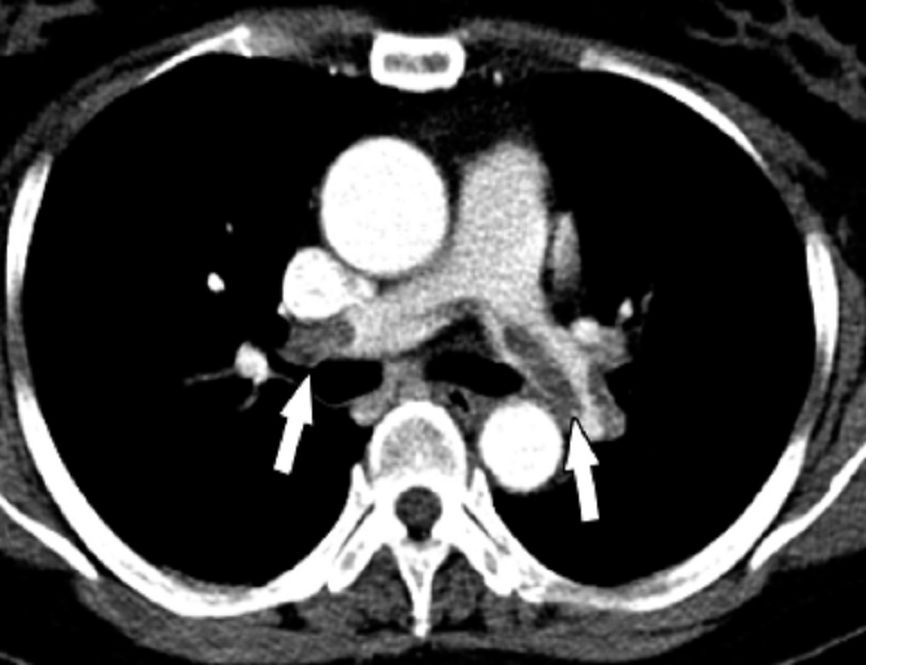
Their results showed that patients who had undergone recent surgery were less likely to develop hemodynamically significant PE (13.3% vs. 27.2%; P = .01). In contrast, patients with proximal DVT were at higher risk for development of hemodynamically significant PE (80.7% vs. 64.2%; P = .007). They found no association between Caprini score and PE severity (P = .17) or the Caprini score and proximal DVT (P = .89).
“This study shows that the Caprini score does not correlate with the occurrence of PE or the severity of PE. On the other hand, a proximal location of DVT seems to have a high association with hemodynamically significant PE. Such patients may benefit from more aggressive anticoagulant therapy and work-up for PE,” the researchers concluded.
The authors reported that they had no conflicts of interest.
The Caprini score, commonly used to risk stratify patients for the development of venous thromboembolism and to determine the optimal dose of prophylaxis, failed to predict the development of pulmonary embolism and hemodynamically significant PE in patients presenting with deep vein thrombosis (DVT), according to the results of a large, retrospective single-center study.
Recent surgery was not associated with the development of hemodynamically significant PE, but the presence of proximal DVT was, according to a report published online in the Journal of Vascular Surgery: Venous and Lymphatic Disorders (2017. doi: 10.1016/j.jvsv.2017.08.015).
Their results showed that patients who had undergone recent surgery were less likely to develop hemodynamically significant PE (13.3% vs. 27.2%; P = .01). In contrast, patients with proximal DVT were at higher risk for development of hemodynamically significant PE (80.7% vs. 64.2%; P = .007). They found no association between Caprini score and PE severity (P = .17) or the Caprini score and proximal DVT (P = .89).
“This study shows that the Caprini score does not correlate with the occurrence of PE or the severity of PE. On the other hand, a proximal location of DVT seems to have a high association with hemodynamically significant PE. Such patients may benefit from more aggressive anticoagulant therapy and work-up for PE,” the researchers concluded.
The authors reported that they had no conflicts of interest.
The Caprini score, commonly used to risk stratify patients for the development of venous thromboembolism and to determine the optimal dose of prophylaxis, failed to predict the development of pulmonary embolism and hemodynamically significant PE in patients presenting with deep vein thrombosis (DVT), according to the results of a large, retrospective single-center study.
Recent surgery was not associated with the development of hemodynamically significant PE, but the presence of proximal DVT was, according to a report published online in the Journal of Vascular Surgery: Venous and Lymphatic Disorders (2017. doi: 10.1016/j.jvsv.2017.08.015).
Their results showed that patients who had undergone recent surgery were less likely to develop hemodynamically significant PE (13.3% vs. 27.2%; P = .01). In contrast, patients with proximal DVT were at higher risk for development of hemodynamically significant PE (80.7% vs. 64.2%; P = .007). They found no association between Caprini score and PE severity (P = .17) or the Caprini score and proximal DVT (P = .89).
“This study shows that the Caprini score does not correlate with the occurrence of PE or the severity of PE. On the other hand, a proximal location of DVT seems to have a high association with hemodynamically significant PE. Such patients may benefit from more aggressive anticoagulant therapy and work-up for PE,” the researchers concluded.
The authors reported that they had no conflicts of interest.
FROM THE JOURNAL OF VASCULAR SURGERY: VENOUS AND LYMPHATIC DISORDERS
Key clinical point:
Major finding: Among 838 patients presenting with DVT, nearly 26% had concomitant PE, more than half of which was hemodynamically significant.
Data source: A single-center, retrospective review of 838 patients diagnosed with DVT.
Disclosures: The authors reported that they had no conflicts of interest.
Multiple Comorbidities: Does Age Matter?
The stereotype of someone with multiple comorbid conditions (MCCs) is an older, often overweight person. But according to an analysis of data from > 200,000 respondents in the 2015 Behavioral Risk Factor Surveillance System (BRFSS), people aged < 65 years are more likely to report MCCs, such as asthma, cognitive impairment, depression, smoking, obesity, disability, and lower quality of life (QOL). In fact, research indicates that most people with MCCs are of working age.
The study compared 2 groups of adults with MCCs: those aged > 65 years with those aged < 65 years. The researchers found significant differences by age group in 18 measures, suggesting that adults aged < 65 years were “worse off” compared with those aged > 65 years. Results were similar regardless of whether diabetes, depression, hypertension, and high cholesterol were included.
Other results from BRFSS data have shown that people with ≥ 3 chronic conditions are more likely to report poor QOL than those with fewer conditions. But that analysis did not compare age groups, the researchers say. In this study, most uninsured adults were aged < 65 years, and the younger adults with MCCs were more likely to report a cost barrier to health care. They also were less likely to report a recent routine check-up. According to the study. these are important findings because managing and treating existing chronic conditions and diagnosing incident ones are key to preventing worse health in the future. The younger cohort had lower levels of well-recognized risk factors—diabetes, hypertension, high cholesterol—than the older, but their levels were still high enough to be concerning.
A “somewhat unexpected” finding was that the younger group had a high rate of cognitive impairment. That could be the result of lack of sleep, side effects of medication, or use of illicit drugs, the researcher notes, and may not be associated with future risk of dementia. Whatever the cause, though, the researcher adds that being cognitively impaired can affect someone’s ability to manage other chronic conditions.
The stereotype of someone with multiple comorbid conditions (MCCs) is an older, often overweight person. But according to an analysis of data from > 200,000 respondents in the 2015 Behavioral Risk Factor Surveillance System (BRFSS), people aged < 65 years are more likely to report MCCs, such as asthma, cognitive impairment, depression, smoking, obesity, disability, and lower quality of life (QOL). In fact, research indicates that most people with MCCs are of working age.
The study compared 2 groups of adults with MCCs: those aged > 65 years with those aged < 65 years. The researchers found significant differences by age group in 18 measures, suggesting that adults aged < 65 years were “worse off” compared with those aged > 65 years. Results were similar regardless of whether diabetes, depression, hypertension, and high cholesterol were included.
Other results from BRFSS data have shown that people with ≥ 3 chronic conditions are more likely to report poor QOL than those with fewer conditions. But that analysis did not compare age groups, the researchers say. In this study, most uninsured adults were aged < 65 years, and the younger adults with MCCs were more likely to report a cost barrier to health care. They also were less likely to report a recent routine check-up. According to the study. these are important findings because managing and treating existing chronic conditions and diagnosing incident ones are key to preventing worse health in the future. The younger cohort had lower levels of well-recognized risk factors—diabetes, hypertension, high cholesterol—than the older, but their levels were still high enough to be concerning.
A “somewhat unexpected” finding was that the younger group had a high rate of cognitive impairment. That could be the result of lack of sleep, side effects of medication, or use of illicit drugs, the researcher notes, and may not be associated with future risk of dementia. Whatever the cause, though, the researcher adds that being cognitively impaired can affect someone’s ability to manage other chronic conditions.
The stereotype of someone with multiple comorbid conditions (MCCs) is an older, often overweight person. But according to an analysis of data from > 200,000 respondents in the 2015 Behavioral Risk Factor Surveillance System (BRFSS), people aged < 65 years are more likely to report MCCs, such as asthma, cognitive impairment, depression, smoking, obesity, disability, and lower quality of life (QOL). In fact, research indicates that most people with MCCs are of working age.
The study compared 2 groups of adults with MCCs: those aged > 65 years with those aged < 65 years. The researchers found significant differences by age group in 18 measures, suggesting that adults aged < 65 years were “worse off” compared with those aged > 65 years. Results were similar regardless of whether diabetes, depression, hypertension, and high cholesterol were included.
Other results from BRFSS data have shown that people with ≥ 3 chronic conditions are more likely to report poor QOL than those with fewer conditions. But that analysis did not compare age groups, the researchers say. In this study, most uninsured adults were aged < 65 years, and the younger adults with MCCs were more likely to report a cost barrier to health care. They also were less likely to report a recent routine check-up. According to the study. these are important findings because managing and treating existing chronic conditions and diagnosing incident ones are key to preventing worse health in the future. The younger cohort had lower levels of well-recognized risk factors—diabetes, hypertension, high cholesterol—than the older, but their levels were still high enough to be concerning.
A “somewhat unexpected” finding was that the younger group had a high rate of cognitive impairment. That could be the result of lack of sleep, side effects of medication, or use of illicit drugs, the researcher notes, and may not be associated with future risk of dementia. Whatever the cause, though, the researcher adds that being cognitively impaired can affect someone’s ability to manage other chronic conditions.
Rheumatoid arthritis increases risk of COPD hospitalizations
Individuals with rheumatoid arthritis (RA) had an increased risk of hospitalizations from chronic obstructive pulmonary disease (COPD) when compared with the general population in a Canadian retrospective, population-based cohort study.
The risk of COPD hospitalizations was 47% higher in individuals with RA. “This finding emphasizes the need to control inflammation in rheumatoid arthritis, not only to prevent joint damage, but also to prevent complications of systemic inflammation, including the development of comorbidities such as cardiovascular diseases and COPD,” wrote Diane Lacaille, MD, of the University of British Columbia, Vancouver, and her coauthors (Arthritis Care Res. 2017 Oct 19. doi: 10.1002/acr.23410).

Several previous studies have suggested a link between COPD and inflammation, Dr. Lacaille and her colleagues said. Accordingly, they sought to evaluate the risk of COPD hospitalizations in a cohort of 24,625 individuals with RA as compared with 25,396 general population controls randomly selected and matched based on age, sex, and index year. Most subjects in the analysis were female, and the mean age at onset of RA was 57.2 years.
The investigators reported an increased incidence of COPD in individuals with RA, compared with controls, based on an incident rate ratio (IRR) of 1.58 (95% confidence interval, 1.34-1.87) that dropped to 1.47 (95% CI, 1.24-1.74) after adjustment for potential confounders, including comorbidities and health services usage at baseline. The overall incidence rate for COPD was 2.07 per 1,000 patient-years for RA patients and 1.31 per 1,000 patient-years for controls.
When the model was stratified based on sex, COPD hospitalization risk was significantly increased in women (adjusted hazard ratio [HR], 1.61; 95% CI, 1.30-1.98), but not in men (adjusted HR, 1.25; 95% CI, 0.95-1.66), they said.
Data were not available on smoking, the main COPD risk factor, for the patients in this study; however, the increased risk of COPD hospitalizations in the RA group remained significant after modeling for smoking, according to the investigators.
Combined, these results have “notable implications for the clinical care of RA and COPD,” Dr. Lacaille and her coinvestigators said.
Both clinicians and people living with RA “should be aware of the increased risk of developing COPD and be vigilant in watching for early symptoms of COPD, so that appropriate diagnostic tests can be administered at the onset of early symptoms,” they wrote. “Early detection of COPD is essential so that effective treatments can be initiated before irreversible damage to the lungs occurs, to improve long-term outcomes.”
These findings strengthen the conclusions of two previous cross-sectional studies showing an association between RA and COPD prevalence, according to the investigators. In one study, RA patients in Israel who were receiving disease-modifying antirheumatic drugs had double the prevalence of COPD, compared with general population controls, according to authors of that study (Immunol Res. 2013;56[2-3]:261-6). Similarly, U.K. investigators compared 421 RA patients against controls and reported a twofold increase in obstructive pattern on screening spirometry in the RA group (Ann Rheum Dis. 2013;72:1517-23).
The current study from Dr. Lacaille and her coinvestigators was supported by funding from the Canadian Institute for Health Research. The authors reported that they had no financial disclosures, conflicts of interest, or benefits from commercial sources.
Individuals with rheumatoid arthritis (RA) had an increased risk of hospitalizations from chronic obstructive pulmonary disease (COPD) when compared with the general population in a Canadian retrospective, population-based cohort study.
The risk of COPD hospitalizations was 47% higher in individuals with RA. “This finding emphasizes the need to control inflammation in rheumatoid arthritis, not only to prevent joint damage, but also to prevent complications of systemic inflammation, including the development of comorbidities such as cardiovascular diseases and COPD,” wrote Diane Lacaille, MD, of the University of British Columbia, Vancouver, and her coauthors (Arthritis Care Res. 2017 Oct 19. doi: 10.1002/acr.23410).
Several previous studies have suggested a link between COPD and inflammation, Dr. Lacaille and her colleagues said. Accordingly, they sought to evaluate the risk of COPD hospitalizations in a cohort of 24,625 individuals with RA as compared with 25,396 general population controls randomly selected and matched based on age, sex, and index year. Most subjects in the analysis were female, and the mean age at onset of RA was 57.2 years.
The investigators reported an increased incidence of COPD in individuals with RA, compared with controls, based on an incident rate ratio (IRR) of 1.58 (95% confidence interval, 1.34-1.87) that dropped to 1.47 (95% CI, 1.24-1.74) after adjustment for potential confounders, including comorbidities and health services usage at baseline. The overall incidence rate for COPD was 2.07 per 1,000 patient-years for RA patients and 1.31 per 1,000 patient-years for controls.
When the model was stratified based on sex, COPD hospitalization risk was significantly increased in women (adjusted hazard ratio [HR], 1.61; 95% CI, 1.30-1.98), but not in men (adjusted HR, 1.25; 95% CI, 0.95-1.66), they said.
Data were not available on smoking, the main COPD risk factor, for the patients in this study; however, the increased risk of COPD hospitalizations in the RA group remained significant after modeling for smoking, according to the investigators.
Combined, these results have “notable implications for the clinical care of RA and COPD,” Dr. Lacaille and her coinvestigators said.
Both clinicians and people living with RA “should be aware of the increased risk of developing COPD and be vigilant in watching for early symptoms of COPD, so that appropriate diagnostic tests can be administered at the onset of early symptoms,” they wrote. “Early detection of COPD is essential so that effective treatments can be initiated before irreversible damage to the lungs occurs, to improve long-term outcomes.”
These findings strengthen the conclusions of two previous cross-sectional studies showing an association between RA and COPD prevalence, according to the investigators. In one study, RA patients in Israel who were receiving disease-modifying antirheumatic drugs had double the prevalence of COPD, compared with general population controls, according to authors of that study (Immunol Res. 2013;56[2-3]:261-6). Similarly, U.K. investigators compared 421 RA patients against controls and reported a twofold increase in obstructive pattern on screening spirometry in the RA group (Ann Rheum Dis. 2013;72:1517-23).
The current study from Dr. Lacaille and her coinvestigators was supported by funding from the Canadian Institute for Health Research. The authors reported that they had no financial disclosures, conflicts of interest, or benefits from commercial sources.
Individuals with rheumatoid arthritis (RA) had an increased risk of hospitalizations from chronic obstructive pulmonary disease (COPD) when compared with the general population in a Canadian retrospective, population-based cohort study.
The risk of COPD hospitalizations was 47% higher in individuals with RA. “This finding emphasizes the need to control inflammation in rheumatoid arthritis, not only to prevent joint damage, but also to prevent complications of systemic inflammation, including the development of comorbidities such as cardiovascular diseases and COPD,” wrote Diane Lacaille, MD, of the University of British Columbia, Vancouver, and her coauthors (Arthritis Care Res. 2017 Oct 19. doi: 10.1002/acr.23410).
Several previous studies have suggested a link between COPD and inflammation, Dr. Lacaille and her colleagues said. Accordingly, they sought to evaluate the risk of COPD hospitalizations in a cohort of 24,625 individuals with RA as compared with 25,396 general population controls randomly selected and matched based on age, sex, and index year. Most subjects in the analysis were female, and the mean age at onset of RA was 57.2 years.
The investigators reported an increased incidence of COPD in individuals with RA, compared with controls, based on an incident rate ratio (IRR) of 1.58 (95% confidence interval, 1.34-1.87) that dropped to 1.47 (95% CI, 1.24-1.74) after adjustment for potential confounders, including comorbidities and health services usage at baseline. The overall incidence rate for COPD was 2.07 per 1,000 patient-years for RA patients and 1.31 per 1,000 patient-years for controls.
When the model was stratified based on sex, COPD hospitalization risk was significantly increased in women (adjusted hazard ratio [HR], 1.61; 95% CI, 1.30-1.98), but not in men (adjusted HR, 1.25; 95% CI, 0.95-1.66), they said.
Data were not available on smoking, the main COPD risk factor, for the patients in this study; however, the increased risk of COPD hospitalizations in the RA group remained significant after modeling for smoking, according to the investigators.
Combined, these results have “notable implications for the clinical care of RA and COPD,” Dr. Lacaille and her coinvestigators said.
Both clinicians and people living with RA “should be aware of the increased risk of developing COPD and be vigilant in watching for early symptoms of COPD, so that appropriate diagnostic tests can be administered at the onset of early symptoms,” they wrote. “Early detection of COPD is essential so that effective treatments can be initiated before irreversible damage to the lungs occurs, to improve long-term outcomes.”
These findings strengthen the conclusions of two previous cross-sectional studies showing an association between RA and COPD prevalence, according to the investigators. In one study, RA patients in Israel who were receiving disease-modifying antirheumatic drugs had double the prevalence of COPD, compared with general population controls, according to authors of that study (Immunol Res. 2013;56[2-3]:261-6). Similarly, U.K. investigators compared 421 RA patients against controls and reported a twofold increase in obstructive pattern on screening spirometry in the RA group (Ann Rheum Dis. 2013;72:1517-23).
The current study from Dr. Lacaille and her coinvestigators was supported by funding from the Canadian Institute for Health Research. The authors reported that they had no financial disclosures, conflicts of interest, or benefits from commercial sources.
FROM Arthritis Care AND Research
Key clinical point:
Major finding: The risk of COPD hospitalizations was 47% higher in individuals with rheumatoid arthritis (adjusted hazard ratio, 1.47; 95% confidence interval, 1.34-1.87).
Data source: A retrospective cohort study including approximately 25,000 RA patients seen in British Columbia and a roughly equal number of controls.
Disclosures: The Canadian Institute for Health Research provided funding for the study. The authors reported that they had no financial disclosures, conflicts of interest, or benefits from commercial sources.
A Cardiac Tumor Traced to Merkel Cell Carcinoma
A patient with Merkel cell carcinoma (MCC) came to Sir Charles Gairdner Hospital in Perth, Australia, after 2 weeks of dyspnea. He was diagnosed with cardiac tamponade and received urgent pericardiocentesis. An echocardiogram and computer tomography scan showed a large infiltrating mass in the heart. Immunohistochemistry of the pericardial fluid revealed MCC. The MCC had metastasized to his heart—the tenth such reported case, and the second case reported of MCC causing cardiac tamponade.
The clinicians report on several “important illustrative aspects” that appeared while they were unraveling the clues to the patient’s condition. One aspect was the challenge of the histopathologic diagnosis itself. The majority of patients with MCC present with localized disease, they note. Only 4% of patients have distant metastases, usually to lymph nodes, lung, central nervous system, and bone. MCC metastases to the heart are extremely rare. Most commonly, a cancer that spreads to the heart has started in the lungs, esophagus, or breast, or has begun as lymphoma, melanoma, or leukemia.
However, it’s “exponentially more likely,” the clinicians say, for a cardiac tumor to be a metastasis than a primary cardiac tumor, and it is uncommon for the heart to be the only site of metastatic disease from a noncardiac malignancy. Thus, the patient represented a unique case: apart from an internal mammary lymph node, the heart was the only site of distant metastatic spread.
This patient’s case highlights the importance of early and accurate diagnosis of MCC with aggressive surgical treatment for localized disease, the clinicians say. New cardiac symptoms in the setting of malignancy should raise suspicion of cardiac metastasis.
Source:
Di Loreto M, Francis R. BMJ Case Rep. 2017. pii: bcr-2017-221311.
doi: 10.1136/bcr-2017-221311.
A patient with Merkel cell carcinoma (MCC) came to Sir Charles Gairdner Hospital in Perth, Australia, after 2 weeks of dyspnea. He was diagnosed with cardiac tamponade and received urgent pericardiocentesis. An echocardiogram and computer tomography scan showed a large infiltrating mass in the heart. Immunohistochemistry of the pericardial fluid revealed MCC. The MCC had metastasized to his heart—the tenth such reported case, and the second case reported of MCC causing cardiac tamponade.
The clinicians report on several “important illustrative aspects” that appeared while they were unraveling the clues to the patient’s condition. One aspect was the challenge of the histopathologic diagnosis itself. The majority of patients with MCC present with localized disease, they note. Only 4% of patients have distant metastases, usually to lymph nodes, lung, central nervous system, and bone. MCC metastases to the heart are extremely rare. Most commonly, a cancer that spreads to the heart has started in the lungs, esophagus, or breast, or has begun as lymphoma, melanoma, or leukemia.
However, it’s “exponentially more likely,” the clinicians say, for a cardiac tumor to be a metastasis than a primary cardiac tumor, and it is uncommon for the heart to be the only site of metastatic disease from a noncardiac malignancy. Thus, the patient represented a unique case: apart from an internal mammary lymph node, the heart was the only site of distant metastatic spread.
This patient’s case highlights the importance of early and accurate diagnosis of MCC with aggressive surgical treatment for localized disease, the clinicians say. New cardiac symptoms in the setting of malignancy should raise suspicion of cardiac metastasis.
Source:
Di Loreto M, Francis R. BMJ Case Rep. 2017. pii: bcr-2017-221311.
doi: 10.1136/bcr-2017-221311.
A patient with Merkel cell carcinoma (MCC) came to Sir Charles Gairdner Hospital in Perth, Australia, after 2 weeks of dyspnea. He was diagnosed with cardiac tamponade and received urgent pericardiocentesis. An echocardiogram and computer tomography scan showed a large infiltrating mass in the heart. Immunohistochemistry of the pericardial fluid revealed MCC. The MCC had metastasized to his heart—the tenth such reported case, and the second case reported of MCC causing cardiac tamponade.
The clinicians report on several “important illustrative aspects” that appeared while they were unraveling the clues to the patient’s condition. One aspect was the challenge of the histopathologic diagnosis itself. The majority of patients with MCC present with localized disease, they note. Only 4% of patients have distant metastases, usually to lymph nodes, lung, central nervous system, and bone. MCC metastases to the heart are extremely rare. Most commonly, a cancer that spreads to the heart has started in the lungs, esophagus, or breast, or has begun as lymphoma, melanoma, or leukemia.
However, it’s “exponentially more likely,” the clinicians say, for a cardiac tumor to be a metastasis than a primary cardiac tumor, and it is uncommon for the heart to be the only site of metastatic disease from a noncardiac malignancy. Thus, the patient represented a unique case: apart from an internal mammary lymph node, the heart was the only site of distant metastatic spread.
This patient’s case highlights the importance of early and accurate diagnosis of MCC with aggressive surgical treatment for localized disease, the clinicians say. New cardiac symptoms in the setting of malignancy should raise suspicion of cardiac metastasis.
Source:
Di Loreto M, Francis R. BMJ Case Rep. 2017. pii: bcr-2017-221311.
doi: 10.1136/bcr-2017-221311.