User login
Naloxone in the Workplace
According to 2017 data from the CDC’s National Center for Health Statistics, on average 115 Americans die every day from an opioid overdose—and it is happening more often at work. Between 2013 and 2016, the Bureau of Labor Statistics finds overdose deaths at work from nonmedical use of drugs and alcohol increased by at least 38% annually.
Naloxone can be one of the first-aid tools of today’s workplace. To help employers decide whether to supply naloxone at work, NIOSH has released a new fact sheet that outlines questions to consider. Using Naloxone to Reverse Opioid Overdose in the Workplace: Information for Employers and Workers gives an overview of opioids and naloxone, a checklist to determine whether a naloxone program is appropriate, and information about how to implement and maintain a program.
The fact sheet is available at www.cdc.gov/niosh/docs/2019-101/.
According to 2017 data from the CDC’s National Center for Health Statistics, on average 115 Americans die every day from an opioid overdose—and it is happening more often at work. Between 2013 and 2016, the Bureau of Labor Statistics finds overdose deaths at work from nonmedical use of drugs and alcohol increased by at least 38% annually.
Naloxone can be one of the first-aid tools of today’s workplace. To help employers decide whether to supply naloxone at work, NIOSH has released a new fact sheet that outlines questions to consider. Using Naloxone to Reverse Opioid Overdose in the Workplace: Information for Employers and Workers gives an overview of opioids and naloxone, a checklist to determine whether a naloxone program is appropriate, and information about how to implement and maintain a program.
The fact sheet is available at www.cdc.gov/niosh/docs/2019-101/.
According to 2017 data from the CDC’s National Center for Health Statistics, on average 115 Americans die every day from an opioid overdose—and it is happening more often at work. Between 2013 and 2016, the Bureau of Labor Statistics finds overdose deaths at work from nonmedical use of drugs and alcohol increased by at least 38% annually.
Naloxone can be one of the first-aid tools of today’s workplace. To help employers decide whether to supply naloxone at work, NIOSH has released a new fact sheet that outlines questions to consider. Using Naloxone to Reverse Opioid Overdose in the Workplace: Information for Employers and Workers gives an overview of opioids and naloxone, a checklist to determine whether a naloxone program is appropriate, and information about how to implement and maintain a program.
The fact sheet is available at www.cdc.gov/niosh/docs/2019-101/.
FDA expands approval of brentuximab vedotin to PTCL
The , marking the first FDA approval of a treatment for newly-diagnosed PTCL.
The drug, which is marketed by Seattle Genetics as Adcetris, is a monoclonal antibody that binds to CD30 protein found on some cancer cells.
It was previously approved for adult patients with untreated stage III or IV classical Hodgkin lymphoma (cHL), cHL after relapse, cHL after stem cell transplant in patients at high risk for relapse or progression, systemic anaplastic large cell lymphoma (ALCL) after other treatments fail, and primary cutaneous ALCL or CD30-expressing mycosis fungoides after other treatments fail.
The expanded approval, which followed the granting of Priority Review and Breakthrough Therapy designations for the supplemental Biologic License Application, was made using the FDA’s new Real-Time Oncology Review pilot program (RTOR). This program allows for data review and communication with a sponsor prior to official application submission with the goal of speeding up the review process.
The brentuximab vedotin approval now extends to previously untreated systemic ALCL and other CD30-expressing PTCLs in combination with chemotherapy.
Approval was based on the ECHELON-2 clinical trial involving 452 patients, which demonstrated improved progression-free survival (PFS) in patients with certain types of PTCL who were treated first-line with either brentuximab vedotin plus chemotherapy with cyclophosphamide, doxorubicin, prednisone (CHP), or standard chemotherapy with CHP and vincristine (CHOP). Median PFS was 48 months vs. 21 months in the groups, respectively (hazard ratio, 0.71).

The FDA advises health care providers to “monitor patients for infusion reactions, life-threatening allergic reactions (anaphylaxis), neuropathy, fever, gastrointestinal complications, and infections,” according to a press release announcing the approval, which also states that patients should be monitored for tumor lysis syndrome, serious skin reactions, pulmonary toxicity, and hepatotoxicity.
The drug may cause harm to a developing fetus or newborn and should not be used in women who are pregnant or breastfeeding. A Boxed Warning regarding risk of progressive multifocal leukoencephalopathy is also included in the prescribing information.
The current standard of care for initial treatment of PTCL is multiagent chemotherapy – a treatment that “has not significantly changed in decades and is too often unsuccessful in leading to long-term remissions, underscoring the need for new treatments, ” Steven Horwitz, MD, of Memorial Sloan Kettering Cancer Center, New York, said in a statement issued by Seattle Genetics.
“With this approval, clinicians have the opportunity to transform the way newly diagnosed CD30-expressing PTCL patients are treated,” Dr. Horwitz said.
The ECHELON-2 data will be presented at the American Society of Hematology annual meeting in San Diego on Monday, Dec. 3, 2018.
The , marking the first FDA approval of a treatment for newly-diagnosed PTCL.
The drug, which is marketed by Seattle Genetics as Adcetris, is a monoclonal antibody that binds to CD30 protein found on some cancer cells.
It was previously approved for adult patients with untreated stage III or IV classical Hodgkin lymphoma (cHL), cHL after relapse, cHL after stem cell transplant in patients at high risk for relapse or progression, systemic anaplastic large cell lymphoma (ALCL) after other treatments fail, and primary cutaneous ALCL or CD30-expressing mycosis fungoides after other treatments fail.
The expanded approval, which followed the granting of Priority Review and Breakthrough Therapy designations for the supplemental Biologic License Application, was made using the FDA’s new Real-Time Oncology Review pilot program (RTOR). This program allows for data review and communication with a sponsor prior to official application submission with the goal of speeding up the review process.
The brentuximab vedotin approval now extends to previously untreated systemic ALCL and other CD30-expressing PTCLs in combination with chemotherapy.
Approval was based on the ECHELON-2 clinical trial involving 452 patients, which demonstrated improved progression-free survival (PFS) in patients with certain types of PTCL who were treated first-line with either brentuximab vedotin plus chemotherapy with cyclophosphamide, doxorubicin, prednisone (CHP), or standard chemotherapy with CHP and vincristine (CHOP). Median PFS was 48 months vs. 21 months in the groups, respectively (hazard ratio, 0.71).
The FDA advises health care providers to “monitor patients for infusion reactions, life-threatening allergic reactions (anaphylaxis), neuropathy, fever, gastrointestinal complications, and infections,” according to a press release announcing the approval, which also states that patients should be monitored for tumor lysis syndrome, serious skin reactions, pulmonary toxicity, and hepatotoxicity.
The drug may cause harm to a developing fetus or newborn and should not be used in women who are pregnant or breastfeeding. A Boxed Warning regarding risk of progressive multifocal leukoencephalopathy is also included in the prescribing information.
The current standard of care for initial treatment of PTCL is multiagent chemotherapy – a treatment that “has not significantly changed in decades and is too often unsuccessful in leading to long-term remissions, underscoring the need for new treatments, ” Steven Horwitz, MD, of Memorial Sloan Kettering Cancer Center, New York, said in a statement issued by Seattle Genetics.
“With this approval, clinicians have the opportunity to transform the way newly diagnosed CD30-expressing PTCL patients are treated,” Dr. Horwitz said.
The ECHELON-2 data will be presented at the American Society of Hematology annual meeting in San Diego on Monday, Dec. 3, 2018.
The , marking the first FDA approval of a treatment for newly-diagnosed PTCL.
The drug, which is marketed by Seattle Genetics as Adcetris, is a monoclonal antibody that binds to CD30 protein found on some cancer cells.
It was previously approved for adult patients with untreated stage III or IV classical Hodgkin lymphoma (cHL), cHL after relapse, cHL after stem cell transplant in patients at high risk for relapse or progression, systemic anaplastic large cell lymphoma (ALCL) after other treatments fail, and primary cutaneous ALCL or CD30-expressing mycosis fungoides after other treatments fail.
The expanded approval, which followed the granting of Priority Review and Breakthrough Therapy designations for the supplemental Biologic License Application, was made using the FDA’s new Real-Time Oncology Review pilot program (RTOR). This program allows for data review and communication with a sponsor prior to official application submission with the goal of speeding up the review process.
The brentuximab vedotin approval now extends to previously untreated systemic ALCL and other CD30-expressing PTCLs in combination with chemotherapy.
Approval was based on the ECHELON-2 clinical trial involving 452 patients, which demonstrated improved progression-free survival (PFS) in patients with certain types of PTCL who were treated first-line with either brentuximab vedotin plus chemotherapy with cyclophosphamide, doxorubicin, prednisone (CHP), or standard chemotherapy with CHP and vincristine (CHOP). Median PFS was 48 months vs. 21 months in the groups, respectively (hazard ratio, 0.71).
The FDA advises health care providers to “monitor patients for infusion reactions, life-threatening allergic reactions (anaphylaxis), neuropathy, fever, gastrointestinal complications, and infections,” according to a press release announcing the approval, which also states that patients should be monitored for tumor lysis syndrome, serious skin reactions, pulmonary toxicity, and hepatotoxicity.
The drug may cause harm to a developing fetus or newborn and should not be used in women who are pregnant or breastfeeding. A Boxed Warning regarding risk of progressive multifocal leukoencephalopathy is also included in the prescribing information.
The current standard of care for initial treatment of PTCL is multiagent chemotherapy – a treatment that “has not significantly changed in decades and is too often unsuccessful in leading to long-term remissions, underscoring the need for new treatments, ” Steven Horwitz, MD, of Memorial Sloan Kettering Cancer Center, New York, said in a statement issued by Seattle Genetics.
“With this approval, clinicians have the opportunity to transform the way newly diagnosed CD30-expressing PTCL patients are treated,” Dr. Horwitz said.
The ECHELON-2 data will be presented at the American Society of Hematology annual meeting in San Diego on Monday, Dec. 3, 2018.
Children with poor cardiorespiratory fitness have a higher risk of type 2 diabetes and cardiovascular disease
according to the analysis of an ongoing Finnish study of physical activity and dietary intervention in school children.
“Our results are in agreement with previous findings that cardiorespiratory fitness measured in exercise test laboratories or using field tests and scaled by body mass (BM) using the ratio standard method had a strong inverse association with cardiometabolic risk in children,” lead author Andrew O. Agbaje, MD, MPH, and his coauthors wrote in the Scandinavian Journal of Medicine & Science in Sports.
The coauthors assessed the cardiorespiratory fitness of 352 primary school children – 186 boys and 166 girls – from Kuopio, Finland, all of whom were already participating in the ongoing PANIC (Physical Activity and Nutrition in Children) Study. The children were asked to perform a maximal exercise test, upon which fitness was assessed by measuring peak oxygen uptake (VO2 peak), noted Dr. Agbaje, a PhD student at the University of Eastern Finland’s Institute of Biomedicine in Kuopio, and his colleagues.
Body mass and lean mass were also measured by bioelectrical impedance and used to scale VO2 peak, while variables such as waist circumference, insulin, glucose, HDL cholesterol, and triglycerides were used to calculate a continuous cardiometabolic risk score. Upon analysis, VO2 peak less than 45.8 mL/kg BM-1 min-1 in boys and less than 44.1 mL/kg BM-1 min-1 in girls was associated with increased cardiometabolic risk.
The coauthors noted that cardiorespiratory fitness can be influenced by genetics and that adjustments for puberty had “no effect on the relationships between VO2 peak and cardiometabolic risk.” As such, they recommended that “longitudinal studies are needed to clarify the role of CRF in cardiometabolic health during growth and maturation.”
That said, despite advocating caution in regard to determining proper CRF thresholds, the coauthors suggested that CRF scaled by BM could be used to screen children and improve prevention efforts. “Cardiometabolic risk tracks from childhood into adulthood and the early identification of individuals at increased risk is essential in developing public health actions targeted at preventing cardiometabolic diseases,” they wrote.
The study was funded by grants from the Ministry of Education and Culture of Finland, Ministry of Social Affairs and Health of Finland, Research Committee of the Kuopio University Hospital Catchment Area (State Research Funding), Finnish Innovation Fund Sitra, Social Insurance Institution of Finland, Finnish Cultural Foundation, Foundation for Paediatric Research, Diabetes Research Foundation in Finland, Finnish Foundation for Cardiovascular Research, Juho Vainio Foundation, Paavo Nurmi Foundation, and the Yrjö Jahnsson Foundation. Dr. Agbaje reported grant support from the Olvi Foundation and the Urho Känkanen Foundation.
SOURCE: Agbaje AO et al. Scand J Med Sci Sports. 2018 Sep 19. doi: 10.1111/sms.13307.
according to the analysis of an ongoing Finnish study of physical activity and dietary intervention in school children.
“Our results are in agreement with previous findings that cardiorespiratory fitness measured in exercise test laboratories or using field tests and scaled by body mass (BM) using the ratio standard method had a strong inverse association with cardiometabolic risk in children,” lead author Andrew O. Agbaje, MD, MPH, and his coauthors wrote in the Scandinavian Journal of Medicine & Science in Sports.
The coauthors assessed the cardiorespiratory fitness of 352 primary school children – 186 boys and 166 girls – from Kuopio, Finland, all of whom were already participating in the ongoing PANIC (Physical Activity and Nutrition in Children) Study. The children were asked to perform a maximal exercise test, upon which fitness was assessed by measuring peak oxygen uptake (VO2 peak), noted Dr. Agbaje, a PhD student at the University of Eastern Finland’s Institute of Biomedicine in Kuopio, and his colleagues.
Body mass and lean mass were also measured by bioelectrical impedance and used to scale VO2 peak, while variables such as waist circumference, insulin, glucose, HDL cholesterol, and triglycerides were used to calculate a continuous cardiometabolic risk score. Upon analysis, VO2 peak less than 45.8 mL/kg BM-1 min-1 in boys and less than 44.1 mL/kg BM-1 min-1 in girls was associated with increased cardiometabolic risk.
The coauthors noted that cardiorespiratory fitness can be influenced by genetics and that adjustments for puberty had “no effect on the relationships between VO2 peak and cardiometabolic risk.” As such, they recommended that “longitudinal studies are needed to clarify the role of CRF in cardiometabolic health during growth and maturation.”
That said, despite advocating caution in regard to determining proper CRF thresholds, the coauthors suggested that CRF scaled by BM could be used to screen children and improve prevention efforts. “Cardiometabolic risk tracks from childhood into adulthood and the early identification of individuals at increased risk is essential in developing public health actions targeted at preventing cardiometabolic diseases,” they wrote.
The study was funded by grants from the Ministry of Education and Culture of Finland, Ministry of Social Affairs and Health of Finland, Research Committee of the Kuopio University Hospital Catchment Area (State Research Funding), Finnish Innovation Fund Sitra, Social Insurance Institution of Finland, Finnish Cultural Foundation, Foundation for Paediatric Research, Diabetes Research Foundation in Finland, Finnish Foundation for Cardiovascular Research, Juho Vainio Foundation, Paavo Nurmi Foundation, and the Yrjö Jahnsson Foundation. Dr. Agbaje reported grant support from the Olvi Foundation and the Urho Känkanen Foundation.
SOURCE: Agbaje AO et al. Scand J Med Sci Sports. 2018 Sep 19. doi: 10.1111/sms.13307.
according to the analysis of an ongoing Finnish study of physical activity and dietary intervention in school children.
“Our results are in agreement with previous findings that cardiorespiratory fitness measured in exercise test laboratories or using field tests and scaled by body mass (BM) using the ratio standard method had a strong inverse association with cardiometabolic risk in children,” lead author Andrew O. Agbaje, MD, MPH, and his coauthors wrote in the Scandinavian Journal of Medicine & Science in Sports.
The coauthors assessed the cardiorespiratory fitness of 352 primary school children – 186 boys and 166 girls – from Kuopio, Finland, all of whom were already participating in the ongoing PANIC (Physical Activity and Nutrition in Children) Study. The children were asked to perform a maximal exercise test, upon which fitness was assessed by measuring peak oxygen uptake (VO2 peak), noted Dr. Agbaje, a PhD student at the University of Eastern Finland’s Institute of Biomedicine in Kuopio, and his colleagues.
Body mass and lean mass were also measured by bioelectrical impedance and used to scale VO2 peak, while variables such as waist circumference, insulin, glucose, HDL cholesterol, and triglycerides were used to calculate a continuous cardiometabolic risk score. Upon analysis, VO2 peak less than 45.8 mL/kg BM-1 min-1 in boys and less than 44.1 mL/kg BM-1 min-1 in girls was associated with increased cardiometabolic risk.
The coauthors noted that cardiorespiratory fitness can be influenced by genetics and that adjustments for puberty had “no effect on the relationships between VO2 peak and cardiometabolic risk.” As such, they recommended that “longitudinal studies are needed to clarify the role of CRF in cardiometabolic health during growth and maturation.”
That said, despite advocating caution in regard to determining proper CRF thresholds, the coauthors suggested that CRF scaled by BM could be used to screen children and improve prevention efforts. “Cardiometabolic risk tracks from childhood into adulthood and the early identification of individuals at increased risk is essential in developing public health actions targeted at preventing cardiometabolic diseases,” they wrote.
The study was funded by grants from the Ministry of Education and Culture of Finland, Ministry of Social Affairs and Health of Finland, Research Committee of the Kuopio University Hospital Catchment Area (State Research Funding), Finnish Innovation Fund Sitra, Social Insurance Institution of Finland, Finnish Cultural Foundation, Foundation for Paediatric Research, Diabetes Research Foundation in Finland, Finnish Foundation for Cardiovascular Research, Juho Vainio Foundation, Paavo Nurmi Foundation, and the Yrjö Jahnsson Foundation. Dr. Agbaje reported grant support from the Olvi Foundation and the Urho Känkanen Foundation.
SOURCE: Agbaje AO et al. Scand J Med Sci Sports. 2018 Sep 19. doi: 10.1111/sms.13307.
FROM THE SCANDINAVIAN JOURNAL OF MEDICINE & SCIENCE IN SPORTS
Key clinical point: Peak oxygen uptake less than 45.8 mL/kg BM-1 min-1 in boys and less than 44.1 mL/kg BM-1 min-1 in girls was associated with increased cardiometabolic risk.
Major finding: Cardiorespiratory fitness scaled by body mass could be used to screen for cardiometabolic risk in children.
Study details: An analysis of 352 Finnish children, all aged 9-11 years, who took a maximal exercise test as part of an ongoing physical activity and dietary intervention study.
Disclosures: The study was funded by grants from the Ministry of Education and Culture of Finland, Ministry of Social Affairs and Health of Finland, Research Committee of the Kuopio University Hospital Catchment Area, Finnish Innovation Fund Sitra, Social Insurance Institution of Finland, Finnish Cultural Foundation, Foundation for Paediatric Research, Diabetes Research Foundation in Finland, Finnish Foundation for Cardiovascular Research, Juho Vainio Foundation, Paavo Nurmi Foundation, and the Yrjö Jahnsson Foundation. Dr. Agbaje reported grant support from the Olvi Foundation and the Urho Känkanen Foundation.
Source: Agbaje AO et al. Scand J Med Sci Sports. 2018 Sep 19. doi: 10.1111/sms.13307.
Congenital Syphilis Is on the Rise
Diagnoses of primary and secondary syphilis, the most infectious stages of the disease, jumped 76% from 2013 to 2017. And reported cases of congenital syphilis—passed from mother to infant during pregnancy—rose 44% between 2016 and 2017, from 16 cases to 23 cases per 100,000 live births, according to the CDC’s annual Sexually Transmitted Disease Surveillance Report. Those data highlight the need for better prenatal care that includes syphilis testing at the first visit and follow-up testing for women at high risk of the infection, the CDC says. Syphilis can cause miscarriage, newborn death, and severe lifelong physical and mental health problems.
The 918 cases reported in 2017 represent the highest number of recorded cases in 20 years. Cases were reported in 37 states, primarily western and southern states. The report notes that the surge in cases parallels similar increases in syphilis among women of reproductive age and outpaces national increases in sexually transmitted dieseases (STDs) overall.
Syphilis during pregnancy is easily cured with the right antibiotics. Left untreated, a pregnant woman with syphilis has as much as an 80% chance of passing it to the baby.
Early testing, prompt treatment, and follow-up are key. Recent CDC research found that 1 in 3 women who gave birth to a baby with syphilis in 2016 had in fact been tested during pregnancy but either acquired syphilis after that test or was not treated in time to cure the infection in the fetus.
“Too many women are falling through the cracks of the system,” said Gail Bolan, MD, director of the CDC’s Division of STD Prevention. The CDC recommends that all pregnant women be treated for syphilis at the first prenatal visit. But for many women, 1 test may not be enough. Woman at high risk, or those who live in high-prevalence areas, should be tested again early in the third trimester and at delivery.
“To protect every baby,” Bolan says, “we have to start by protecting every mother.”
Diagnoses of primary and secondary syphilis, the most infectious stages of the disease, jumped 76% from 2013 to 2017. And reported cases of congenital syphilis—passed from mother to infant during pregnancy—rose 44% between 2016 and 2017, from 16 cases to 23 cases per 100,000 live births, according to the CDC’s annual Sexually Transmitted Disease Surveillance Report. Those data highlight the need for better prenatal care that includes syphilis testing at the first visit and follow-up testing for women at high risk of the infection, the CDC says. Syphilis can cause miscarriage, newborn death, and severe lifelong physical and mental health problems.
The 918 cases reported in 2017 represent the highest number of recorded cases in 20 years. Cases were reported in 37 states, primarily western and southern states. The report notes that the surge in cases parallels similar increases in syphilis among women of reproductive age and outpaces national increases in sexually transmitted dieseases (STDs) overall.
Syphilis during pregnancy is easily cured with the right antibiotics. Left untreated, a pregnant woman with syphilis has as much as an 80% chance of passing it to the baby.
Early testing, prompt treatment, and follow-up are key. Recent CDC research found that 1 in 3 women who gave birth to a baby with syphilis in 2016 had in fact been tested during pregnancy but either acquired syphilis after that test or was not treated in time to cure the infection in the fetus.
“Too many women are falling through the cracks of the system,” said Gail Bolan, MD, director of the CDC’s Division of STD Prevention. The CDC recommends that all pregnant women be treated for syphilis at the first prenatal visit. But for many women, 1 test may not be enough. Woman at high risk, or those who live in high-prevalence areas, should be tested again early in the third trimester and at delivery.
“To protect every baby,” Bolan says, “we have to start by protecting every mother.”
Diagnoses of primary and secondary syphilis, the most infectious stages of the disease, jumped 76% from 2013 to 2017. And reported cases of congenital syphilis—passed from mother to infant during pregnancy—rose 44% between 2016 and 2017, from 16 cases to 23 cases per 100,000 live births, according to the CDC’s annual Sexually Transmitted Disease Surveillance Report. Those data highlight the need for better prenatal care that includes syphilis testing at the first visit and follow-up testing for women at high risk of the infection, the CDC says. Syphilis can cause miscarriage, newborn death, and severe lifelong physical and mental health problems.
The 918 cases reported in 2017 represent the highest number of recorded cases in 20 years. Cases were reported in 37 states, primarily western and southern states. The report notes that the surge in cases parallels similar increases in syphilis among women of reproductive age and outpaces national increases in sexually transmitted dieseases (STDs) overall.
Syphilis during pregnancy is easily cured with the right antibiotics. Left untreated, a pregnant woman with syphilis has as much as an 80% chance of passing it to the baby.
Early testing, prompt treatment, and follow-up are key. Recent CDC research found that 1 in 3 women who gave birth to a baby with syphilis in 2016 had in fact been tested during pregnancy but either acquired syphilis after that test or was not treated in time to cure the infection in the fetus.
“Too many women are falling through the cracks of the system,” said Gail Bolan, MD, director of the CDC’s Division of STD Prevention. The CDC recommends that all pregnant women be treated for syphilis at the first prenatal visit. But for many women, 1 test may not be enough. Woman at high risk, or those who live in high-prevalence areas, should be tested again early in the third trimester and at delivery.
“To protect every baby,” Bolan says, “we have to start by protecting every mother.”
Are Doctors Willing to PrEP Young Patients?
In 2015, young people aged 13 to 24 years—disproportionately young men and boys—accounted for 23% of new HIV infections. Pre-exposure prophylaxis (PrEP) can prevent HIV, and has been found safe and effective for young people, but are health care providers who treat adolescents willing to prescribe it?
Researchers from University of California, San Francisco say internal medicine and infectious disease providers have expressed concerns about adherence, development of resistant HIV strains, higher risk sexual behavior, cost, toxicity, and lack of evidence. Data are lacking, though, among youth providers. To find out how aware those clinicians are about PrEP, and how willing they are to prescribe it, the researchers conducted an online survey of members of the Society of Adolescent Health and Medicine.
Almost all of the 162 respondents had heard of PrEP, and agreed that it prevents HIV. Of the respondents, 57 (35%) had prescribed PrEP. Although 73% said they had treated few to no young patients with HIV, 65% were willing to prescribe PrEP to adolescents (aged 13-17 years) and young adults. Only 30 providers said they would refer adolescents and 25 would refer young adults.
Among the providers who would refer or were not willing to prescribe to adolescents, 35 (67%) would prescribe PrEP if it were FDA-approved for adolescents.
Willingness to prescribe was associated with the provider having enough knowledge to safely provide PrEP to adolescents and a belief that adolescents would adhere to a daily medication regimen. Some also said they would prefer to know that they could ensure confidentiality.
The researchers say their findings highlight potential opportunities to reduce HIV incidence among young people by shaping educational and implementation tools to improve provider self-efficacy and youth adherence.
In 2015, young people aged 13 to 24 years—disproportionately young men and boys—accounted for 23% of new HIV infections. Pre-exposure prophylaxis (PrEP) can prevent HIV, and has been found safe and effective for young people, but are health care providers who treat adolescents willing to prescribe it?
Researchers from University of California, San Francisco say internal medicine and infectious disease providers have expressed concerns about adherence, development of resistant HIV strains, higher risk sexual behavior, cost, toxicity, and lack of evidence. Data are lacking, though, among youth providers. To find out how aware those clinicians are about PrEP, and how willing they are to prescribe it, the researchers conducted an online survey of members of the Society of Adolescent Health and Medicine.
Almost all of the 162 respondents had heard of PrEP, and agreed that it prevents HIV. Of the respondents, 57 (35%) had prescribed PrEP. Although 73% said they had treated few to no young patients with HIV, 65% were willing to prescribe PrEP to adolescents (aged 13-17 years) and young adults. Only 30 providers said they would refer adolescents and 25 would refer young adults.
Among the providers who would refer or were not willing to prescribe to adolescents, 35 (67%) would prescribe PrEP if it were FDA-approved for adolescents.
Willingness to prescribe was associated with the provider having enough knowledge to safely provide PrEP to adolescents and a belief that adolescents would adhere to a daily medication regimen. Some also said they would prefer to know that they could ensure confidentiality.
The researchers say their findings highlight potential opportunities to reduce HIV incidence among young people by shaping educational and implementation tools to improve provider self-efficacy and youth adherence.
In 2015, young people aged 13 to 24 years—disproportionately young men and boys—accounted for 23% of new HIV infections. Pre-exposure prophylaxis (PrEP) can prevent HIV, and has been found safe and effective for young people, but are health care providers who treat adolescents willing to prescribe it?
Researchers from University of California, San Francisco say internal medicine and infectious disease providers have expressed concerns about adherence, development of resistant HIV strains, higher risk sexual behavior, cost, toxicity, and lack of evidence. Data are lacking, though, among youth providers. To find out how aware those clinicians are about PrEP, and how willing they are to prescribe it, the researchers conducted an online survey of members of the Society of Adolescent Health and Medicine.
Almost all of the 162 respondents had heard of PrEP, and agreed that it prevents HIV. Of the respondents, 57 (35%) had prescribed PrEP. Although 73% said they had treated few to no young patients with HIV, 65% were willing to prescribe PrEP to adolescents (aged 13-17 years) and young adults. Only 30 providers said they would refer adolescents and 25 would refer young adults.
Among the providers who would refer or were not willing to prescribe to adolescents, 35 (67%) would prescribe PrEP if it were FDA-approved for adolescents.
Willingness to prescribe was associated with the provider having enough knowledge to safely provide PrEP to adolescents and a belief that adolescents would adhere to a daily medication regimen. Some also said they would prefer to know that they could ensure confidentiality.
The researchers say their findings highlight potential opportunities to reduce HIV incidence among young people by shaping educational and implementation tools to improve provider self-efficacy and youth adherence.
NHL patients report fear, isolation during chemo
Patients undergoing chemotherapy for non-Hodgkin lymphoma (NHL) report feeling isolated and uncertain, and in some cases suicidal, according to a small qualitative study.

Daren Chircop, MS, and Josianne Scerri, PhD, of the University of Malta performed in-depth interviews with four men and two women with aggressive NHL who were midway through CHOP chemotherapy at a cancer center in Malta.
The findings, which were published in the European Journal of Oncology Nursing, highlight three overarching themes. Patients reported that they felt like they were living on an “emotional roller coaster, they were becoming dependent on others, and they were facing an uncertain future.
Specifically, being admitted to a hospital for chemotherapy brought on a fear of the unknown. While being released from the hospital caused anxiety about what would happen once they left the around-the-clock care of doctors and nurses.
The side effects of the chemotherapy – particularly fatigue – led to feelings of being dependent of others and a fear of becoming a burden to families, and even to nurses.
For four of the patients, who were not allowed to leave their hospital rooms during treatment, they reported feeling “imprisoned” and isolated.
Uncertainty was another common theme, with all of the patients reporting that they did not know if they would recover from their cancer and feeling that they had no control over the future.
Additionally, two of the patients experienced suicidal thoughts related to the side effects of treatment.
While many of these feelings are similar to reports by patients with other types of cancer, the researchers suggested that NHL patients experience a greater sense of isolation because they may not be able to leave their hospital rooms while undergoing chemotherapy due to a higher risk of infection.
“There is the need for ongoing psychological support to be available throughout the treatment period,” the researchers wrote. “Moreover, as NHL patients are affected both physically and emotionally whilst undergoing chemotherapy, the engagement of these individuals in some physical activity could be of benefit to them.”
There was no outside funding for the study and the researchers reported having no financial disclosures.
SOURCE: Chircop D et al. Eur J Oncol Nurs. 2018 Aug;35:117-21.
Patients undergoing chemotherapy for non-Hodgkin lymphoma (NHL) report feeling isolated and uncertain, and in some cases suicidal, according to a small qualitative study.
Daren Chircop, MS, and Josianne Scerri, PhD, of the University of Malta performed in-depth interviews with four men and two women with aggressive NHL who were midway through CHOP chemotherapy at a cancer center in Malta.
The findings, which were published in the European Journal of Oncology Nursing, highlight three overarching themes. Patients reported that they felt like they were living on an “emotional roller coaster, they were becoming dependent on others, and they were facing an uncertain future.
Specifically, being admitted to a hospital for chemotherapy brought on a fear of the unknown. While being released from the hospital caused anxiety about what would happen once they left the around-the-clock care of doctors and nurses.
The side effects of the chemotherapy – particularly fatigue – led to feelings of being dependent of others and a fear of becoming a burden to families, and even to nurses.
For four of the patients, who were not allowed to leave their hospital rooms during treatment, they reported feeling “imprisoned” and isolated.
Uncertainty was another common theme, with all of the patients reporting that they did not know if they would recover from their cancer and feeling that they had no control over the future.
Additionally, two of the patients experienced suicidal thoughts related to the side effects of treatment.
While many of these feelings are similar to reports by patients with other types of cancer, the researchers suggested that NHL patients experience a greater sense of isolation because they may not be able to leave their hospital rooms while undergoing chemotherapy due to a higher risk of infection.
“There is the need for ongoing psychological support to be available throughout the treatment period,” the researchers wrote. “Moreover, as NHL patients are affected both physically and emotionally whilst undergoing chemotherapy, the engagement of these individuals in some physical activity could be of benefit to them.”
There was no outside funding for the study and the researchers reported having no financial disclosures.
SOURCE: Chircop D et al. Eur J Oncol Nurs. 2018 Aug;35:117-21.
Patients undergoing chemotherapy for non-Hodgkin lymphoma (NHL) report feeling isolated and uncertain, and in some cases suicidal, according to a small qualitative study.
Daren Chircop, MS, and Josianne Scerri, PhD, of the University of Malta performed in-depth interviews with four men and two women with aggressive NHL who were midway through CHOP chemotherapy at a cancer center in Malta.
The findings, which were published in the European Journal of Oncology Nursing, highlight three overarching themes. Patients reported that they felt like they were living on an “emotional roller coaster, they were becoming dependent on others, and they were facing an uncertain future.
Specifically, being admitted to a hospital for chemotherapy brought on a fear of the unknown. While being released from the hospital caused anxiety about what would happen once they left the around-the-clock care of doctors and nurses.
The side effects of the chemotherapy – particularly fatigue – led to feelings of being dependent of others and a fear of becoming a burden to families, and even to nurses.
For four of the patients, who were not allowed to leave their hospital rooms during treatment, they reported feeling “imprisoned” and isolated.
Uncertainty was another common theme, with all of the patients reporting that they did not know if they would recover from their cancer and feeling that they had no control over the future.
Additionally, two of the patients experienced suicidal thoughts related to the side effects of treatment.
While many of these feelings are similar to reports by patients with other types of cancer, the researchers suggested that NHL patients experience a greater sense of isolation because they may not be able to leave their hospital rooms while undergoing chemotherapy due to a higher risk of infection.
“There is the need for ongoing psychological support to be available throughout the treatment period,” the researchers wrote. “Moreover, as NHL patients are affected both physically and emotionally whilst undergoing chemotherapy, the engagement of these individuals in some physical activity could be of benefit to them.”
There was no outside funding for the study and the researchers reported having no financial disclosures.
SOURCE: Chircop D et al. Eur J Oncol Nurs. 2018 Aug;35:117-21.
FROM EUROPEAN JOURNAL OF ONCOLOGY NURSING
Key clinical point:
Major finding: Patients reported three themes while undergoing chemotherapy: living an emotional roller coaster, becoming dependent on others, and facing an uncertain future.
Study details: A qualitative study of six adults patients with non-Hodgkin lymphoma who were undergoing chemotherapy.
Disclosures: There was no outside funding for the study and the researchers reported having no financial disclosures.
Source: Chircop D et al. Eur J Oncol Nurs. 2018 Aug;35:117-21.
R-CHOP looks viable as first line in follicular lymphoma
A decade of follow-up data suggest that patients with newly diagnosed follicular lymphoma may derive long-term benefit from first-line therapy with the R-CHOP regimen, according to investigators in Japan.

Among patients with untreated follicular and other indolent B-cell lymphomas enrolled in a randomized phase 2/3 trial, the 10-year progression-free survival (PFS) rate for patients assigned to R-CHOP-21 (rituximab plus cyclophosphamide, doxorubicin, vincristine, and prednisone every 3 weeks) was 33%, and the 10-year PFS rate for patients assigned to R-CHOP-14 (R-CHOP every 2 weeks with granulocyte colony-stimulating factor [G-CSF] support] was 39%, and these PFS rates did not differ between the treatment arms, Takashi Watanabe, MD, PhD, from Mie University in Tsu, Japan, and his colleagues reported in the Lancet Haematology.
They also found that, compared with therapeutic regimens prior to the introduction of rituximab, R-CHOP was associated with a reduced likelihood of histological transformation of follicular lymphoma into a poor-prognosis diffuse large B-cell lymphoma (DLBCL), with no apparent increase in risk of secondary malignancies.
“The gold-standard, first-line treatment in patients with advanced-stage follicular lymphoma remains undetermined. However, because of the reduction in incidence of transformation without an increase in either secondary malignancies or fatal infectious events, the R-CHOP regimen should be a candidate for standard treatment, particularly from the viewpoint of long-term follow-up,” the investigators wrote
The JCOG0203 trial, which began enrollment in September 2002, included patients with stage III or IV indolent B-cell lymphomas, including grades 1-3 follicular lymphoma, from 44 Japanese hospitals. The patients were randomly assigned to receive six cycles of either R-CHOP-14 plus G-CSF or R-CHOP-21 administered once daily for 6 days beginning on day 8 of every cycle). Patients did not receive rituximab maintenance in either group.
In the primary analysis of the trial, published in 2011, the investigators reported that in 299 patients there were no significant differences in either PFS or 6-year overall survival (OS).
In the current analysis, the investigators reported that, for 248 patients with grade 1-3a follicular lymphoma, the 8-year PFS rate was 39% and the 10-year PFS rate was 36%.
The cumulative incidence of histological transformation was 3.2% at 5 years, 8.5% at 8 years, and 9.3% 10 years after the last patient was enrolled.
“In our study, survival after histological transformation was still poor; therefore, reducing histological transformation remains a crucial issue for patients with follicular lymphoma,” the investigators wrote.
The cumulative incidence of secondary malignancies at 10 years was 8.1%, and the cumulative incidence of hematological secondary malignancies was 2.9%.
The investigators noted that the actual incidence of secondary solid tumors or hematologic malignancies apart from the setting of autologous stem cell transplants is not known and emphasized that patients should be followed beyond 10 years to ensure that the risk of secondary malignancies is not underestimated.
“Clinicians choosing a first-line treatment for patients with follicular lymphoma should be cautious of secondary malignancies caused by immunochemotherapy and severe complications of infectious diseases in the long-term follow-up – both of which could lead to death,” they advised.
The study was supported by the Ministry of Health, Labour and Welfare of Japan and by the National Cancer Center Research and Development Fund of Japan. Dr. Watanabe has received honoraria from Bristol-Myers Squibb, Takeda, Taisho Toyama, Celgene, Nippon Shinyaku, and Novartis and funding resources from TakaraBio and United Immunity to support the Department of Immuno-Gene Therapy at Mie University. Multiple coauthors reported similar relationships.
SOURCE: Watanabe T et al. Lancet Haematol. 2018 Nov;5(11):e520-31.
A decade of follow-up data suggest that patients with newly diagnosed follicular lymphoma may derive long-term benefit from first-line therapy with the R-CHOP regimen, according to investigators in Japan.
Among patients with untreated follicular and other indolent B-cell lymphomas enrolled in a randomized phase 2/3 trial, the 10-year progression-free survival (PFS) rate for patients assigned to R-CHOP-21 (rituximab plus cyclophosphamide, doxorubicin, vincristine, and prednisone every 3 weeks) was 33%, and the 10-year PFS rate for patients assigned to R-CHOP-14 (R-CHOP every 2 weeks with granulocyte colony-stimulating factor [G-CSF] support] was 39%, and these PFS rates did not differ between the treatment arms, Takashi Watanabe, MD, PhD, from Mie University in Tsu, Japan, and his colleagues reported in the Lancet Haematology.
They also found that, compared with therapeutic regimens prior to the introduction of rituximab, R-CHOP was associated with a reduced likelihood of histological transformation of follicular lymphoma into a poor-prognosis diffuse large B-cell lymphoma (DLBCL), with no apparent increase in risk of secondary malignancies.
“The gold-standard, first-line treatment in patients with advanced-stage follicular lymphoma remains undetermined. However, because of the reduction in incidence of transformation without an increase in either secondary malignancies or fatal infectious events, the R-CHOP regimen should be a candidate for standard treatment, particularly from the viewpoint of long-term follow-up,” the investigators wrote
The JCOG0203 trial, which began enrollment in September 2002, included patients with stage III or IV indolent B-cell lymphomas, including grades 1-3 follicular lymphoma, from 44 Japanese hospitals. The patients were randomly assigned to receive six cycles of either R-CHOP-14 plus G-CSF or R-CHOP-21 administered once daily for 6 days beginning on day 8 of every cycle). Patients did not receive rituximab maintenance in either group.
In the primary analysis of the trial, published in 2011, the investigators reported that in 299 patients there were no significant differences in either PFS or 6-year overall survival (OS).
In the current analysis, the investigators reported that, for 248 patients with grade 1-3a follicular lymphoma, the 8-year PFS rate was 39% and the 10-year PFS rate was 36%.
The cumulative incidence of histological transformation was 3.2% at 5 years, 8.5% at 8 years, and 9.3% 10 years after the last patient was enrolled.
“In our study, survival after histological transformation was still poor; therefore, reducing histological transformation remains a crucial issue for patients with follicular lymphoma,” the investigators wrote.
The cumulative incidence of secondary malignancies at 10 years was 8.1%, and the cumulative incidence of hematological secondary malignancies was 2.9%.
The investigators noted that the actual incidence of secondary solid tumors or hematologic malignancies apart from the setting of autologous stem cell transplants is not known and emphasized that patients should be followed beyond 10 years to ensure that the risk of secondary malignancies is not underestimated.
“Clinicians choosing a first-line treatment for patients with follicular lymphoma should be cautious of secondary malignancies caused by immunochemotherapy and severe complications of infectious diseases in the long-term follow-up – both of which could lead to death,” they advised.
The study was supported by the Ministry of Health, Labour and Welfare of Japan and by the National Cancer Center Research and Development Fund of Japan. Dr. Watanabe has received honoraria from Bristol-Myers Squibb, Takeda, Taisho Toyama, Celgene, Nippon Shinyaku, and Novartis and funding resources from TakaraBio and United Immunity to support the Department of Immuno-Gene Therapy at Mie University. Multiple coauthors reported similar relationships.
SOURCE: Watanabe T et al. Lancet Haematol. 2018 Nov;5(11):e520-31.
A decade of follow-up data suggest that patients with newly diagnosed follicular lymphoma may derive long-term benefit from first-line therapy with the R-CHOP regimen, according to investigators in Japan.
Among patients with untreated follicular and other indolent B-cell lymphomas enrolled in a randomized phase 2/3 trial, the 10-year progression-free survival (PFS) rate for patients assigned to R-CHOP-21 (rituximab plus cyclophosphamide, doxorubicin, vincristine, and prednisone every 3 weeks) was 33%, and the 10-year PFS rate for patients assigned to R-CHOP-14 (R-CHOP every 2 weeks with granulocyte colony-stimulating factor [G-CSF] support] was 39%, and these PFS rates did not differ between the treatment arms, Takashi Watanabe, MD, PhD, from Mie University in Tsu, Japan, and his colleagues reported in the Lancet Haematology.
They also found that, compared with therapeutic regimens prior to the introduction of rituximab, R-CHOP was associated with a reduced likelihood of histological transformation of follicular lymphoma into a poor-prognosis diffuse large B-cell lymphoma (DLBCL), with no apparent increase in risk of secondary malignancies.
“The gold-standard, first-line treatment in patients with advanced-stage follicular lymphoma remains undetermined. However, because of the reduction in incidence of transformation without an increase in either secondary malignancies or fatal infectious events, the R-CHOP regimen should be a candidate for standard treatment, particularly from the viewpoint of long-term follow-up,” the investigators wrote
The JCOG0203 trial, which began enrollment in September 2002, included patients with stage III or IV indolent B-cell lymphomas, including grades 1-3 follicular lymphoma, from 44 Japanese hospitals. The patients were randomly assigned to receive six cycles of either R-CHOP-14 plus G-CSF or R-CHOP-21 administered once daily for 6 days beginning on day 8 of every cycle). Patients did not receive rituximab maintenance in either group.
In the primary analysis of the trial, published in 2011, the investigators reported that in 299 patients there were no significant differences in either PFS or 6-year overall survival (OS).
In the current analysis, the investigators reported that, for 248 patients with grade 1-3a follicular lymphoma, the 8-year PFS rate was 39% and the 10-year PFS rate was 36%.
The cumulative incidence of histological transformation was 3.2% at 5 years, 8.5% at 8 years, and 9.3% 10 years after the last patient was enrolled.
“In our study, survival after histological transformation was still poor; therefore, reducing histological transformation remains a crucial issue for patients with follicular lymphoma,” the investigators wrote.
The cumulative incidence of secondary malignancies at 10 years was 8.1%, and the cumulative incidence of hematological secondary malignancies was 2.9%.
The investigators noted that the actual incidence of secondary solid tumors or hematologic malignancies apart from the setting of autologous stem cell transplants is not known and emphasized that patients should be followed beyond 10 years to ensure that the risk of secondary malignancies is not underestimated.
“Clinicians choosing a first-line treatment for patients with follicular lymphoma should be cautious of secondary malignancies caused by immunochemotherapy and severe complications of infectious diseases in the long-term follow-up – both of which could lead to death,” they advised.
The study was supported by the Ministry of Health, Labour and Welfare of Japan and by the National Cancer Center Research and Development Fund of Japan. Dr. Watanabe has received honoraria from Bristol-Myers Squibb, Takeda, Taisho Toyama, Celgene, Nippon Shinyaku, and Novartis and funding resources from TakaraBio and United Immunity to support the Department of Immuno-Gene Therapy at Mie University. Multiple coauthors reported similar relationships.
SOURCE: Watanabe T et al. Lancet Haematol. 2018 Nov;5(11):e520-31.
FROM LANCET HAEMATOLOGY
Key clinical point:
Major finding: Approximately one-third of patients treated with R-CHOP-14 plus G-CSF or R-CHOP-21 had no disease progression after 10 years of follow-up.
Study details: Long-term analysis of a randomized phase 2/3 trial in 299 patients with indolent B-cell lymphomas, including follicular lymphoma.
Disclosures: The study was supported by the Ministry of Health, Labor and Welfare of Japan and by the National Cancer Center Research and Development Fund of Japan. Dr. Wantanabe has received honoraria from Bristol-Myers Squibb, Takeda, Taisho Toyama, Celgene, Nippon Shinyaku, and Novartis and funding resources from TakaraBio and United Immunity to support the Department of Immuno-Gene Therapy in Mie University. Multiple coauthors reported similar relationships.
Source: Wantanabe T et al. Lancet Haematol. 2018 Nov;5(11):e520-31.
FDA aims to squash youth vaping, smoking
The Food and Drug Administration once again has upped the ante in its war on youth smoking and vaping.

“Today, I’m pursuing actions aimed at addressing the disturbing trend of youth nicotine use and continuing to advance the historic declines we’ve achieved in recent years in the rates of combustible cigarette use among kids,” FDA Commissioner Scott Gottlieb, MD, said in a statement.
First and foremost, the FDA wants to reduce the lure of e-cigarettes by limiting the variety of flavored products for sale in retail outlets. Under the proposal unveiled Nov. 15, only electronic nicotine delivery systems (ENDS) that are unflavored or have tobacco, mint, or menthol flavors would be widely available. Flavored products – think cherry, cotton candy, and mango – would be sold in age-restricted environments, such as stand-alone tobacco retailers like vape shops. The FDA also seeks more stringent enforcement of age verification on ENDS products sold online.
The proposal also would reexamine regulations governing flavored cigars, with the possible aim of banning them.
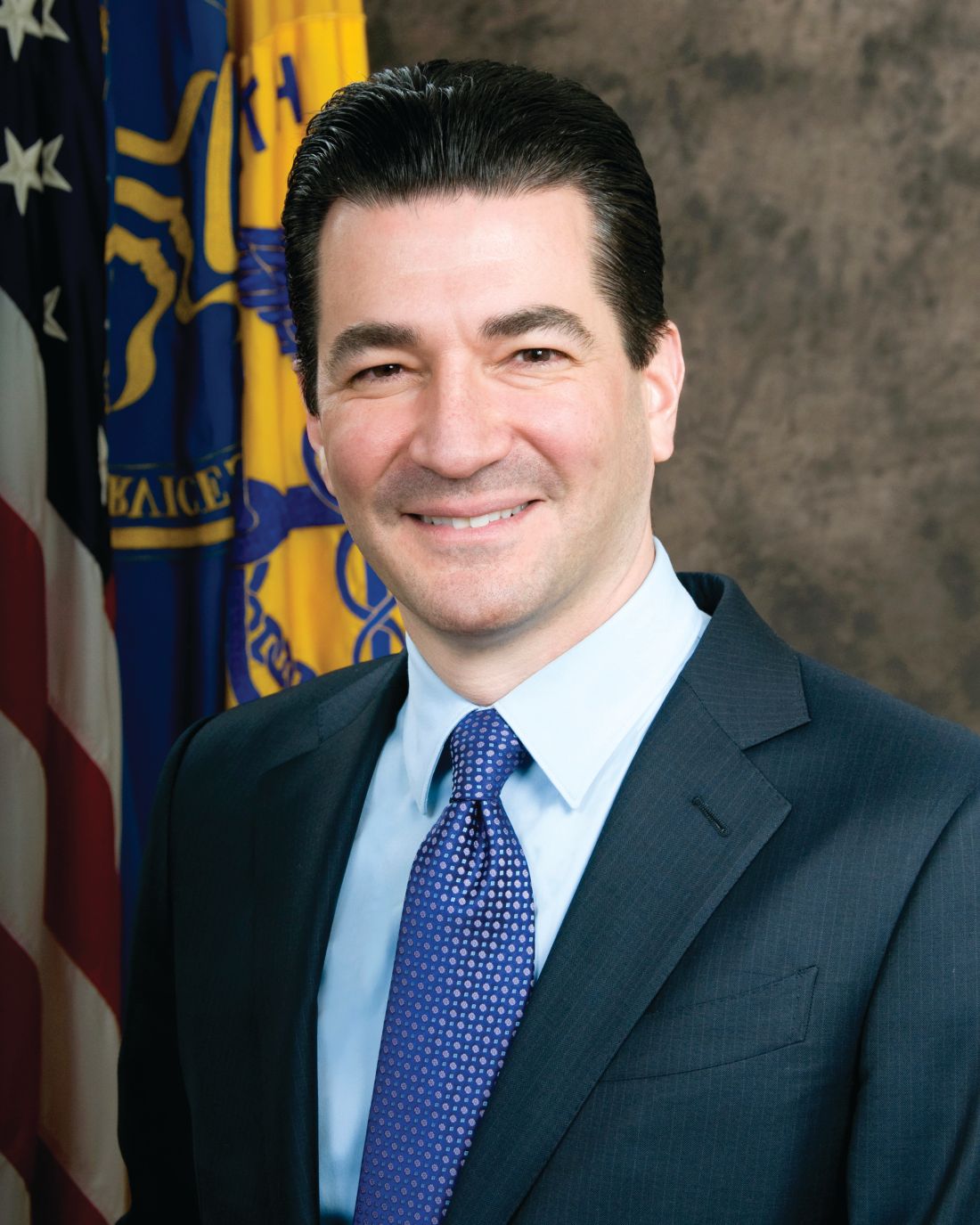
“These efforts to address flavors and protect youth would dramatically impact the ability of American kids to access tobacco products that we know are both appealing and addicting,” Dr. Gottlieb said in a statement. “This policy framework reflects a redoubling of the FDA’s efforts to protect kids from all nicotine-containing products.”
In a move that seems to be aimed at youth-oriented products like Juul, the FDA will be seeking to remove from the market any ENDS product that is marketed specifically to young people.
Finally, the FDA intends to pursue regulation that would ban menthol from combustible tobacco products.
“I believe these menthol-flavored products represent one of the most common and pernicious routes by which kids initiate on combustible cigarettes,” Dr. Gottlieb said. “The menthol serves to mask some of the unattractive features of smoking that might otherwise discourage a child from smoking. Moreover, I believe that menthol products disproportionately and adversely affect underserved communities. And as a matter of public health, they exacerbate troubling disparities in health related to race and socioeconomic status.”
The policy shift comes as the Centers for Disease Control and Prevention released data from the 2018 National Youth Tobacco Survey showing that use of e-cigarettes among high schoolers is on the rise, growing from 1.5% in 2011 to 20.8% in 2018. Middle schoolers saw use over the same time period increase from 0.6% to 4.9%.
The rise of current use of e-cigarettes was enough to reverse a declining trend in overall tobacco use in recent years between 2015 and 2017.
“FDA’s enforcement efforts and policy framework would restrict access to most flavored e-cigarettes and limit the chances of youth beginning to use these products, while ensuring the products are available to adult smokers as an alternative to combustible cigarettes,” Alex M. Azar II, secretary of the Department of Health & Human Services, said in a statement supporting the FDA’s efforts. “Our obligation at HHS is always to the public health, and we believe FDA’s goals strike the right public health balance in addressing the multifaceted challenge we have before us today.”
Under Dr. Gottlieb, the FDA has been aggressively pursuing ways to reduce tobacco consumption, targeting both ENDS and combustible tobacco regulations in an effort to limit nicotine exposure and reduce the number of people addicted to nicotine and the health issues that come with it.
The American College of Cardiology voiced its support of the FDA’s actions.
“The FDA’s announcement restricting the sale of flavored e-cigarettes and other tobacco products shows they are ready to do their part in making tobacco products less available to our children,” ACC President C. Michael Valentine, MD, said in a statement, adding that the medical community needs to continue to do its part to make sure tobacco use continues to decline, especially in the nonadult population.
The FDA proposals were published as part of an advance notice of proposed rulemaking in the Federal Register. Comments can be made at www.regulations.gov through June 19.
The Food and Drug Administration once again has upped the ante in its war on youth smoking and vaping.
“Today, I’m pursuing actions aimed at addressing the disturbing trend of youth nicotine use and continuing to advance the historic declines we’ve achieved in recent years in the rates of combustible cigarette use among kids,” FDA Commissioner Scott Gottlieb, MD, said in a statement.
First and foremost, the FDA wants to reduce the lure of e-cigarettes by limiting the variety of flavored products for sale in retail outlets. Under the proposal unveiled Nov. 15, only electronic nicotine delivery systems (ENDS) that are unflavored or have tobacco, mint, or menthol flavors would be widely available. Flavored products – think cherry, cotton candy, and mango – would be sold in age-restricted environments, such as stand-alone tobacco retailers like vape shops. The FDA also seeks more stringent enforcement of age verification on ENDS products sold online.
The proposal also would reexamine regulations governing flavored cigars, with the possible aim of banning them.
“These efforts to address flavors and protect youth would dramatically impact the ability of American kids to access tobacco products that we know are both appealing and addicting,” Dr. Gottlieb said in a statement. “This policy framework reflects a redoubling of the FDA’s efforts to protect kids from all nicotine-containing products.”
In a move that seems to be aimed at youth-oriented products like Juul, the FDA will be seeking to remove from the market any ENDS product that is marketed specifically to young people.
Finally, the FDA intends to pursue regulation that would ban menthol from combustible tobacco products.
“I believe these menthol-flavored products represent one of the most common and pernicious routes by which kids initiate on combustible cigarettes,” Dr. Gottlieb said. “The menthol serves to mask some of the unattractive features of smoking that might otherwise discourage a child from smoking. Moreover, I believe that menthol products disproportionately and adversely affect underserved communities. And as a matter of public health, they exacerbate troubling disparities in health related to race and socioeconomic status.”
The policy shift comes as the Centers for Disease Control and Prevention released data from the 2018 National Youth Tobacco Survey showing that use of e-cigarettes among high schoolers is on the rise, growing from 1.5% in 2011 to 20.8% in 2018. Middle schoolers saw use over the same time period increase from 0.6% to 4.9%.
The rise of current use of e-cigarettes was enough to reverse a declining trend in overall tobacco use in recent years between 2015 and 2017.
“FDA’s enforcement efforts and policy framework would restrict access to most flavored e-cigarettes and limit the chances of youth beginning to use these products, while ensuring the products are available to adult smokers as an alternative to combustible cigarettes,” Alex M. Azar II, secretary of the Department of Health & Human Services, said in a statement supporting the FDA’s efforts. “Our obligation at HHS is always to the public health, and we believe FDA’s goals strike the right public health balance in addressing the multifaceted challenge we have before us today.”
Under Dr. Gottlieb, the FDA has been aggressively pursuing ways to reduce tobacco consumption, targeting both ENDS and combustible tobacco regulations in an effort to limit nicotine exposure and reduce the number of people addicted to nicotine and the health issues that come with it.
The American College of Cardiology voiced its support of the FDA’s actions.
“The FDA’s announcement restricting the sale of flavored e-cigarettes and other tobacco products shows they are ready to do their part in making tobacco products less available to our children,” ACC President C. Michael Valentine, MD, said in a statement, adding that the medical community needs to continue to do its part to make sure tobacco use continues to decline, especially in the nonadult population.
The FDA proposals were published as part of an advance notice of proposed rulemaking in the Federal Register. Comments can be made at www.regulations.gov through June 19.
The Food and Drug Administration once again has upped the ante in its war on youth smoking and vaping.
“Today, I’m pursuing actions aimed at addressing the disturbing trend of youth nicotine use and continuing to advance the historic declines we’ve achieved in recent years in the rates of combustible cigarette use among kids,” FDA Commissioner Scott Gottlieb, MD, said in a statement.
First and foremost, the FDA wants to reduce the lure of e-cigarettes by limiting the variety of flavored products for sale in retail outlets. Under the proposal unveiled Nov. 15, only electronic nicotine delivery systems (ENDS) that are unflavored or have tobacco, mint, or menthol flavors would be widely available. Flavored products – think cherry, cotton candy, and mango – would be sold in age-restricted environments, such as stand-alone tobacco retailers like vape shops. The FDA also seeks more stringent enforcement of age verification on ENDS products sold online.
The proposal also would reexamine regulations governing flavored cigars, with the possible aim of banning them.
“These efforts to address flavors and protect youth would dramatically impact the ability of American kids to access tobacco products that we know are both appealing and addicting,” Dr. Gottlieb said in a statement. “This policy framework reflects a redoubling of the FDA’s efforts to protect kids from all nicotine-containing products.”
In a move that seems to be aimed at youth-oriented products like Juul, the FDA will be seeking to remove from the market any ENDS product that is marketed specifically to young people.
Finally, the FDA intends to pursue regulation that would ban menthol from combustible tobacco products.
“I believe these menthol-flavored products represent one of the most common and pernicious routes by which kids initiate on combustible cigarettes,” Dr. Gottlieb said. “The menthol serves to mask some of the unattractive features of smoking that might otherwise discourage a child from smoking. Moreover, I believe that menthol products disproportionately and adversely affect underserved communities. And as a matter of public health, they exacerbate troubling disparities in health related to race and socioeconomic status.”
The policy shift comes as the Centers for Disease Control and Prevention released data from the 2018 National Youth Tobacco Survey showing that use of e-cigarettes among high schoolers is on the rise, growing from 1.5% in 2011 to 20.8% in 2018. Middle schoolers saw use over the same time period increase from 0.6% to 4.9%.
The rise of current use of e-cigarettes was enough to reverse a declining trend in overall tobacco use in recent years between 2015 and 2017.
“FDA’s enforcement efforts and policy framework would restrict access to most flavored e-cigarettes and limit the chances of youth beginning to use these products, while ensuring the products are available to adult smokers as an alternative to combustible cigarettes,” Alex M. Azar II, secretary of the Department of Health & Human Services, said in a statement supporting the FDA’s efforts. “Our obligation at HHS is always to the public health, and we believe FDA’s goals strike the right public health balance in addressing the multifaceted challenge we have before us today.”
Under Dr. Gottlieb, the FDA has been aggressively pursuing ways to reduce tobacco consumption, targeting both ENDS and combustible tobacco regulations in an effort to limit nicotine exposure and reduce the number of people addicted to nicotine and the health issues that come with it.
The American College of Cardiology voiced its support of the FDA’s actions.
“The FDA’s announcement restricting the sale of flavored e-cigarettes and other tobacco products shows they are ready to do their part in making tobacco products less available to our children,” ACC President C. Michael Valentine, MD, said in a statement, adding that the medical community needs to continue to do its part to make sure tobacco use continues to decline, especially in the nonadult population.
The FDA proposals were published as part of an advance notice of proposed rulemaking in the Federal Register. Comments can be made at www.regulations.gov through June 19.
Bortezomib may unlock resistance in WM with mutations
The use of bortezomib may help overcome treatment resistance in patients with Waldenström macroglobulinemia (WM) with CXCR4 mutations, according to new research.
Romanos Sklavenitis-Pistofidis, MD, of the Dana-Farber Cancer Institute in Boston, and his colleagues compared the effects of treatment with bortezomib/rituximab in patients with WM based on their CXCR4 mutation status. They found no significant difference in progression-free survival (Log-rank, P = .994) or overall survival (Log-rank, P = .407) when comparing patients who have CXCR4 mutations with those who have CXCR4 wild type.
“We report for the first time that a bortezomib-based combination is impervious to the impact of CXCR4 mutations in a cohort of patients with WM,” the researchers wrote in Blood. “Previously, we had shown this to be true in WM cell lines, whereby genetically engineering BCWM.1 and MWCL-1 to overexpress CXCR4 had no impact on bortezomib resistance.”
The researchers noted, however, that the mechanism at work may be different than that seen with bortezomib in other cancers.
“Different experiments have linked CXCR4 expression and bortezomib in a variety of ways in other hematological malignancies, including multiple myeloma. However, despite the complicated association in those cancer types, in WM there seems to be a consistently neutral effect of CXCR4 mutations on bortezomib resistance in both cell line and patient data,” they wrote.
The researchers recommended that the theory be tested in a prospective trial of bortezomib-based therapy in WM patients with CXCR4 mutations. Another question to be investigated, they pointed out, is the role of rituximab in the survival results seen in the current analysis.
The study included 63 patients with WM who were treated with bortezomib/rituximab either as upfront treatment or in the relapsed/refractory setting as part of a phase 2 trial.
Bortezomib was given by IV weekly at 1.6 mg/m2 for six cycles and rituximab was given at 375 mg/m2 during cycles one and four. Patients were taken off therapy after two cycles if they had progressive disease.
The researchers excluded 20 patients from the study because of a lack of material for genotyping. However, they noted that their clinical characteristics were not different from those patients who were included.
Out of 43 patients who were genotyped for CXCR4, 17 patients had a mutation. All patients who carried a CXCR4 mutation also had MYD88 L265P. Ten patients had frameshift mutations, one patient had a nonsense mutation, and six patients had missense mutations. The median follow-up of the analysis was 90.7 months.
The researchers repeated the analysis after excluding six patients with missense mutations and accounting for different treatment settings and found that survival remained unchanged.
The study was supported by the National Institutes of Health, the Leukemia and Lymphoma Society, and the International Waldenström Macroglobulinemia Foundation. One of the authors reported consulting and research funding from Takeda, which markets bortezomib, and other companies.
SOURCE: Sklavenitis-Pistofidis R et al. Blood. 2018 Oct 26. doi: 10.1182/blood-2018-07-863241.
The use of bortezomib may help overcome treatment resistance in patients with Waldenström macroglobulinemia (WM) with CXCR4 mutations, according to new research.
Romanos Sklavenitis-Pistofidis, MD, of the Dana-Farber Cancer Institute in Boston, and his colleagues compared the effects of treatment with bortezomib/rituximab in patients with WM based on their CXCR4 mutation status. They found no significant difference in progression-free survival (Log-rank, P = .994) or overall survival (Log-rank, P = .407) when comparing patients who have CXCR4 mutations with those who have CXCR4 wild type.
“We report for the first time that a bortezomib-based combination is impervious to the impact of CXCR4 mutations in a cohort of patients with WM,” the researchers wrote in Blood. “Previously, we had shown this to be true in WM cell lines, whereby genetically engineering BCWM.1 and MWCL-1 to overexpress CXCR4 had no impact on bortezomib resistance.”
The researchers noted, however, that the mechanism at work may be different than that seen with bortezomib in other cancers.
“Different experiments have linked CXCR4 expression and bortezomib in a variety of ways in other hematological malignancies, including multiple myeloma. However, despite the complicated association in those cancer types, in WM there seems to be a consistently neutral effect of CXCR4 mutations on bortezomib resistance in both cell line and patient data,” they wrote.
The researchers recommended that the theory be tested in a prospective trial of bortezomib-based therapy in WM patients with CXCR4 mutations. Another question to be investigated, they pointed out, is the role of rituximab in the survival results seen in the current analysis.
The study included 63 patients with WM who were treated with bortezomib/rituximab either as upfront treatment or in the relapsed/refractory setting as part of a phase 2 trial.
Bortezomib was given by IV weekly at 1.6 mg/m2 for six cycles and rituximab was given at 375 mg/m2 during cycles one and four. Patients were taken off therapy after two cycles if they had progressive disease.
The researchers excluded 20 patients from the study because of a lack of material for genotyping. However, they noted that their clinical characteristics were not different from those patients who were included.
Out of 43 patients who were genotyped for CXCR4, 17 patients had a mutation. All patients who carried a CXCR4 mutation also had MYD88 L265P. Ten patients had frameshift mutations, one patient had a nonsense mutation, and six patients had missense mutations. The median follow-up of the analysis was 90.7 months.
The researchers repeated the analysis after excluding six patients with missense mutations and accounting for different treatment settings and found that survival remained unchanged.
The study was supported by the National Institutes of Health, the Leukemia and Lymphoma Society, and the International Waldenström Macroglobulinemia Foundation. One of the authors reported consulting and research funding from Takeda, which markets bortezomib, and other companies.
SOURCE: Sklavenitis-Pistofidis R et al. Blood. 2018 Oct 26. doi: 10.1182/blood-2018-07-863241.
The use of bortezomib may help overcome treatment resistance in patients with Waldenström macroglobulinemia (WM) with CXCR4 mutations, according to new research.
Romanos Sklavenitis-Pistofidis, MD, of the Dana-Farber Cancer Institute in Boston, and his colleagues compared the effects of treatment with bortezomib/rituximab in patients with WM based on their CXCR4 mutation status. They found no significant difference in progression-free survival (Log-rank, P = .994) or overall survival (Log-rank, P = .407) when comparing patients who have CXCR4 mutations with those who have CXCR4 wild type.
“We report for the first time that a bortezomib-based combination is impervious to the impact of CXCR4 mutations in a cohort of patients with WM,” the researchers wrote in Blood. “Previously, we had shown this to be true in WM cell lines, whereby genetically engineering BCWM.1 and MWCL-1 to overexpress CXCR4 had no impact on bortezomib resistance.”
The researchers noted, however, that the mechanism at work may be different than that seen with bortezomib in other cancers.
“Different experiments have linked CXCR4 expression and bortezomib in a variety of ways in other hematological malignancies, including multiple myeloma. However, despite the complicated association in those cancer types, in WM there seems to be a consistently neutral effect of CXCR4 mutations on bortezomib resistance in both cell line and patient data,” they wrote.
The researchers recommended that the theory be tested in a prospective trial of bortezomib-based therapy in WM patients with CXCR4 mutations. Another question to be investigated, they pointed out, is the role of rituximab in the survival results seen in the current analysis.
The study included 63 patients with WM who were treated with bortezomib/rituximab either as upfront treatment or in the relapsed/refractory setting as part of a phase 2 trial.
Bortezomib was given by IV weekly at 1.6 mg/m2 for six cycles and rituximab was given at 375 mg/m2 during cycles one and four. Patients were taken off therapy after two cycles if they had progressive disease.
The researchers excluded 20 patients from the study because of a lack of material for genotyping. However, they noted that their clinical characteristics were not different from those patients who were included.
Out of 43 patients who were genotyped for CXCR4, 17 patients had a mutation. All patients who carried a CXCR4 mutation also had MYD88 L265P. Ten patients had frameshift mutations, one patient had a nonsense mutation, and six patients had missense mutations. The median follow-up of the analysis was 90.7 months.
The researchers repeated the analysis after excluding six patients with missense mutations and accounting for different treatment settings and found that survival remained unchanged.
The study was supported by the National Institutes of Health, the Leukemia and Lymphoma Society, and the International Waldenström Macroglobulinemia Foundation. One of the authors reported consulting and research funding from Takeda, which markets bortezomib, and other companies.
SOURCE: Sklavenitis-Pistofidis R et al. Blood. 2018 Oct 26. doi: 10.1182/blood-2018-07-863241.
FROM BLOOD
Key clinical point:
Major finding: Progression-free and overall survival were not significantly different between WM patients with CXCR4 mutations and those with CXCR4 wild type (log-rank, P = .994 and P = .407, respectively).
Study details: An analysis of 43 WM patients treated with bortezomib/rituximab and genotyped to determine CXCR4 mutation status.
Disclosures: The study was supported by the National Institutes of Health, the Leukemia and Lymphoma Society, and the International Waldenström Macroglobulinemia Foundation. One of the authors reported consulting and research funding from Takeda, which markets bortezomib, and other companies.
Source: Sklavenitis-Pistofidis R et al. Blood. 2018 Oct 26. doi: 10.1182/blood-2018-07-863241.
FDA approves Primatene Mist return
After a long absence, Primatene Mist, an over-the-counter asthma inhaler removed from the market in 2011, is being reintroduced in a metered-dose inhaler with a new, environmentally friendly propellant.
But the inhaler’s comeback may prove as controversial as its removal. Respiratory medicine associations have taken issue with the Food and Drug Administration’s decision, warning patients that asthma is not a “do-it-yourself” disease that can be managed with over-the-counter medications.
The American College of Allergy, Asthma, and Immunology, American College of Chest Physicians, American Lung Association, American Thoracic Society, and the American Association of Asthma Educators have each individually protested the decision, and together sent a joint resolution to FDA decrying it. At the core of their protest are the facts that epinephrine is a symptomatic, not therapeutic, asthma treatment and that racemic epinephrine is not a not a recommended asthma treatment under the National Institutes of Health’s “Guidelines for the Diagnosis and Management of Asthma.”
CHEST has published the following statement: “The American College of Chest Physicians (CHEST) is disappointed with the FDA’s decision to approve over-the counter epinephrine (Primatene® Mist HFA) for the treatment of asthma. CHEST is a nonprofit organization dedicated to advancing best patient outcomes. Our membership of more than 19,000 members from around the world provides patient care in pulmonary, critical care, and sleep medicine.
Asthma is a serious and chronic condition with associated high health-care burden. Care for ALL patients with asthma should be under the guidance of a health-care provider. The majority of asthma patients requires treatment with a controller medication, which is only available by prescription. Frequent rescue inhaler use has been associated with increased morbidity and mortality. Over the counter availability of a reliever medication like Primatene Mist can endanger a patient’s wellbeing by providing temporary relief in symptoms, resulting in delay in seeking medical care.”
The inhaler was pulled from sales as part of an international pact to reduce ozone-depleting substances. The 1989 Montreal Protocol of Substances that Deplete the Ozone Layer and the Clean Air Act of 1990 targeted chlorofluorocarbons among those substances, and epinephrine inhalers that contained CFCs were phased out.
The new Primatene Mist HFA (Amphastar Pharmaceuticals) contains hydrofluoroalkane (HFA) propellants, which are permitted under current international and U.S. law. This puts Primatene in the same category with other inhalers, including albuterol and levalbuterol, which also use HFAs as propellants. Each dose delivers 125 mcg of epinephrine.
The inhaler itself has also been redesigned, according to Theresa Michele, MD, director of the FDA’s Division of Nonprescription Drug Products in the Center for Drug Evaluation and Research. The active ingredient is still epinephrine, albeit a smaller dose than found in the original 200-mcg mist. However, the inhaler needs to be activated before first use and cleaned every day after use to prevent a medication buildup. Like other metered-dose inhalers, it requires a priming spray before the inhalation dose, Dr. Michele noted in her online column.
“The inhaler also needs to be shaken and then sprayed once into the air before each use. It may seem strange to shake and spray the inhaler into the air each time before using it. But these two steps are critical to ensure that the medicine is properly mixed before each dose,” Dr. Michele wrote.
A public statement by FDA Commissioner Scott Gottlieb, MD, and Janet Woodcock, MD, director of the Center for Drug Evaluation and Research, asserted that the inhaler fills a clinical gap for patients with mild to moderate intermittent asthma.
“The scientific information we reviewed to approve the new version of OTC Primatene Mist shows there is a narrow population of those diagnosed with asthma that may benefit from having access to this type of OTC asthma inhaler. But the product has certain cautions. Making sure that patients can understand and apply the instructions for use was a critical consideration for the FDA. The new product is only appropriate for those with a diagnosis of mild, intermittent asthma. Patients with more severe asthma should not rely on it. Instead, they should be working with their health care provider to ensure an appropriate treatment plan for their condition.”
Before this approval, Amphastar had unsuccessfully brought the reformulated Primatene before FDA several times. The move to finally reinstate it comes after a long, and sometimes contentious, debate among patients and FDA’s Nonprescription Drugs and Pulmonary-Allergy Drugs advisory committee. A quick Internet or Facebook search brings up dozens of stories from patients who say they effectively managed their mild to moderate asthma for years with Primatene. Typically, the stories describe changing to prescription asthma medications that, for some, run into the hundreds of dollars per month. Supporters often negatively compare decades of using the inexpensive Primatene with no ill effects to their recent experiences using prescription corticosteroid inhalers.
It was 4 years ago when Amphastar first appeared before the advisory committee with the reformulated inhaler and positive safety and efficacy data. Although agreeing with the efficacy data, the advisory committee voted against approval, because some felt that asthma should always be managed by a physician; an OTC bronchodilator encouraged self-medicating and discouraged patients from seeking medical care, they said.
“On the one hand, it has been stated that a quick-relief medication available OTC is needed for use in low-income, elderly, and uninsured individuals who might otherwise not have access to treatment or be able to see a health care practitioner,” FDA documents noted. “In contrast, there is also a concern that because asthma is a potentially life-threatening condition that should be diagnosed and treated by a health care professional, availability of an OTC bronchodilator product may discourage consumers from seeking appropriate care, resulting in worse asthma outcomes.”
Two years later, the company received another blow to Primatene program. FDA’s Complete Response Letter required Amphastar to make additional changes to the packaging and run a consumer product safety study, intended to show that people could learn to use the metered-dose inhaler correctly.
In Amphastar’s 2018 first-quarter report, however, company CEO Jack Zhang, PhD, finally shared some good news. “We are pleased to announce that we have resubmitted our NDA for Primatene Mist after receiving good results from our recent human factors study. While we don’t have a Prescription Free User Drug Act [PDUFA] date yet, we plan to begin producing inventory in preparation for a launch.”
That day arrived on Nov. 8, when the PDUFA was granted. In their public letter, Dr. Gottlieb and Dr. Woodcock acknowledged the long and difficult approval path and offered reassurance that Primatene is safe and effective.
“For the right patient, our analysis of the data, including new information that was developed since this product was previously on the market, shows that there are no serious safety concerns when Primatene Mist is used as directed. The product is appropriate for mild symptoms of intermittent asthma, however, even patients with mild asthma can have severe exacerbations – so it’s still important to consult a health care provider about appropriate care and have their condition reassessed. And, of course, all patients who experience severe exacerbations should go to the emergency room right away.”
Primatene Mist HFA is intended for the temporary relief of mild symptoms of intermittent asthma (wheezing, tightness of chest, shortness of breath) in patients aged 12 years and older. It should not be considered a replacement for prescription asthma medications. It should be available in stores early next year.
After a long absence, Primatene Mist, an over-the-counter asthma inhaler removed from the market in 2011, is being reintroduced in a metered-dose inhaler with a new, environmentally friendly propellant.
But the inhaler’s comeback may prove as controversial as its removal. Respiratory medicine associations have taken issue with the Food and Drug Administration’s decision, warning patients that asthma is not a “do-it-yourself” disease that can be managed with over-the-counter medications.
The American College of Allergy, Asthma, and Immunology, American College of Chest Physicians, American Lung Association, American Thoracic Society, and the American Association of Asthma Educators have each individually protested the decision, and together sent a joint resolution to FDA decrying it. At the core of their protest are the facts that epinephrine is a symptomatic, not therapeutic, asthma treatment and that racemic epinephrine is not a not a recommended asthma treatment under the National Institutes of Health’s “Guidelines for the Diagnosis and Management of Asthma.”
CHEST has published the following statement: “The American College of Chest Physicians (CHEST) is disappointed with the FDA’s decision to approve over-the counter epinephrine (Primatene® Mist HFA) for the treatment of asthma. CHEST is a nonprofit organization dedicated to advancing best patient outcomes. Our membership of more than 19,000 members from around the world provides patient care in pulmonary, critical care, and sleep medicine.
Asthma is a serious and chronic condition with associated high health-care burden. Care for ALL patients with asthma should be under the guidance of a health-care provider. The majority of asthma patients requires treatment with a controller medication, which is only available by prescription. Frequent rescue inhaler use has been associated with increased morbidity and mortality. Over the counter availability of a reliever medication like Primatene Mist can endanger a patient’s wellbeing by providing temporary relief in symptoms, resulting in delay in seeking medical care.”
The inhaler was pulled from sales as part of an international pact to reduce ozone-depleting substances. The 1989 Montreal Protocol of Substances that Deplete the Ozone Layer and the Clean Air Act of 1990 targeted chlorofluorocarbons among those substances, and epinephrine inhalers that contained CFCs were phased out.
The new Primatene Mist HFA (Amphastar Pharmaceuticals) contains hydrofluoroalkane (HFA) propellants, which are permitted under current international and U.S. law. This puts Primatene in the same category with other inhalers, including albuterol and levalbuterol, which also use HFAs as propellants. Each dose delivers 125 mcg of epinephrine.
The inhaler itself has also been redesigned, according to Theresa Michele, MD, director of the FDA’s Division of Nonprescription Drug Products in the Center for Drug Evaluation and Research. The active ingredient is still epinephrine, albeit a smaller dose than found in the original 200-mcg mist. However, the inhaler needs to be activated before first use and cleaned every day after use to prevent a medication buildup. Like other metered-dose inhalers, it requires a priming spray before the inhalation dose, Dr. Michele noted in her online column.
“The inhaler also needs to be shaken and then sprayed once into the air before each use. It may seem strange to shake and spray the inhaler into the air each time before using it. But these two steps are critical to ensure that the medicine is properly mixed before each dose,” Dr. Michele wrote.
A public statement by FDA Commissioner Scott Gottlieb, MD, and Janet Woodcock, MD, director of the Center for Drug Evaluation and Research, asserted that the inhaler fills a clinical gap for patients with mild to moderate intermittent asthma.
“The scientific information we reviewed to approve the new version of OTC Primatene Mist shows there is a narrow population of those diagnosed with asthma that may benefit from having access to this type of OTC asthma inhaler. But the product has certain cautions. Making sure that patients can understand and apply the instructions for use was a critical consideration for the FDA. The new product is only appropriate for those with a diagnosis of mild, intermittent asthma. Patients with more severe asthma should not rely on it. Instead, they should be working with their health care provider to ensure an appropriate treatment plan for their condition.”
Before this approval, Amphastar had unsuccessfully brought the reformulated Primatene before FDA several times. The move to finally reinstate it comes after a long, and sometimes contentious, debate among patients and FDA’s Nonprescription Drugs and Pulmonary-Allergy Drugs advisory committee. A quick Internet or Facebook search brings up dozens of stories from patients who say they effectively managed their mild to moderate asthma for years with Primatene. Typically, the stories describe changing to prescription asthma medications that, for some, run into the hundreds of dollars per month. Supporters often negatively compare decades of using the inexpensive Primatene with no ill effects to their recent experiences using prescription corticosteroid inhalers.
It was 4 years ago when Amphastar first appeared before the advisory committee with the reformulated inhaler and positive safety and efficacy data. Although agreeing with the efficacy data, the advisory committee voted against approval, because some felt that asthma should always be managed by a physician; an OTC bronchodilator encouraged self-medicating and discouraged patients from seeking medical care, they said.
“On the one hand, it has been stated that a quick-relief medication available OTC is needed for use in low-income, elderly, and uninsured individuals who might otherwise not have access to treatment or be able to see a health care practitioner,” FDA documents noted. “In contrast, there is also a concern that because asthma is a potentially life-threatening condition that should be diagnosed and treated by a health care professional, availability of an OTC bronchodilator product may discourage consumers from seeking appropriate care, resulting in worse asthma outcomes.”
Two years later, the company received another blow to Primatene program. FDA’s Complete Response Letter required Amphastar to make additional changes to the packaging and run a consumer product safety study, intended to show that people could learn to use the metered-dose inhaler correctly.
In Amphastar’s 2018 first-quarter report, however, company CEO Jack Zhang, PhD, finally shared some good news. “We are pleased to announce that we have resubmitted our NDA for Primatene Mist after receiving good results from our recent human factors study. While we don’t have a Prescription Free User Drug Act [PDUFA] date yet, we plan to begin producing inventory in preparation for a launch.”
That day arrived on Nov. 8, when the PDUFA was granted. In their public letter, Dr. Gottlieb and Dr. Woodcock acknowledged the long and difficult approval path and offered reassurance that Primatene is safe and effective.
“For the right patient, our analysis of the data, including new information that was developed since this product was previously on the market, shows that there are no serious safety concerns when Primatene Mist is used as directed. The product is appropriate for mild symptoms of intermittent asthma, however, even patients with mild asthma can have severe exacerbations – so it’s still important to consult a health care provider about appropriate care and have their condition reassessed. And, of course, all patients who experience severe exacerbations should go to the emergency room right away.”
Primatene Mist HFA is intended for the temporary relief of mild symptoms of intermittent asthma (wheezing, tightness of chest, shortness of breath) in patients aged 12 years and older. It should not be considered a replacement for prescription asthma medications. It should be available in stores early next year.
After a long absence, Primatene Mist, an over-the-counter asthma inhaler removed from the market in 2011, is being reintroduced in a metered-dose inhaler with a new, environmentally friendly propellant.
But the inhaler’s comeback may prove as controversial as its removal. Respiratory medicine associations have taken issue with the Food and Drug Administration’s decision, warning patients that asthma is not a “do-it-yourself” disease that can be managed with over-the-counter medications.
The American College of Allergy, Asthma, and Immunology, American College of Chest Physicians, American Lung Association, American Thoracic Society, and the American Association of Asthma Educators have each individually protested the decision, and together sent a joint resolution to FDA decrying it. At the core of their protest are the facts that epinephrine is a symptomatic, not therapeutic, asthma treatment and that racemic epinephrine is not a not a recommended asthma treatment under the National Institutes of Health’s “Guidelines for the Diagnosis and Management of Asthma.”
CHEST has published the following statement: “The American College of Chest Physicians (CHEST) is disappointed with the FDA’s decision to approve over-the counter epinephrine (Primatene® Mist HFA) for the treatment of asthma. CHEST is a nonprofit organization dedicated to advancing best patient outcomes. Our membership of more than 19,000 members from around the world provides patient care in pulmonary, critical care, and sleep medicine.
Asthma is a serious and chronic condition with associated high health-care burden. Care for ALL patients with asthma should be under the guidance of a health-care provider. The majority of asthma patients requires treatment with a controller medication, which is only available by prescription. Frequent rescue inhaler use has been associated with increased morbidity and mortality. Over the counter availability of a reliever medication like Primatene Mist can endanger a patient’s wellbeing by providing temporary relief in symptoms, resulting in delay in seeking medical care.”
The inhaler was pulled from sales as part of an international pact to reduce ozone-depleting substances. The 1989 Montreal Protocol of Substances that Deplete the Ozone Layer and the Clean Air Act of 1990 targeted chlorofluorocarbons among those substances, and epinephrine inhalers that contained CFCs were phased out.
The new Primatene Mist HFA (Amphastar Pharmaceuticals) contains hydrofluoroalkane (HFA) propellants, which are permitted under current international and U.S. law. This puts Primatene in the same category with other inhalers, including albuterol and levalbuterol, which also use HFAs as propellants. Each dose delivers 125 mcg of epinephrine.
The inhaler itself has also been redesigned, according to Theresa Michele, MD, director of the FDA’s Division of Nonprescription Drug Products in the Center for Drug Evaluation and Research. The active ingredient is still epinephrine, albeit a smaller dose than found in the original 200-mcg mist. However, the inhaler needs to be activated before first use and cleaned every day after use to prevent a medication buildup. Like other metered-dose inhalers, it requires a priming spray before the inhalation dose, Dr. Michele noted in her online column.
“The inhaler also needs to be shaken and then sprayed once into the air before each use. It may seem strange to shake and spray the inhaler into the air each time before using it. But these two steps are critical to ensure that the medicine is properly mixed before each dose,” Dr. Michele wrote.
A public statement by FDA Commissioner Scott Gottlieb, MD, and Janet Woodcock, MD, director of the Center for Drug Evaluation and Research, asserted that the inhaler fills a clinical gap for patients with mild to moderate intermittent asthma.
“The scientific information we reviewed to approve the new version of OTC Primatene Mist shows there is a narrow population of those diagnosed with asthma that may benefit from having access to this type of OTC asthma inhaler. But the product has certain cautions. Making sure that patients can understand and apply the instructions for use was a critical consideration for the FDA. The new product is only appropriate for those with a diagnosis of mild, intermittent asthma. Patients with more severe asthma should not rely on it. Instead, they should be working with their health care provider to ensure an appropriate treatment plan for their condition.”
Before this approval, Amphastar had unsuccessfully brought the reformulated Primatene before FDA several times. The move to finally reinstate it comes after a long, and sometimes contentious, debate among patients and FDA’s Nonprescription Drugs and Pulmonary-Allergy Drugs advisory committee. A quick Internet or Facebook search brings up dozens of stories from patients who say they effectively managed their mild to moderate asthma for years with Primatene. Typically, the stories describe changing to prescription asthma medications that, for some, run into the hundreds of dollars per month. Supporters often negatively compare decades of using the inexpensive Primatene with no ill effects to their recent experiences using prescription corticosteroid inhalers.
It was 4 years ago when Amphastar first appeared before the advisory committee with the reformulated inhaler and positive safety and efficacy data. Although agreeing with the efficacy data, the advisory committee voted against approval, because some felt that asthma should always be managed by a physician; an OTC bronchodilator encouraged self-medicating and discouraged patients from seeking medical care, they said.
“On the one hand, it has been stated that a quick-relief medication available OTC is needed for use in low-income, elderly, and uninsured individuals who might otherwise not have access to treatment or be able to see a health care practitioner,” FDA documents noted. “In contrast, there is also a concern that because asthma is a potentially life-threatening condition that should be diagnosed and treated by a health care professional, availability of an OTC bronchodilator product may discourage consumers from seeking appropriate care, resulting in worse asthma outcomes.”
Two years later, the company received another blow to Primatene program. FDA’s Complete Response Letter required Amphastar to make additional changes to the packaging and run a consumer product safety study, intended to show that people could learn to use the metered-dose inhaler correctly.
In Amphastar’s 2018 first-quarter report, however, company CEO Jack Zhang, PhD, finally shared some good news. “We are pleased to announce that we have resubmitted our NDA for Primatene Mist after receiving good results from our recent human factors study. While we don’t have a Prescription Free User Drug Act [PDUFA] date yet, we plan to begin producing inventory in preparation for a launch.”
That day arrived on Nov. 8, when the PDUFA was granted. In their public letter, Dr. Gottlieb and Dr. Woodcock acknowledged the long and difficult approval path and offered reassurance that Primatene is safe and effective.
“For the right patient, our analysis of the data, including new information that was developed since this product was previously on the market, shows that there are no serious safety concerns when Primatene Mist is used as directed. The product is appropriate for mild symptoms of intermittent asthma, however, even patients with mild asthma can have severe exacerbations – so it’s still important to consult a health care provider about appropriate care and have their condition reassessed. And, of course, all patients who experience severe exacerbations should go to the emergency room right away.”
Primatene Mist HFA is intended for the temporary relief of mild symptoms of intermittent asthma (wheezing, tightness of chest, shortness of breath) in patients aged 12 years and older. It should not be considered a replacement for prescription asthma medications. It should be available in stores early next year.