User login
MDedge latest news is breaking news from medical conferences, journals, guidelines, the FDA and CDC.
Elemental Diet Eases Symptoms in Microbiome Gastro Disorders
, according to a new study.
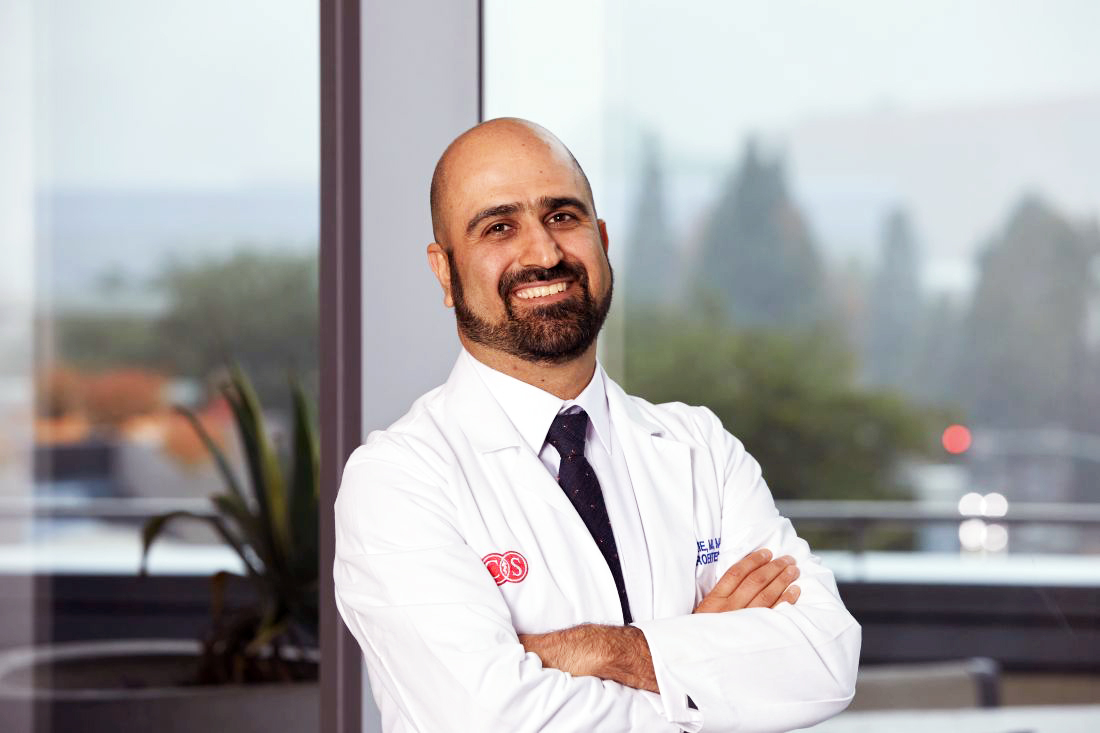
“Elemental diets have long shown promise for treating gastrointestinal disorders like Crohn’s disease, eosinophilic esophagitis, SIBO (small intestinal bacterial overgrowth), and IMO (intestinal methanogen overgrowth), but poor palatability has limited their use,” lead author Ali Rezaie, MD, medical director of the Gastrointestinal (GI) Motility Program and director of Bioinformatics at Cedars-Sinai Medical Center, Los Angeles, told GI & Hepatology News.
Elemental diets are specialized formulas tailored to meet an individual’s specific nutritional needs and daily requirements for vitamins, minerals, fat, free amino acids, and carbohydrates.
In SIBO and IMO specifically, only about half the patients respond to antibiotics, and many require repeat treatments, which underscores the need for effective nonantibiotic alternatives, said Rezaie. “This is the first prospective trial using a PED, aiming to make this approach both viable and accessible for patients,” he noted.
Assessing a Novel Diet in IMO and SIBO
In the study, which was recently published in Clinical Gastroenterology and Hepatology, Rezaie and colleagues enrolled 30 adults with IMO (40%), SIBO (20%), or both (40%). The mean participant age was 45 years, and 63% were women.
All participants completed 2 weeks of a PED, transitioned to 2-3 days of a bland diet, and then resumed their regular diets for 2 weeks.
The diet consisted of multiple 300-calorie packets, adjusted for individual caloric needs. Participants could consume additional packets for hunger but were prohibited from eating other foods. There was no restriction on water intake.
The primary endpoint was changes in stool microbiome after the PED and reintroduction of regular food. Secondary endpoints included lactose breath test normalization to determine bacterial overgrowth in the gut, symptom response, and adverse events.
Researchers collected 29 stool samples at baseline, 27 post-PED, and 27 at study conclusion (2 weeks post-diet).
Key Outcomes
Although the stool samples’ alpha diversity decreased after the PED, the difference was not statistically significant at the end of the study. However, 30 bacterial families showed significant differences in relative abundance post-PED.
Daily symptom severity improved significantly during the second week of the diet compared with baseline, with reduction in abdominal discomfort, bloating, distention, constipation, and flatulence. Further significant improvements in measures such as abdominal pain, diarrhea, fatigue, urgency, and brain fog were observed after reintroducing regular food.
“We observed 73% breath test normalization and 83% global symptom relief — with 100% adherence and tolerance to 2 weeks of exclusive PED,” Rezaie told GI & Hepatology News. No serious adverse events occurred during the study, he added.
Lactose breath test normalization rates post-PED were 58% in patients with IMO, 100% in patients with SIBO, and 75% in those with both conditions.
The extent of patient response to PED was notable, given that 83% had failed prior treatments, Rezaie said.
“While we expected benefit based on palatability improvements and prior retrospective data, the rapid reduction in methane and hydrogen gas — and the sustained microbiome modulation even after reintroducing a regular diet — exceeded expectations,” he said. A significant reduction in visceral fat was another novel finding.
“This study reinforces the power of diet as a therapeutic tool,” Rezaie said, adding that the results show that elemental diets can be palatable, thereby improving patient adherence, tolerance, and, eventually, effectiveness. This is particularly valuable for patients with SIBO and IMO who do not tolerate or respond to antibiotics, prefer nonpharmacologic options, or experience recurrent symptoms after antibiotic treatment.
Limitations and Next Steps
Study limitations included the lack of a placebo group with a sham diet, the short follow-up after reintroducing a regular diet, and the inability to assess microbial gene function.
However, the results support the safety, tolerance, and benefit of a PED in patients with IMO/SIBO. Personalized dietary interventions that support the growth of beneficial bacteria may be an effective approach to treating these disorders, Rezaie and colleagues noted in their publication.
Although the current study is a promising first step, longer-term studies are needed to evaluate the durability of microbiome and symptom improvements, Rezaie said.
Making the Most of Microbiome Manipulation
Elemental diets may help modulate the gut microbiome while reducing immune activation, making them attractive for microbiome-targeted gastrointestinal therapies, Jatin Roper, MD, a gastroenterologist at Duke University, Durham, North Carolina, told GI & Hepatology News.
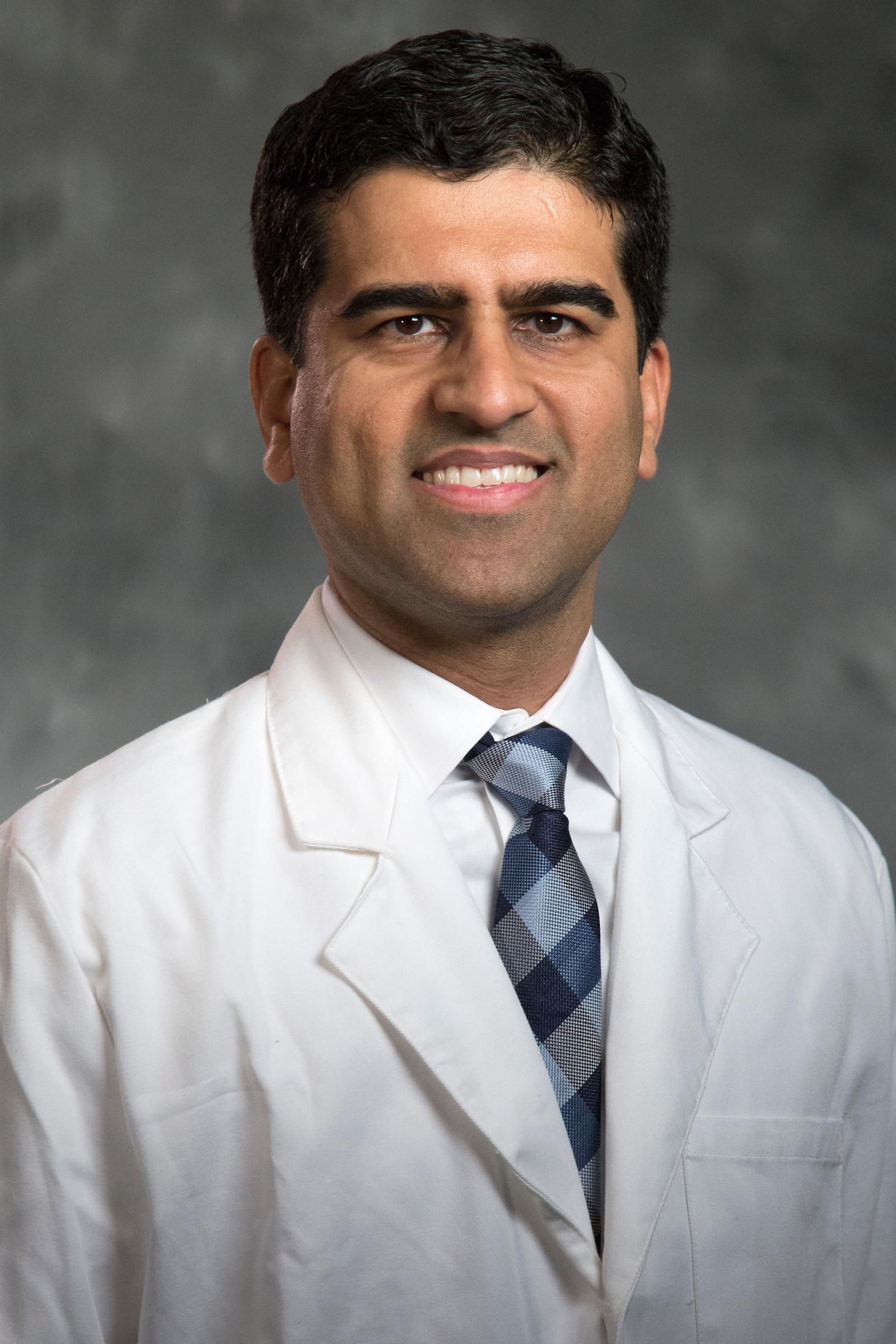
“Antibiotics are only effective in half of SIBO cases and often require retreatment, so better therapies are needed,” said Roper, who was not affiliated with the study. He added that its findings confirmed the researchers’ hypothesis that a PED can be both safe and effective in patients with SIBO.
Roper noted the 83% symptom improvement as the study’s most unexpected and encouraging finding, as it represents a substantial improvement compared with standard antibiotic therapy. “It is also surprising that the tolerance rate of the elemental diet in this study was 100%,” he said.
However, diet palatability remains a major barrier in real-world practice.
“Adherence rates are likely to be far lower than in trials in which patients are closely monitored, and this challenge will not be easily overcome,” he added.
The study’s limitations, including the lack of metagenomic analysis and a placebo group, are important to address in future research, Roper said. In particular, controlled trials of elemental diets are needed to determine whether microbiome changes are directly responsible for symptom improvement.
The study was supported in part by Good LFE and the John and Geraldine Cusenza Foundation. Rezaie disclosed serving as a consultant/speaker for Bausch Health and having equity in Dieta Health, Gemelli Biotech, and Good LFE. Roper had no financial conflicts to disclose.
A version of this article first appeared on Medscape.com.
, according to a new study.
“Elemental diets have long shown promise for treating gastrointestinal disorders like Crohn’s disease, eosinophilic esophagitis, SIBO (small intestinal bacterial overgrowth), and IMO (intestinal methanogen overgrowth), but poor palatability has limited their use,” lead author Ali Rezaie, MD, medical director of the Gastrointestinal (GI) Motility Program and director of Bioinformatics at Cedars-Sinai Medical Center, Los Angeles, told GI & Hepatology News.
Elemental diets are specialized formulas tailored to meet an individual’s specific nutritional needs and daily requirements for vitamins, minerals, fat, free amino acids, and carbohydrates.
In SIBO and IMO specifically, only about half the patients respond to antibiotics, and many require repeat treatments, which underscores the need for effective nonantibiotic alternatives, said Rezaie. “This is the first prospective trial using a PED, aiming to make this approach both viable and accessible for patients,” he noted.
Assessing a Novel Diet in IMO and SIBO
In the study, which was recently published in Clinical Gastroenterology and Hepatology, Rezaie and colleagues enrolled 30 adults with IMO (40%), SIBO (20%), or both (40%). The mean participant age was 45 years, and 63% were women.
All participants completed 2 weeks of a PED, transitioned to 2-3 days of a bland diet, and then resumed their regular diets for 2 weeks.
The diet consisted of multiple 300-calorie packets, adjusted for individual caloric needs. Participants could consume additional packets for hunger but were prohibited from eating other foods. There was no restriction on water intake.
The primary endpoint was changes in stool microbiome after the PED and reintroduction of regular food. Secondary endpoints included lactose breath test normalization to determine bacterial overgrowth in the gut, symptom response, and adverse events.
Researchers collected 29 stool samples at baseline, 27 post-PED, and 27 at study conclusion (2 weeks post-diet).
Key Outcomes
Although the stool samples’ alpha diversity decreased after the PED, the difference was not statistically significant at the end of the study. However, 30 bacterial families showed significant differences in relative abundance post-PED.
Daily symptom severity improved significantly during the second week of the diet compared with baseline, with reduction in abdominal discomfort, bloating, distention, constipation, and flatulence. Further significant improvements in measures such as abdominal pain, diarrhea, fatigue, urgency, and brain fog were observed after reintroducing regular food.
“We observed 73% breath test normalization and 83% global symptom relief — with 100% adherence and tolerance to 2 weeks of exclusive PED,” Rezaie told GI & Hepatology News. No serious adverse events occurred during the study, he added.
Lactose breath test normalization rates post-PED were 58% in patients with IMO, 100% in patients with SIBO, and 75% in those with both conditions.
The extent of patient response to PED was notable, given that 83% had failed prior treatments, Rezaie said.
“While we expected benefit based on palatability improvements and prior retrospective data, the rapid reduction in methane and hydrogen gas — and the sustained microbiome modulation even after reintroducing a regular diet — exceeded expectations,” he said. A significant reduction in visceral fat was another novel finding.
“This study reinforces the power of diet as a therapeutic tool,” Rezaie said, adding that the results show that elemental diets can be palatable, thereby improving patient adherence, tolerance, and, eventually, effectiveness. This is particularly valuable for patients with SIBO and IMO who do not tolerate or respond to antibiotics, prefer nonpharmacologic options, or experience recurrent symptoms after antibiotic treatment.
Limitations and Next Steps
Study limitations included the lack of a placebo group with a sham diet, the short follow-up after reintroducing a regular diet, and the inability to assess microbial gene function.
However, the results support the safety, tolerance, and benefit of a PED in patients with IMO/SIBO. Personalized dietary interventions that support the growth of beneficial bacteria may be an effective approach to treating these disorders, Rezaie and colleagues noted in their publication.
Although the current study is a promising first step, longer-term studies are needed to evaluate the durability of microbiome and symptom improvements, Rezaie said.
Making the Most of Microbiome Manipulation
Elemental diets may help modulate the gut microbiome while reducing immune activation, making them attractive for microbiome-targeted gastrointestinal therapies, Jatin Roper, MD, a gastroenterologist at Duke University, Durham, North Carolina, told GI & Hepatology News.
“Antibiotics are only effective in half of SIBO cases and often require retreatment, so better therapies are needed,” said Roper, who was not affiliated with the study. He added that its findings confirmed the researchers’ hypothesis that a PED can be both safe and effective in patients with SIBO.
Roper noted the 83% symptom improvement as the study’s most unexpected and encouraging finding, as it represents a substantial improvement compared with standard antibiotic therapy. “It is also surprising that the tolerance rate of the elemental diet in this study was 100%,” he said.
However, diet palatability remains a major barrier in real-world practice.
“Adherence rates are likely to be far lower than in trials in which patients are closely monitored, and this challenge will not be easily overcome,” he added.
The study’s limitations, including the lack of metagenomic analysis and a placebo group, are important to address in future research, Roper said. In particular, controlled trials of elemental diets are needed to determine whether microbiome changes are directly responsible for symptom improvement.
The study was supported in part by Good LFE and the John and Geraldine Cusenza Foundation. Rezaie disclosed serving as a consultant/speaker for Bausch Health and having equity in Dieta Health, Gemelli Biotech, and Good LFE. Roper had no financial conflicts to disclose.
A version of this article first appeared on Medscape.com.
, according to a new study.
“Elemental diets have long shown promise for treating gastrointestinal disorders like Crohn’s disease, eosinophilic esophagitis, SIBO (small intestinal bacterial overgrowth), and IMO (intestinal methanogen overgrowth), but poor palatability has limited their use,” lead author Ali Rezaie, MD, medical director of the Gastrointestinal (GI) Motility Program and director of Bioinformatics at Cedars-Sinai Medical Center, Los Angeles, told GI & Hepatology News.
Elemental diets are specialized formulas tailored to meet an individual’s specific nutritional needs and daily requirements for vitamins, minerals, fat, free amino acids, and carbohydrates.
In SIBO and IMO specifically, only about half the patients respond to antibiotics, and many require repeat treatments, which underscores the need for effective nonantibiotic alternatives, said Rezaie. “This is the first prospective trial using a PED, aiming to make this approach both viable and accessible for patients,” he noted.
Assessing a Novel Diet in IMO and SIBO
In the study, which was recently published in Clinical Gastroenterology and Hepatology, Rezaie and colleagues enrolled 30 adults with IMO (40%), SIBO (20%), or both (40%). The mean participant age was 45 years, and 63% were women.
All participants completed 2 weeks of a PED, transitioned to 2-3 days of a bland diet, and then resumed their regular diets for 2 weeks.
The diet consisted of multiple 300-calorie packets, adjusted for individual caloric needs. Participants could consume additional packets for hunger but were prohibited from eating other foods. There was no restriction on water intake.
The primary endpoint was changes in stool microbiome after the PED and reintroduction of regular food. Secondary endpoints included lactose breath test normalization to determine bacterial overgrowth in the gut, symptom response, and adverse events.
Researchers collected 29 stool samples at baseline, 27 post-PED, and 27 at study conclusion (2 weeks post-diet).
Key Outcomes
Although the stool samples’ alpha diversity decreased after the PED, the difference was not statistically significant at the end of the study. However, 30 bacterial families showed significant differences in relative abundance post-PED.
Daily symptom severity improved significantly during the second week of the diet compared with baseline, with reduction in abdominal discomfort, bloating, distention, constipation, and flatulence. Further significant improvements in measures such as abdominal pain, diarrhea, fatigue, urgency, and brain fog were observed after reintroducing regular food.
“We observed 73% breath test normalization and 83% global symptom relief — with 100% adherence and tolerance to 2 weeks of exclusive PED,” Rezaie told GI & Hepatology News. No serious adverse events occurred during the study, he added.
Lactose breath test normalization rates post-PED were 58% in patients with IMO, 100% in patients with SIBO, and 75% in those with both conditions.
The extent of patient response to PED was notable, given that 83% had failed prior treatments, Rezaie said.
“While we expected benefit based on palatability improvements and prior retrospective data, the rapid reduction in methane and hydrogen gas — and the sustained microbiome modulation even after reintroducing a regular diet — exceeded expectations,” he said. A significant reduction in visceral fat was another novel finding.
“This study reinforces the power of diet as a therapeutic tool,” Rezaie said, adding that the results show that elemental diets can be palatable, thereby improving patient adherence, tolerance, and, eventually, effectiveness. This is particularly valuable for patients with SIBO and IMO who do not tolerate or respond to antibiotics, prefer nonpharmacologic options, or experience recurrent symptoms after antibiotic treatment.
Limitations and Next Steps
Study limitations included the lack of a placebo group with a sham diet, the short follow-up after reintroducing a regular diet, and the inability to assess microbial gene function.
However, the results support the safety, tolerance, and benefit of a PED in patients with IMO/SIBO. Personalized dietary interventions that support the growth of beneficial bacteria may be an effective approach to treating these disorders, Rezaie and colleagues noted in their publication.
Although the current study is a promising first step, longer-term studies are needed to evaluate the durability of microbiome and symptom improvements, Rezaie said.
Making the Most of Microbiome Manipulation
Elemental diets may help modulate the gut microbiome while reducing immune activation, making them attractive for microbiome-targeted gastrointestinal therapies, Jatin Roper, MD, a gastroenterologist at Duke University, Durham, North Carolina, told GI & Hepatology News.
“Antibiotics are only effective in half of SIBO cases and often require retreatment, so better therapies are needed,” said Roper, who was not affiliated with the study. He added that its findings confirmed the researchers’ hypothesis that a PED can be both safe and effective in patients with SIBO.
Roper noted the 83% symptom improvement as the study’s most unexpected and encouraging finding, as it represents a substantial improvement compared with standard antibiotic therapy. “It is also surprising that the tolerance rate of the elemental diet in this study was 100%,” he said.
However, diet palatability remains a major barrier in real-world practice.
“Adherence rates are likely to be far lower than in trials in which patients are closely monitored, and this challenge will not be easily overcome,” he added.
The study’s limitations, including the lack of metagenomic analysis and a placebo group, are important to address in future research, Roper said. In particular, controlled trials of elemental diets are needed to determine whether microbiome changes are directly responsible for symptom improvement.
The study was supported in part by Good LFE and the John and Geraldine Cusenza Foundation. Rezaie disclosed serving as a consultant/speaker for Bausch Health and having equity in Dieta Health, Gemelli Biotech, and Good LFE. Roper had no financial conflicts to disclose.
A version of this article first appeared on Medscape.com.
FROM CLINICAL GASTROENTEROLOGY AND HEPATOLOGY
The Extra-Bacterial Gut Ecosystem: The Influence of Phages and Fungi in the Microbiome
WASHINGTON, DC — Research on the gut microbiome — and clinical attention to it — has focused mainly on bacteria, but bacteriophages and fungi play critical roles as well, with significant influences on health and disease, experts said at the Gut Microbiota for Health (GMFH) World Summit 2025.
Fungi account for < 1% of the total genetic material in the microbiome but 1%-2% of its total biomass. “Despite their relative rarity, they have an important and outsized influence on gut health” — an impact that results from their unique interface with the immune system, said Kyla Ost, PhD, of the Anschutz Medical Campus, University of Colorado, in Denver, whose research focuses on this interface.
And bacteriophages — viruses that infect and kill bacteria — are highly abundant in the gut. “Bacteriophages begin to colonize our GI [gastrointestinal] tract at the same time we develop our own microbiome shortly after birth, and from that time on, they interact with the bacteria in our GI tract, shaping [and being shaped by] the bacterial species we carry with us,” said Robert (Chip) Schooley, MD, distinguished professor of medicine at the University of California San Diego School of Medicine.
“We’ve been talking about things that affect the gut microbiome — diet, genetics, immune response — but probably the biggest influence on what grows in the GI tract are bacteriophages,” said Schooley, co-director of the Center for Innovative Phage Applications and Therapeutics, in a session on the extra-bacterial gut ecosystem.
Among the current questions:
‘New life’ for Phage Therapy
Bacteriophages represent a promising approach for the treatment of multidrug resistant bacterial pathogens in an era of increasing resistance and a dried-up antibiotic discovery pipeline, Schooley said. (In 2019, an estimated 4.95 million deaths around the world were associated with bacterial antimicrobial resistance, and by 2050, it has been forecast that this number will rise to an estimated 8.22 million deaths.)
But in addition to suppressing bacterial pathogens causing direct morbidity, phage therapy has the potential to suppress bacteria believed to contribute to chronic diseases, he said. “We have proof-of-concept studies about the ability of phage to modulate bacteria in the digestive tract,” and an increasing number of clinical trials of the use of phages in GI and other diseases are underway, he said.
Phages were discovered just over a century ago, but phage therapy was widely abandoned once antibiotics were developed, except for in Russia and the former Eastern Bloc countries, where phage therapy continued to be used.
Phage therapy “got new life” in the West, Schooley said, about 10-15 years ago with an increasing number of detailed and high-profile case reports, including one in which a UC San Diego colleague, Tom Patterson, PhD, contracted a deadly multidrug resistant bacterial infection in Egypt and was eventually saved with bacteriophage therapy. (The case was the subject of the book The Perfect Predator).
Since then, as described in case reports and studies in the literature, “hundreds of people have been treated with bacteriophages here and in Europe,” most commonly for pulmonary infections and infections in implanted vascular and orthopedic devices, said Schooley, who coauthored a review in Cell in 2023 that describes phage biology and advances and future directions in phage therapy.
The use of bacteriophages to prevent systemic infections during high-risk periods — such as during chemotherapeutic regimens for hematological regimens — is an area of interest, he said at the meeting.
In research that is making its way to a clinical trial of patients undergoing allogeneic hematopoietic stem cell transplant (HSCT), researchers screened a library of phages to identify those with broad coverage of Escherichia coli. Using tail fiber engineering and CRISPR technology, they then engineered a combination of the four most complementary bacteriophages to selectively kill E coli — including fluoroquinolone-resistant strains that, in patients whose GI tracts are colonized with these strains, can translocate from the gut into the bloodstream, causing sepsis, during chemotherapeutic regimens for HSCT.
In a mouse model, the CRISPR-enhanced four-phage cocktail (SNIPR001) led to a steady reduction in the E coli colony counts in stool, “showing you can modulate these bacteria in the gut by using bacteriophages to kill them,” Schooley said. Moreover, the CRISPR enhancement strengthened the phages’ ability to break up biofilms, he said, showing “that you can engineer bacteriophages to make them better killers.” A phase 1b/2a study is being planned.
Other Niches for Therapeutic Phages, Challenges
Bacteriophages also could be used to target a gut bacterium that has been shown to attenuate alcoholic liver disease. Patients with alcoholic hepatitis “have a gut microbiome that is different in distribution,” Schooley said, often with increased numbers of Enterococcus faecalis that produce cytolysin, an exotoxin that exacerbates liver injury and is associated with increased mortality.
In published research led by investigators at UC San Diego, stool from cytolysin-positive patients with alcoholic hepatitis was found to exacerbate ethanol-induced liver disease in gnotobiotic mice, and phage therapy against cytolytic E faecalis was found to abolish it, Schooley shared.
Research is also exploring the potential of phage therapy to selectively target adherent invasive E coli in Crohn’s disease, and Klebsiella pneumoniae in the gut microbiome as an exacerbator of inflammatory bowel disease (IBD), he said.
And investigators in Japan, he noted, have reported that bacteriophage therapy against K pneumoniae can ameliorate liver inflammation and disease severity in primary sclerosing cholangitis.
Challenges in the therapeutic use of phages include the narrow host range of phages and an uncertain predictive value of in vitro phage susceptibility testing. “We don’t know yet how to do resistance testing as well as we do with antibiotics,” he said.
In addition, most phages tend to be acid labile, requiring strategies to mitigate inactivation by gastric acid, and there are “major knowledge gaps” relating to phage pharmacology. “We also know that adaptive immune responses to phages can but often doesn’t impact therapy, and we want to understand that better in clinical trials,” Schooley said.
Phages that have a “lysogenic” lifestyle — as opposed to lytic phages which are used therapeutically — can contribute to antibiotic resistance by facilitating the interchange of bacterial resistance genes, he noted.
A Window Into the Mycobiome
The human gut mycobiome is primarily composed of fungi in the Saccharomyces, Candida, and Malassezia genera, with Candida species dominating. Fungal cells harbor distinct immune-stimulatory molecules and activate distinct immune pathways compared with bacteria and other members of the microbiome, said Ost, assistant professor in the immunology and microbiology department of CU Anschutz.
Some fungi, including those in the Candida genus, activate adaptive and innate immune responses that promote metabolic health and protect against infection. A recently published study in Science, for instance, demonstrated that colonization with C dubliniensis in very young mice who had been exposed to broad-spectrum antibiotics promoted “the expansion and development of beta cells in the pancreas” in a macrophage dependent manner, improving metabolic health and reducing diabetes incidence, she shared.
On the one hand, fungi can “exacerbate and perpetuate the pathogenic inflammation that’s found in a growing list of inflammatory diseases” such as IBD. And “in fact, a lot of the benefits and detriments are driven by the exact same species of fungi,” said Ost. “This is particularly true of Candida,” which is a “lifelong colonizer of intestinal microbiota that rarely causes disease but can be quite pathogenic when it does.”
A 2023 review in Nature Reviews Gastroenterology & Hepatology coauthored by Ost describes the role of commensal fungi in intestinal diseases, including IBD, colorectal cancer, and pancreatic cancer.
The pathogenic potential of commensal fungi is largely dependent on its strain, its morphology and its expression of virulence factors, researchers are learning. Ost has studied C albicans, which has been associated with intestinal inflammation and IBD. Like some other Candida species, C albicans are “fascinating shape shifters,” she said, transitioning between a less pathogenic “yeast” morphology and an elongated, adhesive “hyphae” shape that is more pathogenic.
It turns out, according to research by Ost and others, that the C albicans hyphal morphotype — and the adhesins (sticky proteins that facilitate adherence to epithelial cells) and a cytolytic toxin it produces — are preferentially targeted and suppressed by immunoglobulin A (IgA) in the gut.
“Our gut is protected by a large quantity of IgA antibodies…and these IgA interact with the microbiota and play a big role in what microbes are there and the biology of the microbes,” Ost said. Indeed, symptomatic IgA deficiency in humans has been shown to be associated with C albicans overgrowth.
Leveraging the hyphal-specific IgA response to protect against disease seems possible, she said, referring to an experimental anti-Candida fungal vaccine (NDV-3A) designed to induce an adhesin-specific immune response. In a mouse model of colitis, the vaccine protected against C albicans-associated damage. “We saw an immediate IgA response that targeted C albicans in the intestinal contents,” Ost said.
C glabrata, which has also been associated with intestinal inflammation and IBD, does not form hyphae but — depending on the strain — may also induce intestinal IgA responses, she said in describing her recent research.
Ost reported having no disclosures. Schooley disclosed being a consultant for SNIPR Biome, BiomX, Locus, MicrobiotiX, Amazon Data Monitoring Committee: Merck.
A version of this article appeared on Medscape.com.
WASHINGTON, DC — Research on the gut microbiome — and clinical attention to it — has focused mainly on bacteria, but bacteriophages and fungi play critical roles as well, with significant influences on health and disease, experts said at the Gut Microbiota for Health (GMFH) World Summit 2025.
Fungi account for < 1% of the total genetic material in the microbiome but 1%-2% of its total biomass. “Despite their relative rarity, they have an important and outsized influence on gut health” — an impact that results from their unique interface with the immune system, said Kyla Ost, PhD, of the Anschutz Medical Campus, University of Colorado, in Denver, whose research focuses on this interface.
And bacteriophages — viruses that infect and kill bacteria — are highly abundant in the gut. “Bacteriophages begin to colonize our GI [gastrointestinal] tract at the same time we develop our own microbiome shortly after birth, and from that time on, they interact with the bacteria in our GI tract, shaping [and being shaped by] the bacterial species we carry with us,” said Robert (Chip) Schooley, MD, distinguished professor of medicine at the University of California San Diego School of Medicine.
“We’ve been talking about things that affect the gut microbiome — diet, genetics, immune response — but probably the biggest influence on what grows in the GI tract are bacteriophages,” said Schooley, co-director of the Center for Innovative Phage Applications and Therapeutics, in a session on the extra-bacterial gut ecosystem.
Among the current questions:
‘New life’ for Phage Therapy
Bacteriophages represent a promising approach for the treatment of multidrug resistant bacterial pathogens in an era of increasing resistance and a dried-up antibiotic discovery pipeline, Schooley said. (In 2019, an estimated 4.95 million deaths around the world were associated with bacterial antimicrobial resistance, and by 2050, it has been forecast that this number will rise to an estimated 8.22 million deaths.)
But in addition to suppressing bacterial pathogens causing direct morbidity, phage therapy has the potential to suppress bacteria believed to contribute to chronic diseases, he said. “We have proof-of-concept studies about the ability of phage to modulate bacteria in the digestive tract,” and an increasing number of clinical trials of the use of phages in GI and other diseases are underway, he said.
Phages were discovered just over a century ago, but phage therapy was widely abandoned once antibiotics were developed, except for in Russia and the former Eastern Bloc countries, where phage therapy continued to be used.
Phage therapy “got new life” in the West, Schooley said, about 10-15 years ago with an increasing number of detailed and high-profile case reports, including one in which a UC San Diego colleague, Tom Patterson, PhD, contracted a deadly multidrug resistant bacterial infection in Egypt and was eventually saved with bacteriophage therapy. (The case was the subject of the book The Perfect Predator).
Since then, as described in case reports and studies in the literature, “hundreds of people have been treated with bacteriophages here and in Europe,” most commonly for pulmonary infections and infections in implanted vascular and orthopedic devices, said Schooley, who coauthored a review in Cell in 2023 that describes phage biology and advances and future directions in phage therapy.
The use of bacteriophages to prevent systemic infections during high-risk periods — such as during chemotherapeutic regimens for hematological regimens — is an area of interest, he said at the meeting.
In research that is making its way to a clinical trial of patients undergoing allogeneic hematopoietic stem cell transplant (HSCT), researchers screened a library of phages to identify those with broad coverage of Escherichia coli. Using tail fiber engineering and CRISPR technology, they then engineered a combination of the four most complementary bacteriophages to selectively kill E coli — including fluoroquinolone-resistant strains that, in patients whose GI tracts are colonized with these strains, can translocate from the gut into the bloodstream, causing sepsis, during chemotherapeutic regimens for HSCT.
In a mouse model, the CRISPR-enhanced four-phage cocktail (SNIPR001) led to a steady reduction in the E coli colony counts in stool, “showing you can modulate these bacteria in the gut by using bacteriophages to kill them,” Schooley said. Moreover, the CRISPR enhancement strengthened the phages’ ability to break up biofilms, he said, showing “that you can engineer bacteriophages to make them better killers.” A phase 1b/2a study is being planned.
Other Niches for Therapeutic Phages, Challenges
Bacteriophages also could be used to target a gut bacterium that has been shown to attenuate alcoholic liver disease. Patients with alcoholic hepatitis “have a gut microbiome that is different in distribution,” Schooley said, often with increased numbers of Enterococcus faecalis that produce cytolysin, an exotoxin that exacerbates liver injury and is associated with increased mortality.
In published research led by investigators at UC San Diego, stool from cytolysin-positive patients with alcoholic hepatitis was found to exacerbate ethanol-induced liver disease in gnotobiotic mice, and phage therapy against cytolytic E faecalis was found to abolish it, Schooley shared.
Research is also exploring the potential of phage therapy to selectively target adherent invasive E coli in Crohn’s disease, and Klebsiella pneumoniae in the gut microbiome as an exacerbator of inflammatory bowel disease (IBD), he said.
And investigators in Japan, he noted, have reported that bacteriophage therapy against K pneumoniae can ameliorate liver inflammation and disease severity in primary sclerosing cholangitis.
Challenges in the therapeutic use of phages include the narrow host range of phages and an uncertain predictive value of in vitro phage susceptibility testing. “We don’t know yet how to do resistance testing as well as we do with antibiotics,” he said.
In addition, most phages tend to be acid labile, requiring strategies to mitigate inactivation by gastric acid, and there are “major knowledge gaps” relating to phage pharmacology. “We also know that adaptive immune responses to phages can but often doesn’t impact therapy, and we want to understand that better in clinical trials,” Schooley said.
Phages that have a “lysogenic” lifestyle — as opposed to lytic phages which are used therapeutically — can contribute to antibiotic resistance by facilitating the interchange of bacterial resistance genes, he noted.
A Window Into the Mycobiome
The human gut mycobiome is primarily composed of fungi in the Saccharomyces, Candida, and Malassezia genera, with Candida species dominating. Fungal cells harbor distinct immune-stimulatory molecules and activate distinct immune pathways compared with bacteria and other members of the microbiome, said Ost, assistant professor in the immunology and microbiology department of CU Anschutz.
Some fungi, including those in the Candida genus, activate adaptive and innate immune responses that promote metabolic health and protect against infection. A recently published study in Science, for instance, demonstrated that colonization with C dubliniensis in very young mice who had been exposed to broad-spectrum antibiotics promoted “the expansion and development of beta cells in the pancreas” in a macrophage dependent manner, improving metabolic health and reducing diabetes incidence, she shared.
On the one hand, fungi can “exacerbate and perpetuate the pathogenic inflammation that’s found in a growing list of inflammatory diseases” such as IBD. And “in fact, a lot of the benefits and detriments are driven by the exact same species of fungi,” said Ost. “This is particularly true of Candida,” which is a “lifelong colonizer of intestinal microbiota that rarely causes disease but can be quite pathogenic when it does.”
A 2023 review in Nature Reviews Gastroenterology & Hepatology coauthored by Ost describes the role of commensal fungi in intestinal diseases, including IBD, colorectal cancer, and pancreatic cancer.
The pathogenic potential of commensal fungi is largely dependent on its strain, its morphology and its expression of virulence factors, researchers are learning. Ost has studied C albicans, which has been associated with intestinal inflammation and IBD. Like some other Candida species, C albicans are “fascinating shape shifters,” she said, transitioning between a less pathogenic “yeast” morphology and an elongated, adhesive “hyphae” shape that is more pathogenic.
It turns out, according to research by Ost and others, that the C albicans hyphal morphotype — and the adhesins (sticky proteins that facilitate adherence to epithelial cells) and a cytolytic toxin it produces — are preferentially targeted and suppressed by immunoglobulin A (IgA) in the gut.
“Our gut is protected by a large quantity of IgA antibodies…and these IgA interact with the microbiota and play a big role in what microbes are there and the biology of the microbes,” Ost said. Indeed, symptomatic IgA deficiency in humans has been shown to be associated with C albicans overgrowth.
Leveraging the hyphal-specific IgA response to protect against disease seems possible, she said, referring to an experimental anti-Candida fungal vaccine (NDV-3A) designed to induce an adhesin-specific immune response. In a mouse model of colitis, the vaccine protected against C albicans-associated damage. “We saw an immediate IgA response that targeted C albicans in the intestinal contents,” Ost said.
C glabrata, which has also been associated with intestinal inflammation and IBD, does not form hyphae but — depending on the strain — may also induce intestinal IgA responses, she said in describing her recent research.
Ost reported having no disclosures. Schooley disclosed being a consultant for SNIPR Biome, BiomX, Locus, MicrobiotiX, Amazon Data Monitoring Committee: Merck.
A version of this article appeared on Medscape.com.
WASHINGTON, DC — Research on the gut microbiome — and clinical attention to it — has focused mainly on bacteria, but bacteriophages and fungi play critical roles as well, with significant influences on health and disease, experts said at the Gut Microbiota for Health (GMFH) World Summit 2025.
Fungi account for < 1% of the total genetic material in the microbiome but 1%-2% of its total biomass. “Despite their relative rarity, they have an important and outsized influence on gut health” — an impact that results from their unique interface with the immune system, said Kyla Ost, PhD, of the Anschutz Medical Campus, University of Colorado, in Denver, whose research focuses on this interface.
And bacteriophages — viruses that infect and kill bacteria — are highly abundant in the gut. “Bacteriophages begin to colonize our GI [gastrointestinal] tract at the same time we develop our own microbiome shortly after birth, and from that time on, they interact with the bacteria in our GI tract, shaping [and being shaped by] the bacterial species we carry with us,” said Robert (Chip) Schooley, MD, distinguished professor of medicine at the University of California San Diego School of Medicine.
“We’ve been talking about things that affect the gut microbiome — diet, genetics, immune response — but probably the biggest influence on what grows in the GI tract are bacteriophages,” said Schooley, co-director of the Center for Innovative Phage Applications and Therapeutics, in a session on the extra-bacterial gut ecosystem.
Among the current questions:
‘New life’ for Phage Therapy
Bacteriophages represent a promising approach for the treatment of multidrug resistant bacterial pathogens in an era of increasing resistance and a dried-up antibiotic discovery pipeline, Schooley said. (In 2019, an estimated 4.95 million deaths around the world were associated with bacterial antimicrobial resistance, and by 2050, it has been forecast that this number will rise to an estimated 8.22 million deaths.)
But in addition to suppressing bacterial pathogens causing direct morbidity, phage therapy has the potential to suppress bacteria believed to contribute to chronic diseases, he said. “We have proof-of-concept studies about the ability of phage to modulate bacteria in the digestive tract,” and an increasing number of clinical trials of the use of phages in GI and other diseases are underway, he said.
Phages were discovered just over a century ago, but phage therapy was widely abandoned once antibiotics were developed, except for in Russia and the former Eastern Bloc countries, where phage therapy continued to be used.
Phage therapy “got new life” in the West, Schooley said, about 10-15 years ago with an increasing number of detailed and high-profile case reports, including one in which a UC San Diego colleague, Tom Patterson, PhD, contracted a deadly multidrug resistant bacterial infection in Egypt and was eventually saved with bacteriophage therapy. (The case was the subject of the book The Perfect Predator).
Since then, as described in case reports and studies in the literature, “hundreds of people have been treated with bacteriophages here and in Europe,” most commonly for pulmonary infections and infections in implanted vascular and orthopedic devices, said Schooley, who coauthored a review in Cell in 2023 that describes phage biology and advances and future directions in phage therapy.
The use of bacteriophages to prevent systemic infections during high-risk periods — such as during chemotherapeutic regimens for hematological regimens — is an area of interest, he said at the meeting.
In research that is making its way to a clinical trial of patients undergoing allogeneic hematopoietic stem cell transplant (HSCT), researchers screened a library of phages to identify those with broad coverage of Escherichia coli. Using tail fiber engineering and CRISPR technology, they then engineered a combination of the four most complementary bacteriophages to selectively kill E coli — including fluoroquinolone-resistant strains that, in patients whose GI tracts are colonized with these strains, can translocate from the gut into the bloodstream, causing sepsis, during chemotherapeutic regimens for HSCT.
In a mouse model, the CRISPR-enhanced four-phage cocktail (SNIPR001) led to a steady reduction in the E coli colony counts in stool, “showing you can modulate these bacteria in the gut by using bacteriophages to kill them,” Schooley said. Moreover, the CRISPR enhancement strengthened the phages’ ability to break up biofilms, he said, showing “that you can engineer bacteriophages to make them better killers.” A phase 1b/2a study is being planned.
Other Niches for Therapeutic Phages, Challenges
Bacteriophages also could be used to target a gut bacterium that has been shown to attenuate alcoholic liver disease. Patients with alcoholic hepatitis “have a gut microbiome that is different in distribution,” Schooley said, often with increased numbers of Enterococcus faecalis that produce cytolysin, an exotoxin that exacerbates liver injury and is associated with increased mortality.
In published research led by investigators at UC San Diego, stool from cytolysin-positive patients with alcoholic hepatitis was found to exacerbate ethanol-induced liver disease in gnotobiotic mice, and phage therapy against cytolytic E faecalis was found to abolish it, Schooley shared.
Research is also exploring the potential of phage therapy to selectively target adherent invasive E coli in Crohn’s disease, and Klebsiella pneumoniae in the gut microbiome as an exacerbator of inflammatory bowel disease (IBD), he said.
And investigators in Japan, he noted, have reported that bacteriophage therapy against K pneumoniae can ameliorate liver inflammation and disease severity in primary sclerosing cholangitis.
Challenges in the therapeutic use of phages include the narrow host range of phages and an uncertain predictive value of in vitro phage susceptibility testing. “We don’t know yet how to do resistance testing as well as we do with antibiotics,” he said.
In addition, most phages tend to be acid labile, requiring strategies to mitigate inactivation by gastric acid, and there are “major knowledge gaps” relating to phage pharmacology. “We also know that adaptive immune responses to phages can but often doesn’t impact therapy, and we want to understand that better in clinical trials,” Schooley said.
Phages that have a “lysogenic” lifestyle — as opposed to lytic phages which are used therapeutically — can contribute to antibiotic resistance by facilitating the interchange of bacterial resistance genes, he noted.
A Window Into the Mycobiome
The human gut mycobiome is primarily composed of fungi in the Saccharomyces, Candida, and Malassezia genera, with Candida species dominating. Fungal cells harbor distinct immune-stimulatory molecules and activate distinct immune pathways compared with bacteria and other members of the microbiome, said Ost, assistant professor in the immunology and microbiology department of CU Anschutz.
Some fungi, including those in the Candida genus, activate adaptive and innate immune responses that promote metabolic health and protect against infection. A recently published study in Science, for instance, demonstrated that colonization with C dubliniensis in very young mice who had been exposed to broad-spectrum antibiotics promoted “the expansion and development of beta cells in the pancreas” in a macrophage dependent manner, improving metabolic health and reducing diabetes incidence, she shared.
On the one hand, fungi can “exacerbate and perpetuate the pathogenic inflammation that’s found in a growing list of inflammatory diseases” such as IBD. And “in fact, a lot of the benefits and detriments are driven by the exact same species of fungi,” said Ost. “This is particularly true of Candida,” which is a “lifelong colonizer of intestinal microbiota that rarely causes disease but can be quite pathogenic when it does.”
A 2023 review in Nature Reviews Gastroenterology & Hepatology coauthored by Ost describes the role of commensal fungi in intestinal diseases, including IBD, colorectal cancer, and pancreatic cancer.
The pathogenic potential of commensal fungi is largely dependent on its strain, its morphology and its expression of virulence factors, researchers are learning. Ost has studied C albicans, which has been associated with intestinal inflammation and IBD. Like some other Candida species, C albicans are “fascinating shape shifters,” she said, transitioning between a less pathogenic “yeast” morphology and an elongated, adhesive “hyphae” shape that is more pathogenic.
It turns out, according to research by Ost and others, that the C albicans hyphal morphotype — and the adhesins (sticky proteins that facilitate adherence to epithelial cells) and a cytolytic toxin it produces — are preferentially targeted and suppressed by immunoglobulin A (IgA) in the gut.
“Our gut is protected by a large quantity of IgA antibodies…and these IgA interact with the microbiota and play a big role in what microbes are there and the biology of the microbes,” Ost said. Indeed, symptomatic IgA deficiency in humans has been shown to be associated with C albicans overgrowth.
Leveraging the hyphal-specific IgA response to protect against disease seems possible, she said, referring to an experimental anti-Candida fungal vaccine (NDV-3A) designed to induce an adhesin-specific immune response. In a mouse model of colitis, the vaccine protected against C albicans-associated damage. “We saw an immediate IgA response that targeted C albicans in the intestinal contents,” Ost said.
C glabrata, which has also been associated with intestinal inflammation and IBD, does not form hyphae but — depending on the strain — may also induce intestinal IgA responses, she said in describing her recent research.
Ost reported having no disclosures. Schooley disclosed being a consultant for SNIPR Biome, BiomX, Locus, MicrobiotiX, Amazon Data Monitoring Committee: Merck.
A version of this article appeared on Medscape.com.
FROM GMFH 2025
FDA Approves Avastin Biosimilar Agent, Jobevne
The United States Food and Drug Administration (FDA) has approved bevacizumab-nwgd (Jobevne, Biocon Biologics Ltd), a biosimilar to bevacizumab (Avastin, Genentech), for intravenous use across multiple cancer types.
Approval was based on “a comprehensive package of comparative pharmacokinetic, safety, efficacy, nonclinical, structural, analytical and functional data, which confirmed the Jobevne is highly similar to Avastin,” according to a Biocon Biologics Ltd press release.
“The data demonstrated that there were no clinically meaningful differences between Jobevne and Avastin in terms of pharmacokinetics, safety, efficacy, and immunogenicity,” the company stated.
The biosimilar agent is indicated as part of various combinations for the treatment of metastatic colorectal cancer, certain types of non-squamous non–small cell lung cancer, recurrent glioblastoma, metastatic renal cell carcinoma, certain advanced cervical cancers, and epithelial ovarian, fallopian tube, or primary peritoneal cancers, the company noted.
The agent is not indicated for adjuvant treatment of colon cancer, according to the press release, which includes detailed information about the indications, as well as a list of warnings and precautions.
A version of this article first appeared on Medscape.com.
The United States Food and Drug Administration (FDA) has approved bevacizumab-nwgd (Jobevne, Biocon Biologics Ltd), a biosimilar to bevacizumab (Avastin, Genentech), for intravenous use across multiple cancer types.
Approval was based on “a comprehensive package of comparative pharmacokinetic, safety, efficacy, nonclinical, structural, analytical and functional data, which confirmed the Jobevne is highly similar to Avastin,” according to a Biocon Biologics Ltd press release.
“The data demonstrated that there were no clinically meaningful differences between Jobevne and Avastin in terms of pharmacokinetics, safety, efficacy, and immunogenicity,” the company stated.
The biosimilar agent is indicated as part of various combinations for the treatment of metastatic colorectal cancer, certain types of non-squamous non–small cell lung cancer, recurrent glioblastoma, metastatic renal cell carcinoma, certain advanced cervical cancers, and epithelial ovarian, fallopian tube, or primary peritoneal cancers, the company noted.
The agent is not indicated for adjuvant treatment of colon cancer, according to the press release, which includes detailed information about the indications, as well as a list of warnings and precautions.
A version of this article first appeared on Medscape.com.
The United States Food and Drug Administration (FDA) has approved bevacizumab-nwgd (Jobevne, Biocon Biologics Ltd), a biosimilar to bevacizumab (Avastin, Genentech), for intravenous use across multiple cancer types.
Approval was based on “a comprehensive package of comparative pharmacokinetic, safety, efficacy, nonclinical, structural, analytical and functional data, which confirmed the Jobevne is highly similar to Avastin,” according to a Biocon Biologics Ltd press release.
“The data demonstrated that there were no clinically meaningful differences between Jobevne and Avastin in terms of pharmacokinetics, safety, efficacy, and immunogenicity,” the company stated.
The biosimilar agent is indicated as part of various combinations for the treatment of metastatic colorectal cancer, certain types of non-squamous non–small cell lung cancer, recurrent glioblastoma, metastatic renal cell carcinoma, certain advanced cervical cancers, and epithelial ovarian, fallopian tube, or primary peritoneal cancers, the company noted.
The agent is not indicated for adjuvant treatment of colon cancer, according to the press release, which includes detailed information about the indications, as well as a list of warnings and precautions.
A version of this article first appeared on Medscape.com.
Medical Centers Address Unique Needs of Young Adults With Cancer
Adam DuVall, MD, MPH, is a rare medical oncologist who trained in both adult and pediatric hematology/oncology.
This distinction, which DuVall said he shares with only a handful of oncologists in the world, matches his role at University of Chicago (UChicago) Medicine, Chicago. Since joining UChicago in 2020, DuVall has helped expand its Adolescent and Young Adult (AYA) Oncology Program, which aims to provide comprehensive, one-stop care and support for patients with cancer aged from 15 to 39 years.
Started in 2012, the program is one of the oldest in a growing array of initiatives nationwide that seek to address the specific psychosocial and other support needs of patients with cancer who fall into the gap between young children and the older patients who more typically have cancer. Along with DuVall and other oncologists, UChicago’s AYA Program offers dedicated nurse practitioners, social workers, psychologists, a physical therapist, and a program administrator. A community health worker, who does home visits, helps patients coordinate travel, works with their insurance, and generally navigates the medical system, DuVall added.
The program receives about 1500-2000 visits a year, according to DuVall. What the young adult population with cancer has in common that distinguishes it from other age cohorts, he said, are its members’ particular psychosocial needs. “Going through adolescence and young adulthood without cancer, there’s plenty of things that are hard,” DuVall observed. “Put cancer on top of that, and it impacts every aspect of life.”
‘Millennials Have Higher Risk’
The proliferation of AYA programs comes as more and more studies have been published recently showing that young adults are increasingly getting cancer.
According to American Cancer Society research published in December in The Lancet Oncology, incidence rates of colorectal cancer (CRC) among young adults aged 25-49 years rose in the decade through 2017 in more than half of the 50 countries and territories examined. For the past 5 years studied, the incidence rate of early-onset CRC was highest in Australia, Puerto Rico, New Zealand, the United States, and South Korea. At the same time, the study found, rates among older adults in all of those places except South Korea were stable or declining.
Hyuna Sung, PhD, the study’s lead author, said, “Research has shown that Gen X and millennials have higher risk of multiple types of cancer compared to the older generations.”
Some of the cancers found to be increasing among younger adults are linked to “excess body obesity,” Sung said, including not only CRC but also cancers of the uterine corpus, gallbladder, kidney, pancreas, breast, and stomach cardia, as well as myeloma. Early onset of cancers not linked to obesity, such as testicular cancer and small intestinal cancer, has also been shown to be on the rise, Sung noted.
As cancer rates among young adults have risen, nonprofits have stepped in to help medical institutions open programs geared to their needs. Teen Cancer America, founded by members of rock band The Who, has partnered with 64 hospitals in 36 cities to develop AYA-focused programs, funding 85 hospital positions, according to a spokesperson. The Los Angeles–based nonprofit has also provided free consultation to 130 hospitals without formally providing a grant, the spokesperson said.
A map on Teen Cancer America’s website illustrates the nationwide spread of AYA programs, from UCLA Santa Monica Medical Center to Memorial Sloan Kettering Cancer Center in New York City, with more in between.
‘Setting Them Up for a Life of Meaning’
Michael Roth, MD, co-director of the AYA Program at the University of Texas MD Anderson Cancer Center in Houston, likes to say, “If you’ve seen one AYA Program, you’ve seen one AYA Program.”
In other words, offerings vary. “Most centers do not have comprehensive AYA programs,” Roth said, noting that at many sites the AYA Program might consist of oncofertility support. “That said, programs are doing the best they can, knowing that the AYA population is growing exponentially globally.”
Almost 90,000 AYA patients are diagnosed with cancer each year, and 85% will be at least 5-year survivors, Roth said. There are more than 2 million survivors of AYA cancer, he added, and if the median age of diagnosis is 30, they can live five decades beyond their cancer treatment. “Their life matters,” Roth said. “It matters during treatment. Their life after cancer matters.”
The AYA Program at MD Anderson began in 2017, and it sees more than 2000 AYAs diagnosed with cancer every year, according to Roth. The program is designed to complement the care that patients with cancer aged from 15 to 39 years or older may already be receiving from their primary treatment teams. New patients see a medical provider, a social worker, and a vocational counselor for discussions about their needs and concerns, and they have access to a nutritionist and genetic counselor.
The program offers psychosocial and supportive care for patients who may be facing challenges with school, work, relationships, having young children, and mental health, Roth said. Along with assessments and counseling around fertility risks and genetic predisposition, MD Anderson also provides patients in the program with a long-term survivorship plan.
“It’s not just increasing cures,” Roth observed. “We’re also setting them up for a life of meaning and happiness and productivity and health.”
Almost 40% of visits to the program are conducted virtually, according to Roth. “Our goal is to meet the patients where they are,” he said. “We want to be convenient, not be a burden.”
‘The Face of Cancer Has Changed’
Patients with AYA cancer diagnoses may be finishing up school or starting a job, developing their body image and sexual identity, or caring for young children or older parents.
“They feel incredibly isolated,” said Ann LaCasce, MD, MMSc, co-director of the Center for Adolescent and Young Adult Oncology at Dana-Farber Cancer Institute in Boston. “They go into the cancer center or their community practice, and everyone is double, triple their age.”
Last year, Dana-Farber opened a Young Adult Lounge meant for patients aged 18 years or older to be able to relax and, if they wish, interact between appointments. “When you talk to these patients, they want to meet each other,” LaCasce said. “They want to share experiences.”
The Young Adults With Cancer Program at Vanderbilt-Ingram Cancer Center in Nashville, Tennessee, opened its doors in 2019. It recently hired an interim nurse navigator, said Cathy Eng, MD, FACP, FASCO, director of the Program, which concentrates on patients aged 25-45 years.
“The face of cancer has changed,” Eng said.
She advises other oncologists to talk to their young adult patients as much as possible. “Really talk to them as an individual and see what other needs they have,” she said. “Even if they don’t tell you the first time, ask them the second time, ask them the third time.”
Christopher Cann, MD, executive director of the Young Adult Cancer Program at Fox Chase Cancer Center in Philadelphia, did his fellowship under Eng. He joined Fox Chase in 2023, and the Young Adult Cancer Program started accepting patients around the end of last year, zeroing in on patients aged 18-39 years.
Following the implementation of a new best practice advisory that pops up in the medical records system, he said, oncofertility referrals increased by 400% within 6 months.
“My hope is that if every institution throughout the country can have a young adult program, even something small like this can provide a large impact for patients,” Cann said.
The University of North Carolina (UNC) AYA Cancer Program, part of the Lineberger Comprehensive Cancer Center, University of North Carolina at Chapel Hill, formed in 2015. It has expanded into a team of about 12 including a nurse practitioner, fertility counselor, and psychologist, said Jacob Stein, MD, MPH, the program’s AYA oncology liaison. UNC sees about 400 AYA patients with cancer annually, and the program interacts with slightly more than 100 of them, according to Stein.
“Our program has taken a very different approach, to target services, contact, and engagement with AYAs who we perceive to be at the highest need, either clinically or socially, for support,” he said.
Stein was the lead author on research presented last year at the ASCO Quality Care Symposium in San Francisco finding that patients engaged in the program were more likely to participate in clinical trials and received higher rates of fertility preservation and palliative care than AYA patients at UNC without program contact.
Andrew Smitherman, MD, MS, medical director of the UNC AYA Cancer Center Program, said the AYA field has grown impressively since a progress review group was started in 2005, which was backed by the National Cancer Institute and LIVESTRONG Young Adult Alliance. The group developed recommendations to address AYA oncology nationwide, in hopes of acting as a catalyst for future initiatives. Clearly, others caring for patients with cancer heard the message.
“If a colleague comes to me and says, ‘Where do I start, how do I make this change at my institution,’ I usually lead with changing the culture,” Smitherman said. “Educating hospital leadership about the importance of this population, educating colleagues, finding partners. And then start thinking about ways to make structural changes, like creating space. That’s worked really well for us.”
DuVall, Sung, Roth, LaCasce, Eng, Cann, Stein, and Smitherman declared no conflicts of interest.
A version of this article first appeared on Medscape.com.
Adam DuVall, MD, MPH, is a rare medical oncologist who trained in both adult and pediatric hematology/oncology.
This distinction, which DuVall said he shares with only a handful of oncologists in the world, matches his role at University of Chicago (UChicago) Medicine, Chicago. Since joining UChicago in 2020, DuVall has helped expand its Adolescent and Young Adult (AYA) Oncology Program, which aims to provide comprehensive, one-stop care and support for patients with cancer aged from 15 to 39 years.
Started in 2012, the program is one of the oldest in a growing array of initiatives nationwide that seek to address the specific psychosocial and other support needs of patients with cancer who fall into the gap between young children and the older patients who more typically have cancer. Along with DuVall and other oncologists, UChicago’s AYA Program offers dedicated nurse practitioners, social workers, psychologists, a physical therapist, and a program administrator. A community health worker, who does home visits, helps patients coordinate travel, works with their insurance, and generally navigates the medical system, DuVall added.
The program receives about 1500-2000 visits a year, according to DuVall. What the young adult population with cancer has in common that distinguishes it from other age cohorts, he said, are its members’ particular psychosocial needs. “Going through adolescence and young adulthood without cancer, there’s plenty of things that are hard,” DuVall observed. “Put cancer on top of that, and it impacts every aspect of life.”
‘Millennials Have Higher Risk’
The proliferation of AYA programs comes as more and more studies have been published recently showing that young adults are increasingly getting cancer.
According to American Cancer Society research published in December in The Lancet Oncology, incidence rates of colorectal cancer (CRC) among young adults aged 25-49 years rose in the decade through 2017 in more than half of the 50 countries and territories examined. For the past 5 years studied, the incidence rate of early-onset CRC was highest in Australia, Puerto Rico, New Zealand, the United States, and South Korea. At the same time, the study found, rates among older adults in all of those places except South Korea were stable or declining.
Hyuna Sung, PhD, the study’s lead author, said, “Research has shown that Gen X and millennials have higher risk of multiple types of cancer compared to the older generations.”
Some of the cancers found to be increasing among younger adults are linked to “excess body obesity,” Sung said, including not only CRC but also cancers of the uterine corpus, gallbladder, kidney, pancreas, breast, and stomach cardia, as well as myeloma. Early onset of cancers not linked to obesity, such as testicular cancer and small intestinal cancer, has also been shown to be on the rise, Sung noted.
As cancer rates among young adults have risen, nonprofits have stepped in to help medical institutions open programs geared to their needs. Teen Cancer America, founded by members of rock band The Who, has partnered with 64 hospitals in 36 cities to develop AYA-focused programs, funding 85 hospital positions, according to a spokesperson. The Los Angeles–based nonprofit has also provided free consultation to 130 hospitals without formally providing a grant, the spokesperson said.
A map on Teen Cancer America’s website illustrates the nationwide spread of AYA programs, from UCLA Santa Monica Medical Center to Memorial Sloan Kettering Cancer Center in New York City, with more in between.
‘Setting Them Up for a Life of Meaning’
Michael Roth, MD, co-director of the AYA Program at the University of Texas MD Anderson Cancer Center in Houston, likes to say, “If you’ve seen one AYA Program, you’ve seen one AYA Program.”
In other words, offerings vary. “Most centers do not have comprehensive AYA programs,” Roth said, noting that at many sites the AYA Program might consist of oncofertility support. “That said, programs are doing the best they can, knowing that the AYA population is growing exponentially globally.”
Almost 90,000 AYA patients are diagnosed with cancer each year, and 85% will be at least 5-year survivors, Roth said. There are more than 2 million survivors of AYA cancer, he added, and if the median age of diagnosis is 30, they can live five decades beyond their cancer treatment. “Their life matters,” Roth said. “It matters during treatment. Their life after cancer matters.”
The AYA Program at MD Anderson began in 2017, and it sees more than 2000 AYAs diagnosed with cancer every year, according to Roth. The program is designed to complement the care that patients with cancer aged from 15 to 39 years or older may already be receiving from their primary treatment teams. New patients see a medical provider, a social worker, and a vocational counselor for discussions about their needs and concerns, and they have access to a nutritionist and genetic counselor.
The program offers psychosocial and supportive care for patients who may be facing challenges with school, work, relationships, having young children, and mental health, Roth said. Along with assessments and counseling around fertility risks and genetic predisposition, MD Anderson also provides patients in the program with a long-term survivorship plan.
“It’s not just increasing cures,” Roth observed. “We’re also setting them up for a life of meaning and happiness and productivity and health.”
Almost 40% of visits to the program are conducted virtually, according to Roth. “Our goal is to meet the patients where they are,” he said. “We want to be convenient, not be a burden.”
‘The Face of Cancer Has Changed’
Patients with AYA cancer diagnoses may be finishing up school or starting a job, developing their body image and sexual identity, or caring for young children or older parents.
“They feel incredibly isolated,” said Ann LaCasce, MD, MMSc, co-director of the Center for Adolescent and Young Adult Oncology at Dana-Farber Cancer Institute in Boston. “They go into the cancer center or their community practice, and everyone is double, triple their age.”
Last year, Dana-Farber opened a Young Adult Lounge meant for patients aged 18 years or older to be able to relax and, if they wish, interact between appointments. “When you talk to these patients, they want to meet each other,” LaCasce said. “They want to share experiences.”
The Young Adults With Cancer Program at Vanderbilt-Ingram Cancer Center in Nashville, Tennessee, opened its doors in 2019. It recently hired an interim nurse navigator, said Cathy Eng, MD, FACP, FASCO, director of the Program, which concentrates on patients aged 25-45 years.
“The face of cancer has changed,” Eng said.
She advises other oncologists to talk to their young adult patients as much as possible. “Really talk to them as an individual and see what other needs they have,” she said. “Even if they don’t tell you the first time, ask them the second time, ask them the third time.”
Christopher Cann, MD, executive director of the Young Adult Cancer Program at Fox Chase Cancer Center in Philadelphia, did his fellowship under Eng. He joined Fox Chase in 2023, and the Young Adult Cancer Program started accepting patients around the end of last year, zeroing in on patients aged 18-39 years.
Following the implementation of a new best practice advisory that pops up in the medical records system, he said, oncofertility referrals increased by 400% within 6 months.
“My hope is that if every institution throughout the country can have a young adult program, even something small like this can provide a large impact for patients,” Cann said.
The University of North Carolina (UNC) AYA Cancer Program, part of the Lineberger Comprehensive Cancer Center, University of North Carolina at Chapel Hill, formed in 2015. It has expanded into a team of about 12 including a nurse practitioner, fertility counselor, and psychologist, said Jacob Stein, MD, MPH, the program’s AYA oncology liaison. UNC sees about 400 AYA patients with cancer annually, and the program interacts with slightly more than 100 of them, according to Stein.
“Our program has taken a very different approach, to target services, contact, and engagement with AYAs who we perceive to be at the highest need, either clinically or socially, for support,” he said.
Stein was the lead author on research presented last year at the ASCO Quality Care Symposium in San Francisco finding that patients engaged in the program were more likely to participate in clinical trials and received higher rates of fertility preservation and palliative care than AYA patients at UNC without program contact.
Andrew Smitherman, MD, MS, medical director of the UNC AYA Cancer Center Program, said the AYA field has grown impressively since a progress review group was started in 2005, which was backed by the National Cancer Institute and LIVESTRONG Young Adult Alliance. The group developed recommendations to address AYA oncology nationwide, in hopes of acting as a catalyst for future initiatives. Clearly, others caring for patients with cancer heard the message.
“If a colleague comes to me and says, ‘Where do I start, how do I make this change at my institution,’ I usually lead with changing the culture,” Smitherman said. “Educating hospital leadership about the importance of this population, educating colleagues, finding partners. And then start thinking about ways to make structural changes, like creating space. That’s worked really well for us.”
DuVall, Sung, Roth, LaCasce, Eng, Cann, Stein, and Smitherman declared no conflicts of interest.
A version of this article first appeared on Medscape.com.
Adam DuVall, MD, MPH, is a rare medical oncologist who trained in both adult and pediatric hematology/oncology.
This distinction, which DuVall said he shares with only a handful of oncologists in the world, matches his role at University of Chicago (UChicago) Medicine, Chicago. Since joining UChicago in 2020, DuVall has helped expand its Adolescent and Young Adult (AYA) Oncology Program, which aims to provide comprehensive, one-stop care and support for patients with cancer aged from 15 to 39 years.
Started in 2012, the program is one of the oldest in a growing array of initiatives nationwide that seek to address the specific psychosocial and other support needs of patients with cancer who fall into the gap between young children and the older patients who more typically have cancer. Along with DuVall and other oncologists, UChicago’s AYA Program offers dedicated nurse practitioners, social workers, psychologists, a physical therapist, and a program administrator. A community health worker, who does home visits, helps patients coordinate travel, works with their insurance, and generally navigates the medical system, DuVall added.
The program receives about 1500-2000 visits a year, according to DuVall. What the young adult population with cancer has in common that distinguishes it from other age cohorts, he said, are its members’ particular psychosocial needs. “Going through adolescence and young adulthood without cancer, there’s plenty of things that are hard,” DuVall observed. “Put cancer on top of that, and it impacts every aspect of life.”
‘Millennials Have Higher Risk’
The proliferation of AYA programs comes as more and more studies have been published recently showing that young adults are increasingly getting cancer.
According to American Cancer Society research published in December in The Lancet Oncology, incidence rates of colorectal cancer (CRC) among young adults aged 25-49 years rose in the decade through 2017 in more than half of the 50 countries and territories examined. For the past 5 years studied, the incidence rate of early-onset CRC was highest in Australia, Puerto Rico, New Zealand, the United States, and South Korea. At the same time, the study found, rates among older adults in all of those places except South Korea were stable or declining.
Hyuna Sung, PhD, the study’s lead author, said, “Research has shown that Gen X and millennials have higher risk of multiple types of cancer compared to the older generations.”
Some of the cancers found to be increasing among younger adults are linked to “excess body obesity,” Sung said, including not only CRC but also cancers of the uterine corpus, gallbladder, kidney, pancreas, breast, and stomach cardia, as well as myeloma. Early onset of cancers not linked to obesity, such as testicular cancer and small intestinal cancer, has also been shown to be on the rise, Sung noted.
As cancer rates among young adults have risen, nonprofits have stepped in to help medical institutions open programs geared to their needs. Teen Cancer America, founded by members of rock band The Who, has partnered with 64 hospitals in 36 cities to develop AYA-focused programs, funding 85 hospital positions, according to a spokesperson. The Los Angeles–based nonprofit has also provided free consultation to 130 hospitals without formally providing a grant, the spokesperson said.
A map on Teen Cancer America’s website illustrates the nationwide spread of AYA programs, from UCLA Santa Monica Medical Center to Memorial Sloan Kettering Cancer Center in New York City, with more in between.
‘Setting Them Up for a Life of Meaning’
Michael Roth, MD, co-director of the AYA Program at the University of Texas MD Anderson Cancer Center in Houston, likes to say, “If you’ve seen one AYA Program, you’ve seen one AYA Program.”
In other words, offerings vary. “Most centers do not have comprehensive AYA programs,” Roth said, noting that at many sites the AYA Program might consist of oncofertility support. “That said, programs are doing the best they can, knowing that the AYA population is growing exponentially globally.”
Almost 90,000 AYA patients are diagnosed with cancer each year, and 85% will be at least 5-year survivors, Roth said. There are more than 2 million survivors of AYA cancer, he added, and if the median age of diagnosis is 30, they can live five decades beyond their cancer treatment. “Their life matters,” Roth said. “It matters during treatment. Their life after cancer matters.”
The AYA Program at MD Anderson began in 2017, and it sees more than 2000 AYAs diagnosed with cancer every year, according to Roth. The program is designed to complement the care that patients with cancer aged from 15 to 39 years or older may already be receiving from their primary treatment teams. New patients see a medical provider, a social worker, and a vocational counselor for discussions about their needs and concerns, and they have access to a nutritionist and genetic counselor.
The program offers psychosocial and supportive care for patients who may be facing challenges with school, work, relationships, having young children, and mental health, Roth said. Along with assessments and counseling around fertility risks and genetic predisposition, MD Anderson also provides patients in the program with a long-term survivorship plan.
“It’s not just increasing cures,” Roth observed. “We’re also setting them up for a life of meaning and happiness and productivity and health.”
Almost 40% of visits to the program are conducted virtually, according to Roth. “Our goal is to meet the patients where they are,” he said. “We want to be convenient, not be a burden.”
‘The Face of Cancer Has Changed’
Patients with AYA cancer diagnoses may be finishing up school or starting a job, developing their body image and sexual identity, or caring for young children or older parents.
“They feel incredibly isolated,” said Ann LaCasce, MD, MMSc, co-director of the Center for Adolescent and Young Adult Oncology at Dana-Farber Cancer Institute in Boston. “They go into the cancer center or their community practice, and everyone is double, triple their age.”
Last year, Dana-Farber opened a Young Adult Lounge meant for patients aged 18 years or older to be able to relax and, if they wish, interact between appointments. “When you talk to these patients, they want to meet each other,” LaCasce said. “They want to share experiences.”
The Young Adults With Cancer Program at Vanderbilt-Ingram Cancer Center in Nashville, Tennessee, opened its doors in 2019. It recently hired an interim nurse navigator, said Cathy Eng, MD, FACP, FASCO, director of the Program, which concentrates on patients aged 25-45 years.
“The face of cancer has changed,” Eng said.
She advises other oncologists to talk to their young adult patients as much as possible. “Really talk to them as an individual and see what other needs they have,” she said. “Even if they don’t tell you the first time, ask them the second time, ask them the third time.”
Christopher Cann, MD, executive director of the Young Adult Cancer Program at Fox Chase Cancer Center in Philadelphia, did his fellowship under Eng. He joined Fox Chase in 2023, and the Young Adult Cancer Program started accepting patients around the end of last year, zeroing in on patients aged 18-39 years.
Following the implementation of a new best practice advisory that pops up in the medical records system, he said, oncofertility referrals increased by 400% within 6 months.
“My hope is that if every institution throughout the country can have a young adult program, even something small like this can provide a large impact for patients,” Cann said.
The University of North Carolina (UNC) AYA Cancer Program, part of the Lineberger Comprehensive Cancer Center, University of North Carolina at Chapel Hill, formed in 2015. It has expanded into a team of about 12 including a nurse practitioner, fertility counselor, and psychologist, said Jacob Stein, MD, MPH, the program’s AYA oncology liaison. UNC sees about 400 AYA patients with cancer annually, and the program interacts with slightly more than 100 of them, according to Stein.
“Our program has taken a very different approach, to target services, contact, and engagement with AYAs who we perceive to be at the highest need, either clinically or socially, for support,” he said.
Stein was the lead author on research presented last year at the ASCO Quality Care Symposium in San Francisco finding that patients engaged in the program were more likely to participate in clinical trials and received higher rates of fertility preservation and palliative care than AYA patients at UNC without program contact.
Andrew Smitherman, MD, MS, medical director of the UNC AYA Cancer Center Program, said the AYA field has grown impressively since a progress review group was started in 2005, which was backed by the National Cancer Institute and LIVESTRONG Young Adult Alliance. The group developed recommendations to address AYA oncology nationwide, in hopes of acting as a catalyst for future initiatives. Clearly, others caring for patients with cancer heard the message.
“If a colleague comes to me and says, ‘Where do I start, how do I make this change at my institution,’ I usually lead with changing the culture,” Smitherman said. “Educating hospital leadership about the importance of this population, educating colleagues, finding partners. And then start thinking about ways to make structural changes, like creating space. That’s worked really well for us.”
DuVall, Sung, Roth, LaCasce, Eng, Cann, Stein, and Smitherman declared no conflicts of interest.
A version of this article first appeared on Medscape.com.
FDA OKs First-line Nivolumab + Ipilimumab in Advanced HCC
The US Food and Drug Administration (FDA) has approved nivolumab (Opdivo, Bristol Myers Squibb) with ipilimumab (Yervoy, Bristol Myers Squibb) as a first-line treatment for adults with unresectable or metastatic hepatocellular carcinoma (HCC).
The decision, which follows the FDA’s 2020 accelerated approval in the second-line setting for advanced HCC and adds to the list of other indications for the combination therapy, was based on efficacy demonstrated in the randomized, open-label CHECKMATE-9DW trial. The trial enrolled 668 patients with unresectable or metastatic HCC and no prior systemic therapy for advanced disease, according to the FDA approval notice.
Median overall survival, the primary outcome measure, was 23.7 months in those randomized to receive nivolumab + ipilimumab, compared with 20.6 months in those randomized to receive investigators’ choice of lenvatinib or sorafenib (hazard ratio, 0.79). The overall response rate was 36.1% vs 13.2% in the arms, respectively.
Those in the treatment arm received 1 mg/kg intravenous (IV) nivolumab with 3 mg/kg IV ipilimumab every 3 weeks for up to four doses, followed by single-agent IV nivolumab at 480 mg every 4 weeks. Those in the control arm received either 8 or 12 mg lenvatinib daily or 400 mg sorafenib twice daily until disease progression or unacceptable toxicity, according to early results from the trial, which were presented at the 2024 American Society of Clinical Oncology meeting.
Adverse reactions occurring in more than 20% of patients included rash, pruritus, fatigue, and diarrhea.
The recommended nivolumab dose for this indication is 1 mg/kg with 3 mg/kg ipilimumab given intravenously every 3 weeks for up to four doses, followed by 240 mg nivolumab every 2 weeks or 480 mg nivolumab every 4 weeks. Full prescribing information will be available at Drugs@FDA.
A version of this article first appeared on Medscape.com.
The US Food and Drug Administration (FDA) has approved nivolumab (Opdivo, Bristol Myers Squibb) with ipilimumab (Yervoy, Bristol Myers Squibb) as a first-line treatment for adults with unresectable or metastatic hepatocellular carcinoma (HCC).
The decision, which follows the FDA’s 2020 accelerated approval in the second-line setting for advanced HCC and adds to the list of other indications for the combination therapy, was based on efficacy demonstrated in the randomized, open-label CHECKMATE-9DW trial. The trial enrolled 668 patients with unresectable or metastatic HCC and no prior systemic therapy for advanced disease, according to the FDA approval notice.
Median overall survival, the primary outcome measure, was 23.7 months in those randomized to receive nivolumab + ipilimumab, compared with 20.6 months in those randomized to receive investigators’ choice of lenvatinib or sorafenib (hazard ratio, 0.79). The overall response rate was 36.1% vs 13.2% in the arms, respectively.
Those in the treatment arm received 1 mg/kg intravenous (IV) nivolumab with 3 mg/kg IV ipilimumab every 3 weeks for up to four doses, followed by single-agent IV nivolumab at 480 mg every 4 weeks. Those in the control arm received either 8 or 12 mg lenvatinib daily or 400 mg sorafenib twice daily until disease progression or unacceptable toxicity, according to early results from the trial, which were presented at the 2024 American Society of Clinical Oncology meeting.
Adverse reactions occurring in more than 20% of patients included rash, pruritus, fatigue, and diarrhea.
The recommended nivolumab dose for this indication is 1 mg/kg with 3 mg/kg ipilimumab given intravenously every 3 weeks for up to four doses, followed by 240 mg nivolumab every 2 weeks or 480 mg nivolumab every 4 weeks. Full prescribing information will be available at Drugs@FDA.
A version of this article first appeared on Medscape.com.
The US Food and Drug Administration (FDA) has approved nivolumab (Opdivo, Bristol Myers Squibb) with ipilimumab (Yervoy, Bristol Myers Squibb) as a first-line treatment for adults with unresectable or metastatic hepatocellular carcinoma (HCC).
The decision, which follows the FDA’s 2020 accelerated approval in the second-line setting for advanced HCC and adds to the list of other indications for the combination therapy, was based on efficacy demonstrated in the randomized, open-label CHECKMATE-9DW trial. The trial enrolled 668 patients with unresectable or metastatic HCC and no prior systemic therapy for advanced disease, according to the FDA approval notice.
Median overall survival, the primary outcome measure, was 23.7 months in those randomized to receive nivolumab + ipilimumab, compared with 20.6 months in those randomized to receive investigators’ choice of lenvatinib or sorafenib (hazard ratio, 0.79). The overall response rate was 36.1% vs 13.2% in the arms, respectively.
Those in the treatment arm received 1 mg/kg intravenous (IV) nivolumab with 3 mg/kg IV ipilimumab every 3 weeks for up to four doses, followed by single-agent IV nivolumab at 480 mg every 4 weeks. Those in the control arm received either 8 or 12 mg lenvatinib daily or 400 mg sorafenib twice daily until disease progression or unacceptable toxicity, according to early results from the trial, which were presented at the 2024 American Society of Clinical Oncology meeting.
Adverse reactions occurring in more than 20% of patients included rash, pruritus, fatigue, and diarrhea.
The recommended nivolumab dose for this indication is 1 mg/kg with 3 mg/kg ipilimumab given intravenously every 3 weeks for up to four doses, followed by 240 mg nivolumab every 2 weeks or 480 mg nivolumab every 4 weeks. Full prescribing information will be available at Drugs@FDA.
A version of this article first appeared on Medscape.com.
Radiation Oncology Reimbursement: New Bill Rocks the Boat
A renewed effort to modernize and stabilize Medicare reimbursement for radiation therapy services is underway.
In mid-March, members of Congress reintroduced bipartisan federal legislation that would shift Medicare reimbursement for radiation oncology services from quantity-based payments to episode-based payments and help stabilize the declining rates of reimbursement in the field.
The Radiation Oncology Case Rate (ROCR) Value Based Payment Program Act, sponsored by two senators and four representatives, would not only “transform” how Medicare reimburses radiation therapy services, it would also “protect access to high quality cancer care and improve outcomes for patients nationwide, while generating savings for Medicare,” according to a recent American Society for Radiation Oncology (ASTRO) press release praising the bill.
However, the reaction among those in the field has been mixed. Whereas some radiation oncologists are aligned with the bill, others argue that the legislation was crafted without meaningful input from many who will be affected.
“There’s consensus across multiple groups within the house of radiation oncology, hospital groups, and industry, which is incredibly important,” according to Mustafa Basree, DO, a radiation oncology resident who serves on ASTRO’s government relations committee and was part of the discussion on drafting the bill.
But, Basree acknowledged, “not everybody likes the bill.”
A core complaint is a lack of communication and input from clinicians in the field. “If we’re going to decide to design our own quality program — which is really like a dream from a clinician’s standpoint — we need a meaningful way to come together as a unified field,” said Matthew Spraker, MD, PhD, a radiation oncologist practicing in Denver. In this bill, “we’re not getting any of that.”
Impetus for the Bill
Amid dramatic drops in Medicare reimbursement — and with more probably on the horizon — ASTRO announced in January 2024 that the society had partnered with the American College of Radiation Oncology, the American College of Radiology, and the American Society of Clinical Oncology to lobby for payment reform.
Cuts to Medicare reimbursement were approaching 25% at the time. These declines were related, in part, to changes in how radiation treatment was being delivered. Reimbursement has historically been based on the fraction of radiation given, but the field has increasingly embraced hypofractionated regimens and deescalated approaches, which have led to fewer billable fractions and consequently lower reimbursement.
A recent study highlighted significant declines in reimbursement based on this shift in care. For instance, greater use of hypofractionation led to declines in reimbursement for technical services in freestanding radiation oncology offices by nearly 17% for breast cancer and 14.2% for prostate cancer between 2016 and 2022. Inflation-adjusted Medicare conversion factors fell 12.2% in hospital outpatient centers and 20.8% in freestanding offices.
These declining reimbursement rates have occurred alongside changes to radiation oncology practice patterns. A recent analysis reported a 51% increase in the number of US practices with at least 10 radiation oncologists between 2015 and 2023, and a 27% decrease in the number of solo practices during the same period. The number of practicing radiation oncologists increased by 16%, but the number of practices employing them decreased by 13%, indicating a trend toward practice consolidation.
These changes, the analysis found, may affect patients’ access to care. In rural areas, retirement rates were higher and rates of entry of new radiation oncologists was lower compared with urban areas.
The current payment structure “has become untenable,” leading to practice consolidation that threaten patient access, especially in rural and underserved areas, a spokesperson for ASTRO told this news organization last year.
What Is the ROCR Act?
The ROCR ACT was drafted by ASTRO to address these issues and reverse declines in Medicare reimbursement.
In addition to shifting radiation oncology reimbursement from fraction-based to episode-based, the bill also aims to encourage clinicians to adoptevidence-based shorter treatment regimens, improve safety and quality by supporting new technologies, and generate savings to Medicare by eliminating outdated and costly practices that have not been shown to improve patient outcomes.
When first introduced last year, the bill did not receive a vote in Congress.
A 2025 version of the bill, introduced last month, largely aligns with the 2024 legislation but contains some “enhancements,” such as improving accreditation with increased incentive payments, outlining a revised exemption for practices with limited resources and instituting a transitional payment period for adaptive radiation therapy to allow billing to continue while a new code is created.
Mixed Reactions
How has the radiation oncology community reacted to the latest ROCR Act?
A recent survey, which included more than 500 practicing radiation oncologists, found that 61% of respondents supported implementing an episode-based payment model such as that proposed in the 2025 legislation, 17.3% neither supported nor opposed it, and 21.6% opposed the model.
“I think this supports this idea that our field would have benefited from much more open discussion in the design phases of the bill,” Spraker told this news organization.
Jason Beckta, MD, PhD, a radiation oncologist at Rutland Regional Medical Center, Vermont, agreed.
While on board with the concept of reform and episode-based payment, given what Beckta called “the absolute absurdity of the cuts in radiation oncology,” he took issue with the lack of transparency in the rollout of the bill.
The announcement about the 2025 version of the ROCR Act came as “a complete surprise — out of nowhere — except to insiders,” Beckta said.
ASTRO held a town hall in February 2025 “featuring new information and discussion” regarding ROCR 2025, but the bill had already been finalized for submission at that point, Beckta said.
And although Beckta and Spraker believe ASTRO had good intentions, the physicians highlighted concerns with several aspects of the bill.
“What upsets me most is the blatant regulatory capture,” Beckta said. The legislation will require all practices to be accredited by either ASTRO, the American College of Radiation Oncology, or the American College of Radiology, essentially capturing their business through a regulation or having practices “face a 2.5% penalty, which is up 1% from the prior version,” Beckta explained.
The bill also shortens the runway to get accredited from 3 years to 2 years, Beckta noted, stressing the arduousness of the accreditation process as a hurdle for many practices.
But doing the accreditation program does not mean care will get better, Spraker said. In fact, “that is absolutely not the case.”
Another issue: Requirements for medical equipment and quality review periods seem to favor industry over patients and practices, he said, highlighting the potential role of manufacturers in determining if or when equipment updates are required.
“A field like ours has rapidly exploding technology with not-always-clear patient benefit,” said Spraker. “We’re seeing too many examples where people are leveraging that, basically to sell devices instead of to help patients,” he added.
Furthermore, Beckta noted, the bill allows for reduced reimbursement of between 4% and 7%, depending on the circumstances — a cut to reimbursement that is being justified by saying it’s the only way the bill will get through Congress. But “it’s just a less-bad option than continued cuts to fee-for-service,” Beckta said.
ASTRO leadership has expressed strong support for the bill. In the recent ASTRO press release, Howard M. Sandler, MD, chair of the ASTRO Board of Directors, called the ROCR Act “the only viable policy solution designed to provide payment stability for the field of radiation oncology in 2026 and beyond.”
The ROCR Act, which is broadly supported by more than 80 organizations, “represents a balanced, evidence-based policy solution to safeguard access to high value cancer treatment for Americans,” Sandler said.
“I believe in this bill,” Basree added.
Basree touted the replacement of a fee-for-service model with a “value-based payment system, ensuring predictable, fair reimbursement for the field” as a major win for stabilizing Medicare reimbursement. The bill also includes measures to improve patient access, such as providing discounted transportation for patients — a significant need, particularly in rural areas, he explained.
Although not everyone is happy with the bill, ASTRO did aim “to build coalition of support,” Basree said. “It’s an uphill battle, for sure, but we should press forward and hope for the best,” he added.
Even with their concerns, both Spraker and Beckta are optimistic that improvements to the bill can still be made, and urge colleagues to study the bill, speak out, and engage to help promote the best possible policy.
Basree reported receiving reimbursement for meeting travel and lodging as both a Fellow and member of the Association of Residents in Radiation Oncology. Spraker and Beckta reported having no relevant disclosures.
A version of this article first appeared on Medscape.com.
A renewed effort to modernize and stabilize Medicare reimbursement for radiation therapy services is underway.
In mid-March, members of Congress reintroduced bipartisan federal legislation that would shift Medicare reimbursement for radiation oncology services from quantity-based payments to episode-based payments and help stabilize the declining rates of reimbursement in the field.
The Radiation Oncology Case Rate (ROCR) Value Based Payment Program Act, sponsored by two senators and four representatives, would not only “transform” how Medicare reimburses radiation therapy services, it would also “protect access to high quality cancer care and improve outcomes for patients nationwide, while generating savings for Medicare,” according to a recent American Society for Radiation Oncology (ASTRO) press release praising the bill.
However, the reaction among those in the field has been mixed. Whereas some radiation oncologists are aligned with the bill, others argue that the legislation was crafted without meaningful input from many who will be affected.
“There’s consensus across multiple groups within the house of radiation oncology, hospital groups, and industry, which is incredibly important,” according to Mustafa Basree, DO, a radiation oncology resident who serves on ASTRO’s government relations committee and was part of the discussion on drafting the bill.
But, Basree acknowledged, “not everybody likes the bill.”
A core complaint is a lack of communication and input from clinicians in the field. “If we’re going to decide to design our own quality program — which is really like a dream from a clinician’s standpoint — we need a meaningful way to come together as a unified field,” said Matthew Spraker, MD, PhD, a radiation oncologist practicing in Denver. In this bill, “we’re not getting any of that.”
Impetus for the Bill
Amid dramatic drops in Medicare reimbursement — and with more probably on the horizon — ASTRO announced in January 2024 that the society had partnered with the American College of Radiation Oncology, the American College of Radiology, and the American Society of Clinical Oncology to lobby for payment reform.
Cuts to Medicare reimbursement were approaching 25% at the time. These declines were related, in part, to changes in how radiation treatment was being delivered. Reimbursement has historically been based on the fraction of radiation given, but the field has increasingly embraced hypofractionated regimens and deescalated approaches, which have led to fewer billable fractions and consequently lower reimbursement.
A recent study highlighted significant declines in reimbursement based on this shift in care. For instance, greater use of hypofractionation led to declines in reimbursement for technical services in freestanding radiation oncology offices by nearly 17% for breast cancer and 14.2% for prostate cancer between 2016 and 2022. Inflation-adjusted Medicare conversion factors fell 12.2% in hospital outpatient centers and 20.8% in freestanding offices.
These declining reimbursement rates have occurred alongside changes to radiation oncology practice patterns. A recent analysis reported a 51% increase in the number of US practices with at least 10 radiation oncologists between 2015 and 2023, and a 27% decrease in the number of solo practices during the same period. The number of practicing radiation oncologists increased by 16%, but the number of practices employing them decreased by 13%, indicating a trend toward practice consolidation.
These changes, the analysis found, may affect patients’ access to care. In rural areas, retirement rates were higher and rates of entry of new radiation oncologists was lower compared with urban areas.
The current payment structure “has become untenable,” leading to practice consolidation that threaten patient access, especially in rural and underserved areas, a spokesperson for ASTRO told this news organization last year.
What Is the ROCR Act?
The ROCR ACT was drafted by ASTRO to address these issues and reverse declines in Medicare reimbursement.
In addition to shifting radiation oncology reimbursement from fraction-based to episode-based, the bill also aims to encourage clinicians to adoptevidence-based shorter treatment regimens, improve safety and quality by supporting new technologies, and generate savings to Medicare by eliminating outdated and costly practices that have not been shown to improve patient outcomes.
When first introduced last year, the bill did not receive a vote in Congress.
A 2025 version of the bill, introduced last month, largely aligns with the 2024 legislation but contains some “enhancements,” such as improving accreditation with increased incentive payments, outlining a revised exemption for practices with limited resources and instituting a transitional payment period for adaptive radiation therapy to allow billing to continue while a new code is created.
Mixed Reactions
How has the radiation oncology community reacted to the latest ROCR Act?
A recent survey, which included more than 500 practicing radiation oncologists, found that 61% of respondents supported implementing an episode-based payment model such as that proposed in the 2025 legislation, 17.3% neither supported nor opposed it, and 21.6% opposed the model.
“I think this supports this idea that our field would have benefited from much more open discussion in the design phases of the bill,” Spraker told this news organization.
Jason Beckta, MD, PhD, a radiation oncologist at Rutland Regional Medical Center, Vermont, agreed.
While on board with the concept of reform and episode-based payment, given what Beckta called “the absolute absurdity of the cuts in radiation oncology,” he took issue with the lack of transparency in the rollout of the bill.
The announcement about the 2025 version of the ROCR Act came as “a complete surprise — out of nowhere — except to insiders,” Beckta said.
ASTRO held a town hall in February 2025 “featuring new information and discussion” regarding ROCR 2025, but the bill had already been finalized for submission at that point, Beckta said.
And although Beckta and Spraker believe ASTRO had good intentions, the physicians highlighted concerns with several aspects of the bill.
“What upsets me most is the blatant regulatory capture,” Beckta said. The legislation will require all practices to be accredited by either ASTRO, the American College of Radiation Oncology, or the American College of Radiology, essentially capturing their business through a regulation or having practices “face a 2.5% penalty, which is up 1% from the prior version,” Beckta explained.
The bill also shortens the runway to get accredited from 3 years to 2 years, Beckta noted, stressing the arduousness of the accreditation process as a hurdle for many practices.
But doing the accreditation program does not mean care will get better, Spraker said. In fact, “that is absolutely not the case.”
Another issue: Requirements for medical equipment and quality review periods seem to favor industry over patients and practices, he said, highlighting the potential role of manufacturers in determining if or when equipment updates are required.
“A field like ours has rapidly exploding technology with not-always-clear patient benefit,” said Spraker. “We’re seeing too many examples where people are leveraging that, basically to sell devices instead of to help patients,” he added.
Furthermore, Beckta noted, the bill allows for reduced reimbursement of between 4% and 7%, depending on the circumstances — a cut to reimbursement that is being justified by saying it’s the only way the bill will get through Congress. But “it’s just a less-bad option than continued cuts to fee-for-service,” Beckta said.
ASTRO leadership has expressed strong support for the bill. In the recent ASTRO press release, Howard M. Sandler, MD, chair of the ASTRO Board of Directors, called the ROCR Act “the only viable policy solution designed to provide payment stability for the field of radiation oncology in 2026 and beyond.”
The ROCR Act, which is broadly supported by more than 80 organizations, “represents a balanced, evidence-based policy solution to safeguard access to high value cancer treatment for Americans,” Sandler said.
“I believe in this bill,” Basree added.
Basree touted the replacement of a fee-for-service model with a “value-based payment system, ensuring predictable, fair reimbursement for the field” as a major win for stabilizing Medicare reimbursement. The bill also includes measures to improve patient access, such as providing discounted transportation for patients — a significant need, particularly in rural areas, he explained.
Although not everyone is happy with the bill, ASTRO did aim “to build coalition of support,” Basree said. “It’s an uphill battle, for sure, but we should press forward and hope for the best,” he added.
Even with their concerns, both Spraker and Beckta are optimistic that improvements to the bill can still be made, and urge colleagues to study the bill, speak out, and engage to help promote the best possible policy.
Basree reported receiving reimbursement for meeting travel and lodging as both a Fellow and member of the Association of Residents in Radiation Oncology. Spraker and Beckta reported having no relevant disclosures.
A version of this article first appeared on Medscape.com.
A renewed effort to modernize and stabilize Medicare reimbursement for radiation therapy services is underway.
In mid-March, members of Congress reintroduced bipartisan federal legislation that would shift Medicare reimbursement for radiation oncology services from quantity-based payments to episode-based payments and help stabilize the declining rates of reimbursement in the field.
The Radiation Oncology Case Rate (ROCR) Value Based Payment Program Act, sponsored by two senators and four representatives, would not only “transform” how Medicare reimburses radiation therapy services, it would also “protect access to high quality cancer care and improve outcomes for patients nationwide, while generating savings for Medicare,” according to a recent American Society for Radiation Oncology (ASTRO) press release praising the bill.
However, the reaction among those in the field has been mixed. Whereas some radiation oncologists are aligned with the bill, others argue that the legislation was crafted without meaningful input from many who will be affected.
“There’s consensus across multiple groups within the house of radiation oncology, hospital groups, and industry, which is incredibly important,” according to Mustafa Basree, DO, a radiation oncology resident who serves on ASTRO’s government relations committee and was part of the discussion on drafting the bill.
But, Basree acknowledged, “not everybody likes the bill.”
A core complaint is a lack of communication and input from clinicians in the field. “If we’re going to decide to design our own quality program — which is really like a dream from a clinician’s standpoint — we need a meaningful way to come together as a unified field,” said Matthew Spraker, MD, PhD, a radiation oncologist practicing in Denver. In this bill, “we’re not getting any of that.”
Impetus for the Bill
Amid dramatic drops in Medicare reimbursement — and with more probably on the horizon — ASTRO announced in January 2024 that the society had partnered with the American College of Radiation Oncology, the American College of Radiology, and the American Society of Clinical Oncology to lobby for payment reform.
Cuts to Medicare reimbursement were approaching 25% at the time. These declines were related, in part, to changes in how radiation treatment was being delivered. Reimbursement has historically been based on the fraction of radiation given, but the field has increasingly embraced hypofractionated regimens and deescalated approaches, which have led to fewer billable fractions and consequently lower reimbursement.
A recent study highlighted significant declines in reimbursement based on this shift in care. For instance, greater use of hypofractionation led to declines in reimbursement for technical services in freestanding radiation oncology offices by nearly 17% for breast cancer and 14.2% for prostate cancer between 2016 and 2022. Inflation-adjusted Medicare conversion factors fell 12.2% in hospital outpatient centers and 20.8% in freestanding offices.
These declining reimbursement rates have occurred alongside changes to radiation oncology practice patterns. A recent analysis reported a 51% increase in the number of US practices with at least 10 radiation oncologists between 2015 and 2023, and a 27% decrease in the number of solo practices during the same period. The number of practicing radiation oncologists increased by 16%, but the number of practices employing them decreased by 13%, indicating a trend toward practice consolidation.
These changes, the analysis found, may affect patients’ access to care. In rural areas, retirement rates were higher and rates of entry of new radiation oncologists was lower compared with urban areas.
The current payment structure “has become untenable,” leading to practice consolidation that threaten patient access, especially in rural and underserved areas, a spokesperson for ASTRO told this news organization last year.
What Is the ROCR Act?
The ROCR ACT was drafted by ASTRO to address these issues and reverse declines in Medicare reimbursement.
In addition to shifting radiation oncology reimbursement from fraction-based to episode-based, the bill also aims to encourage clinicians to adoptevidence-based shorter treatment regimens, improve safety and quality by supporting new technologies, and generate savings to Medicare by eliminating outdated and costly practices that have not been shown to improve patient outcomes.
When first introduced last year, the bill did not receive a vote in Congress.
A 2025 version of the bill, introduced last month, largely aligns with the 2024 legislation but contains some “enhancements,” such as improving accreditation with increased incentive payments, outlining a revised exemption for practices with limited resources and instituting a transitional payment period for adaptive radiation therapy to allow billing to continue while a new code is created.
Mixed Reactions
How has the radiation oncology community reacted to the latest ROCR Act?
A recent survey, which included more than 500 practicing radiation oncologists, found that 61% of respondents supported implementing an episode-based payment model such as that proposed in the 2025 legislation, 17.3% neither supported nor opposed it, and 21.6% opposed the model.
“I think this supports this idea that our field would have benefited from much more open discussion in the design phases of the bill,” Spraker told this news organization.
Jason Beckta, MD, PhD, a radiation oncologist at Rutland Regional Medical Center, Vermont, agreed.
While on board with the concept of reform and episode-based payment, given what Beckta called “the absolute absurdity of the cuts in radiation oncology,” he took issue with the lack of transparency in the rollout of the bill.
The announcement about the 2025 version of the ROCR Act came as “a complete surprise — out of nowhere — except to insiders,” Beckta said.
ASTRO held a town hall in February 2025 “featuring new information and discussion” regarding ROCR 2025, but the bill had already been finalized for submission at that point, Beckta said.
And although Beckta and Spraker believe ASTRO had good intentions, the physicians highlighted concerns with several aspects of the bill.
“What upsets me most is the blatant regulatory capture,” Beckta said. The legislation will require all practices to be accredited by either ASTRO, the American College of Radiation Oncology, or the American College of Radiology, essentially capturing their business through a regulation or having practices “face a 2.5% penalty, which is up 1% from the prior version,” Beckta explained.
The bill also shortens the runway to get accredited from 3 years to 2 years, Beckta noted, stressing the arduousness of the accreditation process as a hurdle for many practices.
But doing the accreditation program does not mean care will get better, Spraker said. In fact, “that is absolutely not the case.”
Another issue: Requirements for medical equipment and quality review periods seem to favor industry over patients and practices, he said, highlighting the potential role of manufacturers in determining if or when equipment updates are required.
“A field like ours has rapidly exploding technology with not-always-clear patient benefit,” said Spraker. “We’re seeing too many examples where people are leveraging that, basically to sell devices instead of to help patients,” he added.
Furthermore, Beckta noted, the bill allows for reduced reimbursement of between 4% and 7%, depending on the circumstances — a cut to reimbursement that is being justified by saying it’s the only way the bill will get through Congress. But “it’s just a less-bad option than continued cuts to fee-for-service,” Beckta said.
ASTRO leadership has expressed strong support for the bill. In the recent ASTRO press release, Howard M. Sandler, MD, chair of the ASTRO Board of Directors, called the ROCR Act “the only viable policy solution designed to provide payment stability for the field of radiation oncology in 2026 and beyond.”
The ROCR Act, which is broadly supported by more than 80 organizations, “represents a balanced, evidence-based policy solution to safeguard access to high value cancer treatment for Americans,” Sandler said.
“I believe in this bill,” Basree added.
Basree touted the replacement of a fee-for-service model with a “value-based payment system, ensuring predictable, fair reimbursement for the field” as a major win for stabilizing Medicare reimbursement. The bill also includes measures to improve patient access, such as providing discounted transportation for patients — a significant need, particularly in rural areas, he explained.
Although not everyone is happy with the bill, ASTRO did aim “to build coalition of support,” Basree said. “It’s an uphill battle, for sure, but we should press forward and hope for the best,” he added.
Even with their concerns, both Spraker and Beckta are optimistic that improvements to the bill can still be made, and urge colleagues to study the bill, speak out, and engage to help promote the best possible policy.
Basree reported receiving reimbursement for meeting travel and lodging as both a Fellow and member of the Association of Residents in Radiation Oncology. Spraker and Beckta reported having no relevant disclosures.
A version of this article first appeared on Medscape.com.

What Hematologists Should Know About Cutaneous Porphyria and Hemochromatosis
One patient, a 39-year-old woman, went to a dermatologist seeking care for fluid-filled blisters over the backs of her hands and arms. Another patient, a 56-year-old man, sought care from his general practitioner owing to fatigue.
Their presentations were quite different, but the two patients shared one thing in common: iron overload. Both ended up in the care of hematologists who diagnosed their conditions as porphyria cutanea tarda (PCT) and hemochromatosis, respectively.
A pair of hematologists discussed the treatment of these disorders at the American Society of Hematology (ASH) 2024 Annual Meeting and in reports in Hematology: American Society of Hematology Education Program. Here’s a look at the guidance they provided.
Porphyria Cutanea Tarda: Skin Trouble
Testing revealed that the female patient had a highly elevated porphyrin levels: Her urine uroporphyrin was 3959 nmol/L (normal, < 30 nmol/L) and plasma uroporphyrin was 2.0 µg/dL (normal, < 1.0 µg/dL). Her serum ferritin level was also high, at 420 ng/mL (normal, < 200 ng/mL).
Rebecca Karp Leaf, MD, of Massachusetts General Hospital and Harvard Medical School, diagnosed her with PCT, a disorder of heme biosynthesis that often presents with skin manifestations.
As co-founder and co-director of the Boston hospital’s Porphyria Center, Karp Leaf is a leading expert in PCT, a rare disease that affects 5-10 people per 100,000. In addition to speaking at the ASH meeting in December, she described PCT in a December 2024 article in Hematology: American Society of Hematology Education Program.
PCT is caused by inhibition of an enzyme in heme biosynthesis and leads to accumulation of porphyrins in the liver and plasma, Karp Leaf said. Through a complex process, excess of iron leads to inhibition of the enzyme, which leads to a buildup of toxic porphyrins, she said. The condition causes painless, blistering lesions on sun-exposed skin, scarring, skin fragility, dark urine, and liver disease.
PCT most commonly occurs in middle age after the age of 40 and affects men more than women. “It’s the only porphyria that can occur absent a genetic variant,” she said, and 75% of cases have no genetic component.
Options for Treatment Include Antivirals and Phlebotomy
Risk factors for PCT include alcohol use, smoking, exogenous estrogen, hepatitis, and HIV mutations.
In regard to treatment, “modification of risk factors can be variably helpful: alcohol and smoking cessation, stopping exogenous estrogen, sun-protective clothing, and steroid-containing creams for lesions,” Karp Leaf said. “Most patients typically require further therapy to reduce liver porphyrins.”
Urine and plasma tests can help with diagnosis, she said. In patients with hepatitis C (HCV), “direct-acting antivirals can actually lead to resolution of PCT without any other therapy. We suspect that with effective antiviral treatment for HCV, the incidence of PCT will really go down.”
Therapeutic phlebotomy — blood removal — is another option. “It’s one of my favorite therapies because you don’t have to give somebody a drug. You can just take out iron,” Karp Leaf said. “Typically, we’ll start with venesection of 450 ccs of whole blood every 2 weeks, We target a ferritin level of 20 [ng/mL] but permit it up to 50 [ng/mL], or a little bit higher.”
The treatment leads to resolution of blisters in about 2-3 months, she said, and normalization of porphyrins by 13 months. Patients typically require about 6-8 treatments, she said.
Another option is iron chelation, iron removal via medicine, “but it’s expensive, has side effects, and is really not recommended if other treatments are available,” she said.
Hydroxychloroquine Can Be Helpful Too
Low-dose hydroxychloroquine can also be effective at 100 mg twice a week, “much lower than what we use in autoimmune disease,” Karp Leaf said. “We suspect that it’s taken up by the hepatic lysosomes and causes release of porphyrins. It causes clinical remission in about 6 months.”
However, higher doses can lead to liver injury, and the drug’s use is limited in end-stage kidney disease since porphyrins are excreted in the urine. These patients are especially difficult to treat, she said.
In the case of the 39-year-old patient, Karp Leaf recommended that the woman reduce her alcohol intake and begin using a copper intrauterine device for contraception instead of a combined oral contraceptive pill, which allowed her to undergo phlebotomy.
“She needed about eight sessions of therapeutic phlebotomy to achieve a ferritin of 30 [ng/mL], and her lesions resolved in 6 months,” Karp Leaf said. “Her plasma porphyrins resolved by 12 months. Her liver biochemistries were a bit elevated, and they subsequently normalized.”
Karp Leaf said she sees the patient about once a year.
Hemochromatosis: It’s (Probably) a Family Affair
In an adjoining presentation at ASH and in a December 2024 article in Hematology: American Society of Hematology Education Program, hematologist Domenico Girelli, MD, PhD, with the University of Verona, Italy, told colleagues about the 56-year-old male patient with fatigue. He also had a mildly enlarged liver, hyperferritinemia (890 µg/L vs normal value < 300 µg/L) and a mildly increased alanine aminotransferase level (46 U/L vs normal value < 40 U/L).
The patient was diagnosed with hemochromatosis, a genetic disorder caused by mutations that leads to increased transferrin saturation, Girelli said.
“By definition, hemochromatosis is characterized by the absence of signs of a primary red blood cell disorder — different from other disorders like transfusion iron overload or iron-loading anemias,” he said.
It’s also important to consider other possible causes of hyperferritinemia, because most cases of the symptom aren’t related to iron overload, he said. “A careful clinical history and a few laboratory parameters including transferrin saturation are generally sufficient for the differential diagnosis.”
As Girelli noted, “hemochromatosis can have a wide clinical spectrum ranging from mild to severe forms, which are strongly influenced by the co-presence of risk factors like alcohol [use], blood transfusion, and genetic factors captured by polygenic risk score.”
In Many Cases, Hemochromatosis Can Be Successfully Treated
According to Girelli, it’s important to understand the disease stage, because this information can predict the probability of advanced liver fibrosis, which can be a sign of a worse prognosis.
“The strongest clinical predictors of advanced liver fibrosis are ferritin higher than 1000 [µg/L] and the presence of arthropathy [joint disease],” he said. “If both are absent and the patient is asymptomatic, there is no need for further investigation. If both are present, further investigation — including cardiac MRI and full endocrine profile — are indicated. Liver biopsy may be indicated only in uncertain cases.”
Fortunately, “most patients are diagnosed in preclinical or early stage, and their prognosis is excellent, with a normal life expectancy,” he said
Phlebotomy remains the standard of care for hemochromatosis in uncomplicated cases. “It is safe, cheap, well-tolerated, and significantly reduces mortality and morbidity, especially when it is started before the development of cirrhosis,” he said.
Family Members Should Be Tested for Genetic Traits
It’s important to advise patients prior to phlebotomy to avoid undercooked seafood and wound contact with sea water because of the risk for sepsis due to the pathogen Vibrio vulnificus, Girelli said.
And it’s a good idea to test family members to see if they share a genetic risk for hemochromatosis, he said. The 56-year-old patient’s brother turned out to also have genetic risk, and his iron levels were very high. He had recently been diagnosed with seronegative arthritis that could be classified as secondary to hemochromatosis.
For management, Girelli said, patients should minimize or avoid alcohol consumption, eat a healthy diet, and avoid vitamin C and iron supplements even in multivitamin compounds. Patients should be encouraged to exercise and maintain an ideal weight.
The 56-year-old patient fared well, reaching a ferritin target of 50 mg/mL after multiple phlebotomy procedures that removed nearly 5 g of iron.
The patient tolerated the treatment and his fatigue resolved, Girelli said. “The maintenance treatment consisted of 3 phlebotomies per year. The patient remained asymptomatic and was eventually enrolled as a regular blood donor.”
Karp Leaf disclosed relationships with Alnylam, Recordati, and Disc Medicine. She is a member of the Porphyrias Consortium, part of the Rare Diseases Clinical Research Network, funded by the National Institutes of Health and led by the National Center for Advancing Translational Sciences (NCATS). The consortium is funded by NCATS and the National Institute of Diabetes and Digestive and Kidney Diseases. Girelli had no disclosures.
A version of this article first appeared on Medscape.com.
One patient, a 39-year-old woman, went to a dermatologist seeking care for fluid-filled blisters over the backs of her hands and arms. Another patient, a 56-year-old man, sought care from his general practitioner owing to fatigue.
Their presentations were quite different, but the two patients shared one thing in common: iron overload. Both ended up in the care of hematologists who diagnosed their conditions as porphyria cutanea tarda (PCT) and hemochromatosis, respectively.
A pair of hematologists discussed the treatment of these disorders at the American Society of Hematology (ASH) 2024 Annual Meeting and in reports in Hematology: American Society of Hematology Education Program. Here’s a look at the guidance they provided.
Porphyria Cutanea Tarda: Skin Trouble
Testing revealed that the female patient had a highly elevated porphyrin levels: Her urine uroporphyrin was 3959 nmol/L (normal, < 30 nmol/L) and plasma uroporphyrin was 2.0 µg/dL (normal, < 1.0 µg/dL). Her serum ferritin level was also high, at 420 ng/mL (normal, < 200 ng/mL).
Rebecca Karp Leaf, MD, of Massachusetts General Hospital and Harvard Medical School, diagnosed her with PCT, a disorder of heme biosynthesis that often presents with skin manifestations.
As co-founder and co-director of the Boston hospital’s Porphyria Center, Karp Leaf is a leading expert in PCT, a rare disease that affects 5-10 people per 100,000. In addition to speaking at the ASH meeting in December, she described PCT in a December 2024 article in Hematology: American Society of Hematology Education Program.
PCT is caused by inhibition of an enzyme in heme biosynthesis and leads to accumulation of porphyrins in the liver and plasma, Karp Leaf said. Through a complex process, excess of iron leads to inhibition of the enzyme, which leads to a buildup of toxic porphyrins, she said. The condition causes painless, blistering lesions on sun-exposed skin, scarring, skin fragility, dark urine, and liver disease.
PCT most commonly occurs in middle age after the age of 40 and affects men more than women. “It’s the only porphyria that can occur absent a genetic variant,” she said, and 75% of cases have no genetic component.
Options for Treatment Include Antivirals and Phlebotomy
Risk factors for PCT include alcohol use, smoking, exogenous estrogen, hepatitis, and HIV mutations.
In regard to treatment, “modification of risk factors can be variably helpful: alcohol and smoking cessation, stopping exogenous estrogen, sun-protective clothing, and steroid-containing creams for lesions,” Karp Leaf said. “Most patients typically require further therapy to reduce liver porphyrins.”
Urine and plasma tests can help with diagnosis, she said. In patients with hepatitis C (HCV), “direct-acting antivirals can actually lead to resolution of PCT without any other therapy. We suspect that with effective antiviral treatment for HCV, the incidence of PCT will really go down.”
Therapeutic phlebotomy — blood removal — is another option. “It’s one of my favorite therapies because you don’t have to give somebody a drug. You can just take out iron,” Karp Leaf said. “Typically, we’ll start with venesection of 450 ccs of whole blood every 2 weeks, We target a ferritin level of 20 [ng/mL] but permit it up to 50 [ng/mL], or a little bit higher.”
The treatment leads to resolution of blisters in about 2-3 months, she said, and normalization of porphyrins by 13 months. Patients typically require about 6-8 treatments, she said.
Another option is iron chelation, iron removal via medicine, “but it’s expensive, has side effects, and is really not recommended if other treatments are available,” she said.
Hydroxychloroquine Can Be Helpful Too
Low-dose hydroxychloroquine can also be effective at 100 mg twice a week, “much lower than what we use in autoimmune disease,” Karp Leaf said. “We suspect that it’s taken up by the hepatic lysosomes and causes release of porphyrins. It causes clinical remission in about 6 months.”
However, higher doses can lead to liver injury, and the drug’s use is limited in end-stage kidney disease since porphyrins are excreted in the urine. These patients are especially difficult to treat, she said.
In the case of the 39-year-old patient, Karp Leaf recommended that the woman reduce her alcohol intake and begin using a copper intrauterine device for contraception instead of a combined oral contraceptive pill, which allowed her to undergo phlebotomy.
“She needed about eight sessions of therapeutic phlebotomy to achieve a ferritin of 30 [ng/mL], and her lesions resolved in 6 months,” Karp Leaf said. “Her plasma porphyrins resolved by 12 months. Her liver biochemistries were a bit elevated, and they subsequently normalized.”
Karp Leaf said she sees the patient about once a year.
Hemochromatosis: It’s (Probably) a Family Affair
In an adjoining presentation at ASH and in a December 2024 article in Hematology: American Society of Hematology Education Program, hematologist Domenico Girelli, MD, PhD, with the University of Verona, Italy, told colleagues about the 56-year-old male patient with fatigue. He also had a mildly enlarged liver, hyperferritinemia (890 µg/L vs normal value < 300 µg/L) and a mildly increased alanine aminotransferase level (46 U/L vs normal value < 40 U/L).
The patient was diagnosed with hemochromatosis, a genetic disorder caused by mutations that leads to increased transferrin saturation, Girelli said.
“By definition, hemochromatosis is characterized by the absence of signs of a primary red blood cell disorder — different from other disorders like transfusion iron overload or iron-loading anemias,” he said.
It’s also important to consider other possible causes of hyperferritinemia, because most cases of the symptom aren’t related to iron overload, he said. “A careful clinical history and a few laboratory parameters including transferrin saturation are generally sufficient for the differential diagnosis.”
As Girelli noted, “hemochromatosis can have a wide clinical spectrum ranging from mild to severe forms, which are strongly influenced by the co-presence of risk factors like alcohol [use], blood transfusion, and genetic factors captured by polygenic risk score.”
In Many Cases, Hemochromatosis Can Be Successfully Treated
According to Girelli, it’s important to understand the disease stage, because this information can predict the probability of advanced liver fibrosis, which can be a sign of a worse prognosis.
“The strongest clinical predictors of advanced liver fibrosis are ferritin higher than 1000 [µg/L] and the presence of arthropathy [joint disease],” he said. “If both are absent and the patient is asymptomatic, there is no need for further investigation. If both are present, further investigation — including cardiac MRI and full endocrine profile — are indicated. Liver biopsy may be indicated only in uncertain cases.”
Fortunately, “most patients are diagnosed in preclinical or early stage, and their prognosis is excellent, with a normal life expectancy,” he said
Phlebotomy remains the standard of care for hemochromatosis in uncomplicated cases. “It is safe, cheap, well-tolerated, and significantly reduces mortality and morbidity, especially when it is started before the development of cirrhosis,” he said.
Family Members Should Be Tested for Genetic Traits
It’s important to advise patients prior to phlebotomy to avoid undercooked seafood and wound contact with sea water because of the risk for sepsis due to the pathogen Vibrio vulnificus, Girelli said.
And it’s a good idea to test family members to see if they share a genetic risk for hemochromatosis, he said. The 56-year-old patient’s brother turned out to also have genetic risk, and his iron levels were very high. He had recently been diagnosed with seronegative arthritis that could be classified as secondary to hemochromatosis.
For management, Girelli said, patients should minimize or avoid alcohol consumption, eat a healthy diet, and avoid vitamin C and iron supplements even in multivitamin compounds. Patients should be encouraged to exercise and maintain an ideal weight.
The 56-year-old patient fared well, reaching a ferritin target of 50 mg/mL after multiple phlebotomy procedures that removed nearly 5 g of iron.
The patient tolerated the treatment and his fatigue resolved, Girelli said. “The maintenance treatment consisted of 3 phlebotomies per year. The patient remained asymptomatic and was eventually enrolled as a regular blood donor.”
Karp Leaf disclosed relationships with Alnylam, Recordati, and Disc Medicine. She is a member of the Porphyrias Consortium, part of the Rare Diseases Clinical Research Network, funded by the National Institutes of Health and led by the National Center for Advancing Translational Sciences (NCATS). The consortium is funded by NCATS and the National Institute of Diabetes and Digestive and Kidney Diseases. Girelli had no disclosures.
A version of this article first appeared on Medscape.com.
One patient, a 39-year-old woman, went to a dermatologist seeking care for fluid-filled blisters over the backs of her hands and arms. Another patient, a 56-year-old man, sought care from his general practitioner owing to fatigue.
Their presentations were quite different, but the two patients shared one thing in common: iron overload. Both ended up in the care of hematologists who diagnosed their conditions as porphyria cutanea tarda (PCT) and hemochromatosis, respectively.
A pair of hematologists discussed the treatment of these disorders at the American Society of Hematology (ASH) 2024 Annual Meeting and in reports in Hematology: American Society of Hematology Education Program. Here’s a look at the guidance they provided.
Porphyria Cutanea Tarda: Skin Trouble
Testing revealed that the female patient had a highly elevated porphyrin levels: Her urine uroporphyrin was 3959 nmol/L (normal, < 30 nmol/L) and plasma uroporphyrin was 2.0 µg/dL (normal, < 1.0 µg/dL). Her serum ferritin level was also high, at 420 ng/mL (normal, < 200 ng/mL).
Rebecca Karp Leaf, MD, of Massachusetts General Hospital and Harvard Medical School, diagnosed her with PCT, a disorder of heme biosynthesis that often presents with skin manifestations.
As co-founder and co-director of the Boston hospital’s Porphyria Center, Karp Leaf is a leading expert in PCT, a rare disease that affects 5-10 people per 100,000. In addition to speaking at the ASH meeting in December, she described PCT in a December 2024 article in Hematology: American Society of Hematology Education Program.
PCT is caused by inhibition of an enzyme in heme biosynthesis and leads to accumulation of porphyrins in the liver and plasma, Karp Leaf said. Through a complex process, excess of iron leads to inhibition of the enzyme, which leads to a buildup of toxic porphyrins, she said. The condition causes painless, blistering lesions on sun-exposed skin, scarring, skin fragility, dark urine, and liver disease.
PCT most commonly occurs in middle age after the age of 40 and affects men more than women. “It’s the only porphyria that can occur absent a genetic variant,” she said, and 75% of cases have no genetic component.
Options for Treatment Include Antivirals and Phlebotomy
Risk factors for PCT include alcohol use, smoking, exogenous estrogen, hepatitis, and HIV mutations.
In regard to treatment, “modification of risk factors can be variably helpful: alcohol and smoking cessation, stopping exogenous estrogen, sun-protective clothing, and steroid-containing creams for lesions,” Karp Leaf said. “Most patients typically require further therapy to reduce liver porphyrins.”
Urine and plasma tests can help with diagnosis, she said. In patients with hepatitis C (HCV), “direct-acting antivirals can actually lead to resolution of PCT without any other therapy. We suspect that with effective antiviral treatment for HCV, the incidence of PCT will really go down.”
Therapeutic phlebotomy — blood removal — is another option. “It’s one of my favorite therapies because you don’t have to give somebody a drug. You can just take out iron,” Karp Leaf said. “Typically, we’ll start with venesection of 450 ccs of whole blood every 2 weeks, We target a ferritin level of 20 [ng/mL] but permit it up to 50 [ng/mL], or a little bit higher.”
The treatment leads to resolution of blisters in about 2-3 months, she said, and normalization of porphyrins by 13 months. Patients typically require about 6-8 treatments, she said.
Another option is iron chelation, iron removal via medicine, “but it’s expensive, has side effects, and is really not recommended if other treatments are available,” she said.
Hydroxychloroquine Can Be Helpful Too
Low-dose hydroxychloroquine can also be effective at 100 mg twice a week, “much lower than what we use in autoimmune disease,” Karp Leaf said. “We suspect that it’s taken up by the hepatic lysosomes and causes release of porphyrins. It causes clinical remission in about 6 months.”
However, higher doses can lead to liver injury, and the drug’s use is limited in end-stage kidney disease since porphyrins are excreted in the urine. These patients are especially difficult to treat, she said.
In the case of the 39-year-old patient, Karp Leaf recommended that the woman reduce her alcohol intake and begin using a copper intrauterine device for contraception instead of a combined oral contraceptive pill, which allowed her to undergo phlebotomy.
“She needed about eight sessions of therapeutic phlebotomy to achieve a ferritin of 30 [ng/mL], and her lesions resolved in 6 months,” Karp Leaf said. “Her plasma porphyrins resolved by 12 months. Her liver biochemistries were a bit elevated, and they subsequently normalized.”
Karp Leaf said she sees the patient about once a year.
Hemochromatosis: It’s (Probably) a Family Affair
In an adjoining presentation at ASH and in a December 2024 article in Hematology: American Society of Hematology Education Program, hematologist Domenico Girelli, MD, PhD, with the University of Verona, Italy, told colleagues about the 56-year-old male patient with fatigue. He also had a mildly enlarged liver, hyperferritinemia (890 µg/L vs normal value < 300 µg/L) and a mildly increased alanine aminotransferase level (46 U/L vs normal value < 40 U/L).
The patient was diagnosed with hemochromatosis, a genetic disorder caused by mutations that leads to increased transferrin saturation, Girelli said.
“By definition, hemochromatosis is characterized by the absence of signs of a primary red blood cell disorder — different from other disorders like transfusion iron overload or iron-loading anemias,” he said.
It’s also important to consider other possible causes of hyperferritinemia, because most cases of the symptom aren’t related to iron overload, he said. “A careful clinical history and a few laboratory parameters including transferrin saturation are generally sufficient for the differential diagnosis.”
As Girelli noted, “hemochromatosis can have a wide clinical spectrum ranging from mild to severe forms, which are strongly influenced by the co-presence of risk factors like alcohol [use], blood transfusion, and genetic factors captured by polygenic risk score.”
In Many Cases, Hemochromatosis Can Be Successfully Treated
According to Girelli, it’s important to understand the disease stage, because this information can predict the probability of advanced liver fibrosis, which can be a sign of a worse prognosis.
“The strongest clinical predictors of advanced liver fibrosis are ferritin higher than 1000 [µg/L] and the presence of arthropathy [joint disease],” he said. “If both are absent and the patient is asymptomatic, there is no need for further investigation. If both are present, further investigation — including cardiac MRI and full endocrine profile — are indicated. Liver biopsy may be indicated only in uncertain cases.”
Fortunately, “most patients are diagnosed in preclinical or early stage, and their prognosis is excellent, with a normal life expectancy,” he said
Phlebotomy remains the standard of care for hemochromatosis in uncomplicated cases. “It is safe, cheap, well-tolerated, and significantly reduces mortality and morbidity, especially when it is started before the development of cirrhosis,” he said.
Family Members Should Be Tested for Genetic Traits
It’s important to advise patients prior to phlebotomy to avoid undercooked seafood and wound contact with sea water because of the risk for sepsis due to the pathogen Vibrio vulnificus, Girelli said.
And it’s a good idea to test family members to see if they share a genetic risk for hemochromatosis, he said. The 56-year-old patient’s brother turned out to also have genetic risk, and his iron levels were very high. He had recently been diagnosed with seronegative arthritis that could be classified as secondary to hemochromatosis.
For management, Girelli said, patients should minimize or avoid alcohol consumption, eat a healthy diet, and avoid vitamin C and iron supplements even in multivitamin compounds. Patients should be encouraged to exercise and maintain an ideal weight.
The 56-year-old patient fared well, reaching a ferritin target of 50 mg/mL after multiple phlebotomy procedures that removed nearly 5 g of iron.
The patient tolerated the treatment and his fatigue resolved, Girelli said. “The maintenance treatment consisted of 3 phlebotomies per year. The patient remained asymptomatic and was eventually enrolled as a regular blood donor.”
Karp Leaf disclosed relationships with Alnylam, Recordati, and Disc Medicine. She is a member of the Porphyrias Consortium, part of the Rare Diseases Clinical Research Network, funded by the National Institutes of Health and led by the National Center for Advancing Translational Sciences (NCATS). The consortium is funded by NCATS and the National Institute of Diabetes and Digestive and Kidney Diseases. Girelli had no disclosures.
A version of this article first appeared on Medscape.com.
Gastroenterology Knows No Country
The United States boasts one of the premier health care systems for medical education in the world. Indeed, institutions such as Johns Hopkins, Harvard, and the Mayo Clinic have storied reputations and are recognized names the world over. The United States also stands as a country of remarkable discovery in medicine with an abundance of enormously talented and productive medical scientists. This reputation draws physicians from every corner of the world who dream of studying medicine in our country.
Unfortunately, many US medical institutions, particularly the most prestigious medical centers, lean heavily toward preferential acceptance of US medical school graduates as an indicator of the highest-quality trainees. This historical bias is being further compounded by our current government’s pejorative view of immigrants in general. Will this affect the pool of tomorrow’s stars who will change the course of American medicine?

A glance at the list of recent AGA Presidents may yield some insight; over the past 10 years, three of our presidents trained internationally at universities in Malta, Libya, and Germany. This is a small snapshot of the multitude of international graduates in gastroenterology and hepatology who have served as division chiefs, AGA award winners, and journal editors, all now US citizens. This is not to mention the influence of varied insights and talents native to international study and culture that enhance our practice of medicine and biomedical research.
We live in time when “immigrant” has been assigned a negative and almost subhuman connotation, and diversity has become something to be demonized rather than celebrated. Yet, intuitively, should a top US medical graduate be any more intelligent or driven than a top graduate from the United Kingdom, India, China, or Syria? As American medical physicians, we place the utmost value on our traditions and high standards. We boast an unmatched depth of medical talent spread across our GI divisions and practices and take pride in the way we teach medicine, like no other nation. American medicine benefits from their talent and they inspire us to remember and care for diseases in our field that affect the world’s population, not just ours.
Over 100 years ago, Dr. William Mayo stated “American practice is too broad to be national. It had the scientific spirit, and science knows no country.” Dr. Mayo also said, “Democracy is safe only so long as culture is in the ascendancy.” These lessons apply more than ever today.
David Katzka, MD
Associate Editor
The United States boasts one of the premier health care systems for medical education in the world. Indeed, institutions such as Johns Hopkins, Harvard, and the Mayo Clinic have storied reputations and are recognized names the world over. The United States also stands as a country of remarkable discovery in medicine with an abundance of enormously talented and productive medical scientists. This reputation draws physicians from every corner of the world who dream of studying medicine in our country.
Unfortunately, many US medical institutions, particularly the most prestigious medical centers, lean heavily toward preferential acceptance of US medical school graduates as an indicator of the highest-quality trainees. This historical bias is being further compounded by our current government’s pejorative view of immigrants in general. Will this affect the pool of tomorrow’s stars who will change the course of American medicine?
A glance at the list of recent AGA Presidents may yield some insight; over the past 10 years, three of our presidents trained internationally at universities in Malta, Libya, and Germany. This is a small snapshot of the multitude of international graduates in gastroenterology and hepatology who have served as division chiefs, AGA award winners, and journal editors, all now US citizens. This is not to mention the influence of varied insights and talents native to international study and culture that enhance our practice of medicine and biomedical research.
We live in time when “immigrant” has been assigned a negative and almost subhuman connotation, and diversity has become something to be demonized rather than celebrated. Yet, intuitively, should a top US medical graduate be any more intelligent or driven than a top graduate from the United Kingdom, India, China, or Syria? As American medical physicians, we place the utmost value on our traditions and high standards. We boast an unmatched depth of medical talent spread across our GI divisions and practices and take pride in the way we teach medicine, like no other nation. American medicine benefits from their talent and they inspire us to remember and care for diseases in our field that affect the world’s population, not just ours.
Over 100 years ago, Dr. William Mayo stated “American practice is too broad to be national. It had the scientific spirit, and science knows no country.” Dr. Mayo also said, “Democracy is safe only so long as culture is in the ascendancy.” These lessons apply more than ever today.
David Katzka, MD
Associate Editor
The United States boasts one of the premier health care systems for medical education in the world. Indeed, institutions such as Johns Hopkins, Harvard, and the Mayo Clinic have storied reputations and are recognized names the world over. The United States also stands as a country of remarkable discovery in medicine with an abundance of enormously talented and productive medical scientists. This reputation draws physicians from every corner of the world who dream of studying medicine in our country.
Unfortunately, many US medical institutions, particularly the most prestigious medical centers, lean heavily toward preferential acceptance of US medical school graduates as an indicator of the highest-quality trainees. This historical bias is being further compounded by our current government’s pejorative view of immigrants in general. Will this affect the pool of tomorrow’s stars who will change the course of American medicine?
A glance at the list of recent AGA Presidents may yield some insight; over the past 10 years, three of our presidents trained internationally at universities in Malta, Libya, and Germany. This is a small snapshot of the multitude of international graduates in gastroenterology and hepatology who have served as division chiefs, AGA award winners, and journal editors, all now US citizens. This is not to mention the influence of varied insights and talents native to international study and culture that enhance our practice of medicine and biomedical research.
We live in time when “immigrant” has been assigned a negative and almost subhuman connotation, and diversity has become something to be demonized rather than celebrated. Yet, intuitively, should a top US medical graduate be any more intelligent or driven than a top graduate from the United Kingdom, India, China, or Syria? As American medical physicians, we place the utmost value on our traditions and high standards. We boast an unmatched depth of medical talent spread across our GI divisions and practices and take pride in the way we teach medicine, like no other nation. American medicine benefits from their talent and they inspire us to remember and care for diseases in our field that affect the world’s population, not just ours.
Over 100 years ago, Dr. William Mayo stated “American practice is too broad to be national. It had the scientific spirit, and science knows no country.” Dr. Mayo also said, “Democracy is safe only so long as culture is in the ascendancy.” These lessons apply more than ever today.
David Katzka, MD
Associate Editor
Patient Navigation Boosts Follow-Up Colonoscopy Completion
The intervention led to a significant 13-point increase in follow-up colonoscopy completion at 1 year, compared with usual care (55.1% vs 42.1%), according the study, which was published online in Annals of Internal Medicine.

“Patients with an abnormal fecal test results have about a 1 in 20 chance of having colorectal cancer found, and many more will be found to have advanced adenomas that can be removed to prevent cancer,” Gloria Coronado, PhD, of Kaiser Permanente Center for Health Research, Portland, Oregon, and University of Arizona Cancer Center, Tucson, said in an interview.
“It is critical that these patients get a follow-up colonoscopy,” she said. “Patient navigation can accomplish this goal.”
‘Highly Effective’ Intervention
Researchers compared the effectiveness of a patient navigation program with that of usual care outreach in increasing follow-up colonoscopy completion after an abnormal stool test. They also developed a risk-prediction model that calculated a patient’s probability of obtaining a follow-up colonoscopy without navigation to determine if the addition of this intervention had a greater impact on those determined to be less likely to follow through.
The study included 967 patients from a community health center in Washington State who received an abnormal fecal test result within the prior month. The mean age of participants was 61 years, approximately 45% were women and 77% were White, and 18% preferred a Spanish-language intervention. In total, 479 patients received the intervention and 488 received usual care.
The intervention was delivered by a patient navigator who mailed introductory letters, sent text messages, and made live phone calls. In the calls, the navigators addressed the topics of barrier assessment and resolution, bowel preparation instruction and reminders, colonoscopy check-in, and understanding colonoscopy results and retesting intervals.
Patients in the usual-care group were contacted by a referral coordinator to schedule a follow-up colonoscopy appointment. If they couldn’t be reached initially, up to two follow-up attempts were made at 30 and 45 days after the referral date.
Patient navigation resulted in a significant 13% increase in follow-up, and those in this group completed a colonoscopy 27 days sooner than those in the usual care group (mean, 229 days vs 256 days).
Contrary to the authors’ expectation, the effectiveness of the intervention did not vary by patients’ predicted likelihood of obtaining a colonoscopy without navigation.
Notably, 20.3% of patients were unreachable or lost to follow-up, and 29.7% did not receive navigation. Among the 479 patients assigned to navigation, 79 (16.5%) declined participation and 56 (11.7%) were never reached.
The study was primarily conducted during the height of the COVID-19 pandemic, which created additional systemic and individual barriers to completing colonoscopies.
Nevertheless, the authors wrote, “our findings suggest that patient navigation is highly effective for patients eligible for colonoscopy.”
“Most patients who were reached were contacted with six or fewer phone attempts,” Coronado noted. “Further efforts are needed to determine how to reach and motivate patients [who did not participate] to get a follow-up colonoscopy.”
Coronado and colleagues are exploring ways to leverage artificial intelligence and virtual approaches to augment patient navigation programs — for example, by using a virtual navigator or low-cost automated tools to provide education to build patient confidence in getting a colonoscopy.
‘A Promising Tool’
“Colonoscopy completion after positive stool-based testing is critical to mitigating the impact of colon cancer,” commented Rajiv Bhuta, MD, assistant professor of clinical gastroenterology & hepatology, Lewis Katz School of Medicine, Temple University, Philadelphia, who was not involved in the study. “While prior studies assessing navigation have demonstrated improvements, none were as large enrollment-wise or as generalizable as the current study.”
That said, Bhuta said in an interview that the study could have provided more detail about coordination and communication with local gastrointestinal practices.
“Local ordering and prescribing practices vary and can significantly impact compliance rates. Were colonoscopies completed via an open access pathway or were the patients required to see a gastroenterologist first? How long was the average wait time for colonoscopy once scheduled? What were the local policies on requiring an escort after the procedure?”
He also noted that some aspects of the study — such as access to reduced-cost specialty care and free ride-share services — may limit generalizable to settings without such resources.
He added: “Although patient navigators for cancer treatment have mandated reimbursement, there is no current reimbursement for navigators for abnormal screening tests, another barrier to wide-spread implementation.”
Bhuta said that the dropout rate in the study mirrors that of his own real-world practice, which serves a high-risk, low-resource community. “I would specifically like to see research that provides behavioral insights on why patients respond positively to navigation — whether it is due to reminders, emotional support, or logistical assistance. Is it systemic barriers or patient disinterest or both that drives noncompliance?”
Despite these uncertainties and the need to refine implementation logistics, Bhuta concluded, “this strategy is a promising tool to reduce disparities and improve colorectal cancer outcomes. Clinicians should advocate for or implement structured follow-up systems, particularly in high-risk populations.”
The study was funded by the US National Cancer Institute. Coronado received a grant/contract from Guardant Health. Bhuta declared no relevant conflicts of interest.
A version of this article appeared on Medscape.com.
The intervention led to a significant 13-point increase in follow-up colonoscopy completion at 1 year, compared with usual care (55.1% vs 42.1%), according the study, which was published online in Annals of Internal Medicine.
“Patients with an abnormal fecal test results have about a 1 in 20 chance of having colorectal cancer found, and many more will be found to have advanced adenomas that can be removed to prevent cancer,” Gloria Coronado, PhD, of Kaiser Permanente Center for Health Research, Portland, Oregon, and University of Arizona Cancer Center, Tucson, said in an interview.
“It is critical that these patients get a follow-up colonoscopy,” she said. “Patient navigation can accomplish this goal.”
‘Highly Effective’ Intervention
Researchers compared the effectiveness of a patient navigation program with that of usual care outreach in increasing follow-up colonoscopy completion after an abnormal stool test. They also developed a risk-prediction model that calculated a patient’s probability of obtaining a follow-up colonoscopy without navigation to determine if the addition of this intervention had a greater impact on those determined to be less likely to follow through.
The study included 967 patients from a community health center in Washington State who received an abnormal fecal test result within the prior month. The mean age of participants was 61 years, approximately 45% were women and 77% were White, and 18% preferred a Spanish-language intervention. In total, 479 patients received the intervention and 488 received usual care.
The intervention was delivered by a patient navigator who mailed introductory letters, sent text messages, and made live phone calls. In the calls, the navigators addressed the topics of barrier assessment and resolution, bowel preparation instruction and reminders, colonoscopy check-in, and understanding colonoscopy results and retesting intervals.
Patients in the usual-care group were contacted by a referral coordinator to schedule a follow-up colonoscopy appointment. If they couldn’t be reached initially, up to two follow-up attempts were made at 30 and 45 days after the referral date.
Patient navigation resulted in a significant 13% increase in follow-up, and those in this group completed a colonoscopy 27 days sooner than those in the usual care group (mean, 229 days vs 256 days).
Contrary to the authors’ expectation, the effectiveness of the intervention did not vary by patients’ predicted likelihood of obtaining a colonoscopy without navigation.
Notably, 20.3% of patients were unreachable or lost to follow-up, and 29.7% did not receive navigation. Among the 479 patients assigned to navigation, 79 (16.5%) declined participation and 56 (11.7%) were never reached.
The study was primarily conducted during the height of the COVID-19 pandemic, which created additional systemic and individual barriers to completing colonoscopies.
Nevertheless, the authors wrote, “our findings suggest that patient navigation is highly effective for patients eligible for colonoscopy.”
“Most patients who were reached were contacted with six or fewer phone attempts,” Coronado noted. “Further efforts are needed to determine how to reach and motivate patients [who did not participate] to get a follow-up colonoscopy.”
Coronado and colleagues are exploring ways to leverage artificial intelligence and virtual approaches to augment patient navigation programs — for example, by using a virtual navigator or low-cost automated tools to provide education to build patient confidence in getting a colonoscopy.
‘A Promising Tool’
“Colonoscopy completion after positive stool-based testing is critical to mitigating the impact of colon cancer,” commented Rajiv Bhuta, MD, assistant professor of clinical gastroenterology & hepatology, Lewis Katz School of Medicine, Temple University, Philadelphia, who was not involved in the study. “While prior studies assessing navigation have demonstrated improvements, none were as large enrollment-wise or as generalizable as the current study.”
That said, Bhuta said in an interview that the study could have provided more detail about coordination and communication with local gastrointestinal practices.
“Local ordering and prescribing practices vary and can significantly impact compliance rates. Were colonoscopies completed via an open access pathway or were the patients required to see a gastroenterologist first? How long was the average wait time for colonoscopy once scheduled? What were the local policies on requiring an escort after the procedure?”
He also noted that some aspects of the study — such as access to reduced-cost specialty care and free ride-share services — may limit generalizable to settings without such resources.
He added: “Although patient navigators for cancer treatment have mandated reimbursement, there is no current reimbursement for navigators for abnormal screening tests, another barrier to wide-spread implementation.”
Bhuta said that the dropout rate in the study mirrors that of his own real-world practice, which serves a high-risk, low-resource community. “I would specifically like to see research that provides behavioral insights on why patients respond positively to navigation — whether it is due to reminders, emotional support, or logistical assistance. Is it systemic barriers or patient disinterest or both that drives noncompliance?”
Despite these uncertainties and the need to refine implementation logistics, Bhuta concluded, “this strategy is a promising tool to reduce disparities and improve colorectal cancer outcomes. Clinicians should advocate for or implement structured follow-up systems, particularly in high-risk populations.”
The study was funded by the US National Cancer Institute. Coronado received a grant/contract from Guardant Health. Bhuta declared no relevant conflicts of interest.
A version of this article appeared on Medscape.com.
The intervention led to a significant 13-point increase in follow-up colonoscopy completion at 1 year, compared with usual care (55.1% vs 42.1%), according the study, which was published online in Annals of Internal Medicine.
“Patients with an abnormal fecal test results have about a 1 in 20 chance of having colorectal cancer found, and many more will be found to have advanced adenomas that can be removed to prevent cancer,” Gloria Coronado, PhD, of Kaiser Permanente Center for Health Research, Portland, Oregon, and University of Arizona Cancer Center, Tucson, said in an interview.
“It is critical that these patients get a follow-up colonoscopy,” she said. “Patient navigation can accomplish this goal.”
‘Highly Effective’ Intervention
Researchers compared the effectiveness of a patient navigation program with that of usual care outreach in increasing follow-up colonoscopy completion after an abnormal stool test. They also developed a risk-prediction model that calculated a patient’s probability of obtaining a follow-up colonoscopy without navigation to determine if the addition of this intervention had a greater impact on those determined to be less likely to follow through.
The study included 967 patients from a community health center in Washington State who received an abnormal fecal test result within the prior month. The mean age of participants was 61 years, approximately 45% were women and 77% were White, and 18% preferred a Spanish-language intervention. In total, 479 patients received the intervention and 488 received usual care.
The intervention was delivered by a patient navigator who mailed introductory letters, sent text messages, and made live phone calls. In the calls, the navigators addressed the topics of barrier assessment and resolution, bowel preparation instruction and reminders, colonoscopy check-in, and understanding colonoscopy results and retesting intervals.
Patients in the usual-care group were contacted by a referral coordinator to schedule a follow-up colonoscopy appointment. If they couldn’t be reached initially, up to two follow-up attempts were made at 30 and 45 days after the referral date.
Patient navigation resulted in a significant 13% increase in follow-up, and those in this group completed a colonoscopy 27 days sooner than those in the usual care group (mean, 229 days vs 256 days).
Contrary to the authors’ expectation, the effectiveness of the intervention did not vary by patients’ predicted likelihood of obtaining a colonoscopy without navigation.
Notably, 20.3% of patients were unreachable or lost to follow-up, and 29.7% did not receive navigation. Among the 479 patients assigned to navigation, 79 (16.5%) declined participation and 56 (11.7%) were never reached.
The study was primarily conducted during the height of the COVID-19 pandemic, which created additional systemic and individual barriers to completing colonoscopies.
Nevertheless, the authors wrote, “our findings suggest that patient navigation is highly effective for patients eligible for colonoscopy.”
“Most patients who were reached were contacted with six or fewer phone attempts,” Coronado noted. “Further efforts are needed to determine how to reach and motivate patients [who did not participate] to get a follow-up colonoscopy.”
Coronado and colleagues are exploring ways to leverage artificial intelligence and virtual approaches to augment patient navigation programs — for example, by using a virtual navigator or low-cost automated tools to provide education to build patient confidence in getting a colonoscopy.
‘A Promising Tool’
“Colonoscopy completion after positive stool-based testing is critical to mitigating the impact of colon cancer,” commented Rajiv Bhuta, MD, assistant professor of clinical gastroenterology & hepatology, Lewis Katz School of Medicine, Temple University, Philadelphia, who was not involved in the study. “While prior studies assessing navigation have demonstrated improvements, none were as large enrollment-wise or as generalizable as the current study.”
That said, Bhuta said in an interview that the study could have provided more detail about coordination and communication with local gastrointestinal practices.
“Local ordering and prescribing practices vary and can significantly impact compliance rates. Were colonoscopies completed via an open access pathway or were the patients required to see a gastroenterologist first? How long was the average wait time for colonoscopy once scheduled? What were the local policies on requiring an escort after the procedure?”
He also noted that some aspects of the study — such as access to reduced-cost specialty care and free ride-share services — may limit generalizable to settings without such resources.
He added: “Although patient navigators for cancer treatment have mandated reimbursement, there is no current reimbursement for navigators for abnormal screening tests, another barrier to wide-spread implementation.”
Bhuta said that the dropout rate in the study mirrors that of his own real-world practice, which serves a high-risk, low-resource community. “I would specifically like to see research that provides behavioral insights on why patients respond positively to navigation — whether it is due to reminders, emotional support, or logistical assistance. Is it systemic barriers or patient disinterest or both that drives noncompliance?”
Despite these uncertainties and the need to refine implementation logistics, Bhuta concluded, “this strategy is a promising tool to reduce disparities and improve colorectal cancer outcomes. Clinicians should advocate for or implement structured follow-up systems, particularly in high-risk populations.”
The study was funded by the US National Cancer Institute. Coronado received a grant/contract from Guardant Health. Bhuta declared no relevant conflicts of interest.
A version of this article appeared on Medscape.com.
FROM ANNALS OF INTERNAL MEDICINE
Intermittent Fasting Outperforms Daily Calorie Cutting for Weight Loss
a randomized study found.
A 4:3 IMF program produced modestly superior weight loss than DCR of 2.89 kg over 12 months in the context of a guidelines-based, high-intensity, comprehensive behavioral weight loss program, according to Danielle M. Ostendorf, PhD, MS, co–lead author and an assistant professor at the University of Tennessee, Knoxville, and Victoria Catenacci, MD, study principal investigator, co–lead author, and an associate professor located at the University of Colorado Anschutz Medical Campus, Aurora.
The study, published in Annals of Internal Medicine, found that objectively measured percentage caloric restriction was greater in the 4:3 IMF group, whereas there was no between-group difference in change in total moderate to vigorous physical activity, suggesting that differences in weight loss may have been caused by greater adherence to 4:3 IMF. The 4:3 IMF program was well tolerated and attrition was lower in this group: 19% for IMF group vs 30% for DCR group.
The authors noted that alternative patterns for restricting dietary energy intake are gaining attention owing to the difficulty of adhering to a reduced-calorie diet daily, with most adults who lose weight through DCR showing significant weight regain a year later.
According to Ostendorf and Catenacci, fasting strategies “come in two different flavors and oftentimes get confused in the lay press and by patients and researchers. And there is a difference between IMF and time-restricted eating (TRE),” they said in an interview. “TRE involves limiting the daily window of food intake to 8-10 hours or less on most days of the week — for example, 16:8 or 14:10 strategies. TRE is done every day, consistently and involves eating in the predefined window, and fasting outside of that window.”
IMF is a more periodic and significant fast and involves cycling between complete or near-complete (> 75%) energy restriction on fast days and ad libitum energy intake on nonfast days.
An appealing feature of IMF is that dieters do not have to focus on counting calories and restricting intake every day as they do with DCR, the authors wrote. Furthermore, the periodic nature of fasting is simpler and may mitigate the constant hunger associated with DCR.
Some said the diet was dreadful, but many said it was the easiest diet they had ever been on. “But it did take time for people to adjust to this strategy,” Catenacci said. “It was reassuring to see no evidence of increased binge-eating behaviors.”
Although objectively measured adherence to the targeted energy deficit (percentage caloric restriction from baseline) was below the target of 34.3% in both groups, the 4:3 IMF group showed greater percentage caloric restriction over 12 months. This suggests that, on average, the 4:3 IMF group may be more sustainable over a year than the DCR group. However, weight loss varied in both groups. Future studies should evaluate biological and behavioral predictors of response to both 4:3 IMF and DCR groups in order to personalize recommendations for weight loss.
Study Details
The investigators randomized 165 patients at the University of Colorado Anschutz Medical Campus, with a mean age of 42 years (18-60), a mean baseline weight of 97.4 kg, and a mean baseline body mass index (BMI) of 34.1 to IMF (n = 84) or DCR (n = 81). Of these, 74% were women and 86% were White individuals, and 125 (76%) completed the trial.
The 4:3 IMF group restricted energy intake by 80% on 3 nonconsecutive fast days per week, with ad libitum intake on the other 4 days (4:3 IMF). The 80% calorie reduction fasting corresponded to about 400-600 kcals/d for women and 500-700 kcals/d for men.
“Participants were only required to count calories on their fast days, which is part of the appeal,” Ostendorf said. Although permitted to eat what they wanted on nonfast days, participants were encouraged to make healthy food choices and consume healthy portion sizes.
For its part, the DCR group reduced daily energy intake by 34% to match the weekly energy deficit of 4:3 IMF.
Both groups participated in a high-intensity comprehensive weight loss program with group-based behavioral support and a recommended increase in moderate-intensity physical activity to 300 min/wk.
On the primary endpoint, the 4:3 IMF group showed a weight loss of 7.7 kg (95% CI, –9.6 to –5.9 kg) compared with 4.8 kg (95% CI, –6.8 to –2.8 kg, P =.040) in the DCR group at 12 months. The percentage change in body weight from baseline was –7.6% (95% CI, –9.5% to –5.7%) in the 4:3 IMF group and –5% (95% CI, –6.9% to –3.1%) in the DCR group.
At 12 months, 58% (n = 50) of participants in the 4:3 IMF group achieved weight loss of at least 5% vs 47% (n = 27) of those in the DCR group. In addition, 38% (n = 26) of participants in the 4:3 IMF group achieved weight loss of at least 10% at 12 months vs 16% (n = 9) of those in the DCR group. Changes in body composition, BMI, and waist circumference also tended to favor the 4:3 IMF group.
On other 12-month measures, point estimates of change in systolic blood pressure, total and low-density lipoprotein cholesterol levels, triglyceride level, homeostasis model assessment of insulin resistance, fasting glucose level, and hemoglobin A1c level favored 4:3 IMF. Point estimates of change in diastolic blood pressure and high-density lipoprotein cholesterol level favored DCR.
Currently lacking, the authors said, are data on safety in children and older adults, and adults affected by a long list of conditions: Diabetes, cardiovascular disease, kidney disease (stage 4 or 5), cancer, and eating disorders. Also, people of normal weight or only mild overweight, and pregnant or lactating women. “There have been concerns about IMF causing eating disorders, so we did not include people with eating disorders in our study,” Ostendorf and Catenacci said.
Offering an outside perspective on the findings, James O. Hill, PhD, director of the Nutrition Obesity Research Center and a professor at the University of Alabama at Birmingham believes IMF is a viable option for people trying to lose weight and has prescribed this approach for some in his practice. “But there is no one strategy that works for everyone,” he said in an interview. “I recommend IMF as a science-based strategy that can be effective for some people, and I think it should be on the list of science-based tools that people can consider using.” But as it won’t work for everyone, “we need to consider both metabolic success and behavioral success. In other words, would it be more effective if people could do it and how easy or hard is it for people to do?”
Audra Wilson, MS, RD, a bariatric dietitian at Northwestern Medicine Delnor Hospital in Geneva, Illinois, who was not involved in the study, expressed more reservations. “We do not specifically recommend intermittent fasting at Northwestern Medicine. There is no set protocol for this diet, and it can vary in ways that can limit nutrition to the point where we are not meeting needs on a regular basis,” she said in an interview.
Moreover, this study did not specify exact nutritional recommendations for participants but merely reduced overall caloric intake. “Although intermittent fasting may be helpful to some, in my nearly 10 years of experience I have not seen it be effective for many and especially not long term,” Wilson added.
Concerningly, IMF can foster disordered eating patterns of restriction followed by binging. “Although a balanced diet is more difficult to achieve, guidance from professionals like dietitians can give patients the tools to achieve balance, meet all nutrient needs, achieve satiety, and maybe most importantly, have a better relationship with food,” she said.
As for the influence of metabolic factors that may be associated with better weight loss, Ostendorf said, “be on the lookout for future publications in this area. We are analyzing data around changes in energy expenditure and changes in hunger-related hormones, among others.” A colleague is collecting biological samples to study genetics in this context. “However, in general, it appeared that the difference in weight loss was due to a greater caloric deficit in the 4:3 IMF group.”
Ostendorf and Catenacci are currently conducting a pilot study testing 4:3 IMF in breast cancer survivors. “We think this is a promising strategy for weight loss in breast cancer survivors who struggle with overweight/obesity in addition to their cancer diagnosis,” Ostendorf said.
This study was funded by the National Institute of Diabetes and Digestive and Kidney Diseases. Ostendorf, Catenacci, Hill, and Wilson disclosed no relevant financial conflicts of interest.
A version of this article appeared on Medscape.com.
a randomized study found.
A 4:3 IMF program produced modestly superior weight loss than DCR of 2.89 kg over 12 months in the context of a guidelines-based, high-intensity, comprehensive behavioral weight loss program, according to Danielle M. Ostendorf, PhD, MS, co–lead author and an assistant professor at the University of Tennessee, Knoxville, and Victoria Catenacci, MD, study principal investigator, co–lead author, and an associate professor located at the University of Colorado Anschutz Medical Campus, Aurora.
The study, published in Annals of Internal Medicine, found that objectively measured percentage caloric restriction was greater in the 4:3 IMF group, whereas there was no between-group difference in change in total moderate to vigorous physical activity, suggesting that differences in weight loss may have been caused by greater adherence to 4:3 IMF. The 4:3 IMF program was well tolerated and attrition was lower in this group: 19% for IMF group vs 30% for DCR group.
The authors noted that alternative patterns for restricting dietary energy intake are gaining attention owing to the difficulty of adhering to a reduced-calorie diet daily, with most adults who lose weight through DCR showing significant weight regain a year later.
According to Ostendorf and Catenacci, fasting strategies “come in two different flavors and oftentimes get confused in the lay press and by patients and researchers. And there is a difference between IMF and time-restricted eating (TRE),” they said in an interview. “TRE involves limiting the daily window of food intake to 8-10 hours or less on most days of the week — for example, 16:8 or 14:10 strategies. TRE is done every day, consistently and involves eating in the predefined window, and fasting outside of that window.”
IMF is a more periodic and significant fast and involves cycling between complete or near-complete (> 75%) energy restriction on fast days and ad libitum energy intake on nonfast days.
An appealing feature of IMF is that dieters do not have to focus on counting calories and restricting intake every day as they do with DCR, the authors wrote. Furthermore, the periodic nature of fasting is simpler and may mitigate the constant hunger associated with DCR.
Some said the diet was dreadful, but many said it was the easiest diet they had ever been on. “But it did take time for people to adjust to this strategy,” Catenacci said. “It was reassuring to see no evidence of increased binge-eating behaviors.”
Although objectively measured adherence to the targeted energy deficit (percentage caloric restriction from baseline) was below the target of 34.3% in both groups, the 4:3 IMF group showed greater percentage caloric restriction over 12 months. This suggests that, on average, the 4:3 IMF group may be more sustainable over a year than the DCR group. However, weight loss varied in both groups. Future studies should evaluate biological and behavioral predictors of response to both 4:3 IMF and DCR groups in order to personalize recommendations for weight loss.
Study Details
The investigators randomized 165 patients at the University of Colorado Anschutz Medical Campus, with a mean age of 42 years (18-60), a mean baseline weight of 97.4 kg, and a mean baseline body mass index (BMI) of 34.1 to IMF (n = 84) or DCR (n = 81). Of these, 74% were women and 86% were White individuals, and 125 (76%) completed the trial.
The 4:3 IMF group restricted energy intake by 80% on 3 nonconsecutive fast days per week, with ad libitum intake on the other 4 days (4:3 IMF). The 80% calorie reduction fasting corresponded to about 400-600 kcals/d for women and 500-700 kcals/d for men.
“Participants were only required to count calories on their fast days, which is part of the appeal,” Ostendorf said. Although permitted to eat what they wanted on nonfast days, participants were encouraged to make healthy food choices and consume healthy portion sizes.
For its part, the DCR group reduced daily energy intake by 34% to match the weekly energy deficit of 4:3 IMF.
Both groups participated in a high-intensity comprehensive weight loss program with group-based behavioral support and a recommended increase in moderate-intensity physical activity to 300 min/wk.
On the primary endpoint, the 4:3 IMF group showed a weight loss of 7.7 kg (95% CI, –9.6 to –5.9 kg) compared with 4.8 kg (95% CI, –6.8 to –2.8 kg, P =.040) in the DCR group at 12 months. The percentage change in body weight from baseline was –7.6% (95% CI, –9.5% to –5.7%) in the 4:3 IMF group and –5% (95% CI, –6.9% to –3.1%) in the DCR group.
At 12 months, 58% (n = 50) of participants in the 4:3 IMF group achieved weight loss of at least 5% vs 47% (n = 27) of those in the DCR group. In addition, 38% (n = 26) of participants in the 4:3 IMF group achieved weight loss of at least 10% at 12 months vs 16% (n = 9) of those in the DCR group. Changes in body composition, BMI, and waist circumference also tended to favor the 4:3 IMF group.
On other 12-month measures, point estimates of change in systolic blood pressure, total and low-density lipoprotein cholesterol levels, triglyceride level, homeostasis model assessment of insulin resistance, fasting glucose level, and hemoglobin A1c level favored 4:3 IMF. Point estimates of change in diastolic blood pressure and high-density lipoprotein cholesterol level favored DCR.
Currently lacking, the authors said, are data on safety in children and older adults, and adults affected by a long list of conditions: Diabetes, cardiovascular disease, kidney disease (stage 4 or 5), cancer, and eating disorders. Also, people of normal weight or only mild overweight, and pregnant or lactating women. “There have been concerns about IMF causing eating disorders, so we did not include people with eating disorders in our study,” Ostendorf and Catenacci said.
Offering an outside perspective on the findings, James O. Hill, PhD, director of the Nutrition Obesity Research Center and a professor at the University of Alabama at Birmingham believes IMF is a viable option for people trying to lose weight and has prescribed this approach for some in his practice. “But there is no one strategy that works for everyone,” he said in an interview. “I recommend IMF as a science-based strategy that can be effective for some people, and I think it should be on the list of science-based tools that people can consider using.” But as it won’t work for everyone, “we need to consider both metabolic success and behavioral success. In other words, would it be more effective if people could do it and how easy or hard is it for people to do?”
Audra Wilson, MS, RD, a bariatric dietitian at Northwestern Medicine Delnor Hospital in Geneva, Illinois, who was not involved in the study, expressed more reservations. “We do not specifically recommend intermittent fasting at Northwestern Medicine. There is no set protocol for this diet, and it can vary in ways that can limit nutrition to the point where we are not meeting needs on a regular basis,” she said in an interview.
Moreover, this study did not specify exact nutritional recommendations for participants but merely reduced overall caloric intake. “Although intermittent fasting may be helpful to some, in my nearly 10 years of experience I have not seen it be effective for many and especially not long term,” Wilson added.
Concerningly, IMF can foster disordered eating patterns of restriction followed by binging. “Although a balanced diet is more difficult to achieve, guidance from professionals like dietitians can give patients the tools to achieve balance, meet all nutrient needs, achieve satiety, and maybe most importantly, have a better relationship with food,” she said.
As for the influence of metabolic factors that may be associated with better weight loss, Ostendorf said, “be on the lookout for future publications in this area. We are analyzing data around changes in energy expenditure and changes in hunger-related hormones, among others.” A colleague is collecting biological samples to study genetics in this context. “However, in general, it appeared that the difference in weight loss was due to a greater caloric deficit in the 4:3 IMF group.”
Ostendorf and Catenacci are currently conducting a pilot study testing 4:3 IMF in breast cancer survivors. “We think this is a promising strategy for weight loss in breast cancer survivors who struggle with overweight/obesity in addition to their cancer diagnosis,” Ostendorf said.
This study was funded by the National Institute of Diabetes and Digestive and Kidney Diseases. Ostendorf, Catenacci, Hill, and Wilson disclosed no relevant financial conflicts of interest.
A version of this article appeared on Medscape.com.
a randomized study found.
A 4:3 IMF program produced modestly superior weight loss than DCR of 2.89 kg over 12 months in the context of a guidelines-based, high-intensity, comprehensive behavioral weight loss program, according to Danielle M. Ostendorf, PhD, MS, co–lead author and an assistant professor at the University of Tennessee, Knoxville, and Victoria Catenacci, MD, study principal investigator, co–lead author, and an associate professor located at the University of Colorado Anschutz Medical Campus, Aurora.
The study, published in Annals of Internal Medicine, found that objectively measured percentage caloric restriction was greater in the 4:3 IMF group, whereas there was no between-group difference in change in total moderate to vigorous physical activity, suggesting that differences in weight loss may have been caused by greater adherence to 4:3 IMF. The 4:3 IMF program was well tolerated and attrition was lower in this group: 19% for IMF group vs 30% for DCR group.
The authors noted that alternative patterns for restricting dietary energy intake are gaining attention owing to the difficulty of adhering to a reduced-calorie diet daily, with most adults who lose weight through DCR showing significant weight regain a year later.
According to Ostendorf and Catenacci, fasting strategies “come in two different flavors and oftentimes get confused in the lay press and by patients and researchers. And there is a difference between IMF and time-restricted eating (TRE),” they said in an interview. “TRE involves limiting the daily window of food intake to 8-10 hours or less on most days of the week — for example, 16:8 or 14:10 strategies. TRE is done every day, consistently and involves eating in the predefined window, and fasting outside of that window.”
IMF is a more periodic and significant fast and involves cycling between complete or near-complete (> 75%) energy restriction on fast days and ad libitum energy intake on nonfast days.
An appealing feature of IMF is that dieters do not have to focus on counting calories and restricting intake every day as they do with DCR, the authors wrote. Furthermore, the periodic nature of fasting is simpler and may mitigate the constant hunger associated with DCR.
Some said the diet was dreadful, but many said it was the easiest diet they had ever been on. “But it did take time for people to adjust to this strategy,” Catenacci said. “It was reassuring to see no evidence of increased binge-eating behaviors.”
Although objectively measured adherence to the targeted energy deficit (percentage caloric restriction from baseline) was below the target of 34.3% in both groups, the 4:3 IMF group showed greater percentage caloric restriction over 12 months. This suggests that, on average, the 4:3 IMF group may be more sustainable over a year than the DCR group. However, weight loss varied in both groups. Future studies should evaluate biological and behavioral predictors of response to both 4:3 IMF and DCR groups in order to personalize recommendations for weight loss.
Study Details
The investigators randomized 165 patients at the University of Colorado Anschutz Medical Campus, with a mean age of 42 years (18-60), a mean baseline weight of 97.4 kg, and a mean baseline body mass index (BMI) of 34.1 to IMF (n = 84) or DCR (n = 81). Of these, 74% were women and 86% were White individuals, and 125 (76%) completed the trial.
The 4:3 IMF group restricted energy intake by 80% on 3 nonconsecutive fast days per week, with ad libitum intake on the other 4 days (4:3 IMF). The 80% calorie reduction fasting corresponded to about 400-600 kcals/d for women and 500-700 kcals/d for men.
“Participants were only required to count calories on their fast days, which is part of the appeal,” Ostendorf said. Although permitted to eat what they wanted on nonfast days, participants were encouraged to make healthy food choices and consume healthy portion sizes.
For its part, the DCR group reduced daily energy intake by 34% to match the weekly energy deficit of 4:3 IMF.
Both groups participated in a high-intensity comprehensive weight loss program with group-based behavioral support and a recommended increase in moderate-intensity physical activity to 300 min/wk.
On the primary endpoint, the 4:3 IMF group showed a weight loss of 7.7 kg (95% CI, –9.6 to –5.9 kg) compared with 4.8 kg (95% CI, –6.8 to –2.8 kg, P =.040) in the DCR group at 12 months. The percentage change in body weight from baseline was –7.6% (95% CI, –9.5% to –5.7%) in the 4:3 IMF group and –5% (95% CI, –6.9% to –3.1%) in the DCR group.
At 12 months, 58% (n = 50) of participants in the 4:3 IMF group achieved weight loss of at least 5% vs 47% (n = 27) of those in the DCR group. In addition, 38% (n = 26) of participants in the 4:3 IMF group achieved weight loss of at least 10% at 12 months vs 16% (n = 9) of those in the DCR group. Changes in body composition, BMI, and waist circumference also tended to favor the 4:3 IMF group.
On other 12-month measures, point estimates of change in systolic blood pressure, total and low-density lipoprotein cholesterol levels, triglyceride level, homeostasis model assessment of insulin resistance, fasting glucose level, and hemoglobin A1c level favored 4:3 IMF. Point estimates of change in diastolic blood pressure and high-density lipoprotein cholesterol level favored DCR.
Currently lacking, the authors said, are data on safety in children and older adults, and adults affected by a long list of conditions: Diabetes, cardiovascular disease, kidney disease (stage 4 or 5), cancer, and eating disorders. Also, people of normal weight or only mild overweight, and pregnant or lactating women. “There have been concerns about IMF causing eating disorders, so we did not include people with eating disorders in our study,” Ostendorf and Catenacci said.
Offering an outside perspective on the findings, James O. Hill, PhD, director of the Nutrition Obesity Research Center and a professor at the University of Alabama at Birmingham believes IMF is a viable option for people trying to lose weight and has prescribed this approach for some in his practice. “But there is no one strategy that works for everyone,” he said in an interview. “I recommend IMF as a science-based strategy that can be effective for some people, and I think it should be on the list of science-based tools that people can consider using.” But as it won’t work for everyone, “we need to consider both metabolic success and behavioral success. In other words, would it be more effective if people could do it and how easy or hard is it for people to do?”
Audra Wilson, MS, RD, a bariatric dietitian at Northwestern Medicine Delnor Hospital in Geneva, Illinois, who was not involved in the study, expressed more reservations. “We do not specifically recommend intermittent fasting at Northwestern Medicine. There is no set protocol for this diet, and it can vary in ways that can limit nutrition to the point where we are not meeting needs on a regular basis,” she said in an interview.
Moreover, this study did not specify exact nutritional recommendations for participants but merely reduced overall caloric intake. “Although intermittent fasting may be helpful to some, in my nearly 10 years of experience I have not seen it be effective for many and especially not long term,” Wilson added.
Concerningly, IMF can foster disordered eating patterns of restriction followed by binging. “Although a balanced diet is more difficult to achieve, guidance from professionals like dietitians can give patients the tools to achieve balance, meet all nutrient needs, achieve satiety, and maybe most importantly, have a better relationship with food,” she said.
As for the influence of metabolic factors that may be associated with better weight loss, Ostendorf said, “be on the lookout for future publications in this area. We are analyzing data around changes in energy expenditure and changes in hunger-related hormones, among others.” A colleague is collecting biological samples to study genetics in this context. “However, in general, it appeared that the difference in weight loss was due to a greater caloric deficit in the 4:3 IMF group.”
Ostendorf and Catenacci are currently conducting a pilot study testing 4:3 IMF in breast cancer survivors. “We think this is a promising strategy for weight loss in breast cancer survivors who struggle with overweight/obesity in addition to their cancer diagnosis,” Ostendorf said.
This study was funded by the National Institute of Diabetes and Digestive and Kidney Diseases. Ostendorf, Catenacci, Hill, and Wilson disclosed no relevant financial conflicts of interest.
A version of this article appeared on Medscape.com.
FROM ANNALS OF INTERNAL MEDICINE