User login
Med students, doctor groups react to SCOTUS affirmative action ban
The U.S. Supreme Court ruled on June 29 that using race as a factor in college admissions is unconstitutional, rolling back more than 40 years of affirmative action standards and changing how medical schools evaluate applicants to attract students from diverse backgrounds.
Jesse M. Ehrenfeld, MD, MPH, president of the American Medical Association, said in a prepared statement that the Supreme Court ruling will result in a less diverse physician workforce, which is “bad for health care, bad for medicine, and undermines the health of our nation.” He cited the AMA’s recent adoption of a policy advising medical schools to increase enrollment of people from racial and ethnic groups traditionally underrepresented in medicine – even if that means considering race as a factor in admissions criteria.
“Supporting racial and ethnic diversity in the health professions – spanning classrooms, labs, and clinical settings – enriches the educational experiences of all medical and health professions students and the teaching experiences of faculty, and it is essential to improving the overall health of our nation,” the Association of American Medical Colleges (AAMC) said in a prepared statement.
The American Medical Student Association also denounced the Supreme Court decision. “As future physicians committed to justice and equality, we are profoundly outraged ... We strongly support increased representation of minority students in all levels of education, including colleges and medical schools. By fostering diversity and inclusion, institutions have the power to create more empathetic and inclusive learning environments,” the organization said in a press release.
“Diversity in the health care workforce not only benefits underserved patients but improves care for all patients” by increasing understanding and empathy for people of various cultures, Omar T. Atiq, MD, president of the American College of Physicians, said in a press release.
The Supreme Court ruling stems from a lawsuit by the Students for Fair Admissions against Harvard University and the University of North Carolina. The lawsuit alleges that considering race in the college admission process constitutes discrimination and violates the Equal Protection Clause.
Chief Justice John Roberts, who delivered the court’s decision, stated that an applicant’s personal experiences should carry the most weight in admission decisions and that historically, universities have “wrongly concluded that the touchstone of an individual’s identity is not challenges bested, skills built, or lessons learned, but the color of their skin. Our constitutional history does not tolerate that choice.”
Still, Justice Roberts said the opinion does not prohibit universities from considering how race has affected an applicant’s life, “be it through discrimination, inspiration, or otherwise.”
Diversity in medical schools increased last year, with more Black, Hispanic, and female students applying and enrolling. But continued diversity efforts were expected to prove challenging with affirmative action off the table, according to an amicus brief filed last year by the AMA, the AAMC, and dozens of other professional health care organizations.
The brief supported continued use of race in college admissions, stating that eliminating that factor could slow efforts to achieve greater health equity because fewer doctors would be training and working with colleagues from diverse backgrounds.
Several universities with medical programs, such as Yale and Johns Hopkins universities, filed a separate brief citing similar concerns. After the June 29 decision, Harvard and the University of North Carolina released statements stating they would comply with the ruling.
A version of this article first appeared on Medscape.com.
The U.S. Supreme Court ruled on June 29 that using race as a factor in college admissions is unconstitutional, rolling back more than 40 years of affirmative action standards and changing how medical schools evaluate applicants to attract students from diverse backgrounds.
Jesse M. Ehrenfeld, MD, MPH, president of the American Medical Association, said in a prepared statement that the Supreme Court ruling will result in a less diverse physician workforce, which is “bad for health care, bad for medicine, and undermines the health of our nation.” He cited the AMA’s recent adoption of a policy advising medical schools to increase enrollment of people from racial and ethnic groups traditionally underrepresented in medicine – even if that means considering race as a factor in admissions criteria.
“Supporting racial and ethnic diversity in the health professions – spanning classrooms, labs, and clinical settings – enriches the educational experiences of all medical and health professions students and the teaching experiences of faculty, and it is essential to improving the overall health of our nation,” the Association of American Medical Colleges (AAMC) said in a prepared statement.
The American Medical Student Association also denounced the Supreme Court decision. “As future physicians committed to justice and equality, we are profoundly outraged ... We strongly support increased representation of minority students in all levels of education, including colleges and medical schools. By fostering diversity and inclusion, institutions have the power to create more empathetic and inclusive learning environments,” the organization said in a press release.
“Diversity in the health care workforce not only benefits underserved patients but improves care for all patients” by increasing understanding and empathy for people of various cultures, Omar T. Atiq, MD, president of the American College of Physicians, said in a press release.
The Supreme Court ruling stems from a lawsuit by the Students for Fair Admissions against Harvard University and the University of North Carolina. The lawsuit alleges that considering race in the college admission process constitutes discrimination and violates the Equal Protection Clause.
Chief Justice John Roberts, who delivered the court’s decision, stated that an applicant’s personal experiences should carry the most weight in admission decisions and that historically, universities have “wrongly concluded that the touchstone of an individual’s identity is not challenges bested, skills built, or lessons learned, but the color of their skin. Our constitutional history does not tolerate that choice.”
Still, Justice Roberts said the opinion does not prohibit universities from considering how race has affected an applicant’s life, “be it through discrimination, inspiration, or otherwise.”
Diversity in medical schools increased last year, with more Black, Hispanic, and female students applying and enrolling. But continued diversity efforts were expected to prove challenging with affirmative action off the table, according to an amicus brief filed last year by the AMA, the AAMC, and dozens of other professional health care organizations.
The brief supported continued use of race in college admissions, stating that eliminating that factor could slow efforts to achieve greater health equity because fewer doctors would be training and working with colleagues from diverse backgrounds.
Several universities with medical programs, such as Yale and Johns Hopkins universities, filed a separate brief citing similar concerns. After the June 29 decision, Harvard and the University of North Carolina released statements stating they would comply with the ruling.
A version of this article first appeared on Medscape.com.
The U.S. Supreme Court ruled on June 29 that using race as a factor in college admissions is unconstitutional, rolling back more than 40 years of affirmative action standards and changing how medical schools evaluate applicants to attract students from diverse backgrounds.
Jesse M. Ehrenfeld, MD, MPH, president of the American Medical Association, said in a prepared statement that the Supreme Court ruling will result in a less diverse physician workforce, which is “bad for health care, bad for medicine, and undermines the health of our nation.” He cited the AMA’s recent adoption of a policy advising medical schools to increase enrollment of people from racial and ethnic groups traditionally underrepresented in medicine – even if that means considering race as a factor in admissions criteria.
“Supporting racial and ethnic diversity in the health professions – spanning classrooms, labs, and clinical settings – enriches the educational experiences of all medical and health professions students and the teaching experiences of faculty, and it is essential to improving the overall health of our nation,” the Association of American Medical Colleges (AAMC) said in a prepared statement.
The American Medical Student Association also denounced the Supreme Court decision. “As future physicians committed to justice and equality, we are profoundly outraged ... We strongly support increased representation of minority students in all levels of education, including colleges and medical schools. By fostering diversity and inclusion, institutions have the power to create more empathetic and inclusive learning environments,” the organization said in a press release.
“Diversity in the health care workforce not only benefits underserved patients but improves care for all patients” by increasing understanding and empathy for people of various cultures, Omar T. Atiq, MD, president of the American College of Physicians, said in a press release.
The Supreme Court ruling stems from a lawsuit by the Students for Fair Admissions against Harvard University and the University of North Carolina. The lawsuit alleges that considering race in the college admission process constitutes discrimination and violates the Equal Protection Clause.
Chief Justice John Roberts, who delivered the court’s decision, stated that an applicant’s personal experiences should carry the most weight in admission decisions and that historically, universities have “wrongly concluded that the touchstone of an individual’s identity is not challenges bested, skills built, or lessons learned, but the color of their skin. Our constitutional history does not tolerate that choice.”
Still, Justice Roberts said the opinion does not prohibit universities from considering how race has affected an applicant’s life, “be it through discrimination, inspiration, or otherwise.”
Diversity in medical schools increased last year, with more Black, Hispanic, and female students applying and enrolling. But continued diversity efforts were expected to prove challenging with affirmative action off the table, according to an amicus brief filed last year by the AMA, the AAMC, and dozens of other professional health care organizations.
The brief supported continued use of race in college admissions, stating that eliminating that factor could slow efforts to achieve greater health equity because fewer doctors would be training and working with colleagues from diverse backgrounds.
Several universities with medical programs, such as Yale and Johns Hopkins universities, filed a separate brief citing similar concerns. After the June 29 decision, Harvard and the University of North Carolina released statements stating they would comply with the ruling.
A version of this article first appeared on Medscape.com.
Launching an entirely virtual health care GI practice
that partners with health systems to offer GI care services throughout the country.
Dr. Arjal, who as a cofounder of Telebelly Health also serves as chief medical officer and president of the practice, previously served as vice president of Puget Sound Gastroenterology and practiced in the Seattle area for 13 years. He served as vice president of clinical affairs for Gastro Health, the nation’s second-largest gastroenterology group, which acquired the Puget Sound practice in 2019. But then in 2021, he founded Telebelly with Sheri Rudberg, MBA, JD, who serves as CEO of the business; Alex Brown, who leads product development; and Nakort Valles, who serves as the company’s chief technology officer.
Building a new business whose goal is to transform GI health care delivery has been his biggest challenge to date. “I am proud of Telebelly because its goals are goals we all share, which is to try to get people in the door and take good care of them,” Dr. Arjal said.
Through virtual care clinics like Telebelly Health, patients can see a provider who is affiliated with a practice, even if the provider is in another state provided he or she is licensed in the patient’s home state. Some states have passed legislation to permanently allow out-of-state physicians to practice telehealth in their state if they follow the state’s requirements. In some states, that may amount to accepting an out-of-state medical license or requiring out-of-state clinicians to pass an exam.
Telebelly Health has served thousands of patients since September when the practice was launched. “We are scaling pretty quickly and will be doubling the number of providers in the next couple of months,” Dr. Arjal said.
In this Q&A, he talks more about his new business venture and his vision for the future of medicine.
Question: Why did you choose GI?
Answer: I wanted to do something that was cognitive where I interacted with and really got to know patients. I also wanted to be a proceduralist. I never wanted to be a surgeon – I knew that wasn’t for me. I fell in love with GI the first year in med school. I thought the pathology was interesting, and what GIs did in the acute setting as well as the outpatient setting was compelling.
Q. What achievement are you most proud of?
A. Prior to Telebelly, I led a large regional GI group in a competitive marketplace. Now, with Telebelly, building a team with a vision to transform the space has been the biggest challenge I have taken on. It’s still a work in progress, but we’ve had a great start. Starting a company wasn’t easy. It was something that I didn’t know a lot about, so I had to take a fair bit of risk. I wasn’t sure if I had it in me at the beginning. It’s not something I’d ever done before, so I was testing myself. I am proud that we were able to launch the company and have successfully scaled it. It’s been more successful than I expected.
Q. Describe your biggest practice-related challenge and what you are doing to address it.
A. Access to care. I think it’s very hard to see somebody with GI expertise and it certainly got worse during the pandemic. In my previous role, we used advanced practice providers. We tried to implement technology, sometimes effectively, sometimes not. But in general, we wanted to try to increase the supply of providers and compress these patient journeys to get people in the door. But that’s still a very difficult challenge we’re all trying to solve.
Q. What teacher or mentor had the greatest impact on you?
A. I would say two: James Trotter, MD, a hepatologist at the University of Colorado where I trained. He had a terrific impact in the sense that he was 100% focused on patients and got to know them as people. This taught me what it meant to be a clinician that was sort of a humanist. He cared so much for his patients that I still think about what Jim would do in a room today, 15 years after I finished my fellowship.
When I started my first job at Puget Sound Gastroenterology in the Seattle area, Robin Sloane, MD, was one of the senior partners of the group. I had a lot to learn after finishing fellowship. He was wonderful and gracious and really taught me a ton about the practical aspects of medicine. I felt this was an extension of my training in that he was a real clinician who really cared deeply for his patients. If I hadn’t met those two, my career and maybe my view of just what I did day-to-day would be different. They were both very, very impactful for me.
Q. Outside of teachers and mentors, who has had the strongest influence on your life?
A. Two people: my mother and my wife. My mother was a single parent and we were immigrants to the country. She was an ambitious woman who didn’t let anything stop her. I certainly learned a ton about resilience, work ethic. She’s somebody who always treated people well. My wife also supported and believed in me, and without her, I would not have had the courage to start a company.
Q. Describe a scene of your vision for the future.
A. I think we need to change our mindset in terms of how we interact with patients. I think there’s going to be a lot of clinical testing that is performed away from the physician’s office. It’s going to become more democratized and more decentralized. And I think in the future, patients will have more agency in how they interact with the system. I think artificial intelligence will potentially augment all of this as well. We’ll have patients who are more engaged, have more choice and easier access to expert care. They’ll come in with more information on their hands and they won’t have to wait as long. I think the wait times to get to a GI clinic now are way too long.
What I’d also like to see are providers spending more time doing things that they’re trained to do rather than documentation, summarizing data, and dealing with administrative headaches. I think almost everybody has that goal, but I think that’s achievable.
I want providers to have an iron man or iron woman suit when they see a patient, to have more data at their fingertips, to spend more time with the patients and have smarter visits.
Q. What did you fear most early in your career?
A. Failure for the most part, and comfort. For a long time, I wanted to start a company and change the space. Fear of failure has been ingrained in me and I think that’s true for a lot of physicians. I had always been a perfectionist.
Q. What gives you the most joy in your day-to-day practice?
A. Seeing patients is by far the thing I enjoy most. I don’t love documenting or digging up information, but I like getting to know folks. In general, I’m a social person and my outpatient clinic gives me the most joy, probably more than anything else.
Q. How do you stay current with advances in your field?
A. I’m curious about all new things, so I stay current through traditional means: I go to conferences regularly, I take postgraduate courses, I listen to podcasts, talk to colleagues, and read journals on a regular basis. But there are a lot of adjacent sources I pay attention to as well, such as nonmedical journals and nonmedical podcasts. I talk to folks outside the space and try to learn from them as well.
Q. What habits have you established that have benefited your career?
A. I do the same thing every day before my clinic days or my endoscopy days. I make reading a part of each day so I can slow down and be more present. Every day I try not to perform just what I do workwise, but I try to find some balance either with my family, or through exercise. I think I’ve been pretty good at separating work life from personal life.
Lightning round questions
Texting or talking? Talking.
Favorite junk food? Peanut butter M&Ms.
How many cups of coffee do you drink per day? Three.
If you weren’t a gastroenterologist, what would you be? Venture capitalist.
Introvert or extrovert? Both.
that partners with health systems to offer GI care services throughout the country.
Dr. Arjal, who as a cofounder of Telebelly Health also serves as chief medical officer and president of the practice, previously served as vice president of Puget Sound Gastroenterology and practiced in the Seattle area for 13 years. He served as vice president of clinical affairs for Gastro Health, the nation’s second-largest gastroenterology group, which acquired the Puget Sound practice in 2019. But then in 2021, he founded Telebelly with Sheri Rudberg, MBA, JD, who serves as CEO of the business; Alex Brown, who leads product development; and Nakort Valles, who serves as the company’s chief technology officer.
Building a new business whose goal is to transform GI health care delivery has been his biggest challenge to date. “I am proud of Telebelly because its goals are goals we all share, which is to try to get people in the door and take good care of them,” Dr. Arjal said.
Through virtual care clinics like Telebelly Health, patients can see a provider who is affiliated with a practice, even if the provider is in another state provided he or she is licensed in the patient’s home state. Some states have passed legislation to permanently allow out-of-state physicians to practice telehealth in their state if they follow the state’s requirements. In some states, that may amount to accepting an out-of-state medical license or requiring out-of-state clinicians to pass an exam.
Telebelly Health has served thousands of patients since September when the practice was launched. “We are scaling pretty quickly and will be doubling the number of providers in the next couple of months,” Dr. Arjal said.
In this Q&A, he talks more about his new business venture and his vision for the future of medicine.
Question: Why did you choose GI?
Answer: I wanted to do something that was cognitive where I interacted with and really got to know patients. I also wanted to be a proceduralist. I never wanted to be a surgeon – I knew that wasn’t for me. I fell in love with GI the first year in med school. I thought the pathology was interesting, and what GIs did in the acute setting as well as the outpatient setting was compelling.
Q. What achievement are you most proud of?
A. Prior to Telebelly, I led a large regional GI group in a competitive marketplace. Now, with Telebelly, building a team with a vision to transform the space has been the biggest challenge I have taken on. It’s still a work in progress, but we’ve had a great start. Starting a company wasn’t easy. It was something that I didn’t know a lot about, so I had to take a fair bit of risk. I wasn’t sure if I had it in me at the beginning. It’s not something I’d ever done before, so I was testing myself. I am proud that we were able to launch the company and have successfully scaled it. It’s been more successful than I expected.
Q. Describe your biggest practice-related challenge and what you are doing to address it.
A. Access to care. I think it’s very hard to see somebody with GI expertise and it certainly got worse during the pandemic. In my previous role, we used advanced practice providers. We tried to implement technology, sometimes effectively, sometimes not. But in general, we wanted to try to increase the supply of providers and compress these patient journeys to get people in the door. But that’s still a very difficult challenge we’re all trying to solve.
Q. What teacher or mentor had the greatest impact on you?
A. I would say two: James Trotter, MD, a hepatologist at the University of Colorado where I trained. He had a terrific impact in the sense that he was 100% focused on patients and got to know them as people. This taught me what it meant to be a clinician that was sort of a humanist. He cared so much for his patients that I still think about what Jim would do in a room today, 15 years after I finished my fellowship.
When I started my first job at Puget Sound Gastroenterology in the Seattle area, Robin Sloane, MD, was one of the senior partners of the group. I had a lot to learn after finishing fellowship. He was wonderful and gracious and really taught me a ton about the practical aspects of medicine. I felt this was an extension of my training in that he was a real clinician who really cared deeply for his patients. If I hadn’t met those two, my career and maybe my view of just what I did day-to-day would be different. They were both very, very impactful for me.
Q. Outside of teachers and mentors, who has had the strongest influence on your life?
A. Two people: my mother and my wife. My mother was a single parent and we were immigrants to the country. She was an ambitious woman who didn’t let anything stop her. I certainly learned a ton about resilience, work ethic. She’s somebody who always treated people well. My wife also supported and believed in me, and without her, I would not have had the courage to start a company.
Q. Describe a scene of your vision for the future.
A. I think we need to change our mindset in terms of how we interact with patients. I think there’s going to be a lot of clinical testing that is performed away from the physician’s office. It’s going to become more democratized and more decentralized. And I think in the future, patients will have more agency in how they interact with the system. I think artificial intelligence will potentially augment all of this as well. We’ll have patients who are more engaged, have more choice and easier access to expert care. They’ll come in with more information on their hands and they won’t have to wait as long. I think the wait times to get to a GI clinic now are way too long.
What I’d also like to see are providers spending more time doing things that they’re trained to do rather than documentation, summarizing data, and dealing with administrative headaches. I think almost everybody has that goal, but I think that’s achievable.
I want providers to have an iron man or iron woman suit when they see a patient, to have more data at their fingertips, to spend more time with the patients and have smarter visits.
Q. What did you fear most early in your career?
A. Failure for the most part, and comfort. For a long time, I wanted to start a company and change the space. Fear of failure has been ingrained in me and I think that’s true for a lot of physicians. I had always been a perfectionist.
Q. What gives you the most joy in your day-to-day practice?
A. Seeing patients is by far the thing I enjoy most. I don’t love documenting or digging up information, but I like getting to know folks. In general, I’m a social person and my outpatient clinic gives me the most joy, probably more than anything else.
Q. How do you stay current with advances in your field?
A. I’m curious about all new things, so I stay current through traditional means: I go to conferences regularly, I take postgraduate courses, I listen to podcasts, talk to colleagues, and read journals on a regular basis. But there are a lot of adjacent sources I pay attention to as well, such as nonmedical journals and nonmedical podcasts. I talk to folks outside the space and try to learn from them as well.
Q. What habits have you established that have benefited your career?
A. I do the same thing every day before my clinic days or my endoscopy days. I make reading a part of each day so I can slow down and be more present. Every day I try not to perform just what I do workwise, but I try to find some balance either with my family, or through exercise. I think I’ve been pretty good at separating work life from personal life.
Lightning round questions
Texting or talking? Talking.
Favorite junk food? Peanut butter M&Ms.
How many cups of coffee do you drink per day? Three.
If you weren’t a gastroenterologist, what would you be? Venture capitalist.
Introvert or extrovert? Both.
that partners with health systems to offer GI care services throughout the country.
Dr. Arjal, who as a cofounder of Telebelly Health also serves as chief medical officer and president of the practice, previously served as vice president of Puget Sound Gastroenterology and practiced in the Seattle area for 13 years. He served as vice president of clinical affairs for Gastro Health, the nation’s second-largest gastroenterology group, which acquired the Puget Sound practice in 2019. But then in 2021, he founded Telebelly with Sheri Rudberg, MBA, JD, who serves as CEO of the business; Alex Brown, who leads product development; and Nakort Valles, who serves as the company’s chief technology officer.
Building a new business whose goal is to transform GI health care delivery has been his biggest challenge to date. “I am proud of Telebelly because its goals are goals we all share, which is to try to get people in the door and take good care of them,” Dr. Arjal said.
Through virtual care clinics like Telebelly Health, patients can see a provider who is affiliated with a practice, even if the provider is in another state provided he or she is licensed in the patient’s home state. Some states have passed legislation to permanently allow out-of-state physicians to practice telehealth in their state if they follow the state’s requirements. In some states, that may amount to accepting an out-of-state medical license or requiring out-of-state clinicians to pass an exam.
Telebelly Health has served thousands of patients since September when the practice was launched. “We are scaling pretty quickly and will be doubling the number of providers in the next couple of months,” Dr. Arjal said.
In this Q&A, he talks more about his new business venture and his vision for the future of medicine.
Question: Why did you choose GI?
Answer: I wanted to do something that was cognitive where I interacted with and really got to know patients. I also wanted to be a proceduralist. I never wanted to be a surgeon – I knew that wasn’t for me. I fell in love with GI the first year in med school. I thought the pathology was interesting, and what GIs did in the acute setting as well as the outpatient setting was compelling.
Q. What achievement are you most proud of?
A. Prior to Telebelly, I led a large regional GI group in a competitive marketplace. Now, with Telebelly, building a team with a vision to transform the space has been the biggest challenge I have taken on. It’s still a work in progress, but we’ve had a great start. Starting a company wasn’t easy. It was something that I didn’t know a lot about, so I had to take a fair bit of risk. I wasn’t sure if I had it in me at the beginning. It’s not something I’d ever done before, so I was testing myself. I am proud that we were able to launch the company and have successfully scaled it. It’s been more successful than I expected.
Q. Describe your biggest practice-related challenge and what you are doing to address it.
A. Access to care. I think it’s very hard to see somebody with GI expertise and it certainly got worse during the pandemic. In my previous role, we used advanced practice providers. We tried to implement technology, sometimes effectively, sometimes not. But in general, we wanted to try to increase the supply of providers and compress these patient journeys to get people in the door. But that’s still a very difficult challenge we’re all trying to solve.
Q. What teacher or mentor had the greatest impact on you?
A. I would say two: James Trotter, MD, a hepatologist at the University of Colorado where I trained. He had a terrific impact in the sense that he was 100% focused on patients and got to know them as people. This taught me what it meant to be a clinician that was sort of a humanist. He cared so much for his patients that I still think about what Jim would do in a room today, 15 years after I finished my fellowship.
When I started my first job at Puget Sound Gastroenterology in the Seattle area, Robin Sloane, MD, was one of the senior partners of the group. I had a lot to learn after finishing fellowship. He was wonderful and gracious and really taught me a ton about the practical aspects of medicine. I felt this was an extension of my training in that he was a real clinician who really cared deeply for his patients. If I hadn’t met those two, my career and maybe my view of just what I did day-to-day would be different. They were both very, very impactful for me.
Q. Outside of teachers and mentors, who has had the strongest influence on your life?
A. Two people: my mother and my wife. My mother was a single parent and we were immigrants to the country. She was an ambitious woman who didn’t let anything stop her. I certainly learned a ton about resilience, work ethic. She’s somebody who always treated people well. My wife also supported and believed in me, and without her, I would not have had the courage to start a company.
Q. Describe a scene of your vision for the future.
A. I think we need to change our mindset in terms of how we interact with patients. I think there’s going to be a lot of clinical testing that is performed away from the physician’s office. It’s going to become more democratized and more decentralized. And I think in the future, patients will have more agency in how they interact with the system. I think artificial intelligence will potentially augment all of this as well. We’ll have patients who are more engaged, have more choice and easier access to expert care. They’ll come in with more information on their hands and they won’t have to wait as long. I think the wait times to get to a GI clinic now are way too long.
What I’d also like to see are providers spending more time doing things that they’re trained to do rather than documentation, summarizing data, and dealing with administrative headaches. I think almost everybody has that goal, but I think that’s achievable.
I want providers to have an iron man or iron woman suit when they see a patient, to have more data at their fingertips, to spend more time with the patients and have smarter visits.
Q. What did you fear most early in your career?
A. Failure for the most part, and comfort. For a long time, I wanted to start a company and change the space. Fear of failure has been ingrained in me and I think that’s true for a lot of physicians. I had always been a perfectionist.
Q. What gives you the most joy in your day-to-day practice?
A. Seeing patients is by far the thing I enjoy most. I don’t love documenting or digging up information, but I like getting to know folks. In general, I’m a social person and my outpatient clinic gives me the most joy, probably more than anything else.
Q. How do you stay current with advances in your field?
A. I’m curious about all new things, so I stay current through traditional means: I go to conferences regularly, I take postgraduate courses, I listen to podcasts, talk to colleagues, and read journals on a regular basis. But there are a lot of adjacent sources I pay attention to as well, such as nonmedical journals and nonmedical podcasts. I talk to folks outside the space and try to learn from them as well.
Q. What habits have you established that have benefited your career?
A. I do the same thing every day before my clinic days or my endoscopy days. I make reading a part of each day so I can slow down and be more present. Every day I try not to perform just what I do workwise, but I try to find some balance either with my family, or through exercise. I think I’ve been pretty good at separating work life from personal life.
Lightning round questions
Texting or talking? Talking.
Favorite junk food? Peanut butter M&Ms.
How many cups of coffee do you drink per day? Three.
If you weren’t a gastroenterologist, what would you be? Venture capitalist.
Introvert or extrovert? Both.
Does colchicine have a role in treating excess ASCVD risk in patients with chronic inflammatory conditions?
The recent Food and Drug Administration approval of colchicine 0.5 mg (Lodoco) for use in atherosclerotic cardiovascular disease (ASCVD) prevention will possibly create opportunities to use the drug to treat residual risk for ASCVD in some patients with immune-mediated inflammatory diseases, particularly in rheumatology.
Potential in rheumatology
The 0.5-mg dose is just a shade under the 0.6-mg, twice daily dosing rheumatologists typically prescribe for gout, Christie Bartels, MD, MS, chief of rheumatology at the University of Wisconsin–Madison, said in an interview. Clinicians also use the 0.6-mg dose off-label for pseudogout or calcium pyrophosphate deposition disease (CPPD), Dr. Bartels noted.
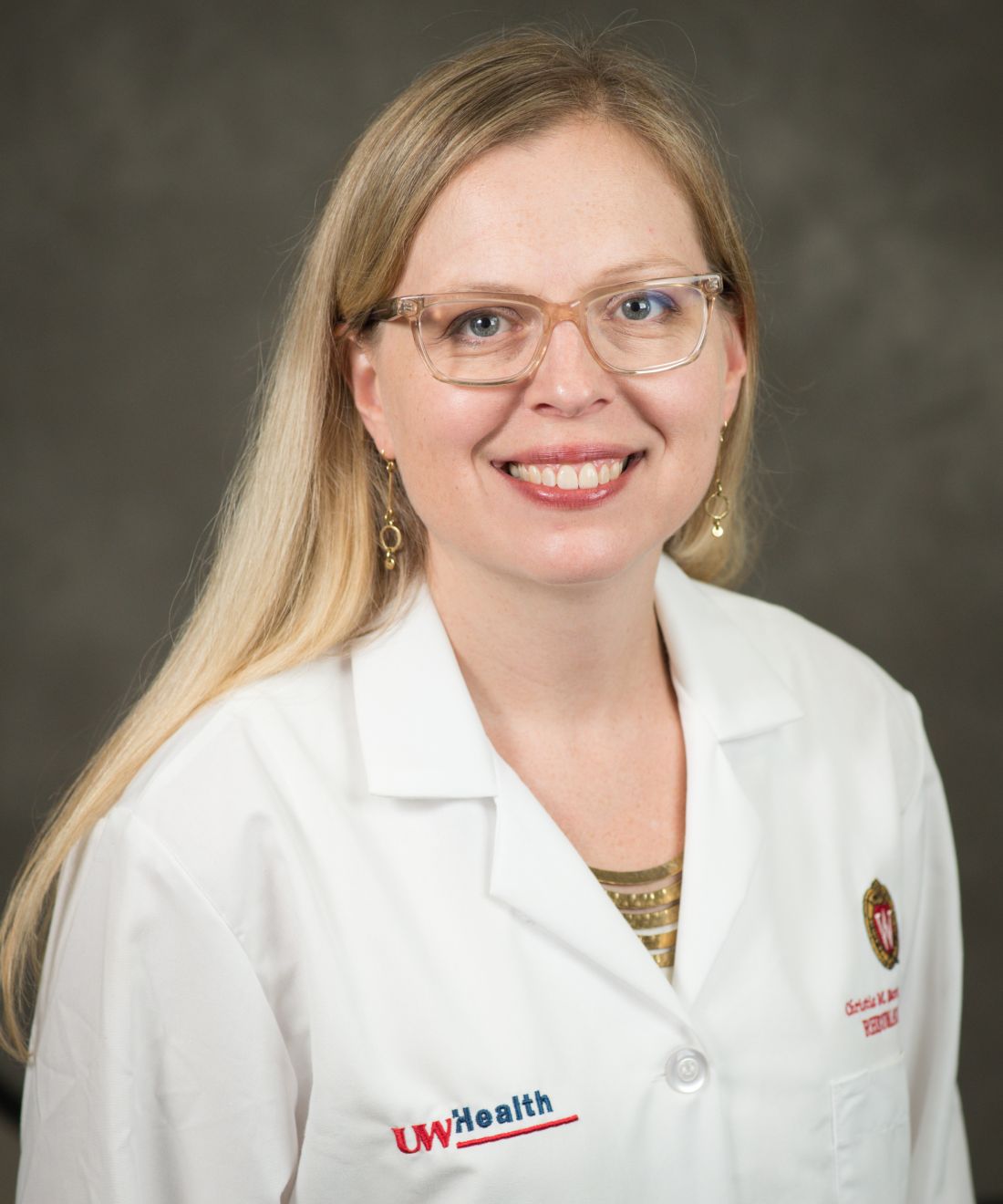
The new formulation opens the consideration for using colchicine more in patients with psoriatic arthritis, lupus, and rheumatoid arthritis, she said. “I think we could certainly discuss it, particularly, in secondary prevention patients who already had an event or who are at the highest risk and already on optimal traditional agents,” she said.
She cited previous comments by Paul Ridker, MD, director of the center for cardiovascular disease prevention at Brigham and Women’s Hospital in Boston, and developer of the high-sensitivity C-reactive protein (hsCRP) test for measuring inflammatory markers. “We might not know the answer because Dr. Ridker pointed out he used colchicine 0.5 mg in patients that had a high-sensitivity CRP that was high; we need patients who have had inflammation of unknown origin, so those patients presumably weren’t already on another anti-inflammatory,” she said, noting that hydroxychloroquine, methotrexate, and some biologics provide some protection from cardiovascular risks.
However, a potential role for long-term colchicine 0.5 mg in ASCVD prevention may cause consideration for changing the drug’s role in gout treatment, Dr. Bartels said. “In gout, where we do have an FDA-approved indication for colchicine, we used to use it only for the first 6 months while we were getting patients to goal on allopurinol, which was usually then monotherapy after the first 6 months,” she said. “I think this will likely change how I treat gout patients in that I may also offer to continue both medications [colchicine and allopurinol] if they are tolerating them well.
“And then in patients where I’m using it off-label in CPPD, I might again share with them that in addition to possibly helping their CPPD, there may be this added benefit to reduce inflammation just in discussing the risks and benefits of the medicine.”
However, rheumatologists must be careful in using colchicine beyond the typical 6-month cycle, Dr. Bartels said. “One of the tricky things with colchicine, and part of the reason we did not traditionally continue it specifically past the first 6 months, was that it can cause myopathies or cytopenias, so we still have to counsel patients regarding these risks and monitor that,” she said.
Additionally, colchicine can have drug interactions with statins or calcium channel blockers that can change colchicine levels. “I think the dose here is so low, the 0.5 mg, that it’s probably still safe, but again, it’s something that we have to take a look at in the patient’s whole picture and the rest of their burden of their meds in order to make a decision with them,” Dr. Bartels said.
Possibilities in dermatology
The LoDoCo2 trial one of two major randomized trials that supported approval of colchicine 0.5 mg, reported that treated patients had a 60% lower rate of gout than the placebo group (1.4% vs. 3.4%). Joel Gelfand, MD, MSCE, the James J. Leyden professor of dermatology and epidemiology at the University of Pennsylvania, Philadelphia, pointed to this in evaluating the dermatologic implications of the drug’s approval. “This may be of particular interest as people with psoriasis have an increased risk of gout,” he said in emailed comments.
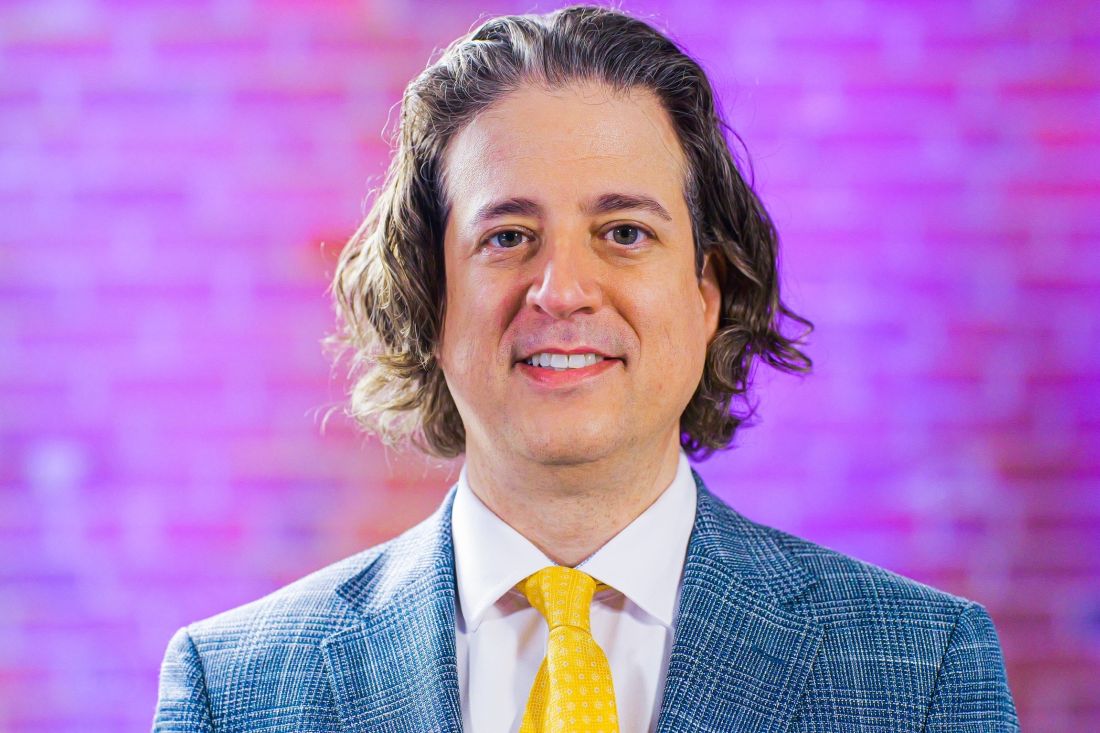
Colchicine’s mechanism of action to reduce inflammation parallels that of tumor necrosis factor (TNF) inhibitors used for dermatologic indications, namely by inhibiting leukocyte adhesion to disrupt the downregulation of TNF receptors, Dr. Gelfand said.
“Interestingly, observational data suggests biologics that target TNF such as adalimumab, etanercept, etc., are associated with a reduction in CV events, and in placebo-controlled trials we conducted in psoriasis patients, it reduced key inflammatory mediators of cardiovascular disease, including IL [interleukin]-6,” he said. “Randomized clinical trials to evaluate the ability of TNF inhibitors, which are now available as biosimilars, to prevent cardiovascular events in high-risk patients, should be conducted, and more work is needed to identify which additional immune-targeted treatments may lower CV risk with an acceptable safety profile.”
Colchicine currently has few indications for rare conditions in dermatology, Dr. Gelfand said, including Sweets syndrome, subcorneal pustular dermatosis, and cutaneous vasculitis. “There are some reports to suggest it may help psoriatic disease, but current data are limited and insufficient to recommend its use for psoriasis and/or psoriatic arthritis,” he said.
The approval of colchicine 0.5 mg for ASCVD could be meaningful for people with psoriasis who are also being treated for CV risk factors, Dr. Gelfand said. “Additional considerations such as signs of residual inflammation (elevated hsCRP) and CV imaging findings may be used to further guide shared decision-making for optimal use,” he said.
Another consideration he noted: “This is also a novel 0.5-mg formulation, and thus cost may be an issue.”
Would side effects bar use in gastroenterology?
Colchicine 0.5 mg may not move the needle much for expanding treatment of ASCVD in patients with inflammatory bowel disease (IBD) and potentially other gastrointestinal conditions, Edward Loftus Jr., MD, the Maxine and Jack Zarrow Family professor of gastroenterology specifically for IBD at the Mayo Clinic in Rochester, Minn., told MDEdge in emailed comments. “Given the GI side effect profile [of colchicine], I am not sure I would go there,” he said.
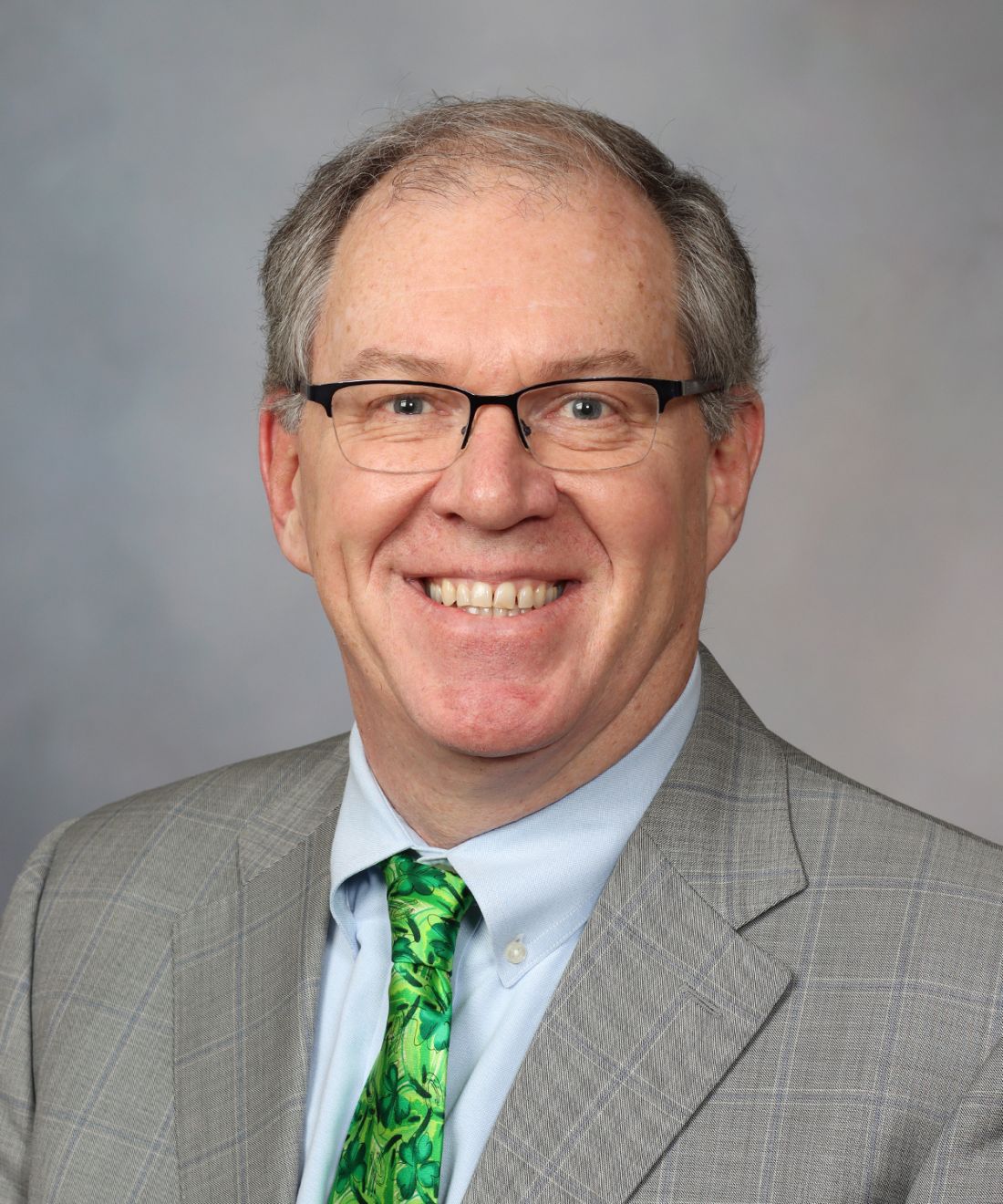
“Hopefully, the prescribers of this low-dose formulation are aware of the gastrointestinal side effects, such as diarrhea and nausea, and educate patients about these side effects so that a proper risk-benefit discussion can ensue,” he said.
Dr. Bartels reporting a previous financial relationship with Pfizer. Dr. Gelfand said he has financial relationships with AbbVie, Amgen, Bristol-Myers Squibb, Boehringer Ingelheim, Celldex, GlaxoSmithKline, Twill, Lilly, Leo, Moonlake, Janssen Biologics, Novartis, Pfizer, UCB, Neuroderm, and Veolia North America. Dr. Loftus disclosed relationships with AbbVie, Alvotech, Amgen, Arena, Avalo, Boehringer Ingelheim, Bristol-Myers Squibb, Celgene/Receptos, Celltrion Healthcare, Eli Lilly, Fresenius Kabi, Genentech, Gilead, GlaxoSmithKline, Gossamer Bio, Iterative Health, Janssen, KSL Diagnostics, Morphic, Ono, Pfizer, Sun, Surrozen, Takeda, Theravance, and UCB.
The recent Food and Drug Administration approval of colchicine 0.5 mg (Lodoco) for use in atherosclerotic cardiovascular disease (ASCVD) prevention will possibly create opportunities to use the drug to treat residual risk for ASCVD in some patients with immune-mediated inflammatory diseases, particularly in rheumatology.
Potential in rheumatology
The 0.5-mg dose is just a shade under the 0.6-mg, twice daily dosing rheumatologists typically prescribe for gout, Christie Bartels, MD, MS, chief of rheumatology at the University of Wisconsin–Madison, said in an interview. Clinicians also use the 0.6-mg dose off-label for pseudogout or calcium pyrophosphate deposition disease (CPPD), Dr. Bartels noted.
The new formulation opens the consideration for using colchicine more in patients with psoriatic arthritis, lupus, and rheumatoid arthritis, she said. “I think we could certainly discuss it, particularly, in secondary prevention patients who already had an event or who are at the highest risk and already on optimal traditional agents,” she said.
She cited previous comments by Paul Ridker, MD, director of the center for cardiovascular disease prevention at Brigham and Women’s Hospital in Boston, and developer of the high-sensitivity C-reactive protein (hsCRP) test for measuring inflammatory markers. “We might not know the answer because Dr. Ridker pointed out he used colchicine 0.5 mg in patients that had a high-sensitivity CRP that was high; we need patients who have had inflammation of unknown origin, so those patients presumably weren’t already on another anti-inflammatory,” she said, noting that hydroxychloroquine, methotrexate, and some biologics provide some protection from cardiovascular risks.
However, a potential role for long-term colchicine 0.5 mg in ASCVD prevention may cause consideration for changing the drug’s role in gout treatment, Dr. Bartels said. “In gout, where we do have an FDA-approved indication for colchicine, we used to use it only for the first 6 months while we were getting patients to goal on allopurinol, which was usually then monotherapy after the first 6 months,” she said. “I think this will likely change how I treat gout patients in that I may also offer to continue both medications [colchicine and allopurinol] if they are tolerating them well.
“And then in patients where I’m using it off-label in CPPD, I might again share with them that in addition to possibly helping their CPPD, there may be this added benefit to reduce inflammation just in discussing the risks and benefits of the medicine.”
However, rheumatologists must be careful in using colchicine beyond the typical 6-month cycle, Dr. Bartels said. “One of the tricky things with colchicine, and part of the reason we did not traditionally continue it specifically past the first 6 months, was that it can cause myopathies or cytopenias, so we still have to counsel patients regarding these risks and monitor that,” she said.
Additionally, colchicine can have drug interactions with statins or calcium channel blockers that can change colchicine levels. “I think the dose here is so low, the 0.5 mg, that it’s probably still safe, but again, it’s something that we have to take a look at in the patient’s whole picture and the rest of their burden of their meds in order to make a decision with them,” Dr. Bartels said.
Possibilities in dermatology
The LoDoCo2 trial one of two major randomized trials that supported approval of colchicine 0.5 mg, reported that treated patients had a 60% lower rate of gout than the placebo group (1.4% vs. 3.4%). Joel Gelfand, MD, MSCE, the James J. Leyden professor of dermatology and epidemiology at the University of Pennsylvania, Philadelphia, pointed to this in evaluating the dermatologic implications of the drug’s approval. “This may be of particular interest as people with psoriasis have an increased risk of gout,” he said in emailed comments.
Colchicine’s mechanism of action to reduce inflammation parallels that of tumor necrosis factor (TNF) inhibitors used for dermatologic indications, namely by inhibiting leukocyte adhesion to disrupt the downregulation of TNF receptors, Dr. Gelfand said.
“Interestingly, observational data suggests biologics that target TNF such as adalimumab, etanercept, etc., are associated with a reduction in CV events, and in placebo-controlled trials we conducted in psoriasis patients, it reduced key inflammatory mediators of cardiovascular disease, including IL [interleukin]-6,” he said. “Randomized clinical trials to evaluate the ability of TNF inhibitors, which are now available as biosimilars, to prevent cardiovascular events in high-risk patients, should be conducted, and more work is needed to identify which additional immune-targeted treatments may lower CV risk with an acceptable safety profile.”
Colchicine currently has few indications for rare conditions in dermatology, Dr. Gelfand said, including Sweets syndrome, subcorneal pustular dermatosis, and cutaneous vasculitis. “There are some reports to suggest it may help psoriatic disease, but current data are limited and insufficient to recommend its use for psoriasis and/or psoriatic arthritis,” he said.
The approval of colchicine 0.5 mg for ASCVD could be meaningful for people with psoriasis who are also being treated for CV risk factors, Dr. Gelfand said. “Additional considerations such as signs of residual inflammation (elevated hsCRP) and CV imaging findings may be used to further guide shared decision-making for optimal use,” he said.
Another consideration he noted: “This is also a novel 0.5-mg formulation, and thus cost may be an issue.”
Would side effects bar use in gastroenterology?
Colchicine 0.5 mg may not move the needle much for expanding treatment of ASCVD in patients with inflammatory bowel disease (IBD) and potentially other gastrointestinal conditions, Edward Loftus Jr., MD, the Maxine and Jack Zarrow Family professor of gastroenterology specifically for IBD at the Mayo Clinic in Rochester, Minn., told MDEdge in emailed comments. “Given the GI side effect profile [of colchicine], I am not sure I would go there,” he said.
“Hopefully, the prescribers of this low-dose formulation are aware of the gastrointestinal side effects, such as diarrhea and nausea, and educate patients about these side effects so that a proper risk-benefit discussion can ensue,” he said.
Dr. Bartels reporting a previous financial relationship with Pfizer. Dr. Gelfand said he has financial relationships with AbbVie, Amgen, Bristol-Myers Squibb, Boehringer Ingelheim, Celldex, GlaxoSmithKline, Twill, Lilly, Leo, Moonlake, Janssen Biologics, Novartis, Pfizer, UCB, Neuroderm, and Veolia North America. Dr. Loftus disclosed relationships with AbbVie, Alvotech, Amgen, Arena, Avalo, Boehringer Ingelheim, Bristol-Myers Squibb, Celgene/Receptos, Celltrion Healthcare, Eli Lilly, Fresenius Kabi, Genentech, Gilead, GlaxoSmithKline, Gossamer Bio, Iterative Health, Janssen, KSL Diagnostics, Morphic, Ono, Pfizer, Sun, Surrozen, Takeda, Theravance, and UCB.
The recent Food and Drug Administration approval of colchicine 0.5 mg (Lodoco) for use in atherosclerotic cardiovascular disease (ASCVD) prevention will possibly create opportunities to use the drug to treat residual risk for ASCVD in some patients with immune-mediated inflammatory diseases, particularly in rheumatology.
Potential in rheumatology
The 0.5-mg dose is just a shade under the 0.6-mg, twice daily dosing rheumatologists typically prescribe for gout, Christie Bartels, MD, MS, chief of rheumatology at the University of Wisconsin–Madison, said in an interview. Clinicians also use the 0.6-mg dose off-label for pseudogout or calcium pyrophosphate deposition disease (CPPD), Dr. Bartels noted.
The new formulation opens the consideration for using colchicine more in patients with psoriatic arthritis, lupus, and rheumatoid arthritis, she said. “I think we could certainly discuss it, particularly, in secondary prevention patients who already had an event or who are at the highest risk and already on optimal traditional agents,” she said.
She cited previous comments by Paul Ridker, MD, director of the center for cardiovascular disease prevention at Brigham and Women’s Hospital in Boston, and developer of the high-sensitivity C-reactive protein (hsCRP) test for measuring inflammatory markers. “We might not know the answer because Dr. Ridker pointed out he used colchicine 0.5 mg in patients that had a high-sensitivity CRP that was high; we need patients who have had inflammation of unknown origin, so those patients presumably weren’t already on another anti-inflammatory,” she said, noting that hydroxychloroquine, methotrexate, and some biologics provide some protection from cardiovascular risks.
However, a potential role for long-term colchicine 0.5 mg in ASCVD prevention may cause consideration for changing the drug’s role in gout treatment, Dr. Bartels said. “In gout, where we do have an FDA-approved indication for colchicine, we used to use it only for the first 6 months while we were getting patients to goal on allopurinol, which was usually then monotherapy after the first 6 months,” she said. “I think this will likely change how I treat gout patients in that I may also offer to continue both medications [colchicine and allopurinol] if they are tolerating them well.
“And then in patients where I’m using it off-label in CPPD, I might again share with them that in addition to possibly helping their CPPD, there may be this added benefit to reduce inflammation just in discussing the risks and benefits of the medicine.”
However, rheumatologists must be careful in using colchicine beyond the typical 6-month cycle, Dr. Bartels said. “One of the tricky things with colchicine, and part of the reason we did not traditionally continue it specifically past the first 6 months, was that it can cause myopathies or cytopenias, so we still have to counsel patients regarding these risks and monitor that,” she said.
Additionally, colchicine can have drug interactions with statins or calcium channel blockers that can change colchicine levels. “I think the dose here is so low, the 0.5 mg, that it’s probably still safe, but again, it’s something that we have to take a look at in the patient’s whole picture and the rest of their burden of their meds in order to make a decision with them,” Dr. Bartels said.
Possibilities in dermatology
The LoDoCo2 trial one of two major randomized trials that supported approval of colchicine 0.5 mg, reported that treated patients had a 60% lower rate of gout than the placebo group (1.4% vs. 3.4%). Joel Gelfand, MD, MSCE, the James J. Leyden professor of dermatology and epidemiology at the University of Pennsylvania, Philadelphia, pointed to this in evaluating the dermatologic implications of the drug’s approval. “This may be of particular interest as people with psoriasis have an increased risk of gout,” he said in emailed comments.
Colchicine’s mechanism of action to reduce inflammation parallels that of tumor necrosis factor (TNF) inhibitors used for dermatologic indications, namely by inhibiting leukocyte adhesion to disrupt the downregulation of TNF receptors, Dr. Gelfand said.
“Interestingly, observational data suggests biologics that target TNF such as adalimumab, etanercept, etc., are associated with a reduction in CV events, and in placebo-controlled trials we conducted in psoriasis patients, it reduced key inflammatory mediators of cardiovascular disease, including IL [interleukin]-6,” he said. “Randomized clinical trials to evaluate the ability of TNF inhibitors, which are now available as biosimilars, to prevent cardiovascular events in high-risk patients, should be conducted, and more work is needed to identify which additional immune-targeted treatments may lower CV risk with an acceptable safety profile.”
Colchicine currently has few indications for rare conditions in dermatology, Dr. Gelfand said, including Sweets syndrome, subcorneal pustular dermatosis, and cutaneous vasculitis. “There are some reports to suggest it may help psoriatic disease, but current data are limited and insufficient to recommend its use for psoriasis and/or psoriatic arthritis,” he said.
The approval of colchicine 0.5 mg for ASCVD could be meaningful for people with psoriasis who are also being treated for CV risk factors, Dr. Gelfand said. “Additional considerations such as signs of residual inflammation (elevated hsCRP) and CV imaging findings may be used to further guide shared decision-making for optimal use,” he said.
Another consideration he noted: “This is also a novel 0.5-mg formulation, and thus cost may be an issue.”
Would side effects bar use in gastroenterology?
Colchicine 0.5 mg may not move the needle much for expanding treatment of ASCVD in patients with inflammatory bowel disease (IBD) and potentially other gastrointestinal conditions, Edward Loftus Jr., MD, the Maxine and Jack Zarrow Family professor of gastroenterology specifically for IBD at the Mayo Clinic in Rochester, Minn., told MDEdge in emailed comments. “Given the GI side effect profile [of colchicine], I am not sure I would go there,” he said.
“Hopefully, the prescribers of this low-dose formulation are aware of the gastrointestinal side effects, such as diarrhea and nausea, and educate patients about these side effects so that a proper risk-benefit discussion can ensue,” he said.
Dr. Bartels reporting a previous financial relationship with Pfizer. Dr. Gelfand said he has financial relationships with AbbVie, Amgen, Bristol-Myers Squibb, Boehringer Ingelheim, Celldex, GlaxoSmithKline, Twill, Lilly, Leo, Moonlake, Janssen Biologics, Novartis, Pfizer, UCB, Neuroderm, and Veolia North America. Dr. Loftus disclosed relationships with AbbVie, Alvotech, Amgen, Arena, Avalo, Boehringer Ingelheim, Bristol-Myers Squibb, Celgene/Receptos, Celltrion Healthcare, Eli Lilly, Fresenius Kabi, Genentech, Gilead, GlaxoSmithKline, Gossamer Bio, Iterative Health, Janssen, KSL Diagnostics, Morphic, Ono, Pfizer, Sun, Surrozen, Takeda, Theravance, and UCB.
MD rushes in after lightning strikes four people at White House
It was one of those dog days of August where the humidity is palpable and the pressure is so hot and thick you can almost feel the ions in the air. At the time (2022), I was a White House fellow and senior adviser in the West Wing Office of Public Engagement and in the Office of the Vice President.
I was leaving the White House around 7:00 p.m. through the front gate on Lafayette Square. I had a dinner reservation with a friend, so I was in a rush. It was super overcast. Lo and behold, three steps after I closed the gate behind me, it started pouring. Rain came down so hard I had to take shelter.
There’s a stone building in front of the White House with archways, so I took cover underneath one of them, hoping that in a couple of minutes the rain would pass. Behind the archways are these thick, black, iron gates.
Just as I was about to make a run for it, I heard: BOOM!
It was like a bomb had gone off. In one moment, I saw the lightning bolt, heard the thunder, and felt the heat. It was all one rush of sensation. I couldn’t remember having been that scared in a long time.
I thought, “I definitely have to get out of here. In a couple of minutes there might be another strike, and I’m sitting next to iron gates!” I saw a little bit of a window in the downpour, so I started booking it. I knew there was a sheltered Secret Service area around the corner where they park their cars. A much safer place to be.
I was sprinting on the sidewalk and spotted a bunch of Secret Service agents on their bikes riding in the opposite direction, back toward the park. I knew they wouldn’t be out on bikes in this mess without a reason. As they reached me, one agent said, “Clear the sidewalk! We’re coming through with a bunch of equipment.”
I yelled, “What’s going on?”
“Four people were just struck by lightning,” he said as he zoomed past.
I thought: “Sh*t. I have to go back.”
It was like two different parts of my brain were active at the exact same time. My subcortical brain at the level of the amygdala was like: “You just ran from there, idiot. Why are you running back?” And another part of my brain was like: “This is who you are.”
The lightning had struck one of the largest trees in the park. Four bodies splayed out in one direction from the tree. They’d been taking shelter underneath it when they were hit and were blown off to one side. By the time I got there, two Secret Service agents were on the scene doing CPR. Some bystanders had started to run over.
I did a quick round of pulse checks to see everyone’s status, and all four were apneic and pulseless. I told the two Secret Service agents to keep doing compressions on the first person. Two bystanders also began compressions on another person, an older man.
More Secret Service agents arrived, and I said, “We need to do compressions on this other person right now.” One of the agents took a moment to question who I could be and why I was there. I said, “I’m a doctor. I know I’m not dressed like one, but I’m a physician.”
I told some agents to go find an AED, because these people needed to be shocked.
After they left, I was effectively trying to triage which of these four people would get the AED first. Initially, I spent more of my time on the young man, and we began to get some response from him. I then spent some time with the young woman.
It turned out there were AEDs in the pouches on the Secret Service bikes, but they were very small, dinky AEDs. We tried to apply the pads, but it was downpouring so much that the adhesive wouldn’t stick. I told one of the agents we needed a towel.
Through all this I was concerned we were going to be struck again. I mean, the metal statue of Lafayette was right there! They say lighting doesn’t strike in the same place twice, but who knows if that’s really true?
The towel arrived, and we were able to get the chests of the younger people dry enough for the AED pads. We applied two shocks first to the woman, then the young man. We got his pulse back quickly. The woman’s came back as well, but it felt much weaker.
EMS arrived shortly thereafter. We got all four patients on the transport, and they were transferred to the hospital.
The whole experience had taken 14 minutes.
At the time, I felt confident that the young man was going to survive. We’re taught that lightning bolt strikes are survivable if you can shock someone quickly. He also got pretty good CPR. But the next day I was watching the news and learned that he had passed away. So, of course I was thinking the worst about the others as well.
But a week and a half later, I learned that the young woman had been discharged from the ICU. She was the only one who made it. Her name is Amber, and we got connected through a reporter. About 2 weeks later, I invited her to the White House. I took her to the Oval Office. I met her mom and dad and husband, and we had dinner. We’ve been in touch ever since.
I remember the first time we talked on the phone, Amber said something along the lines of, “This sucks. Obviously, I was not planning for any of this to happen. But I also think there’s something good that could come from this.”
I was so surprised and happy to hear her say that. I had something similar happen to me when I was a teenager – caught in the wrong place at the wrong time. I tried to intervene in a gang fight in my neighborhood. I thought a kid was going to get killed, so I jumped in, imagining I could save the day. I didn’t. They broke a bunch of my bones and I was in the hospital for a bit.
I remember thinking then that my life was over. But after some time, I found a new perspective, which was: Maybe that life is over. But maybe this could be the beginning of a new one. And maybe those things that I’ve been afraid of doing, the dreams that I have, maybe now I’m actually free to go after them.
I told Amber, if there are things that you have been waiting to do, this could be the time. She wants to be an international human rights activist, and she is kicking butt in a graduate school program to begin on that pathway. It’s been really cool to watch her chase this dream with way more vigor than she had before.
I think we bonded because we’ve gone through – obviously not the same thing, but a similar moment of being confronted with your own mortality. Realizing that life can just shatter. And so, while we’re here, we might as well go for it with all the force of a person who knows this could all disappear in an instant.
It was an extremely humbling moment. It reaffirmed that my life is not about me. I have to use the time that I’ve got on behalf of other people as much as I can. What is my life about if not being useful?
Dr. Martin is an emergency medicine physician and faculty member at the MGH Center for Social Justice and Health Equity at Harvard Medical School, Boston.
A version of this article first appeared on Medscape.com.
It was one of those dog days of August where the humidity is palpable and the pressure is so hot and thick you can almost feel the ions in the air. At the time (2022), I was a White House fellow and senior adviser in the West Wing Office of Public Engagement and in the Office of the Vice President.
I was leaving the White House around 7:00 p.m. through the front gate on Lafayette Square. I had a dinner reservation with a friend, so I was in a rush. It was super overcast. Lo and behold, three steps after I closed the gate behind me, it started pouring. Rain came down so hard I had to take shelter.
There’s a stone building in front of the White House with archways, so I took cover underneath one of them, hoping that in a couple of minutes the rain would pass. Behind the archways are these thick, black, iron gates.
Just as I was about to make a run for it, I heard: BOOM!
It was like a bomb had gone off. In one moment, I saw the lightning bolt, heard the thunder, and felt the heat. It was all one rush of sensation. I couldn’t remember having been that scared in a long time.
I thought, “I definitely have to get out of here. In a couple of minutes there might be another strike, and I’m sitting next to iron gates!” I saw a little bit of a window in the downpour, so I started booking it. I knew there was a sheltered Secret Service area around the corner where they park their cars. A much safer place to be.
I was sprinting on the sidewalk and spotted a bunch of Secret Service agents on their bikes riding in the opposite direction, back toward the park. I knew they wouldn’t be out on bikes in this mess without a reason. As they reached me, one agent said, “Clear the sidewalk! We’re coming through with a bunch of equipment.”
I yelled, “What’s going on?”
“Four people were just struck by lightning,” he said as he zoomed past.
I thought: “Sh*t. I have to go back.”
It was like two different parts of my brain were active at the exact same time. My subcortical brain at the level of the amygdala was like: “You just ran from there, idiot. Why are you running back?” And another part of my brain was like: “This is who you are.”
The lightning had struck one of the largest trees in the park. Four bodies splayed out in one direction from the tree. They’d been taking shelter underneath it when they were hit and were blown off to one side. By the time I got there, two Secret Service agents were on the scene doing CPR. Some bystanders had started to run over.
I did a quick round of pulse checks to see everyone’s status, and all four were apneic and pulseless. I told the two Secret Service agents to keep doing compressions on the first person. Two bystanders also began compressions on another person, an older man.
More Secret Service agents arrived, and I said, “We need to do compressions on this other person right now.” One of the agents took a moment to question who I could be and why I was there. I said, “I’m a doctor. I know I’m not dressed like one, but I’m a physician.”
I told some agents to go find an AED, because these people needed to be shocked.
After they left, I was effectively trying to triage which of these four people would get the AED first. Initially, I spent more of my time on the young man, and we began to get some response from him. I then spent some time with the young woman.
It turned out there were AEDs in the pouches on the Secret Service bikes, but they were very small, dinky AEDs. We tried to apply the pads, but it was downpouring so much that the adhesive wouldn’t stick. I told one of the agents we needed a towel.
Through all this I was concerned we were going to be struck again. I mean, the metal statue of Lafayette was right there! They say lighting doesn’t strike in the same place twice, but who knows if that’s really true?
The towel arrived, and we were able to get the chests of the younger people dry enough for the AED pads. We applied two shocks first to the woman, then the young man. We got his pulse back quickly. The woman’s came back as well, but it felt much weaker.
EMS arrived shortly thereafter. We got all four patients on the transport, and they were transferred to the hospital.
The whole experience had taken 14 minutes.
At the time, I felt confident that the young man was going to survive. We’re taught that lightning bolt strikes are survivable if you can shock someone quickly. He also got pretty good CPR. But the next day I was watching the news and learned that he had passed away. So, of course I was thinking the worst about the others as well.
But a week and a half later, I learned that the young woman had been discharged from the ICU. She was the only one who made it. Her name is Amber, and we got connected through a reporter. About 2 weeks later, I invited her to the White House. I took her to the Oval Office. I met her mom and dad and husband, and we had dinner. We’ve been in touch ever since.
I remember the first time we talked on the phone, Amber said something along the lines of, “This sucks. Obviously, I was not planning for any of this to happen. But I also think there’s something good that could come from this.”
I was so surprised and happy to hear her say that. I had something similar happen to me when I was a teenager – caught in the wrong place at the wrong time. I tried to intervene in a gang fight in my neighborhood. I thought a kid was going to get killed, so I jumped in, imagining I could save the day. I didn’t. They broke a bunch of my bones and I was in the hospital for a bit.
I remember thinking then that my life was over. But after some time, I found a new perspective, which was: Maybe that life is over. But maybe this could be the beginning of a new one. And maybe those things that I’ve been afraid of doing, the dreams that I have, maybe now I’m actually free to go after them.
I told Amber, if there are things that you have been waiting to do, this could be the time. She wants to be an international human rights activist, and she is kicking butt in a graduate school program to begin on that pathway. It’s been really cool to watch her chase this dream with way more vigor than she had before.
I think we bonded because we’ve gone through – obviously not the same thing, but a similar moment of being confronted with your own mortality. Realizing that life can just shatter. And so, while we’re here, we might as well go for it with all the force of a person who knows this could all disappear in an instant.
It was an extremely humbling moment. It reaffirmed that my life is not about me. I have to use the time that I’ve got on behalf of other people as much as I can. What is my life about if not being useful?
Dr. Martin is an emergency medicine physician and faculty member at the MGH Center for Social Justice and Health Equity at Harvard Medical School, Boston.
A version of this article first appeared on Medscape.com.
It was one of those dog days of August where the humidity is palpable and the pressure is so hot and thick you can almost feel the ions in the air. At the time (2022), I was a White House fellow and senior adviser in the West Wing Office of Public Engagement and in the Office of the Vice President.
I was leaving the White House around 7:00 p.m. through the front gate on Lafayette Square. I had a dinner reservation with a friend, so I was in a rush. It was super overcast. Lo and behold, three steps after I closed the gate behind me, it started pouring. Rain came down so hard I had to take shelter.
There’s a stone building in front of the White House with archways, so I took cover underneath one of them, hoping that in a couple of minutes the rain would pass. Behind the archways are these thick, black, iron gates.
Just as I was about to make a run for it, I heard: BOOM!
It was like a bomb had gone off. In one moment, I saw the lightning bolt, heard the thunder, and felt the heat. It was all one rush of sensation. I couldn’t remember having been that scared in a long time.
I thought, “I definitely have to get out of here. In a couple of minutes there might be another strike, and I’m sitting next to iron gates!” I saw a little bit of a window in the downpour, so I started booking it. I knew there was a sheltered Secret Service area around the corner where they park their cars. A much safer place to be.
I was sprinting on the sidewalk and spotted a bunch of Secret Service agents on their bikes riding in the opposite direction, back toward the park. I knew they wouldn’t be out on bikes in this mess without a reason. As they reached me, one agent said, “Clear the sidewalk! We’re coming through with a bunch of equipment.”
I yelled, “What’s going on?”
“Four people were just struck by lightning,” he said as he zoomed past.
I thought: “Sh*t. I have to go back.”
It was like two different parts of my brain were active at the exact same time. My subcortical brain at the level of the amygdala was like: “You just ran from there, idiot. Why are you running back?” And another part of my brain was like: “This is who you are.”
The lightning had struck one of the largest trees in the park. Four bodies splayed out in one direction from the tree. They’d been taking shelter underneath it when they were hit and were blown off to one side. By the time I got there, two Secret Service agents were on the scene doing CPR. Some bystanders had started to run over.
I did a quick round of pulse checks to see everyone’s status, and all four were apneic and pulseless. I told the two Secret Service agents to keep doing compressions on the first person. Two bystanders also began compressions on another person, an older man.
More Secret Service agents arrived, and I said, “We need to do compressions on this other person right now.” One of the agents took a moment to question who I could be and why I was there. I said, “I’m a doctor. I know I’m not dressed like one, but I’m a physician.”
I told some agents to go find an AED, because these people needed to be shocked.
After they left, I was effectively trying to triage which of these four people would get the AED first. Initially, I spent more of my time on the young man, and we began to get some response from him. I then spent some time with the young woman.
It turned out there were AEDs in the pouches on the Secret Service bikes, but they were very small, dinky AEDs. We tried to apply the pads, but it was downpouring so much that the adhesive wouldn’t stick. I told one of the agents we needed a towel.
Through all this I was concerned we were going to be struck again. I mean, the metal statue of Lafayette was right there! They say lighting doesn’t strike in the same place twice, but who knows if that’s really true?
The towel arrived, and we were able to get the chests of the younger people dry enough for the AED pads. We applied two shocks first to the woman, then the young man. We got his pulse back quickly. The woman’s came back as well, but it felt much weaker.
EMS arrived shortly thereafter. We got all four patients on the transport, and they were transferred to the hospital.
The whole experience had taken 14 minutes.
At the time, I felt confident that the young man was going to survive. We’re taught that lightning bolt strikes are survivable if you can shock someone quickly. He also got pretty good CPR. But the next day I was watching the news and learned that he had passed away. So, of course I was thinking the worst about the others as well.
But a week and a half later, I learned that the young woman had been discharged from the ICU. She was the only one who made it. Her name is Amber, and we got connected through a reporter. About 2 weeks later, I invited her to the White House. I took her to the Oval Office. I met her mom and dad and husband, and we had dinner. We’ve been in touch ever since.
I remember the first time we talked on the phone, Amber said something along the lines of, “This sucks. Obviously, I was not planning for any of this to happen. But I also think there’s something good that could come from this.”
I was so surprised and happy to hear her say that. I had something similar happen to me when I was a teenager – caught in the wrong place at the wrong time. I tried to intervene in a gang fight in my neighborhood. I thought a kid was going to get killed, so I jumped in, imagining I could save the day. I didn’t. They broke a bunch of my bones and I was in the hospital for a bit.
I remember thinking then that my life was over. But after some time, I found a new perspective, which was: Maybe that life is over. But maybe this could be the beginning of a new one. And maybe those things that I’ve been afraid of doing, the dreams that I have, maybe now I’m actually free to go after them.
I told Amber, if there are things that you have been waiting to do, this could be the time. She wants to be an international human rights activist, and she is kicking butt in a graduate school program to begin on that pathway. It’s been really cool to watch her chase this dream with way more vigor than she had before.
I think we bonded because we’ve gone through – obviously not the same thing, but a similar moment of being confronted with your own mortality. Realizing that life can just shatter. And so, while we’re here, we might as well go for it with all the force of a person who knows this could all disappear in an instant.
It was an extremely humbling moment. It reaffirmed that my life is not about me. I have to use the time that I’ve got on behalf of other people as much as I can. What is my life about if not being useful?
Dr. Martin is an emergency medicine physician and faculty member at the MGH Center for Social Justice and Health Equity at Harvard Medical School, Boston.
A version of this article first appeared on Medscape.com.
PET-CT scans move more women with LABC up to stage IV
In women who have locally advanced breast cancer (LABC), staging defines the extent of the disease and guides therapy.
Researchers have found in the first large, randomized, controlled study on the subject that 18 F-labeled fluorodeoxyglucose positron emission tomography–computed tomography (PET-CT) finds more distant metastases and allows more accurate staging than usual staging, which is determined by a bone scan and computed tomography (CT) of the thorax/abdomen and pelvis.
Findings of the study, led by Ian S. Dayes, MD, MSc, with the department of oncology at McMaster University in Hamilton, Ont., were published online in the Journal of Clinical Oncology.
Scans indicate less aggressive treatment strategy
The authors of the new study wrote that women with LABC, who are at high risk of metastatic disease, have large tumors that “can involve the chest wall or skin, clinically fixed axillary lymph nodes, or infraclavicular, supraclavicular, or internal mammary lymphadenopathy.”
If staging does not detect metastases, treatment is centered on combined modality therapy with curative intent (neoadjuvant chemotherapy and surgery, followed by regional radiation). If metastases are found, the treatment goal changes to controlling the disease.
In this study, twice as many women saw their stage increase from stage IIB or III to stage IV when PET-CT was used instead of conventional staging, guiding their treatment toward less aggressive care to control, rather than attempt to cure, the disease.
The women included in this study had histological evidence of invasive ductal carcinoma of the breast and TNM stage III or IIb (T3N0, but not T2N1).
Methods and results
Between December 2016 and April 2022, consenting patients from six regional cancer centers in Ontario were randomly assigned to one of two groups: 184 patients were randomly assigned to whole-body PET-CT and 185 patients to conventional staging.
Overall, the authors wrote, 43 (23%) of PET-CT patients “were upstaged” to stage IV compared with 21 (11%) of the conventionally staged patients (relative risk, 2.4; 95% confidence interval [CI], 1.4-4.2, P = .002).
There were 33 patients in a subset with inflammatory breast cancer and, among them, 4 of 16 (25%) PET-CT patients were upstaged to stage IV compared with 4 of 17 (24%) conventionally staged patients.
In the patients who did not have inflammatory breast cancer, 39 of 168 (23%) PET-CT patients were upstaged compared with 17 (10%) of 168 in the conventionally staged group.
Journal of Clinical Oncology (JCO) Senior Deputy Editor Kathy D. Miller, MD, said that, “PET/CT staging identifies distant disease in more patients and changes goals of therapy. Further research is needed to determine the impact on patient outcome.”
Findings have already changed practice
Senior author, Mark Levine, MD, MSc, also with McMaster, said in an interview that the results of this study have already changed practice in Canada, and he expects the United States to follow suit.
Dr. Levine said the study is important “in terms of helping plan therapy and being very open and honest with patients as to their prognosis.”
The findings constitute level 1 evidence in favor of PET-CT. Already, in Canada, “because of the results of the study, people with stage III breast cancer can get a PET scan,” he said.
Dr. Levine said he expects this evidence also to clarify “wishy-washy” National Comprehensive Cancer Network guidelines on using PET scans for LABC in the United States when the guidelines are next updated.
“That will make it easier for payers in the United States,” he added.
Cost effectiveness, Dr. Levine said, is complicated, because on one hand PET scans are quite costly. But its use would lead to more women getting less aggressive and expensive therapy and surgery.
Dr. Levine noted that his team will be analyzing cost-effectiveness over the next year.
New questions with more in stage IV
In an editorial, Lajos Pusztai, MD, DPhil, scientific codirector of the breast center at Yale University in New Haven, Conn., noted that, “all good studies raise new questions” and this one is no exception.
He pointed out that the number of women with stage IV metastatic breast cancer (MBC) has been increasing over the past 2 decades because of more sensitive staging methods. At the same time the number of women with recurrent metastatic disease is decreasing, because adjuvant therapies have improved.
Findings highlight need for stage IV treatment studies
Dr. Pusztai noted that the patients who have de novo oligometastatic stage IV disease “are a unique subset among patients with MBC,” and the best treatment [for them] has not been established in randomized, controlled trials.
“Almost all randomized trials that targeted oligometastatic patients accrued mostly recurrent metastatic cancers; many included various cancer types, and none have tested the value of systemic multidrug regimens administered with curative intent,” he wrote.
If the health care systems adopt PET-CT for routine staging of locally advanced breast cancer, that will increase the diagnosis of de novo oligometastatic stage IV breast cancer, Dr. Pusztai said. That “underlines the importance of conducting studies for this unique subset of patients to establish level 1 evidence-based treatment strategies.”
Dr. Dayes has received honoraria from Verity Pharmaceuticals. One coauthor is employed by Point Biopharma. Other coauthors reported ties with AbbVie, Agendia, Genomic Health, InMode and Lutronic. Dr. Pusztai’s institution has received research funding from Merck, Genentech, Seagen, AstraZeneca, Bristol Myers Squibb, and Pfizer. He has received honoraria and travel expenses and has served in a consulting role for several pharmaceutical companies. Full disclosures are available on Open Payments.
In women who have locally advanced breast cancer (LABC), staging defines the extent of the disease and guides therapy.
Researchers have found in the first large, randomized, controlled study on the subject that 18 F-labeled fluorodeoxyglucose positron emission tomography–computed tomography (PET-CT) finds more distant metastases and allows more accurate staging than usual staging, which is determined by a bone scan and computed tomography (CT) of the thorax/abdomen and pelvis.
Findings of the study, led by Ian S. Dayes, MD, MSc, with the department of oncology at McMaster University in Hamilton, Ont., were published online in the Journal of Clinical Oncology.
Scans indicate less aggressive treatment strategy
The authors of the new study wrote that women with LABC, who are at high risk of metastatic disease, have large tumors that “can involve the chest wall or skin, clinically fixed axillary lymph nodes, or infraclavicular, supraclavicular, or internal mammary lymphadenopathy.”
If staging does not detect metastases, treatment is centered on combined modality therapy with curative intent (neoadjuvant chemotherapy and surgery, followed by regional radiation). If metastases are found, the treatment goal changes to controlling the disease.
In this study, twice as many women saw their stage increase from stage IIB or III to stage IV when PET-CT was used instead of conventional staging, guiding their treatment toward less aggressive care to control, rather than attempt to cure, the disease.
The women included in this study had histological evidence of invasive ductal carcinoma of the breast and TNM stage III or IIb (T3N0, but not T2N1).
Methods and results
Between December 2016 and April 2022, consenting patients from six regional cancer centers in Ontario were randomly assigned to one of two groups: 184 patients were randomly assigned to whole-body PET-CT and 185 patients to conventional staging.
Overall, the authors wrote, 43 (23%) of PET-CT patients “were upstaged” to stage IV compared with 21 (11%) of the conventionally staged patients (relative risk, 2.4; 95% confidence interval [CI], 1.4-4.2, P = .002).
There were 33 patients in a subset with inflammatory breast cancer and, among them, 4 of 16 (25%) PET-CT patients were upstaged to stage IV compared with 4 of 17 (24%) conventionally staged patients.
In the patients who did not have inflammatory breast cancer, 39 of 168 (23%) PET-CT patients were upstaged compared with 17 (10%) of 168 in the conventionally staged group.
Journal of Clinical Oncology (JCO) Senior Deputy Editor Kathy D. Miller, MD, said that, “PET/CT staging identifies distant disease in more patients and changes goals of therapy. Further research is needed to determine the impact on patient outcome.”
Findings have already changed practice
Senior author, Mark Levine, MD, MSc, also with McMaster, said in an interview that the results of this study have already changed practice in Canada, and he expects the United States to follow suit.
Dr. Levine said the study is important “in terms of helping plan therapy and being very open and honest with patients as to their prognosis.”
The findings constitute level 1 evidence in favor of PET-CT. Already, in Canada, “because of the results of the study, people with stage III breast cancer can get a PET scan,” he said.
Dr. Levine said he expects this evidence also to clarify “wishy-washy” National Comprehensive Cancer Network guidelines on using PET scans for LABC in the United States when the guidelines are next updated.
“That will make it easier for payers in the United States,” he added.
Cost effectiveness, Dr. Levine said, is complicated, because on one hand PET scans are quite costly. But its use would lead to more women getting less aggressive and expensive therapy and surgery.
Dr. Levine noted that his team will be analyzing cost-effectiveness over the next year.
New questions with more in stage IV
In an editorial, Lajos Pusztai, MD, DPhil, scientific codirector of the breast center at Yale University in New Haven, Conn., noted that, “all good studies raise new questions” and this one is no exception.
He pointed out that the number of women with stage IV metastatic breast cancer (MBC) has been increasing over the past 2 decades because of more sensitive staging methods. At the same time the number of women with recurrent metastatic disease is decreasing, because adjuvant therapies have improved.
Findings highlight need for stage IV treatment studies
Dr. Pusztai noted that the patients who have de novo oligometastatic stage IV disease “are a unique subset among patients with MBC,” and the best treatment [for them] has not been established in randomized, controlled trials.
“Almost all randomized trials that targeted oligometastatic patients accrued mostly recurrent metastatic cancers; many included various cancer types, and none have tested the value of systemic multidrug regimens administered with curative intent,” he wrote.
If the health care systems adopt PET-CT for routine staging of locally advanced breast cancer, that will increase the diagnosis of de novo oligometastatic stage IV breast cancer, Dr. Pusztai said. That “underlines the importance of conducting studies for this unique subset of patients to establish level 1 evidence-based treatment strategies.”
Dr. Dayes has received honoraria from Verity Pharmaceuticals. One coauthor is employed by Point Biopharma. Other coauthors reported ties with AbbVie, Agendia, Genomic Health, InMode and Lutronic. Dr. Pusztai’s institution has received research funding from Merck, Genentech, Seagen, AstraZeneca, Bristol Myers Squibb, and Pfizer. He has received honoraria and travel expenses and has served in a consulting role for several pharmaceutical companies. Full disclosures are available on Open Payments.
In women who have locally advanced breast cancer (LABC), staging defines the extent of the disease and guides therapy.
Researchers have found in the first large, randomized, controlled study on the subject that 18 F-labeled fluorodeoxyglucose positron emission tomography–computed tomography (PET-CT) finds more distant metastases and allows more accurate staging than usual staging, which is determined by a bone scan and computed tomography (CT) of the thorax/abdomen and pelvis.
Findings of the study, led by Ian S. Dayes, MD, MSc, with the department of oncology at McMaster University in Hamilton, Ont., were published online in the Journal of Clinical Oncology.
Scans indicate less aggressive treatment strategy
The authors of the new study wrote that women with LABC, who are at high risk of metastatic disease, have large tumors that “can involve the chest wall or skin, clinically fixed axillary lymph nodes, or infraclavicular, supraclavicular, or internal mammary lymphadenopathy.”
If staging does not detect metastases, treatment is centered on combined modality therapy with curative intent (neoadjuvant chemotherapy and surgery, followed by regional radiation). If metastases are found, the treatment goal changes to controlling the disease.
In this study, twice as many women saw their stage increase from stage IIB or III to stage IV when PET-CT was used instead of conventional staging, guiding their treatment toward less aggressive care to control, rather than attempt to cure, the disease.
The women included in this study had histological evidence of invasive ductal carcinoma of the breast and TNM stage III or IIb (T3N0, but not T2N1).
Methods and results
Between December 2016 and April 2022, consenting patients from six regional cancer centers in Ontario were randomly assigned to one of two groups: 184 patients were randomly assigned to whole-body PET-CT and 185 patients to conventional staging.
Overall, the authors wrote, 43 (23%) of PET-CT patients “were upstaged” to stage IV compared with 21 (11%) of the conventionally staged patients (relative risk, 2.4; 95% confidence interval [CI], 1.4-4.2, P = .002).
There were 33 patients in a subset with inflammatory breast cancer and, among them, 4 of 16 (25%) PET-CT patients were upstaged to stage IV compared with 4 of 17 (24%) conventionally staged patients.
In the patients who did not have inflammatory breast cancer, 39 of 168 (23%) PET-CT patients were upstaged compared with 17 (10%) of 168 in the conventionally staged group.
Journal of Clinical Oncology (JCO) Senior Deputy Editor Kathy D. Miller, MD, said that, “PET/CT staging identifies distant disease in more patients and changes goals of therapy. Further research is needed to determine the impact on patient outcome.”
Findings have already changed practice
Senior author, Mark Levine, MD, MSc, also with McMaster, said in an interview that the results of this study have already changed practice in Canada, and he expects the United States to follow suit.
Dr. Levine said the study is important “in terms of helping plan therapy and being very open and honest with patients as to their prognosis.”
The findings constitute level 1 evidence in favor of PET-CT. Already, in Canada, “because of the results of the study, people with stage III breast cancer can get a PET scan,” he said.
Dr. Levine said he expects this evidence also to clarify “wishy-washy” National Comprehensive Cancer Network guidelines on using PET scans for LABC in the United States when the guidelines are next updated.
“That will make it easier for payers in the United States,” he added.
Cost effectiveness, Dr. Levine said, is complicated, because on one hand PET scans are quite costly. But its use would lead to more women getting less aggressive and expensive therapy and surgery.
Dr. Levine noted that his team will be analyzing cost-effectiveness over the next year.
New questions with more in stage IV
In an editorial, Lajos Pusztai, MD, DPhil, scientific codirector of the breast center at Yale University in New Haven, Conn., noted that, “all good studies raise new questions” and this one is no exception.
He pointed out that the number of women with stage IV metastatic breast cancer (MBC) has been increasing over the past 2 decades because of more sensitive staging methods. At the same time the number of women with recurrent metastatic disease is decreasing, because adjuvant therapies have improved.
Findings highlight need for stage IV treatment studies
Dr. Pusztai noted that the patients who have de novo oligometastatic stage IV disease “are a unique subset among patients with MBC,” and the best treatment [for them] has not been established in randomized, controlled trials.
“Almost all randomized trials that targeted oligometastatic patients accrued mostly recurrent metastatic cancers; many included various cancer types, and none have tested the value of systemic multidrug regimens administered with curative intent,” he wrote.
If the health care systems adopt PET-CT for routine staging of locally advanced breast cancer, that will increase the diagnosis of de novo oligometastatic stage IV breast cancer, Dr. Pusztai said. That “underlines the importance of conducting studies for this unique subset of patients to establish level 1 evidence-based treatment strategies.”
Dr. Dayes has received honoraria from Verity Pharmaceuticals. One coauthor is employed by Point Biopharma. Other coauthors reported ties with AbbVie, Agendia, Genomic Health, InMode and Lutronic. Dr. Pusztai’s institution has received research funding from Merck, Genentech, Seagen, AstraZeneca, Bristol Myers Squibb, and Pfizer. He has received honoraria and travel expenses and has served in a consulting role for several pharmaceutical companies. Full disclosures are available on Open Payments.
FROM JOURNAL OF CLINICAL ONCOLOGY
Will the doctor see you now? The health system’s changing landscape
Lucia Agajanian, a 25-year-old freelance film producer in Chicago, doesn’t have a specific primary care doctor, preferring the convenience of visiting a local clinic for flu shots or going online for video visits. “You say what you need, and there’s a 15-minute wait time,” she said, explaining how her appointments usually work. “I really liked that.”
But Olga Lucia Torres, a 52-year-old who teaches narrative medicine classes at Columbia University in New York, misses her longtime primary care doctor, who kept tabs for two decades on her conditions, including lupus and rheumatoid arthritis, and made sure she was up to date on vaccines and screening tests. Two years ago, Torres received a letter informing her that he was changing to a “boutique practice” and would charge a retainer fee of $10,000 for her to stay on as a patient.
“I felt really sad and abandoned,” Ms. Torres said. “This was my PCP. I was like, ‘Dude, I thought we were in this together!’ ”
The two women reflect an ongoing reality: The primary care landscape is changing in ways that could shape patients’ access and quality of care now and for decades to come. A solid and enduring relationship with a primary care doctor – who knows a patient’s history and can monitor new problems – has long been regarded as the bedrock of a quality health care system. But investment in primary care in the U.S. lags behind that of other high-income countries, and America has a smaller share of primary care physicians than most of its European counterparts.
An estimated one-third of all physicians in the U.S. are primary care doctors – who include family medicine physicians, general internists, and pediatricians – according to the Robert Graham Center, a research and analysis organization that studies primary care. Other researchers say the numbers are lower, with the Peterson-KFF Health System Tracker reporting only 12% of U.S. doctors are generalists, compared with 23% in Germany and as many as 45% in the Netherlands.
That means it’s often hard to find a doctor and make an appointment that’s not weeks or months away.
“This is a problem that has been simmering and now beginning to erupt in some communities at a boil. It’s hard to find that front door of the health system,” said Ann Greiner, president and CEO of the Primary Care Collaborative, a nonprofit membership organization.
Today, a smaller percentage of physicians are entering the field than are practicing, suggesting that shortages will worsen over time.
Interest has waned partly because, in the U.S., primary care yields lower salaries than other medical and surgical specialties.
Some doctors now in practice also say they are burned out, facing cumbersome electronic health record systems and limits on appointment times, making it harder to get to know a patient and establish a relationship.
Others are retiring or selling their practices. Hospitals, insurers like Aetna-CVS Health, and other corporate entities like Amazon are on a buying spree, snapping up primary care practices, furthering a move away from the “Marcus Welby, M.D.”-style neighborhood doctor. About 48% of primary care physicians currently work in practices they do not own. Two-thirds of those doctors don’t work for other physicians but are employed by private equity investors or other corporate entities, according to data in the “Primary Care Chartbook,” which is collected and published by the Graham Center.
Patients who seek care at these offices may not be seen by the same doctor at every visit. Indeed, they may not be seen by a doctor at all but by a paraprofessional – a nurse practitioner or a physician assistant, for instance – who works under the doctor’s license. That trend has been accelerated by new state laws – as well as changes in Medicare policy – that loosen the requirements for physician supervisors and billing. And these jobs are expected to be among the decade’s fastest-growing in the health sector.
Overall, demand for primary care is up, spurred partly by record enrollment in Affordable Care Act plans. All those new patients, combined with the low supply of doctors, are contributing to a years-long downward trend in the number of people reporting they have a usual source of care, be it an individual doctor or a specific clinic or practice.
Researchers say that raises questions, including whether people can’t find a primary care doctor, can’t afford one, or simply no longer want an established relationship.
“Is it poor access or problems with the supply of providers? Does it reflect a societal disconnection, a go-it-alone phenomenon?” asked Christopher F. Koller, president of the Milbank Memorial Fund, a foundation whose nonpartisan analyses focus on state health policy.
For patients, frustrating wait times are one result. A recent survey by a physician staffing firm found it now takes an average of 21 days just to get in to see a doctor of family medicine, defined as a subgroup of primary care, which includes general internists and pediatricians. Those physicians are many patients’ first stop for health care. That runs counter to the trend in other countries, where patients complain of months- or years-long waits for elective procedures like hip replacements but generally experience short waits for primary care visits.
Another complication: All these factors are adding urgency to ongoing concerns about attracting new primary care physicians to the specialty.
When she was in medical school, Natalie A. Cameron, MD, specifically chose primary care because she enjoyed forming relationships with patients and because “I’m specifically interested in prevention and women’s health, and you do a lot of that in primary care.” The 33-year-old is currently an instructor of medicine at Northwestern University, Chicago, where she also sees patients at a primary care practice.
Still, she understands why many of her colleagues chose something else. For some, it’s the pay differential. For others, it’s because of primary care’s reputation for involving “a lot of care and paperwork and coordinating a lot of issues that may not just be medical,” Dr. Cameron said.
The million-dollar question, then, is how much does having a usual source of care influence medical outcomes and cost? And for which kinds of patients is having a close relationship with a doctor important? While studies show that many young people value the convenience of visiting urgent care – especially when it takes so long to see a primary care doctor – will their long-term health suffer because of that strategy?
Many patients – particularly the young and generally healthy ones – shrug at the new normal, embracing alternatives that require less waiting. These options are particularly attractive to millennials, who tell focus groups that the convenience of a one-off video call or visit to a big-box store clinic trumps a long-standing relationship with a doctor, especially if they have to wait days, weeks, or longer for a traditional appointment.
“The doctor I have is a family friend, but definitely I would take access and ease over a relationship,” said Matt Degn, 24, who says it can take two to three months to book a routine appointment in Salt Lake City, where he lives.
Patients are increasingly turning to what are dubbed “retail clinics,” such as CVS’ Minute Clinics, which tout “in-person and virtual care 7 days a week.” CVS Health’s more than 1,000 clinics inside stores across the U.S. treated more than 5 million people last year, Creagh Milford, a physician and the company’s senior vice president of retail health, said in a written statement. He cited a recent study by a data products firm showing the use of retail clinics has grown 200% over the past five years.
Health policy experts say increased access to alternatives can be good, but forgoing an ongoing relationship to a regular provider is not, especially as people get older and are more likely to develop chronic conditions or other medical problems.
“There’s a lot of data that show communities with a lot of primary care have better health,” said Mr. Koller.
People with a regular primary care doctor or practice are more likely to get preventive care, such as cancer screenings or flu shots, studies show, and are less likely to die if they do suffer a heart attack.
Physicians who see patients regularly are better able to spot patterns of seemingly minor concerns that could add up to a serious health issue.
“What happens when you go to four different providers on four platforms for urinary tract infections because, well, they are just UTIs,” posed Yalda Jabbarpour, MD, a family physician practicing in Washington, and the director of the Robert Graham Center for Policy Studies. “But actually, you have a large kidney stone that’s causing your UTI or have some sort of immune deficiency like diabetes that’s causing frequent UTIs. But no one tested you.”
Most experts agree that figuring out how to coordinate care amid this changing landscape and make it more accessible without undermining quality – even when different doctors, locations, health systems, and electronic health records are involved – will be as complex as the pressures causing long waits and less interest in today’s primary care market.
And experiences sometimes lead patients to change their minds.
There’s something to be said for establishing a relationship, said Ms. Agajanian, in Chicago. She’s rethinking her decision to cobble together care, rather than have a specific primary care doctor or clinic, following an injury at work last year that led to shoulder surgery.
“As I’m getting older, even though I’m still young,” she said, “I have all these problems with my body, and it would be nice to have a consistent person who knows all my problems to talk with.”
KFF Health News’ Colleen DeGuzman contributed to this report.
KFF Health News is a national newsroom that produces in-depth journalism about health issues and is one of the core operating programs at KFF – an independent source of health policy research, polling, and journalism. Learn more about KFF.
Lucia Agajanian, a 25-year-old freelance film producer in Chicago, doesn’t have a specific primary care doctor, preferring the convenience of visiting a local clinic for flu shots or going online for video visits. “You say what you need, and there’s a 15-minute wait time,” she said, explaining how her appointments usually work. “I really liked that.”
But Olga Lucia Torres, a 52-year-old who teaches narrative medicine classes at Columbia University in New York, misses her longtime primary care doctor, who kept tabs for two decades on her conditions, including lupus and rheumatoid arthritis, and made sure she was up to date on vaccines and screening tests. Two years ago, Torres received a letter informing her that he was changing to a “boutique practice” and would charge a retainer fee of $10,000 for her to stay on as a patient.
“I felt really sad and abandoned,” Ms. Torres said. “This was my PCP. I was like, ‘Dude, I thought we were in this together!’ ”
The two women reflect an ongoing reality: The primary care landscape is changing in ways that could shape patients’ access and quality of care now and for decades to come. A solid and enduring relationship with a primary care doctor – who knows a patient’s history and can monitor new problems – has long been regarded as the bedrock of a quality health care system. But investment in primary care in the U.S. lags behind that of other high-income countries, and America has a smaller share of primary care physicians than most of its European counterparts.
An estimated one-third of all physicians in the U.S. are primary care doctors – who include family medicine physicians, general internists, and pediatricians – according to the Robert Graham Center, a research and analysis organization that studies primary care. Other researchers say the numbers are lower, with the Peterson-KFF Health System Tracker reporting only 12% of U.S. doctors are generalists, compared with 23% in Germany and as many as 45% in the Netherlands.
That means it’s often hard to find a doctor and make an appointment that’s not weeks or months away.
“This is a problem that has been simmering and now beginning to erupt in some communities at a boil. It’s hard to find that front door of the health system,” said Ann Greiner, president and CEO of the Primary Care Collaborative, a nonprofit membership organization.
Today, a smaller percentage of physicians are entering the field than are practicing, suggesting that shortages will worsen over time.
Interest has waned partly because, in the U.S., primary care yields lower salaries than other medical and surgical specialties.
Some doctors now in practice also say they are burned out, facing cumbersome electronic health record systems and limits on appointment times, making it harder to get to know a patient and establish a relationship.
Others are retiring or selling their practices. Hospitals, insurers like Aetna-CVS Health, and other corporate entities like Amazon are on a buying spree, snapping up primary care practices, furthering a move away from the “Marcus Welby, M.D.”-style neighborhood doctor. About 48% of primary care physicians currently work in practices they do not own. Two-thirds of those doctors don’t work for other physicians but are employed by private equity investors or other corporate entities, according to data in the “Primary Care Chartbook,” which is collected and published by the Graham Center.
Patients who seek care at these offices may not be seen by the same doctor at every visit. Indeed, they may not be seen by a doctor at all but by a paraprofessional – a nurse practitioner or a physician assistant, for instance – who works under the doctor’s license. That trend has been accelerated by new state laws – as well as changes in Medicare policy – that loosen the requirements for physician supervisors and billing. And these jobs are expected to be among the decade’s fastest-growing in the health sector.
Overall, demand for primary care is up, spurred partly by record enrollment in Affordable Care Act plans. All those new patients, combined with the low supply of doctors, are contributing to a years-long downward trend in the number of people reporting they have a usual source of care, be it an individual doctor or a specific clinic or practice.
Researchers say that raises questions, including whether people can’t find a primary care doctor, can’t afford one, or simply no longer want an established relationship.
“Is it poor access or problems with the supply of providers? Does it reflect a societal disconnection, a go-it-alone phenomenon?” asked Christopher F. Koller, president of the Milbank Memorial Fund, a foundation whose nonpartisan analyses focus on state health policy.
For patients, frustrating wait times are one result. A recent survey by a physician staffing firm found it now takes an average of 21 days just to get in to see a doctor of family medicine, defined as a subgroup of primary care, which includes general internists and pediatricians. Those physicians are many patients’ first stop for health care. That runs counter to the trend in other countries, where patients complain of months- or years-long waits for elective procedures like hip replacements but generally experience short waits for primary care visits.
Another complication: All these factors are adding urgency to ongoing concerns about attracting new primary care physicians to the specialty.
When she was in medical school, Natalie A. Cameron, MD, specifically chose primary care because she enjoyed forming relationships with patients and because “I’m specifically interested in prevention and women’s health, and you do a lot of that in primary care.” The 33-year-old is currently an instructor of medicine at Northwestern University, Chicago, where she also sees patients at a primary care practice.
Still, she understands why many of her colleagues chose something else. For some, it’s the pay differential. For others, it’s because of primary care’s reputation for involving “a lot of care and paperwork and coordinating a lot of issues that may not just be medical,” Dr. Cameron said.
The million-dollar question, then, is how much does having a usual source of care influence medical outcomes and cost? And for which kinds of patients is having a close relationship with a doctor important? While studies show that many young people value the convenience of visiting urgent care – especially when it takes so long to see a primary care doctor – will their long-term health suffer because of that strategy?
Many patients – particularly the young and generally healthy ones – shrug at the new normal, embracing alternatives that require less waiting. These options are particularly attractive to millennials, who tell focus groups that the convenience of a one-off video call or visit to a big-box store clinic trumps a long-standing relationship with a doctor, especially if they have to wait days, weeks, or longer for a traditional appointment.
“The doctor I have is a family friend, but definitely I would take access and ease over a relationship,” said Matt Degn, 24, who says it can take two to three months to book a routine appointment in Salt Lake City, where he lives.
Patients are increasingly turning to what are dubbed “retail clinics,” such as CVS’ Minute Clinics, which tout “in-person and virtual care 7 days a week.” CVS Health’s more than 1,000 clinics inside stores across the U.S. treated more than 5 million people last year, Creagh Milford, a physician and the company’s senior vice president of retail health, said in a written statement. He cited a recent study by a data products firm showing the use of retail clinics has grown 200% over the past five years.
Health policy experts say increased access to alternatives can be good, but forgoing an ongoing relationship to a regular provider is not, especially as people get older and are more likely to develop chronic conditions or other medical problems.
“There’s a lot of data that show communities with a lot of primary care have better health,” said Mr. Koller.
People with a regular primary care doctor or practice are more likely to get preventive care, such as cancer screenings or flu shots, studies show, and are less likely to die if they do suffer a heart attack.
Physicians who see patients regularly are better able to spot patterns of seemingly minor concerns that could add up to a serious health issue.
“What happens when you go to four different providers on four platforms for urinary tract infections because, well, they are just UTIs,” posed Yalda Jabbarpour, MD, a family physician practicing in Washington, and the director of the Robert Graham Center for Policy Studies. “But actually, you have a large kidney stone that’s causing your UTI or have some sort of immune deficiency like diabetes that’s causing frequent UTIs. But no one tested you.”
Most experts agree that figuring out how to coordinate care amid this changing landscape and make it more accessible without undermining quality – even when different doctors, locations, health systems, and electronic health records are involved – will be as complex as the pressures causing long waits and less interest in today’s primary care market.
And experiences sometimes lead patients to change their minds.
There’s something to be said for establishing a relationship, said Ms. Agajanian, in Chicago. She’s rethinking her decision to cobble together care, rather than have a specific primary care doctor or clinic, following an injury at work last year that led to shoulder surgery.
“As I’m getting older, even though I’m still young,” she said, “I have all these problems with my body, and it would be nice to have a consistent person who knows all my problems to talk with.”
KFF Health News’ Colleen DeGuzman contributed to this report.
KFF Health News is a national newsroom that produces in-depth journalism about health issues and is one of the core operating programs at KFF – an independent source of health policy research, polling, and journalism. Learn more about KFF.
Lucia Agajanian, a 25-year-old freelance film producer in Chicago, doesn’t have a specific primary care doctor, preferring the convenience of visiting a local clinic for flu shots or going online for video visits. “You say what you need, and there’s a 15-minute wait time,” she said, explaining how her appointments usually work. “I really liked that.”
But Olga Lucia Torres, a 52-year-old who teaches narrative medicine classes at Columbia University in New York, misses her longtime primary care doctor, who kept tabs for two decades on her conditions, including lupus and rheumatoid arthritis, and made sure she was up to date on vaccines and screening tests. Two years ago, Torres received a letter informing her that he was changing to a “boutique practice” and would charge a retainer fee of $10,000 for her to stay on as a patient.
“I felt really sad and abandoned,” Ms. Torres said. “This was my PCP. I was like, ‘Dude, I thought we were in this together!’ ”
The two women reflect an ongoing reality: The primary care landscape is changing in ways that could shape patients’ access and quality of care now and for decades to come. A solid and enduring relationship with a primary care doctor – who knows a patient’s history and can monitor new problems – has long been regarded as the bedrock of a quality health care system. But investment in primary care in the U.S. lags behind that of other high-income countries, and America has a smaller share of primary care physicians than most of its European counterparts.
An estimated one-third of all physicians in the U.S. are primary care doctors – who include family medicine physicians, general internists, and pediatricians – according to the Robert Graham Center, a research and analysis organization that studies primary care. Other researchers say the numbers are lower, with the Peterson-KFF Health System Tracker reporting only 12% of U.S. doctors are generalists, compared with 23% in Germany and as many as 45% in the Netherlands.
That means it’s often hard to find a doctor and make an appointment that’s not weeks or months away.
“This is a problem that has been simmering and now beginning to erupt in some communities at a boil. It’s hard to find that front door of the health system,” said Ann Greiner, president and CEO of the Primary Care Collaborative, a nonprofit membership organization.
Today, a smaller percentage of physicians are entering the field than are practicing, suggesting that shortages will worsen over time.
Interest has waned partly because, in the U.S., primary care yields lower salaries than other medical and surgical specialties.
Some doctors now in practice also say they are burned out, facing cumbersome electronic health record systems and limits on appointment times, making it harder to get to know a patient and establish a relationship.
Others are retiring or selling their practices. Hospitals, insurers like Aetna-CVS Health, and other corporate entities like Amazon are on a buying spree, snapping up primary care practices, furthering a move away from the “Marcus Welby, M.D.”-style neighborhood doctor. About 48% of primary care physicians currently work in practices they do not own. Two-thirds of those doctors don’t work for other physicians but are employed by private equity investors or other corporate entities, according to data in the “Primary Care Chartbook,” which is collected and published by the Graham Center.
Patients who seek care at these offices may not be seen by the same doctor at every visit. Indeed, they may not be seen by a doctor at all but by a paraprofessional – a nurse practitioner or a physician assistant, for instance – who works under the doctor’s license. That trend has been accelerated by new state laws – as well as changes in Medicare policy – that loosen the requirements for physician supervisors and billing. And these jobs are expected to be among the decade’s fastest-growing in the health sector.
Overall, demand for primary care is up, spurred partly by record enrollment in Affordable Care Act plans. All those new patients, combined with the low supply of doctors, are contributing to a years-long downward trend in the number of people reporting they have a usual source of care, be it an individual doctor or a specific clinic or practice.
Researchers say that raises questions, including whether people can’t find a primary care doctor, can’t afford one, or simply no longer want an established relationship.
“Is it poor access or problems with the supply of providers? Does it reflect a societal disconnection, a go-it-alone phenomenon?” asked Christopher F. Koller, president of the Milbank Memorial Fund, a foundation whose nonpartisan analyses focus on state health policy.
For patients, frustrating wait times are one result. A recent survey by a physician staffing firm found it now takes an average of 21 days just to get in to see a doctor of family medicine, defined as a subgroup of primary care, which includes general internists and pediatricians. Those physicians are many patients’ first stop for health care. That runs counter to the trend in other countries, where patients complain of months- or years-long waits for elective procedures like hip replacements but generally experience short waits for primary care visits.
Another complication: All these factors are adding urgency to ongoing concerns about attracting new primary care physicians to the specialty.
When she was in medical school, Natalie A. Cameron, MD, specifically chose primary care because she enjoyed forming relationships with patients and because “I’m specifically interested in prevention and women’s health, and you do a lot of that in primary care.” The 33-year-old is currently an instructor of medicine at Northwestern University, Chicago, where she also sees patients at a primary care practice.
Still, she understands why many of her colleagues chose something else. For some, it’s the pay differential. For others, it’s because of primary care’s reputation for involving “a lot of care and paperwork and coordinating a lot of issues that may not just be medical,” Dr. Cameron said.
The million-dollar question, then, is how much does having a usual source of care influence medical outcomes and cost? And for which kinds of patients is having a close relationship with a doctor important? While studies show that many young people value the convenience of visiting urgent care – especially when it takes so long to see a primary care doctor – will their long-term health suffer because of that strategy?
Many patients – particularly the young and generally healthy ones – shrug at the new normal, embracing alternatives that require less waiting. These options are particularly attractive to millennials, who tell focus groups that the convenience of a one-off video call or visit to a big-box store clinic trumps a long-standing relationship with a doctor, especially if they have to wait days, weeks, or longer for a traditional appointment.
“The doctor I have is a family friend, but definitely I would take access and ease over a relationship,” said Matt Degn, 24, who says it can take two to three months to book a routine appointment in Salt Lake City, where he lives.
Patients are increasingly turning to what are dubbed “retail clinics,” such as CVS’ Minute Clinics, which tout “in-person and virtual care 7 days a week.” CVS Health’s more than 1,000 clinics inside stores across the U.S. treated more than 5 million people last year, Creagh Milford, a physician and the company’s senior vice president of retail health, said in a written statement. He cited a recent study by a data products firm showing the use of retail clinics has grown 200% over the past five years.
Health policy experts say increased access to alternatives can be good, but forgoing an ongoing relationship to a regular provider is not, especially as people get older and are more likely to develop chronic conditions or other medical problems.
“There’s a lot of data that show communities with a lot of primary care have better health,” said Mr. Koller.
People with a regular primary care doctor or practice are more likely to get preventive care, such as cancer screenings or flu shots, studies show, and are less likely to die if they do suffer a heart attack.
Physicians who see patients regularly are better able to spot patterns of seemingly minor concerns that could add up to a serious health issue.
“What happens when you go to four different providers on four platforms for urinary tract infections because, well, they are just UTIs,” posed Yalda Jabbarpour, MD, a family physician practicing in Washington, and the director of the Robert Graham Center for Policy Studies. “But actually, you have a large kidney stone that’s causing your UTI or have some sort of immune deficiency like diabetes that’s causing frequent UTIs. But no one tested you.”
Most experts agree that figuring out how to coordinate care amid this changing landscape and make it more accessible without undermining quality – even when different doctors, locations, health systems, and electronic health records are involved – will be as complex as the pressures causing long waits and less interest in today’s primary care market.
And experiences sometimes lead patients to change their minds.
There’s something to be said for establishing a relationship, said Ms. Agajanian, in Chicago. She’s rethinking her decision to cobble together care, rather than have a specific primary care doctor or clinic, following an injury at work last year that led to shoulder surgery.
“As I’m getting older, even though I’m still young,” she said, “I have all these problems with my body, and it would be nice to have a consistent person who knows all my problems to talk with.”
KFF Health News’ Colleen DeGuzman contributed to this report.
KFF Health News is a national newsroom that produces in-depth journalism about health issues and is one of the core operating programs at KFF – an independent source of health policy research, polling, and journalism. Learn more about KFF.
Placebo effect can be found in a cup of coffee
The best part of waking up is placebo in your cup
Coffee makes the world go round. It’s impossible to picture any workplace without a cast of forlorn characters huddled around the office coffee maker on a Monday morning, imbibing their beverage du jour until they’ve been lifted out of their semi-zombified stupor.

Millions upon millions of people swear by their morning coffee. And if they don’t get that sweet, sweet caffeine boost, they’ll make Garfield and the Boomtown Rats’ opinions of Mondays look tame. And it only makes sense that they’d believe that. After all, caffeine is a stimulant. It helps your brain focus and kicks it into overdrive. Of course drinking a beverage full of caffeine wakes you up. Right?
Not so fast, a group of Portuguese researchers say. That morning cup of coffee? It may actually be a placebo. Cue the dramatic sound effect.
Here’s the scoop: After recruiting a group of coffee drinkers (at least one cup a day), the researchers kept their test subjects off of coffee for at least 3 hours, then performed a brief functional MRI scan on all test subjects. Half an hour later, study participants received either a standard cup of coffee or pure caffeine. Half an hour after consuming their respective study product, the subjects underwent a second MRI.
As expected, both people who consumed coffee and those who consumed pure caffeine showed decreased connectivity in the default mode network after consumption, indicating preparation in the brain to move from resting to working on tasks. However, those who had pure caffeine did not show increased connectivity in the visual and executive control networks, while those who had coffee did. Simply put, caffeine may wake you up, but it doesn’t make you any sharper. Only coffee gets you in shape for that oh-so-important Monday meeting.
This doesn’t make a lot of sense. How can the drug part of coffee not be responsible for every effect the drink gives you? That’s where the placebo comes in, according to the scientists. It’s possible the effect they saw was caused by withdrawal – after just 3 hours? Yikes, hope not – but it’s more likely it comes down to psychology. We expect coffee to wake us up and make us ready for the day, so that’s exactly what it does. Hey, if that’s all it takes, time to convince ourselves that eating an entire pizza is actually an incredibly effective weight loss tool. Don’t let us down now, placebo effect.
Bread, milk, toilet paper, AFib diagnosis
Now consider the shopping cart. It does its job of carrying stuff around the store well enough, but can it lift you out of a semi-zombified stupor in the morning? No. Can it identify undiagnosed atrial fibrillation? Again, no.

Not so fast, say the investigators conducting the SHOPS-AF (Supermarket/Hypermarket Opportunistic Screening for Atrial Fibrillation) study. They built a better shopping cart. Except they call it a trolley, not a cart, since the study was conducted in England, where they sometimes have funny names for things.
Their improved shopping trolley – we’re just going to call it a cart from here on – has an electrocardiogram sensor embedded into the handlebar, so it can effectively detect AFib in shoppers who held it for at least 60 seconds. The sensor lights up red if it detects an irregular heartbeat and green if it does not. Let’s see a cup of coffee do that.
They put 10 of these modified carts in four supermarkets in Liverpool to see what would happen. Would shoppers be able to tell that we secretly replaced the fine coffee they usually serve with Folger’s crystals? Oops. Sorry about that. Coffee on the brain, apparently. Back to the carts.
A total of 2,155 adult shoppers used one of the carts over 2 months, and electrocardiogram data were available for 220 participants who either had a red light on the sensor and/or an irregular pulse that suggested atrial fibrillation. After further review by the SHOPS-AF cardiologist, AFib was diagnosed in 59 shoppers, of whom 39 were previously undiagnosed.
They’re already working to cut the scan time to 30 seconds for SHOPS-AF II, but we’re wondering about a possible flaw in the whole health-care-delivery-through-shopping-cart scenario. When we go to the local super/hyper/megamart, it seems like half of the people trundling up and down the aisles are store employees filling orders for customers who won’t even set foot inside. Is the shopping cart on its way out? Maybe. Who wants to tell the SHOPS-AF II team? Not us.
Put pneumonia where your mouth is
Getting dentures does not mean the end of dental care. If anything, new research reveals a huge reason for staying on top of one’s denture care: pneumonia.

It all started with swabs. Scientists in the United Kingdom took mouth, tongue, and denture specimens from frail elderly hospital patients who had pneumonia and wore dentures and from similar patients in care homes who wore dentures and did not have pneumonia. When they compared the microbial populations of the two groups, the investigators found about 20 times the number of respiratory pathogens on the dentures of those with pneumonia.
The research team suggested that dentures may play a role in causing pneumonia, but lead author Josh Twigg, BDS, PhD, also noted that “you certainly couldn’t say that people got pneumonia because they were wearing dentures. It’s just showing that there is an association there.” Improper cleaning, though, could lead to microbial colonization of the dentures, and patients could be inhaling those microbes into their lungs, thereby turning a dental issue into a respiratory issue.
More research needs to be done on the association between dentures and pneumonia, but Dr. Twigg hoped that the results of this study could be presented to the public. The message? “It is important to clean dentures thoroughly” and visit the dentist regularly, he said, but the best way to prevent denture-related infections is to avoid needing to wear dentures entirely.
The best part of waking up is placebo in your cup
Coffee makes the world go round. It’s impossible to picture any workplace without a cast of forlorn characters huddled around the office coffee maker on a Monday morning, imbibing their beverage du jour until they’ve been lifted out of their semi-zombified stupor.
Millions upon millions of people swear by their morning coffee. And if they don’t get that sweet, sweet caffeine boost, they’ll make Garfield and the Boomtown Rats’ opinions of Mondays look tame. And it only makes sense that they’d believe that. After all, caffeine is a stimulant. It helps your brain focus and kicks it into overdrive. Of course drinking a beverage full of caffeine wakes you up. Right?
Not so fast, a group of Portuguese researchers say. That morning cup of coffee? It may actually be a placebo. Cue the dramatic sound effect.
Here’s the scoop: After recruiting a group of coffee drinkers (at least one cup a day), the researchers kept their test subjects off of coffee for at least 3 hours, then performed a brief functional MRI scan on all test subjects. Half an hour later, study participants received either a standard cup of coffee or pure caffeine. Half an hour after consuming their respective study product, the subjects underwent a second MRI.
As expected, both people who consumed coffee and those who consumed pure caffeine showed decreased connectivity in the default mode network after consumption, indicating preparation in the brain to move from resting to working on tasks. However, those who had pure caffeine did not show increased connectivity in the visual and executive control networks, while those who had coffee did. Simply put, caffeine may wake you up, but it doesn’t make you any sharper. Only coffee gets you in shape for that oh-so-important Monday meeting.
This doesn’t make a lot of sense. How can the drug part of coffee not be responsible for every effect the drink gives you? That’s where the placebo comes in, according to the scientists. It’s possible the effect they saw was caused by withdrawal – after just 3 hours? Yikes, hope not – but it’s more likely it comes down to psychology. We expect coffee to wake us up and make us ready for the day, so that’s exactly what it does. Hey, if that’s all it takes, time to convince ourselves that eating an entire pizza is actually an incredibly effective weight loss tool. Don’t let us down now, placebo effect.
Bread, milk, toilet paper, AFib diagnosis
Now consider the shopping cart. It does its job of carrying stuff around the store well enough, but can it lift you out of a semi-zombified stupor in the morning? No. Can it identify undiagnosed atrial fibrillation? Again, no.
Not so fast, say the investigators conducting the SHOPS-AF (Supermarket/Hypermarket Opportunistic Screening for Atrial Fibrillation) study. They built a better shopping cart. Except they call it a trolley, not a cart, since the study was conducted in England, where they sometimes have funny names for things.
Their improved shopping trolley – we’re just going to call it a cart from here on – has an electrocardiogram sensor embedded into the handlebar, so it can effectively detect AFib in shoppers who held it for at least 60 seconds. The sensor lights up red if it detects an irregular heartbeat and green if it does not. Let’s see a cup of coffee do that.
They put 10 of these modified carts in four supermarkets in Liverpool to see what would happen. Would shoppers be able to tell that we secretly replaced the fine coffee they usually serve with Folger’s crystals? Oops. Sorry about that. Coffee on the brain, apparently. Back to the carts.
A total of 2,155 adult shoppers used one of the carts over 2 months, and electrocardiogram data were available for 220 participants who either had a red light on the sensor and/or an irregular pulse that suggested atrial fibrillation. After further review by the SHOPS-AF cardiologist, AFib was diagnosed in 59 shoppers, of whom 39 were previously undiagnosed.
They’re already working to cut the scan time to 30 seconds for SHOPS-AF II, but we’re wondering about a possible flaw in the whole health-care-delivery-through-shopping-cart scenario. When we go to the local super/hyper/megamart, it seems like half of the people trundling up and down the aisles are store employees filling orders for customers who won’t even set foot inside. Is the shopping cart on its way out? Maybe. Who wants to tell the SHOPS-AF II team? Not us.
Put pneumonia where your mouth is
Getting dentures does not mean the end of dental care. If anything, new research reveals a huge reason for staying on top of one’s denture care: pneumonia.
It all started with swabs. Scientists in the United Kingdom took mouth, tongue, and denture specimens from frail elderly hospital patients who had pneumonia and wore dentures and from similar patients in care homes who wore dentures and did not have pneumonia. When they compared the microbial populations of the two groups, the investigators found about 20 times the number of respiratory pathogens on the dentures of those with pneumonia.
The research team suggested that dentures may play a role in causing pneumonia, but lead author Josh Twigg, BDS, PhD, also noted that “you certainly couldn’t say that people got pneumonia because they were wearing dentures. It’s just showing that there is an association there.” Improper cleaning, though, could lead to microbial colonization of the dentures, and patients could be inhaling those microbes into their lungs, thereby turning a dental issue into a respiratory issue.
More research needs to be done on the association between dentures and pneumonia, but Dr. Twigg hoped that the results of this study could be presented to the public. The message? “It is important to clean dentures thoroughly” and visit the dentist regularly, he said, but the best way to prevent denture-related infections is to avoid needing to wear dentures entirely.
The best part of waking up is placebo in your cup
Coffee makes the world go round. It’s impossible to picture any workplace without a cast of forlorn characters huddled around the office coffee maker on a Monday morning, imbibing their beverage du jour until they’ve been lifted out of their semi-zombified stupor.
Millions upon millions of people swear by their morning coffee. And if they don’t get that sweet, sweet caffeine boost, they’ll make Garfield and the Boomtown Rats’ opinions of Mondays look tame. And it only makes sense that they’d believe that. After all, caffeine is a stimulant. It helps your brain focus and kicks it into overdrive. Of course drinking a beverage full of caffeine wakes you up. Right?
Not so fast, a group of Portuguese researchers say. That morning cup of coffee? It may actually be a placebo. Cue the dramatic sound effect.
Here’s the scoop: After recruiting a group of coffee drinkers (at least one cup a day), the researchers kept their test subjects off of coffee for at least 3 hours, then performed a brief functional MRI scan on all test subjects. Half an hour later, study participants received either a standard cup of coffee or pure caffeine. Half an hour after consuming their respective study product, the subjects underwent a second MRI.
As expected, both people who consumed coffee and those who consumed pure caffeine showed decreased connectivity in the default mode network after consumption, indicating preparation in the brain to move from resting to working on tasks. However, those who had pure caffeine did not show increased connectivity in the visual and executive control networks, while those who had coffee did. Simply put, caffeine may wake you up, but it doesn’t make you any sharper. Only coffee gets you in shape for that oh-so-important Monday meeting.
This doesn’t make a lot of sense. How can the drug part of coffee not be responsible for every effect the drink gives you? That’s where the placebo comes in, according to the scientists. It’s possible the effect they saw was caused by withdrawal – after just 3 hours? Yikes, hope not – but it’s more likely it comes down to psychology. We expect coffee to wake us up and make us ready for the day, so that’s exactly what it does. Hey, if that’s all it takes, time to convince ourselves that eating an entire pizza is actually an incredibly effective weight loss tool. Don’t let us down now, placebo effect.
Bread, milk, toilet paper, AFib diagnosis
Now consider the shopping cart. It does its job of carrying stuff around the store well enough, but can it lift you out of a semi-zombified stupor in the morning? No. Can it identify undiagnosed atrial fibrillation? Again, no.
Not so fast, say the investigators conducting the SHOPS-AF (Supermarket/Hypermarket Opportunistic Screening for Atrial Fibrillation) study. They built a better shopping cart. Except they call it a trolley, not a cart, since the study was conducted in England, where they sometimes have funny names for things.
Their improved shopping trolley – we’re just going to call it a cart from here on – has an electrocardiogram sensor embedded into the handlebar, so it can effectively detect AFib in shoppers who held it for at least 60 seconds. The sensor lights up red if it detects an irregular heartbeat and green if it does not. Let’s see a cup of coffee do that.
They put 10 of these modified carts in four supermarkets in Liverpool to see what would happen. Would shoppers be able to tell that we secretly replaced the fine coffee they usually serve with Folger’s crystals? Oops. Sorry about that. Coffee on the brain, apparently. Back to the carts.
A total of 2,155 adult shoppers used one of the carts over 2 months, and electrocardiogram data were available for 220 participants who either had a red light on the sensor and/or an irregular pulse that suggested atrial fibrillation. After further review by the SHOPS-AF cardiologist, AFib was diagnosed in 59 shoppers, of whom 39 were previously undiagnosed.
They’re already working to cut the scan time to 30 seconds for SHOPS-AF II, but we’re wondering about a possible flaw in the whole health-care-delivery-through-shopping-cart scenario. When we go to the local super/hyper/megamart, it seems like half of the people trundling up and down the aisles are store employees filling orders for customers who won’t even set foot inside. Is the shopping cart on its way out? Maybe. Who wants to tell the SHOPS-AF II team? Not us.
Put pneumonia where your mouth is
Getting dentures does not mean the end of dental care. If anything, new research reveals a huge reason for staying on top of one’s denture care: pneumonia.
It all started with swabs. Scientists in the United Kingdom took mouth, tongue, and denture specimens from frail elderly hospital patients who had pneumonia and wore dentures and from similar patients in care homes who wore dentures and did not have pneumonia. When they compared the microbial populations of the two groups, the investigators found about 20 times the number of respiratory pathogens on the dentures of those with pneumonia.
The research team suggested that dentures may play a role in causing pneumonia, but lead author Josh Twigg, BDS, PhD, also noted that “you certainly couldn’t say that people got pneumonia because they were wearing dentures. It’s just showing that there is an association there.” Improper cleaning, though, could lead to microbial colonization of the dentures, and patients could be inhaling those microbes into their lungs, thereby turning a dental issue into a respiratory issue.
More research needs to be done on the association between dentures and pneumonia, but Dr. Twigg hoped that the results of this study could be presented to the public. The message? “It is important to clean dentures thoroughly” and visit the dentist regularly, he said, but the best way to prevent denture-related infections is to avoid needing to wear dentures entirely.
In head and neck cancer, better outcomes seen in patients with overweight
The findings, published in JAMA Network Open, are the latest to parse the complex relationship between body mass index (BMI) and treatment in cancers that is sometimes called the “obesity paradox.” The researchers compared outcomes among patients with normal weight, overweight, and obesity.
While higher BMI is an established risk factor for many types of cancer and for cancer-specific mortality overall, studies in some cancers have shown that patients with higher BMI do better, possibly because excess BMI acts as a nutrient reserve against treatment-associated weight loss.
Methods and results
For their research, Sung Jun Ma, MD, of Roswell Park Comprehensive Cancer Center, Buffalo, N.Y., and colleagues looked at records for 445 patients (84% men, median age 61) at Dr. Ma’s institution with nonmetastatic head and neck cancer who underwent chemoradiotherapy between 2005 and 2021. Patients were followed up for a median 48 months, and those with underweight at treatment initiation were excluded.
The researchers found that overweight BMI (25-29.9 kg/m2) was associated with improved overall survival at 5 years (71% vs. 58% of patients with normal weight), as well as 5-year progression-free survival (68% vs. 51%). No overall or progression-free survival benefit link was seen in patients with a BMI of 30 or higher, in contrast to some previous studies of patients with head and neck cancers. BMI was not associated with improved survival outcomes among human papillomavirus–positive patients.
Both overweight and obesity were associated with complete response on follow-up PET-CT, with nearly 92% of patients with overweight and 91% of patients with obesity (defined as having a BMI of 30 or higher) seeing a complete metabolic response, compared with 74% of patients with normal weight.
Having an overweight BMI was also associated with improvements in tumor recurrence, with fewer of patients with this type of BMI experiencing 5-year locoregional failure than patients with normal weight (7% vs 26%). Having an obese BMI was not associated with improvements in recurrence. All the reported differences reached statistical significance.
The study authors surmised that the discrepancies between outcomes for patients with overweight and obesity “may be due to a nonlinear association between BMI and survival, with the highest survival seen in the overweight BMI range.”
It was important to note that this study saw no differences in treatment interruptions between the BMI groups that could account for differences in outcomes. Only three patients in the cohort saw their radiotherapy treatment interrupted, Dr. Ma said in an interview.
“If we felt that the obesity paradox happens because people with normal BMI lose too much weight during the treatment course, treatment gets interrupted, and they get worse outcomes from suboptimal treatments, then we would have seen more treatment interruptions among those with normal BMI. However, that was not the case in our study,” he said. Rather, the results point to “a complex interaction among cancer, [a person’s build], and nutritional status.”
Clinicians should be aware, Dr. Ma added, “that the same head and neck cancer may behave more aggressively among patients with normal BMI, compared to others with overweight BMI. Patients with normal BMI may need to be monitored more closely and carefully for potentially worse outcomes.”
The investigators acknowledged several weaknesses of their study, including its retrospective design, the measure of BMI using cutoffs rather than a continuum, and the collection of BMI information at a single time point. While 84% of patients in the study received cisplatin, the study did not contain information on cumulative cisplatin dose.
Importance of nutritional support during treatment highlighted
In an interview, Ari Rosenberg, MD, of the University of Chicago Medicine, commented that the findings highlighted the importance of expert nutritional supportive care during treatment and monitoring for patients with advanced head and neck cancers undergoing chemoradiation.
“Nutritional status is very important both at baseline and during treatment,” Dr. Rosenberg said. “Even small changes in weight or BMI can be a key indicator of supportive care during chemoradiation and represent a biomarker to guide supportive management. ... The take home message is that patients should be treated at centers that have a high volume of advanced head and neck cancer patients, which have all the supportive components and expertise to optimize treatment delivery and maximize survival.”
Dr. Ma and colleagues’ study was funded by the National Cancer Institute Cancer Center. None of its authors declared financial conflicts of interest. Dr. Rosenberg disclosed receiving consulting fees from EMD Serono related to head and neck cancer treatment.
The findings, published in JAMA Network Open, are the latest to parse the complex relationship between body mass index (BMI) and treatment in cancers that is sometimes called the “obesity paradox.” The researchers compared outcomes among patients with normal weight, overweight, and obesity.
While higher BMI is an established risk factor for many types of cancer and for cancer-specific mortality overall, studies in some cancers have shown that patients with higher BMI do better, possibly because excess BMI acts as a nutrient reserve against treatment-associated weight loss.
Methods and results
For their research, Sung Jun Ma, MD, of Roswell Park Comprehensive Cancer Center, Buffalo, N.Y., and colleagues looked at records for 445 patients (84% men, median age 61) at Dr. Ma’s institution with nonmetastatic head and neck cancer who underwent chemoradiotherapy between 2005 and 2021. Patients were followed up for a median 48 months, and those with underweight at treatment initiation were excluded.
The researchers found that overweight BMI (25-29.9 kg/m2) was associated with improved overall survival at 5 years (71% vs. 58% of patients with normal weight), as well as 5-year progression-free survival (68% vs. 51%). No overall or progression-free survival benefit link was seen in patients with a BMI of 30 or higher, in contrast to some previous studies of patients with head and neck cancers. BMI was not associated with improved survival outcomes among human papillomavirus–positive patients.
Both overweight and obesity were associated with complete response on follow-up PET-CT, with nearly 92% of patients with overweight and 91% of patients with obesity (defined as having a BMI of 30 or higher) seeing a complete metabolic response, compared with 74% of patients with normal weight.
Having an overweight BMI was also associated with improvements in tumor recurrence, with fewer of patients with this type of BMI experiencing 5-year locoregional failure than patients with normal weight (7% vs 26%). Having an obese BMI was not associated with improvements in recurrence. All the reported differences reached statistical significance.
The study authors surmised that the discrepancies between outcomes for patients with overweight and obesity “may be due to a nonlinear association between BMI and survival, with the highest survival seen in the overweight BMI range.”
It was important to note that this study saw no differences in treatment interruptions between the BMI groups that could account for differences in outcomes. Only three patients in the cohort saw their radiotherapy treatment interrupted, Dr. Ma said in an interview.
“If we felt that the obesity paradox happens because people with normal BMI lose too much weight during the treatment course, treatment gets interrupted, and they get worse outcomes from suboptimal treatments, then we would have seen more treatment interruptions among those with normal BMI. However, that was not the case in our study,” he said. Rather, the results point to “a complex interaction among cancer, [a person’s build], and nutritional status.”
Clinicians should be aware, Dr. Ma added, “that the same head and neck cancer may behave more aggressively among patients with normal BMI, compared to others with overweight BMI. Patients with normal BMI may need to be monitored more closely and carefully for potentially worse outcomes.”
The investigators acknowledged several weaknesses of their study, including its retrospective design, the measure of BMI using cutoffs rather than a continuum, and the collection of BMI information at a single time point. While 84% of patients in the study received cisplatin, the study did not contain information on cumulative cisplatin dose.
Importance of nutritional support during treatment highlighted
In an interview, Ari Rosenberg, MD, of the University of Chicago Medicine, commented that the findings highlighted the importance of expert nutritional supportive care during treatment and monitoring for patients with advanced head and neck cancers undergoing chemoradiation.
“Nutritional status is very important both at baseline and during treatment,” Dr. Rosenberg said. “Even small changes in weight or BMI can be a key indicator of supportive care during chemoradiation and represent a biomarker to guide supportive management. ... The take home message is that patients should be treated at centers that have a high volume of advanced head and neck cancer patients, which have all the supportive components and expertise to optimize treatment delivery and maximize survival.”
Dr. Ma and colleagues’ study was funded by the National Cancer Institute Cancer Center. None of its authors declared financial conflicts of interest. Dr. Rosenberg disclosed receiving consulting fees from EMD Serono related to head and neck cancer treatment.
The findings, published in JAMA Network Open, are the latest to parse the complex relationship between body mass index (BMI) and treatment in cancers that is sometimes called the “obesity paradox.” The researchers compared outcomes among patients with normal weight, overweight, and obesity.
While higher BMI is an established risk factor for many types of cancer and for cancer-specific mortality overall, studies in some cancers have shown that patients with higher BMI do better, possibly because excess BMI acts as a nutrient reserve against treatment-associated weight loss.
Methods and results
For their research, Sung Jun Ma, MD, of Roswell Park Comprehensive Cancer Center, Buffalo, N.Y., and colleagues looked at records for 445 patients (84% men, median age 61) at Dr. Ma’s institution with nonmetastatic head and neck cancer who underwent chemoradiotherapy between 2005 and 2021. Patients were followed up for a median 48 months, and those with underweight at treatment initiation were excluded.
The researchers found that overweight BMI (25-29.9 kg/m2) was associated with improved overall survival at 5 years (71% vs. 58% of patients with normal weight), as well as 5-year progression-free survival (68% vs. 51%). No overall or progression-free survival benefit link was seen in patients with a BMI of 30 or higher, in contrast to some previous studies of patients with head and neck cancers. BMI was not associated with improved survival outcomes among human papillomavirus–positive patients.
Both overweight and obesity were associated with complete response on follow-up PET-CT, with nearly 92% of patients with overweight and 91% of patients with obesity (defined as having a BMI of 30 or higher) seeing a complete metabolic response, compared with 74% of patients with normal weight.
Having an overweight BMI was also associated with improvements in tumor recurrence, with fewer of patients with this type of BMI experiencing 5-year locoregional failure than patients with normal weight (7% vs 26%). Having an obese BMI was not associated with improvements in recurrence. All the reported differences reached statistical significance.
The study authors surmised that the discrepancies between outcomes for patients with overweight and obesity “may be due to a nonlinear association between BMI and survival, with the highest survival seen in the overweight BMI range.”
It was important to note that this study saw no differences in treatment interruptions between the BMI groups that could account for differences in outcomes. Only three patients in the cohort saw their radiotherapy treatment interrupted, Dr. Ma said in an interview.
“If we felt that the obesity paradox happens because people with normal BMI lose too much weight during the treatment course, treatment gets interrupted, and they get worse outcomes from suboptimal treatments, then we would have seen more treatment interruptions among those with normal BMI. However, that was not the case in our study,” he said. Rather, the results point to “a complex interaction among cancer, [a person’s build], and nutritional status.”
Clinicians should be aware, Dr. Ma added, “that the same head and neck cancer may behave more aggressively among patients with normal BMI, compared to others with overweight BMI. Patients with normal BMI may need to be monitored more closely and carefully for potentially worse outcomes.”
The investigators acknowledged several weaknesses of their study, including its retrospective design, the measure of BMI using cutoffs rather than a continuum, and the collection of BMI information at a single time point. While 84% of patients in the study received cisplatin, the study did not contain information on cumulative cisplatin dose.
Importance of nutritional support during treatment highlighted
In an interview, Ari Rosenberg, MD, of the University of Chicago Medicine, commented that the findings highlighted the importance of expert nutritional supportive care during treatment and monitoring for patients with advanced head and neck cancers undergoing chemoradiation.
“Nutritional status is very important both at baseline and during treatment,” Dr. Rosenberg said. “Even small changes in weight or BMI can be a key indicator of supportive care during chemoradiation and represent a biomarker to guide supportive management. ... The take home message is that patients should be treated at centers that have a high volume of advanced head and neck cancer patients, which have all the supportive components and expertise to optimize treatment delivery and maximize survival.”
Dr. Ma and colleagues’ study was funded by the National Cancer Institute Cancer Center. None of its authors declared financial conflicts of interest. Dr. Rosenberg disclosed receiving consulting fees from EMD Serono related to head and neck cancer treatment.
FROM JAMA NETWORK OPEN
Colorectal cancer: Younger patients fare worse
The incidence of metastatic colorectal cancer (mCRC) among adults younger than 50 years has been increasing, and although younger patients are treated with aggressive regimens similarly to older patients, outcomes data, including incidence of toxic effects, across age groups are limited, wrote Lingbin Meng, MD, of H. Lee Moffitt Cancer Center & Research Institute, Tampa, Fla., and colleagues, in their paper on the new research.
“Studies on the age-related disparity ... provided mixed findings,” said corresponding author Hao Xie, MD, of the Mayo Clinic in Rochester, Minn., in an interview.
According to the paper, published in JAMA Network Open, the researchers sought to evaluate the association between age and mCRC treatment-related adverse events and survival.
The study population included 1,223 mCRC patients who underwent first-line treatment with fluorouracil and oxaliplatin therapy in three clinical trials. An additional 736 patients with mCRC from the Moffitt Cancer Center were used to assess genomic alterations and serve as an external validation cohort.
Methods and results
Patients were divided into three age groups: younger than 50 years, 50-65 years, and 65 years and older. Early onset was defined as younger than 50 years. Approximately 58% of the study population was male.
The primary outcomes were treatment-related adverse events and survival rates. Overall survival (OS) and progression-free survival (PFS) were was significantly shorter in the early-onset group, compared with the 50-65 years group (hazard ratios, 1.48 and 1.46, respectively, P < .001 for both) in a multivariate analysis. The shorter OS in the early-onset group was confirmed in the validation cohort.
The early-onset patients had significantly higher incidence of nausea and vomiting, severe abdominal pain, severe anemia, and severe rash, compared with patients in both the 50- to 65-year-old group and the older than 65 years group. In addition, abdominal pain and severe liver toxicity effects were associated with shorter survival in the early-onset patients.
Genomic data from the Moffitt cohort showed a higher prevalence of CTNNB1 mutation among patients younger than 50 years, compared with the 50- to 65-year-old group and the older than 65 years group (6.6%, 3.1%, and 2.3%, respectively; P = .047), as well as ERBB2 amplification (5.1%, 0.6%, and 2.3%, respectively; P = .005), and CREBBP mutation (3.1%, 0.9%, and 0.5%; P = .05), although the prevalence of BRAF mutation was significantly lower in the younger patients, compared with patients in the older groups (7.7%, 8.5%, and 16.7%, respectively; P = .002).
These data suggest that distinct genomic profiles may play a role in the worse outcomes for patients with early-onset mCRC, the researchers said.
The findings were limited by several factors, including the timing of the trials prior to the use of biologics as standard first-line therapy, the researchers noted. Other limitations include a lack of data on treatment adherence and intensity and the location and number of metastases, and potential limited generalizability to other populations given that the majority of the participants were white, they said.
Data support individualized treatment
“We were surprised to find that patients with early-onset metastatic colorectal cancer had worse survival outcome, compared to older patients with metastatic colorectal cancer,” Dr. Xie said, in an interview. “On the other hand, we were not surprised to find unique adverse-event patterns in patients with early-onset metastatic colorectal cancer.”
For clinicians, “The take home message is that we should adopt individualized management approaches [regarding] cancer-direct treatments and treatment-related side effects in patients with early-onset metastatic colorectal cancer,” said Dr. Xie. However, more research is needed in the form of prospective and interventional studies to address treatment-related side effects and to develop novel and personalized therapeutics for patients with early-onset metastatic colorectal cancer, Dr. Xie added.
Early-onset cancer concerns persist
“The increasing shift in early colon cancers demands better understanding, in particular as we attempt a more patient-focused approach to treatments,” said David A. Johnson, MD, chief of gastroenterology at Eastern Virginia Medical School, Norfolk, in an interview. “Clearly, genetic amplifications and oncogene mutations play an essential role in tumorigenesis and tumor progression, but data on specifics are needed.”
With regard to the current study, “it makes sense that the pathways to CRC development and progression at least in part play a role in age-related cancers,” said Dr. Johnson, who was not involved in the study.
The clinical implications from the study are that early-onset CRC “can be aggressive and progressive,” Dr. Johnson said. “Younger patients need to recognize the earlier ages for beginning CRC screening, age 45 years for those at average risk, and certainly report any new sign or symptom to their care provider, in particular blood in the stool.”
As for additional research, “The oncogenetic markers will be helpful in guiding treatment approaches to be more individual specific, rather than just disease focused,” Dr. Johnson said. “The role of the gut microbiome will need evaluation as it relates to these oncogenetic factors,” he noted. Considerations include not only the potential influence of the gut microbiome on the expression of these factors, but also the impact of the gut microbiome on the chemotherapeutic response, as has been evident with checkpoint inhibitors, he added.
The study was supported by a Moffitt Support Grant to Dr. Xie and the University of South Florida Continuing Medical Education Funding. The researchers had no financial conflicts to disclose. Dr. Johnson had no relevant financial conflicts to disclose.
The incidence of metastatic colorectal cancer (mCRC) among adults younger than 50 years has been increasing, and although younger patients are treated with aggressive regimens similarly to older patients, outcomes data, including incidence of toxic effects, across age groups are limited, wrote Lingbin Meng, MD, of H. Lee Moffitt Cancer Center & Research Institute, Tampa, Fla., and colleagues, in their paper on the new research.
“Studies on the age-related disparity ... provided mixed findings,” said corresponding author Hao Xie, MD, of the Mayo Clinic in Rochester, Minn., in an interview.
According to the paper, published in JAMA Network Open, the researchers sought to evaluate the association between age and mCRC treatment-related adverse events and survival.
The study population included 1,223 mCRC patients who underwent first-line treatment with fluorouracil and oxaliplatin therapy in three clinical trials. An additional 736 patients with mCRC from the Moffitt Cancer Center were used to assess genomic alterations and serve as an external validation cohort.
Methods and results
Patients were divided into three age groups: younger than 50 years, 50-65 years, and 65 years and older. Early onset was defined as younger than 50 years. Approximately 58% of the study population was male.
The primary outcomes were treatment-related adverse events and survival rates. Overall survival (OS) and progression-free survival (PFS) were was significantly shorter in the early-onset group, compared with the 50-65 years group (hazard ratios, 1.48 and 1.46, respectively, P < .001 for both) in a multivariate analysis. The shorter OS in the early-onset group was confirmed in the validation cohort.
The early-onset patients had significantly higher incidence of nausea and vomiting, severe abdominal pain, severe anemia, and severe rash, compared with patients in both the 50- to 65-year-old group and the older than 65 years group. In addition, abdominal pain and severe liver toxicity effects were associated with shorter survival in the early-onset patients.
Genomic data from the Moffitt cohort showed a higher prevalence of CTNNB1 mutation among patients younger than 50 years, compared with the 50- to 65-year-old group and the older than 65 years group (6.6%, 3.1%, and 2.3%, respectively; P = .047), as well as ERBB2 amplification (5.1%, 0.6%, and 2.3%, respectively; P = .005), and CREBBP mutation (3.1%, 0.9%, and 0.5%; P = .05), although the prevalence of BRAF mutation was significantly lower in the younger patients, compared with patients in the older groups (7.7%, 8.5%, and 16.7%, respectively; P = .002).
These data suggest that distinct genomic profiles may play a role in the worse outcomes for patients with early-onset mCRC, the researchers said.
The findings were limited by several factors, including the timing of the trials prior to the use of biologics as standard first-line therapy, the researchers noted. Other limitations include a lack of data on treatment adherence and intensity and the location and number of metastases, and potential limited generalizability to other populations given that the majority of the participants were white, they said.
Data support individualized treatment
“We were surprised to find that patients with early-onset metastatic colorectal cancer had worse survival outcome, compared to older patients with metastatic colorectal cancer,” Dr. Xie said, in an interview. “On the other hand, we were not surprised to find unique adverse-event patterns in patients with early-onset metastatic colorectal cancer.”
For clinicians, “The take home message is that we should adopt individualized management approaches [regarding] cancer-direct treatments and treatment-related side effects in patients with early-onset metastatic colorectal cancer,” said Dr. Xie. However, more research is needed in the form of prospective and interventional studies to address treatment-related side effects and to develop novel and personalized therapeutics for patients with early-onset metastatic colorectal cancer, Dr. Xie added.
Early-onset cancer concerns persist
“The increasing shift in early colon cancers demands better understanding, in particular as we attempt a more patient-focused approach to treatments,” said David A. Johnson, MD, chief of gastroenterology at Eastern Virginia Medical School, Norfolk, in an interview. “Clearly, genetic amplifications and oncogene mutations play an essential role in tumorigenesis and tumor progression, but data on specifics are needed.”
With regard to the current study, “it makes sense that the pathways to CRC development and progression at least in part play a role in age-related cancers,” said Dr. Johnson, who was not involved in the study.
The clinical implications from the study are that early-onset CRC “can be aggressive and progressive,” Dr. Johnson said. “Younger patients need to recognize the earlier ages for beginning CRC screening, age 45 years for those at average risk, and certainly report any new sign or symptom to their care provider, in particular blood in the stool.”
As for additional research, “The oncogenetic markers will be helpful in guiding treatment approaches to be more individual specific, rather than just disease focused,” Dr. Johnson said. “The role of the gut microbiome will need evaluation as it relates to these oncogenetic factors,” he noted. Considerations include not only the potential influence of the gut microbiome on the expression of these factors, but also the impact of the gut microbiome on the chemotherapeutic response, as has been evident with checkpoint inhibitors, he added.
The study was supported by a Moffitt Support Grant to Dr. Xie and the University of South Florida Continuing Medical Education Funding. The researchers had no financial conflicts to disclose. Dr. Johnson had no relevant financial conflicts to disclose.
The incidence of metastatic colorectal cancer (mCRC) among adults younger than 50 years has been increasing, and although younger patients are treated with aggressive regimens similarly to older patients, outcomes data, including incidence of toxic effects, across age groups are limited, wrote Lingbin Meng, MD, of H. Lee Moffitt Cancer Center & Research Institute, Tampa, Fla., and colleagues, in their paper on the new research.
“Studies on the age-related disparity ... provided mixed findings,” said corresponding author Hao Xie, MD, of the Mayo Clinic in Rochester, Minn., in an interview.
According to the paper, published in JAMA Network Open, the researchers sought to evaluate the association between age and mCRC treatment-related adverse events and survival.
The study population included 1,223 mCRC patients who underwent first-line treatment with fluorouracil and oxaliplatin therapy in three clinical trials. An additional 736 patients with mCRC from the Moffitt Cancer Center were used to assess genomic alterations and serve as an external validation cohort.
Methods and results
Patients were divided into three age groups: younger than 50 years, 50-65 years, and 65 years and older. Early onset was defined as younger than 50 years. Approximately 58% of the study population was male.
The primary outcomes were treatment-related adverse events and survival rates. Overall survival (OS) and progression-free survival (PFS) were was significantly shorter in the early-onset group, compared with the 50-65 years group (hazard ratios, 1.48 and 1.46, respectively, P < .001 for both) in a multivariate analysis. The shorter OS in the early-onset group was confirmed in the validation cohort.
The early-onset patients had significantly higher incidence of nausea and vomiting, severe abdominal pain, severe anemia, and severe rash, compared with patients in both the 50- to 65-year-old group and the older than 65 years group. In addition, abdominal pain and severe liver toxicity effects were associated with shorter survival in the early-onset patients.
Genomic data from the Moffitt cohort showed a higher prevalence of CTNNB1 mutation among patients younger than 50 years, compared with the 50- to 65-year-old group and the older than 65 years group (6.6%, 3.1%, and 2.3%, respectively; P = .047), as well as ERBB2 amplification (5.1%, 0.6%, and 2.3%, respectively; P = .005), and CREBBP mutation (3.1%, 0.9%, and 0.5%; P = .05), although the prevalence of BRAF mutation was significantly lower in the younger patients, compared with patients in the older groups (7.7%, 8.5%, and 16.7%, respectively; P = .002).
These data suggest that distinct genomic profiles may play a role in the worse outcomes for patients with early-onset mCRC, the researchers said.
The findings were limited by several factors, including the timing of the trials prior to the use of biologics as standard first-line therapy, the researchers noted. Other limitations include a lack of data on treatment adherence and intensity and the location and number of metastases, and potential limited generalizability to other populations given that the majority of the participants were white, they said.
Data support individualized treatment
“We were surprised to find that patients with early-onset metastatic colorectal cancer had worse survival outcome, compared to older patients with metastatic colorectal cancer,” Dr. Xie said, in an interview. “On the other hand, we were not surprised to find unique adverse-event patterns in patients with early-onset metastatic colorectal cancer.”
For clinicians, “The take home message is that we should adopt individualized management approaches [regarding] cancer-direct treatments and treatment-related side effects in patients with early-onset metastatic colorectal cancer,” said Dr. Xie. However, more research is needed in the form of prospective and interventional studies to address treatment-related side effects and to develop novel and personalized therapeutics for patients with early-onset metastatic colorectal cancer, Dr. Xie added.
Early-onset cancer concerns persist
“The increasing shift in early colon cancers demands better understanding, in particular as we attempt a more patient-focused approach to treatments,” said David A. Johnson, MD, chief of gastroenterology at Eastern Virginia Medical School, Norfolk, in an interview. “Clearly, genetic amplifications and oncogene mutations play an essential role in tumorigenesis and tumor progression, but data on specifics are needed.”
With regard to the current study, “it makes sense that the pathways to CRC development and progression at least in part play a role in age-related cancers,” said Dr. Johnson, who was not involved in the study.
The clinical implications from the study are that early-onset CRC “can be aggressive and progressive,” Dr. Johnson said. “Younger patients need to recognize the earlier ages for beginning CRC screening, age 45 years for those at average risk, and certainly report any new sign or symptom to their care provider, in particular blood in the stool.”
As for additional research, “The oncogenetic markers will be helpful in guiding treatment approaches to be more individual specific, rather than just disease focused,” Dr. Johnson said. “The role of the gut microbiome will need evaluation as it relates to these oncogenetic factors,” he noted. Considerations include not only the potential influence of the gut microbiome on the expression of these factors, but also the impact of the gut microbiome on the chemotherapeutic response, as has been evident with checkpoint inhibitors, he added.
The study was supported by a Moffitt Support Grant to Dr. Xie and the University of South Florida Continuing Medical Education Funding. The researchers had no financial conflicts to disclose. Dr. Johnson had no relevant financial conflicts to disclose.
FROM JAMA NETWORK OPEN
Physician suicide roundtable: 8 important initiatives that can help
Physician suicide continues to be a challenging problem in the United States. Each year, 1 in 10 doctors think about or attempt suicide, and 400 die by suicide each year. More than half of the doctors reading this know a colleague who has attempted or died by suicide.
These are part of a public health suicide prevention strategy, the preferred method for prevention, in hospitals and institutions around the country. A public health model for preventing suicide is a multifaceted approach that includes universal education, health promotion, selective and targeted prevention, and treatment and recovery.
These physicians hope to continue creating and implementing these and other risk-reduction measures across all health care organizations.
Our physician experts for this discussion
Mary Moffit, PhD, is an associate professor in the department of psychiatry at Oregon Health & Science University, Portland. She directs the resident and faculty wellness program and is director of the OHSU peer support program. She helped design and developed a comprehensive wellness program that is now a national model for academic medical centers.
Christine Yu Moutier, MD, is the chief medical officer of the American Foundation for Suicide Prevention. She is the author of “Suicide Prevention,” a Cambridge University Press clinical handbook. She has been a practicing psychiatrist, professor of psychiatry, dean in the medical school at the University of California, San Diego, and medical director of the inpatient psychiatric unit at the VA Medical Center in La Jolla, Calif.
Michael F. Myers, MD, is a professor of clinical psychiatry in the department of psychiatry & behavioral sciences at the State University of New York, Brooklyn. He is recent past vice-chair of education and director of training in the department of psychiatry & behavioral sciences at the university. He is the author of several books, including “Why Physicians Die By Suicide,” “The Physician as Patient,” and “Touched by Suicide.”
The participants discussed these risk-reduction initiatives as having much potential for helping physicians at risk for suicide and suicidal ideations.
The importance of peer support programs
Peer support program models may differ across institutions but typically describe colleagues providing some degree of emotional first aid to peers who may be at risk.
Dr. Moffit: The Pew support program that we have in place at OHSU, similar to what’s available in many hospitals and systems nationwide, trains individual physicians across multiple specialties in a peer support model. It’s not specifically emotional first aid, although that’s integral to it. It’s also for adverse events: Having a tragic patient death, having learned that you will be named in a lawsuit, and exposure to trauma in the medical role.
Peer to peer is not where we anticipate physicians seeking someone to talk to about their marital relationship not going well. However, the peer supporter will know about resources throughout the university and the community for what is needed. We’ve got 20-30 peer supporters. We try to match them – for example, a surgeon with a surgeon, a primary care doc with a primary care doc. Physicians who use peer support aren’t tracked, and no notes are taken or documented. It takes place informally but has changed the culture and lowered a barrier. We have a waiting list of people who want to be peer supporters.
Dr. Moutier: Peer-to-peer support is usually part of a multi-pronged program and is usually not the only effort going on. Depending on how they’re set up, the goals may be slightly different for each program. Peer-to-peer can be one of the most powerful ways to augment awareness raising and education, which is almost always a basic first step.
Dr. Myers: It doesn’t feel as threatening when people start in a peer-to-peer support group. Users may have been afraid of getting a mental health diagnosis, but with peers, many of whom are often not psychiatrists, that eases distress. Peer support can break down that sense of isolation and loneliness so that someone can take the next step.
Dr. Moutier: To be connected to family, to any community resource, frankly, is a protective factor that mitigates suicide risk. So that’s the logic model from a suicide prevention standpoint. It may be the only opportunity for someone to start disclosing what they’re experiencing, receive validation and support, and not a judgmental response. It can open up the avenue toward help-seeking.
Opt-in/opt-out support for medical residents
This initiative matches residents with a counselor as part of their orientation.
Dr. Moffit: Each resident has a meet and greet with a counselor when they arrive or in their first 6 months at their university. The resident can opt out and cancel the meeting, but they’re scheduled for it as part of their “curriculum.” Institutions like Michigan, Columbia, Montefiore, Mount Sinai, and the University of California, San Diego, have this in place. It starts something like: ‘Hello. Good afternoon. How’s it going? I’m Dr. Moffitt, and here are the services available in this program.’
Dr. Myers: It’s another excellent example of normalizing the stress in the rigors of training and making it part of the wellness initiative.
Dr. Moutier: It’s just a normal part of orientation. Again, as a universal strategy, one thing that I was doing at UCSD with a particular group of medical students, who were at higher risk, was a postbaccalaureate program that found students from underrepresented, under-resourced backgrounds and brought them into this post-bacc year. I was directing it and mentoring these students.
So, I could afford a lot more intensive time and attention to them because it was a small group, but every one of them had regular meetings with me every 2 weeks. My approach was to help them uncover their unique strengths and vulnerabilities as they started this program. They all made it into med school.
It was a very intensive and more concierge-personalized approach. It’s like personalized medicine. What specific self-care, mentoring, and mental health care plan would each student codesign with me to stay on track?
And it would involve very holistic things, like if part of their vulnerability was that leaving their Chicano family was creating stress because their father had said: ‘You’re leaving our culture and our family by going into the profession of medicine,’ then we had specific plans around how to care for that aspect of their struggle. It was a much more informed, customized mentoring approach called the UCSD CAP (Conditional Acceptance Post-Baccalaureate Program). It could be a feature in a more specialized opt-in/opt-out program.
One-question survey: How full is your gas tank?
This initiative is a one-question survey emailed/texted to residents to check in on their wellness. We ask, how full is your gas tank? Select 1 to 5 (Empty to Full). If they flag low, they receive a follow-up.
Dr. Moffit: It’s certainly a metaphor that we use. It’s the idea of being depleted in combination with being extremely sleep deprived and the inability to access the usual sources of support or outlets, and how that can create a perfect storm of a level of distress that can put physicians at risk.
Dr. Moutier: It is a way to help people realize that there are things they can do proactively to keep that tank at least somewhat full enough.
Dr. Myers: Using colloquial or figurative language can get better buy-in than “Here’s a PHQ-9.” It also has a caring or intimate tone to it. Somebody could feel they’re a 1 in this rotation but a 4-5 the next. We know from a lot of the literature that when residents get a good, welcoming orientation, their satisfaction with that rotation is uniformly better than if they’re thrown to the wolves. And we know trial by fire can put trainees at risk.
A buddy to check in with
This initiative is when you’re assigned a buddy in or out of residency that you regularly check in with about how you’re doing.
Dr. Myers: Not to be cynical, but there has been some mentor/mentee research that if you’re assigned a mentor, the results are not nearly as good. And if it’s left to the individual to find a mentor, results could be marginal as well. You need a guide to say, ‘Here are some potential mentors for you, but you decide.’ We do a lot of that at (SUNY) Downstate instead of assigning a person. So, it may require some oversight. Picking a check-in buddy from a list provided rather than having one assigned may be more beneficial.
A lot of what we’re talking about are universal strategies that allow for increased interpersonal connection, which is a protective factor that normalizes help-seeking.
A platform or social media forum to share experiences
An online forum or platform where medical students, residents, and physicians can discuss mental health and suicide prevention. Physicians with personal experience could provide testimonials.
Dr. Myers: I’ve recently signed a book contract, and the working title is “Physicians With Lived Experience: How Their Stories Give Clinical Guidance.” When I talk with doctors who have published their personal stories in the New England Journal of Medicine, JAMA, or sometimes The Washington Post or The New York Times, many of them have said they had no idea at the beginning of their journey that they would do something like this: be transparent about their story. It’s a measure of their health, growth, and grace.
Dr. Moutier: The current president of the Academic Association of Surgeons, Carrie Cunningham, MD, MPH, used her platform at the annual AAS conference in 2022 to focus on suicide prevention. She told her own recent story of having gotten into recovery after having been near suicide and struggling with addiction. It was a groundbreaking moment for the field of surgery and produced a ripple effect. She risked everything to tell her story, which was highly emotional since it was still raw. It got everyone engaged, a real turning point for that field. Storytelling and a place for trainees to discuss suicide prevention, and physicians to recall their lived experiences can be highly beneficial.
Interactive Screening Program
The Interactive Screening Program (ISP) is used in higher education to allow physicians to take a safe, confidential screening test and receive a personalized response that can connect them to mental health services before a crisis emerges.
Dr. Moutier: ISP is a tool within a public health model that can afford anonymity to the user so they can safely have their needs addressed. It’s a way for high-risk individuals to sync up with treatment and support. It’s sometimes used in the universal approach because it can be offered to everyone within the health system community of physicians and staff.
It can produce a ripple effect of normalizing that we all have mental health to take care of. Its intended value is in identifying those with a higher risk for suicide, but it doesn’t stop at identifying those at risk. It helps physicians move past a stage of suffering in silence.
Our data show that 86% of a very high-risk group (currently having suicidal ideation, a recent attempt, or other high-risk factors for suicide) aren’t in any form of treatment and have not disclosed their situation to anyone. A fairly high percentage of those going through ISP request a referral to treatment. It’s a unique, very niche tool, and because users remain anonymous, that affords safety around confidentiality.
It’s usually part of a multipronged approach with education, stigma reduction, storytelling, peer support, and other modalities. In my experience with the UCSD HEAR (Healer Assessment Education and Recovery) program, which is still going strong in about its 15th year, the program went from seeing 13 physicians die by suicide in the years leading up to its launch and in the 15 years since it’s been going, one suicide. We all believe that the ISP is the heart of prevention.
Even though all of the universal strategies are important, they probably wouldn’t be sufficient by themselves because the risk [for suicide] is dynamic, and you have to catch people when they are suffering and ready to seek treatment. Suicide prevention is challenging and must be strategic, multifaceted, and sustained over time.
The importance of confidentiality for physicians
In the past, physicians may have been hesitant to seek treatment when struggling with mental health, substance use disorder and suicidal ideations because they heard stories from doctors who said they had to disclose mental health treatment to medical and state licensing boards.
Dr. Myers: There is so much dated stuff out there, and it gets propagated by people who have had a bad experience. I’m not challenging the authenticity of that, but I feel like those are in the minority. The vast majority of people are seeking help. The Federation of State Physician Health Programs is working with state boards to update and get rid of antiquated questions, and they’re working with credentialing groups.
When I was in practice and my patient was petrified of having to come into the hospital [because of confidentiality] I would just be their physician and say: “Look, I know that this is a worry for you [licensing and credentialing issues] but trust me, I’m going to help you get well; that’s my job. And I’m going to help you sort all that out afterward.” It was part of my work as their physician that if they were going to have to jump through hurdles to get their license reinstated, etc., I could help.
The Dr. Lorna Breen Heroes’ Foundation is also doing so much good work in this area, especially with their toolkits to audit, change, remove, and communicate the changes about intrusive language in licensing applications and credentialing. (Dr. Breen was a New York City ED physician who died by suicide in April 2020 during the early days and height of the COVID-19 pandemic. Her father was quoted as saying: “She was in the trenches. She was a hero.”)
Dr. Moutier: We’re seeing hundreds of physicians get therapy and psychiatric treatment annually. And the advocacy effort is incredibly important, and I think we are witnessing a swifter pace to eliminate those inappropriate and illegal questions about mental health and mental health treatment for physicians and nurses.
Dr. Moffit: We have lowered barriers, not only in individual institutions but also with programming. We have also worked with the Federation of State Medical Boards and The Lorna Breen Foundation to change the legislation. The Foundation has audited and changed 20 state medical boards to remove intrusive language from licensing applications.
Support for colleagues working to help each other
Dr. Myers: One final note for those physicians who need to take time out for medical leave: In my clinical experience, I find that they felt lonely as they were getting well. I can’t tell you how much it made a difference for those who received a phone call, a card, or an email from their colleagues at work. It doesn’t take long for a vibrant, active physician to feel out of the loop when ill.
We know from suicide literature that when somebody’s discharged from the hospital or the emergency department, caring communications, brief expressions of care and concern by email, letter, card, text message, etc., can make all the difference to their recovery. Reaching out to those struggling and those in recovery can help your fellow physician.
A version of this article originally appeared on Medscape.com.
Physician suicide continues to be a challenging problem in the United States. Each year, 1 in 10 doctors think about or attempt suicide, and 400 die by suicide each year. More than half of the doctors reading this know a colleague who has attempted or died by suicide.
These are part of a public health suicide prevention strategy, the preferred method for prevention, in hospitals and institutions around the country. A public health model for preventing suicide is a multifaceted approach that includes universal education, health promotion, selective and targeted prevention, and treatment and recovery.
These physicians hope to continue creating and implementing these and other risk-reduction measures across all health care organizations.
Our physician experts for this discussion
Mary Moffit, PhD, is an associate professor in the department of psychiatry at Oregon Health & Science University, Portland. She directs the resident and faculty wellness program and is director of the OHSU peer support program. She helped design and developed a comprehensive wellness program that is now a national model for academic medical centers.
Christine Yu Moutier, MD, is the chief medical officer of the American Foundation for Suicide Prevention. She is the author of “Suicide Prevention,” a Cambridge University Press clinical handbook. She has been a practicing psychiatrist, professor of psychiatry, dean in the medical school at the University of California, San Diego, and medical director of the inpatient psychiatric unit at the VA Medical Center in La Jolla, Calif.
Michael F. Myers, MD, is a professor of clinical psychiatry in the department of psychiatry & behavioral sciences at the State University of New York, Brooklyn. He is recent past vice-chair of education and director of training in the department of psychiatry & behavioral sciences at the university. He is the author of several books, including “Why Physicians Die By Suicide,” “The Physician as Patient,” and “Touched by Suicide.”
The participants discussed these risk-reduction initiatives as having much potential for helping physicians at risk for suicide and suicidal ideations.
The importance of peer support programs
Peer support program models may differ across institutions but typically describe colleagues providing some degree of emotional first aid to peers who may be at risk.
Dr. Moffit: The Pew support program that we have in place at OHSU, similar to what’s available in many hospitals and systems nationwide, trains individual physicians across multiple specialties in a peer support model. It’s not specifically emotional first aid, although that’s integral to it. It’s also for adverse events: Having a tragic patient death, having learned that you will be named in a lawsuit, and exposure to trauma in the medical role.
Peer to peer is not where we anticipate physicians seeking someone to talk to about their marital relationship not going well. However, the peer supporter will know about resources throughout the university and the community for what is needed. We’ve got 20-30 peer supporters. We try to match them – for example, a surgeon with a surgeon, a primary care doc with a primary care doc. Physicians who use peer support aren’t tracked, and no notes are taken or documented. It takes place informally but has changed the culture and lowered a barrier. We have a waiting list of people who want to be peer supporters.
Dr. Moutier: Peer-to-peer support is usually part of a multi-pronged program and is usually not the only effort going on. Depending on how they’re set up, the goals may be slightly different for each program. Peer-to-peer can be one of the most powerful ways to augment awareness raising and education, which is almost always a basic first step.
Dr. Myers: It doesn’t feel as threatening when people start in a peer-to-peer support group. Users may have been afraid of getting a mental health diagnosis, but with peers, many of whom are often not psychiatrists, that eases distress. Peer support can break down that sense of isolation and loneliness so that someone can take the next step.
Dr. Moutier: To be connected to family, to any community resource, frankly, is a protective factor that mitigates suicide risk. So that’s the logic model from a suicide prevention standpoint. It may be the only opportunity for someone to start disclosing what they’re experiencing, receive validation and support, and not a judgmental response. It can open up the avenue toward help-seeking.
Opt-in/opt-out support for medical residents
This initiative matches residents with a counselor as part of their orientation.
Dr. Moffit: Each resident has a meet and greet with a counselor when they arrive or in their first 6 months at their university. The resident can opt out and cancel the meeting, but they’re scheduled for it as part of their “curriculum.” Institutions like Michigan, Columbia, Montefiore, Mount Sinai, and the University of California, San Diego, have this in place. It starts something like: ‘Hello. Good afternoon. How’s it going? I’m Dr. Moffitt, and here are the services available in this program.’
Dr. Myers: It’s another excellent example of normalizing the stress in the rigors of training and making it part of the wellness initiative.
Dr. Moutier: It’s just a normal part of orientation. Again, as a universal strategy, one thing that I was doing at UCSD with a particular group of medical students, who were at higher risk, was a postbaccalaureate program that found students from underrepresented, under-resourced backgrounds and brought them into this post-bacc year. I was directing it and mentoring these students.
So, I could afford a lot more intensive time and attention to them because it was a small group, but every one of them had regular meetings with me every 2 weeks. My approach was to help them uncover their unique strengths and vulnerabilities as they started this program. They all made it into med school.
It was a very intensive and more concierge-personalized approach. It’s like personalized medicine. What specific self-care, mentoring, and mental health care plan would each student codesign with me to stay on track?
And it would involve very holistic things, like if part of their vulnerability was that leaving their Chicano family was creating stress because their father had said: ‘You’re leaving our culture and our family by going into the profession of medicine,’ then we had specific plans around how to care for that aspect of their struggle. It was a much more informed, customized mentoring approach called the UCSD CAP (Conditional Acceptance Post-Baccalaureate Program). It could be a feature in a more specialized opt-in/opt-out program.
One-question survey: How full is your gas tank?
This initiative is a one-question survey emailed/texted to residents to check in on their wellness. We ask, how full is your gas tank? Select 1 to 5 (Empty to Full). If they flag low, they receive a follow-up.
Dr. Moffit: It’s certainly a metaphor that we use. It’s the idea of being depleted in combination with being extremely sleep deprived and the inability to access the usual sources of support or outlets, and how that can create a perfect storm of a level of distress that can put physicians at risk.
Dr. Moutier: It is a way to help people realize that there are things they can do proactively to keep that tank at least somewhat full enough.
Dr. Myers: Using colloquial or figurative language can get better buy-in than “Here’s a PHQ-9.” It also has a caring or intimate tone to it. Somebody could feel they’re a 1 in this rotation but a 4-5 the next. We know from a lot of the literature that when residents get a good, welcoming orientation, their satisfaction with that rotation is uniformly better than if they’re thrown to the wolves. And we know trial by fire can put trainees at risk.
A buddy to check in with
This initiative is when you’re assigned a buddy in or out of residency that you regularly check in with about how you’re doing.
Dr. Myers: Not to be cynical, but there has been some mentor/mentee research that if you’re assigned a mentor, the results are not nearly as good. And if it’s left to the individual to find a mentor, results could be marginal as well. You need a guide to say, ‘Here are some potential mentors for you, but you decide.’ We do a lot of that at (SUNY) Downstate instead of assigning a person. So, it may require some oversight. Picking a check-in buddy from a list provided rather than having one assigned may be more beneficial.
A lot of what we’re talking about are universal strategies that allow for increased interpersonal connection, which is a protective factor that normalizes help-seeking.
A platform or social media forum to share experiences
An online forum or platform where medical students, residents, and physicians can discuss mental health and suicide prevention. Physicians with personal experience could provide testimonials.
Dr. Myers: I’ve recently signed a book contract, and the working title is “Physicians With Lived Experience: How Their Stories Give Clinical Guidance.” When I talk with doctors who have published their personal stories in the New England Journal of Medicine, JAMA, or sometimes The Washington Post or The New York Times, many of them have said they had no idea at the beginning of their journey that they would do something like this: be transparent about their story. It’s a measure of their health, growth, and grace.
Dr. Moutier: The current president of the Academic Association of Surgeons, Carrie Cunningham, MD, MPH, used her platform at the annual AAS conference in 2022 to focus on suicide prevention. She told her own recent story of having gotten into recovery after having been near suicide and struggling with addiction. It was a groundbreaking moment for the field of surgery and produced a ripple effect. She risked everything to tell her story, which was highly emotional since it was still raw. It got everyone engaged, a real turning point for that field. Storytelling and a place for trainees to discuss suicide prevention, and physicians to recall their lived experiences can be highly beneficial.
Interactive Screening Program
The Interactive Screening Program (ISP) is used in higher education to allow physicians to take a safe, confidential screening test and receive a personalized response that can connect them to mental health services before a crisis emerges.
Dr. Moutier: ISP is a tool within a public health model that can afford anonymity to the user so they can safely have their needs addressed. It’s a way for high-risk individuals to sync up with treatment and support. It’s sometimes used in the universal approach because it can be offered to everyone within the health system community of physicians and staff.
It can produce a ripple effect of normalizing that we all have mental health to take care of. Its intended value is in identifying those with a higher risk for suicide, but it doesn’t stop at identifying those at risk. It helps physicians move past a stage of suffering in silence.
Our data show that 86% of a very high-risk group (currently having suicidal ideation, a recent attempt, or other high-risk factors for suicide) aren’t in any form of treatment and have not disclosed their situation to anyone. A fairly high percentage of those going through ISP request a referral to treatment. It’s a unique, very niche tool, and because users remain anonymous, that affords safety around confidentiality.
It’s usually part of a multipronged approach with education, stigma reduction, storytelling, peer support, and other modalities. In my experience with the UCSD HEAR (Healer Assessment Education and Recovery) program, which is still going strong in about its 15th year, the program went from seeing 13 physicians die by suicide in the years leading up to its launch and in the 15 years since it’s been going, one suicide. We all believe that the ISP is the heart of prevention.
Even though all of the universal strategies are important, they probably wouldn’t be sufficient by themselves because the risk [for suicide] is dynamic, and you have to catch people when they are suffering and ready to seek treatment. Suicide prevention is challenging and must be strategic, multifaceted, and sustained over time.
The importance of confidentiality for physicians
In the past, physicians may have been hesitant to seek treatment when struggling with mental health, substance use disorder and suicidal ideations because they heard stories from doctors who said they had to disclose mental health treatment to medical and state licensing boards.
Dr. Myers: There is so much dated stuff out there, and it gets propagated by people who have had a bad experience. I’m not challenging the authenticity of that, but I feel like those are in the minority. The vast majority of people are seeking help. The Federation of State Physician Health Programs is working with state boards to update and get rid of antiquated questions, and they’re working with credentialing groups.
When I was in practice and my patient was petrified of having to come into the hospital [because of confidentiality] I would just be their physician and say: “Look, I know that this is a worry for you [licensing and credentialing issues] but trust me, I’m going to help you get well; that’s my job. And I’m going to help you sort all that out afterward.” It was part of my work as their physician that if they were going to have to jump through hurdles to get their license reinstated, etc., I could help.
The Dr. Lorna Breen Heroes’ Foundation is also doing so much good work in this area, especially with their toolkits to audit, change, remove, and communicate the changes about intrusive language in licensing applications and credentialing. (Dr. Breen was a New York City ED physician who died by suicide in April 2020 during the early days and height of the COVID-19 pandemic. Her father was quoted as saying: “She was in the trenches. She was a hero.”)
Dr. Moutier: We’re seeing hundreds of physicians get therapy and psychiatric treatment annually. And the advocacy effort is incredibly important, and I think we are witnessing a swifter pace to eliminate those inappropriate and illegal questions about mental health and mental health treatment for physicians and nurses.
Dr. Moffit: We have lowered barriers, not only in individual institutions but also with programming. We have also worked with the Federation of State Medical Boards and The Lorna Breen Foundation to change the legislation. The Foundation has audited and changed 20 state medical boards to remove intrusive language from licensing applications.
Support for colleagues working to help each other
Dr. Myers: One final note for those physicians who need to take time out for medical leave: In my clinical experience, I find that they felt lonely as they were getting well. I can’t tell you how much it made a difference for those who received a phone call, a card, or an email from their colleagues at work. It doesn’t take long for a vibrant, active physician to feel out of the loop when ill.
We know from suicide literature that when somebody’s discharged from the hospital or the emergency department, caring communications, brief expressions of care and concern by email, letter, card, text message, etc., can make all the difference to their recovery. Reaching out to those struggling and those in recovery can help your fellow physician.
A version of this article originally appeared on Medscape.com.
Physician suicide continues to be a challenging problem in the United States. Each year, 1 in 10 doctors think about or attempt suicide, and 400 die by suicide each year. More than half of the doctors reading this know a colleague who has attempted or died by suicide.
These are part of a public health suicide prevention strategy, the preferred method for prevention, in hospitals and institutions around the country. A public health model for preventing suicide is a multifaceted approach that includes universal education, health promotion, selective and targeted prevention, and treatment and recovery.
These physicians hope to continue creating and implementing these and other risk-reduction measures across all health care organizations.
Our physician experts for this discussion
Mary Moffit, PhD, is an associate professor in the department of psychiatry at Oregon Health & Science University, Portland. She directs the resident and faculty wellness program and is director of the OHSU peer support program. She helped design and developed a comprehensive wellness program that is now a national model for academic medical centers.
Christine Yu Moutier, MD, is the chief medical officer of the American Foundation for Suicide Prevention. She is the author of “Suicide Prevention,” a Cambridge University Press clinical handbook. She has been a practicing psychiatrist, professor of psychiatry, dean in the medical school at the University of California, San Diego, and medical director of the inpatient psychiatric unit at the VA Medical Center in La Jolla, Calif.
Michael F. Myers, MD, is a professor of clinical psychiatry in the department of psychiatry & behavioral sciences at the State University of New York, Brooklyn. He is recent past vice-chair of education and director of training in the department of psychiatry & behavioral sciences at the university. He is the author of several books, including “Why Physicians Die By Suicide,” “The Physician as Patient,” and “Touched by Suicide.”
The participants discussed these risk-reduction initiatives as having much potential for helping physicians at risk for suicide and suicidal ideations.
The importance of peer support programs
Peer support program models may differ across institutions but typically describe colleagues providing some degree of emotional first aid to peers who may be at risk.
Dr. Moffit: The Pew support program that we have in place at OHSU, similar to what’s available in many hospitals and systems nationwide, trains individual physicians across multiple specialties in a peer support model. It’s not specifically emotional first aid, although that’s integral to it. It’s also for adverse events: Having a tragic patient death, having learned that you will be named in a lawsuit, and exposure to trauma in the medical role.
Peer to peer is not where we anticipate physicians seeking someone to talk to about their marital relationship not going well. However, the peer supporter will know about resources throughout the university and the community for what is needed. We’ve got 20-30 peer supporters. We try to match them – for example, a surgeon with a surgeon, a primary care doc with a primary care doc. Physicians who use peer support aren’t tracked, and no notes are taken or documented. It takes place informally but has changed the culture and lowered a barrier. We have a waiting list of people who want to be peer supporters.
Dr. Moutier: Peer-to-peer support is usually part of a multi-pronged program and is usually not the only effort going on. Depending on how they’re set up, the goals may be slightly different for each program. Peer-to-peer can be one of the most powerful ways to augment awareness raising and education, which is almost always a basic first step.
Dr. Myers: It doesn’t feel as threatening when people start in a peer-to-peer support group. Users may have been afraid of getting a mental health diagnosis, but with peers, many of whom are often not psychiatrists, that eases distress. Peer support can break down that sense of isolation and loneliness so that someone can take the next step.
Dr. Moutier: To be connected to family, to any community resource, frankly, is a protective factor that mitigates suicide risk. So that’s the logic model from a suicide prevention standpoint. It may be the only opportunity for someone to start disclosing what they’re experiencing, receive validation and support, and not a judgmental response. It can open up the avenue toward help-seeking.
Opt-in/opt-out support for medical residents
This initiative matches residents with a counselor as part of their orientation.
Dr. Moffit: Each resident has a meet and greet with a counselor when they arrive or in their first 6 months at their university. The resident can opt out and cancel the meeting, but they’re scheduled for it as part of their “curriculum.” Institutions like Michigan, Columbia, Montefiore, Mount Sinai, and the University of California, San Diego, have this in place. It starts something like: ‘Hello. Good afternoon. How’s it going? I’m Dr. Moffitt, and here are the services available in this program.’
Dr. Myers: It’s another excellent example of normalizing the stress in the rigors of training and making it part of the wellness initiative.
Dr. Moutier: It’s just a normal part of orientation. Again, as a universal strategy, one thing that I was doing at UCSD with a particular group of medical students, who were at higher risk, was a postbaccalaureate program that found students from underrepresented, under-resourced backgrounds and brought them into this post-bacc year. I was directing it and mentoring these students.
So, I could afford a lot more intensive time and attention to them because it was a small group, but every one of them had regular meetings with me every 2 weeks. My approach was to help them uncover their unique strengths and vulnerabilities as they started this program. They all made it into med school.
It was a very intensive and more concierge-personalized approach. It’s like personalized medicine. What specific self-care, mentoring, and mental health care plan would each student codesign with me to stay on track?
And it would involve very holistic things, like if part of their vulnerability was that leaving their Chicano family was creating stress because their father had said: ‘You’re leaving our culture and our family by going into the profession of medicine,’ then we had specific plans around how to care for that aspect of their struggle. It was a much more informed, customized mentoring approach called the UCSD CAP (Conditional Acceptance Post-Baccalaureate Program). It could be a feature in a more specialized opt-in/opt-out program.
One-question survey: How full is your gas tank?
This initiative is a one-question survey emailed/texted to residents to check in on their wellness. We ask, how full is your gas tank? Select 1 to 5 (Empty to Full). If they flag low, they receive a follow-up.
Dr. Moffit: It’s certainly a metaphor that we use. It’s the idea of being depleted in combination with being extremely sleep deprived and the inability to access the usual sources of support or outlets, and how that can create a perfect storm of a level of distress that can put physicians at risk.
Dr. Moutier: It is a way to help people realize that there are things they can do proactively to keep that tank at least somewhat full enough.
Dr. Myers: Using colloquial or figurative language can get better buy-in than “Here’s a PHQ-9.” It also has a caring or intimate tone to it. Somebody could feel they’re a 1 in this rotation but a 4-5 the next. We know from a lot of the literature that when residents get a good, welcoming orientation, their satisfaction with that rotation is uniformly better than if they’re thrown to the wolves. And we know trial by fire can put trainees at risk.
A buddy to check in with
This initiative is when you’re assigned a buddy in or out of residency that you regularly check in with about how you’re doing.
Dr. Myers: Not to be cynical, but there has been some mentor/mentee research that if you’re assigned a mentor, the results are not nearly as good. And if it’s left to the individual to find a mentor, results could be marginal as well. You need a guide to say, ‘Here are some potential mentors for you, but you decide.’ We do a lot of that at (SUNY) Downstate instead of assigning a person. So, it may require some oversight. Picking a check-in buddy from a list provided rather than having one assigned may be more beneficial.
A lot of what we’re talking about are universal strategies that allow for increased interpersonal connection, which is a protective factor that normalizes help-seeking.
A platform or social media forum to share experiences
An online forum or platform where medical students, residents, and physicians can discuss mental health and suicide prevention. Physicians with personal experience could provide testimonials.
Dr. Myers: I’ve recently signed a book contract, and the working title is “Physicians With Lived Experience: How Their Stories Give Clinical Guidance.” When I talk with doctors who have published their personal stories in the New England Journal of Medicine, JAMA, or sometimes The Washington Post or The New York Times, many of them have said they had no idea at the beginning of their journey that they would do something like this: be transparent about their story. It’s a measure of their health, growth, and grace.
Dr. Moutier: The current president of the Academic Association of Surgeons, Carrie Cunningham, MD, MPH, used her platform at the annual AAS conference in 2022 to focus on suicide prevention. She told her own recent story of having gotten into recovery after having been near suicide and struggling with addiction. It was a groundbreaking moment for the field of surgery and produced a ripple effect. She risked everything to tell her story, which was highly emotional since it was still raw. It got everyone engaged, a real turning point for that field. Storytelling and a place for trainees to discuss suicide prevention, and physicians to recall their lived experiences can be highly beneficial.
Interactive Screening Program
The Interactive Screening Program (ISP) is used in higher education to allow physicians to take a safe, confidential screening test and receive a personalized response that can connect them to mental health services before a crisis emerges.
Dr. Moutier: ISP is a tool within a public health model that can afford anonymity to the user so they can safely have their needs addressed. It’s a way for high-risk individuals to sync up with treatment and support. It’s sometimes used in the universal approach because it can be offered to everyone within the health system community of physicians and staff.
It can produce a ripple effect of normalizing that we all have mental health to take care of. Its intended value is in identifying those with a higher risk for suicide, but it doesn’t stop at identifying those at risk. It helps physicians move past a stage of suffering in silence.
Our data show that 86% of a very high-risk group (currently having suicidal ideation, a recent attempt, or other high-risk factors for suicide) aren’t in any form of treatment and have not disclosed their situation to anyone. A fairly high percentage of those going through ISP request a referral to treatment. It’s a unique, very niche tool, and because users remain anonymous, that affords safety around confidentiality.
It’s usually part of a multipronged approach with education, stigma reduction, storytelling, peer support, and other modalities. In my experience with the UCSD HEAR (Healer Assessment Education and Recovery) program, which is still going strong in about its 15th year, the program went from seeing 13 physicians die by suicide in the years leading up to its launch and in the 15 years since it’s been going, one suicide. We all believe that the ISP is the heart of prevention.
Even though all of the universal strategies are important, they probably wouldn’t be sufficient by themselves because the risk [for suicide] is dynamic, and you have to catch people when they are suffering and ready to seek treatment. Suicide prevention is challenging and must be strategic, multifaceted, and sustained over time.
The importance of confidentiality for physicians
In the past, physicians may have been hesitant to seek treatment when struggling with mental health, substance use disorder and suicidal ideations because they heard stories from doctors who said they had to disclose mental health treatment to medical and state licensing boards.
Dr. Myers: There is so much dated stuff out there, and it gets propagated by people who have had a bad experience. I’m not challenging the authenticity of that, but I feel like those are in the minority. The vast majority of people are seeking help. The Federation of State Physician Health Programs is working with state boards to update and get rid of antiquated questions, and they’re working with credentialing groups.
When I was in practice and my patient was petrified of having to come into the hospital [because of confidentiality] I would just be their physician and say: “Look, I know that this is a worry for you [licensing and credentialing issues] but trust me, I’m going to help you get well; that’s my job. And I’m going to help you sort all that out afterward.” It was part of my work as their physician that if they were going to have to jump through hurdles to get their license reinstated, etc., I could help.
The Dr. Lorna Breen Heroes’ Foundation is also doing so much good work in this area, especially with their toolkits to audit, change, remove, and communicate the changes about intrusive language in licensing applications and credentialing. (Dr. Breen was a New York City ED physician who died by suicide in April 2020 during the early days and height of the COVID-19 pandemic. Her father was quoted as saying: “She was in the trenches. She was a hero.”)
Dr. Moutier: We’re seeing hundreds of physicians get therapy and psychiatric treatment annually. And the advocacy effort is incredibly important, and I think we are witnessing a swifter pace to eliminate those inappropriate and illegal questions about mental health and mental health treatment for physicians and nurses.
Dr. Moffit: We have lowered barriers, not only in individual institutions but also with programming. We have also worked with the Federation of State Medical Boards and The Lorna Breen Foundation to change the legislation. The Foundation has audited and changed 20 state medical boards to remove intrusive language from licensing applications.
Support for colleagues working to help each other
Dr. Myers: One final note for those physicians who need to take time out for medical leave: In my clinical experience, I find that they felt lonely as they were getting well. I can’t tell you how much it made a difference for those who received a phone call, a card, or an email from their colleagues at work. It doesn’t take long for a vibrant, active physician to feel out of the loop when ill.
We know from suicide literature that when somebody’s discharged from the hospital or the emergency department, caring communications, brief expressions of care and concern by email, letter, card, text message, etc., can make all the difference to their recovery. Reaching out to those struggling and those in recovery can help your fellow physician.
A version of this article originally appeared on Medscape.com.