User login
Many rheumatologists in Ukraine become refugees amid chaos
On the morning of Feb. 24, rheumatologist Olena Garmish woke at 5:50 a.m. from the blasts of rocket fire in Kiev, Ukraine, and saw the explosions through her window
She described that next week to this news organization: air sirens 20 hours a day, fearing death 24 hours a day, and growing food shortages.
Dr. Garmish, executive director of the Association of Rheumatologists of Ukraine, said she continued working at a Kiev hospital until March 4, but then had to leave the country with her children and has traveled to two other countries since. Now she is looking for employment abroad after 22 years as a clinical researcher and practitioner.
“We lost our jobs and rheumatology practice,” she said. Now, she says, she provides online consultations to patients as much as she can.
As air strikes continued Tuesday in Ukraine’s capital city and elsewhere throughout the country, rheumatologists are among citizens forced to upend their personal and professional lives and make the best decisions they can to keep themselves and their families safe.
Roman Yatsyshyn, MD, professor at Ivano-Frankivsk National Medical University in Ivano-Frankivsk, Ukraine, and vice president of the Association of Rheumatologists of Ukraine, told this news organization that many rheumatologists, like Dr. Garmish, have been forced to close their practices and flee the country. The hope is that the moves are temporary, he said.
He said rheumatologists there are having very different experiences depending on their proximity to the shelling.
Dmytro Rekalov, MD, PhD, who has been a practicing rheumatologist for 20 years, said he has had to relocate – he hopes temporarily – to western Ukraine.
He told this news organization that the battles are about 40 km (25 miles) from him.
“I have a small private rheumatology clinic in Zaporizhzhia [in southeastern Ukraine], so if they invade our city, I’ll have to close my clinic and find another place to live and to practice in.” Zaporizhzhia is home to the largest nuclear plant in Europe, a facility that came under attack earlier this month.
Doctors from areas under siege have been forced to move to quieter locations and consult with patients remotely, Dr. Yatsyshyn said.
“Moreover, all doctors are actively volunteering, helping refugees, and supporting our military at the front,” he said, adding that medications are in short supply.
“We express our sincere gratitude to the world and European medical communities for their help for Ukraine at this time. Medicines and medical devices come to Ukraine from many countries around the world every day,” he said.
Dr. Yatsyshyn said the Ministry of Health of Ukraine is coordinating delivery of medications.
“However, there is still a need for an uninterrupted supply of basic antirheumatic drugs, cytostatics, glucocorticosteroids, analgesics, and nonsteroidal anti-inflammatory drugs. We will be grateful if such help will continue to come from our colleagues,” Dr. Yatsyshyn said.
In most cases, he says, rheumatologists stay in touch with their patients via social media and apps, Skype, and Zoom.
“We have also created professional and patient groups in chat rooms,” he said. “There, we can respond quickly to current issues in different regions. If necessary, we send medicines in case of their absence or danger in certain regions of the country. Rheumatologists have set up a joint group for online counseling and exchange.”
Some rheumatologists have been retrained as emergency physicians, he said. In areas with less military activity, rheumatologists continue to treat patients at their practices. In places where it is relatively calm, rheumatologists consult not only local patients but also migrants from other regions affected by the war, Dr. Yatsyshyn explained.
The Association of Rheumatologists of Ukraine continues its activities, he said.
“We monitor the problems of our colleagues, their relocations, security, and the opportunity to work. In close cooperation with the Ministry of Health, we monitor the provision of necessary medicines to our patients. We are very grateful for the help of our colleagues from European associations, the United States, pharmaceutical companies, medical centers, universities, and volunteer organizations.”
“We have two other big requests to the entire medical and scientific community,” Dr. Yatsyshyn said. “To suspend the membership of all Russian medical communities in European and world associations (including EULAR, EUSTAR, Lupus Academy, ACR, British Society of Rheumatology, and others) with a ban on attending international forums just as almost all sports and art organizations in Europe and the civilized world have done.”
The second request, he said, is “to close the sky over Ukraine to stop killing children, civilians, destroying Ukrainian memories, and to destroy Ukrainians as a nation. We pray for this to all the conscious world.”
EULAR, the European Alliance of Associations for Rheumatology, said in a statement, “EULAR has stood for peace in Europe and globally, and for improving the lives of people with rheumatic and musculoskeletal diseases, for 75 years. We are committed to the tradition of humanity and peace and are deeply concerned about the general situation of the people in Ukraine. We will do our utmost to contribute to alleviate the suffering. To this end we are urgently exploring options together with other biomedical partners. Please also help to support the people in Ukraine, for example by donating to UNHCR (the UN refugee agency) or ICRC (International Committee of the Red Cross).
A version of this article first appeared on Medscape.com.
On the morning of Feb. 24, rheumatologist Olena Garmish woke at 5:50 a.m. from the blasts of rocket fire in Kiev, Ukraine, and saw the explosions through her window
She described that next week to this news organization: air sirens 20 hours a day, fearing death 24 hours a day, and growing food shortages.
Dr. Garmish, executive director of the Association of Rheumatologists of Ukraine, said she continued working at a Kiev hospital until March 4, but then had to leave the country with her children and has traveled to two other countries since. Now she is looking for employment abroad after 22 years as a clinical researcher and practitioner.
“We lost our jobs and rheumatology practice,” she said. Now, she says, she provides online consultations to patients as much as she can.
As air strikes continued Tuesday in Ukraine’s capital city and elsewhere throughout the country, rheumatologists are among citizens forced to upend their personal and professional lives and make the best decisions they can to keep themselves and their families safe.
Roman Yatsyshyn, MD, professor at Ivano-Frankivsk National Medical University in Ivano-Frankivsk, Ukraine, and vice president of the Association of Rheumatologists of Ukraine, told this news organization that many rheumatologists, like Dr. Garmish, have been forced to close their practices and flee the country. The hope is that the moves are temporary, he said.
He said rheumatologists there are having very different experiences depending on their proximity to the shelling.
Dmytro Rekalov, MD, PhD, who has been a practicing rheumatologist for 20 years, said he has had to relocate – he hopes temporarily – to western Ukraine.
He told this news organization that the battles are about 40 km (25 miles) from him.
“I have a small private rheumatology clinic in Zaporizhzhia [in southeastern Ukraine], so if they invade our city, I’ll have to close my clinic and find another place to live and to practice in.” Zaporizhzhia is home to the largest nuclear plant in Europe, a facility that came under attack earlier this month.
Doctors from areas under siege have been forced to move to quieter locations and consult with patients remotely, Dr. Yatsyshyn said.
“Moreover, all doctors are actively volunteering, helping refugees, and supporting our military at the front,” he said, adding that medications are in short supply.
“We express our sincere gratitude to the world and European medical communities for their help for Ukraine at this time. Medicines and medical devices come to Ukraine from many countries around the world every day,” he said.
Dr. Yatsyshyn said the Ministry of Health of Ukraine is coordinating delivery of medications.
“However, there is still a need for an uninterrupted supply of basic antirheumatic drugs, cytostatics, glucocorticosteroids, analgesics, and nonsteroidal anti-inflammatory drugs. We will be grateful if such help will continue to come from our colleagues,” Dr. Yatsyshyn said.
In most cases, he says, rheumatologists stay in touch with their patients via social media and apps, Skype, and Zoom.
“We have also created professional and patient groups in chat rooms,” he said. “There, we can respond quickly to current issues in different regions. If necessary, we send medicines in case of their absence or danger in certain regions of the country. Rheumatologists have set up a joint group for online counseling and exchange.”
Some rheumatologists have been retrained as emergency physicians, he said. In areas with less military activity, rheumatologists continue to treat patients at their practices. In places where it is relatively calm, rheumatologists consult not only local patients but also migrants from other regions affected by the war, Dr. Yatsyshyn explained.
The Association of Rheumatologists of Ukraine continues its activities, he said.
“We monitor the problems of our colleagues, their relocations, security, and the opportunity to work. In close cooperation with the Ministry of Health, we monitor the provision of necessary medicines to our patients. We are very grateful for the help of our colleagues from European associations, the United States, pharmaceutical companies, medical centers, universities, and volunteer organizations.”
“We have two other big requests to the entire medical and scientific community,” Dr. Yatsyshyn said. “To suspend the membership of all Russian medical communities in European and world associations (including EULAR, EUSTAR, Lupus Academy, ACR, British Society of Rheumatology, and others) with a ban on attending international forums just as almost all sports and art organizations in Europe and the civilized world have done.”
The second request, he said, is “to close the sky over Ukraine to stop killing children, civilians, destroying Ukrainian memories, and to destroy Ukrainians as a nation. We pray for this to all the conscious world.”
EULAR, the European Alliance of Associations for Rheumatology, said in a statement, “EULAR has stood for peace in Europe and globally, and for improving the lives of people with rheumatic and musculoskeletal diseases, for 75 years. We are committed to the tradition of humanity and peace and are deeply concerned about the general situation of the people in Ukraine. We will do our utmost to contribute to alleviate the suffering. To this end we are urgently exploring options together with other biomedical partners. Please also help to support the people in Ukraine, for example by donating to UNHCR (the UN refugee agency) or ICRC (International Committee of the Red Cross).
A version of this article first appeared on Medscape.com.
On the morning of Feb. 24, rheumatologist Olena Garmish woke at 5:50 a.m. from the blasts of rocket fire in Kiev, Ukraine, and saw the explosions through her window
She described that next week to this news organization: air sirens 20 hours a day, fearing death 24 hours a day, and growing food shortages.
Dr. Garmish, executive director of the Association of Rheumatologists of Ukraine, said she continued working at a Kiev hospital until March 4, but then had to leave the country with her children and has traveled to two other countries since. Now she is looking for employment abroad after 22 years as a clinical researcher and practitioner.
“We lost our jobs and rheumatology practice,” she said. Now, she says, she provides online consultations to patients as much as she can.
As air strikes continued Tuesday in Ukraine’s capital city and elsewhere throughout the country, rheumatologists are among citizens forced to upend their personal and professional lives and make the best decisions they can to keep themselves and their families safe.
Roman Yatsyshyn, MD, professor at Ivano-Frankivsk National Medical University in Ivano-Frankivsk, Ukraine, and vice president of the Association of Rheumatologists of Ukraine, told this news organization that many rheumatologists, like Dr. Garmish, have been forced to close their practices and flee the country. The hope is that the moves are temporary, he said.
He said rheumatologists there are having very different experiences depending on their proximity to the shelling.
Dmytro Rekalov, MD, PhD, who has been a practicing rheumatologist for 20 years, said he has had to relocate – he hopes temporarily – to western Ukraine.
He told this news organization that the battles are about 40 km (25 miles) from him.
“I have a small private rheumatology clinic in Zaporizhzhia [in southeastern Ukraine], so if they invade our city, I’ll have to close my clinic and find another place to live and to practice in.” Zaporizhzhia is home to the largest nuclear plant in Europe, a facility that came under attack earlier this month.
Doctors from areas under siege have been forced to move to quieter locations and consult with patients remotely, Dr. Yatsyshyn said.
“Moreover, all doctors are actively volunteering, helping refugees, and supporting our military at the front,” he said, adding that medications are in short supply.
“We express our sincere gratitude to the world and European medical communities for their help for Ukraine at this time. Medicines and medical devices come to Ukraine from many countries around the world every day,” he said.
Dr. Yatsyshyn said the Ministry of Health of Ukraine is coordinating delivery of medications.
“However, there is still a need for an uninterrupted supply of basic antirheumatic drugs, cytostatics, glucocorticosteroids, analgesics, and nonsteroidal anti-inflammatory drugs. We will be grateful if such help will continue to come from our colleagues,” Dr. Yatsyshyn said.
In most cases, he says, rheumatologists stay in touch with their patients via social media and apps, Skype, and Zoom.
“We have also created professional and patient groups in chat rooms,” he said. “There, we can respond quickly to current issues in different regions. If necessary, we send medicines in case of their absence or danger in certain regions of the country. Rheumatologists have set up a joint group for online counseling and exchange.”
Some rheumatologists have been retrained as emergency physicians, he said. In areas with less military activity, rheumatologists continue to treat patients at their practices. In places where it is relatively calm, rheumatologists consult not only local patients but also migrants from other regions affected by the war, Dr. Yatsyshyn explained.
The Association of Rheumatologists of Ukraine continues its activities, he said.
“We monitor the problems of our colleagues, their relocations, security, and the opportunity to work. In close cooperation with the Ministry of Health, we monitor the provision of necessary medicines to our patients. We are very grateful for the help of our colleagues from European associations, the United States, pharmaceutical companies, medical centers, universities, and volunteer organizations.”
“We have two other big requests to the entire medical and scientific community,” Dr. Yatsyshyn said. “To suspend the membership of all Russian medical communities in European and world associations (including EULAR, EUSTAR, Lupus Academy, ACR, British Society of Rheumatology, and others) with a ban on attending international forums just as almost all sports and art organizations in Europe and the civilized world have done.”
The second request, he said, is “to close the sky over Ukraine to stop killing children, civilians, destroying Ukrainian memories, and to destroy Ukrainians as a nation. We pray for this to all the conscious world.”
EULAR, the European Alliance of Associations for Rheumatology, said in a statement, “EULAR has stood for peace in Europe and globally, and for improving the lives of people with rheumatic and musculoskeletal diseases, for 75 years. We are committed to the tradition of humanity and peace and are deeply concerned about the general situation of the people in Ukraine. We will do our utmost to contribute to alleviate the suffering. To this end we are urgently exploring options together with other biomedical partners. Please also help to support the people in Ukraine, for example by donating to UNHCR (the UN refugee agency) or ICRC (International Committee of the Red Cross).
A version of this article first appeared on Medscape.com.
Rare pediatric cancers persist 63 years after nuclear accident
Chernobyl. Fukushima. Three Mile Island.
The world knows these names all too well because of accidents there: complete or partial meltdowns of nuclear reactors that released massive amounts of cancer-causing radiation into the air, soil, and water.
The Santa Susana Field Lab is far less well-known, but no less infamous for what took place at this former rocket engine and nuclear energy test site just 28 miles northwest of downtown Los Angeles.
In July 1959, an accident involving one of 10 experimental nuclear reactors at the SSFL site released a cloud of harmful radiation and toxic chemicals over the surrounding area, including Simi Valley, San Gabriel Valley, Chatsworth, and Canoga Park. The small reactor had no containment vessel.
This accident resulted in a release of radioactive iodine estimated to be as much as 250 times that of the partial meltdown that would occur 2 decades later at Three Mile Island, a much larger commercial reactor that had a containment vessel.
Decades-long cover-up
In 1959, the public knew nothing about what happened at the site.
According to John Pace, then an employee at SSFL, the accident was covered up. Mr. Pace recounted the cover-up in the documentary “In the Dark of the Valley,” which first aired in November 2021 on MSNBC.
In fact, the accident at SSFL remained under wraps for 2 decades, according to Daniel Hirsch, former director of the Program on Environmental and Nuclear Policy at the University of California, Santa Cruz, and now president of Committee to Bridge the Gap, a nuclear policy nongovernmental organization.
“Students working with me while I was teaching at UCLA in 1979 uncovered these Atomic Energy Commission reports from Atomics International,” he said in an interview. “We had to order the documents from the annex to the UCLA Engineering Library. They were stored offsite, and it took a few days, and when we got them, we opened them up, and there were these fold-out photographs of the fuel [rods]. As we folded out the photographs further, we saw one photo with an arrow labeled ‘longitudinal cracks,’ and then other arrows showing other kinds of cracks, and then another arrow labeled ‘melted blob.’ ”
Mr. Hirsch and his students found that other accidents had occurred at SSFL, including a fuel fabrication system that leached plutonium, fires in a “hot” lab where irradiated nuclear fuel from around the United States was handled, and open-air burn pits where radioactive and toxic chemical wastes were illegally torched.
According to the Committee to Bridge the Gap, when the 2,800-acre SSFL site was being developed under the name Rocketdyne by aircraft maker North American Aviation, the area was sparsely populated, with nearly as many grazing animals as people in its hills and valleys.
North American Aviation later became part of Rockwell International, which in turn sold its aerospace and defense business units to the Boeing Company in 1996. Boeing, now in charge of the site and the cleanup efforts, is doing everything in its power to shirk or diminish its responsibility, Mr. Hirsch and other critics say.
Parents against SSFL
Today, more than 150,000 people live within 5 miles of SSFL, and more than half a million live within 10 miles.
Melissa Bumstead is one of those residents. She and her family live 3.7 miles from the Santa Susana site. When her toddler Grace was diagnosed with a rare form of leukemia in 2014, doctors told Ms. Bumstead there were no known links between her daughter’s cancer and environmental contamination.
But during Grace’s treatment at Children’s Hospital Los Angeles, her mother began meeting other parents who lived near her and had children facing equally rare cancers.
Lauren Hammersley, whose daughter Hazel was diagnosed with a rare brain tumor called neuroblastoma at age 2, lived about 10 miles from Ms. Bumstead on the other side of a mountain and just over 4 miles from SSFL.
On her street alone, Ms. Bumstead discovered three cases of pediatric cancer, including two children in adjacent homes who had the same rare brain tumor as Hazel Hammersley.
As Ms. Bumstead told Los Angeles National Public Radio station KCRW in 2021, “I started to panic because I knew that childhood cancer is extremely rare. There’s only 15,000 new cases every year out of 72 million children in America. So, the chance of knowing your neighbors, especially at an internationally renowned hospital like Children’s Hospital Los Angeles – we knew something wasn’t right.”
After a relapse of her tumor, Hazel died in 2018, a few months after her seventh birthday.
Cancer clusters
Hoping to understand why their kids were getting so sick, Ms. Bumstead and the other parents formed a Facebook group. They plotted their homes on Google Maps and found that they all lived within roughly 10 miles of one another. It would take another year for them to realize that the SSFL site was at the center of the circle.
Once they realized that being close to SSFL could be their common thread, Ms. Bumstead and parents in her group began to gradually piece together the story, linking unusual or unexplained illnesses in their families to potential radiation or toxic chemical exposures from the lab.
“What really convinced me that this was absolutely a problem was when I learned about the epidemiological study by Dr. Hal Morgenstern that found that residents living within 2 miles of the Santa Susana Field Lab actually had a 60% higher cancer incidence rate and that over 1,500 workers have been diagnosed with cancer just from the Santa Susana Field Lab,” she told KCRW.
In 2015, Ms. Bumstead and other parents formed Parents Against Santa Susana Field Lab to hold SSFL site owner Boeing accountable for radiologic and toxic contamination and to ensure that Boeing cleans the site and surrounding areas. The group “seeks to reduce, to the greatest extent possible, the number of local families who have to hear the words, ‘Your child has cancer.’ ”
No longer quite so rare
Dr. Morgenstern, now retired from the University of Michigan, declined to be interviewed for this article. But as he and colleagues reported to the Centers for Disease Control and Prevention’s Agency for Toxic Substances and Disease Registry in 2007, there were strong signs of a link between contamination of the site and cancer.
The researchers compared cancer rates of adults living within 2 miles and 2-5 miles from SSFL with those of adults living more than 5 miles away, in Ventura and Los Angeles counties. They found that from 1988 through 1995, residents living within 2 miles of SSFL had a 60% higher rate of cancers than the control group. These included cancers of the thyroid, oral and nasal cavities, pharynx, larynx, esophagus, and bladder, as well as blood cancers such as leukemia, lymphoma, and multiple myeloma.
In separate studies, the investigators found higher rates of certain cancers among workers at SSFL who were exposed to radiation and to hydrazine, a chemical in rocket fuel.
In an interview, Dr. Saro Armenian, a pediatric hematologist-oncologist who was not involved in the studies, said the 60% increase in cancer incidence, which translated into a 1.6-fold increase in risk, merits more investigation.
“In epidemiologic studies, a 1.6-fold risk is actually a pretty strong signal because typically, most signals that you get are somewhere around 1.1- to 1.2-fold increased risk,” noted Dr. Armenian, a specialist in pediatric cancer survivorship and outcomes at City of Hope National Medical Center in Duarte, Calif.
However, Dr. Thomas Mack, former director of the Los Angeles County Cancer Surveillance Program, contends that there is insufficient evidence to support a direct link between the 1959 reactor accident and recent incident cancers. Dr. Mack is currently a professor of preventive medicine and pathology at the University of Southern California in Los Angeles.
“I have evaluated concerns about local excesses of cancer at least 100 times, usually from county residents, but for a while I represented the CDC and the California cancer registry,” Dr. Mack said, in response to an emailed request for comment.
“So far I have seen no evidence of carcinogenic radionucleotides or chemical carcinogens from Santa Susana found in any meaningful amount in any nearby community, but if someone has such evidence that would constitute evidence, that needs a response,” Dr. Mack added.
Boeing and California
Boeing has said problems at SSFL were not responsible for the high cancer rates among children in the community.
In April 2007, in a statement opposing a bill before the California State Legislature that would compel Boeing to pay for SSFL site cleanup, the company said that “in contrast to the accusations made against The Boeing Company that falsely claim increased cancer rates in the communities surrounding SSFL, a recent study conducted by the University of Michigan School of Public Health just concluded the opposite.”
Yet as Dr. Morgenstern wrote in 2007 to California state Sen. Joe Simitian, then chair of the Committee on Environmental Quality: “For the period 1996 through 2002, we found that the incidence rate of thyroid cancer was more than 60% greater among residents living within 2 miles of SSFL than for residents living more than 5 miles from SSFL. The magnitude and consistency of the thyroid finding for both periods is especially provocative because of evidence from other studies linking thyroid cancer with environmental exposures originating at SSFL and found in the surrounding communities.”
Boeing chose to ignore the results and instead focused on the methods used in the study, where the authors acknowledged that they measured distance from the site rather than environmental exposures and thus could not conclusively link excess cancer rates to exposures arising from SSFL.
But Dr. Morgenstern emphasized the conclusion of the report: “Despite the methodologic limitations of this study, the findings suggest there may be elevated incidence rates of certain cancers near SSFL that have been linked in previous studies with hazardous substances used at Rocketdyne, some of which have been observed or projected to exist offsite.”
Failure to come clean
In 2008, a law that set standards for cleanup of the site was passed. But the law was overturned in 2014 after a legal challenge by Boeing.
That left in place a 2007 order of consent between Boeing, NASA, the U.S. Department of Energy, and the California Department of Toxic Substances Control (DTSC) that required cleanup of SSFL to a much less stringent standard.
As of last year, Boeing and DTSC had begun confidential, nonbinding agreements regarding the 2007 order of consent, according to Parents Against SSFL.
Among the contaminants lingering at the site are radioactive particles, chemical compounds, heavy metals, and polluted water.
“In fact, over 300 contaminants of concern have been found at the site, and they are refusing to clean it,” Mr. Hirsch said. “This company releases large amounts of carcinogens, and perhaps significant numbers of people get sick with cancer, and the company doesn’t go to prison. They get more federal contracts.”
A version of this article first appeared on WebMD.com.
April 20, 2022 – Editor’s note: This article has been updated to include an interview with Dr. Thomas Mack, former director of the Los Angeles County Cancer Surveillance Program, who contends that there is insufficient evidence to support a direct link between the 1959 reactor accident and recent incident cancers.
Chernobyl. Fukushima. Three Mile Island.
The world knows these names all too well because of accidents there: complete or partial meltdowns of nuclear reactors that released massive amounts of cancer-causing radiation into the air, soil, and water.
The Santa Susana Field Lab is far less well-known, but no less infamous for what took place at this former rocket engine and nuclear energy test site just 28 miles northwest of downtown Los Angeles.
In July 1959, an accident involving one of 10 experimental nuclear reactors at the SSFL site released a cloud of harmful radiation and toxic chemicals over the surrounding area, including Simi Valley, San Gabriel Valley, Chatsworth, and Canoga Park. The small reactor had no containment vessel.
This accident resulted in a release of radioactive iodine estimated to be as much as 250 times that of the partial meltdown that would occur 2 decades later at Three Mile Island, a much larger commercial reactor that had a containment vessel.
Decades-long cover-up
In 1959, the public knew nothing about what happened at the site.
According to John Pace, then an employee at SSFL, the accident was covered up. Mr. Pace recounted the cover-up in the documentary “In the Dark of the Valley,” which first aired in November 2021 on MSNBC.
In fact, the accident at SSFL remained under wraps for 2 decades, according to Daniel Hirsch, former director of the Program on Environmental and Nuclear Policy at the University of California, Santa Cruz, and now president of Committee to Bridge the Gap, a nuclear policy nongovernmental organization.
“Students working with me while I was teaching at UCLA in 1979 uncovered these Atomic Energy Commission reports from Atomics International,” he said in an interview. “We had to order the documents from the annex to the UCLA Engineering Library. They were stored offsite, and it took a few days, and when we got them, we opened them up, and there were these fold-out photographs of the fuel [rods]. As we folded out the photographs further, we saw one photo with an arrow labeled ‘longitudinal cracks,’ and then other arrows showing other kinds of cracks, and then another arrow labeled ‘melted blob.’ ”
Mr. Hirsch and his students found that other accidents had occurred at SSFL, including a fuel fabrication system that leached plutonium, fires in a “hot” lab where irradiated nuclear fuel from around the United States was handled, and open-air burn pits where radioactive and toxic chemical wastes were illegally torched.
According to the Committee to Bridge the Gap, when the 2,800-acre SSFL site was being developed under the name Rocketdyne by aircraft maker North American Aviation, the area was sparsely populated, with nearly as many grazing animals as people in its hills and valleys.
North American Aviation later became part of Rockwell International, which in turn sold its aerospace and defense business units to the Boeing Company in 1996. Boeing, now in charge of the site and the cleanup efforts, is doing everything in its power to shirk or diminish its responsibility, Mr. Hirsch and other critics say.
Parents against SSFL
Today, more than 150,000 people live within 5 miles of SSFL, and more than half a million live within 10 miles.
Melissa Bumstead is one of those residents. She and her family live 3.7 miles from the Santa Susana site. When her toddler Grace was diagnosed with a rare form of leukemia in 2014, doctors told Ms. Bumstead there were no known links between her daughter’s cancer and environmental contamination.
But during Grace’s treatment at Children’s Hospital Los Angeles, her mother began meeting other parents who lived near her and had children facing equally rare cancers.
Lauren Hammersley, whose daughter Hazel was diagnosed with a rare brain tumor called neuroblastoma at age 2, lived about 10 miles from Ms. Bumstead on the other side of a mountain and just over 4 miles from SSFL.
On her street alone, Ms. Bumstead discovered three cases of pediatric cancer, including two children in adjacent homes who had the same rare brain tumor as Hazel Hammersley.
As Ms. Bumstead told Los Angeles National Public Radio station KCRW in 2021, “I started to panic because I knew that childhood cancer is extremely rare. There’s only 15,000 new cases every year out of 72 million children in America. So, the chance of knowing your neighbors, especially at an internationally renowned hospital like Children’s Hospital Los Angeles – we knew something wasn’t right.”
After a relapse of her tumor, Hazel died in 2018, a few months after her seventh birthday.
Cancer clusters
Hoping to understand why their kids were getting so sick, Ms. Bumstead and the other parents formed a Facebook group. They plotted their homes on Google Maps and found that they all lived within roughly 10 miles of one another. It would take another year for them to realize that the SSFL site was at the center of the circle.
Once they realized that being close to SSFL could be their common thread, Ms. Bumstead and parents in her group began to gradually piece together the story, linking unusual or unexplained illnesses in their families to potential radiation or toxic chemical exposures from the lab.
“What really convinced me that this was absolutely a problem was when I learned about the epidemiological study by Dr. Hal Morgenstern that found that residents living within 2 miles of the Santa Susana Field Lab actually had a 60% higher cancer incidence rate and that over 1,500 workers have been diagnosed with cancer just from the Santa Susana Field Lab,” she told KCRW.
In 2015, Ms. Bumstead and other parents formed Parents Against Santa Susana Field Lab to hold SSFL site owner Boeing accountable for radiologic and toxic contamination and to ensure that Boeing cleans the site and surrounding areas. The group “seeks to reduce, to the greatest extent possible, the number of local families who have to hear the words, ‘Your child has cancer.’ ”
No longer quite so rare
Dr. Morgenstern, now retired from the University of Michigan, declined to be interviewed for this article. But as he and colleagues reported to the Centers for Disease Control and Prevention’s Agency for Toxic Substances and Disease Registry in 2007, there were strong signs of a link between contamination of the site and cancer.
The researchers compared cancer rates of adults living within 2 miles and 2-5 miles from SSFL with those of adults living more than 5 miles away, in Ventura and Los Angeles counties. They found that from 1988 through 1995, residents living within 2 miles of SSFL had a 60% higher rate of cancers than the control group. These included cancers of the thyroid, oral and nasal cavities, pharynx, larynx, esophagus, and bladder, as well as blood cancers such as leukemia, lymphoma, and multiple myeloma.
In separate studies, the investigators found higher rates of certain cancers among workers at SSFL who were exposed to radiation and to hydrazine, a chemical in rocket fuel.
In an interview, Dr. Saro Armenian, a pediatric hematologist-oncologist who was not involved in the studies, said the 60% increase in cancer incidence, which translated into a 1.6-fold increase in risk, merits more investigation.
“In epidemiologic studies, a 1.6-fold risk is actually a pretty strong signal because typically, most signals that you get are somewhere around 1.1- to 1.2-fold increased risk,” noted Dr. Armenian, a specialist in pediatric cancer survivorship and outcomes at City of Hope National Medical Center in Duarte, Calif.
However, Dr. Thomas Mack, former director of the Los Angeles County Cancer Surveillance Program, contends that there is insufficient evidence to support a direct link between the 1959 reactor accident and recent incident cancers. Dr. Mack is currently a professor of preventive medicine and pathology at the University of Southern California in Los Angeles.
“I have evaluated concerns about local excesses of cancer at least 100 times, usually from county residents, but for a while I represented the CDC and the California cancer registry,” Dr. Mack said, in response to an emailed request for comment.
“So far I have seen no evidence of carcinogenic radionucleotides or chemical carcinogens from Santa Susana found in any meaningful amount in any nearby community, but if someone has such evidence that would constitute evidence, that needs a response,” Dr. Mack added.
Boeing and California
Boeing has said problems at SSFL were not responsible for the high cancer rates among children in the community.
In April 2007, in a statement opposing a bill before the California State Legislature that would compel Boeing to pay for SSFL site cleanup, the company said that “in contrast to the accusations made against The Boeing Company that falsely claim increased cancer rates in the communities surrounding SSFL, a recent study conducted by the University of Michigan School of Public Health just concluded the opposite.”
Yet as Dr. Morgenstern wrote in 2007 to California state Sen. Joe Simitian, then chair of the Committee on Environmental Quality: “For the period 1996 through 2002, we found that the incidence rate of thyroid cancer was more than 60% greater among residents living within 2 miles of SSFL than for residents living more than 5 miles from SSFL. The magnitude and consistency of the thyroid finding for both periods is especially provocative because of evidence from other studies linking thyroid cancer with environmental exposures originating at SSFL and found in the surrounding communities.”
Boeing chose to ignore the results and instead focused on the methods used in the study, where the authors acknowledged that they measured distance from the site rather than environmental exposures and thus could not conclusively link excess cancer rates to exposures arising from SSFL.
But Dr. Morgenstern emphasized the conclusion of the report: “Despite the methodologic limitations of this study, the findings suggest there may be elevated incidence rates of certain cancers near SSFL that have been linked in previous studies with hazardous substances used at Rocketdyne, some of which have been observed or projected to exist offsite.”
Failure to come clean
In 2008, a law that set standards for cleanup of the site was passed. But the law was overturned in 2014 after a legal challenge by Boeing.
That left in place a 2007 order of consent between Boeing, NASA, the U.S. Department of Energy, and the California Department of Toxic Substances Control (DTSC) that required cleanup of SSFL to a much less stringent standard.
As of last year, Boeing and DTSC had begun confidential, nonbinding agreements regarding the 2007 order of consent, according to Parents Against SSFL.
Among the contaminants lingering at the site are radioactive particles, chemical compounds, heavy metals, and polluted water.
“In fact, over 300 contaminants of concern have been found at the site, and they are refusing to clean it,” Mr. Hirsch said. “This company releases large amounts of carcinogens, and perhaps significant numbers of people get sick with cancer, and the company doesn’t go to prison. They get more federal contracts.”
A version of this article first appeared on WebMD.com.
April 20, 2022 – Editor’s note: This article has been updated to include an interview with Dr. Thomas Mack, former director of the Los Angeles County Cancer Surveillance Program, who contends that there is insufficient evidence to support a direct link between the 1959 reactor accident and recent incident cancers.
Chernobyl. Fukushima. Three Mile Island.
The world knows these names all too well because of accidents there: complete or partial meltdowns of nuclear reactors that released massive amounts of cancer-causing radiation into the air, soil, and water.
The Santa Susana Field Lab is far less well-known, but no less infamous for what took place at this former rocket engine and nuclear energy test site just 28 miles northwest of downtown Los Angeles.
In July 1959, an accident involving one of 10 experimental nuclear reactors at the SSFL site released a cloud of harmful radiation and toxic chemicals over the surrounding area, including Simi Valley, San Gabriel Valley, Chatsworth, and Canoga Park. The small reactor had no containment vessel.
This accident resulted in a release of radioactive iodine estimated to be as much as 250 times that of the partial meltdown that would occur 2 decades later at Three Mile Island, a much larger commercial reactor that had a containment vessel.
Decades-long cover-up
In 1959, the public knew nothing about what happened at the site.
According to John Pace, then an employee at SSFL, the accident was covered up. Mr. Pace recounted the cover-up in the documentary “In the Dark of the Valley,” which first aired in November 2021 on MSNBC.
In fact, the accident at SSFL remained under wraps for 2 decades, according to Daniel Hirsch, former director of the Program on Environmental and Nuclear Policy at the University of California, Santa Cruz, and now president of Committee to Bridge the Gap, a nuclear policy nongovernmental organization.
“Students working with me while I was teaching at UCLA in 1979 uncovered these Atomic Energy Commission reports from Atomics International,” he said in an interview. “We had to order the documents from the annex to the UCLA Engineering Library. They were stored offsite, and it took a few days, and when we got them, we opened them up, and there were these fold-out photographs of the fuel [rods]. As we folded out the photographs further, we saw one photo with an arrow labeled ‘longitudinal cracks,’ and then other arrows showing other kinds of cracks, and then another arrow labeled ‘melted blob.’ ”
Mr. Hirsch and his students found that other accidents had occurred at SSFL, including a fuel fabrication system that leached plutonium, fires in a “hot” lab where irradiated nuclear fuel from around the United States was handled, and open-air burn pits where radioactive and toxic chemical wastes were illegally torched.
According to the Committee to Bridge the Gap, when the 2,800-acre SSFL site was being developed under the name Rocketdyne by aircraft maker North American Aviation, the area was sparsely populated, with nearly as many grazing animals as people in its hills and valleys.
North American Aviation later became part of Rockwell International, which in turn sold its aerospace and defense business units to the Boeing Company in 1996. Boeing, now in charge of the site and the cleanup efforts, is doing everything in its power to shirk or diminish its responsibility, Mr. Hirsch and other critics say.
Parents against SSFL
Today, more than 150,000 people live within 5 miles of SSFL, and more than half a million live within 10 miles.
Melissa Bumstead is one of those residents. She and her family live 3.7 miles from the Santa Susana site. When her toddler Grace was diagnosed with a rare form of leukemia in 2014, doctors told Ms. Bumstead there were no known links between her daughter’s cancer and environmental contamination.
But during Grace’s treatment at Children’s Hospital Los Angeles, her mother began meeting other parents who lived near her and had children facing equally rare cancers.
Lauren Hammersley, whose daughter Hazel was diagnosed with a rare brain tumor called neuroblastoma at age 2, lived about 10 miles from Ms. Bumstead on the other side of a mountain and just over 4 miles from SSFL.
On her street alone, Ms. Bumstead discovered three cases of pediatric cancer, including two children in adjacent homes who had the same rare brain tumor as Hazel Hammersley.
As Ms. Bumstead told Los Angeles National Public Radio station KCRW in 2021, “I started to panic because I knew that childhood cancer is extremely rare. There’s only 15,000 new cases every year out of 72 million children in America. So, the chance of knowing your neighbors, especially at an internationally renowned hospital like Children’s Hospital Los Angeles – we knew something wasn’t right.”
After a relapse of her tumor, Hazel died in 2018, a few months after her seventh birthday.
Cancer clusters
Hoping to understand why their kids were getting so sick, Ms. Bumstead and the other parents formed a Facebook group. They plotted their homes on Google Maps and found that they all lived within roughly 10 miles of one another. It would take another year for them to realize that the SSFL site was at the center of the circle.
Once they realized that being close to SSFL could be their common thread, Ms. Bumstead and parents in her group began to gradually piece together the story, linking unusual or unexplained illnesses in their families to potential radiation or toxic chemical exposures from the lab.
“What really convinced me that this was absolutely a problem was when I learned about the epidemiological study by Dr. Hal Morgenstern that found that residents living within 2 miles of the Santa Susana Field Lab actually had a 60% higher cancer incidence rate and that over 1,500 workers have been diagnosed with cancer just from the Santa Susana Field Lab,” she told KCRW.
In 2015, Ms. Bumstead and other parents formed Parents Against Santa Susana Field Lab to hold SSFL site owner Boeing accountable for radiologic and toxic contamination and to ensure that Boeing cleans the site and surrounding areas. The group “seeks to reduce, to the greatest extent possible, the number of local families who have to hear the words, ‘Your child has cancer.’ ”
No longer quite so rare
Dr. Morgenstern, now retired from the University of Michigan, declined to be interviewed for this article. But as he and colleagues reported to the Centers for Disease Control and Prevention’s Agency for Toxic Substances and Disease Registry in 2007, there were strong signs of a link between contamination of the site and cancer.
The researchers compared cancer rates of adults living within 2 miles and 2-5 miles from SSFL with those of adults living more than 5 miles away, in Ventura and Los Angeles counties. They found that from 1988 through 1995, residents living within 2 miles of SSFL had a 60% higher rate of cancers than the control group. These included cancers of the thyroid, oral and nasal cavities, pharynx, larynx, esophagus, and bladder, as well as blood cancers such as leukemia, lymphoma, and multiple myeloma.
In separate studies, the investigators found higher rates of certain cancers among workers at SSFL who were exposed to radiation and to hydrazine, a chemical in rocket fuel.
In an interview, Dr. Saro Armenian, a pediatric hematologist-oncologist who was not involved in the studies, said the 60% increase in cancer incidence, which translated into a 1.6-fold increase in risk, merits more investigation.
“In epidemiologic studies, a 1.6-fold risk is actually a pretty strong signal because typically, most signals that you get are somewhere around 1.1- to 1.2-fold increased risk,” noted Dr. Armenian, a specialist in pediatric cancer survivorship and outcomes at City of Hope National Medical Center in Duarte, Calif.
However, Dr. Thomas Mack, former director of the Los Angeles County Cancer Surveillance Program, contends that there is insufficient evidence to support a direct link between the 1959 reactor accident and recent incident cancers. Dr. Mack is currently a professor of preventive medicine and pathology at the University of Southern California in Los Angeles.
“I have evaluated concerns about local excesses of cancer at least 100 times, usually from county residents, but for a while I represented the CDC and the California cancer registry,” Dr. Mack said, in response to an emailed request for comment.
“So far I have seen no evidence of carcinogenic radionucleotides or chemical carcinogens from Santa Susana found in any meaningful amount in any nearby community, but if someone has such evidence that would constitute evidence, that needs a response,” Dr. Mack added.
Boeing and California
Boeing has said problems at SSFL were not responsible for the high cancer rates among children in the community.
In April 2007, in a statement opposing a bill before the California State Legislature that would compel Boeing to pay for SSFL site cleanup, the company said that “in contrast to the accusations made against The Boeing Company that falsely claim increased cancer rates in the communities surrounding SSFL, a recent study conducted by the University of Michigan School of Public Health just concluded the opposite.”
Yet as Dr. Morgenstern wrote in 2007 to California state Sen. Joe Simitian, then chair of the Committee on Environmental Quality: “For the period 1996 through 2002, we found that the incidence rate of thyroid cancer was more than 60% greater among residents living within 2 miles of SSFL than for residents living more than 5 miles from SSFL. The magnitude and consistency of the thyroid finding for both periods is especially provocative because of evidence from other studies linking thyroid cancer with environmental exposures originating at SSFL and found in the surrounding communities.”
Boeing chose to ignore the results and instead focused on the methods used in the study, where the authors acknowledged that they measured distance from the site rather than environmental exposures and thus could not conclusively link excess cancer rates to exposures arising from SSFL.
But Dr. Morgenstern emphasized the conclusion of the report: “Despite the methodologic limitations of this study, the findings suggest there may be elevated incidence rates of certain cancers near SSFL that have been linked in previous studies with hazardous substances used at Rocketdyne, some of which have been observed or projected to exist offsite.”
Failure to come clean
In 2008, a law that set standards for cleanup of the site was passed. But the law was overturned in 2014 after a legal challenge by Boeing.
That left in place a 2007 order of consent between Boeing, NASA, the U.S. Department of Energy, and the California Department of Toxic Substances Control (DTSC) that required cleanup of SSFL to a much less stringent standard.
As of last year, Boeing and DTSC had begun confidential, nonbinding agreements regarding the 2007 order of consent, according to Parents Against SSFL.
Among the contaminants lingering at the site are radioactive particles, chemical compounds, heavy metals, and polluted water.
“In fact, over 300 contaminants of concern have been found at the site, and they are refusing to clean it,” Mr. Hirsch said. “This company releases large amounts of carcinogens, and perhaps significant numbers of people get sick with cancer, and the company doesn’t go to prison. They get more federal contracts.”
A version of this article first appeared on WebMD.com.
April 20, 2022 – Editor’s note: This article has been updated to include an interview with Dr. Thomas Mack, former director of the Los Angeles County Cancer Surveillance Program, who contends that there is insufficient evidence to support a direct link between the 1959 reactor accident and recent incident cancers.
Cardiologist pleads guilty to abusive sexual contact
John Giacomini, MD, has pleaded guilty to one count of abusive sexual contact of a female physician he was supervising, the Department of Justice (DOJ) has announced.
Dr. Giacomini, 73, of Atherton, California, had practiced medicine and cardiology for more than 30 years and served as chief of the cardiology section at the VA Hospital in Palo Alto from 1985 to 2018.
According to the statement from DOJ, starting in the fall of 2017, Dr. Giacomini repeatedly subjected a subordinate doctor to unwanted and unwelcome sexual contact, which included hugging, kissing, and intimate touching while on VA premises.
The victim explicitly told Dr. Giacomini she was not interested in a romantic or sexual relationship with him and forcibly resisted his repeated attempts to kiss her, the statement notes.
The abuse continued, culminating in December 2017 with the incident of abusive sexual contact, the DOJ says.
Afterward, the victim resigned from her position at the VA, citing Dr. Giacomini’s behavior as her principal reason for leaving.
“As a federal employee for well over 30 years, [Dr.] Giacomini was trained throughout his career on the prevention of workplace sexual assault and sexual harassment,” the DOJ says.
“As a supervisor and manager, [Dr.] Giacomini had an obligation to the VA and to his subordinates to prevent workplace sexual harassment and disclose any harassing behavior of which he became aware. He failed to do this,” the DOJ says.
A federal grand jury indicted Dr. Giacomini in March 2020, charging him with one count of abusive sexual contact. Dr. Giacomini has now pleaded guilty to the charge, a felony.
Sentencing is scheduled for July 12. Dr. Giacomini faces a maximum sentence of 2 years in prison, a fine of $250,000, restitution, and supervised release.
A version of this article first appeared on Medscape.com.
John Giacomini, MD, has pleaded guilty to one count of abusive sexual contact of a female physician he was supervising, the Department of Justice (DOJ) has announced.
Dr. Giacomini, 73, of Atherton, California, had practiced medicine and cardiology for more than 30 years and served as chief of the cardiology section at the VA Hospital in Palo Alto from 1985 to 2018.
According to the statement from DOJ, starting in the fall of 2017, Dr. Giacomini repeatedly subjected a subordinate doctor to unwanted and unwelcome sexual contact, which included hugging, kissing, and intimate touching while on VA premises.
The victim explicitly told Dr. Giacomini she was not interested in a romantic or sexual relationship with him and forcibly resisted his repeated attempts to kiss her, the statement notes.
The abuse continued, culminating in December 2017 with the incident of abusive sexual contact, the DOJ says.
Afterward, the victim resigned from her position at the VA, citing Dr. Giacomini’s behavior as her principal reason for leaving.
“As a federal employee for well over 30 years, [Dr.] Giacomini was trained throughout his career on the prevention of workplace sexual assault and sexual harassment,” the DOJ says.
“As a supervisor and manager, [Dr.] Giacomini had an obligation to the VA and to his subordinates to prevent workplace sexual harassment and disclose any harassing behavior of which he became aware. He failed to do this,” the DOJ says.
A federal grand jury indicted Dr. Giacomini in March 2020, charging him with one count of abusive sexual contact. Dr. Giacomini has now pleaded guilty to the charge, a felony.
Sentencing is scheduled for July 12. Dr. Giacomini faces a maximum sentence of 2 years in prison, a fine of $250,000, restitution, and supervised release.
A version of this article first appeared on Medscape.com.
John Giacomini, MD, has pleaded guilty to one count of abusive sexual contact of a female physician he was supervising, the Department of Justice (DOJ) has announced.
Dr. Giacomini, 73, of Atherton, California, had practiced medicine and cardiology for more than 30 years and served as chief of the cardiology section at the VA Hospital in Palo Alto from 1985 to 2018.
According to the statement from DOJ, starting in the fall of 2017, Dr. Giacomini repeatedly subjected a subordinate doctor to unwanted and unwelcome sexual contact, which included hugging, kissing, and intimate touching while on VA premises.
The victim explicitly told Dr. Giacomini she was not interested in a romantic or sexual relationship with him and forcibly resisted his repeated attempts to kiss her, the statement notes.
The abuse continued, culminating in December 2017 with the incident of abusive sexual contact, the DOJ says.
Afterward, the victim resigned from her position at the VA, citing Dr. Giacomini’s behavior as her principal reason for leaving.
“As a federal employee for well over 30 years, [Dr.] Giacomini was trained throughout his career on the prevention of workplace sexual assault and sexual harassment,” the DOJ says.
“As a supervisor and manager, [Dr.] Giacomini had an obligation to the VA and to his subordinates to prevent workplace sexual harassment and disclose any harassing behavior of which he became aware. He failed to do this,” the DOJ says.
A federal grand jury indicted Dr. Giacomini in March 2020, charging him with one count of abusive sexual contact. Dr. Giacomini has now pleaded guilty to the charge, a felony.
Sentencing is scheduled for July 12. Dr. Giacomini faces a maximum sentence of 2 years in prison, a fine of $250,000, restitution, and supervised release.
A version of this article first appeared on Medscape.com.
Q&A With JAAD Editor Dirk M. Elston, MD
who has authored more than 600 peer-reviewed publications and 92 textbook chapters.
After earning his undergraduate degree from Pennsylvania State University and his medical degree from Jefferson Medical College in Philadelphia, Dr. Elston completed an internship and a dermatology residency at Walter Reed Army Medical Center in Washington, as well as a dermatopathology fellowship at the Cleveland Clinic. He currently is professor and chair of the department of dermatology and dermatologic surgery at the Medical University of South Carolina in Charleston.
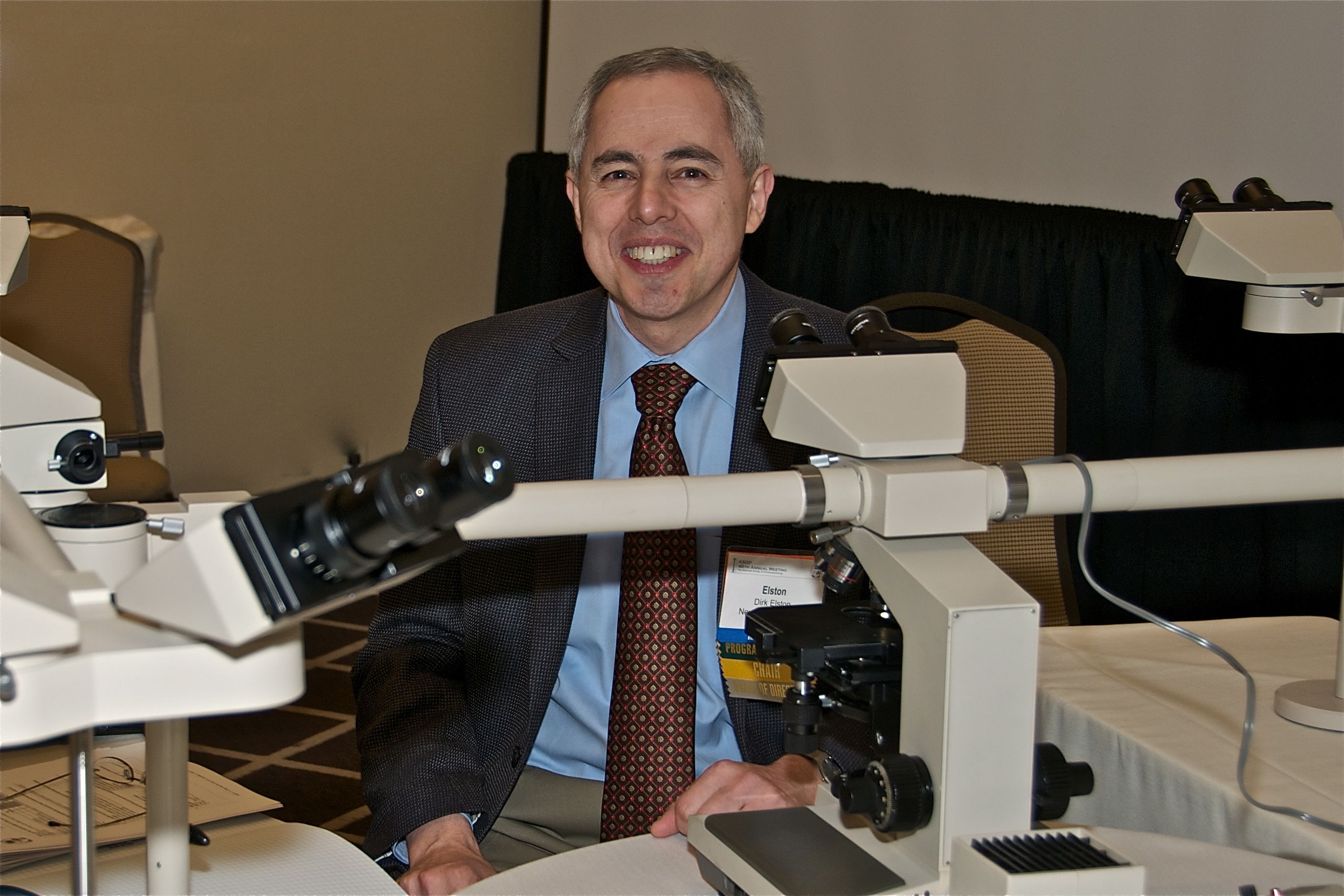
Dr. Elston is one of five authors of “Andrews’ Diseases of the Skin),” coauthor with Tammie Ferringer, MD, of the “Dermatopathology” textbook, and editor in chief of the Requisites in Dermatology series of textbooks. In 2018, he succeeded Bruce H. Thiers, MD, as editor of the Journal of the American Academy of Dermatology and in 2021, received the AAD’s Gold Medal Award, which is the academy’s highest honor.
In an interview, Dr. Elston reflected on his mentors, shared how he manages his many responsibilities as a clinician, teacher, and editor, and talked about the promising future of dermatology.
Who inspired you most to pursue a career in medicine? My grandmother, Annie Elston, was a physician and dedicated her life to helping others. She was a front-line medic during World War I, helped to run a neonatal syphilis ward after the war, and practiced pediatrics in New York City until her death. She was a great role model.
Did you enter medical school knowing that you wanted to become a dermatologist? If not, what was the turning point for you? I didn’t really know much about dermatology when I entered medical school. I fell in love with the specialty during a rotation.
What was the most memorable experience from your dermatology residency at Walter Reed Army Medical Center? There were so many interesting patients, including many tropical diseases.
Why did you choose to pursue a fellowship in dermatopathology? What was it about this subspeciality that piqued your interest? Great teachers, including Tim Berger, MD, George Lupton, MD, and Dean Pearson, MD. They inspired me to seek a dermpath fellowship and I was lucky enough to train with Wilma Bergfeld, MD.
In your opinion, what’s been the most important advance in dermatopathology to date?
Immunohistochemistry changed the specialty. Now molecular diagnostics is a second wave of major advancement.
How do you stay passionate about both dermatology and dermatopathology? The patients, residents, and fellows keep it interesting. It’s a two-way street. I learn as much as I teach.
You’ve had a remarkable run at the Journal of the American Academy of Dermatology, starting as deputy editor in 2008 before becoming editor in 2018. What’s been most rewarding about this role for you? It is a labor of love and such a privilege to see everyone’s best work.
During the peak of the COVID-19 pandemic, what were your most significant challenges from both a clinical and a personal standpoint? Fear of the unknown is always a challenge with a new epidemic and worse with a pandemic. The patients still needed to be seen but it was a challenge with some buildings closed and some personnel afraid to come to work.
Is there anything you would tell your younger self in terms of career advice? Enjoy every step of the journey.
Considering your various work responsibilities as a clinician, teacher, and editor, what’s your strategy for achieving a work-life balance? A good friend of mine is fond of saying that balance is an illusion. There is only resilience. I believe the truth lies somewhere in between. Make time for family, and decide what has to get done today and what can wait until tomorrow.
What development in dermatology are you most excited about in the next 5 years? We are in a golden age of therapeutic innovations that are life changing and lifesaving for our patients. I never would have believed I would see complete cures of patients with widely metastatic melanoma. From psoriasis to eczema to malignancy, our therapeutic armamentarium is dramatically better each year. It makes the practice of medicine exciting.
who has authored more than 600 peer-reviewed publications and 92 textbook chapters.
After earning his undergraduate degree from Pennsylvania State University and his medical degree from Jefferson Medical College in Philadelphia, Dr. Elston completed an internship and a dermatology residency at Walter Reed Army Medical Center in Washington, as well as a dermatopathology fellowship at the Cleveland Clinic. He currently is professor and chair of the department of dermatology and dermatologic surgery at the Medical University of South Carolina in Charleston.
Dr. Elston is one of five authors of “Andrews’ Diseases of the Skin),” coauthor with Tammie Ferringer, MD, of the “Dermatopathology” textbook, and editor in chief of the Requisites in Dermatology series of textbooks. In 2018, he succeeded Bruce H. Thiers, MD, as editor of the Journal of the American Academy of Dermatology and in 2021, received the AAD’s Gold Medal Award, which is the academy’s highest honor.
In an interview, Dr. Elston reflected on his mentors, shared how he manages his many responsibilities as a clinician, teacher, and editor, and talked about the promising future of dermatology.
Who inspired you most to pursue a career in medicine? My grandmother, Annie Elston, was a physician and dedicated her life to helping others. She was a front-line medic during World War I, helped to run a neonatal syphilis ward after the war, and practiced pediatrics in New York City until her death. She was a great role model.
Did you enter medical school knowing that you wanted to become a dermatologist? If not, what was the turning point for you? I didn’t really know much about dermatology when I entered medical school. I fell in love with the specialty during a rotation.
What was the most memorable experience from your dermatology residency at Walter Reed Army Medical Center? There were so many interesting patients, including many tropical diseases.
Why did you choose to pursue a fellowship in dermatopathology? What was it about this subspeciality that piqued your interest? Great teachers, including Tim Berger, MD, George Lupton, MD, and Dean Pearson, MD. They inspired me to seek a dermpath fellowship and I was lucky enough to train with Wilma Bergfeld, MD.
In your opinion, what’s been the most important advance in dermatopathology to date?
Immunohistochemistry changed the specialty. Now molecular diagnostics is a second wave of major advancement.
How do you stay passionate about both dermatology and dermatopathology? The patients, residents, and fellows keep it interesting. It’s a two-way street. I learn as much as I teach.
You’ve had a remarkable run at the Journal of the American Academy of Dermatology, starting as deputy editor in 2008 before becoming editor in 2018. What’s been most rewarding about this role for you? It is a labor of love and such a privilege to see everyone’s best work.
During the peak of the COVID-19 pandemic, what were your most significant challenges from both a clinical and a personal standpoint? Fear of the unknown is always a challenge with a new epidemic and worse with a pandemic. The patients still needed to be seen but it was a challenge with some buildings closed and some personnel afraid to come to work.
Is there anything you would tell your younger self in terms of career advice? Enjoy every step of the journey.
Considering your various work responsibilities as a clinician, teacher, and editor, what’s your strategy for achieving a work-life balance? A good friend of mine is fond of saying that balance is an illusion. There is only resilience. I believe the truth lies somewhere in between. Make time for family, and decide what has to get done today and what can wait until tomorrow.
What development in dermatology are you most excited about in the next 5 years? We are in a golden age of therapeutic innovations that are life changing and lifesaving for our patients. I never would have believed I would see complete cures of patients with widely metastatic melanoma. From psoriasis to eczema to malignancy, our therapeutic armamentarium is dramatically better each year. It makes the practice of medicine exciting.
who has authored more than 600 peer-reviewed publications and 92 textbook chapters.
After earning his undergraduate degree from Pennsylvania State University and his medical degree from Jefferson Medical College in Philadelphia, Dr. Elston completed an internship and a dermatology residency at Walter Reed Army Medical Center in Washington, as well as a dermatopathology fellowship at the Cleveland Clinic. He currently is professor and chair of the department of dermatology and dermatologic surgery at the Medical University of South Carolina in Charleston.
Dr. Elston is one of five authors of “Andrews’ Diseases of the Skin),” coauthor with Tammie Ferringer, MD, of the “Dermatopathology” textbook, and editor in chief of the Requisites in Dermatology series of textbooks. In 2018, he succeeded Bruce H. Thiers, MD, as editor of the Journal of the American Academy of Dermatology and in 2021, received the AAD’s Gold Medal Award, which is the academy’s highest honor.
In an interview, Dr. Elston reflected on his mentors, shared how he manages his many responsibilities as a clinician, teacher, and editor, and talked about the promising future of dermatology.
Who inspired you most to pursue a career in medicine? My grandmother, Annie Elston, was a physician and dedicated her life to helping others. She was a front-line medic during World War I, helped to run a neonatal syphilis ward after the war, and practiced pediatrics in New York City until her death. She was a great role model.
Did you enter medical school knowing that you wanted to become a dermatologist? If not, what was the turning point for you? I didn’t really know much about dermatology when I entered medical school. I fell in love with the specialty during a rotation.
What was the most memorable experience from your dermatology residency at Walter Reed Army Medical Center? There were so many interesting patients, including many tropical diseases.
Why did you choose to pursue a fellowship in dermatopathology? What was it about this subspeciality that piqued your interest? Great teachers, including Tim Berger, MD, George Lupton, MD, and Dean Pearson, MD. They inspired me to seek a dermpath fellowship and I was lucky enough to train with Wilma Bergfeld, MD.
In your opinion, what’s been the most important advance in dermatopathology to date?
Immunohistochemistry changed the specialty. Now molecular diagnostics is a second wave of major advancement.
How do you stay passionate about both dermatology and dermatopathology? The patients, residents, and fellows keep it interesting. It’s a two-way street. I learn as much as I teach.
You’ve had a remarkable run at the Journal of the American Academy of Dermatology, starting as deputy editor in 2008 before becoming editor in 2018. What’s been most rewarding about this role for you? It is a labor of love and such a privilege to see everyone’s best work.
During the peak of the COVID-19 pandemic, what were your most significant challenges from both a clinical and a personal standpoint? Fear of the unknown is always a challenge with a new epidemic and worse with a pandemic. The patients still needed to be seen but it was a challenge with some buildings closed and some personnel afraid to come to work.
Is there anything you would tell your younger self in terms of career advice? Enjoy every step of the journey.
Considering your various work responsibilities as a clinician, teacher, and editor, what’s your strategy for achieving a work-life balance? A good friend of mine is fond of saying that balance is an illusion. There is only resilience. I believe the truth lies somewhere in between. Make time for family, and decide what has to get done today and what can wait until tomorrow.
What development in dermatology are you most excited about in the next 5 years? We are in a golden age of therapeutic innovations that are life changing and lifesaving for our patients. I never would have believed I would see complete cures of patients with widely metastatic melanoma. From psoriasis to eczema to malignancy, our therapeutic armamentarium is dramatically better each year. It makes the practice of medicine exciting.
Can a tool help overcome barriers to diabetes medication cost?
The resource, “Having Healthcare Cost Conversations to Improve Patient Outcomes: A Practical Guide,” was jointly developed by the Association of Diabetes Care & Education Specialists and Beyond Type 1, the nonprofit patient advocacy organization.
Indeed, the guide appeared as President Biden discussed his proposal to cap insulin costs at $35 per insulin vial during the State of the Union address, during which he introduced a young boy with type 1 diabetes in the guest box, as reported by this news organization. On March 3, Civica, a nonprofit coalition of health systems and philanthropies, announced it plans to manufacture generic insulin at a deeply discounted price, as reported by this news organization.
“Just to see diabetes front and center at the State of the Union followed by these announcements is certainly reflective of our own advocacy effort to make sure that people have affordable options for insulin, diabetes medications, services,” Kate Thomas, ADCES chief advocacy and external affairs officer, said in an interview. She added that ADCES has also pushed for legislation in Congress that would expand access to diabetes self-management training under the Medicare program.
The guide includes advice about overcoming barriers to discussing treatment costs with patients, suggested questions to ask patients about specific costs, and determinants of health and conversational approaches. Links are provided to resources for obtaining affordable insulin, other diabetes medications, and continuous glucose monitoring and insulin pump equipment.
“We know that, especially during primary care visits, there is limited time along with numbers of issues to talk about, so I think our challenge is how do we prioritize these conversations with something that can lead to action, not just saying you should do this but how do you actually do it,” Ms. Thomas said.
The introduction summarizes results from a 2021 Beyond Type 1 survey confirming prior findings reported by this news organization that cost is a frequent barrier for many individuals living with diabetes. “Especially right now where we are in terms of the impact of the pandemic and with peoples’ job statuses changing, I think it’s worthwhile to raise this in patient encounters,” Ms. Thomas said.
Overcoming conversational barriers
The first of three tables in the guide provides a list of “barriers to having a cost conversation” in the first column and “suggested solutions” in the second. For example, for the barrier, “You have insufficient time and/or knowledge about cost,” the suggestion is, “request and share available faculty and resources, including benefits coordinators, social workers, and community-based organizations. Work with the pharmacists and other members of the diabetes care team to identify resources that lower cost of medications.”
And for another barrier, “patients are often embarrassed or ashamed to initiate discussions of affordability,” the suggested solution is: “Normalize the issue of cost of care barriers for patients.”
A second table offers specific questions to ask patients about costs of medications and care, determinants of health, and financial barriers. These include: “What are some challenges you’ve had to accessing your medications or taking them as prescribed? What are some out-of-pocket health care costs you need help with? What challenges do you have accessing healthy food for you and your family?”
A link to a screening tool for social determinants of health is also included.
Language suggestions include talking about “cost of care” rather than “money,” asking patients if they’ve understood everything correctly by repeating back what they’ve said, and asking for confirmation and discussing follow-up.
Overall, the tool is designed to be a “broad conversation starter,” and not just about medications, Ms. Thomas said. “This is for all audiences and it’s meant to be something that the provider can tailor depending on who they’re speaking to. ... It’s about medications, but also the entire cost of care, including services and devices, transportation to appointments, access to food. ... Diabetes care isn’t just taking medication. It’s so many more factors.”
Ms. Thomas reported no relevant financial relationships.
A version of this article first appeared on Medscape.com.
The resource, “Having Healthcare Cost Conversations to Improve Patient Outcomes: A Practical Guide,” was jointly developed by the Association of Diabetes Care & Education Specialists and Beyond Type 1, the nonprofit patient advocacy organization.
Indeed, the guide appeared as President Biden discussed his proposal to cap insulin costs at $35 per insulin vial during the State of the Union address, during which he introduced a young boy with type 1 diabetes in the guest box, as reported by this news organization. On March 3, Civica, a nonprofit coalition of health systems and philanthropies, announced it plans to manufacture generic insulin at a deeply discounted price, as reported by this news organization.
“Just to see diabetes front and center at the State of the Union followed by these announcements is certainly reflective of our own advocacy effort to make sure that people have affordable options for insulin, diabetes medications, services,” Kate Thomas, ADCES chief advocacy and external affairs officer, said in an interview. She added that ADCES has also pushed for legislation in Congress that would expand access to diabetes self-management training under the Medicare program.
The guide includes advice about overcoming barriers to discussing treatment costs with patients, suggested questions to ask patients about specific costs, and determinants of health and conversational approaches. Links are provided to resources for obtaining affordable insulin, other diabetes medications, and continuous glucose monitoring and insulin pump equipment.
“We know that, especially during primary care visits, there is limited time along with numbers of issues to talk about, so I think our challenge is how do we prioritize these conversations with something that can lead to action, not just saying you should do this but how do you actually do it,” Ms. Thomas said.
The introduction summarizes results from a 2021 Beyond Type 1 survey confirming prior findings reported by this news organization that cost is a frequent barrier for many individuals living with diabetes. “Especially right now where we are in terms of the impact of the pandemic and with peoples’ job statuses changing, I think it’s worthwhile to raise this in patient encounters,” Ms. Thomas said.
Overcoming conversational barriers
The first of three tables in the guide provides a list of “barriers to having a cost conversation” in the first column and “suggested solutions” in the second. For example, for the barrier, “You have insufficient time and/or knowledge about cost,” the suggestion is, “request and share available faculty and resources, including benefits coordinators, social workers, and community-based organizations. Work with the pharmacists and other members of the diabetes care team to identify resources that lower cost of medications.”
And for another barrier, “patients are often embarrassed or ashamed to initiate discussions of affordability,” the suggested solution is: “Normalize the issue of cost of care barriers for patients.”
A second table offers specific questions to ask patients about costs of medications and care, determinants of health, and financial barriers. These include: “What are some challenges you’ve had to accessing your medications or taking them as prescribed? What are some out-of-pocket health care costs you need help with? What challenges do you have accessing healthy food for you and your family?”
A link to a screening tool for social determinants of health is also included.
Language suggestions include talking about “cost of care” rather than “money,” asking patients if they’ve understood everything correctly by repeating back what they’ve said, and asking for confirmation and discussing follow-up.
Overall, the tool is designed to be a “broad conversation starter,” and not just about medications, Ms. Thomas said. “This is for all audiences and it’s meant to be something that the provider can tailor depending on who they’re speaking to. ... It’s about medications, but also the entire cost of care, including services and devices, transportation to appointments, access to food. ... Diabetes care isn’t just taking medication. It’s so many more factors.”
Ms. Thomas reported no relevant financial relationships.
A version of this article first appeared on Medscape.com.
The resource, “Having Healthcare Cost Conversations to Improve Patient Outcomes: A Practical Guide,” was jointly developed by the Association of Diabetes Care & Education Specialists and Beyond Type 1, the nonprofit patient advocacy organization.
Indeed, the guide appeared as President Biden discussed his proposal to cap insulin costs at $35 per insulin vial during the State of the Union address, during which he introduced a young boy with type 1 diabetes in the guest box, as reported by this news organization. On March 3, Civica, a nonprofit coalition of health systems and philanthropies, announced it plans to manufacture generic insulin at a deeply discounted price, as reported by this news organization.
“Just to see diabetes front and center at the State of the Union followed by these announcements is certainly reflective of our own advocacy effort to make sure that people have affordable options for insulin, diabetes medications, services,” Kate Thomas, ADCES chief advocacy and external affairs officer, said in an interview. She added that ADCES has also pushed for legislation in Congress that would expand access to diabetes self-management training under the Medicare program.
The guide includes advice about overcoming barriers to discussing treatment costs with patients, suggested questions to ask patients about specific costs, and determinants of health and conversational approaches. Links are provided to resources for obtaining affordable insulin, other diabetes medications, and continuous glucose monitoring and insulin pump equipment.
“We know that, especially during primary care visits, there is limited time along with numbers of issues to talk about, so I think our challenge is how do we prioritize these conversations with something that can lead to action, not just saying you should do this but how do you actually do it,” Ms. Thomas said.
The introduction summarizes results from a 2021 Beyond Type 1 survey confirming prior findings reported by this news organization that cost is a frequent barrier for many individuals living with diabetes. “Especially right now where we are in terms of the impact of the pandemic and with peoples’ job statuses changing, I think it’s worthwhile to raise this in patient encounters,” Ms. Thomas said.
Overcoming conversational barriers
The first of three tables in the guide provides a list of “barriers to having a cost conversation” in the first column and “suggested solutions” in the second. For example, for the barrier, “You have insufficient time and/or knowledge about cost,” the suggestion is, “request and share available faculty and resources, including benefits coordinators, social workers, and community-based organizations. Work with the pharmacists and other members of the diabetes care team to identify resources that lower cost of medications.”
And for another barrier, “patients are often embarrassed or ashamed to initiate discussions of affordability,” the suggested solution is: “Normalize the issue of cost of care barriers for patients.”
A second table offers specific questions to ask patients about costs of medications and care, determinants of health, and financial barriers. These include: “What are some challenges you’ve had to accessing your medications or taking them as prescribed? What are some out-of-pocket health care costs you need help with? What challenges do you have accessing healthy food for you and your family?”
A link to a screening tool for social determinants of health is also included.
Language suggestions include talking about “cost of care” rather than “money,” asking patients if they’ve understood everything correctly by repeating back what they’ve said, and asking for confirmation and discussing follow-up.
Overall, the tool is designed to be a “broad conversation starter,” and not just about medications, Ms. Thomas said. “This is for all audiences and it’s meant to be something that the provider can tailor depending on who they’re speaking to. ... It’s about medications, but also the entire cost of care, including services and devices, transportation to appointments, access to food. ... Diabetes care isn’t just taking medication. It’s so many more factors.”
Ms. Thomas reported no relevant financial relationships.
A version of this article first appeared on Medscape.com.
Handheld ECGs ease AFib screening in the very elderly
The use of handheld, single-lead electrocardiograms (ECGs) did not increase diagnoses of AFib overall in patients aged 65 and older, but it did in patients 85 and up, researchers reported in Circulation.
“Incorporating single-lead ECGs into routine medical assessments as a new vital sign was widely feasible. Over 90% of people who were offered screening agreed to it and underwent screening,” said Steven Lubitz, MD, of the Cardiac Arrhythmia Service and Cardiovascular Research Center at Massachusetts General Hospital, Boston, who led the study.
Because advanced age is associated with a substantially increased risk of both AFib and stroke, point-of-care screening might be an efficient use of handheld ECGs, Dr. Lubitz said.
“The technology simply requires patients to place their fingers on the device to record an electrocardiogram and can be easily embedded in the routine clinical practice of primary care physicians,” he said in an interview.
The typical person has a 30% lifetime risk of developing AFib, and the chances of experiencing a stroke associated with the arrhythmia can be reduced significantly with anticoagulants, Dr. Lubitz said.
Professional organizations are split about the utility of screening for AFib. The European Society of Cardiology recommends opportunistic screening with either pulse palpation or ECG rhythm strip at clinic visits for patients 65 and older. The National Heart Foundation of Australia and the Cardiac Society of Australia and New Zealand have issued similar guidelines.
However, screening for AFib is not considered standard of care in the United States – although Dr. Lubitz predicted that that would change.
“I think the guidelines in the United States will evolve in the next few years, because I think we’re getting closer to understanding who we should be screening for atrial fibrillation and how we should be screening,” Dr. Lubitz told this news organization.
‘Very reassuring’ results
The randomized controlled trial found that for patients 85 and older, use of handheld ECGs led to a nearly 2% increase in new diagnoses of AFib in the screening group compared to conventional care.
The researchers also demonstrated an increased likelihood of diagnosing AFib during the patient’s primary-care encounter than at other sites, such as the emergency department or inpatient settings that might be more costly and resource-intensive. Moreover, the study reported that point-of-care screening was associated with high rates of oral anticoagulation prescriptions written for patients with newly diagnosed AFib, a finding Dr. Lubitz called “very reassuring.”
The Mass General researchers used single-lead devices attached to a tablet computer to screen more than 35,000 men and women from 16 primary care sites affiliated with the hospital’s practice-based research network.
Half the sites were randomly selected to include the screening intervention, where medical assistants used handheld ECGs at the start of the visit while checking routine vital signs.
The 1-year study screened 91% of eligible patients, demonstrating that single-lead rhythm assessment is feasible as part of routine primary care practice, Dr. Lubitz said. This finding supports other studies suggesting that handheld devices can enable rapid and scalable mass screening.
“We demonstrated that integration into routine practice by clinical personnel – in this case, medical assistants – is feasible. No study has measured and demonstrated such a high integration with routine care, reflecting both patient interest in screening and feasibility of incorporating screening into busy clinical practices,” Dr. Lubitz said.
Mobile ECGs with the handheld device take about 30 seconds to perform. In contrast, standard ECGs used in outpatient practices are bulky, and recording the ECG can take roughly 10 minutes.
Anthony Leazzo, DO, chairman of family practice at Northwestern Medicine Delnor Hospital, in Geneva, Ill., noted that smartwatches provide an alternative technology for detecting AFib.
But “a handheld, one-lead device would be more beneficial and should be more sensitive by measuring electrical activity similar to a normal ECG,” he said.
However, Dr. Leazzo said using such technology would need to be cost-effective because the patients at highest risk for AFib usually are on fixed incomes. Consumer versions of the devices can cost under $100. Dr. Lubitz said the actual cost for devices and a software platform used for a medical enterprise may differ.
Handheld ECGs are gradually being integrated into clinical practices, a trend driven by the rapid growth of telemedicine to remotely assess patients, Dr. Lubitz said.
“Our work affirmed that single-lead devices generate information for the physician that is actionable, though the proportion of newly detected AFib cases using a point-of-care ECG screening approach is likely to be very small,” Dr. Lubitz said in an interview. “For that reason, we think handheld devices are best deployed for people at the highest risk of AFib and stroke, and age is an excellent surrogate for that determination.”
The study was funded by Bristol-Myers Squibb–Pfizer Alliance.
A version of this article first appeared on Medscape.com.
The use of handheld, single-lead electrocardiograms (ECGs) did not increase diagnoses of AFib overall in patients aged 65 and older, but it did in patients 85 and up, researchers reported in Circulation.
“Incorporating single-lead ECGs into routine medical assessments as a new vital sign was widely feasible. Over 90% of people who were offered screening agreed to it and underwent screening,” said Steven Lubitz, MD, of the Cardiac Arrhythmia Service and Cardiovascular Research Center at Massachusetts General Hospital, Boston, who led the study.
Because advanced age is associated with a substantially increased risk of both AFib and stroke, point-of-care screening might be an efficient use of handheld ECGs, Dr. Lubitz said.
“The technology simply requires patients to place their fingers on the device to record an electrocardiogram and can be easily embedded in the routine clinical practice of primary care physicians,” he said in an interview.
The typical person has a 30% lifetime risk of developing AFib, and the chances of experiencing a stroke associated with the arrhythmia can be reduced significantly with anticoagulants, Dr. Lubitz said.
Professional organizations are split about the utility of screening for AFib. The European Society of Cardiology recommends opportunistic screening with either pulse palpation or ECG rhythm strip at clinic visits for patients 65 and older. The National Heart Foundation of Australia and the Cardiac Society of Australia and New Zealand have issued similar guidelines.
However, screening for AFib is not considered standard of care in the United States – although Dr. Lubitz predicted that that would change.
“I think the guidelines in the United States will evolve in the next few years, because I think we’re getting closer to understanding who we should be screening for atrial fibrillation and how we should be screening,” Dr. Lubitz told this news organization.
‘Very reassuring’ results
The randomized controlled trial found that for patients 85 and older, use of handheld ECGs led to a nearly 2% increase in new diagnoses of AFib in the screening group compared to conventional care.
The researchers also demonstrated an increased likelihood of diagnosing AFib during the patient’s primary-care encounter than at other sites, such as the emergency department or inpatient settings that might be more costly and resource-intensive. Moreover, the study reported that point-of-care screening was associated with high rates of oral anticoagulation prescriptions written for patients with newly diagnosed AFib, a finding Dr. Lubitz called “very reassuring.”
The Mass General researchers used single-lead devices attached to a tablet computer to screen more than 35,000 men and women from 16 primary care sites affiliated with the hospital’s practice-based research network.
Half the sites were randomly selected to include the screening intervention, where medical assistants used handheld ECGs at the start of the visit while checking routine vital signs.
The 1-year study screened 91% of eligible patients, demonstrating that single-lead rhythm assessment is feasible as part of routine primary care practice, Dr. Lubitz said. This finding supports other studies suggesting that handheld devices can enable rapid and scalable mass screening.
“We demonstrated that integration into routine practice by clinical personnel – in this case, medical assistants – is feasible. No study has measured and demonstrated such a high integration with routine care, reflecting both patient interest in screening and feasibility of incorporating screening into busy clinical practices,” Dr. Lubitz said.
Mobile ECGs with the handheld device take about 30 seconds to perform. In contrast, standard ECGs used in outpatient practices are bulky, and recording the ECG can take roughly 10 minutes.
Anthony Leazzo, DO, chairman of family practice at Northwestern Medicine Delnor Hospital, in Geneva, Ill., noted that smartwatches provide an alternative technology for detecting AFib.
But “a handheld, one-lead device would be more beneficial and should be more sensitive by measuring electrical activity similar to a normal ECG,” he said.
However, Dr. Leazzo said using such technology would need to be cost-effective because the patients at highest risk for AFib usually are on fixed incomes. Consumer versions of the devices can cost under $100. Dr. Lubitz said the actual cost for devices and a software platform used for a medical enterprise may differ.
Handheld ECGs are gradually being integrated into clinical practices, a trend driven by the rapid growth of telemedicine to remotely assess patients, Dr. Lubitz said.
“Our work affirmed that single-lead devices generate information for the physician that is actionable, though the proportion of newly detected AFib cases using a point-of-care ECG screening approach is likely to be very small,” Dr. Lubitz said in an interview. “For that reason, we think handheld devices are best deployed for people at the highest risk of AFib and stroke, and age is an excellent surrogate for that determination.”
The study was funded by Bristol-Myers Squibb–Pfizer Alliance.
A version of this article first appeared on Medscape.com.
The use of handheld, single-lead electrocardiograms (ECGs) did not increase diagnoses of AFib overall in patients aged 65 and older, but it did in patients 85 and up, researchers reported in Circulation.
“Incorporating single-lead ECGs into routine medical assessments as a new vital sign was widely feasible. Over 90% of people who were offered screening agreed to it and underwent screening,” said Steven Lubitz, MD, of the Cardiac Arrhythmia Service and Cardiovascular Research Center at Massachusetts General Hospital, Boston, who led the study.
Because advanced age is associated with a substantially increased risk of both AFib and stroke, point-of-care screening might be an efficient use of handheld ECGs, Dr. Lubitz said.
“The technology simply requires patients to place their fingers on the device to record an electrocardiogram and can be easily embedded in the routine clinical practice of primary care physicians,” he said in an interview.
The typical person has a 30% lifetime risk of developing AFib, and the chances of experiencing a stroke associated with the arrhythmia can be reduced significantly with anticoagulants, Dr. Lubitz said.
Professional organizations are split about the utility of screening for AFib. The European Society of Cardiology recommends opportunistic screening with either pulse palpation or ECG rhythm strip at clinic visits for patients 65 and older. The National Heart Foundation of Australia and the Cardiac Society of Australia and New Zealand have issued similar guidelines.
However, screening for AFib is not considered standard of care in the United States – although Dr. Lubitz predicted that that would change.
“I think the guidelines in the United States will evolve in the next few years, because I think we’re getting closer to understanding who we should be screening for atrial fibrillation and how we should be screening,” Dr. Lubitz told this news organization.
‘Very reassuring’ results
The randomized controlled trial found that for patients 85 and older, use of handheld ECGs led to a nearly 2% increase in new diagnoses of AFib in the screening group compared to conventional care.
The researchers also demonstrated an increased likelihood of diagnosing AFib during the patient’s primary-care encounter than at other sites, such as the emergency department or inpatient settings that might be more costly and resource-intensive. Moreover, the study reported that point-of-care screening was associated with high rates of oral anticoagulation prescriptions written for patients with newly diagnosed AFib, a finding Dr. Lubitz called “very reassuring.”
The Mass General researchers used single-lead devices attached to a tablet computer to screen more than 35,000 men and women from 16 primary care sites affiliated with the hospital’s practice-based research network.
Half the sites were randomly selected to include the screening intervention, where medical assistants used handheld ECGs at the start of the visit while checking routine vital signs.
The 1-year study screened 91% of eligible patients, demonstrating that single-lead rhythm assessment is feasible as part of routine primary care practice, Dr. Lubitz said. This finding supports other studies suggesting that handheld devices can enable rapid and scalable mass screening.
“We demonstrated that integration into routine practice by clinical personnel – in this case, medical assistants – is feasible. No study has measured and demonstrated such a high integration with routine care, reflecting both patient interest in screening and feasibility of incorporating screening into busy clinical practices,” Dr. Lubitz said.
Mobile ECGs with the handheld device take about 30 seconds to perform. In contrast, standard ECGs used in outpatient practices are bulky, and recording the ECG can take roughly 10 minutes.
Anthony Leazzo, DO, chairman of family practice at Northwestern Medicine Delnor Hospital, in Geneva, Ill., noted that smartwatches provide an alternative technology for detecting AFib.
But “a handheld, one-lead device would be more beneficial and should be more sensitive by measuring electrical activity similar to a normal ECG,” he said.
However, Dr. Leazzo said using such technology would need to be cost-effective because the patients at highest risk for AFib usually are on fixed incomes. Consumer versions of the devices can cost under $100. Dr. Lubitz said the actual cost for devices and a software platform used for a medical enterprise may differ.
Handheld ECGs are gradually being integrated into clinical practices, a trend driven by the rapid growth of telemedicine to remotely assess patients, Dr. Lubitz said.
“Our work affirmed that single-lead devices generate information for the physician that is actionable, though the proportion of newly detected AFib cases using a point-of-care ECG screening approach is likely to be very small,” Dr. Lubitz said in an interview. “For that reason, we think handheld devices are best deployed for people at the highest risk of AFib and stroke, and age is an excellent surrogate for that determination.”
The study was funded by Bristol-Myers Squibb–Pfizer Alliance.
A version of this article first appeared on Medscape.com.
FROM CIRCULATION
COVID-19 often more severe with congenital heart defects
Adults with a congenital heart defect (CHD) are at increased risk for serious illness and death when hospitalized with COVID-19, making vaccination and other preventive measures even important in this population, say researchers with the Centers for Disease Control and Prevention.
“We found that hospitalized patients with heart defects are up to twice as likely to have critical outcomes of COVID-19 illness (admission to the intensive care unit, use of a ventilator to help with breathing, or death) compared to hospitalized COVID-19 patients without heart defects,” Karrie Downing, MPH, epidemiologist, with the CDC’s National Center on Birth Defects and Developmental Disabilities, said in an interview.
“Additionally, we learned that people with hearts defects who were older or who also had other conditions like heart failure, pulmonary hypertension, Down syndrome, diabetes, or obesity were the most likely to have critical COVID-19 illness, but children and adults with heart defects without these other conditions were still at increased risk,” Ms. Downing said.
The message for health care providers is clear: “Encourage your patients with heart defects to get vaccinated and discuss with your patients the need for other preventive measures to avoid infection that may progress to severe COVID-19 illness,” Ms. Downing added.
The study was published online March 7, 2022, in Circulation.
The researchers analyzed data on 235,638 patients hospitalized with COVID-19 between March 2020 and January 2021, including 421 (0.2%) with CHD. Most CHD patients were older than 30 years (73%) and 61% were men, with 55% non-Hispanic white, 19% Hispanic and 16% non-Hispanic Black.
Overall, 68% of CHD patients had at least one comorbidity, as did 59% of patients without CHD.
Rates of ICU admission were higher in the CHD group (54% vs. 43%), as were rates of invasive mechanical ventilation (24% vs. 15%) and in-hospital death (11% vs. 7%).
After accounting for patient characteristics, ICU admission, invasive mechanical ventilation and death were more prevalent among COVID-19 patients with rather than without CHD, with adjusted prevalence ratios of 1.4, 1.8 and 2.0, respectively.
When stratified by high-risk characteristics, prevalence estimates for ICU admission, invasive mechanical ventilation and death remained higher among patients with COVID-19 and CHD across nearly all strata, including younger age groups and those without heart failure, pulmonary hypertension, Down syndrome, diabetes, or obesity, the researchers reported.
Ms. Downing said more work is needed to identify why the clinical course of COVID-19 disease results in admission to the ICU, the need for a ventilator, or death for some hospitalized patients with CHD and not for others.
“There could be a number of social, environmental, economic, medical, and genetic factors playing a role. But staying up to date with COVID-19 vaccines and following preventive measures for COVID-19 are effective ways to reduce the risk of severe illness from COVID-19,” Ms. Downing said.
The study had no specific funding. The authors reported no relevant disclosures.
A version of this article first appeared on Medscape.com.
Adults with a congenital heart defect (CHD) are at increased risk for serious illness and death when hospitalized with COVID-19, making vaccination and other preventive measures even important in this population, say researchers with the Centers for Disease Control and Prevention.
“We found that hospitalized patients with heart defects are up to twice as likely to have critical outcomes of COVID-19 illness (admission to the intensive care unit, use of a ventilator to help with breathing, or death) compared to hospitalized COVID-19 patients without heart defects,” Karrie Downing, MPH, epidemiologist, with the CDC’s National Center on Birth Defects and Developmental Disabilities, said in an interview.
“Additionally, we learned that people with hearts defects who were older or who also had other conditions like heart failure, pulmonary hypertension, Down syndrome, diabetes, or obesity were the most likely to have critical COVID-19 illness, but children and adults with heart defects without these other conditions were still at increased risk,” Ms. Downing said.
The message for health care providers is clear: “Encourage your patients with heart defects to get vaccinated and discuss with your patients the need for other preventive measures to avoid infection that may progress to severe COVID-19 illness,” Ms. Downing added.
The study was published online March 7, 2022, in Circulation.
The researchers analyzed data on 235,638 patients hospitalized with COVID-19 between March 2020 and January 2021, including 421 (0.2%) with CHD. Most CHD patients were older than 30 years (73%) and 61% were men, with 55% non-Hispanic white, 19% Hispanic and 16% non-Hispanic Black.
Overall, 68% of CHD patients had at least one comorbidity, as did 59% of patients without CHD.
Rates of ICU admission were higher in the CHD group (54% vs. 43%), as were rates of invasive mechanical ventilation (24% vs. 15%) and in-hospital death (11% vs. 7%).
After accounting for patient characteristics, ICU admission, invasive mechanical ventilation and death were more prevalent among COVID-19 patients with rather than without CHD, with adjusted prevalence ratios of 1.4, 1.8 and 2.0, respectively.
When stratified by high-risk characteristics, prevalence estimates for ICU admission, invasive mechanical ventilation and death remained higher among patients with COVID-19 and CHD across nearly all strata, including younger age groups and those without heart failure, pulmonary hypertension, Down syndrome, diabetes, or obesity, the researchers reported.
Ms. Downing said more work is needed to identify why the clinical course of COVID-19 disease results in admission to the ICU, the need for a ventilator, or death for some hospitalized patients with CHD and not for others.
“There could be a number of social, environmental, economic, medical, and genetic factors playing a role. But staying up to date with COVID-19 vaccines and following preventive measures for COVID-19 are effective ways to reduce the risk of severe illness from COVID-19,” Ms. Downing said.
The study had no specific funding. The authors reported no relevant disclosures.
A version of this article first appeared on Medscape.com.
Adults with a congenital heart defect (CHD) are at increased risk for serious illness and death when hospitalized with COVID-19, making vaccination and other preventive measures even important in this population, say researchers with the Centers for Disease Control and Prevention.
“We found that hospitalized patients with heart defects are up to twice as likely to have critical outcomes of COVID-19 illness (admission to the intensive care unit, use of a ventilator to help with breathing, or death) compared to hospitalized COVID-19 patients without heart defects,” Karrie Downing, MPH, epidemiologist, with the CDC’s National Center on Birth Defects and Developmental Disabilities, said in an interview.
“Additionally, we learned that people with hearts defects who were older or who also had other conditions like heart failure, pulmonary hypertension, Down syndrome, diabetes, or obesity were the most likely to have critical COVID-19 illness, but children and adults with heart defects without these other conditions were still at increased risk,” Ms. Downing said.
The message for health care providers is clear: “Encourage your patients with heart defects to get vaccinated and discuss with your patients the need for other preventive measures to avoid infection that may progress to severe COVID-19 illness,” Ms. Downing added.
The study was published online March 7, 2022, in Circulation.
The researchers analyzed data on 235,638 patients hospitalized with COVID-19 between March 2020 and January 2021, including 421 (0.2%) with CHD. Most CHD patients were older than 30 years (73%) and 61% were men, with 55% non-Hispanic white, 19% Hispanic and 16% non-Hispanic Black.
Overall, 68% of CHD patients had at least one comorbidity, as did 59% of patients without CHD.
Rates of ICU admission were higher in the CHD group (54% vs. 43%), as were rates of invasive mechanical ventilation (24% vs. 15%) and in-hospital death (11% vs. 7%).
After accounting for patient characteristics, ICU admission, invasive mechanical ventilation and death were more prevalent among COVID-19 patients with rather than without CHD, with adjusted prevalence ratios of 1.4, 1.8 and 2.0, respectively.
When stratified by high-risk characteristics, prevalence estimates for ICU admission, invasive mechanical ventilation and death remained higher among patients with COVID-19 and CHD across nearly all strata, including younger age groups and those without heart failure, pulmonary hypertension, Down syndrome, diabetes, or obesity, the researchers reported.
Ms. Downing said more work is needed to identify why the clinical course of COVID-19 disease results in admission to the ICU, the need for a ventilator, or death for some hospitalized patients with CHD and not for others.
“There could be a number of social, environmental, economic, medical, and genetic factors playing a role. But staying up to date with COVID-19 vaccines and following preventive measures for COVID-19 are effective ways to reduce the risk of severe illness from COVID-19,” Ms. Downing said.
The study had no specific funding. The authors reported no relevant disclosures.
A version of this article first appeared on Medscape.com.
FROM CIRCULATION
Women still missing from CV clinical trial leadership
Although women were well represented on panels, and chaired or cochaired sessions, thanks to the ACC’s ongoing efforts to promote gender diversity and inclusion, they rarely got to give the big talks.
“Unfortunately, women continue to be underrepresented among CV clinical trial leadership, leading to a lack of subject diversity,” Mary Norine Walsh, MD, medical director of heart failure and cardiac transplantation at Ascension St. Vincent Heart Center, Indianapolis, Ind., wrote in a review published online Feb. 28 in the Journal of the American College of Cardiology.
An analysis of cardiovascular trials published during the past 4 years showed that women comprised only 10.1% of clinical trial leadership committees, and more than half of the trials had no women at all as part of the trial leadership team. About 10% of the trials had a woman as first or senior author.
In an interview, Dr. Walsh said she was prompted to write her review because she found the absence of women presenters at ACC 21 so striking.
“ACC 21 was held virtually because of COVID. This gave me the opportunity to easily view all of the research sessions. I attended all of the late-breaking clinical trials and featured clinical research sessions live while they were being presented, and it slowly dawned on me as I was watching that the vast majority of the presenters were men,” she said.
“The ACC does what it can to ensure a good gender mix of panelists and session chairs, but what it cannot control is who presents the data. The fact that 93% of these talks were given by men was astonishing to me,” Dr. Walsh said.
Of the three trials presented by women, one was on sex-specific outcomes in high-risk patients receiving ticagrelor with or without aspirin after percutaneous coronary intervention (a subanalysis of the TWILIGHT study); one was on the impact of COVID-19 on the global cardiovascular workforce (the ACC 2020 Well Being Study); and one was on the prevention of cardiac dysfunction during adjuvanttherapy with candesartan and metoprolol (the PRADA study).
Most of the presenters were regulars at the ACC podium. As Dr. Walsh observed: “This was assuredly not the inaugural turn at the international podium for these male trial presenters.”
So why are women so noticeably absent among the leaders of cardiovascular clinical trials research?
The root cause for this underrepresentation begins with the low number of women who lead clinical trials in cardiovascular medicine and surgery, and the fact that there are fewer female cardiologists than male cardiologists to begin with.
Then there is the lack of mentorship, which, Dr. Walsh said, “really does occur along gendered lines, with men mentoring men.”
In addition, industry-funded trials tend to feed a nondiverse investigator pipeline and other research collaborations often encompass established networks, Dr. Walsh noted.
“When industry is embarking on a new trial of a drug or device, it tends to lean back on who they have had led before. It really gets down to who you know, so getting new people in is fairly difficult,” she said.
Several initiatives to increase diversity in CV clinical trial leadership are ongoing by the ACC and other organizations.
For example, Women as One gives “escalator awards” to boost or escalate the training of highly qualified female cardiologists through targeted funding, mentorship, and networking.
The ACC’s “Clinical Trial Research: Upping Your Game” program aims to develop and train the next generation of a diverse and inclusive clinical trials workforce, focusing not only on women but on other traditionally underrepresented groups.
“We’re now in our third cohort of investigators who are early in their careers. We’re arming them with the skills to become successful in becoming investigators and then going up the chain to trial leadership. We are focusing our efforts on those who are underrepresented in cardiology – women, native Americans, Latinx, and Black investigators. We are hoping to increase diversity through that way, but more still needs to be done,” she said.
Trial sponsors, whether federally funded or industry sponsored, need to insist on diversity of the trial steering committee, and principal investigators need to consider diversity.
“A rethinking of who is eligible to present important trial results is needed,” Dr. Walsh said.
“The informal, or formal, pecking order of CV trial leadership needs to be reworked. All members of the steering committee should be possible presenters, and women should not be asked to report late-breaking results of trials that are reporting sex-specific results or data that are pertinent only to a female population.”
A version of this article first appeared on Medscape.com.
Although women were well represented on panels, and chaired or cochaired sessions, thanks to the ACC’s ongoing efforts to promote gender diversity and inclusion, they rarely got to give the big talks.
“Unfortunately, women continue to be underrepresented among CV clinical trial leadership, leading to a lack of subject diversity,” Mary Norine Walsh, MD, medical director of heart failure and cardiac transplantation at Ascension St. Vincent Heart Center, Indianapolis, Ind., wrote in a review published online Feb. 28 in the Journal of the American College of Cardiology.
An analysis of cardiovascular trials published during the past 4 years showed that women comprised only 10.1% of clinical trial leadership committees, and more than half of the trials had no women at all as part of the trial leadership team. About 10% of the trials had a woman as first or senior author.
In an interview, Dr. Walsh said she was prompted to write her review because she found the absence of women presenters at ACC 21 so striking.
“ACC 21 was held virtually because of COVID. This gave me the opportunity to easily view all of the research sessions. I attended all of the late-breaking clinical trials and featured clinical research sessions live while they were being presented, and it slowly dawned on me as I was watching that the vast majority of the presenters were men,” she said.
“The ACC does what it can to ensure a good gender mix of panelists and session chairs, but what it cannot control is who presents the data. The fact that 93% of these talks were given by men was astonishing to me,” Dr. Walsh said.
Of the three trials presented by women, one was on sex-specific outcomes in high-risk patients receiving ticagrelor with or without aspirin after percutaneous coronary intervention (a subanalysis of the TWILIGHT study); one was on the impact of COVID-19 on the global cardiovascular workforce (the ACC 2020 Well Being Study); and one was on the prevention of cardiac dysfunction during adjuvanttherapy with candesartan and metoprolol (the PRADA study).
Most of the presenters were regulars at the ACC podium. As Dr. Walsh observed: “This was assuredly not the inaugural turn at the international podium for these male trial presenters.”
So why are women so noticeably absent among the leaders of cardiovascular clinical trials research?
The root cause for this underrepresentation begins with the low number of women who lead clinical trials in cardiovascular medicine and surgery, and the fact that there are fewer female cardiologists than male cardiologists to begin with.
Then there is the lack of mentorship, which, Dr. Walsh said, “really does occur along gendered lines, with men mentoring men.”
In addition, industry-funded trials tend to feed a nondiverse investigator pipeline and other research collaborations often encompass established networks, Dr. Walsh noted.
“When industry is embarking on a new trial of a drug or device, it tends to lean back on who they have had led before. It really gets down to who you know, so getting new people in is fairly difficult,” she said.
Several initiatives to increase diversity in CV clinical trial leadership are ongoing by the ACC and other organizations.
For example, Women as One gives “escalator awards” to boost or escalate the training of highly qualified female cardiologists through targeted funding, mentorship, and networking.
The ACC’s “Clinical Trial Research: Upping Your Game” program aims to develop and train the next generation of a diverse and inclusive clinical trials workforce, focusing not only on women but on other traditionally underrepresented groups.
“We’re now in our third cohort of investigators who are early in their careers. We’re arming them with the skills to become successful in becoming investigators and then going up the chain to trial leadership. We are focusing our efforts on those who are underrepresented in cardiology – women, native Americans, Latinx, and Black investigators. We are hoping to increase diversity through that way, but more still needs to be done,” she said.
Trial sponsors, whether federally funded or industry sponsored, need to insist on diversity of the trial steering committee, and principal investigators need to consider diversity.
“A rethinking of who is eligible to present important trial results is needed,” Dr. Walsh said.
“The informal, or formal, pecking order of CV trial leadership needs to be reworked. All members of the steering committee should be possible presenters, and women should not be asked to report late-breaking results of trials that are reporting sex-specific results or data that are pertinent only to a female population.”
A version of this article first appeared on Medscape.com.
Although women were well represented on panels, and chaired or cochaired sessions, thanks to the ACC’s ongoing efforts to promote gender diversity and inclusion, they rarely got to give the big talks.
“Unfortunately, women continue to be underrepresented among CV clinical trial leadership, leading to a lack of subject diversity,” Mary Norine Walsh, MD, medical director of heart failure and cardiac transplantation at Ascension St. Vincent Heart Center, Indianapolis, Ind., wrote in a review published online Feb. 28 in the Journal of the American College of Cardiology.
An analysis of cardiovascular trials published during the past 4 years showed that women comprised only 10.1% of clinical trial leadership committees, and more than half of the trials had no women at all as part of the trial leadership team. About 10% of the trials had a woman as first or senior author.
In an interview, Dr. Walsh said she was prompted to write her review because she found the absence of women presenters at ACC 21 so striking.
“ACC 21 was held virtually because of COVID. This gave me the opportunity to easily view all of the research sessions. I attended all of the late-breaking clinical trials and featured clinical research sessions live while they were being presented, and it slowly dawned on me as I was watching that the vast majority of the presenters were men,” she said.
“The ACC does what it can to ensure a good gender mix of panelists and session chairs, but what it cannot control is who presents the data. The fact that 93% of these talks were given by men was astonishing to me,” Dr. Walsh said.
Of the three trials presented by women, one was on sex-specific outcomes in high-risk patients receiving ticagrelor with or without aspirin after percutaneous coronary intervention (a subanalysis of the TWILIGHT study); one was on the impact of COVID-19 on the global cardiovascular workforce (the ACC 2020 Well Being Study); and one was on the prevention of cardiac dysfunction during adjuvanttherapy with candesartan and metoprolol (the PRADA study).
Most of the presenters were regulars at the ACC podium. As Dr. Walsh observed: “This was assuredly not the inaugural turn at the international podium for these male trial presenters.”
So why are women so noticeably absent among the leaders of cardiovascular clinical trials research?
The root cause for this underrepresentation begins with the low number of women who lead clinical trials in cardiovascular medicine and surgery, and the fact that there are fewer female cardiologists than male cardiologists to begin with.
Then there is the lack of mentorship, which, Dr. Walsh said, “really does occur along gendered lines, with men mentoring men.”
In addition, industry-funded trials tend to feed a nondiverse investigator pipeline and other research collaborations often encompass established networks, Dr. Walsh noted.
“When industry is embarking on a new trial of a drug or device, it tends to lean back on who they have had led before. It really gets down to who you know, so getting new people in is fairly difficult,” she said.
Several initiatives to increase diversity in CV clinical trial leadership are ongoing by the ACC and other organizations.
For example, Women as One gives “escalator awards” to boost or escalate the training of highly qualified female cardiologists through targeted funding, mentorship, and networking.
The ACC’s “Clinical Trial Research: Upping Your Game” program aims to develop and train the next generation of a diverse and inclusive clinical trials workforce, focusing not only on women but on other traditionally underrepresented groups.
“We’re now in our third cohort of investigators who are early in their careers. We’re arming them with the skills to become successful in becoming investigators and then going up the chain to trial leadership. We are focusing our efforts on those who are underrepresented in cardiology – women, native Americans, Latinx, and Black investigators. We are hoping to increase diversity through that way, but more still needs to be done,” she said.
Trial sponsors, whether federally funded or industry sponsored, need to insist on diversity of the trial steering committee, and principal investigators need to consider diversity.
“A rethinking of who is eligible to present important trial results is needed,” Dr. Walsh said.
“The informal, or formal, pecking order of CV trial leadership needs to be reworked. All members of the steering committee should be possible presenters, and women should not be asked to report late-breaking results of trials that are reporting sex-specific results or data that are pertinent only to a female population.”
A version of this article first appeared on Medscape.com.
Raise a glass to speed up the brain’s aging process
Drink a day could age your brain
There are many things we can do daily to improve our health: Exercise, read a book, eat an apple (supposedly). Not drink a glass of red wine. Wait, not drink? That’s right. We were told that a glass of red wine each night was doing something good for our hearts, but it’s doing something bad to our brains: Aging them prematurely.
According to a recent study in Nature Communications, drinking half a pint of beer a day could age the brain of a 50-year-old by 6 months. A pint of beer equaled 2 years of aging and a pint and a half aged participants’ brains by 3.5 years.
Compared with people who didn’t drink, those who averaged about two pints of beer or two glasses of wine daily had brains aged 10 years older!
The researchers’ analysis included MRI scans of about 37,000 middle-aged men in the United Kingdom, along with their medical information and drinking habits, Everyday Health reported. They determined volume reductions in two parts of the brain potentially impacted by daily consumption of alcohol: White matter, which controls the senses and communication, and gray matter, which controls cognitive functions such as movement, emotions, and memories.
Normal brain aging is bad enough: Stuff like forgetting why we walked into the kitchen or having a word we want to use on the tips of our tongues. Who knew that happy hour could be speeding up the process?
Bartender, make that mimosa a virgin.
A big dose of meta-cine
The metaverse is big news in the tech world. For those who are less technologically inclined or haven’t thrown a few hundred dollars at a clunky virtual reality headset, the metaverse is a vaguely defined artificial reality world, brought to you by Facebo-, excuse us, Meta, where you hang out with people using a virtual avatar and do various activities, all from the comfort of your own home.

That’s not the most helpful definition, if we’re being honest, and that’s partially because the metaverse, as it’s being pushed by companies such as Meta, is very new and kind of a Wild West. No one really knows what it’ll be used for, but that’s not going to stop big business from pushing to secure their own corners of a new and exciting market, and that brings us to CVS, which is looking to become the first pharmacy in the metaverse.
Specifically, the company is looking to provide the entirety of its health care services – nonemergency medical care, wellness programs, nutrition advice, and counseling – to the metaverse. That makes sense. Telemedicine has become big during the pandemic, and bringing that care to the metaverse could work. Probably overcomplicated, since the sort of person who couldn’t figure out a video call to a doctor probably won’t be spending much time in the metaverse, but hey, if they can make it work, more power to them.
Where things get a bit silly is the online store. CVS looking to sell not only NFTs (because of course it is), but also downloadable virtual goods, including “prescription drugs, health, wellness, beauty, and personal care products,” according to the company’s claim to the U.S. Patent Trade Office. What exactly is a downloadable virtual prescription drug? Excellent question. We’re picturing holographic meatloaf, but the true answer is bound to be sillier than anything SpongeBob and friends could conjure.
Please don’t eat the winner
Hello friends. LOTME Sports welcomes you to the University of Toledo’s Glass Bowl for the wackiest virtual sporting event since Usain Bolt raced against a cheetah.

Hi, I’m Jim Nantz, and we’re here to witness the brainchild of Toledo physics professor Scott Lee, PhD, who posed an unusual question to his students: Is Usain Bolt faster than a 900-pound dinosaur?
Before we get started, though, I’ve got a quick question for my partner in today’s broadcast, Hall of Fame quarterback Peyton Manning: Why is someone who practices physics called a physicist when someone who practices medicine is known as a physician?
Jim, I’m prepared to talk about how Dr. Lee’s students used the concepts of 1D kinematics – displacement, speed, velocity, and acceleration – to determine if a Jamaican sprinter could beat Dilophosaurus wetherilli in a hypothetical race. Heck, it took me 2 days to be able to pronounce Dilophosaurus wetherilli. Don’t get me started on etymology.
Fair enough, my friend. What else can you tell us?
In his article in The Physics Teacher, Dr. Lee noted that recent musculoskeletal models of vertebrate animals have shown that a dinosaur like Dilophosaurus could run about as fast as Usain Bolt when he set the world record of 9.58 seconds for 100 meters in 2009. You might remember Dilophosaurus from “Jurassic Park.” It was the one that attacked the guy who played Newman on “Seinfeld.”
Fascinating stuff, Peyton, but it looks like the race is about to start. And they’re off! Newton’s second law, which says that acceleration is determined by a combination of mass and force, gives the smaller Bolt an early advantage. The dinosaur takes longer to reach maximum running velocity and crosses the line 2 seconds behind the world’s fastest human. Amazing!
Be sure to tune in again next week, when tennis legend Serena Williams takes the court against a hungry velociraptor.
Turning back the egg timer
The idea of getting older can be scary. Wouldn’t it be nice if we could reverse the aging process? Nice, sure, but not possible. Well, it may just be possible for women undergoing assisted reproductive treatment.

It’s generally known that oocytes accumulate DNA damage over time as well, hindering fertility, but a lab in Jerusalem has found a way to reverse the age of eggs.
If you’re wondering how on Earth that was possible, here’s how. Scientists from the Hebrew University of Jerusalem said that they found a previously unknown aging mechanism, which they were able to reverse using antiviral medications, they reported in Aging Cell.
The experiment started on mice eggs, but soon real human eggs were donated. After the procedure, the treated eggs appeared younger, with less of the DNA damage that comes from age. Sperm has not yet been used to test fertility so it is unclear if this will result in something game changing, but the investigators have high hopes.
“Many women are trying to get pregnant aged 40 or over, and we think this could actually increase their level of fertility,” senior investigator Michael Klutstein, PhD, told the Times of Israel. “Within 10 years, we hope to use antiviral drugs to increase fertility among older women.”
We’re counting on you, science! Do your thing!
Drink a day could age your brain
There are many things we can do daily to improve our health: Exercise, read a book, eat an apple (supposedly). Not drink a glass of red wine. Wait, not drink? That’s right. We were told that a glass of red wine each night was doing something good for our hearts, but it’s doing something bad to our brains: Aging them prematurely.
According to a recent study in Nature Communications, drinking half a pint of beer a day could age the brain of a 50-year-old by 6 months. A pint of beer equaled 2 years of aging and a pint and a half aged participants’ brains by 3.5 years.
Compared with people who didn’t drink, those who averaged about two pints of beer or two glasses of wine daily had brains aged 10 years older!
The researchers’ analysis included MRI scans of about 37,000 middle-aged men in the United Kingdom, along with their medical information and drinking habits, Everyday Health reported. They determined volume reductions in two parts of the brain potentially impacted by daily consumption of alcohol: White matter, which controls the senses and communication, and gray matter, which controls cognitive functions such as movement, emotions, and memories.
Normal brain aging is bad enough: Stuff like forgetting why we walked into the kitchen or having a word we want to use on the tips of our tongues. Who knew that happy hour could be speeding up the process?
Bartender, make that mimosa a virgin.
A big dose of meta-cine
The metaverse is big news in the tech world. For those who are less technologically inclined or haven’t thrown a few hundred dollars at a clunky virtual reality headset, the metaverse is a vaguely defined artificial reality world, brought to you by Facebo-, excuse us, Meta, where you hang out with people using a virtual avatar and do various activities, all from the comfort of your own home.
That’s not the most helpful definition, if we’re being honest, and that’s partially because the metaverse, as it’s being pushed by companies such as Meta, is very new and kind of a Wild West. No one really knows what it’ll be used for, but that’s not going to stop big business from pushing to secure their own corners of a new and exciting market, and that brings us to CVS, which is looking to become the first pharmacy in the metaverse.
Specifically, the company is looking to provide the entirety of its health care services – nonemergency medical care, wellness programs, nutrition advice, and counseling – to the metaverse. That makes sense. Telemedicine has become big during the pandemic, and bringing that care to the metaverse could work. Probably overcomplicated, since the sort of person who couldn’t figure out a video call to a doctor probably won’t be spending much time in the metaverse, but hey, if they can make it work, more power to them.
Where things get a bit silly is the online store. CVS looking to sell not only NFTs (because of course it is), but also downloadable virtual goods, including “prescription drugs, health, wellness, beauty, and personal care products,” according to the company’s claim to the U.S. Patent Trade Office. What exactly is a downloadable virtual prescription drug? Excellent question. We’re picturing holographic meatloaf, but the true answer is bound to be sillier than anything SpongeBob and friends could conjure.
Please don’t eat the winner
Hello friends. LOTME Sports welcomes you to the University of Toledo’s Glass Bowl for the wackiest virtual sporting event since Usain Bolt raced against a cheetah.
Hi, I’m Jim Nantz, and we’re here to witness the brainchild of Toledo physics professor Scott Lee, PhD, who posed an unusual question to his students: Is Usain Bolt faster than a 900-pound dinosaur?
Before we get started, though, I’ve got a quick question for my partner in today’s broadcast, Hall of Fame quarterback Peyton Manning: Why is someone who practices physics called a physicist when someone who practices medicine is known as a physician?
Jim, I’m prepared to talk about how Dr. Lee’s students used the concepts of 1D kinematics – displacement, speed, velocity, and acceleration – to determine if a Jamaican sprinter could beat Dilophosaurus wetherilli in a hypothetical race. Heck, it took me 2 days to be able to pronounce Dilophosaurus wetherilli. Don’t get me started on etymology.
Fair enough, my friend. What else can you tell us?
In his article in The Physics Teacher, Dr. Lee noted that recent musculoskeletal models of vertebrate animals have shown that a dinosaur like Dilophosaurus could run about as fast as Usain Bolt when he set the world record of 9.58 seconds for 100 meters in 2009. You might remember Dilophosaurus from “Jurassic Park.” It was the one that attacked the guy who played Newman on “Seinfeld.”
Fascinating stuff, Peyton, but it looks like the race is about to start. And they’re off! Newton’s second law, which says that acceleration is determined by a combination of mass and force, gives the smaller Bolt an early advantage. The dinosaur takes longer to reach maximum running velocity and crosses the line 2 seconds behind the world’s fastest human. Amazing!
Be sure to tune in again next week, when tennis legend Serena Williams takes the court against a hungry velociraptor.
Turning back the egg timer
The idea of getting older can be scary. Wouldn’t it be nice if we could reverse the aging process? Nice, sure, but not possible. Well, it may just be possible for women undergoing assisted reproductive treatment.
It’s generally known that oocytes accumulate DNA damage over time as well, hindering fertility, but a lab in Jerusalem has found a way to reverse the age of eggs.
If you’re wondering how on Earth that was possible, here’s how. Scientists from the Hebrew University of Jerusalem said that they found a previously unknown aging mechanism, which they were able to reverse using antiviral medications, they reported in Aging Cell.
The experiment started on mice eggs, but soon real human eggs were donated. After the procedure, the treated eggs appeared younger, with less of the DNA damage that comes from age. Sperm has not yet been used to test fertility so it is unclear if this will result in something game changing, but the investigators have high hopes.
“Many women are trying to get pregnant aged 40 or over, and we think this could actually increase their level of fertility,” senior investigator Michael Klutstein, PhD, told the Times of Israel. “Within 10 years, we hope to use antiviral drugs to increase fertility among older women.”
We’re counting on you, science! Do your thing!
Drink a day could age your brain
There are many things we can do daily to improve our health: Exercise, read a book, eat an apple (supposedly). Not drink a glass of red wine. Wait, not drink? That’s right. We were told that a glass of red wine each night was doing something good for our hearts, but it’s doing something bad to our brains: Aging them prematurely.
According to a recent study in Nature Communications, drinking half a pint of beer a day could age the brain of a 50-year-old by 6 months. A pint of beer equaled 2 years of aging and a pint and a half aged participants’ brains by 3.5 years.
Compared with people who didn’t drink, those who averaged about two pints of beer or two glasses of wine daily had brains aged 10 years older!
The researchers’ analysis included MRI scans of about 37,000 middle-aged men in the United Kingdom, along with their medical information and drinking habits, Everyday Health reported. They determined volume reductions in two parts of the brain potentially impacted by daily consumption of alcohol: White matter, which controls the senses and communication, and gray matter, which controls cognitive functions such as movement, emotions, and memories.
Normal brain aging is bad enough: Stuff like forgetting why we walked into the kitchen or having a word we want to use on the tips of our tongues. Who knew that happy hour could be speeding up the process?
Bartender, make that mimosa a virgin.
A big dose of meta-cine
The metaverse is big news in the tech world. For those who are less technologically inclined or haven’t thrown a few hundred dollars at a clunky virtual reality headset, the metaverse is a vaguely defined artificial reality world, brought to you by Facebo-, excuse us, Meta, where you hang out with people using a virtual avatar and do various activities, all from the comfort of your own home.
That’s not the most helpful definition, if we’re being honest, and that’s partially because the metaverse, as it’s being pushed by companies such as Meta, is very new and kind of a Wild West. No one really knows what it’ll be used for, but that’s not going to stop big business from pushing to secure their own corners of a new and exciting market, and that brings us to CVS, which is looking to become the first pharmacy in the metaverse.
Specifically, the company is looking to provide the entirety of its health care services – nonemergency medical care, wellness programs, nutrition advice, and counseling – to the metaverse. That makes sense. Telemedicine has become big during the pandemic, and bringing that care to the metaverse could work. Probably overcomplicated, since the sort of person who couldn’t figure out a video call to a doctor probably won’t be spending much time in the metaverse, but hey, if they can make it work, more power to them.
Where things get a bit silly is the online store. CVS looking to sell not only NFTs (because of course it is), but also downloadable virtual goods, including “prescription drugs, health, wellness, beauty, and personal care products,” according to the company’s claim to the U.S. Patent Trade Office. What exactly is a downloadable virtual prescription drug? Excellent question. We’re picturing holographic meatloaf, but the true answer is bound to be sillier than anything SpongeBob and friends could conjure.
Please don’t eat the winner
Hello friends. LOTME Sports welcomes you to the University of Toledo’s Glass Bowl for the wackiest virtual sporting event since Usain Bolt raced against a cheetah.
Hi, I’m Jim Nantz, and we’re here to witness the brainchild of Toledo physics professor Scott Lee, PhD, who posed an unusual question to his students: Is Usain Bolt faster than a 900-pound dinosaur?
Before we get started, though, I’ve got a quick question for my partner in today’s broadcast, Hall of Fame quarterback Peyton Manning: Why is someone who practices physics called a physicist when someone who practices medicine is known as a physician?
Jim, I’m prepared to talk about how Dr. Lee’s students used the concepts of 1D kinematics – displacement, speed, velocity, and acceleration – to determine if a Jamaican sprinter could beat Dilophosaurus wetherilli in a hypothetical race. Heck, it took me 2 days to be able to pronounce Dilophosaurus wetherilli. Don’t get me started on etymology.
Fair enough, my friend. What else can you tell us?
In his article in The Physics Teacher, Dr. Lee noted that recent musculoskeletal models of vertebrate animals have shown that a dinosaur like Dilophosaurus could run about as fast as Usain Bolt when he set the world record of 9.58 seconds for 100 meters in 2009. You might remember Dilophosaurus from “Jurassic Park.” It was the one that attacked the guy who played Newman on “Seinfeld.”
Fascinating stuff, Peyton, but it looks like the race is about to start. And they’re off! Newton’s second law, which says that acceleration is determined by a combination of mass and force, gives the smaller Bolt an early advantage. The dinosaur takes longer to reach maximum running velocity and crosses the line 2 seconds behind the world’s fastest human. Amazing!
Be sure to tune in again next week, when tennis legend Serena Williams takes the court against a hungry velociraptor.
Turning back the egg timer
The idea of getting older can be scary. Wouldn’t it be nice if we could reverse the aging process? Nice, sure, but not possible. Well, it may just be possible for women undergoing assisted reproductive treatment.
It’s generally known that oocytes accumulate DNA damage over time as well, hindering fertility, but a lab in Jerusalem has found a way to reverse the age of eggs.
If you’re wondering how on Earth that was possible, here’s how. Scientists from the Hebrew University of Jerusalem said that they found a previously unknown aging mechanism, which they were able to reverse using antiviral medications, they reported in Aging Cell.
The experiment started on mice eggs, but soon real human eggs were donated. After the procedure, the treated eggs appeared younger, with less of the DNA damage that comes from age. Sperm has not yet been used to test fertility so it is unclear if this will result in something game changing, but the investigators have high hopes.
“Many women are trying to get pregnant aged 40 or over, and we think this could actually increase their level of fertility,” senior investigator Michael Klutstein, PhD, told the Times of Israel. “Within 10 years, we hope to use antiviral drugs to increase fertility among older women.”
We’re counting on you, science! Do your thing!
Home blood pressure testing better than at clinics: Study
Everyone’s been there. Which one’s right?
The answer: Perhaps neither. Individual measures of blood pressure are not as accurate as taking multiple readings over a day and averaging them.
Blood pressure varies throughout the day – by about 30 points for systolic pressure, or the pressure when the heart beats – and one or two measurements in a doctor’s office may not accurately reflect the average figure, said Beverly B. Green, MD, a senior investigator at Kaiser Permanente Washington Health Research Institute in Seattle.
Average blood pressure reading is the only measurement on which a doctor can accurately diagnose and treat high blood pressure, she said. A new study by Dr. Green and other researchers at Kaiser Permanente showed that giving patients the chance to monitor their blood pressure at home could help get more reliable measurements.
Nearly one in four adults in the United States with high blood pressure are unaware they have the condition and are not getting treatment to control it. Without treatment, the condition can cause heart attacks, strokes, kidney damage, and other potentially life-threatening health problems.
Current guidelines for diagnosing high blood pressure recommend that patients whose pressure is high in the clinic get tested again to confirm the results. While the guidelines recommend home monitoring before diagnosing high blood pressure, research shows that doctors continue to measure blood pressure in their clinics for the second reading.
In their study, Dr. Green and colleagues found that home readings were more accurate than measurements taken in clinics or at pharmacy kiosks.
“Home blood pressure monitoring was a better option, because it was more accurate” than clinic blood pressure readings, Green said. A companion study found that patients preferred taking their blood pressure at home.
For their study, Dr. Green’s group used Kaiser’s electronic health record system to identify people at high risk for high blood pressure based on a recent clinic visit. They then randomly assigned the participants to get their follow-up blood pressure readings in the clinic, at home, or at kiosks in clinics or pharmacies.
Each participant also received a 24-hour ambulatory blood pressure monitor (ABPM). These devices, which people must wear continuously for 24 hours, have cuffs that inflate every 20-0 minutes during the day and every 30-60 minutes at night. Although ABPMs are the preferred test for accurately diagnosing high blood pressure, they aren’t available for widespread use.
The Kaiser researchers found that people’s systolic BP readings at clinics were generally lower than their ABPM measurements, leading to undiagnosed high BP in more than 50% of cases. Kiosk readings were much higher than the ABPM measurements and tended to overdiagnose high BP.
The value of home monitoring
Branden Villavaso, a 48-year-old attorney in New Orleans who was diagnosed with high BP at age 32, attributes his condition to genetics. He says an at-home monitor plus the occasional use of an ABPM finally provided his doctor with an accurate assessment of his condition.
Thanks to this aggressive approach, over the past 3 years, Mr. Villavaso’s diastolic reading has dropped from a previous range of between 90 and 100 to a healthier but not quite ideal value of about 80. Meanwhile, his systolic pressure has dropped to about 120, well below the goal of 130.
Mr. Villavaso said his doctor has relied on the averages of the BP readings to tailor his medication, and he also credited his wife, Chloe, a clinical nurse specialist, for monitoring his progress.
While previous studies have found similar benefits for measuring BP at home, Dr. Green said the latest study may offer the most powerful evidence to date because of the large number of people who took part, the involvement of primary care clinics, and the use of real-world health care professionals to take measurements instead of people who usually do health research. She said this study is the first to compare kiosk and ABPM results.
“The study indicates that assisting patients with getting access to valid blood pressure readings so they can measure their blood pressure at home will give a better picture of the true burden of [high BP],” said Keith C. Ferdinand, MD, a cardiologist at Tulane University, New Orleans.
He recommended patients select a home monitoring device from www.validatebp.org, a noncommercial website that lists home BP systems that have proven to be accurate.
“We know that [high blood pressure] is the most common and powerful cause of heart disease and death,” Dr. Ferdinand said. “Patients are pleased to participate in shared decision-making and actively assist in the control of a potentially deadly disease.”
A version of this article first appeared on WebMD.com.
Everyone’s been there. Which one’s right?
The answer: Perhaps neither. Individual measures of blood pressure are not as accurate as taking multiple readings over a day and averaging them.
Blood pressure varies throughout the day – by about 30 points for systolic pressure, or the pressure when the heart beats – and one or two measurements in a doctor’s office may not accurately reflect the average figure, said Beverly B. Green, MD, a senior investigator at Kaiser Permanente Washington Health Research Institute in Seattle.
Average blood pressure reading is the only measurement on which a doctor can accurately diagnose and treat high blood pressure, she said. A new study by Dr. Green and other researchers at Kaiser Permanente showed that giving patients the chance to monitor their blood pressure at home could help get more reliable measurements.
Nearly one in four adults in the United States with high blood pressure are unaware they have the condition and are not getting treatment to control it. Without treatment, the condition can cause heart attacks, strokes, kidney damage, and other potentially life-threatening health problems.
Current guidelines for diagnosing high blood pressure recommend that patients whose pressure is high in the clinic get tested again to confirm the results. While the guidelines recommend home monitoring before diagnosing high blood pressure, research shows that doctors continue to measure blood pressure in their clinics for the second reading.
In their study, Dr. Green and colleagues found that home readings were more accurate than measurements taken in clinics or at pharmacy kiosks.
“Home blood pressure monitoring was a better option, because it was more accurate” than clinic blood pressure readings, Green said. A companion study found that patients preferred taking their blood pressure at home.
For their study, Dr. Green’s group used Kaiser’s electronic health record system to identify people at high risk for high blood pressure based on a recent clinic visit. They then randomly assigned the participants to get their follow-up blood pressure readings in the clinic, at home, or at kiosks in clinics or pharmacies.
Each participant also received a 24-hour ambulatory blood pressure monitor (ABPM). These devices, which people must wear continuously for 24 hours, have cuffs that inflate every 20-0 minutes during the day and every 30-60 minutes at night. Although ABPMs are the preferred test for accurately diagnosing high blood pressure, they aren’t available for widespread use.
The Kaiser researchers found that people’s systolic BP readings at clinics were generally lower than their ABPM measurements, leading to undiagnosed high BP in more than 50% of cases. Kiosk readings were much higher than the ABPM measurements and tended to overdiagnose high BP.
The value of home monitoring
Branden Villavaso, a 48-year-old attorney in New Orleans who was diagnosed with high BP at age 32, attributes his condition to genetics. He says an at-home monitor plus the occasional use of an ABPM finally provided his doctor with an accurate assessment of his condition.
Thanks to this aggressive approach, over the past 3 years, Mr. Villavaso’s diastolic reading has dropped from a previous range of between 90 and 100 to a healthier but not quite ideal value of about 80. Meanwhile, his systolic pressure has dropped to about 120, well below the goal of 130.
Mr. Villavaso said his doctor has relied on the averages of the BP readings to tailor his medication, and he also credited his wife, Chloe, a clinical nurse specialist, for monitoring his progress.
While previous studies have found similar benefits for measuring BP at home, Dr. Green said the latest study may offer the most powerful evidence to date because of the large number of people who took part, the involvement of primary care clinics, and the use of real-world health care professionals to take measurements instead of people who usually do health research. She said this study is the first to compare kiosk and ABPM results.
“The study indicates that assisting patients with getting access to valid blood pressure readings so they can measure their blood pressure at home will give a better picture of the true burden of [high BP],” said Keith C. Ferdinand, MD, a cardiologist at Tulane University, New Orleans.
He recommended patients select a home monitoring device from www.validatebp.org, a noncommercial website that lists home BP systems that have proven to be accurate.
“We know that [high blood pressure] is the most common and powerful cause of heart disease and death,” Dr. Ferdinand said. “Patients are pleased to participate in shared decision-making and actively assist in the control of a potentially deadly disease.”
A version of this article first appeared on WebMD.com.
Everyone’s been there. Which one’s right?
The answer: Perhaps neither. Individual measures of blood pressure are not as accurate as taking multiple readings over a day and averaging them.
Blood pressure varies throughout the day – by about 30 points for systolic pressure, or the pressure when the heart beats – and one or two measurements in a doctor’s office may not accurately reflect the average figure, said Beverly B. Green, MD, a senior investigator at Kaiser Permanente Washington Health Research Institute in Seattle.
Average blood pressure reading is the only measurement on which a doctor can accurately diagnose and treat high blood pressure, she said. A new study by Dr. Green and other researchers at Kaiser Permanente showed that giving patients the chance to monitor their blood pressure at home could help get more reliable measurements.
Nearly one in four adults in the United States with high blood pressure are unaware they have the condition and are not getting treatment to control it. Without treatment, the condition can cause heart attacks, strokes, kidney damage, and other potentially life-threatening health problems.
Current guidelines for diagnosing high blood pressure recommend that patients whose pressure is high in the clinic get tested again to confirm the results. While the guidelines recommend home monitoring before diagnosing high blood pressure, research shows that doctors continue to measure blood pressure in their clinics for the second reading.
In their study, Dr. Green and colleagues found that home readings were more accurate than measurements taken in clinics or at pharmacy kiosks.
“Home blood pressure monitoring was a better option, because it was more accurate” than clinic blood pressure readings, Green said. A companion study found that patients preferred taking their blood pressure at home.
For their study, Dr. Green’s group used Kaiser’s electronic health record system to identify people at high risk for high blood pressure based on a recent clinic visit. They then randomly assigned the participants to get their follow-up blood pressure readings in the clinic, at home, or at kiosks in clinics or pharmacies.
Each participant also received a 24-hour ambulatory blood pressure monitor (ABPM). These devices, which people must wear continuously for 24 hours, have cuffs that inflate every 20-0 minutes during the day and every 30-60 minutes at night. Although ABPMs are the preferred test for accurately diagnosing high blood pressure, they aren’t available for widespread use.
The Kaiser researchers found that people’s systolic BP readings at clinics were generally lower than their ABPM measurements, leading to undiagnosed high BP in more than 50% of cases. Kiosk readings were much higher than the ABPM measurements and tended to overdiagnose high BP.
The value of home monitoring
Branden Villavaso, a 48-year-old attorney in New Orleans who was diagnosed with high BP at age 32, attributes his condition to genetics. He says an at-home monitor plus the occasional use of an ABPM finally provided his doctor with an accurate assessment of his condition.
Thanks to this aggressive approach, over the past 3 years, Mr. Villavaso’s diastolic reading has dropped from a previous range of between 90 and 100 to a healthier but not quite ideal value of about 80. Meanwhile, his systolic pressure has dropped to about 120, well below the goal of 130.
Mr. Villavaso said his doctor has relied on the averages of the BP readings to tailor his medication, and he also credited his wife, Chloe, a clinical nurse specialist, for monitoring his progress.
While previous studies have found similar benefits for measuring BP at home, Dr. Green said the latest study may offer the most powerful evidence to date because of the large number of people who took part, the involvement of primary care clinics, and the use of real-world health care professionals to take measurements instead of people who usually do health research. She said this study is the first to compare kiosk and ABPM results.
“The study indicates that assisting patients with getting access to valid blood pressure readings so they can measure their blood pressure at home will give a better picture of the true burden of [high BP],” said Keith C. Ferdinand, MD, a cardiologist at Tulane University, New Orleans.
He recommended patients select a home monitoring device from www.validatebp.org, a noncommercial website that lists home BP systems that have proven to be accurate.
“We know that [high blood pressure] is the most common and powerful cause of heart disease and death,” Dr. Ferdinand said. “Patients are pleased to participate in shared decision-making and actively assist in the control of a potentially deadly disease.”
A version of this article first appeared on WebMD.com.
FROM THE JOURNAL OF GENERAL INTERNAL MEDICINE