User login
COVID-19 and liver disease: Answering the key questions
For those of us treating patients with liver disease throughout the pandemic, we have anticipated evidence-based guidance regarding the contribution of specific liver disease phenotypes and immune suppression/transplantation on COVID-19 susceptibility and outcome. Now, data are emerging to help answer some of the major questions surrounding COVID-19 and the liver.
Does the virus itself cause liver disease?
The answer to this question is still a bit unclear. Multiple early reports1-11 stated that hospitalized patients with SARS-CoV-2 infection frequently had elevated values on liver biochemistry tests. For example, the reported incidence of elevated serum aspartate aminotransferase (AST) or alanine aminotransferase (ALT) levels ranged from 14% to 83%, yet the magnitude of enzyme elevation was generally reported to be mild and normalized as COVID-19 symptoms improved.
Unsurprisingly, patients with severe liver injury (defined as AST and ALT levels more than five times the upper limit of normal) were more likely to have a complicated clinical course, including having elevated inflammatory markers and requiring intensive care unit admission, renal replacement therapy, and/or intubation. Currier and colleagues reported that patients with COVID-19 who had elevated AST and ALT levels had significantly higher odds of these same adverse outcomes and death.
This reflects the multifactorial pathogenesis of enzyme elevation, including a direct injurious effect of the virus on hepatocytes, cytokine or immune-mediated liver damage, drug hepatoxicity, or hypoxia and systemic inflammation.
Pellegrini and colleagues reported that 7% of patients infected with SARS-CoV-2 developed acute liver failure during their hospitalization, with a resulting mortality rate of 74%. Wagner and colleagues suggested that the pattern of peak elevated enzyme elevation was prognostic of severe clinical outcomes in hospitalized patients with COVID-19. Patients with a predominantly mixed pattern (AST/ALT and alkaline phosphatase elevations) had worse outcomes than those with a hepatocellular phenotype (isolated AST and/or ALT elevation).
Severe liver injury associated with SARS-CoV-2 infection is uncommon in children. However, elevated AST and ALT levels may be seen in association with multisystem inflammatory syndrome.12-15
Are patients with preexisting chronic liver disease more susceptible to adverse outcomes?
Early observations suggested that patients with chronic liver disease, such as cirrhosis, who acquire SARS-CoV-2 have high rates of hospitalization and mortality. However, it is unclear whether all such patients are affected or whether certain subgroups are at higher risk.
In results that they hoped would allow for better risk stratification and personalization of care, Kim and colleagues reported that patients with alcohol-related liver disease, decompensated cirrhosis, and hepatocellular carcinoma have the highest risk for all-cause mortality from COVID-19. Separate presentations at Digestive Disease Week 2021 confirmed that patients with preexisting liver disease had a threefold higher rate of mortality, thromboembolism, acute respiratory distress syndrome, and a severe COVID-19 disease course, and that patients with both COVID-19 and cirrhosis had significantly higher rates of mortality (18% vs. 13%), ICU admission (46% vs. 34%), and longer lengths of stay than those without cirrhosis.
Nonalcoholic fatty liver disease (NAFLD) is currently the most common chronic liver disease, and its impact on the course of SARS-CoV-2 infection (and vice versa) is controversial. However, metabolic risk factors, such as obesity, diabetes mellitus, and hypertension, are known to be associated with severe illness from COVID-19. It was also reported that hepatic steatosis was associated with worse outcomes in patients with liver injury and SARS-CoV-2 infection, and that a higher proportion of patients with NAFLD required mechanical ventilation during their hospital course (47% vs. 17%) and had increased mortality (41% vs. 17%).
Do immunosuppressed patients face unique risks from infection?
Data from a limited case series, patient registries, and multicenter international studies have indicated that the clinical outcome of SARS-CoV-2 infection in adults with autoimmune hepatitis (AIH) was comparable to that noted in nonimmunosuppressed persons. However, it has also been suggested that a more complicated relationship exists between this virus and autoimmunity because immunosuppression may actually protect against the inappropriate immune response, or cytokine storm, engendered during severe SARS-CoV-2 infection.
The complexity of this relationship is further illustrated by a report from Bril and colleagues that described a case of AIH that developed after a patient had received a COVID-19 vaccine. The authors were careful to state that a causal relationship between receipt of the vaccine and the onset of AIH cannot be proven.
What’s the impact on liver transplant recipients?
Findings are limited regarding clinical outcomes and disease severity of SARS-CoV-2 infection in liver transplant recipients, but initial reports raised concern for high rates of adverse outcomes.16-25
Tien and colleagues reported an increased risk for COVID-related death among liver transplant recipients. Separate international multicenter studies published in 2020 and 2021 found that liver transplant patients with COVID-19 had a significantly higher risk for hospitalization but no higher risk for mortality, thrombosis, or ICU requirement, compared with patients with COVID-19 who had not undergone liver transplantation. Increased age and the presence of comorbidities were determinants of the severity of SARS-CoV-2 infection and of mortality among liver transplant recipients.
Clearly, more data are needed to address the influence of liver transplantation in patients with COVID-19; however, some risk/protective factors have been cited. For example, Belli and colleagues reported that the use of tacrolimus was associated with a better outcome. Conversely, baseline immunosuppression containing mycophenolate mofetil was an independent predictor of severe COVID-19 in liver transplant recipients.
Do COVID-19 vaccines work differently in patients with liver disease?
Unfortunately, we haven’t been able to address many of our patients’ questions related to vaccine efficacy, safety, and durability. Data are limited because immunocompromised patients were excluded from the phase 3 trials of the COVID-19 vaccines.
We also need greater clarity on the robustness of the response to these vaccines in liver transplant recipients. Rabinowich and colleagues evaluated humoral antibody responses after vaccination with the mRNA-based vaccine BNT162b2 (BioNTech/Pfizer) and confirmed lower immunogenicity in liver transplant recipients. Antibodies were detectable in only 48% of patients, compared with 100% of healthy controls; in addition, antibody titers were significantly lower. Unfortunately, there are no data on the correlation of protection from SARS-CoV-2 with antibody titers.
Additional data will be required to assess vaccine effectiveness in protecting against severe COVID-19 as well as to determine the magnitude of humoral vaccine responses in recipients treated with high-dose steroids and mycophenolate mofetil. In addition, we eagerly await studies that determine whether booster doses are required.
What’s the bottom line?
In the face of the COVID-19 pandemic, our understanding of the impact on our patients remains a work in progress.
As we await more clarity, there are a few practical points of clinical relevance we take away from the literature, the recently released joint Statement on COVID-19 Vaccination in Solid Organ Transplant Recipients, and the American Association for the Study of Liver Diseases (AASLD) consensus statement. These suggest clinicians take the following steps:
- When assessing patients with SARS-CoV-2 infection and elevated AST and ALT levels, the first objective is to rule out etiologies unrelated to COVID-19, specifically other viruses and drug-induced injury, as well as nonhepatic causes (e.g., myositis, cardiac injury, ischemia).
- Reduction in immunosuppression in SARS-CoV-2–infected patients with AIH should be considered carefully and generally undertaken only in those with severe illness.
- Pretransplant SARS-CoV-2 vaccination is recommended for all liver transplant candidates and liver transplant recipients as well as their household members and caregivers, to reduce exposure for these patients, along with continued adherence to protective measures (masking and social distancing).
- Continuation of a stable posttransplant immunosuppression regimen at the time of vaccination is recommended to avoid the risk for organ rejection until more comprehensive data are available.
For updated responses to the evolving guidelines, visit the AASLD’s resource center.
William F. Balistreri, MD, is the Dorothy M.M. Kersten Professor of Pediatrics; director emeritus, pediatric liver care center; medical director emeritus, liver transplantation; and professor, University of Cincinnati College of Medicine, department of pediatrics, Cincinnati Children’s Hospital Medical Center. He has served as director of the division of gastroenterology, hepatology and nutrition at Cincinnati Children’s for 25 years and frequently covers gastroenterology, liver, and nutrition-related topics for this news organization. Dr Balistreri is currently editor-in-chief of the Journal of Pediatrics, having previously served as editor-in-chief of several journals and textbooks. He also became the first pediatrician to act as president of the American Association for the Study of Liver Diseases. He has disclosed no relevant financial relationships.
References
1. Bloom PB et al. Hepatology. 2021 Mar;73:890-900.
2. Guan WJ et al. N Engl J Med. 2020 Apr;382:1708-20.
3. Chen N et al. Lancet. 2020 Feb;395:507-13.
4. Fan Z et al. Clin Gastroenterol Hepatol. 2020 Jun;18:1561-6.
5. Huang C et al. Lancet. 2020 Feb;395:497-506.
6. Xu L et al. Liver Int. 2020 May;40:998-1004.
7. Zhang C et al. Lancet Gastroenterol Hepatol. 2020 May;5:428-30.
8. Richardson S et al. JAMA. 2020 May;323:2052-9.
9. Phipps MM et al. Hepatology. 2020 Sep;72:807-17.
10. Ferm S et al. Clin Gastroenterol Hepatol. 2020 Sep;18:2378-9.
11. Hundt MA et al. Hepatology. 2020 Oct;72:1169-76.
12. Zhou YH et al. Pediatr Obes. 2020 Dec;15:e12723.
13. Kehar M et al. J Pediatr Gastroenterol Nutr. 2021 Jun;72:807-814.
14. Lu X et al. N Engl J Med. 2020 Apr;382:1663-5.
15. Cantor A et al. Hepatology. 2020 Nov;72:1522-7.
16. Kim D et al. Clin Gastroenterol Hepatol. 2021 Jul;19:1469-79.
17. Colmenero J et al. J Hepatol. 2021 Jan;74:148-155.
18. Lee BT et al. Gastroenterology. 2020 Sep;159:1176-8.e2.
19. Becchetti C et al. Gut. 2020 Oct;69:1832-40.
20. Belli LS et al. Lancet Gastroenterol Hepatol. 2020 Aug;5:724-5.
21. Bhoori S et al. Lancet Gastroenterol Hepatol. 2020 Jun;5:532-3.
22. Rabiee A et al; COLD Consortium. Hepatology. 2020 Dec;72:1900-11.
23. Belli LS et al. Gastroenterology. 2021 Mar;160:1151-63.e3.
24. Webb GJ et al. Lancet Gastroenterol Hepatol. 2020 Nov;5:1008-16.
25. Marjot T et al. J Hepatol. 2021 Mar;74:567-77.
A version of this article first appeared on Medscape.com.
For those of us treating patients with liver disease throughout the pandemic, we have anticipated evidence-based guidance regarding the contribution of specific liver disease phenotypes and immune suppression/transplantation on COVID-19 susceptibility and outcome. Now, data are emerging to help answer some of the major questions surrounding COVID-19 and the liver.
Does the virus itself cause liver disease?
The answer to this question is still a bit unclear. Multiple early reports1-11 stated that hospitalized patients with SARS-CoV-2 infection frequently had elevated values on liver biochemistry tests. For example, the reported incidence of elevated serum aspartate aminotransferase (AST) or alanine aminotransferase (ALT) levels ranged from 14% to 83%, yet the magnitude of enzyme elevation was generally reported to be mild and normalized as COVID-19 symptoms improved.
Unsurprisingly, patients with severe liver injury (defined as AST and ALT levels more than five times the upper limit of normal) were more likely to have a complicated clinical course, including having elevated inflammatory markers and requiring intensive care unit admission, renal replacement therapy, and/or intubation. Currier and colleagues reported that patients with COVID-19 who had elevated AST and ALT levels had significantly higher odds of these same adverse outcomes and death.
This reflects the multifactorial pathogenesis of enzyme elevation, including a direct injurious effect of the virus on hepatocytes, cytokine or immune-mediated liver damage, drug hepatoxicity, or hypoxia and systemic inflammation.
Pellegrini and colleagues reported that 7% of patients infected with SARS-CoV-2 developed acute liver failure during their hospitalization, with a resulting mortality rate of 74%. Wagner and colleagues suggested that the pattern of peak elevated enzyme elevation was prognostic of severe clinical outcomes in hospitalized patients with COVID-19. Patients with a predominantly mixed pattern (AST/ALT and alkaline phosphatase elevations) had worse outcomes than those with a hepatocellular phenotype (isolated AST and/or ALT elevation).
Severe liver injury associated with SARS-CoV-2 infection is uncommon in children. However, elevated AST and ALT levels may be seen in association with multisystem inflammatory syndrome.12-15
Are patients with preexisting chronic liver disease more susceptible to adverse outcomes?
Early observations suggested that patients with chronic liver disease, such as cirrhosis, who acquire SARS-CoV-2 have high rates of hospitalization and mortality. However, it is unclear whether all such patients are affected or whether certain subgroups are at higher risk.
In results that they hoped would allow for better risk stratification and personalization of care, Kim and colleagues reported that patients with alcohol-related liver disease, decompensated cirrhosis, and hepatocellular carcinoma have the highest risk for all-cause mortality from COVID-19. Separate presentations at Digestive Disease Week 2021 confirmed that patients with preexisting liver disease had a threefold higher rate of mortality, thromboembolism, acute respiratory distress syndrome, and a severe COVID-19 disease course, and that patients with both COVID-19 and cirrhosis had significantly higher rates of mortality (18% vs. 13%), ICU admission (46% vs. 34%), and longer lengths of stay than those without cirrhosis.
Nonalcoholic fatty liver disease (NAFLD) is currently the most common chronic liver disease, and its impact on the course of SARS-CoV-2 infection (and vice versa) is controversial. However, metabolic risk factors, such as obesity, diabetes mellitus, and hypertension, are known to be associated with severe illness from COVID-19. It was also reported that hepatic steatosis was associated with worse outcomes in patients with liver injury and SARS-CoV-2 infection, and that a higher proportion of patients with NAFLD required mechanical ventilation during their hospital course (47% vs. 17%) and had increased mortality (41% vs. 17%).
Do immunosuppressed patients face unique risks from infection?
Data from a limited case series, patient registries, and multicenter international studies have indicated that the clinical outcome of SARS-CoV-2 infection in adults with autoimmune hepatitis (AIH) was comparable to that noted in nonimmunosuppressed persons. However, it has also been suggested that a more complicated relationship exists between this virus and autoimmunity because immunosuppression may actually protect against the inappropriate immune response, or cytokine storm, engendered during severe SARS-CoV-2 infection.
The complexity of this relationship is further illustrated by a report from Bril and colleagues that described a case of AIH that developed after a patient had received a COVID-19 vaccine. The authors were careful to state that a causal relationship between receipt of the vaccine and the onset of AIH cannot be proven.
What’s the impact on liver transplant recipients?
Findings are limited regarding clinical outcomes and disease severity of SARS-CoV-2 infection in liver transplant recipients, but initial reports raised concern for high rates of adverse outcomes.16-25
Tien and colleagues reported an increased risk for COVID-related death among liver transplant recipients. Separate international multicenter studies published in 2020 and 2021 found that liver transplant patients with COVID-19 had a significantly higher risk for hospitalization but no higher risk for mortality, thrombosis, or ICU requirement, compared with patients with COVID-19 who had not undergone liver transplantation. Increased age and the presence of comorbidities were determinants of the severity of SARS-CoV-2 infection and of mortality among liver transplant recipients.
Clearly, more data are needed to address the influence of liver transplantation in patients with COVID-19; however, some risk/protective factors have been cited. For example, Belli and colleagues reported that the use of tacrolimus was associated with a better outcome. Conversely, baseline immunosuppression containing mycophenolate mofetil was an independent predictor of severe COVID-19 in liver transplant recipients.
Do COVID-19 vaccines work differently in patients with liver disease?
Unfortunately, we haven’t been able to address many of our patients’ questions related to vaccine efficacy, safety, and durability. Data are limited because immunocompromised patients were excluded from the phase 3 trials of the COVID-19 vaccines.
We also need greater clarity on the robustness of the response to these vaccines in liver transplant recipients. Rabinowich and colleagues evaluated humoral antibody responses after vaccination with the mRNA-based vaccine BNT162b2 (BioNTech/Pfizer) and confirmed lower immunogenicity in liver transplant recipients. Antibodies were detectable in only 48% of patients, compared with 100% of healthy controls; in addition, antibody titers were significantly lower. Unfortunately, there are no data on the correlation of protection from SARS-CoV-2 with antibody titers.
Additional data will be required to assess vaccine effectiveness in protecting against severe COVID-19 as well as to determine the magnitude of humoral vaccine responses in recipients treated with high-dose steroids and mycophenolate mofetil. In addition, we eagerly await studies that determine whether booster doses are required.
What’s the bottom line?
In the face of the COVID-19 pandemic, our understanding of the impact on our patients remains a work in progress.
As we await more clarity, there are a few practical points of clinical relevance we take away from the literature, the recently released joint Statement on COVID-19 Vaccination in Solid Organ Transplant Recipients, and the American Association for the Study of Liver Diseases (AASLD) consensus statement. These suggest clinicians take the following steps:
- When assessing patients with SARS-CoV-2 infection and elevated AST and ALT levels, the first objective is to rule out etiologies unrelated to COVID-19, specifically other viruses and drug-induced injury, as well as nonhepatic causes (e.g., myositis, cardiac injury, ischemia).
- Reduction in immunosuppression in SARS-CoV-2–infected patients with AIH should be considered carefully and generally undertaken only in those with severe illness.
- Pretransplant SARS-CoV-2 vaccination is recommended for all liver transplant candidates and liver transplant recipients as well as their household members and caregivers, to reduce exposure for these patients, along with continued adherence to protective measures (masking and social distancing).
- Continuation of a stable posttransplant immunosuppression regimen at the time of vaccination is recommended to avoid the risk for organ rejection until more comprehensive data are available.
For updated responses to the evolving guidelines, visit the AASLD’s resource center.
William F. Balistreri, MD, is the Dorothy M.M. Kersten Professor of Pediatrics; director emeritus, pediatric liver care center; medical director emeritus, liver transplantation; and professor, University of Cincinnati College of Medicine, department of pediatrics, Cincinnati Children’s Hospital Medical Center. He has served as director of the division of gastroenterology, hepatology and nutrition at Cincinnati Children’s for 25 years and frequently covers gastroenterology, liver, and nutrition-related topics for this news organization. Dr Balistreri is currently editor-in-chief of the Journal of Pediatrics, having previously served as editor-in-chief of several journals and textbooks. He also became the first pediatrician to act as president of the American Association for the Study of Liver Diseases. He has disclosed no relevant financial relationships.
References
1. Bloom PB et al. Hepatology. 2021 Mar;73:890-900.
2. Guan WJ et al. N Engl J Med. 2020 Apr;382:1708-20.
3. Chen N et al. Lancet. 2020 Feb;395:507-13.
4. Fan Z et al. Clin Gastroenterol Hepatol. 2020 Jun;18:1561-6.
5. Huang C et al. Lancet. 2020 Feb;395:497-506.
6. Xu L et al. Liver Int. 2020 May;40:998-1004.
7. Zhang C et al. Lancet Gastroenterol Hepatol. 2020 May;5:428-30.
8. Richardson S et al. JAMA. 2020 May;323:2052-9.
9. Phipps MM et al. Hepatology. 2020 Sep;72:807-17.
10. Ferm S et al. Clin Gastroenterol Hepatol. 2020 Sep;18:2378-9.
11. Hundt MA et al. Hepatology. 2020 Oct;72:1169-76.
12. Zhou YH et al. Pediatr Obes. 2020 Dec;15:e12723.
13. Kehar M et al. J Pediatr Gastroenterol Nutr. 2021 Jun;72:807-814.
14. Lu X et al. N Engl J Med. 2020 Apr;382:1663-5.
15. Cantor A et al. Hepatology. 2020 Nov;72:1522-7.
16. Kim D et al. Clin Gastroenterol Hepatol. 2021 Jul;19:1469-79.
17. Colmenero J et al. J Hepatol. 2021 Jan;74:148-155.
18. Lee BT et al. Gastroenterology. 2020 Sep;159:1176-8.e2.
19. Becchetti C et al. Gut. 2020 Oct;69:1832-40.
20. Belli LS et al. Lancet Gastroenterol Hepatol. 2020 Aug;5:724-5.
21. Bhoori S et al. Lancet Gastroenterol Hepatol. 2020 Jun;5:532-3.
22. Rabiee A et al; COLD Consortium. Hepatology. 2020 Dec;72:1900-11.
23. Belli LS et al. Gastroenterology. 2021 Mar;160:1151-63.e3.
24. Webb GJ et al. Lancet Gastroenterol Hepatol. 2020 Nov;5:1008-16.
25. Marjot T et al. J Hepatol. 2021 Mar;74:567-77.
A version of this article first appeared on Medscape.com.
For those of us treating patients with liver disease throughout the pandemic, we have anticipated evidence-based guidance regarding the contribution of specific liver disease phenotypes and immune suppression/transplantation on COVID-19 susceptibility and outcome. Now, data are emerging to help answer some of the major questions surrounding COVID-19 and the liver.
Does the virus itself cause liver disease?
The answer to this question is still a bit unclear. Multiple early reports1-11 stated that hospitalized patients with SARS-CoV-2 infection frequently had elevated values on liver biochemistry tests. For example, the reported incidence of elevated serum aspartate aminotransferase (AST) or alanine aminotransferase (ALT) levels ranged from 14% to 83%, yet the magnitude of enzyme elevation was generally reported to be mild and normalized as COVID-19 symptoms improved.
Unsurprisingly, patients with severe liver injury (defined as AST and ALT levels more than five times the upper limit of normal) were more likely to have a complicated clinical course, including having elevated inflammatory markers and requiring intensive care unit admission, renal replacement therapy, and/or intubation. Currier and colleagues reported that patients with COVID-19 who had elevated AST and ALT levels had significantly higher odds of these same adverse outcomes and death.
This reflects the multifactorial pathogenesis of enzyme elevation, including a direct injurious effect of the virus on hepatocytes, cytokine or immune-mediated liver damage, drug hepatoxicity, or hypoxia and systemic inflammation.
Pellegrini and colleagues reported that 7% of patients infected with SARS-CoV-2 developed acute liver failure during their hospitalization, with a resulting mortality rate of 74%. Wagner and colleagues suggested that the pattern of peak elevated enzyme elevation was prognostic of severe clinical outcomes in hospitalized patients with COVID-19. Patients with a predominantly mixed pattern (AST/ALT and alkaline phosphatase elevations) had worse outcomes than those with a hepatocellular phenotype (isolated AST and/or ALT elevation).
Severe liver injury associated with SARS-CoV-2 infection is uncommon in children. However, elevated AST and ALT levels may be seen in association with multisystem inflammatory syndrome.12-15
Are patients with preexisting chronic liver disease more susceptible to adverse outcomes?
Early observations suggested that patients with chronic liver disease, such as cirrhosis, who acquire SARS-CoV-2 have high rates of hospitalization and mortality. However, it is unclear whether all such patients are affected or whether certain subgroups are at higher risk.
In results that they hoped would allow for better risk stratification and personalization of care, Kim and colleagues reported that patients with alcohol-related liver disease, decompensated cirrhosis, and hepatocellular carcinoma have the highest risk for all-cause mortality from COVID-19. Separate presentations at Digestive Disease Week 2021 confirmed that patients with preexisting liver disease had a threefold higher rate of mortality, thromboembolism, acute respiratory distress syndrome, and a severe COVID-19 disease course, and that patients with both COVID-19 and cirrhosis had significantly higher rates of mortality (18% vs. 13%), ICU admission (46% vs. 34%), and longer lengths of stay than those without cirrhosis.
Nonalcoholic fatty liver disease (NAFLD) is currently the most common chronic liver disease, and its impact on the course of SARS-CoV-2 infection (and vice versa) is controversial. However, metabolic risk factors, such as obesity, diabetes mellitus, and hypertension, are known to be associated with severe illness from COVID-19. It was also reported that hepatic steatosis was associated with worse outcomes in patients with liver injury and SARS-CoV-2 infection, and that a higher proportion of patients with NAFLD required mechanical ventilation during their hospital course (47% vs. 17%) and had increased mortality (41% vs. 17%).
Do immunosuppressed patients face unique risks from infection?
Data from a limited case series, patient registries, and multicenter international studies have indicated that the clinical outcome of SARS-CoV-2 infection in adults with autoimmune hepatitis (AIH) was comparable to that noted in nonimmunosuppressed persons. However, it has also been suggested that a more complicated relationship exists between this virus and autoimmunity because immunosuppression may actually protect against the inappropriate immune response, or cytokine storm, engendered during severe SARS-CoV-2 infection.
The complexity of this relationship is further illustrated by a report from Bril and colleagues that described a case of AIH that developed after a patient had received a COVID-19 vaccine. The authors were careful to state that a causal relationship between receipt of the vaccine and the onset of AIH cannot be proven.
What’s the impact on liver transplant recipients?
Findings are limited regarding clinical outcomes and disease severity of SARS-CoV-2 infection in liver transplant recipients, but initial reports raised concern for high rates of adverse outcomes.16-25
Tien and colleagues reported an increased risk for COVID-related death among liver transplant recipients. Separate international multicenter studies published in 2020 and 2021 found that liver transplant patients with COVID-19 had a significantly higher risk for hospitalization but no higher risk for mortality, thrombosis, or ICU requirement, compared with patients with COVID-19 who had not undergone liver transplantation. Increased age and the presence of comorbidities were determinants of the severity of SARS-CoV-2 infection and of mortality among liver transplant recipients.
Clearly, more data are needed to address the influence of liver transplantation in patients with COVID-19; however, some risk/protective factors have been cited. For example, Belli and colleagues reported that the use of tacrolimus was associated with a better outcome. Conversely, baseline immunosuppression containing mycophenolate mofetil was an independent predictor of severe COVID-19 in liver transplant recipients.
Do COVID-19 vaccines work differently in patients with liver disease?
Unfortunately, we haven’t been able to address many of our patients’ questions related to vaccine efficacy, safety, and durability. Data are limited because immunocompromised patients were excluded from the phase 3 trials of the COVID-19 vaccines.
We also need greater clarity on the robustness of the response to these vaccines in liver transplant recipients. Rabinowich and colleagues evaluated humoral antibody responses after vaccination with the mRNA-based vaccine BNT162b2 (BioNTech/Pfizer) and confirmed lower immunogenicity in liver transplant recipients. Antibodies were detectable in only 48% of patients, compared with 100% of healthy controls; in addition, antibody titers were significantly lower. Unfortunately, there are no data on the correlation of protection from SARS-CoV-2 with antibody titers.
Additional data will be required to assess vaccine effectiveness in protecting against severe COVID-19 as well as to determine the magnitude of humoral vaccine responses in recipients treated with high-dose steroids and mycophenolate mofetil. In addition, we eagerly await studies that determine whether booster doses are required.
What’s the bottom line?
In the face of the COVID-19 pandemic, our understanding of the impact on our patients remains a work in progress.
As we await more clarity, there are a few practical points of clinical relevance we take away from the literature, the recently released joint Statement on COVID-19 Vaccination in Solid Organ Transplant Recipients, and the American Association for the Study of Liver Diseases (AASLD) consensus statement. These suggest clinicians take the following steps:
- When assessing patients with SARS-CoV-2 infection and elevated AST and ALT levels, the first objective is to rule out etiologies unrelated to COVID-19, specifically other viruses and drug-induced injury, as well as nonhepatic causes (e.g., myositis, cardiac injury, ischemia).
- Reduction in immunosuppression in SARS-CoV-2–infected patients with AIH should be considered carefully and generally undertaken only in those with severe illness.
- Pretransplant SARS-CoV-2 vaccination is recommended for all liver transplant candidates and liver transplant recipients as well as their household members and caregivers, to reduce exposure for these patients, along with continued adherence to protective measures (masking and social distancing).
- Continuation of a stable posttransplant immunosuppression regimen at the time of vaccination is recommended to avoid the risk for organ rejection until more comprehensive data are available.
For updated responses to the evolving guidelines, visit the AASLD’s resource center.
William F. Balistreri, MD, is the Dorothy M.M. Kersten Professor of Pediatrics; director emeritus, pediatric liver care center; medical director emeritus, liver transplantation; and professor, University of Cincinnati College of Medicine, department of pediatrics, Cincinnati Children’s Hospital Medical Center. He has served as director of the division of gastroenterology, hepatology and nutrition at Cincinnati Children’s for 25 years and frequently covers gastroenterology, liver, and nutrition-related topics for this news organization. Dr Balistreri is currently editor-in-chief of the Journal of Pediatrics, having previously served as editor-in-chief of several journals and textbooks. He also became the first pediatrician to act as president of the American Association for the Study of Liver Diseases. He has disclosed no relevant financial relationships.
References
1. Bloom PB et al. Hepatology. 2021 Mar;73:890-900.
2. Guan WJ et al. N Engl J Med. 2020 Apr;382:1708-20.
3. Chen N et al. Lancet. 2020 Feb;395:507-13.
4. Fan Z et al. Clin Gastroenterol Hepatol. 2020 Jun;18:1561-6.
5. Huang C et al. Lancet. 2020 Feb;395:497-506.
6. Xu L et al. Liver Int. 2020 May;40:998-1004.
7. Zhang C et al. Lancet Gastroenterol Hepatol. 2020 May;5:428-30.
8. Richardson S et al. JAMA. 2020 May;323:2052-9.
9. Phipps MM et al. Hepatology. 2020 Sep;72:807-17.
10. Ferm S et al. Clin Gastroenterol Hepatol. 2020 Sep;18:2378-9.
11. Hundt MA et al. Hepatology. 2020 Oct;72:1169-76.
12. Zhou YH et al. Pediatr Obes. 2020 Dec;15:e12723.
13. Kehar M et al. J Pediatr Gastroenterol Nutr. 2021 Jun;72:807-814.
14. Lu X et al. N Engl J Med. 2020 Apr;382:1663-5.
15. Cantor A et al. Hepatology. 2020 Nov;72:1522-7.
16. Kim D et al. Clin Gastroenterol Hepatol. 2021 Jul;19:1469-79.
17. Colmenero J et al. J Hepatol. 2021 Jan;74:148-155.
18. Lee BT et al. Gastroenterology. 2020 Sep;159:1176-8.e2.
19. Becchetti C et al. Gut. 2020 Oct;69:1832-40.
20. Belli LS et al. Lancet Gastroenterol Hepatol. 2020 Aug;5:724-5.
21. Bhoori S et al. Lancet Gastroenterol Hepatol. 2020 Jun;5:532-3.
22. Rabiee A et al; COLD Consortium. Hepatology. 2020 Dec;72:1900-11.
23. Belli LS et al. Gastroenterology. 2021 Mar;160:1151-63.e3.
24. Webb GJ et al. Lancet Gastroenterol Hepatol. 2020 Nov;5:1008-16.
25. Marjot T et al. J Hepatol. 2021 Mar;74:567-77.
A version of this article first appeared on Medscape.com.
A long look at long haulers
With the number of pediatric infections with SARS-CoV-2 rising it is not surprising that children with persistent symptoms are beginning to accumulate. Who are these pediatric “long haulers” and do they differ from their adult counterparts? The answer is far from clear because the terms “long COVID” and “long hauler” are not well defined. But, I suspect we will find that they will be similar in most respects.
In a recent Guest Essay in the New York Times, two medical school professors attempt to inject some common sense into the long hauler phenomenon. (“The Truth About Long Covid is Complicated. Better Treatment Isn’t,” Adam Gaffney and Zackary Berger, The New York Times, Aug. 18, 2021).
The authors divide the patients with long COVID into three categories. The first includes those who are complaining of persistent cough and fatigue for up to 3 months, a not unexpected course for patients recovering from a significant respiratory illness like pneumonia.
The second group comprises patients who developed acute respiratory distress syndrome during the course of their SARS-CoV-2 infection. These unfortunate individuals likely incurred lung damage that may have triggered renal damage and delirium and may never regain full function.
The third group of patients reports a wide variety of less specific symptoms including, but not limited to, severe fatigue, brain fog, shortness of breath, gastrointestinal symptoms, chronic pain, and palpitations.
The authors of the essay refer to several studies in which there was little if any correlation between these patients’ complaints and their antibody levels. In fact, one study of adolescents found that in a group with similar symptoms many of the individuals had no serologic evidence of SARS-CoV-2 infection.
Unfortunately, the lay public, the media, and some physicians make no distinction between these three groups and lump them all under the same long COVID umbrella. The resulting confusion seeds unwarranted anxiety among the first and third groups and may prevent some individuals from receiving the appropriate attention they deserve.
I suspect that like me, many of you see some similarities between this third group of long COVID patients and adolescents whose persistent symptoms don’t quite fit with their primary illness. Patients labeled as having post-concussion syndrome or “chronic Lyme disease” come immediately to mind. In both conditions, many of the patients had little if any evidence of severe insult from the initial event but continue to complain about a variety of symptoms including severe fatigue and brain fog.
We have done a very poor job of properly managing these patients. And there are a lot of them. A large part of the problem is labeling. In the old days one might have said these patients were having “psychosomatic” symptoms. But, while it may be an accurate description, like the term “retardation” it has been permanently tarnished. Fortunately, most of us are smart enough to avoid telling these patients that it is all in their heads.
However, convincing an individual that many of his symptoms may be the result of the psychological insult from the original disease compounded by other stresses and lifestyle factors can be a difficult sell. The task is made particularly difficult when there continue to be physicians who will miss or ignore the obvious and embark on therapeutic endeavors that are not only ineffective but can serve as a distraction from the real work of listening to and engaging these patients whose suffering may be just as real as that of those long haulers with structural damage.
Dr. Wilkoff practiced primary care pediatrics in Brunswick, Maine, for nearly 40 years. He has authored several books on behavioral pediatrics, including “How to Say No to Your Toddler.” Other than a Littman stethoscope he accepted as a first-year medical student in 1966, Dr. Wilkoff reports having nothing to disclose. Email him at pdnews@mdedge.com.
With the number of pediatric infections with SARS-CoV-2 rising it is not surprising that children with persistent symptoms are beginning to accumulate. Who are these pediatric “long haulers” and do they differ from their adult counterparts? The answer is far from clear because the terms “long COVID” and “long hauler” are not well defined. But, I suspect we will find that they will be similar in most respects.
In a recent Guest Essay in the New York Times, two medical school professors attempt to inject some common sense into the long hauler phenomenon. (“The Truth About Long Covid is Complicated. Better Treatment Isn’t,” Adam Gaffney and Zackary Berger, The New York Times, Aug. 18, 2021).
The authors divide the patients with long COVID into three categories. The first includes those who are complaining of persistent cough and fatigue for up to 3 months, a not unexpected course for patients recovering from a significant respiratory illness like pneumonia.
The second group comprises patients who developed acute respiratory distress syndrome during the course of their SARS-CoV-2 infection. These unfortunate individuals likely incurred lung damage that may have triggered renal damage and delirium and may never regain full function.
The third group of patients reports a wide variety of less specific symptoms including, but not limited to, severe fatigue, brain fog, shortness of breath, gastrointestinal symptoms, chronic pain, and palpitations.
The authors of the essay refer to several studies in which there was little if any correlation between these patients’ complaints and their antibody levels. In fact, one study of adolescents found that in a group with similar symptoms many of the individuals had no serologic evidence of SARS-CoV-2 infection.
Unfortunately, the lay public, the media, and some physicians make no distinction between these three groups and lump them all under the same long COVID umbrella. The resulting confusion seeds unwarranted anxiety among the first and third groups and may prevent some individuals from receiving the appropriate attention they deserve.
I suspect that like me, many of you see some similarities between this third group of long COVID patients and adolescents whose persistent symptoms don’t quite fit with their primary illness. Patients labeled as having post-concussion syndrome or “chronic Lyme disease” come immediately to mind. In both conditions, many of the patients had little if any evidence of severe insult from the initial event but continue to complain about a variety of symptoms including severe fatigue and brain fog.
We have done a very poor job of properly managing these patients. And there are a lot of them. A large part of the problem is labeling. In the old days one might have said these patients were having “psychosomatic” symptoms. But, while it may be an accurate description, like the term “retardation” it has been permanently tarnished. Fortunately, most of us are smart enough to avoid telling these patients that it is all in their heads.
However, convincing an individual that many of his symptoms may be the result of the psychological insult from the original disease compounded by other stresses and lifestyle factors can be a difficult sell. The task is made particularly difficult when there continue to be physicians who will miss or ignore the obvious and embark on therapeutic endeavors that are not only ineffective but can serve as a distraction from the real work of listening to and engaging these patients whose suffering may be just as real as that of those long haulers with structural damage.
Dr. Wilkoff practiced primary care pediatrics in Brunswick, Maine, for nearly 40 years. He has authored several books on behavioral pediatrics, including “How to Say No to Your Toddler.” Other than a Littman stethoscope he accepted as a first-year medical student in 1966, Dr. Wilkoff reports having nothing to disclose. Email him at pdnews@mdedge.com.
With the number of pediatric infections with SARS-CoV-2 rising it is not surprising that children with persistent symptoms are beginning to accumulate. Who are these pediatric “long haulers” and do they differ from their adult counterparts? The answer is far from clear because the terms “long COVID” and “long hauler” are not well defined. But, I suspect we will find that they will be similar in most respects.
In a recent Guest Essay in the New York Times, two medical school professors attempt to inject some common sense into the long hauler phenomenon. (“The Truth About Long Covid is Complicated. Better Treatment Isn’t,” Adam Gaffney and Zackary Berger, The New York Times, Aug. 18, 2021).
The authors divide the patients with long COVID into three categories. The first includes those who are complaining of persistent cough and fatigue for up to 3 months, a not unexpected course for patients recovering from a significant respiratory illness like pneumonia.
The second group comprises patients who developed acute respiratory distress syndrome during the course of their SARS-CoV-2 infection. These unfortunate individuals likely incurred lung damage that may have triggered renal damage and delirium and may never regain full function.
The third group of patients reports a wide variety of less specific symptoms including, but not limited to, severe fatigue, brain fog, shortness of breath, gastrointestinal symptoms, chronic pain, and palpitations.
The authors of the essay refer to several studies in which there was little if any correlation between these patients’ complaints and their antibody levels. In fact, one study of adolescents found that in a group with similar symptoms many of the individuals had no serologic evidence of SARS-CoV-2 infection.
Unfortunately, the lay public, the media, and some physicians make no distinction between these three groups and lump them all under the same long COVID umbrella. The resulting confusion seeds unwarranted anxiety among the first and third groups and may prevent some individuals from receiving the appropriate attention they deserve.
I suspect that like me, many of you see some similarities between this third group of long COVID patients and adolescents whose persistent symptoms don’t quite fit with their primary illness. Patients labeled as having post-concussion syndrome or “chronic Lyme disease” come immediately to mind. In both conditions, many of the patients had little if any evidence of severe insult from the initial event but continue to complain about a variety of symptoms including severe fatigue and brain fog.
We have done a very poor job of properly managing these patients. And there are a lot of them. A large part of the problem is labeling. In the old days one might have said these patients were having “psychosomatic” symptoms. But, while it may be an accurate description, like the term “retardation” it has been permanently tarnished. Fortunately, most of us are smart enough to avoid telling these patients that it is all in their heads.
However, convincing an individual that many of his symptoms may be the result of the psychological insult from the original disease compounded by other stresses and lifestyle factors can be a difficult sell. The task is made particularly difficult when there continue to be physicians who will miss or ignore the obvious and embark on therapeutic endeavors that are not only ineffective but can serve as a distraction from the real work of listening to and engaging these patients whose suffering may be just as real as that of those long haulers with structural damage.
Dr. Wilkoff practiced primary care pediatrics in Brunswick, Maine, for nearly 40 years. He has authored several books on behavioral pediatrics, including “How to Say No to Your Toddler.” Other than a Littman stethoscope he accepted as a first-year medical student in 1966, Dr. Wilkoff reports having nothing to disclose. Email him at pdnews@mdedge.com.
‘This food will kill you, that food will save you’
Not sure if you’ve heard the news, but eating a single hot dog will apparently cost you 36 minutes of healthy life. My first thought when hearing this was of course the same as everyone else’s: Poor Joey Chestnut, multiyear winner of Nathan’s annual hot dog–eating contest.
He won this year’s contest with 76 hot dogs, which puts his total number of competition-consumed hot dogs at 1,089 – which cost him, it would seem, 27.2 days of healthy life. Unless, of course, every hot dog he inhaled came with a bun hosting two portions of sesame seeds, which in turn would buy him 50 extra minutes of life (25 minutes per portion, you see) and would consequently have extended his life by 10.6 days.
Clearly, the obvious solution here is to ensure that all hot dog buns have two portions of sesame seeds on them moving forward; that way, hot dogs can transition from being poisonous killers to antiaging medicine.
The other solution, albeit less exciting, perhaps, is for researchers to stop studying single foods’ impacts on health, and/or for journals to stop publishing them, and/or for the media to stop promoting them – because they are all as ridiculously useless as the example above highlighting findings from a newly published study in Nature Food, entitled “Small targeted dietary changes can yield substantial gains for human health and the environment.”
While no doubt we would all love for diet and health to be so well understood that we could choose specific single foods (knowing that they would prolong our lives) while avoiding single foods that would shorten it, there’s this unfortunate truth that the degree of confounding among food alone is staggering. People eat thousands of different foods in thousands of different dietary combinations. Moreover, most (all?) research conducted on dietary impacts of single foods on health don’t actually track consumption of those specific foods over time, let alone their interactions with all other foods consumed, but rather at moments in time.
In the case of the “hot dogs will kill you unless there are sesame seeds on your bun” article, for example, the researchers utilized one solitary dietary recall session upon which to base their ridiculously specific, ridiculous conclusions.
People’s diets also change over time for various reasons, and of course people themselves are very different. You might imagine that people whose diets are rich in chicken wings, sugared soda, and hot dogs will have markedly different lifestyles and demographics than those whose diets are rich in walnuts, sashimi, and avocados.
So why do we keep seeing studies like this being published? Is it because they’re basically clickbait catnip for journals and newspapers, and in our publish-or-perish attention-seeking world, that means they not only get a pass but they get a press release? Is it because peer review is broken and everyone knows it? Is it because as a society, we’re frogs who have been steeping for decades in the ever-heated pot of nutritional nonsense, and consequently don’t think to question it?
I don’t know the answer to any of those questions, but one thing I do know: Studies on single foods’ impact on life length are pointless, impossible, and idiotic, and people who share them noncritically should be forever shunned – or at the very least, forever ignored.
Yoni Freedhoff, MD, is an associate professor of family medicine at the University of Ottawa and medical director of the Bariatric Medical Institute, a nonsurgical weight-management center.
A version of this article first appeared on Medscape.com.
Not sure if you’ve heard the news, but eating a single hot dog will apparently cost you 36 minutes of healthy life. My first thought when hearing this was of course the same as everyone else’s: Poor Joey Chestnut, multiyear winner of Nathan’s annual hot dog–eating contest.
He won this year’s contest with 76 hot dogs, which puts his total number of competition-consumed hot dogs at 1,089 – which cost him, it would seem, 27.2 days of healthy life. Unless, of course, every hot dog he inhaled came with a bun hosting two portions of sesame seeds, which in turn would buy him 50 extra minutes of life (25 minutes per portion, you see) and would consequently have extended his life by 10.6 days.
Clearly, the obvious solution here is to ensure that all hot dog buns have two portions of sesame seeds on them moving forward; that way, hot dogs can transition from being poisonous killers to antiaging medicine.
The other solution, albeit less exciting, perhaps, is for researchers to stop studying single foods’ impacts on health, and/or for journals to stop publishing them, and/or for the media to stop promoting them – because they are all as ridiculously useless as the example above highlighting findings from a newly published study in Nature Food, entitled “Small targeted dietary changes can yield substantial gains for human health and the environment.”
While no doubt we would all love for diet and health to be so well understood that we could choose specific single foods (knowing that they would prolong our lives) while avoiding single foods that would shorten it, there’s this unfortunate truth that the degree of confounding among food alone is staggering. People eat thousands of different foods in thousands of different dietary combinations. Moreover, most (all?) research conducted on dietary impacts of single foods on health don’t actually track consumption of those specific foods over time, let alone their interactions with all other foods consumed, but rather at moments in time.
In the case of the “hot dogs will kill you unless there are sesame seeds on your bun” article, for example, the researchers utilized one solitary dietary recall session upon which to base their ridiculously specific, ridiculous conclusions.
People’s diets also change over time for various reasons, and of course people themselves are very different. You might imagine that people whose diets are rich in chicken wings, sugared soda, and hot dogs will have markedly different lifestyles and demographics than those whose diets are rich in walnuts, sashimi, and avocados.
So why do we keep seeing studies like this being published? Is it because they’re basically clickbait catnip for journals and newspapers, and in our publish-or-perish attention-seeking world, that means they not only get a pass but they get a press release? Is it because peer review is broken and everyone knows it? Is it because as a society, we’re frogs who have been steeping for decades in the ever-heated pot of nutritional nonsense, and consequently don’t think to question it?
I don’t know the answer to any of those questions, but one thing I do know: Studies on single foods’ impact on life length are pointless, impossible, and idiotic, and people who share them noncritically should be forever shunned – or at the very least, forever ignored.
Yoni Freedhoff, MD, is an associate professor of family medicine at the University of Ottawa and medical director of the Bariatric Medical Institute, a nonsurgical weight-management center.
A version of this article first appeared on Medscape.com.
Not sure if you’ve heard the news, but eating a single hot dog will apparently cost you 36 minutes of healthy life. My first thought when hearing this was of course the same as everyone else’s: Poor Joey Chestnut, multiyear winner of Nathan’s annual hot dog–eating contest.
He won this year’s contest with 76 hot dogs, which puts his total number of competition-consumed hot dogs at 1,089 – which cost him, it would seem, 27.2 days of healthy life. Unless, of course, every hot dog he inhaled came with a bun hosting two portions of sesame seeds, which in turn would buy him 50 extra minutes of life (25 minutes per portion, you see) and would consequently have extended his life by 10.6 days.
Clearly, the obvious solution here is to ensure that all hot dog buns have two portions of sesame seeds on them moving forward; that way, hot dogs can transition from being poisonous killers to antiaging medicine.
The other solution, albeit less exciting, perhaps, is for researchers to stop studying single foods’ impacts on health, and/or for journals to stop publishing them, and/or for the media to stop promoting them – because they are all as ridiculously useless as the example above highlighting findings from a newly published study in Nature Food, entitled “Small targeted dietary changes can yield substantial gains for human health and the environment.”
While no doubt we would all love for diet and health to be so well understood that we could choose specific single foods (knowing that they would prolong our lives) while avoiding single foods that would shorten it, there’s this unfortunate truth that the degree of confounding among food alone is staggering. People eat thousands of different foods in thousands of different dietary combinations. Moreover, most (all?) research conducted on dietary impacts of single foods on health don’t actually track consumption of those specific foods over time, let alone their interactions with all other foods consumed, but rather at moments in time.
In the case of the “hot dogs will kill you unless there are sesame seeds on your bun” article, for example, the researchers utilized one solitary dietary recall session upon which to base their ridiculously specific, ridiculous conclusions.
People’s diets also change over time for various reasons, and of course people themselves are very different. You might imagine that people whose diets are rich in chicken wings, sugared soda, and hot dogs will have markedly different lifestyles and demographics than those whose diets are rich in walnuts, sashimi, and avocados.
So why do we keep seeing studies like this being published? Is it because they’re basically clickbait catnip for journals and newspapers, and in our publish-or-perish attention-seeking world, that means they not only get a pass but they get a press release? Is it because peer review is broken and everyone knows it? Is it because as a society, we’re frogs who have been steeping for decades in the ever-heated pot of nutritional nonsense, and consequently don’t think to question it?
I don’t know the answer to any of those questions, but one thing I do know: Studies on single foods’ impact on life length are pointless, impossible, and idiotic, and people who share them noncritically should be forever shunned – or at the very least, forever ignored.
Yoni Freedhoff, MD, is an associate professor of family medicine at the University of Ottawa and medical director of the Bariatric Medical Institute, a nonsurgical weight-management center.
A version of this article first appeared on Medscape.com.
Beyond DSM symptoms: Behavioral clues to diagnosing bipolar II disorder
The diagnosis of bipolar II disorder is one of the most common challenges in psychiatric practice. Bipolar II disorder is frequently misdiagnosed as major depressive disorder (MDD) because symptoms of transient hypomanic episodes are either insufficiently probed or are rather vague. However, there are many valuable biographical clues that can expedite the diagnosis of bipolar II disorder.
The late Hagop S. Akiskal, MD, who passed away in January 2021, was an internationally recognized expert in mood disorders, and a dear friend for decades. He was a keen observer of human behavior who delved into the “life stories” of patients seeking help for depression. By thinking “outside the DSM box,” Dr. Akiskal was the first to recognize and codify a variety of behavioral and biographical clues for the bipolar spectrum (of which he was a pioneer) in patients presenting with a chief complaint of depression. He proposed a colorful set of behavioral stigmata in most patients with bipolar II disorder by carefully canvassing the life experiences of the patients he treated in the mood disorder clinic he established in the 1970s, which is believed to have been the first mood specialty clinic in the country.
Based on a review of >1,000 patients in his clinic who presented with depressive symptoms and were ultimately diagnosed as bipolar II disorder, Dr. Akiskal highlighted what he labeled as “behavioral activation, flamboyance and extravagance” among those patients. He referred to the cluster of those behaviors as “the soft spectrum” of bipolar disorder, which manifests in a set of distinctive behaviors in addition to depressive symptoms. He found that research tools such as the DSM-based Structured Clinical Interview often fail and frequently lead to a misdiagnosis of bipolar II disorder as MDD. This often condemns the patient to multiple failed trials of antidepressant monotherapy, and a delay in improvement, thus increasing the risk of job loss, disrupted relationships, and even suicide.
Over 3 decades, Dr. Akiskal developed the Mood Clinic Data Questionnaire (MCDQ) to systematize unstructured observations of patients presenting with a chief complaint of depression. His tool expedites the diagnosis of bipolar II disorder by understanding the patient as an individual, revealing personal and behavioral features consistent with what he labeled as episodic “hyperthymia” within the context of recurrent depression. This “social and behavioral phenotype,” as Dr. Akiskal called it, is rarely observed among patients with MDD.
By examining many patients with bipolar II disorder, Dr. Akiskal identified several “triads” of behavioral traits in the patients’ biographical history and in some of their close blood relatives as well. He also noticed that temperamentally, patients with bipolar II disorder thrive on “activity” and lovingly referred to themselves as “activity junkies.” Some of them may qualify as workaholics.
Biographical features that suggest bipolar II disorder
Here is a summary of the unique biographical features of patients with bipolar II disorder that Dr. Akiskal described:
Multilingual. Speaking ≥3 languages is unusual among individuals born in the United States, but often encountered among those with bipolar II disorder.
Continue to: Eminence
Eminence. Patients with bipolar II disorder, as well as their family members, tend to have leadership roles and prominence in journalism, media, and entertainment, fields that require interpersonal charm and eloquence. Those are common features of the “hyperthymic” temperament.
Creativity. Artists, poets, painters, and musicians who experience depression are more likely to have bipolar II disorder than MDD.
Biographical instability and/or excess. This is exemplified by going to 3 colleges and not necessarily obtaining a degree, or by frequently changing one’s line of work or city of residence. A classic example is a professor of medicine who also practices law and regularly sings in the opera, or a physician who is board-certified in 3 distinct specialties.
Activity junkies. Examples include a person with boundless energy, such as a novelist who writes 3 books a year or a professional who regularly works 12 hours a day without getting exhausted but seeks treatment for depressive episodes.
Multiple substances of abuse, such as nicotine, alcohol, stimulants, and opiates.
Continue to: Multiple psychiatric comorbidities
Multiple psychiatric comorbidities, such as having 3 types of anxiety (panic attacks, social phobia, and obsessive-compulsive disorder) or bulimia, seasonal depression, and anxiety.
Multiple pleasure-seeking or “outrageous” behaviors, such as compulsive gambling, sexual addiction, car racing, or skydiving. Another example is having a history of shoplifting, paraphilia, or arrest for participating in a riot, all of which are suggestive of antisocial traits in a patient seeking help for depression.
Sexual excesses, such as dating or having sex with ≥3 individuals concurrently, sometimes on the same day, or demanding sexual intercourse from a partner several times a day. Dr. Akiskal suggested that “sexual prowess” may represent an evolutionary advantage for the perpetuation of bipolar II disorder.
Marital history, such as a history of ≥3 marriages, or maintaining ≥2 families in different cities without being married.
Flamboyance and/or ornamentation. Examples might include wearing loud, colorful clothing (especially red), wearing ≥3 rings, or having piercings in ≥3 different body parts (tongue, nipples, navel, genitalia). Having elaborate tattoos across the body is no longer unique to “hyperthymic” persons with bipolar II disorder because tattoos have become far more common in the general population than they were in the 1970s. However, some take their tattoos to extremes.
Continue to: The above behaviors...
The above behaviors are condensed in a list that Dr. Akiskal called “the rule of 3” in patients with depression (Table1). Not all patients with bipolar II disorder will meet all the criteria of the rule of 3, but the first item in the mental status exam (appearance) alone may reflect the “soft bipolar spectrum,” such as garish clothing, red sneakers, multiple rings, bizarre hair coloring, and multiple piercings. This might prompt the clinician to ask further questions about hypomanic episodes as well as other personal behaviors related to the rule of 3.

Dr. Akiskal’s contributions to psychiatry are legendary in their originality, creativity, and clinical relevance. The rule of 3 is but one of his clinical concepts that may help identify many individuals with bipolar II disorder who are misdiagnosed as having MDD and prescribed a treatment that does not help or may exacerbate their illness course and worsen their outcome.
Based on the referrals of patients who are “treatment-resistant” to our Resident Mood Clinic, there are numerous persons in the country with bipolar II disorder (possibly millions) who are mislabeled with MDD and receiving the wrong treatments, to which they failed to respond. Their lifestyles and behaviors can provide valuable clinical insights into their true psychopathology, and that will lead to developing the right treatment plan.
1. Akiskal HS. Searching for behavioral indicators of bipolar II in patients presenting with major depressive episodes: the “red sign,” the “rule of three” and other biographic signs of temperamental extravagance, activation and hypomania. J Affect Disord. 2005;84(2-3):279-290.
The diagnosis of bipolar II disorder is one of the most common challenges in psychiatric practice. Bipolar II disorder is frequently misdiagnosed as major depressive disorder (MDD) because symptoms of transient hypomanic episodes are either insufficiently probed or are rather vague. However, there are many valuable biographical clues that can expedite the diagnosis of bipolar II disorder.
The late Hagop S. Akiskal, MD, who passed away in January 2021, was an internationally recognized expert in mood disorders, and a dear friend for decades. He was a keen observer of human behavior who delved into the “life stories” of patients seeking help for depression. By thinking “outside the DSM box,” Dr. Akiskal was the first to recognize and codify a variety of behavioral and biographical clues for the bipolar spectrum (of which he was a pioneer) in patients presenting with a chief complaint of depression. He proposed a colorful set of behavioral stigmata in most patients with bipolar II disorder by carefully canvassing the life experiences of the patients he treated in the mood disorder clinic he established in the 1970s, which is believed to have been the first mood specialty clinic in the country.
Based on a review of >1,000 patients in his clinic who presented with depressive symptoms and were ultimately diagnosed as bipolar II disorder, Dr. Akiskal highlighted what he labeled as “behavioral activation, flamboyance and extravagance” among those patients. He referred to the cluster of those behaviors as “the soft spectrum” of bipolar disorder, which manifests in a set of distinctive behaviors in addition to depressive symptoms. He found that research tools such as the DSM-based Structured Clinical Interview often fail and frequently lead to a misdiagnosis of bipolar II disorder as MDD. This often condemns the patient to multiple failed trials of antidepressant monotherapy, and a delay in improvement, thus increasing the risk of job loss, disrupted relationships, and even suicide.
Over 3 decades, Dr. Akiskal developed the Mood Clinic Data Questionnaire (MCDQ) to systematize unstructured observations of patients presenting with a chief complaint of depression. His tool expedites the diagnosis of bipolar II disorder by understanding the patient as an individual, revealing personal and behavioral features consistent with what he labeled as episodic “hyperthymia” within the context of recurrent depression. This “social and behavioral phenotype,” as Dr. Akiskal called it, is rarely observed among patients with MDD.
By examining many patients with bipolar II disorder, Dr. Akiskal identified several “triads” of behavioral traits in the patients’ biographical history and in some of their close blood relatives as well. He also noticed that temperamentally, patients with bipolar II disorder thrive on “activity” and lovingly referred to themselves as “activity junkies.” Some of them may qualify as workaholics.
Biographical features that suggest bipolar II disorder
Here is a summary of the unique biographical features of patients with bipolar II disorder that Dr. Akiskal described:
Multilingual. Speaking ≥3 languages is unusual among individuals born in the United States, but often encountered among those with bipolar II disorder.
Continue to: Eminence
Eminence. Patients with bipolar II disorder, as well as their family members, tend to have leadership roles and prominence in journalism, media, and entertainment, fields that require interpersonal charm and eloquence. Those are common features of the “hyperthymic” temperament.
Creativity. Artists, poets, painters, and musicians who experience depression are more likely to have bipolar II disorder than MDD.
Biographical instability and/or excess. This is exemplified by going to 3 colleges and not necessarily obtaining a degree, or by frequently changing one’s line of work or city of residence. A classic example is a professor of medicine who also practices law and regularly sings in the opera, or a physician who is board-certified in 3 distinct specialties.
Activity junkies. Examples include a person with boundless energy, such as a novelist who writes 3 books a year or a professional who regularly works 12 hours a day without getting exhausted but seeks treatment for depressive episodes.
Multiple substances of abuse, such as nicotine, alcohol, stimulants, and opiates.
Continue to: Multiple psychiatric comorbidities
Multiple psychiatric comorbidities, such as having 3 types of anxiety (panic attacks, social phobia, and obsessive-compulsive disorder) or bulimia, seasonal depression, and anxiety.
Multiple pleasure-seeking or “outrageous” behaviors, such as compulsive gambling, sexual addiction, car racing, or skydiving. Another example is having a history of shoplifting, paraphilia, or arrest for participating in a riot, all of which are suggestive of antisocial traits in a patient seeking help for depression.
Sexual excesses, such as dating or having sex with ≥3 individuals concurrently, sometimes on the same day, or demanding sexual intercourse from a partner several times a day. Dr. Akiskal suggested that “sexual prowess” may represent an evolutionary advantage for the perpetuation of bipolar II disorder.
Marital history, such as a history of ≥3 marriages, or maintaining ≥2 families in different cities without being married.
Flamboyance and/or ornamentation. Examples might include wearing loud, colorful clothing (especially red), wearing ≥3 rings, or having piercings in ≥3 different body parts (tongue, nipples, navel, genitalia). Having elaborate tattoos across the body is no longer unique to “hyperthymic” persons with bipolar II disorder because tattoos have become far more common in the general population than they were in the 1970s. However, some take their tattoos to extremes.
Continue to: The above behaviors...
The above behaviors are condensed in a list that Dr. Akiskal called “the rule of 3” in patients with depression (Table1). Not all patients with bipolar II disorder will meet all the criteria of the rule of 3, but the first item in the mental status exam (appearance) alone may reflect the “soft bipolar spectrum,” such as garish clothing, red sneakers, multiple rings, bizarre hair coloring, and multiple piercings. This might prompt the clinician to ask further questions about hypomanic episodes as well as other personal behaviors related to the rule of 3.
Dr. Akiskal’s contributions to psychiatry are legendary in their originality, creativity, and clinical relevance. The rule of 3 is but one of his clinical concepts that may help identify many individuals with bipolar II disorder who are misdiagnosed as having MDD and prescribed a treatment that does not help or may exacerbate their illness course and worsen their outcome.
Based on the referrals of patients who are “treatment-resistant” to our Resident Mood Clinic, there are numerous persons in the country with bipolar II disorder (possibly millions) who are mislabeled with MDD and receiving the wrong treatments, to which they failed to respond. Their lifestyles and behaviors can provide valuable clinical insights into their true psychopathology, and that will lead to developing the right treatment plan.
The diagnosis of bipolar II disorder is one of the most common challenges in psychiatric practice. Bipolar II disorder is frequently misdiagnosed as major depressive disorder (MDD) because symptoms of transient hypomanic episodes are either insufficiently probed or are rather vague. However, there are many valuable biographical clues that can expedite the diagnosis of bipolar II disorder.
The late Hagop S. Akiskal, MD, who passed away in January 2021, was an internationally recognized expert in mood disorders, and a dear friend for decades. He was a keen observer of human behavior who delved into the “life stories” of patients seeking help for depression. By thinking “outside the DSM box,” Dr. Akiskal was the first to recognize and codify a variety of behavioral and biographical clues for the bipolar spectrum (of which he was a pioneer) in patients presenting with a chief complaint of depression. He proposed a colorful set of behavioral stigmata in most patients with bipolar II disorder by carefully canvassing the life experiences of the patients he treated in the mood disorder clinic he established in the 1970s, which is believed to have been the first mood specialty clinic in the country.
Based on a review of >1,000 patients in his clinic who presented with depressive symptoms and were ultimately diagnosed as bipolar II disorder, Dr. Akiskal highlighted what he labeled as “behavioral activation, flamboyance and extravagance” among those patients. He referred to the cluster of those behaviors as “the soft spectrum” of bipolar disorder, which manifests in a set of distinctive behaviors in addition to depressive symptoms. He found that research tools such as the DSM-based Structured Clinical Interview often fail and frequently lead to a misdiagnosis of bipolar II disorder as MDD. This often condemns the patient to multiple failed trials of antidepressant monotherapy, and a delay in improvement, thus increasing the risk of job loss, disrupted relationships, and even suicide.
Over 3 decades, Dr. Akiskal developed the Mood Clinic Data Questionnaire (MCDQ) to systematize unstructured observations of patients presenting with a chief complaint of depression. His tool expedites the diagnosis of bipolar II disorder by understanding the patient as an individual, revealing personal and behavioral features consistent with what he labeled as episodic “hyperthymia” within the context of recurrent depression. This “social and behavioral phenotype,” as Dr. Akiskal called it, is rarely observed among patients with MDD.
By examining many patients with bipolar II disorder, Dr. Akiskal identified several “triads” of behavioral traits in the patients’ biographical history and in some of their close blood relatives as well. He also noticed that temperamentally, patients with bipolar II disorder thrive on “activity” and lovingly referred to themselves as “activity junkies.” Some of them may qualify as workaholics.
Biographical features that suggest bipolar II disorder
Here is a summary of the unique biographical features of patients with bipolar II disorder that Dr. Akiskal described:
Multilingual. Speaking ≥3 languages is unusual among individuals born in the United States, but often encountered among those with bipolar II disorder.
Continue to: Eminence
Eminence. Patients with bipolar II disorder, as well as their family members, tend to have leadership roles and prominence in journalism, media, and entertainment, fields that require interpersonal charm and eloquence. Those are common features of the “hyperthymic” temperament.
Creativity. Artists, poets, painters, and musicians who experience depression are more likely to have bipolar II disorder than MDD.
Biographical instability and/or excess. This is exemplified by going to 3 colleges and not necessarily obtaining a degree, or by frequently changing one’s line of work or city of residence. A classic example is a professor of medicine who also practices law and regularly sings in the opera, or a physician who is board-certified in 3 distinct specialties.
Activity junkies. Examples include a person with boundless energy, such as a novelist who writes 3 books a year or a professional who regularly works 12 hours a day without getting exhausted but seeks treatment for depressive episodes.
Multiple substances of abuse, such as nicotine, alcohol, stimulants, and opiates.
Continue to: Multiple psychiatric comorbidities
Multiple psychiatric comorbidities, such as having 3 types of anxiety (panic attacks, social phobia, and obsessive-compulsive disorder) or bulimia, seasonal depression, and anxiety.
Multiple pleasure-seeking or “outrageous” behaviors, such as compulsive gambling, sexual addiction, car racing, or skydiving. Another example is having a history of shoplifting, paraphilia, or arrest for participating in a riot, all of which are suggestive of antisocial traits in a patient seeking help for depression.
Sexual excesses, such as dating or having sex with ≥3 individuals concurrently, sometimes on the same day, or demanding sexual intercourse from a partner several times a day. Dr. Akiskal suggested that “sexual prowess” may represent an evolutionary advantage for the perpetuation of bipolar II disorder.
Marital history, such as a history of ≥3 marriages, or maintaining ≥2 families in different cities without being married.
Flamboyance and/or ornamentation. Examples might include wearing loud, colorful clothing (especially red), wearing ≥3 rings, or having piercings in ≥3 different body parts (tongue, nipples, navel, genitalia). Having elaborate tattoos across the body is no longer unique to “hyperthymic” persons with bipolar II disorder because tattoos have become far more common in the general population than they were in the 1970s. However, some take their tattoos to extremes.
Continue to: The above behaviors...
The above behaviors are condensed in a list that Dr. Akiskal called “the rule of 3” in patients with depression (Table1). Not all patients with bipolar II disorder will meet all the criteria of the rule of 3, but the first item in the mental status exam (appearance) alone may reflect the “soft bipolar spectrum,” such as garish clothing, red sneakers, multiple rings, bizarre hair coloring, and multiple piercings. This might prompt the clinician to ask further questions about hypomanic episodes as well as other personal behaviors related to the rule of 3.
Dr. Akiskal’s contributions to psychiatry are legendary in their originality, creativity, and clinical relevance. The rule of 3 is but one of his clinical concepts that may help identify many individuals with bipolar II disorder who are misdiagnosed as having MDD and prescribed a treatment that does not help or may exacerbate their illness course and worsen their outcome.
Based on the referrals of patients who are “treatment-resistant” to our Resident Mood Clinic, there are numerous persons in the country with bipolar II disorder (possibly millions) who are mislabeled with MDD and receiving the wrong treatments, to which they failed to respond. Their lifestyles and behaviors can provide valuable clinical insights into their true psychopathology, and that will lead to developing the right treatment plan.
1. Akiskal HS. Searching for behavioral indicators of bipolar II in patients presenting with major depressive episodes: the “red sign,” the “rule of three” and other biographic signs of temperamental extravagance, activation and hypomania. J Affect Disord. 2005;84(2-3):279-290.
1. Akiskal HS. Searching for behavioral indicators of bipolar II in patients presenting with major depressive episodes: the “red sign,” the “rule of three” and other biographic signs of temperamental extravagance, activation and hypomania. J Affect Disord. 2005;84(2-3):279-290.
Administration of ketamine for depression should be limited to psychiatrists
In the modern-day practice of medicine, turf wars are more common than one may realize. Presently, an ongoing battle over who should be prescribing and administering ketamine for novel treatment uses is being waged among psychiatrists, anesthesiologists, family physicians, and emergency physicians. Whoever emerges victorious will determine whether psychiatric care is administered in a safe and cost-effective manner, or if it will merely benefit the bottom line of the prescriber. In this article, we discuss how ketamine may have a role for treatment-resistant depression (TRD), and why psychiatrists are uniquely qualified to prescribe and administer this medication for this purpose.
New approaches to treatment-resistant depression
Antidepressant medications, long the mainstay of depression treatment, have been shown to be safe and relatively equally effective, with varying tolerability. However, 33% percent of patients do not achieve remission after 4 trials of antidepressant therapy.1 Most antidepressant efficacy studies report remission rates of 35% to 40%,2 which means many patients require subsequent switching and/or augmentation of their treatment.3 The STAR*D trial demonstrated that after 2 adequate antidepressant trials, the likelihood of remission diminishes.4
After a patient’s depression is found to be treatment-resistant, the onus of guiding treatment shifts away from the patient’s primary care physician to the more specialized psychiatrist. Few would question the suitability of a psychiatrist’s expertise in handling complicated and nuanced mental illness. In order to manage TRD, psychiatrists enter a terrain of emerging novel therapies with rapid onset, different mechanisms of action, and parenteral routes of administration.
One such therapy is esketamine, the S-enantiomer of ketamine. The FDA approved the intranasal (IN) formulation of esketamine in March 2019 after the medication had been designated as a breakthrough therapy for TRD in 2013 and studied in 6 Phase III clinical trials.5 The S-enantiomer of ketamine is known to bind to the N-methyl-
Ketamine may be administered intranasally, intravenously, or orally. A meta-analysis aimed at assessing differences in ketamine efficacy for depression based on route of administration have shown that both IV and IN ketamine are effective, though it is not possible to draw conclusions regarding a direct comparison based on available data.9 Despite several landmark published studies, such as those by Zarate et al,10 IV ketamine is not FDA-approved for TRD.
Continue to: Why psychiatrists?
Why psychiatrists?
Psychiatrists have been prescribing IN esketamine, which is covered by most commercial insurances and administered in certified healthcare settings under a Risk Evaluation and Mitigation Strategy program.5 However, anesthesiologists and emergency physicians have opened a crop of boutique and concierge health clinics offering various “packages” of IV ketamine infusions for a slew of mental ailments, including depression, anxiety, bipolar disorder, and posttraumatic stress disorder.11 Minimal investigation reveals that these services are being prescribed mainly by practitioners in fields other than psychiatry. Intravenous ketamine has long been used off-label as a treatment for depression not by psychiatrists but by practitioners of anesthesiology or emergency medicine. Although these clinicians are likely familiar with ketamine as an anesthetic, they have no foundation or expertise in the diagnosis and treatment of complex mood disorders. The FDA-approved indication for esketamine falls firmly in the realm of psychiatric treatment. Physicians who have not completed a psychiatry residency have neither the training nor experience necessary to determine whether a patient is a candidate for this treatment.
One potential adverse effect of ketamine is an emergence phenomenon, colloquially named a “K-hole,” that can induce symptoms of psychosis such as disturbing hallucinations. Patients who have a history of psychosis need to be carefully evaluated for appropriateness to receive this treatment.
Furthermore, ketamine treatments administered by physicians who are not psychiatrists are billed not through insurance but mostly via private pay. A patient may therefore be charged $350 to $1,000 per infusion, to be paid out of pocket.11 Tally that up over the standard 6 to 12 initial treatment infusions, followed by maintenance infusions, and these patients with profound depression are potentially building up significant debt. Does this practice align with the ethical principles of autonomy, justice, beneficence, and nonmaleficence that all physicians swore to uphold? Will psychiatrists take a stand against the financial exploitation of a vulnerable group that is desperate to find any potential relief from their depression?
1. Hillhouse TM, Porter JH. A brief history of the development of antidepressant drugs: from monoamines to glutamate. Exp Clin Psychopharmacol. 2015;23(1):1-21.
2. Fava M, Rush A, Trivedi M, et al. Background and rationale for the Sequenced Treatment Alternatives to Relieve Depression (STAR*D) study. Psychiatr Clin North Am. 2003;26(2):457-494.
3. Gaynes BN, Rush AJ, Trivedi MH, et al. Primary versus specialty care outcomes for depressed outpatients managed with measurement-based care: results from STAR*D. J Gen Intern Med. 2008;23(5):551-560.
4. Gaynes BN, Warden D, Trivedi MH, et al. What did STAR*D teach us? Results from a large-scale, practical, clinical trial for patients with depression. Psychiatr Serv. 2009;60(11):1439-1445.
5. US Food and Drug Administration. Center for Drug Evaluation and Research. Esketamine clinical review. Published March 5, 2019. Accessed August 9, 2021. https://www.accessdata.fda.gov/drugsatfda_docs/nda/2019/211243Orig1s000MedR.pdf
6. Zanos P, Moaddel R, Morris PJ, et al. Ketamine and ketamine metabolite pharmacology: insights into therapeutic mechanisms. Pharmacol Rev. 2018;70(3):621-660.
7. Zanos P, Gould TD. Mechanisms of ketamine action as an antidepressant. Mol Psychiatry. 2018;23(4):801-811.
8. Kaur U, Pathak BK, Singh A, et al. Esketamine: a glimmer of hope in treatment-resistant depression. Eur Arch Psychiatry Clin Neurosci. 2021;271(3):417-429.
9. McIntyre RS, Carvalho IP, Lui LMW, et al. The effect of intravenous, intranasal, and oral ketamine/esketamine in mood disorders: a meta-analysis. J Affect Disord. 2020;276:576-584.
10. Zarate CA Jr, Singh JB, Carlson PJ, et al. A randomized trial of an N-methyl-D-aspartate antagonist in treatment-resistant major depression. Arch Gen Psychiatry. 2006;63(8):856-864.
11. Thielking M. Ketamine gives hope to patients with severe depression. But some clinics stray from the science and hype its benefits. STAT+. Published September 18, 2018. Accessed August 5, 2021. www.statnews.com/2018/09/24/ketamine-clinics-severe-depression-treatment/
In the modern-day practice of medicine, turf wars are more common than one may realize. Presently, an ongoing battle over who should be prescribing and administering ketamine for novel treatment uses is being waged among psychiatrists, anesthesiologists, family physicians, and emergency physicians. Whoever emerges victorious will determine whether psychiatric care is administered in a safe and cost-effective manner, or if it will merely benefit the bottom line of the prescriber. In this article, we discuss how ketamine may have a role for treatment-resistant depression (TRD), and why psychiatrists are uniquely qualified to prescribe and administer this medication for this purpose.
New approaches to treatment-resistant depression
Antidepressant medications, long the mainstay of depression treatment, have been shown to be safe and relatively equally effective, with varying tolerability. However, 33% percent of patients do not achieve remission after 4 trials of antidepressant therapy.1 Most antidepressant efficacy studies report remission rates of 35% to 40%,2 which means many patients require subsequent switching and/or augmentation of their treatment.3 The STAR*D trial demonstrated that after 2 adequate antidepressant trials, the likelihood of remission diminishes.4
After a patient’s depression is found to be treatment-resistant, the onus of guiding treatment shifts away from the patient’s primary care physician to the more specialized psychiatrist. Few would question the suitability of a psychiatrist’s expertise in handling complicated and nuanced mental illness. In order to manage TRD, psychiatrists enter a terrain of emerging novel therapies with rapid onset, different mechanisms of action, and parenteral routes of administration.
One such therapy is esketamine, the S-enantiomer of ketamine. The FDA approved the intranasal (IN) formulation of esketamine in March 2019 after the medication had been designated as a breakthrough therapy for TRD in 2013 and studied in 6 Phase III clinical trials.5 The S-enantiomer of ketamine is known to bind to the N-methyl-
Ketamine may be administered intranasally, intravenously, or orally. A meta-analysis aimed at assessing differences in ketamine efficacy for depression based on route of administration have shown that both IV and IN ketamine are effective, though it is not possible to draw conclusions regarding a direct comparison based on available data.9 Despite several landmark published studies, such as those by Zarate et al,10 IV ketamine is not FDA-approved for TRD.
Continue to: Why psychiatrists?
Why psychiatrists?
Psychiatrists have been prescribing IN esketamine, which is covered by most commercial insurances and administered in certified healthcare settings under a Risk Evaluation and Mitigation Strategy program.5 However, anesthesiologists and emergency physicians have opened a crop of boutique and concierge health clinics offering various “packages” of IV ketamine infusions for a slew of mental ailments, including depression, anxiety, bipolar disorder, and posttraumatic stress disorder.11 Minimal investigation reveals that these services are being prescribed mainly by practitioners in fields other than psychiatry. Intravenous ketamine has long been used off-label as a treatment for depression not by psychiatrists but by practitioners of anesthesiology or emergency medicine. Although these clinicians are likely familiar with ketamine as an anesthetic, they have no foundation or expertise in the diagnosis and treatment of complex mood disorders. The FDA-approved indication for esketamine falls firmly in the realm of psychiatric treatment. Physicians who have not completed a psychiatry residency have neither the training nor experience necessary to determine whether a patient is a candidate for this treatment.
One potential adverse effect of ketamine is an emergence phenomenon, colloquially named a “K-hole,” that can induce symptoms of psychosis such as disturbing hallucinations. Patients who have a history of psychosis need to be carefully evaluated for appropriateness to receive this treatment.
Furthermore, ketamine treatments administered by physicians who are not psychiatrists are billed not through insurance but mostly via private pay. A patient may therefore be charged $350 to $1,000 per infusion, to be paid out of pocket.11 Tally that up over the standard 6 to 12 initial treatment infusions, followed by maintenance infusions, and these patients with profound depression are potentially building up significant debt. Does this practice align with the ethical principles of autonomy, justice, beneficence, and nonmaleficence that all physicians swore to uphold? Will psychiatrists take a stand against the financial exploitation of a vulnerable group that is desperate to find any potential relief from their depression?
In the modern-day practice of medicine, turf wars are more common than one may realize. Presently, an ongoing battle over who should be prescribing and administering ketamine for novel treatment uses is being waged among psychiatrists, anesthesiologists, family physicians, and emergency physicians. Whoever emerges victorious will determine whether psychiatric care is administered in a safe and cost-effective manner, or if it will merely benefit the bottom line of the prescriber. In this article, we discuss how ketamine may have a role for treatment-resistant depression (TRD), and why psychiatrists are uniquely qualified to prescribe and administer this medication for this purpose.
New approaches to treatment-resistant depression
Antidepressant medications, long the mainstay of depression treatment, have been shown to be safe and relatively equally effective, with varying tolerability. However, 33% percent of patients do not achieve remission after 4 trials of antidepressant therapy.1 Most antidepressant efficacy studies report remission rates of 35% to 40%,2 which means many patients require subsequent switching and/or augmentation of their treatment.3 The STAR*D trial demonstrated that after 2 adequate antidepressant trials, the likelihood of remission diminishes.4
After a patient’s depression is found to be treatment-resistant, the onus of guiding treatment shifts away from the patient’s primary care physician to the more specialized psychiatrist. Few would question the suitability of a psychiatrist’s expertise in handling complicated and nuanced mental illness. In order to manage TRD, psychiatrists enter a terrain of emerging novel therapies with rapid onset, different mechanisms of action, and parenteral routes of administration.
One such therapy is esketamine, the S-enantiomer of ketamine. The FDA approved the intranasal (IN) formulation of esketamine in March 2019 after the medication had been designated as a breakthrough therapy for TRD in 2013 and studied in 6 Phase III clinical trials.5 The S-enantiomer of ketamine is known to bind to the N-methyl-
Ketamine may be administered intranasally, intravenously, or orally. A meta-analysis aimed at assessing differences in ketamine efficacy for depression based on route of administration have shown that both IV and IN ketamine are effective, though it is not possible to draw conclusions regarding a direct comparison based on available data.9 Despite several landmark published studies, such as those by Zarate et al,10 IV ketamine is not FDA-approved for TRD.
Continue to: Why psychiatrists?
Why psychiatrists?
Psychiatrists have been prescribing IN esketamine, which is covered by most commercial insurances and administered in certified healthcare settings under a Risk Evaluation and Mitigation Strategy program.5 However, anesthesiologists and emergency physicians have opened a crop of boutique and concierge health clinics offering various “packages” of IV ketamine infusions for a slew of mental ailments, including depression, anxiety, bipolar disorder, and posttraumatic stress disorder.11 Minimal investigation reveals that these services are being prescribed mainly by practitioners in fields other than psychiatry. Intravenous ketamine has long been used off-label as a treatment for depression not by psychiatrists but by practitioners of anesthesiology or emergency medicine. Although these clinicians are likely familiar with ketamine as an anesthetic, they have no foundation or expertise in the diagnosis and treatment of complex mood disorders. The FDA-approved indication for esketamine falls firmly in the realm of psychiatric treatment. Physicians who have not completed a psychiatry residency have neither the training nor experience necessary to determine whether a patient is a candidate for this treatment.
One potential adverse effect of ketamine is an emergence phenomenon, colloquially named a “K-hole,” that can induce symptoms of psychosis such as disturbing hallucinations. Patients who have a history of psychosis need to be carefully evaluated for appropriateness to receive this treatment.
Furthermore, ketamine treatments administered by physicians who are not psychiatrists are billed not through insurance but mostly via private pay. A patient may therefore be charged $350 to $1,000 per infusion, to be paid out of pocket.11 Tally that up over the standard 6 to 12 initial treatment infusions, followed by maintenance infusions, and these patients with profound depression are potentially building up significant debt. Does this practice align with the ethical principles of autonomy, justice, beneficence, and nonmaleficence that all physicians swore to uphold? Will psychiatrists take a stand against the financial exploitation of a vulnerable group that is desperate to find any potential relief from their depression?
1. Hillhouse TM, Porter JH. A brief history of the development of antidepressant drugs: from monoamines to glutamate. Exp Clin Psychopharmacol. 2015;23(1):1-21.
2. Fava M, Rush A, Trivedi M, et al. Background and rationale for the Sequenced Treatment Alternatives to Relieve Depression (STAR*D) study. Psychiatr Clin North Am. 2003;26(2):457-494.
3. Gaynes BN, Rush AJ, Trivedi MH, et al. Primary versus specialty care outcomes for depressed outpatients managed with measurement-based care: results from STAR*D. J Gen Intern Med. 2008;23(5):551-560.
4. Gaynes BN, Warden D, Trivedi MH, et al. What did STAR*D teach us? Results from a large-scale, practical, clinical trial for patients with depression. Psychiatr Serv. 2009;60(11):1439-1445.
5. US Food and Drug Administration. Center for Drug Evaluation and Research. Esketamine clinical review. Published March 5, 2019. Accessed August 9, 2021. https://www.accessdata.fda.gov/drugsatfda_docs/nda/2019/211243Orig1s000MedR.pdf
6. Zanos P, Moaddel R, Morris PJ, et al. Ketamine and ketamine metabolite pharmacology: insights into therapeutic mechanisms. Pharmacol Rev. 2018;70(3):621-660.
7. Zanos P, Gould TD. Mechanisms of ketamine action as an antidepressant. Mol Psychiatry. 2018;23(4):801-811.
8. Kaur U, Pathak BK, Singh A, et al. Esketamine: a glimmer of hope in treatment-resistant depression. Eur Arch Psychiatry Clin Neurosci. 2021;271(3):417-429.
9. McIntyre RS, Carvalho IP, Lui LMW, et al. The effect of intravenous, intranasal, and oral ketamine/esketamine in mood disorders: a meta-analysis. J Affect Disord. 2020;276:576-584.
10. Zarate CA Jr, Singh JB, Carlson PJ, et al. A randomized trial of an N-methyl-D-aspartate antagonist in treatment-resistant major depression. Arch Gen Psychiatry. 2006;63(8):856-864.
11. Thielking M. Ketamine gives hope to patients with severe depression. But some clinics stray from the science and hype its benefits. STAT+. Published September 18, 2018. Accessed August 5, 2021. www.statnews.com/2018/09/24/ketamine-clinics-severe-depression-treatment/
1. Hillhouse TM, Porter JH. A brief history of the development of antidepressant drugs: from monoamines to glutamate. Exp Clin Psychopharmacol. 2015;23(1):1-21.
2. Fava M, Rush A, Trivedi M, et al. Background and rationale for the Sequenced Treatment Alternatives to Relieve Depression (STAR*D) study. Psychiatr Clin North Am. 2003;26(2):457-494.
3. Gaynes BN, Rush AJ, Trivedi MH, et al. Primary versus specialty care outcomes for depressed outpatients managed with measurement-based care: results from STAR*D. J Gen Intern Med. 2008;23(5):551-560.
4. Gaynes BN, Warden D, Trivedi MH, et al. What did STAR*D teach us? Results from a large-scale, practical, clinical trial for patients with depression. Psychiatr Serv. 2009;60(11):1439-1445.
5. US Food and Drug Administration. Center for Drug Evaluation and Research. Esketamine clinical review. Published March 5, 2019. Accessed August 9, 2021. https://www.accessdata.fda.gov/drugsatfda_docs/nda/2019/211243Orig1s000MedR.pdf
6. Zanos P, Moaddel R, Morris PJ, et al. Ketamine and ketamine metabolite pharmacology: insights into therapeutic mechanisms. Pharmacol Rev. 2018;70(3):621-660.
7. Zanos P, Gould TD. Mechanisms of ketamine action as an antidepressant. Mol Psychiatry. 2018;23(4):801-811.
8. Kaur U, Pathak BK, Singh A, et al. Esketamine: a glimmer of hope in treatment-resistant depression. Eur Arch Psychiatry Clin Neurosci. 2021;271(3):417-429.
9. McIntyre RS, Carvalho IP, Lui LMW, et al. The effect of intravenous, intranasal, and oral ketamine/esketamine in mood disorders: a meta-analysis. J Affect Disord. 2020;276:576-584.
10. Zarate CA Jr, Singh JB, Carlson PJ, et al. A randomized trial of an N-methyl-D-aspartate antagonist in treatment-resistant major depression. Arch Gen Psychiatry. 2006;63(8):856-864.
11. Thielking M. Ketamine gives hope to patients with severe depression. But some clinics stray from the science and hype its benefits. STAT+. Published September 18, 2018. Accessed August 5, 2021. www.statnews.com/2018/09/24/ketamine-clinics-severe-depression-treatment/
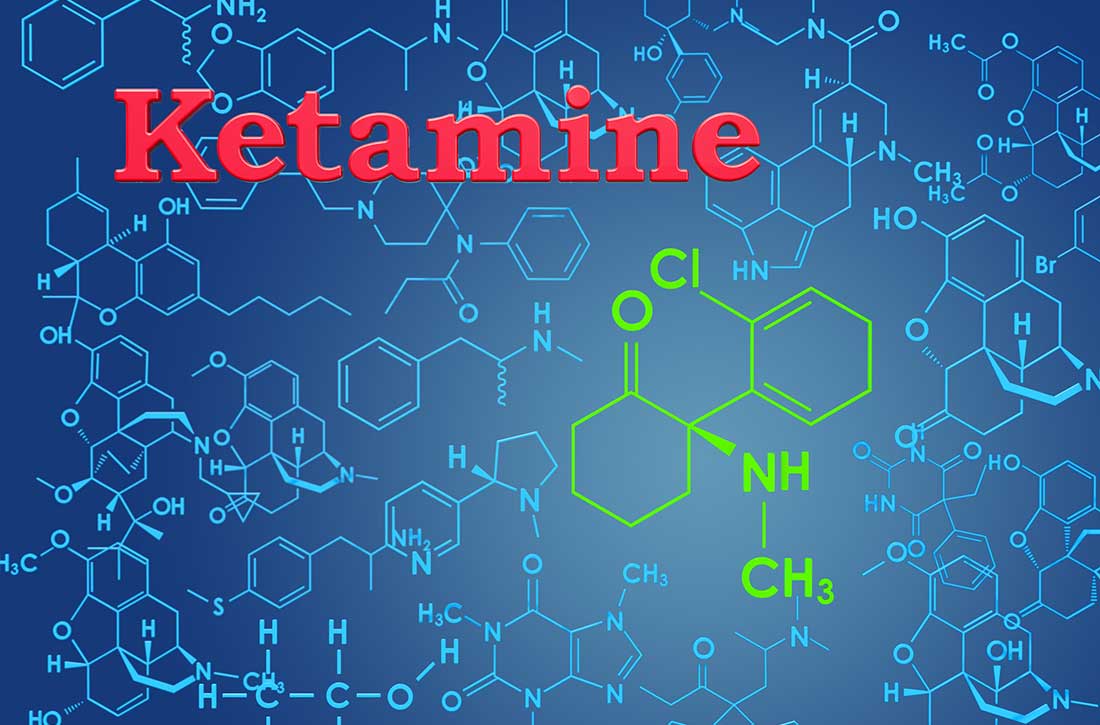
APA, ABPN, and Maintenance of Certification: Stop this MOCkery
Editor’s note: Readers’ Forum is a department for correspondence from readers that is not in response to articles published in
The Accreditation Council for Graduate Medical Education (ACGME) is entrusted with assuring that upon graduation every resident is a competent doctor, a trained professional, and prepared to practice in their own field at a level that assures patient safety and meets the standard of care. The American Board of Psychiatry and Neurology (ABPN) is a private company that sells certificates claiming to attest the capacity or competence of the doctor but does not make public the test questions or algorithms used to win its qualifications or approval. The certifying business and the newer Maintenance of Certification (MOC) process developed by ABPN have unfortunately been embraced by ACGME and many hospitals, despite the lack of any good scientific support that board certification or MOC are meaningful for quality of patient care or outcomes. By that I mean there is no evidence that the voluntary board certification process or MOC have been shown to produce better outcomes for patients, save money for the country drowning in an ocean of health care costs, or allow doctors to get paid at a higher level by insurers for the same billing codes compared with those who bill without possessing these qualifications. The only entity that “profits” from the board certification/MOC process is ABPN, a private corporation that is supposed to be a nonprofit, but was sitting on a treasury of more than $140M in assets in 2019,1 with revenues growing annually. Including the interest earned on the investment and added revenues every year, the estimated total assets of ABPN will be in the range of $150M at the end of 2021!
Collaboration between ACGME and ABPN
The collaboration between ACGME and ABPN for graduate education for designing training programs for residents and fellows, with progressively increasing competencies and their assessments to dovetail with the board examinations offered by ABPN, sounds very legitimate. This arrangement is designed to enhance the quality of training and establish a minimum level of competence in each trainee who completes the training program. However, ACGME is catering to a monopoly recognized by the US Department of Justice (DOJ) Antitrust Division.2 ACGME has not entertained other evaluators of competence to discourage competition to the monopolistic ABPN. ACGME is only involved with the accredited training programs and has no business in assessing the continued competence of graduated trainees after they leave the program, although most will voluntarily opt to become board-certified by ABPN. Maintenance of Certification definitely does not come within the purview of “graduate medical education” for ACGME to be getting drawn into this collaboration.
ACGME and ABPN are unregulated and are not member-driven. As such, they operate outside of any real oversight. Their power derives from the status given to them by hospitals, some insurers, and many of our colleagues, who fail to see the reality that they are nothing more than diploma shops.
I am board-certified in psychiatry and child and adolescent psychiatry, and I have participated in obtaining board certification by ABPN in 3 other subspecialties (geriatric, addiction, and forensic). I decided to not participate in MOC for the latter 3 subspecialty certifications beyond 10 and 20 years for my own practical reasons. Obviously, then, I am not at all against initial certifications in any specialty, nor am I opposed to practitioners keeping up with progress in their fields and maintaining their competence. I am opposed to the continued efforts to engage professionals to pay a high price for the repeated MOC, riding on the hard work and earnings of the graduated specialists and continuously suctioning their income over their careers, with no evidence that MOC measures clinical competence or patient outcomes of their subscribers, who pay a chunk of money to the American Board of Medical Specialties (ABMS)/ABPN annually and every 10 years.
MOC and the APA
Many American Psychiatric Association (APA) members are opposed to the APA giving ABPN a piggyback ride to accomplish this profit seeking. This is becoming obvious to many APA members, who see this as a great exploitation.
Over the last 6 years, physicians have begun to question the validity of board certification and MOC by ABPN, mostly as a response to ever-increasing costs to them and ever-increasing revenues to ABPN. While APA members have long pressed the APA to push back against ABPN, the APA Board of Trustees has done the opposite by accepting yearly “unrestricted educational grants” from ABPN. In this manner, ABPN has essentially silenced the APA and has made it ineffective as our member organization in what has become a fight against ABPN’s unchecked power, influence, and intrusion. Every poll conducted by every APA District Branch or subspecialty organization has shown widespread discontent and anger at the ABPN/MOC process and APA’s deliberate inaction. Even when the APA commissioned its own member survey on the topic, wrote the questions, picked who would get the survey, decided which responses to count, and determined what statistics to apply, the results were damning. Despite its obviously transparent machinations, the APA failed to glorify the MOC process.
Continue to: The APA's membership...
The APA’s membership is declining, and the Board of Trustee’s position on MOC is partly to blame. The APA is once again not listening to its members! As a membership-driven organization, the APA must not exclusively support and promote this commercial educational product termed MOC when other, less expensive alternatives are now available. The APA can easily endorse these alternatives, in addition to offering its own less expensive products for attesting maintenance of competence. The latter effort will help eliminate the monopoly held by ABMS/ABPN in this domain and please all members as well as the DOJ.
The APA’s failure to provide less expensive alternatives or at least endorse existing ones despite repeated requests from a large number of APA members has led to frustration and a surge of strong feelings that are expressed on the APA email listservs, and especially that of the MOC caucus. These expressions are legitimate and need to be publicized to the general membership. I have collected the opinions of various loyal, long-standing APA members and put together a separate, yet-unpublished article to drive home the point that APA has resisted breaking the monopoly of ABPN, which the DOJ would encourage organizations such as the APA to do. Instead, APA is acting as an enabler to ABPN to create a multi-million dollar (and eventually a billion dollar) monopolistic industry at their members’ expense, literally endangering the careers of members if they fail to participate when employed by institutions that overvalue the MOC offered by ABPN.
I believe the recent exhibition of “collaboration” between the APA and ABPN is not similar to that between ACGME and ABPN, but is a most blatant effort on the part of the APA to help ABPN build a billion-dollar educational industry over the next 10 to 15 years. One can easily lose sight of this and get lost in the intricacies of how candidates can maintain their competency by obtaining free CME credits. The APA is distracting its members by citing this. They will continue to pay a high price for certification and recertification, with no real discount.
Most of the APA’s 38,000 members are in the dark about the above-mentioned process. They need to do their own research, especially when there are alternatives to the ABPN’s MOC program. They need to insist that the APA stop exclusively promoting ABPN products, and publicize other, much cheaper, alternatives. It will please all APA members to see the ABPN’s monopoly vanish. This is especially the case for younger psychiatrists, who average nearly $250,000 in educational loans. They need to prevent the APA/ABPN collaboration from having a far-reaching effect on their careers and finances, with potentially destructive consequences for their families, employers and—most importantly—their patients. Even some state licensing boards are being tempted to buy into the illusion.
Stop this MOCkery.
1. ProPublica. American Board of Psychiatry and Neurology. Accessed July 16, 2021. https://projects.propublica.org/nonprofits/organizations/410654864
2. US Department of Justice, Antitrust Division. Comments on Maryland House Bill 857. Published September 10, 2018. Accessed July 16, 2021. https://www.justice.gov/atr/page/file/1092791/download
Editor’s note: Readers’ Forum is a department for correspondence from readers that is not in response to articles published in
The Accreditation Council for Graduate Medical Education (ACGME) is entrusted with assuring that upon graduation every resident is a competent doctor, a trained professional, and prepared to practice in their own field at a level that assures patient safety and meets the standard of care. The American Board of Psychiatry and Neurology (ABPN) is a private company that sells certificates claiming to attest the capacity or competence of the doctor but does not make public the test questions or algorithms used to win its qualifications or approval. The certifying business and the newer Maintenance of Certification (MOC) process developed by ABPN have unfortunately been embraced by ACGME and many hospitals, despite the lack of any good scientific support that board certification or MOC are meaningful for quality of patient care or outcomes. By that I mean there is no evidence that the voluntary board certification process or MOC have been shown to produce better outcomes for patients, save money for the country drowning in an ocean of health care costs, or allow doctors to get paid at a higher level by insurers for the same billing codes compared with those who bill without possessing these qualifications. The only entity that “profits” from the board certification/MOC process is ABPN, a private corporation that is supposed to be a nonprofit, but was sitting on a treasury of more than $140M in assets in 2019,1 with revenues growing annually. Including the interest earned on the investment and added revenues every year, the estimated total assets of ABPN will be in the range of $150M at the end of 2021!
Collaboration between ACGME and ABPN
The collaboration between ACGME and ABPN for graduate education for designing training programs for residents and fellows, with progressively increasing competencies and their assessments to dovetail with the board examinations offered by ABPN, sounds very legitimate. This arrangement is designed to enhance the quality of training and establish a minimum level of competence in each trainee who completes the training program. However, ACGME is catering to a monopoly recognized by the US Department of Justice (DOJ) Antitrust Division.2 ACGME has not entertained other evaluators of competence to discourage competition to the monopolistic ABPN. ACGME is only involved with the accredited training programs and has no business in assessing the continued competence of graduated trainees after they leave the program, although most will voluntarily opt to become board-certified by ABPN. Maintenance of Certification definitely does not come within the purview of “graduate medical education” for ACGME to be getting drawn into this collaboration.
ACGME and ABPN are unregulated and are not member-driven. As such, they operate outside of any real oversight. Their power derives from the status given to them by hospitals, some insurers, and many of our colleagues, who fail to see the reality that they are nothing more than diploma shops.
I am board-certified in psychiatry and child and adolescent psychiatry, and I have participated in obtaining board certification by ABPN in 3 other subspecialties (geriatric, addiction, and forensic). I decided to not participate in MOC for the latter 3 subspecialty certifications beyond 10 and 20 years for my own practical reasons. Obviously, then, I am not at all against initial certifications in any specialty, nor am I opposed to practitioners keeping up with progress in their fields and maintaining their competence. I am opposed to the continued efforts to engage professionals to pay a high price for the repeated MOC, riding on the hard work and earnings of the graduated specialists and continuously suctioning their income over their careers, with no evidence that MOC measures clinical competence or patient outcomes of their subscribers, who pay a chunk of money to the American Board of Medical Specialties (ABMS)/ABPN annually and every 10 years.
MOC and the APA
Many American Psychiatric Association (APA) members are opposed to the APA giving ABPN a piggyback ride to accomplish this profit seeking. This is becoming obvious to many APA members, who see this as a great exploitation.
Over the last 6 years, physicians have begun to question the validity of board certification and MOC by ABPN, mostly as a response to ever-increasing costs to them and ever-increasing revenues to ABPN. While APA members have long pressed the APA to push back against ABPN, the APA Board of Trustees has done the opposite by accepting yearly “unrestricted educational grants” from ABPN. In this manner, ABPN has essentially silenced the APA and has made it ineffective as our member organization in what has become a fight against ABPN’s unchecked power, influence, and intrusion. Every poll conducted by every APA District Branch or subspecialty organization has shown widespread discontent and anger at the ABPN/MOC process and APA’s deliberate inaction. Even when the APA commissioned its own member survey on the topic, wrote the questions, picked who would get the survey, decided which responses to count, and determined what statistics to apply, the results were damning. Despite its obviously transparent machinations, the APA failed to glorify the MOC process.
Continue to: The APA's membership...
The APA’s membership is declining, and the Board of Trustee’s position on MOC is partly to blame. The APA is once again not listening to its members! As a membership-driven organization, the APA must not exclusively support and promote this commercial educational product termed MOC when other, less expensive alternatives are now available. The APA can easily endorse these alternatives, in addition to offering its own less expensive products for attesting maintenance of competence. The latter effort will help eliminate the monopoly held by ABMS/ABPN in this domain and please all members as well as the DOJ.
The APA’s failure to provide less expensive alternatives or at least endorse existing ones despite repeated requests from a large number of APA members has led to frustration and a surge of strong feelings that are expressed on the APA email listservs, and especially that of the MOC caucus. These expressions are legitimate and need to be publicized to the general membership. I have collected the opinions of various loyal, long-standing APA members and put together a separate, yet-unpublished article to drive home the point that APA has resisted breaking the monopoly of ABPN, which the DOJ would encourage organizations such as the APA to do. Instead, APA is acting as an enabler to ABPN to create a multi-million dollar (and eventually a billion dollar) monopolistic industry at their members’ expense, literally endangering the careers of members if they fail to participate when employed by institutions that overvalue the MOC offered by ABPN.
I believe the recent exhibition of “collaboration” between the APA and ABPN is not similar to that between ACGME and ABPN, but is a most blatant effort on the part of the APA to help ABPN build a billion-dollar educational industry over the next 10 to 15 years. One can easily lose sight of this and get lost in the intricacies of how candidates can maintain their competency by obtaining free CME credits. The APA is distracting its members by citing this. They will continue to pay a high price for certification and recertification, with no real discount.
Most of the APA’s 38,000 members are in the dark about the above-mentioned process. They need to do their own research, especially when there are alternatives to the ABPN’s MOC program. They need to insist that the APA stop exclusively promoting ABPN products, and publicize other, much cheaper, alternatives. It will please all APA members to see the ABPN’s monopoly vanish. This is especially the case for younger psychiatrists, who average nearly $250,000 in educational loans. They need to prevent the APA/ABPN collaboration from having a far-reaching effect on their careers and finances, with potentially destructive consequences for their families, employers and—most importantly—their patients. Even some state licensing boards are being tempted to buy into the illusion.
Stop this MOCkery.
Editor’s note: Readers’ Forum is a department for correspondence from readers that is not in response to articles published in
The Accreditation Council for Graduate Medical Education (ACGME) is entrusted with assuring that upon graduation every resident is a competent doctor, a trained professional, and prepared to practice in their own field at a level that assures patient safety and meets the standard of care. The American Board of Psychiatry and Neurology (ABPN) is a private company that sells certificates claiming to attest the capacity or competence of the doctor but does not make public the test questions or algorithms used to win its qualifications or approval. The certifying business and the newer Maintenance of Certification (MOC) process developed by ABPN have unfortunately been embraced by ACGME and many hospitals, despite the lack of any good scientific support that board certification or MOC are meaningful for quality of patient care or outcomes. By that I mean there is no evidence that the voluntary board certification process or MOC have been shown to produce better outcomes for patients, save money for the country drowning in an ocean of health care costs, or allow doctors to get paid at a higher level by insurers for the same billing codes compared with those who bill without possessing these qualifications. The only entity that “profits” from the board certification/MOC process is ABPN, a private corporation that is supposed to be a nonprofit, but was sitting on a treasury of more than $140M in assets in 2019,1 with revenues growing annually. Including the interest earned on the investment and added revenues every year, the estimated total assets of ABPN will be in the range of $150M at the end of 2021!
Collaboration between ACGME and ABPN
The collaboration between ACGME and ABPN for graduate education for designing training programs for residents and fellows, with progressively increasing competencies and their assessments to dovetail with the board examinations offered by ABPN, sounds very legitimate. This arrangement is designed to enhance the quality of training and establish a minimum level of competence in each trainee who completes the training program. However, ACGME is catering to a monopoly recognized by the US Department of Justice (DOJ) Antitrust Division.2 ACGME has not entertained other evaluators of competence to discourage competition to the monopolistic ABPN. ACGME is only involved with the accredited training programs and has no business in assessing the continued competence of graduated trainees after they leave the program, although most will voluntarily opt to become board-certified by ABPN. Maintenance of Certification definitely does not come within the purview of “graduate medical education” for ACGME to be getting drawn into this collaboration.
ACGME and ABPN are unregulated and are not member-driven. As such, they operate outside of any real oversight. Their power derives from the status given to them by hospitals, some insurers, and many of our colleagues, who fail to see the reality that they are nothing more than diploma shops.
I am board-certified in psychiatry and child and adolescent psychiatry, and I have participated in obtaining board certification by ABPN in 3 other subspecialties (geriatric, addiction, and forensic). I decided to not participate in MOC for the latter 3 subspecialty certifications beyond 10 and 20 years for my own practical reasons. Obviously, then, I am not at all against initial certifications in any specialty, nor am I opposed to practitioners keeping up with progress in their fields and maintaining their competence. I am opposed to the continued efforts to engage professionals to pay a high price for the repeated MOC, riding on the hard work and earnings of the graduated specialists and continuously suctioning their income over their careers, with no evidence that MOC measures clinical competence or patient outcomes of their subscribers, who pay a chunk of money to the American Board of Medical Specialties (ABMS)/ABPN annually and every 10 years.
MOC and the APA
Many American Psychiatric Association (APA) members are opposed to the APA giving ABPN a piggyback ride to accomplish this profit seeking. This is becoming obvious to many APA members, who see this as a great exploitation.
Over the last 6 years, physicians have begun to question the validity of board certification and MOC by ABPN, mostly as a response to ever-increasing costs to them and ever-increasing revenues to ABPN. While APA members have long pressed the APA to push back against ABPN, the APA Board of Trustees has done the opposite by accepting yearly “unrestricted educational grants” from ABPN. In this manner, ABPN has essentially silenced the APA and has made it ineffective as our member organization in what has become a fight against ABPN’s unchecked power, influence, and intrusion. Every poll conducted by every APA District Branch or subspecialty organization has shown widespread discontent and anger at the ABPN/MOC process and APA’s deliberate inaction. Even when the APA commissioned its own member survey on the topic, wrote the questions, picked who would get the survey, decided which responses to count, and determined what statistics to apply, the results were damning. Despite its obviously transparent machinations, the APA failed to glorify the MOC process.
Continue to: The APA's membership...
The APA’s membership is declining, and the Board of Trustee’s position on MOC is partly to blame. The APA is once again not listening to its members! As a membership-driven organization, the APA must not exclusively support and promote this commercial educational product termed MOC when other, less expensive alternatives are now available. The APA can easily endorse these alternatives, in addition to offering its own less expensive products for attesting maintenance of competence. The latter effort will help eliminate the monopoly held by ABMS/ABPN in this domain and please all members as well as the DOJ.
The APA’s failure to provide less expensive alternatives or at least endorse existing ones despite repeated requests from a large number of APA members has led to frustration and a surge of strong feelings that are expressed on the APA email listservs, and especially that of the MOC caucus. These expressions are legitimate and need to be publicized to the general membership. I have collected the opinions of various loyal, long-standing APA members and put together a separate, yet-unpublished article to drive home the point that APA has resisted breaking the monopoly of ABPN, which the DOJ would encourage organizations such as the APA to do. Instead, APA is acting as an enabler to ABPN to create a multi-million dollar (and eventually a billion dollar) monopolistic industry at their members’ expense, literally endangering the careers of members if they fail to participate when employed by institutions that overvalue the MOC offered by ABPN.
I believe the recent exhibition of “collaboration” between the APA and ABPN is not similar to that between ACGME and ABPN, but is a most blatant effort on the part of the APA to help ABPN build a billion-dollar educational industry over the next 10 to 15 years. One can easily lose sight of this and get lost in the intricacies of how candidates can maintain their competency by obtaining free CME credits. The APA is distracting its members by citing this. They will continue to pay a high price for certification and recertification, with no real discount.
Most of the APA’s 38,000 members are in the dark about the above-mentioned process. They need to do their own research, especially when there are alternatives to the ABPN’s MOC program. They need to insist that the APA stop exclusively promoting ABPN products, and publicize other, much cheaper, alternatives. It will please all APA members to see the ABPN’s monopoly vanish. This is especially the case for younger psychiatrists, who average nearly $250,000 in educational loans. They need to prevent the APA/ABPN collaboration from having a far-reaching effect on their careers and finances, with potentially destructive consequences for their families, employers and—most importantly—their patients. Even some state licensing boards are being tempted to buy into the illusion.
Stop this MOCkery.
1. ProPublica. American Board of Psychiatry and Neurology. Accessed July 16, 2021. https://projects.propublica.org/nonprofits/organizations/410654864
2. US Department of Justice, Antitrust Division. Comments on Maryland House Bill 857. Published September 10, 2018. Accessed July 16, 2021. https://www.justice.gov/atr/page/file/1092791/download
1. ProPublica. American Board of Psychiatry and Neurology. Accessed July 16, 2021. https://projects.propublica.org/nonprofits/organizations/410654864
2. US Department of Justice, Antitrust Division. Comments on Maryland House Bill 857. Published September 10, 2018. Accessed July 16, 2021. https://www.justice.gov/atr/page/file/1092791/download
From past to future
This month, the current Editor-in-Chief and his Editorial Board will conclude our 5-year term. Megan Adams MD, JD, MSc, from the University of Michigan School of Medicine will assume my position. She has a stellar academic, research, and teaching record and is one of the best writers I know. She and her Board of Editors will carry on the tradition of GIHN.
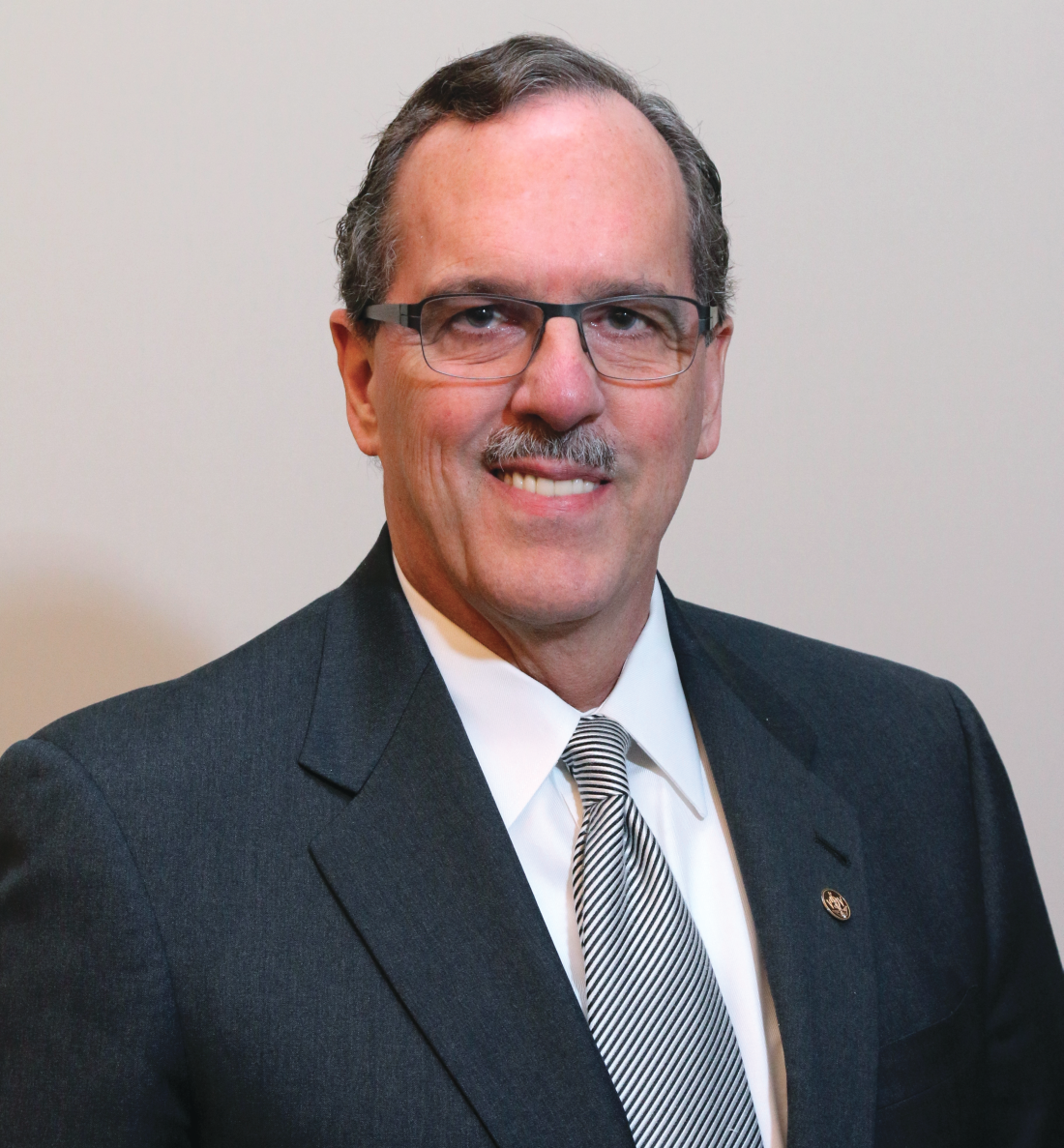
The idea of an official newspaper of the AGA came from AGA staff in 2006. The goals of the newspaper were twofold: to communicate the latest news and information to practitioners to help them stay at the forefront of patient care and to develop another revenue stream for our society. The newspaper was launched in January 2007 with Charles Lightdale MD, AGAF, as the first editor and Colin W. Howden MD, AGAF, as the second (each with 5-year terms). While they wrote occasional editorials, I began writing 300-word essays for each issue. I have tried diligently to maintain a balanced viewpoint for all my editorials, although this has been difficult in the recent past and current national environment.
The paper evolved from a simple print publication to a multimedia communications vehicle that includes online-only content, videos, supplements, quizzes, and more. Last year, we published our first “Data Trends,” a supplement containing 10 or so brief articles written by content experts, covering current topics of high interest. As the paper evolved, we broadened our target audience to include research scientists, international practitioners and others interested in digestive diseases.
As I did last month, I would like to thank the AGA and Frontline Medical Communications staff for their dedication and constant work to bring you this newspaper.
Finally, I would like to pay tribute to Tadataka “Tachi” Yamada, who died this last month at the age of 76 years. He was one of the premier advocates for global health. His contributions to our field thru research, philanthropy, and leadership were enormous. We will miss him greatly.
John I Allen, MD, MBA, AGAF
Editor in Chief
This month, the current Editor-in-Chief and his Editorial Board will conclude our 5-year term. Megan Adams MD, JD, MSc, from the University of Michigan School of Medicine will assume my position. She has a stellar academic, research, and teaching record and is one of the best writers I know. She and her Board of Editors will carry on the tradition of GIHN.
The idea of an official newspaper of the AGA came from AGA staff in 2006. The goals of the newspaper were twofold: to communicate the latest news and information to practitioners to help them stay at the forefront of patient care and to develop another revenue stream for our society. The newspaper was launched in January 2007 with Charles Lightdale MD, AGAF, as the first editor and Colin W. Howden MD, AGAF, as the second (each with 5-year terms). While they wrote occasional editorials, I began writing 300-word essays for each issue. I have tried diligently to maintain a balanced viewpoint for all my editorials, although this has been difficult in the recent past and current national environment.
The paper evolved from a simple print publication to a multimedia communications vehicle that includes online-only content, videos, supplements, quizzes, and more. Last year, we published our first “Data Trends,” a supplement containing 10 or so brief articles written by content experts, covering current topics of high interest. As the paper evolved, we broadened our target audience to include research scientists, international practitioners and others interested in digestive diseases.
As I did last month, I would like to thank the AGA and Frontline Medical Communications staff for their dedication and constant work to bring you this newspaper.
Finally, I would like to pay tribute to Tadataka “Tachi” Yamada, who died this last month at the age of 76 years. He was one of the premier advocates for global health. His contributions to our field thru research, philanthropy, and leadership were enormous. We will miss him greatly.
John I Allen, MD, MBA, AGAF
Editor in Chief
This month, the current Editor-in-Chief and his Editorial Board will conclude our 5-year term. Megan Adams MD, JD, MSc, from the University of Michigan School of Medicine will assume my position. She has a stellar academic, research, and teaching record and is one of the best writers I know. She and her Board of Editors will carry on the tradition of GIHN.
The idea of an official newspaper of the AGA came from AGA staff in 2006. The goals of the newspaper were twofold: to communicate the latest news and information to practitioners to help them stay at the forefront of patient care and to develop another revenue stream for our society. The newspaper was launched in January 2007 with Charles Lightdale MD, AGAF, as the first editor and Colin W. Howden MD, AGAF, as the second (each with 5-year terms). While they wrote occasional editorials, I began writing 300-word essays for each issue. I have tried diligently to maintain a balanced viewpoint for all my editorials, although this has been difficult in the recent past and current national environment.
The paper evolved from a simple print publication to a multimedia communications vehicle that includes online-only content, videos, supplements, quizzes, and more. Last year, we published our first “Data Trends,” a supplement containing 10 or so brief articles written by content experts, covering current topics of high interest. As the paper evolved, we broadened our target audience to include research scientists, international practitioners and others interested in digestive diseases.
As I did last month, I would like to thank the AGA and Frontline Medical Communications staff for their dedication and constant work to bring you this newspaper.
Finally, I would like to pay tribute to Tadataka “Tachi” Yamada, who died this last month at the age of 76 years. He was one of the premier advocates for global health. His contributions to our field thru research, philanthropy, and leadership were enormous. We will miss him greatly.
John I Allen, MD, MBA, AGAF
Editor in Chief
Four police suicides in the aftermath of the Capitol siege: What can we learn?
Officer Scott Davis is a passionate man who thinks and talks quickly. As a member of the Special Events Team for Montgomery County, Maryland, he was already staging in Rockville, outside of Washington, D.C., when the call came in last Jan. 6 to move their unit to the U.S. Capitol.

“It was surreal,” said Mr. Davis. “There were people from all different groups at the Capitol that day. Many people were trying to get out, but others surrounded us. They called us ‘human race traitors.’ And then I heard someone say, ‘It’s good you brought your shields, we’ll carry your bodies out on them.’”
Mr. Davis described hours of mayhem during which he was hit with bear spray, a brick, a chair, and a metal rod. One of the members of Mr. Davis’ unit remains on leave with a head injury nearly 9 months after the siege.
“It went on for 3 hours, but it felt like 15 minutes. Then, all of a sudden, it was over.”
For the members of law enforcement at the Capitol that day, the repercussions are still being felt, perhaps most notably in the case of the four officers who subsequently died of suicide. Three of the officers were with the Metropolitan Police Department of the District of Columbia and one worked for the Capitol Police Department.
Police officers are subjected to traumas on a regular basis and often placed in circumstances where their lives are in danger. Yet four suicides within a short time – all connected to a single event – is particularly shocking and tragic, even more so for how little attention it has garnered to date.
What contributes to the high rate of suicide among officers?
Scott Silverii, PhD, a former police officer and author of Broken and Blue: A Policeman’s Guide to Health, Hope, and Healing, commented that he “wouldn’t be surprised if there are more suicides to come.” This stems not only from the experiences of that day but also the elevated risk for suicide that law enforcement officers already experienced prior to the Capitol riots. Suicide remains a rare event, with a national all-population average of 13.9 per 100,000 citizens. But as Dr. Silverii noted, more officers die by suicide each year than are killed in the line of duty.
“Suicide is a big part of police culture – officers are doers and fixers, and it is seen as being more honorable to take yourself out of the equation than it is to ask for help,” he said. “Most officers come in with past pain, and this is a situation where they are being overwhelmed and under-respected. At the same time, police culture is a closed culture, and it is not friendly to researchers.”
Another contributor is the frequency with which law enforcement officers are exposed to trauma, according to Vernon Herron, Director of Officer Safety and Wellness for the Baltimore City Police.
Mr. Herron said, citing the psychiatric and addiction issues that officers commonly experience.
Protecting the protectors
Mr. Herron and others are working to address these problems head-on.
“We are trying to identify employees exposed to trauma and to offer counseling and intervention,” he said, “Otherwise, everything else will fall short.”
Yet implementing such measures is no easy task, given the lack of a central oversight organization for law enforcement, said Sheldon Greenberg, PhD, a former police officer and professor of management in the School of Education at Johns Hopkins University, Baltimore.
“In the United States there is no such thing as ‘The Police.’ There is no one in a position to set policy, standards, or training mandates nationally,” he said. “There are approximately 18,000 police and sheriff departments in the country, and many of them are small. No one can compel law enforcement agencies to implement officer wellness and suicide prevention programs, make counseling available to officers, or train supervisors and peers to identify suicide ideation.”
Dr. Greenberg said a further barrier to helping police officers considering self-harm is posed by the fact that even if they do seek out counseling, there is no guarantee that it will remain confidential.
“Support personnel have an obligation to report an officer who is thinking about committing suicide,” he said. “Many officers are concerned about this lack of confidentiality and that they may be branded if they seek help.”
Although Dr. Greenberg said many police officers are self-professed “action junkies,” even their unusually high capacity for stress is often tested by the realities of the job.
“Increasing demands for service, shortages of personnel, misinformation about police, COVID-19, talk about restructuring policing with little concrete direction, increased exposure to violence, greater numbers of vulnerable people, and more take a toll over time,” he lamented. “In addition, we are in a recruiting crisis in law enforcement, and there are no standards to ensure the quality of psychological screening provided to applicants. Many officers will go through their entire career and never be screened again. We know little about the stresses and strains that officers bring to the job.”
After the siege
It is not clear how many police officers were present at the Capitol on Jan. 6. During the chaos of the day, reinforcements to the Capitol Police Department arrived from Washington D.C., Maryland, and Virginia, but no official numbers on responders were obtained; Mr. Davis thought it was likely that there were at least 1,000 law enforcement officers present. Those who did respond sustained an estimated 100 injuries, including an officer who died the next day. Of the officers who died by suicide, one died 3 days after, another died 9 days later, and two more died in July – numbers that contradict the notion that this is some coincidence. Officer Alexander Kettering, a colleague of Mr. Davis who has been with Montgomery County Police for 15 years, was among those tasked with protecting the Capitol on Jan. 6. The chaos, violence, and destruction of the day has stuck with him and continues to occupy his thoughts.
“I had a front-row seat to the whole thing. It was overwhelming, and I’ve never seen people this angry,” said Mr. Kettering. “There were people up on the veranda and on the scaffolding set up for the inauguration. They were smashing windows and throwing things into the crowd. It was insane. There were decent people coming up to us and saying they would pray for us, then others calling us traitors, telling us to stand down and join them.”
In the aftermath of the Capitol siege, Mr. Kettering watched in dismay as the narrative of the day’s events began to warp.
“At first there was a consensus that what happened was so wrong, and then the politics took over. People were saying it wasn’t as bad as the media said, that it really wasn’t that violent and those speaking out are traitors or political operatives. I relive it every day, and it’s hard to escape, even in casual conversation.”
He added that the days’ events were compounded by the already heightened tensions surrounding the national debate around policing.
“It’s been 18 months of stress, of anti-police movements, and there is a fine line between addressing police brutality and being anti-police,” Mr. Kettering said, noting that the aforementioned issues have all contributed to the ongoing struggles his fellow officers are experiencing.
“It’s not a thing for cops to talk about how an event affected them,” he said. “A lot of officers have just shut down. People have careers and pensions to protect, and every time we stop a motorist, something could go wrong, even if we do everything right. There are mixed signals: They tell us, ‘Defend but don’t defend.’”
His colleague, Mr. Davis, said that officers “need more support from politicians,” noting that he felt particularly insulted by a comment made by a Montgomery County public official who accused the officers present at the Capitol of racism. “And finally, we feel a little betrayed by the public.”
More questions than answers from the Capitol’s day of chaos
What about the events of Jan. 6 led to the suicides of four law enforcement officers and what can be done to prevent more deaths in the future? There are the individual factors of each man’s personal history, circumstances, and vulnerabilities, including the sense of being personally endangered, witnessing trauma, and direct injury – one officer who died of suicide had sustained a head injury that day.

We don’t know if the officers went into the event with preexisting mental illness or addiction or if the day’s events precipitated psychiatric episodes. And with all the partisan anger surrounding the presidential election, we don’t know if each officer’s political beliefs amplified his distress over what occurred in a social media climate where police are being faulted by all sides.
When multiple suicides occur in a community, there is always concern about a “copycat” phenomena. These concerns are made more difficult to address, however, given the police culture of taboo and stigma associated with getting professional help, difficulty accessing care, and career repercussions for speaking openly about suicidal thoughts and mental health issues.
Finally, there is the current political agenda that leaves officers feeling unsupported, fearful of negative outcomes, and unappreciated. The Capitol siege in particular embodied a great deal of national distress and confusion over basic issues of truth, justice, and perceptions of reality in our polarized society.
Can we move to a place where those who enforce laws have easy access to treatment, free from stigma? Can we encourage a culture that does not tolerate brutality or racism, while also refusing to label all police as bad and lending support to their mission? Can we be more attuned to the repercussions of circumstances where officers are witnesses to trauma, are endangered themselves, and would benefit from acknowledgment of their distress?
Time will tell if our anti-police pendulum swings back. In the meantime, these four suicides among people defending our country remain tragically overlooked.
Dinah Miller, MD, is coauthor of Committed: The Battle Over Involuntary Psychiatric Care (Johns Hopkins University Press, 2016). She has a private practice in Baltimore and is an assistant professor of psychiatry and behavioral sciences at Johns Hopkins University. A version of this article first appeared on Medscape.com.
Officer Scott Davis is a passionate man who thinks and talks quickly. As a member of the Special Events Team for Montgomery County, Maryland, he was already staging in Rockville, outside of Washington, D.C., when the call came in last Jan. 6 to move their unit to the U.S. Capitol.
“It was surreal,” said Mr. Davis. “There were people from all different groups at the Capitol that day. Many people were trying to get out, but others surrounded us. They called us ‘human race traitors.’ And then I heard someone say, ‘It’s good you brought your shields, we’ll carry your bodies out on them.’”
Mr. Davis described hours of mayhem during which he was hit with bear spray, a brick, a chair, and a metal rod. One of the members of Mr. Davis’ unit remains on leave with a head injury nearly 9 months after the siege.
“It went on for 3 hours, but it felt like 15 minutes. Then, all of a sudden, it was over.”
For the members of law enforcement at the Capitol that day, the repercussions are still being felt, perhaps most notably in the case of the four officers who subsequently died of suicide. Three of the officers were with the Metropolitan Police Department of the District of Columbia and one worked for the Capitol Police Department.
Police officers are subjected to traumas on a regular basis and often placed in circumstances where their lives are in danger. Yet four suicides within a short time – all connected to a single event – is particularly shocking and tragic, even more so for how little attention it has garnered to date.
What contributes to the high rate of suicide among officers?
Scott Silverii, PhD, a former police officer and author of Broken and Blue: A Policeman’s Guide to Health, Hope, and Healing, commented that he “wouldn’t be surprised if there are more suicides to come.” This stems not only from the experiences of that day but also the elevated risk for suicide that law enforcement officers already experienced prior to the Capitol riots. Suicide remains a rare event, with a national all-population average of 13.9 per 100,000 citizens. But as Dr. Silverii noted, more officers die by suicide each year than are killed in the line of duty.
“Suicide is a big part of police culture – officers are doers and fixers, and it is seen as being more honorable to take yourself out of the equation than it is to ask for help,” he said. “Most officers come in with past pain, and this is a situation where they are being overwhelmed and under-respected. At the same time, police culture is a closed culture, and it is not friendly to researchers.”
Another contributor is the frequency with which law enforcement officers are exposed to trauma, according to Vernon Herron, Director of Officer Safety and Wellness for the Baltimore City Police.
Mr. Herron said, citing the psychiatric and addiction issues that officers commonly experience.
Protecting the protectors
Mr. Herron and others are working to address these problems head-on.
“We are trying to identify employees exposed to trauma and to offer counseling and intervention,” he said, “Otherwise, everything else will fall short.”
Yet implementing such measures is no easy task, given the lack of a central oversight organization for law enforcement, said Sheldon Greenberg, PhD, a former police officer and professor of management in the School of Education at Johns Hopkins University, Baltimore.
“In the United States there is no such thing as ‘The Police.’ There is no one in a position to set policy, standards, or training mandates nationally,” he said. “There are approximately 18,000 police and sheriff departments in the country, and many of them are small. No one can compel law enforcement agencies to implement officer wellness and suicide prevention programs, make counseling available to officers, or train supervisors and peers to identify suicide ideation.”
Dr. Greenberg said a further barrier to helping police officers considering self-harm is posed by the fact that even if they do seek out counseling, there is no guarantee that it will remain confidential.
“Support personnel have an obligation to report an officer who is thinking about committing suicide,” he said. “Many officers are concerned about this lack of confidentiality and that they may be branded if they seek help.”
Although Dr. Greenberg said many police officers are self-professed “action junkies,” even their unusually high capacity for stress is often tested by the realities of the job.
“Increasing demands for service, shortages of personnel, misinformation about police, COVID-19, talk about restructuring policing with little concrete direction, increased exposure to violence, greater numbers of vulnerable people, and more take a toll over time,” he lamented. “In addition, we are in a recruiting crisis in law enforcement, and there are no standards to ensure the quality of psychological screening provided to applicants. Many officers will go through their entire career and never be screened again. We know little about the stresses and strains that officers bring to the job.”
After the siege
It is not clear how many police officers were present at the Capitol on Jan. 6. During the chaos of the day, reinforcements to the Capitol Police Department arrived from Washington D.C., Maryland, and Virginia, but no official numbers on responders were obtained; Mr. Davis thought it was likely that there were at least 1,000 law enforcement officers present. Those who did respond sustained an estimated 100 injuries, including an officer who died the next day. Of the officers who died by suicide, one died 3 days after, another died 9 days later, and two more died in July – numbers that contradict the notion that this is some coincidence. Officer Alexander Kettering, a colleague of Mr. Davis who has been with Montgomery County Police for 15 years, was among those tasked with protecting the Capitol on Jan. 6. The chaos, violence, and destruction of the day has stuck with him and continues to occupy his thoughts.
“I had a front-row seat to the whole thing. It was overwhelming, and I’ve never seen people this angry,” said Mr. Kettering. “There were people up on the veranda and on the scaffolding set up for the inauguration. They were smashing windows and throwing things into the crowd. It was insane. There were decent people coming up to us and saying they would pray for us, then others calling us traitors, telling us to stand down and join them.”
In the aftermath of the Capitol siege, Mr. Kettering watched in dismay as the narrative of the day’s events began to warp.
“At first there was a consensus that what happened was so wrong, and then the politics took over. People were saying it wasn’t as bad as the media said, that it really wasn’t that violent and those speaking out are traitors or political operatives. I relive it every day, and it’s hard to escape, even in casual conversation.”
He added that the days’ events were compounded by the already heightened tensions surrounding the national debate around policing.
“It’s been 18 months of stress, of anti-police movements, and there is a fine line between addressing police brutality and being anti-police,” Mr. Kettering said, noting that the aforementioned issues have all contributed to the ongoing struggles his fellow officers are experiencing.
“It’s not a thing for cops to talk about how an event affected them,” he said. “A lot of officers have just shut down. People have careers and pensions to protect, and every time we stop a motorist, something could go wrong, even if we do everything right. There are mixed signals: They tell us, ‘Defend but don’t defend.’”
His colleague, Mr. Davis, said that officers “need more support from politicians,” noting that he felt particularly insulted by a comment made by a Montgomery County public official who accused the officers present at the Capitol of racism. “And finally, we feel a little betrayed by the public.”
More questions than answers from the Capitol’s day of chaos
What about the events of Jan. 6 led to the suicides of four law enforcement officers and what can be done to prevent more deaths in the future? There are the individual factors of each man’s personal history, circumstances, and vulnerabilities, including the sense of being personally endangered, witnessing trauma, and direct injury – one officer who died of suicide had sustained a head injury that day.
We don’t know if the officers went into the event with preexisting mental illness or addiction or if the day’s events precipitated psychiatric episodes. And with all the partisan anger surrounding the presidential election, we don’t know if each officer’s political beliefs amplified his distress over what occurred in a social media climate where police are being faulted by all sides.
When multiple suicides occur in a community, there is always concern about a “copycat” phenomena. These concerns are made more difficult to address, however, given the police culture of taboo and stigma associated with getting professional help, difficulty accessing care, and career repercussions for speaking openly about suicidal thoughts and mental health issues.
Finally, there is the current political agenda that leaves officers feeling unsupported, fearful of negative outcomes, and unappreciated. The Capitol siege in particular embodied a great deal of national distress and confusion over basic issues of truth, justice, and perceptions of reality in our polarized society.
Can we move to a place where those who enforce laws have easy access to treatment, free from stigma? Can we encourage a culture that does not tolerate brutality or racism, while also refusing to label all police as bad and lending support to their mission? Can we be more attuned to the repercussions of circumstances where officers are witnesses to trauma, are endangered themselves, and would benefit from acknowledgment of their distress?
Time will tell if our anti-police pendulum swings back. In the meantime, these four suicides among people defending our country remain tragically overlooked.
Dinah Miller, MD, is coauthor of Committed: The Battle Over Involuntary Psychiatric Care (Johns Hopkins University Press, 2016). She has a private practice in Baltimore and is an assistant professor of psychiatry and behavioral sciences at Johns Hopkins University. A version of this article first appeared on Medscape.com.
Officer Scott Davis is a passionate man who thinks and talks quickly. As a member of the Special Events Team for Montgomery County, Maryland, he was already staging in Rockville, outside of Washington, D.C., when the call came in last Jan. 6 to move their unit to the U.S. Capitol.
“It was surreal,” said Mr. Davis. “There were people from all different groups at the Capitol that day. Many people were trying to get out, but others surrounded us. They called us ‘human race traitors.’ And then I heard someone say, ‘It’s good you brought your shields, we’ll carry your bodies out on them.’”
Mr. Davis described hours of mayhem during which he was hit with bear spray, a brick, a chair, and a metal rod. One of the members of Mr. Davis’ unit remains on leave with a head injury nearly 9 months after the siege.
“It went on for 3 hours, but it felt like 15 minutes. Then, all of a sudden, it was over.”
For the members of law enforcement at the Capitol that day, the repercussions are still being felt, perhaps most notably in the case of the four officers who subsequently died of suicide. Three of the officers were with the Metropolitan Police Department of the District of Columbia and one worked for the Capitol Police Department.
Police officers are subjected to traumas on a regular basis and often placed in circumstances where their lives are in danger. Yet four suicides within a short time – all connected to a single event – is particularly shocking and tragic, even more so for how little attention it has garnered to date.
What contributes to the high rate of suicide among officers?
Scott Silverii, PhD, a former police officer and author of Broken and Blue: A Policeman’s Guide to Health, Hope, and Healing, commented that he “wouldn’t be surprised if there are more suicides to come.” This stems not only from the experiences of that day but also the elevated risk for suicide that law enforcement officers already experienced prior to the Capitol riots. Suicide remains a rare event, with a national all-population average of 13.9 per 100,000 citizens. But as Dr. Silverii noted, more officers die by suicide each year than are killed in the line of duty.
“Suicide is a big part of police culture – officers are doers and fixers, and it is seen as being more honorable to take yourself out of the equation than it is to ask for help,” he said. “Most officers come in with past pain, and this is a situation where they are being overwhelmed and under-respected. At the same time, police culture is a closed culture, and it is not friendly to researchers.”
Another contributor is the frequency with which law enforcement officers are exposed to trauma, according to Vernon Herron, Director of Officer Safety and Wellness for the Baltimore City Police.
Mr. Herron said, citing the psychiatric and addiction issues that officers commonly experience.
Protecting the protectors
Mr. Herron and others are working to address these problems head-on.
“We are trying to identify employees exposed to trauma and to offer counseling and intervention,” he said, “Otherwise, everything else will fall short.”
Yet implementing such measures is no easy task, given the lack of a central oversight organization for law enforcement, said Sheldon Greenberg, PhD, a former police officer and professor of management in the School of Education at Johns Hopkins University, Baltimore.
“In the United States there is no such thing as ‘The Police.’ There is no one in a position to set policy, standards, or training mandates nationally,” he said. “There are approximately 18,000 police and sheriff departments in the country, and many of them are small. No one can compel law enforcement agencies to implement officer wellness and suicide prevention programs, make counseling available to officers, or train supervisors and peers to identify suicide ideation.”
Dr. Greenberg said a further barrier to helping police officers considering self-harm is posed by the fact that even if they do seek out counseling, there is no guarantee that it will remain confidential.
“Support personnel have an obligation to report an officer who is thinking about committing suicide,” he said. “Many officers are concerned about this lack of confidentiality and that they may be branded if they seek help.”
Although Dr. Greenberg said many police officers are self-professed “action junkies,” even their unusually high capacity for stress is often tested by the realities of the job.
“Increasing demands for service, shortages of personnel, misinformation about police, COVID-19, talk about restructuring policing with little concrete direction, increased exposure to violence, greater numbers of vulnerable people, and more take a toll over time,” he lamented. “In addition, we are in a recruiting crisis in law enforcement, and there are no standards to ensure the quality of psychological screening provided to applicants. Many officers will go through their entire career and never be screened again. We know little about the stresses and strains that officers bring to the job.”
After the siege
It is not clear how many police officers were present at the Capitol on Jan. 6. During the chaos of the day, reinforcements to the Capitol Police Department arrived from Washington D.C., Maryland, and Virginia, but no official numbers on responders were obtained; Mr. Davis thought it was likely that there were at least 1,000 law enforcement officers present. Those who did respond sustained an estimated 100 injuries, including an officer who died the next day. Of the officers who died by suicide, one died 3 days after, another died 9 days later, and two more died in July – numbers that contradict the notion that this is some coincidence. Officer Alexander Kettering, a colleague of Mr. Davis who has been with Montgomery County Police for 15 years, was among those tasked with protecting the Capitol on Jan. 6. The chaos, violence, and destruction of the day has stuck with him and continues to occupy his thoughts.
“I had a front-row seat to the whole thing. It was overwhelming, and I’ve never seen people this angry,” said Mr. Kettering. “There were people up on the veranda and on the scaffolding set up for the inauguration. They were smashing windows and throwing things into the crowd. It was insane. There were decent people coming up to us and saying they would pray for us, then others calling us traitors, telling us to stand down and join them.”
In the aftermath of the Capitol siege, Mr. Kettering watched in dismay as the narrative of the day’s events began to warp.
“At first there was a consensus that what happened was so wrong, and then the politics took over. People were saying it wasn’t as bad as the media said, that it really wasn’t that violent and those speaking out are traitors or political operatives. I relive it every day, and it’s hard to escape, even in casual conversation.”
He added that the days’ events were compounded by the already heightened tensions surrounding the national debate around policing.
“It’s been 18 months of stress, of anti-police movements, and there is a fine line between addressing police brutality and being anti-police,” Mr. Kettering said, noting that the aforementioned issues have all contributed to the ongoing struggles his fellow officers are experiencing.
“It’s not a thing for cops to talk about how an event affected them,” he said. “A lot of officers have just shut down. People have careers and pensions to protect, and every time we stop a motorist, something could go wrong, even if we do everything right. There are mixed signals: They tell us, ‘Defend but don’t defend.’”
His colleague, Mr. Davis, said that officers “need more support from politicians,” noting that he felt particularly insulted by a comment made by a Montgomery County public official who accused the officers present at the Capitol of racism. “And finally, we feel a little betrayed by the public.”
More questions than answers from the Capitol’s day of chaos
What about the events of Jan. 6 led to the suicides of four law enforcement officers and what can be done to prevent more deaths in the future? There are the individual factors of each man’s personal history, circumstances, and vulnerabilities, including the sense of being personally endangered, witnessing trauma, and direct injury – one officer who died of suicide had sustained a head injury that day.
We don’t know if the officers went into the event with preexisting mental illness or addiction or if the day’s events precipitated psychiatric episodes. And with all the partisan anger surrounding the presidential election, we don’t know if each officer’s political beliefs amplified his distress over what occurred in a social media climate where police are being faulted by all sides.
When multiple suicides occur in a community, there is always concern about a “copycat” phenomena. These concerns are made more difficult to address, however, given the police culture of taboo and stigma associated with getting professional help, difficulty accessing care, and career repercussions for speaking openly about suicidal thoughts and mental health issues.
Finally, there is the current political agenda that leaves officers feeling unsupported, fearful of negative outcomes, and unappreciated. The Capitol siege in particular embodied a great deal of national distress and confusion over basic issues of truth, justice, and perceptions of reality in our polarized society.
Can we move to a place where those who enforce laws have easy access to treatment, free from stigma? Can we encourage a culture that does not tolerate brutality or racism, while also refusing to label all police as bad and lending support to their mission? Can we be more attuned to the repercussions of circumstances where officers are witnesses to trauma, are endangered themselves, and would benefit from acknowledgment of their distress?
Time will tell if our anti-police pendulum swings back. In the meantime, these four suicides among people defending our country remain tragically overlooked.
Dinah Miller, MD, is coauthor of Committed: The Battle Over Involuntary Psychiatric Care (Johns Hopkins University Press, 2016). She has a private practice in Baltimore and is an assistant professor of psychiatry and behavioral sciences at Johns Hopkins University. A version of this article first appeared on Medscape.com.
The other epidemic: Violence against health care workers
After working two busy evening hospital shifts, I was eating breakfast with my children when I started reading about physicians confronted and verbally abused during school board meetings for advocating for face masks in school. The pandemic changed course with the Delta variant increasing hospitalizations, and it seems to me the public response to physicians and health care workers also changed.
During the first wave of the pandemic, public support accompanied health care workers’ sacrifices. Nightly applause rang through New York City, there were donations of food, and murals reflected public backing.
We as a nation rallied. We masked up and locked down. We produced vaccines. COVID cases decreased, and by spring, a hint of normalcy bloomed.
Then the virus changed, and the Delta variant spread. Pandemic fatigue set in. Health care workers asked for help with continued masking and increased vaccinations and instead were met with threats. The summer, already made difficult, makes the prospect of winter even more daunting.
This kind of abuse is persistent
Violence against health care workers is not a new dilemma. Stories abound of patients or family members physically attacking, verbally abusing, or harassing health care workers. A 2014 survey reported almost 80% of nurses attacked during their career. Data from the Bureau of Labor Statistics also reveals health care workers experience more nonfatal workplace violence, as compared with other professions.
Nurses, who often spend the most face-to-face time with patients, receive a litany of abuse. A 2019 nursing survey reported 59% of respondents experiencing verbal abuse from patients and more than 43% experiencing verbal abuse from patients’ families. Even more concerning is 23% of survey respondents reporting physical abuse, an increase from 20% in 2018.
Physicians, likewise, are not immune from the same maltreatment. A 2014 physician survey reported more than 71% of physicians in the United States have experienced at least one incident of workplace violence in their careers. Of the physician specialties, the highest rates of violence are in the emergency department and against less experienced physicians. This is likely caused by the higher rates of patient frustration in EDs as a result of long wait times, overcrowding, and boarding while awaiting an inpatient room.
These statistics are disheartening. However, what I find most discouraging is the almost submissive acceptance of this abuse in the health care field as almost 73% of health care workers feel that the abuse is part of the job.
COVID and the increase in violence against health care workers
As the Delta variant spreads, hospitals’ capacity to handle both COVID and non-COVID issues is further strained. Compounding this stress is the public’s pandemic fatigue and the ongoing battles with masking and vaccinations.
In San Antonio, health care workers faced verbal and physical abuse as they enforced masking and visitation restrictions for COVID patients. Online, health care workers, who advocate for masking or vaccination, are often subject to death threats, threats to family members, and verbal abuse on social media. Veiled threats of “we know who you are” and “we will find you” follow physicians who advocate for masking in schools.
This problem is not isolated to the United States. In Italy, a COVID patient spat at health care workers who asked them to wait, resulting in closure of an entire hospital ward. In the United Kingdom, health care workers were subject to the same abuse as those in San Antonio when trying to enforce masking in the hospital. In India, Pakistan, and Spain, a stigma exists against health care workers for being sources of contagion.
The presence of a growing divide between health care workers and those we serve threatens to undermine not only delivery of care but also our response to the pandemic. This is in addition to the mental health burden and compassion fatigue suffered by many health care workers who find their efforts in doubt. An already strained medical system will find it difficult to withstand the loss of its essential workforce.
Standing united against health care worker abuse
Despite the level of discord surrounding COVID-19, it is important that health care workers remain united. An effective response to the increase in violence toward health care workers will greatly depend on how we address the following.
First, we must actively work to combat the spread of misinformation that erodes the public trust in science and medicine. Transparency is paramount. Policy changes and plans for implementation should be open and free of political influence. This remains a challenge due to the CDC’s standing as both a federal and scientific institution. A steadfast and explicit presentation of scientific evidence by the CDC is a vital first step in repairing this trust.
In addition, we must become our own advocates. The passage of HR 1195, the Workplace Violence Prevention for Health Care and Social Service Workers Act, in the House of Representatives with bipartisan support is an indication that the time is ripe for sweeping change. Its supporters include the American Nurses Association, American Psychiatric Nurses Association, National Nurses United, and the American College of Emergency Physicians. Active opposition includes the American Hospital Association, which cites prohibitive cost as a source of objection.
HR 1195 now waits in the U.S. Senate for approval. We should alert local, state, and health system leadership to the violence against health care workers. We should demand increased protection for our most vulnerable colleagues in EDs and hospitals. Our advocacy will produce a paradigm shift away from the acceptance of this abuse.
Lastly, we must be mindful of compassion fatigue and health care worker burnout. Cynicism threatens to take away our greatest strengths of empathy and humanity. In our work environment, we must lift each other up and increase our awareness of when our colleagues need help. Self-care and creative outlets are encouraged. Admittedly, I am blogging as a personal safeguard against compassion fatigue and burnout.
The pandemic will have enduring implications both positive and negative. It is my hope that support for health care workers not only endures but is also enhanced long after the pandemic ends.
Giancarlo Toledanes, DO, is an assistant professor of pediatrics and a pediatric hospitalist at Texas Children’s Hospital and Baylor College of Medicine, both in Houston. He has no relevant financial conflicts of interest.
A version of this article first appeared on Medscape.com.
After working two busy evening hospital shifts, I was eating breakfast with my children when I started reading about physicians confronted and verbally abused during school board meetings for advocating for face masks in school. The pandemic changed course with the Delta variant increasing hospitalizations, and it seems to me the public response to physicians and health care workers also changed.
During the first wave of the pandemic, public support accompanied health care workers’ sacrifices. Nightly applause rang through New York City, there were donations of food, and murals reflected public backing.
We as a nation rallied. We masked up and locked down. We produced vaccines. COVID cases decreased, and by spring, a hint of normalcy bloomed.
Then the virus changed, and the Delta variant spread. Pandemic fatigue set in. Health care workers asked for help with continued masking and increased vaccinations and instead were met with threats. The summer, already made difficult, makes the prospect of winter even more daunting.
This kind of abuse is persistent
Violence against health care workers is not a new dilemma. Stories abound of patients or family members physically attacking, verbally abusing, or harassing health care workers. A 2014 survey reported almost 80% of nurses attacked during their career. Data from the Bureau of Labor Statistics also reveals health care workers experience more nonfatal workplace violence, as compared with other professions.
Nurses, who often spend the most face-to-face time with patients, receive a litany of abuse. A 2019 nursing survey reported 59% of respondents experiencing verbal abuse from patients and more than 43% experiencing verbal abuse from patients’ families. Even more concerning is 23% of survey respondents reporting physical abuse, an increase from 20% in 2018.
Physicians, likewise, are not immune from the same maltreatment. A 2014 physician survey reported more than 71% of physicians in the United States have experienced at least one incident of workplace violence in their careers. Of the physician specialties, the highest rates of violence are in the emergency department and against less experienced physicians. This is likely caused by the higher rates of patient frustration in EDs as a result of long wait times, overcrowding, and boarding while awaiting an inpatient room.
These statistics are disheartening. However, what I find most discouraging is the almost submissive acceptance of this abuse in the health care field as almost 73% of health care workers feel that the abuse is part of the job.
COVID and the increase in violence against health care workers
As the Delta variant spreads, hospitals’ capacity to handle both COVID and non-COVID issues is further strained. Compounding this stress is the public’s pandemic fatigue and the ongoing battles with masking and vaccinations.
In San Antonio, health care workers faced verbal and physical abuse as they enforced masking and visitation restrictions for COVID patients. Online, health care workers, who advocate for masking or vaccination, are often subject to death threats, threats to family members, and verbal abuse on social media. Veiled threats of “we know who you are” and “we will find you” follow physicians who advocate for masking in schools.
This problem is not isolated to the United States. In Italy, a COVID patient spat at health care workers who asked them to wait, resulting in closure of an entire hospital ward. In the United Kingdom, health care workers were subject to the same abuse as those in San Antonio when trying to enforce masking in the hospital. In India, Pakistan, and Spain, a stigma exists against health care workers for being sources of contagion.
The presence of a growing divide between health care workers and those we serve threatens to undermine not only delivery of care but also our response to the pandemic. This is in addition to the mental health burden and compassion fatigue suffered by many health care workers who find their efforts in doubt. An already strained medical system will find it difficult to withstand the loss of its essential workforce.
Standing united against health care worker abuse
Despite the level of discord surrounding COVID-19, it is important that health care workers remain united. An effective response to the increase in violence toward health care workers will greatly depend on how we address the following.
First, we must actively work to combat the spread of misinformation that erodes the public trust in science and medicine. Transparency is paramount. Policy changes and plans for implementation should be open and free of political influence. This remains a challenge due to the CDC’s standing as both a federal and scientific institution. A steadfast and explicit presentation of scientific evidence by the CDC is a vital first step in repairing this trust.
In addition, we must become our own advocates. The passage of HR 1195, the Workplace Violence Prevention for Health Care and Social Service Workers Act, in the House of Representatives with bipartisan support is an indication that the time is ripe for sweeping change. Its supporters include the American Nurses Association, American Psychiatric Nurses Association, National Nurses United, and the American College of Emergency Physicians. Active opposition includes the American Hospital Association, which cites prohibitive cost as a source of objection.
HR 1195 now waits in the U.S. Senate for approval. We should alert local, state, and health system leadership to the violence against health care workers. We should demand increased protection for our most vulnerable colleagues in EDs and hospitals. Our advocacy will produce a paradigm shift away from the acceptance of this abuse.
Lastly, we must be mindful of compassion fatigue and health care worker burnout. Cynicism threatens to take away our greatest strengths of empathy and humanity. In our work environment, we must lift each other up and increase our awareness of when our colleagues need help. Self-care and creative outlets are encouraged. Admittedly, I am blogging as a personal safeguard against compassion fatigue and burnout.
The pandemic will have enduring implications both positive and negative. It is my hope that support for health care workers not only endures but is also enhanced long after the pandemic ends.
Giancarlo Toledanes, DO, is an assistant professor of pediatrics and a pediatric hospitalist at Texas Children’s Hospital and Baylor College of Medicine, both in Houston. He has no relevant financial conflicts of interest.
A version of this article first appeared on Medscape.com.
After working two busy evening hospital shifts, I was eating breakfast with my children when I started reading about physicians confronted and verbally abused during school board meetings for advocating for face masks in school. The pandemic changed course with the Delta variant increasing hospitalizations, and it seems to me the public response to physicians and health care workers also changed.
During the first wave of the pandemic, public support accompanied health care workers’ sacrifices. Nightly applause rang through New York City, there were donations of food, and murals reflected public backing.
We as a nation rallied. We masked up and locked down. We produced vaccines. COVID cases decreased, and by spring, a hint of normalcy bloomed.
Then the virus changed, and the Delta variant spread. Pandemic fatigue set in. Health care workers asked for help with continued masking and increased vaccinations and instead were met with threats. The summer, already made difficult, makes the prospect of winter even more daunting.
This kind of abuse is persistent
Violence against health care workers is not a new dilemma. Stories abound of patients or family members physically attacking, verbally abusing, or harassing health care workers. A 2014 survey reported almost 80% of nurses attacked during their career. Data from the Bureau of Labor Statistics also reveals health care workers experience more nonfatal workplace violence, as compared with other professions.
Nurses, who often spend the most face-to-face time with patients, receive a litany of abuse. A 2019 nursing survey reported 59% of respondents experiencing verbal abuse from patients and more than 43% experiencing verbal abuse from patients’ families. Even more concerning is 23% of survey respondents reporting physical abuse, an increase from 20% in 2018.
Physicians, likewise, are not immune from the same maltreatment. A 2014 physician survey reported more than 71% of physicians in the United States have experienced at least one incident of workplace violence in their careers. Of the physician specialties, the highest rates of violence are in the emergency department and against less experienced physicians. This is likely caused by the higher rates of patient frustration in EDs as a result of long wait times, overcrowding, and boarding while awaiting an inpatient room.
These statistics are disheartening. However, what I find most discouraging is the almost submissive acceptance of this abuse in the health care field as almost 73% of health care workers feel that the abuse is part of the job.
COVID and the increase in violence against health care workers
As the Delta variant spreads, hospitals’ capacity to handle both COVID and non-COVID issues is further strained. Compounding this stress is the public’s pandemic fatigue and the ongoing battles with masking and vaccinations.
In San Antonio, health care workers faced verbal and physical abuse as they enforced masking and visitation restrictions for COVID patients. Online, health care workers, who advocate for masking or vaccination, are often subject to death threats, threats to family members, and verbal abuse on social media. Veiled threats of “we know who you are” and “we will find you” follow physicians who advocate for masking in schools.
This problem is not isolated to the United States. In Italy, a COVID patient spat at health care workers who asked them to wait, resulting in closure of an entire hospital ward. In the United Kingdom, health care workers were subject to the same abuse as those in San Antonio when trying to enforce masking in the hospital. In India, Pakistan, and Spain, a stigma exists against health care workers for being sources of contagion.
The presence of a growing divide between health care workers and those we serve threatens to undermine not only delivery of care but also our response to the pandemic. This is in addition to the mental health burden and compassion fatigue suffered by many health care workers who find their efforts in doubt. An already strained medical system will find it difficult to withstand the loss of its essential workforce.
Standing united against health care worker abuse
Despite the level of discord surrounding COVID-19, it is important that health care workers remain united. An effective response to the increase in violence toward health care workers will greatly depend on how we address the following.
First, we must actively work to combat the spread of misinformation that erodes the public trust in science and medicine. Transparency is paramount. Policy changes and plans for implementation should be open and free of political influence. This remains a challenge due to the CDC’s standing as both a federal and scientific institution. A steadfast and explicit presentation of scientific evidence by the CDC is a vital first step in repairing this trust.
In addition, we must become our own advocates. The passage of HR 1195, the Workplace Violence Prevention for Health Care and Social Service Workers Act, in the House of Representatives with bipartisan support is an indication that the time is ripe for sweeping change. Its supporters include the American Nurses Association, American Psychiatric Nurses Association, National Nurses United, and the American College of Emergency Physicians. Active opposition includes the American Hospital Association, which cites prohibitive cost as a source of objection.
HR 1195 now waits in the U.S. Senate for approval. We should alert local, state, and health system leadership to the violence against health care workers. We should demand increased protection for our most vulnerable colleagues in EDs and hospitals. Our advocacy will produce a paradigm shift away from the acceptance of this abuse.
Lastly, we must be mindful of compassion fatigue and health care worker burnout. Cynicism threatens to take away our greatest strengths of empathy and humanity. In our work environment, we must lift each other up and increase our awareness of when our colleagues need help. Self-care and creative outlets are encouraged. Admittedly, I am blogging as a personal safeguard against compassion fatigue and burnout.
The pandemic will have enduring implications both positive and negative. It is my hope that support for health care workers not only endures but is also enhanced long after the pandemic ends.
Giancarlo Toledanes, DO, is an assistant professor of pediatrics and a pediatric hospitalist at Texas Children’s Hospital and Baylor College of Medicine, both in Houston. He has no relevant financial conflicts of interest.
A version of this article first appeared on Medscape.com.