User login
Bringing you the latest news, research and reviews, exclusive interviews, podcasts, quizzes, and more.
Powered by CHEST Physician, Clinician Reviews, MDedge Family Medicine, Internal Medicine News, and The Journal of Clinical Outcomes Management.
Young, Healthy Patients Who Get ARDS May Not Recover Completely
Adults who are relatively young and healthy when they develop acute respiratory distress syndrome may never recover completely, according to a report in the April 7 issue of the New England Journal of Medicine.
In a longitudinal study of 109 survivors of ARDS, patients showed persistent limitations on physical activity, a spectrum of physical and neuropsychological impairments, and reduced quality of life 5 years after discharge from an ICU, even though their pulmonary function had returned to near-normal levels, said Dr. Margaret S. Herridge of Sunnybrook Health Sciences Centre, University of Toronto, and her associates.
To date, the highest-quality prospective studies of long-term outcomes in adult ARDS survivors have been limited to only 2 years of follow-up. Dr. Herridge and her colleagues followed a cohort of 109 patients for 1 year, and 83 of these patients for an additional 4 years, to document longer-term outcomes.
The patients had been treated at four academic medical-surgical ICUs in Toronto in 1998-2001. Their median age was 44 years. More than 80% had been working full time and had zero or only one coexisting condition at the time of hospitalization. Most developed ARDS after contracting pneumonia or sepsis.
None of the study subjects had demonstrable weakness at 5 years, and all attained normal or near-normal results on volumetric and spirometric pulmonary testing. Among the 25 who underwent chest CT imaging at some point during follow-up, the most common finding was minor, nondependent pulmonary fibrotic changes consistent with ventilator-induced lung injury. Only the few patients with bronchiectasis, pulmonary fibrosis, or both on CT examination showed clinically important respiratory symptoms such as cough, sputum production, and exertional dyspnea.
Nevertheless, all the patients said they had residual physical weakness of varying degrees, and all said that their capacity for physical activity was reduced after ARDS. These subjective reports were corroborated by an impaired performance on the 6-minute walk test; the median distance achieved was only 76% of that in an age- and sex-matched control population in the literature.
The mean score on the physical component of the SF-36 also remained approximately one standard deviation below that for an age- and sex-matched control population, indicating increased weakness and reduced ability to engage in physical activity.
The study subjects also had a variety of new or persistent impairments related to physical and neuropsychological disorders with an onset related to the ARDS. These included tracheal stenosis requiring surgical resection and dilation (two patients), disability from heterotopic ossification of the knees and elbows (four patients), frozen shoulder (two patients), vocal cord dysfunction and voice changes (one patient), reactive airway disease (four patients), and dental implants after tooth damage acquired in the ICU (one patient).
One patient was disabled from a bilateral forefoot amputation that was required to treat vasopressor-related necrosis, and two others had sensorineural hearing loss and tinnitus attributed to ototoxic ICU medications.
In addition, 10 patients had cosmesis concerns, which caused social isolation or sexual dysfunction, that were related to medical procedures such as laparotomy; tracheostomy; insertion of chest tubes, central lines, or arterial lines; and burns, striae, and facial scars from prolonged mask ventilation.
More than half of the study subjects reported at least one episode of physician-diagnosed depression, anxiety, or both. One patient had an acute psychotic episode due to ICU-related posttraumatic stress disorder, two had severe agitated depression and agoraphobia, and several had other "substantial" mental health challenges.
Moreover, 27% of the subjects reported new-onset mental health problems such as anxiety, depression, or PTSD in their family members. Job loss, disputes over disability and insurance claims, and social isolation also were commonplace. "Patients often required a gradual transition to work, a modified work schedule, or job retraining," Dr. Herridge and her colleagues wrote (N. Engl. J. Med. 2011;364:1293-304).
Overall, the study results suggest that survivors of ARDS "may have an irreversible decrease in function" and that the process of ICU treatment may entail longer-term outcomes than have been appreciated thus far.
Also, "the finding that relatively young, previously working persons with modest coexisting disorders do not return to baseline levels of health care utilization after an episode of critical illness may have important public health ramifications," they noted.
This study was supported by the Canadian Intensive Care Foundation, the Physician’s Services Incorporated Foundation, and the Ontario Thoracic Society. No conflicts of interest were reported.
Ironically, near-complete recovery of lung function can be expected in the average ARDS survivor, while physical weakness presents the largest burden, said Dr. Jesse B. Hall and Dr. John P. Kress.
The fact that in this study, lung recovery was rapid and sustained "is both remarkable and encouraging" news for patients and their caregivers. Now, strategies to prevent or minimize ICU-acquired weakness are needed, such as early mobilization.
Most of these survivors were gradually able to return to some type of work despite their physical limitations, which "suggests that adaptation to a new handicap was an important part of the recovery process," they noted.
Jesse B. Hall, M.D., and John P. Kress, M.D., are in the section of pulmonary and critical care medicine at the University of Chicago. Dr. Hall reported ties to Hospira and serving as a consultant/witness in legal cases involving product liability, patents, and malpractice. These remarks were taken from their editorial accompanying Dr. Herridge’s report (N. Engl. J. Med. 2011;364:1358-9).
Ironically, near-complete recovery of lung function can be expected in the average ARDS survivor, while physical weakness presents the largest burden, said Dr. Jesse B. Hall and Dr. John P. Kress.
The fact that in this study, lung recovery was rapid and sustained "is both remarkable and encouraging" news for patients and their caregivers. Now, strategies to prevent or minimize ICU-acquired weakness are needed, such as early mobilization.
Most of these survivors were gradually able to return to some type of work despite their physical limitations, which "suggests that adaptation to a new handicap was an important part of the recovery process," they noted.
Jesse B. Hall, M.D., and John P. Kress, M.D., are in the section of pulmonary and critical care medicine at the University of Chicago. Dr. Hall reported ties to Hospira and serving as a consultant/witness in legal cases involving product liability, patents, and malpractice. These remarks were taken from their editorial accompanying Dr. Herridge’s report (N. Engl. J. Med. 2011;364:1358-9).
Ironically, near-complete recovery of lung function can be expected in the average ARDS survivor, while physical weakness presents the largest burden, said Dr. Jesse B. Hall and Dr. John P. Kress.
The fact that in this study, lung recovery was rapid and sustained "is both remarkable and encouraging" news for patients and their caregivers. Now, strategies to prevent or minimize ICU-acquired weakness are needed, such as early mobilization.
Most of these survivors were gradually able to return to some type of work despite their physical limitations, which "suggests that adaptation to a new handicap was an important part of the recovery process," they noted.
Jesse B. Hall, M.D., and John P. Kress, M.D., are in the section of pulmonary and critical care medicine at the University of Chicago. Dr. Hall reported ties to Hospira and serving as a consultant/witness in legal cases involving product liability, patents, and malpractice. These remarks were taken from their editorial accompanying Dr. Herridge’s report (N. Engl. J. Med. 2011;364:1358-9).
Adults who are relatively young and healthy when they develop acute respiratory distress syndrome may never recover completely, according to a report in the April 7 issue of the New England Journal of Medicine.
In a longitudinal study of 109 survivors of ARDS, patients showed persistent limitations on physical activity, a spectrum of physical and neuropsychological impairments, and reduced quality of life 5 years after discharge from an ICU, even though their pulmonary function had returned to near-normal levels, said Dr. Margaret S. Herridge of Sunnybrook Health Sciences Centre, University of Toronto, and her associates.
To date, the highest-quality prospective studies of long-term outcomes in adult ARDS survivors have been limited to only 2 years of follow-up. Dr. Herridge and her colleagues followed a cohort of 109 patients for 1 year, and 83 of these patients for an additional 4 years, to document longer-term outcomes.
The patients had been treated at four academic medical-surgical ICUs in Toronto in 1998-2001. Their median age was 44 years. More than 80% had been working full time and had zero or only one coexisting condition at the time of hospitalization. Most developed ARDS after contracting pneumonia or sepsis.
None of the study subjects had demonstrable weakness at 5 years, and all attained normal or near-normal results on volumetric and spirometric pulmonary testing. Among the 25 who underwent chest CT imaging at some point during follow-up, the most common finding was minor, nondependent pulmonary fibrotic changes consistent with ventilator-induced lung injury. Only the few patients with bronchiectasis, pulmonary fibrosis, or both on CT examination showed clinically important respiratory symptoms such as cough, sputum production, and exertional dyspnea.
Nevertheless, all the patients said they had residual physical weakness of varying degrees, and all said that their capacity for physical activity was reduced after ARDS. These subjective reports were corroborated by an impaired performance on the 6-minute walk test; the median distance achieved was only 76% of that in an age- and sex-matched control population in the literature.
The mean score on the physical component of the SF-36 also remained approximately one standard deviation below that for an age- and sex-matched control population, indicating increased weakness and reduced ability to engage in physical activity.
The study subjects also had a variety of new or persistent impairments related to physical and neuropsychological disorders with an onset related to the ARDS. These included tracheal stenosis requiring surgical resection and dilation (two patients), disability from heterotopic ossification of the knees and elbows (four patients), frozen shoulder (two patients), vocal cord dysfunction and voice changes (one patient), reactive airway disease (four patients), and dental implants after tooth damage acquired in the ICU (one patient).
One patient was disabled from a bilateral forefoot amputation that was required to treat vasopressor-related necrosis, and two others had sensorineural hearing loss and tinnitus attributed to ototoxic ICU medications.
In addition, 10 patients had cosmesis concerns, which caused social isolation or sexual dysfunction, that were related to medical procedures such as laparotomy; tracheostomy; insertion of chest tubes, central lines, or arterial lines; and burns, striae, and facial scars from prolonged mask ventilation.
More than half of the study subjects reported at least one episode of physician-diagnosed depression, anxiety, or both. One patient had an acute psychotic episode due to ICU-related posttraumatic stress disorder, two had severe agitated depression and agoraphobia, and several had other "substantial" mental health challenges.
Moreover, 27% of the subjects reported new-onset mental health problems such as anxiety, depression, or PTSD in their family members. Job loss, disputes over disability and insurance claims, and social isolation also were commonplace. "Patients often required a gradual transition to work, a modified work schedule, or job retraining," Dr. Herridge and her colleagues wrote (N. Engl. J. Med. 2011;364:1293-304).
Overall, the study results suggest that survivors of ARDS "may have an irreversible decrease in function" and that the process of ICU treatment may entail longer-term outcomes than have been appreciated thus far.
Also, "the finding that relatively young, previously working persons with modest coexisting disorders do not return to baseline levels of health care utilization after an episode of critical illness may have important public health ramifications," they noted.
This study was supported by the Canadian Intensive Care Foundation, the Physician’s Services Incorporated Foundation, and the Ontario Thoracic Society. No conflicts of interest were reported.
Adults who are relatively young and healthy when they develop acute respiratory distress syndrome may never recover completely, according to a report in the April 7 issue of the New England Journal of Medicine.
In a longitudinal study of 109 survivors of ARDS, patients showed persistent limitations on physical activity, a spectrum of physical and neuropsychological impairments, and reduced quality of life 5 years after discharge from an ICU, even though their pulmonary function had returned to near-normal levels, said Dr. Margaret S. Herridge of Sunnybrook Health Sciences Centre, University of Toronto, and her associates.
To date, the highest-quality prospective studies of long-term outcomes in adult ARDS survivors have been limited to only 2 years of follow-up. Dr. Herridge and her colleagues followed a cohort of 109 patients for 1 year, and 83 of these patients for an additional 4 years, to document longer-term outcomes.
The patients had been treated at four academic medical-surgical ICUs in Toronto in 1998-2001. Their median age was 44 years. More than 80% had been working full time and had zero or only one coexisting condition at the time of hospitalization. Most developed ARDS after contracting pneumonia or sepsis.
None of the study subjects had demonstrable weakness at 5 years, and all attained normal or near-normal results on volumetric and spirometric pulmonary testing. Among the 25 who underwent chest CT imaging at some point during follow-up, the most common finding was minor, nondependent pulmonary fibrotic changes consistent with ventilator-induced lung injury. Only the few patients with bronchiectasis, pulmonary fibrosis, or both on CT examination showed clinically important respiratory symptoms such as cough, sputum production, and exertional dyspnea.
Nevertheless, all the patients said they had residual physical weakness of varying degrees, and all said that their capacity for physical activity was reduced after ARDS. These subjective reports were corroborated by an impaired performance on the 6-minute walk test; the median distance achieved was only 76% of that in an age- and sex-matched control population in the literature.
The mean score on the physical component of the SF-36 also remained approximately one standard deviation below that for an age- and sex-matched control population, indicating increased weakness and reduced ability to engage in physical activity.
The study subjects also had a variety of new or persistent impairments related to physical and neuropsychological disorders with an onset related to the ARDS. These included tracheal stenosis requiring surgical resection and dilation (two patients), disability from heterotopic ossification of the knees and elbows (four patients), frozen shoulder (two patients), vocal cord dysfunction and voice changes (one patient), reactive airway disease (four patients), and dental implants after tooth damage acquired in the ICU (one patient).
One patient was disabled from a bilateral forefoot amputation that was required to treat vasopressor-related necrosis, and two others had sensorineural hearing loss and tinnitus attributed to ototoxic ICU medications.
In addition, 10 patients had cosmesis concerns, which caused social isolation or sexual dysfunction, that were related to medical procedures such as laparotomy; tracheostomy; insertion of chest tubes, central lines, or arterial lines; and burns, striae, and facial scars from prolonged mask ventilation.
More than half of the study subjects reported at least one episode of physician-diagnosed depression, anxiety, or both. One patient had an acute psychotic episode due to ICU-related posttraumatic stress disorder, two had severe agitated depression and agoraphobia, and several had other "substantial" mental health challenges.
Moreover, 27% of the subjects reported new-onset mental health problems such as anxiety, depression, or PTSD in their family members. Job loss, disputes over disability and insurance claims, and social isolation also were commonplace. "Patients often required a gradual transition to work, a modified work schedule, or job retraining," Dr. Herridge and her colleagues wrote (N. Engl. J. Med. 2011;364:1293-304).
Overall, the study results suggest that survivors of ARDS "may have an irreversible decrease in function" and that the process of ICU treatment may entail longer-term outcomes than have been appreciated thus far.
Also, "the finding that relatively young, previously working persons with modest coexisting disorders do not return to baseline levels of health care utilization after an episode of critical illness may have important public health ramifications," they noted.
This study was supported by the Canadian Intensive Care Foundation, the Physician’s Services Incorporated Foundation, and the Ontario Thoracic Society. No conflicts of interest were reported.
FROM THE NEW ENGLAND JOURNAL OF MEDICINE
Major Finding: Adults who survive acute respiratory distress syndrome may never recover completely even though their pulmonary function returns to normal, because physical and neuropsychological impairment persists.
Data Source: A longitudinal cohort study of 109 adult survivors of ARDS followed for 5 years.
Disclosures: This study was supported by the Canadian Intensive Care Foundation, the Physician’s Services Incorporated Foundation, and the Ontario Thoracic Society. No conflicts of interest were reported.
Parents Often Overestimate Their Urban Child's Asthma Control
SAN FRANCISCO – Parents of urban children with asthma tend to overestimate their child’s asthma control, but the factors predicting this association remain unclear, a study has shown.
"There’s a disconnect," lead investigator Joy N. Saams, R.N., said in an interview during a poster session at the annual meeting of the American Academy of Allergy, Asthma, and Immunology. "We tried to look for what made overestimating parents different from other parents. We had a hard time setting them apart."

In an effort to determine if parents’ perception of their child’s asthma was consistent with their child’s asthma control, Ms. Saams and her associates evaluated data from a 1-year observational study of 150 children aged 5-17 years with persistent asthma who lived in Baltimore. All children underwent spirometry. Days of symptoms and rescue medication use as well as parent/guardian perception of the child’s asthma were determined by questionnaire, said Ms. Saams of the division of pediatric allergy and immunology at Johns Hopkins University, Baltimore.
She and her associates defined misperception of asthma control as parent report of well-controlled asthma when the child’s asthma met National Asthma Education and Prevention Program criteria for disease that is not well controlled or is poorly controlled. They administered a questionnaire to determine family income, education level of the parents, and risk of depression, which was defined as scoring higher than 8 on the 10-item Center for Epidemiologic Studies Depression Scale.
The mean age of the children was 12 years, 57% were male, 91% were African American, and 53% were from households with an income of less than $25,000 per year. Nearly half of the children (43%) had asthma that was not well controlled, 32% had asthma that was poorly controlled, and 25% had asthma that was well controlled. Boys were significantly more likely than girls to have uncontrolled asthma (81% vs. 67%), Ms. Saams reported.
Parents of children with well-controlled asthma were significantly more likely to believe that their child’s asthma was well controlled, compared with parents of children with uncontrolled asthma (90% vs. 67%). "The good news may be that 90% of parents correctly identified well-controlled asthma, but 67% did not recognize uncontrolled asthma," Ms. Saams commented. "The story isn’t about who got it right, but who got it wrong."
When only reported symptoms and use of short-acting beta-agonists determined control, 62% of parents still believed that their child’s asthma was well controlled when it was not.
Although there were no statistically significant predictors of parent overestimation of asthma control, parents with less education and those with older children were more likely to overestimate their child’s asthma control, compared with parents who had higher levels of education and younger children.
There was no significant association between overestimating asthma control and increasing use of health services, but a larger percentage of children whose parents overestimated disease control had acute health care visits (56% vs. 45% among parents who did not overestimate asthma control).
The researchers concluded that parents of urban children with persistent asthma may benefit from explicit education regarding assessment of asthma control. "When you’re working with a parent and imparting education regarding asthma, pay attention to their background," Ms. Saams advised. "Are you reaching them at their level of understanding? Help them realize not only when their child’s having symptoms, but [also] that when they do have symptoms, that indicates a problem."
The study was funded by grants from the National Institute of Environmental Health Sciences and the National Institute of Allergy and Infectious Diseases.
Ms. Saams said that she had no relevant financial disclosures.
SAN FRANCISCO – Parents of urban children with asthma tend to overestimate their child’s asthma control, but the factors predicting this association remain unclear, a study has shown.
"There’s a disconnect," lead investigator Joy N. Saams, R.N., said in an interview during a poster session at the annual meeting of the American Academy of Allergy, Asthma, and Immunology. "We tried to look for what made overestimating parents different from other parents. We had a hard time setting them apart."
In an effort to determine if parents’ perception of their child’s asthma was consistent with their child’s asthma control, Ms. Saams and her associates evaluated data from a 1-year observational study of 150 children aged 5-17 years with persistent asthma who lived in Baltimore. All children underwent spirometry. Days of symptoms and rescue medication use as well as parent/guardian perception of the child’s asthma were determined by questionnaire, said Ms. Saams of the division of pediatric allergy and immunology at Johns Hopkins University, Baltimore.
She and her associates defined misperception of asthma control as parent report of well-controlled asthma when the child’s asthma met National Asthma Education and Prevention Program criteria for disease that is not well controlled or is poorly controlled. They administered a questionnaire to determine family income, education level of the parents, and risk of depression, which was defined as scoring higher than 8 on the 10-item Center for Epidemiologic Studies Depression Scale.
The mean age of the children was 12 years, 57% were male, 91% were African American, and 53% were from households with an income of less than $25,000 per year. Nearly half of the children (43%) had asthma that was not well controlled, 32% had asthma that was poorly controlled, and 25% had asthma that was well controlled. Boys were significantly more likely than girls to have uncontrolled asthma (81% vs. 67%), Ms. Saams reported.
Parents of children with well-controlled asthma were significantly more likely to believe that their child’s asthma was well controlled, compared with parents of children with uncontrolled asthma (90% vs. 67%). "The good news may be that 90% of parents correctly identified well-controlled asthma, but 67% did not recognize uncontrolled asthma," Ms. Saams commented. "The story isn’t about who got it right, but who got it wrong."
When only reported symptoms and use of short-acting beta-agonists determined control, 62% of parents still believed that their child’s asthma was well controlled when it was not.
Although there were no statistically significant predictors of parent overestimation of asthma control, parents with less education and those with older children were more likely to overestimate their child’s asthma control, compared with parents who had higher levels of education and younger children.
There was no significant association between overestimating asthma control and increasing use of health services, but a larger percentage of children whose parents overestimated disease control had acute health care visits (56% vs. 45% among parents who did not overestimate asthma control).
The researchers concluded that parents of urban children with persistent asthma may benefit from explicit education regarding assessment of asthma control. "When you’re working with a parent and imparting education regarding asthma, pay attention to their background," Ms. Saams advised. "Are you reaching them at their level of understanding? Help them realize not only when their child’s having symptoms, but [also] that when they do have symptoms, that indicates a problem."
The study was funded by grants from the National Institute of Environmental Health Sciences and the National Institute of Allergy and Infectious Diseases.
Ms. Saams said that she had no relevant financial disclosures.
SAN FRANCISCO – Parents of urban children with asthma tend to overestimate their child’s asthma control, but the factors predicting this association remain unclear, a study has shown.
"There’s a disconnect," lead investigator Joy N. Saams, R.N., said in an interview during a poster session at the annual meeting of the American Academy of Allergy, Asthma, and Immunology. "We tried to look for what made overestimating parents different from other parents. We had a hard time setting them apart."
In an effort to determine if parents’ perception of their child’s asthma was consistent with their child’s asthma control, Ms. Saams and her associates evaluated data from a 1-year observational study of 150 children aged 5-17 years with persistent asthma who lived in Baltimore. All children underwent spirometry. Days of symptoms and rescue medication use as well as parent/guardian perception of the child’s asthma were determined by questionnaire, said Ms. Saams of the division of pediatric allergy and immunology at Johns Hopkins University, Baltimore.
She and her associates defined misperception of asthma control as parent report of well-controlled asthma when the child’s asthma met National Asthma Education and Prevention Program criteria for disease that is not well controlled or is poorly controlled. They administered a questionnaire to determine family income, education level of the parents, and risk of depression, which was defined as scoring higher than 8 on the 10-item Center for Epidemiologic Studies Depression Scale.
The mean age of the children was 12 years, 57% were male, 91% were African American, and 53% were from households with an income of less than $25,000 per year. Nearly half of the children (43%) had asthma that was not well controlled, 32% had asthma that was poorly controlled, and 25% had asthma that was well controlled. Boys were significantly more likely than girls to have uncontrolled asthma (81% vs. 67%), Ms. Saams reported.
Parents of children with well-controlled asthma were significantly more likely to believe that their child’s asthma was well controlled, compared with parents of children with uncontrolled asthma (90% vs. 67%). "The good news may be that 90% of parents correctly identified well-controlled asthma, but 67% did not recognize uncontrolled asthma," Ms. Saams commented. "The story isn’t about who got it right, but who got it wrong."
When only reported symptoms and use of short-acting beta-agonists determined control, 62% of parents still believed that their child’s asthma was well controlled when it was not.
Although there were no statistically significant predictors of parent overestimation of asthma control, parents with less education and those with older children were more likely to overestimate their child’s asthma control, compared with parents who had higher levels of education and younger children.
There was no significant association between overestimating asthma control and increasing use of health services, but a larger percentage of children whose parents overestimated disease control had acute health care visits (56% vs. 45% among parents who did not overestimate asthma control).
The researchers concluded that parents of urban children with persistent asthma may benefit from explicit education regarding assessment of asthma control. "When you’re working with a parent and imparting education regarding asthma, pay attention to their background," Ms. Saams advised. "Are you reaching them at their level of understanding? Help them realize not only when their child’s having symptoms, but [also] that when they do have symptoms, that indicates a problem."
The study was funded by grants from the National Institute of Environmental Health Sciences and the National Institute of Allergy and Infectious Diseases.
Ms. Saams said that she had no relevant financial disclosures.
FROM THE ANNUAL MEETING OF THE AMERICAN ACADEMY OF ALLERGY, ASTHMA, AND IMMUNOLOGY
Major Finding: The majority of parents of children with well-controlled asthma (90%) correctly identified well-controlled asthma. However, 67% of parents of children with uncontrolled asthma reported that their child’s asthma was well controlled.
Data Source: A 1-year observational study of 150 children aged 5-17 years with persistent asthma who lived in Baltimore.
Disclosures: The study was funded by grants from the National Institute of Environmental Health Sciences and the National Institute of Allergy and Infectious Diseases. Ms. Saams said she had no relevant financial disclosures.
Near-Elimination of Tobacco Use Deemed a Priority by U.N. Body
Near-elimination of tobacco consumption worldwide by 2040 was proposed as the No. 1 priority for this fall’s United Nations High-Level Meeting on Non-Communicable Disease in a joint statement on April 6 from two stakeholder coalitions.
Dietary salt reduction, improved diet and physical activity, reduction in hazardous alcohol intake, and universal access to essential drugs and technologies were also listed as top global NCD priorities by the Lancet NCD Action Group, an informal collaboration of academics, practitioners, and civil society organizations, and the NCD Alliance, comprising four international nongovernmental organizations (Union for International Cancer Control, International Union Against Tuberculosis and Lung Disease, International Diabetes Federation, and World Heart Federation).
The UN High-Level Meeting (UN HLM) on NCDs in September 2011 is expected to focus the world’s attention on NCDs in the same way that a similar meeting did for HIV/AIDS in 2001, which concluded that dealing with the disease was central to the world development agenda. The rising global epidemic of NCDs is now responsible for two-thirds of all deaths worldwide and has become a major barrier to development, according to Dr. Robert Beaglehole of the University of Aukland, New Zealand, and 43 coauthors representing the two umbrella groups (Lancet 2011 [doi:10.1016/S0140-6736(11)60393-0])
"The UN HLM is a turning point in the way we approach global health issues, and it will place NCDs on the development agenda. The global community has to take this opportunity and sustain the momentum to achieve the goal of avoiding premature NCD deaths and disability, thus improving global health in the years to come," the authors wrote.
The five priorities were chosen because there is good evidence for each regarding their substantial impact on health and cost effectiveness, the low cost of implementation, and financial feasibility for scale-up. Specifically, the authors proposed goals of reducing worldwide tobacco consumption to less than 5% by the year 2040 and salt consumption to less than 5g (2,000 mg sodium) per person per day by 2025. "We propose a goal to achieve a world essentially free from tobacco by 2040," they said.
Tobacco reduction would be accomplished via full implementation of the 2003 World Health Organization Framework Convention on Tobacco Control, which calls for reducing demand for tobacco via methods such as raising tobacco taxes, legislation of health warnings, and smoking prohibitions. Salt reduction would be accomplished via mass-media campaigns and voluntary reformulation of food products by industry.
Using those methods, the yearly cost to implement tobacco control and salt reduction would be about 20 cents per person per year in countries such as India and China, with the total package of priority interventions priced at about $9 billion per year, the authors said.
Keys to progress include leadership at the highest levels of government, a focus on prevention, treatment, international cooperation, monitoring, reporting and accountability, they said.
"An ideal outcome of the UN HLM will be a sustained commitment to a set of feasible actions and interventions for which specific and timed targets and indicators can be developed, and progress can be readily measured."
The NCD Alliance has also issued a proposed outcomes document for the UN High-Level meeting.
Dr. Beaglehole declared that he has no disclosures. Two of the authors declared financial relationships with pharmaceutical companies, and two others received grants from charities including the Wellcome Trust. One of the authors, Richard Horton, is editor of the Lancet. The others declared that they have no disclosures.
Near-elimination of tobacco consumption worldwide by 2040 was proposed as the No. 1 priority for this fall’s United Nations High-Level Meeting on Non-Communicable Disease in a joint statement on April 6 from two stakeholder coalitions.
Dietary salt reduction, improved diet and physical activity, reduction in hazardous alcohol intake, and universal access to essential drugs and technologies were also listed as top global NCD priorities by the Lancet NCD Action Group, an informal collaboration of academics, practitioners, and civil society organizations, and the NCD Alliance, comprising four international nongovernmental organizations (Union for International Cancer Control, International Union Against Tuberculosis and Lung Disease, International Diabetes Federation, and World Heart Federation).
The UN High-Level Meeting (UN HLM) on NCDs in September 2011 is expected to focus the world’s attention on NCDs in the same way that a similar meeting did for HIV/AIDS in 2001, which concluded that dealing with the disease was central to the world development agenda. The rising global epidemic of NCDs is now responsible for two-thirds of all deaths worldwide and has become a major barrier to development, according to Dr. Robert Beaglehole of the University of Aukland, New Zealand, and 43 coauthors representing the two umbrella groups (Lancet 2011 [doi:10.1016/S0140-6736(11)60393-0])
"The UN HLM is a turning point in the way we approach global health issues, and it will place NCDs on the development agenda. The global community has to take this opportunity and sustain the momentum to achieve the goal of avoiding premature NCD deaths and disability, thus improving global health in the years to come," the authors wrote.
The five priorities were chosen because there is good evidence for each regarding their substantial impact on health and cost effectiveness, the low cost of implementation, and financial feasibility for scale-up. Specifically, the authors proposed goals of reducing worldwide tobacco consumption to less than 5% by the year 2040 and salt consumption to less than 5g (2,000 mg sodium) per person per day by 2025. "We propose a goal to achieve a world essentially free from tobacco by 2040," they said.
Tobacco reduction would be accomplished via full implementation of the 2003 World Health Organization Framework Convention on Tobacco Control, which calls for reducing demand for tobacco via methods such as raising tobacco taxes, legislation of health warnings, and smoking prohibitions. Salt reduction would be accomplished via mass-media campaigns and voluntary reformulation of food products by industry.
Using those methods, the yearly cost to implement tobacco control and salt reduction would be about 20 cents per person per year in countries such as India and China, with the total package of priority interventions priced at about $9 billion per year, the authors said.
Keys to progress include leadership at the highest levels of government, a focus on prevention, treatment, international cooperation, monitoring, reporting and accountability, they said.
"An ideal outcome of the UN HLM will be a sustained commitment to a set of feasible actions and interventions for which specific and timed targets and indicators can be developed, and progress can be readily measured."
The NCD Alliance has also issued a proposed outcomes document for the UN High-Level meeting.
Dr. Beaglehole declared that he has no disclosures. Two of the authors declared financial relationships with pharmaceutical companies, and two others received grants from charities including the Wellcome Trust. One of the authors, Richard Horton, is editor of the Lancet. The others declared that they have no disclosures.
Near-elimination of tobacco consumption worldwide by 2040 was proposed as the No. 1 priority for this fall’s United Nations High-Level Meeting on Non-Communicable Disease in a joint statement on April 6 from two stakeholder coalitions.
Dietary salt reduction, improved diet and physical activity, reduction in hazardous alcohol intake, and universal access to essential drugs and technologies were also listed as top global NCD priorities by the Lancet NCD Action Group, an informal collaboration of academics, practitioners, and civil society organizations, and the NCD Alliance, comprising four international nongovernmental organizations (Union for International Cancer Control, International Union Against Tuberculosis and Lung Disease, International Diabetes Federation, and World Heart Federation).
The UN High-Level Meeting (UN HLM) on NCDs in September 2011 is expected to focus the world’s attention on NCDs in the same way that a similar meeting did for HIV/AIDS in 2001, which concluded that dealing with the disease was central to the world development agenda. The rising global epidemic of NCDs is now responsible for two-thirds of all deaths worldwide and has become a major barrier to development, according to Dr. Robert Beaglehole of the University of Aukland, New Zealand, and 43 coauthors representing the two umbrella groups (Lancet 2011 [doi:10.1016/S0140-6736(11)60393-0])
"The UN HLM is a turning point in the way we approach global health issues, and it will place NCDs on the development agenda. The global community has to take this opportunity and sustain the momentum to achieve the goal of avoiding premature NCD deaths and disability, thus improving global health in the years to come," the authors wrote.
The five priorities were chosen because there is good evidence for each regarding their substantial impact on health and cost effectiveness, the low cost of implementation, and financial feasibility for scale-up. Specifically, the authors proposed goals of reducing worldwide tobacco consumption to less than 5% by the year 2040 and salt consumption to less than 5g (2,000 mg sodium) per person per day by 2025. "We propose a goal to achieve a world essentially free from tobacco by 2040," they said.
Tobacco reduction would be accomplished via full implementation of the 2003 World Health Organization Framework Convention on Tobacco Control, which calls for reducing demand for tobacco via methods such as raising tobacco taxes, legislation of health warnings, and smoking prohibitions. Salt reduction would be accomplished via mass-media campaigns and voluntary reformulation of food products by industry.
Using those methods, the yearly cost to implement tobacco control and salt reduction would be about 20 cents per person per year in countries such as India and China, with the total package of priority interventions priced at about $9 billion per year, the authors said.
Keys to progress include leadership at the highest levels of government, a focus on prevention, treatment, international cooperation, monitoring, reporting and accountability, they said.
"An ideal outcome of the UN HLM will be a sustained commitment to a set of feasible actions and interventions for which specific and timed targets and indicators can be developed, and progress can be readily measured."
The NCD Alliance has also issued a proposed outcomes document for the UN High-Level meeting.
Dr. Beaglehole declared that he has no disclosures. Two of the authors declared financial relationships with pharmaceutical companies, and two others received grants from charities including the Wellcome Trust. One of the authors, Richard Horton, is editor of the Lancet. The others declared that they have no disclosures.
FROM THE LANCET
Near-Elimination of Tobacco Use Deemed a Priority by U.N. Body
Near-elimination of tobacco consumption worldwide by 2040 was proposed as the No. 1 priority for this fall’s United Nations High-Level Meeting on Non-Communicable Disease in a joint statement on April 6 from two stakeholder coalitions.
Dietary salt reduction, improved diet and physical activity, reduction in hazardous alcohol intake, and universal access to essential drugs and technologies were also listed as top global NCD priorities by the Lancet NCD Action Group, an informal collaboration of academics, practitioners, and civil society organizations, and the NCD Alliance, comprising four international nongovernmental organizations (Union for International Cancer Control, International Union Against Tuberculosis and Lung Disease, International Diabetes Federation, and World Heart Federation).
The UN High-Level Meeting (UN HLM) on NCDs in September 2011 is expected to focus the world’s attention on NCDs in the same way that a similar meeting did for HIV/AIDS in 2001, which concluded that dealing with the disease was central to the world development agenda. The rising global epidemic of NCDs is now responsible for two-thirds of all deaths worldwide and has become a major barrier to development, according to Dr. Robert Beaglehole of the University of Aukland, New Zealand, and 43 coauthors representing the two umbrella groups (Lancet 2011 [doi:10.1016/S0140-6736(11)60393-0])
"The UN HLM is a turning point in the way we approach global health issues, and it will place NCDs on the development agenda. The global community has to take this opportunity and sustain the momentum to achieve the goal of avoiding premature NCD deaths and disability, thus improving global health in the years to come," the authors wrote.
The five priorities were chosen because there is good evidence for each regarding their substantial impact on health and cost effectiveness, the low cost of implementation, and financial feasibility for scale-up. Specifically, the authors proposed goals of reducing worldwide tobacco consumption to less than 5% by the year 2040 and salt consumption to less than 5g (2,000 mg sodium) per person per day by 2025. "We propose a goal to achieve a world essentially free from tobacco by 2040," they said.
Tobacco reduction would be accomplished via full implementation of the 2003 World Health Organization Framework Convention on Tobacco Control, which calls for reducing demand for tobacco via methods such as raising tobacco taxes, legislation of health warnings, and smoking prohibitions. Salt reduction would be accomplished via mass-media campaigns and voluntary reformulation of food products by industry.
Using those methods, the yearly cost to implement tobacco control and salt reduction would be about 20 cents per person per year in countries such as India and China, with the total package of priority interventions priced at about $9 billion per year, the authors said.
Keys to progress include leadership at the highest levels of government, a focus on prevention, treatment, international cooperation, monitoring, reporting and accountability, they said.
"An ideal outcome of the UN HLM will be a sustained commitment to a set of feasible actions and interventions for which specific and timed targets and indicators can be developed, and progress can be readily measured."
The NCD Alliance has also issued a proposed outcomes document for the UN High-Level meeting.
Dr. Beaglehole declared that he has no disclosures. Two of the authors declared financial relationships with pharmaceutical companies, and two others received grants from charities including the Wellcome Trust. One of the authors, Richard Horton, is editor of the Lancet. The others declared that they have no disclosures.
Near-elimination of tobacco consumption worldwide by 2040 was proposed as the No. 1 priority for this fall’s United Nations High-Level Meeting on Non-Communicable Disease in a joint statement on April 6 from two stakeholder coalitions.
Dietary salt reduction, improved diet and physical activity, reduction in hazardous alcohol intake, and universal access to essential drugs and technologies were also listed as top global NCD priorities by the Lancet NCD Action Group, an informal collaboration of academics, practitioners, and civil society organizations, and the NCD Alliance, comprising four international nongovernmental organizations (Union for International Cancer Control, International Union Against Tuberculosis and Lung Disease, International Diabetes Federation, and World Heart Federation).
The UN High-Level Meeting (UN HLM) on NCDs in September 2011 is expected to focus the world’s attention on NCDs in the same way that a similar meeting did for HIV/AIDS in 2001, which concluded that dealing with the disease was central to the world development agenda. The rising global epidemic of NCDs is now responsible for two-thirds of all deaths worldwide and has become a major barrier to development, according to Dr. Robert Beaglehole of the University of Aukland, New Zealand, and 43 coauthors representing the two umbrella groups (Lancet 2011 [doi:10.1016/S0140-6736(11)60393-0])
"The UN HLM is a turning point in the way we approach global health issues, and it will place NCDs on the development agenda. The global community has to take this opportunity and sustain the momentum to achieve the goal of avoiding premature NCD deaths and disability, thus improving global health in the years to come," the authors wrote.
The five priorities were chosen because there is good evidence for each regarding their substantial impact on health and cost effectiveness, the low cost of implementation, and financial feasibility for scale-up. Specifically, the authors proposed goals of reducing worldwide tobacco consumption to less than 5% by the year 2040 and salt consumption to less than 5g (2,000 mg sodium) per person per day by 2025. "We propose a goal to achieve a world essentially free from tobacco by 2040," they said.
Tobacco reduction would be accomplished via full implementation of the 2003 World Health Organization Framework Convention on Tobacco Control, which calls for reducing demand for tobacco via methods such as raising tobacco taxes, legislation of health warnings, and smoking prohibitions. Salt reduction would be accomplished via mass-media campaigns and voluntary reformulation of food products by industry.
Using those methods, the yearly cost to implement tobacco control and salt reduction would be about 20 cents per person per year in countries such as India and China, with the total package of priority interventions priced at about $9 billion per year, the authors said.
Keys to progress include leadership at the highest levels of government, a focus on prevention, treatment, international cooperation, monitoring, reporting and accountability, they said.
"An ideal outcome of the UN HLM will be a sustained commitment to a set of feasible actions and interventions for which specific and timed targets and indicators can be developed, and progress can be readily measured."
The NCD Alliance has also issued a proposed outcomes document for the UN High-Level meeting.
Dr. Beaglehole declared that he has no disclosures. Two of the authors declared financial relationships with pharmaceutical companies, and two others received grants from charities including the Wellcome Trust. One of the authors, Richard Horton, is editor of the Lancet. The others declared that they have no disclosures.
Near-elimination of tobacco consumption worldwide by 2040 was proposed as the No. 1 priority for this fall’s United Nations High-Level Meeting on Non-Communicable Disease in a joint statement on April 6 from two stakeholder coalitions.
Dietary salt reduction, improved diet and physical activity, reduction in hazardous alcohol intake, and universal access to essential drugs and technologies were also listed as top global NCD priorities by the Lancet NCD Action Group, an informal collaboration of academics, practitioners, and civil society organizations, and the NCD Alliance, comprising four international nongovernmental organizations (Union for International Cancer Control, International Union Against Tuberculosis and Lung Disease, International Diabetes Federation, and World Heart Federation).
The UN High-Level Meeting (UN HLM) on NCDs in September 2011 is expected to focus the world’s attention on NCDs in the same way that a similar meeting did for HIV/AIDS in 2001, which concluded that dealing with the disease was central to the world development agenda. The rising global epidemic of NCDs is now responsible for two-thirds of all deaths worldwide and has become a major barrier to development, according to Dr. Robert Beaglehole of the University of Aukland, New Zealand, and 43 coauthors representing the two umbrella groups (Lancet 2011 [doi:10.1016/S0140-6736(11)60393-0])
"The UN HLM is a turning point in the way we approach global health issues, and it will place NCDs on the development agenda. The global community has to take this opportunity and sustain the momentum to achieve the goal of avoiding premature NCD deaths and disability, thus improving global health in the years to come," the authors wrote.
The five priorities were chosen because there is good evidence for each regarding their substantial impact on health and cost effectiveness, the low cost of implementation, and financial feasibility for scale-up. Specifically, the authors proposed goals of reducing worldwide tobacco consumption to less than 5% by the year 2040 and salt consumption to less than 5g (2,000 mg sodium) per person per day by 2025. "We propose a goal to achieve a world essentially free from tobacco by 2040," they said.
Tobacco reduction would be accomplished via full implementation of the 2003 World Health Organization Framework Convention on Tobacco Control, which calls for reducing demand for tobacco via methods such as raising tobacco taxes, legislation of health warnings, and smoking prohibitions. Salt reduction would be accomplished via mass-media campaigns and voluntary reformulation of food products by industry.
Using those methods, the yearly cost to implement tobacco control and salt reduction would be about 20 cents per person per year in countries such as India and China, with the total package of priority interventions priced at about $9 billion per year, the authors said.
Keys to progress include leadership at the highest levels of government, a focus on prevention, treatment, international cooperation, monitoring, reporting and accountability, they said.
"An ideal outcome of the UN HLM will be a sustained commitment to a set of feasible actions and interventions for which specific and timed targets and indicators can be developed, and progress can be readily measured."
The NCD Alliance has also issued a proposed outcomes document for the UN High-Level meeting.
Dr. Beaglehole declared that he has no disclosures. Two of the authors declared financial relationships with pharmaceutical companies, and two others received grants from charities including the Wellcome Trust. One of the authors, Richard Horton, is editor of the Lancet. The others declared that they have no disclosures.
FROM THE LANCET
Marijuana Allergies: Reactions May Be More Common Than Thought
SAN FRANCISCO – Marijuana hypersensitivity might be more common than previously thought, according to the results of a case series.
Though there are only a few case reports in the literature, "Marijuana allergy, I think, is fairly common," said lead investigator Dr. Gordon Sussman, acting division director of clinical allergy and immunology at the University of Toronto. Even so, "It’s something physicians don’t really generally ask about. People should consider it in the diagnosis of rhinitis [and other allergic symptoms], and even in people that have asthma and anaphylaxis."

The 17 patients who were included in the series reported that marijuana gave them runny noses or other problems; all ended up having positive marijuana skin prick test results, he reported. One patient in the series had an anaphylactic reaction after drinking marijuana tea.
That was the first patient in whom Dr. Sussman diagnosed a marijuana allergy. "I asked him in a detailed history what it could have been, and he actually had drunk marijuana tea. We knew at that point he had an IgE-mediated reaction to marijuana," he said.
Curiosity piqued, and Dr. Sussman began asking allergy patients about marijuana use and reactions. A significant percentage reported symptoms from both contact and inhalation.
To confirm the diagnosis, he and his colleagues did skin-prick tests on the 17 patients between 21 and 58 years old, mostly men. They extracted buds or flowers in 5 mL of water for 15 minutes and pricked beneath drops placed on patients’ skin.
After 15 minutes, the 17 patients had wheals of 4-19 mm and surrounding flares. Fifteen presented with inhalation symptoms, including rhinitis and conjunctivitis, periorbital angioedema, wheezing, sinusitis, and throat swelling. Thirteen also reported hives from contact.
The anaphylaxis patient presented with anxiety, chest tightness, wheezing, GI cramping, and vomiting after drinking the tea.
"I don’t think it’s a contaminant; I’m pretty sure it’s an allergen in the marijuana they are reacting to," Dr. Sussman said, adding that such reactions shouldn’t be a surprise because "marijuana is a weed, and weeds are generally known to be allergenic."
Asking about marijuana use and past reactions should be a routine part of allergy work-ups, especially with expanding medical marijuana use. "People could actually be sensitized to marijuana and have a serious reaction. It’s important for people to recognize this," Dr. Sussman said.
The researchers’ next step is to identify the actual allergens responsible for the reactions using a marijuana extract from a U.S. federal laboratory, serum from positive patients, and Western blot assays.
There was no outside funding for the study. Dr. Sussman said he had no disclosures.
SAN FRANCISCO – Marijuana hypersensitivity might be more common than previously thought, according to the results of a case series.
Though there are only a few case reports in the literature, "Marijuana allergy, I think, is fairly common," said lead investigator Dr. Gordon Sussman, acting division director of clinical allergy and immunology at the University of Toronto. Even so, "It’s something physicians don’t really generally ask about. People should consider it in the diagnosis of rhinitis [and other allergic symptoms], and even in people that have asthma and anaphylaxis."
The 17 patients who were included in the series reported that marijuana gave them runny noses or other problems; all ended up having positive marijuana skin prick test results, he reported. One patient in the series had an anaphylactic reaction after drinking marijuana tea.
That was the first patient in whom Dr. Sussman diagnosed a marijuana allergy. "I asked him in a detailed history what it could have been, and he actually had drunk marijuana tea. We knew at that point he had an IgE-mediated reaction to marijuana," he said.
Curiosity piqued, and Dr. Sussman began asking allergy patients about marijuana use and reactions. A significant percentage reported symptoms from both contact and inhalation.
To confirm the diagnosis, he and his colleagues did skin-prick tests on the 17 patients between 21 and 58 years old, mostly men. They extracted buds or flowers in 5 mL of water for 15 minutes and pricked beneath drops placed on patients’ skin.
After 15 minutes, the 17 patients had wheals of 4-19 mm and surrounding flares. Fifteen presented with inhalation symptoms, including rhinitis and conjunctivitis, periorbital angioedema, wheezing, sinusitis, and throat swelling. Thirteen also reported hives from contact.
The anaphylaxis patient presented with anxiety, chest tightness, wheezing, GI cramping, and vomiting after drinking the tea.
"I don’t think it’s a contaminant; I’m pretty sure it’s an allergen in the marijuana they are reacting to," Dr. Sussman said, adding that such reactions shouldn’t be a surprise because "marijuana is a weed, and weeds are generally known to be allergenic."
Asking about marijuana use and past reactions should be a routine part of allergy work-ups, especially with expanding medical marijuana use. "People could actually be sensitized to marijuana and have a serious reaction. It’s important for people to recognize this," Dr. Sussman said.
The researchers’ next step is to identify the actual allergens responsible for the reactions using a marijuana extract from a U.S. federal laboratory, serum from positive patients, and Western blot assays.
There was no outside funding for the study. Dr. Sussman said he had no disclosures.
SAN FRANCISCO – Marijuana hypersensitivity might be more common than previously thought, according to the results of a case series.
Though there are only a few case reports in the literature, "Marijuana allergy, I think, is fairly common," said lead investigator Dr. Gordon Sussman, acting division director of clinical allergy and immunology at the University of Toronto. Even so, "It’s something physicians don’t really generally ask about. People should consider it in the diagnosis of rhinitis [and other allergic symptoms], and even in people that have asthma and anaphylaxis."
The 17 patients who were included in the series reported that marijuana gave them runny noses or other problems; all ended up having positive marijuana skin prick test results, he reported. One patient in the series had an anaphylactic reaction after drinking marijuana tea.
That was the first patient in whom Dr. Sussman diagnosed a marijuana allergy. "I asked him in a detailed history what it could have been, and he actually had drunk marijuana tea. We knew at that point he had an IgE-mediated reaction to marijuana," he said.
Curiosity piqued, and Dr. Sussman began asking allergy patients about marijuana use and reactions. A significant percentage reported symptoms from both contact and inhalation.
To confirm the diagnosis, he and his colleagues did skin-prick tests on the 17 patients between 21 and 58 years old, mostly men. They extracted buds or flowers in 5 mL of water for 15 minutes and pricked beneath drops placed on patients’ skin.
After 15 minutes, the 17 patients had wheals of 4-19 mm and surrounding flares. Fifteen presented with inhalation symptoms, including rhinitis and conjunctivitis, periorbital angioedema, wheezing, sinusitis, and throat swelling. Thirteen also reported hives from contact.
The anaphylaxis patient presented with anxiety, chest tightness, wheezing, GI cramping, and vomiting after drinking the tea.
"I don’t think it’s a contaminant; I’m pretty sure it’s an allergen in the marijuana they are reacting to," Dr. Sussman said, adding that such reactions shouldn’t be a surprise because "marijuana is a weed, and weeds are generally known to be allergenic."
Asking about marijuana use and past reactions should be a routine part of allergy work-ups, especially with expanding medical marijuana use. "People could actually be sensitized to marijuana and have a serious reaction. It’s important for people to recognize this," Dr. Sussman said.
The researchers’ next step is to identify the actual allergens responsible for the reactions using a marijuana extract from a U.S. federal laboratory, serum from positive patients, and Western blot assays.
There was no outside funding for the study. Dr. Sussman said he had no disclosures.
FROM THE ANNUAL MEETING OF THE AMERICAN ACADEMY OF ALLERGY, ASTHMA, AND IMMUNOLOGY
Major Finding: After 15 minutes, the patients had wheals between 4-19 mm and surrounding flares. Fifteen presented with inhalation symptoms, including rhinitis and conjunctivitis, periorbital angioedema, wheezing, sinusitis, and throat swelling. Thirteen also reported hives from contact.
Data Source: The 17 patients who were included in the series reported that marijuana gave them runny noses or other problems.
Disclosures: There was no outside funding for the study. Dr. Sussman said he had no disclosures.
Marijuana Allergies: Reactions May Be More Common Than Thought
SAN FRANCISCO – Marijuana hypersensitivity might be more common than previously thought, according to the results of a case series.
Though there are only a few case reports in the literature, "Marijuana allergy, I think, is fairly common," said lead investigator Dr. Gordon Sussman, acting division director of clinical allergy and immunology at the University of Toronto. Even so, "It’s something physicians don’t really generally ask about. People should consider it in the diagnosis of rhinitis [and other allergic symptoms], and even in people that have asthma and anaphylaxis."
The 17 patients who were included in the series reported that marijuana gave them runny noses or other problems; all ended up having positive marijuana skin prick test results, he reported. One patient in the series had an anaphylactic reaction after drinking marijuana tea.
That was the first patient in whom Dr. Sussman diagnosed a marijuana allergy. "I asked him in a detailed history what it could have been, and he actually had drunk marijuana tea. We knew at that point he had an IgE-mediated reaction to marijuana," he said.
Curiosity piqued, and Dr. Sussman began asking allergy patients about marijuana use and reactions. A significant percentage reported symptoms from both contact and inhalation.
To confirm the diagnosis, he and his colleagues did skin-prick tests on the 17 patients between 21 and 58 years old, mostly men. They extracted buds or flowers in 5 mL of water for 15 minutes and pricked beneath drops placed on patients’ skin.
After 15 minutes, the 17 patients had wheals of 4-19 mm and surrounding flares. Fifteen presented with inhalation symptoms, including rhinitis and conjunctivitis, periorbital angioedema, wheezing, sinusitis, and throat swelling. Thirteen also reported hives from contact.
The anaphylaxis patient presented with anxiety, chest tightness, wheezing, GI cramping, and vomiting after drinking the tea.
"I don’t think it’s a contaminant; I’m pretty sure it’s an allergen in the marijuana they are reacting to," Dr. Sussman said, adding that such reactions shouldn’t be a surprise because "marijuana is a weed, and weeds are generally known to be allergenic."
Asking about marijuana use and past reactions should be a routine part of allergy work-ups, especially with expanding medical marijuana use. "People could actually be sensitized to marijuana and have a serious reaction. It’s important for people to recognize this," Dr. Sussman said.
The researchers’ next step is to identify the actual allergens responsible for the reactions using a marijuana extract from a U.S. federal laboratory, serum from positive patients, and Western blot assays.
There was no outside funding for the study. Dr. Sussman said he had no disclosures.
SAN FRANCISCO – Marijuana hypersensitivity might be more common than previously thought, according to the results of a case series.
Though there are only a few case reports in the literature, "Marijuana allergy, I think, is fairly common," said lead investigator Dr. Gordon Sussman, acting division director of clinical allergy and immunology at the University of Toronto. Even so, "It’s something physicians don’t really generally ask about. People should consider it in the diagnosis of rhinitis [and other allergic symptoms], and even in people that have asthma and anaphylaxis."
The 17 patients who were included in the series reported that marijuana gave them runny noses or other problems; all ended up having positive marijuana skin prick test results, he reported. One patient in the series had an anaphylactic reaction after drinking marijuana tea.
That was the first patient in whom Dr. Sussman diagnosed a marijuana allergy. "I asked him in a detailed history what it could have been, and he actually had drunk marijuana tea. We knew at that point he had an IgE-mediated reaction to marijuana," he said.
Curiosity piqued, and Dr. Sussman began asking allergy patients about marijuana use and reactions. A significant percentage reported symptoms from both contact and inhalation.
To confirm the diagnosis, he and his colleagues did skin-prick tests on the 17 patients between 21 and 58 years old, mostly men. They extracted buds or flowers in 5 mL of water for 15 minutes and pricked beneath drops placed on patients’ skin.
After 15 minutes, the 17 patients had wheals of 4-19 mm and surrounding flares. Fifteen presented with inhalation symptoms, including rhinitis and conjunctivitis, periorbital angioedema, wheezing, sinusitis, and throat swelling. Thirteen also reported hives from contact.
The anaphylaxis patient presented with anxiety, chest tightness, wheezing, GI cramping, and vomiting after drinking the tea.
"I don’t think it’s a contaminant; I’m pretty sure it’s an allergen in the marijuana they are reacting to," Dr. Sussman said, adding that such reactions shouldn’t be a surprise because "marijuana is a weed, and weeds are generally known to be allergenic."
Asking about marijuana use and past reactions should be a routine part of allergy work-ups, especially with expanding medical marijuana use. "People could actually be sensitized to marijuana and have a serious reaction. It’s important for people to recognize this," Dr. Sussman said.
The researchers’ next step is to identify the actual allergens responsible for the reactions using a marijuana extract from a U.S. federal laboratory, serum from positive patients, and Western blot assays.
There was no outside funding for the study. Dr. Sussman said he had no disclosures.
SAN FRANCISCO – Marijuana hypersensitivity might be more common than previously thought, according to the results of a case series.
Though there are only a few case reports in the literature, "Marijuana allergy, I think, is fairly common," said lead investigator Dr. Gordon Sussman, acting division director of clinical allergy and immunology at the University of Toronto. Even so, "It’s something physicians don’t really generally ask about. People should consider it in the diagnosis of rhinitis [and other allergic symptoms], and even in people that have asthma and anaphylaxis."
The 17 patients who were included in the series reported that marijuana gave them runny noses or other problems; all ended up having positive marijuana skin prick test results, he reported. One patient in the series had an anaphylactic reaction after drinking marijuana tea.
That was the first patient in whom Dr. Sussman diagnosed a marijuana allergy. "I asked him in a detailed history what it could have been, and he actually had drunk marijuana tea. We knew at that point he had an IgE-mediated reaction to marijuana," he said.
Curiosity piqued, and Dr. Sussman began asking allergy patients about marijuana use and reactions. A significant percentage reported symptoms from both contact and inhalation.
To confirm the diagnosis, he and his colleagues did skin-prick tests on the 17 patients between 21 and 58 years old, mostly men. They extracted buds or flowers in 5 mL of water for 15 minutes and pricked beneath drops placed on patients’ skin.
After 15 minutes, the 17 patients had wheals of 4-19 mm and surrounding flares. Fifteen presented with inhalation symptoms, including rhinitis and conjunctivitis, periorbital angioedema, wheezing, sinusitis, and throat swelling. Thirteen also reported hives from contact.
The anaphylaxis patient presented with anxiety, chest tightness, wheezing, GI cramping, and vomiting after drinking the tea.
"I don’t think it’s a contaminant; I’m pretty sure it’s an allergen in the marijuana they are reacting to," Dr. Sussman said, adding that such reactions shouldn’t be a surprise because "marijuana is a weed, and weeds are generally known to be allergenic."
Asking about marijuana use and past reactions should be a routine part of allergy work-ups, especially with expanding medical marijuana use. "People could actually be sensitized to marijuana and have a serious reaction. It’s important for people to recognize this," Dr. Sussman said.
The researchers’ next step is to identify the actual allergens responsible for the reactions using a marijuana extract from a U.S. federal laboratory, serum from positive patients, and Western blot assays.
There was no outside funding for the study. Dr. Sussman said he had no disclosures.
FROM THE ANNUAL MEETING OF THE AMERICAN ACADEMY OF ALLERGY, ASTHMA, AND IMMUNOLOGY
Major Finding: After 15 minutes, the patients had wheals between 4-19 mm and surrounding flares. Fifteen presented with inhalation symptoms, including rhinitis and conjunctivitis, periorbital angioedema, wheezing, sinusitis, and throat swelling. Thirteen also reported hives from contact.
Data Source: The 17 patients who were included in the series reported that marijuana gave them runny noses or other problems.
Disclosures: There was no outside funding for the study. Dr. Sussman said he had no disclosures.
ECMO's Value for Severe Hypoxic Lung Failure Questioned
LAS VEGAS – The evidence supporting use of extracorporeal membrane oxygenation for treating adult patients with severe hypoxic lung failure remains uncompelling, according to Dr. Alan H. Morris.
He particularly advised against widespread use of extracorporeal membrane oxygenation (ECMO) in patients who have severe acute respiratory distress syndrome secondary to H1N1 influenza infection, as there is also no evidence that H1N1 patients treated with ECMO had better outcomes than those treated with standard ventilation support.
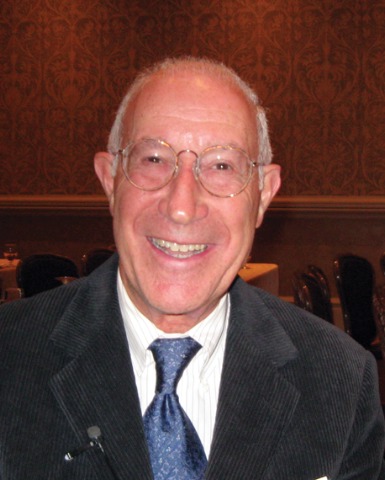
"We need results from a credible randomized controlled trial to define the conditions surrounding ECMO, before ECMO becomes a routine therapy option," said Dr. Morris, a pulmonologist and professor of medicine at the University of Utah and Intermountain Health Medical Center in Salt Lake City.
"There are indications and applications of extracorporeal support that are straightforward," such as when it is used intraoperatively, he said. But for patients with severe hypoxic lung failure, "I do not see compelling evidence that extracorporeal support is followed by more favorable outcomes than other approaches that are used," he said in an interview. "The evidence from the H1N1 novel influenza epidemic indicates to me that survival appears to be roughly the same with or without extracorporeal support," he added. "We do not offer ECMO as treatment for adult patients with severe hypoxic lung failure in my hospital."
The only two studies that examined the efficacy of ECMO in rigorously controlled clinical trials, published as reports in 1979 and in 1994, both failed to show that ECMO improved patient survival, he noted (JAMA 1979;242:2193-6; Am. J. Respir. Crit. Care Med. 1994;149:295-305). More recent results from a British multicenter randomized trial with 180 adults with severe respiratory failure claimed to show evidence that patient survival with ECMO surpassed survival with usual care (Lancet 2009;374:1351-63). But the newer study had the flaw of failing to define the usual care received by the control patients. In addition, the control patients were distributed to many centers, while all the ECMO patients received their treatment at one center, Dr. Morris said. The conventional ventilation that control patients received could be whatever their attending intensivist thought appropriate.
"How does a clinician know which patients will benefit [from ECMO] without knowing what was conventional treatment?" he said.
To assess the impact of ECMO in patients with acute respiratory distress secondary to H1N1 infection, Dr. Morris summarized data reported on 150 patients in a University of Michigan registry; 14 patients seen in Salt Lake County, Utah, and reported last year in a paper at the American Thoracic Society; a series of 68 patients reported from Australia and New Zealand (JAMA 2009;302:1888-95); and 896 U.S. patients entered into a registry of the National Heart, Lung, and Blood Institute during April 2009 to April 2010. These data showed a consistent pattern of no improved survival with ECMO treatment in H1N1 patients, compared with H1N1 patients who did not receive ECMO, Dr. Morris said.
He also expressed concern that a well-designed study to compare modern ECMO with other ventilation support methods would be a challenge. A major problem is that the physicians "who have ECMO skills are convinced of its efficacy. Those who do ECMO don’t believe that better testing is needed," Dr. Morris said.
He reported having no relevant financial disclosures.
LAS VEGAS – The evidence supporting use of extracorporeal membrane oxygenation for treating adult patients with severe hypoxic lung failure remains uncompelling, according to Dr. Alan H. Morris.
He particularly advised against widespread use of extracorporeal membrane oxygenation (ECMO) in patients who have severe acute respiratory distress syndrome secondary to H1N1 influenza infection, as there is also no evidence that H1N1 patients treated with ECMO had better outcomes than those treated with standard ventilation support.
"We need results from a credible randomized controlled trial to define the conditions surrounding ECMO, before ECMO becomes a routine therapy option," said Dr. Morris, a pulmonologist and professor of medicine at the University of Utah and Intermountain Health Medical Center in Salt Lake City.
"There are indications and applications of extracorporeal support that are straightforward," such as when it is used intraoperatively, he said. But for patients with severe hypoxic lung failure, "I do not see compelling evidence that extracorporeal support is followed by more favorable outcomes than other approaches that are used," he said in an interview. "The evidence from the H1N1 novel influenza epidemic indicates to me that survival appears to be roughly the same with or without extracorporeal support," he added. "We do not offer ECMO as treatment for adult patients with severe hypoxic lung failure in my hospital."
The only two studies that examined the efficacy of ECMO in rigorously controlled clinical trials, published as reports in 1979 and in 1994, both failed to show that ECMO improved patient survival, he noted (JAMA 1979;242:2193-6; Am. J. Respir. Crit. Care Med. 1994;149:295-305). More recent results from a British multicenter randomized trial with 180 adults with severe respiratory failure claimed to show evidence that patient survival with ECMO surpassed survival with usual care (Lancet 2009;374:1351-63). But the newer study had the flaw of failing to define the usual care received by the control patients. In addition, the control patients were distributed to many centers, while all the ECMO patients received their treatment at one center, Dr. Morris said. The conventional ventilation that control patients received could be whatever their attending intensivist thought appropriate.
"How does a clinician know which patients will benefit [from ECMO] without knowing what was conventional treatment?" he said.
To assess the impact of ECMO in patients with acute respiratory distress secondary to H1N1 infection, Dr. Morris summarized data reported on 150 patients in a University of Michigan registry; 14 patients seen in Salt Lake County, Utah, and reported last year in a paper at the American Thoracic Society; a series of 68 patients reported from Australia and New Zealand (JAMA 2009;302:1888-95); and 896 U.S. patients entered into a registry of the National Heart, Lung, and Blood Institute during April 2009 to April 2010. These data showed a consistent pattern of no improved survival with ECMO treatment in H1N1 patients, compared with H1N1 patients who did not receive ECMO, Dr. Morris said.
He also expressed concern that a well-designed study to compare modern ECMO with other ventilation support methods would be a challenge. A major problem is that the physicians "who have ECMO skills are convinced of its efficacy. Those who do ECMO don’t believe that better testing is needed," Dr. Morris said.
He reported having no relevant financial disclosures.
LAS VEGAS – The evidence supporting use of extracorporeal membrane oxygenation for treating adult patients with severe hypoxic lung failure remains uncompelling, according to Dr. Alan H. Morris.
He particularly advised against widespread use of extracorporeal membrane oxygenation (ECMO) in patients who have severe acute respiratory distress syndrome secondary to H1N1 influenza infection, as there is also no evidence that H1N1 patients treated with ECMO had better outcomes than those treated with standard ventilation support.
"We need results from a credible randomized controlled trial to define the conditions surrounding ECMO, before ECMO becomes a routine therapy option," said Dr. Morris, a pulmonologist and professor of medicine at the University of Utah and Intermountain Health Medical Center in Salt Lake City.
"There are indications and applications of extracorporeal support that are straightforward," such as when it is used intraoperatively, he said. But for patients with severe hypoxic lung failure, "I do not see compelling evidence that extracorporeal support is followed by more favorable outcomes than other approaches that are used," he said in an interview. "The evidence from the H1N1 novel influenza epidemic indicates to me that survival appears to be roughly the same with or without extracorporeal support," he added. "We do not offer ECMO as treatment for adult patients with severe hypoxic lung failure in my hospital."
The only two studies that examined the efficacy of ECMO in rigorously controlled clinical trials, published as reports in 1979 and in 1994, both failed to show that ECMO improved patient survival, he noted (JAMA 1979;242:2193-6; Am. J. Respir. Crit. Care Med. 1994;149:295-305). More recent results from a British multicenter randomized trial with 180 adults with severe respiratory failure claimed to show evidence that patient survival with ECMO surpassed survival with usual care (Lancet 2009;374:1351-63). But the newer study had the flaw of failing to define the usual care received by the control patients. In addition, the control patients were distributed to many centers, while all the ECMO patients received their treatment at one center, Dr. Morris said. The conventional ventilation that control patients received could be whatever their attending intensivist thought appropriate.
"How does a clinician know which patients will benefit [from ECMO] without knowing what was conventional treatment?" he said.
To assess the impact of ECMO in patients with acute respiratory distress secondary to H1N1 infection, Dr. Morris summarized data reported on 150 patients in a University of Michigan registry; 14 patients seen in Salt Lake County, Utah, and reported last year in a paper at the American Thoracic Society; a series of 68 patients reported from Australia and New Zealand (JAMA 2009;302:1888-95); and 896 U.S. patients entered into a registry of the National Heart, Lung, and Blood Institute during April 2009 to April 2010. These data showed a consistent pattern of no improved survival with ECMO treatment in H1N1 patients, compared with H1N1 patients who did not receive ECMO, Dr. Morris said.
He also expressed concern that a well-designed study to compare modern ECMO with other ventilation support methods would be a challenge. A major problem is that the physicians "who have ECMO skills are convinced of its efficacy. Those who do ECMO don’t believe that better testing is needed," Dr. Morris said.
He reported having no relevant financial disclosures.
FROM THE ANNUAL MEETING OF THE NATIONAL ASSOCIATION FOR MEDICAL DIRECTION OF RESPIRATORY CARE
ECMO's Value for Severe Hypoxic Lung Failure Questioned
LAS VEGAS – The evidence supporting use of extracorporeal membrane oxygenation for treating adult patients with severe hypoxic lung failure remains uncompelling, according to Dr. Alan H. Morris.
He particularly advised against widespread use of extracorporeal membrane oxygenation (ECMO) in patients who have severe acute respiratory distress syndrome secondary to H1N1 influenza infection, as there is also no evidence that H1N1 patients treated with ECMO had better outcomes than those treated with standard ventilation support.
"We need results from a credible randomized controlled trial to define the conditions surrounding ECMO, before ECMO becomes a routine therapy option," said Dr. Morris, a pulmonologist and professor of medicine at the University of Utah and Intermountain Health Medical Center in Salt Lake City.
"There are indications and applications of extracorporeal support that are straightforward," such as when it is used intraoperatively, he said. But for patients with severe hypoxic lung failure, "I do not see compelling evidence that extracorporeal support is followed by more favorable outcomes than other approaches that are used," he said in an interview. "The evidence from the H1N1 novel influenza epidemic indicates to me that survival appears to be roughly the same with or without extracorporeal support," he added. "We do not offer ECMO as treatment for adult patients with severe hypoxic lung failure in my hospital."
The only two studies that examined the efficacy of ECMO in rigorously controlled clinical trials, published as reports in 1979 and in 1994, both failed to show that ECMO improved patient survival, he noted (JAMA 1979;242:2193-6; Am. J. Respir. Crit. Care Med. 1994;149:295-305). More recent results from a British multicenter randomized trial with 180 adults with severe respiratory failure claimed to show evidence that patient survival with ECMO surpassed survival with usual care (Lancet 2009;374:1351-63). But the newer study had the flaw of failing to define the usual care received by the control patients. In addition, the control patients were distributed to many centers, while all the ECMO patients received their treatment at one center, Dr. Morris said. The conventional ventilation that control patients received could be whatever their attending intensivist thought appropriate.
"How does a clinician know which patients will benefit [from ECMO] without knowing what was conventional treatment?" he said.
To assess the impact of ECMO in patients with acute respiratory distress secondary to H1N1 infection, Dr. Morris summarized data reported on 150 patients in a University of Michigan registry; 14 patients seen in Salt Lake County, Utah, and reported last year in a paper at the American Thoracic Society; a series of 68 patients reported from Australia and New Zealand (JAMA 2009;302:1888-95); and 896 U.S. patients entered into a registry of the National Heart, Lung, and Blood Institute during April 2009 to April 2010. These data showed a consistent pattern of no improved survival with ECMO treatment in H1N1 patients, compared with H1N1 patients who did not receive ECMO, Dr. Morris said.
He also expressed concern that a well-designed study to compare modern ECMO with other ventilation support methods would be a challenge. A major problem is that the physicians "who have ECMO skills are convinced of its efficacy. Those who do ECMO don’t believe that better testing is needed," Dr. Morris said.
He reported having no relevant financial disclosures.
LAS VEGAS – The evidence supporting use of extracorporeal membrane oxygenation for treating adult patients with severe hypoxic lung failure remains uncompelling, according to Dr. Alan H. Morris.
He particularly advised against widespread use of extracorporeal membrane oxygenation (ECMO) in patients who have severe acute respiratory distress syndrome secondary to H1N1 influenza infection, as there is also no evidence that H1N1 patients treated with ECMO had better outcomes than those treated with standard ventilation support.
"We need results from a credible randomized controlled trial to define the conditions surrounding ECMO, before ECMO becomes a routine therapy option," said Dr. Morris, a pulmonologist and professor of medicine at the University of Utah and Intermountain Health Medical Center in Salt Lake City.
"There are indications and applications of extracorporeal support that are straightforward," such as when it is used intraoperatively, he said. But for patients with severe hypoxic lung failure, "I do not see compelling evidence that extracorporeal support is followed by more favorable outcomes than other approaches that are used," he said in an interview. "The evidence from the H1N1 novel influenza epidemic indicates to me that survival appears to be roughly the same with or without extracorporeal support," he added. "We do not offer ECMO as treatment for adult patients with severe hypoxic lung failure in my hospital."
The only two studies that examined the efficacy of ECMO in rigorously controlled clinical trials, published as reports in 1979 and in 1994, both failed to show that ECMO improved patient survival, he noted (JAMA 1979;242:2193-6; Am. J. Respir. Crit. Care Med. 1994;149:295-305). More recent results from a British multicenter randomized trial with 180 adults with severe respiratory failure claimed to show evidence that patient survival with ECMO surpassed survival with usual care (Lancet 2009;374:1351-63). But the newer study had the flaw of failing to define the usual care received by the control patients. In addition, the control patients were distributed to many centers, while all the ECMO patients received their treatment at one center, Dr. Morris said. The conventional ventilation that control patients received could be whatever their attending intensivist thought appropriate.
"How does a clinician know which patients will benefit [from ECMO] without knowing what was conventional treatment?" he said.
To assess the impact of ECMO in patients with acute respiratory distress secondary to H1N1 infection, Dr. Morris summarized data reported on 150 patients in a University of Michigan registry; 14 patients seen in Salt Lake County, Utah, and reported last year in a paper at the American Thoracic Society; a series of 68 patients reported from Australia and New Zealand (JAMA 2009;302:1888-95); and 896 U.S. patients entered into a registry of the National Heart, Lung, and Blood Institute during April 2009 to April 2010. These data showed a consistent pattern of no improved survival with ECMO treatment in H1N1 patients, compared with H1N1 patients who did not receive ECMO, Dr. Morris said.
He also expressed concern that a well-designed study to compare modern ECMO with other ventilation support methods would be a challenge. A major problem is that the physicians "who have ECMO skills are convinced of its efficacy. Those who do ECMO don’t believe that better testing is needed," Dr. Morris said.
He reported having no relevant financial disclosures.
LAS VEGAS – The evidence supporting use of extracorporeal membrane oxygenation for treating adult patients with severe hypoxic lung failure remains uncompelling, according to Dr. Alan H. Morris.
He particularly advised against widespread use of extracorporeal membrane oxygenation (ECMO) in patients who have severe acute respiratory distress syndrome secondary to H1N1 influenza infection, as there is also no evidence that H1N1 patients treated with ECMO had better outcomes than those treated with standard ventilation support.
"We need results from a credible randomized controlled trial to define the conditions surrounding ECMO, before ECMO becomes a routine therapy option," said Dr. Morris, a pulmonologist and professor of medicine at the University of Utah and Intermountain Health Medical Center in Salt Lake City.
"There are indications and applications of extracorporeal support that are straightforward," such as when it is used intraoperatively, he said. But for patients with severe hypoxic lung failure, "I do not see compelling evidence that extracorporeal support is followed by more favorable outcomes than other approaches that are used," he said in an interview. "The evidence from the H1N1 novel influenza epidemic indicates to me that survival appears to be roughly the same with or without extracorporeal support," he added. "We do not offer ECMO as treatment for adult patients with severe hypoxic lung failure in my hospital."
The only two studies that examined the efficacy of ECMO in rigorously controlled clinical trials, published as reports in 1979 and in 1994, both failed to show that ECMO improved patient survival, he noted (JAMA 1979;242:2193-6; Am. J. Respir. Crit. Care Med. 1994;149:295-305). More recent results from a British multicenter randomized trial with 180 adults with severe respiratory failure claimed to show evidence that patient survival with ECMO surpassed survival with usual care (Lancet 2009;374:1351-63). But the newer study had the flaw of failing to define the usual care received by the control patients. In addition, the control patients were distributed to many centers, while all the ECMO patients received their treatment at one center, Dr. Morris said. The conventional ventilation that control patients received could be whatever their attending intensivist thought appropriate.
"How does a clinician know which patients will benefit [from ECMO] without knowing what was conventional treatment?" he said.
To assess the impact of ECMO in patients with acute respiratory distress secondary to H1N1 infection, Dr. Morris summarized data reported on 150 patients in a University of Michigan registry; 14 patients seen in Salt Lake County, Utah, and reported last year in a paper at the American Thoracic Society; a series of 68 patients reported from Australia and New Zealand (JAMA 2009;302:1888-95); and 896 U.S. patients entered into a registry of the National Heart, Lung, and Blood Institute during April 2009 to April 2010. These data showed a consistent pattern of no improved survival with ECMO treatment in H1N1 patients, compared with H1N1 patients who did not receive ECMO, Dr. Morris said.
He also expressed concern that a well-designed study to compare modern ECMO with other ventilation support methods would be a challenge. A major problem is that the physicians "who have ECMO skills are convinced of its efficacy. Those who do ECMO don’t believe that better testing is needed," Dr. Morris said.
He reported having no relevant financial disclosures.
FROM THE ANNUAL MEETING OF THE NATIONAL ASSOCIATION FOR MEDICAL DIRECTION OF RESPIRATORY CARE
Gene Expression Signatures Predict Erlotinib Sensitivity in NSCLC
ORLANDO – A set of epithelial-to-mesenchymal transition genes and a novel five-gene expression signature appear to predict disease control with erlotinib in refractory non–small cell lung cancer patients whether they have endothelial growth factor receptor mutations or not.
These candidate biomarkers have potentially broad impact, as they could help identify erlotinib (Tarceva) sensitivity in the 88% of patients with wild-type endothelial growth factor receptor (EGFR), Dr. John V. Heymach said at the annual meeting of the American Association for Cancer Research.
Dr. Heymach described the two gene profiles in an update of the phase II Biomarker-Integrated Approaches of Targeted Therapy for Lung Cancer Elimination (BATTLE) 1 trial. They were identified retrospectively from gene expression profiling of pretreatment core needle biopsies in 101 BATTLE trial patients and by studying 54 non–small cell lung cancer lines to find genes involved in the epithelial-to-mesenchymal transition (EMT).
Currently, the treatment benefit of erlotinib – a tyrosine kinase inhibitor that acts on EGFR and is approved for the treatment of non–small cell lung cancer (NSCLC) and pancreatic cancer - can be predicted in only about 12% of patients who have certain mutations and amplifications of EGFR, said Dr. Heymach of the University of Texas M.D. Anderson Cancer Center, Houston.
Previously reported results from the BATTLE 1 trial, which were presented at the 2010 AACR annual meeting, focused on prespecified markers as predictors of response to EGFR inhibition; these updated findings focused on novel gene markers that were not prespecified, but were discovered retrospectively from the biopsies taken as part of the earlier BATTLE trial work.
The investigators found a five-gene expression signature, including Lipocalin-2 (LCN2), NPR3, OGG1, TRIM72, and a gene of unknown function called C5orf23, which was predictive of disease control in patients treated with erlotinib who lacked EGFR mutations. Disease control occurred by 8 weeks in 83% of those with the signature, compared with 0% of patients who lacked the signature (P less than .001).
They also found that LCN2 was involved in the EGFR pathway, and was associated with epithelial-type tumor cells. The findings suggest it is a promising potential target for therapy.
The EMT genes that were found to predict disease control in this study did so by a different measure: Disease control by 8 weeks occurred in 64% of those with cells that were still epithelial type, while disease control occurred in only 10% of those with mesenchymal type (P = .02). A gene called Axl, which is a tyrosine kinase receptor, was found to be associated with mesenchymal-type cells, and could also be a potential therapeutic target, Dr. Heymach said.
The predictive value of both the five-gene expression signature and the EMT signature will be tested prospectively in the upcoming BATTLE II trial, which will also test markers from the P13K-AKT pathway, EGFR signatures, and KRAS mutations. The trial will have four treatment arms, including erlotinib, sorafenib (Nexavar), erlotinib plus an AKT inhibitor, and the AKT inhibitor with an MEK inhibitor.
Dr. Thomas J. Lynch Jr., the discussant following Dr. Heymach’s presentation of his findings during a late-breaking abstract session at the AACR meeting, praised the "mining of data" from the landmark BATTLE 1 trial, which resulted in these findings.
While the finding are important, perhaps their greatest value is in "elucidating new targets in non–small cell lung cancer more than necessarily determining who benefits from marginally active therapy," said Dr. Lynch, director of the Yale Cancer Center and physician-in-chief at Smilow Cancer Hospital at Yale-New Haven (Conn.).
The BATTLE 1 trial, conducted by a team of researchers at M.D. Anderson, is the first completed prospective, adaptively randomized study in heavily pretreated non–small cell lung cancer patients that mandated tumor profiling with real-time core needle biopsies. The results of the trial demonstrate the feasibility of this approach, and create a new paradigm for translational research, and they represent a substantial step toward realizing personalized lung cancer therapy, according to the investigators. The findings are published in the inaugural issue of Cancer Discovery, which debuted at the 2011 AACR conference (Cancer Discovery 2011;1:OF42-9).
This study was funded by the U.S. Department of Defense, the M.D. Anderson and University of Texas Southwestern Lung Cancer Specialized Program in Research Excellence, and M.D. Anderson’s Cancer Center Support Grant from the National Cancer Institute. Dr. Heymach disclosed that he has received research support from AstraZeneca and Bayer, and has served on advisory boards for AstraZeneca, Genentech, and Bayer.
ORLANDO – A set of epithelial-to-mesenchymal transition genes and a novel five-gene expression signature appear to predict disease control with erlotinib in refractory non–small cell lung cancer patients whether they have endothelial growth factor receptor mutations or not.
These candidate biomarkers have potentially broad impact, as they could help identify erlotinib (Tarceva) sensitivity in the 88% of patients with wild-type endothelial growth factor receptor (EGFR), Dr. John V. Heymach said at the annual meeting of the American Association for Cancer Research.
Dr. Heymach described the two gene profiles in an update of the phase II Biomarker-Integrated Approaches of Targeted Therapy for Lung Cancer Elimination (BATTLE) 1 trial. They were identified retrospectively from gene expression profiling of pretreatment core needle biopsies in 101 BATTLE trial patients and by studying 54 non–small cell lung cancer lines to find genes involved in the epithelial-to-mesenchymal transition (EMT).
Currently, the treatment benefit of erlotinib – a tyrosine kinase inhibitor that acts on EGFR and is approved for the treatment of non–small cell lung cancer (NSCLC) and pancreatic cancer - can be predicted in only about 12% of patients who have certain mutations and amplifications of EGFR, said Dr. Heymach of the University of Texas M.D. Anderson Cancer Center, Houston.
Previously reported results from the BATTLE 1 trial, which were presented at the 2010 AACR annual meeting, focused on prespecified markers as predictors of response to EGFR inhibition; these updated findings focused on novel gene markers that were not prespecified, but were discovered retrospectively from the biopsies taken as part of the earlier BATTLE trial work.
The investigators found a five-gene expression signature, including Lipocalin-2 (LCN2), NPR3, OGG1, TRIM72, and a gene of unknown function called C5orf23, which was predictive of disease control in patients treated with erlotinib who lacked EGFR mutations. Disease control occurred by 8 weeks in 83% of those with the signature, compared with 0% of patients who lacked the signature (P less than .001).
They also found that LCN2 was involved in the EGFR pathway, and was associated with epithelial-type tumor cells. The findings suggest it is a promising potential target for therapy.
The EMT genes that were found to predict disease control in this study did so by a different measure: Disease control by 8 weeks occurred in 64% of those with cells that were still epithelial type, while disease control occurred in only 10% of those with mesenchymal type (P = .02). A gene called Axl, which is a tyrosine kinase receptor, was found to be associated with mesenchymal-type cells, and could also be a potential therapeutic target, Dr. Heymach said.
The predictive value of both the five-gene expression signature and the EMT signature will be tested prospectively in the upcoming BATTLE II trial, which will also test markers from the P13K-AKT pathway, EGFR signatures, and KRAS mutations. The trial will have four treatment arms, including erlotinib, sorafenib (Nexavar), erlotinib plus an AKT inhibitor, and the AKT inhibitor with an MEK inhibitor.
Dr. Thomas J. Lynch Jr., the discussant following Dr. Heymach’s presentation of his findings during a late-breaking abstract session at the AACR meeting, praised the "mining of data" from the landmark BATTLE 1 trial, which resulted in these findings.
While the finding are important, perhaps their greatest value is in "elucidating new targets in non–small cell lung cancer more than necessarily determining who benefits from marginally active therapy," said Dr. Lynch, director of the Yale Cancer Center and physician-in-chief at Smilow Cancer Hospital at Yale-New Haven (Conn.).
The BATTLE 1 trial, conducted by a team of researchers at M.D. Anderson, is the first completed prospective, adaptively randomized study in heavily pretreated non–small cell lung cancer patients that mandated tumor profiling with real-time core needle biopsies. The results of the trial demonstrate the feasibility of this approach, and create a new paradigm for translational research, and they represent a substantial step toward realizing personalized lung cancer therapy, according to the investigators. The findings are published in the inaugural issue of Cancer Discovery, which debuted at the 2011 AACR conference (Cancer Discovery 2011;1:OF42-9).
This study was funded by the U.S. Department of Defense, the M.D. Anderson and University of Texas Southwestern Lung Cancer Specialized Program in Research Excellence, and M.D. Anderson’s Cancer Center Support Grant from the National Cancer Institute. Dr. Heymach disclosed that he has received research support from AstraZeneca and Bayer, and has served on advisory boards for AstraZeneca, Genentech, and Bayer.
ORLANDO – A set of epithelial-to-mesenchymal transition genes and a novel five-gene expression signature appear to predict disease control with erlotinib in refractory non–small cell lung cancer patients whether they have endothelial growth factor receptor mutations or not.
These candidate biomarkers have potentially broad impact, as they could help identify erlotinib (Tarceva) sensitivity in the 88% of patients with wild-type endothelial growth factor receptor (EGFR), Dr. John V. Heymach said at the annual meeting of the American Association for Cancer Research.
Dr. Heymach described the two gene profiles in an update of the phase II Biomarker-Integrated Approaches of Targeted Therapy for Lung Cancer Elimination (BATTLE) 1 trial. They were identified retrospectively from gene expression profiling of pretreatment core needle biopsies in 101 BATTLE trial patients and by studying 54 non–small cell lung cancer lines to find genes involved in the epithelial-to-mesenchymal transition (EMT).
Currently, the treatment benefit of erlotinib – a tyrosine kinase inhibitor that acts on EGFR and is approved for the treatment of non–small cell lung cancer (NSCLC) and pancreatic cancer - can be predicted in only about 12% of patients who have certain mutations and amplifications of EGFR, said Dr. Heymach of the University of Texas M.D. Anderson Cancer Center, Houston.
Previously reported results from the BATTLE 1 trial, which were presented at the 2010 AACR annual meeting, focused on prespecified markers as predictors of response to EGFR inhibition; these updated findings focused on novel gene markers that were not prespecified, but were discovered retrospectively from the biopsies taken as part of the earlier BATTLE trial work.
The investigators found a five-gene expression signature, including Lipocalin-2 (LCN2), NPR3, OGG1, TRIM72, and a gene of unknown function called C5orf23, which was predictive of disease control in patients treated with erlotinib who lacked EGFR mutations. Disease control occurred by 8 weeks in 83% of those with the signature, compared with 0% of patients who lacked the signature (P less than .001).
They also found that LCN2 was involved in the EGFR pathway, and was associated with epithelial-type tumor cells. The findings suggest it is a promising potential target for therapy.
The EMT genes that were found to predict disease control in this study did so by a different measure: Disease control by 8 weeks occurred in 64% of those with cells that were still epithelial type, while disease control occurred in only 10% of those with mesenchymal type (P = .02). A gene called Axl, which is a tyrosine kinase receptor, was found to be associated with mesenchymal-type cells, and could also be a potential therapeutic target, Dr. Heymach said.
The predictive value of both the five-gene expression signature and the EMT signature will be tested prospectively in the upcoming BATTLE II trial, which will also test markers from the P13K-AKT pathway, EGFR signatures, and KRAS mutations. The trial will have four treatment arms, including erlotinib, sorafenib (Nexavar), erlotinib plus an AKT inhibitor, and the AKT inhibitor with an MEK inhibitor.
Dr. Thomas J. Lynch Jr., the discussant following Dr. Heymach’s presentation of his findings during a late-breaking abstract session at the AACR meeting, praised the "mining of data" from the landmark BATTLE 1 trial, which resulted in these findings.
While the finding are important, perhaps their greatest value is in "elucidating new targets in non–small cell lung cancer more than necessarily determining who benefits from marginally active therapy," said Dr. Lynch, director of the Yale Cancer Center and physician-in-chief at Smilow Cancer Hospital at Yale-New Haven (Conn.).
The BATTLE 1 trial, conducted by a team of researchers at M.D. Anderson, is the first completed prospective, adaptively randomized study in heavily pretreated non–small cell lung cancer patients that mandated tumor profiling with real-time core needle biopsies. The results of the trial demonstrate the feasibility of this approach, and create a new paradigm for translational research, and they represent a substantial step toward realizing personalized lung cancer therapy, according to the investigators. The findings are published in the inaugural issue of Cancer Discovery, which debuted at the 2011 AACR conference (Cancer Discovery 2011;1:OF42-9).
This study was funded by the U.S. Department of Defense, the M.D. Anderson and University of Texas Southwestern Lung Cancer Specialized Program in Research Excellence, and M.D. Anderson’s Cancer Center Support Grant from the National Cancer Institute. Dr. Heymach disclosed that he has received research support from AstraZeneca and Bayer, and has served on advisory boards for AstraZeneca, Genentech, and Bayer.
FROM THE ANNUAL MEETING OF THE AMERICAN ASSOCIATION FOR CANCER RESEARCH
Major Finding: Disease control at 8 weeks was 83% in patients with one signature vs. 0% in those without it, and 64% vs. 10% in a similar analysis of patients with and without the second signature.
Data Source: A retrospective analysis of data from the BATTLE trial in patients with non–small cell lung cancer.
Disclosures: This study was funded by the U.S. Department of Defense, the M.D. Anderson and University of Texas Southwestern Lung Cancer Specialized Program in Research Excellence, and M.D. Anderson’s Cancer Center Support Grant from the National Cancer Institute. Dr. Heymach disclosed that he has received research support from AstraZeneca and Bayer, and has served on advisory boards for AstraZeneca, Genentech, and Bayer.
Frequent Limb Movement in Restless Legs Syndrome Linked to LVH
NEW ORLEANS – Frequent periodic leg movements during sleep were associated with left ventricular hypertrophy in patients with restless legs syndrome, according to a study presented at the annual meeting of the American College of Cardiology.
Moreover, patients who had sleep disturbance due to frequent periodic leg movements and severe LVH were at increased risk for heart failure, recurrent hospitalizations, and death.
"We have known for a long time that LVH is a poor prognostic factor that increases the risk of cardiac events. What is new about this study is that it appears that restless legs syndrome is another risk factor that may predispose patients to, and lead to more complications of, LVH," Dr. Arshad Jahangir said at a press conference during the meeting.
Dr. Jahangir, principal investigator in the study and professor of medicine at the Mayo Clinic in Scottsdale, Ariz., said that the findings need to be confirmed in larger studies. Also, it will be important to evaluate whether effective treatments for restless legs syndrome can prevent adverse outcomes associated with LVH.
Approximately 12 million Americans have restless legs syndrome. The condition is increasingly common with age and is implicated in about one-third of all cases of insomnia. Up to 90% of patients also have periodic limb movement disorder, which is characterized by involuntary jerking movements during sleep. The mechanisms that drive the disorder are not fully understood, Dr. Jahangir said, but the sympathetic nervous system is involved and patients typically have increased heart rate and blood pressure.
The study enrolled 584 restless legs syndrome patients who underwent overnight polysomnography studies. Patients were stratified according to frequency of leg movements during sleep: 45% had frequent leg movements, defined as a Periodic Movement Index [PMI] of more than 35 per hour, and 55% had infrequent leg movements, defined as a PMI of 35 or fewer movements per hour. Despite having a left ventricular ejection fraction of around 60% at baseline, the group with frequent periodic limb movements had a significantly higher left ventricular mass (P=.01), mass index (P=.002), and posterior wall thickness (P=.01), indicating the presence of LVH.
At baseline, the groups with frequent versus infrequent periodic limb movements had similar clinical and echocardiographic parameters, and were comparable for the presence of cardiovascular risk factors, including hypertension, diabetes, heart failure, high cholesterol level, heart failure, or renal dysfunction. Patients with frequent periodic limb movements were older (median age 67 vs. 61 years), more often male, had more atrial fibrillation (30% vs. 17%), and more underlying coronary heart disease than those with infrequent periodic limb movements.
The presence of severe LVH [defined as left ventricular mass index >116g/m2] and atrial fibrillation led to a significantly greater likelihood of heart failure, recurrent hospitalizations, and death over a mean follow-up of 3 years. Dr. Jahangir said that even in participants with frequent periodic limb movements and no atrial fibrillation, patients with severe LVH had a greater number of cardiac events.
Severe LVH was found in 37% of those with atrial fibrillation and 20% of those without it, suggesting that underlying electrical dysfunction and restless legs syndrome may act together to lead to adverse cardiovascular outcomes.
"This is a retrospective study that points out an interesting association between RLS and LVH. This could be an important observation, but the findings need to be validated in a prospective study," said Dr. William Zoghbi, who chaired the press conference and is the chair of cardiovascular imaging at the Methodist DeBakey Heart and Vascular Center in Houston.
The study was funded by the National Heart, Lung, and Blood Institute and the Angel and Paul Harvey Cardiovascular Research Endowment to CardioGerontology Research Laboratory at Mayo Clinic Arizona. Dr. Jahangir had no relevant financial disclosures.
NEW ORLEANS – Frequent periodic leg movements during sleep were associated with left ventricular hypertrophy in patients with restless legs syndrome, according to a study presented at the annual meeting of the American College of Cardiology.
Moreover, patients who had sleep disturbance due to frequent periodic leg movements and severe LVH were at increased risk for heart failure, recurrent hospitalizations, and death.
"We have known for a long time that LVH is a poor prognostic factor that increases the risk of cardiac events. What is new about this study is that it appears that restless legs syndrome is another risk factor that may predispose patients to, and lead to more complications of, LVH," Dr. Arshad Jahangir said at a press conference during the meeting.
Dr. Jahangir, principal investigator in the study and professor of medicine at the Mayo Clinic in Scottsdale, Ariz., said that the findings need to be confirmed in larger studies. Also, it will be important to evaluate whether effective treatments for restless legs syndrome can prevent adverse outcomes associated with LVH.
Approximately 12 million Americans have restless legs syndrome. The condition is increasingly common with age and is implicated in about one-third of all cases of insomnia. Up to 90% of patients also have periodic limb movement disorder, which is characterized by involuntary jerking movements during sleep. The mechanisms that drive the disorder are not fully understood, Dr. Jahangir said, but the sympathetic nervous system is involved and patients typically have increased heart rate and blood pressure.
The study enrolled 584 restless legs syndrome patients who underwent overnight polysomnography studies. Patients were stratified according to frequency of leg movements during sleep: 45% had frequent leg movements, defined as a Periodic Movement Index [PMI] of more than 35 per hour, and 55% had infrequent leg movements, defined as a PMI of 35 or fewer movements per hour. Despite having a left ventricular ejection fraction of around 60% at baseline, the group with frequent periodic limb movements had a significantly higher left ventricular mass (P=.01), mass index (P=.002), and posterior wall thickness (P=.01), indicating the presence of LVH.
At baseline, the groups with frequent versus infrequent periodic limb movements had similar clinical and echocardiographic parameters, and were comparable for the presence of cardiovascular risk factors, including hypertension, diabetes, heart failure, high cholesterol level, heart failure, or renal dysfunction. Patients with frequent periodic limb movements were older (median age 67 vs. 61 years), more often male, had more atrial fibrillation (30% vs. 17%), and more underlying coronary heart disease than those with infrequent periodic limb movements.
The presence of severe LVH [defined as left ventricular mass index >116g/m2] and atrial fibrillation led to a significantly greater likelihood of heart failure, recurrent hospitalizations, and death over a mean follow-up of 3 years. Dr. Jahangir said that even in participants with frequent periodic limb movements and no atrial fibrillation, patients with severe LVH had a greater number of cardiac events.
Severe LVH was found in 37% of those with atrial fibrillation and 20% of those without it, suggesting that underlying electrical dysfunction and restless legs syndrome may act together to lead to adverse cardiovascular outcomes.
"This is a retrospective study that points out an interesting association between RLS and LVH. This could be an important observation, but the findings need to be validated in a prospective study," said Dr. William Zoghbi, who chaired the press conference and is the chair of cardiovascular imaging at the Methodist DeBakey Heart and Vascular Center in Houston.
The study was funded by the National Heart, Lung, and Blood Institute and the Angel and Paul Harvey Cardiovascular Research Endowment to CardioGerontology Research Laboratory at Mayo Clinic Arizona. Dr. Jahangir had no relevant financial disclosures.
NEW ORLEANS – Frequent periodic leg movements during sleep were associated with left ventricular hypertrophy in patients with restless legs syndrome, according to a study presented at the annual meeting of the American College of Cardiology.
Moreover, patients who had sleep disturbance due to frequent periodic leg movements and severe LVH were at increased risk for heart failure, recurrent hospitalizations, and death.
"We have known for a long time that LVH is a poor prognostic factor that increases the risk of cardiac events. What is new about this study is that it appears that restless legs syndrome is another risk factor that may predispose patients to, and lead to more complications of, LVH," Dr. Arshad Jahangir said at a press conference during the meeting.
Dr. Jahangir, principal investigator in the study and professor of medicine at the Mayo Clinic in Scottsdale, Ariz., said that the findings need to be confirmed in larger studies. Also, it will be important to evaluate whether effective treatments for restless legs syndrome can prevent adverse outcomes associated with LVH.
Approximately 12 million Americans have restless legs syndrome. The condition is increasingly common with age and is implicated in about one-third of all cases of insomnia. Up to 90% of patients also have periodic limb movement disorder, which is characterized by involuntary jerking movements during sleep. The mechanisms that drive the disorder are not fully understood, Dr. Jahangir said, but the sympathetic nervous system is involved and patients typically have increased heart rate and blood pressure.
The study enrolled 584 restless legs syndrome patients who underwent overnight polysomnography studies. Patients were stratified according to frequency of leg movements during sleep: 45% had frequent leg movements, defined as a Periodic Movement Index [PMI] of more than 35 per hour, and 55% had infrequent leg movements, defined as a PMI of 35 or fewer movements per hour. Despite having a left ventricular ejection fraction of around 60% at baseline, the group with frequent periodic limb movements had a significantly higher left ventricular mass (P=.01), mass index (P=.002), and posterior wall thickness (P=.01), indicating the presence of LVH.
At baseline, the groups with frequent versus infrequent periodic limb movements had similar clinical and echocardiographic parameters, and were comparable for the presence of cardiovascular risk factors, including hypertension, diabetes, heart failure, high cholesterol level, heart failure, or renal dysfunction. Patients with frequent periodic limb movements were older (median age 67 vs. 61 years), more often male, had more atrial fibrillation (30% vs. 17%), and more underlying coronary heart disease than those with infrequent periodic limb movements.
The presence of severe LVH [defined as left ventricular mass index >116g/m2] and atrial fibrillation led to a significantly greater likelihood of heart failure, recurrent hospitalizations, and death over a mean follow-up of 3 years. Dr. Jahangir said that even in participants with frequent periodic limb movements and no atrial fibrillation, patients with severe LVH had a greater number of cardiac events.
Severe LVH was found in 37% of those with atrial fibrillation and 20% of those without it, suggesting that underlying electrical dysfunction and restless legs syndrome may act together to lead to adverse cardiovascular outcomes.
"This is a retrospective study that points out an interesting association between RLS and LVH. This could be an important observation, but the findings need to be validated in a prospective study," said Dr. William Zoghbi, who chaired the press conference and is the chair of cardiovascular imaging at the Methodist DeBakey Heart and Vascular Center in Houston.
The study was funded by the National Heart, Lung, and Blood Institute and the Angel and Paul Harvey Cardiovascular Research Endowment to CardioGerontology Research Laboratory at Mayo Clinic Arizona. Dr. Jahangir had no relevant financial disclosures.
FROM THE ANNUAL MEETING OF THE AMERICAN COLLEGE OF CARDIOLOGY
Major Finding: Despite having a left ventricular ejection fraction of around 60% at baseline, restless legs syndrome patients with over 35 periodic limb movements per hour during sleep had a significantly higher left ventricular mass (P=.01), mass index (P=.002), and posterior wall thickness (P=.01), indicating the presence of left ventricular hypertrophy.
Data Source: Retrospective study of 584 restless legs syndrome patients who underwent overnight polysomnography studies.
Disclosures: The study was funded by the National Heart, Lung, and Blood Institute and the Angel and Paul Harvey Cardiovascular Research Endowment to CardioGerontology Research Laboratory at Mayo Clinic, Scottsdale.