User login
Bringing you the latest news, research and reviews, exclusive interviews, podcasts, quizzes, and more.
div[contains(@class, 'header__large-screen')]
div[contains(@class, 'read-next-article')]
div[contains(@class, 'nav-primary')]
nav[contains(@class, 'nav-primary')]
section[contains(@class, 'footer-nav-section-wrapper')]
footer[@id='footer']
div[contains(@class, 'main-prefix')]
section[contains(@class, 'nav-hidden')]
div[contains(@class, 'ce-card-content')]
nav[contains(@class, 'nav-ce-stack')]
Pediatricians called to action in addressing children’s trauma from police brutality
Pediatricians and other health care professionals who care for children are uniquely situated and qualified to educate the rest of the nation on how police brutality and overpolicing traumatizes children and teens and why those issues must be addressed, said Cornell William Brooks, JD, MDiv, a professor of public leadership and social justice at the Harvard Kennedy School of Government in Cambridge, Mass.
Mr. Brooks, also former president and CEO of the National Association for the Advancement of Colored People (NAACP), delivered an impassioned call to action during a plenary session at the annual meeting of the American Academy of Pediatrics, held virtually this year.
“In this moment, you enjoy an extraordinary measure of trust,” Mr. Brooks said. “As a consequence, I would argue that history and circumstance call upon to you to speak to this moment with a voice that is distinctive as a measure of expertise and unique as a measure of trust and credibility.”
The flood of comments throughout his live talk testified to how inspirational the AAP attendees found his words.
“We, as pediatricians, have a very powerful voice together,” wrote AAP President-elect Lee Savio Beers, MD.
“As pediatric staff we need to have our voices heard beyond the walls of our clinics, in our schools, in our legislative bodies and communities as a whole!” wrote Michelle Bucknor, MD, MBA, chief medical officer of United Healthcare of North Carolina.
Mr. Brooks opened his talk with images of Tamir Rice, Emmett Till, and George Floyd, explaining how images of Emmett Till’s dead body galvanized a movement in the same way that Rice, Floyd, Breonna Taylor, and other victims of police brutality are doing today.
“Emmett Till was killed by white racists in 1955 in Mississippi on the eve of the Montgomery boycott, and his death and his tragic image in death animated and inspired the Civil Rights movement,” Mr. Brooks said. Now “the country is divided along the fissures of class and the fault lines of race in a moment of generationally unprecedented policing. These images, tragic as they are, represent the countenance, the face of police brutality in this moment. “
How police brutality affects children
Since the death of George Floyd, at least 27 million Americans have participated in protests and demonstrations throughout at least 550 jurisdictions in the United States and throughout the world, Mr. Brooks said. But the harm of police brutality extends beyond police homicide victims.
“The harm is a matter of overpoliced patients and untreated children,” he said. Children are watching and listening as the nation grapples with police brutality and overpolicing, and the experience is traumatizing them in ways that shows up in school performance and health.
He shared findings from multiple different studies showing that exposure to police violence in the community is associated with declines in grade point averages, lower test scores, and poorer attendance. Risk of emotional disturbance is 15% greater in children exposed to police violence, and youth who have had contact with the police have reported worse health than those who hadn’t. Some of these effects increased with age, and they disproportionately fell almost entirely on Black and Hispanic students.
“Because of this trauma, school attendance and college enrollment declines,” Mr. Brooks said. “Police brutality has an impact on your patients, and beyond the patients who are right in front of you, there is a sea of millions of untreated, unattended children, and this trauma is reflected in the tremor of their voices, the trepidation, the apprehension, the fear that can be discerned in their spirits.”
Mr. Brooks shared several quotes from two qualitative studies that attempted to capture the experience of youths living in overpoliced communities and whose daily routines are criminalized. One respondent in this research said, “Sometimes I think to myself that I probably look suspicious, but I, like, shouldn’t think like that ‘cause I’m a human being.” Another said when he sees the police come around when there are groups of boys out, “I have my phone ready to record. I’m just waiting for something to happen.”
The voice of pediatricians
The voices of pediatric providers have a key role in the national discussion about this issue, Mr. Brooks said, because medical professionals have so much of America’s truth. One Pew Research Center survey found that 74% of Americans had a mostly positive view of medical doctors, compared with only 35% with a positive view of elected officials and 47% of the news media.
“As health care professionals dedicated to pediatrics, you are uniquely qualified, circumstantially and historically called in this moment to respond to this tragedy and trauma of police brutality as visited upon our children because you have been entrusted with America’s trust and credibility,” Mr. Brooks said.
He described several ways pediatricians can use storytelling to shift how the country perceives the issue of police brutality and the impact on children.
“Some children we deem to be sufficiently perfect that we can have sympathy and empathy for them,” Mr. Brooks said. “Other children are deemed to be so imperfect that we cannot have sympathy and empathy for them.” Within days of Michael Brown’s death by police in Ferguson, Mo., for example, a “post mortem character assassination” deemed Mr. Brown “too imperfect for empathy,” Mr. Brooks said.
“Dr. Brooks hit the nail on the head,” attendee Jeanette Callahan, MD, a pediatrician with Cambridge Health Alliance in Massachusetts, wrote during the session. “We must tell the stories that we hear every day from our patients.”
Pediatricians also can bring science and research into the public conversation to help people better understand children, just as the amicus briefs of pediatricians and neuroscientists in U.S. Supreme Court cases led the court to declare the death penalty and life sentences without parole as unconstitutional for minors.
“You as pediatricians, as physicians, as nurses, as health care professionals have the ability to cast doubt on things that people believe to be true and give them conviction with respect to things we know to be true as a consequence of data and our moral understanding,” Mr. Brooks said. He encouraged pediatricians to “engage in storytelling and justice-seeking by expanding and diversifying the resources we bring to public policy,” including science, data, and expertise.
Two recent examples of this professional activism include Massachusetts pediatrician Fiona Danaher’s testimony to the U.S. House of Representatives regarding current immigration policies’ impact on children and the work of Michigan pediatrician Mona Hanna-Attisha’s in exposing the Flint water crisis. Mr. Brooks shared a quote from Dr. Danaher: “For me, treating children humanely is a question of basic morality. I knew I couldn’t sit on the sidelines.”
Neither can pediatricians sit on the sidelines now with the issue of police brutality, Mr. Brooks said.
“You as pediatricians can call on America to engage in a Hippocratic approach to policing, that is to say, do no harm,” he said. “It’s not enough for us to content ourselves with children not becoming hashtags, not becoming police homicides. We have to also consider the trauma of overpolicing and oversurveilling our communities of color.”
He also recommended pediatricians remind the country that addressing social determinants of health also addresses social determinants of crime, providing an opportunity to disrupt the school-to-prison pipeline.
In the comments, attendees shared other ways pediatricians can influence policy in favor of children.
“Pediatricians can reach out to police departments, prosecutors, and public defender offices, the local judiciary, and local attorney associations, etc., to describe and explain the effects of policing on children and adolescents,” wrote Trina Anglin, MD, PhD, who retired in August 2019 as chief of the Adolescent Health Branch in the Health Resources and Services Administration’s Maternal and Child Health Bureau. “We can bring the voices of young people to others. At the community level, each professional group meets on a regular basis; each group also talks to the other groups.”
Others echoed these suggestions. “Expand your voice outside your office,” wrote Jimmell Felder, MD, of Pediatric Associates Greenwood in South Carolina. “Attend city council meetings and discuss the stories of our patients with the people who make the policies. It is part of our job to advocate for our patients.”
Joanna Betancourt, MD, a pediatrician with Salud Pediatrics in Algonquin, Ill., encouraged fellow attendees to “vote locally and nationally for people that are open to change legislation that supports the well-being of all children.”
Given all the trauma of 2020, Patricia Deffer-Valley, MD, of the University of Wisconsin School of Medicine and Public Health in Madison, said pediatricians cannot have “moral paralysis.”
Mr. Brooks had no relevant financial disclosures. Disclosure information was unavailable for others quoted in this article
Pediatricians and other health care professionals who care for children are uniquely situated and qualified to educate the rest of the nation on how police brutality and overpolicing traumatizes children and teens and why those issues must be addressed, said Cornell William Brooks, JD, MDiv, a professor of public leadership and social justice at the Harvard Kennedy School of Government in Cambridge, Mass.
Mr. Brooks, also former president and CEO of the National Association for the Advancement of Colored People (NAACP), delivered an impassioned call to action during a plenary session at the annual meeting of the American Academy of Pediatrics, held virtually this year.
“In this moment, you enjoy an extraordinary measure of trust,” Mr. Brooks said. “As a consequence, I would argue that history and circumstance call upon to you to speak to this moment with a voice that is distinctive as a measure of expertise and unique as a measure of trust and credibility.”
The flood of comments throughout his live talk testified to how inspirational the AAP attendees found his words.
“We, as pediatricians, have a very powerful voice together,” wrote AAP President-elect Lee Savio Beers, MD.
“As pediatric staff we need to have our voices heard beyond the walls of our clinics, in our schools, in our legislative bodies and communities as a whole!” wrote Michelle Bucknor, MD, MBA, chief medical officer of United Healthcare of North Carolina.
Mr. Brooks opened his talk with images of Tamir Rice, Emmett Till, and George Floyd, explaining how images of Emmett Till’s dead body galvanized a movement in the same way that Rice, Floyd, Breonna Taylor, and other victims of police brutality are doing today.
“Emmett Till was killed by white racists in 1955 in Mississippi on the eve of the Montgomery boycott, and his death and his tragic image in death animated and inspired the Civil Rights movement,” Mr. Brooks said. Now “the country is divided along the fissures of class and the fault lines of race in a moment of generationally unprecedented policing. These images, tragic as they are, represent the countenance, the face of police brutality in this moment. “
How police brutality affects children
Since the death of George Floyd, at least 27 million Americans have participated in protests and demonstrations throughout at least 550 jurisdictions in the United States and throughout the world, Mr. Brooks said. But the harm of police brutality extends beyond police homicide victims.
“The harm is a matter of overpoliced patients and untreated children,” he said. Children are watching and listening as the nation grapples with police brutality and overpolicing, and the experience is traumatizing them in ways that shows up in school performance and health.
He shared findings from multiple different studies showing that exposure to police violence in the community is associated with declines in grade point averages, lower test scores, and poorer attendance. Risk of emotional disturbance is 15% greater in children exposed to police violence, and youth who have had contact with the police have reported worse health than those who hadn’t. Some of these effects increased with age, and they disproportionately fell almost entirely on Black and Hispanic students.
“Because of this trauma, school attendance and college enrollment declines,” Mr. Brooks said. “Police brutality has an impact on your patients, and beyond the patients who are right in front of you, there is a sea of millions of untreated, unattended children, and this trauma is reflected in the tremor of their voices, the trepidation, the apprehension, the fear that can be discerned in their spirits.”
Mr. Brooks shared several quotes from two qualitative studies that attempted to capture the experience of youths living in overpoliced communities and whose daily routines are criminalized. One respondent in this research said, “Sometimes I think to myself that I probably look suspicious, but I, like, shouldn’t think like that ‘cause I’m a human being.” Another said when he sees the police come around when there are groups of boys out, “I have my phone ready to record. I’m just waiting for something to happen.”
The voice of pediatricians
The voices of pediatric providers have a key role in the national discussion about this issue, Mr. Brooks said, because medical professionals have so much of America’s truth. One Pew Research Center survey found that 74% of Americans had a mostly positive view of medical doctors, compared with only 35% with a positive view of elected officials and 47% of the news media.
“As health care professionals dedicated to pediatrics, you are uniquely qualified, circumstantially and historically called in this moment to respond to this tragedy and trauma of police brutality as visited upon our children because you have been entrusted with America’s trust and credibility,” Mr. Brooks said.
He described several ways pediatricians can use storytelling to shift how the country perceives the issue of police brutality and the impact on children.
“Some children we deem to be sufficiently perfect that we can have sympathy and empathy for them,” Mr. Brooks said. “Other children are deemed to be so imperfect that we cannot have sympathy and empathy for them.” Within days of Michael Brown’s death by police in Ferguson, Mo., for example, a “post mortem character assassination” deemed Mr. Brown “too imperfect for empathy,” Mr. Brooks said.
“Dr. Brooks hit the nail on the head,” attendee Jeanette Callahan, MD, a pediatrician with Cambridge Health Alliance in Massachusetts, wrote during the session. “We must tell the stories that we hear every day from our patients.”
Pediatricians also can bring science and research into the public conversation to help people better understand children, just as the amicus briefs of pediatricians and neuroscientists in U.S. Supreme Court cases led the court to declare the death penalty and life sentences without parole as unconstitutional for minors.
“You as pediatricians, as physicians, as nurses, as health care professionals have the ability to cast doubt on things that people believe to be true and give them conviction with respect to things we know to be true as a consequence of data and our moral understanding,” Mr. Brooks said. He encouraged pediatricians to “engage in storytelling and justice-seeking by expanding and diversifying the resources we bring to public policy,” including science, data, and expertise.
Two recent examples of this professional activism include Massachusetts pediatrician Fiona Danaher’s testimony to the U.S. House of Representatives regarding current immigration policies’ impact on children and the work of Michigan pediatrician Mona Hanna-Attisha’s in exposing the Flint water crisis. Mr. Brooks shared a quote from Dr. Danaher: “For me, treating children humanely is a question of basic morality. I knew I couldn’t sit on the sidelines.”
Neither can pediatricians sit on the sidelines now with the issue of police brutality, Mr. Brooks said.
“You as pediatricians can call on America to engage in a Hippocratic approach to policing, that is to say, do no harm,” he said. “It’s not enough for us to content ourselves with children not becoming hashtags, not becoming police homicides. We have to also consider the trauma of overpolicing and oversurveilling our communities of color.”
He also recommended pediatricians remind the country that addressing social determinants of health also addresses social determinants of crime, providing an opportunity to disrupt the school-to-prison pipeline.
In the comments, attendees shared other ways pediatricians can influence policy in favor of children.
“Pediatricians can reach out to police departments, prosecutors, and public defender offices, the local judiciary, and local attorney associations, etc., to describe and explain the effects of policing on children and adolescents,” wrote Trina Anglin, MD, PhD, who retired in August 2019 as chief of the Adolescent Health Branch in the Health Resources and Services Administration’s Maternal and Child Health Bureau. “We can bring the voices of young people to others. At the community level, each professional group meets on a regular basis; each group also talks to the other groups.”
Others echoed these suggestions. “Expand your voice outside your office,” wrote Jimmell Felder, MD, of Pediatric Associates Greenwood in South Carolina. “Attend city council meetings and discuss the stories of our patients with the people who make the policies. It is part of our job to advocate for our patients.”
Joanna Betancourt, MD, a pediatrician with Salud Pediatrics in Algonquin, Ill., encouraged fellow attendees to “vote locally and nationally for people that are open to change legislation that supports the well-being of all children.”
Given all the trauma of 2020, Patricia Deffer-Valley, MD, of the University of Wisconsin School of Medicine and Public Health in Madison, said pediatricians cannot have “moral paralysis.”
Mr. Brooks had no relevant financial disclosures. Disclosure information was unavailable for others quoted in this article
Pediatricians and other health care professionals who care for children are uniquely situated and qualified to educate the rest of the nation on how police brutality and overpolicing traumatizes children and teens and why those issues must be addressed, said Cornell William Brooks, JD, MDiv, a professor of public leadership and social justice at the Harvard Kennedy School of Government in Cambridge, Mass.
Mr. Brooks, also former president and CEO of the National Association for the Advancement of Colored People (NAACP), delivered an impassioned call to action during a plenary session at the annual meeting of the American Academy of Pediatrics, held virtually this year.
“In this moment, you enjoy an extraordinary measure of trust,” Mr. Brooks said. “As a consequence, I would argue that history and circumstance call upon to you to speak to this moment with a voice that is distinctive as a measure of expertise and unique as a measure of trust and credibility.”
The flood of comments throughout his live talk testified to how inspirational the AAP attendees found his words.
“We, as pediatricians, have a very powerful voice together,” wrote AAP President-elect Lee Savio Beers, MD.
“As pediatric staff we need to have our voices heard beyond the walls of our clinics, in our schools, in our legislative bodies and communities as a whole!” wrote Michelle Bucknor, MD, MBA, chief medical officer of United Healthcare of North Carolina.
Mr. Brooks opened his talk with images of Tamir Rice, Emmett Till, and George Floyd, explaining how images of Emmett Till’s dead body galvanized a movement in the same way that Rice, Floyd, Breonna Taylor, and other victims of police brutality are doing today.
“Emmett Till was killed by white racists in 1955 in Mississippi on the eve of the Montgomery boycott, and his death and his tragic image in death animated and inspired the Civil Rights movement,” Mr. Brooks said. Now “the country is divided along the fissures of class and the fault lines of race in a moment of generationally unprecedented policing. These images, tragic as they are, represent the countenance, the face of police brutality in this moment. “
How police brutality affects children
Since the death of George Floyd, at least 27 million Americans have participated in protests and demonstrations throughout at least 550 jurisdictions in the United States and throughout the world, Mr. Brooks said. But the harm of police brutality extends beyond police homicide victims.
“The harm is a matter of overpoliced patients and untreated children,” he said. Children are watching and listening as the nation grapples with police brutality and overpolicing, and the experience is traumatizing them in ways that shows up in school performance and health.
He shared findings from multiple different studies showing that exposure to police violence in the community is associated with declines in grade point averages, lower test scores, and poorer attendance. Risk of emotional disturbance is 15% greater in children exposed to police violence, and youth who have had contact with the police have reported worse health than those who hadn’t. Some of these effects increased with age, and they disproportionately fell almost entirely on Black and Hispanic students.
“Because of this trauma, school attendance and college enrollment declines,” Mr. Brooks said. “Police brutality has an impact on your patients, and beyond the patients who are right in front of you, there is a sea of millions of untreated, unattended children, and this trauma is reflected in the tremor of their voices, the trepidation, the apprehension, the fear that can be discerned in their spirits.”
Mr. Brooks shared several quotes from two qualitative studies that attempted to capture the experience of youths living in overpoliced communities and whose daily routines are criminalized. One respondent in this research said, “Sometimes I think to myself that I probably look suspicious, but I, like, shouldn’t think like that ‘cause I’m a human being.” Another said when he sees the police come around when there are groups of boys out, “I have my phone ready to record. I’m just waiting for something to happen.”
The voice of pediatricians
The voices of pediatric providers have a key role in the national discussion about this issue, Mr. Brooks said, because medical professionals have so much of America’s truth. One Pew Research Center survey found that 74% of Americans had a mostly positive view of medical doctors, compared with only 35% with a positive view of elected officials and 47% of the news media.
“As health care professionals dedicated to pediatrics, you are uniquely qualified, circumstantially and historically called in this moment to respond to this tragedy and trauma of police brutality as visited upon our children because you have been entrusted with America’s trust and credibility,” Mr. Brooks said.
He described several ways pediatricians can use storytelling to shift how the country perceives the issue of police brutality and the impact on children.
“Some children we deem to be sufficiently perfect that we can have sympathy and empathy for them,” Mr. Brooks said. “Other children are deemed to be so imperfect that we cannot have sympathy and empathy for them.” Within days of Michael Brown’s death by police in Ferguson, Mo., for example, a “post mortem character assassination” deemed Mr. Brown “too imperfect for empathy,” Mr. Brooks said.
“Dr. Brooks hit the nail on the head,” attendee Jeanette Callahan, MD, a pediatrician with Cambridge Health Alliance in Massachusetts, wrote during the session. “We must tell the stories that we hear every day from our patients.”
Pediatricians also can bring science and research into the public conversation to help people better understand children, just as the amicus briefs of pediatricians and neuroscientists in U.S. Supreme Court cases led the court to declare the death penalty and life sentences without parole as unconstitutional for minors.
“You as pediatricians, as physicians, as nurses, as health care professionals have the ability to cast doubt on things that people believe to be true and give them conviction with respect to things we know to be true as a consequence of data and our moral understanding,” Mr. Brooks said. He encouraged pediatricians to “engage in storytelling and justice-seeking by expanding and diversifying the resources we bring to public policy,” including science, data, and expertise.
Two recent examples of this professional activism include Massachusetts pediatrician Fiona Danaher’s testimony to the U.S. House of Representatives regarding current immigration policies’ impact on children and the work of Michigan pediatrician Mona Hanna-Attisha’s in exposing the Flint water crisis. Mr. Brooks shared a quote from Dr. Danaher: “For me, treating children humanely is a question of basic morality. I knew I couldn’t sit on the sidelines.”
Neither can pediatricians sit on the sidelines now with the issue of police brutality, Mr. Brooks said.
“You as pediatricians can call on America to engage in a Hippocratic approach to policing, that is to say, do no harm,” he said. “It’s not enough for us to content ourselves with children not becoming hashtags, not becoming police homicides. We have to also consider the trauma of overpolicing and oversurveilling our communities of color.”
He also recommended pediatricians remind the country that addressing social determinants of health also addresses social determinants of crime, providing an opportunity to disrupt the school-to-prison pipeline.
In the comments, attendees shared other ways pediatricians can influence policy in favor of children.
“Pediatricians can reach out to police departments, prosecutors, and public defender offices, the local judiciary, and local attorney associations, etc., to describe and explain the effects of policing on children and adolescents,” wrote Trina Anglin, MD, PhD, who retired in August 2019 as chief of the Adolescent Health Branch in the Health Resources and Services Administration’s Maternal and Child Health Bureau. “We can bring the voices of young people to others. At the community level, each professional group meets on a regular basis; each group also talks to the other groups.”
Others echoed these suggestions. “Expand your voice outside your office,” wrote Jimmell Felder, MD, of Pediatric Associates Greenwood in South Carolina. “Attend city council meetings and discuss the stories of our patients with the people who make the policies. It is part of our job to advocate for our patients.”
Joanna Betancourt, MD, a pediatrician with Salud Pediatrics in Algonquin, Ill., encouraged fellow attendees to “vote locally and nationally for people that are open to change legislation that supports the well-being of all children.”
Given all the trauma of 2020, Patricia Deffer-Valley, MD, of the University of Wisconsin School of Medicine and Public Health in Madison, said pediatricians cannot have “moral paralysis.”
Mr. Brooks had no relevant financial disclosures. Disclosure information was unavailable for others quoted in this article
FROM AAP 2020
Integrating ADHD care into pediatric practice is doable and essential
Integrating ADHD care into practice work flows is vitally important for all practitioners who care for children, said Herschel Lessin, MD, a senior partner of the Children’s Medical Group in Poughkeepsie, N.Y.

Although not necessarily “easy” to do, it’s far less overwhelming than it seems when doctors take the time to thoughtfully set up protocols, train others in the office, and use the ADHD Toolkit sold by the American Academy of Pediatrics, Dr. Lessin told attendees at the annual meeting of the AAP, held virtually this year. Dr. Lessin is a coeditor of the AAP’s ADHD Toolkit 3rd Ed., although he does not receive royalties from it. The toolkit includes patient handouts, clinicians tools, and rating scales that help practices incorporate ADHD care into their practices.
“The biggest complaint is: ‘But I don’t have enough time to do all of this stuff,’ ” Dr. Lessin said. “The reality is, once you’re comfortable with the visits and you know how they progress and flow, they can be done much more quickly.” He emphasized that
Dr. Lessin gave multiple reasons it’s important to integrate ADHD care into practices, starting with the condition’s prevalence and the importance of building a medical home for patients.
“ADHD affects 8%-10% of your patient population, a truly enormous number, yet many pediatricians do not treat ADHD in their practices, depriving their patients of needed care and depriving themselves from economic benefits of the visits and the revenue,” he said. The pediatrician added that more than 80% of ADHD care takes place in pediatric offices, but much of it is “badly diagnosed and poorly treated” in both primary care and specialty offices.
Jesse Hackell, MD, a private practice pediatrician in a suburb of New York City and vice president of the New York AAP Chapter 3, attended the session and agreed with Dr. Lessin that pediatricians are best suited to manage ADHD over other practitioners.
“One of the things he pointed out is that it’s a pediatric issue,” Dr. Hackell said. “We’re better at this than psychiatrists, than neurologists, than psychologists because we’re really focused on the whole lifestyle of the child, how it impacts them at home, how it impacts them at school, and how it impacts them in the social sphere.”
There’s also been a substantial increase in mental health issues as a proportion of visits, particularly recently with the pandemic and accompanying lockdowns. Youth already have limited access to mental health resources, making general pediatricians’ roles even more important. “Who else is going to provide this much needed service if not pediatricians?” Dr. Lessin asked.
Again, Dr. Hackell agreed, noting that the AAP’s toolkit is especially helpful in providing this care.
“It’s something that pediatricians have often been afraid to deal with and who farm them out to these other specialties, and I don’t think the children are served as well,” Dr. Hackell said. “If you do the right forms and questionnaires, you can actually make it work for the kids and work it for your office, which generates a lot of visits and generates revenue.”
Where to start
Dr. Lessin began by recommending that all pediatricians read the AAP’s clinical practice guidelines for ADHD along with its supplemental material (Process of Care Algorithm, and Systemic Barriers to Care of Children and Adolescents with ADHD).

“The first thing is you must educate yourself,” he said. “You have to learn the medicine and what are you able and comfortable doing because few of us were ever trained in our residency programs about ADHD care.”
Providers also need to learn to manage barriers to care, including referral sources and insurance company and medication hassles. Then you need to figure out how to structure the visits, determine the most appropriate visit settings, and learn to document and code appropriately. These are not quick 10-minute visits, Dr. Lessin said. Doctors must schedule enough time for them, although they may be able to do them faster with practice.
Dr. Lessin offered encouraging words for those feeling overwhelmed: “Overcome your anxiety. This is not as hard as it seems. It’s a little bit harder with comorbidities, but many chronic diseases we manage are far worse.”
In addition to reading the guidelines and review articles, seeking out mental health training programs, and learning the medications available, Dr. Lessin told attendees to get comfortable with the fact that a lot of treatment comes down to trial and error.
Again, he emphasized the value of the toolkit, which Dr. Hackell echoed.
“It’s a really nice roadmap to be able to follow and to explain how it requires two or three or four visits to treat these children well and get them started on treatment,” Dr. Hackell said. “It’s something that I recommend people use if they have not already done so to integrate ADHD care into their practices.”
Beginning the process
In figuring out how to structure visits, avoid addressing ADHD as a “by-the-way” issue, such as when a parent mentions it at the end of an appointment, Dr. Lessin said. Instead, start with an intake visit to determine whether you’re the right person to evaluate the child and hand out Parent and Teacher Evaluation scales to begin the process. Next, do the evaluation, discuss the process with the family, determine how treatment will work, and then look at comorbidities.
Visit settings can be traditional face-to-face visits, which are particularly helpful for intake visits, Dr. Lessin said, or telehealth, especially during the pandemic. In-person visits allow you more easily to make eye contact with the child and observe the parent and child behaviors and interactions, but telehealth often is adequate for titrating medication, discussing side effects, monitoring, and similar follow-up.
“Coding practices are absolutely necessary to make your practice viable, much less make money,” Dr. Lessin said. “Doing good for people and doing well for yourself are not mutually exclusive. You have to figure out a way to make it work economically for the practice or else you’re just not going to do it.”
He reminded pediatricians to code for evaluation, monitoring scales, and care coordination, and to be prepared for the big change of new coding rules coming in 2021.
“For better or worse, documentation is the key to survival in medical practice these days,” Dr. Lessin said. “This is true for all medical care these days, but it’s particularly true for ADHD because visits are all high intensity codes and should be coded as such.”
Templates are fine, he said, but box-checking isn’t enough; leave space for a narrative that explains the case complexity and decision-making.
Training staff is essential
It’s utterly essential to train all office staff, Dr. Lessin said. “I can’t tell you how important this step is because no matter how much you know or how well you understand what you want to do, you’re going to be frustrated at every turn if your staff and colleagues don’t get this stuff.”
That includes training those who make appointments, front desk staff, clinical staff, and practice colleagues regarding coding, scheduling, visit protocols, and similar procedures. Cheat sheets can be helpful here.
“They must understand the structure of the visits, what happens at each visit, the time requirements for each visit, and the standard follow-up,” including, for clinical staff, what handouts and rating scales to use, he said. “And if they aren’t sure what the parents needs or what you want, make sure they know to contact you.”
Colleagues also need to learn to properly document visits to justify coding and complexity, and not dump all patients on you.
One challenge that Dr. Lessin acknowledged as a common problem is that many pediatricians don’t have subspecialists they can refer patients to.
“Sadly, this is true almost everywhere, in rural and in big cities, near big medical centers and only local hospitals,” Dr. Lessin said. “This another reason why I think you need to learn and treat this illness to the extent you can. Your families need you.”
Dr. Hackell particularly appreciated this point, emphasizing again how important it is that pediatricians manage ADHD care of their patients.
“We see their day-to-day life, and that’s where this impacts these kids and families,” he said. “It’s really rewarding to do from my personal experience because you can really make a really big difference in these kids’ lives when they’re younger and even as they get older. When you get the rewards, it makes the work all worthwhile.”
Dr. Lessin and Dr. Hackell said they have no relevant financial disclosures.
Integrating ADHD care into practice work flows is vitally important for all practitioners who care for children, said Herschel Lessin, MD, a senior partner of the Children’s Medical Group in Poughkeepsie, N.Y.
Although not necessarily “easy” to do, it’s far less overwhelming than it seems when doctors take the time to thoughtfully set up protocols, train others in the office, and use the ADHD Toolkit sold by the American Academy of Pediatrics, Dr. Lessin told attendees at the annual meeting of the AAP, held virtually this year. Dr. Lessin is a coeditor of the AAP’s ADHD Toolkit 3rd Ed., although he does not receive royalties from it. The toolkit includes patient handouts, clinicians tools, and rating scales that help practices incorporate ADHD care into their practices.
“The biggest complaint is: ‘But I don’t have enough time to do all of this stuff,’ ” Dr. Lessin said. “The reality is, once you’re comfortable with the visits and you know how they progress and flow, they can be done much more quickly.” He emphasized that
Dr. Lessin gave multiple reasons it’s important to integrate ADHD care into practices, starting with the condition’s prevalence and the importance of building a medical home for patients.
“ADHD affects 8%-10% of your patient population, a truly enormous number, yet many pediatricians do not treat ADHD in their practices, depriving their patients of needed care and depriving themselves from economic benefits of the visits and the revenue,” he said. The pediatrician added that more than 80% of ADHD care takes place in pediatric offices, but much of it is “badly diagnosed and poorly treated” in both primary care and specialty offices.
Jesse Hackell, MD, a private practice pediatrician in a suburb of New York City and vice president of the New York AAP Chapter 3, attended the session and agreed with Dr. Lessin that pediatricians are best suited to manage ADHD over other practitioners.
“One of the things he pointed out is that it’s a pediatric issue,” Dr. Hackell said. “We’re better at this than psychiatrists, than neurologists, than psychologists because we’re really focused on the whole lifestyle of the child, how it impacts them at home, how it impacts them at school, and how it impacts them in the social sphere.”
There’s also been a substantial increase in mental health issues as a proportion of visits, particularly recently with the pandemic and accompanying lockdowns. Youth already have limited access to mental health resources, making general pediatricians’ roles even more important. “Who else is going to provide this much needed service if not pediatricians?” Dr. Lessin asked.
Again, Dr. Hackell agreed, noting that the AAP’s toolkit is especially helpful in providing this care.
“It’s something that pediatricians have often been afraid to deal with and who farm them out to these other specialties, and I don’t think the children are served as well,” Dr. Hackell said. “If you do the right forms and questionnaires, you can actually make it work for the kids and work it for your office, which generates a lot of visits and generates revenue.”
Where to start
Dr. Lessin began by recommending that all pediatricians read the AAP’s clinical practice guidelines for ADHD along with its supplemental material (Process of Care Algorithm, and Systemic Barriers to Care of Children and Adolescents with ADHD).
“The first thing is you must educate yourself,” he said. “You have to learn the medicine and what are you able and comfortable doing because few of us were ever trained in our residency programs about ADHD care.”
Providers also need to learn to manage barriers to care, including referral sources and insurance company and medication hassles. Then you need to figure out how to structure the visits, determine the most appropriate visit settings, and learn to document and code appropriately. These are not quick 10-minute visits, Dr. Lessin said. Doctors must schedule enough time for them, although they may be able to do them faster with practice.
Dr. Lessin offered encouraging words for those feeling overwhelmed: “Overcome your anxiety. This is not as hard as it seems. It’s a little bit harder with comorbidities, but many chronic diseases we manage are far worse.”
In addition to reading the guidelines and review articles, seeking out mental health training programs, and learning the medications available, Dr. Lessin told attendees to get comfortable with the fact that a lot of treatment comes down to trial and error.
Again, he emphasized the value of the toolkit, which Dr. Hackell echoed.
“It’s a really nice roadmap to be able to follow and to explain how it requires two or three or four visits to treat these children well and get them started on treatment,” Dr. Hackell said. “It’s something that I recommend people use if they have not already done so to integrate ADHD care into their practices.”
Beginning the process
In figuring out how to structure visits, avoid addressing ADHD as a “by-the-way” issue, such as when a parent mentions it at the end of an appointment, Dr. Lessin said. Instead, start with an intake visit to determine whether you’re the right person to evaluate the child and hand out Parent and Teacher Evaluation scales to begin the process. Next, do the evaluation, discuss the process with the family, determine how treatment will work, and then look at comorbidities.
Visit settings can be traditional face-to-face visits, which are particularly helpful for intake visits, Dr. Lessin said, or telehealth, especially during the pandemic. In-person visits allow you more easily to make eye contact with the child and observe the parent and child behaviors and interactions, but telehealth often is adequate for titrating medication, discussing side effects, monitoring, and similar follow-up.
“Coding practices are absolutely necessary to make your practice viable, much less make money,” Dr. Lessin said. “Doing good for people and doing well for yourself are not mutually exclusive. You have to figure out a way to make it work economically for the practice or else you’re just not going to do it.”
He reminded pediatricians to code for evaluation, monitoring scales, and care coordination, and to be prepared for the big change of new coding rules coming in 2021.
“For better or worse, documentation is the key to survival in medical practice these days,” Dr. Lessin said. “This is true for all medical care these days, but it’s particularly true for ADHD because visits are all high intensity codes and should be coded as such.”
Templates are fine, he said, but box-checking isn’t enough; leave space for a narrative that explains the case complexity and decision-making.
Training staff is essential
It’s utterly essential to train all office staff, Dr. Lessin said. “I can’t tell you how important this step is because no matter how much you know or how well you understand what you want to do, you’re going to be frustrated at every turn if your staff and colleagues don’t get this stuff.”
That includes training those who make appointments, front desk staff, clinical staff, and practice colleagues regarding coding, scheduling, visit protocols, and similar procedures. Cheat sheets can be helpful here.
“They must understand the structure of the visits, what happens at each visit, the time requirements for each visit, and the standard follow-up,” including, for clinical staff, what handouts and rating scales to use, he said. “And if they aren’t sure what the parents needs or what you want, make sure they know to contact you.”
Colleagues also need to learn to properly document visits to justify coding and complexity, and not dump all patients on you.
One challenge that Dr. Lessin acknowledged as a common problem is that many pediatricians don’t have subspecialists they can refer patients to.
“Sadly, this is true almost everywhere, in rural and in big cities, near big medical centers and only local hospitals,” Dr. Lessin said. “This another reason why I think you need to learn and treat this illness to the extent you can. Your families need you.”
Dr. Hackell particularly appreciated this point, emphasizing again how important it is that pediatricians manage ADHD care of their patients.
“We see their day-to-day life, and that’s where this impacts these kids and families,” he said. “It’s really rewarding to do from my personal experience because you can really make a really big difference in these kids’ lives when they’re younger and even as they get older. When you get the rewards, it makes the work all worthwhile.”
Dr. Lessin and Dr. Hackell said they have no relevant financial disclosures.
Integrating ADHD care into practice work flows is vitally important for all practitioners who care for children, said Herschel Lessin, MD, a senior partner of the Children’s Medical Group in Poughkeepsie, N.Y.
Although not necessarily “easy” to do, it’s far less overwhelming than it seems when doctors take the time to thoughtfully set up protocols, train others in the office, and use the ADHD Toolkit sold by the American Academy of Pediatrics, Dr. Lessin told attendees at the annual meeting of the AAP, held virtually this year. Dr. Lessin is a coeditor of the AAP’s ADHD Toolkit 3rd Ed., although he does not receive royalties from it. The toolkit includes patient handouts, clinicians tools, and rating scales that help practices incorporate ADHD care into their practices.
“The biggest complaint is: ‘But I don’t have enough time to do all of this stuff,’ ” Dr. Lessin said. “The reality is, once you’re comfortable with the visits and you know how they progress and flow, they can be done much more quickly.” He emphasized that
Dr. Lessin gave multiple reasons it’s important to integrate ADHD care into practices, starting with the condition’s prevalence and the importance of building a medical home for patients.
“ADHD affects 8%-10% of your patient population, a truly enormous number, yet many pediatricians do not treat ADHD in their practices, depriving their patients of needed care and depriving themselves from economic benefits of the visits and the revenue,” he said. The pediatrician added that more than 80% of ADHD care takes place in pediatric offices, but much of it is “badly diagnosed and poorly treated” in both primary care and specialty offices.
Jesse Hackell, MD, a private practice pediatrician in a suburb of New York City and vice president of the New York AAP Chapter 3, attended the session and agreed with Dr. Lessin that pediatricians are best suited to manage ADHD over other practitioners.
“One of the things he pointed out is that it’s a pediatric issue,” Dr. Hackell said. “We’re better at this than psychiatrists, than neurologists, than psychologists because we’re really focused on the whole lifestyle of the child, how it impacts them at home, how it impacts them at school, and how it impacts them in the social sphere.”
There’s also been a substantial increase in mental health issues as a proportion of visits, particularly recently with the pandemic and accompanying lockdowns. Youth already have limited access to mental health resources, making general pediatricians’ roles even more important. “Who else is going to provide this much needed service if not pediatricians?” Dr. Lessin asked.
Again, Dr. Hackell agreed, noting that the AAP’s toolkit is especially helpful in providing this care.
“It’s something that pediatricians have often been afraid to deal with and who farm them out to these other specialties, and I don’t think the children are served as well,” Dr. Hackell said. “If you do the right forms and questionnaires, you can actually make it work for the kids and work it for your office, which generates a lot of visits and generates revenue.”
Where to start
Dr. Lessin began by recommending that all pediatricians read the AAP’s clinical practice guidelines for ADHD along with its supplemental material (Process of Care Algorithm, and Systemic Barriers to Care of Children and Adolescents with ADHD).
“The first thing is you must educate yourself,” he said. “You have to learn the medicine and what are you able and comfortable doing because few of us were ever trained in our residency programs about ADHD care.”
Providers also need to learn to manage barriers to care, including referral sources and insurance company and medication hassles. Then you need to figure out how to structure the visits, determine the most appropriate visit settings, and learn to document and code appropriately. These are not quick 10-minute visits, Dr. Lessin said. Doctors must schedule enough time for them, although they may be able to do them faster with practice.
Dr. Lessin offered encouraging words for those feeling overwhelmed: “Overcome your anxiety. This is not as hard as it seems. It’s a little bit harder with comorbidities, but many chronic diseases we manage are far worse.”
In addition to reading the guidelines and review articles, seeking out mental health training programs, and learning the medications available, Dr. Lessin told attendees to get comfortable with the fact that a lot of treatment comes down to trial and error.
Again, he emphasized the value of the toolkit, which Dr. Hackell echoed.
“It’s a really nice roadmap to be able to follow and to explain how it requires two or three or four visits to treat these children well and get them started on treatment,” Dr. Hackell said. “It’s something that I recommend people use if they have not already done so to integrate ADHD care into their practices.”
Beginning the process
In figuring out how to structure visits, avoid addressing ADHD as a “by-the-way” issue, such as when a parent mentions it at the end of an appointment, Dr. Lessin said. Instead, start with an intake visit to determine whether you’re the right person to evaluate the child and hand out Parent and Teacher Evaluation scales to begin the process. Next, do the evaluation, discuss the process with the family, determine how treatment will work, and then look at comorbidities.
Visit settings can be traditional face-to-face visits, which are particularly helpful for intake visits, Dr. Lessin said, or telehealth, especially during the pandemic. In-person visits allow you more easily to make eye contact with the child and observe the parent and child behaviors and interactions, but telehealth often is adequate for titrating medication, discussing side effects, monitoring, and similar follow-up.
“Coding practices are absolutely necessary to make your practice viable, much less make money,” Dr. Lessin said. “Doing good for people and doing well for yourself are not mutually exclusive. You have to figure out a way to make it work economically for the practice or else you’re just not going to do it.”
He reminded pediatricians to code for evaluation, monitoring scales, and care coordination, and to be prepared for the big change of new coding rules coming in 2021.
“For better or worse, documentation is the key to survival in medical practice these days,” Dr. Lessin said. “This is true for all medical care these days, but it’s particularly true for ADHD because visits are all high intensity codes and should be coded as such.”
Templates are fine, he said, but box-checking isn’t enough; leave space for a narrative that explains the case complexity and decision-making.
Training staff is essential
It’s utterly essential to train all office staff, Dr. Lessin said. “I can’t tell you how important this step is because no matter how much you know or how well you understand what you want to do, you’re going to be frustrated at every turn if your staff and colleagues don’t get this stuff.”
That includes training those who make appointments, front desk staff, clinical staff, and practice colleagues regarding coding, scheduling, visit protocols, and similar procedures. Cheat sheets can be helpful here.
“They must understand the structure of the visits, what happens at each visit, the time requirements for each visit, and the standard follow-up,” including, for clinical staff, what handouts and rating scales to use, he said. “And if they aren’t sure what the parents needs or what you want, make sure they know to contact you.”
Colleagues also need to learn to properly document visits to justify coding and complexity, and not dump all patients on you.
One challenge that Dr. Lessin acknowledged as a common problem is that many pediatricians don’t have subspecialists they can refer patients to.
“Sadly, this is true almost everywhere, in rural and in big cities, near big medical centers and only local hospitals,” Dr. Lessin said. “This another reason why I think you need to learn and treat this illness to the extent you can. Your families need you.”
Dr. Hackell particularly appreciated this point, emphasizing again how important it is that pediatricians manage ADHD care of their patients.
“We see their day-to-day life, and that’s where this impacts these kids and families,” he said. “It’s really rewarding to do from my personal experience because you can really make a really big difference in these kids’ lives when they’re younger and even as they get older. When you get the rewards, it makes the work all worthwhile.”
Dr. Lessin and Dr. Hackell said they have no relevant financial disclosures.
FROM AAP 2020
Cardiogenic shock rate soars in COVID-positive ACS
COVID-19–positive patients undergoing an invasive strategy for acute coronary syndrome presented hours later than uninfected historical controls, had a far higher incidence of cardiogenic shock, and their in-hospital mortality rate was four- to fivefold greater, according to data from the Global Multicenter Prospective COVID–ACS Registry. These phenomena are probably interrelated, according to Anthony Gershlick, MBBS, who presented the registry results at the Transcatheter Cardiovascular Therapeutics virtual annual meeting.
“We know that increasing ischemic time leads to bigger infarcts. And we know that bigger infarcts lead to cardiogenic shock, with its known higher mortality,” said Dr. Gershlick, professor of interventional cardiology at the University of Leicester (England).
“These data suggest that patients may have presented late, likely due to COVID concerns, and they had worse outcomes. If these data are borne out, future public information strategies need to be reassuring, proactive, simple, and more effective because we think patients stayed away,” the cardiologist added. “There are important public information messages to be taken from these data about getting patients to come to hospital during such pandemics.”
He presented prospectively collected registry data on 144 patients with confirmed ST-elevation MI (STEMI) and 122 with non-ST–elevation MI (NSTEMI), all COVID-19 positive on presentation at 85 hospitals in the United Kingdom, Europe, and North America during March through August of 2020. Since the initial message to the public early in the pandemic in many places was to try to avoid the hospital, the investigators selected for their no-COVID comparison group the data on more than 22,000 STEMI and NSTEMI patients included in two British national databases covering 2018-2019.
The COVID-positive STEMI patients were significantly younger, had more comorbidities, and had a higher mean heart rate and lower systolic blood pressure at admission than the non-COVID STEMI control group. Their median time from symptom onset to admission was 339 minutes, compared with 178 minutes in controls. Their door-to-balloon time averaged 83 minutes, versus 37 minutes in the era before the pandemic.
“I suspect that’s got something to do with the donning and doffing of personal protective equipment,” he said at the meeting sponsored by the Cardiovascular Research Foundation.
The in-hospital mortality rates were strikingly different: 27.1% in COVID-positive STEMI patients versus 5.7% in controls. Bleeding Academic Research Consortium type 3-5 bleeding was increased as well, by a margin of 2.8% to 0.3%. So was stroke, with a 2.1% in-hospital incidence in COVID-positive STEMI patients and a 0.1% rate in the comparator arm.
“But the biggest headline here for me was that the cardiogenic shock rate was 20.1% in the COVID-positive patients versus 8.7% in the non-COVID STEMI patients,” the cardiologist continued.
The same pattern held true among the COVID-positive NSTEMI patients: They were younger, sicker, and slower to present to the hospital than the non-COVID group. The in-hospital mortality rate was 6.6% in the COVID-positive NSTEMI patients, compared with 1.2% in the reference group. The COVID-positive patients had a 2.5% bleeding rate versus 0.1% in the controls. And the incidence of cardiogenic shock was 5%, compared with 1.4% in the controls from before the pandemic.
“Even though NSTEMI is traditionally regarded as lower risk, this is really quite dramatic. These are sick patients,” Dr. Gershlick observed.
Nearly two-thirds of in-hospital deaths in COVID-positive ACS patients were cardiovascular, and three-quarters of those cardiovascular deaths occurred in patients with cardiogenic shock. Thirty-two percent of deaths in COVID-positive ACS patients were of respiratory causes, and 4.9% were neurologic.
Notably, the ischemic time of patients with cardiogenic shock who died – that is, the time from symptom onset to balloon deployment – averaged 1,271 minutes, compared with 441 minutes in those who died without being in cardiogenic shock.
Session comoderator Sahil A. Parikh, MD, director of endovascular services at Columbia University Medical Center in New York, commented, “One of the striking things that is resonating with me is the high incidence of cardiogenic shock and the mortality. It’s akin to what we’ve seen in New York.”

Discussant Valentin Fuster, MD, PhD, said he doubts that the increased in-hospital mortality in the COVID–ACS registry is related to the prolonged time to presentation at the hospital. More likely, it’s related to the greater thrombotic burden various studies have shown accompanies COVID-positive ACS. It might even be caused by a direct effect of the virus on the myocardium, added Dr. Fuster, director of the Zena and Michael A. Wiener Cardiovascular Institute and professor of medicine at the Icahn School of Medicine at Mount Sinai in New York.
“I have to say I absolutely disagree,” responded Dr. Gershlick. “I think it’s important that we try to understand all the mechanisms, but we know that patients with COVID are anxious, and I think one of the messages from this registry is patients took longer to come to hospital, they were sicker, they had more cardiogenic shock, and they died. And I don’t think it’s anything more complicated than that.”
Another discussant, Mamas Mamas, MD, is involved with a 500-patient U.K. pandemic ACS registry nearing publication. The findings, he said, are similar to what Dr. Gershlick reported in terms of the high rate of presentation with cardiogenic shock and elevated in-hospital mortality. The COVID-positive ACS patients were also more likely to present with out-of-hospital cardiac arrest. But like Dr. Fuster, he is skeptical that their worse outcomes can be explained by a delay in seeking care.
“I don’t think the delay in presentation is really associated with the high mortality rate that we see. The delay in our U.K. registry is maybe half an hour for STEMIs and maybe 2-3 hours for NSTEMIs. And I don’t think that can produce a 30%-40% increase in mortality,” asserted Dr. Mamas, professor of cardiology at Keele University in Staffordshire, England.
Dr. Gershlick reported having no financial conflicts regarding his presentation.
COVID-19–positive patients undergoing an invasive strategy for acute coronary syndrome presented hours later than uninfected historical controls, had a far higher incidence of cardiogenic shock, and their in-hospital mortality rate was four- to fivefold greater, according to data from the Global Multicenter Prospective COVID–ACS Registry. These phenomena are probably interrelated, according to Anthony Gershlick, MBBS, who presented the registry results at the Transcatheter Cardiovascular Therapeutics virtual annual meeting.
“We know that increasing ischemic time leads to bigger infarcts. And we know that bigger infarcts lead to cardiogenic shock, with its known higher mortality,” said Dr. Gershlick, professor of interventional cardiology at the University of Leicester (England).
“These data suggest that patients may have presented late, likely due to COVID concerns, and they had worse outcomes. If these data are borne out, future public information strategies need to be reassuring, proactive, simple, and more effective because we think patients stayed away,” the cardiologist added. “There are important public information messages to be taken from these data about getting patients to come to hospital during such pandemics.”
He presented prospectively collected registry data on 144 patients with confirmed ST-elevation MI (STEMI) and 122 with non-ST–elevation MI (NSTEMI), all COVID-19 positive on presentation at 85 hospitals in the United Kingdom, Europe, and North America during March through August of 2020. Since the initial message to the public early in the pandemic in many places was to try to avoid the hospital, the investigators selected for their no-COVID comparison group the data on more than 22,000 STEMI and NSTEMI patients included in two British national databases covering 2018-2019.
The COVID-positive STEMI patients were significantly younger, had more comorbidities, and had a higher mean heart rate and lower systolic blood pressure at admission than the non-COVID STEMI control group. Their median time from symptom onset to admission was 339 minutes, compared with 178 minutes in controls. Their door-to-balloon time averaged 83 minutes, versus 37 minutes in the era before the pandemic.
“I suspect that’s got something to do with the donning and doffing of personal protective equipment,” he said at the meeting sponsored by the Cardiovascular Research Foundation.
The in-hospital mortality rates were strikingly different: 27.1% in COVID-positive STEMI patients versus 5.7% in controls. Bleeding Academic Research Consortium type 3-5 bleeding was increased as well, by a margin of 2.8% to 0.3%. So was stroke, with a 2.1% in-hospital incidence in COVID-positive STEMI patients and a 0.1% rate in the comparator arm.
“But the biggest headline here for me was that the cardiogenic shock rate was 20.1% in the COVID-positive patients versus 8.7% in the non-COVID STEMI patients,” the cardiologist continued.
The same pattern held true among the COVID-positive NSTEMI patients: They were younger, sicker, and slower to present to the hospital than the non-COVID group. The in-hospital mortality rate was 6.6% in the COVID-positive NSTEMI patients, compared with 1.2% in the reference group. The COVID-positive patients had a 2.5% bleeding rate versus 0.1% in the controls. And the incidence of cardiogenic shock was 5%, compared with 1.4% in the controls from before the pandemic.
“Even though NSTEMI is traditionally regarded as lower risk, this is really quite dramatic. These are sick patients,” Dr. Gershlick observed.
Nearly two-thirds of in-hospital deaths in COVID-positive ACS patients were cardiovascular, and three-quarters of those cardiovascular deaths occurred in patients with cardiogenic shock. Thirty-two percent of deaths in COVID-positive ACS patients were of respiratory causes, and 4.9% were neurologic.
Notably, the ischemic time of patients with cardiogenic shock who died – that is, the time from symptom onset to balloon deployment – averaged 1,271 minutes, compared with 441 minutes in those who died without being in cardiogenic shock.
Session comoderator Sahil A. Parikh, MD, director of endovascular services at Columbia University Medical Center in New York, commented, “One of the striking things that is resonating with me is the high incidence of cardiogenic shock and the mortality. It’s akin to what we’ve seen in New York.”
Discussant Valentin Fuster, MD, PhD, said he doubts that the increased in-hospital mortality in the COVID–ACS registry is related to the prolonged time to presentation at the hospital. More likely, it’s related to the greater thrombotic burden various studies have shown accompanies COVID-positive ACS. It might even be caused by a direct effect of the virus on the myocardium, added Dr. Fuster, director of the Zena and Michael A. Wiener Cardiovascular Institute and professor of medicine at the Icahn School of Medicine at Mount Sinai in New York.
“I have to say I absolutely disagree,” responded Dr. Gershlick. “I think it’s important that we try to understand all the mechanisms, but we know that patients with COVID are anxious, and I think one of the messages from this registry is patients took longer to come to hospital, they were sicker, they had more cardiogenic shock, and they died. And I don’t think it’s anything more complicated than that.”
Another discussant, Mamas Mamas, MD, is involved with a 500-patient U.K. pandemic ACS registry nearing publication. The findings, he said, are similar to what Dr. Gershlick reported in terms of the high rate of presentation with cardiogenic shock and elevated in-hospital mortality. The COVID-positive ACS patients were also more likely to present with out-of-hospital cardiac arrest. But like Dr. Fuster, he is skeptical that their worse outcomes can be explained by a delay in seeking care.
“I don’t think the delay in presentation is really associated with the high mortality rate that we see. The delay in our U.K. registry is maybe half an hour for STEMIs and maybe 2-3 hours for NSTEMIs. And I don’t think that can produce a 30%-40% increase in mortality,” asserted Dr. Mamas, professor of cardiology at Keele University in Staffordshire, England.
Dr. Gershlick reported having no financial conflicts regarding his presentation.
COVID-19–positive patients undergoing an invasive strategy for acute coronary syndrome presented hours later than uninfected historical controls, had a far higher incidence of cardiogenic shock, and their in-hospital mortality rate was four- to fivefold greater, according to data from the Global Multicenter Prospective COVID–ACS Registry. These phenomena are probably interrelated, according to Anthony Gershlick, MBBS, who presented the registry results at the Transcatheter Cardiovascular Therapeutics virtual annual meeting.
“We know that increasing ischemic time leads to bigger infarcts. And we know that bigger infarcts lead to cardiogenic shock, with its known higher mortality,” said Dr. Gershlick, professor of interventional cardiology at the University of Leicester (England).
“These data suggest that patients may have presented late, likely due to COVID concerns, and they had worse outcomes. If these data are borne out, future public information strategies need to be reassuring, proactive, simple, and more effective because we think patients stayed away,” the cardiologist added. “There are important public information messages to be taken from these data about getting patients to come to hospital during such pandemics.”
He presented prospectively collected registry data on 144 patients with confirmed ST-elevation MI (STEMI) and 122 with non-ST–elevation MI (NSTEMI), all COVID-19 positive on presentation at 85 hospitals in the United Kingdom, Europe, and North America during March through August of 2020. Since the initial message to the public early in the pandemic in many places was to try to avoid the hospital, the investigators selected for their no-COVID comparison group the data on more than 22,000 STEMI and NSTEMI patients included in two British national databases covering 2018-2019.
The COVID-positive STEMI patients were significantly younger, had more comorbidities, and had a higher mean heart rate and lower systolic blood pressure at admission than the non-COVID STEMI control group. Their median time from symptom onset to admission was 339 minutes, compared with 178 minutes in controls. Their door-to-balloon time averaged 83 minutes, versus 37 minutes in the era before the pandemic.
“I suspect that’s got something to do with the donning and doffing of personal protective equipment,” he said at the meeting sponsored by the Cardiovascular Research Foundation.
The in-hospital mortality rates were strikingly different: 27.1% in COVID-positive STEMI patients versus 5.7% in controls. Bleeding Academic Research Consortium type 3-5 bleeding was increased as well, by a margin of 2.8% to 0.3%. So was stroke, with a 2.1% in-hospital incidence in COVID-positive STEMI patients and a 0.1% rate in the comparator arm.
“But the biggest headline here for me was that the cardiogenic shock rate was 20.1% in the COVID-positive patients versus 8.7% in the non-COVID STEMI patients,” the cardiologist continued.
The same pattern held true among the COVID-positive NSTEMI patients: They were younger, sicker, and slower to present to the hospital than the non-COVID group. The in-hospital mortality rate was 6.6% in the COVID-positive NSTEMI patients, compared with 1.2% in the reference group. The COVID-positive patients had a 2.5% bleeding rate versus 0.1% in the controls. And the incidence of cardiogenic shock was 5%, compared with 1.4% in the controls from before the pandemic.
“Even though NSTEMI is traditionally regarded as lower risk, this is really quite dramatic. These are sick patients,” Dr. Gershlick observed.
Nearly two-thirds of in-hospital deaths in COVID-positive ACS patients were cardiovascular, and three-quarters of those cardiovascular deaths occurred in patients with cardiogenic shock. Thirty-two percent of deaths in COVID-positive ACS patients were of respiratory causes, and 4.9% were neurologic.
Notably, the ischemic time of patients with cardiogenic shock who died – that is, the time from symptom onset to balloon deployment – averaged 1,271 minutes, compared with 441 minutes in those who died without being in cardiogenic shock.
Session comoderator Sahil A. Parikh, MD, director of endovascular services at Columbia University Medical Center in New York, commented, “One of the striking things that is resonating with me is the high incidence of cardiogenic shock and the mortality. It’s akin to what we’ve seen in New York.”
Discussant Valentin Fuster, MD, PhD, said he doubts that the increased in-hospital mortality in the COVID–ACS registry is related to the prolonged time to presentation at the hospital. More likely, it’s related to the greater thrombotic burden various studies have shown accompanies COVID-positive ACS. It might even be caused by a direct effect of the virus on the myocardium, added Dr. Fuster, director of the Zena and Michael A. Wiener Cardiovascular Institute and professor of medicine at the Icahn School of Medicine at Mount Sinai in New York.
“I have to say I absolutely disagree,” responded Dr. Gershlick. “I think it’s important that we try to understand all the mechanisms, but we know that patients with COVID are anxious, and I think one of the messages from this registry is patients took longer to come to hospital, they were sicker, they had more cardiogenic shock, and they died. And I don’t think it’s anything more complicated than that.”
Another discussant, Mamas Mamas, MD, is involved with a 500-patient U.K. pandemic ACS registry nearing publication. The findings, he said, are similar to what Dr. Gershlick reported in terms of the high rate of presentation with cardiogenic shock and elevated in-hospital mortality. The COVID-positive ACS patients were also more likely to present with out-of-hospital cardiac arrest. But like Dr. Fuster, he is skeptical that their worse outcomes can be explained by a delay in seeking care.
“I don’t think the delay in presentation is really associated with the high mortality rate that we see. The delay in our U.K. registry is maybe half an hour for STEMIs and maybe 2-3 hours for NSTEMIs. And I don’t think that can produce a 30%-40% increase in mortality,” asserted Dr. Mamas, professor of cardiology at Keele University in Staffordshire, England.
Dr. Gershlick reported having no financial conflicts regarding his presentation.
FROM TCT 2020
Brazil confirms death of volunteer in COVID-19 vaccine trial
The Brazilian National Health Surveillance Agency (Anvisa) announced Oct. 21 that it is investigating data received on the death of a volunteer in a clinical trial of the COVID-19 vaccine developed by Oxford University and the pharmaceutical company AstraZeneca.
In an email sent to Medscape Medical News, the agency states that it was formally informed of the death on October 19. It has already received data regarding the investigation of the case, which is now being conducted by the Brazilian International Security Assessment Committee.
The identity of the volunteer and cause of death have not yet been confirmed by any official source linked to the study. In the email, Anvisa reiterated that “according to national and international regulations on good clinical practices, data on clinical research volunteers must be kept confidential, in accordance with the principles of confidentiality, human dignity, and protection of participants.”
A report in the Brazilian newspaper O Globo, however, states that the patient who died is a 28-year-old doctor, recently graduated, who worked on the front line of combating COVID-19 in three hospitals in Rio de Janeiro. . Due to the study design, it is impossible to know whether the volunteer received the vaccine or placebo.
It is imperative to wait for the results of the investigations, said Sergio Cimerman, MD, the scientific coordinator of the Brazilian Society of Infectious Diseases (SBI), because death is possible during any vaccine trial, even more so in cases in which the final goal is to immunize the population in record time.
“It is precisely the phase 3 study that assesses efficacy and safety so that the vaccine can be used for the entire population. We cannot let ourselves lose hope, and we must move forward, as safely as possible, in search of an ideal vaccine,” said Cimerman, who works at the Instituto de Infectologia Emílio Ribas and is also an advisor to the Portuguese edition of Medscape.
This article was translated and adapted from the Portuguese edition of Medscape.
The Brazilian National Health Surveillance Agency (Anvisa) announced Oct. 21 that it is investigating data received on the death of a volunteer in a clinical trial of the COVID-19 vaccine developed by Oxford University and the pharmaceutical company AstraZeneca.
In an email sent to Medscape Medical News, the agency states that it was formally informed of the death on October 19. It has already received data regarding the investigation of the case, which is now being conducted by the Brazilian International Security Assessment Committee.
The identity of the volunteer and cause of death have not yet been confirmed by any official source linked to the study. In the email, Anvisa reiterated that “according to national and international regulations on good clinical practices, data on clinical research volunteers must be kept confidential, in accordance with the principles of confidentiality, human dignity, and protection of participants.”
A report in the Brazilian newspaper O Globo, however, states that the patient who died is a 28-year-old doctor, recently graduated, who worked on the front line of combating COVID-19 in three hospitals in Rio de Janeiro. . Due to the study design, it is impossible to know whether the volunteer received the vaccine or placebo.
It is imperative to wait for the results of the investigations, said Sergio Cimerman, MD, the scientific coordinator of the Brazilian Society of Infectious Diseases (SBI), because death is possible during any vaccine trial, even more so in cases in which the final goal is to immunize the population in record time.
“It is precisely the phase 3 study that assesses efficacy and safety so that the vaccine can be used for the entire population. We cannot let ourselves lose hope, and we must move forward, as safely as possible, in search of an ideal vaccine,” said Cimerman, who works at the Instituto de Infectologia Emílio Ribas and is also an advisor to the Portuguese edition of Medscape.
This article was translated and adapted from the Portuguese edition of Medscape.
The Brazilian National Health Surveillance Agency (Anvisa) announced Oct. 21 that it is investigating data received on the death of a volunteer in a clinical trial of the COVID-19 vaccine developed by Oxford University and the pharmaceutical company AstraZeneca.
In an email sent to Medscape Medical News, the agency states that it was formally informed of the death on October 19. It has already received data regarding the investigation of the case, which is now being conducted by the Brazilian International Security Assessment Committee.
The identity of the volunteer and cause of death have not yet been confirmed by any official source linked to the study. In the email, Anvisa reiterated that “according to national and international regulations on good clinical practices, data on clinical research volunteers must be kept confidential, in accordance with the principles of confidentiality, human dignity, and protection of participants.”
A report in the Brazilian newspaper O Globo, however, states that the patient who died is a 28-year-old doctor, recently graduated, who worked on the front line of combating COVID-19 in three hospitals in Rio de Janeiro. . Due to the study design, it is impossible to know whether the volunteer received the vaccine or placebo.
It is imperative to wait for the results of the investigations, said Sergio Cimerman, MD, the scientific coordinator of the Brazilian Society of Infectious Diseases (SBI), because death is possible during any vaccine trial, even more so in cases in which the final goal is to immunize the population in record time.
“It is precisely the phase 3 study that assesses efficacy and safety so that the vaccine can be used for the entire population. We cannot let ourselves lose hope, and we must move forward, as safely as possible, in search of an ideal vaccine,” said Cimerman, who works at the Instituto de Infectologia Emílio Ribas and is also an advisor to the Portuguese edition of Medscape.
This article was translated and adapted from the Portuguese edition of Medscape.
COVID-19 experience forced residents to quickly improve patient communication skills
While the spring peak of COVID-19 was tough and traumatic for many residents and interns in a New York City health system, the experience may have accelerated their patient communication skills regarding difficult goals-of-care discussions, results of a recent survey suggest.
Breaking bad news was an everyday or every-other-day occurrence at the peak of the pandemic for nearly all of 50 of the trainees surveyed, who had worked at hospitals affiliated with the internal medicine residency program at the at the Icahn School of Medicine at Mount Sinai from March to June 2020.
However, trainees became significantly more comfortable and fluent in goals-of-care discussions during the pandemic, according to Patrick Tobin-Schnittger, MBBS, a third-year internal medicine resident in the Mount Sinai program.
“COVID-19 has obviously made a huge impact on the world, but I think it’s also made a huge impact on a whole generation of junior doctors,” said Dr. Tobin-Schnittger, who presented the findings in a late-breaking abstract session at the CHEST Annual Meeting, held virtually this year.
“It’ll be interesting to see what happens in the future as that generation matures, and I think one of the things is that we’re a lot more comfortable with end-of-life care,” he said in an interview conducted during the conference.
Nevertheless, coping with death may still be a challenge for many residents, according to Dr. Tobin-Schnittger. In the survey, internal medicine residents who had rarely encountered patient deaths suddenly found themselves experiencing deaths weekly, with more than one in five saying they were encountering it every day.
When asked to self-rate themselves according to Bugen’s Coping With Death scale, most participants had scores that suggested their ability to cope was suboptimal, the researcher said.
To help trainees cope with local COVID-19 surges, internal medicine residency programs should be implementing “breaking bad news” workshops and educating house staff on resilience in times of crisis, especially if it can be done virtually, according to Dr. Tobin-Schnittger.
“That could be done pretty quickly, and it could be done remotely so people could practice this from home,” he explained. “They wouldn’t even need to congregate in a big room.”
As a “mini-surge” of COVID-19 cases hits the United States, teaching self-care and coping techniques may also be important, said Mangala Narasimhan, DO, FCCP, director of critical care services at Northwell Health in New York City.

“We’ve had several sessions in our health system of letting people vent, talk about what happened, and tell stories about patients that they are still thinking about and haunted by – there was so much death,” Dr. Narasimhan said in an interview.
“People will be suffering for a long time thinking about what happened in March and April and May, so I think our focus now needs to be how to fix that in any way we can and to support people, as we’re dealing with these increases in numbers,” she said. “I think everyone’s panicking over the increase in numbers, but they’re panicking because of the fear of going through what they went through before.”
Dr. Tobin-Schnittger and colleagues sent their survey to 94 residents and interns in the Mount Sinai program who had worked through the peak of the pandemic. They received 50 responses. Of those individuals, the mean age was 29.5 years, and about 46% had worked for more than 3 years.
Before the pandemic, only 3 of the 50 respondents reported having goals-of-care conversations every day or every other day, while during the pandemic, those conversations were happening at least every other day for 38 of the respondents, survey data show.
Self-reported fluency and comfort with those discussions increased significantly, from a mean of about 50 on a scale of 100 before the pandemic to more than 75 during the pandemic, according to Dr. Tobin-Schnittger.
When asked how they remembered coping with patient death, one respondent described holding up a phone so a dying patient could hear his daughter’s voice. Another reported not being able to sleep at night.
“I constantly would have dreams that my patients were dying and there was nothing I could do about it,” the respondent said in a survey response.
A third respondent described the experience as ”humbling” but said there were rewarding aspects in patient care during the peak of the pandemic, which helped in being able to focus during difficult days.
Three participants (7.7%) said they changed their career plans as a result of the pandemic experience, the researchers reported.
Negative consequences of the peak pandemic experience included anger, anxiety, professional strain, trauma, and emotional distancing, some respondents reported.
However, others called attention to positive outcomes, such as more professional pride, resilience, confidence, and camaraderie.
“While we did encounter a lot of traumatic experiences, overall, there’s a huge sense that there is a lot more camaraderie within our department, but also within other departments,” said Dr. Tobin-Schnittger. “So I think there are some positives that come from this, and I think there’s been a bit of a culture change.”
Dr. Tobin-Schnittger said that he and his coauthors had no conflicts of interest or relationships with commercial interests to report.
SOURCE: Tobin-Schnittger P. CHEST 2020. Late-breaking abstract. doi: 10.1016/j.chest.2020.09.040.
While the spring peak of COVID-19 was tough and traumatic for many residents and interns in a New York City health system, the experience may have accelerated their patient communication skills regarding difficult goals-of-care discussions, results of a recent survey suggest.
Breaking bad news was an everyday or every-other-day occurrence at the peak of the pandemic for nearly all of 50 of the trainees surveyed, who had worked at hospitals affiliated with the internal medicine residency program at the at the Icahn School of Medicine at Mount Sinai from March to June 2020.
However, trainees became significantly more comfortable and fluent in goals-of-care discussions during the pandemic, according to Patrick Tobin-Schnittger, MBBS, a third-year internal medicine resident in the Mount Sinai program.
“COVID-19 has obviously made a huge impact on the world, but I think it’s also made a huge impact on a whole generation of junior doctors,” said Dr. Tobin-Schnittger, who presented the findings in a late-breaking abstract session at the CHEST Annual Meeting, held virtually this year.
“It’ll be interesting to see what happens in the future as that generation matures, and I think one of the things is that we’re a lot more comfortable with end-of-life care,” he said in an interview conducted during the conference.
Nevertheless, coping with death may still be a challenge for many residents, according to Dr. Tobin-Schnittger. In the survey, internal medicine residents who had rarely encountered patient deaths suddenly found themselves experiencing deaths weekly, with more than one in five saying they were encountering it every day.
When asked to self-rate themselves according to Bugen’s Coping With Death scale, most participants had scores that suggested their ability to cope was suboptimal, the researcher said.
To help trainees cope with local COVID-19 surges, internal medicine residency programs should be implementing “breaking bad news” workshops and educating house staff on resilience in times of crisis, especially if it can be done virtually, according to Dr. Tobin-Schnittger.
“That could be done pretty quickly, and it could be done remotely so people could practice this from home,” he explained. “They wouldn’t even need to congregate in a big room.”
As a “mini-surge” of COVID-19 cases hits the United States, teaching self-care and coping techniques may also be important, said Mangala Narasimhan, DO, FCCP, director of critical care services at Northwell Health in New York City.
“We’ve had several sessions in our health system of letting people vent, talk about what happened, and tell stories about patients that they are still thinking about and haunted by – there was so much death,” Dr. Narasimhan said in an interview.
“People will be suffering for a long time thinking about what happened in March and April and May, so I think our focus now needs to be how to fix that in any way we can and to support people, as we’re dealing with these increases in numbers,” she said. “I think everyone’s panicking over the increase in numbers, but they’re panicking because of the fear of going through what they went through before.”
Dr. Tobin-Schnittger and colleagues sent their survey to 94 residents and interns in the Mount Sinai program who had worked through the peak of the pandemic. They received 50 responses. Of those individuals, the mean age was 29.5 years, and about 46% had worked for more than 3 years.
Before the pandemic, only 3 of the 50 respondents reported having goals-of-care conversations every day or every other day, while during the pandemic, those conversations were happening at least every other day for 38 of the respondents, survey data show.
Self-reported fluency and comfort with those discussions increased significantly, from a mean of about 50 on a scale of 100 before the pandemic to more than 75 during the pandemic, according to Dr. Tobin-Schnittger.
When asked how they remembered coping with patient death, one respondent described holding up a phone so a dying patient could hear his daughter’s voice. Another reported not being able to sleep at night.
“I constantly would have dreams that my patients were dying and there was nothing I could do about it,” the respondent said in a survey response.
A third respondent described the experience as ”humbling” but said there were rewarding aspects in patient care during the peak of the pandemic, which helped in being able to focus during difficult days.
Three participants (7.7%) said they changed their career plans as a result of the pandemic experience, the researchers reported.
Negative consequences of the peak pandemic experience included anger, anxiety, professional strain, trauma, and emotional distancing, some respondents reported.
However, others called attention to positive outcomes, such as more professional pride, resilience, confidence, and camaraderie.
“While we did encounter a lot of traumatic experiences, overall, there’s a huge sense that there is a lot more camaraderie within our department, but also within other departments,” said Dr. Tobin-Schnittger. “So I think there are some positives that come from this, and I think there’s been a bit of a culture change.”
Dr. Tobin-Schnittger said that he and his coauthors had no conflicts of interest or relationships with commercial interests to report.
SOURCE: Tobin-Schnittger P. CHEST 2020. Late-breaking abstract. doi: 10.1016/j.chest.2020.09.040.
While the spring peak of COVID-19 was tough and traumatic for many residents and interns in a New York City health system, the experience may have accelerated their patient communication skills regarding difficult goals-of-care discussions, results of a recent survey suggest.
Breaking bad news was an everyday or every-other-day occurrence at the peak of the pandemic for nearly all of 50 of the trainees surveyed, who had worked at hospitals affiliated with the internal medicine residency program at the at the Icahn School of Medicine at Mount Sinai from March to June 2020.
However, trainees became significantly more comfortable and fluent in goals-of-care discussions during the pandemic, according to Patrick Tobin-Schnittger, MBBS, a third-year internal medicine resident in the Mount Sinai program.
“COVID-19 has obviously made a huge impact on the world, but I think it’s also made a huge impact on a whole generation of junior doctors,” said Dr. Tobin-Schnittger, who presented the findings in a late-breaking abstract session at the CHEST Annual Meeting, held virtually this year.
“It’ll be interesting to see what happens in the future as that generation matures, and I think one of the things is that we’re a lot more comfortable with end-of-life care,” he said in an interview conducted during the conference.
Nevertheless, coping with death may still be a challenge for many residents, according to Dr. Tobin-Schnittger. In the survey, internal medicine residents who had rarely encountered patient deaths suddenly found themselves experiencing deaths weekly, with more than one in five saying they were encountering it every day.
When asked to self-rate themselves according to Bugen’s Coping With Death scale, most participants had scores that suggested their ability to cope was suboptimal, the researcher said.
To help trainees cope with local COVID-19 surges, internal medicine residency programs should be implementing “breaking bad news” workshops and educating house staff on resilience in times of crisis, especially if it can be done virtually, according to Dr. Tobin-Schnittger.
“That could be done pretty quickly, and it could be done remotely so people could practice this from home,” he explained. “They wouldn’t even need to congregate in a big room.”
As a “mini-surge” of COVID-19 cases hits the United States, teaching self-care and coping techniques may also be important, said Mangala Narasimhan, DO, FCCP, director of critical care services at Northwell Health in New York City.
“We’ve had several sessions in our health system of letting people vent, talk about what happened, and tell stories about patients that they are still thinking about and haunted by – there was so much death,” Dr. Narasimhan said in an interview.
“People will be suffering for a long time thinking about what happened in March and April and May, so I think our focus now needs to be how to fix that in any way we can and to support people, as we’re dealing with these increases in numbers,” she said. “I think everyone’s panicking over the increase in numbers, but they’re panicking because of the fear of going through what they went through before.”
Dr. Tobin-Schnittger and colleagues sent their survey to 94 residents and interns in the Mount Sinai program who had worked through the peak of the pandemic. They received 50 responses. Of those individuals, the mean age was 29.5 years, and about 46% had worked for more than 3 years.
Before the pandemic, only 3 of the 50 respondents reported having goals-of-care conversations every day or every other day, while during the pandemic, those conversations were happening at least every other day for 38 of the respondents, survey data show.
Self-reported fluency and comfort with those discussions increased significantly, from a mean of about 50 on a scale of 100 before the pandemic to more than 75 during the pandemic, according to Dr. Tobin-Schnittger.
When asked how they remembered coping with patient death, one respondent described holding up a phone so a dying patient could hear his daughter’s voice. Another reported not being able to sleep at night.
“I constantly would have dreams that my patients were dying and there was nothing I could do about it,” the respondent said in a survey response.
A third respondent described the experience as ”humbling” but said there were rewarding aspects in patient care during the peak of the pandemic, which helped in being able to focus during difficult days.
Three participants (7.7%) said they changed their career plans as a result of the pandemic experience, the researchers reported.
Negative consequences of the peak pandemic experience included anger, anxiety, professional strain, trauma, and emotional distancing, some respondents reported.
However, others called attention to positive outcomes, such as more professional pride, resilience, confidence, and camaraderie.
“While we did encounter a lot of traumatic experiences, overall, there’s a huge sense that there is a lot more camaraderie within our department, but also within other departments,” said Dr. Tobin-Schnittger. “So I think there are some positives that come from this, and I think there’s been a bit of a culture change.”
Dr. Tobin-Schnittger said that he and his coauthors had no conflicts of interest or relationships with commercial interests to report.
SOURCE: Tobin-Schnittger P. CHEST 2020. Late-breaking abstract. doi: 10.1016/j.chest.2020.09.040.
FROM CHEST 2020
Preventive treatment delays first seizure onset in tuberous sclerosis complex
according to research presented at the 2020 CNS-ICNA Conjoint Meeting, held virtually this year. This treatment strategy reduces the risk and severity of epilepsy, said the investigators.
As much as 90% of patients with TSC have epilepsy. Seizures generally start during infancy and are often resistant to medication. Clinicians are increasingly able to diagnose TSC prenatally, thus creating an opportunity for pursuing preventive strategies.
In the multicenter EPISTOP trial, Katarzyna Kotulska, MD, head of neurology and epileptology at Children’s Memorial Health Institute in Warsaw, and colleagues compared the efficacy and safety of preventive vigabatrin treatment with those of conventional vigabatrin treatment in infants with TSC. The researchers followed 94 infants with TSC and without a history of seizures with monthly video EEG. Conventional treatment was initiated after the first electrographic or clinical seizure, and preventive treatment was administered when epileptiform discharges were visible on EEG but before the first seizure.
Six sites randomly assigned patients to treatment in a equal groups in a randomized, controlled trial. At four other sites, treatment allocation was fixed in an open-label trial. All patients were followed until age 2 years. The study’s primary endpoint was the time to first clinical seizure.
A total of 53 patients participated in the randomized, controlled trial, and 41 participated in the open-label study; 79 patients completed the study. Of this group, 25 received preventive treatment, 25 received conventional treatment, and 22 patients had seizures before epileptiform activity was detected on EEG. Seven patients had neither seizures nor abnormal EEG.
The time to first clinical seizure was significantly longer in patients who received preventive treatment, compared with those who received conventional treatment. In the randomized, controlled trial, time to first seizure was 364 days in the preventive treatment group and 124 days in the conventional treatment group. In the open-label trial, time to first seizure was 426 days in the preventive treatment group and 106 days in the conventional treatment group.
A pooled analysis indicated that, at 24 months, preventive treatment significantly reduced the risk of clinical seizures (odds ratio, 0.21), drug-resistant epilepsy (OR, 0.23), and infantile spasms (OR, 0). The investigators did not record any adverse events related to preventive treatment.
The study was funded by the 7th Framework Program of the European Union. Dr. Kotulska did not report any disclosures.
SOURCE: Kotulska K et al. CNS-ICNA 2020, Abstract PL13.
according to research presented at the 2020 CNS-ICNA Conjoint Meeting, held virtually this year. This treatment strategy reduces the risk and severity of epilepsy, said the investigators.
As much as 90% of patients with TSC have epilepsy. Seizures generally start during infancy and are often resistant to medication. Clinicians are increasingly able to diagnose TSC prenatally, thus creating an opportunity for pursuing preventive strategies.
In the multicenter EPISTOP trial, Katarzyna Kotulska, MD, head of neurology and epileptology at Children’s Memorial Health Institute in Warsaw, and colleagues compared the efficacy and safety of preventive vigabatrin treatment with those of conventional vigabatrin treatment in infants with TSC. The researchers followed 94 infants with TSC and without a history of seizures with monthly video EEG. Conventional treatment was initiated after the first electrographic or clinical seizure, and preventive treatment was administered when epileptiform discharges were visible on EEG but before the first seizure.
Six sites randomly assigned patients to treatment in a equal groups in a randomized, controlled trial. At four other sites, treatment allocation was fixed in an open-label trial. All patients were followed until age 2 years. The study’s primary endpoint was the time to first clinical seizure.
A total of 53 patients participated in the randomized, controlled trial, and 41 participated in the open-label study; 79 patients completed the study. Of this group, 25 received preventive treatment, 25 received conventional treatment, and 22 patients had seizures before epileptiform activity was detected on EEG. Seven patients had neither seizures nor abnormal EEG.
The time to first clinical seizure was significantly longer in patients who received preventive treatment, compared with those who received conventional treatment. In the randomized, controlled trial, time to first seizure was 364 days in the preventive treatment group and 124 days in the conventional treatment group. In the open-label trial, time to first seizure was 426 days in the preventive treatment group and 106 days in the conventional treatment group.
A pooled analysis indicated that, at 24 months, preventive treatment significantly reduced the risk of clinical seizures (odds ratio, 0.21), drug-resistant epilepsy (OR, 0.23), and infantile spasms (OR, 0). The investigators did not record any adverse events related to preventive treatment.
The study was funded by the 7th Framework Program of the European Union. Dr. Kotulska did not report any disclosures.
SOURCE: Kotulska K et al. CNS-ICNA 2020, Abstract PL13.
according to research presented at the 2020 CNS-ICNA Conjoint Meeting, held virtually this year. This treatment strategy reduces the risk and severity of epilepsy, said the investigators.
As much as 90% of patients with TSC have epilepsy. Seizures generally start during infancy and are often resistant to medication. Clinicians are increasingly able to diagnose TSC prenatally, thus creating an opportunity for pursuing preventive strategies.
In the multicenter EPISTOP trial, Katarzyna Kotulska, MD, head of neurology and epileptology at Children’s Memorial Health Institute in Warsaw, and colleagues compared the efficacy and safety of preventive vigabatrin treatment with those of conventional vigabatrin treatment in infants with TSC. The researchers followed 94 infants with TSC and without a history of seizures with monthly video EEG. Conventional treatment was initiated after the first electrographic or clinical seizure, and preventive treatment was administered when epileptiform discharges were visible on EEG but before the first seizure.
Six sites randomly assigned patients to treatment in a equal groups in a randomized, controlled trial. At four other sites, treatment allocation was fixed in an open-label trial. All patients were followed until age 2 years. The study’s primary endpoint was the time to first clinical seizure.
A total of 53 patients participated in the randomized, controlled trial, and 41 participated in the open-label study; 79 patients completed the study. Of this group, 25 received preventive treatment, 25 received conventional treatment, and 22 patients had seizures before epileptiform activity was detected on EEG. Seven patients had neither seizures nor abnormal EEG.
The time to first clinical seizure was significantly longer in patients who received preventive treatment, compared with those who received conventional treatment. In the randomized, controlled trial, time to first seizure was 364 days in the preventive treatment group and 124 days in the conventional treatment group. In the open-label trial, time to first seizure was 426 days in the preventive treatment group and 106 days in the conventional treatment group.
A pooled analysis indicated that, at 24 months, preventive treatment significantly reduced the risk of clinical seizures (odds ratio, 0.21), drug-resistant epilepsy (OR, 0.23), and infantile spasms (OR, 0). The investigators did not record any adverse events related to preventive treatment.
The study was funded by the 7th Framework Program of the European Union. Dr. Kotulska did not report any disclosures.
SOURCE: Kotulska K et al. CNS-ICNA 2020, Abstract PL13.
FROM CNS-ICNA 2020
Comorbidity burden is greater among children with tics than children with stereotypies
, according to an analysis presented at the 2020 CNS-ICNA Conjoint Meeting, held virtually this year. The former also are younger at their first visit than are the latter. Compared with children with tics, children with stereotypies also have fewer comorbidities and receive fewer recommendations for interventions. This difference between groups may not merely reflect the younger age at presentation of children with stereotypies (e.g., at an age before a comorbidity is manifest). “At least in our population, it does seem to reflect an overall lower burden of comorbidities,” said Shannon Dean, MD, PhD, assistant professor of neurology at the Kennedy Krieger Institute of Johns Hopkins University in Baltimore.

Common pediatric movement disorders
Tics (i.e., short-lasting, sudden, repetitive movements) and stereotypies (i.e., rhythmic, fixed, deliberate, but purposeless movements) are common pediatric movement disorders with favorable prognoses. The disorders share several comorbidities, the most common of which are ADHD, anxiety, and obsessive-compulsive disorder (OCD). Dr. Dean and colleagues examined differences in comorbidity burden, resource use, and need for intervention between children with tics and those with stereotypies.
The investigators performed a retrospective chart review and identified 63 children diagnosed with stereotypies. They matched each of these children, by age when possible, with a child first diagnosed with a chronic or provisional tic disorder during the same year. All patients presented to the University of Rochester (N.Y.) Child Neurology Clinic between 2003 and 2016. Dr. Dean and colleagues excluded children with diagnoses for which stereotypies are considered a secondary feature (e.g., autism, intellectual disability, and blindness). They also excluded children who had tics and stereotypies.
The researchers examined the groups’ total number of visits, comorbidities, and recommended interventions. They also analyzed data from a follow-up survey that were available for 20 of the 63 patients with stereotypies. They tested continuous or discrete variables for normal distribution and used T tests or Mann–Whitney U as appropriate. To analyze categorical data, they used chi squared or Fisher’s exact test for groups smaller than five.
Differing rates of intervention
Children with stereotypies were younger at first visit (mean age, 5.6 years vs. 7.1 years) and at last visit (mean age, 6.5 years vs. 9.8 years) and had fewer total visits (1.8 vs. 4.5), compared with children with tics.
The three most common comorbidities in the population were more prevalent among patients with tics than among patients with stereotypies. The prevalence of ADHD was 27% among patients with stereotypies and 48% among patients with tics. The prevalence of OCD was 8% among children with stereotypies and 41% among children with tics. The prevalence of anxiety was 21% among children with stereotypies and 63% among children with tics. Children with stereotypies also had fewer neuropsychiatric comorbidities overall than did children with tics (0.7 per patient versus 1.9 per patient).
The clinicians had recommended at least one medication for tics in 22% of the children with tics. No medication is available for children with stereotypies. The clinicians recommended behavioral therapy for 13% of the children with tics, but for none of the children with stereotypies, “because none of them had functional impairment that would warrant intervention,” said Dr. Dean. The clinicians also made more recommendations for pharmaceutical and behavioral treatments for comorbidities in patients with tics than in patients with stereotypies.
When the investigators examined the follow-up survey data, they found that patients with stereotypies were older at last contact than patients with tics. Last contact was defined as the time of the survey for patients with stereotypies and the time of the last clinic visit for patients with tics. When Dr. Dean and colleagues examined the three most common comorbidities, however, they again found that the burden was greater among patients with tics (1.5 per patient) than among patients with stereotypies (0.8 per patient).
The study was funded by the T32 Experimental Therapeutics Training Grant from the University of Rochester, N.Y. Dr. Dean did not report any disclosures.
SOURCE: Dean S et al. CNS-ICNA 2020. Abstract PL52.
, according to an analysis presented at the 2020 CNS-ICNA Conjoint Meeting, held virtually this year. The former also are younger at their first visit than are the latter. Compared with children with tics, children with stereotypies also have fewer comorbidities and receive fewer recommendations for interventions. This difference between groups may not merely reflect the younger age at presentation of children with stereotypies (e.g., at an age before a comorbidity is manifest). “At least in our population, it does seem to reflect an overall lower burden of comorbidities,” said Shannon Dean, MD, PhD, assistant professor of neurology at the Kennedy Krieger Institute of Johns Hopkins University in Baltimore.
Common pediatric movement disorders
Tics (i.e., short-lasting, sudden, repetitive movements) and stereotypies (i.e., rhythmic, fixed, deliberate, but purposeless movements) are common pediatric movement disorders with favorable prognoses. The disorders share several comorbidities, the most common of which are ADHD, anxiety, and obsessive-compulsive disorder (OCD). Dr. Dean and colleagues examined differences in comorbidity burden, resource use, and need for intervention between children with tics and those with stereotypies.
The investigators performed a retrospective chart review and identified 63 children diagnosed with stereotypies. They matched each of these children, by age when possible, with a child first diagnosed with a chronic or provisional tic disorder during the same year. All patients presented to the University of Rochester (N.Y.) Child Neurology Clinic between 2003 and 2016. Dr. Dean and colleagues excluded children with diagnoses for which stereotypies are considered a secondary feature (e.g., autism, intellectual disability, and blindness). They also excluded children who had tics and stereotypies.
The researchers examined the groups’ total number of visits, comorbidities, and recommended interventions. They also analyzed data from a follow-up survey that were available for 20 of the 63 patients with stereotypies. They tested continuous or discrete variables for normal distribution and used T tests or Mann–Whitney U as appropriate. To analyze categorical data, they used chi squared or Fisher’s exact test for groups smaller than five.
Differing rates of intervention
Children with stereotypies were younger at first visit (mean age, 5.6 years vs. 7.1 years) and at last visit (mean age, 6.5 years vs. 9.8 years) and had fewer total visits (1.8 vs. 4.5), compared with children with tics.
The three most common comorbidities in the population were more prevalent among patients with tics than among patients with stereotypies. The prevalence of ADHD was 27% among patients with stereotypies and 48% among patients with tics. The prevalence of OCD was 8% among children with stereotypies and 41% among children with tics. The prevalence of anxiety was 21% among children with stereotypies and 63% among children with tics. Children with stereotypies also had fewer neuropsychiatric comorbidities overall than did children with tics (0.7 per patient versus 1.9 per patient).
The clinicians had recommended at least one medication for tics in 22% of the children with tics. No medication is available for children with stereotypies. The clinicians recommended behavioral therapy for 13% of the children with tics, but for none of the children with stereotypies, “because none of them had functional impairment that would warrant intervention,” said Dr. Dean. The clinicians also made more recommendations for pharmaceutical and behavioral treatments for comorbidities in patients with tics than in patients with stereotypies.
When the investigators examined the follow-up survey data, they found that patients with stereotypies were older at last contact than patients with tics. Last contact was defined as the time of the survey for patients with stereotypies and the time of the last clinic visit for patients with tics. When Dr. Dean and colleagues examined the three most common comorbidities, however, they again found that the burden was greater among patients with tics (1.5 per patient) than among patients with stereotypies (0.8 per patient).
The study was funded by the T32 Experimental Therapeutics Training Grant from the University of Rochester, N.Y. Dr. Dean did not report any disclosures.
SOURCE: Dean S et al. CNS-ICNA 2020. Abstract PL52.
, according to an analysis presented at the 2020 CNS-ICNA Conjoint Meeting, held virtually this year. The former also are younger at their first visit than are the latter. Compared with children with tics, children with stereotypies also have fewer comorbidities and receive fewer recommendations for interventions. This difference between groups may not merely reflect the younger age at presentation of children with stereotypies (e.g., at an age before a comorbidity is manifest). “At least in our population, it does seem to reflect an overall lower burden of comorbidities,” said Shannon Dean, MD, PhD, assistant professor of neurology at the Kennedy Krieger Institute of Johns Hopkins University in Baltimore.
Common pediatric movement disorders
Tics (i.e., short-lasting, sudden, repetitive movements) and stereotypies (i.e., rhythmic, fixed, deliberate, but purposeless movements) are common pediatric movement disorders with favorable prognoses. The disorders share several comorbidities, the most common of which are ADHD, anxiety, and obsessive-compulsive disorder (OCD). Dr. Dean and colleagues examined differences in comorbidity burden, resource use, and need for intervention between children with tics and those with stereotypies.
The investigators performed a retrospective chart review and identified 63 children diagnosed with stereotypies. They matched each of these children, by age when possible, with a child first diagnosed with a chronic or provisional tic disorder during the same year. All patients presented to the University of Rochester (N.Y.) Child Neurology Clinic between 2003 and 2016. Dr. Dean and colleagues excluded children with diagnoses for which stereotypies are considered a secondary feature (e.g., autism, intellectual disability, and blindness). They also excluded children who had tics and stereotypies.
The researchers examined the groups’ total number of visits, comorbidities, and recommended interventions. They also analyzed data from a follow-up survey that were available for 20 of the 63 patients with stereotypies. They tested continuous or discrete variables for normal distribution and used T tests or Mann–Whitney U as appropriate. To analyze categorical data, they used chi squared or Fisher’s exact test for groups smaller than five.
Differing rates of intervention
Children with stereotypies were younger at first visit (mean age, 5.6 years vs. 7.1 years) and at last visit (mean age, 6.5 years vs. 9.8 years) and had fewer total visits (1.8 vs. 4.5), compared with children with tics.
The three most common comorbidities in the population were more prevalent among patients with tics than among patients with stereotypies. The prevalence of ADHD was 27% among patients with stereotypies and 48% among patients with tics. The prevalence of OCD was 8% among children with stereotypies and 41% among children with tics. The prevalence of anxiety was 21% among children with stereotypies and 63% among children with tics. Children with stereotypies also had fewer neuropsychiatric comorbidities overall than did children with tics (0.7 per patient versus 1.9 per patient).
The clinicians had recommended at least one medication for tics in 22% of the children with tics. No medication is available for children with stereotypies. The clinicians recommended behavioral therapy for 13% of the children with tics, but for none of the children with stereotypies, “because none of them had functional impairment that would warrant intervention,” said Dr. Dean. The clinicians also made more recommendations for pharmaceutical and behavioral treatments for comorbidities in patients with tics than in patients with stereotypies.
When the investigators examined the follow-up survey data, they found that patients with stereotypies were older at last contact than patients with tics. Last contact was defined as the time of the survey for patients with stereotypies and the time of the last clinic visit for patients with tics. When Dr. Dean and colleagues examined the three most common comorbidities, however, they again found that the burden was greater among patients with tics (1.5 per patient) than among patients with stereotypies (0.8 per patient).
The study was funded by the T32 Experimental Therapeutics Training Grant from the University of Rochester, N.Y. Dr. Dean did not report any disclosures.
SOURCE: Dean S et al. CNS-ICNA 2020. Abstract PL52.
FROM CNS-ICNA 2020
Outpatient visits rebound for most specialties to pre-COVID-19 levels
, according to new data.
Overall visits plunged by almost 60% at the low point in late March and did not start recovering until late June, when visits were still off by 10%. Visits began to rise again – by 2% over the March 1 baseline – around Labor Day.
As of Oct. 4, visits had returned to that March 1 baseline, which was slightly higher than in late February, according to data analyzed by Harvard University, the Commonwealth Fund, and the healthcare technology company Phreesia, which helps medical practices with patient registration, insurance verification, and payments, and has data on 50,000 providers in all 50 states.
The study was published online by the Commonwealth Fund.
In-person visits are still down 6% from the March 1 baseline. Telemedicine visits – which surged in mid-April to account for some 13%-14% of visits – have subsided to 6% of visits.
Many states reopened businesses and lifted travel restrictions in early September, benefiting medical practices in some areas. But clinicians in some regions are still facing rising COVID-19 cases, as well as “the challenges of keeping patients and clinicians safe while also maintaining revenue,” wrote the report authors.
Some specialties are still hard hit. For the week starting Oct. 4, visits to pulmonologists were off 20% from March 1. Otolaryngology visits were down 17%, and behavioral health visits were down 14%. Cardiology, allergy/immunology, neurology, gastroenterology, and endocrinology also saw drops of 5%-10% from March.
Patients were flocking to dermatologists, however. Visits were up 17% over baseline. Primary care also was popular, with a 13% increase over March 1.
At the height of the pandemic shutdown in late March, Medicare beneficiaries stayed away from doctors the most. Visits dipped 63%, compared with 56% for the commercially insured, and 52% for those on Medicaid. Now, Medicare visits are up 3% over baseline, while Medicaid visits are down 1% and commercially insured visits have risen 1% from March.
The over-65 age group did not have the steepest drop in visits when analyzed by age. Children aged 3-17 years saw the biggest decline at the height of the shutdown. Infants to 5-year-olds have still not returned to prepandemic visit levels. Those visits are off by 10%-18%. The 65-and-older group is up 4% from March.
Larger practices – with more than six clinicians – have seen the biggest rebound, after having had the largest dip in visits, from a decline of 53% in late March to a 14% rise over that baseline. Practices with fewer than five clinicians are still 6% down from the March baseline.
Wide variation in telemedicine use
The researchers reported a massive gap in the percentage of various specialties that are using telemedicine. At the top end are behavioral health specialists, where 41% of visits are by telemedicine.
The next-closest specialty is endocrinology, which has 14% of visits via telemedicine, on par with rheumatology, neurology, and gastroenterology. At the low end: ophthalmology, with zero virtual visits; otolaryngology (1%), orthopedics (1%), surgery (2%), and dermatology and ob.gyn., both at 3%.
Smaller practices – with fewer than five clinicians – never adopted telemedicine at the rate of the larger practices. During the mid-April peak, about 10% of the smaller practices were using telemedicine in adult primary care practices, compared with 19% of those primary care practices with more than six clinicians.
The gap persists. Currently, 9% of the larger practices are using telemedicine, compared with 4% of small practices.
One-third of all provider organizations analyzed never-adopted telemedicine. And while use continues, it is now mostly minimal. At the April peak, 35% of the practices with telemedicine reported heavy use – that is, in more than 20% of visits. In September, 9% said they had such heavy use.
A version of this article originally appeared on Medscape.com.
, according to new data.
Overall visits plunged by almost 60% at the low point in late March and did not start recovering until late June, when visits were still off by 10%. Visits began to rise again – by 2% over the March 1 baseline – around Labor Day.
As of Oct. 4, visits had returned to that March 1 baseline, which was slightly higher than in late February, according to data analyzed by Harvard University, the Commonwealth Fund, and the healthcare technology company Phreesia, which helps medical practices with patient registration, insurance verification, and payments, and has data on 50,000 providers in all 50 states.
The study was published online by the Commonwealth Fund.
In-person visits are still down 6% from the March 1 baseline. Telemedicine visits – which surged in mid-April to account for some 13%-14% of visits – have subsided to 6% of visits.
Many states reopened businesses and lifted travel restrictions in early September, benefiting medical practices in some areas. But clinicians in some regions are still facing rising COVID-19 cases, as well as “the challenges of keeping patients and clinicians safe while also maintaining revenue,” wrote the report authors.
Some specialties are still hard hit. For the week starting Oct. 4, visits to pulmonologists were off 20% from March 1. Otolaryngology visits were down 17%, and behavioral health visits were down 14%. Cardiology, allergy/immunology, neurology, gastroenterology, and endocrinology also saw drops of 5%-10% from March.
Patients were flocking to dermatologists, however. Visits were up 17% over baseline. Primary care also was popular, with a 13% increase over March 1.
At the height of the pandemic shutdown in late March, Medicare beneficiaries stayed away from doctors the most. Visits dipped 63%, compared with 56% for the commercially insured, and 52% for those on Medicaid. Now, Medicare visits are up 3% over baseline, while Medicaid visits are down 1% and commercially insured visits have risen 1% from March.
The over-65 age group did not have the steepest drop in visits when analyzed by age. Children aged 3-17 years saw the biggest decline at the height of the shutdown. Infants to 5-year-olds have still not returned to prepandemic visit levels. Those visits are off by 10%-18%. The 65-and-older group is up 4% from March.
Larger practices – with more than six clinicians – have seen the biggest rebound, after having had the largest dip in visits, from a decline of 53% in late March to a 14% rise over that baseline. Practices with fewer than five clinicians are still 6% down from the March baseline.
Wide variation in telemedicine use
The researchers reported a massive gap in the percentage of various specialties that are using telemedicine. At the top end are behavioral health specialists, where 41% of visits are by telemedicine.
The next-closest specialty is endocrinology, which has 14% of visits via telemedicine, on par with rheumatology, neurology, and gastroenterology. At the low end: ophthalmology, with zero virtual visits; otolaryngology (1%), orthopedics (1%), surgery (2%), and dermatology and ob.gyn., both at 3%.
Smaller practices – with fewer than five clinicians – never adopted telemedicine at the rate of the larger practices. During the mid-April peak, about 10% of the smaller practices were using telemedicine in adult primary care practices, compared with 19% of those primary care practices with more than six clinicians.
The gap persists. Currently, 9% of the larger practices are using telemedicine, compared with 4% of small practices.
One-third of all provider organizations analyzed never-adopted telemedicine. And while use continues, it is now mostly minimal. At the April peak, 35% of the practices with telemedicine reported heavy use – that is, in more than 20% of visits. In September, 9% said they had such heavy use.
A version of this article originally appeared on Medscape.com.
, according to new data.
Overall visits plunged by almost 60% at the low point in late March and did not start recovering until late June, when visits were still off by 10%. Visits began to rise again – by 2% over the March 1 baseline – around Labor Day.
As of Oct. 4, visits had returned to that March 1 baseline, which was slightly higher than in late February, according to data analyzed by Harvard University, the Commonwealth Fund, and the healthcare technology company Phreesia, which helps medical practices with patient registration, insurance verification, and payments, and has data on 50,000 providers in all 50 states.
The study was published online by the Commonwealth Fund.
In-person visits are still down 6% from the March 1 baseline. Telemedicine visits – which surged in mid-April to account for some 13%-14% of visits – have subsided to 6% of visits.
Many states reopened businesses and lifted travel restrictions in early September, benefiting medical practices in some areas. But clinicians in some regions are still facing rising COVID-19 cases, as well as “the challenges of keeping patients and clinicians safe while also maintaining revenue,” wrote the report authors.
Some specialties are still hard hit. For the week starting Oct. 4, visits to pulmonologists were off 20% from March 1. Otolaryngology visits were down 17%, and behavioral health visits were down 14%. Cardiology, allergy/immunology, neurology, gastroenterology, and endocrinology also saw drops of 5%-10% from March.
Patients were flocking to dermatologists, however. Visits were up 17% over baseline. Primary care also was popular, with a 13% increase over March 1.
At the height of the pandemic shutdown in late March, Medicare beneficiaries stayed away from doctors the most. Visits dipped 63%, compared with 56% for the commercially insured, and 52% for those on Medicaid. Now, Medicare visits are up 3% over baseline, while Medicaid visits are down 1% and commercially insured visits have risen 1% from March.
The over-65 age group did not have the steepest drop in visits when analyzed by age. Children aged 3-17 years saw the biggest decline at the height of the shutdown. Infants to 5-year-olds have still not returned to prepandemic visit levels. Those visits are off by 10%-18%. The 65-and-older group is up 4% from March.
Larger practices – with more than six clinicians – have seen the biggest rebound, after having had the largest dip in visits, from a decline of 53% in late March to a 14% rise over that baseline. Practices with fewer than five clinicians are still 6% down from the March baseline.
Wide variation in telemedicine use
The researchers reported a massive gap in the percentage of various specialties that are using telemedicine. At the top end are behavioral health specialists, where 41% of visits are by telemedicine.
The next-closest specialty is endocrinology, which has 14% of visits via telemedicine, on par with rheumatology, neurology, and gastroenterology. At the low end: ophthalmology, with zero virtual visits; otolaryngology (1%), orthopedics (1%), surgery (2%), and dermatology and ob.gyn., both at 3%.
Smaller practices – with fewer than five clinicians – never adopted telemedicine at the rate of the larger practices. During the mid-April peak, about 10% of the smaller practices were using telemedicine in adult primary care practices, compared with 19% of those primary care practices with more than six clinicians.
The gap persists. Currently, 9% of the larger practices are using telemedicine, compared with 4% of small practices.
One-third of all provider organizations analyzed never-adopted telemedicine. And while use continues, it is now mostly minimal. At the April peak, 35% of the practices with telemedicine reported heavy use – that is, in more than 20% of visits. In September, 9% said they had such heavy use.
A version of this article originally appeared on Medscape.com.
Teen vaping in the time of COVID-19
It’s an electronic cigarette maker’s dream, but a public health nightmare: The confluence of social isolation and anxiety resulting from the COVID-19 pandemic has the potential to make recent progress against e-cigarette use among teens go up in smoke.
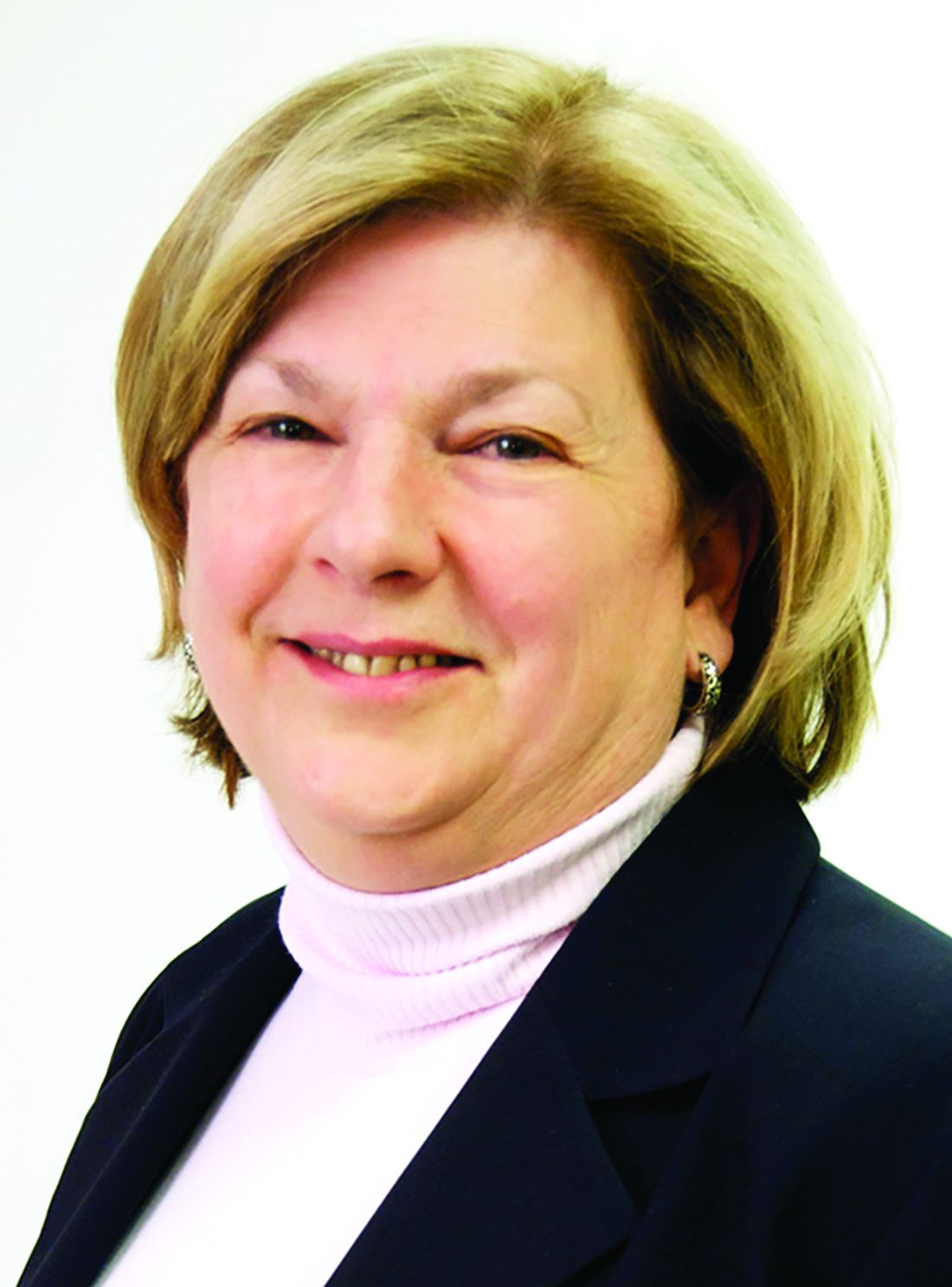
“Stress and worsening mental health issues are well-known predisposing factors for smoking, both in quantity and frequency and in relapse,” said Mary Cataletto, MD, FCCP, clinical professor of pediatrics at New York University Winthrop Hospital, Mineola, during a webinar on e-cigarettes and vaping with asthma in the time of COVID-19, hosted by the Allergy & Asthma Network.
Prior to the pandemic, public health experts appeared to be making inroads into curbing e-cigarette use, according to results of the 2020 National Youth Tobacco Survey, a cross-sectional school-based survey of students from grades 6 to 12.
“In 2020, approximately 1 in 5 high school students and 1 in 20 middle school students currently used e-cigarettes. By comparison, in 2019, 27.5% of high school students (4.11 million) and 10.5% of middle school students (1.24 million) reported current e-cigarette use,” wrote Brian A. King, PhD, MPH, and colleagues, in an article reporting those results.
“We definitely believe that there was a real decline that occurred up until March. Those data from the National Youth Tobacco Survey were collected prior to youth leaving school settings and prior to the implementation of social distancing and other measures,” said Dr. King, deputy director for research translation in the Office on Smoking and Health within the National Center for Chronic Disease Prevention and Health Promotion at the Centers for Disease Control and Prevention.
“That said, the jury’s still out on what’s going to happen with youth use during the coming year, particularly during the COVID-19 pandemic” he said in an interview.
Flavor of the moment
Even though the data through March 2020 showed a distinct decline in e-cigarette use, Dr. King and colleagues found that 3.6 million U.S. adolescents still currently used e-cigarettes in 2020; among current users, more than 80% reported using flavored e-cigarettes.
Dr. Cataletto said in an interview that the 2020 National Youth Tobacco Survey continues to report widespread use of flavored e-cigarettes among young smokers despite Food and Drug Administration admonitions to manufacturers and retailers to remove unauthorized e-cigarettes from the market.
On Jan. 2, 2020, the FDA reported a finalized enforcement policy directed against “unauthorized flavored cartridge-based e-cigarettes that appeal to children, including fruit and mint.”
But as Dr. King and other investigators also mentioned in a separate analysis of e-cigarette unit sales, that enforcement policy applies only to prefilled cartridge e-cigarette products, such as those made by JUUL, and that while sales of mint- or fruit-flavored products of this type declined from September 2014 to May 2020, there was an increase in the sale of disposable e-cigarettes with flavors other than menthol or tobacco.
Dr. Cataletto pointed out that this vaping trend has coincided with the COVID-19 pandemic, noting that, on March 13, 2020, just 2 days after the World Health Organization declared that spread of COVID-19 was officially a pandemic, 16 states closed schools, leaving millions of middle school– and high school–age children at loose ends. She said: “This raised a number of concerns. Would students who used e-cigarettes be at increased risk of COVID-19? Would e-cigarette use increase again due to the social isolation and anxiety as predicted for tobacco smokers? How would access and availability impact e-cigarette use?
“It’s possible that use may go down, because youth may have less access to their typical social sources or other manners in which they obtain the product.” Dr. King said. “Alternatively, youth may have more disposable time on their hands and may be open to other sources of access to these products, and so use could increase.”
There is evidence to suggest that the latter scenario may be true, according to investigators who surveyed more than 1,000 Canadian adolescents about alcohol use, binge drinking, cannabis use, and vaping in the 3 weeks directly before and after social distancing measures took effect.
The investigators found that the frequency of both alcohol and cannabis use increased during social isolation, and that, although about half of respondents reported solitary substance use, 32% reported using substances with peers via technology, and 24% reported using substances face to face, despite social distancing mandates, reported Tara M. Dumas, PhD, from Huron University College, London, Ont.
“These authors suggest that teens who feared loss of friendships during quarantine might be more willing to engage in risky behaviors such as face to face substance use to maintain social status, while solitary substance use was related to both COVID19 fears and depressive symptomatology,” Dr. Cataletto said.
E-cigarettes and COVID-19
A recent survey of 4,351 adolescents and young adults in the United States showed that a COVID-19 diagnosis was five times more likely among those who had ever used e-cigarettes, seven times more likely among conventional cigarette and e-cigarette uses, and nearly seven times more likely among those who had used both within the past 30 days .
Perhaps not surprisingly, adolescents and young adults with asthma who also vape may be at especially high risk for COVID-19, but the exact effect may be hard to pin down with current levels of evidence.
“Prior to the pandemic we did see both new-onset asthma and asthma exacerbations in teens who reported either vaping or dual use with tobacco products,” Dr. Cataletto said. “However, numbers were small, were confounded by the bias of subspecialty practice, and the onset of the pandemic, which affected not only face-to-face visits but the opportunity to perform pulmonary function testing for a number of months.”
Dr. King noted: “There is an emerging body of science that does indicate that there could be some respiratory risks related to e-cigarette use, particularly among certain populations. ... That said, there’s no conclusive link between e-cigarette use and specific disease outcomes, which typically requires a robust body of different science conducted in multiple settings.”
He said that e-cigarette vapors contain ultrafine particles and heavy metals that can be inhaled deeply into the lungs, both of which have previously been associated with respiratory risk, including complications from asthma.
An ounce of prevention
“When it comes to cessation, we do know that about 50% of youth who are using tobacco products including e-cigarettes, want to quit, and about the same proportion make an effort to quit, so there’s certainly a will there, but we don’t clearly have an evidence-based way,” Dr. King said.
Combinations of behavioral interventions including face-to-face consultations and digital or telephone support can be helpful, Dr. Cataletto said, but both she and Dr. King agree that prevention is the most effective method of reducing e-cigarette use among teens and young adults, including peer support and education efforts.
Asked how she gets her patients to report honestly about their habits, Dr. Cataletto acknowledged that “this is a challenge for many kids. Some are unaware that many of the commercially available e-cigarette products contain nicotine and they are not ‘just vaping flavoring.’ Ongoing education is important, and it is happening in schools, in pediatrician’s offices, at home and in the community.”
Dr. Cataletto and Dr. King reported no relevant conflicts of interest. Dr. Cataletto serves on the editorial advisory board for Chest Physician.
It’s an electronic cigarette maker’s dream, but a public health nightmare: The confluence of social isolation and anxiety resulting from the COVID-19 pandemic has the potential to make recent progress against e-cigarette use among teens go up in smoke.
“Stress and worsening mental health issues are well-known predisposing factors for smoking, both in quantity and frequency and in relapse,” said Mary Cataletto, MD, FCCP, clinical professor of pediatrics at New York University Winthrop Hospital, Mineola, during a webinar on e-cigarettes and vaping with asthma in the time of COVID-19, hosted by the Allergy & Asthma Network.
Prior to the pandemic, public health experts appeared to be making inroads into curbing e-cigarette use, according to results of the 2020 National Youth Tobacco Survey, a cross-sectional school-based survey of students from grades 6 to 12.
“In 2020, approximately 1 in 5 high school students and 1 in 20 middle school students currently used e-cigarettes. By comparison, in 2019, 27.5% of high school students (4.11 million) and 10.5% of middle school students (1.24 million) reported current e-cigarette use,” wrote Brian A. King, PhD, MPH, and colleagues, in an article reporting those results.
“We definitely believe that there was a real decline that occurred up until March. Those data from the National Youth Tobacco Survey were collected prior to youth leaving school settings and prior to the implementation of social distancing and other measures,” said Dr. King, deputy director for research translation in the Office on Smoking and Health within the National Center for Chronic Disease Prevention and Health Promotion at the Centers for Disease Control and Prevention.
“That said, the jury’s still out on what’s going to happen with youth use during the coming year, particularly during the COVID-19 pandemic” he said in an interview.
Flavor of the moment
Even though the data through March 2020 showed a distinct decline in e-cigarette use, Dr. King and colleagues found that 3.6 million U.S. adolescents still currently used e-cigarettes in 2020; among current users, more than 80% reported using flavored e-cigarettes.
Dr. Cataletto said in an interview that the 2020 National Youth Tobacco Survey continues to report widespread use of flavored e-cigarettes among young smokers despite Food and Drug Administration admonitions to manufacturers and retailers to remove unauthorized e-cigarettes from the market.
On Jan. 2, 2020, the FDA reported a finalized enforcement policy directed against “unauthorized flavored cartridge-based e-cigarettes that appeal to children, including fruit and mint.”
But as Dr. King and other investigators also mentioned in a separate analysis of e-cigarette unit sales, that enforcement policy applies only to prefilled cartridge e-cigarette products, such as those made by JUUL, and that while sales of mint- or fruit-flavored products of this type declined from September 2014 to May 2020, there was an increase in the sale of disposable e-cigarettes with flavors other than menthol or tobacco.
Dr. Cataletto pointed out that this vaping trend has coincided with the COVID-19 pandemic, noting that, on March 13, 2020, just 2 days after the World Health Organization declared that spread of COVID-19 was officially a pandemic, 16 states closed schools, leaving millions of middle school– and high school–age children at loose ends. She said: “This raised a number of concerns. Would students who used e-cigarettes be at increased risk of COVID-19? Would e-cigarette use increase again due to the social isolation and anxiety as predicted for tobacco smokers? How would access and availability impact e-cigarette use?
“It’s possible that use may go down, because youth may have less access to their typical social sources or other manners in which they obtain the product.” Dr. King said. “Alternatively, youth may have more disposable time on their hands and may be open to other sources of access to these products, and so use could increase.”
There is evidence to suggest that the latter scenario may be true, according to investigators who surveyed more than 1,000 Canadian adolescents about alcohol use, binge drinking, cannabis use, and vaping in the 3 weeks directly before and after social distancing measures took effect.
The investigators found that the frequency of both alcohol and cannabis use increased during social isolation, and that, although about half of respondents reported solitary substance use, 32% reported using substances with peers via technology, and 24% reported using substances face to face, despite social distancing mandates, reported Tara M. Dumas, PhD, from Huron University College, London, Ont.
“These authors suggest that teens who feared loss of friendships during quarantine might be more willing to engage in risky behaviors such as face to face substance use to maintain social status, while solitary substance use was related to both COVID19 fears and depressive symptomatology,” Dr. Cataletto said.
E-cigarettes and COVID-19
A recent survey of 4,351 adolescents and young adults in the United States showed that a COVID-19 diagnosis was five times more likely among those who had ever used e-cigarettes, seven times more likely among conventional cigarette and e-cigarette uses, and nearly seven times more likely among those who had used both within the past 30 days .
Perhaps not surprisingly, adolescents and young adults with asthma who also vape may be at especially high risk for COVID-19, but the exact effect may be hard to pin down with current levels of evidence.
“Prior to the pandemic we did see both new-onset asthma and asthma exacerbations in teens who reported either vaping or dual use with tobacco products,” Dr. Cataletto said. “However, numbers were small, were confounded by the bias of subspecialty practice, and the onset of the pandemic, which affected not only face-to-face visits but the opportunity to perform pulmonary function testing for a number of months.”
Dr. King noted: “There is an emerging body of science that does indicate that there could be some respiratory risks related to e-cigarette use, particularly among certain populations. ... That said, there’s no conclusive link between e-cigarette use and specific disease outcomes, which typically requires a robust body of different science conducted in multiple settings.”
He said that e-cigarette vapors contain ultrafine particles and heavy metals that can be inhaled deeply into the lungs, both of which have previously been associated with respiratory risk, including complications from asthma.
An ounce of prevention
“When it comes to cessation, we do know that about 50% of youth who are using tobacco products including e-cigarettes, want to quit, and about the same proportion make an effort to quit, so there’s certainly a will there, but we don’t clearly have an evidence-based way,” Dr. King said.
Combinations of behavioral interventions including face-to-face consultations and digital or telephone support can be helpful, Dr. Cataletto said, but both she and Dr. King agree that prevention is the most effective method of reducing e-cigarette use among teens and young adults, including peer support and education efforts.
Asked how she gets her patients to report honestly about their habits, Dr. Cataletto acknowledged that “this is a challenge for many kids. Some are unaware that many of the commercially available e-cigarette products contain nicotine and they are not ‘just vaping flavoring.’ Ongoing education is important, and it is happening in schools, in pediatrician’s offices, at home and in the community.”
Dr. Cataletto and Dr. King reported no relevant conflicts of interest. Dr. Cataletto serves on the editorial advisory board for Chest Physician.
It’s an electronic cigarette maker’s dream, but a public health nightmare: The confluence of social isolation and anxiety resulting from the COVID-19 pandemic has the potential to make recent progress against e-cigarette use among teens go up in smoke.
“Stress and worsening mental health issues are well-known predisposing factors for smoking, both in quantity and frequency and in relapse,” said Mary Cataletto, MD, FCCP, clinical professor of pediatrics at New York University Winthrop Hospital, Mineola, during a webinar on e-cigarettes and vaping with asthma in the time of COVID-19, hosted by the Allergy & Asthma Network.
Prior to the pandemic, public health experts appeared to be making inroads into curbing e-cigarette use, according to results of the 2020 National Youth Tobacco Survey, a cross-sectional school-based survey of students from grades 6 to 12.
“In 2020, approximately 1 in 5 high school students and 1 in 20 middle school students currently used e-cigarettes. By comparison, in 2019, 27.5% of high school students (4.11 million) and 10.5% of middle school students (1.24 million) reported current e-cigarette use,” wrote Brian A. King, PhD, MPH, and colleagues, in an article reporting those results.
“We definitely believe that there was a real decline that occurred up until March. Those data from the National Youth Tobacco Survey were collected prior to youth leaving school settings and prior to the implementation of social distancing and other measures,” said Dr. King, deputy director for research translation in the Office on Smoking and Health within the National Center for Chronic Disease Prevention and Health Promotion at the Centers for Disease Control and Prevention.
“That said, the jury’s still out on what’s going to happen with youth use during the coming year, particularly during the COVID-19 pandemic” he said in an interview.
Flavor of the moment
Even though the data through March 2020 showed a distinct decline in e-cigarette use, Dr. King and colleagues found that 3.6 million U.S. adolescents still currently used e-cigarettes in 2020; among current users, more than 80% reported using flavored e-cigarettes.
Dr. Cataletto said in an interview that the 2020 National Youth Tobacco Survey continues to report widespread use of flavored e-cigarettes among young smokers despite Food and Drug Administration admonitions to manufacturers and retailers to remove unauthorized e-cigarettes from the market.
On Jan. 2, 2020, the FDA reported a finalized enforcement policy directed against “unauthorized flavored cartridge-based e-cigarettes that appeal to children, including fruit and mint.”
But as Dr. King and other investigators also mentioned in a separate analysis of e-cigarette unit sales, that enforcement policy applies only to prefilled cartridge e-cigarette products, such as those made by JUUL, and that while sales of mint- or fruit-flavored products of this type declined from September 2014 to May 2020, there was an increase in the sale of disposable e-cigarettes with flavors other than menthol or tobacco.
Dr. Cataletto pointed out that this vaping trend has coincided with the COVID-19 pandemic, noting that, on March 13, 2020, just 2 days after the World Health Organization declared that spread of COVID-19 was officially a pandemic, 16 states closed schools, leaving millions of middle school– and high school–age children at loose ends. She said: “This raised a number of concerns. Would students who used e-cigarettes be at increased risk of COVID-19? Would e-cigarette use increase again due to the social isolation and anxiety as predicted for tobacco smokers? How would access and availability impact e-cigarette use?
“It’s possible that use may go down, because youth may have less access to their typical social sources or other manners in which they obtain the product.” Dr. King said. “Alternatively, youth may have more disposable time on their hands and may be open to other sources of access to these products, and so use could increase.”
There is evidence to suggest that the latter scenario may be true, according to investigators who surveyed more than 1,000 Canadian adolescents about alcohol use, binge drinking, cannabis use, and vaping in the 3 weeks directly before and after social distancing measures took effect.
The investigators found that the frequency of both alcohol and cannabis use increased during social isolation, and that, although about half of respondents reported solitary substance use, 32% reported using substances with peers via technology, and 24% reported using substances face to face, despite social distancing mandates, reported Tara M. Dumas, PhD, from Huron University College, London, Ont.
“These authors suggest that teens who feared loss of friendships during quarantine might be more willing to engage in risky behaviors such as face to face substance use to maintain social status, while solitary substance use was related to both COVID19 fears and depressive symptomatology,” Dr. Cataletto said.
E-cigarettes and COVID-19
A recent survey of 4,351 adolescents and young adults in the United States showed that a COVID-19 diagnosis was five times more likely among those who had ever used e-cigarettes, seven times more likely among conventional cigarette and e-cigarette uses, and nearly seven times more likely among those who had used both within the past 30 days .
Perhaps not surprisingly, adolescents and young adults with asthma who also vape may be at especially high risk for COVID-19, but the exact effect may be hard to pin down with current levels of evidence.
“Prior to the pandemic we did see both new-onset asthma and asthma exacerbations in teens who reported either vaping or dual use with tobacco products,” Dr. Cataletto said. “However, numbers were small, were confounded by the bias of subspecialty practice, and the onset of the pandemic, which affected not only face-to-face visits but the opportunity to perform pulmonary function testing for a number of months.”
Dr. King noted: “There is an emerging body of science that does indicate that there could be some respiratory risks related to e-cigarette use, particularly among certain populations. ... That said, there’s no conclusive link between e-cigarette use and specific disease outcomes, which typically requires a robust body of different science conducted in multiple settings.”
He said that e-cigarette vapors contain ultrafine particles and heavy metals that can be inhaled deeply into the lungs, both of which have previously been associated with respiratory risk, including complications from asthma.
An ounce of prevention
“When it comes to cessation, we do know that about 50% of youth who are using tobacco products including e-cigarettes, want to quit, and about the same proportion make an effort to quit, so there’s certainly a will there, but we don’t clearly have an evidence-based way,” Dr. King said.
Combinations of behavioral interventions including face-to-face consultations and digital or telephone support can be helpful, Dr. Cataletto said, but both she and Dr. King agree that prevention is the most effective method of reducing e-cigarette use among teens and young adults, including peer support and education efforts.
Asked how she gets her patients to report honestly about their habits, Dr. Cataletto acknowledged that “this is a challenge for many kids. Some are unaware that many of the commercially available e-cigarette products contain nicotine and they are not ‘just vaping flavoring.’ Ongoing education is important, and it is happening in schools, in pediatrician’s offices, at home and in the community.”
Dr. Cataletto and Dr. King reported no relevant conflicts of interest. Dr. Cataletto serves on the editorial advisory board for Chest Physician.
EMA panel backs peanut allergy desensitizing powder Palforzia
The product is intended for desensitizing children and adolescents to peanut allergy.
Palforzia will be available as an oral powder in capsules (0.5, 1, 10, 20, and 100 mg) and as oral powder in sachet (300 mg). The active substance is defatted powder of Arachis hypogaea.
Through use of the product, children with a peanut allergy receive controlled exposure to precise, increasing amounts of peanut protein, mixed with soft food, every day. Over time, this may help to decrease their sensitivity to small amounts of peanuts.
According to the press release from the EMA, Palforzia can mitigate accidental exposure to small amounts of peanut protein. “[A] single dose of a least 1 gram of peanut protein would cause no more than mild allergy symptoms,” the EMA said.
The treatment is indicated for patients aged 4 to 17 years who have received a confirmed diagnosis of peanut allergy. Treatment may be continued for patients aged 18 years or older, according to the press release.
It should be administered under the supervision of a healthcare provider qualified in the diagnosis and treatment of allergic diseases and should be used in conjunction with a peanut-avoidant diet, the EMA notes.
The most common side effects that have been reported are abdominal pain, throat irritation, itch, nausea, vomiting, urticaria, and upper abdominal discomfort.
The next step in the approval process is to obtain market authorization from the European Commission. Detailed recommendations for use will be described in the summary of product characteristics, which will be published in the European public assessment report and will be made available throughout Europe.
“We are encouraged by the CHMP opinion, which recommends Palforzia as the first and only treatment option in the European Union for patients with peanut allergy and their families,” Andrew Oxtoby, president and chief executive officer of Aimmune Therapeutics, said in a statement. “Today’s decision underscores the strong and compelling data from our Palforzia clinical trials and follows the US FDA approval of Palforzia earlier this year. We look forward to the European Commission’s final decision for the marketing approval of Palforzia, which we expect later this year.”
The FDA said in granting its approval that patients, parents, or caregivers must be counseled on the need for always-available injectable epinephrine, the need for continued peanut avoidance, and on how to recognize signs of anaphylaxis.
This article originally appeared on Medscape.com.
The product is intended for desensitizing children and adolescents to peanut allergy.
Palforzia will be available as an oral powder in capsules (0.5, 1, 10, 20, and 100 mg) and as oral powder in sachet (300 mg). The active substance is defatted powder of Arachis hypogaea.
Through use of the product, children with a peanut allergy receive controlled exposure to precise, increasing amounts of peanut protein, mixed with soft food, every day. Over time, this may help to decrease their sensitivity to small amounts of peanuts.
According to the press release from the EMA, Palforzia can mitigate accidental exposure to small amounts of peanut protein. “[A] single dose of a least 1 gram of peanut protein would cause no more than mild allergy symptoms,” the EMA said.
The treatment is indicated for patients aged 4 to 17 years who have received a confirmed diagnosis of peanut allergy. Treatment may be continued for patients aged 18 years or older, according to the press release.
It should be administered under the supervision of a healthcare provider qualified in the diagnosis and treatment of allergic diseases and should be used in conjunction with a peanut-avoidant diet, the EMA notes.
The most common side effects that have been reported are abdominal pain, throat irritation, itch, nausea, vomiting, urticaria, and upper abdominal discomfort.
The next step in the approval process is to obtain market authorization from the European Commission. Detailed recommendations for use will be described in the summary of product characteristics, which will be published in the European public assessment report and will be made available throughout Europe.
“We are encouraged by the CHMP opinion, which recommends Palforzia as the first and only treatment option in the European Union for patients with peanut allergy and their families,” Andrew Oxtoby, president and chief executive officer of Aimmune Therapeutics, said in a statement. “Today’s decision underscores the strong and compelling data from our Palforzia clinical trials and follows the US FDA approval of Palforzia earlier this year. We look forward to the European Commission’s final decision for the marketing approval of Palforzia, which we expect later this year.”
The FDA said in granting its approval that patients, parents, or caregivers must be counseled on the need for always-available injectable epinephrine, the need for continued peanut avoidance, and on how to recognize signs of anaphylaxis.
This article originally appeared on Medscape.com.
The product is intended for desensitizing children and adolescents to peanut allergy.
Palforzia will be available as an oral powder in capsules (0.5, 1, 10, 20, and 100 mg) and as oral powder in sachet (300 mg). The active substance is defatted powder of Arachis hypogaea.
Through use of the product, children with a peanut allergy receive controlled exposure to precise, increasing amounts of peanut protein, mixed with soft food, every day. Over time, this may help to decrease their sensitivity to small amounts of peanuts.
According to the press release from the EMA, Palforzia can mitigate accidental exposure to small amounts of peanut protein. “[A] single dose of a least 1 gram of peanut protein would cause no more than mild allergy symptoms,” the EMA said.
The treatment is indicated for patients aged 4 to 17 years who have received a confirmed diagnosis of peanut allergy. Treatment may be continued for patients aged 18 years or older, according to the press release.
It should be administered under the supervision of a healthcare provider qualified in the diagnosis and treatment of allergic diseases and should be used in conjunction with a peanut-avoidant diet, the EMA notes.
The most common side effects that have been reported are abdominal pain, throat irritation, itch, nausea, vomiting, urticaria, and upper abdominal discomfort.
The next step in the approval process is to obtain market authorization from the European Commission. Detailed recommendations for use will be described in the summary of product characteristics, which will be published in the European public assessment report and will be made available throughout Europe.
“We are encouraged by the CHMP opinion, which recommends Palforzia as the first and only treatment option in the European Union for patients with peanut allergy and their families,” Andrew Oxtoby, president and chief executive officer of Aimmune Therapeutics, said in a statement. “Today’s decision underscores the strong and compelling data from our Palforzia clinical trials and follows the US FDA approval of Palforzia earlier this year. We look forward to the European Commission’s final decision for the marketing approval of Palforzia, which we expect later this year.”
The FDA said in granting its approval that patients, parents, or caregivers must be counseled on the need for always-available injectable epinephrine, the need for continued peanut avoidance, and on how to recognize signs of anaphylaxis.
This article originally appeared on Medscape.com.