User login
News and Views that Matter to Pediatricians
The leading independent newspaper covering news and commentary in pediatrics.
Dupilumab promising for children aged 1-11 with EoE
VANCOUVER –
High exposure to dupilumab was associated with significantly improved histologic, endoscopic, and transcriptomic improvements, compared with placebo at week 16. Sustained response or improvements continued to week 52 with continued treatment in the high-exposure dupilumab group. Children in the high-exposure dupilumab group also gained more weight during the study than those initially assigned to placebo.
“Eosinophilic esophagitis is a chronic, aggressive, type 2 inflammatory disease that has a substantial impact on quality of life,” said Mirna Chehade, MD, MPH, of the Mount Sinai Center for Eosinophilic Disorders, Icahn School of Medicine at Mount Sinai in New York. And the incidence and prevalence of the disease is increasing.
Dupilumab is already indicated for treating EoE in adolescents aged 12 or older as well as adults, but “there are no approved treatments for EoE in children under 12,” said Dr. Chehade, who presented the results of the late-breaking abstract at the ACG: American College of Gastroenterology 2023 annual scientific meeting.
She and her colleagues randomly assigned 102 children aged 1-11 years with active EoE to three groups for the first 16 weeks of the study: 37 to high-exposure dupilumab; 31 to low-exposure dupilumab; and 34 others to placebo, followed by either high- or low-dose dupilumab. Baseline demographics and disease characteristics were comparable between groups.
During an active 36-week extension period, the 37 participants who were initially assigned to receive high-exposure dupilumab continued the same treatment up to week 52. A total of 29 participants initially assigned to receive low-exposure dupilumab continues their regimen as well. Those initially assigned to receive placebo switched to a preassigned active treatment group; 18 children started to take high-exposure dupilumab, and 14 began to take low-exposure dupilumab.
The children in the study had a high burden of disease, as reflected by the duration of EoE as well as histologic, endoscopic, and clinical scores. The mean age was 7.2 years in the placebo group and 6.8 years in the dupilumab group. They were mostly White boys, Dr. Chehade said.
Key outcomes
At week 16, the high-exposure dupilumab group met the primary study endpoint with a peak esophageal intraepithelial eosinophil count ≤ 6 on high-power field assessment. This was significantly different from the placebo group (least squares mean difference, 64.5; 95% confidence interval, 48.19-80.85; P < .0001).
At week 52, 63% of children who remained on high-exposure dupilumab and 53% of those who switched from placebo to high-exposure dupilumab achieved a peak eosinophil count ≤ 6.
The study included multiple secondary outcomes. For example, at week 16, the following measures improved from baseline with high-exposure dupilumab, compared with placebo:
- EoE-Histologic Scoring System grade and stage scores (–0.88 and –0.84 vs. +0.02 and +0.05; both P < .0001).
- EoE-Endoscopic Reference Score (–3.5 vs. +0.3; P < .0001).
- Change in body weight for age percentile (+3.09 vs. +0.29).
- Numeric improvement in caregiver-reported proportion of days experiencing one or more EoE sign (–0.28 vs. –0.17).
At week 52, these outcomes were sustained or improved with continued high-exposure dupilumab. The researchers also saw improvements among the placebo recipients who switched to high-exposure dupilumab.
The reason the children were randomly assigned to high-exposure or low-exposure groups instead of high-dose and low-dose cohorts is because the children grew during the study, Dr. Chehade explained. “As you can see, there was a nice change in weight, and at specific time periods the doses were adjusted to match.”
‘Good safety profile’
Dupilumab was well tolerated. “The safety profile is very similar to what has been so far described and published for dupilumab in adults,” said Dr. Chehade. At week 16, adverse events that were more frequent with dupilumab vs. placebo included COVID-19, rash, headache, and injection-site erythema, for example. Similar safety results were seen up to week 52.
“I think it’s promising as we wait for the actual study to be published,” said Asmeen Bhatt, MD, PhD, co-moderator of the session and assistant professor of medicine at University of Texas Health Science Center, Houston. “The drug was recently approved for adult EOE use, just last year, and it has been shown to be effective.”
“There are a lot of adult drugs that are now being tested in the pediatric population, and this is one of them,” Dr. Bhatt added. “It has a very good safety profile. I’m not a pediatric gastroenterologist but I expect that it will have a lot of utility.”
The study was funded by Regeneron and Sanofi. Dr. Chehade is a consultant for Sanofi and Regeneron and receives research funding from Regeneron. Dr. Bhatt had no relevant financial disclosures.
A version of this article first appeared on Medscape.com.
VANCOUVER –
High exposure to dupilumab was associated with significantly improved histologic, endoscopic, and transcriptomic improvements, compared with placebo at week 16. Sustained response or improvements continued to week 52 with continued treatment in the high-exposure dupilumab group. Children in the high-exposure dupilumab group also gained more weight during the study than those initially assigned to placebo.
“Eosinophilic esophagitis is a chronic, aggressive, type 2 inflammatory disease that has a substantial impact on quality of life,” said Mirna Chehade, MD, MPH, of the Mount Sinai Center for Eosinophilic Disorders, Icahn School of Medicine at Mount Sinai in New York. And the incidence and prevalence of the disease is increasing.
Dupilumab is already indicated for treating EoE in adolescents aged 12 or older as well as adults, but “there are no approved treatments for EoE in children under 12,” said Dr. Chehade, who presented the results of the late-breaking abstract at the ACG: American College of Gastroenterology 2023 annual scientific meeting.
She and her colleagues randomly assigned 102 children aged 1-11 years with active EoE to three groups for the first 16 weeks of the study: 37 to high-exposure dupilumab; 31 to low-exposure dupilumab; and 34 others to placebo, followed by either high- or low-dose dupilumab. Baseline demographics and disease characteristics were comparable between groups.
During an active 36-week extension period, the 37 participants who were initially assigned to receive high-exposure dupilumab continued the same treatment up to week 52. A total of 29 participants initially assigned to receive low-exposure dupilumab continues their regimen as well. Those initially assigned to receive placebo switched to a preassigned active treatment group; 18 children started to take high-exposure dupilumab, and 14 began to take low-exposure dupilumab.
The children in the study had a high burden of disease, as reflected by the duration of EoE as well as histologic, endoscopic, and clinical scores. The mean age was 7.2 years in the placebo group and 6.8 years in the dupilumab group. They were mostly White boys, Dr. Chehade said.
Key outcomes
At week 16, the high-exposure dupilumab group met the primary study endpoint with a peak esophageal intraepithelial eosinophil count ≤ 6 on high-power field assessment. This was significantly different from the placebo group (least squares mean difference, 64.5; 95% confidence interval, 48.19-80.85; P < .0001).
At week 52, 63% of children who remained on high-exposure dupilumab and 53% of those who switched from placebo to high-exposure dupilumab achieved a peak eosinophil count ≤ 6.
The study included multiple secondary outcomes. For example, at week 16, the following measures improved from baseline with high-exposure dupilumab, compared with placebo:
- EoE-Histologic Scoring System grade and stage scores (–0.88 and –0.84 vs. +0.02 and +0.05; both P < .0001).
- EoE-Endoscopic Reference Score (–3.5 vs. +0.3; P < .0001).
- Change in body weight for age percentile (+3.09 vs. +0.29).
- Numeric improvement in caregiver-reported proportion of days experiencing one or more EoE sign (–0.28 vs. –0.17).
At week 52, these outcomes were sustained or improved with continued high-exposure dupilumab. The researchers also saw improvements among the placebo recipients who switched to high-exposure dupilumab.
The reason the children were randomly assigned to high-exposure or low-exposure groups instead of high-dose and low-dose cohorts is because the children grew during the study, Dr. Chehade explained. “As you can see, there was a nice change in weight, and at specific time periods the doses were adjusted to match.”
‘Good safety profile’
Dupilumab was well tolerated. “The safety profile is very similar to what has been so far described and published for dupilumab in adults,” said Dr. Chehade. At week 16, adverse events that were more frequent with dupilumab vs. placebo included COVID-19, rash, headache, and injection-site erythema, for example. Similar safety results were seen up to week 52.
“I think it’s promising as we wait for the actual study to be published,” said Asmeen Bhatt, MD, PhD, co-moderator of the session and assistant professor of medicine at University of Texas Health Science Center, Houston. “The drug was recently approved for adult EOE use, just last year, and it has been shown to be effective.”
“There are a lot of adult drugs that are now being tested in the pediatric population, and this is one of them,” Dr. Bhatt added. “It has a very good safety profile. I’m not a pediatric gastroenterologist but I expect that it will have a lot of utility.”
The study was funded by Regeneron and Sanofi. Dr. Chehade is a consultant for Sanofi and Regeneron and receives research funding from Regeneron. Dr. Bhatt had no relevant financial disclosures.
A version of this article first appeared on Medscape.com.
VANCOUVER –
High exposure to dupilumab was associated with significantly improved histologic, endoscopic, and transcriptomic improvements, compared with placebo at week 16. Sustained response or improvements continued to week 52 with continued treatment in the high-exposure dupilumab group. Children in the high-exposure dupilumab group also gained more weight during the study than those initially assigned to placebo.
“Eosinophilic esophagitis is a chronic, aggressive, type 2 inflammatory disease that has a substantial impact on quality of life,” said Mirna Chehade, MD, MPH, of the Mount Sinai Center for Eosinophilic Disorders, Icahn School of Medicine at Mount Sinai in New York. And the incidence and prevalence of the disease is increasing.
Dupilumab is already indicated for treating EoE in adolescents aged 12 or older as well as adults, but “there are no approved treatments for EoE in children under 12,” said Dr. Chehade, who presented the results of the late-breaking abstract at the ACG: American College of Gastroenterology 2023 annual scientific meeting.
She and her colleagues randomly assigned 102 children aged 1-11 years with active EoE to three groups for the first 16 weeks of the study: 37 to high-exposure dupilumab; 31 to low-exposure dupilumab; and 34 others to placebo, followed by either high- or low-dose dupilumab. Baseline demographics and disease characteristics were comparable between groups.
During an active 36-week extension period, the 37 participants who were initially assigned to receive high-exposure dupilumab continued the same treatment up to week 52. A total of 29 participants initially assigned to receive low-exposure dupilumab continues their regimen as well. Those initially assigned to receive placebo switched to a preassigned active treatment group; 18 children started to take high-exposure dupilumab, and 14 began to take low-exposure dupilumab.
The children in the study had a high burden of disease, as reflected by the duration of EoE as well as histologic, endoscopic, and clinical scores. The mean age was 7.2 years in the placebo group and 6.8 years in the dupilumab group. They were mostly White boys, Dr. Chehade said.
Key outcomes
At week 16, the high-exposure dupilumab group met the primary study endpoint with a peak esophageal intraepithelial eosinophil count ≤ 6 on high-power field assessment. This was significantly different from the placebo group (least squares mean difference, 64.5; 95% confidence interval, 48.19-80.85; P < .0001).
At week 52, 63% of children who remained on high-exposure dupilumab and 53% of those who switched from placebo to high-exposure dupilumab achieved a peak eosinophil count ≤ 6.
The study included multiple secondary outcomes. For example, at week 16, the following measures improved from baseline with high-exposure dupilumab, compared with placebo:
- EoE-Histologic Scoring System grade and stage scores (–0.88 and –0.84 vs. +0.02 and +0.05; both P < .0001).
- EoE-Endoscopic Reference Score (–3.5 vs. +0.3; P < .0001).
- Change in body weight for age percentile (+3.09 vs. +0.29).
- Numeric improvement in caregiver-reported proportion of days experiencing one or more EoE sign (–0.28 vs. –0.17).
At week 52, these outcomes were sustained or improved with continued high-exposure dupilumab. The researchers also saw improvements among the placebo recipients who switched to high-exposure dupilumab.
The reason the children were randomly assigned to high-exposure or low-exposure groups instead of high-dose and low-dose cohorts is because the children grew during the study, Dr. Chehade explained. “As you can see, there was a nice change in weight, and at specific time periods the doses were adjusted to match.”
‘Good safety profile’
Dupilumab was well tolerated. “The safety profile is very similar to what has been so far described and published for dupilumab in adults,” said Dr. Chehade. At week 16, adverse events that were more frequent with dupilumab vs. placebo included COVID-19, rash, headache, and injection-site erythema, for example. Similar safety results were seen up to week 52.
“I think it’s promising as we wait for the actual study to be published,” said Asmeen Bhatt, MD, PhD, co-moderator of the session and assistant professor of medicine at University of Texas Health Science Center, Houston. “The drug was recently approved for adult EOE use, just last year, and it has been shown to be effective.”
“There are a lot of adult drugs that are now being tested in the pediatric population, and this is one of them,” Dr. Bhatt added. “It has a very good safety profile. I’m not a pediatric gastroenterologist but I expect that it will have a lot of utility.”
The study was funded by Regeneron and Sanofi. Dr. Chehade is a consultant for Sanofi and Regeneron and receives research funding from Regeneron. Dr. Bhatt had no relevant financial disclosures.
A version of this article first appeared on Medscape.com.
AT ACG 2023
Neurologic nuggets of wisdom for pediatric practice
WASHINGTON – Get the back story before rushing to diagnose a seizure disorder in a child, Michael Strunc, MD, said in a presentation at the annual meeting of the American Academy of Pediatrics.
Clinicians should ask parents or caregivers about the child’s behavior before the suspected seizure, whether there were any triggers, and if so, what might they have been, according to Dr. Strunc, a child neurologist and sleep medicine specialist at Children’s Hospital of the King’s Daughters, Norfolk, Va.
“Most seizures don’t have triggers,” he said. Rather, patients often become stiff, experience a motor event that builds in intensity then slows and stops, and finally, the patient is sleepy and tired. Clinicians should also find out whether the event had a beginning, middle, and end.
Approximately 0.6% of children younger than 17 years in the United States have active epilepsy, according to the Centers for Disease Control and Prevention.
Dr. Strunc offered a few more tips for diagnosing a child:
- Ask whether the patient’s eyes were open during the event. If the eyes were closed or squished closed, “it is almost never a seizure,” he said.
- Find out whether the patient was awake or asleep, and how, if at all, caregivers attempted to stop the event.
- Ask if the child’s experiences were repeating and predictable, and inquire about a family history of seizures or other events.
- Inquire about any developmental changes and other changes in the child, such as irritability, regression, or ataxia.
The differential diagnosis for a seizure includes nonepileptic events that occur with and without changes in consciousness or sleep. These events range from breath-holding and hyperventilation to night terrors, narcolepsy, migraine, and attention-deficit/hyperactivity disorder, he said.
Is it epilepsy?
Dr. Strunc shared several cases of neurologic “events” ranging from simple to severe.
In one case, a 10-month-old infant girl with a potential tonic/staring seizure presented with a history of events that involved getting stuck in a stiff position, usually while sitting in a car seat or highchair, with adducting of legs, redness of face, and “zoned-out” expression. The infant was healthy, smart, and precocious, with no illness, fever, or trauma, but the mother was very concerned, Dr. Strunc said.
The diagnosis: Self-gratification, which is benign and usually outgrown, although it can become extreme, he said.
By contrast, “absence,” also known as idiopathic generalized epilepsy, presents as brief events of 4-10 seconds that may occur up to hundreds of times a day. This type of epilepsy is associated with the sudden onset of impaired consciousness and unresponsiveness. These events end abruptly, and the child may be unaware. Absence is more common in girls. It usually occurs after age 4 and usually remits by about age 12, Dr. Strunc said.
However, the onset of absence in patients younger than age 3 is associated with increased odds of neurodevelopmental abnormalities “and probably represents another epilepsy syndrome,” he said.
Absence symptoms may mirror those of children who are simply daydreamers, Dr. Strunc noted. One way to confirm absence is by provoking hyperventilation, which will bring on an episode of absence if present, he said. EEGs provide evidence as well.
Acute ataxia in children has a wide differential that sends kids and families to the pediatrician or emergency department, Dr. Strunc said. Acute cerebellar ataxia is characterized by abrupt and symmetric symptoms, with no mental status changes, no fever, no meningitis, and no headache. A wide, unstable gait is a distinguishing feature, Dr. Strunc said.
However, other causes of acute ataxia should be ruled out, including toxic ingestion, tick paralysis, central nervous system infections, vascular conditions, and genetic conditions.
Don’t miss those ticks
Especially during periods when kids are outdoors, clinicians should consider a tick bite as a source of ataxia and neurologic symptoms in children, Dr. Strunc emphasized. Tick paralysis notably resembles many symptoms of Guillain-Barré syndrome (acute inflammatory demyelinating polyneuropathy).
Dr. Strunc described a case involving a 5-year-old girl who developed sudden problems with gait. The problems worsened quickly and prompted an emergency department visit.
The girl had an unremarkable history, she had not experienced mental status changes, her strength was normal, and she had just returned from a Girl Scouts trip. The patient was presumed to have Guillain-Barré. IVIG was initiated when an emergency nurse found a tick on her scalp. The tick was removed, and the patient left the hospital within 24 hours.
Children with tick paralysis are usually symptomatic after 5-7 days with the tick attached, Dr. Strunc said. They recover within a day after tick removal.
Overall, actual seizures are less common than other neurologic events in children, according to Dr. Strunc. Details on history, lack or presence of neurologic feature, and normal child development can help guide evaluation.
Take advantage of videos, he emphasized, as many parents and caregivers record a child’s neurologic events.
“Ataxia is scary, but exam and associated findings will help you with etiology,” he said.
Dr. Strunc has received research support from Jazz and Harmony and has served on the speakers’ bureau for Jazz Pharmaceuticals, Harmony Biosciences, and Avadel, unrelated to his presentation.
A version of this article first appeared on Medscape.com.
WASHINGTON – Get the back story before rushing to diagnose a seizure disorder in a child, Michael Strunc, MD, said in a presentation at the annual meeting of the American Academy of Pediatrics.
Clinicians should ask parents or caregivers about the child’s behavior before the suspected seizure, whether there were any triggers, and if so, what might they have been, according to Dr. Strunc, a child neurologist and sleep medicine specialist at Children’s Hospital of the King’s Daughters, Norfolk, Va.
“Most seizures don’t have triggers,” he said. Rather, patients often become stiff, experience a motor event that builds in intensity then slows and stops, and finally, the patient is sleepy and tired. Clinicians should also find out whether the event had a beginning, middle, and end.
Approximately 0.6% of children younger than 17 years in the United States have active epilepsy, according to the Centers for Disease Control and Prevention.
Dr. Strunc offered a few more tips for diagnosing a child:
- Ask whether the patient’s eyes were open during the event. If the eyes were closed or squished closed, “it is almost never a seizure,” he said.
- Find out whether the patient was awake or asleep, and how, if at all, caregivers attempted to stop the event.
- Ask if the child’s experiences were repeating and predictable, and inquire about a family history of seizures or other events.
- Inquire about any developmental changes and other changes in the child, such as irritability, regression, or ataxia.
The differential diagnosis for a seizure includes nonepileptic events that occur with and without changes in consciousness or sleep. These events range from breath-holding and hyperventilation to night terrors, narcolepsy, migraine, and attention-deficit/hyperactivity disorder, he said.
Is it epilepsy?
Dr. Strunc shared several cases of neurologic “events” ranging from simple to severe.
In one case, a 10-month-old infant girl with a potential tonic/staring seizure presented with a history of events that involved getting stuck in a stiff position, usually while sitting in a car seat or highchair, with adducting of legs, redness of face, and “zoned-out” expression. The infant was healthy, smart, and precocious, with no illness, fever, or trauma, but the mother was very concerned, Dr. Strunc said.
The diagnosis: Self-gratification, which is benign and usually outgrown, although it can become extreme, he said.
By contrast, “absence,” also known as idiopathic generalized epilepsy, presents as brief events of 4-10 seconds that may occur up to hundreds of times a day. This type of epilepsy is associated with the sudden onset of impaired consciousness and unresponsiveness. These events end abruptly, and the child may be unaware. Absence is more common in girls. It usually occurs after age 4 and usually remits by about age 12, Dr. Strunc said.
However, the onset of absence in patients younger than age 3 is associated with increased odds of neurodevelopmental abnormalities “and probably represents another epilepsy syndrome,” he said.
Absence symptoms may mirror those of children who are simply daydreamers, Dr. Strunc noted. One way to confirm absence is by provoking hyperventilation, which will bring on an episode of absence if present, he said. EEGs provide evidence as well.
Acute ataxia in children has a wide differential that sends kids and families to the pediatrician or emergency department, Dr. Strunc said. Acute cerebellar ataxia is characterized by abrupt and symmetric symptoms, with no mental status changes, no fever, no meningitis, and no headache. A wide, unstable gait is a distinguishing feature, Dr. Strunc said.
However, other causes of acute ataxia should be ruled out, including toxic ingestion, tick paralysis, central nervous system infections, vascular conditions, and genetic conditions.
Don’t miss those ticks
Especially during periods when kids are outdoors, clinicians should consider a tick bite as a source of ataxia and neurologic symptoms in children, Dr. Strunc emphasized. Tick paralysis notably resembles many symptoms of Guillain-Barré syndrome (acute inflammatory demyelinating polyneuropathy).
Dr. Strunc described a case involving a 5-year-old girl who developed sudden problems with gait. The problems worsened quickly and prompted an emergency department visit.
The girl had an unremarkable history, she had not experienced mental status changes, her strength was normal, and she had just returned from a Girl Scouts trip. The patient was presumed to have Guillain-Barré. IVIG was initiated when an emergency nurse found a tick on her scalp. The tick was removed, and the patient left the hospital within 24 hours.
Children with tick paralysis are usually symptomatic after 5-7 days with the tick attached, Dr. Strunc said. They recover within a day after tick removal.
Overall, actual seizures are less common than other neurologic events in children, according to Dr. Strunc. Details on history, lack or presence of neurologic feature, and normal child development can help guide evaluation.
Take advantage of videos, he emphasized, as many parents and caregivers record a child’s neurologic events.
“Ataxia is scary, but exam and associated findings will help you with etiology,” he said.
Dr. Strunc has received research support from Jazz and Harmony and has served on the speakers’ bureau for Jazz Pharmaceuticals, Harmony Biosciences, and Avadel, unrelated to his presentation.
A version of this article first appeared on Medscape.com.
WASHINGTON – Get the back story before rushing to diagnose a seizure disorder in a child, Michael Strunc, MD, said in a presentation at the annual meeting of the American Academy of Pediatrics.
Clinicians should ask parents or caregivers about the child’s behavior before the suspected seizure, whether there were any triggers, and if so, what might they have been, according to Dr. Strunc, a child neurologist and sleep medicine specialist at Children’s Hospital of the King’s Daughters, Norfolk, Va.
“Most seizures don’t have triggers,” he said. Rather, patients often become stiff, experience a motor event that builds in intensity then slows and stops, and finally, the patient is sleepy and tired. Clinicians should also find out whether the event had a beginning, middle, and end.
Approximately 0.6% of children younger than 17 years in the United States have active epilepsy, according to the Centers for Disease Control and Prevention.
Dr. Strunc offered a few more tips for diagnosing a child:
- Ask whether the patient’s eyes were open during the event. If the eyes were closed or squished closed, “it is almost never a seizure,” he said.
- Find out whether the patient was awake or asleep, and how, if at all, caregivers attempted to stop the event.
- Ask if the child’s experiences were repeating and predictable, and inquire about a family history of seizures or other events.
- Inquire about any developmental changes and other changes in the child, such as irritability, regression, or ataxia.
The differential diagnosis for a seizure includes nonepileptic events that occur with and without changes in consciousness or sleep. These events range from breath-holding and hyperventilation to night terrors, narcolepsy, migraine, and attention-deficit/hyperactivity disorder, he said.
Is it epilepsy?
Dr. Strunc shared several cases of neurologic “events” ranging from simple to severe.
In one case, a 10-month-old infant girl with a potential tonic/staring seizure presented with a history of events that involved getting stuck in a stiff position, usually while sitting in a car seat or highchair, with adducting of legs, redness of face, and “zoned-out” expression. The infant was healthy, smart, and precocious, with no illness, fever, or trauma, but the mother was very concerned, Dr. Strunc said.
The diagnosis: Self-gratification, which is benign and usually outgrown, although it can become extreme, he said.
By contrast, “absence,” also known as idiopathic generalized epilepsy, presents as brief events of 4-10 seconds that may occur up to hundreds of times a day. This type of epilepsy is associated with the sudden onset of impaired consciousness and unresponsiveness. These events end abruptly, and the child may be unaware. Absence is more common in girls. It usually occurs after age 4 and usually remits by about age 12, Dr. Strunc said.
However, the onset of absence in patients younger than age 3 is associated with increased odds of neurodevelopmental abnormalities “and probably represents another epilepsy syndrome,” he said.
Absence symptoms may mirror those of children who are simply daydreamers, Dr. Strunc noted. One way to confirm absence is by provoking hyperventilation, which will bring on an episode of absence if present, he said. EEGs provide evidence as well.
Acute ataxia in children has a wide differential that sends kids and families to the pediatrician or emergency department, Dr. Strunc said. Acute cerebellar ataxia is characterized by abrupt and symmetric symptoms, with no mental status changes, no fever, no meningitis, and no headache. A wide, unstable gait is a distinguishing feature, Dr. Strunc said.
However, other causes of acute ataxia should be ruled out, including toxic ingestion, tick paralysis, central nervous system infections, vascular conditions, and genetic conditions.
Don’t miss those ticks
Especially during periods when kids are outdoors, clinicians should consider a tick bite as a source of ataxia and neurologic symptoms in children, Dr. Strunc emphasized. Tick paralysis notably resembles many symptoms of Guillain-Barré syndrome (acute inflammatory demyelinating polyneuropathy).
Dr. Strunc described a case involving a 5-year-old girl who developed sudden problems with gait. The problems worsened quickly and prompted an emergency department visit.
The girl had an unremarkable history, she had not experienced mental status changes, her strength was normal, and she had just returned from a Girl Scouts trip. The patient was presumed to have Guillain-Barré. IVIG was initiated when an emergency nurse found a tick on her scalp. The tick was removed, and the patient left the hospital within 24 hours.
Children with tick paralysis are usually symptomatic after 5-7 days with the tick attached, Dr. Strunc said. They recover within a day after tick removal.
Overall, actual seizures are less common than other neurologic events in children, according to Dr. Strunc. Details on history, lack or presence of neurologic feature, and normal child development can help guide evaluation.
Take advantage of videos, he emphasized, as many parents and caregivers record a child’s neurologic events.
“Ataxia is scary, but exam and associated findings will help you with etiology,” he said.
Dr. Strunc has received research support from Jazz and Harmony and has served on the speakers’ bureau for Jazz Pharmaceuticals, Harmony Biosciences, and Avadel, unrelated to his presentation.
A version of this article first appeared on Medscape.com.
FROM AAP 2023
Multicenter study aims to find new treatments for hidradenitis suppurativa
When Haley Naik, MD, joined the University of California, San Francisco, as a dermatologist in 2015, she was struck by the dearth of data in the medical literature about hidradenitis suppurativa (HS).

“For decades there were no datasets to begin to understand HS – its clinical course, how patients respond to medications, and how quality of life improves for patients with therapy,” Dr. Naik, who directs the HS program at UCSF, said in an interview. Inspired to improve the bleak HS knowledge landscape, she began to systematically collect information from HS patient visits, “to try to better understand how treatments were helping them or not and also to better understand their quality-of-life impact,” she said. “This also facilitated research in HS, but over time it became clear that there was a growing need for a larger effort.”
But in 2020, Dr. Naik teamed up with investigative dermatologist Michelle Lowes, MBBS, PhD, to . To date, more than 500 patients are enrolled at 12 participating sites, and 4 more sites plan to join the consortium by the end of 2023. The goal is to enroll a total of 8,000 patients, which will make it the largest dataset of its kind.
“Each site investigator is a physician who specializes in taking care of HS patients,” said Dr. Naik, who is the study’s principal investigator. “These are people who are conducting active research in various aspects of HS, and they’re trusted members of the medical community.”
She highlighted the three main objectives of HS PROGRESS. The first objective is to develop a longitudinal cohort of HS patients so that investigators can understand the clinical course of HS and effectiveness of treatments. The second is to collect biospecimens from patients with HS for translational studies “that can help to drive drug development, help us identify biomarkers that can help us predict disease course and predict patient response to therapies, so we know exactly what to give them,” she explained. The third objective is to provide patients with HS with the opportunity to be recruited for clinical trials, “so they have access to cutting-edge therapies and know what’s happening in this space.”
Collecting biospecimens
The goal of collecting biospecimens is to provide them to multiple investigators to improve the understanding of HS biology and treatment. “Our thought is to apply next generation techniques to these biospecimens to get metagenomic, transcriptomic, and genomic data to better understand HS biology so that we can identify targets for novel therapy,” Dr. Naik said.
Although HS is estimated to affect 1% of Western populations, the tumor necrosis alpha (TNF)-inhibitor adalimumab remains the only Food and Drug Administration-approved therapy for the condition.
However, Dr. Naik said that there are many promising drugs on the horizon for HS, especially interleukin (IL)-17 inhibitors. “One of the most exciting things about these drugs is that they set the bar higher for what we can expect out of therapies for HS, such as reporting a HiSCR (HS Clinical Response) score 75, which is the equivalent of 75% improvement in inflammatory HS lesions without an increase in draining tunnels,” she said. “This is well beyond what adalimumab had demonstrated in landmark trials in 2015. The safety profile on IL-17 inhibitors looks great, too.”
JAK inhibitors also hold promise for HS. “It’s going to be key to see how these drugs perform in the real-world setting in our average HS patients who may have comorbidities,” Dr. Naik said. “This is where an effort like HS PROGRESS will carry weight, because in a dataset like this, we’re going to be able to ask questions like, is there a class of drugs that works better for one specific phenotype of HS, or for patients who have a younger age of onset, or who are earlier in their disease course? These are questions we can’t ask in the context of a clinical trial, but we can ask in the context of real-world data from many practices.”
In addition to USCF, the 11 study locations participating in HS PROGRESS are the University of North Carolina at Chapel Hill; Mayo Clinic; Penn State University, Hershey; University of Virginia, Charlottesville; Washington University in St. Louis; University of Southern California, Los Angeles; Henry Ford Health, Detroit; University of Minnesota; University of Pennsylvania, Philadelphia; Duke University, Durham, N.C.; and University of Miami.
Dr. Naik disclosed that she has received grant support from AbbVie; consulting fees from 23andme, AbbVie, Aristea Therapeutics, Nimbus Therapeutics, Medscape, Sonoma Biotherapeutics, DAVA Oncology, Boehringer Ingelheim, UCB, and Novartis; and investigator fees from Pfizer; and holds shares in Radera. She is also an associate editor for JAMA Dermatology and a board member of the Hidradenitis Suppurativa Foundation.
When Haley Naik, MD, joined the University of California, San Francisco, as a dermatologist in 2015, she was struck by the dearth of data in the medical literature about hidradenitis suppurativa (HS).
“For decades there were no datasets to begin to understand HS – its clinical course, how patients respond to medications, and how quality of life improves for patients with therapy,” Dr. Naik, who directs the HS program at UCSF, said in an interview. Inspired to improve the bleak HS knowledge landscape, she began to systematically collect information from HS patient visits, “to try to better understand how treatments were helping them or not and also to better understand their quality-of-life impact,” she said. “This also facilitated research in HS, but over time it became clear that there was a growing need for a larger effort.”
But in 2020, Dr. Naik teamed up with investigative dermatologist Michelle Lowes, MBBS, PhD, to . To date, more than 500 patients are enrolled at 12 participating sites, and 4 more sites plan to join the consortium by the end of 2023. The goal is to enroll a total of 8,000 patients, which will make it the largest dataset of its kind.
“Each site investigator is a physician who specializes in taking care of HS patients,” said Dr. Naik, who is the study’s principal investigator. “These are people who are conducting active research in various aspects of HS, and they’re trusted members of the medical community.”
She highlighted the three main objectives of HS PROGRESS. The first objective is to develop a longitudinal cohort of HS patients so that investigators can understand the clinical course of HS and effectiveness of treatments. The second is to collect biospecimens from patients with HS for translational studies “that can help to drive drug development, help us identify biomarkers that can help us predict disease course and predict patient response to therapies, so we know exactly what to give them,” she explained. The third objective is to provide patients with HS with the opportunity to be recruited for clinical trials, “so they have access to cutting-edge therapies and know what’s happening in this space.”
Collecting biospecimens
The goal of collecting biospecimens is to provide them to multiple investigators to improve the understanding of HS biology and treatment. “Our thought is to apply next generation techniques to these biospecimens to get metagenomic, transcriptomic, and genomic data to better understand HS biology so that we can identify targets for novel therapy,” Dr. Naik said.
Although HS is estimated to affect 1% of Western populations, the tumor necrosis alpha (TNF)-inhibitor adalimumab remains the only Food and Drug Administration-approved therapy for the condition.
However, Dr. Naik said that there are many promising drugs on the horizon for HS, especially interleukin (IL)-17 inhibitors. “One of the most exciting things about these drugs is that they set the bar higher for what we can expect out of therapies for HS, such as reporting a HiSCR (HS Clinical Response) score 75, which is the equivalent of 75% improvement in inflammatory HS lesions without an increase in draining tunnels,” she said. “This is well beyond what adalimumab had demonstrated in landmark trials in 2015. The safety profile on IL-17 inhibitors looks great, too.”
JAK inhibitors also hold promise for HS. “It’s going to be key to see how these drugs perform in the real-world setting in our average HS patients who may have comorbidities,” Dr. Naik said. “This is where an effort like HS PROGRESS will carry weight, because in a dataset like this, we’re going to be able to ask questions like, is there a class of drugs that works better for one specific phenotype of HS, or for patients who have a younger age of onset, or who are earlier in their disease course? These are questions we can’t ask in the context of a clinical trial, but we can ask in the context of real-world data from many practices.”
In addition to USCF, the 11 study locations participating in HS PROGRESS are the University of North Carolina at Chapel Hill; Mayo Clinic; Penn State University, Hershey; University of Virginia, Charlottesville; Washington University in St. Louis; University of Southern California, Los Angeles; Henry Ford Health, Detroit; University of Minnesota; University of Pennsylvania, Philadelphia; Duke University, Durham, N.C.; and University of Miami.
Dr. Naik disclosed that she has received grant support from AbbVie; consulting fees from 23andme, AbbVie, Aristea Therapeutics, Nimbus Therapeutics, Medscape, Sonoma Biotherapeutics, DAVA Oncology, Boehringer Ingelheim, UCB, and Novartis; and investigator fees from Pfizer; and holds shares in Radera. She is also an associate editor for JAMA Dermatology and a board member of the Hidradenitis Suppurativa Foundation.
When Haley Naik, MD, joined the University of California, San Francisco, as a dermatologist in 2015, she was struck by the dearth of data in the medical literature about hidradenitis suppurativa (HS).
“For decades there were no datasets to begin to understand HS – its clinical course, how patients respond to medications, and how quality of life improves for patients with therapy,” Dr. Naik, who directs the HS program at UCSF, said in an interview. Inspired to improve the bleak HS knowledge landscape, she began to systematically collect information from HS patient visits, “to try to better understand how treatments were helping them or not and also to better understand their quality-of-life impact,” she said. “This also facilitated research in HS, but over time it became clear that there was a growing need for a larger effort.”
But in 2020, Dr. Naik teamed up with investigative dermatologist Michelle Lowes, MBBS, PhD, to . To date, more than 500 patients are enrolled at 12 participating sites, and 4 more sites plan to join the consortium by the end of 2023. The goal is to enroll a total of 8,000 patients, which will make it the largest dataset of its kind.
“Each site investigator is a physician who specializes in taking care of HS patients,” said Dr. Naik, who is the study’s principal investigator. “These are people who are conducting active research in various aspects of HS, and they’re trusted members of the medical community.”
She highlighted the three main objectives of HS PROGRESS. The first objective is to develop a longitudinal cohort of HS patients so that investigators can understand the clinical course of HS and effectiveness of treatments. The second is to collect biospecimens from patients with HS for translational studies “that can help to drive drug development, help us identify biomarkers that can help us predict disease course and predict patient response to therapies, so we know exactly what to give them,” she explained. The third objective is to provide patients with HS with the opportunity to be recruited for clinical trials, “so they have access to cutting-edge therapies and know what’s happening in this space.”
Collecting biospecimens
The goal of collecting biospecimens is to provide them to multiple investigators to improve the understanding of HS biology and treatment. “Our thought is to apply next generation techniques to these biospecimens to get metagenomic, transcriptomic, and genomic data to better understand HS biology so that we can identify targets for novel therapy,” Dr. Naik said.
Although HS is estimated to affect 1% of Western populations, the tumor necrosis alpha (TNF)-inhibitor adalimumab remains the only Food and Drug Administration-approved therapy for the condition.
However, Dr. Naik said that there are many promising drugs on the horizon for HS, especially interleukin (IL)-17 inhibitors. “One of the most exciting things about these drugs is that they set the bar higher for what we can expect out of therapies for HS, such as reporting a HiSCR (HS Clinical Response) score 75, which is the equivalent of 75% improvement in inflammatory HS lesions without an increase in draining tunnels,” she said. “This is well beyond what adalimumab had demonstrated in landmark trials in 2015. The safety profile on IL-17 inhibitors looks great, too.”
JAK inhibitors also hold promise for HS. “It’s going to be key to see how these drugs perform in the real-world setting in our average HS patients who may have comorbidities,” Dr. Naik said. “This is where an effort like HS PROGRESS will carry weight, because in a dataset like this, we’re going to be able to ask questions like, is there a class of drugs that works better for one specific phenotype of HS, or for patients who have a younger age of onset, or who are earlier in their disease course? These are questions we can’t ask in the context of a clinical trial, but we can ask in the context of real-world data from many practices.”
In addition to USCF, the 11 study locations participating in HS PROGRESS are the University of North Carolina at Chapel Hill; Mayo Clinic; Penn State University, Hershey; University of Virginia, Charlottesville; Washington University in St. Louis; University of Southern California, Los Angeles; Henry Ford Health, Detroit; University of Minnesota; University of Pennsylvania, Philadelphia; Duke University, Durham, N.C.; and University of Miami.
Dr. Naik disclosed that she has received grant support from AbbVie; consulting fees from 23andme, AbbVie, Aristea Therapeutics, Nimbus Therapeutics, Medscape, Sonoma Biotherapeutics, DAVA Oncology, Boehringer Ingelheim, UCB, and Novartis; and investigator fees from Pfizer; and holds shares in Radera. She is also an associate editor for JAMA Dermatology and a board member of the Hidradenitis Suppurativa Foundation.
Systematic review spotlights the use of nutraceuticals for acne
.
“While many topical and systemic prescription options are available for the treatment of acne, some patients may be interested in natural and complementary therapies as either an adjunctive or an alternative to prescription medications,” researchers led by John S. Barbieri, MD, MBA, of the department of dermatology at Brigham and Women’s Hospital, Boston, wrote in their study, which was published online in JAMA Dermatology. The researchers defined nutraceuticals as products derived from food sources that provide both nutritional and medicinal benefits, such as vitamins, dietary supplements, and herbal products. “Although patients may be interested in nutraceuticals as a potential treatment option for acne, there is uncertainty regarding the efficacy and safety of these products,” they wrote.
For the systematic review, they searched the PubMed, Embase, Cochrane Central Register of Controlled Trials, and Web of Science databases from inception through January 30, 2023, to identify randomized clinical trials that evaluated oral nutraceutical interventions such as vitamins and minerals, botanical extracts, prebiotics, and probiotics in individuals with acne. They extracted clinician-reported outcomes, patient-reported outcomes, and adverse events from the included studies, and used the Cochrane Risk of Bias checklist tool to assess the quality of evidence in randomized clinical trials. Based on this tool, they used Agency for Healthcare Research and Quality standards to categorize the articles as good, fair, or poor quality.
The search yielded 42 unique studies with 3,346 participants. Of these 42 studies, 27 were considered poor quality, 11 were considered fair quality, and 4 were considered good quality. The good-quality studies separately evaluated four interventions: vitamin D, green tea extract, probiotics, and cheongsangbangpoong-tang, an herbal formula approved for use in acne by the Korea Food and Drug Administration.
The 11 fair-quality studies suggested potential effectiveness for pantothenic acid (vitamin B5), the fatty acids omega-3 (eicosapentaenoic acid [EPA] and/or docosahexaenoic acid [DHA]) and omega-6 (gamma-linoleic acid), and probiotics.
Zinc was the most studied nutraceutical identified in the review, but “there was substantial heterogeneity in the results, with only slightly greater than one-half of studies finding zinc to be efficacious,” the authors noted. “Studies using higher doses more often found zinc to be efficacious,” they said, adding that zinc “had the highest rate of adverse effect reporting of any nutraceuticals assessed in this review.”
Dr. Barbieri and colleagues acknowledged limitations of their analysis, including the fact that few of the nutraceuticals considered to have good or fair evidence for their use were evaluated in more than one study. “In addition, some studies had inconsistent results depending on the outcome measure assessed,” they wrote. “For instance, although green tea extract led to statistically significant improvements in lesion counts, it did not result in statistically significant improvements in quality of life, suggesting the observed lesion count differences may not be clinically meaningful to patients.”
And while probiotics had the most studies supporting their efficacy, they were generally of very small sample size.
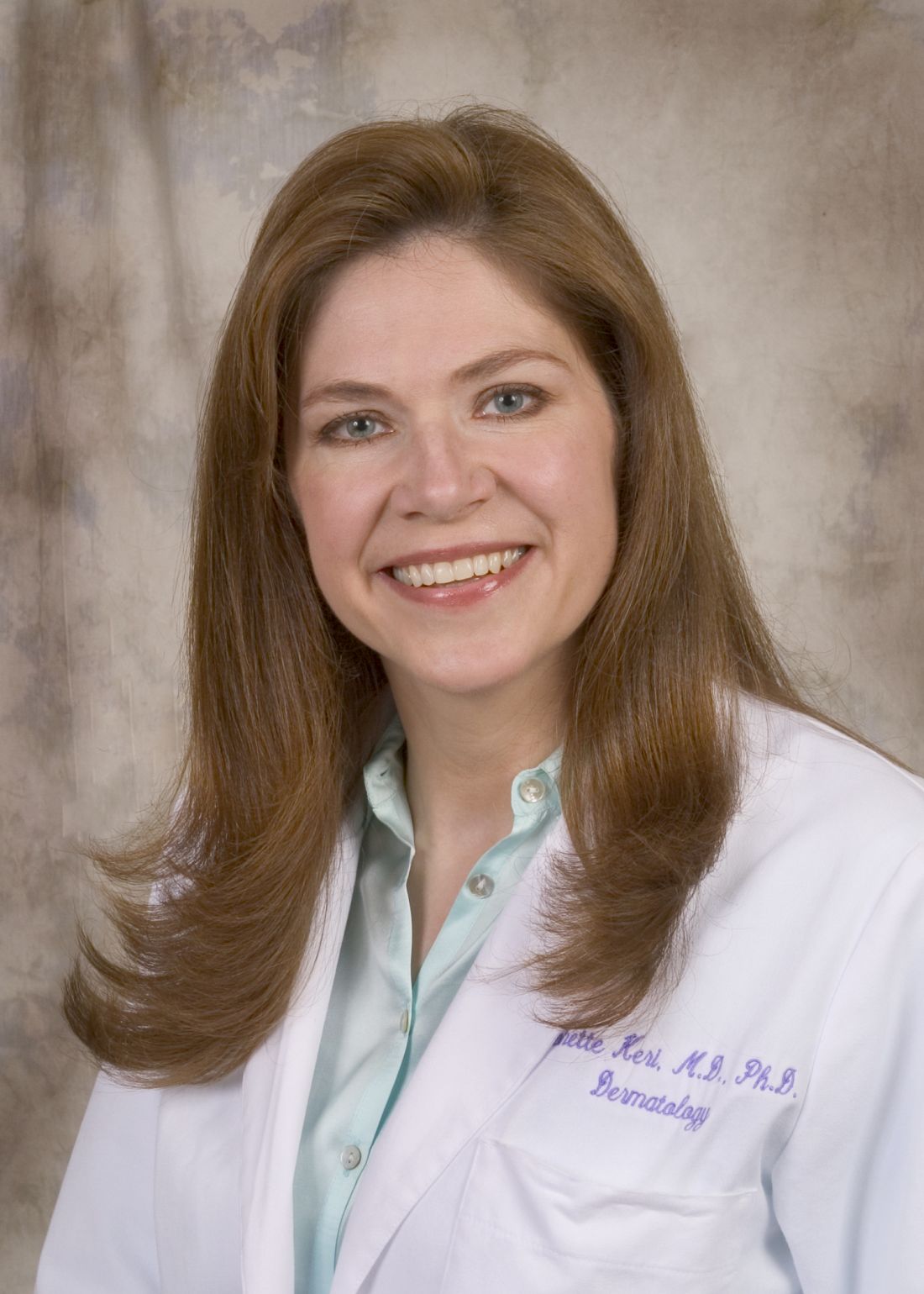
Asked to comment on the study, Jonette Keri, MD, PhD, a dermatologist who directs the Acne and Rosacea Treatment Center at the University of Miami, who was not involved with the study, said that while the review was exhaustive, more research is needed to better determine the efficacy and side effects of the products studied. “The real strength of this wonderful review is now we have all of this information in one place, and this will serve as a great patient care resource,” she told this news organization.
Dr. Barbieri reported personal fees from Dexcel Pharma for consulting outside the submitted work. Dr. Keri disclosed that she is a consultant for L’Oréal.
.
“While many topical and systemic prescription options are available for the treatment of acne, some patients may be interested in natural and complementary therapies as either an adjunctive or an alternative to prescription medications,” researchers led by John S. Barbieri, MD, MBA, of the department of dermatology at Brigham and Women’s Hospital, Boston, wrote in their study, which was published online in JAMA Dermatology. The researchers defined nutraceuticals as products derived from food sources that provide both nutritional and medicinal benefits, such as vitamins, dietary supplements, and herbal products. “Although patients may be interested in nutraceuticals as a potential treatment option for acne, there is uncertainty regarding the efficacy and safety of these products,” they wrote.
For the systematic review, they searched the PubMed, Embase, Cochrane Central Register of Controlled Trials, and Web of Science databases from inception through January 30, 2023, to identify randomized clinical trials that evaluated oral nutraceutical interventions such as vitamins and minerals, botanical extracts, prebiotics, and probiotics in individuals with acne. They extracted clinician-reported outcomes, patient-reported outcomes, and adverse events from the included studies, and used the Cochrane Risk of Bias checklist tool to assess the quality of evidence in randomized clinical trials. Based on this tool, they used Agency for Healthcare Research and Quality standards to categorize the articles as good, fair, or poor quality.
The search yielded 42 unique studies with 3,346 participants. Of these 42 studies, 27 were considered poor quality, 11 were considered fair quality, and 4 were considered good quality. The good-quality studies separately evaluated four interventions: vitamin D, green tea extract, probiotics, and cheongsangbangpoong-tang, an herbal formula approved for use in acne by the Korea Food and Drug Administration.
The 11 fair-quality studies suggested potential effectiveness for pantothenic acid (vitamin B5), the fatty acids omega-3 (eicosapentaenoic acid [EPA] and/or docosahexaenoic acid [DHA]) and omega-6 (gamma-linoleic acid), and probiotics.
Zinc was the most studied nutraceutical identified in the review, but “there was substantial heterogeneity in the results, with only slightly greater than one-half of studies finding zinc to be efficacious,” the authors noted. “Studies using higher doses more often found zinc to be efficacious,” they said, adding that zinc “had the highest rate of adverse effect reporting of any nutraceuticals assessed in this review.”
Dr. Barbieri and colleagues acknowledged limitations of their analysis, including the fact that few of the nutraceuticals considered to have good or fair evidence for their use were evaluated in more than one study. “In addition, some studies had inconsistent results depending on the outcome measure assessed,” they wrote. “For instance, although green tea extract led to statistically significant improvements in lesion counts, it did not result in statistically significant improvements in quality of life, suggesting the observed lesion count differences may not be clinically meaningful to patients.”
And while probiotics had the most studies supporting their efficacy, they were generally of very small sample size.
Asked to comment on the study, Jonette Keri, MD, PhD, a dermatologist who directs the Acne and Rosacea Treatment Center at the University of Miami, who was not involved with the study, said that while the review was exhaustive, more research is needed to better determine the efficacy and side effects of the products studied. “The real strength of this wonderful review is now we have all of this information in one place, and this will serve as a great patient care resource,” she told this news organization.
Dr. Barbieri reported personal fees from Dexcel Pharma for consulting outside the submitted work. Dr. Keri disclosed that she is a consultant for L’Oréal.
.
“While many topical and systemic prescription options are available for the treatment of acne, some patients may be interested in natural and complementary therapies as either an adjunctive or an alternative to prescription medications,” researchers led by John S. Barbieri, MD, MBA, of the department of dermatology at Brigham and Women’s Hospital, Boston, wrote in their study, which was published online in JAMA Dermatology. The researchers defined nutraceuticals as products derived from food sources that provide both nutritional and medicinal benefits, such as vitamins, dietary supplements, and herbal products. “Although patients may be interested in nutraceuticals as a potential treatment option for acne, there is uncertainty regarding the efficacy and safety of these products,” they wrote.
For the systematic review, they searched the PubMed, Embase, Cochrane Central Register of Controlled Trials, and Web of Science databases from inception through January 30, 2023, to identify randomized clinical trials that evaluated oral nutraceutical interventions such as vitamins and minerals, botanical extracts, prebiotics, and probiotics in individuals with acne. They extracted clinician-reported outcomes, patient-reported outcomes, and adverse events from the included studies, and used the Cochrane Risk of Bias checklist tool to assess the quality of evidence in randomized clinical trials. Based on this tool, they used Agency for Healthcare Research and Quality standards to categorize the articles as good, fair, or poor quality.
The search yielded 42 unique studies with 3,346 participants. Of these 42 studies, 27 were considered poor quality, 11 were considered fair quality, and 4 were considered good quality. The good-quality studies separately evaluated four interventions: vitamin D, green tea extract, probiotics, and cheongsangbangpoong-tang, an herbal formula approved for use in acne by the Korea Food and Drug Administration.
The 11 fair-quality studies suggested potential effectiveness for pantothenic acid (vitamin B5), the fatty acids omega-3 (eicosapentaenoic acid [EPA] and/or docosahexaenoic acid [DHA]) and omega-6 (gamma-linoleic acid), and probiotics.
Zinc was the most studied nutraceutical identified in the review, but “there was substantial heterogeneity in the results, with only slightly greater than one-half of studies finding zinc to be efficacious,” the authors noted. “Studies using higher doses more often found zinc to be efficacious,” they said, adding that zinc “had the highest rate of adverse effect reporting of any nutraceuticals assessed in this review.”
Dr. Barbieri and colleagues acknowledged limitations of their analysis, including the fact that few of the nutraceuticals considered to have good or fair evidence for their use were evaluated in more than one study. “In addition, some studies had inconsistent results depending on the outcome measure assessed,” they wrote. “For instance, although green tea extract led to statistically significant improvements in lesion counts, it did not result in statistically significant improvements in quality of life, suggesting the observed lesion count differences may not be clinically meaningful to patients.”
And while probiotics had the most studies supporting their efficacy, they were generally of very small sample size.
Asked to comment on the study, Jonette Keri, MD, PhD, a dermatologist who directs the Acne and Rosacea Treatment Center at the University of Miami, who was not involved with the study, said that while the review was exhaustive, more research is needed to better determine the efficacy and side effects of the products studied. “The real strength of this wonderful review is now we have all of this information in one place, and this will serve as a great patient care resource,” she told this news organization.
Dr. Barbieri reported personal fees from Dexcel Pharma for consulting outside the submitted work. Dr. Keri disclosed that she is a consultant for L’Oréal.
FROM JAMA DERMATOLOGY
Promising new therapies for managing Tourette syndrome
, according to an overview of new therapies presented at the XXVI World Congress of Neurology.
One recent study by University of Nottingham researchers showed a wrist-worn stimulating device significantly reduces the frequency and severity of tics – repetitive movements or vocalizations that can occur several times a day.
“Wearable nerve stimulation holds great promise because it will be good across the age spectrum; adults can wear it to work, and children can go to school with it to help them concentrate on their schoolwork, and then they take it off at night,” Eileen Joyce, PhD, MB BChir, professor of neuropsychiatry at the Institute of Neurology, University College London, told this news organization.
Dr. Joyce, who was not part of the study, discussed this and other new advances in tic therapy at the meeting.
About 24% of children will suffer from tics at some point. The prevalence of Tourette syndrome among males is about four times that of females, Dr. Joyce told delegates. She added the typical age of onset is about 7 years with peak severity at about 12 years.
Predictors of tics persisting into adulthood include comorbid attention deficit hyperactivity disorder (ADHD), obsessive–compulsive disorder, and autism spectrum disorder, said Dr. Joyce, who also discussed the “highly heritable” nature of the syndrome and the numerous related genes identified to date.
Current and emerging treatments
Current treatments include psychological therapy, Botox for focal tics, and medications such as antipsychotics. Emerging therapies included deep brain stimulation and the new median nerve stimulation approach.
A study published earlier this year included 135 patients with moderate to severe tic disorder who were randomly assigned to receive the investigational neuromodulation treatment, a sham treatment, or a wait-list treatment group.
The intervention involves rhythmic pulse trains of median nerve stimulation delivered via a device worn at the wrist. The device was programmed to deliver rhythmic (10 Hz) trains of low-intensity (1-19 mA) electrical stimulation to the median nerve at home once daily, 5 days a week for 4 weeks.
At 4 weeks, tic severity, as measured by the Yale Global Tic Severity Scale-Total Tic Severity Score (YGTSS-TTSS), was reduced by 7.1 points (35% reduction) in the active stimulation group compared to 2.13 points in the sham and 2.11 points in wait-list control groups.
The reduction for active stimulation was substantially larger, clinically meaningful (effect size, 0.5), and statistically significant (P = .02) compared to both the sham stimulation and wait-list control groups, which did not differ from one another.
Tic frequency (tics per minute or TPM) was reduced more in the active than sham stimulation groups (−15.6 TPM vs. −7.7 TPM; P < .03) and the reduction in tic frequency was clinically meaningful (>25% reduction; effect-size, 0.3).
When the active stimulator was turned off, the tics worsened, noted Dr. Joyce.
“The study showed that if you stimulate the median nerve at the wrist, you can train brain oscillations that are linked to the suppression of movement,” Dr. Joyce said. “So based on physiological knowledge, they have developed a median nerve stimulator to entrain cortical rhythms.”
Simple and exciting
The new device is “really exciting”, she added. “It’s not invasive and is quite simple to use and could help a lot of people with Tourette syndrome.”
Asked to comment, Alan Carson, MD, consultant neuropsychiatrist and honorary professor of neuropsychiatry, University of Edinburgh, who co-chaired the neuropsychiatry session featuring this presentation, called the device “promising.”
“Deep brain stimulation appears to be very effective but it’s a major procedure, so a simple wearable device seems highly desirable,” Dr. Carson said.
Dr. Joyce also discussed a study on the efficacy of cannabis (nabiximols; Sativex) as an intervention for tic management in males, those with severe tics, and those with comorbid ADHD.
And a new oral medication, ecopipam, a highly selective D1 receptor antagonist, is also raising hopes, said Dr. Joyce, with results from a randomized controlled trial showing the drug significantly improved tics and had few adverse effects.
Dr. Joyce and Dr. Carson report no relevant financial relationships.
A version of this article first appeared on Medscape.com.
, according to an overview of new therapies presented at the XXVI World Congress of Neurology.
One recent study by University of Nottingham researchers showed a wrist-worn stimulating device significantly reduces the frequency and severity of tics – repetitive movements or vocalizations that can occur several times a day.
“Wearable nerve stimulation holds great promise because it will be good across the age spectrum; adults can wear it to work, and children can go to school with it to help them concentrate on their schoolwork, and then they take it off at night,” Eileen Joyce, PhD, MB BChir, professor of neuropsychiatry at the Institute of Neurology, University College London, told this news organization.
Dr. Joyce, who was not part of the study, discussed this and other new advances in tic therapy at the meeting.
About 24% of children will suffer from tics at some point. The prevalence of Tourette syndrome among males is about four times that of females, Dr. Joyce told delegates. She added the typical age of onset is about 7 years with peak severity at about 12 years.
Predictors of tics persisting into adulthood include comorbid attention deficit hyperactivity disorder (ADHD), obsessive–compulsive disorder, and autism spectrum disorder, said Dr. Joyce, who also discussed the “highly heritable” nature of the syndrome and the numerous related genes identified to date.
Current and emerging treatments
Current treatments include psychological therapy, Botox for focal tics, and medications such as antipsychotics. Emerging therapies included deep brain stimulation and the new median nerve stimulation approach.
A study published earlier this year included 135 patients with moderate to severe tic disorder who were randomly assigned to receive the investigational neuromodulation treatment, a sham treatment, or a wait-list treatment group.
The intervention involves rhythmic pulse trains of median nerve stimulation delivered via a device worn at the wrist. The device was programmed to deliver rhythmic (10 Hz) trains of low-intensity (1-19 mA) electrical stimulation to the median nerve at home once daily, 5 days a week for 4 weeks.
At 4 weeks, tic severity, as measured by the Yale Global Tic Severity Scale-Total Tic Severity Score (YGTSS-TTSS), was reduced by 7.1 points (35% reduction) in the active stimulation group compared to 2.13 points in the sham and 2.11 points in wait-list control groups.
The reduction for active stimulation was substantially larger, clinically meaningful (effect size, 0.5), and statistically significant (P = .02) compared to both the sham stimulation and wait-list control groups, which did not differ from one another.
Tic frequency (tics per minute or TPM) was reduced more in the active than sham stimulation groups (−15.6 TPM vs. −7.7 TPM; P < .03) and the reduction in tic frequency was clinically meaningful (>25% reduction; effect-size, 0.3).
When the active stimulator was turned off, the tics worsened, noted Dr. Joyce.
“The study showed that if you stimulate the median nerve at the wrist, you can train brain oscillations that are linked to the suppression of movement,” Dr. Joyce said. “So based on physiological knowledge, they have developed a median nerve stimulator to entrain cortical rhythms.”
Simple and exciting
The new device is “really exciting”, she added. “It’s not invasive and is quite simple to use and could help a lot of people with Tourette syndrome.”
Asked to comment, Alan Carson, MD, consultant neuropsychiatrist and honorary professor of neuropsychiatry, University of Edinburgh, who co-chaired the neuropsychiatry session featuring this presentation, called the device “promising.”
“Deep brain stimulation appears to be very effective but it’s a major procedure, so a simple wearable device seems highly desirable,” Dr. Carson said.
Dr. Joyce also discussed a study on the efficacy of cannabis (nabiximols; Sativex) as an intervention for tic management in males, those with severe tics, and those with comorbid ADHD.
And a new oral medication, ecopipam, a highly selective D1 receptor antagonist, is also raising hopes, said Dr. Joyce, with results from a randomized controlled trial showing the drug significantly improved tics and had few adverse effects.
Dr. Joyce and Dr. Carson report no relevant financial relationships.
A version of this article first appeared on Medscape.com.
, according to an overview of new therapies presented at the XXVI World Congress of Neurology.
One recent study by University of Nottingham researchers showed a wrist-worn stimulating device significantly reduces the frequency and severity of tics – repetitive movements or vocalizations that can occur several times a day.
“Wearable nerve stimulation holds great promise because it will be good across the age spectrum; adults can wear it to work, and children can go to school with it to help them concentrate on their schoolwork, and then they take it off at night,” Eileen Joyce, PhD, MB BChir, professor of neuropsychiatry at the Institute of Neurology, University College London, told this news organization.
Dr. Joyce, who was not part of the study, discussed this and other new advances in tic therapy at the meeting.
About 24% of children will suffer from tics at some point. The prevalence of Tourette syndrome among males is about four times that of females, Dr. Joyce told delegates. She added the typical age of onset is about 7 years with peak severity at about 12 years.
Predictors of tics persisting into adulthood include comorbid attention deficit hyperactivity disorder (ADHD), obsessive–compulsive disorder, and autism spectrum disorder, said Dr. Joyce, who also discussed the “highly heritable” nature of the syndrome and the numerous related genes identified to date.
Current and emerging treatments
Current treatments include psychological therapy, Botox for focal tics, and medications such as antipsychotics. Emerging therapies included deep brain stimulation and the new median nerve stimulation approach.
A study published earlier this year included 135 patients with moderate to severe tic disorder who were randomly assigned to receive the investigational neuromodulation treatment, a sham treatment, or a wait-list treatment group.
The intervention involves rhythmic pulse trains of median nerve stimulation delivered via a device worn at the wrist. The device was programmed to deliver rhythmic (10 Hz) trains of low-intensity (1-19 mA) electrical stimulation to the median nerve at home once daily, 5 days a week for 4 weeks.
At 4 weeks, tic severity, as measured by the Yale Global Tic Severity Scale-Total Tic Severity Score (YGTSS-TTSS), was reduced by 7.1 points (35% reduction) in the active stimulation group compared to 2.13 points in the sham and 2.11 points in wait-list control groups.
The reduction for active stimulation was substantially larger, clinically meaningful (effect size, 0.5), and statistically significant (P = .02) compared to both the sham stimulation and wait-list control groups, which did not differ from one another.
Tic frequency (tics per minute or TPM) was reduced more in the active than sham stimulation groups (−15.6 TPM vs. −7.7 TPM; P < .03) and the reduction in tic frequency was clinically meaningful (>25% reduction; effect-size, 0.3).
When the active stimulator was turned off, the tics worsened, noted Dr. Joyce.
“The study showed that if you stimulate the median nerve at the wrist, you can train brain oscillations that are linked to the suppression of movement,” Dr. Joyce said. “So based on physiological knowledge, they have developed a median nerve stimulator to entrain cortical rhythms.”
Simple and exciting
The new device is “really exciting”, she added. “It’s not invasive and is quite simple to use and could help a lot of people with Tourette syndrome.”
Asked to comment, Alan Carson, MD, consultant neuropsychiatrist and honorary professor of neuropsychiatry, University of Edinburgh, who co-chaired the neuropsychiatry session featuring this presentation, called the device “promising.”
“Deep brain stimulation appears to be very effective but it’s a major procedure, so a simple wearable device seems highly desirable,” Dr. Carson said.
Dr. Joyce also discussed a study on the efficacy of cannabis (nabiximols; Sativex) as an intervention for tic management in males, those with severe tics, and those with comorbid ADHD.
And a new oral medication, ecopipam, a highly selective D1 receptor antagonist, is also raising hopes, said Dr. Joyce, with results from a randomized controlled trial showing the drug significantly improved tics and had few adverse effects.
Dr. Joyce and Dr. Carson report no relevant financial relationships.
A version of this article first appeared on Medscape.com.
FROM WCN 2023
Right under our noses
Until a couple of weeks ago I considered myself a COVID virgin. I had navigated a full 36 months without a positive test, despite cohabiting with my wife in a 2,500-square-foot house during her bout with the SARS-CoV-2 virus last year. I have been reasonably careful, a situational mask wearer, and good about avoiding poorly ventilated crowded spaces. Of course I was fully vaccinated but was waiting until we had gotten closer to a December trip before getting the newest booster.

I had always been quietly smug about my good luck. And, I was pretty sure that luck had been the major contributor to my run of good health. Nonetheless, in my private moments I often wondered if I somehow had inherited or acquired an unusual defense against the virus that had been getting the best of my peers. One rather far-fetched explanation that kept popping out of my subconscious involved my profuse and persistent runny nose.
Like a fair number in my demographic, I have what I have self-diagnosed as vasomotor rhinitis. In the cooler months and particularly when I am active outdoors, my nose runs like a faucet. I half-jokingly told my wife after a particularly drippy bike ride on a frigid November afternoon that even the most robust virus couldn’t possibly have survived the swim upstream against torrent of mucus splashing onto the handlebars of my bike.
A recent study published in the journal Cell suggests that my off-the-wall explanation for my COVID resistance wasn’t quite so hair-brained. The investigators haven’t found that septuagenarian adults with high-volume runny noses are drowning the SARS-Co- 2 virus before it can do any damage. However, the researchers did discover that, This first line of defense seems to be more effective than in adults, where the virus can more easily slip through into the bloodstream, sometimes with a dramatic release of circulating cytokines, which occasionally create problems of their own. Children also release cytokines, but this is predominantly in their nose, where it appears to be less damaging. Interestingly, in children this initial response persists for around 300 days while in adults the immune response experiences a much more rapid decline. I guess this means we have to chalk one more up for snotty nose kids.
However, the results of this study also suggest that we should be giving more attention to the development of nasal vaccines. I recall that nearly 3 years ago, at the beginning of the pandemic, scientists using a ferret model had developed an effective nasal vaccine. I’m not sure why this faded out of the picture, but it feels like it’s time to turn the spotlight on this line of research again.
I suspect that in addition to being more effective, a nasal vaccine may gain more support among the antivaxxer population, many of whom I suspect are really needle phobics hiding behind a smoke screen of anti-science double talk.
At any rate, I will continue to search for articles that support my contention that my high-flow rhinorrhea is protecting me. I have always been told that a cold nose was the sign of a healthy dog. I’m just trying to prove that the same is true for us old guys with clear runny noses.
Dr. Wilkoff practiced primary care pediatrics in Brunswick, Maine, for nearly 40 years. He has authored several books on behavioral pediatrics, including “How to Say No to Your Toddler.” Other than a Littman stethoscope he accepted as a first-year medical student in 1966, Dr. Wilkoff reports having nothing to disclose. Email him at pdnews@mdedge.com.
Until a couple of weeks ago I considered myself a COVID virgin. I had navigated a full 36 months without a positive test, despite cohabiting with my wife in a 2,500-square-foot house during her bout with the SARS-CoV-2 virus last year. I have been reasonably careful, a situational mask wearer, and good about avoiding poorly ventilated crowded spaces. Of course I was fully vaccinated but was waiting until we had gotten closer to a December trip before getting the newest booster.
I had always been quietly smug about my good luck. And, I was pretty sure that luck had been the major contributor to my run of good health. Nonetheless, in my private moments I often wondered if I somehow had inherited or acquired an unusual defense against the virus that had been getting the best of my peers. One rather far-fetched explanation that kept popping out of my subconscious involved my profuse and persistent runny nose.
Like a fair number in my demographic, I have what I have self-diagnosed as vasomotor rhinitis. In the cooler months and particularly when I am active outdoors, my nose runs like a faucet. I half-jokingly told my wife after a particularly drippy bike ride on a frigid November afternoon that even the most robust virus couldn’t possibly have survived the swim upstream against torrent of mucus splashing onto the handlebars of my bike.
A recent study published in the journal Cell suggests that my off-the-wall explanation for my COVID resistance wasn’t quite so hair-brained. The investigators haven’t found that septuagenarian adults with high-volume runny noses are drowning the SARS-Co- 2 virus before it can do any damage. However, the researchers did discover that, This first line of defense seems to be more effective than in adults, where the virus can more easily slip through into the bloodstream, sometimes with a dramatic release of circulating cytokines, which occasionally create problems of their own. Children also release cytokines, but this is predominantly in their nose, where it appears to be less damaging. Interestingly, in children this initial response persists for around 300 days while in adults the immune response experiences a much more rapid decline. I guess this means we have to chalk one more up for snotty nose kids.
However, the results of this study also suggest that we should be giving more attention to the development of nasal vaccines. I recall that nearly 3 years ago, at the beginning of the pandemic, scientists using a ferret model had developed an effective nasal vaccine. I’m not sure why this faded out of the picture, but it feels like it’s time to turn the spotlight on this line of research again.
I suspect that in addition to being more effective, a nasal vaccine may gain more support among the antivaxxer population, many of whom I suspect are really needle phobics hiding behind a smoke screen of anti-science double talk.
At any rate, I will continue to search for articles that support my contention that my high-flow rhinorrhea is protecting me. I have always been told that a cold nose was the sign of a healthy dog. I’m just trying to prove that the same is true for us old guys with clear runny noses.
Dr. Wilkoff practiced primary care pediatrics in Brunswick, Maine, for nearly 40 years. He has authored several books on behavioral pediatrics, including “How to Say No to Your Toddler.” Other than a Littman stethoscope he accepted as a first-year medical student in 1966, Dr. Wilkoff reports having nothing to disclose. Email him at pdnews@mdedge.com.
Until a couple of weeks ago I considered myself a COVID virgin. I had navigated a full 36 months without a positive test, despite cohabiting with my wife in a 2,500-square-foot house during her bout with the SARS-CoV-2 virus last year. I have been reasonably careful, a situational mask wearer, and good about avoiding poorly ventilated crowded spaces. Of course I was fully vaccinated but was waiting until we had gotten closer to a December trip before getting the newest booster.
I had always been quietly smug about my good luck. And, I was pretty sure that luck had been the major contributor to my run of good health. Nonetheless, in my private moments I often wondered if I somehow had inherited or acquired an unusual defense against the virus that had been getting the best of my peers. One rather far-fetched explanation that kept popping out of my subconscious involved my profuse and persistent runny nose.
Like a fair number in my demographic, I have what I have self-diagnosed as vasomotor rhinitis. In the cooler months and particularly when I am active outdoors, my nose runs like a faucet. I half-jokingly told my wife after a particularly drippy bike ride on a frigid November afternoon that even the most robust virus couldn’t possibly have survived the swim upstream against torrent of mucus splashing onto the handlebars of my bike.
A recent study published in the journal Cell suggests that my off-the-wall explanation for my COVID resistance wasn’t quite so hair-brained. The investigators haven’t found that septuagenarian adults with high-volume runny noses are drowning the SARS-Co- 2 virus before it can do any damage. However, the researchers did discover that, This first line of defense seems to be more effective than in adults, where the virus can more easily slip through into the bloodstream, sometimes with a dramatic release of circulating cytokines, which occasionally create problems of their own. Children also release cytokines, but this is predominantly in their nose, where it appears to be less damaging. Interestingly, in children this initial response persists for around 300 days while in adults the immune response experiences a much more rapid decline. I guess this means we have to chalk one more up for snotty nose kids.
However, the results of this study also suggest that we should be giving more attention to the development of nasal vaccines. I recall that nearly 3 years ago, at the beginning of the pandemic, scientists using a ferret model had developed an effective nasal vaccine. I’m not sure why this faded out of the picture, but it feels like it’s time to turn the spotlight on this line of research again.
I suspect that in addition to being more effective, a nasal vaccine may gain more support among the antivaxxer population, many of whom I suspect are really needle phobics hiding behind a smoke screen of anti-science double talk.
At any rate, I will continue to search for articles that support my contention that my high-flow rhinorrhea is protecting me. I have always been told that a cold nose was the sign of a healthy dog. I’m just trying to prove that the same is true for us old guys with clear runny noses.
Dr. Wilkoff practiced primary care pediatrics in Brunswick, Maine, for nearly 40 years. He has authored several books on behavioral pediatrics, including “How to Say No to Your Toddler.” Other than a Littman stethoscope he accepted as a first-year medical student in 1966, Dr. Wilkoff reports having nothing to disclose. Email him at pdnews@mdedge.com.
Adolescents with atopic dermatitis more likely to have experienced bullying, study finds
TOPLINE:
METHODOLOGY:
- Adolescents with AD have reported appearance-based bullying.
- To evaluate the association between AD and the prevalence and frequency of bullying, researchers analyzed cross-sectional data from adult caregivers of U.S. adolescents aged 12-17 years who participated in the 2021 National Health Interview Survey.
- Logistic regression and ordinal logistic regression were used to compare the prevalence of experiencing one or more bullying encounters during the previous 12 months and the frequency of bullying between adolescents with and those without AD.
TAKEAWAY:
- A total of 3,207 adolescents were included in the analysis. The mean age of the participants was 14.5 years, and 11.9% currently had AD. The prevalence of experiencing bullying was significantly higher among adolescents with AD, compared with those without AD (33.2% vs. 19%; P < .001), as was the prevalence of cyberbullying (9.1% vs. 5.8%; P = .04).
- Following adjustment for demographics and atopic comorbidities, adolescents with AD were at increased odds of bullying, compared with their peers without AD (adjusted odds ratio, 1.99; 95% confidence interval, 1.45-2.73).
- Following adjustment for demographics, adolescents with AD were also at increased odds of cyberbullying, compared with their peers without AD (AOR, 1.65; 95% CI, 1.04-2.62), but no association was observed following adjustment for atopic comorbidities (AOR, 1.27; 95% CI, 0.82-1.96).
- Following ordinal logistic regression that was adjusted for demographics and atopic comorbidities, adolescents with AD were at greater odds of being bullied at a higher frequency, compared with their peers without AD (AOR, 1.97; 95% CI, 1.44-2.68).
IN PRACTICE:
“Larger, future studies using clinical AD diagnoses and adolescent self-report can advance understanding of bullying and AD,” the researchers wrote. “Clinicians, families, and schools should address and monitor bullying among adolescents.”
SOURCE:
Howa Yeung, MD, of the department of dermatology at Emory University School of Medicine, Atlanta, led the research. The study was published online in JAMA Dermatology.
LIMITATIONS:
Limitations include the study’s cross-sectional design. In addition, the investigators could not directly attribute bullying to skin-specific findings, and it was a caregiver report.
DISCLOSURES:
The study was supported by grants from the National Institutes of Health and the National Institute of Arthritis and Musculoskeletal and Skin Diseases. One of the authors, Joy Wan, MD, received grants from Pfizer and personal fees from Janssen and Sun Pharmaceuticals outside of the submitted work.
A version of this article first appeared on Medscape.com.
TOPLINE:
METHODOLOGY:
- Adolescents with AD have reported appearance-based bullying.
- To evaluate the association between AD and the prevalence and frequency of bullying, researchers analyzed cross-sectional data from adult caregivers of U.S. adolescents aged 12-17 years who participated in the 2021 National Health Interview Survey.
- Logistic regression and ordinal logistic regression were used to compare the prevalence of experiencing one or more bullying encounters during the previous 12 months and the frequency of bullying between adolescents with and those without AD.
TAKEAWAY:
- A total of 3,207 adolescents were included in the analysis. The mean age of the participants was 14.5 years, and 11.9% currently had AD. The prevalence of experiencing bullying was significantly higher among adolescents with AD, compared with those without AD (33.2% vs. 19%; P < .001), as was the prevalence of cyberbullying (9.1% vs. 5.8%; P = .04).
- Following adjustment for demographics and atopic comorbidities, adolescents with AD were at increased odds of bullying, compared with their peers without AD (adjusted odds ratio, 1.99; 95% confidence interval, 1.45-2.73).
- Following adjustment for demographics, adolescents with AD were also at increased odds of cyberbullying, compared with their peers without AD (AOR, 1.65; 95% CI, 1.04-2.62), but no association was observed following adjustment for atopic comorbidities (AOR, 1.27; 95% CI, 0.82-1.96).
- Following ordinal logistic regression that was adjusted for demographics and atopic comorbidities, adolescents with AD were at greater odds of being bullied at a higher frequency, compared with their peers without AD (AOR, 1.97; 95% CI, 1.44-2.68).
IN PRACTICE:
“Larger, future studies using clinical AD diagnoses and adolescent self-report can advance understanding of bullying and AD,” the researchers wrote. “Clinicians, families, and schools should address and monitor bullying among adolescents.”
SOURCE:
Howa Yeung, MD, of the department of dermatology at Emory University School of Medicine, Atlanta, led the research. The study was published online in JAMA Dermatology.
LIMITATIONS:
Limitations include the study’s cross-sectional design. In addition, the investigators could not directly attribute bullying to skin-specific findings, and it was a caregiver report.
DISCLOSURES:
The study was supported by grants from the National Institutes of Health and the National Institute of Arthritis and Musculoskeletal and Skin Diseases. One of the authors, Joy Wan, MD, received grants from Pfizer and personal fees from Janssen and Sun Pharmaceuticals outside of the submitted work.
A version of this article first appeared on Medscape.com.
TOPLINE:
METHODOLOGY:
- Adolescents with AD have reported appearance-based bullying.
- To evaluate the association between AD and the prevalence and frequency of bullying, researchers analyzed cross-sectional data from adult caregivers of U.S. adolescents aged 12-17 years who participated in the 2021 National Health Interview Survey.
- Logistic regression and ordinal logistic regression were used to compare the prevalence of experiencing one or more bullying encounters during the previous 12 months and the frequency of bullying between adolescents with and those without AD.
TAKEAWAY:
- A total of 3,207 adolescents were included in the analysis. The mean age of the participants was 14.5 years, and 11.9% currently had AD. The prevalence of experiencing bullying was significantly higher among adolescents with AD, compared with those without AD (33.2% vs. 19%; P < .001), as was the prevalence of cyberbullying (9.1% vs. 5.8%; P = .04).
- Following adjustment for demographics and atopic comorbidities, adolescents with AD were at increased odds of bullying, compared with their peers without AD (adjusted odds ratio, 1.99; 95% confidence interval, 1.45-2.73).
- Following adjustment for demographics, adolescents with AD were also at increased odds of cyberbullying, compared with their peers without AD (AOR, 1.65; 95% CI, 1.04-2.62), but no association was observed following adjustment for atopic comorbidities (AOR, 1.27; 95% CI, 0.82-1.96).
- Following ordinal logistic regression that was adjusted for demographics and atopic comorbidities, adolescents with AD were at greater odds of being bullied at a higher frequency, compared with their peers without AD (AOR, 1.97; 95% CI, 1.44-2.68).
IN PRACTICE:
“Larger, future studies using clinical AD diagnoses and adolescent self-report can advance understanding of bullying and AD,” the researchers wrote. “Clinicians, families, and schools should address and monitor bullying among adolescents.”
SOURCE:
Howa Yeung, MD, of the department of dermatology at Emory University School of Medicine, Atlanta, led the research. The study was published online in JAMA Dermatology.
LIMITATIONS:
Limitations include the study’s cross-sectional design. In addition, the investigators could not directly attribute bullying to skin-specific findings, and it was a caregiver report.
DISCLOSURES:
The study was supported by grants from the National Institutes of Health and the National Institute of Arthritis and Musculoskeletal and Skin Diseases. One of the authors, Joy Wan, MD, received grants from Pfizer and personal fees from Janssen and Sun Pharmaceuticals outside of the submitted work.
A version of this article first appeared on Medscape.com.
Upper respiratory infections: Viral testing in primary care
It’s upper respiratory infection (URI) season. The following is a clinical scenario drawn from my own practice. I’ll tell you what I plan to do, but I’m most interested in crowdsourcing a response from all of you to collectively determine best practice. So please answer the polling questions and contribute your thoughts in the comments, whether you agree or disagree with me.
The patient
The patient is a 69-year-old woman with a 3-day history of cough, nasal congestion, malaise, tactile fever, and poor appetite. She has no sick contacts. She denies dyspnea, presyncope, and chest pain. She has tried guaifenesin and ibuprofen for her symptoms, which helped a little.
She is up to date on immunizations, including four doses of COVID-19 vaccine and the influenza vaccine, which she received 2 months ago.
The patient has a history of heart failure with reduced ejection fraction, coronary artery disease, hypertension, chronic kidney disease stage 3aA2, obesity, and osteoarthritis. Current medications include atorvastatin, losartan, metoprolol, and aspirin.
Her weight is stable at 212 lb, and her vital signs today are:
- Temperature: 37.5° C
- Pulse: 60 beats/min
- Blood pressure: 150/88 mm Hg
- Respiration rate: 14 breaths/min
- SpO2: 93% on room air
What information is most critical before deciding on management?
Your peers chose:
- The patient’s history of viral URIs
14%
- Whether her cough is productive and the color of the sputum
38%
- How well this season’s flu vaccine matches circulating influenza viruses
8%
- Local epidemiology of major viral pathogens (e.g., SARS-CoV-2, influenza, RSV)
40%
Dr. Vega’s take
To provide the best care for our patients when they are threatened with multiple viral upper respiratory pathogens, it is imperative that clinicians have some idea regarding the epidemiology of viral infections, with as much local data as possible. This knowledge will help direct appropriate testing and treatment.
Modern viral molecular testing platforms are highly accurate, but they are not infallible. Small flaws in specificity and sensitivity of testing are magnified when community viral circulation is low. In a U.K. study conducted during a period of low COVID-19 prevalence, the positive predictive value of reverse-transcriptase polymerase chain reaction (RT-PCR) testing was just 16%. Although the negative predictive value was much higher, the false-positive rate of testing was still 0.5%. The authors of the study describe important potential consequences of false-positive results, such as being temporarily removed from an organ transplant list and unnecessary contact tracing.
Testing and treatment
Your county public health department maintains a website describing local activity of SARS-CoV-2 and influenza. Both viruses are in heavy circulation now.
What is the next best step in this patient’s management?
Your peers chose:
- Treat empirically with ritonavir-boosted nirmatrelvir
7%
- Treat empirically with oseltamivir or baloxavir
14%
- Perform lab-based multiplex RT-PCR testing and wait to treat on the basis of results
34%
- Perform rapid nucleic acid amplification testing (NAAT) and treat on the basis of results
45%
Every practice has different resources and should use the best means available to treat patients. Ideally, this patient would undergo rapid NAAT with results available within 30 minutes. Test results will help guide not only treatment decisions but also infection-control measures.
The Infectious Diseases Society of America has provided updates for testing for URIs since the onset of the COVID-19 pandemic. Both laboratory-based and point-of-care rapid NAATs are recommended for testing. Rapid NAATs have been demonstrated to have a sensitivity of 96% and specificity of 100% in the detection of SARS-CoV-2. Obviously, they also offer a highly efficient means to make treatment and isolation decisions.
There are multiple platforms for molecular testing available. Laboratory-based platforms can test for dozens of potential pathogens, including bacteria. Rapid NAATs often have the ability to test for SARS-CoV-2, influenza, and respiratory syncytial virus (RSV). This functionality is important, because these infections generally are difficult to discriminate on the basis of clinical information alone.
The IDSA clearly recognizes the challenges of trying to manage cases of URI. For example, they state that testing of the anterior nares (AN) or oropharynx (OP) is acceptable, even though testing from the nasopharynx offers increased sensitivity. However, testing at the AN/OP allows for patient self-collection of samples, which is also recommended as an option by the IDSA. In an analysis of six cohort studies, the pooled sensitivity of patient-collected nasopharyngeal samples from the AN/OP was 88%, whereas the respective value for samples taken by health care providers was 95%.
The U.S. Centers for Disease Control and Prevention also provides recommendations for the management of patients with acute upper respiratory illness. Patients who are sick enough to be hospitalized should be tested at least for SARS-CoV-2 and influenza using molecular assays. Outpatients should be tested for SARS-CoV-2 with either molecular or antigen testing, and influenza testing should be offered if the findings will change decisions regarding treatment or isolation. Practically speaking, the recommendations for influenza testing mean that most individuals should be tested, including patients at high risk for complications of influenza and those who might have exposure to individuals at high risk.
Treatment of COVID-19 should only be provided in cases of a positive test within 5 days of symptom onset. However, clinicians may treat patients with anti-influenza medications presumptively if test results are not immediately available and the patient has worsening symptoms or is in a group at high risk for complications.
What are some of the challenges that you have faced during the COVID-19 pandemic regarding the management of patients with acute URIs? What have you found in terms of solutions, and where do gaps in quality of care persist? Please add your comments. I will review and circle back with a response. Thank you!
A version of this article first appeared on Medscape.com.
It’s upper respiratory infection (URI) season. The following is a clinical scenario drawn from my own practice. I’ll tell you what I plan to do, but I’m most interested in crowdsourcing a response from all of you to collectively determine best practice. So please answer the polling questions and contribute your thoughts in the comments, whether you agree or disagree with me.
The patient
The patient is a 69-year-old woman with a 3-day history of cough, nasal congestion, malaise, tactile fever, and poor appetite. She has no sick contacts. She denies dyspnea, presyncope, and chest pain. She has tried guaifenesin and ibuprofen for her symptoms, which helped a little.
She is up to date on immunizations, including four doses of COVID-19 vaccine and the influenza vaccine, which she received 2 months ago.
The patient has a history of heart failure with reduced ejection fraction, coronary artery disease, hypertension, chronic kidney disease stage 3aA2, obesity, and osteoarthritis. Current medications include atorvastatin, losartan, metoprolol, and aspirin.
Her weight is stable at 212 lb, and her vital signs today are:
- Temperature: 37.5° C
- Pulse: 60 beats/min
- Blood pressure: 150/88 mm Hg
- Respiration rate: 14 breaths/min
- SpO2: 93% on room air
What information is most critical before deciding on management?
Your peers chose:
- The patient’s history of viral URIs
14%
- Whether her cough is productive and the color of the sputum
38%
- How well this season’s flu vaccine matches circulating influenza viruses
8%
- Local epidemiology of major viral pathogens (e.g., SARS-CoV-2, influenza, RSV)
40%
Dr. Vega’s take
To provide the best care for our patients when they are threatened with multiple viral upper respiratory pathogens, it is imperative that clinicians have some idea regarding the epidemiology of viral infections, with as much local data as possible. This knowledge will help direct appropriate testing and treatment.
Modern viral molecular testing platforms are highly accurate, but they are not infallible. Small flaws in specificity and sensitivity of testing are magnified when community viral circulation is low. In a U.K. study conducted during a period of low COVID-19 prevalence, the positive predictive value of reverse-transcriptase polymerase chain reaction (RT-PCR) testing was just 16%. Although the negative predictive value was much higher, the false-positive rate of testing was still 0.5%. The authors of the study describe important potential consequences of false-positive results, such as being temporarily removed from an organ transplant list and unnecessary contact tracing.
Testing and treatment
Your county public health department maintains a website describing local activity of SARS-CoV-2 and influenza. Both viruses are in heavy circulation now.
What is the next best step in this patient’s management?
Your peers chose:
- Treat empirically with ritonavir-boosted nirmatrelvir
7%
- Treat empirically with oseltamivir or baloxavir
14%
- Perform lab-based multiplex RT-PCR testing and wait to treat on the basis of results
34%
- Perform rapid nucleic acid amplification testing (NAAT) and treat on the basis of results
45%
Every practice has different resources and should use the best means available to treat patients. Ideally, this patient would undergo rapid NAAT with results available within 30 minutes. Test results will help guide not only treatment decisions but also infection-control measures.
The Infectious Diseases Society of America has provided updates for testing for URIs since the onset of the COVID-19 pandemic. Both laboratory-based and point-of-care rapid NAATs are recommended for testing. Rapid NAATs have been demonstrated to have a sensitivity of 96% and specificity of 100% in the detection of SARS-CoV-2. Obviously, they also offer a highly efficient means to make treatment and isolation decisions.
There are multiple platforms for molecular testing available. Laboratory-based platforms can test for dozens of potential pathogens, including bacteria. Rapid NAATs often have the ability to test for SARS-CoV-2, influenza, and respiratory syncytial virus (RSV). This functionality is important, because these infections generally are difficult to discriminate on the basis of clinical information alone.
The IDSA clearly recognizes the challenges of trying to manage cases of URI. For example, they state that testing of the anterior nares (AN) or oropharynx (OP) is acceptable, even though testing from the nasopharynx offers increased sensitivity. However, testing at the AN/OP allows for patient self-collection of samples, which is also recommended as an option by the IDSA. In an analysis of six cohort studies, the pooled sensitivity of patient-collected nasopharyngeal samples from the AN/OP was 88%, whereas the respective value for samples taken by health care providers was 95%.
The U.S. Centers for Disease Control and Prevention also provides recommendations for the management of patients with acute upper respiratory illness. Patients who are sick enough to be hospitalized should be tested at least for SARS-CoV-2 and influenza using molecular assays. Outpatients should be tested for SARS-CoV-2 with either molecular or antigen testing, and influenza testing should be offered if the findings will change decisions regarding treatment or isolation. Practically speaking, the recommendations for influenza testing mean that most individuals should be tested, including patients at high risk for complications of influenza and those who might have exposure to individuals at high risk.
Treatment of COVID-19 should only be provided in cases of a positive test within 5 days of symptom onset. However, clinicians may treat patients with anti-influenza medications presumptively if test results are not immediately available and the patient has worsening symptoms or is in a group at high risk for complications.
What are some of the challenges that you have faced during the COVID-19 pandemic regarding the management of patients with acute URIs? What have you found in terms of solutions, and where do gaps in quality of care persist? Please add your comments. I will review and circle back with a response. Thank you!
A version of this article first appeared on Medscape.com.
It’s upper respiratory infection (URI) season. The following is a clinical scenario drawn from my own practice. I’ll tell you what I plan to do, but I’m most interested in crowdsourcing a response from all of you to collectively determine best practice. So please answer the polling questions and contribute your thoughts in the comments, whether you agree or disagree with me.
The patient
The patient is a 69-year-old woman with a 3-day history of cough, nasal congestion, malaise, tactile fever, and poor appetite. She has no sick contacts. She denies dyspnea, presyncope, and chest pain. She has tried guaifenesin and ibuprofen for her symptoms, which helped a little.
She is up to date on immunizations, including four doses of COVID-19 vaccine and the influenza vaccine, which she received 2 months ago.
The patient has a history of heart failure with reduced ejection fraction, coronary artery disease, hypertension, chronic kidney disease stage 3aA2, obesity, and osteoarthritis. Current medications include atorvastatin, losartan, metoprolol, and aspirin.
Her weight is stable at 212 lb, and her vital signs today are:
- Temperature: 37.5° C
- Pulse: 60 beats/min
- Blood pressure: 150/88 mm Hg
- Respiration rate: 14 breaths/min
- SpO2: 93% on room air
What information is most critical before deciding on management?
Your peers chose:
- The patient’s history of viral URIs
14%
- Whether her cough is productive and the color of the sputum
38%
- How well this season’s flu vaccine matches circulating influenza viruses
8%
- Local epidemiology of major viral pathogens (e.g., SARS-CoV-2, influenza, RSV)
40%
Dr. Vega’s take
To provide the best care for our patients when they are threatened with multiple viral upper respiratory pathogens, it is imperative that clinicians have some idea regarding the epidemiology of viral infections, with as much local data as possible. This knowledge will help direct appropriate testing and treatment.
Modern viral molecular testing platforms are highly accurate, but they are not infallible. Small flaws in specificity and sensitivity of testing are magnified when community viral circulation is low. In a U.K. study conducted during a period of low COVID-19 prevalence, the positive predictive value of reverse-transcriptase polymerase chain reaction (RT-PCR) testing was just 16%. Although the negative predictive value was much higher, the false-positive rate of testing was still 0.5%. The authors of the study describe important potential consequences of false-positive results, such as being temporarily removed from an organ transplant list and unnecessary contact tracing.
Testing and treatment
Your county public health department maintains a website describing local activity of SARS-CoV-2 and influenza. Both viruses are in heavy circulation now.
What is the next best step in this patient’s management?
Your peers chose:
- Treat empirically with ritonavir-boosted nirmatrelvir
7%
- Treat empirically with oseltamivir or baloxavir
14%
- Perform lab-based multiplex RT-PCR testing and wait to treat on the basis of results
34%
- Perform rapid nucleic acid amplification testing (NAAT) and treat on the basis of results
45%
Every practice has different resources and should use the best means available to treat patients. Ideally, this patient would undergo rapid NAAT with results available within 30 minutes. Test results will help guide not only treatment decisions but also infection-control measures.
The Infectious Diseases Society of America has provided updates for testing for URIs since the onset of the COVID-19 pandemic. Both laboratory-based and point-of-care rapid NAATs are recommended for testing. Rapid NAATs have been demonstrated to have a sensitivity of 96% and specificity of 100% in the detection of SARS-CoV-2. Obviously, they also offer a highly efficient means to make treatment and isolation decisions.
There are multiple platforms for molecular testing available. Laboratory-based platforms can test for dozens of potential pathogens, including bacteria. Rapid NAATs often have the ability to test for SARS-CoV-2, influenza, and respiratory syncytial virus (RSV). This functionality is important, because these infections generally are difficult to discriminate on the basis of clinical information alone.
The IDSA clearly recognizes the challenges of trying to manage cases of URI. For example, they state that testing of the anterior nares (AN) or oropharynx (OP) is acceptable, even though testing from the nasopharynx offers increased sensitivity. However, testing at the AN/OP allows for patient self-collection of samples, which is also recommended as an option by the IDSA. In an analysis of six cohort studies, the pooled sensitivity of patient-collected nasopharyngeal samples from the AN/OP was 88%, whereas the respective value for samples taken by health care providers was 95%.
The U.S. Centers for Disease Control and Prevention also provides recommendations for the management of patients with acute upper respiratory illness. Patients who are sick enough to be hospitalized should be tested at least for SARS-CoV-2 and influenza using molecular assays. Outpatients should be tested for SARS-CoV-2 with either molecular or antigen testing, and influenza testing should be offered if the findings will change decisions regarding treatment or isolation. Practically speaking, the recommendations for influenza testing mean that most individuals should be tested, including patients at high risk for complications of influenza and those who might have exposure to individuals at high risk.
Treatment of COVID-19 should only be provided in cases of a positive test within 5 days of symptom onset. However, clinicians may treat patients with anti-influenza medications presumptively if test results are not immediately available and the patient has worsening symptoms or is in a group at high risk for complications.
What are some of the challenges that you have faced during the COVID-19 pandemic regarding the management of patients with acute URIs? What have you found in terms of solutions, and where do gaps in quality of care persist? Please add your comments. I will review and circle back with a response. Thank you!
A version of this article first appeared on Medscape.com.
How clinicians can prepare for and defend against social media attacks
WASHINGTON – The entire video clip is just 15 seconds — 15 seconds that went viral and temporarily upended the entire life and disrupted the medical practice of Nicole Baldwin, MD, a pediatrician in Cincinnati, Ohio, in January 2020. At the annual meeting of the American Academy of Pediatrics, Dr. Baldwin told attendees how her pro-vaccine TikTok video led a horde of anti-vaccine activists to swarm her social media profiles across multiple platforms, leave one-star reviews with false stories about her medical practice on various doctor review sites, and personally threaten her.
The initial response to the video was positive, with 50,000 views in the first 24 hours after the video was posted and more than 1.5 million views the next day. But 2 days after the video was posted, an organized attack that originated on Facebook required Dr. Baldwin to enlist the help of 16 volunteers, working 24/7 for a week, to help ban and block more than 6,000 users on Facebook, Instagram, and TikTok. Just 4 days after she’d posted the video, Dr. Baldwin was reporting personal threats to the police and had begun contacting sites such as Yelp, Google, Healthgrades, Vitals, RateMDs, and WebMD so they could start removing false reviews about her practice.

Today, years after those 2 exhausting, intense weeks of attacks, Dr. Baldwin has found two silver linings in the experience: More people have found her profiles, allowing her to share evidence-based information with an even wider audience, and she can now help other physicians protect themselves and reduce the risk of similar attacks, or at least know how to respond to them if they occur. Dr. Baldwin shared a wealth of tips and resources during her lecture to help pediatricians prepare ahead for the possibility that they will be targeted next, whether the issue is vaccines or another topic.
Online risks and benefits
A Pew survey of U.S. adults in September 2020 found that 41% have personally experienced online harassment, including a quarter of Americans who have experienced severe harassment. More than half of respondents said online harassment and bullying is a major problem – and that was a poll of the entire population, not even just physicians and scientists.
“Now, these numbers would be higher,” Dr. Baldwin said. “A lot has changed in the past 3 years, and the landscape is very different.”
The pandemic contributed to those changes to the landscape, including an increase in harassment of doctors and researchers. A June 2023 study revealed that two-thirds of 359 respondents in an online survey reported harassment on social media, a substantial number even after accounting for selection bias in the individuals who chose to respond to the survey. Although most of the attacks (88%) resulted from the respondent’s advocacy online, nearly half the attacks (45%) were gender based, 27% were based on race/ethnicity, and 13% were based on sexual orientation.
While hateful comments are likely the most common type of online harassment, other types can involve sharing or tagging your profile, creating fake profiles to misrepresent you, fake reviews of your practice, harassing phone calls and hate mail at your office, and doxxing, in which someone online widely shares your personal address, phone number, email, or other contact information.
Despite the risks of all these forms of harassment, Dr. Baldwin emphasized the value of doctors having a social media presence given how much misinformation thrives online. For example, a recent report from the Kaiser Family Foundation revealed how many people weren’t sure whether certain health misinformation claims were true or false. Barely a third of people were sure that COVID-19 vaccines had not caused thousands of deaths in healthy people, and only 22% of people were sure that ivermectin is not an effective treatment for COVID.
“There is so much that we need to be doing and working in these spaces to put evidence-based content out there so that people are not finding all of this crap from everybody else,” Dr. Baldwin said. Having an online presence is particularly important given that the public still has high levels of trust in their doctors, she added.
“They trust their physician, and you may not be their physician online, but I will tell you from experience, when you build a community of followers, you become that trusted source of information for them, and it is so important,” Dr. Baldwin said. “There is room for everybody in this space, and we need all of you.”
Proactive steps for protection
Dr. Baldwin then went through the details of what people should do now to make things easier in the event of an attack later. “The best defense is a good offense,” Dr. Baldwin said, “so make sure all of your accounts are secure.”
She recommended the following steps:
- Use two-factor authentication for all of your logins.
- Use strong, unique passwords for all of your logins.
- Use strong privacy settings on all of your private social media profiles, such as making sure photos are not visible on your personal Facebook account.
- Claim your Google profile and Yelp business profile.
- Claim your doctor and/or business profile on all of the medical review sites where you have one, including Google, Healthgrades, Vitals, RateMDs, and WebMD.
For doctors who are attacked specifically because of pro-vaccine advocacy, Dr. Baldwin recommended contacting Shots Heard Round The World, a site that was created by a physician whose practice was attacked by anti-vaccine activists. The site also has a toolkit that anyone can download for tips on preparing ahead for possible attacks and what to do if you are attacked.
Dr. Baldwin then reviewed how to set up different social media profiles to automatically hide certain comments, including comments with words commonly used by online harassers and trolls:
- Sheep
- Sheeple
- Pharma
- Shill
- Die
- Psychopath
- Clown
- Various curse words
- The clown emoji
In Instagram, go to “Settings and privacy —> Hidden Words” for options on hiding offensive comments and messages and for managing custom words and phrases that should be automatically hidden.
On Facebook, go to “Professional dashboard —> Moderation Assist,” where you can add or edit criteria to automatically hide comments on your Facebook page. In addition to hiding comments with certain keywords, you can hide comments from new accounts, accounts without profile photos, or accounts with no friends or followers.
On TikTok, click the three-line menu icon in the upper right, and choose “Privacy —> Comments —> Filter keywords.”
On the platform formerly known as Twitter, go to “Settings and privacy —> Privacy and safety —> Mute and block —> Muted words.”
On YouTube, under “Manage your community & comments,” select “Learn about comment settings.”
Dr. Baldwin did not discourage doctors from posting about controversial topics, but she said it’s important to know what they are so that you can be prepared for the possibility that a post about one of these topics could lead to online harassment. These hot button topics include vaccines, firearm safety, gender-affirming care, reproductive choice, safe sleep/bedsharing, breastfeeding, and COVID masks.
If you do post on one of these and suspect it could result in harassment, Dr. Baldwin recommends turning on your notifications so you know when attacks begin, alerting your office and call center staff if you think they might receive calls, and, when possible, post your content at a time when you’re more likely to be able to monitor the post. She acknowledged that this last tip isn’t always relevant since attacks can take a few days to start or gain steam.
Defending yourself in an attack
Even after taking all these precautions, it’s not possible to altogether prevent an attack from happening, so Dr. Baldwin provided suggestions on what to do if one occurs, starting with taking a deep breath.
“If you are attacked, first of all, please remain calm, which is a lot easier said than done,” she said. “But know that this too shall pass. These things do come to an end.”
She advises you to get help if you need it, enlisting friends or colleagues to help with moderation and banning/blocking. If necessary, alert your employer to the attack, as attackers may contact your employer. Some people may opt to turn off comments on their post, but doing so “is a really personal decision,” she said. It’s okay to turn off comments if you don’t have the bandwidth or help to deal with them.
However, Dr. Baldwin said she never turns off comments because she wants to be able to ban and block people to reduce the likelihood of a future attack from them, and each comment brings the post higher in the algorithm so that more people are able to see the original content. “So sometimes these things are actually a blessing in disguise,” she said.
If you do have comments turned on, take screenshots of the most egregious or threatening ones and then report them and ban/block them. The screenshots are evidence since blocking will remove the comment.
“Take breaks when you need to,” she said. “Don’t stay up all night” since there are only going to be more in the morning, and if you’re using keywords to help hide many of these comments, that will hide them from your followers while you’re away. She also advised monitoring your online reviews at doctor/practice review sites so you know whether you’re receiving spurious reviews that need to be removed.
Dr. Baldwin also addressed how to handle trolls, the people online who intentionally antagonize others with inflammatory, irrelevant, offensive, or otherwise disruptive comments or content. The No. 1 rule is not to engage – “Don’t feed the trolls” – but Dr. Baldwin acknowledged that she can find that difficult sometimes. So she uses kindness or humor to defuse them or calls them out on their inaccurate information and then thanks them for their engagement. Don’t forget that you are in charge of your own page, so any complaints about “censorship” or infringing “free speech” aren’t relevant.
If the comments are growing out of control and you’re unable to manage them, multiple social media platforms have options for limited interactions or who can comment on your page.
On Instagram under “Settings and privacy,” check out “Limited interactions,” “Comments —> Allow comments from,” and “Tags and mentions” to see ways you can limit who is able to comment, tag or mention your account. If you need a complete break, you can turn off commenting by clicking the three dots in the upper right corner of the post, or make your account temporarily private under “Settings and privacy —> Account privacy.”
On Facebook, click the three dots in the upper right corner of posts to select “Who can comment on your post?” Also, under “Settings —> Privacy —> Your Activity,” you can adjust who sees your future posts. Again, if things are out of control, you can temporarily deactivate your page under “Settings —> Privacy —> Facebook Page information.”
On TikTok, click the three lines in the upper right corner of your profile and select “Privacy —> Comments” to adjust who can comment and to filter comments. Again, you can make your account private under “Settings and privacy —> Privacy —> Private account.”
On the platform formerly known as Twitter, click the three dots in the upper right corner of the tweet to change who can reply to the tweet. If you select “Only people you mentioned,” then no one can reply if you did not mention anyone. You can control tagging under “Settings and privacy —> Privacy and safety —> Audience and tagging.”
If you or your practice receive false reviews on review sites, report the reviews and alert the rating site when you can. In the meantime, lock down your private social media accounts and ensure that no photos of your family are publicly available.
Social media self-care
Dr. Baldwin acknowledged that experiencing a social media attack can be intense and even frightening, but it’s rare and outweighed by the “hundreds and hundreds and hundreds of positive comments all the time.” She also reminded attendees that being on social media doesn’t mean being there all the time.
“Over time, my use of social media has certainly changed. It ebbs and flows,” she said. “There are times when I have a lot of bandwidth and I’m posting a lot, and then I actually have had some struggles with my own mental health, with some anxiety and mild depression, so I took a break from social media for a while. When I came back, I posted about my mental health struggles, and you wouldn’t believe how many people were so appreciative of that.”
Accurate information from a trusted source
Ultimately, Dr. Baldwin sees her work online as an extension of her work educating patients.
“This is where our patients are. They are in your office for maybe 10-15 minutes maybe once a year, but they are on these platforms every single day for hours,” she said. “They need to see this information from medical professionals because there are random people out there that are telling them [misinformation].”
Elizabeth Murray, DO, MBA, an emergency medicine pediatrician at Golisano Children’s Hospital at the University of Rochester, agreed that there’s substantial value in doctors sharing accurate information online.
“Disinformation and misinformation is rampant, and at the end of the day, we know the facts,” Dr. Murray said. “We know what parents want to hear and what they want to learn about, so we need to share that information and get the facts out there.”
Dr. Murray found the session very helpful because there’s so much to learn across different social media platforms and it can feel overwhelming if you aren’t familiar with the tools.
“Social media is always going to be here. We need to learn to live with all of these platforms,” Dr. Murray said. “That’s a skill set. We need to learn the skills and teach our kids the skill set. You never really know what you might put out there that, in your mind is innocent or very science-based, that for whatever reason somebody might take issue with. You might as well be ready because we’re all about prevention in pediatrics.”
There were no funders for the presentation. Dr. Baldwin and Dr. Murray had no disclosures.
WASHINGTON – The entire video clip is just 15 seconds — 15 seconds that went viral and temporarily upended the entire life and disrupted the medical practice of Nicole Baldwin, MD, a pediatrician in Cincinnati, Ohio, in January 2020. At the annual meeting of the American Academy of Pediatrics, Dr. Baldwin told attendees how her pro-vaccine TikTok video led a horde of anti-vaccine activists to swarm her social media profiles across multiple platforms, leave one-star reviews with false stories about her medical practice on various doctor review sites, and personally threaten her.
The initial response to the video was positive, with 50,000 views in the first 24 hours after the video was posted and more than 1.5 million views the next day. But 2 days after the video was posted, an organized attack that originated on Facebook required Dr. Baldwin to enlist the help of 16 volunteers, working 24/7 for a week, to help ban and block more than 6,000 users on Facebook, Instagram, and TikTok. Just 4 days after she’d posted the video, Dr. Baldwin was reporting personal threats to the police and had begun contacting sites such as Yelp, Google, Healthgrades, Vitals, RateMDs, and WebMD so they could start removing false reviews about her practice.
Today, years after those 2 exhausting, intense weeks of attacks, Dr. Baldwin has found two silver linings in the experience: More people have found her profiles, allowing her to share evidence-based information with an even wider audience, and she can now help other physicians protect themselves and reduce the risk of similar attacks, or at least know how to respond to them if they occur. Dr. Baldwin shared a wealth of tips and resources during her lecture to help pediatricians prepare ahead for the possibility that they will be targeted next, whether the issue is vaccines or another topic.
Online risks and benefits
A Pew survey of U.S. adults in September 2020 found that 41% have personally experienced online harassment, including a quarter of Americans who have experienced severe harassment. More than half of respondents said online harassment and bullying is a major problem – and that was a poll of the entire population, not even just physicians and scientists.
“Now, these numbers would be higher,” Dr. Baldwin said. “A lot has changed in the past 3 years, and the landscape is very different.”
The pandemic contributed to those changes to the landscape, including an increase in harassment of doctors and researchers. A June 2023 study revealed that two-thirds of 359 respondents in an online survey reported harassment on social media, a substantial number even after accounting for selection bias in the individuals who chose to respond to the survey. Although most of the attacks (88%) resulted from the respondent’s advocacy online, nearly half the attacks (45%) were gender based, 27% were based on race/ethnicity, and 13% were based on sexual orientation.
While hateful comments are likely the most common type of online harassment, other types can involve sharing or tagging your profile, creating fake profiles to misrepresent you, fake reviews of your practice, harassing phone calls and hate mail at your office, and doxxing, in which someone online widely shares your personal address, phone number, email, or other contact information.
Despite the risks of all these forms of harassment, Dr. Baldwin emphasized the value of doctors having a social media presence given how much misinformation thrives online. For example, a recent report from the Kaiser Family Foundation revealed how many people weren’t sure whether certain health misinformation claims were true or false. Barely a third of people were sure that COVID-19 vaccines had not caused thousands of deaths in healthy people, and only 22% of people were sure that ivermectin is not an effective treatment for COVID.
“There is so much that we need to be doing and working in these spaces to put evidence-based content out there so that people are not finding all of this crap from everybody else,” Dr. Baldwin said. Having an online presence is particularly important given that the public still has high levels of trust in their doctors, she added.
“They trust their physician, and you may not be their physician online, but I will tell you from experience, when you build a community of followers, you become that trusted source of information for them, and it is so important,” Dr. Baldwin said. “There is room for everybody in this space, and we need all of you.”
Proactive steps for protection
Dr. Baldwin then went through the details of what people should do now to make things easier in the event of an attack later. “The best defense is a good offense,” Dr. Baldwin said, “so make sure all of your accounts are secure.”
She recommended the following steps:
- Use two-factor authentication for all of your logins.
- Use strong, unique passwords for all of your logins.
- Use strong privacy settings on all of your private social media profiles, such as making sure photos are not visible on your personal Facebook account.
- Claim your Google profile and Yelp business profile.
- Claim your doctor and/or business profile on all of the medical review sites where you have one, including Google, Healthgrades, Vitals, RateMDs, and WebMD.
For doctors who are attacked specifically because of pro-vaccine advocacy, Dr. Baldwin recommended contacting Shots Heard Round The World, a site that was created by a physician whose practice was attacked by anti-vaccine activists. The site also has a toolkit that anyone can download for tips on preparing ahead for possible attacks and what to do if you are attacked.
Dr. Baldwin then reviewed how to set up different social media profiles to automatically hide certain comments, including comments with words commonly used by online harassers and trolls:
- Sheep
- Sheeple
- Pharma
- Shill
- Die
- Psychopath
- Clown
- Various curse words
- The clown emoji
In Instagram, go to “Settings and privacy —> Hidden Words” for options on hiding offensive comments and messages and for managing custom words and phrases that should be automatically hidden.
On Facebook, go to “Professional dashboard —> Moderation Assist,” where you can add or edit criteria to automatically hide comments on your Facebook page. In addition to hiding comments with certain keywords, you can hide comments from new accounts, accounts without profile photos, or accounts with no friends or followers.
On TikTok, click the three-line menu icon in the upper right, and choose “Privacy —> Comments —> Filter keywords.”
On the platform formerly known as Twitter, go to “Settings and privacy —> Privacy and safety —> Mute and block —> Muted words.”
On YouTube, under “Manage your community & comments,” select “Learn about comment settings.”
Dr. Baldwin did not discourage doctors from posting about controversial topics, but she said it’s important to know what they are so that you can be prepared for the possibility that a post about one of these topics could lead to online harassment. These hot button topics include vaccines, firearm safety, gender-affirming care, reproductive choice, safe sleep/bedsharing, breastfeeding, and COVID masks.
If you do post on one of these and suspect it could result in harassment, Dr. Baldwin recommends turning on your notifications so you know when attacks begin, alerting your office and call center staff if you think they might receive calls, and, when possible, post your content at a time when you’re more likely to be able to monitor the post. She acknowledged that this last tip isn’t always relevant since attacks can take a few days to start or gain steam.
Defending yourself in an attack
Even after taking all these precautions, it’s not possible to altogether prevent an attack from happening, so Dr. Baldwin provided suggestions on what to do if one occurs, starting with taking a deep breath.
“If you are attacked, first of all, please remain calm, which is a lot easier said than done,” she said. “But know that this too shall pass. These things do come to an end.”
She advises you to get help if you need it, enlisting friends or colleagues to help with moderation and banning/blocking. If necessary, alert your employer to the attack, as attackers may contact your employer. Some people may opt to turn off comments on their post, but doing so “is a really personal decision,” she said. It’s okay to turn off comments if you don’t have the bandwidth or help to deal with them.
However, Dr. Baldwin said she never turns off comments because she wants to be able to ban and block people to reduce the likelihood of a future attack from them, and each comment brings the post higher in the algorithm so that more people are able to see the original content. “So sometimes these things are actually a blessing in disguise,” she said.
If you do have comments turned on, take screenshots of the most egregious or threatening ones and then report them and ban/block them. The screenshots are evidence since blocking will remove the comment.
“Take breaks when you need to,” she said. “Don’t stay up all night” since there are only going to be more in the morning, and if you’re using keywords to help hide many of these comments, that will hide them from your followers while you’re away. She also advised monitoring your online reviews at doctor/practice review sites so you know whether you’re receiving spurious reviews that need to be removed.
Dr. Baldwin also addressed how to handle trolls, the people online who intentionally antagonize others with inflammatory, irrelevant, offensive, or otherwise disruptive comments or content. The No. 1 rule is not to engage – “Don’t feed the trolls” – but Dr. Baldwin acknowledged that she can find that difficult sometimes. So she uses kindness or humor to defuse them or calls them out on their inaccurate information and then thanks them for their engagement. Don’t forget that you are in charge of your own page, so any complaints about “censorship” or infringing “free speech” aren’t relevant.
If the comments are growing out of control and you’re unable to manage them, multiple social media platforms have options for limited interactions or who can comment on your page.
On Instagram under “Settings and privacy,” check out “Limited interactions,” “Comments —> Allow comments from,” and “Tags and mentions” to see ways you can limit who is able to comment, tag or mention your account. If you need a complete break, you can turn off commenting by clicking the three dots in the upper right corner of the post, or make your account temporarily private under “Settings and privacy —> Account privacy.”
On Facebook, click the three dots in the upper right corner of posts to select “Who can comment on your post?” Also, under “Settings —> Privacy —> Your Activity,” you can adjust who sees your future posts. Again, if things are out of control, you can temporarily deactivate your page under “Settings —> Privacy —> Facebook Page information.”
On TikTok, click the three lines in the upper right corner of your profile and select “Privacy —> Comments” to adjust who can comment and to filter comments. Again, you can make your account private under “Settings and privacy —> Privacy —> Private account.”
On the platform formerly known as Twitter, click the three dots in the upper right corner of the tweet to change who can reply to the tweet. If you select “Only people you mentioned,” then no one can reply if you did not mention anyone. You can control tagging under “Settings and privacy —> Privacy and safety —> Audience and tagging.”
If you or your practice receive false reviews on review sites, report the reviews and alert the rating site when you can. In the meantime, lock down your private social media accounts and ensure that no photos of your family are publicly available.
Social media self-care
Dr. Baldwin acknowledged that experiencing a social media attack can be intense and even frightening, but it’s rare and outweighed by the “hundreds and hundreds and hundreds of positive comments all the time.” She also reminded attendees that being on social media doesn’t mean being there all the time.
“Over time, my use of social media has certainly changed. It ebbs and flows,” she said. “There are times when I have a lot of bandwidth and I’m posting a lot, and then I actually have had some struggles with my own mental health, with some anxiety and mild depression, so I took a break from social media for a while. When I came back, I posted about my mental health struggles, and you wouldn’t believe how many people were so appreciative of that.”
Accurate information from a trusted source
Ultimately, Dr. Baldwin sees her work online as an extension of her work educating patients.
“This is where our patients are. They are in your office for maybe 10-15 minutes maybe once a year, but they are on these platforms every single day for hours,” she said. “They need to see this information from medical professionals because there are random people out there that are telling them [misinformation].”
Elizabeth Murray, DO, MBA, an emergency medicine pediatrician at Golisano Children’s Hospital at the University of Rochester, agreed that there’s substantial value in doctors sharing accurate information online.
“Disinformation and misinformation is rampant, and at the end of the day, we know the facts,” Dr. Murray said. “We know what parents want to hear and what they want to learn about, so we need to share that information and get the facts out there.”
Dr. Murray found the session very helpful because there’s so much to learn across different social media platforms and it can feel overwhelming if you aren’t familiar with the tools.
“Social media is always going to be here. We need to learn to live with all of these platforms,” Dr. Murray said. “That’s a skill set. We need to learn the skills and teach our kids the skill set. You never really know what you might put out there that, in your mind is innocent or very science-based, that for whatever reason somebody might take issue with. You might as well be ready because we’re all about prevention in pediatrics.”
There were no funders for the presentation. Dr. Baldwin and Dr. Murray had no disclosures.
WASHINGTON – The entire video clip is just 15 seconds — 15 seconds that went viral and temporarily upended the entire life and disrupted the medical practice of Nicole Baldwin, MD, a pediatrician in Cincinnati, Ohio, in January 2020. At the annual meeting of the American Academy of Pediatrics, Dr. Baldwin told attendees how her pro-vaccine TikTok video led a horde of anti-vaccine activists to swarm her social media profiles across multiple platforms, leave one-star reviews with false stories about her medical practice on various doctor review sites, and personally threaten her.
The initial response to the video was positive, with 50,000 views in the first 24 hours after the video was posted and more than 1.5 million views the next day. But 2 days after the video was posted, an organized attack that originated on Facebook required Dr. Baldwin to enlist the help of 16 volunteers, working 24/7 for a week, to help ban and block more than 6,000 users on Facebook, Instagram, and TikTok. Just 4 days after she’d posted the video, Dr. Baldwin was reporting personal threats to the police and had begun contacting sites such as Yelp, Google, Healthgrades, Vitals, RateMDs, and WebMD so they could start removing false reviews about her practice.
Today, years after those 2 exhausting, intense weeks of attacks, Dr. Baldwin has found two silver linings in the experience: More people have found her profiles, allowing her to share evidence-based information with an even wider audience, and she can now help other physicians protect themselves and reduce the risk of similar attacks, or at least know how to respond to them if they occur. Dr. Baldwin shared a wealth of tips and resources during her lecture to help pediatricians prepare ahead for the possibility that they will be targeted next, whether the issue is vaccines or another topic.
Online risks and benefits
A Pew survey of U.S. adults in September 2020 found that 41% have personally experienced online harassment, including a quarter of Americans who have experienced severe harassment. More than half of respondents said online harassment and bullying is a major problem – and that was a poll of the entire population, not even just physicians and scientists.
“Now, these numbers would be higher,” Dr. Baldwin said. “A lot has changed in the past 3 years, and the landscape is very different.”
The pandemic contributed to those changes to the landscape, including an increase in harassment of doctors and researchers. A June 2023 study revealed that two-thirds of 359 respondents in an online survey reported harassment on social media, a substantial number even after accounting for selection bias in the individuals who chose to respond to the survey. Although most of the attacks (88%) resulted from the respondent’s advocacy online, nearly half the attacks (45%) were gender based, 27% were based on race/ethnicity, and 13% were based on sexual orientation.
While hateful comments are likely the most common type of online harassment, other types can involve sharing or tagging your profile, creating fake profiles to misrepresent you, fake reviews of your practice, harassing phone calls and hate mail at your office, and doxxing, in which someone online widely shares your personal address, phone number, email, or other contact information.
Despite the risks of all these forms of harassment, Dr. Baldwin emphasized the value of doctors having a social media presence given how much misinformation thrives online. For example, a recent report from the Kaiser Family Foundation revealed how many people weren’t sure whether certain health misinformation claims were true or false. Barely a third of people were sure that COVID-19 vaccines had not caused thousands of deaths in healthy people, and only 22% of people were sure that ivermectin is not an effective treatment for COVID.
“There is so much that we need to be doing and working in these spaces to put evidence-based content out there so that people are not finding all of this crap from everybody else,” Dr. Baldwin said. Having an online presence is particularly important given that the public still has high levels of trust in their doctors, she added.
“They trust their physician, and you may not be their physician online, but I will tell you from experience, when you build a community of followers, you become that trusted source of information for them, and it is so important,” Dr. Baldwin said. “There is room for everybody in this space, and we need all of you.”
Proactive steps for protection
Dr. Baldwin then went through the details of what people should do now to make things easier in the event of an attack later. “The best defense is a good offense,” Dr. Baldwin said, “so make sure all of your accounts are secure.”
She recommended the following steps:
- Use two-factor authentication for all of your logins.
- Use strong, unique passwords for all of your logins.
- Use strong privacy settings on all of your private social media profiles, such as making sure photos are not visible on your personal Facebook account.
- Claim your Google profile and Yelp business profile.
- Claim your doctor and/or business profile on all of the medical review sites where you have one, including Google, Healthgrades, Vitals, RateMDs, and WebMD.
For doctors who are attacked specifically because of pro-vaccine advocacy, Dr. Baldwin recommended contacting Shots Heard Round The World, a site that was created by a physician whose practice was attacked by anti-vaccine activists. The site also has a toolkit that anyone can download for tips on preparing ahead for possible attacks and what to do if you are attacked.
Dr. Baldwin then reviewed how to set up different social media profiles to automatically hide certain comments, including comments with words commonly used by online harassers and trolls:
- Sheep
- Sheeple
- Pharma
- Shill
- Die
- Psychopath
- Clown
- Various curse words
- The clown emoji
In Instagram, go to “Settings and privacy —> Hidden Words” for options on hiding offensive comments and messages and for managing custom words and phrases that should be automatically hidden.
On Facebook, go to “Professional dashboard —> Moderation Assist,” where you can add or edit criteria to automatically hide comments on your Facebook page. In addition to hiding comments with certain keywords, you can hide comments from new accounts, accounts without profile photos, or accounts with no friends or followers.
On TikTok, click the three-line menu icon in the upper right, and choose “Privacy —> Comments —> Filter keywords.”
On the platform formerly known as Twitter, go to “Settings and privacy —> Privacy and safety —> Mute and block —> Muted words.”
On YouTube, under “Manage your community & comments,” select “Learn about comment settings.”
Dr. Baldwin did not discourage doctors from posting about controversial topics, but she said it’s important to know what they are so that you can be prepared for the possibility that a post about one of these topics could lead to online harassment. These hot button topics include vaccines, firearm safety, gender-affirming care, reproductive choice, safe sleep/bedsharing, breastfeeding, and COVID masks.
If you do post on one of these and suspect it could result in harassment, Dr. Baldwin recommends turning on your notifications so you know when attacks begin, alerting your office and call center staff if you think they might receive calls, and, when possible, post your content at a time when you’re more likely to be able to monitor the post. She acknowledged that this last tip isn’t always relevant since attacks can take a few days to start or gain steam.
Defending yourself in an attack
Even after taking all these precautions, it’s not possible to altogether prevent an attack from happening, so Dr. Baldwin provided suggestions on what to do if one occurs, starting with taking a deep breath.
“If you are attacked, first of all, please remain calm, which is a lot easier said than done,” she said. “But know that this too shall pass. These things do come to an end.”
She advises you to get help if you need it, enlisting friends or colleagues to help with moderation and banning/blocking. If necessary, alert your employer to the attack, as attackers may contact your employer. Some people may opt to turn off comments on their post, but doing so “is a really personal decision,” she said. It’s okay to turn off comments if you don’t have the bandwidth or help to deal with them.
However, Dr. Baldwin said she never turns off comments because she wants to be able to ban and block people to reduce the likelihood of a future attack from them, and each comment brings the post higher in the algorithm so that more people are able to see the original content. “So sometimes these things are actually a blessing in disguise,” she said.
If you do have comments turned on, take screenshots of the most egregious or threatening ones and then report them and ban/block them. The screenshots are evidence since blocking will remove the comment.
“Take breaks when you need to,” she said. “Don’t stay up all night” since there are only going to be more in the morning, and if you’re using keywords to help hide many of these comments, that will hide them from your followers while you’re away. She also advised monitoring your online reviews at doctor/practice review sites so you know whether you’re receiving spurious reviews that need to be removed.
Dr. Baldwin also addressed how to handle trolls, the people online who intentionally antagonize others with inflammatory, irrelevant, offensive, or otherwise disruptive comments or content. The No. 1 rule is not to engage – “Don’t feed the trolls” – but Dr. Baldwin acknowledged that she can find that difficult sometimes. So she uses kindness or humor to defuse them or calls them out on their inaccurate information and then thanks them for their engagement. Don’t forget that you are in charge of your own page, so any complaints about “censorship” or infringing “free speech” aren’t relevant.
If the comments are growing out of control and you’re unable to manage them, multiple social media platforms have options for limited interactions or who can comment on your page.
On Instagram under “Settings and privacy,” check out “Limited interactions,” “Comments —> Allow comments from,” and “Tags and mentions” to see ways you can limit who is able to comment, tag or mention your account. If you need a complete break, you can turn off commenting by clicking the three dots in the upper right corner of the post, or make your account temporarily private under “Settings and privacy —> Account privacy.”
On Facebook, click the three dots in the upper right corner of posts to select “Who can comment on your post?” Also, under “Settings —> Privacy —> Your Activity,” you can adjust who sees your future posts. Again, if things are out of control, you can temporarily deactivate your page under “Settings —> Privacy —> Facebook Page information.”
On TikTok, click the three lines in the upper right corner of your profile and select “Privacy —> Comments” to adjust who can comment and to filter comments. Again, you can make your account private under “Settings and privacy —> Privacy —> Private account.”
On the platform formerly known as Twitter, click the three dots in the upper right corner of the tweet to change who can reply to the tweet. If you select “Only people you mentioned,” then no one can reply if you did not mention anyone. You can control tagging under “Settings and privacy —> Privacy and safety —> Audience and tagging.”
If you or your practice receive false reviews on review sites, report the reviews and alert the rating site when you can. In the meantime, lock down your private social media accounts and ensure that no photos of your family are publicly available.
Social media self-care
Dr. Baldwin acknowledged that experiencing a social media attack can be intense and even frightening, but it’s rare and outweighed by the “hundreds and hundreds and hundreds of positive comments all the time.” She also reminded attendees that being on social media doesn’t mean being there all the time.
“Over time, my use of social media has certainly changed. It ebbs and flows,” she said. “There are times when I have a lot of bandwidth and I’m posting a lot, and then I actually have had some struggles with my own mental health, with some anxiety and mild depression, so I took a break from social media for a while. When I came back, I posted about my mental health struggles, and you wouldn’t believe how many people were so appreciative of that.”
Accurate information from a trusted source
Ultimately, Dr. Baldwin sees her work online as an extension of her work educating patients.
“This is where our patients are. They are in your office for maybe 10-15 minutes maybe once a year, but they are on these platforms every single day for hours,” she said. “They need to see this information from medical professionals because there are random people out there that are telling them [misinformation].”
Elizabeth Murray, DO, MBA, an emergency medicine pediatrician at Golisano Children’s Hospital at the University of Rochester, agreed that there’s substantial value in doctors sharing accurate information online.
“Disinformation and misinformation is rampant, and at the end of the day, we know the facts,” Dr. Murray said. “We know what parents want to hear and what they want to learn about, so we need to share that information and get the facts out there.”
Dr. Murray found the session very helpful because there’s so much to learn across different social media platforms and it can feel overwhelming if you aren’t familiar with the tools.
“Social media is always going to be here. We need to learn to live with all of these platforms,” Dr. Murray said. “That’s a skill set. We need to learn the skills and teach our kids the skill set. You never really know what you might put out there that, in your mind is innocent or very science-based, that for whatever reason somebody might take issue with. You might as well be ready because we’re all about prevention in pediatrics.”
There were no funders for the presentation. Dr. Baldwin and Dr. Murray had no disclosures.
AT AAP 2023
Massive databases unleash discovery, but not so much in the U.S.
Which conditions are caused by infection? Though it may seem like an amateur concern in the era of advanced microscopy, some culprits evade conventional methods of detection. Large medical databases hold the power to unlock answers.
A recent study from Sweden and Denmark meticulously traced the lives and medical histories of nearly one million men and women in those countries who had received blood transfusions over nearly five decades. Some of these patients later experienced brain bleeds. The inescapable question: Could a virus found in some donor blood have caused the hemorrhages?
Traditionally, brain bleeds have been thought to strike at random. But the new study, published in JAMA, points toward an infection that causes or, at the very least, is linked to the condition. The researchers used a large databank to make the discovery. 
“As health data becomes more available and easier to analyze, we’ll see all kinds of cases like this,” said Jingcheng Zhao, MD, of the clinical epidemiology division of Sweden’s Karolinska Institutet in Solna and lead author of the study.
Scientists say the field of medical research is on the cusp of a revolution as immense health databases guide discovery and improve clinical care.
“If you can aggregate data, you have the statistical power to identify associations,” said David R. Crosslin, PhD, professor in the division of biomedical informatics and genomics at Tulane University in New Orleans. “It opens up the world for understanding diseases.”
With access to the large database, Dr. Zhao and his team found that some blood donors later experienced brain bleeds. And it turned out that the recipients of blood from those same donors carried the highest risk of experiencing a brain bleed later in life. Meanwhile, patients whose donors remained bleed-free had the lowest risk.
Not so fast in the United States
In Nordic countries, all hospitals, clinics, and pharmacies report data on diagnoses and health care visits to the government, tracking that began with paper and pen in the 1960s. But the United States health care system is too fragmented to replicate such efforts, with several brands of electronic medical records operating across different systems. Data sharing across institutions is minimal.
Most comparable health data in the United States comes from reimbursement information collected by the Centers for Medicare & Medicaid Services on government-sponsored insurance programs.
“We would need all the health care systems in the country to operate within the same IT system or use the same data model,” said Euan Ashley, MD, PhD, professor of genomics at Stanford (Calif.) University. “It’s an exciting prospect. But I think [the United States] is one of the last countries where it’ll happen.”
States, meanwhile, collect health data on specific areas like sexually transmitted infection cases and rates. Other states have registries, like the Connecticut Tumor Registry, which was established in 1941 and is the oldest population-based cancer registry in the world.
But all of these efforts are ad hoc, and no equivalent exists for heart disease and other conditions.
Health data companies have recently entered the U.S. data industry mainly through partnerships with health systems and insurance companies, using deidentified information from patient charts.
The large databases have yielded important findings that randomized clinical trials simply cannot, according to Dr. Ashley.
For instance, a study found that a heavily-lauded immunotherapy treatment did not provide meaningful outcomes for patients aged 75 years or older, but it did for younger patients.
This sort of analysis might enable clinicians to administer treatments based on how effective they are for patients with particular demographics, according to Cary Gross, MD, professor at Yale University in New Haven, Conn.
“From a bedside standpoint, these large databases can identify who benefits from what,” Dr. Gross said. “Precision medicine is not just about genetic tailoring.” These large datasets also provide insight into genetic and environmental variables that contribute to disease.
For instance, the UK Biobank has more than 500,000 participants paired with their medical records and scans of their body and brain. Researchers perform cognitive tests on participants and extract DNA from blood samples over their lifetime, allowing examination of interactions between risk factors.
A similar but much smaller-scale effort underway in the United States, called the All of Us Research Program, has enrolled more than 650,000 people, less than one-third the size of the UK Biobank by relative populations. The goal of the program is to provide insights into prevention and treatment of chronic disease among a diverse set of at least one million participants. The database includes information on sexual orientation, which is a fairly new datapoint collected by researchers in an effort to study health outcomes and inequities among the LGBTQ+ community.
Dr. Crosslin and his colleagues are writing a grant proposal to use the All of Us database to identify genetic risks for preeclampsia. People with certain genetic profiles may be predisposed to the life-threatening condition, and researchers may discover that lifestyle changes could decrease risk, Dr. Crosslin said.
Changes in the United States
The COVID-19 pandemic exposed the lack of centralized data in the United States because a majority of research on the virus has been conducted abroad in countries with national health care systems and these large databases.
The U.S. gap spurred a group of researchers to create the National Institutes of Health–funded National COVID Cohort Collaborative (N3C), a project that gathers medical records from millions of patients across health systems and provides access to research teams investigating a wide spectrum of topics, such as optimal timing for ventilator use.
But until government or private health systems develop a way to share and regulate health data ethically and efficiently, significant limits will persist on what large-scale databases can do, Dr. Gross said.
“At the federal level, we need to ensure this health information is made available for public health researchers so we don’t create these private fiefdoms of data,” Dr. Gross said. “Things have to be transparent. I think our country needs to take a step back and think about what we’re doing with our health data and how we can make sure it’s being managed ethically.”
A version of this article first appeared on Medscape.com.
Which conditions are caused by infection? Though it may seem like an amateur concern in the era of advanced microscopy, some culprits evade conventional methods of detection. Large medical databases hold the power to unlock answers.
A recent study from Sweden and Denmark meticulously traced the lives and medical histories of nearly one million men and women in those countries who had received blood transfusions over nearly five decades. Some of these patients later experienced brain bleeds. The inescapable question: Could a virus found in some donor blood have caused the hemorrhages?
Traditionally, brain bleeds have been thought to strike at random. But the new study, published in JAMA, points toward an infection that causes or, at the very least, is linked to the condition. The researchers used a large databank to make the discovery.
“As health data becomes more available and easier to analyze, we’ll see all kinds of cases like this,” said Jingcheng Zhao, MD, of the clinical epidemiology division of Sweden’s Karolinska Institutet in Solna and lead author of the study.
Scientists say the field of medical research is on the cusp of a revolution as immense health databases guide discovery and improve clinical care.
“If you can aggregate data, you have the statistical power to identify associations,” said David R. Crosslin, PhD, professor in the division of biomedical informatics and genomics at Tulane University in New Orleans. “It opens up the world for understanding diseases.”
With access to the large database, Dr. Zhao and his team found that some blood donors later experienced brain bleeds. And it turned out that the recipients of blood from those same donors carried the highest risk of experiencing a brain bleed later in life. Meanwhile, patients whose donors remained bleed-free had the lowest risk.
Not so fast in the United States
In Nordic countries, all hospitals, clinics, and pharmacies report data on diagnoses and health care visits to the government, tracking that began with paper and pen in the 1960s. But the United States health care system is too fragmented to replicate such efforts, with several brands of electronic medical records operating across different systems. Data sharing across institutions is minimal.
Most comparable health data in the United States comes from reimbursement information collected by the Centers for Medicare & Medicaid Services on government-sponsored insurance programs.
“We would need all the health care systems in the country to operate within the same IT system or use the same data model,” said Euan Ashley, MD, PhD, professor of genomics at Stanford (Calif.) University. “It’s an exciting prospect. But I think [the United States] is one of the last countries where it’ll happen.”
States, meanwhile, collect health data on specific areas like sexually transmitted infection cases and rates. Other states have registries, like the Connecticut Tumor Registry, which was established in 1941 and is the oldest population-based cancer registry in the world.
But all of these efforts are ad hoc, and no equivalent exists for heart disease and other conditions.
Health data companies have recently entered the U.S. data industry mainly through partnerships with health systems and insurance companies, using deidentified information from patient charts.
The large databases have yielded important findings that randomized clinical trials simply cannot, according to Dr. Ashley.
For instance, a study found that a heavily-lauded immunotherapy treatment did not provide meaningful outcomes for patients aged 75 years or older, but it did for younger patients.
This sort of analysis might enable clinicians to administer treatments based on how effective they are for patients with particular demographics, according to Cary Gross, MD, professor at Yale University in New Haven, Conn.
“From a bedside standpoint, these large databases can identify who benefits from what,” Dr. Gross said. “Precision medicine is not just about genetic tailoring.” These large datasets also provide insight into genetic and environmental variables that contribute to disease.
For instance, the UK Biobank has more than 500,000 participants paired with their medical records and scans of their body and brain. Researchers perform cognitive tests on participants and extract DNA from blood samples over their lifetime, allowing examination of interactions between risk factors.
A similar but much smaller-scale effort underway in the United States, called the All of Us Research Program, has enrolled more than 650,000 people, less than one-third the size of the UK Biobank by relative populations. The goal of the program is to provide insights into prevention and treatment of chronic disease among a diverse set of at least one million participants. The database includes information on sexual orientation, which is a fairly new datapoint collected by researchers in an effort to study health outcomes and inequities among the LGBTQ+ community.
Dr. Crosslin and his colleagues are writing a grant proposal to use the All of Us database to identify genetic risks for preeclampsia. People with certain genetic profiles may be predisposed to the life-threatening condition, and researchers may discover that lifestyle changes could decrease risk, Dr. Crosslin said.
Changes in the United States
The COVID-19 pandemic exposed the lack of centralized data in the United States because a majority of research on the virus has been conducted abroad in countries with national health care systems and these large databases.
The U.S. gap spurred a group of researchers to create the National Institutes of Health–funded National COVID Cohort Collaborative (N3C), a project that gathers medical records from millions of patients across health systems and provides access to research teams investigating a wide spectrum of topics, such as optimal timing for ventilator use.
But until government or private health systems develop a way to share and regulate health data ethically and efficiently, significant limits will persist on what large-scale databases can do, Dr. Gross said.
“At the federal level, we need to ensure this health information is made available for public health researchers so we don’t create these private fiefdoms of data,” Dr. Gross said. “Things have to be transparent. I think our country needs to take a step back and think about what we’re doing with our health data and how we can make sure it’s being managed ethically.”
A version of this article first appeared on Medscape.com.
Which conditions are caused by infection? Though it may seem like an amateur concern in the era of advanced microscopy, some culprits evade conventional methods of detection. Large medical databases hold the power to unlock answers.
A recent study from Sweden and Denmark meticulously traced the lives and medical histories of nearly one million men and women in those countries who had received blood transfusions over nearly five decades. Some of these patients later experienced brain bleeds. The inescapable question: Could a virus found in some donor blood have caused the hemorrhages?
Traditionally, brain bleeds have been thought to strike at random. But the new study, published in JAMA, points toward an infection that causes or, at the very least, is linked to the condition. The researchers used a large databank to make the discovery.
“As health data becomes more available and easier to analyze, we’ll see all kinds of cases like this,” said Jingcheng Zhao, MD, of the clinical epidemiology division of Sweden’s Karolinska Institutet in Solna and lead author of the study.
Scientists say the field of medical research is on the cusp of a revolution as immense health databases guide discovery and improve clinical care.
“If you can aggregate data, you have the statistical power to identify associations,” said David R. Crosslin, PhD, professor in the division of biomedical informatics and genomics at Tulane University in New Orleans. “It opens up the world for understanding diseases.”
With access to the large database, Dr. Zhao and his team found that some blood donors later experienced brain bleeds. And it turned out that the recipients of blood from those same donors carried the highest risk of experiencing a brain bleed later in life. Meanwhile, patients whose donors remained bleed-free had the lowest risk.
Not so fast in the United States
In Nordic countries, all hospitals, clinics, and pharmacies report data on diagnoses and health care visits to the government, tracking that began with paper and pen in the 1960s. But the United States health care system is too fragmented to replicate such efforts, with several brands of electronic medical records operating across different systems. Data sharing across institutions is minimal.
Most comparable health data in the United States comes from reimbursement information collected by the Centers for Medicare & Medicaid Services on government-sponsored insurance programs.
“We would need all the health care systems in the country to operate within the same IT system or use the same data model,” said Euan Ashley, MD, PhD, professor of genomics at Stanford (Calif.) University. “It’s an exciting prospect. But I think [the United States] is one of the last countries where it’ll happen.”
States, meanwhile, collect health data on specific areas like sexually transmitted infection cases and rates. Other states have registries, like the Connecticut Tumor Registry, which was established in 1941 and is the oldest population-based cancer registry in the world.
But all of these efforts are ad hoc, and no equivalent exists for heart disease and other conditions.
Health data companies have recently entered the U.S. data industry mainly through partnerships with health systems and insurance companies, using deidentified information from patient charts.
The large databases have yielded important findings that randomized clinical trials simply cannot, according to Dr. Ashley.
For instance, a study found that a heavily-lauded immunotherapy treatment did not provide meaningful outcomes for patients aged 75 years or older, but it did for younger patients.
This sort of analysis might enable clinicians to administer treatments based on how effective they are for patients with particular demographics, according to Cary Gross, MD, professor at Yale University in New Haven, Conn.
“From a bedside standpoint, these large databases can identify who benefits from what,” Dr. Gross said. “Precision medicine is not just about genetic tailoring.” These large datasets also provide insight into genetic and environmental variables that contribute to disease.
For instance, the UK Biobank has more than 500,000 participants paired with their medical records and scans of their body and brain. Researchers perform cognitive tests on participants and extract DNA from blood samples over their lifetime, allowing examination of interactions between risk factors.
A similar but much smaller-scale effort underway in the United States, called the All of Us Research Program, has enrolled more than 650,000 people, less than one-third the size of the UK Biobank by relative populations. The goal of the program is to provide insights into prevention and treatment of chronic disease among a diverse set of at least one million participants. The database includes information on sexual orientation, which is a fairly new datapoint collected by researchers in an effort to study health outcomes and inequities among the LGBTQ+ community.
Dr. Crosslin and his colleagues are writing a grant proposal to use the All of Us database to identify genetic risks for preeclampsia. People with certain genetic profiles may be predisposed to the life-threatening condition, and researchers may discover that lifestyle changes could decrease risk, Dr. Crosslin said.
Changes in the United States
The COVID-19 pandemic exposed the lack of centralized data in the United States because a majority of research on the virus has been conducted abroad in countries with national health care systems and these large databases.
The U.S. gap spurred a group of researchers to create the National Institutes of Health–funded National COVID Cohort Collaborative (N3C), a project that gathers medical records from millions of patients across health systems and provides access to research teams investigating a wide spectrum of topics, such as optimal timing for ventilator use.
But until government or private health systems develop a way to share and regulate health data ethically and efficiently, significant limits will persist on what large-scale databases can do, Dr. Gross said.
“At the federal level, we need to ensure this health information is made available for public health researchers so we don’t create these private fiefdoms of data,” Dr. Gross said. “Things have to be transparent. I think our country needs to take a step back and think about what we’re doing with our health data and how we can make sure it’s being managed ethically.”
A version of this article first appeared on Medscape.com.