User login
Gene-editing method cures thalassemia in mice

Photo by Aaron Logan
A new gene-editing strategy may be able to cure thalassemia, according to preclinical research published in Nature Communications.
The technique—which involves a combination of nanoparticles, synthetic pieces of DNA, and an intravenous injection—was able to alleviate symptoms of thalassemia in mice.
The strategy also decreases the risk of off-target mutations, when compared to other gene-editing techniques, according to researchers.
The new technique involves biocompatible nanoparticles containing peptide nucleic acids (PNAs), which are small, nano-sized, synthetic molecules in which a protein-like backbone is combined with the nucleobases found in DNA and RNA.
PNAs are designed to open up double-stranded DNA and bind near the target site in a highly specific manner. The PNAs fit inside a nanoparticle delivery system that is approved by the US Food and Drug Administration (FDA) and has already been used to treat neurodegenerative diseases in humans.
“We have developed a system that uses FDA-approved nanoparticles to deliver our PNA molecule along with a donor DNA to repair a malfunctioning gene in living mice,” said study author Danith Ly, PhD, of Carnegie Mellon University in Pittsburgh, Pennsylvania. “This has not been achieved with CRISPR.”
Dr Ly and his colleagues designed a PNA to target the malfunctioning gene in beta-thalassemia, the hemoglobin subunit beta (HBB) gene.
The researchers then loaded the nanoparticles with the PNAs, a donor strand of DNA encoding the sequence for a functional HBB gene, and a stem cell factor that enhances gene editing.
When the PNA binds to the target site in the DNA, it forms a PNA-DNA-PNA triplex, leaving a displaced DNA strand. Formation of such a complex enables the donor DNA to bind to the faulty DNA site within the vicinity.
Taken together, this altered helix engages the cell’s own DNA repair pathways to correct the malfunctioning HBB gene.
In addition to testing this system on mouse and human hematopoietic stem cells, the researchers used an intravenous injection to deliver the gene-editing package in mouse models of beta-thalassemia.
The results showed up to 6.9% successful gene-editing in hematopoietic stem cells. The mice showed elevated levels of hemoglobin—into the normal range—for several months after treatment, a reduction in reticulocytosis, and reversal of splenomegaly.
The researchers said this represents a striking increase in efficacy over typical gene-editing methods, which produce a 0.1% success rate.
“The effect may only be 7%, but that’s curative,” Dr Ly said. “In the case of this particular disease model, you don’t need a lot of correction. You don’t need 100% to see the phenotype return to normal.”
In addition, this gene-editing strategy had “extremely low off-target effects,” according to study author Peter Glazer, MD, of Yale University in New Haven, Connecticut.
The overall off-target modification frequency was 0.0032%.
If this strategy proves effective in clinical studies, it could lead to the development of gene therapy for patients with thalassemia, sickle cell disease, and other inherited blood disorders, Dr Glazer said.
“We might get enough cells corrected that individuals are not anemic anymore,” he added. “We could achieve a symptomatic cure.” 
Photo by Aaron Logan
A new gene-editing strategy may be able to cure thalassemia, according to preclinical research published in Nature Communications.
The technique—which involves a combination of nanoparticles, synthetic pieces of DNA, and an intravenous injection—was able to alleviate symptoms of thalassemia in mice.
The strategy also decreases the risk of off-target mutations, when compared to other gene-editing techniques, according to researchers.
The new technique involves biocompatible nanoparticles containing peptide nucleic acids (PNAs), which are small, nano-sized, synthetic molecules in which a protein-like backbone is combined with the nucleobases found in DNA and RNA.
PNAs are designed to open up double-stranded DNA and bind near the target site in a highly specific manner. The PNAs fit inside a nanoparticle delivery system that is approved by the US Food and Drug Administration (FDA) and has already been used to treat neurodegenerative diseases in humans.
“We have developed a system that uses FDA-approved nanoparticles to deliver our PNA molecule along with a donor DNA to repair a malfunctioning gene in living mice,” said study author Danith Ly, PhD, of Carnegie Mellon University in Pittsburgh, Pennsylvania. “This has not been achieved with CRISPR.”
Dr Ly and his colleagues designed a PNA to target the malfunctioning gene in beta-thalassemia, the hemoglobin subunit beta (HBB) gene.
The researchers then loaded the nanoparticles with the PNAs, a donor strand of DNA encoding the sequence for a functional HBB gene, and a stem cell factor that enhances gene editing.
When the PNA binds to the target site in the DNA, it forms a PNA-DNA-PNA triplex, leaving a displaced DNA strand. Formation of such a complex enables the donor DNA to bind to the faulty DNA site within the vicinity.
Taken together, this altered helix engages the cell’s own DNA repair pathways to correct the malfunctioning HBB gene.
In addition to testing this system on mouse and human hematopoietic stem cells, the researchers used an intravenous injection to deliver the gene-editing package in mouse models of beta-thalassemia.
The results showed up to 6.9% successful gene-editing in hematopoietic stem cells. The mice showed elevated levels of hemoglobin—into the normal range—for several months after treatment, a reduction in reticulocytosis, and reversal of splenomegaly.
The researchers said this represents a striking increase in efficacy over typical gene-editing methods, which produce a 0.1% success rate.
“The effect may only be 7%, but that’s curative,” Dr Ly said. “In the case of this particular disease model, you don’t need a lot of correction. You don’t need 100% to see the phenotype return to normal.”
In addition, this gene-editing strategy had “extremely low off-target effects,” according to study author Peter Glazer, MD, of Yale University in New Haven, Connecticut.
The overall off-target modification frequency was 0.0032%.
If this strategy proves effective in clinical studies, it could lead to the development of gene therapy for patients with thalassemia, sickle cell disease, and other inherited blood disorders, Dr Glazer said.
“We might get enough cells corrected that individuals are not anemic anymore,” he added. “We could achieve a symptomatic cure.”
Photo by Aaron Logan
A new gene-editing strategy may be able to cure thalassemia, according to preclinical research published in Nature Communications.
The technique—which involves a combination of nanoparticles, synthetic pieces of DNA, and an intravenous injection—was able to alleviate symptoms of thalassemia in mice.
The strategy also decreases the risk of off-target mutations, when compared to other gene-editing techniques, according to researchers.
The new technique involves biocompatible nanoparticles containing peptide nucleic acids (PNAs), which are small, nano-sized, synthetic molecules in which a protein-like backbone is combined with the nucleobases found in DNA and RNA.
PNAs are designed to open up double-stranded DNA and bind near the target site in a highly specific manner. The PNAs fit inside a nanoparticle delivery system that is approved by the US Food and Drug Administration (FDA) and has already been used to treat neurodegenerative diseases in humans.
“We have developed a system that uses FDA-approved nanoparticles to deliver our PNA molecule along with a donor DNA to repair a malfunctioning gene in living mice,” said study author Danith Ly, PhD, of Carnegie Mellon University in Pittsburgh, Pennsylvania. “This has not been achieved with CRISPR.”
Dr Ly and his colleagues designed a PNA to target the malfunctioning gene in beta-thalassemia, the hemoglobin subunit beta (HBB) gene.
The researchers then loaded the nanoparticles with the PNAs, a donor strand of DNA encoding the sequence for a functional HBB gene, and a stem cell factor that enhances gene editing.
When the PNA binds to the target site in the DNA, it forms a PNA-DNA-PNA triplex, leaving a displaced DNA strand. Formation of such a complex enables the donor DNA to bind to the faulty DNA site within the vicinity.
Taken together, this altered helix engages the cell’s own DNA repair pathways to correct the malfunctioning HBB gene.
In addition to testing this system on mouse and human hematopoietic stem cells, the researchers used an intravenous injection to deliver the gene-editing package in mouse models of beta-thalassemia.
The results showed up to 6.9% successful gene-editing in hematopoietic stem cells. The mice showed elevated levels of hemoglobin—into the normal range—for several months after treatment, a reduction in reticulocytosis, and reversal of splenomegaly.
The researchers said this represents a striking increase in efficacy over typical gene-editing methods, which produce a 0.1% success rate.
“The effect may only be 7%, but that’s curative,” Dr Ly said. “In the case of this particular disease model, you don’t need a lot of correction. You don’t need 100% to see the phenotype return to normal.”
In addition, this gene-editing strategy had “extremely low off-target effects,” according to study author Peter Glazer, MD, of Yale University in New Haven, Connecticut.
The overall off-target modification frequency was 0.0032%.
If this strategy proves effective in clinical studies, it could lead to the development of gene therapy for patients with thalassemia, sickle cell disease, and other inherited blood disorders, Dr Glazer said.
“We might get enough cells corrected that individuals are not anemic anymore,” he added. “We could achieve a symptomatic cure.”
FDA approves blood screening assay
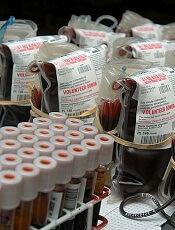
Photo by Daniel Gay
The US Food and Drug Administration has approved the blood screening assay cobas® MPX for use on the cobas® 6800 and 8800 Systems.
cobas® MPX is a nucleic acid test designed to screen donated blood and plasma for human immunodeficiency virus (HIV),hepatitis B virus (HBV), and hepatitis C virus (HCV).
The test can detect 5 viral targets—HIV-1 Group M, HIV-1 Group O, HIV-2, HBV, and HCV—in a single sample.
cobas® MPX features a dual-target approach with amplification of separate regions of HIV-1 and dual probes for HCV. It eliminates both the need for discriminatory testing between HIV, HBV, and HCV and the potential for discrepant results.
cobas® MPX is a product of Roche Molecular Diagnostics and can be used on Roche’s cobas® 6800 System or cobas® 8800 System.
These systems are used for routine molecular testing in the areas of donor screening, viral load monitoring, women’s health, and microbiology.
Both systems make it possible for labs to perform up to 3 tests in the same run with no pre-sorting required.
In an 8-hour shift, the cobas® 6800 System can provide 384 results, and the cobas® 8800 System can provide 960 results.
The cobas® 6800 system enables up to 8 hours of walk-away time with minimal user interaction, and the cobas® 8800 enables up to 4 hours of walk-away time.
Photo by Daniel Gay
The US Food and Drug Administration has approved the blood screening assay cobas® MPX for use on the cobas® 6800 and 8800 Systems.
cobas® MPX is a nucleic acid test designed to screen donated blood and plasma for human immunodeficiency virus (HIV),hepatitis B virus (HBV), and hepatitis C virus (HCV).
The test can detect 5 viral targets—HIV-1 Group M, HIV-1 Group O, HIV-2, HBV, and HCV—in a single sample.
cobas® MPX features a dual-target approach with amplification of separate regions of HIV-1 and dual probes for HCV. It eliminates both the need for discriminatory testing between HIV, HBV, and HCV and the potential for discrepant results.
cobas® MPX is a product of Roche Molecular Diagnostics and can be used on Roche’s cobas® 6800 System or cobas® 8800 System.
These systems are used for routine molecular testing in the areas of donor screening, viral load monitoring, women’s health, and microbiology.
Both systems make it possible for labs to perform up to 3 tests in the same run with no pre-sorting required.
In an 8-hour shift, the cobas® 6800 System can provide 384 results, and the cobas® 8800 System can provide 960 results.
The cobas® 6800 system enables up to 8 hours of walk-away time with minimal user interaction, and the cobas® 8800 enables up to 4 hours of walk-away time.
Photo by Daniel Gay
The US Food and Drug Administration has approved the blood screening assay cobas® MPX for use on the cobas® 6800 and 8800 Systems.
cobas® MPX is a nucleic acid test designed to screen donated blood and plasma for human immunodeficiency virus (HIV),hepatitis B virus (HBV), and hepatitis C virus (HCV).
The test can detect 5 viral targets—HIV-1 Group M, HIV-1 Group O, HIV-2, HBV, and HCV—in a single sample.
cobas® MPX features a dual-target approach with amplification of separate regions of HIV-1 and dual probes for HCV. It eliminates both the need for discriminatory testing between HIV, HBV, and HCV and the potential for discrepant results.
cobas® MPX is a product of Roche Molecular Diagnostics and can be used on Roche’s cobas® 6800 System or cobas® 8800 System.
These systems are used for routine molecular testing in the areas of donor screening, viral load monitoring, women’s health, and microbiology.
Both systems make it possible for labs to perform up to 3 tests in the same run with no pre-sorting required.
In an 8-hour shift, the cobas® 6800 System can provide 384 results, and the cobas® 8800 System can provide 960 results.
The cobas® 6800 system enables up to 8 hours of walk-away time with minimal user interaction, and the cobas® 8800 enables up to 4 hours of walk-away time.
EMA recommends orphan status for drug in SCD
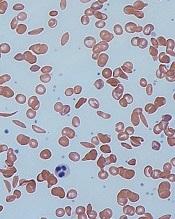
and normal red blood cells
Image by Graham Beards
The European Medicines Agency’s (EMA) Committee for Orphan Medicinal Products (COMP) has issued a positive opinion recommending that LJPC-401 receive orphan designation as a treatment for patients with sickle cell disease (SCD).
LJPC-401 is a formulation of synthetic human hepcidin.
La Jolla Pharmaceutical Company is developing LJPC-401 for the treatment of iron overload, which can occur in SCD and other diseases.
LJPC-401 already has orphan designation in the European Union as a treatment for patients with beta-thalassemia intermedia and major.
La Jolla recently reported positive results from a phase 1 study of LJPC-401 in patients at risk of iron overload suffering from hereditary hemochromatosis, thalassemia, or SCD. Fifteen patients received LJPC-401 at escalating dose levels ranging from 1 mg to 20 mg.
The researchers observed a dose-dependent, statistically significant reduction in serum iron (P=0.008 for dose response; not adjusted for multiple comparisons).
At the 20 mg dose level, LJPC-401 reduced serum iron by an average of 58.1% from baseline to hour 8 (P=0.001; not adjusted for potential regression to the mean effect), and serum iron had not returned to baseline through day 7 (21.2% reduction from baseline to the end of day 7).
The researchers also said LJPC-401 was well tolerated, with no dose-limiting toxicities. Injection-site reactions were the most commonly reported adverse event. These were all mild or moderate in severity, self-limiting, and fully resolved.
Now, La Jolla is working to initiate a pivotal study of LJPC-401. This will be a randomized, controlled, multicenter study in beta-thalassemia patients suffering from iron overload. La Jolla plans to initiate this study in mid-2017.
About orphan designation
The EMA’s COMP adopts an opinion on the granting of orphan drug designation, and that opinion is submitted to the European Commission for a final decision.
Orphan designation provides regulatory and financial incentives for companies to develop and market therapies that treat life-threatening or chronically debilitating conditions affecting no more than 5 in 10,000 people in the European Union, and where no satisfactory treatment is available.
Orphan designation provides a 10-year period of marketing exclusivity if the drug receives regulatory approval. The designation also provides incentives for companies seeking protocol assistance from the EMA during the product development phase and direct access to the centralized authorization procedure.
and normal red blood cells
Image by Graham Beards
The European Medicines Agency’s (EMA) Committee for Orphan Medicinal Products (COMP) has issued a positive opinion recommending that LJPC-401 receive orphan designation as a treatment for patients with sickle cell disease (SCD).
LJPC-401 is a formulation of synthetic human hepcidin.
La Jolla Pharmaceutical Company is developing LJPC-401 for the treatment of iron overload, which can occur in SCD and other diseases.
LJPC-401 already has orphan designation in the European Union as a treatment for patients with beta-thalassemia intermedia and major.
La Jolla recently reported positive results from a phase 1 study of LJPC-401 in patients at risk of iron overload suffering from hereditary hemochromatosis, thalassemia, or SCD. Fifteen patients received LJPC-401 at escalating dose levels ranging from 1 mg to 20 mg.
The researchers observed a dose-dependent, statistically significant reduction in serum iron (P=0.008 for dose response; not adjusted for multiple comparisons).
At the 20 mg dose level, LJPC-401 reduced serum iron by an average of 58.1% from baseline to hour 8 (P=0.001; not adjusted for potential regression to the mean effect), and serum iron had not returned to baseline through day 7 (21.2% reduction from baseline to the end of day 7).
The researchers also said LJPC-401 was well tolerated, with no dose-limiting toxicities. Injection-site reactions were the most commonly reported adverse event. These were all mild or moderate in severity, self-limiting, and fully resolved.
Now, La Jolla is working to initiate a pivotal study of LJPC-401. This will be a randomized, controlled, multicenter study in beta-thalassemia patients suffering from iron overload. La Jolla plans to initiate this study in mid-2017.
About orphan designation
The EMA’s COMP adopts an opinion on the granting of orphan drug designation, and that opinion is submitted to the European Commission for a final decision.
Orphan designation provides regulatory and financial incentives for companies to develop and market therapies that treat life-threatening or chronically debilitating conditions affecting no more than 5 in 10,000 people in the European Union, and where no satisfactory treatment is available.
Orphan designation provides a 10-year period of marketing exclusivity if the drug receives regulatory approval. The designation also provides incentives for companies seeking protocol assistance from the EMA during the product development phase and direct access to the centralized authorization procedure.
and normal red blood cells
Image by Graham Beards
The European Medicines Agency’s (EMA) Committee for Orphan Medicinal Products (COMP) has issued a positive opinion recommending that LJPC-401 receive orphan designation as a treatment for patients with sickle cell disease (SCD).
LJPC-401 is a formulation of synthetic human hepcidin.
La Jolla Pharmaceutical Company is developing LJPC-401 for the treatment of iron overload, which can occur in SCD and other diseases.
LJPC-401 already has orphan designation in the European Union as a treatment for patients with beta-thalassemia intermedia and major.
La Jolla recently reported positive results from a phase 1 study of LJPC-401 in patients at risk of iron overload suffering from hereditary hemochromatosis, thalassemia, or SCD. Fifteen patients received LJPC-401 at escalating dose levels ranging from 1 mg to 20 mg.
The researchers observed a dose-dependent, statistically significant reduction in serum iron (P=0.008 for dose response; not adjusted for multiple comparisons).
At the 20 mg dose level, LJPC-401 reduced serum iron by an average of 58.1% from baseline to hour 8 (P=0.001; not adjusted for potential regression to the mean effect), and serum iron had not returned to baseline through day 7 (21.2% reduction from baseline to the end of day 7).
The researchers also said LJPC-401 was well tolerated, with no dose-limiting toxicities. Injection-site reactions were the most commonly reported adverse event. These were all mild or moderate in severity, self-limiting, and fully resolved.
Now, La Jolla is working to initiate a pivotal study of LJPC-401. This will be a randomized, controlled, multicenter study in beta-thalassemia patients suffering from iron overload. La Jolla plans to initiate this study in mid-2017.
About orphan designation
The EMA’s COMP adopts an opinion on the granting of orphan drug designation, and that opinion is submitted to the European Commission for a final decision.
Orphan designation provides regulatory and financial incentives for companies to develop and market therapies that treat life-threatening or chronically debilitating conditions affecting no more than 5 in 10,000 people in the European Union, and where no satisfactory treatment is available.
Orphan designation provides a 10-year period of marketing exclusivity if the drug receives regulatory approval. The designation also provides incentives for companies seeking protocol assistance from the EMA during the product development phase and direct access to the centralized authorization procedure.
Itching in groin
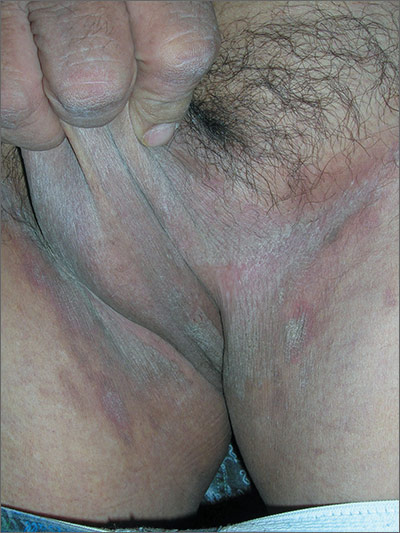
The FP suspected tinea cruris and asked the patient if he had athlete’s foot. The patient stated that his feet were fine, but the FP asked to examine them anyway and found signs of tinea pedis between the toes (especially in the interspace between toes 4 and 5). While this supported the diagnosis of tinea cruris, the FP decided to confirm his diagnosis with a potassium hydroxide (KOH) preparation. (See video on how to perform a KOH preparation here.) The KOH preparation showed branching hyphae with septate and visible nuclei, confirming the tinea infection.
Tinea cruris is an intensely pruritic superficial fungal infection of the groin and adjacent skin that is more common in men than women and rarely affects children. It is most commonly caused by the dermatophytes Trichophyton rubrum, Epidermophyton floccosum, Trichophyton mentagrophytes, and Trichophyton verrucosum. T rubrum is the most common organism and can be spread by fomites, such as contaminated towels. Autoinoculation can occur from fungus on the feet or hands. Risk factors include obesity and diabetes.
Most topical antifungals can be used to treat tinea cruris, except for nystatin, which only works for Candida. The fungicidal allylamines (naftifine and terbinafine) and butenafine (allylamine derivative) are more convenient, as they allow for a shorter duration of treatment compared with fungistatic azoles (clotrimazole, econazole, ketoconazole, oxiconazole, miconazole, and sulconazole). Topical azoles should be continued for 4 weeks and topical allylamines for 2 weeks or until clinical cure. Fluconazole 150 mg once weekly for 2 to 4 weeks can effectively treat tinea cruris when topical agents are failing. If there are multiple sites infected with fungus, such as the groin and feet, it helps to treat all active areas of infection simultaneously to prevent reinfection of the groin from other body sites.
For this patient, the FP suggested that he buy over-the-counter topical terbinafine to treat the groin and feet twice daily for a minimum of 2 weeks until the fungal infection was no longer visible and symptomatic. At a follow-up visit 4 weeks later, the tinea had resolved and the patient was very happy with the results.
Photos and text for Photo Rounds Friday courtesy of Richard P. Usatine, MD. This case was adapted from: Usatine R, Smith M. Tinea cruris. In: Usatine R, Smith M, Mayeaux EJ, et al, eds. Color Atlas of Family Medicine. 2nd ed. New York, NY: McGraw-Hill; 2013:795-798.
To learn more about the Color Atlas of Family Medicine, see: www.amazon.com/Color-Family-Medicine-Richard-Usatine/dp/0071769641/
You can now get the second edition of the Color Atlas of Family Medicine as an app by clicking on this link: usatinemedia.com
The FP suspected tinea cruris and asked the patient if he had athlete’s foot. The patient stated that his feet were fine, but the FP asked to examine them anyway and found signs of tinea pedis between the toes (especially in the interspace between toes 4 and 5). While this supported the diagnosis of tinea cruris, the FP decided to confirm his diagnosis with a potassium hydroxide (KOH) preparation. (See video on how to perform a KOH preparation here.) The KOH preparation showed branching hyphae with septate and visible nuclei, confirming the tinea infection.
Tinea cruris is an intensely pruritic superficial fungal infection of the groin and adjacent skin that is more common in men than women and rarely affects children. It is most commonly caused by the dermatophytes Trichophyton rubrum, Epidermophyton floccosum, Trichophyton mentagrophytes, and Trichophyton verrucosum. T rubrum is the most common organism and can be spread by fomites, such as contaminated towels. Autoinoculation can occur from fungus on the feet or hands. Risk factors include obesity and diabetes.
Most topical antifungals can be used to treat tinea cruris, except for nystatin, which only works for Candida. The fungicidal allylamines (naftifine and terbinafine) and butenafine (allylamine derivative) are more convenient, as they allow for a shorter duration of treatment compared with fungistatic azoles (clotrimazole, econazole, ketoconazole, oxiconazole, miconazole, and sulconazole). Topical azoles should be continued for 4 weeks and topical allylamines for 2 weeks or until clinical cure. Fluconazole 150 mg once weekly for 2 to 4 weeks can effectively treat tinea cruris when topical agents are failing. If there are multiple sites infected with fungus, such as the groin and feet, it helps to treat all active areas of infection simultaneously to prevent reinfection of the groin from other body sites.
For this patient, the FP suggested that he buy over-the-counter topical terbinafine to treat the groin and feet twice daily for a minimum of 2 weeks until the fungal infection was no longer visible and symptomatic. At a follow-up visit 4 weeks later, the tinea had resolved and the patient was very happy with the results.
Photos and text for Photo Rounds Friday courtesy of Richard P. Usatine, MD. This case was adapted from: Usatine R, Smith M. Tinea cruris. In: Usatine R, Smith M, Mayeaux EJ, et al, eds. Color Atlas of Family Medicine. 2nd ed. New York, NY: McGraw-Hill; 2013:795-798.
To learn more about the Color Atlas of Family Medicine, see: www.amazon.com/Color-Family-Medicine-Richard-Usatine/dp/0071769641/
You can now get the second edition of the Color Atlas of Family Medicine as an app by clicking on this link: usatinemedia.com
The FP suspected tinea cruris and asked the patient if he had athlete’s foot. The patient stated that his feet were fine, but the FP asked to examine them anyway and found signs of tinea pedis between the toes (especially in the interspace between toes 4 and 5). While this supported the diagnosis of tinea cruris, the FP decided to confirm his diagnosis with a potassium hydroxide (KOH) preparation. (See video on how to perform a KOH preparation here.) The KOH preparation showed branching hyphae with septate and visible nuclei, confirming the tinea infection.
Tinea cruris is an intensely pruritic superficial fungal infection of the groin and adjacent skin that is more common in men than women and rarely affects children. It is most commonly caused by the dermatophytes Trichophyton rubrum, Epidermophyton floccosum, Trichophyton mentagrophytes, and Trichophyton verrucosum. T rubrum is the most common organism and can be spread by fomites, such as contaminated towels. Autoinoculation can occur from fungus on the feet or hands. Risk factors include obesity and diabetes.
Most topical antifungals can be used to treat tinea cruris, except for nystatin, which only works for Candida. The fungicidal allylamines (naftifine and terbinafine) and butenafine (allylamine derivative) are more convenient, as they allow for a shorter duration of treatment compared with fungistatic azoles (clotrimazole, econazole, ketoconazole, oxiconazole, miconazole, and sulconazole). Topical azoles should be continued for 4 weeks and topical allylamines for 2 weeks or until clinical cure. Fluconazole 150 mg once weekly for 2 to 4 weeks can effectively treat tinea cruris when topical agents are failing. If there are multiple sites infected with fungus, such as the groin and feet, it helps to treat all active areas of infection simultaneously to prevent reinfection of the groin from other body sites.
For this patient, the FP suggested that he buy over-the-counter topical terbinafine to treat the groin and feet twice daily for a minimum of 2 weeks until the fungal infection was no longer visible and symptomatic. At a follow-up visit 4 weeks later, the tinea had resolved and the patient was very happy with the results.
Photos and text for Photo Rounds Friday courtesy of Richard P. Usatine, MD. This case was adapted from: Usatine R, Smith M. Tinea cruris. In: Usatine R, Smith M, Mayeaux EJ, et al, eds. Color Atlas of Family Medicine. 2nd ed. New York, NY: McGraw-Hill; 2013:795-798.
To learn more about the Color Atlas of Family Medicine, see: www.amazon.com/Color-Family-Medicine-Richard-Usatine/dp/0071769641/
You can now get the second edition of the Color Atlas of Family Medicine as an app by clicking on this link: usatinemedia.com

Diabetes, stroke linked to recurrent C. difficile
LAS VEGAS – Diabetes and stroke are risk factors for recurrent Clostridium difficile infection (CDI), with stroke patients at about 10 times the risk of recurrence.
The underlying cause for the association is a mystery, but one-sided paralysis is one possibility. “A lot of stroke patients may be hemiplegic, and they may be bedridden, so that may be a risk factor by itself. It’s something that may need to be studied in the future,” Alan Putrus, MD, a gastroenterology fellow at St. John Providence Hospital, Detroit, said in an interview.
CDI recurrence rates range from 5% to 47%, depending on the institution. Although risk factors of initial CDI have been well defined, few studies have looked at risk factors associated with recurrence.
In order to get at the question, the researchers conducted a study of 108 initial CDIs and 113 recurrences at two urban and one suburban hospital. Patients who experienced recurrence were matched 1:1 to age- and gender-matched controls with no recurrent CDI.
CDI recurrence rates were 16.5% and 15.9% in the two urban hospitals, and 14.9% in the suburban hospital.
Logistic regression revealed risk factors associated with CDI recurrence, including diabetes (odds ratio, 1.91; 95% confidence interval, 1.05-3.47; P = .04), stroke (OR, 9.73; 95% CI, 1.15-82.35; P = .04), exposure to proton pump inhibitors in the past 3 months (OR, 1.82; 95% CI, 1.03-3.23; P = .04), and admission to an intensive care unit in the past 3 months (OR, 1.95; 95% CI, 1.0-3.83; P = .04).
The results suggest that diabetes and especially stroke may be important risk factors for CDI recurrence, and their presence should prompt physicians to alter patient care accordingly, according to Dr. Putrus.
He stressed the importance of antibiotic stewardship. “Once you find a certain bug or pathogen, try to deescalate the antibiotics as soon as you can. If a patient is diabetic, controlling their blood sugar may also help,” Dr. Putrus said.
Finally, physicians should consider whether proton pump inhibitors are really necessary. Some patients start on PPIs but remain on the drugs long after symptoms have abated. “A lot of patients just have some discomfort in their abdomen, and they never stop taking it. They keep refilling it. So that’s a problem,” said Dr. Putrus.
Dr. Putrus has declared no conflicts of interest.
LAS VEGAS – Diabetes and stroke are risk factors for recurrent Clostridium difficile infection (CDI), with stroke patients at about 10 times the risk of recurrence.
The underlying cause for the association is a mystery, but one-sided paralysis is one possibility. “A lot of stroke patients may be hemiplegic, and they may be bedridden, so that may be a risk factor by itself. It’s something that may need to be studied in the future,” Alan Putrus, MD, a gastroenterology fellow at St. John Providence Hospital, Detroit, said in an interview.
CDI recurrence rates range from 5% to 47%, depending on the institution. Although risk factors of initial CDI have been well defined, few studies have looked at risk factors associated with recurrence.
In order to get at the question, the researchers conducted a study of 108 initial CDIs and 113 recurrences at two urban and one suburban hospital. Patients who experienced recurrence were matched 1:1 to age- and gender-matched controls with no recurrent CDI.
CDI recurrence rates were 16.5% and 15.9% in the two urban hospitals, and 14.9% in the suburban hospital.
Logistic regression revealed risk factors associated with CDI recurrence, including diabetes (odds ratio, 1.91; 95% confidence interval, 1.05-3.47; P = .04), stroke (OR, 9.73; 95% CI, 1.15-82.35; P = .04), exposure to proton pump inhibitors in the past 3 months (OR, 1.82; 95% CI, 1.03-3.23; P = .04), and admission to an intensive care unit in the past 3 months (OR, 1.95; 95% CI, 1.0-3.83; P = .04).
The results suggest that diabetes and especially stroke may be important risk factors for CDI recurrence, and their presence should prompt physicians to alter patient care accordingly, according to Dr. Putrus.
He stressed the importance of antibiotic stewardship. “Once you find a certain bug or pathogen, try to deescalate the antibiotics as soon as you can. If a patient is diabetic, controlling their blood sugar may also help,” Dr. Putrus said.
Finally, physicians should consider whether proton pump inhibitors are really necessary. Some patients start on PPIs but remain on the drugs long after symptoms have abated. “A lot of patients just have some discomfort in their abdomen, and they never stop taking it. They keep refilling it. So that’s a problem,” said Dr. Putrus.
Dr. Putrus has declared no conflicts of interest.
LAS VEGAS – Diabetes and stroke are risk factors for recurrent Clostridium difficile infection (CDI), with stroke patients at about 10 times the risk of recurrence.
The underlying cause for the association is a mystery, but one-sided paralysis is one possibility. “A lot of stroke patients may be hemiplegic, and they may be bedridden, so that may be a risk factor by itself. It’s something that may need to be studied in the future,” Alan Putrus, MD, a gastroenterology fellow at St. John Providence Hospital, Detroit, said in an interview.
CDI recurrence rates range from 5% to 47%, depending on the institution. Although risk factors of initial CDI have been well defined, few studies have looked at risk factors associated with recurrence.
In order to get at the question, the researchers conducted a study of 108 initial CDIs and 113 recurrences at two urban and one suburban hospital. Patients who experienced recurrence were matched 1:1 to age- and gender-matched controls with no recurrent CDI.
CDI recurrence rates were 16.5% and 15.9% in the two urban hospitals, and 14.9% in the suburban hospital.
Logistic regression revealed risk factors associated with CDI recurrence, including diabetes (odds ratio, 1.91; 95% confidence interval, 1.05-3.47; P = .04), stroke (OR, 9.73; 95% CI, 1.15-82.35; P = .04), exposure to proton pump inhibitors in the past 3 months (OR, 1.82; 95% CI, 1.03-3.23; P = .04), and admission to an intensive care unit in the past 3 months (OR, 1.95; 95% CI, 1.0-3.83; P = .04).
The results suggest that diabetes and especially stroke may be important risk factors for CDI recurrence, and their presence should prompt physicians to alter patient care accordingly, according to Dr. Putrus.
He stressed the importance of antibiotic stewardship. “Once you find a certain bug or pathogen, try to deescalate the antibiotics as soon as you can. If a patient is diabetic, controlling their blood sugar may also help,” Dr. Putrus said.
Finally, physicians should consider whether proton pump inhibitors are really necessary. Some patients start on PPIs but remain on the drugs long after symptoms have abated. “A lot of patients just have some discomfort in their abdomen, and they never stop taking it. They keep refilling it. So that’s a problem,” said Dr. Putrus.
Dr. Putrus has declared no conflicts of interest.
AT ACG 2016
Key clinical point:
Major finding: Diabetes, stroke, and a history of PPI use were all associated with higher risks of recurrence.
Data source: Case-control, retrospective study.
Disclosures: Dr. Putrus has declared no conflicts of interest.

Oxygen therapy no advantage in stable COPD with moderate desaturation
Longterm supplemental oxygen had no benefit on multiple outcome measures in patients with stable chronic obstructive pulmonary disease (COPD) and resting or exercise-induced moderate desaturation, Robert Wise, MD, and his colleagues in The Long-Term Oxygen Treatment Trial (LOTT) Research Group reported.
Recommendations that supplemental oxygen be administered to patients with severe desaturation – an oxyhemoglobin saturation of less than 89% on pulse oximetry (SpO2) – date to two trials performed in the 1970s. Since that time, subsequent studies have been performed in patients with COPD and mild-to-moderate daytime hypoxemia, but the studies were underpowered to assess mortality and the impact of oxygen therapy on hospitalization, exercise performance, and quality of life were unclear.
Dr. Wise, professor of medicine and director of research, in the division of pulmonary and critical care medicine, Johns Hopkins University, Baltimore, and his fellow LOTT researchers examined whether longterm treatment with supplemental oxygen would extend life and avoid hospitalization among patients who had stable COPD with moderate resting desaturation – defined as an SpO2 of 89% to 93% – and patients who had stable COPD with moderate exercise-induced desaturation during the 6-minute walk test – defined as an SpO2 of at least 80% for at least 5 minutes and less than 90% for 10 seconds or more.
The 738 study participants, about 75% of whom were men, were randomly assigned at one of 42 centers either to receive (368) or not to receive (370) longterm supplemental oxygen. In the supplemental oxygen group, patients with resting desaturation were prescribed 24-hour oxygen, and those with desaturation only during exercise were prescribed oxygen during exercise and sleep (N Engl J Med. 2016;375:1617-27. DOI: 10.1056/NEJMoa1604344).
The groups were balanced for oxygen-desaturation type: 60 (16%) and 73 (20%) had oxygen desaturation only at rest, 171 (46%) and 148 (40%) had oxygen desaturation only upon exercise, and 139 (38%) and 147 (40%) had oxygen desaturation at rest and upon exercise. Patients were followed for 1 to 6 years.
Supplemental oxygen, regardless of prescription type or adherence, failed to benefit patients overall or any subgroup of patients with stable COPD and moderate desaturation. The results were similar for all groups based on measures of time to death or first hospitalization (hazard ratio, 0.94; 95% confidence interval [CI], 0.79 to 1.12; P = .52), hospitalization for a COPD-related hospitalizations (rate ratio, 0.99; 95% CI, 0.83 to 1.17), non–COPD-related hospitalizations (rate ratio, 1.03; 95% CI, 0.90 to 1.18), the rate of all hospitalizations (rate ratio, 1.01; 95% CI, 0.91 to 1.13), and the rate of all COPD exacerbations (rate ratio, 1.08; 95% CI, 0.98 to 1.19). Additionally, patients who did and did not receive oxygen treatment did not differ based on changes on measures of quality of life, depression, anxiety, or functional status.
Oxygen treatment also was not without risk. Among the 51 adverse events attributed to the use of supplemental oxygen were 23 reports of tripping over equipment, including two cases that necessitated hospitalization. There were five patients who reported six cases of fires or burns, including one who had to be hospitalized.
The researchers acknowledged that some patients may not have enrolled in the trial because they were too ill or felt that oxygen was beneficial. “Highly symptomatic patients who declined enrollment might have had a different response to oxygen than what we observed in the enrolled patients,” they noted.
Additionally, uniform devices weren’t used for oxygen delivery, so the amount of oxygen delivered may have varied, and the study did not evaluate the immediate effects of oxygen on symptoms or exercise performance. Nocturnal oxygen saturation was not measured, and “some patients with COPD and severe nocturnal desaturation might benefit from nocturnal oxygen supplementation,” they pointed out. Moreover, “patients’ self-reported adherence may have been an overestimate of their actual oxygen use,” they added, noting, however, that there was good agreement with use “as measured by means of serial meter readings on the concentrator.”
Based on the results, the authors concluded, “the consistency of the null findings strengthens the overall conclusion that long-term supplemental oxygen in patients with stable COPD and resting or exercise-induced moderate desaturation has no benefit with regard to the multiple outcomes measured.”
LOTT was funded by the National Heart, Lung, and Blood Institute and the Centers for Medicare and Medicaid Services. LOTT researchers reported relationships with a wide variety of drug companies.
mdales@frontlinemedcom.com
On Twitter @maryjodales
This landmark study is the largest to date to provide quality evidence about clinically relevant outcomes of longterm oxygen therapy for COPD patients with moderate hypoxemia, a prescribing decision that is relatively costly and potentially places a burden on patients. For patients with moderate hypoxemia, longterm oxygen therapy consistently did not affect outcomes, and the results were not modified by the type of oxygen prescription, desaturation profile, oxygen use, sex, smoking status, or lung function.
Given the available current data, longterm oxygen therapy should be prescribed to prolong survival among patients with COPD who have more than 3 weeks of severe resting hypoxemia (PaO2 of no more than 55 mm Hg or SaO2 of less than 88%) while they are breathing ambient air. Oxygen therapy might still be appropriate in selected patients with moderate exertional hypoxemia and intractable breathlessness despite appropriate evidence-based treatment.
Ambient air or oxygen can be used to evaluate the potential benefit. Oxygen therapy can be discontinued if the patient perceives no benefit within a day or two. Selected patients who benefit should be prescribed oxygen, and I think that this treatment that should be covered by insurance payers. However, longterm oxygen therapy should not be routinely prescribed in patients with mild or moderate hypoxemia at rest or during exercise.
Magnus Ekström, MD, PhD , is with the Division of Respiratory Medicine and Allergology, Lund (Sweden) University, and the department of medicine, Blekinge Hospital, Karlskrona, Sweden. He had no relevant financial disclosures and made these remarks in an editorial that accompanied the published study ( N Engl J. Med. 2016;375: 1683-4 ).
This landmark study is the largest to date to provide quality evidence about clinically relevant outcomes of longterm oxygen therapy for COPD patients with moderate hypoxemia, a prescribing decision that is relatively costly and potentially places a burden on patients. For patients with moderate hypoxemia, longterm oxygen therapy consistently did not affect outcomes, and the results were not modified by the type of oxygen prescription, desaturation profile, oxygen use, sex, smoking status, or lung function.
Given the available current data, longterm oxygen therapy should be prescribed to prolong survival among patients with COPD who have more than 3 weeks of severe resting hypoxemia (PaO2 of no more than 55 mm Hg or SaO2 of less than 88%) while they are breathing ambient air. Oxygen therapy might still be appropriate in selected patients with moderate exertional hypoxemia and intractable breathlessness despite appropriate evidence-based treatment.
Ambient air or oxygen can be used to evaluate the potential benefit. Oxygen therapy can be discontinued if the patient perceives no benefit within a day or two. Selected patients who benefit should be prescribed oxygen, and I think that this treatment that should be covered by insurance payers. However, longterm oxygen therapy should not be routinely prescribed in patients with mild or moderate hypoxemia at rest or during exercise.
Magnus Ekström, MD, PhD , is with the Division of Respiratory Medicine and Allergology, Lund (Sweden) University, and the department of medicine, Blekinge Hospital, Karlskrona, Sweden. He had no relevant financial disclosures and made these remarks in an editorial that accompanied the published study ( N Engl J. Med. 2016;375: 1683-4 ).
This landmark study is the largest to date to provide quality evidence about clinically relevant outcomes of longterm oxygen therapy for COPD patients with moderate hypoxemia, a prescribing decision that is relatively costly and potentially places a burden on patients. For patients with moderate hypoxemia, longterm oxygen therapy consistently did not affect outcomes, and the results were not modified by the type of oxygen prescription, desaturation profile, oxygen use, sex, smoking status, or lung function.
Given the available current data, longterm oxygen therapy should be prescribed to prolong survival among patients with COPD who have more than 3 weeks of severe resting hypoxemia (PaO2 of no more than 55 mm Hg or SaO2 of less than 88%) while they are breathing ambient air. Oxygen therapy might still be appropriate in selected patients with moderate exertional hypoxemia and intractable breathlessness despite appropriate evidence-based treatment.
Ambient air or oxygen can be used to evaluate the potential benefit. Oxygen therapy can be discontinued if the patient perceives no benefit within a day or two. Selected patients who benefit should be prescribed oxygen, and I think that this treatment that should be covered by insurance payers. However, longterm oxygen therapy should not be routinely prescribed in patients with mild or moderate hypoxemia at rest or during exercise.
Magnus Ekström, MD, PhD , is with the Division of Respiratory Medicine and Allergology, Lund (Sweden) University, and the department of medicine, Blekinge Hospital, Karlskrona, Sweden. He had no relevant financial disclosures and made these remarks in an editorial that accompanied the published study ( N Engl J. Med. 2016;375: 1683-4 ).
Longterm supplemental oxygen had no benefit on multiple outcome measures in patients with stable chronic obstructive pulmonary disease (COPD) and resting or exercise-induced moderate desaturation, Robert Wise, MD, and his colleagues in The Long-Term Oxygen Treatment Trial (LOTT) Research Group reported.
Recommendations that supplemental oxygen be administered to patients with severe desaturation – an oxyhemoglobin saturation of less than 89% on pulse oximetry (SpO2) – date to two trials performed in the 1970s. Since that time, subsequent studies have been performed in patients with COPD and mild-to-moderate daytime hypoxemia, but the studies were underpowered to assess mortality and the impact of oxygen therapy on hospitalization, exercise performance, and quality of life were unclear.
Dr. Wise, professor of medicine and director of research, in the division of pulmonary and critical care medicine, Johns Hopkins University, Baltimore, and his fellow LOTT researchers examined whether longterm treatment with supplemental oxygen would extend life and avoid hospitalization among patients who had stable COPD with moderate resting desaturation – defined as an SpO2 of 89% to 93% – and patients who had stable COPD with moderate exercise-induced desaturation during the 6-minute walk test – defined as an SpO2 of at least 80% for at least 5 minutes and less than 90% for 10 seconds or more.
The 738 study participants, about 75% of whom were men, were randomly assigned at one of 42 centers either to receive (368) or not to receive (370) longterm supplemental oxygen. In the supplemental oxygen group, patients with resting desaturation were prescribed 24-hour oxygen, and those with desaturation only during exercise were prescribed oxygen during exercise and sleep (N Engl J Med. 2016;375:1617-27. DOI: 10.1056/NEJMoa1604344).
The groups were balanced for oxygen-desaturation type: 60 (16%) and 73 (20%) had oxygen desaturation only at rest, 171 (46%) and 148 (40%) had oxygen desaturation only upon exercise, and 139 (38%) and 147 (40%) had oxygen desaturation at rest and upon exercise. Patients were followed for 1 to 6 years.
Supplemental oxygen, regardless of prescription type or adherence, failed to benefit patients overall or any subgroup of patients with stable COPD and moderate desaturation. The results were similar for all groups based on measures of time to death or first hospitalization (hazard ratio, 0.94; 95% confidence interval [CI], 0.79 to 1.12; P = .52), hospitalization for a COPD-related hospitalizations (rate ratio, 0.99; 95% CI, 0.83 to 1.17), non–COPD-related hospitalizations (rate ratio, 1.03; 95% CI, 0.90 to 1.18), the rate of all hospitalizations (rate ratio, 1.01; 95% CI, 0.91 to 1.13), and the rate of all COPD exacerbations (rate ratio, 1.08; 95% CI, 0.98 to 1.19). Additionally, patients who did and did not receive oxygen treatment did not differ based on changes on measures of quality of life, depression, anxiety, or functional status.
Oxygen treatment also was not without risk. Among the 51 adverse events attributed to the use of supplemental oxygen were 23 reports of tripping over equipment, including two cases that necessitated hospitalization. There were five patients who reported six cases of fires or burns, including one who had to be hospitalized.
The researchers acknowledged that some patients may not have enrolled in the trial because they were too ill or felt that oxygen was beneficial. “Highly symptomatic patients who declined enrollment might have had a different response to oxygen than what we observed in the enrolled patients,” they noted.
Additionally, uniform devices weren’t used for oxygen delivery, so the amount of oxygen delivered may have varied, and the study did not evaluate the immediate effects of oxygen on symptoms or exercise performance. Nocturnal oxygen saturation was not measured, and “some patients with COPD and severe nocturnal desaturation might benefit from nocturnal oxygen supplementation,” they pointed out. Moreover, “patients’ self-reported adherence may have been an overestimate of their actual oxygen use,” they added, noting, however, that there was good agreement with use “as measured by means of serial meter readings on the concentrator.”
Based on the results, the authors concluded, “the consistency of the null findings strengthens the overall conclusion that long-term supplemental oxygen in patients with stable COPD and resting or exercise-induced moderate desaturation has no benefit with regard to the multiple outcomes measured.”
LOTT was funded by the National Heart, Lung, and Blood Institute and the Centers for Medicare and Medicaid Services. LOTT researchers reported relationships with a wide variety of drug companies.
mdales@frontlinemedcom.com
On Twitter @maryjodales
Longterm supplemental oxygen had no benefit on multiple outcome measures in patients with stable chronic obstructive pulmonary disease (COPD) and resting or exercise-induced moderate desaturation, Robert Wise, MD, and his colleagues in The Long-Term Oxygen Treatment Trial (LOTT) Research Group reported.
Recommendations that supplemental oxygen be administered to patients with severe desaturation – an oxyhemoglobin saturation of less than 89% on pulse oximetry (SpO2) – date to two trials performed in the 1970s. Since that time, subsequent studies have been performed in patients with COPD and mild-to-moderate daytime hypoxemia, but the studies were underpowered to assess mortality and the impact of oxygen therapy on hospitalization, exercise performance, and quality of life were unclear.
Dr. Wise, professor of medicine and director of research, in the division of pulmonary and critical care medicine, Johns Hopkins University, Baltimore, and his fellow LOTT researchers examined whether longterm treatment with supplemental oxygen would extend life and avoid hospitalization among patients who had stable COPD with moderate resting desaturation – defined as an SpO2 of 89% to 93% – and patients who had stable COPD with moderate exercise-induced desaturation during the 6-minute walk test – defined as an SpO2 of at least 80% for at least 5 minutes and less than 90% for 10 seconds or more.
The 738 study participants, about 75% of whom were men, were randomly assigned at one of 42 centers either to receive (368) or not to receive (370) longterm supplemental oxygen. In the supplemental oxygen group, patients with resting desaturation were prescribed 24-hour oxygen, and those with desaturation only during exercise were prescribed oxygen during exercise and sleep (N Engl J Med. 2016;375:1617-27. DOI: 10.1056/NEJMoa1604344).
The groups were balanced for oxygen-desaturation type: 60 (16%) and 73 (20%) had oxygen desaturation only at rest, 171 (46%) and 148 (40%) had oxygen desaturation only upon exercise, and 139 (38%) and 147 (40%) had oxygen desaturation at rest and upon exercise. Patients were followed for 1 to 6 years.
Supplemental oxygen, regardless of prescription type or adherence, failed to benefit patients overall or any subgroup of patients with stable COPD and moderate desaturation. The results were similar for all groups based on measures of time to death or first hospitalization (hazard ratio, 0.94; 95% confidence interval [CI], 0.79 to 1.12; P = .52), hospitalization for a COPD-related hospitalizations (rate ratio, 0.99; 95% CI, 0.83 to 1.17), non–COPD-related hospitalizations (rate ratio, 1.03; 95% CI, 0.90 to 1.18), the rate of all hospitalizations (rate ratio, 1.01; 95% CI, 0.91 to 1.13), and the rate of all COPD exacerbations (rate ratio, 1.08; 95% CI, 0.98 to 1.19). Additionally, patients who did and did not receive oxygen treatment did not differ based on changes on measures of quality of life, depression, anxiety, or functional status.
Oxygen treatment also was not without risk. Among the 51 adverse events attributed to the use of supplemental oxygen were 23 reports of tripping over equipment, including two cases that necessitated hospitalization. There were five patients who reported six cases of fires or burns, including one who had to be hospitalized.
The researchers acknowledged that some patients may not have enrolled in the trial because they were too ill or felt that oxygen was beneficial. “Highly symptomatic patients who declined enrollment might have had a different response to oxygen than what we observed in the enrolled patients,” they noted.
Additionally, uniform devices weren’t used for oxygen delivery, so the amount of oxygen delivered may have varied, and the study did not evaluate the immediate effects of oxygen on symptoms or exercise performance. Nocturnal oxygen saturation was not measured, and “some patients with COPD and severe nocturnal desaturation might benefit from nocturnal oxygen supplementation,” they pointed out. Moreover, “patients’ self-reported adherence may have been an overestimate of their actual oxygen use,” they added, noting, however, that there was good agreement with use “as measured by means of serial meter readings on the concentrator.”
Based on the results, the authors concluded, “the consistency of the null findings strengthens the overall conclusion that long-term supplemental oxygen in patients with stable COPD and resting or exercise-induced moderate desaturation has no benefit with regard to the multiple outcomes measured.”
LOTT was funded by the National Heart, Lung, and Blood Institute and the Centers for Medicare and Medicaid Services. LOTT researchers reported relationships with a wide variety of drug companies.
mdales@frontlinemedcom.com
On Twitter @maryjodales
FROM NEJM
Key clinical point:
Major finding: The results were similar for all groups based on measures of time to death or first hospitalization (hazard ratio, 0.94; 95% confidence interval [CI], 0.79 to 1.12; P = .52).
Data source: 738 study participants were randomly assigned to receive (368) or not to receive (370) longterm supplemental oxygen in The Long-Term Oxygen Treatment Trial (LOTT).
Disclosures: LOTT was funded by the National Heart, Lung, and Blood Institute and the Centers for Medicare and Medicaid Services. LOTT researchers reported relationships with a wide variety of drug companies.

Androgen improved survival in elderly AML patients
Elderly patients with acute myeloid leukemia (AML) generally have a poor prognosis, but maintenance therapy with an androgen, norethandrolone, significantly improved survival in this population, investigators report in the Journal of Clinical Oncology.
The 5-year disease-free survival was almost double in patients who received norethandrolone (31.2% vs 16.2%), and event-free survival (EFS) and overall survival (OS) were also markedly improved.
A number of hypotheses could explain why norethandrolone improves outcomes in this population. “Because androgen supplementation was initiated when the tumoral mass was decreased, it is possible that norethandrolone decreased the proliferation of remaining blast cells and/or their genetic instability in restoring proper telomere length,” wrote Arnaud Pigneux, MD, PhD, of the Centre Hospitalier Universitaire, Bordeaux (France), and his coauthors. “In addition, as in aplastic anemia, a beneficial effect could be exerted by androgens on normal hematopoietic cells recovering after the end of the postinduction aplastic phase,” they said (J Clin Oncol. 2016 Oct 17. doi: 10.1200/JCO.2016.67.6213)
The majority of patients with AML are older than 60 years of age at the time of their diagnosis, and the prognosis is particularly poor for a number of reasons, including a greater intolerance to intensive chemotherapies and the presence of comorbidities. In addition, older patients also frequently present with unfavorable prognostic features, including multidrug resistant phenotypes or poor-risk cytogenetics.
In this study, Dr. Pigneux and his team enrolled 330 patients with AML de novo or secondary to chemotherapy or radiotherapy, who were 60 years of age or older. Induction therapy of idarubicin 8 mg/m2 on days 1 to 5, cytarabine 100 mg/m2 on days 1 to 7, and lomustine 200 mg/m2 on day 1 was administered.
Those who achieved complete or partial remission received six reinduction courses, alternating idarubicin and cytarabine, and a regimen of methotrexate and mercaptopurine. The cohort was then randomized to receive norethandrolone 10 or 20 mg/day (arm A) according to body weight, or no norethandrolone (arm B) for a 2-year maintenance therapy regimen.
Disease-free survival (DFS) was significantly improved in patients who received androgen therapy, but there was no difference between groups in patients with a high WBC count.
The 5-year DFS was 39.2% for arm A versus 15.1% in arm B for patients with a low WBC count, and 14.3% in arm A versus 20.8% in arm B for patients with a high WBC count.
From the time of inclusion, the 5-year EFS and OS were 21.5% (95% confidence interval, 15.5%-28.1%) and 26.3% (95% CI, 19.7%-33.2%), respectively, in arm A versus 12.9% (95% CI, 8.3%-18.5%) and 17.2% (95% CI, 11.9%-23.4%), respectively, in arm B.
For patients with unfavorable cytogenetics (n = 78), outcomes were better if they received norethandrolone.
The 5-year DFS for this subset was 15.79% in arm A versus 7.69% in arm B. For patients with low- or intermediate-risk cytogenetics, the 5-year DFS was 39.73% in arm A versus 19.72% in arm B.
No funding source was disclosed. Dr. Pigneux has disclosed consulting or advisory roles with Amgen, Celgene, MSD, and Novartis, and disclosed receiving funding for travel and accommodations expenses from Amgen and Pfizer. Several of the authors have disclosed relationships with industry.
Elderly patients with acute myeloid leukemia (AML) generally have a poor prognosis, but maintenance therapy with an androgen, norethandrolone, significantly improved survival in this population, investigators report in the Journal of Clinical Oncology.
The 5-year disease-free survival was almost double in patients who received norethandrolone (31.2% vs 16.2%), and event-free survival (EFS) and overall survival (OS) were also markedly improved.
A number of hypotheses could explain why norethandrolone improves outcomes in this population. “Because androgen supplementation was initiated when the tumoral mass was decreased, it is possible that norethandrolone decreased the proliferation of remaining blast cells and/or their genetic instability in restoring proper telomere length,” wrote Arnaud Pigneux, MD, PhD, of the Centre Hospitalier Universitaire, Bordeaux (France), and his coauthors. “In addition, as in aplastic anemia, a beneficial effect could be exerted by androgens on normal hematopoietic cells recovering after the end of the postinduction aplastic phase,” they said (J Clin Oncol. 2016 Oct 17. doi: 10.1200/JCO.2016.67.6213)
The majority of patients with AML are older than 60 years of age at the time of their diagnosis, and the prognosis is particularly poor for a number of reasons, including a greater intolerance to intensive chemotherapies and the presence of comorbidities. In addition, older patients also frequently present with unfavorable prognostic features, including multidrug resistant phenotypes or poor-risk cytogenetics.
In this study, Dr. Pigneux and his team enrolled 330 patients with AML de novo or secondary to chemotherapy or radiotherapy, who were 60 years of age or older. Induction therapy of idarubicin 8 mg/m2 on days 1 to 5, cytarabine 100 mg/m2 on days 1 to 7, and lomustine 200 mg/m2 on day 1 was administered.
Those who achieved complete or partial remission received six reinduction courses, alternating idarubicin and cytarabine, and a regimen of methotrexate and mercaptopurine. The cohort was then randomized to receive norethandrolone 10 or 20 mg/day (arm A) according to body weight, or no norethandrolone (arm B) for a 2-year maintenance therapy regimen.
Disease-free survival (DFS) was significantly improved in patients who received androgen therapy, but there was no difference between groups in patients with a high WBC count.
The 5-year DFS was 39.2% for arm A versus 15.1% in arm B for patients with a low WBC count, and 14.3% in arm A versus 20.8% in arm B for patients with a high WBC count.
From the time of inclusion, the 5-year EFS and OS were 21.5% (95% confidence interval, 15.5%-28.1%) and 26.3% (95% CI, 19.7%-33.2%), respectively, in arm A versus 12.9% (95% CI, 8.3%-18.5%) and 17.2% (95% CI, 11.9%-23.4%), respectively, in arm B.
For patients with unfavorable cytogenetics (n = 78), outcomes were better if they received norethandrolone.
The 5-year DFS for this subset was 15.79% in arm A versus 7.69% in arm B. For patients with low- or intermediate-risk cytogenetics, the 5-year DFS was 39.73% in arm A versus 19.72% in arm B.
No funding source was disclosed. Dr. Pigneux has disclosed consulting or advisory roles with Amgen, Celgene, MSD, and Novartis, and disclosed receiving funding for travel and accommodations expenses from Amgen and Pfizer. Several of the authors have disclosed relationships with industry.
Elderly patients with acute myeloid leukemia (AML) generally have a poor prognosis, but maintenance therapy with an androgen, norethandrolone, significantly improved survival in this population, investigators report in the Journal of Clinical Oncology.
The 5-year disease-free survival was almost double in patients who received norethandrolone (31.2% vs 16.2%), and event-free survival (EFS) and overall survival (OS) were also markedly improved.
A number of hypotheses could explain why norethandrolone improves outcomes in this population. “Because androgen supplementation was initiated when the tumoral mass was decreased, it is possible that norethandrolone decreased the proliferation of remaining blast cells and/or their genetic instability in restoring proper telomere length,” wrote Arnaud Pigneux, MD, PhD, of the Centre Hospitalier Universitaire, Bordeaux (France), and his coauthors. “In addition, as in aplastic anemia, a beneficial effect could be exerted by androgens on normal hematopoietic cells recovering after the end of the postinduction aplastic phase,” they said (J Clin Oncol. 2016 Oct 17. doi: 10.1200/JCO.2016.67.6213)
The majority of patients with AML are older than 60 years of age at the time of their diagnosis, and the prognosis is particularly poor for a number of reasons, including a greater intolerance to intensive chemotherapies and the presence of comorbidities. In addition, older patients also frequently present with unfavorable prognostic features, including multidrug resistant phenotypes or poor-risk cytogenetics.
In this study, Dr. Pigneux and his team enrolled 330 patients with AML de novo or secondary to chemotherapy or radiotherapy, who were 60 years of age or older. Induction therapy of idarubicin 8 mg/m2 on days 1 to 5, cytarabine 100 mg/m2 on days 1 to 7, and lomustine 200 mg/m2 on day 1 was administered.
Those who achieved complete or partial remission received six reinduction courses, alternating idarubicin and cytarabine, and a regimen of methotrexate and mercaptopurine. The cohort was then randomized to receive norethandrolone 10 or 20 mg/day (arm A) according to body weight, or no norethandrolone (arm B) for a 2-year maintenance therapy regimen.
Disease-free survival (DFS) was significantly improved in patients who received androgen therapy, but there was no difference between groups in patients with a high WBC count.
The 5-year DFS was 39.2% for arm A versus 15.1% in arm B for patients with a low WBC count, and 14.3% in arm A versus 20.8% in arm B for patients with a high WBC count.
From the time of inclusion, the 5-year EFS and OS were 21.5% (95% confidence interval, 15.5%-28.1%) and 26.3% (95% CI, 19.7%-33.2%), respectively, in arm A versus 12.9% (95% CI, 8.3%-18.5%) and 17.2% (95% CI, 11.9%-23.4%), respectively, in arm B.
For patients with unfavorable cytogenetics (n = 78), outcomes were better if they received norethandrolone.
The 5-year DFS for this subset was 15.79% in arm A versus 7.69% in arm B. For patients with low- or intermediate-risk cytogenetics, the 5-year DFS was 39.73% in arm A versus 19.72% in arm B.
No funding source was disclosed. Dr. Pigneux has disclosed consulting or advisory roles with Amgen, Celgene, MSD, and Novartis, and disclosed receiving funding for travel and accommodations expenses from Amgen and Pfizer. Several of the authors have disclosed relationships with industry.
Key clinical point: Maintenance therapy with norethandrolone improved outcomes in elderly patients with acute myeloid leukemia.
Major finding: 5-year disease-free survival was 31.2% (for the norethandrolone group) vs. 16.2% and event-free survival was 21.5% and 12.9%, respectively.
Data source: Prospective, randomized, multicenter, open-label phase III study that included 330 patients with AML.
Disclosures: No funding source was disclosed. Dr. Pigneux has disclosed consulting or advisory roles with Amgen, Celgene, MSD, and Novartis, and disclosed receiving funding for travel and accommodations expenses from Amgen and Pfizer. Several of the authors have also disclosed relationships with industry.
Higher-volume facilities show better myeloma outcomes
Patients with multiple myeloma who received treatment from facilities that see a greater number of multiple myeloma patients have significantly lower overall mortality, compared with those who attend lower-volume facilities, new research suggests.
There is a strong body of evidence showing higher-volume surgical oncology is associated with better clinical outcomes, but there is a lack of similar studies for medical oncology, wrote Dr. Ronald S. Go and his colleagues at the Mayo Clinic in Rochester, Minn.
To investigate, researchers analyzed National Cancer Database data from 94,722 patients with multiple myeloma who were treated at 1,333 facilities. The median number of new multiple myeloma patients seen across all facilities each year was 6.1 patients, with a quartile range of 3.6 patients per year to 10.3.
Patients treated at facilities in the lowest quartile of patient volume had a 22% higher risk of death, compared with patients treated in the highest-volume–quartile facilities, Dr. Go and his colleagues reported (J Clin Oncol. 2016 Oct 26. doi: 10.1200/JCO.2016.68.3805).
Those in the third-lowest volume quartile had a 17% increased risk of death and those in the second-lowest volume quartile had a 12% increased risk, compared with the highest-volume quartile.
Overall, median survival times were 26.9 months for the lowest-volume quartile, then 29.1 months, 31.9 months, and 49.1 months for the second-lowest, second-highest, and highest-volume quartiles, respectively.
“Compared with facilities treating 10 patients per year, facilities treating 20, 30, and 40 patients per year had approximately 10%, 15%, and 20% lower overall mortality rates,” the authors wrote.
They noted that the relationship between patient volume and mortality was almost linear, with no obvious sign of a plateau. The magnitude of difference in mortality between the high- and low-volume institutions was also similar to that seen in studies of lung and rectal cancer surgery.
This relationship between patient volume and outcomes was independent of potential confounders, such as sociodemographic and geographic factors, comorbidities, and clustering of outcome within hospitals.
More than 60% of patients were treated in facilities within the top-quartile facilities with an annual patient volume of greater than 10.3 new patients a year, but only 18 of the 1,333 facilities treated more than 50 new patients with multiple myeloma each year, the investigators said.
Facilities in the top two quartiles were more likely to be academic, and their patients were more likely to be younger, black, and privately insured and to reside in metropolitan areas.
Commenting on their findings, the authors suggested that it should come as no surprise to see such a link between patient volume and outcomes, especially given the unprecedented rate of new drugs becoming available for the treatment of multiple myeloma and of new information being published about the disease.
“Keeping up with pertinent new knowledge in [multiple myeloma], which comprises only 2% of all cancers, and at the same time maintaining proficiency in its management, is becoming more difficult, especially if one also has to stay current in all the other cancers,” Dr. Go and his associates wrote.
They suggested an approach similar to that taken for oncologic surgery, with patients being referred to centers of excellence, although they noted that this approach should move beyond NCI-designated cancer centers alone.
Given the challenges inherent in setting up such a system to deal with rare chronic cancers, they also suggested an interim option of comanagement with a high-volume facility. “This model of care can be further enhanced by preferentially funneling patients with hematologic cancer to a limited number of hematologist-oncologists per practice to accelerate accumulation of clinical experience and development of treatment proficiency.”
The study was supported by the Eagles Cancer Research Fund Pilot Grant, Mayo Clinic division of hematology, and the Mayo Clinic Robert D. and Patricia E. Kern Center for the Science of Health Care Delivery. One author declared research funding from Genentech, but no other conflicts were declared.
Patients with multiple myeloma who received treatment from facilities that see a greater number of multiple myeloma patients have significantly lower overall mortality, compared with those who attend lower-volume facilities, new research suggests.
There is a strong body of evidence showing higher-volume surgical oncology is associated with better clinical outcomes, but there is a lack of similar studies for medical oncology, wrote Dr. Ronald S. Go and his colleagues at the Mayo Clinic in Rochester, Minn.
To investigate, researchers analyzed National Cancer Database data from 94,722 patients with multiple myeloma who were treated at 1,333 facilities. The median number of new multiple myeloma patients seen across all facilities each year was 6.1 patients, with a quartile range of 3.6 patients per year to 10.3.
Patients treated at facilities in the lowest quartile of patient volume had a 22% higher risk of death, compared with patients treated in the highest-volume–quartile facilities, Dr. Go and his colleagues reported (J Clin Oncol. 2016 Oct 26. doi: 10.1200/JCO.2016.68.3805).
Those in the third-lowest volume quartile had a 17% increased risk of death and those in the second-lowest volume quartile had a 12% increased risk, compared with the highest-volume quartile.
Overall, median survival times were 26.9 months for the lowest-volume quartile, then 29.1 months, 31.9 months, and 49.1 months for the second-lowest, second-highest, and highest-volume quartiles, respectively.
“Compared with facilities treating 10 patients per year, facilities treating 20, 30, and 40 patients per year had approximately 10%, 15%, and 20% lower overall mortality rates,” the authors wrote.
They noted that the relationship between patient volume and mortality was almost linear, with no obvious sign of a plateau. The magnitude of difference in mortality between the high- and low-volume institutions was also similar to that seen in studies of lung and rectal cancer surgery.
This relationship between patient volume and outcomes was independent of potential confounders, such as sociodemographic and geographic factors, comorbidities, and clustering of outcome within hospitals.
More than 60% of patients were treated in facilities within the top-quartile facilities with an annual patient volume of greater than 10.3 new patients a year, but only 18 of the 1,333 facilities treated more than 50 new patients with multiple myeloma each year, the investigators said.
Facilities in the top two quartiles were more likely to be academic, and their patients were more likely to be younger, black, and privately insured and to reside in metropolitan areas.
Commenting on their findings, the authors suggested that it should come as no surprise to see such a link between patient volume and outcomes, especially given the unprecedented rate of new drugs becoming available for the treatment of multiple myeloma and of new information being published about the disease.
“Keeping up with pertinent new knowledge in [multiple myeloma], which comprises only 2% of all cancers, and at the same time maintaining proficiency in its management, is becoming more difficult, especially if one also has to stay current in all the other cancers,” Dr. Go and his associates wrote.
They suggested an approach similar to that taken for oncologic surgery, with patients being referred to centers of excellence, although they noted that this approach should move beyond NCI-designated cancer centers alone.
Given the challenges inherent in setting up such a system to deal with rare chronic cancers, they also suggested an interim option of comanagement with a high-volume facility. “This model of care can be further enhanced by preferentially funneling patients with hematologic cancer to a limited number of hematologist-oncologists per practice to accelerate accumulation of clinical experience and development of treatment proficiency.”
The study was supported by the Eagles Cancer Research Fund Pilot Grant, Mayo Clinic division of hematology, and the Mayo Clinic Robert D. and Patricia E. Kern Center for the Science of Health Care Delivery. One author declared research funding from Genentech, but no other conflicts were declared.
Patients with multiple myeloma who received treatment from facilities that see a greater number of multiple myeloma patients have significantly lower overall mortality, compared with those who attend lower-volume facilities, new research suggests.
There is a strong body of evidence showing higher-volume surgical oncology is associated with better clinical outcomes, but there is a lack of similar studies for medical oncology, wrote Dr. Ronald S. Go and his colleagues at the Mayo Clinic in Rochester, Minn.
To investigate, researchers analyzed National Cancer Database data from 94,722 patients with multiple myeloma who were treated at 1,333 facilities. The median number of new multiple myeloma patients seen across all facilities each year was 6.1 patients, with a quartile range of 3.6 patients per year to 10.3.
Patients treated at facilities in the lowest quartile of patient volume had a 22% higher risk of death, compared with patients treated in the highest-volume–quartile facilities, Dr. Go and his colleagues reported (J Clin Oncol. 2016 Oct 26. doi: 10.1200/JCO.2016.68.3805).
Those in the third-lowest volume quartile had a 17% increased risk of death and those in the second-lowest volume quartile had a 12% increased risk, compared with the highest-volume quartile.
Overall, median survival times were 26.9 months for the lowest-volume quartile, then 29.1 months, 31.9 months, and 49.1 months for the second-lowest, second-highest, and highest-volume quartiles, respectively.
“Compared with facilities treating 10 patients per year, facilities treating 20, 30, and 40 patients per year had approximately 10%, 15%, and 20% lower overall mortality rates,” the authors wrote.
They noted that the relationship between patient volume and mortality was almost linear, with no obvious sign of a plateau. The magnitude of difference in mortality between the high- and low-volume institutions was also similar to that seen in studies of lung and rectal cancer surgery.
This relationship between patient volume and outcomes was independent of potential confounders, such as sociodemographic and geographic factors, comorbidities, and clustering of outcome within hospitals.
More than 60% of patients were treated in facilities within the top-quartile facilities with an annual patient volume of greater than 10.3 new patients a year, but only 18 of the 1,333 facilities treated more than 50 new patients with multiple myeloma each year, the investigators said.
Facilities in the top two quartiles were more likely to be academic, and their patients were more likely to be younger, black, and privately insured and to reside in metropolitan areas.
Commenting on their findings, the authors suggested that it should come as no surprise to see such a link between patient volume and outcomes, especially given the unprecedented rate of new drugs becoming available for the treatment of multiple myeloma and of new information being published about the disease.
“Keeping up with pertinent new knowledge in [multiple myeloma], which comprises only 2% of all cancers, and at the same time maintaining proficiency in its management, is becoming more difficult, especially if one also has to stay current in all the other cancers,” Dr. Go and his associates wrote.
They suggested an approach similar to that taken for oncologic surgery, with patients being referred to centers of excellence, although they noted that this approach should move beyond NCI-designated cancer centers alone.
Given the challenges inherent in setting up such a system to deal with rare chronic cancers, they also suggested an interim option of comanagement with a high-volume facility. “This model of care can be further enhanced by preferentially funneling patients with hematologic cancer to a limited number of hematologist-oncologists per practice to accelerate accumulation of clinical experience and development of treatment proficiency.”
The study was supported by the Eagles Cancer Research Fund Pilot Grant, Mayo Clinic division of hematology, and the Mayo Clinic Robert D. and Patricia E. Kern Center for the Science of Health Care Delivery. One author declared research funding from Genentech, but no other conflicts were declared.
FROM THE JOURNAL OF CLINICAL ONCOLOGY
Key clinical point: .
Major finding: Individuals with multiple myeloma treated at facilities in the lowest quartile of patient volume had a 22% higher risk of death, compared with patients treated in the highest-volume–quartile facilities.
Data source: Analysis of National Cancer Database data from 94,722 patients with multiple myeloma treated at 1,333 facilities.
Disclosures: The study was supported by the Eagles Cancer Research Fund Pilot Grant, Mayo Clinic division of hematology, and the Mayo Clinic Robert D. and Patricia E. Kern Center for the Science of Health Care Delivery. One author declared research funding from Genentech, but no other conflicts were declared.
Cancer survivors report two times greater medication use for anxiety and depression
Approximately 20% of adult cancer survivors in the United States – roughly 2.5 million – take medication for anxiety or depression, a rate that is approximately twice that of the general population, according to a report published online in Journal of Clinical Oncology.
Considering that previous research reported that more than 30% of cancer survivors discuss psychosocial concerns with their medical providers, this finding suggests that “even more survivors might benefit from pharmacologic treatment than were receiving treatment at the time of this study,” said Nikki A. Hawkins, PhD, of the Centers for Disease Control and Prevention, and her associates.
“If left unaddressed and untreated, anxiety and depression have been found to negatively affect health behaviors, the body’s inflammatory response, and even survival.” Yet rates of medication use have not been examined until now, the investigators noted.
Dr. Hawkins and her associates analyzed data from the National Health Interview Surveys for 2010 through 2013 to determine population-based prevalence rates. Their study population comprised a nationally representative sample of 48,181 adults, of whom 3,184 were cancer survivors.
Compared with the general population, cancer survivors were approximately twice as likely to self-report taking medication for anxiety (16.8% vs 8.6%), depression (14.1% vs 7.8%), both conditions (11.8% vs 6.1%), and one or both conditions combined (19.1% vs 10.3%). When these results were extrapolated to the entire country, an estimated 2.5 million cancer survivors were found to currently use these medications, the investigators reported (J Clin Oncol. 2016 Oct 26. doi: 10.1200/JCO.2016.67.7690).
“Interestingly, medication use did not vary significantly by time since cancer diagnosis, which is consistent with recent research that has shown elevated rates of depression and mental disorders for cancer survivors as much as 10 years after diagnosis,” they wrote.
The highest rates (greater than 20%) of antianxiety and antidepressant use occurred among patients who were middle aged (those aged 40-64 years), had never married, had three or more chronic health conditions, expected to have a short survival time, or had ovarian or uterine cancer.
Nine types of cancer were included in this study: breast, prostate, melanoma, cervical, colorectal, hematologic, ovarian/uterine, “short survival,” and other. Of these, patients with prostate cancer were the least likely to use antianxiety or antidepressant medications, and patients with ovarian/uterine and short survival cancers were the most likely to.
“Efforts to improve the psychosocial care of cancer survivors will be aided by continued tracking of the treatment received for mental health. Good medical care requires systematic evaluation, screening for new problems, and making adjustments to the prescribed therapies as needed, and survivors’ mental health deserves the same detailed, evidence-based, and ongoing attention,” Dr. Hawkins and her associates said.
This study was supported by the Centers for Disease Control and Prevention. Dr. Hawkins and her associates reported having no relevant financial disclosures.
Approximately 20% of adult cancer survivors in the United States – roughly 2.5 million – take medication for anxiety or depression, a rate that is approximately twice that of the general population, according to a report published online in Journal of Clinical Oncology.
Considering that previous research reported that more than 30% of cancer survivors discuss psychosocial concerns with their medical providers, this finding suggests that “even more survivors might benefit from pharmacologic treatment than were receiving treatment at the time of this study,” said Nikki A. Hawkins, PhD, of the Centers for Disease Control and Prevention, and her associates.
“If left unaddressed and untreated, anxiety and depression have been found to negatively affect health behaviors, the body’s inflammatory response, and even survival.” Yet rates of medication use have not been examined until now, the investigators noted.
Dr. Hawkins and her associates analyzed data from the National Health Interview Surveys for 2010 through 2013 to determine population-based prevalence rates. Their study population comprised a nationally representative sample of 48,181 adults, of whom 3,184 were cancer survivors.
Compared with the general population, cancer survivors were approximately twice as likely to self-report taking medication for anxiety (16.8% vs 8.6%), depression (14.1% vs 7.8%), both conditions (11.8% vs 6.1%), and one or both conditions combined (19.1% vs 10.3%). When these results were extrapolated to the entire country, an estimated 2.5 million cancer survivors were found to currently use these medications, the investigators reported (J Clin Oncol. 2016 Oct 26. doi: 10.1200/JCO.2016.67.7690).
“Interestingly, medication use did not vary significantly by time since cancer diagnosis, which is consistent with recent research that has shown elevated rates of depression and mental disorders for cancer survivors as much as 10 years after diagnosis,” they wrote.
The highest rates (greater than 20%) of antianxiety and antidepressant use occurred among patients who were middle aged (those aged 40-64 years), had never married, had three or more chronic health conditions, expected to have a short survival time, or had ovarian or uterine cancer.
Nine types of cancer were included in this study: breast, prostate, melanoma, cervical, colorectal, hematologic, ovarian/uterine, “short survival,” and other. Of these, patients with prostate cancer were the least likely to use antianxiety or antidepressant medications, and patients with ovarian/uterine and short survival cancers were the most likely to.
“Efforts to improve the psychosocial care of cancer survivors will be aided by continued tracking of the treatment received for mental health. Good medical care requires systematic evaluation, screening for new problems, and making adjustments to the prescribed therapies as needed, and survivors’ mental health deserves the same detailed, evidence-based, and ongoing attention,” Dr. Hawkins and her associates said.
This study was supported by the Centers for Disease Control and Prevention. Dr. Hawkins and her associates reported having no relevant financial disclosures.
Approximately 20% of adult cancer survivors in the United States – roughly 2.5 million – take medication for anxiety or depression, a rate that is approximately twice that of the general population, according to a report published online in Journal of Clinical Oncology.
Considering that previous research reported that more than 30% of cancer survivors discuss psychosocial concerns with their medical providers, this finding suggests that “even more survivors might benefit from pharmacologic treatment than were receiving treatment at the time of this study,” said Nikki A. Hawkins, PhD, of the Centers for Disease Control and Prevention, and her associates.
“If left unaddressed and untreated, anxiety and depression have been found to negatively affect health behaviors, the body’s inflammatory response, and even survival.” Yet rates of medication use have not been examined until now, the investigators noted.
Dr. Hawkins and her associates analyzed data from the National Health Interview Surveys for 2010 through 2013 to determine population-based prevalence rates. Their study population comprised a nationally representative sample of 48,181 adults, of whom 3,184 were cancer survivors.
Compared with the general population, cancer survivors were approximately twice as likely to self-report taking medication for anxiety (16.8% vs 8.6%), depression (14.1% vs 7.8%), both conditions (11.8% vs 6.1%), and one or both conditions combined (19.1% vs 10.3%). When these results were extrapolated to the entire country, an estimated 2.5 million cancer survivors were found to currently use these medications, the investigators reported (J Clin Oncol. 2016 Oct 26. doi: 10.1200/JCO.2016.67.7690).
“Interestingly, medication use did not vary significantly by time since cancer diagnosis, which is consistent with recent research that has shown elevated rates of depression and mental disorders for cancer survivors as much as 10 years after diagnosis,” they wrote.
The highest rates (greater than 20%) of antianxiety and antidepressant use occurred among patients who were middle aged (those aged 40-64 years), had never married, had three or more chronic health conditions, expected to have a short survival time, or had ovarian or uterine cancer.
Nine types of cancer were included in this study: breast, prostate, melanoma, cervical, colorectal, hematologic, ovarian/uterine, “short survival,” and other. Of these, patients with prostate cancer were the least likely to use antianxiety or antidepressant medications, and patients with ovarian/uterine and short survival cancers were the most likely to.
“Efforts to improve the psychosocial care of cancer survivors will be aided by continued tracking of the treatment received for mental health. Good medical care requires systematic evaluation, screening for new problems, and making adjustments to the prescribed therapies as needed, and survivors’ mental health deserves the same detailed, evidence-based, and ongoing attention,” Dr. Hawkins and her associates said.
This study was supported by the Centers for Disease Control and Prevention. Dr. Hawkins and her associates reported having no relevant financial disclosures.
Key clinical point: Cancer survivors take medications for anxiety and depression at approximately double the rate in the general population.
Major finding: Compared with the general population, cancer survivors were approximately twice as likely to self-report taking medication for anxiety (16.8% vs 8.6%), depression (14.1% vs 7.8%), both conditions (11.8% vs 6.1%), and one or both conditions combined (19.1% vs 10.3%).
Data source: A cross-sectional analysis of data from nationwide surveys of 48,181 adults, including 3,184 cancer survivors, during a 4-year period.
Disclosures: This study was supported by the Centers for Disease Control and Prevention. Dr. Hawkins and her associates reported having no relevant financial disclosures.

Subgroup may benefit from seribantumab for platinum-resistant ovarian cancer
Adding seribantumab to paclitaxel did not extend survival as was hoped in unselected patients with platinum-resistant or refractory ovarian cancer, according to a report published online in Journal of Clinical Oncology.
However, exploratory analyses of data from this manufacturer-sponsored open-label phase II trial showed that certain biomarkers might identify a subgroup of patients who may benefit from the addition of seribantumab, said Joyce F. Liu, MD, of Dana-Farber Cancer Institute, Boston, and her associates.
The primary endpoint, median progression-free survival (PFS) in the intention-to-treat population, was 3.75 months with seribantumab and 3.68 months without it, a nonsignificant difference. The objective response rate was actually slightly higher in the control group (18.1%) than in the experimental group (13.6%). No patient showed a complete response to treatment, the investigators said (J Clin Oncol. 2016 Oct. 26. doi: 10.1200/JCO.2016.67.1891).
Toxicities were more frequent in the experimental group, with grade 3 or higher adverse events occurring in 35.7% of the experimental group vs. 30% of the control group, serious adverse events occurring in 42.1% vs. 31.3%, and fatal adverse events occurring in 7.9% vs. 2.5%. In particular, five serious and one nonserious pulmonary embolisms developed in the experimental group, compared with only one nonserious PE in the control group.
However, the investigators also explored whether biomarkers that link directly to seribantumab’s mechanism of action would identify a subgroup of patients who might benefit from the treatment. They found that in the 57 women whose tumors expressed both detectable levels of heregulin RNA and low levels of HER2, the median PFS was 5.7 months with the addition of seribantumab, compared with only 3.5 months for paclitaxel alone. The data suggested that seribantumab acts primarily by blocking the development of resistance to treatment, rather than by inhibiting tumor growth, Dr. Liu and her associates wrote.
Liu et al. should be congratulated for having the foresight to collect the necessary biospecimens to conduct a rigorous assessment of tumor biomarkers.
Even though they did not prove their hypothesis that adding seribantumab to paclitaxel would extend survival, they did identify a potential path forward for this drug in ovarian cancer, salvaging what would have been a negative study. It is critical to improving patient outcomes that we learn from our failures as well as our successes.
Alison M. Schram, MD, is a fellow in medical oncology at Memorial Sloan Kettering Cancer Center, New York. She reported having no relevant financial disclosures; one of her associates reported ties to Atara Biotherapeutics, CytomX Therapeutics, Puma Biotechnology, Loxo Oncology, and AstraZeneca. Dr. Schram and her associates made these remarks in an editorial accompanying Dr. Liu’s report (J Clin Oncol. 2016 Oct 26. doi: 10.1200/JCO.2016.69.7169).
Liu et al. should be congratulated for having the foresight to collect the necessary biospecimens to conduct a rigorous assessment of tumor biomarkers.
Even though they did not prove their hypothesis that adding seribantumab to paclitaxel would extend survival, they did identify a potential path forward for this drug in ovarian cancer, salvaging what would have been a negative study. It is critical to improving patient outcomes that we learn from our failures as well as our successes.
Alison M. Schram, MD, is a fellow in medical oncology at Memorial Sloan Kettering Cancer Center, New York. She reported having no relevant financial disclosures; one of her associates reported ties to Atara Biotherapeutics, CytomX Therapeutics, Puma Biotechnology, Loxo Oncology, and AstraZeneca. Dr. Schram and her associates made these remarks in an editorial accompanying Dr. Liu’s report (J Clin Oncol. 2016 Oct 26. doi: 10.1200/JCO.2016.69.7169).
Liu et al. should be congratulated for having the foresight to collect the necessary biospecimens to conduct a rigorous assessment of tumor biomarkers.
Even though they did not prove their hypothesis that adding seribantumab to paclitaxel would extend survival, they did identify a potential path forward for this drug in ovarian cancer, salvaging what would have been a negative study. It is critical to improving patient outcomes that we learn from our failures as well as our successes.
Alison M. Schram, MD, is a fellow in medical oncology at Memorial Sloan Kettering Cancer Center, New York. She reported having no relevant financial disclosures; one of her associates reported ties to Atara Biotherapeutics, CytomX Therapeutics, Puma Biotechnology, Loxo Oncology, and AstraZeneca. Dr. Schram and her associates made these remarks in an editorial accompanying Dr. Liu’s report (J Clin Oncol. 2016 Oct 26. doi: 10.1200/JCO.2016.69.7169).
Adding seribantumab to paclitaxel did not extend survival as was hoped in unselected patients with platinum-resistant or refractory ovarian cancer, according to a report published online in Journal of Clinical Oncology.
However, exploratory analyses of data from this manufacturer-sponsored open-label phase II trial showed that certain biomarkers might identify a subgroup of patients who may benefit from the addition of seribantumab, said Joyce F. Liu, MD, of Dana-Farber Cancer Institute, Boston, and her associates.
The primary endpoint, median progression-free survival (PFS) in the intention-to-treat population, was 3.75 months with seribantumab and 3.68 months without it, a nonsignificant difference. The objective response rate was actually slightly higher in the control group (18.1%) than in the experimental group (13.6%). No patient showed a complete response to treatment, the investigators said (J Clin Oncol. 2016 Oct. 26. doi: 10.1200/JCO.2016.67.1891).
Toxicities were more frequent in the experimental group, with grade 3 or higher adverse events occurring in 35.7% of the experimental group vs. 30% of the control group, serious adverse events occurring in 42.1% vs. 31.3%, and fatal adverse events occurring in 7.9% vs. 2.5%. In particular, five serious and one nonserious pulmonary embolisms developed in the experimental group, compared with only one nonserious PE in the control group.
However, the investigators also explored whether biomarkers that link directly to seribantumab’s mechanism of action would identify a subgroup of patients who might benefit from the treatment. They found that in the 57 women whose tumors expressed both detectable levels of heregulin RNA and low levels of HER2, the median PFS was 5.7 months with the addition of seribantumab, compared with only 3.5 months for paclitaxel alone. The data suggested that seribantumab acts primarily by blocking the development of resistance to treatment, rather than by inhibiting tumor growth, Dr. Liu and her associates wrote.
Adding seribantumab to paclitaxel did not extend survival as was hoped in unselected patients with platinum-resistant or refractory ovarian cancer, according to a report published online in Journal of Clinical Oncology.
However, exploratory analyses of data from this manufacturer-sponsored open-label phase II trial showed that certain biomarkers might identify a subgroup of patients who may benefit from the addition of seribantumab, said Joyce F. Liu, MD, of Dana-Farber Cancer Institute, Boston, and her associates.
The primary endpoint, median progression-free survival (PFS) in the intention-to-treat population, was 3.75 months with seribantumab and 3.68 months without it, a nonsignificant difference. The objective response rate was actually slightly higher in the control group (18.1%) than in the experimental group (13.6%). No patient showed a complete response to treatment, the investigators said (J Clin Oncol. 2016 Oct. 26. doi: 10.1200/JCO.2016.67.1891).
Toxicities were more frequent in the experimental group, with grade 3 or higher adverse events occurring in 35.7% of the experimental group vs. 30% of the control group, serious adverse events occurring in 42.1% vs. 31.3%, and fatal adverse events occurring in 7.9% vs. 2.5%. In particular, five serious and one nonserious pulmonary embolisms developed in the experimental group, compared with only one nonserious PE in the control group.
However, the investigators also explored whether biomarkers that link directly to seribantumab’s mechanism of action would identify a subgroup of patients who might benefit from the treatment. They found that in the 57 women whose tumors expressed both detectable levels of heregulin RNA and low levels of HER2, the median PFS was 5.7 months with the addition of seribantumab, compared with only 3.5 months for paclitaxel alone. The data suggested that seribantumab acts primarily by blocking the development of resistance to treatment, rather than by inhibiting tumor growth, Dr. Liu and her associates wrote.
FROM THE JOURNAL OF CLINICAL ONCOLOGY
Key clinical point:
Major finding: The primary endpoint, median progression-free survival in the intention-to-treat population, was 3.75 months with seribantumab and 3.68 months without it, a nonsignificant difference.
Data source: A multicenter open-label randomized phase II trial involving 223 patients in North America and Europe.
Disclosures: This study was supported by Merrimack Pharmaceuticals, maker of seribantumab. Dr. Liu reported serving as a consultant or adviser to AstraZeneca and Genentech and receiving research funding from Merrimack, AstraZeneca, Genentech, Boston Biomedical, Atara Biotherapeutics, and Acetylon. Her associates reported ties to numerous industry sources.
