User login
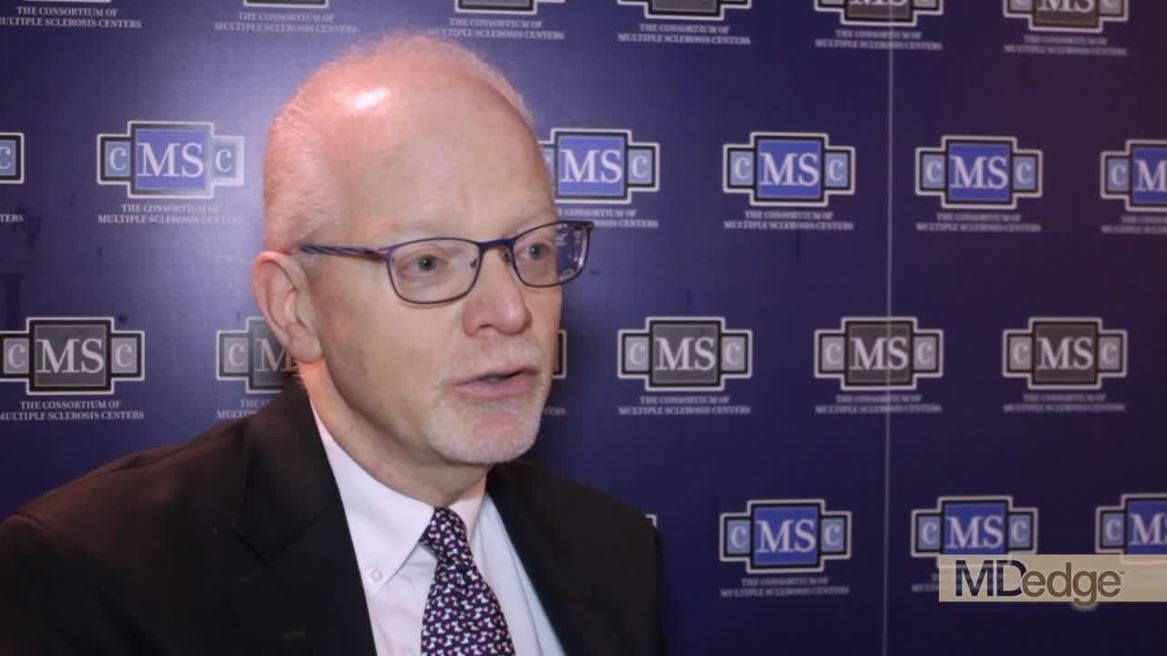
Interview with Brenda L. Banwell, MD, on Pediatric-onset MS

Brenda L. Banwell, MD, is Chief of the Division of Neurology at Children’s Hospital of Philadelphia and holder of the Grace R. Loeb Endowed Chair in Neurosciences. Dr. Banwell is an expert in pediatric-onset multiple sclerosis (MS) with a clinical focus on cognitive features, neuroimaging, T and B-cell autoimmunity studies, and studies of viral triggers. We spoke with Dr. Banwell to discuss the disease course of pediatric-onset MS and the impact of magnetic resonance imaging (MRI).
How does the disease course of pediatric-onset MS differ from that of adult-onset MS?
DR. BANWELL: Pediatric-onset MS is almost universally a relapsing-remitting disease at onset. Primary progressive MS is typically not seen in children younger than 18 years of age.
Children with progressive disability from onset should be considered more likely to have either a mitochondrial disease, genetic leukodystrophy or other disorder. Multiple sclerosis would not be a consideration for a child with progressive disability at the beginning.
Secondary progressive MS does not appear to occur for most children during the first 10 years of disease. Retrospective cohort studies suggest that secondary progressive MS in patients with pediatric-onset MS likely takes, on average, at least 20 years to occur from onset.
However, we should remember that pediatric-onset MS patients are at risk for secondary progression when they are only 30 or 35 years of age, depending on when they experienced their first attack. With the availability of numerous MS therapies, we are optimistic that secondary progressive MS may now be less likely to occur, or may be delayed even further from onset.
How often are MRIs performed on children with MS?
DR. BANWELL: The most pivotal MRI is the one that helps you confirm the diagnosis. It is ideally obtained very close to the first onset of symptoms. That MRI could include the orbits, brain, and spine, depending on the clinical symptoms.
Following the first MRI scan, most of us would image our patients approximately every 3 months in the first year. After the first year, we would typically image our patients at least every 6 months, until, if they have been stable for an extended period of time, we might move to annual imaging.
The frequency of MRI scanning is determined by clinical disease activity, treatment decisions, and the age of the child. For example, very young children may require repeated exposure to anesthetics in order to obtain an MRI. We might have to think strategically about how often to put them under that degree of anesthesia to obtain imaging. Many young children are able to lie still for MRI if the facility has the option for viewing a video during the scan.
How do those MRI results influence your treatment decisions for the pediatric patient?
DR. BANWELL: The International Pediatric Multiple Sclerosis Study Group recently had an international consensus discussion with respect to monitoring disease activity and are working as a collective toward the concept of defining a standard interpretation of adequate disease control for given treatments. Standardized protocols for clinical evaluations and for MRI scan interpretation will be essential. Determining what constitutes “adequate treatment response”, both in terms of relapse frequency and frequency of new lesions on MRI will be important components to consider.
What have the MRI studies shown us about the brain volume in pediatric patients with MS?
DR. BANWELL: There are several things that we have learned about the impact of MS in the brains of children and teenagers.
With respect to brain growth and brain volume, we have learned that at the time of a first attack, children and teenagers with MS already have brain volumes that are about one standard deviation below what you would expect for someone their age and sex.
The inner skull size is also reduced, which suggests that there has been a failure of head and skull growth even before the first attack.
Following identification of MS in a child, the subsequent serial MRI studies have shown that children with MS fail to have age-expected brain growth. We do not see the age-expected rate of growth in our pediatric patients.
Around age 16 to 17 is when our brain volumes are the largest in our lifetime, but our pediatric patients show brain atrophy or progressive loss of brain volume after age 15, a time when normal brain volumes are pretty stable for at least a decade.
When we age, there is a gradual rate of brain volume loss, but this has not been imaged yet in our pediatric patients with MS since we do not have serial studies of individuals who are 30 or 40 yet who had pediatric-onset MS.
What else have MRI studies shown?
DR. BANWELL: Another point to add is that when we look at patients with pediatric-onset MS compared with those with adult-onset MS matched for disease duration, pediatric patients on average have higher T2 and T1 lesion volumes compared with adults. This suggests that despite their young age, pediatric-onset MS patients have had sufficient time to accrue subclinical disease/lesions and may have an accelerated rate of new lesion formation.
MRI and some of the newer more advanced MRI techniques are also informing on brain tissue integrity. In studies that examine whether the white matter highways in the brain or the pathways in the brain are normal, we find that in both pediatric-onset and adult-onset MS, even normal-appearing white matter is not normal. It is not as well structured as it should be compared with age- and sex-matched controls. Further, the myelin integrity or the structural alignment in the brain of our pediatric patients may not be normal.
I think that emphasizes to all of us that MS is much more than just multiple areas of “sclerosis” or scarring, which is what MS actually means. It is indeed a disease that has a more widespread impact on the central nervous system, beyond the very bright T2 lesions that we normally count and measure.
That is important because it speaks to the subsequent requirement that we think about when considering treatment for MS. Our goal is to not only suppress the acquisition of new lesions, which is the common metric for clinical trials, but we also think about brain protection, brain preservation, and brain repair, which, I think, is potentially the underlying substrate that is not yet fully addressed by the evolving treatment.
Brenda L. Banwell, MD, is Chief of the Division of Neurology at Children’s Hospital of Philadelphia and holder of the Grace R. Loeb Endowed Chair in Neurosciences. Dr. Banwell is an expert in pediatric-onset multiple sclerosis (MS) with a clinical focus on cognitive features, neuroimaging, T and B-cell autoimmunity studies, and studies of viral triggers. We spoke with Dr. Banwell to discuss the disease course of pediatric-onset MS and the impact of magnetic resonance imaging (MRI).
How does the disease course of pediatric-onset MS differ from that of adult-onset MS?
DR. BANWELL: Pediatric-onset MS is almost universally a relapsing-remitting disease at onset. Primary progressive MS is typically not seen in children younger than 18 years of age.
Children with progressive disability from onset should be considered more likely to have either a mitochondrial disease, genetic leukodystrophy or other disorder. Multiple sclerosis would not be a consideration for a child with progressive disability at the beginning.
Secondary progressive MS does not appear to occur for most children during the first 10 years of disease. Retrospective cohort studies suggest that secondary progressive MS in patients with pediatric-onset MS likely takes, on average, at least 20 years to occur from onset.
However, we should remember that pediatric-onset MS patients are at risk for secondary progression when they are only 30 or 35 years of age, depending on when they experienced their first attack. With the availability of numerous MS therapies, we are optimistic that secondary progressive MS may now be less likely to occur, or may be delayed even further from onset.
How often are MRIs performed on children with MS?
DR. BANWELL: The most pivotal MRI is the one that helps you confirm the diagnosis. It is ideally obtained very close to the first onset of symptoms. That MRI could include the orbits, brain, and spine, depending on the clinical symptoms.
Following the first MRI scan, most of us would image our patients approximately every 3 months in the first year. After the first year, we would typically image our patients at least every 6 months, until, if they have been stable for an extended period of time, we might move to annual imaging.
The frequency of MRI scanning is determined by clinical disease activity, treatment decisions, and the age of the child. For example, very young children may require repeated exposure to anesthetics in order to obtain an MRI. We might have to think strategically about how often to put them under that degree of anesthesia to obtain imaging. Many young children are able to lie still for MRI if the facility has the option for viewing a video during the scan.
How do those MRI results influence your treatment decisions for the pediatric patient?
DR. BANWELL: The International Pediatric Multiple Sclerosis Study Group recently had an international consensus discussion with respect to monitoring disease activity and are working as a collective toward the concept of defining a standard interpretation of adequate disease control for given treatments. Standardized protocols for clinical evaluations and for MRI scan interpretation will be essential. Determining what constitutes “adequate treatment response”, both in terms of relapse frequency and frequency of new lesions on MRI will be important components to consider.
What have the MRI studies shown us about the brain volume in pediatric patients with MS?
DR. BANWELL: There are several things that we have learned about the impact of MS in the brains of children and teenagers.
With respect to brain growth and brain volume, we have learned that at the time of a first attack, children and teenagers with MS already have brain volumes that are about one standard deviation below what you would expect for someone their age and sex.
The inner skull size is also reduced, which suggests that there has been a failure of head and skull growth even before the first attack.
Following identification of MS in a child, the subsequent serial MRI studies have shown that children with MS fail to have age-expected brain growth. We do not see the age-expected rate of growth in our pediatric patients.
Around age 16 to 17 is when our brain volumes are the largest in our lifetime, but our pediatric patients show brain atrophy or progressive loss of brain volume after age 15, a time when normal brain volumes are pretty stable for at least a decade.
When we age, there is a gradual rate of brain volume loss, but this has not been imaged yet in our pediatric patients with MS since we do not have serial studies of individuals who are 30 or 40 yet who had pediatric-onset MS.
What else have MRI studies shown?
DR. BANWELL: Another point to add is that when we look at patients with pediatric-onset MS compared with those with adult-onset MS matched for disease duration, pediatric patients on average have higher T2 and T1 lesion volumes compared with adults. This suggests that despite their young age, pediatric-onset MS patients have had sufficient time to accrue subclinical disease/lesions and may have an accelerated rate of new lesion formation.
MRI and some of the newer more advanced MRI techniques are also informing on brain tissue integrity. In studies that examine whether the white matter highways in the brain or the pathways in the brain are normal, we find that in both pediatric-onset and adult-onset MS, even normal-appearing white matter is not normal. It is not as well structured as it should be compared with age- and sex-matched controls. Further, the myelin integrity or the structural alignment in the brain of our pediatric patients may not be normal.
I think that emphasizes to all of us that MS is much more than just multiple areas of “sclerosis” or scarring, which is what MS actually means. It is indeed a disease that has a more widespread impact on the central nervous system, beyond the very bright T2 lesions that we normally count and measure.
That is important because it speaks to the subsequent requirement that we think about when considering treatment for MS. Our goal is to not only suppress the acquisition of new lesions, which is the common metric for clinical trials, but we also think about brain protection, brain preservation, and brain repair, which, I think, is potentially the underlying substrate that is not yet fully addressed by the evolving treatment.
Brenda L. Banwell, MD, is Chief of the Division of Neurology at Children’s Hospital of Philadelphia and holder of the Grace R. Loeb Endowed Chair in Neurosciences. Dr. Banwell is an expert in pediatric-onset multiple sclerosis (MS) with a clinical focus on cognitive features, neuroimaging, T and B-cell autoimmunity studies, and studies of viral triggers. We spoke with Dr. Banwell to discuss the disease course of pediatric-onset MS and the impact of magnetic resonance imaging (MRI).
How does the disease course of pediatric-onset MS differ from that of adult-onset MS?
DR. BANWELL: Pediatric-onset MS is almost universally a relapsing-remitting disease at onset. Primary progressive MS is typically not seen in children younger than 18 years of age.
Children with progressive disability from onset should be considered more likely to have either a mitochondrial disease, genetic leukodystrophy or other disorder. Multiple sclerosis would not be a consideration for a child with progressive disability at the beginning.
Secondary progressive MS does not appear to occur for most children during the first 10 years of disease. Retrospective cohort studies suggest that secondary progressive MS in patients with pediatric-onset MS likely takes, on average, at least 20 years to occur from onset.
However, we should remember that pediatric-onset MS patients are at risk for secondary progression when they are only 30 or 35 years of age, depending on when they experienced their first attack. With the availability of numerous MS therapies, we are optimistic that secondary progressive MS may now be less likely to occur, or may be delayed even further from onset.
How often are MRIs performed on children with MS?
DR. BANWELL: The most pivotal MRI is the one that helps you confirm the diagnosis. It is ideally obtained very close to the first onset of symptoms. That MRI could include the orbits, brain, and spine, depending on the clinical symptoms.
Following the first MRI scan, most of us would image our patients approximately every 3 months in the first year. After the first year, we would typically image our patients at least every 6 months, until, if they have been stable for an extended period of time, we might move to annual imaging.
The frequency of MRI scanning is determined by clinical disease activity, treatment decisions, and the age of the child. For example, very young children may require repeated exposure to anesthetics in order to obtain an MRI. We might have to think strategically about how often to put them under that degree of anesthesia to obtain imaging. Many young children are able to lie still for MRI if the facility has the option for viewing a video during the scan.
How do those MRI results influence your treatment decisions for the pediatric patient?
DR. BANWELL: The International Pediatric Multiple Sclerosis Study Group recently had an international consensus discussion with respect to monitoring disease activity and are working as a collective toward the concept of defining a standard interpretation of adequate disease control for given treatments. Standardized protocols for clinical evaluations and for MRI scan interpretation will be essential. Determining what constitutes “adequate treatment response”, both in terms of relapse frequency and frequency of new lesions on MRI will be important components to consider.
What have the MRI studies shown us about the brain volume in pediatric patients with MS?
DR. BANWELL: There are several things that we have learned about the impact of MS in the brains of children and teenagers.
With respect to brain growth and brain volume, we have learned that at the time of a first attack, children and teenagers with MS already have brain volumes that are about one standard deviation below what you would expect for someone their age and sex.
The inner skull size is also reduced, which suggests that there has been a failure of head and skull growth even before the first attack.
Following identification of MS in a child, the subsequent serial MRI studies have shown that children with MS fail to have age-expected brain growth. We do not see the age-expected rate of growth in our pediatric patients.
Around age 16 to 17 is when our brain volumes are the largest in our lifetime, but our pediatric patients show brain atrophy or progressive loss of brain volume after age 15, a time when normal brain volumes are pretty stable for at least a decade.
When we age, there is a gradual rate of brain volume loss, but this has not been imaged yet in our pediatric patients with MS since we do not have serial studies of individuals who are 30 or 40 yet who had pediatric-onset MS.
What else have MRI studies shown?
DR. BANWELL: Another point to add is that when we look at patients with pediatric-onset MS compared with those with adult-onset MS matched for disease duration, pediatric patients on average have higher T2 and T1 lesion volumes compared with adults. This suggests that despite their young age, pediatric-onset MS patients have had sufficient time to accrue subclinical disease/lesions and may have an accelerated rate of new lesion formation.
MRI and some of the newer more advanced MRI techniques are also informing on brain tissue integrity. In studies that examine whether the white matter highways in the brain or the pathways in the brain are normal, we find that in both pediatric-onset and adult-onset MS, even normal-appearing white matter is not normal. It is not as well structured as it should be compared with age- and sex-matched controls. Further, the myelin integrity or the structural alignment in the brain of our pediatric patients may not be normal.
I think that emphasizes to all of us that MS is much more than just multiple areas of “sclerosis” or scarring, which is what MS actually means. It is indeed a disease that has a more widespread impact on the central nervous system, beyond the very bright T2 lesions that we normally count and measure.
That is important because it speaks to the subsequent requirement that we think about when considering treatment for MS. Our goal is to not only suppress the acquisition of new lesions, which is the common metric for clinical trials, but we also think about brain protection, brain preservation, and brain repair, which, I think, is potentially the underlying substrate that is not yet fully addressed by the evolving treatment.
Steady advances made since recognition of neuromyelitis optica 20 years ago
SEATTLE – At the annual meeting of the Consortium of Multiple Sclerosis Centers, Brian Weinshenker, MD, professor of neurology at the Mayo Clinic in Rochester, Minn., summarized some of the milestones in the timeline of NMO research.
These milestones include the 2004 identification of NMO-IgG, an autoantibody marker of NMO that distinguishes it from multiple sclerosis; the 2005 discovery that the antibody was reactive to aquaporin 4, the dominant CNS water channel and an astrocyte protein; further characterizations of NMO manifestations; the revised international panel diagnostic criteria in 2015; and the current phase 3 trials of three potential treatments for NMO – eculizumab, inebilizumab, and satralizumab.
Dr. Weinshenker reported the following disclosures: receiving royalties from the RSR Group, Oxford University, Hospices Civils de Lyon, and MVZ Labor PD Dr. Volkmann und Kollegen for a patent of NMO-IgG as a diagnostic test for NMO and related disorders; serving as an adjudication committee member for clinical trials in NMO being conducted by MedImmune and Alexion; and consulting for Chugai regarding a clinical trial for NMO.
SEATTLE – At the annual meeting of the Consortium of Multiple Sclerosis Centers, Brian Weinshenker, MD, professor of neurology at the Mayo Clinic in Rochester, Minn., summarized some of the milestones in the timeline of NMO research.
These milestones include the 2004 identification of NMO-IgG, an autoantibody marker of NMO that distinguishes it from multiple sclerosis; the 2005 discovery that the antibody was reactive to aquaporin 4, the dominant CNS water channel and an astrocyte protein; further characterizations of NMO manifestations; the revised international panel diagnostic criteria in 2015; and the current phase 3 trials of three potential treatments for NMO – eculizumab, inebilizumab, and satralizumab.
Dr. Weinshenker reported the following disclosures: receiving royalties from the RSR Group, Oxford University, Hospices Civils de Lyon, and MVZ Labor PD Dr. Volkmann und Kollegen for a patent of NMO-IgG as a diagnostic test for NMO and related disorders; serving as an adjudication committee member for clinical trials in NMO being conducted by MedImmune and Alexion; and consulting for Chugai regarding a clinical trial for NMO.
SEATTLE – At the annual meeting of the Consortium of Multiple Sclerosis Centers, Brian Weinshenker, MD, professor of neurology at the Mayo Clinic in Rochester, Minn., summarized some of the milestones in the timeline of NMO research.
These milestones include the 2004 identification of NMO-IgG, an autoantibody marker of NMO that distinguishes it from multiple sclerosis; the 2005 discovery that the antibody was reactive to aquaporin 4, the dominant CNS water channel and an astrocyte protein; further characterizations of NMO manifestations; the revised international panel diagnostic criteria in 2015; and the current phase 3 trials of three potential treatments for NMO – eculizumab, inebilizumab, and satralizumab.
Dr. Weinshenker reported the following disclosures: receiving royalties from the RSR Group, Oxford University, Hospices Civils de Lyon, and MVZ Labor PD Dr. Volkmann und Kollegen for a patent of NMO-IgG as a diagnostic test for NMO and related disorders; serving as an adjudication committee member for clinical trials in NMO being conducted by MedImmune and Alexion; and consulting for Chugai regarding a clinical trial for NMO.
EXPERT ANALYSIS FROM CMSC 2019
Restless legs syndrome in MS linked to cognitive impairment
SEATTLE – The results suggest that sleep dysfunction exacerbated by RLS could affect cognition in patients with MS, study lead author Katie L. Cederberg, CPT, a doctoral student in the department of physical therapy at the University of Alabama at Birmingham, said in an interview. She spoke at the annual meeting of the Consortium of Multiple Sclerosis Centers, where she presented the findings.
“RLS severity did predict cognitive impairment,” she said. However, she added, “this is just a snapshot, and we need to do more research.”
Sleep problems, including RLS, are more common in patients with MS than in the general population. “Current research suggests that anywhere from 19% to 67% of individuals with MS experience some sort of sleep difficulty, with rates as high as 80% in some samples,” a 2015 report noted.
As for RLS, a 2018 systematic review and meta-analysis found that “pooled RLS prevalence among MS patients of various ethnicities was 26%, and prevalence was lower in Asia (20%) than outside Asia (27%). Prevalence was higher among cross-sectional studies (30%) than among case-control studies (23%). RLS prevalence was higher among female than among male MS patients (26% vs. 17%), and it was higher among MS patients than among healthy controls (odds ratio, 3.96, 95% confidence interval, 3.29-4.77, P less than .001) (Sleep Med. 2018 Oct;50:97-104).
Ms. Cederberg said the frequency of RLS in patients with MS spurred her and colleagues to explore whether it may affect cognitive function.
For their study, the researchers surveyed 275 patients with MS (mean age = 60, 81% female, 33% employed, 95% white, 66% with relapsing-remitting MS). Of the 275, 75 appeared to have RLS. These patients were similar to the non-RLS patients in multiple areas, but they diverged in scores on the brief Multiple Sclerosis Neuropsychological Questionnaire, which measures self-perception of cognition.
Those with both MS and RLS scored 21.9 (± 11.7) on the test, while those with MS scored 18.0 (± 11.0), P = 0.023.
Analyses linked greater RLS severity to worse self-perceived cognitive impairment and sleep quality. “The diagnosis and treatment of RLS symptoms and other effectors of sleep quality could improve cognitive consequences of MS,” the authors concluded.
The National MS Society funded the study. The study authors reported no relevant disclosures.
SEATTLE – The results suggest that sleep dysfunction exacerbated by RLS could affect cognition in patients with MS, study lead author Katie L. Cederberg, CPT, a doctoral student in the department of physical therapy at the University of Alabama at Birmingham, said in an interview. She spoke at the annual meeting of the Consortium of Multiple Sclerosis Centers, where she presented the findings.
“RLS severity did predict cognitive impairment,” she said. However, she added, “this is just a snapshot, and we need to do more research.”
Sleep problems, including RLS, are more common in patients with MS than in the general population. “Current research suggests that anywhere from 19% to 67% of individuals with MS experience some sort of sleep difficulty, with rates as high as 80% in some samples,” a 2015 report noted.
As for RLS, a 2018 systematic review and meta-analysis found that “pooled RLS prevalence among MS patients of various ethnicities was 26%, and prevalence was lower in Asia (20%) than outside Asia (27%). Prevalence was higher among cross-sectional studies (30%) than among case-control studies (23%). RLS prevalence was higher among female than among male MS patients (26% vs. 17%), and it was higher among MS patients than among healthy controls (odds ratio, 3.96, 95% confidence interval, 3.29-4.77, P less than .001) (Sleep Med. 2018 Oct;50:97-104).
Ms. Cederberg said the frequency of RLS in patients with MS spurred her and colleagues to explore whether it may affect cognitive function.
For their study, the researchers surveyed 275 patients with MS (mean age = 60, 81% female, 33% employed, 95% white, 66% with relapsing-remitting MS). Of the 275, 75 appeared to have RLS. These patients were similar to the non-RLS patients in multiple areas, but they diverged in scores on the brief Multiple Sclerosis Neuropsychological Questionnaire, which measures self-perception of cognition.
Those with both MS and RLS scored 21.9 (± 11.7) on the test, while those with MS scored 18.0 (± 11.0), P = 0.023.
Analyses linked greater RLS severity to worse self-perceived cognitive impairment and sleep quality. “The diagnosis and treatment of RLS symptoms and other effectors of sleep quality could improve cognitive consequences of MS,” the authors concluded.
The National MS Society funded the study. The study authors reported no relevant disclosures.
SEATTLE – The results suggest that sleep dysfunction exacerbated by RLS could affect cognition in patients with MS, study lead author Katie L. Cederberg, CPT, a doctoral student in the department of physical therapy at the University of Alabama at Birmingham, said in an interview. She spoke at the annual meeting of the Consortium of Multiple Sclerosis Centers, where she presented the findings.
“RLS severity did predict cognitive impairment,” she said. However, she added, “this is just a snapshot, and we need to do more research.”
Sleep problems, including RLS, are more common in patients with MS than in the general population. “Current research suggests that anywhere from 19% to 67% of individuals with MS experience some sort of sleep difficulty, with rates as high as 80% in some samples,” a 2015 report noted.
As for RLS, a 2018 systematic review and meta-analysis found that “pooled RLS prevalence among MS patients of various ethnicities was 26%, and prevalence was lower in Asia (20%) than outside Asia (27%). Prevalence was higher among cross-sectional studies (30%) than among case-control studies (23%). RLS prevalence was higher among female than among male MS patients (26% vs. 17%), and it was higher among MS patients than among healthy controls (odds ratio, 3.96, 95% confidence interval, 3.29-4.77, P less than .001) (Sleep Med. 2018 Oct;50:97-104).
Ms. Cederberg said the frequency of RLS in patients with MS spurred her and colleagues to explore whether it may affect cognitive function.
For their study, the researchers surveyed 275 patients with MS (mean age = 60, 81% female, 33% employed, 95% white, 66% with relapsing-remitting MS). Of the 275, 75 appeared to have RLS. These patients were similar to the non-RLS patients in multiple areas, but they diverged in scores on the brief Multiple Sclerosis Neuropsychological Questionnaire, which measures self-perception of cognition.
Those with both MS and RLS scored 21.9 (± 11.7) on the test, while those with MS scored 18.0 (± 11.0), P = 0.023.
Analyses linked greater RLS severity to worse self-perceived cognitive impairment and sleep quality. “The diagnosis and treatment of RLS symptoms and other effectors of sleep quality could improve cognitive consequences of MS,” the authors concluded.
The National MS Society funded the study. The study authors reported no relevant disclosures.
REPORTING FROM CMSC 2019
Developing new measurements for better MS outcomes
SEATTLE – , according to Jared Srinivasan.
Mr. Srinivasan, a research coordinator at South Shore Neurologic Associates in Patchogue, N.Y., sat down at the annual meeting of the Consortium of Multiple Sclerosis Centers for a video interview summarizing his work on new measurement tools for assessing disease status in MS patients with Mark Gudesblatt, MD, and other colleagues at South Shore Neurologic Associates.
“We are trying to find better ways of measuring disease status, rather than the EDSS [Expanded Disability Status Scale] ... It is not as sensitive as some other measures can be,” Mr. Srinivasan said. “We are trying to shed light on some new tools regarding objectively measuring cognition, manual dexterity, gait, and ocular coherence tomography.”
The overall goal, he said, “is to use a combination of these granular outcome measures to create a bigger picture of a patient’s disease so we can better treat them.”
One of the tools is called Neurotrax, which measures cognition in multiple dimensions (e.g., attention, information processing, motor skills, verbal functioning). With this and other new tools for manual dexterity and its cognitive aspects, as well as other dimensions of MS, the researchers are trying capture a fuller picture of MS in individual patients.
“The end goal of this is that if we can show that MS is such a complex disease that the current tools we are using do not quite capture the full nuances and granularity in it, then we can move toward using better measures that will capture that, which will move patient care forward.”
Mr. Srinivasan had nothing to disclose.
SEATTLE – , according to Jared Srinivasan.
Mr. Srinivasan, a research coordinator at South Shore Neurologic Associates in Patchogue, N.Y., sat down at the annual meeting of the Consortium of Multiple Sclerosis Centers for a video interview summarizing his work on new measurement tools for assessing disease status in MS patients with Mark Gudesblatt, MD, and other colleagues at South Shore Neurologic Associates.
“We are trying to find better ways of measuring disease status, rather than the EDSS [Expanded Disability Status Scale] ... It is not as sensitive as some other measures can be,” Mr. Srinivasan said. “We are trying to shed light on some new tools regarding objectively measuring cognition, manual dexterity, gait, and ocular coherence tomography.”
The overall goal, he said, “is to use a combination of these granular outcome measures to create a bigger picture of a patient’s disease so we can better treat them.”
One of the tools is called Neurotrax, which measures cognition in multiple dimensions (e.g., attention, information processing, motor skills, verbal functioning). With this and other new tools for manual dexterity and its cognitive aspects, as well as other dimensions of MS, the researchers are trying capture a fuller picture of MS in individual patients.
“The end goal of this is that if we can show that MS is such a complex disease that the current tools we are using do not quite capture the full nuances and granularity in it, then we can move toward using better measures that will capture that, which will move patient care forward.”
Mr. Srinivasan had nothing to disclose.
SEATTLE – , according to Jared Srinivasan.
Mr. Srinivasan, a research coordinator at South Shore Neurologic Associates in Patchogue, N.Y., sat down at the annual meeting of the Consortium of Multiple Sclerosis Centers for a video interview summarizing his work on new measurement tools for assessing disease status in MS patients with Mark Gudesblatt, MD, and other colleagues at South Shore Neurologic Associates.
“We are trying to find better ways of measuring disease status, rather than the EDSS [Expanded Disability Status Scale] ... It is not as sensitive as some other measures can be,” Mr. Srinivasan said. “We are trying to shed light on some new tools regarding objectively measuring cognition, manual dexterity, gait, and ocular coherence tomography.”
The overall goal, he said, “is to use a combination of these granular outcome measures to create a bigger picture of a patient’s disease so we can better treat them.”
One of the tools is called Neurotrax, which measures cognition in multiple dimensions (e.g., attention, information processing, motor skills, verbal functioning). With this and other new tools for manual dexterity and its cognitive aspects, as well as other dimensions of MS, the researchers are trying capture a fuller picture of MS in individual patients.
“The end goal of this is that if we can show that MS is such a complex disease that the current tools we are using do not quite capture the full nuances and granularity in it, then we can move toward using better measures that will capture that, which will move patient care forward.”
Mr. Srinivasan had nothing to disclose.
EXPERT ANALYSIS FROM CMSC 2019

Mindfulness meditation may boost cognition in MS
SEATTLE – a new report suggests.

“The present study demonstrated significant improvement in processing speed, a core area of impairment in individuals with MS, following 4 weeks of mindfulness meditation,” said lead author Heena R. Manglani, a graduate student at the Ohio State University, Columbus. She spoke in an interview and in a presentation about the study findings at the annual meeting of the Consortium of Multiple Sclerosis Centers.
An estimated 43%-70% of people with MS experience cognitive decline. This decline “has a sophisticated neuroanatomic and pathophysiologic background and disturbs such vital cognitive domains as speed of information processing, memory, attention, executive functions, and visual perceptual function,” reported the authors of a 2017 review (Rev Neurosci. 2017 Nov 27;28[8]:845-860).
For the new study, researchers tested two strategies for cognitive enhancement in patients with MS. All study participants were aged 31-59 years and relapse free within the previous 30 days; most had relapsing remitting MS, and most did not show signs of cognitive decline.
The researchers assigned 20 patients to a 4-week adaptive computerized cognitive training program and 20 patients to a 4-week mindfulness meditation training program. Another 21 patients were assigned to a control group.
The adaptive training program relied on computerized games designed to boost processing speed, attention, and working memory. The mindfulness training focused on components such as awareness of breathing and of bodily sensations.
Researchers found that “the magnitude of cognitive gain from pre- to post training was greatest in participants in the mindfulness group, who did better than participants in either of the other two groups,” Ms. Manglani said.
Compared with the adaptive cognitive training and the control group, she said, the mindfulness meditation group showed statistically significant improvement in processing speed per scores on the Symbol Digit Modalities Test, which rose from 52.2 before training to 58.4 post training.
The interventions did not appear to have any effect on Paced Auditory Serial Addition scores, which measure working memory.
The findings suggest that “less than 20 hours of mindfulness may be effective in significantly improving processing speed in MS,” Ms. Manglani said. “It is much shorter than a typically delivered program. We hypothesize that you are training attention with mindfulness training. Attention has a lot of overlap with processing speed.”
Ms. Manglani noted that this was a pilot study, and she acknowledged that fairly few participants – only five or six in each group – showed signs of cognitive decline. The study also did not explore whether cognitive improvements translated to real-life changes in cognition.
“This effect needs to be replicated in a larger sample,” Ms. Manglani said, “and future studies are needed to establish the lasting effects of such training and how improvements in cognitive function may generalize to greater engagement in vocational and leisure activities and higher quality of life.”
The study was funded by the National Multiple Sclerosis Society and the National Institutes of Health. The authors reported no relevant disclosures except for one coauthor who received honoraria from Sanofi Genzyme and funding from the National Multiple Sclerosis Society and the NIH.
SEATTLE – a new report suggests.
“The present study demonstrated significant improvement in processing speed, a core area of impairment in individuals with MS, following 4 weeks of mindfulness meditation,” said lead author Heena R. Manglani, a graduate student at the Ohio State University, Columbus. She spoke in an interview and in a presentation about the study findings at the annual meeting of the Consortium of Multiple Sclerosis Centers.
An estimated 43%-70% of people with MS experience cognitive decline. This decline “has a sophisticated neuroanatomic and pathophysiologic background and disturbs such vital cognitive domains as speed of information processing, memory, attention, executive functions, and visual perceptual function,” reported the authors of a 2017 review (Rev Neurosci. 2017 Nov 27;28[8]:845-860).
For the new study, researchers tested two strategies for cognitive enhancement in patients with MS. All study participants were aged 31-59 years and relapse free within the previous 30 days; most had relapsing remitting MS, and most did not show signs of cognitive decline.
The researchers assigned 20 patients to a 4-week adaptive computerized cognitive training program and 20 patients to a 4-week mindfulness meditation training program. Another 21 patients were assigned to a control group.
The adaptive training program relied on computerized games designed to boost processing speed, attention, and working memory. The mindfulness training focused on components such as awareness of breathing and of bodily sensations.
Researchers found that “the magnitude of cognitive gain from pre- to post training was greatest in participants in the mindfulness group, who did better than participants in either of the other two groups,” Ms. Manglani said.
Compared with the adaptive cognitive training and the control group, she said, the mindfulness meditation group showed statistically significant improvement in processing speed per scores on the Symbol Digit Modalities Test, which rose from 52.2 before training to 58.4 post training.
The interventions did not appear to have any effect on Paced Auditory Serial Addition scores, which measure working memory.
The findings suggest that “less than 20 hours of mindfulness may be effective in significantly improving processing speed in MS,” Ms. Manglani said. “It is much shorter than a typically delivered program. We hypothesize that you are training attention with mindfulness training. Attention has a lot of overlap with processing speed.”
Ms. Manglani noted that this was a pilot study, and she acknowledged that fairly few participants – only five or six in each group – showed signs of cognitive decline. The study also did not explore whether cognitive improvements translated to real-life changes in cognition.
“This effect needs to be replicated in a larger sample,” Ms. Manglani said, “and future studies are needed to establish the lasting effects of such training and how improvements in cognitive function may generalize to greater engagement in vocational and leisure activities and higher quality of life.”
The study was funded by the National Multiple Sclerosis Society and the National Institutes of Health. The authors reported no relevant disclosures except for one coauthor who received honoraria from Sanofi Genzyme and funding from the National Multiple Sclerosis Society and the NIH.
SEATTLE – a new report suggests.
“The present study demonstrated significant improvement in processing speed, a core area of impairment in individuals with MS, following 4 weeks of mindfulness meditation,” said lead author Heena R. Manglani, a graduate student at the Ohio State University, Columbus. She spoke in an interview and in a presentation about the study findings at the annual meeting of the Consortium of Multiple Sclerosis Centers.
An estimated 43%-70% of people with MS experience cognitive decline. This decline “has a sophisticated neuroanatomic and pathophysiologic background and disturbs such vital cognitive domains as speed of information processing, memory, attention, executive functions, and visual perceptual function,” reported the authors of a 2017 review (Rev Neurosci. 2017 Nov 27;28[8]:845-860).
For the new study, researchers tested two strategies for cognitive enhancement in patients with MS. All study participants were aged 31-59 years and relapse free within the previous 30 days; most had relapsing remitting MS, and most did not show signs of cognitive decline.
The researchers assigned 20 patients to a 4-week adaptive computerized cognitive training program and 20 patients to a 4-week mindfulness meditation training program. Another 21 patients were assigned to a control group.
The adaptive training program relied on computerized games designed to boost processing speed, attention, and working memory. The mindfulness training focused on components such as awareness of breathing and of bodily sensations.
Researchers found that “the magnitude of cognitive gain from pre- to post training was greatest in participants in the mindfulness group, who did better than participants in either of the other two groups,” Ms. Manglani said.
Compared with the adaptive cognitive training and the control group, she said, the mindfulness meditation group showed statistically significant improvement in processing speed per scores on the Symbol Digit Modalities Test, which rose from 52.2 before training to 58.4 post training.
The interventions did not appear to have any effect on Paced Auditory Serial Addition scores, which measure working memory.
The findings suggest that “less than 20 hours of mindfulness may be effective in significantly improving processing speed in MS,” Ms. Manglani said. “It is much shorter than a typically delivered program. We hypothesize that you are training attention with mindfulness training. Attention has a lot of overlap with processing speed.”
Ms. Manglani noted that this was a pilot study, and she acknowledged that fairly few participants – only five or six in each group – showed signs of cognitive decline. The study also did not explore whether cognitive improvements translated to real-life changes in cognition.
“This effect needs to be replicated in a larger sample,” Ms. Manglani said, “and future studies are needed to establish the lasting effects of such training and how improvements in cognitive function may generalize to greater engagement in vocational and leisure activities and higher quality of life.”
The study was funded by the National Multiple Sclerosis Society and the National Institutes of Health. The authors reported no relevant disclosures except for one coauthor who received honoraria from Sanofi Genzyme and funding from the National Multiple Sclerosis Society and the NIH.
REPORTING FROM CMSC 2019
Switching from interferon beta-1a to alemtuzumab improves MS outcomes
SEATTLE – , according to an analysis presented at the annual meeting of the Consortium of Multiple Sclerosis Centers. These outcomes may be maintained for 6 years without continuous treatment, said the investigators.
The CARE-MS II study demonstrated alemtuzumab’s superior efficacy, compared with subcutaneous interferon beta-1a, over 2 years in patients with active relapsing-remitting MS who had had an inadequate response to previous therapy. The trial was followed by a 4-year extension, during which patients who had received interferon beta-1a were given the option of discontinuing that therapy and initiating alemtuzumab. The alemtuzumab regimen for these patients was 12 mg/day for 5 consecutive days at baseline, and the same dose for 3 consecutive days at 1 year. Additional annual alemtuzumab as needed for disease activity was allowed. At investigators’ discretion, patients could receive other disease-modifying therapy (DMT) at any time. After the 4-year extension, patients could continue in the 5-year TOPAZ extension.
Carolina Ionete, MD, a neurologist at University of Massachusetts Memorial Medical Center in Worcester, and colleagues examined data from the TOPAZ extension study to evaluate the efficacy and safety of alemtuzumab over 6 years in patients with relapsing-remitting MS from CARE-MS II who discontinued interferon beta-1a. In TOPAZ, patients can receive additional alemtuzumab (12 mg/day on 3 consecutive days at 12 or more months after the most recent course) or other DMTs at any time at investigators’ discretion.
In all, 143 patients started alemtuzumab in the extension study. Of this group 117 patients (82%) completed year 2 of TOPAZ (i.e., year 6 after initiating alemtuzumab). The annualized relapse rate at year 6 was 0.19, and the annual rate of freedom from relapse ranged from 83% to 90% during years 1 through 6. At year 6, Expanded Disability Status Scale (EDSS) scores were stable (51%) or improved (17%) in 68% of patients, compared with the baseline of the main study. At year 6, the mean EDSS score change was 0.43. Over 6 years, 69% of patients were free from 6-month confirmed disability worsening, and 23% achieved 6-month confirmed disability improvement.
In addition, 69% of patients were free of MRI disease activity in year 6. The median percent cumulative brain volume loss from alemtuzumab initiation through year 6 was 0.53%, compared with 0.81% over 2 years with interferon beta-1a. Brain volume loss was 0.32% or less annually during years 2 through 6 after initiating alemtuzumab (0.04% at year 2, 0.15% at year 3, 0.14% at year 4, 0.07% at year 5, and 0.32% at year 6). These efficacy outcomes were observed as 57% of patients received neither additional alemtuzumab nor another DMT through year 6. Safety results were consistent with those for the alemtuzumab-treated patients in the core and extension studies.
Sanofi and Bayer HealthCare Pharmaceuticals supported this study. Dr. Ionete received research support from Biogen, Roche, and Sanofi. She reported receiving compensation for advisory board participation from Sanofi.
SEATTLE – , according to an analysis presented at the annual meeting of the Consortium of Multiple Sclerosis Centers. These outcomes may be maintained for 6 years without continuous treatment, said the investigators.
The CARE-MS II study demonstrated alemtuzumab’s superior efficacy, compared with subcutaneous interferon beta-1a, over 2 years in patients with active relapsing-remitting MS who had had an inadequate response to previous therapy. The trial was followed by a 4-year extension, during which patients who had received interferon beta-1a were given the option of discontinuing that therapy and initiating alemtuzumab. The alemtuzumab regimen for these patients was 12 mg/day for 5 consecutive days at baseline, and the same dose for 3 consecutive days at 1 year. Additional annual alemtuzumab as needed for disease activity was allowed. At investigators’ discretion, patients could receive other disease-modifying therapy (DMT) at any time. After the 4-year extension, patients could continue in the 5-year TOPAZ extension.
Carolina Ionete, MD, a neurologist at University of Massachusetts Memorial Medical Center in Worcester, and colleagues examined data from the TOPAZ extension study to evaluate the efficacy and safety of alemtuzumab over 6 years in patients with relapsing-remitting MS from CARE-MS II who discontinued interferon beta-1a. In TOPAZ, patients can receive additional alemtuzumab (12 mg/day on 3 consecutive days at 12 or more months after the most recent course) or other DMTs at any time at investigators’ discretion.
In all, 143 patients started alemtuzumab in the extension study. Of this group 117 patients (82%) completed year 2 of TOPAZ (i.e., year 6 after initiating alemtuzumab). The annualized relapse rate at year 6 was 0.19, and the annual rate of freedom from relapse ranged from 83% to 90% during years 1 through 6. At year 6, Expanded Disability Status Scale (EDSS) scores were stable (51%) or improved (17%) in 68% of patients, compared with the baseline of the main study. At year 6, the mean EDSS score change was 0.43. Over 6 years, 69% of patients were free from 6-month confirmed disability worsening, and 23% achieved 6-month confirmed disability improvement.
In addition, 69% of patients were free of MRI disease activity in year 6. The median percent cumulative brain volume loss from alemtuzumab initiation through year 6 was 0.53%, compared with 0.81% over 2 years with interferon beta-1a. Brain volume loss was 0.32% or less annually during years 2 through 6 after initiating alemtuzumab (0.04% at year 2, 0.15% at year 3, 0.14% at year 4, 0.07% at year 5, and 0.32% at year 6). These efficacy outcomes were observed as 57% of patients received neither additional alemtuzumab nor another DMT through year 6. Safety results were consistent with those for the alemtuzumab-treated patients in the core and extension studies.
Sanofi and Bayer HealthCare Pharmaceuticals supported this study. Dr. Ionete received research support from Biogen, Roche, and Sanofi. She reported receiving compensation for advisory board participation from Sanofi.
SEATTLE – , according to an analysis presented at the annual meeting of the Consortium of Multiple Sclerosis Centers. These outcomes may be maintained for 6 years without continuous treatment, said the investigators.
The CARE-MS II study demonstrated alemtuzumab’s superior efficacy, compared with subcutaneous interferon beta-1a, over 2 years in patients with active relapsing-remitting MS who had had an inadequate response to previous therapy. The trial was followed by a 4-year extension, during which patients who had received interferon beta-1a were given the option of discontinuing that therapy and initiating alemtuzumab. The alemtuzumab regimen for these patients was 12 mg/day for 5 consecutive days at baseline, and the same dose for 3 consecutive days at 1 year. Additional annual alemtuzumab as needed for disease activity was allowed. At investigators’ discretion, patients could receive other disease-modifying therapy (DMT) at any time. After the 4-year extension, patients could continue in the 5-year TOPAZ extension.
Carolina Ionete, MD, a neurologist at University of Massachusetts Memorial Medical Center in Worcester, and colleagues examined data from the TOPAZ extension study to evaluate the efficacy and safety of alemtuzumab over 6 years in patients with relapsing-remitting MS from CARE-MS II who discontinued interferon beta-1a. In TOPAZ, patients can receive additional alemtuzumab (12 mg/day on 3 consecutive days at 12 or more months after the most recent course) or other DMTs at any time at investigators’ discretion.
In all, 143 patients started alemtuzumab in the extension study. Of this group 117 patients (82%) completed year 2 of TOPAZ (i.e., year 6 after initiating alemtuzumab). The annualized relapse rate at year 6 was 0.19, and the annual rate of freedom from relapse ranged from 83% to 90% during years 1 through 6. At year 6, Expanded Disability Status Scale (EDSS) scores were stable (51%) or improved (17%) in 68% of patients, compared with the baseline of the main study. At year 6, the mean EDSS score change was 0.43. Over 6 years, 69% of patients were free from 6-month confirmed disability worsening, and 23% achieved 6-month confirmed disability improvement.
In addition, 69% of patients were free of MRI disease activity in year 6. The median percent cumulative brain volume loss from alemtuzumab initiation through year 6 was 0.53%, compared with 0.81% over 2 years with interferon beta-1a. Brain volume loss was 0.32% or less annually during years 2 through 6 after initiating alemtuzumab (0.04% at year 2, 0.15% at year 3, 0.14% at year 4, 0.07% at year 5, and 0.32% at year 6). These efficacy outcomes were observed as 57% of patients received neither additional alemtuzumab nor another DMT through year 6. Safety results were consistent with those for the alemtuzumab-treated patients in the core and extension studies.
Sanofi and Bayer HealthCare Pharmaceuticals supported this study. Dr. Ionete received research support from Biogen, Roche, and Sanofi. She reported receiving compensation for advisory board participation from Sanofi.
REPORTING FROM CMSC 2019
MS patients pay big price for breaks from DMT
SEATTLE – Patients with multiple sclerosis (MS) who stopped taking their disease-modifying therapy (DMT) for more than 60 days had significantly higher rates of relapse, hospitalization, emergency department visits and outpatient visits, a new study finds. Their nonmedication health care costs were higher, too.

“This information will help to inform patients about downstream economic risks of being off therapy. This may also help to inform payers of the importance of making DMTs easily and quickly available to patients with MS to prevent greater costs of health care resource utilization down the road,” study lead author Jacqueline A. Nicholas, MD, MPH, a clinical neuroimmunologist at OhioHealth Multiple Sclerosis Center, said in an interview. She spoke prior to the presentation of the findings at the annual meeting of the Consortium of Multiple Sclerosis Centers.
Dr. Nicholas and her colleagues launched their study to better understand the economic and medical impacts of lapses in oral DMT.
The researchers used a claims database to track 8,779 patients with MS during 2011-2015 who had at least one claim for an oral DMT drug. The subjects were aged 18-63; 15% had a drug lapse of more than 60 days. After propensity matching, the subjects in both groups – 60-day lapse or not – had a mean age of 44 years.
An analysis found that “lapses in oral DMT use led to increased relapses, increased health care utilization, and higher costs incurred by individuals with MS,” Dr. Nicholas said.
Over an 18-month follow-up period, those with drug lapses of more than 60 days had 28% more relapses than did the other subjects (mean 1.2 vs. 0.8; P less than .0001).
Those with lapses greater than 60 days also had 40% more hospitalizations (0.2 vs. 0.1; P = .0003), 25% more emergency department visits (0.6 vs. 0.5; P = .0098), and 22% more outpatient visits (6.2 vs. 4.8; P less than .0001).
Nonmedication costs were 25% higher among patients with a greater than 60-day lapse ($16,012 vs. $12,092; P = .0006).
Moving forward, the researchers wrote, “more research is needed to better understand the reasons for lapses in therapy and the impact of lapse timing and lapse duration on outcomes in patients with MS receiving once- or twice-daily oral [disease-modifying drugs].”
The researchers noted that they don’t have information about the reasons why patients lapsed. They added that the information comes mainly from commercial insurers.
EMD Serono, a division of Merck KGaA, provided funding for the study. Dr. Nicholas disclosed grant support from EMD Serono, and two other study authors are employees of the company. Another two authors worked for a consulting firm that received funding from EMD Serono to conduct the study.
SEATTLE – Patients with multiple sclerosis (MS) who stopped taking their disease-modifying therapy (DMT) for more than 60 days had significantly higher rates of relapse, hospitalization, emergency department visits and outpatient visits, a new study finds. Their nonmedication health care costs were higher, too.
“This information will help to inform patients about downstream economic risks of being off therapy. This may also help to inform payers of the importance of making DMTs easily and quickly available to patients with MS to prevent greater costs of health care resource utilization down the road,” study lead author Jacqueline A. Nicholas, MD, MPH, a clinical neuroimmunologist at OhioHealth Multiple Sclerosis Center, said in an interview. She spoke prior to the presentation of the findings at the annual meeting of the Consortium of Multiple Sclerosis Centers.
Dr. Nicholas and her colleagues launched their study to better understand the economic and medical impacts of lapses in oral DMT.
The researchers used a claims database to track 8,779 patients with MS during 2011-2015 who had at least one claim for an oral DMT drug. The subjects were aged 18-63; 15% had a drug lapse of more than 60 days. After propensity matching, the subjects in both groups – 60-day lapse or not – had a mean age of 44 years.
An analysis found that “lapses in oral DMT use led to increased relapses, increased health care utilization, and higher costs incurred by individuals with MS,” Dr. Nicholas said.
Over an 18-month follow-up period, those with drug lapses of more than 60 days had 28% more relapses than did the other subjects (mean 1.2 vs. 0.8; P less than .0001).
Those with lapses greater than 60 days also had 40% more hospitalizations (0.2 vs. 0.1; P = .0003), 25% more emergency department visits (0.6 vs. 0.5; P = .0098), and 22% more outpatient visits (6.2 vs. 4.8; P less than .0001).
Nonmedication costs were 25% higher among patients with a greater than 60-day lapse ($16,012 vs. $12,092; P = .0006).
Moving forward, the researchers wrote, “more research is needed to better understand the reasons for lapses in therapy and the impact of lapse timing and lapse duration on outcomes in patients with MS receiving once- or twice-daily oral [disease-modifying drugs].”
The researchers noted that they don’t have information about the reasons why patients lapsed. They added that the information comes mainly from commercial insurers.
EMD Serono, a division of Merck KGaA, provided funding for the study. Dr. Nicholas disclosed grant support from EMD Serono, and two other study authors are employees of the company. Another two authors worked for a consulting firm that received funding from EMD Serono to conduct the study.
SEATTLE – Patients with multiple sclerosis (MS) who stopped taking their disease-modifying therapy (DMT) for more than 60 days had significantly higher rates of relapse, hospitalization, emergency department visits and outpatient visits, a new study finds. Their nonmedication health care costs were higher, too.
“This information will help to inform patients about downstream economic risks of being off therapy. This may also help to inform payers of the importance of making DMTs easily and quickly available to patients with MS to prevent greater costs of health care resource utilization down the road,” study lead author Jacqueline A. Nicholas, MD, MPH, a clinical neuroimmunologist at OhioHealth Multiple Sclerosis Center, said in an interview. She spoke prior to the presentation of the findings at the annual meeting of the Consortium of Multiple Sclerosis Centers.
Dr. Nicholas and her colleagues launched their study to better understand the economic and medical impacts of lapses in oral DMT.
The researchers used a claims database to track 8,779 patients with MS during 2011-2015 who had at least one claim for an oral DMT drug. The subjects were aged 18-63; 15% had a drug lapse of more than 60 days. After propensity matching, the subjects in both groups – 60-day lapse or not – had a mean age of 44 years.
An analysis found that “lapses in oral DMT use led to increased relapses, increased health care utilization, and higher costs incurred by individuals with MS,” Dr. Nicholas said.
Over an 18-month follow-up period, those with drug lapses of more than 60 days had 28% more relapses than did the other subjects (mean 1.2 vs. 0.8; P less than .0001).
Those with lapses greater than 60 days also had 40% more hospitalizations (0.2 vs. 0.1; P = .0003), 25% more emergency department visits (0.6 vs. 0.5; P = .0098), and 22% more outpatient visits (6.2 vs. 4.8; P less than .0001).
Nonmedication costs were 25% higher among patients with a greater than 60-day lapse ($16,012 vs. $12,092; P = .0006).
Moving forward, the researchers wrote, “more research is needed to better understand the reasons for lapses in therapy and the impact of lapse timing and lapse duration on outcomes in patients with MS receiving once- or twice-daily oral [disease-modifying drugs].”
The researchers noted that they don’t have information about the reasons why patients lapsed. They added that the information comes mainly from commercial insurers.
EMD Serono, a division of Merck KGaA, provided funding for the study. Dr. Nicholas disclosed grant support from EMD Serono, and two other study authors are employees of the company. Another two authors worked for a consulting firm that received funding from EMD Serono to conduct the study.
REPORTING FROM CMSC 2019
Group creates three-step algorithm for the management of MS relapse
SEATTLE –

“Acute clinical relapses are a defining feature of MS with highly variable symptoms and potentially disabling effects,” said first author Amy Perrin Ross, APN, an MS certified nurse at Loyola University Chicago in Maywood, Ill., and coauthors. “Although clinicians have several management options for MS relapses, including several therapeutic interventions or observation, these options vary in terms of clinical evidence of efficacy, safety, cost, and tolerability. No consensus statements currently exist to help clinicians approach patients with acute MS relapse.”
To offer an algorithm for the management of MS relapses based on evidence and clinical experience, a work group of MS clinicians reviewed published literature on MS relapses and shared their clinical experiences managing relapses. They sought to develop a standardized and optimized approach to management.
The group reached consensus on an iterative management algorithm that consists of evaluation of symptoms to distinguish an MS relapse from a pseudorelapse; treatment, if necessary; and assessment of treatment response.
“Timely and careful evaluation of new symptoms in patients with MS is paramount, and distinguishing an MS relapse from a pseudorelapse is essential,” the authors said. “This evaluation is primarily clinical, and imaging findings may not be necessary for confirmation.”
Corticosteroid therapy is the mainstay of MS relapse management. For patients who cannot tolerate corticosteroids or in whom corticosteroids have been ineffective, clinicians may consider adrenocorticotropic hormone (ACTH). In patients with fulminant demyelination, plasma exchange therapy may be considered. In mild cases, observation may be reasonable, the authors said.
The group recommends that, between 3 and 5 weeks after the initial evaluation, a clinical reassessment using a tool such as the Assessing Relapse in Multiple Sclerosis (ARMS) Questionnaire should be undertaken.
If a patient’s response to treatment has been suboptimal – that is, symptoms have worsened despite treatment or there has been a lack of functional recovery – “reevaluation of the relapse and treatment with an alternative option should be considered,” they said.
The work group did not receive funding. The authors disclosed financial ties with various pharmaceutical companies.
SEATTLE –
“Acute clinical relapses are a defining feature of MS with highly variable symptoms and potentially disabling effects,” said first author Amy Perrin Ross, APN, an MS certified nurse at Loyola University Chicago in Maywood, Ill., and coauthors. “Although clinicians have several management options for MS relapses, including several therapeutic interventions or observation, these options vary in terms of clinical evidence of efficacy, safety, cost, and tolerability. No consensus statements currently exist to help clinicians approach patients with acute MS relapse.”
To offer an algorithm for the management of MS relapses based on evidence and clinical experience, a work group of MS clinicians reviewed published literature on MS relapses and shared their clinical experiences managing relapses. They sought to develop a standardized and optimized approach to management.
The group reached consensus on an iterative management algorithm that consists of evaluation of symptoms to distinguish an MS relapse from a pseudorelapse; treatment, if necessary; and assessment of treatment response.
“Timely and careful evaluation of new symptoms in patients with MS is paramount, and distinguishing an MS relapse from a pseudorelapse is essential,” the authors said. “This evaluation is primarily clinical, and imaging findings may not be necessary for confirmation.”
Corticosteroid therapy is the mainstay of MS relapse management. For patients who cannot tolerate corticosteroids or in whom corticosteroids have been ineffective, clinicians may consider adrenocorticotropic hormone (ACTH). In patients with fulminant demyelination, plasma exchange therapy may be considered. In mild cases, observation may be reasonable, the authors said.
The group recommends that, between 3 and 5 weeks after the initial evaluation, a clinical reassessment using a tool such as the Assessing Relapse in Multiple Sclerosis (ARMS) Questionnaire should be undertaken.
If a patient’s response to treatment has been suboptimal – that is, symptoms have worsened despite treatment or there has been a lack of functional recovery – “reevaluation of the relapse and treatment with an alternative option should be considered,” they said.
The work group did not receive funding. The authors disclosed financial ties with various pharmaceutical companies.
SEATTLE –
“Acute clinical relapses are a defining feature of MS with highly variable symptoms and potentially disabling effects,” said first author Amy Perrin Ross, APN, an MS certified nurse at Loyola University Chicago in Maywood, Ill., and coauthors. “Although clinicians have several management options for MS relapses, including several therapeutic interventions or observation, these options vary in terms of clinical evidence of efficacy, safety, cost, and tolerability. No consensus statements currently exist to help clinicians approach patients with acute MS relapse.”
To offer an algorithm for the management of MS relapses based on evidence and clinical experience, a work group of MS clinicians reviewed published literature on MS relapses and shared their clinical experiences managing relapses. They sought to develop a standardized and optimized approach to management.
The group reached consensus on an iterative management algorithm that consists of evaluation of symptoms to distinguish an MS relapse from a pseudorelapse; treatment, if necessary; and assessment of treatment response.
“Timely and careful evaluation of new symptoms in patients with MS is paramount, and distinguishing an MS relapse from a pseudorelapse is essential,” the authors said. “This evaluation is primarily clinical, and imaging findings may not be necessary for confirmation.”
Corticosteroid therapy is the mainstay of MS relapse management. For patients who cannot tolerate corticosteroids or in whom corticosteroids have been ineffective, clinicians may consider adrenocorticotropic hormone (ACTH). In patients with fulminant demyelination, plasma exchange therapy may be considered. In mild cases, observation may be reasonable, the authors said.
The group recommends that, between 3 and 5 weeks after the initial evaluation, a clinical reassessment using a tool such as the Assessing Relapse in Multiple Sclerosis (ARMS) Questionnaire should be undertaken.
If a patient’s response to treatment has been suboptimal – that is, symptoms have worsened despite treatment or there has been a lack of functional recovery – “reevaluation of the relapse and treatment with an alternative option should be considered,” they said.
The work group did not receive funding. The authors disclosed financial ties with various pharmaceutical companies.
REPORTING FROM CMSC 2019
Fingolimod reduces MS disease activity, compared with glatiramer acetate
SEATTLE – according to a controlled, head-to-head study presented at the annual meeting of the Consortium of Multiple Sclerosis Centers.
Investigations that directly compare the efficacy and safety of disease-modifying therapies can provide valuable information that influences treatment decisions in clinical practice. Phase 3 clinical trials indicated that oral fingolimod (0.5 mg/day) is more effective than placebo and interferon beta-1a in patients with multiple sclerosis (MS). However, how fingolimod compares with glatiramer acetate is unclear.
Bruce A. C. Cree, MD, PhD, clinical research director of the Multiple Sclerosis Center at the University of California, San Francisco, and colleagues sought to compare the efficacy of once-daily 0.5 mg and 0.25 mg oral fingolimod with that of once-daily 20 mg subcutaneous injections of glatiramer acetate in reducing disease activity over 12 months in patients with relapsing remitting MS. They conducted the phase 3b, multicenter, rater- and dose-blinded ASSESS study. Dr. Cree and colleagues randomized 352 eligible patients to 0.5 mg/day of oral fingolimod, 370 patients to 0.25 mg/day of oral fingolimod, and 342 patients to 20 mg/day of subcutaneous glatiramer acetate. They examined the potential superiority of each fingolimod dose to glatiramer acetate separately, starting with the higher dose. The primary endpoint was the change in annualized relapse rate, and the secondary endpoints were MRI measures of disease activity at 12 months. Finally, the investigators evaluated safety and tolerability.
A total of 859 patients (80.7%) completed the study. Over 12 months, the annualized relapse rate was 0.153 for the 0.5 mg fingolimod group and 0.258 for the glatiramer acetate group (relative reduction, 40.7%). The 0.25-mg dose of fingolimod achieved a numerical RR of 14.6%, but this result was not statistically significant. Compared with glatiramer acetate, the 0.5-mg and 0.25-mg doses of fingolimod significantly reduced the mean number of new or newly enlarged T2 lesions (RR, 54.4% and 42.1%, respectively) and gadolinium-enhancing T1 lesions (RR, 55.6% for both doses).
The adverse events that participants reported for both doses of fingolimod were consistent with the treatment’s known safety profile. More discontinuations were reported with glatiramer acetate than with fingolimod. These events mainly resulted from injection-related adverse events, consent withdrawal, and unsatisfactory therapeutic effects. Dr. Cree and colleagues plan to report the results of additional cognitive and functional system evaluations, including the Symbol Digit Modalities Test and the MS Functional Composite, later this year.
The study was not supported by outside funding. Dr. Cree reported receiving consulting fees from AbbVie, Akili, Biogen, EMD Serono, and Novartis.
egreb@mdedge.com
SEATTLE – according to a controlled, head-to-head study presented at the annual meeting of the Consortium of Multiple Sclerosis Centers.
Investigations that directly compare the efficacy and safety of disease-modifying therapies can provide valuable information that influences treatment decisions in clinical practice. Phase 3 clinical trials indicated that oral fingolimod (0.5 mg/day) is more effective than placebo and interferon beta-1a in patients with multiple sclerosis (MS). However, how fingolimod compares with glatiramer acetate is unclear.
Bruce A. C. Cree, MD, PhD, clinical research director of the Multiple Sclerosis Center at the University of California, San Francisco, and colleagues sought to compare the efficacy of once-daily 0.5 mg and 0.25 mg oral fingolimod with that of once-daily 20 mg subcutaneous injections of glatiramer acetate in reducing disease activity over 12 months in patients with relapsing remitting MS. They conducted the phase 3b, multicenter, rater- and dose-blinded ASSESS study. Dr. Cree and colleagues randomized 352 eligible patients to 0.5 mg/day of oral fingolimod, 370 patients to 0.25 mg/day of oral fingolimod, and 342 patients to 20 mg/day of subcutaneous glatiramer acetate. They examined the potential superiority of each fingolimod dose to glatiramer acetate separately, starting with the higher dose. The primary endpoint was the change in annualized relapse rate, and the secondary endpoints were MRI measures of disease activity at 12 months. Finally, the investigators evaluated safety and tolerability.
A total of 859 patients (80.7%) completed the study. Over 12 months, the annualized relapse rate was 0.153 for the 0.5 mg fingolimod group and 0.258 for the glatiramer acetate group (relative reduction, 40.7%). The 0.25-mg dose of fingolimod achieved a numerical RR of 14.6%, but this result was not statistically significant. Compared with glatiramer acetate, the 0.5-mg and 0.25-mg doses of fingolimod significantly reduced the mean number of new or newly enlarged T2 lesions (RR, 54.4% and 42.1%, respectively) and gadolinium-enhancing T1 lesions (RR, 55.6% for both doses).
The adverse events that participants reported for both doses of fingolimod were consistent with the treatment’s known safety profile. More discontinuations were reported with glatiramer acetate than with fingolimod. These events mainly resulted from injection-related adverse events, consent withdrawal, and unsatisfactory therapeutic effects. Dr. Cree and colleagues plan to report the results of additional cognitive and functional system evaluations, including the Symbol Digit Modalities Test and the MS Functional Composite, later this year.
The study was not supported by outside funding. Dr. Cree reported receiving consulting fees from AbbVie, Akili, Biogen, EMD Serono, and Novartis.
egreb@mdedge.com
SEATTLE – according to a controlled, head-to-head study presented at the annual meeting of the Consortium of Multiple Sclerosis Centers.
Investigations that directly compare the efficacy and safety of disease-modifying therapies can provide valuable information that influences treatment decisions in clinical practice. Phase 3 clinical trials indicated that oral fingolimod (0.5 mg/day) is more effective than placebo and interferon beta-1a in patients with multiple sclerosis (MS). However, how fingolimod compares with glatiramer acetate is unclear.
Bruce A. C. Cree, MD, PhD, clinical research director of the Multiple Sclerosis Center at the University of California, San Francisco, and colleagues sought to compare the efficacy of once-daily 0.5 mg and 0.25 mg oral fingolimod with that of once-daily 20 mg subcutaneous injections of glatiramer acetate in reducing disease activity over 12 months in patients with relapsing remitting MS. They conducted the phase 3b, multicenter, rater- and dose-blinded ASSESS study. Dr. Cree and colleagues randomized 352 eligible patients to 0.5 mg/day of oral fingolimod, 370 patients to 0.25 mg/day of oral fingolimod, and 342 patients to 20 mg/day of subcutaneous glatiramer acetate. They examined the potential superiority of each fingolimod dose to glatiramer acetate separately, starting with the higher dose. The primary endpoint was the change in annualized relapse rate, and the secondary endpoints were MRI measures of disease activity at 12 months. Finally, the investigators evaluated safety and tolerability.
A total of 859 patients (80.7%) completed the study. Over 12 months, the annualized relapse rate was 0.153 for the 0.5 mg fingolimod group and 0.258 for the glatiramer acetate group (relative reduction, 40.7%). The 0.25-mg dose of fingolimod achieved a numerical RR of 14.6%, but this result was not statistically significant. Compared with glatiramer acetate, the 0.5-mg and 0.25-mg doses of fingolimod significantly reduced the mean number of new or newly enlarged T2 lesions (RR, 54.4% and 42.1%, respectively) and gadolinium-enhancing T1 lesions (RR, 55.6% for both doses).
The adverse events that participants reported for both doses of fingolimod were consistent with the treatment’s known safety profile. More discontinuations were reported with glatiramer acetate than with fingolimod. These events mainly resulted from injection-related adverse events, consent withdrawal, and unsatisfactory therapeutic effects. Dr. Cree and colleagues plan to report the results of additional cognitive and functional system evaluations, including the Symbol Digit Modalities Test and the MS Functional Composite, later this year.
The study was not supported by outside funding. Dr. Cree reported receiving consulting fees from AbbVie, Akili, Biogen, EMD Serono, and Novartis.
egreb@mdedge.com
REPORTING FROM CMSC 2019
Key clinical point: Fingolimod is superior to glatiramer acetate in reducing disease activity in relapsing remitting multiple sclerosis.
Major finding: The 0.5-mg/day dose of fingolimod reduced the annualized relapse rate by approximately 41%, compared with glatiramer acetate.
Study details: A randomized, phase 3 study of 859 patients with relapsing remitting multiple sclerosis.
Disclosures: The study had no sponsorship. Dr. Cree reported receiving consulting fees from AbbVie, Akili, Biogen, EMD Serono, and Novartis.
Hazardous cannabis use in MS linked to anxiety, depression
SEATTLE – A small new study suggests that although it is not clear whether there is a cause-and-effect relationship. “We highly recommend screening for hazardous cannabis use in clinical settings,” said study lead author and rehabilitation psychologist Abbey J. Hughes, PhD, an assistant professor at Johns Hopkins University, Baltimore, in an interview. She spoke prior to the presentation of the study findings at the annual meeting of the Consortium of Multiple Sclerosis Centers.
According to Dr. Hughes, research suggests that patients with MS are using cannabis more now than in the past, especially for medical reasons. It is not clear, however, how cannabis is affecting neurobehavior in patients with MS who use it, said Dr. Hughes, who works with patients with MS.
For the new study, researchers gave surveys to 100 patients with MS (76% female; mean age, 46 years) who sought outpatient care at an MS center. Of those, 31 said they had used cannabis within the past month.
The patients were screened via several tools: the Cannabis Use Disorders Identification Test–Revised (CUDIT-R) Fatigue Severity Scale; Patient Health Questionnaire–8; Generalized Anxiety Disorders Scale–7; and Brief International Cognitive Assessment for Multiple Sclerosis.
Subjects were considered to have a problem with “hazardous cannabis use” if they met or exceeded the CUDIT-R’s clinical cut-off of 8 points. The test asks about topics such as hazardous behavior while using cannabis, problems with memory or concentration after using it, and inability to stop using it. Twelve participants met this criteria, and they were more likely to have more symptoms of depression (beta = 0.32; P less than .01) and anxiety (beta = 0.24; P = .02), after researchers controlled for age, years of education, and MS subtype.
They also were slightly more likely to have more severe fatigue (beta = 0.20; P = .07) and poor sleep (beta = 0.20; P = .07).
The researchers found no link between cannabis use and scores on the cognitive test, although Dr. Hughes noted that other research has suggested such a link.
The study is cross-sectional and does not offer insight into cause and effect, Dr. Hughes said. She noted that it is possible that patients used cannabis because they had higher levels of anxiety and depression.
No study funding was reported and the authors report no relevant disclosures.
SEATTLE – A small new study suggests that although it is not clear whether there is a cause-and-effect relationship. “We highly recommend screening for hazardous cannabis use in clinical settings,” said study lead author and rehabilitation psychologist Abbey J. Hughes, PhD, an assistant professor at Johns Hopkins University, Baltimore, in an interview. She spoke prior to the presentation of the study findings at the annual meeting of the Consortium of Multiple Sclerosis Centers.
According to Dr. Hughes, research suggests that patients with MS are using cannabis more now than in the past, especially for medical reasons. It is not clear, however, how cannabis is affecting neurobehavior in patients with MS who use it, said Dr. Hughes, who works with patients with MS.
For the new study, researchers gave surveys to 100 patients with MS (76% female; mean age, 46 years) who sought outpatient care at an MS center. Of those, 31 said they had used cannabis within the past month.
The patients were screened via several tools: the Cannabis Use Disorders Identification Test–Revised (CUDIT-R) Fatigue Severity Scale; Patient Health Questionnaire–8; Generalized Anxiety Disorders Scale–7; and Brief International Cognitive Assessment for Multiple Sclerosis.
Subjects were considered to have a problem with “hazardous cannabis use” if they met or exceeded the CUDIT-R’s clinical cut-off of 8 points. The test asks about topics such as hazardous behavior while using cannabis, problems with memory or concentration after using it, and inability to stop using it. Twelve participants met this criteria, and they were more likely to have more symptoms of depression (beta = 0.32; P less than .01) and anxiety (beta = 0.24; P = .02), after researchers controlled for age, years of education, and MS subtype.
They also were slightly more likely to have more severe fatigue (beta = 0.20; P = .07) and poor sleep (beta = 0.20; P = .07).
The researchers found no link between cannabis use and scores on the cognitive test, although Dr. Hughes noted that other research has suggested such a link.
The study is cross-sectional and does not offer insight into cause and effect, Dr. Hughes said. She noted that it is possible that patients used cannabis because they had higher levels of anxiety and depression.
No study funding was reported and the authors report no relevant disclosures.
SEATTLE – A small new study suggests that although it is not clear whether there is a cause-and-effect relationship. “We highly recommend screening for hazardous cannabis use in clinical settings,” said study lead author and rehabilitation psychologist Abbey J. Hughes, PhD, an assistant professor at Johns Hopkins University, Baltimore, in an interview. She spoke prior to the presentation of the study findings at the annual meeting of the Consortium of Multiple Sclerosis Centers.
According to Dr. Hughes, research suggests that patients with MS are using cannabis more now than in the past, especially for medical reasons. It is not clear, however, how cannabis is affecting neurobehavior in patients with MS who use it, said Dr. Hughes, who works with patients with MS.
For the new study, researchers gave surveys to 100 patients with MS (76% female; mean age, 46 years) who sought outpatient care at an MS center. Of those, 31 said they had used cannabis within the past month.
The patients were screened via several tools: the Cannabis Use Disorders Identification Test–Revised (CUDIT-R) Fatigue Severity Scale; Patient Health Questionnaire–8; Generalized Anxiety Disorders Scale–7; and Brief International Cognitive Assessment for Multiple Sclerosis.
Subjects were considered to have a problem with “hazardous cannabis use” if they met or exceeded the CUDIT-R’s clinical cut-off of 8 points. The test asks about topics such as hazardous behavior while using cannabis, problems with memory or concentration after using it, and inability to stop using it. Twelve participants met this criteria, and they were more likely to have more symptoms of depression (beta = 0.32; P less than .01) and anxiety (beta = 0.24; P = .02), after researchers controlled for age, years of education, and MS subtype.
They also were slightly more likely to have more severe fatigue (beta = 0.20; P = .07) and poor sleep (beta = 0.20; P = .07).
The researchers found no link between cannabis use and scores on the cognitive test, although Dr. Hughes noted that other research has suggested such a link.
The study is cross-sectional and does not offer insight into cause and effect, Dr. Hughes said. She noted that it is possible that patients used cannabis because they had higher levels of anxiety and depression.
No study funding was reported and the authors report no relevant disclosures.
REPORTING FROM CMSC 2019