User login
Children of Deployed Soldiers Fight Battles at Home
BOSTON – In addition to the day-to-day stresses faced by most families, the children of active-duty service members must cope with the uncertainties of multiple deployments and the possibility that the parent will sustain life-altering injuries, develop mental illness, or die, according to a psychiatrist who studies and treats military families.
Of the more than 2.2 million U.S. service members on active duty, 44% have children, and two-thirds of those children are under age 11, noted Dr. Stephen J. Cozza, professor of psychiatry and associate director of the center for the study of traumatic stress at the Uniformed Services University of the Health Sciences in Bethesda, Md.
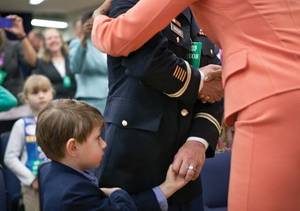
"Military kids are our nation’s kids: They serve as their parents serve, and also they’re our future, in the fact that more than any other youth group in the United States, military kids select military careers," he said at a conference on the complexities and challenges of PTSD and TBI.
Military families are protected from some common stressors because they receive steady incomes, housing, and free medical care, and have access to many personal and community services. At the same time, however, they are buffeted by the stresses of deployments, relocations, separation from extended family, and in the case of National Guard and Reserve members, fewer community support systems, Dr. Cozza noted.
He cited a 2008 Department of Defense survey of 13,000 spouses of active-duty service members; it showed that while 53% said they felt their children coped well or very well with the absence of one parent, 23% felt that their children coped poorly or very poorly. The spouses also reported that 60% of the children had increased fear or anxiety, 57% had increased behavior problems at home, 38% had decreases in academic performance, and 36% had increased problems at school.
Uncovering Emotional Issues in Military Children
Other studies have shown that children of deployed parents have higher degrees of emotional difficulties than national samples and more problems with school, family, and peers (J. Adolesc. Health 2010;46:218-23), and that parental stress and cumulative length of deployment predict depression and behavioral symptoms in children (J. Am. Acad. Child Adolesc. Psychiatry 2010;49:310-20).
Lengthy deployments create what are essentially single-parent families, with the at-home spouse left to cope with running a household as well as dealing with anxiety and personal stress. In some families, the stresses of long and/or frequent deployments can lead to child maltreatment, often in the form of neglect, Dr. Cozza said (Child Abuse Rev. 2008;17:108-18).
Potential risk factors for maltreatment include preexisting psychiatric problems of the child or stay-at-home parent; poorly functioning or highly stressed nondeployed spouses; multiple, lengthy, or dual-parent deployments; lack of social connections or resources; and parental factors such as anger, disconnection, or marital conflict.
Another factor that can have a profound effect on children is a combat or deployment-related injury to a parent. Such an incident might involve a fear of loss of that parent, family separations, hospital visits, a change in the injured parent’s personality, and a potential move away from the community after a discharge from service.
"Over 95% of the severely injured are male; they’re typically young men with a strong sense of themselves as parents and as fathers in a physical fashion, and depending upon the nature of the injury, the loss of a limb or a change in the capacity to engage, all of that really changes the way they relate to their children," Dr. Cozza said.
The rehabilitation process for such patients involves helping them to learn new strategies for relating to their children and families in the presence of the injury.
For parents, especially those who have sustained a traumatic brain injury or develop posttraumatic stress disorder, their self-image as the ideal parent might be challenged, and they must find a way to integrate their new sense of self into their relationships with their children, Dr. Cozza said.
The center for traumatic stress is currently recruiting for a national military family bereavement study. It is looking at preexisting personal and contextual factors; the influence of death and the circumstances surrounding it; early bereavement response and context; and outcomes such as grief reactions, psychiatric illness, traumatic response, complicated or prolonged grief, and functioning among individuals and families as a whole.
Dr. Cozza presented his findings at a symposium supported by the Home Base Program, a joint project of the Red Sox Foundation and Massachusetts General Hospital. He said he had no relevant financial disclosures.
BOSTON – In addition to the day-to-day stresses faced by most families, the children of active-duty service members must cope with the uncertainties of multiple deployments and the possibility that the parent will sustain life-altering injuries, develop mental illness, or die, according to a psychiatrist who studies and treats military families.
Of the more than 2.2 million U.S. service members on active duty, 44% have children, and two-thirds of those children are under age 11, noted Dr. Stephen J. Cozza, professor of psychiatry and associate director of the center for the study of traumatic stress at the Uniformed Services University of the Health Sciences in Bethesda, Md.
"Military kids are our nation’s kids: They serve as their parents serve, and also they’re our future, in the fact that more than any other youth group in the United States, military kids select military careers," he said at a conference on the complexities and challenges of PTSD and TBI.
Military families are protected from some common stressors because they receive steady incomes, housing, and free medical care, and have access to many personal and community services. At the same time, however, they are buffeted by the stresses of deployments, relocations, separation from extended family, and in the case of National Guard and Reserve members, fewer community support systems, Dr. Cozza noted.
He cited a 2008 Department of Defense survey of 13,000 spouses of active-duty service members; it showed that while 53% said they felt their children coped well or very well with the absence of one parent, 23% felt that their children coped poorly or very poorly. The spouses also reported that 60% of the children had increased fear or anxiety, 57% had increased behavior problems at home, 38% had decreases in academic performance, and 36% had increased problems at school.
Uncovering Emotional Issues in Military Children
Other studies have shown that children of deployed parents have higher degrees of emotional difficulties than national samples and more problems with school, family, and peers (J. Adolesc. Health 2010;46:218-23), and that parental stress and cumulative length of deployment predict depression and behavioral symptoms in children (J. Am. Acad. Child Adolesc. Psychiatry 2010;49:310-20).
Lengthy deployments create what are essentially single-parent families, with the at-home spouse left to cope with running a household as well as dealing with anxiety and personal stress. In some families, the stresses of long and/or frequent deployments can lead to child maltreatment, often in the form of neglect, Dr. Cozza said (Child Abuse Rev. 2008;17:108-18).
Potential risk factors for maltreatment include preexisting psychiatric problems of the child or stay-at-home parent; poorly functioning or highly stressed nondeployed spouses; multiple, lengthy, or dual-parent deployments; lack of social connections or resources; and parental factors such as anger, disconnection, or marital conflict.
Another factor that can have a profound effect on children is a combat or deployment-related injury to a parent. Such an incident might involve a fear of loss of that parent, family separations, hospital visits, a change in the injured parent’s personality, and a potential move away from the community after a discharge from service.
"Over 95% of the severely injured are male; they’re typically young men with a strong sense of themselves as parents and as fathers in a physical fashion, and depending upon the nature of the injury, the loss of a limb or a change in the capacity to engage, all of that really changes the way they relate to their children," Dr. Cozza said.
The rehabilitation process for such patients involves helping them to learn new strategies for relating to their children and families in the presence of the injury.
For parents, especially those who have sustained a traumatic brain injury or develop posttraumatic stress disorder, their self-image as the ideal parent might be challenged, and they must find a way to integrate their new sense of self into their relationships with their children, Dr. Cozza said.
The center for traumatic stress is currently recruiting for a national military family bereavement study. It is looking at preexisting personal and contextual factors; the influence of death and the circumstances surrounding it; early bereavement response and context; and outcomes such as grief reactions, psychiatric illness, traumatic response, complicated or prolonged grief, and functioning among individuals and families as a whole.
Dr. Cozza presented his findings at a symposium supported by the Home Base Program, a joint project of the Red Sox Foundation and Massachusetts General Hospital. He said he had no relevant financial disclosures.
BOSTON – In addition to the day-to-day stresses faced by most families, the children of active-duty service members must cope with the uncertainties of multiple deployments and the possibility that the parent will sustain life-altering injuries, develop mental illness, or die, according to a psychiatrist who studies and treats military families.
Of the more than 2.2 million U.S. service members on active duty, 44% have children, and two-thirds of those children are under age 11, noted Dr. Stephen J. Cozza, professor of psychiatry and associate director of the center for the study of traumatic stress at the Uniformed Services University of the Health Sciences in Bethesda, Md.
"Military kids are our nation’s kids: They serve as their parents serve, and also they’re our future, in the fact that more than any other youth group in the United States, military kids select military careers," he said at a conference on the complexities and challenges of PTSD and TBI.
Military families are protected from some common stressors because they receive steady incomes, housing, and free medical care, and have access to many personal and community services. At the same time, however, they are buffeted by the stresses of deployments, relocations, separation from extended family, and in the case of National Guard and Reserve members, fewer community support systems, Dr. Cozza noted.
He cited a 2008 Department of Defense survey of 13,000 spouses of active-duty service members; it showed that while 53% said they felt their children coped well or very well with the absence of one parent, 23% felt that their children coped poorly or very poorly. The spouses also reported that 60% of the children had increased fear or anxiety, 57% had increased behavior problems at home, 38% had decreases in academic performance, and 36% had increased problems at school.
Uncovering Emotional Issues in Military Children
Other studies have shown that children of deployed parents have higher degrees of emotional difficulties than national samples and more problems with school, family, and peers (J. Adolesc. Health 2010;46:218-23), and that parental stress and cumulative length of deployment predict depression and behavioral symptoms in children (J. Am. Acad. Child Adolesc. Psychiatry 2010;49:310-20).
Lengthy deployments create what are essentially single-parent families, with the at-home spouse left to cope with running a household as well as dealing with anxiety and personal stress. In some families, the stresses of long and/or frequent deployments can lead to child maltreatment, often in the form of neglect, Dr. Cozza said (Child Abuse Rev. 2008;17:108-18).
Potential risk factors for maltreatment include preexisting psychiatric problems of the child or stay-at-home parent; poorly functioning or highly stressed nondeployed spouses; multiple, lengthy, or dual-parent deployments; lack of social connections or resources; and parental factors such as anger, disconnection, or marital conflict.
Another factor that can have a profound effect on children is a combat or deployment-related injury to a parent. Such an incident might involve a fear of loss of that parent, family separations, hospital visits, a change in the injured parent’s personality, and a potential move away from the community after a discharge from service.
"Over 95% of the severely injured are male; they’re typically young men with a strong sense of themselves as parents and as fathers in a physical fashion, and depending upon the nature of the injury, the loss of a limb or a change in the capacity to engage, all of that really changes the way they relate to their children," Dr. Cozza said.
The rehabilitation process for such patients involves helping them to learn new strategies for relating to their children and families in the presence of the injury.
For parents, especially those who have sustained a traumatic brain injury or develop posttraumatic stress disorder, their self-image as the ideal parent might be challenged, and they must find a way to integrate their new sense of self into their relationships with their children, Dr. Cozza said.
The center for traumatic stress is currently recruiting for a national military family bereavement study. It is looking at preexisting personal and contextual factors; the influence of death and the circumstances surrounding it; early bereavement response and context; and outcomes such as grief reactions, psychiatric illness, traumatic response, complicated or prolonged grief, and functioning among individuals and families as a whole.
Dr. Cozza presented his findings at a symposium supported by the Home Base Program, a joint project of the Red Sox Foundation and Massachusetts General Hospital. He said he had no relevant financial disclosures.
FROM A CONFERENCE ON THE COMPLEXITIES AND CHALLENGES OF PTSD AND TBI
Major Finding: Among 13,000 spouses of active-duty armed services members surveyed, 23% said their children were not coping well with the deployment of the other parent.
Data Source: Overview of data on the psychological stresses on children in military families.
Disclosures: Presented at a symposium supported by the Home Base Program, a joint project of the Red Sox Foundation and Massachusetts General Hospital. Dr. Cozza said he had no relevant financial disclosures.
Suicides, Homicides Among Military Share Common Features
BOSTON – A volatile mixture of individual, environmental, and social factors may cause a soldier to explode with anger and aggression toward himself or his fellows in arms, said a psychiatrist who studies suicidal behaviors and homicidal acts among U.S. service members.
"I don’t want to say that every vet is a walking time bomb, but I think you need to be thinking about it all the time," said Dr. Elspeth Cameron Ritchie at a conference on the complexities and challenges of PTSD and TBI, sponsored by Massachusetts General Hospital.
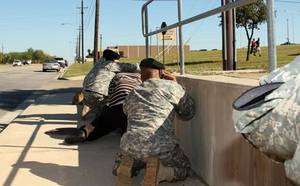
Reviews of mass shootings at bases in the United States and abroad, as well as homicides among soldiers at Fort Carson, Colo., show that many of the factors that are known to heighten risk for violence in the general population are present in the military, with the addition of a key significant factor: ready access to lethal weapons.
"I don’t think it’s a great message when we sell weapons in PXs [post exchanges]. We have had some episodes where people have bought weapons and then shot themselves or another member, sometimes in the PX itself," said Dr. Ritchie, chief clinical officer for the District of Columbia Department of Mental Health and a retired colonel in the U.S. Army.
Army Suicide Rates Rising
Risk factors for suicide and violence toward others in the military population are similar to those seen in civilian life: acute psychosis, insult-evoked reactions, drug and alcohol use/abuse, recent stressors, unstable mood and affect, mania, and severe depression.
Mood and adjustment disorders and substance abuse are relatively common among Army personnel who commit suicide, but more serious psychiatric disorders and personality disorders are less frequent, Dr. Ritchie said. Suicides are often linked to relationship problems, legal or occupational difficulties, and chronic pain and/or disability. Recently, there has been an uptick in suicides among older service members, higher ranks, and women.
Historically, the rates of suicides among active-duty Army members had been lower than that of the general population. But data from the Centers for Disease Control and Prevention’s National Center for Health Statistics shows that while suicide rates among the general population remained flat from 2001 through 2006, the rate among active Army members doubled, and is expected to be about 23/100,000, higher than that of the age- and gender-adjusted rate in the United States of about 18/100,000 when the most recent data (for 2008 and 2009) become available.
A review by the Army’s Epidemiology Consultant Service (EPICON) of suicides and homicides among active-duty soldiers in the United States reveals common themes involving individual and system-related risk factors, including:
• Deployment length, frequency, unpredictability.
• Combat intensity.
• Family separation, relationship stress, lack of support.
• Increased violence against others, including spouse/family.
• Increased drug/alcohol use and related offenses.
• Previous gestures/attempts and/or behavioral health contact.
• Manipulation, malingering.
• Legal/financial troubles.
• History of misconduct.
System-related issues include:
• Stigma: personal, peer, leadership, career.
• Poor service delivery for dependents.
• Transition, reintegration issues.
• Problems with behavioral health services.
• Lack of standardized screening, tracking, intervention or data collection.
• Leadership management/climate.
Cases of Violence at Army Bases
Dr. Ritchie reviewed several well-known and less well-publicized examples of violence at U.S. Army bases over the last decade.
For example, at Fort Bragg, N.C., there were two cases of husbands murdering wives and two husband and wife murder-suicides in 2002. A 12-member Army team reviewed the cases and determined that rapid return from the theater of battle, infidelity, access to weapons ("a gun in the nightstand"), lack of access to care, and perceived stigma were common factors.
Suicides and other acts of violence at Fort Hood, Tex., in 2005 and Fort Campbell, Ky., in 2007 had several key features in common, including high operational tempo, transition in leadership, fragmentation of care, and access to weapons.
And in the most notorious event, an Army psychiatrist at Fort Hood killed 13 people in a deployment clinic on base in 2009. Dr. Ritchie said that in retrospect, many of the previously mentioned red flags were present in that case. Although it led to multiple efforts to screen soldiers for violence, most are unlikely to confess on questionnaires to having violent thoughts, she added.
Heed Warning Signs in Soldiers
Clinicians treating soldiers at risk for violence should look for warning signs that might include an angry appearance, agitated or loud behavior, obtaining or carrying a weapon when not authorized to do so, suicidal acts, discussions of violence, obsession with death, or preoccupation with religion, which may be a symptom of a psychosis or delusional disorder, Dr. Ritchie said.
Other risk factors clinicians should look for are emotional withdrawal, substance abuse, hopelessness and despair, lingering resentment, humiliation by a coworker or superior, feelings of persecution, and recent break-up of a romantic relationship.
She recommended that clinicians ask about history of head trauma and screen for impulsivity, brain trauma, alcohol and drug use, weapons access, marital/relationship issues, financial concerns, and recent humiliating events.
She also advised creation of a safety plan, use of a panic button to call for specialized help, and training of clinic personnel in safety procedures.
Dr. Ritchie presented her findings at a symposium supported by the Home Base Program, a joint project of the Red Sox Foundation and Massachusetts General. She had no relevant conflict of interest disclosures.
BOSTON – A volatile mixture of individual, environmental, and social factors may cause a soldier to explode with anger and aggression toward himself or his fellows in arms, said a psychiatrist who studies suicidal behaviors and homicidal acts among U.S. service members.
"I don’t want to say that every vet is a walking time bomb, but I think you need to be thinking about it all the time," said Dr. Elspeth Cameron Ritchie at a conference on the complexities and challenges of PTSD and TBI, sponsored by Massachusetts General Hospital.
Reviews of mass shootings at bases in the United States and abroad, as well as homicides among soldiers at Fort Carson, Colo., show that many of the factors that are known to heighten risk for violence in the general population are present in the military, with the addition of a key significant factor: ready access to lethal weapons.
"I don’t think it’s a great message when we sell weapons in PXs [post exchanges]. We have had some episodes where people have bought weapons and then shot themselves or another member, sometimes in the PX itself," said Dr. Ritchie, chief clinical officer for the District of Columbia Department of Mental Health and a retired colonel in the U.S. Army.
Army Suicide Rates Rising
Risk factors for suicide and violence toward others in the military population are similar to those seen in civilian life: acute psychosis, insult-evoked reactions, drug and alcohol use/abuse, recent stressors, unstable mood and affect, mania, and severe depression.
Mood and adjustment disorders and substance abuse are relatively common among Army personnel who commit suicide, but more serious psychiatric disorders and personality disorders are less frequent, Dr. Ritchie said. Suicides are often linked to relationship problems, legal or occupational difficulties, and chronic pain and/or disability. Recently, there has been an uptick in suicides among older service members, higher ranks, and women.
Historically, the rates of suicides among active-duty Army members had been lower than that of the general population. But data from the Centers for Disease Control and Prevention’s National Center for Health Statistics shows that while suicide rates among the general population remained flat from 2001 through 2006, the rate among active Army members doubled, and is expected to be about 23/100,000, higher than that of the age- and gender-adjusted rate in the United States of about 18/100,000 when the most recent data (for 2008 and 2009) become available.
A review by the Army’s Epidemiology Consultant Service (EPICON) of suicides and homicides among active-duty soldiers in the United States reveals common themes involving individual and system-related risk factors, including:
• Deployment length, frequency, unpredictability.
• Combat intensity.
• Family separation, relationship stress, lack of support.
• Increased violence against others, including spouse/family.
• Increased drug/alcohol use and related offenses.
• Previous gestures/attempts and/or behavioral health contact.
• Manipulation, malingering.
• Legal/financial troubles.
• History of misconduct.
System-related issues include:
• Stigma: personal, peer, leadership, career.
• Poor service delivery for dependents.
• Transition, reintegration issues.
• Problems with behavioral health services.
• Lack of standardized screening, tracking, intervention or data collection.
• Leadership management/climate.
Cases of Violence at Army Bases
Dr. Ritchie reviewed several well-known and less well-publicized examples of violence at U.S. Army bases over the last decade.
For example, at Fort Bragg, N.C., there were two cases of husbands murdering wives and two husband and wife murder-suicides in 2002. A 12-member Army team reviewed the cases and determined that rapid return from the theater of battle, infidelity, access to weapons ("a gun in the nightstand"), lack of access to care, and perceived stigma were common factors.
Suicides and other acts of violence at Fort Hood, Tex., in 2005 and Fort Campbell, Ky., in 2007 had several key features in common, including high operational tempo, transition in leadership, fragmentation of care, and access to weapons.
And in the most notorious event, an Army psychiatrist at Fort Hood killed 13 people in a deployment clinic on base in 2009. Dr. Ritchie said that in retrospect, many of the previously mentioned red flags were present in that case. Although it led to multiple efforts to screen soldiers for violence, most are unlikely to confess on questionnaires to having violent thoughts, she added.
Heed Warning Signs in Soldiers
Clinicians treating soldiers at risk for violence should look for warning signs that might include an angry appearance, agitated or loud behavior, obtaining or carrying a weapon when not authorized to do so, suicidal acts, discussions of violence, obsession with death, or preoccupation with religion, which may be a symptom of a psychosis or delusional disorder, Dr. Ritchie said.
Other risk factors clinicians should look for are emotional withdrawal, substance abuse, hopelessness and despair, lingering resentment, humiliation by a coworker or superior, feelings of persecution, and recent break-up of a romantic relationship.
She recommended that clinicians ask about history of head trauma and screen for impulsivity, brain trauma, alcohol and drug use, weapons access, marital/relationship issues, financial concerns, and recent humiliating events.
She also advised creation of a safety plan, use of a panic button to call for specialized help, and training of clinic personnel in safety procedures.
Dr. Ritchie presented her findings at a symposium supported by the Home Base Program, a joint project of the Red Sox Foundation and Massachusetts General. She had no relevant conflict of interest disclosures.
BOSTON – A volatile mixture of individual, environmental, and social factors may cause a soldier to explode with anger and aggression toward himself or his fellows in arms, said a psychiatrist who studies suicidal behaviors and homicidal acts among U.S. service members.
"I don’t want to say that every vet is a walking time bomb, but I think you need to be thinking about it all the time," said Dr. Elspeth Cameron Ritchie at a conference on the complexities and challenges of PTSD and TBI, sponsored by Massachusetts General Hospital.
Reviews of mass shootings at bases in the United States and abroad, as well as homicides among soldiers at Fort Carson, Colo., show that many of the factors that are known to heighten risk for violence in the general population are present in the military, with the addition of a key significant factor: ready access to lethal weapons.
"I don’t think it’s a great message when we sell weapons in PXs [post exchanges]. We have had some episodes where people have bought weapons and then shot themselves or another member, sometimes in the PX itself," said Dr. Ritchie, chief clinical officer for the District of Columbia Department of Mental Health and a retired colonel in the U.S. Army.
Army Suicide Rates Rising
Risk factors for suicide and violence toward others in the military population are similar to those seen in civilian life: acute psychosis, insult-evoked reactions, drug and alcohol use/abuse, recent stressors, unstable mood and affect, mania, and severe depression.
Mood and adjustment disorders and substance abuse are relatively common among Army personnel who commit suicide, but more serious psychiatric disorders and personality disorders are less frequent, Dr. Ritchie said. Suicides are often linked to relationship problems, legal or occupational difficulties, and chronic pain and/or disability. Recently, there has been an uptick in suicides among older service members, higher ranks, and women.
Historically, the rates of suicides among active-duty Army members had been lower than that of the general population. But data from the Centers for Disease Control and Prevention’s National Center for Health Statistics shows that while suicide rates among the general population remained flat from 2001 through 2006, the rate among active Army members doubled, and is expected to be about 23/100,000, higher than that of the age- and gender-adjusted rate in the United States of about 18/100,000 when the most recent data (for 2008 and 2009) become available.
A review by the Army’s Epidemiology Consultant Service (EPICON) of suicides and homicides among active-duty soldiers in the United States reveals common themes involving individual and system-related risk factors, including:
• Deployment length, frequency, unpredictability.
• Combat intensity.
• Family separation, relationship stress, lack of support.
• Increased violence against others, including spouse/family.
• Increased drug/alcohol use and related offenses.
• Previous gestures/attempts and/or behavioral health contact.
• Manipulation, malingering.
• Legal/financial troubles.
• History of misconduct.
System-related issues include:
• Stigma: personal, peer, leadership, career.
• Poor service delivery for dependents.
• Transition, reintegration issues.
• Problems with behavioral health services.
• Lack of standardized screening, tracking, intervention or data collection.
• Leadership management/climate.
Cases of Violence at Army Bases
Dr. Ritchie reviewed several well-known and less well-publicized examples of violence at U.S. Army bases over the last decade.
For example, at Fort Bragg, N.C., there were two cases of husbands murdering wives and two husband and wife murder-suicides in 2002. A 12-member Army team reviewed the cases and determined that rapid return from the theater of battle, infidelity, access to weapons ("a gun in the nightstand"), lack of access to care, and perceived stigma were common factors.
Suicides and other acts of violence at Fort Hood, Tex., in 2005 and Fort Campbell, Ky., in 2007 had several key features in common, including high operational tempo, transition in leadership, fragmentation of care, and access to weapons.
And in the most notorious event, an Army psychiatrist at Fort Hood killed 13 people in a deployment clinic on base in 2009. Dr. Ritchie said that in retrospect, many of the previously mentioned red flags were present in that case. Although it led to multiple efforts to screen soldiers for violence, most are unlikely to confess on questionnaires to having violent thoughts, she added.
Heed Warning Signs in Soldiers
Clinicians treating soldiers at risk for violence should look for warning signs that might include an angry appearance, agitated or loud behavior, obtaining or carrying a weapon when not authorized to do so, suicidal acts, discussions of violence, obsession with death, or preoccupation with religion, which may be a symptom of a psychosis or delusional disorder, Dr. Ritchie said.
Other risk factors clinicians should look for are emotional withdrawal, substance abuse, hopelessness and despair, lingering resentment, humiliation by a coworker or superior, feelings of persecution, and recent break-up of a romantic relationship.
She recommended that clinicians ask about history of head trauma and screen for impulsivity, brain trauma, alcohol and drug use, weapons access, marital/relationship issues, financial concerns, and recent humiliating events.
She also advised creation of a safety plan, use of a panic button to call for specialized help, and training of clinic personnel in safety procedures.
Dr. Ritchie presented her findings at a symposium supported by the Home Base Program, a joint project of the Red Sox Foundation and Massachusetts General. She had no relevant conflict of interest disclosures.
FROM A CONFERENCE ON THE COMPLEXITIES AND CHALLENGES OF PTSD AND TBI
Major Finding: Suicide rates among active-duty U.S. Army soldiers are expected to be about 22/100,000, exceeding that of the age- and gender-adjusted U.S. population when the most recent data (for 2008-2009) become available.
Data Source: Overview of data on suicide and violence among active duty U.S. service members.
Disclosures: Dr. Ritchie presented her findings at a symposium supported by the Home Base Program, a joint project of the Red Sox Foundation and Massachusetts General Hospital. She had no relevant conflict of interest disclosures.
Multiple Stressors Up Suicide Risk Among Military Personnel
BOSTON – Both veterans and active-duty military are at significantly greater risk for suicide than is the general population, underscoring the critical need for identification of suicidal thoughts and prevention of suicidal actions, said clinicians who specialize in the mental health needs of current and former armed service members.
Of the 30,000-32,000 Americans annually who commit suicide, about one in five is a veteran – an average of 18 veteran suicides a day, according to the National Violent Death Reporting System of the Centers for Disease Control and Prevention.
From 1950 through 2005, despite four wars, seven recessions, and unprecedented advances in the diagnosis and treatment of mental illness, the overall American suicide rate has not changed, said Dr. Janet Kemp, Veterans Affairs national mental health director for suicide prevention at the VA Office of Mental Health in Washington.
"It’s not that people haven’t been paying attention to it, but to be perfectly honest, we’re not that far ahead in our ability to change the problem," she said at a symposium on the complexities and challenges of posttraumatic stress disorder (PTSD) and traumatic brain injury.
For active duty military, particularly those who are deployed to combat zones, a combination of "rage, guilt, and despair" and ready access to firearms can be a deadly combination, added Col. John Bradley, a physician who serves as chair of Integrated Health Services in the department of psychiatry at Walter Reed Army Medical Center, Washington, D.C.
"It’s not simply exposure to bad things, but it’s the emotional response to those things that really creates the distress for our returning veterans, and in particular, anger and survivor’s guilt are important themes," Dr. Bradley said.
Younger Vets, Women at Higher Risk
CDC data from 2008, the latest year available, suggest that younger veterans (aged 20-29 years), those 39 and older, and women vets are increased risk for suicide, compared with other veterans, although information on trends is hard to come by, Dr. Kemp noted.
Three of the most significant risk factors for suicide are PTSD, depression, and sleep disorders, Col. Bradley said. He cited a 2004 study of soldiers and Marines returning from combat in Iraq or Afghanistan that found that PTSD symptoms ranged from 9.5% among those with low levels of combat experience, to 18.5% among those with high levels of combat exposure. Rates of depression were 5.2% and 7.9%, respectively, and more than one-fourth of service members returning from war zones reported sleep problems: 25.6% and 37.2%, respectively (N. Engl. J. Med. 2004;351:13-22).
Additionally, the prevalence of PTSD and other mental health problems has been shown to increase during the first year after the end of a combat deployment, with PTSD levels increasing from 5% from 12.9% 3 months after deployment (during Operation Iraqi Freedom) to 17% at year, depression levels increasing from 7.9 to 12%, and anxiety rising from 7.9% to 11.5% (Arch. Gen. Psychiatry 2010;67:614-23).
Department of Defense studies have found that the rate of suicides among active duty military have begun to approximate those of the general public, Col. Bradley said.
"We used to believe that we were afforded some protection by our increased selection criteria for becoming a service member, access to health care, health and fitness, wellness, unit cohesion, etc., but now our rates are no better, and we have to ask the question ‘why?’ "
Data from the Post-Deployment Health Assessment, a universal screening instrument for returning service members, show that 25% of those who went on to commit suicide endorsed one of two depression items (hopelessness, loss of interest), 26% endorsed one of four PTSD items (nightmares, avoiding situations/thoughts, constantly on guard, and numb or detached), but only about 2% had reported suicidal thoughts. About 6% said they had sought mental health care in the past month, and 11% said they had been referred for mental health care.
Gunshot wounds are by far the most significant cause of death (from about 56% to 70%), followed by hanging/asphyxiation (18-20%), and drug, poisoning/carbon monoxide, exsanguination, or other causes (all below 10%).
Risk factors
The best predictor of a suicide attempt is presence of a current suicide plan or past attempt, the latter of which is associated with 100-fold risk for a second attempt within a year, but predictive ability is generally poor, Dr. Bradley said.
Other significant risk factors include:
• Family history of suicide.
• Family history of child maltreatment.
• History of mental disorders (particularly depression), alcohol, or substance abuse.
• Feelings of hopelessness or isolation from others.
• Impulsive or aggressive tendencies.
• Cultural and religious beliefs regarding acceptability of suicide.
• Local epidemics of suicide.
• Barriers to mental health treatment access.
• Loss (relational, social, work, or financial).
• Physical illness.
• Easy access to lethal methods (guns, knives, etc.).
• Unwillingness to seek help because of stigma attached to mental health/substance abuse or suicidal thoughts.
Prevention Recommendations
Col. Bradley served on a Defense Department suicide prevention task force that recommended key strategies to prevent suicide in the armed services in four domains:
• Organization and leadership.
• Wellness enhancement and training.
• Access to and delivery of high-quality care.
• Surveillance, investigations, and research.
"During our 19 site visits with military families at different installations across all four services, families and troops told us again and again and again that the major stressor in their lives is the repeated deployments and the lack of quality dwell time that they have in between those deployments to be able to reintegrate, reestablish a baseline, reestablish a support system in order to be successful," Col. Bradley said.
The task force recommended enhancing well-being, mental fitness, life skills, and resiliency of service members and families with programs such as financial management training, marriage and family relationship counseling, anger management, and conflict resolution skills.
Service members and their families also should have ready access to high quality behavioral health care, with continuity of care to ensure timely provision of services and seamless management. The task forces also called for standardized crisis intervention services and hotlines across all branches of the military.
Assessment and Management
The clinician should assess the degree of risk – acute or imminent – and ask the patient about current stressors and potential vulnerabilities over the long term. Col. Bradley and his colleagues employ the SAD PERSONS suicide assessment scale and the Beck Scale for Suicidal Ideation for evaluating patients.
Managing at-risk patients might include stabilizing medical conditions, taking steps to ensure the safety of both the patient and the clinician, and ruling out intoxication or withdrawal as possible causes of suicidal statements or actions. However, even retracted suicidal statements must still be evaluated, Dr. Bradley cautioned.
Treatment options include hospitalizing or committing to a care facility patients at imminent risk, although evidence to support this practice is limited. There is better evidence for suicide-specific therapies, psychosocial support, and medical therapies such as flupenthixol, clozapine, or electroconvulsive therapy.
Col. Bradley emphasized that there is no evidence to support the use of a "suicide contract," in which the clinician elicits a promise from the patient that he/she will not commit suicide.
"The only thing a suicide contract does is make a malpractice lawyer salivate when you’re being taken to court," he said.
The ongoing Army Study to Assess Risk and Resilience in Servicemembers (Army STARRS) is the largest study of suicide and mental health among military personnel ever undertaken. It is designed to identify modifiable risk and protective factors related to mental health and suicide and will support the Army’s ongoing efforts to prevent suicide and improve soldiers’ overall well-being.
Data were presented at a symposium supported by the Home Base Program, a joint project of the Red Sox Foundation and Massachusetts General Hospital. Neither Dr. Kemp nor Col. Bradley had relevant financial disclosures.
BOSTON – Both veterans and active-duty military are at significantly greater risk for suicide than is the general population, underscoring the critical need for identification of suicidal thoughts and prevention of suicidal actions, said clinicians who specialize in the mental health needs of current and former armed service members.
Of the 30,000-32,000 Americans annually who commit suicide, about one in five is a veteran – an average of 18 veteran suicides a day, according to the National Violent Death Reporting System of the Centers for Disease Control and Prevention.
From 1950 through 2005, despite four wars, seven recessions, and unprecedented advances in the diagnosis and treatment of mental illness, the overall American suicide rate has not changed, said Dr. Janet Kemp, Veterans Affairs national mental health director for suicide prevention at the VA Office of Mental Health in Washington.
"It’s not that people haven’t been paying attention to it, but to be perfectly honest, we’re not that far ahead in our ability to change the problem," she said at a symposium on the complexities and challenges of posttraumatic stress disorder (PTSD) and traumatic brain injury.
For active duty military, particularly those who are deployed to combat zones, a combination of "rage, guilt, and despair" and ready access to firearms can be a deadly combination, added Col. John Bradley, a physician who serves as chair of Integrated Health Services in the department of psychiatry at Walter Reed Army Medical Center, Washington, D.C.
"It’s not simply exposure to bad things, but it’s the emotional response to those things that really creates the distress for our returning veterans, and in particular, anger and survivor’s guilt are important themes," Dr. Bradley said.
Younger Vets, Women at Higher Risk
CDC data from 2008, the latest year available, suggest that younger veterans (aged 20-29 years), those 39 and older, and women vets are increased risk for suicide, compared with other veterans, although information on trends is hard to come by, Dr. Kemp noted.
Three of the most significant risk factors for suicide are PTSD, depression, and sleep disorders, Col. Bradley said. He cited a 2004 study of soldiers and Marines returning from combat in Iraq or Afghanistan that found that PTSD symptoms ranged from 9.5% among those with low levels of combat experience, to 18.5% among those with high levels of combat exposure. Rates of depression were 5.2% and 7.9%, respectively, and more than one-fourth of service members returning from war zones reported sleep problems: 25.6% and 37.2%, respectively (N. Engl. J. Med. 2004;351:13-22).
Additionally, the prevalence of PTSD and other mental health problems has been shown to increase during the first year after the end of a combat deployment, with PTSD levels increasing from 5% from 12.9% 3 months after deployment (during Operation Iraqi Freedom) to 17% at year, depression levels increasing from 7.9 to 12%, and anxiety rising from 7.9% to 11.5% (Arch. Gen. Psychiatry 2010;67:614-23).
Department of Defense studies have found that the rate of suicides among active duty military have begun to approximate those of the general public, Col. Bradley said.
"We used to believe that we were afforded some protection by our increased selection criteria for becoming a service member, access to health care, health and fitness, wellness, unit cohesion, etc., but now our rates are no better, and we have to ask the question ‘why?’ "
Data from the Post-Deployment Health Assessment, a universal screening instrument for returning service members, show that 25% of those who went on to commit suicide endorsed one of two depression items (hopelessness, loss of interest), 26% endorsed one of four PTSD items (nightmares, avoiding situations/thoughts, constantly on guard, and numb or detached), but only about 2% had reported suicidal thoughts. About 6% said they had sought mental health care in the past month, and 11% said they had been referred for mental health care.
Gunshot wounds are by far the most significant cause of death (from about 56% to 70%), followed by hanging/asphyxiation (18-20%), and drug, poisoning/carbon monoxide, exsanguination, or other causes (all below 10%).
Risk factors
The best predictor of a suicide attempt is presence of a current suicide plan or past attempt, the latter of which is associated with 100-fold risk for a second attempt within a year, but predictive ability is generally poor, Dr. Bradley said.
Other significant risk factors include:
• Family history of suicide.
• Family history of child maltreatment.
• History of mental disorders (particularly depression), alcohol, or substance abuse.
• Feelings of hopelessness or isolation from others.
• Impulsive or aggressive tendencies.
• Cultural and religious beliefs regarding acceptability of suicide.
• Local epidemics of suicide.
• Barriers to mental health treatment access.
• Loss (relational, social, work, or financial).
• Physical illness.
• Easy access to lethal methods (guns, knives, etc.).
• Unwillingness to seek help because of stigma attached to mental health/substance abuse or suicidal thoughts.
Prevention Recommendations
Col. Bradley served on a Defense Department suicide prevention task force that recommended key strategies to prevent suicide in the armed services in four domains:
• Organization and leadership.
• Wellness enhancement and training.
• Access to and delivery of high-quality care.
• Surveillance, investigations, and research.
"During our 19 site visits with military families at different installations across all four services, families and troops told us again and again and again that the major stressor in their lives is the repeated deployments and the lack of quality dwell time that they have in between those deployments to be able to reintegrate, reestablish a baseline, reestablish a support system in order to be successful," Col. Bradley said.
The task force recommended enhancing well-being, mental fitness, life skills, and resiliency of service members and families with programs such as financial management training, marriage and family relationship counseling, anger management, and conflict resolution skills.
Service members and their families also should have ready access to high quality behavioral health care, with continuity of care to ensure timely provision of services and seamless management. The task forces also called for standardized crisis intervention services and hotlines across all branches of the military.
Assessment and Management
The clinician should assess the degree of risk – acute or imminent – and ask the patient about current stressors and potential vulnerabilities over the long term. Col. Bradley and his colleagues employ the SAD PERSONS suicide assessment scale and the Beck Scale for Suicidal Ideation for evaluating patients.
Managing at-risk patients might include stabilizing medical conditions, taking steps to ensure the safety of both the patient and the clinician, and ruling out intoxication or withdrawal as possible causes of suicidal statements or actions. However, even retracted suicidal statements must still be evaluated, Dr. Bradley cautioned.
Treatment options include hospitalizing or committing to a care facility patients at imminent risk, although evidence to support this practice is limited. There is better evidence for suicide-specific therapies, psychosocial support, and medical therapies such as flupenthixol, clozapine, or electroconvulsive therapy.
Col. Bradley emphasized that there is no evidence to support the use of a "suicide contract," in which the clinician elicits a promise from the patient that he/she will not commit suicide.
"The only thing a suicide contract does is make a malpractice lawyer salivate when you’re being taken to court," he said.
The ongoing Army Study to Assess Risk and Resilience in Servicemembers (Army STARRS) is the largest study of suicide and mental health among military personnel ever undertaken. It is designed to identify modifiable risk and protective factors related to mental health and suicide and will support the Army’s ongoing efforts to prevent suicide and improve soldiers’ overall well-being.
Data were presented at a symposium supported by the Home Base Program, a joint project of the Red Sox Foundation and Massachusetts General Hospital. Neither Dr. Kemp nor Col. Bradley had relevant financial disclosures.
BOSTON – Both veterans and active-duty military are at significantly greater risk for suicide than is the general population, underscoring the critical need for identification of suicidal thoughts and prevention of suicidal actions, said clinicians who specialize in the mental health needs of current and former armed service members.
Of the 30,000-32,000 Americans annually who commit suicide, about one in five is a veteran – an average of 18 veteran suicides a day, according to the National Violent Death Reporting System of the Centers for Disease Control and Prevention.
From 1950 through 2005, despite four wars, seven recessions, and unprecedented advances in the diagnosis and treatment of mental illness, the overall American suicide rate has not changed, said Dr. Janet Kemp, Veterans Affairs national mental health director for suicide prevention at the VA Office of Mental Health in Washington.
"It’s not that people haven’t been paying attention to it, but to be perfectly honest, we’re not that far ahead in our ability to change the problem," she said at a symposium on the complexities and challenges of posttraumatic stress disorder (PTSD) and traumatic brain injury.
For active duty military, particularly those who are deployed to combat zones, a combination of "rage, guilt, and despair" and ready access to firearms can be a deadly combination, added Col. John Bradley, a physician who serves as chair of Integrated Health Services in the department of psychiatry at Walter Reed Army Medical Center, Washington, D.C.
"It’s not simply exposure to bad things, but it’s the emotional response to those things that really creates the distress for our returning veterans, and in particular, anger and survivor’s guilt are important themes," Dr. Bradley said.
Younger Vets, Women at Higher Risk
CDC data from 2008, the latest year available, suggest that younger veterans (aged 20-29 years), those 39 and older, and women vets are increased risk for suicide, compared with other veterans, although information on trends is hard to come by, Dr. Kemp noted.
Three of the most significant risk factors for suicide are PTSD, depression, and sleep disorders, Col. Bradley said. He cited a 2004 study of soldiers and Marines returning from combat in Iraq or Afghanistan that found that PTSD symptoms ranged from 9.5% among those with low levels of combat experience, to 18.5% among those with high levels of combat exposure. Rates of depression were 5.2% and 7.9%, respectively, and more than one-fourth of service members returning from war zones reported sleep problems: 25.6% and 37.2%, respectively (N. Engl. J. Med. 2004;351:13-22).
Additionally, the prevalence of PTSD and other mental health problems has been shown to increase during the first year after the end of a combat deployment, with PTSD levels increasing from 5% from 12.9% 3 months after deployment (during Operation Iraqi Freedom) to 17% at year, depression levels increasing from 7.9 to 12%, and anxiety rising from 7.9% to 11.5% (Arch. Gen. Psychiatry 2010;67:614-23).
Department of Defense studies have found that the rate of suicides among active duty military have begun to approximate those of the general public, Col. Bradley said.
"We used to believe that we were afforded some protection by our increased selection criteria for becoming a service member, access to health care, health and fitness, wellness, unit cohesion, etc., but now our rates are no better, and we have to ask the question ‘why?’ "
Data from the Post-Deployment Health Assessment, a universal screening instrument for returning service members, show that 25% of those who went on to commit suicide endorsed one of two depression items (hopelessness, loss of interest), 26% endorsed one of four PTSD items (nightmares, avoiding situations/thoughts, constantly on guard, and numb or detached), but only about 2% had reported suicidal thoughts. About 6% said they had sought mental health care in the past month, and 11% said they had been referred for mental health care.
Gunshot wounds are by far the most significant cause of death (from about 56% to 70%), followed by hanging/asphyxiation (18-20%), and drug, poisoning/carbon monoxide, exsanguination, or other causes (all below 10%).
Risk factors
The best predictor of a suicide attempt is presence of a current suicide plan or past attempt, the latter of which is associated with 100-fold risk for a second attempt within a year, but predictive ability is generally poor, Dr. Bradley said.
Other significant risk factors include:
• Family history of suicide.
• Family history of child maltreatment.
• History of mental disorders (particularly depression), alcohol, or substance abuse.
• Feelings of hopelessness or isolation from others.
• Impulsive or aggressive tendencies.
• Cultural and religious beliefs regarding acceptability of suicide.
• Local epidemics of suicide.
• Barriers to mental health treatment access.
• Loss (relational, social, work, or financial).
• Physical illness.
• Easy access to lethal methods (guns, knives, etc.).
• Unwillingness to seek help because of stigma attached to mental health/substance abuse or suicidal thoughts.
Prevention Recommendations
Col. Bradley served on a Defense Department suicide prevention task force that recommended key strategies to prevent suicide in the armed services in four domains:
• Organization and leadership.
• Wellness enhancement and training.
• Access to and delivery of high-quality care.
• Surveillance, investigations, and research.
"During our 19 site visits with military families at different installations across all four services, families and troops told us again and again and again that the major stressor in their lives is the repeated deployments and the lack of quality dwell time that they have in between those deployments to be able to reintegrate, reestablish a baseline, reestablish a support system in order to be successful," Col. Bradley said.
The task force recommended enhancing well-being, mental fitness, life skills, and resiliency of service members and families with programs such as financial management training, marriage and family relationship counseling, anger management, and conflict resolution skills.
Service members and their families also should have ready access to high quality behavioral health care, with continuity of care to ensure timely provision of services and seamless management. The task forces also called for standardized crisis intervention services and hotlines across all branches of the military.
Assessment and Management
The clinician should assess the degree of risk – acute or imminent – and ask the patient about current stressors and potential vulnerabilities over the long term. Col. Bradley and his colleagues employ the SAD PERSONS suicide assessment scale and the Beck Scale for Suicidal Ideation for evaluating patients.
Managing at-risk patients might include stabilizing medical conditions, taking steps to ensure the safety of both the patient and the clinician, and ruling out intoxication or withdrawal as possible causes of suicidal statements or actions. However, even retracted suicidal statements must still be evaluated, Dr. Bradley cautioned.
Treatment options include hospitalizing or committing to a care facility patients at imminent risk, although evidence to support this practice is limited. There is better evidence for suicide-specific therapies, psychosocial support, and medical therapies such as flupenthixol, clozapine, or electroconvulsive therapy.
Col. Bradley emphasized that there is no evidence to support the use of a "suicide contract," in which the clinician elicits a promise from the patient that he/she will not commit suicide.
"The only thing a suicide contract does is make a malpractice lawyer salivate when you’re being taken to court," he said.
The ongoing Army Study to Assess Risk and Resilience in Servicemembers (Army STARRS) is the largest study of suicide and mental health among military personnel ever undertaken. It is designed to identify modifiable risk and protective factors related to mental health and suicide and will support the Army’s ongoing efforts to prevent suicide and improve soldiers’ overall well-being.
Data were presented at a symposium supported by the Home Base Program, a joint project of the Red Sox Foundation and Massachusetts General Hospital. Neither Dr. Kemp nor Col. Bradley had relevant financial disclosures.
EXPERT ANALYSIS FROM A CONFERENCE ON POSTTRAUMATIC STRESS DISORDER AND TRAUMATIC BRAIN INJURY
Try Psychosocial Therapies, Prazosin for PTSD
BOSTON – Exposure to trauma is ephemeral, but its effects in the form of posttraumatic stress disorder can linger for decades. However, a handful of psychosocial therapies and at least one class of drugs can be effective at reducing the invisible scars of PTSD, investigators reported at a conference on the complexities and challenges of PTSD and traumatic brain injury.
Interventions such as exposure therapy, cognitive processing therapy, and eye movement desensitization and reprocessing can help PTSD sufferers direct their thoughts away from traumatic events, often with durable results, said Terence M. Keane, Ph.D., director of the behavioral science division of the National Center for Posttraumatic Stress Disorder, Boston.
In addition, "emerging, exciting evidence" supports the use of the alpha-adrenergic antagonist prazosin for alleviating nightmares and sleep disruptions associated with the disorder, said Dr. Thomas A. Mellman, research associate dean and professor of psychiatry at Howard University, Washington.
Impact of Trauma Exposure
In an era of multiple military deployments and widespread regional conflicts, levels of PTSD and comorbid conditions are increasingly common, noted Dr. Keane, who also is with the department of psychiatry at Boston University.

"If there is one powerful determinant of who develops PTSD, it is exposure to trauma experiences," he said. "It overrides all of the other risk factors. It outranks everything else, including childhood upbringing."
Many of the scales that are used to assess PTSD and combat exposure were developed after the Vietnam War. The Combat Exposure Scale, published by Dr. Keane and his colleagues in 1989, is a 7-item questionnaire gauging PTSD risk by factors such as the degree of exposure to firefights, the number of casualties in the soldier’s unit, and frequency of exposure to life-threatening situations (Psychol. Assess. 1989;1:53-5).
The scale’s upper limit of the numbers of exposures to firefights is "51 or more." In contrast, U.S. soldiers were exposed to about 400 firefights during a 15-month deployment in the Korengal Valley in Afghanistan, said Dr. Keane, citing Sebastian Junger, an American journalist who was intermittently embedded with a platoon of the 173rd Airborne Brigade in 2007-2008.
"The most upsetting thing ... was the loss of their friends," Mr. Junger wrote. "They felt responsible for their deaths, convinced there was something they could have done to prevent them and a sense of guilt that they should have been killed instead."
Psychosocial Interventions
There are five evidence-based psychosocial interventions for PTSD: exposure therapy, cognitive therapy, anxiety management, cognitive reprocessing therapy, and eye movement desensitization and reprocessing (EMDR).
"It’s very clear that participating in these treatments if you have a diagnosis of PTSD actually leads to remarkable improvement not only in symptoms, but also in life functioning," Dr. Keane said.
Cognitive-behavioral treatments for chronic PTSD approach the problem from two different angles. One approach allows patients to safely confront their traumatic experience through exposure discussions that recall trauma reminders; the other is aimed at modifying the dysfunctional thought processes that underlie PTSD.
One example of the former approach is exposure therapy, in which patients confront the objects, situations, memories, and images they fear in a systematic and repetitive fashion. After an initial relaxation training session, patients relive their experiences through imagined exposures to the traumatic memory, and, when possible, with real-life exposure to the traumatic event (for example, a visit to a car accident site).
"This is a very powerful treatment that effectively reduces symptoms of PTSD and improves psychosocial functioning in virtually every domain that we have tested," Dr. Keane said.
An alternative approach is cognitive therapy, in which patients are helped to change their negative, unrealistic thinking by identifying their dysfunctional, unrealistic thoughts and beliefs ("I’m responsible for it," "It was what I was wearing," "I should never have been there"), and challenge those distortions, helping the patient to replace them with functional, realistic alternatives.
Cognitive processing therapy (CPT) combines elements of the exposure and cognitive therapy approaches. It involves cognitive restructuring focusing on safety, trust, power, esteem, and intimacy. The patient repeatedly writes out the traumatic experience and reads it in 12 weekly sessions.
EMDR has been shown in controlled studies to help patients with PTSD, with an effect comparable to that of exposure therapy in many instances, Dr. Keane said. As in the latter treatment, EMDR accesses trauma images and memories, and helps patients to evaluate the aversive qualities of those images and memories, and to generate alternative cognitive appraisals. The recall is accompanied by sets of lateral eye movements that the patient makes while focusing on her/his response.
"There has been a lot of discussions on the eye movements – are they necessary, are they not necessary – [and] it looks like the best data suggest that they’re not necessary," Dr. Keane said.
Pharmacologic Interventions
When it comes to drug therapies for PTSD, many have been tried and most have been found wanting, Dr. Mellman said.
Pharmacotherapy for PTSD is based on neurobiological models of PTSD involving memory and neural structure. These models link PTSD to reactivity or selective attention to trauma stimuli, fragmentary trauma narratives, verbal memory deficits, reduced hippocampal volume, and increased amgydala activation with reduced anterior cingulate activation, he said.
Proposed hormonal and neurotransmitter-related mechanisms include reduced cortisol secretion and increased sensitivity to feedback inhibition, an effect of noradrenergic activity on fear-enhanced learning, and the role of the excitatory amino acid glutamate in neuroexcitation, learning and neurotoxicity, and GABA (gamma-aminobutyric acid) in inhibition.
Some evidence supports the use of selective serotonin reuptake inhibitors (SSRIs), which have been shown in nine randomized controlled trials in primarily female civilian populations to have positive effects on the three PTSD symptom clusters (reexperiencing, avoidance, and hyperarousal). Response rates in these studies have ranged from 53% to 64% (compared with 32% to 38% for placebo), with the effects occurring both with and without comorbid depression. In one study, maintenance efficacy of up to 1 year was seen with patients on sertraline.
However, six other published randomized controlled trials failed to find a benefit for SSRIs for PTSD symptoms, compared with placebo. These studies primarily involved men, many of whom were veterans, Dr. Mellman noted.
Other agents with mixed or limited evidence to support their use in PTSD include atypical antipsychotics, benzodiazepines, MAO inhibitors, tricyclics, and anticonvulsant mood stabilizers, Dr. Mellman said.
Seven small randomized controlled trials have looked at atypicals, primarily risperidone and olanzapine, and primarily in treatment-refractory patients.
"Overall, the evidence does support adjunctive risperidone for refractory cases, and there does seem to be a benefit to sleep for the atypical class," he said.
Regarding benzodiazepines, there appears to be a lack of evidence to support either their efficacy or inefficacy, he added.
"We don’t recommend benzodiazepines as treatment for people with PTSD, but does that mean people with PTSD shouldn’t be exposed to them? I’m not sure. They do calm a person down temporarily, but [we should be] wary of continuous, chronic application," he said.
Prazosin Proves Powerful
Prazosin, originally developed as an antihypertensive agent, has been shown to have efficacy at reducing insomnia and nightmare in veterans with PTSD.
A study of 34 veterans with chronic PTSD and trauma nightmares showed that prazosin "shifted dream characteristics from those typical of trauma-related nightmares to those typical of normal dreams" (Biol. Psychiatry 2007;61:928-34).
"Prazosin also appeals to me from a theoretical standpoint because it preserves REM sleep, in contrast to many pharmacological agents that have the effect of reducing REM sleep, and there’s a particularly interesting animal model that shows that [prazosin] preserves REM sleep against the disruption of an adrenergic agonist, and this may be a model that’s relevant to PTSD," Dr. Mellman said.
Dr. Keane and Dr. Mellman presented their findings at a symposium supported by the Home Base Program, a joint project of the Red Sox Foundation and Massachusetts General Hospital, both in Boston. Neither Dr. Keane nor Dr. Mellman had relevant financial disclosures.
BOSTON – Exposure to trauma is ephemeral, but its effects in the form of posttraumatic stress disorder can linger for decades. However, a handful of psychosocial therapies and at least one class of drugs can be effective at reducing the invisible scars of PTSD, investigators reported at a conference on the complexities and challenges of PTSD and traumatic brain injury.
Interventions such as exposure therapy, cognitive processing therapy, and eye movement desensitization and reprocessing can help PTSD sufferers direct their thoughts away from traumatic events, often with durable results, said Terence M. Keane, Ph.D., director of the behavioral science division of the National Center for Posttraumatic Stress Disorder, Boston.
In addition, "emerging, exciting evidence" supports the use of the alpha-adrenergic antagonist prazosin for alleviating nightmares and sleep disruptions associated with the disorder, said Dr. Thomas A. Mellman, research associate dean and professor of psychiatry at Howard University, Washington.
Impact of Trauma Exposure
In an era of multiple military deployments and widespread regional conflicts, levels of PTSD and comorbid conditions are increasingly common, noted Dr. Keane, who also is with the department of psychiatry at Boston University.
"If there is one powerful determinant of who develops PTSD, it is exposure to trauma experiences," he said. "It overrides all of the other risk factors. It outranks everything else, including childhood upbringing."
Many of the scales that are used to assess PTSD and combat exposure were developed after the Vietnam War. The Combat Exposure Scale, published by Dr. Keane and his colleagues in 1989, is a 7-item questionnaire gauging PTSD risk by factors such as the degree of exposure to firefights, the number of casualties in the soldier’s unit, and frequency of exposure to life-threatening situations (Psychol. Assess. 1989;1:53-5).
The scale’s upper limit of the numbers of exposures to firefights is "51 or more." In contrast, U.S. soldiers were exposed to about 400 firefights during a 15-month deployment in the Korengal Valley in Afghanistan, said Dr. Keane, citing Sebastian Junger, an American journalist who was intermittently embedded with a platoon of the 173rd Airborne Brigade in 2007-2008.
"The most upsetting thing ... was the loss of their friends," Mr. Junger wrote. "They felt responsible for their deaths, convinced there was something they could have done to prevent them and a sense of guilt that they should have been killed instead."
Psychosocial Interventions
There are five evidence-based psychosocial interventions for PTSD: exposure therapy, cognitive therapy, anxiety management, cognitive reprocessing therapy, and eye movement desensitization and reprocessing (EMDR).
"It’s very clear that participating in these treatments if you have a diagnosis of PTSD actually leads to remarkable improvement not only in symptoms, but also in life functioning," Dr. Keane said.
Cognitive-behavioral treatments for chronic PTSD approach the problem from two different angles. One approach allows patients to safely confront their traumatic experience through exposure discussions that recall trauma reminders; the other is aimed at modifying the dysfunctional thought processes that underlie PTSD.
One example of the former approach is exposure therapy, in which patients confront the objects, situations, memories, and images they fear in a systematic and repetitive fashion. After an initial relaxation training session, patients relive their experiences through imagined exposures to the traumatic memory, and, when possible, with real-life exposure to the traumatic event (for example, a visit to a car accident site).
"This is a very powerful treatment that effectively reduces symptoms of PTSD and improves psychosocial functioning in virtually every domain that we have tested," Dr. Keane said.
An alternative approach is cognitive therapy, in which patients are helped to change their negative, unrealistic thinking by identifying their dysfunctional, unrealistic thoughts and beliefs ("I’m responsible for it," "It was what I was wearing," "I should never have been there"), and challenge those distortions, helping the patient to replace them with functional, realistic alternatives.
Cognitive processing therapy (CPT) combines elements of the exposure and cognitive therapy approaches. It involves cognitive restructuring focusing on safety, trust, power, esteem, and intimacy. The patient repeatedly writes out the traumatic experience and reads it in 12 weekly sessions.
EMDR has been shown in controlled studies to help patients with PTSD, with an effect comparable to that of exposure therapy in many instances, Dr. Keane said. As in the latter treatment, EMDR accesses trauma images and memories, and helps patients to evaluate the aversive qualities of those images and memories, and to generate alternative cognitive appraisals. The recall is accompanied by sets of lateral eye movements that the patient makes while focusing on her/his response.
"There has been a lot of discussions on the eye movements – are they necessary, are they not necessary – [and] it looks like the best data suggest that they’re not necessary," Dr. Keane said.
Pharmacologic Interventions
When it comes to drug therapies for PTSD, many have been tried and most have been found wanting, Dr. Mellman said.
Pharmacotherapy for PTSD is based on neurobiological models of PTSD involving memory and neural structure. These models link PTSD to reactivity or selective attention to trauma stimuli, fragmentary trauma narratives, verbal memory deficits, reduced hippocampal volume, and increased amgydala activation with reduced anterior cingulate activation, he said.
Proposed hormonal and neurotransmitter-related mechanisms include reduced cortisol secretion and increased sensitivity to feedback inhibition, an effect of noradrenergic activity on fear-enhanced learning, and the role of the excitatory amino acid glutamate in neuroexcitation, learning and neurotoxicity, and GABA (gamma-aminobutyric acid) in inhibition.
Some evidence supports the use of selective serotonin reuptake inhibitors (SSRIs), which have been shown in nine randomized controlled trials in primarily female civilian populations to have positive effects on the three PTSD symptom clusters (reexperiencing, avoidance, and hyperarousal). Response rates in these studies have ranged from 53% to 64% (compared with 32% to 38% for placebo), with the effects occurring both with and without comorbid depression. In one study, maintenance efficacy of up to 1 year was seen with patients on sertraline.
However, six other published randomized controlled trials failed to find a benefit for SSRIs for PTSD symptoms, compared with placebo. These studies primarily involved men, many of whom were veterans, Dr. Mellman noted.
Other agents with mixed or limited evidence to support their use in PTSD include atypical antipsychotics, benzodiazepines, MAO inhibitors, tricyclics, and anticonvulsant mood stabilizers, Dr. Mellman said.
Seven small randomized controlled trials have looked at atypicals, primarily risperidone and olanzapine, and primarily in treatment-refractory patients.
"Overall, the evidence does support adjunctive risperidone for refractory cases, and there does seem to be a benefit to sleep for the atypical class," he said.
Regarding benzodiazepines, there appears to be a lack of evidence to support either their efficacy or inefficacy, he added.
"We don’t recommend benzodiazepines as treatment for people with PTSD, but does that mean people with PTSD shouldn’t be exposed to them? I’m not sure. They do calm a person down temporarily, but [we should be] wary of continuous, chronic application," he said.
Prazosin Proves Powerful
Prazosin, originally developed as an antihypertensive agent, has been shown to have efficacy at reducing insomnia and nightmare in veterans with PTSD.
A study of 34 veterans with chronic PTSD and trauma nightmares showed that prazosin "shifted dream characteristics from those typical of trauma-related nightmares to those typical of normal dreams" (Biol. Psychiatry 2007;61:928-34).
"Prazosin also appeals to me from a theoretical standpoint because it preserves REM sleep, in contrast to many pharmacological agents that have the effect of reducing REM sleep, and there’s a particularly interesting animal model that shows that [prazosin] preserves REM sleep against the disruption of an adrenergic agonist, and this may be a model that’s relevant to PTSD," Dr. Mellman said.
Dr. Keane and Dr. Mellman presented their findings at a symposium supported by the Home Base Program, a joint project of the Red Sox Foundation and Massachusetts General Hospital, both in Boston. Neither Dr. Keane nor Dr. Mellman had relevant financial disclosures.
BOSTON – Exposure to trauma is ephemeral, but its effects in the form of posttraumatic stress disorder can linger for decades. However, a handful of psychosocial therapies and at least one class of drugs can be effective at reducing the invisible scars of PTSD, investigators reported at a conference on the complexities and challenges of PTSD and traumatic brain injury.
Interventions such as exposure therapy, cognitive processing therapy, and eye movement desensitization and reprocessing can help PTSD sufferers direct their thoughts away from traumatic events, often with durable results, said Terence M. Keane, Ph.D., director of the behavioral science division of the National Center for Posttraumatic Stress Disorder, Boston.
In addition, "emerging, exciting evidence" supports the use of the alpha-adrenergic antagonist prazosin for alleviating nightmares and sleep disruptions associated with the disorder, said Dr. Thomas A. Mellman, research associate dean and professor of psychiatry at Howard University, Washington.
Impact of Trauma Exposure
In an era of multiple military deployments and widespread regional conflicts, levels of PTSD and comorbid conditions are increasingly common, noted Dr. Keane, who also is with the department of psychiatry at Boston University.
"If there is one powerful determinant of who develops PTSD, it is exposure to trauma experiences," he said. "It overrides all of the other risk factors. It outranks everything else, including childhood upbringing."
Many of the scales that are used to assess PTSD and combat exposure were developed after the Vietnam War. The Combat Exposure Scale, published by Dr. Keane and his colleagues in 1989, is a 7-item questionnaire gauging PTSD risk by factors such as the degree of exposure to firefights, the number of casualties in the soldier’s unit, and frequency of exposure to life-threatening situations (Psychol. Assess. 1989;1:53-5).
The scale’s upper limit of the numbers of exposures to firefights is "51 or more." In contrast, U.S. soldiers were exposed to about 400 firefights during a 15-month deployment in the Korengal Valley in Afghanistan, said Dr. Keane, citing Sebastian Junger, an American journalist who was intermittently embedded with a platoon of the 173rd Airborne Brigade in 2007-2008.
"The most upsetting thing ... was the loss of their friends," Mr. Junger wrote. "They felt responsible for their deaths, convinced there was something they could have done to prevent them and a sense of guilt that they should have been killed instead."
Psychosocial Interventions
There are five evidence-based psychosocial interventions for PTSD: exposure therapy, cognitive therapy, anxiety management, cognitive reprocessing therapy, and eye movement desensitization and reprocessing (EMDR).
"It’s very clear that participating in these treatments if you have a diagnosis of PTSD actually leads to remarkable improvement not only in symptoms, but also in life functioning," Dr. Keane said.
Cognitive-behavioral treatments for chronic PTSD approach the problem from two different angles. One approach allows patients to safely confront their traumatic experience through exposure discussions that recall trauma reminders; the other is aimed at modifying the dysfunctional thought processes that underlie PTSD.
One example of the former approach is exposure therapy, in which patients confront the objects, situations, memories, and images they fear in a systematic and repetitive fashion. After an initial relaxation training session, patients relive their experiences through imagined exposures to the traumatic memory, and, when possible, with real-life exposure to the traumatic event (for example, a visit to a car accident site).
"This is a very powerful treatment that effectively reduces symptoms of PTSD and improves psychosocial functioning in virtually every domain that we have tested," Dr. Keane said.
An alternative approach is cognitive therapy, in which patients are helped to change their negative, unrealistic thinking by identifying their dysfunctional, unrealistic thoughts and beliefs ("I’m responsible for it," "It was what I was wearing," "I should never have been there"), and challenge those distortions, helping the patient to replace them with functional, realistic alternatives.
Cognitive processing therapy (CPT) combines elements of the exposure and cognitive therapy approaches. It involves cognitive restructuring focusing on safety, trust, power, esteem, and intimacy. The patient repeatedly writes out the traumatic experience and reads it in 12 weekly sessions.
EMDR has been shown in controlled studies to help patients with PTSD, with an effect comparable to that of exposure therapy in many instances, Dr. Keane said. As in the latter treatment, EMDR accesses trauma images and memories, and helps patients to evaluate the aversive qualities of those images and memories, and to generate alternative cognitive appraisals. The recall is accompanied by sets of lateral eye movements that the patient makes while focusing on her/his response.
"There has been a lot of discussions on the eye movements – are they necessary, are they not necessary – [and] it looks like the best data suggest that they’re not necessary," Dr. Keane said.
Pharmacologic Interventions
When it comes to drug therapies for PTSD, many have been tried and most have been found wanting, Dr. Mellman said.
Pharmacotherapy for PTSD is based on neurobiological models of PTSD involving memory and neural structure. These models link PTSD to reactivity or selective attention to trauma stimuli, fragmentary trauma narratives, verbal memory deficits, reduced hippocampal volume, and increased amgydala activation with reduced anterior cingulate activation, he said.
Proposed hormonal and neurotransmitter-related mechanisms include reduced cortisol secretion and increased sensitivity to feedback inhibition, an effect of noradrenergic activity on fear-enhanced learning, and the role of the excitatory amino acid glutamate in neuroexcitation, learning and neurotoxicity, and GABA (gamma-aminobutyric acid) in inhibition.
Some evidence supports the use of selective serotonin reuptake inhibitors (SSRIs), which have been shown in nine randomized controlled trials in primarily female civilian populations to have positive effects on the three PTSD symptom clusters (reexperiencing, avoidance, and hyperarousal). Response rates in these studies have ranged from 53% to 64% (compared with 32% to 38% for placebo), with the effects occurring both with and without comorbid depression. In one study, maintenance efficacy of up to 1 year was seen with patients on sertraline.
However, six other published randomized controlled trials failed to find a benefit for SSRIs for PTSD symptoms, compared with placebo. These studies primarily involved men, many of whom were veterans, Dr. Mellman noted.
Other agents with mixed or limited evidence to support their use in PTSD include atypical antipsychotics, benzodiazepines, MAO inhibitors, tricyclics, and anticonvulsant mood stabilizers, Dr. Mellman said.
Seven small randomized controlled trials have looked at atypicals, primarily risperidone and olanzapine, and primarily in treatment-refractory patients.
"Overall, the evidence does support adjunctive risperidone for refractory cases, and there does seem to be a benefit to sleep for the atypical class," he said.
Regarding benzodiazepines, there appears to be a lack of evidence to support either their efficacy or inefficacy, he added.
"We don’t recommend benzodiazepines as treatment for people with PTSD, but does that mean people with PTSD shouldn’t be exposed to them? I’m not sure. They do calm a person down temporarily, but [we should be] wary of continuous, chronic application," he said.
Prazosin Proves Powerful
Prazosin, originally developed as an antihypertensive agent, has been shown to have efficacy at reducing insomnia and nightmare in veterans with PTSD.
A study of 34 veterans with chronic PTSD and trauma nightmares showed that prazosin "shifted dream characteristics from those typical of trauma-related nightmares to those typical of normal dreams" (Biol. Psychiatry 2007;61:928-34).
"Prazosin also appeals to me from a theoretical standpoint because it preserves REM sleep, in contrast to many pharmacological agents that have the effect of reducing REM sleep, and there’s a particularly interesting animal model that shows that [prazosin] preserves REM sleep against the disruption of an adrenergic agonist, and this may be a model that’s relevant to PTSD," Dr. Mellman said.
Dr. Keane and Dr. Mellman presented their findings at a symposium supported by the Home Base Program, a joint project of the Red Sox Foundation and Massachusetts General Hospital, both in Boston. Neither Dr. Keane nor Dr. Mellman had relevant financial disclosures.
EXPERT ANALYSIS FROM THE ANNUAL CONFERENCE ON COMPLEXITIES AND CHALLENGES OF PTSD AND TBI