User login
AVAHO
div[contains(@class, 'header__large-screen')]
div[contains(@class, 'read-next-article')]
div[contains(@class, 'nav-primary')]
nav[contains(@class, 'nav-primary')]
section[contains(@class, 'footer-nav-section-wrapper')]
footer[@id='footer']
div[contains(@class, 'main-prefix')]
section[contains(@class, 'nav-hidden')]
div[contains(@class, 'ce-card-content')]
nav[contains(@class, 'nav-ce-stack')]

Bleed Disorders Are Possible in VA Population
Although it may seem that veterans would have a very low risk of bleeding disorders since they were medically cleared for military service, a hematologist/oncologist cautioned that veterans might indeed suffer from both inherited and noninherited forms of these conditions. At the virtual 2020 annual meeting of the Association of VA Hematology/Oncology (AVAHO) Bethany Samuelson Bannow, MD, of Oregon Health & Science University’s Knight Cancer Institute urged colleagues to understand the diagnosis and treatment of bleeding disorders.
“Most importantly, even though these are patients you probably don’t see on a regular basis, you are never alone,” since colleagues are available to help, she said. Samuelson Bannow treats patients at US Department of Veterans Affairs (VA) Portland Health Care System and used her presentation to focus on 4 types of bleeding disorders. A summary of her perspective and recommendations follows.
Acquired hemophilia: Watch for Infections
Acquired hemophilia affects only an estimated 1.3 to 1.5 in 1 million people, but VA physicians may see it more often since it affects an older population (median age is 78 years), Samuelson Bannow said. “I’ve seen about 4 cases in the last 2 years,” she said. “I’m not sure if we’re a magnet, but it does come up.”
The diagnosis is based on laboratory findings, and a lack of personal or family history of coagulopathy is key, she said. Twenty percent or more of patients older than 65 years die from the disorder, but bleeding usually isn’t the cause. Instead, patients tend to die from infections, she said.
Initial treatment must focus on stopping the bleeding, she said. The new drug porcine antihemophilic factor (recombinant)—Obizur—“is very helpful” and is Samuelson Bannow’s first choice, but it may not widely available at all VA medical centers. Recombinant FVIIa (NovoSeven) and activated prothrombin complex concentrate (Feiba) also are options.
“The goal is to overpower the clotting cascade and get that burst of thrombin generation that you need to get the bleeding under control. Titrate to the amount of bleeding the patient is having, and make sure you’re doing local control as well,” Samuelson Bannow said. She added that the 2 agents may not work depending on the patient. Neither is preferred and both may be appropriate. “There’s no real reason to pick one over the other beyond convenience and availability.”
There’s another “equally important component of management,” she said: Inhibitor eradication. “The only way to do this is with immune suppression. You’re going to have to suppress the immune system to get rid of the inhibitor. That’s why we see such high rates of death because we have to use heavy-hitter immunosuppressants.”
Treatment options include steroids and cyclophosphamide (a common first-line option), rituximab, calcineurin inhibitors, and mycophenolate mofetil. “Just be aware that there is an increased risk of infection with these agents,” she said. “You want to see a decrease in the titer of your inhibitor. This can take 3 or more weeks, and it can take longer for it to disappear entirely. Look for normalized factor VIII level and absent inhibitor.”
She added: “I tend to do a slow taper, one agent at a time, over the course of weeks. If you see a return of the inhibitor, you can ramp back up as needed. Continue to monitor for a year or more since patients are at high risk of recurrence.”
Acquired von Willebrand Syndrome: Fix the Associated Conditions
Acquired von Willebrand Syndrome is another rare bleeding disorder that may appear in veterans “since it’s associated with a lot of conditions that we see in the VA,” such as heart disorders, solid tumors, vascular malformations, and lymphoproliferative and myeloproliferative disorders, Samuelson Bannow said.
As with acquired hemophilia, the key is to focus on controlling the bleeding, she said. Then, she advised, focus on the associated condition: “Correct the underlying disorder: Treat the malignancy, address the [cardiac] shear stress, correct hypothyroidism, correct the cardiac defects.”
Inherited Hemophilia: Don’t Rule It Out
It’s possible to “sneak through” military medical screening with undiagnosed inherited bleeding disorders, Dr. Samuelson Bannow said. That’s because service members may have never had an injury that triggered abnormal bleeding, she said. “You can see how someone could slip into the military with a [low clotting factor level]. The classic presentation is going to be joint bleeds and abnormalities. These can be traumatic and spontaneous without any kind of an injury,” she said.
A general rule for these patients is to “replace what’s missing, and 100% is always normal.” The 100% refers to clotting factor level. She recommended reviewing 2013 guidelines for the treatment of the disorder.
Inherited von Willebrand Syndrome: Ask About Tonsillectomies
Inherited von Willebrand Syndrome is more common in women than it is in men. Bleeding “will primarily be mucocutaneous and trauma-induced,” said. Samuelson Bannow. She recommended asking patients if they have had a tonsillectomy and, if so, did they suffer from unusual bleeding. “If they did not have excessive bleeding, it’s a pretty good sign their hemostasis is good.”
She recommends a nasal spray drug called desmopressin (DDAVP, Stimate) for management. “It’s critical to know that you must test for efficacy first,” she said. “One of the most common mistakes that people make is that they may give patients DDAVP before surgery without knowing if it works or not. It doesn’t work for every patient.” She typically avoids this drug in patients aged > 65 years, or even > 60 years, due to increased thrombosis risk.
Recombinant von Willebrand factor (Vonvendi) is a “very helpful drug at patients at increased risk of thrombosis,” she said. However, she noted that the drug, at last check, is not on the VA’s formulary.
At the end of her presentation, Samuelson Bannow urged colleagues to contact specialized Hemophilia Treatment Centers (HTCs) near them: “Follow this link, find an HTC [Hemophilia Treatment Center] near you, and create a partnership.”
Samuelson Bannow reported no relevant disclosures.
Although it may seem that veterans would have a very low risk of bleeding disorders since they were medically cleared for military service, a hematologist/oncologist cautioned that veterans might indeed suffer from both inherited and noninherited forms of these conditions. At the virtual 2020 annual meeting of the Association of VA Hematology/Oncology (AVAHO) Bethany Samuelson Bannow, MD, of Oregon Health & Science University’s Knight Cancer Institute urged colleagues to understand the diagnosis and treatment of bleeding disorders.
“Most importantly, even though these are patients you probably don’t see on a regular basis, you are never alone,” since colleagues are available to help, she said. Samuelson Bannow treats patients at US Department of Veterans Affairs (VA) Portland Health Care System and used her presentation to focus on 4 types of bleeding disorders. A summary of her perspective and recommendations follows.
Acquired hemophilia: Watch for Infections
Acquired hemophilia affects only an estimated 1.3 to 1.5 in 1 million people, but VA physicians may see it more often since it affects an older population (median age is 78 years), Samuelson Bannow said. “I’ve seen about 4 cases in the last 2 years,” she said. “I’m not sure if we’re a magnet, but it does come up.”
The diagnosis is based on laboratory findings, and a lack of personal or family history of coagulopathy is key, she said. Twenty percent or more of patients older than 65 years die from the disorder, but bleeding usually isn’t the cause. Instead, patients tend to die from infections, she said.
Initial treatment must focus on stopping the bleeding, she said. The new drug porcine antihemophilic factor (recombinant)—Obizur—“is very helpful” and is Samuelson Bannow’s first choice, but it may not widely available at all VA medical centers. Recombinant FVIIa (NovoSeven) and activated prothrombin complex concentrate (Feiba) also are options.
“The goal is to overpower the clotting cascade and get that burst of thrombin generation that you need to get the bleeding under control. Titrate to the amount of bleeding the patient is having, and make sure you’re doing local control as well,” Samuelson Bannow said. She added that the 2 agents may not work depending on the patient. Neither is preferred and both may be appropriate. “There’s no real reason to pick one over the other beyond convenience and availability.”
There’s another “equally important component of management,” she said: Inhibitor eradication. “The only way to do this is with immune suppression. You’re going to have to suppress the immune system to get rid of the inhibitor. That’s why we see such high rates of death because we have to use heavy-hitter immunosuppressants.”
Treatment options include steroids and cyclophosphamide (a common first-line option), rituximab, calcineurin inhibitors, and mycophenolate mofetil. “Just be aware that there is an increased risk of infection with these agents,” she said. “You want to see a decrease in the titer of your inhibitor. This can take 3 or more weeks, and it can take longer for it to disappear entirely. Look for normalized factor VIII level and absent inhibitor.”
She added: “I tend to do a slow taper, one agent at a time, over the course of weeks. If you see a return of the inhibitor, you can ramp back up as needed. Continue to monitor for a year or more since patients are at high risk of recurrence.”
Acquired von Willebrand Syndrome: Fix the Associated Conditions
Acquired von Willebrand Syndrome is another rare bleeding disorder that may appear in veterans “since it’s associated with a lot of conditions that we see in the VA,” such as heart disorders, solid tumors, vascular malformations, and lymphoproliferative and myeloproliferative disorders, Samuelson Bannow said.
As with acquired hemophilia, the key is to focus on controlling the bleeding, she said. Then, she advised, focus on the associated condition: “Correct the underlying disorder: Treat the malignancy, address the [cardiac] shear stress, correct hypothyroidism, correct the cardiac defects.”
Inherited Hemophilia: Don’t Rule It Out
It’s possible to “sneak through” military medical screening with undiagnosed inherited bleeding disorders, Dr. Samuelson Bannow said. That’s because service members may have never had an injury that triggered abnormal bleeding, she said. “You can see how someone could slip into the military with a [low clotting factor level]. The classic presentation is going to be joint bleeds and abnormalities. These can be traumatic and spontaneous without any kind of an injury,” she said.
A general rule for these patients is to “replace what’s missing, and 100% is always normal.” The 100% refers to clotting factor level. She recommended reviewing 2013 guidelines for the treatment of the disorder.
Inherited von Willebrand Syndrome: Ask About Tonsillectomies
Inherited von Willebrand Syndrome is more common in women than it is in men. Bleeding “will primarily be mucocutaneous and trauma-induced,” said. Samuelson Bannow. She recommended asking patients if they have had a tonsillectomy and, if so, did they suffer from unusual bleeding. “If they did not have excessive bleeding, it’s a pretty good sign their hemostasis is good.”
She recommends a nasal spray drug called desmopressin (DDAVP, Stimate) for management. “It’s critical to know that you must test for efficacy first,” she said. “One of the most common mistakes that people make is that they may give patients DDAVP before surgery without knowing if it works or not. It doesn’t work for every patient.” She typically avoids this drug in patients aged > 65 years, or even > 60 years, due to increased thrombosis risk.
Recombinant von Willebrand factor (Vonvendi) is a “very helpful drug at patients at increased risk of thrombosis,” she said. However, she noted that the drug, at last check, is not on the VA’s formulary.
At the end of her presentation, Samuelson Bannow urged colleagues to contact specialized Hemophilia Treatment Centers (HTCs) near them: “Follow this link, find an HTC [Hemophilia Treatment Center] near you, and create a partnership.”
Samuelson Bannow reported no relevant disclosures.
Although it may seem that veterans would have a very low risk of bleeding disorders since they were medically cleared for military service, a hematologist/oncologist cautioned that veterans might indeed suffer from both inherited and noninherited forms of these conditions. At the virtual 2020 annual meeting of the Association of VA Hematology/Oncology (AVAHO) Bethany Samuelson Bannow, MD, of Oregon Health & Science University’s Knight Cancer Institute urged colleagues to understand the diagnosis and treatment of bleeding disorders.
“Most importantly, even though these are patients you probably don’t see on a regular basis, you are never alone,” since colleagues are available to help, she said. Samuelson Bannow treats patients at US Department of Veterans Affairs (VA) Portland Health Care System and used her presentation to focus on 4 types of bleeding disorders. A summary of her perspective and recommendations follows.
Acquired hemophilia: Watch for Infections
Acquired hemophilia affects only an estimated 1.3 to 1.5 in 1 million people, but VA physicians may see it more often since it affects an older population (median age is 78 years), Samuelson Bannow said. “I’ve seen about 4 cases in the last 2 years,” she said. “I’m not sure if we’re a magnet, but it does come up.”
The diagnosis is based on laboratory findings, and a lack of personal or family history of coagulopathy is key, she said. Twenty percent or more of patients older than 65 years die from the disorder, but bleeding usually isn’t the cause. Instead, patients tend to die from infections, she said.
Initial treatment must focus on stopping the bleeding, she said. The new drug porcine antihemophilic factor (recombinant)—Obizur—“is very helpful” and is Samuelson Bannow’s first choice, but it may not widely available at all VA medical centers. Recombinant FVIIa (NovoSeven) and activated prothrombin complex concentrate (Feiba) also are options.
“The goal is to overpower the clotting cascade and get that burst of thrombin generation that you need to get the bleeding under control. Titrate to the amount of bleeding the patient is having, and make sure you’re doing local control as well,” Samuelson Bannow said. She added that the 2 agents may not work depending on the patient. Neither is preferred and both may be appropriate. “There’s no real reason to pick one over the other beyond convenience and availability.”
There’s another “equally important component of management,” she said: Inhibitor eradication. “The only way to do this is with immune suppression. You’re going to have to suppress the immune system to get rid of the inhibitor. That’s why we see such high rates of death because we have to use heavy-hitter immunosuppressants.”
Treatment options include steroids and cyclophosphamide (a common first-line option), rituximab, calcineurin inhibitors, and mycophenolate mofetil. “Just be aware that there is an increased risk of infection with these agents,” she said. “You want to see a decrease in the titer of your inhibitor. This can take 3 or more weeks, and it can take longer for it to disappear entirely. Look for normalized factor VIII level and absent inhibitor.”
She added: “I tend to do a slow taper, one agent at a time, over the course of weeks. If you see a return of the inhibitor, you can ramp back up as needed. Continue to monitor for a year or more since patients are at high risk of recurrence.”
Acquired von Willebrand Syndrome: Fix the Associated Conditions
Acquired von Willebrand Syndrome is another rare bleeding disorder that may appear in veterans “since it’s associated with a lot of conditions that we see in the VA,” such as heart disorders, solid tumors, vascular malformations, and lymphoproliferative and myeloproliferative disorders, Samuelson Bannow said.
As with acquired hemophilia, the key is to focus on controlling the bleeding, she said. Then, she advised, focus on the associated condition: “Correct the underlying disorder: Treat the malignancy, address the [cardiac] shear stress, correct hypothyroidism, correct the cardiac defects.”
Inherited Hemophilia: Don’t Rule It Out
It’s possible to “sneak through” military medical screening with undiagnosed inherited bleeding disorders, Dr. Samuelson Bannow said. That’s because service members may have never had an injury that triggered abnormal bleeding, she said. “You can see how someone could slip into the military with a [low clotting factor level]. The classic presentation is going to be joint bleeds and abnormalities. These can be traumatic and spontaneous without any kind of an injury,” she said.
A general rule for these patients is to “replace what’s missing, and 100% is always normal.” The 100% refers to clotting factor level. She recommended reviewing 2013 guidelines for the treatment of the disorder.
Inherited von Willebrand Syndrome: Ask About Tonsillectomies
Inherited von Willebrand Syndrome is more common in women than it is in men. Bleeding “will primarily be mucocutaneous and trauma-induced,” said. Samuelson Bannow. She recommended asking patients if they have had a tonsillectomy and, if so, did they suffer from unusual bleeding. “If they did not have excessive bleeding, it’s a pretty good sign their hemostasis is good.”
She recommends a nasal spray drug called desmopressin (DDAVP, Stimate) for management. “It’s critical to know that you must test for efficacy first,” she said. “One of the most common mistakes that people make is that they may give patients DDAVP before surgery without knowing if it works or not. It doesn’t work for every patient.” She typically avoids this drug in patients aged > 65 years, or even > 60 years, due to increased thrombosis risk.
Recombinant von Willebrand factor (Vonvendi) is a “very helpful drug at patients at increased risk of thrombosis,” she said. However, she noted that the drug, at last check, is not on the VA’s formulary.
At the end of her presentation, Samuelson Bannow urged colleagues to contact specialized Hemophilia Treatment Centers (HTCs) near them: “Follow this link, find an HTC [Hemophilia Treatment Center] near you, and create a partnership.”
Samuelson Bannow reported no relevant disclosures.
Two new protein biomarkers may serve as prognostic indicators for outcomes in CLL
Two new protein biomarkers may serve as prognostic indicators for outcomes in chronic lymphocytic leukemia (CLL) patients, according to the results of a proteomic assessment of patients’ serum compared to their event-free survival (EFS).
The results were published in Experimental Hematology.
The study attempted to validate the prognostic ability of known proteomic markers measured pretreatment and to search for new proteomic markers that might be related to treatment response in CLL, according to Fatemeh Saberi Hosnijeh, MD, of Erasmus MC, University Medical Center, Rotterdam, The Netherlands, and colleagues.
Baseline serum samples were taken from 51 CLL patients who were then treated with chemoimmunotherapy. The samples were analyzed for 360 proteomic markers, and those results were compared with patient EFS.
Study subjects were selected from patients enrolled in the HOVON 109 clinical trial, a phase 1/2 trial designed to assess the efficacy and safety of first-line therapy involving chlorambucil, rituximab,and lenalidomide in elderly patients and young frail patients with advanced CLL.
The patients assessed comprised 30 men and 21 women, and the median EFS for all patients was 23 months (ranging from 1.25 to 60.9 months).
Promising biomarkers
The researchers found that patients who had high serum levels of the proteins sCD23 (P = .026), sCD27 (P = .04), the serine peptidase inhibitor SPINT1 (P = .001), and the surface antigen protein LY9 (P = .0003) had a shorter EFS than those with marker levels below the median.
“Taken together, our results validate the prognostic impact of sCD23 and highlight SPINT1 and LY9 as possible promising markers for treatment response in CLL patients,” the researchers stated.
“Despite the relatively small number of available cases, which had an impact on statistical power, our pilot study identified SPINT1 and LY9 as promising independent prognostic proteomic markers next to sCD23 and sCD27 in patients treated for CLL. Further studies with larger sample sizes are required to validate these results,” the researchers concluded.
This research was supported by a grant from Gilead Sciences and an EU TRANSCAN/Dutch Cancer Society grant. The authors declared that they had no conflicts of interest.
SOURCE: Hosnijeh FS et al. Exp Hematol. 2020;89:55-60.
Two new protein biomarkers may serve as prognostic indicators for outcomes in chronic lymphocytic leukemia (CLL) patients, according to the results of a proteomic assessment of patients’ serum compared to their event-free survival (EFS).
The results were published in Experimental Hematology.
The study attempted to validate the prognostic ability of known proteomic markers measured pretreatment and to search for new proteomic markers that might be related to treatment response in CLL, according to Fatemeh Saberi Hosnijeh, MD, of Erasmus MC, University Medical Center, Rotterdam, The Netherlands, and colleagues.
Baseline serum samples were taken from 51 CLL patients who were then treated with chemoimmunotherapy. The samples were analyzed for 360 proteomic markers, and those results were compared with patient EFS.
Study subjects were selected from patients enrolled in the HOVON 109 clinical trial, a phase 1/2 trial designed to assess the efficacy and safety of first-line therapy involving chlorambucil, rituximab,and lenalidomide in elderly patients and young frail patients with advanced CLL.
The patients assessed comprised 30 men and 21 women, and the median EFS for all patients was 23 months (ranging from 1.25 to 60.9 months).
Promising biomarkers
The researchers found that patients who had high serum levels of the proteins sCD23 (P = .026), sCD27 (P = .04), the serine peptidase inhibitor SPINT1 (P = .001), and the surface antigen protein LY9 (P = .0003) had a shorter EFS than those with marker levels below the median.
“Taken together, our results validate the prognostic impact of sCD23 and highlight SPINT1 and LY9 as possible promising markers for treatment response in CLL patients,” the researchers stated.
“Despite the relatively small number of available cases, which had an impact on statistical power, our pilot study identified SPINT1 and LY9 as promising independent prognostic proteomic markers next to sCD23 and sCD27 in patients treated for CLL. Further studies with larger sample sizes are required to validate these results,” the researchers concluded.
This research was supported by a grant from Gilead Sciences and an EU TRANSCAN/Dutch Cancer Society grant. The authors declared that they had no conflicts of interest.
SOURCE: Hosnijeh FS et al. Exp Hematol. 2020;89:55-60.
Two new protein biomarkers may serve as prognostic indicators for outcomes in chronic lymphocytic leukemia (CLL) patients, according to the results of a proteomic assessment of patients’ serum compared to their event-free survival (EFS).
The results were published in Experimental Hematology.
The study attempted to validate the prognostic ability of known proteomic markers measured pretreatment and to search for new proteomic markers that might be related to treatment response in CLL, according to Fatemeh Saberi Hosnijeh, MD, of Erasmus MC, University Medical Center, Rotterdam, The Netherlands, and colleagues.
Baseline serum samples were taken from 51 CLL patients who were then treated with chemoimmunotherapy. The samples were analyzed for 360 proteomic markers, and those results were compared with patient EFS.
Study subjects were selected from patients enrolled in the HOVON 109 clinical trial, a phase 1/2 trial designed to assess the efficacy and safety of first-line therapy involving chlorambucil, rituximab,and lenalidomide in elderly patients and young frail patients with advanced CLL.
The patients assessed comprised 30 men and 21 women, and the median EFS for all patients was 23 months (ranging from 1.25 to 60.9 months).
Promising biomarkers
The researchers found that patients who had high serum levels of the proteins sCD23 (P = .026), sCD27 (P = .04), the serine peptidase inhibitor SPINT1 (P = .001), and the surface antigen protein LY9 (P = .0003) had a shorter EFS than those with marker levels below the median.
“Taken together, our results validate the prognostic impact of sCD23 and highlight SPINT1 and LY9 as possible promising markers for treatment response in CLL patients,” the researchers stated.
“Despite the relatively small number of available cases, which had an impact on statistical power, our pilot study identified SPINT1 and LY9 as promising independent prognostic proteomic markers next to sCD23 and sCD27 in patients treated for CLL. Further studies with larger sample sizes are required to validate these results,” the researchers concluded.
This research was supported by a grant from Gilead Sciences and an EU TRANSCAN/Dutch Cancer Society grant. The authors declared that they had no conflicts of interest.
SOURCE: Hosnijeh FS et al. Exp Hematol. 2020;89:55-60.
FROM EXPERIMENTAL HEMATOLOGY
Lorlatinib: Another first-line option for ALK-positive NSCLC?
Lorlatinib also produced a higher overall and intracranial response rate, prolonging progression to CNS disease.
These findings “support the use of lorlatinib as a highly effective first-line therapy for patients with advanced ALK-positive NSCLC,” said Benjamin Solomon, MBBS, PhD, of the Peter MacCallum Cancer Centre in Melbourne.
“The CROWN study clearly establishes lorlatinib as another option” among other first-line ALK inhibitors, Dr. Solomon said when presenting the findings at the European Society for Medical Oncology Virtual Congress 2020.
“We now have multiple options for first-line treatment of patients with ALK-positive lung cancer,” noted study discussant Christine Lovly, MD, PhD, a medical oncologist and associate professor at Vanderbilt University Medical Center in Nashville, Tenn.
The question now, she said, is how to choose among these options. The drugs have all bested crizotinib in trials but haven’t gone head to head against one another.
Lorlatinib and CROWN
Lorlatinib is currently approved in the United States to treat ALK-positive metastatic NSCLC that has progressed on crizotinib and at least one other ALK inhibitor. Lorlatinib was granted accelerated approval for this indication based on response rate and duration.
The CROWN study was intended to support the conversion to full approval, according to Pfizer, which is developing both lorlatinib and crizotinib. Pfizer also plans to use the results of CROWN to seek a first-line indication for lorlatinib in NSCLC.
CROWN enrolled 296 patients with stage IIIB/IV ALK-positive NSCLC who had received no prior systemic treatment. Patients with asymptomatic treated or untreated CNS metastases were eligible.
There were 149 patients randomized to lorlatinib at 100 mg daily and 147 randomized to crizotinib at 250 mg twice daily. Five patients in the crizotinib arm were included in the analysis but were not treated, Dr. Solomon said.
The median age was 61 years in the lorlatinib arm and 56 years in the crizotinib arm. Nearly all patients were White (48% in the lorlatinib arm and 49% in the crizotinib arm) or Asian (44% in both arms). A majority of patients were women (56% in the lorlatinib arm and 62% in the crizotinib arm), and more than half said they never smoked (54% in the lorlatinib arm and 64% in the crizotinib arm).
Response and PFS
According to blinded independent central review, the objective response rate was 76% with lorlatinib (113/149) and 58% with crizotinib (85/147). There were four complete responses with lorlatinib and none with crizotinib.
Among patients who had measurable or nonmeasurable brain metastases at baseline, the intracranial ORR was 66% with lorlatinib (25/38) and 20% (8/40) with crizotinib. In patients with only measurable brain metastases at baseline, the intracranial ORR was 82% with lorlatinib (14/17) and 23% with crizotinib (3/13).
The 12-month PFS rate was 78% in the lorlatinib arm and 39% in the crizotinib arm. The median PFS was 9.3 months in the crizotinib arm but was not reached in the lorlatinib arm, which “corresponded to a 72% reduction in the risk of death or progression [hazard ratio, 0.21; P < .001],” Dr. Solomon said.
“[T]he PFS for alectinib in the first line is approximately 3 years,” Dr. Lovly noted. “We anxiously await additional data for lorlatinib to see how long the PFS will be.”
The median time to intracranial progression was 16.6 months in the crizotinib arm but was not reached in the lorlatinib arm (HR, 0.07; P < .001).
“These data indicate the ability of lorlatinib not only to delay the progression of existing brain metastases, but also to prevent the development of new brain metastases,” Dr. Solomon said.
Dr. Lovly noted that the efficacy of lorlatinib in the brain is “quite compelling,” but other ALK inhibitors have demonstrated similar results.
As for overall survival, the data are still immature. The median overall survival was not reached with lorlatinib or crizotinib (HR, 0.72).
Toxicity
Dr. Solomon noted that lorlatinib “does have a different toxicity profile, compared to other ALK inhibitors.” Specifically, lorlatinib is associated with hypercholesterolemia and hypertriglyceridemia, which have not been seen with other ALK inhibitors.
Lorlatinib is also associated with neurocognitive problems, including inattention, memory impairment, and mild confusion. Mood effects include emotional lability – “someone watching a movie might burst into tears when they wouldn’t have otherwise,” Dr. Solomon said – as well as anxiety and depression.
“So it’s important to tell not just the patient but their family about these things so that they identify when [the events] happen,” Dr. Solomon said. “That’s key because [the events are] completely reversible when you stop the drug. With dose interruption, those effects will resolve.”
Other adverse events that were more common with lorlatinib (a 10% or greater difference in frequency from crizotinib) included edema, weight gain, and peripheral neuropathy. Diarrhea, nausea, fatigue, vision disorders, constipation, and increased liver enzymes were more common with crizotinib. Grade 3-4 adverse events led to discontinuation in fewer than 10% of patients in each arm.
The study was funded by Pfizer, and the investigators included employees. Dr. Solomon is an adviser for Pfizer and other companies, and Dr. Lovly’s industry ties included being both an advisor and speaker for Pfizer.
SOURCE: Solomon B et al. ESMO 2020, Abstract LBA2.
Lorlatinib also produced a higher overall and intracranial response rate, prolonging progression to CNS disease.
These findings “support the use of lorlatinib as a highly effective first-line therapy for patients with advanced ALK-positive NSCLC,” said Benjamin Solomon, MBBS, PhD, of the Peter MacCallum Cancer Centre in Melbourne.
“The CROWN study clearly establishes lorlatinib as another option” among other first-line ALK inhibitors, Dr. Solomon said when presenting the findings at the European Society for Medical Oncology Virtual Congress 2020.
“We now have multiple options for first-line treatment of patients with ALK-positive lung cancer,” noted study discussant Christine Lovly, MD, PhD, a medical oncologist and associate professor at Vanderbilt University Medical Center in Nashville, Tenn.
The question now, she said, is how to choose among these options. The drugs have all bested crizotinib in trials but haven’t gone head to head against one another.
Lorlatinib and CROWN
Lorlatinib is currently approved in the United States to treat ALK-positive metastatic NSCLC that has progressed on crizotinib and at least one other ALK inhibitor. Lorlatinib was granted accelerated approval for this indication based on response rate and duration.
The CROWN study was intended to support the conversion to full approval, according to Pfizer, which is developing both lorlatinib and crizotinib. Pfizer also plans to use the results of CROWN to seek a first-line indication for lorlatinib in NSCLC.
CROWN enrolled 296 patients with stage IIIB/IV ALK-positive NSCLC who had received no prior systemic treatment. Patients with asymptomatic treated or untreated CNS metastases were eligible.
There were 149 patients randomized to lorlatinib at 100 mg daily and 147 randomized to crizotinib at 250 mg twice daily. Five patients in the crizotinib arm were included in the analysis but were not treated, Dr. Solomon said.
The median age was 61 years in the lorlatinib arm and 56 years in the crizotinib arm. Nearly all patients were White (48% in the lorlatinib arm and 49% in the crizotinib arm) or Asian (44% in both arms). A majority of patients were women (56% in the lorlatinib arm and 62% in the crizotinib arm), and more than half said they never smoked (54% in the lorlatinib arm and 64% in the crizotinib arm).
Response and PFS
According to blinded independent central review, the objective response rate was 76% with lorlatinib (113/149) and 58% with crizotinib (85/147). There were four complete responses with lorlatinib and none with crizotinib.
Among patients who had measurable or nonmeasurable brain metastases at baseline, the intracranial ORR was 66% with lorlatinib (25/38) and 20% (8/40) with crizotinib. In patients with only measurable brain metastases at baseline, the intracranial ORR was 82% with lorlatinib (14/17) and 23% with crizotinib (3/13).
The 12-month PFS rate was 78% in the lorlatinib arm and 39% in the crizotinib arm. The median PFS was 9.3 months in the crizotinib arm but was not reached in the lorlatinib arm, which “corresponded to a 72% reduction in the risk of death or progression [hazard ratio, 0.21; P < .001],” Dr. Solomon said.
“[T]he PFS for alectinib in the first line is approximately 3 years,” Dr. Lovly noted. “We anxiously await additional data for lorlatinib to see how long the PFS will be.”
The median time to intracranial progression was 16.6 months in the crizotinib arm but was not reached in the lorlatinib arm (HR, 0.07; P < .001).
“These data indicate the ability of lorlatinib not only to delay the progression of existing brain metastases, but also to prevent the development of new brain metastases,” Dr. Solomon said.
Dr. Lovly noted that the efficacy of lorlatinib in the brain is “quite compelling,” but other ALK inhibitors have demonstrated similar results.
As for overall survival, the data are still immature. The median overall survival was not reached with lorlatinib or crizotinib (HR, 0.72).
Toxicity
Dr. Solomon noted that lorlatinib “does have a different toxicity profile, compared to other ALK inhibitors.” Specifically, lorlatinib is associated with hypercholesterolemia and hypertriglyceridemia, which have not been seen with other ALK inhibitors.
Lorlatinib is also associated with neurocognitive problems, including inattention, memory impairment, and mild confusion. Mood effects include emotional lability – “someone watching a movie might burst into tears when they wouldn’t have otherwise,” Dr. Solomon said – as well as anxiety and depression.
“So it’s important to tell not just the patient but their family about these things so that they identify when [the events] happen,” Dr. Solomon said. “That’s key because [the events are] completely reversible when you stop the drug. With dose interruption, those effects will resolve.”
Other adverse events that were more common with lorlatinib (a 10% or greater difference in frequency from crizotinib) included edema, weight gain, and peripheral neuropathy. Diarrhea, nausea, fatigue, vision disorders, constipation, and increased liver enzymes were more common with crizotinib. Grade 3-4 adverse events led to discontinuation in fewer than 10% of patients in each arm.
The study was funded by Pfizer, and the investigators included employees. Dr. Solomon is an adviser for Pfizer and other companies, and Dr. Lovly’s industry ties included being both an advisor and speaker for Pfizer.
SOURCE: Solomon B et al. ESMO 2020, Abstract LBA2.
Lorlatinib also produced a higher overall and intracranial response rate, prolonging progression to CNS disease.
These findings “support the use of lorlatinib as a highly effective first-line therapy for patients with advanced ALK-positive NSCLC,” said Benjamin Solomon, MBBS, PhD, of the Peter MacCallum Cancer Centre in Melbourne.
“The CROWN study clearly establishes lorlatinib as another option” among other first-line ALK inhibitors, Dr. Solomon said when presenting the findings at the European Society for Medical Oncology Virtual Congress 2020.
“We now have multiple options for first-line treatment of patients with ALK-positive lung cancer,” noted study discussant Christine Lovly, MD, PhD, a medical oncologist and associate professor at Vanderbilt University Medical Center in Nashville, Tenn.
The question now, she said, is how to choose among these options. The drugs have all bested crizotinib in trials but haven’t gone head to head against one another.
Lorlatinib and CROWN
Lorlatinib is currently approved in the United States to treat ALK-positive metastatic NSCLC that has progressed on crizotinib and at least one other ALK inhibitor. Lorlatinib was granted accelerated approval for this indication based on response rate and duration.
The CROWN study was intended to support the conversion to full approval, according to Pfizer, which is developing both lorlatinib and crizotinib. Pfizer also plans to use the results of CROWN to seek a first-line indication for lorlatinib in NSCLC.
CROWN enrolled 296 patients with stage IIIB/IV ALK-positive NSCLC who had received no prior systemic treatment. Patients with asymptomatic treated or untreated CNS metastases were eligible.
There were 149 patients randomized to lorlatinib at 100 mg daily and 147 randomized to crizotinib at 250 mg twice daily. Five patients in the crizotinib arm were included in the analysis but were not treated, Dr. Solomon said.
The median age was 61 years in the lorlatinib arm and 56 years in the crizotinib arm. Nearly all patients were White (48% in the lorlatinib arm and 49% in the crizotinib arm) or Asian (44% in both arms). A majority of patients were women (56% in the lorlatinib arm and 62% in the crizotinib arm), and more than half said they never smoked (54% in the lorlatinib arm and 64% in the crizotinib arm).
Response and PFS
According to blinded independent central review, the objective response rate was 76% with lorlatinib (113/149) and 58% with crizotinib (85/147). There were four complete responses with lorlatinib and none with crizotinib.
Among patients who had measurable or nonmeasurable brain metastases at baseline, the intracranial ORR was 66% with lorlatinib (25/38) and 20% (8/40) with crizotinib. In patients with only measurable brain metastases at baseline, the intracranial ORR was 82% with lorlatinib (14/17) and 23% with crizotinib (3/13).
The 12-month PFS rate was 78% in the lorlatinib arm and 39% in the crizotinib arm. The median PFS was 9.3 months in the crizotinib arm but was not reached in the lorlatinib arm, which “corresponded to a 72% reduction in the risk of death or progression [hazard ratio, 0.21; P < .001],” Dr. Solomon said.
“[T]he PFS for alectinib in the first line is approximately 3 years,” Dr. Lovly noted. “We anxiously await additional data for lorlatinib to see how long the PFS will be.”
The median time to intracranial progression was 16.6 months in the crizotinib arm but was not reached in the lorlatinib arm (HR, 0.07; P < .001).
“These data indicate the ability of lorlatinib not only to delay the progression of existing brain metastases, but also to prevent the development of new brain metastases,” Dr. Solomon said.
Dr. Lovly noted that the efficacy of lorlatinib in the brain is “quite compelling,” but other ALK inhibitors have demonstrated similar results.
As for overall survival, the data are still immature. The median overall survival was not reached with lorlatinib or crizotinib (HR, 0.72).
Toxicity
Dr. Solomon noted that lorlatinib “does have a different toxicity profile, compared to other ALK inhibitors.” Specifically, lorlatinib is associated with hypercholesterolemia and hypertriglyceridemia, which have not been seen with other ALK inhibitors.
Lorlatinib is also associated with neurocognitive problems, including inattention, memory impairment, and mild confusion. Mood effects include emotional lability – “someone watching a movie might burst into tears when they wouldn’t have otherwise,” Dr. Solomon said – as well as anxiety and depression.
“So it’s important to tell not just the patient but their family about these things so that they identify when [the events] happen,” Dr. Solomon said. “That’s key because [the events are] completely reversible when you stop the drug. With dose interruption, those effects will resolve.”
Other adverse events that were more common with lorlatinib (a 10% or greater difference in frequency from crizotinib) included edema, weight gain, and peripheral neuropathy. Diarrhea, nausea, fatigue, vision disorders, constipation, and increased liver enzymes were more common with crizotinib. Grade 3-4 adverse events led to discontinuation in fewer than 10% of patients in each arm.
The study was funded by Pfizer, and the investigators included employees. Dr. Solomon is an adviser for Pfizer and other companies, and Dr. Lovly’s industry ties included being both an advisor and speaker for Pfizer.
SOURCE: Solomon B et al. ESMO 2020, Abstract LBA2.
FROM ESMO 2020
Survey quantifies COVID-19’s impact on oncology
An international survey provides new insights into how COVID-19 has affected, and may continue to affect, the field of oncology.
The survey showed that “COVID-19 has had a major impact on the organization of patient care, on the well-being of caregivers, on continued medical education, and on clinical trial activities in oncology,” stated Guy Jerusalem, MD, PhD, of Centre Hospitalier Universitaire de Liège (Belgium).
Dr. Jerusalem presented these findings at the European Society for Medical Oncology Virtual Congress 2020.
The survey was distributed by 20 oncologists from 10 of the countries most affected by COVID-19. Responses were obtained from 109 oncologists representing centers in 18 countries. The responses were recorded between June 17 and July 14, 2020.
The survey consisted of 95 items intended to evaluate the impact of COVID-19 on the organization of oncologic care. Questions encompassed the capacity and service offered at each center, the magnitude of COVID-19–based care interruptions and the reasons for them, the ensuing challenges faced, interventions implemented, and the estimated harms to patients during the pandemic.
The 109 oncologists surveyed had a median of 20 years of oncology experience. A majority of respondents were men (61.5%), and the median age was 48.5 years.
The respondents had worked predominantly (62.4%) at academic hospitals, with 29.6% at community hospitals. Most respondents worked at general hospitals with an oncology unit (66.1%) rather than a specialized separate cancer center (32.1%).
The most common specialty was breast cancer (60.6%), followed by gastrointestinal cancer (10.1%), urogenital cancer (9.2%), and lung cancer (8.3%).
Impact on treatment
The treatment modalities affected by the pandemic – through cancellations or delays in more than 10% of patients – included surgery (in 34% of centers), chemotherapy (22%), radiotherapy (13.7%), checkpoint inhibitor therapy (9.1%), monoclonal antibodies (9%), and oral targeted therapy (3.7%).
Among oncologists treating breast cancer, cancellations/delays in more than 10% of patients were reported for everolimus (18%), CDK4/6 inhibitors (8.9%), and endocrine therapy (2.2%).
Overall, 34.8% of respondents reported increased use of granulocyte colony–stimulating factor, and 6.4% reported increased use of erythropoietin.
On the other hand, 11.1% of respondents reported a decrease in the use of double immunotherapy, and 21.9% reported decreased use of corticosteroids.
Not only can the immunosuppressive effects of steroid use increase infection risks, Dr. Jerusalem noted, fever suppression can lead to a delayed diagnosis of COVID-19.
“To circumvent potential higher infection risks or greater disease severity, we use lower doses of steroids, but this is not based on studies,” he said.
“Previous exposure to steroids or being on steroids at the time of COVID-19 infection is a detrimental factor for complications and mortality,” commented ESMO President Solange Peters, MD, PhD, of Centre Hospitalier Universitaire Vaudois in Lausanne, Switzerland.
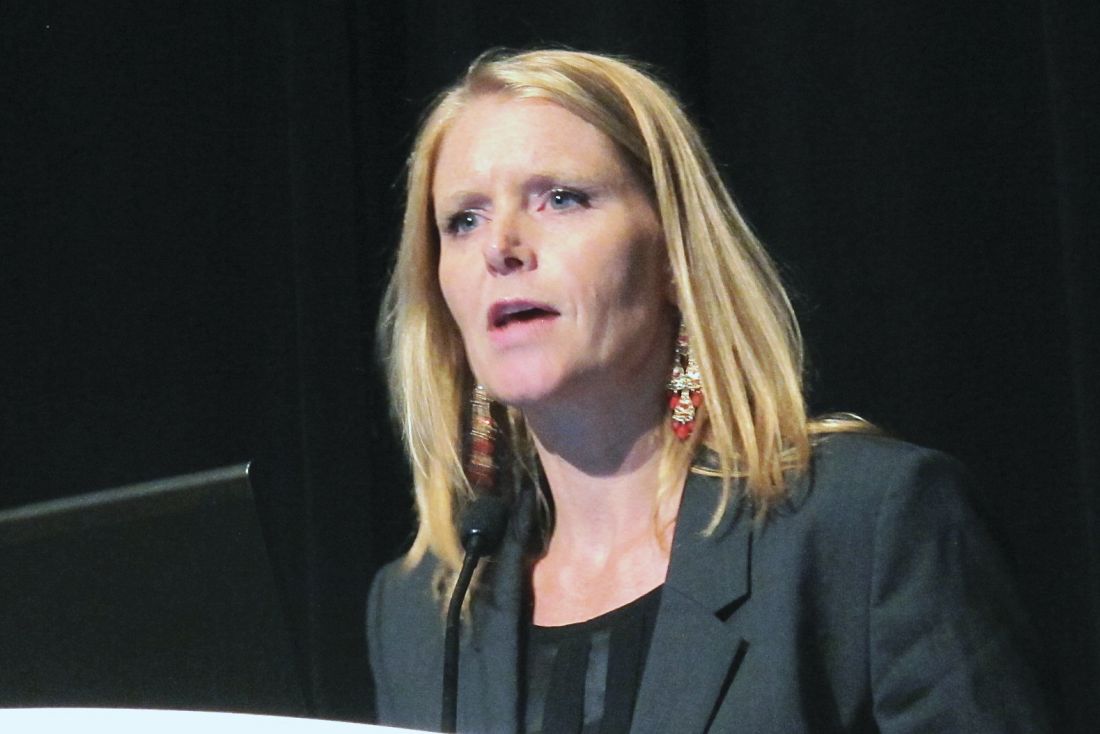
Dr. Peters noted that the observation was based on lung cancer registry findings. Furthermore, because data from smaller outbreaks of other coronavirus infections suggested worse prognosis and increased mortality, steroid use was already feared in the very early days of the COVID-19 pandemic.
Lastly, earlier cessation of palliative treatment was observed in 32.1% of centers, and 64.2% of respondents agreed that undertreatment because of COVID-19 is a major concern.
Dr. Jerusalem noted that the survey data do not explain the early cessation of palliative treatment. “I suspect that many patients died at home rather than alone in institutions because it was the only way they could die with their families around them.”
Telehealth, meetings, and trials
The survey also revealed rationales for the use of teleconsultation, including follow-up (94.5%), oral therapy (92.7%), immunotherapy (57.8%), and chemotherapy (55%).
Most respondents reported more frequent use of virtual meetings for continuing medical education (94%), oncologic team meetings (92%), and tumor boards (82%).
While about 82% of respondents said they were likely to continue the use of telemedicine, 45% said virtual conferences are not an acceptable alternative to live international conferences such as ESMO, Dr. Jerusalem said.
Finally, nearly three-quarters of respondents (72.5%) said all clinical trial activities are or will soon be activated, or never stopped, at their centers. On the other hand, 27.5% of respondents reported that their centers had major protocol violations or deviations, and 37% of respondents said they expect significant reductions in clinical trial activities this year.
Dr. Jerusalem concluded that COVID-19 is having a major, long-term impact on the organization of patient care, caregivers, continued medical education, and clinical trial activities in oncology.
He cautioned that “the risk of a delayed diagnosis of new cancers and economic consequences of COVID-19 on access to health care and cancer treatments have to be carefully evaluated.”
This research was funded by Fondation Léon Fredericq. Dr. Jerusalem disclosed relationships with Novartis, Roche, Lilly, Pfizer, Amgen, Bristol-Myers Squibb, AstraZeneca, Daiichi Sankyo, AbbVie, MedImmune, and Merck. Dr. Peters disclosed relationships with AbbVie, Amgen, AstraZeneca, and many other companies.
SOURCE: Jerusalem G et al. ESMO 2020, Abstract LBA76.
An international survey provides new insights into how COVID-19 has affected, and may continue to affect, the field of oncology.
The survey showed that “COVID-19 has had a major impact on the organization of patient care, on the well-being of caregivers, on continued medical education, and on clinical trial activities in oncology,” stated Guy Jerusalem, MD, PhD, of Centre Hospitalier Universitaire de Liège (Belgium).
Dr. Jerusalem presented these findings at the European Society for Medical Oncology Virtual Congress 2020.
The survey was distributed by 20 oncologists from 10 of the countries most affected by COVID-19. Responses were obtained from 109 oncologists representing centers in 18 countries. The responses were recorded between June 17 and July 14, 2020.
The survey consisted of 95 items intended to evaluate the impact of COVID-19 on the organization of oncologic care. Questions encompassed the capacity and service offered at each center, the magnitude of COVID-19–based care interruptions and the reasons for them, the ensuing challenges faced, interventions implemented, and the estimated harms to patients during the pandemic.
The 109 oncologists surveyed had a median of 20 years of oncology experience. A majority of respondents were men (61.5%), and the median age was 48.5 years.
The respondents had worked predominantly (62.4%) at academic hospitals, with 29.6% at community hospitals. Most respondents worked at general hospitals with an oncology unit (66.1%) rather than a specialized separate cancer center (32.1%).
The most common specialty was breast cancer (60.6%), followed by gastrointestinal cancer (10.1%), urogenital cancer (9.2%), and lung cancer (8.3%).
Impact on treatment
The treatment modalities affected by the pandemic – through cancellations or delays in more than 10% of patients – included surgery (in 34% of centers), chemotherapy (22%), radiotherapy (13.7%), checkpoint inhibitor therapy (9.1%), monoclonal antibodies (9%), and oral targeted therapy (3.7%).
Among oncologists treating breast cancer, cancellations/delays in more than 10% of patients were reported for everolimus (18%), CDK4/6 inhibitors (8.9%), and endocrine therapy (2.2%).
Overall, 34.8% of respondents reported increased use of granulocyte colony–stimulating factor, and 6.4% reported increased use of erythropoietin.
On the other hand, 11.1% of respondents reported a decrease in the use of double immunotherapy, and 21.9% reported decreased use of corticosteroids.
Not only can the immunosuppressive effects of steroid use increase infection risks, Dr. Jerusalem noted, fever suppression can lead to a delayed diagnosis of COVID-19.
“To circumvent potential higher infection risks or greater disease severity, we use lower doses of steroids, but this is not based on studies,” he said.
“Previous exposure to steroids or being on steroids at the time of COVID-19 infection is a detrimental factor for complications and mortality,” commented ESMO President Solange Peters, MD, PhD, of Centre Hospitalier Universitaire Vaudois in Lausanne, Switzerland.
Dr. Peters noted that the observation was based on lung cancer registry findings. Furthermore, because data from smaller outbreaks of other coronavirus infections suggested worse prognosis and increased mortality, steroid use was already feared in the very early days of the COVID-19 pandemic.
Lastly, earlier cessation of palliative treatment was observed in 32.1% of centers, and 64.2% of respondents agreed that undertreatment because of COVID-19 is a major concern.
Dr. Jerusalem noted that the survey data do not explain the early cessation of palliative treatment. “I suspect that many patients died at home rather than alone in institutions because it was the only way they could die with their families around them.”
Telehealth, meetings, and trials
The survey also revealed rationales for the use of teleconsultation, including follow-up (94.5%), oral therapy (92.7%), immunotherapy (57.8%), and chemotherapy (55%).
Most respondents reported more frequent use of virtual meetings for continuing medical education (94%), oncologic team meetings (92%), and tumor boards (82%).
While about 82% of respondents said they were likely to continue the use of telemedicine, 45% said virtual conferences are not an acceptable alternative to live international conferences such as ESMO, Dr. Jerusalem said.
Finally, nearly three-quarters of respondents (72.5%) said all clinical trial activities are or will soon be activated, or never stopped, at their centers. On the other hand, 27.5% of respondents reported that their centers had major protocol violations or deviations, and 37% of respondents said they expect significant reductions in clinical trial activities this year.
Dr. Jerusalem concluded that COVID-19 is having a major, long-term impact on the organization of patient care, caregivers, continued medical education, and clinical trial activities in oncology.
He cautioned that “the risk of a delayed diagnosis of new cancers and economic consequences of COVID-19 on access to health care and cancer treatments have to be carefully evaluated.”
This research was funded by Fondation Léon Fredericq. Dr. Jerusalem disclosed relationships with Novartis, Roche, Lilly, Pfizer, Amgen, Bristol-Myers Squibb, AstraZeneca, Daiichi Sankyo, AbbVie, MedImmune, and Merck. Dr. Peters disclosed relationships with AbbVie, Amgen, AstraZeneca, and many other companies.
SOURCE: Jerusalem G et al. ESMO 2020, Abstract LBA76.
An international survey provides new insights into how COVID-19 has affected, and may continue to affect, the field of oncology.
The survey showed that “COVID-19 has had a major impact on the organization of patient care, on the well-being of caregivers, on continued medical education, and on clinical trial activities in oncology,” stated Guy Jerusalem, MD, PhD, of Centre Hospitalier Universitaire de Liège (Belgium).
Dr. Jerusalem presented these findings at the European Society for Medical Oncology Virtual Congress 2020.
The survey was distributed by 20 oncologists from 10 of the countries most affected by COVID-19. Responses were obtained from 109 oncologists representing centers in 18 countries. The responses were recorded between June 17 and July 14, 2020.
The survey consisted of 95 items intended to evaluate the impact of COVID-19 on the organization of oncologic care. Questions encompassed the capacity and service offered at each center, the magnitude of COVID-19–based care interruptions and the reasons for them, the ensuing challenges faced, interventions implemented, and the estimated harms to patients during the pandemic.
The 109 oncologists surveyed had a median of 20 years of oncology experience. A majority of respondents were men (61.5%), and the median age was 48.5 years.
The respondents had worked predominantly (62.4%) at academic hospitals, with 29.6% at community hospitals. Most respondents worked at general hospitals with an oncology unit (66.1%) rather than a specialized separate cancer center (32.1%).
The most common specialty was breast cancer (60.6%), followed by gastrointestinal cancer (10.1%), urogenital cancer (9.2%), and lung cancer (8.3%).
Impact on treatment
The treatment modalities affected by the pandemic – through cancellations or delays in more than 10% of patients – included surgery (in 34% of centers), chemotherapy (22%), radiotherapy (13.7%), checkpoint inhibitor therapy (9.1%), monoclonal antibodies (9%), and oral targeted therapy (3.7%).
Among oncologists treating breast cancer, cancellations/delays in more than 10% of patients were reported for everolimus (18%), CDK4/6 inhibitors (8.9%), and endocrine therapy (2.2%).
Overall, 34.8% of respondents reported increased use of granulocyte colony–stimulating factor, and 6.4% reported increased use of erythropoietin.
On the other hand, 11.1% of respondents reported a decrease in the use of double immunotherapy, and 21.9% reported decreased use of corticosteroids.
Not only can the immunosuppressive effects of steroid use increase infection risks, Dr. Jerusalem noted, fever suppression can lead to a delayed diagnosis of COVID-19.
“To circumvent potential higher infection risks or greater disease severity, we use lower doses of steroids, but this is not based on studies,” he said.
“Previous exposure to steroids or being on steroids at the time of COVID-19 infection is a detrimental factor for complications and mortality,” commented ESMO President Solange Peters, MD, PhD, of Centre Hospitalier Universitaire Vaudois in Lausanne, Switzerland.
Dr. Peters noted that the observation was based on lung cancer registry findings. Furthermore, because data from smaller outbreaks of other coronavirus infections suggested worse prognosis and increased mortality, steroid use was already feared in the very early days of the COVID-19 pandemic.
Lastly, earlier cessation of palliative treatment was observed in 32.1% of centers, and 64.2% of respondents agreed that undertreatment because of COVID-19 is a major concern.
Dr. Jerusalem noted that the survey data do not explain the early cessation of palliative treatment. “I suspect that many patients died at home rather than alone in institutions because it was the only way they could die with their families around them.”
Telehealth, meetings, and trials
The survey also revealed rationales for the use of teleconsultation, including follow-up (94.5%), oral therapy (92.7%), immunotherapy (57.8%), and chemotherapy (55%).
Most respondents reported more frequent use of virtual meetings for continuing medical education (94%), oncologic team meetings (92%), and tumor boards (82%).
While about 82% of respondents said they were likely to continue the use of telemedicine, 45% said virtual conferences are not an acceptable alternative to live international conferences such as ESMO, Dr. Jerusalem said.
Finally, nearly three-quarters of respondents (72.5%) said all clinical trial activities are or will soon be activated, or never stopped, at their centers. On the other hand, 27.5% of respondents reported that their centers had major protocol violations or deviations, and 37% of respondents said they expect significant reductions in clinical trial activities this year.
Dr. Jerusalem concluded that COVID-19 is having a major, long-term impact on the organization of patient care, caregivers, continued medical education, and clinical trial activities in oncology.
He cautioned that “the risk of a delayed diagnosis of new cancers and economic consequences of COVID-19 on access to health care and cancer treatments have to be carefully evaluated.”
This research was funded by Fondation Léon Fredericq. Dr. Jerusalem disclosed relationships with Novartis, Roche, Lilly, Pfizer, Amgen, Bristol-Myers Squibb, AstraZeneca, Daiichi Sankyo, AbbVie, MedImmune, and Merck. Dr. Peters disclosed relationships with AbbVie, Amgen, AstraZeneca, and many other companies.
SOURCE: Jerusalem G et al. ESMO 2020, Abstract LBA76.
FROM ESMO 2020
One Year In, Mission Act Transforms Community Care for Veterans
One year into the implementation of the Mission Act, the US Department of Veterans Affairs (VA) continues to expand a wide-ranging third-party-administered program to boost the access of veterans to the civilian medical system, a VA official told colleagues at the virtual 2020 annual meeting of the Association of VA Hematology/Oncology (AVAHO). “VA has given to the third-party administrators what they do well, which is payment of claims, and VA has taken back what we think we can do better—scheduling, care coordination, and customer service,” said Elizabeth Brill, MD, MBA, chief medical officer and senior adviser to the acting assistant undersecretary for Health for Community Care.
The 2 third-party contractors that run the Community Care Network (CCN) are Optum and TriWest. Both companies now proces patients at all VA medical facilities in the continental US. Optum serves all the states that are entirely (or mainly) in the Central and Eastern Time Zones—except for Texas—plus Puerto Rico, Washington D.C., and the US Virgin Islands. TriWest serves Texas, Hawaii, and the states that are entirely (or mainly) in the Mountain and Pacific Time Zones. The VA has not yet assigned any contractor for Alaska, Guam, American Samoa, and the Northern Mariana Islands.
“We have tried to consolidate as much as possible into the Community Care Network, pulling in a lot of services that were not previously covered, but it’s still not covering 100% of all services that veterans need outside VA medical centers,” said Brill.
Although the VA continues to rely on Veterans Care Agreements, in which health care providers contract directly with the VA, “the main focus of community care is the Community Care Network.” Said Brill. In a pair of regions—encompassing the Midwest, Northeast, and a few other states—90% of private health services are now provided through the network, she said.
One benefit of the new system is a better experience for the health care providers who work with Optum and TriWest. These administrators are responsible for finding providers and providing them with credentials based on appropriate criteria, Brill said. “In prior days, VA paid community providers directly, and some of you may be familiar with the delays that occurred in the system,” she said. “In the new system, we have third-party administrators who pay the providers quickly, and then VA pays them.”
Urgent care services are now available through CCN in most of the continental US and will be expanded to Texas, the Mountain region and the West by the end of September, she said. “We’ve been very pleased to see the response.” Meanwhile, flu shots for enrolled veterans are now available through the system via 60,000 locations.
There are requirements for private health care providers: They must meet new training requirements and submit claims within 180 days. Patients also must meet standards to get community care. For example, patients are eligible for access if the VA can’t serve them within a 30-minute drive time for primary care and mental health care and a 60-minute drive time for specialty care. Similarly, veterans are eligible if they cannot get an appointment within 20 days for primary and mental health care and 28 days for specialty care.
However, Brill insisted, the Mission Act is “not a move toward privatization. Internal VA care is just as important as external VA care,” she said. “This just gives them more choice.”
Brill also noted that there’s more to the Mission Act than expanded access. For example, an expansion of the Program of Comprehensive Assistance for Family Caregivers Program “will start kicking in this fall and the winter,” she said. It will include families of veterans from all eras of service.
The act also is designed to improve infrastructure, although the coronavirus pandemic may disrupt timing, she said. And, she added, it will strengthen the VA’s ability to recruit and keep health care providers through projects like a new scholarship program and more access to medical education debt reduction.
One year into the implementation of the Mission Act, the US Department of Veterans Affairs (VA) continues to expand a wide-ranging third-party-administered program to boost the access of veterans to the civilian medical system, a VA official told colleagues at the virtual 2020 annual meeting of the Association of VA Hematology/Oncology (AVAHO). “VA has given to the third-party administrators what they do well, which is payment of claims, and VA has taken back what we think we can do better—scheduling, care coordination, and customer service,” said Elizabeth Brill, MD, MBA, chief medical officer and senior adviser to the acting assistant undersecretary for Health for Community Care.
The 2 third-party contractors that run the Community Care Network (CCN) are Optum and TriWest. Both companies now proces patients at all VA medical facilities in the continental US. Optum serves all the states that are entirely (or mainly) in the Central and Eastern Time Zones—except for Texas—plus Puerto Rico, Washington D.C., and the US Virgin Islands. TriWest serves Texas, Hawaii, and the states that are entirely (or mainly) in the Mountain and Pacific Time Zones. The VA has not yet assigned any contractor for Alaska, Guam, American Samoa, and the Northern Mariana Islands.
“We have tried to consolidate as much as possible into the Community Care Network, pulling in a lot of services that were not previously covered, but it’s still not covering 100% of all services that veterans need outside VA medical centers,” said Brill.
Although the VA continues to rely on Veterans Care Agreements, in which health care providers contract directly with the VA, “the main focus of community care is the Community Care Network.” Said Brill. In a pair of regions—encompassing the Midwest, Northeast, and a few other states—90% of private health services are now provided through the network, she said.
One benefit of the new system is a better experience for the health care providers who work with Optum and TriWest. These administrators are responsible for finding providers and providing them with credentials based on appropriate criteria, Brill said. “In prior days, VA paid community providers directly, and some of you may be familiar with the delays that occurred in the system,” she said. “In the new system, we have third-party administrators who pay the providers quickly, and then VA pays them.”
Urgent care services are now available through CCN in most of the continental US and will be expanded to Texas, the Mountain region and the West by the end of September, she said. “We’ve been very pleased to see the response.” Meanwhile, flu shots for enrolled veterans are now available through the system via 60,000 locations.
There are requirements for private health care providers: They must meet new training requirements and submit claims within 180 days. Patients also must meet standards to get community care. For example, patients are eligible for access if the VA can’t serve them within a 30-minute drive time for primary care and mental health care and a 60-minute drive time for specialty care. Similarly, veterans are eligible if they cannot get an appointment within 20 days for primary and mental health care and 28 days for specialty care.
However, Brill insisted, the Mission Act is “not a move toward privatization. Internal VA care is just as important as external VA care,” she said. “This just gives them more choice.”
Brill also noted that there’s more to the Mission Act than expanded access. For example, an expansion of the Program of Comprehensive Assistance for Family Caregivers Program “will start kicking in this fall and the winter,” she said. It will include families of veterans from all eras of service.
The act also is designed to improve infrastructure, although the coronavirus pandemic may disrupt timing, she said. And, she added, it will strengthen the VA’s ability to recruit and keep health care providers through projects like a new scholarship program and more access to medical education debt reduction.
One year into the implementation of the Mission Act, the US Department of Veterans Affairs (VA) continues to expand a wide-ranging third-party-administered program to boost the access of veterans to the civilian medical system, a VA official told colleagues at the virtual 2020 annual meeting of the Association of VA Hematology/Oncology (AVAHO). “VA has given to the third-party administrators what they do well, which is payment of claims, and VA has taken back what we think we can do better—scheduling, care coordination, and customer service,” said Elizabeth Brill, MD, MBA, chief medical officer and senior adviser to the acting assistant undersecretary for Health for Community Care.
The 2 third-party contractors that run the Community Care Network (CCN) are Optum and TriWest. Both companies now proces patients at all VA medical facilities in the continental US. Optum serves all the states that are entirely (or mainly) in the Central and Eastern Time Zones—except for Texas—plus Puerto Rico, Washington D.C., and the US Virgin Islands. TriWest serves Texas, Hawaii, and the states that are entirely (or mainly) in the Mountain and Pacific Time Zones. The VA has not yet assigned any contractor for Alaska, Guam, American Samoa, and the Northern Mariana Islands.
“We have tried to consolidate as much as possible into the Community Care Network, pulling in a lot of services that were not previously covered, but it’s still not covering 100% of all services that veterans need outside VA medical centers,” said Brill.
Although the VA continues to rely on Veterans Care Agreements, in which health care providers contract directly with the VA, “the main focus of community care is the Community Care Network.” Said Brill. In a pair of regions—encompassing the Midwest, Northeast, and a few other states—90% of private health services are now provided through the network, she said.
One benefit of the new system is a better experience for the health care providers who work with Optum and TriWest. These administrators are responsible for finding providers and providing them with credentials based on appropriate criteria, Brill said. “In prior days, VA paid community providers directly, and some of you may be familiar with the delays that occurred in the system,” she said. “In the new system, we have third-party administrators who pay the providers quickly, and then VA pays them.”
Urgent care services are now available through CCN in most of the continental US and will be expanded to Texas, the Mountain region and the West by the end of September, she said. “We’ve been very pleased to see the response.” Meanwhile, flu shots for enrolled veterans are now available through the system via 60,000 locations.
There are requirements for private health care providers: They must meet new training requirements and submit claims within 180 days. Patients also must meet standards to get community care. For example, patients are eligible for access if the VA can’t serve them within a 30-minute drive time for primary care and mental health care and a 60-minute drive time for specialty care. Similarly, veterans are eligible if they cannot get an appointment within 20 days for primary and mental health care and 28 days for specialty care.
However, Brill insisted, the Mission Act is “not a move toward privatization. Internal VA care is just as important as external VA care,” she said. “This just gives them more choice.”
Brill also noted that there’s more to the Mission Act than expanded access. For example, an expansion of the Program of Comprehensive Assistance for Family Caregivers Program “will start kicking in this fall and the winter,” she said. It will include families of veterans from all eras of service.
The act also is designed to improve infrastructure, although the coronavirus pandemic may disrupt timing, she said. And, she added, it will strengthen the VA’s ability to recruit and keep health care providers through projects like a new scholarship program and more access to medical education debt reduction.
HPV-Mediated Head, Neck Cancers Predicted to Rise for Decades
Human papilloma virus (HPV)-mediated squamous cell carcinoma of the head and neck is on the rise, and the lack of herd immunity in young people will ensure growth for many years to come. “We’re really looking at another 30 to 40 years of HPV and oropharynx cancer growth,” said head and neck cancer surgeon Joseph Califano, MD, deputy director of the Moores Cancer Center at the University of California at San Diego, at the virtual 2020 annual meeting of the Association of VA Hematology/Oncology (AVAHO).
Califano highlighted a 2019 study that estimated the number of diagnoses of oropharynx cancer cases in the US will grow by half to 30,000 by 2030, with the wide majority (about 25,000) in men. In 2016, the annual number of oropharynx cancer cases was 20,124. “The exponential increase in oropharynx cancer incidence in young white US men has ebbed, and modest increases are occurring/anticipated in cohorts born after 1955,” the study authors wrote.
“Currently in the United States, we don't have adequate vaccine efficiency to provide herd immunity, particularly for young boys,” said Califano. He added that although HPV vaccinations may create herd immunity in 5 to 10 years, the cancers associated with HPV can take decades to develop so a dip in rates won’t come for many years.
HPV-associated head and neck squamous cell cancer (HNSCC) affects people at a younger age when compared with other head and neck cancers—a decade or 2 earlier, according to Califano. Many patients are nonsmokers and nondrinkers, he said, and tumors may be painless and asymptomatic.
It’s also becoming clear that the HPV-associated HNSCC can strike across a widespread area of the oropharynx, including the palatine and lingual tonsils, the nasal cavity, nasopharynx, and hypopharynx (the lower part of the voice box), he said. “It has an even larger footprint than we originally supposed when we realized HPV was a dominant mechanism for development of oropharyngeal cancer,” said Califano.
Describing the extent of these cancers as an “epidemic,” Califono said a turning point in the understanding of HPV’s role in oropharynx cancers came in a “definitive” 2001 study that reported that HPV-positive patients were much more likely to develop oropharynx cancer (adjusted odds ratio, 14.4). Later research found that HPV-associated oropharynx cancers were more common than HPV-associated cervical cancer. Higher lifetime numbers of vaginal sex and oral sex partners are linked to higher risk of HPV-mediated HNSCC, he said, as is prolonged daily marijuana use.
Califano emphasized the importance of counseling patients about sexual behaviors linked to the cancers, although it’s also important to consider that “the majority of patients don’t have these risk factors.”
“The diagnosis is not an indication of infidelity or promiscuity,” he added, recalling that he saw at least one marriage dissolve because of “misunderstandings” regarding how the cancer is caused.
There are multiple treatment options. Early-stage oropharynx cancers can be treated with primary excision and staging neck dissection or radiotherapy. Multimodality therapy is appropriate for late-stage cancer and can include concurrent chemotherapy and radiation, primary excision, and treatment with concurrent cisplatinum, depending on the case. Also, “patients do really benefit if they’re enrolled in clinical trials.”
The good news is that HPV-positivity is associated with improved survival in oropharynx cancer, he said. He highlighted a 2019 study that said radiotherapy and cisplatin improve survival in HPV-positive oropharynx cancer patients. “This has become the de-facto standard of care for locally advanced, low-risk HPV-positive oropharynx cancer,” he said.
Califano reported no relevant disclosures.
Human papilloma virus (HPV)-mediated squamous cell carcinoma of the head and neck is on the rise, and the lack of herd immunity in young people will ensure growth for many years to come. “We’re really looking at another 30 to 40 years of HPV and oropharynx cancer growth,” said head and neck cancer surgeon Joseph Califano, MD, deputy director of the Moores Cancer Center at the University of California at San Diego, at the virtual 2020 annual meeting of the Association of VA Hematology/Oncology (AVAHO).
Califano highlighted a 2019 study that estimated the number of diagnoses of oropharynx cancer cases in the US will grow by half to 30,000 by 2030, with the wide majority (about 25,000) in men. In 2016, the annual number of oropharynx cancer cases was 20,124. “The exponential increase in oropharynx cancer incidence in young white US men has ebbed, and modest increases are occurring/anticipated in cohorts born after 1955,” the study authors wrote.
“Currently in the United States, we don't have adequate vaccine efficiency to provide herd immunity, particularly for young boys,” said Califano. He added that although HPV vaccinations may create herd immunity in 5 to 10 years, the cancers associated with HPV can take decades to develop so a dip in rates won’t come for many years.
HPV-associated head and neck squamous cell cancer (HNSCC) affects people at a younger age when compared with other head and neck cancers—a decade or 2 earlier, according to Califano. Many patients are nonsmokers and nondrinkers, he said, and tumors may be painless and asymptomatic.
It’s also becoming clear that the HPV-associated HNSCC can strike across a widespread area of the oropharynx, including the palatine and lingual tonsils, the nasal cavity, nasopharynx, and hypopharynx (the lower part of the voice box), he said. “It has an even larger footprint than we originally supposed when we realized HPV was a dominant mechanism for development of oropharyngeal cancer,” said Califano.
Describing the extent of these cancers as an “epidemic,” Califono said a turning point in the understanding of HPV’s role in oropharynx cancers came in a “definitive” 2001 study that reported that HPV-positive patients were much more likely to develop oropharynx cancer (adjusted odds ratio, 14.4). Later research found that HPV-associated oropharynx cancers were more common than HPV-associated cervical cancer. Higher lifetime numbers of vaginal sex and oral sex partners are linked to higher risk of HPV-mediated HNSCC, he said, as is prolonged daily marijuana use.
Califano emphasized the importance of counseling patients about sexual behaviors linked to the cancers, although it’s also important to consider that “the majority of patients don’t have these risk factors.”
“The diagnosis is not an indication of infidelity or promiscuity,” he added, recalling that he saw at least one marriage dissolve because of “misunderstandings” regarding how the cancer is caused.
There are multiple treatment options. Early-stage oropharynx cancers can be treated with primary excision and staging neck dissection or radiotherapy. Multimodality therapy is appropriate for late-stage cancer and can include concurrent chemotherapy and radiation, primary excision, and treatment with concurrent cisplatinum, depending on the case. Also, “patients do really benefit if they’re enrolled in clinical trials.”
The good news is that HPV-positivity is associated with improved survival in oropharynx cancer, he said. He highlighted a 2019 study that said radiotherapy and cisplatin improve survival in HPV-positive oropharynx cancer patients. “This has become the de-facto standard of care for locally advanced, low-risk HPV-positive oropharynx cancer,” he said.
Califano reported no relevant disclosures.
Human papilloma virus (HPV)-mediated squamous cell carcinoma of the head and neck is on the rise, and the lack of herd immunity in young people will ensure growth for many years to come. “We’re really looking at another 30 to 40 years of HPV and oropharynx cancer growth,” said head and neck cancer surgeon Joseph Califano, MD, deputy director of the Moores Cancer Center at the University of California at San Diego, at the virtual 2020 annual meeting of the Association of VA Hematology/Oncology (AVAHO).
Califano highlighted a 2019 study that estimated the number of diagnoses of oropharynx cancer cases in the US will grow by half to 30,000 by 2030, with the wide majority (about 25,000) in men. In 2016, the annual number of oropharynx cancer cases was 20,124. “The exponential increase in oropharynx cancer incidence in young white US men has ebbed, and modest increases are occurring/anticipated in cohorts born after 1955,” the study authors wrote.
“Currently in the United States, we don't have adequate vaccine efficiency to provide herd immunity, particularly for young boys,” said Califano. He added that although HPV vaccinations may create herd immunity in 5 to 10 years, the cancers associated with HPV can take decades to develop so a dip in rates won’t come for many years.
HPV-associated head and neck squamous cell cancer (HNSCC) affects people at a younger age when compared with other head and neck cancers—a decade or 2 earlier, according to Califano. Many patients are nonsmokers and nondrinkers, he said, and tumors may be painless and asymptomatic.
It’s also becoming clear that the HPV-associated HNSCC can strike across a widespread area of the oropharynx, including the palatine and lingual tonsils, the nasal cavity, nasopharynx, and hypopharynx (the lower part of the voice box), he said. “It has an even larger footprint than we originally supposed when we realized HPV was a dominant mechanism for development of oropharyngeal cancer,” said Califano.
Describing the extent of these cancers as an “epidemic,” Califono said a turning point in the understanding of HPV’s role in oropharynx cancers came in a “definitive” 2001 study that reported that HPV-positive patients were much more likely to develop oropharynx cancer (adjusted odds ratio, 14.4). Later research found that HPV-associated oropharynx cancers were more common than HPV-associated cervical cancer. Higher lifetime numbers of vaginal sex and oral sex partners are linked to higher risk of HPV-mediated HNSCC, he said, as is prolonged daily marijuana use.
Califano emphasized the importance of counseling patients about sexual behaviors linked to the cancers, although it’s also important to consider that “the majority of patients don’t have these risk factors.”
“The diagnosis is not an indication of infidelity or promiscuity,” he added, recalling that he saw at least one marriage dissolve because of “misunderstandings” regarding how the cancer is caused.
There are multiple treatment options. Early-stage oropharynx cancers can be treated with primary excision and staging neck dissection or radiotherapy. Multimodality therapy is appropriate for late-stage cancer and can include concurrent chemotherapy and radiation, primary excision, and treatment with concurrent cisplatinum, depending on the case. Also, “patients do really benefit if they’re enrolled in clinical trials.”
The good news is that HPV-positivity is associated with improved survival in oropharynx cancer, he said. He highlighted a 2019 study that said radiotherapy and cisplatin improve survival in HPV-positive oropharynx cancer patients. “This has become the de-facto standard of care for locally advanced, low-risk HPV-positive oropharynx cancer,” he said.
Califano reported no relevant disclosures.
If PPIs are onboard, atezolizumab may not work for bladder cancer
according to a post hoc analysis of 1,360 subjects from two atezolizumab trials.
Proton pump inhibitor (PPI) use was associated with worse overall and progression-free survival among patients on atezolizumab, but there was no such association in a matched cohort receiving chemotherapy alone. In short, concomitant “PPI users had no atezolizumab benefit,” wrote the investigators led by Ashley Hopkins, PhD, a research fellow at Flinders University in Adelaide, Australia.
This is the first time that PPI use has been shown to be an independent prognostic factor for worse survival in this setting with atezolizumab use – but not with chemotherapy, wrote the authors of the study, published online in Clinical Cancer Research.
“PPIs are overused, or inappropriately used, in patients with cancer by up to 50%, seemingly from a perspective that they will cause no harm. The findings from this study suggest that noncritical PPI use needs to be approached very cautiously, particularly when an immune checkpoint inhibitor is being used to treat urothelial cancer,” Hopkins said in a press release.
Although about one third of cancer patients use PPIs, there has been growing evidence that the changes they induce in the gut microbiome impact immune checkpoint inhibitor (ICI) effectiveness. A similar study of pooled trial data recently found that PPIs, as well as antibiotics, were associated with worse survival in advanced non–small cell lung cancer treated with atezolizumab, while no such tie was found with chemotherapy (Ann Oncol. 2020;31:525-31. doi: 10.1016/j.annonc.2020.01.006).
The mechanism is uncertain. PPIs have been associated with T-cell tolerance, pharmacokinetic changes, and decreased gut microbiota diversity. High diversity, the investigators noted, has been associated with stronger ICI responses in melanoma. Antibiotics have been associated with similar gut dysbiosis.
“It is increasingly evident that altered gut microbiota impacts homeostasis, immune response, cancer prognosis, and ICI efficacy. The hypothetical basis of [our] research is that PPIs are associated with marked changes to the gut microbiota, driven by both altered stomach acidity and direct compound effects, and these changes may impact immunotherapy,” Hopkins said in an email to Medscape.
The associations with urothelial cancer hadn’t been investigated before, so Hopkins and his team pooled patient-level data from the single-arm IMvigor210 trial of atezolizumab for urothelial cancer and the randomized IMvigor211 trial, which pitted atezolizumab against chemotherapy for the indication.
The investigators compared the outcomes of the 471 subjects who were on a PPI from 30 days before to 30 days after starting atezolizumab with the outcomes of 889 subjects who were not on a PPI. Findings were adjusted for tumor histology and the number of prior treatments and metastases sites, as well as age, body mass index, performance status, and other potential confounders.
PPI use was associated with markedly worse overall survival (hazard ratio, 1.52; 95% confidence interval, 1.27-1.83; P < .001) and progression-free survival (HR, 1.38; 95% CI, 1.18-1.62; P < .001) in patients on atezolizumab but not chemotherapy. PPI use was also associated with worse objective response to the ICI (HR, 0.51; 95% CI, 0.32-0.82; P = .006).
In the randomized trial, atezolizumab seemed to offer no overall survival benefit versus chemotherapy when PPIs were onboard (HR, 1.04; 95% CI, 0.81-1.34), but atezolizumab offered a substantial benefit when PPIs were not in use (HR, 0.69; 95% CI, 0.56-0.84). Findings were consistent when limited to the PD-L1 IC2/3 population.
It seems that PPIs negate “the magnitude of atezolizumab efficacy,” the investigators wrote.
Concomitant antibiotics made the effect of PPIs on overall survival with atezolizumab even worse (antibiotics plus PPI: HR 2.51; 95% CI, 1.12-5.59; versus no antibiotics with PPI: HR, 1.44; 95% CI, 1.19-1.74).
The investigators cautioned that, although “the conducted analyses have been adjusted, there is the potential that PPI use constitutes a surrogate marker for an unfit or immunodeficient patient.” They called for further investigation with other ICIs, cancer types, and chemotherapy regimens.
The dose and compliance with PPI therapy were unknown, but the team noted that over 90% of the PPI subjects were on PPIs for long-term reasons, most commonly gastric protection and gastroesophageal reflux disease (GERD). Omeprazole, pantoprazole, and esomeprazole were the most frequently used.
There were no significant associations between PPI use and the first occurrence of atezolizumab-induced adverse events.
The study was funded by the National Breast Cancer Foundation (Australia) and the Cancer Council South Australia. Hopkins has disclosed no relevant financial relationships. Multiple study authors have financial ties to industry, including makers of ICIs. The full list can be found with the original article.
This article first appeared on Medscape.com.
according to a post hoc analysis of 1,360 subjects from two atezolizumab trials.
Proton pump inhibitor (PPI) use was associated with worse overall and progression-free survival among patients on atezolizumab, but there was no such association in a matched cohort receiving chemotherapy alone. In short, concomitant “PPI users had no atezolizumab benefit,” wrote the investigators led by Ashley Hopkins, PhD, a research fellow at Flinders University in Adelaide, Australia.
This is the first time that PPI use has been shown to be an independent prognostic factor for worse survival in this setting with atezolizumab use – but not with chemotherapy, wrote the authors of the study, published online in Clinical Cancer Research.
“PPIs are overused, or inappropriately used, in patients with cancer by up to 50%, seemingly from a perspective that they will cause no harm. The findings from this study suggest that noncritical PPI use needs to be approached very cautiously, particularly when an immune checkpoint inhibitor is being used to treat urothelial cancer,” Hopkins said in a press release.
Although about one third of cancer patients use PPIs, there has been growing evidence that the changes they induce in the gut microbiome impact immune checkpoint inhibitor (ICI) effectiveness. A similar study of pooled trial data recently found that PPIs, as well as antibiotics, were associated with worse survival in advanced non–small cell lung cancer treated with atezolizumab, while no such tie was found with chemotherapy (Ann Oncol. 2020;31:525-31. doi: 10.1016/j.annonc.2020.01.006).
The mechanism is uncertain. PPIs have been associated with T-cell tolerance, pharmacokinetic changes, and decreased gut microbiota diversity. High diversity, the investigators noted, has been associated with stronger ICI responses in melanoma. Antibiotics have been associated with similar gut dysbiosis.
“It is increasingly evident that altered gut microbiota impacts homeostasis, immune response, cancer prognosis, and ICI efficacy. The hypothetical basis of [our] research is that PPIs are associated with marked changes to the gut microbiota, driven by both altered stomach acidity and direct compound effects, and these changes may impact immunotherapy,” Hopkins said in an email to Medscape.
The associations with urothelial cancer hadn’t been investigated before, so Hopkins and his team pooled patient-level data from the single-arm IMvigor210 trial of atezolizumab for urothelial cancer and the randomized IMvigor211 trial, which pitted atezolizumab against chemotherapy for the indication.
The investigators compared the outcomes of the 471 subjects who were on a PPI from 30 days before to 30 days after starting atezolizumab with the outcomes of 889 subjects who were not on a PPI. Findings were adjusted for tumor histology and the number of prior treatments and metastases sites, as well as age, body mass index, performance status, and other potential confounders.
PPI use was associated with markedly worse overall survival (hazard ratio, 1.52; 95% confidence interval, 1.27-1.83; P < .001) and progression-free survival (HR, 1.38; 95% CI, 1.18-1.62; P < .001) in patients on atezolizumab but not chemotherapy. PPI use was also associated with worse objective response to the ICI (HR, 0.51; 95% CI, 0.32-0.82; P = .006).
In the randomized trial, atezolizumab seemed to offer no overall survival benefit versus chemotherapy when PPIs were onboard (HR, 1.04; 95% CI, 0.81-1.34), but atezolizumab offered a substantial benefit when PPIs were not in use (HR, 0.69; 95% CI, 0.56-0.84). Findings were consistent when limited to the PD-L1 IC2/3 population.
It seems that PPIs negate “the magnitude of atezolizumab efficacy,” the investigators wrote.
Concomitant antibiotics made the effect of PPIs on overall survival with atezolizumab even worse (antibiotics plus PPI: HR 2.51; 95% CI, 1.12-5.59; versus no antibiotics with PPI: HR, 1.44; 95% CI, 1.19-1.74).
The investigators cautioned that, although “the conducted analyses have been adjusted, there is the potential that PPI use constitutes a surrogate marker for an unfit or immunodeficient patient.” They called for further investigation with other ICIs, cancer types, and chemotherapy regimens.
The dose and compliance with PPI therapy were unknown, but the team noted that over 90% of the PPI subjects were on PPIs for long-term reasons, most commonly gastric protection and gastroesophageal reflux disease (GERD). Omeprazole, pantoprazole, and esomeprazole were the most frequently used.
There were no significant associations between PPI use and the first occurrence of atezolizumab-induced adverse events.
The study was funded by the National Breast Cancer Foundation (Australia) and the Cancer Council South Australia. Hopkins has disclosed no relevant financial relationships. Multiple study authors have financial ties to industry, including makers of ICIs. The full list can be found with the original article.
This article first appeared on Medscape.com.
according to a post hoc analysis of 1,360 subjects from two atezolizumab trials.
Proton pump inhibitor (PPI) use was associated with worse overall and progression-free survival among patients on atezolizumab, but there was no such association in a matched cohort receiving chemotherapy alone. In short, concomitant “PPI users had no atezolizumab benefit,” wrote the investigators led by Ashley Hopkins, PhD, a research fellow at Flinders University in Adelaide, Australia.
This is the first time that PPI use has been shown to be an independent prognostic factor for worse survival in this setting with atezolizumab use – but not with chemotherapy, wrote the authors of the study, published online in Clinical Cancer Research.
“PPIs are overused, or inappropriately used, in patients with cancer by up to 50%, seemingly from a perspective that they will cause no harm. The findings from this study suggest that noncritical PPI use needs to be approached very cautiously, particularly when an immune checkpoint inhibitor is being used to treat urothelial cancer,” Hopkins said in a press release.
Although about one third of cancer patients use PPIs, there has been growing evidence that the changes they induce in the gut microbiome impact immune checkpoint inhibitor (ICI) effectiveness. A similar study of pooled trial data recently found that PPIs, as well as antibiotics, were associated with worse survival in advanced non–small cell lung cancer treated with atezolizumab, while no such tie was found with chemotherapy (Ann Oncol. 2020;31:525-31. doi: 10.1016/j.annonc.2020.01.006).
The mechanism is uncertain. PPIs have been associated with T-cell tolerance, pharmacokinetic changes, and decreased gut microbiota diversity. High diversity, the investigators noted, has been associated with stronger ICI responses in melanoma. Antibiotics have been associated with similar gut dysbiosis.
“It is increasingly evident that altered gut microbiota impacts homeostasis, immune response, cancer prognosis, and ICI efficacy. The hypothetical basis of [our] research is that PPIs are associated with marked changes to the gut microbiota, driven by both altered stomach acidity and direct compound effects, and these changes may impact immunotherapy,” Hopkins said in an email to Medscape.
The associations with urothelial cancer hadn’t been investigated before, so Hopkins and his team pooled patient-level data from the single-arm IMvigor210 trial of atezolizumab for urothelial cancer and the randomized IMvigor211 trial, which pitted atezolizumab against chemotherapy for the indication.
The investigators compared the outcomes of the 471 subjects who were on a PPI from 30 days before to 30 days after starting atezolizumab with the outcomes of 889 subjects who were not on a PPI. Findings were adjusted for tumor histology and the number of prior treatments and metastases sites, as well as age, body mass index, performance status, and other potential confounders.
PPI use was associated with markedly worse overall survival (hazard ratio, 1.52; 95% confidence interval, 1.27-1.83; P < .001) and progression-free survival (HR, 1.38; 95% CI, 1.18-1.62; P < .001) in patients on atezolizumab but not chemotherapy. PPI use was also associated with worse objective response to the ICI (HR, 0.51; 95% CI, 0.32-0.82; P = .006).
In the randomized trial, atezolizumab seemed to offer no overall survival benefit versus chemotherapy when PPIs were onboard (HR, 1.04; 95% CI, 0.81-1.34), but atezolizumab offered a substantial benefit when PPIs were not in use (HR, 0.69; 95% CI, 0.56-0.84). Findings were consistent when limited to the PD-L1 IC2/3 population.
It seems that PPIs negate “the magnitude of atezolizumab efficacy,” the investigators wrote.
Concomitant antibiotics made the effect of PPIs on overall survival with atezolizumab even worse (antibiotics plus PPI: HR 2.51; 95% CI, 1.12-5.59; versus no antibiotics with PPI: HR, 1.44; 95% CI, 1.19-1.74).
The investigators cautioned that, although “the conducted analyses have been adjusted, there is the potential that PPI use constitutes a surrogate marker for an unfit or immunodeficient patient.” They called for further investigation with other ICIs, cancer types, and chemotherapy regimens.
The dose and compliance with PPI therapy were unknown, but the team noted that over 90% of the PPI subjects were on PPIs for long-term reasons, most commonly gastric protection and gastroesophageal reflux disease (GERD). Omeprazole, pantoprazole, and esomeprazole were the most frequently used.
There were no significant associations between PPI use and the first occurrence of atezolizumab-induced adverse events.
The study was funded by the National Breast Cancer Foundation (Australia) and the Cancer Council South Australia. Hopkins has disclosed no relevant financial relationships. Multiple study authors have financial ties to industry, including makers of ICIs. The full list can be found with the original article.
This article first appeared on Medscape.com.
COVID-19 prompts ‘democratization’ of cancer trials

The pandemic has taught researchers how to decentralize trials, which should not only improve patient satisfaction but increase trial accrual by providing access to typically underserved populations, Patricia M. LoRusso, DO, of Yale University, New Haven, Conn., said at the meeting.
Dr. LoRusso was one of six panelists who participated in a forum about changes to cancer trials that were prompted by the pandemic. The forum was moderated by Keith T. Flaherty, MD, of Massachusetts General Hospital in Boston.
Dr. Flaherty asked the panelists to explain adjustments their organizations have made in response to the pandemic, discuss accomplishments, and speculate on future challenges and priorities.
Trial, administrative, and patient-care modifications
COVID-19 put some cancer trials on hold. For others, the pandemic forced sponsors and study chairs to reduce trial complexity and identify nonessential aspects of the studies, according to panelist José Baselga, MD, PhD, of AstraZeneca.
Specifically, exploratory objectives were subjugated to patient safety and a focus on the primary endpoints of each trial.
Once the critical data were identified, study chairs were asked to determine whether data could be obtained through technologies that could substitute for face-to-face contact between patients and staff – for example, patient-reported outcome tools and at-home digital monitoring.
Modifications prompted by the pandemic include the following:
- On-site auditing was suspended.
- Oral investigational agents were shipped directly to patients.
- “Remote” informed consent (telephone or video consenting) was permitted.
- Local providers could perform study-related services, with oversight by the research site.
- Minor deviations from the written protocols were allowed, provided the deviations did not affect patient care or data integrity.
“Obviously, the pandemic has been horrible, but what it has allowed us to do, as investigators in the clinical research landscape, … is to change our focus somewhat and realize, first and foremost, the patient is at the center of this,” Dr. LoRusso said.
Operational accomplishments and benefits
The pandemic caused a 40% decline in accrual to studies supported by the National Cancer Institute’s (NCI) Clinical Trials Network (NCTN) from mid-March to early April, according to James H. Doroshow, MD, of NCI.
However, after modifications to administrative and regulatory procedures, accrual to NCTN trials recovered to approximately 80% of prepandemic levels, Dr. Doroshow said.
The pandemic prompted investigators to leverage tools and technology they had not previously used frequently or at all, the panelists pointed out.
Investigators discovered perforce that telehealth could be used for almost all trial-related assessments. In lieu of physical examination, patients could send pictures of rashes and use electronic devices to monitor blood sugar values and vital signs.
Digital radiographic studies were performed at sites that were most convenient for patients, downloaded, and reinterpreted at the study institution. Visiting nurses and neighborhood laboratories enabled less-frequent in-person visits for assessments.
These adjustments have been particularly important for geographically and/or socioeconomically disadvantaged patients, the panelists said.
Overall, there was agreement among the panelists that shared values and trust among regulatory authorities, sponsors, investigators, and clinicians were impressive in their urgency, sincerity, and patient centricity.
“This pandemic … has forced us to think differently and be nimble and creative to our approach to maintaining our overriding goals while at the same time bringing these innovative therapies forward for patients with cancer and other serious and life-threatening diseases as quickly as possible,” said panelist Kristen M. Hege, MD, of Bristol-Myers Squibb.
In fact, Dr. Hege noted, some cancer-related therapies (e.g., BTK inhibitors, JAK inhibitors, and immunomodulatory agents) were “repurposed” rapidly and tested against COVID-related complications.
Streamlining trial regulatory processes
In addition to changing ongoing trials, the pandemic has affected how new research projects are launched.
One new study that came together quickly in response to the pandemic is the NCI COVID-19 in Cancer Patients Study (NCCAPS). NCCAPS is a natural history study with biospecimens and an imaging library. It was approved in just 5 weeks and is active in 650 sites, with “gangbusters” accrual, Dr. Doroshow said.
The rapidness of NCCAPS’ design and implementation should prompt the revision of previously accepted timelines for trial activation and lead to streamlined future processes.
Another project that was launched quickly in response to the pandemic is the COVID-19 evidence accelerator, according to Paul G. Kluetz, MD, of the Food and Drug Administration.
The COVID-19 evidence accelerator integrates real-world evidence into a database to provide investigators and health systems with the ability to gather information, design rapid turnaround queries, and share results. The evidence accelerator can provide study chairs with information that may have relevance to the safety of participants in clinical trials.
Future directions and challenges
The panelists agreed that pandemic-related modifications in processes will not only accelerate trial approval and activation but should facilitate higher study accrual, increase the diversity of protocol participants, and decrease the costs associated with clinical trial conduct.
With that in mind, the NCI is planning randomized clinical trials in which “process A” is compared with “process B,” Dr. Doroshow said. The goal is to determine which modifications are most likely to make trials available to patients without compromising data integrity or patient safety.
“How much less data do you need to have an outcome that will be similar?” Dr. Doroshow asked. “How many fewer visits, how many fewer tests, how much can you save? Physicians, clinical trialists, all of us respond to data, and if you get the same outcome at a third of the cost, then everybody benefits.”
Nonetheless, we will need to be vigilant for unintended vulnerabilities from well-intended efforts, according to Dr. Kluetz. Study chairs, sponsors, and regulatory agencies will need to be attentive to whether there are important differences in scan quality or interpretation, missing data that influence trial outcomes, and so on.
Dr. Hege pointed out that differences among data sources may be less important when treatments generate large effects but may be vitally important when the relative differences among treatments are small.
On a practical level, decentralizing clinical research may negatively impact the finances of tertiary care centers, which could threaten the required infrastructure for clinical trials, a few panelists noted.
The relative balance of NCI-, industry-, and investigator-initiated trials may require adjustment so that research income is adequate to maintain the costs associated with cancer clinical trials.
Shared goals and democratization
The pandemic has required all stakeholders in clinical research to rely on relationships of trust and shared goals, said Caroline Robert, MD, PhD, of Institut Gustave Roussy in Villejuif, France.
Dr. Kluetz summarized those goals as improving trial efficiencies, decreasing patient burden, decentralizing trials, and maintaining trial integrity.
A decentralized clinical trials operational model could lead to better generalizability of study outcomes, normalization of life for patients on studies, and lower costs of trial conduct. As such, decentralization would promote democratization.
Coupled with ongoing efforts to reduce eligibility criteria in cancer trials, the pandemic has brought operational solutions that should be perpetuated and has reminded us of the interlocking and mutually supportive relationships on which clinical research success depends.
Dr. Doroshow and Dr. Kluetz disclosed no conflicts of interest. All other panelists disclosed financial relationships, including employment, with a range of companies.
Dr. Lyss was a community-based medical oncologist and clinical researcher for more than 35 years before his recent retirement. His clinical and research interests were focused on breast and lung cancers, as well as expanding clinical trial access to medically underserved populations. He is based in St. Louis. He has no conflicts of interest.
SOURCE: Flaherty KT et al. AACR: COVID-19 and Cancer, Regulatory and Operational Implications of Cancer Clinical Trial Changes During COVID-19.
The pandemic has taught researchers how to decentralize trials, which should not only improve patient satisfaction but increase trial accrual by providing access to typically underserved populations, Patricia M. LoRusso, DO, of Yale University, New Haven, Conn., said at the meeting.
Dr. LoRusso was one of six panelists who participated in a forum about changes to cancer trials that were prompted by the pandemic. The forum was moderated by Keith T. Flaherty, MD, of Massachusetts General Hospital in Boston.
Dr. Flaherty asked the panelists to explain adjustments their organizations have made in response to the pandemic, discuss accomplishments, and speculate on future challenges and priorities.
Trial, administrative, and patient-care modifications
COVID-19 put some cancer trials on hold. For others, the pandemic forced sponsors and study chairs to reduce trial complexity and identify nonessential aspects of the studies, according to panelist José Baselga, MD, PhD, of AstraZeneca.
Specifically, exploratory objectives were subjugated to patient safety and a focus on the primary endpoints of each trial.
Once the critical data were identified, study chairs were asked to determine whether data could be obtained through technologies that could substitute for face-to-face contact between patients and staff – for example, patient-reported outcome tools and at-home digital monitoring.
Modifications prompted by the pandemic include the following:
- On-site auditing was suspended.
- Oral investigational agents were shipped directly to patients.
- “Remote” informed consent (telephone or video consenting) was permitted.
- Local providers could perform study-related services, with oversight by the research site.
- Minor deviations from the written protocols were allowed, provided the deviations did not affect patient care or data integrity.
“Obviously, the pandemic has been horrible, but what it has allowed us to do, as investigators in the clinical research landscape, … is to change our focus somewhat and realize, first and foremost, the patient is at the center of this,” Dr. LoRusso said.
Operational accomplishments and benefits
The pandemic caused a 40% decline in accrual to studies supported by the National Cancer Institute’s (NCI) Clinical Trials Network (NCTN) from mid-March to early April, according to James H. Doroshow, MD, of NCI.
However, after modifications to administrative and regulatory procedures, accrual to NCTN trials recovered to approximately 80% of prepandemic levels, Dr. Doroshow said.
The pandemic prompted investigators to leverage tools and technology they had not previously used frequently or at all, the panelists pointed out.
Investigators discovered perforce that telehealth could be used for almost all trial-related assessments. In lieu of physical examination, patients could send pictures of rashes and use electronic devices to monitor blood sugar values and vital signs.
Digital radiographic studies were performed at sites that were most convenient for patients, downloaded, and reinterpreted at the study institution. Visiting nurses and neighborhood laboratories enabled less-frequent in-person visits for assessments.
These adjustments have been particularly important for geographically and/or socioeconomically disadvantaged patients, the panelists said.
Overall, there was agreement among the panelists that shared values and trust among regulatory authorities, sponsors, investigators, and clinicians were impressive in their urgency, sincerity, and patient centricity.
“This pandemic … has forced us to think differently and be nimble and creative to our approach to maintaining our overriding goals while at the same time bringing these innovative therapies forward for patients with cancer and other serious and life-threatening diseases as quickly as possible,” said panelist Kristen M. Hege, MD, of Bristol-Myers Squibb.
In fact, Dr. Hege noted, some cancer-related therapies (e.g., BTK inhibitors, JAK inhibitors, and immunomodulatory agents) were “repurposed” rapidly and tested against COVID-related complications.
Streamlining trial regulatory processes
In addition to changing ongoing trials, the pandemic has affected how new research projects are launched.
One new study that came together quickly in response to the pandemic is the NCI COVID-19 in Cancer Patients Study (NCCAPS). NCCAPS is a natural history study with biospecimens and an imaging library. It was approved in just 5 weeks and is active in 650 sites, with “gangbusters” accrual, Dr. Doroshow said.
The rapidness of NCCAPS’ design and implementation should prompt the revision of previously accepted timelines for trial activation and lead to streamlined future processes.
Another project that was launched quickly in response to the pandemic is the COVID-19 evidence accelerator, according to Paul G. Kluetz, MD, of the Food and Drug Administration.
The COVID-19 evidence accelerator integrates real-world evidence into a database to provide investigators and health systems with the ability to gather information, design rapid turnaround queries, and share results. The evidence accelerator can provide study chairs with information that may have relevance to the safety of participants in clinical trials.
Future directions and challenges
The panelists agreed that pandemic-related modifications in processes will not only accelerate trial approval and activation but should facilitate higher study accrual, increase the diversity of protocol participants, and decrease the costs associated with clinical trial conduct.
With that in mind, the NCI is planning randomized clinical trials in which “process A” is compared with “process B,” Dr. Doroshow said. The goal is to determine which modifications are most likely to make trials available to patients without compromising data integrity or patient safety.
“How much less data do you need to have an outcome that will be similar?” Dr. Doroshow asked. “How many fewer visits, how many fewer tests, how much can you save? Physicians, clinical trialists, all of us respond to data, and if you get the same outcome at a third of the cost, then everybody benefits.”
Nonetheless, we will need to be vigilant for unintended vulnerabilities from well-intended efforts, according to Dr. Kluetz. Study chairs, sponsors, and regulatory agencies will need to be attentive to whether there are important differences in scan quality or interpretation, missing data that influence trial outcomes, and so on.
Dr. Hege pointed out that differences among data sources may be less important when treatments generate large effects but may be vitally important when the relative differences among treatments are small.
On a practical level, decentralizing clinical research may negatively impact the finances of tertiary care centers, which could threaten the required infrastructure for clinical trials, a few panelists noted.
The relative balance of NCI-, industry-, and investigator-initiated trials may require adjustment so that research income is adequate to maintain the costs associated with cancer clinical trials.
Shared goals and democratization
The pandemic has required all stakeholders in clinical research to rely on relationships of trust and shared goals, said Caroline Robert, MD, PhD, of Institut Gustave Roussy in Villejuif, France.
Dr. Kluetz summarized those goals as improving trial efficiencies, decreasing patient burden, decentralizing trials, and maintaining trial integrity.
A decentralized clinical trials operational model could lead to better generalizability of study outcomes, normalization of life for patients on studies, and lower costs of trial conduct. As such, decentralization would promote democratization.
Coupled with ongoing efforts to reduce eligibility criteria in cancer trials, the pandemic has brought operational solutions that should be perpetuated and has reminded us of the interlocking and mutually supportive relationships on which clinical research success depends.
Dr. Doroshow and Dr. Kluetz disclosed no conflicts of interest. All other panelists disclosed financial relationships, including employment, with a range of companies.
Dr. Lyss was a community-based medical oncologist and clinical researcher for more than 35 years before his recent retirement. His clinical and research interests were focused on breast and lung cancers, as well as expanding clinical trial access to medically underserved populations. He is based in St. Louis. He has no conflicts of interest.
SOURCE: Flaherty KT et al. AACR: COVID-19 and Cancer, Regulatory and Operational Implications of Cancer Clinical Trial Changes During COVID-19.
The pandemic has taught researchers how to decentralize trials, which should not only improve patient satisfaction but increase trial accrual by providing access to typically underserved populations, Patricia M. LoRusso, DO, of Yale University, New Haven, Conn., said at the meeting.
Dr. LoRusso was one of six panelists who participated in a forum about changes to cancer trials that were prompted by the pandemic. The forum was moderated by Keith T. Flaherty, MD, of Massachusetts General Hospital in Boston.
Dr. Flaherty asked the panelists to explain adjustments their organizations have made in response to the pandemic, discuss accomplishments, and speculate on future challenges and priorities.
Trial, administrative, and patient-care modifications
COVID-19 put some cancer trials on hold. For others, the pandemic forced sponsors and study chairs to reduce trial complexity and identify nonessential aspects of the studies, according to panelist José Baselga, MD, PhD, of AstraZeneca.
Specifically, exploratory objectives were subjugated to patient safety and a focus on the primary endpoints of each trial.
Once the critical data were identified, study chairs were asked to determine whether data could be obtained through technologies that could substitute for face-to-face contact between patients and staff – for example, patient-reported outcome tools and at-home digital monitoring.
Modifications prompted by the pandemic include the following:
- On-site auditing was suspended.
- Oral investigational agents were shipped directly to patients.
- “Remote” informed consent (telephone or video consenting) was permitted.
- Local providers could perform study-related services, with oversight by the research site.
- Minor deviations from the written protocols were allowed, provided the deviations did not affect patient care or data integrity.
“Obviously, the pandemic has been horrible, but what it has allowed us to do, as investigators in the clinical research landscape, … is to change our focus somewhat and realize, first and foremost, the patient is at the center of this,” Dr. LoRusso said.
Operational accomplishments and benefits
The pandemic caused a 40% decline in accrual to studies supported by the National Cancer Institute’s (NCI) Clinical Trials Network (NCTN) from mid-March to early April, according to James H. Doroshow, MD, of NCI.
However, after modifications to administrative and regulatory procedures, accrual to NCTN trials recovered to approximately 80% of prepandemic levels, Dr. Doroshow said.
The pandemic prompted investigators to leverage tools and technology they had not previously used frequently or at all, the panelists pointed out.
Investigators discovered perforce that telehealth could be used for almost all trial-related assessments. In lieu of physical examination, patients could send pictures of rashes and use electronic devices to monitor blood sugar values and vital signs.
Digital radiographic studies were performed at sites that were most convenient for patients, downloaded, and reinterpreted at the study institution. Visiting nurses and neighborhood laboratories enabled less-frequent in-person visits for assessments.
These adjustments have been particularly important for geographically and/or socioeconomically disadvantaged patients, the panelists said.
Overall, there was agreement among the panelists that shared values and trust among regulatory authorities, sponsors, investigators, and clinicians were impressive in their urgency, sincerity, and patient centricity.
“This pandemic … has forced us to think differently and be nimble and creative to our approach to maintaining our overriding goals while at the same time bringing these innovative therapies forward for patients with cancer and other serious and life-threatening diseases as quickly as possible,” said panelist Kristen M. Hege, MD, of Bristol-Myers Squibb.
In fact, Dr. Hege noted, some cancer-related therapies (e.g., BTK inhibitors, JAK inhibitors, and immunomodulatory agents) were “repurposed” rapidly and tested against COVID-related complications.
Streamlining trial regulatory processes
In addition to changing ongoing trials, the pandemic has affected how new research projects are launched.
One new study that came together quickly in response to the pandemic is the NCI COVID-19 in Cancer Patients Study (NCCAPS). NCCAPS is a natural history study with biospecimens and an imaging library. It was approved in just 5 weeks and is active in 650 sites, with “gangbusters” accrual, Dr. Doroshow said.
The rapidness of NCCAPS’ design and implementation should prompt the revision of previously accepted timelines for trial activation and lead to streamlined future processes.
Another project that was launched quickly in response to the pandemic is the COVID-19 evidence accelerator, according to Paul G. Kluetz, MD, of the Food and Drug Administration.
The COVID-19 evidence accelerator integrates real-world evidence into a database to provide investigators and health systems with the ability to gather information, design rapid turnaround queries, and share results. The evidence accelerator can provide study chairs with information that may have relevance to the safety of participants in clinical trials.
Future directions and challenges
The panelists agreed that pandemic-related modifications in processes will not only accelerate trial approval and activation but should facilitate higher study accrual, increase the diversity of protocol participants, and decrease the costs associated with clinical trial conduct.
With that in mind, the NCI is planning randomized clinical trials in which “process A” is compared with “process B,” Dr. Doroshow said. The goal is to determine which modifications are most likely to make trials available to patients without compromising data integrity or patient safety.
“How much less data do you need to have an outcome that will be similar?” Dr. Doroshow asked. “How many fewer visits, how many fewer tests, how much can you save? Physicians, clinical trialists, all of us respond to data, and if you get the same outcome at a third of the cost, then everybody benefits.”
Nonetheless, we will need to be vigilant for unintended vulnerabilities from well-intended efforts, according to Dr. Kluetz. Study chairs, sponsors, and regulatory agencies will need to be attentive to whether there are important differences in scan quality or interpretation, missing data that influence trial outcomes, and so on.
Dr. Hege pointed out that differences among data sources may be less important when treatments generate large effects but may be vitally important when the relative differences among treatments are small.
On a practical level, decentralizing clinical research may negatively impact the finances of tertiary care centers, which could threaten the required infrastructure for clinical trials, a few panelists noted.
The relative balance of NCI-, industry-, and investigator-initiated trials may require adjustment so that research income is adequate to maintain the costs associated with cancer clinical trials.
Shared goals and democratization
The pandemic has required all stakeholders in clinical research to rely on relationships of trust and shared goals, said Caroline Robert, MD, PhD, of Institut Gustave Roussy in Villejuif, France.
Dr. Kluetz summarized those goals as improving trial efficiencies, decreasing patient burden, decentralizing trials, and maintaining trial integrity.
A decentralized clinical trials operational model could lead to better generalizability of study outcomes, normalization of life for patients on studies, and lower costs of trial conduct. As such, decentralization would promote democratization.
Coupled with ongoing efforts to reduce eligibility criteria in cancer trials, the pandemic has brought operational solutions that should be perpetuated and has reminded us of the interlocking and mutually supportive relationships on which clinical research success depends.
Dr. Doroshow and Dr. Kluetz disclosed no conflicts of interest. All other panelists disclosed financial relationships, including employment, with a range of companies.
Dr. Lyss was a community-based medical oncologist and clinical researcher for more than 35 years before his recent retirement. His clinical and research interests were focused on breast and lung cancers, as well as expanding clinical trial access to medically underserved populations. He is based in St. Louis. He has no conflicts of interest.
SOURCE: Flaherty KT et al. AACR: COVID-19 and Cancer, Regulatory and Operational Implications of Cancer Clinical Trial Changes During COVID-19.
FROM AACR: COVID-19 and Cancer
COVID-19 and Blood Clots: Inside the Battle to Save Patients
Abnormal coagulation is a hallmark of COVID-19. Now, as we’re learning more about the high risk of thrombosis, physicians need to prescribe prophylaxis routinely in the hospital, stay alert, and act immediately when signs of trouble appear. “We must have a low suspicion for diagnosis and treatment of thrombosis,” said hematologist-oncologist Thomas DeLoughery, MD, professor of medicine at Oregon Health & Science University in Portland in a presentation at the virtual 2020 annual meeting of the Association of VA Hematology/Oncology (AVAHO).
Still, research is sparse, and there are disagreements about the best strategies to protect patients, said DeLoughery. Physicians recognized coagulation problems early on during the course of the COVID-19 pandemic, he said, and they’re very common. According to DeLoughery, most patients have abnormal coagulation, very high D-dimer test results, and very high fibrinogen levels—even to the extraordinary level of 1,500 mg/dL, he said. And unlike in typical patients with septic shock, patients with thrombosis have a higher risk than bleeding.
A high D-dimer level is a major prognostic indicator of thrombosis and bad outcomes. “It’s representative of widespread coagulation activation, and it can be a sign of pulmonary thrombosis and local thrombosis happening at the site of the COVID infection,” he said.
DeLoughery highlighted an April 2020 study that found that “patients with D‐dimer levels ≥ 2.0 µg/mL had a higher incidence of mortality when compared with those who with D‐dimer levels < 2.0 µg/mL (12/67 vs 1/267; P < .001; hazard ratio, 51.5; 95% CI, 12.9‐206.7).”
Research also suggests that “there's something about getting COVID and going to the intensive care unit (ICU) that dramatically raises the risk of thrombosis,” he said, and the risk goes up over time in the ICU. Venous thrombosis isn’t the only risk. Relatively young patients with COVID have suffered from arterial thrombosis, even though they have minimal to no respiratory symptoms and no cardiovascular risk factors.
As for treatments, DeLoughery noted that thrombosis can occur despite standard prophylaxis, and patients may show resistance to heparin and, therefore, need massive doses. Still, there’s consensus that every patient with COVID-19 in the hospital should get thromboprophylaxis with low-molecular-weight heparin (LMWH), he said, and unfractionated heparin is appropriate for those with renal failure.
“The problem is everything else is controversial,” he said. For example, hematologists are split evenly on whether heparin dosing should be increased beyond standard protocol for patients in the ICU with 1.5 to 3 times normal D-dimers levels. He agreed with this approach but notes that some centers set their D-dimer triggers higher—at 3 to 6 times the normal level.
“The problem is that there’s limited data,” he said. “We have lots of observational studies suggesting benefits from higher doses, but we have no randomized trial data, and the observational studies are not uniform in their recommendations.”
What about outpatient prophylaxis? It appears that risk of thrombosis is < 1% percent when patients are out of the hospital, he said. “This is very reassuring that once the patient gets better, their prothrombotic drive goes away.”
Dr. DeLoughery highlighted the protocol at Oregon Health & Science University:
- Prophylaxis. Everyone with COVID-19 admitted to the hospital receives enoxaparin 40 mg daily. If the patient’s body mass index > 40, it should be increased to twice daily. For patients with renal failure, use unfractionated heparin 5000 u twice daily or enoxaparin 30 mg daily.
- In the ICU. Screen for deep vein thrombosis at admission and every 4 to 5 days thereafter. Increase enoxaparin to 40 mg twice daily, and to 1 mg/kg twice daily if signs of thrombosis develop, such as sudden deterioration, respiratory failure, the patient is too unstable to get a computed tomography, or with D-dimer > 3.0 µg/mL. “People’s thresholds for initiating empiric therapy differ, but this is an option,” he said.
For outpatient patients who are likely to be immobile for a month, 40 mg enoxaparin or 10 mg rivaroxaban are appropriate. “We’re not as aggressive as we used to be about outpatient prophylaxis,” he said.
Moving forward, he said, “this is an area where we really need clinical trials. There's just so much uncertainty.”
DeLoughery reported no disclosures.
Abnormal coagulation is a hallmark of COVID-19. Now, as we’re learning more about the high risk of thrombosis, physicians need to prescribe prophylaxis routinely in the hospital, stay alert, and act immediately when signs of trouble appear. “We must have a low suspicion for diagnosis and treatment of thrombosis,” said hematologist-oncologist Thomas DeLoughery, MD, professor of medicine at Oregon Health & Science University in Portland in a presentation at the virtual 2020 annual meeting of the Association of VA Hematology/Oncology (AVAHO).
Still, research is sparse, and there are disagreements about the best strategies to protect patients, said DeLoughery. Physicians recognized coagulation problems early on during the course of the COVID-19 pandemic, he said, and they’re very common. According to DeLoughery, most patients have abnormal coagulation, very high D-dimer test results, and very high fibrinogen levels—even to the extraordinary level of 1,500 mg/dL, he said. And unlike in typical patients with septic shock, patients with thrombosis have a higher risk than bleeding.
A high D-dimer level is a major prognostic indicator of thrombosis and bad outcomes. “It’s representative of widespread coagulation activation, and it can be a sign of pulmonary thrombosis and local thrombosis happening at the site of the COVID infection,” he said.
DeLoughery highlighted an April 2020 study that found that “patients with D‐dimer levels ≥ 2.0 µg/mL had a higher incidence of mortality when compared with those who with D‐dimer levels < 2.0 µg/mL (12/67 vs 1/267; P < .001; hazard ratio, 51.5; 95% CI, 12.9‐206.7).”
Research also suggests that “there's something about getting COVID and going to the intensive care unit (ICU) that dramatically raises the risk of thrombosis,” he said, and the risk goes up over time in the ICU. Venous thrombosis isn’t the only risk. Relatively young patients with COVID have suffered from arterial thrombosis, even though they have minimal to no respiratory symptoms and no cardiovascular risk factors.
As for treatments, DeLoughery noted that thrombosis can occur despite standard prophylaxis, and patients may show resistance to heparin and, therefore, need massive doses. Still, there’s consensus that every patient with COVID-19 in the hospital should get thromboprophylaxis with low-molecular-weight heparin (LMWH), he said, and unfractionated heparin is appropriate for those with renal failure.
“The problem is everything else is controversial,” he said. For example, hematologists are split evenly on whether heparin dosing should be increased beyond standard protocol for patients in the ICU with 1.5 to 3 times normal D-dimers levels. He agreed with this approach but notes that some centers set their D-dimer triggers higher—at 3 to 6 times the normal level.
“The problem is that there’s limited data,” he said. “We have lots of observational studies suggesting benefits from higher doses, but we have no randomized trial data, and the observational studies are not uniform in their recommendations.”
What about outpatient prophylaxis? It appears that risk of thrombosis is < 1% percent when patients are out of the hospital, he said. “This is very reassuring that once the patient gets better, their prothrombotic drive goes away.”
Dr. DeLoughery highlighted the protocol at Oregon Health & Science University:
- Prophylaxis. Everyone with COVID-19 admitted to the hospital receives enoxaparin 40 mg daily. If the patient’s body mass index > 40, it should be increased to twice daily. For patients with renal failure, use unfractionated heparin 5000 u twice daily or enoxaparin 30 mg daily.
- In the ICU. Screen for deep vein thrombosis at admission and every 4 to 5 days thereafter. Increase enoxaparin to 40 mg twice daily, and to 1 mg/kg twice daily if signs of thrombosis develop, such as sudden deterioration, respiratory failure, the patient is too unstable to get a computed tomography, or with D-dimer > 3.0 µg/mL. “People’s thresholds for initiating empiric therapy differ, but this is an option,” he said.
For outpatient patients who are likely to be immobile for a month, 40 mg enoxaparin or 10 mg rivaroxaban are appropriate. “We’re not as aggressive as we used to be about outpatient prophylaxis,” he said.
Moving forward, he said, “this is an area where we really need clinical trials. There's just so much uncertainty.”
DeLoughery reported no disclosures.
Abnormal coagulation is a hallmark of COVID-19. Now, as we’re learning more about the high risk of thrombosis, physicians need to prescribe prophylaxis routinely in the hospital, stay alert, and act immediately when signs of trouble appear. “We must have a low suspicion for diagnosis and treatment of thrombosis,” said hematologist-oncologist Thomas DeLoughery, MD, professor of medicine at Oregon Health & Science University in Portland in a presentation at the virtual 2020 annual meeting of the Association of VA Hematology/Oncology (AVAHO).
Still, research is sparse, and there are disagreements about the best strategies to protect patients, said DeLoughery. Physicians recognized coagulation problems early on during the course of the COVID-19 pandemic, he said, and they’re very common. According to DeLoughery, most patients have abnormal coagulation, very high D-dimer test results, and very high fibrinogen levels—even to the extraordinary level of 1,500 mg/dL, he said. And unlike in typical patients with septic shock, patients with thrombosis have a higher risk than bleeding.
A high D-dimer level is a major prognostic indicator of thrombosis and bad outcomes. “It’s representative of widespread coagulation activation, and it can be a sign of pulmonary thrombosis and local thrombosis happening at the site of the COVID infection,” he said.
DeLoughery highlighted an April 2020 study that found that “patients with D‐dimer levels ≥ 2.0 µg/mL had a higher incidence of mortality when compared with those who with D‐dimer levels < 2.0 µg/mL (12/67 vs 1/267; P < .001; hazard ratio, 51.5; 95% CI, 12.9‐206.7).”
Research also suggests that “there's something about getting COVID and going to the intensive care unit (ICU) that dramatically raises the risk of thrombosis,” he said, and the risk goes up over time in the ICU. Venous thrombosis isn’t the only risk. Relatively young patients with COVID have suffered from arterial thrombosis, even though they have minimal to no respiratory symptoms and no cardiovascular risk factors.
As for treatments, DeLoughery noted that thrombosis can occur despite standard prophylaxis, and patients may show resistance to heparin and, therefore, need massive doses. Still, there’s consensus that every patient with COVID-19 in the hospital should get thromboprophylaxis with low-molecular-weight heparin (LMWH), he said, and unfractionated heparin is appropriate for those with renal failure.
“The problem is everything else is controversial,” he said. For example, hematologists are split evenly on whether heparin dosing should be increased beyond standard protocol for patients in the ICU with 1.5 to 3 times normal D-dimers levels. He agreed with this approach but notes that some centers set their D-dimer triggers higher—at 3 to 6 times the normal level.
“The problem is that there’s limited data,” he said. “We have lots of observational studies suggesting benefits from higher doses, but we have no randomized trial data, and the observational studies are not uniform in their recommendations.”
What about outpatient prophylaxis? It appears that risk of thrombosis is < 1% percent when patients are out of the hospital, he said. “This is very reassuring that once the patient gets better, their prothrombotic drive goes away.”
Dr. DeLoughery highlighted the protocol at Oregon Health & Science University:
- Prophylaxis. Everyone with COVID-19 admitted to the hospital receives enoxaparin 40 mg daily. If the patient’s body mass index > 40, it should be increased to twice daily. For patients with renal failure, use unfractionated heparin 5000 u twice daily or enoxaparin 30 mg daily.
- In the ICU. Screen for deep vein thrombosis at admission and every 4 to 5 days thereafter. Increase enoxaparin to 40 mg twice daily, and to 1 mg/kg twice daily if signs of thrombosis develop, such as sudden deterioration, respiratory failure, the patient is too unstable to get a computed tomography, or with D-dimer > 3.0 µg/mL. “People’s thresholds for initiating empiric therapy differ, but this is an option,” he said.
For outpatient patients who are likely to be immobile for a month, 40 mg enoxaparin or 10 mg rivaroxaban are appropriate. “We’re not as aggressive as we used to be about outpatient prophylaxis,” he said.
Moving forward, he said, “this is an area where we really need clinical trials. There's just so much uncertainty.”
DeLoughery reported no disclosures.
VA Looks to Increase Real-World Impact of Clinical Research
The US Department of Veterans Affairs (VA) is embracing clinical trials with a focus on oncology, and patients will benefit from new priorities and programs, VA officials reported at the Association of VA Hematology/Oncology (AVAHO) virtual meeting. “The whole model is one that is far more proactive,” said Carolyn Clancy, MD, Under Secretary for Health for Discovery, Education, and Affiliate Networks.
According to Clancy, the department’s top research priority is to increase veteran access to high-quality clinical trials. “Priority number 2 is increasing the real-world impact of VA research,” she said. “Our commitment to veterans and the taxpayers is to reverse and shorten the [research-to-implementation] timeline. And the third priority is to put VA data to work for veterans, not just through people who work in VA and Veterans Health Administration, but through other researchers who can have access to them.”
To meet these goals, VA is engaging in multiple research programs and collaborations. Rachel B. Ramoni, DMD, ScD, the VA chief research and development officer, highlighted a number of the projects in a separate AVAHO meeting presentation, including:
- The National Cancer Institute and VA Interagency Group to Accelerate Trials Enrollment (NAVIGATE), an interagency collaboration between the VA and the National Cancer Institute (NCI). This program established a network of sites to help enrolled veterans take part in NCI-supported clinical trials. “It really got up and running in 2018, and I’m proud to say that over 250 veterans have been enrolled, and enrollment exceeds that at non-NAVIGATE sites,” Ramoni reported. “Clearly, the additional support that these sites are getting is really helping to achieve the outcome of getting more veterans access to these trials.” However, she said, some areas of the nation aren’t yet covered by the program.
- The Precision Oncology Program for Cancer of the Prostate (POPCaP), established through a partnership with the Prostate Cancer Foundation. The foundation provided a $50 million investment. “This program ensures that veterans, no matter where they are, get best-in-class prostate cancer care,” Ramoni explained. “The initial focus was ensuring that men get sequencing if they have metastatic prostate cancer, and that they get access to clinical trials. The really distinguishing factor about POPCaP is that it has built a vibrant community of clinicians, researchers and program offices. The whole is much greater than the sum of its parts.” More POPCaP hubs are in development, she said.
- PATCH (Prostate Cancer Analysis for Therapy Choice), a program funded by the VA and the Prostate Cancer Foundation. “The whole purpose of PATCH is to create this network of sites to systematically go through different clinical trials that are biomarker-driven,” Ramoni said. “One of the great things about PATCH is that it’s leveraging the genetics databases to help proactively identify men who might qualify for these trials and to find them wherever they might be across the system so they have access to these trials.” She also praised the program’s commitment to collaboration and mentorship. “If you’re new to putting together clinical trials concepts or to submitting merit proposals to VA for funding, PATCH is a great place to get into a community that’s supportive and wants to help you succeed.”
- The VA Phenomics Library. This library, based at the Boston VA Medical Center, focuses on improving the analysis of “messy” electronic health record data, Ramoni noted. “There are automated algorithms that go through and help you clean up that data to make sense of it,” she said. “The problem is that it’s really been an every-person-for-himself-or-herself system. Each researcher who needed these phenotypes was creating his or her own.” The Phenomics Library will promote sharing “so there’s not going to be as much wasted time duplicating effort,” she said. “By the end of fiscal year 2021, we will have over 1,000 curated phenotypes in there. We hope that will be a great resource for the oncology community as well as many other communities.”
- Access to Clinical Trials (ACT) for Veterans. “This program, which began a couple of years ago, has really succeeded,” Ramoni said. “We were focusing on decreasing the time it takes to start up multi-site industry trials. When we got started with ACT, it was taking over 200 days to get started. And now, just a couple years later, we are well under 100 days, which is within industry standards.” Also, she said, the VA established a Partnered Research Program office, “which serves to interact with our industry partners and really guide them through the VA system, which can be complex if you’re approaching it for the first time.”
In a separate presentation, Krissa Caroff, MS, CPC, program manager of the Partnered Research Program, said it had quickened the process of implementing clinical trials by tackling roadblocks such as the need for multiple master agreements to be signed. Central coordination has been key, she said, “and we are working closely to ensure that we when have a multisite trial, all the VA sites are utilizing the same single IRB [institutional review board]. We’ve also identified the critical information that we need to collect from industry in order for us to evaluate a trial.”
What’s next? “We really are going to be focusing on oncology trials,” Ramoni insisted. “This is a high priority for us.” She added: “Please share your feedback and experiences with us. And also please communicate amongst your colleagues within your organization to explain how we’re standardizing things within VA.”
The speakers reported no relevant disclosures.
The US Department of Veterans Affairs (VA) is embracing clinical trials with a focus on oncology, and patients will benefit from new priorities and programs, VA officials reported at the Association of VA Hematology/Oncology (AVAHO) virtual meeting. “The whole model is one that is far more proactive,” said Carolyn Clancy, MD, Under Secretary for Health for Discovery, Education, and Affiliate Networks.
According to Clancy, the department’s top research priority is to increase veteran access to high-quality clinical trials. “Priority number 2 is increasing the real-world impact of VA research,” she said. “Our commitment to veterans and the taxpayers is to reverse and shorten the [research-to-implementation] timeline. And the third priority is to put VA data to work for veterans, not just through people who work in VA and Veterans Health Administration, but through other researchers who can have access to them.”
To meet these goals, VA is engaging in multiple research programs and collaborations. Rachel B. Ramoni, DMD, ScD, the VA chief research and development officer, highlighted a number of the projects in a separate AVAHO meeting presentation, including:
- The National Cancer Institute and VA Interagency Group to Accelerate Trials Enrollment (NAVIGATE), an interagency collaboration between the VA and the National Cancer Institute (NCI). This program established a network of sites to help enrolled veterans take part in NCI-supported clinical trials. “It really got up and running in 2018, and I’m proud to say that over 250 veterans have been enrolled, and enrollment exceeds that at non-NAVIGATE sites,” Ramoni reported. “Clearly, the additional support that these sites are getting is really helping to achieve the outcome of getting more veterans access to these trials.” However, she said, some areas of the nation aren’t yet covered by the program.
- The Precision Oncology Program for Cancer of the Prostate (POPCaP), established through a partnership with the Prostate Cancer Foundation. The foundation provided a $50 million investment. “This program ensures that veterans, no matter where they are, get best-in-class prostate cancer care,” Ramoni explained. “The initial focus was ensuring that men get sequencing if they have metastatic prostate cancer, and that they get access to clinical trials. The really distinguishing factor about POPCaP is that it has built a vibrant community of clinicians, researchers and program offices. The whole is much greater than the sum of its parts.” More POPCaP hubs are in development, she said.
- PATCH (Prostate Cancer Analysis for Therapy Choice), a program funded by the VA and the Prostate Cancer Foundation. “The whole purpose of PATCH is to create this network of sites to systematically go through different clinical trials that are biomarker-driven,” Ramoni said. “One of the great things about PATCH is that it’s leveraging the genetics databases to help proactively identify men who might qualify for these trials and to find them wherever they might be across the system so they have access to these trials.” She also praised the program’s commitment to collaboration and mentorship. “If you’re new to putting together clinical trials concepts or to submitting merit proposals to VA for funding, PATCH is a great place to get into a community that’s supportive and wants to help you succeed.”
- The VA Phenomics Library. This library, based at the Boston VA Medical Center, focuses on improving the analysis of “messy” electronic health record data, Ramoni noted. “There are automated algorithms that go through and help you clean up that data to make sense of it,” she said. “The problem is that it’s really been an every-person-for-himself-or-herself system. Each researcher who needed these phenotypes was creating his or her own.” The Phenomics Library will promote sharing “so there’s not going to be as much wasted time duplicating effort,” she said. “By the end of fiscal year 2021, we will have over 1,000 curated phenotypes in there. We hope that will be a great resource for the oncology community as well as many other communities.”
- Access to Clinical Trials (ACT) for Veterans. “This program, which began a couple of years ago, has really succeeded,” Ramoni said. “We were focusing on decreasing the time it takes to start up multi-site industry trials. When we got started with ACT, it was taking over 200 days to get started. And now, just a couple years later, we are well under 100 days, which is within industry standards.” Also, she said, the VA established a Partnered Research Program office, “which serves to interact with our industry partners and really guide them through the VA system, which can be complex if you’re approaching it for the first time.”
In a separate presentation, Krissa Caroff, MS, CPC, program manager of the Partnered Research Program, said it had quickened the process of implementing clinical trials by tackling roadblocks such as the need for multiple master agreements to be signed. Central coordination has been key, she said, “and we are working closely to ensure that we when have a multisite trial, all the VA sites are utilizing the same single IRB [institutional review board]. We’ve also identified the critical information that we need to collect from industry in order for us to evaluate a trial.”
What’s next? “We really are going to be focusing on oncology trials,” Ramoni insisted. “This is a high priority for us.” She added: “Please share your feedback and experiences with us. And also please communicate amongst your colleagues within your organization to explain how we’re standardizing things within VA.”
The speakers reported no relevant disclosures.
The US Department of Veterans Affairs (VA) is embracing clinical trials with a focus on oncology, and patients will benefit from new priorities and programs, VA officials reported at the Association of VA Hematology/Oncology (AVAHO) virtual meeting. “The whole model is one that is far more proactive,” said Carolyn Clancy, MD, Under Secretary for Health for Discovery, Education, and Affiliate Networks.
According to Clancy, the department’s top research priority is to increase veteran access to high-quality clinical trials. “Priority number 2 is increasing the real-world impact of VA research,” she said. “Our commitment to veterans and the taxpayers is to reverse and shorten the [research-to-implementation] timeline. And the third priority is to put VA data to work for veterans, not just through people who work in VA and Veterans Health Administration, but through other researchers who can have access to them.”
To meet these goals, VA is engaging in multiple research programs and collaborations. Rachel B. Ramoni, DMD, ScD, the VA chief research and development officer, highlighted a number of the projects in a separate AVAHO meeting presentation, including:
- The National Cancer Institute and VA Interagency Group to Accelerate Trials Enrollment (NAVIGATE), an interagency collaboration between the VA and the National Cancer Institute (NCI). This program established a network of sites to help enrolled veterans take part in NCI-supported clinical trials. “It really got up and running in 2018, and I’m proud to say that over 250 veterans have been enrolled, and enrollment exceeds that at non-NAVIGATE sites,” Ramoni reported. “Clearly, the additional support that these sites are getting is really helping to achieve the outcome of getting more veterans access to these trials.” However, she said, some areas of the nation aren’t yet covered by the program.
- The Precision Oncology Program for Cancer of the Prostate (POPCaP), established through a partnership with the Prostate Cancer Foundation. The foundation provided a $50 million investment. “This program ensures that veterans, no matter where they are, get best-in-class prostate cancer care,” Ramoni explained. “The initial focus was ensuring that men get sequencing if they have metastatic prostate cancer, and that they get access to clinical trials. The really distinguishing factor about POPCaP is that it has built a vibrant community of clinicians, researchers and program offices. The whole is much greater than the sum of its parts.” More POPCaP hubs are in development, she said.
- PATCH (Prostate Cancer Analysis for Therapy Choice), a program funded by the VA and the Prostate Cancer Foundation. “The whole purpose of PATCH is to create this network of sites to systematically go through different clinical trials that are biomarker-driven,” Ramoni said. “One of the great things about PATCH is that it’s leveraging the genetics databases to help proactively identify men who might qualify for these trials and to find them wherever they might be across the system so they have access to these trials.” She also praised the program’s commitment to collaboration and mentorship. “If you’re new to putting together clinical trials concepts or to submitting merit proposals to VA for funding, PATCH is a great place to get into a community that’s supportive and wants to help you succeed.”
- The VA Phenomics Library. This library, based at the Boston VA Medical Center, focuses on improving the analysis of “messy” electronic health record data, Ramoni noted. “There are automated algorithms that go through and help you clean up that data to make sense of it,” she said. “The problem is that it’s really been an every-person-for-himself-or-herself system. Each researcher who needed these phenotypes was creating his or her own.” The Phenomics Library will promote sharing “so there’s not going to be as much wasted time duplicating effort,” she said. “By the end of fiscal year 2021, we will have over 1,000 curated phenotypes in there. We hope that will be a great resource for the oncology community as well as many other communities.”
- Access to Clinical Trials (ACT) for Veterans. “This program, which began a couple of years ago, has really succeeded,” Ramoni said. “We were focusing on decreasing the time it takes to start up multi-site industry trials. When we got started with ACT, it was taking over 200 days to get started. And now, just a couple years later, we are well under 100 days, which is within industry standards.” Also, she said, the VA established a Partnered Research Program office, “which serves to interact with our industry partners and really guide them through the VA system, which can be complex if you’re approaching it for the first time.”
In a separate presentation, Krissa Caroff, MS, CPC, program manager of the Partnered Research Program, said it had quickened the process of implementing clinical trials by tackling roadblocks such as the need for multiple master agreements to be signed. Central coordination has been key, she said, “and we are working closely to ensure that we when have a multisite trial, all the VA sites are utilizing the same single IRB [institutional review board]. We’ve also identified the critical information that we need to collect from industry in order for us to evaluate a trial.”
What’s next? “We really are going to be focusing on oncology trials,” Ramoni insisted. “This is a high priority for us.” She added: “Please share your feedback and experiences with us. And also please communicate amongst your colleagues within your organization to explain how we’re standardizing things within VA.”
The speakers reported no relevant disclosures.