User login
Don't Rule Out Off-Label Calcineurin Inhibitor Use, Says Expert
PALM BEACH, ARUBA – Calcineurin inhibitors – used largely off-label for dermatologic conditions – should become a better-known part of the armamentarium, said Dr. Charles Ellis.
Calcineurin inhibitors work by preventing T-cell activation by blocking calcineurin through its inhibitor immunophilin, said Dr. Ellis, of the University of Michigan, Ann Arbor. Among the drugs in this class are cyclosporine, pimecrolimus, tacrolimus, and a therapy in development, voclosporin. Only pimecrolimus and tacrolimus are available in topical forms.
In the United States, oral cyclosporine is approved for psoriasis but is generally not marketed for the indication, he said. All of the other therapies are used off label, although oral tacrolimus and oral pimecrolimus have been shown to be effective against psoriasis in small studies. The drugs have proved useful for atopic dermatitis, pyoderma gangrenosum, lichen planus, and alopecia areata.
Cyclosporine should not be used for longer than 1 year because it can cause kidney dysfunction, so it is not recommended for psoriasis. And in alopecia, it usually stops working, so he said he generally will not start patients on the drug for this condition.
Voclosporin is being developed for psoriasis by the Canadian company Isotechnika. A phase III trial showed about a 50% improvement in Psoriasis Area and Severity Index (PASI-75) score by week 12; the effect continued through week 24 (Lancet 2008;371:1337-42).
However, patients taking voclosporin had double the rate of headache and gastrointestinal problems as did those on placebo, said Dr. Ellis.
The drug was to be reviewed by a Food and Drug Administration advisory panel in 2010, but the agency cancelled the meeting. In the United States, Isotechnika is seeking approval to treat infectious uveitis; the psoriasis indication is being pursued in Canada. The drug is also in development for prevention of kidney transplant rejection.
Topical calcineurin inhibitors offer a distinct advantage because they do not have the same systemic side effects seen with the oral formulations, said Dr. Ellis.
Pimecrolimus cream and tacrolimus ointment are approved as second-line therapies for short-term chronic treatment of moderate to severe dermatitis in nonimmunocompromised adults and children. They can be used in a standard regimen, with applications up to a week after clearing, or in a proactive regimen, using the topicals until there is clearance, and then applying twice weekly to all affected areas for a year.
Topical calcineurin inhibitors were initially embraced as a potentially safe alternative to topical steroids. But animal data has linked high exposure to lymphoma.
There are no human data to support this as a potential risk, but the FDA, in 2006, added a boxed warning for rare cases of malignancy, he said. "It's a theoretical problem," but has nonetheless dampened enthusiasm for the drugs, said Dr. Ellis.
Even so, he said, in his practice, topical calcineurin inhibitors are not considered anathema. He uses them off label for psoriasis of the face, groin, and genitals; seborrheic dermatitis; pyoderma gangrenosum; mucosal lichen planus; and vitiligo, among other conditions.
When considering use, weigh the potency, the cost, and how long it takes to discuss the potential risks with patients, said Dr. Ellis.
Astellas Pharma, which markets tacrolimus ointment (Protopic) in the United States, is conducting a very long-term safety study of the therapy in children with atopic dermatitis, which might provide answers on the cancer risk, he said.
He disclosed serving as a consultant to Allergan and Ferndale Laboratories.
PALM BEACH, ARUBA – Calcineurin inhibitors – used largely off-label for dermatologic conditions – should become a better-known part of the armamentarium, said Dr. Charles Ellis.
Calcineurin inhibitors work by preventing T-cell activation by blocking calcineurin through its inhibitor immunophilin, said Dr. Ellis, of the University of Michigan, Ann Arbor. Among the drugs in this class are cyclosporine, pimecrolimus, tacrolimus, and a therapy in development, voclosporin. Only pimecrolimus and tacrolimus are available in topical forms.
In the United States, oral cyclosporine is approved for psoriasis but is generally not marketed for the indication, he said. All of the other therapies are used off label, although oral tacrolimus and oral pimecrolimus have been shown to be effective against psoriasis in small studies. The drugs have proved useful for atopic dermatitis, pyoderma gangrenosum, lichen planus, and alopecia areata.
Cyclosporine should not be used for longer than 1 year because it can cause kidney dysfunction, so it is not recommended for psoriasis. And in alopecia, it usually stops working, so he said he generally will not start patients on the drug for this condition.
Voclosporin is being developed for psoriasis by the Canadian company Isotechnika. A phase III trial showed about a 50% improvement in Psoriasis Area and Severity Index (PASI-75) score by week 12; the effect continued through week 24 (Lancet 2008;371:1337-42).
However, patients taking voclosporin had double the rate of headache and gastrointestinal problems as did those on placebo, said Dr. Ellis.
The drug was to be reviewed by a Food and Drug Administration advisory panel in 2010, but the agency cancelled the meeting. In the United States, Isotechnika is seeking approval to treat infectious uveitis; the psoriasis indication is being pursued in Canada. The drug is also in development for prevention of kidney transplant rejection.
Topical calcineurin inhibitors offer a distinct advantage because they do not have the same systemic side effects seen with the oral formulations, said Dr. Ellis.
Pimecrolimus cream and tacrolimus ointment are approved as second-line therapies for short-term chronic treatment of moderate to severe dermatitis in nonimmunocompromised adults and children. They can be used in a standard regimen, with applications up to a week after clearing, or in a proactive regimen, using the topicals until there is clearance, and then applying twice weekly to all affected areas for a year.
Topical calcineurin inhibitors were initially embraced as a potentially safe alternative to topical steroids. But animal data has linked high exposure to lymphoma.
There are no human data to support this as a potential risk, but the FDA, in 2006, added a boxed warning for rare cases of malignancy, he said. "It's a theoretical problem," but has nonetheless dampened enthusiasm for the drugs, said Dr. Ellis.
Even so, he said, in his practice, topical calcineurin inhibitors are not considered anathema. He uses them off label for psoriasis of the face, groin, and genitals; seborrheic dermatitis; pyoderma gangrenosum; mucosal lichen planus; and vitiligo, among other conditions.
When considering use, weigh the potency, the cost, and how long it takes to discuss the potential risks with patients, said Dr. Ellis.
Astellas Pharma, which markets tacrolimus ointment (Protopic) in the United States, is conducting a very long-term safety study of the therapy in children with atopic dermatitis, which might provide answers on the cancer risk, he said.
He disclosed serving as a consultant to Allergan and Ferndale Laboratories.
PALM BEACH, ARUBA – Calcineurin inhibitors – used largely off-label for dermatologic conditions – should become a better-known part of the armamentarium, said Dr. Charles Ellis.
Calcineurin inhibitors work by preventing T-cell activation by blocking calcineurin through its inhibitor immunophilin, said Dr. Ellis, of the University of Michigan, Ann Arbor. Among the drugs in this class are cyclosporine, pimecrolimus, tacrolimus, and a therapy in development, voclosporin. Only pimecrolimus and tacrolimus are available in topical forms.
In the United States, oral cyclosporine is approved for psoriasis but is generally not marketed for the indication, he said. All of the other therapies are used off label, although oral tacrolimus and oral pimecrolimus have been shown to be effective against psoriasis in small studies. The drugs have proved useful for atopic dermatitis, pyoderma gangrenosum, lichen planus, and alopecia areata.
Cyclosporine should not be used for longer than 1 year because it can cause kidney dysfunction, so it is not recommended for psoriasis. And in alopecia, it usually stops working, so he said he generally will not start patients on the drug for this condition.
Voclosporin is being developed for psoriasis by the Canadian company Isotechnika. A phase III trial showed about a 50% improvement in Psoriasis Area and Severity Index (PASI-75) score by week 12; the effect continued through week 24 (Lancet 2008;371:1337-42).
However, patients taking voclosporin had double the rate of headache and gastrointestinal problems as did those on placebo, said Dr. Ellis.
The drug was to be reviewed by a Food and Drug Administration advisory panel in 2010, but the agency cancelled the meeting. In the United States, Isotechnika is seeking approval to treat infectious uveitis; the psoriasis indication is being pursued in Canada. The drug is also in development for prevention of kidney transplant rejection.
Topical calcineurin inhibitors offer a distinct advantage because they do not have the same systemic side effects seen with the oral formulations, said Dr. Ellis.
Pimecrolimus cream and tacrolimus ointment are approved as second-line therapies for short-term chronic treatment of moderate to severe dermatitis in nonimmunocompromised adults and children. They can be used in a standard regimen, with applications up to a week after clearing, or in a proactive regimen, using the topicals until there is clearance, and then applying twice weekly to all affected areas for a year.
Topical calcineurin inhibitors were initially embraced as a potentially safe alternative to topical steroids. But animal data has linked high exposure to lymphoma.
There are no human data to support this as a potential risk, but the FDA, in 2006, added a boxed warning for rare cases of malignancy, he said. "It's a theoretical problem," but has nonetheless dampened enthusiasm for the drugs, said Dr. Ellis.
Even so, he said, in his practice, topical calcineurin inhibitors are not considered anathema. He uses them off label for psoriasis of the face, groin, and genitals; seborrheic dermatitis; pyoderma gangrenosum; mucosal lichen planus; and vitiligo, among other conditions.
When considering use, weigh the potency, the cost, and how long it takes to discuss the potential risks with patients, said Dr. Ellis.
Astellas Pharma, which markets tacrolimus ointment (Protopic) in the United States, is conducting a very long-term safety study of the therapy in children with atopic dermatitis, which might provide answers on the cancer risk, he said.
He disclosed serving as a consultant to Allergan and Ferndale Laboratories.
EXPERT ANALYSIS FROM THE CARIBBEAN DERMATOLOGY SYMPOSIUM
Photodynamic Therapy Protocols Differ by Location
ORLANDO – The photodynamic therapy protocol that works best on the face is not necessarily the best protocol for the scalp, according to Dr. Amy Forman Taub of Northwestern University in Chicago.
The main indications for PDT are actinic keratoses, acne, and photorejuvenation, but other indications include psoriasis, vulvar neoplasia, methicillin-resistant Staphylococcus aureus, and onychomycosis.
"For long-term cosmesis, nothing stands up like PDT," said Dr. Taub at the Orlando Dermatology Aesthetic and Clinical Conference. She explained her protocols for using PDT for actinic keratoses on different parts of the body.
• Scalp. To treat actinic keratoses on the scalp, Dr. Taub recommended incubation for 60-90 minutes with 5-aminolevulinic acid (5-ALA), followed by exposure to blue light at 2-4 inches for 20 minutes. Next, prescribe emollients for morning use and fluticasone for nighttime use. Check the scalp at 4 weeks. Repeat the PDT protocol after 8 weeks. Check the patient again in 12-16 weeks and biopsy any residual lesions, Dr. Taub said.
• Face. For severe actinic keratoses on the face, Dr. Taub recommended incubation with 5-ALA for 1 hour, followed by exposure to blue light for 16 minutes. Next, instruct the patient to apply zinc oxide sunscreen on top of topical emollients in the morning, and to use topical emollients at night. If 20% or fewer lesions remain at a 4-week follow-up visit, use an alternate therapy. But if more than 20% of the lesions remain, repeat the PDT with 90 minutes of incubation and 1 minute of blue light, Dr. Taub advised.
• Arms and hands. Be sure to elevate the arms so they are 2-4 inches from the light source, Dr. Taub said. She recommended using the push-up handles sold at sporting goods stores to elevate a patient’s arms for more effective PDT. Her preferred protocol for treatment of the arms and hands is to incubate with 5-ALA for 2 hours using Saran Wrap and gloves for occlusion, followed by exposure to blue light for 20 minutes. Repeat the procedure in 4-8 weeks, then examine the patient 12 weeks later and biopsy any residual lesions.
• Legs and feet. When planning PDT for the legs, remove or biopsy any lesions 4 weeks before PDT, said Dr. Taub. She recommended dividing the legs into four quadrants that each take one stick of ALA: upper, lower, anterior, and posterior. Perform the PDT on each quadrant separately, she said. Incubate the area for 2-3 hours, ideally after 1 week of 5-fluorouracil treatment. Next, expose the quadrant to blue light for 20 minutes. Repeat the protocol 8 weeks later, and re-evaluate the patient 12 weeks after the second treatment, she said.
Tricky areas such as the arms, legs, and chest can respond especially well to intense pulsed light (IPL)-PDT, Dr. Taub noted. The cost to the patient is higher, but she has seen dramatic improvements. Another option is to do one IPL-PDT treatment and follow with a blue light treatment if necessary, she said.
Dr. Taub disclosed serving as a consultant and speaker for, and receiving research funding from, DUSA Pharmaceuticals and Syneron.
ORLANDO – The photodynamic therapy protocol that works best on the face is not necessarily the best protocol for the scalp, according to Dr. Amy Forman Taub of Northwestern University in Chicago.
The main indications for PDT are actinic keratoses, acne, and photorejuvenation, but other indications include psoriasis, vulvar neoplasia, methicillin-resistant Staphylococcus aureus, and onychomycosis.
"For long-term cosmesis, nothing stands up like PDT," said Dr. Taub at the Orlando Dermatology Aesthetic and Clinical Conference. She explained her protocols for using PDT for actinic keratoses on different parts of the body.
• Scalp. To treat actinic keratoses on the scalp, Dr. Taub recommended incubation for 60-90 minutes with 5-aminolevulinic acid (5-ALA), followed by exposure to blue light at 2-4 inches for 20 minutes. Next, prescribe emollients for morning use and fluticasone for nighttime use. Check the scalp at 4 weeks. Repeat the PDT protocol after 8 weeks. Check the patient again in 12-16 weeks and biopsy any residual lesions, Dr. Taub said.
• Face. For severe actinic keratoses on the face, Dr. Taub recommended incubation with 5-ALA for 1 hour, followed by exposure to blue light for 16 minutes. Next, instruct the patient to apply zinc oxide sunscreen on top of topical emollients in the morning, and to use topical emollients at night. If 20% or fewer lesions remain at a 4-week follow-up visit, use an alternate therapy. But if more than 20% of the lesions remain, repeat the PDT with 90 minutes of incubation and 1 minute of blue light, Dr. Taub advised.
• Arms and hands. Be sure to elevate the arms so they are 2-4 inches from the light source, Dr. Taub said. She recommended using the push-up handles sold at sporting goods stores to elevate a patient’s arms for more effective PDT. Her preferred protocol for treatment of the arms and hands is to incubate with 5-ALA for 2 hours using Saran Wrap and gloves for occlusion, followed by exposure to blue light for 20 minutes. Repeat the procedure in 4-8 weeks, then examine the patient 12 weeks later and biopsy any residual lesions.
• Legs and feet. When planning PDT for the legs, remove or biopsy any lesions 4 weeks before PDT, said Dr. Taub. She recommended dividing the legs into four quadrants that each take one stick of ALA: upper, lower, anterior, and posterior. Perform the PDT on each quadrant separately, she said. Incubate the area for 2-3 hours, ideally after 1 week of 5-fluorouracil treatment. Next, expose the quadrant to blue light for 20 minutes. Repeat the protocol 8 weeks later, and re-evaluate the patient 12 weeks after the second treatment, she said.
Tricky areas such as the arms, legs, and chest can respond especially well to intense pulsed light (IPL)-PDT, Dr. Taub noted. The cost to the patient is higher, but she has seen dramatic improvements. Another option is to do one IPL-PDT treatment and follow with a blue light treatment if necessary, she said.
Dr. Taub disclosed serving as a consultant and speaker for, and receiving research funding from, DUSA Pharmaceuticals and Syneron.
ORLANDO – The photodynamic therapy protocol that works best on the face is not necessarily the best protocol for the scalp, according to Dr. Amy Forman Taub of Northwestern University in Chicago.
The main indications for PDT are actinic keratoses, acne, and photorejuvenation, but other indications include psoriasis, vulvar neoplasia, methicillin-resistant Staphylococcus aureus, and onychomycosis.
"For long-term cosmesis, nothing stands up like PDT," said Dr. Taub at the Orlando Dermatology Aesthetic and Clinical Conference. She explained her protocols for using PDT for actinic keratoses on different parts of the body.
• Scalp. To treat actinic keratoses on the scalp, Dr. Taub recommended incubation for 60-90 minutes with 5-aminolevulinic acid (5-ALA), followed by exposure to blue light at 2-4 inches for 20 minutes. Next, prescribe emollients for morning use and fluticasone for nighttime use. Check the scalp at 4 weeks. Repeat the PDT protocol after 8 weeks. Check the patient again in 12-16 weeks and biopsy any residual lesions, Dr. Taub said.
• Face. For severe actinic keratoses on the face, Dr. Taub recommended incubation with 5-ALA for 1 hour, followed by exposure to blue light for 16 minutes. Next, instruct the patient to apply zinc oxide sunscreen on top of topical emollients in the morning, and to use topical emollients at night. If 20% or fewer lesions remain at a 4-week follow-up visit, use an alternate therapy. But if more than 20% of the lesions remain, repeat the PDT with 90 minutes of incubation and 1 minute of blue light, Dr. Taub advised.
• Arms and hands. Be sure to elevate the arms so they are 2-4 inches from the light source, Dr. Taub said. She recommended using the push-up handles sold at sporting goods stores to elevate a patient’s arms for more effective PDT. Her preferred protocol for treatment of the arms and hands is to incubate with 5-ALA for 2 hours using Saran Wrap and gloves for occlusion, followed by exposure to blue light for 20 minutes. Repeat the procedure in 4-8 weeks, then examine the patient 12 weeks later and biopsy any residual lesions.
• Legs and feet. When planning PDT for the legs, remove or biopsy any lesions 4 weeks before PDT, said Dr. Taub. She recommended dividing the legs into four quadrants that each take one stick of ALA: upper, lower, anterior, and posterior. Perform the PDT on each quadrant separately, she said. Incubate the area for 2-3 hours, ideally after 1 week of 5-fluorouracil treatment. Next, expose the quadrant to blue light for 20 minutes. Repeat the protocol 8 weeks later, and re-evaluate the patient 12 weeks after the second treatment, she said.
Tricky areas such as the arms, legs, and chest can respond especially well to intense pulsed light (IPL)-PDT, Dr. Taub noted. The cost to the patient is higher, but she has seen dramatic improvements. Another option is to do one IPL-PDT treatment and follow with a blue light treatment if necessary, she said.
Dr. Taub disclosed serving as a consultant and speaker for, and receiving research funding from, DUSA Pharmaceuticals and Syneron.
EXPERT ANALYSIS FROM THE ORLANDO DERMATOLOGY AESTHETIC AND CLINICAL CONFERENCE
AAD: TNF Inhibitors for Psoriasis Linked to 48% Lower MI Risk
NEW ORLEANS - The use of tumor necrosis factor inhibitors in psoriasis patients is independently associated with nearly a 50% reduction in MI risk, compared with that of patients not on the biologic agents, a large retrospective cohort study has shown.
In this study of 24,081 psoriasis patients belonging to Kaiser Permanente Southern California, those on TNF inhibitors had an adjusted 48% reduction in the risk of MI during 4 years of follow-up, compared with patients on other therapies. This was the case in a multivariate analysis controlling for traditional cardiovascular risk factors as well as use of statins, beta-blockers, and other medications known to reduce cardiovascular risk, Dr. Jashin J. Wu reported at the annual meeting of the American Academy of Dermatology.

Previous studies by other investigators have shown that psoriasis is associated with an increased cardiovascular event rate, and that the risk is greatest in those patients having severe skin disease. But in the Kaiser Permanente study, patients on TNF inhibitors had a 44% lower MI risk than patients with mild psoriasis in the multivariate analysis, noted Dr. Wu, a dermatologist at Kaiser Permanente Los Angeles Medical Center.
At baseline, more than half of all the Kaiser psoriasis patients had dyslipidemia, more than half were hypertensive, and 22% had type 2 diabetes. Fully 48% of the 1,877 patients on TNF inhibitors had psoriatic arthritis, as did 21.5% of patients on methotrexate or other oral drugs or phototherapy, and 2.9% of those with mild psoriasis not on these other therapies.
In the multivariate analysis, psoriatic arthritis was independently associated with a 58% increased risk for MI compared with that of psoriasis patients without joint symptoms.
There were 26 MIs in the TNF inhibitor group, 54 in those on oral agents or phototherapy, and 397 in patients with mild psoriasis. This translated into an MI incidence of 268 cases per 100,000 person-years in patients on TNF inhibitors, 373/100,000 in those on oral therapy or phototherapy, and 481/100,000 person-years in patients with mild psoriasis.
Methotrexate has previously been shown to reduce cardiovascular risk. Of note, in this study the use of TNF inhibitors was associated with a significant 41% reduction in MI risk compared with that of methotrexate-treated patients.
Dr. Wu said the likely mechanism of benefit for anti-TNF therapy in terms of reduced MIs in psoriasis patients involves the marked reduction in systemic inflammation achieved with these agents. He noted that etanercept, the most prescribed TNF inhibitor in the Kaiser cohort, has been shown to reduce the elevated C-reactive protein levels present in patients with moderate to severe psoriasis (Br. J. Dermatol. 2008;159:322-30).
Because of its retrospective nature, the Kaiser study doesn't prove causality, Dr. Wu observed. But he added that the results do raise several intriguing questions. For example, if the reduced risk of MI with anti-TNF therapy seen in this large study is real, does the use of these agents in psoriasis patients also reduce their risk of other cardiovascular end points, such as stroke, heart failure, and cardiac death? And do the various TNF inhibitors vary in the degree of cardiovascular risk protection they provide?
The Kaiser study is ongoing, with continuing patient enrollment and follow-up, and further reports are expected in the future.
Dr. Wu disclosed that he has received research funds from Abbott Laboratories and Amgen; however, the Kaiser psoriasis project is wholly funded by Kaiser Permanente.
NEW ORLEANS - The use of tumor necrosis factor inhibitors in psoriasis patients is independently associated with nearly a 50% reduction in MI risk, compared with that of patients not on the biologic agents, a large retrospective cohort study has shown.
In this study of 24,081 psoriasis patients belonging to Kaiser Permanente Southern California, those on TNF inhibitors had an adjusted 48% reduction in the risk of MI during 4 years of follow-up, compared with patients on other therapies. This was the case in a multivariate analysis controlling for traditional cardiovascular risk factors as well as use of statins, beta-blockers, and other medications known to reduce cardiovascular risk, Dr. Jashin J. Wu reported at the annual meeting of the American Academy of Dermatology.
Previous studies by other investigators have shown that psoriasis is associated with an increased cardiovascular event rate, and that the risk is greatest in those patients having severe skin disease. But in the Kaiser Permanente study, patients on TNF inhibitors had a 44% lower MI risk than patients with mild psoriasis in the multivariate analysis, noted Dr. Wu, a dermatologist at Kaiser Permanente Los Angeles Medical Center.
At baseline, more than half of all the Kaiser psoriasis patients had dyslipidemia, more than half were hypertensive, and 22% had type 2 diabetes. Fully 48% of the 1,877 patients on TNF inhibitors had psoriatic arthritis, as did 21.5% of patients on methotrexate or other oral drugs or phototherapy, and 2.9% of those with mild psoriasis not on these other therapies.
In the multivariate analysis, psoriatic arthritis was independently associated with a 58% increased risk for MI compared with that of psoriasis patients without joint symptoms.
There were 26 MIs in the TNF inhibitor group, 54 in those on oral agents or phototherapy, and 397 in patients with mild psoriasis. This translated into an MI incidence of 268 cases per 100,000 person-years in patients on TNF inhibitors, 373/100,000 in those on oral therapy or phototherapy, and 481/100,000 person-years in patients with mild psoriasis.
Methotrexate has previously been shown to reduce cardiovascular risk. Of note, in this study the use of TNF inhibitors was associated with a significant 41% reduction in MI risk compared with that of methotrexate-treated patients.
Dr. Wu said the likely mechanism of benefit for anti-TNF therapy in terms of reduced MIs in psoriasis patients involves the marked reduction in systemic inflammation achieved with these agents. He noted that etanercept, the most prescribed TNF inhibitor in the Kaiser cohort, has been shown to reduce the elevated C-reactive protein levels present in patients with moderate to severe psoriasis (Br. J. Dermatol. 2008;159:322-30).
Because of its retrospective nature, the Kaiser study doesn't prove causality, Dr. Wu observed. But he added that the results do raise several intriguing questions. For example, if the reduced risk of MI with anti-TNF therapy seen in this large study is real, does the use of these agents in psoriasis patients also reduce their risk of other cardiovascular end points, such as stroke, heart failure, and cardiac death? And do the various TNF inhibitors vary in the degree of cardiovascular risk protection they provide?
The Kaiser study is ongoing, with continuing patient enrollment and follow-up, and further reports are expected in the future.
Dr. Wu disclosed that he has received research funds from Abbott Laboratories and Amgen; however, the Kaiser psoriasis project is wholly funded by Kaiser Permanente.
NEW ORLEANS - The use of tumor necrosis factor inhibitors in psoriasis patients is independently associated with nearly a 50% reduction in MI risk, compared with that of patients not on the biologic agents, a large retrospective cohort study has shown.
In this study of 24,081 psoriasis patients belonging to Kaiser Permanente Southern California, those on TNF inhibitors had an adjusted 48% reduction in the risk of MI during 4 years of follow-up, compared with patients on other therapies. This was the case in a multivariate analysis controlling for traditional cardiovascular risk factors as well as use of statins, beta-blockers, and other medications known to reduce cardiovascular risk, Dr. Jashin J. Wu reported at the annual meeting of the American Academy of Dermatology.
Previous studies by other investigators have shown that psoriasis is associated with an increased cardiovascular event rate, and that the risk is greatest in those patients having severe skin disease. But in the Kaiser Permanente study, patients on TNF inhibitors had a 44% lower MI risk than patients with mild psoriasis in the multivariate analysis, noted Dr. Wu, a dermatologist at Kaiser Permanente Los Angeles Medical Center.
At baseline, more than half of all the Kaiser psoriasis patients had dyslipidemia, more than half were hypertensive, and 22% had type 2 diabetes. Fully 48% of the 1,877 patients on TNF inhibitors had psoriatic arthritis, as did 21.5% of patients on methotrexate or other oral drugs or phototherapy, and 2.9% of those with mild psoriasis not on these other therapies.
In the multivariate analysis, psoriatic arthritis was independently associated with a 58% increased risk for MI compared with that of psoriasis patients without joint symptoms.
There were 26 MIs in the TNF inhibitor group, 54 in those on oral agents or phototherapy, and 397 in patients with mild psoriasis. This translated into an MI incidence of 268 cases per 100,000 person-years in patients on TNF inhibitors, 373/100,000 in those on oral therapy or phototherapy, and 481/100,000 person-years in patients with mild psoriasis.
Methotrexate has previously been shown to reduce cardiovascular risk. Of note, in this study the use of TNF inhibitors was associated with a significant 41% reduction in MI risk compared with that of methotrexate-treated patients.
Dr. Wu said the likely mechanism of benefit for anti-TNF therapy in terms of reduced MIs in psoriasis patients involves the marked reduction in systemic inflammation achieved with these agents. He noted that etanercept, the most prescribed TNF inhibitor in the Kaiser cohort, has been shown to reduce the elevated C-reactive protein levels present in patients with moderate to severe psoriasis (Br. J. Dermatol. 2008;159:322-30).
Because of its retrospective nature, the Kaiser study doesn't prove causality, Dr. Wu observed. But he added that the results do raise several intriguing questions. For example, if the reduced risk of MI with anti-TNF therapy seen in this large study is real, does the use of these agents in psoriasis patients also reduce their risk of other cardiovascular end points, such as stroke, heart failure, and cardiac death? And do the various TNF inhibitors vary in the degree of cardiovascular risk protection they provide?
The Kaiser study is ongoing, with continuing patient enrollment and follow-up, and further reports are expected in the future.
Dr. Wu disclosed that he has received research funds from Abbott Laboratories and Amgen; however, the Kaiser psoriasis project is wholly funded by Kaiser Permanente.
FROM THE ANNUAL MEETING OF THE AMERICAN ACADEMY OF DERMATOLOGY
Major Findings: The study found an MI incidence of 268 cases per 100,000
person-years in psoriasis patients on TNF inhibitors, 373/100,000 in those on oral
therapy or phototherapy, and 481/100,000 person-years in patients with
mild psoriasis.
Data Source: A retrospective cohort study of 24,081 psoriasis patients.
Disclosures: Dr. Wu said he has received research funds form Abbott Laboratories and Amgen. The Kaiser psoriasis project is wholly funded by Kaiser Permanente.
Explosion in Psoriasis Drug Development Promising
LAS VEGAS – There are so many psoriasis medications that have been approved or are in the experimental pipeline that it can be hard to track them all.
"I can't even keep them straight," Dr. Craig L. Leonardi said. "It's an amazing time right now."
He mapped out the major trends in psoriasis medications for physicians at a dermatology seminar sponsored by Skin Disease Education Foundation (SDEF).
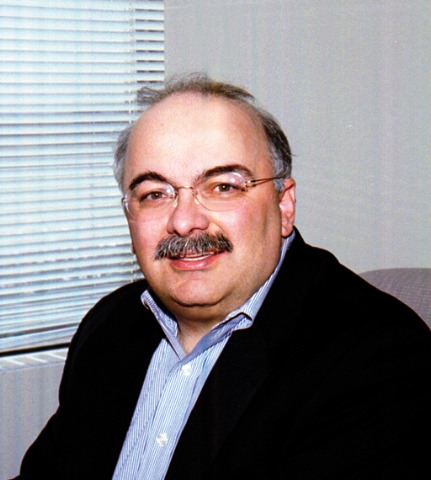
The armamentarium started off with T-cell inhibitors, the main one being alefacept, said Dr. Leonardi of St. Louis University. "I'm not aware of any other T-cell inhibitors that are in development right now. This seems to be a strategy that has been pushed off to the side for now."
On the other hand, psoriasis drugs involving cytokines and cytokine inhibitors are booming. A few other anti-inflammatory strategies also are being tested, including activation of the sirtuin 1 (SIRT1) protein, an oral phospholipid analog, an oral phosphodiesterase inhibitor, and a drug that inhibits Janus kinase (JAK) 1 and 3.
Cytokines: "Cytokines and cytokine inhibitors are exploding," Dr. Leonardi said. The five approved tumor necrosis factor (TNF) antagonists – adalimumab, certolizumab, etanercept, infliximab, and golimumab – "have great utility," he said.
There are two drugs that block both interleukins (IL) 12 and 23. Ustekinumab is approved, and Abbott Laboratories in January 2011 withdrew its biologics license application for briakinumab to perform additional studies at the request of regulators. These two drugs seem to have a "class effect" associated with increased risk of major cardiovascular events, Dr. Leonardi said.
Two other experimental drugs inhibit just IL-23. "These drugs are not interacting with IL-12 at all. If the cardiovascular signal we have seen with briakinumab and with ustekinumab is real, maybe it has to do with IL-12 more than IL-23. Maybe we'll see an improved safety profile for targeting just IL-23," he said.
Trials are underway of three drugs that inhibit IL-17 and one that targets the IL-17 receptor.
"The IL-23 drugs, IL-17 drugs, and IL-17 receptor blocker drug have a lot of briakinumab/ustekinumab feel in terms of efficacy," Dr. Leonardi said. The studies are blinded, so he doesn't know which patients are getting drug or placebo, but he's noticed that in some patients "amazing things are happening to skin and they're happening fast. This is going to be a great moment for many psoriasis sufferers" if these drugs fulfill the promises he thinks he's glimpsed.
Another trial is studying an IL-22 blocking agent.
In other categories, the novel agents being studied are oral medications, "That's a good thing for those that like that approach, but when you use oral medication, you lose a lot of the specificity that we've come to really expect with our biologic agents," he said.
Resveratrol: This compound is believed to activate SIRT1, which may have anti-inflammatory properties. Preliminary trials are underway.
VB-201: The first drug in its class, VB-201 by Vascular Biogenics is an oral phospholipid analog that downregulates production of proinflammatory cytokines by mature dendritic cells. It inhibits the shared p40 subunit of IL-12 and IL-23, and is in preliminary trials for psoriasis.
Apremilast: An oral inhibitor of type 4 phosphodiesterase (PDE4), apremilast inhibits production of inflammatory cytokines. Its mechanism of action on psoriasis is unclear. "Is it a floor wax or is it a milk shake? I can't decide. How does this drug work?" Dr. Leonardi asked.
Reports from a phase II trial by Celgene, which is developing the drug, suggest that it has multiple effects including reducing TNF-alpha, IL-2, interferon-gamma, and several leukotrienes, he said. In the trial of 260 patients, 24% of patients on a 20-mg b.i.d. dosage achieved a 75% improvement in their Psoriasis Area and Severity Index (PASI 75) score at 12 weeks, compared with 10% of patients on either a 20-mg/day dosage or placebo.
Tasocitinib: Also known as CP-690,550, this is a relatively selective inhibitor of JAK1 and JAK3. In early trials for rheumatoid arthritis, the oral drug appears to decrease inflammatory cytokines and chemokines, and decrease the influx of inflammatory cells, "so that provides a rationale for using it in psoriasis," Dr. Leonardi said.
In a phase II trial, 67% of patients on 15 mg b.i.d. achieved a PASI 75 score at 12 weeks, compared with 41% on 5 mg b.i.d., 25% on 2 mg b.i.d., and 2% on placebo. There were signals of potential safety issues with the drug, however, with a total of five major adverse events, some decreases in hemoglobin levels, transient decreases in polymorphonuclear leukocytes, and dose-related increases in lipids.
"Whether or not these are going to be significant, we'll have to wait and see," Dr. Leonardi said. "At least it showed some promise."
SDEF and this news organization are owned by Elsevier.
Dr. Leonardi declared having potential conflicts of interest with Pfizer (which is developing tasocitinib), Celgene (apremilast), Abbott (briakinumab and adalimumab), Centocor (ustekinumab, infliximab, and golimumab), Amgen (etanercept), Abgenix, Allergan, Alza, Biogen-IDEC, Boehringer-Ingelheim, Bristol-Myers Squibb, Connetics, Corixa, Fujisawa, Galderma, Genentech, Genzyme, GSK, Incyte, Isis, Lilly, MedImmune, Miravant, Schering Plough, Serono, Synta, Wyeth, and Xoma.
LAS VEGAS – There are so many psoriasis medications that have been approved or are in the experimental pipeline that it can be hard to track them all.
"I can't even keep them straight," Dr. Craig L. Leonardi said. "It's an amazing time right now."
He mapped out the major trends in psoriasis medications for physicians at a dermatology seminar sponsored by Skin Disease Education Foundation (SDEF).
The armamentarium started off with T-cell inhibitors, the main one being alefacept, said Dr. Leonardi of St. Louis University. "I'm not aware of any other T-cell inhibitors that are in development right now. This seems to be a strategy that has been pushed off to the side for now."
On the other hand, psoriasis drugs involving cytokines and cytokine inhibitors are booming. A few other anti-inflammatory strategies also are being tested, including activation of the sirtuin 1 (SIRT1) protein, an oral phospholipid analog, an oral phosphodiesterase inhibitor, and a drug that inhibits Janus kinase (JAK) 1 and 3.
Cytokines: "Cytokines and cytokine inhibitors are exploding," Dr. Leonardi said. The five approved tumor necrosis factor (TNF) antagonists – adalimumab, certolizumab, etanercept, infliximab, and golimumab – "have great utility," he said.
There are two drugs that block both interleukins (IL) 12 and 23. Ustekinumab is approved, and Abbott Laboratories in January 2011 withdrew its biologics license application for briakinumab to perform additional studies at the request of regulators. These two drugs seem to have a "class effect" associated with increased risk of major cardiovascular events, Dr. Leonardi said.
Two other experimental drugs inhibit just IL-23. "These drugs are not interacting with IL-12 at all. If the cardiovascular signal we have seen with briakinumab and with ustekinumab is real, maybe it has to do with IL-12 more than IL-23. Maybe we'll see an improved safety profile for targeting just IL-23," he said.
Trials are underway of three drugs that inhibit IL-17 and one that targets the IL-17 receptor.
"The IL-23 drugs, IL-17 drugs, and IL-17 receptor blocker drug have a lot of briakinumab/ustekinumab feel in terms of efficacy," Dr. Leonardi said. The studies are blinded, so he doesn't know which patients are getting drug or placebo, but he's noticed that in some patients "amazing things are happening to skin and they're happening fast. This is going to be a great moment for many psoriasis sufferers" if these drugs fulfill the promises he thinks he's glimpsed.
Another trial is studying an IL-22 blocking agent.
In other categories, the novel agents being studied are oral medications, "That's a good thing for those that like that approach, but when you use oral medication, you lose a lot of the specificity that we've come to really expect with our biologic agents," he said.
Resveratrol: This compound is believed to activate SIRT1, which may have anti-inflammatory properties. Preliminary trials are underway.
VB-201: The first drug in its class, VB-201 by Vascular Biogenics is an oral phospholipid analog that downregulates production of proinflammatory cytokines by mature dendritic cells. It inhibits the shared p40 subunit of IL-12 and IL-23, and is in preliminary trials for psoriasis.
Apremilast: An oral inhibitor of type 4 phosphodiesterase (PDE4), apremilast inhibits production of inflammatory cytokines. Its mechanism of action on psoriasis is unclear. "Is it a floor wax or is it a milk shake? I can't decide. How does this drug work?" Dr. Leonardi asked.
Reports from a phase II trial by Celgene, which is developing the drug, suggest that it has multiple effects including reducing TNF-alpha, IL-2, interferon-gamma, and several leukotrienes, he said. In the trial of 260 patients, 24% of patients on a 20-mg b.i.d. dosage achieved a 75% improvement in their Psoriasis Area and Severity Index (PASI 75) score at 12 weeks, compared with 10% of patients on either a 20-mg/day dosage or placebo.
Tasocitinib: Also known as CP-690,550, this is a relatively selective inhibitor of JAK1 and JAK3. In early trials for rheumatoid arthritis, the oral drug appears to decrease inflammatory cytokines and chemokines, and decrease the influx of inflammatory cells, "so that provides a rationale for using it in psoriasis," Dr. Leonardi said.
In a phase II trial, 67% of patients on 15 mg b.i.d. achieved a PASI 75 score at 12 weeks, compared with 41% on 5 mg b.i.d., 25% on 2 mg b.i.d., and 2% on placebo. There were signals of potential safety issues with the drug, however, with a total of five major adverse events, some decreases in hemoglobin levels, transient decreases in polymorphonuclear leukocytes, and dose-related increases in lipids.
"Whether or not these are going to be significant, we'll have to wait and see," Dr. Leonardi said. "At least it showed some promise."
SDEF and this news organization are owned by Elsevier.
Dr. Leonardi declared having potential conflicts of interest with Pfizer (which is developing tasocitinib), Celgene (apremilast), Abbott (briakinumab and adalimumab), Centocor (ustekinumab, infliximab, and golimumab), Amgen (etanercept), Abgenix, Allergan, Alza, Biogen-IDEC, Boehringer-Ingelheim, Bristol-Myers Squibb, Connetics, Corixa, Fujisawa, Galderma, Genentech, Genzyme, GSK, Incyte, Isis, Lilly, MedImmune, Miravant, Schering Plough, Serono, Synta, Wyeth, and Xoma.
LAS VEGAS – There are so many psoriasis medications that have been approved or are in the experimental pipeline that it can be hard to track them all.
"I can't even keep them straight," Dr. Craig L. Leonardi said. "It's an amazing time right now."
He mapped out the major trends in psoriasis medications for physicians at a dermatology seminar sponsored by Skin Disease Education Foundation (SDEF).
The armamentarium started off with T-cell inhibitors, the main one being alefacept, said Dr. Leonardi of St. Louis University. "I'm not aware of any other T-cell inhibitors that are in development right now. This seems to be a strategy that has been pushed off to the side for now."
On the other hand, psoriasis drugs involving cytokines and cytokine inhibitors are booming. A few other anti-inflammatory strategies also are being tested, including activation of the sirtuin 1 (SIRT1) protein, an oral phospholipid analog, an oral phosphodiesterase inhibitor, and a drug that inhibits Janus kinase (JAK) 1 and 3.
Cytokines: "Cytokines and cytokine inhibitors are exploding," Dr. Leonardi said. The five approved tumor necrosis factor (TNF) antagonists – adalimumab, certolizumab, etanercept, infliximab, and golimumab – "have great utility," he said.
There are two drugs that block both interleukins (IL) 12 and 23. Ustekinumab is approved, and Abbott Laboratories in January 2011 withdrew its biologics license application for briakinumab to perform additional studies at the request of regulators. These two drugs seem to have a "class effect" associated with increased risk of major cardiovascular events, Dr. Leonardi said.
Two other experimental drugs inhibit just IL-23. "These drugs are not interacting with IL-12 at all. If the cardiovascular signal we have seen with briakinumab and with ustekinumab is real, maybe it has to do with IL-12 more than IL-23. Maybe we'll see an improved safety profile for targeting just IL-23," he said.
Trials are underway of three drugs that inhibit IL-17 and one that targets the IL-17 receptor.
"The IL-23 drugs, IL-17 drugs, and IL-17 receptor blocker drug have a lot of briakinumab/ustekinumab feel in terms of efficacy," Dr. Leonardi said. The studies are blinded, so he doesn't know which patients are getting drug or placebo, but he's noticed that in some patients "amazing things are happening to skin and they're happening fast. This is going to be a great moment for many psoriasis sufferers" if these drugs fulfill the promises he thinks he's glimpsed.
Another trial is studying an IL-22 blocking agent.
In other categories, the novel agents being studied are oral medications, "That's a good thing for those that like that approach, but when you use oral medication, you lose a lot of the specificity that we've come to really expect with our biologic agents," he said.
Resveratrol: This compound is believed to activate SIRT1, which may have anti-inflammatory properties. Preliminary trials are underway.
VB-201: The first drug in its class, VB-201 by Vascular Biogenics is an oral phospholipid analog that downregulates production of proinflammatory cytokines by mature dendritic cells. It inhibits the shared p40 subunit of IL-12 and IL-23, and is in preliminary trials for psoriasis.
Apremilast: An oral inhibitor of type 4 phosphodiesterase (PDE4), apremilast inhibits production of inflammatory cytokines. Its mechanism of action on psoriasis is unclear. "Is it a floor wax or is it a milk shake? I can't decide. How does this drug work?" Dr. Leonardi asked.
Reports from a phase II trial by Celgene, which is developing the drug, suggest that it has multiple effects including reducing TNF-alpha, IL-2, interferon-gamma, and several leukotrienes, he said. In the trial of 260 patients, 24% of patients on a 20-mg b.i.d. dosage achieved a 75% improvement in their Psoriasis Area and Severity Index (PASI 75) score at 12 weeks, compared with 10% of patients on either a 20-mg/day dosage or placebo.
Tasocitinib: Also known as CP-690,550, this is a relatively selective inhibitor of JAK1 and JAK3. In early trials for rheumatoid arthritis, the oral drug appears to decrease inflammatory cytokines and chemokines, and decrease the influx of inflammatory cells, "so that provides a rationale for using it in psoriasis," Dr. Leonardi said.
In a phase II trial, 67% of patients on 15 mg b.i.d. achieved a PASI 75 score at 12 weeks, compared with 41% on 5 mg b.i.d., 25% on 2 mg b.i.d., and 2% on placebo. There were signals of potential safety issues with the drug, however, with a total of five major adverse events, some decreases in hemoglobin levels, transient decreases in polymorphonuclear leukocytes, and dose-related increases in lipids.
"Whether or not these are going to be significant, we'll have to wait and see," Dr. Leonardi said. "At least it showed some promise."
SDEF and this news organization are owned by Elsevier.
Dr. Leonardi declared having potential conflicts of interest with Pfizer (which is developing tasocitinib), Celgene (apremilast), Abbott (briakinumab and adalimumab), Centocor (ustekinumab, infliximab, and golimumab), Amgen (etanercept), Abgenix, Allergan, Alza, Biogen-IDEC, Boehringer-Ingelheim, Bristol-Myers Squibb, Connetics, Corixa, Fujisawa, Galderma, Genentech, Genzyme, GSK, Incyte, Isis, Lilly, MedImmune, Miravant, Schering Plough, Serono, Synta, Wyeth, and Xoma.
EXPERT ANALYSIS FROM THE LAS VEGAS DERMATOLOGY SEMINAR SPONSORED BY SDEF
Merkel Cell Carcinoma in a Patient Treated With Adalimumab: Case Report
Biologics Up Cardiovascular Risk, New Analysis Finds
LAS VEGAS – Increased risk for major cardiovascular events may be a "class effect" associated with two monoclonal antibody therapies for psoriasis, Dr. Craig Leonardi said.
"I used to give them a pass on this, but no more. I'm going to point out a few things that bother me," he said at a dermatology seminar sponsored by Skin Disease Education Foundation (SDEF).

Ustekinumab, which is approved to treat adults with moderate to severe plaque psoriasis, and the investigational psoriasis drug briakinumab inhibit interleukin 12 (IL-12) and IL-23 proteins linked to inflammation. Conventional thought holds that reducing systemic inflammation should decrease cardiovascular risk, but ustekinumab and briakinumab have been associated with an increase in major cardiovascular events in clinical trials, said Dr. Leonardi, a dermatologist and psoriasis specialist at St. Louis University.
(Abbott Laboratories pulled briakinumab from the drug approval process in the United States and Europe in a financial filing on Jan. 14.)
He recently conducted a meta-analysis summarizing major cardiovascular events during the placebo-controlled portions of 19 trials encompassing all the biologic therapies for psoriasis. Only one patient on placebo developed a major cardiovascular event in a study of etanercept. Five patients on ustekinumab, five on briakinumab, and one on adalimumab developed major cardiovascular events.
In a separate look at Phase III trials data on ustekinumab, adverse events included chest pain in one patient on placebo, a case of angina, and a case of stroke in patients on low-dose therapy (45 mg). On high-dose therapy (90 mg) one patient developed congestive cardiomyopathy and died and another required a coronary artery bypass graft, he noted.
"I think there's a bit of an imbalance when I look at these data" in major cardiovascular events, he said.
In data on 3,117 patients followed for 3 years or less, the risk for major cardiovascular events (MI, stroke, or death from cardiovascular causes) seemed to be higher on ustekinumab during the initial 12-week placebo-controlled portions of the study but the risk leveled out between groups over time, Dr. Leonardi said.
During the controlled period, the incidence of major cardiovascular events was 0 per 100 patient-years in the placebo group, 0.98/100 patient-years on low-dose ustekinumab, and 1.47/100 patient-years on high-dose ustekinumab. Over the 3-year period, the incidence was 0.55, 0.41, and 0.35 per 100 patient-years, respectively.
Even in Phase II trial data on ustekinumab there was a potential "signal" of increased risk for major cardiovascular events, Dr. Leonardi added. Looking at data from all trials of ustekinumab for any indication (not just psoriasis), there's a "flurry" of major cardiovascular events early in treatment that then settles down and becomes comparable to the placebo group over time.
"The statisticians will say that there's no statistically significant difference between the treated versus the placebo" in major cardiovascular events, "but I don't think we have to be a rocket scientist to see that there’s something very different going on" between groups, Dr. Leonardi said.
Safety data from the placebo-controlled periods in phase III data on briakinumab suggest even greater problems. "The news here, quite frankly, is not good," he said.
There were three MIs, one cardiac arrest, and a stroke in 981 patients on briakinumab, compared with none in 484 patients on placebo. In addition, five patients on briakinumab and one on placebo developed serious infections requiring hospitalization and IV antibiotics. Six patients on briakinumab and none on placebo developed malignancies, all of them squamous cell carcinomas of the skin, lung, or nasopharynx.
"Cancers usually take months or years to show up, and yet these showed up in the first 12 weeks" on treatment," he noted.
The combination of increased risks for major cardiovascular events, malignancies, and infections with briakinumab is "unprecedented," he said. "We should pay close attention to this data."
Both drugs can boast "impressive" efficacy in treating plaque psoriasis, but the potential risks need to be carefully considered, Dr. Leonardi said.
He recommends considering all options when selecting a biologic treatment for psoriasis, even if patients request the treatment they only have to get every 3 months. Remember that patients with psoriasis typically have multiple cardiac risk factors. If ustekinumab is used, start with a low dose regardless of the patient’s weight, Dr. Leonardi advised.
"Consider adding low-dose aspirin, 81 mg per day," he added. "That's what I’m doing."
Analyses underway by the Food and Drug Administration and the drug companies should provide further insights into the potential risks and benefits of these drugs.
"Remember that all new drugs are new," Dr. Leonardi cautioned. "We don't know everything we need to know about new drugs, especially when there's a new mechanism of action."
He speculated that the monoclonal antibody therapies increase major cardiovascular events by increasing delivery of IL-12 and IL-23 to atherosclerotic plaques, or perhaps the p40 subunits of IL-12 and IL-23 form dimers that become bioactive. Or, some unknown biologic activity could be at play.
SDEF and this news organization are owned by Elsevier. Dr. Leonardi declared having potential conflicts of interest with Abbott and Centocor, which manufacture briakinumab and ustekinumab, and with Abgenix, Allergan, Alza, Amgen, Biogen-IDEC, Boehringer-Ingelheim, Bristol Myers Squibb, Celgene, Connetics, Corixa, Fujisawa, Galderma, Genentech, Genzyme, GSK, Incyte, Isis, Lilly, Medimmune, Miravant, Pfizer, Schering Plough, Serono, Synta, Wyeth, and Xoma.
LAS VEGAS – Increased risk for major cardiovascular events may be a "class effect" associated with two monoclonal antibody therapies for psoriasis, Dr. Craig Leonardi said.
"I used to give them a pass on this, but no more. I'm going to point out a few things that bother me," he said at a dermatology seminar sponsored by Skin Disease Education Foundation (SDEF).
Ustekinumab, which is approved to treat adults with moderate to severe plaque psoriasis, and the investigational psoriasis drug briakinumab inhibit interleukin 12 (IL-12) and IL-23 proteins linked to inflammation. Conventional thought holds that reducing systemic inflammation should decrease cardiovascular risk, but ustekinumab and briakinumab have been associated with an increase in major cardiovascular events in clinical trials, said Dr. Leonardi, a dermatologist and psoriasis specialist at St. Louis University.
(Abbott Laboratories pulled briakinumab from the drug approval process in the United States and Europe in a financial filing on Jan. 14.)
He recently conducted a meta-analysis summarizing major cardiovascular events during the placebo-controlled portions of 19 trials encompassing all the biologic therapies for psoriasis. Only one patient on placebo developed a major cardiovascular event in a study of etanercept. Five patients on ustekinumab, five on briakinumab, and one on adalimumab developed major cardiovascular events.
In a separate look at Phase III trials data on ustekinumab, adverse events included chest pain in one patient on placebo, a case of angina, and a case of stroke in patients on low-dose therapy (45 mg). On high-dose therapy (90 mg) one patient developed congestive cardiomyopathy and died and another required a coronary artery bypass graft, he noted.
"I think there's a bit of an imbalance when I look at these data" in major cardiovascular events, he said.
In data on 3,117 patients followed for 3 years or less, the risk for major cardiovascular events (MI, stroke, or death from cardiovascular causes) seemed to be higher on ustekinumab during the initial 12-week placebo-controlled portions of the study but the risk leveled out between groups over time, Dr. Leonardi said.
During the controlled period, the incidence of major cardiovascular events was 0 per 100 patient-years in the placebo group, 0.98/100 patient-years on low-dose ustekinumab, and 1.47/100 patient-years on high-dose ustekinumab. Over the 3-year period, the incidence was 0.55, 0.41, and 0.35 per 100 patient-years, respectively.
Even in Phase II trial data on ustekinumab there was a potential "signal" of increased risk for major cardiovascular events, Dr. Leonardi added. Looking at data from all trials of ustekinumab for any indication (not just psoriasis), there's a "flurry" of major cardiovascular events early in treatment that then settles down and becomes comparable to the placebo group over time.
"The statisticians will say that there's no statistically significant difference between the treated versus the placebo" in major cardiovascular events, "but I don't think we have to be a rocket scientist to see that there’s something very different going on" between groups, Dr. Leonardi said.
Safety data from the placebo-controlled periods in phase III data on briakinumab suggest even greater problems. "The news here, quite frankly, is not good," he said.
There were three MIs, one cardiac arrest, and a stroke in 981 patients on briakinumab, compared with none in 484 patients on placebo. In addition, five patients on briakinumab and one on placebo developed serious infections requiring hospitalization and IV antibiotics. Six patients on briakinumab and none on placebo developed malignancies, all of them squamous cell carcinomas of the skin, lung, or nasopharynx.
"Cancers usually take months or years to show up, and yet these showed up in the first 12 weeks" on treatment," he noted.
The combination of increased risks for major cardiovascular events, malignancies, and infections with briakinumab is "unprecedented," he said. "We should pay close attention to this data."
Both drugs can boast "impressive" efficacy in treating plaque psoriasis, but the potential risks need to be carefully considered, Dr. Leonardi said.
He recommends considering all options when selecting a biologic treatment for psoriasis, even if patients request the treatment they only have to get every 3 months. Remember that patients with psoriasis typically have multiple cardiac risk factors. If ustekinumab is used, start with a low dose regardless of the patient’s weight, Dr. Leonardi advised.
"Consider adding low-dose aspirin, 81 mg per day," he added. "That's what I’m doing."
Analyses underway by the Food and Drug Administration and the drug companies should provide further insights into the potential risks and benefits of these drugs.
"Remember that all new drugs are new," Dr. Leonardi cautioned. "We don't know everything we need to know about new drugs, especially when there's a new mechanism of action."
He speculated that the monoclonal antibody therapies increase major cardiovascular events by increasing delivery of IL-12 and IL-23 to atherosclerotic plaques, or perhaps the p40 subunits of IL-12 and IL-23 form dimers that become bioactive. Or, some unknown biologic activity could be at play.
SDEF and this news organization are owned by Elsevier. Dr. Leonardi declared having potential conflicts of interest with Abbott and Centocor, which manufacture briakinumab and ustekinumab, and with Abgenix, Allergan, Alza, Amgen, Biogen-IDEC, Boehringer-Ingelheim, Bristol Myers Squibb, Celgene, Connetics, Corixa, Fujisawa, Galderma, Genentech, Genzyme, GSK, Incyte, Isis, Lilly, Medimmune, Miravant, Pfizer, Schering Plough, Serono, Synta, Wyeth, and Xoma.
LAS VEGAS – Increased risk for major cardiovascular events may be a "class effect" associated with two monoclonal antibody therapies for psoriasis, Dr. Craig Leonardi said.
"I used to give them a pass on this, but no more. I'm going to point out a few things that bother me," he said at a dermatology seminar sponsored by Skin Disease Education Foundation (SDEF).
Ustekinumab, which is approved to treat adults with moderate to severe plaque psoriasis, and the investigational psoriasis drug briakinumab inhibit interleukin 12 (IL-12) and IL-23 proteins linked to inflammation. Conventional thought holds that reducing systemic inflammation should decrease cardiovascular risk, but ustekinumab and briakinumab have been associated with an increase in major cardiovascular events in clinical trials, said Dr. Leonardi, a dermatologist and psoriasis specialist at St. Louis University.
(Abbott Laboratories pulled briakinumab from the drug approval process in the United States and Europe in a financial filing on Jan. 14.)
He recently conducted a meta-analysis summarizing major cardiovascular events during the placebo-controlled portions of 19 trials encompassing all the biologic therapies for psoriasis. Only one patient on placebo developed a major cardiovascular event in a study of etanercept. Five patients on ustekinumab, five on briakinumab, and one on adalimumab developed major cardiovascular events.
In a separate look at Phase III trials data on ustekinumab, adverse events included chest pain in one patient on placebo, a case of angina, and a case of stroke in patients on low-dose therapy (45 mg). On high-dose therapy (90 mg) one patient developed congestive cardiomyopathy and died and another required a coronary artery bypass graft, he noted.
"I think there's a bit of an imbalance when I look at these data" in major cardiovascular events, he said.
In data on 3,117 patients followed for 3 years or less, the risk for major cardiovascular events (MI, stroke, or death from cardiovascular causes) seemed to be higher on ustekinumab during the initial 12-week placebo-controlled portions of the study but the risk leveled out between groups over time, Dr. Leonardi said.
During the controlled period, the incidence of major cardiovascular events was 0 per 100 patient-years in the placebo group, 0.98/100 patient-years on low-dose ustekinumab, and 1.47/100 patient-years on high-dose ustekinumab. Over the 3-year period, the incidence was 0.55, 0.41, and 0.35 per 100 patient-years, respectively.
Even in Phase II trial data on ustekinumab there was a potential "signal" of increased risk for major cardiovascular events, Dr. Leonardi added. Looking at data from all trials of ustekinumab for any indication (not just psoriasis), there's a "flurry" of major cardiovascular events early in treatment that then settles down and becomes comparable to the placebo group over time.
"The statisticians will say that there's no statistically significant difference between the treated versus the placebo" in major cardiovascular events, "but I don't think we have to be a rocket scientist to see that there’s something very different going on" between groups, Dr. Leonardi said.
Safety data from the placebo-controlled periods in phase III data on briakinumab suggest even greater problems. "The news here, quite frankly, is not good," he said.
There were three MIs, one cardiac arrest, and a stroke in 981 patients on briakinumab, compared with none in 484 patients on placebo. In addition, five patients on briakinumab and one on placebo developed serious infections requiring hospitalization and IV antibiotics. Six patients on briakinumab and none on placebo developed malignancies, all of them squamous cell carcinomas of the skin, lung, or nasopharynx.
"Cancers usually take months or years to show up, and yet these showed up in the first 12 weeks" on treatment," he noted.
The combination of increased risks for major cardiovascular events, malignancies, and infections with briakinumab is "unprecedented," he said. "We should pay close attention to this data."
Both drugs can boast "impressive" efficacy in treating plaque psoriasis, but the potential risks need to be carefully considered, Dr. Leonardi said.
He recommends considering all options when selecting a biologic treatment for psoriasis, even if patients request the treatment they only have to get every 3 months. Remember that patients with psoriasis typically have multiple cardiac risk factors. If ustekinumab is used, start with a low dose regardless of the patient’s weight, Dr. Leonardi advised.
"Consider adding low-dose aspirin, 81 mg per day," he added. "That's what I’m doing."
Analyses underway by the Food and Drug Administration and the drug companies should provide further insights into the potential risks and benefits of these drugs.
"Remember that all new drugs are new," Dr. Leonardi cautioned. "We don't know everything we need to know about new drugs, especially when there's a new mechanism of action."
He speculated that the monoclonal antibody therapies increase major cardiovascular events by increasing delivery of IL-12 and IL-23 to atherosclerotic plaques, or perhaps the p40 subunits of IL-12 and IL-23 form dimers that become bioactive. Or, some unknown biologic activity could be at play.
SDEF and this news organization are owned by Elsevier. Dr. Leonardi declared having potential conflicts of interest with Abbott and Centocor, which manufacture briakinumab and ustekinumab, and with Abgenix, Allergan, Alza, Amgen, Biogen-IDEC, Boehringer-Ingelheim, Bristol Myers Squibb, Celgene, Connetics, Corixa, Fujisawa, Galderma, Genentech, Genzyme, GSK, Incyte, Isis, Lilly, Medimmune, Miravant, Pfizer, Schering Plough, Serono, Synta, Wyeth, and Xoma.
FROM THE SDEF LAS VEGAS DERMATOLOGY SEMINAR
Major Finding: One patient on placebo developed a major cardiovascular event in a study of etanercept. Five patients on ustekinumab, five on briakinumab, and one on adalimumab developed major cardiovascular events
Data Source: Meta-analysis of major cardiovascular events during the placebo-controlled portions of 19 trials encompassing all the biologic therapies for psoriasis.
Disclosures: SDEF and this news organization are owned by Elsevier. Dr. Leonardi declared having potential conflicts of interest with Abbott and Centocor, which manufacture briakinumab and ustekinumab, and with Abgenix, Allergan, Alza, Amgen, Biogen-IDEC, Boehringer-Ingelheim, Bristol Myers Squibb, Celgene, Connetics, Corixa, Fujisawa, Galderma, Genentech, Genzyme, GSK, Incyte, Isis, Lilly, Medimmune, Miravant, Pfizer, Schering Plough, Serono, Synta, Wyeth, and Xoma.
Hydroxychloroquine Scores Big in Lupus
SNOWMASS, Colo. – The past 12 months have brought a slew of studies making a persuasive case for hydroxychloroquine as a far more important drug in lupus than previously thought. Indeed, the drug could now even be considered essential.
"In 2011, all lupus patients should receive hydroxychloroquine," Dr. David Wofsy flatly declared at a symposium sponsored by the American College of Rheumatology.
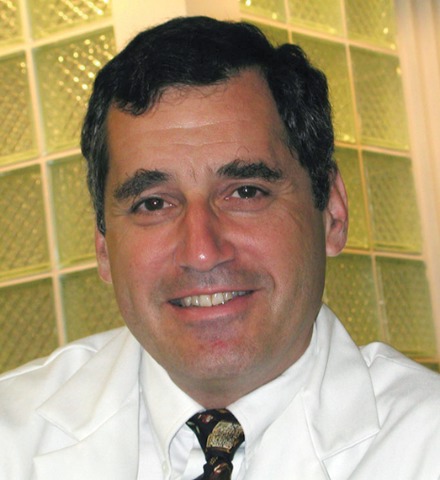
"The indication for hydroxychloroquine in lupus is lupus," added Dr. Wofsy, professor of medicine and microbiology/immunology at the University of California, San Francisco.
There is now solid evidence that hydroxychloroquine (Plaquenil) prevents lupus flares, treats the skin manifestations of the disease, protects against thromboembolic events, prevents cardiac neonatal lupus, and prolongs life.
"It will be a very long time before we've proven that any biologic therapy can do all those things," Dr. Wofsy, who is also chief of rheumatology at the San Francisco Veterans Affairs Medical Center.
He cited several eye-opening hydroxychloroquine studies that were presented at the 2010 annual meeting of the ACR. In one, investigators from the Systemic Lupus International Collaborating Clinics (SLICC) presented findings from an international registry of 1,593 lupus patients followed since 2000. In a multivariate analysis, antimalarial therapy was independently associated with a highly significant 70% reduction in mortality.
It's particularly noteworthy that in this report from 35 of the world's leading lupus centers, only 65% of patients were on antimalarial therapy. In light of the impressive results of the SLICC study and the other very recent evidence, that's an embarrassingly low rate. In fact, Dr. Wofsy urged audience members to pull the records of all their lupus patients and put those who aren't now taking hydroxychloroquine on the drug forthwith.
Also at the 2010 ACR meeting, French investigators presented a prospective study of 300 SLE patients on hydroxychloroquine for cutaneous lupus. The researchers found that serum drug levels were strongly correlated with clinical response. The 114 patients with a complete response had a mean hydroxychloroquine level of 910 ng/mL. The 100 nonresponders had a mean level of 569 ng/mL, while partial responders averaged 692 ng/mL.
The thromboprotective effect of hydroxychloroquine was demonstrated in a University of Toronto case-control study involving newly diagnosed lupus patients prospectively followed long-term. Fifty-four patients who experienced thromboembolic events were matched with 108 lupus patients who did not. In a multivariate analysis adjusted for disease severity and duration and calendar year, antimalarial therapy was associated with a 68% reduction in the risk of thromboembolic events. The protective effect was similar for arterial as well as venous thrombosis (Arthritis Rheum. 2010;62:863-8).
Another recently published study highlighted hydroxychloroquine's protective effect against cardiac neonatal lupus in children exposed to the drug in utero. The retrospective study involved 50 children with cardiac neonatal lupus and 151 controls without this condition. Fourteen percent of the children with cardiac neonatal lupus were exposed to antimalarial therapy in utero, compared with 37% of controls. This translated to an adjusted 72% reduction in the likelihood of neonatal lupus heart block in kids with fetal exposure to the drug (Ann. Rheum. Dis. 2010;69:1827-30).
Dr. Wofsy noted the irony that this new appreciation of hydroxychloroquine's abundant benefits in lupus comes on the eve of what is widely anticipated to be regulatory approval of the first drug ever to be approved for lupus: belimumab (Benlysta), the fully human monoclonal antibody directed against the B-lymphocyte stimulator. Last November, a Food and Drug Administration advisory panel recommended marketing approval for belimumab by a 13-2 margin. The FDA has announced it will issue its decision in mid-March.
Is belimumab a better drug for lupus than hydroxychloroquine? Many physicians might reflexively assume that a very costly new biologic agent for lupus must be better than an old, cheap antimalarial, but that's far from certain at this point, he said.
"All of us know that Plaquenil is not the solution to lupus. It is far from the solution to lupus. But it is a reasonable low bar to place when we think of the biologic therapies," he said in urging his colleagues not to underestimate the value of the antimalarial or fall prey to the coming massive marketing hype for belimumab.
Also at the Snowmass conference, Dr. Chester V. Oddis forecast that an inevitable consequence of putting lots more lupus patients on hydroxychloroquine will be an increase in drug-induced myopathies. The antimalarial is one of the drugs that can cause these myopathies, which mimic inflammatory myopathies in terms of symptoms, but without the attendant inflammation. The classic histopathology of hydroxychloroquine myopathy includes necrotic and vacuolated muscle fibers on H&E staining, pathognomic curvilinear inclusions on electron microscopy.
Other drugs that can cause these noninflammatory myopathies include statins and colchicine as well as alcohol, noted Dr. Oddis, professor of medicine at the University of Pittsburgh.
Dr. Wofsy declared that he serves as a consultant to Bristol-Myers Squibb and has received research grants from numerous other companies developing new treatments for autoimmune diseases. Dr. Odis reported he had no relevant financial disclosures.
SNOWMASS, Colo. – The past 12 months have brought a slew of studies making a persuasive case for hydroxychloroquine as a far more important drug in lupus than previously thought. Indeed, the drug could now even be considered essential.
"In 2011, all lupus patients should receive hydroxychloroquine," Dr. David Wofsy flatly declared at a symposium sponsored by the American College of Rheumatology.
"The indication for hydroxychloroquine in lupus is lupus," added Dr. Wofsy, professor of medicine and microbiology/immunology at the University of California, San Francisco.
There is now solid evidence that hydroxychloroquine (Plaquenil) prevents lupus flares, treats the skin manifestations of the disease, protects against thromboembolic events, prevents cardiac neonatal lupus, and prolongs life.
"It will be a very long time before we've proven that any biologic therapy can do all those things," Dr. Wofsy, who is also chief of rheumatology at the San Francisco Veterans Affairs Medical Center.
He cited several eye-opening hydroxychloroquine studies that were presented at the 2010 annual meeting of the ACR. In one, investigators from the Systemic Lupus International Collaborating Clinics (SLICC) presented findings from an international registry of 1,593 lupus patients followed since 2000. In a multivariate analysis, antimalarial therapy was independently associated with a highly significant 70% reduction in mortality.
It's particularly noteworthy that in this report from 35 of the world's leading lupus centers, only 65% of patients were on antimalarial therapy. In light of the impressive results of the SLICC study and the other very recent evidence, that's an embarrassingly low rate. In fact, Dr. Wofsy urged audience members to pull the records of all their lupus patients and put those who aren't now taking hydroxychloroquine on the drug forthwith.
Also at the 2010 ACR meeting, French investigators presented a prospective study of 300 SLE patients on hydroxychloroquine for cutaneous lupus. The researchers found that serum drug levels were strongly correlated with clinical response. The 114 patients with a complete response had a mean hydroxychloroquine level of 910 ng/mL. The 100 nonresponders had a mean level of 569 ng/mL, while partial responders averaged 692 ng/mL.
The thromboprotective effect of hydroxychloroquine was demonstrated in a University of Toronto case-control study involving newly diagnosed lupus patients prospectively followed long-term. Fifty-four patients who experienced thromboembolic events were matched with 108 lupus patients who did not. In a multivariate analysis adjusted for disease severity and duration and calendar year, antimalarial therapy was associated with a 68% reduction in the risk of thromboembolic events. The protective effect was similar for arterial as well as venous thrombosis (Arthritis Rheum. 2010;62:863-8).
Another recently published study highlighted hydroxychloroquine's protective effect against cardiac neonatal lupus in children exposed to the drug in utero. The retrospective study involved 50 children with cardiac neonatal lupus and 151 controls without this condition. Fourteen percent of the children with cardiac neonatal lupus were exposed to antimalarial therapy in utero, compared with 37% of controls. This translated to an adjusted 72% reduction in the likelihood of neonatal lupus heart block in kids with fetal exposure to the drug (Ann. Rheum. Dis. 2010;69:1827-30).
Dr. Wofsy noted the irony that this new appreciation of hydroxychloroquine's abundant benefits in lupus comes on the eve of what is widely anticipated to be regulatory approval of the first drug ever to be approved for lupus: belimumab (Benlysta), the fully human monoclonal antibody directed against the B-lymphocyte stimulator. Last November, a Food and Drug Administration advisory panel recommended marketing approval for belimumab by a 13-2 margin. The FDA has announced it will issue its decision in mid-March.
Is belimumab a better drug for lupus than hydroxychloroquine? Many physicians might reflexively assume that a very costly new biologic agent for lupus must be better than an old, cheap antimalarial, but that's far from certain at this point, he said.
"All of us know that Plaquenil is not the solution to lupus. It is far from the solution to lupus. But it is a reasonable low bar to place when we think of the biologic therapies," he said in urging his colleagues not to underestimate the value of the antimalarial or fall prey to the coming massive marketing hype for belimumab.
Also at the Snowmass conference, Dr. Chester V. Oddis forecast that an inevitable consequence of putting lots more lupus patients on hydroxychloroquine will be an increase in drug-induced myopathies. The antimalarial is one of the drugs that can cause these myopathies, which mimic inflammatory myopathies in terms of symptoms, but without the attendant inflammation. The classic histopathology of hydroxychloroquine myopathy includes necrotic and vacuolated muscle fibers on H&E staining, pathognomic curvilinear inclusions on electron microscopy.
Other drugs that can cause these noninflammatory myopathies include statins and colchicine as well as alcohol, noted Dr. Oddis, professor of medicine at the University of Pittsburgh.
Dr. Wofsy declared that he serves as a consultant to Bristol-Myers Squibb and has received research grants from numerous other companies developing new treatments for autoimmune diseases. Dr. Odis reported he had no relevant financial disclosures.
SNOWMASS, Colo. – The past 12 months have brought a slew of studies making a persuasive case for hydroxychloroquine as a far more important drug in lupus than previously thought. Indeed, the drug could now even be considered essential.
"In 2011, all lupus patients should receive hydroxychloroquine," Dr. David Wofsy flatly declared at a symposium sponsored by the American College of Rheumatology.
"The indication for hydroxychloroquine in lupus is lupus," added Dr. Wofsy, professor of medicine and microbiology/immunology at the University of California, San Francisco.
There is now solid evidence that hydroxychloroquine (Plaquenil) prevents lupus flares, treats the skin manifestations of the disease, protects against thromboembolic events, prevents cardiac neonatal lupus, and prolongs life.
"It will be a very long time before we've proven that any biologic therapy can do all those things," Dr. Wofsy, who is also chief of rheumatology at the San Francisco Veterans Affairs Medical Center.
He cited several eye-opening hydroxychloroquine studies that were presented at the 2010 annual meeting of the ACR. In one, investigators from the Systemic Lupus International Collaborating Clinics (SLICC) presented findings from an international registry of 1,593 lupus patients followed since 2000. In a multivariate analysis, antimalarial therapy was independently associated with a highly significant 70% reduction in mortality.
It's particularly noteworthy that in this report from 35 of the world's leading lupus centers, only 65% of patients were on antimalarial therapy. In light of the impressive results of the SLICC study and the other very recent evidence, that's an embarrassingly low rate. In fact, Dr. Wofsy urged audience members to pull the records of all their lupus patients and put those who aren't now taking hydroxychloroquine on the drug forthwith.
Also at the 2010 ACR meeting, French investigators presented a prospective study of 300 SLE patients on hydroxychloroquine for cutaneous lupus. The researchers found that serum drug levels were strongly correlated with clinical response. The 114 patients with a complete response had a mean hydroxychloroquine level of 910 ng/mL. The 100 nonresponders had a mean level of 569 ng/mL, while partial responders averaged 692 ng/mL.
The thromboprotective effect of hydroxychloroquine was demonstrated in a University of Toronto case-control study involving newly diagnosed lupus patients prospectively followed long-term. Fifty-four patients who experienced thromboembolic events were matched with 108 lupus patients who did not. In a multivariate analysis adjusted for disease severity and duration and calendar year, antimalarial therapy was associated with a 68% reduction in the risk of thromboembolic events. The protective effect was similar for arterial as well as venous thrombosis (Arthritis Rheum. 2010;62:863-8).
Another recently published study highlighted hydroxychloroquine's protective effect against cardiac neonatal lupus in children exposed to the drug in utero. The retrospective study involved 50 children with cardiac neonatal lupus and 151 controls without this condition. Fourteen percent of the children with cardiac neonatal lupus were exposed to antimalarial therapy in utero, compared with 37% of controls. This translated to an adjusted 72% reduction in the likelihood of neonatal lupus heart block in kids with fetal exposure to the drug (Ann. Rheum. Dis. 2010;69:1827-30).
Dr. Wofsy noted the irony that this new appreciation of hydroxychloroquine's abundant benefits in lupus comes on the eve of what is widely anticipated to be regulatory approval of the first drug ever to be approved for lupus: belimumab (Benlysta), the fully human monoclonal antibody directed against the B-lymphocyte stimulator. Last November, a Food and Drug Administration advisory panel recommended marketing approval for belimumab by a 13-2 margin. The FDA has announced it will issue its decision in mid-March.
Is belimumab a better drug for lupus than hydroxychloroquine? Many physicians might reflexively assume that a very costly new biologic agent for lupus must be better than an old, cheap antimalarial, but that's far from certain at this point, he said.
"All of us know that Plaquenil is not the solution to lupus. It is far from the solution to lupus. But it is a reasonable low bar to place when we think of the biologic therapies," he said in urging his colleagues not to underestimate the value of the antimalarial or fall prey to the coming massive marketing hype for belimumab.
Also at the Snowmass conference, Dr. Chester V. Oddis forecast that an inevitable consequence of putting lots more lupus patients on hydroxychloroquine will be an increase in drug-induced myopathies. The antimalarial is one of the drugs that can cause these myopathies, which mimic inflammatory myopathies in terms of symptoms, but without the attendant inflammation. The classic histopathology of hydroxychloroquine myopathy includes necrotic and vacuolated muscle fibers on H&E staining, pathognomic curvilinear inclusions on electron microscopy.
Other drugs that can cause these noninflammatory myopathies include statins and colchicine as well as alcohol, noted Dr. Oddis, professor of medicine at the University of Pittsburgh.
Dr. Wofsy declared that he serves as a consultant to Bristol-Myers Squibb and has received research grants from numerous other companies developing new treatments for autoimmune diseases. Dr. Odis reported he had no relevant financial disclosures.
EXPERT ANALYSIS FROM A SYMPOSIUM SPONSORED BY THE AMERICAN COLLEGE OF RHEUMATOLOGY
Calcium Channel Blocker Combos Still Best for Treating Raynaud's
SNOWMASS, Colo. - Until further testing confirms or disproves the promise of an oral formulation of treprostinil that is making its way through the developmental pipeline for management of Raynaud's phenomenon and the ischemic finger, physicians will have to continue to make do with modestly efficacious agents that all are best employed in conjunction with background therapy using a long-acting calcium channel blocker titrated to the maximum tolerated dose.
Calling the developmental oral treprostinil agent particularly exciting, Dr. Frederick M. Wigley noted that the prostacyclin analogs are highly effective in cases of Raynaud's with severe digital ischemia, but the ones available now have to be given intravenously, which is costly and inconvenient.
An effective oral prostacyclin would be a major development. The early clinical trials of oral treprostinil have been quite promising, and the drug is now moving into advanced trials for Raynaud's phenomenon as well as for pulmonary arterial hypertension, according to Dr. Wigley, professor of medicine and director of the scleroderma center at Johns Hopkins University, Baltimore.
However, for now, "the kingpin of our therapy is usually the calcium channel blocker," he observed at a symposium sponsored by the American College of Rheumatology.
He highlighted the agents variously prescribed for Raynaud's and how they fit into his management strategy – and in some cases, why they do not.
His first-line drug for Raynaud's and the ischemic finger is amlodipine, at a starting dose of 5 mg that is titrated to 20 mg/day. This typically results in a 35%-40% reduction in patient-rated symptom severity scores, which he characterized as "a modest benefit." In addition, full-dose calcium channel blocker therapy also appears to reduce the incidence of digital ulcers, in Dr. Wigley's experience.
Other medications often used for Raynaud's phenomenon include:
• Topical nitrates: This popular therapy improves blood flow in affected fingers, but at the price of headaches and other side effects that many patients find intolerable.
"In my practice, I generally use topical nitrates when I have a patient with one finger that's in trouble and I'm trying to get a bit of blush to the surface of the skin. It's a therapy that's generally not tolerated when used on a daily basis on all the fingers," the rheumatologist said.
• Other topicals: EMLA cream (2.5% lidocaine/2.5% prilocaine in a eutectic mixture) provides numbing as well as vasodilation. "I use it often in patients who have painful fingertips. It's probably not quite as potent as the topical nitrates," Dr. Wigley said.
Several studies have shown that topical minoxidil is ineffective. Topical niacin is helpful in bringing a blush to ischemic skin, but it doesn't address deeper ischemic events.
• ACE inhibitors and angiotensin receptor blockers: ACE inhibitors are famously effective in preventing fatal renal crisis in scleroderma patients, but they don't reduce the frequency or severity of Raynaud's episodes, as was demonstrated in a large, randomized, double-blind clinical trial (Arthritis Rheum. 2007;56:3837-46).
In contrast, the angiotensin receptor blocker losartan at 50 mg/day has been shown in a randomized trial to be an effective alternative to calcium channel blocker therapy (Arthritis Rheum. 1999;42:2646-55). However, Dr. Wigley said his own clinical experience has been that losartan's benefits are milder than with a long-acting calcium channel blocker pushed to the maximum tolerated dose.
• Selective serotonin reuptake inhibitors: Activated platelets in Raynaud’s release serotonin, a vasoconstrictor. In a 53-patient randomized, crossover trial, fluoxetine (Prozac) at 20 mg/day resulted in greater reductions in the frequency, duration, and severity of Raynaud's attacks compared to baseline than did nifedipine at 40 mg/day (Rheumatology 2001;40:1038-43).
• Alpha adrenergic blockers: Prazosin was once a very popular treatment, but it has given way to the long-acting calcium channel blockers, which are more effective. Prazosin is primarily an alpha-1 inhibitor, and there aren't a lot of alpha-1 receptors on vascular smooth muscle cells. The alpha-2C receptor is the key player at that site. Selective alpha-2C receptor inhibitors are in development.
• Phosphodiesterase inhibitors: "I must say that I'm generally disappointed with these drugs, and when I use them I do so in conjunction with a calcium channel blocker for their best benefit," Dr. Wigley said.
• Prostaglandins: A Cochrane review of seven clinical trials in patients with Raynaud's phenomenon and scleroderma concluded that prostacyclin analogs reduced attack frequency and severity, improved digital lesions, and resulted in favorable physician assessments of treatment outcome (Cochrane Database of Syst. Rev. 1998;2:CD000953).
European physicians have pioneered cyclic therapy with intravenous iloprost in patients with severe Raynaud's, giving it daily, weekly, or monthly during the winter months and less frequently as needed during warmer weather. Dr. Wigley said that he utilizes intravenous epoprostenol as a key part of his approach to patients with an acute digital ischemic crisis.
• Botulinum toxin type A: Vascular surgeons report glowing results, with rapid improvement after injection of Botox at the base of the finger. But there have been no controlled trials and Dr. Wigley said that he remains skeptical, having used it in a critical situation, with a disappointing lack of acute vasodilation.
"I don't know if it really works or not. We'll have to wait for a good study," he said.
• Bosentan: In the Randomized, Double-Blind, Placebo-Controlled, Multicenter Study to Assess the Effect of Bosentan on Healing and Prevention of Ischemic Digital Ulcers in Patients With Systemic Sclerosis (RAPIDS-1) trial, patients treated with the endothelin inhibitor had a 48% decrease in new ulcers compared to placebo during a 16-week period. They also experienced significantly improved hand function, although there was no benefit in terms of healing of existing ulcers or patient-assessed Raynaud's severity (Arthritis Rheum. 2004;50:3985-93). These findings suggest bosentan may have a role in a protective strategy aimed at reducing ischemic events, according to Dr. Wigley.
• Antioxidants: Most studies have been negative.
At the Johns Hopkins scleroderma center, the management approach taken in a new patient with Raynaud’s phenomenon with digital ischemia is to first stop the aggravating environmental factors: cold, trauma, smoking, and stress.
"None of the drugs we have is more potent than warm temperatures," the rheumatologist stressed.
Dr. Wigley puts the patient on amlodipine along with aspirin at 81 mg/day, aimed at preventing vascular occlusion. If the patient remains severely ischemic despite maximum-dose amlodipine or has digital ulcers he adds a second vasodilator, typically a phosphodiesterase inhibitor such as sildenafil, which has been shown to reduce the frequency and duration of Raynaud's attacks compared to placebo in a small, double-blind, crossover, randomized trial (Circulation 2005;112:2980-5).
He said he has a low threshold for putting Raynaud's patients on statin therapy as a vascular protection strategy. Dr. Wigley said that he was favorably impressed by findings from a randomized trial in which scleroderma patients placed on atorvastatin at 40 mg/day had a significant decrease in new ulcers compared to placebo, as well as better scores on pain scales and improved endothelial markers (J. Rheumatol. 2008;35:1801-9).
Dr. Wigley declared that he receives consulting fees and/or research grants from Actelion, Amira, Kinemed, Medimmune, Novartis, Orion, Pfizer, and United Therapeutics.
SNOWMASS, Colo. - Until further testing confirms or disproves the promise of an oral formulation of treprostinil that is making its way through the developmental pipeline for management of Raynaud's phenomenon and the ischemic finger, physicians will have to continue to make do with modestly efficacious agents that all are best employed in conjunction with background therapy using a long-acting calcium channel blocker titrated to the maximum tolerated dose.
Calling the developmental oral treprostinil agent particularly exciting, Dr. Frederick M. Wigley noted that the prostacyclin analogs are highly effective in cases of Raynaud's with severe digital ischemia, but the ones available now have to be given intravenously, which is costly and inconvenient.
An effective oral prostacyclin would be a major development. The early clinical trials of oral treprostinil have been quite promising, and the drug is now moving into advanced trials for Raynaud's phenomenon as well as for pulmonary arterial hypertension, according to Dr. Wigley, professor of medicine and director of the scleroderma center at Johns Hopkins University, Baltimore.
However, for now, "the kingpin of our therapy is usually the calcium channel blocker," he observed at a symposium sponsored by the American College of Rheumatology.
He highlighted the agents variously prescribed for Raynaud's and how they fit into his management strategy – and in some cases, why they do not.
His first-line drug for Raynaud's and the ischemic finger is amlodipine, at a starting dose of 5 mg that is titrated to 20 mg/day. This typically results in a 35%-40% reduction in patient-rated symptom severity scores, which he characterized as "a modest benefit." In addition, full-dose calcium channel blocker therapy also appears to reduce the incidence of digital ulcers, in Dr. Wigley's experience.
Other medications often used for Raynaud's phenomenon include:
• Topical nitrates: This popular therapy improves blood flow in affected fingers, but at the price of headaches and other side effects that many patients find intolerable.
"In my practice, I generally use topical nitrates when I have a patient with one finger that's in trouble and I'm trying to get a bit of blush to the surface of the skin. It's a therapy that's generally not tolerated when used on a daily basis on all the fingers," the rheumatologist said.
• Other topicals: EMLA cream (2.5% lidocaine/2.5% prilocaine in a eutectic mixture) provides numbing as well as vasodilation. "I use it often in patients who have painful fingertips. It's probably not quite as potent as the topical nitrates," Dr. Wigley said.
Several studies have shown that topical minoxidil is ineffective. Topical niacin is helpful in bringing a blush to ischemic skin, but it doesn't address deeper ischemic events.
• ACE inhibitors and angiotensin receptor blockers: ACE inhibitors are famously effective in preventing fatal renal crisis in scleroderma patients, but they don't reduce the frequency or severity of Raynaud's episodes, as was demonstrated in a large, randomized, double-blind clinical trial (Arthritis Rheum. 2007;56:3837-46).
In contrast, the angiotensin receptor blocker losartan at 50 mg/day has been shown in a randomized trial to be an effective alternative to calcium channel blocker therapy (Arthritis Rheum. 1999;42:2646-55). However, Dr. Wigley said his own clinical experience has been that losartan's benefits are milder than with a long-acting calcium channel blocker pushed to the maximum tolerated dose.
• Selective serotonin reuptake inhibitors: Activated platelets in Raynaud’s release serotonin, a vasoconstrictor. In a 53-patient randomized, crossover trial, fluoxetine (Prozac) at 20 mg/day resulted in greater reductions in the frequency, duration, and severity of Raynaud's attacks compared to baseline than did nifedipine at 40 mg/day (Rheumatology 2001;40:1038-43).
• Alpha adrenergic blockers: Prazosin was once a very popular treatment, but it has given way to the long-acting calcium channel blockers, which are more effective. Prazosin is primarily an alpha-1 inhibitor, and there aren't a lot of alpha-1 receptors on vascular smooth muscle cells. The alpha-2C receptor is the key player at that site. Selective alpha-2C receptor inhibitors are in development.
• Phosphodiesterase inhibitors: "I must say that I'm generally disappointed with these drugs, and when I use them I do so in conjunction with a calcium channel blocker for their best benefit," Dr. Wigley said.
• Prostaglandins: A Cochrane review of seven clinical trials in patients with Raynaud's phenomenon and scleroderma concluded that prostacyclin analogs reduced attack frequency and severity, improved digital lesions, and resulted in favorable physician assessments of treatment outcome (Cochrane Database of Syst. Rev. 1998;2:CD000953).
European physicians have pioneered cyclic therapy with intravenous iloprost in patients with severe Raynaud's, giving it daily, weekly, or monthly during the winter months and less frequently as needed during warmer weather. Dr. Wigley said that he utilizes intravenous epoprostenol as a key part of his approach to patients with an acute digital ischemic crisis.
• Botulinum toxin type A: Vascular surgeons report glowing results, with rapid improvement after injection of Botox at the base of the finger. But there have been no controlled trials and Dr. Wigley said that he remains skeptical, having used it in a critical situation, with a disappointing lack of acute vasodilation.
"I don't know if it really works or not. We'll have to wait for a good study," he said.
• Bosentan: In the Randomized, Double-Blind, Placebo-Controlled, Multicenter Study to Assess the Effect of Bosentan on Healing and Prevention of Ischemic Digital Ulcers in Patients With Systemic Sclerosis (RAPIDS-1) trial, patients treated with the endothelin inhibitor had a 48% decrease in new ulcers compared to placebo during a 16-week period. They also experienced significantly improved hand function, although there was no benefit in terms of healing of existing ulcers or patient-assessed Raynaud's severity (Arthritis Rheum. 2004;50:3985-93). These findings suggest bosentan may have a role in a protective strategy aimed at reducing ischemic events, according to Dr. Wigley.
• Antioxidants: Most studies have been negative.
At the Johns Hopkins scleroderma center, the management approach taken in a new patient with Raynaud’s phenomenon with digital ischemia is to first stop the aggravating environmental factors: cold, trauma, smoking, and stress.
"None of the drugs we have is more potent than warm temperatures," the rheumatologist stressed.
Dr. Wigley puts the patient on amlodipine along with aspirin at 81 mg/day, aimed at preventing vascular occlusion. If the patient remains severely ischemic despite maximum-dose amlodipine or has digital ulcers he adds a second vasodilator, typically a phosphodiesterase inhibitor such as sildenafil, which has been shown to reduce the frequency and duration of Raynaud's attacks compared to placebo in a small, double-blind, crossover, randomized trial (Circulation 2005;112:2980-5).
He said he has a low threshold for putting Raynaud's patients on statin therapy as a vascular protection strategy. Dr. Wigley said that he was favorably impressed by findings from a randomized trial in which scleroderma patients placed on atorvastatin at 40 mg/day had a significant decrease in new ulcers compared to placebo, as well as better scores on pain scales and improved endothelial markers (J. Rheumatol. 2008;35:1801-9).
Dr. Wigley declared that he receives consulting fees and/or research grants from Actelion, Amira, Kinemed, Medimmune, Novartis, Orion, Pfizer, and United Therapeutics.
SNOWMASS, Colo. - Until further testing confirms or disproves the promise of an oral formulation of treprostinil that is making its way through the developmental pipeline for management of Raynaud's phenomenon and the ischemic finger, physicians will have to continue to make do with modestly efficacious agents that all are best employed in conjunction with background therapy using a long-acting calcium channel blocker titrated to the maximum tolerated dose.
Calling the developmental oral treprostinil agent particularly exciting, Dr. Frederick M. Wigley noted that the prostacyclin analogs are highly effective in cases of Raynaud's with severe digital ischemia, but the ones available now have to be given intravenously, which is costly and inconvenient.
An effective oral prostacyclin would be a major development. The early clinical trials of oral treprostinil have been quite promising, and the drug is now moving into advanced trials for Raynaud's phenomenon as well as for pulmonary arterial hypertension, according to Dr. Wigley, professor of medicine and director of the scleroderma center at Johns Hopkins University, Baltimore.
However, for now, "the kingpin of our therapy is usually the calcium channel blocker," he observed at a symposium sponsored by the American College of Rheumatology.
He highlighted the agents variously prescribed for Raynaud's and how they fit into his management strategy – and in some cases, why they do not.
His first-line drug for Raynaud's and the ischemic finger is amlodipine, at a starting dose of 5 mg that is titrated to 20 mg/day. This typically results in a 35%-40% reduction in patient-rated symptom severity scores, which he characterized as "a modest benefit." In addition, full-dose calcium channel blocker therapy also appears to reduce the incidence of digital ulcers, in Dr. Wigley's experience.
Other medications often used for Raynaud's phenomenon include:
• Topical nitrates: This popular therapy improves blood flow in affected fingers, but at the price of headaches and other side effects that many patients find intolerable.
"In my practice, I generally use topical nitrates when I have a patient with one finger that's in trouble and I'm trying to get a bit of blush to the surface of the skin. It's a therapy that's generally not tolerated when used on a daily basis on all the fingers," the rheumatologist said.
• Other topicals: EMLA cream (2.5% lidocaine/2.5% prilocaine in a eutectic mixture) provides numbing as well as vasodilation. "I use it often in patients who have painful fingertips. It's probably not quite as potent as the topical nitrates," Dr. Wigley said.
Several studies have shown that topical minoxidil is ineffective. Topical niacin is helpful in bringing a blush to ischemic skin, but it doesn't address deeper ischemic events.
• ACE inhibitors and angiotensin receptor blockers: ACE inhibitors are famously effective in preventing fatal renal crisis in scleroderma patients, but they don't reduce the frequency or severity of Raynaud's episodes, as was demonstrated in a large, randomized, double-blind clinical trial (Arthritis Rheum. 2007;56:3837-46).
In contrast, the angiotensin receptor blocker losartan at 50 mg/day has been shown in a randomized trial to be an effective alternative to calcium channel blocker therapy (Arthritis Rheum. 1999;42:2646-55). However, Dr. Wigley said his own clinical experience has been that losartan's benefits are milder than with a long-acting calcium channel blocker pushed to the maximum tolerated dose.
• Selective serotonin reuptake inhibitors: Activated platelets in Raynaud’s release serotonin, a vasoconstrictor. In a 53-patient randomized, crossover trial, fluoxetine (Prozac) at 20 mg/day resulted in greater reductions in the frequency, duration, and severity of Raynaud's attacks compared to baseline than did nifedipine at 40 mg/day (Rheumatology 2001;40:1038-43).
• Alpha adrenergic blockers: Prazosin was once a very popular treatment, but it has given way to the long-acting calcium channel blockers, which are more effective. Prazosin is primarily an alpha-1 inhibitor, and there aren't a lot of alpha-1 receptors on vascular smooth muscle cells. The alpha-2C receptor is the key player at that site. Selective alpha-2C receptor inhibitors are in development.
• Phosphodiesterase inhibitors: "I must say that I'm generally disappointed with these drugs, and when I use them I do so in conjunction with a calcium channel blocker for their best benefit," Dr. Wigley said.
• Prostaglandins: A Cochrane review of seven clinical trials in patients with Raynaud's phenomenon and scleroderma concluded that prostacyclin analogs reduced attack frequency and severity, improved digital lesions, and resulted in favorable physician assessments of treatment outcome (Cochrane Database of Syst. Rev. 1998;2:CD000953).
European physicians have pioneered cyclic therapy with intravenous iloprost in patients with severe Raynaud's, giving it daily, weekly, or monthly during the winter months and less frequently as needed during warmer weather. Dr. Wigley said that he utilizes intravenous epoprostenol as a key part of his approach to patients with an acute digital ischemic crisis.
• Botulinum toxin type A: Vascular surgeons report glowing results, with rapid improvement after injection of Botox at the base of the finger. But there have been no controlled trials and Dr. Wigley said that he remains skeptical, having used it in a critical situation, with a disappointing lack of acute vasodilation.
"I don't know if it really works or not. We'll have to wait for a good study," he said.
• Bosentan: In the Randomized, Double-Blind, Placebo-Controlled, Multicenter Study to Assess the Effect of Bosentan on Healing and Prevention of Ischemic Digital Ulcers in Patients With Systemic Sclerosis (RAPIDS-1) trial, patients treated with the endothelin inhibitor had a 48% decrease in new ulcers compared to placebo during a 16-week period. They also experienced significantly improved hand function, although there was no benefit in terms of healing of existing ulcers or patient-assessed Raynaud's severity (Arthritis Rheum. 2004;50:3985-93). These findings suggest bosentan may have a role in a protective strategy aimed at reducing ischemic events, according to Dr. Wigley.
• Antioxidants: Most studies have been negative.
At the Johns Hopkins scleroderma center, the management approach taken in a new patient with Raynaud’s phenomenon with digital ischemia is to first stop the aggravating environmental factors: cold, trauma, smoking, and stress.
"None of the drugs we have is more potent than warm temperatures," the rheumatologist stressed.
Dr. Wigley puts the patient on amlodipine along with aspirin at 81 mg/day, aimed at preventing vascular occlusion. If the patient remains severely ischemic despite maximum-dose amlodipine or has digital ulcers he adds a second vasodilator, typically a phosphodiesterase inhibitor such as sildenafil, which has been shown to reduce the frequency and duration of Raynaud's attacks compared to placebo in a small, double-blind, crossover, randomized trial (Circulation 2005;112:2980-5).
He said he has a low threshold for putting Raynaud's patients on statin therapy as a vascular protection strategy. Dr. Wigley said that he was favorably impressed by findings from a randomized trial in which scleroderma patients placed on atorvastatin at 40 mg/day had a significant decrease in new ulcers compared to placebo, as well as better scores on pain scales and improved endothelial markers (J. Rheumatol. 2008;35:1801-9).
Dr. Wigley declared that he receives consulting fees and/or research grants from Actelion, Amira, Kinemed, Medimmune, Novartis, Orion, Pfizer, and United Therapeutics.
FROM A SYMPOSIUM SPONSORED BY THE AMERICAN COLLEGE OF RHEUMATOLOGY
Abbott Withdraws Briakinumab Approval Application
In an interview, Dr. Alan Menter, chairman of the division of dermatology at Baylor University Medical Center in Dallas, did not speculate as to why the applications were withdrawn. But he pointed out that the FDA is very "risk averse" and referred to information in the public domain, namely, cases of major adverse cardiovascular events (MACE) associated with briakinumab. In January 2010, the MACE events resulted in the requirement that patients with more than one risk factor for heart disease discontinue the long-term clinical study.
While briakinumab is a "great drug" that has been associated with the most clinically significant results ever seen with a systemic or biologic psoriasis drug, Dr. Menter said that the mechanisms behind the potential short- and long-term risk for MACE needs to be evaluated. If briakinumab is reducing inflammation in psoriasis, it would also be expected to possibly reduce adverse coronary events.
There were a few cases of MACE among patients treated with ustekinumab, and none among those on placebo, in early phase II studies. However, apparently there were no differences in long-term studies, so it is unclear whether this will be an issue with ustekinumab, he said.
Dr. Menter has conducted research for, and is an advisor and consultant to Abbott, but has no stock in the company. He has also been an investigator for ustekinumab studies.
In an interview, Dr. Alan Menter, chairman of the division of dermatology at Baylor University Medical Center in Dallas, did not speculate as to why the applications were withdrawn. But he pointed out that the FDA is very "risk averse" and referred to information in the public domain, namely, cases of major adverse cardiovascular events (MACE) associated with briakinumab. In January 2010, the MACE events resulted in the requirement that patients with more than one risk factor for heart disease discontinue the long-term clinical study.
While briakinumab is a "great drug" that has been associated with the most clinically significant results ever seen with a systemic or biologic psoriasis drug, Dr. Menter said that the mechanisms behind the potential short- and long-term risk for MACE needs to be evaluated. If briakinumab is reducing inflammation in psoriasis, it would also be expected to possibly reduce adverse coronary events.
There were a few cases of MACE among patients treated with ustekinumab, and none among those on placebo, in early phase II studies. However, apparently there were no differences in long-term studies, so it is unclear whether this will be an issue with ustekinumab, he said.
Dr. Menter has conducted research for, and is an advisor and consultant to Abbott, but has no stock in the company. He has also been an investigator for ustekinumab studies.
In an interview, Dr. Alan Menter, chairman of the division of dermatology at Baylor University Medical Center in Dallas, did not speculate as to why the applications were withdrawn. But he pointed out that the FDA is very "risk averse" and referred to information in the public domain, namely, cases of major adverse cardiovascular events (MACE) associated with briakinumab. In January 2010, the MACE events resulted in the requirement that patients with more than one risk factor for heart disease discontinue the long-term clinical study.
While briakinumab is a "great drug" that has been associated with the most clinically significant results ever seen with a systemic or biologic psoriasis drug, Dr. Menter said that the mechanisms behind the potential short- and long-term risk for MACE needs to be evaluated. If briakinumab is reducing inflammation in psoriasis, it would also be expected to possibly reduce adverse coronary events.
There were a few cases of MACE among patients treated with ustekinumab, and none among those on placebo, in early phase II studies. However, apparently there were no differences in long-term studies, so it is unclear whether this will be an issue with ustekinumab, he said.
Dr. Menter has conducted research for, and is an advisor and consultant to Abbott, but has no stock in the company. He has also been an investigator for ustekinumab studies.
Infection Odds Higher With Some Anti-TNF Agents
Patients taking monoclonal anti–tumor necrosis factor antibody therapy were more likely than those on soluble anti-TNF receptor therapy to develop opportunistic infections, other than tuberculosis, in a study of a French national registry.
Of the three anti-TNF agents used in France in 2004-2007, infliximab was associated with an 18-fold increased risk and adalimumab was associated with a 10-fold increased risk for nontuberculosis opportunistic infection, compared with etanercept, Dr. Dominique Salmon-Ceron and her associates reported.
The findings were published online on Dec. 21, 2010. A higher incidence of opportunistic infection with infliximab or adalimumab, compared with etanercept, did not reach statistical significance because of the rarity of the infections. But the findings are supported by previous reports from the Food and Drug Administration, a Spanish registry, a study of 21 Japanese patients, and other accounts of a greater risk for opportunistic infection with infliximab, compared with etanercept, the investigators noted (Ann. Rheum. Dis. 2010 Dec. 21 [doi:10.1136/ard.2010.137422]).
The study also identified a third risk factor: treatment with more than 10 mg/day of oral steroids or IV steroid boluses during the year before a diagnosis of non-TB opportunistic infection. Previous studies also identified this risk factor in patients with rheumatoid arthritis or systemic lupus erythematosus, so the current analysis "strengthens the need to avoid high doses of steroids for patients receiving anti-TNF agents," reported Dr. Salmon-Ceron, who is professor of infectious diseases at Université René Descartes, Paris, as well as a member of the staff at of Hôpital Cochin in that city.
The data in the study come from the 3-year French RATIO (Research Axed on Tolerance of Biotherapies) registry and involved all cases in France of opportunistic infections in patients receiving anti-TNF agents for any reason. The case-control analysis matched each of the 43 case patients (with a total of 45 opportunistic infections) with 3 control patients who took anti-TNF agents without developing opportunistic infections.
Patients had been treated with anti-TNF agents for RA (26), spondyloarthritides (3), inflammatory colitis (8), psoriasis (1), or other problems (5). Four were on etanercept, 10 received adalimumab, and 39 were on infliximab.
Using reports from pharmaceutical companies, the investigators estimated a total of 57,711 patient-years of use of anti-TNF therapy during the study period. They calculated an annual incidence of opportunistic infection in patients receiving anti-TNF agents as 152 per 100,000 patient-years, after adjusting for age and sex.
Differences in the incidence of opportunistic infection differed by anti-TNF agent, but the differences were not statistically significant (7 per 100,000 patient-years with etanercept, 62 per 100,000 patient-years with adalimumab, and 291 per 100,000 patient-years with infliximab). Because the opportunistic infections were rare, the confidence intervals were large and prevented statistical significance in comparisons.
Dr. Salmon-Ceron and her associates previously reported analyses of the same database showing that TB is the most common opportunistic infection in patients on anti-TNF agents, and that these therapies increased the risk for Legionella pneumophila pneumonia. They excluded those two infections from the current study to look at the risk for other infections.
The non-TB opportunistic infections were diverse and severe. Ten of the 43 patients required treatment in the intensive care unit, and 4 died. RATIO followed patients for 3 years from the diagnosis of opportunistic infection. An expert committee of three infectious disease specialists validated the diagnoses of opportunistic infection.
Bacterial infections accounted for a third of the opportunistic infections, including four with listeriosis, four with nocardiosis, four with atypical mycobacteriosis, and three with non-typhoid salmonellosis.
Of the 43 cases, 18 were viral infections, including 8 with severe herpes zoster, 3 with varicella, 3 with extensive herpes simplex, and 4 with disseminated cytomegalovirus infections.
In all, 10 cases were fungal infections, including 5 with pneumocystosis, 3 with invasive aspergillosis, and 2 with cryptococcosis.
Two cases were parasitic infections, both with leishmaniasis.
The anti-TNF therapy was stopped when opportunistic infection developed in all but one patient with pneumocystosis who remained on infliximab and recovered. Seventeen patients resumed anti-TNF therapy (usually the same one) after treating the opportunistic infection for a median of 1.7 months. Three relapses of opportunistic infections occurred, two among the 17 patients who resumed anti-TNF therapy and one among the 26 patients who did not restart anti-TNF agents.
Some of Dr. Salmon-Ceron's coauthors have been consultants or speakers for Abbott, Schering Plough, UCB, or Wyeth. The study was funded by Abbott, Schering Plough, Wyeth, and INSERM (Institut National de la Santé et de la Recherche Mèdicale).
Patients taking monoclonal anti–tumor necrosis factor antibody therapy were more likely than those on soluble anti-TNF receptor therapy to develop opportunistic infections, other than tuberculosis, in a study of a French national registry.
Of the three anti-TNF agents used in France in 2004-2007, infliximab was associated with an 18-fold increased risk and adalimumab was associated with a 10-fold increased risk for nontuberculosis opportunistic infection, compared with etanercept, Dr. Dominique Salmon-Ceron and her associates reported.
The findings were published online on Dec. 21, 2010. A higher incidence of opportunistic infection with infliximab or adalimumab, compared with etanercept, did not reach statistical significance because of the rarity of the infections. But the findings are supported by previous reports from the Food and Drug Administration, a Spanish registry, a study of 21 Japanese patients, and other accounts of a greater risk for opportunistic infection with infliximab, compared with etanercept, the investigators noted (Ann. Rheum. Dis. 2010 Dec. 21 [doi:10.1136/ard.2010.137422]).
The study also identified a third risk factor: treatment with more than 10 mg/day of oral steroids or IV steroid boluses during the year before a diagnosis of non-TB opportunistic infection. Previous studies also identified this risk factor in patients with rheumatoid arthritis or systemic lupus erythematosus, so the current analysis "strengthens the need to avoid high doses of steroids for patients receiving anti-TNF agents," reported Dr. Salmon-Ceron, who is professor of infectious diseases at Université René Descartes, Paris, as well as a member of the staff at of Hôpital Cochin in that city.
The data in the study come from the 3-year French RATIO (Research Axed on Tolerance of Biotherapies) registry and involved all cases in France of opportunistic infections in patients receiving anti-TNF agents for any reason. The case-control analysis matched each of the 43 case patients (with a total of 45 opportunistic infections) with 3 control patients who took anti-TNF agents without developing opportunistic infections.
Patients had been treated with anti-TNF agents for RA (26), spondyloarthritides (3), inflammatory colitis (8), psoriasis (1), or other problems (5). Four were on etanercept, 10 received adalimumab, and 39 were on infliximab.
Using reports from pharmaceutical companies, the investigators estimated a total of 57,711 patient-years of use of anti-TNF therapy during the study period. They calculated an annual incidence of opportunistic infection in patients receiving anti-TNF agents as 152 per 100,000 patient-years, after adjusting for age and sex.
Differences in the incidence of opportunistic infection differed by anti-TNF agent, but the differences were not statistically significant (7 per 100,000 patient-years with etanercept, 62 per 100,000 patient-years with adalimumab, and 291 per 100,000 patient-years with infliximab). Because the opportunistic infections were rare, the confidence intervals were large and prevented statistical significance in comparisons.
Dr. Salmon-Ceron and her associates previously reported analyses of the same database showing that TB is the most common opportunistic infection in patients on anti-TNF agents, and that these therapies increased the risk for Legionella pneumophila pneumonia. They excluded those two infections from the current study to look at the risk for other infections.
The non-TB opportunistic infections were diverse and severe. Ten of the 43 patients required treatment in the intensive care unit, and 4 died. RATIO followed patients for 3 years from the diagnosis of opportunistic infection. An expert committee of three infectious disease specialists validated the diagnoses of opportunistic infection.
Bacterial infections accounted for a third of the opportunistic infections, including four with listeriosis, four with nocardiosis, four with atypical mycobacteriosis, and three with non-typhoid salmonellosis.
Of the 43 cases, 18 were viral infections, including 8 with severe herpes zoster, 3 with varicella, 3 with extensive herpes simplex, and 4 with disseminated cytomegalovirus infections.
In all, 10 cases were fungal infections, including 5 with pneumocystosis, 3 with invasive aspergillosis, and 2 with cryptococcosis.
Two cases were parasitic infections, both with leishmaniasis.
The anti-TNF therapy was stopped when opportunistic infection developed in all but one patient with pneumocystosis who remained on infliximab and recovered. Seventeen patients resumed anti-TNF therapy (usually the same one) after treating the opportunistic infection for a median of 1.7 months. Three relapses of opportunistic infections occurred, two among the 17 patients who resumed anti-TNF therapy and one among the 26 patients who did not restart anti-TNF agents.
Some of Dr. Salmon-Ceron's coauthors have been consultants or speakers for Abbott, Schering Plough, UCB, or Wyeth. The study was funded by Abbott, Schering Plough, Wyeth, and INSERM (Institut National de la Santé et de la Recherche Mèdicale).
Patients taking monoclonal anti–tumor necrosis factor antibody therapy were more likely than those on soluble anti-TNF receptor therapy to develop opportunistic infections, other than tuberculosis, in a study of a French national registry.
Of the three anti-TNF agents used in France in 2004-2007, infliximab was associated with an 18-fold increased risk and adalimumab was associated with a 10-fold increased risk for nontuberculosis opportunistic infection, compared with etanercept, Dr. Dominique Salmon-Ceron and her associates reported.
The findings were published online on Dec. 21, 2010. A higher incidence of opportunistic infection with infliximab or adalimumab, compared with etanercept, did not reach statistical significance because of the rarity of the infections. But the findings are supported by previous reports from the Food and Drug Administration, a Spanish registry, a study of 21 Japanese patients, and other accounts of a greater risk for opportunistic infection with infliximab, compared with etanercept, the investigators noted (Ann. Rheum. Dis. 2010 Dec. 21 [doi:10.1136/ard.2010.137422]).
The study also identified a third risk factor: treatment with more than 10 mg/day of oral steroids or IV steroid boluses during the year before a diagnosis of non-TB opportunistic infection. Previous studies also identified this risk factor in patients with rheumatoid arthritis or systemic lupus erythematosus, so the current analysis "strengthens the need to avoid high doses of steroids for patients receiving anti-TNF agents," reported Dr. Salmon-Ceron, who is professor of infectious diseases at Université René Descartes, Paris, as well as a member of the staff at of Hôpital Cochin in that city.
The data in the study come from the 3-year French RATIO (Research Axed on Tolerance of Biotherapies) registry and involved all cases in France of opportunistic infections in patients receiving anti-TNF agents for any reason. The case-control analysis matched each of the 43 case patients (with a total of 45 opportunistic infections) with 3 control patients who took anti-TNF agents without developing opportunistic infections.
Patients had been treated with anti-TNF agents for RA (26), spondyloarthritides (3), inflammatory colitis (8), psoriasis (1), or other problems (5). Four were on etanercept, 10 received adalimumab, and 39 were on infliximab.
Using reports from pharmaceutical companies, the investigators estimated a total of 57,711 patient-years of use of anti-TNF therapy during the study period. They calculated an annual incidence of opportunistic infection in patients receiving anti-TNF agents as 152 per 100,000 patient-years, after adjusting for age and sex.
Differences in the incidence of opportunistic infection differed by anti-TNF agent, but the differences were not statistically significant (7 per 100,000 patient-years with etanercept, 62 per 100,000 patient-years with adalimumab, and 291 per 100,000 patient-years with infliximab). Because the opportunistic infections were rare, the confidence intervals were large and prevented statistical significance in comparisons.
Dr. Salmon-Ceron and her associates previously reported analyses of the same database showing that TB is the most common opportunistic infection in patients on anti-TNF agents, and that these therapies increased the risk for Legionella pneumophila pneumonia. They excluded those two infections from the current study to look at the risk for other infections.
The non-TB opportunistic infections were diverse and severe. Ten of the 43 patients required treatment in the intensive care unit, and 4 died. RATIO followed patients for 3 years from the diagnosis of opportunistic infection. An expert committee of three infectious disease specialists validated the diagnoses of opportunistic infection.
Bacterial infections accounted for a third of the opportunistic infections, including four with listeriosis, four with nocardiosis, four with atypical mycobacteriosis, and three with non-typhoid salmonellosis.
Of the 43 cases, 18 were viral infections, including 8 with severe herpes zoster, 3 with varicella, 3 with extensive herpes simplex, and 4 with disseminated cytomegalovirus infections.
In all, 10 cases were fungal infections, including 5 with pneumocystosis, 3 with invasive aspergillosis, and 2 with cryptococcosis.
Two cases were parasitic infections, both with leishmaniasis.
The anti-TNF therapy was stopped when opportunistic infection developed in all but one patient with pneumocystosis who remained on infliximab and recovered. Seventeen patients resumed anti-TNF therapy (usually the same one) after treating the opportunistic infection for a median of 1.7 months. Three relapses of opportunistic infections occurred, two among the 17 patients who resumed anti-TNF therapy and one among the 26 patients who did not restart anti-TNF agents.
Some of Dr. Salmon-Ceron's coauthors have been consultants or speakers for Abbott, Schering Plough, UCB, or Wyeth. The study was funded by Abbott, Schering Plough, Wyeth, and INSERM (Institut National de la Santé et de la Recherche Mèdicale).
FROM THE ANNALS OF RHEUMATIC DISEASES
Major Finding: Opportunistic infections other than tuberculosis were 18 times more likely in patients on infliximab and 10 times more likely in patients on adalimumab, compared with patients on etanercept.
Data Source: A study of a French national registry of all patients with opportunistic infections while they were on anti-TNF agents, and case-control analysis of 43 patients with 45 non-TB opportunistic infections and 3 matched control patients without infection on anti-TNF agents.
Disclosures: Some of Dr. Salmon-Ceron's coauthors have been consultants or speakers for Abbott, Schering Plough, UCB, or Wyeth. The study was funded by Abbott, Schering Plough, Wyeth, and INSERM (Institut National de la Santé et de la Recherche Mèdicale (INSERM).