User login
Deprescribing of Proton Pump Inhibitors at the South Texas Veterans Health Care System
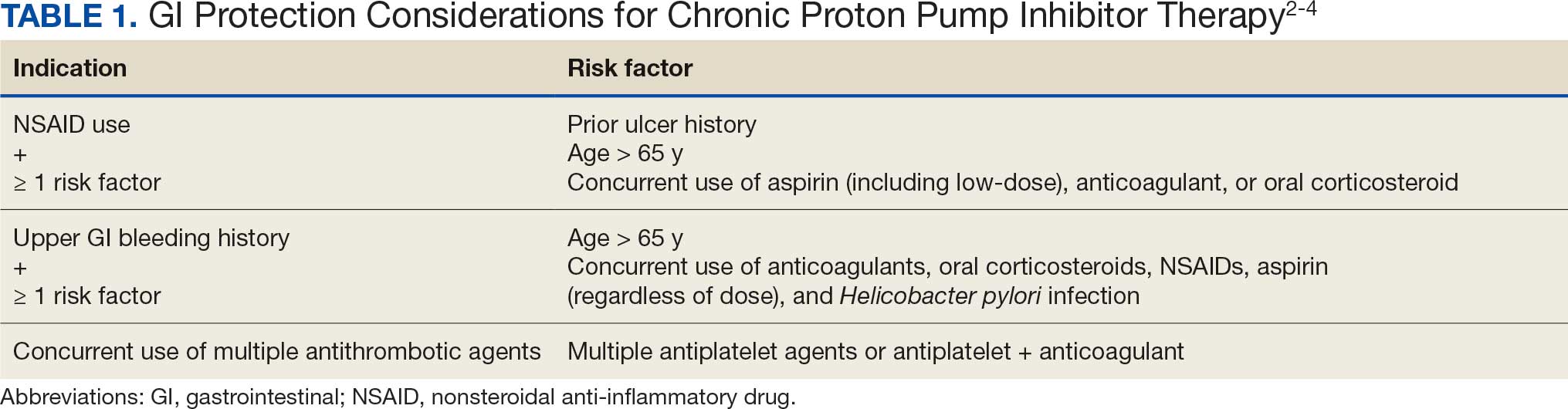
Proton pump inhibitors (PPIs) are widely prescribed medications used to manage various disease states. A systematic review of global trends and practices in PPI use estimated that about 25% of adults use a PPI, accounting for > 28 million users worldwide.1 The duration of PPI therapy varies by indication; however, many patients continue therapy beyond the suggested period. According to the American Gastroenterological Association (AGA) 2022 PPI deprescribing guideline update, regular assessment of PPIs should be performed for ongoing indications, and patients without a definitive indication for chronic PPI use should be considered for safe deprescribing.2 Indications for chronic PPI use include a history of severe erosive esophagitis, esophageal ulcer, peptic stricture, dysphagia, Barrett esophagus, idiopathic pulmonary fibrosis, history of gastrointestinal (GI) bleeding, and GI protection (Table 1).2-4
While PPIs are generally considered safe for short-term use, long-term use has been associated with several adverse effects (AEs) and safety concerns.5 A meta-analysis found a significant risk for Clostridium difficile infections (CDI) in PPI users.6 The effect of PPIs on vitamin B12 deficiency remains controversial; however, there is evidence that vitamin B12 levels may be decreased when gastric acid is suppressed for prolonged periods.7,8 In addition, the use of PPIs may result in decreased absorption of magnesium and calcium. A meta-analysis to examine the association of PPI use and hypomagnesemia found that high-dose PPIs were associated with hypomagnesemia compared with low-dose PPIs.9 Another meta-analysis demonstrated a statistically significant increased risk of hypomagnesemia in patients with PPI use.10 Long-term PPI use has been associated with decreased calcium levels, resulting in osteoporosis and increased risk of bone fractures. Multiple longitudinal observational studies concluded that increased risk for osteoporosis is associated with chronic PPI use.11 Patients who use a PPI long term without a clearly documented indication for chronic PPI therapy may be at risk for unnecessary exposure to PPI-associated AEs.
The US Department of Veterans Affairs (VA) created a dashboard to identify patients with chronic PPI use who may benefit from deprescribing. The Randomized PPI De-Prescribing (RaPPID) Program Dashboard defines chronic PPI use as being prescribed PPI therapy for ≥ 90 days during the 120-day period prior to a scheduled primary care visit. Candidates for deprescribing include those on once-daily PPI with no clear indication for chronic use or with uncomplicated GERD (ie, no erosive esophagitis, stricture, dysphagia, Barrett esophagus), as well as those on a twice-daily PPI for any indication except Zollinger-Ellison syndrome.
The dashboard categorizes deprescribing into 3 methods: (1) discontinuation of once-daily PPIs in the absence of a clear indication or in cases of uncomplicated GERD; (2) dose reduction for patients taking twice-daily PPIs for any non–Zollinger–Ellison indication; and (3) reduce and discontinue, which combines both for patients receiving twice-daily therapy who meet criteria for both strategies. A South Texas Veterans Health Care System (STVHCS) internal medication use evaluation using the VA RaPPID Program Dashboard identified 250 patients on a PPI and concluded that 56.9% of those patients were eligible for PPI deprescribing.12
This quality improvement (QI) project sought to assess PPI use and intervene to improve deprescribing rates at STVHCS. The intervention consisted of an educational in-service presentation delivered to primary care practitioners (PCPs) at a STVHCS patient aligned care team (PACT) collaborative meeting. Follow-up EHR reviews assessed whether PPI therapy was appropriately deprescribed after PCP appointments.
Methods
The primary objective of this QI project was to improve PPI prescribing practices at STVHCS PACT clinics to reduce PPI use in patients with an inappropriate indication by ≥ 10%. Secondary objectives included summarizing the use of vitamin supplementation (ie, cyanocobalamin, magnesium, calcium), reviewing AEs associated with PPI use (ie, CDI, fractures), and evaluating the occurrence of PPI reinitiation, recurrent GERD symptoms, and GI bleeding within 4 weeks of deprescribing.
On November 6, 2024, an in-service presentation was provided to PACT PCPs to educate and encourage the use of the VA RaPPID Program Dashboard, which creates a list of patients with a PCP appointment within 4 weeks of the current date who are eligible for PPI deprescribing. A patient list was generated from the VA RaPPID Program Dashboard on the morning before the in-service presentation. Four weeks following the in-service presentation and after all PCP appointments were conducted, a retrospective EHR review was conducted to assess outcomes. PPI deprescribing was determined collaboratively by the PCP and patient during the appointment, guided by clinical judgment and shared decision-making.
Patients were included if they had a PCP appointment between November 6, 2024, and December 3, 2024 (ie, within 4 weeks of in-service presentation), had an active prescription for an oral PPI from STVHCS and were identified as candidates by the VA RaPPID Program Dashboard for deprescribing as patients with chronic PPI use. Patients were excluded if they had an appropriate indication for chronic use of PPI, canceled or missed their PCP appointment, or failed previous de-escalation attempt (ie, worsening GERD symptoms or developed GI bleed after a deprescribing attempt).
Results
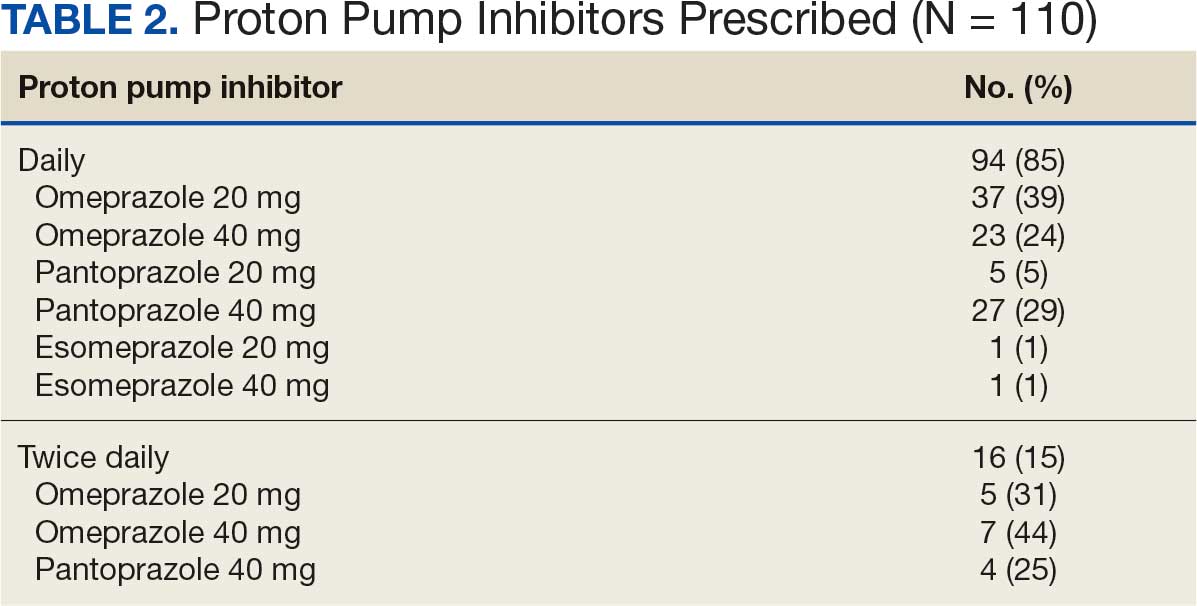
The VA RaPPID Program Dashboard identified 385 patients eligible for PPI deprescribing and 110 patients (29%) met the inclusion criteria and were reviewed. Most patients included were men, with a mean (SD) age of 56 years (13). Ninety-four patients (85%) had a daily PPI prescription with uncomplicated GERD at diagnosis and 16 patients (15%) took PPIs twice daily with uncomplicated GERD (Table 2). Seventy-two patients (65%) took omeprazole, 36 (33%) took pantoprazole, and 2 (2%) took esomeprazole. The dashboard identified 93 patients (85%) as candidates for PPI therapy discontinuation, 9 patients (8%) as candidates for PPI therapy reduction, and 8 patients (7%) as candidates for PPI therapy reduction and discontinuation.
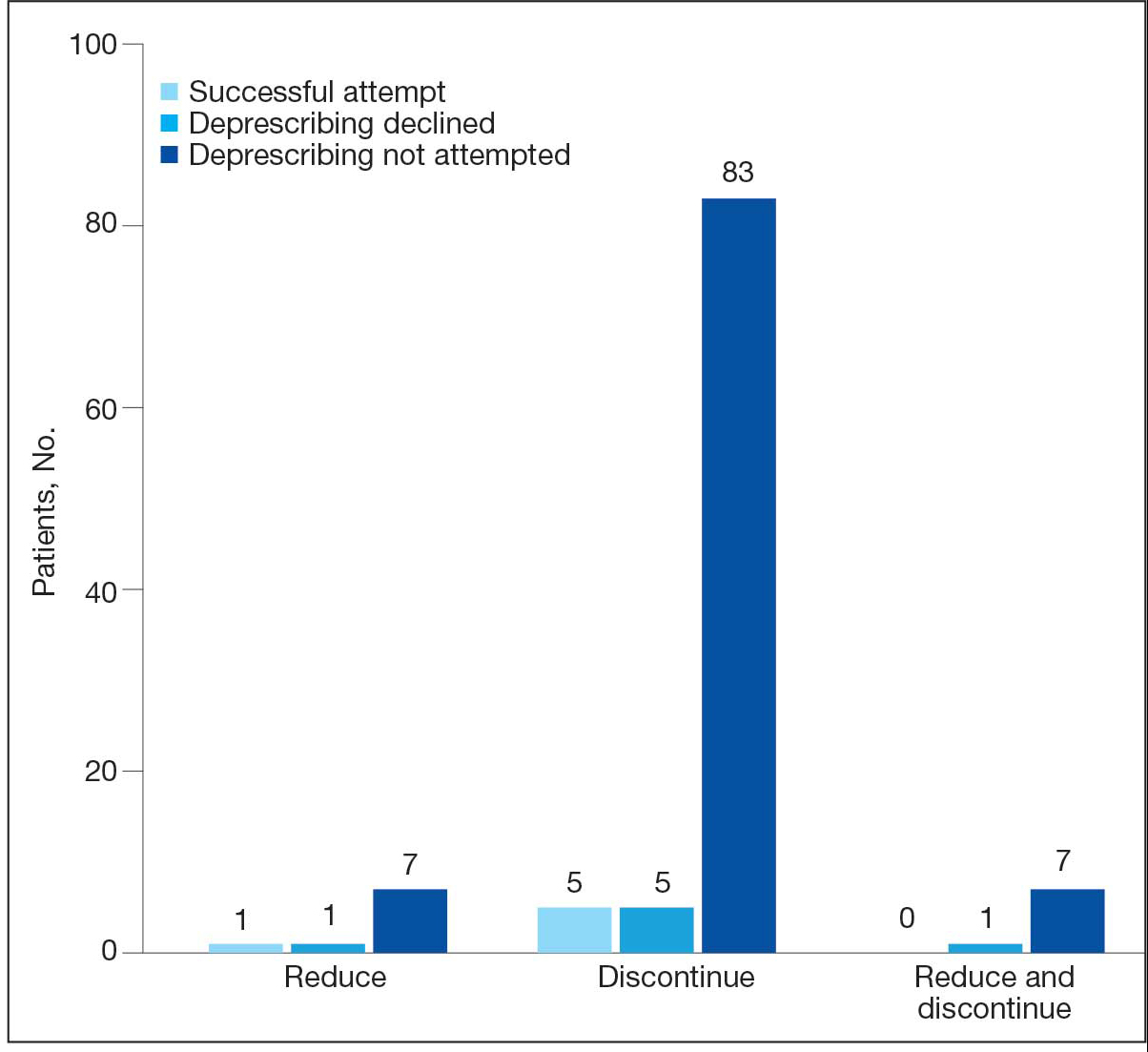
PPIs were deprescribed for 13 of 110 patients (12%). Of the 13 patients offered a trial of PPI deprescribing, 6 (46%) agreed to participate while 7 (54%) declined deprescribing (Figure). The 6 patients who agreed to trial deprescribing were initiated on an individualized tapering regimen.
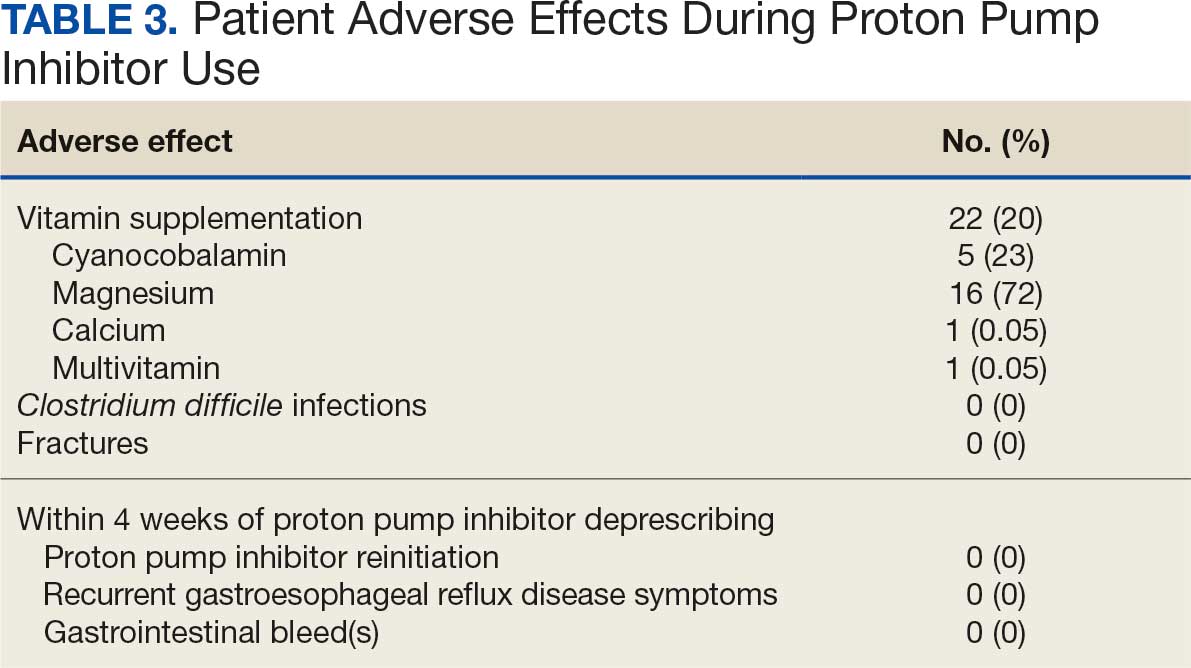
Among all patients, 22 (20%) received vitamin supplementation during PPI therapy. Of those supplemented, 5 (23%) received cyanocobalamin, 16 (73%) received magnesium, 1 (1%) received calcium, and 1 (1%) received a multivitamin. One case of CDI was documented during PPI therapy and no fractures were observed.
The 6 patients who agreed to deprescribe PPIs successfully stopped use and were transitioned to an alternative agent (ie, famotidine) for GERD symptom management. Follow-up EHR review showed no patients reinitiated a PPI, experienced GI bleeding, or had documented recurrence of GERD symptoms within 4 weeks after deprescribing. (Table 3).
Discussion
This STVHCS QI project used the RaPPID Program Dashboard to increase PPI deprescribing rates. A 10% deprescribing goal was established for the single in-service presentation to maintain an attainable, conservative estimate of the expected impact. Six of the 13 patients (46%) successfully deprescribed their PPI, thereby meeting the project’s 10% deprescribing goal. Notably, 1 of the 6 patients was referred to a PACT clinical pharmacist practitioner (CPP) by their PCP for deprescribing and management of GERD symptoms. The patient transitioned from PPI to famotidine and had long-term follow-up care with their assigned PACT CPP, suggesting that greater involvement from PACT CPPs may lead to better adherence to PPI prescribing guidelines.
Our findings align with prior studies that assessed PPI deprescribing. In 2024, Rossi et al examined 66 studies evaluating various PPI deprescribing interventions among patients with mild illness. These included collaborative strategies involving physicians, pharmacists, and other health care professionals; clinical decision-making algorithms; and patient engagement. Rossi et al found that 24% to 67% of patients successfully deprescribed PPI and most patients (51%-88%) did not report any recurring symptoms of heartburn or acid regurgitation after discontinuing PPI therapy.13
In this QI project, famotidine was prescribed as an alternative agent for all 6 patients who successfully discontinued PPI. The AGA guidelines recommend as-needed H2-receptor antagonist use following PPI deprescribing to control symptoms in the short term and prevent immediate resumption of a PPI. Providing an alternative agent for GERD symptoms may encourage patient participation and improve the success of PPI deprescribing initiatives by mitigating concerns over symptom reoccurrence.
Limitations
Secondary outcomes were assessed only within a 4-week period following the PCP visit, and patients may have experienced AEs beyond the 4-week time frame, which may have resulted in their underestimation. It is possible patients may have independently restarted PPI therapy without reporting recurrent symptoms to their PCP, which could further confound the assessment of outcomes. Additionally, while the need for vitamin supplementation and the occurrence of a CDI was observed, it remains unclear whether these events were exclusively caused by PPI use. Potential confounding variables for vitamin supplementation include age and other clinical indications for vitamin supplementation (eg, osteoporosis, migraines, macrocytic anemia, malabsorption syndromes, or concurrent use of other medications associated with vitamin deficiencies). For the patient with CDI, potential confounders include antibiotic use, advanced age, travel history, immunosuppression, or prior GI surgery. These factors limit the ability to draw causal associations to PPI use.
Several factors may explain why deprescribing was only initiated within 12% of eligible patients. First, deprescribing attempts may not have been consistently documented in the PCP visit notes, which may have led to an underestimation of the number of patients who considered deprescribing. Furthermore, time constraints during PCP appointments may have hindered thorough education and documentation. Among patients for whom deprescribing was attempted, about half declined. This hesitancy may have been influenced by their prolonged history of use, perceived medication efficacy, and concern for symptom relapse.
The proposed next step of this QI project would be to involve the PACT CPPs in the PPI deprescribing initiative during patient encounters and assess the impact of their involvement in deprescribing rates, reporting interval outcomes with long-term follow-up. Statistical analysis may also be beneficial to determine whether the observed deprescribing outcomes are statistically significant.
Conclusions
This QI project demonstrated that the use of the VA RaPPID Program Dashboard, in conjunction with targeted clinician education, can positively influence PPI deprescribing. Although a relatively small number of patients considered deprescribing, it was successful in patients who agreed to discontinue PPI therapy. These patients had no recurrence of short-term GERD symptoms or AEs. An H2-receptor antagonist may facilitate successful deprescribing for patients who agree to stop PPI use. The findings of this project highlight the importance of clinician engagement, shared decision-making, and thorough documentation of deprescribing attempts. Further efforts should focus on reinforcing the dashboard, involving PACT CPPs, and evaluating long-term outcomes to enhance the safety and appropriateness of PPI use in the veteran population.
Shanika LGT, Reynolds A, Pattison S, et al. Proton pump inhibitor use: systematic review of global trends and practices. Eur J Clin Pharmacol. 2023:1159-1172. doi:10.1007/s00228-023-03534-z
Targownik LE, Fisher DA, Saini SD. AGA clinical practice update on de-prescribing of proton pump inhibitors: expert review. Gastroenterology. 2022:1334-1342. doi:10.1053/j.gastro.2021.12.247
Lanza FL, Chan FKL, Quigley EMM. Guidelines for prevention of NSAID-related ulcer complications. Am J Gastroenterol. 2009:728-738. doi:10.1038/ajg.2009.115
Abraham NS, Hlatky MA, Antman EM, et al. ACCF/ACG/AHA 2010 expert consensus document on the concomitant use of proton pump inhibitors and thienopyridines: a focused update of the ACCF/ACG/AHA 2008 expert consensus document on reducing the gastrointestinal risks of antiplatelet therapy and NSAID use: a report of the American College of Cardiology Foundation Task Force on Expert Consensus Documents. Circulation. 2010:2619-2633. doi:10.1161/CIR.0b013e318202f701
Ament PW, Dicola DB, James ME. Reducing adverse effects of proton pump inhibitors. Am Fam Physician. 2012;86:66-70. Accessed June 18, 2026. https://www.aafp.org/pubs/afp/issues/2012/0701/p66.html
Cao F, Chen CX, Wang M, et al. Updated meta-analysis of controlled observational studies: proton-pump inhibitors and risk of Clostridium difficile infection. J Hosp Infect. 2018:4-13. doi:10.1016/j.jhin.2017.08.017
Losurdo G, Caccavo NLB, Indellicati G, et al. Effect of long-term proton pump inhibitor use on blood vitamins and minerals: a primary care setting study. J Clin Med. 2023:2910. doi:10.3390/jcm12082910
Laine L, Ahnen D, McClain C, et al. Review article: potential gastrointestinal effects of long-term acid suppression with proton pump inhibitors. Aliment Pharmacol Ther. 2000:651-668. doi:10.1046/j.1365-2036.2000.00768.x
Srinutta T, Chewcharat A, Takkavatakarn K, et al. Proton pump inhibitors and hypomagnesemia. Medicine (Baltimore). 2019:e17788. doi:10.1097/MD.0000000000017788
Cheungpasitporn W, Thongprayoon C, Kittanamongkolchai W, et al. Proton pump inhibitors linked to hypomagnesemia: a systematic review and meta-analysis of observational studies. Ren Fail. 2015:1237-1241.doi:10.3109/0886022X.2015.1057800
Thong BKS, Ima-Nirwana S, Chin KY. Proton pump inhibitors and fracture risk: a review of current evidence and mechanisms involved. Int J Environ Res Public Health. 2019:1571. doi:10.3390/ijerph16091571
Errisuriz K. Medication Use Evaluation: Proton Pump Inhibitor De-Prescribing. South Texas Veterans Health Care System; 2024. Unpublished report.
Rossi A, Perrella L, Scotti S, et al. Approaches to deprescribing proton pump inhibitors in clinical practice: a systematic review. J Clin Med. 2024:6283. doi:10.3390/jcm13206283
Proton pump inhibitors (PPIs) are widely prescribed medications used to manage various disease states. A systematic review of global trends and practices in PPI use estimated that about 25% of adults use a PPI, accounting for > 28 million users worldwide.1 The duration of PPI therapy varies by indication; however, many patients continue therapy beyond the suggested period. According to the American Gastroenterological Association (AGA) 2022 PPI deprescribing guideline update, regular assessment of PPIs should be performed for ongoing indications, and patients without a definitive indication for chronic PPI use should be considered for safe deprescribing.2 Indications for chronic PPI use include a history of severe erosive esophagitis, esophageal ulcer, peptic stricture, dysphagia, Barrett esophagus, idiopathic pulmonary fibrosis, history of gastrointestinal (GI) bleeding, and GI protection (Table 1).2-4
While PPIs are generally considered safe for short-term use, long-term use has been associated with several adverse effects (AEs) and safety concerns.5 A meta-analysis found a significant risk for Clostridium difficile infections (CDI) in PPI users.6 The effect of PPIs on vitamin B12 deficiency remains controversial; however, there is evidence that vitamin B12 levels may be decreased when gastric acid is suppressed for prolonged periods.7,8 In addition, the use of PPIs may result in decreased absorption of magnesium and calcium. A meta-analysis to examine the association of PPI use and hypomagnesemia found that high-dose PPIs were associated with hypomagnesemia compared with low-dose PPIs.9 Another meta-analysis demonstrated a statistically significant increased risk of hypomagnesemia in patients with PPI use.10 Long-term PPI use has been associated with decreased calcium levels, resulting in osteoporosis and increased risk of bone fractures. Multiple longitudinal observational studies concluded that increased risk for osteoporosis is associated with chronic PPI use.11 Patients who use a PPI long term without a clearly documented indication for chronic PPI therapy may be at risk for unnecessary exposure to PPI-associated AEs.
The US Department of Veterans Affairs (VA) created a dashboard to identify patients with chronic PPI use who may benefit from deprescribing. The Randomized PPI De-Prescribing (RaPPID) Program Dashboard defines chronic PPI use as being prescribed PPI therapy for ≥ 90 days during the 120-day period prior to a scheduled primary care visit. Candidates for deprescribing include those on once-daily PPI with no clear indication for chronic use or with uncomplicated GERD (ie, no erosive esophagitis, stricture, dysphagia, Barrett esophagus), as well as those on a twice-daily PPI for any indication except Zollinger-Ellison syndrome.
The dashboard categorizes deprescribing into 3 methods: (1) discontinuation of once-daily PPIs in the absence of a clear indication or in cases of uncomplicated GERD; (2) dose reduction for patients taking twice-daily PPIs for any non–Zollinger–Ellison indication; and (3) reduce and discontinue, which combines both for patients receiving twice-daily therapy who meet criteria for both strategies. A South Texas Veterans Health Care System (STVHCS) internal medication use evaluation using the VA RaPPID Program Dashboard identified 250 patients on a PPI and concluded that 56.9% of those patients were eligible for PPI deprescribing.12
This quality improvement (QI) project sought to assess PPI use and intervene to improve deprescribing rates at STVHCS. The intervention consisted of an educational in-service presentation delivered to primary care practitioners (PCPs) at a STVHCS patient aligned care team (PACT) collaborative meeting. Follow-up EHR reviews assessed whether PPI therapy was appropriately deprescribed after PCP appointments.
Methods
The primary objective of this QI project was to improve PPI prescribing practices at STVHCS PACT clinics to reduce PPI use in patients with an inappropriate indication by ≥ 10%. Secondary objectives included summarizing the use of vitamin supplementation (ie, cyanocobalamin, magnesium, calcium), reviewing AEs associated with PPI use (ie, CDI, fractures), and evaluating the occurrence of PPI reinitiation, recurrent GERD symptoms, and GI bleeding within 4 weeks of deprescribing.
On November 6, 2024, an in-service presentation was provided to PACT PCPs to educate and encourage the use of the VA RaPPID Program Dashboard, which creates a list of patients with a PCP appointment within 4 weeks of the current date who are eligible for PPI deprescribing. A patient list was generated from the VA RaPPID Program Dashboard on the morning before the in-service presentation. Four weeks following the in-service presentation and after all PCP appointments were conducted, a retrospective EHR review was conducted to assess outcomes. PPI deprescribing was determined collaboratively by the PCP and patient during the appointment, guided by clinical judgment and shared decision-making.
Patients were included if they had a PCP appointment between November 6, 2024, and December 3, 2024 (ie, within 4 weeks of in-service presentation), had an active prescription for an oral PPI from STVHCS and were identified as candidates by the VA RaPPID Program Dashboard for deprescribing as patients with chronic PPI use. Patients were excluded if they had an appropriate indication for chronic use of PPI, canceled or missed their PCP appointment, or failed previous de-escalation attempt (ie, worsening GERD symptoms or developed GI bleed after a deprescribing attempt).
Results
The VA RaPPID Program Dashboard identified 385 patients eligible for PPI deprescribing and 110 patients (29%) met the inclusion criteria and were reviewed. Most patients included were men, with a mean (SD) age of 56 years (13). Ninety-four patients (85%) had a daily PPI prescription with uncomplicated GERD at diagnosis and 16 patients (15%) took PPIs twice daily with uncomplicated GERD (Table 2). Seventy-two patients (65%) took omeprazole, 36 (33%) took pantoprazole, and 2 (2%) took esomeprazole. The dashboard identified 93 patients (85%) as candidates for PPI therapy discontinuation, 9 patients (8%) as candidates for PPI therapy reduction, and 8 patients (7%) as candidates for PPI therapy reduction and discontinuation.
PPIs were deprescribed for 13 of 110 patients (12%). Of the 13 patients offered a trial of PPI deprescribing, 6 (46%) agreed to participate while 7 (54%) declined deprescribing (Figure). The 6 patients who agreed to trial deprescribing were initiated on an individualized tapering regimen.
Among all patients, 22 (20%) received vitamin supplementation during PPI therapy. Of those supplemented, 5 (23%) received cyanocobalamin, 16 (73%) received magnesium, 1 (1%) received calcium, and 1 (1%) received a multivitamin. One case of CDI was documented during PPI therapy and no fractures were observed.
The 6 patients who agreed to deprescribe PPIs successfully stopped use and were transitioned to an alternative agent (ie, famotidine) for GERD symptom management. Follow-up EHR review showed no patients reinitiated a PPI, experienced GI bleeding, or had documented recurrence of GERD symptoms within 4 weeks after deprescribing. (Table 3).
Discussion
This STVHCS QI project used the RaPPID Program Dashboard to increase PPI deprescribing rates. A 10% deprescribing goal was established for the single in-service presentation to maintain an attainable, conservative estimate of the expected impact. Six of the 13 patients (46%) successfully deprescribed their PPI, thereby meeting the project’s 10% deprescribing goal. Notably, 1 of the 6 patients was referred to a PACT clinical pharmacist practitioner (CPP) by their PCP for deprescribing and management of GERD symptoms. The patient transitioned from PPI to famotidine and had long-term follow-up care with their assigned PACT CPP, suggesting that greater involvement from PACT CPPs may lead to better adherence to PPI prescribing guidelines.
Our findings align with prior studies that assessed PPI deprescribing. In 2024, Rossi et al examined 66 studies evaluating various PPI deprescribing interventions among patients with mild illness. These included collaborative strategies involving physicians, pharmacists, and other health care professionals; clinical decision-making algorithms; and patient engagement. Rossi et al found that 24% to 67% of patients successfully deprescribed PPI and most patients (51%-88%) did not report any recurring symptoms of heartburn or acid regurgitation after discontinuing PPI therapy.13
In this QI project, famotidine was prescribed as an alternative agent for all 6 patients who successfully discontinued PPI. The AGA guidelines recommend as-needed H2-receptor antagonist use following PPI deprescribing to control symptoms in the short term and prevent immediate resumption of a PPI. Providing an alternative agent for GERD symptoms may encourage patient participation and improve the success of PPI deprescribing initiatives by mitigating concerns over symptom reoccurrence.
Limitations
Secondary outcomes were assessed only within a 4-week period following the PCP visit, and patients may have experienced AEs beyond the 4-week time frame, which may have resulted in their underestimation. It is possible patients may have independently restarted PPI therapy without reporting recurrent symptoms to their PCP, which could further confound the assessment of outcomes. Additionally, while the need for vitamin supplementation and the occurrence of a CDI was observed, it remains unclear whether these events were exclusively caused by PPI use. Potential confounding variables for vitamin supplementation include age and other clinical indications for vitamin supplementation (eg, osteoporosis, migraines, macrocytic anemia, malabsorption syndromes, or concurrent use of other medications associated with vitamin deficiencies). For the patient with CDI, potential confounders include antibiotic use, advanced age, travel history, immunosuppression, or prior GI surgery. These factors limit the ability to draw causal associations to PPI use.
Several factors may explain why deprescribing was only initiated within 12% of eligible patients. First, deprescribing attempts may not have been consistently documented in the PCP visit notes, which may have led to an underestimation of the number of patients who considered deprescribing. Furthermore, time constraints during PCP appointments may have hindered thorough education and documentation. Among patients for whom deprescribing was attempted, about half declined. This hesitancy may have been influenced by their prolonged history of use, perceived medication efficacy, and concern for symptom relapse.
The proposed next step of this QI project would be to involve the PACT CPPs in the PPI deprescribing initiative during patient encounters and assess the impact of their involvement in deprescribing rates, reporting interval outcomes with long-term follow-up. Statistical analysis may also be beneficial to determine whether the observed deprescribing outcomes are statistically significant.
Conclusions
This QI project demonstrated that the use of the VA RaPPID Program Dashboard, in conjunction with targeted clinician education, can positively influence PPI deprescribing. Although a relatively small number of patients considered deprescribing, it was successful in patients who agreed to discontinue PPI therapy. These patients had no recurrence of short-term GERD symptoms or AEs. An H2-receptor antagonist may facilitate successful deprescribing for patients who agree to stop PPI use. The findings of this project highlight the importance of clinician engagement, shared decision-making, and thorough documentation of deprescribing attempts. Further efforts should focus on reinforcing the dashboard, involving PACT CPPs, and evaluating long-term outcomes to enhance the safety and appropriateness of PPI use in the veteran population.
Proton pump inhibitors (PPIs) are widely prescribed medications used to manage various disease states. A systematic review of global trends and practices in PPI use estimated that about 25% of adults use a PPI, accounting for > 28 million users worldwide.1 The duration of PPI therapy varies by indication; however, many patients continue therapy beyond the suggested period. According to the American Gastroenterological Association (AGA) 2022 PPI deprescribing guideline update, regular assessment of PPIs should be performed for ongoing indications, and patients without a definitive indication for chronic PPI use should be considered for safe deprescribing.2 Indications for chronic PPI use include a history of severe erosive esophagitis, esophageal ulcer, peptic stricture, dysphagia, Barrett esophagus, idiopathic pulmonary fibrosis, history of gastrointestinal (GI) bleeding, and GI protection (Table 1).2-4
While PPIs are generally considered safe for short-term use, long-term use has been associated with several adverse effects (AEs) and safety concerns.5 A meta-analysis found a significant risk for Clostridium difficile infections (CDI) in PPI users.6 The effect of PPIs on vitamin B12 deficiency remains controversial; however, there is evidence that vitamin B12 levels may be decreased when gastric acid is suppressed for prolonged periods.7,8 In addition, the use of PPIs may result in decreased absorption of magnesium and calcium. A meta-analysis to examine the association of PPI use and hypomagnesemia found that high-dose PPIs were associated with hypomagnesemia compared with low-dose PPIs.9 Another meta-analysis demonstrated a statistically significant increased risk of hypomagnesemia in patients with PPI use.10 Long-term PPI use has been associated with decreased calcium levels, resulting in osteoporosis and increased risk of bone fractures. Multiple longitudinal observational studies concluded that increased risk for osteoporosis is associated with chronic PPI use.11 Patients who use a PPI long term without a clearly documented indication for chronic PPI therapy may be at risk for unnecessary exposure to PPI-associated AEs.
The US Department of Veterans Affairs (VA) created a dashboard to identify patients with chronic PPI use who may benefit from deprescribing. The Randomized PPI De-Prescribing (RaPPID) Program Dashboard defines chronic PPI use as being prescribed PPI therapy for ≥ 90 days during the 120-day period prior to a scheduled primary care visit. Candidates for deprescribing include those on once-daily PPI with no clear indication for chronic use or with uncomplicated GERD (ie, no erosive esophagitis, stricture, dysphagia, Barrett esophagus), as well as those on a twice-daily PPI for any indication except Zollinger-Ellison syndrome.
The dashboard categorizes deprescribing into 3 methods: (1) discontinuation of once-daily PPIs in the absence of a clear indication or in cases of uncomplicated GERD; (2) dose reduction for patients taking twice-daily PPIs for any non–Zollinger–Ellison indication; and (3) reduce and discontinue, which combines both for patients receiving twice-daily therapy who meet criteria for both strategies. A South Texas Veterans Health Care System (STVHCS) internal medication use evaluation using the VA RaPPID Program Dashboard identified 250 patients on a PPI and concluded that 56.9% of those patients were eligible for PPI deprescribing.12
This quality improvement (QI) project sought to assess PPI use and intervene to improve deprescribing rates at STVHCS. The intervention consisted of an educational in-service presentation delivered to primary care practitioners (PCPs) at a STVHCS patient aligned care team (PACT) collaborative meeting. Follow-up EHR reviews assessed whether PPI therapy was appropriately deprescribed after PCP appointments.
Methods
The primary objective of this QI project was to improve PPI prescribing practices at STVHCS PACT clinics to reduce PPI use in patients with an inappropriate indication by ≥ 10%. Secondary objectives included summarizing the use of vitamin supplementation (ie, cyanocobalamin, magnesium, calcium), reviewing AEs associated with PPI use (ie, CDI, fractures), and evaluating the occurrence of PPI reinitiation, recurrent GERD symptoms, and GI bleeding within 4 weeks of deprescribing.
On November 6, 2024, an in-service presentation was provided to PACT PCPs to educate and encourage the use of the VA RaPPID Program Dashboard, which creates a list of patients with a PCP appointment within 4 weeks of the current date who are eligible for PPI deprescribing. A patient list was generated from the VA RaPPID Program Dashboard on the morning before the in-service presentation. Four weeks following the in-service presentation and after all PCP appointments were conducted, a retrospective EHR review was conducted to assess outcomes. PPI deprescribing was determined collaboratively by the PCP and patient during the appointment, guided by clinical judgment and shared decision-making.
Patients were included if they had a PCP appointment between November 6, 2024, and December 3, 2024 (ie, within 4 weeks of in-service presentation), had an active prescription for an oral PPI from STVHCS and were identified as candidates by the VA RaPPID Program Dashboard for deprescribing as patients with chronic PPI use. Patients were excluded if they had an appropriate indication for chronic use of PPI, canceled or missed their PCP appointment, or failed previous de-escalation attempt (ie, worsening GERD symptoms or developed GI bleed after a deprescribing attempt).
Results
The VA RaPPID Program Dashboard identified 385 patients eligible for PPI deprescribing and 110 patients (29%) met the inclusion criteria and were reviewed. Most patients included were men, with a mean (SD) age of 56 years (13). Ninety-four patients (85%) had a daily PPI prescription with uncomplicated GERD at diagnosis and 16 patients (15%) took PPIs twice daily with uncomplicated GERD (Table 2). Seventy-two patients (65%) took omeprazole, 36 (33%) took pantoprazole, and 2 (2%) took esomeprazole. The dashboard identified 93 patients (85%) as candidates for PPI therapy discontinuation, 9 patients (8%) as candidates for PPI therapy reduction, and 8 patients (7%) as candidates for PPI therapy reduction and discontinuation.
PPIs were deprescribed for 13 of 110 patients (12%). Of the 13 patients offered a trial of PPI deprescribing, 6 (46%) agreed to participate while 7 (54%) declined deprescribing (Figure). The 6 patients who agreed to trial deprescribing were initiated on an individualized tapering regimen.
Among all patients, 22 (20%) received vitamin supplementation during PPI therapy. Of those supplemented, 5 (23%) received cyanocobalamin, 16 (73%) received magnesium, 1 (1%) received calcium, and 1 (1%) received a multivitamin. One case of CDI was documented during PPI therapy and no fractures were observed.
The 6 patients who agreed to deprescribe PPIs successfully stopped use and were transitioned to an alternative agent (ie, famotidine) for GERD symptom management. Follow-up EHR review showed no patients reinitiated a PPI, experienced GI bleeding, or had documented recurrence of GERD symptoms within 4 weeks after deprescribing. (Table 3).
Discussion
This STVHCS QI project used the RaPPID Program Dashboard to increase PPI deprescribing rates. A 10% deprescribing goal was established for the single in-service presentation to maintain an attainable, conservative estimate of the expected impact. Six of the 13 patients (46%) successfully deprescribed their PPI, thereby meeting the project’s 10% deprescribing goal. Notably, 1 of the 6 patients was referred to a PACT clinical pharmacist practitioner (CPP) by their PCP for deprescribing and management of GERD symptoms. The patient transitioned from PPI to famotidine and had long-term follow-up care with their assigned PACT CPP, suggesting that greater involvement from PACT CPPs may lead to better adherence to PPI prescribing guidelines.
Our findings align with prior studies that assessed PPI deprescribing. In 2024, Rossi et al examined 66 studies evaluating various PPI deprescribing interventions among patients with mild illness. These included collaborative strategies involving physicians, pharmacists, and other health care professionals; clinical decision-making algorithms; and patient engagement. Rossi et al found that 24% to 67% of patients successfully deprescribed PPI and most patients (51%-88%) did not report any recurring symptoms of heartburn or acid regurgitation after discontinuing PPI therapy.13
In this QI project, famotidine was prescribed as an alternative agent for all 6 patients who successfully discontinued PPI. The AGA guidelines recommend as-needed H2-receptor antagonist use following PPI deprescribing to control symptoms in the short term and prevent immediate resumption of a PPI. Providing an alternative agent for GERD symptoms may encourage patient participation and improve the success of PPI deprescribing initiatives by mitigating concerns over symptom reoccurrence.
Limitations
Secondary outcomes were assessed only within a 4-week period following the PCP visit, and patients may have experienced AEs beyond the 4-week time frame, which may have resulted in their underestimation. It is possible patients may have independently restarted PPI therapy without reporting recurrent symptoms to their PCP, which could further confound the assessment of outcomes. Additionally, while the need for vitamin supplementation and the occurrence of a CDI was observed, it remains unclear whether these events were exclusively caused by PPI use. Potential confounding variables for vitamin supplementation include age and other clinical indications for vitamin supplementation (eg, osteoporosis, migraines, macrocytic anemia, malabsorption syndromes, or concurrent use of other medications associated with vitamin deficiencies). For the patient with CDI, potential confounders include antibiotic use, advanced age, travel history, immunosuppression, or prior GI surgery. These factors limit the ability to draw causal associations to PPI use.
Several factors may explain why deprescribing was only initiated within 12% of eligible patients. First, deprescribing attempts may not have been consistently documented in the PCP visit notes, which may have led to an underestimation of the number of patients who considered deprescribing. Furthermore, time constraints during PCP appointments may have hindered thorough education and documentation. Among patients for whom deprescribing was attempted, about half declined. This hesitancy may have been influenced by their prolonged history of use, perceived medication efficacy, and concern for symptom relapse.
The proposed next step of this QI project would be to involve the PACT CPPs in the PPI deprescribing initiative during patient encounters and assess the impact of their involvement in deprescribing rates, reporting interval outcomes with long-term follow-up. Statistical analysis may also be beneficial to determine whether the observed deprescribing outcomes are statistically significant.
Conclusions
This QI project demonstrated that the use of the VA RaPPID Program Dashboard, in conjunction with targeted clinician education, can positively influence PPI deprescribing. Although a relatively small number of patients considered deprescribing, it was successful in patients who agreed to discontinue PPI therapy. These patients had no recurrence of short-term GERD symptoms or AEs. An H2-receptor antagonist may facilitate successful deprescribing for patients who agree to stop PPI use. The findings of this project highlight the importance of clinician engagement, shared decision-making, and thorough documentation of deprescribing attempts. Further efforts should focus on reinforcing the dashboard, involving PACT CPPs, and evaluating long-term outcomes to enhance the safety and appropriateness of PPI use in the veteran population.
Shanika LGT, Reynolds A, Pattison S, et al. Proton pump inhibitor use: systematic review of global trends and practices. Eur J Clin Pharmacol. 2023:1159-1172. doi:10.1007/s00228-023-03534-z
Targownik LE, Fisher DA, Saini SD. AGA clinical practice update on de-prescribing of proton pump inhibitors: expert review. Gastroenterology. 2022:1334-1342. doi:10.1053/j.gastro.2021.12.247
Lanza FL, Chan FKL, Quigley EMM. Guidelines for prevention of NSAID-related ulcer complications. Am J Gastroenterol. 2009:728-738. doi:10.1038/ajg.2009.115
Abraham NS, Hlatky MA, Antman EM, et al. ACCF/ACG/AHA 2010 expert consensus document on the concomitant use of proton pump inhibitors and thienopyridines: a focused update of the ACCF/ACG/AHA 2008 expert consensus document on reducing the gastrointestinal risks of antiplatelet therapy and NSAID use: a report of the American College of Cardiology Foundation Task Force on Expert Consensus Documents. Circulation. 2010:2619-2633. doi:10.1161/CIR.0b013e318202f701
Ament PW, Dicola DB, James ME. Reducing adverse effects of proton pump inhibitors. Am Fam Physician. 2012;86:66-70. Accessed June 18, 2026. https://www.aafp.org/pubs/afp/issues/2012/0701/p66.html
Cao F, Chen CX, Wang M, et al. Updated meta-analysis of controlled observational studies: proton-pump inhibitors and risk of Clostridium difficile infection. J Hosp Infect. 2018:4-13. doi:10.1016/j.jhin.2017.08.017
Losurdo G, Caccavo NLB, Indellicati G, et al. Effect of long-term proton pump inhibitor use on blood vitamins and minerals: a primary care setting study. J Clin Med. 2023:2910. doi:10.3390/jcm12082910
Laine L, Ahnen D, McClain C, et al. Review article: potential gastrointestinal effects of long-term acid suppression with proton pump inhibitors. Aliment Pharmacol Ther. 2000:651-668. doi:10.1046/j.1365-2036.2000.00768.x
Srinutta T, Chewcharat A, Takkavatakarn K, et al. Proton pump inhibitors and hypomagnesemia. Medicine (Baltimore). 2019:e17788. doi:10.1097/MD.0000000000017788
Cheungpasitporn W, Thongprayoon C, Kittanamongkolchai W, et al. Proton pump inhibitors linked to hypomagnesemia: a systematic review and meta-analysis of observational studies. Ren Fail. 2015:1237-1241.doi:10.3109/0886022X.2015.1057800
Thong BKS, Ima-Nirwana S, Chin KY. Proton pump inhibitors and fracture risk: a review of current evidence and mechanisms involved. Int J Environ Res Public Health. 2019:1571. doi:10.3390/ijerph16091571
Errisuriz K. Medication Use Evaluation: Proton Pump Inhibitor De-Prescribing. South Texas Veterans Health Care System; 2024. Unpublished report.
Rossi A, Perrella L, Scotti S, et al. Approaches to deprescribing proton pump inhibitors in clinical practice: a systematic review. J Clin Med. 2024:6283. doi:10.3390/jcm13206283
Shanika LGT, Reynolds A, Pattison S, et al. Proton pump inhibitor use: systematic review of global trends and practices. Eur J Clin Pharmacol. 2023:1159-1172. doi:10.1007/s00228-023-03534-z
Targownik LE, Fisher DA, Saini SD. AGA clinical practice update on de-prescribing of proton pump inhibitors: expert review. Gastroenterology. 2022:1334-1342. doi:10.1053/j.gastro.2021.12.247
Lanza FL, Chan FKL, Quigley EMM. Guidelines for prevention of NSAID-related ulcer complications. Am J Gastroenterol. 2009:728-738. doi:10.1038/ajg.2009.115
Abraham NS, Hlatky MA, Antman EM, et al. ACCF/ACG/AHA 2010 expert consensus document on the concomitant use of proton pump inhibitors and thienopyridines: a focused update of the ACCF/ACG/AHA 2008 expert consensus document on reducing the gastrointestinal risks of antiplatelet therapy and NSAID use: a report of the American College of Cardiology Foundation Task Force on Expert Consensus Documents. Circulation. 2010:2619-2633. doi:10.1161/CIR.0b013e318202f701
Ament PW, Dicola DB, James ME. Reducing adverse effects of proton pump inhibitors. Am Fam Physician. 2012;86:66-70. Accessed June 18, 2026. https://www.aafp.org/pubs/afp/issues/2012/0701/p66.html
Cao F, Chen CX, Wang M, et al. Updated meta-analysis of controlled observational studies: proton-pump inhibitors and risk of Clostridium difficile infection. J Hosp Infect. 2018:4-13. doi:10.1016/j.jhin.2017.08.017
Losurdo G, Caccavo NLB, Indellicati G, et al. Effect of long-term proton pump inhibitor use on blood vitamins and minerals: a primary care setting study. J Clin Med. 2023:2910. doi:10.3390/jcm12082910
Laine L, Ahnen D, McClain C, et al. Review article: potential gastrointestinal effects of long-term acid suppression with proton pump inhibitors. Aliment Pharmacol Ther. 2000:651-668. doi:10.1046/j.1365-2036.2000.00768.x
Srinutta T, Chewcharat A, Takkavatakarn K, et al. Proton pump inhibitors and hypomagnesemia. Medicine (Baltimore). 2019:e17788. doi:10.1097/MD.0000000000017788
Cheungpasitporn W, Thongprayoon C, Kittanamongkolchai W, et al. Proton pump inhibitors linked to hypomagnesemia: a systematic review and meta-analysis of observational studies. Ren Fail. 2015:1237-1241.doi:10.3109/0886022X.2015.1057800
Thong BKS, Ima-Nirwana S, Chin KY. Proton pump inhibitors and fracture risk: a review of current evidence and mechanisms involved. Int J Environ Res Public Health. 2019:1571. doi:10.3390/ijerph16091571
Errisuriz K. Medication Use Evaluation: Proton Pump Inhibitor De-Prescribing. South Texas Veterans Health Care System; 2024. Unpublished report.
Rossi A, Perrella L, Scotti S, et al. Approaches to deprescribing proton pump inhibitors in clinical practice: a systematic review. J Clin Med. 2024:6283. doi:10.3390/jcm13206283
Deprescribing of Proton Pump Inhibitors at the South Texas Veterans Health Care System
Deprescribing of Proton Pump Inhibitors at the South Texas Veterans Health Care System